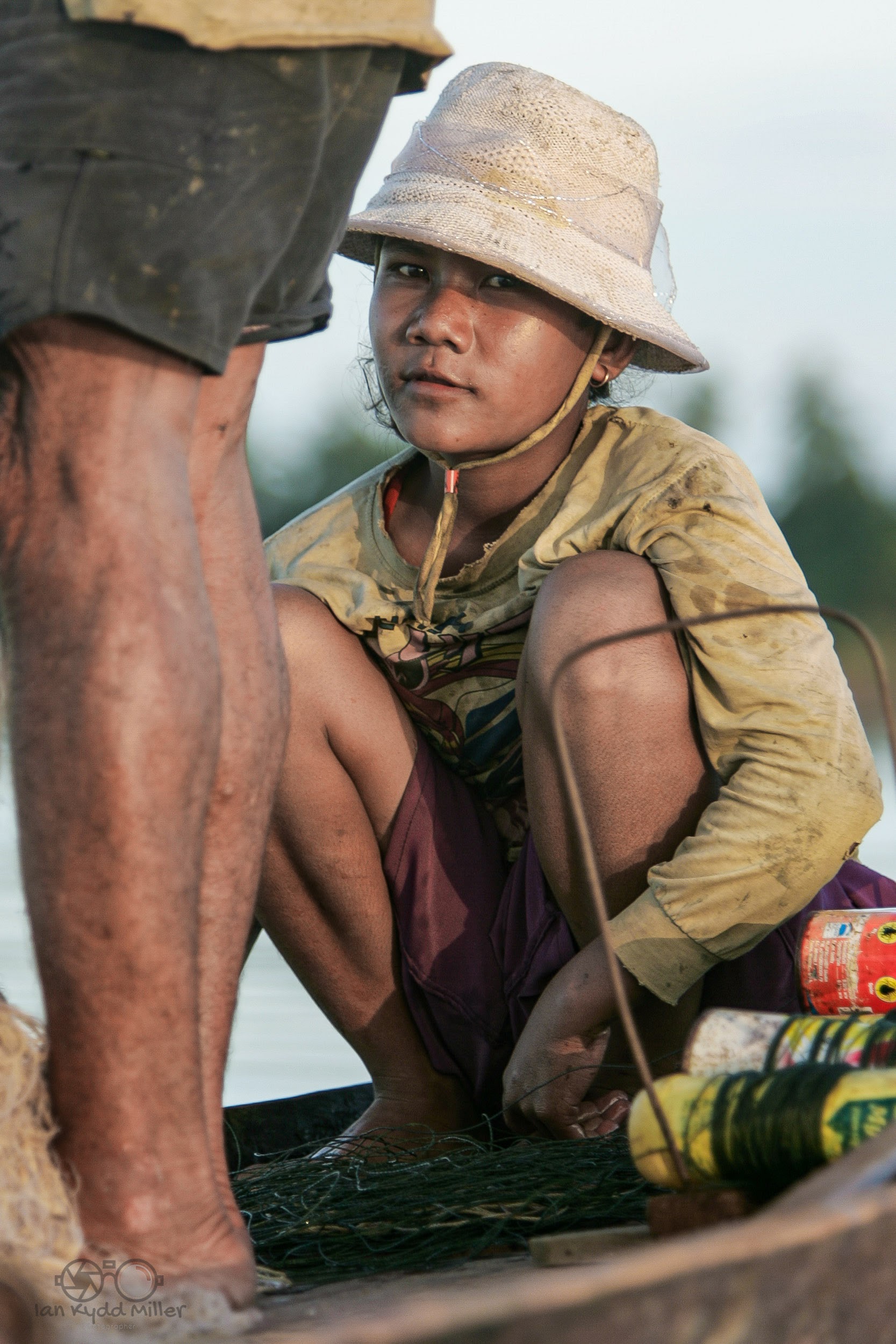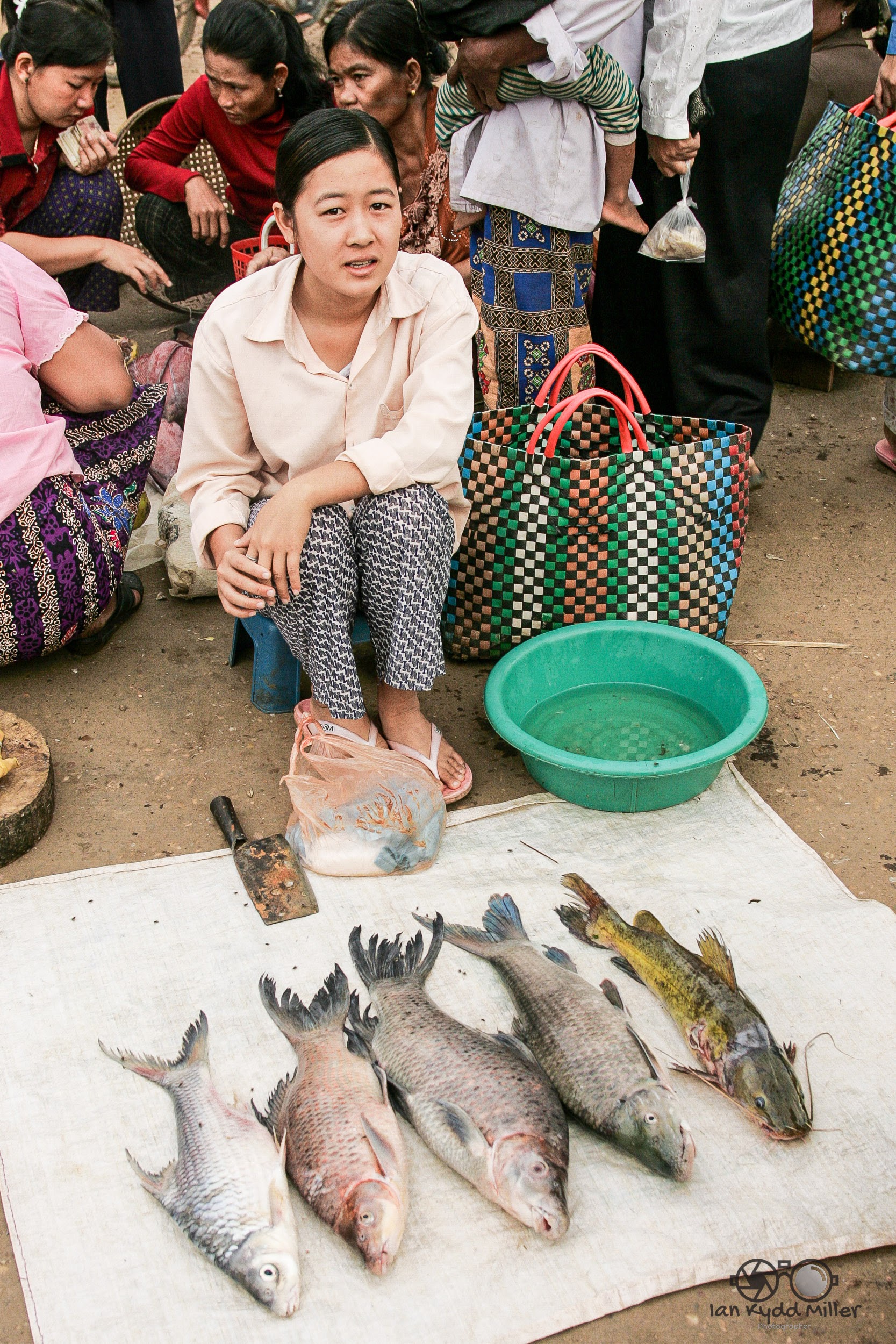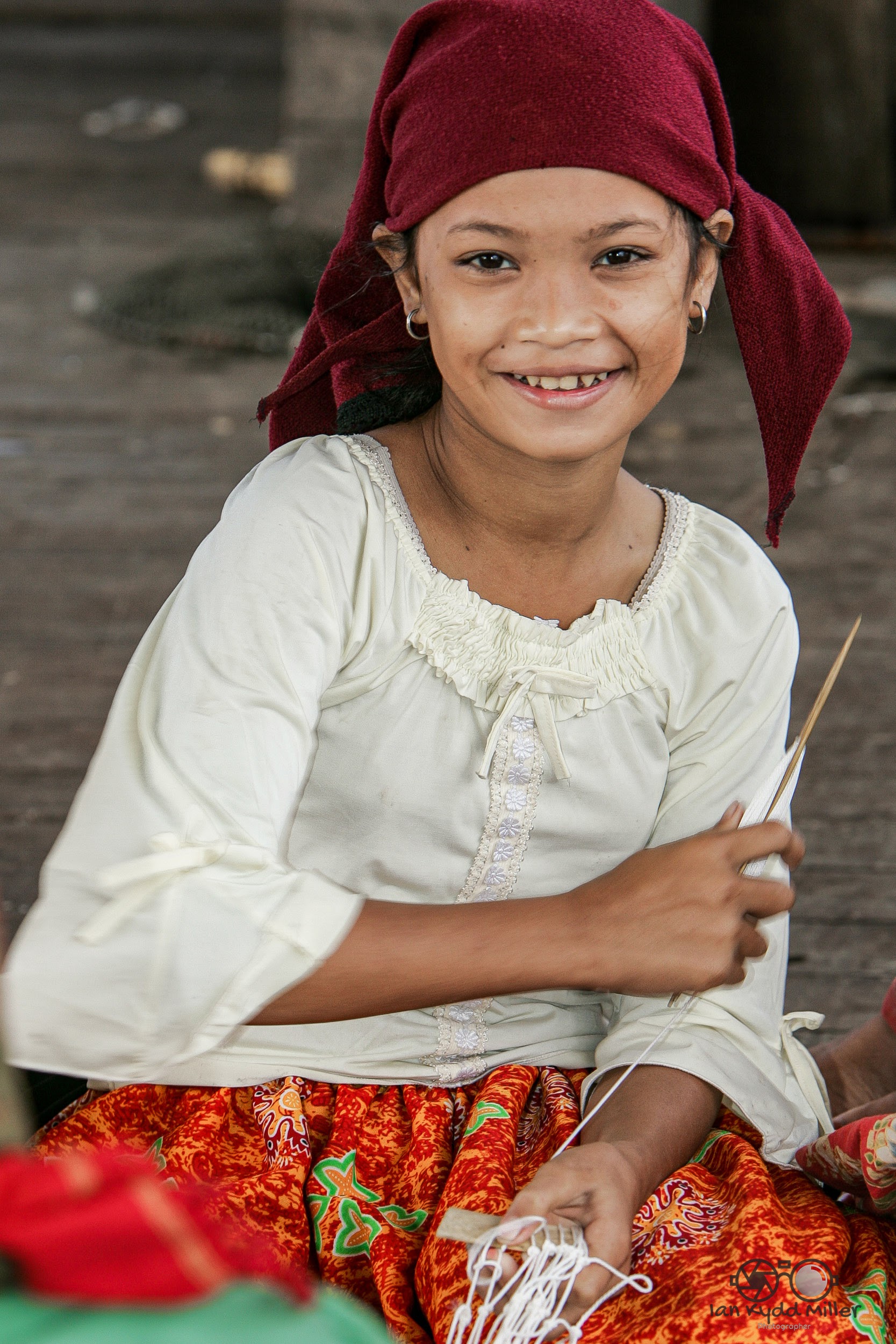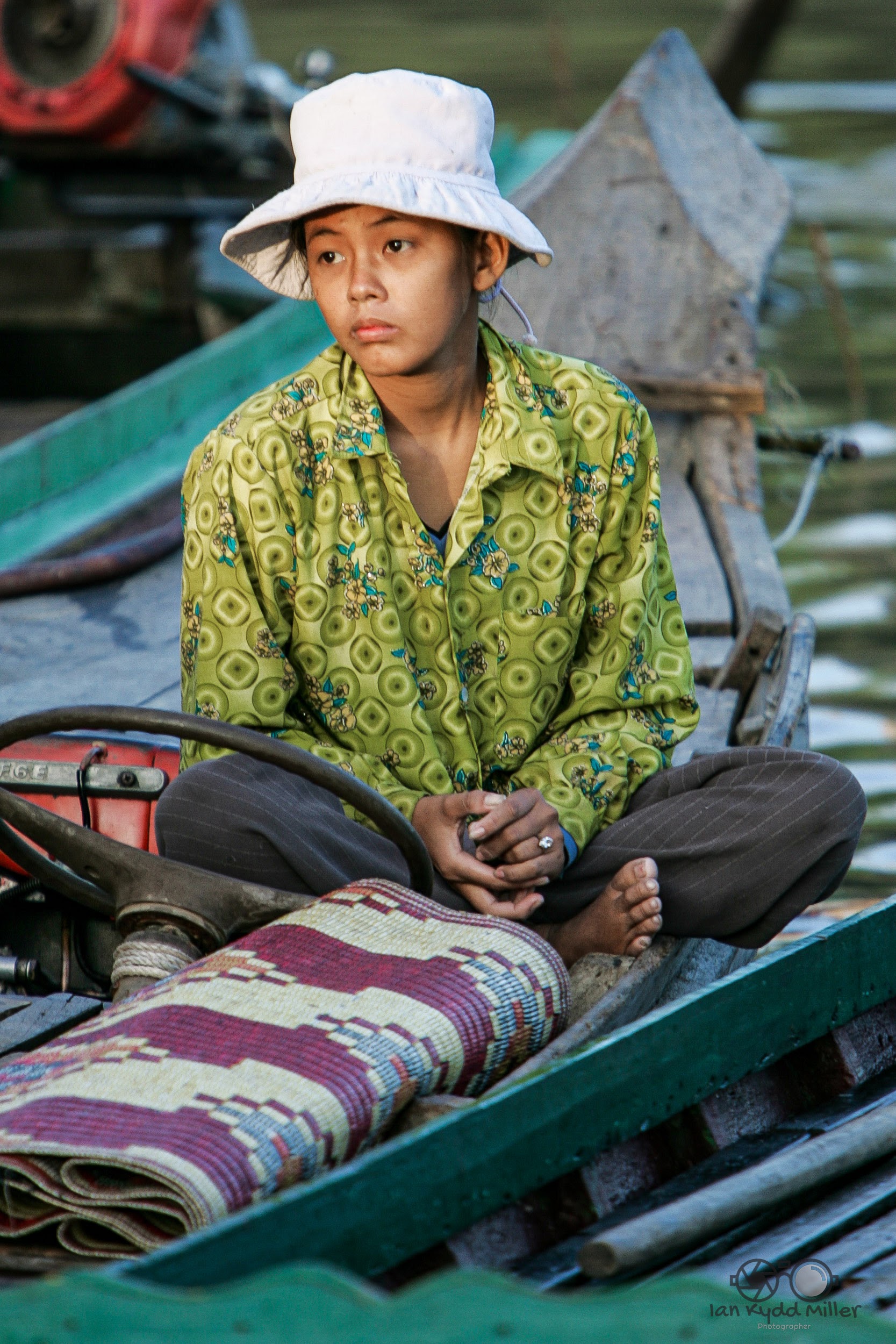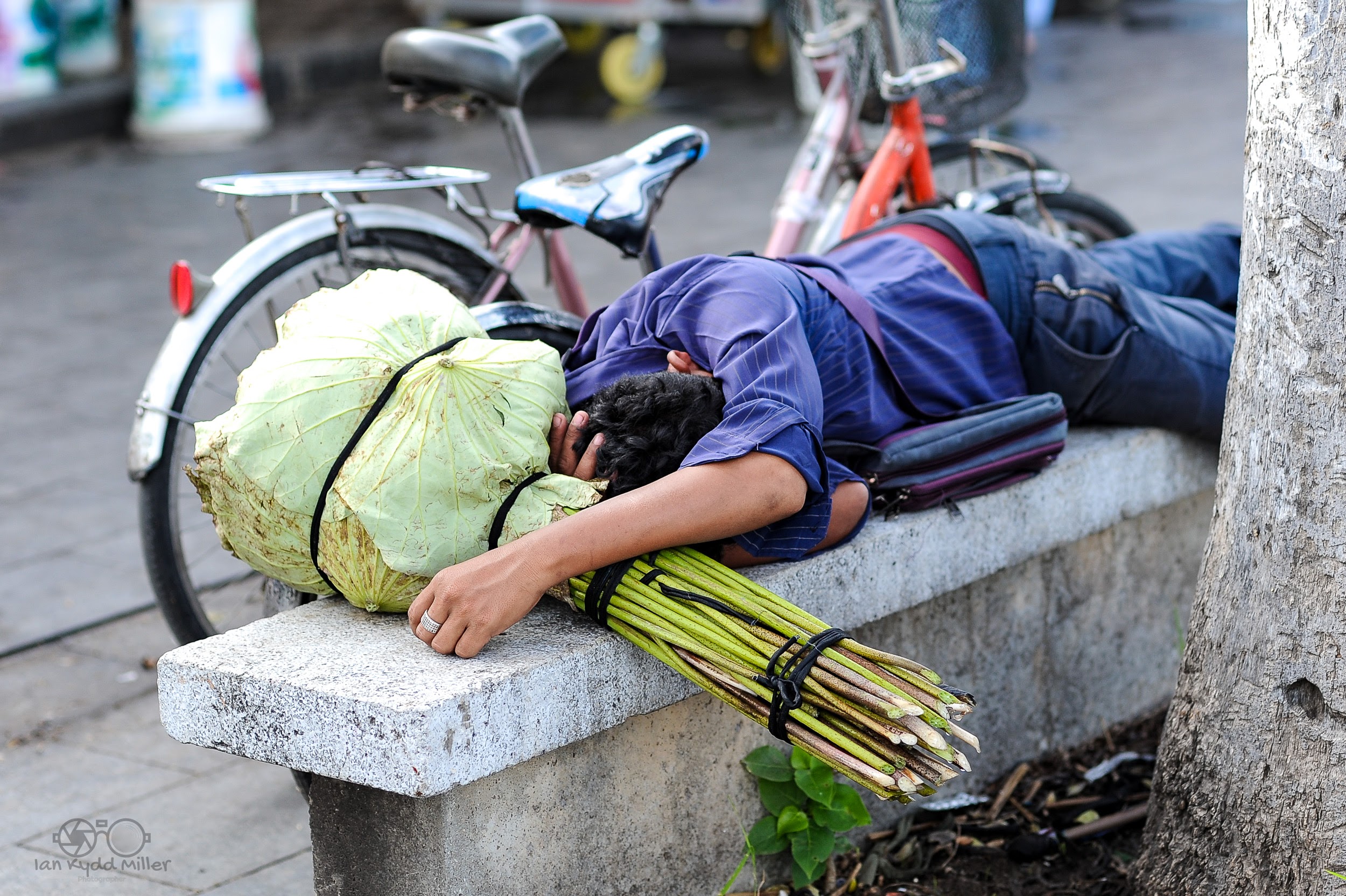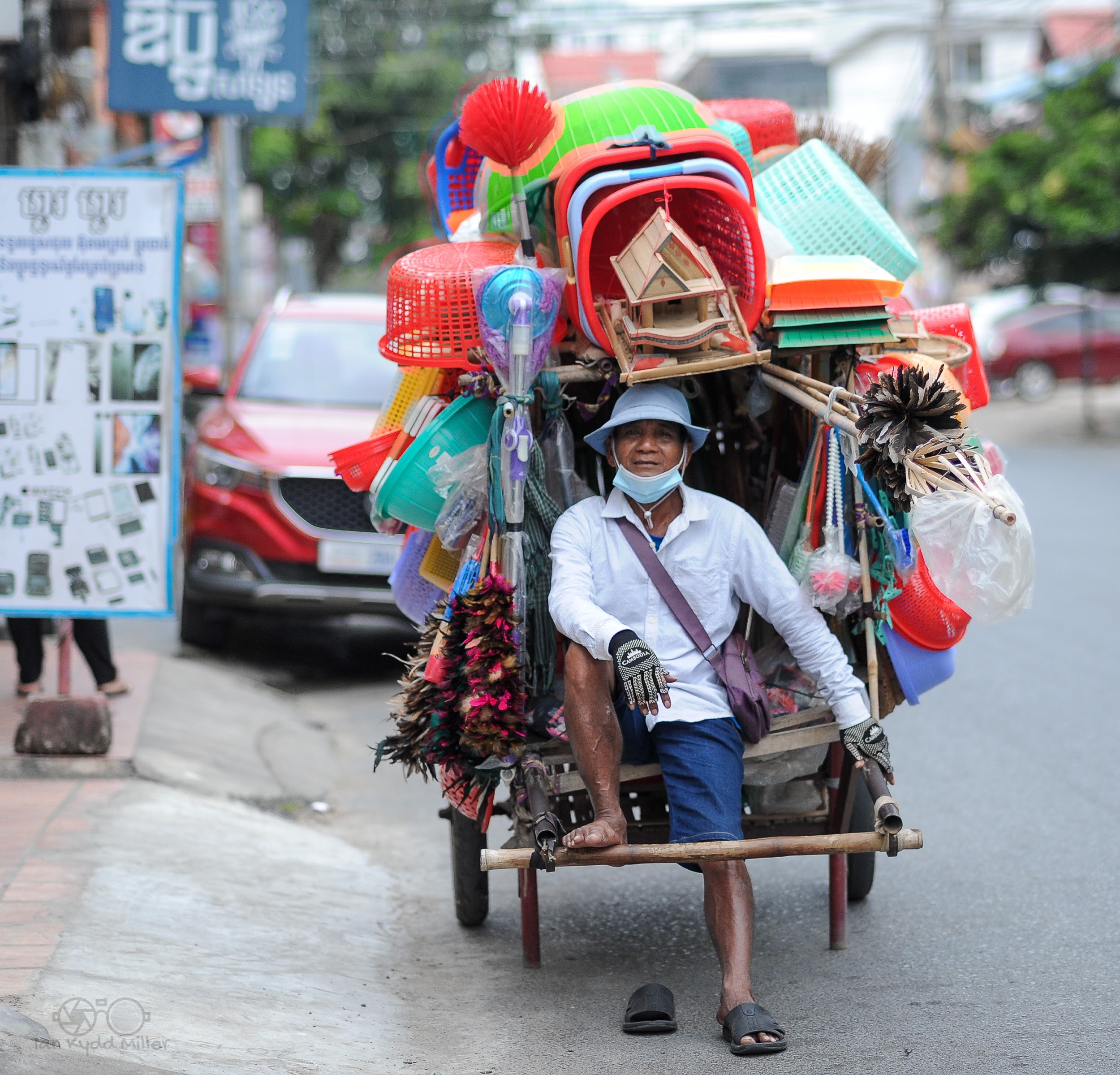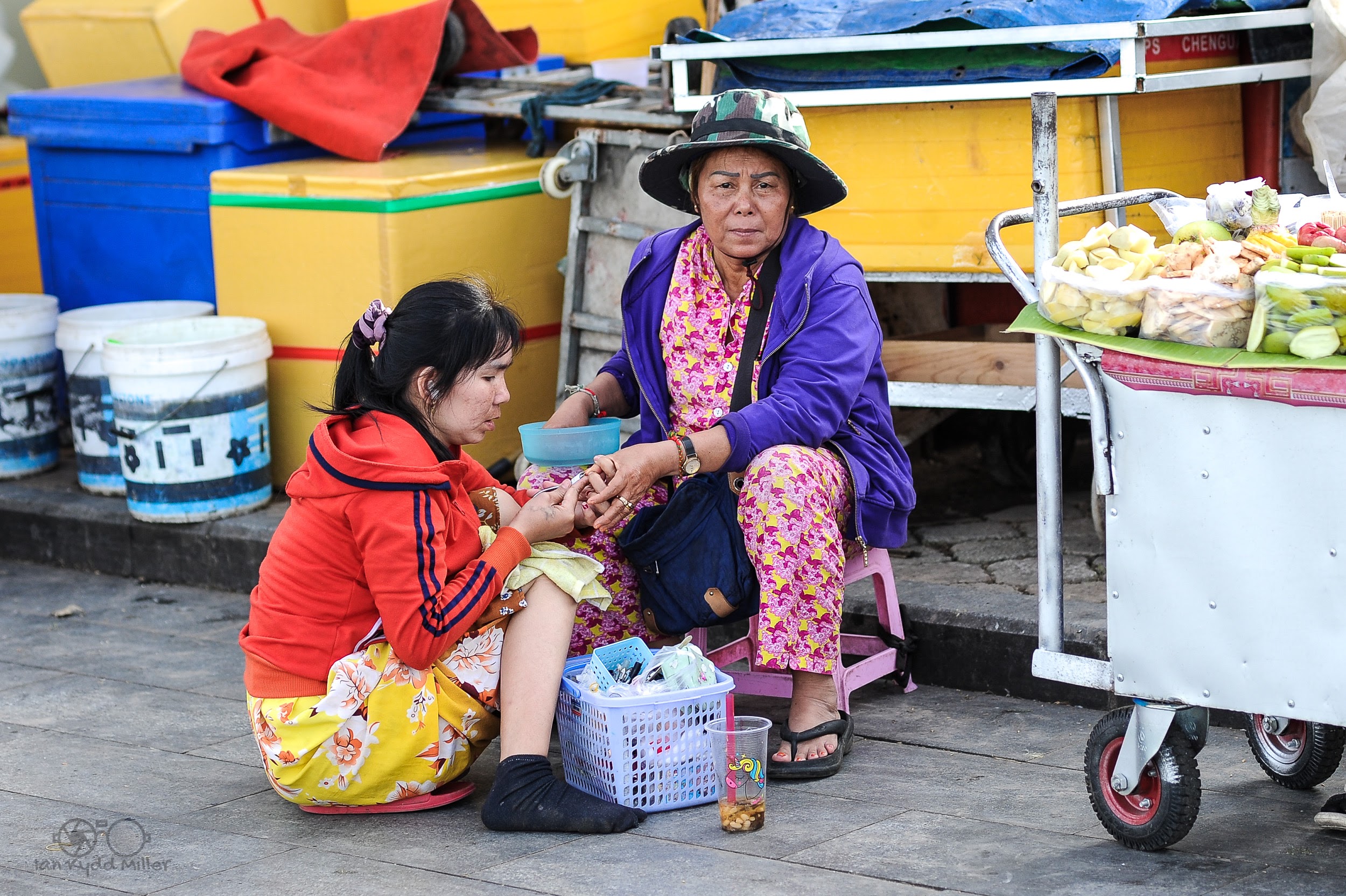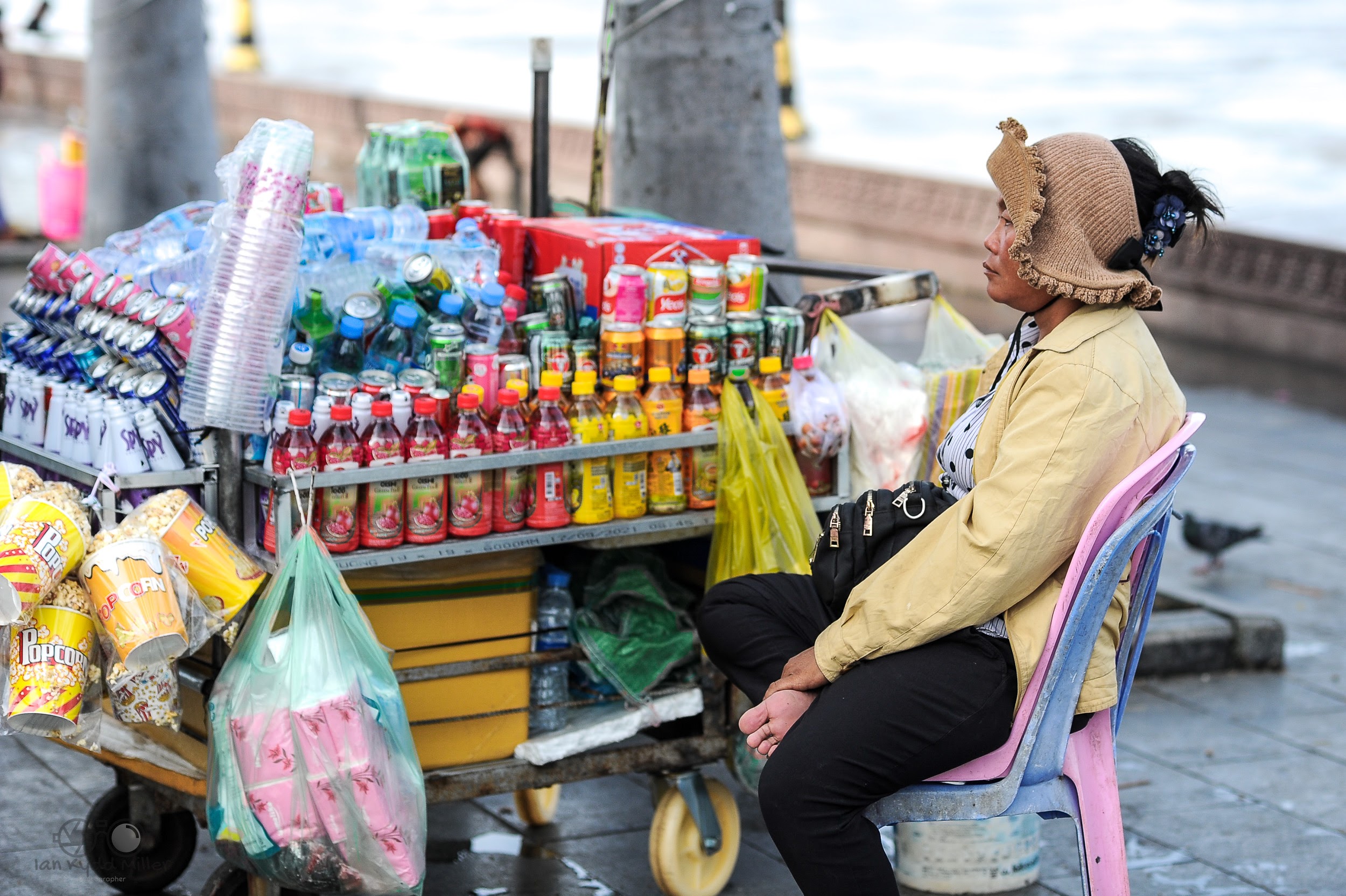
Using Your Camera for Casual Snaps: Embracing the Joy of Photography

apps, opinons, thoughts, photography, pictures, public

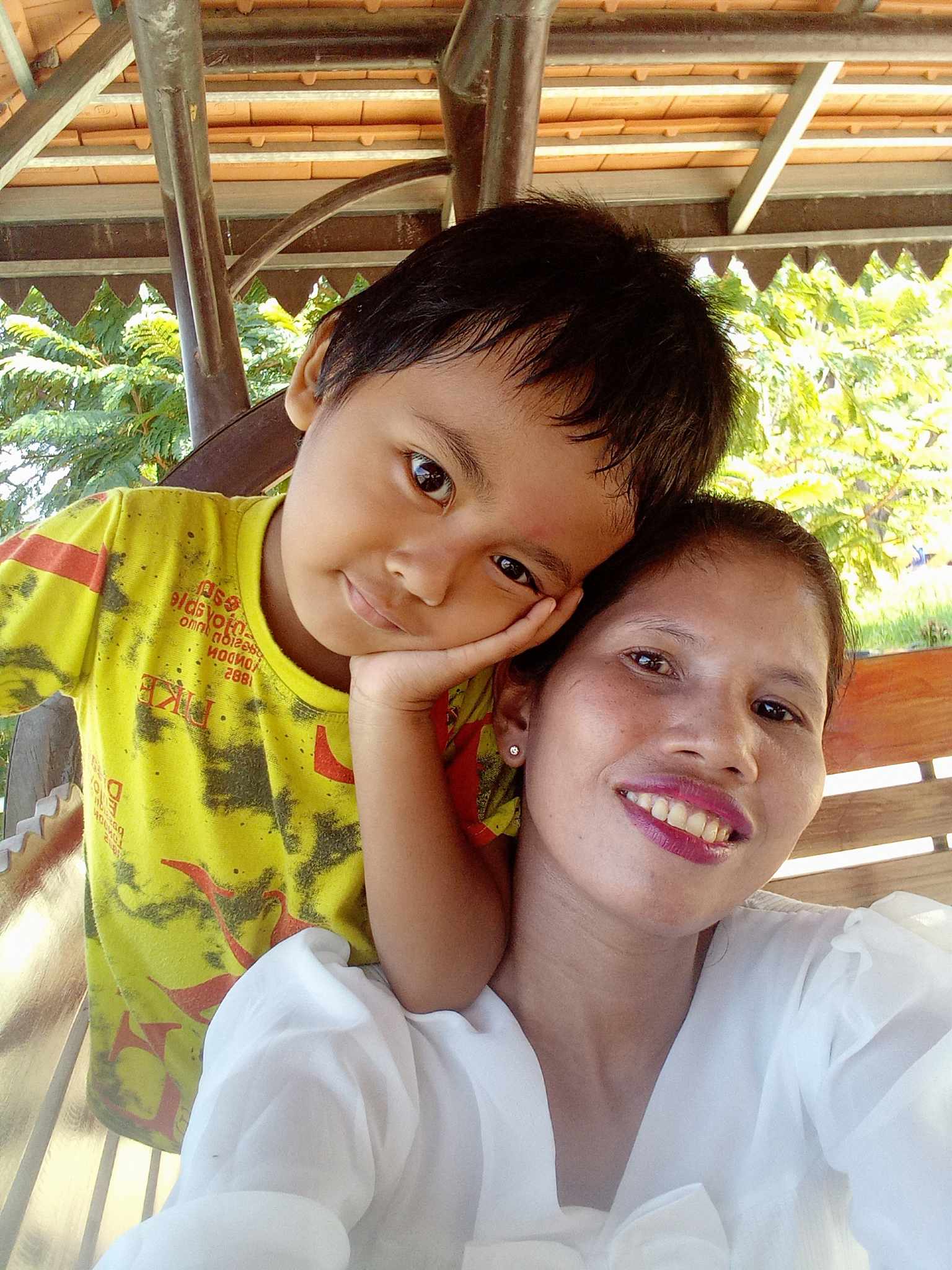
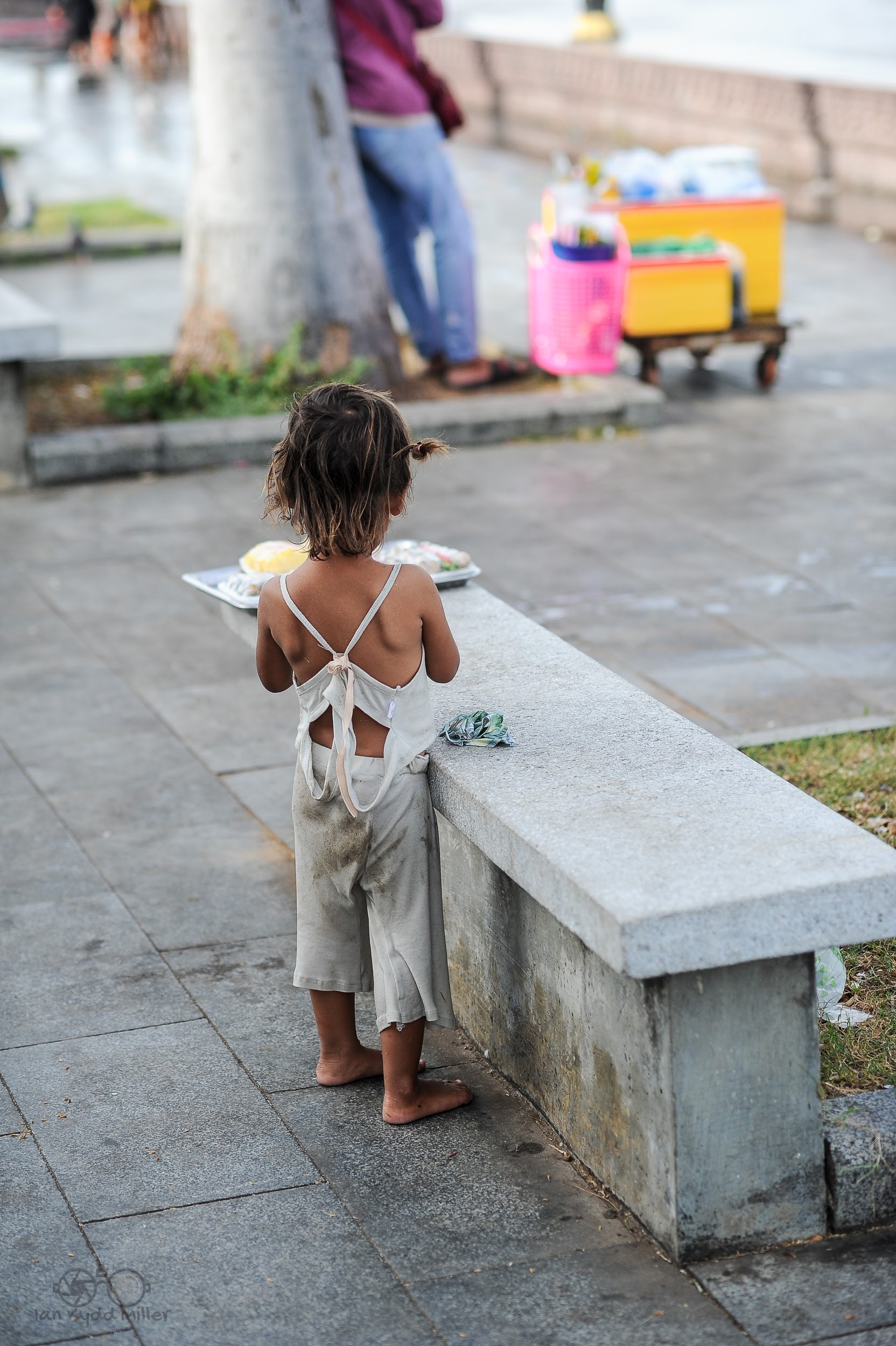
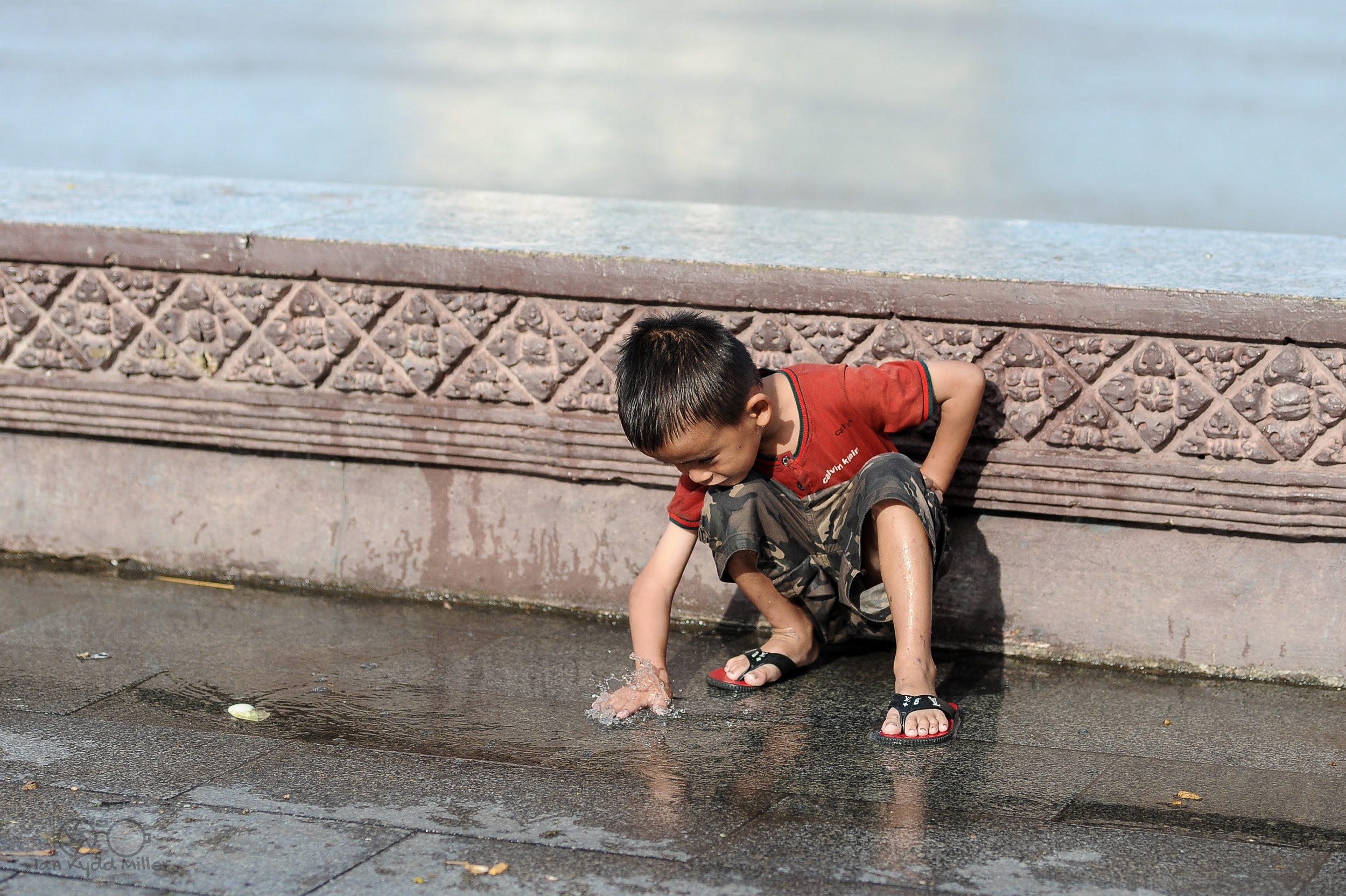
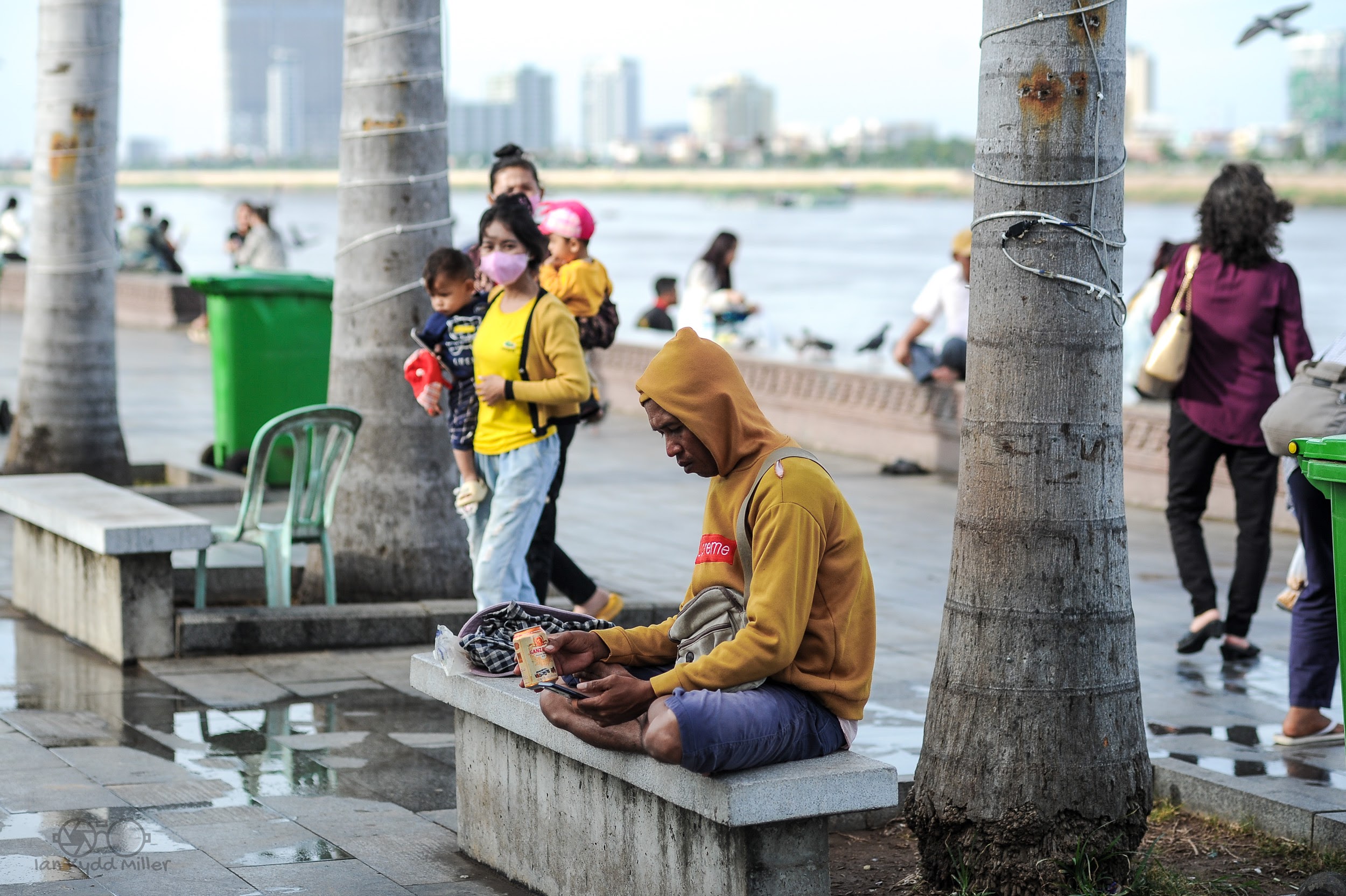
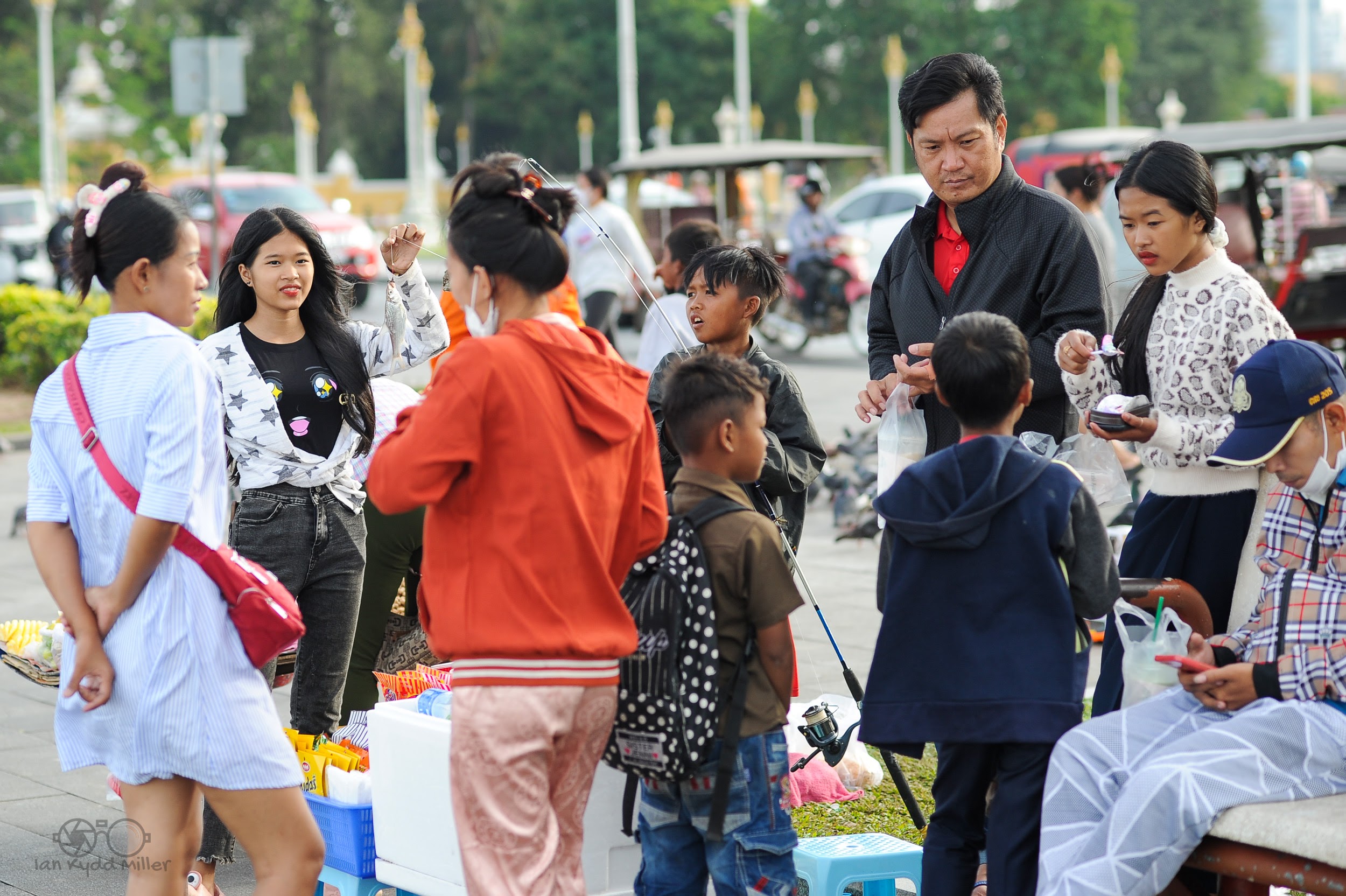
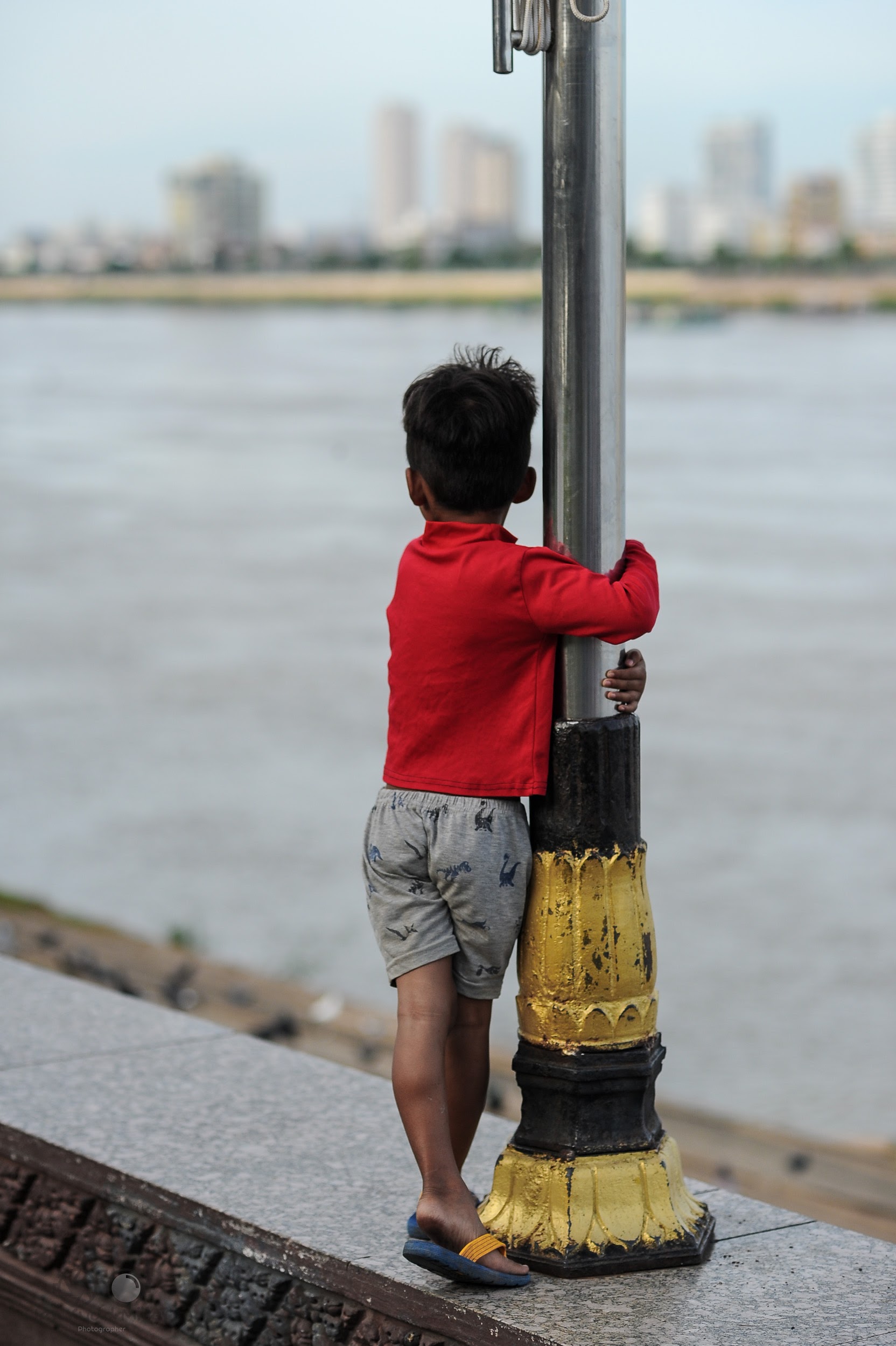
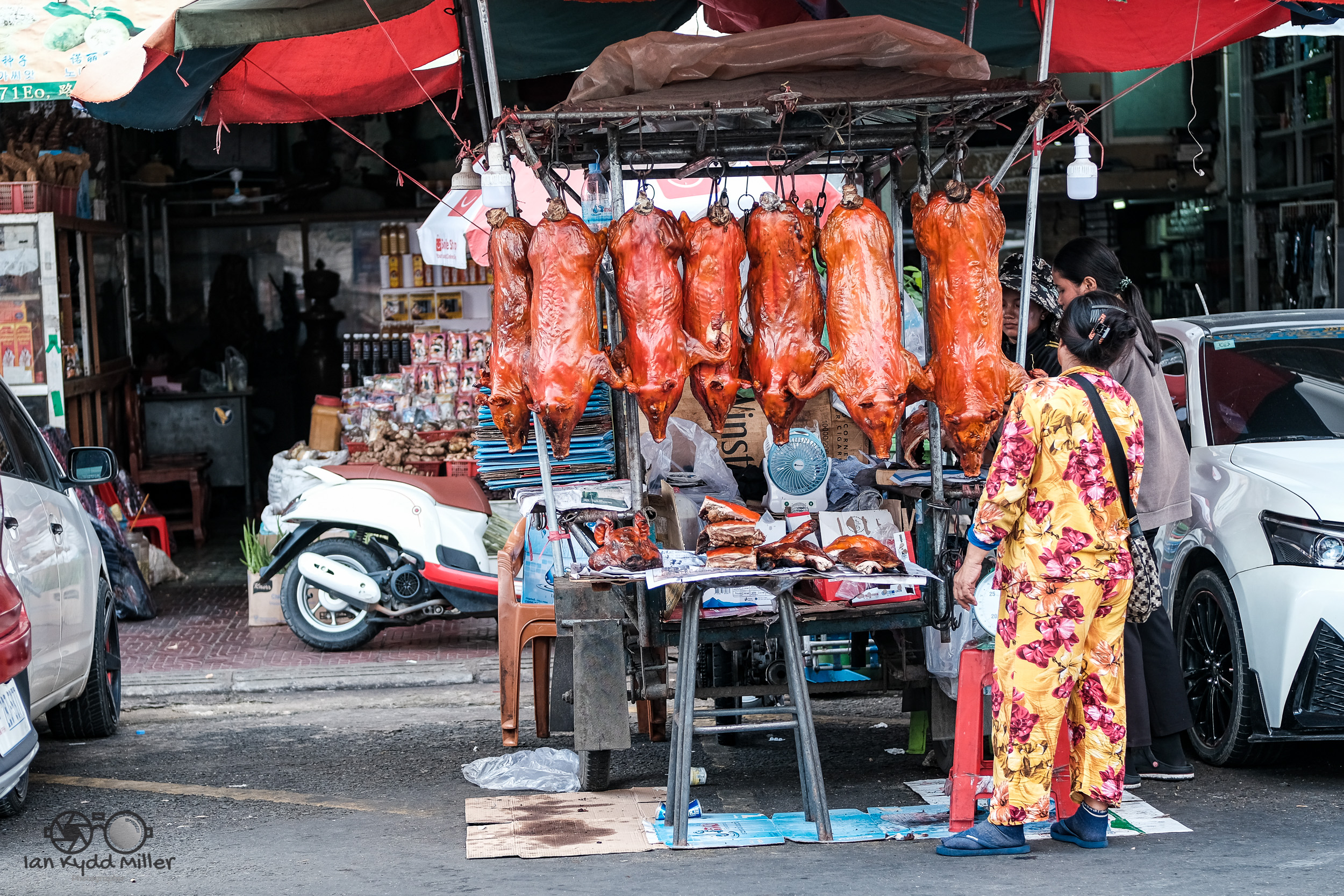
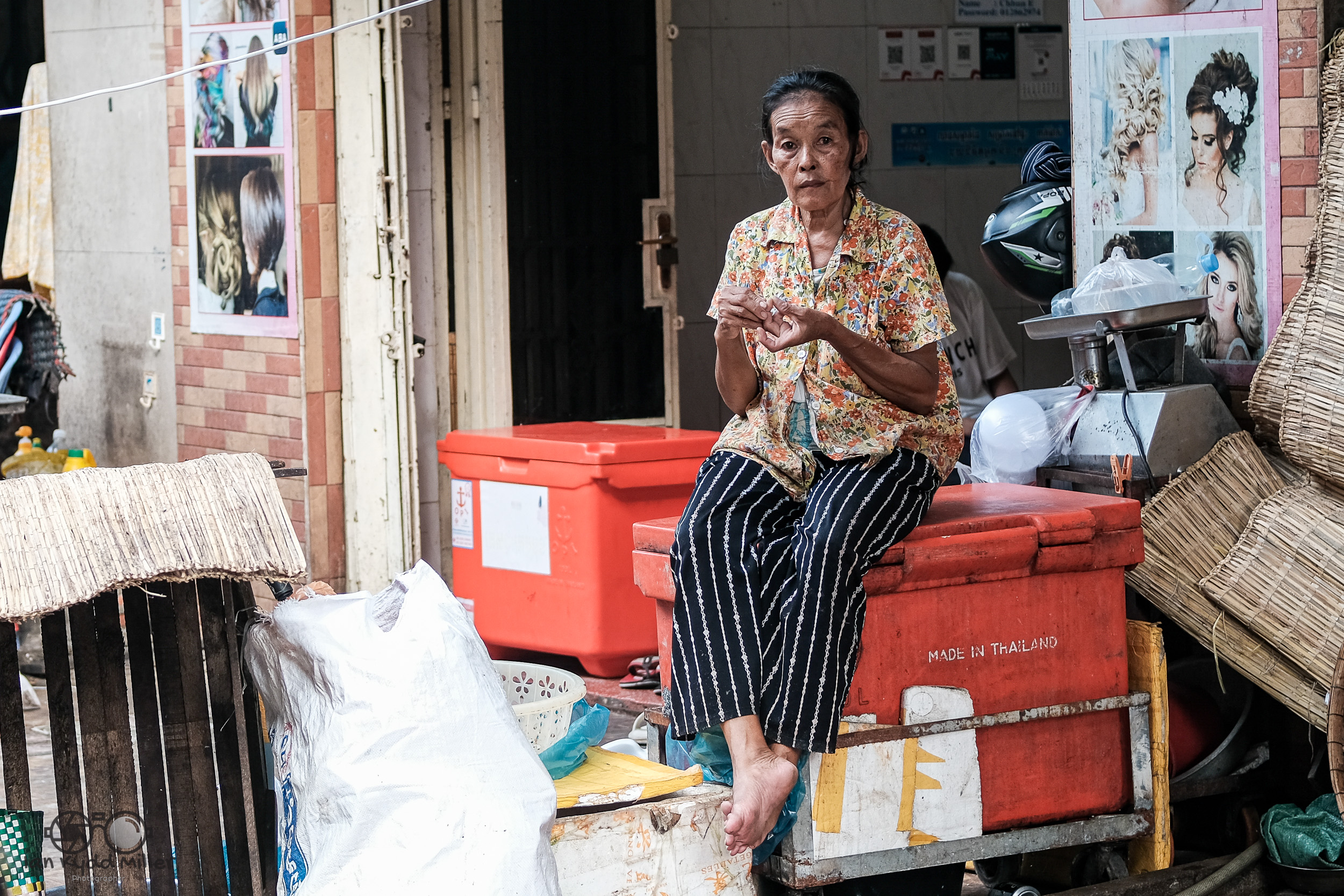
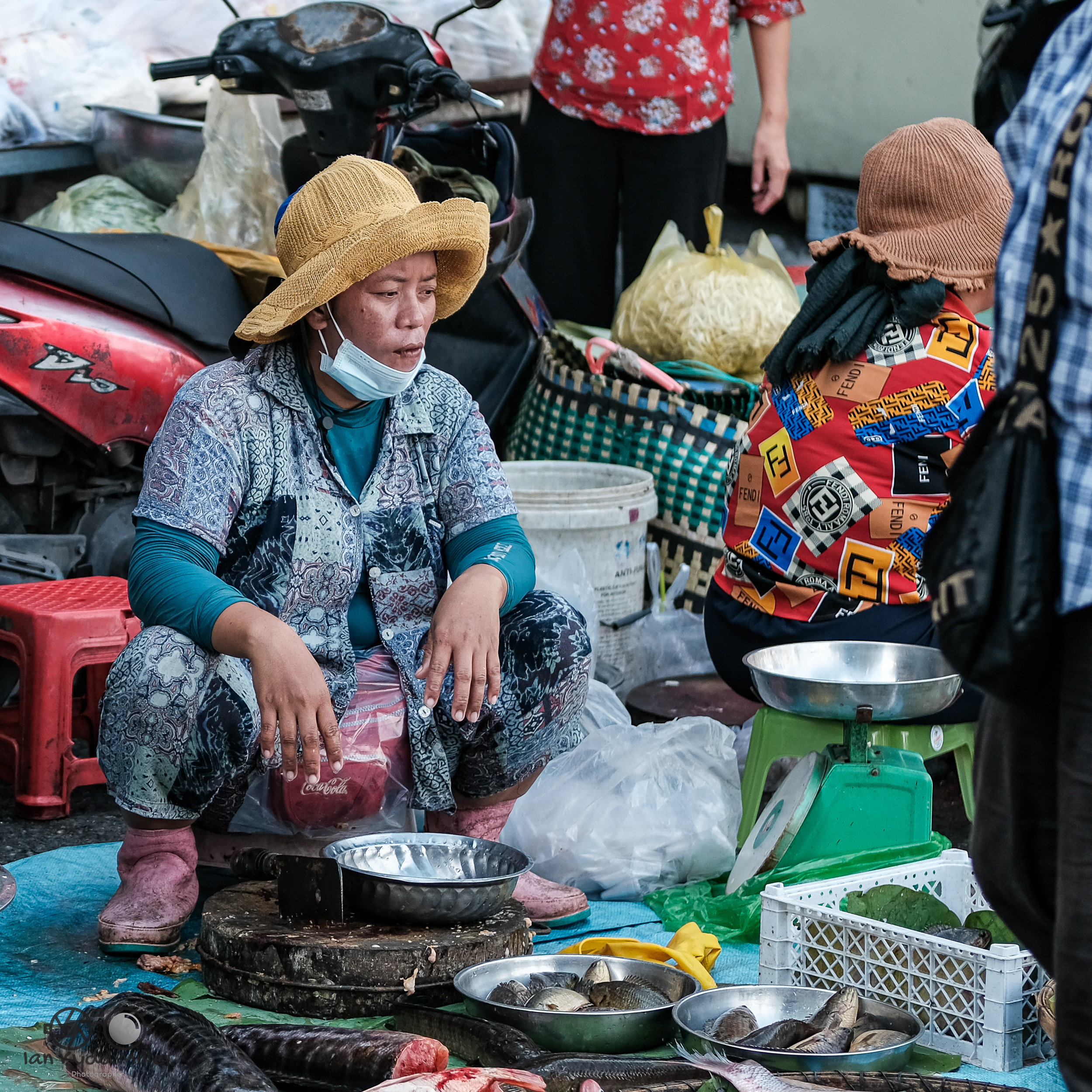
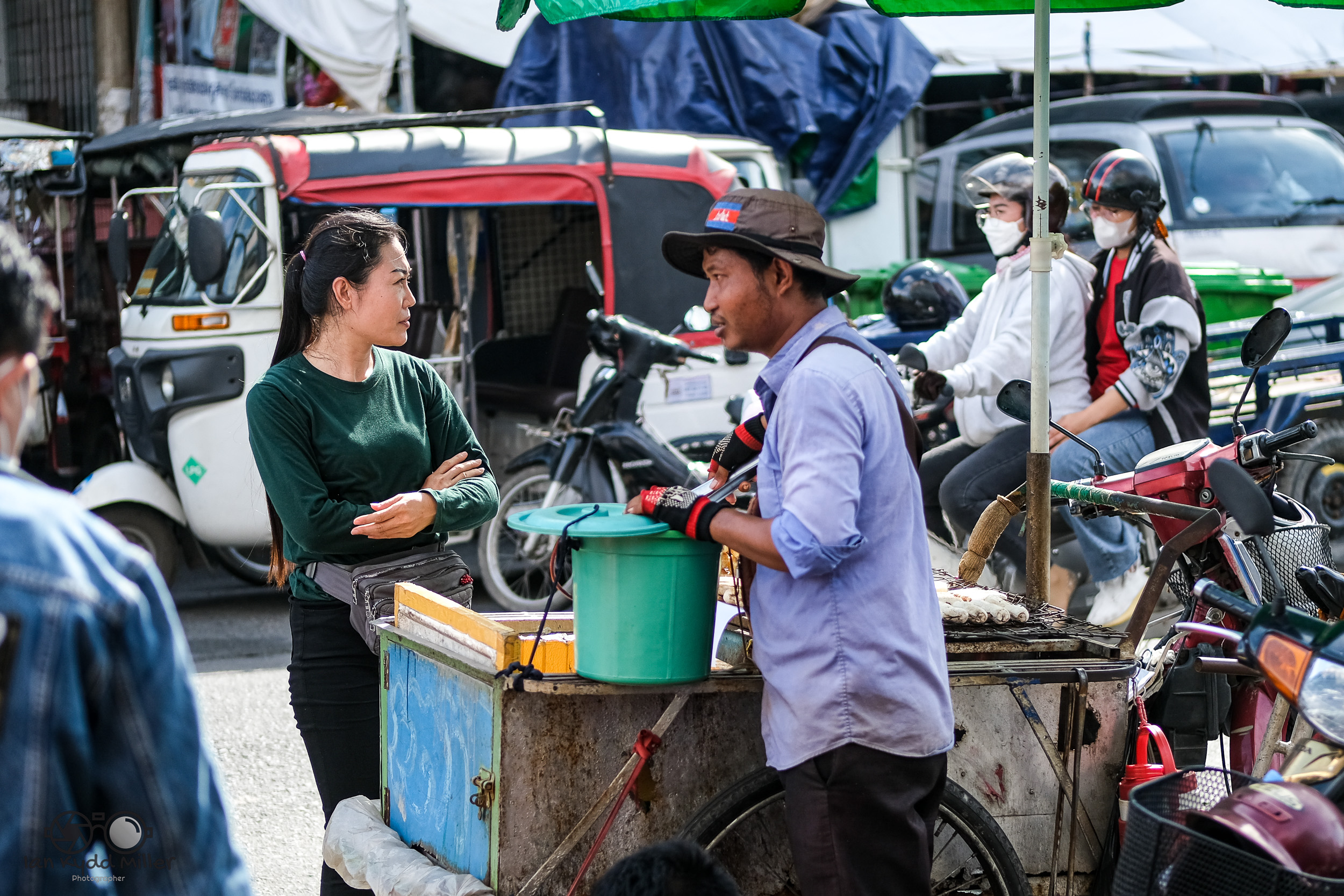
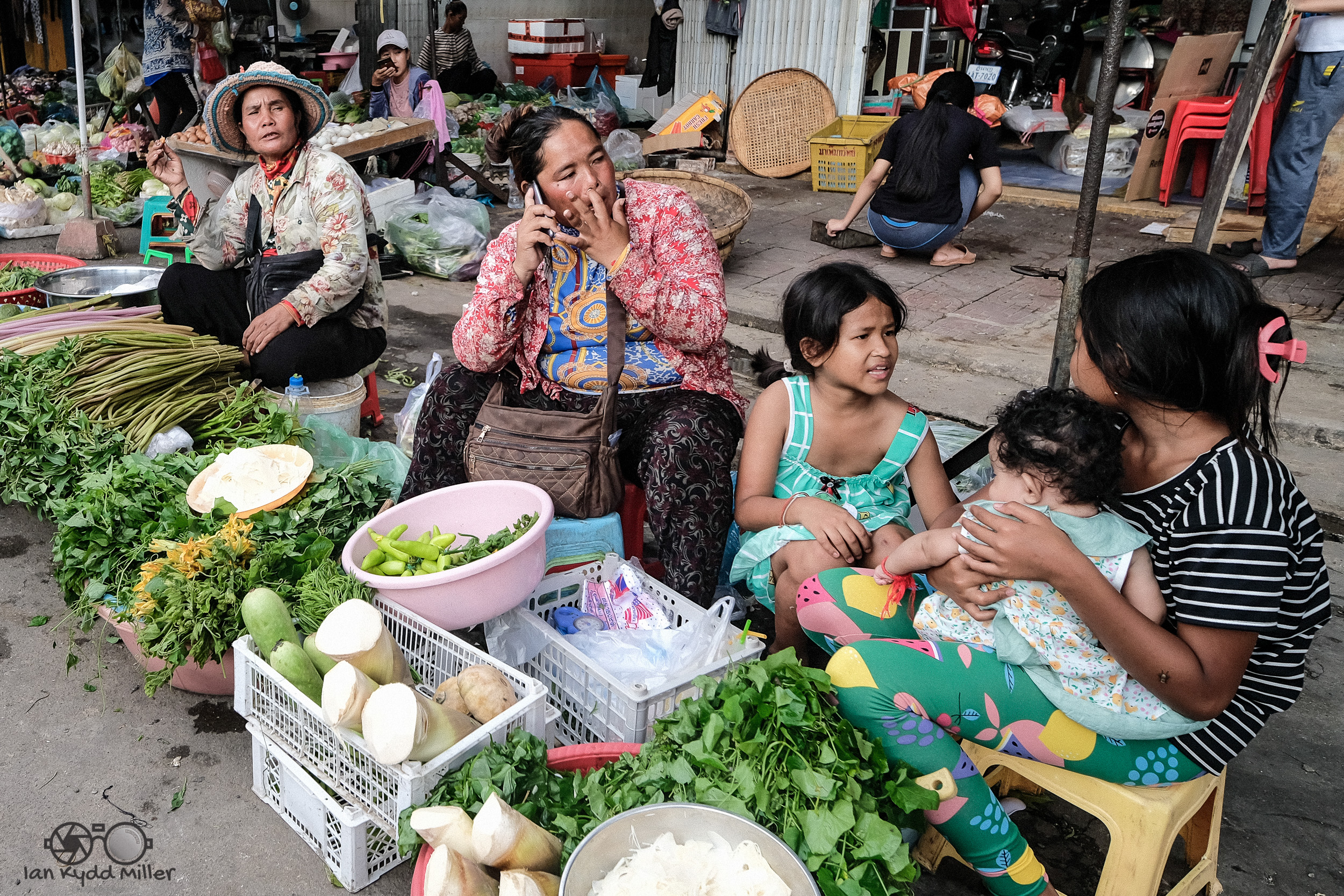
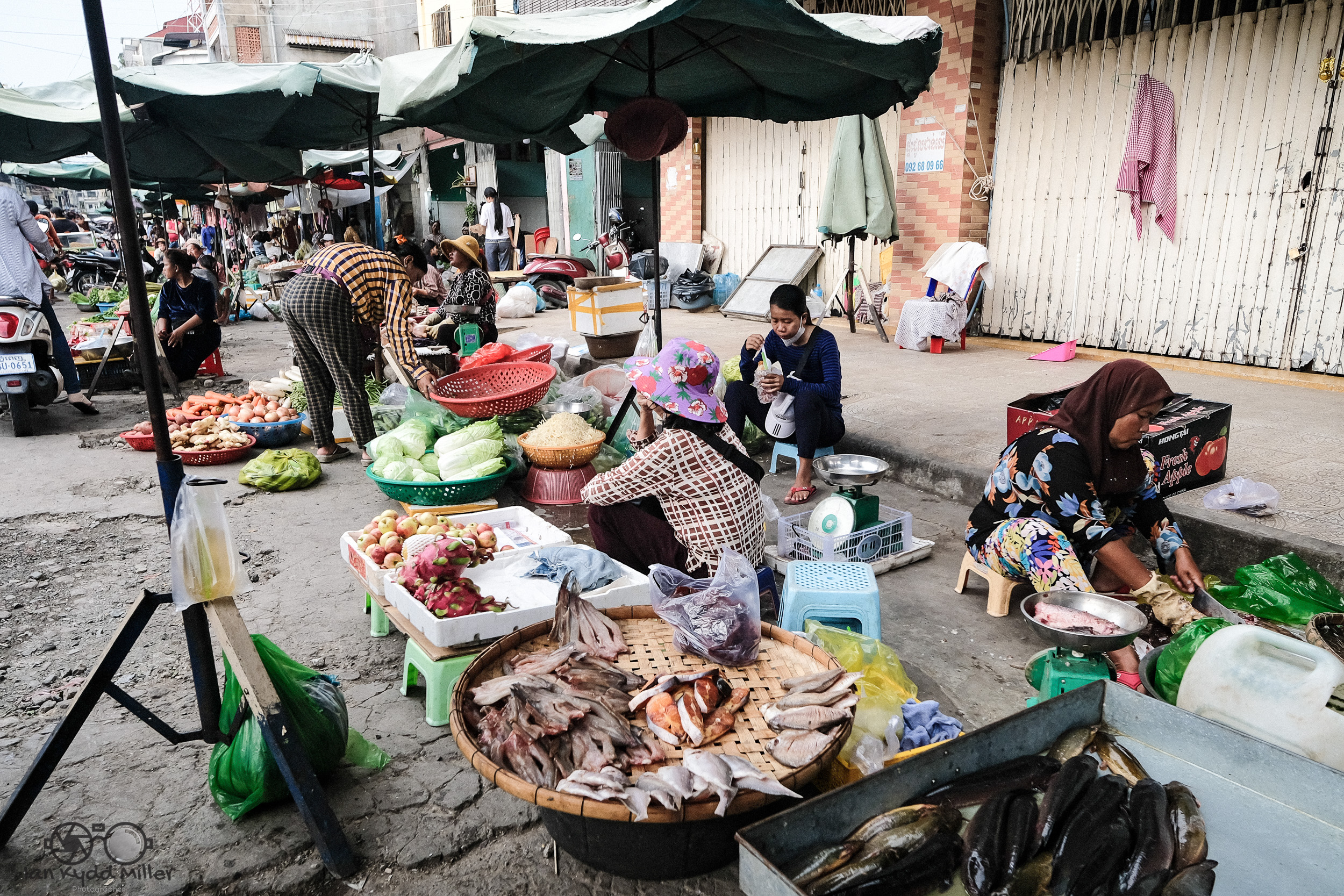
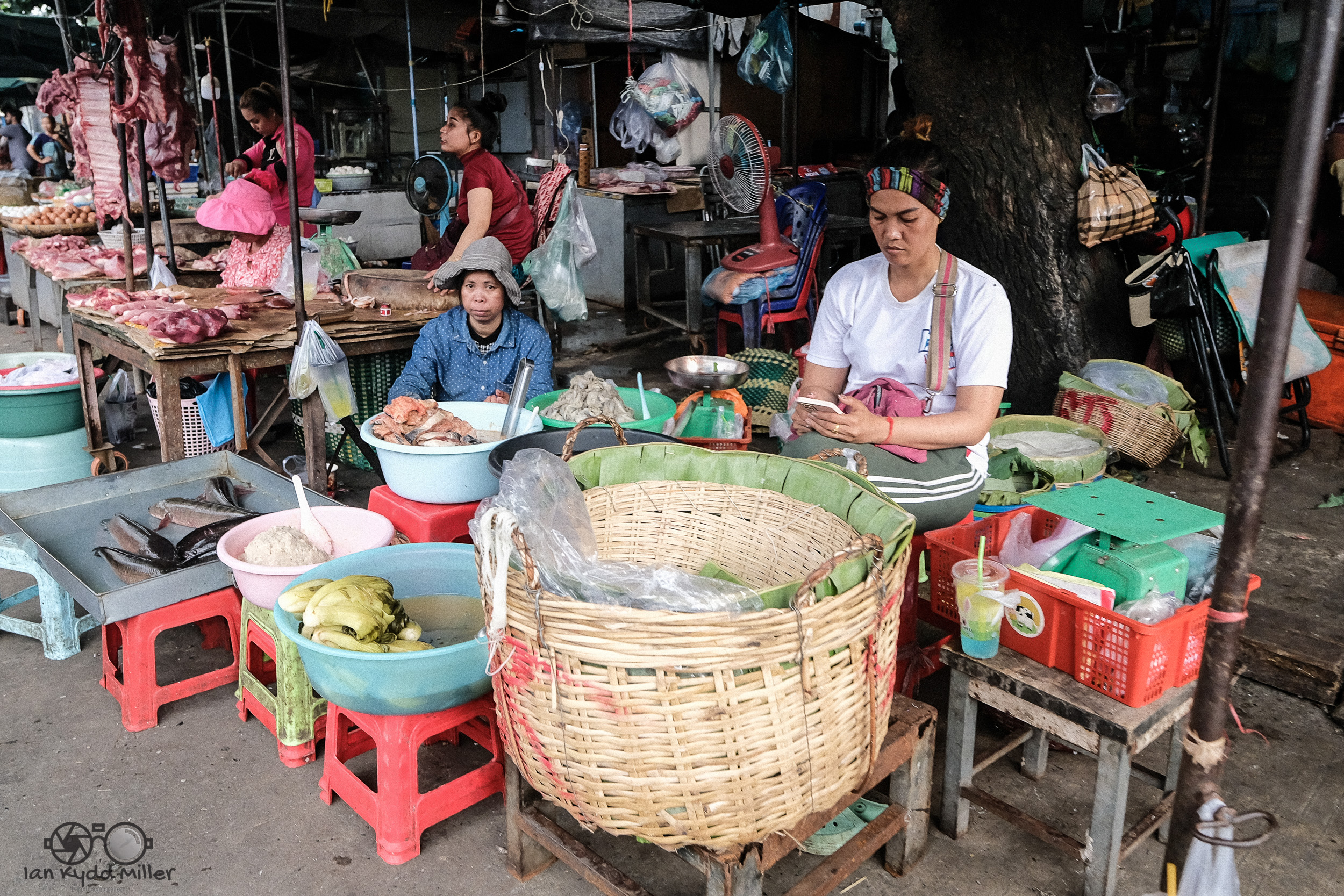
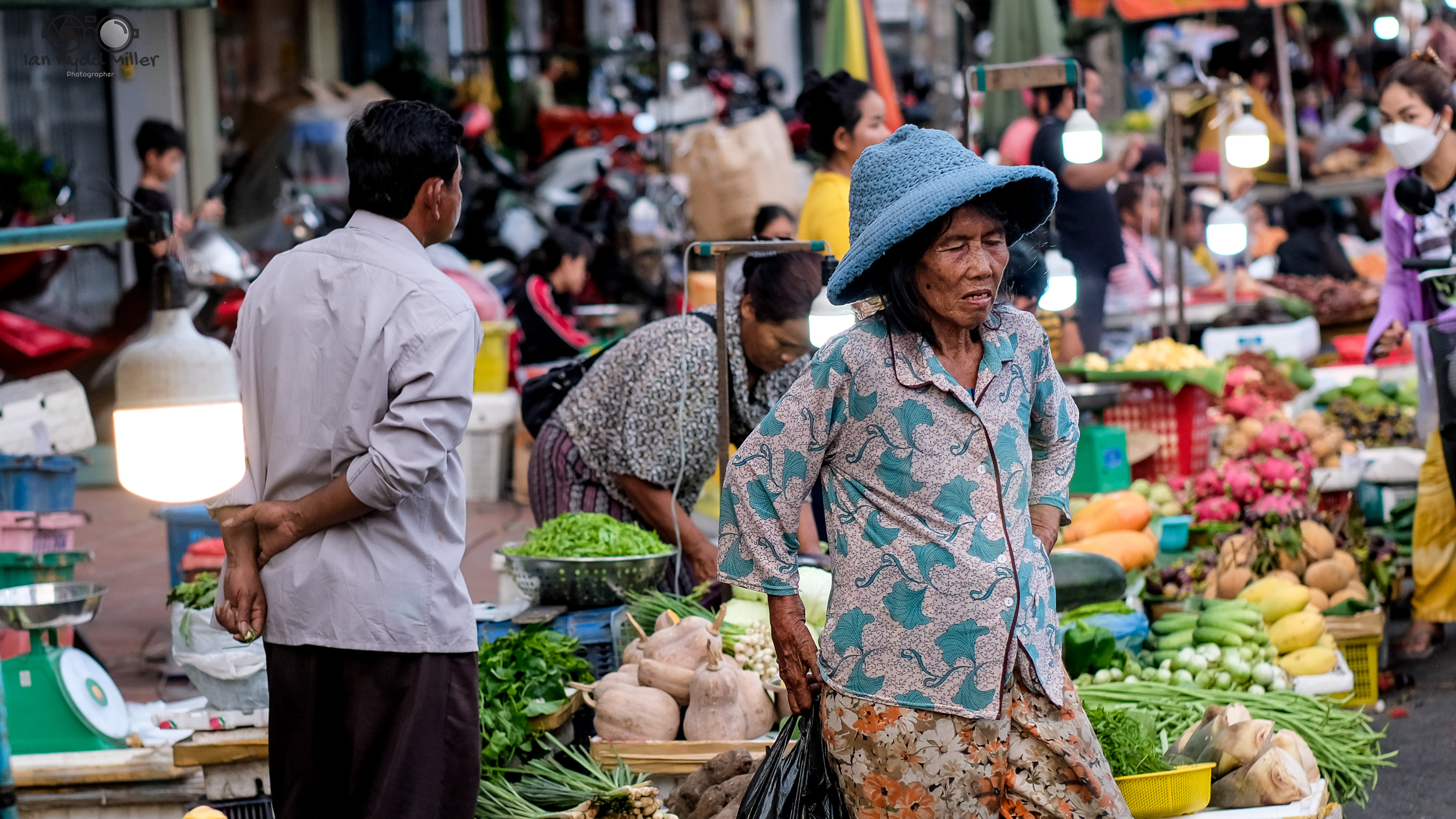
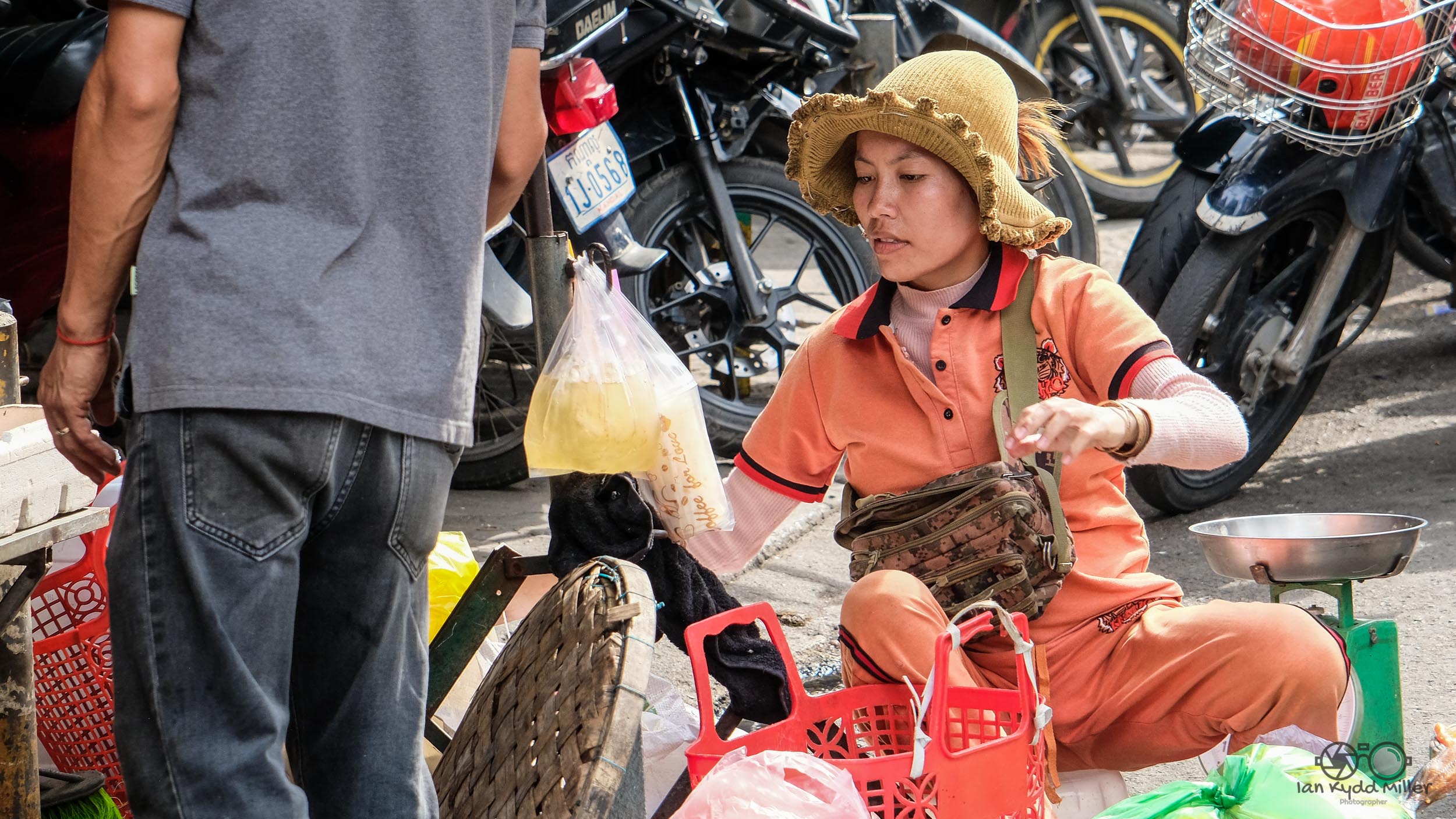
In the age of smartphones, the art of photography has become accessible to everyone. With a camera always at our fingertips, we have the freedom to capture moments spontaneously, without the pressure of creating a masterpiece every time we press the shutter button. This casual approach to photography is a celebration of the everyday, an acknowledgment that not every photograph has to be a serious work of art to be meaningful.
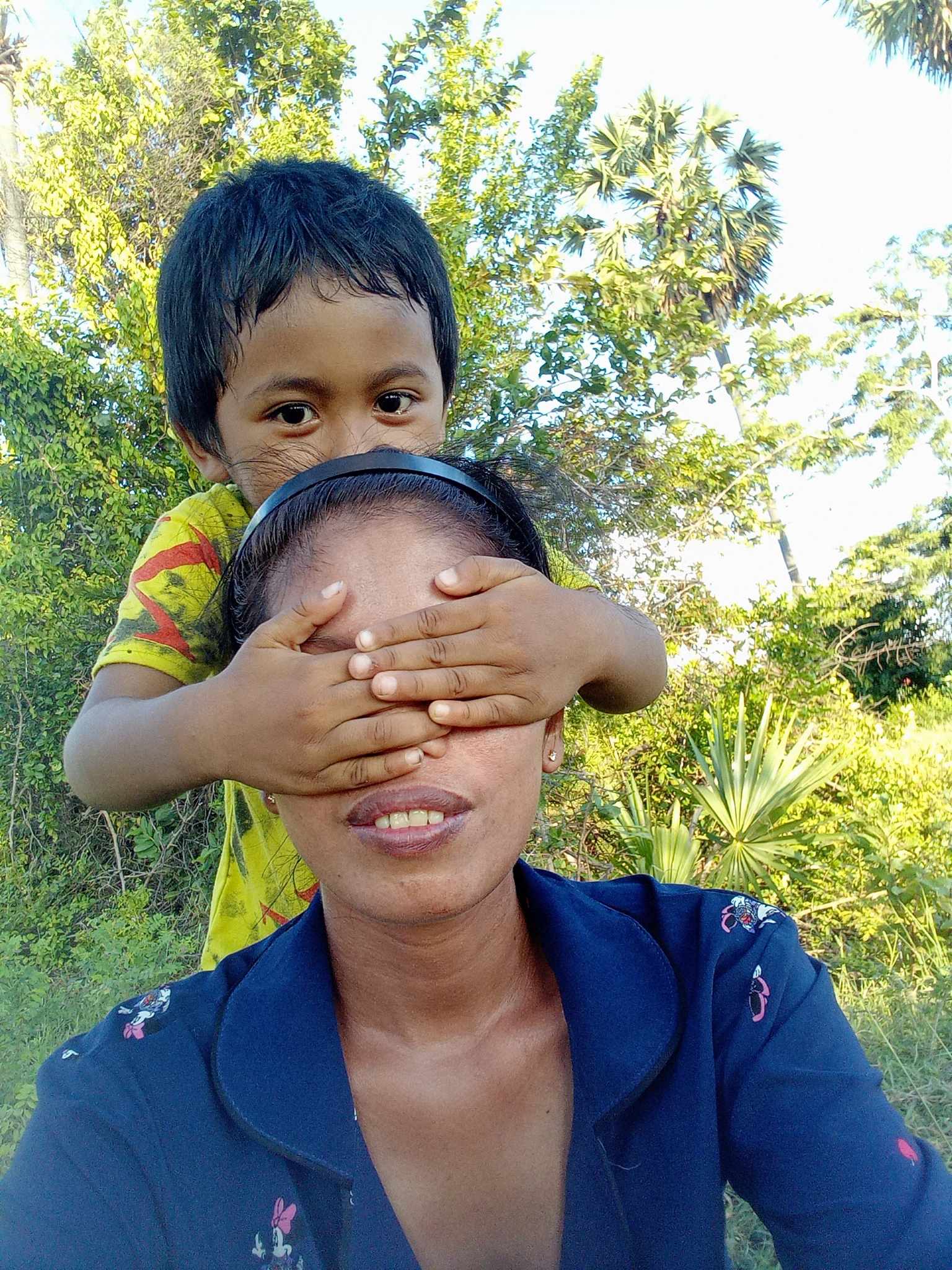
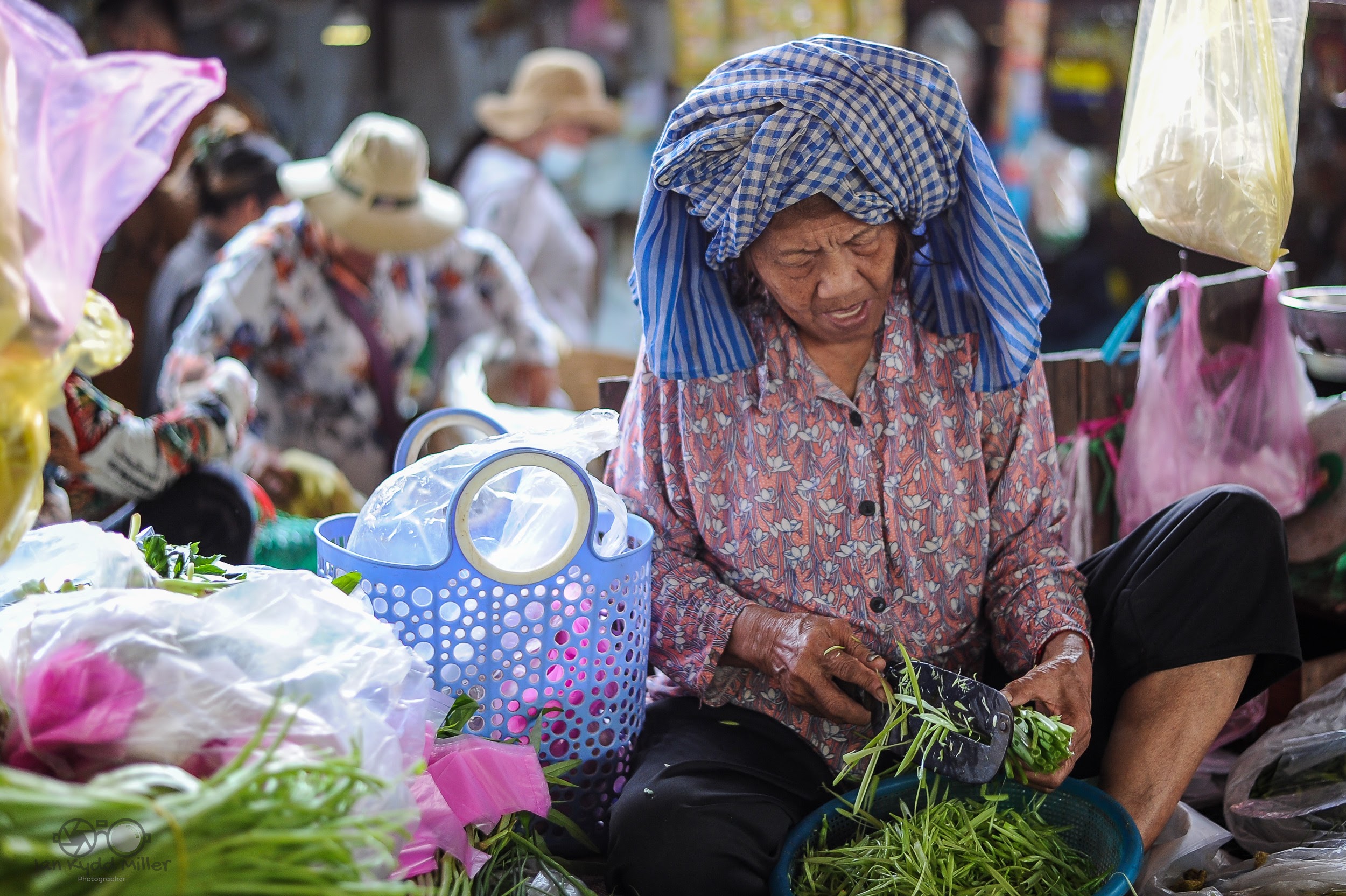
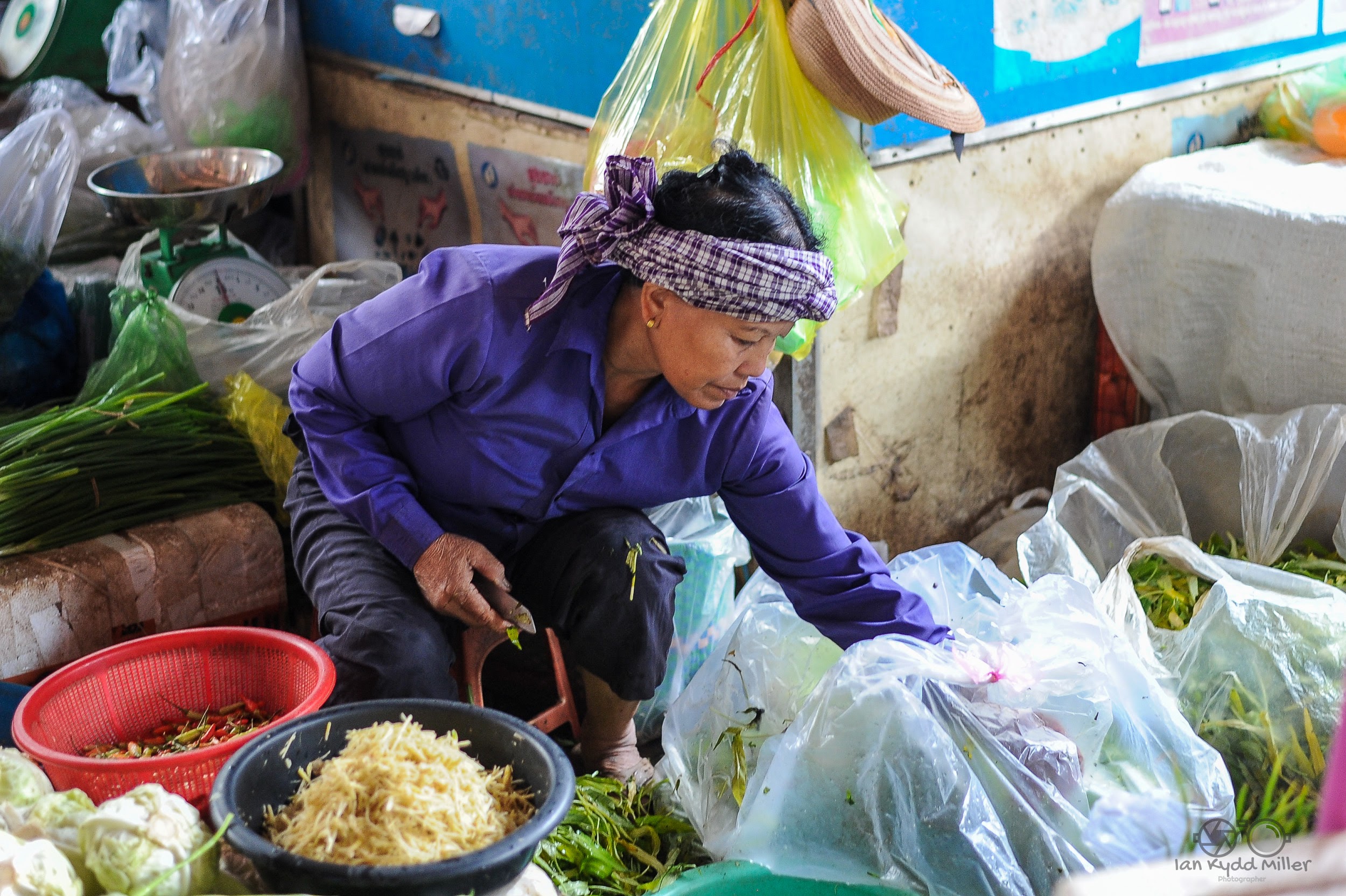
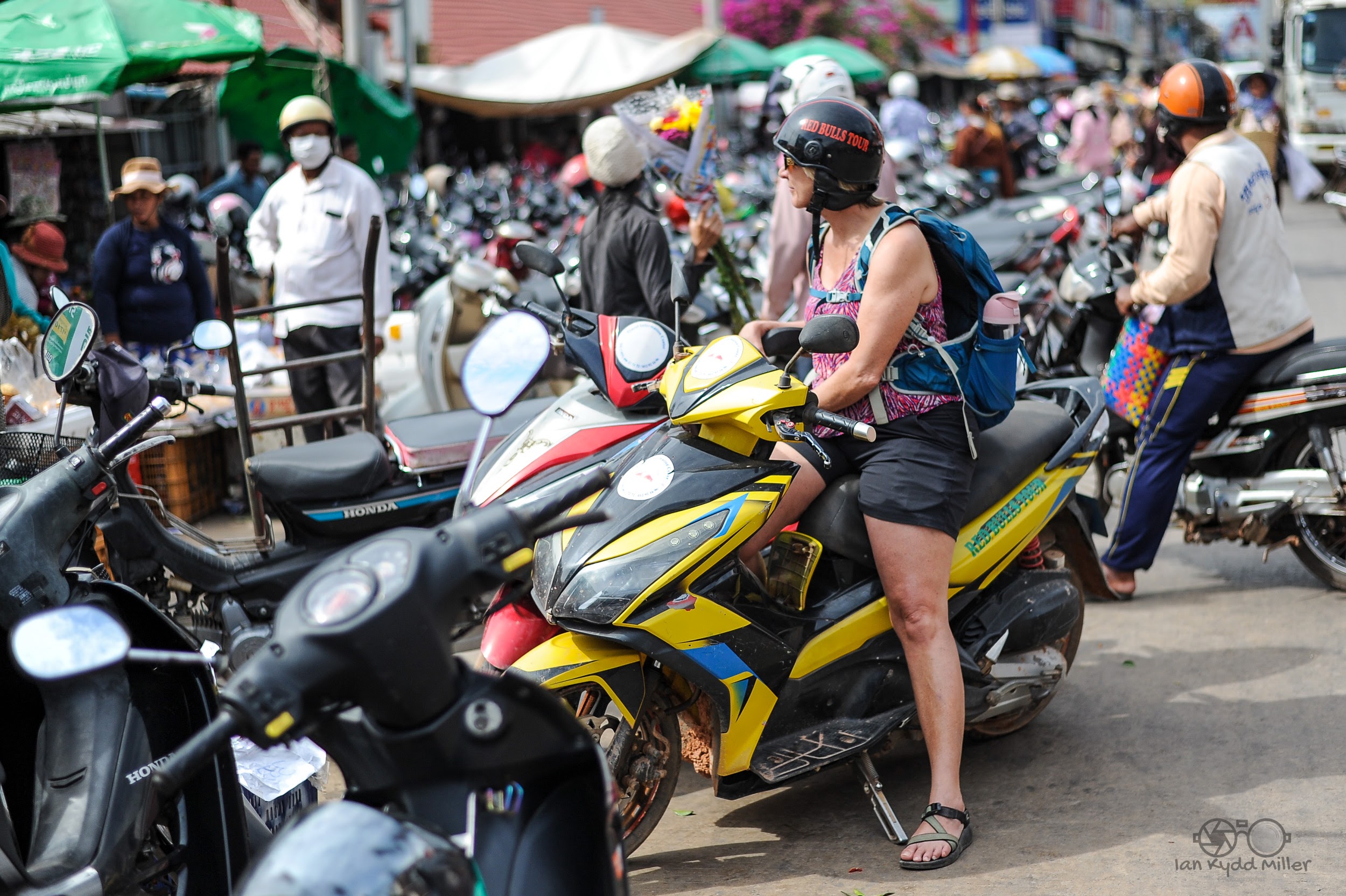
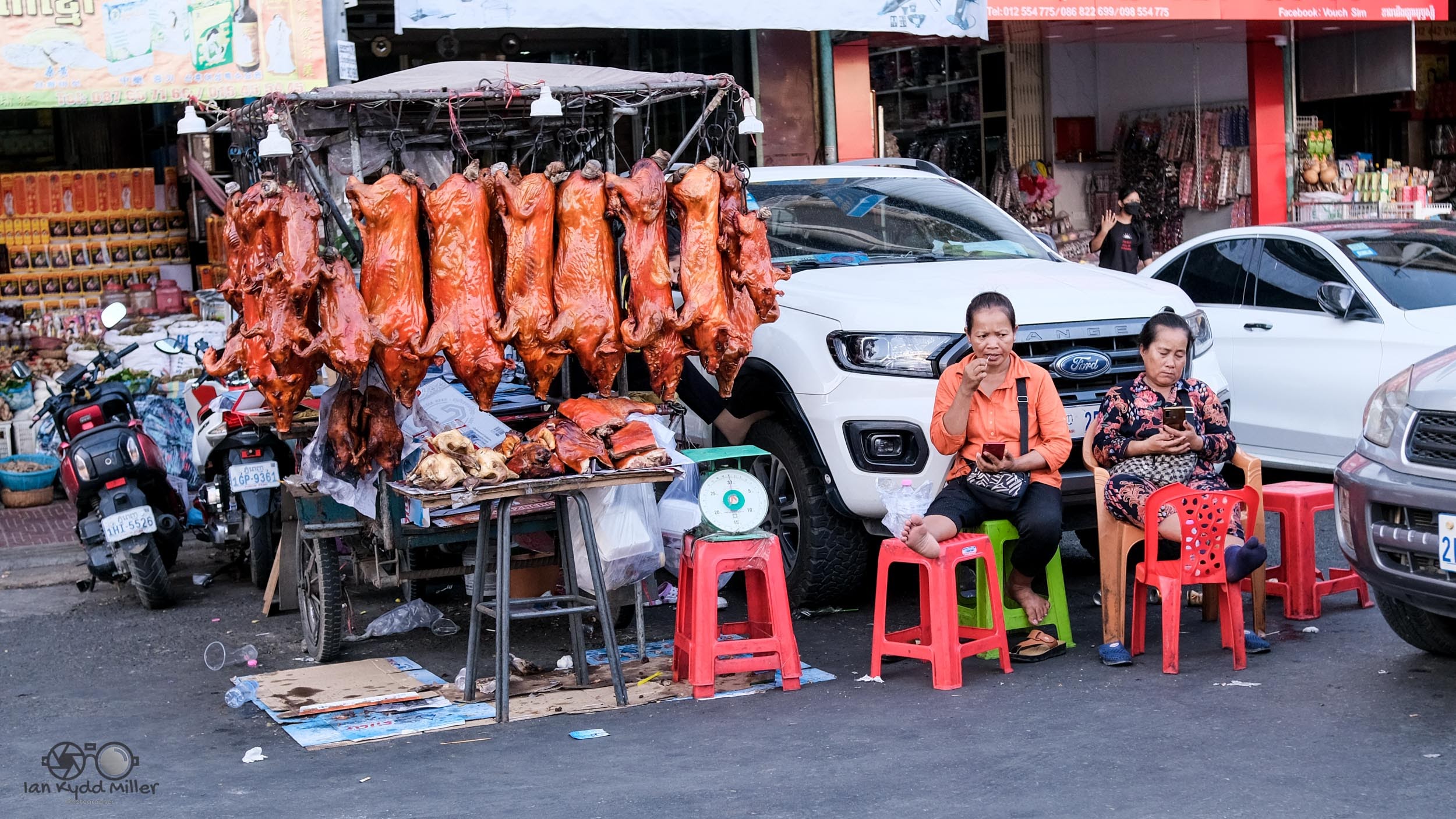
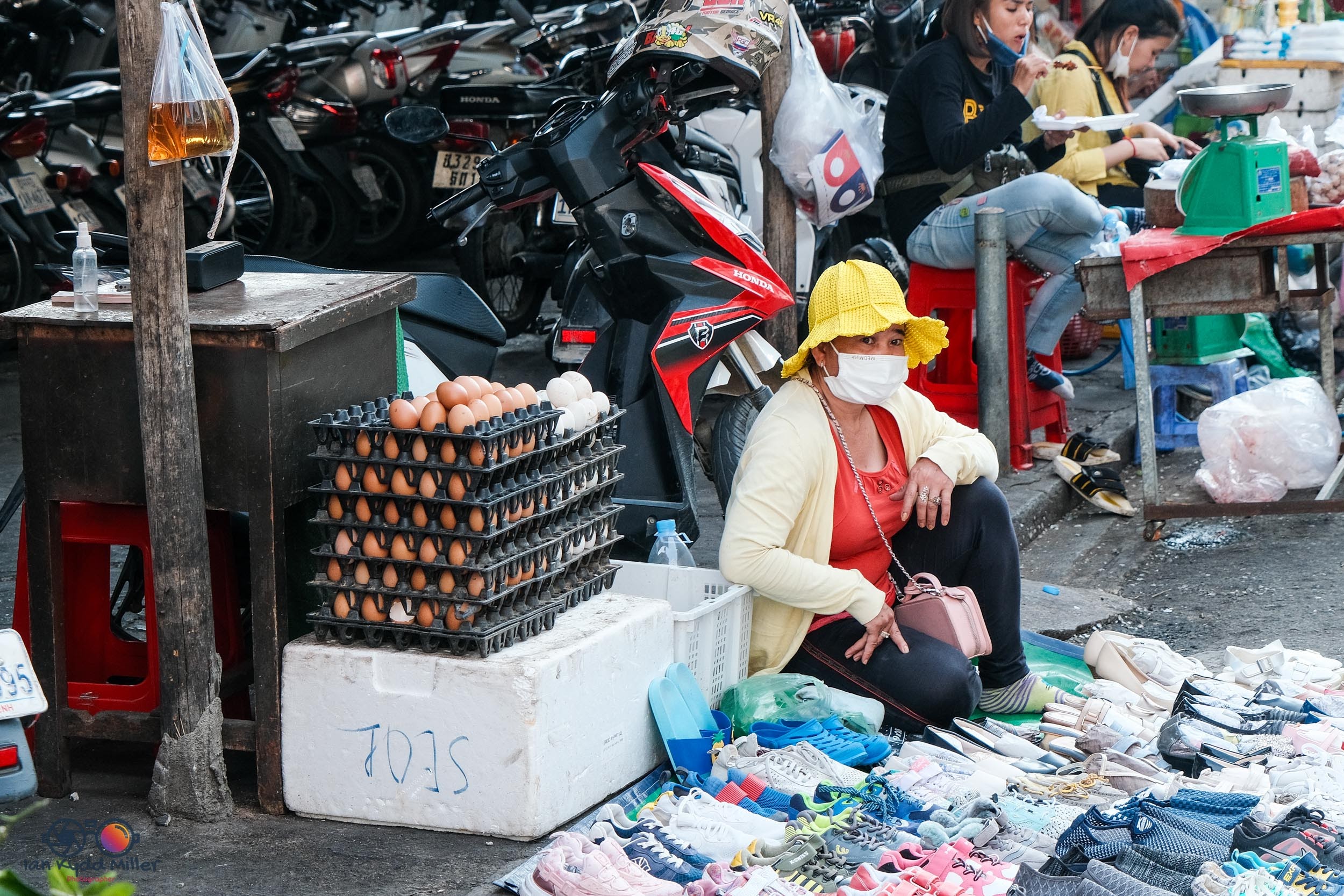
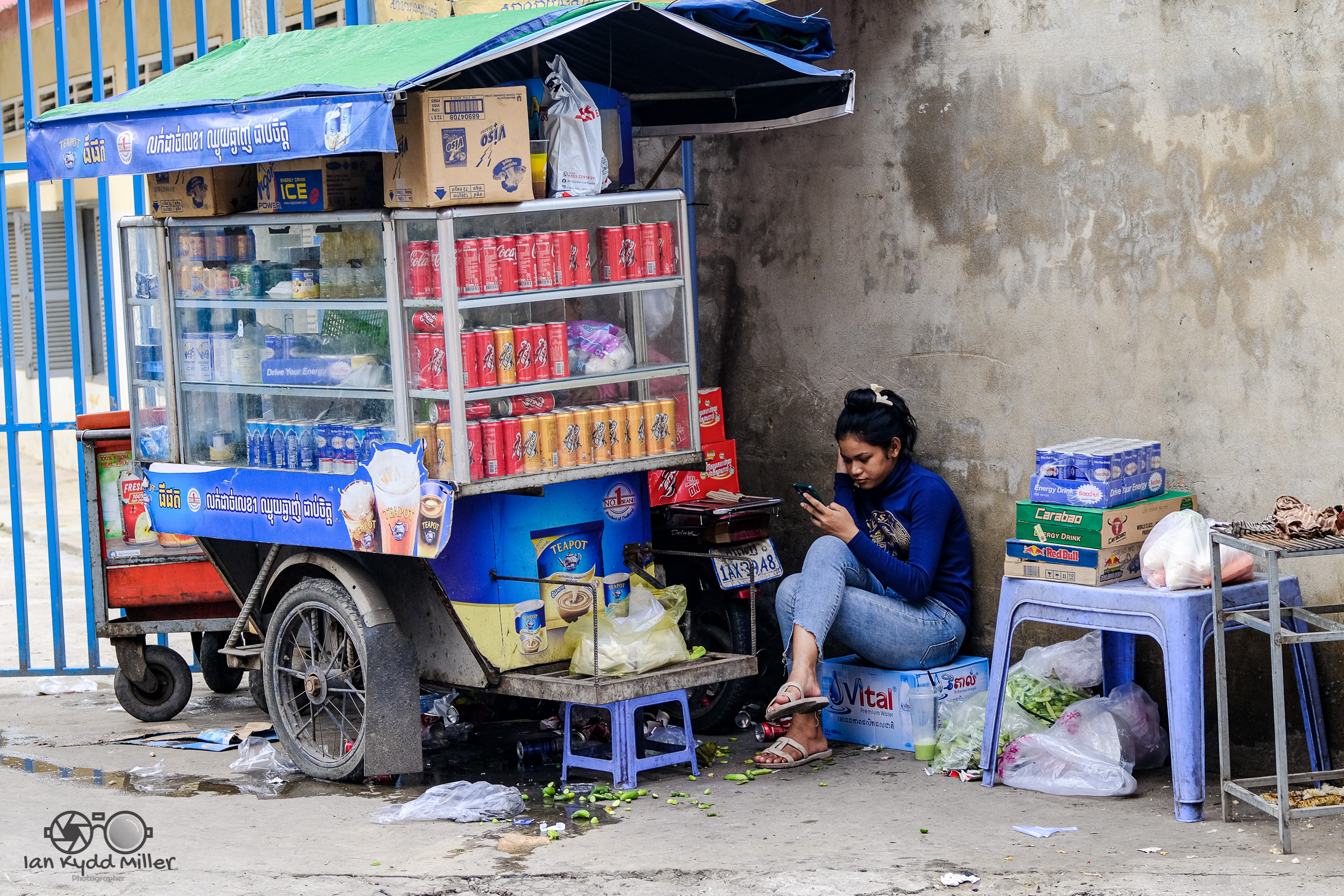
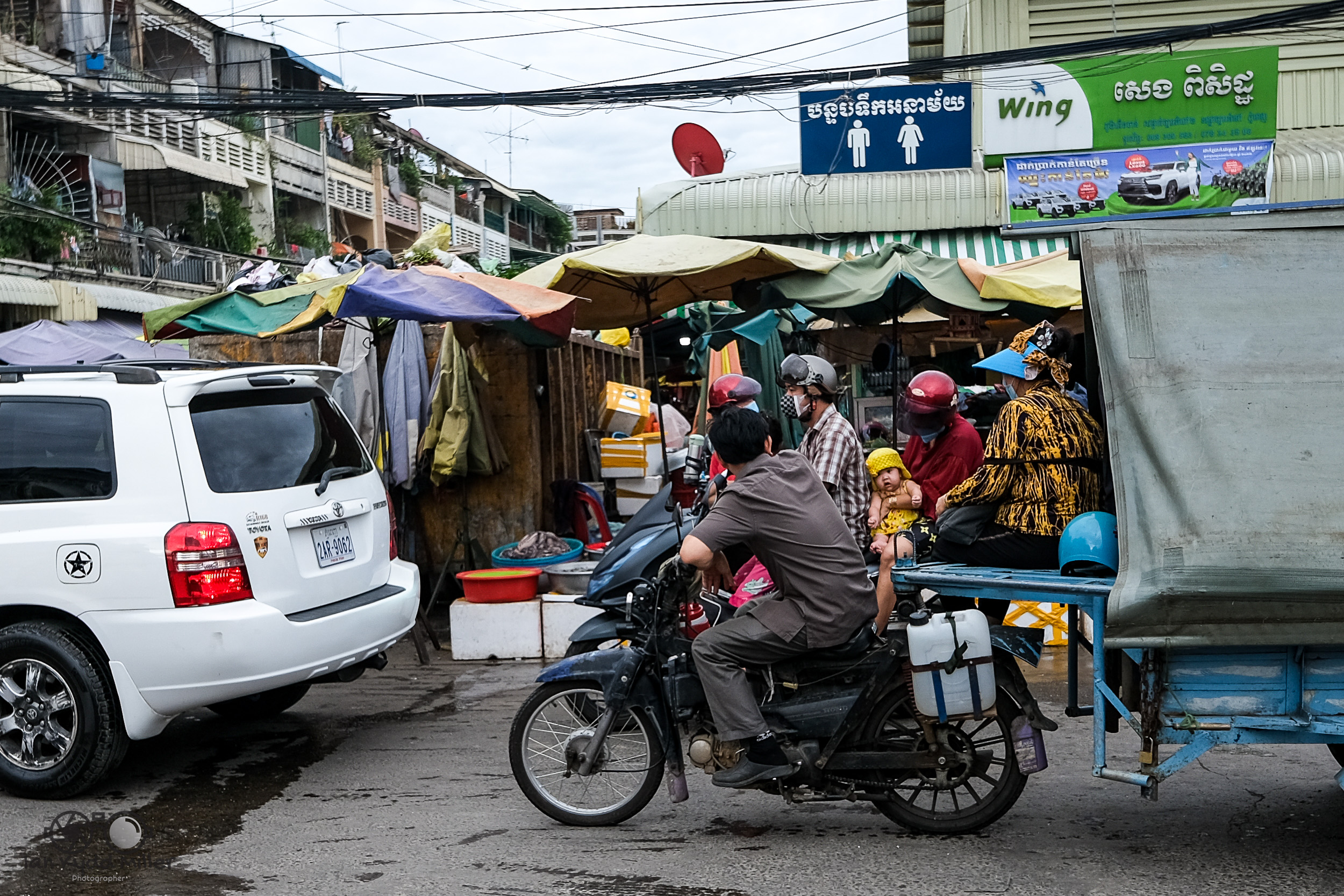
Casual photography, or taking ‘snaps’ as it’s often referred to, is about the joy of capturing life as it happens. It’s about the little moments that make up our day-to-day lives. A snap can be anything from a quick selfie to a shot of a street scene that catches your eye. The beauty of these photographs lies in their imperfection and immediacy. They are raw, real, and often more relatable than a carefully composed shot.

For many, the idea of ‘serious’ photography conjures images of expensive equipment, complex techniques, and the pursuit of technical perfection. However, photography doesn’t have to be serious to be impactful. Casual snaps can convey emotion, tell stories, and preserve memories just as effectively as any meticulously planned photo shoot.

The key to enjoying casual photography is to let go of expectations. It’s about embracing the imperfect and finding beauty in the mundane. Whether you’re using a high-end DSLR or a simple point-and-shoot camera, the goal is the same: to capture the world around you in a way that feels authentic and personal.
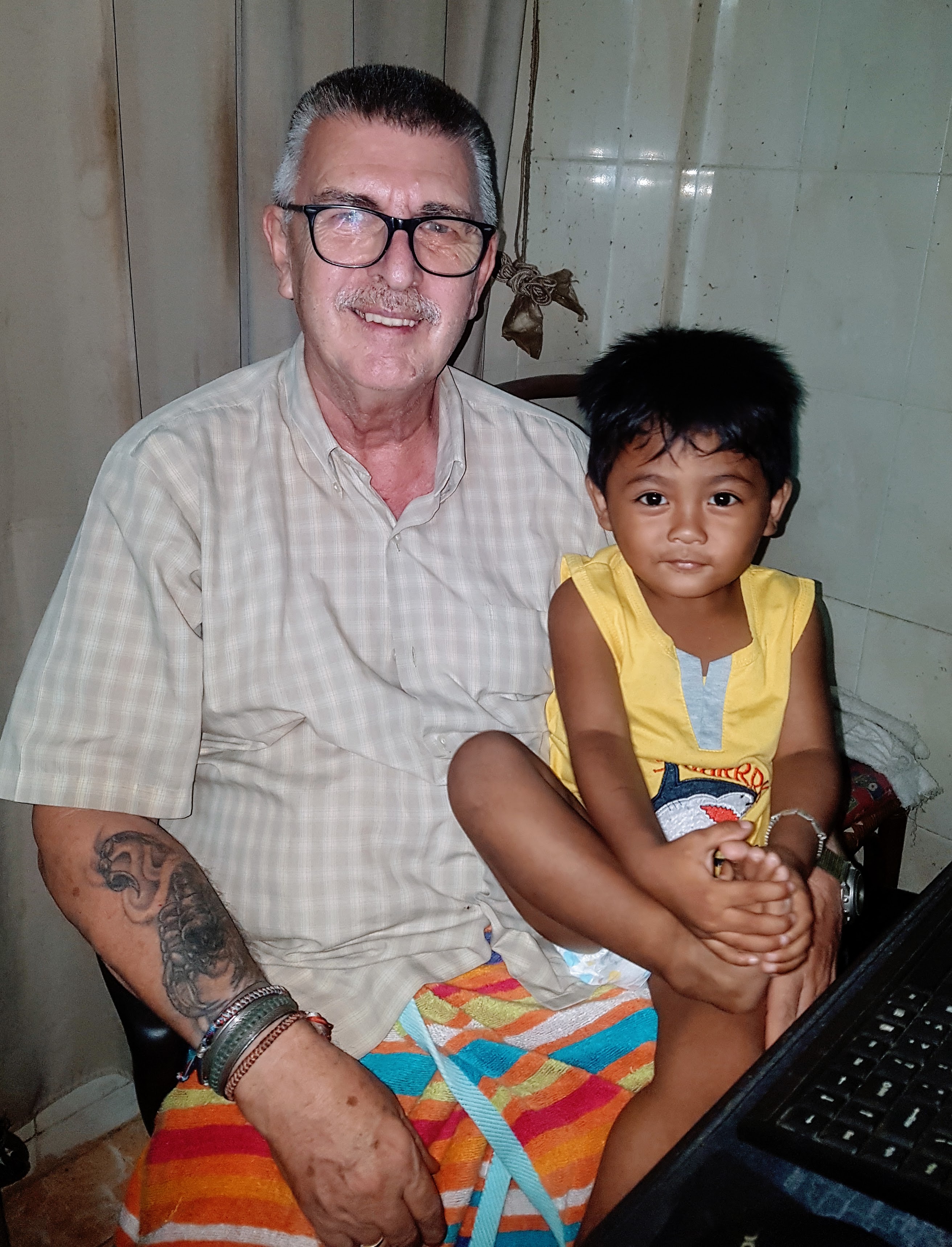
In conclusion, whether you’re a seasoned photographer or a casual enthusiast, there’s a place for both serious photography and casual snaps in your life. Each has its own value and charm, and together, they create a fuller picture of our experiences and the world we live in. So go ahead, capture those fleeting moments, and enjoy the simple pleasure of photography in all its forms.

Cropping in post-processing acceptable or not?

opinons, thoughts, photography, pictures, processing, public, street

Hi everyone! Welcome to my blog where I share my passion for street photography and tips on how to improve your skills. Today I want to talk about a topic that is often debated among street photographers: is cropping in post-processing acceptable or not?
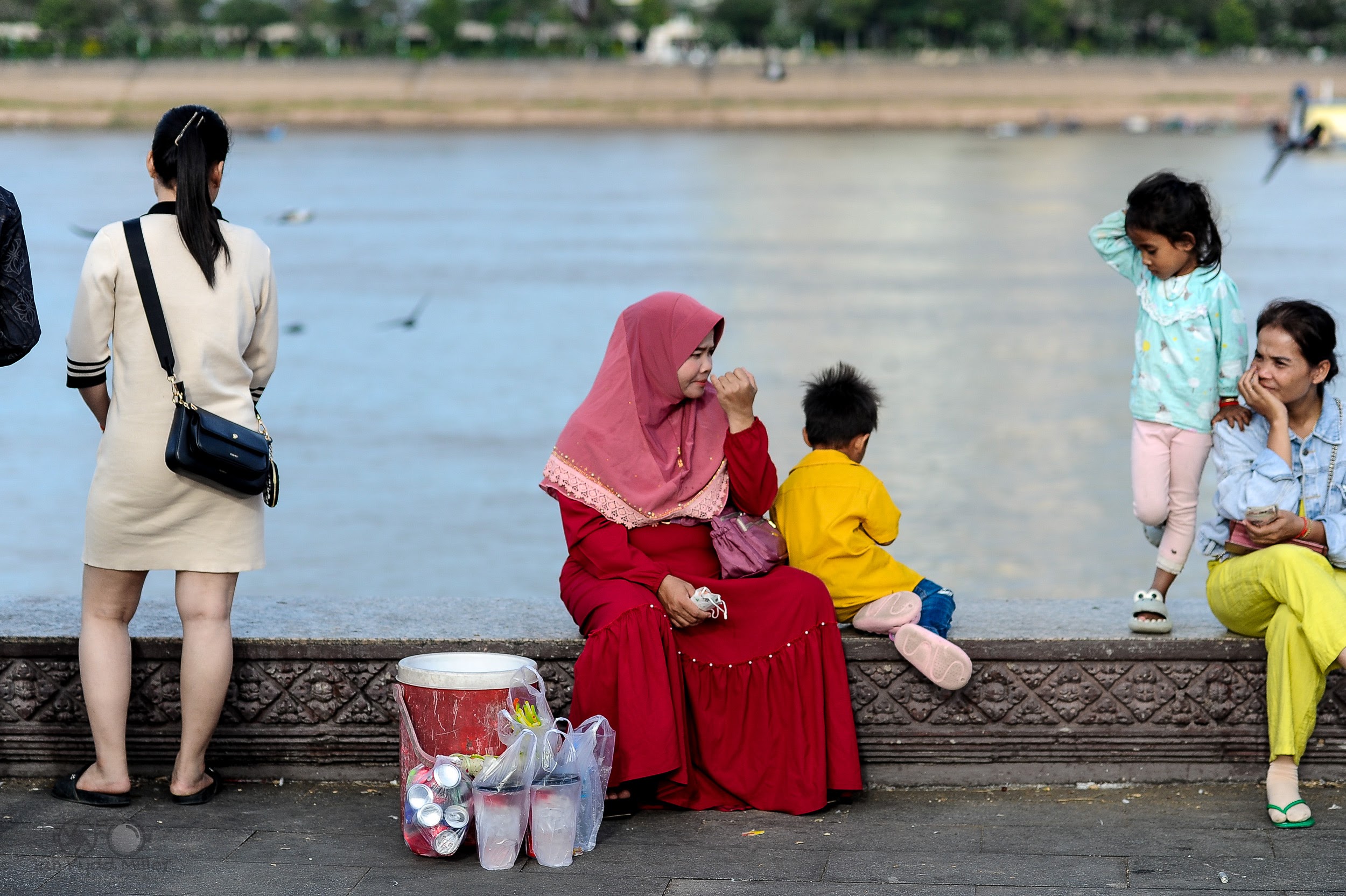
Some people might argue that cropping in post-processing is cheating, that it alters the original composition and vision of the photographer, and that it shows a lack of skill and planning. They might say that a true street photographer should be able to capture the decisive moment with the right framing and perspective, without relying on editing software to fix their mistakes.
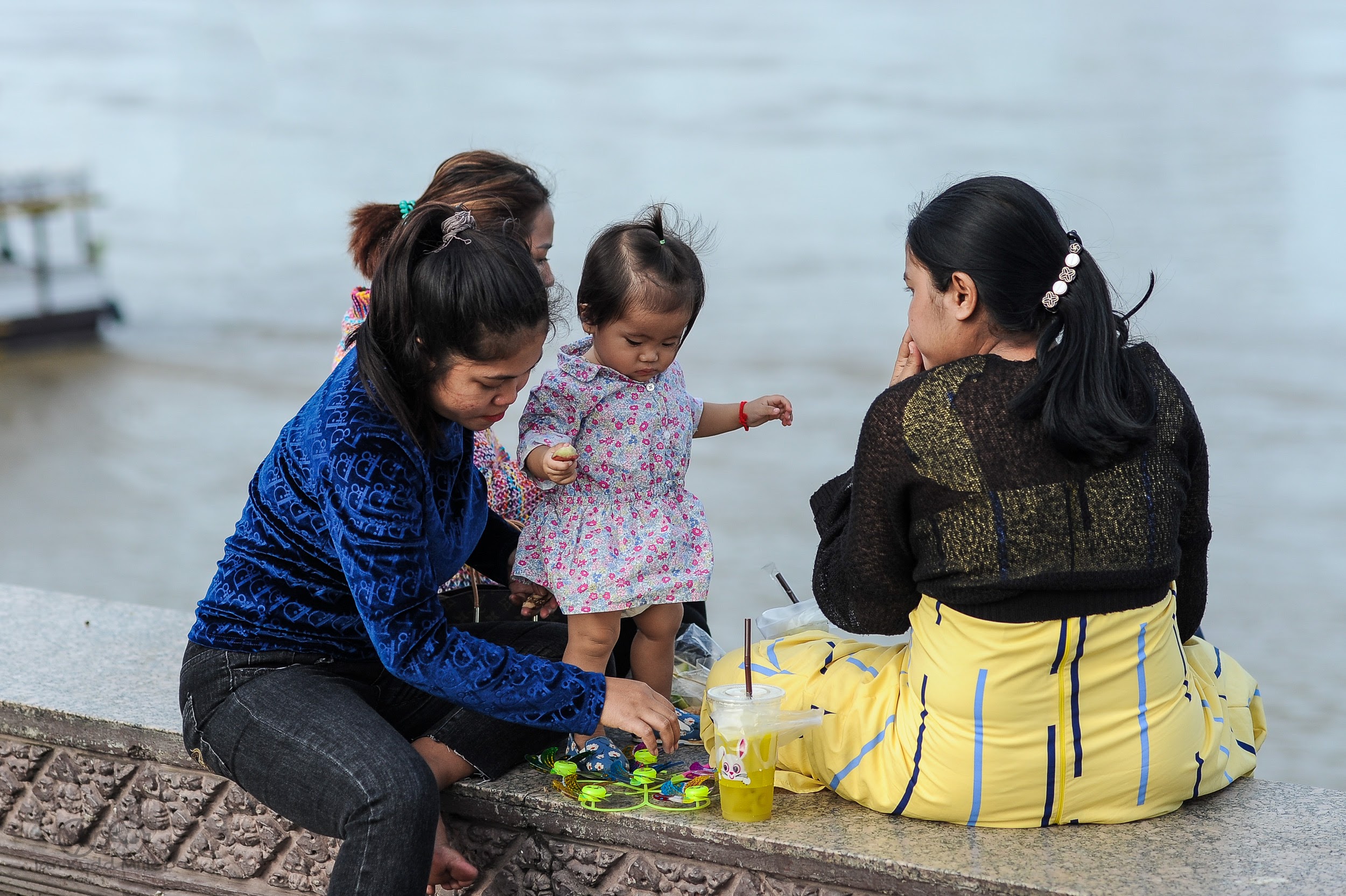
Others might disagree and say that cropping in post-processing is a creative tool, that it allows the photographer to enhance their images and express their artistic vision, and that it shows a willingness to experiment and learn. They might say that a true street photographer should be open to new possibilities and techniques, without being constrained by rigid rules and dogmas.

So, who is right and who is wrong? Well, in my opinion, there is no definitive answer to this question. Street photography is a form of art, and art is subjective. What works for one photographer might not work for another. What appeals to one audience might not appeal to another. What matters is that you are happy with your images and that they reflect your personal style and message.

Personally, I don’t have a problem with cropping in post-processing, as long as it doesn’t change the essence and meaning of the image. Sometimes I crop my images to remove distracting elements, to improve the balance and harmony of the composition, or to emphasize the main subject or emotion. Sometimes I don’t crop my images at all, because I like them as they are. It depends on each image and what I want to achieve with it.

I think that cropping in post-processing is acceptable in street photography, as long as it is done with intention and purpose, not with laziness and carelessness. I think that cropping in post-processing is a skill that can be learned and improved, not a shortcut that can be abused and overused. I think that cropping in post-processing is a matter of personal preference and taste, not a matter of right or wrong.

What do you think? Do you crop your images in post-processing or not? Why or why not? Let me know in the comments below. And don’t forget to subscribe to my blog for more street photography content. Thanks for reading and happy shooting!

Back button AF

cambodia, cameras, fujifilm, Lenses, opinons, thoughts, photography, pictures, public, street, Travel

Using the back button AF is a technique that allows you to focus on your subject without having to press the shutter button halfway. It involves assigning a different button on the back of your camera to activate the autofocus system, instead of using the shutter button. Normally, when you press the shutter button halfway, you activate the autofocus system and lock the focus on your subject. When you press it fully, you take the picture. However, if you move your camera after locking the focus, or if your subject moves, you may lose focus and end up with a blurry image. By using a separate button for focusing, you can avoid this problem and have more control over when and where to focus. This way, you can lock the focus on your subject and recompose the frame without losing focus. Using back button AF can be useful for situations where you want to have more control over the focus point, or when you are shooting moving subjects and want to track them continuously. Some of the benefits of using back button AF are:

  • You can avoid accidental refocusing when you press the shutter button fully.
  • You can switch between single and continuous autofocus modes without changing the settings on your camera.
  • You can prevent focus hunting when shooting in low light or low contrast scenes.
  • You can use manual focus and autofocus interchangeably without switching modes.

To use the back button AF, you need to assign a button on the back of your camera to activate the autofocus system. The exact procedure may vary depending on your camera model, but generally, you can find it in the custom functions menu. Once you have assigned the button, you need to disable the autofocus function from the shutter button. This way, the shutter button will only be used to take the picture, and the back button will be used to focus. To use the back button AF, you simply press and hold the back button to focus on your subject, and then release it when you have achieved focus. You can then recompose the frame and press the shutter button to take the picture.

Why do some photographers get noticed and others don’t.

cameras, fujifilm, homelessness, Lenses, opinons, thoughts, photography, printing, processing, public, street, Travel, voluntary

Why do some photographers get noticed and others don’t. What is the trick?

This is a question that many aspiring photographers ask themselves, and there is no easy answer. Photography is a creative field, and different people have different tastes and preferences. What appeals to one person may not appeal to another. However, there are some general tips that can help you improve your chances of getting noticed as a photographer.

  • Find your niche. Don’t try to copy what others are doing, but instead focus on what makes you unique and passionate. What kind of photography do you enjoy the most? What kind of stories do you want to tell with your images? What kind of style and mood do you want to create? By finding your niche, you can develop your own voice and vision as a photographer, and attract people who share your interests and values.
  • Be consistent. Once you find your niche, stick to it and be consistent in your work. This doesn’t mean you can’t experiment or try new things, but it does mean you should have a clear direction and purpose for your photography. Consistency helps you build your brand and reputation and also helps you grow as a photographer. People will recognize your work and trust your quality.
  • Be visible. If you want to get noticed, you need to put yourself out there and show your work to the world. There are many platforms and channels where you can showcase your photography, such as social media, websites, blogs, magazines, galleries, contests, etc. Choose the ones that suit your goals and audience, and be active and engaging. Share your work regularly, but also interact with other photographers and potential clients. Give feedback, ask for feedback, join communities, network, collaborate, etc. The more visible you are, the more opportunities you will have.
  • Be persistent. Getting noticed as a photographer is not easy, and it takes time and effort. You will face challenges, rejections, criticisms, and competition along the way. Don’t let that discourage you or stop you from pursuing your passion. Keep learning, improving, creating, and sharing your work. Keep trying new things and reaching out to new people. Keep believing in yourself and your vision. Eventually, you will find your audience and your success.

Restricted on face book

cambodia, opinons, thoughts, photography, pictures, public, street

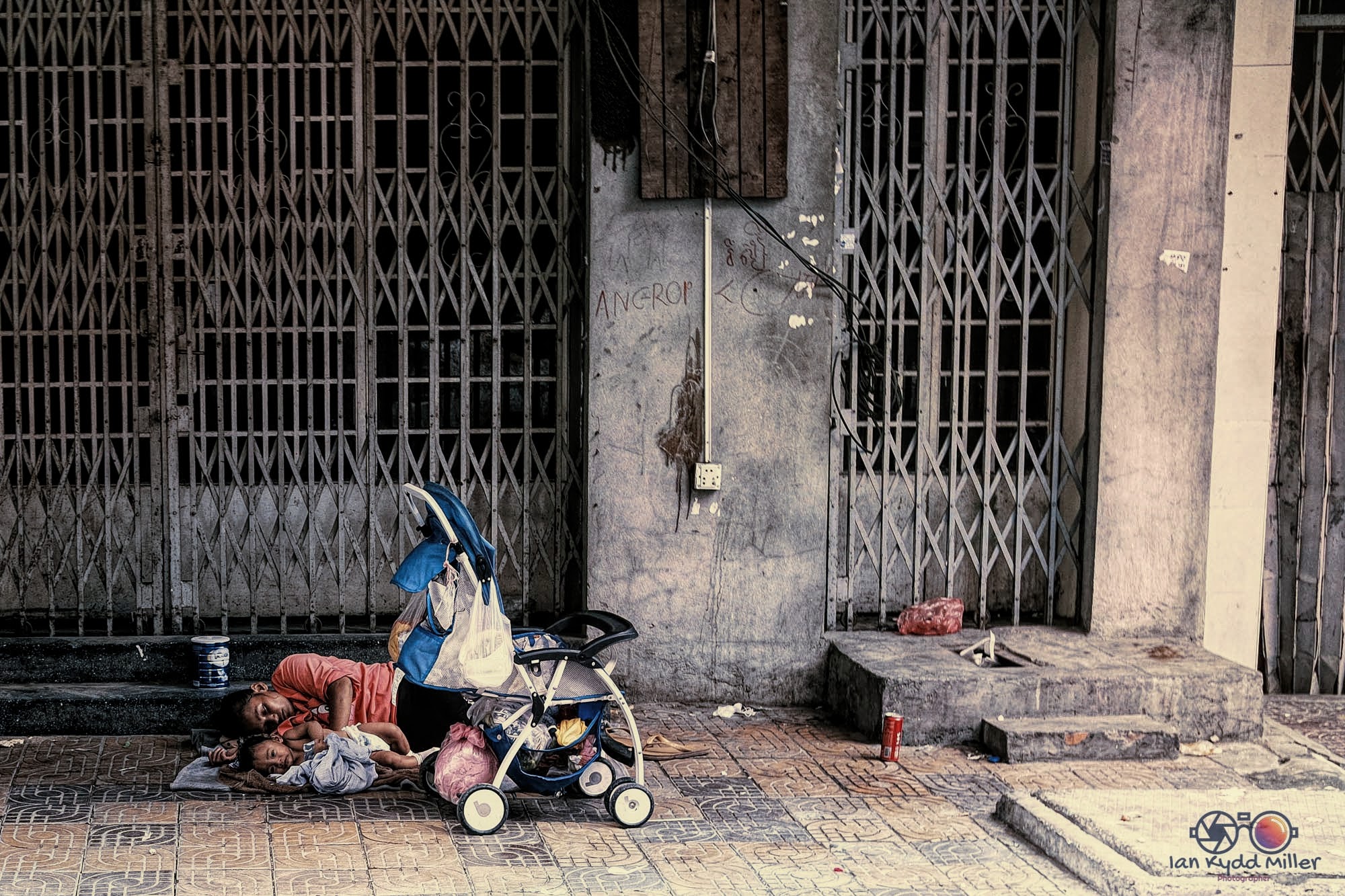
My account has been restricted on FB for 2 days for displaying this picture which they say goes against FB rules

How anyone could find this image to be offensive or sexual in any way is certainly beyond me.

How do you define a street portrait?

homelessness, opinons, thoughts, photography, pictures, public, street, Travel

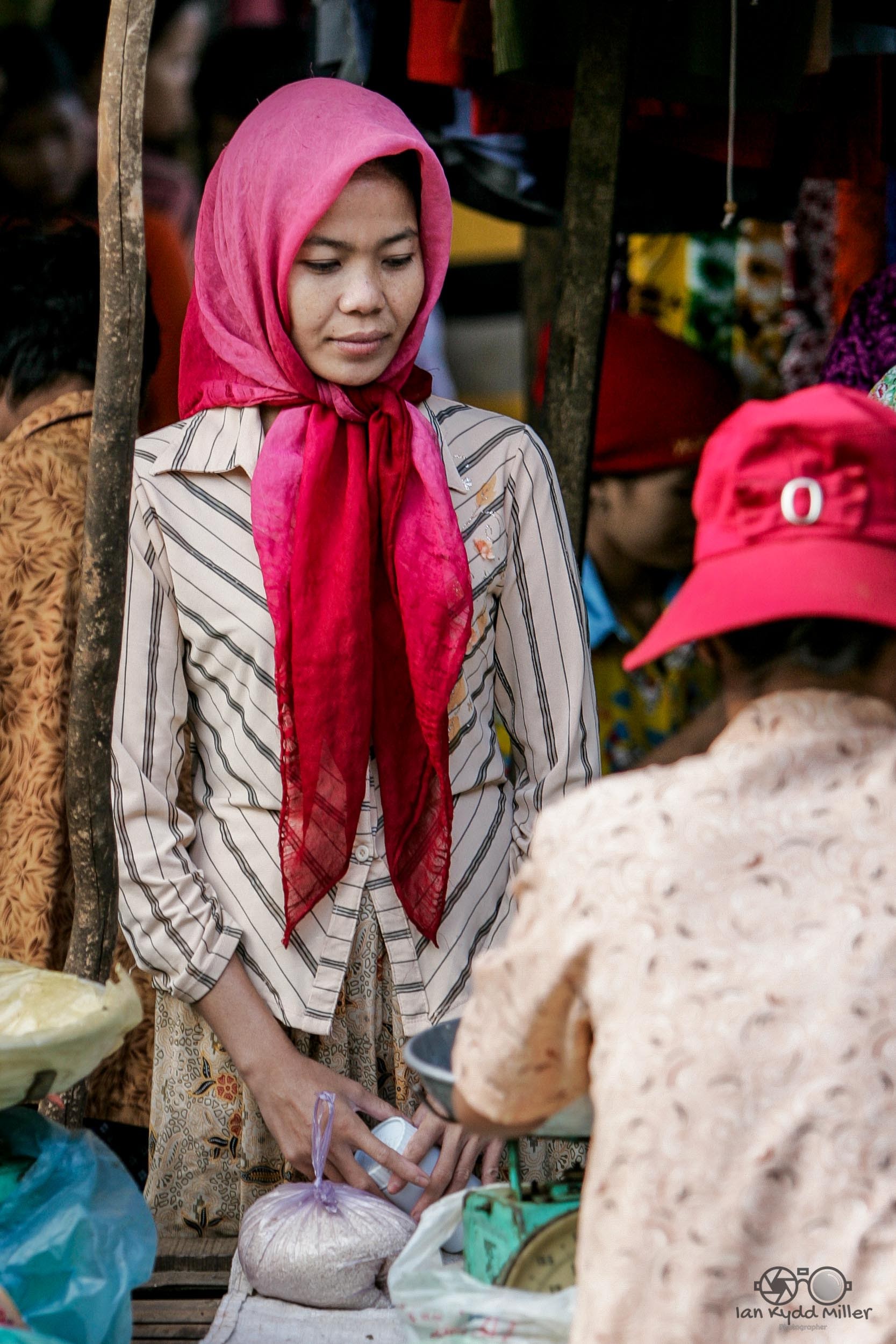
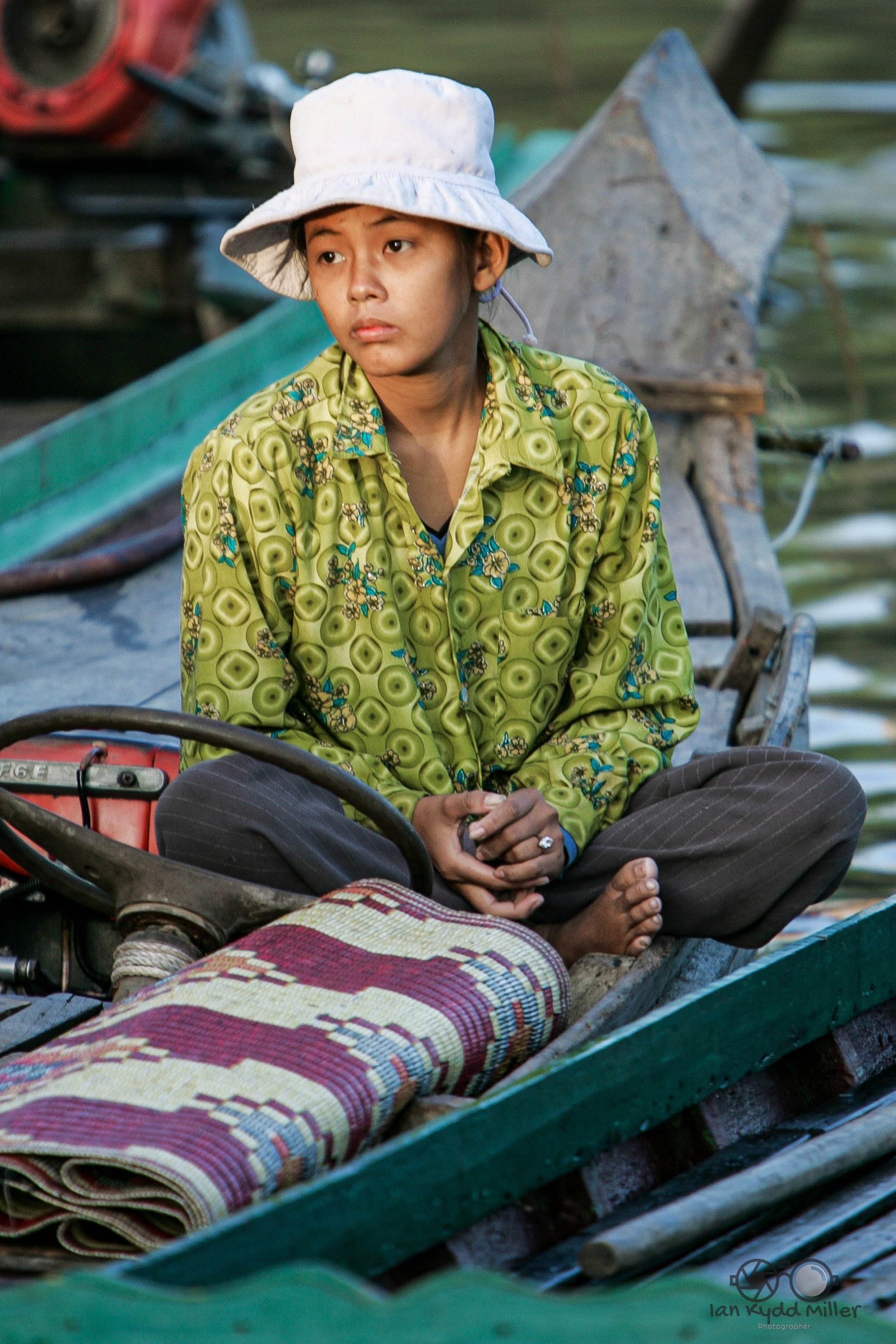
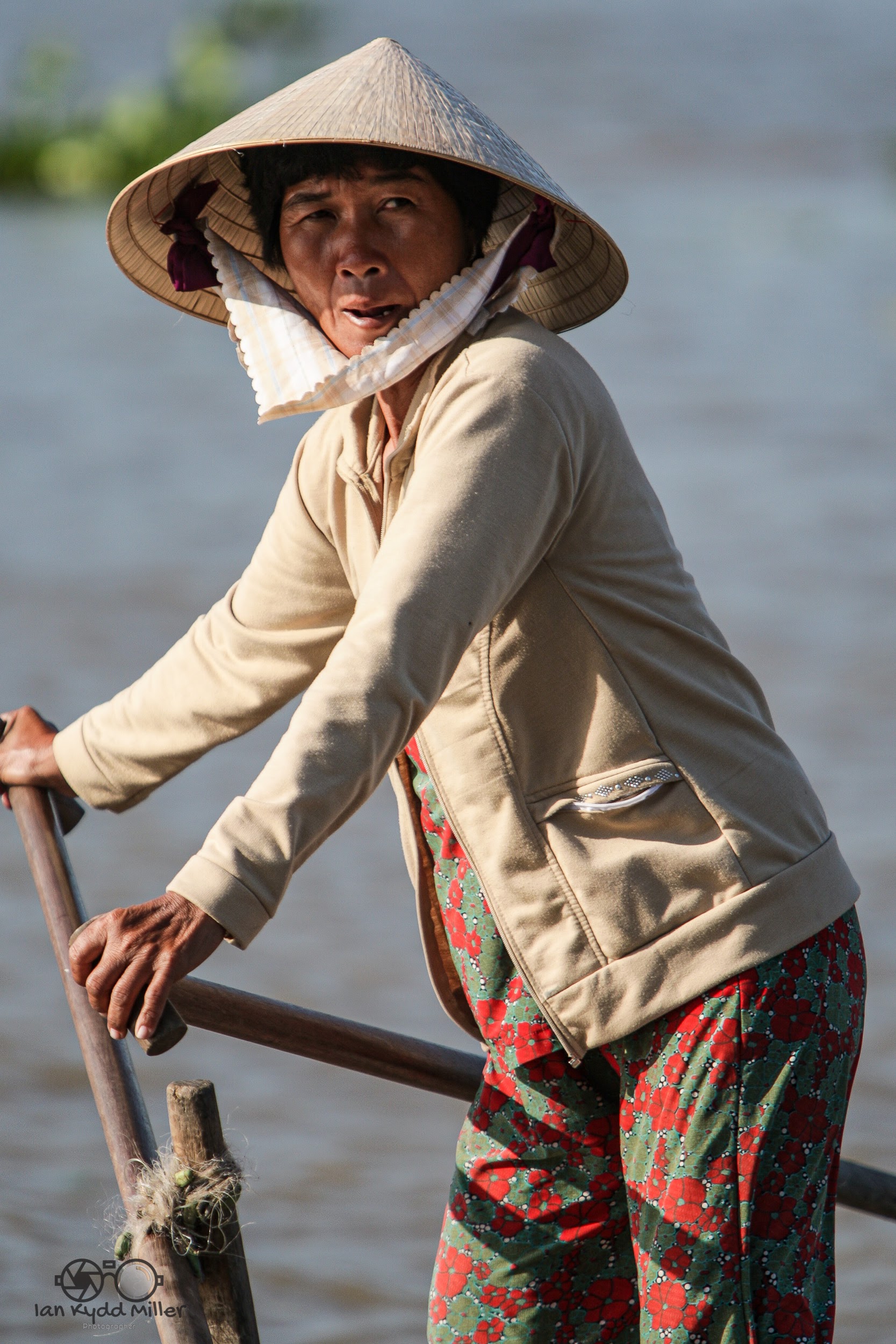
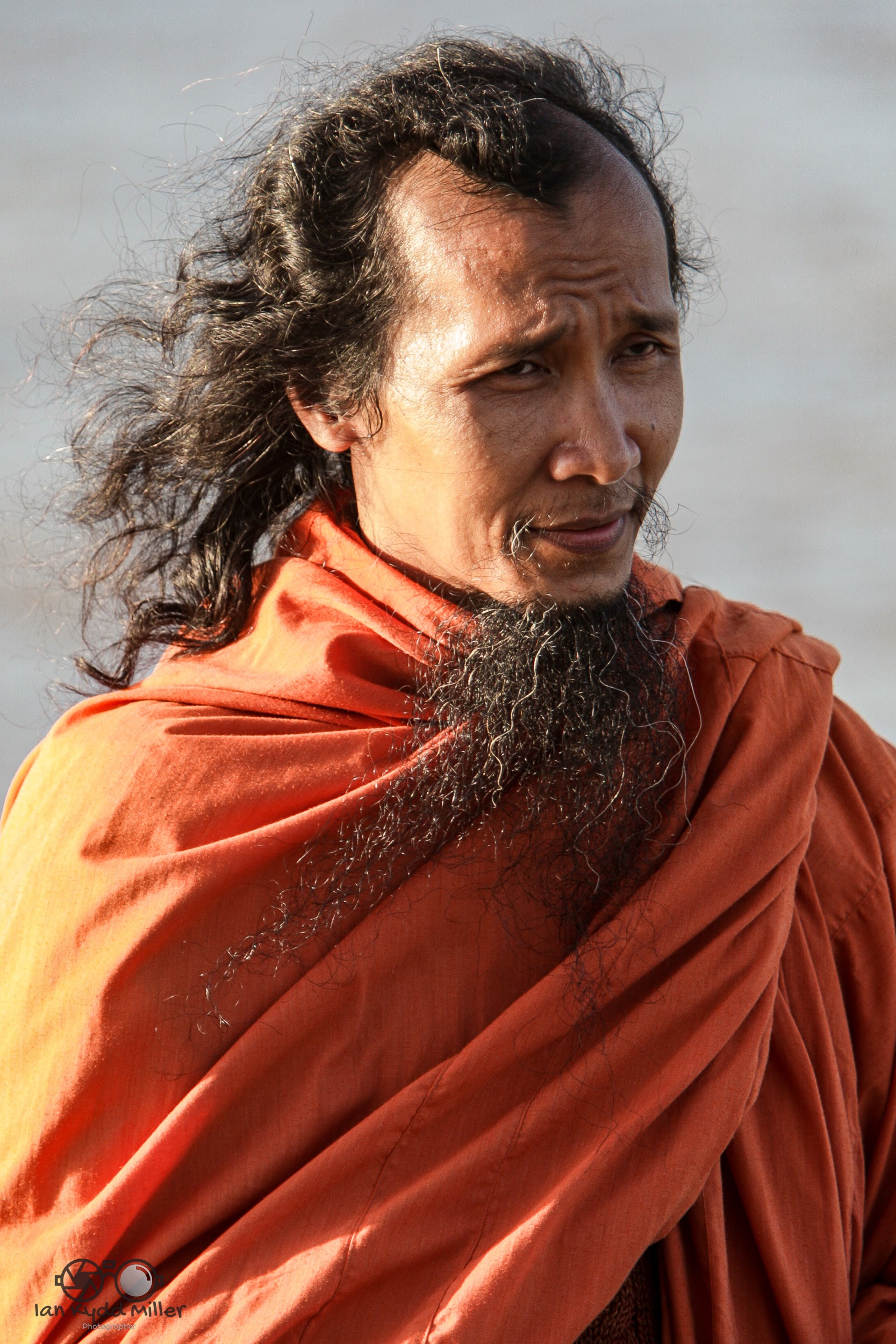
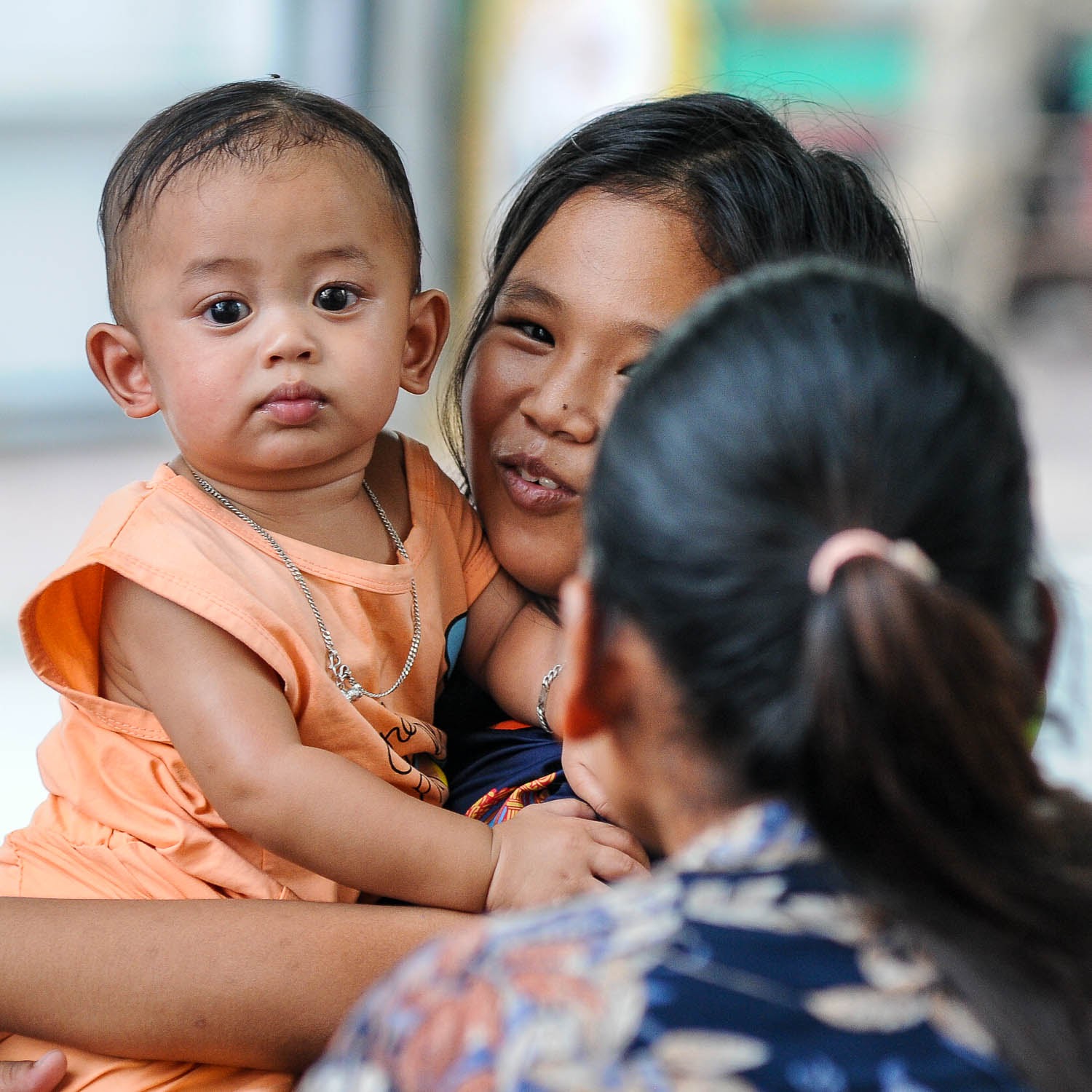
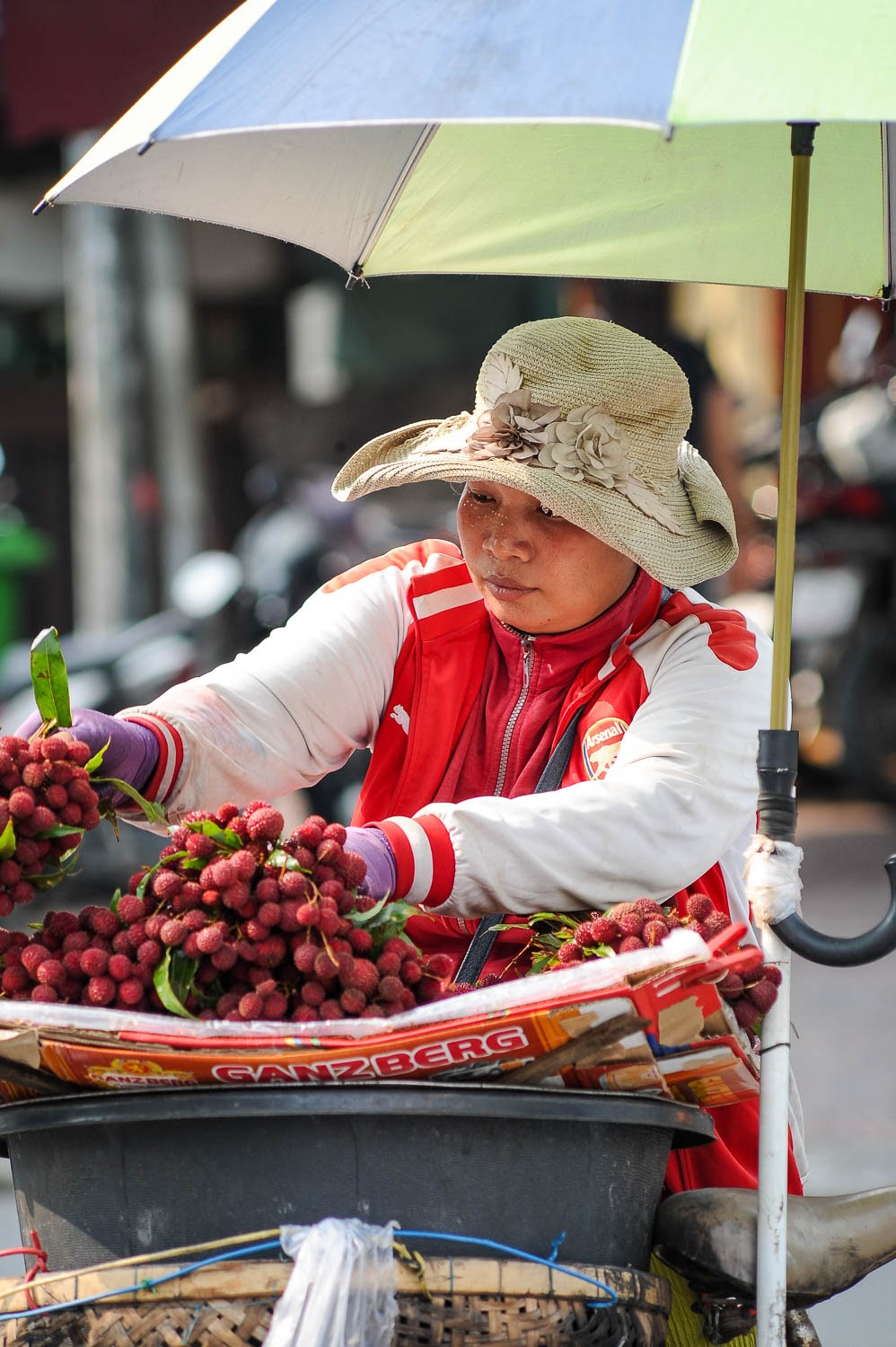
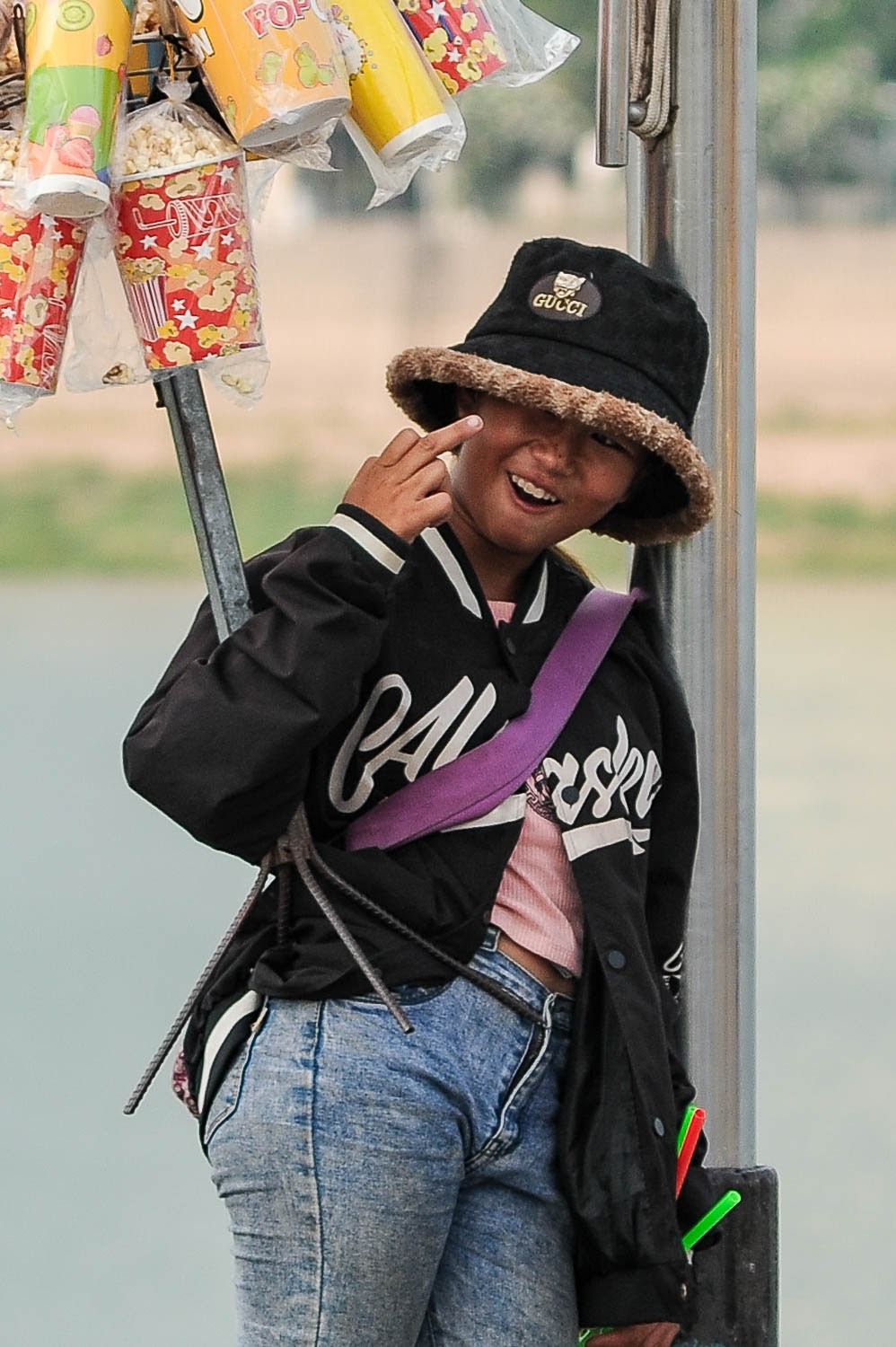
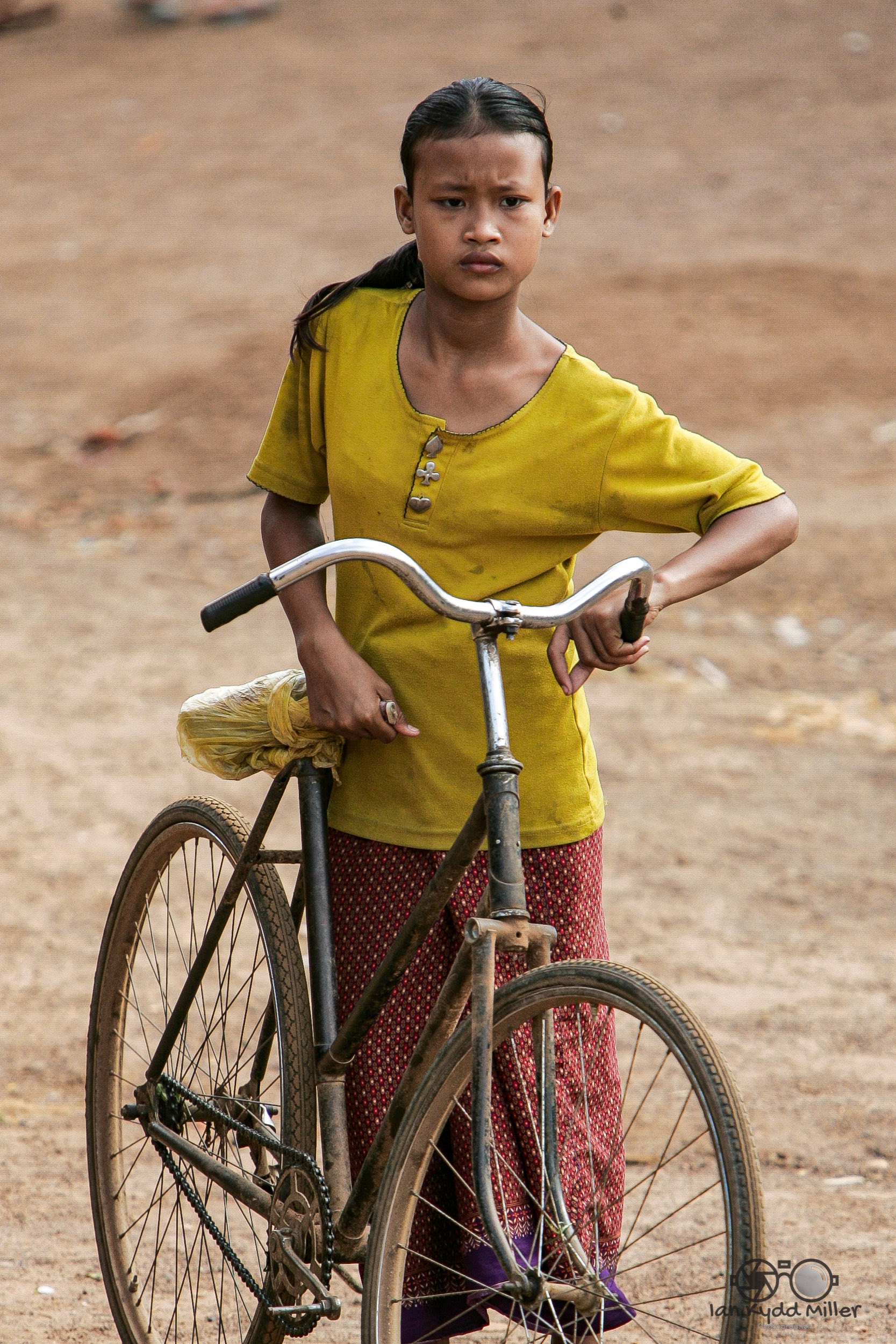
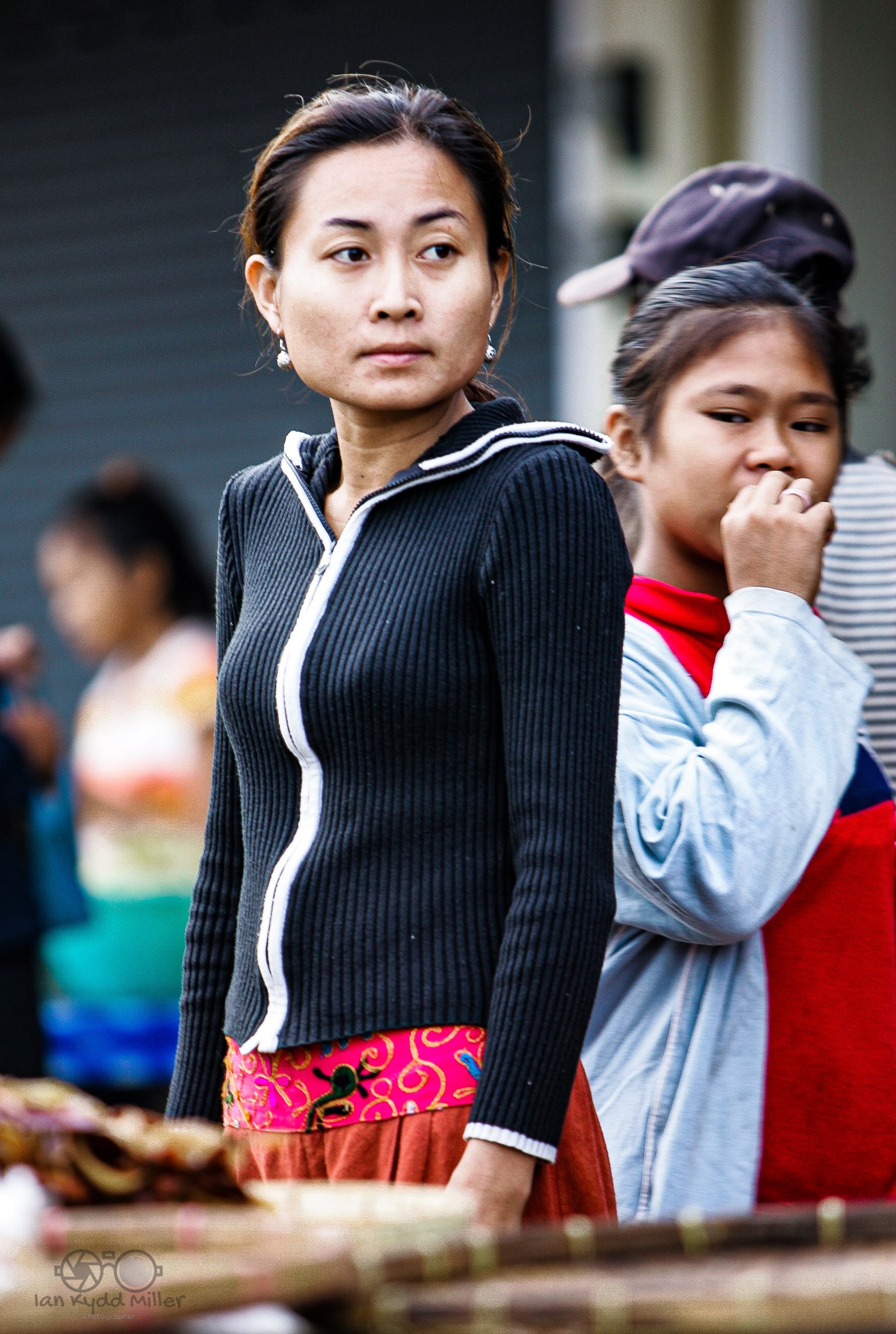
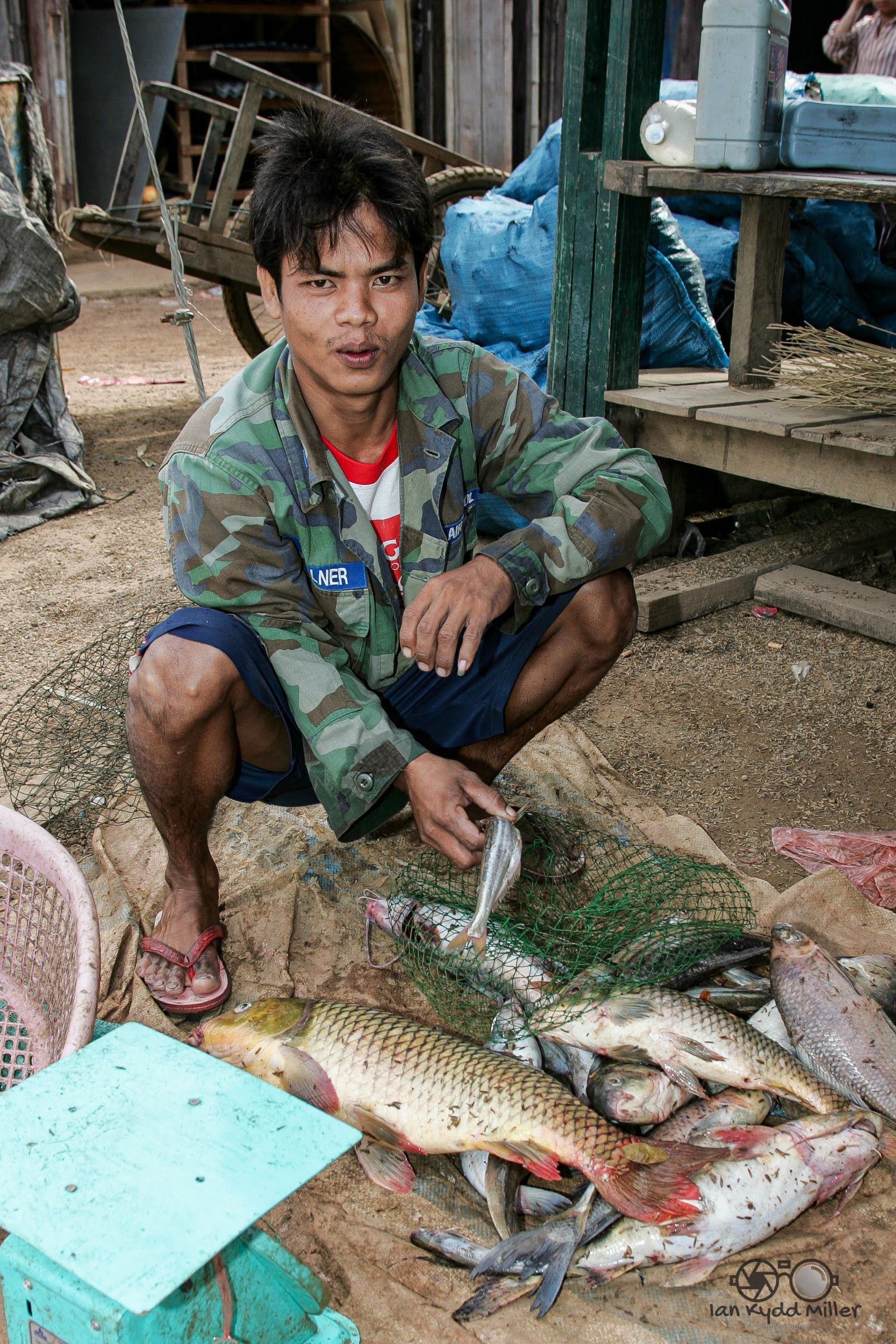
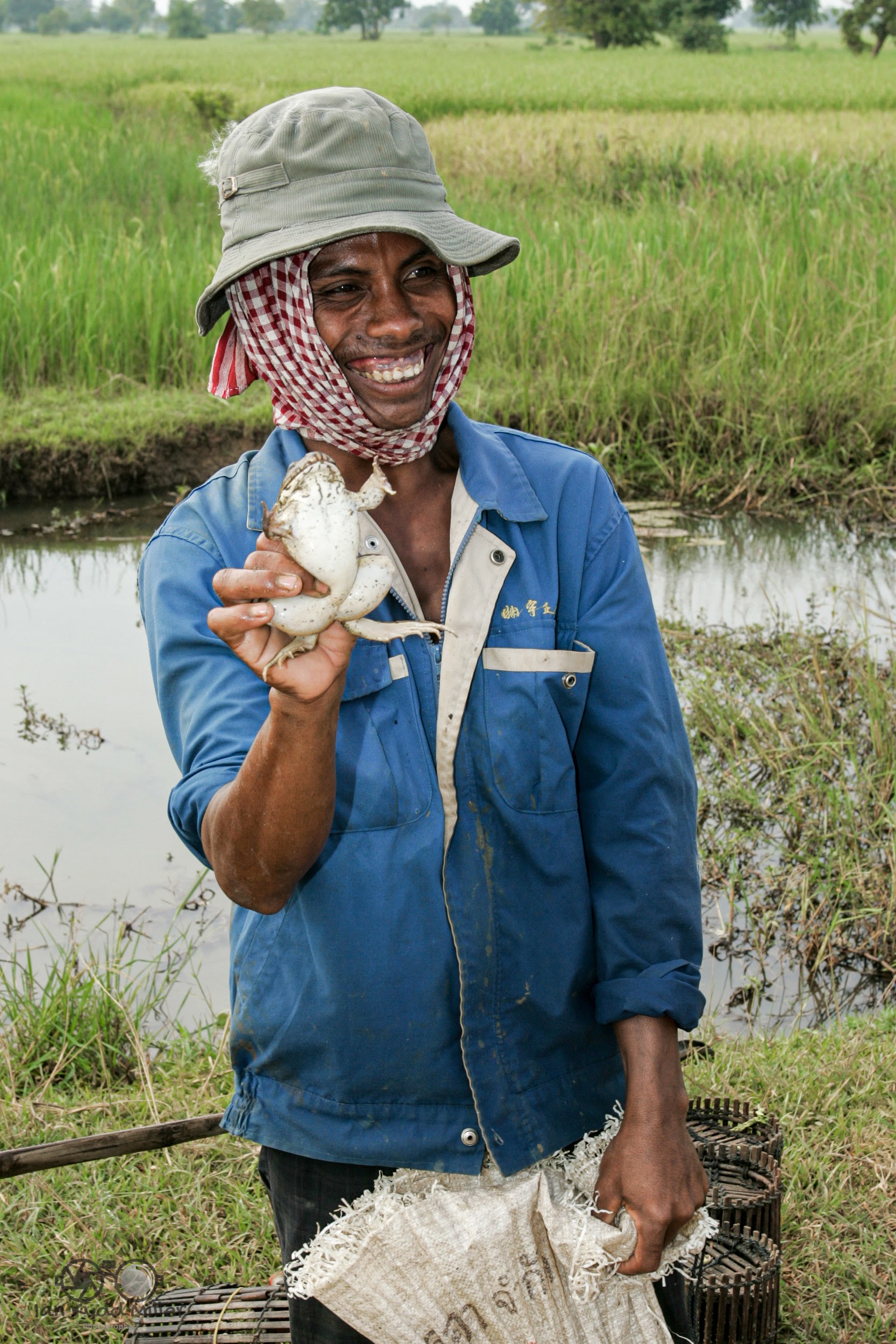
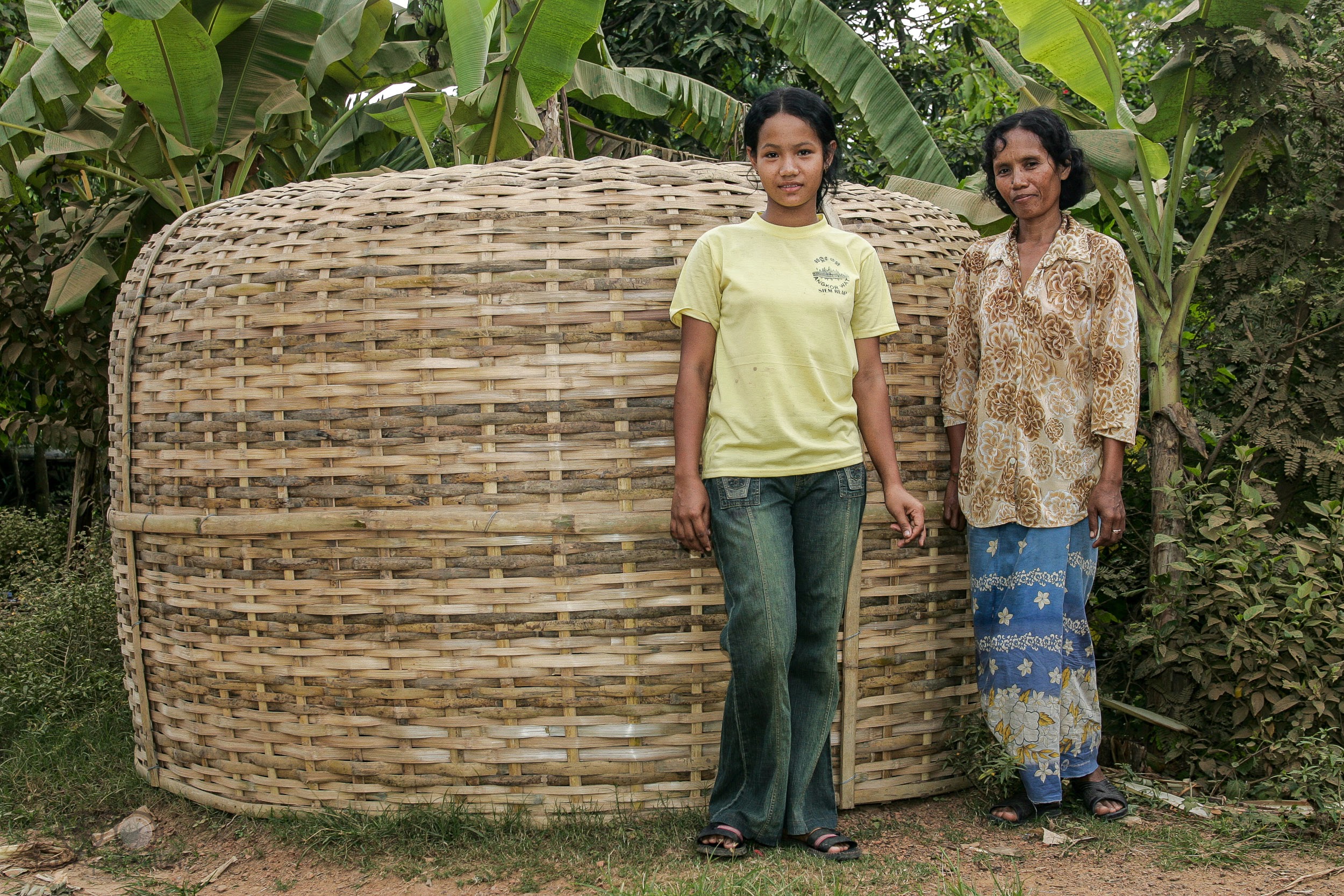
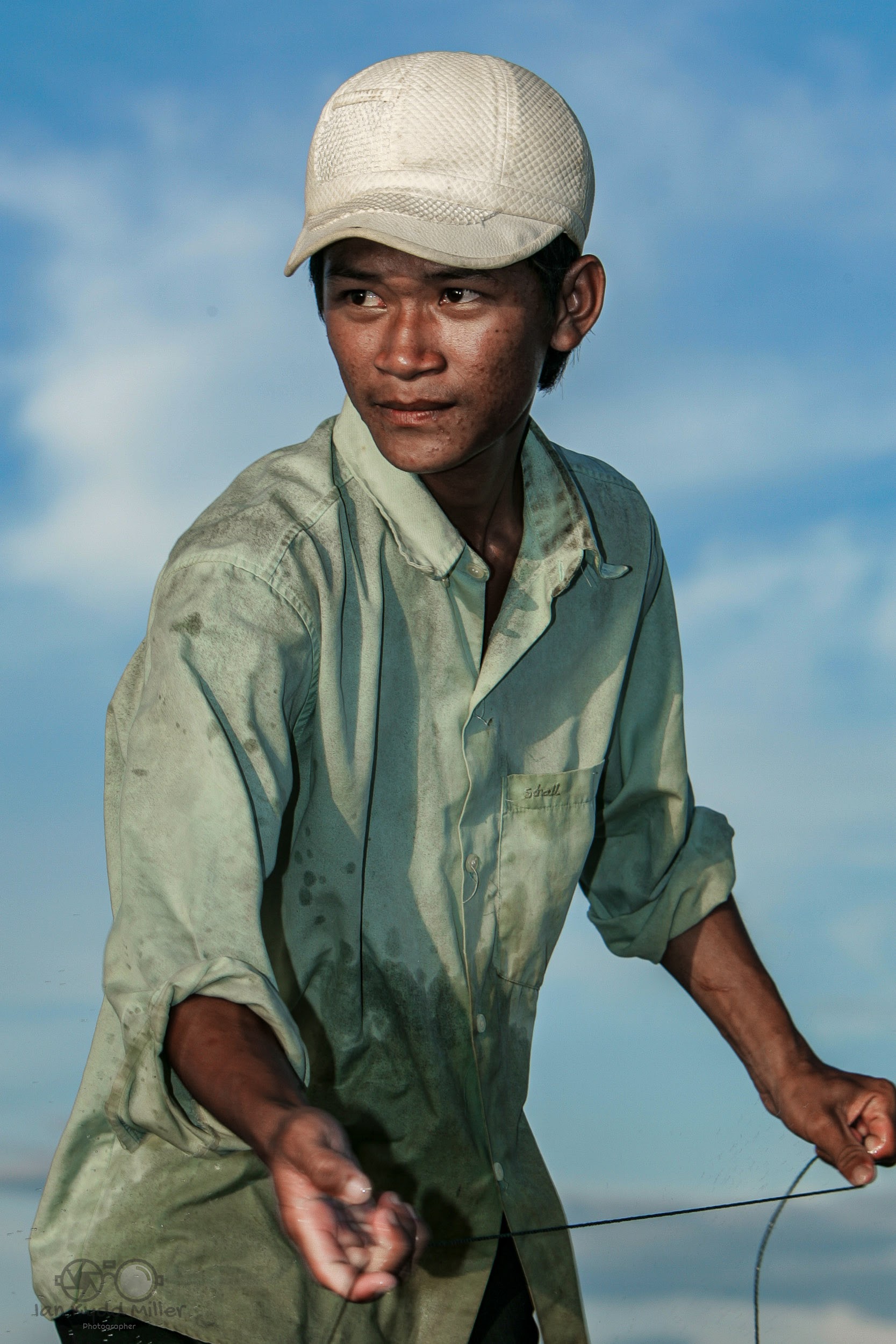
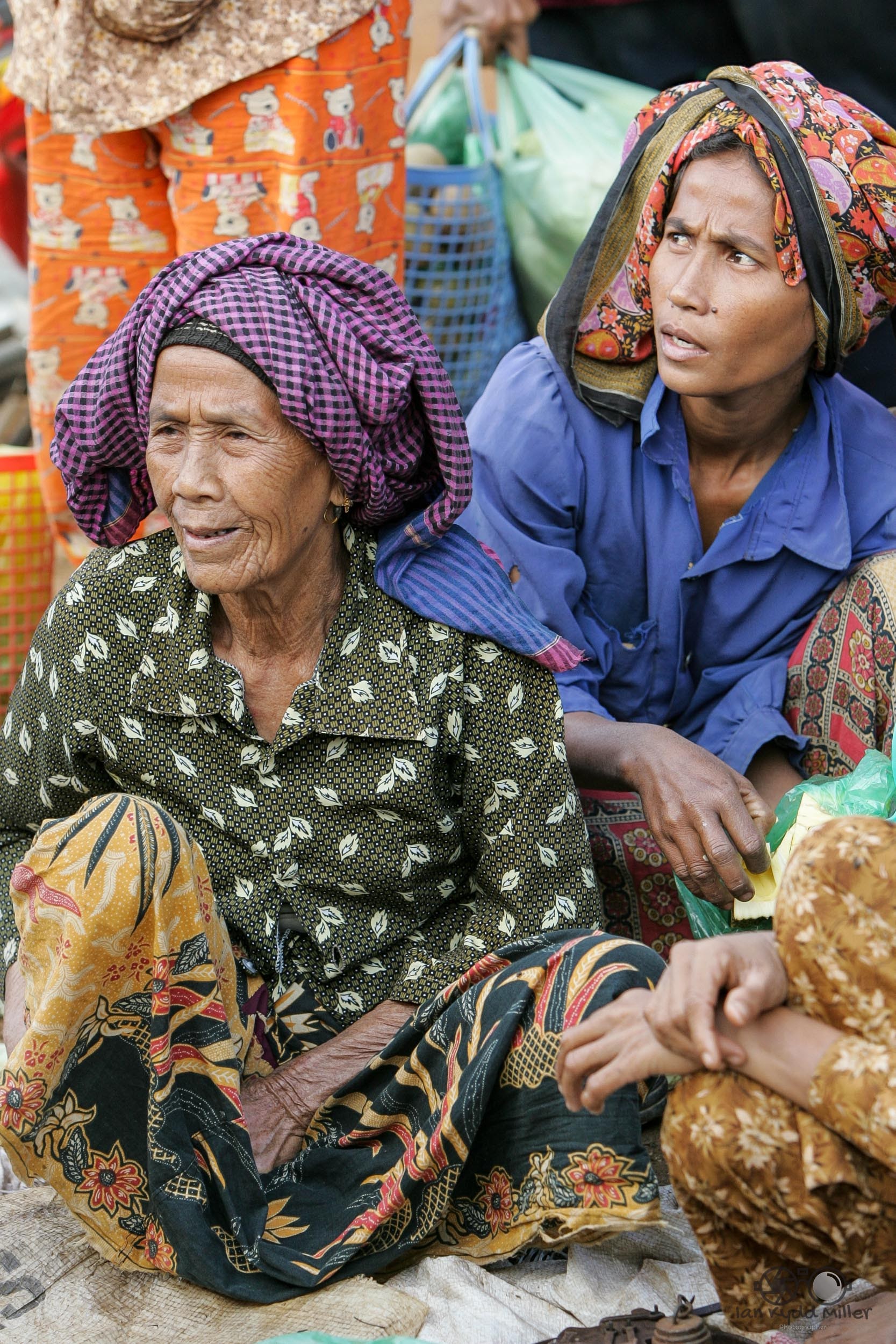
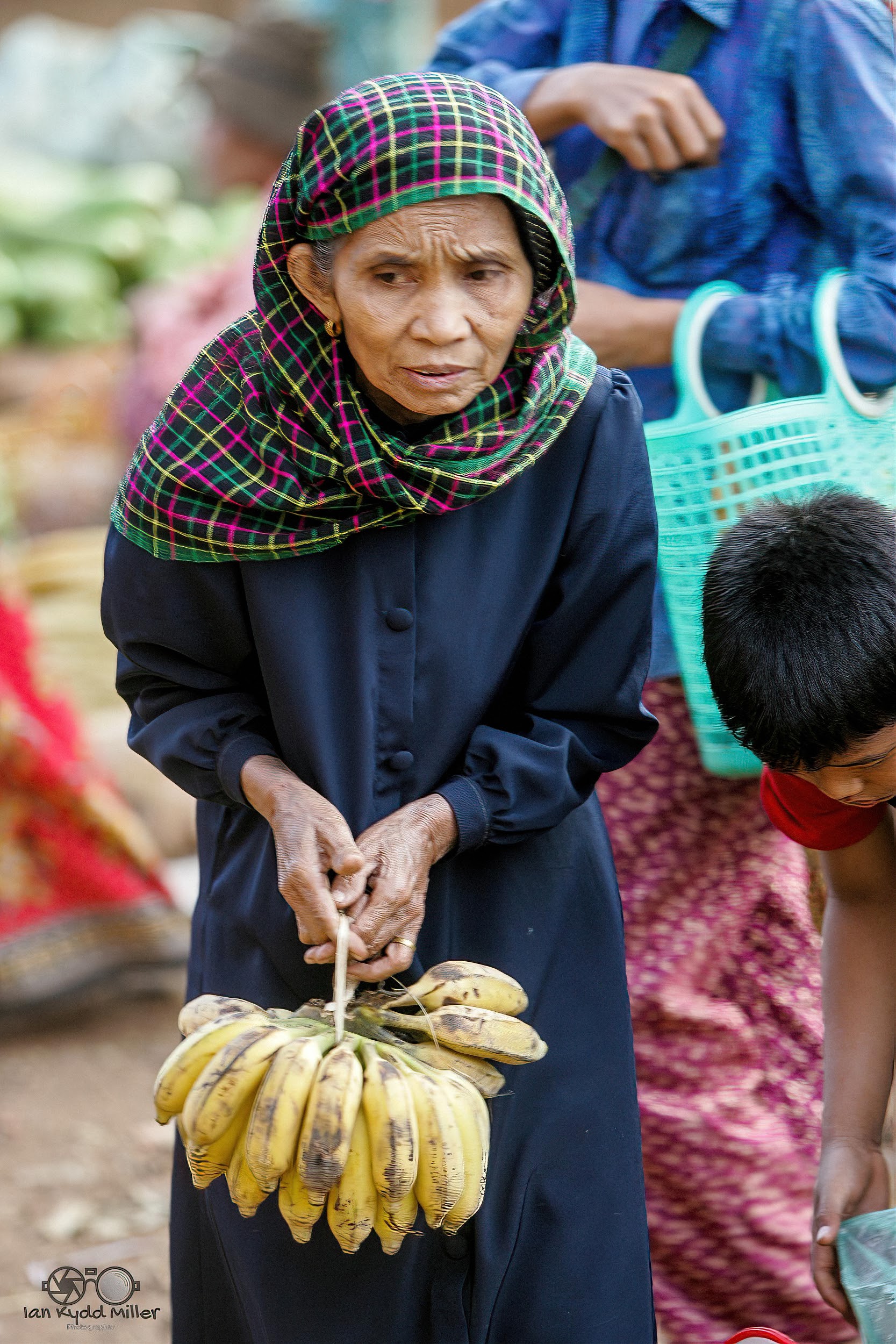
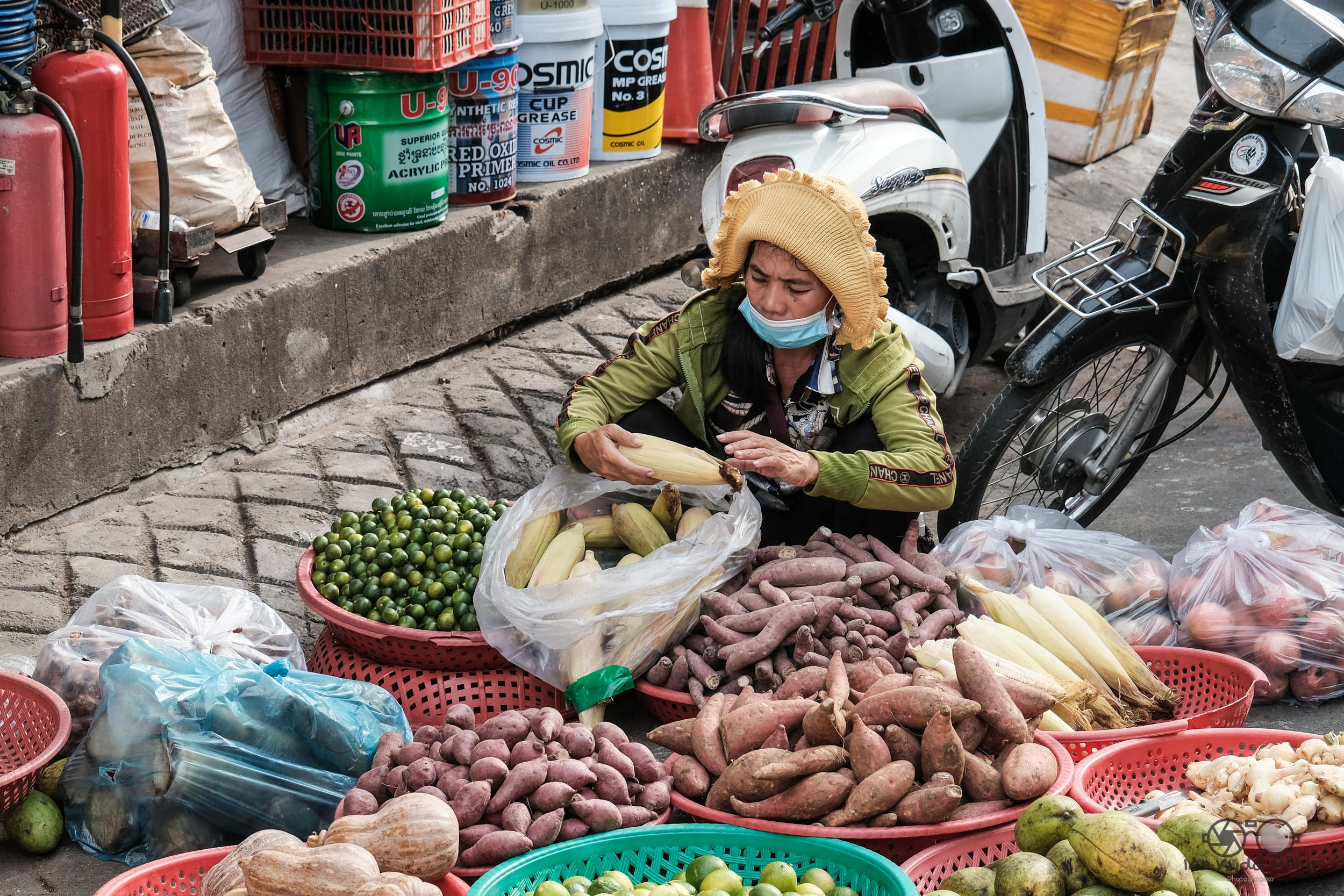
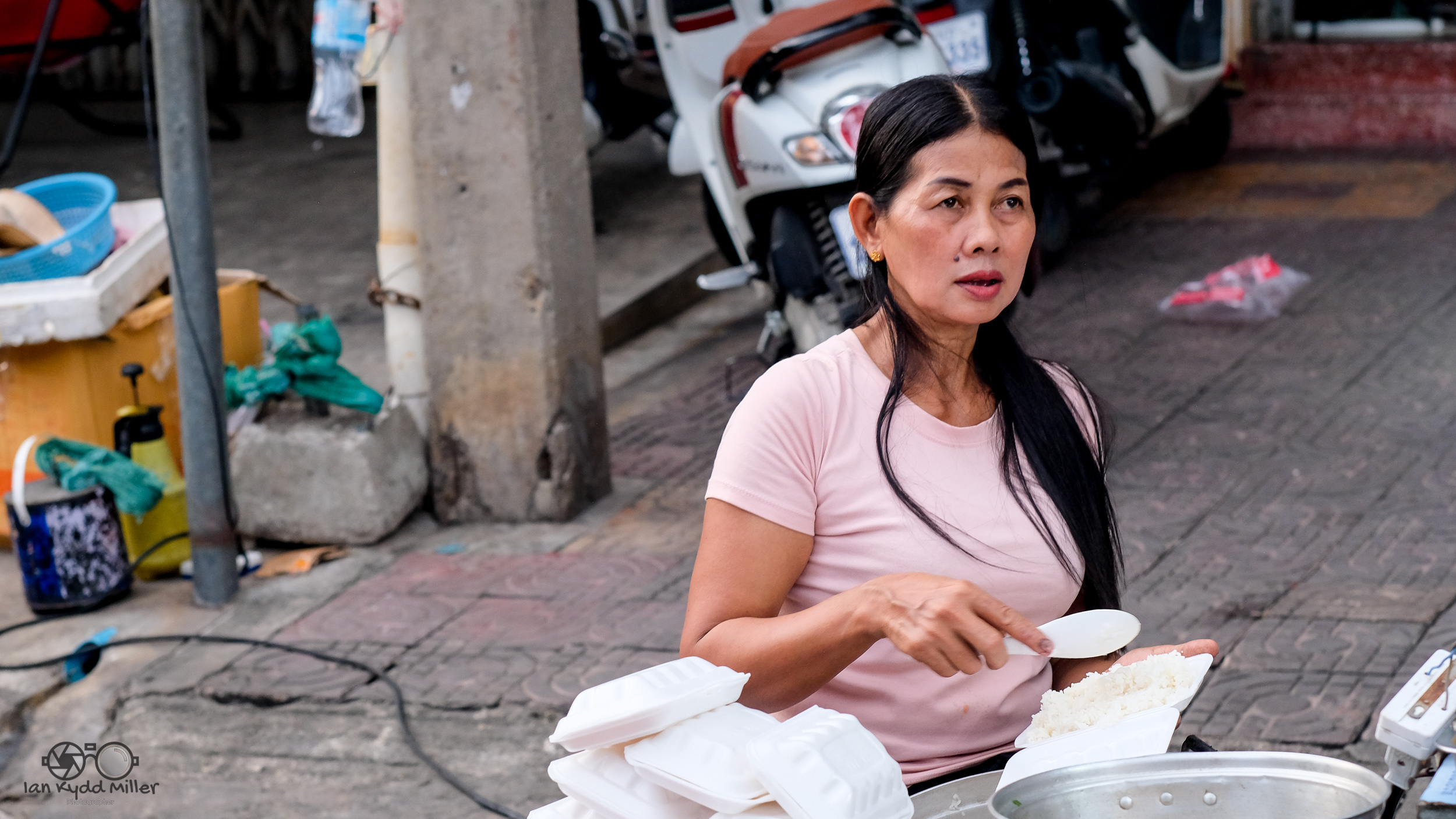
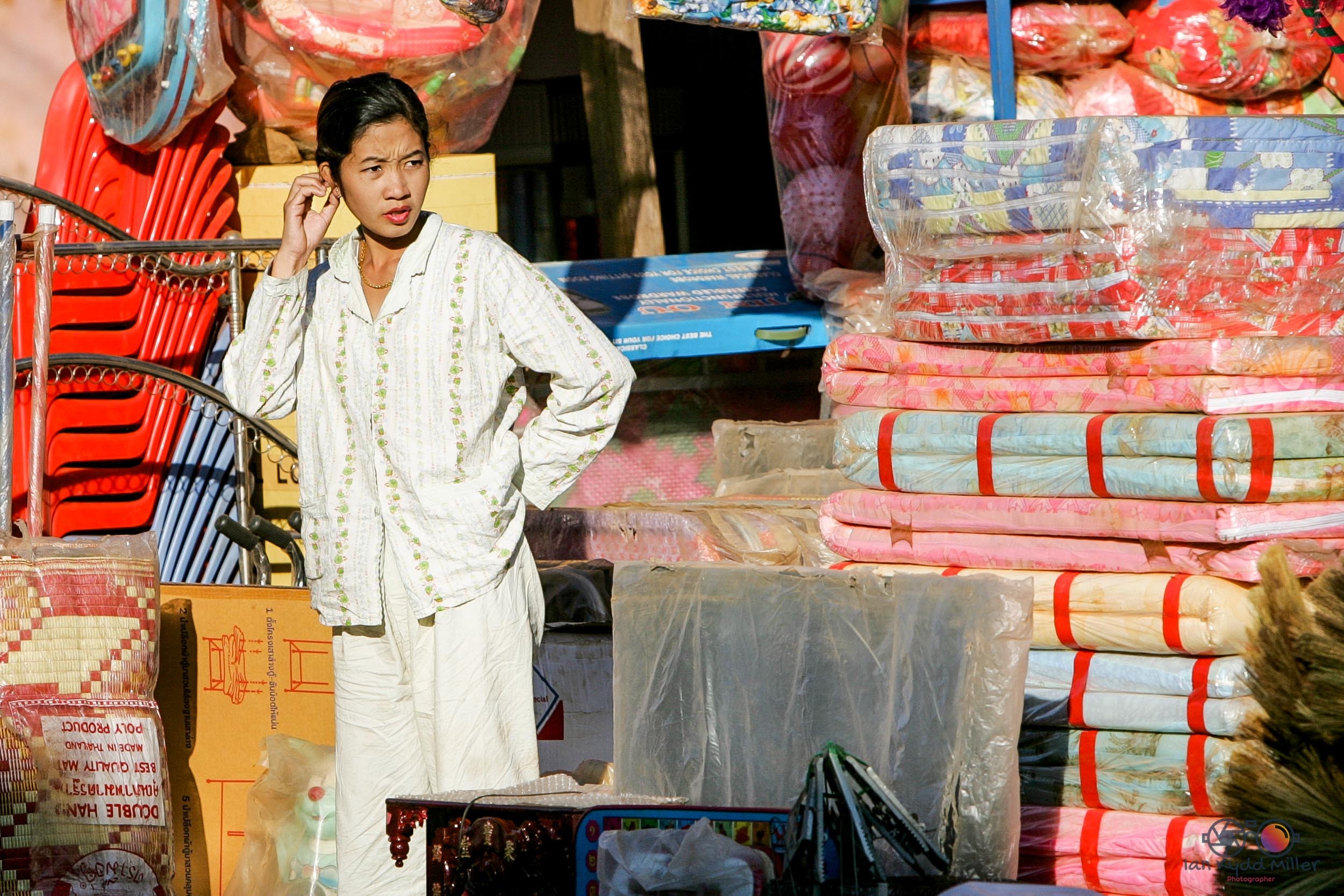
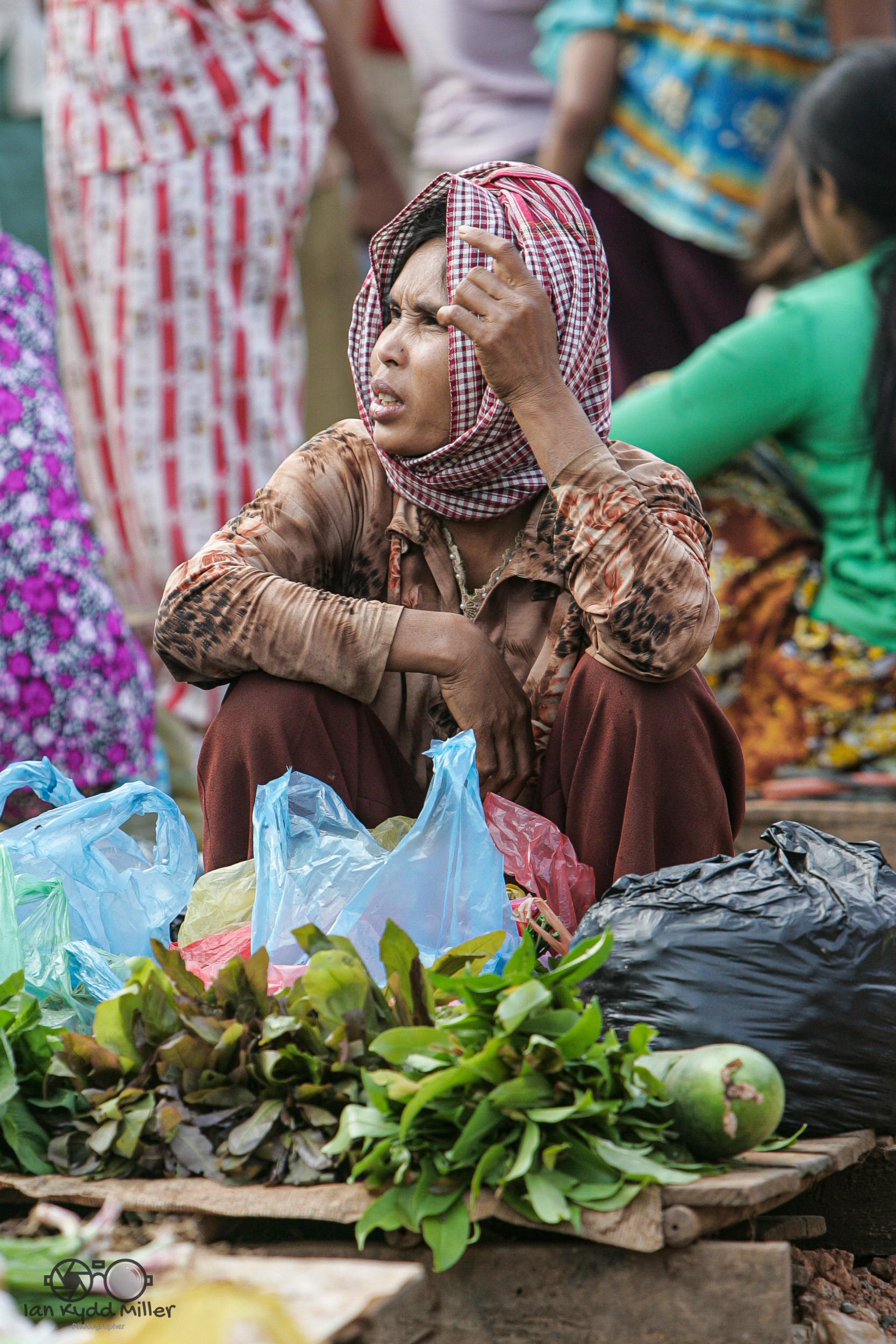
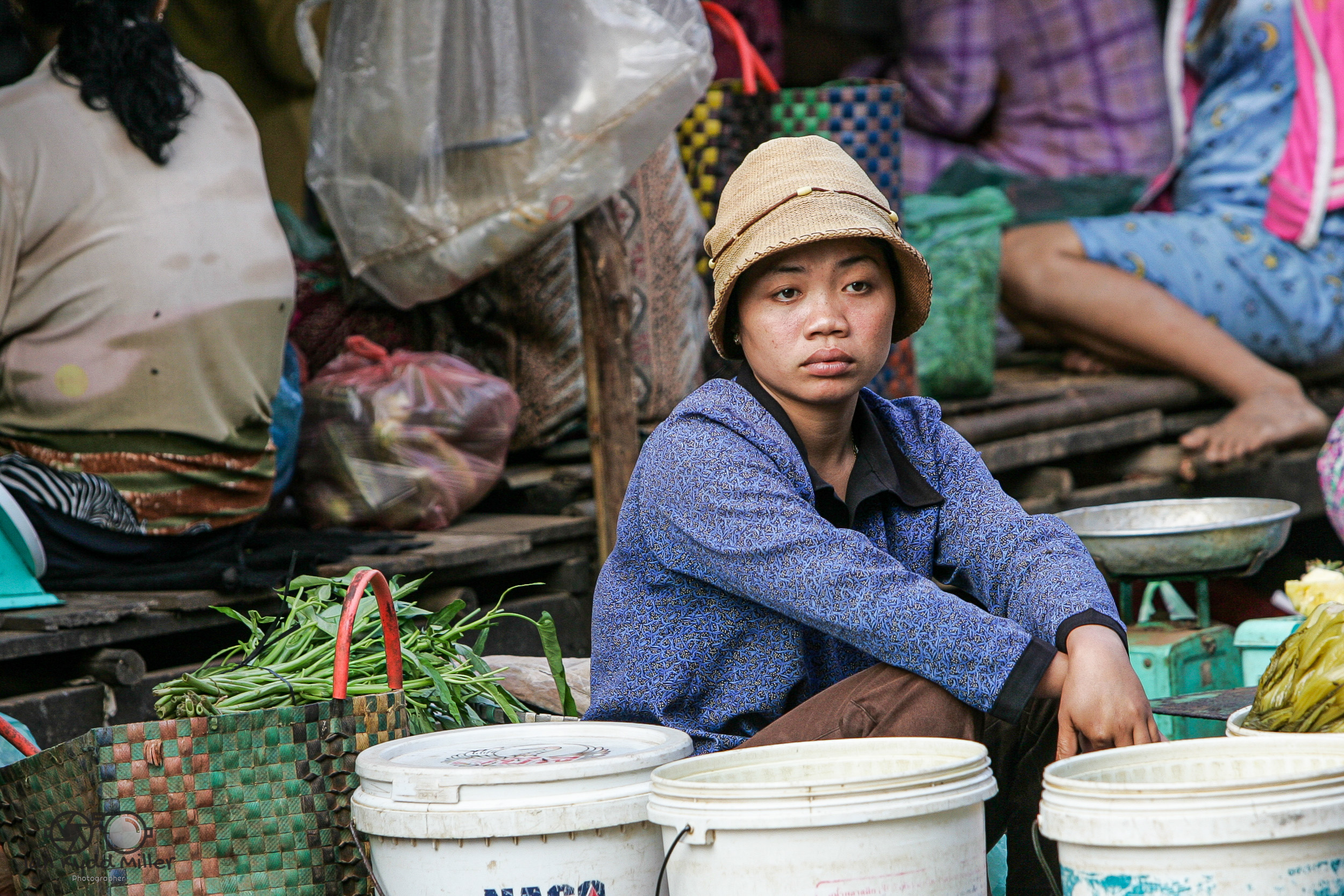
A street portrait is a type of photography that captures a person or a group of people in a public place, such as a street, a park, a market, or a subway station. Unlike studio portraits, street portraits are not staged or posed, but rather spontaneous and candid. They aim to capture the essence and personality of the subject, as well as the mood and atmosphere of the location.

Street portraits can be challenging but rewarding for photographers who want to explore the diversity and complexity of human life in different environments. They require a combination of technical skills, artistic vision, and social skills. Here are some tips on how to define and create your own street portraits:

  • Find your style. There is no single definition or rule for what makes a good street portrait. Some photographers prefer to shoot close-ups with shallow depth of field, while others like to include more context and background in their shots. Some photographers use flash or artificial light, while others rely on natural light and shadows. Some photographers ask for permission from their subjects, while others shoot discreetly without being noticed. You have to find your own style and preferences that suit your personality and goals.
  • Choose your location. The location of your street portrait can have a significant impact on the final result. You should look for places that have interesting people, colours, textures, patterns, or contrasts. You should also consider the lighting conditions, the time of day, and the weather. You can scout for locations beforehand or improvise on the spot. You can also revisit the same location at different times to see how it changes.
  • Approach your subject. One of the most difficult aspects of street portrait photography is approaching your subject. You have to decide whether you want to ask for permission or not, and how to do it in a respectful and friendly way. You also have to deal with possible rejections or objections from your subject or bystanders. You should always respect the privacy and dignity of your subject, and never force or harass them to pose for you. You should also be aware of the cultural and legal norms of the place you are shooting in.
  • Interact with your subject. Another challenge of street portrait photography is interacting with your subject. You have to decide how much direction or guidance you want to give them, and how to make them feel comfortable and relaxed in front of your camera. You can try to establish rapport with them by talking to them, complimenting them, or making jokes. You can also let them be themselves and capture their natural expressions and gestures. You should always be polite and grateful for their cooperation, and show them the results if possible.
  • Edit your photos. The final step of street portrait photography is editing your photos. You have to select the best shots from your session and enhance them with post-processing tools. You can adjust the exposure, contrast, colour, sharpness, cropping, and other parameters according to your taste and style. You can also apply filters or presets to create a consistent look for your street portraits. You should always keep in mind the original intention and message of your photos, and avoid over-editing them.

Ethical issues for street photographers.

cambodia, cameras, conflict, FB, homelessness, Lenses, opinons, thoughts, photography, pictures, public, street, Travel, war

Street photography is a fascinating and rewarding genre of photography that captures candid moments of life in public spaces. However, street photography also poses some ethical challenges that require careful consideration and respect from the photographer. Here are some ethical issues for the street photographer to keep in mind: