

In 2013, Phnom Penh witnessed significant demonstrations driven by a mix of political and economic grievances. The protests were primarily sparked by allegations of electoral fraud during the Cambodian general election. Many Cambodians felt that the election results did not reflect the people’s true will, leading to widespread discontent.

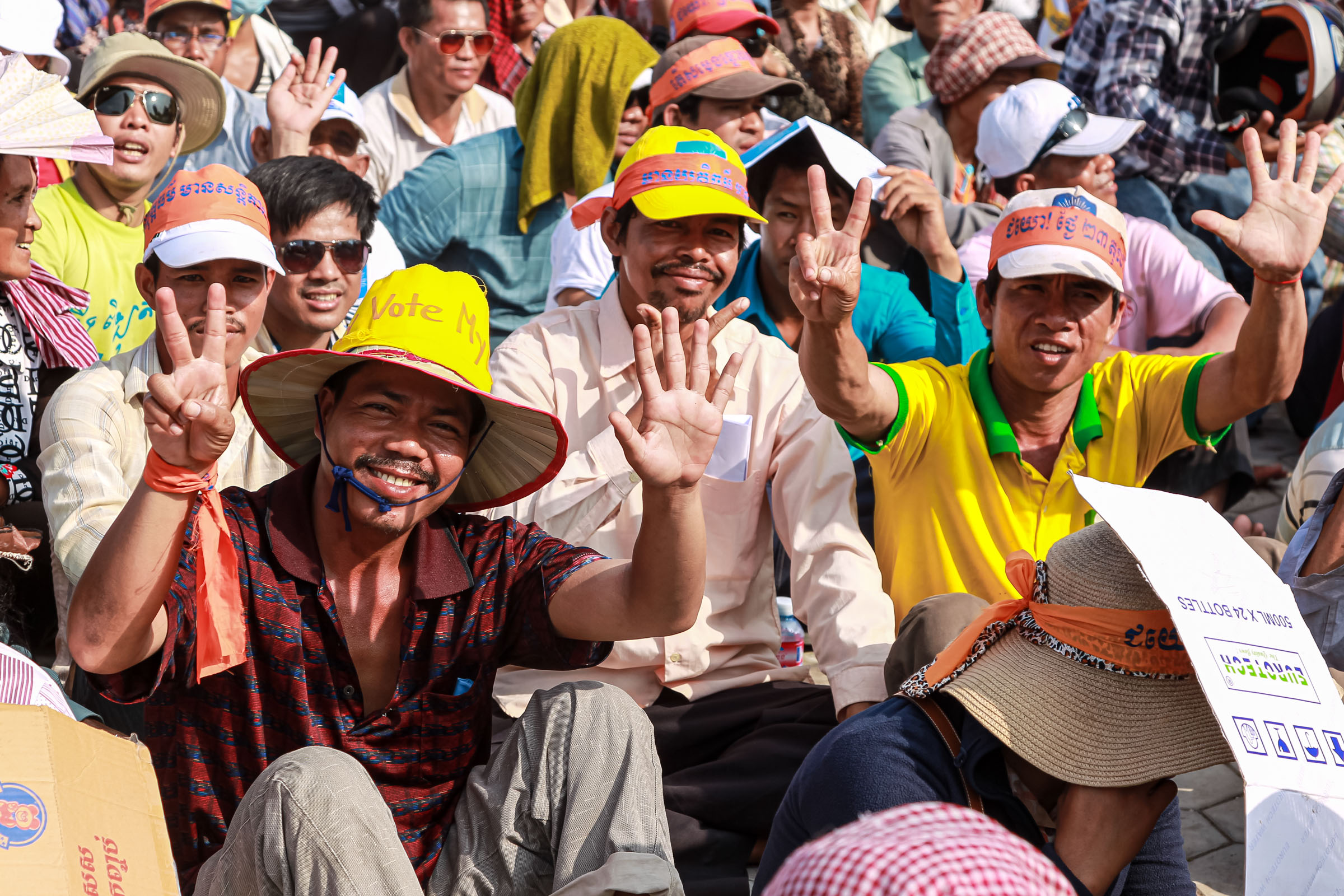

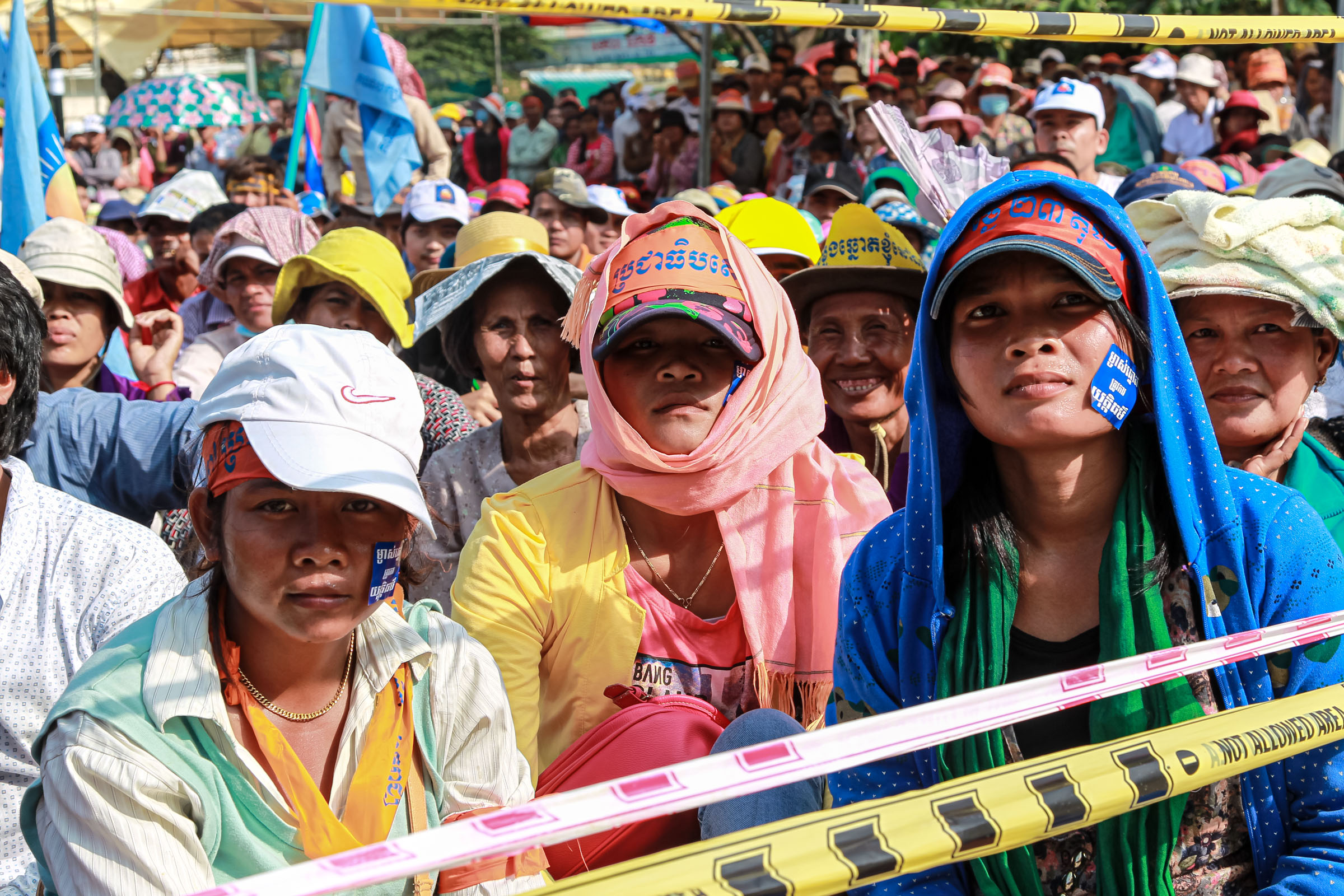
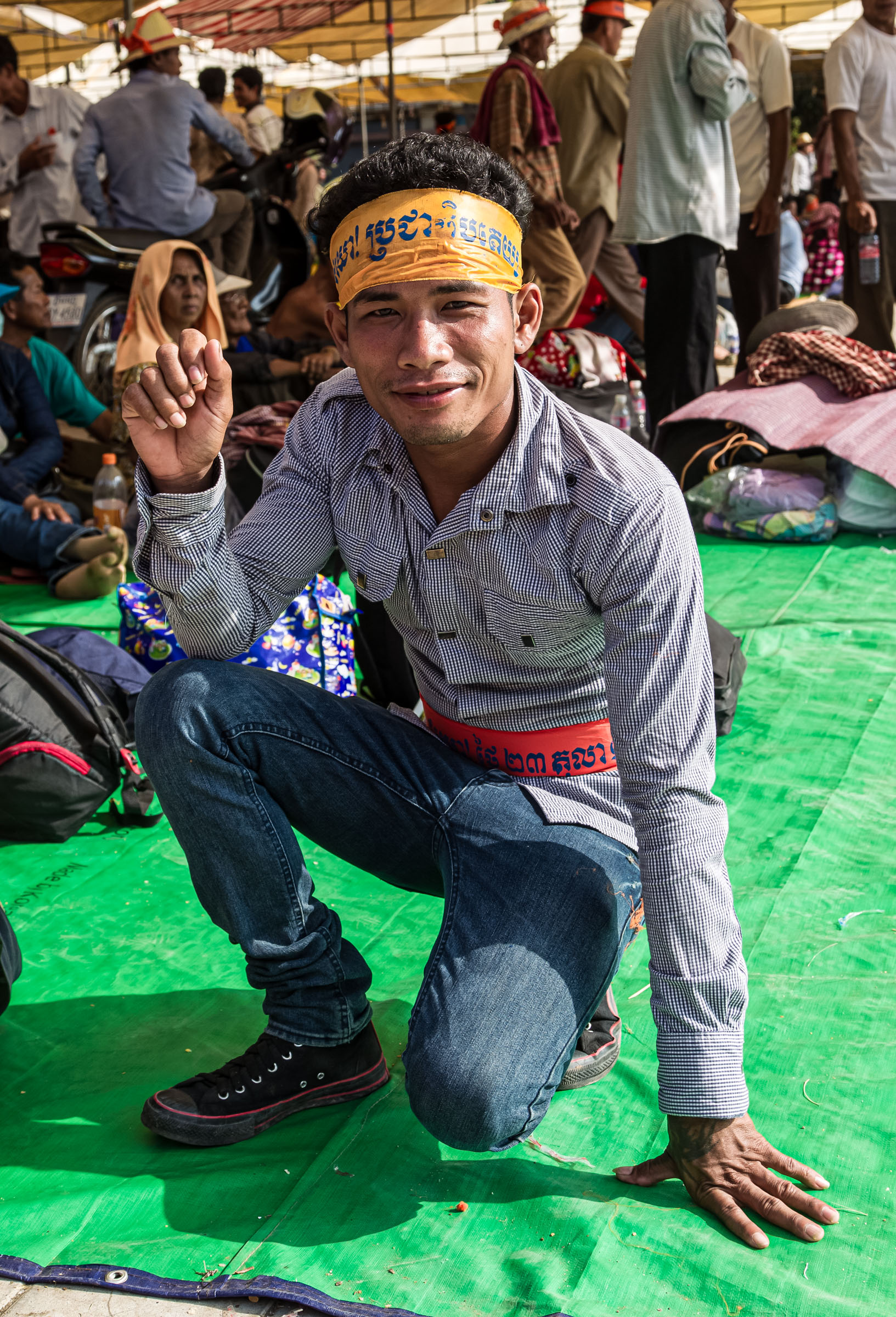

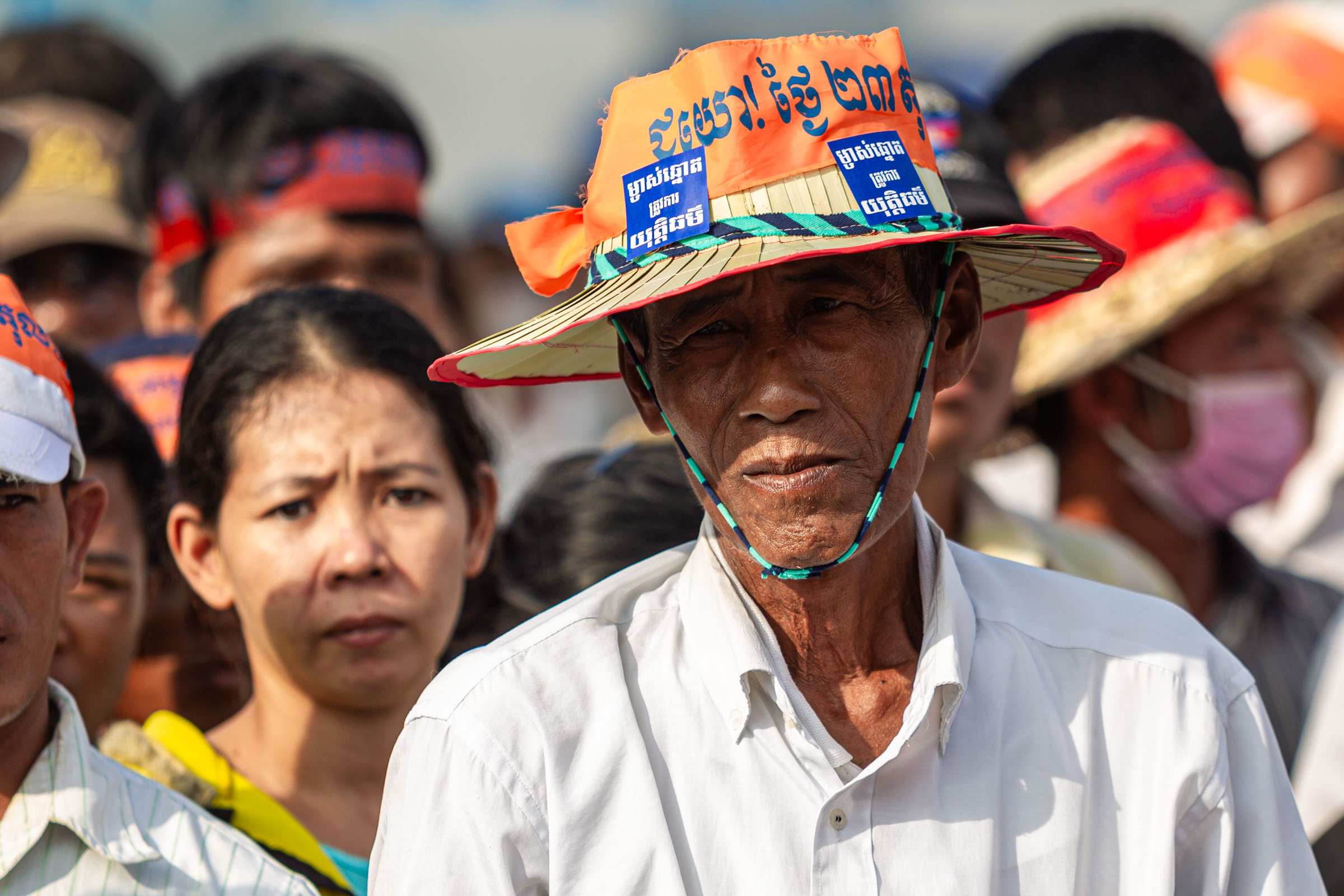
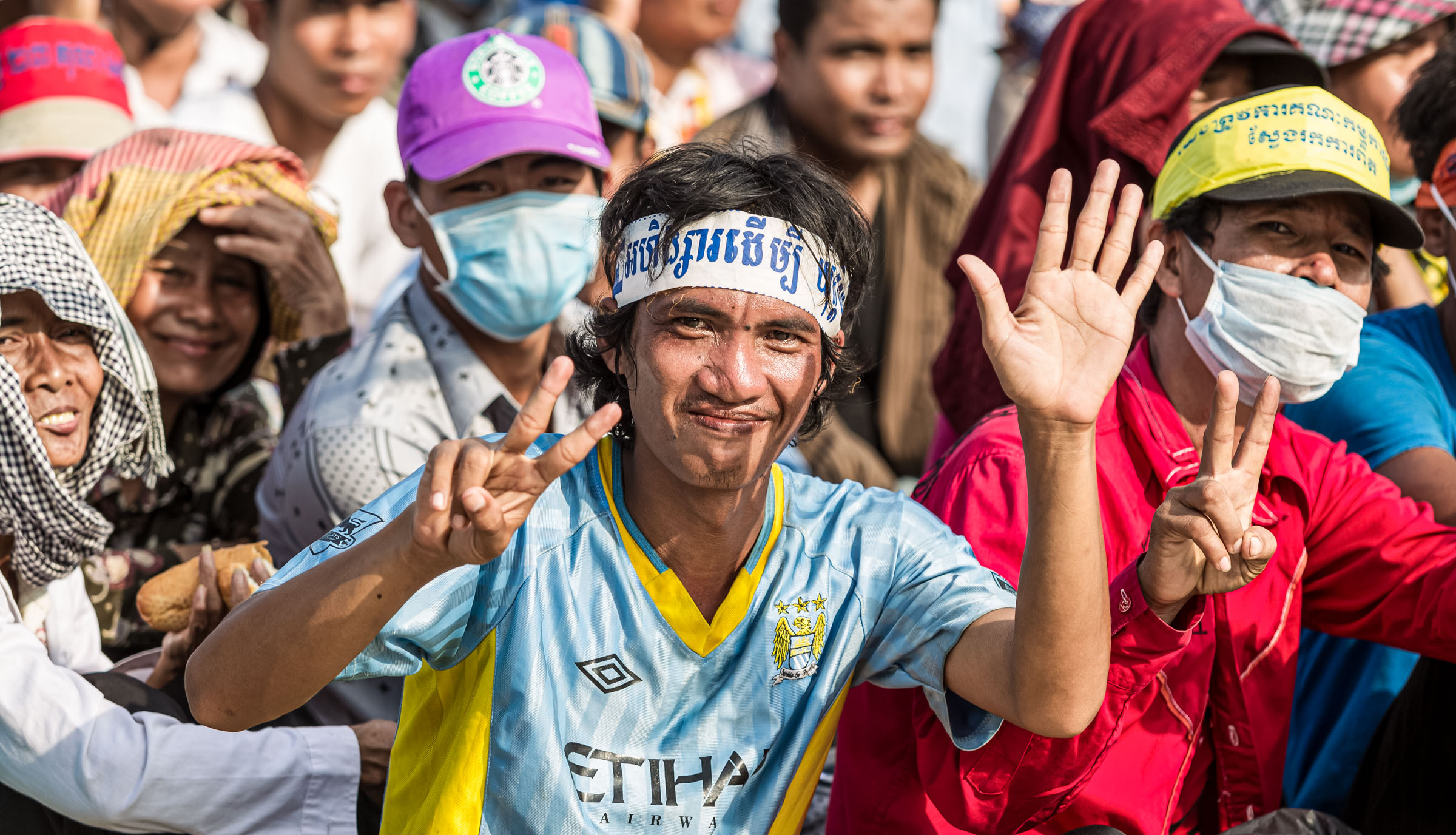
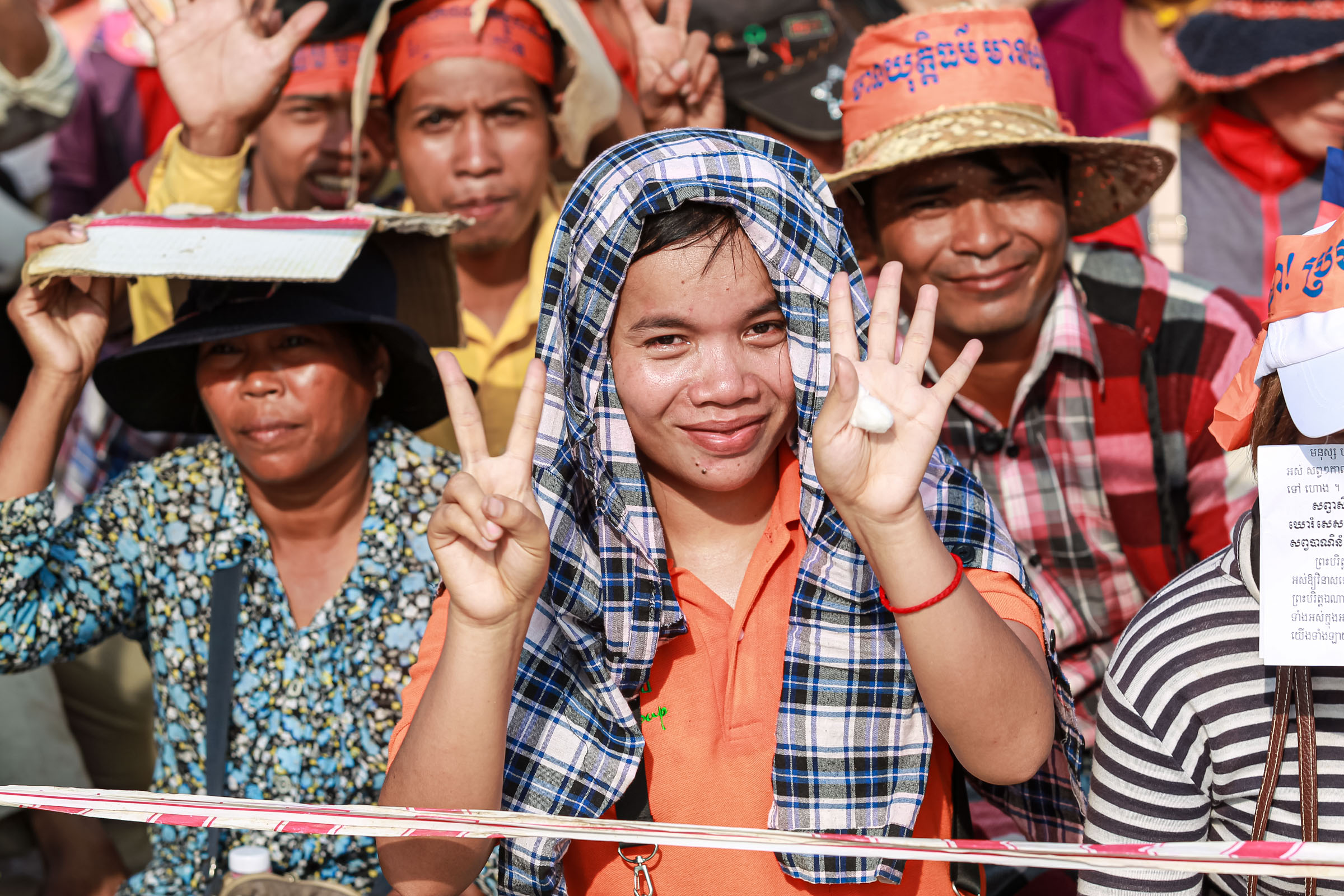
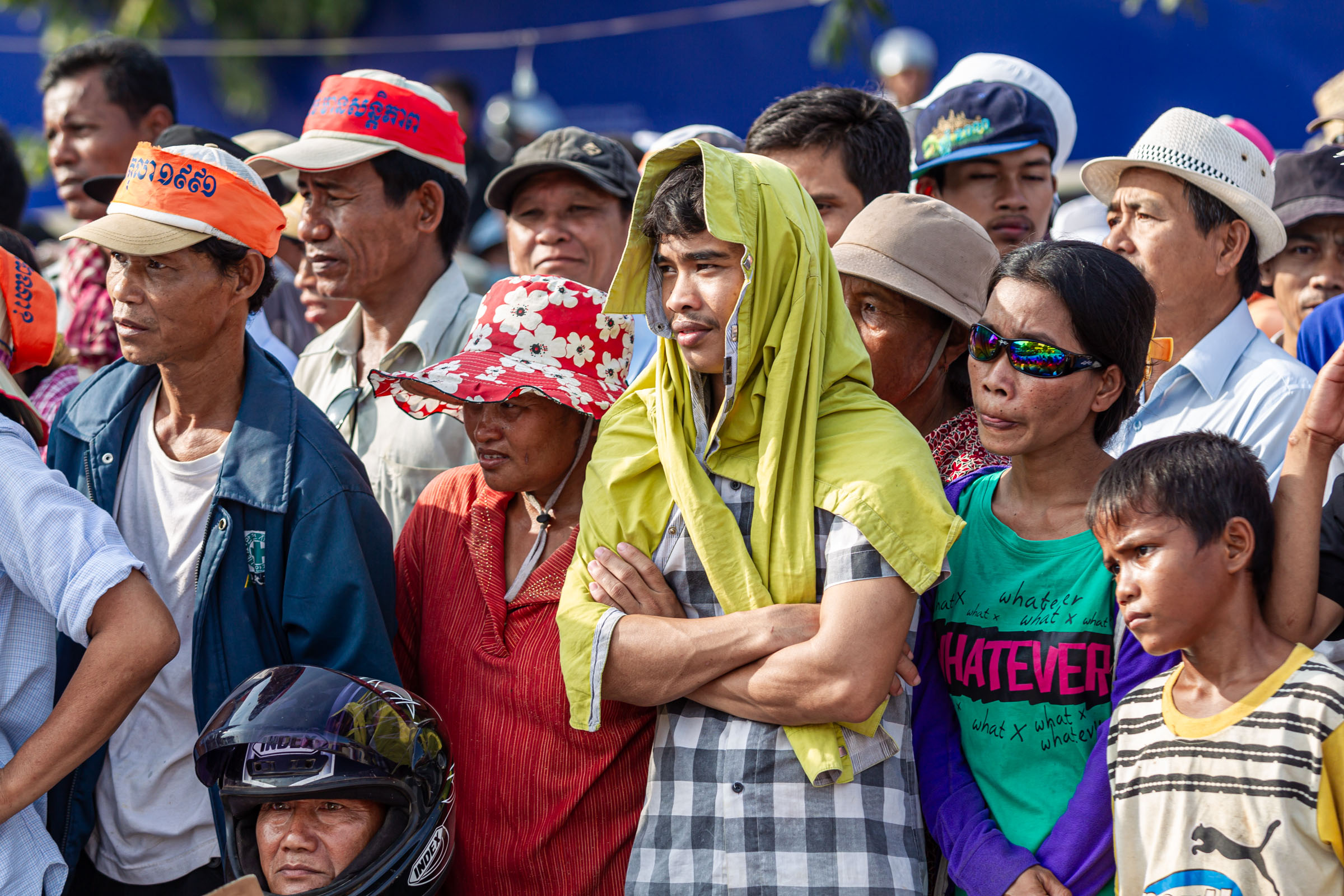


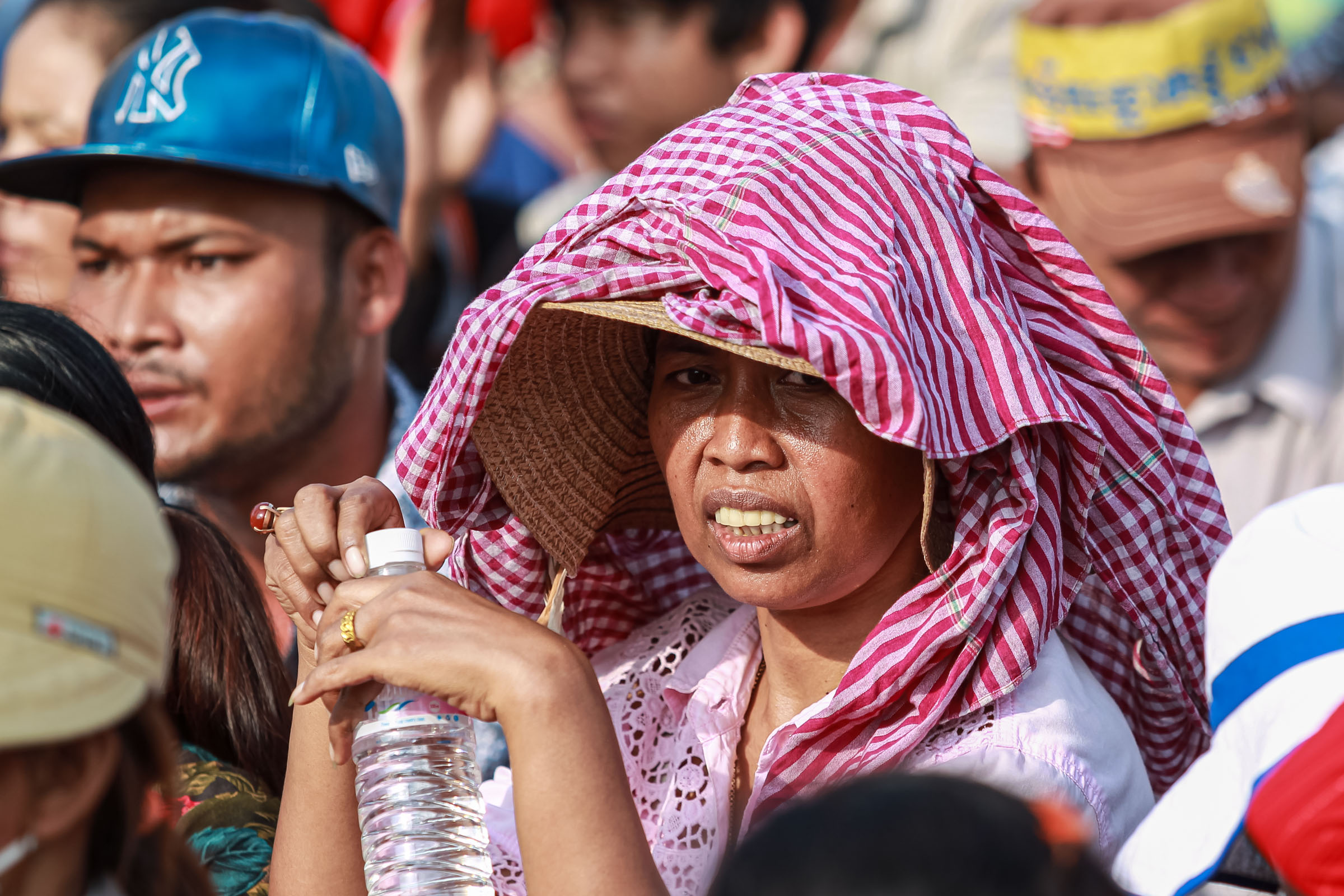
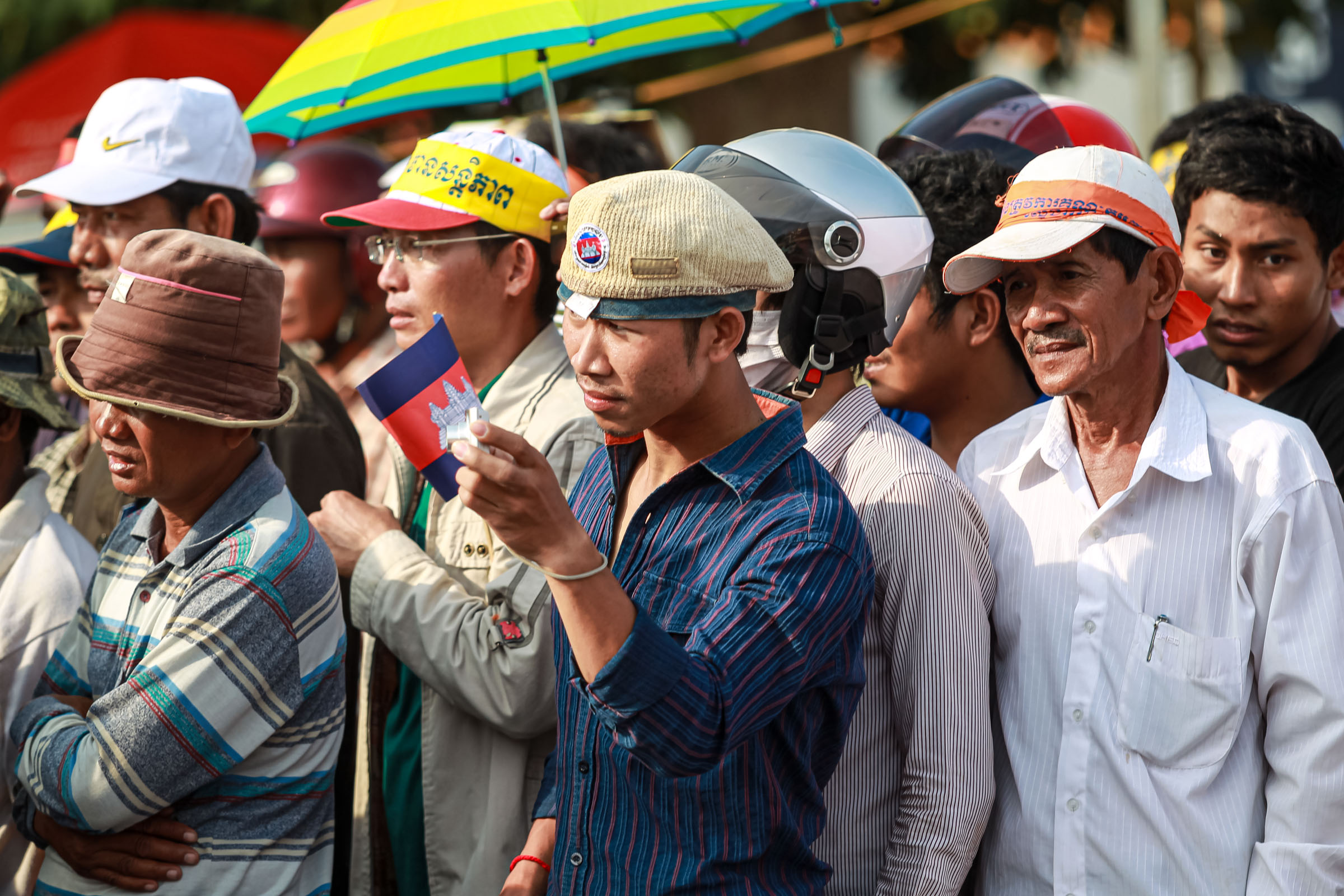
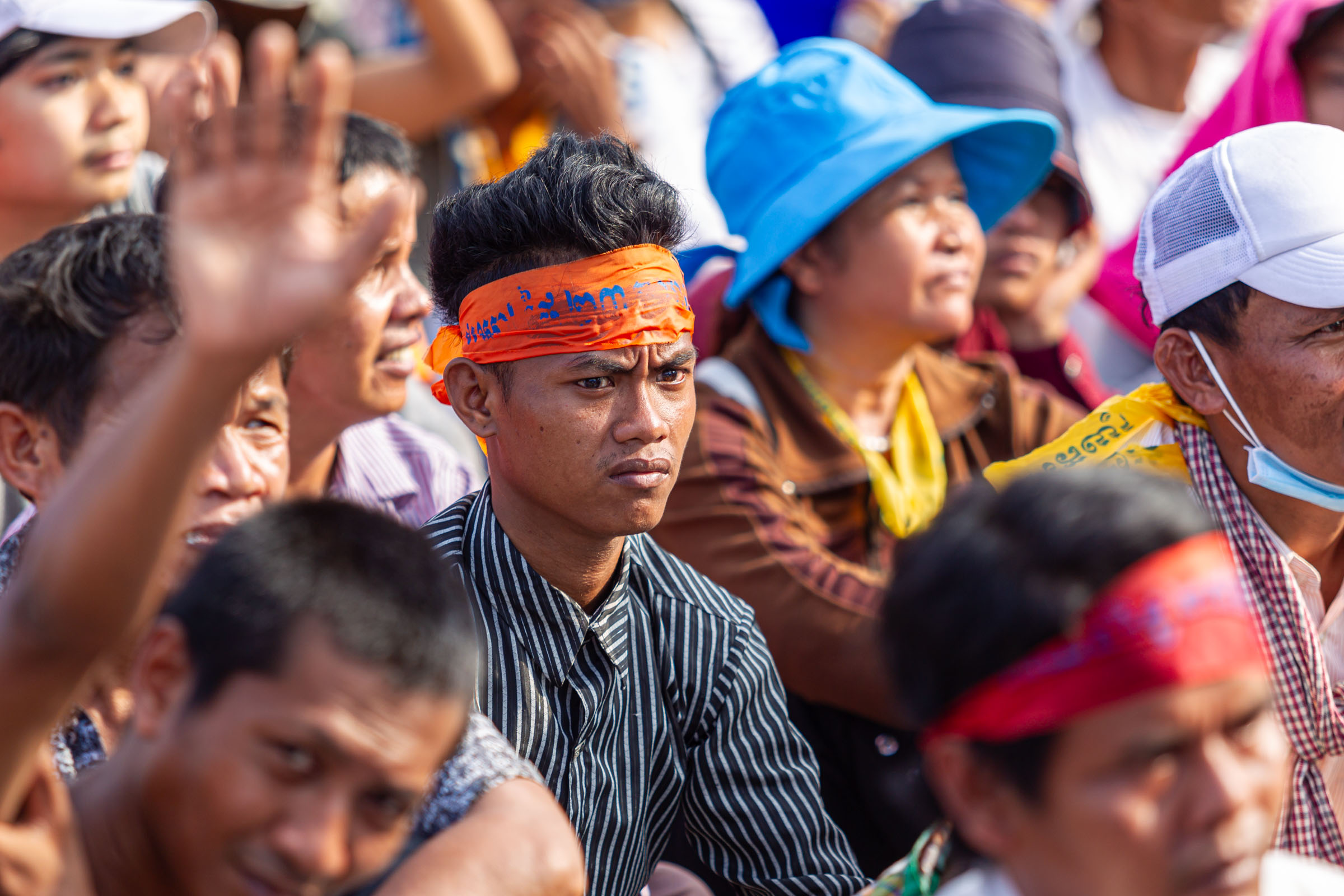

In addition to political concerns, economic issues also played a crucial role. Garment factory workers, a significant part of the Cambodian workforce, demanded an increase in the minimum wage to $160 per month. This demand was part of a broader call for better working conditions and fair pay.

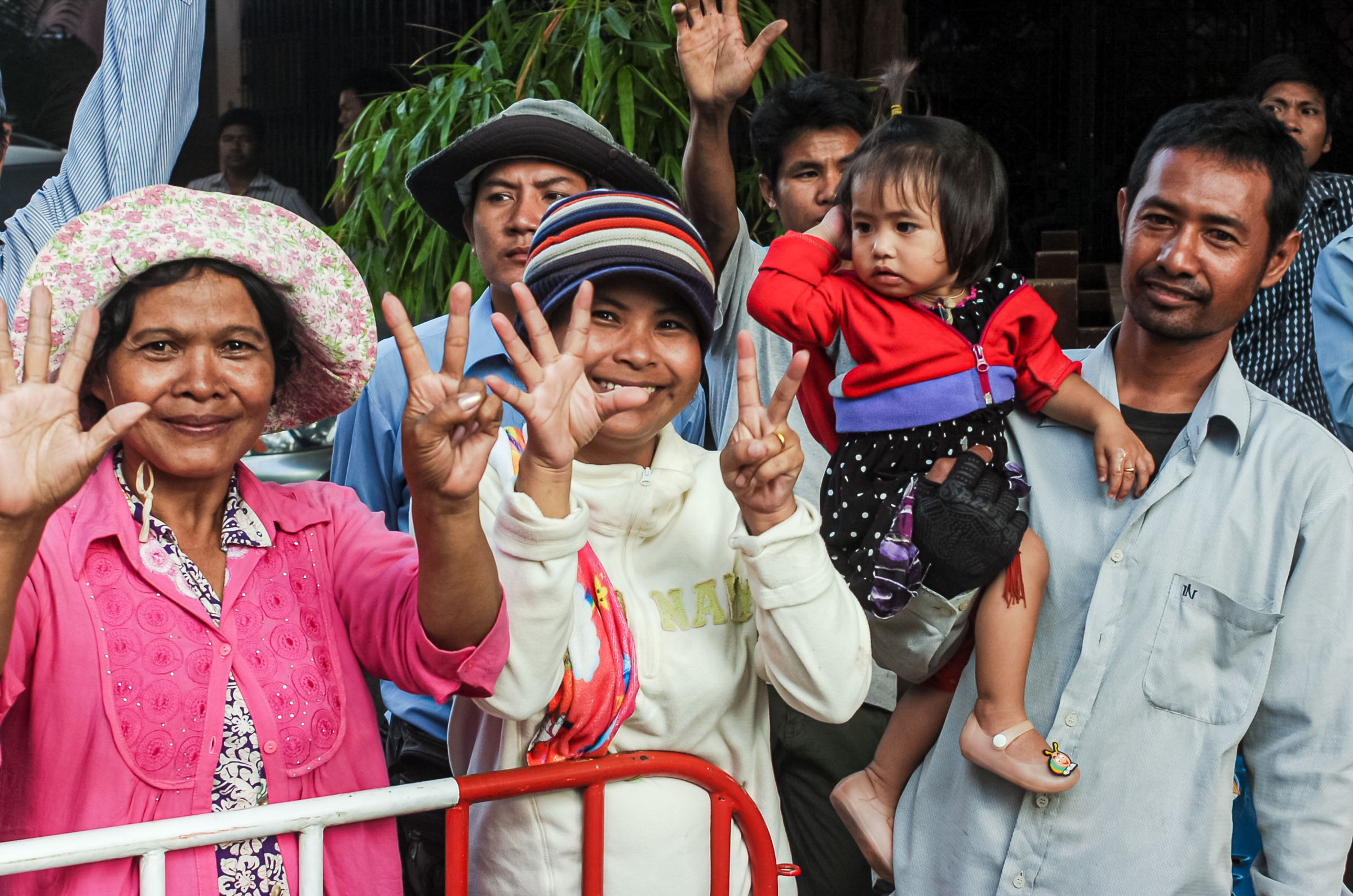


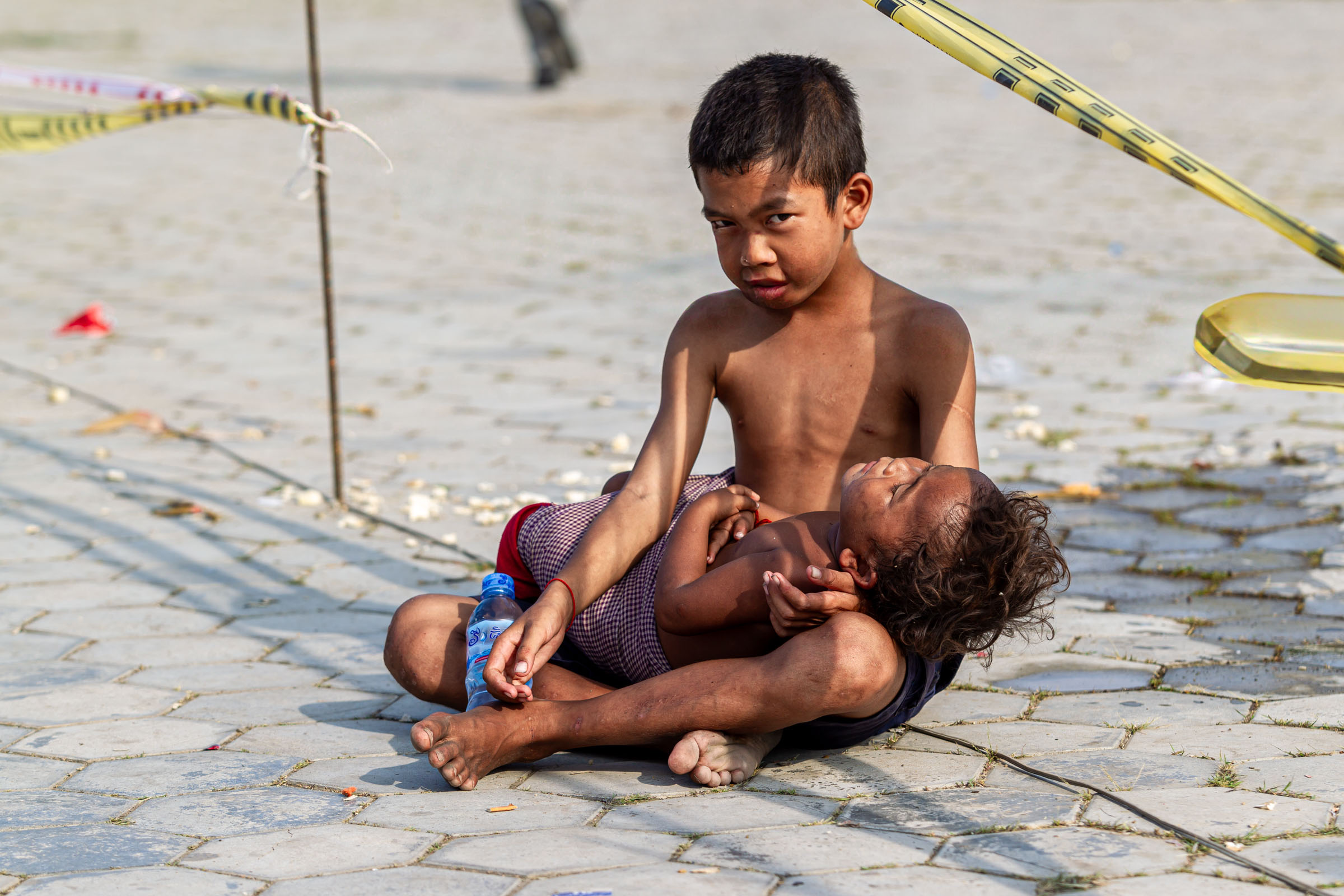

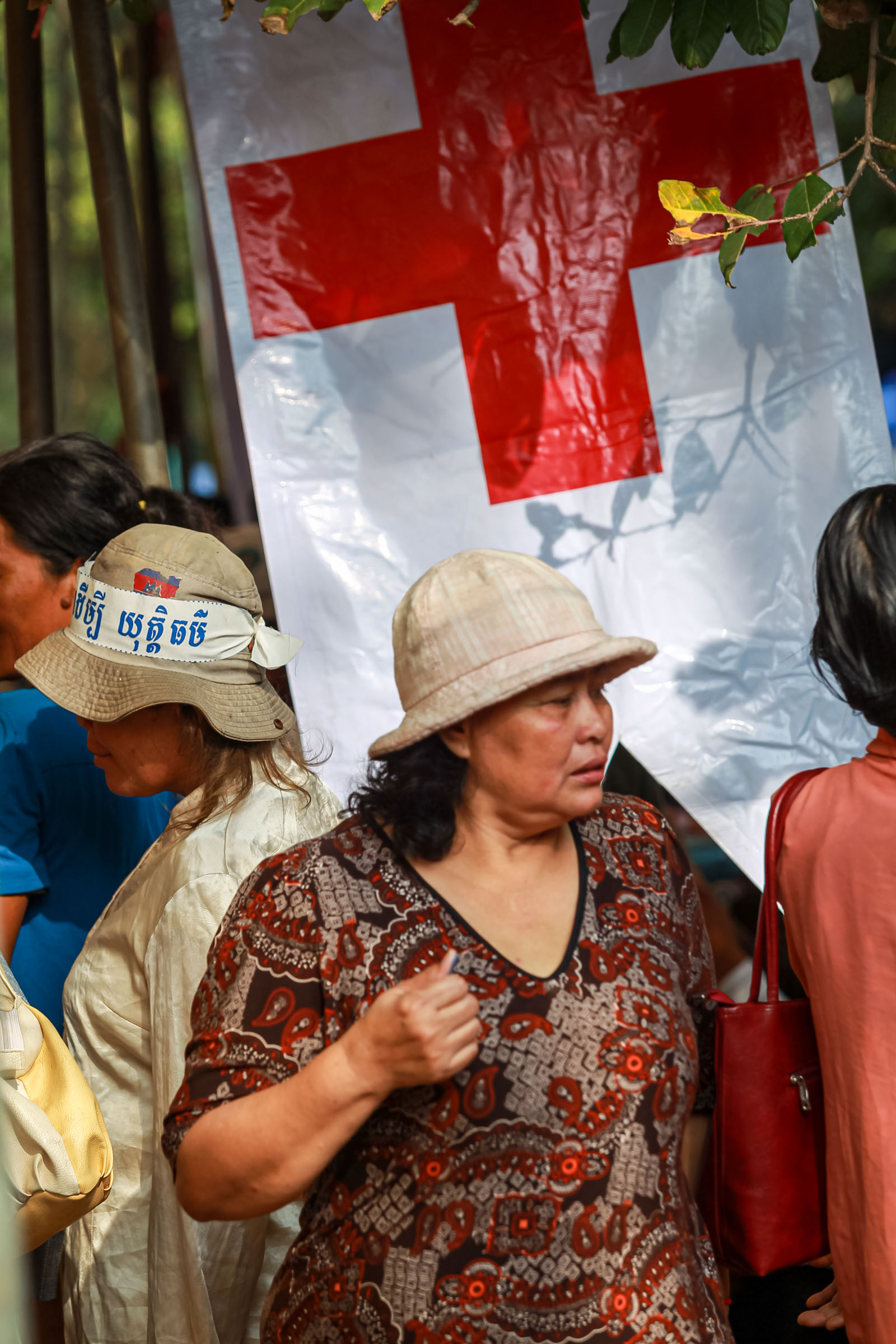

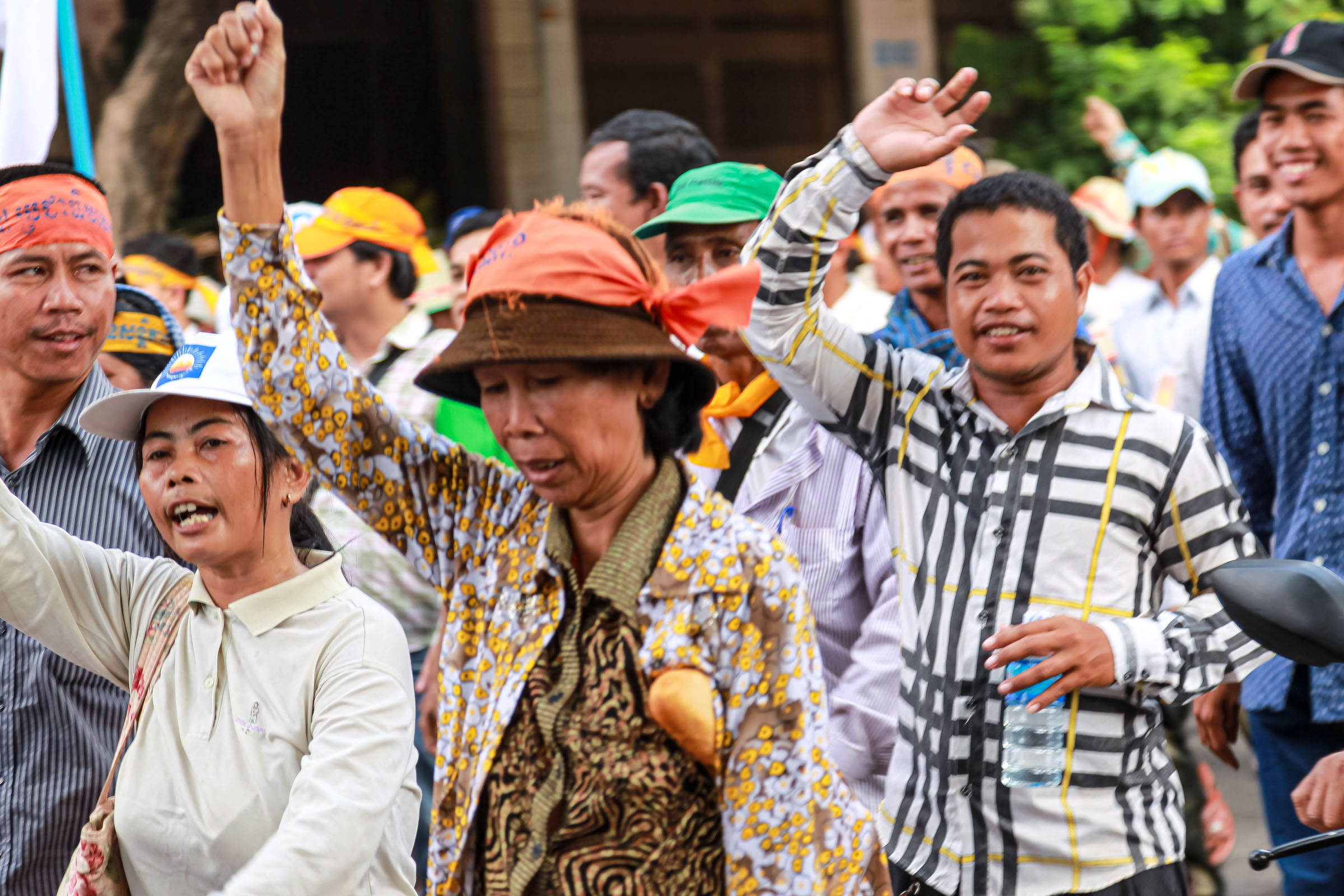

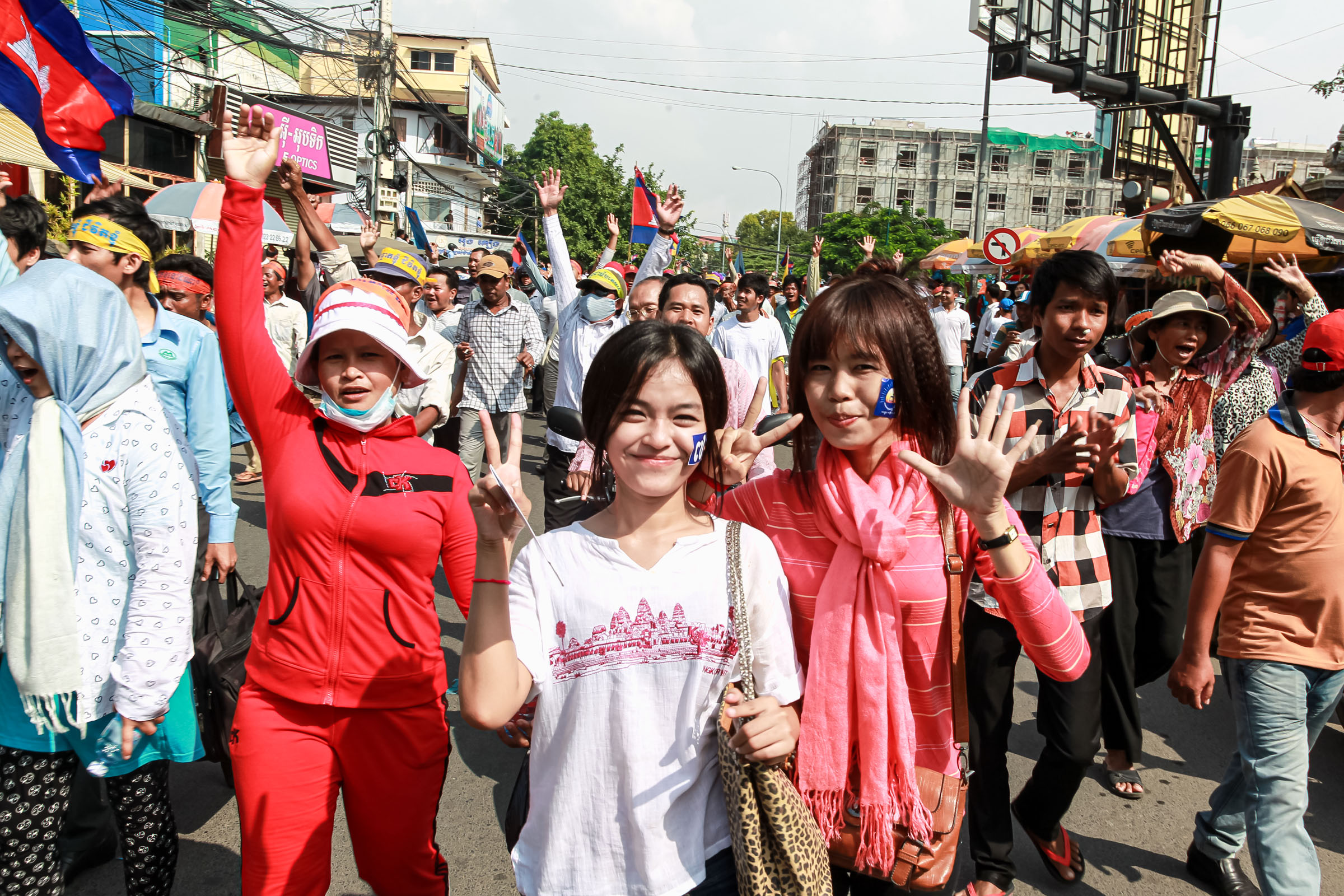
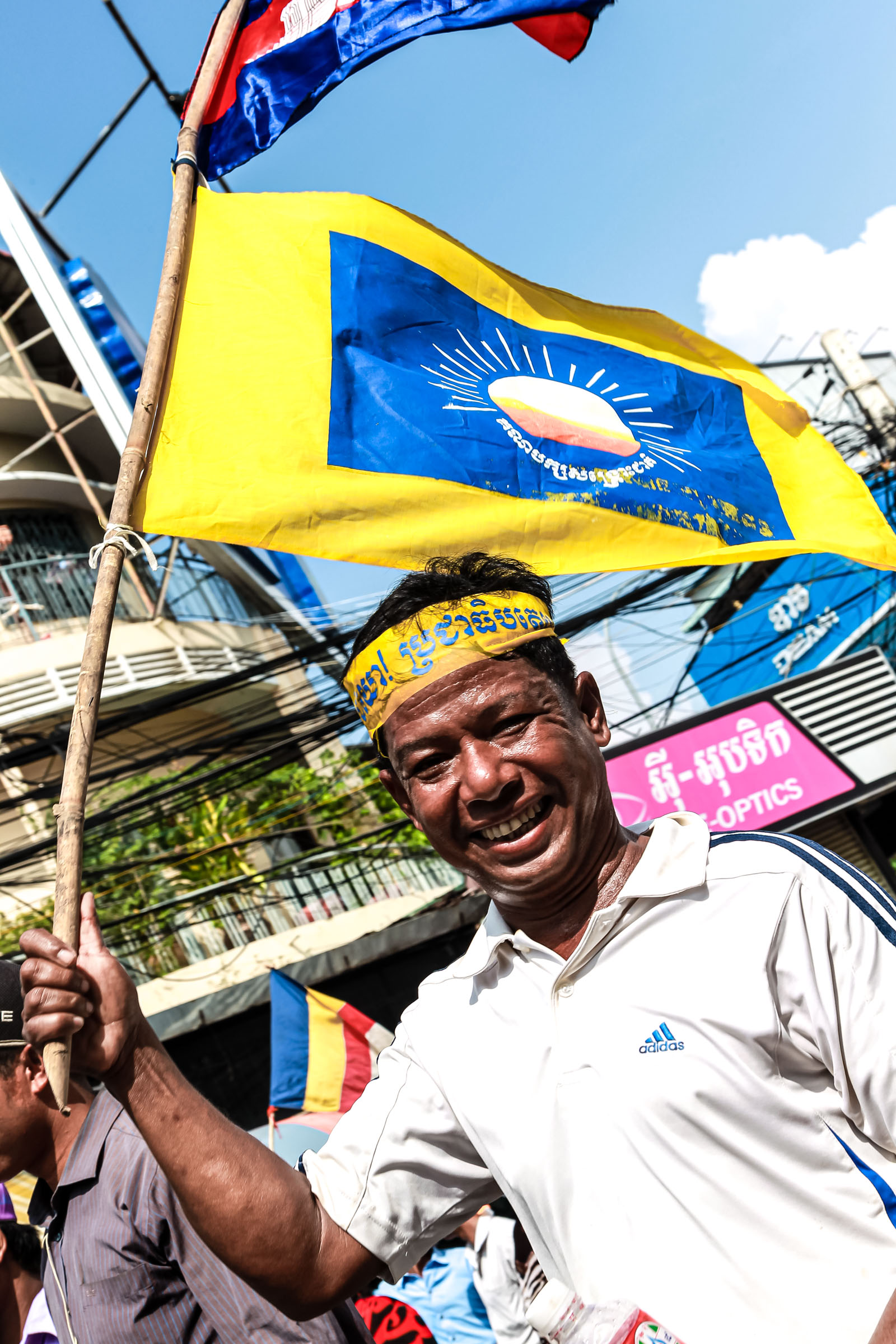
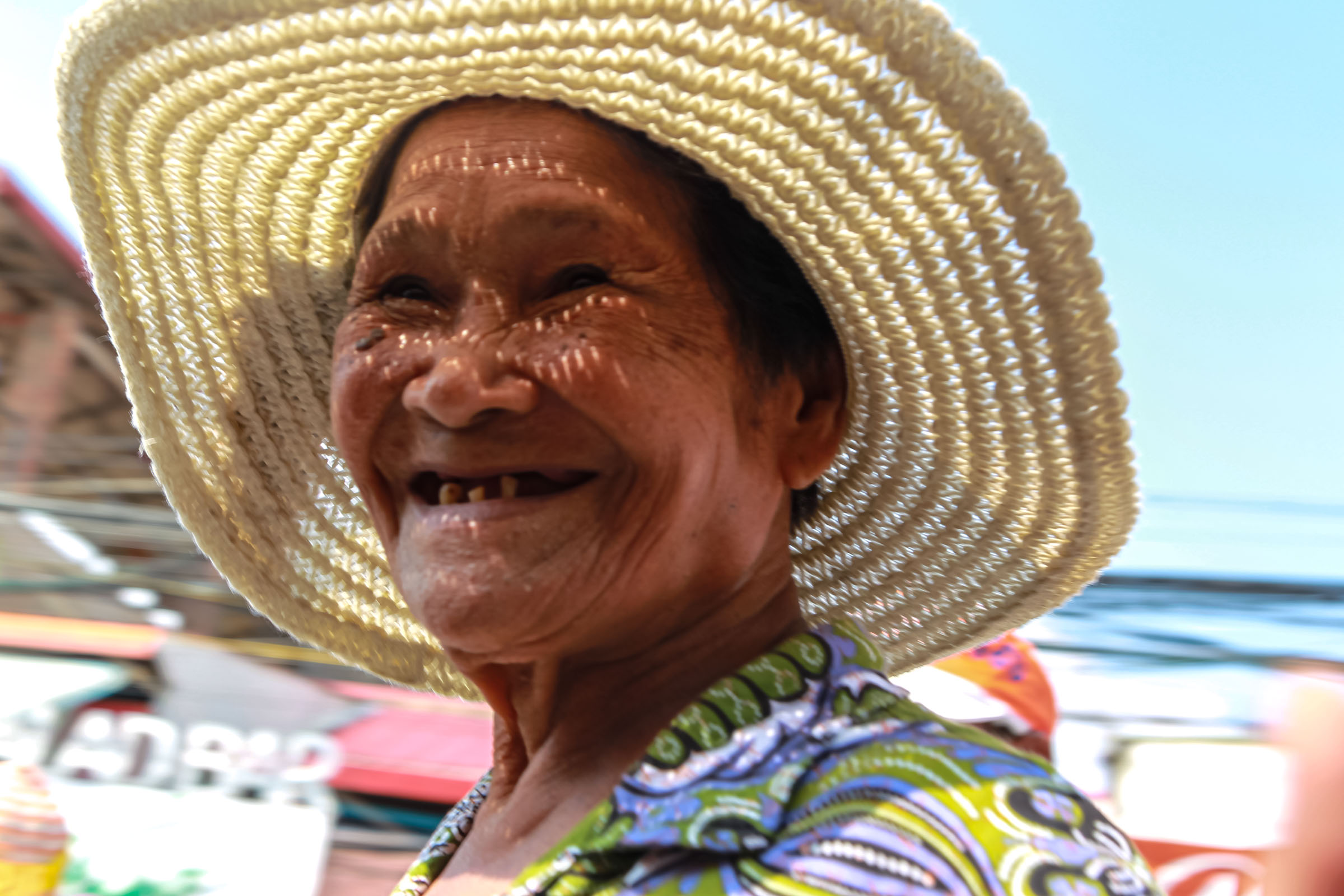

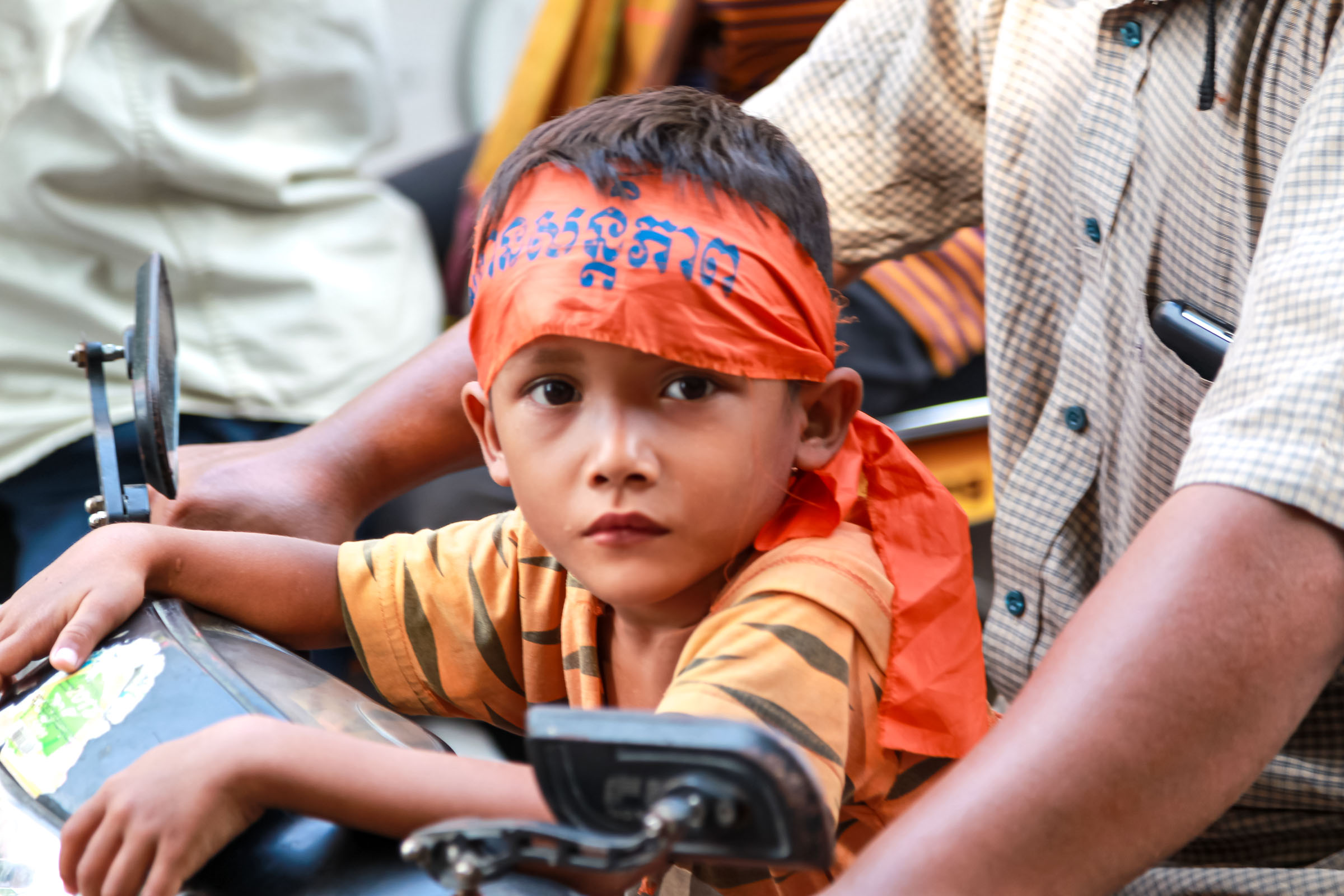

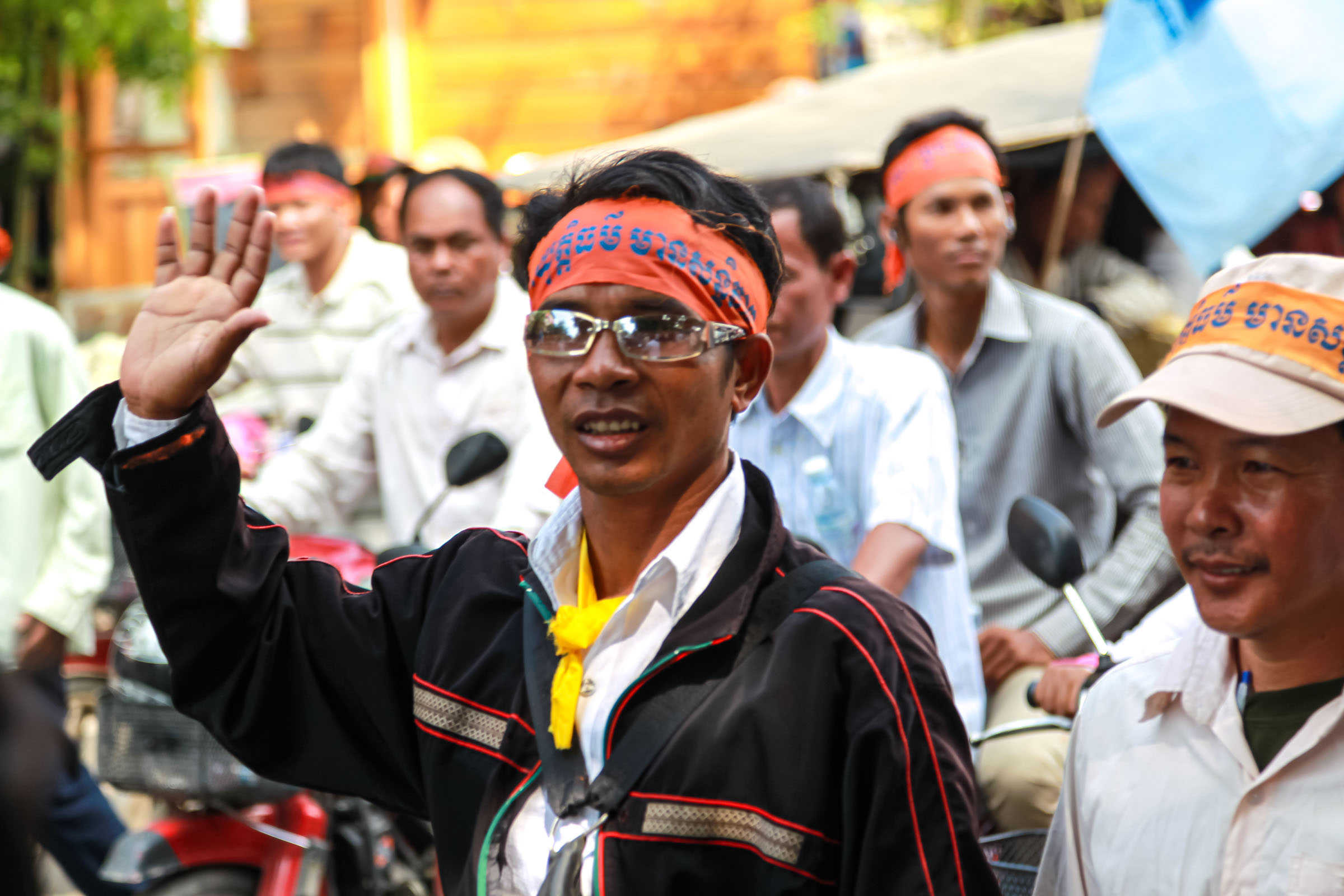
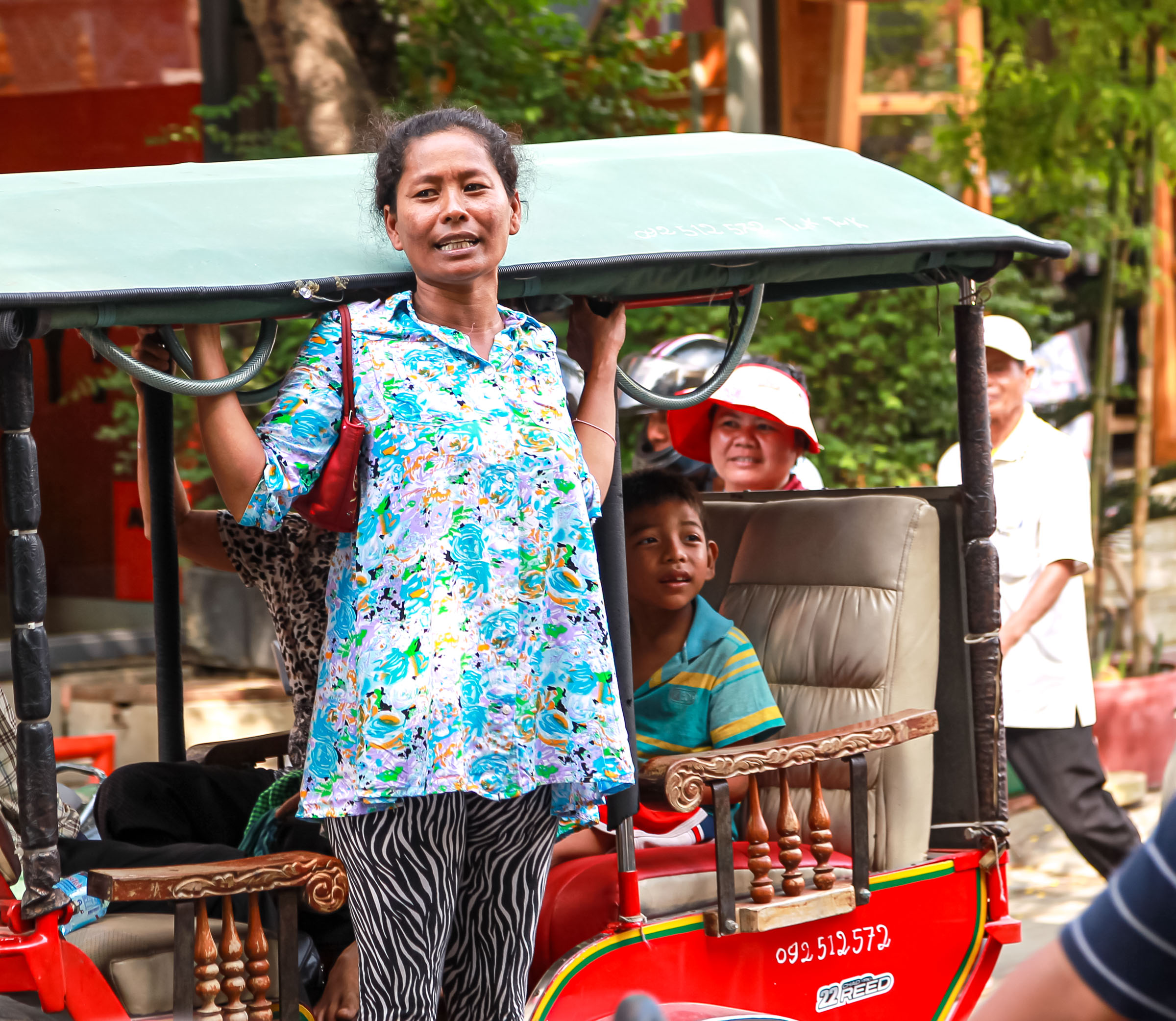
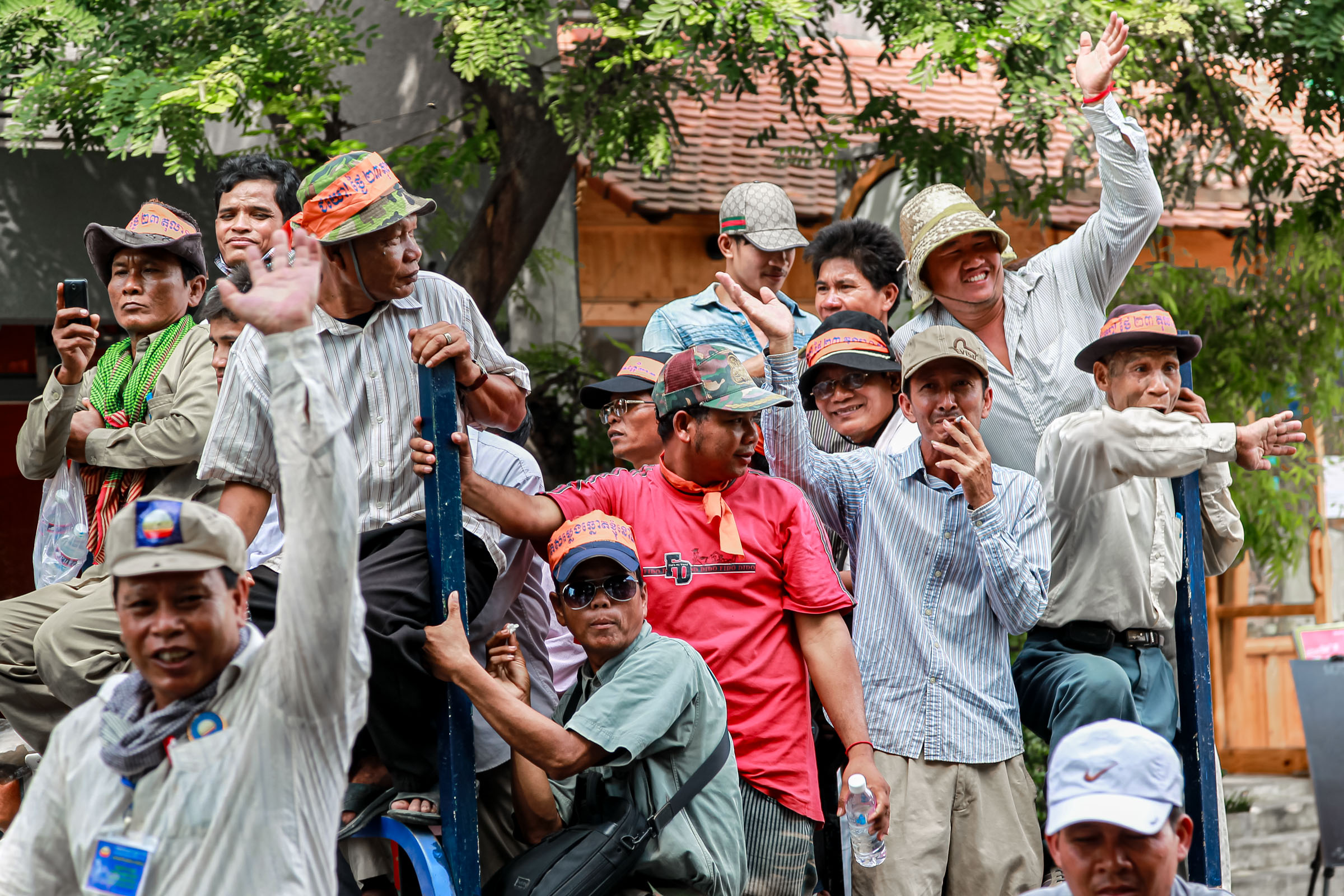

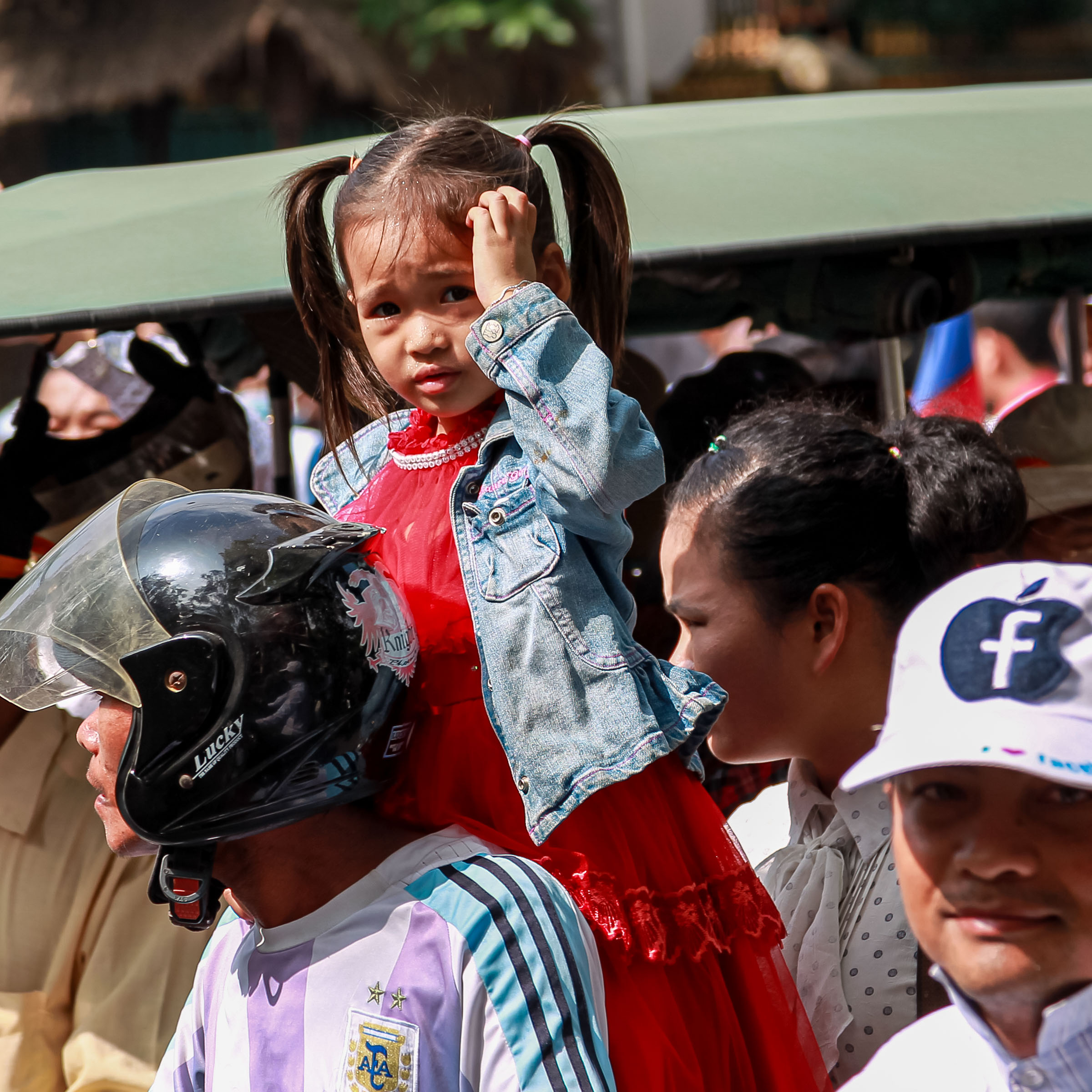

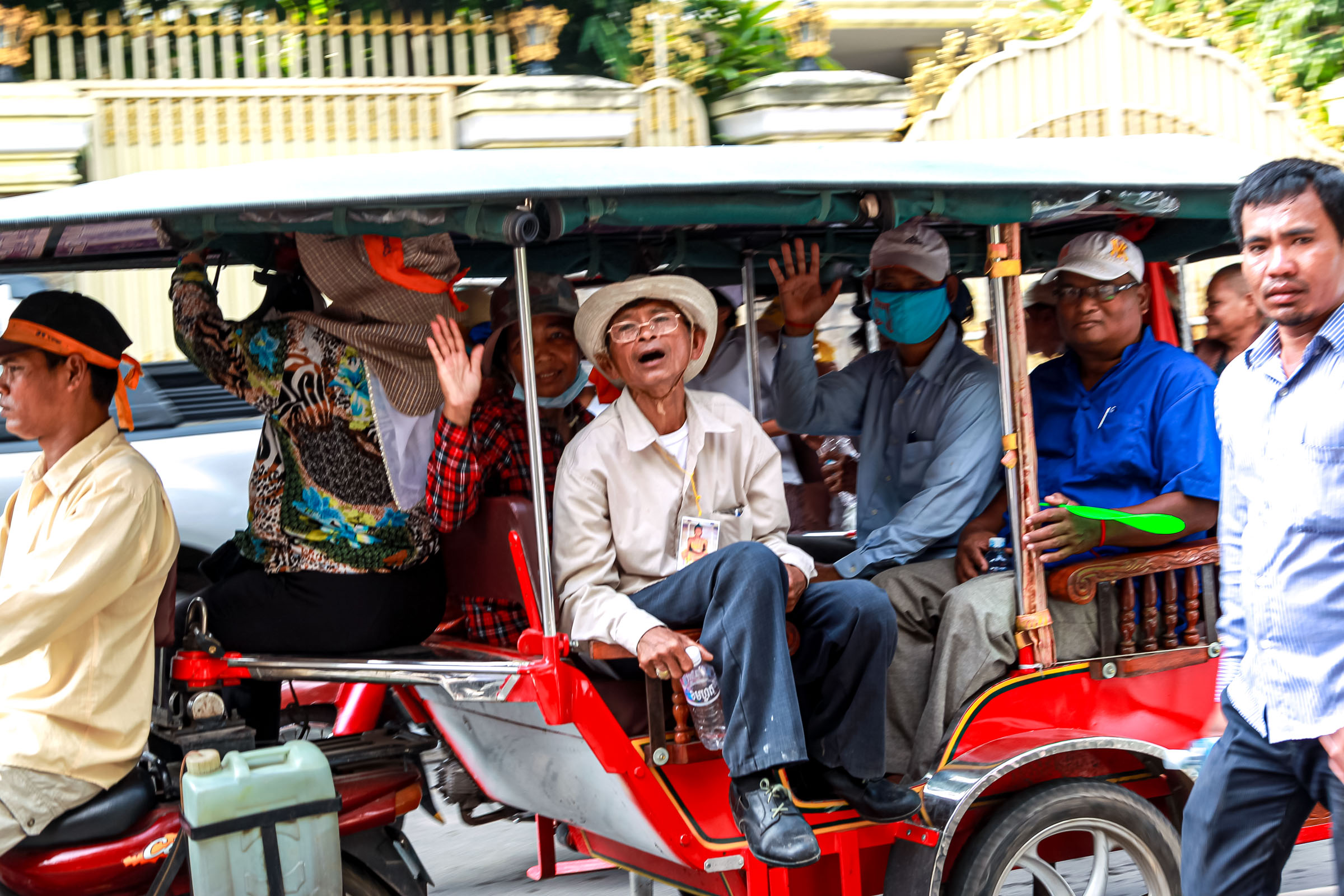
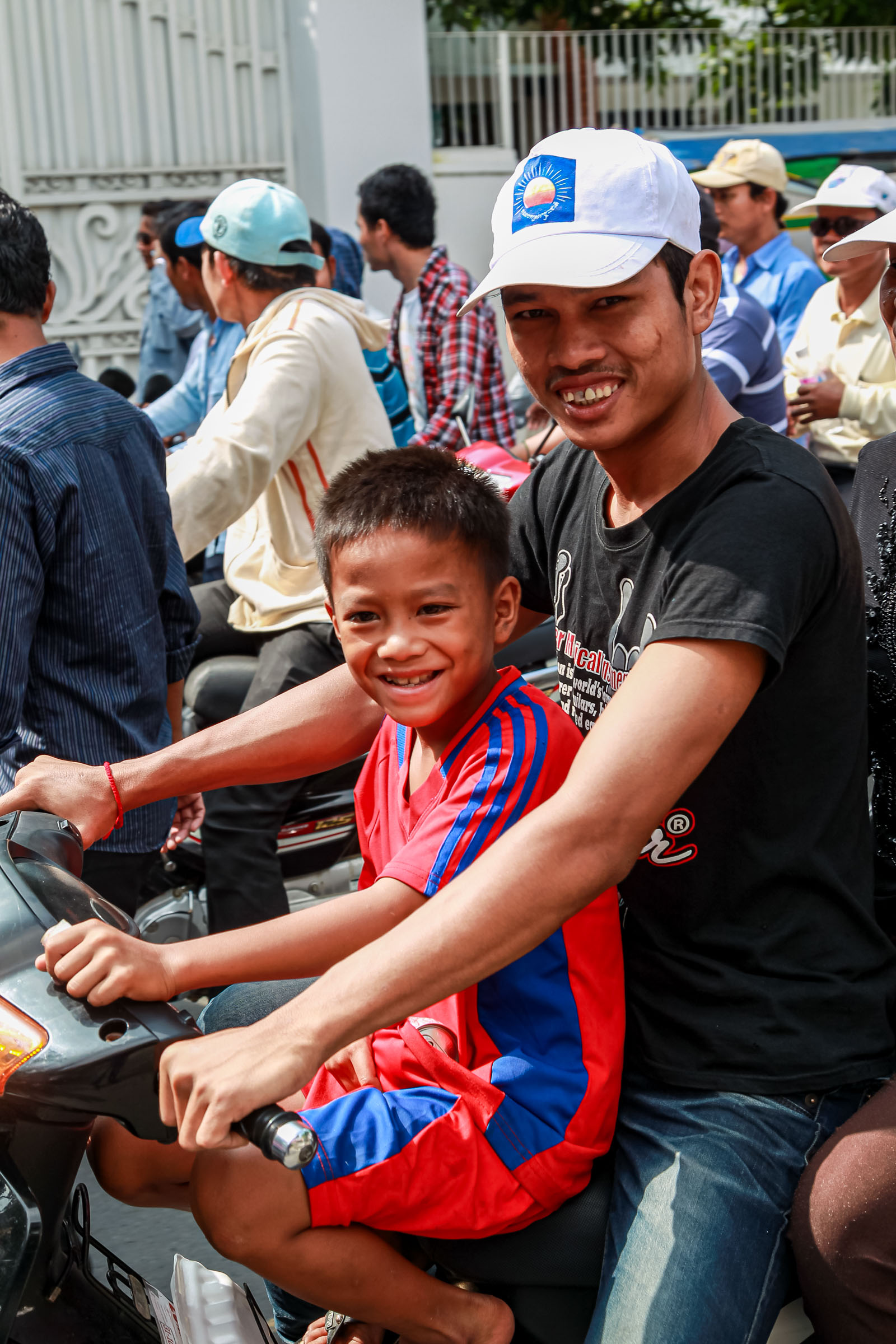

The demonstrations saw participation from various groups, including opposition party supporters, students, teachers, farmers, and Buddhist monks. The protests were largely peaceful, but there were instances of violence, especially during government crackdowns. Tragically, these crackdowns resulted in several deaths and injuries.


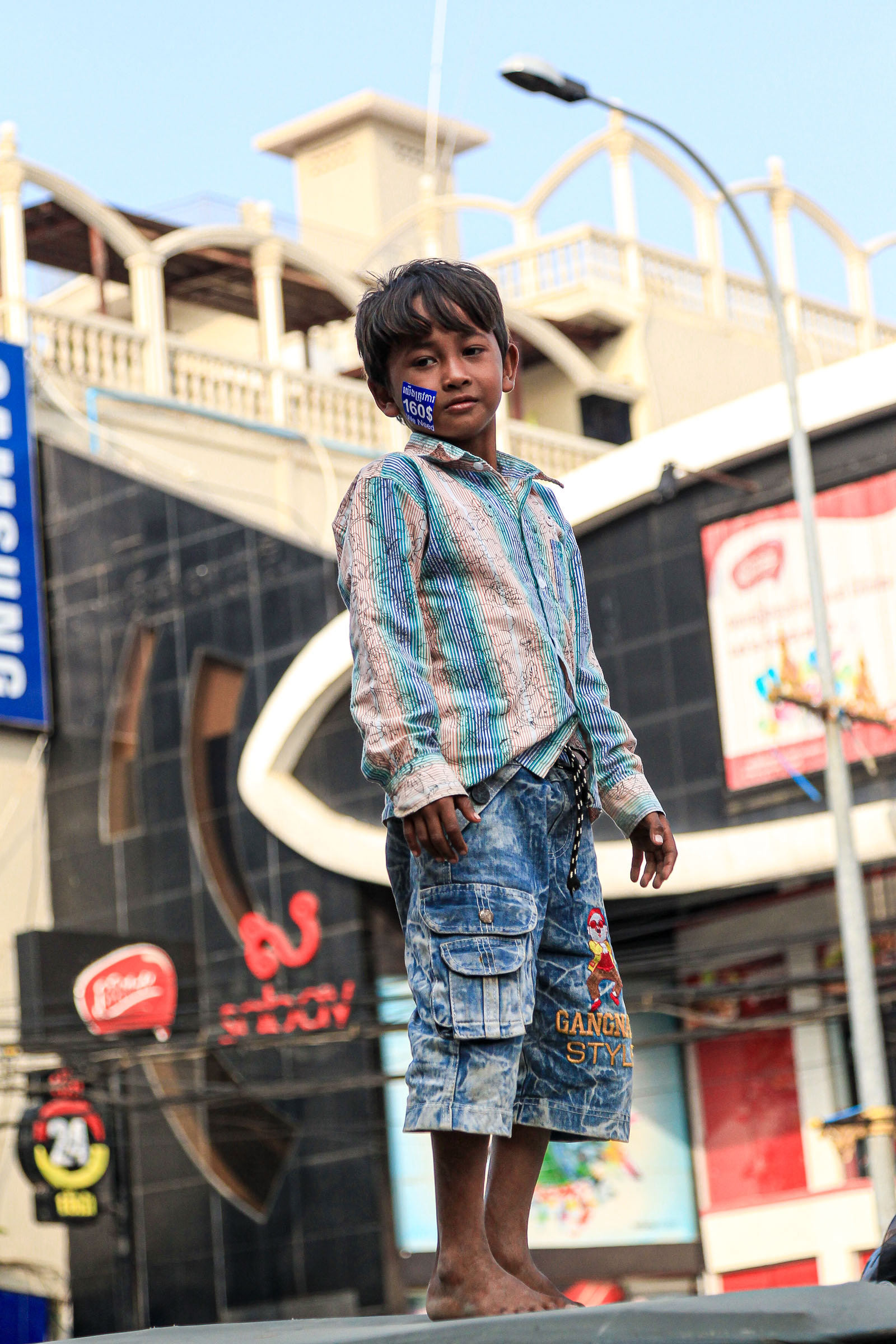


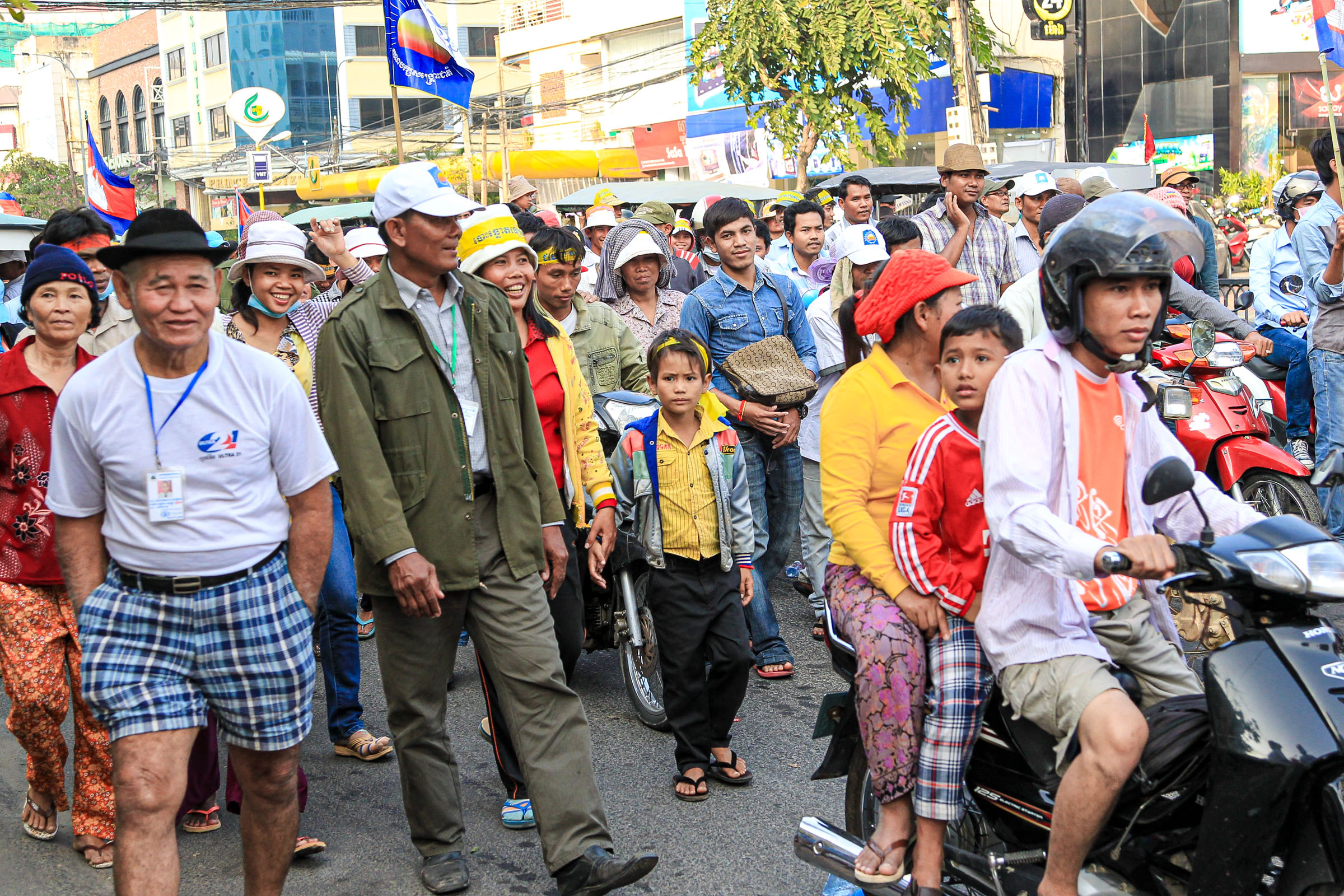
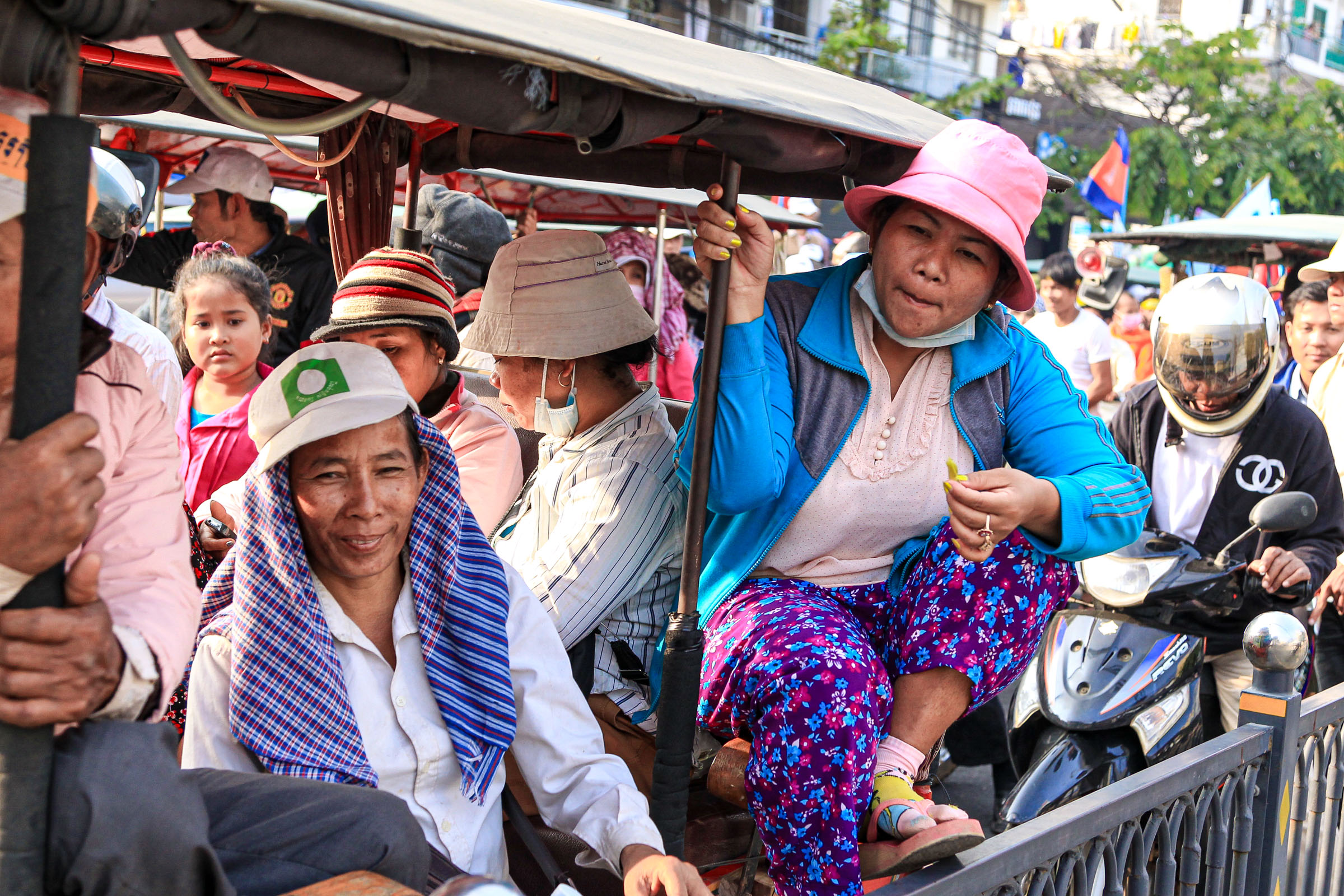
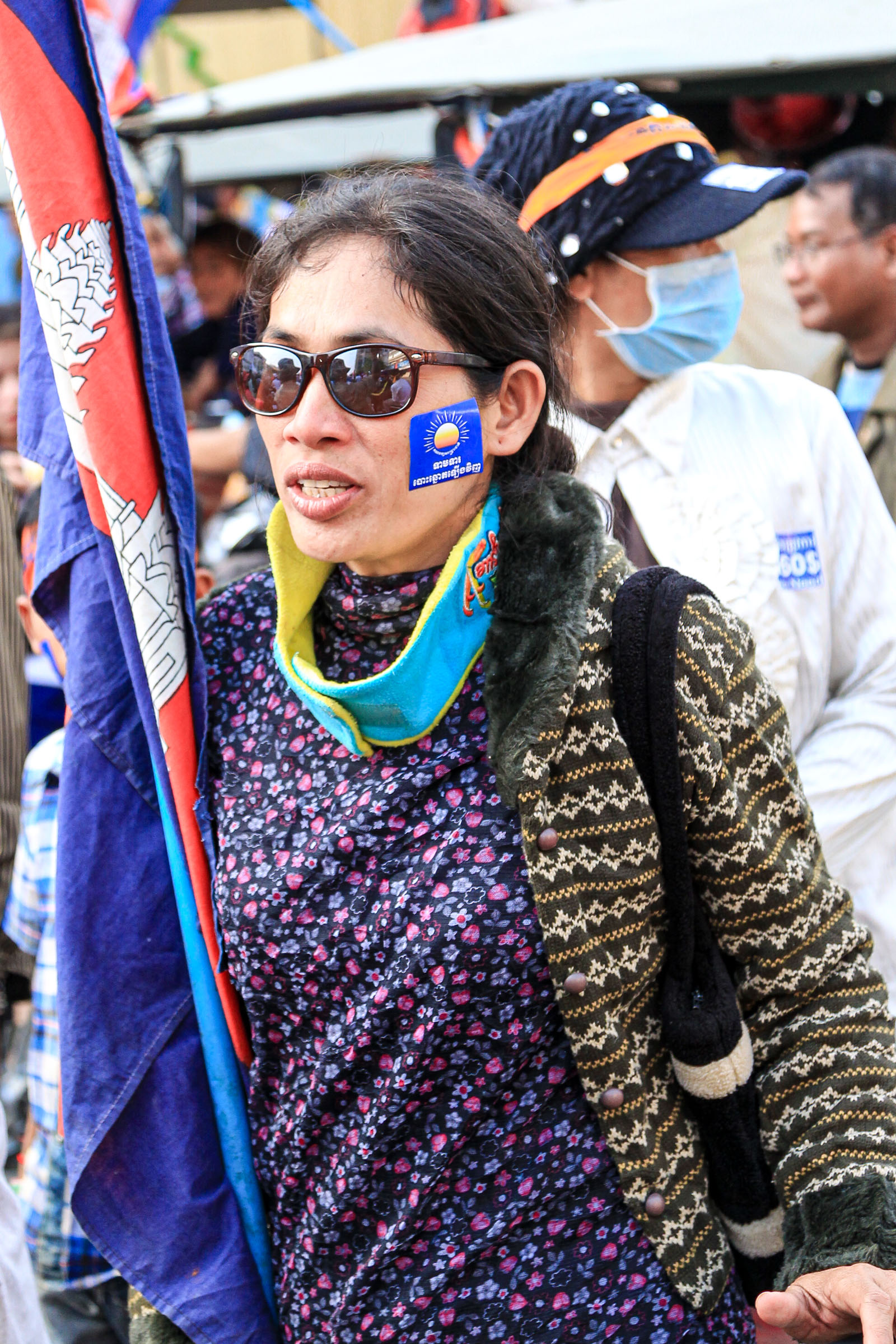
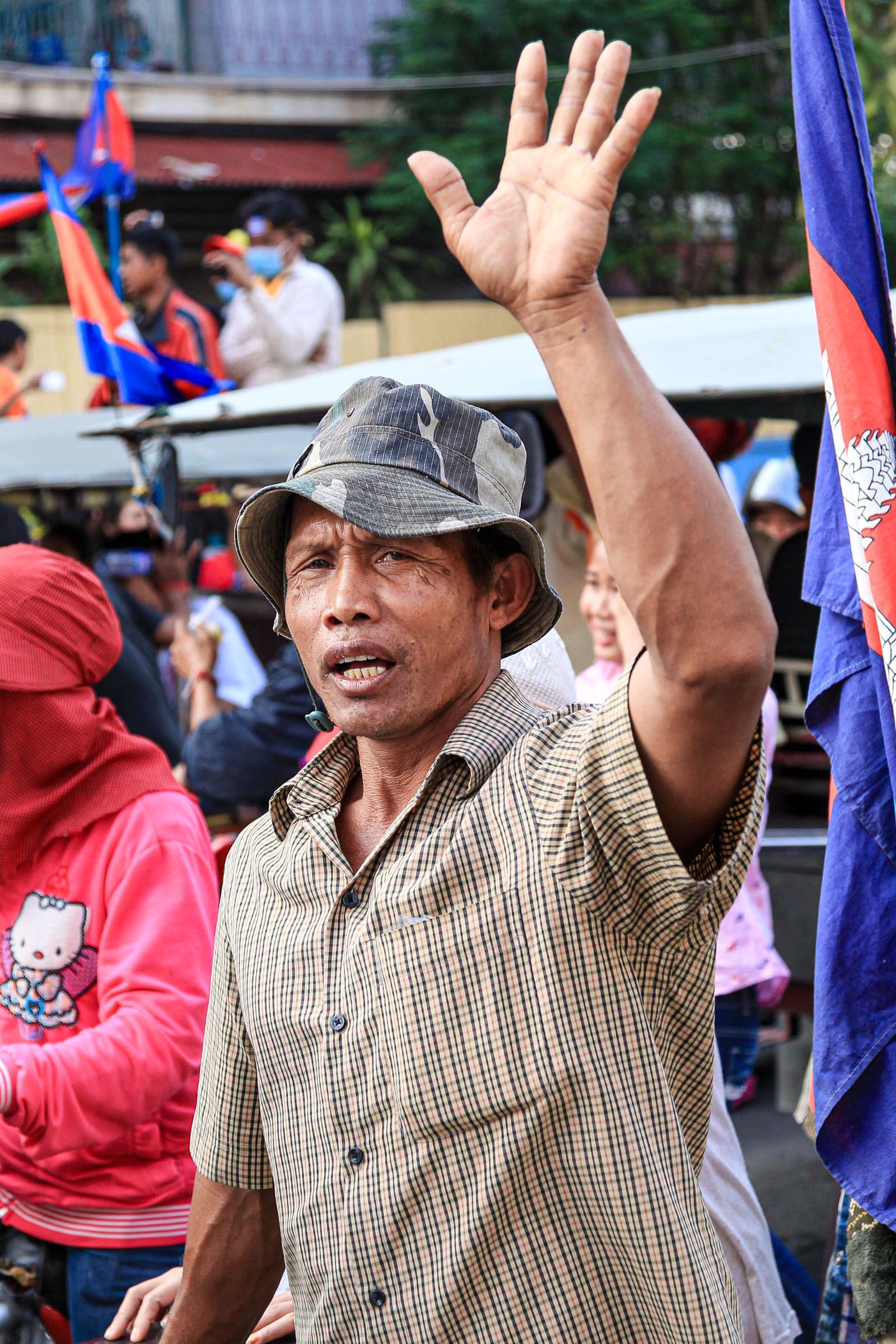

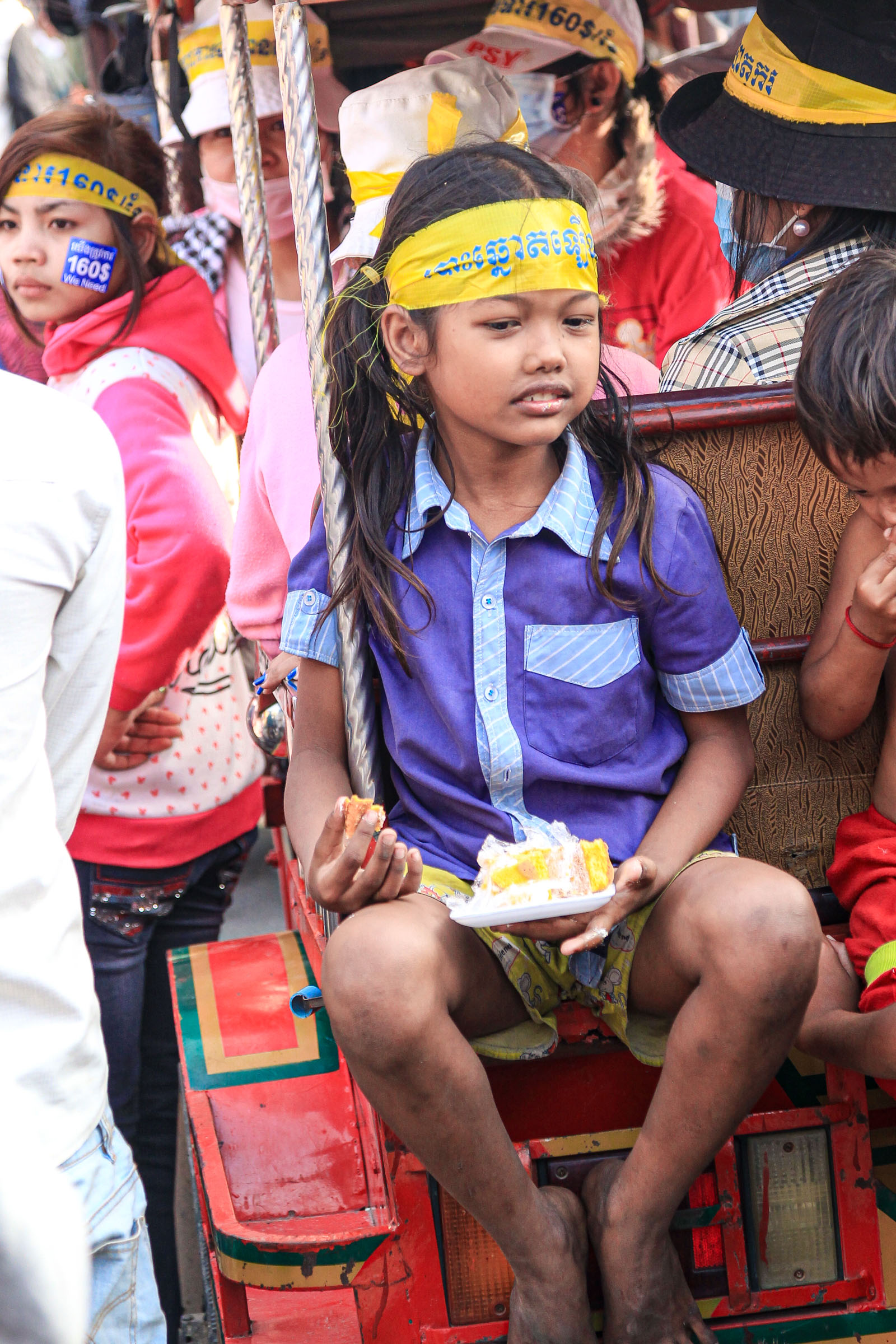


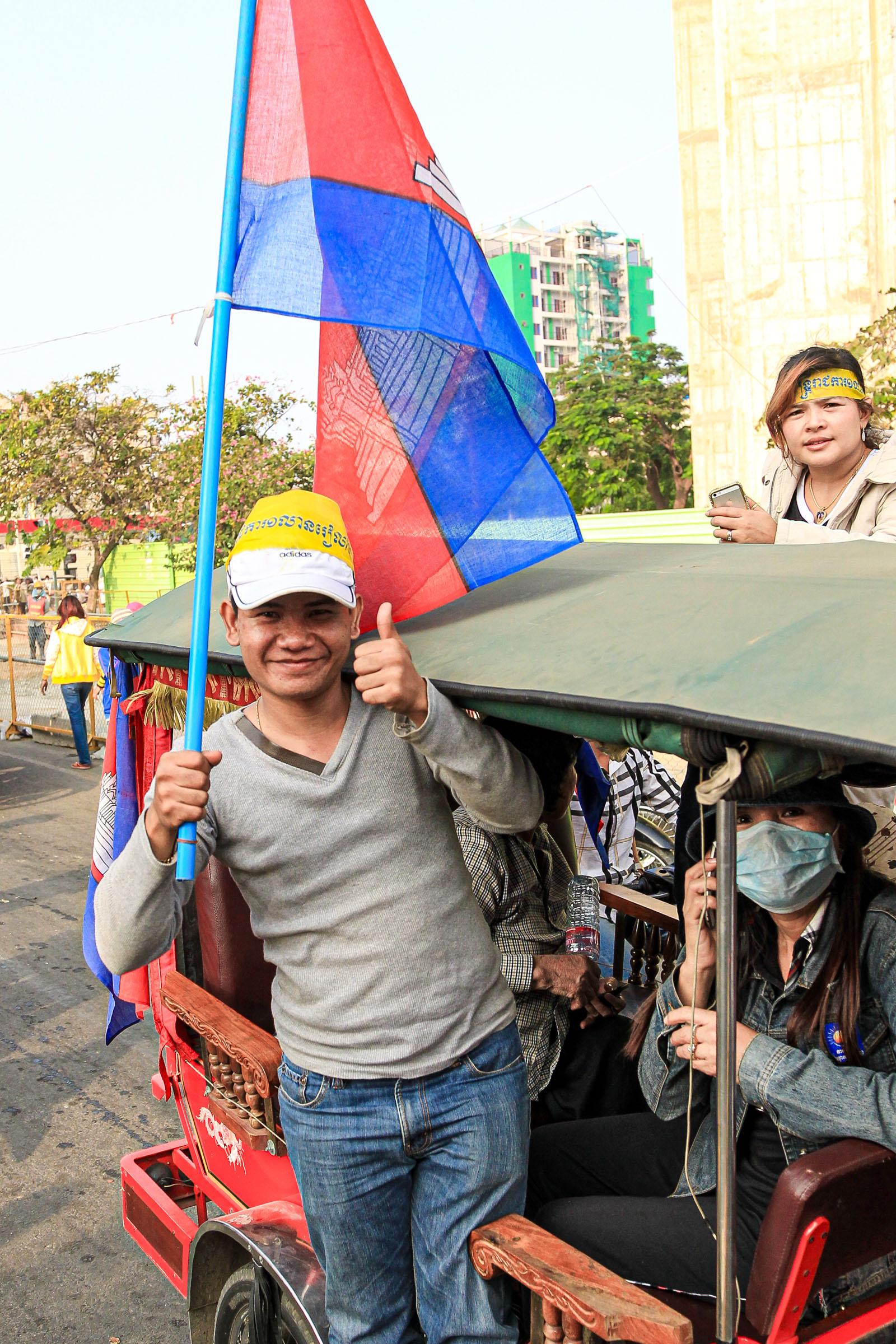


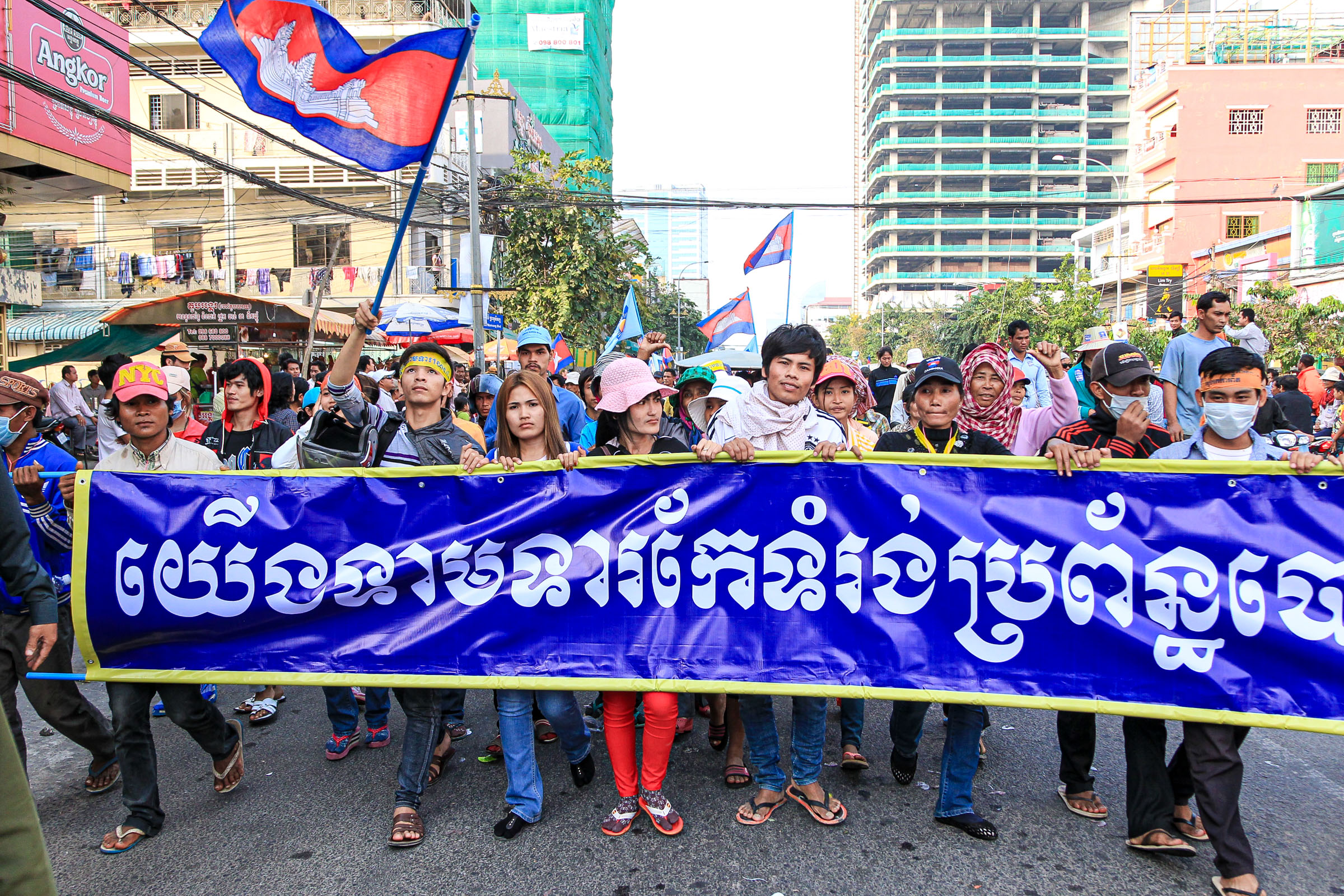
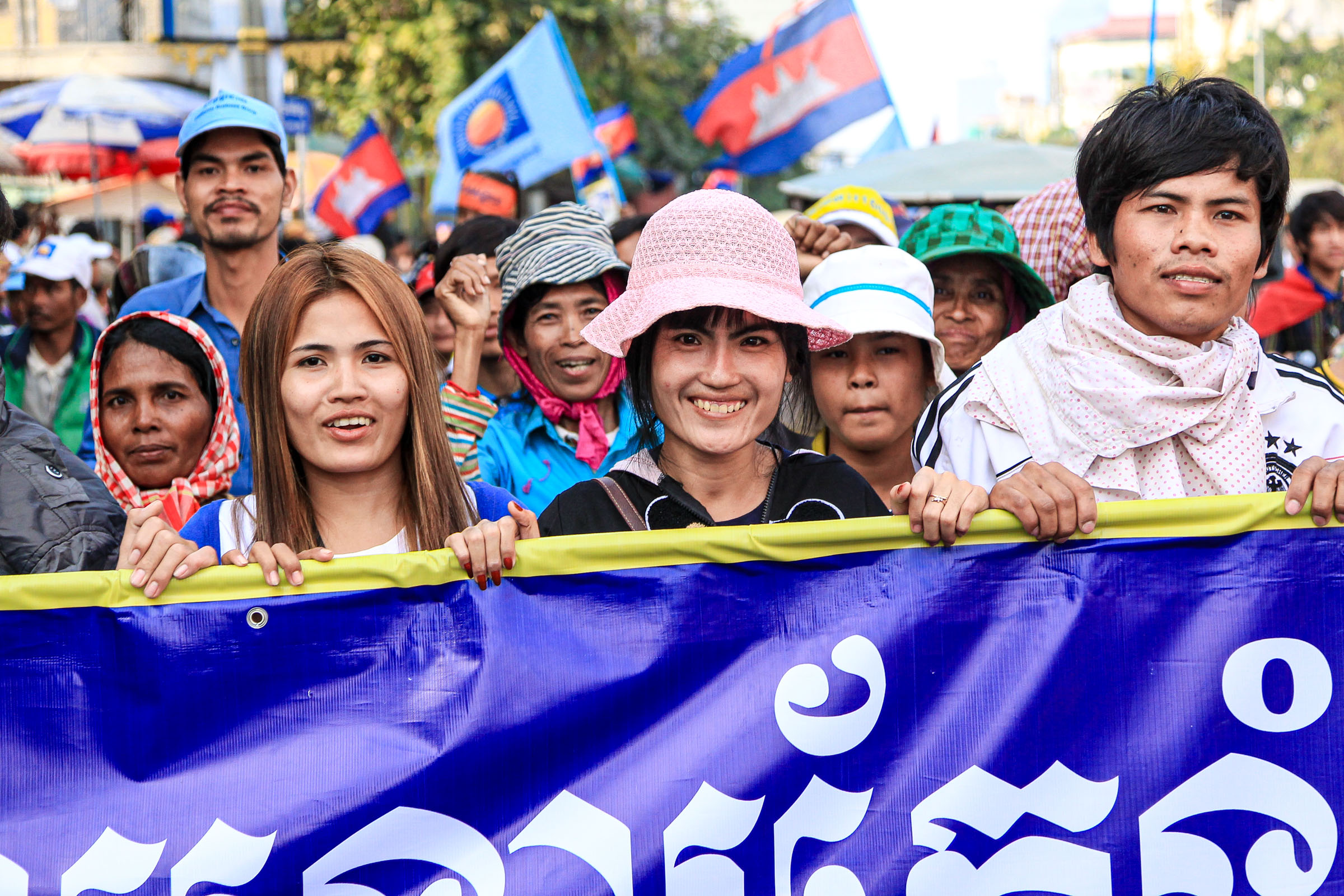
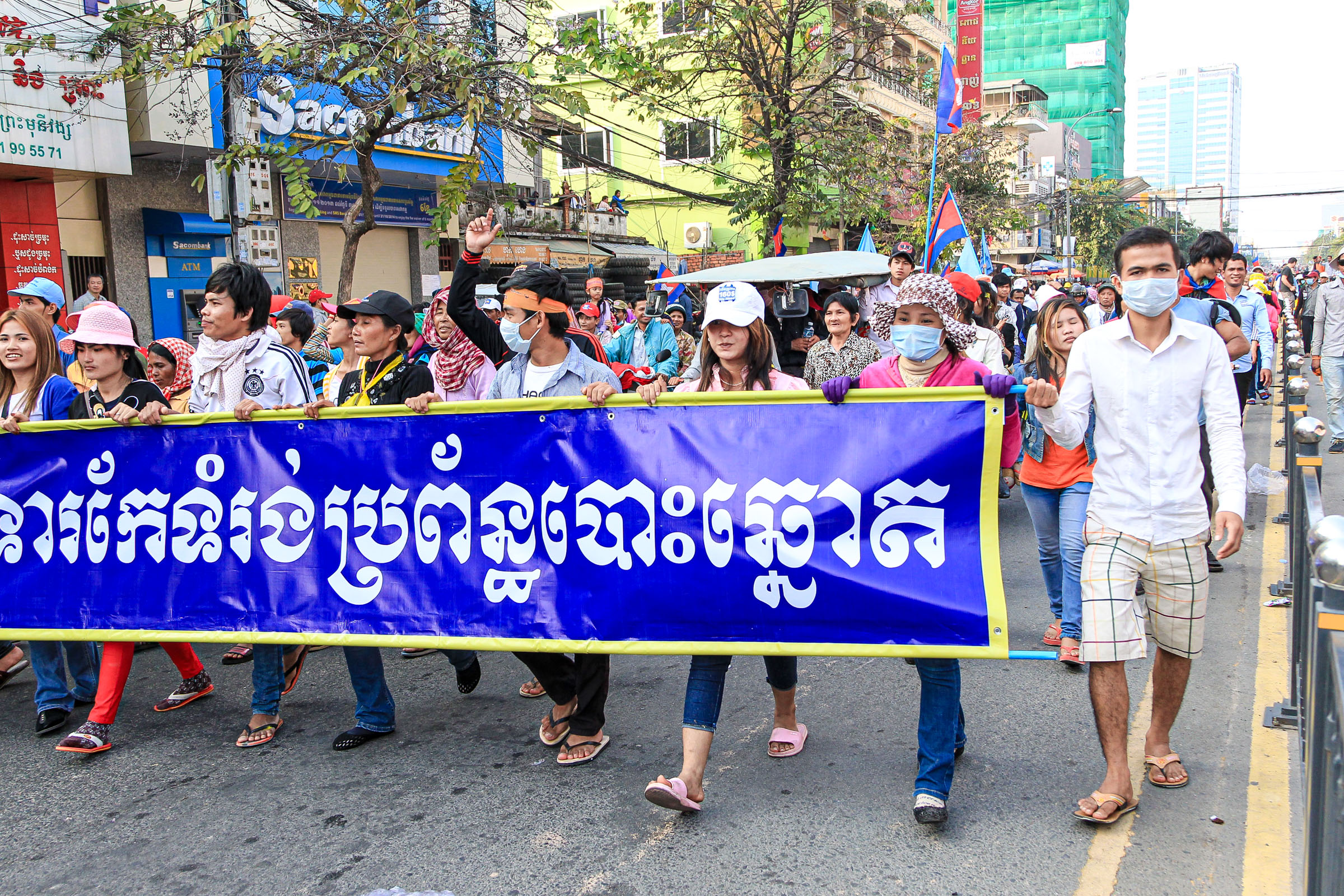

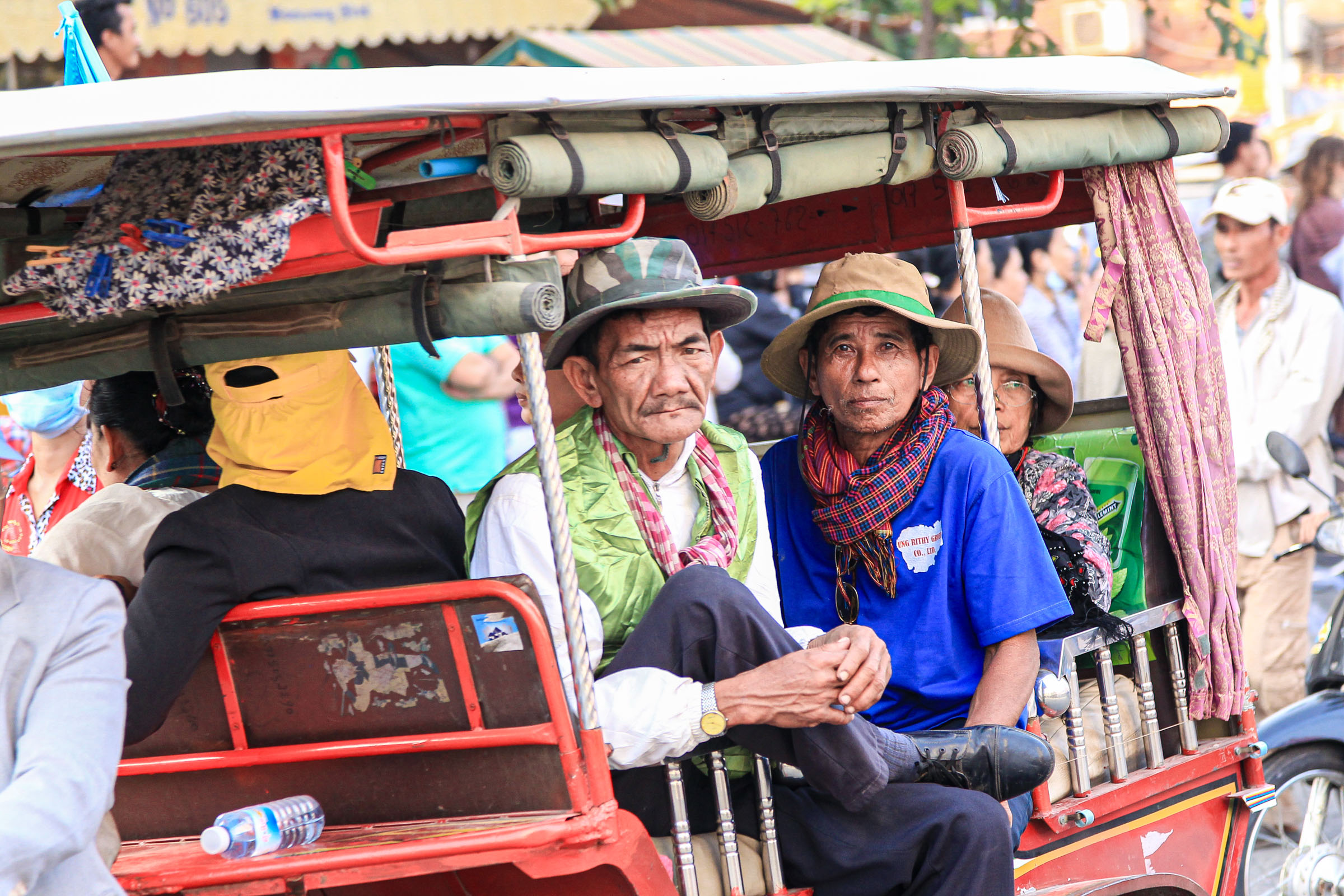


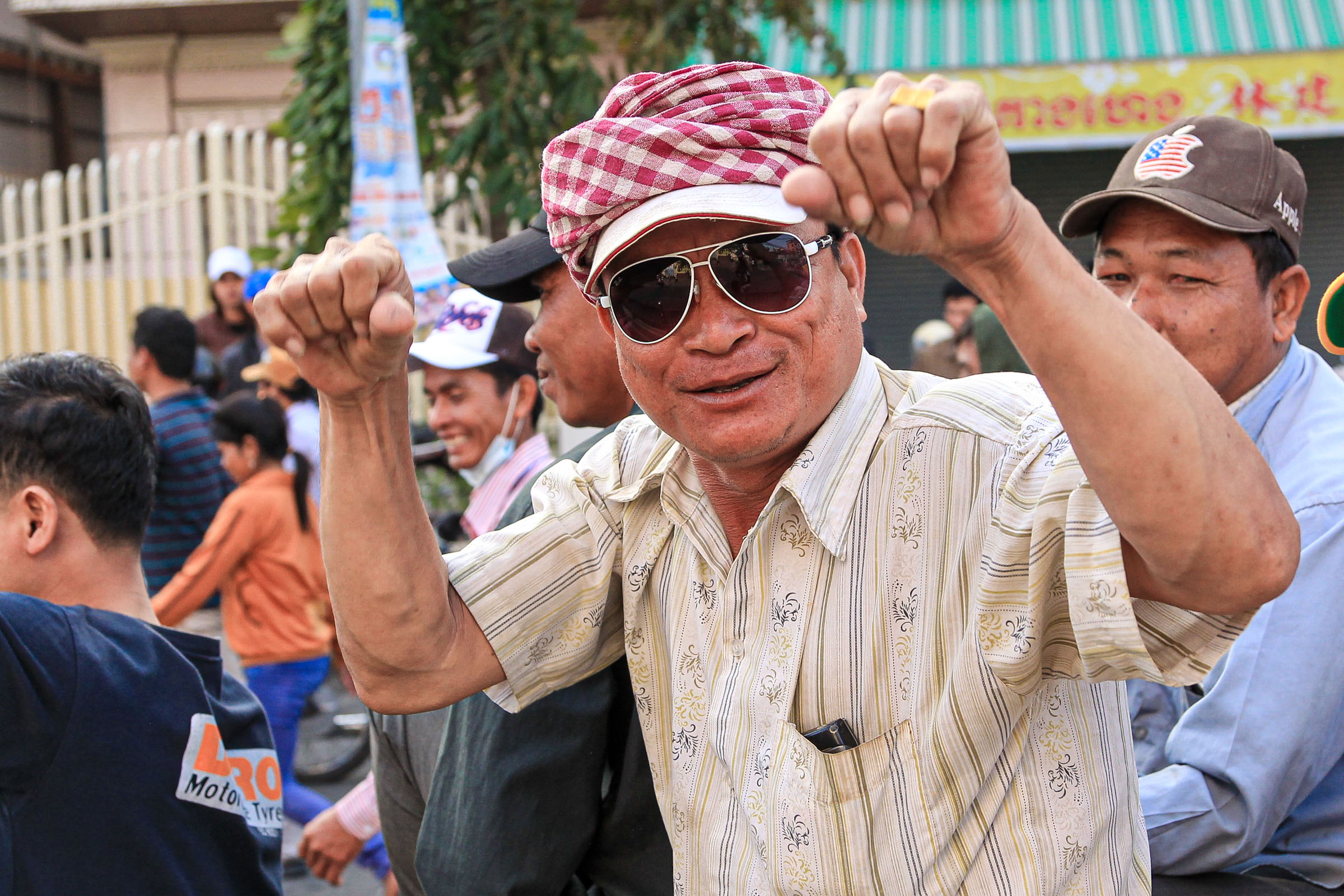


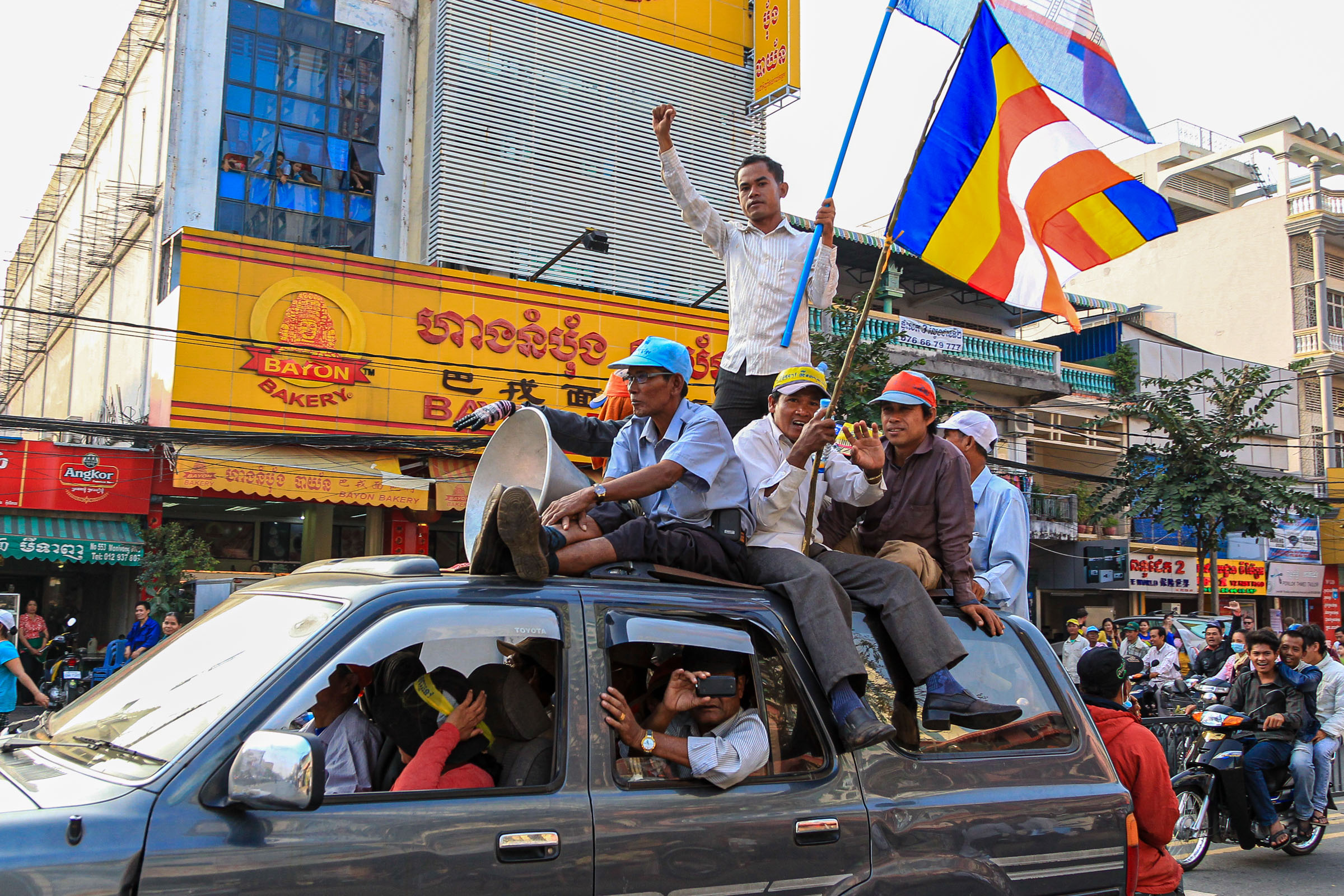


Overall, the 2013 demonstrations in Phnom Penh highlighted the deep-seated issues of political corruption, economic inequality, and the desire for democratic reforms in Cambodia.


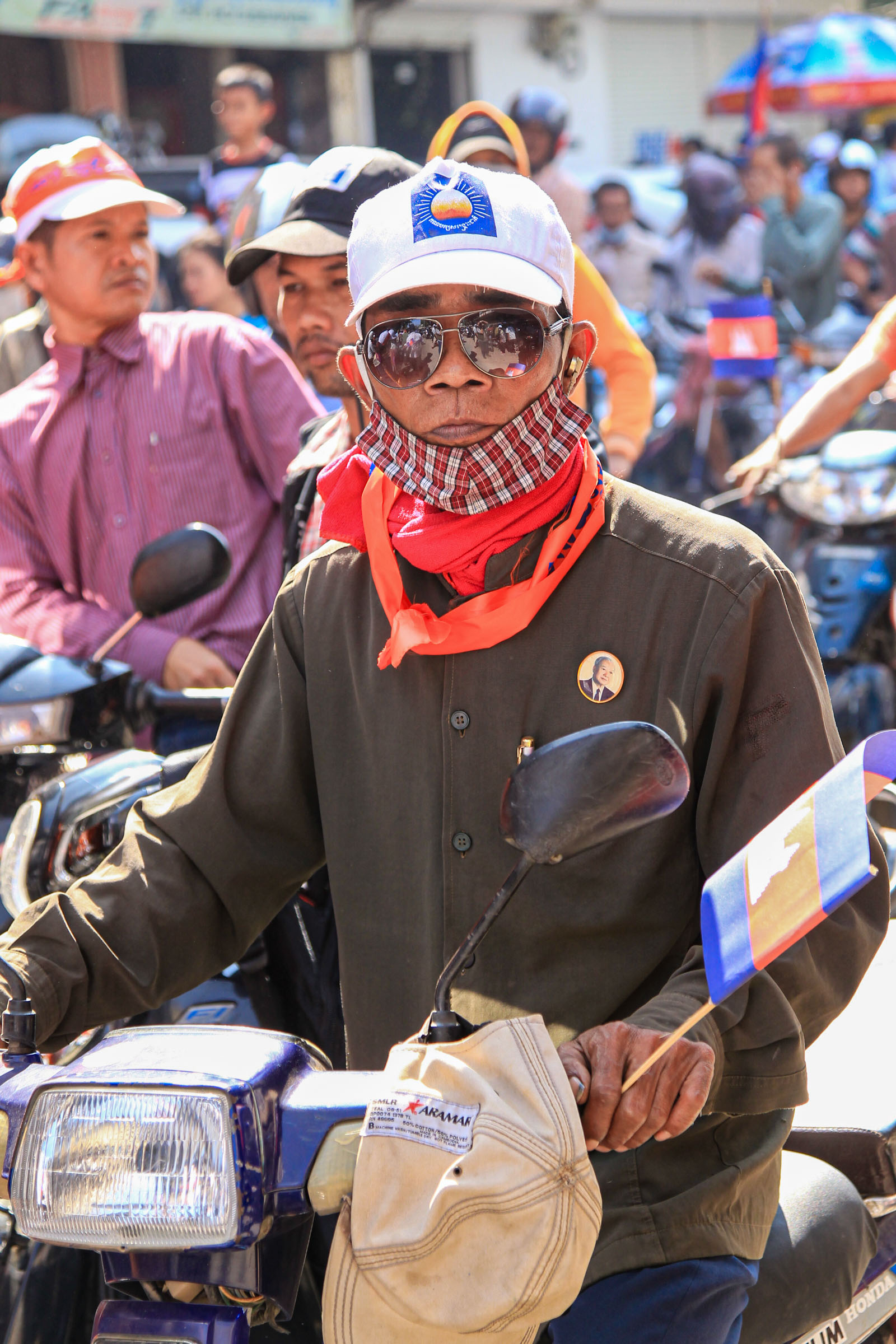

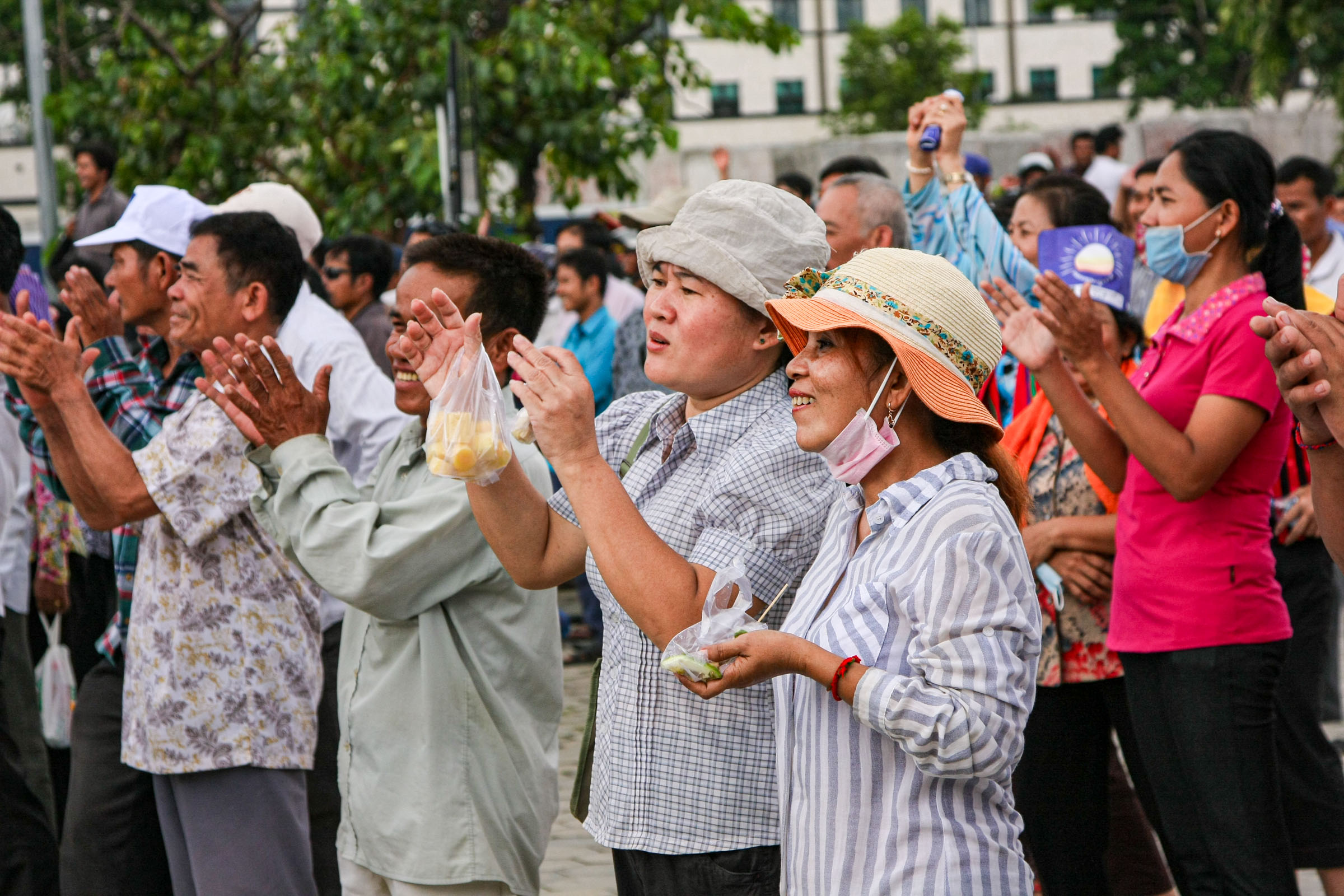
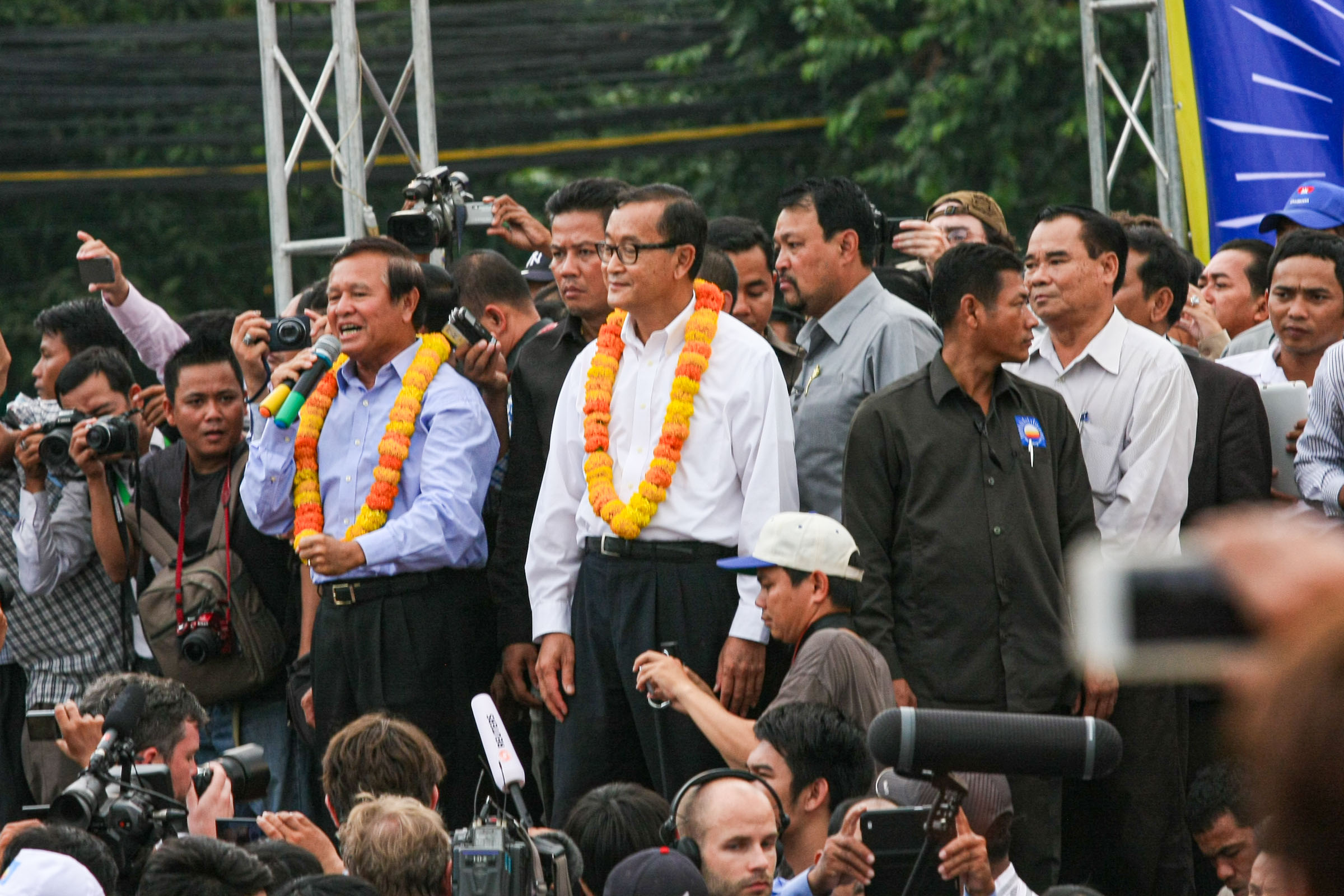
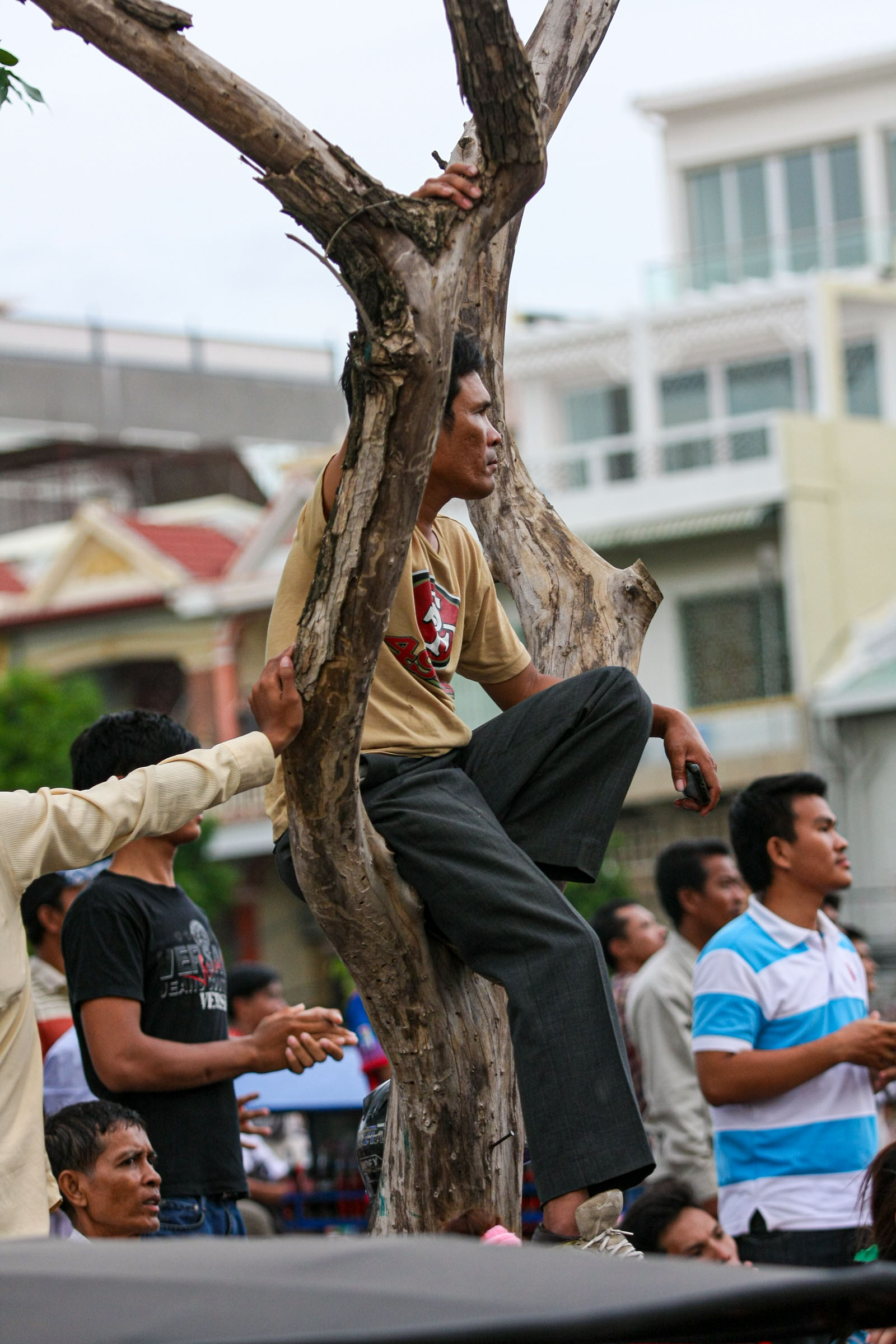
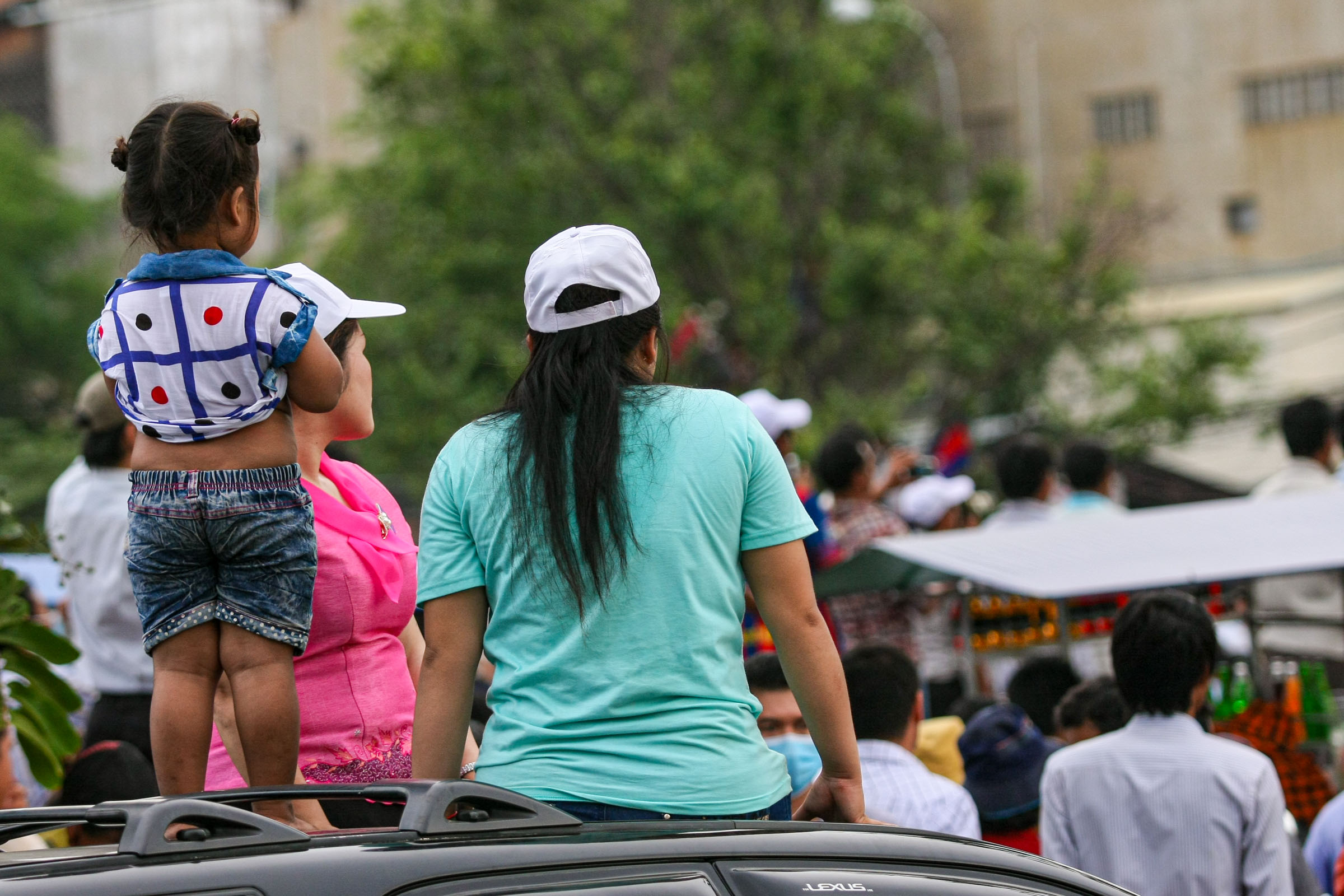
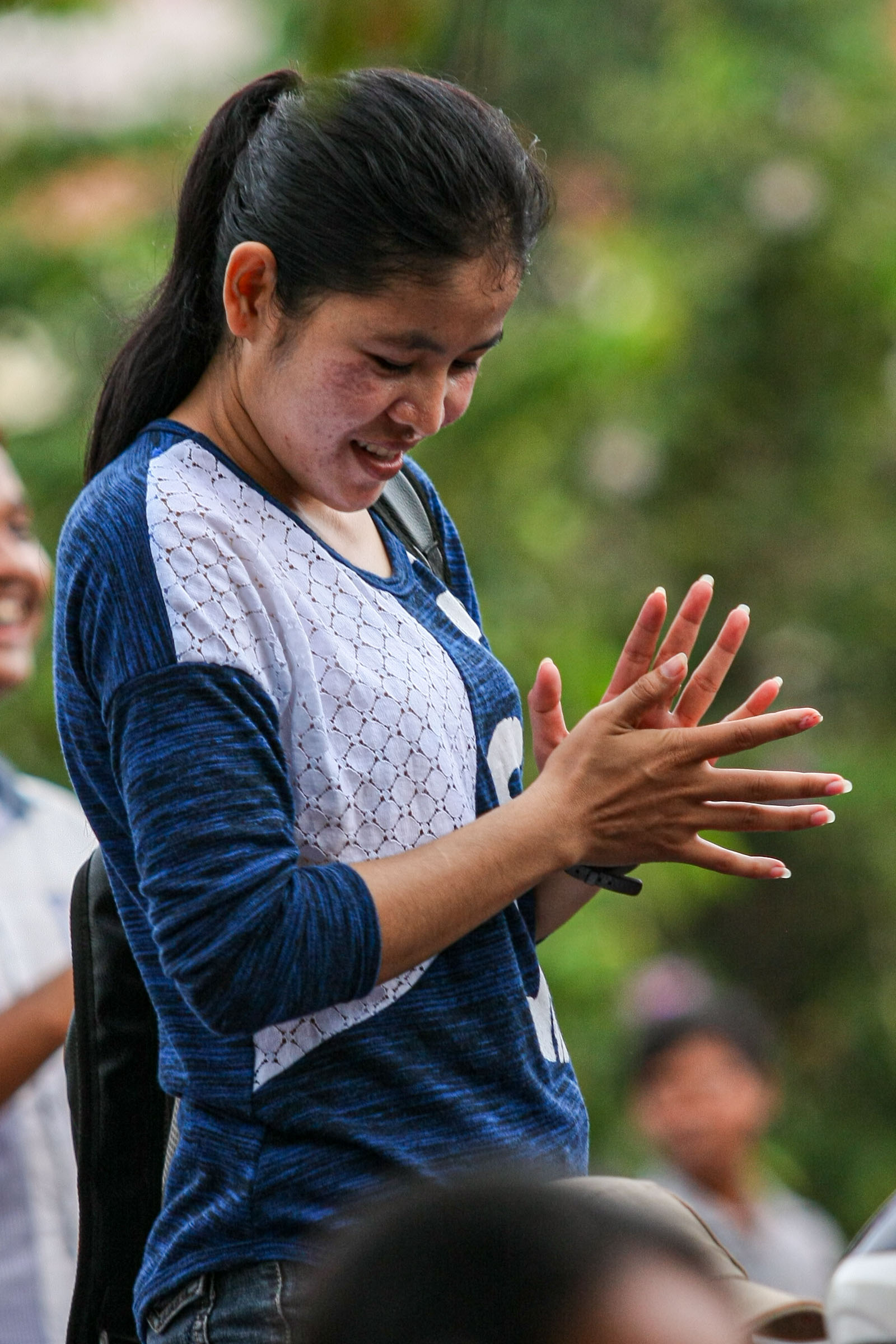

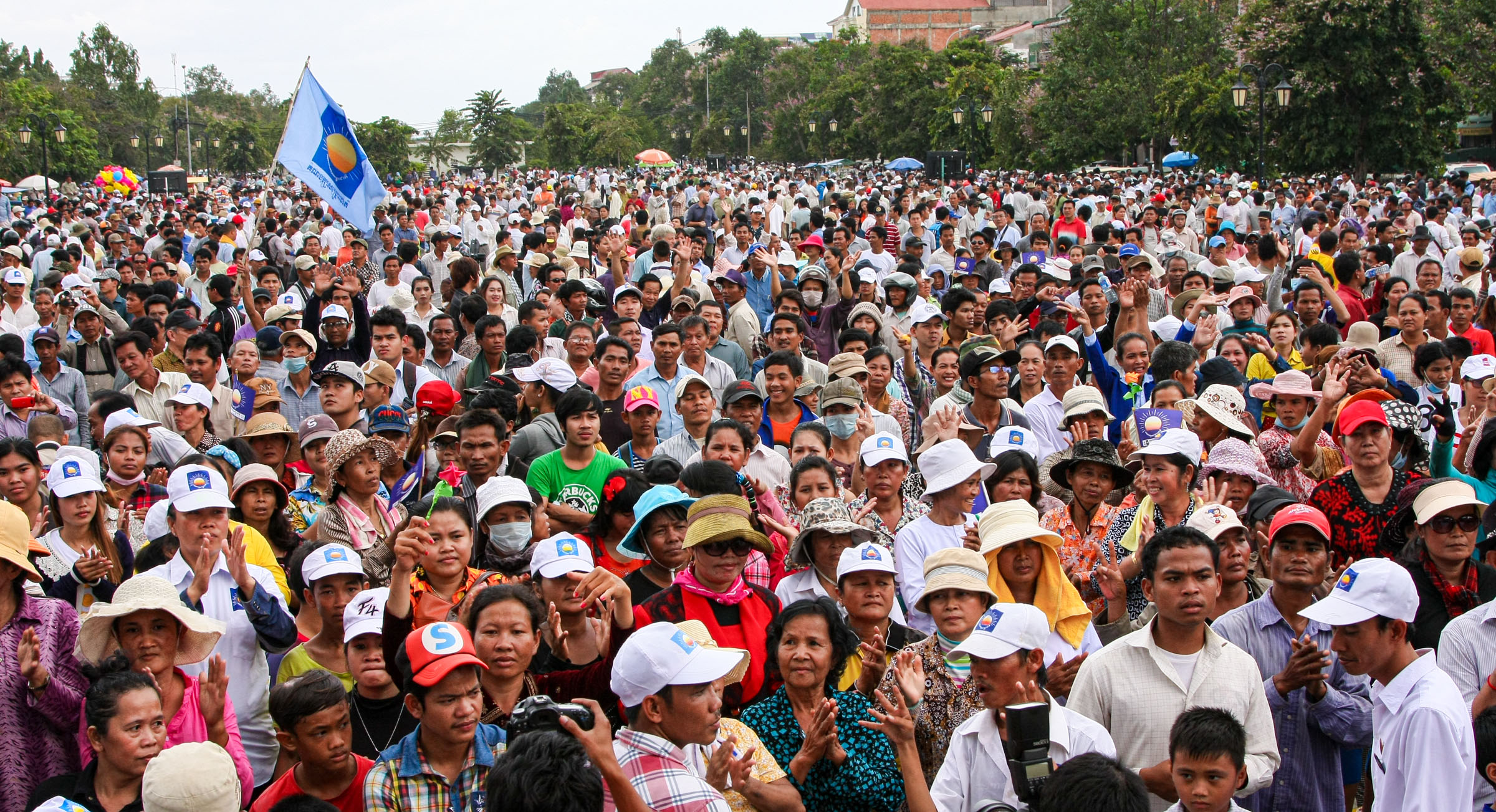


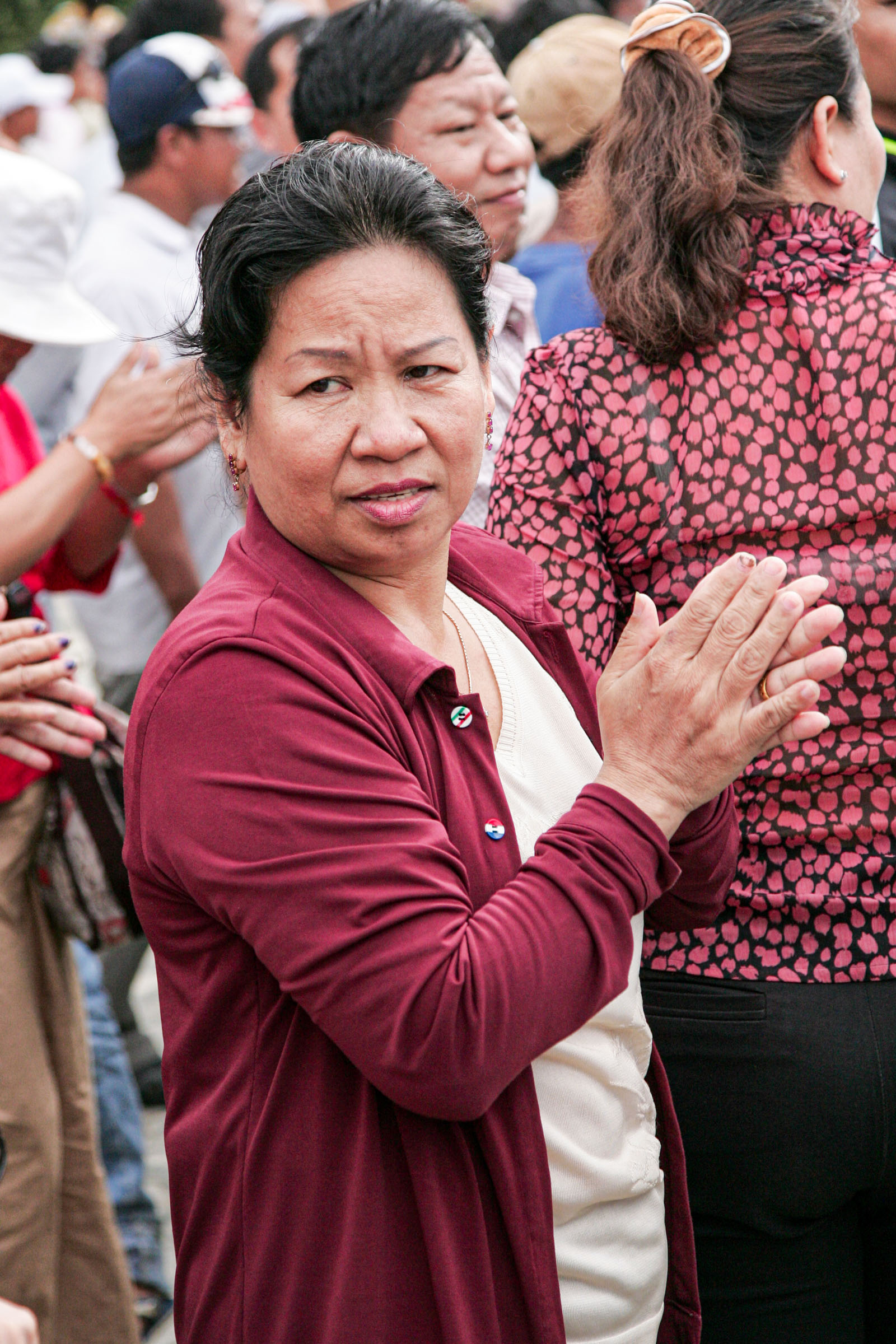
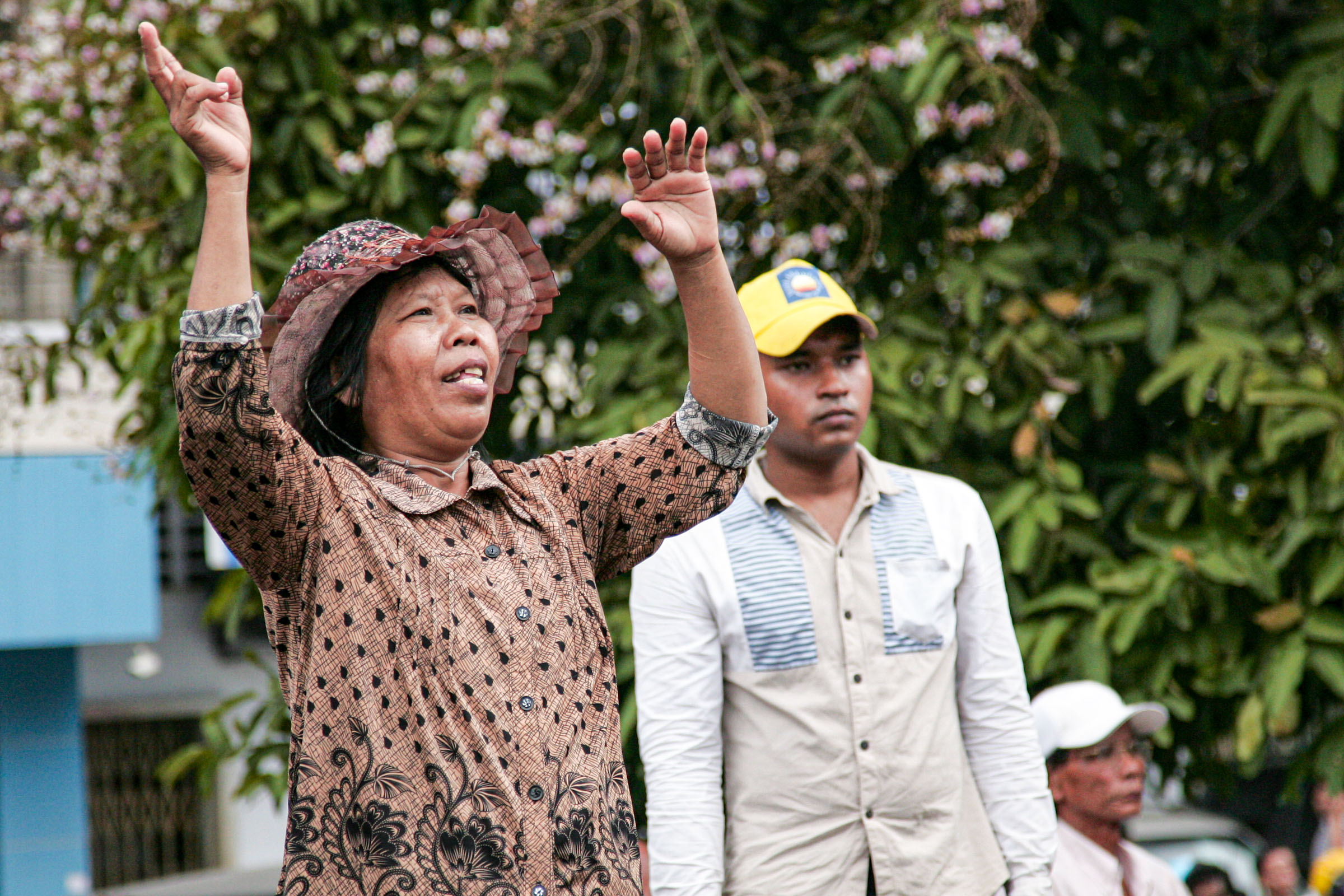

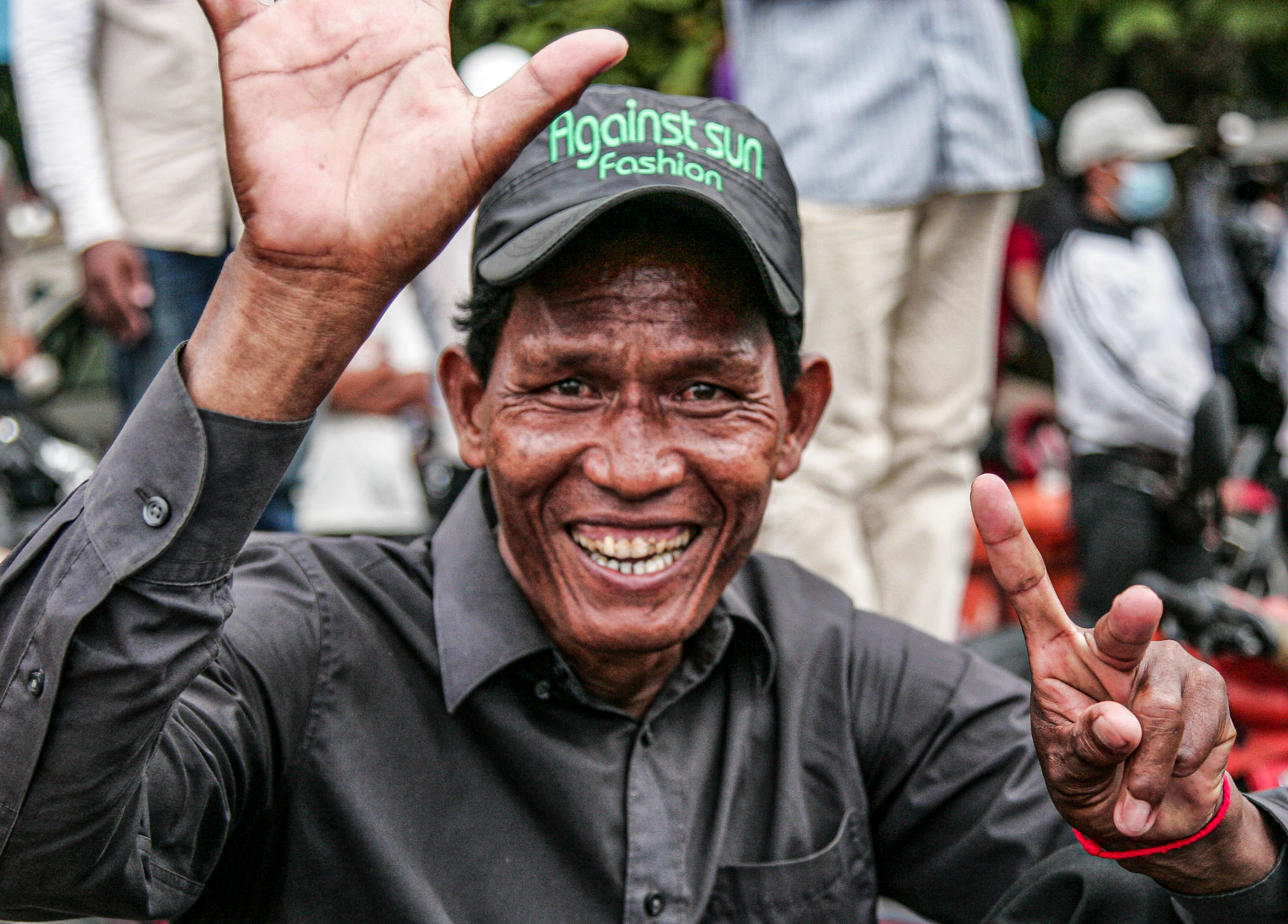
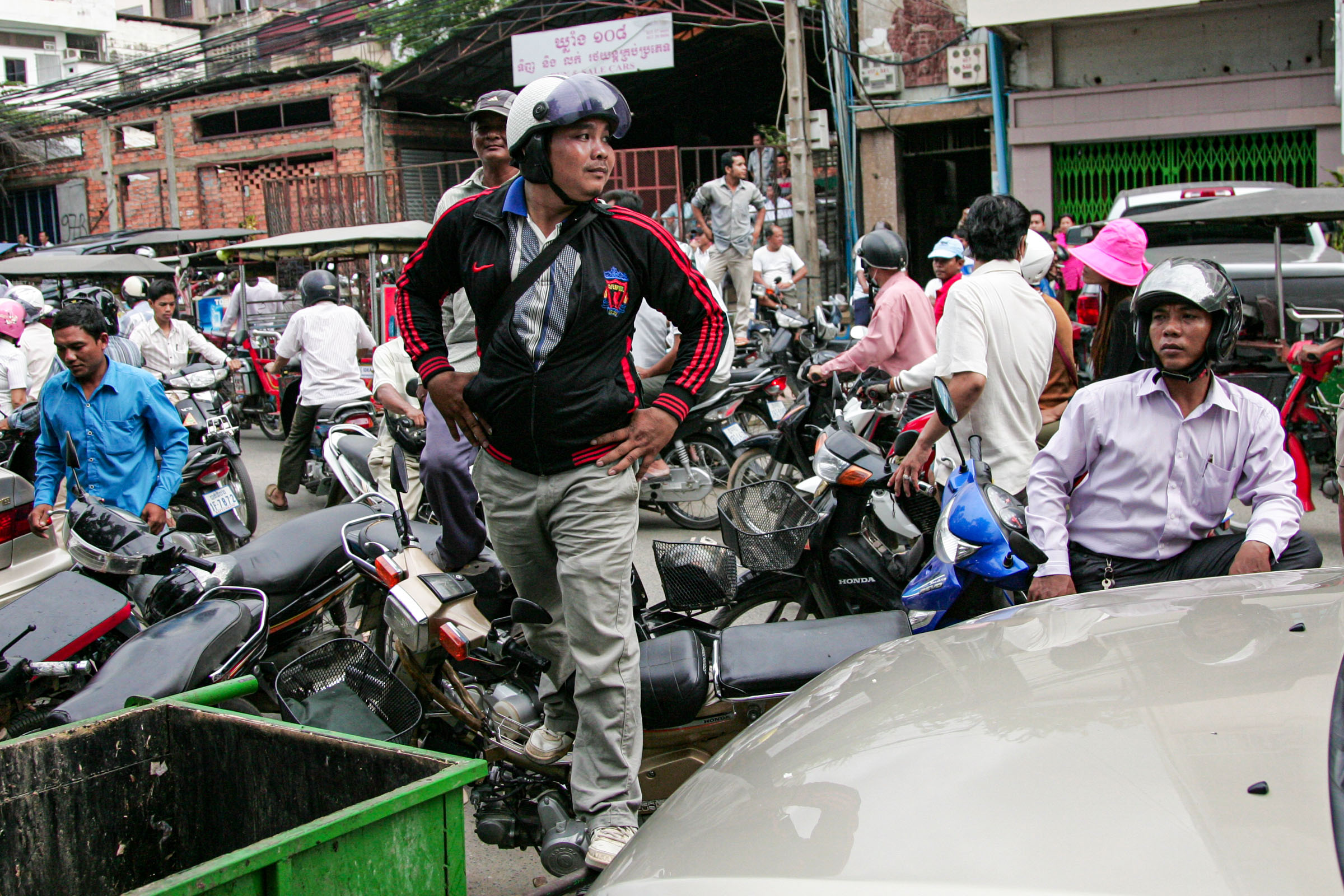


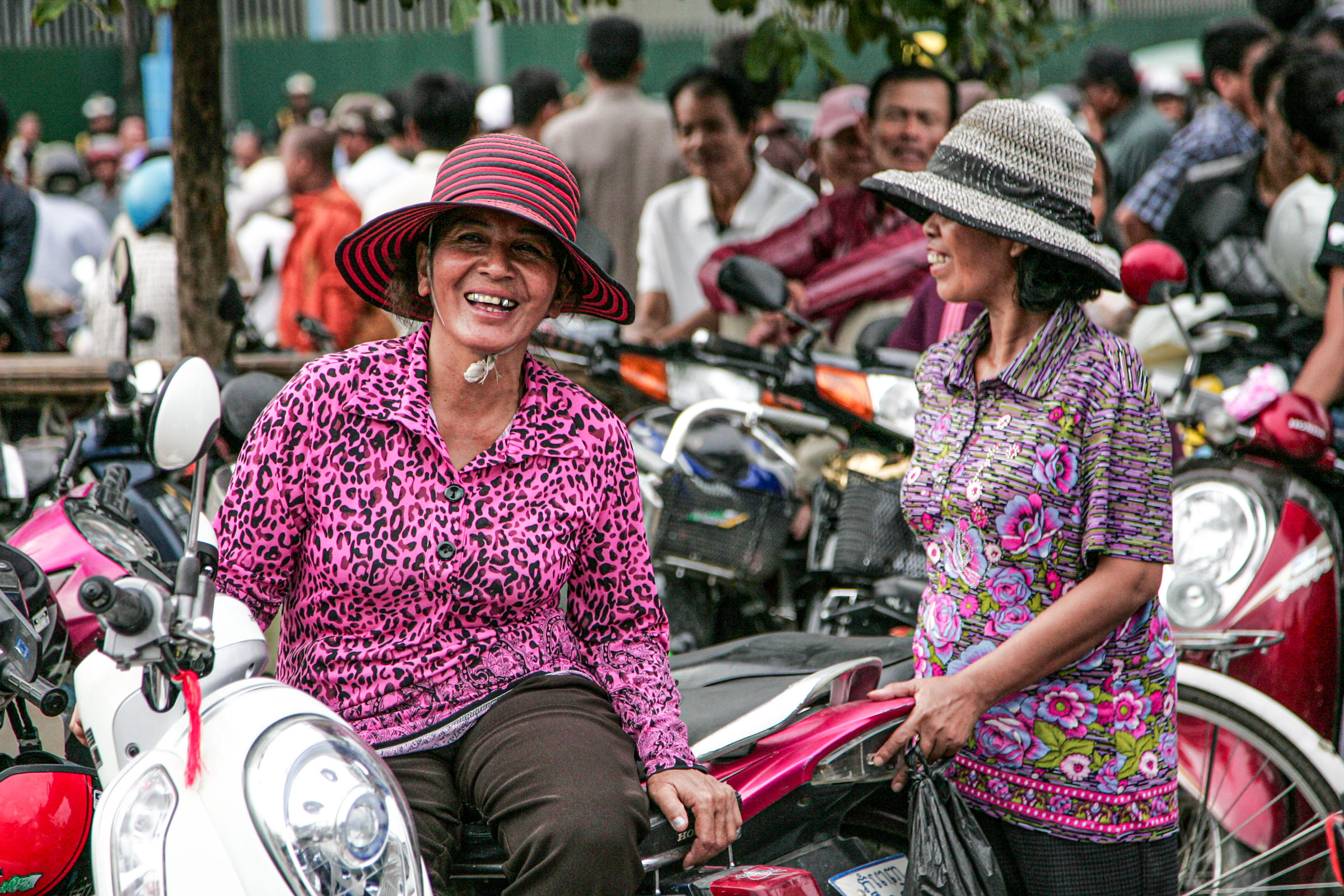

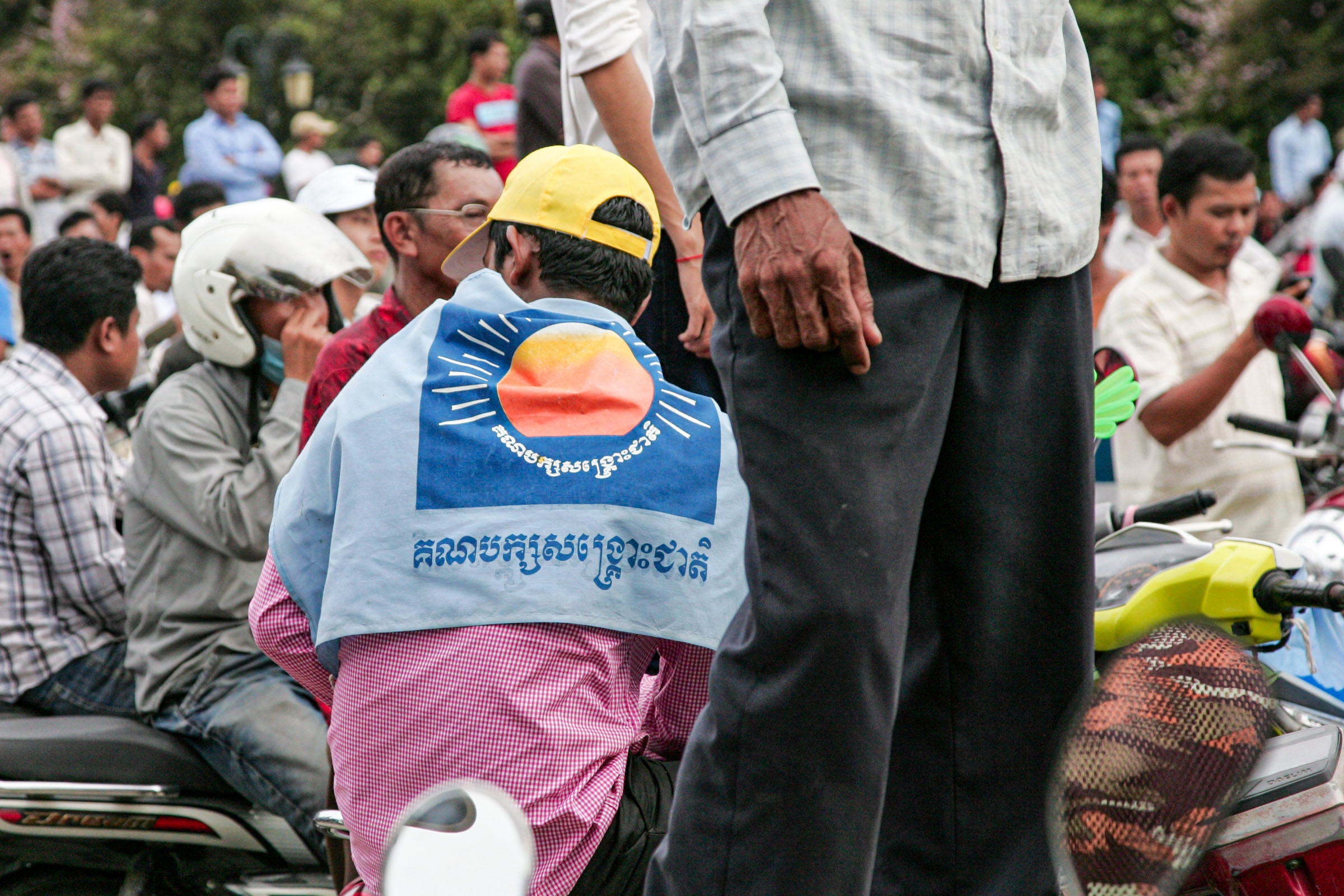
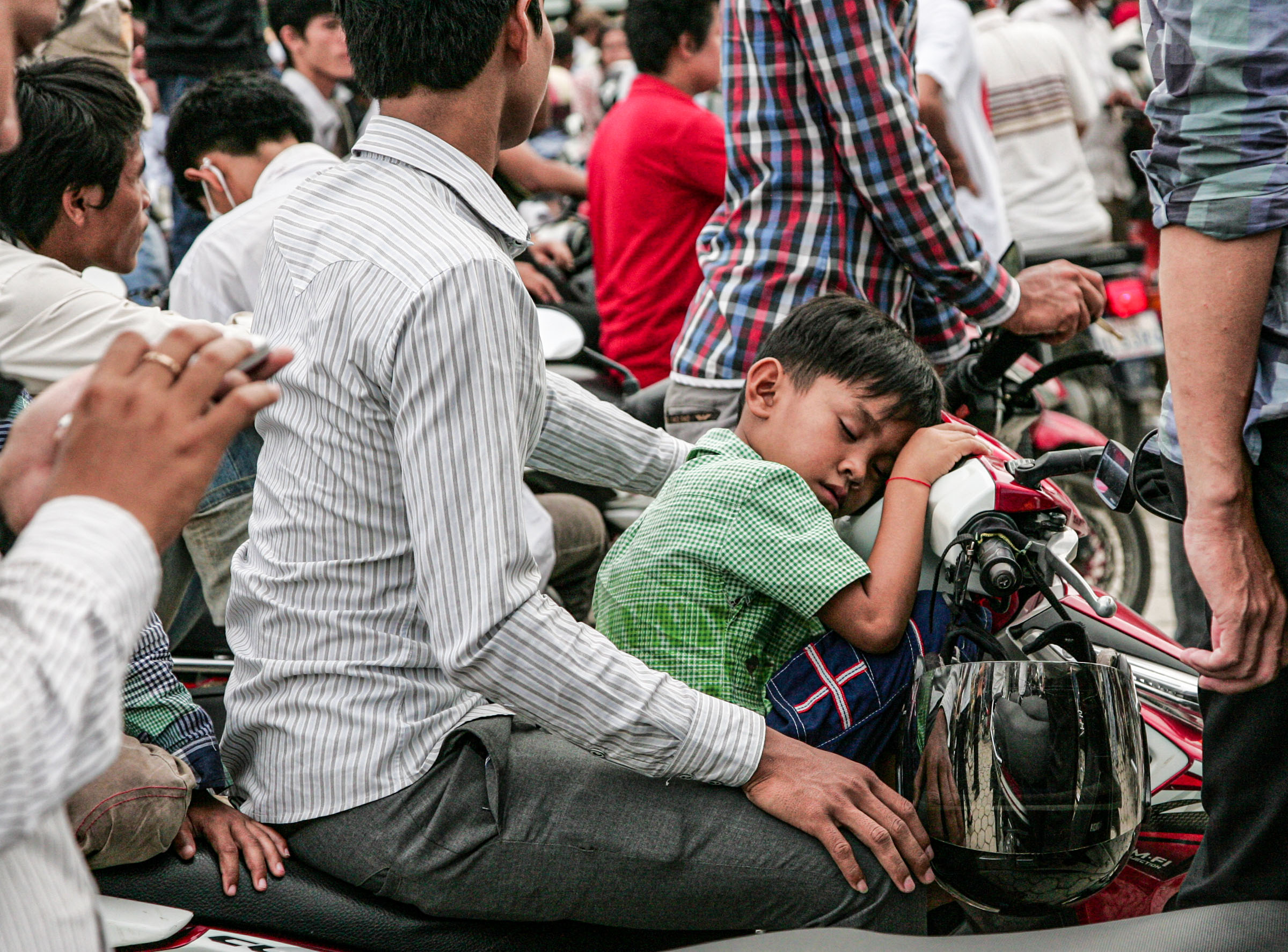

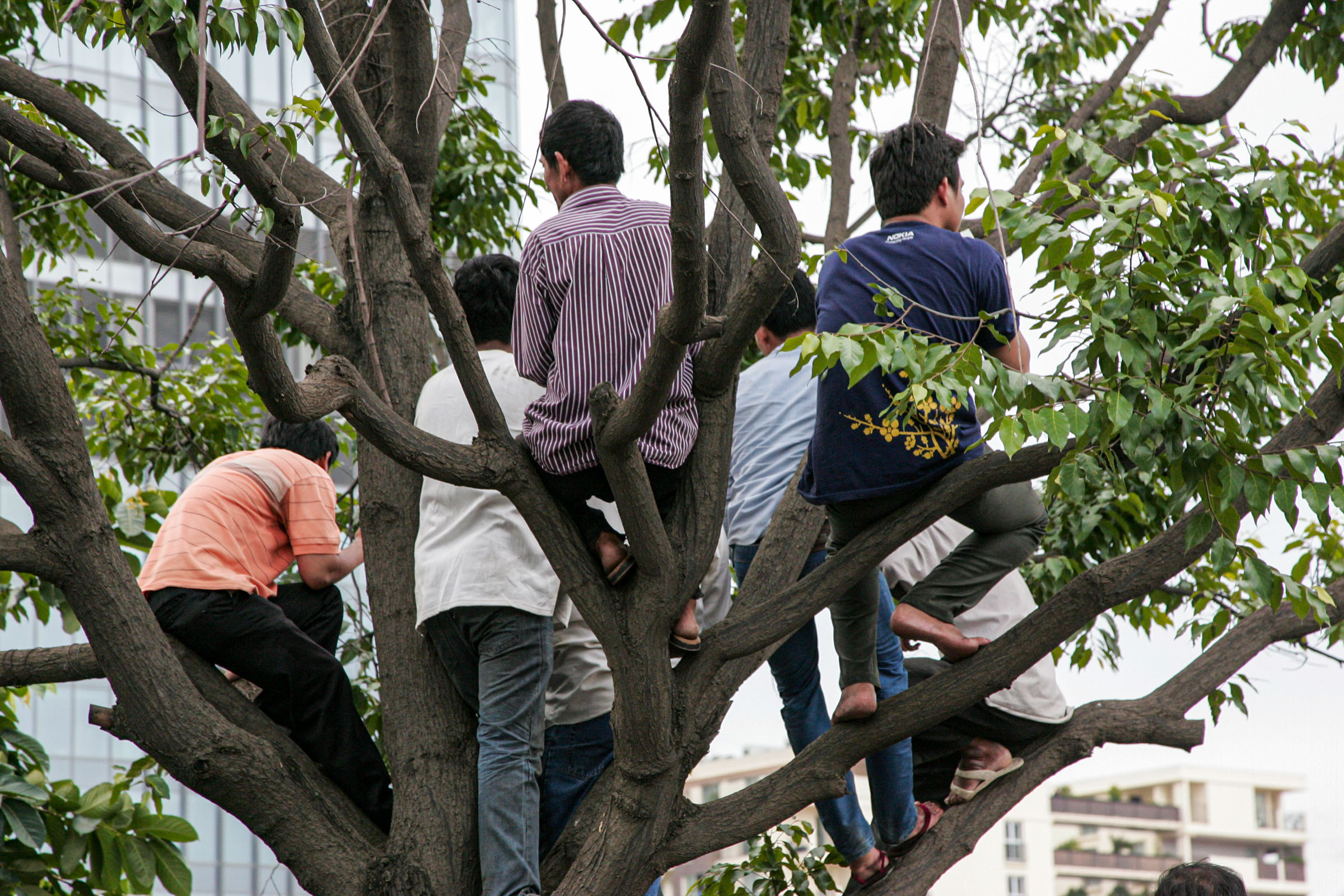
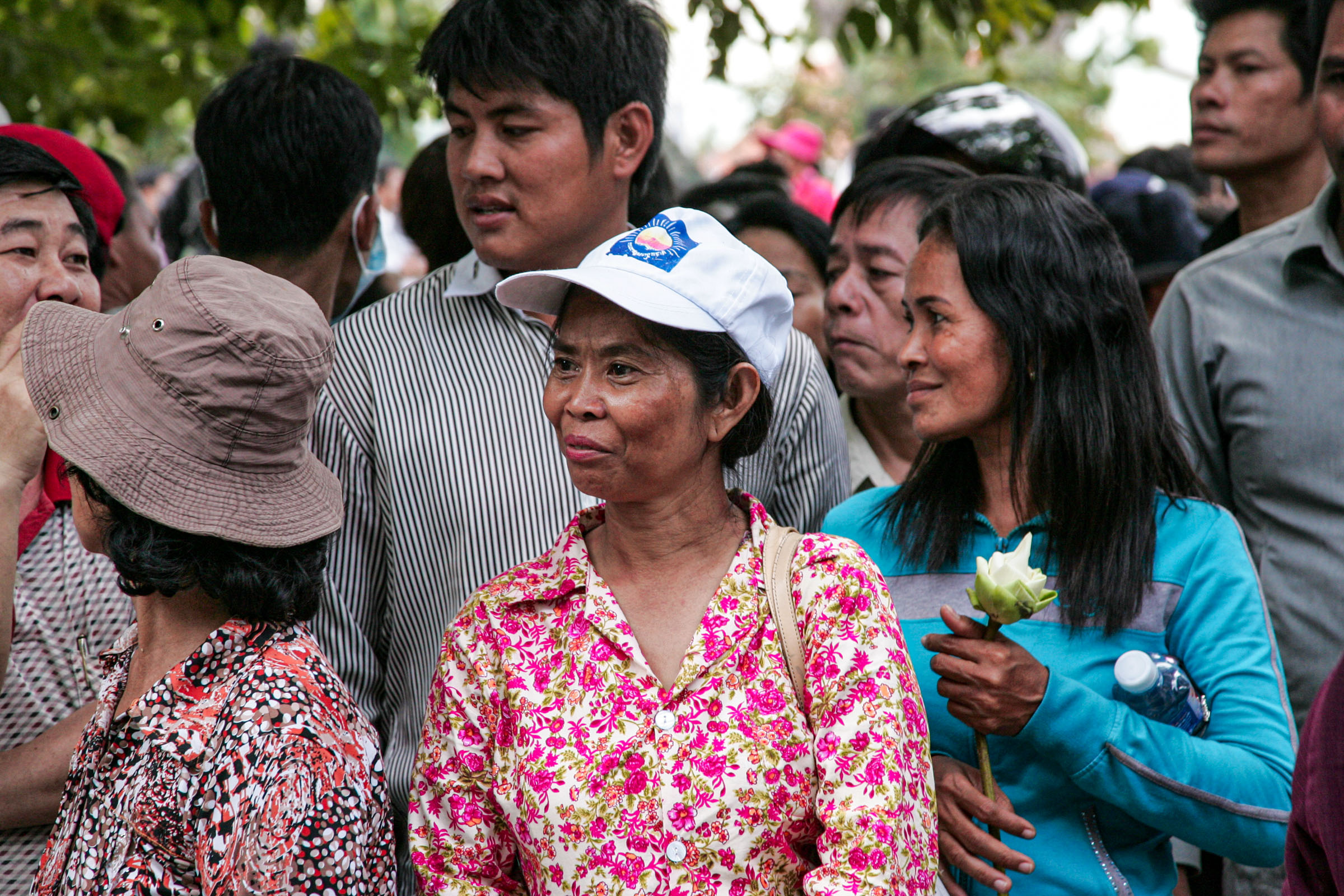
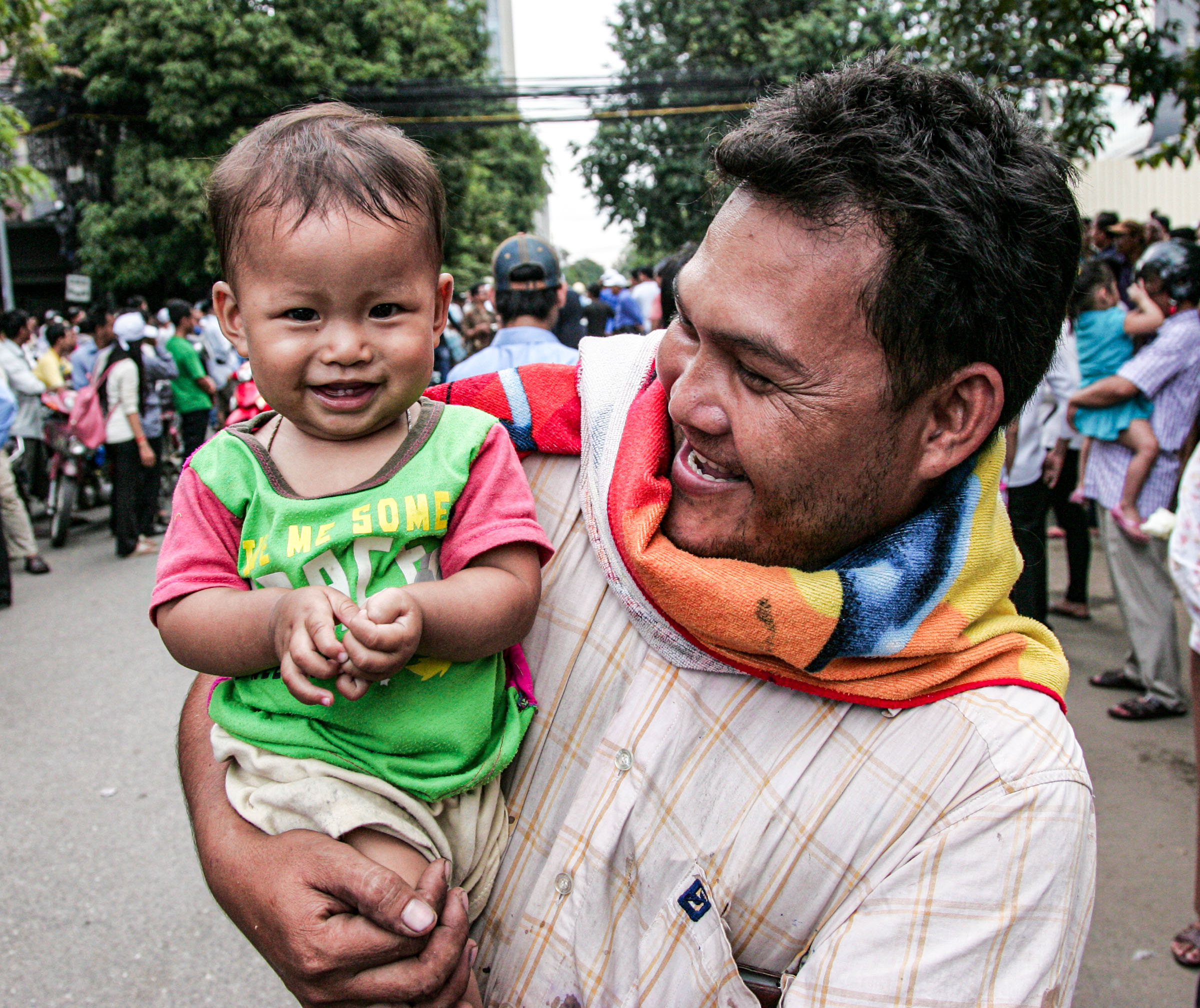

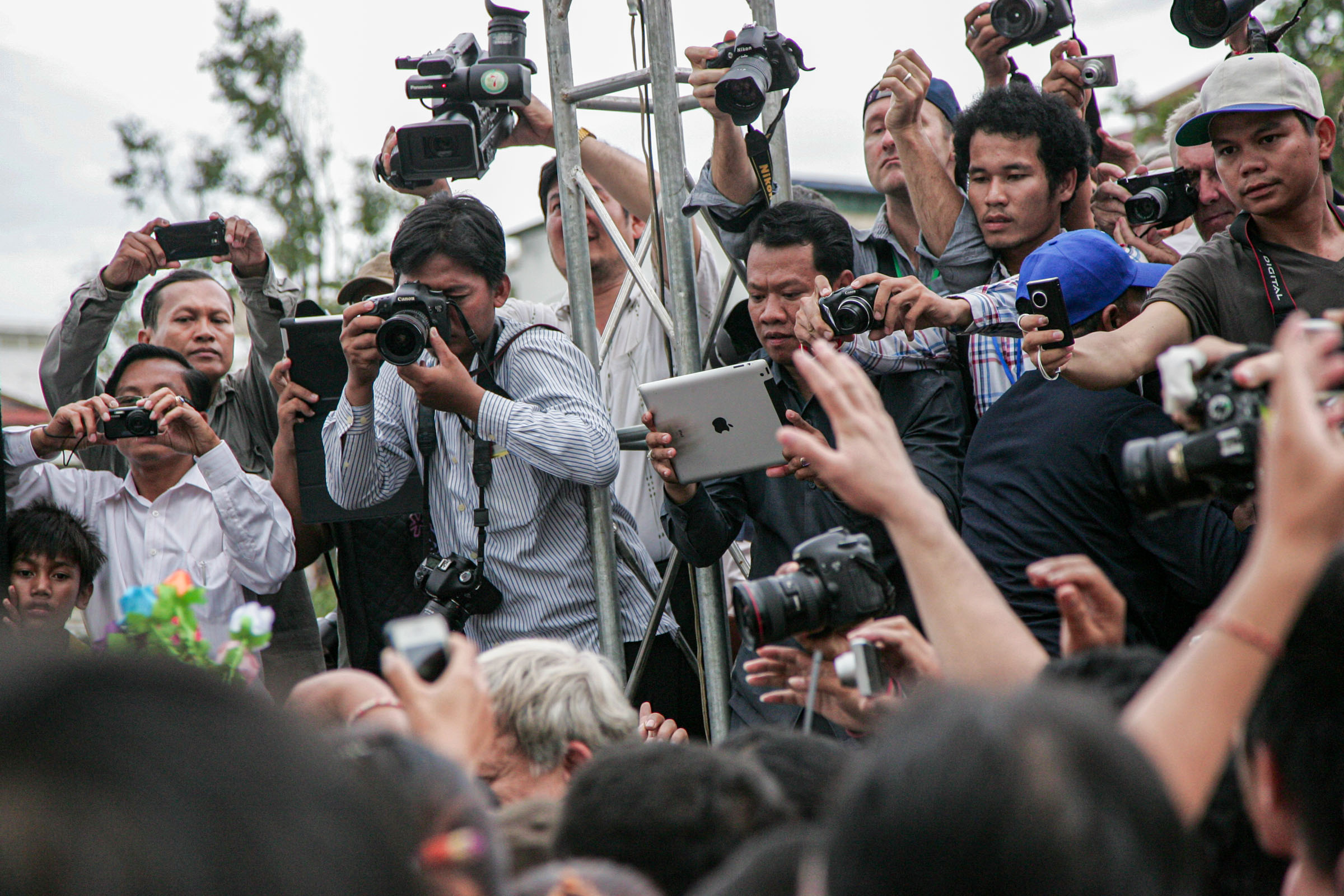
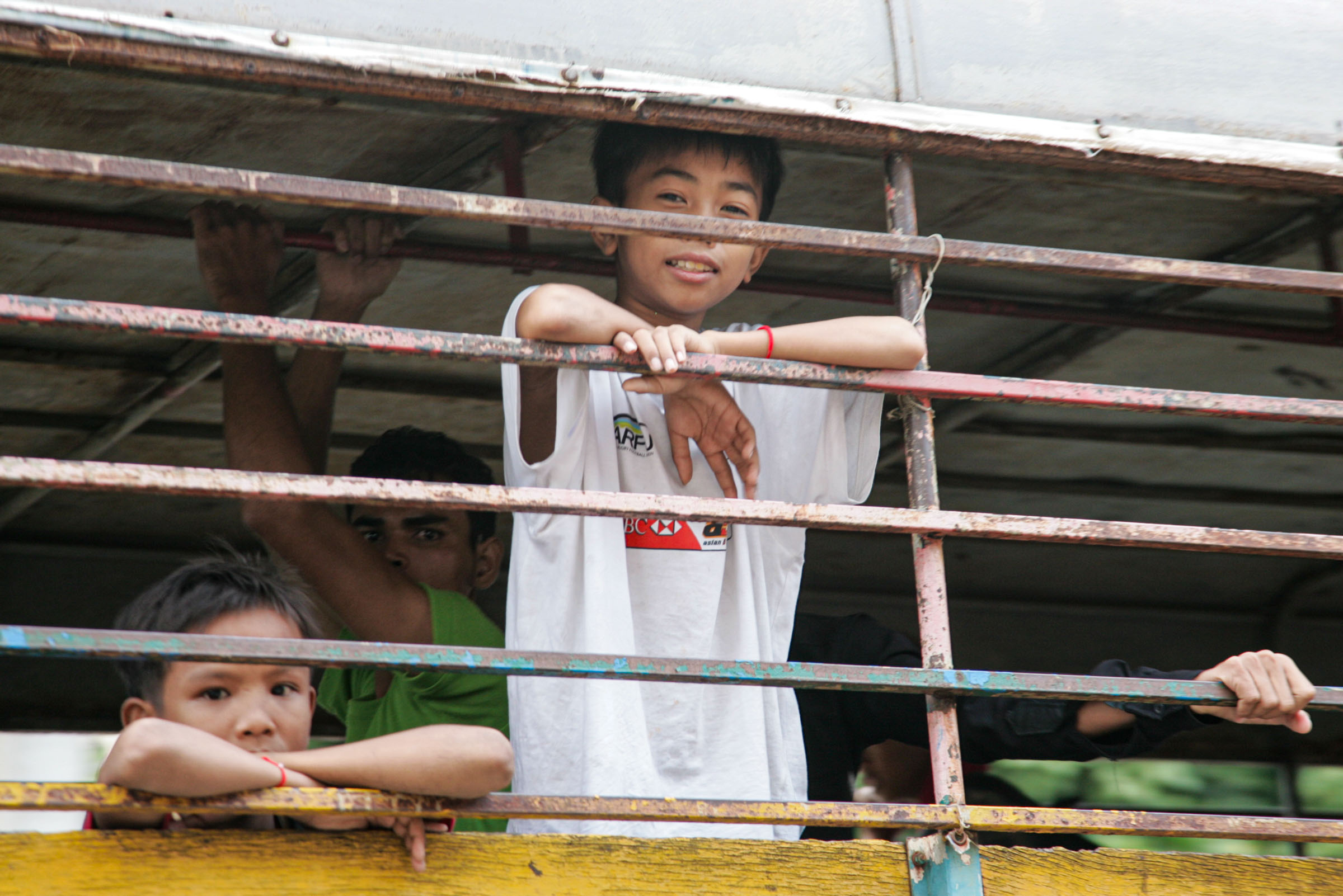
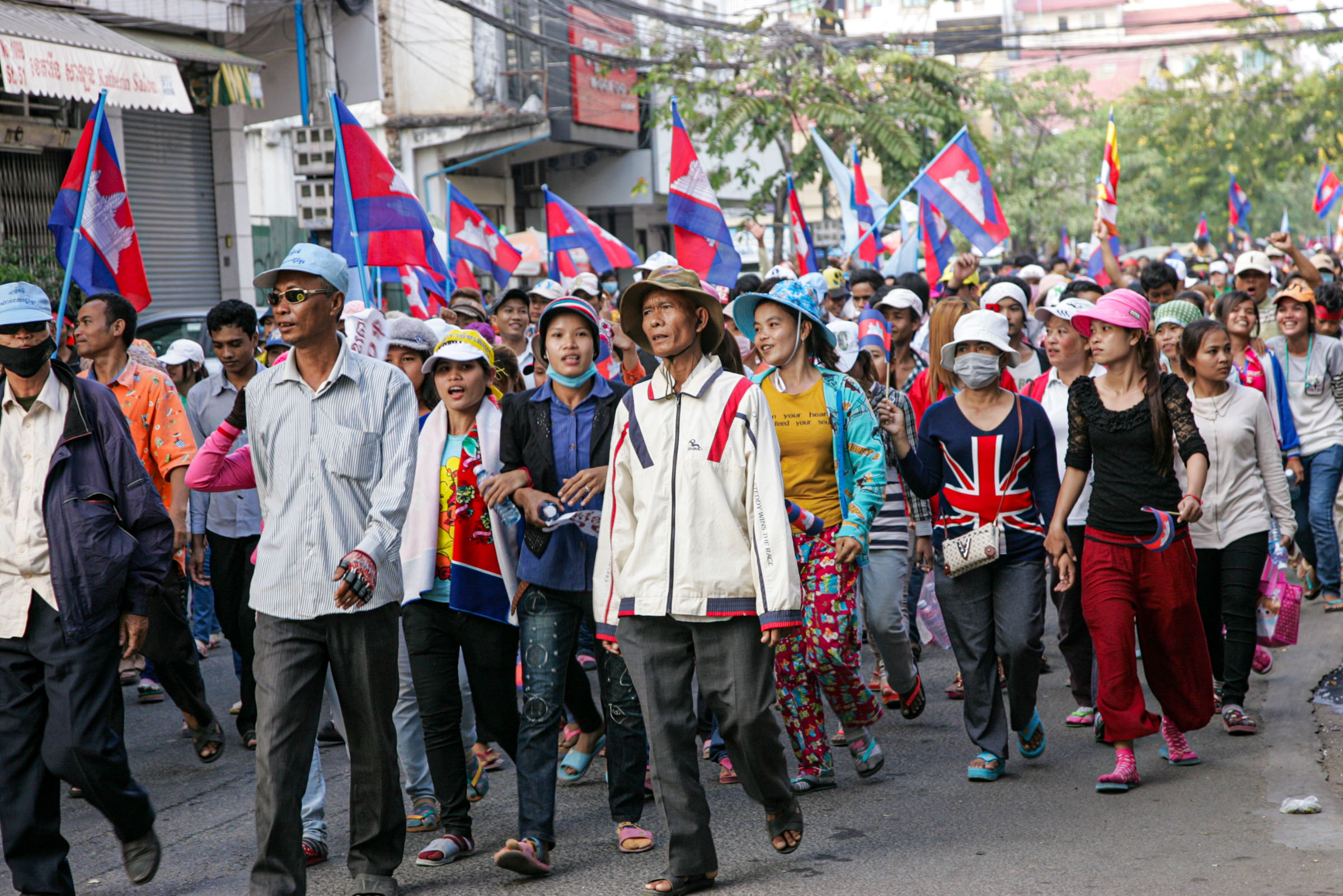
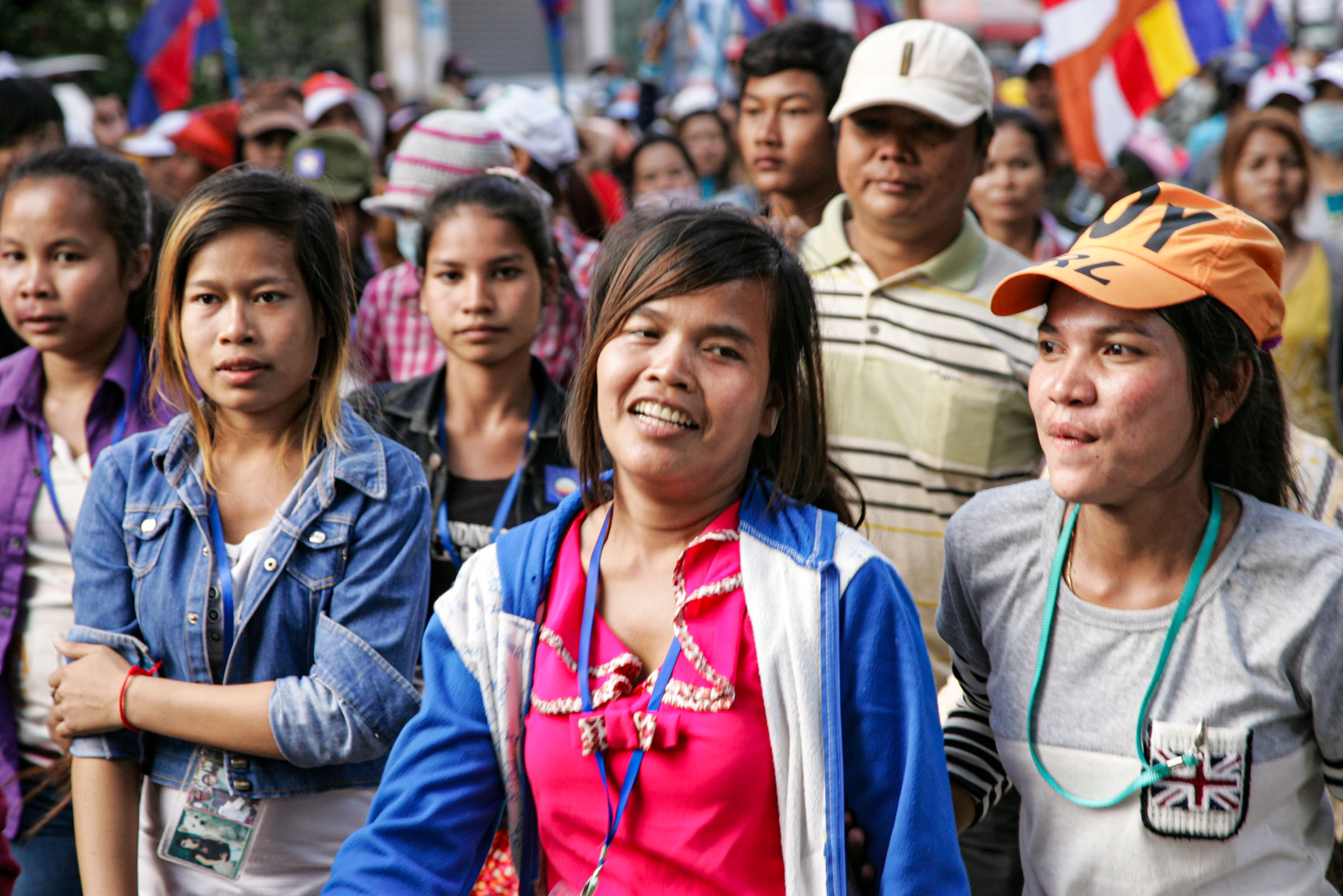

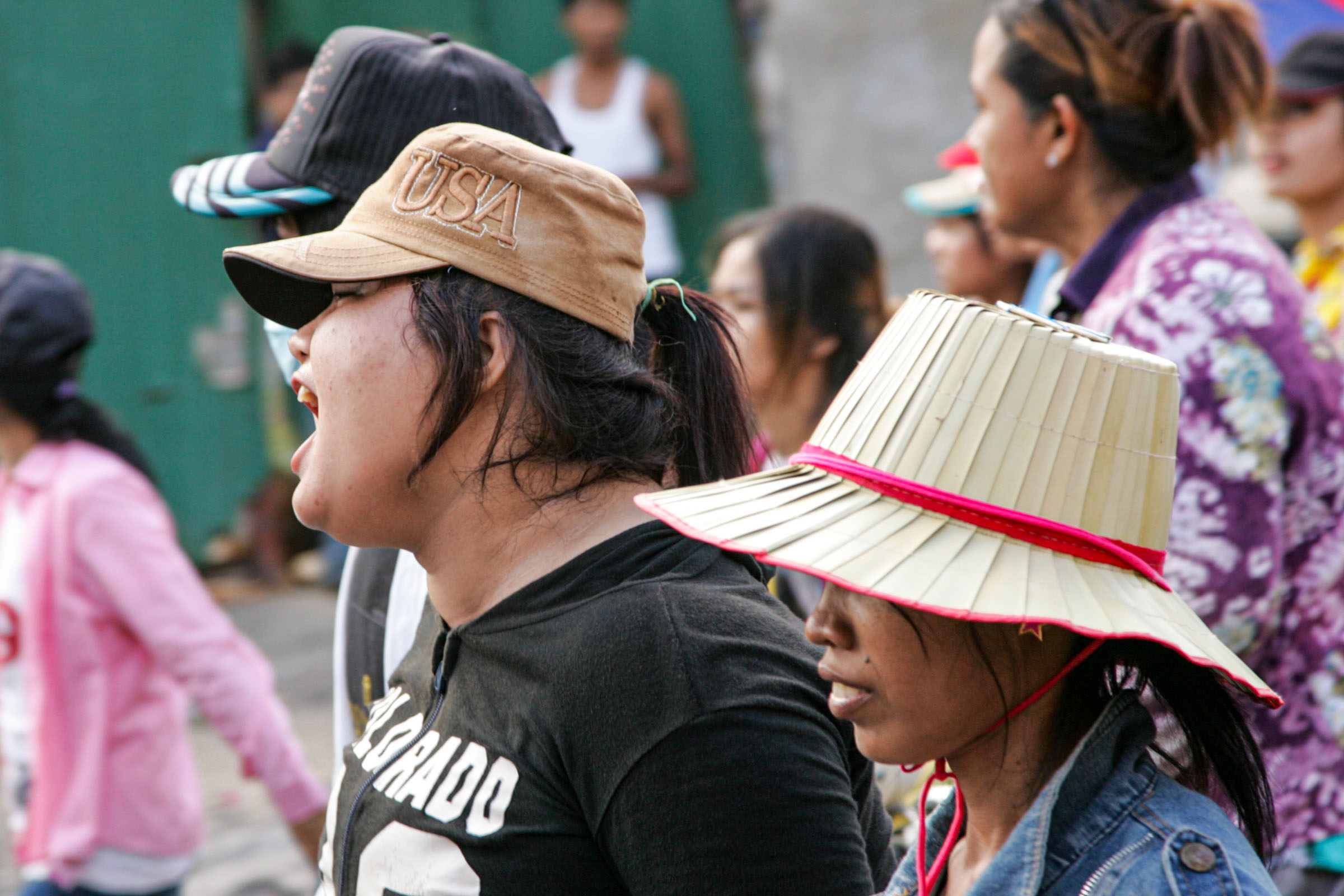


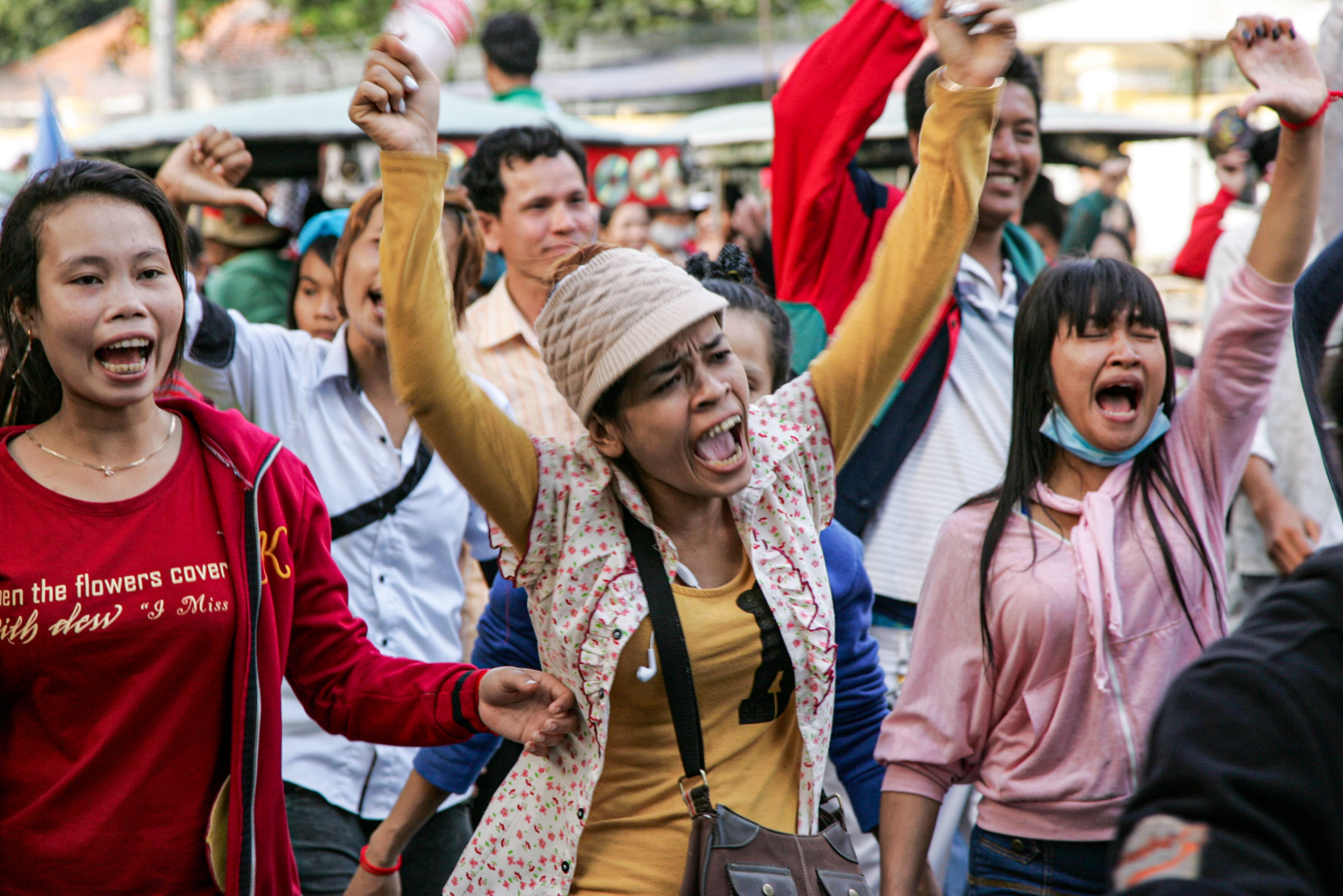
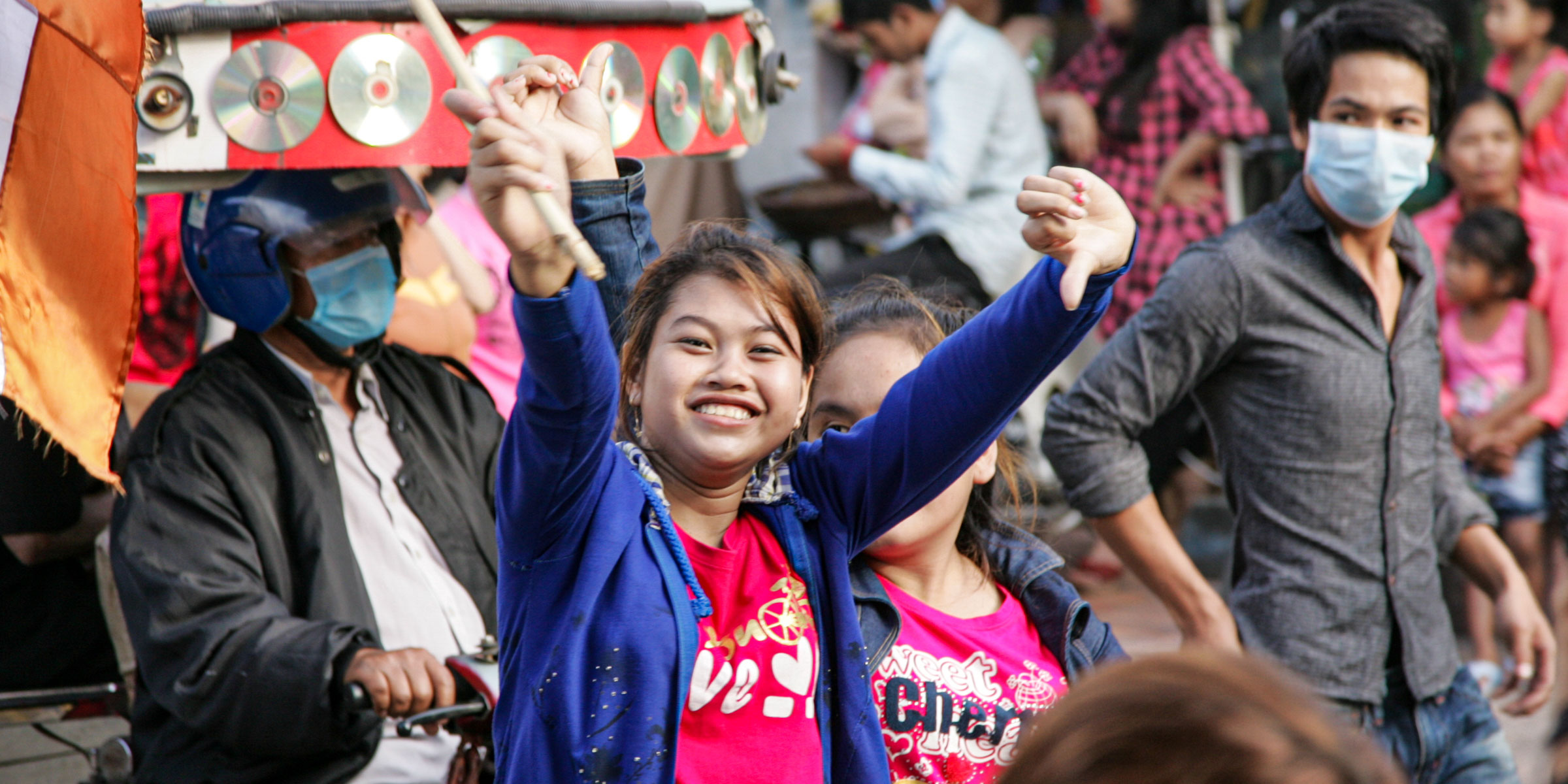
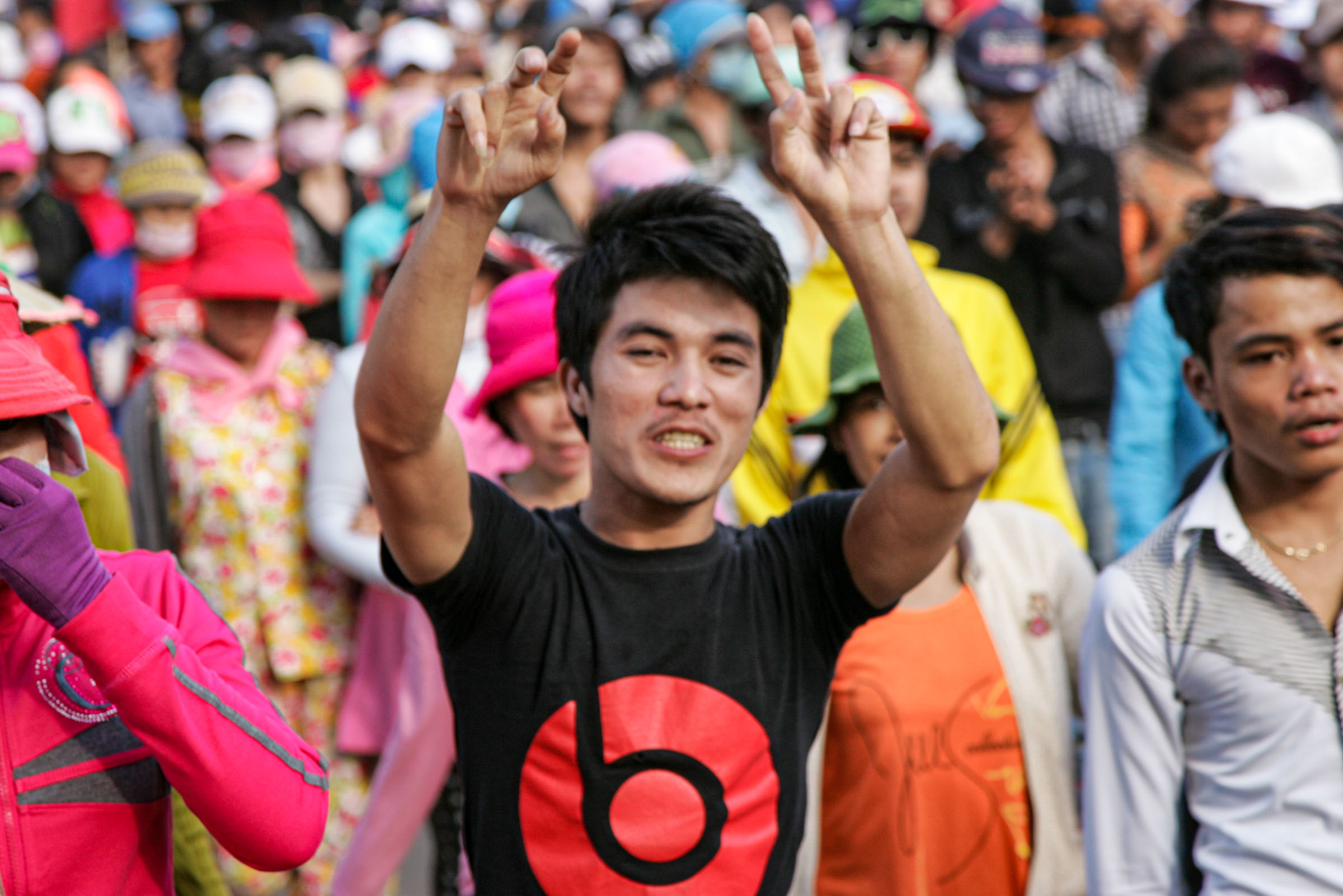
The protesters in Phnom Penh in 2013 had several specific demands:
- Electoral Reform: They called for an independent investigation into the alleged electoral fraud during the 2013 general election and demanded a re-election.
- Minimum Wage Increase: Garment factory workers, a significant part of the protests, demanded an increase in the minimum wage to $160 per month.
- Political Reforms: There were calls for broader democratic reforms, including greater transparency and accountability in government.
- Resentment of Vietnamese Influence: Some protesters expressed concerns over the perceived influence of Vietnam in Cambodian politics and society.
These demands reflected a mix of political, economic, and social grievances that fueled the widespread demonstrations.
Since 2013, Cambodia has experienced significant changes across various sectors:
- Economic Growth: Cambodia’s economy has grown steadily, with an average annual growth rate of 7.6% between 1995 and 2019. Despite a contraction in 2020 due to the COVID-19 pandemic, the economy has been recovering, with growth rates of 3.0% in 2021 and 5.2% in 2022.
- Poverty Reduction: Before the pandemic, poverty rates were declining by 1.6 percentage points annually. However, the pandemic increased unemployment and poverty. Efforts to scale up social assistance have helped mitigate income losses, and poverty is expected to decline as the economy recovers.
- Foreign Direct Investment (FDI): There has been a surge in FDI inflows, particularly in the manufacturing and tourism sectors. This has contributed to economic growth and job creation.
- Political Landscape: The political environment has seen tensions and conflicts, particularly around land grabs, labor exploitation, and environmental degradation. The 2013 national elections led to a political impasse and mass mobilization.
- Environmental Impact: Cambodia has seen a significant increase in CO2 emissions, with a 192.69% rise between 2013 and 2019.
- Human Capital: Improvements have been made in health outcomes, early childhood development, and primary education, especially in rural areas. However, human capital indicators still lag behind other lower middle-income countries.
These changes reflect Cambodia’s ongoing efforts to address economic, social, and environmental challenges while striving for sustainable development.
Ian Kydd Miller is known for capturing moments that reflect significant periods of change and transformation. His work often provides a unique perspective on historical events and societal shifts. While specific details about a retrospective of his work are not readily available, his photography likely includes powerful images that document these “interesting times.”
 a world without pictures is like coffee without cream and sugar, bitter