
Photojournalism sits at the intersection of truth-telling and human consequence. Every frame carries the power to inform, persuade, and move audiences — and every decision a photographer makes shapes who is seen, how they are seen, and what the world believes. This post explores the core ethical tensions photojournalists face, practical principles for navigating them, and concrete strategies to minimise harm while preserving journalistic integrity.

Truth and Representation
Truth in photojournalism is not a single objective stamp but a practice: choices about framing, timing, captioning, and editing all influence how reality is represented.
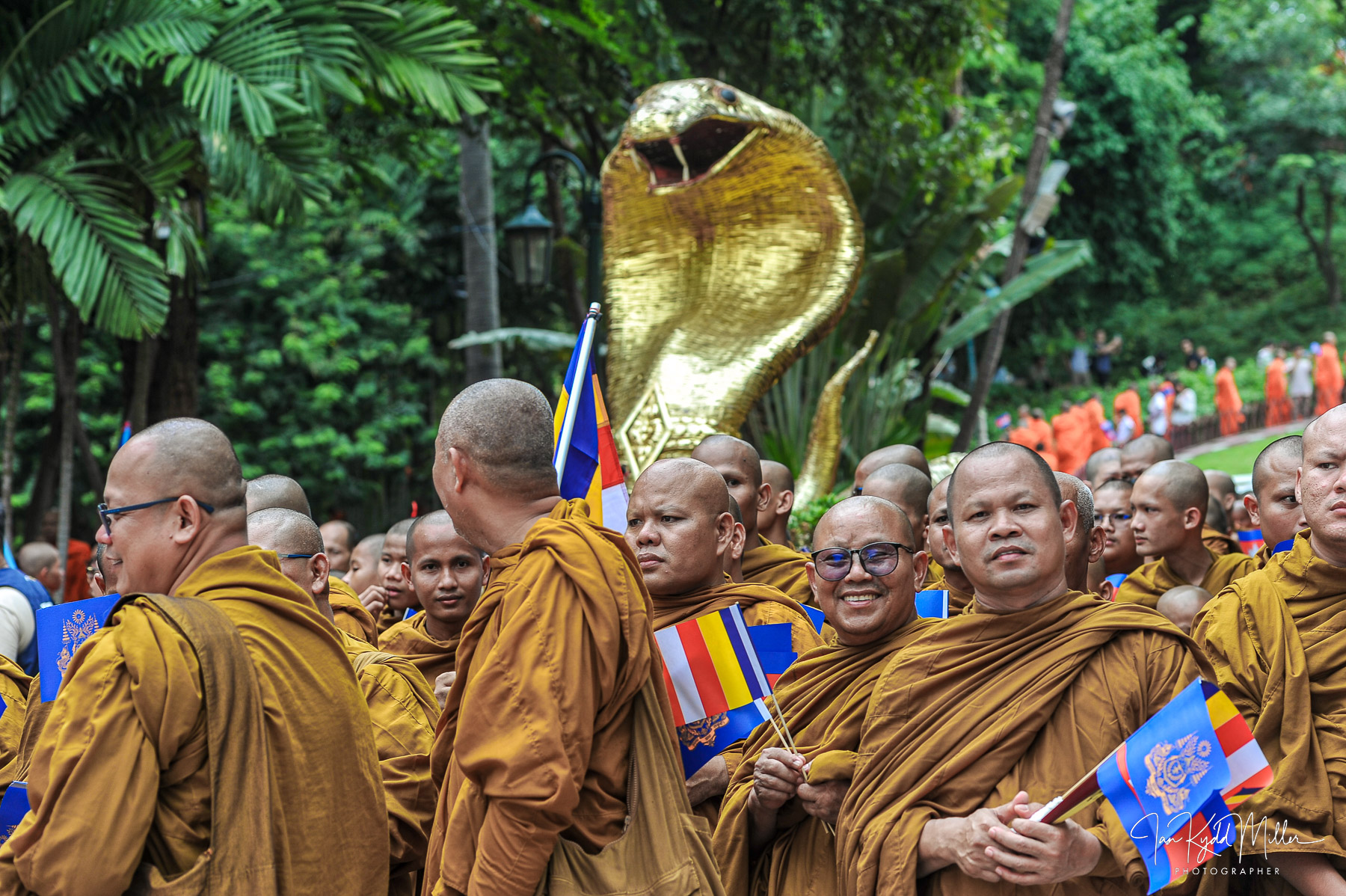
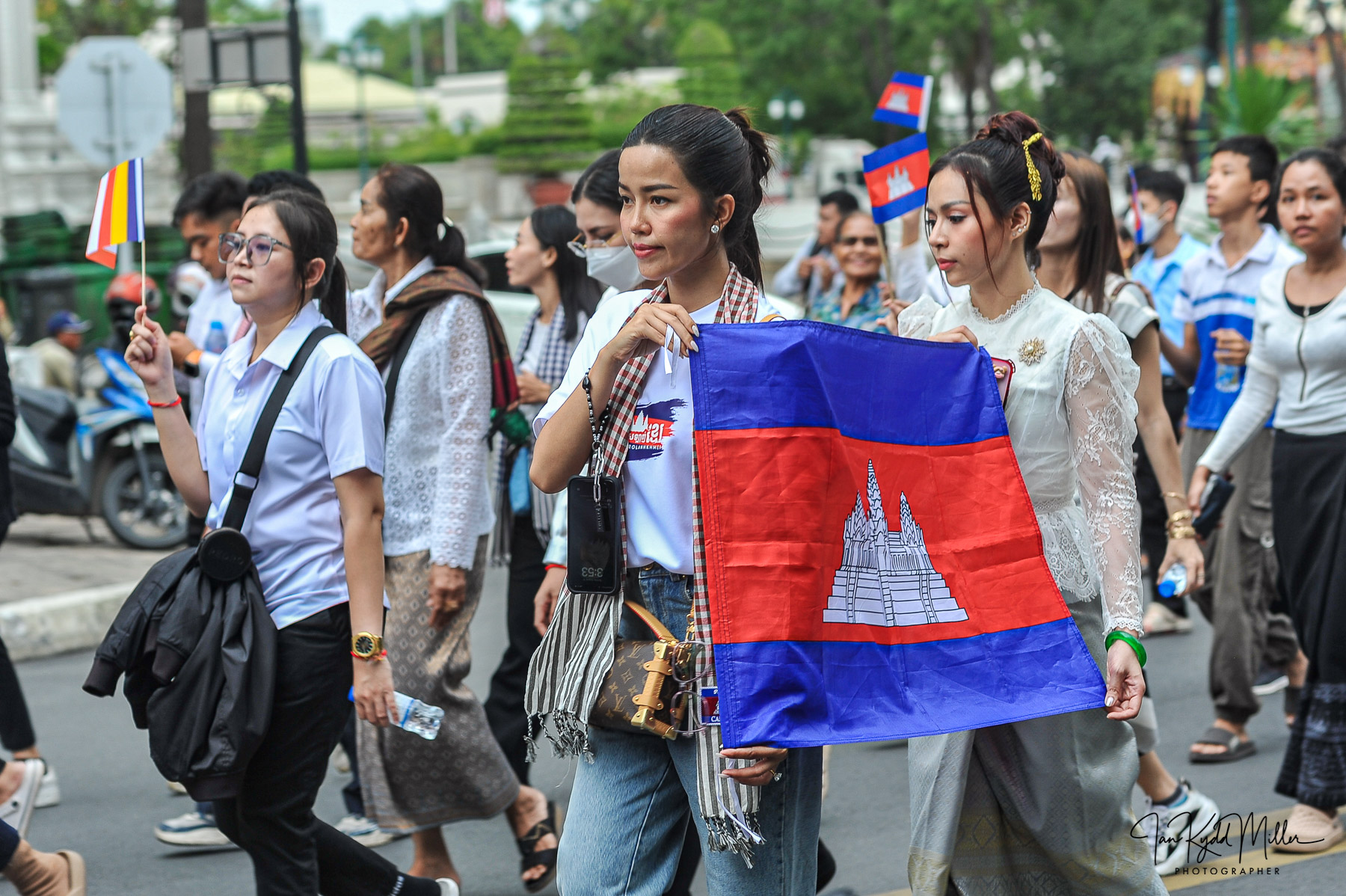

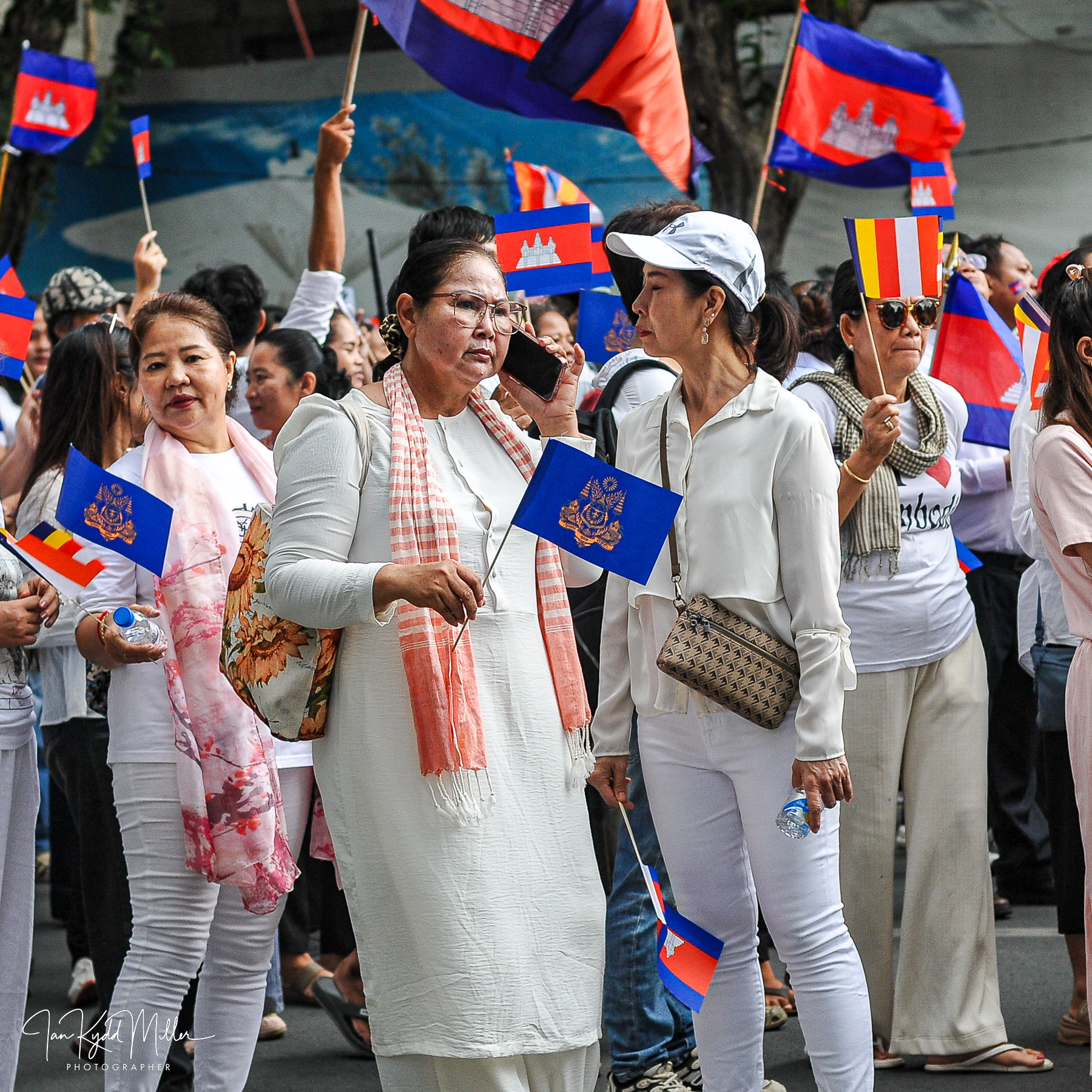
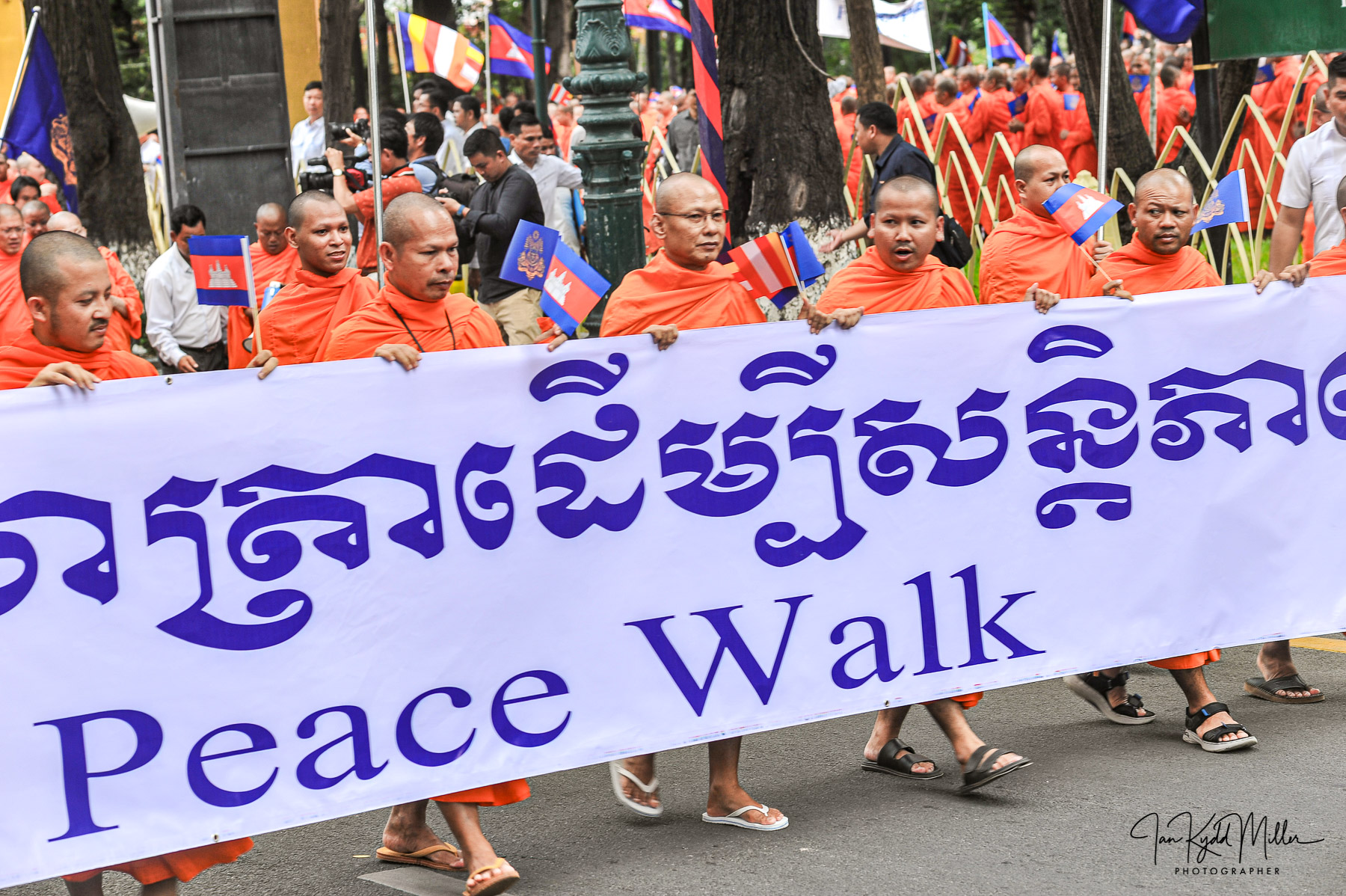

- Framing and context matter. Where you stand, what you include, and what you exclude create a narrative. A photograph isolated from context can mislead, even if the image itself is accurate.
- Manipulation undermines trust. Cropping to change meaning, compositing, staged scenes presented as documentary, or selective captioning that distorts facts breaks the contract between photographer and viewer.
- Captioning is part of the image. Clear, factual captions that name who, what, when, where, and how protect accuracy and reduce misinterpretation.
Ethical practice: favor minimal, transparent edits; always document what you changed; and pair images with honest captions that situate the photo within its broader factual context.
Sensitivity and Dignity
Photographing human suffering, grief, or vulnerability raises acute ethical questions about dignity, consent, and exploitation.
- Consent is context-dependent. In public spaces, consent may not be legally required, but ethical consent is often still appropriate — especially when photographing children, the injured, or traumatized people.
- Dignity-first framing avoids sensationalism. Prioritise images that preserve a subject’s humanity rather than exploiting pain for shock value or virality.
- Power dynamics shape the encounter. Consider your role: are you a witness, a rescuer, an intruder? That role should guide how you engage, whether you ask for permission, and how you present the resulting images.
Practical rule: when in doubt, err on the side of protecting the subject. Blur faces, withhold identifying metadata, or delay publication when harm is possible.







Impact and Consequence
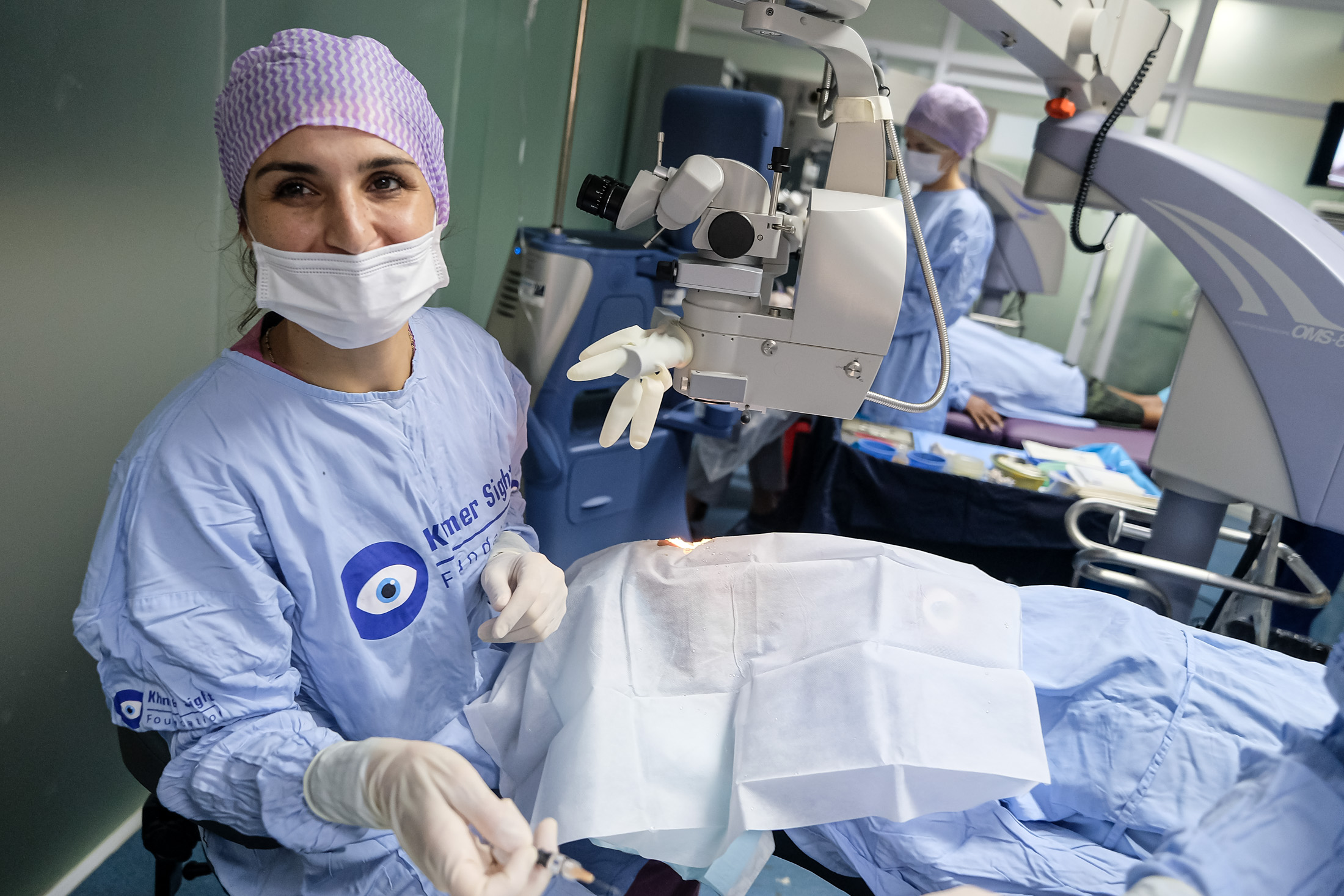
Images change things. They can catalyse aid, influence policy, or, conversely, endanger individuals and communities.
- Assess downstream risks. Could publication expose someone to retaliation, stigma, or legal jeopardy? Could it retraumatize survivors or their families?
- Consider community outcomes. Photojournalism about marginalised groups should aim to amplify voice and context, not reduce people to symptoms of a problem.
- Balance immediacy and care. The pressure to publish quickly must be weighed against the potential for irreversible harm.
Decision checklist: identify likely harms, consult peers or local stakeholders when possible, and include mitigation steps (anonymisation, delayed release, contextual reporting).
Conflicts of Interest and Independence
Maintaining editorial independence from subjects, funders, and platforms preserves credibility.
- Avoid advocacy masquerading as reportage unless clearly labelled. If your work has an advocacy purpose, make that explicit.
- Be transparent about funding and collaboration, especially in crisis reporting where NGOs, governments, or activists may influence access or narrative.
- Resist platform pressures that reward sensational imagery; prioritise ethical criteria over clicks.
Policy habit: disclose relevant relationships in captions or credits and keep editorial decisions separate from commercial or advocacy impulses.

Practical Tools and Protocols
Ethics scale best when embedded in routine practices. Adopt simple, clear protocols that make ethical choices automatic.
- Consent templates. Carry a brief, translated consent card or app-ready text explaining use, distribution, and rights.
- Harm-assessment rubric. For every sensitive shoot ask: Could this image expose or endanger? Is consent informed? Is context adequate?
- Metadata policy. Decide whether to strip geolocation for vulnerable subjects and standardise how you store consent forms and release notes.
- Editorial peer review. For sensitive images, run a quick internal review with an editor or trusted colleague before publication.
These tools reduce ad-hoc decisions and create consistency across projects and platforms.
Ethics as Creative Constraint
Ethical limits refine creativity rather than stifle it. Constraints push photographers to find new visual languages that honour subjects and strengthen storytelling.
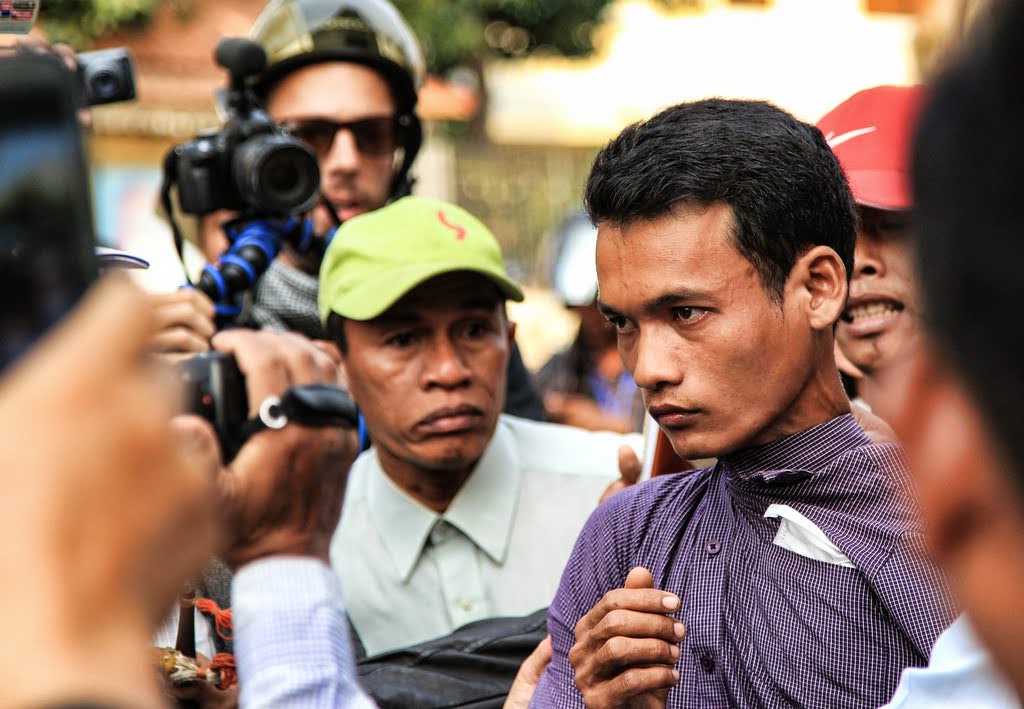
- Seek dignity-rich compositions that communicate powerfully without exploitative detail.
- Use silence and restraint. Sometimes withholding an image, or choosing an image that hints rather than shows, tells a stronger, more ethical story.
- Invest in relationships. Long-form engagement with communities yields deeper, less extractive imagery and greater mutual benefit.
A reputation for ethical stewardship becomes a creative and strategic advantage: it builds trust, access, and long-term story opportunities.
Closing Thought
Photojournalism’s ethical challenge is ongoing and situational. There are no perfect rules that fit every moment, but a consistent ethic — grounded in truth, sensitivity, and accountability — gives photographers the tools to make defensible choices. Ethical practice protects subjects, preserves public trust, and ultimately strengthens the impact of images in service of public understanding.
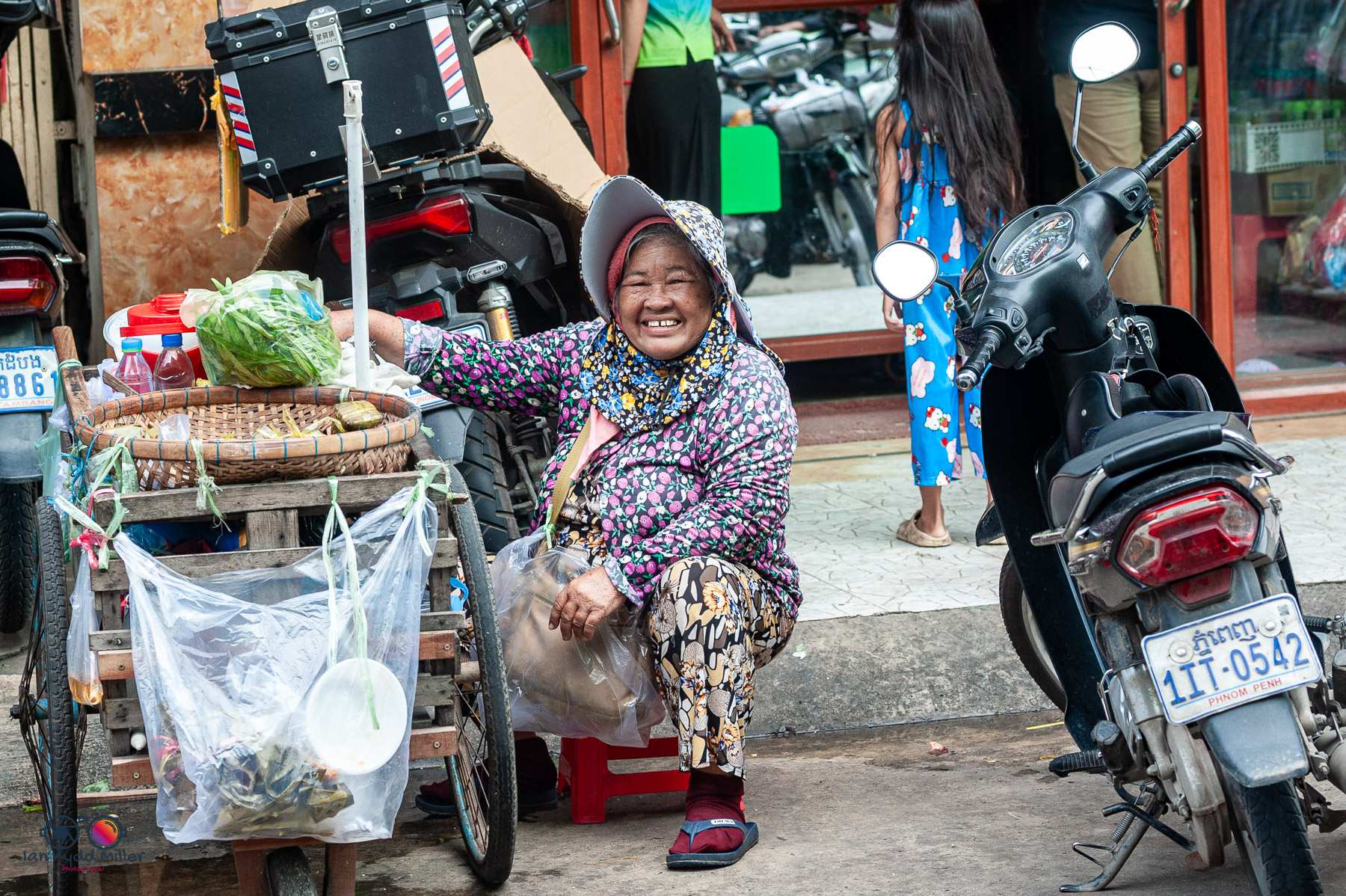
 a world without pictures is like coffee without cream and sugar, bitter