

Why it matters and how to achieve it
Exposure refers to the amount of light that reaches your camera’s sensor. Too much light, and your photo is overexposed—washed out with lost highlight detail. Too little, and it’s underexposed—dark, noisy, and lacking shadow detail. Correct exposure is about balance: capturing detail in both highlights and shadows while preserving the atmosphere of the scene.
🔺 The Exposure Triangle
- Aperture (f-stop)
- Controls how much light enters through the lens.
- Wide apertures (f/1.4–f/2.8) let in more light and create shallow depth of field.
- Narrow apertures (f/8–f/16) reduce light but increase depth of field, keeping more of the scene sharp.
- Shutter Speed
- Determines how long the sensor is exposed to light.
- Fast speeds (1/1000s) freeze motion.
- Slow speeds (1/30s or longer) allow motion blur or creative long exposures.
- ISO
- Adjusts sensor sensitivity to light.
- Low ISO (100–200) produces clean images with minimal noise.
- High ISO (1600+) helps in low light but introduces grain.
Together, these three settings form the exposure triangle, and adjusting one requires compensating with another to maintain balance.
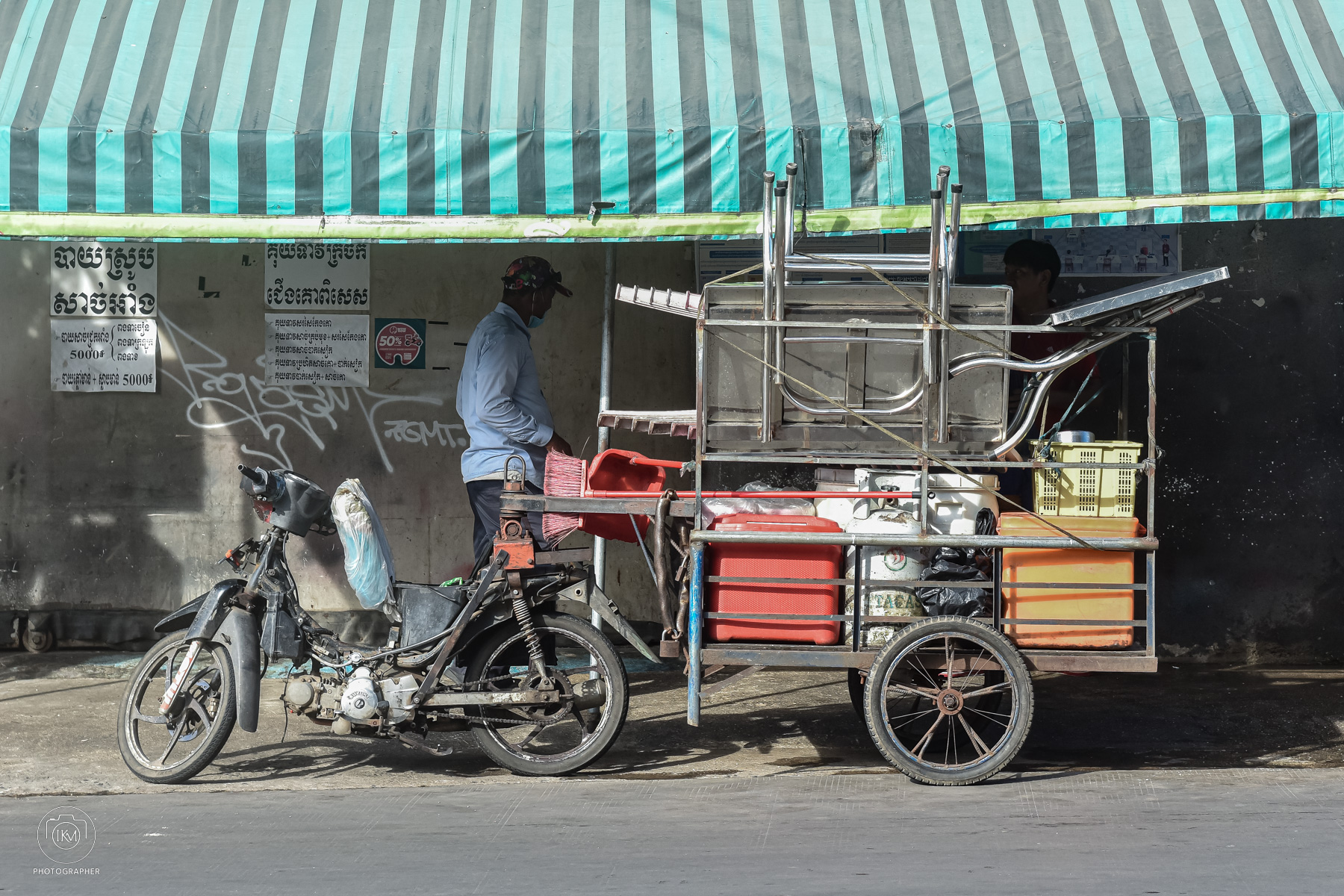
🧠 Methods for Achieving Correct Exposure
- Metering Modes: Cameras offer matrix, center-weighted, and spot metering to measure light differently. Choosing the right mode helps avoid over/underexposure in tricky lighting.
- Histogram Check: Reviewing the histogram ensures highlights and shadows aren’t clipped. A balanced histogram indicates proper exposure.
- Exposure Compensation: Adjusting +/– EV lets you fine-tune brightness without changing aperture or shutter speed.
- Bracketing: Shooting multiple exposures (under, correct, over) ensures you capture the best version, especially in high-contrast scenes.
- Manual Mode Practice: Learning to balance aperture, shutter, and ISO manually builds confidence and creative control.
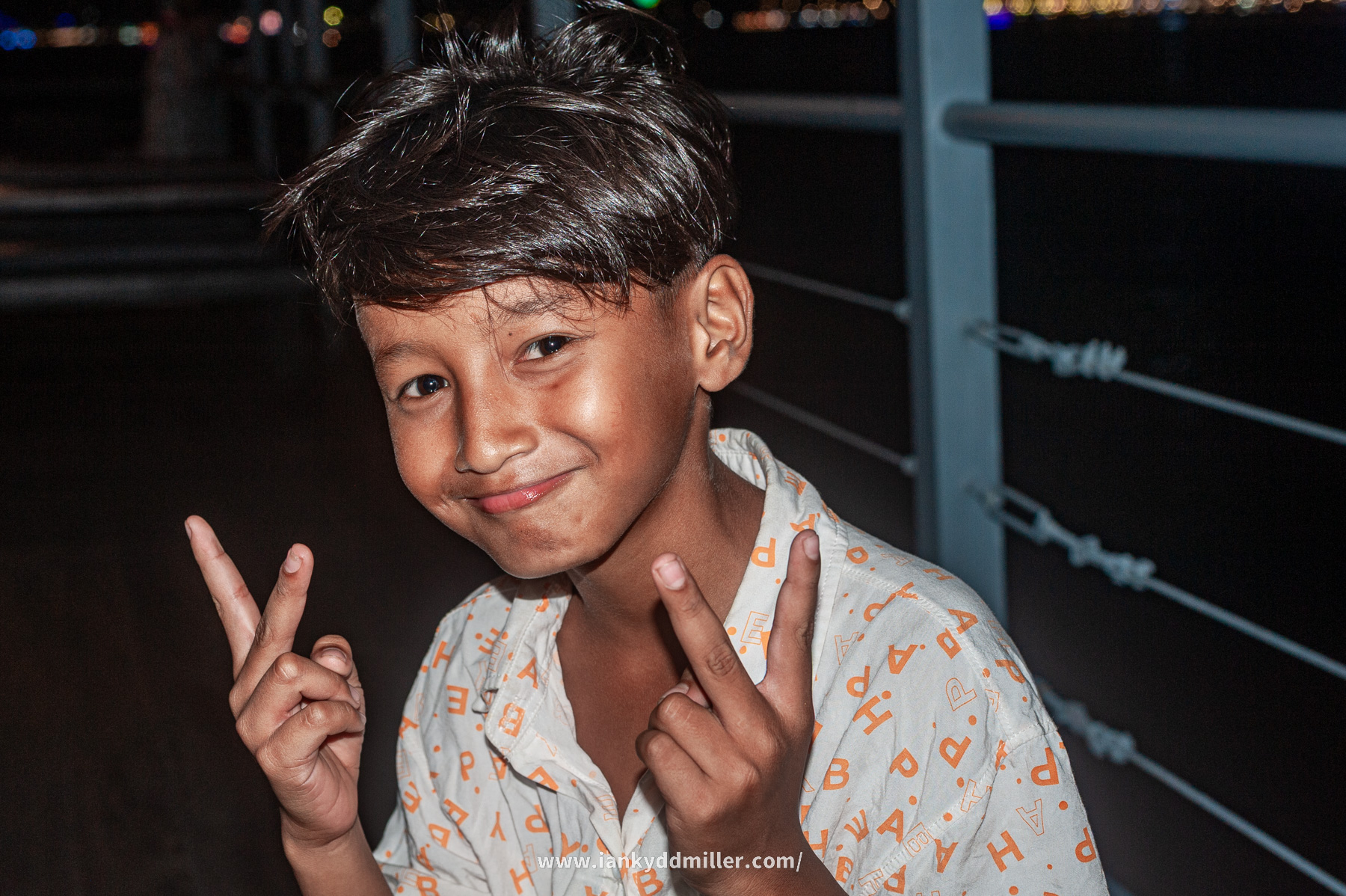


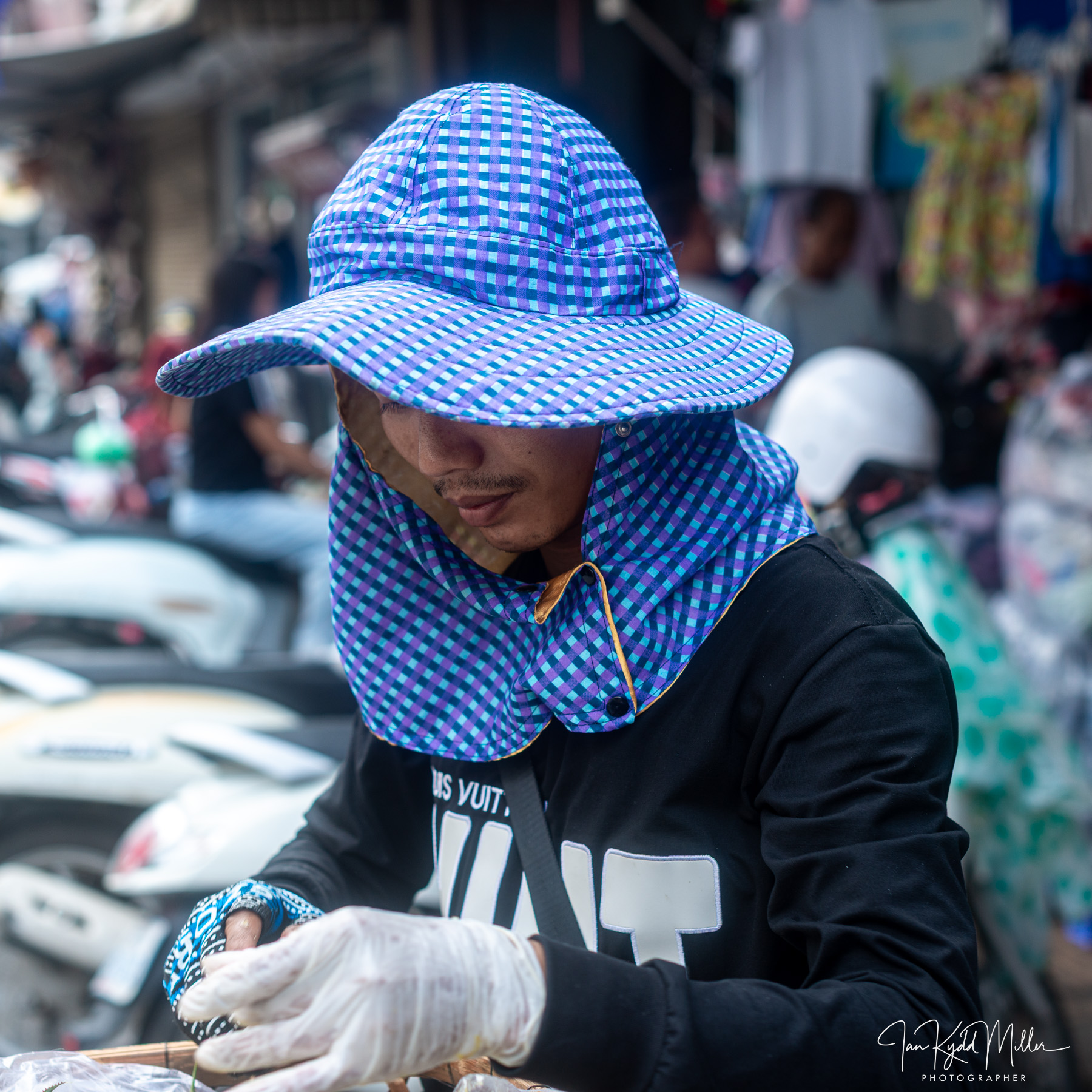
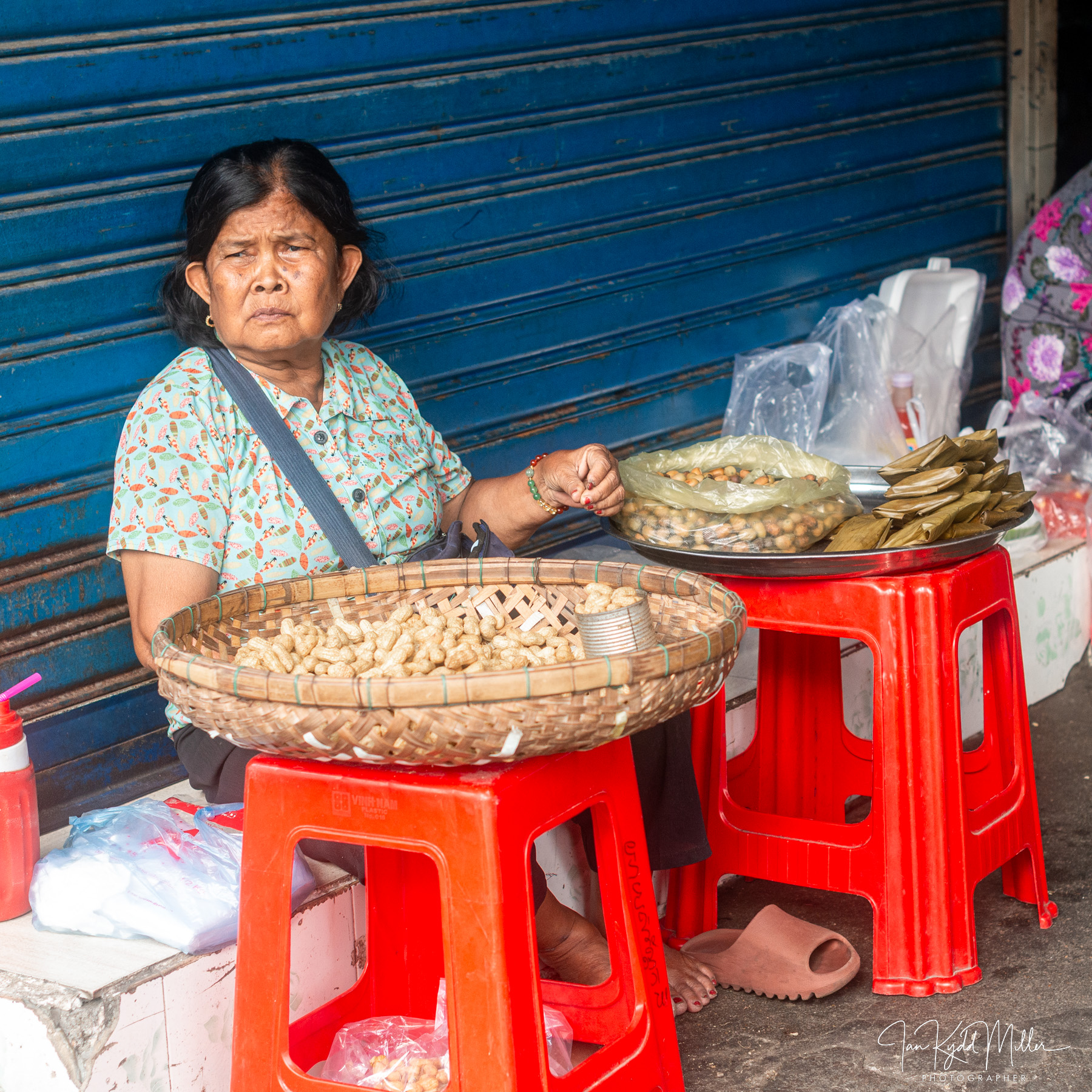


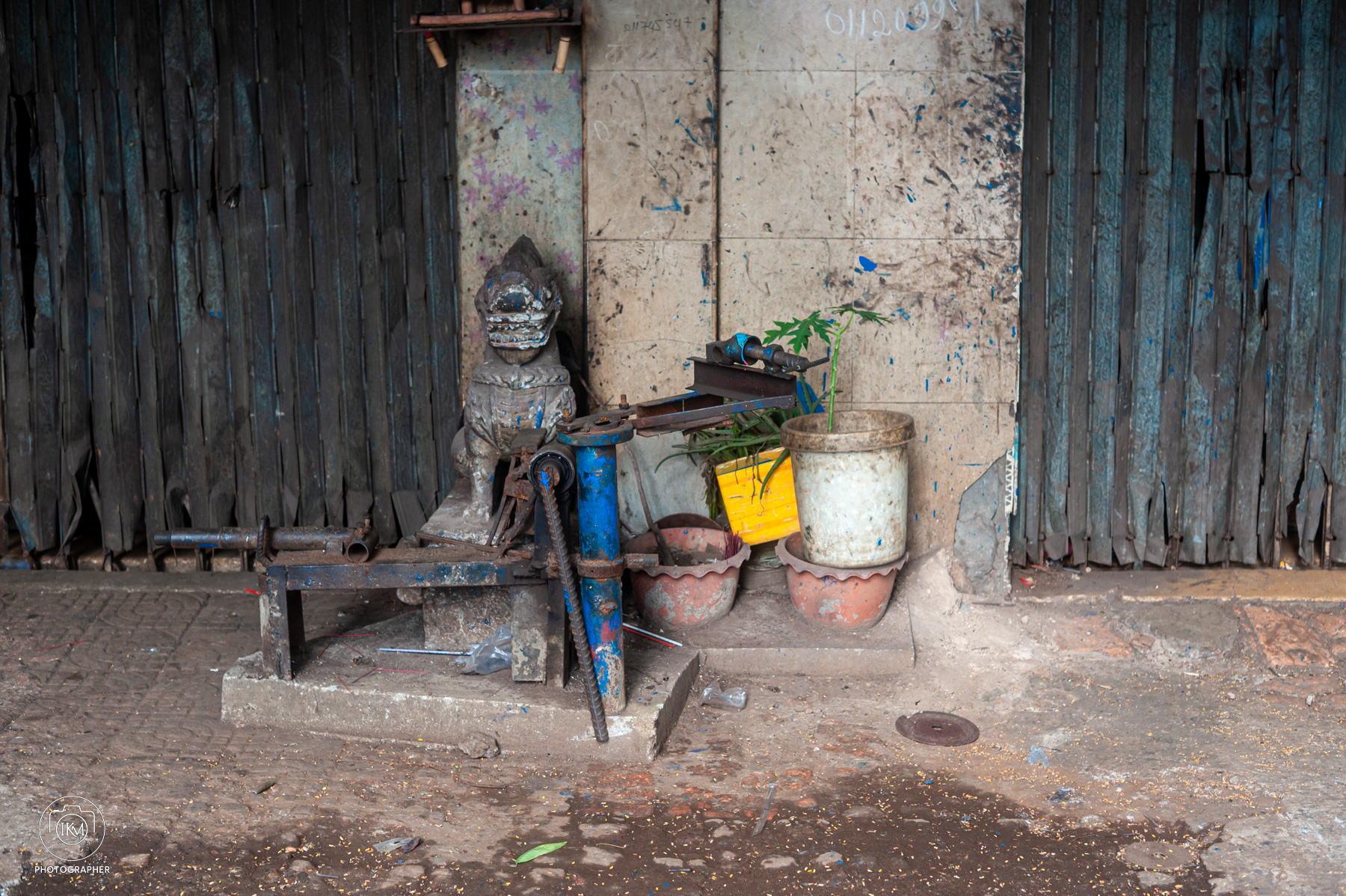
🎨 Creative Considerations
Correct exposure isn’t always about technical perfection. Sometimes, intentional underexposure adds mood, or overexposure creates a dreamy effect. The key is knowing the rules well enough to break them deliberately.
📝 Final Thought
Exposure is the heartbeat of photography. By mastering aperture, shutter speed, and ISO—and using tools like histograms and metering—you gain control over both technical accuracy and creative expression. Correct exposure ensures your images are not just visible, but powerful.
 a world without pictures is like coffee without cream and sugar, bitter