

Introduction
We live in an age of acceleration. News cycles refresh by the minute, feeds scroll endlessly, and even creativity is pressured to produce faster, louder, more. Yet in the midst of this speed, there is value in slowing down — in reclaiming attention, rediscovering meaning, and reconnecting with the world around us.

The Case for Slowness
- Depth over breadth: When everything is consumed quickly, little is truly absorbed. Slowness allows us to linger, to notice details.
- Presence over distraction: Slowing down means being present — whether in conversation, in work, or in art.
- Sustainability over burnout: Constant speed drains energy. Slowness restores balance, making creativity and living sustainable.




Rediscovery Through Attention
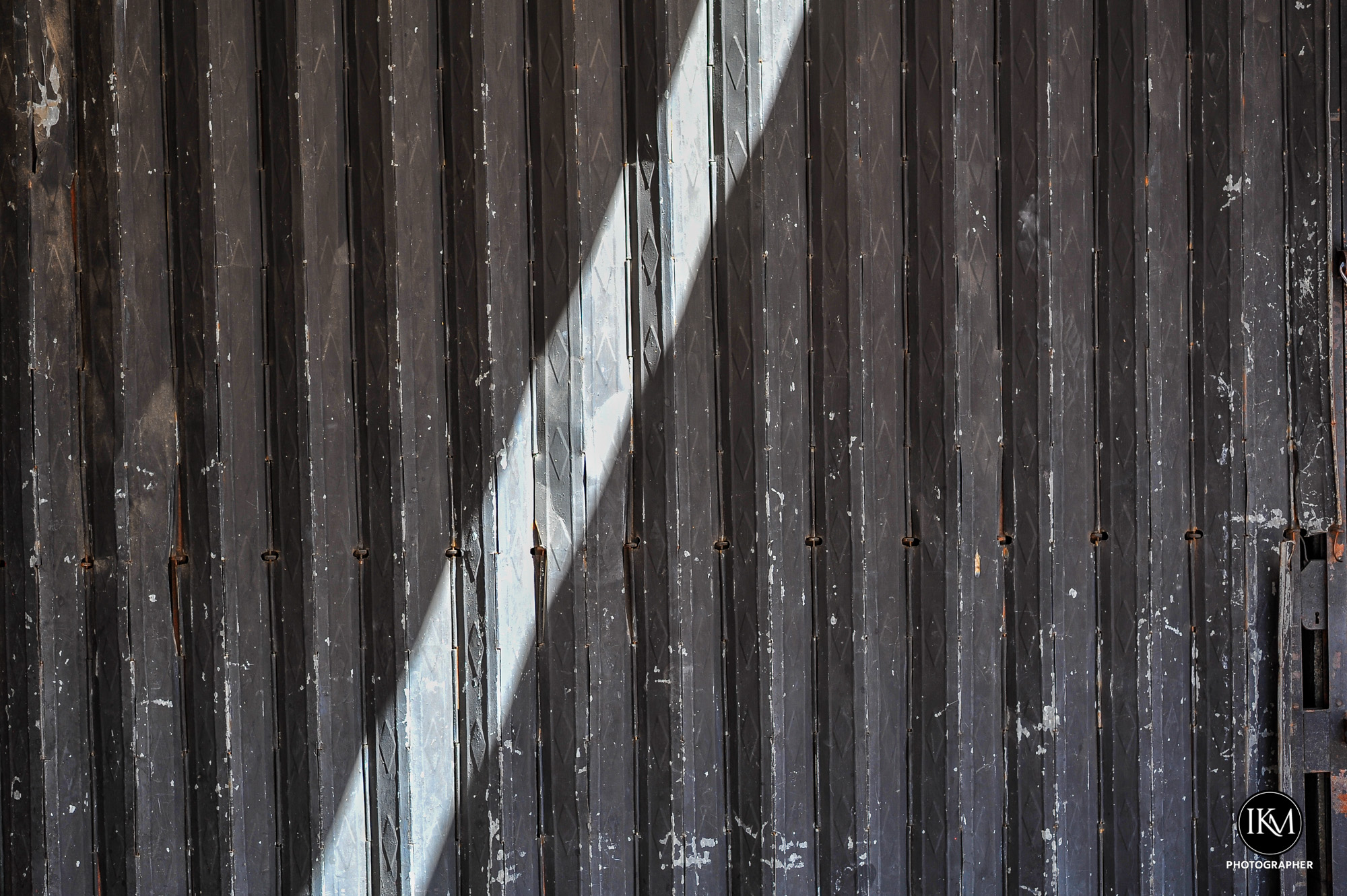
- Objects: Everyday things reveal character when looked at closely — a weathered wall, a hand‑written note, a shadow at dusk.
- People: Listening deeply, rather than rushing to respond, uncovers nuance in relationships.
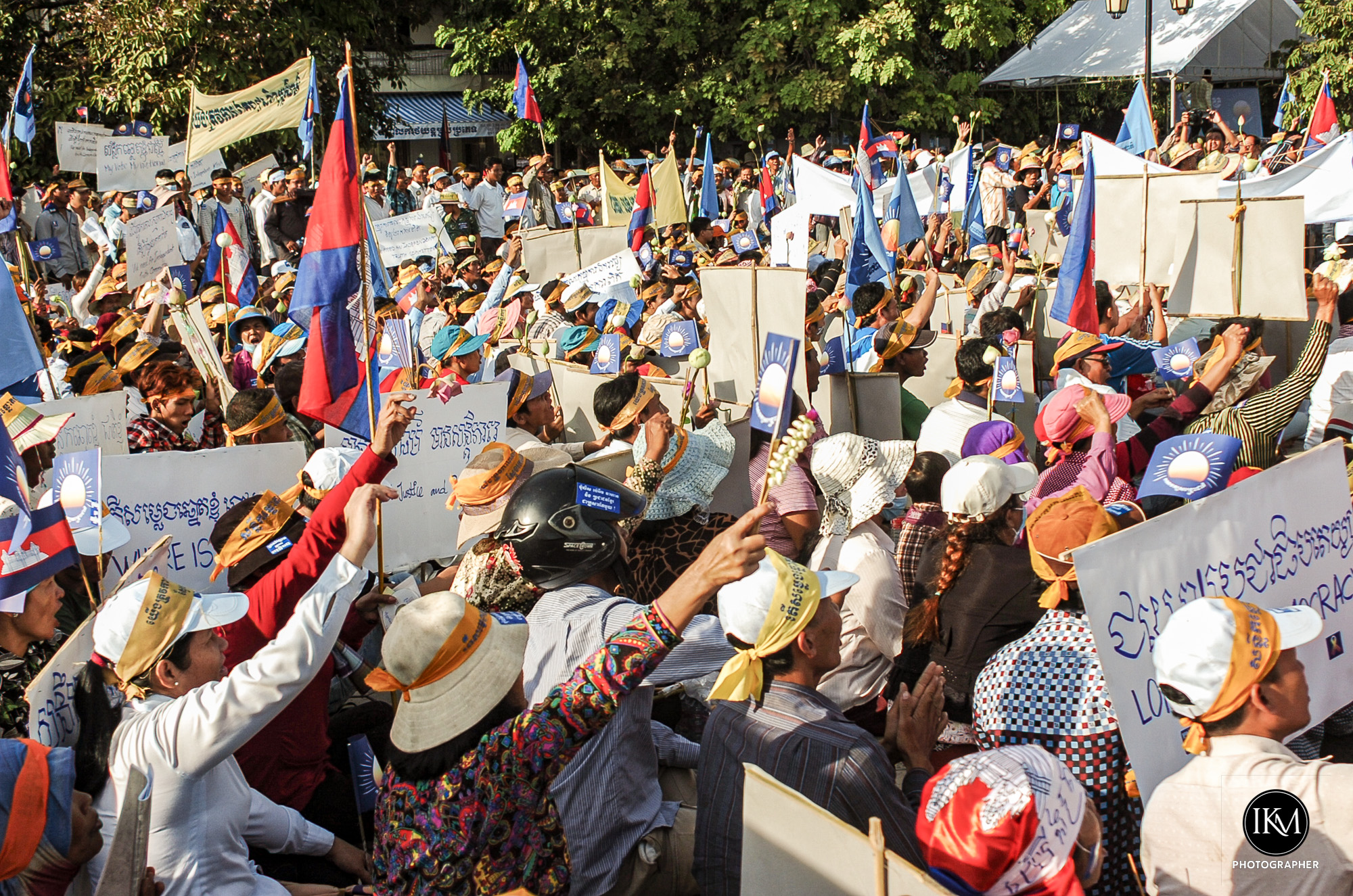
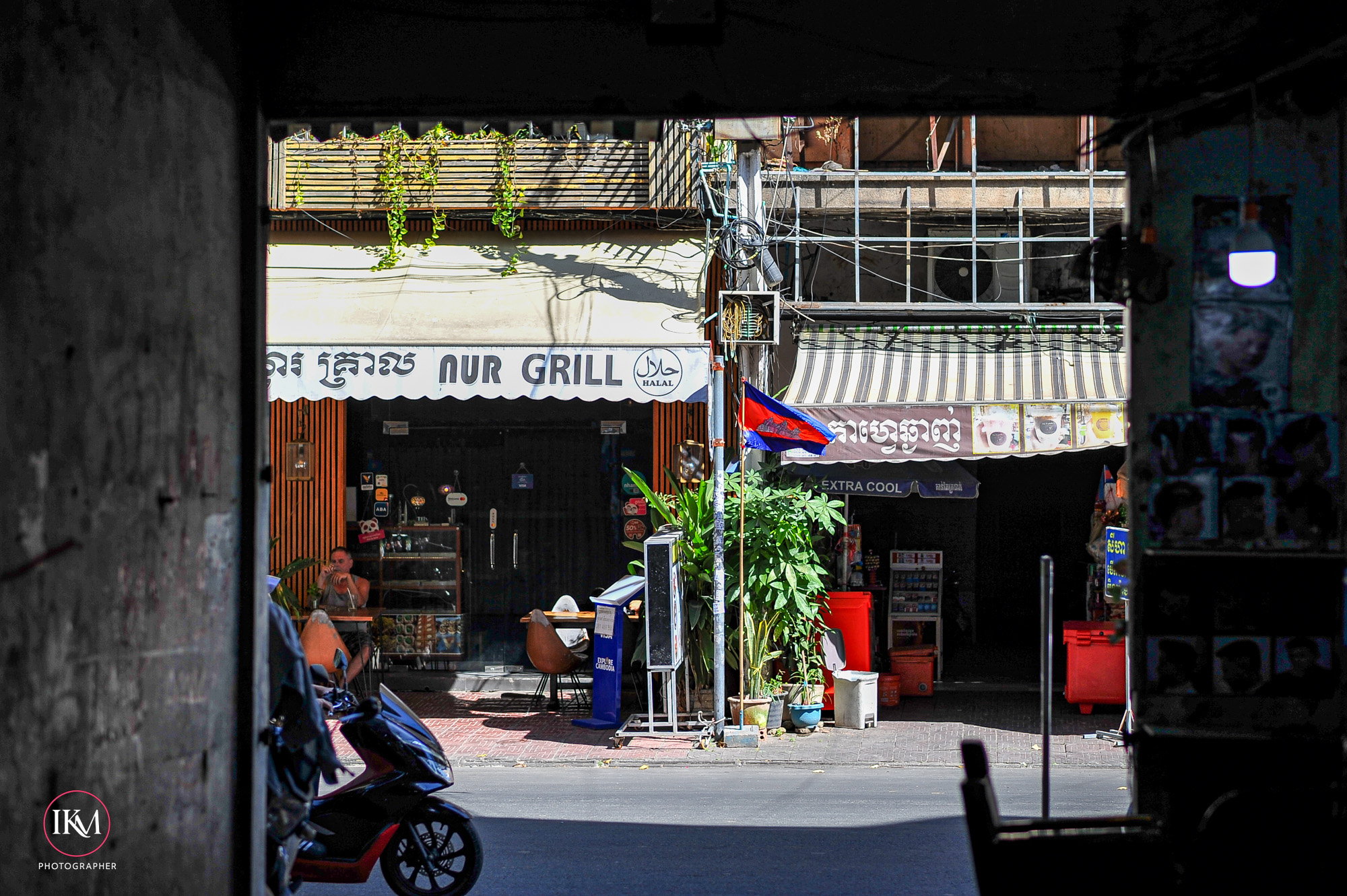
- Places: Streets, parks, and cities hold layers of history and atmosphere that only patience can reveal.
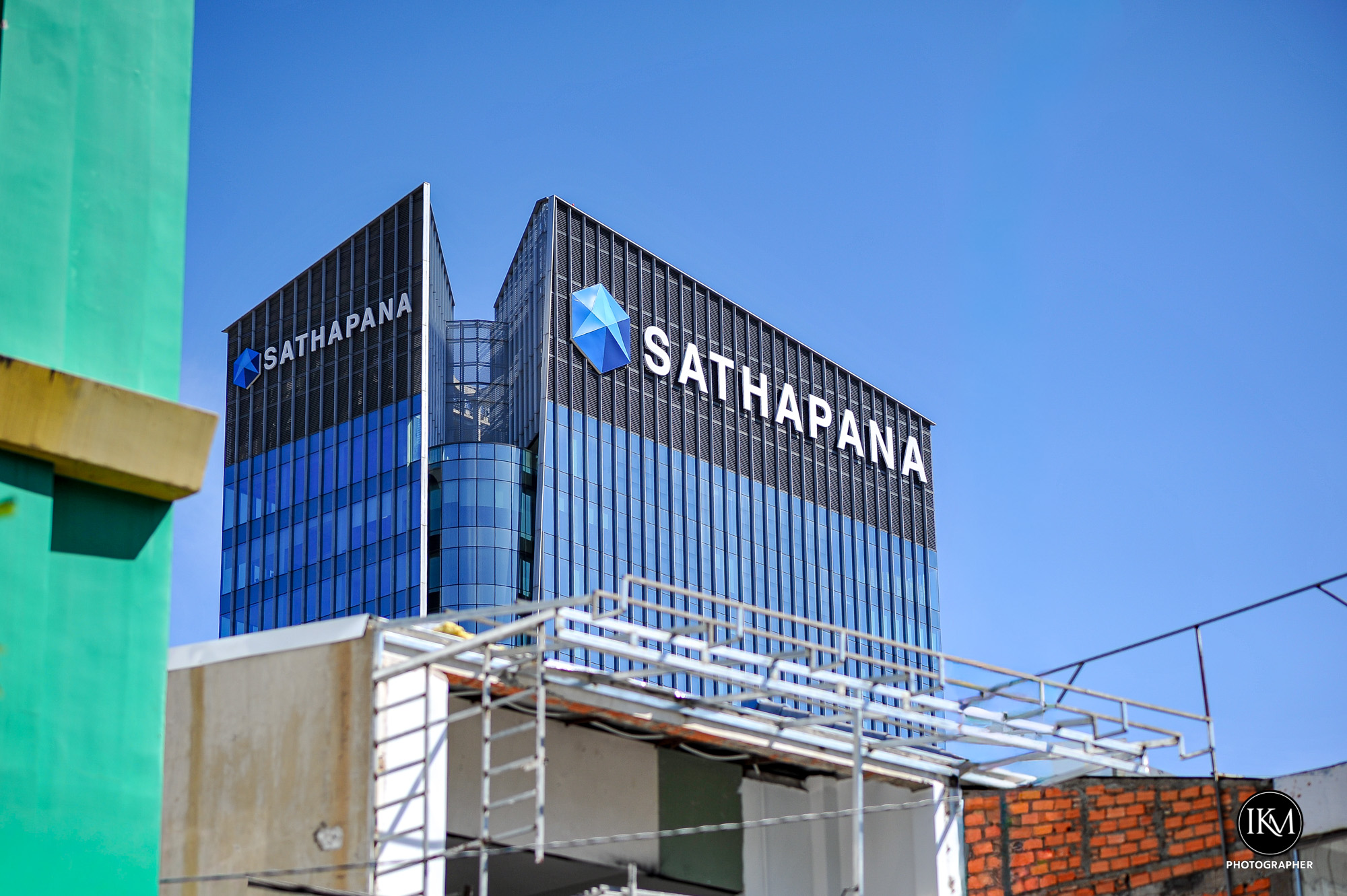
- Returning again and again: Revisiting the same subject or place allows new layers to emerge. Each return reframes the familiar, showing how time and perspective reshape vision.





Reclaiming Vision
- Against noise: Slowness cuts through distraction, sharpening what matters.
- For clarity: It allows us to see not just what is in front of us, but what lies beneath.
- As practice: Slowness is not passive — it is an active choice to resist speed and reclaim vision.
Using Technology When It’s Useful
- Tool, not master: Technology should serve attention, not dictate it.
- Selective use: Embrace tools that extend vision — editing software, digital archives, or cameras — but resist the pull of endless feeds.
- Balance: The slow archive doesn’t reject technology; it uses it deliberately, when it amplifies meaning rather than dilutes it.
- Agency: Choosing when and how to use technology is part of reclaiming vision in a fast world.
Harnessing Speed to Anticipate
- Machine as ally: Cameras and devices can operate faster than human reflexes.
- Anticipation: Using burst modes, predictive autofocus, or rapid shutter speeds allows the photographer to anticipate and catch fleeting gestures.
- Integration: Slowness is about vision, but speed is about execution — together they form a rhythm of patience and precision.
- Lesson: Technology’s speed is not about rushing; it is about being ready when the moment arrives.






Conclusion
Slowing down is not about rejecting progress. It is about reclaiming agency in how we see, feel, and create. Technology can be part of that process — but only when it is useful, intentional, and aligned with vision. Returning to a subject or place over and over again reminds us that meaning is not found in novelty alone, but in patience, repetition, and rediscovery. And when the decisive moment comes, the speed of a machine can help anticipate and capture it — ensuring vision and execution meet.
Verdict: Slow down, return often, use tools wisely, harness speed — and the world reveals itself anew.
 a world without pictures is like coffee without cream and sugar, bitter