

Man Killed by a U.S. Border Patrol officer in Minneapolis
 Ian Miller
- 9 hours ago
- 3 min read

Alex Jeffrey Pretti, 37, was a registered intensive care unit (ICU) nurse at a U.S. Department of Veterans Affairs hospital in Minneapolis. He was known by family, friends, and colleagues as kind-hearted, compassionate, and devoted to helping people — especially his patients and the broader community.
- Pretti worked in critical care, including caring for veterans and others with severe medical needs.
- He was also described as an avid outdoorsman, mountain biker, and dog lover, with a warm personality that friends say touched many lives.
📍 What Happened on January 24, 2026
On January 24, 2026, during ongoing protests and tensions surrounding a federal immigration enforcement operation in Minneapolis, Pretti was shot and killed by a U.S. Border Patrol agent — part of federal law enforcement now active in the city as part of an expanded immigration crackdown.
The incident occurred in a public area where protests against federal enforcement were taking place, not long after another shooting of a Minneapolis resident by an ICE agent had already sparked demonstrations and outrage.
📸 Conflicting Accounts of the Shooting
The exact circumstances of the shooting remain contested and have become a focal point of controversy:
Federal Law Enforcement Narrative:
- Federal officials, including the Department of Homeland Security, have stated that Pretti approached Border Patrol officers while armed with a handgun, prompting the agent to fire in what they called self-defence.
Eyewitness and Video Accounts:
- Video footage shared publicly and verified by some news outlets shows Pretti filming agents with his phone and appearing to assist another person before the confrontation escalated.
- Some community observers and local officials say he appeared unarmed in the video and was not posing an immediate threat when the shots were fired — though authorities dispute that characterisation.
At least one image of a firearm released by federal officials was said to show the weapon in Pretti’s possession, but it has not fully quelled disputes about the sequence of events or the context.
📌 Background & Identity
Here’s a bit more context about Pretti’s life and situation leading up to the shooting:
- He was a U.S. citizen with no meaningful criminal record beyond minor traffic citations.
- Pretti had participated in protests following the recent fatal shooting of another Minneapolis resident by a federal ICE officer, showing concern about federal immigration enforcement practices.
- His family says he cared deeply about social justice issues, including immigration policy and environmental protection, and that he joined community demonstrations peacefully.
- Pretti’s father has said the family was not notified by authorities about his death and first learned of it through the media, later confirming his identity at the medical examiner’s office.
🗣️ Reactions & Aftermath
Pretti’s death added fuel to already intense public outrage in Minneapolis over federal immigration enforcement operations — coming less than three weeks after the fatal shooting of Renee Good, another civilian, by an ICE agent.
Local leaders, including Minnesota Gov. Tim Walz and Minneapolis Mayor Jacob Frey, have criticized federal authorities and demanded transparent investigations, while protests and calls for accountability have continued.
Colleagues and veteran groups have mourned Pretti’s passing, emphasizing his commitment to care and community service.
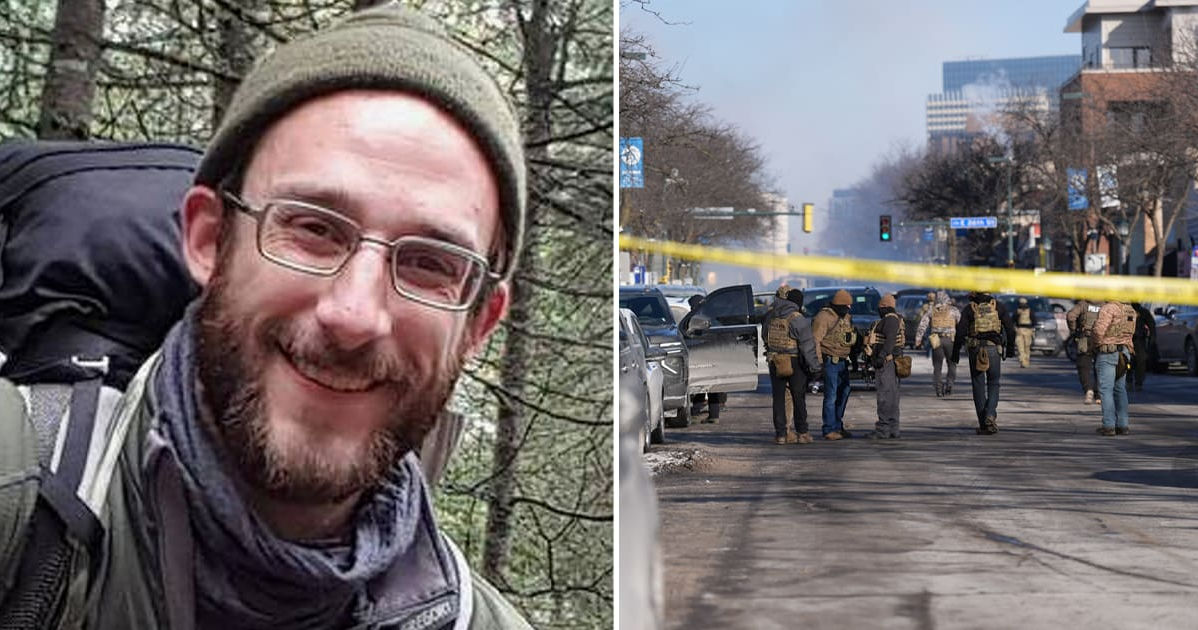
🧠 Summary
- Victim: Alex Jeffrey Pretti, 37, ICU nurse at a Veterans Affairs hospital.
- Incident: Fatally shot by a U.S. Border Patrol agent on January 24, 2026.
- Disputed Circumstances: Federal officials claim he approached with a firearm; eyewitness video suggests he was filming or assisting others.
- Public Reaction: Outrage and renewed protests over federal immigration enforcement practices in Minneapolis.
Man killed by Border Patrol in Minneapolis was ICU nurse | AP News


 a world without pictures is like coffee without cream and sugar, bitter