
Freelance photojournalism is rewarding but inherently risky: photographers face physical danger, legal exposure, digital threats, and long‑term psychological harm; mitigation requires training, insurance, local networks, and disciplined safety protocols.

Quick guide — key considerations, clarifying questions, decision points
- Key considerations: personal safety, legal status, digital security, mental health, and financial protection.
- Clarifying questions to answer for planning: Will you work alone or with a fixer; do you have hostile‑environment training and insurance; can you secure rapid evacuation and medical support?
- Decision points: Choose assignments that match your training; invest in HEFAT (hostile environment and first aid), digital security, and reliable local contacts; decide acceptable risk vs reward before deployment.
Common dangers and what they mean
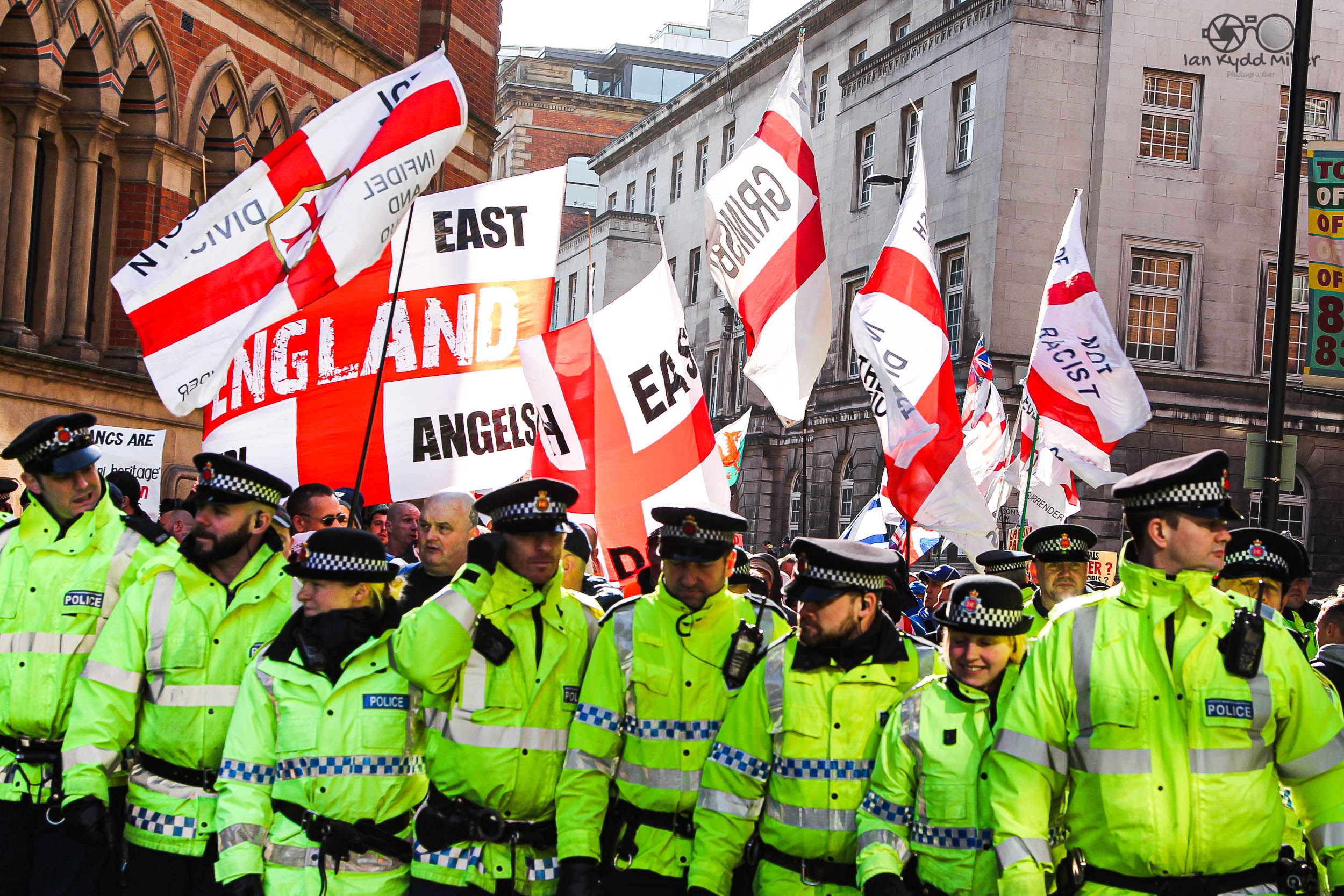
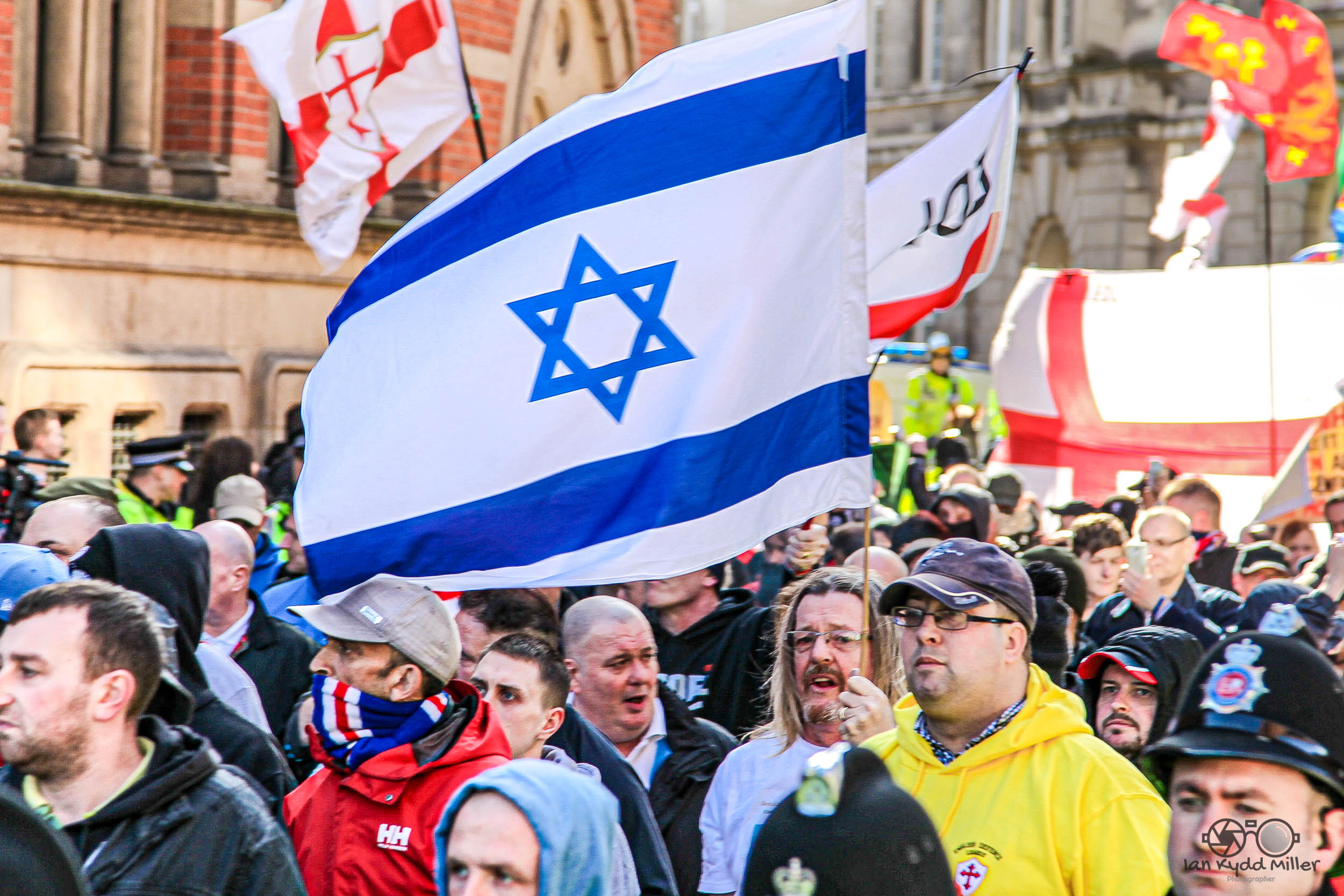
- Physical harm and death. Photojournalists are exposed to gunfire, explosions, and crowd violence; historically, dozens of photographers have been killed while working in the field.
- Kidnapping and detention. Freelancers lack institutional backing and can be targeted for ransom or political leverage; arrests may lead to long detentions without consular access.
- Legal and bureaucratic risk. Working without correct visas, permits, or press accreditation can result in fines, equipment seizure, or deportation.
- Equipment theft and loss. Cameras and lenses are high‑value and make you visible; losing gear can end a trip and create financial strain.
- Digital threats. Unsecured devices and communications expose sources and material to surveillance, hacking, or evidence seizure.
- Psychological trauma. Repeated exposure to violence and suffering increases risk of PTSD, depression, and burnout; trauma‑informed practices are essential.


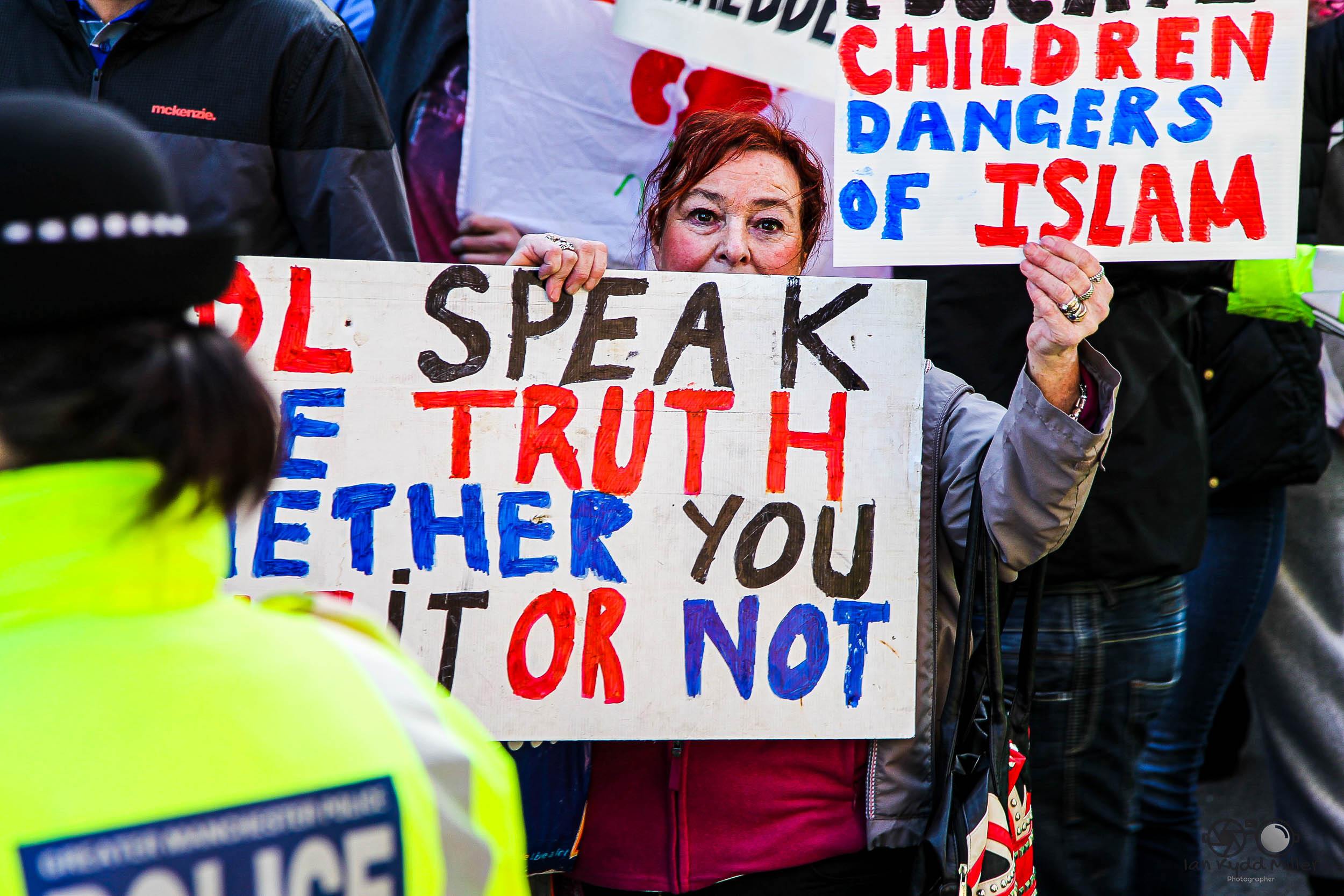

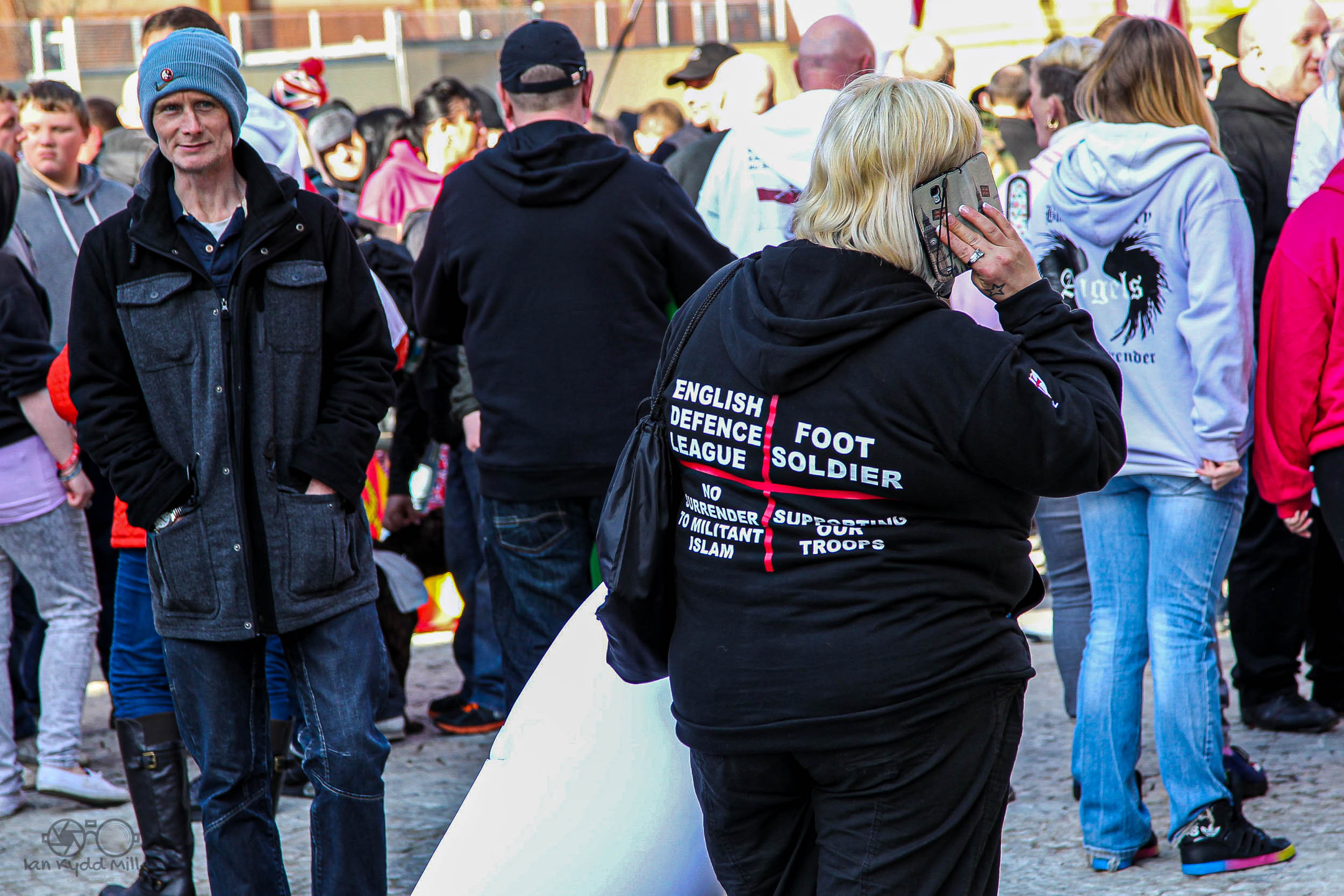
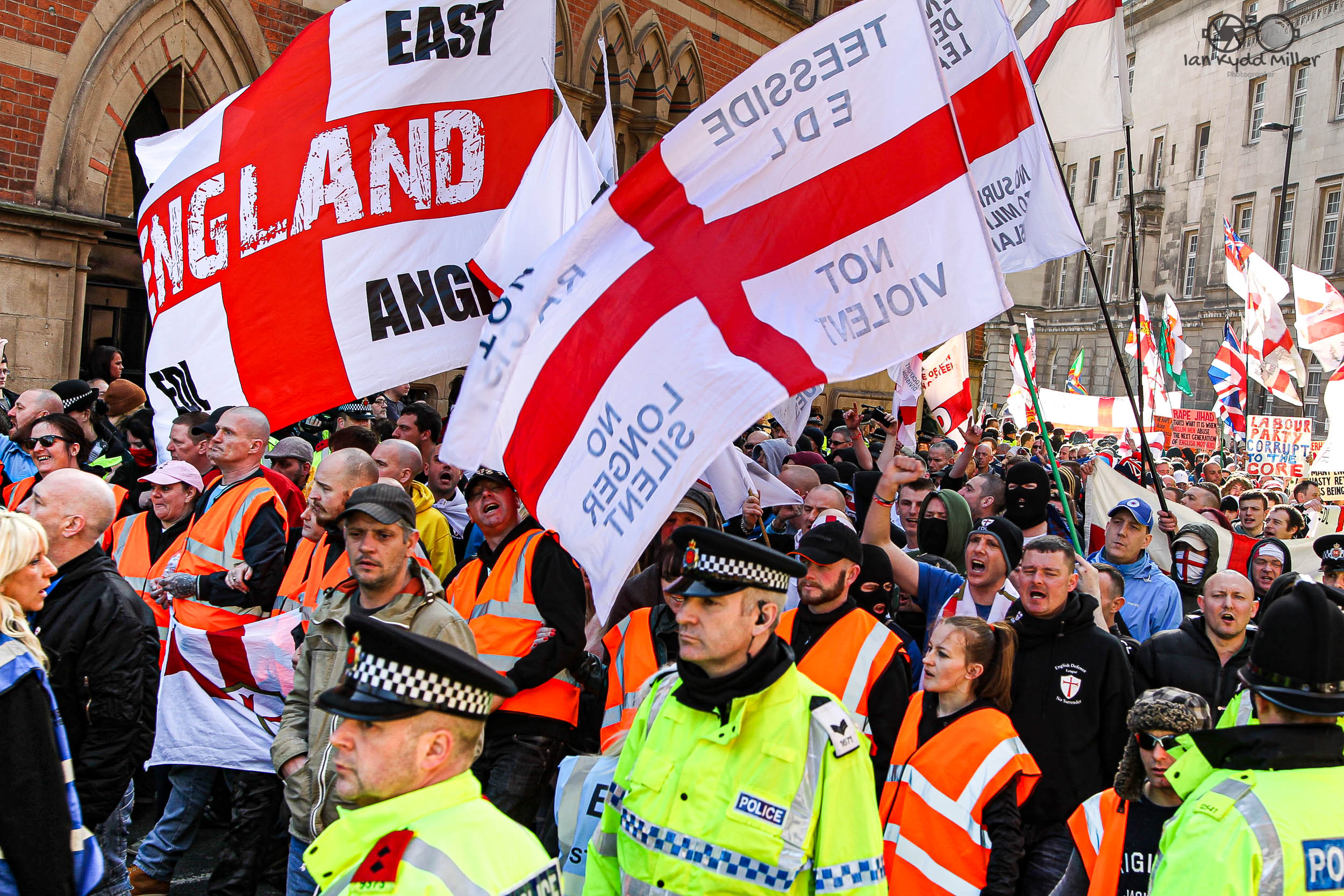


Practical mitigation (what to do)
- Training: Complete HEFAT and trauma‑informed safety courses; these teach risk assessment, emergency first aid, and psychological resilience.
- Insurance and legal prep: Buy kidnap & ransom, medical evacuation, and equipment insurance; register with your embassy and carry legal documents.
- Local networks: Hire vetted fixers and translators, coordinate with local journalists and NGOs, and establish check‑in protocols.
- Digital hygiene: Use encrypted comms, full‑disk encryption, strong passwords, and secure backups; compartmentalise sensitive files.
- Operational discipline: Wear low‑profile clothing, limit time in hotspots, plan exit routes, and avoid predictable patterns.
- Aftercare: Build access to counselling and peer support; rotate out of high‑stress assignments to recover.

Risks, trade‑offs, and actionable steps
- Risk: Training and insurance cost time and money; trade‑off: they dramatically reduce life‑threatening exposure and financial ruin. Action: budget safety into every assignment and refuse work beyond your training.
- Risk: Working with fixers increases dependence and cost; trade‑off: they provide local knowledge and protection. Action: vet fixers through trusted networks and pay fairly.
- Risk: Digital security can slow workflows; trade‑off: it protects sources and your material. Action: adopt simple, repeatable encryption and backup routines before deployment.

Bottom line: Freelance photojournalism demands more than courage—it requires preparation, training, and systems to protect your body, your sources, and your mind. Invest in safety before you chase the story.


 a world without pictures is like coffee without cream and sugar, bitter