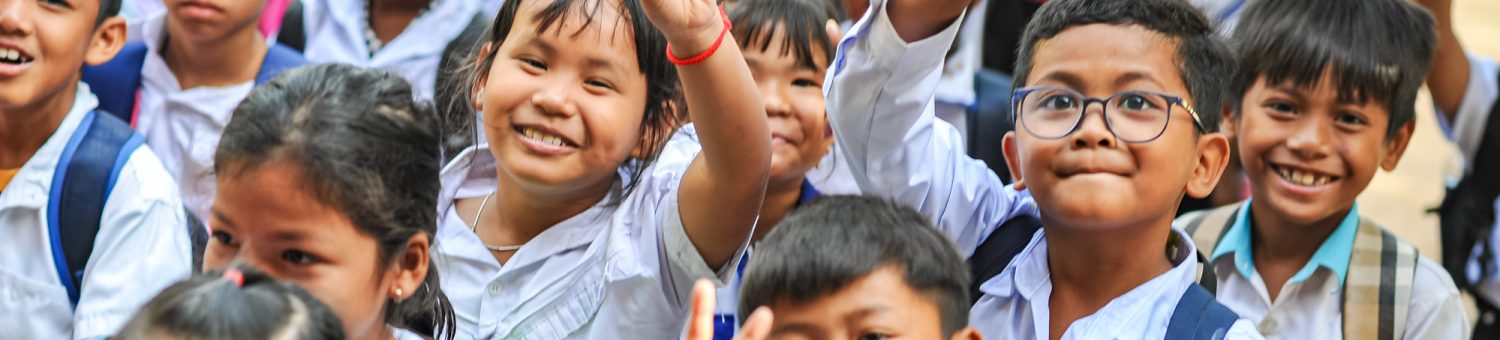

The Kingdom of Cambodia, a nation with a rich cultural heritage and a history that has seen both splendour and hardship, is also a land where fishing is not just an activity—it’s a lifeline. The Mekong River and the Tonle Sap Lake are the beating heart of Cambodia’s fishing industry, a vital source of sustenance, employment, and tradition for millions of Cambodians.
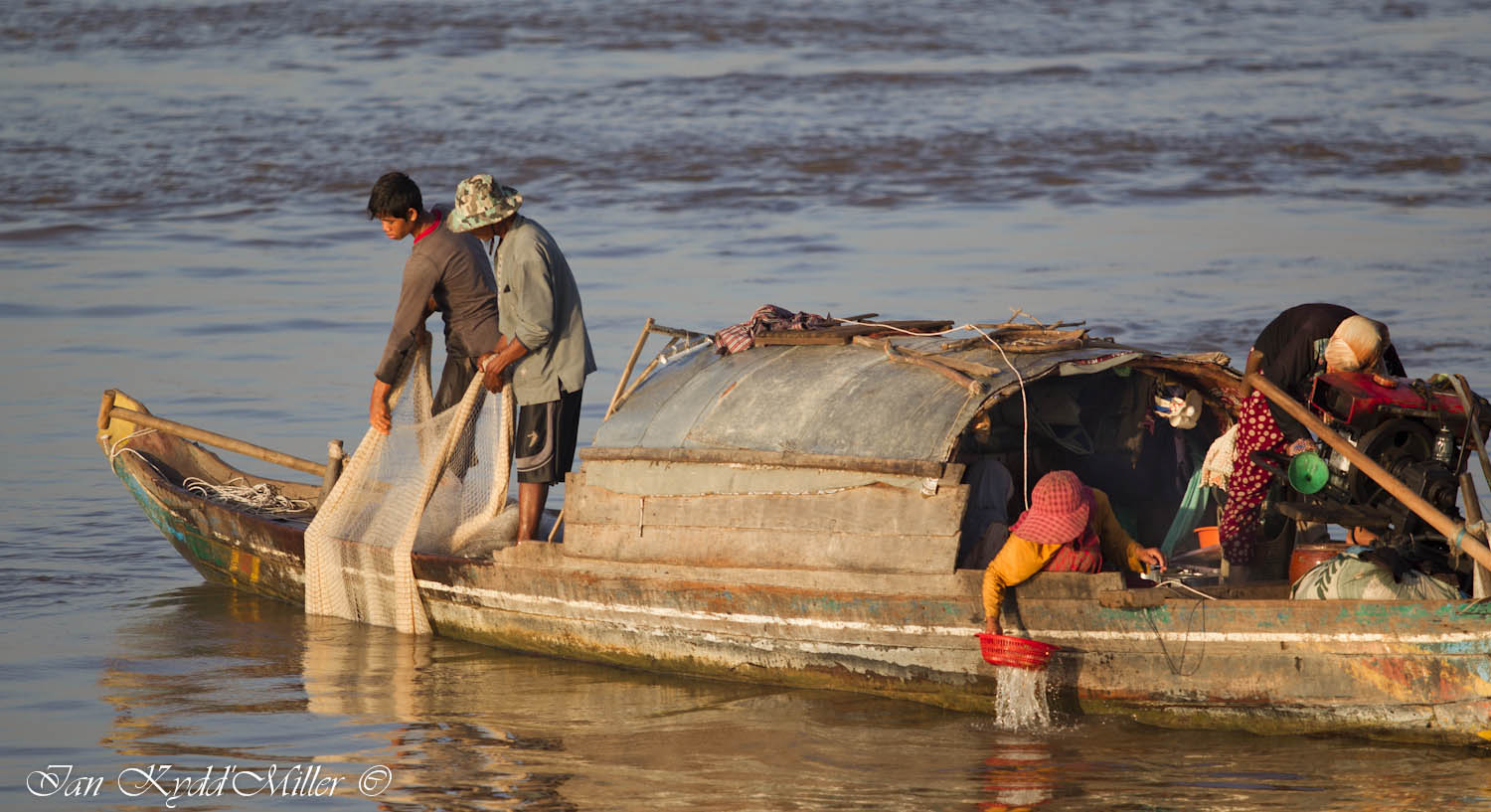
Imagine the serene beauty of the Tonle Sap, Southeast Asia’s largest freshwater lake, teeming with life. Here, the rhythm of the fishing communities’ daily life plays out, as it has for centuries. Fishing in Cambodia is a dance with nature, where the bounty of the waters is respected and relied upon. It’s an industry that employs over 6 million people, nearly half the country’s population and contributes significantly to the nation’s GDP.

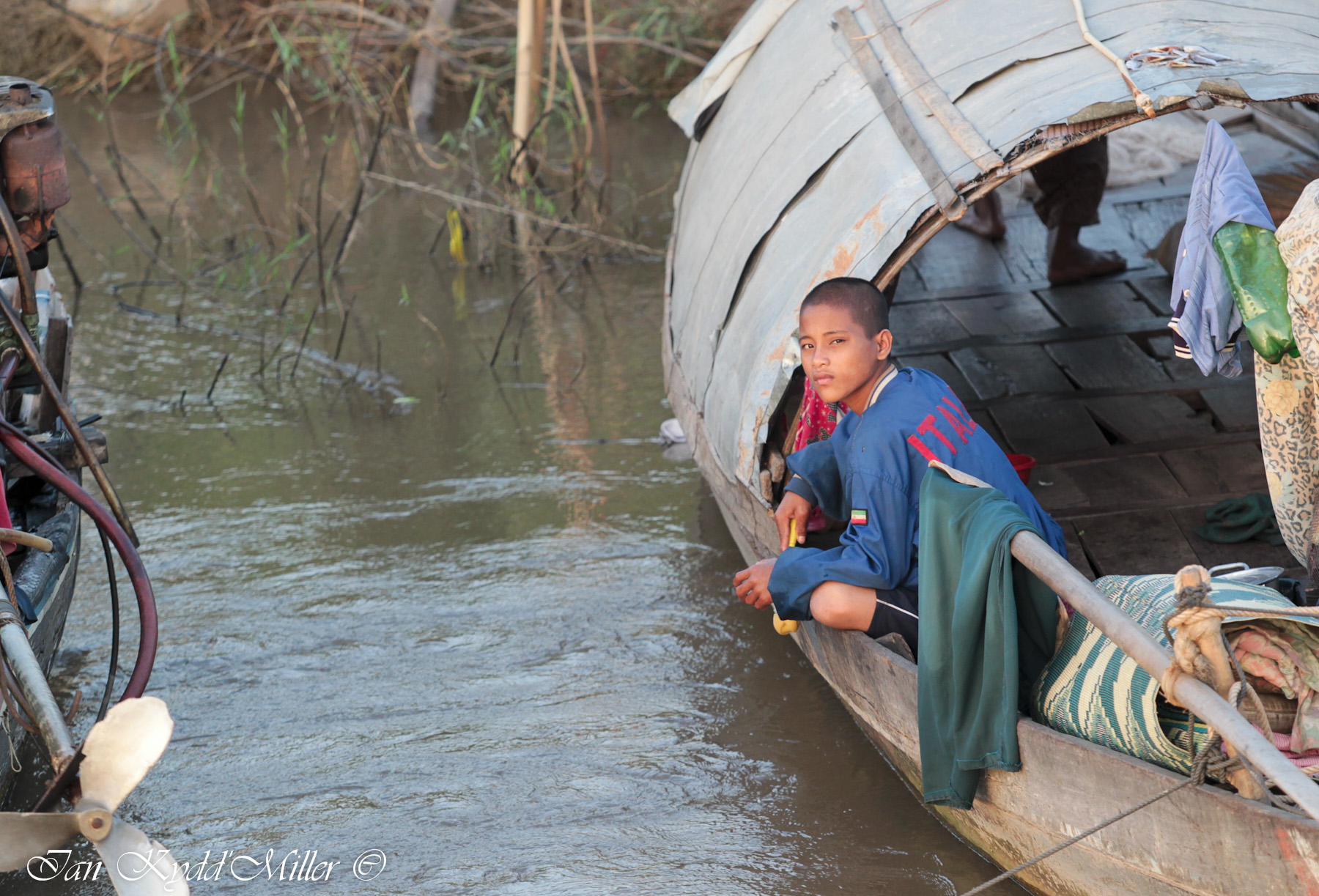
The importance of fishing in Cambodia cannot be overstated. It’s not just about the economy; it’s about food security and cultural identity. Fish is the most important source of animal protein in the Cambodian diet, with an astonishing consumption rate of 63 kg per person per year. This isn’t just a statistic; it’s a testament to the role that fish plays in the everyday lives of Cambodians.

The fisheries sector in Cambodia is a complex tapestry woven from various threads—capture fisheries, aquaculture, and culture-based fisheries. Each strand is crucial, providing a diverse array of fish and other aquatic organisms that grace the tables of rich and poor alike. The annual yield from all fisheries is estimated to be a staggering 745,065 tonnes, with aquaculture contributing around 120,055 tonnes to this total supply.


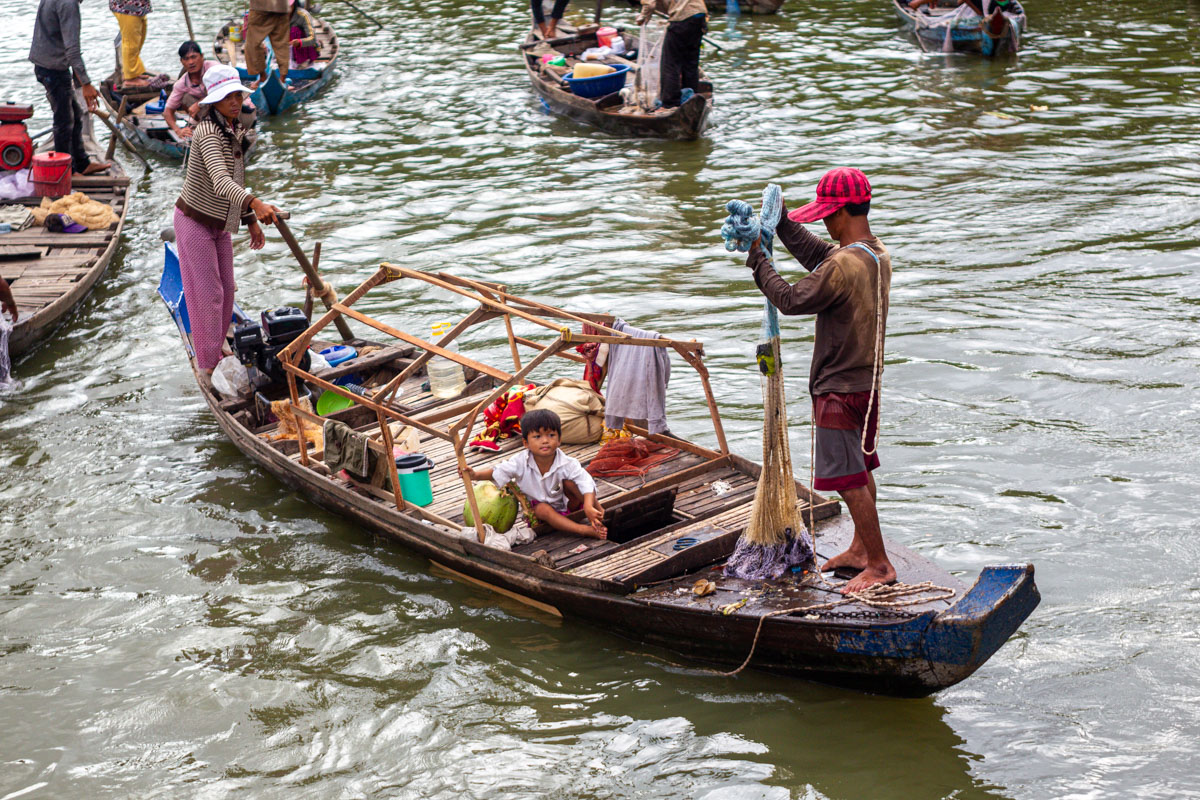


But it’s not just about quantity; it’s about the quality of life that fishing affords the Cambodian people. It’s about the smiles of the fishermen as they return with their catch, the laughter of children playing by the riverside, and the shared meals that bring families together. Fishing is woven into the very fabric of Cambodian society, a thread that connects the past to the present and the present to the future.
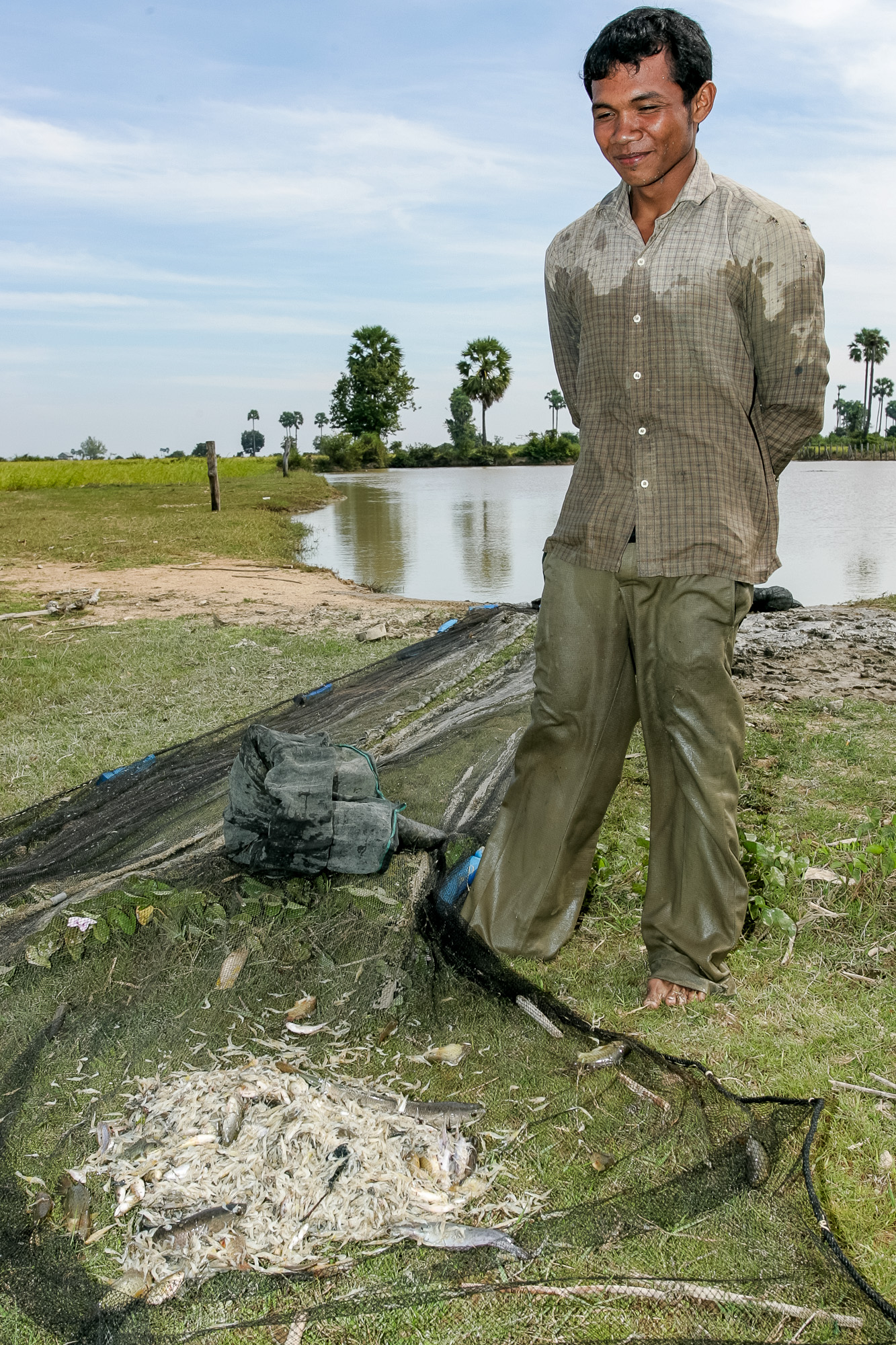
As the world changes, so too does the fishing industry in Cambodia. Challenges such as climate change, overfishing, and habitat destruction loom on the horizon. Yet, the resilience of the Cambodian people shines through. Efforts to develop sustainable fishing practices, improve aquaculture, and protect precious ecosystems are underway, ensuring that fishing remains a cornerstone of Cambodia’s identity and economy.
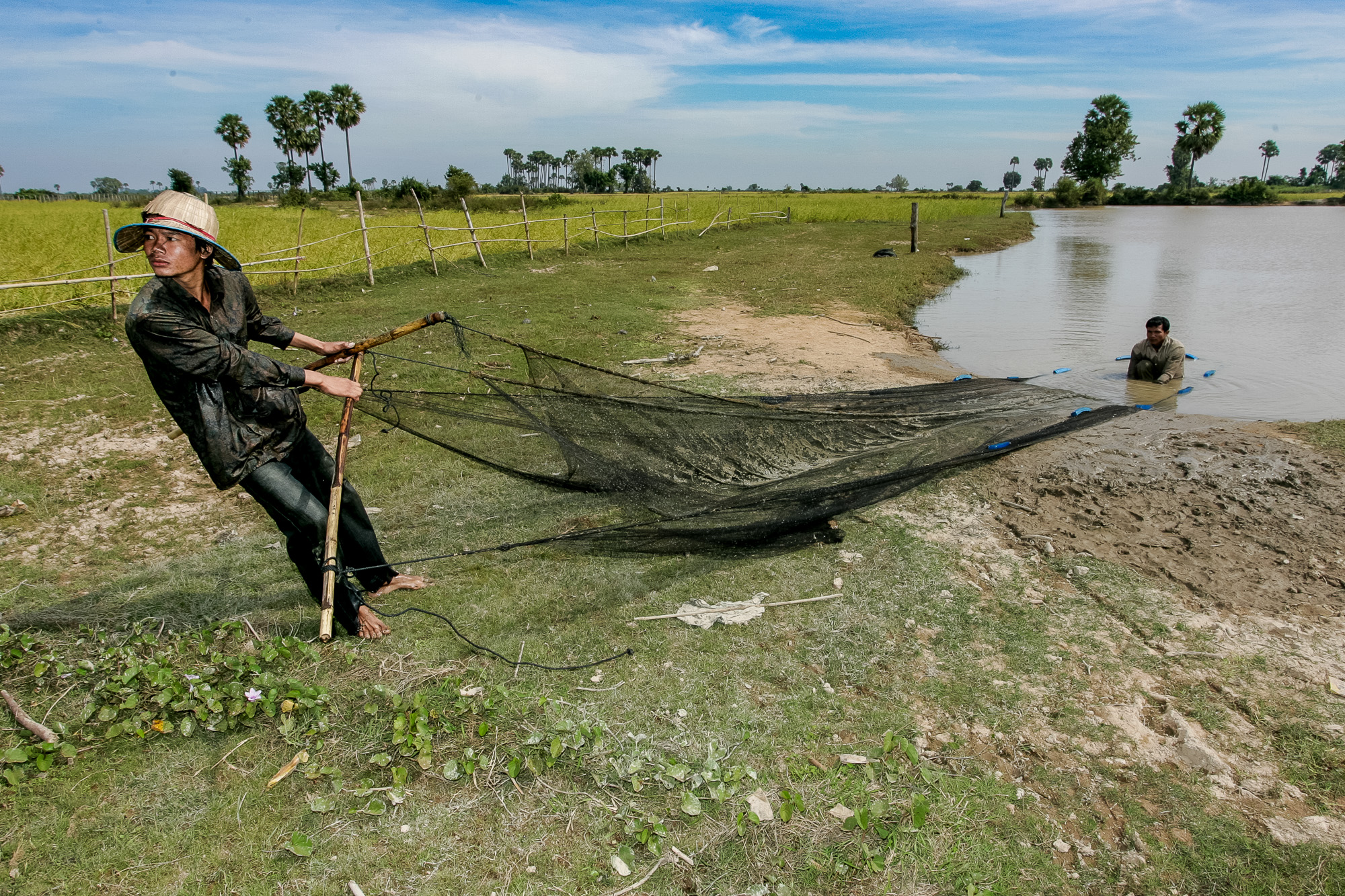
So let’s celebrate the spirit of Cambodia’s fishing communities—their perseverance, their connection to the water, and their contribution to the nation’s rich tapestry. For in the gentle ripples of the Mekong and the vast expanse of the Tonle Sap, lies a story of a people and their fish—a tale as old as time, and as important as ever. Fishing in Cambodia is not just essential; it’s a way of life.


 a world without pictures is like coffee without cream and sugar, bitter