

🌅 Best Times of Day
- Early Morning (5:30–8:00 AM): The city wakes up with monks collecting alms, markets buzzing, and soft golden light.
- Late Afternoon to Evening (4:30–7:00 PM): Streets cool down, families gather, and riverside areas come alive with food stalls and social activity.
- Night (after 7:00 PM): Night markets and neon-lit streets offer vibrant colours and contrasts, perfect for low-light experimentation.

🏙️ Key Locations
- Central Market (Phsar Thmey): Iconic art-deco building with bustling vendors inside and street life spilling outside.
- Russian Market (Phsar Toul Tom Poung): Narrow alleys, food stalls, and a mix of locals and expats.
- Sisowath Quay (Riverside): Evening strolls, street performers, and Mekong river views.
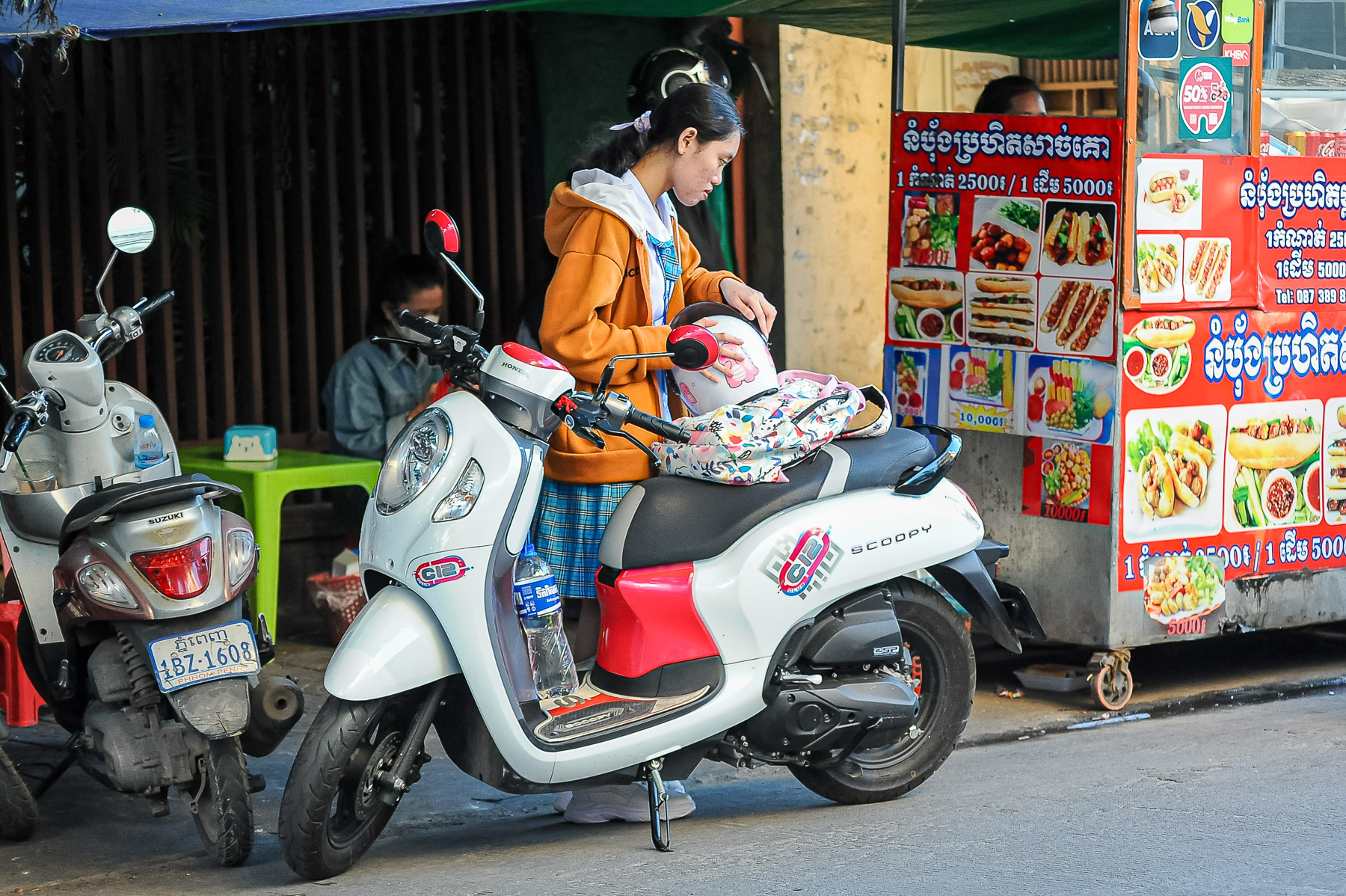
- Olympic Market & Stadium: Everyday Cambodian life—vendors, students, and sports enthusiasts.
- Backstreets of Daun Penh & Toul Kork: Less touristy, more authentic glimpses of daily life.
🎨 Style and Approach
- Wide-angle storytelling: Capture the energy of markets and traffic chaos.
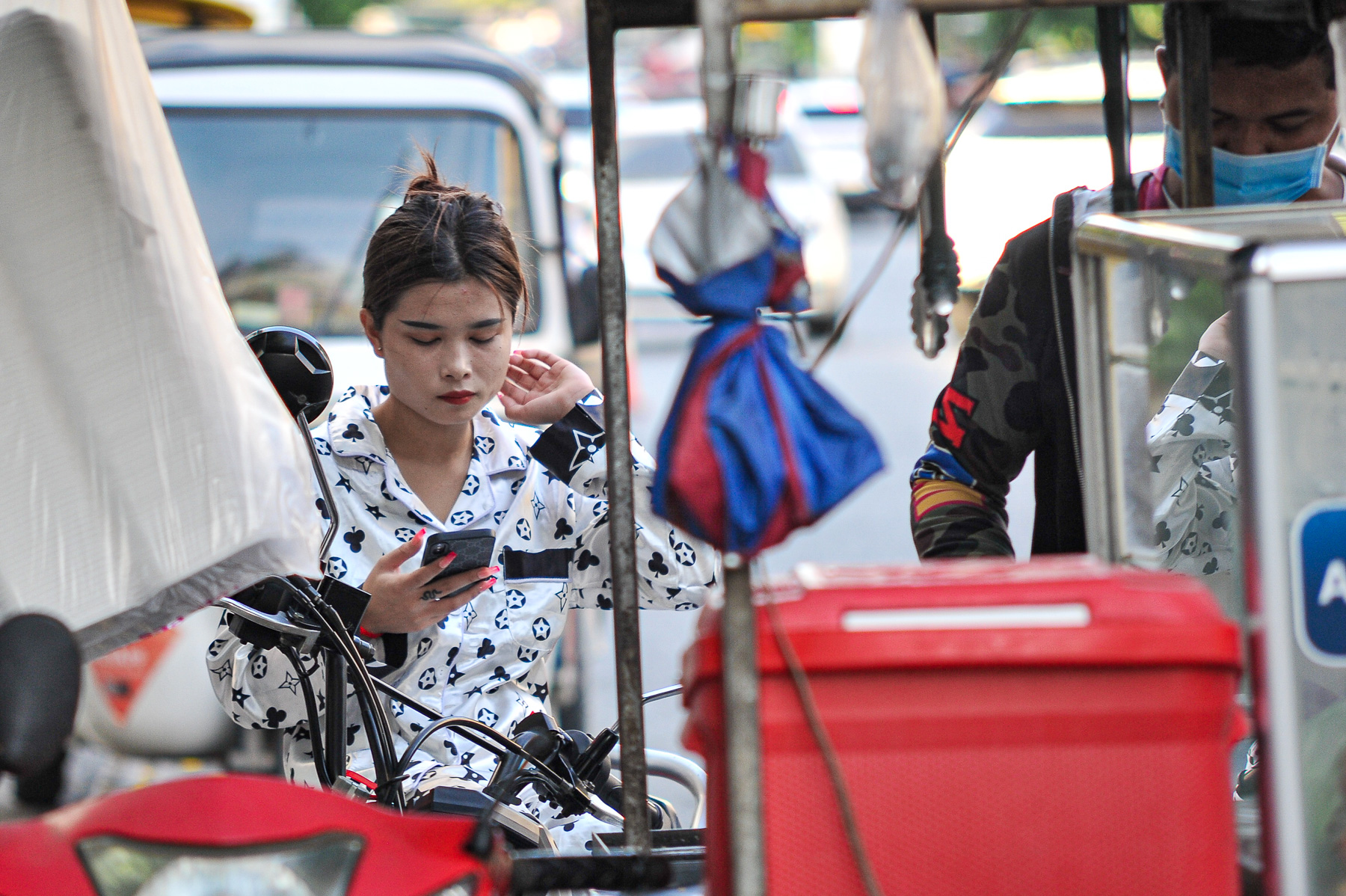
- Portraits with consent: Many Cambodians are open to being photographed if approached politely—smiles go a long way.
- Details and textures: Street food, tuk-tuks, signage, and architecture all add layers to your visual story.
- Motion blur and panning: Great for showing the constant flow of motorbikes and tuk-tuks.
🤝 Ethical Considerations
- Respect privacy: Always ask before photographing children or vulnerable individuals.
- Support locals: Buy a coffee or snack from vendors you photograph—it builds goodwill.
- Be discreet: Avoid being intrusive; blend in and let moments unfold naturally.
- Tell the truth: Aim for authenticity, not staged or exaggerated scenes.



🛠️ Practical Tips
- Gear: A 35mm , 50mm or 85mm prime lens is ideal for intimacy; a small zoom (24–70mm) adds flexibility.
- Settings: Use aperture priority (f/2.8–f/5.6) for portraits and shutter priority for motion shots.
- Backup: Carry extra batteries and memory cards—street life is unpredictable and fast-moving.
- Safety: Keep gear close and minimal; Phnom Penh is generally safe, but petty theft can happen.

✅ Final Thought: Phnom Penh’s streets are a living classroom for photographers—full of light, colour, and human connection. The key is to move slowly, observe deeply, and engage respectfully. The reward is not just strong images, but meaningful encounters.
 a world without pictures is like coffee without cream and sugar, bitter