

Walking through Phnom Penh is like stepping into a living mosaic of Cambodia’s culture. The streets are not just roads for transport—they are markets, kitchens, playgrounds, and social spaces all at once.




🌞 Morning Rhythms
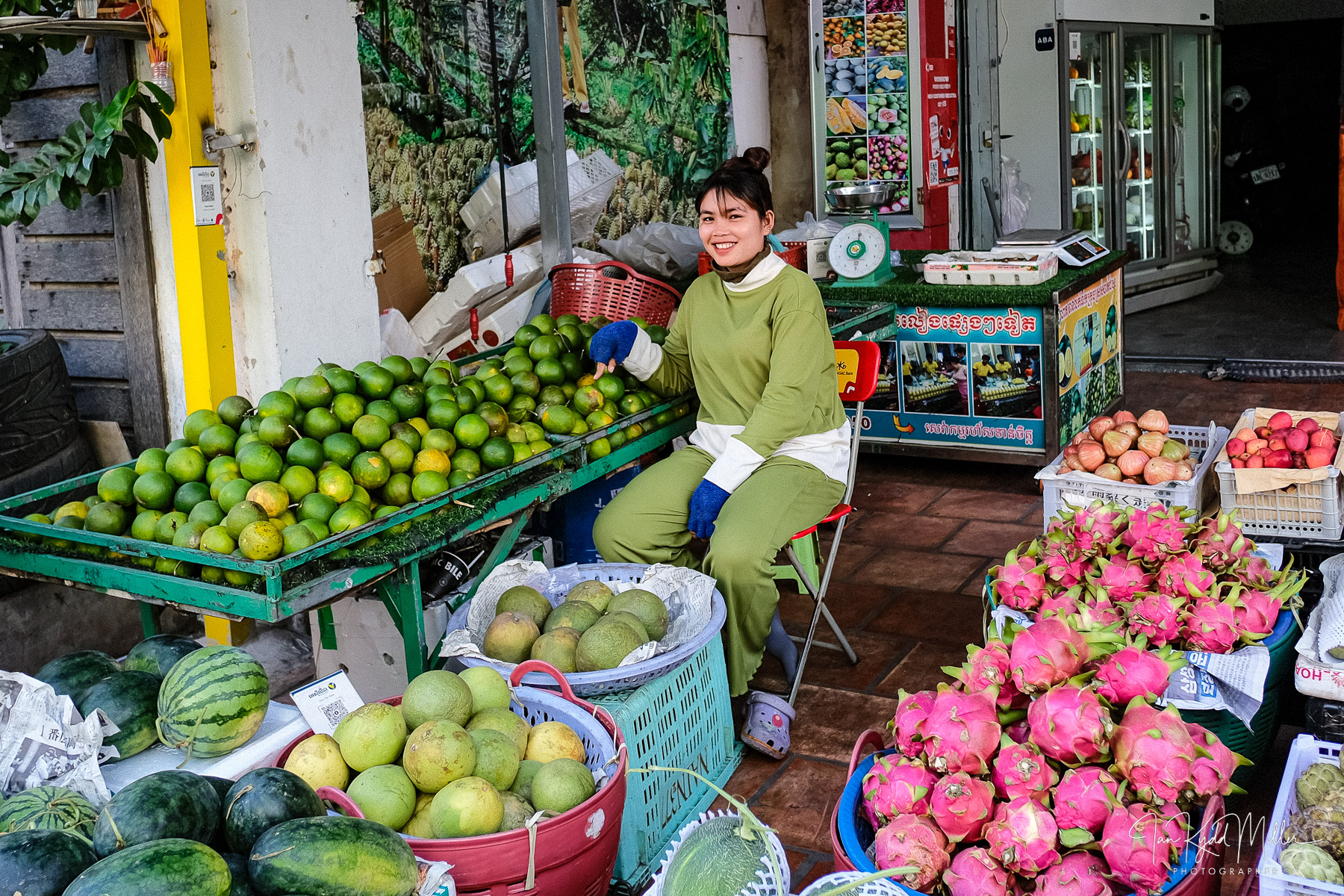
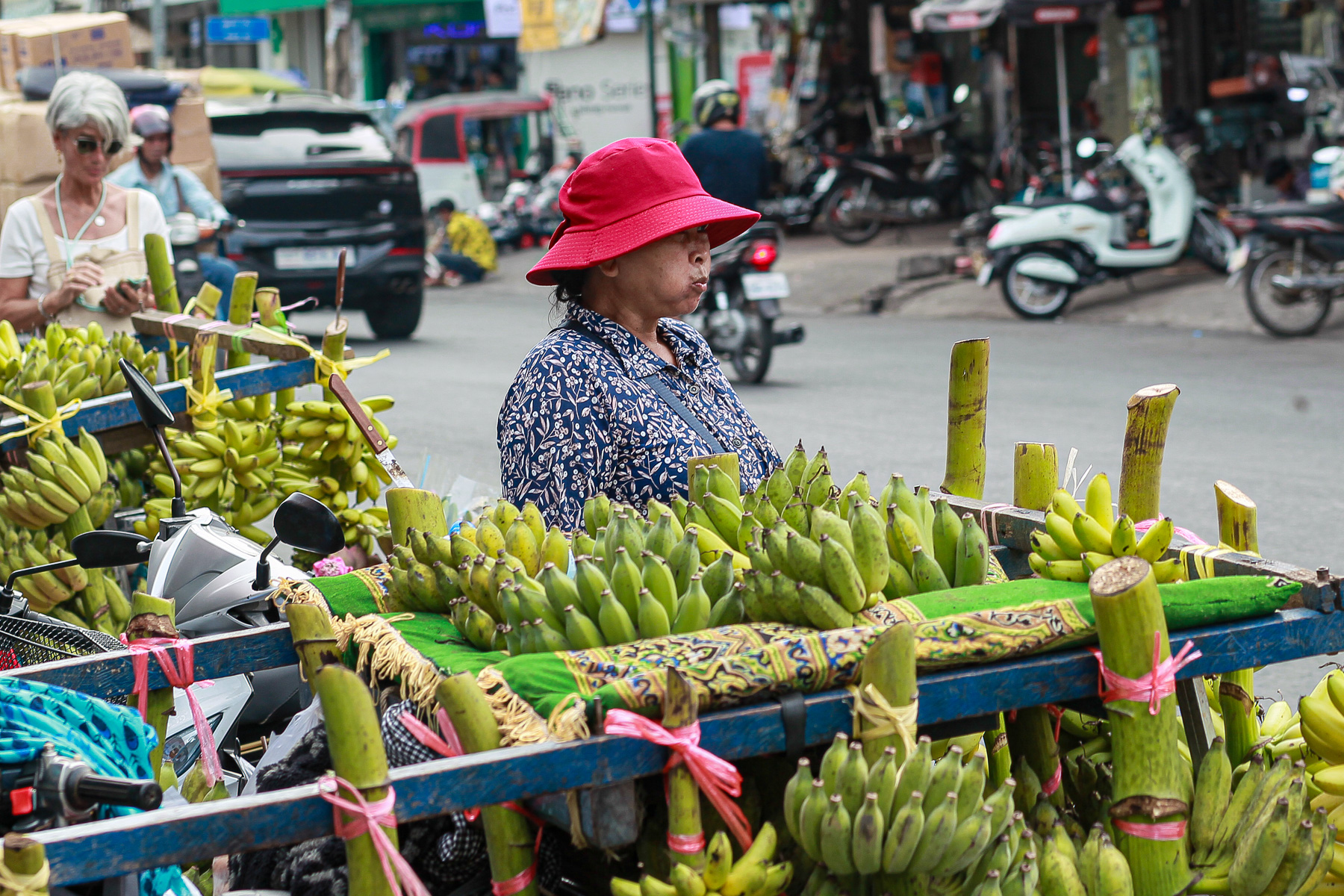
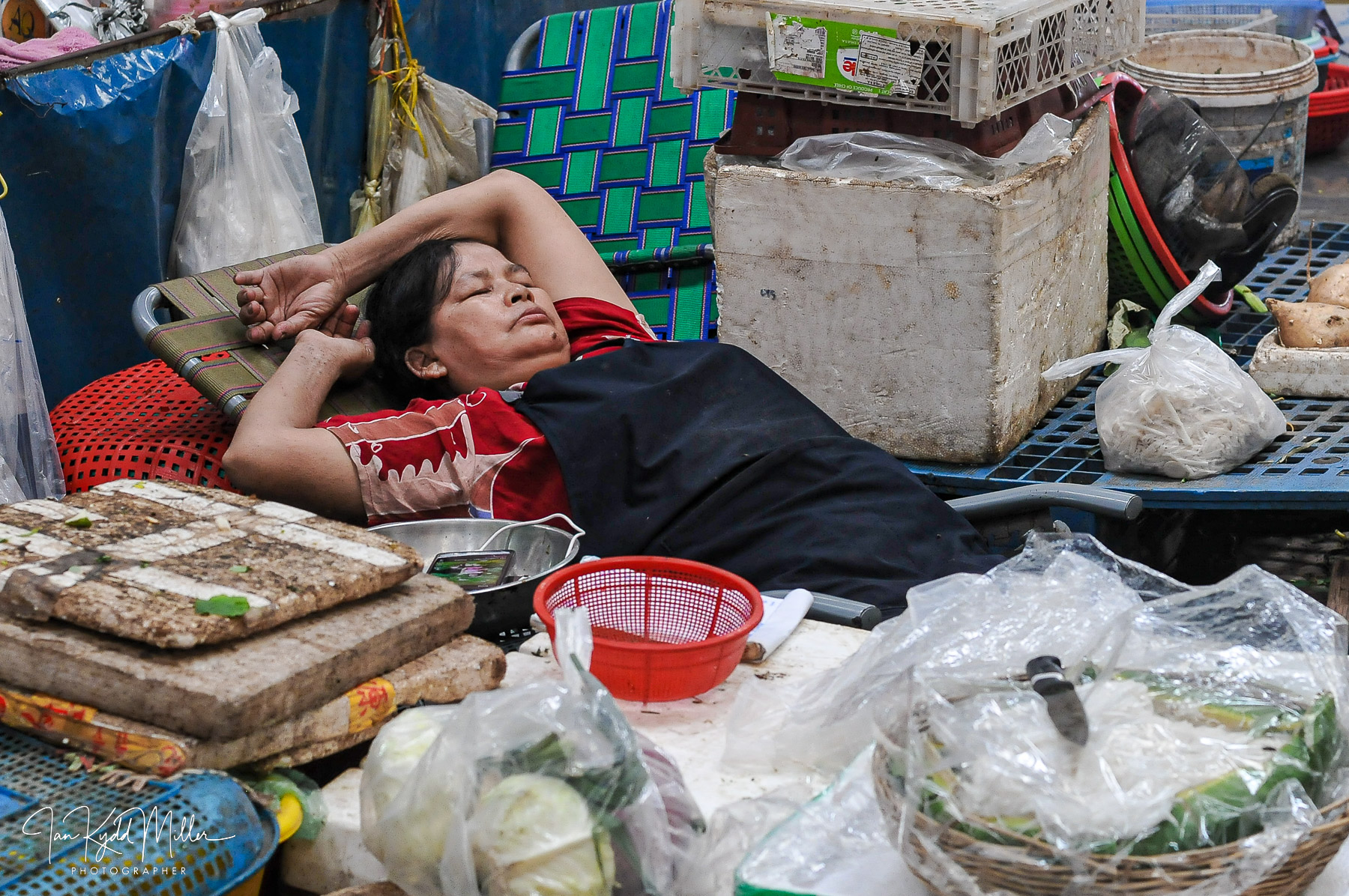
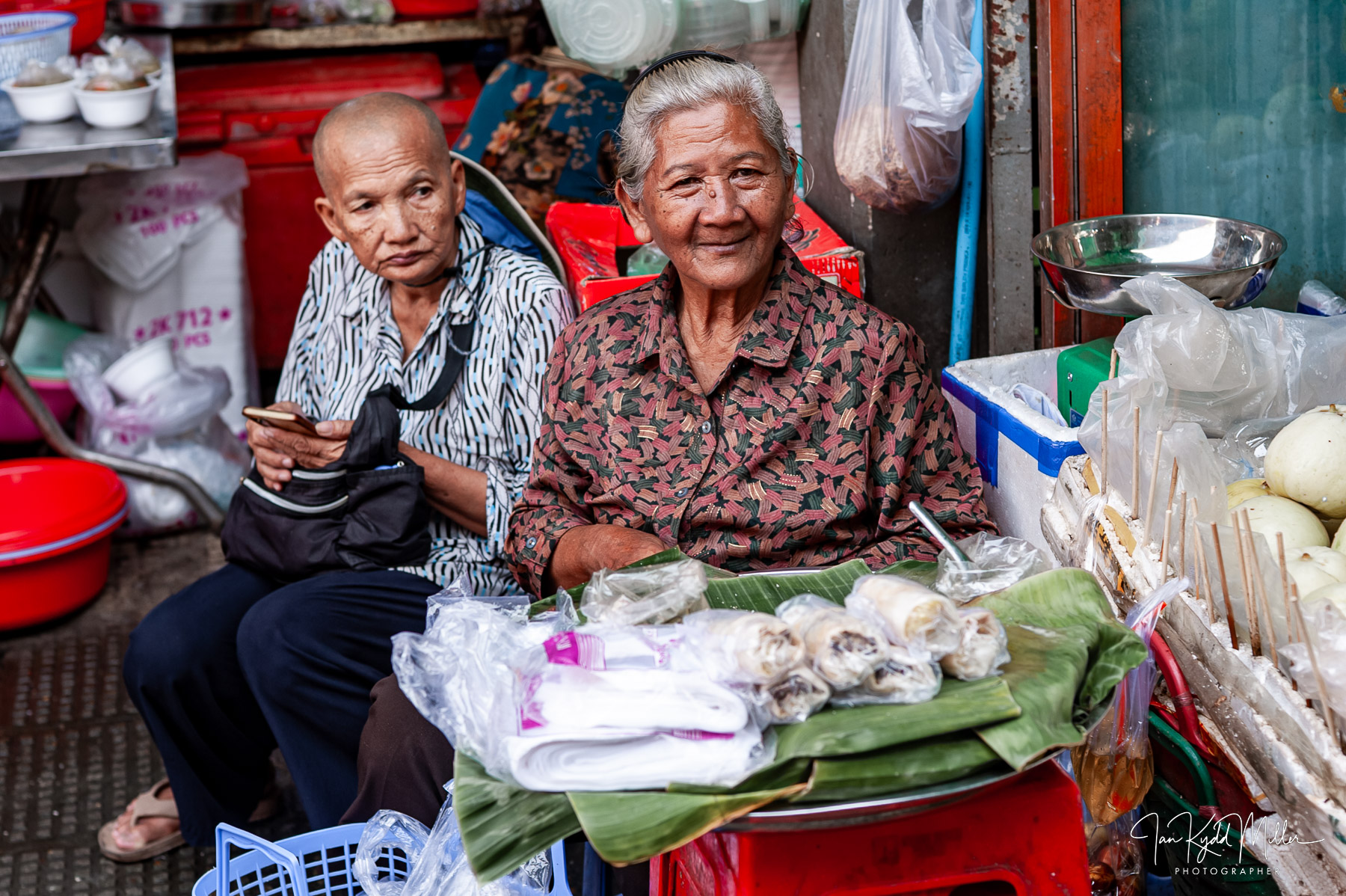
- Markets come alive at dawn: wet markets bustle with vendors selling fresh fish, vegetables, and fragrant herbs.
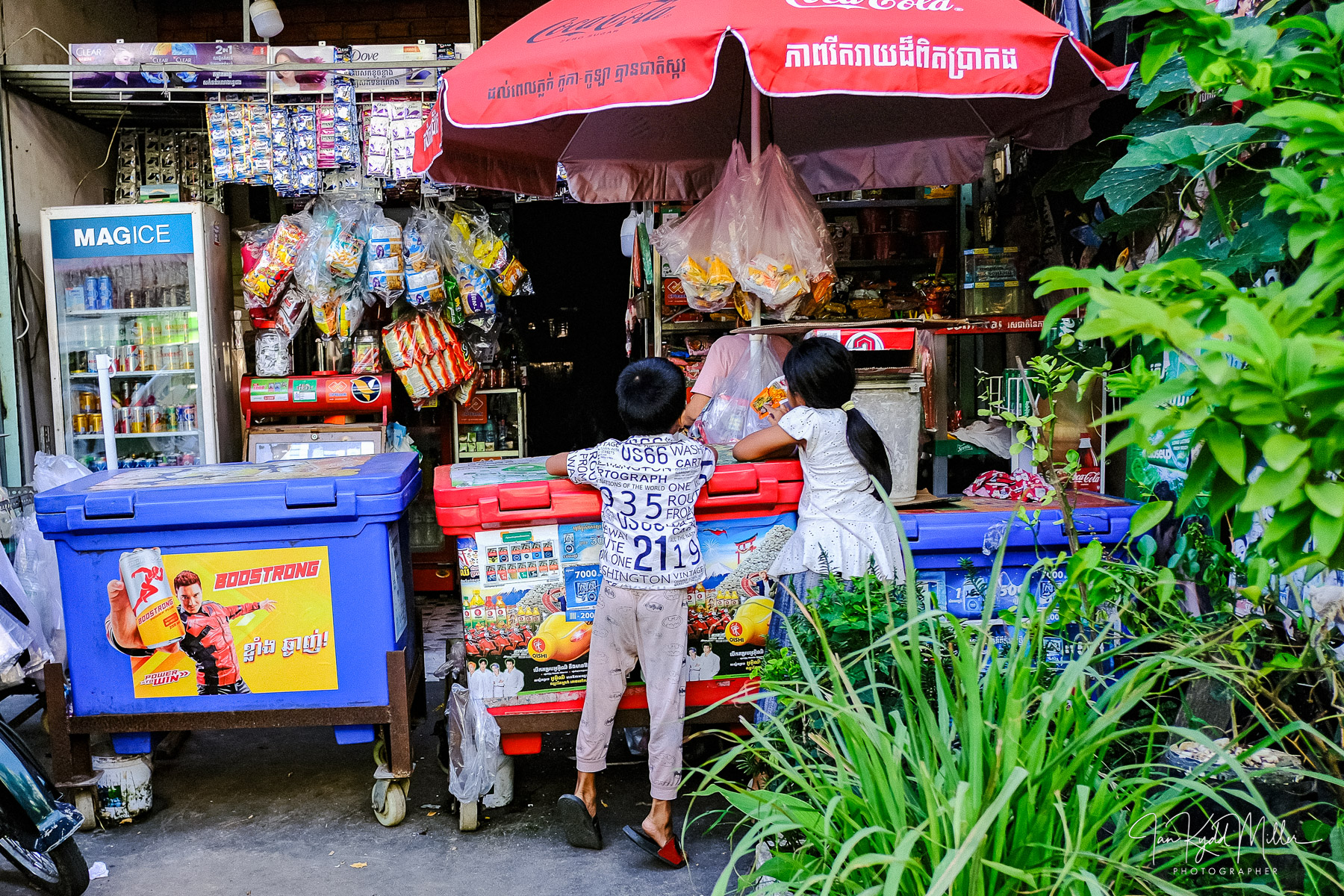
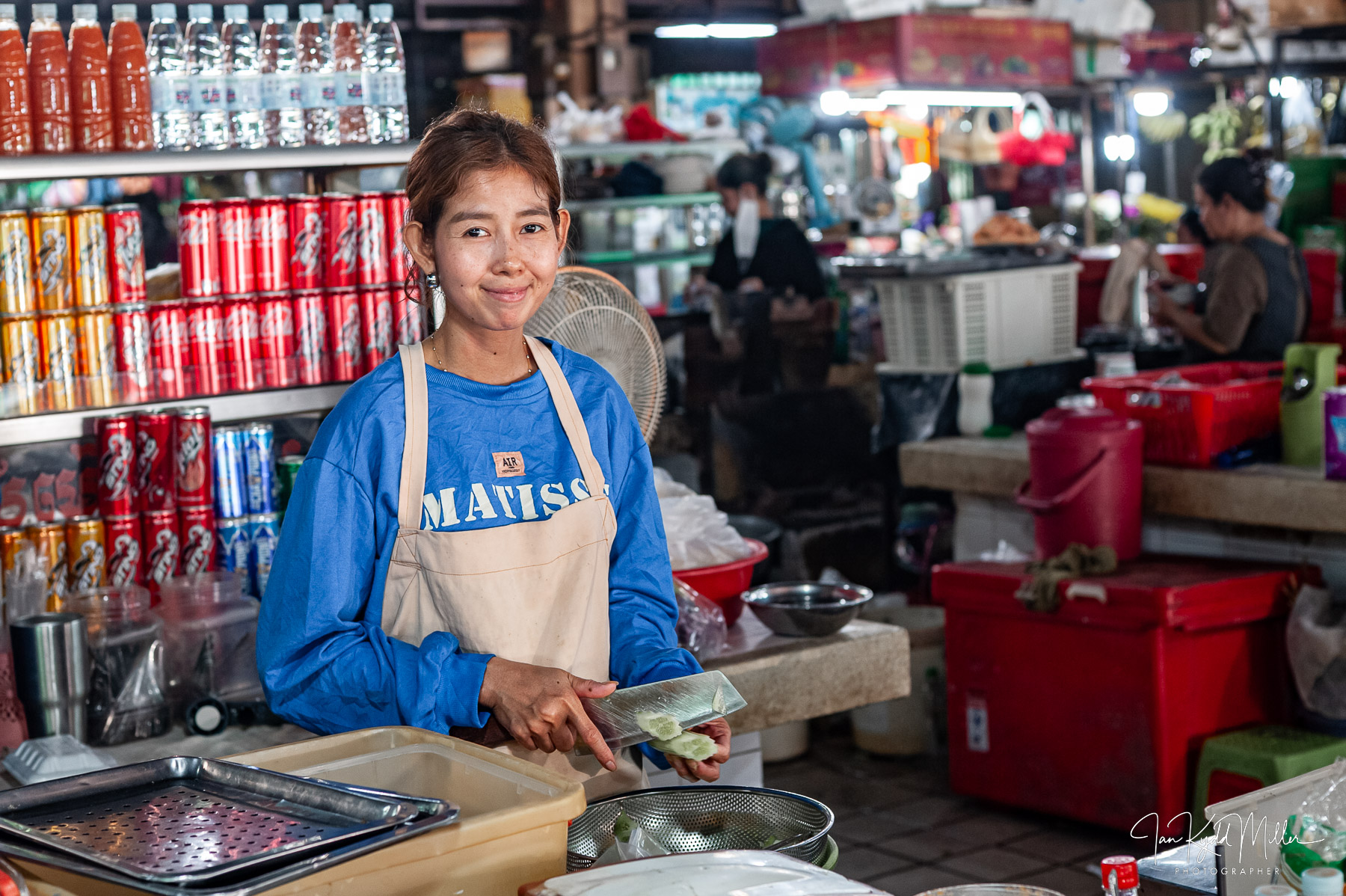
- Street-side stalls serve noodle soups, grilled meats, and iced coffee, fueling workers before the day begins.
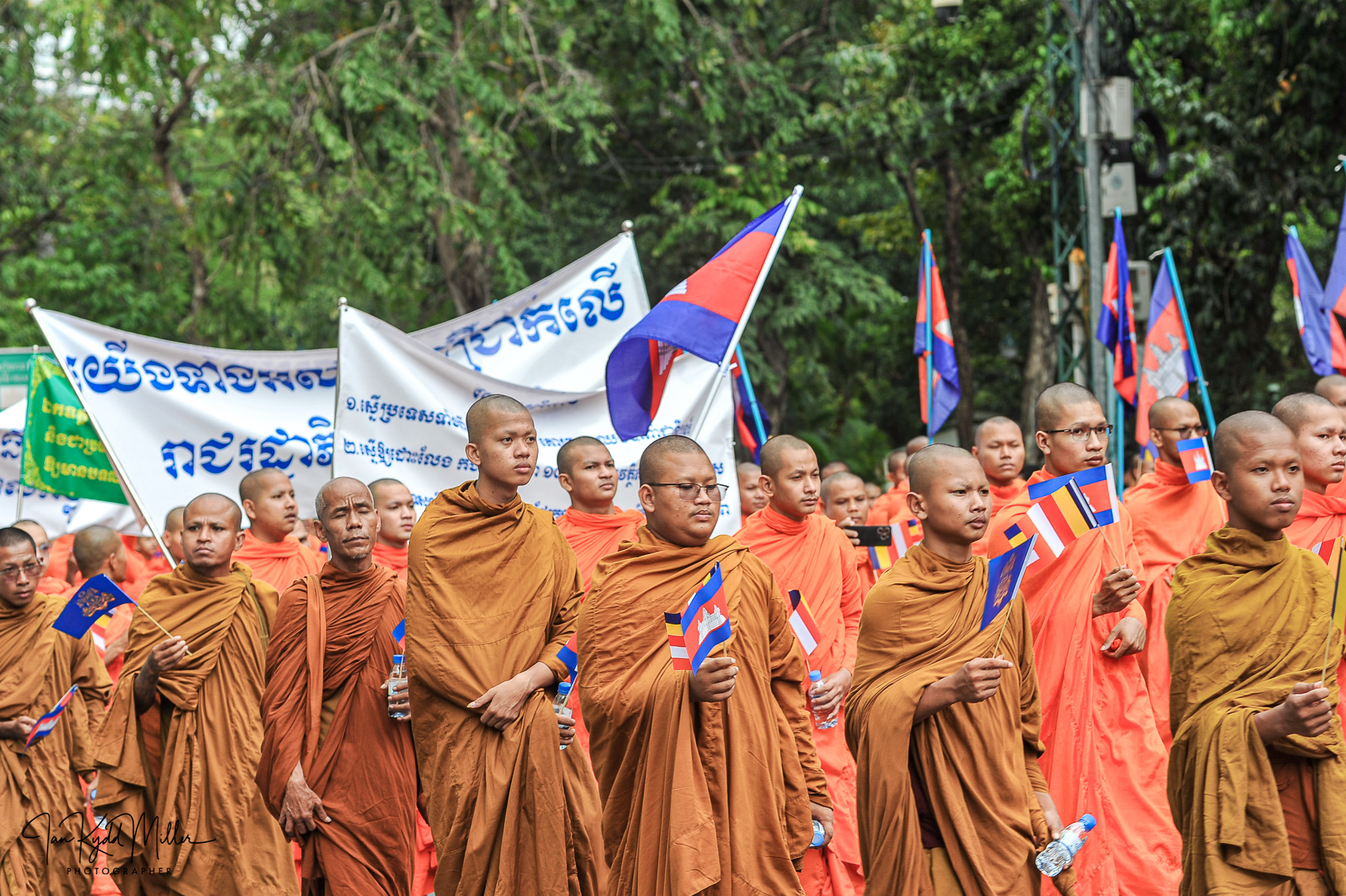
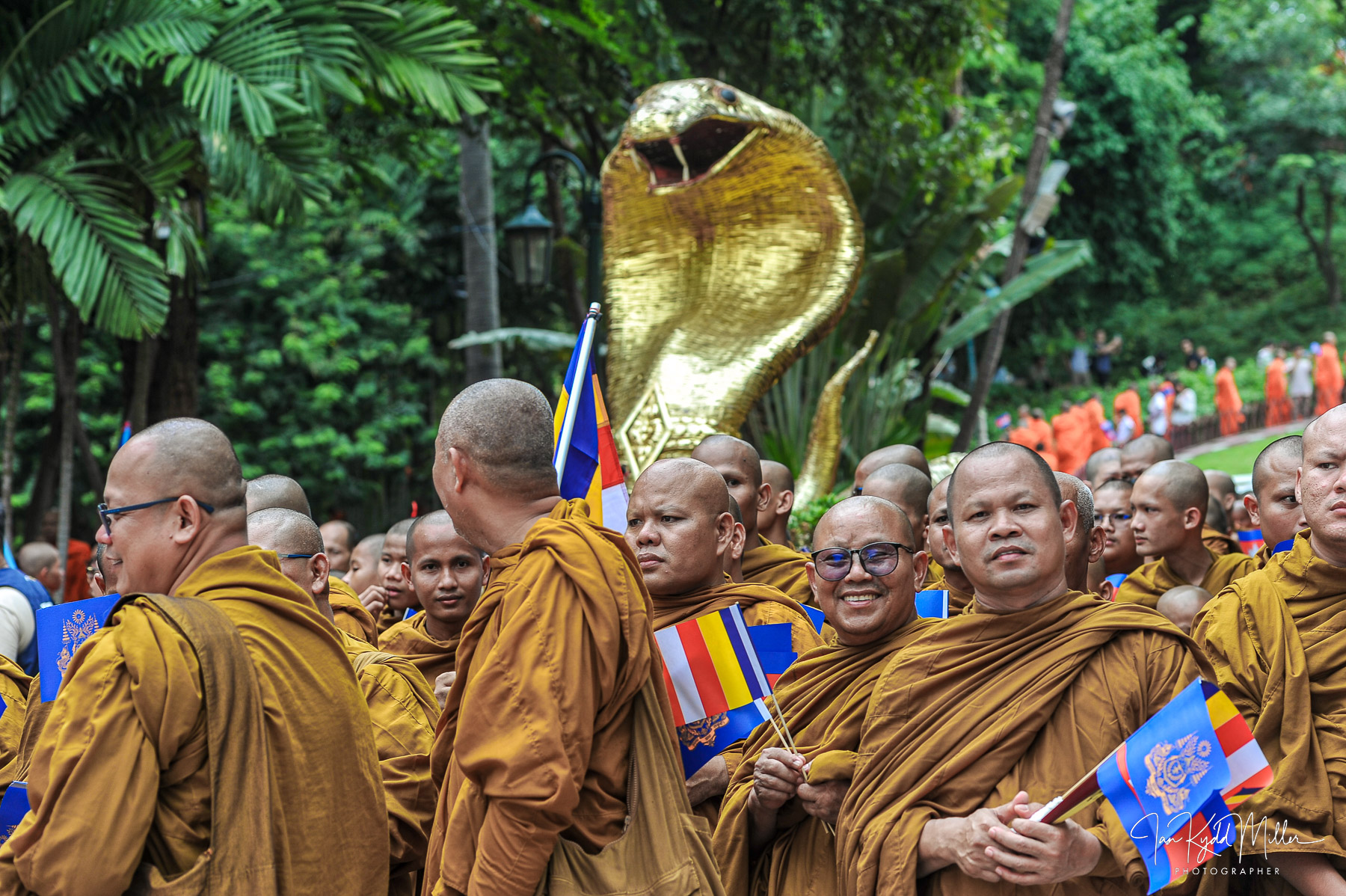
- Monks in saffron robes walk barefoot through neighborhoods, collecting alms in a centuries-old ritual.

🚦 Midday Hustle
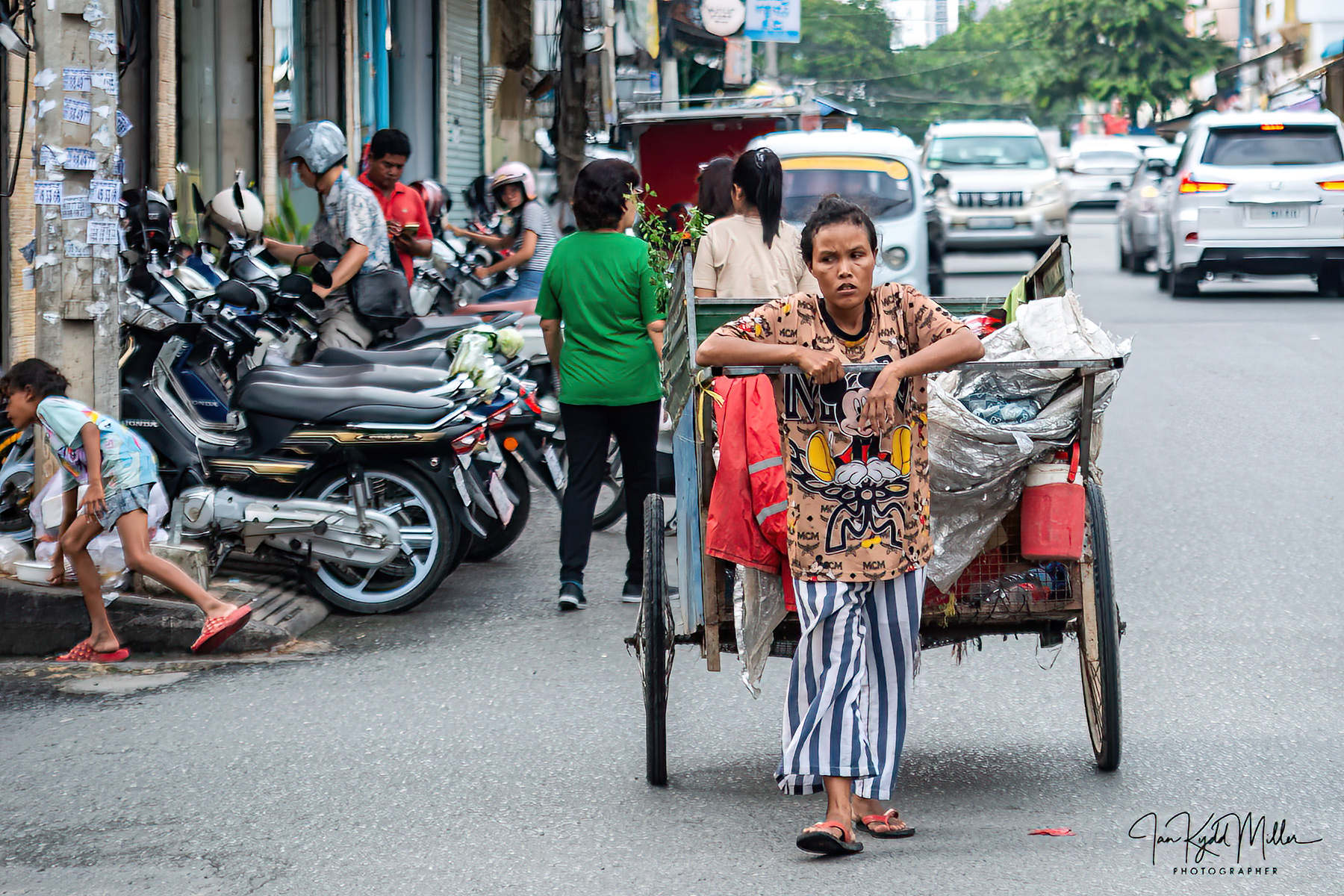
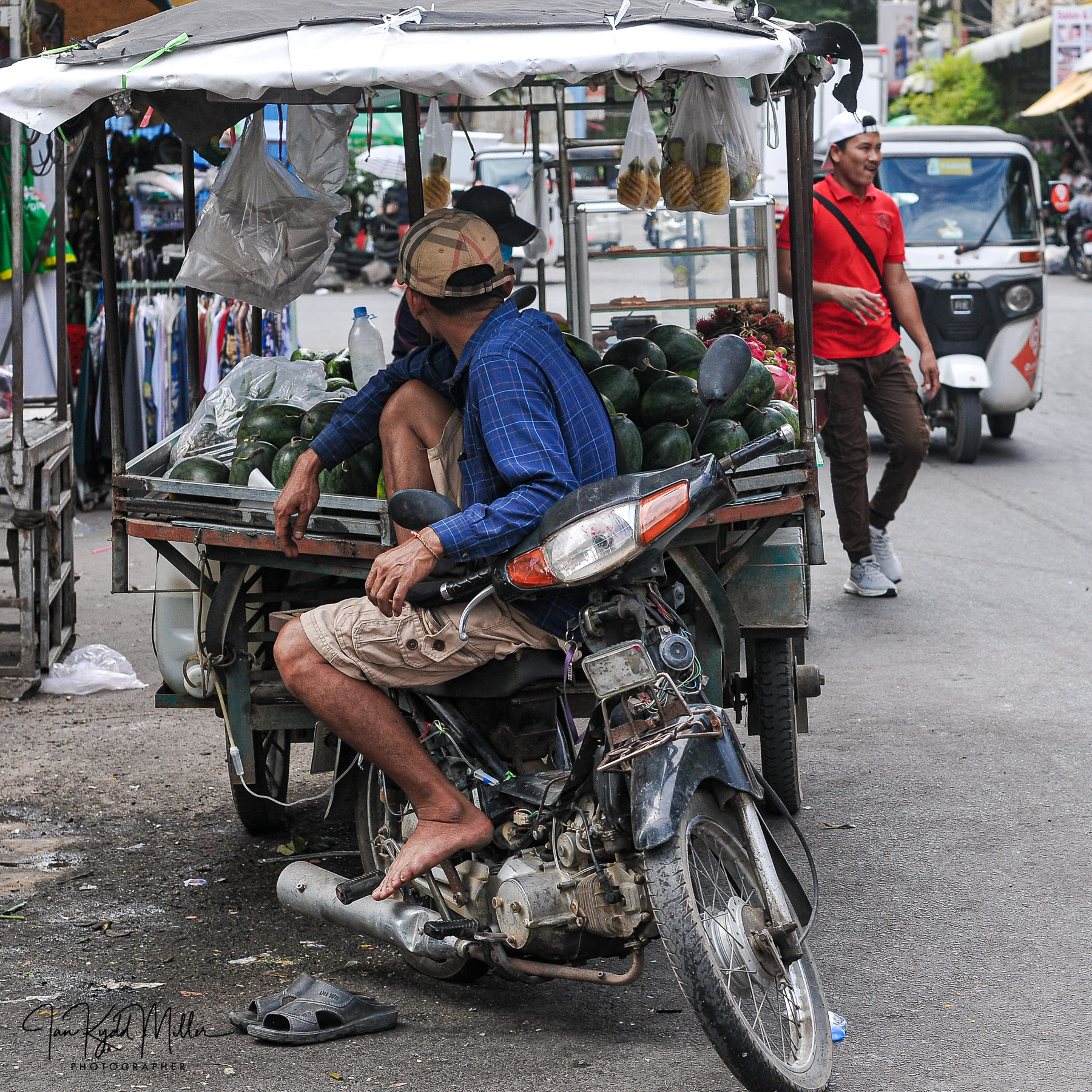
- Traffic is a sensory overload: motorbikes weaving between tuk-tuks, bicycles, and the occasional Lexus SUV.
- Sidewalks double as workshops and storefronts—tailors, mechanics, and barbers set up shop in open air.
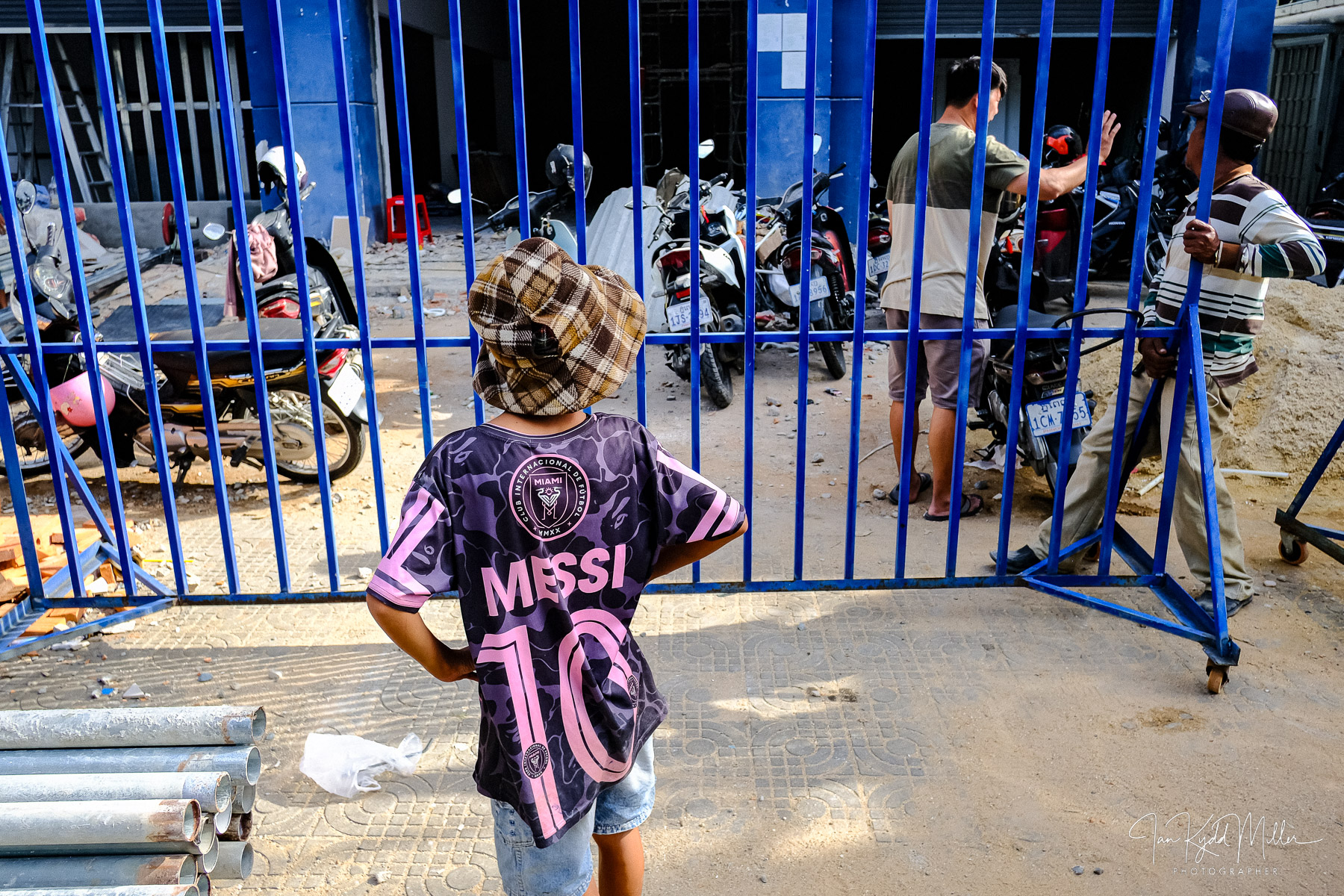
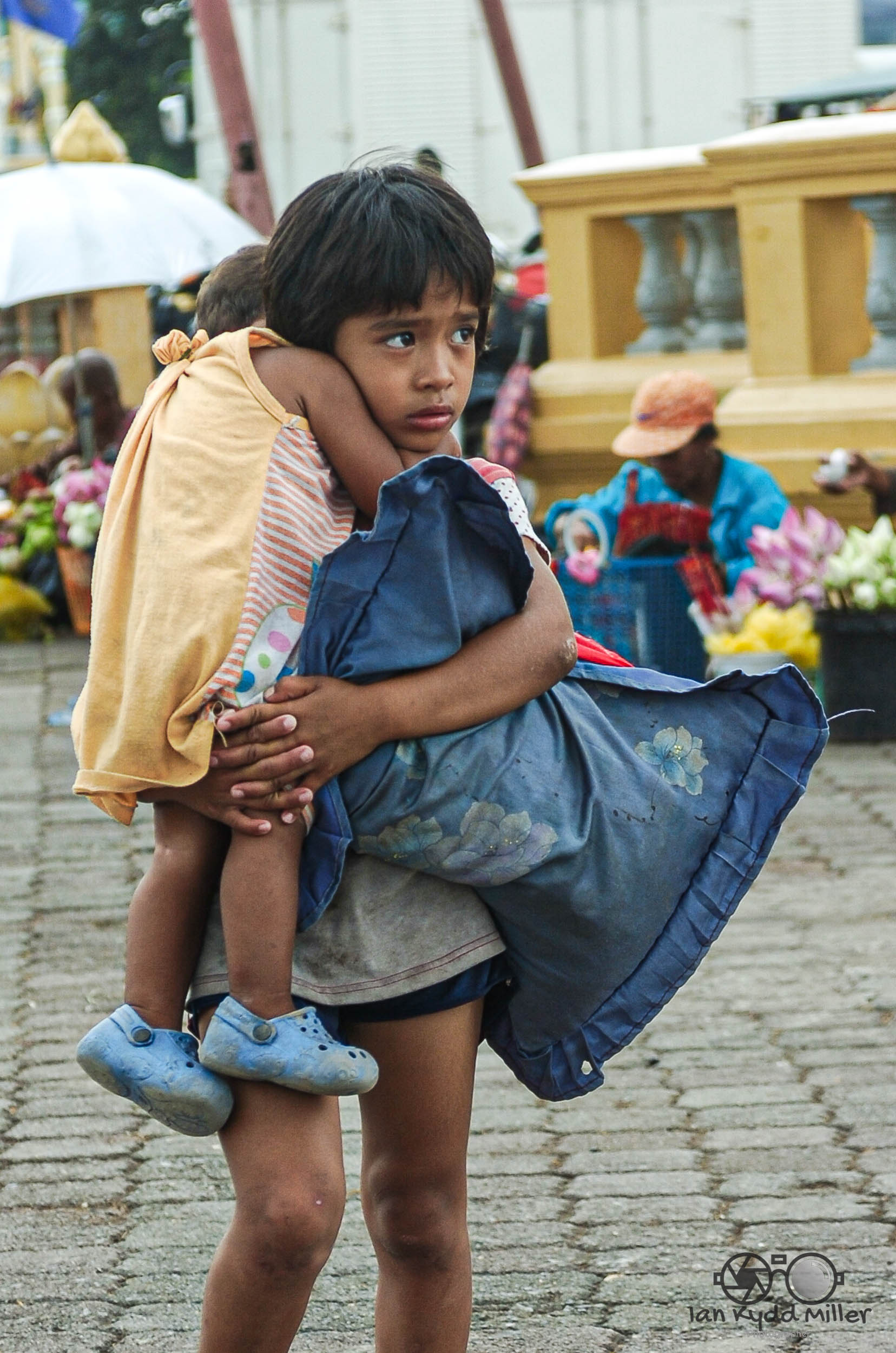
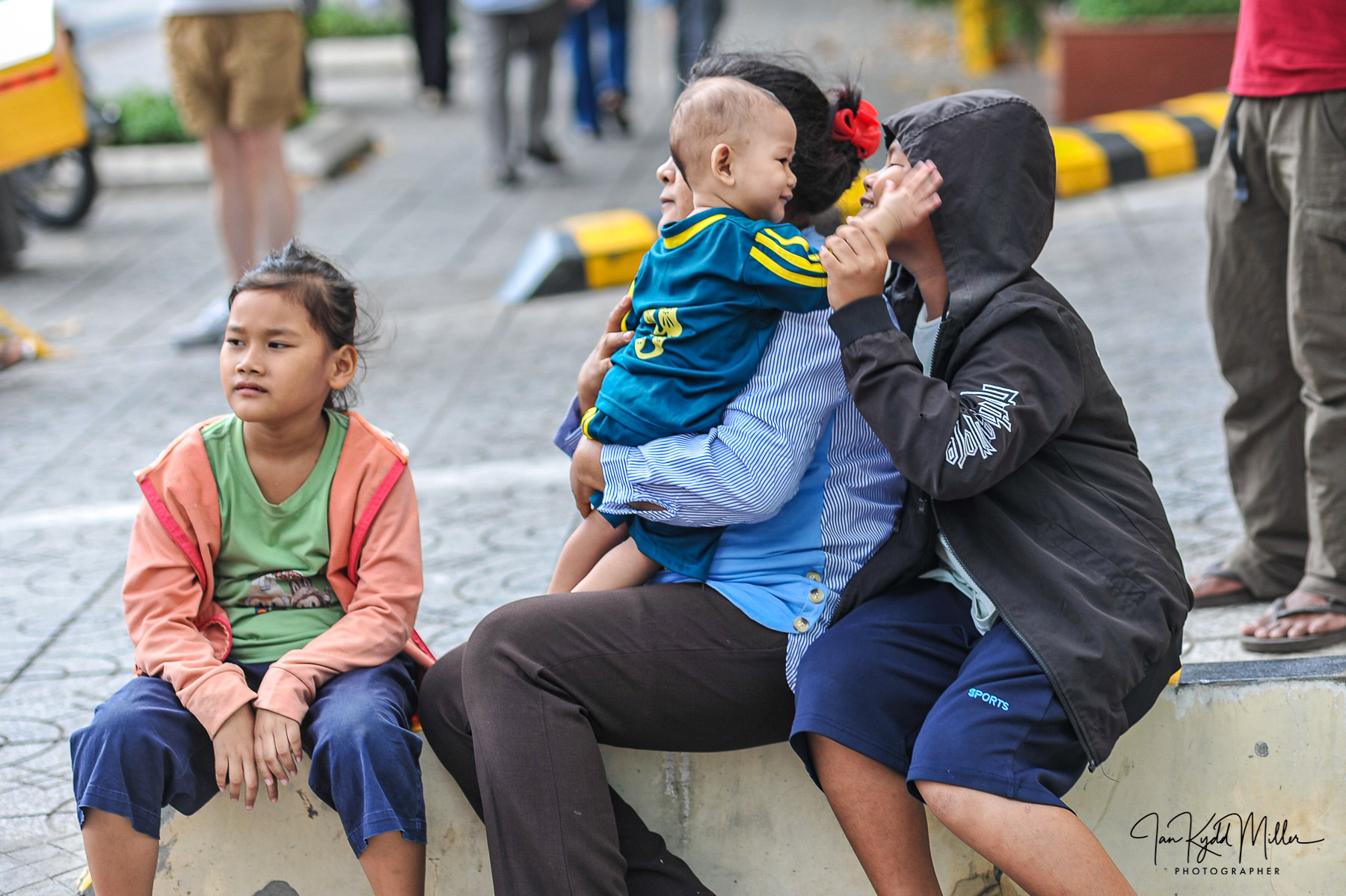
- Children play in alleyways, while families gather under umbrellas to escape the midday heat.
🌆 Evening Energy
- As the sun sets, Phnom Penh’s streets transform into night markets and food havens.
- Skewers of beef, fried noodles, and fresh sugarcane juice fill the air with irresistible aromas.
- Riverside areas like Sisowath Quay become social hubs, with locals strolling, exercising, or enjoying street performances.
🎨 The Character of Phnom Penh’s Streets
- Contrasts everywhere: gleaming malls stand beside crumbling colonial buildings; luxury cars pass hand-pulled carts.
- Colours and textures: laundry strung across balconies, neon-lit karaoke bars, and murals reflecting Cambodia’s youthful creativity.
- Community spirit: despite the chaos, there’s a sense of rhythm—neighbours chatting, vendors calling out, children laughing.



📷 Why It’s Photographically Rich
For photographers, Phnom Penh’s street life offers:
- Dynamic light and shadow in narrow alleys and open boulevards.
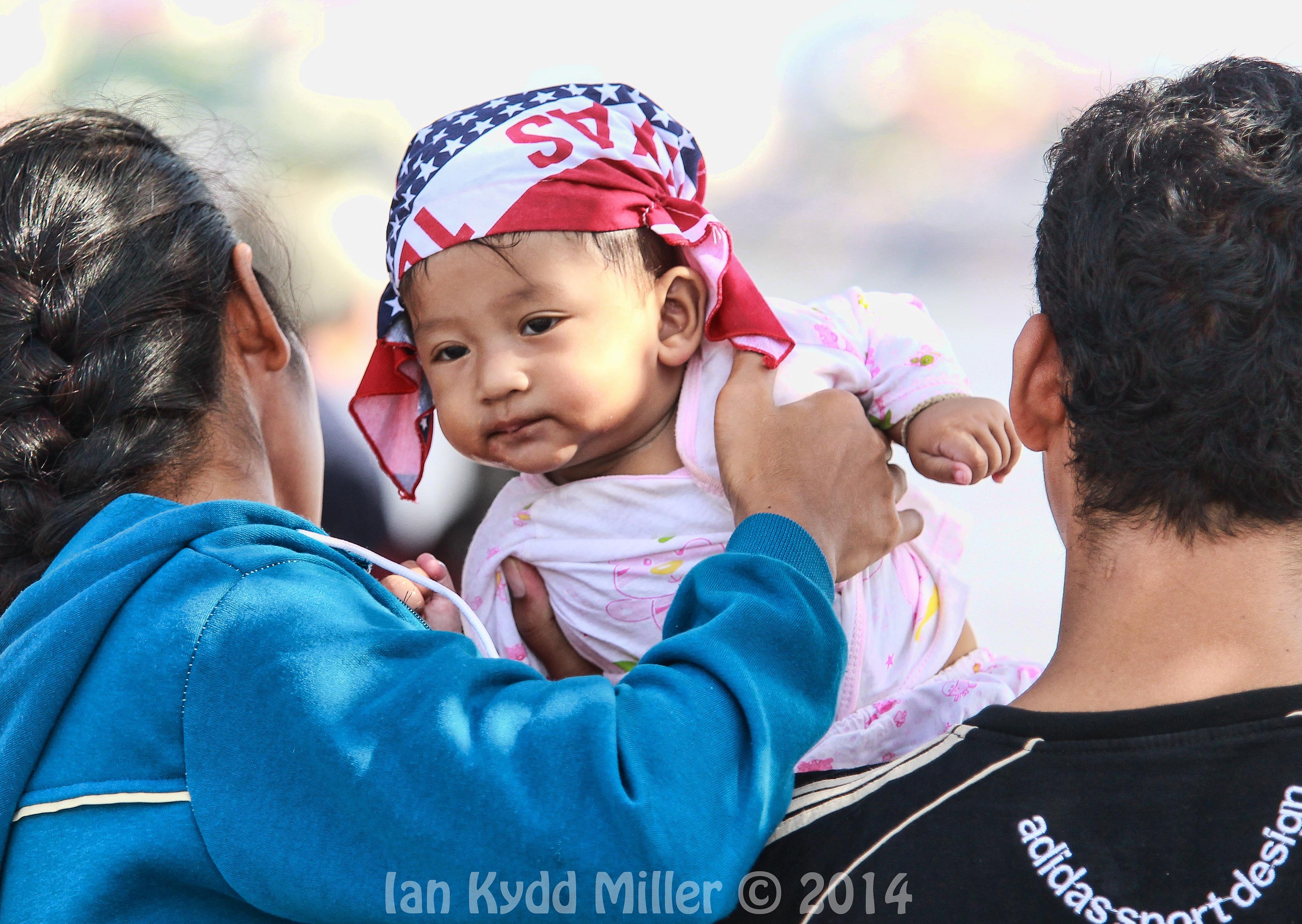
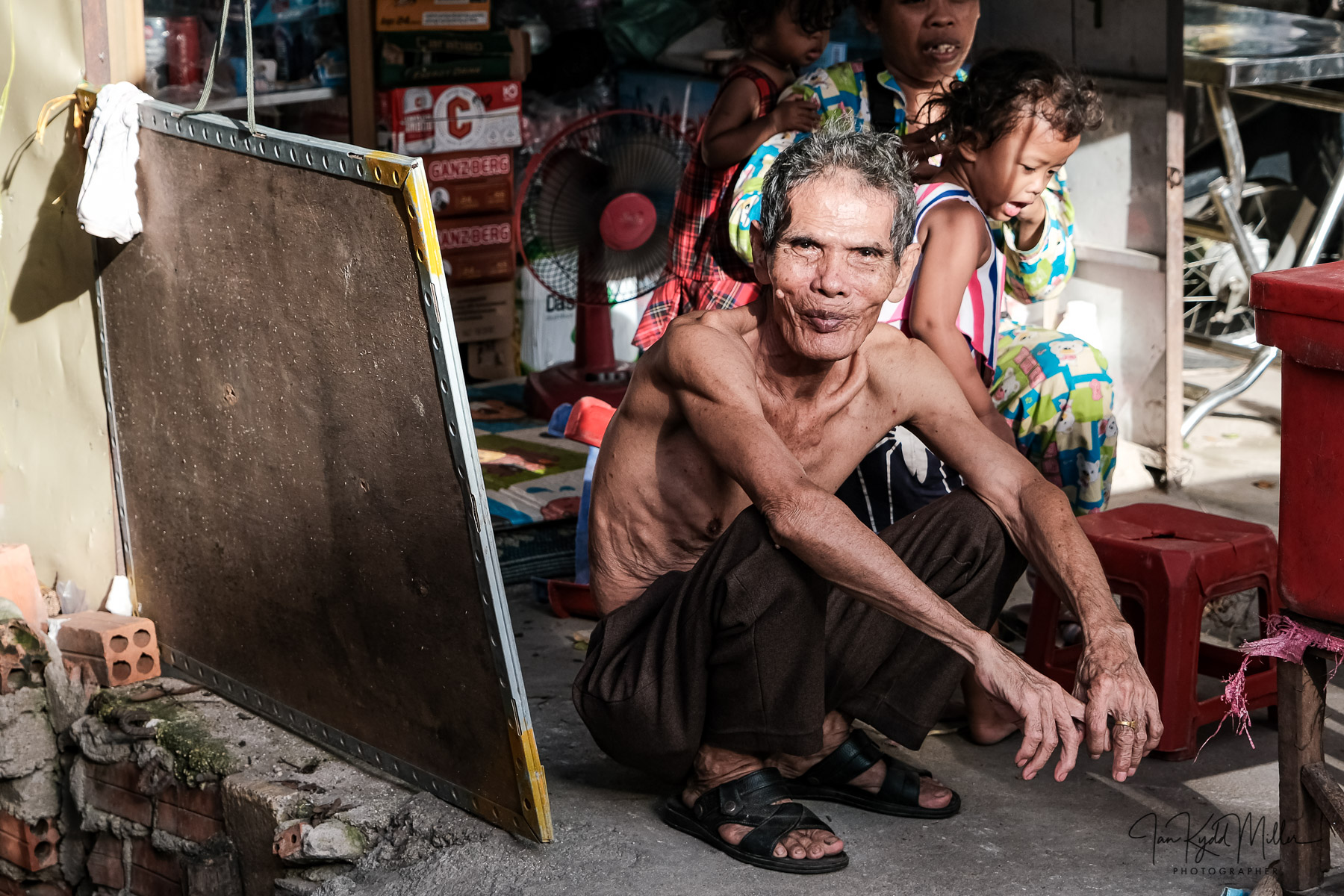
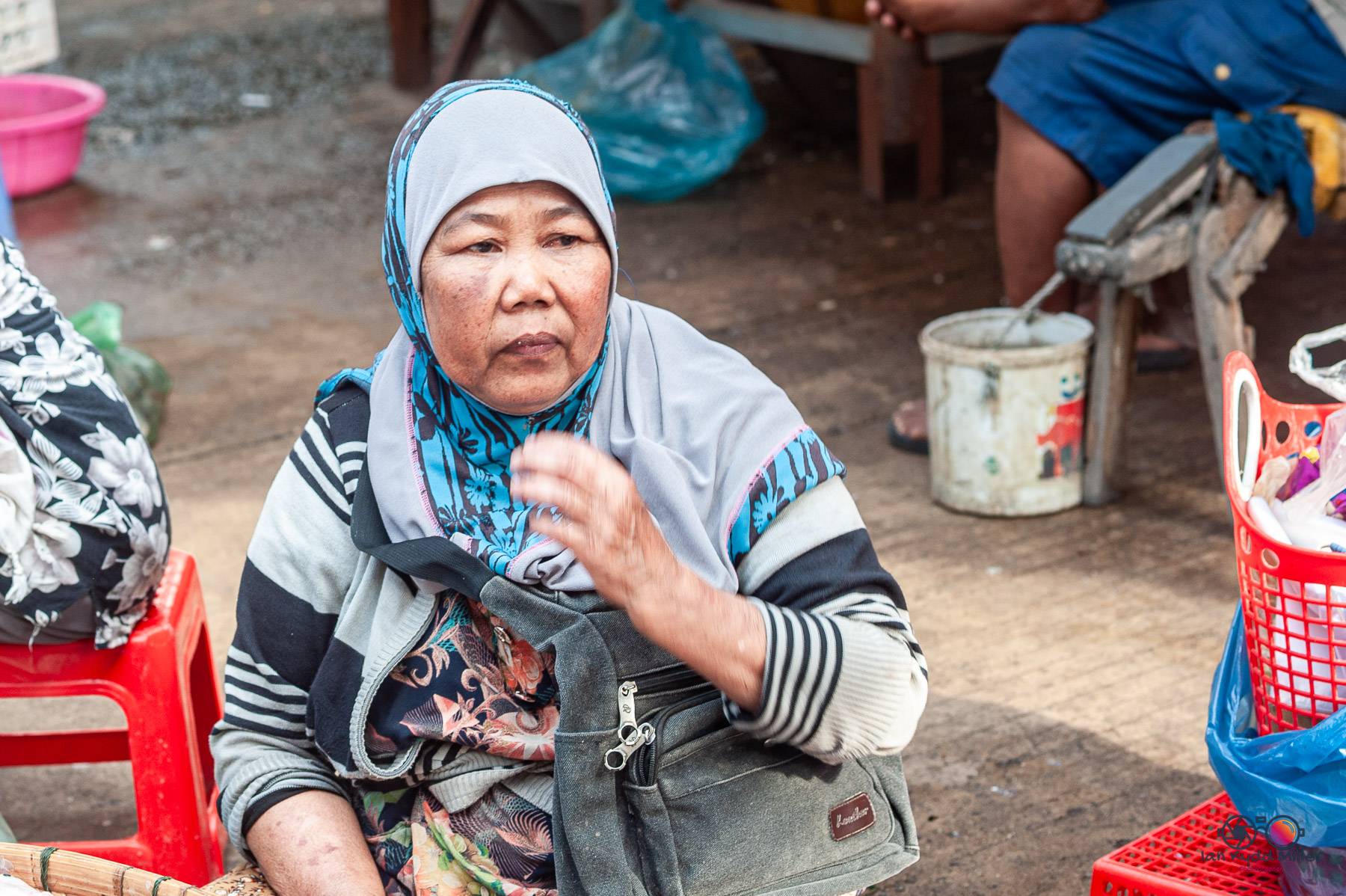
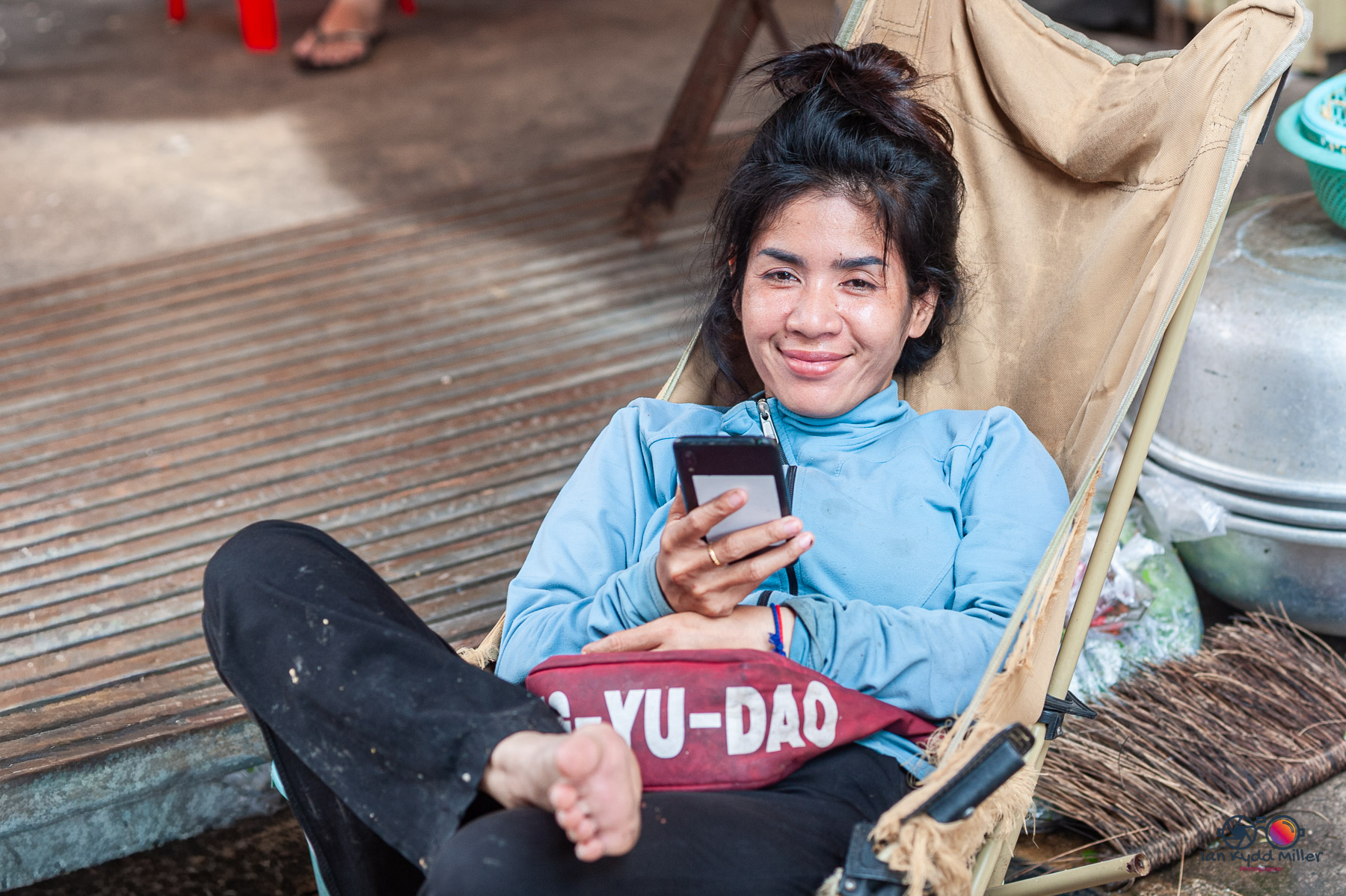
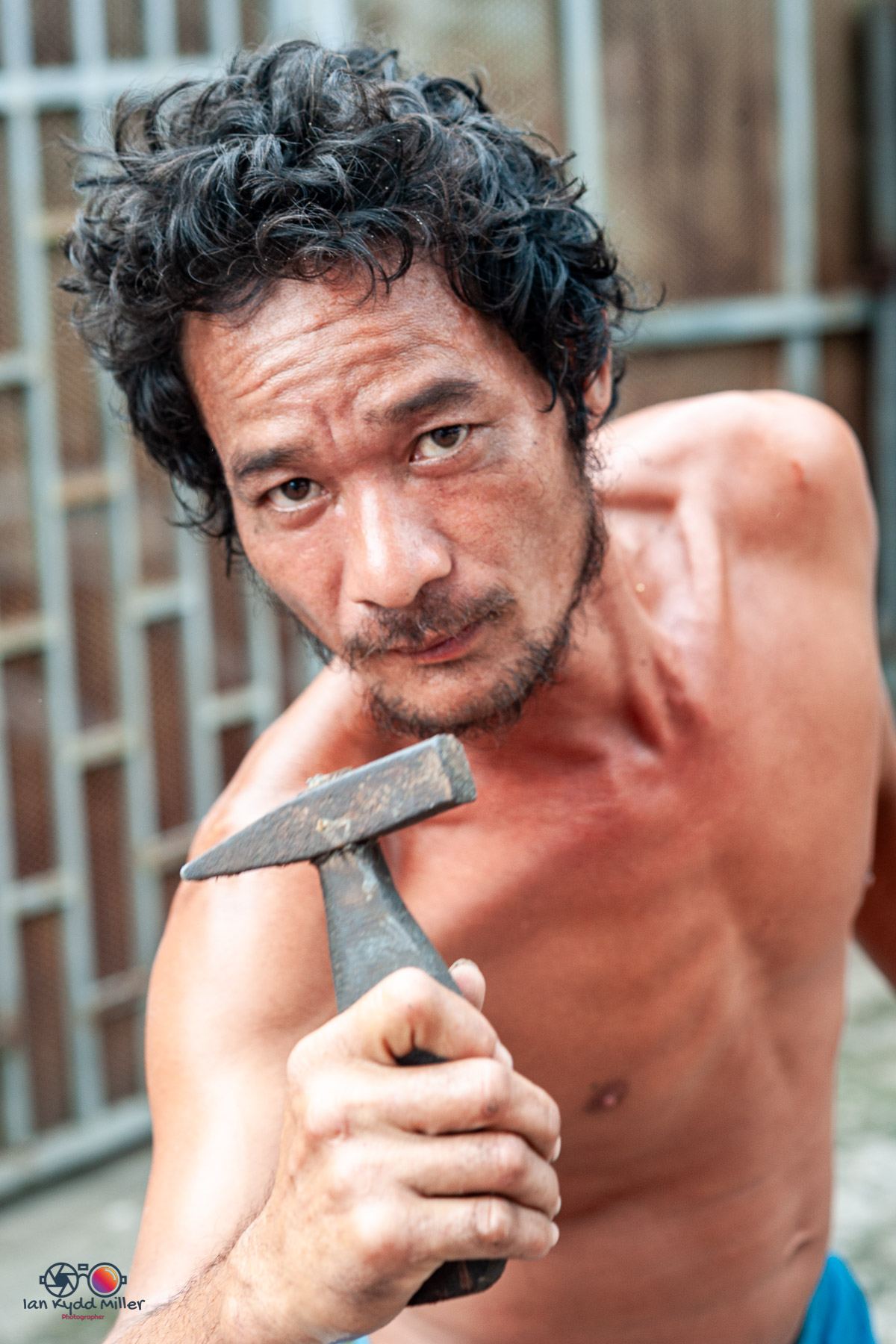
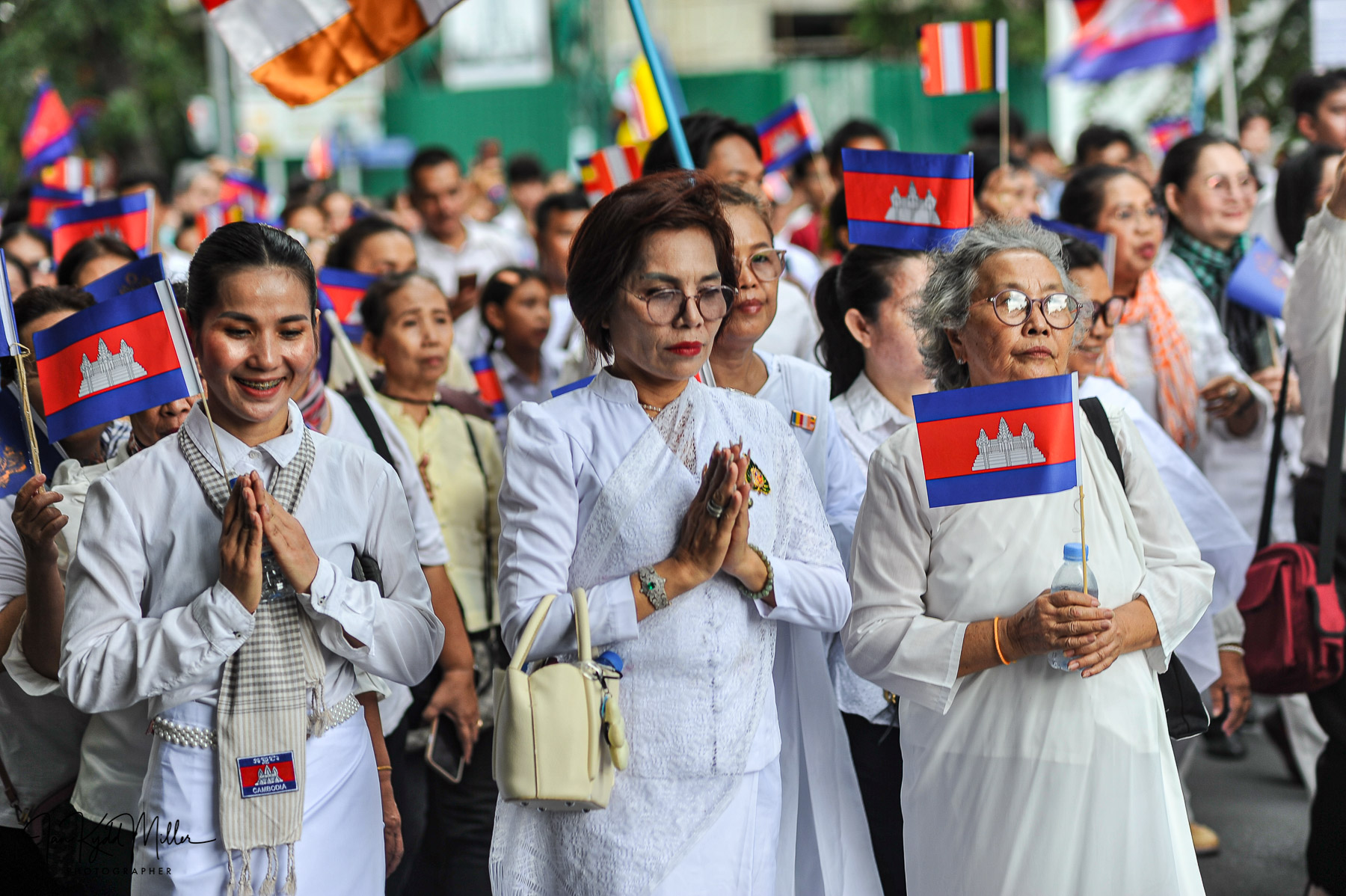
- Faces full of character, from weathered elders to energetic youth.
- Stories in motion—every corner reveals a narrative of resilience, adaptation, and joy.
✅ In essence: Street life in Phnom Penh is not just about movement and commerce—it’s about connection, survival, and culture lived in public view. It’s messy, colourful, and endlessly fascinating, making it one of the most compelling urban experiences in Southeast Asia.
 a world without pictures is like coffee without cream and sugar, bitter