In-camera cropping is a term that refers to composing your photos with your camera, rather than cropping them later on a computer. Some photographers prefer this method, as it allows them to create more interesting compositions, achieve better background blur, and preserve the image quality and file size. However, in-camera cropping also requires more skill and confidence, as you have to decide on the final framing before you take the shot.
Other photographers like to crop their photos during post-production, as it gives them more flexibility and room for experimentation. Cropping on a computer can help you improve a poor composition, remove distracting elements, or alter the aspect ratio of your photo. You can also try different crops and see which one works best for your image. However, cropping on a computer also has some drawbacks, such as reducing the number of pixels in your image, affecting its clarity and printability.
So, is in-camera cropping right or wrong? There is no definitive answer to this question, as different photographers have different opinions and preferences. Some may argue that in-camera cropping is more authentic and artistic, while others may say that cropping on a computer is more practical and creative. Ultimately, it depends on your personal style, vision, and goals. The best way to find out what works for you is to experiment with both methods and see how they affect your photos.
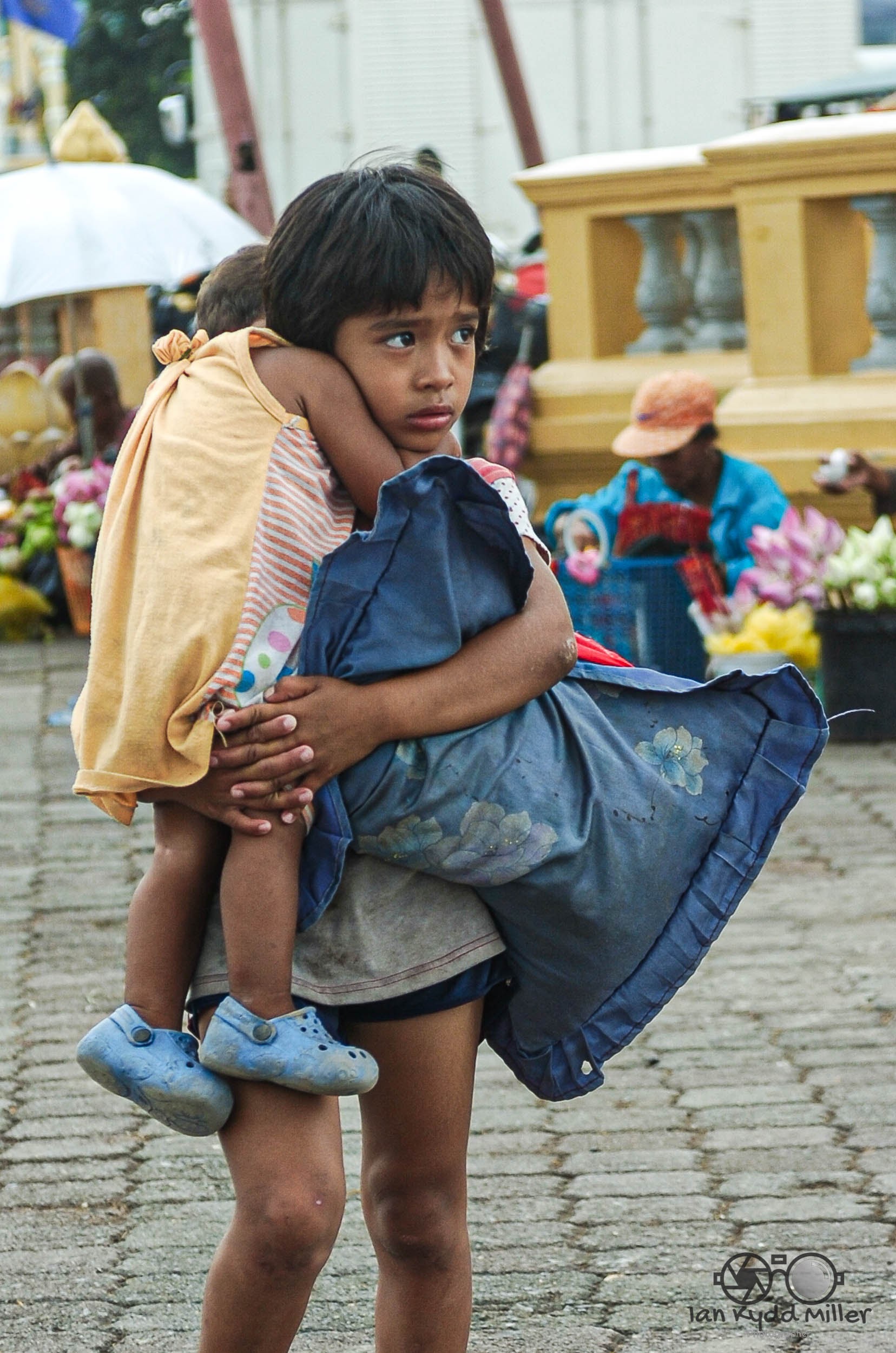
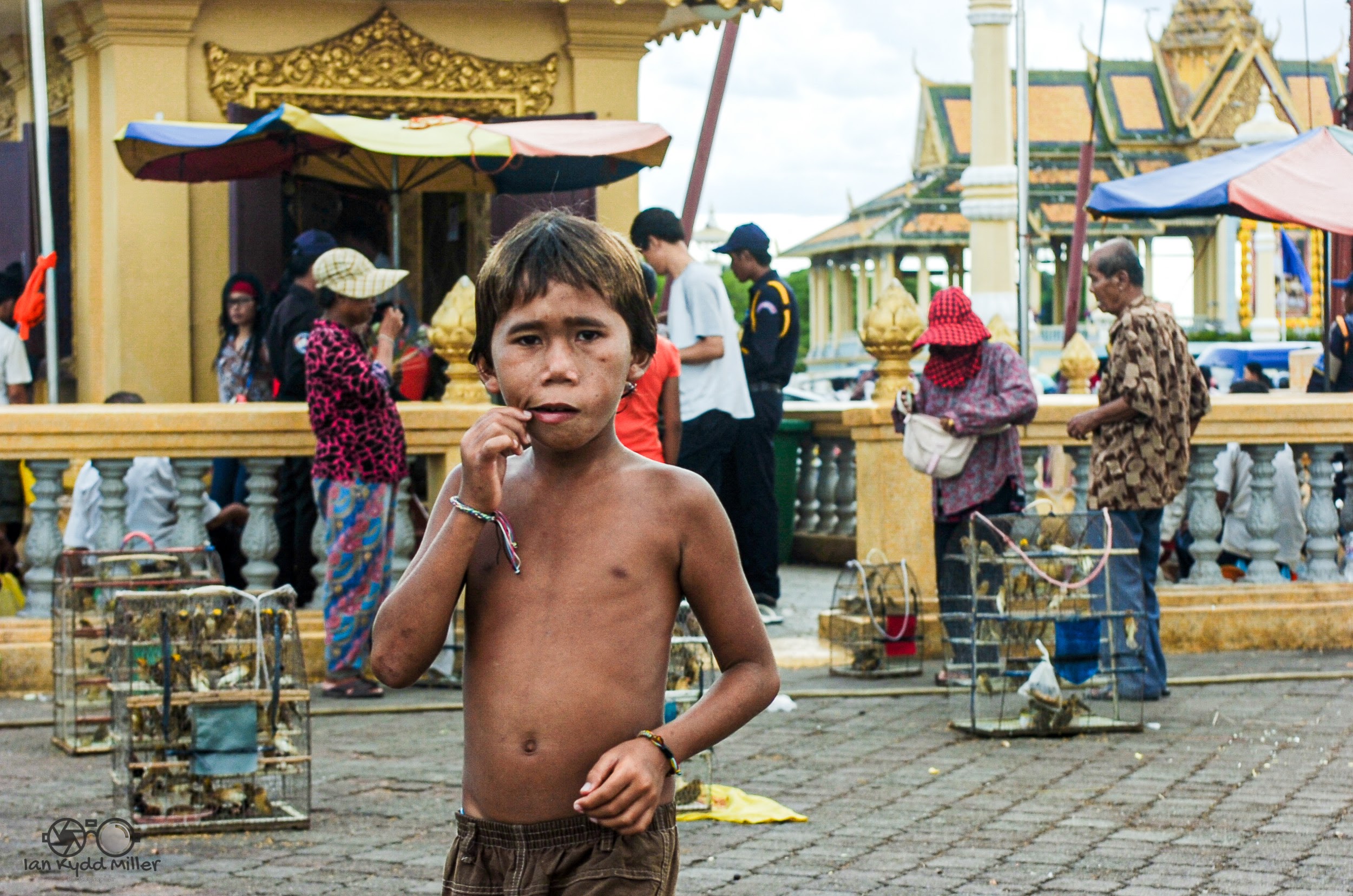
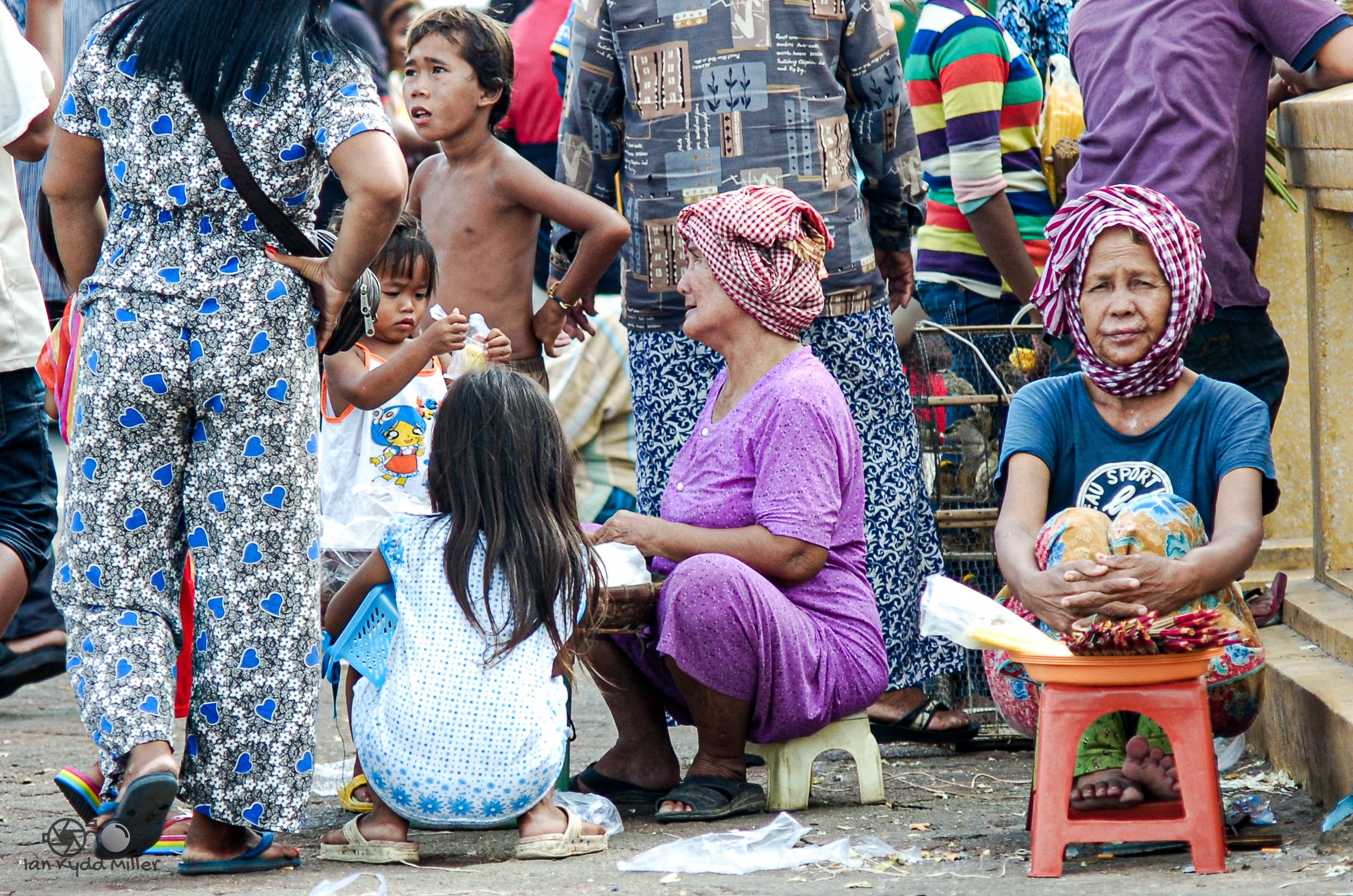
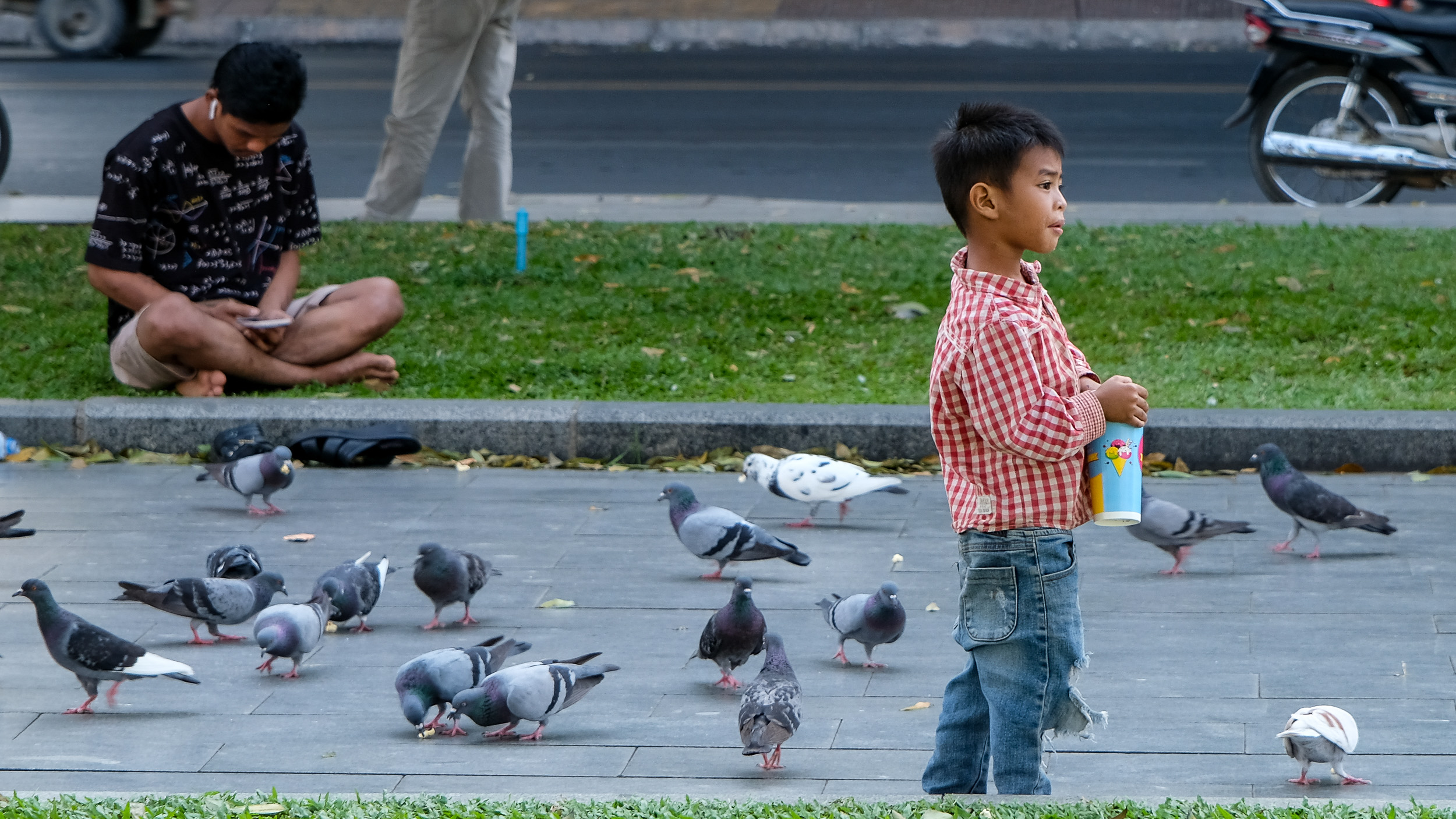
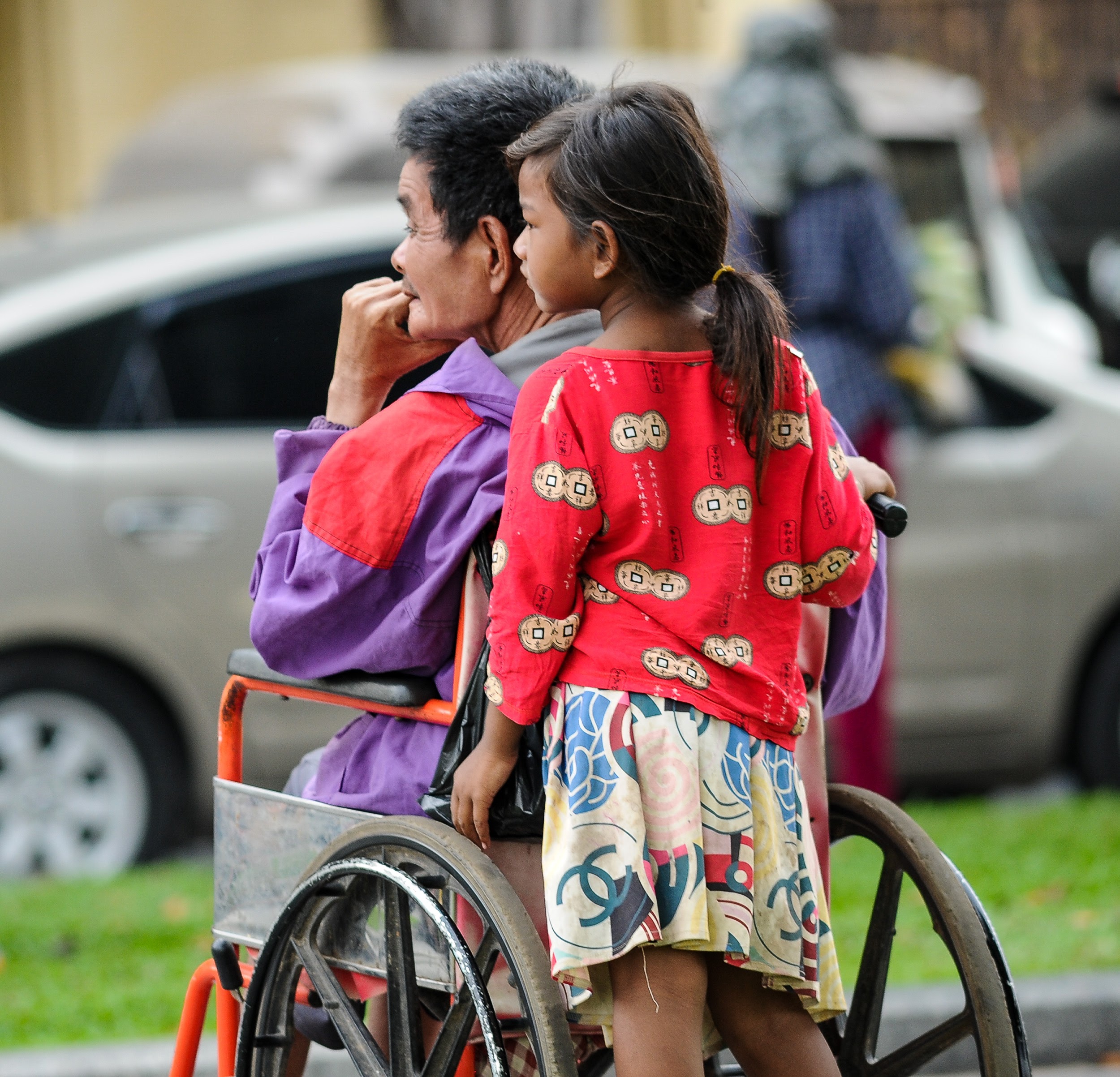
Street photography is a genre of photography that captures candid moments of people and places in public spaces. It is often associated with wide-angle lenses, which allow the photographer to get close to the subject and capture more of the surrounding context. However, some street photographers prefer to use telephoto lenses, which have a longer focal length and can create a different perspective and effect.
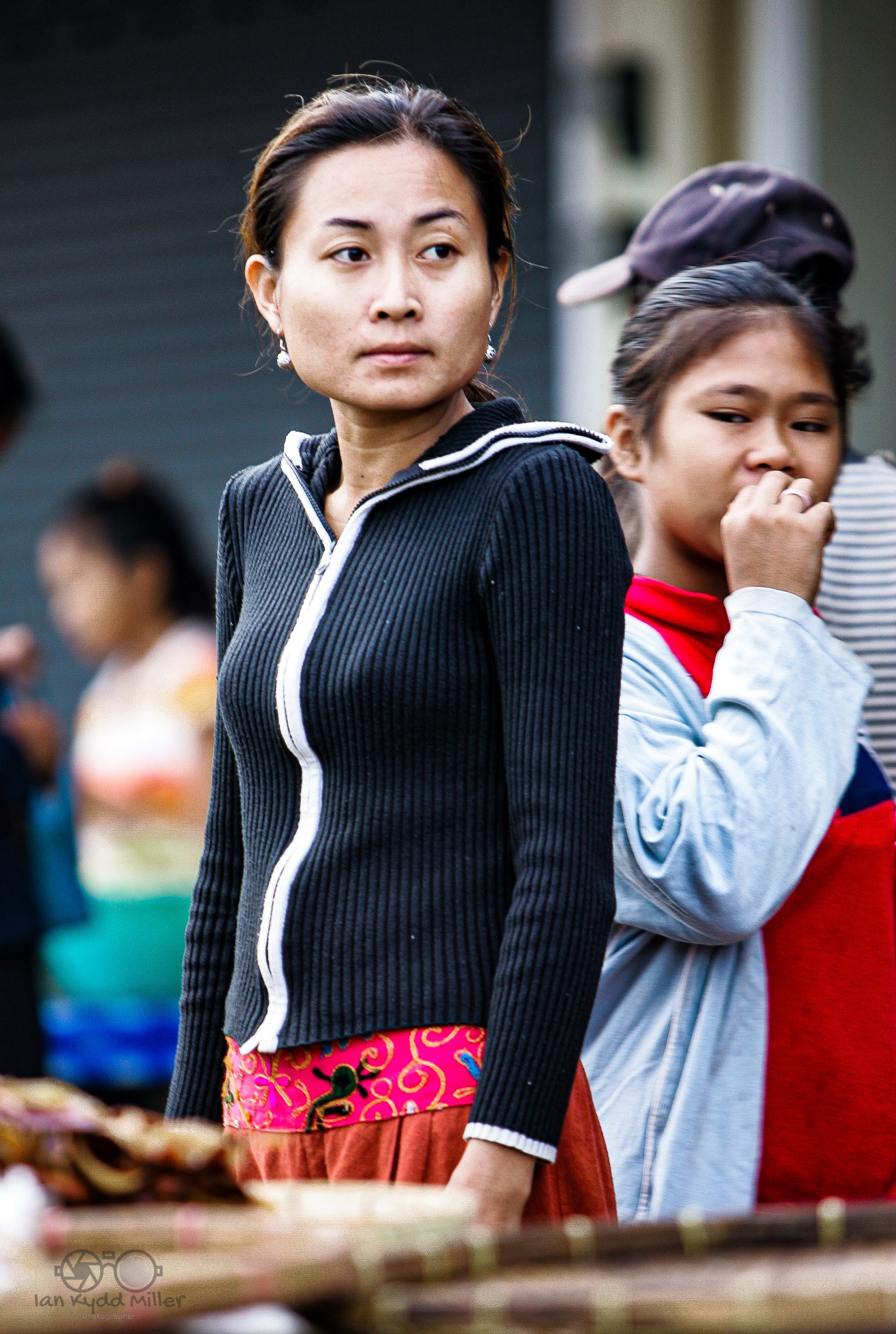
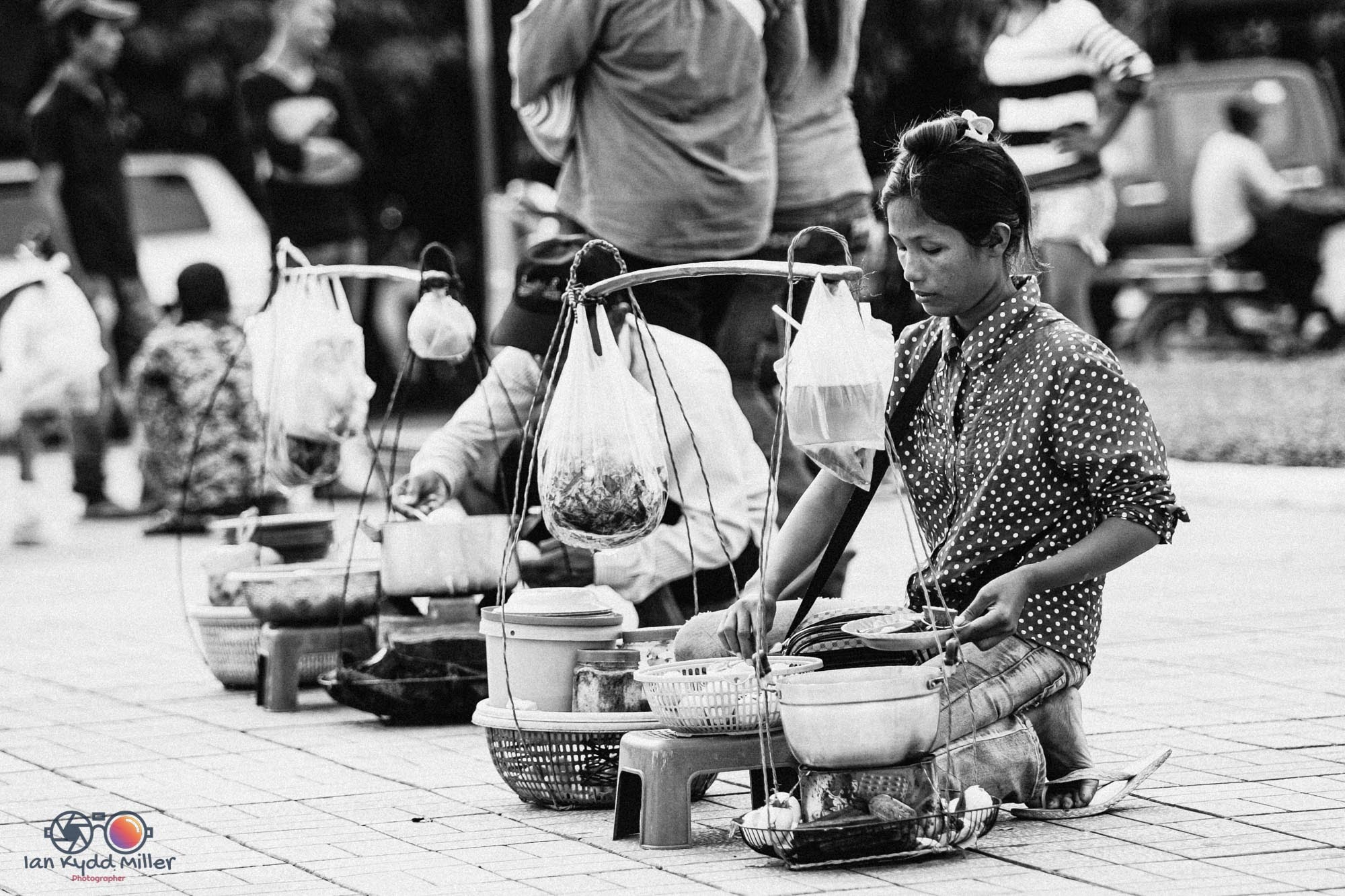
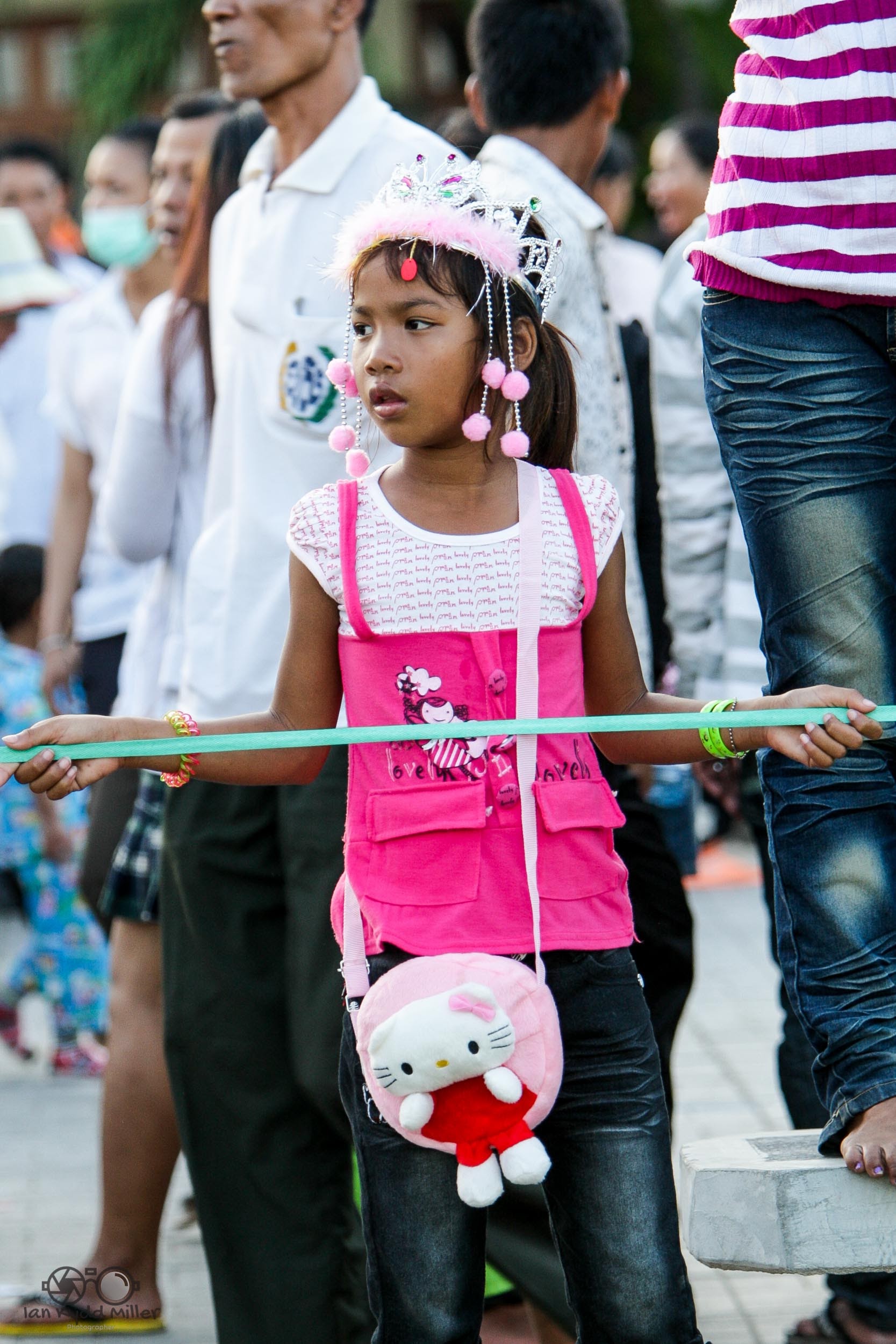
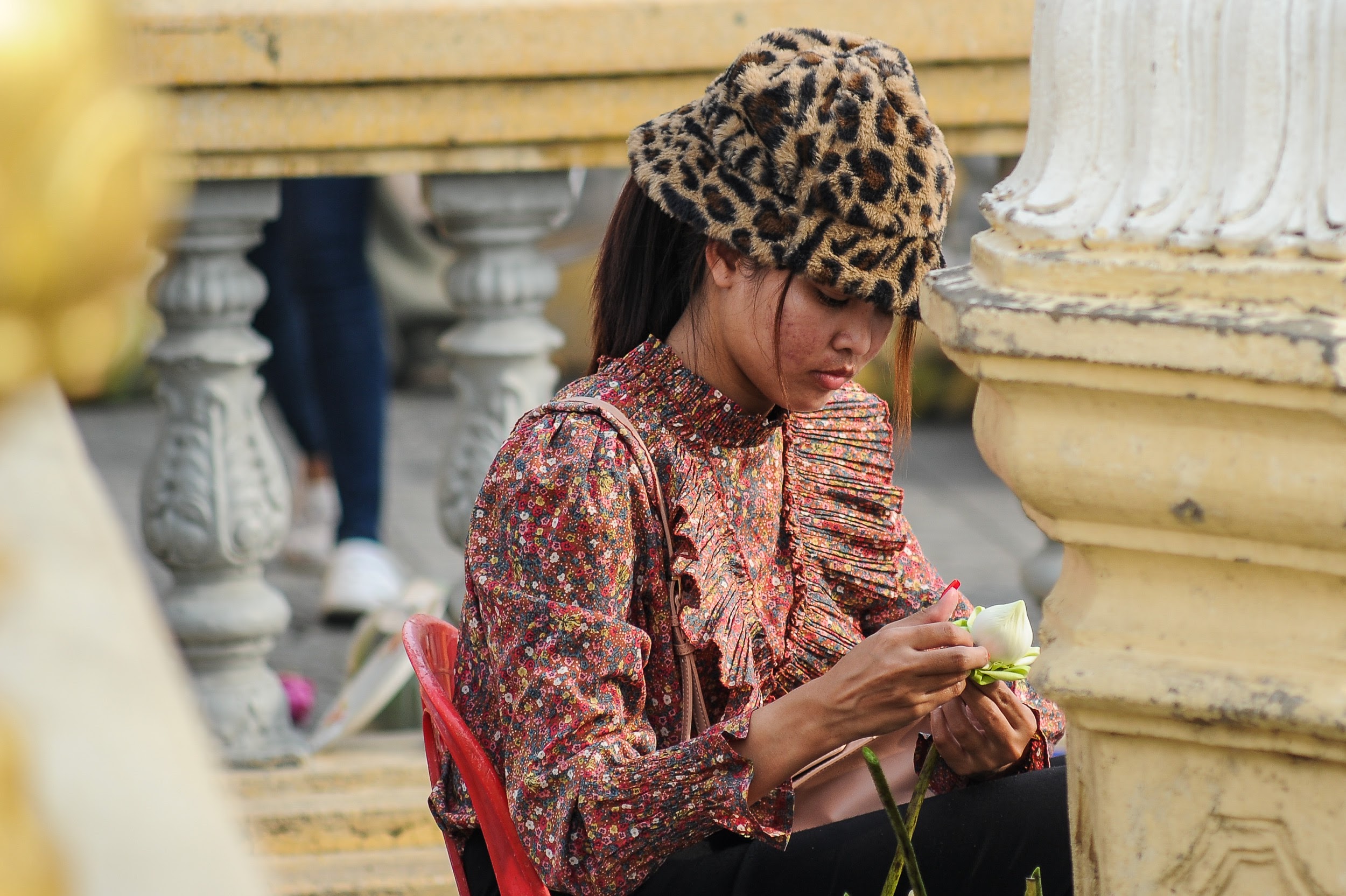
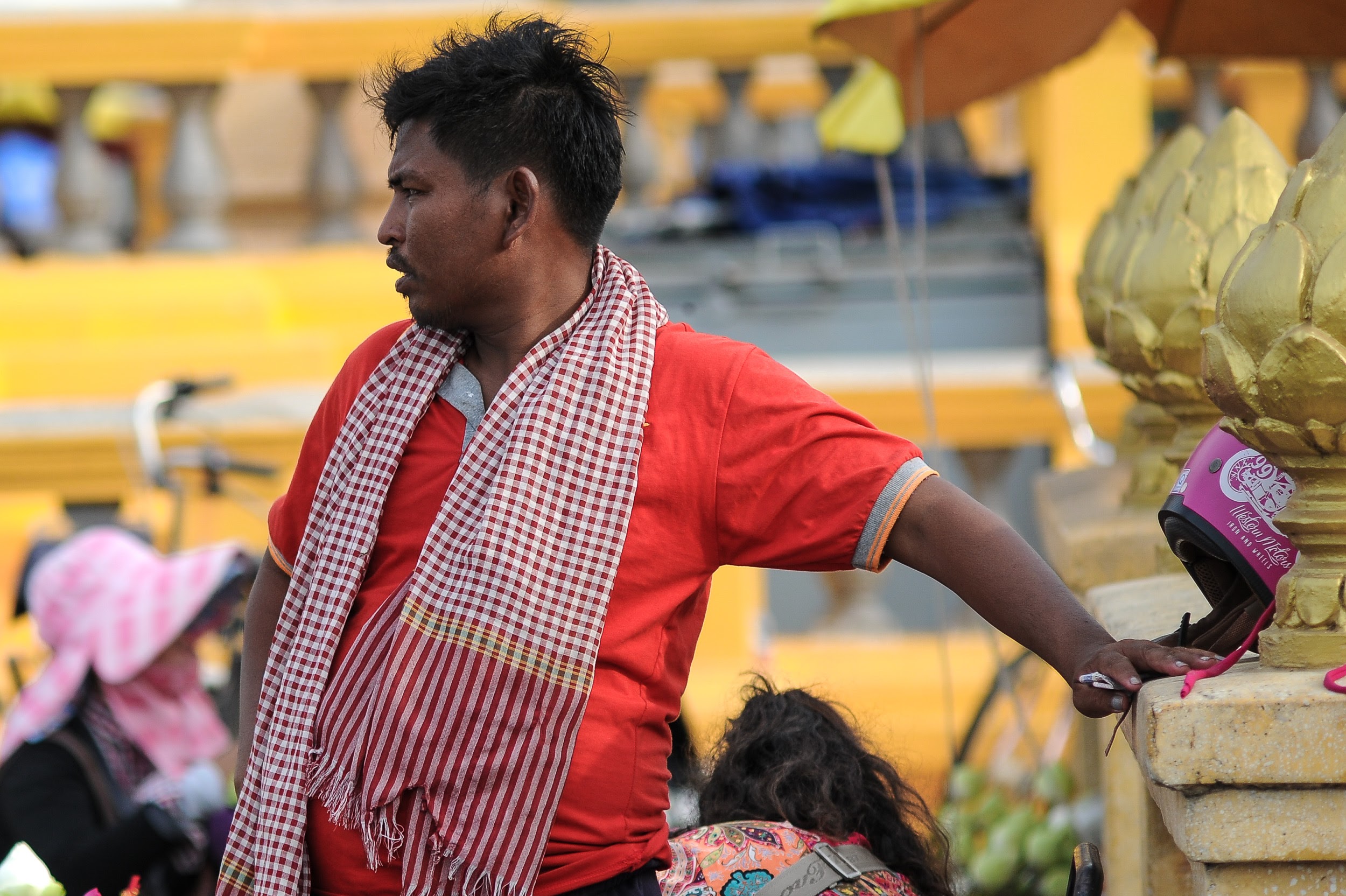
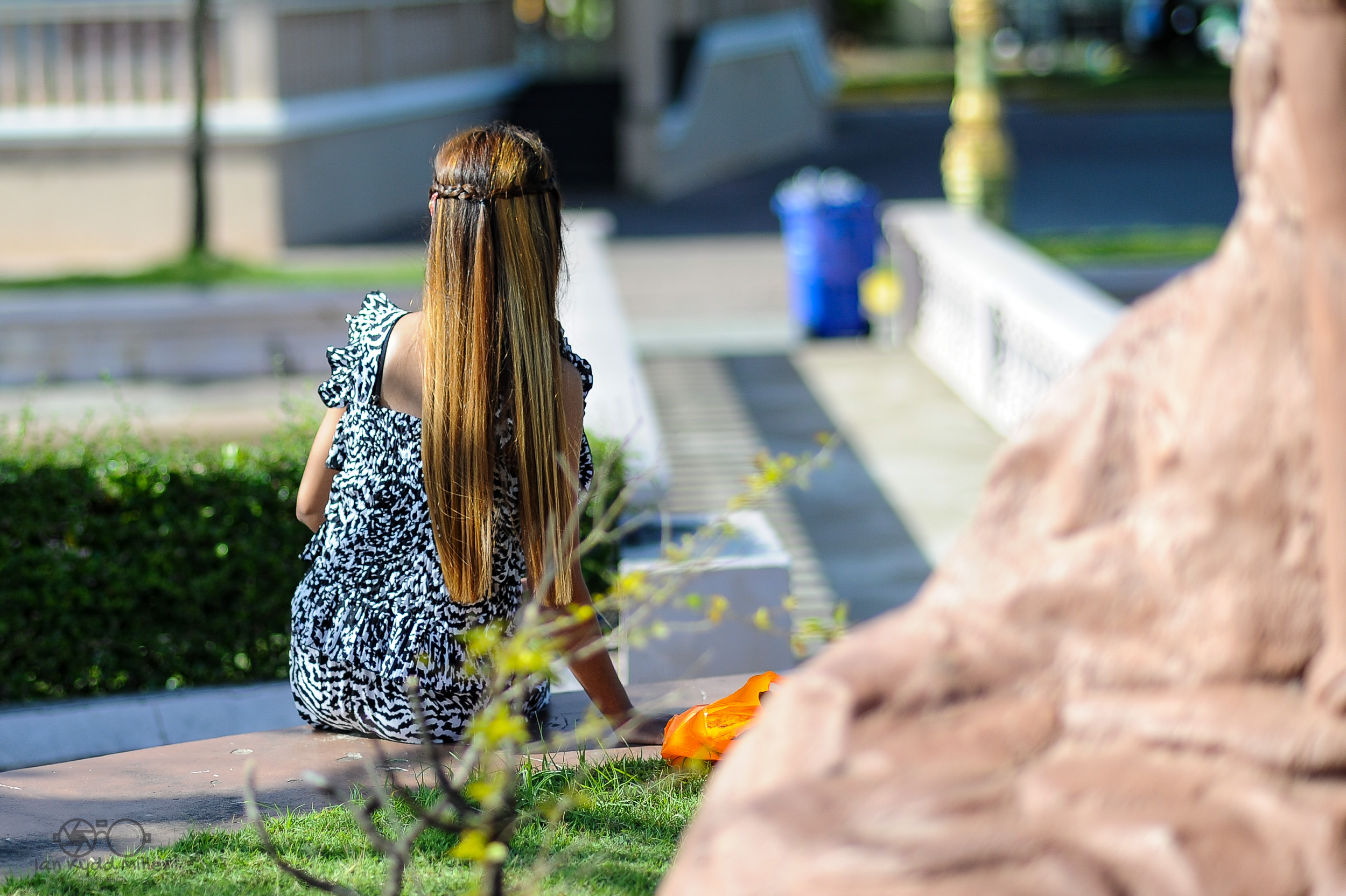
Telephoto lenses have some advantages and disadvantages for street photography. On the positive side, they can help the photographer to isolate the subject from the background, creating a shallow depth of field and a more dramatic composition. They can also allow the photographer to shoot from a distance, without being noticed or disturbing the scene. This can be useful for capturing candid expressions and emotions, or for photographing in places where it might be unsafe or inappropriate to get too close.
On the negative side, telephoto lenses can also pose some challenges for street photography. They are usually heavier and bulkier than wide-angle lenses, which can make them more difficult to carry around and handle. They also require a faster shutter speed to avoid camera shake, which can limit the creative possibilities of using motion blur or low-light conditions. Moreover, they can create a more detached and voyeuristic feeling, which might not suit the style or intention of some street photographers who want to engage with their subjects and environment.
Ultimately, the choice of lens for street photography depends on the personal preference and vision of the photographer. There is no right or wrong answer, as long as the lens serves the purpose and message of the image. Some street photographers might stick to one lens for consistency and simplicity, while others might switch between different lenses depending on the situation and opportunity. The most important thing is to experiment and have fun with street photography, and to find your own voice and style.
Street photography is a genre of photography that captures candid moments of people and places in public spaces. It can be challenging, rewarding and fun, but also requires some skills and techniques to get the best results. One of the most important decisions you have to make as a street photographer is what lens to use. In this blog post, we will explore the advantages and disadvantages of using a wide-angle lens for street photography, and give you some tips on how to use it effectively.
A wide-angle lens is a lens that has a focal length shorter than 35mm on a full-frame camera, or 24mm on a crop-sensor camera. This means that it can capture a wider field of view than a normal or telephoto lens, allowing you to include more of the scene in your frame. A wide-angle lens can also create some interesting effects, such as distortion, perspective and depth of field, that can enhance your street photography.
Some of the advantages of using a wide-angle lens for street photography are:
You can get closer to your subject without being intrusive or noticeable. A wide-angle lens allows you to fill the frame with your subject even when you are only a few feet away from them. This can help you capture more intimate and authentic expressions and emotions, as well as more details and textures.
You can capture more of the context and environment around your subject. A wide-angle lens can show more of the background and foreground of your scene, giving your viewers a better sense of the place and time where your photo was taken. This can help you tell a story with your photo, or create a contrast or connection between your subject and their surroundings.
You can create dynamic and dramatic compositions. A wide-angle lens can exaggerate the perspective and distortion of your scene, making it look more spacious or distorted. This can create a sense of movement, energy and tension in your photo, or draw attention to certain elements or lines in your frame.
Some of the disadvantages of using a wide-angle lens for street photography are:
You may have unwanted elements or distractions in your frame. A wide-angle lens can capture more than you intend to, especially if you are not careful with your framing and positioning. You may end up with unwanted people, objects or light sources in your photo that can ruin your composition or mood.
You may lose some details or sharpness in your photo. A wide-angle lens can make your subject look smaller or farther away than they actually are, especially if they are not close to the centre of your frame. This can reduce the impact and clarity of your photo, or make it look too busy or cluttered.
You may have some distortion or vignetting in your photo. A wide-angle lens can bend or stretch the edges of your frame, making straight lines look curved or distorted. This can create some interesting effects, but also some unwanted ones, such as making people look distorted or unnatural. A wide-angle lens can also cause some darkening or loss of contrast at the corners of your frame, known as vignetting. This can affect the exposure and colour balance of your photo.
Some tips on how to use a wide-angle lens for street photography are:
Get close to your subject. A wide-angle lens works best when you are close to your subject, as this will make them stand out more and create a stronger connection with them. Try to fill the frame with your subject, or leave some space around them to show their context.
Pay attention to your background and foreground. A wide-angle lens can show more of what is behind and in front of your subject, so make sure they are not distracting or conflicting with them. Look for interesting or complementary elements that can add depth, contrast or harmony to your photo.
Use lines and shapes to guide the eye. A wide-angle lens can create some powerful lines and shapes in your frame that can lead the viewer’s eye to your subject or create a sense of direction or movement. Look for diagonal, curved or converging lines that can create dynamism and drama in your photo.
Experiment with different angles and perspectives. A wide-angle lens can give you more creative freedom to try different angles and perspectives that can change the mood and meaning of your photo. Try shooting from low or high angles, from the side or behind your subject, or tilting or rotating your camera to create some interesting effects.
Using a wide-angle lens for street photography can be a great way to capture more of the scene and create some stunning photos. However, it also requires some skill and practice to use it effectively and avoid some common pitfalls. The key is to know the strengths and weaknesses of your lens, and how to use them to your advantage.
I definitely have too much gear but I can’t see myself getting rid of any any time soon. I am running three systems at the moment, Nikon, Fuji and Canon and I use them at different times and for different reasons as they all have their strong points. Most of my gear is not new, the last new lens I bought was a Vitrox 13mm f1.4 for Fuji.
Nikon D3s and a few lenses I bought recently for great prices used. I still enjoy using a DSLR, especially of this quality. Other Nikons I have and still use are the Nikon D2HS, and Nikon D1. I am definitely a hoarder.
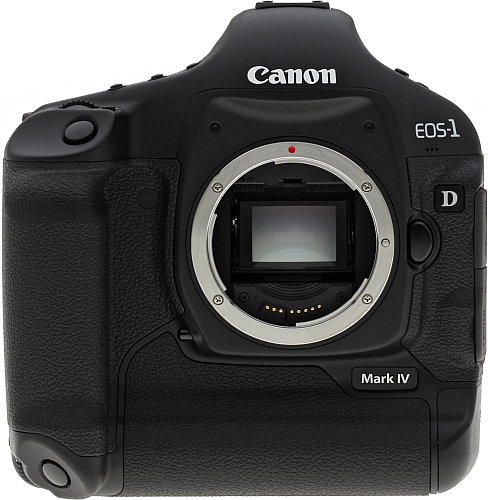
The Canon 1D Mk IV has been my main work camera for the past 10 years and it has never put a foot wrong, always giving me the images I required, but like the Nikon D3s it heavy and you need to be fairly strong to hump it and its L lenses around for a days shoot.
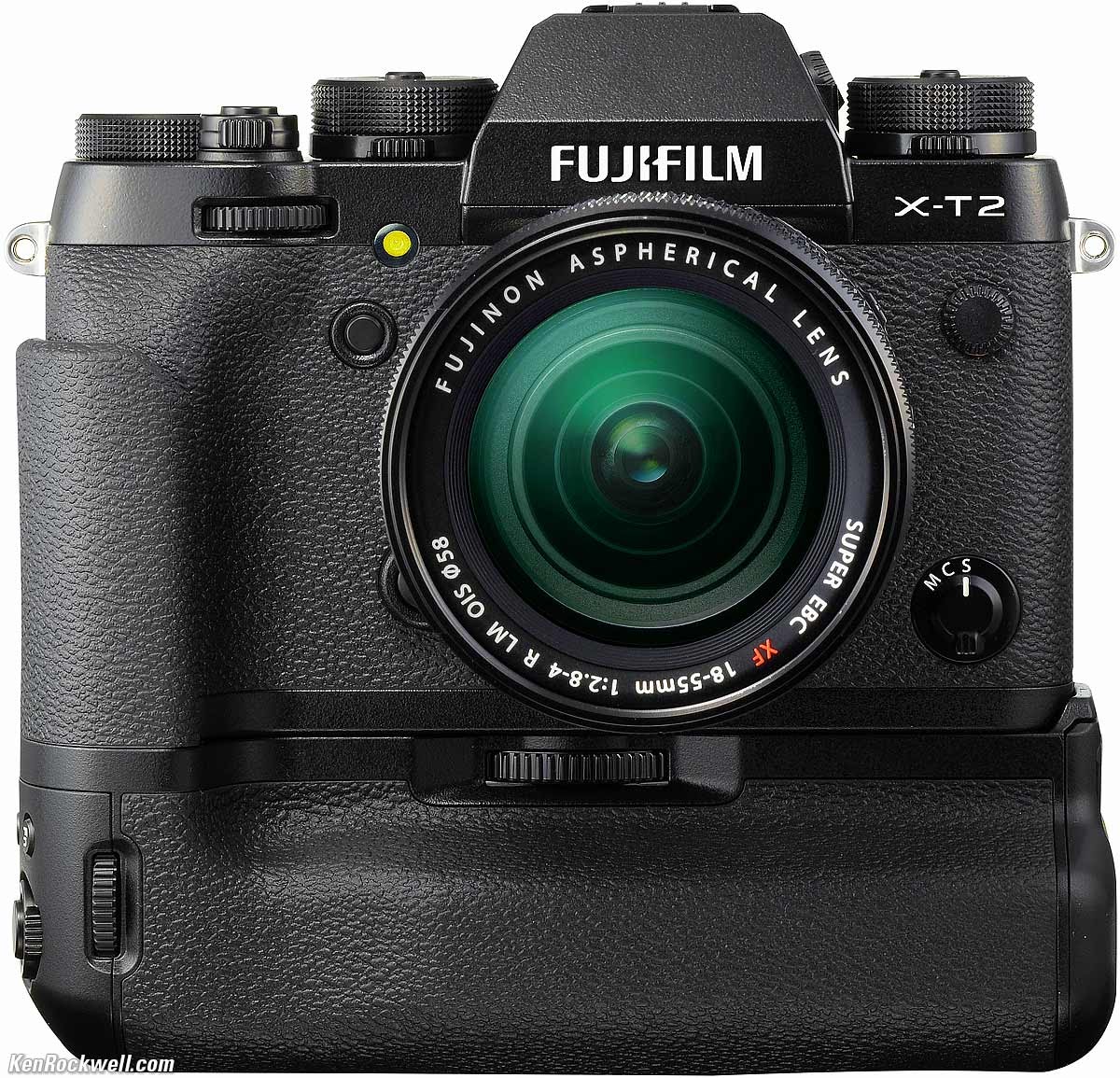
Fujifilm have been building wonderful cameras for a while, cameras with a bit of class. My general everyday camera for work is now Fuji either the XT2 or 3, with the battery grip as they still cannot compete with DSLR’s, power wise. Picture wise they can in certain circumstances, better the comparable DSLR.
I also use the Fujifilm X Pro1,2 & 3 .
If you are looking for a camera that can capture the essence of street photography, you might want to consider the Fuji X Pro2. This camera is designed with street photographers in mind, offering a range of features that make it easy and enjoyable to shoot in any situation. Here are some of the reasons why I love using the Fuji X Pro2 for street photography.
First of all, the Fuji X Pro2 has a hybrid viewfinder that lets you switch between an optical and an electronic viewfinder. This gives you the best of both worlds: you can use the optical viewfinder for a more natural and immersive experience, or you can use the electronic viewfinder for more accuracy and information. The electronic viewfinder also has a magnification function that helps you focus manually, which is great for street photography.
Secondly, the Fuji X Pro2 has a compact and discreet body that blends in with the crowd. The camera is not too big or heavy, so you can carry it around comfortably and discreetly. The camera also has a retro and classic design that looks stylish and elegant. The camera does not attract too much attention, which is ideal for capturing candid moments on the street.
Thirdly, the Fuji X Pro2 has superb image quality that delivers stunning results. The camera has a 24-megapixel APS-C sensor that produces sharp and detailed images with rich colours and tones. The camera also has a wide range of lenses that suit different styles and situations. You can choose from prime lenses, zoom lenses, wide-angle lenses, telephoto lenses, and more. The lenses are also fast and bright, which means you can shoot in low-light conditions without compromising on quality.
Finally, the Fuji X Pro2 has a user-friendly interface that makes it easy to adjust settings and modes. The camera has dedicated dials for shutter speed, exposure compensation, ISO, and drive mode. You can also customize the buttons and menus to suit your preferences. The camera is intuitive and responsive, which means you can focus on your subject and not on your camera.
These are some of the reasons why I think the Fuji X Pro2 is a great camera for street photography. It offers a unique and enjoyable shooting experience that lets you capture the beauty and diversity of life on the street. If you are interested in street photography, I highly recommend you to try out the Fuji X Pro2.
A few months ago, on a whim, I picked up a well-used but still perfectly functioning Nikon D3s. This was a camera I had always desired but could never afford (at over $5000 when new). It’s a heavy old beast with a FF sensor of only 12MP. My current Fuji cameras have twice that, but does it matter to me.
Why would I choose to go backward I am sure a few people would ask. I had a few Nikkor lenses that I used with my Nikon D2HS and wanted to try these out just for fun. After getting the camera set up to use in the way I like I was really impressed with the results. Yes a little more care had to be taken with composition and framing due to the size of the sensor, but the results impressed me.
My first experiments with the old Nikkors that I had impressed me so much I started looking around at other lenses. I ended up buying, very reasonably from Japan, a Nikon 85mm f1.8D and locally a 50mm f1.8G both of which give satisfying results and great bokeh.
The thing I did notice was the AF ability which certainly was really fast and accurate, in some instances faster that my new fujis. The added weight I did not find to be a problem in shooting just in carrying it around for long periods. The weight seemed to stabilise it with in built stabilisation.
The lenses I picked up could only be described as Nikkor and were contrasty and sharp even wide open which was no less than I would have expected.
This is a 12-year-old camera and in some ways, its functions are definitely lagging behind the new breed of mirrorless as would be expected, but it is still more than capable of taking superb quality images. Do I regret purchasing it, as my son says NO WAY !!!!
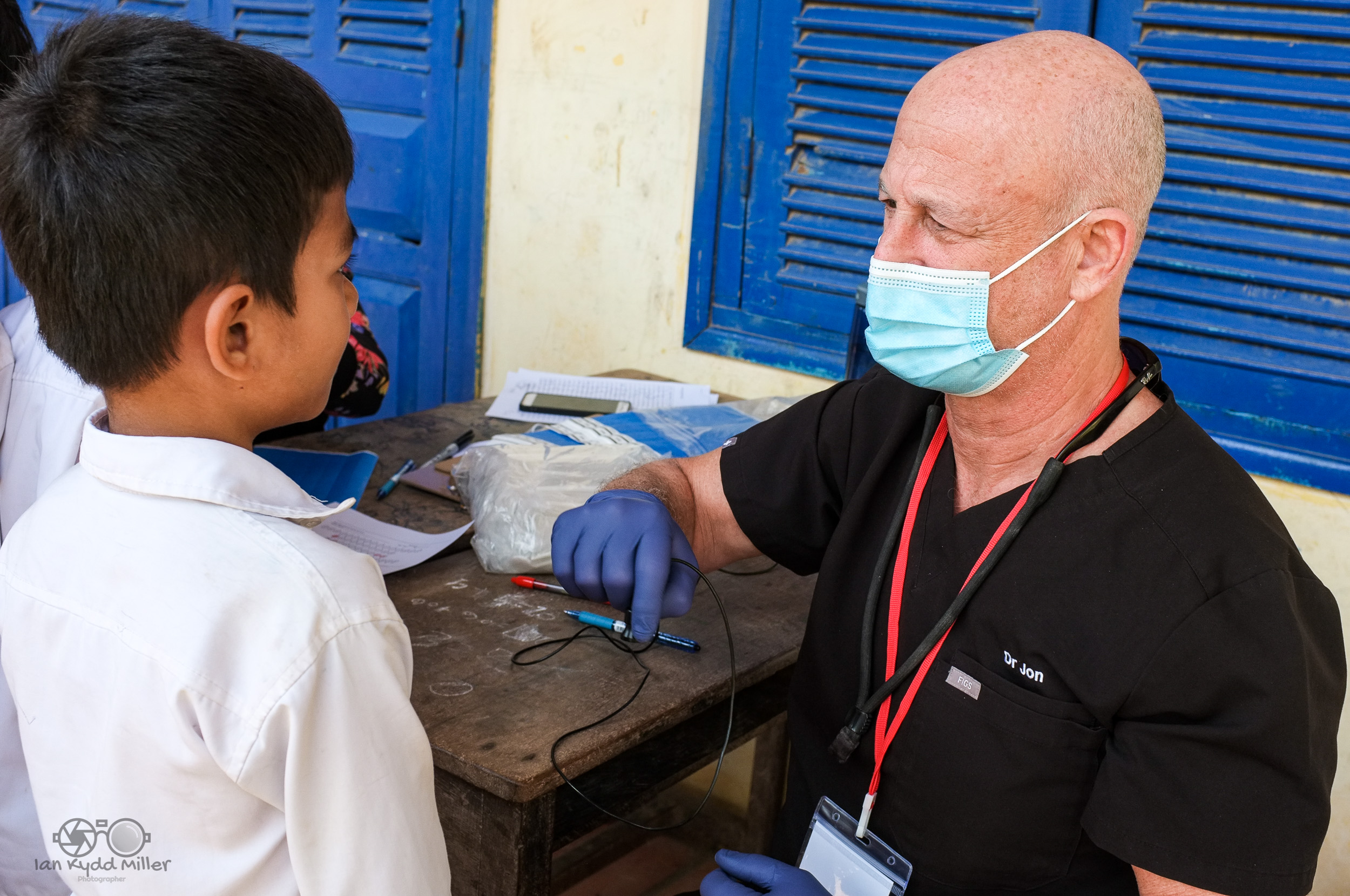
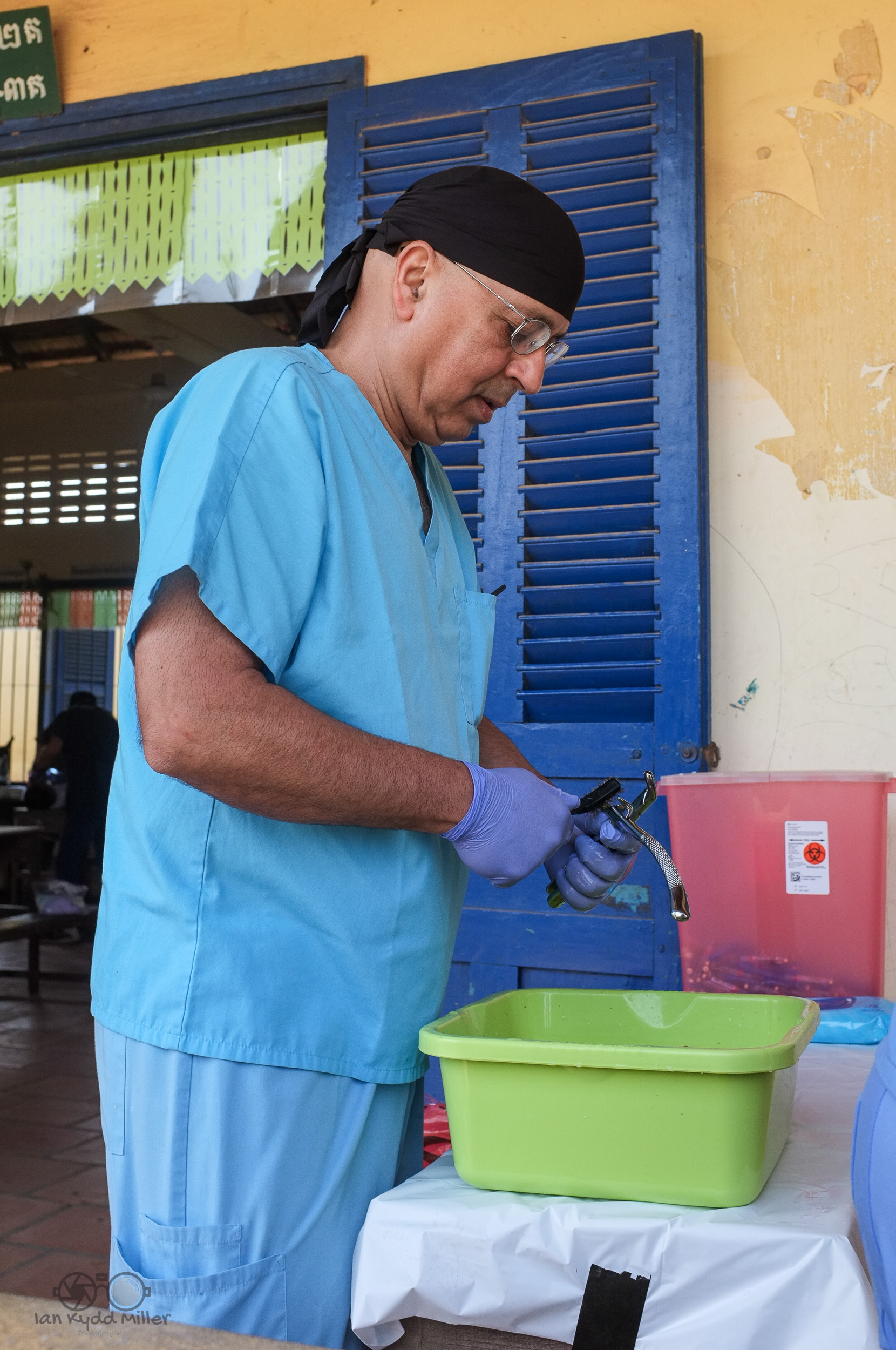
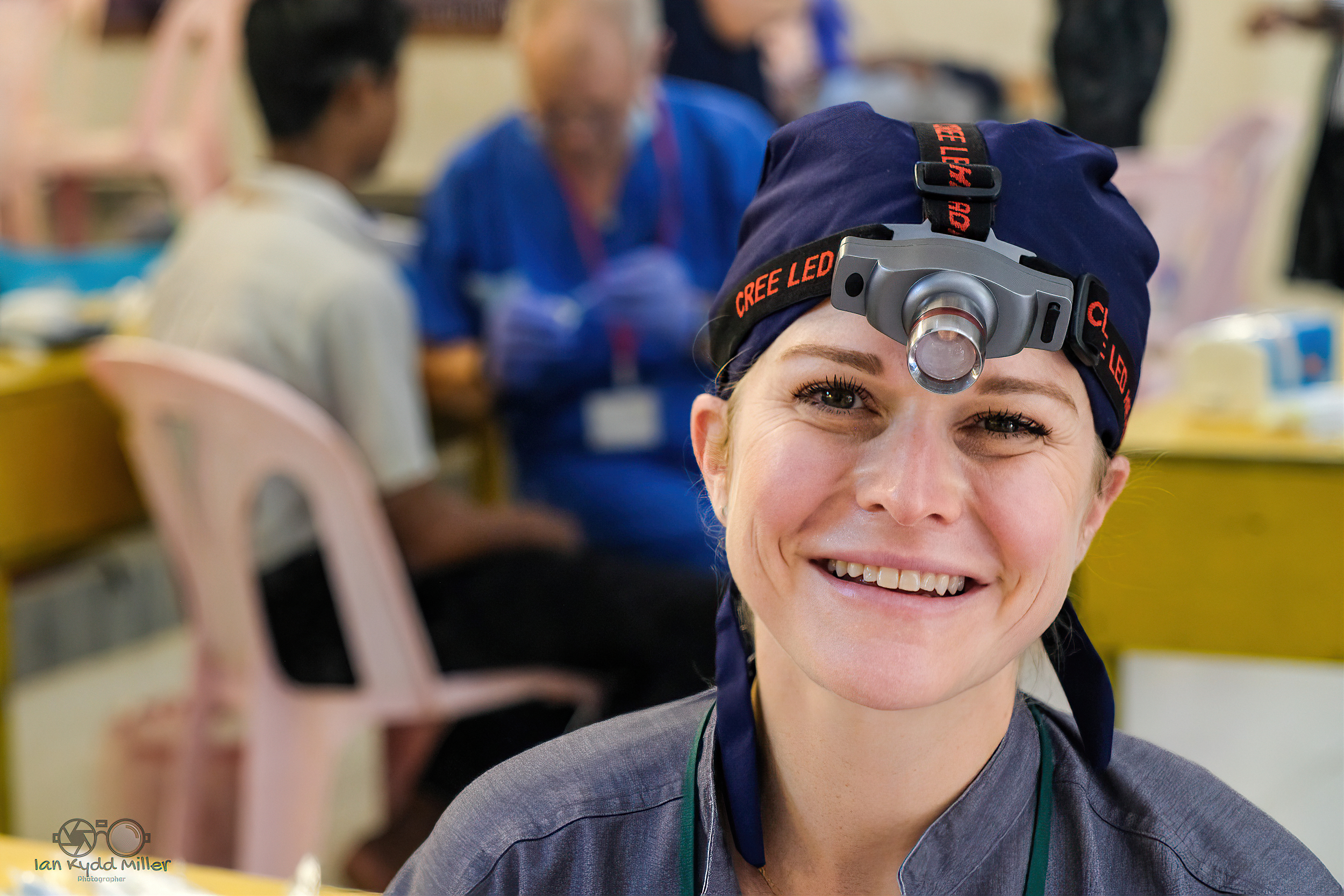
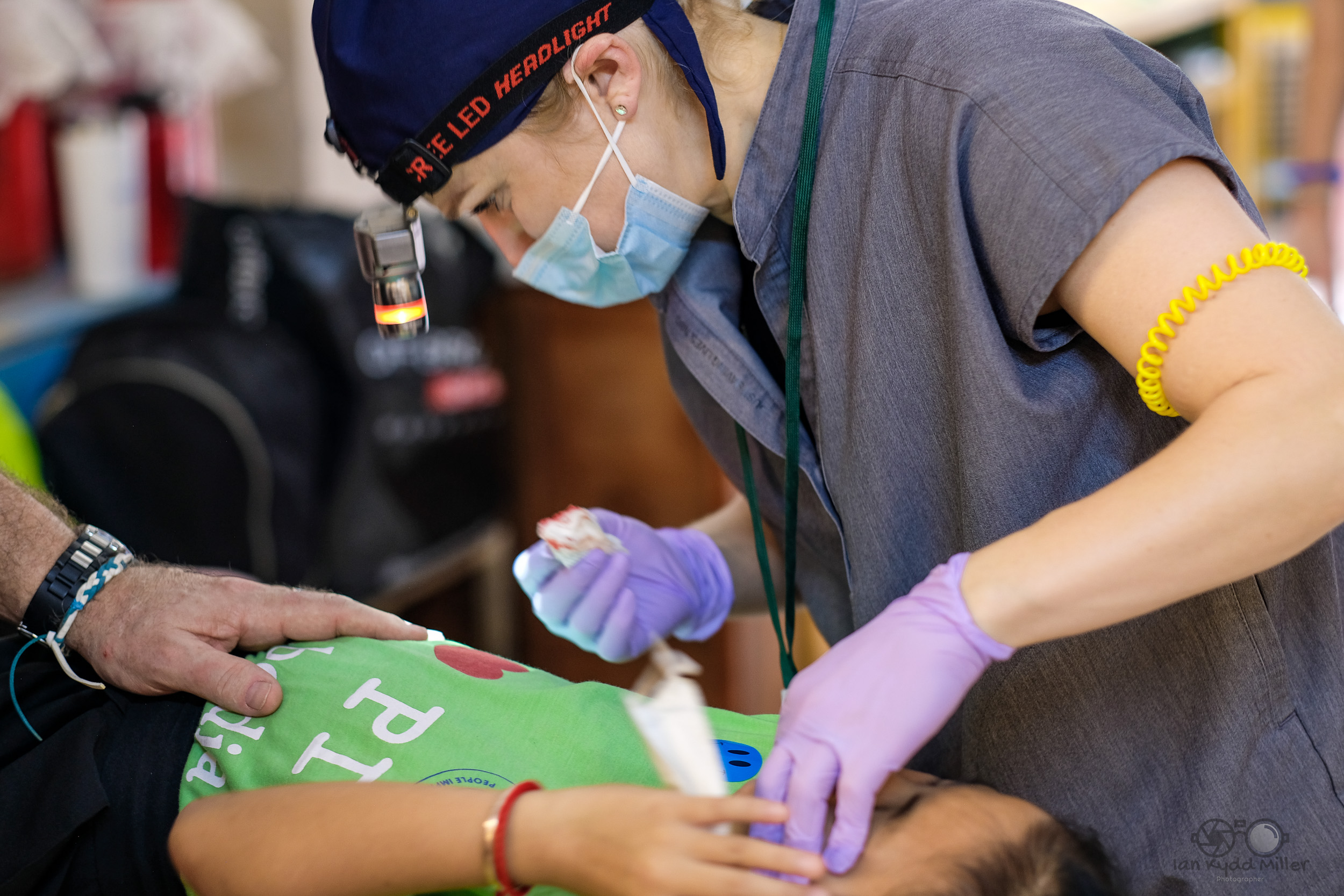
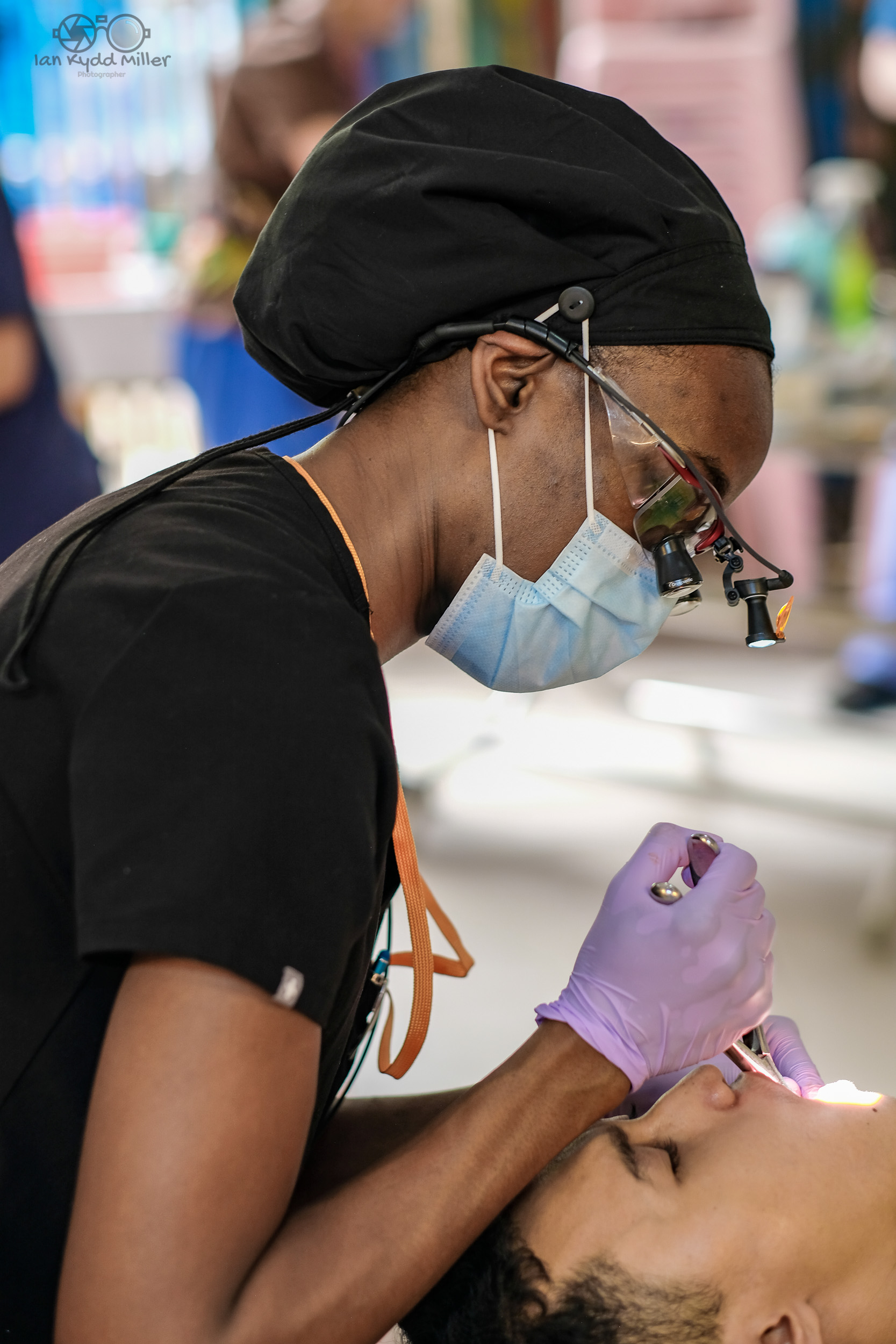
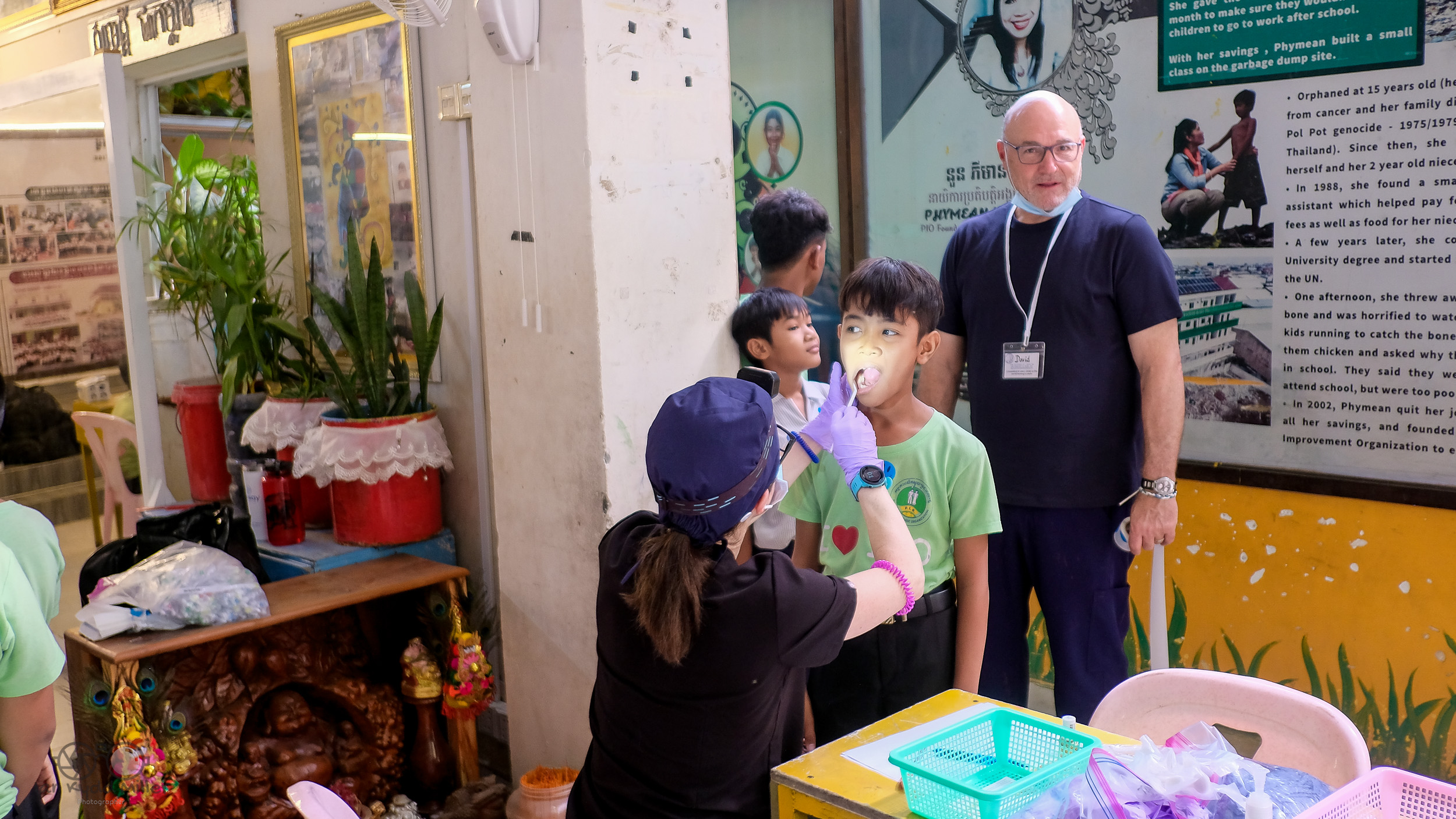
The new incarnation of KIDS International Dental Services was first brought to Cambodia by Dr Bob Renner and now trying to re-emerge from Covid restrictions, under new leadership, to bring Dental volunteers teams to Cambodia again.
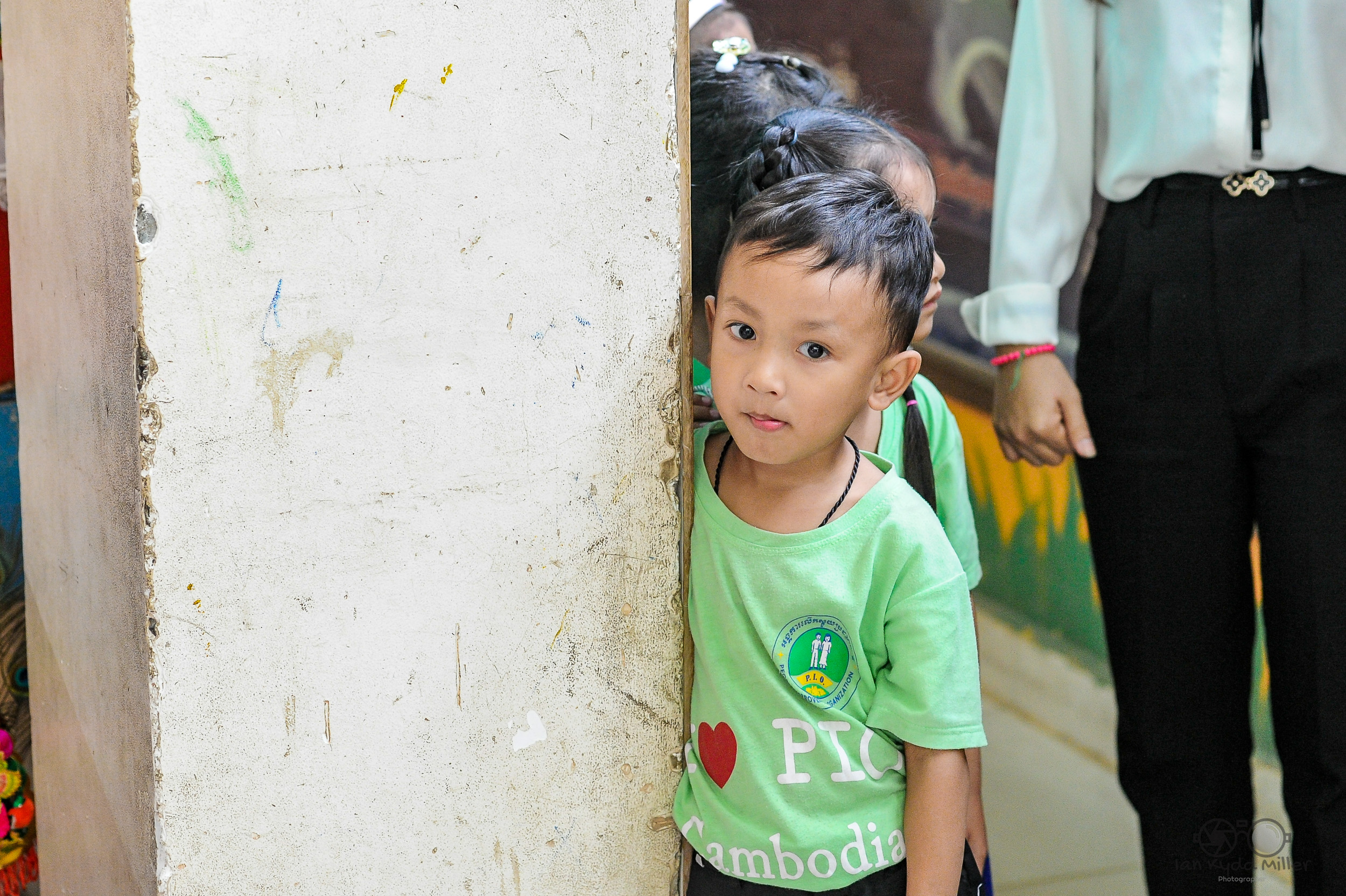
The fundamental mission of Kids International Dental Services (KIDS) is to provide pro-bono dental care to impoverished children in developing countries. Other aspects of our mission include: (a) providing a platform for young dental professionals to perform community service world wide, (b) providing an opportunity for young adults to part take in social service and encourage them to innovate projects to serve disadvantaged youths in developing areas of the world.
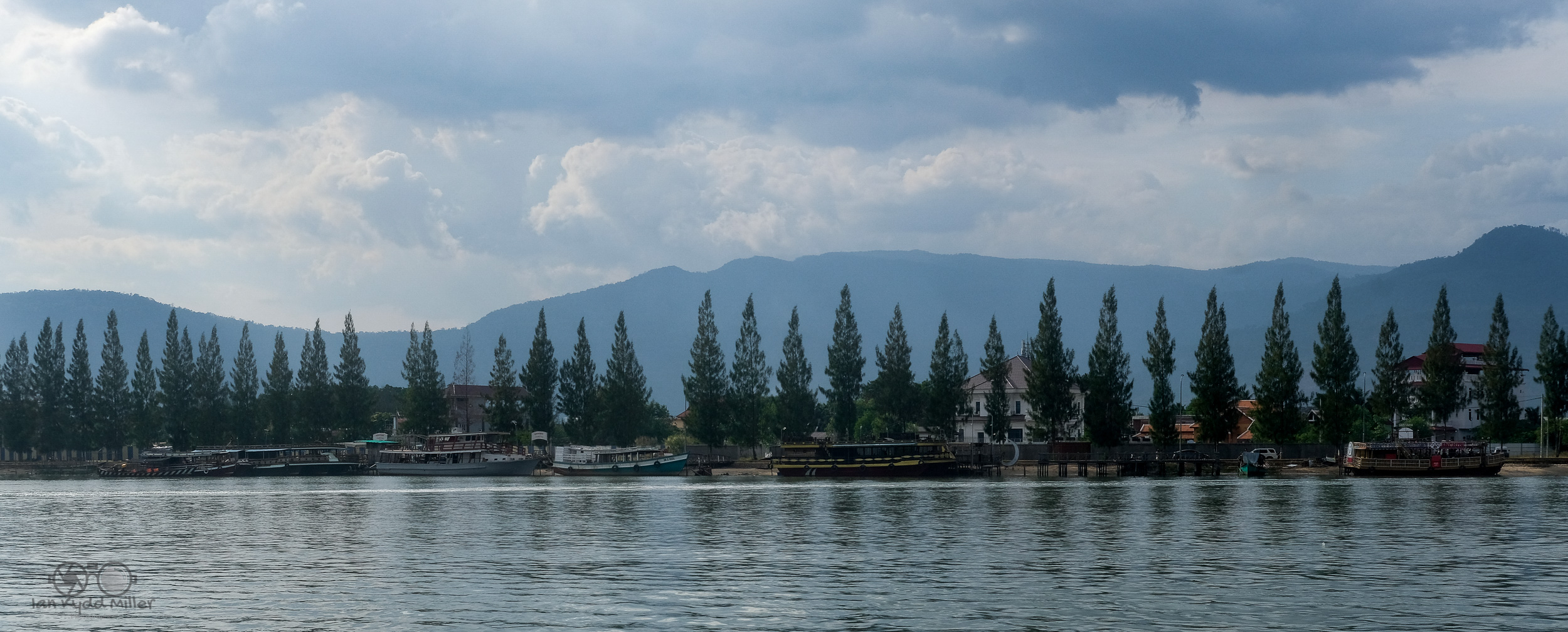
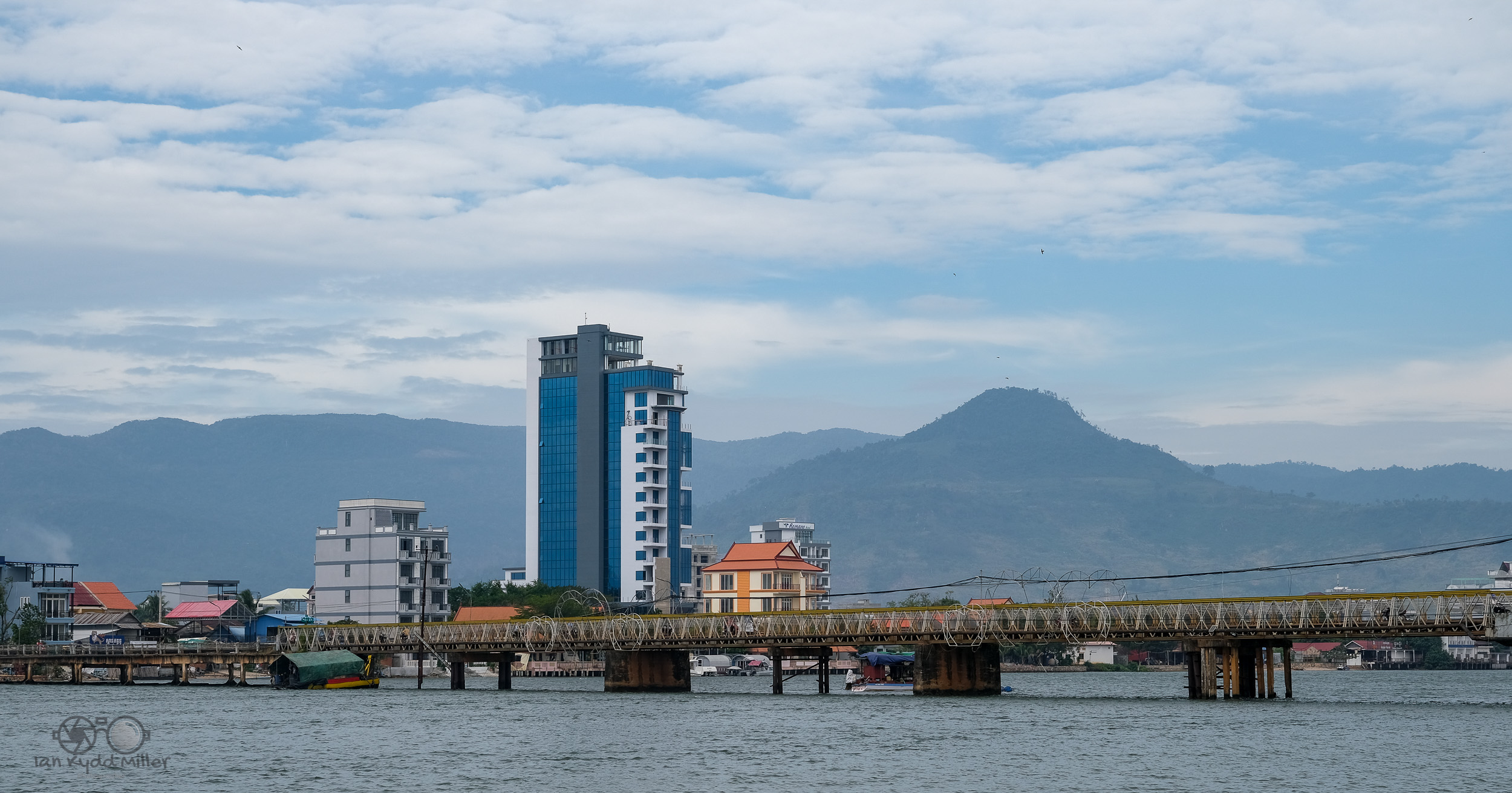
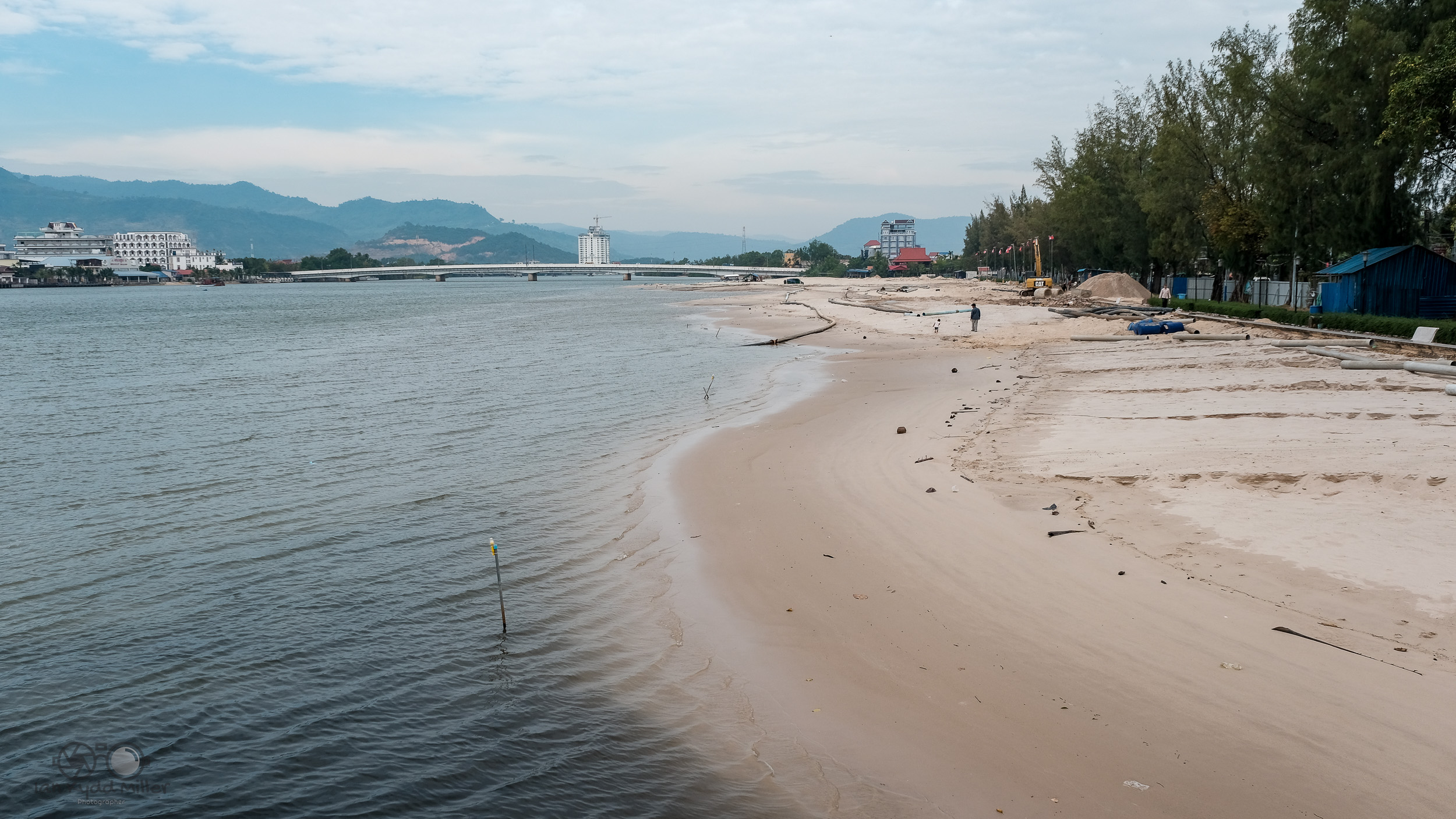
Kampot is a city in southern Cambodia and the capital of Kampot Province. It is on the Praek Tuek Chhu River southeast of the Elephant Mountains and around 5 km from the Gulf of Thailand. Kampot was the capital of the Circonscription Résidentielle de Kampot under French rule and Cambodia’s most important seaport after the loss of the Mekong Delta and before the establishment of Sihanoukville. Its centre is, unlike most Cambodian provincial capitals, composed of 19th-century French colonial architecture. The region and town are known for high-quality pepper, which is exported worldwide. It is also known for its Kampot fish sauce, and durian. The government and the Ministry of Culture and Fine Art have been preparing documents to nominate The Old Town of Kampot for admission to the UNESCO World Heritage Site list since 2017.
In recent years since 2010s, Kampot has been subject to extensive tourism development with the development of a tourism port worth US$8 million under the Kampot Provincial Tourism Department’s master plan. The development of the tourism port includes the construction of a 42-storey multi-purposed twin tower which will be the tallest building in Cambodia outside Phnom Penh when completed; widening and improvements to National Road No. 3; a seaport that carries passengers to and from nearby Cambodian islands, Thailand and Vietnam
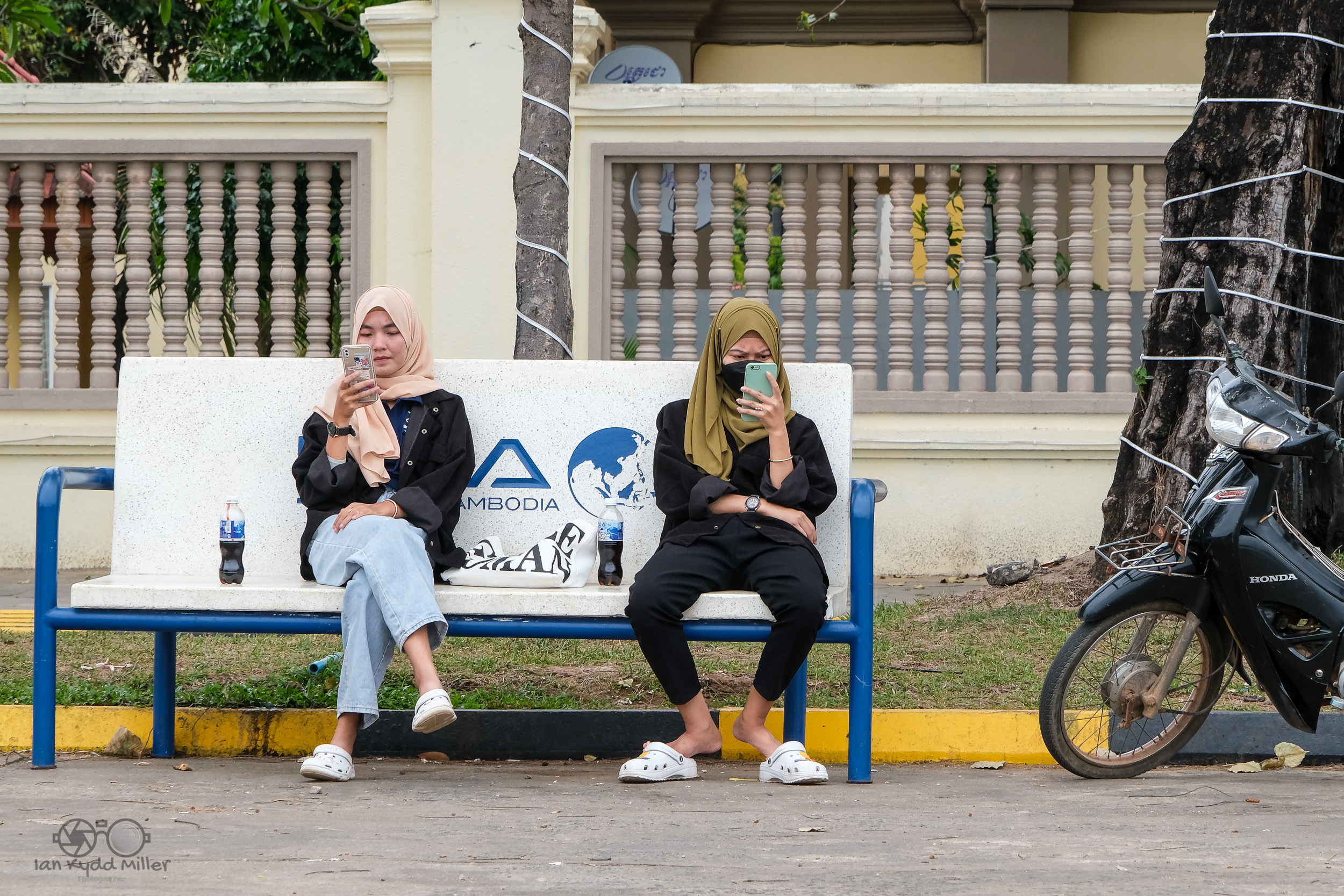
According to the 2012 census, the population of the municipality of Kampot is 49,597. Historically, there has been an important presence of Khmers of Chinese descent in Kampot. Recent years have seen an important inflow of foreigners, European, Vietnamese, and Chinese. A significant part of the population is Cham, a minority Muslim group. The Sa’och tribe, an ancient population group in the province, is on the brink of extinction, however.
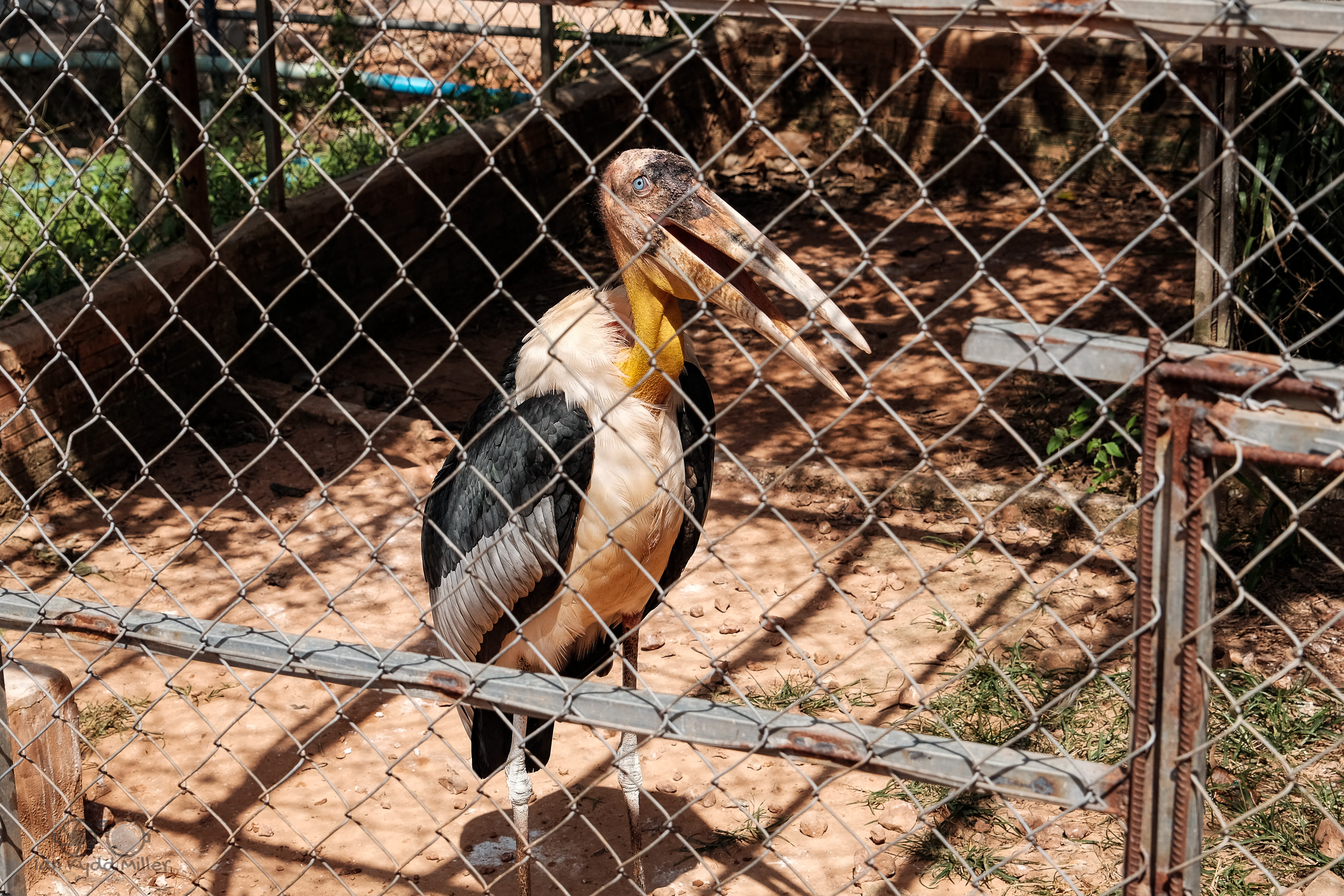
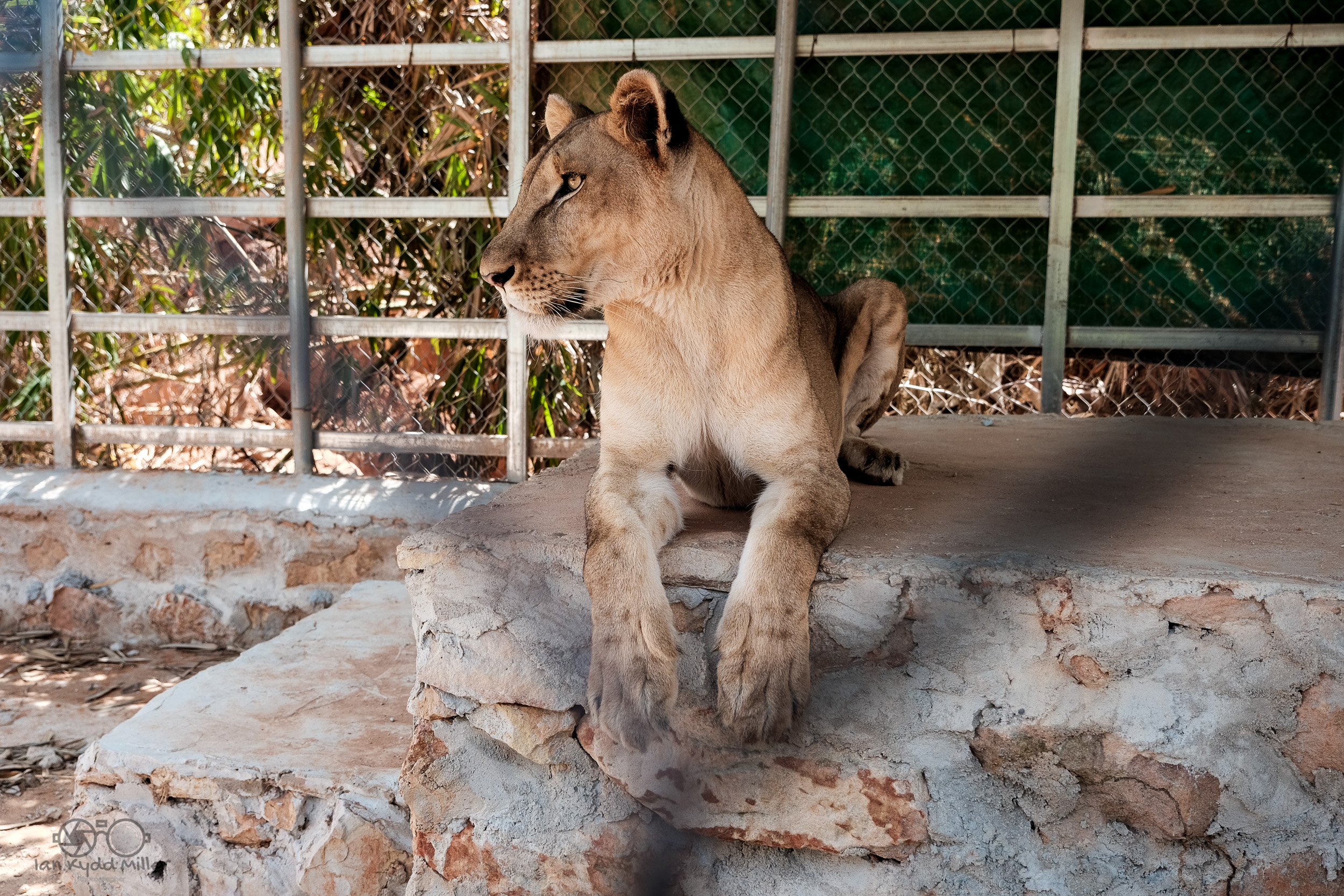
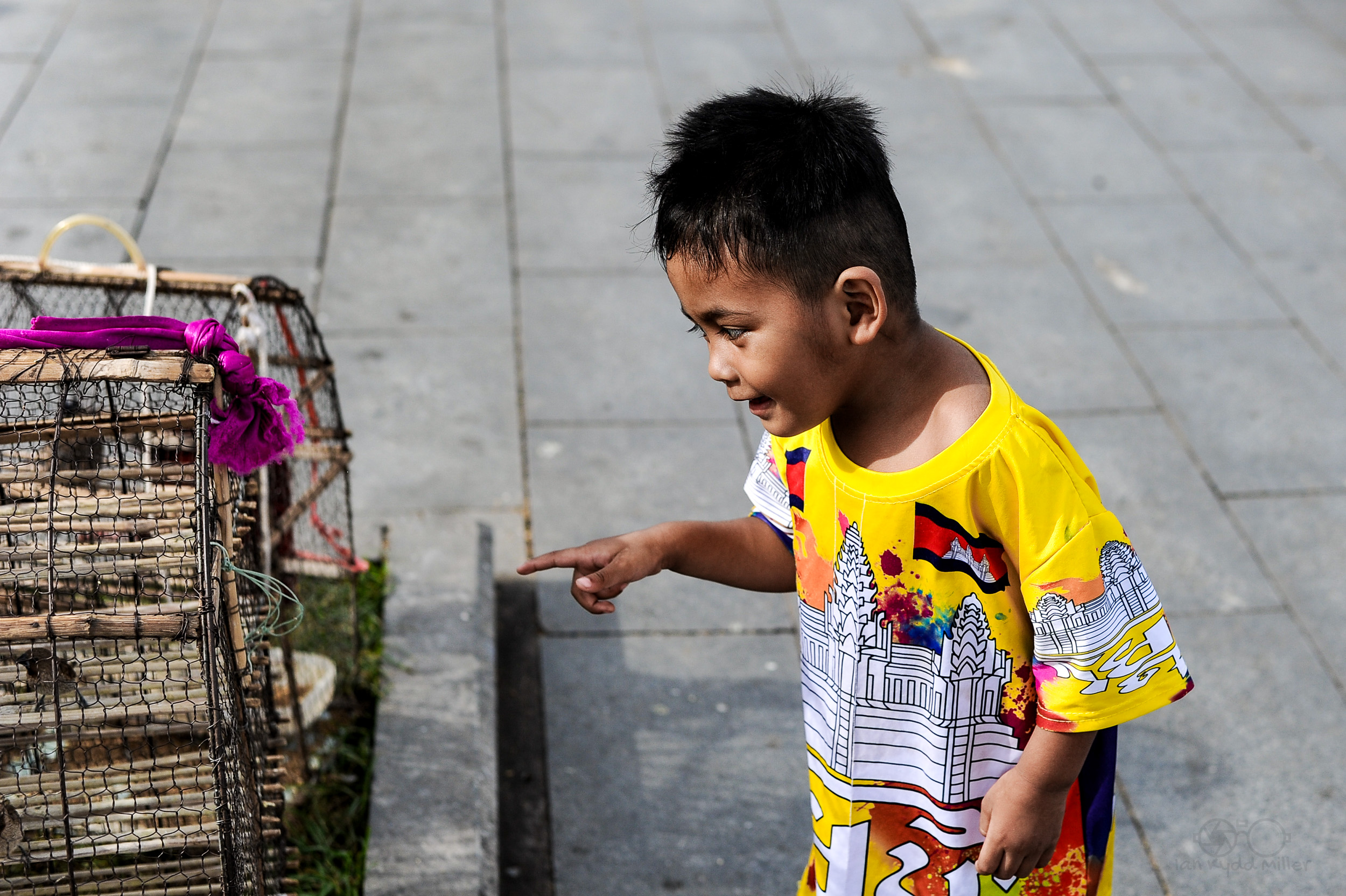
Sadly the worse thing about Kampot is the private ZOO situated about 20 km from the center of the city. It house wild animals, as seen above, in very bad conditions, small roughly made cages will little thought to the needs of a living creature. I would advise not to visit this until things, hopefully, change.
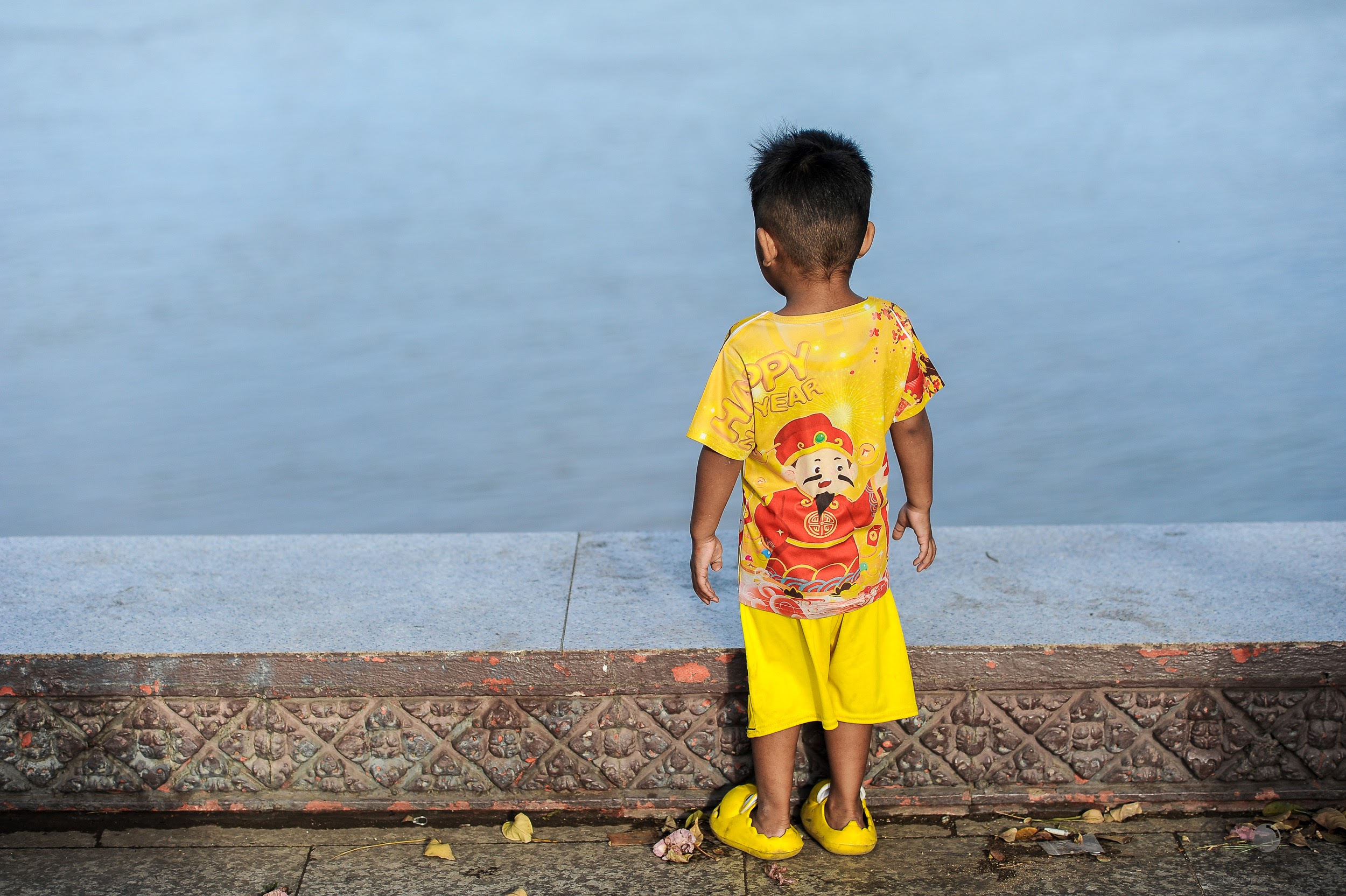
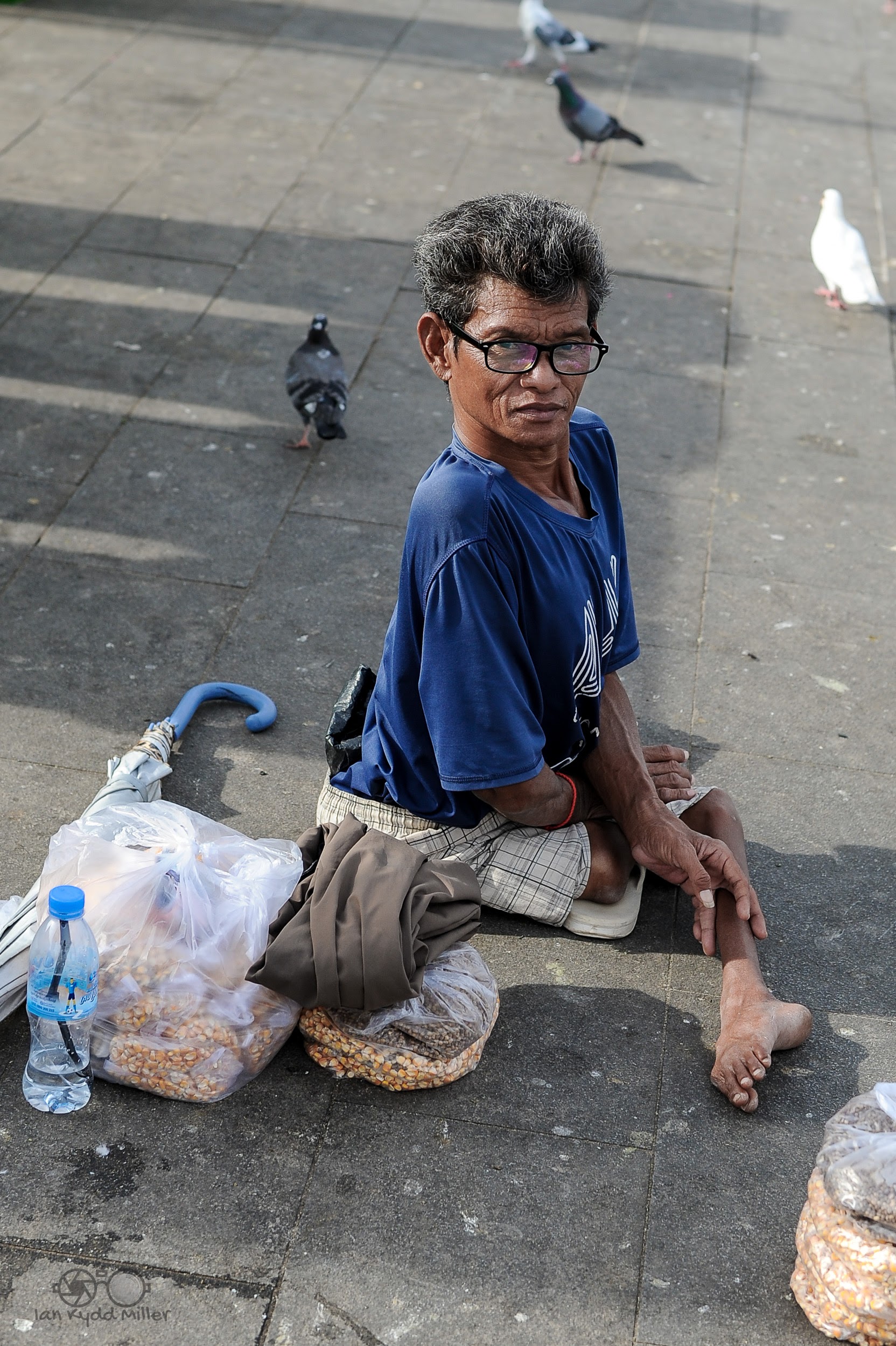
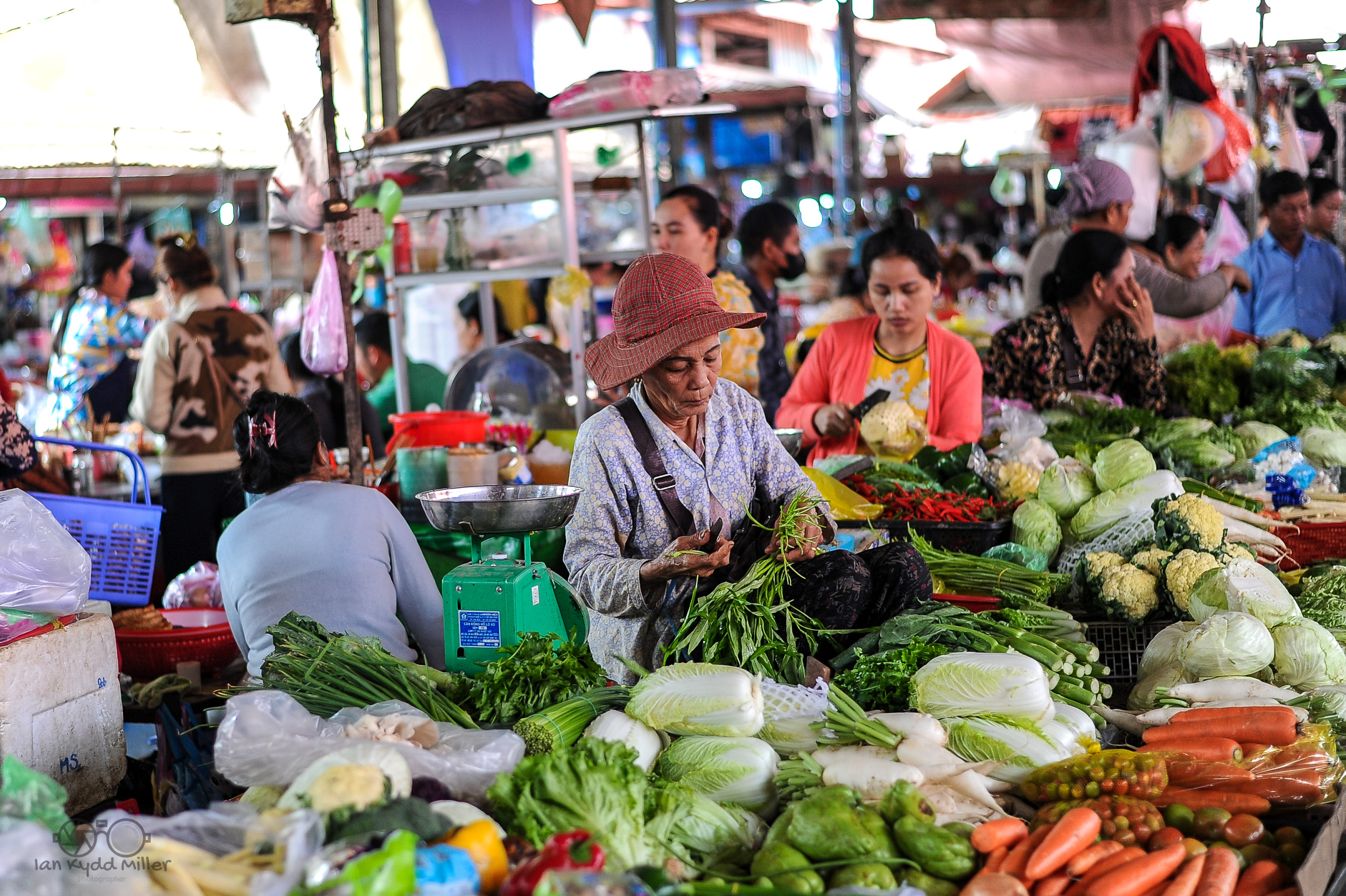
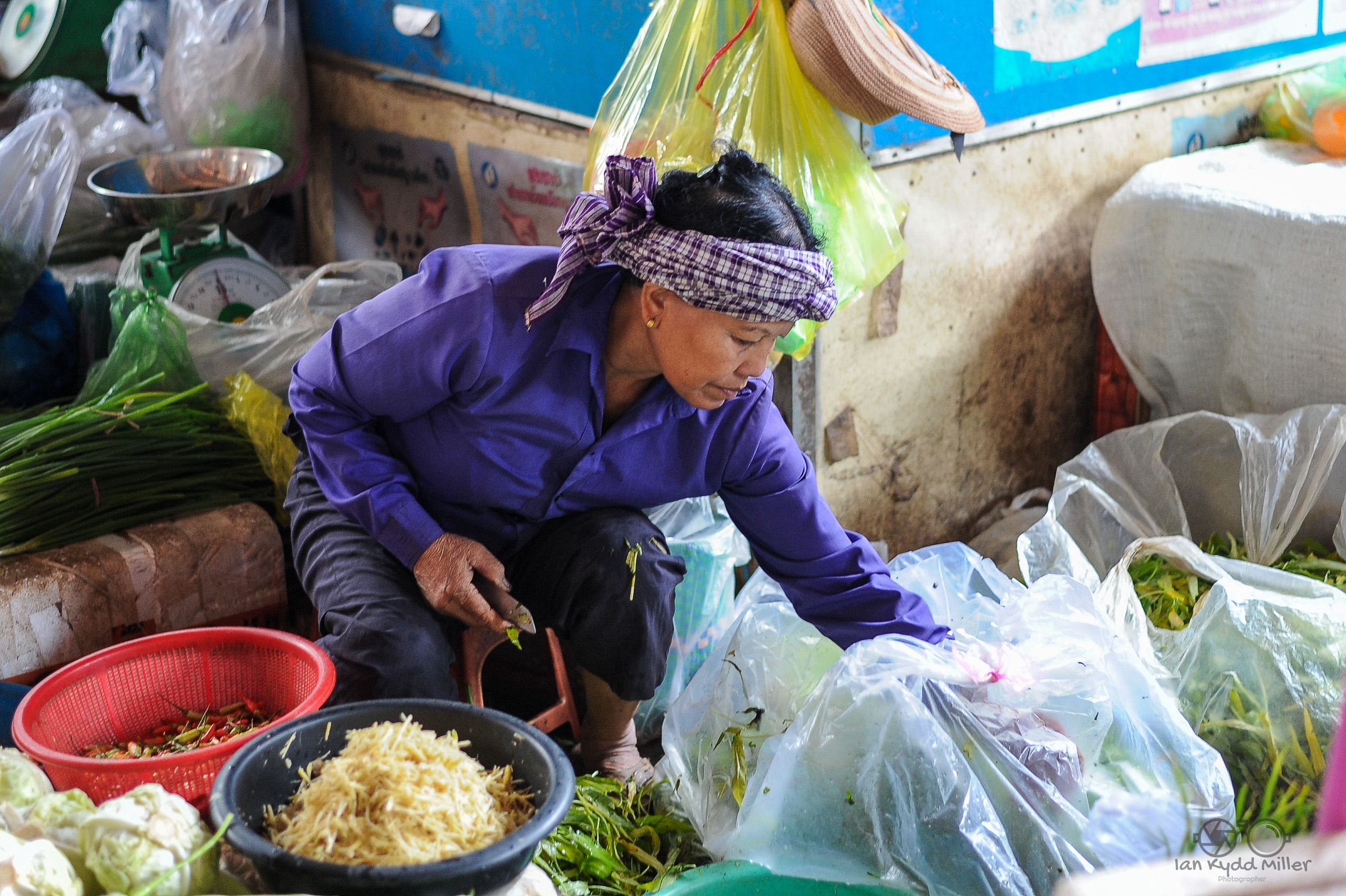
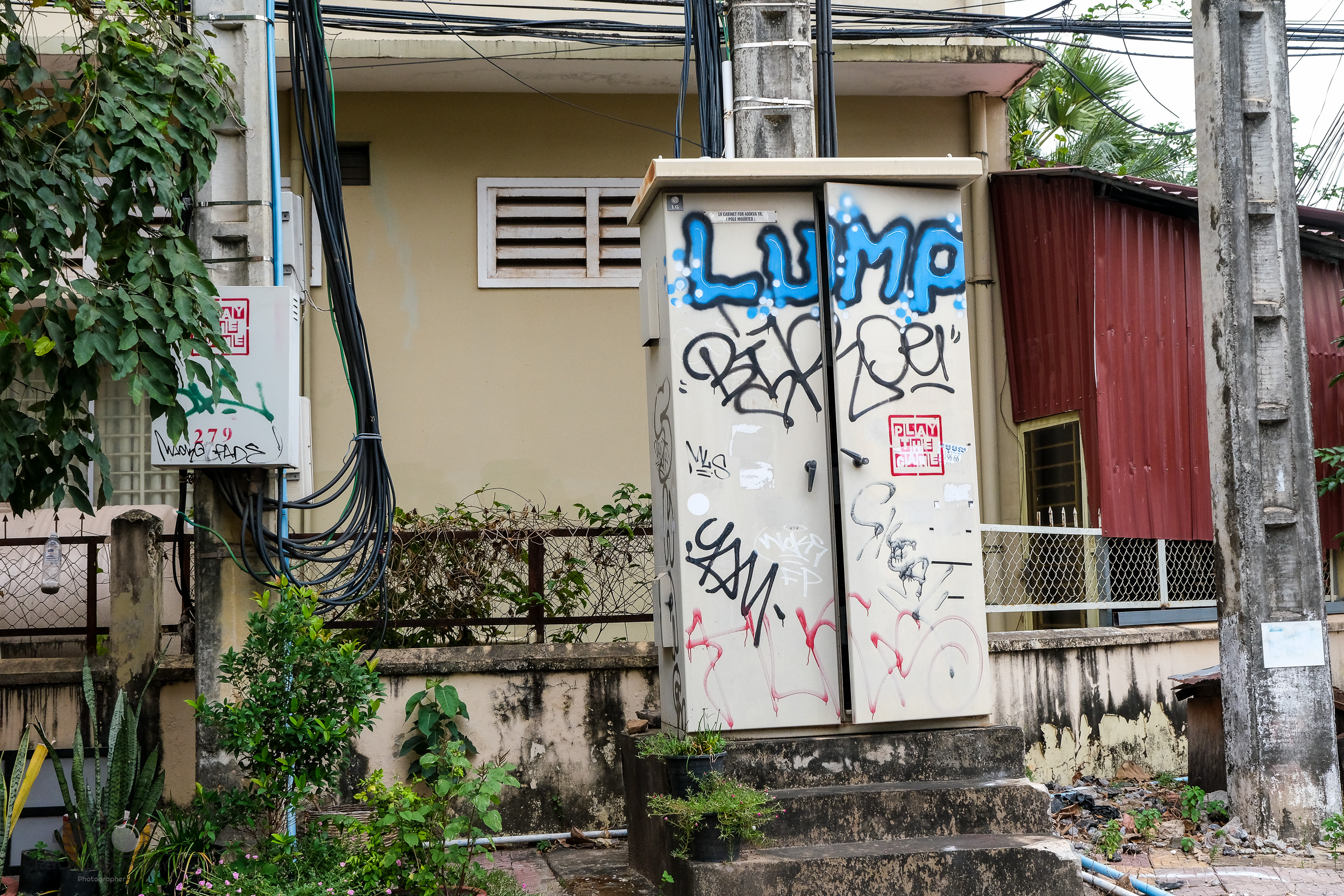
The PEOPLE are Kampots attraction as is the remaining Colonial architecture.
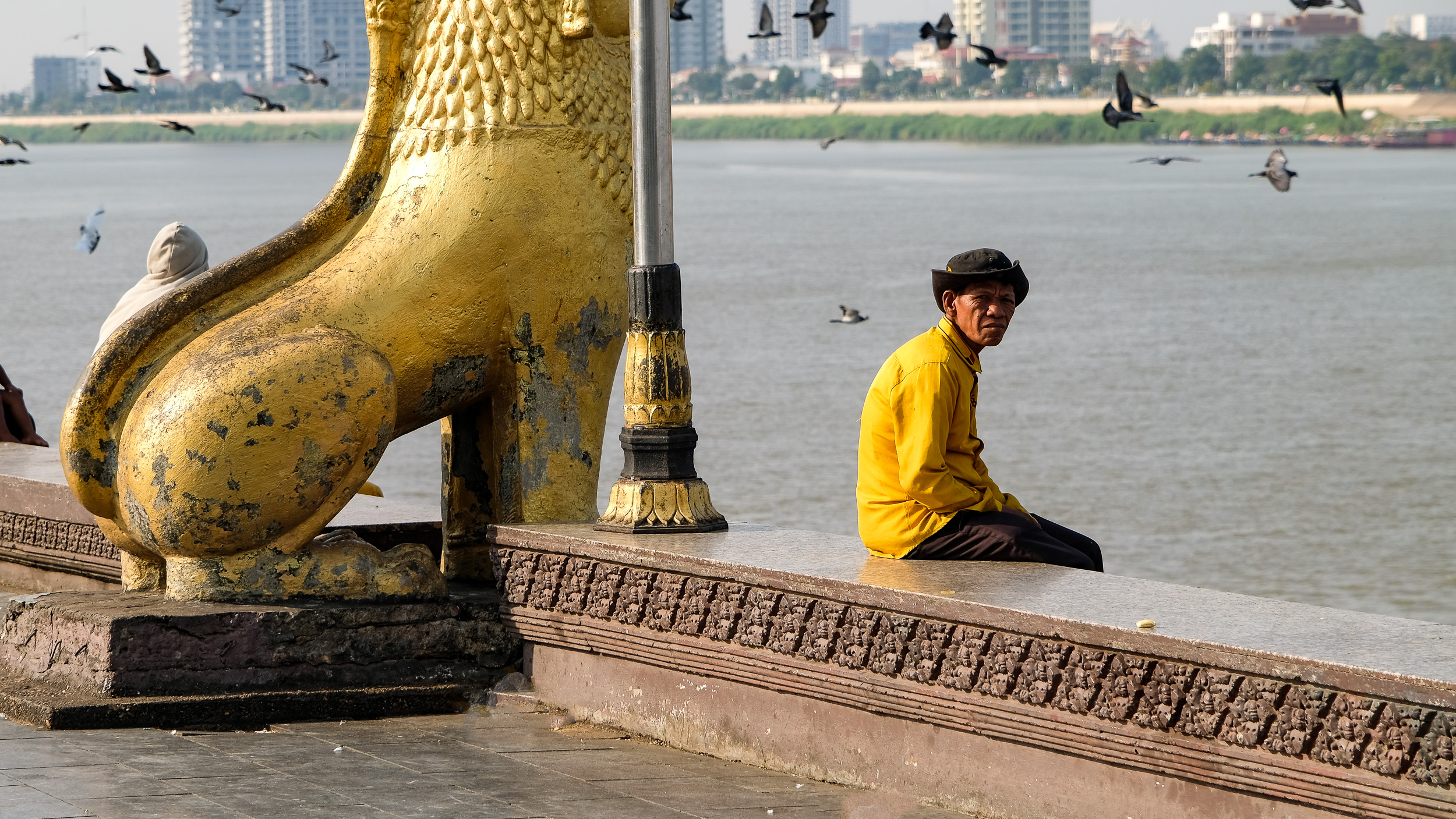
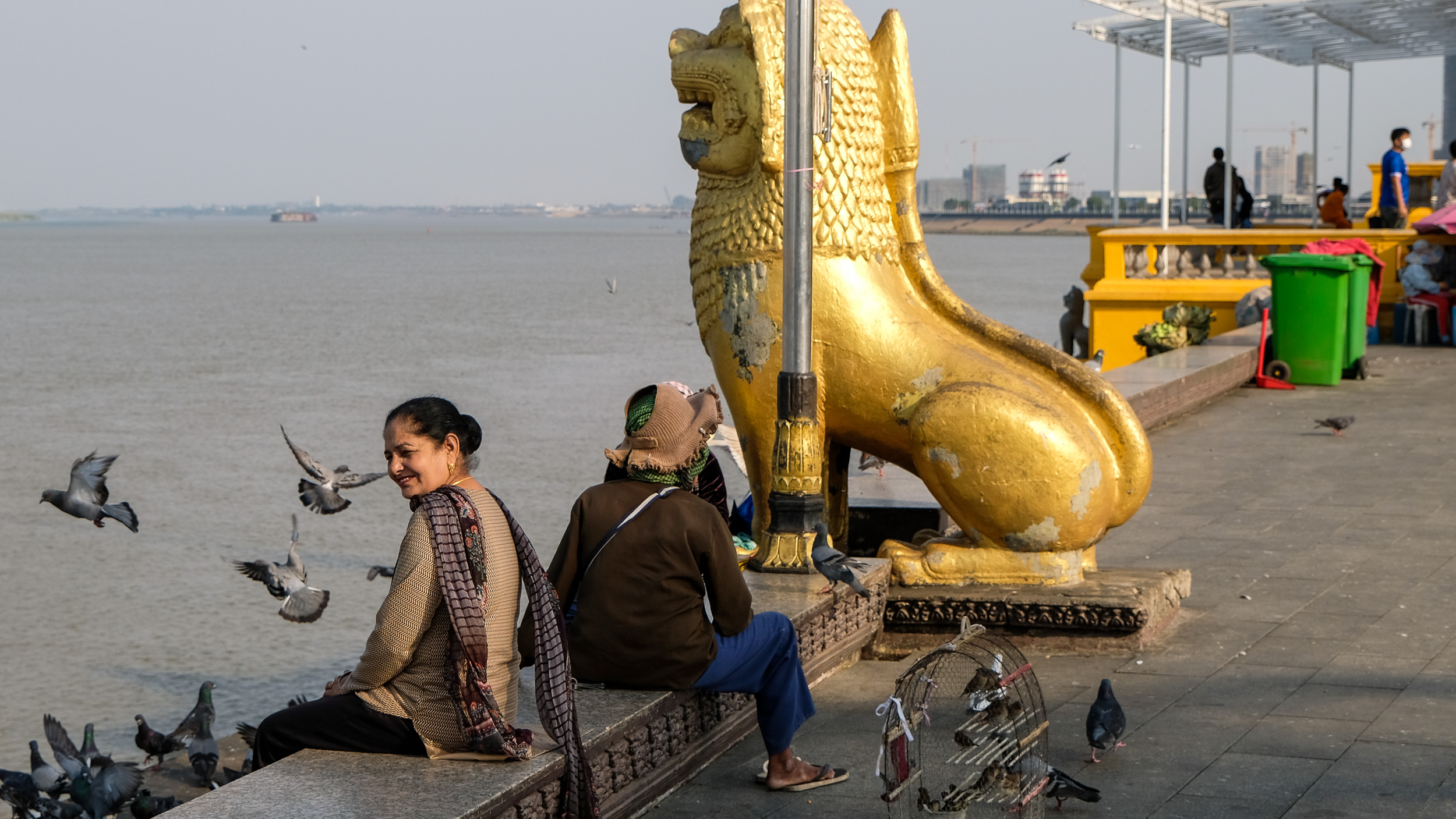
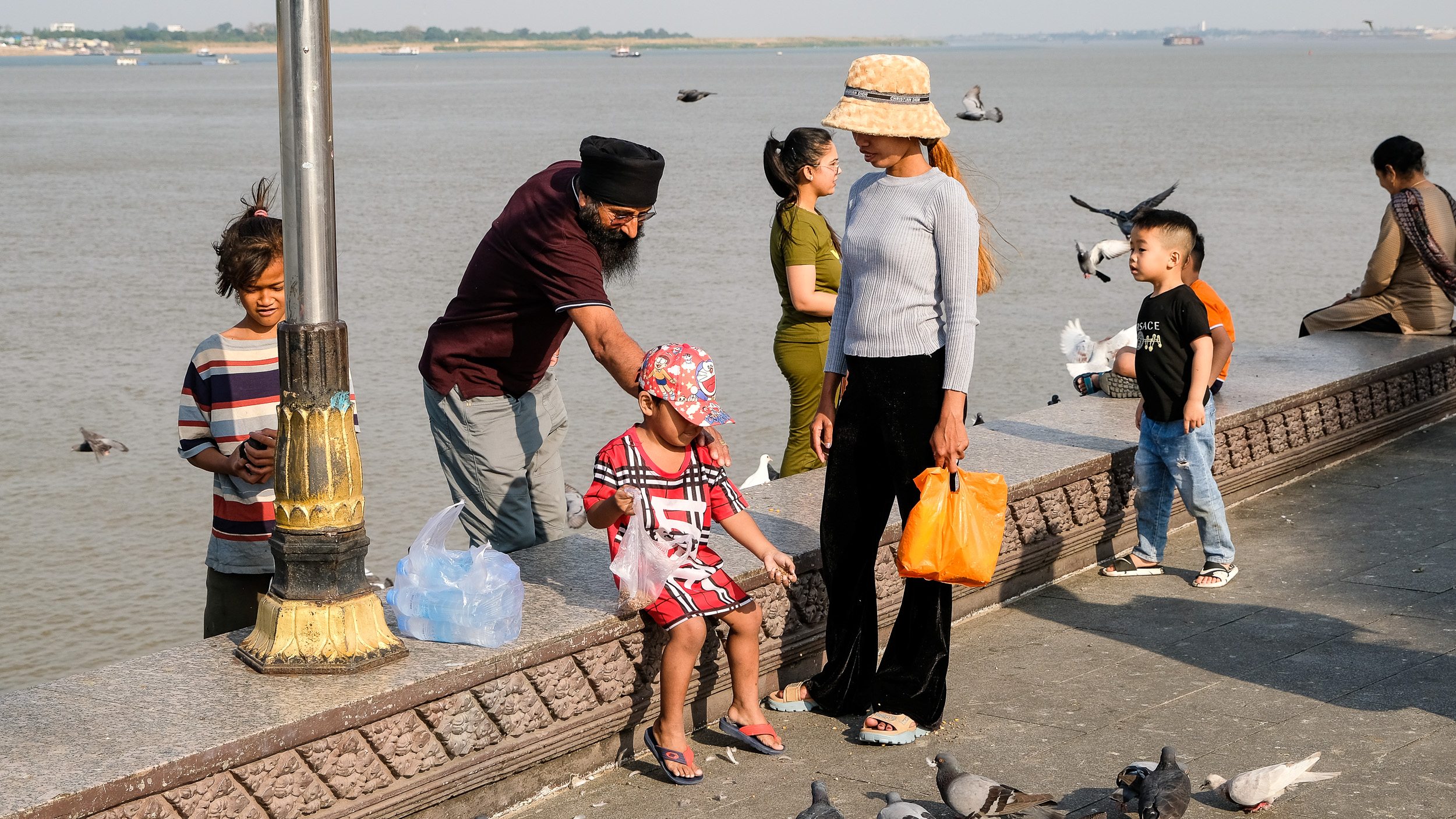
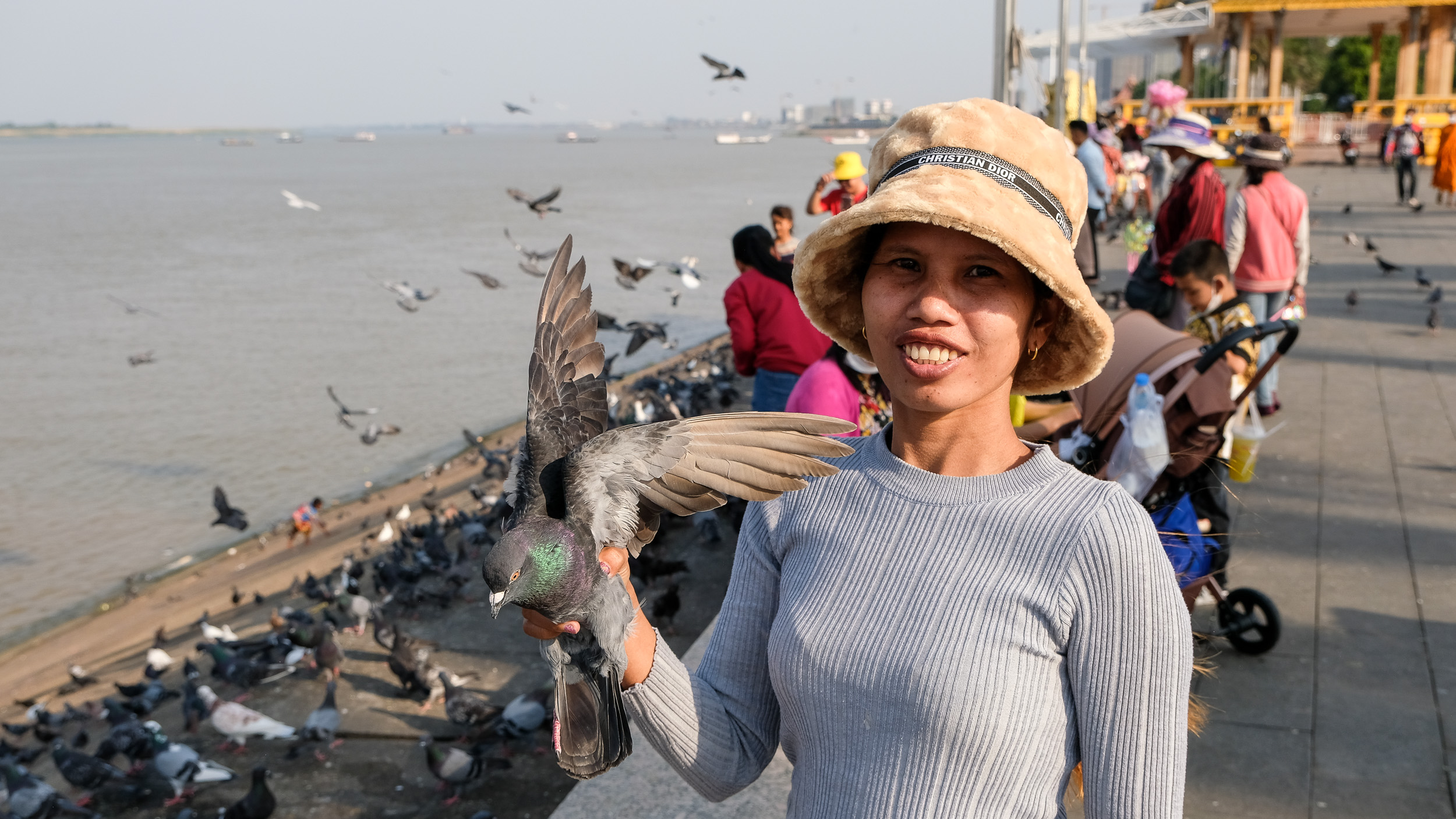
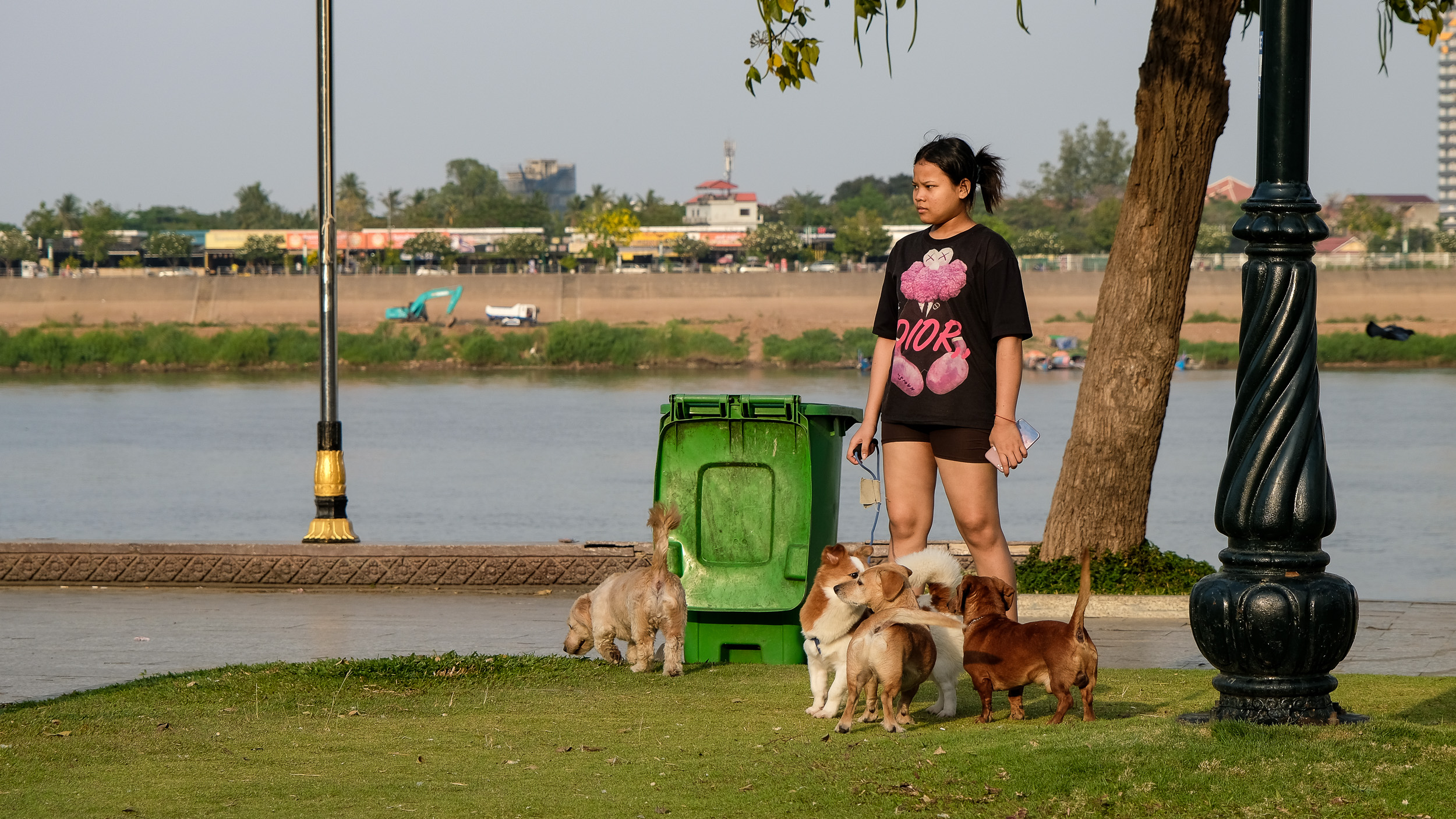
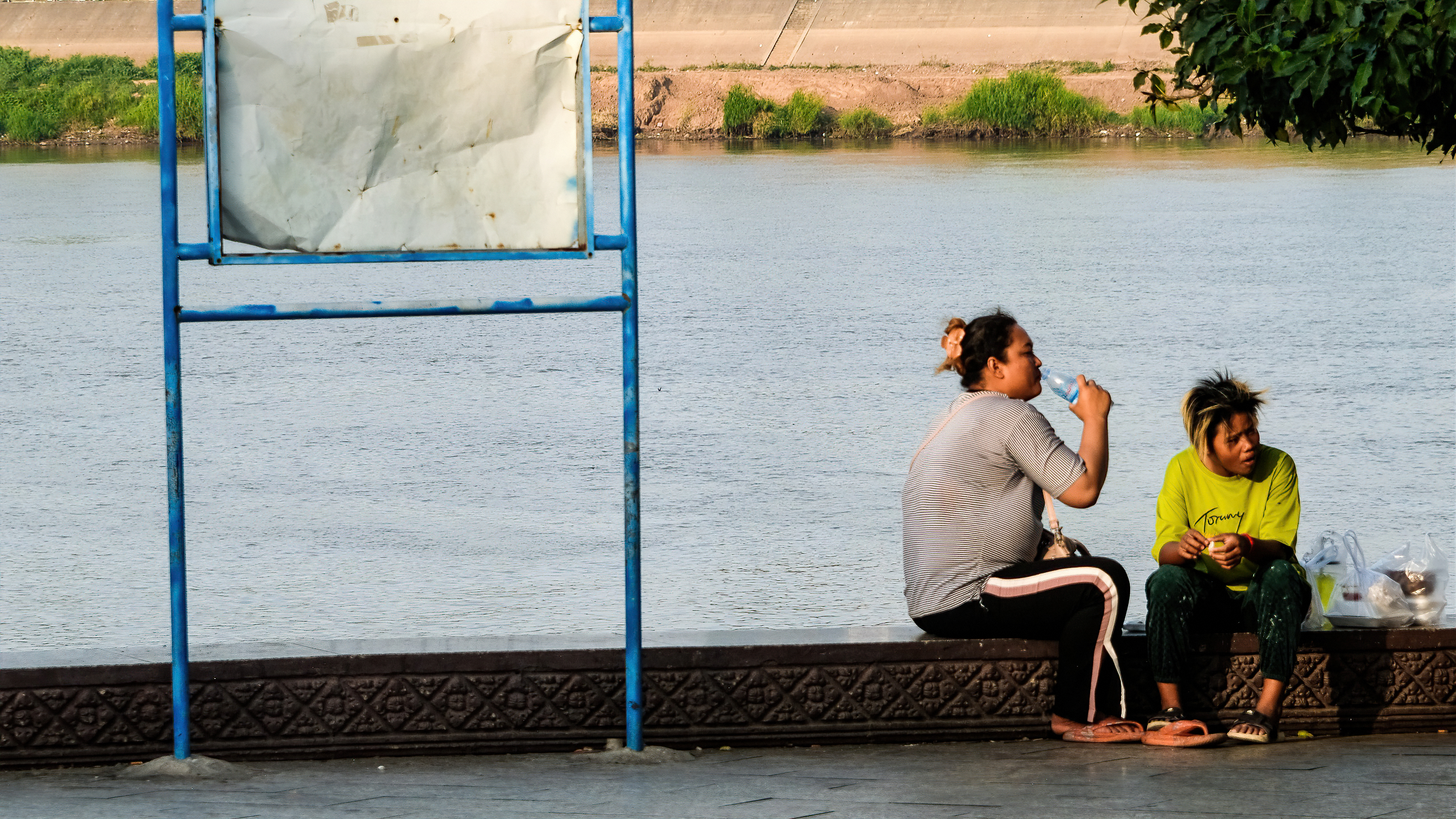
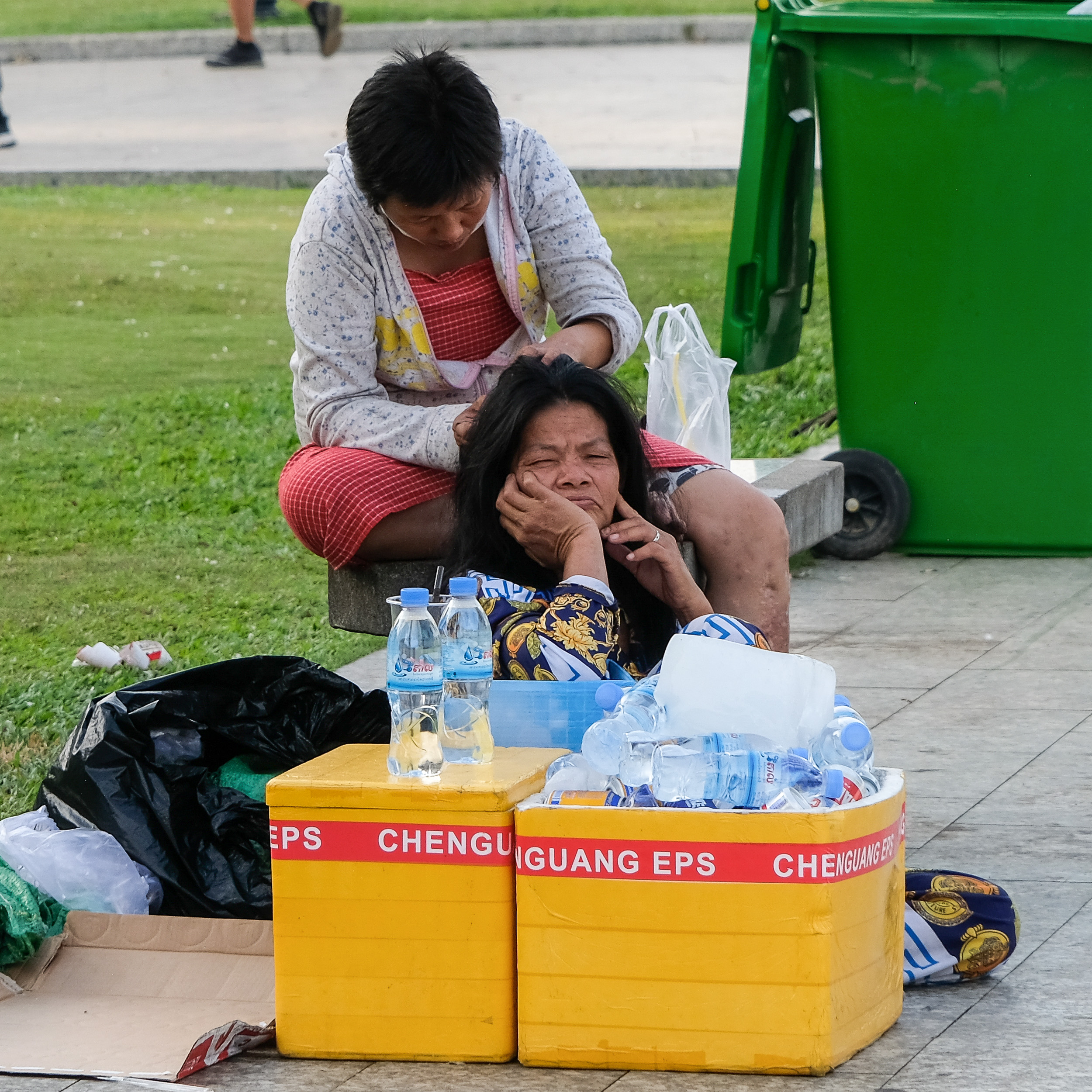
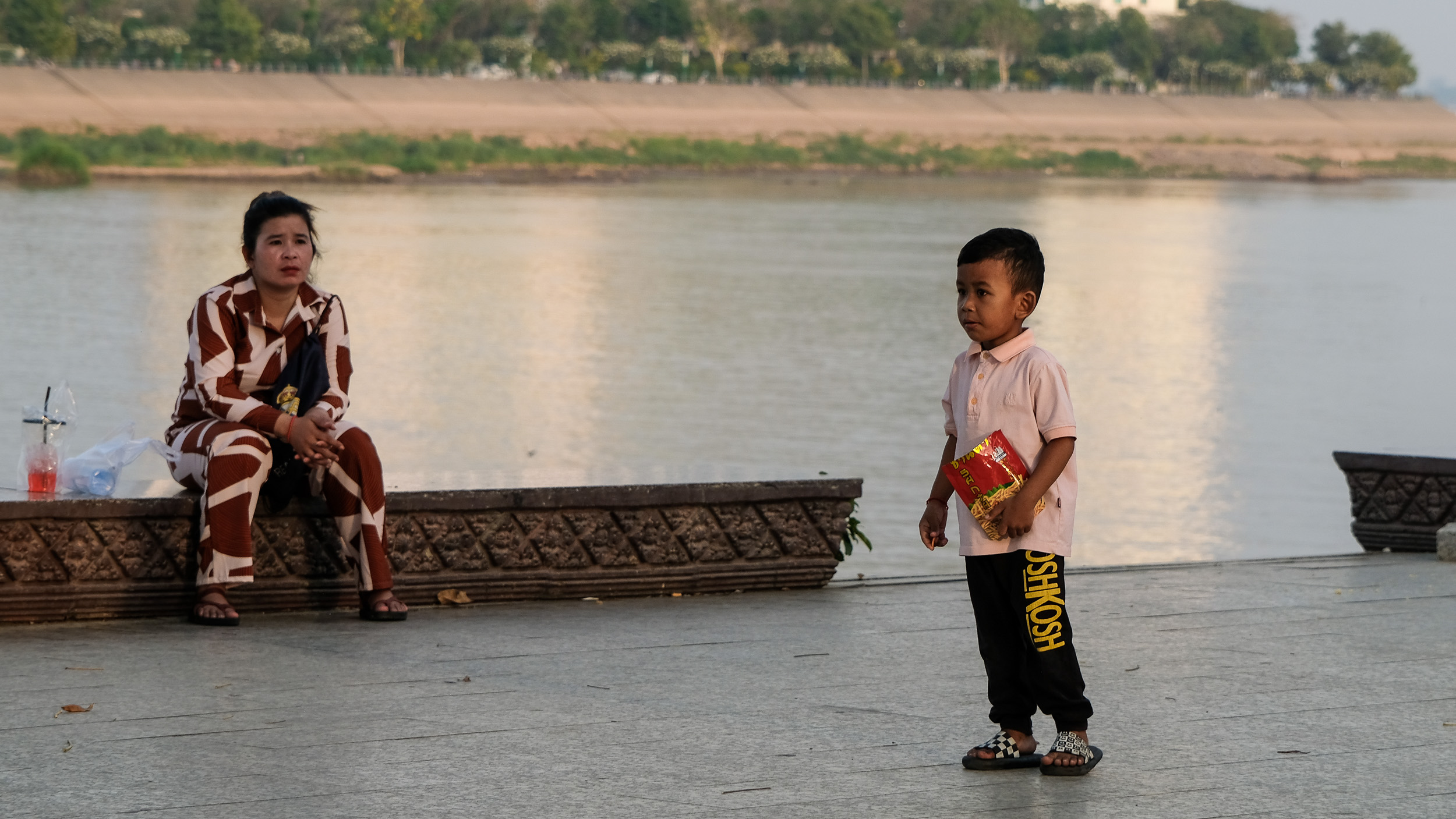
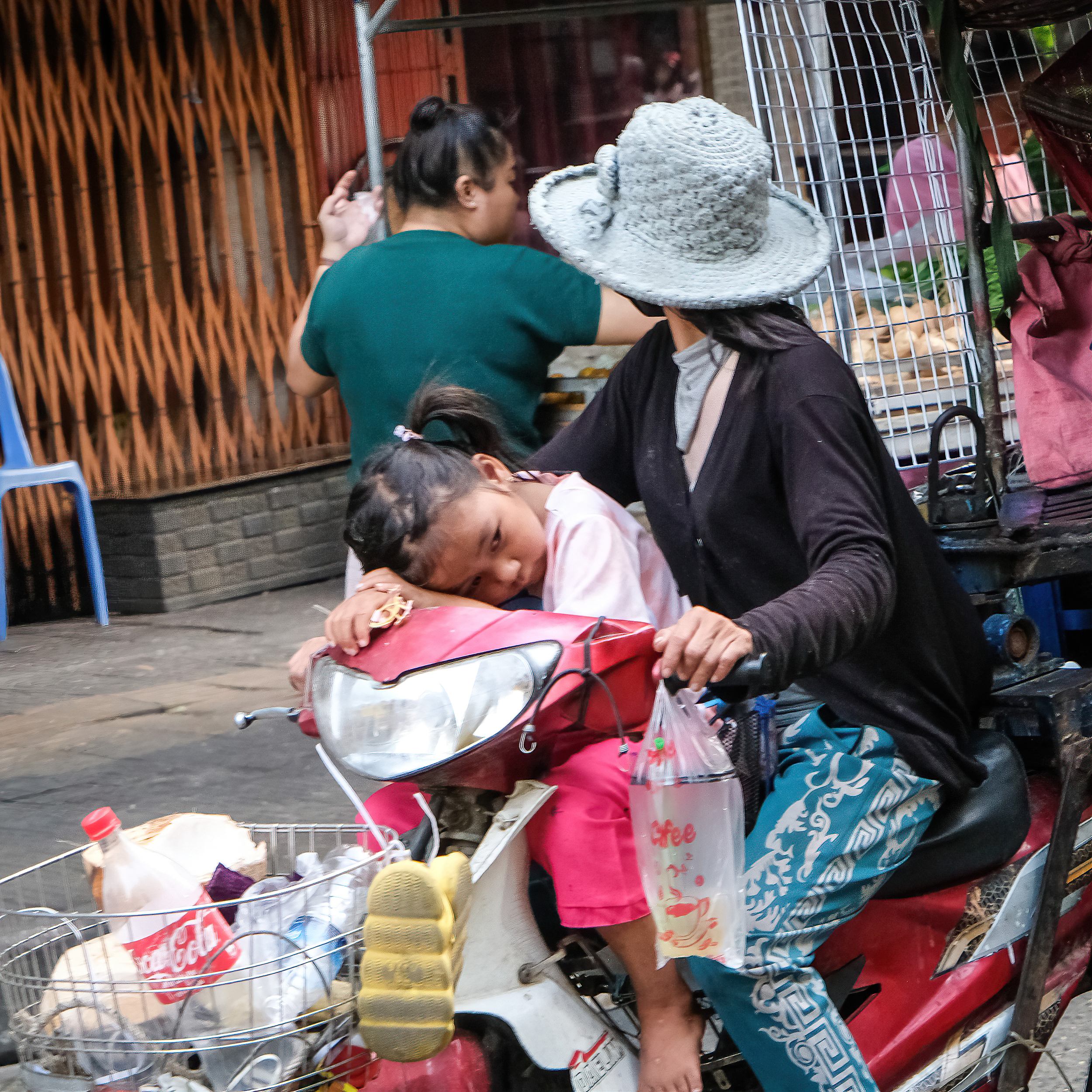
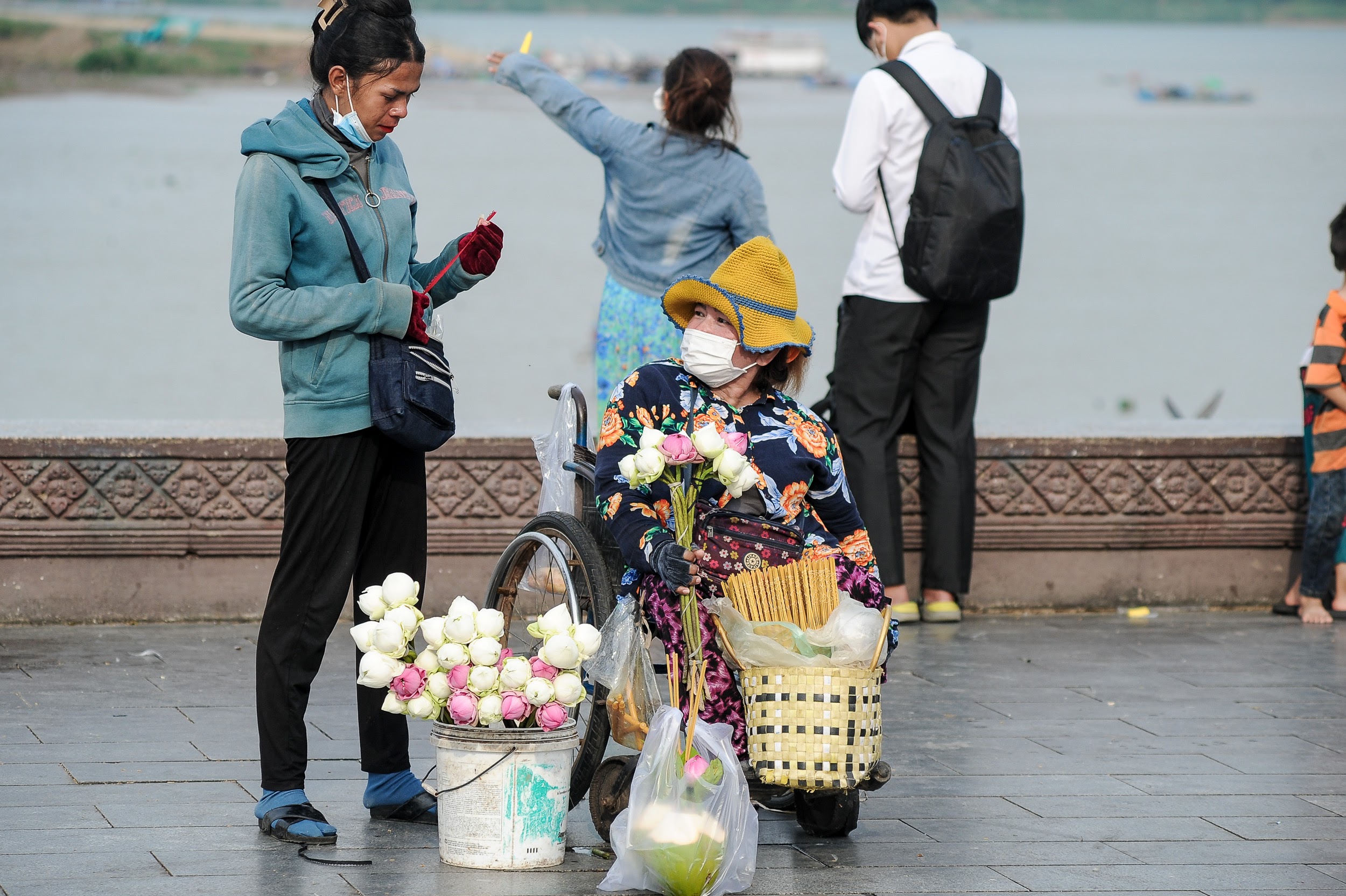
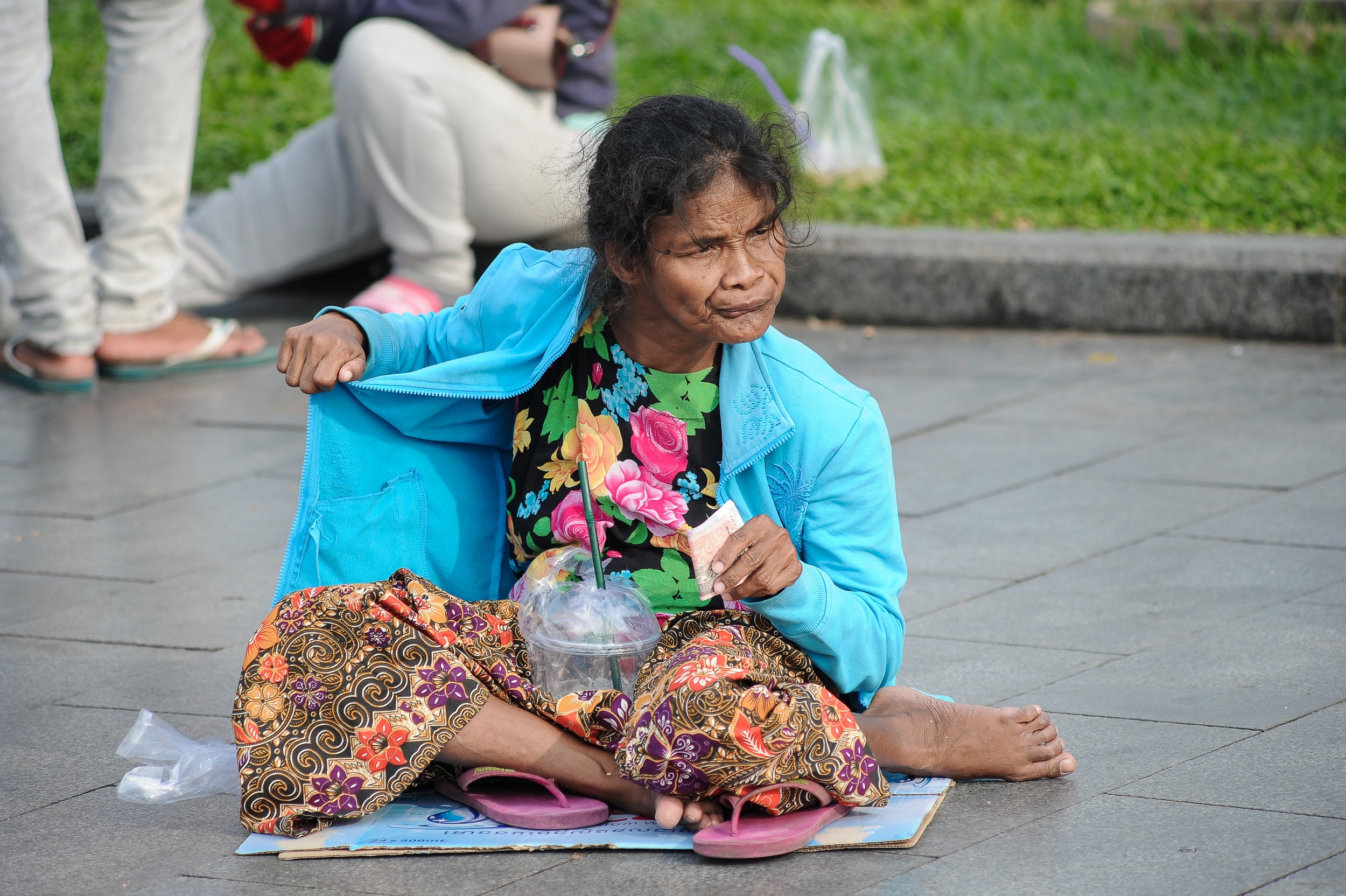
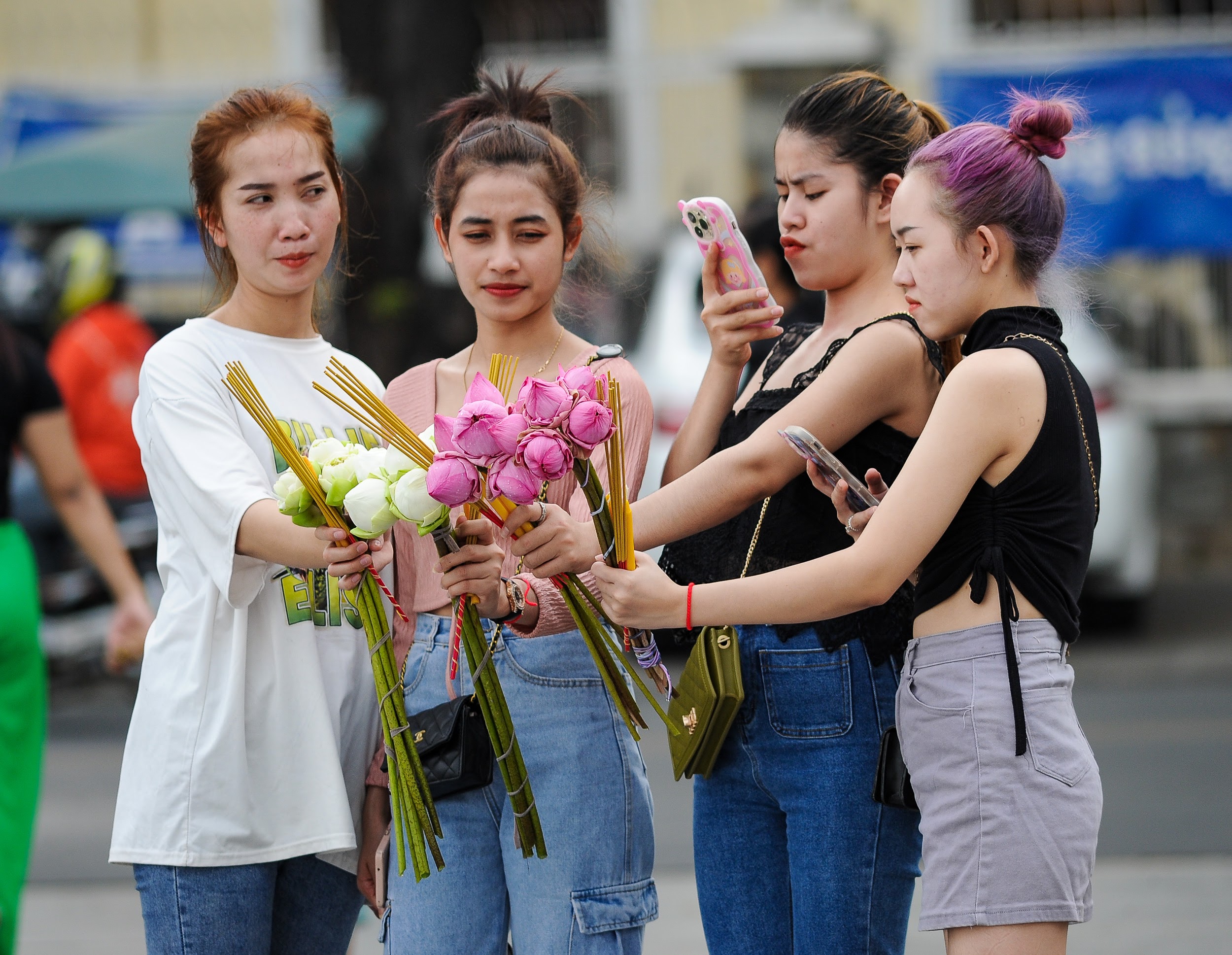
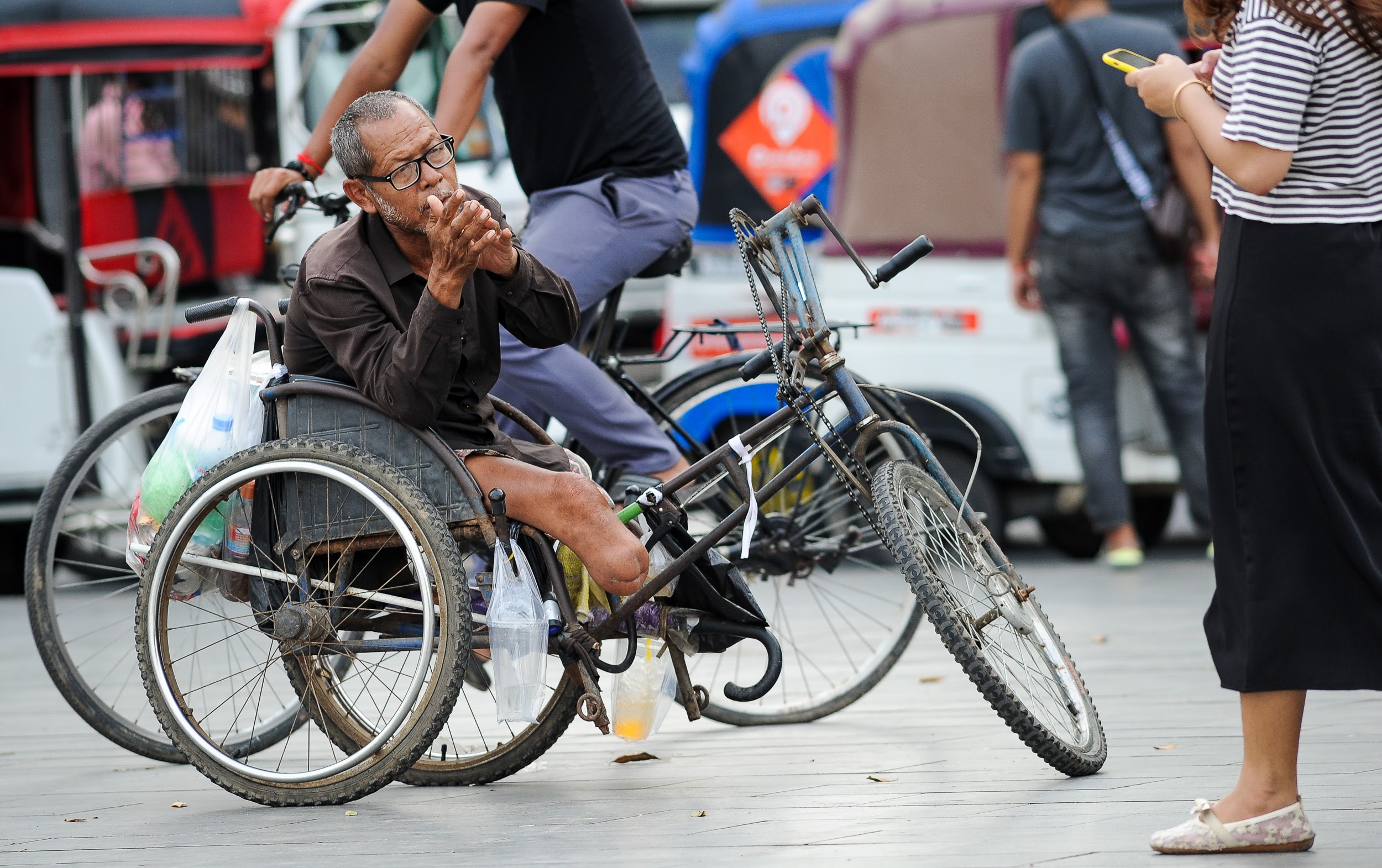
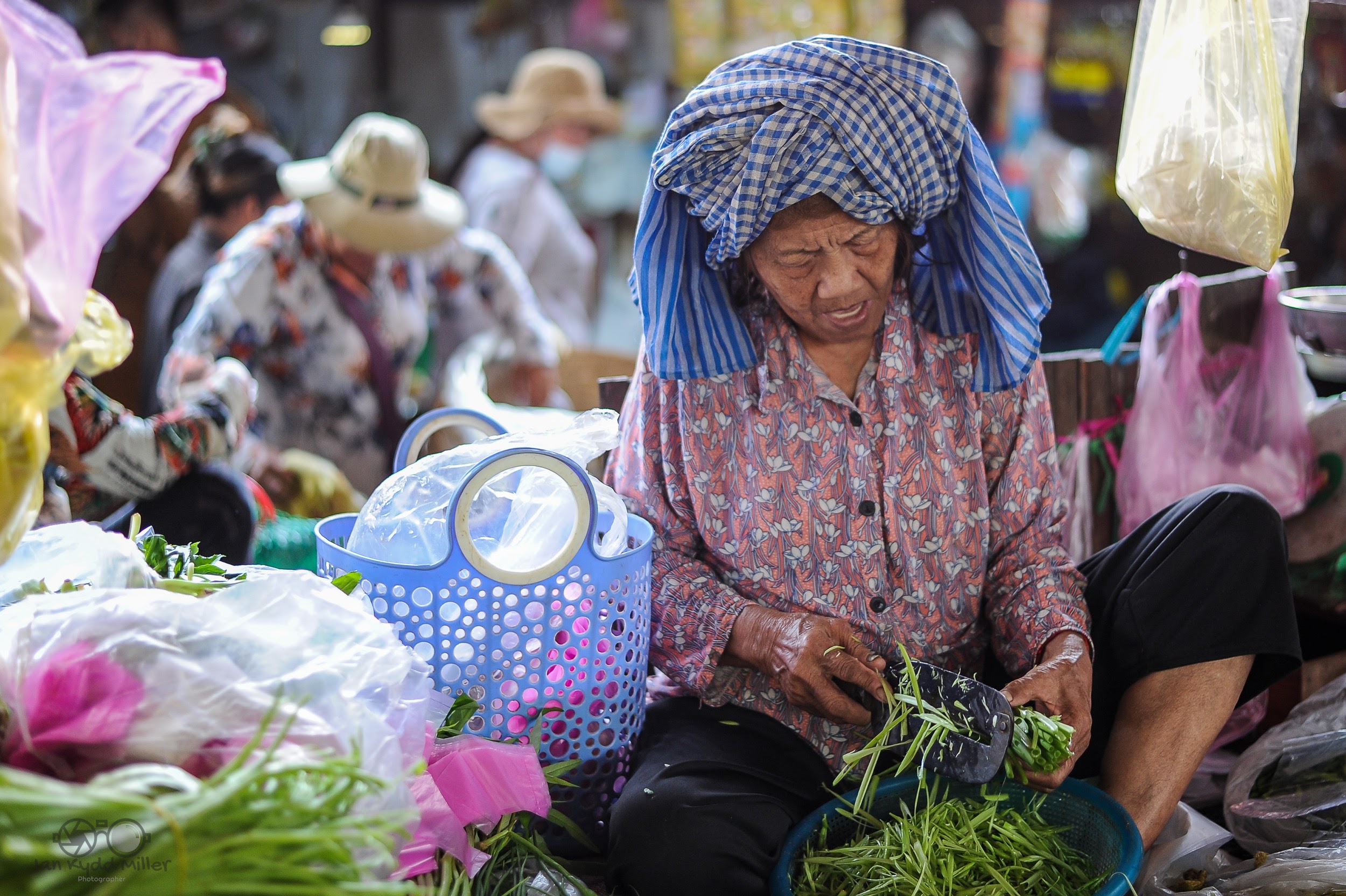
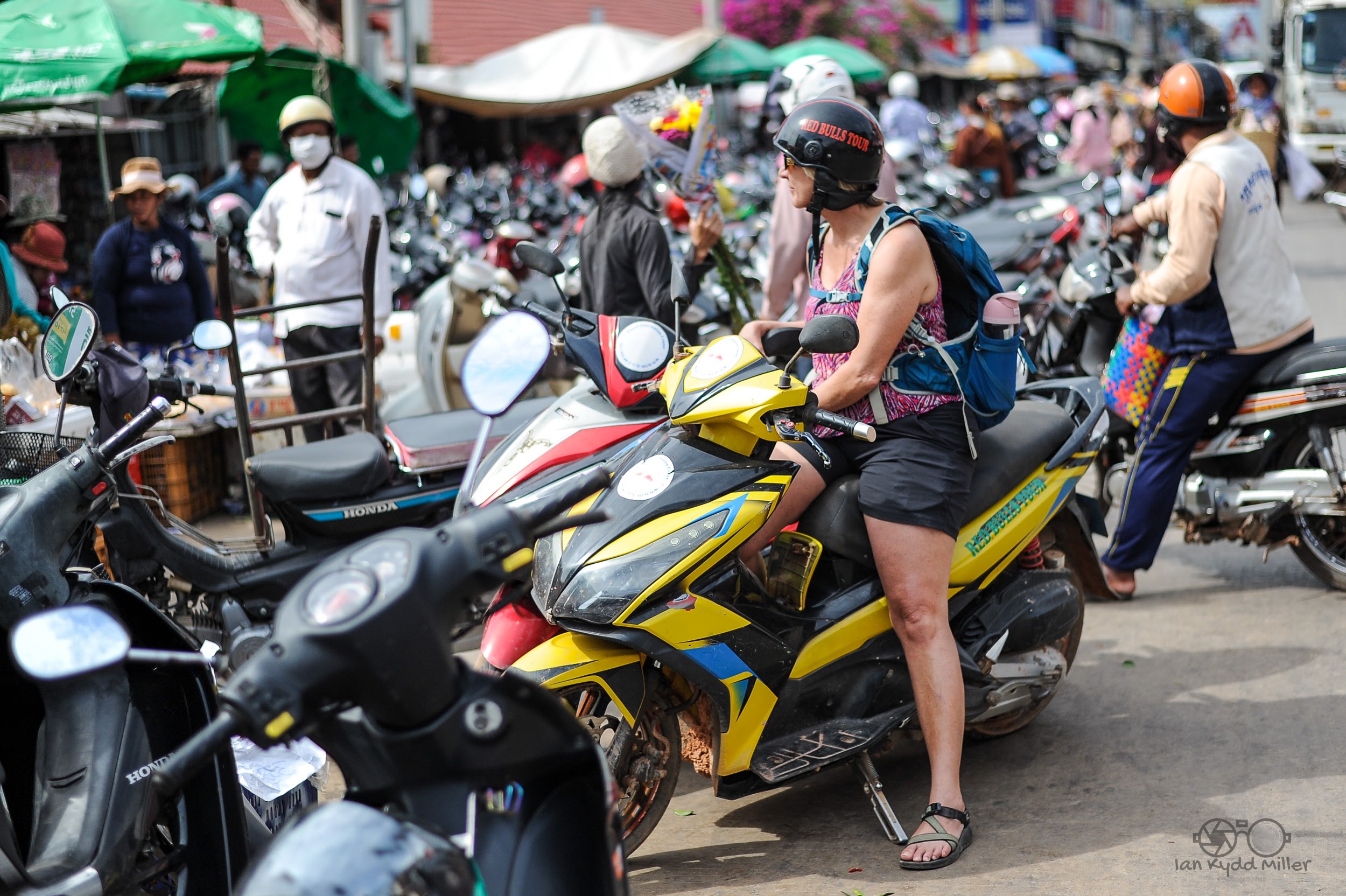
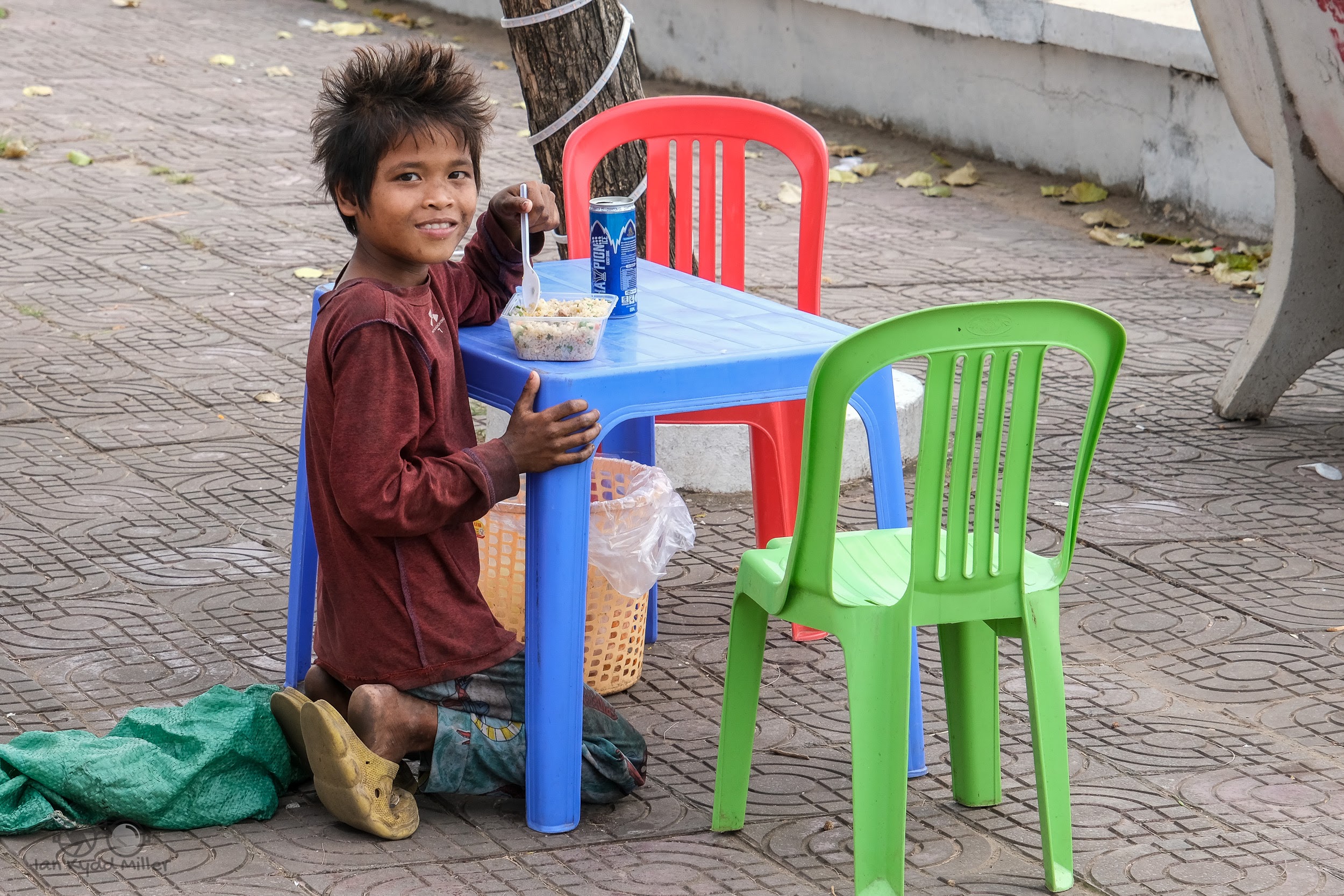
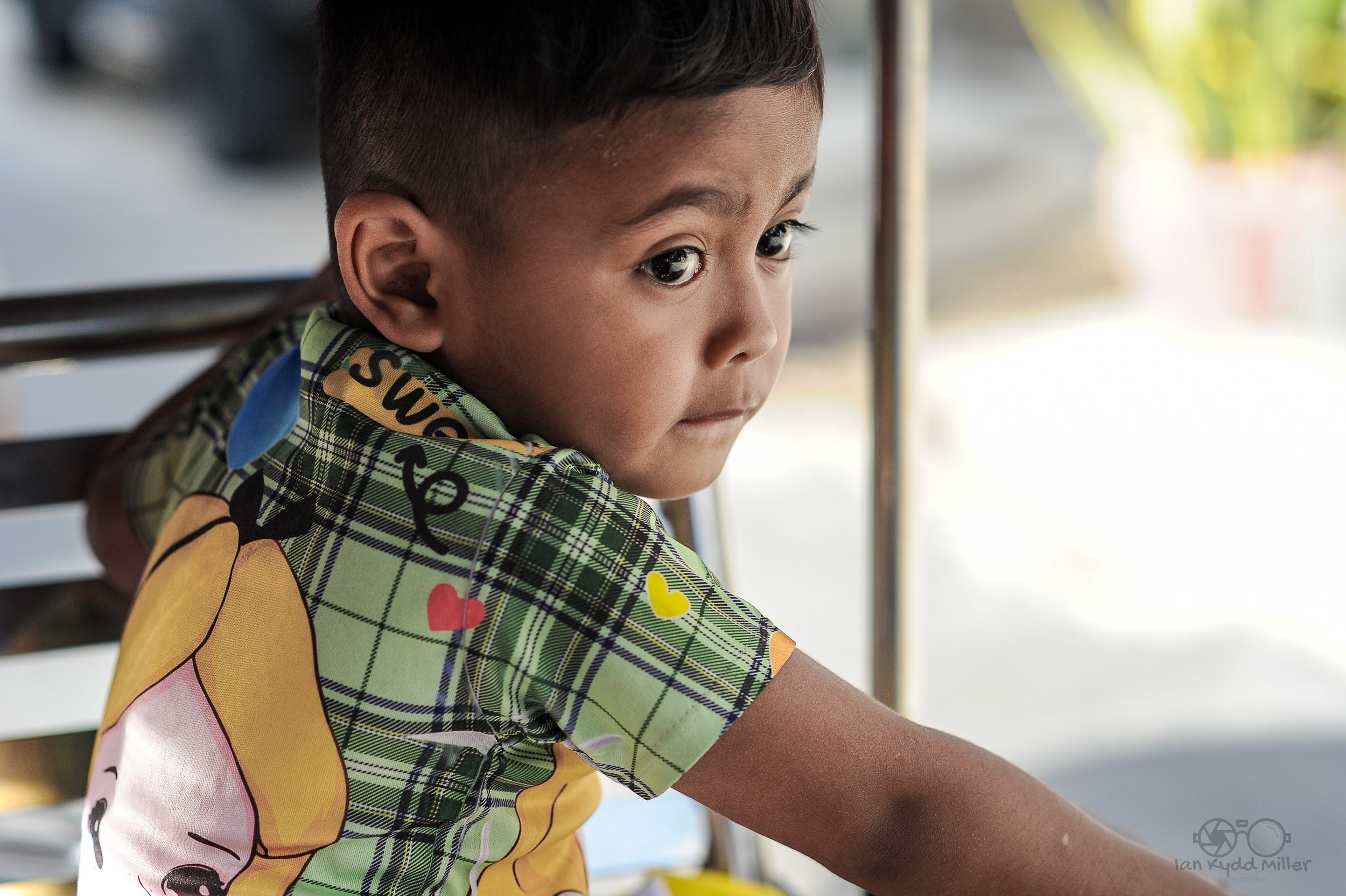
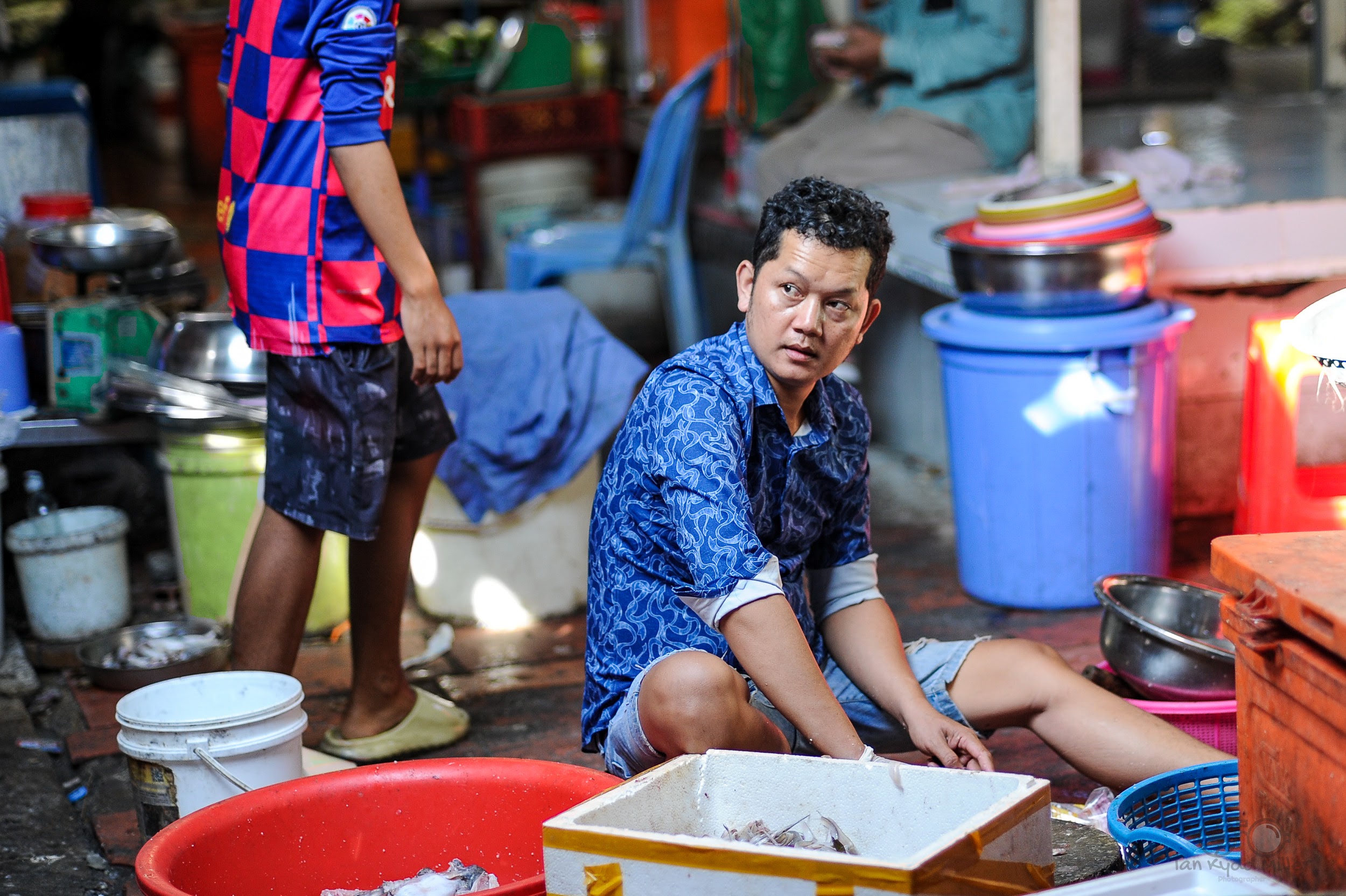
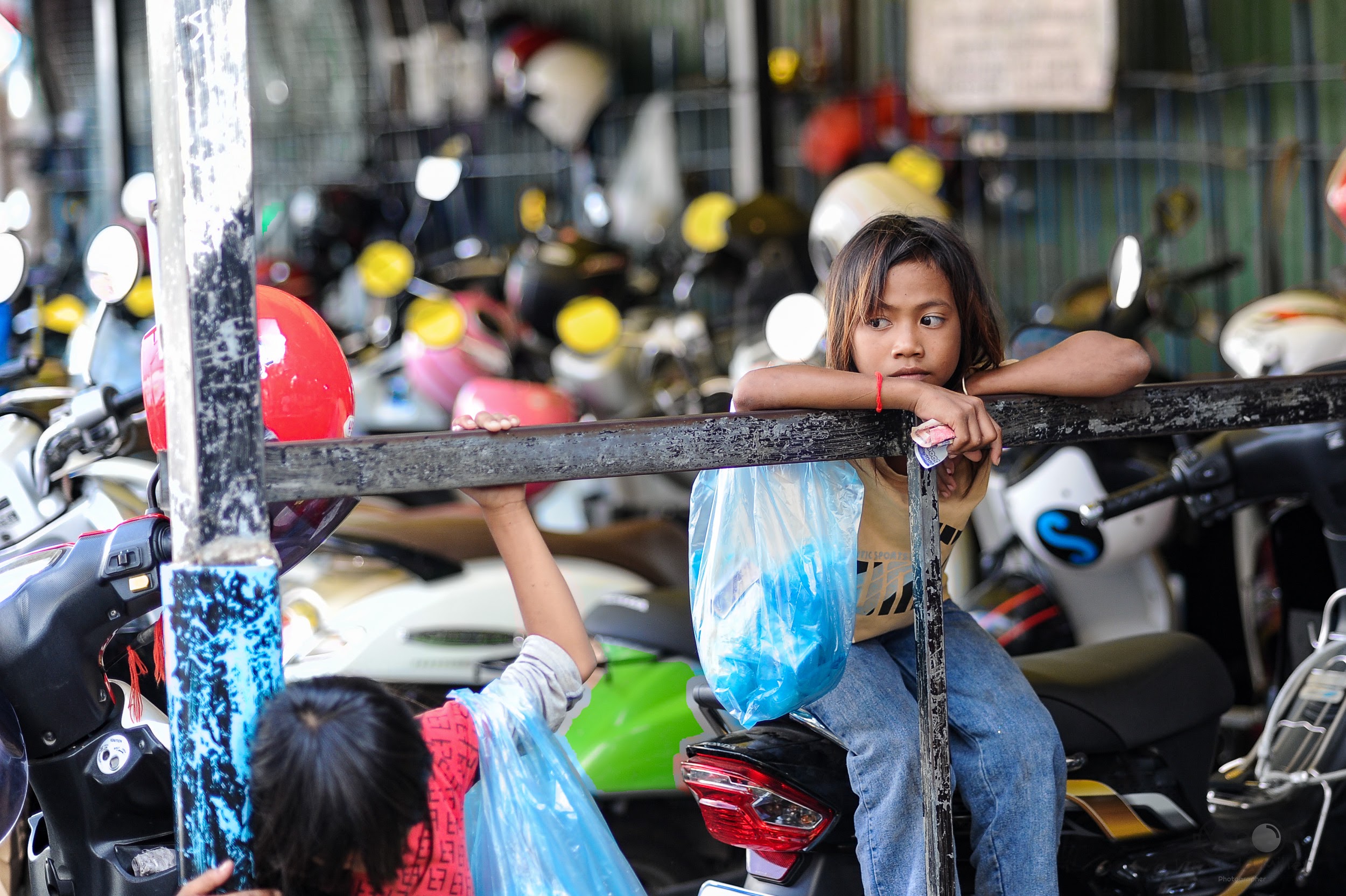
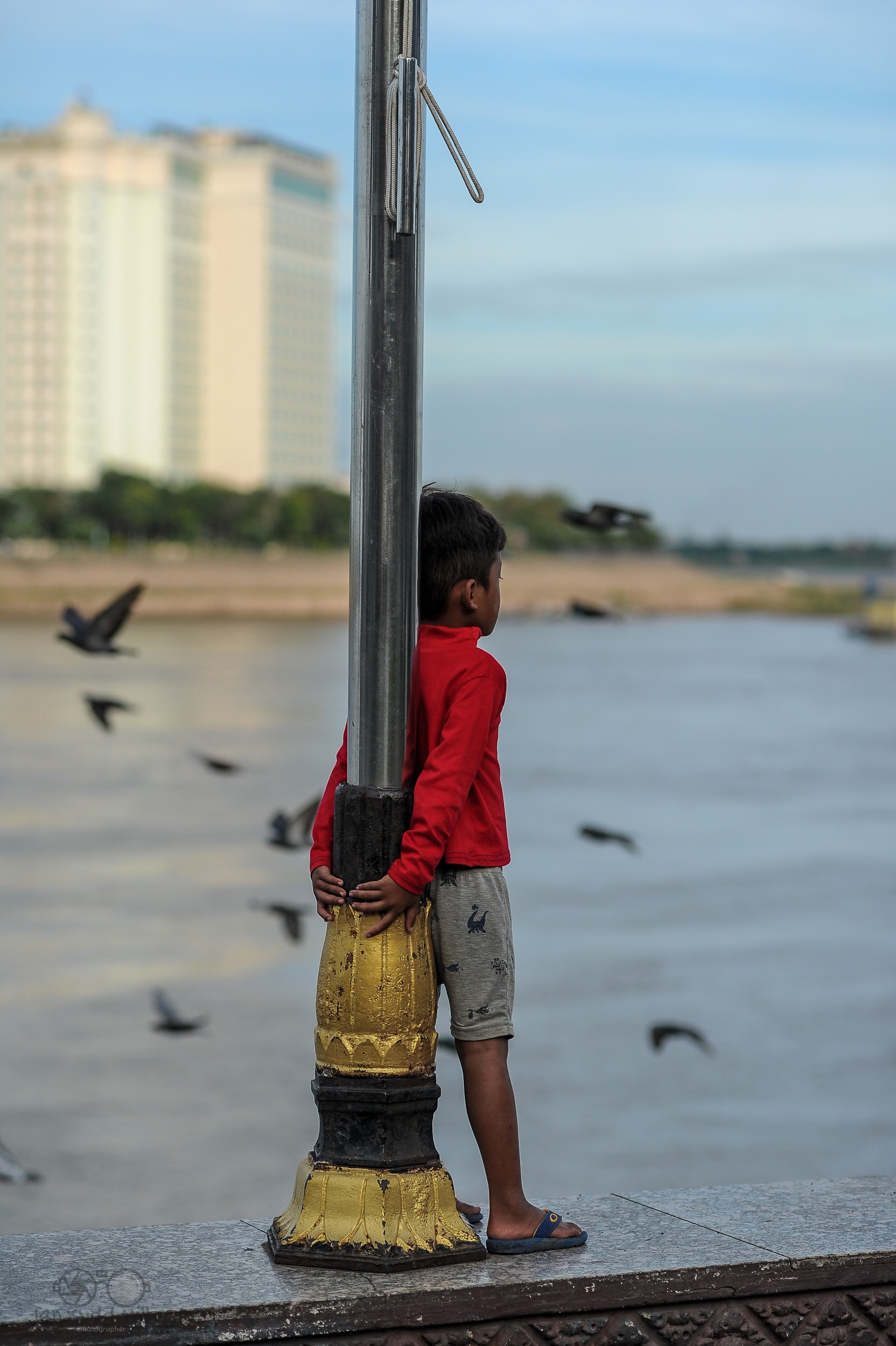
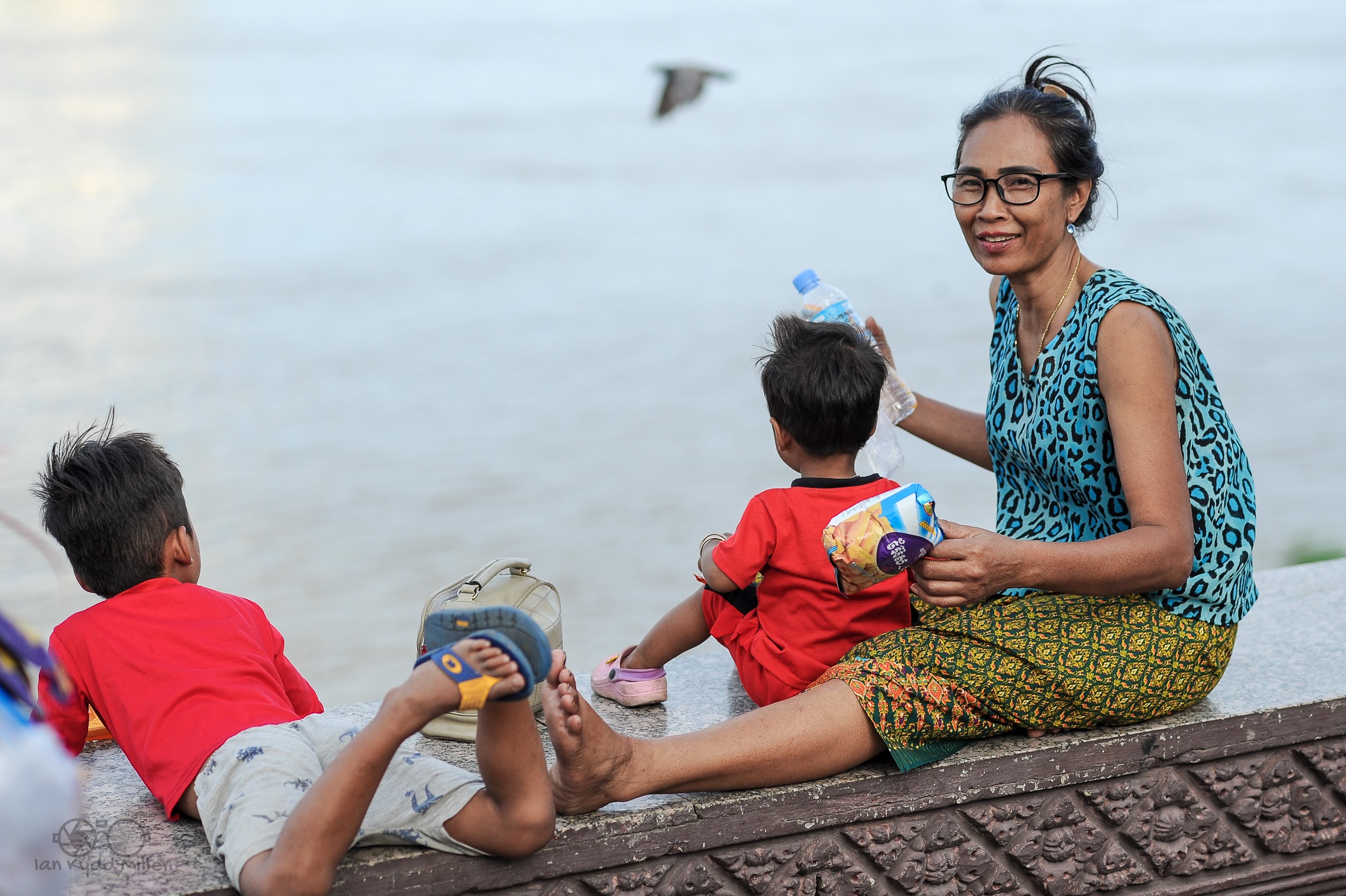
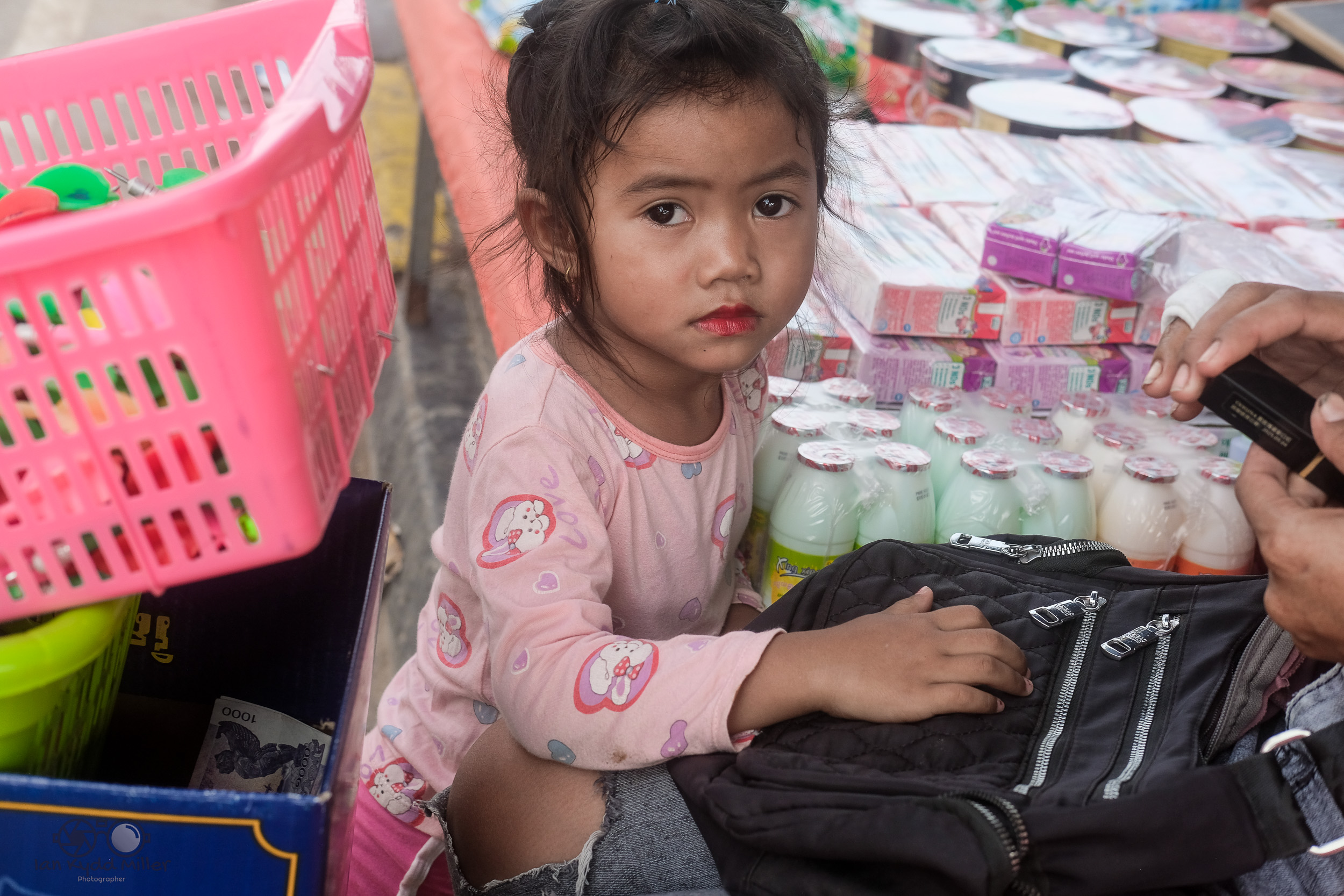
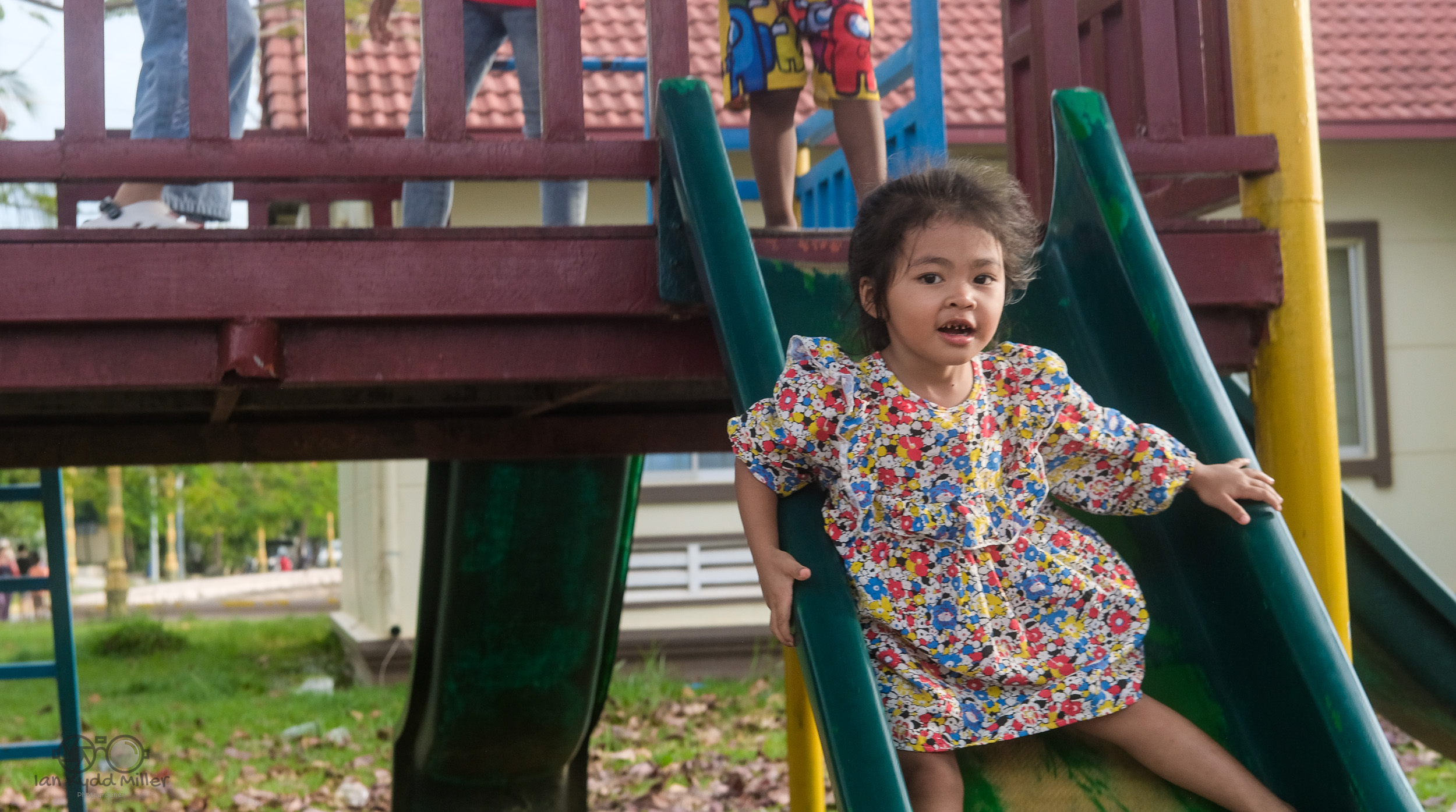
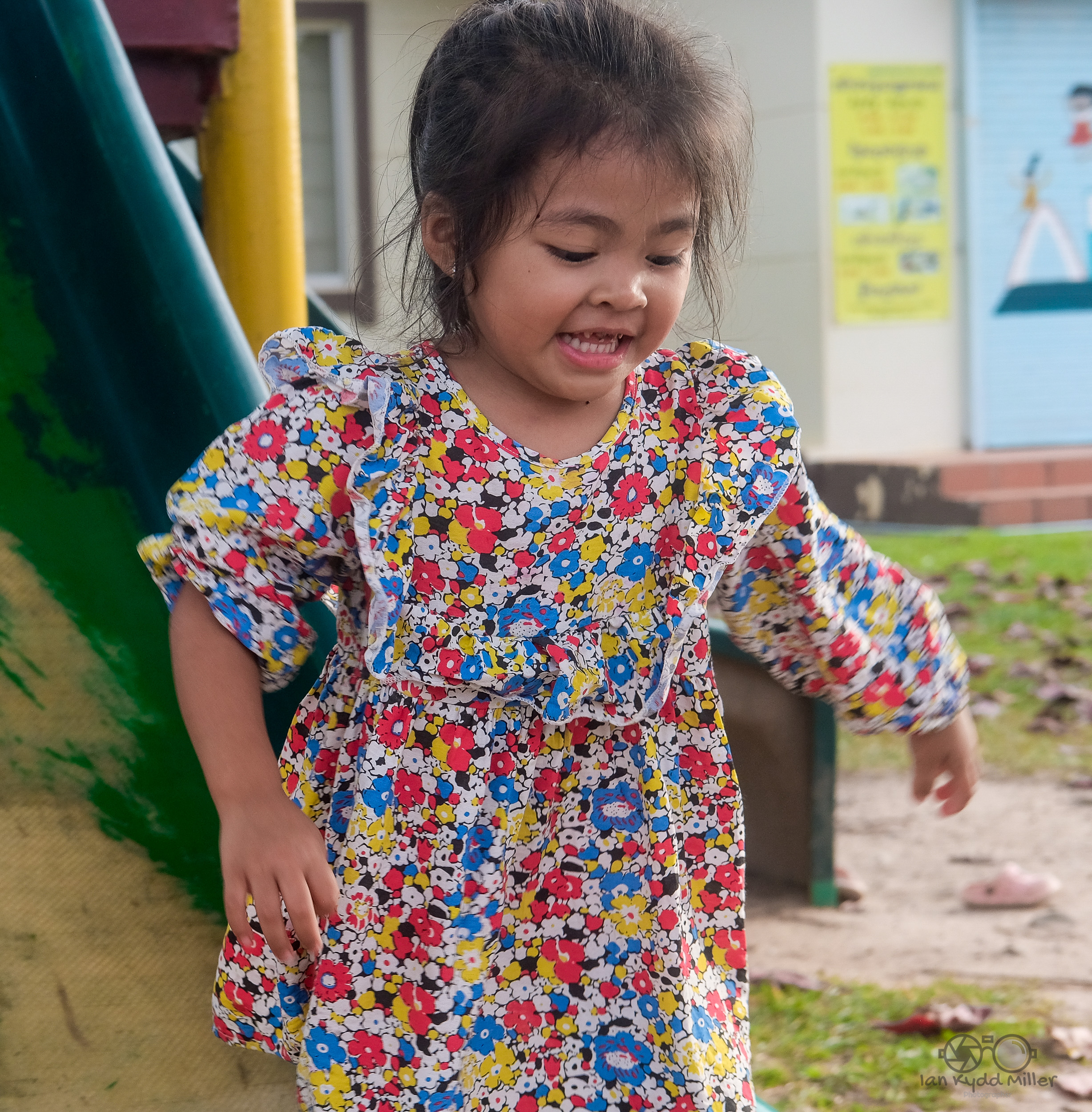
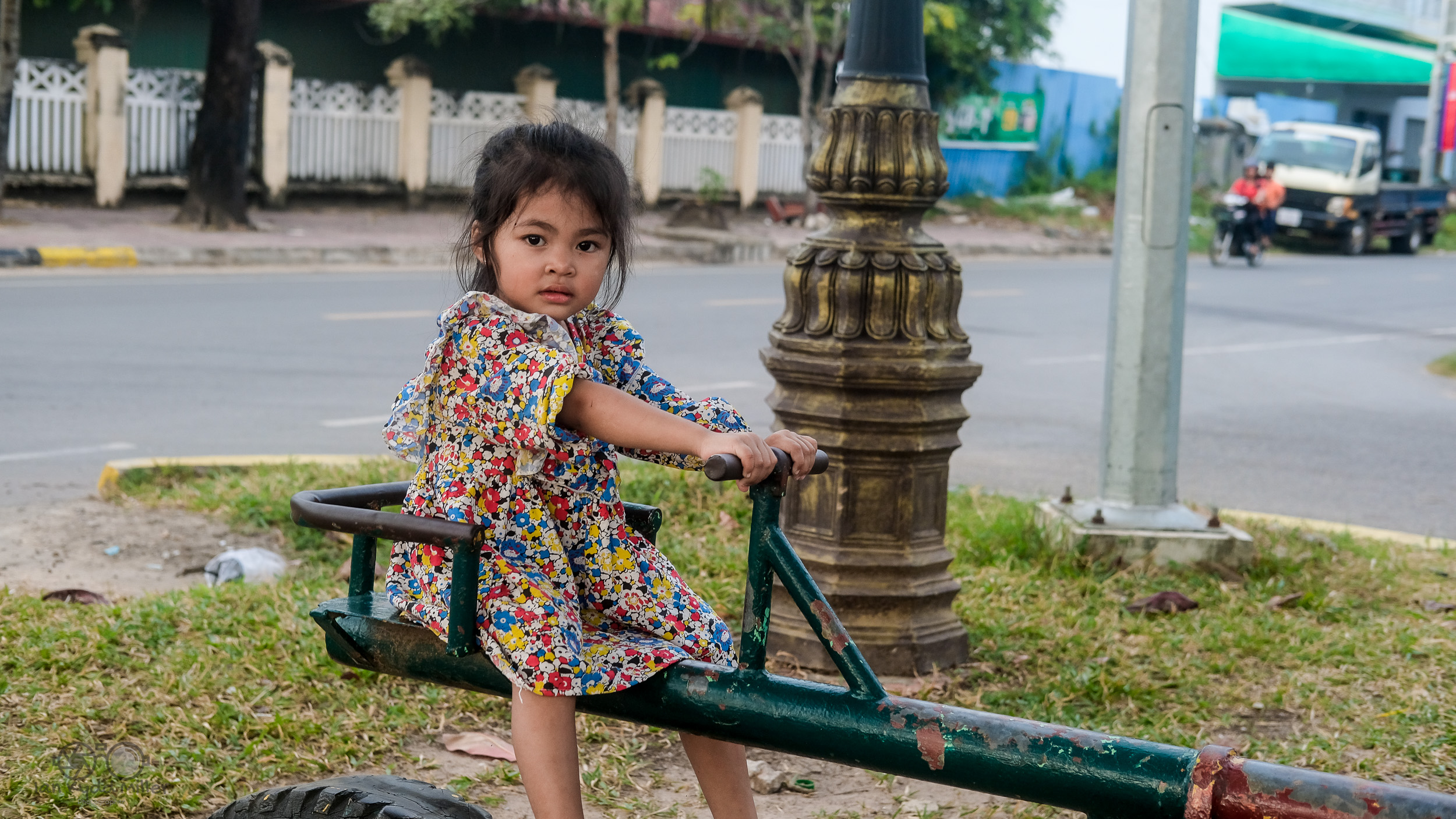
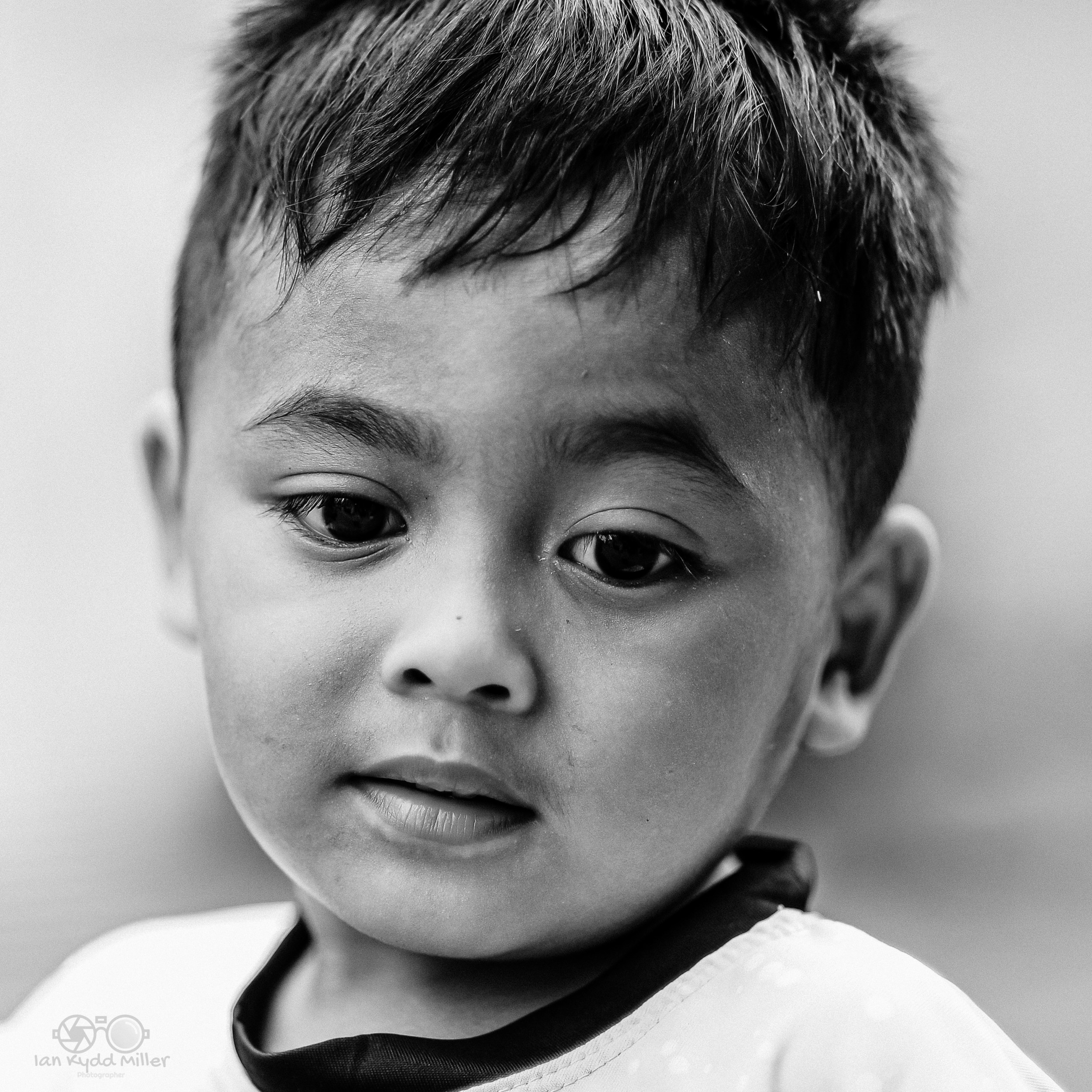
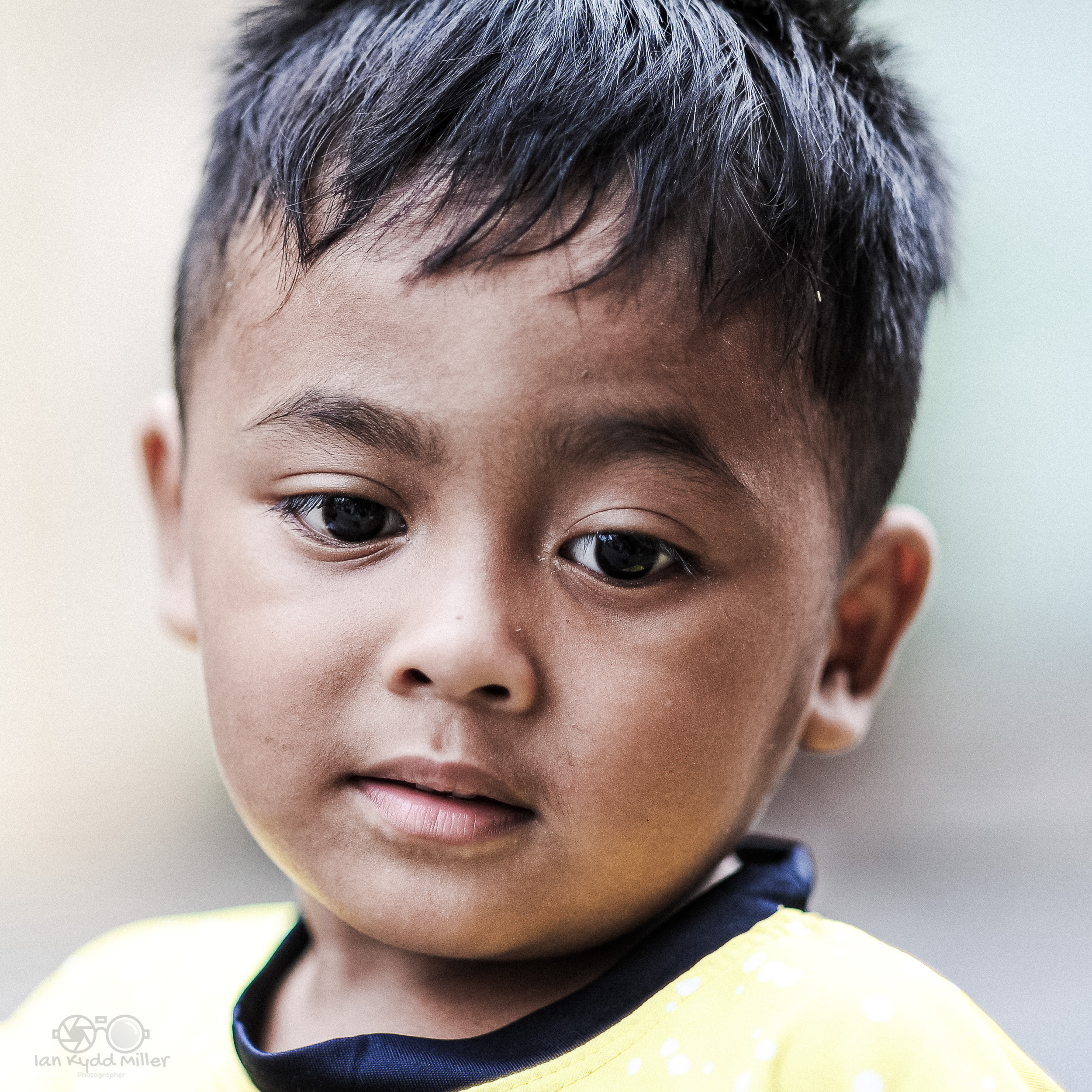
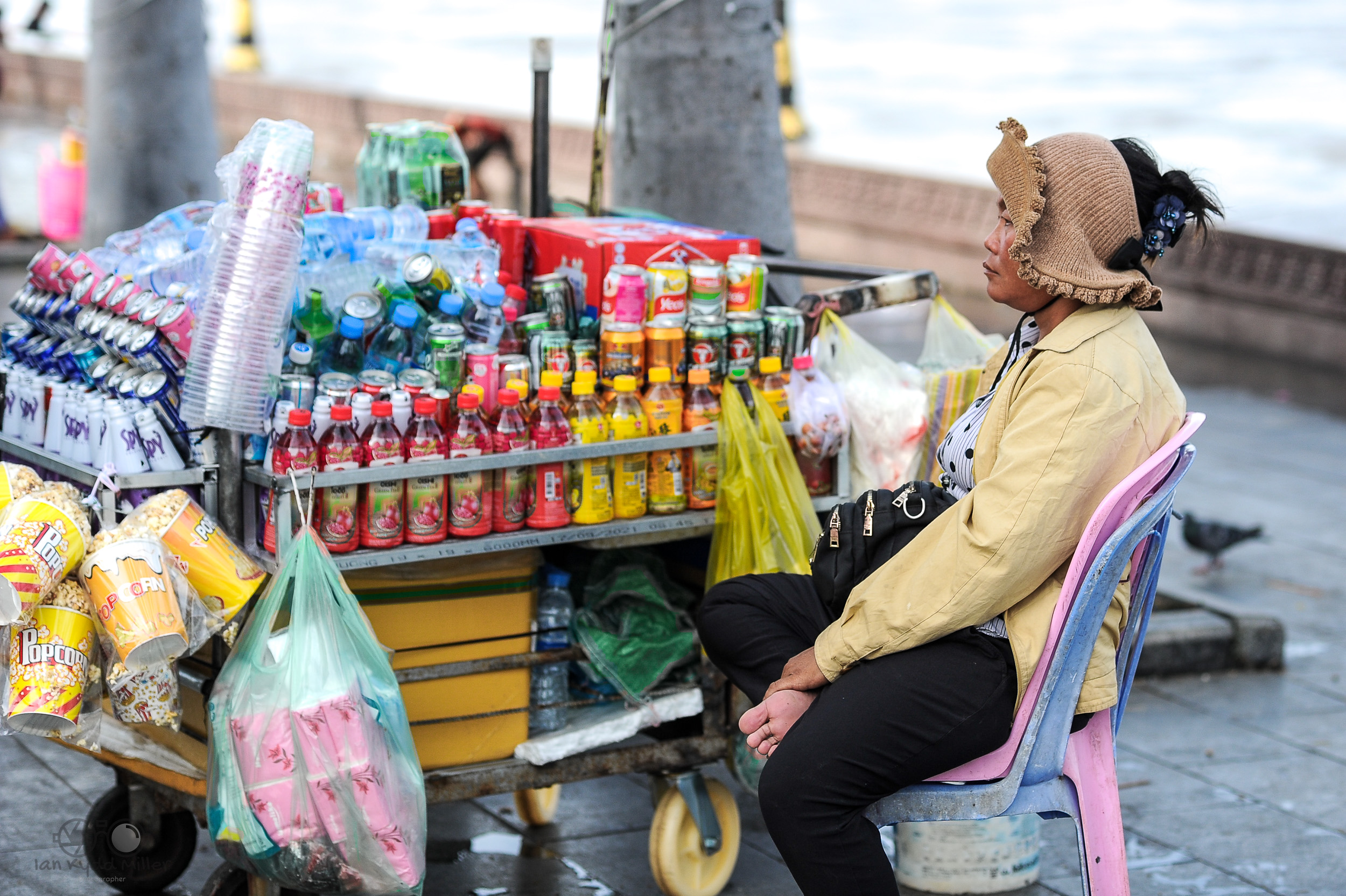
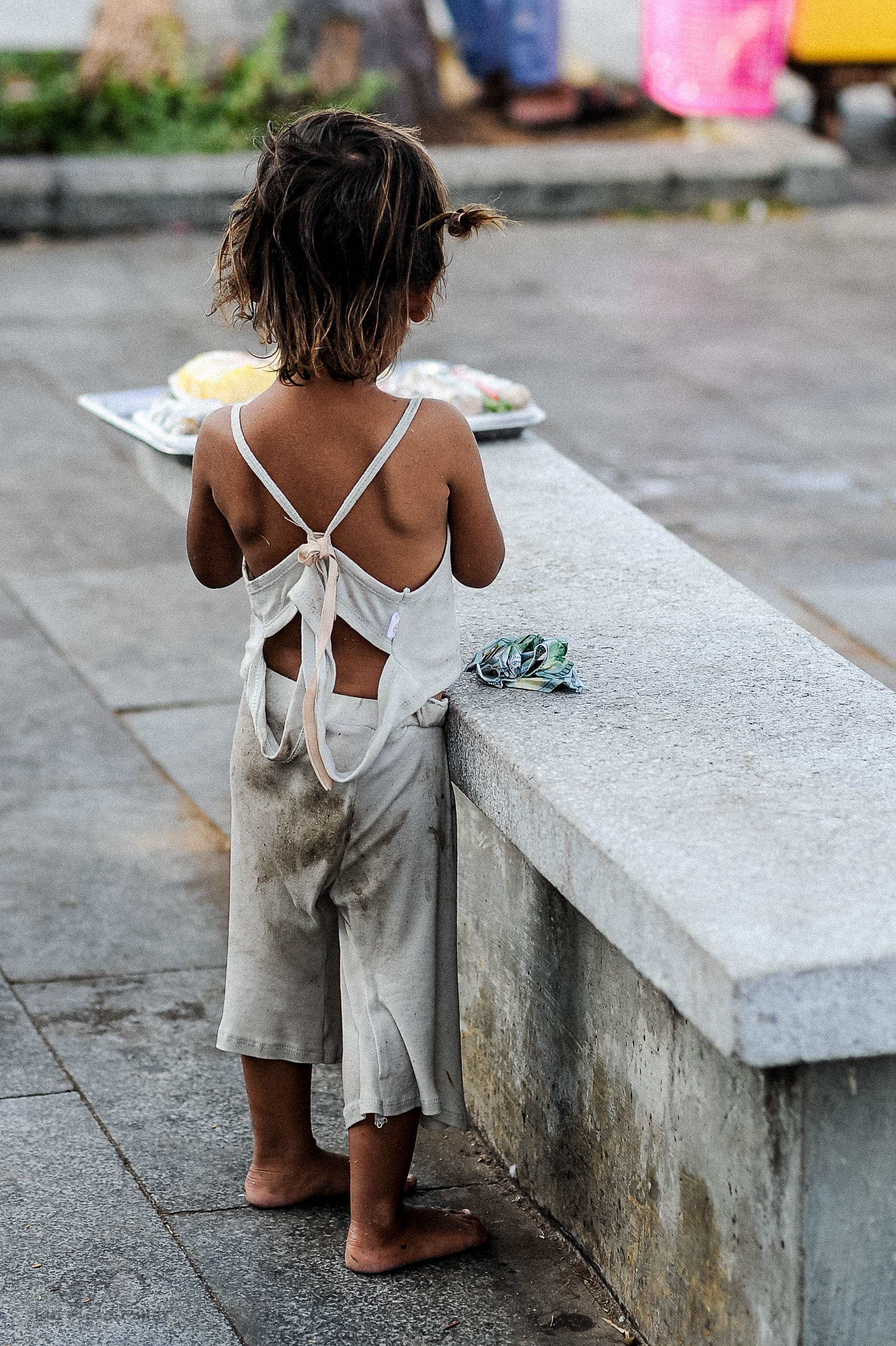
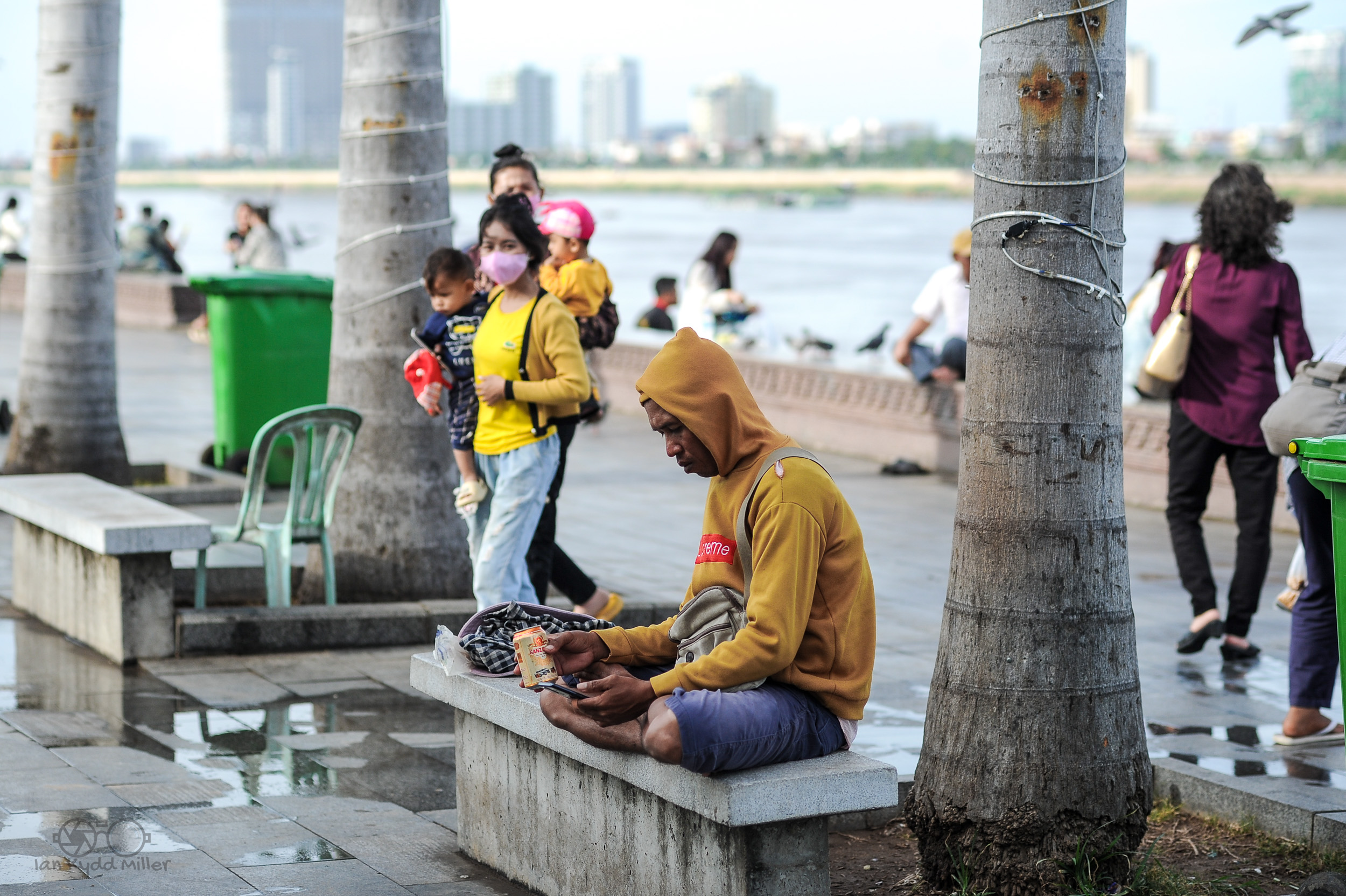
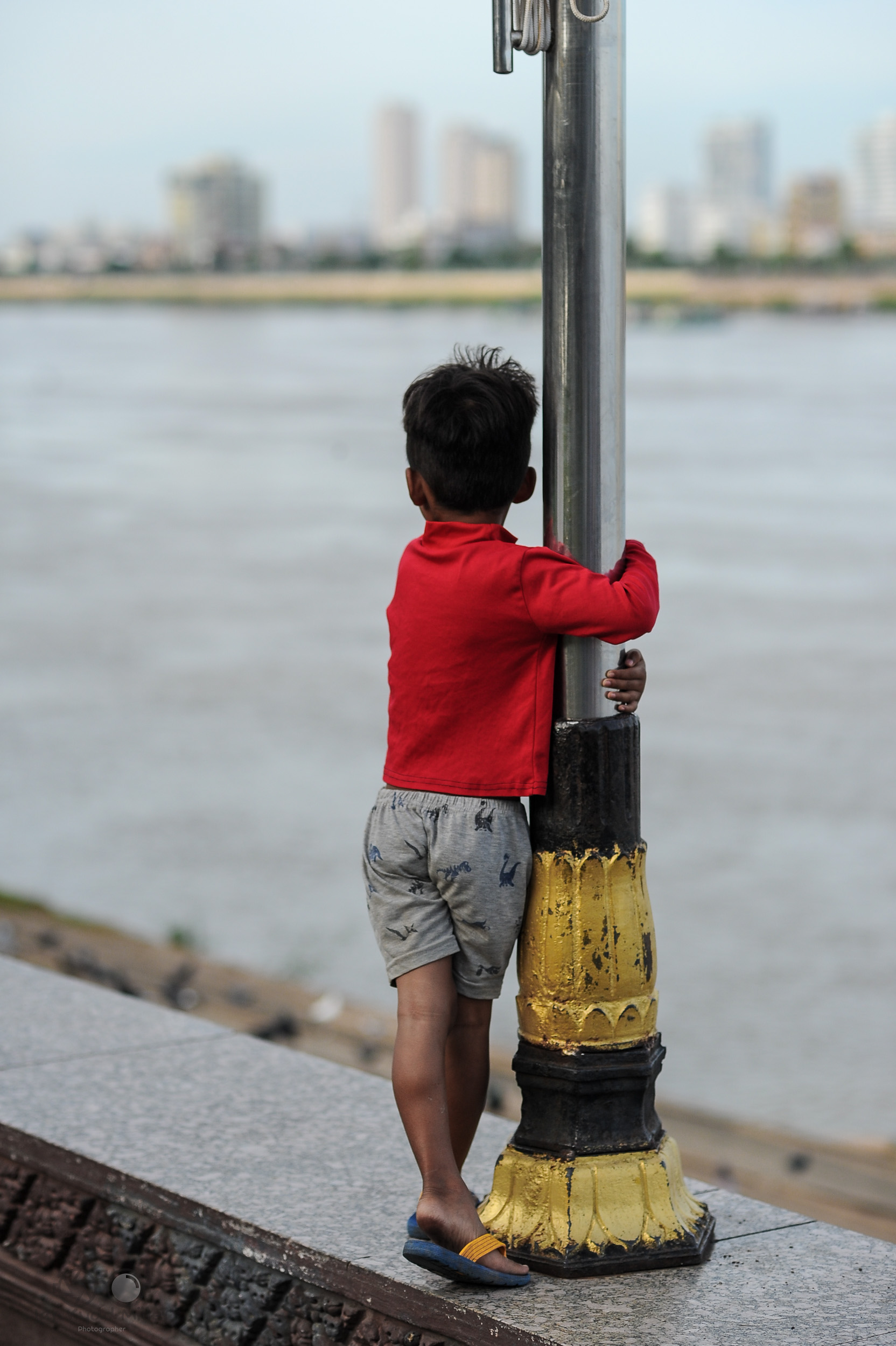
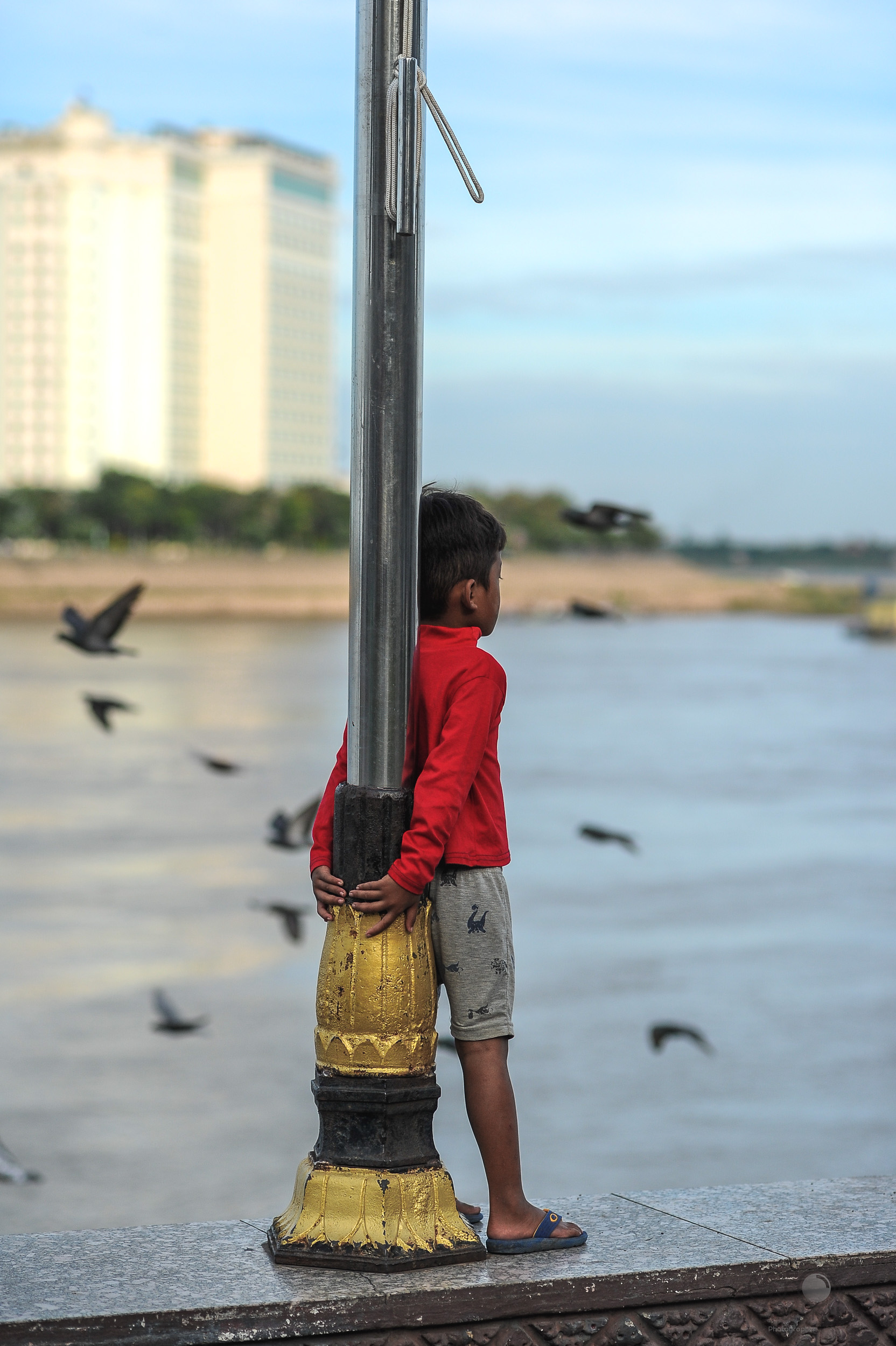
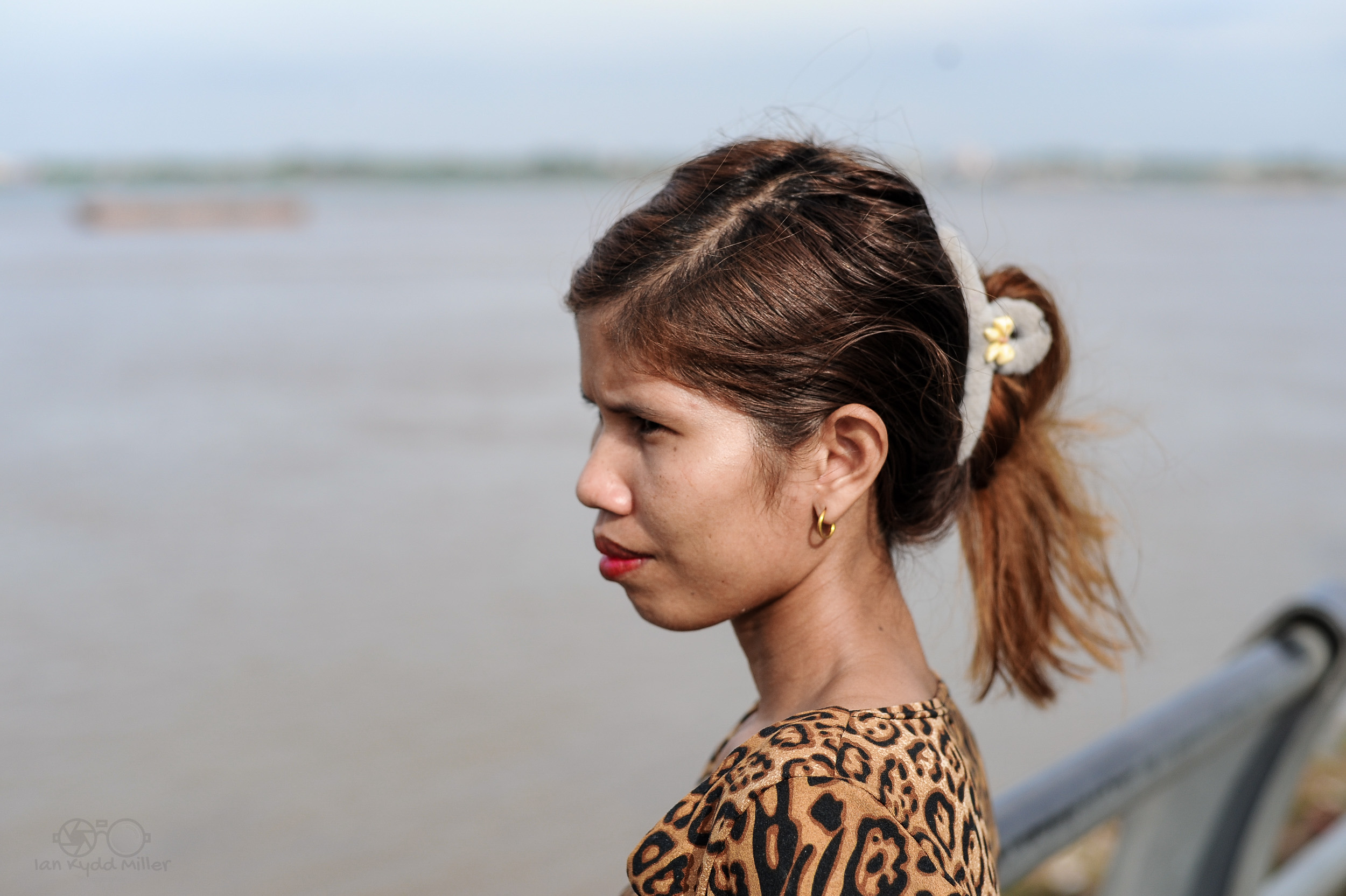
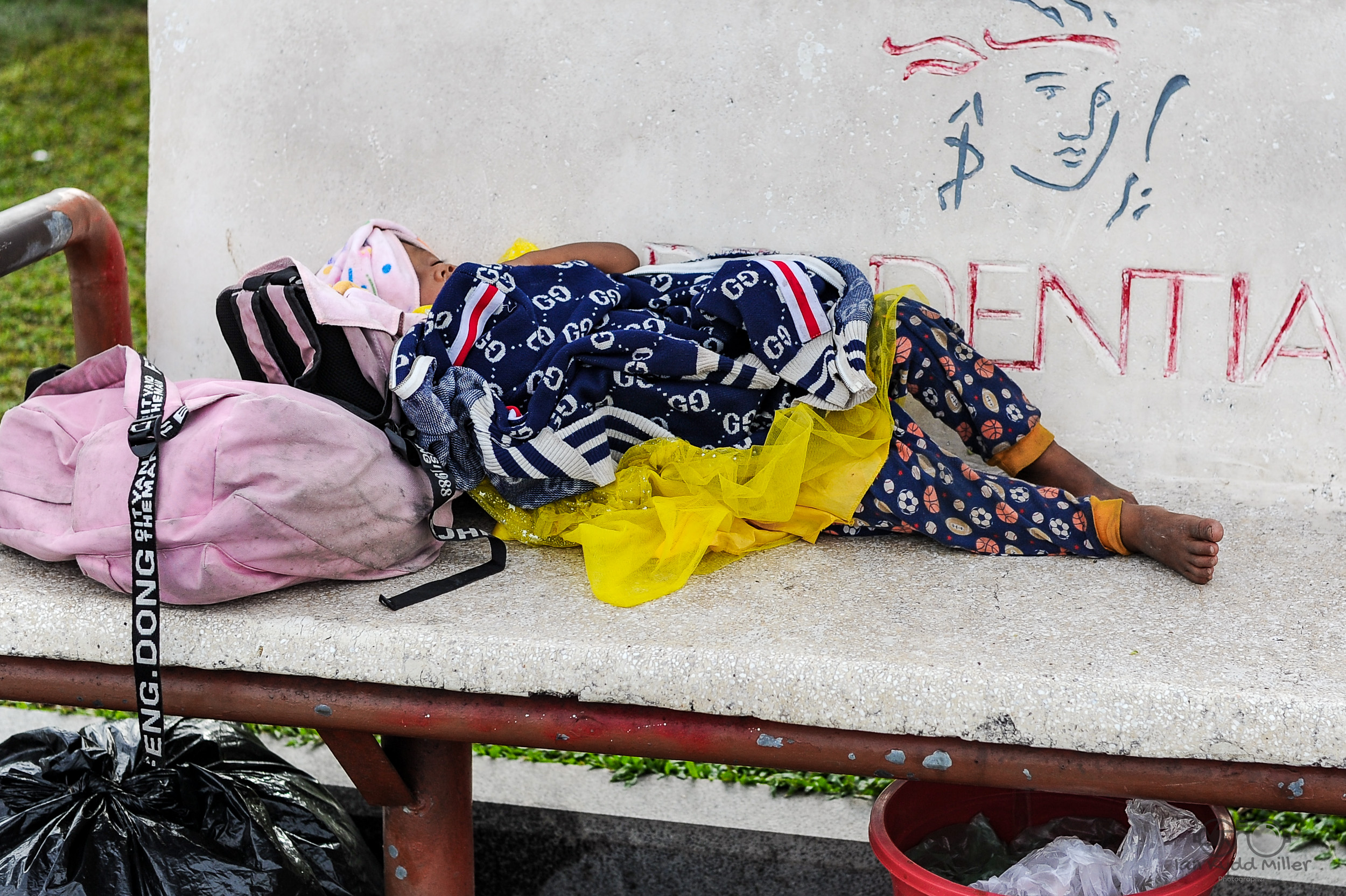
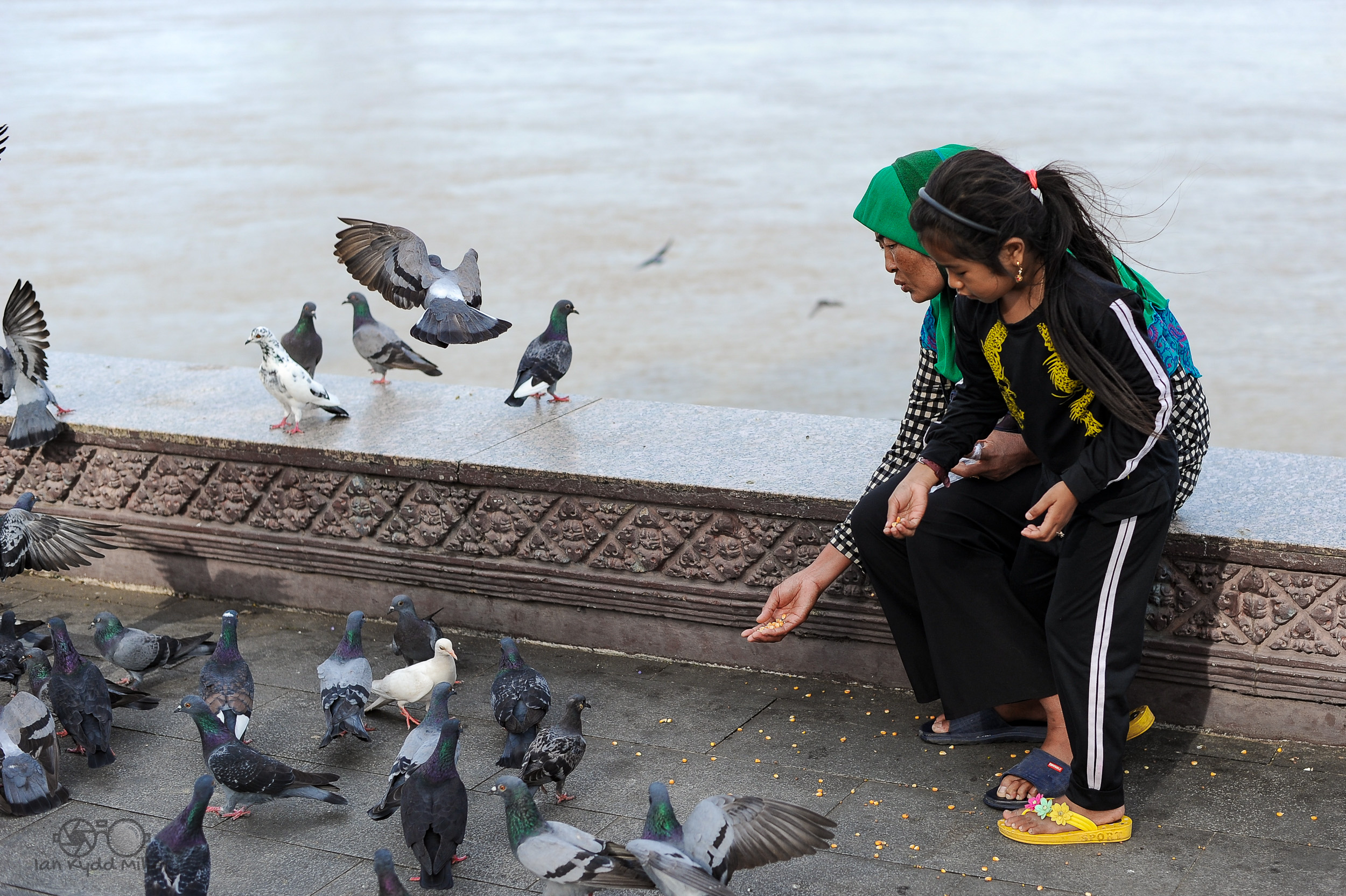
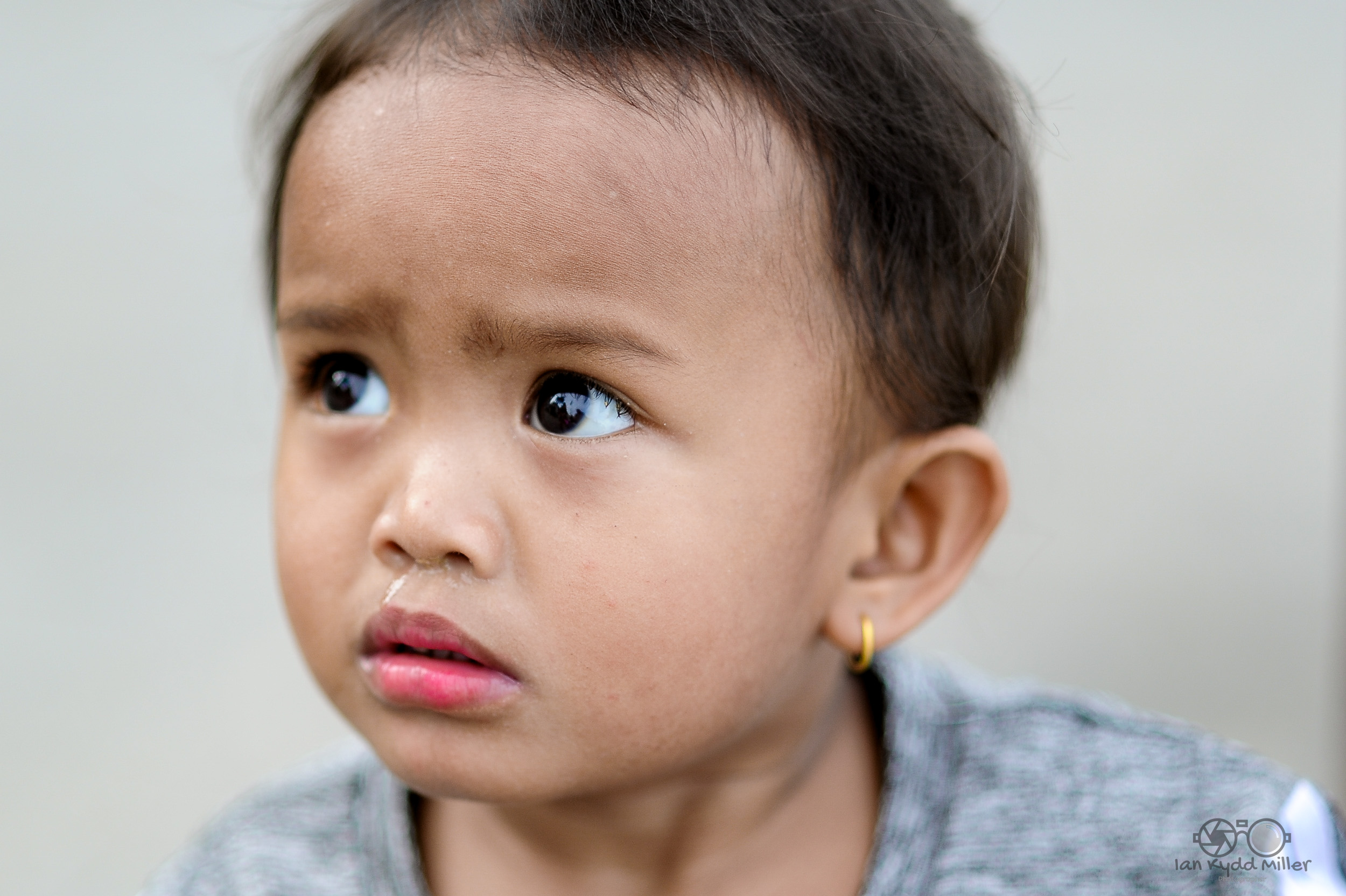
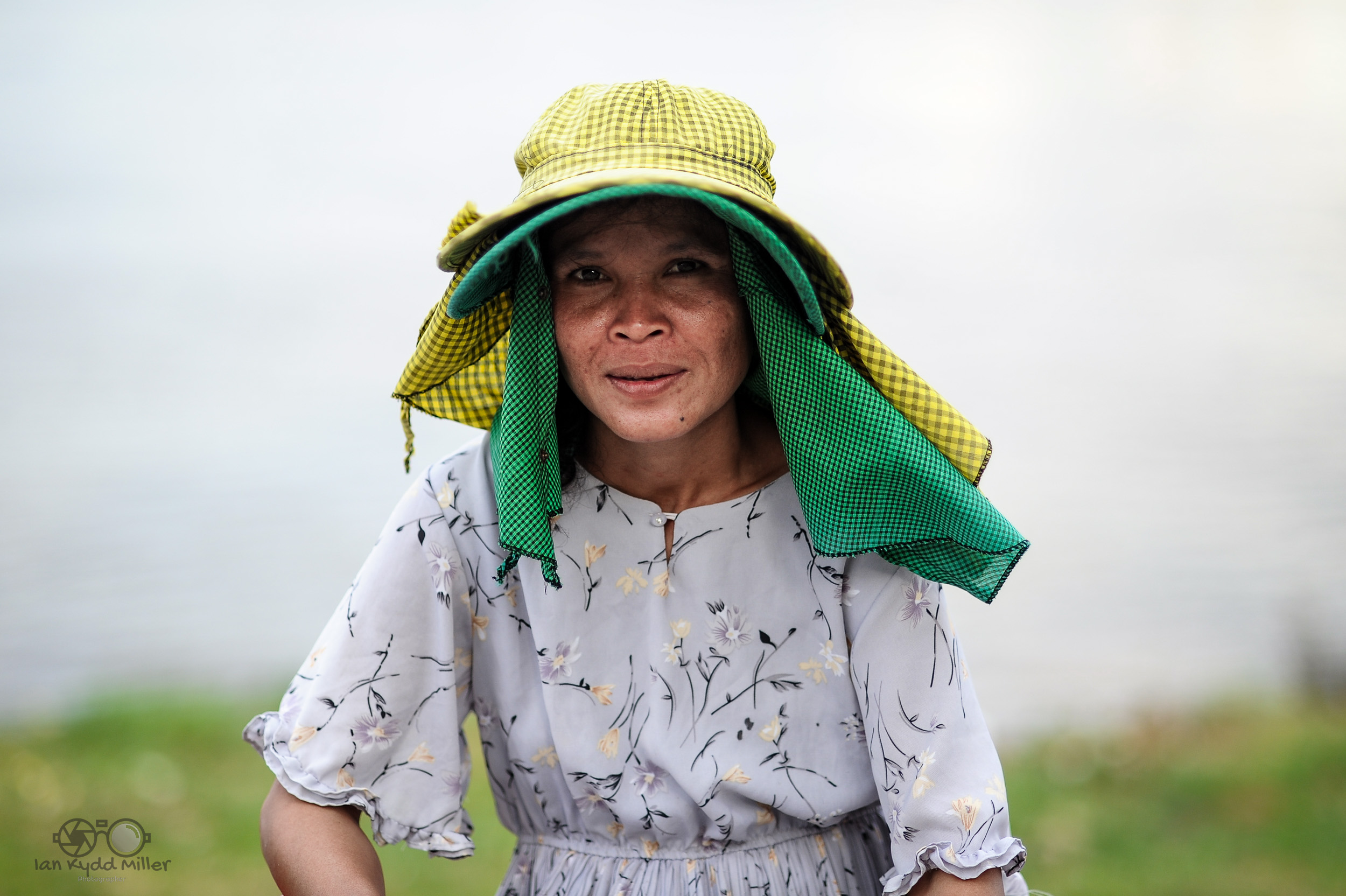
Picked up an old but babied Nikon D3s. Could never afford one when it was new but this was going for a very reasonable price so I treated myself for Christmas. I had a few Nikon lenses that I used with my Nikon D2Hs so I thought I would give it a try.
Of course my first love are my Fujifilm cameras and lenses but this camera is still very capable. I have since buying it added a few prime Nikon lenses that again were very reasonable price, older, like the camera, but still excellent.
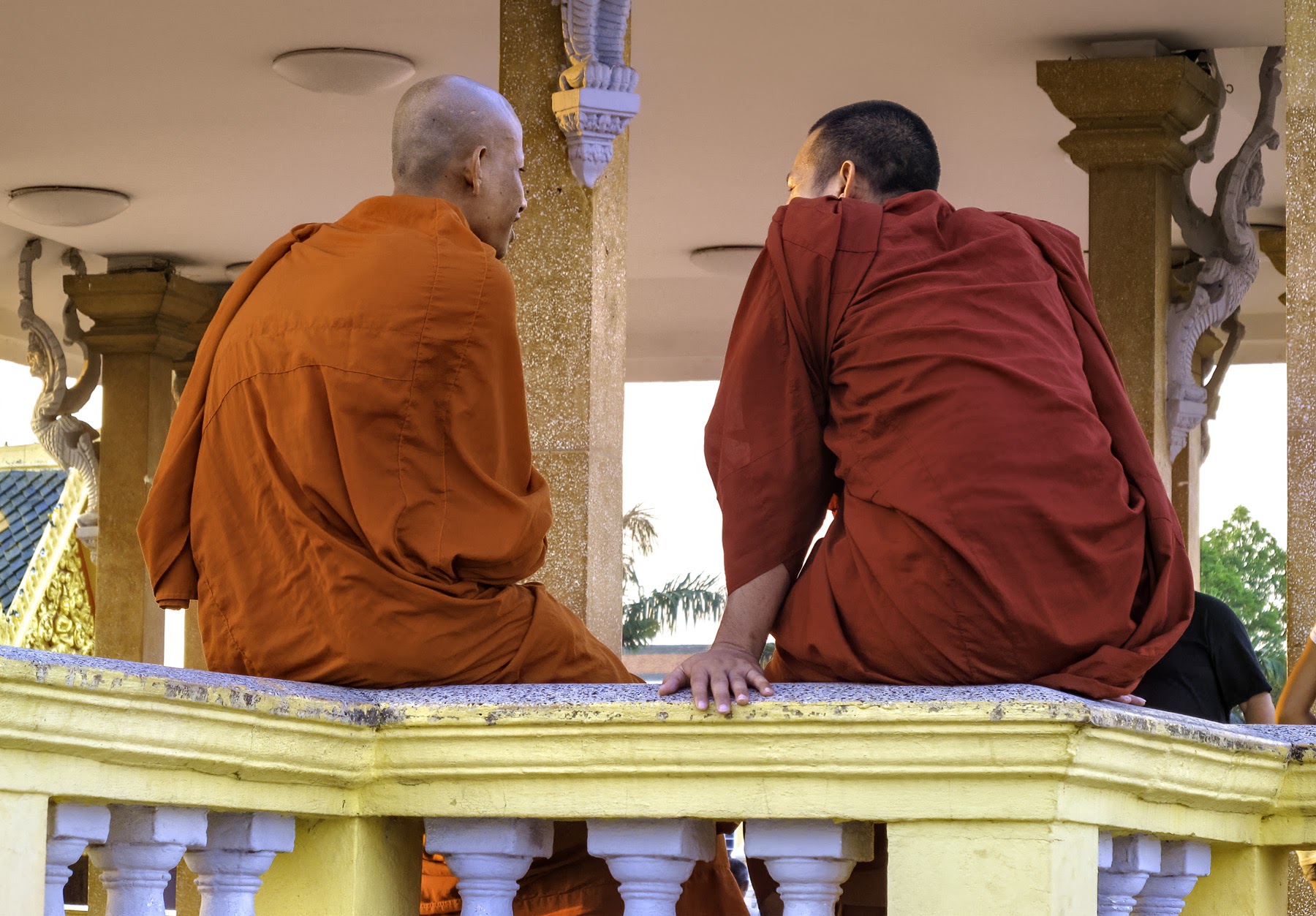
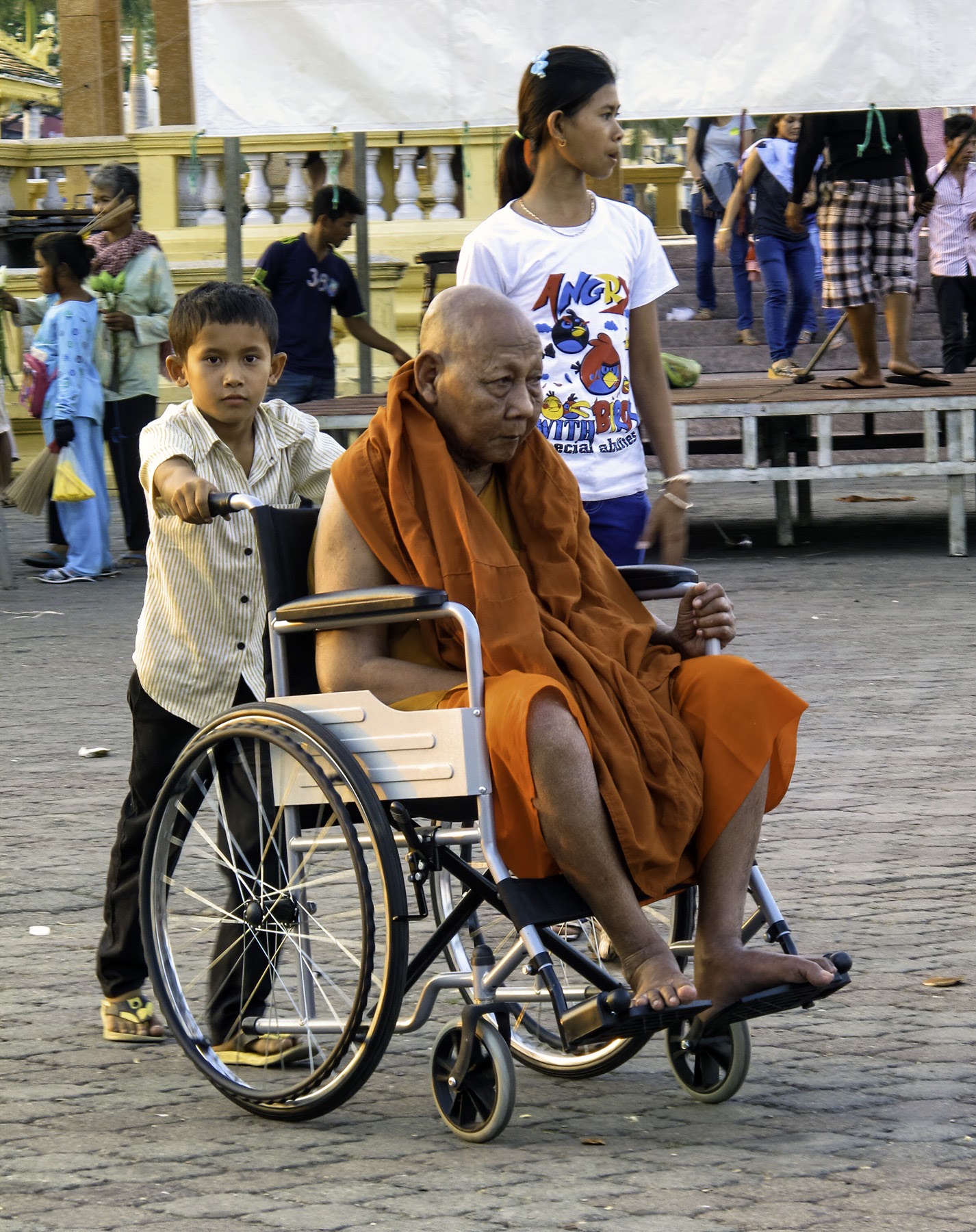
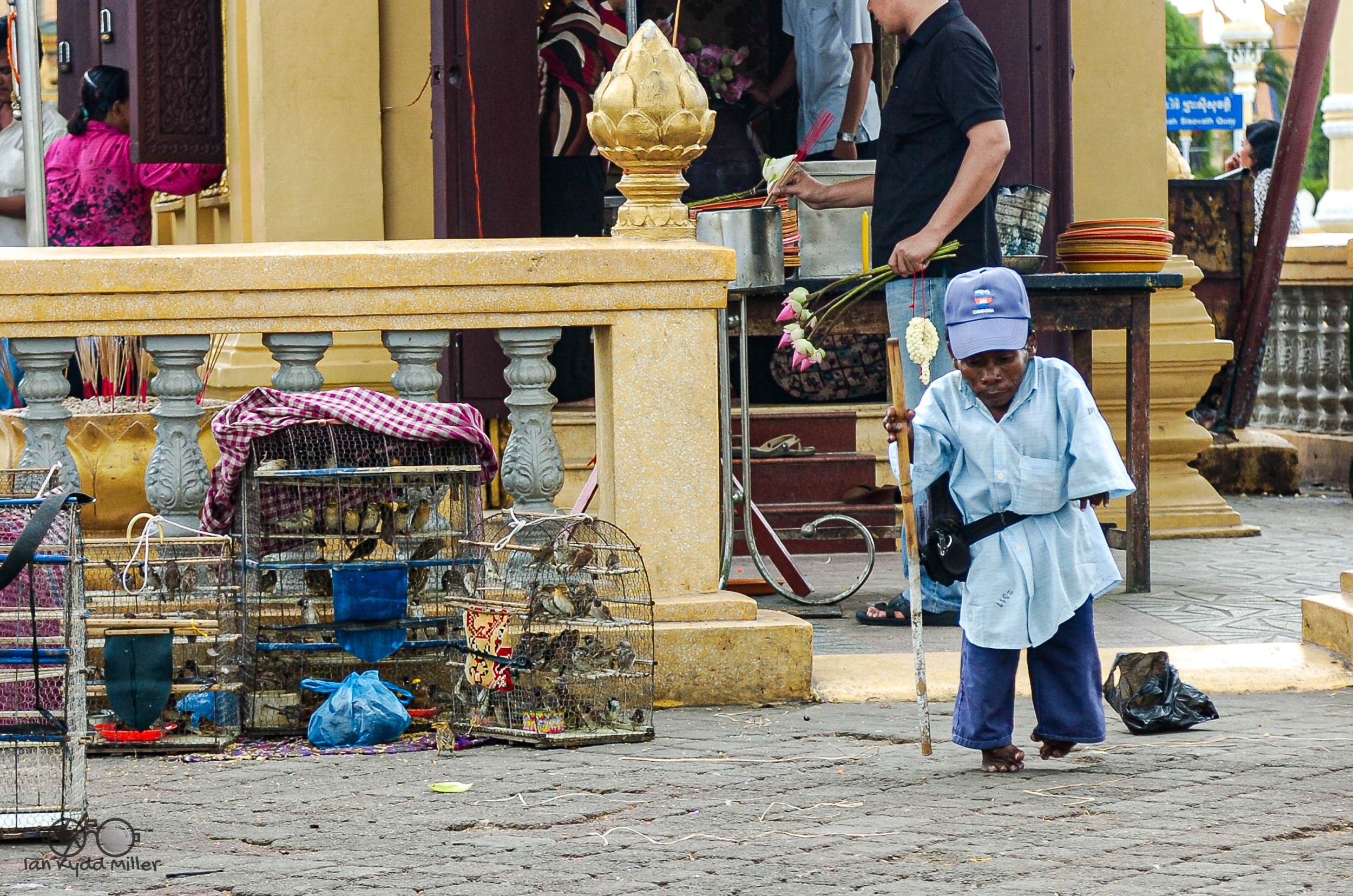
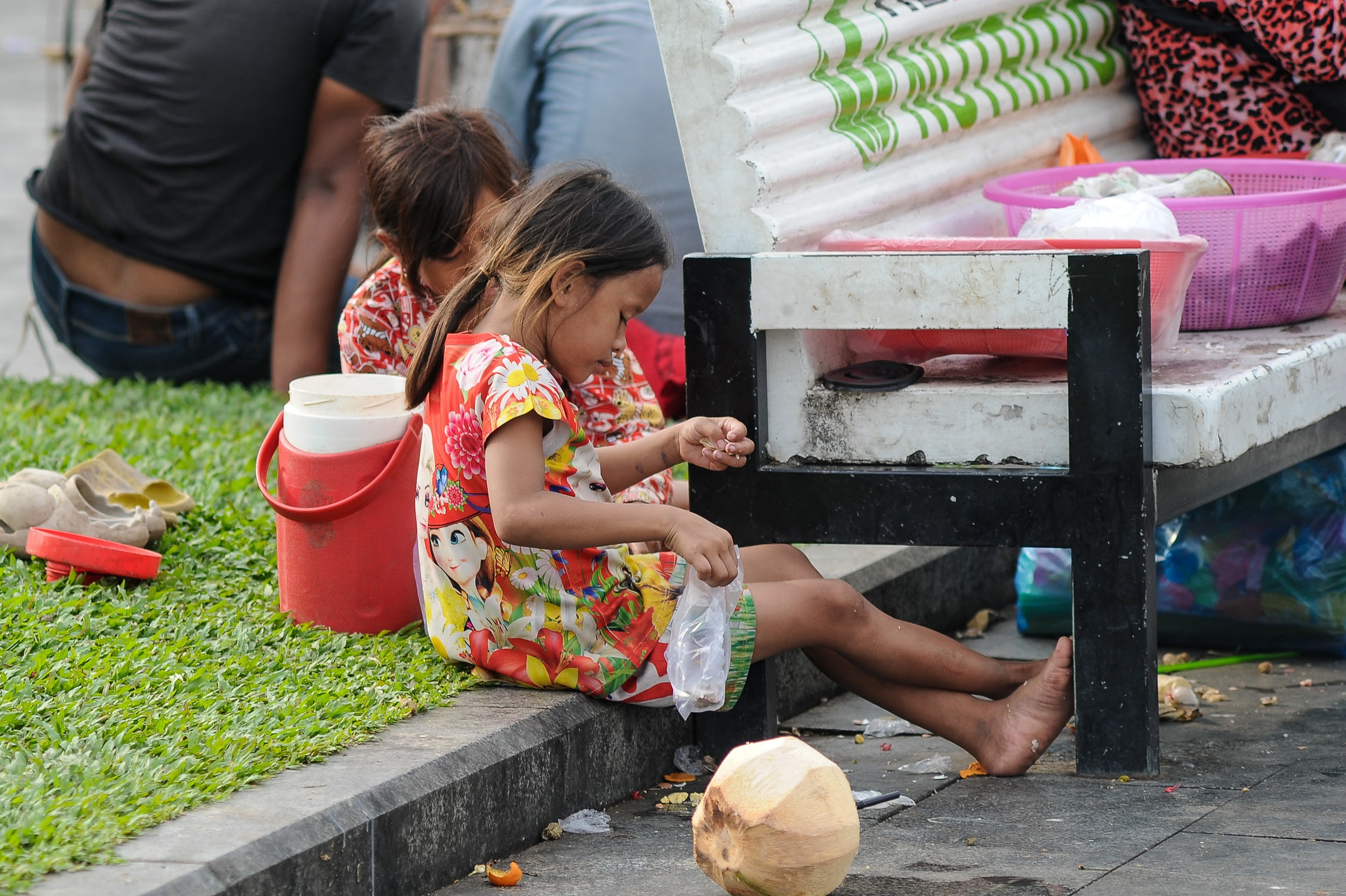
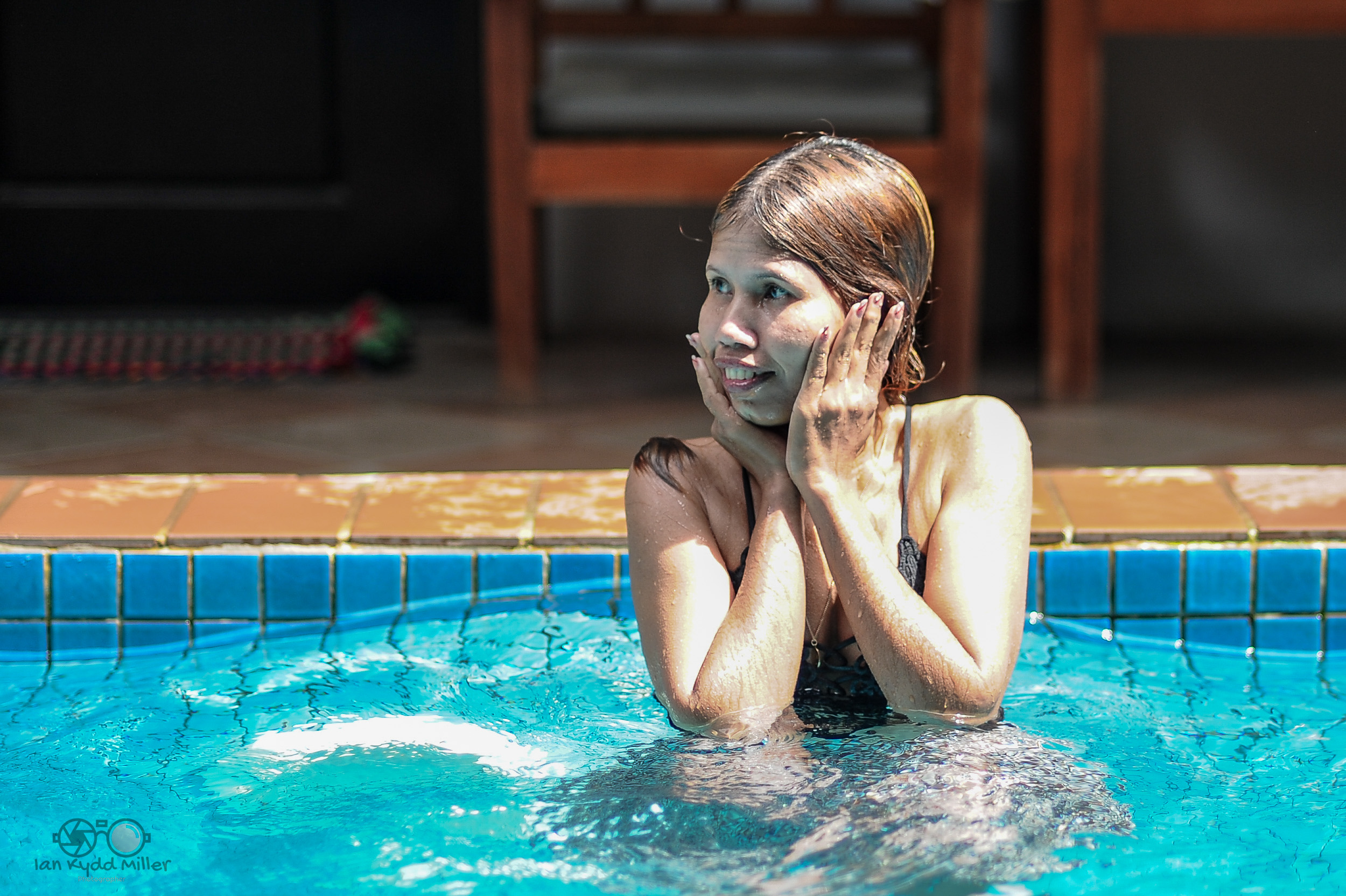
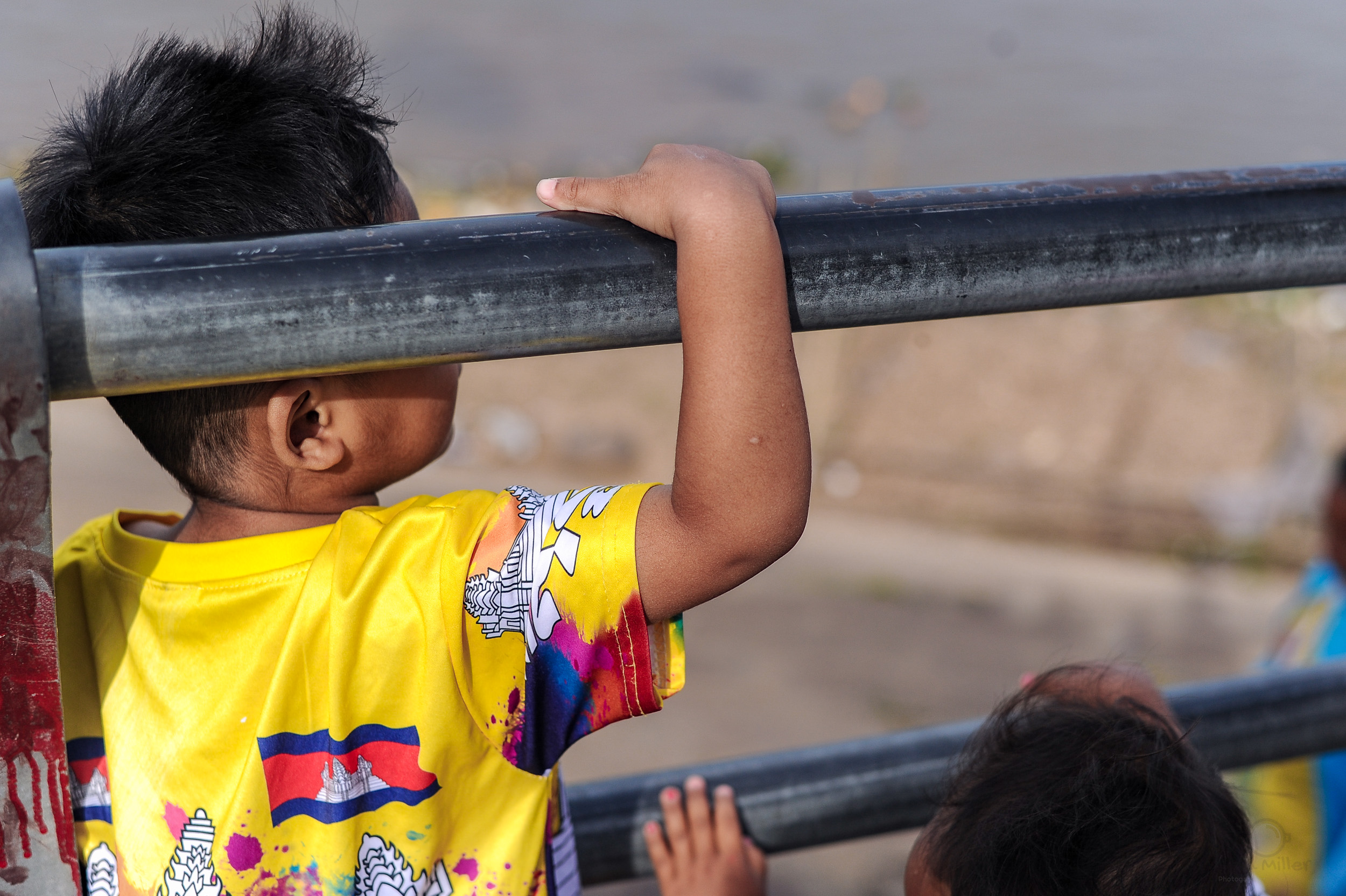
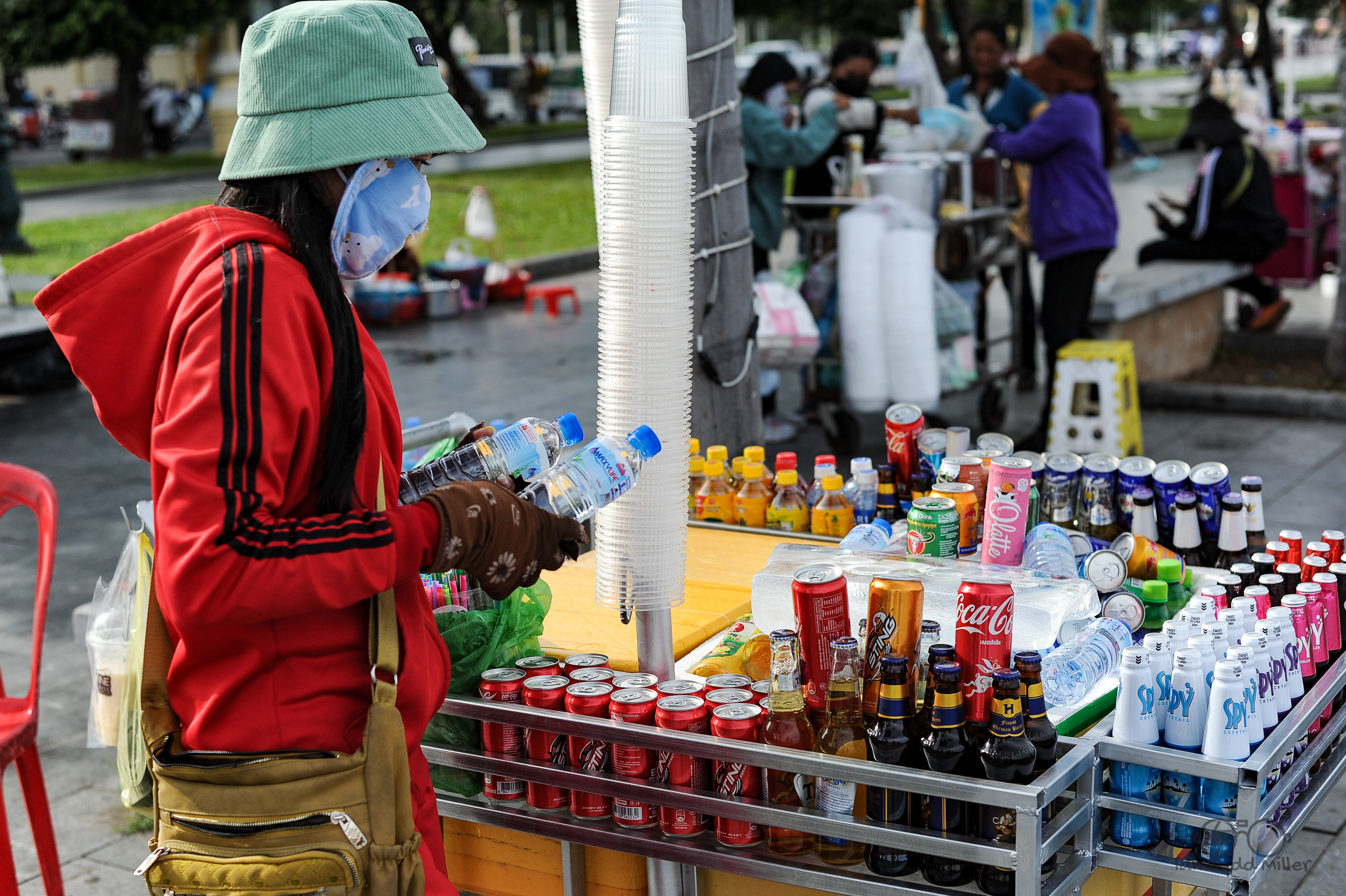
It took a little time to get it set up the way I wanted for my picture-taking style but now that is done it is very easy to use, if a little heavy, and is capable of some excellent images with a little, and I mean a little, work in post. The lenses I chose and used for the pictures seen here, where the Nikon 50mm f1.8G and the 85mm f1.8D. If I were not a dedicated Fuji user I could see me using this as my daily camera.














































































































































 a world without pictures is like coffee without cream and sugar, bitter