Classic street photography captures the essence of everyday life in public spaces. It’s a form of art that freezes a moment in time, telling a story about a place and its people. The classic approach to street photography is candid, unposed, and often spontaneous, aiming to reveal the beauty, humor, and tragedy of ordinary life as it unfolds in urban environments.
The roots of classic street photography can be traced back to the early 20th century, with pioneers like Alfred Stieglitz, who captured the streets of New York City in inclement weather, and Berenice Abbott, who documented the changing face of the city’s architecture. These photographers set the stage for what would become a defining characteristic of the genre: the ability to find the extraordinary in the ordinary.
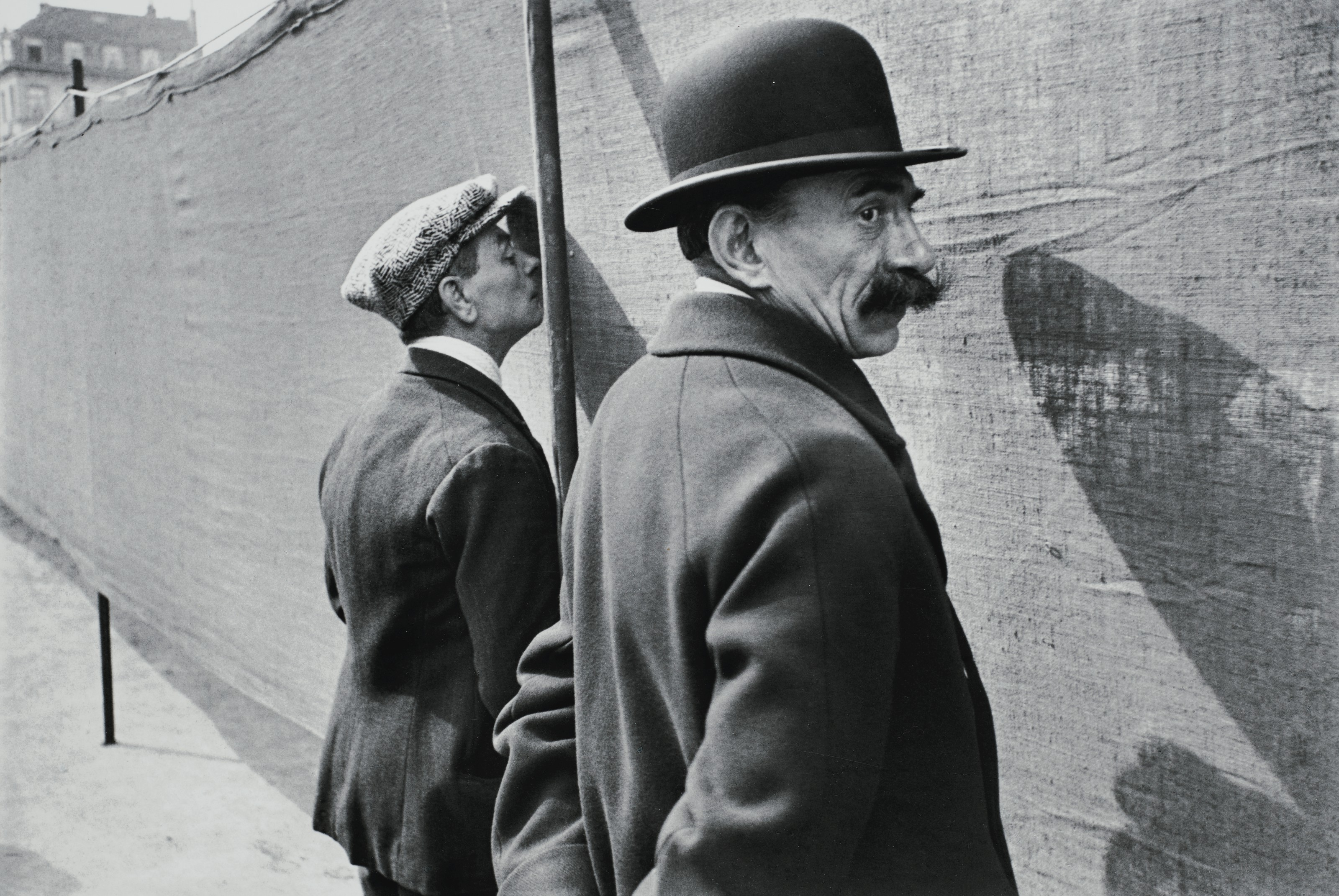
Henri Cartier-Bresson, often hailed as the father of modern street photography, introduced the concept of “the decisive moment” — that split second that captures the essence of an event or the personality of a person in a unique and irreplaceable way. This concept has influenced generations of photographers and remains a cornerstone of the genre.
Classic street photography is not just about the subject; it’s also about composition, timing, and perspective. It’s about seeing the world in a way others may not notice and presenting it in a manner that evokes emotion and thought. It’s about the interplay of light and shadow, the geometry of urban landscapes, and the fleeting expressions of people caught in their daily routines.
Why is it considered classic? Because it represents a pure form of photographic storytelling that relies on the skill of the photographer to observe and capture life as it happens, without interference or staging. It’s a testament to the human condition, reflecting society back at itself through the lens of the camera.
Classic street photography is celebrated for its authenticity and its ability to connect us to the shared human experience. It’s a powerful medium that continues to evolve, yet its classic form remains timeless, reminding us of the power of a single image to tell a story worth a thousand words.
Ah, the age-old question that haunts the halls of photography forums and ignites fiery debates in camera clubs across the globe: if DSLRs are supposedly pushing up daisies, why do we still see them clutched in the hands of the world’s photography elite?
Nikon D3S
Let’s set the scene: It’s 2024, and the camera market is buzzing with the latest tech. Mirrorless cameras are flaunting their sleek designs like runway models during fashion week, while DSLRs are sitting in the corner, grumbling about ‘the good old days’ when they were the belle of the ball.
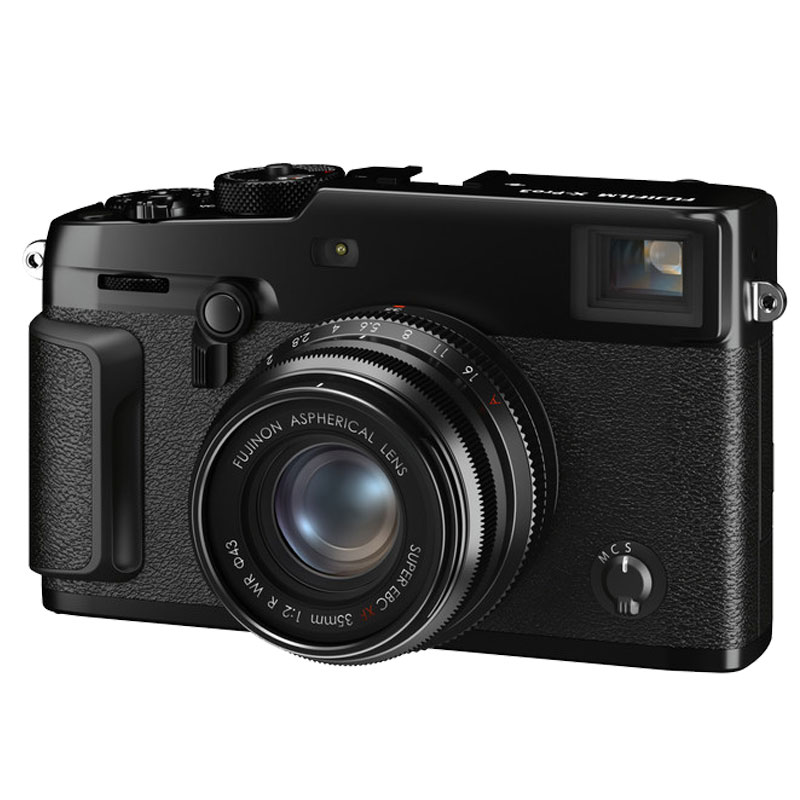
Fuji XT3
But here’s the twist: despite the whispers of their demise, DSLRs are far from extinct. In fact, they’re still the go-to choice for many top-tier professionals. Why, you ask? Well, let’s dive into the comedic conundrum that is the professional photographer’s gear bag.
Firstly, let’s talk about loyalty. Photographers can be fiercely loyal creatures, much like knights to their king, or a toddler to their favourite blanket. They’ve spent years mastering the quirks and intricacies of their beloved DSLRs, and they’re not about to abandon their trusty steeds for some flashy new stallion without a good reason.
Then there’s the issue of comfort. A DSLR is like that old, worn-in pair of jeans that fits just right. It’s familiar, reliable, and doesn’t require reading a novel-sized manual to figure out where the darn autofocus button is.
But wait, there’s more! Durability plays a huge role too. A DSLR is like a tank – it can take a beating and keep on clicking. Mirrorless cameras, on the other hand, are often viewed as the delicate teacups of the camera world. Drop one, and you might as well start planning its funeral.
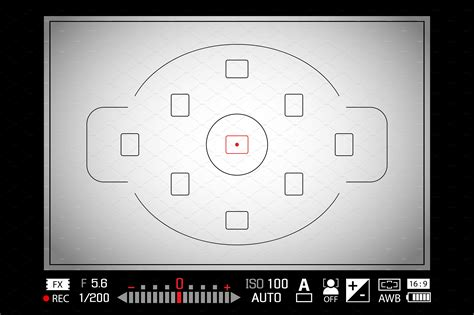
And let’s not forget about the optical viewfinder. For many photographers, looking through a lens with their own eyes, rather than a digital screen, is akin to a spiritual experience. It’s pure, unadulterated photography bliss that no amount of electronic wizardry can replace.
Of course, we can’t ignore the fact that DSLRs have been the backbone of professional photography for years. They’ve captured everything from weddings to wildlife, and they’ve done it with grace and power. It’s hard to turn your back on a legacy like that, even if mirrorless cameras are whispering sweet nothings about faster autofocus and lighter weight.
So, there you have it, folks. The DSLR isn’t dead; it’s just enjoying a well-deserved semi-retirement, basking in the glory of its heyday while still showing the youngsters how it’s done. And for those professionals still wielding their DSLRs like Excalibur? They know that sometimes, the classics just can’t be beaten.
As for the rush to upgrade? Let’s just say that in the photography world, patience is a virtue, and sometimes the best things come to those who wait… and wait… and wait some more. After all, who needs the latest and greatest when you’ve got a tried-and-true companion by your side?
So, whether you’re a die-hard DSLR fan or a mirrorless aficionado, remember: the best camera is the one you have with you – unless, of course, you left it at home because it’s too heavy, in which case, maybe it’s time to consider that upgrade. Just kidding! Or am I?
Street photography is an exhilarating form of art that captures the essence of everyday life. It’s about finding beauty in the mundane, telling stories without words, and preserving fleeting moments that might otherwise go unnoticed. It’s a genre that welcomes diversity of technique and perspective, encouraging photographers to explore their unique vision of the world.
The beauty of street photography lies in its subjectivity. There is no single “right” way to approach it; what resonates with one person may not strike a chord with another. It’s a personal journey, one that allows the photographer to express their individuality through the lens. The streets are a canvas, and the camera is the brush with which artists paint their interpretation of urban life.
For those starting out, the advice is simple: take everything with a pinch of salt. Absorb the guidance, tips, and tricks from seasoned photographers, but don’t be afraid to bend the rules. Experiment with different styles, angles, and compositions. Learn the fundamentals, but also learn when to trust your instincts. Your perspective is unique, and that’s what will make your work stand out.
Remember, street photography is as much about the experience as it is about the result. It’s about the thrill of the hunt, the joy of the unexpected, and the satisfaction of capturing a moment that tells a story. So, take what resonates with you, leave what doesn’t, and embark on a photographic adventure that is entirely your own.
Embrace the journey of street photography with enthusiasm. Let your creativity flow, and let your personal vision shine through your images. The streets are waiting for you, teeming with untold stories. What will you capture?
Exploring the Streets: A Guide to Common Street Photography Techniques
Street photography is a vibrant and dynamic art form that captures the raw essence of society. It’s a way to document the every day, the mundane, and the extraordinary moments that occur within the public sphere. For those looking to dive into this captivating genre, understanding the common techniques can be a game-changer. Here are some of the most popular methods that street photographers use to bring their vision to life:
The Candid Approach: The heart of street photography is in its candid nature. Photographers often capture people and scenes without staging or posing, resulting in authentic and spontaneous images.
Zone Focusing: This technique involves setting a fixed focus distance and shooting without looking through the viewfinder. It allows for quick and discreet shots, perfect for the fast-paced street environment.
Playing with Light and Shadow: Utilizing the interplay between light and shadow can create dramatic and compelling compositions. Photographers often seek out strong contrasts, especially during the ‘golden hours’ of sunrise and sunset.
Layering: By carefully composing multiple subjects at different distances within the frame, photographers can add depth and complexity to their images.
The Decisive Moment: Coined by Henri Cartier-Bresson, this technique is about capturing a scene at the peak of its action or emotion, where all elements within the frame come together in perfect harmony.
Shooting from the Hip: Literally shooting from hip level without using the viewfinder, this technique offers a unique perspective and helps in taking unobtrusive photos of people.
Using Reflections: Reflections from windows, mirrors, or puddles can create intriguing and sometimes abstract images, adding a layer of depth to the photograph.
High and Low Angles: Changing the angle of view can dramatically alter the perception of a scene. Shooting from a high or low angle can unveil new details and perspectives.
Chasing the Weather: Bad weather conditions, like rain or fog, can add mood and texture to street photographs. They also provide opportunities for capturing reflections and silhouettes.
Waiting for the Right Moment: Sometimes, the best technique is patience. Finding an interesting location and waiting for the perfect subject or action can yield stunning results.
Street photography is not just about the techniques; it’s also about the experience. It’s about exploring, observing, and being ready to capture the fleeting moments that tell the stories of our lives. So grab your camera, hit the streets, and let the world unfold before your lens. Happy shooting! 📷✨
Travel photography is more than just taking photos; it’s about capturing the essence of a place, its people, and the experiences that make a trip memorable. It’s an art form that allows us to bring back a piece of the world with us, sharing it through our unique perspective. Whether you’re a beginner or an intermediate photographer, there are always new techniques and approaches to learn. Here are some invaluable tips to help you elevate your travel photography game.
Know Your Gear Inside Out The first step to taking great travel photos is to understand your camera’s capabilities and settings. Familiarize yourself with different shooting modes, learn how to adjust the exposure settings, and experiment with various lenses. The more comfortable you are with your equipment, the quicker you’ll be able to react to capture those fleeting moments that make for the most compelling images.
Chase the Golden Hours Lighting can make or break a photograph. The soft, diffused light of the golden hours—just after sunrise and before sunset—provides a warm tone and long shadows that can add depth and interest to your images. Similarly, the blue hour, which occurs just before sunrise and after sunset, offers a cool, serene light that’s perfect for capturing the tranquility of a place.
Plan, but Be Ready to Improvise While it’s essential to have a plan and know what you want to capture, some of the best travel photos come from unexpected moments. Be flexible and ready to adapt to changing conditions and spontaneous events. This means keeping your camera accessible and being prepared to stop and shoot whenever an opportunity arises.
Composition is Key Understanding the rules of composition, such as the rule of thirds, leading lines, and framing, can greatly enhance the visual appeal of your photos. Look for unique angles and perspectives to tell a story through your images. Don’t be afraid to move around to find the best composition—sometimes, a few steps to the left or right can make all the difference.
Engage with Your Subject When photographing people, always ask for permission first. Engaging with your subject can lead to more natural and expressive shots. Make them feel comfortable, and let your personality shine through to create a connection that will be evident in your photos.
Post-Processing is Your Friend Shooting in RAW format gives you more flexibility during post-processing. Learning how to edit your photos can significantly improve their quality. Adjusting exposure, contrast, and color balance can help your images stand out. Remember, the goal is to enhance the photo to reflect the beauty of the scene as you experienced it, not to alter it beyond recognition.
Practice Makes Perfect Lastly, the most important tip is to practice. The more you shoot, the better you’ll become. Try different techniques, learn from your mistakes, and don’t be discouraged by the occasional bad shot. Every photo you take brings you one step closer to capturing that stunning travel image you’ve been dreaming of.
Travel photography is a journey in itself, one that requires patience, passion, and persistence. By following these tips and continually honing your skills, you’ll be well on your way to taking travel images that not only document your adventures but also convey the emotions and stories behind them. So grab your camera, hit the road, and start capturing the world in all its glory!
Photography enthusiasts, gather around! Today, we’re diving into a treasure trove of Nikon lenses that represent not just a versatile range but also a testament to Nikon’s legacy in photography. From the nifty fifty to the powerful telephoto, this lineup is a photographer’s dream come true.
Let’s start with the classic 50mm f1.4, a lens that has been a favourite among photographers for its exceptional low-light performance and the beautiful bokeh it produces. It’s the go-to lens for portraits, street photography, and anything that requires a natural field of view. The 50mm f1.4 is not just a lens; it’s a piece of history that has captured countless iconic moments.
Moving on, we have the 70-210 f4, a versatile zoom lens that offers a constant aperture throughout its range. This lens is perfect for those who need to switch between portraits and zoomed-in shots without changing lenses. It’s a workhorse that has proven its worth in various photography scenarios, from sports to wildlife.
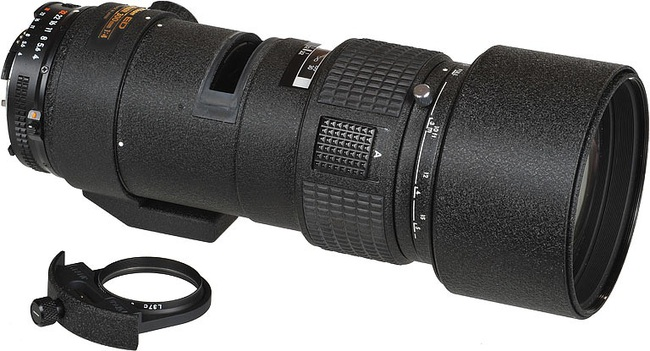
The 300mm f4D is where things get really exciting for those who love to capture the action from a distance. Whether it’s a bird in flight or a distant landscape, this lens brings the world closer without compromising on sharpness or detail. It’s a favourite among wildlife photographers and anyone who needs that extra reach.
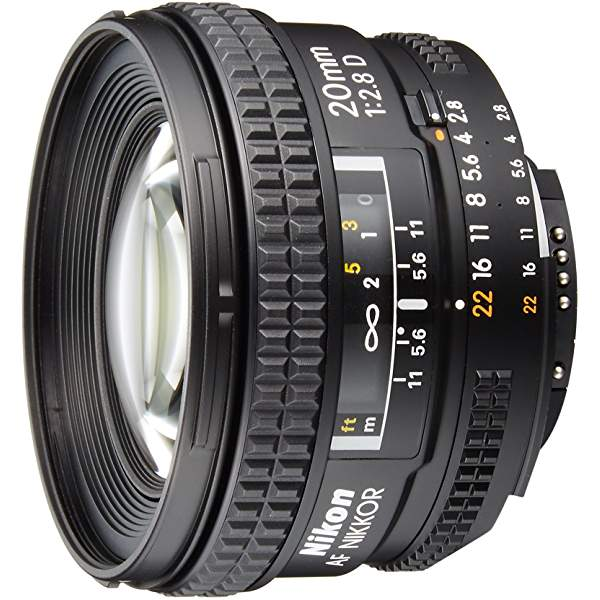
For the wide-angle aficionados, the 20mm f2.8 is a gem. It’s ideal for capturing vast landscapes, architecture, and even astrophotography. The wide aperture allows for stunning shots in low light, and the wide perspective can turn an ordinary scene into a dramatic tableau.
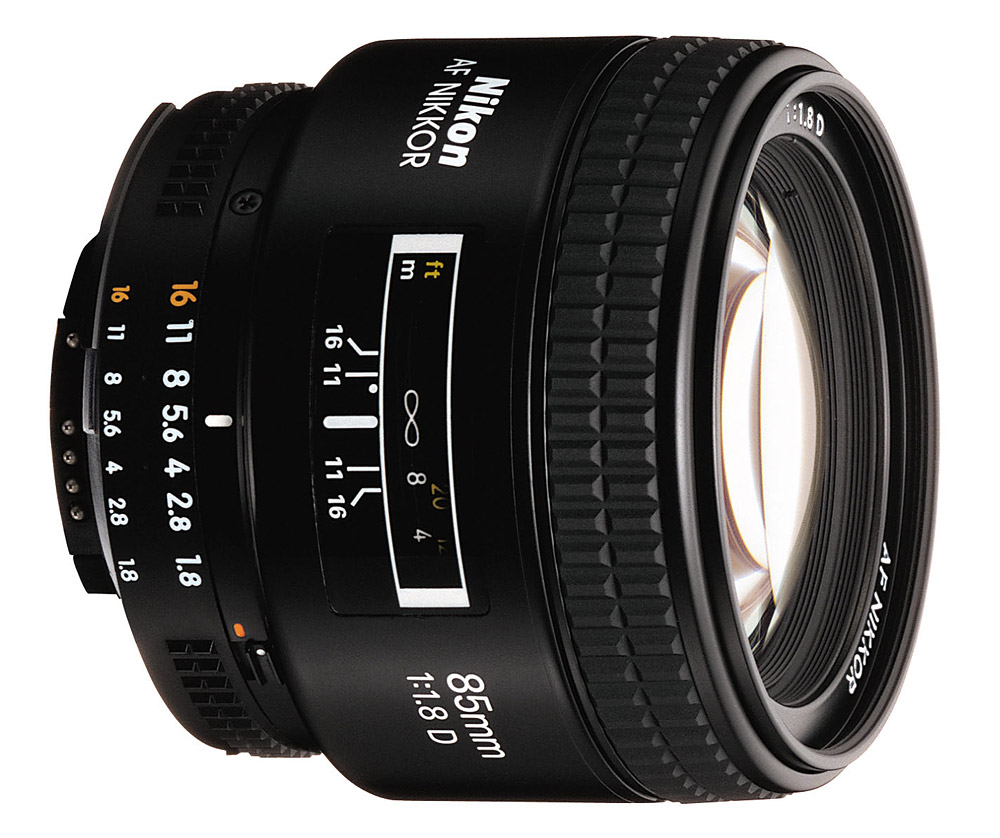
Last but certainly not least, the 85mm f1.8D is a portrait lens that combines sharpness, speed, and a flattering compression effect. It’s perfect for creating stunning portraits with a soft, blurred background that makes the subject pop.
This lineup is not just a collection of lenses; it’s a toolkit for creativity. Each lens offers a unique perspective and opens up new possibilities for capturing the world. Whether you’re a seasoned pro or a passionate hobbyist, these lenses are sure to inspire and help you achieve your photographic vision.
So, what can we learn from this lineup? It’s that Nikon has consistently provided photographers with tools that are not only high in quality but also rich in character. Each lens has its own personality, and together, they form a symphony of optical excellence.
This lineup is a fantastic starting point for those looking to expand their lens collection or just starting out. It offers a range of focal lengths and apertures to suit almost any photographic need. So, explore the world through these lenses, and let your creativity soar! Happy shooting!
Urban photography is an art form that captures the essence of city life, reflecting the dynamic and ever-changing landscapes of urban environments. It’s a genre that offers endless opportunities for photographers to explore and document the intricate details of cityscapes, from towering skyscrapers to the bustling street life below.
The allure of urban photography lies in its ability to tell a story about the city and its inhabitants. It’s not just about capturing buildings or streets; it’s about the interplay of light and shadow, the movement of people, and the juxtaposition of old and new. Urban photographers are visual storytellers who use their cameras to convey the mood and atmosphere of the urban spaces they explore.
One of the key aspects of urban photography is its versatility. It can encompass a wide range of subjects, including architectural photography, street photography, and even documentary photography. Each of these sub-genres offers a unique perspective on the urban environment, whether it’s the grandeur of architectural design, the candid moments of street life, or the socio-economic factors that shape a city’s character.
For those looking to delve into urban photography, there are several tips and techniques to consider:
Explore Your Surroundings: Urban areas are rich with photographic potential. Take the time to walk around and observe the environment. Look for interesting patterns, textures, and scenes that capture the city’s vibe.
Read the Light: Lighting plays a crucial role in photography, and urban settings are no exception. Observe how the light interacts with the buildings and streets, creating contrasts and highlighting details.
Capture Movement: Cities are alive with motion. Use your camera to freeze a moment in time or, conversely, to blur movement, adding a sense of dynamism to your images.
Pay Attention to Detail: Sometimes, the smallest elements can make the most significant impact. Look for unique features, signs, or graffiti that add character to your photos.
Challenge Your Use of Color: Urban environments offer a plethora of colours. Experiment with different colour palettes to enhance the mood of your images.
Choose the Right Gear: While the best camera is the one you have with you, investing in good lenses and understanding your camera’s settings can greatly improve the quality of your urban shots.
Develop Your Own Style: As you practice, you’ll start to find your own voice in urban photography. Embrace it and let it guide your creative process.
Urban photography is more than just a cityscape; it’s a critical analysis of urban environments. It invites viewers to see the city through the photographer’s lens, to appreciate the beauty and complexity of urban life. By following these tips and embracing the unique challenges of urban photography, you can create stunning images that truly capture the spirit of the city.
For more insights and detailed guidelines on urban photography, you can explore resources such as Wix.com’s article on urban photography tips or James Maher’s comprehensive guide to city and urban photography. These resources provide valuable information for both beginners and seasoned photographers looking to refine their urban photography skills.
In the world of photography, sharpness is a coveted quality that can transform a good picture into a great one. Achieving tack-sharp photos is a combination of art and science, requiring a blend of technical know-how and creative finesse. Here are some techniques that can help photographers at all levels capture images with stunning clarity.
Stabilize Your Camera: The foundation of sharp photography lies in the stability of your camera. Using a tripod is one of the most effective ways to prevent camera shake, especially in low-light conditions or when using slow shutter speeds.
Master Your Camera Settings: Understanding and adjusting your camera settings is crucial for sharp images. Set the right ISO, usually the lowest base value your camera allows, to minimize noise. Match your shutter speed to the focal length of your lens to avoid blur from hand movements.
Focus with Precision: The sharpness of your photo is significantly affected by where and how you focus. Use single-point focus mode for precise control and consider manual focus in challenging lighting or with moving subjects.
Lens Quality Matters: Invest in good quality lenses as they are the eyes of your camera. A sharp lens can make a significant difference in the clarity of your images.
Aperture and Depth of Field: Choose your aperture wisely to control the depth of field. A smaller aperture (larger f-number) increases the depth of field, bringing more of the scene into focus.
Post-Processing: Sharpening your images during post-processing can enhance clarity. However, it’s essential to avoid over-sharpening, which can introduce unwanted noise and artefacts.
Regular Maintenance: Keep your lenses clean and your camera’s sensor dust-free. Even a small smudge or dust particle can compromise the sharpness of your photos.
By incorporating these techniques into your photography practice, you can consistently produce sharp, clear images that stand out. Remember, sharpness is not just about technical perfection; it’s about conveying a clear vision and capturing the essence of your subject with precision and clarity.
The Nikon D3, a camera that has carved its niche in the world of photography, pairs exceptionally well with the versatile Nikkor 35-135mm f/3.5-4.5 lens. This combination offers photographers a blend of classic design and modern functionality, making it a delightful duo for both seasoned professionals and enthusiastic hobbyists.
The Nikon D3, known for its robust build and exceptional image quality, has been a go-to choice for photographers who demand reliability and performance. Its full-frame sensor ensures that every shot captures the finest details with remarkable clarity. When combined with the Nikkor 35-135mm lens, which is celebrated for its versatility and optical performance, the Nikon D3 reaches new heights of photographic excellence.
The Nikkor 35-135mm lens, despite being an older model, has stood the test of time with its solid construction and impressive image quality. Reviews have consistently highlighted its good contrast and sharpness, which, although not on par with the latest lenses, is still commendable and holds up well against its contemporaries. Its push-pull zoom mechanism may seem dated to some, but it offers a tactile experience that many photographers find satisfying.
One of the lens’s notable features is its macro mode at 35mm, which allows for close-up photography, albeit with manual focus. This adds another layer of versatility, making it an excellent choice for those who appreciate the ability to capture both expansive landscapes and intricate details without changing lenses.
The lens’s autofocus, while not the fastest by today’s standards, is accurate and reliable. It’s a testament to the lens’s design that it continues to perform admirably, providing users with a level of consistency that is essential for capturing those fleeting moments.
In conclusion, the Nikon D3 paired with the Nikkor 35-135mm f/3.5-4.5 lens is indeed a treat to use. It’s a combination that respects the heritage of photography while still delivering the performance expected by today’s standards. Whether you’re capturing the dynamic energy of a bustling city or the serene beauty of nature, this duo will not disappoint. It’s a pairing that reminds us that in photography, the synergy between camera and lens is just as important as the vision behind the viewfinder.
The Nikon D3: A Love Story. LOL.
Ah, the Nikon D3, my camera that has stood the test of time and technology’s relentless march. Why do some photographers still cling to this digital relic, you ask? Well, let me tell you, it’s not just about taking pictures; it’s about being one with a device that has more personality than a grumpy cat on the internet.
First off, reliability. The Nikon D3 doesn’t just work; it works like a charm, a very sturdy charm. It’s the kind of camera that would survive a drop from a tripod, a splash during a rainy wedding shoot, or even an accidental tumble down a hill after you tripped over that rock you swore wasn’t there a second ago.
Then there’s the performance. It’s solid, like that one friend who always shows up on time, rain or shine. The D3 doesn’t care if you’re shooting a fast-paced sports event or trying to capture the slow, majestic movement of clouds. It’s ready for action, with a “hold my beer” attitude.
Let’s not forget the build quality. If cameras were tanks, the D3 would be the one leading the charge into battle. It’s built like a fortress, with a grip that feels like a firm handshake from your favourite uncle—the one who used to be a wrestler and still has the biceps to prove it.
And the feel in the hand? Oh, it’s sublime. Holding the D3 is like holding hands with a loved one, except it’s better because it doesn’t get sweaty. It’s the kind of ergonomic bliss that makes you want to whisper sweet nothings into its viewfinder.
So, why do we still love the Nikon D3? Because in a world where gadgets come and go faster than a celebrity marriage, the D3 is our rock, our steady companion in the chaotic world of photography. It’s the camera that says, “I got you, buddy,” and you believe it.
The Nikon D3 isn’t just a camera; it’s a trusty sidekick, a timeless tool, and for some of us, a reason to smile every time we pick it up. It’s the photographic equivalent of comfort food, and we wouldn’t have it any other way. Nikon D3, you’re the real MVP.
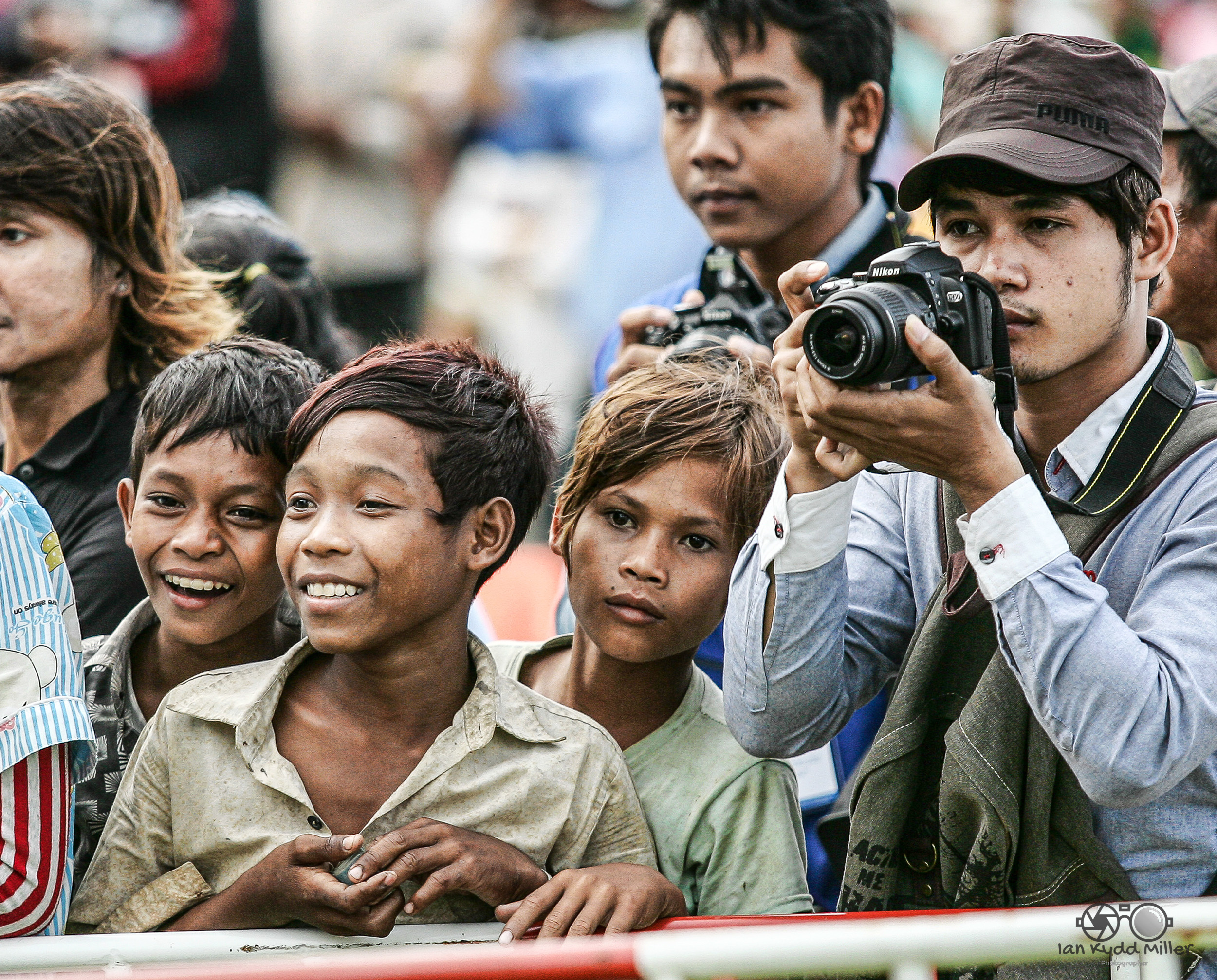
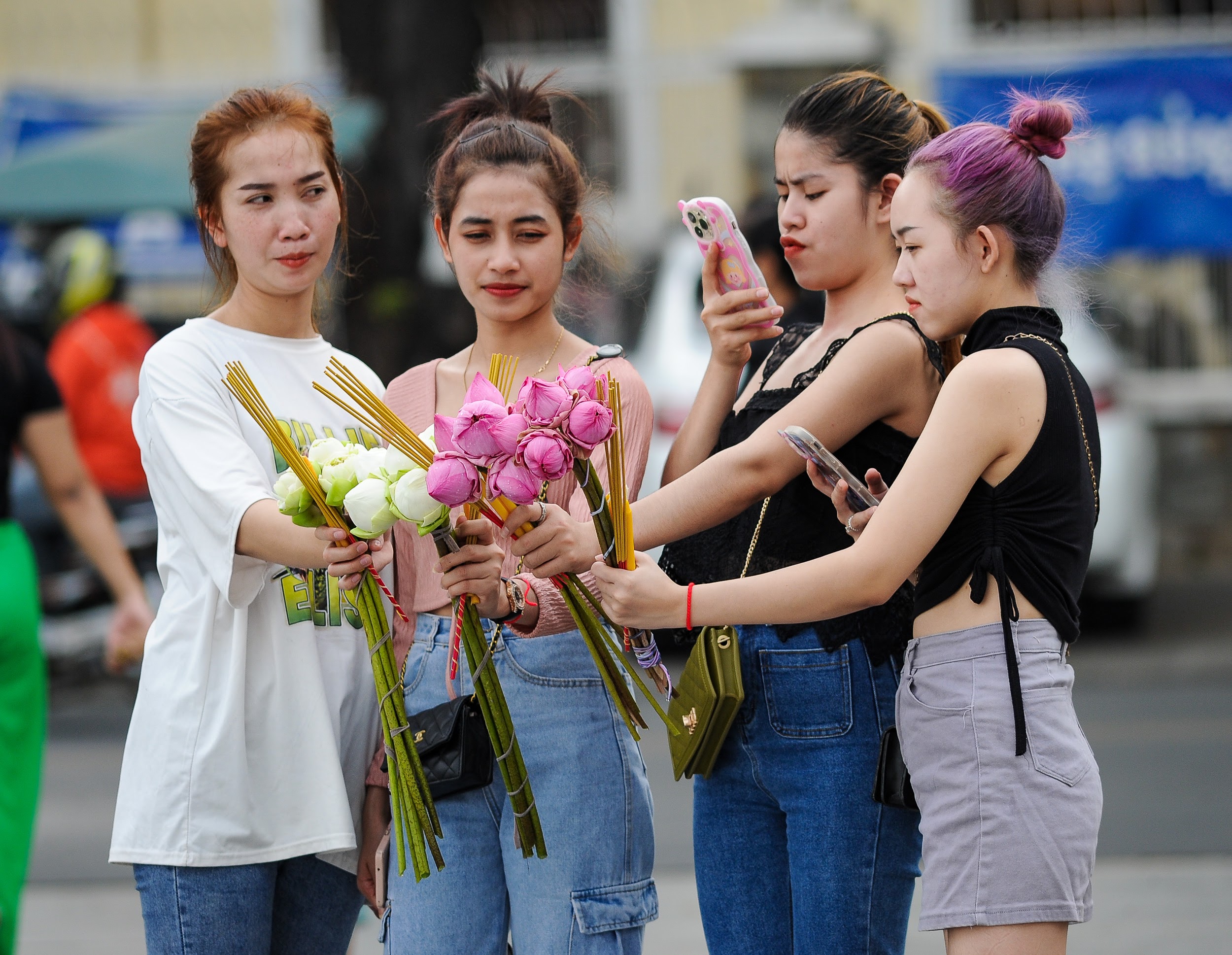
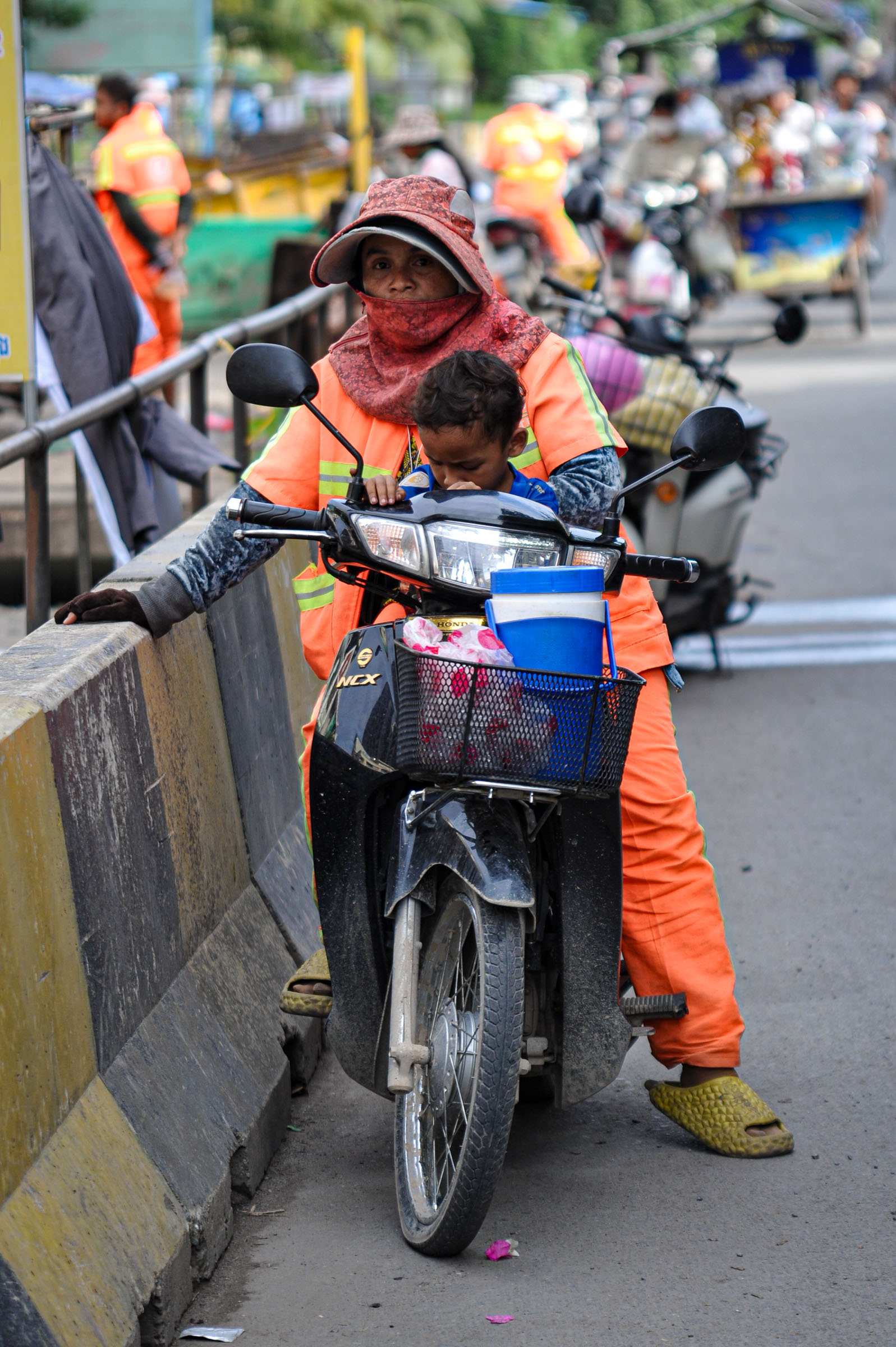
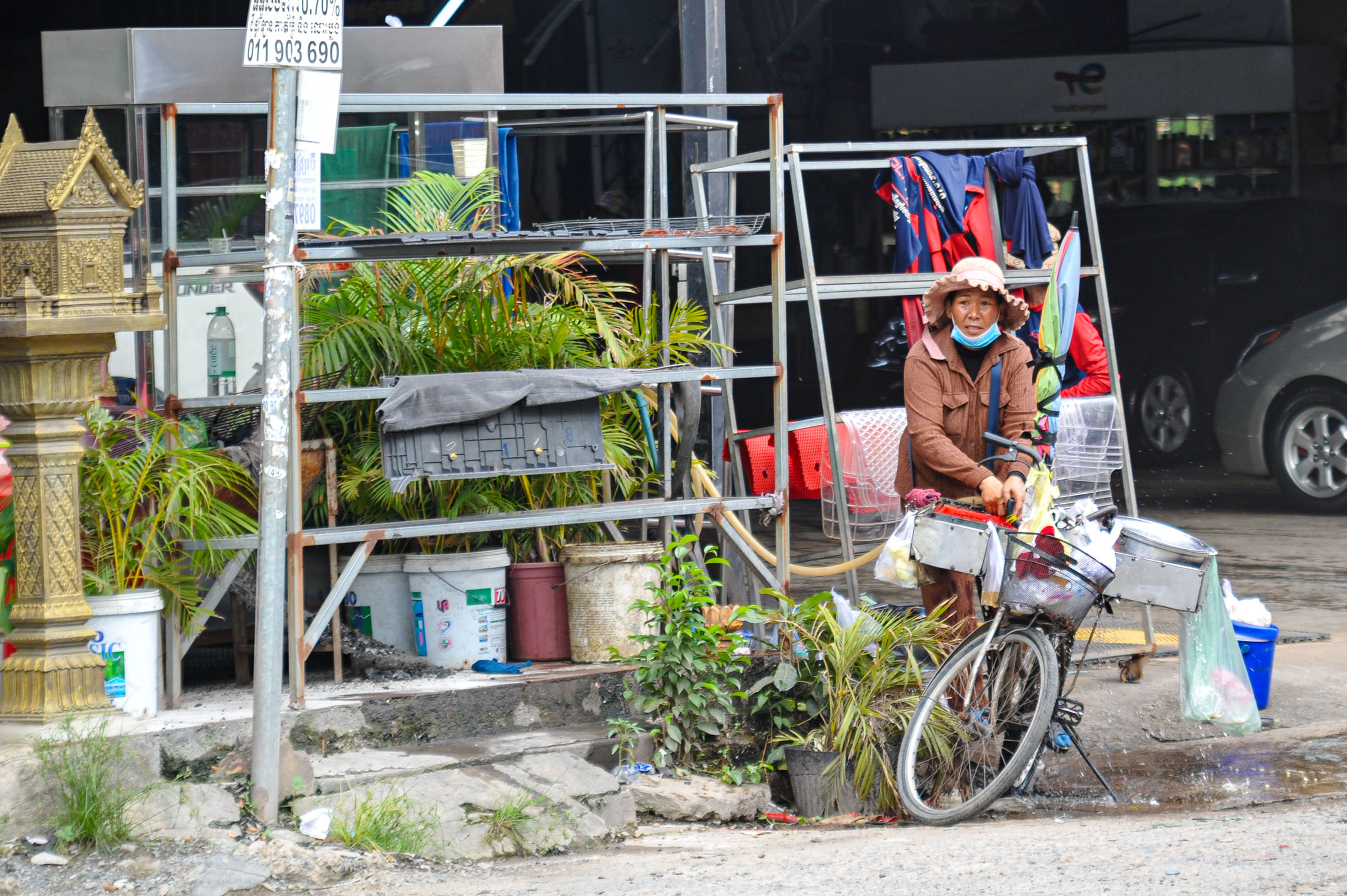
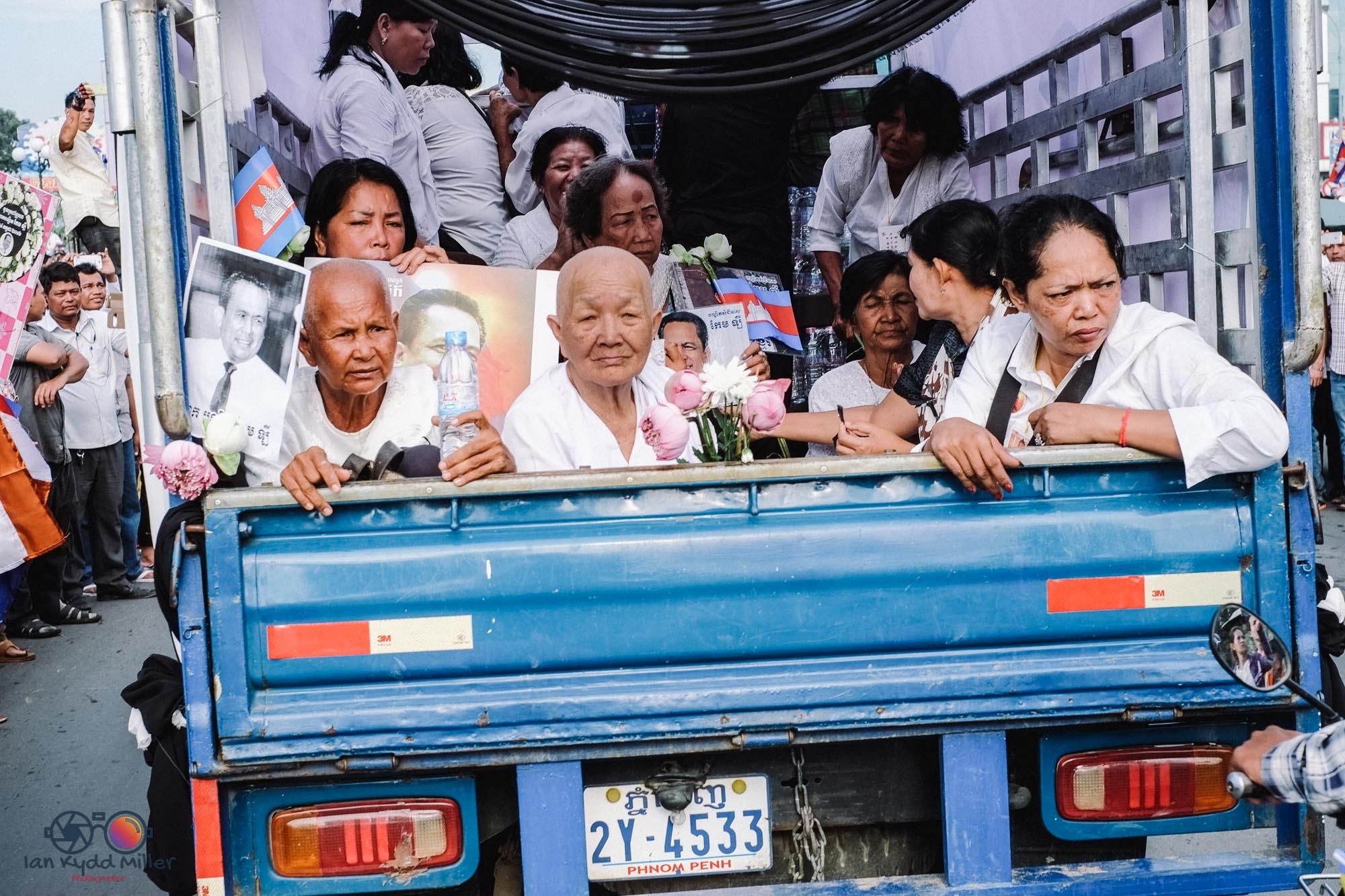
Street photography is a fascinating and dynamic genre of photography that captures the essence of everyday life in public spaces. It’s an art form that freezes the candid, unscripted moments of people’s lives as they unfold in urban settings. The beauty of street photography lies in its raw, unfiltered nature, often showcasing the human condition against the backdrop of bustling city life.
The roots of street photography date back to the 19th century, with the advent of portable cameras that allowed photographers to step out of their studios and into the streets. This genre gained momentum in the 20th century, as photographers like Henri Cartier-Bresson, Robert Frank, and Vivian Maier took to the streets, capturing life as it happened. These pioneers of street photography were not just photographers; they were visual storytellers who had a knack for finding the extraordinary in the ordinary.
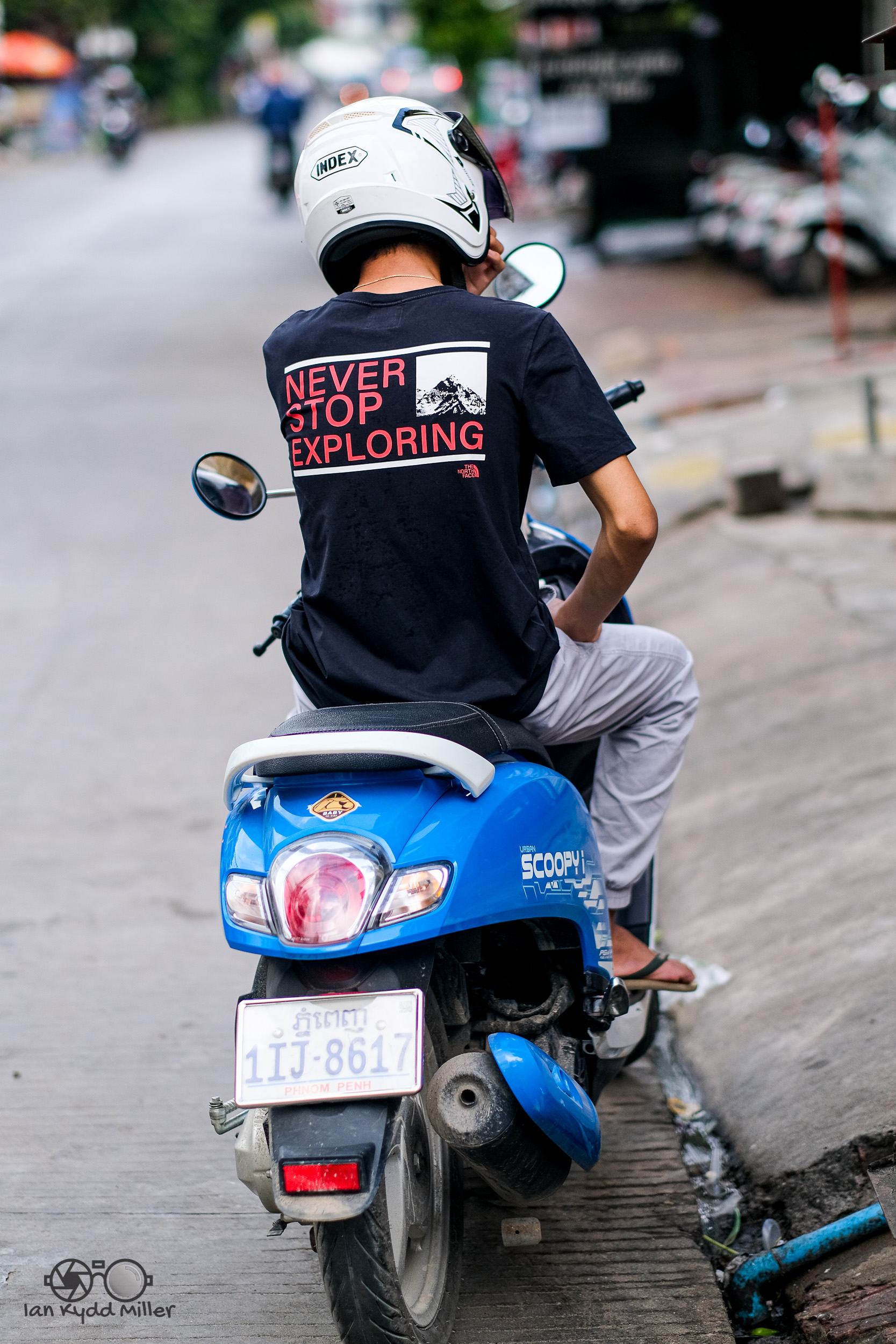
At its core, street photography is about observation and spontaneity. It’s about being in the right place at the right time and having the intuition to capture a moment that tells a story or evokes an emotion. It’s not just about photographing streets; it’s about capturing the life that happens within them. Whether it’s a fleeting expression, a moment of connection, or the juxtaposition of human figures against the urban landscape, street photography is about finding meaning in the mundane.
One of the key characteristics of street photography is its publicness. The public setting of the streets provides a stage where photographers can take candid shots of strangers, often without their knowledge. This aspect raises interesting questions about privacy and ethics in photography, as the line between public and private life becomes increasingly blurred in the urban environment.
Street photography does not require a street or even an urban environment. It’s about capturing the human element, which can be present in any public space, from a beach to a rural market. The images produced by street photographers often have a human character, reflecting the diversity and vibrancy of life.
The genre has evolved over the years, with contemporary street photographers exploring new perspectives and pushing the boundaries of the medium. With the rise of digital photography and social media, street photography has become more accessible and widespread, allowing a new generation of photographers to share their vision of the world.
In conclusion, street photography is more than just a genre; it’s a way of seeing the world. It’s about noticing the unnoticed and telling the untold stories of our shared public spaces. It’s a testament to the power of the camera to capture the fleeting moments that, together, weave the rich tapestry of urban life.
In the world of photography, the transition from DSLR to mirrorless cameras has been a topic of hot debate. One of the most discussed aspects is battery life. Many photographers, like you, have noticed that the battery life of mirrorless cameras doesn’t seem to match up to that of DSLRs. But why is this the case, and what can you do about it?
Firstly, it’s important to understand the key differences between these two types of cameras. DSLRs use an optical viewfinder which doesn’t require power, contributing to their longer battery life. Mirrorless cameras, on the other hand, have electronic viewfinders or LCD screens that are always on, which consumes more power.
However, the gap in battery performance is narrowing. Advances in technology mean that some newer mirrorless models are beginning to boast battery lives that rival, and sometimes even surpass, their DSLR counterparts. This is a significant step forward, considering that mirrorless cameras offer advantages such as being generally lighter, more compact, and often better for video recording.
So, what can you do to extend the battery life of your mirrorless camera? Here are a few tips:
Use Power Saving Modes: Most mirrorless cameras come with power-saving options that can significantly extend battery life. These modes may turn off the LCD screen or put the camera into a low-power state when not in use.
Carry Extra Batteries: This is a simple solution but an effective one. Having spare batteries on hand means you can keep shooting for longer without worrying about finding a place to recharge.
Turn Off Unnecessary Features: Features like Wi-Fi and Bluetooth can drain your battery quickly. If you’re not using them, it’s best to keep them turned off.
Manage Screen Brightness: Lowering the brightness of your screen can save a lot of power, especially when shooting in low-light conditions where you don’t need the extra brightness.
Invest in Battery Grips: Some mirrorless cameras have compatible battery grips that can hold additional batteries, effectively doubling your shooting time.
While it’s true that DSLRs have set a high standard for battery life, mirrorless cameras are catching up. With a few adjustments and the right practices, you can get the most out of your mirrorless camera’s battery, ensuring that you never miss that perfect shot because of a dead battery.
Remember, the choice between DSLR and mirrorless cameras goes beyond just battery life. It’s about finding the right tool that fits your photography style and needs. Whether you’re capturing landscapes, portraits, or action shots, both types of cameras have their place in the photographer’s bag. So, embrace the strengths of each and enjoy the creative process.




















































































 a world without pictures is like coffee without cream and sugar, bitter