Street photography is a fascinating and vibrant art form that captures the essence of everyday life. It’s all about finding beauty in the mundane, telling stories without words, and preserving fleeting moments that might otherwise go unnoticed.
Regarding street photography, there are countless subjects to focus on, each offering a unique perspective on the world. Here are some popular themes that street photographers often gravitate towards:
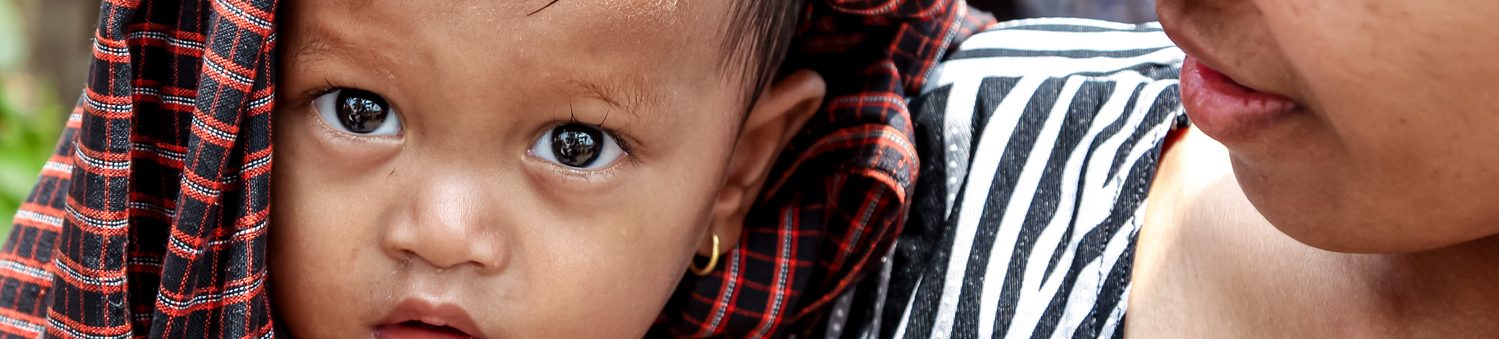
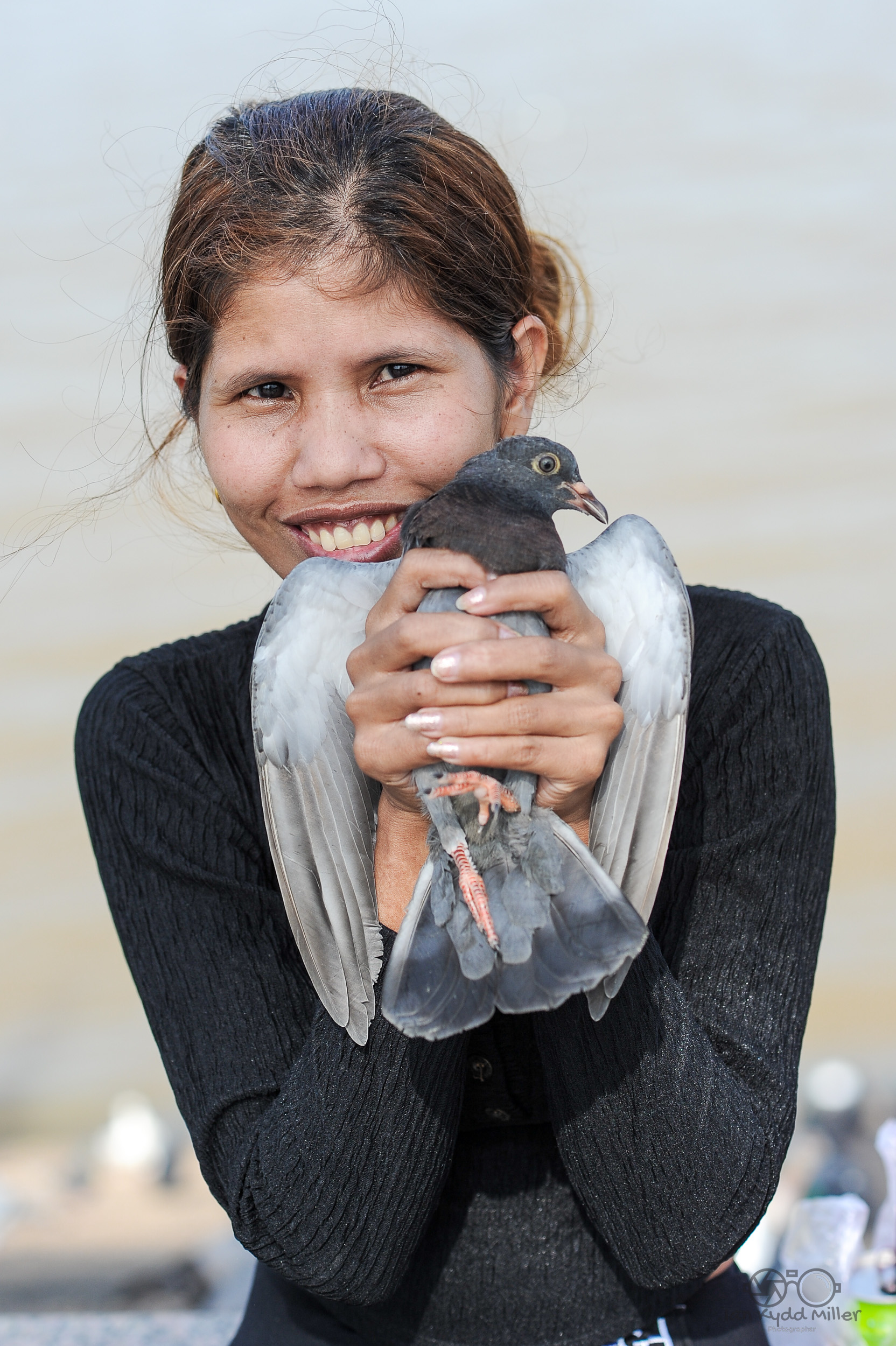
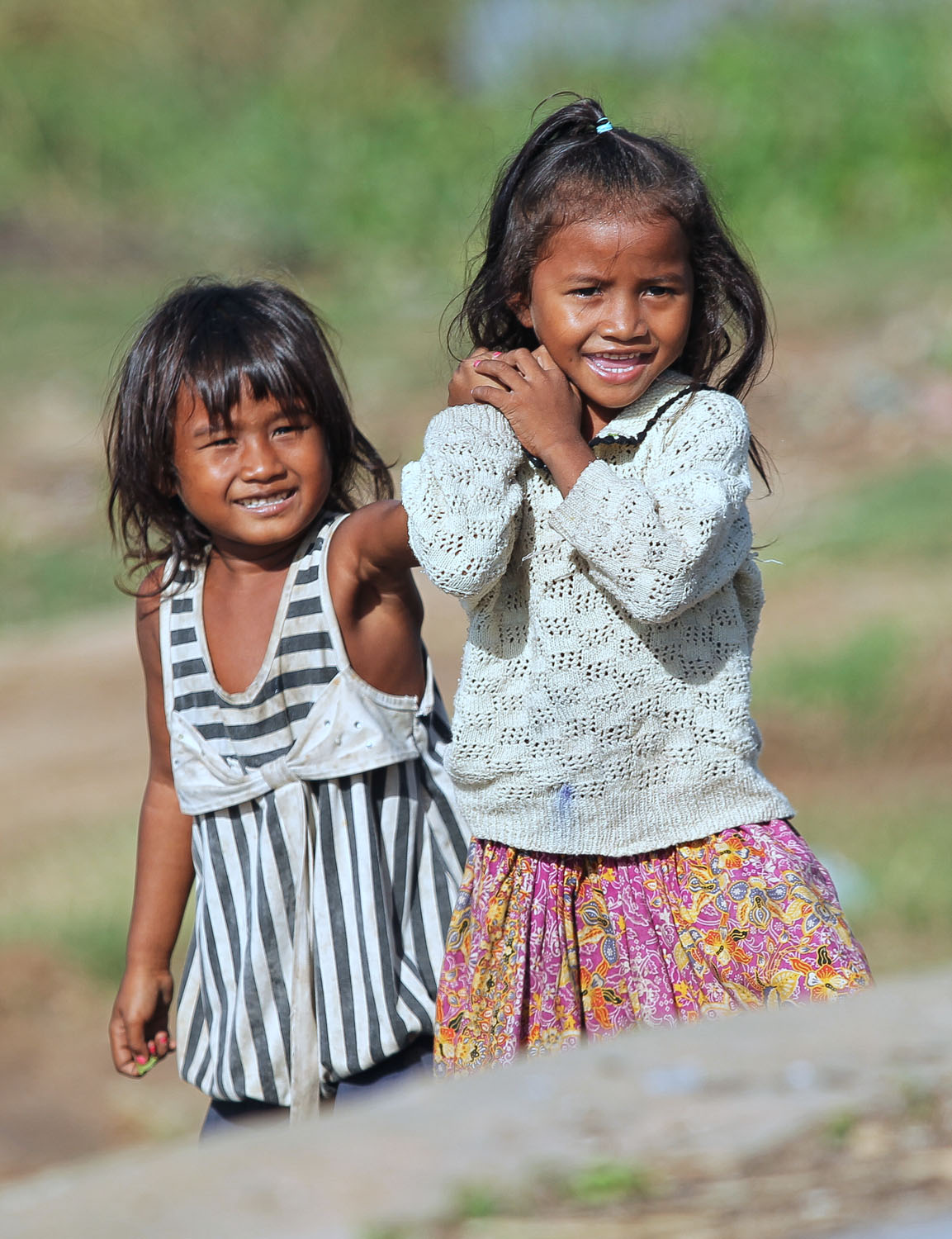
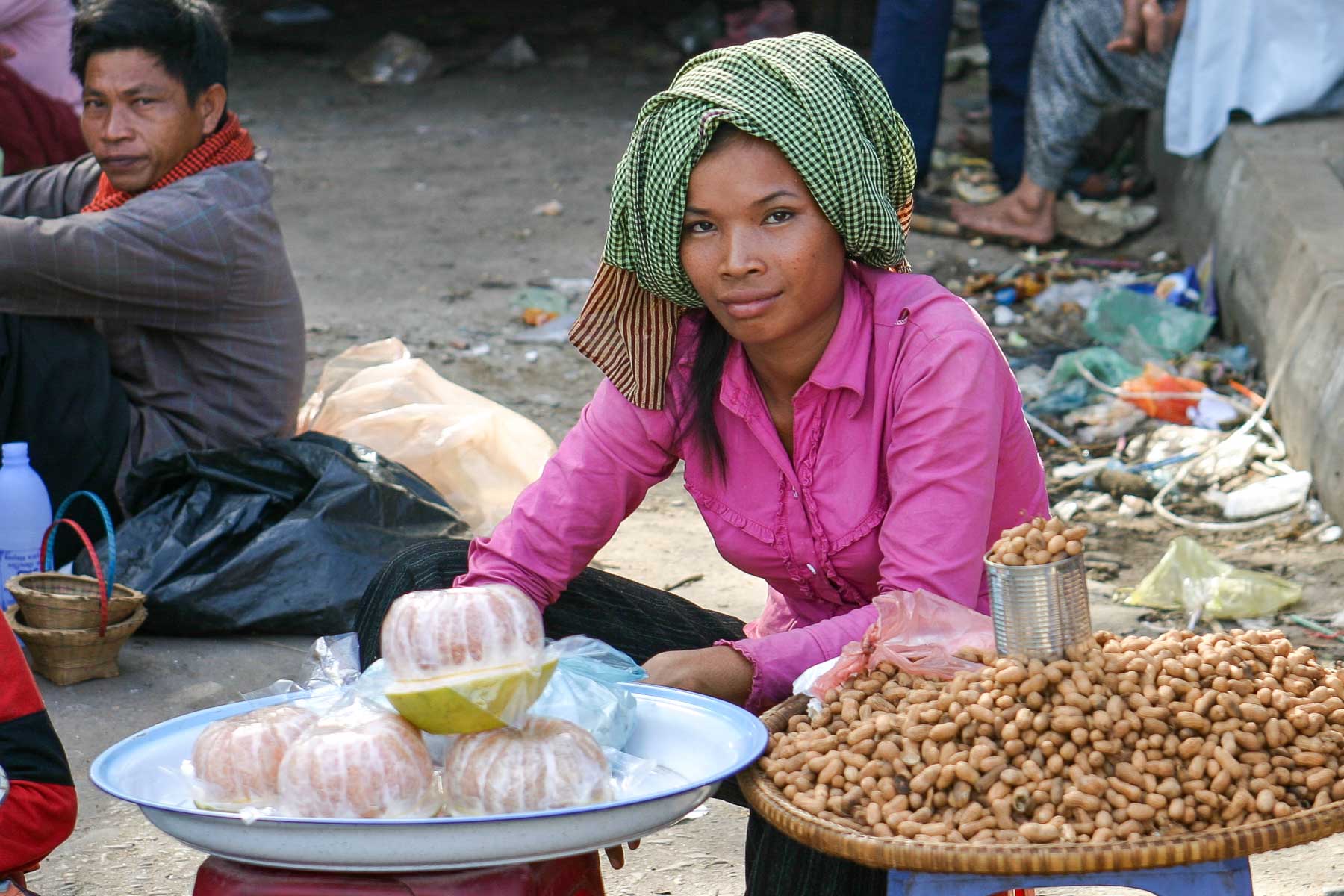
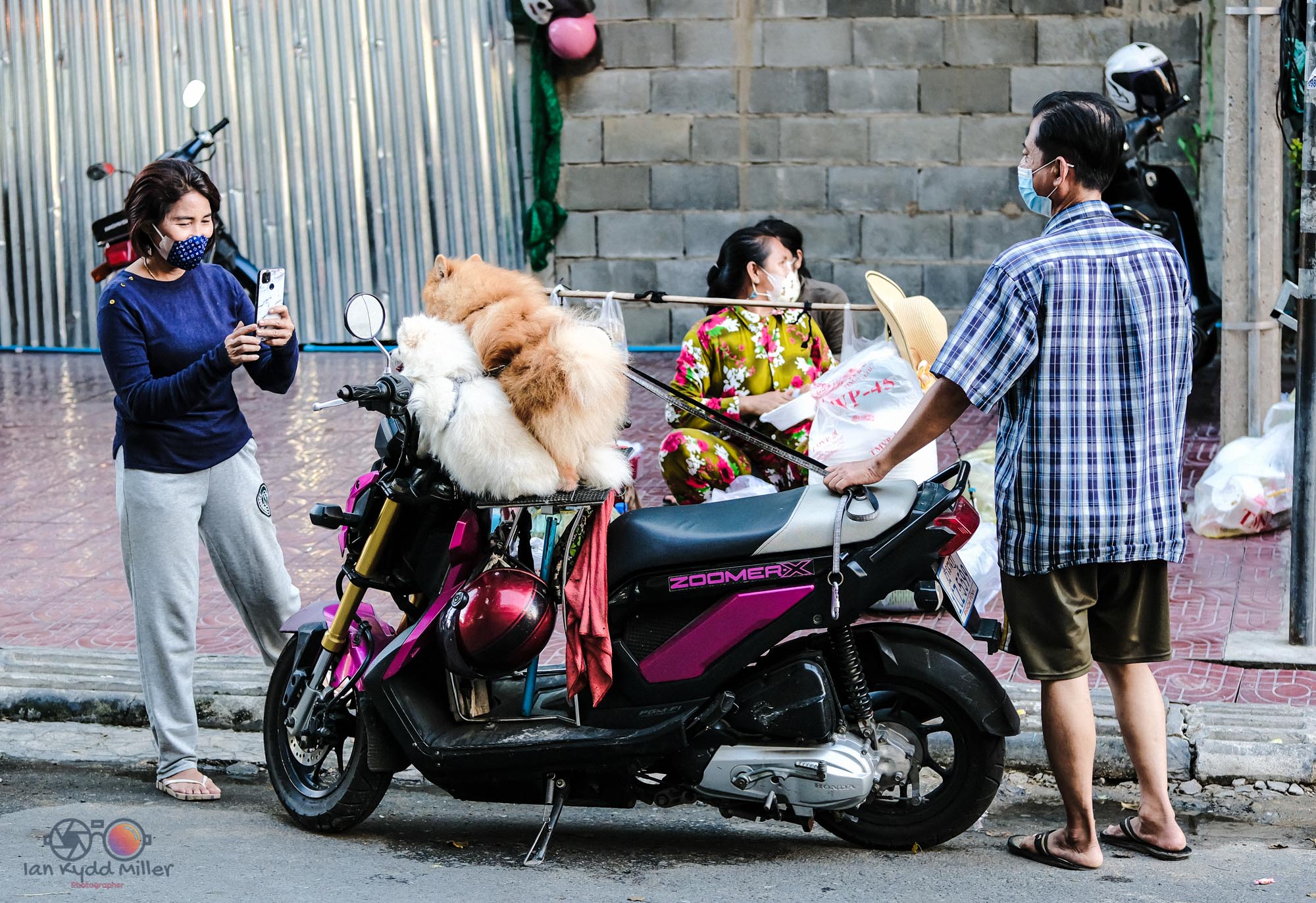
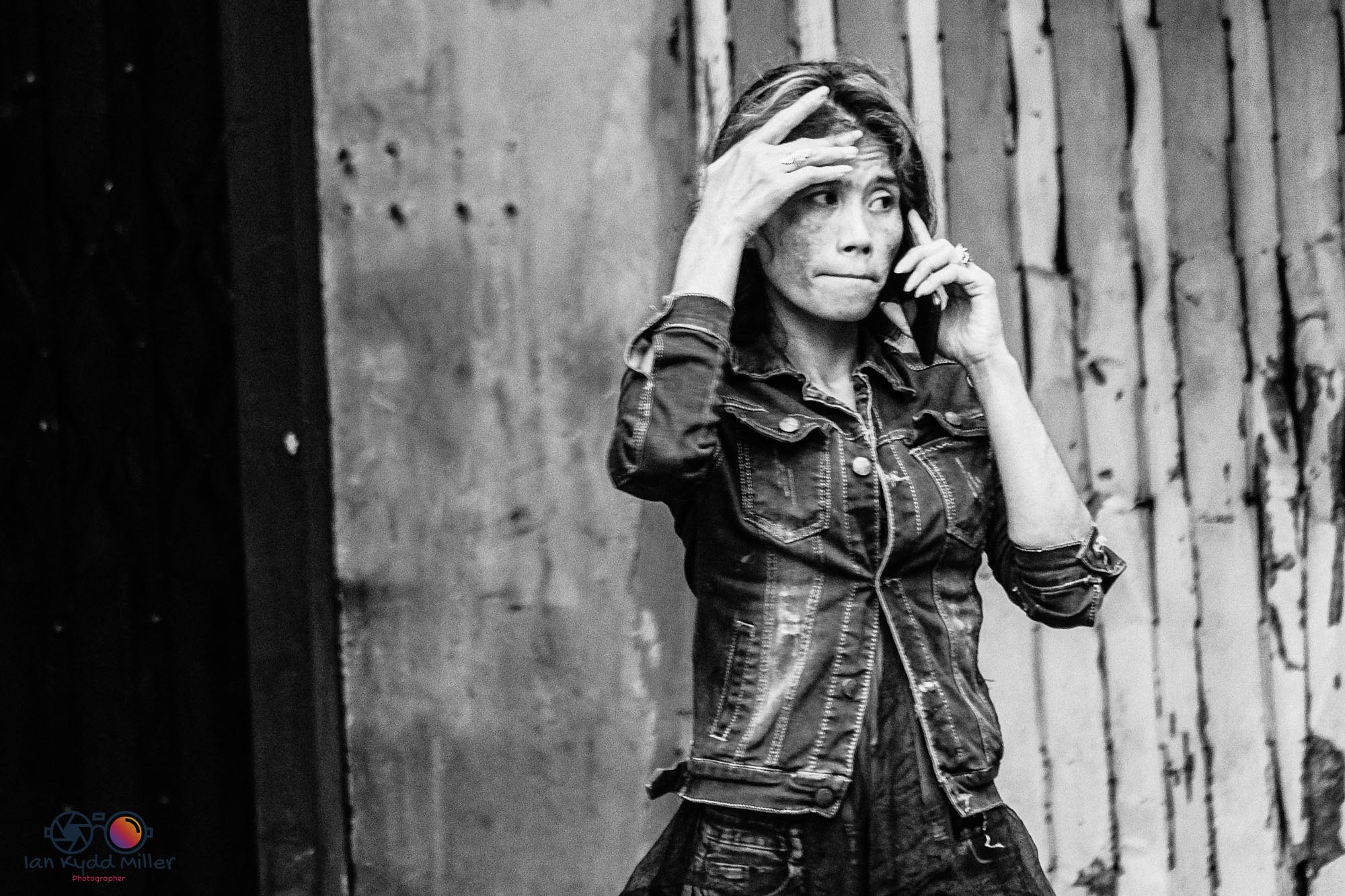
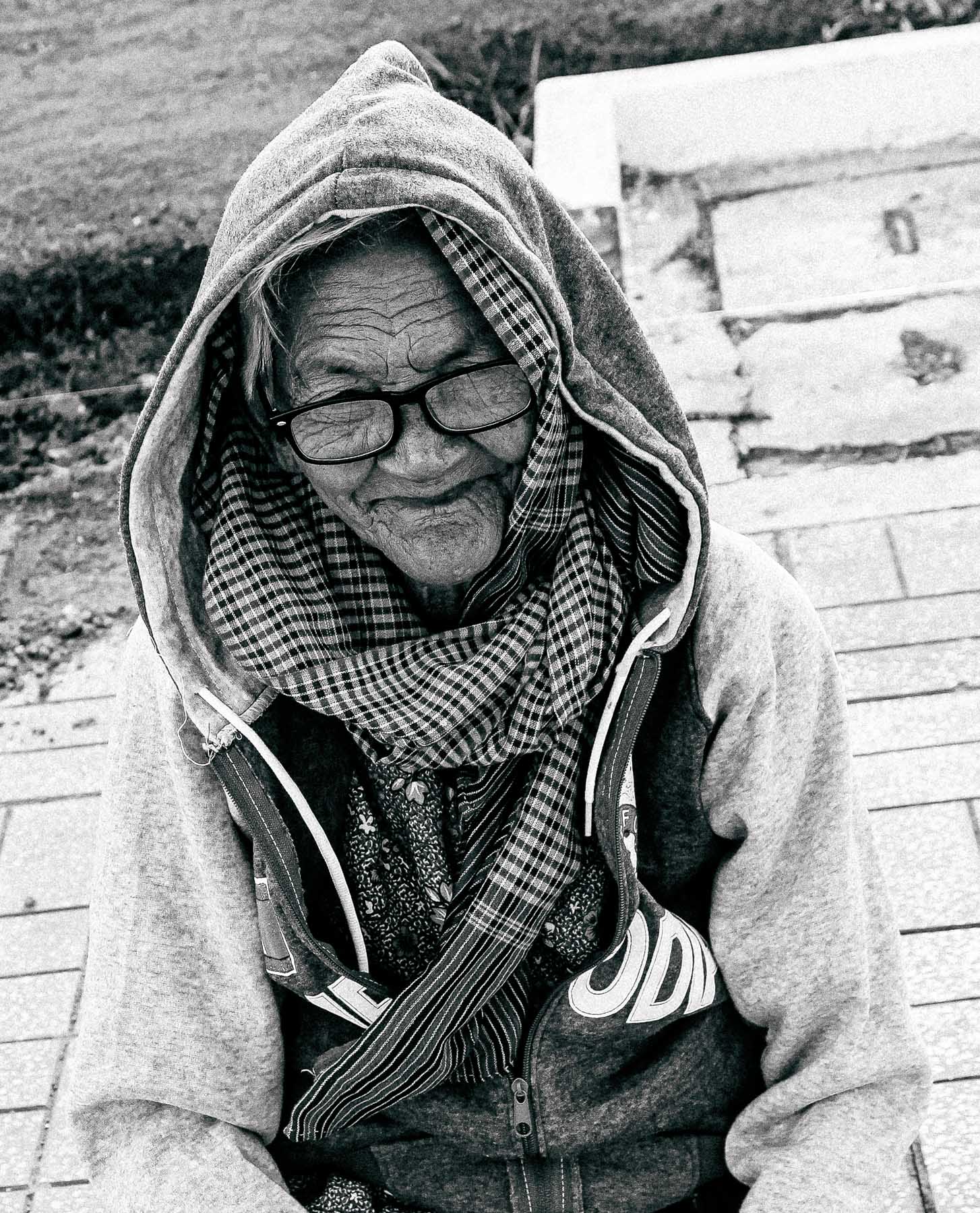
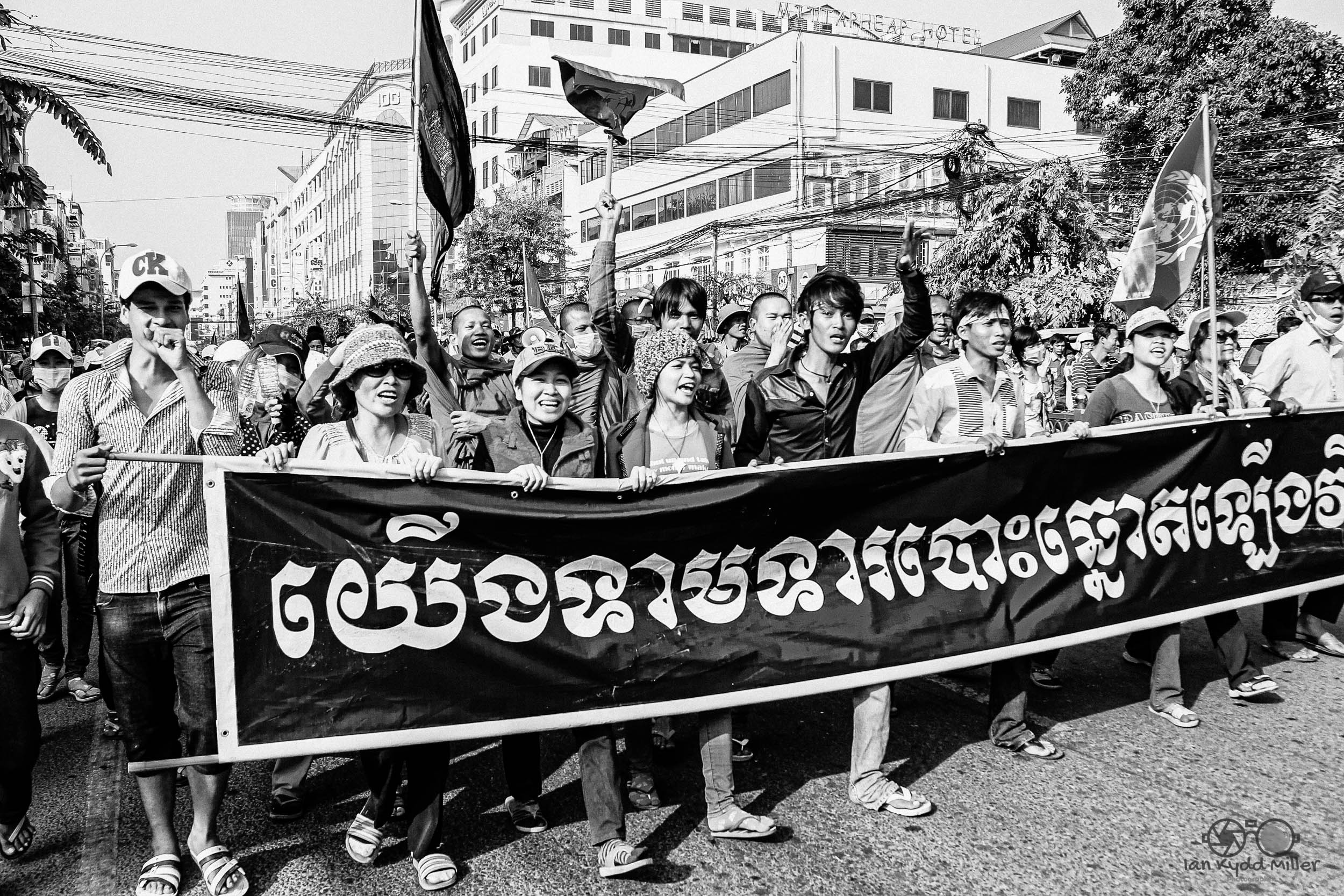
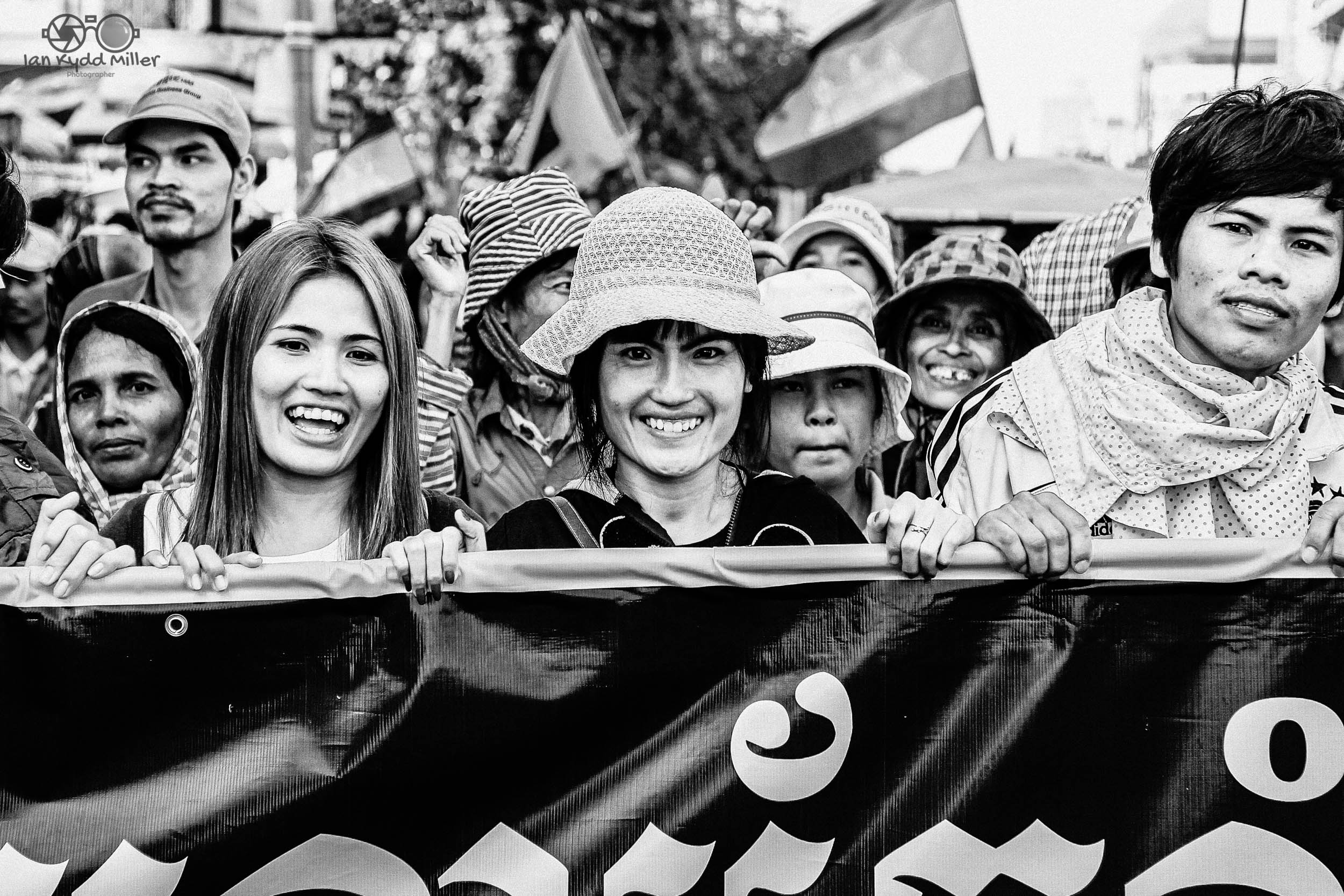
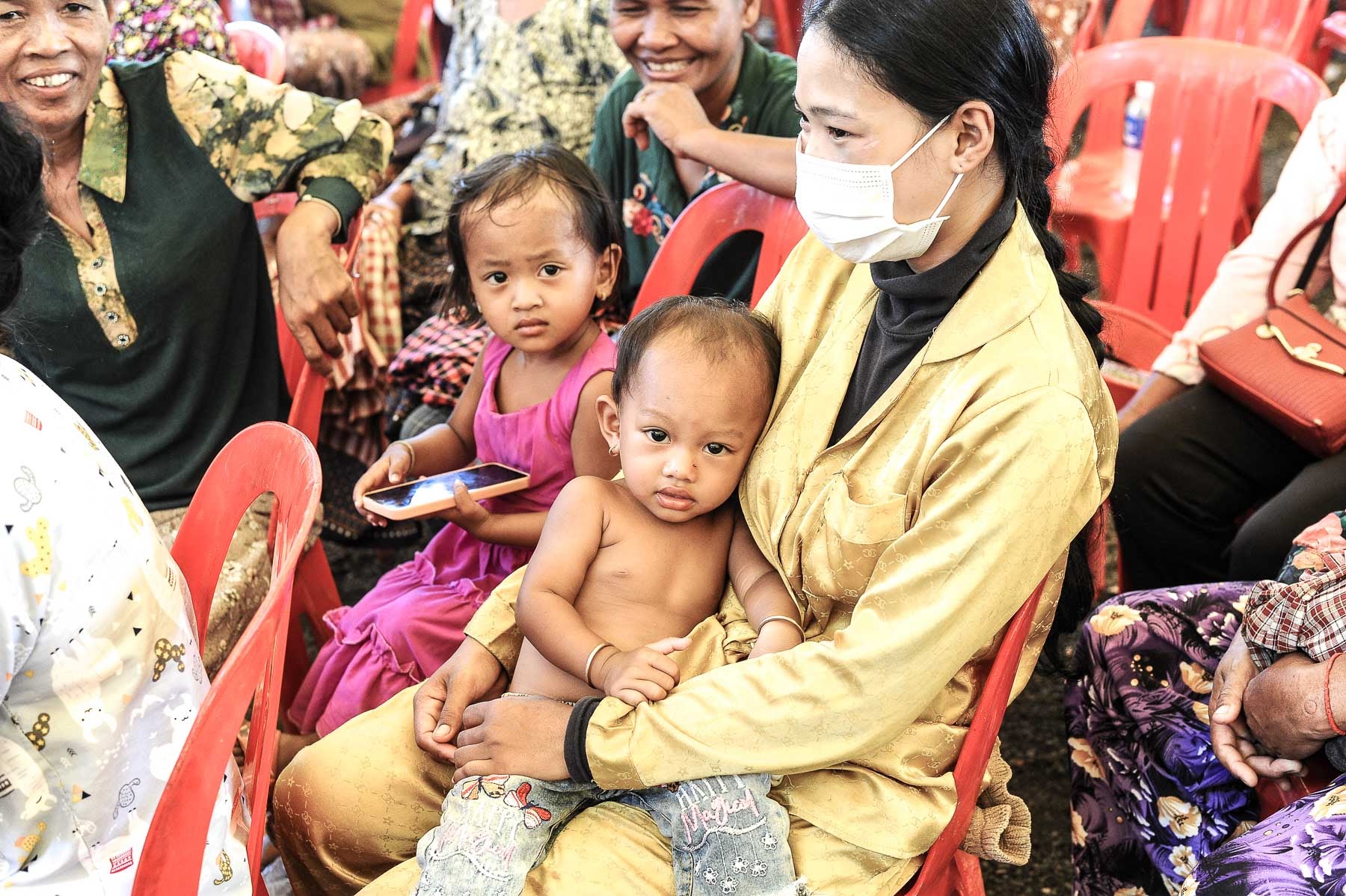
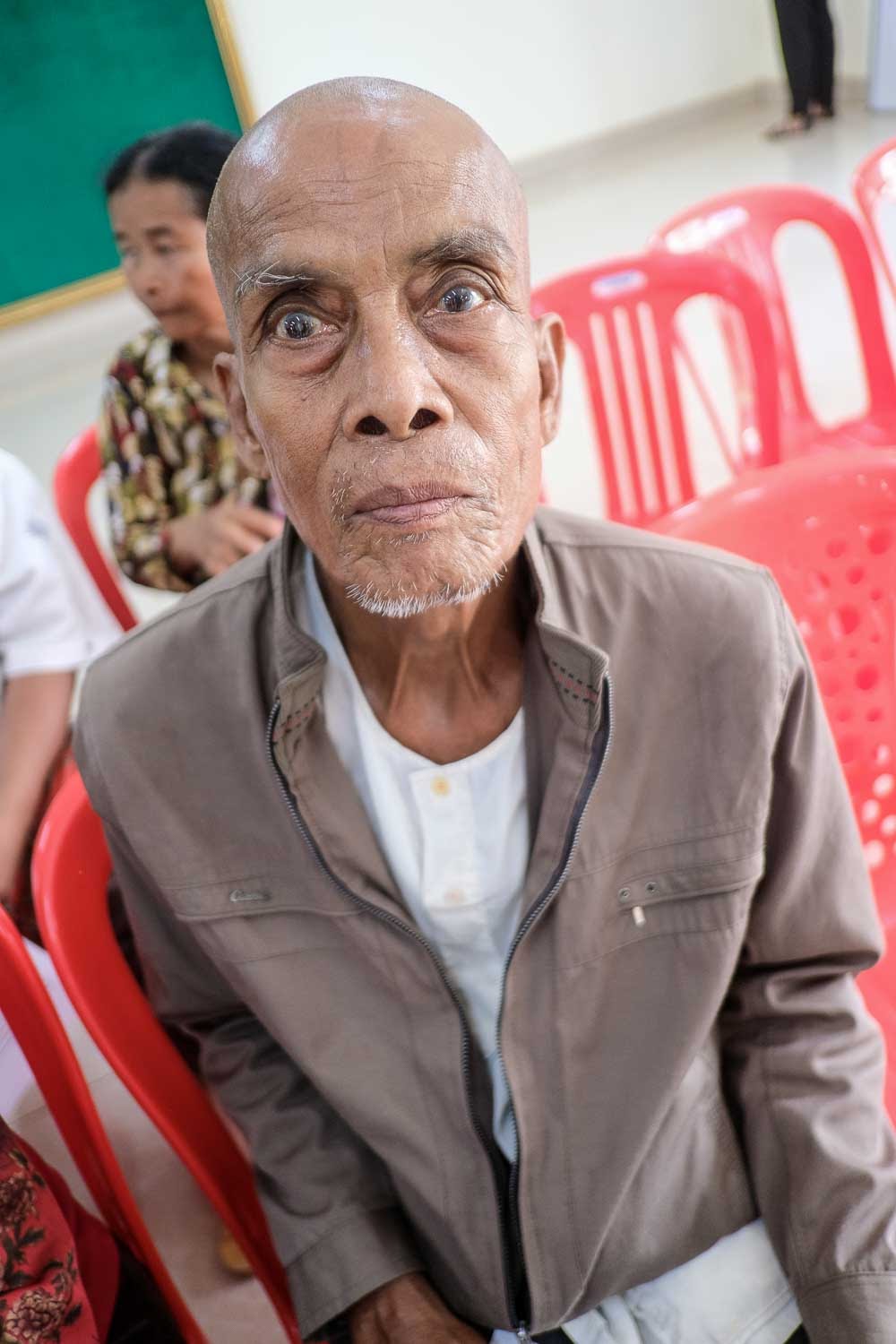
People and Emotions: Capturing candid moments of people in their daily lives is perhaps the most compelling aspect of street photography. Each person’s expression, posture, and actions can convey a wide range of emotions and narratives.
Architecture and Urban Landscapes: The buildings and structures that make up a city’s skyline tell the story of a place. Photographers often take images of interesting architectural details, contrasting old and new, or the way light and shadow play across surfaces.
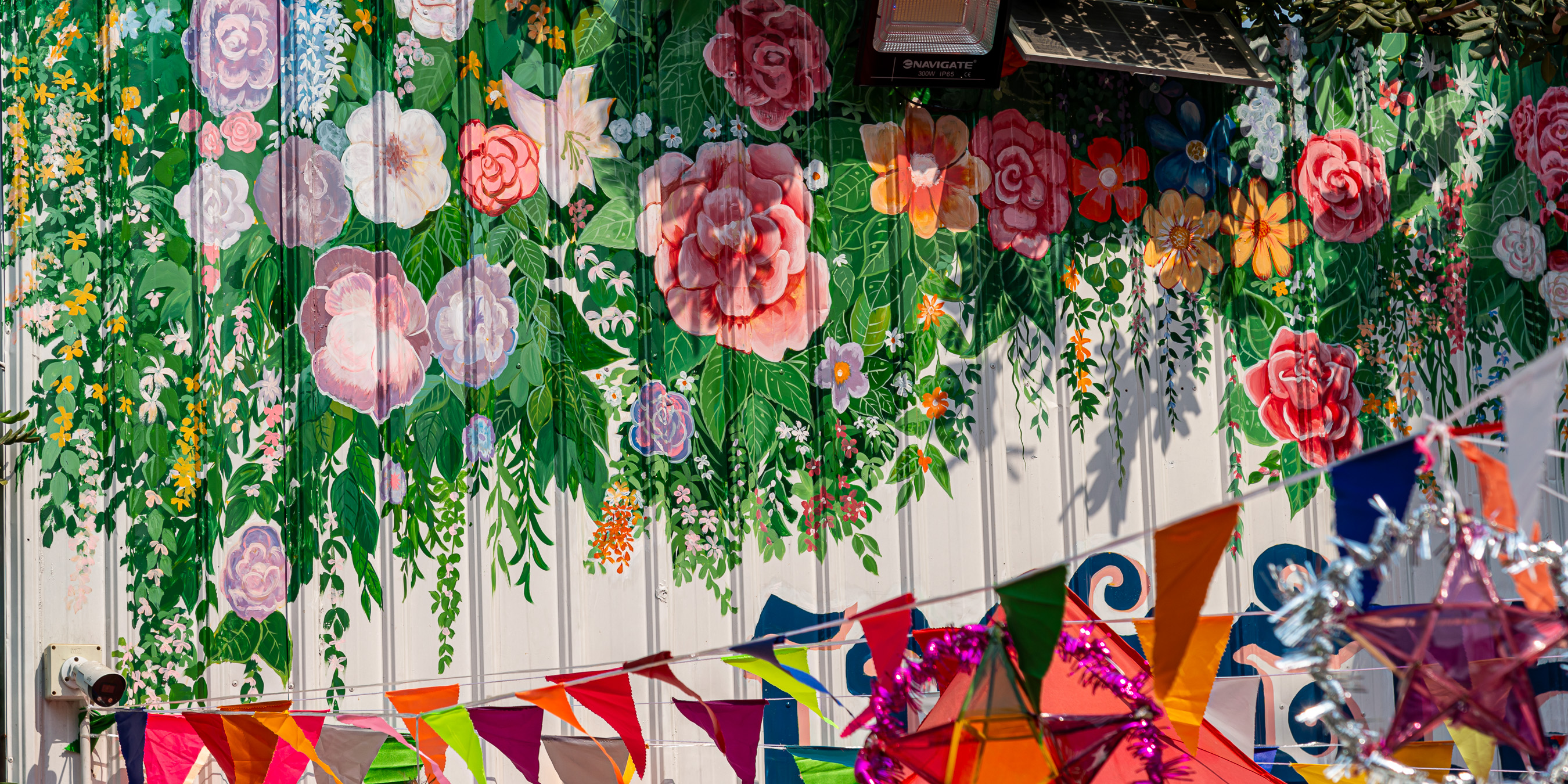
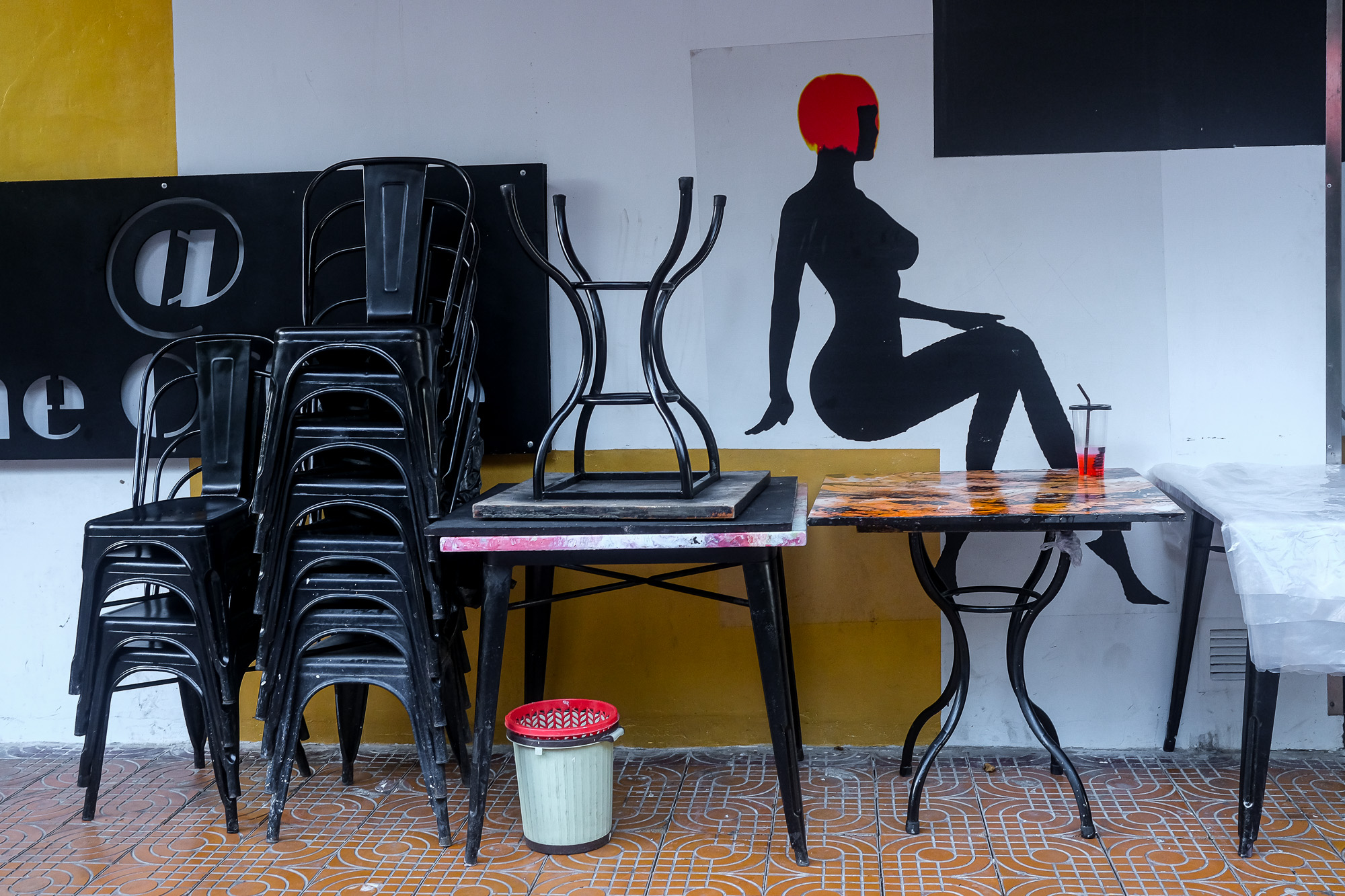
Street Art and Graffiti: These vibrant artworks add colour and character to the urban environment. They can also be politically charged, making a statement that’s ripe for photographic exploration.
Everyday Objects: Sometimes, the most mundane objects can make for the most interesting subjects. A bicycle leaning against a wall, a row of mailboxes, or a brightly colored door can all become focal points in a photograph.
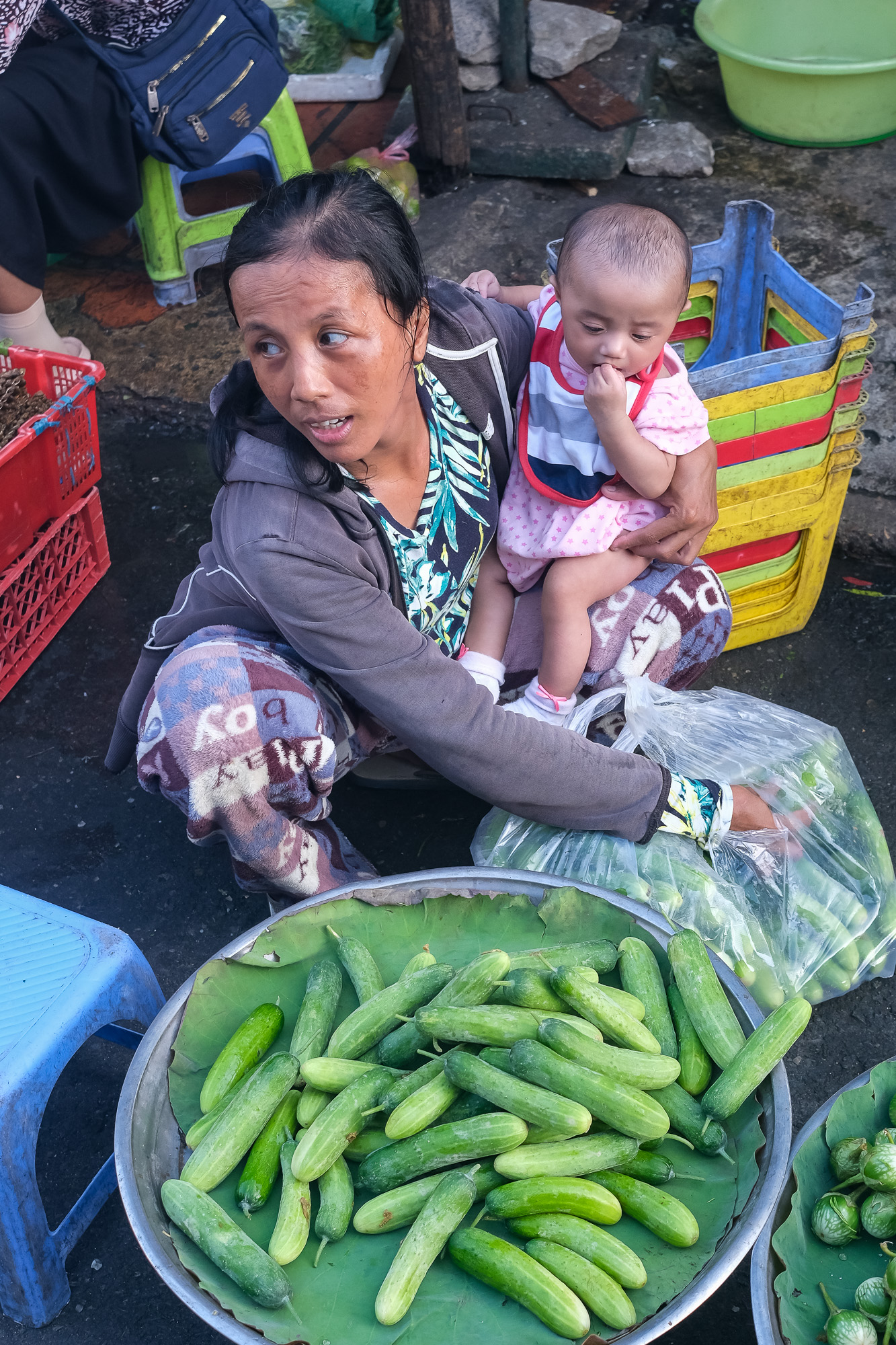
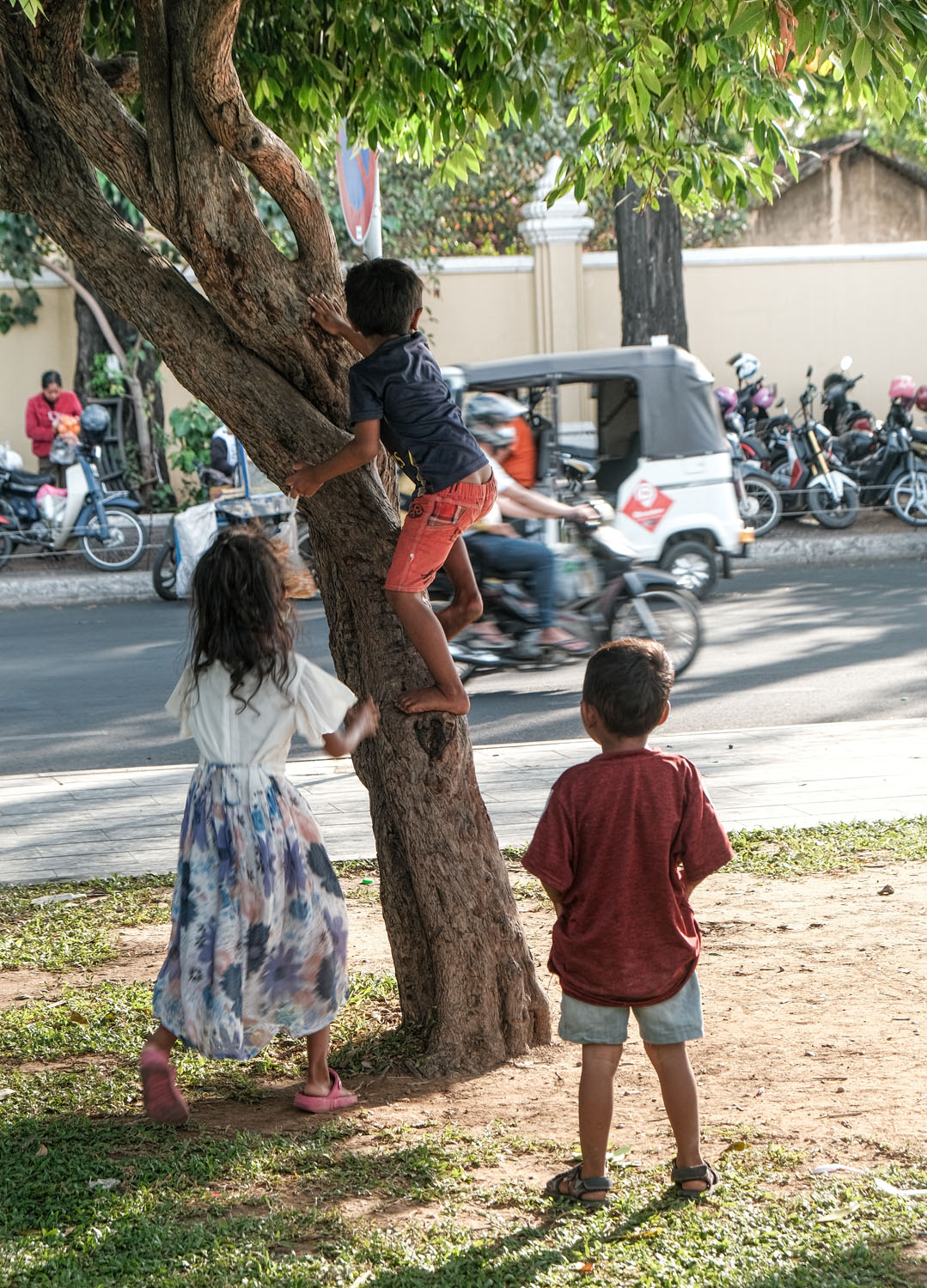
Moments of Action: Whether it’s a bustling market, a quiet street corner, or a child playing, moments of action provide dynamic and engaging subjects for street photography.
The ‘why’ behind street photography is as varied as the photographers themselves. For some, it’s a way to document and preserve history. For others, it’s about the thrill of capturing the unpredictable. Many find it a form of artistic expression, a way to tell stories, or simply a method to connect with the world around them.
In essence, street photography is about observation and reflection. It’s about seeing the extraordinary in the ordinary and sharing that vision with others. It’s a practice that requires patience, empathy, and a keen eye for detail. And for those who are drawn to it, street photography can become a lifelong passion.
In the fast-paced world of media, photojournalists are tasked with capturing the essence of events as they unfold, serving as the eyes of the public and providing visual narratives to stories. But can a photojournalist ever be truly impartial? This question strikes at the heart of photojournalism ethics and the role of media in society.
Impartiality in photojournalism is a complex ideal. At its core, it suggests a detachment from personal biases and an objective portrayal of events. However, choosing what to photograph, how to frame it, and what moments to capture reflects a series of subjective decisions. Each photograph is a slice of reality as seen through the photojournalist’s lens, influenced by their perspective, cultural background, and the split-second choices they make on the ground.
The debate on impartiality isn’t new. It has been a topic of discussion among professionals and academics alike, with many arguing that complete neutrality is unattainable. A project by the Reynolds Journalism Institute highlighted the value of strong photojournalism and its credibility, emphasizing the importance of visual storytelling in an era where images are omnipresent. The National Press Photographers Association also underscores the need for good processes in telling visual stories, especially as newsrooms face resource constraints.
Ethics in photojournalism, as discussed by the VII Photo Agency, involves a delicate balance between getting “the shot” and respecting boundaries, both ethical and physical. Photojournalists must navigate the tension between being witnesses to events and becoming participants through their presence and choices. The line between capturing a moment and exploiting a situation is thin and often blurred.
Moreover, the rise of citizen journalism and the ubiquity of smartphones have democratized the field of photography. Now, more than ever, professional photojournalists are distinguished not just by their ability to take high-quality images but by their adherence to ethical standards and commitment to truth-telling.
The question of whether journalism can be both impartial and empathetic is also pertinent. Empathy allows journalists to connect with their subjects and audiences on a human level, yet it can also colour the portrayal of events. The challenge lies in maintaining a balance where empathy enhances the storytelling without compromising the factual integrity of the images.
In conclusion, while true impartiality may be an unachievable ideal, striving for it ensures that photojournalists remain vigilant about their influence on the narrative. It’s a pursuit that requires constant self-reflection, ethical decision-making, and a dedication to the principles of journalism. As the field evolves, so too must the conversation around impartiality, ensuring that photojournalism continues to be a credible and valuable source of information in an increasingly visual world.
Navigating the Shades of Grey: Famous Examples of Biased Photojournalism
Photojournalism is a powerful medium that can shape public perception and opinion. It’s a visual form of storytelling that can bring distant issues close to home, humanize statistics, and create empathy. However, with this power comes the responsibility to present a fair and balanced view, which is not always the case. Bias in photojournalism can manifest in various forms, from the choice of photos to the way they are presented. Here are some famous examples where bias has crept into photojournalism, influencing the narrative and shaping public discourse.
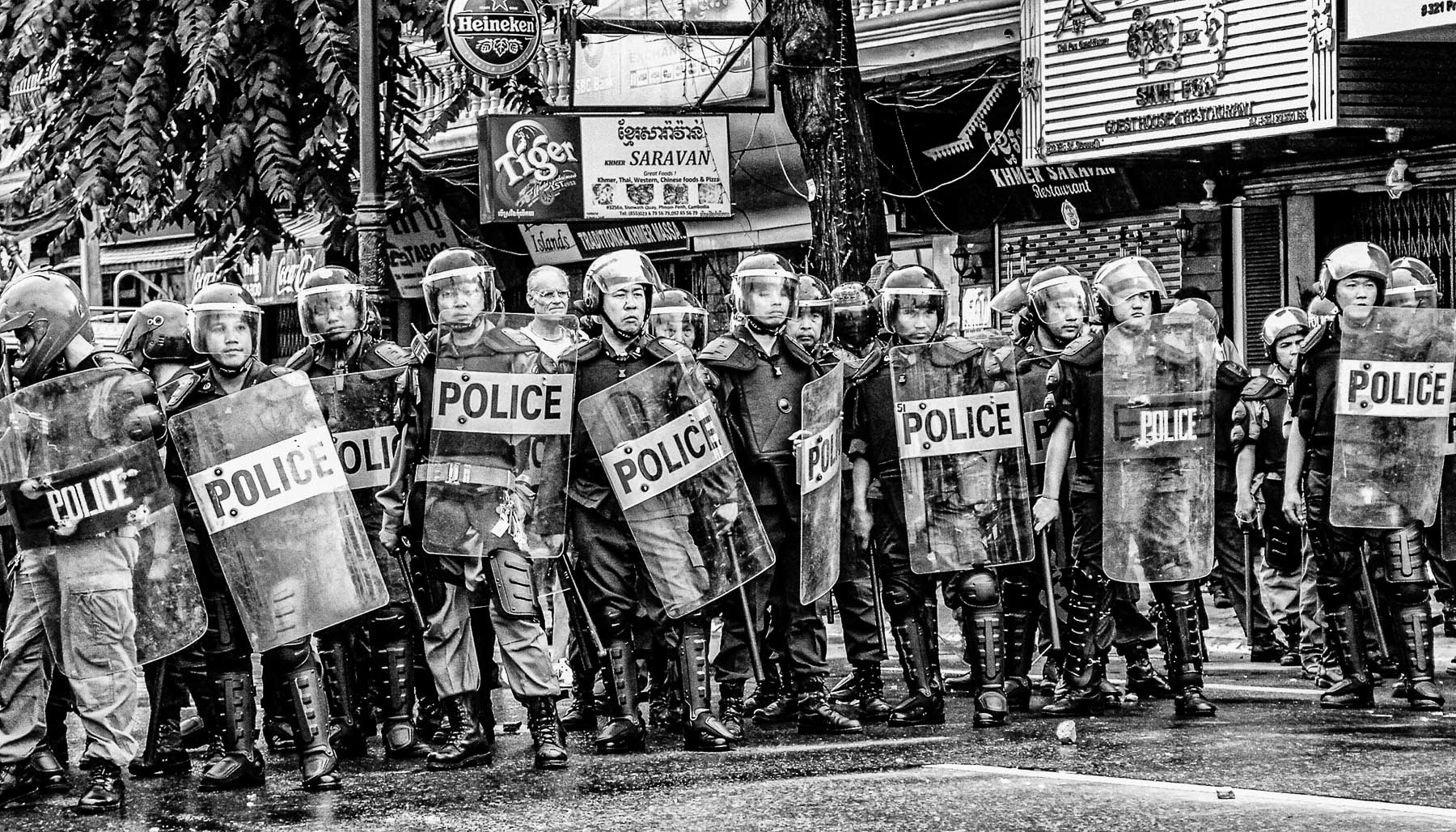
One of the most discussed examples of biased photojournalism is the coverage of the Ferguson protests in 2014. A photograph by Robert Cohen showed a protestor hurling a tear gas canister during the unrest following the fatal shooting of Michael Brown by a police officer. This image became iconic but also raised questions about whether it was representative of the overall peaceful nature of the protests or whether it unfairly focused on moments of conflict.
Another instance is the portrayal of political figures, where media outlets may choose photos that cast politicians in a certain light. For example, during the Obamacare debates, some conservative outlets used images of former President Obama that made him appear stern or angry, potentially influencing the reader’s perception of his character and the legislation itself.
The Rohingya crisis in Myanmar also saw biased photojournalism when images were used to finally bring attention to the ethnic cleansing that the government had been denying. While the photographs played a crucial role in highlighting the atrocities, they also sparked debates on whether the graphic nature of the images was necessary or if it desensitized the public to violence.
Media bias is not limited to political or social unrest; it can also be seen in everyday news. For instance, ski resorts might spin snow reports to appear more favourable, or news outlets might present stories in a way that aligns with their ideological stance or caters to their demographic.
These examples underscore the challenges photojournalists face in maintaining impartiality. The line between capturing a moment and shaping a story is fine, and often, the intent behind a photograph can be as influential as the image itself. As consumers of media, it’s essential to approach photojournalism with a critical eye, recognizing the potential for bias and seeking a diverse range of sources to form a well-rounded understanding of the world.
In the end, while photojournalism has the power to inform and inspire, it also has the potential to mislead. It’s a reminder that every image tells a story, but it’s up to us to read between the lines.
In the fast-paced world of technology, where gadgets become obsolete almost as soon as they hit the market, the Nikon D3 stands out as a testament to enduring quality and reliability. Even in 2024, this camera maintains a cult following among photographers who value its robust build and exceptional image quality.
The Nikon D3 was a revolutionary release back in 2007, marking Nikon’s foray into the full-frame DSLR market. It boasted a 12.1-megapixel sensor, which by today’s standards may seem modest, but the quality of the images it produces remains impressive. The camera’s EXPEED image processing engine, 51-point autofocus system, and 9 frames per second continuous shooting capability made it a powerhouse for sports and action photography.
Fast forward to 2024, and the Nikon D3 still holds its own. Reviews from photography enthusiasts and professionals alike continue to praise its performance. A recent throwback review highlighted the D3’s enduring appeal, noting that while technology has advanced, the essence of photography remains the same—it’s the photographer, not the camera, that creates the image.
The D3’s tank-like durability is legendary; it’s a camera that can withstand the rigors of professional use in the most challenging environments. Its weather-sealed body has braved everything from desert sands to arctic blizzards, proving that good design stands the test of time.
Moreover, the D3’s value for money in the used market is unparalleled. You can acquire this piece of photographic history for a fraction of its original price, making it an attractive option for those entering the field or looking for a reliable second body.
The Nikon D3 may not have the bells and whistles of modern cameras, such as ultra-high-resolution sensors or 8K video recording, but it excels in what it was designed to do—capture stunning photographs. Its full-frame sensor still delivers excellent dynamic range and low-light performance, qualities that are essential for professional work.
In an era where the latest and greatest tech often overshadows older models, the Nikon D3 serves as a reminder that some things only get better with age. It’s a camera that has not just survived but thrived in the digital age, earning its place in the camera bags of those who appreciate its blend of simplicity, quality, and durability.
For the photography purist, the Nikon D3 is more than just a camera; it’s a companion on the journey of capturing life’s moments. It’s a tool that has helped document history, create art, and tell stories. And in 2024, it continues to inspire a new generation of photographers to look beyond the specs and focus on what truly matters—the art of photography.
Oppression, a multifaceted and pervasive issue, manifests in various forms, impacting individuals and communities across the globe. It can occur through systemic inequality, such as distributive injustice where there is unequal access to resources, or through procedural injustice where there is unfair treatment by authorities. Cultural imperialism, where the dominance of one culture suppresses others, and moral exclusion, where certain groups are denied moral consideration, are also significant forms of oppression. These modes of injustice are not exhaustive but highlight the complex nature of oppression that can affect people in numerous aspects of their lives, from personal freedoms to social and economic opportunities. Understanding these forms is crucial in addressing and combating oppression, and fostering a more equitable and just society for all.
Freedom of expression is a cornerstone of democratic rights and freedoms. It is enshrined in Article 19 of the Universal Declaration of Human Rights, which highlights the right to hold opinions without interference and to seek, receive, and impart information and ideas through any media regardless of frontiers. This fundamental human right is essential for the protection of other rights, allowing for open discourse and the exchange of ideas which are vital for innovation and progress. However, it is not absolute and can be subject to certain restrictions, such as laws on hate speech, national security, or public order. As the digital age advances, the scope of freedom of expression continues to evolve, raising new questions and challenges related to internet censorship, the spread of misinformation, and the role of social media platforms in moderating content.
In the realm of journalism, impartiality is often hailed as a cornerstone of ethical reporting. It is the practice of providing a balanced view, free from personal bias, allowing the audience to form their own opinions based on a fair presentation of the facts. But how can journalists maintain impartiality, and is true impartiality even attainable?
The concept of impartiality in journalism is rooted in the idea that reporters should not favour any particular point of view, person, or group. Instead, they should present the news in an unbiased and even-handed manner. This means that journalists must rise above their personal perspectives to deliver comprehensive and authoritative coverage of news and current affairs.
To achieve impartiality, journalists are encouraged to reflect a wide range of opinions and explore conflicting views without letting their personal preferences influence the subject matter or choice of interviewees. They must be honest about personal interests or history that could affect their reporting and discuss potential conflicts of interest with senior editorial teams.
In the digital age, where information is abundant and media outlets are numerous, the challenge of maintaining impartiality has intensified. Audiences now have access to a wider range of views than ever before, and this has led some to question traditional approaches to impartiality that attempt to represent all points of view within a single broadcast or publication.
Despite these challenges, research indicates that engaged audiences still value impartiality and consider it a defining characteristic of news. They expect journalists to focus on facts, objectivity, and fairness, and to avoid opinions and bias in reporting. Impartiality remains a foundational value of news that underpins audiences’ trust and is essential for robust news coverage.
Journalistic objectivity, another term often associated with impartiality, suggests that stories should be reported neutrally, with journalists siding with none of the parties involved. This approach aims to provide all sides with relevant facts and information, allowing the audience to draw their own conclusions.
The ideal of impartiality consists of several elements, including accuracy, fairness, balance, disinterestedness, open-mindedness, and fidelity to news values. Breaking down the concept into these constituent elements makes it possible to assess coverage for impartiality and strive towards it, even if it remains a challenging ideal.
In conclusion, while absolute impartiality may be an impossible ideal, it is still a goal worth pursuing for journalists committed to ethical reporting. By adhering to the principles of impartiality and objectivity, journalists can provide their audience with the information necessary to make informed decisions, thereby upholding the integrity of the news industry and the trust of the public.
References: : Media Helping Media – Impartiality in Journalism : Reuters Institute for the Study of Journalism – Rethinking Impartiality for the Digital Age : Wikipedia – Journalistic Objectivity : SpringerLink – Impartiality: Attainable and Assessable
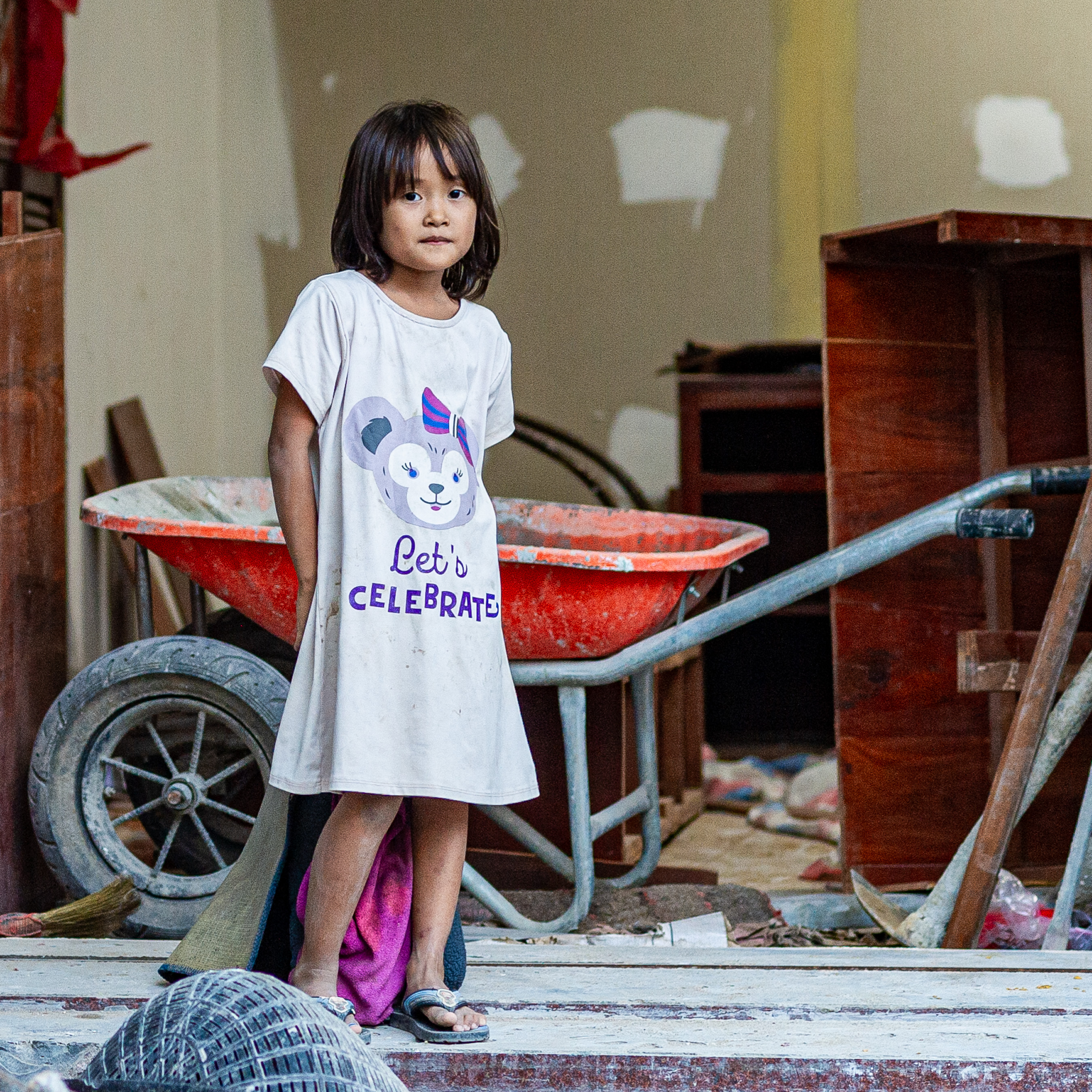
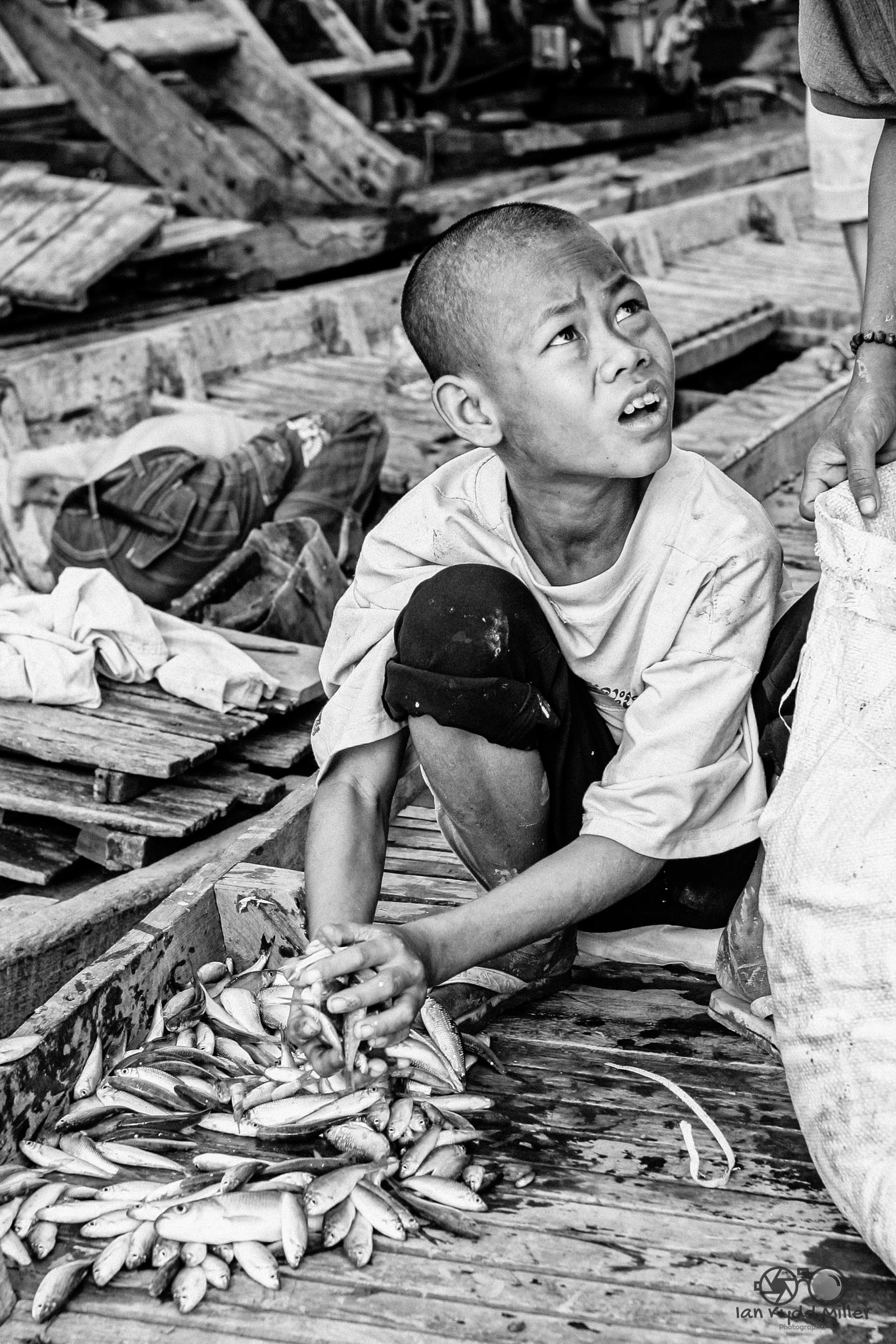
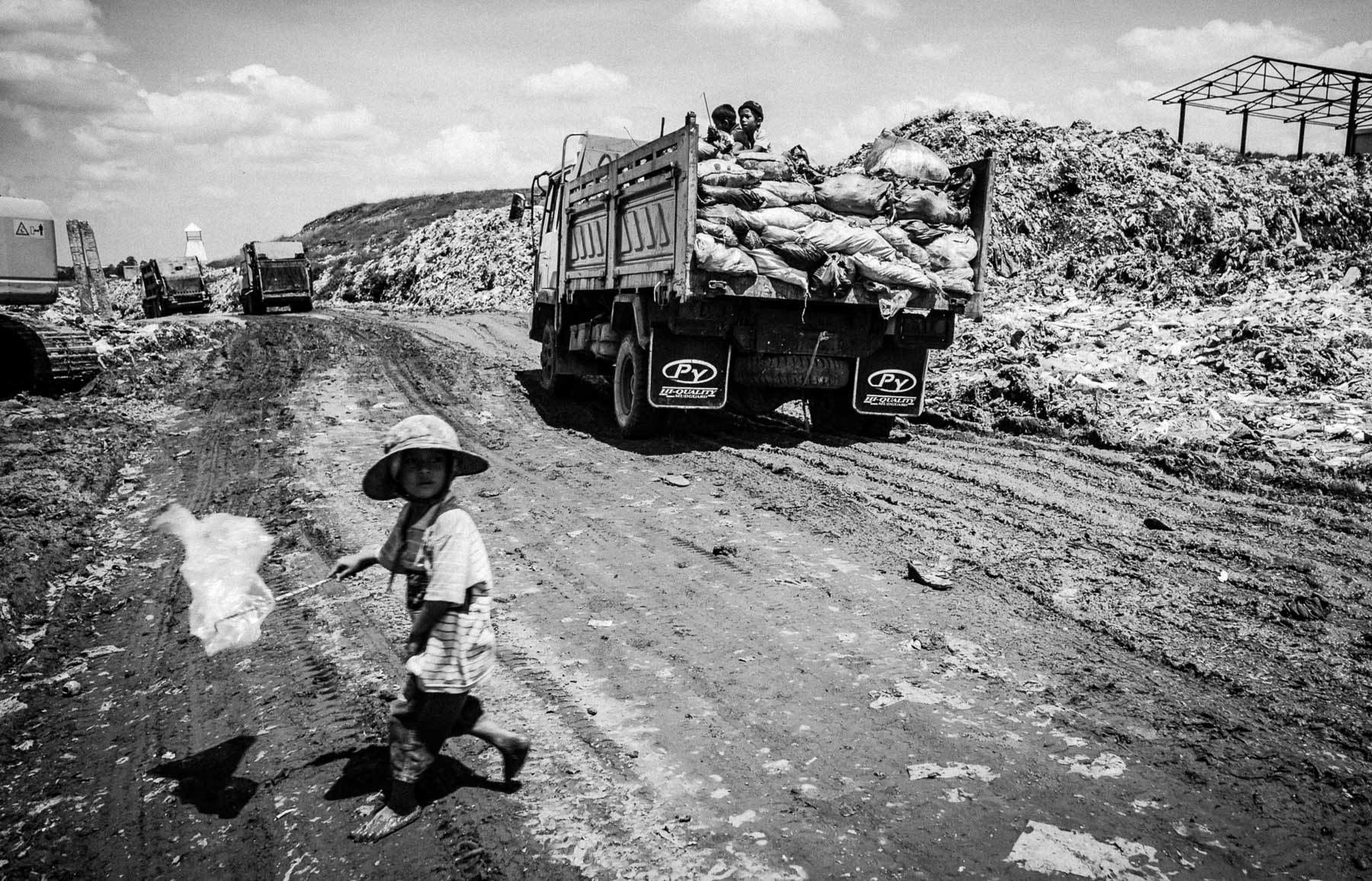
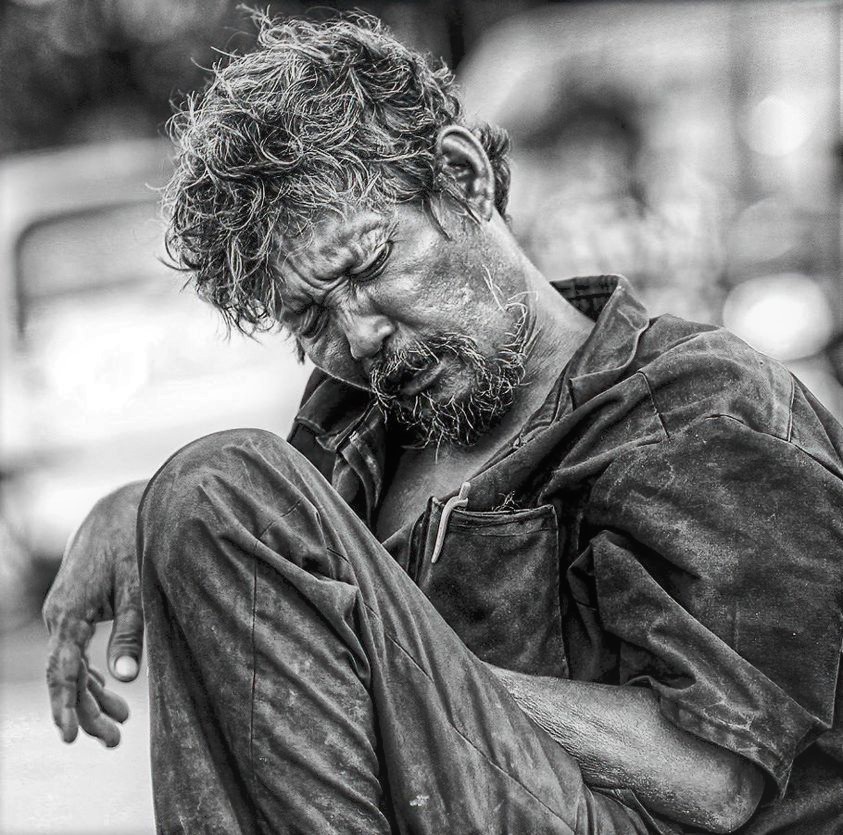
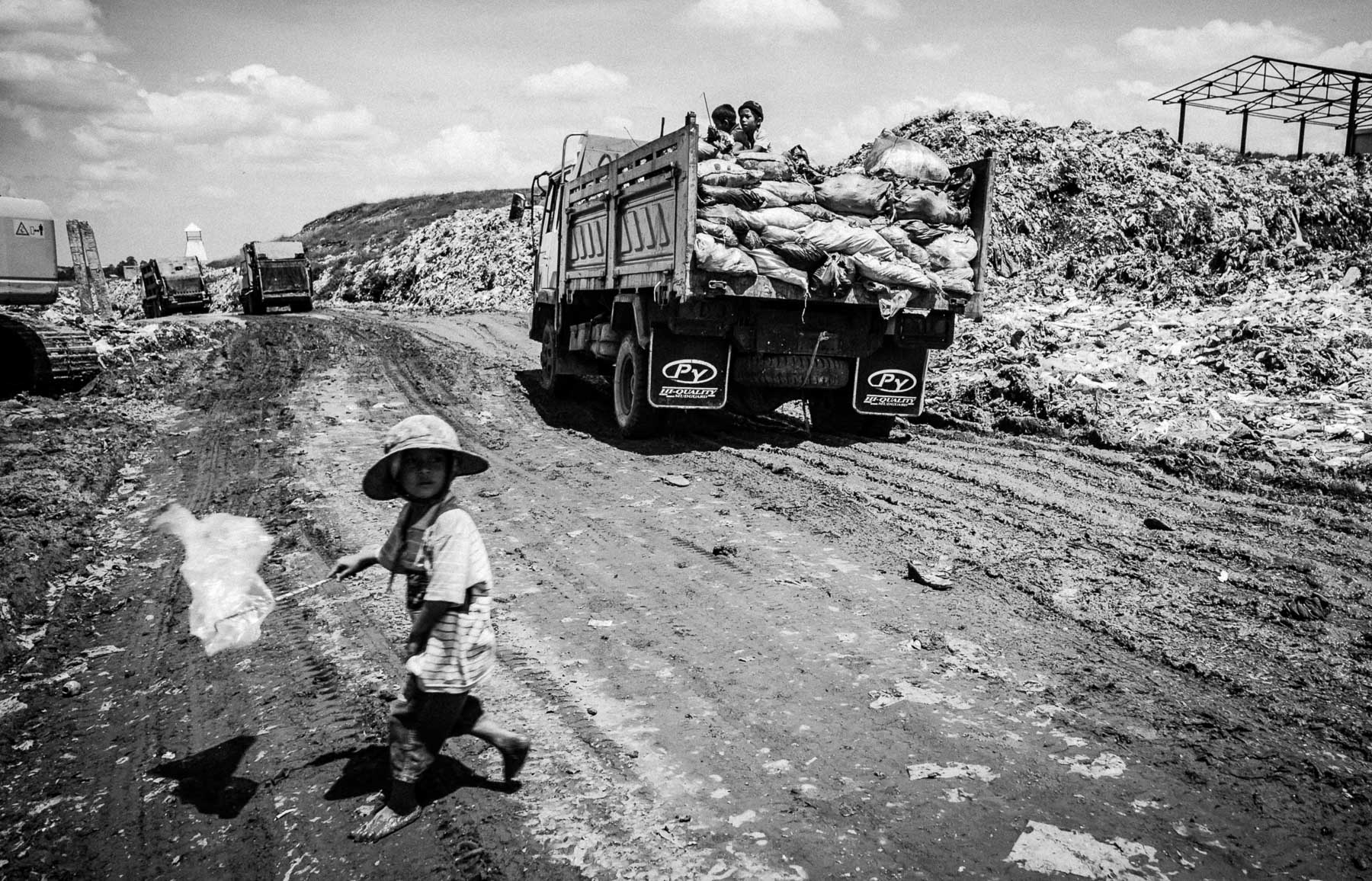
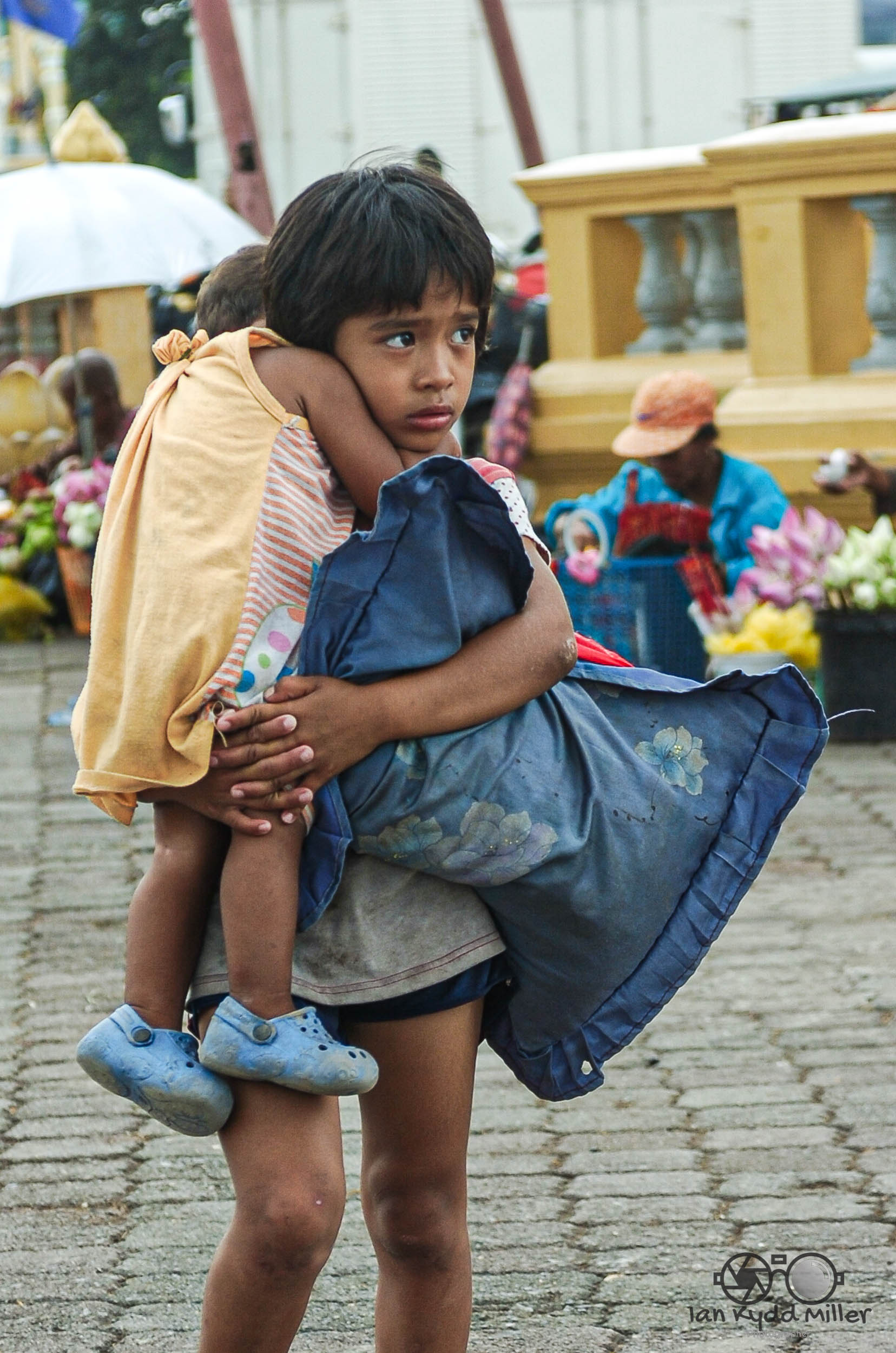
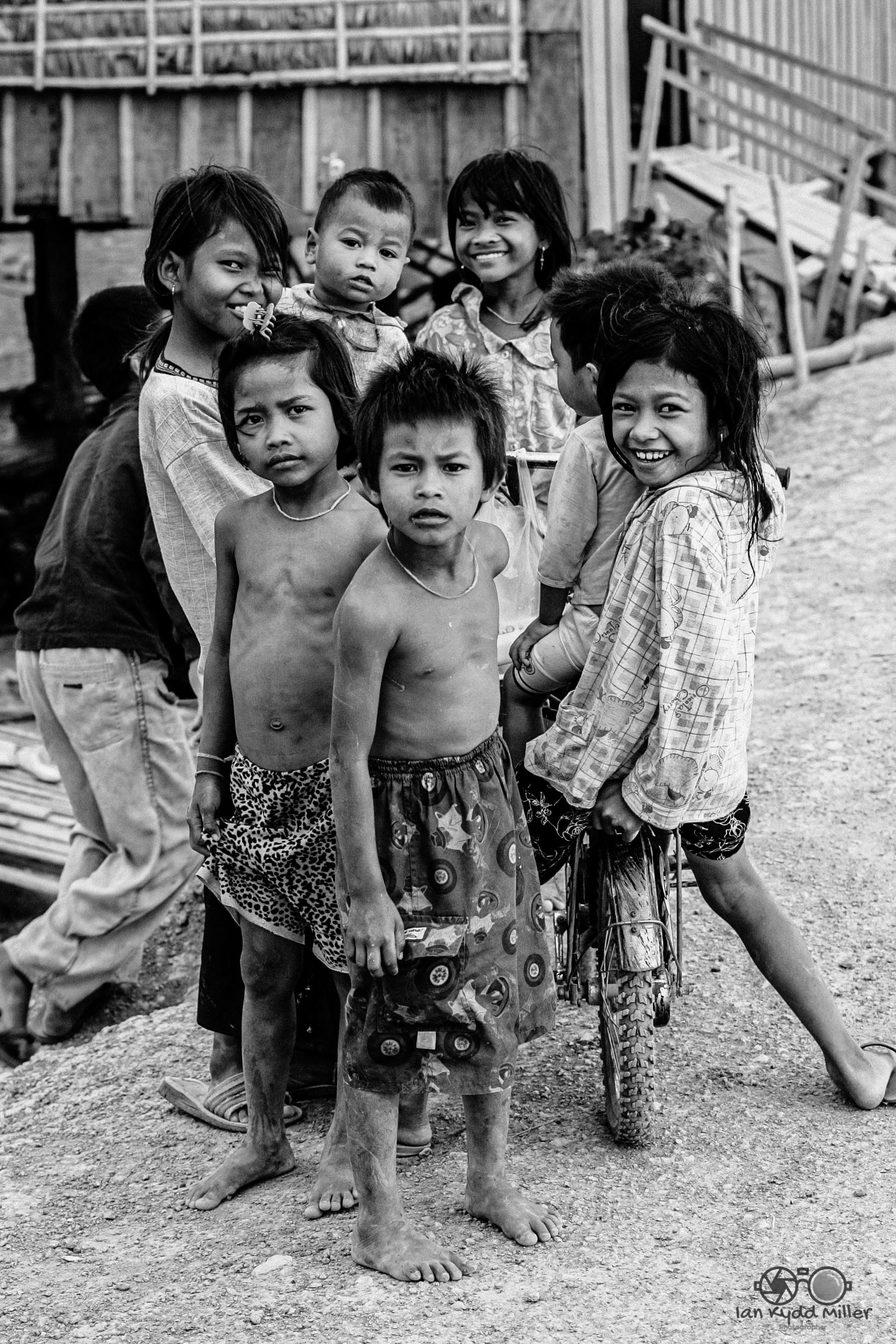
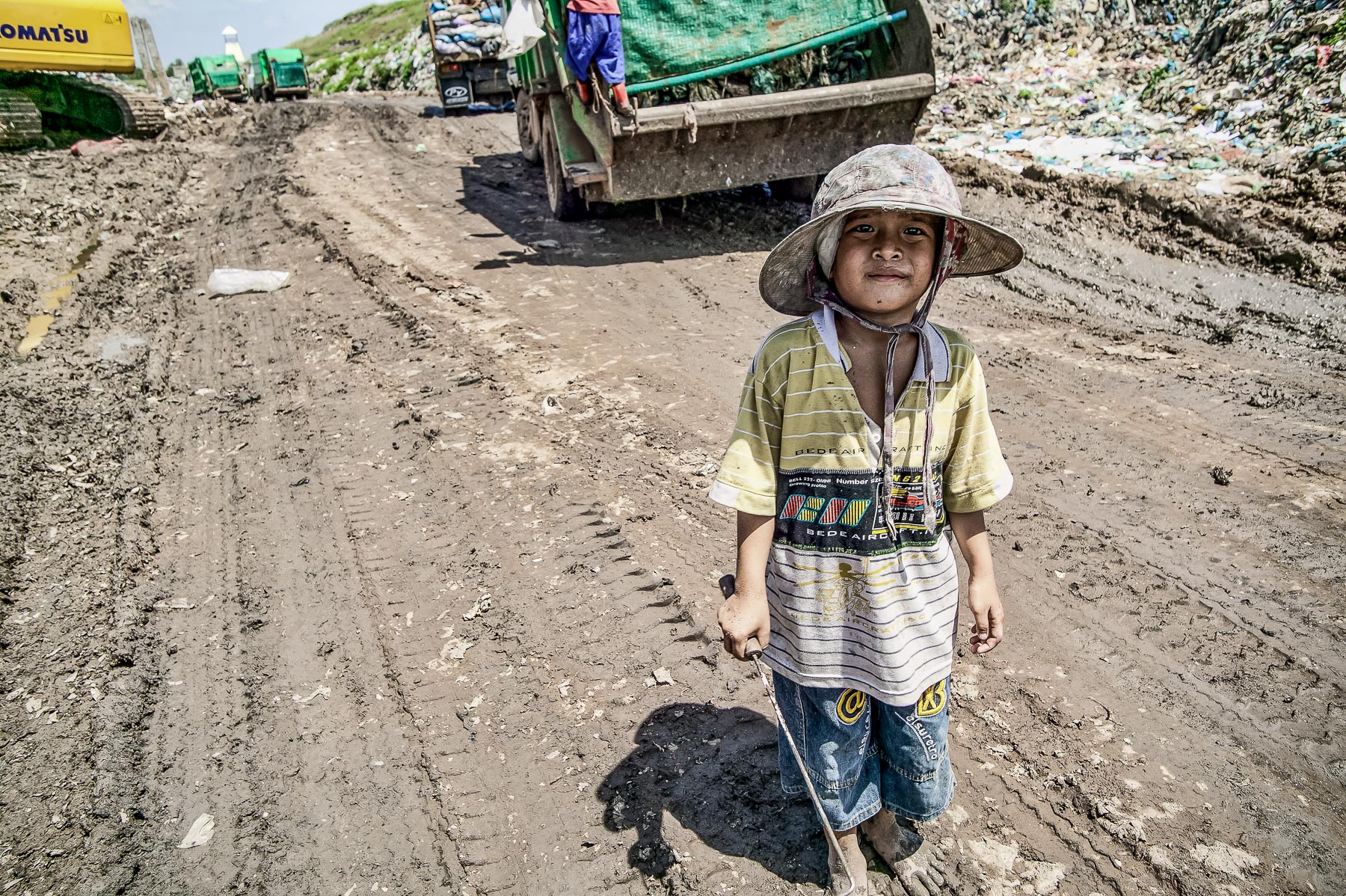
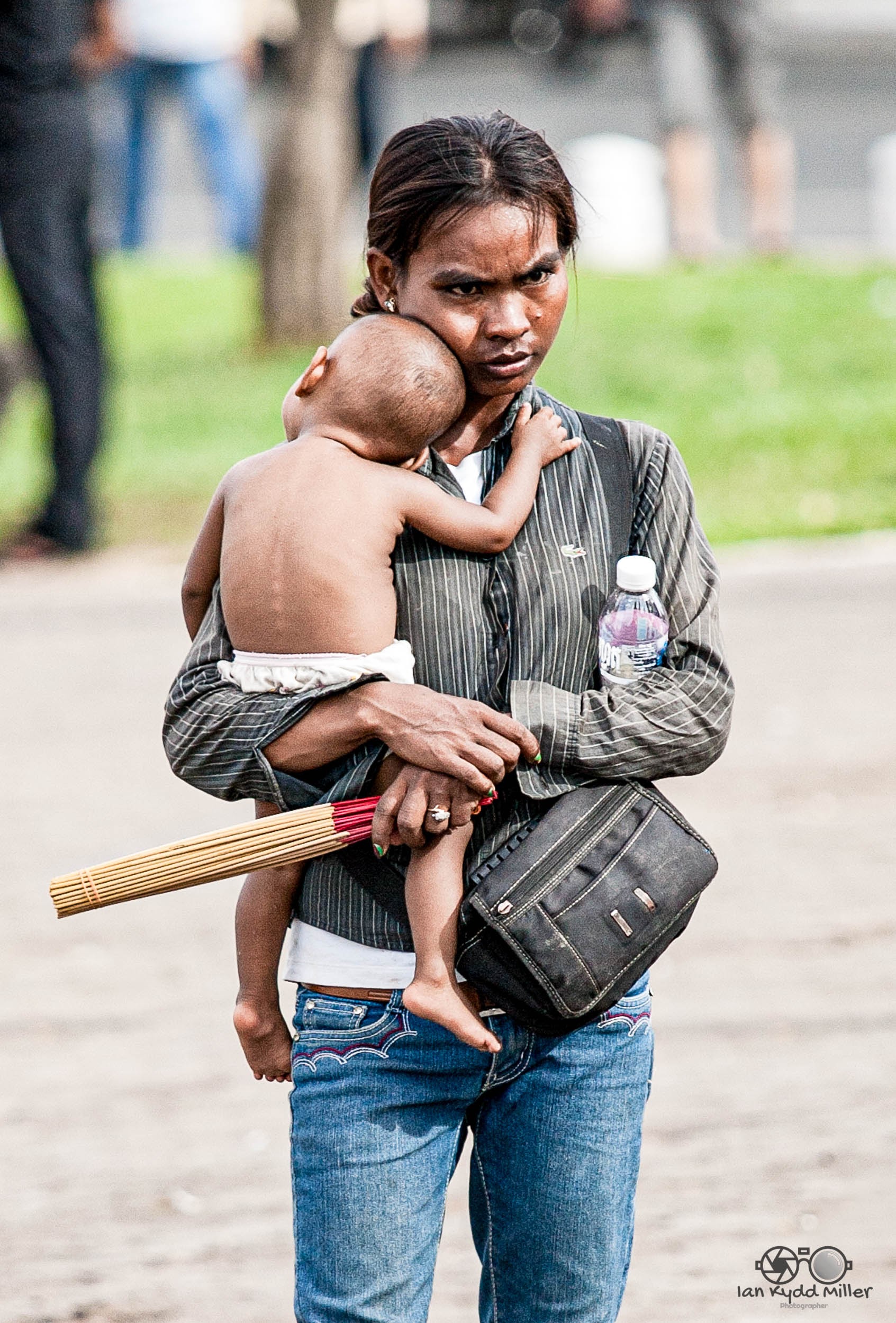
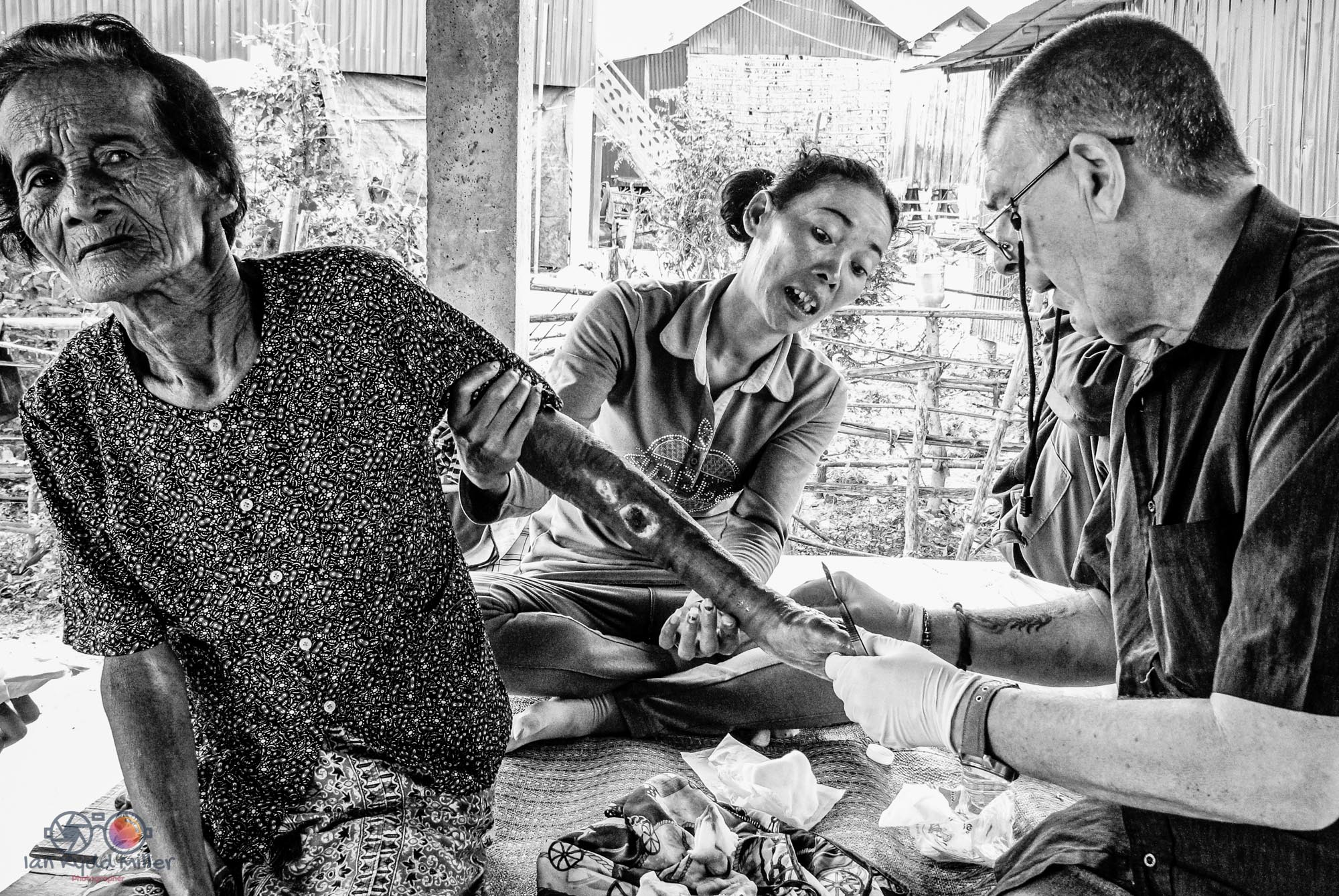
The question of whether it is ethical to photograph individuals who are homeless or living in poverty is a complex and nuanced issue that has been debated among photographers, ethicists, and social activists for many years. The act of capturing images of people in vulnerable situations raises important questions about consent, representation, dignity, and the purpose of such photographs.
On one hand, photography has the power to bring attention to social issues and can be a form of advocacy and storytelling. Iconic images have historically played a role in raising awareness and prompting social change. For instance, the work of photographers like Dorothea Lange during the Great Depression helped to humanize the plight of the impoverished and influenced public policy.
However, there is a fine line between documentation and exploitation. Critics argue that taking photographs of the homeless without their consent can be intrusive and dehumanizing. It can reduce individuals to mere subjects of poverty, stripping them of their identity and agency. Moreover, such images can perpetuate stereotypes and fail to represent the complexity of the circumstances that lead to homelessness.
The ethical considerations become even more pronounced when the images are used for commercial gain or artistic accolades without benefiting the subjects themselves. This has led to discussions about the need for photographers to engage with their subjects with empathy and respect, ensuring that their dignity is maintained and their stories are told with integrity.
Photographers who approach their subjects with sensitivity and seek to establish a rapport can create images that are respectful and insightful. By obtaining informed consent and involving the subjects in the storytelling process, photographers can help to ensure that their work contributes to a greater understanding of homelessness and poverty rather than exploiting it.
In conclusion, while there is no definitive answer to whether photographing the homeless or those living in poverty is inherently unethical, the consensus is that the approach and intent behind the photography are crucial. Ethical photography in this context should aim to inform, advocate, and respect the dignity of the subjects, rather than objectify or exploit their circumstances for personal gain. It is a delicate balance that requires photographers to be conscientious and responsible in their practice.
Exploring the Depths of Truth: The Legacy of John Godolphin Bennett
In the realm of philosophical thought and spiritual exploration, few have delved as deeply into the nature of truth and the human duty to it as John Godolphin Bennett. His profound statement, “I believe that an essential part of man’s duty upon this earth is to bear witness to the truth as it has been revealed to him,” encapsulates a core principle of his life’s work and teachings.
John Godolphin Bennett, a British mathematician, scientist, technologist, and author, was a man of diverse interests and profound insights. His journey through life was marked by a relentless pursuit of knowledge and understanding, not just in the scientific domain but also in the spiritual. Bennett’s association with G. I. Gurdjieff, a mystic and spiritual teacher, further enriched his explorations into the human condition and the pursuit of truth.
Bennett’s quote speaks to the innate impulse in humans to understand their experiences and the world around them. This impulse, he believed, was not merely about acquiring knowledge or taking action, but about striving for a deeper understanding that transcends the subjective and objective realms. His thoughts echo the sentiment that truth is not a static entity to be passively observed but a dynamic revelation that requires active participation and witness.
The duty to bear witness to the truth, as Bennett saw it, is not a light one. It calls for integrity, courage, and a willingness to confront the complexities of life. It is about being open to the revelations that come through personal experience, introspection, and the shared wisdom of humanity’s collective journey. Bennett’s own life was a testament to this duty, as he navigated the challenges of his era with a commitment to uncovering and sharing the truths he encountered.
Bennett’s contributions to the fields of psychology and spirituality are significant. His works delve into the teachings of various spiritual traditions, offering insights that remain relevant to those on a quest for understanding. His explorations into the nature of consciousness, the structure of reality, and the potential for human transformation continue to inspire seekers of truth across the globe.
As we reflect on Bennett’s legacy, we are reminded of the enduring importance of seeking truth in our lives. His words encourage us to look beyond the surface, to question, to learn, and to bear witness to the truths that shape our existence. In a world where truth can often be obscured by myriad distractions and distortions, Bennett’s call to duty is as relevant as ever.
Let us honour John Godolphin Bennett’s memory by embracing our own duty to truth. May we have the strength to witness it, the wisdom to understand it, and the compassion to share it. In doing so, we contribute to the tapestry of human knowledge and experience, enriching not only our own lives but also the lives of those around us.
To explore more about John Godolphin Bennett and his impactful work, visit the dedicated resources that delve into his life and teachings. His legacy is a beacon for all who seek to understand the deeper realities of our existence and the profound duty we have to the truth that is revealed to us.
The field of photojournalism is a critical component of our media landscape, providing visual narratives that shape our understanding of the world. However, it is not without its ethical challenges. Photojournalists often navigate complex situations where the need to capture compelling images must be balanced against ethical considerations. Here, we delve into some ethical dilemmas that photojournalists face and the principles that can guide them.
Invasion of Privacy vs. Public Interest One of the most significant ethical issues in photojournalism is the tension between the public’s right to information and an individual’s right to privacy. Photojournalists must decide whether capturing a moment is in the public interest or if it unjustly invades the subjects’ privacy. This decision becomes even more critical when dealing with sensitive situations or vulnerable individuals.
Sensationalism vs. Authenticity The pressure to capture attention-grabbing images can lead to sensationalism, where the scene’s authenticity is compromised for the sake of a dramatic narrative. Photojournalists must resist the urge to stage or manipulate images, as this can mislead the audience and damage the credibility of the profession.
Cultural Sensitivity Working across diverse cultures requires photojournalists to approach their subjects with respect and sensitivity. Misrepresentation or cultural insensitivity can not only offend but also perpetuate stereotypes. Photojournalists need to engage with local communities and understand the context in which they are working.
Exploitation of Vulnerable Subjects When documenting crises or conflicts, photojournalists often encounter vulnerable populations. It is imperative to avoid exploitation and ensure that the dignity and rights of these subjects are upheld. Consent, where possible, should be obtained, and identities protected when necessary to avoid further harm.
Balancing Safety with Duty Photojournalists frequently find themselves in hazardous situations. While there is a professional duty to document events, personal safety cannot be overlooked. The ethical dilemma here is to assess the risk and make informed decisions about how to proceed without compromising one’s well-being.
Conclusion The ethical landscape of photojournalism is complex and requires a delicate balance of competing interests. Photojournalists must adhere to a code of ethics that prioritizes accuracy, respect, and integrity. By doing so, they can continue to tell powerful stories while maintaining the trust of their audience and the dignity of their subjects. For those interested in exploring this topic further, comprehensive discussions and guidelines are available in various resources, including industry publications and educational platforms.
Photojournalism stands as a powerful medium that conveys the stark reality of events through imagery. It is a form of journalism that employs images to narrate a news story, providing a visual representation that often speaks louder than words. Typically associated with still images, photojournalism also encompasses video content in broadcast journalism, expanding its reach and impact.
The essence of photojournalism lies in its ability to capture moments that tell stories of humanity, nature, conflict, and celebration. Unlike other branches of photography such as documentary photography, social documentary photography, war photography, street photography, and celebrity photography, photojournalism is bound by a stringent ethical framework. This framework is pivotal in maintaining the integrity of the news story, ensuring that the images are a truthful and unbiased portrayal of events.
The ethical considerations in photojournalism are manifold. Photojournalists must navigate the delicate balance between capturing compelling images and respecting the dignity and privacy of their subjects. They must avoid manipulation or staging that would distort the truth. The decision of what to shoot, how to frame it, and what context is provided alongside the image can significantly influence public perception.
In the digital age, where images can be easily altered, the role of the photojournalist becomes even more critical. They serve as the gatekeepers of visual truth, adhering to professional standards that prevent misinformation. The immediacy with which photos can be shared worldwide amplifies the responsibility on photojournalists to verify the authenticity of their images and the narratives they support.
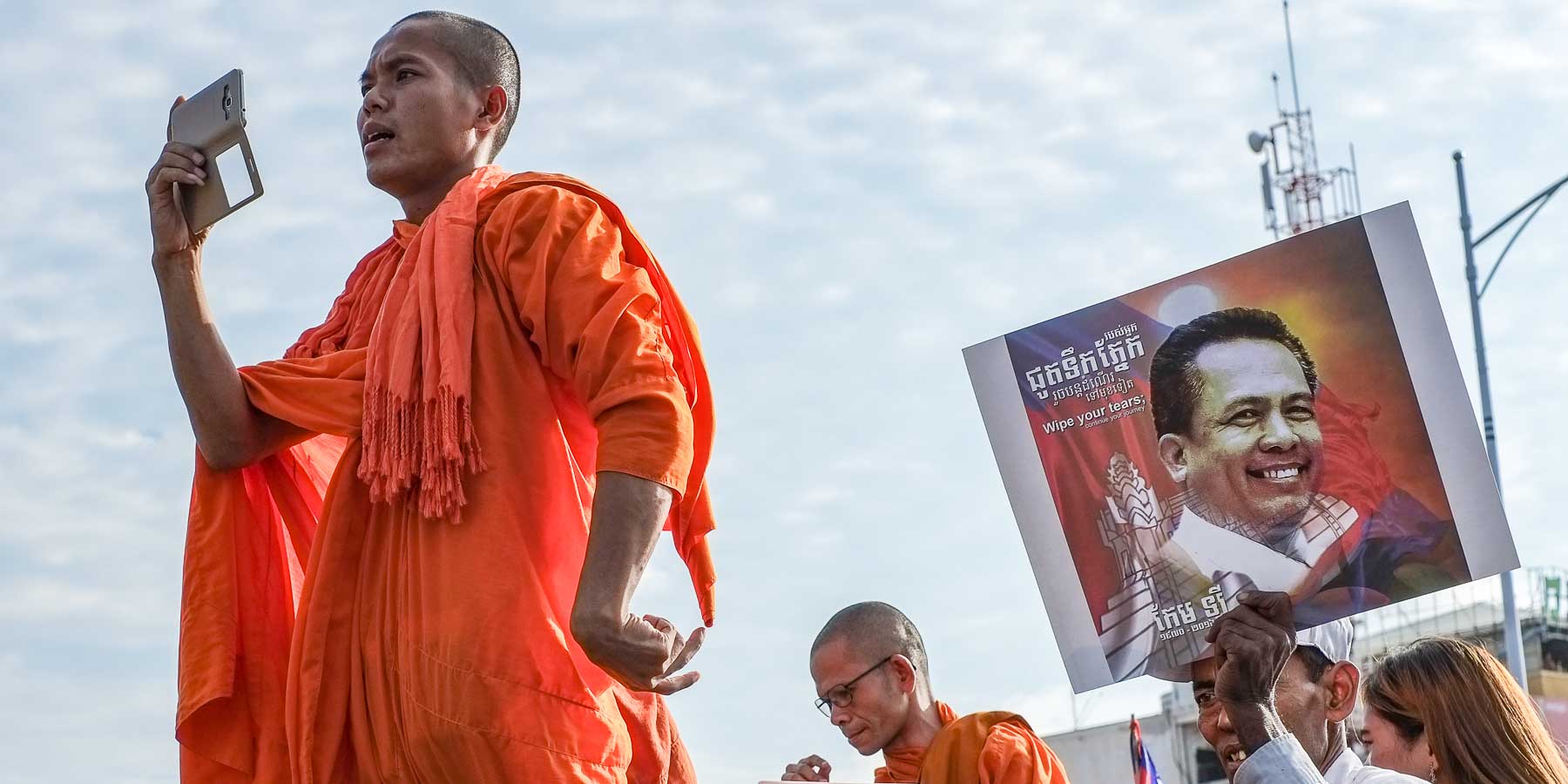
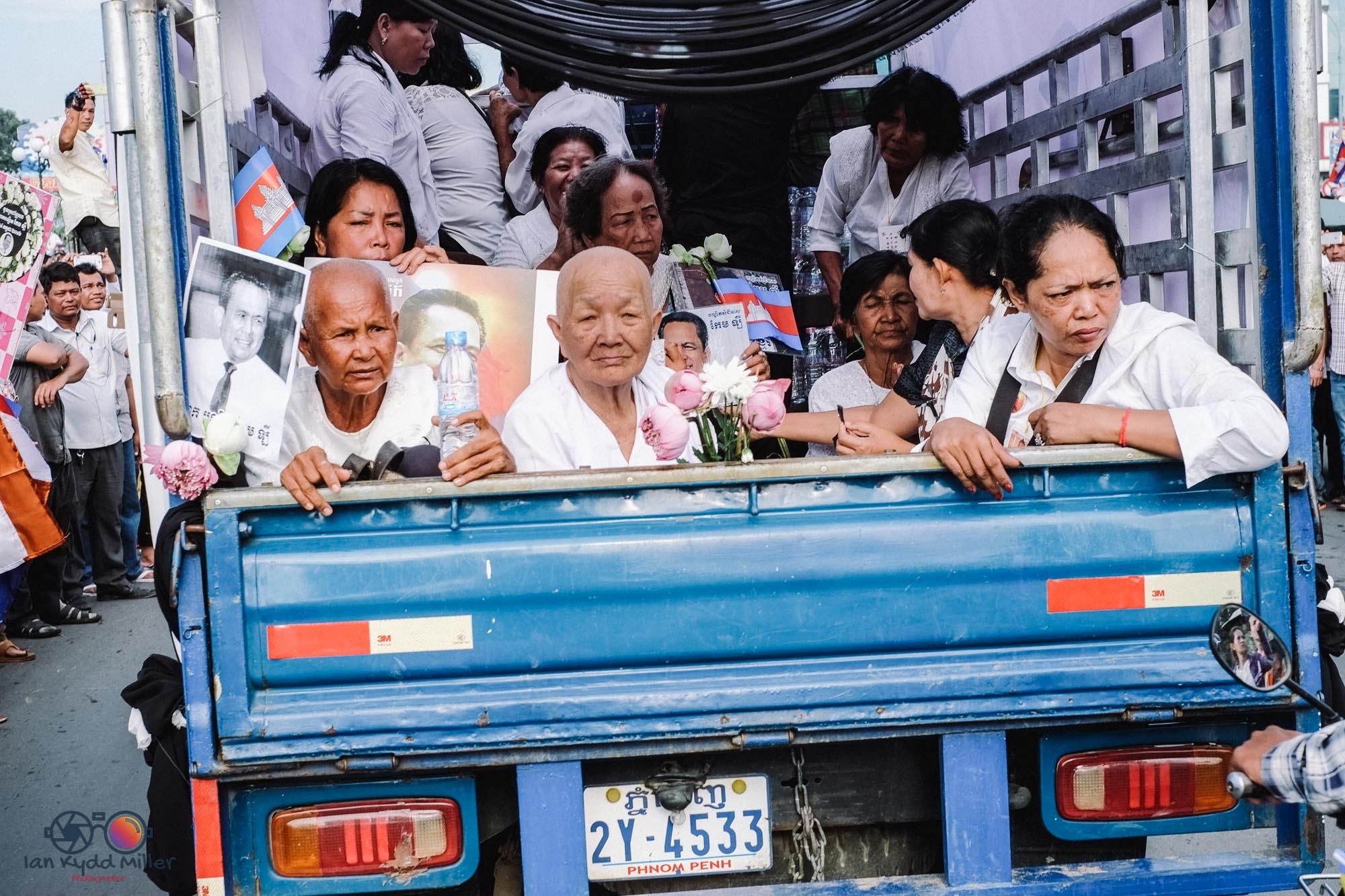
The impact of photojournalism cannot be understated. Iconic images have the power to become symbols of historical events, movements, or social issues. They can evoke emotions, drive change, and stir public discourse. The famous photograph of the Napalm girl during the Vietnam War or the image of the Syrian child refugee washed ashore are poignant examples of how photojournalism can touch hearts and influence policy.
Photojournalism also faces challenges in the modern world. The proliferation of smartphones and social media has democratized the capture and distribution of news images, blurring the lines between professional photojournalism and citizen journalism. This shift raises questions about the future of the field and the standards by which it is governed.
Despite these challenges, the core of photojournalism remains unchanged: to tell a story honestly and impartially through images. It is a noble pursuit that requires courage, skill, and an unwavering commitment to ethical principles. As long as there are stories to be told, photojournalism will continue to be an indispensable part of the journalistic landscape, illuminating the truth one frame at a time.
The Ethical Compass of Photojournalism
Photojournalism is a powerful form of journalism that captures and conveys news through imagery. It’s a field that requires not only a keen eye for a good shot but also a steadfast commitment to ethics and integrity. Here’s a guide to the dos and don’ts of photojournalism, drawing from industry best practices.
Do: Tell the Truth Through Your Lens The primary duty of a photojournalist is to present an accurate and fair representation of the events they are covering. This means capturing moments as they unfold, without staging or altering the scene. The authenticity of the images is paramount, as they serve as a visual record of history.
Do Not: Manipulate Images Post-processing is a part of digital photography, but there’s a fine line between enhancing an image and distorting the truth. Adding or removing elements from a picture is considered unethical and can damage the credibility of the photojournalist and their publication.
Do: Respect Your Subjects Photojournalists should always approach their subjects with respect and empathy. This means being mindful of their privacy and dignity, especially in sensitive situations. It’s important to consider the impact of published images on the lives of the people featured.
Do Not: Intrude on Private Moments While capturing the essence of an event often requires getting close to the action, photojournalists must avoid intrusive or disrespectful behaviour. It’s crucial to balance the public’s right to know with the subject’s right to privacy.
Do: Understand the Power of the Image A single photograph can influence perceptions and emotions. Photojournalists must be aware of the impact their work can have and strive to present a balanced view, especially when covering controversial or polarizing events.
Do Not: Exploit Your Subjects Taking advantage of someone’s vulnerability for the sake of a compelling image is not only unethical but also dehumanizing. Photojournalists must avoid exploiting their subjects’ emotions or situations for sensationalism.
Do: Know Your Rights and Limits Being aware of legal and ethical boundaries is essential for photojournalists. This includes understanding the laws regarding public and private spaces and the ethical limits of reporting.
Do Not: Compromise Your Integrity In pursuing the story, photojournalists should not engage in activities that could compromise their integrity or that of their profession. This includes accepting bribes or manipulating the narrative to fit a particular agenda.
In conclusion, photojournalism is not just about taking pictures; it’s about storytelling with a purpose. By adhering to these guidelines, photojournalists can ensure that their work contributes positively to the flow of information and the historical record, while maintaining the trust of the public and the dignity of their subjects. For a deeper dive into photojournalism and its practices, consider exploring comprehensive online guides and resources.
The Nikon D3 was a game-changer – the first full-frame Nikon DSLR. Nikon dubbed its new sensor ‘FX-format’, a name that would continue into its mirrorless Z cameras. Designed for professionals, the D3 used the new EXPEED processor to deliver 9fps continuous shooting. The D3 also introduced live view mode, allowing photographers to see what the camera was seeing in real-time via the rear LCD screen.
The D3 was a workhorse camera, with a focus on speed – even at the time, the 12MP resolution was considered a bit low, but it helped the processor keep up with the action. The D3’s magnesium-alloy body is rated for an impressive 300,000 shutter actuations, so you can be more forgiving when assessing whether a used body is offering good value for money.
The Nikon D3 is a legendary camera that still holds up well in 2023. It has a full-frame sensor, a fast autofocus system, and a rugged body that can withstand harsh conditions. The Nikon D3 can capture stunning images with great dynamic range, colour accuracy, and low noise. It is also compatible with a wide range of lenses, from ultra-wide to telephoto. The Nikon D3 is a great choice for anyone who loves photography and wants to experience the joy of using a classic camera. Even in 2023, the Nikon D3 is a usable camera that can deliver amazing results.
If you’re wondering whether the Nikon D3 12 MP is too small to make good images, you might want to reconsider your priorities. The Nikon D3 is a 12MP beast that can capture stunning photos in any lighting condition, with its fast autofocus, high ISO performance, and rugged body. It’s not the size of the sensor that matters, it’s how you use it. And the Nikon D3 knows how to use it well. So don’t let the megapixel myth fool you into thinking that bigger is always better. The Nikon D3 is more than enough for most photographers, and it will make you laugh with joy when you see the results. Trust me, you won’t regret buying this camera. Unless you have tiny hands, then you might need a grip.
You can find examples with considerably fewer actuations for around 450 USD. Honestly, the Nikon D3 is an amazing camera to pick up for less than four hundred pounds, even though it may be old it is still a dream to use.
I just picked one up with less than 140,000 shutter count, for less than 340$ US from Japan



























 a world without pictures is like coffee without cream and sugar, bitter