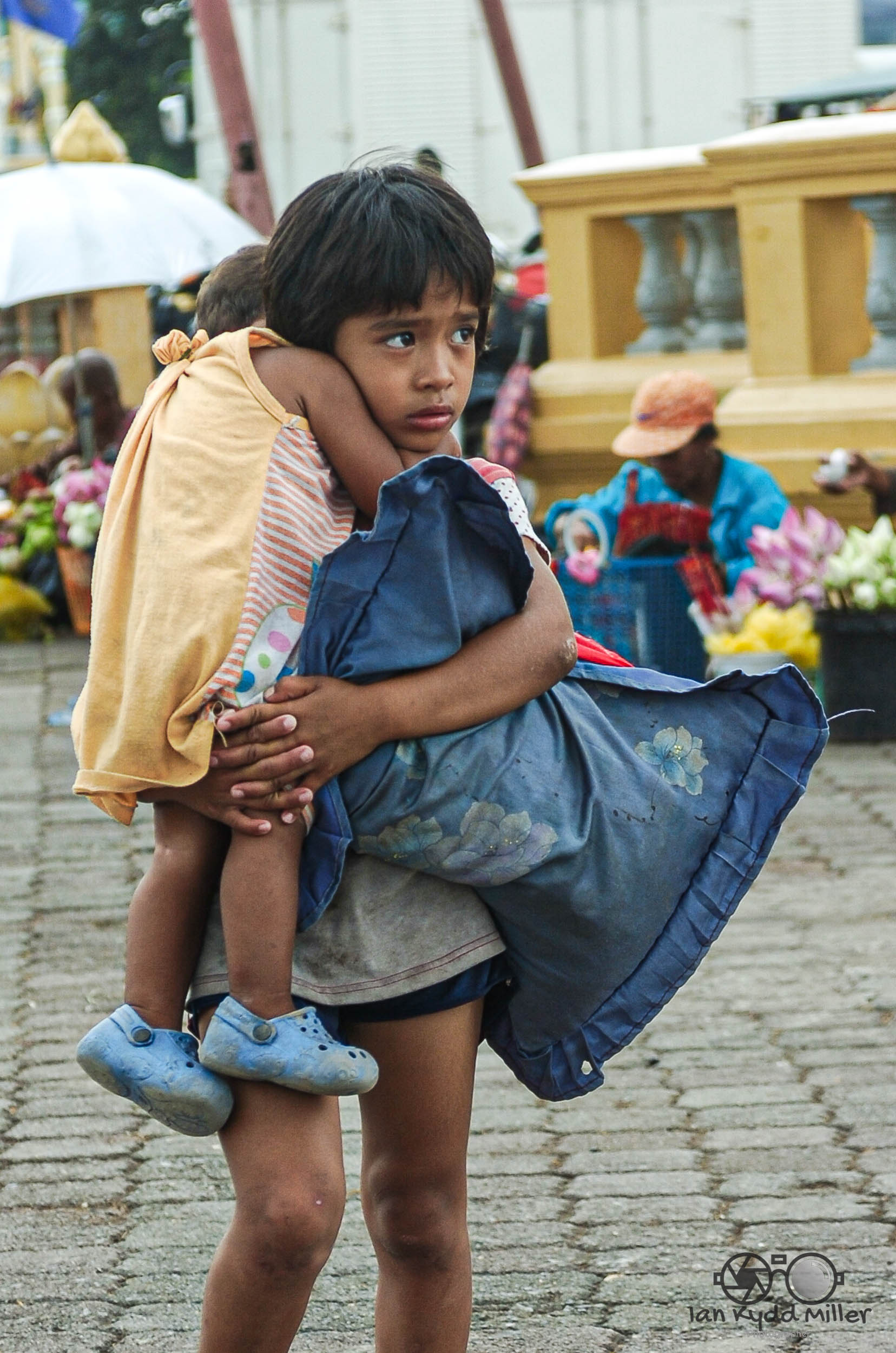
In an era where the digital landscape is saturated with images, one might wonder if the value of a photograph has diminished. However, the truth is quite the contrary. The importance of pictures in our current world is as significant as ever, perhaps even more so.
Photography has always been a powerful medium for storytelling, capturing moments, and evoking emotions. It’s a form of communication that transcends language barriers and cultural differences. In today’s fast-paced world, where attention spans are short, and information is consumed rapidly, images have the unique ability to convey messages quickly and effectively.
The rise of social media platforms has only amplified the need for visual content. Platforms like Instagram and Pinterest are based almost entirely on images, allowing users to share their experiences and perspectives with the world. Both professional and amateur photographers play a crucial role in documenting the world’s most pressing issues, from climate change to social justice movements.
Moreover, photographs are not just about capturing the present; they are also about preserving the past. They serve as a tangible link to memories and experiences that might otherwise fade with time. Printed photographs, in particular, hold a special place in many people’s hearts because they can be touched, felt, and shared in a physical form.
The educational value of pictures cannot be overstated. They are used in textbooks to illustrate complex concepts, in news media to report events, and in campaigns to raise awareness about various causes. We are visual creatures, and a large part of our brain is dedicated to processing visual information. Images help us learn, grab our attention, and inspire us.
In conclusion, pictures are not becoming less important; they are evolving with the times. The methods of delivery and consumption may have changed, but the essence of photography remains the same. It’s about capturing a moment, telling a story, and connecting with others on a profound level. As long as there are stories to be told, the importance of pictures will endure.
In the world of photography, the transition from DSLR to mirrorless cameras has been a topic of hot debate. One of the most discussed aspects is battery life. Many photographers, like you, have noticed that the battery life of mirrorless cameras doesn’t seem to match up to that of DSLRs. But why is this the case, and what can you do about it?
Firstly, it’s important to understand the key differences between these two types of cameras. DSLRs use an optical viewfinder which doesn’t require power, contributing to their longer battery life. Mirrorless cameras, on the other hand, have electronic viewfinders or LCD screens that are always on, which consumes more power.
However, the gap in battery performance is narrowing. Advances in technology mean that some newer mirrorless models are beginning to boast battery lives that rival, and sometimes even surpass, their DSLR counterparts. This is a significant step forward, considering that mirrorless cameras offer advantages such as being generally lighter, more compact, and often better for video recording.
So, what can you do to extend the battery life of your mirrorless camera? Here are a few tips:
Use Power Saving Modes: Most mirrorless cameras come with power-saving options that can significantly extend battery life. These modes may turn off the LCD screen or put the camera into a low-power state when not in use.
Carry Extra Batteries: This is a simple solution but an effective one. Having spare batteries on hand means you can keep shooting for longer without worrying about finding a place to recharge.
Turn Off Unnecessary Features: Features like Wi-Fi and Bluetooth can drain your battery quickly. If you’re not using them, it’s best to keep them turned off.
Manage Screen Brightness: Lowering the brightness of your screen can save a lot of power, especially when shooting in low-light conditions where you don’t need the extra brightness.
Invest in Battery Grips: Some mirrorless cameras have compatible battery grips that can hold additional batteries, effectively doubling your shooting time.
While it’s true that DSLRs have set a high standard for battery life, mirrorless cameras are catching up. With a few adjustments and the right practices, you can get the most out of your mirrorless camera’s battery, ensuring that you never miss that perfect shot because of a dead battery.
Remember, the choice between DSLR and mirrorless cameras goes beyond just battery life. It’s about finding the right tool that fits your photography style and needs. Whether you’re capturing landscapes, portraits, or action shots, both types of cameras have their place in the photographer’s bag. So, embrace the strengths of each and enjoy the creative process.
In the world of photography, the lens is often heralded as the heart of the camera. It’s the lens that shapes the light, creates the image, and ultimately, tells the story. For photographers, both novice and seasoned, the quality of the lens can be the defining factor between a good photograph and a great one.
Why is Lens Quality Paramount?
Image Clarity: The sharpness and clarity of an image hinge significantly on the lens quality. A top-notch lens will capture crisp, clear images, preserving the integrity of the scene.
Low-Light Performance: Photography doesn’t pause when the sun sets. A high-quality lens excels in low-light conditions, allowing photographers to capture the mood without compromise.
Distortion and Vignetting: These common issues can mar an image, but superior lenses minimize such effects, ensuring that the photographs remain true to life.
Sharpness and Detail: The level of detail a lens can capture is astounding. With a high-quality lens, the textures, contrasts, and subtleties of your subject are rendered with precision.
The Anatomy of a Lens
Understanding the anatomy of a lens is crucial. From the filter thread to the focus ring, each component plays a vital role in image creation. Modern lenses come with various features, such as vibration reduction for stable handheld shooting, which can be a game-changer in the field.
Fuji XT3 + XF 16-80 f4
Lens or Camera Body: Which is More Important?
It’s a debate as old as photography itself. While the camera body houses the sensor and dictates potential resolution and colour depth, it’s the lens that creates the image. In fact, lens quality is more important than ever with the increasing number of megapixels in today’s digital cameras.
Choosing the Right Lens
The choice of lens affects everything from background blur to depth of field. Using a better lens than the standard one supplied with most cameras almost always results in a significant quality improvement. It’s not just about capturing detail; but capturing quality detail.
Conclusion
In conclusion, the lens is not just a component of the camera; it’s the artist’s brush, the writer’s pen, and the sculptor’s chisel. It’s what takes the vision of the photographer and brings it into the realm of reality. So, invest in a good lens, and watch your photographs transform from images to art.
Are you ready to take your photography to the next level? Remember, it’s not just the camera, it’s the lens that makes all the difference. Dive into the world of lenses and discover how a quality lens can elevate your photographic journey. Happy shooting!
In the world of photography, the debate about equipment versus skill is as old as the camera itself. Does having a better camera make you a better photographer? It’s a question that stirs up quite a discussion among shutterbugs and professionals alike.
Firstly, let’s consider what a ‘better’ camera means. Technological advancements have certainly pushed the boundaries of what cameras can do. Higher resolution, better low-light performance, faster autofocus, and a plethora of features that were once the domain of professional-grade cameras are now available even in consumer models. There’s no denying that a better camera can give you more tools to work with.
However, photography is an art form, and like any art, the tools are just a means to an end. The essence of photography lies in the eye, mind, and heart of the photographer. It’s about seeing the potential for a great picture and then using whatever tools you have to capture that vision. A better camera won’t teach you composition, timing, light, or the myriad of other elements that come together to create a compelling photograph.
Nikon D3S
That said, a more advanced camera can enhance the skills you already possess. For instance, if you understand the nuances of light, a camera with a better dynamic range will allow you to capture more detail in the highlights and shadows. If you have a keen sense of timing, a camera with a faster frame rate can help you catch the perfect moment.
So, does a better camera make you a better photographer? Not on its own. It’s a bit like asking if a better oven makes you a better chef. The quality of the tools can improve the final product, but they cannot replace the skill, creativity, and vision required to produce it.
In conclusion, while a better camera can provide more opportunities to capture high-quality images, it is ultimately the photographer’s talent and skill that create memorable photographs. A camera, no matter how advanced, is only as good as the person behind the lens. So, keep shooting, keep learning, and remember that the best camera is the one you have with you when the perfect shot presents itself. Happy snapping!
In the world of photography, the lens is not just a tool; it’s the eye through which we capture moments, emotions, and the essence of the scene before us. Among the myriad of lenses that photographers swear by, the Nikkor 85mm f1.8D stands out as a portrait maestro, a classic that has etched its mark in the annals of photography.

Introduced in the early ’90s, the Nikkor 85mm f1.8D has been a steadfast companion for photographers around the globe. Its reputation is built on the pillars of superb optical quality and mechanical reliability—a combination that has withstood the test of time and technological shifts. This lens is not just a piece of glass; it’s a legacy.
The 85mm focal length is often hailed as ideal for portrait photography. It allows for a flattering perspective free from the distortion that wider lenses can impart on facial features. The f1.8 aperture is not just a number; it’s a gateway to artistic expression. It offers the photographer the ability to isolate the subject with a shallow depth of field, creating a creamy bokeh that makes the subject pop against a smoothly blurred background.
The build quality of the Nikkor 85mm f1.8D is a testament to the craftsmanship of its era. With its all-metal construction and glass elements, it feels substantial in the hands—a reminder of a time when products were made to last. The focus ring moves with a precision that is both tactile and reassuring, allowing for fine manual adjustments that modern autofocus systems still struggle to match.

Optically, the lens is a performer. It delivers sharp, contrasty images even wide open at f1.8. Stop it down a bit, and the sharpness extends across the frame, making it versatile for not just portraits but also for landscapes and street photography where detail is paramount. The colour rendition is natural, and the lens handles chromatic aberration and flare like a champ, thanks to its superior coating.
The 85mm f1.8D is not without its quirks. It lacks the bells and whistles of modern lenses, such as vibration reduction or a silent wave motor. But these are not shortcomings; they are characteristics that remind us that photography is as much about the photographer as it is about the gear. It requires one to slow down, to consider the shot, to engage with the process of creating an image.

For those who shoot with Nikon’s digital SLRs, the 85mm f1.8D brings a piece of history into the digital age. It’s fully compatible with Nikon’s FX and DX cameras, delivering stunning results that bridge the gap between the film and digital eras. It’s a lens that doesn’t just take pictures; it tells stories.
The Nikkor 85mm f1.8D may be a product of the past, but its legacy endures. It’s a reminder that in photography, as in life, the classics never go out of style. They evolve, they adapt, but they always remain true to their essence—a portrait of clarity in a world of constant change. For those looking to explore the world through the Nikkor 85mm f1.8D, it’s an adventure waiting to be had, a journey of discovery through the lens of a legend.
In the fast-paced world of digital photography, where new models seem to emerge every other month, the Nikon D2Hs stands out as a testament to the enduring quality of great design and engineering. Despite being released over a decade ago, the D2Hs remains a beloved tool among photographers who value its images’ speed, reliability, and unmistakable character.
The D2Hs, a camera that debuted to the world as a professional-grade DSLR, was designed with the action photographer in mind. Its robust build and weather-sealed body made it an instant hit for sports, wildlife, and on-the-go photojournalism. The camera’s 4.1-megapixel sensor, while modest by today’s standards, is more than capable of delivering stunning results, especially when the images are destined for web display or print in smaller formats.
One of the most lauded features of the D2Hs is its ability to shoot at a blistering 8 frames per second, a spec that even today remains competitive. This makes the D2Hs an excellent choice for capturing the peak of action in sports or any fast-moving subject. The camera’s autofocus system is responsive and accurate, ensuring that even the most fleeting moments are captured with precision.
The D2Hs also shines in terms of battery life. Photographers can shoot thousands of images on a single charge, a feature that’s particularly beneficial for those long days on the field or when traveling to remote locations where power sources are scarce.
Despite its age, the D2Hs’s image quality still impresses. It produces colors that are vibrant yet true to life, and its images have a certain depth that is sometimes lacking in newer models. The camera performs admirably at lower ISO settings, and while noise becomes more apparent at higher sensitivities, it retains a film-like grain that many photographers find appealing.
For those looking to delve into the world of professional DSLRs without breaking the bank, the Nikon D2Hs is a compelling option. It’s a camera that proves that newer isn’t always better and that some tools, regardless of their age, continue to inspire and enable photographers to create their best work.
The Nikon D2Hs may be a relic of the past, but it’s a relic that still has much to offer. It’s a reminder that in photography, as in life, some things just get better with time. Whether you’re a seasoned professional or an enthusiast looking to step up your game, the D2Hs is a camera that deserves consideration and respect.
So, if you’re on the hunt for a camera that combines professional features with a budget-friendly price tag, the Nikon D2Hs might just be the perfect fit for your photographic journey. It’s a classic that continues to capture the hearts of photographers around the world, proving that good things truly do come in timeless packages.
Older DSLR cameras have a unique charm that modern cameras often struggle to replicate. The sensors in these cameras, with their larger pixels, have a certain way of rendering light and colour that can produce images with a distinct, almost tangible texture. This quality is something that many photography enthusiasts and professionals alike appreciate, as it adds character and depth to the photographs. The tactile experience of adjusting the dials and pressing the shutter button also contributes to the overall enjoyment of using these cameras. Moreover, the process of working with older technology can teach valuable lessons about the fundamentals of photography, such as exposure, composition, and the importance of light. It’s a blend of art and science, where understanding the limitations and capabilities of the equipment can lead to a more intentional and satisfying creative process.
A photo essay is a series of photographs that are intended to tell a story or evoke a series of emotions in the viewer. It is a powerful way to convey messages and narratives through visual storytelling. Crafting a compelling photo essay involves more than just selecting a series of images; it requires careful thought and planning. Here are some essential elements that contribute to the effectiveness of a photo essay:.
Theme or Narrative: The backbone of any photo essay is its theme or narrative. This is the central idea or story that you want to communicate to your audience. Whether it’s the daily life of a community, the impact of an environmental issue, or a personal journey, the theme should be clear and consistent throughout the essay.
Variety of Images: To maintain the viewer’s interest, include a variety of shots, such as wide, medium, and close-ups. This variety can help to provide context, focus on details, and develop the story. Different angles, compositions, and perspectives can add depth and richness to the narrative.
Emotional Impact: One of the most powerful aspects of a photo essay is its ability to evoke emotions. Whether it’s joy, sadness, surprise, or anger, the images chosen should have an emotional pull that resonates with viewers, prompting them to think and feel deeply about the subject matter.
Consistency: Maintaining a consistent style and tone throughout the essay helps reinforce the narrative. This could be achieved through a consistent colour scheme, subject matter, or point of view. Consistency aids in creating a cohesive story that flows smoothly from one image to the next.
Informative and Educational Value: Each photograph in the essay should offer something valuable to the viewer. This could be in the form of information about the subject, insights into a particular lifestyle, or educational content that provides a deeper understanding of the topic.
Captioning: While the images themselves are the main focus, captions can provide context and further information that may not be immediately evident in the photographs. Good captions are concise but informative, adding to the story without distracting from the images.
Opening and Closing Images: The first and last images of a photo essay are crucial. The opening image should grab the viewer’s attention and introduce the theme, while the closing image should leave a lasting impression, providing closure and reflecting on the overall narrative.
Pacing and Structure: Just like in written essays, the pacing and structure of a photo essay are important. The arrangement of images should be intentional, guiding the viewer through the story in a logical and emotionally impactful way.
Accessibility: The subject matter of the photo essay should be accessible to the photographer. This means choosing a topic that is within reach, both literally and figuratively, allowing for a more intimate and genuine portrayal of the subject.
In conclusion, a good photo essay is not just about the photographs, but also about how they are put together to tell a story. It’s about the thought process behind the selection of images, the arrangement, and the way they are presented to evoke a response from the viewer. With these elements in mind, anyone can create a photo essay that is both visually stunning and narratively powerful.
Photography is an art form that captures the essence of a moment and preserves it for eternity. It’s a craft combining technology, creativity, and vision to create images that evoke emotions, tell stories, and record history. The true magic of photography lies in its ability to freeze time, allowing us to revisit and relive memories long after they have passed.
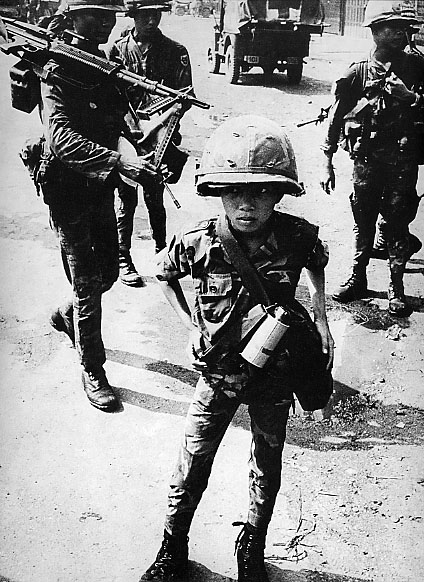
The Power of a Single Image A single photograph can communicate complex narratives and evoke a spectrum of emotions. It can transport us to distant lands, introduce us to new cultures, or remind us of the past. Photography is a universal language, understood and appreciated by people regardless of their language or background.
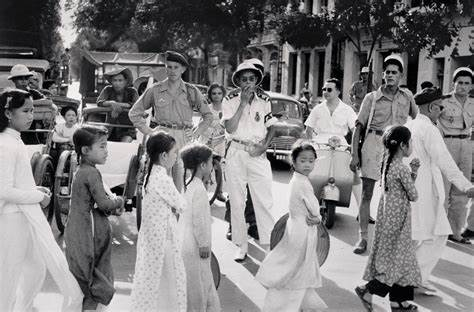
The Artistic Process The process of creating a photograph is both technical and artistic. Photographers must understand the mechanics of their camera, the properties of light, and the principles of composition. However, it’s their artistic vision that transforms a simple snapshot into a powerful image. It’s about seeing the potential in a scene and capturing it in such a way that it becomes a work of art.
The Emotional Connection Photographs have the unique ability to connect with us on an emotional level. They can bring joy, provoke thought, inspire change, or provide comfort. Whether it’s a candid shot of a loved one or a breathtaking landscape, photographs can touch our hearts and stir our souls.
The Role of Photography in Society Photography plays a crucial role in society. It documents our world, from everyday life to historic events. Photojournalists, for example, provide visual accounts of news stories, helping to inform and shape public opinion. Photography also plays a vital role in science and education, providing visual evidence and aiding in research and discovery.
The Evolution of Photography The field of photography has evolved significantly since its inception. From the early days of film and darkrooms to the modern era of digital cameras and smartphones, the tools and techniques have changed, but the essence remains the same. Today, photography is more accessible than ever, allowing more people to participate in capturing and sharing their view of the world.
The Future of Photography As technology advances, so too will the possibilities in photography. New techniques, such as drone photography and virtual reality, are opening up new perspectives and ways of storytelling. The future of photography is bright, with endless potential for innovation and creativity.
In conclusion, the true magic of photography is its ability to capture the fleeting moments of life, to tell stories without words, and to connect us across time and space. It’s a powerful medium that continues to evolve, inspire, and enchant us with every captured frame. Photography is not just about taking pictures; it’s about discovering the extraordinary in the ordinary and sharing that vision with the world. Let’s continue to celebrate and explore the magical world of photography together.
Robert Capa, born Endre Ernő Friedmann, was a man who turned the chaos of war into a form of art that both horrified and moved an entire generation. His journey from a politically turbulent Hungary to becoming the most renowned war photographer in history is a tale of courage, innovation, and an unyielding commitment to documenting the truth.
Capa’s early life was marked by political strife. Born on October 22, 1913, in Budapest, Austria-Hungary, he was forced to flee his homeland at the age of 18 due to alleged communist sympathies. His path led him to Berlin, where he witnessed the rise of Hitler, and later to Paris, where he would meet his professional partner and companion, Gerda Taro. Together, they invented the persona of Robert Capa, the “famous” American photographer, a ruse that allowed them to sell their work in a market that favored American names.
Capa’s lens captured the brutal realities of the Spanish Civil War, the Second Sino-Japanese War, World War II, the 1948 Arab–Israeli War, and the First Indochina War. His work was not just a job; it was a mission to show the world the faces of those who suffered and fought. His iconic photograph, “The Falling Soldier,” taken during the Spanish Civil War, remains one of the most powerful images of combat ever captured, embodying the very essence of Capa’s ability to encapsulate the decisive moment.
The horrors of war were not Capa’s only companions. He formed friendships with literary and cinematic giants such as Ernest Hemingway, John Steinbeck, and John Huston. These relationships not only enriched his life but also helped him navigate the dangerous terrains he photographed. In 1947, Capa co-founded Magnum Photos, the first cooperative agency for worldwide freelance photographers, which revolutionized the field of photojournalism.
Tragically, Capa’s relentless pursuit of truth led to his untimely death on May 25, 1954, when he stepped on a landmine in Thái Bình Province, French Indochina. He was only 40 years old. His legacy, however, lives on through his breathtaking photographs, his co-founding of Magnum Photos, and the numerous accolades he received, including the Medal of Freedom awarded by U.S. General Dwight D. Eisenhower.
Robert Capa’s story is a testament to the power of photography as a means of storytelling and historical documentation. His images serve as a stark reminder of the realities of war, the resilience of the human spirit, and the profound impact one individual can have on the world. Capa once said, “If your photographs aren’t good enough, you’re not close enough.” He lived by those words, and in doing so, he brought the world closer to the truths that many would rather turn away from. His work continues to inspire photographers and journalists alike, reminding us all of the importance of looking closely and never forgetting.
Robert Capa’s Cameras: The Tools of a Photography Legend
Robert Capa, a name synonymous with war photography, captured some of the most poignant moments of the 20th century. His images from the Spanish Civil War and World War II have become iconic, but what about the tools of his trade? What cameras did this legendary photographer use to document the world at war?
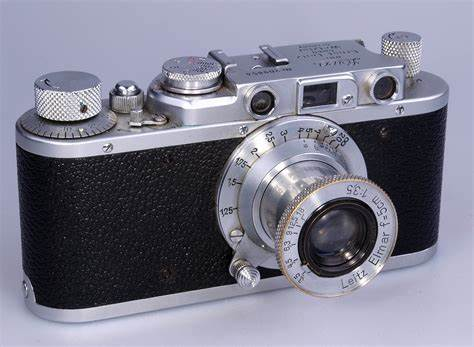
Capa’s early work was closely associated with the compact and efficient Leica 35mm rangefinder. This camera was a game-changer in photojournalism, allowing photographers to move quickly and capture life as it unfolded. The Leica II, with its screw-mount rangefinder, was particularly significant in Capa’s early career. It was this type of camera that he used during his assignment to photograph Leon Trotsky in Copenhagen.
As his career progressed, Capa’s choice in cameras evolved. During World War II, he was known to use a Contax brand camera. This camera, along with the Leica, was small enough to be held in one hand, lightweight, and used 35mm film, which was easy to load and shoot in rapid succession. This allowed Capa to immerse himself in the action, capturing the raw and real moments of conflict.
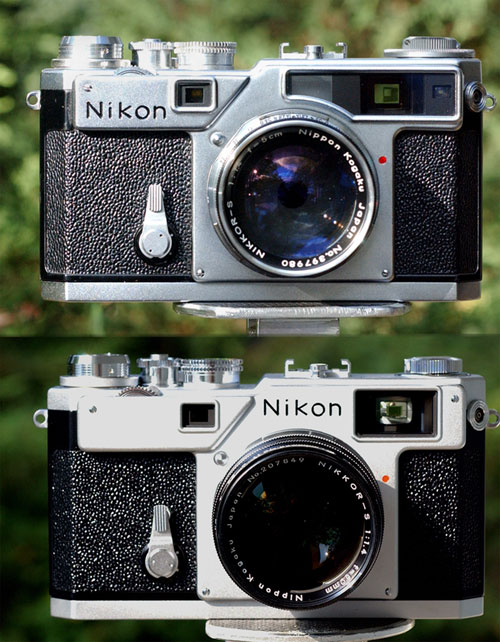
On the tragic day of his death while covering the First Indochina War, Capa had with him a Contax and a Nikon S with a 50mm lens. These cameras were his companions on the battlefield, and one of them, the Nikon S, is sometimes displayed at exhibits of his work, complete with the bloodstains from that fateful day.
Capa’s approach to photography was not just about the camera but also about being close to the action. He famously said, “If your pictures aren’t good enough, you’re not close enough.” This philosophy drove him to the front lines, where he could capture the essence of the human experience during wartime.
The cameras Robert Capa used were more than just tools; they were extensions of his vision. They allowed him to tell the stories of war in a way that was intimate, immediate, and impactful. Through his lenses, we see not just the events of war but the emotions and humanity of those who lived it.
Capa’s legacy is not only in the images he left behind but also in the way he used his cameras. He demonstrated the power of photojournalism and set a standard for future photographers. His work reminds us that the camera is a witness to history, and the photographer behind it is the storyteller.
For those interested in the technical aspects of photography and the history of photojournalism, Capa’s choice of cameras offers a fascinating glimpse into the evolution of the craft. From the Leica II to the Contax and Nikon S, these cameras were at the forefront of technology at the time and enabled Capa to capture history as it happened.
Robert Capa’s cameras were his tools to convey the truth of war. They were the instruments through which he showed the world the realities of conflict, the faces of the soldiers, and the plight of the civilians. They were the means by which he told the stories that needed to be told, and they continue to inspire photographers and storytellers today.