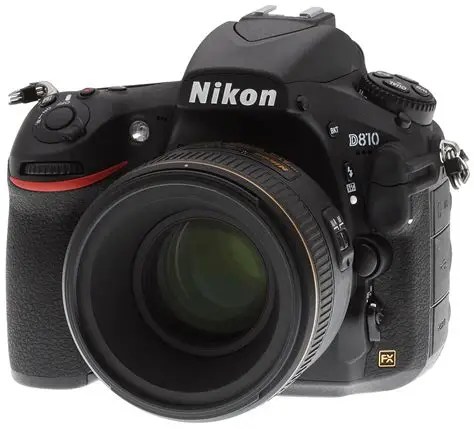
📸 Nikon D810: Detailed Assessment of Capabilities and Character

cameras, homelessness, Lenses, opinons, thoughts, photography, pictures, street, Travel

🏗️ Build and Ergonomics

  • Body: Magnesium alloy, fully weather-sealed, designed for professional use in demanding environments.
  • Handling: Classic Nikon DSLR ergonomics—deep grip, tactile dials, and intuitive button layout.
  • Weight: ~980g (body only), substantial but balanced with pro lenses.
  • Shutter: Redesigned for quieter operation and reduced vibration, enhancing sharpness in long exposures.
📷 Sensor and Image Quality

  • Resolution: 36.3MP FX-format CMOS sensor, no optical low-pass filter for maximum detail.
  • Dynamic Range: Among the best of its generation—excellent highlight recovery and shadow depth, ideal for landscapes and studio work.
  • ISO Performance: Native ISO 64–12,800 (expandable to 32–51,200). At ISO 64, it produces exceptionally clean, detailed files.
  • Color and Tonality: Natural, nuanced rendering with wide latitude for post-processing.

Character: The D810 is known for its “medium-format feel” in a DSLR body—files are rich, detailed, and flexible, rewarding careful technique.

⚡ Performance and Autofocus

  • AF System: 51-point Multi-CAM 3500FX, reliable and accurate, though not as advanced as later Nikon AF modules (e.g., D5/D850).
  • Continuous Shooting: 5 fps (7 fps in DX crop with grip)—adequate for portraits, weddings, and landscapes, but not a sports machine.
  • Buffer: Limited compared to modern bodies; RAW bursts can fill quickly.

Character: The D810 is deliberate rather than fast—best for photographers who value precision over speed.

🎥 Video Capabilities

  • Resolution: 1080p Full HD at up to 60 fps.
  • Features: Flat picture profile, uncompressed HDMI output, headphone/mic jacks.
  • Limitations: No 4K, and video AF is slow compared to mirrorless systems.

🔋 Battery and Storage

  • Battery Life: ~1,200 shots per charge (EN-EL15 battery).
  • Storage: Dual card slots (CF + SD), offering flexibility and redundancy.

✅ Strengths

  • Exceptional image quality with 36MP detail and wide dynamic range.
  • ISO 64 base sensitivity for ultra-clean files.
  • Rugged, professional build with weather sealing.
  • Quiet shutter and refined vibration control for long exposures.
  • Dual card slots for pro workflows.

❌ Weaknesses

  • Slower burst rate and buffer limit action/sports use.
  • AF system is reliable but dated compared to newer Nikon DSLRs and mirrorless.
  • No 4K video, making it less appealing for hybrid shooters.
  • Heavy files (36MP RAWs) demand strong storage and processing power.

🎯 Best Use Cases

  • Landscape photography: Dynamic range and ISO 64 base make it a landscape legend.
  • Studio and portrait work: High resolution and tonal depth excel in controlled lighting.
  • Weddings and events: Excellent image quality, though buffer and AF may limit fast action.
  • Fine art and commercial photography: Files rival medium format in flexibility and detail.

✨ Verdict

The Nikon D810 is a camera with soul and discipline. It rewards careful shooting with files of extraordinary richness and depth. While it lacks the speed and modern conveniences of newer bodies, its character lies in precision, tonal subtlety, and reliability. For photographers who value image quality above all else, the D810 remains one of Nikon’s most iconic DSLRs.

The Nikon D850 is the natural evolution of the D810—it keeps the D810’s legendary image quality ethos but adds higher resolution (45.7MP vs 36.3MP), faster burst rates, vastly improved autofocus, and 4K video. The D810 remains a superb stills camera with a more deliberate, slower character, while the D850 is the more versatile all‑rounder.

📊 Nikon D810 vs Nikon D850: Side‑by‑Side Breakdown

FeatureNikon D810 (2014)Nikon D850 (2017)
Sensor36.3MP FX CMOS, no OLPF45.7MP FX BSI CMOS, no OLPF
Base ISO64 (expandable 32–51,200)64 (expandable 32–102,400)
Dynamic RangeExcellent, especially at ISO 64Even better, with deeper shadow recovery
Autofocus51‑point Multi‑CAM 3500FX153‑point Multi‑CAM 20K (same as D5)
Continuous Shooting5 fps (7 fps with grip in DX mode)7 fps (9 fps with grip + EN‑EL18 battery)
BufferLimited for RAW burstsLarger buffer, better for action
Video1080p Full HD (60 fps)4K UHD (full sensor readout)
LCD3.2″ fixed, 1.23M dots3.2″ tilting touchscreen, 2.36M dots
Viewfinder100% coverage, 0.7x mag100% coverage, 0.75x mag
Battery Life~1,200 shots~1,840 shots
Weight980 g1,005 g
Release Price~$3,300~$3,300

🔎 Key Differences in Character

  • Resolution & Detail: The D850’s 45.7MP BSI sensor delivers more detail and better low‑light efficiency than the D810’s 36.3MP sensor. Both are superb, but the D850 files have more cropping flexibility.
  • Speed & AF: The D810 is deliberate—great for landscapes, portraits, and studio work. The D850 adds speed (7–9 fps) and a pro‑level AF system, making it viable for action and wildlife.
  • Video: The D810 is stills‑only focused, while the D850 is a true hybrid with 4K video.
  • Handling: Both share Nikon’s rugged build, but the D850’s tilting touchscreen and improved viewfinder make it more modern and versatile.
  • Battery Life: The D850 lasts longer per charge, despite its higher resolution.

✅ Verdict

  • Choose the D810 if you want a pure stills camera with extraordinary tonal depth, a slower, more contemplative shooting style, and you don’t need 4K or cutting‑edge AF. It’s also a bargain on the used market.
  • Choose the D850 if you want the ultimate all‑round DSLR—high resolution, speed, advanced AF, and 4K video. It’s the more versatile tool for professionals who need one body to do it all.


Nikon D700 detailed breakdown: The cult-classic FX workhorse

cameras, Lenses, opinons, thoughts, photography, pictures, street, Travel

The Nikon D700 (2008) bridged flagship performance from the D3 into a more compact, affordable body. Its 12MP FX sensor, robust build, and reliable AF earned a long-standing reputation for “film-like” files, clean high ISO, and professional handling that still holds up for many shooters today.

Core specs and what they mean

  • Sensor and processor: 12.1MP FX-format CMOS with EXPEED image processing for natural color, smooth tones, and strong high‑ISO performance. This resolution prioritizes dynamic range and cleaner files over sheer detail.
  • ISO range: Native ISO 200–6400, expandable to 100–25,600—remarkable for its era and still usable in many low‑light situations with thoughtful exposure and noise control.
  • Autofocus: 51‑point Multi‑CAM 3500FX system with reliable tracking and accuracy, inherited from Nikon’s pro lineage.
  • Speed: 5 fps natively, up to 8 fps with the MB‑D10 grip—enough for events and moderate action, though not a sports specialist by modern standards.
  • Build: Magnesium‑alloy, weather‑sealed body and a bright optical viewfinder (95% coverage, 0.72x). Classic pro ergonomics and durable controls encourage confident, all‑day use.
  • LCD and video: 3.0″ 920k‑dot screen; no video recording—the D700 is a pure stills camera.

Image quality and rendering

  • Low‑light performance: Clean, pleasing files up to ISO 3200–6400 with balanced noise character; the extended modes are situational but workable. The sensor’s tonal response and color make it feel “organic,” contributing to its cult status among photographers who value presence over pixel count.
  • Dynamic range and tonality: Mid‑ISO files have strong highlight roll‑off and natural skin tones. The 12MP resolution is limiting for heavy cropping, but it rewards careful framing and gives a classic, cohesive look.
  • Lenses and pairing: The D700 pairs beautifully with fast primes (e.g., 35/1.8G, 50/1.8G, 85/1.8G) and older AF‑D glass; its AF module handles dim interiors and mixed light well.

Autofocus, speed, and handling

  • AF reliability: The Multi‑CAM 3500FX is decisive for portraits, events, and general street, with dependable single‑point focus and robust 3D tracking for human subjects. It’s less sticky than modern flagship AF on erratic sports but more than adequate for most work.
  • Burst and buffer: 5 fps covers ceremonies, street, and reportage; adding the MB‑D10 grip unlocks 8 fps for action sequences. Buffer depth is modest by today’s standards, so RAW bursts should be paced.
  • Ergonomics: Nikon’s classic control layout, deep grip, and OVF clarity foster a connected shooting flow. The optical viewfinder and battery efficiency also mean fewer interruptions in long sessions.

The good

  • Image character: Files have a timeless, film‑like quality that many photographers prefer over ultra‑clinical modern sensors.
  • Low‑light competence: Usable high ISO and pleasing noise profile, especially for events and ambient street scenes.
  • Build quality: Rugged, weather‑sealed magnesium shell with professional ergonomics that still feel right in 2025.
  • AF system: Proven 51‑point module that’s fast and trustworthy for people and everyday action.
  • Value: On the used market, the D700 delivers pro‑grade handling and rendering at a fraction of modern body prices.

The bad

  • No video: Pure stills—if you need hybrid work, this is a hard stop.
  • Resolution limits: 12MP constrains heavy crops and large commercial prints; landscape and studio shooters may prefer higher‑res alternatives.
  • Age factors: Older LCD, 95% viewfinder coverage, and smaller buffer feel dated compared to later bodies; shutter counts on used copies can be high.
  • High‑ISO extremes: Expanded ISOs are situational; usable results depend on light quality and tolerance for grain.

Best use cases

  • Events and reportage: Reliable AF, strong high‑ISO, and classic color make it excellent for weddings, NGO work, and street/documentary.
  • Portraits: Natural skin tones and pleasing tonality; pair with fast primes for characterful rendering.
  • Travel and everyday: The OVF and long battery life create a frictionless experience—ideal for photographers who value presence over tech novelty.

Alternatives to consider

  • Nikon D3/D3S: Similar 12MP performance; D3S adds cleaner extreme ISO and deeper buffer in a tank‑like body—better for sustained action but larger and heavier.
  • Nikon D750/D780: Higher resolution, improved DR, and modern features (video, better live view AF) while keeping great low‑light performance.
  • Nikon D850: If resolution, DR, and 4K video matter, the 45.7MP D850 is the modern all‑rounder—but it changes the shooting feel entirely.

Verdict

If you want a DSLR that disappears in your hands and produces files with soul, the Nikon D700 still delivers. It’s not for spec chasers or hybrid shooters, but for photographers who value presence, dependable AF, strong low‑light performance, and the tactile confidence of a pro‑grade body, it remains a compelling buy. The weaknesses—no video, modest resolution, aging buffer—are clear, yet the D700’s strengths create a shooting experience many modern cameras can’t replicate.

📸 Nikkor AF-S 50mm f/1.8G

cameras, Lenses, opinons, thoughts, photography, pictures, street, Travel

When Nikon released the AF-S NIKKOR 50mm f/1.8G in 2011, it was designed to replace the older 50mm f/1.8D. This wasn’t just a minor update—it was a complete redesign that brought the 50mm into the modern DSLR era. With its Silent Wave Motor (SWM), aspherical element, and rounded diaphragm blades, the lens quickly became a favorite among both beginners and professionals.

🏗️ Build and Design

  • Compact and lightweight at just 185g, making it easy to carry as an everyday lens.
  • Plastic exterior with a metal mount—not as rugged as pro lenses, but durable enough for regular use.
  • Weather sealing is absent, but the lens is reliable in most conditions if handled with care.
  • The focus ring is smooth and allows for full-time manual override, a big improvement over the older D version.

🔍 Optical Performance

  • Sharpness: Excellent center sharpness even wide open at f/1.8, with edges improving significantly by f/2.8–f/4.
  • Bokeh: Thanks to its 7 rounded aperture blades, the out-of-focus areas are smooth and pleasing, making it a great portrait lens.
  • Chromatic Aberration: Some longitudinal CA (color fringing) is visible at wide apertures, but it’s well controlled compared to older designs.
  • Distortion & Vignetting: Minimal barrel distortion; vignetting is noticeable at f/1.8 but reduces quickly when stopped down.

⚡ Autofocus and Handling

  • The Silent Wave Motor (SWM) provides fast, accurate, and nearly silent autofocus, a huge step up from the screw-drive AF of the 50mm f/1.8D.
  • Works seamlessly on all Nikon DSLRs, including entry-level bodies without an in-body AF motor.
  • Manual focus override is smooth and responsive, making it easy to fine-tune focus for portraits or close-ups.

🎨 Creative Applications

  • Portraits: On full-frame (FX) cameras, it delivers natural perspective and beautiful background separation. On APS-C (DX) bodies, it acts like a short telephoto (~75mm equivalent), perfect for headshots.
  • Street Photography: Its discreet size and fast aperture make it excellent for low-light, candid shooting.
  • Everyday Use: From food photography to travel, the 50mm focal length is versatile and intuitive.

💰 Value and Longevity

  • Priced affordably (around $200–250 new, less on the used market), it offers exceptional value for money.
  • While Nikon’s 50mm f/1.4G and f/1.2 lenses exist, the f/1.8G hits the sweet spot of performance, portability, and price.
  • Even in the mirrorless era, with Nikon’s Z-mount lenses, the 50mm f/1.8G remains a relevant and reliable choice for F-mount shooters.

✅ Final Verdict

The Nikkor AF-S 50mm f/1.8G is a lens that proves you don’t need to spend a fortune for professional-quality results. With its sharp optics, smooth bokeh, and dependable autofocus, it’s a must-have prime for any Nikon DSLR user. Whether you’re shooting portraits, street scenes, or everyday life, this lens delivers consistent, beautiful results—and it’s one of the best bargains in Nikon’s lineup.

🎯 Nikkor 85mm f/1.8D on the Nikon D3

cameras, Lenses, opinons, thoughts, photography, pictures, street, Travel

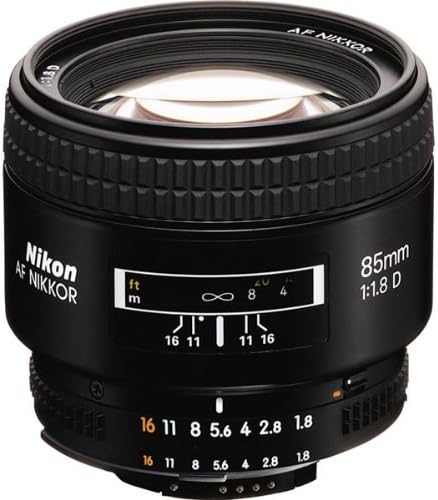
When Nikon introduced the AF Nikkor 85mm f/1.8D in 1994, it quickly became a go-to portrait lens for professionals and enthusiasts alike. Fast forward to the Nikon D3 era (2007), and this lens found a natural partner in Nikon’s first full-frame DSLR. While newer optics have since surpassed it in coatings, autofocus speed, and edge-to-edge sharpness, the 85mm f/1.8D remains a compact, affordable, and character-rich lens that shines on the D3.

🏗️ Build and Handling

  • Compact and lightweight at just 380g, making it easy to carry compared to the heavier 85mm f/1.4.
  • Solid construction with a classic Nikon design—metal mount, smooth focus ring, and a no-nonsense aesthetic.
  • On the D3’s robust body, it balances well, offering a comfortable shooting experience for long sessions.

🔍 Optical Performance

  • Sharpness: Wide open at f/1.8, the center sharpness is already strong, though edges soften slightly. By f/2.8–f/4, sharpness across the frame improves significantly.
  • Bokeh: The 9-blade diaphragm produces smooth, pleasing background blur—ideal for portraits. While not as creamy as the 85mm f/1.4, it still delivers a natural separation between subject and background.
  • Distortion & Vignetting: Very minimal barrel distortion. Vignetting is visible at f/1.8 but reduces quickly when stopped down.
  • Chromatic Aberration: Some longitudinal CA (color fringing) can appear in high-contrast areas wide open, but it’s manageable and often correctable in post.

⚡ Autofocus and Usability

  • The lens uses Nikon’s older screw-drive AF system, meaning autofocus relies on the D3’s in-body motor. On the D3, this results in fast and accurate focusing, though not as silent or refined as modern AF-S lenses.
  • Manual focus is smooth, with a well-damped ring—useful for fine adjustments in portraiture.

🎨 Creative Applications

  • Portraits: This is where the lens shines. On the D3’s 12MP full-frame sensor, it produces flattering compression, excellent subject isolation, and a timeless rendering.
  • Low Light: The f/1.8 aperture combined with the D3’s strong high-ISO performance makes it a capable lens for indoor or evening shoots.
  • Versatility: While primarily a portrait lens, it also works well for detail shots, street photography, and even event coverage where discretion and speed matter.

💰 Value Today

  • On the used market, the 85mm f/1.8D is very affordable, often a fraction of the cost of the 85mm f/1.4 or newer AF-S versions.
  • For photographers using a Nikon D3 (or similar FX DSLR), it remains a cost-effective way to achieve professional portrait results without sacrificing too much in optical quality.

✅ Final Verdict

The Nikkor 85mm f/1.8D on the Nikon D3 is a pairing that proves older gear can still deliver professional, emotionally resonant images. While it lacks the modern refinements of newer lenses, its sharpness, bokeh, and reliability make it a classic portrait tool that continues to earn its place in a photographer’s bag.

📸 Understanding the Exposure Triangle

opinons, thoughts, photography, pictures, street, Travel

A beginner-friendly guide to balancing light, motion, and depth in photography

Photography is, at its core, the art of capturing light. Every image you make is shaped by three interdependent settings on your camera: aperture, shutter speed, and ISO. Together, they form what photographers call the exposure triangle. Mastering this triangle is less about memorizing numbers and more about learning how each side influences not just brightness, but also mood, motion, and depth.

🔺 The Three Sides of the Triangle

1. Aperture (the lens opening)

  • What it does: Controls how much light passes through the lens.
  • Measured in: f-stops (f/1.4, f/2.8, f/8, etc.).
  • Creative effect:
    • Wide aperture (low f-number, e.g., f/1.8) → shallow depth of field, creamy background blur (bokeh).
    • Narrow aperture (high f-number, e.g., f/16) → deep focus, more of the scene sharp.

2. Shutter Speed (the time the sensor is exposed)

  • What it does: Determines how long the sensor (or film) is exposed to light.
  • Measured in: Seconds or fractions (1/1000s, 1/60s, 2s).
  • Creative effect:
    • Fast shutter (1/1000s) → freezes motion (sports, street gestures).
    • Slow shutter (1/15s, 2s) → blurs motion (waterfalls, light trails, ghostly figures).

3. ISO (the sensor’s sensitivity to light)

  • What it does: Adjusts how sensitive your sensor is to incoming light.
  • Measured in: ISO values (100, 400, 3200, etc.).
  • Creative effect:
    • Low ISO (100–200) → clean, noise-free images.
    • High ISO (1600–6400+) → brighter in low light but with visible grain/noise.

⚖️ Balancing the Triangle

The magic of the exposure triangle is that changing one side forces you to adjust the others. For example:

  • If you open your aperture wider (f/2.8), you may need a faster shutter speed or lower ISO to avoid overexposure.
  • If you raise ISO for a night scene, you can use a faster shutter speed to avoid blur.
  • If you want silky water with a long exposure, you’ll need a small aperture and low ISO to prevent blown highlights.

It’s a balancing act: exposure is the sum of choices, not a single setting.

🎨 Beyond Exposure: Creative Control

  • Mood: Wide apertures create intimacy; long exposures create dreamlike atmospheres.
  • Storytelling: Freezing a gesture vs. showing its blur changes the narrative.
  • Texture: Noise at high ISO can feel gritty and raw—sometimes that’s exactly the point.

🧭 A Simple Exercise

  1. Find a single subject (a person, a bicycle, a tree).
  2. Photograph it three times:
    • Wide open aperture (f/1.8 or f/2.8).
    • Slow shutter (1/15s or slower, tripod if needed).
    • High ISO (3200+).
  3. Compare the results. Notice how the subject feels different, even though it’s the same object.

✨ Final Thought

The exposure triangle isn’t just about “getting it right.” It’s about choosing how you want your image to look and feel. Once you understand how aperture, shutter speed, and ISO interact, you stop worrying about “correct” exposure and start using light as your language.
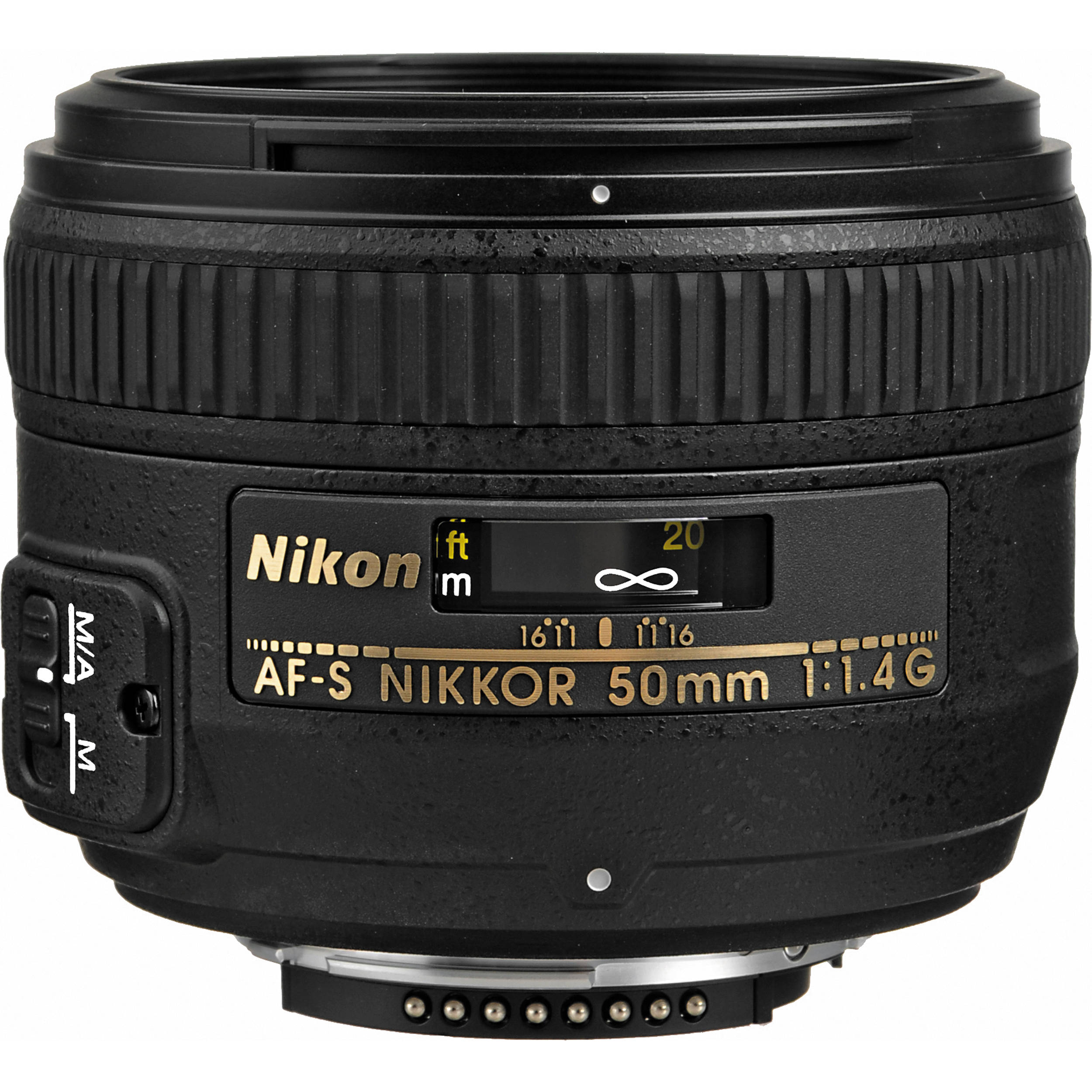
📷 The AF-S Nikkor 50mm f/1.4G for Street Photography

cameras, Lenses, opinons, thoughts, photography, pictures, street, Travel

A lens that trades speed for soul

Street photography thrives on presence, timing, and the ability to see. Gear is secondary, but the lens you choose shapes how you move and what you notice. Nikon’s AF-S 50mm f/1.4G, introduced in 2008, is a modern classic prime that has found a home in many street shooters’ bags. Here’s a detailed look at how it performs when the street is your stage.

🛠️ Build and Design

  • Mount: Nikon F, full-frame (FX) coverage; ~75mm equivalent on DX bodies.
  • Weight: 280g — light enough for all-day carry.
  • Construction: 8 elements in 7 groups, with a 9-blade rounded diaphragm.
  • Build quality: Solid plastic barrel with a metal mount and weather-sealing gasket.
  • Filter size: 58mm, compact and affordable for filters.

It balances well on both pro DSLRs (D700, D810) and smaller bodies, making it a discreet companion for the street.

🔍 Optical Performance

  • Wide open (f/1.4): Soft edges, lower contrast, and a dreamy rendering—perfect for isolating a subject in the chaos of the street.
  • Stopped down (f/2.8–f/5.6): Excellent sharpness and contrast, with clean detail across the frame.
  • Bokeh: Smooth and creamy thanks to the rounded diaphragm, especially effective for portraits or isolating gestures.
  • Aberrations: Some longitudinal chromatic aberration (purple/green fringing) in high-contrast areas, especially wide open.
  • Flare resistance: Improved over older designs, though strong backlight can still reduce contrast.

For street work, this lens gives you flexibility: atmospheric at f/1.4, crisp and documentary-like when stopped down.

⚡ Autofocus and Handling

  • Silent Wave Motor (SWM): Works on all Nikon DSLRs, including entry-level bodies.
  • Speed: Slower than the older AF-D 50mm f/1.4, but accurate and quiet.
  • Manual override: Full-time manual focus available, with a smooth focus ring for fine adjustments.

On the street, AF speed is “good enough” for walking subjects and gestures, but not ideal for fast action compared to modern AF-S or Z-mount primes.

🧳 Street Photography Use Cases

  • Low light: f/1.4 aperture allows handheld shooting at night markets, dim alleys, or neon-lit streets.
  • Portraits in context: At 50mm, you can frame a person with enough background to tell their story.
  • Isolation in chaos: Wide open, it cuts through clutter and draws the eye to your subject.
  • Everyday carry: Compact and discreet, it doesn’t draw attention like a large zoom.

✅ Strengths

  • Wide aperture for low-light and shallow depth of field.
  • Smooth bokeh and flattering rendering.
  • Lightweight and discreet for street use.
  • Works on all Nikon DSLRs and adapts well to Z bodies with FTZ.

⚠️ Weaknesses

  • Autofocus slower than AF-D version.
  • Edge softness and CA wide open.
  • Pricier than the 50mm f/1.8G, which is sharper stopped down.

🧭 Final Verdict

The AF-S Nikkor 50mm f/1.4G is not about technical perfection—it’s about character. For street photographers, it offers a balance of mood, versatility, and discretion. If you want a lens that can shift from crisp reportage to atmospheric storytelling with a twist of the aperture ring, this 50mm is a worthy companion.

If speed and sharpness are your only priorities, the 50mm f/1.8G or Z-mount 50mm f/1.8 S may suit you better. But if you want a lens with soul, the 50mm f/1.4G still shines on the street.

Nikkor 50mm f/1.4 — A Full History and Technical Rundown

cameras, Lenses, opinons, thoughts, photography, pictures, street, Travel

Origins and design pedigree (mid‑1960s → 1970s)

  • These lenses were aimed at serious amateurs and professionals who wanted a versatile, fast standard that performed across reportage, portrait, and everyday work.
  • The pre‑Ai and Ai updates in the 1970s modernized aperture coupling and metering compatibility with newer Nikon bodies while retaining the core optical layout.

The D‑series era (AF 50mm f/1.4D) — 1990s design continuity

  • Optical lineage: the AF‑D version carried forward the same basic optical formula as its predecessors, refined for modern coatings and production tolerances.
  • Mechanical character: compact, lightweight, and optically efficient. The D version was built with a focus on speed and simplicity rather than feature density.
  • Autofocus: mechanical‑drive AF that relies on a camera body motor; as a result it performs very well on pro and semi‑pro Nikon bodies with built‑in AF motors but will not autofocus on entry‑level bodies lacking that motor.
  • Rendering: generally snappier and more contrasty than early manual versions, with a slightly busier bokeh compared with later rounded‑blade designs. Strong center performance, usable edges that sharpen when stopped down.

Practical note: the D‑series is beloved for its compactness, price on the used market, and fast, reliable AF on compatible bodies. It’s a classic choice for photographers who want a straightforward, light, and speedy 50.

The AF‑S f/1.4G era (2008 onward) — modernization and different character

  • Introduction of Silent Wave Motor (SWM): internal AF motor provides autofocus on all Nikon DSLRs and produces quieter operation suitable for video and mirrorless adaptation.
  • Optical and aperture design: the G version uses a rounded‑blade diaphragm and coatings tuned for smoother out‑of‑focus highlights and more pleasing bokeh. The optical formula remains related to the historical design but glass and coatings produce a softer, more filmic rendering wide open.
  • Handling and feel: heavier and larger than the D, with a more modern external finish, internal elements arranged for SWM operation, and improved resistance to flare in practical shooting.
  • Rendering tradeoff: the G version is often described as moodier wide open—softer at f/1.4 but more flattering for portraits—while the D version appears a little crisper at the same aperture on bodies that can make full use of its AF motor.

Practical note: the AF‑S f/1.4G appeals to users who need compatibility across Nikon’s entire DSLR line, quieter AF, and a more romantic rendering for portraits and low‑light mood work.

Optical constants that stayed the same

  • Focal length and maximum aperture: 50mm at f/1.4 across all major iterations. This kept the lens squarely in the “normal” class with the same compositional role throughout decades.
  • Core optical layout: all versions use a relatively traditional formula optimized for even illumination, pleasing midtones, and a priority on usable center sharpness at large apertures. Differences between versions are largely the result of updated coatings, diaphragm geometry, motor arrangements, and manufacturing tolerances rather than wholesale optical redesign.

What changed between versions — a practical checklist

  • Autofocus drive: mechanical drive (D) → internal SWM (G). This affects compatibility and AF feel.
  • Diaphragm shape: fewer, more rounded blades in newer models → smoother highlight bokeh.
  • Coatings and glass quality: improved coatings in later models reduce flare and control contrast; subtle changes in microcontrast alter perceived sharpness and subject rendering.
  • Build and weight: later AF‑S bodies are generally heavier and larger to house the SWM and updated mount mechanics.
  • Image character: older designs tend toward slightly more clinical center sharpness wide open; newer G variants favor tonal rendering and smoother defocus at the expense of absolute f/1.4 edge resolution.

Strengths that persisted across the family

  • Versatility: ideal for portraits, street, low‑light, and general use.
  • Speed: f/1.4 aperture gives real low‑light advantage and creative shallow depth of field.
  • Accessibility: historically priced to appeal to a wide range of photographers, and widely available used.
  • Character: each version has a recognizable “50” look—neutral enough for documentary work, characterful enough for portraiture.

Weaknesses and practical trade‑offs

  • Wide‑open edge softening: most versions show less-than‑stellar corner performance at f/1.4; stopping down improves uniformity.
  • Chromatic aberration: fast 50mm designs from earlier eras exhibit longitudinal CA in high‑contrast scenes; modern raw converters reduce the pain but it remains a behavior to watch for.
  • Competing modern optics: newer 50mm designs, especially mirrorless Z‑mount optics, surpass older 50mm f/1.4s in edge resolution, flare control, and aberration correction—tradeoffs that matter for high‑pixel sensors and critical technical work.

Use cases by version (practical guidance)

  • AF‑D 50mm f/1.4: choose if you value compactness, snappy AF on motorized bodies, and a lighter carry‑weight. Great for street, reportage, and photographers on pro DSLRs who appreciate classic handling.
  • AF‑S 50mm f/1.4G: choose if you need full compatibility across Nikon bodies, quieter AF for hybrid use, and a smoother portrait rendering. Better for video work and photographers who prefer more forgiving wide‑open character.

Modern relevance and adaptation

  • On newer mirrorless bodies (with adapter) both lenses remain useful, but the older D version will rely on camera AF‑motor emulation or slower contrast‑based AF performance with some adapters; the AF‑S G version typically adapts more gracefully and often supports faster AF on current bodies.
  • Photographers who prize character and a specific “look” still reach for vintage Nikkor 50 f/1.4s. Those who demand pixel‑level edge performance or want the smallest, lightest option for razor‑sharp editorial work may prefer newer designs or Z‑mount alternatives.

Closing thought

The Nikkor 50mm f/1.4 family is a study in continuity: the same photographic idea—an accessible, fast, characterful “normal” lens—repeated and refined across eras. Each iteration answers slightly different needs while keeping the same creative soul. For photographers who value restraint, presence, and an honest optical character, any 50mm f/1.4 from Nikon’s lineage can be a reliable companion—choose the version whose compromises best serve your practice.

📷 AF-S Nikkor 50mm f/1.4G vs Nikkor 50mm f/1.4D

Lenses, opinons, thoughts, photography, street, Travel

A Quick Rundown on Nikon’s Classic 50mm

Nikkor 50mm f1.4D

The 50mm f/1.4 lens has long been a staple in Nikon’s lineup—ideal for portraits, low-light shooting, and general-purpose photography. But when choosing between the AF-S 50mm f/1.4G and the older AF 50mm f/1.4D, photographers often ask: which one suits my style better?

Let’s break it down.

🔍 AF-S Nikkor 50mm f/1.4G — Modern Mood Maker

Released in 2008, the AF-S 50mm f/1.4G is Nikon’s update to the classic 50mm formula. It features:

  • Silent Wave Motor (SWM) for autofocus—works on all Nikon DSLRs, including entry-level bodies without built-in motors.
  • Rounded 9-blade aperture for smoother bokeh.
  • Weather-sealed mount and solid build quality.
  • More refined rendering—soft wide open, but with a gentle, filmic character.

👍 Pros

  • Creamy bokeh and subtle tonal transitions.
  • Compatible with all Nikon DSLRs and Z bodies via FTZ adapter.
  • Quiet autofocus, ideal for video and discreet shooting.

👎 Cons

  • Slower autofocus than the D version.
  • Softer wide-open performance—requires stopping down for critical sharpness.
  • Larger and heavier (290g vs 230g).

🔍 Nikkor 50mm f/1.4D — Compact Classic

The 50mm f/1.4D is a legacy lens that still holds its own. It features:

  • Mechanical autofocus—requires a Nikon body with a built-in AF motor (won’t autofocus on D40, D60, D3xxx, or D5xxx series).
  • 7-blade aperture—bokeh is slightly busier than the G version.
  • Compact and lightweight design—great for travel and street work.
  • Snappier AF performance—especially on pro bodies like the D700 or D810.

👍 Pros

  • Fast, responsive autofocus on compatible bodies.
  • Smaller and lighter—easy to carry all day.
  • More affordable on the used market.

👎 Cons

  • No internal motor—limited compatibility.
  • Bokeh is harsher, especially in busy backgrounds.
  • Older optical design—less refined rendering wide open.

🧠 Which One Should You Choose?

  • Choose the AF-S 50mm f/1.4G if you want modern compatibility, smoother bokeh, and quiet AF—especially useful for video or newer DSLR bodies.
  • Choose the 50mm f/1.4D if you shoot on older pro bodies, value compactness, and prefer snappier AF for street or action work.

Both lenses offer the classic 50mm look, but the G version leans toward emotional rendering, while the D version favors speed and simplicity.

Fujinon XF 56mm f/1.2 R WR — Detailed Assessment

cameras, Fujichrome, fujifilm, Lenses, opinons, thoughts, photography, street, Travel

Overview

The Fujinon XF 56mm f/1.2 R WR is Fuji’s short-tele flagship for the X system, offering roughly an 85mm full-frame equivalent perspective on APS-C bodies. It’s engineered for portraiture, intimate documentary work, and any situation that benefits from strong subject isolation, shallow depth of field, and reliable weather resistance.

Key specifications

  • Focal length: 56mm (≈85mm equivalent)
  • Maximum aperture: f/1.2
  • Mount: Fujifilm X
  • Weather resistance: WR (dust and moisture sealed)
  • Optical construction: Multi-element design optimised for sharpness and bokeh control
  • Size/weight: Substantial; built for hand-held stability rather than absolute compactness

Optical character and performance

  • Center sharpness: Exceptional wide open; microcontrast and detail render skin and fabrics with natural dimensionality.
  • Edge performance: Edges and corners improve noticeably when stopped to f/2–f/2.8; wide-open edges are softer but not problematic for the lens’s primary use.
  • Bokeh: One of the lens’s defining strengths; extremely smooth, creamy out-of-focus transition with pleasing highlight shaping and minimal nervousness.
  • Rendering: Filmic and painterly rather than clinical; midtones and highlights roll off in a way that flatters faces and small textures.
  • Aberrations and flare: Well controlled in typical lighting; some care required with strong backlight but coatings and design limit intrusive flare and colour fringing.

Build, ergonomics, and handling

  • Construction: Solid metal build with weather sealing; a premium, reassuring feel.
  • Aperture and focus feel: Smooth aperture ring with well-defined stops; manual focus throw is precise and useful for deliberate focus work.
  • Balance: Heavier than compact primes; balances well on X-T and X-Pro bodies but feels deliberate in the hand.
  • Practicality: Not a grab-and-go lens for every outing; it’s a tool chosen for intent rather than convenience.

Autofocus, low-light, and hybrid use

  • AF performance: Fast and reliable on modern Fuji bodies, particularly with face and eye-detection enabled; suitable for portrait sessions, events, and run-and-gun documentary work when paired with capable bodies.
  • Low-light capability: f/1.2 provides real advantage for handheld shooting in dim environments, allowing lower ISOs or faster shutters while maintaining subject isolation.
  • Video: Minimal focus breathing and smooth transitions make it usable for interviews and cinematic shallow-depth-of-field work, though it’s optimised for stills.

Strengths

  • Outstanding subject isolation and bokeh that flatters faces and creates emotional separation.
  • Robust weather-resistant construction for outdoor sessions in variable conditions.
  • Strong centre sharpness wide open that supports large prints and editorial work.
  • Emotional, film-like rendering that excels in portraiture and intimate documentary imagery.

Trade-offs and caveats

  • Size, weight, and cost: Premium price and substantial heft make it a considered purchase.
  • Narrower framing on APS-C: ≈85mm eq. is ideal for head-and-shoulders but less versatile for environmental storytelling.
  • Very thin depth of field at f/1.2: Technique and reliable AF are essential; missed focus is more obvious.
  • Edge sharpness wide open: If you need edge-to-edge perfection at f/1.2, stopping down is necessary.

Recommended use cases and technique

  • Ideal for: Portraits, engagement and wedding work, editorial headshots, intimate documentary sequences, and low-light portraiture.
  • Shooting tips: Use f/1.2–f/1.8 for dramatic subject separation; stop to f/2.8–f/4 for small groups or increased sharpness. Rely on eye-detection AF for higher keeper rates. Maintain careful focus technique when shooting wide open and favour single-subject compositions where background compression enhances narrative.

Final verdict

The Fujinon XF 56mm f/1.2 R WR is a signature portrait lens that delivers on its promise: creamy bokeh, strong center sharpness, and reliable weather-resistant performance. It’s a lens for photographers who prioritise mood, presence, and tactile control over ultimate compactness or focal flexibility. For anyone focused on portraiture and intimate storytelling on the Fuji X system, it’s a high-impact, expressive tool that earns its place in the bag.

🌌 Viltrox 13mm f/1.4 Review: Wide, Fast, and Surprisingly Refined

fujifilm, Lenses, opinons, thoughts, photography, viltrox

A Critical Look at Viltrox’s Ultra-Wide Prime for APS-C

In the world of ultra-wide primes, the Viltrox 13mm f/1.4 stands out—not just for its specs, but for what it represents: a third-party lens that competes confidently with first-party glass. Designed for APS-C mirrorless systems (Fujifilm X, Sony E, Nikon Z), it offers a 20mm full-frame equivalent field of view with a bright f/1.4 aperture. That’s a rare combination, especially at this price point.

But does it live up to the hype?

🔍 Optical Performance

Sharpness is excellent in the centre, even wide open, with only minor softness at the edges that improves by f/2.8. This makes it a strong performer for:

  • Astrophotography: minimal coma and good corner control
  • Architecture and interiors: straight lines stay straight, thanks to well-controlled distortion
  • Street and environmental portraiture: surprisingly usable for creative compositions

Chromatic aberration is minimal, and flare resistance is decent, though not flawless when shooting into strong light sources.

⚙️ Build and Handling

The lens feels premium:

  • All-metal construction with weather sealing
  • Smooth manual focus ring and a clicked aperture ring—a welcome tactile feature for photographers who prefer physical feedback
  • Compact and lightweight for an f/1.4 ultra-wide—ideal for travel and vlogging setups

Autofocus is fast and quiet, with support for eye detection AF and EXIF data transmission. Firmware updates are possible via a USB-C port on the lens mount, a thoughtful touch for long-term usability.

🎯 Real-World Use

This lens shines in:

  • Low-light urban scenes: f/1.4 lets you shoot handheld at night
  • Vlogging and video: wide field of view with minimal focus breathing
  • Creative portraiture: unconventional but effective for environmental storytelling

However, it’s not without trade-offs:

  • No image stabilisation—rely on in-body IS or careful technique
  • Some edge softness wide open, especially on high-resolution sensors
  • No weather sealing on the front element, so use a filter in harsh conditions

🧭 Final Verdict

The Viltrox 13mm f/1.4 is a bold, well-executed lens that punches above its weight. It’s not perfect—but it doesn’t need to be. For photographers and filmmakers who value wide perspectives, fast glass, and creative flexibility, it’s a compelling choice.

Best for: astrophotographers, vloggers, street shooters, and anyone who wants to explore the world at 20mm equivalent. Not ideal for: those needing edge-to-edge perfection or built-in stabilisation