๐ŸŒŒ Viltrox 13mm f/1.4 Review: Wide, Fast, and Surprisingly Refined

fujifilm, Lenses, opinons, thoughts, photography, viltrox

A Critical Look at Viltroxโ€™s Ultra-Wide Prime for APS-C

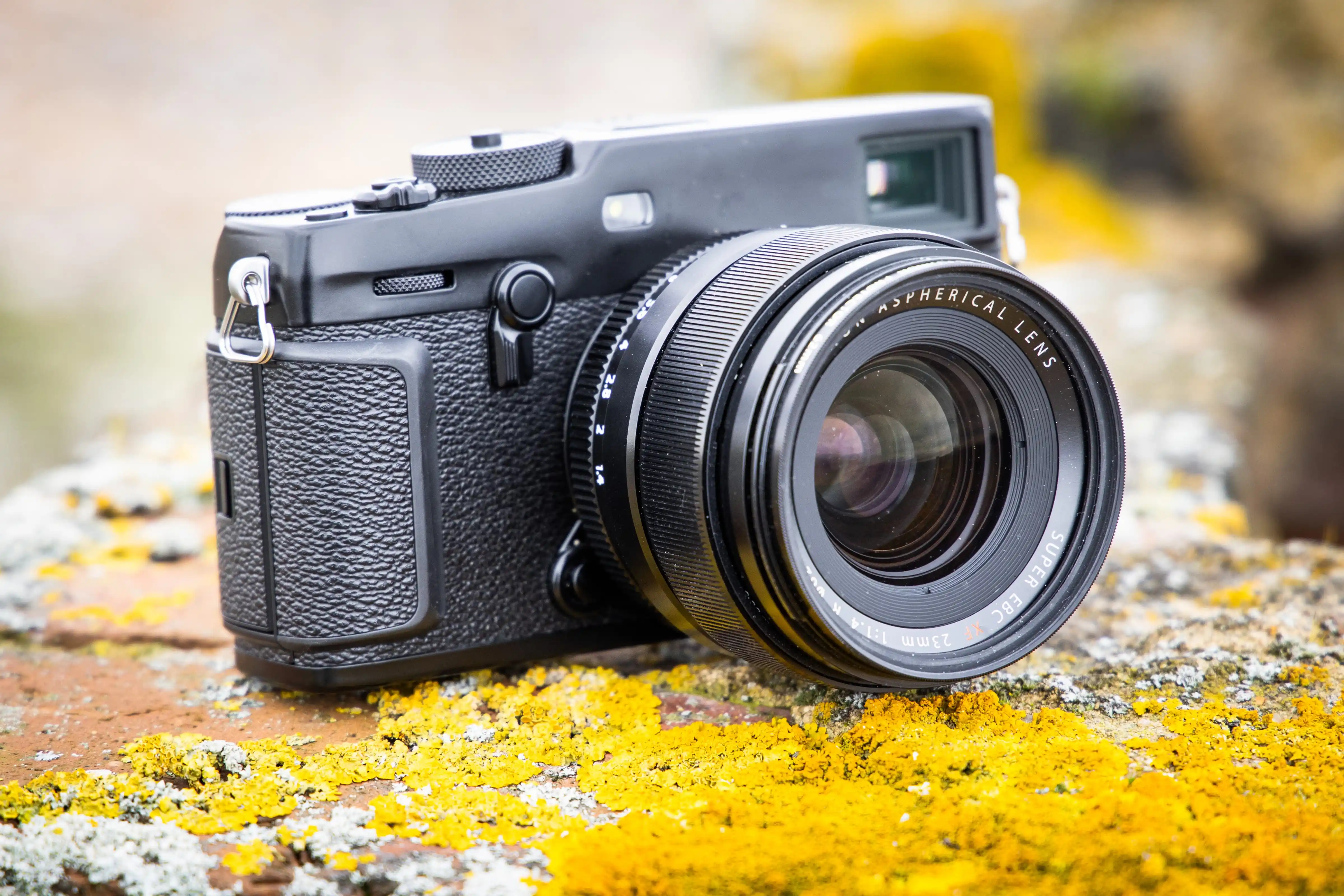
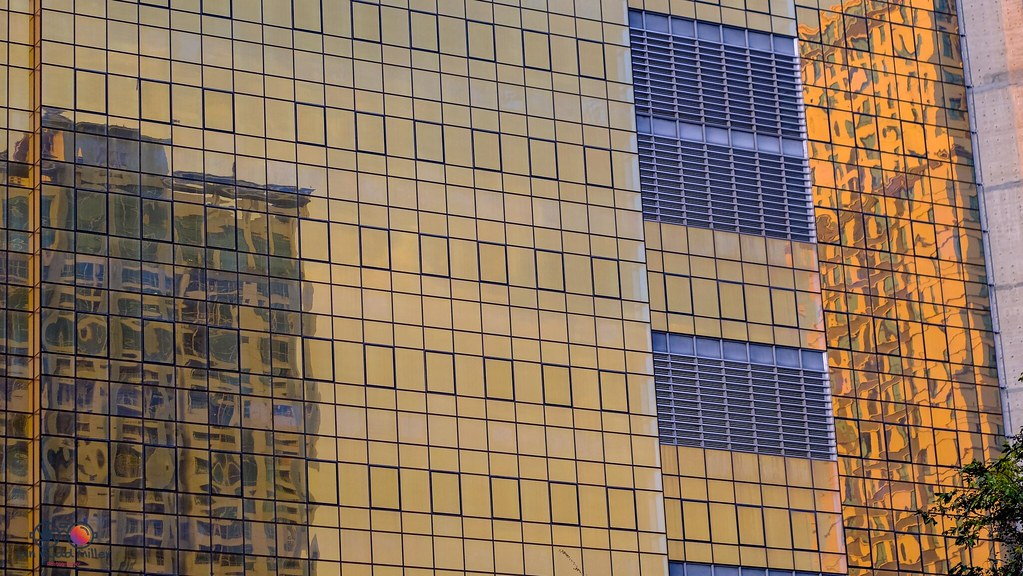
In the world of ultra-wide primes, the Viltrox 13mm f/1.4 stands outโ€”not just for its specs, but for what it represents: a third-party lens that competes confidently with first-party glass. Designed for APS-C mirrorless systems (Fujifilm X, Sony E, Nikon Z), it offers a 20mm full-frame equivalent field of view with a bright f/1.4 aperture. Thatโ€™s a rare combination, especially at this price point.

But does it live up to the hype?

๐Ÿ” Optical Performance

Sharpness is excellent in the centre, even wide open, with only minor softness at the edges that improves by f/2.8. This makes it a strong performer for:

  • Astrophotography: minimal coma and good corner control
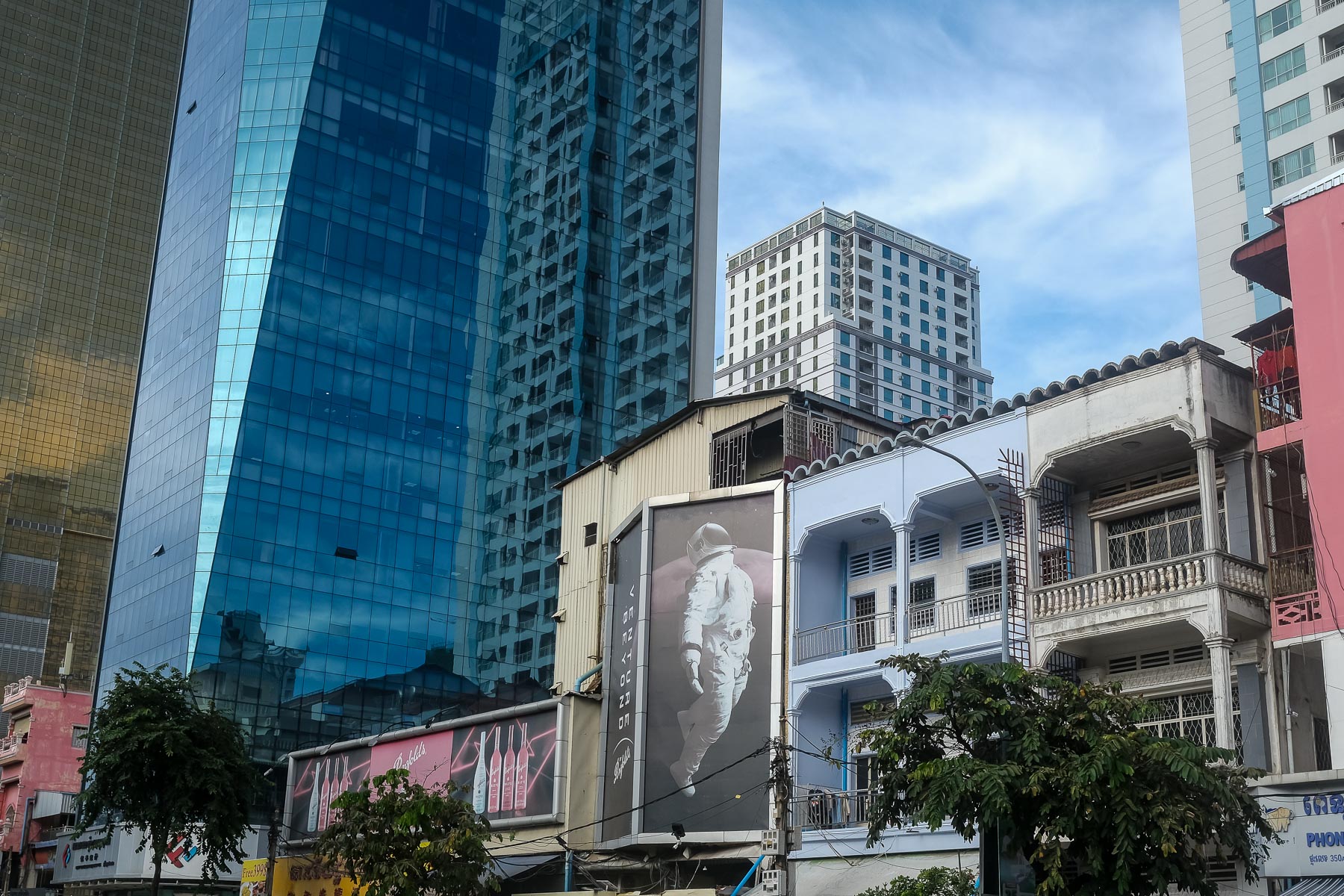
  • Architecture and interiors: straight lines stay straight, thanks to well-controlled distortion
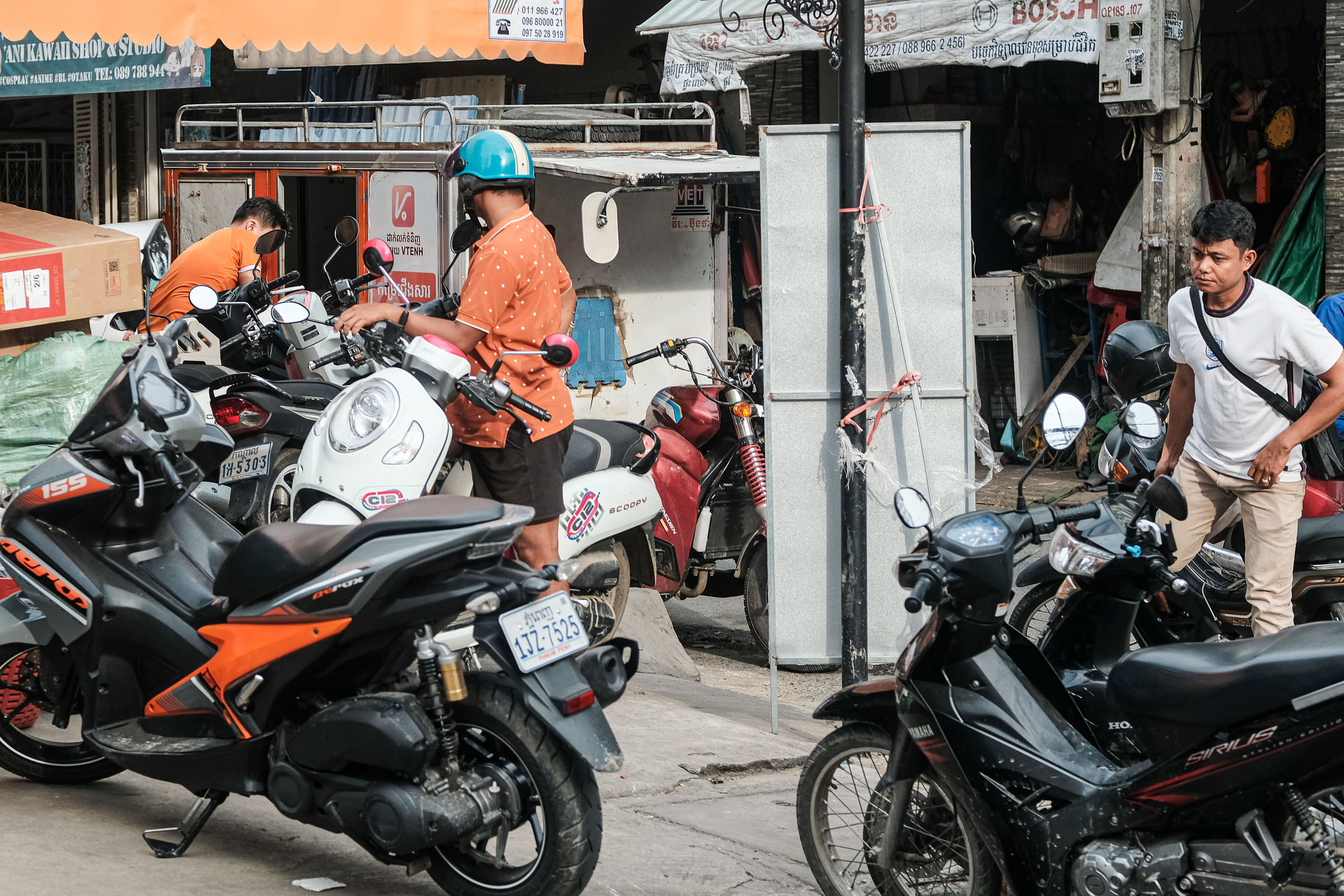
  • Street and environmental portraiture: surprisingly usable for creative compositions

Chromatic aberration is minimal, and flare resistance is decent, though not flawless when shooting into strong light sources.

โš™๏ธ Build and Handling

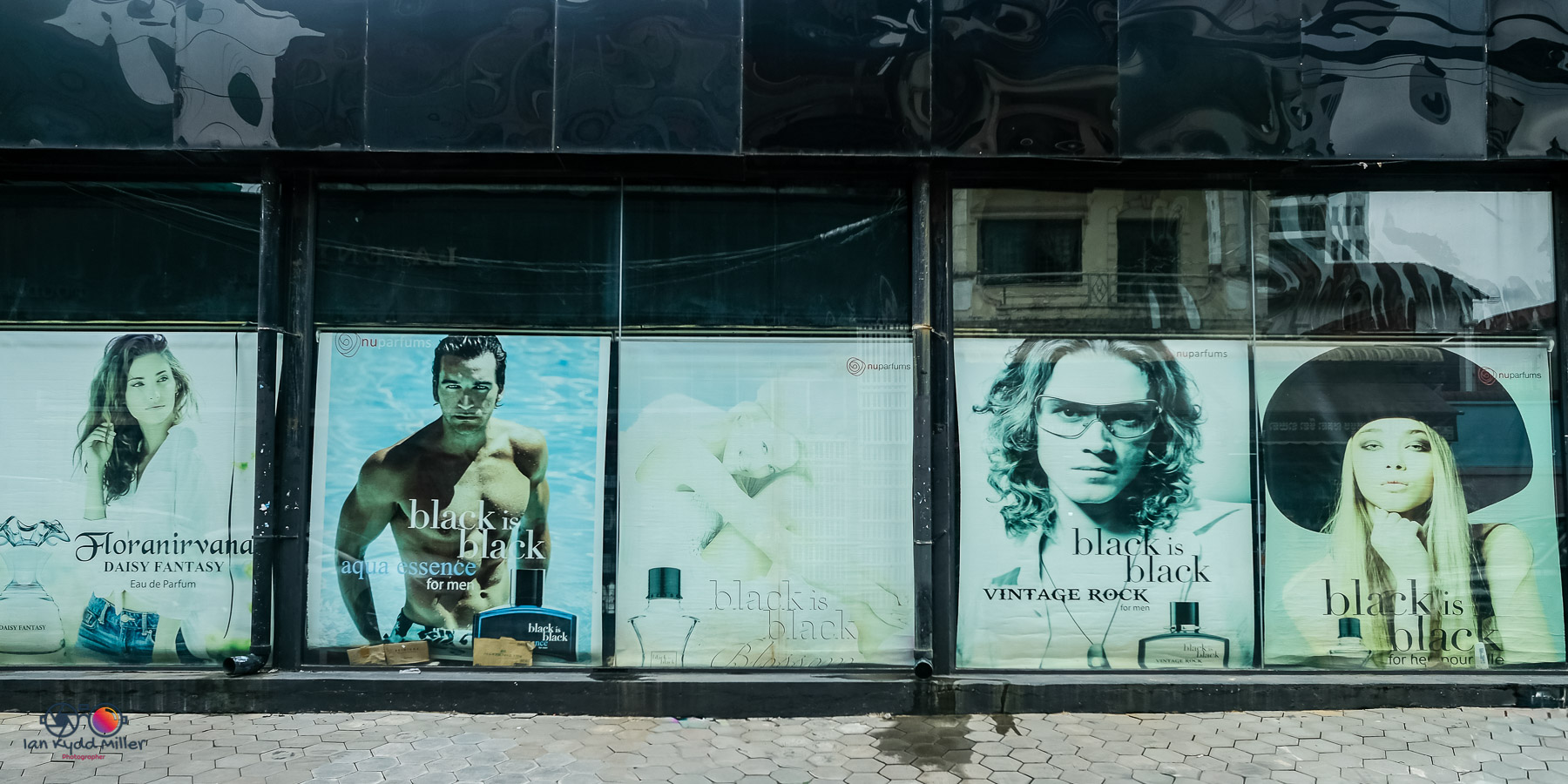
The lens feels premium:

  • All-metal construction with weather sealing
  • Smooth manual focus ring and a clicked aperture ringโ€”a welcome tactile feature for photographers who prefer physical feedback
  • Compact and lightweight for an f/1.4 ultra-wideโ€”ideal for travel and vlogging setups

Autofocus is fast and quiet, with support for eye detection AF and EXIF data transmission. Firmware updates are possible via a USB-C port on the lens mount, a thoughtful touch for long-term usability.
๐ŸŽฏ Real-World Use

This lens shines in:

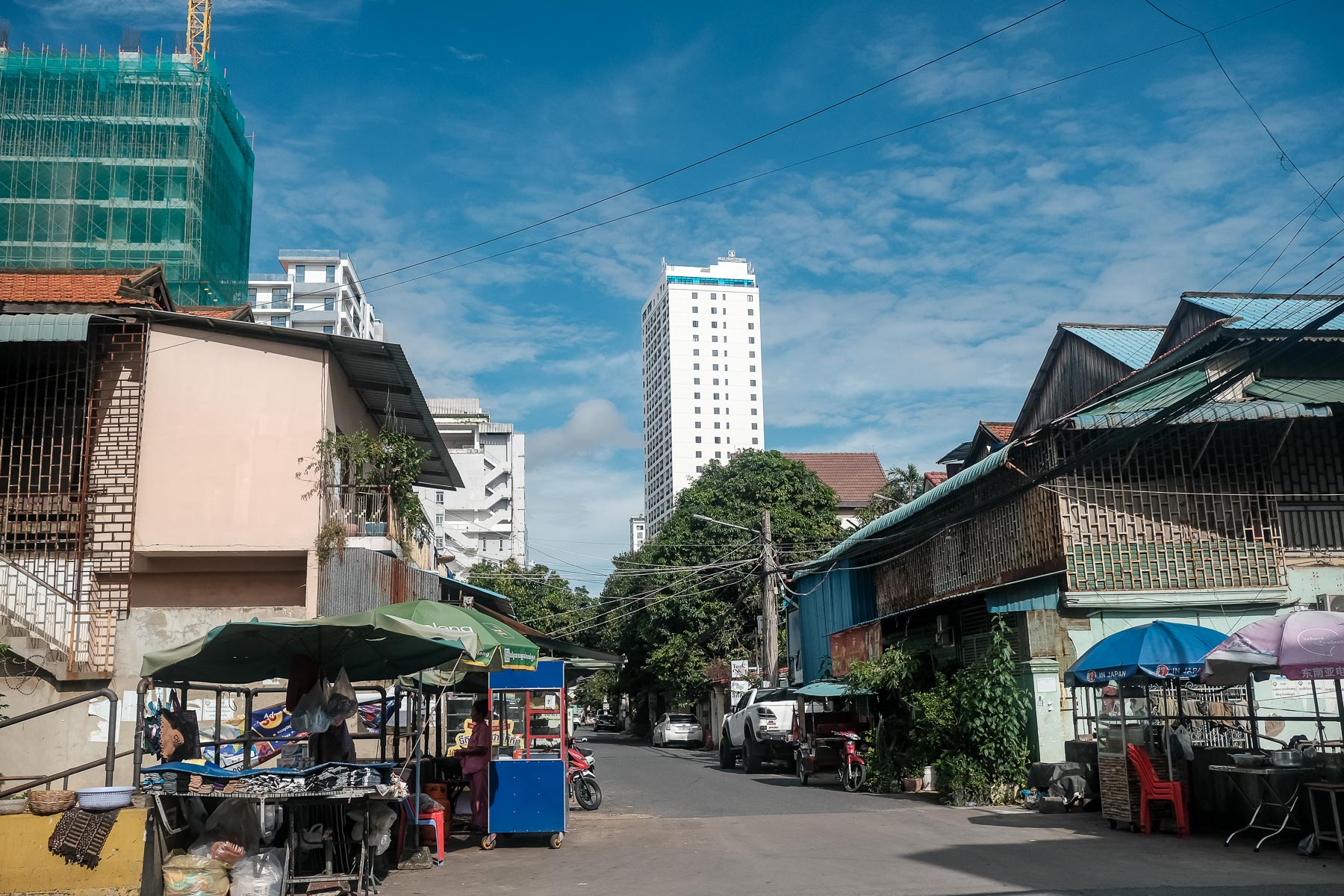
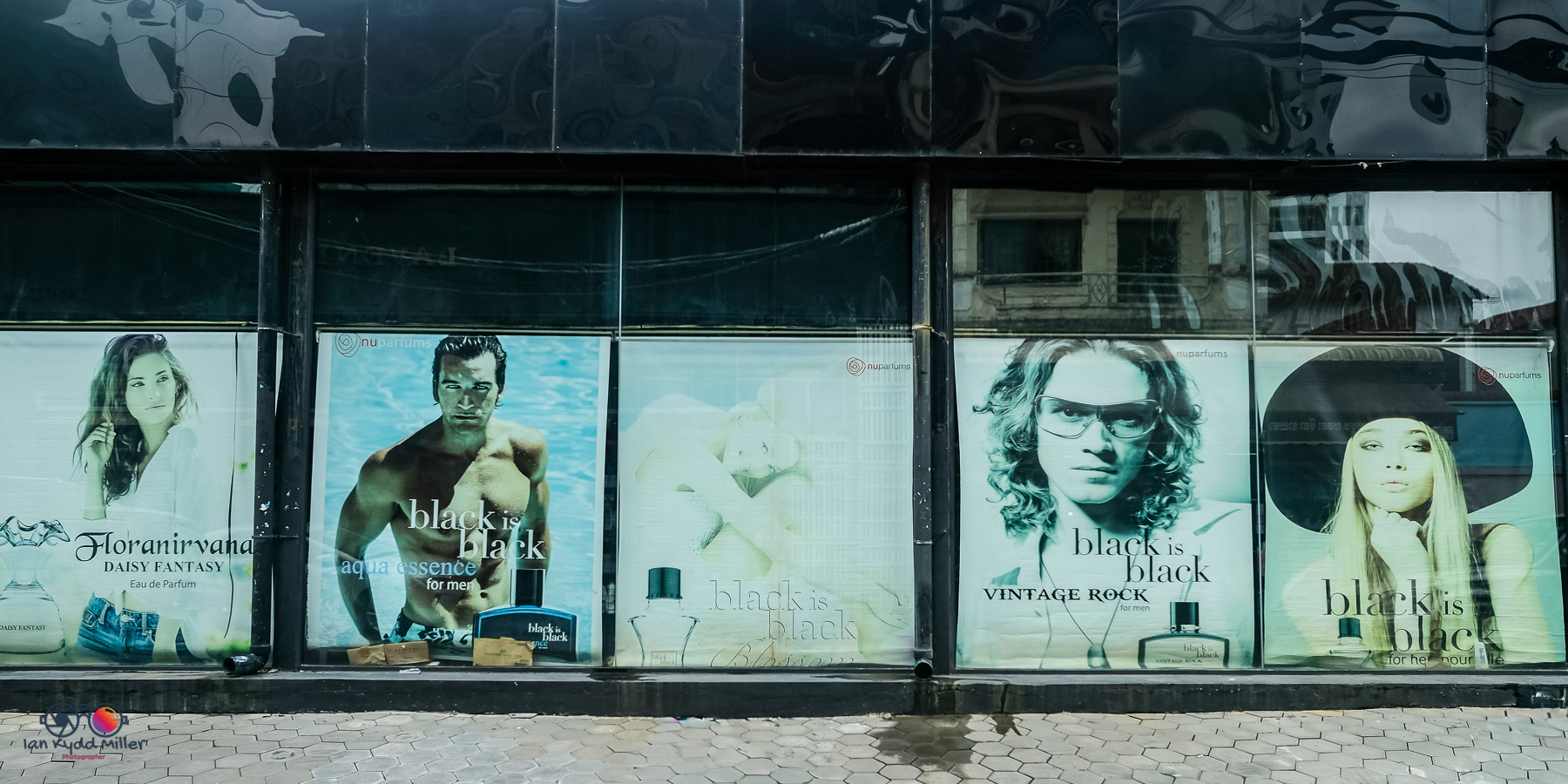
  • Low-light urban scenes: f/1.4 lets you shoot handheld at night
  • Vlogging and video: wide field of view with minimal focus breathing
  • Creative portraiture: unconventional but effective for environmental storytelling

However, itโ€™s not without trade-offs:

  • No image stabilisationโ€”rely on in-body IS or careful technique
  • Some edge softness wide open, especially on high-resolution sensors
  • No weather sealing on the front element, so use a filter in harsh conditions

๐Ÿงญ Final Verdict

The Viltrox 13mm f/1.4 is a bold, well-executed lens that punches above its weight. Itโ€™s not perfectโ€”but it doesnโ€™t need to be. For photographers and filmmakers who value wide perspectives, fast glass, and creative flexibility, itโ€™s a compelling choice.

Best for: astrophotographers, vloggers, street shooters, and anyone who wants to explore the world at 20mm equivalent. Not ideal for: those needing edge-to-edge perfection or built-in stabilisation


๐Ÿ“ท The Fujinon XF 18mm f/2 R: A Lens That Listens

cambodia, cameras, Fujichrome, fujifilm, Lenses, opinons, thoughts, photography

A Rundown of the Good and the Quirky

The Fujifilm XF 18mm f/2 isnโ€™t perfect. But itโ€™s present. Itโ€™s compact, fast, and quietly capable. It doesnโ€™t demand attentionโ€”it invites it. And for street photographers, documentarians, and those who value rhythm over resolution, itโ€™s a lens worth knowing.

Iโ€™ve used it in clinics, on the street, and in quiet corners of care. Itโ€™s not a showstopper. Itโ€™s a companion. And thatโ€™s what makes it special.

โœ… The Good: Why It Still Matters

๐Ÿง  1. Classic Focal Length

  • 18mm on Fujiโ€™s APS-C sensor gives you a 27mm equivalentโ€”ideal for street photography, environmental portraits, and storytelling in context.
  • Wide enough to breathe, tight enough to feel.

๐Ÿชถ 2. Compact and Featherlight

  • This lens disappears in your hand. It makes the camera feel invisible.
  • Perfect for moving quietly, staying present, and photographing without spectacle.

โšก 3. Fast f/2 Aperture

  • Responsive in low light. Lets you isolate gestures and moments without losing the scene.
  • Great for dusk, clinics, and shadow play.

๐ŸŽž๏ธ 4. Film-Like Rendering

  • Slight softness at the edges. Gentle contrast. A character that feels felt, not forced.
  • Prints beautifullyโ€”especially in black-and-white.

๐Ÿงญ 5. Teaches Restraint

  • No zoom. No overcorrection. Just you, the scene, and the moment.
  • Ideal for students learning to compose with care.

โ— The Quirks: What to Know

๐ŸงŠ 1. Not the Sharpest Tool

  • Wide open, itโ€™s soft at the edges. Corner sharpness improves by f/4โ€“f/5.6.
  • If youโ€™re chasing clinical perfection, this isnโ€™t your lens.

๐Ÿ”Š 2. Noisy Autofocus

  • The AF motor isnโ€™t silent. In quiet settings, youโ€™ll hear it.
  • Not a dealbreaker, but worth noting for documentary work.

๐Ÿงฑ 3. Older Design

  • No weather sealing. No linear motor. No aperture lock.
  • Itโ€™s part of Fujiโ€™s original lens lineupโ€”quirky, charming, and a little dated.

๐Ÿงช 4. Chromatic Aberration
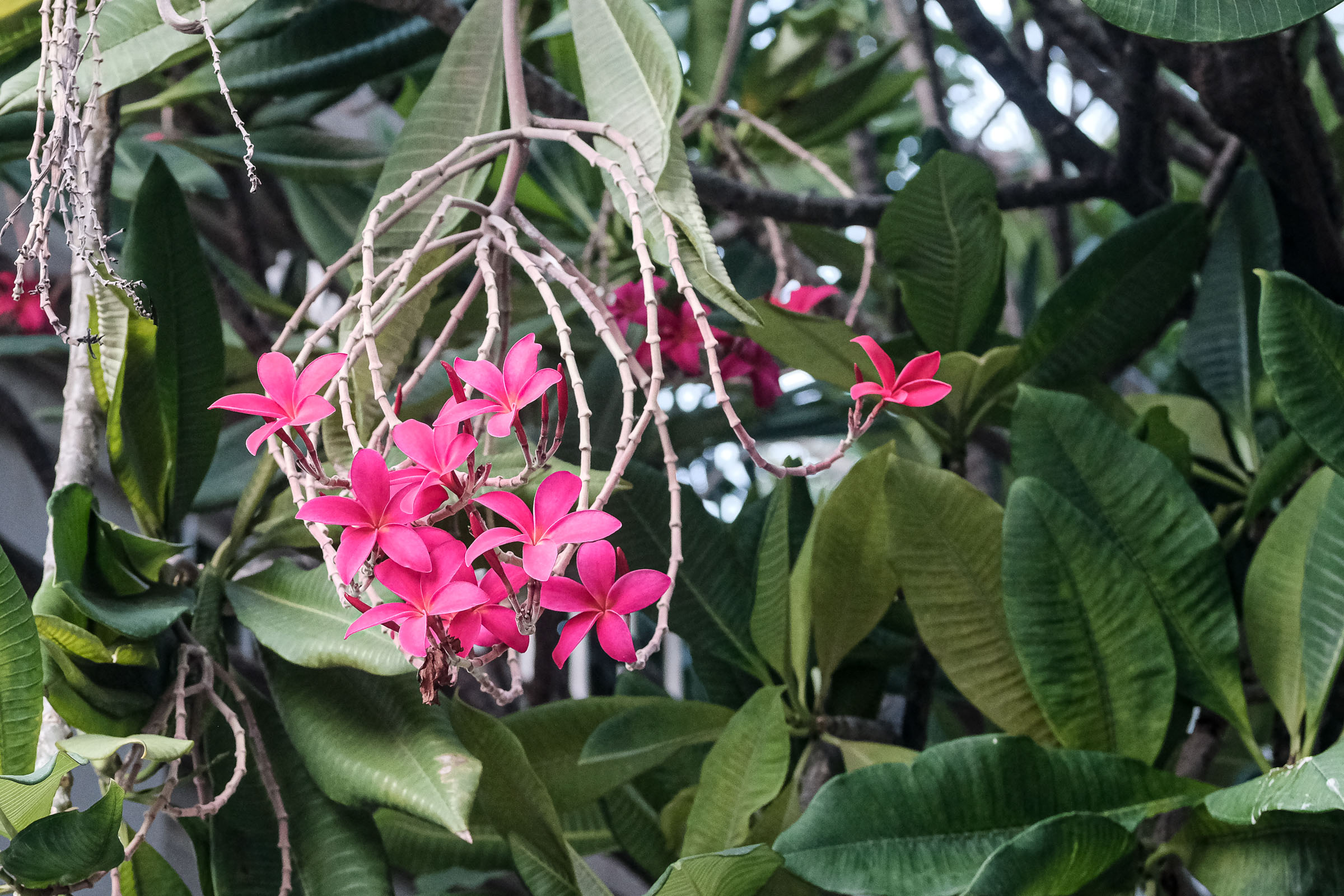
  • You may see some fringing in high-contrast scenes. Easily corrected in post, but present.

๐Ÿ–ผ How It Prints

This lens isnโ€™t about technical brilliance. Itโ€™s about emotional clarity. The files print with softness, nuance, and tonal depth. Especially in monochrome, the 18mm f/2 feels like a whisperโ€”gentle, grounded, and true.

๐Ÿ•Š Final Thought: Character Over Perfection

The Fujinon XF 18mm f/2 isnโ€™t for everyone. But for those who value presence over pixels, itโ€™s a quiet gem. It teaches you to move slowly, see clearly, and photograph with care.

Because sometimes, the best lens isnโ€™t the sharpest. Itโ€™s the one that listens.

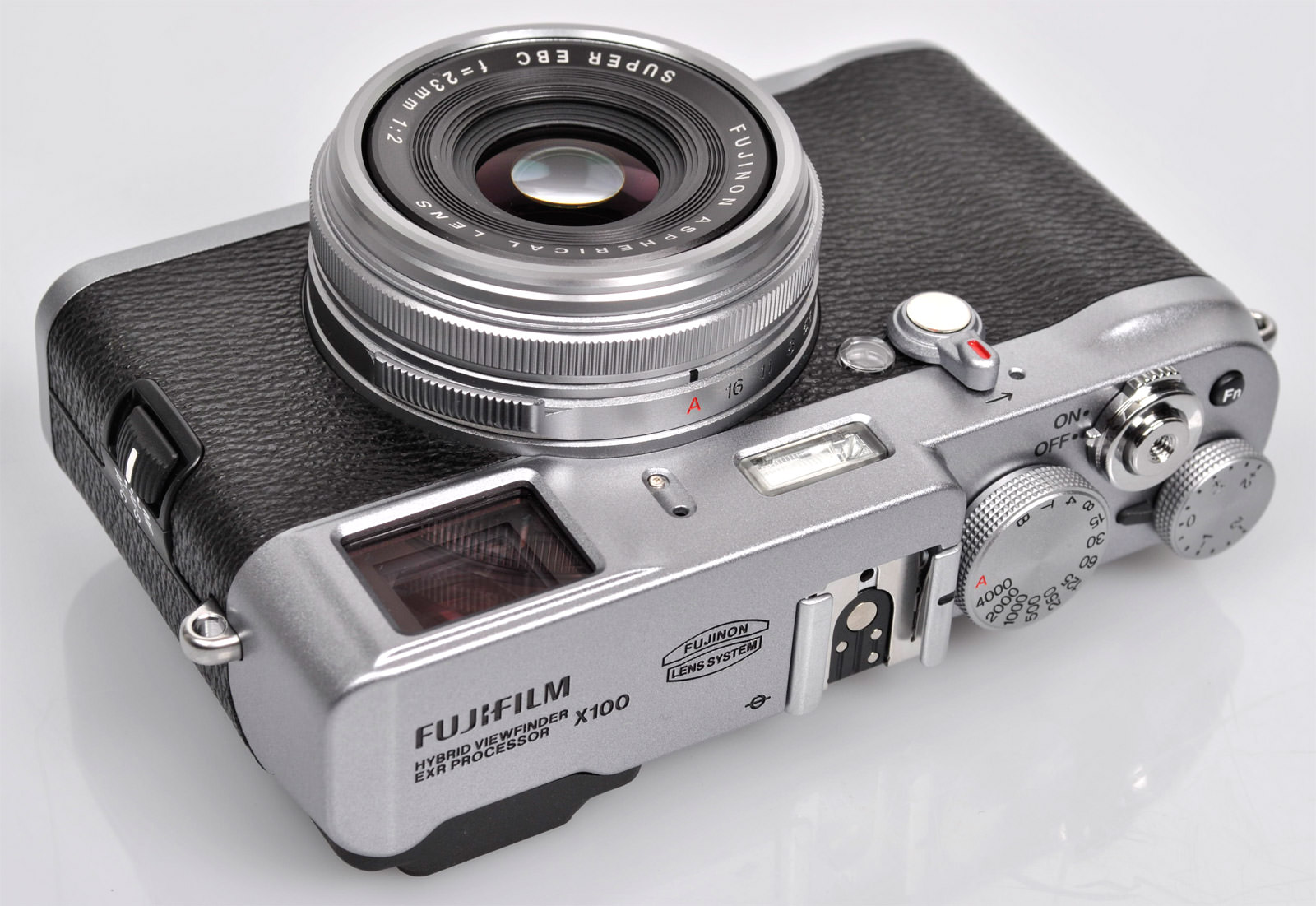
The Fujifilm X100 Original: A Camera That Engages Your Mind

fujifilm, opinons, thoughts, photography, pictures, street, Travel

The Fuji XF 50mm f2: A Hidden Gem in Photography

fujifilm, Lenses, opinons, thoughts, photography, pictures, street, Travel

The Fujifilm X-Pro3: A Camera of Contrasts and Capabilities

cameras, fujifilm, Lenses, opinons, thoughts, photography, pictures, street, Travel

Exploring the Fujifilm XF 55-200mm f3.5 – 4.8 USD OIS Lens

fujifilm, Lenses, opinons, thoughts, photography, pictures, street, Travel, war

Exploring the 7Artisans 50mm f0.95 Lens on a Fuji XE2: A Photographer’s Delight

cameras, fujifilm, Lenses, opinons, thoughts, photography, pictures, street

Photography enthusiasts, gather around as we dive into the world of bokeh and low-light performance with the 7Artisans 50mm f0.95 lens mounted on the classic Fuji XE2. This combination is not just about capturing images; it’s about embracing a unique photographic experience.

The 7Artisans 50mm f0.95 lens, often praised for its affordability and solid metal build, brings a new dimension to the Fuji XE2. With a maximum aperture of f0.95, this lens promises to transform the way you capture portraits and low-light scenes. The wide aperture allows for a shallow depth of field, creating that dreamy bokeh effect that makes your subjects pop against a smoothly blurred background.

But what truly sets this lens apart is its manual focus, which offers a tactile and engaging experience. It’s a return to the roots of photography, where the photographer is in complete control. The pleasure of focusing with this lens is often highlighted by users, noting its good throw and the ability to keep up with moving subjects like a slow-moving cat. This level of control is perfect for those who love to take their time, crafting each shot with precision and artistic intent.

The lens’s 13 aperture blades contribute to a pleasing round bokeh, enhancing the aesthetic quality of your photos. And while it’s not a macro lens, the minimum focus distance of about 18 inches allows for decent close-ups, adding versatility to your shooting repertoire.

Now, let’s talk about the Fuji XE2, a camera that has won the hearts of many photographers for its compact size and retro design. When paired with the 7Artisans 50mm f0.95 lens, the XE2 becomes a powerhouse for street and portrait photography. The camera’s classic design, combined with the lens’s modern optical performance, creates a synergy that’s both visually appealing and functionally impressive.

Some users have compared the 7Artisans 50mm f0.95 to other lenses in its category, noting that it holds its own in terms of brightness and optical quality. It’s even been said to be a tad brighter than some of its competitors, which is quite a statement considering its price point. The 7Artisans 50mm f0.95 is not without its quirks, such as some optical flaws like vignetting and chromatic aberration when wide open, but these are often considered part of the lens’s character rather than detriments. For those who enjoy the artistry of photography and the tactile experience of manual focusing, this lens offers a unique opportunity to explore creativity at a relatively low cost.

In conclusion, the 7Artisans 50mm f0.95 lens on a Fuji XE2 is a match made in photography heaven for those who appreciate the art of manual focusing and the beauty of a large aperture. It’s a setup that encourages you to slow down, compose thoughtfully, and immerse yourself in the creative process. Whether you’re a seasoned photographer or someone who’s just starting, this combo is sure to inspire and delight.

Zoom or Prime Lens

cameras, Fujichrome, fujifilm, Lenses, opinons, thoughts, photography, street, Travel, viltrox

If you are into photography, you might have wondered whether you should get a zoom lens or a prime lens for your camera. Zoom lenses and prime lenses differ by how long their focal points are. Prime lenses have a unifocal lens (usually between 12mm to 5200mm), while zoom lenses have a variable focal length. This means that prime lenses are better for portrait shots, while zoom lenses are ideal for general photography.

In this blog post, I will explain the pros and cons of each type of lens and help you decide which one is best for your needs.

Prime Lenses: The Pros

One of the main advantages of prime lenses is that they are usually sharper, faster, and cheaper than zoom lenses. Sharper means that they produce images with more detail and clarity. Faster means that they have larger maximum apertures (such as f/1.4 or f/1.8), which allow more light to enter the lens and create a shallow depth of field. This is great for isolating your subject from the background and creating a beautiful bokeh effect. Cheaper means that they are more affordable than zoom lenses of similar quality.

Another benefit of prime lenses is that they are smaller and lighter than zoom lenses, which makes them easier to carry around and use. They also force you to be more creative and move around to get the best shot, rather than relying on the zoom ring to adjust your framing.

Prime Lenses: The Cons

The main drawback of prime lenses is that they are less versatile and convenient than zoom lenses. You can’t change the focal length of a prime lens, so you have to switch lenses if you want a different angle of view or magnification. This can be time-consuming and inconvenient, especially if you are shooting in a fast-paced or changing environment. You also have to carry more lenses with you if you want to cover a wide range of focal lengths.

Another disadvantage of prime lenses is that they may not suit every situation or style of photography. For example, if you want to capture landscapes, wildlife, sports, or events, you might need a zoom lens that can cover a wide or long focal range and give you more flexibility and reach.

Zoom Lenses: The Pros

The main advantage of zoom lenses is that they are more versatile and convenient than prime lenses. You can change the focal length of a zoom lens by simply turning the zoom ring, which gives you more options and controls over your composition and framing. You can also capture different perspectives and effects with one lens, such as wide-angle shots, telephoto shots, or macro shots (if your zoom lens has macro capabilities).

Another benefit of zoom lenses is that they are more suitable for certain situations and styles of photography. For example, if you want to capture landscapes, wildlife, sports, or events, you might need a zoom lens that can cover a wide or long focal range and give you more flexibility and reach. You can also react faster to changing scenes and subjects without having to switch lenses.

Zoom Lenses: The Cons

The main drawback of zoom lenses is that they are usually heavier, bulkier, and more expensive than prime lenses. Heavier and bulkier means that they are harder to carry around and use, especially for long periods. They also tend to attract more attention and may not be ideal for discreet or candid photography. More expensive means that they cost more than prime lenses of similar quality.

Another disadvantage of zoom lenses is that they are usually slower, less sharp, and more prone to distortion and vignetting than prime lenses. Slower means that they have smaller maximum apertures (such as f/3.5-5.6 or f/4-5.6), which limit the amount of light that enters the lens and create a deeper depth of field. This can make it harder to shoot in low-light conditions or achieve a shallow depth of field effect. Less sharp means that they produce images with less detail and clarity than prime lenses. More prone to distortion and vignetting means that they may cause some curvature or darkening at the edges of your images, especially at the wide or telephoto end of their range.

Conclusion

So which type of lens is best for you? It depends on your personal preference, budget, and style of photography. You might prefer a prime lens if you value sharpness, speed, affordability, and portability over versatility and convenience. If you value versatility, convenience, flexibility, and reach over sharpness, speed, affordability, and portability, then you might prefer a zoom lens.

Of course, you don’t have to choose one over the other. You can have both types of lenses in your camera bag and use them according to your needs and mood. The best way to find out which lens type suits you best is to try them out yourself and see what works for you.

Nikkor 50mm lenses

Uncategorized

If you are looking for the sharpest 50mm lens from Nikon, you might be wondering which one of the three models you have is the best choice. The 50mm f1.4D, the 50mm f1.8D and the 50mm f1.8G are all popular lenses that offer good performance and image quality. However, there are some differences between them that might affect your decision.

The 50mm f1.4D is the oldest and most expensive of the three. It has a fast aperture of f1.4, which allows you to shoot in low light and create a shallow depth of field. However, it also has some drawbacks, such as lower contrast, more chromatic aberration and more distortion than the other two lenses. It also lacks an autofocus motor, which means it will not autofocus on some Nikon cameras that do not have a built-in motor.

The 50mm f1.8D AF is the cheapest and lightest of the three. It has a slightly slower aperture of f1.8, but it still performs well in low light and produces a nice bokeh. It has better contrast, less chromatic aberration and less distortion than the 50mm f1.4D, but it also lacks an autofocus motor and has a noisy and slow autofocus mechanism.

The 50mm f1.8 AFS G is the newest and most advanced of the three. It has a silent wave motor (SWM) that enables fast and quiet autofocus on any Nikon camera. It also has an aspherical element that reduces spherical aberration and improves sharpness across the frame. It has the best contrast, least chromatic aberration and least distortion of the three lenses, but it also has a higher price tag and a larger size than the 50mm f1.8D.

So, which one is the sharpest? The answer depends on several factors, such as your shooting conditions, your camera model, your aperture setting and your personal preference. However, based on some tests and reviews, the general consensus is that the 50mm f1.8AFS G is the sharpest of the three at most apertures, especially at wide open and stopped down to f5.6 or f8. The 50mm f1.8D AF is slightly less sharp than the 50mm f1.8AFS G, but still sharper than the 50mm f1.4D at most apertures. The 50mm f1.4D is the least sharp of the three at wide open and only becomes comparable to the other two at smaller apertures, such as f11 or f16.

Of course, sharpness is not everything when it comes to choosing a lens. You might also consider other aspects, such as color rendition, flare resistance, build quality, weight, size and price. Ultimately, the best lens for you is the one that suits your needs and budget.

The images here were taken with the Nikkor 50mm f1.4D at between f4 and 5.6 certainly not my sharpest lens.

I own and use all three of these lenses and IMO the cheapest of the bunch gives me the best result for the way I make pictures.