🌍 Why They Come: The Volunteers of Kids International Dental Services

cambodia, opinons, thoughts, Travel, voluntary

I. A Call Beyond Borders

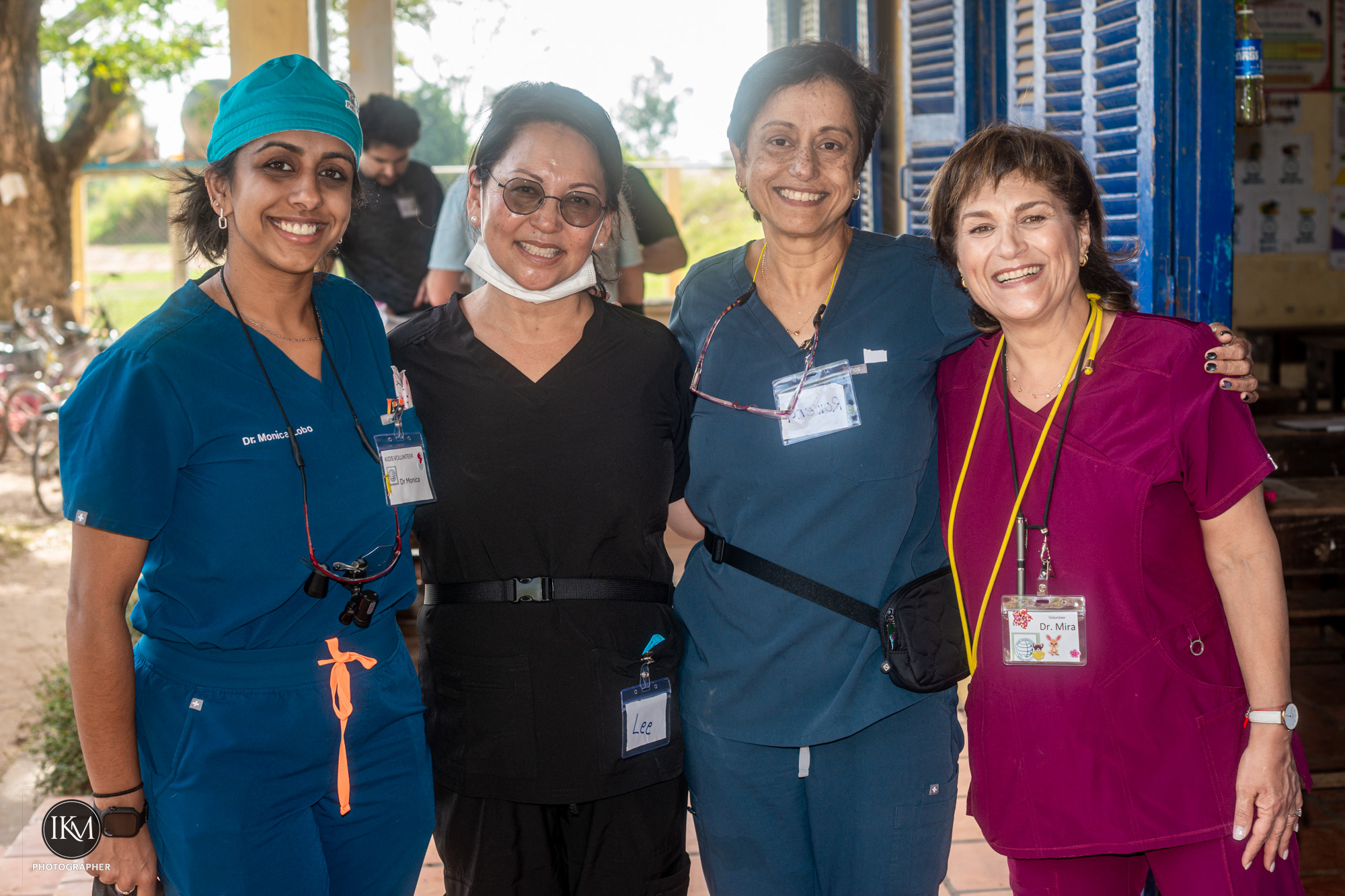
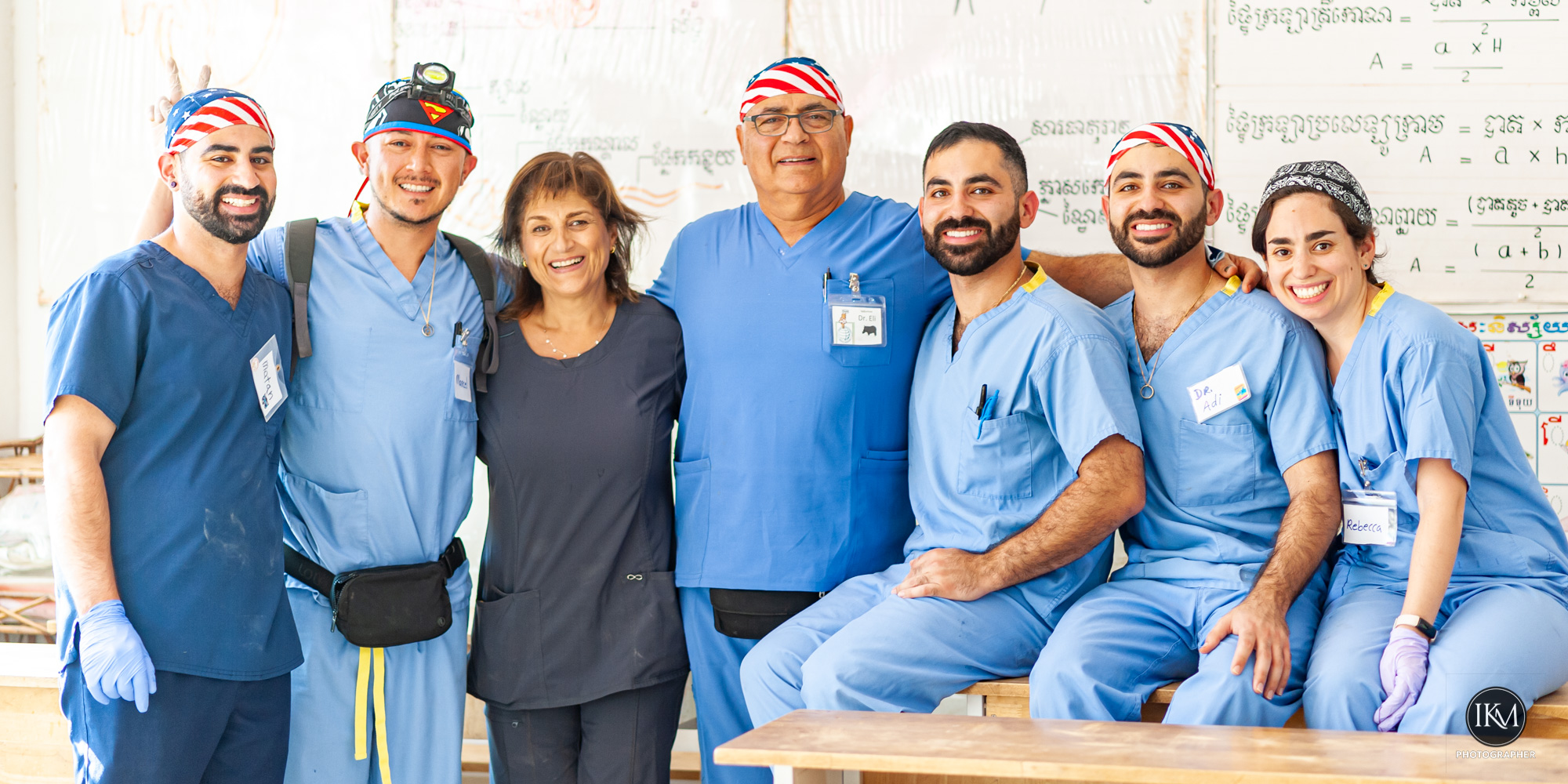
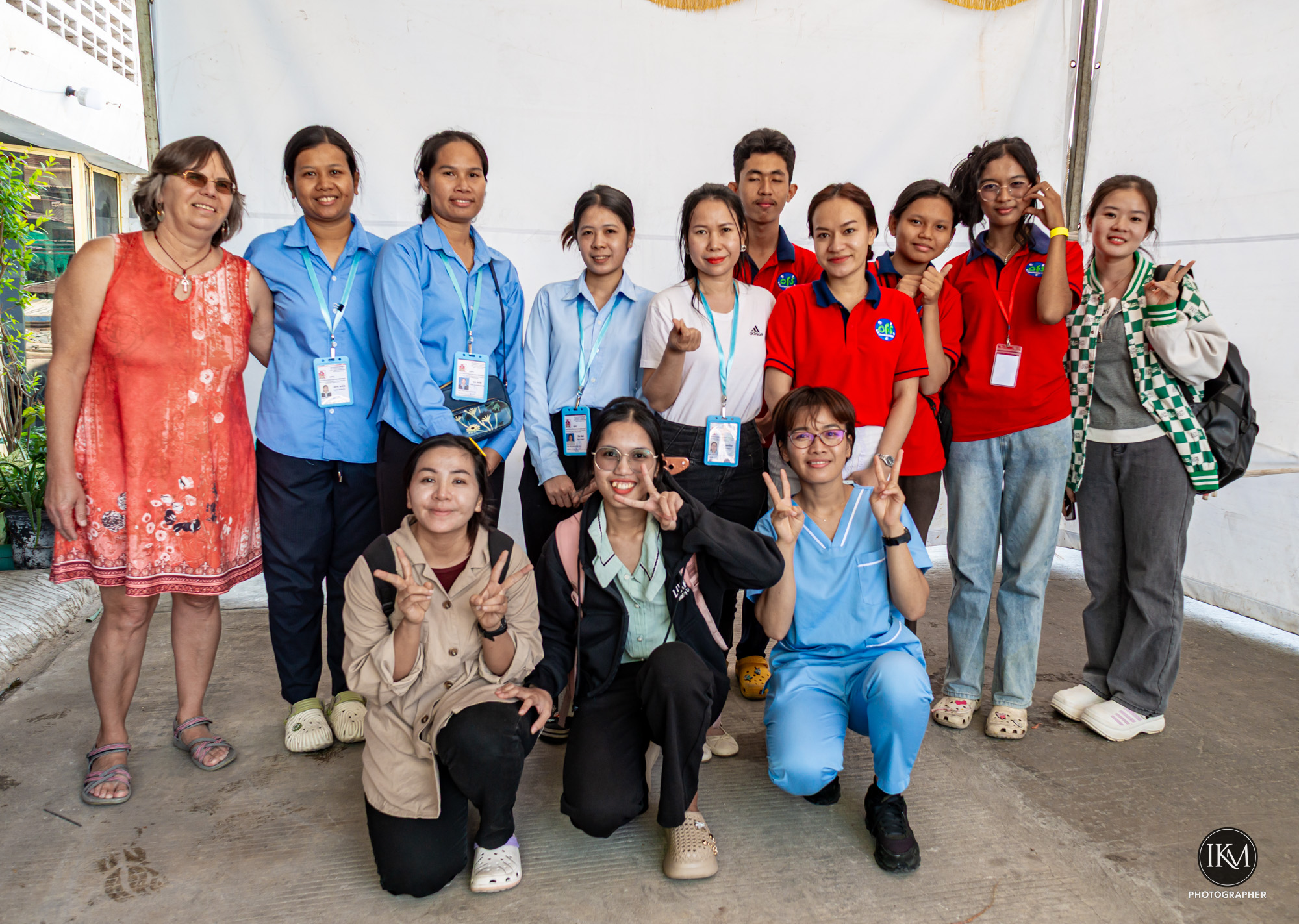
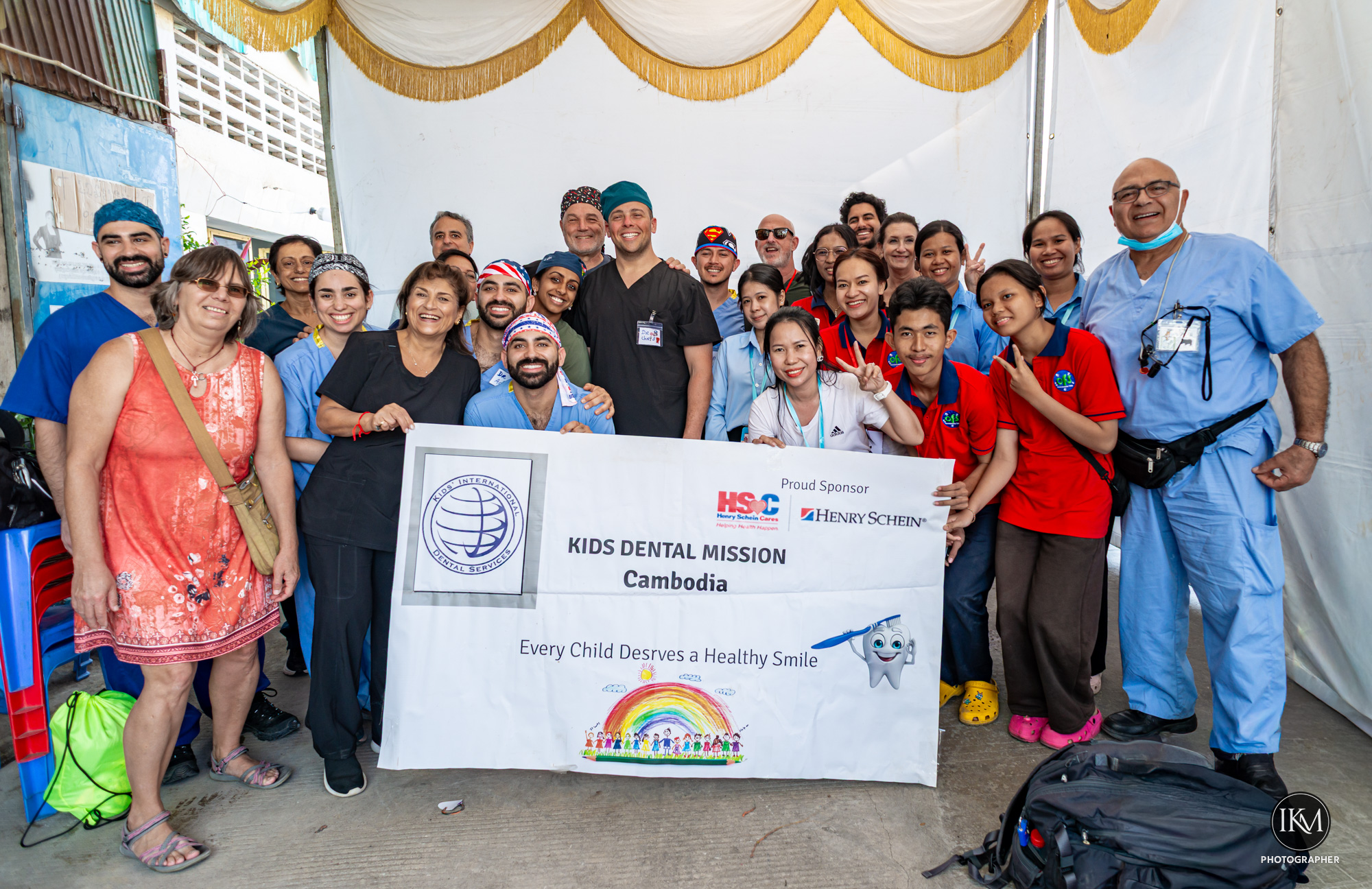
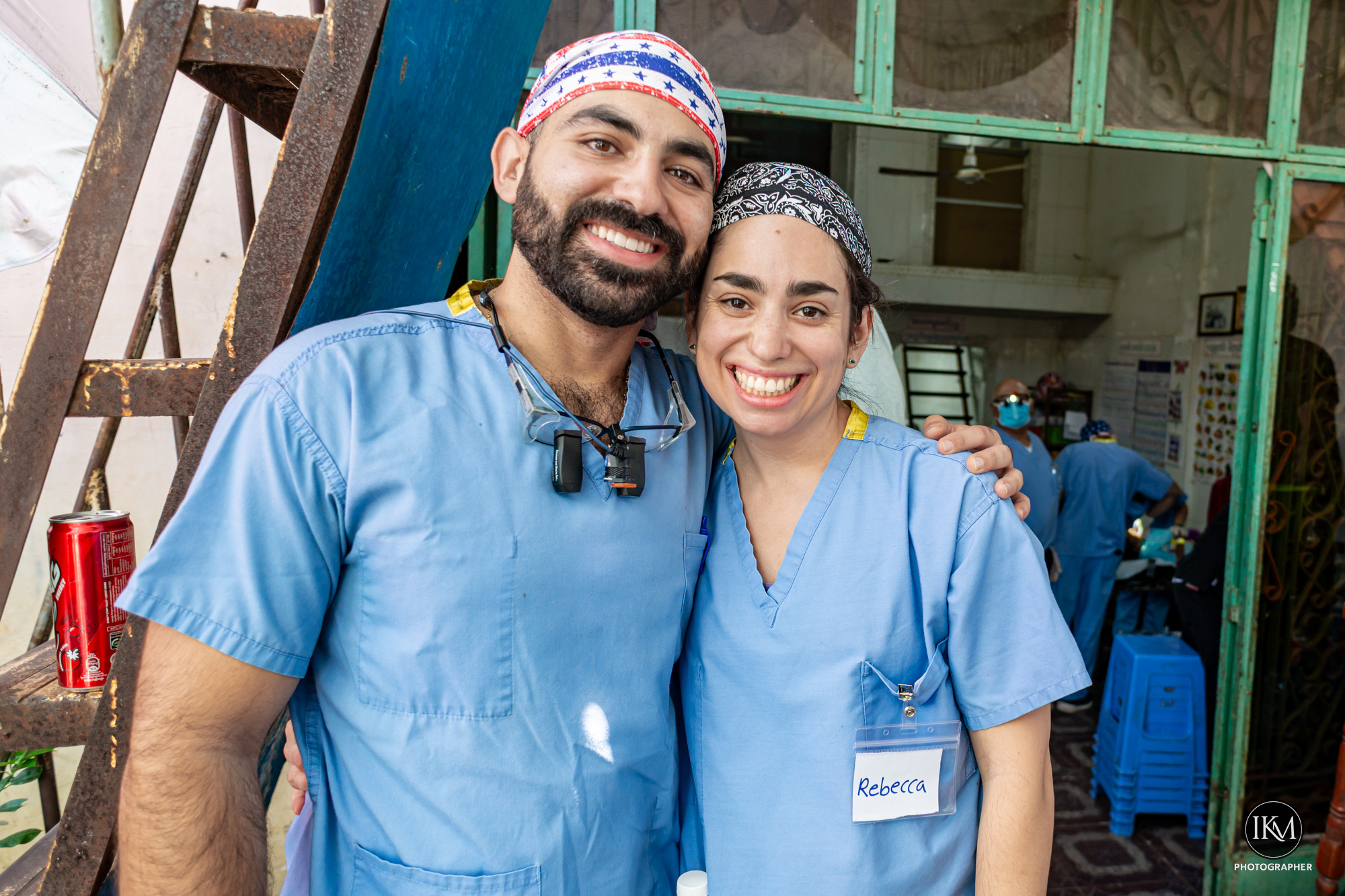
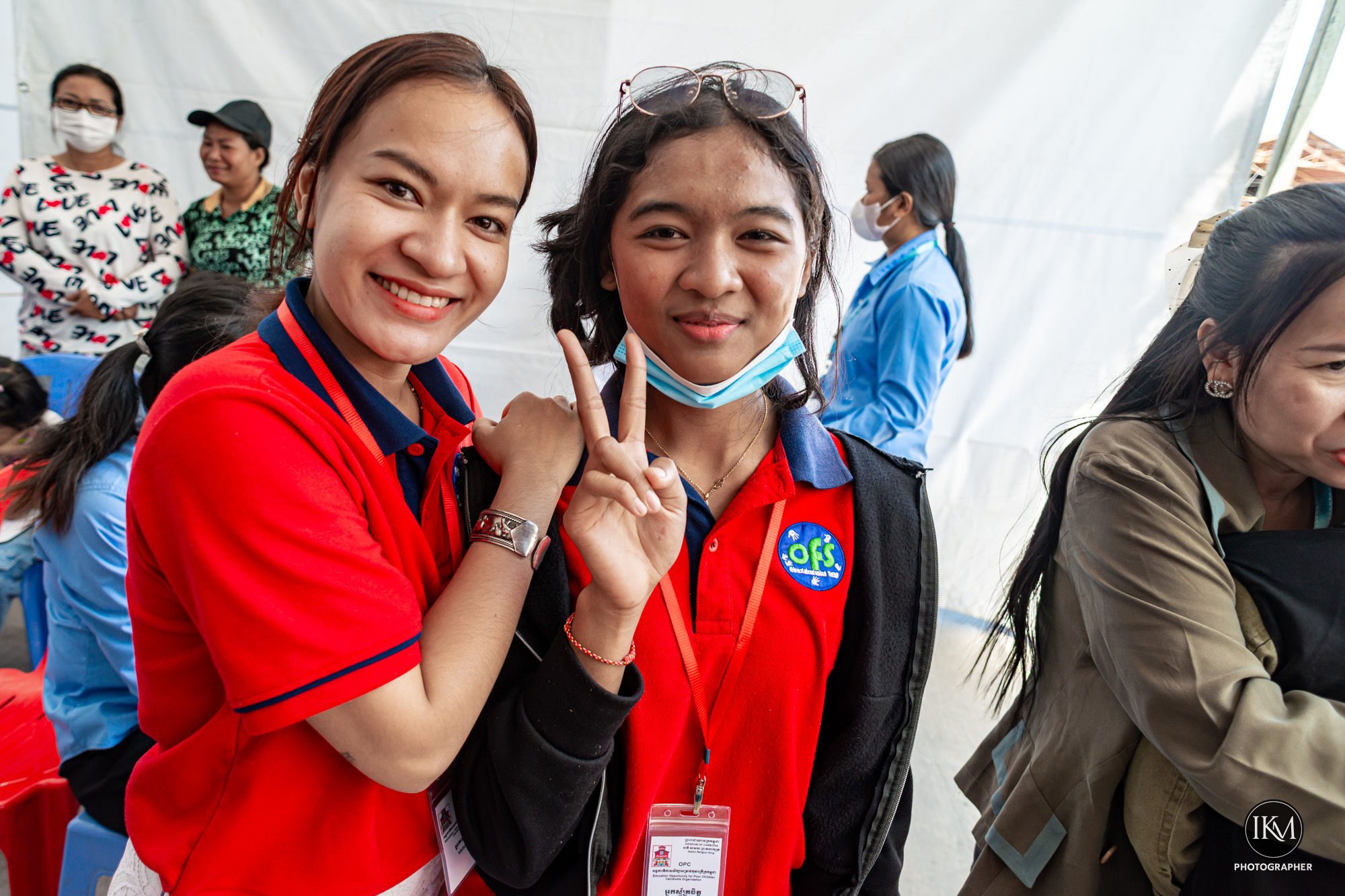
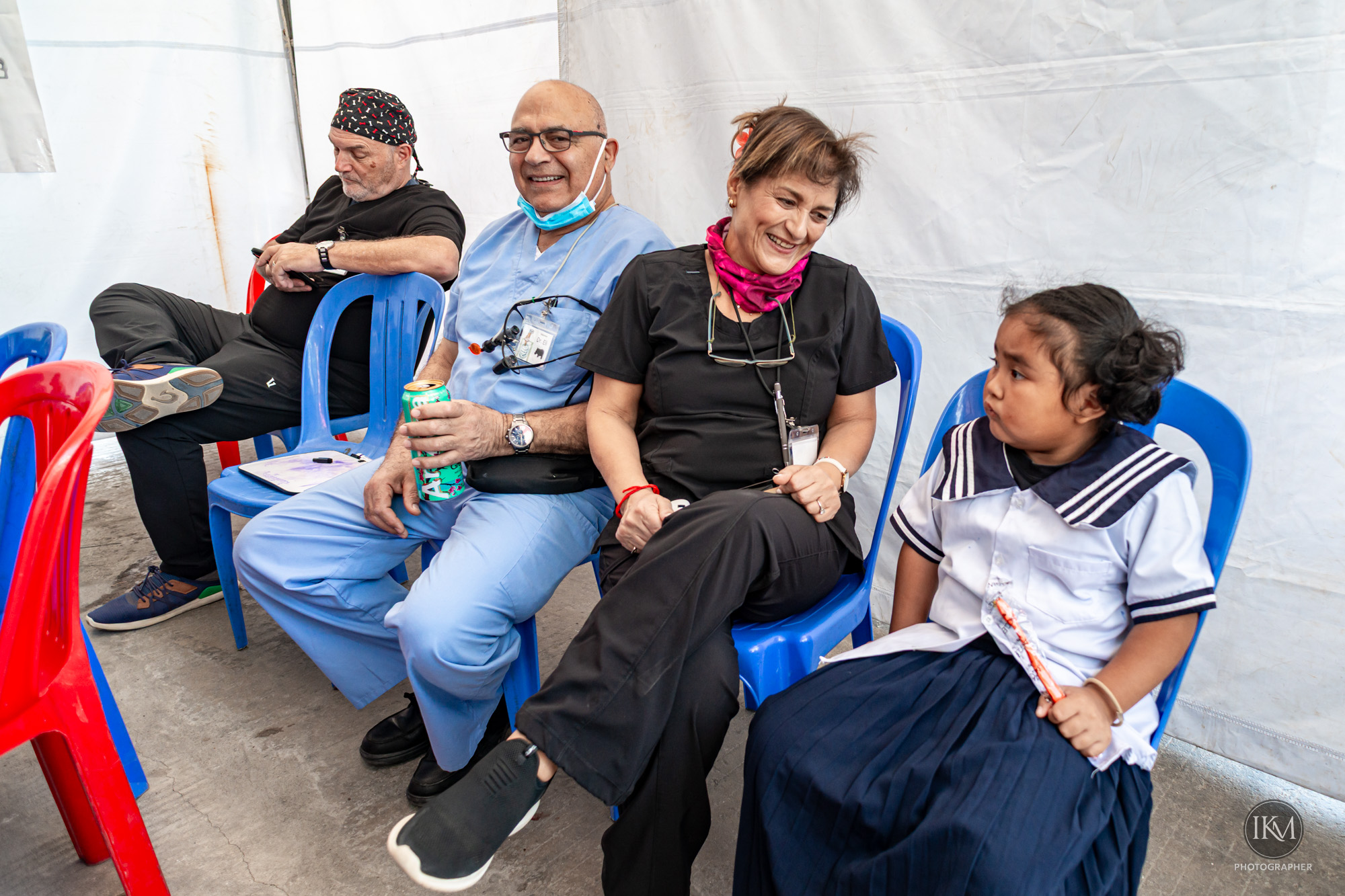
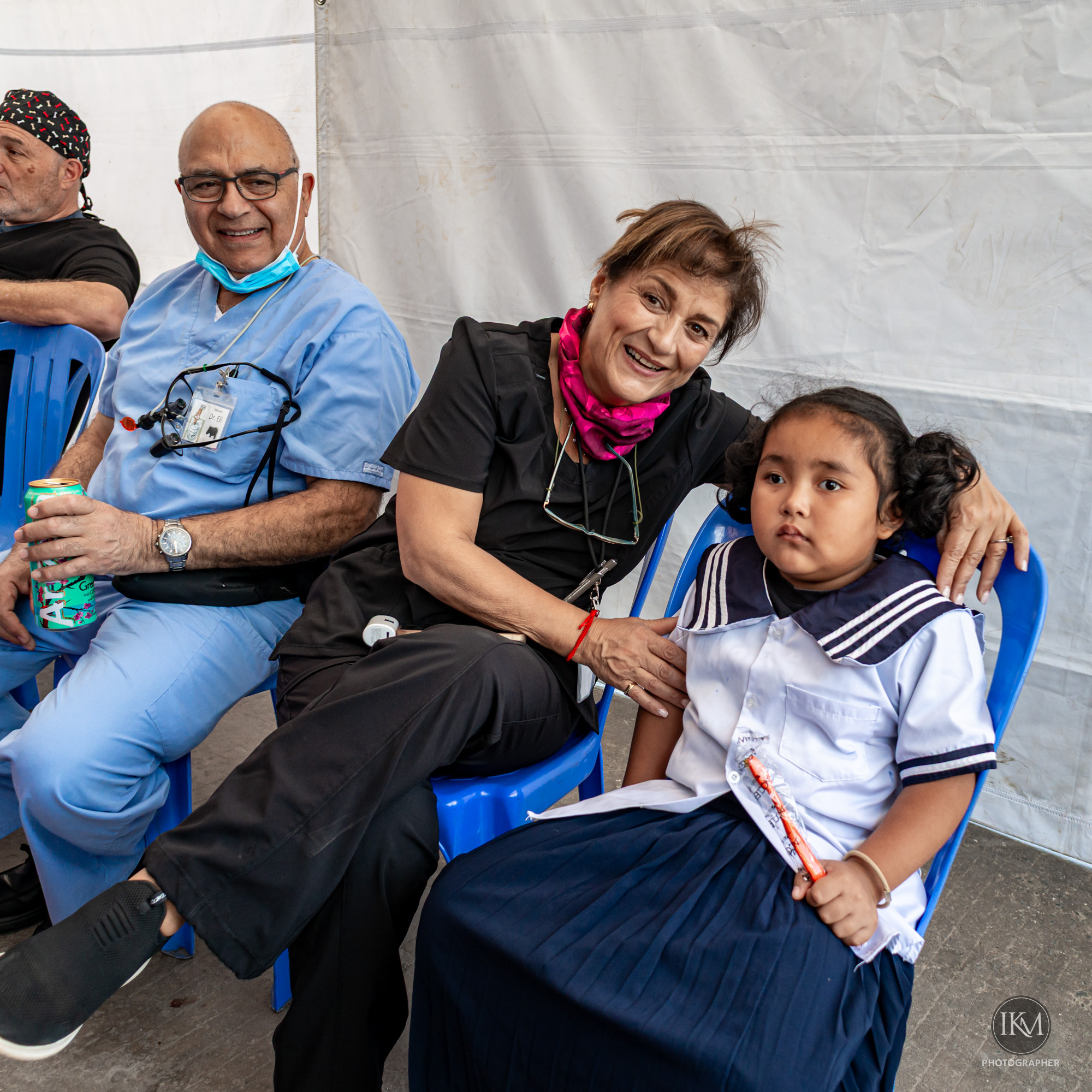
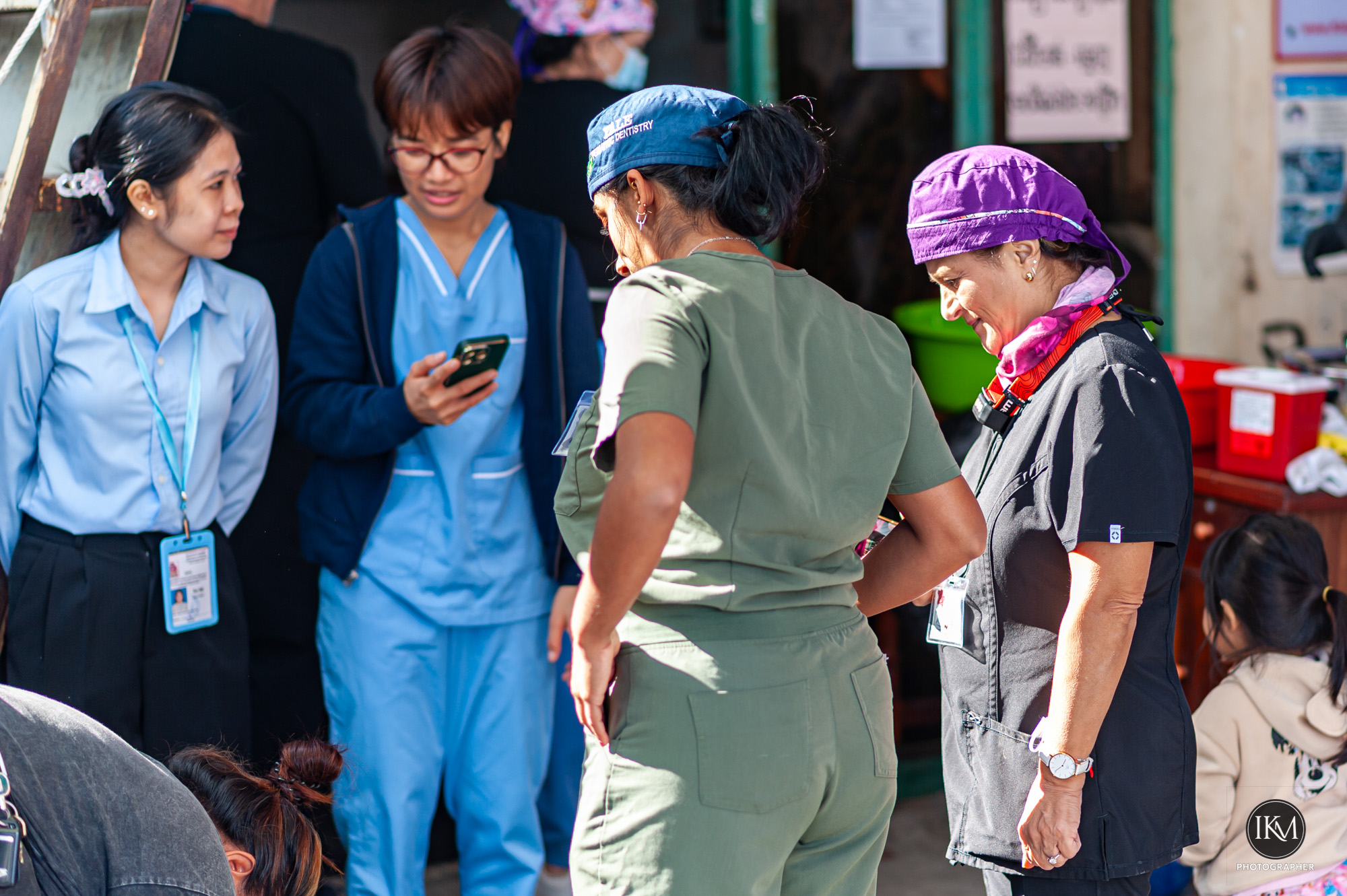
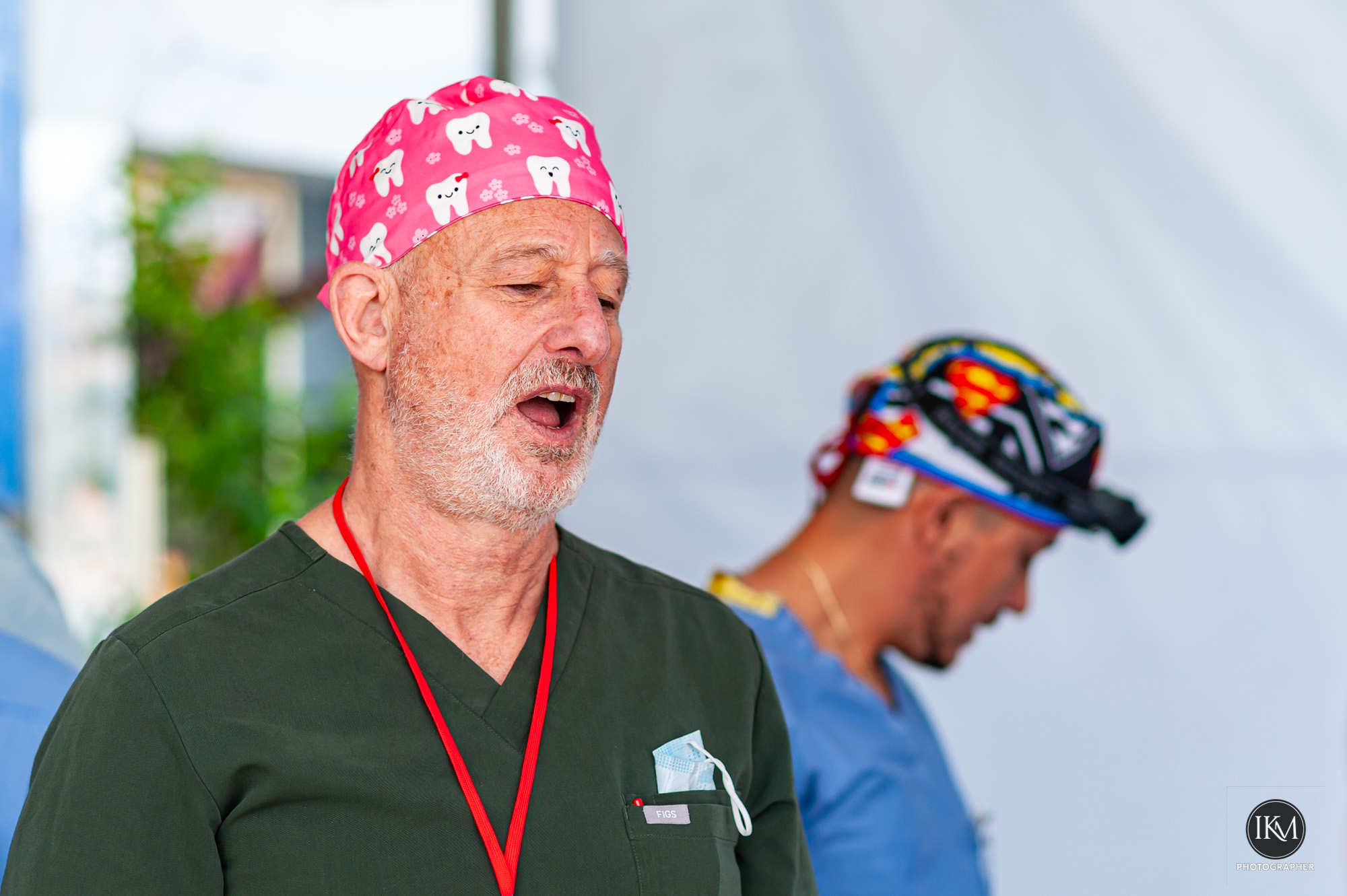
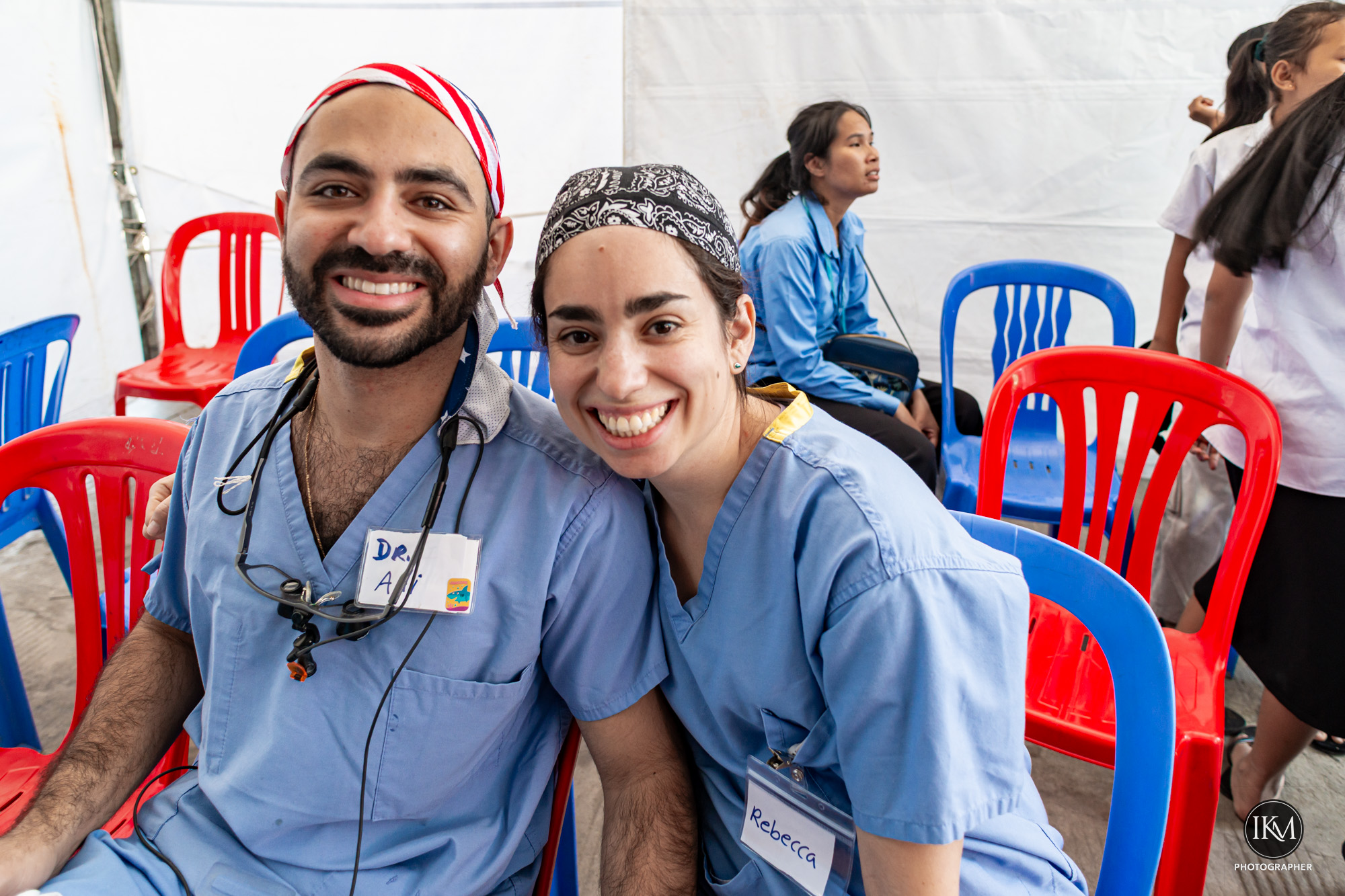
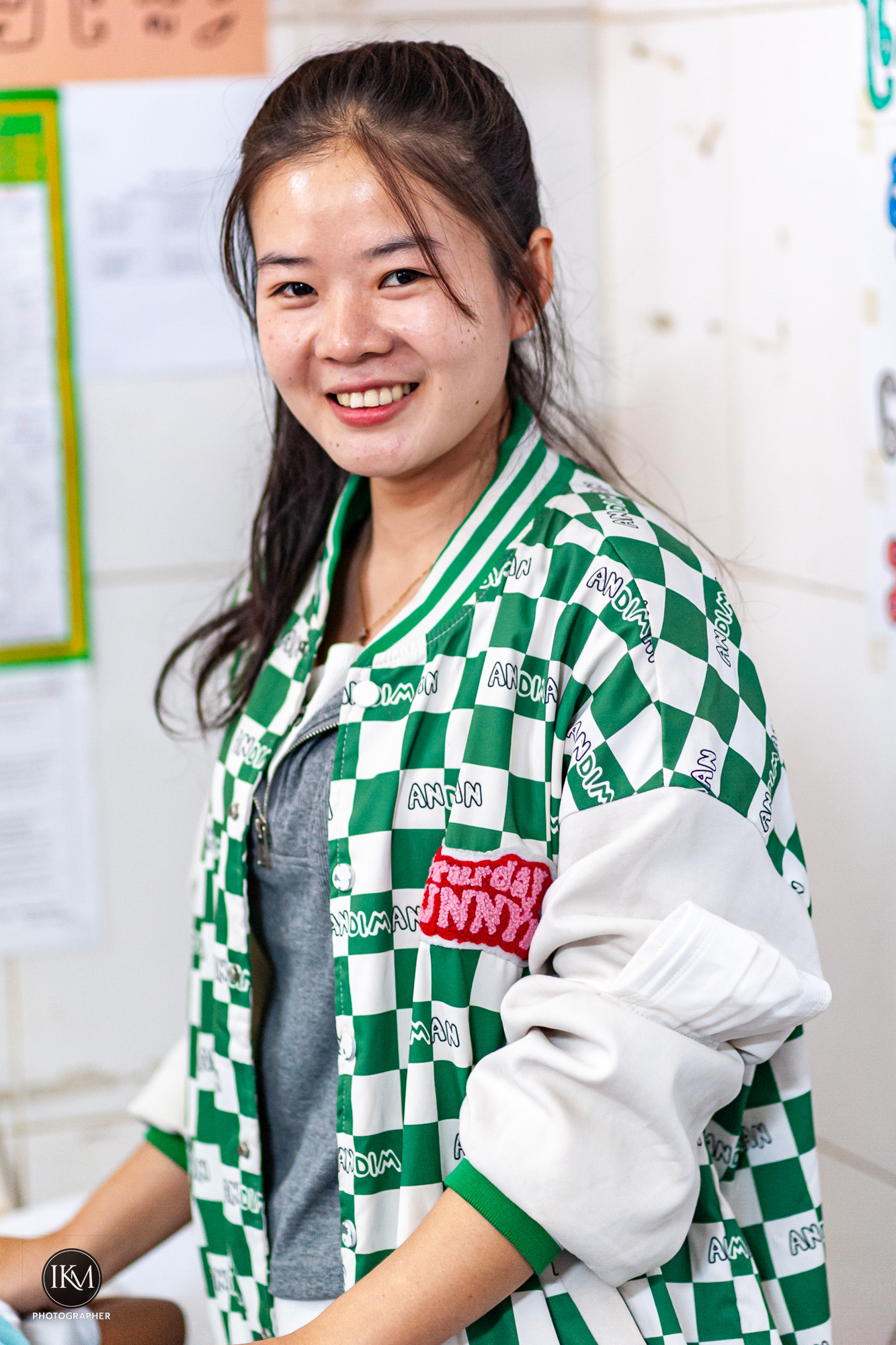
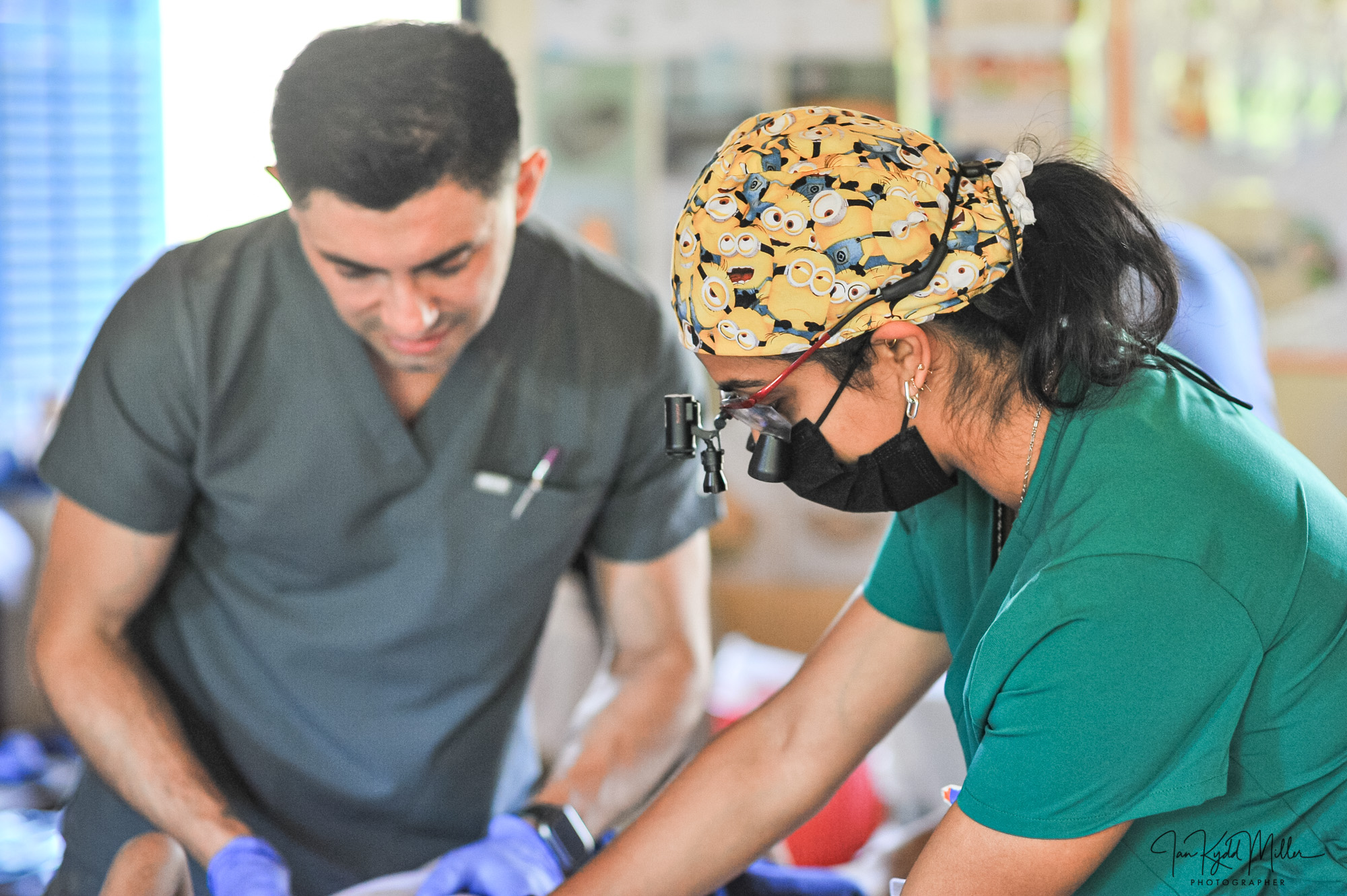
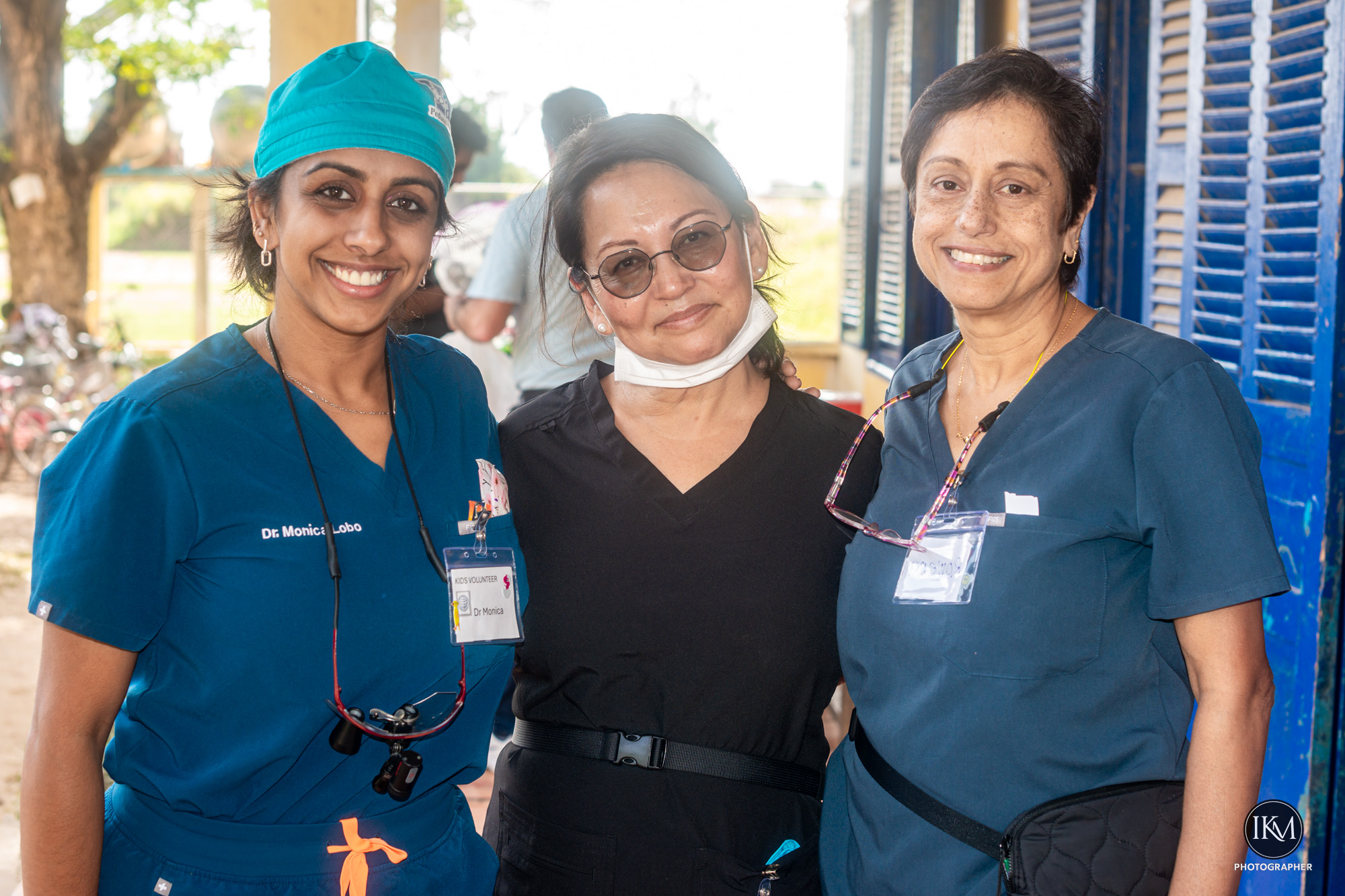
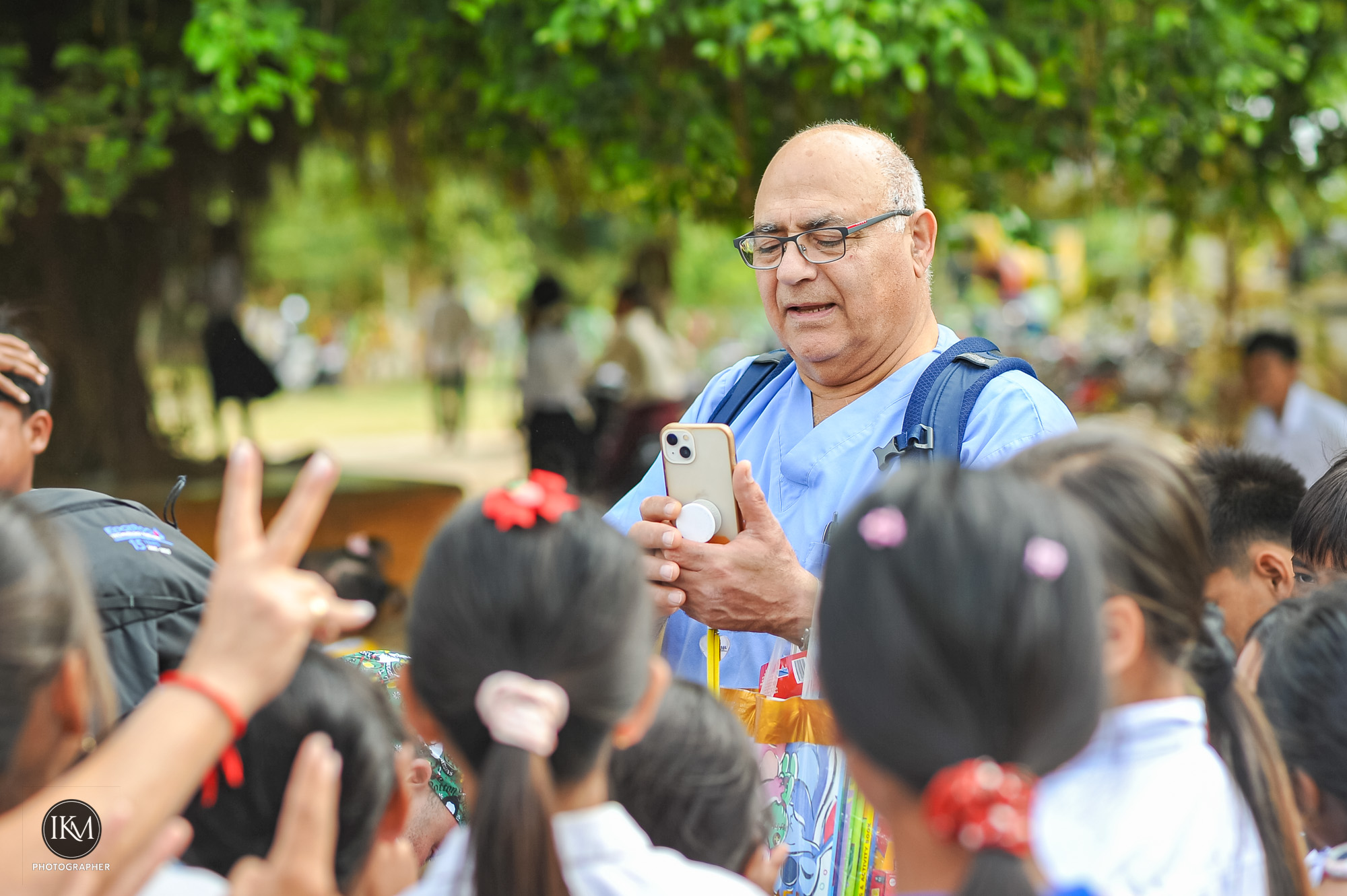
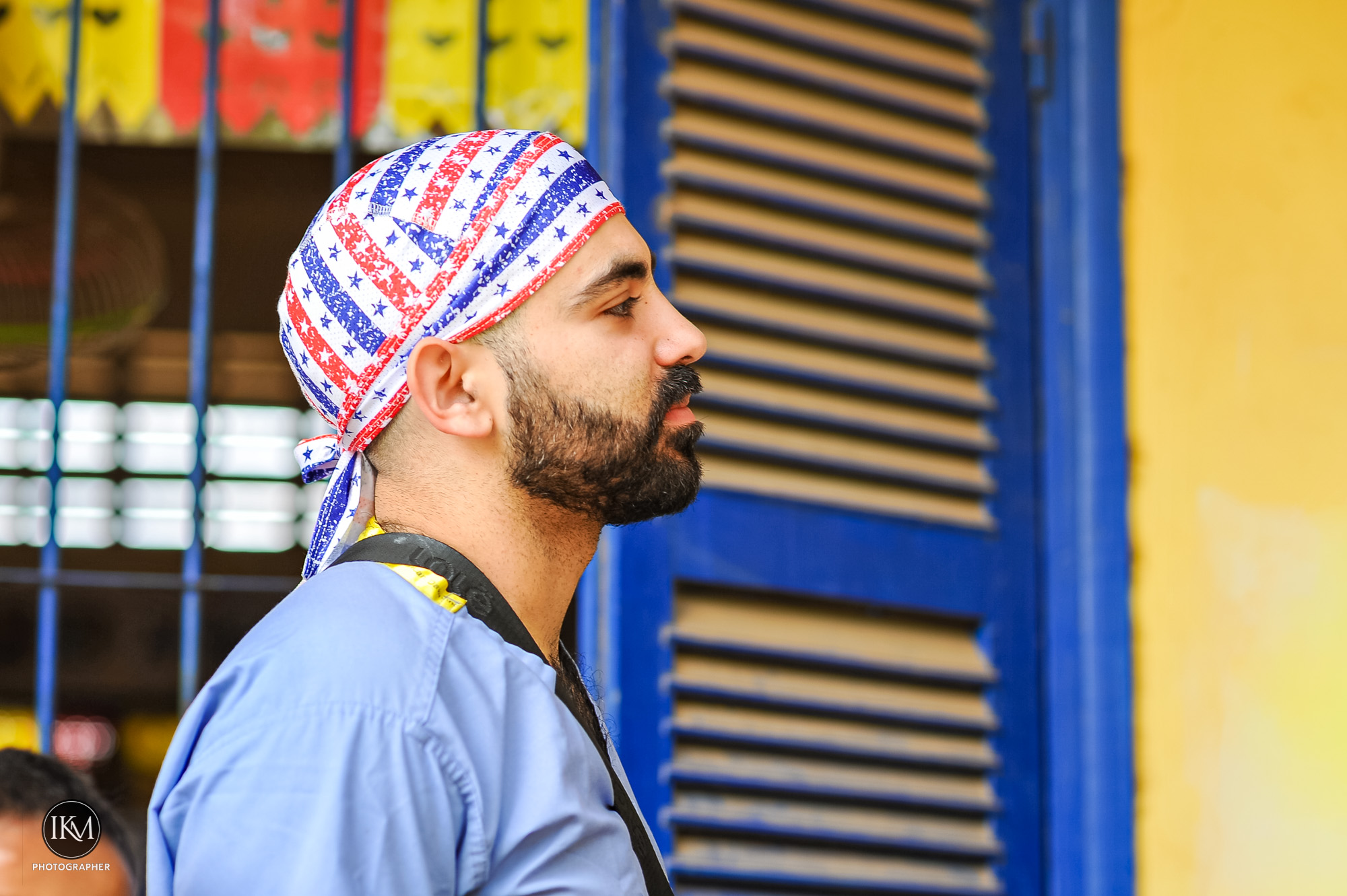
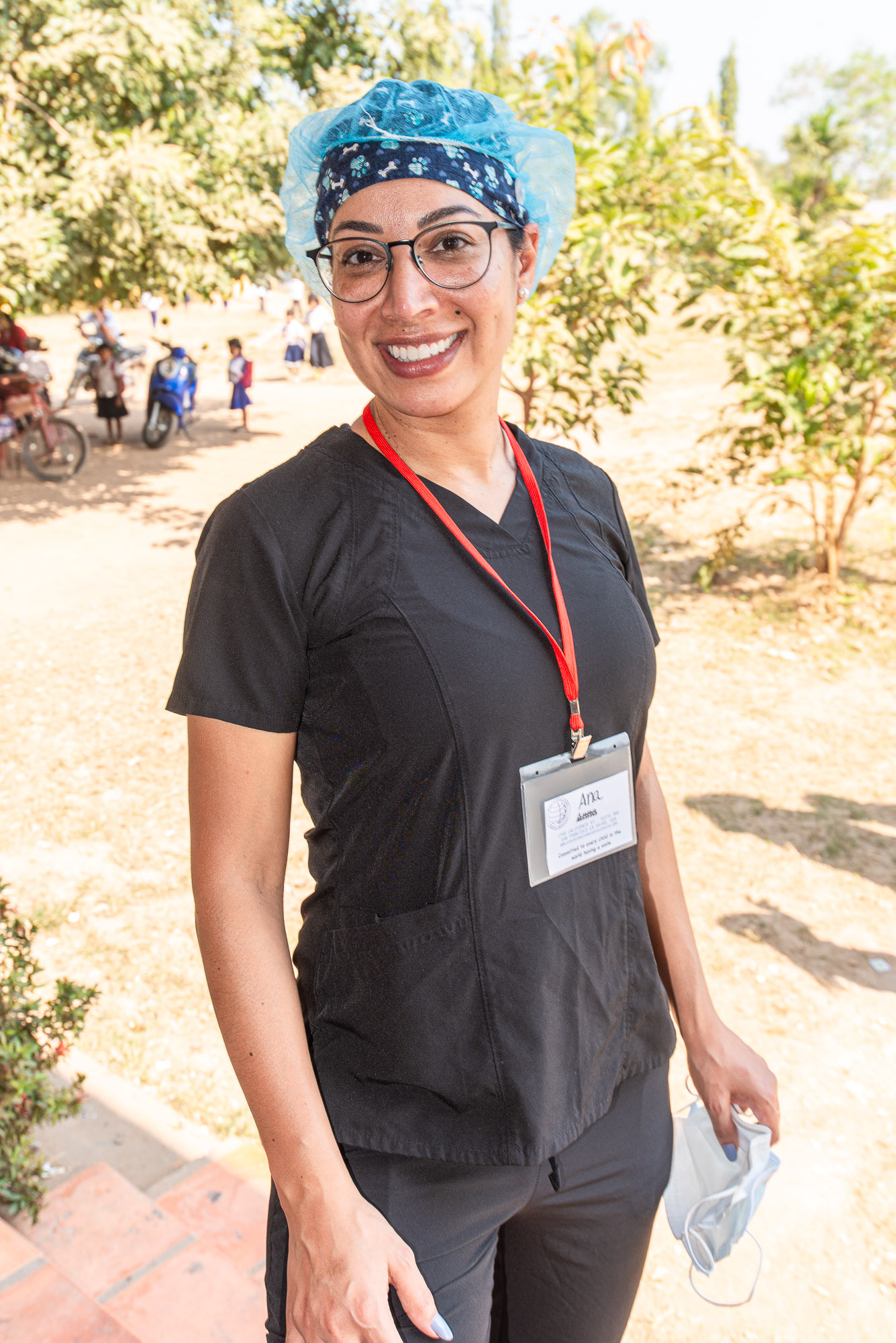
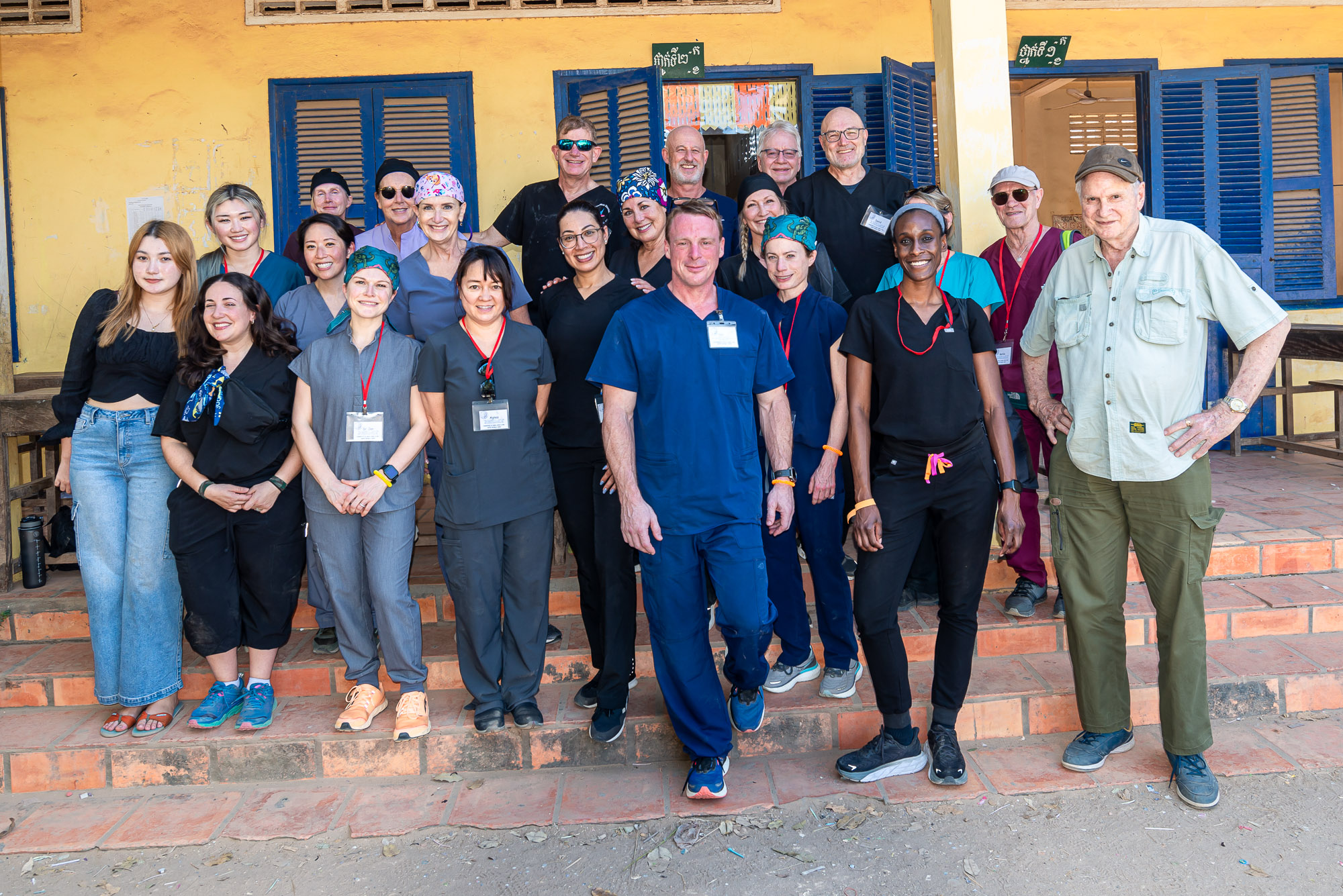
Every year, dentists, dental students, and young adults pack their bags and travel thousands of miles to join Kids International Dental Services (KIDS) missions. They arrive in Cambodia, the Philippines, or other underserved regions not for profit, but for purpose.

The question is simple: why do they come? The answer is layered — a mix of compassion, professional growth, and the search for meaning.
II. Compassion in Action

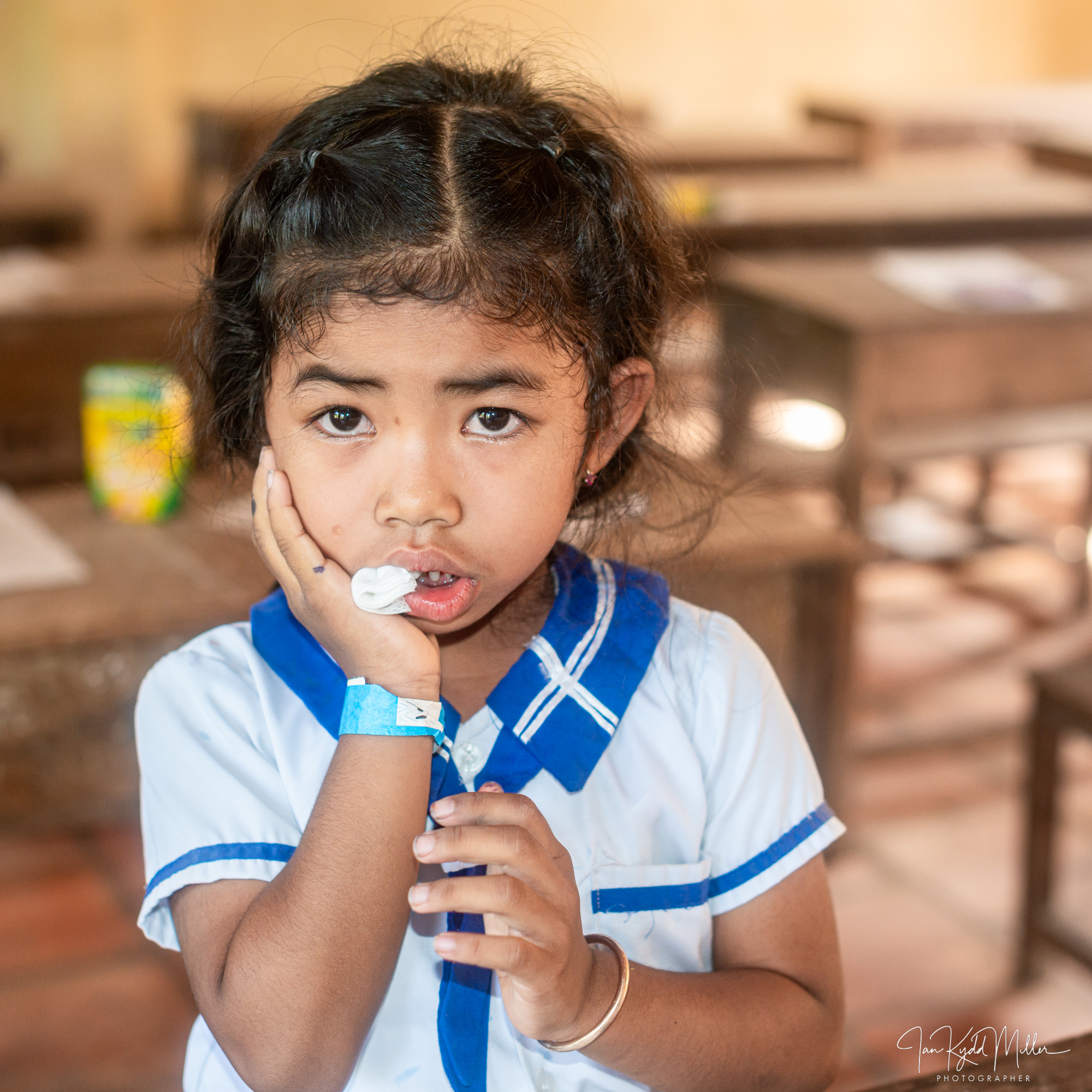
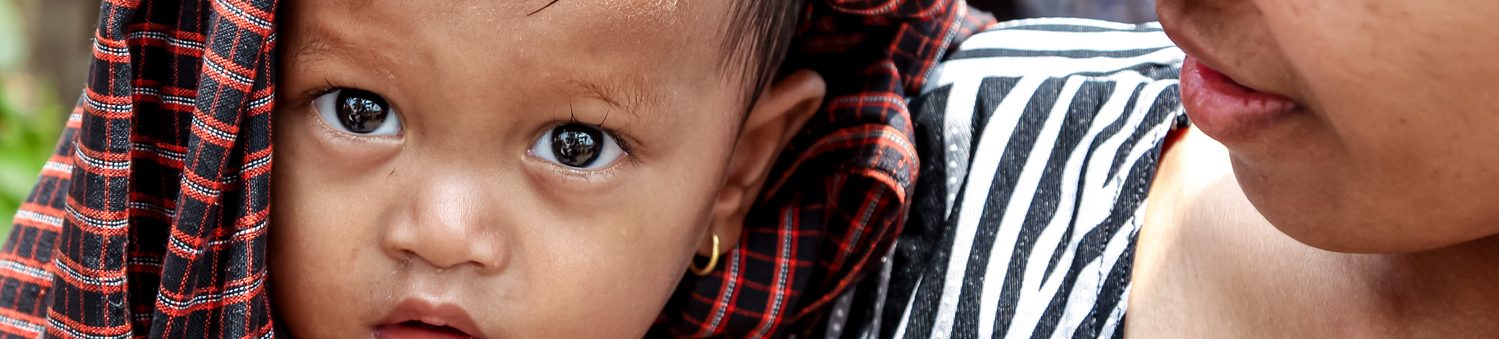
For many volunteers, the motivation begins with empathy. They know that untreated dental pain can rob a child of sleep, appetite, and education.

  • Immediate impact: A single extraction can end months of suffering.
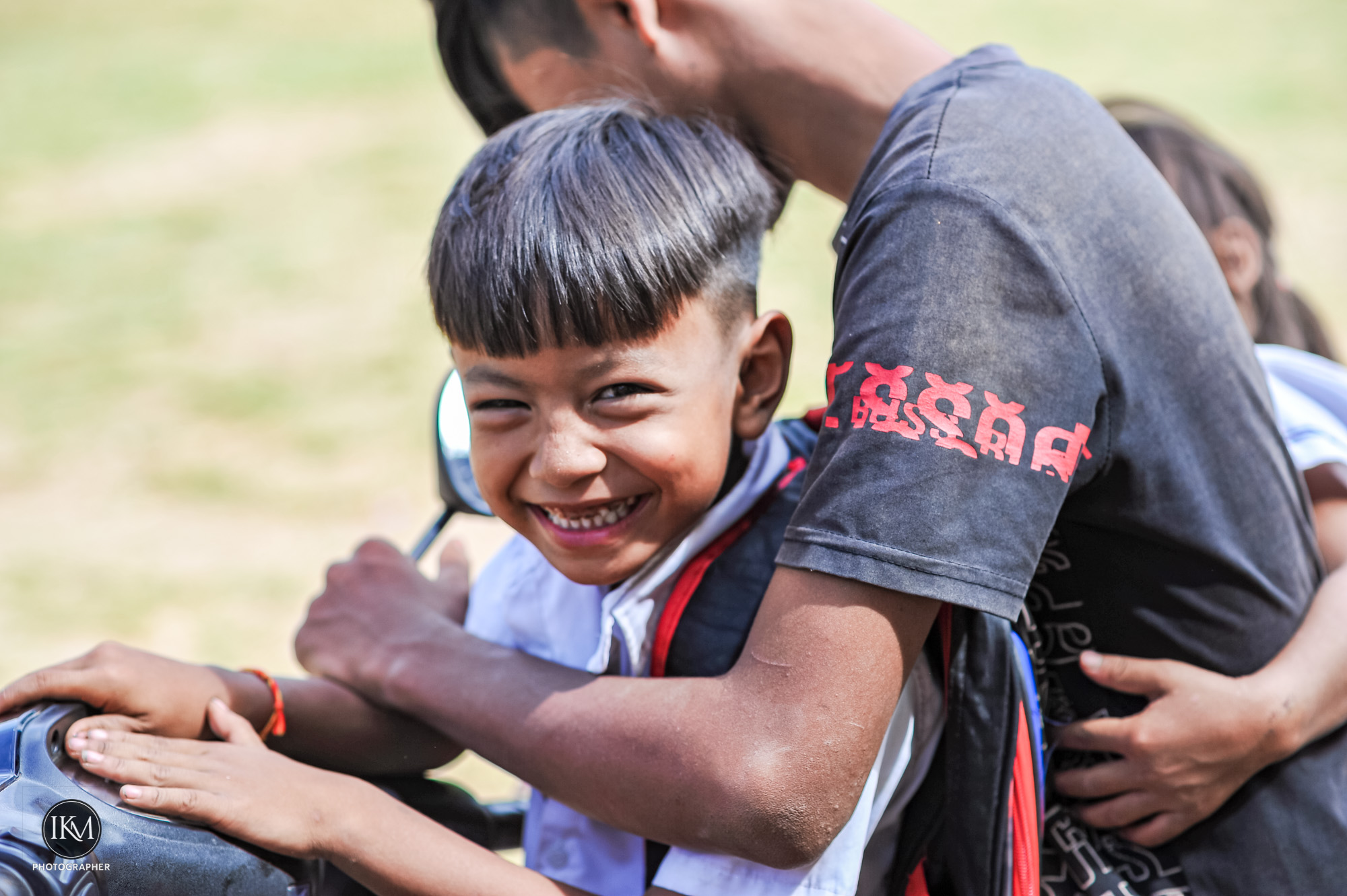
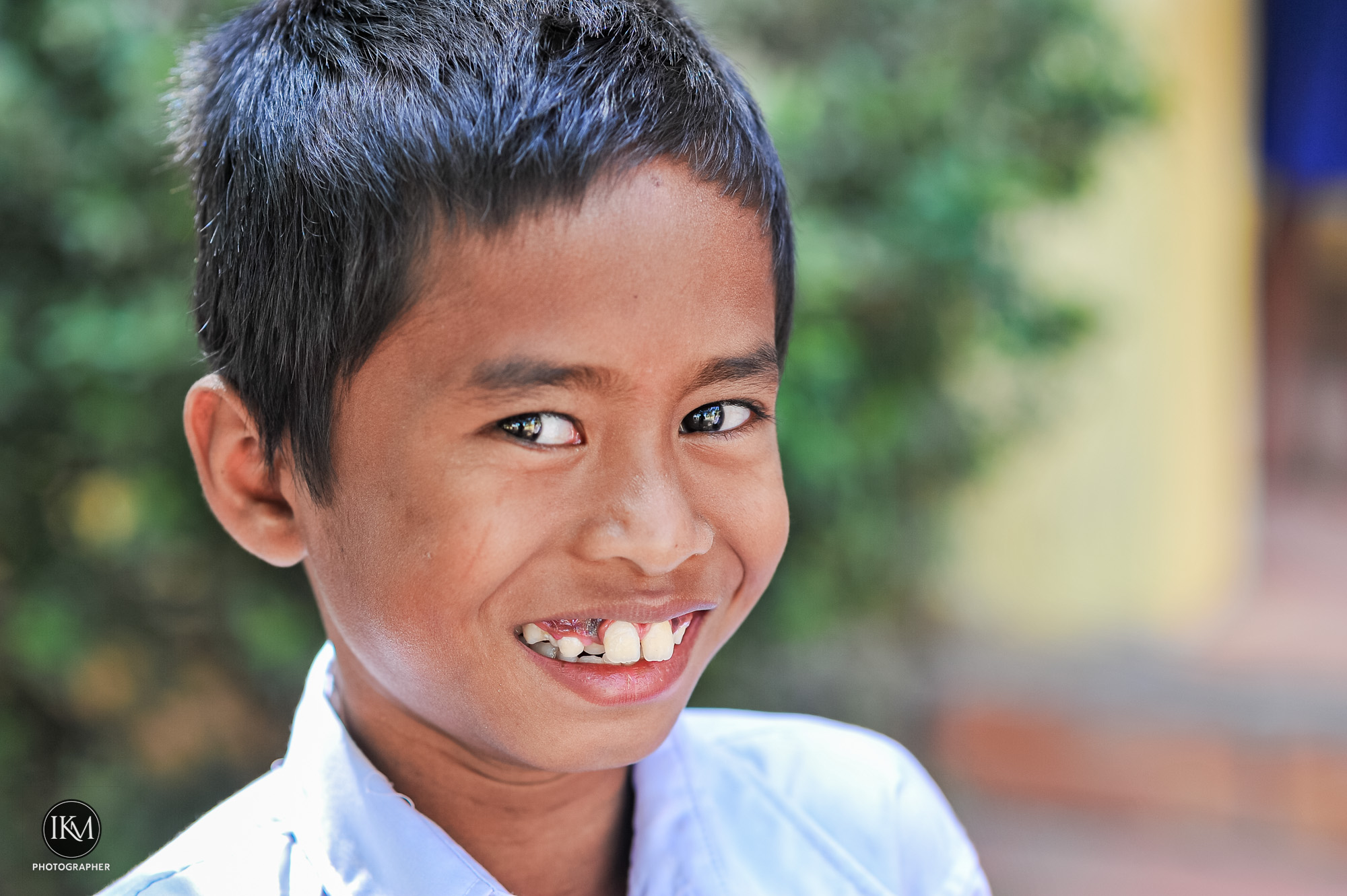
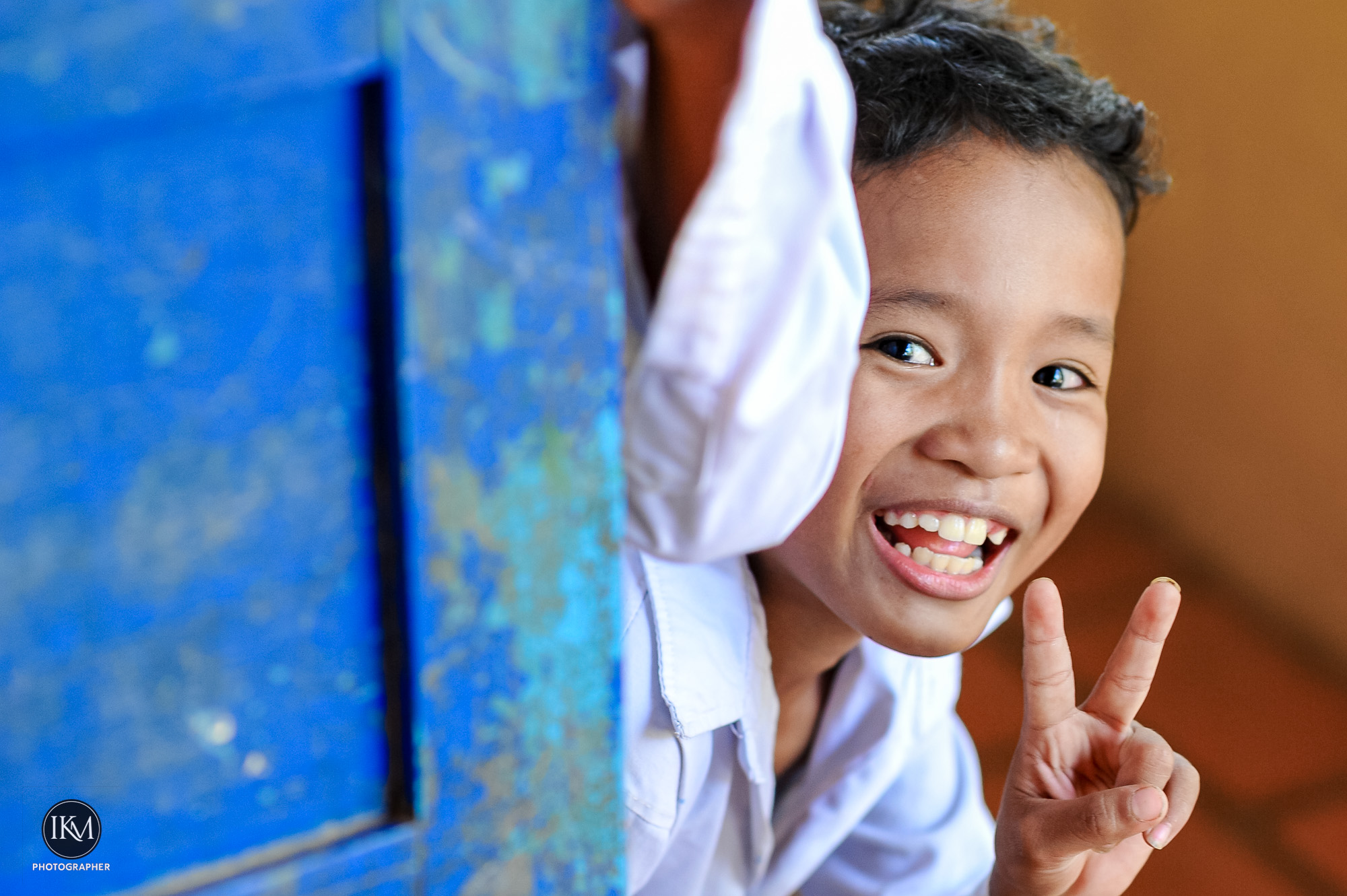
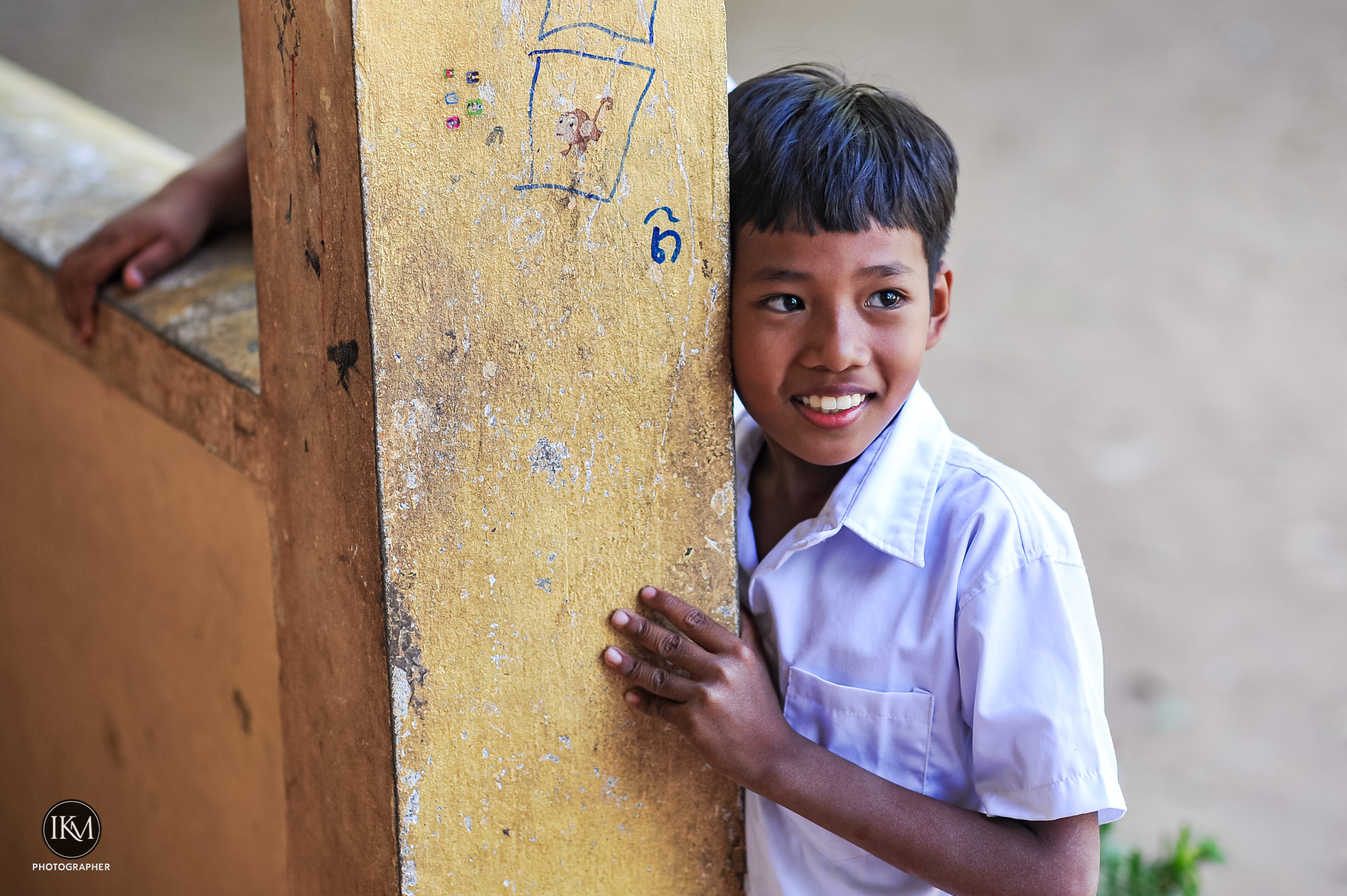
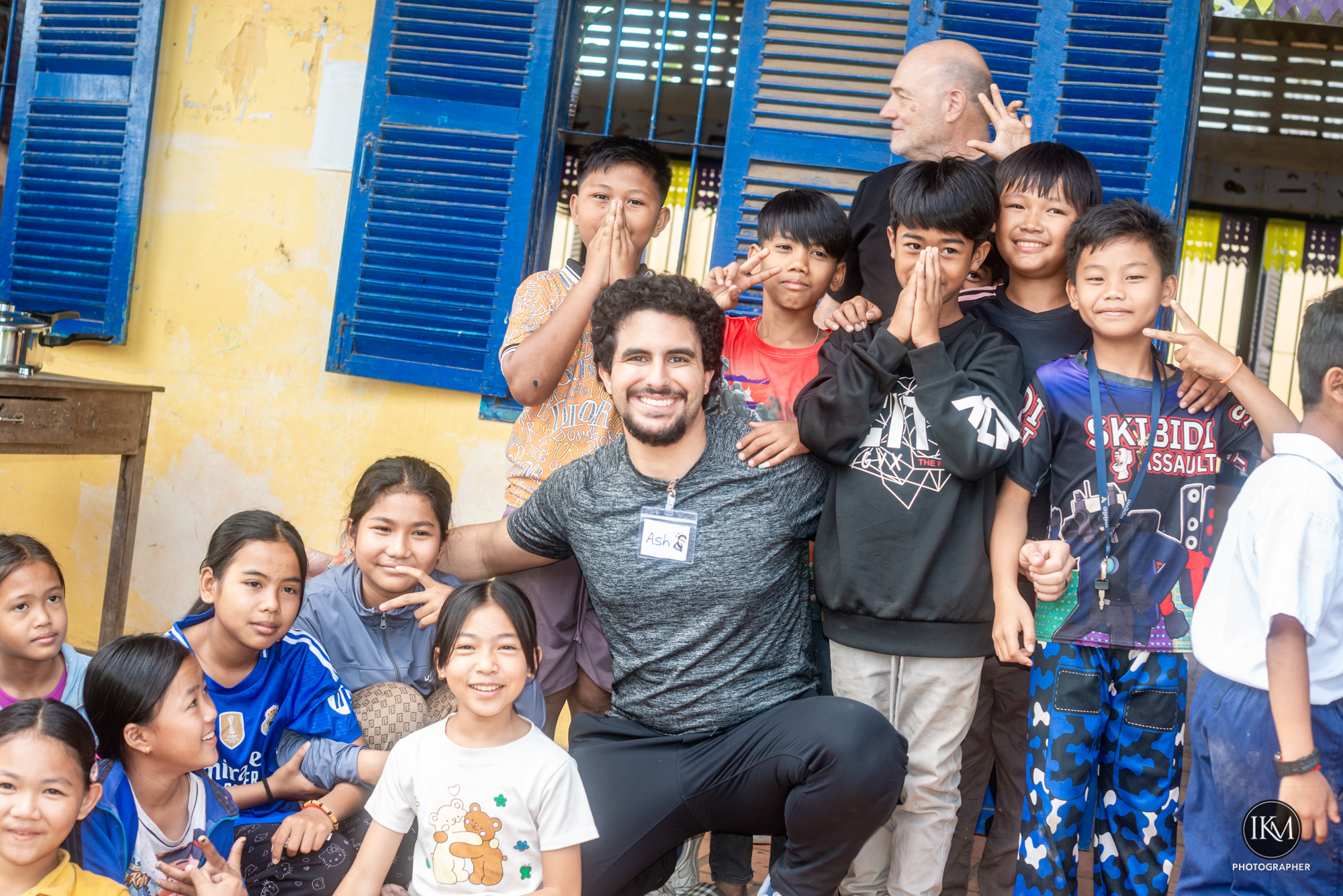
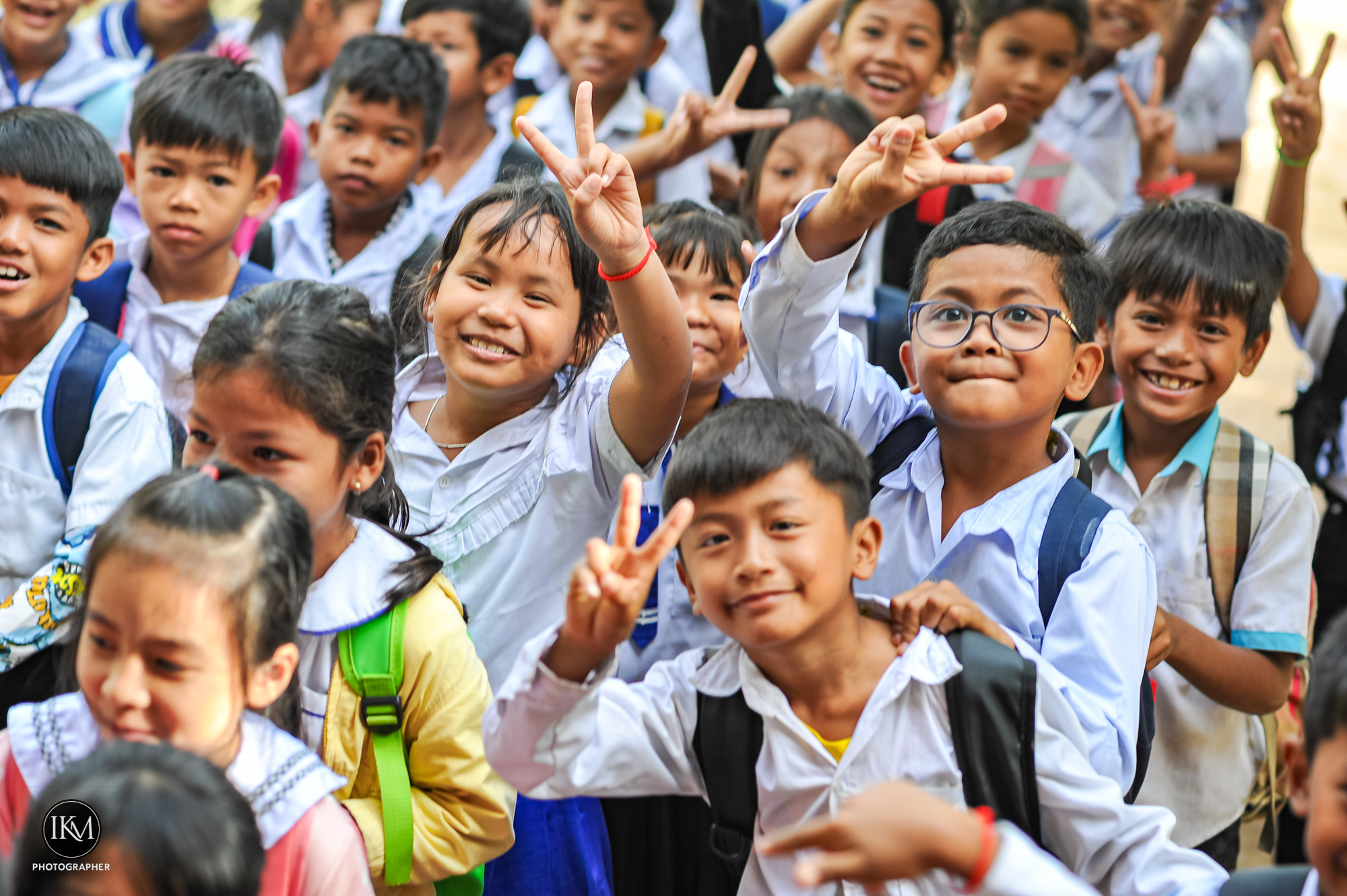
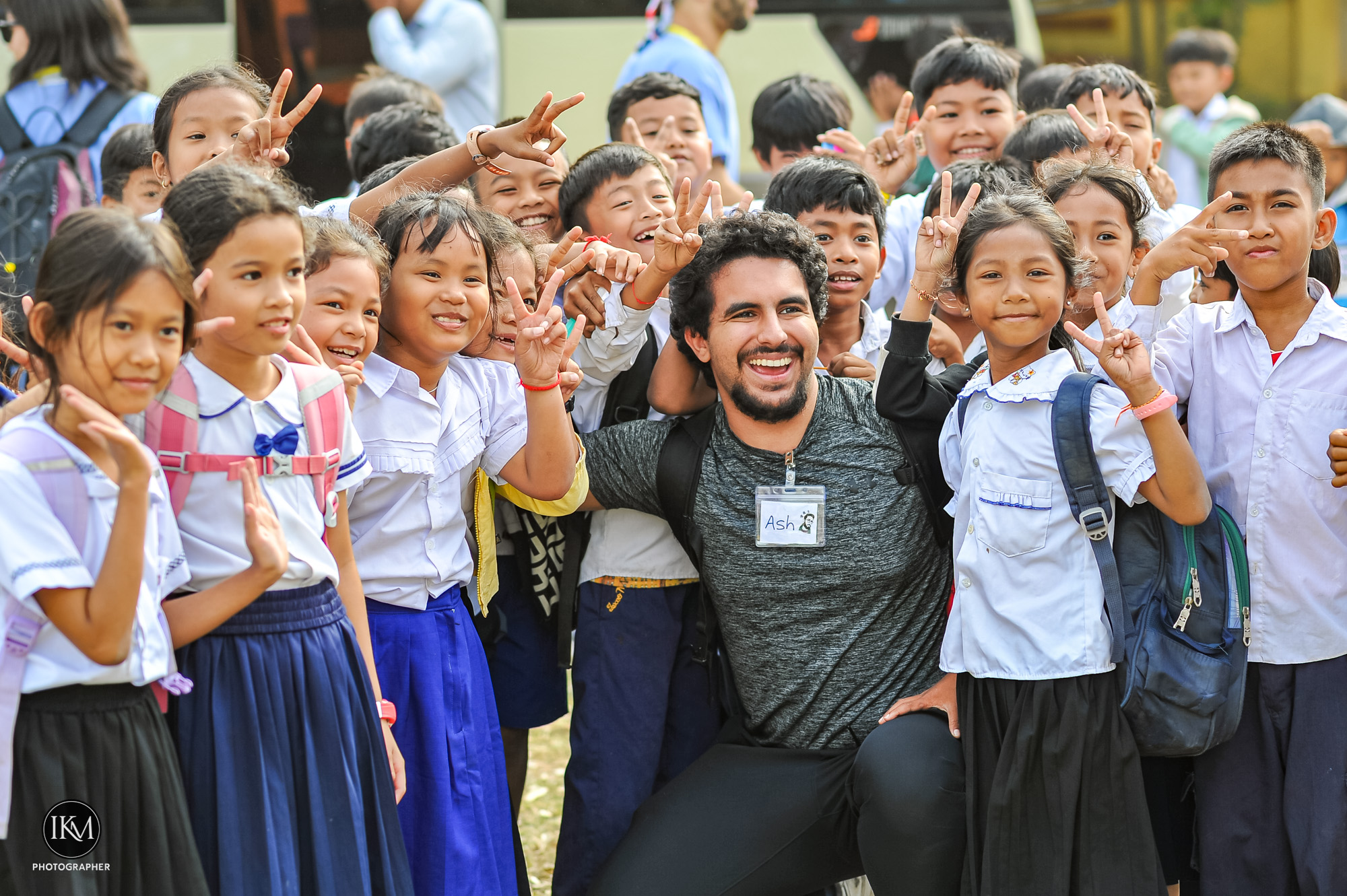
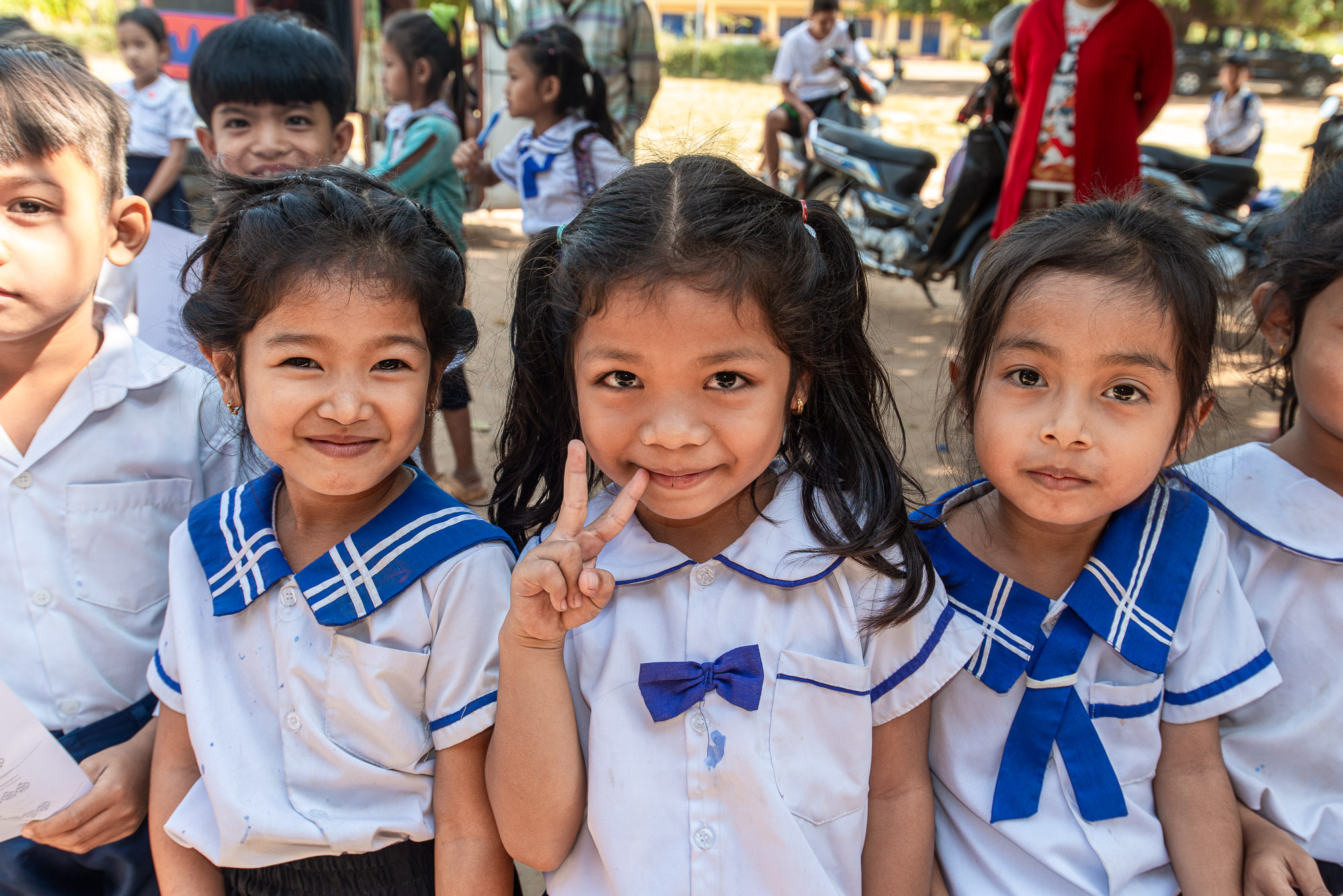
  • Visible change: Volunteers witness children smile freely for the first time in years.
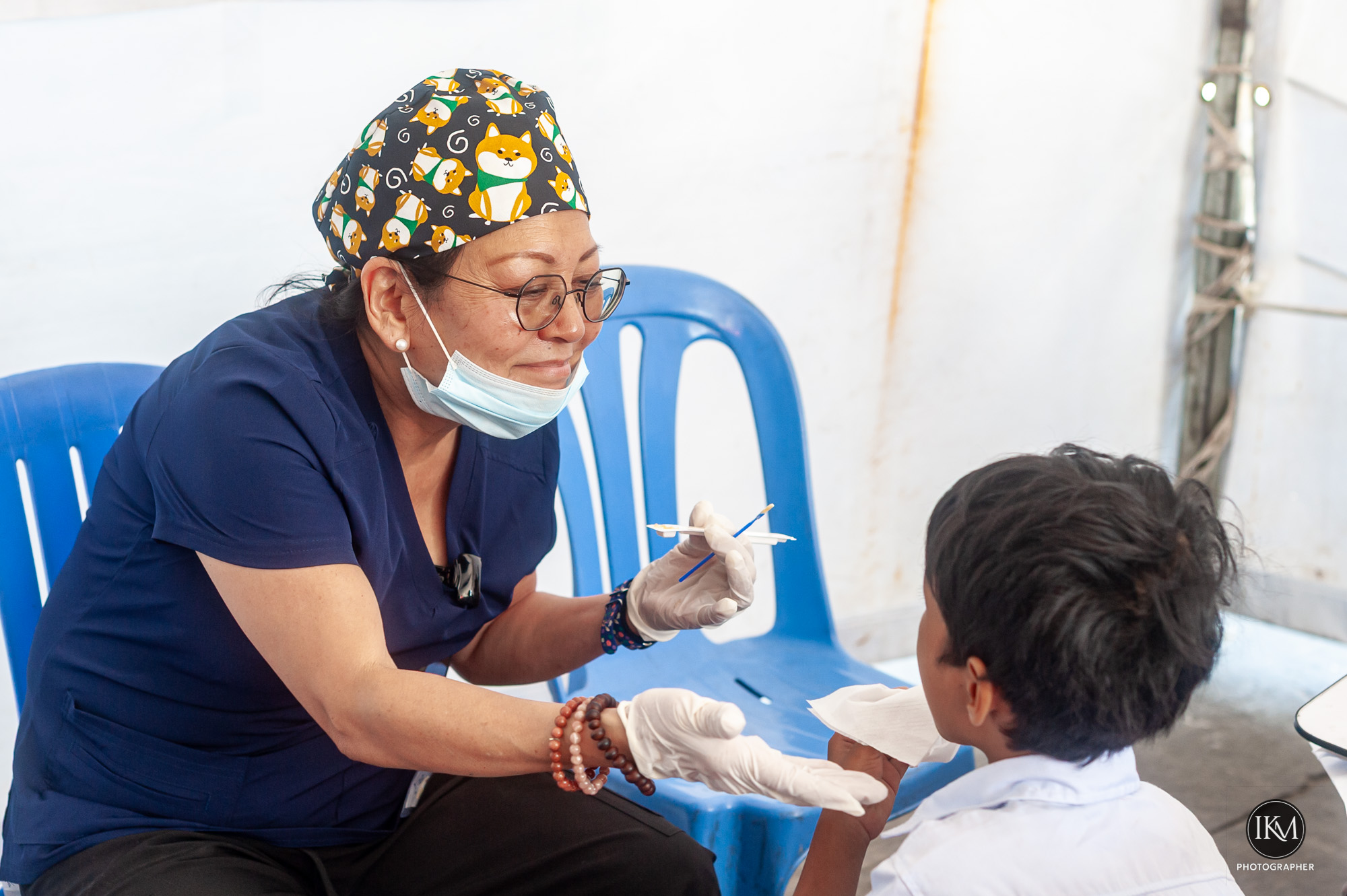
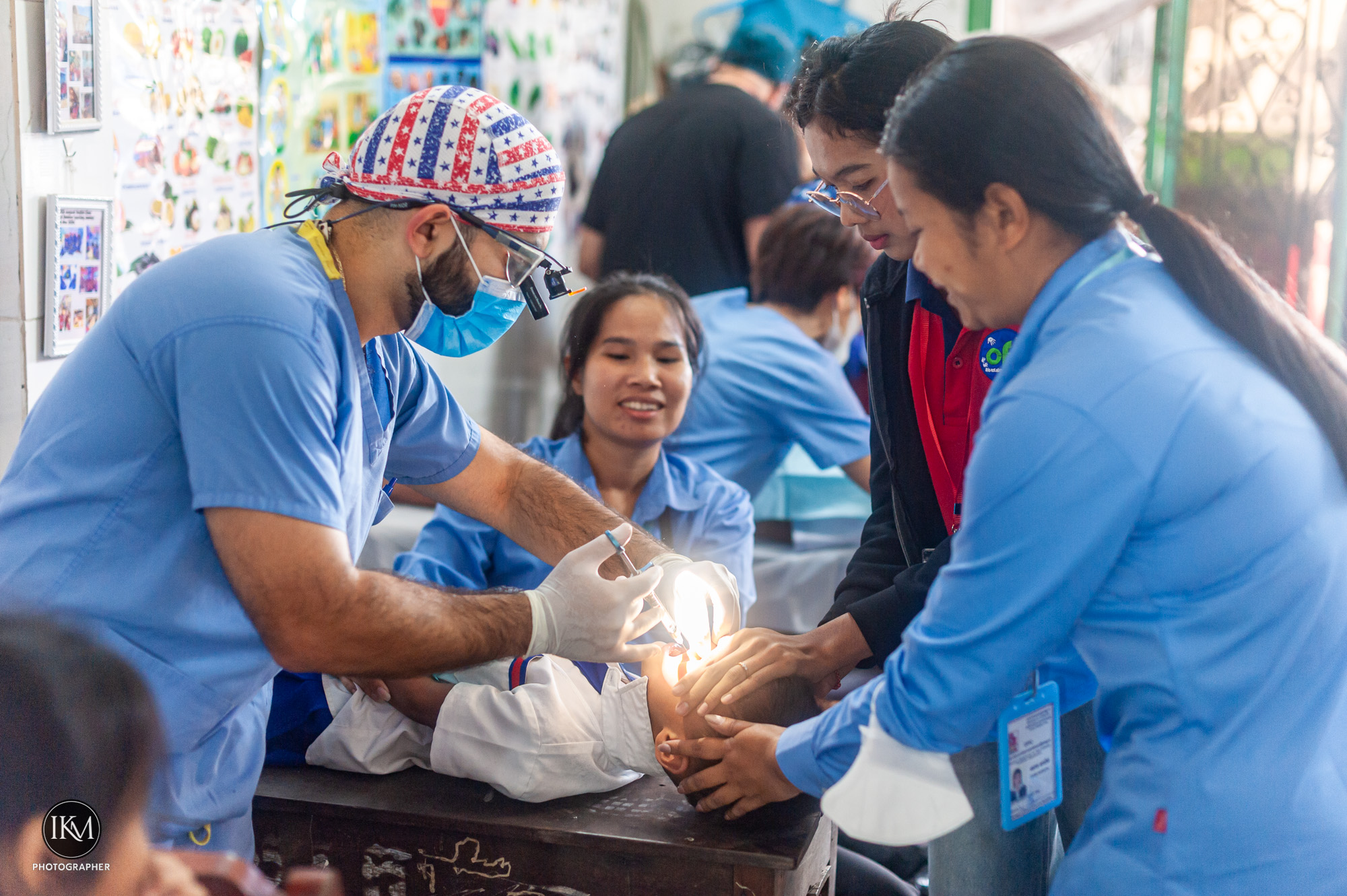
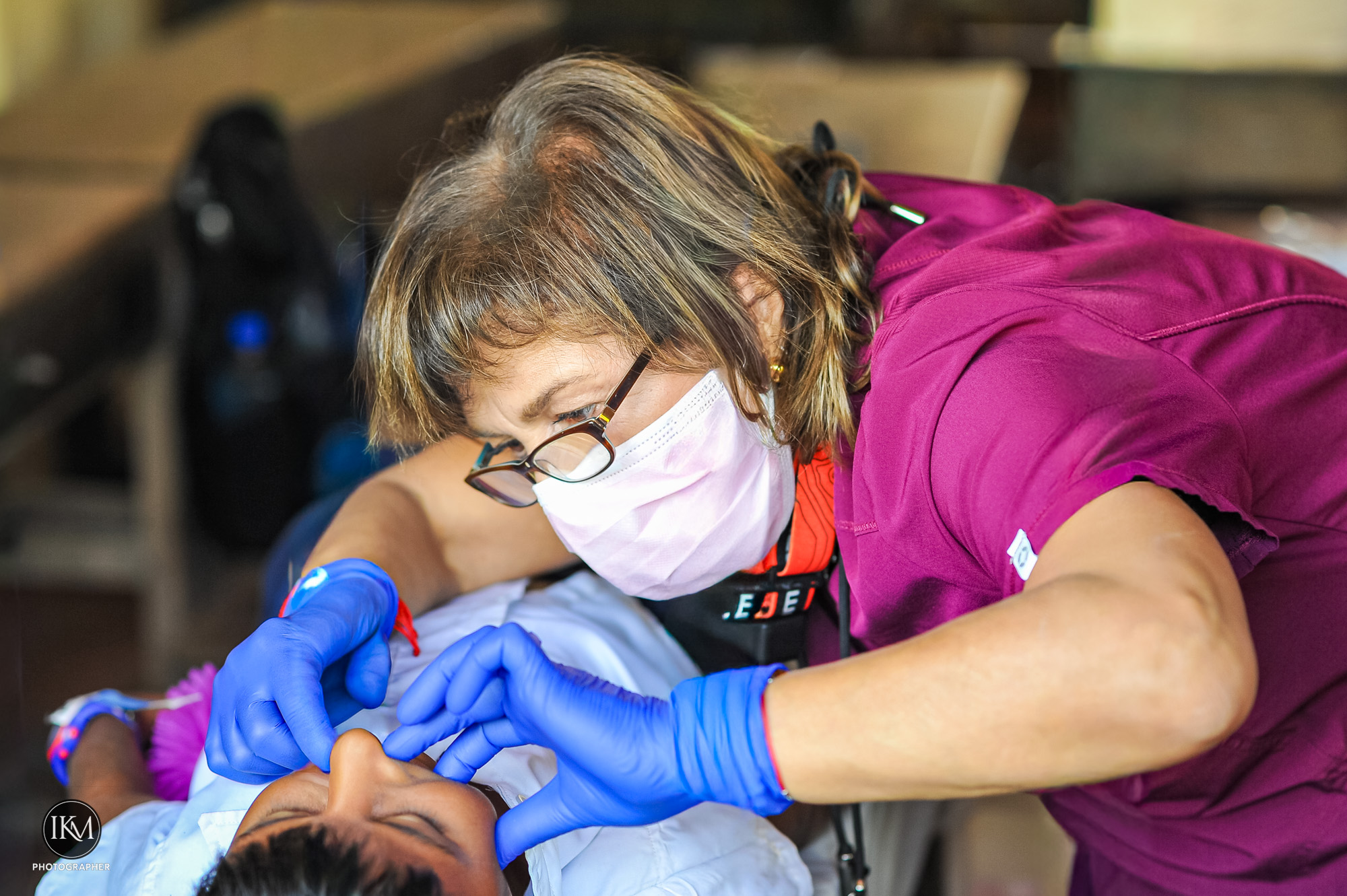
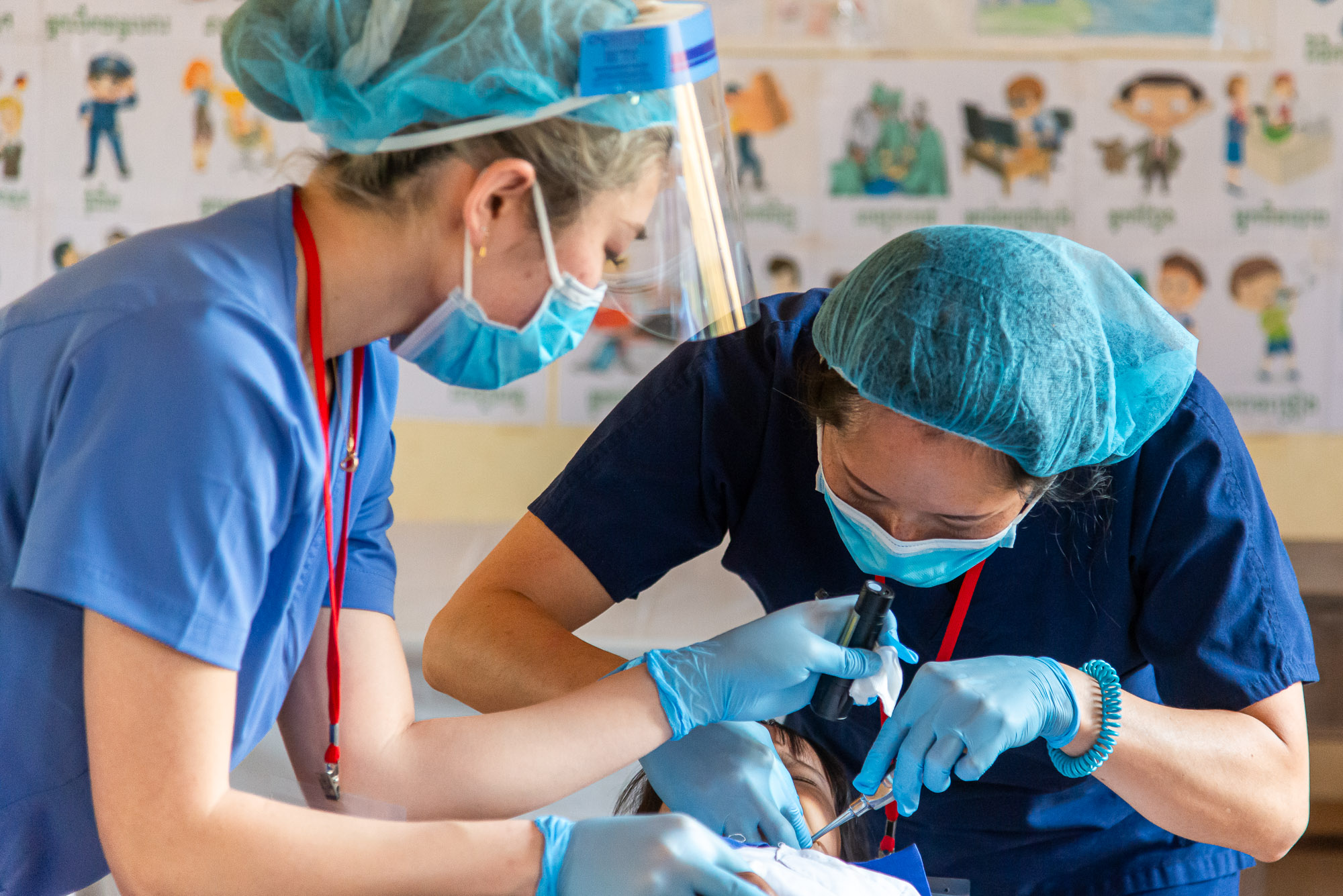
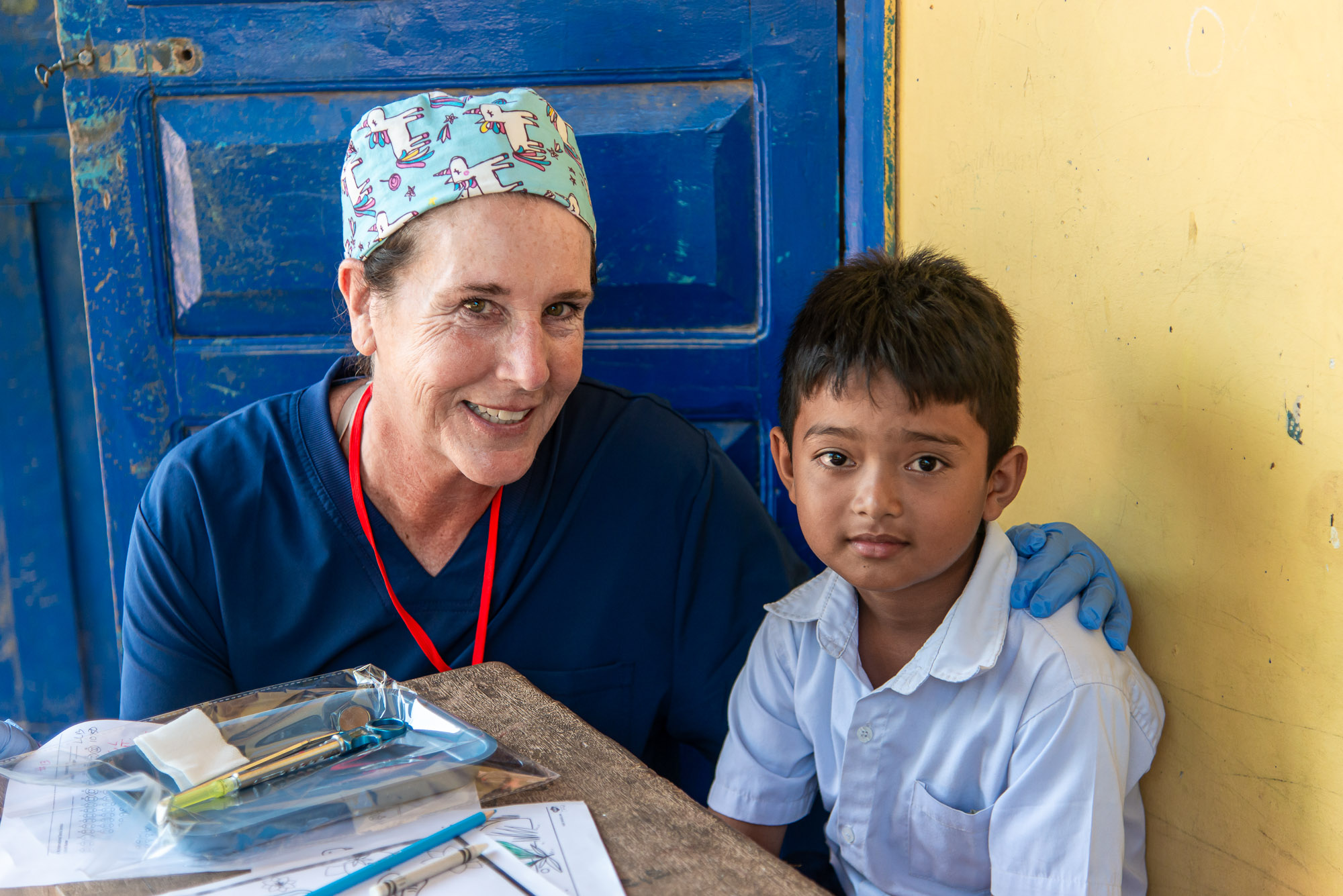
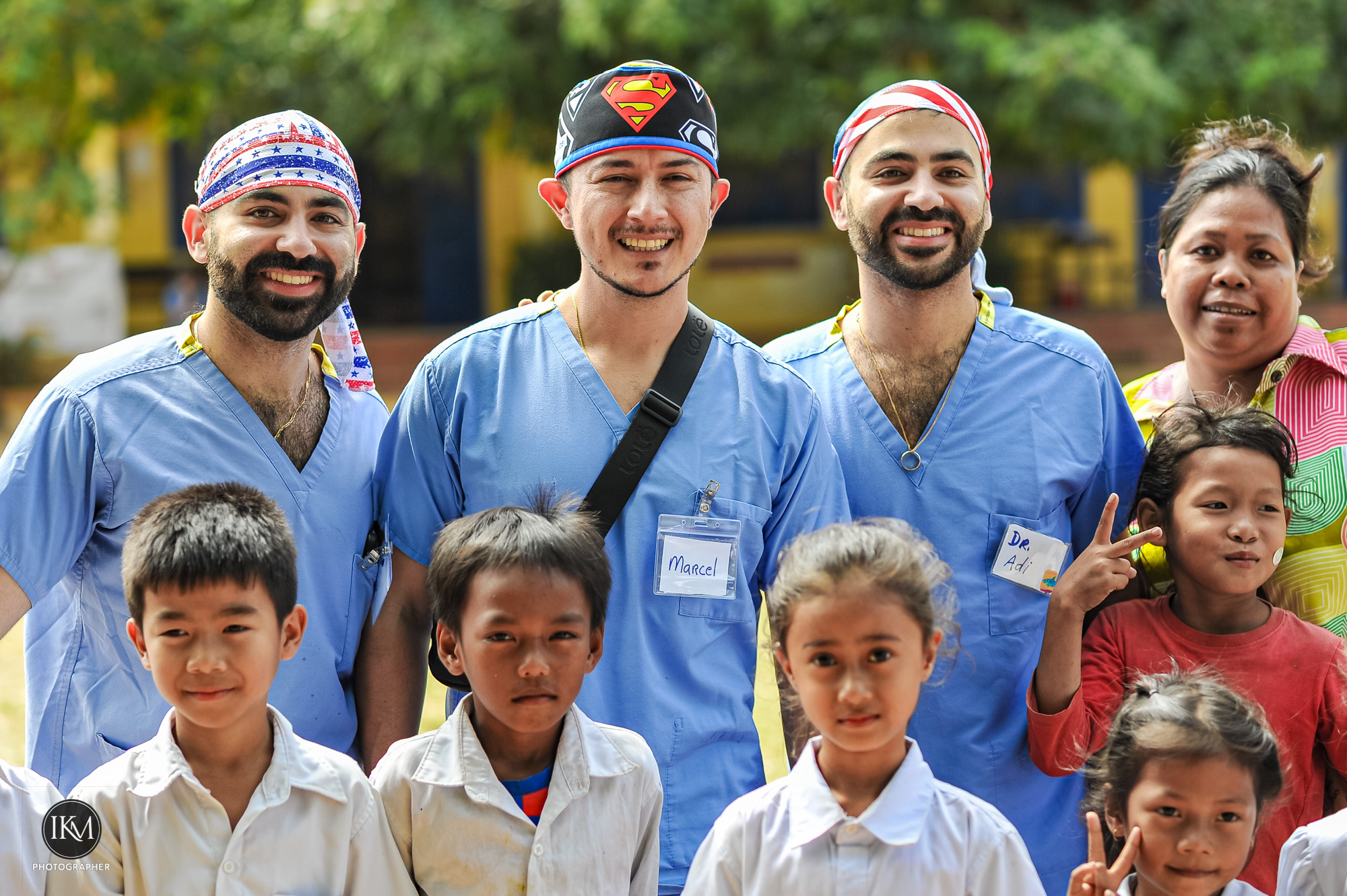
  • Human connection: Holding a child’s hand during treatment, they feel the bond of shared humanity.

III. Professional Growth

KIDS missions are also a proving ground for young professionals.

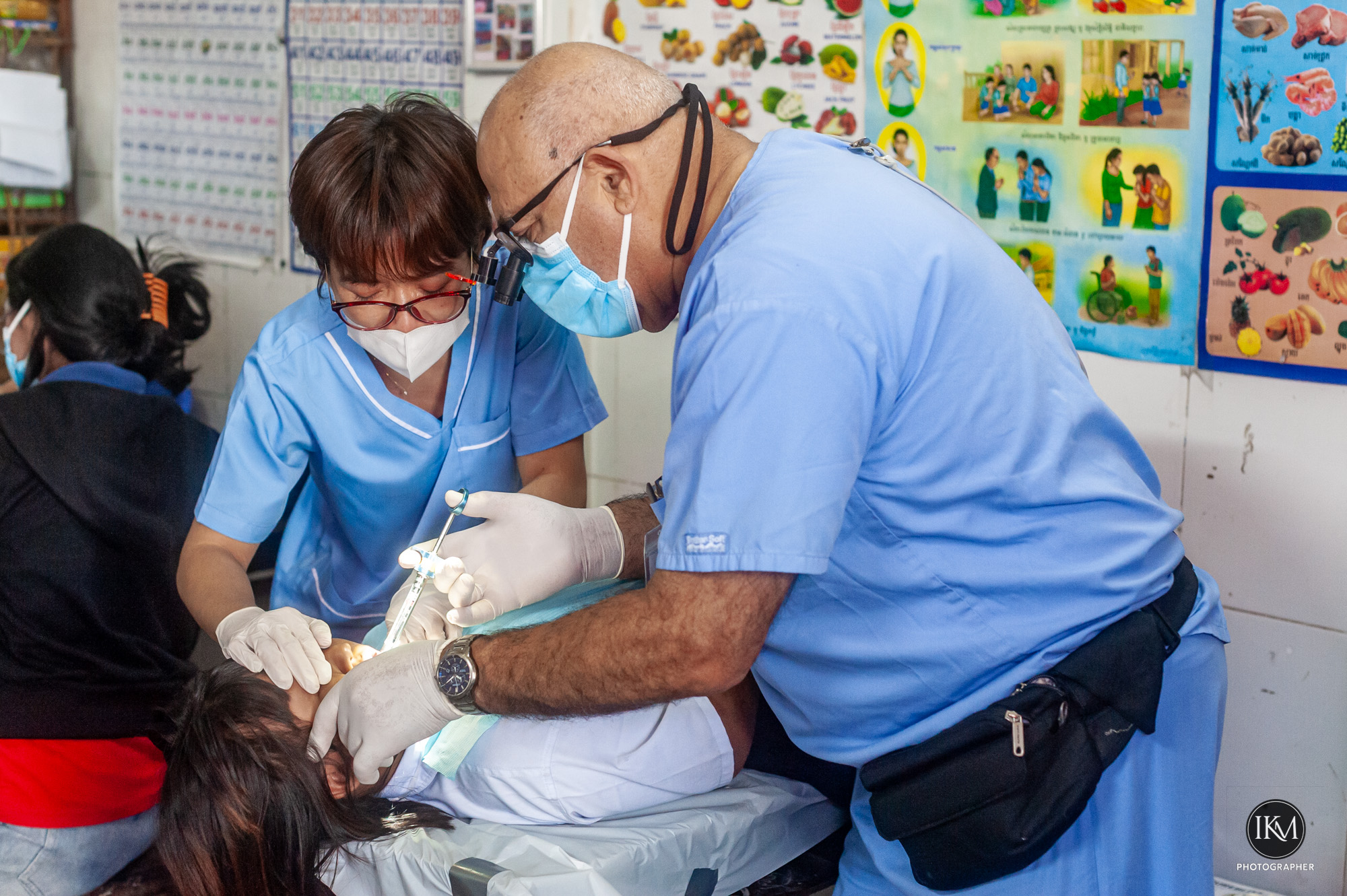
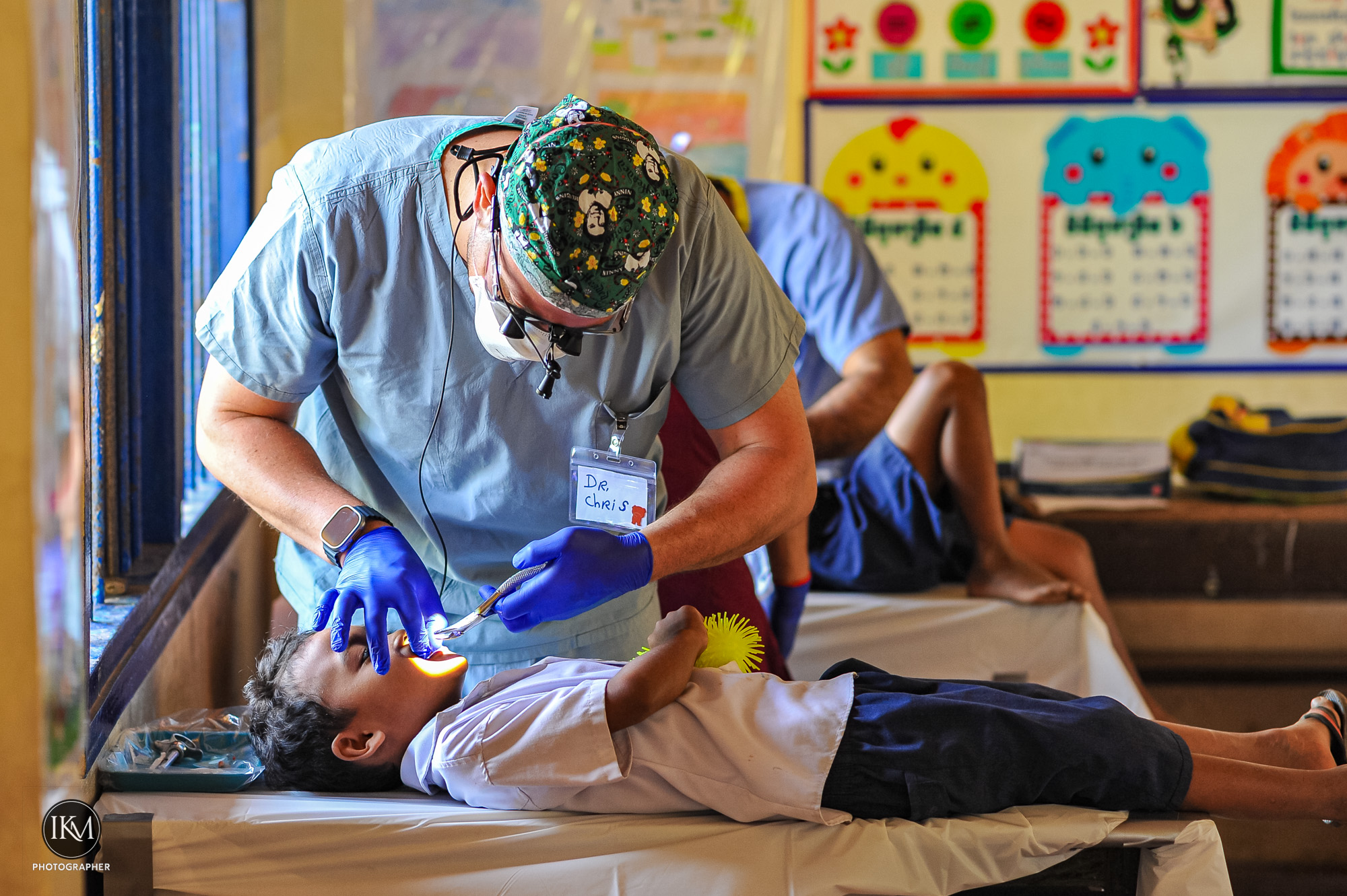
  • Hands‑on experience: Dental students gain practical skills in challenging environments.
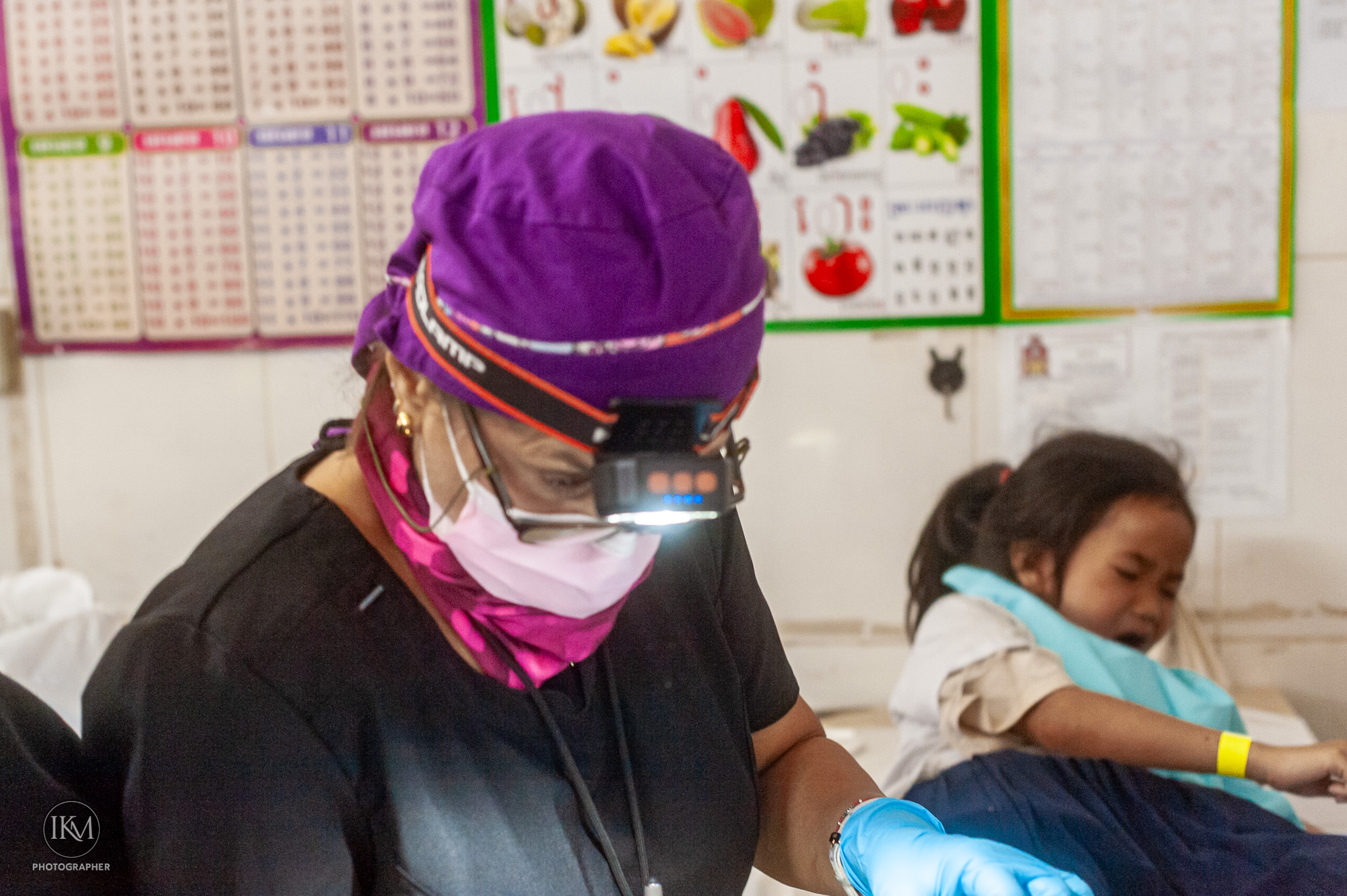
  • Adaptability: Working without the comforts of modern clinics teaches resilience and creativity.
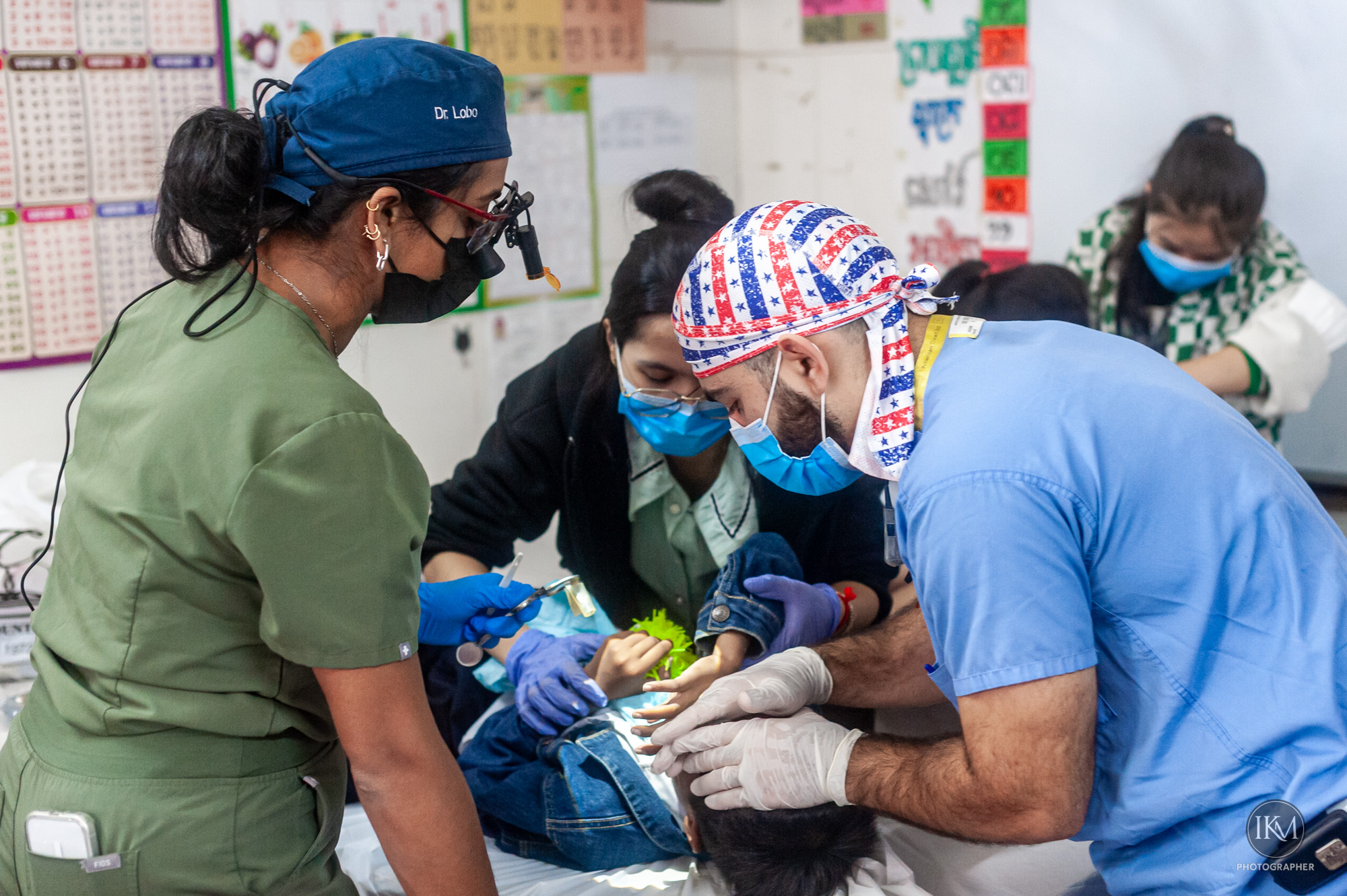
  • Mentorship: Experienced dentists guide students, creating a cycle of service that continues long after the mission ends.

For many, these missions shape their careers. They return home not just as better clinicians, but as advocates for global health.

IV. The Search for Meaning

Beyond skill and service, volunteers often describe a deeper pull.

  • Perspective: Witnessing poverty and resilience reframes their own lives.
  • Purpose: Missions remind them why they chose dentistry — not just to treat teeth, but to care for people.
  • Community: Volunteers form bonds with each other, united by shared challenges and triumphs.

The experience becomes more than a trip; it becomes a chapter in their personal story of meaning and responsibility.

V. Challenges They Embrace

Volunteers face long days, relentless heat, and limited resources. Yet these challenges are part of the appeal.

  • They learn to improvise when equipment falters.
  • They discover patience when children are afraid.
  • They find joy in small victories — a child’s laughter, a parent’s gratitude, a smile restored.

VI. Why They Keep Coming Back

Many volunteers return year after year. They speak of unfinished work, of children they want to see again, of communities that feel like family.

Conclusion

The volunteers of Kids International Dental Services come for compassion, for growth, and for meaning. They leave with stories, skills, and a renewed sense of purpose.

Under the Tamarind Tree: Kids International Dental Services in Cambodia

Travel, opinons, thoughts, cambodia, voluntary, nikon

A Mission Born of Need

KIDS stepped into this gap with volunteer teams of dentists, students, and young adults, bringing portable equipment, fluoride varnish, and a commitment to care that costs families nothing.

The Courtyard Clinic

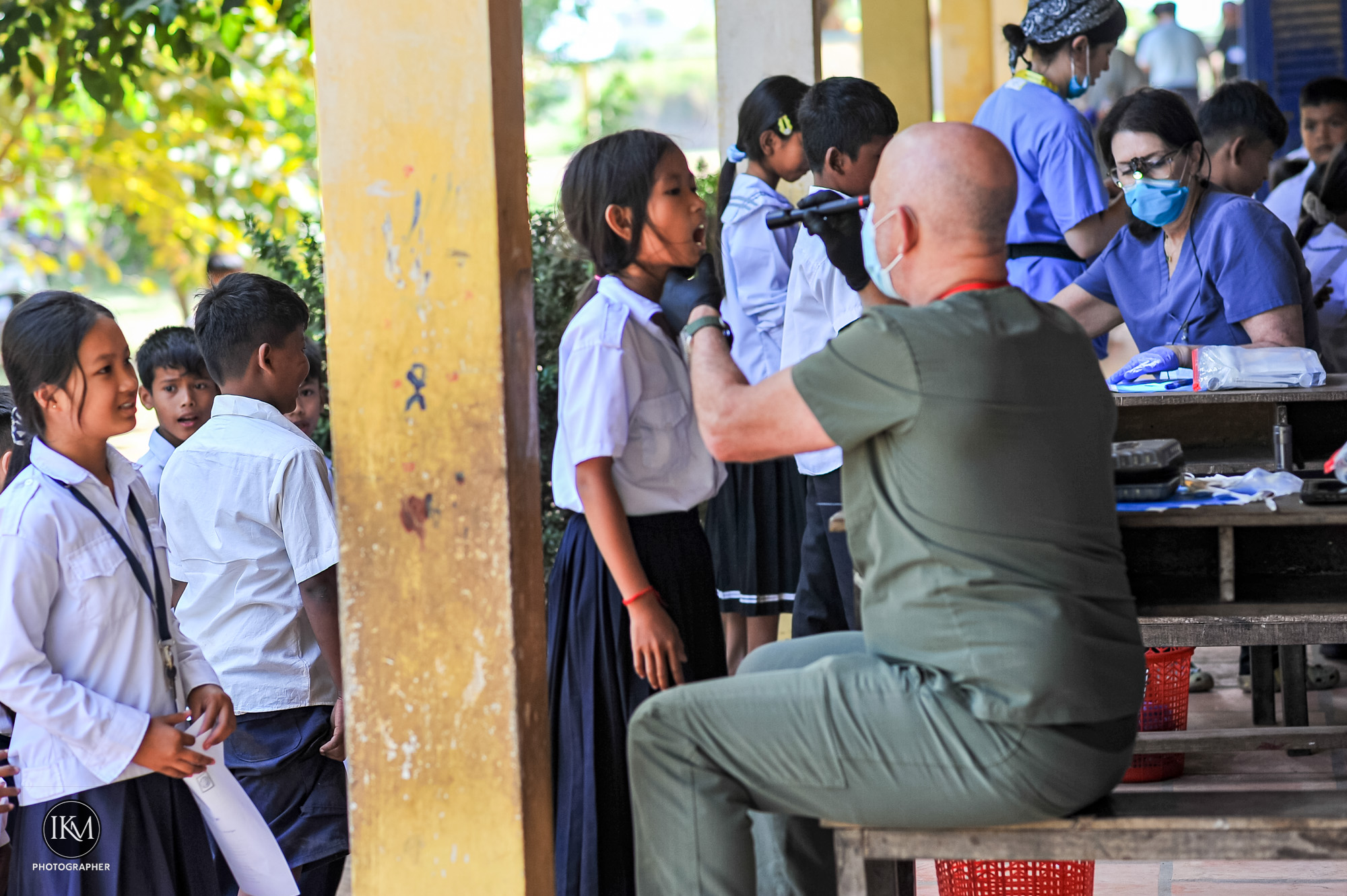
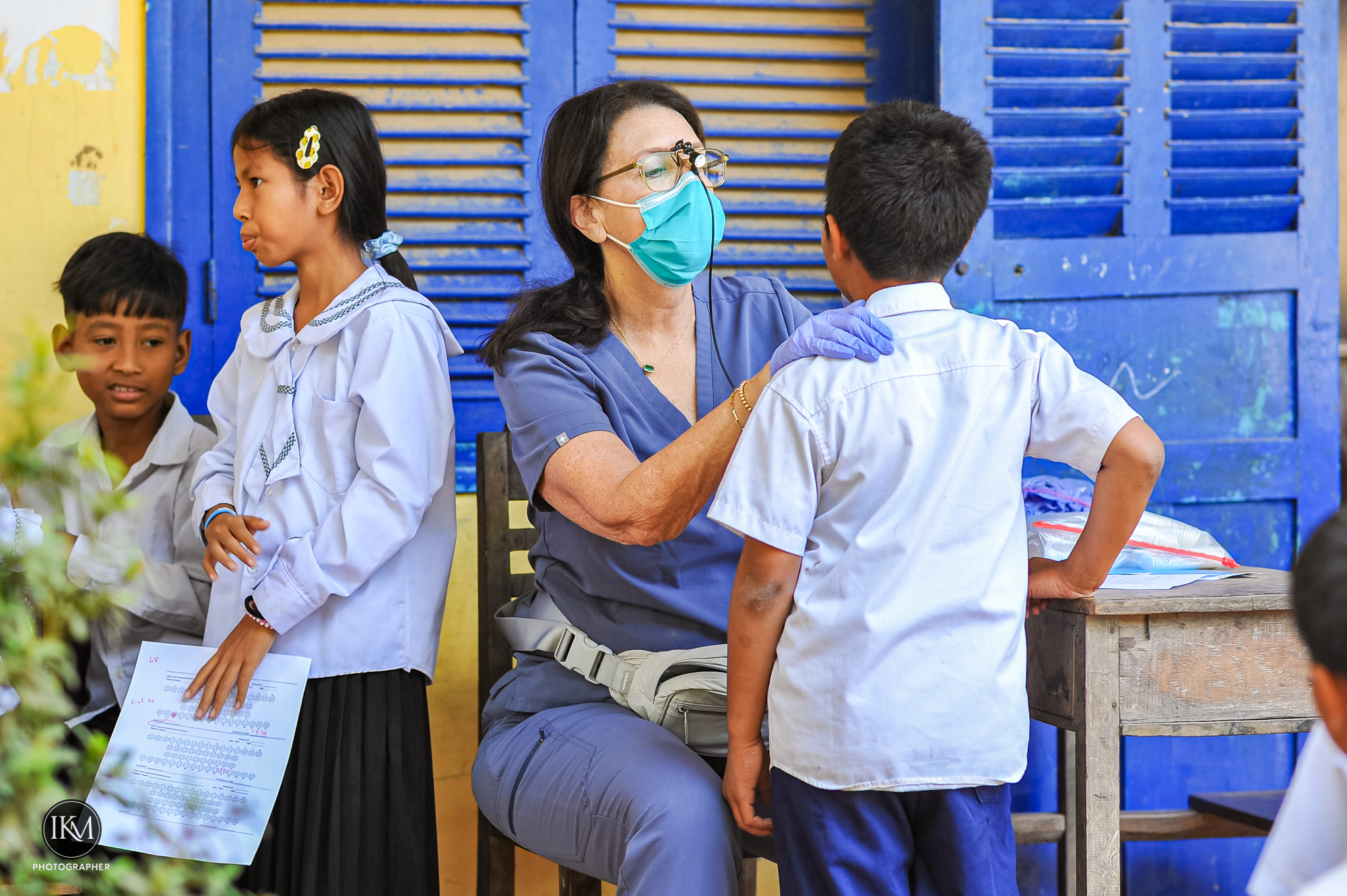
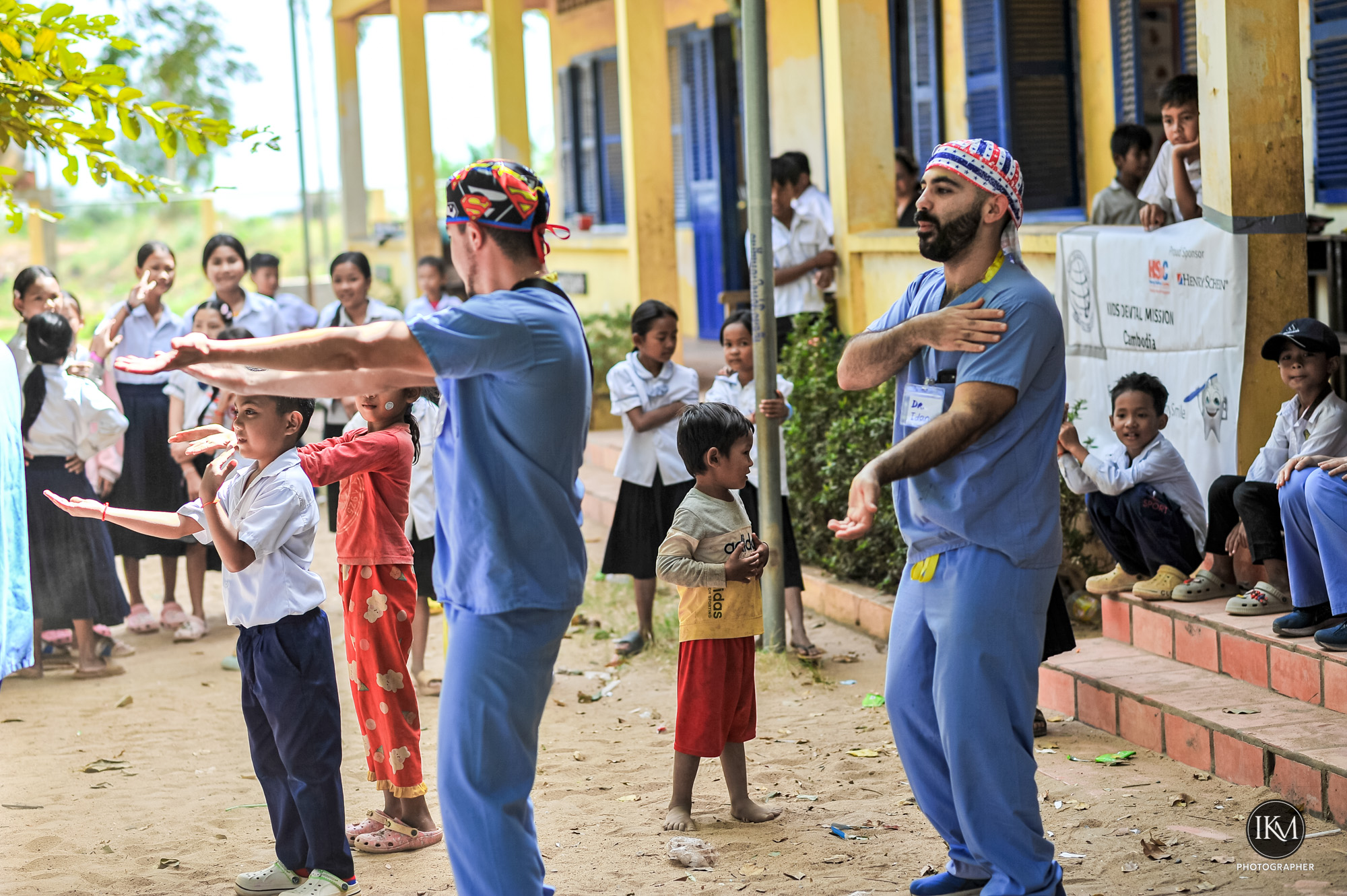
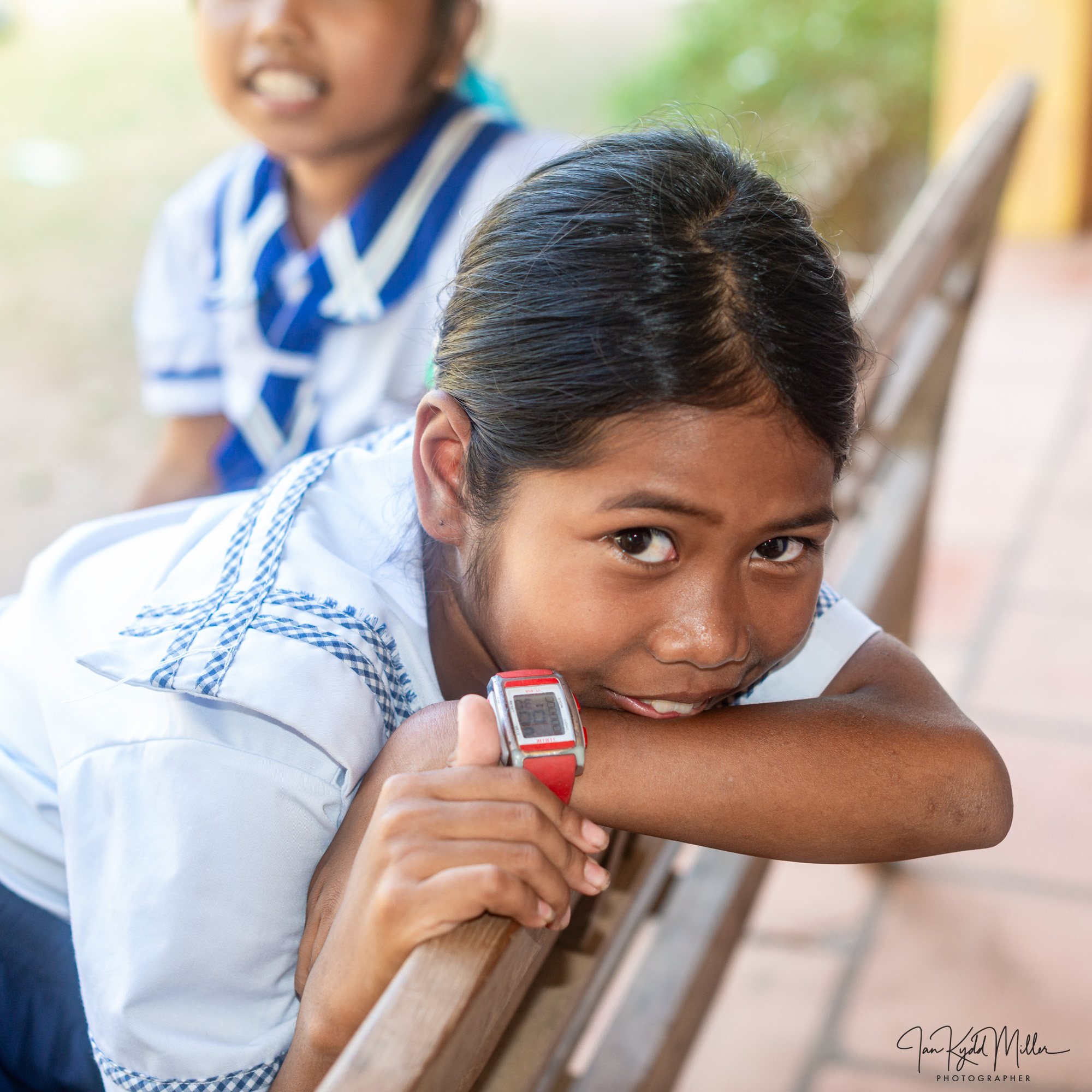
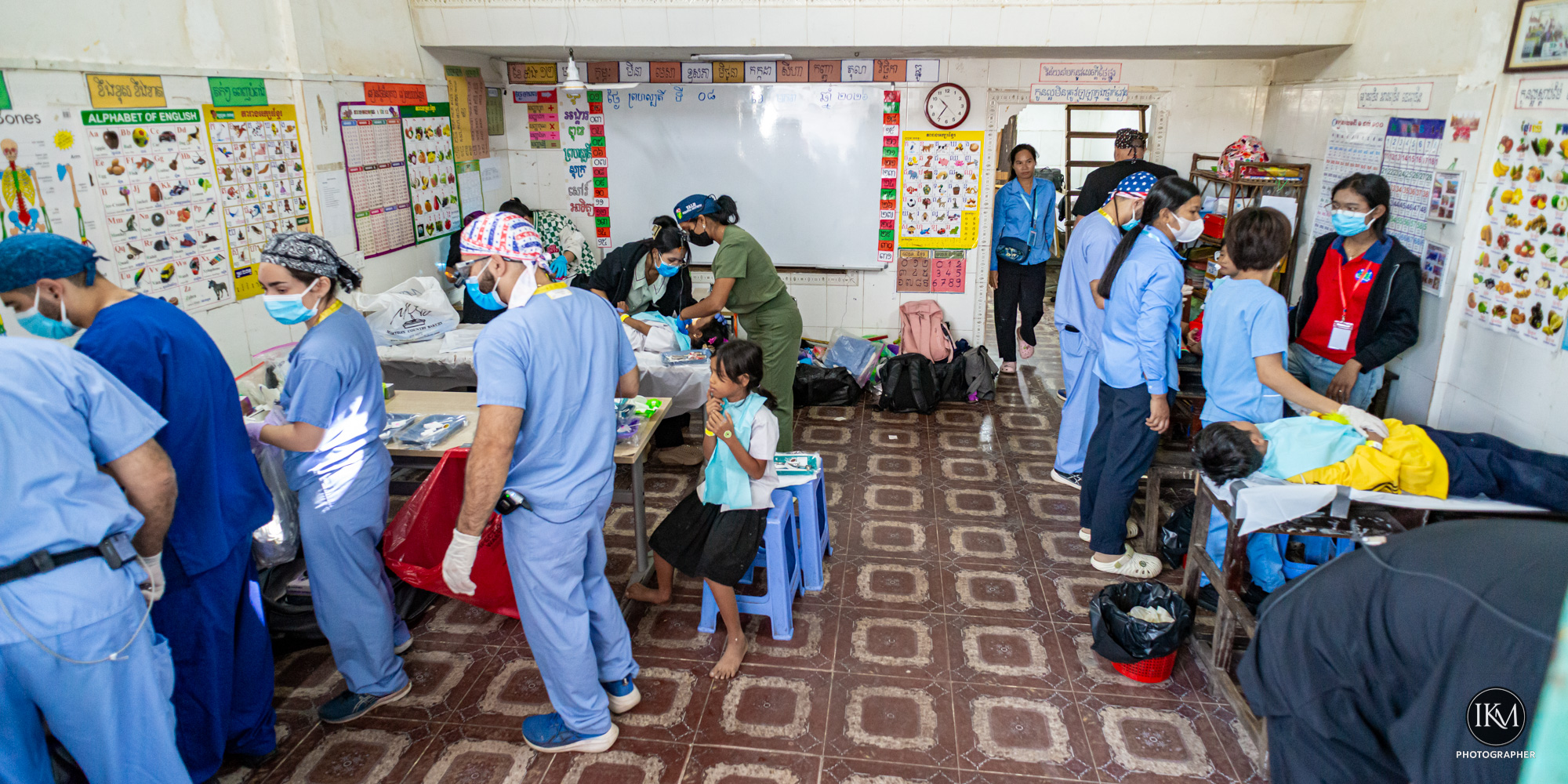
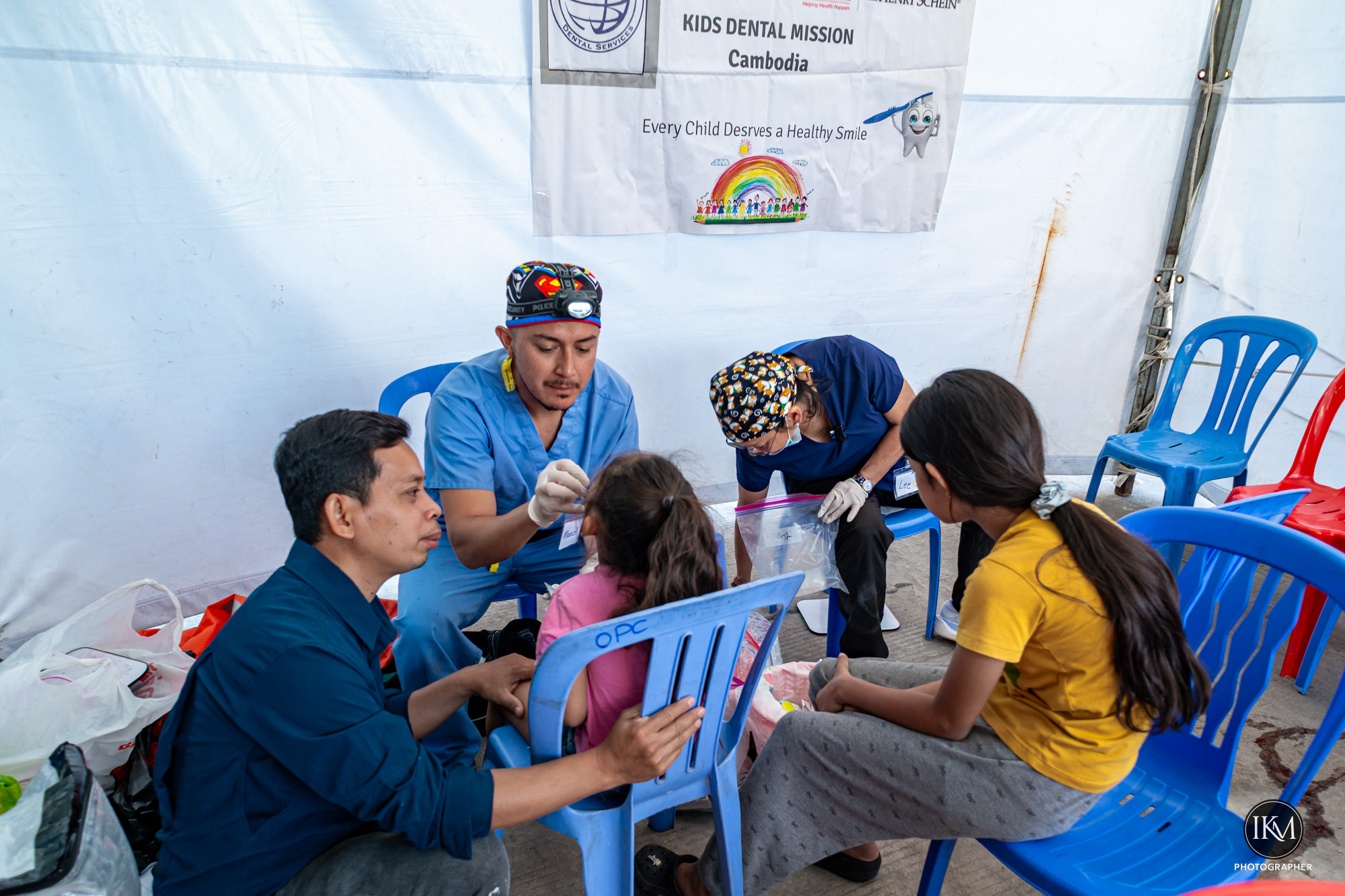
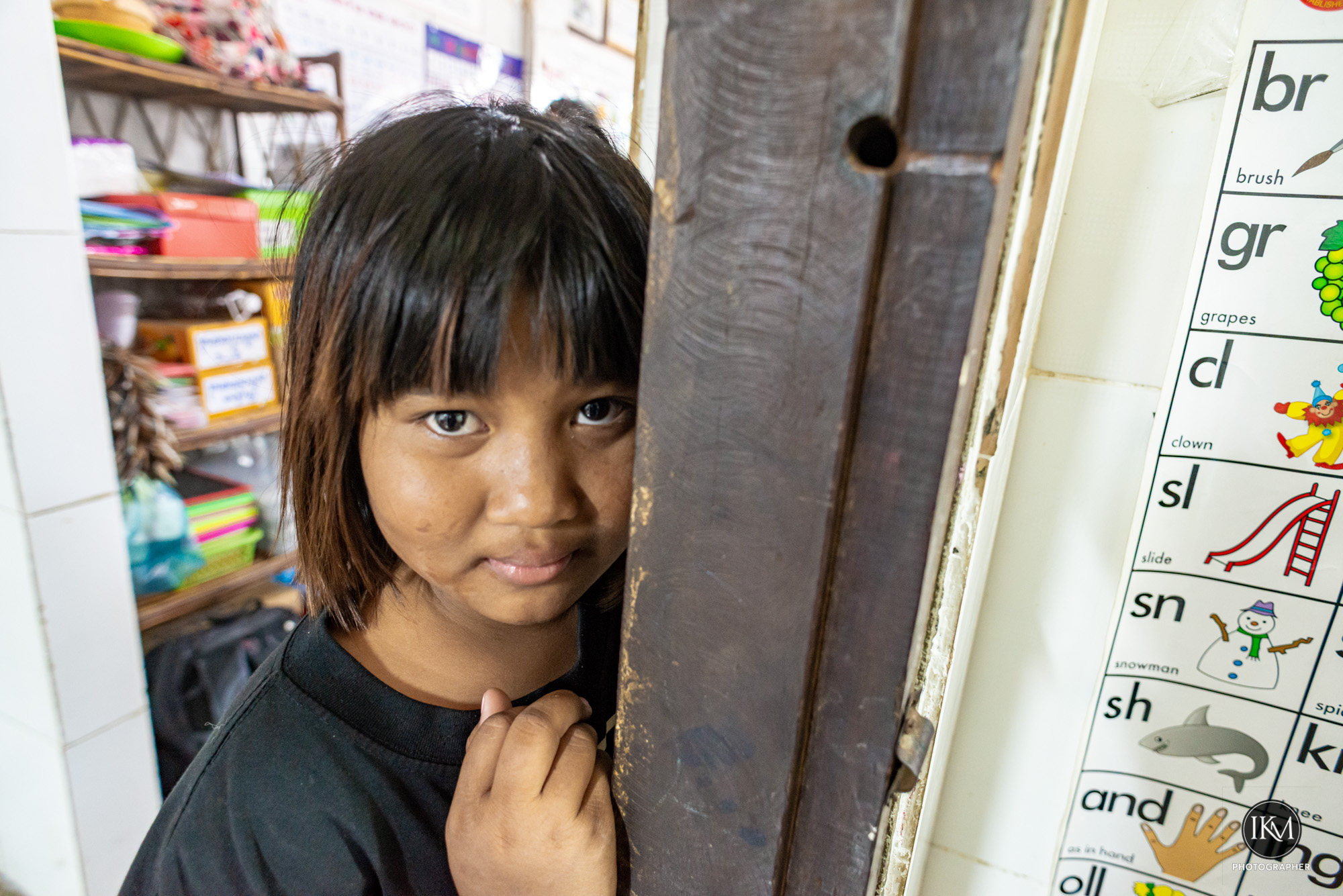
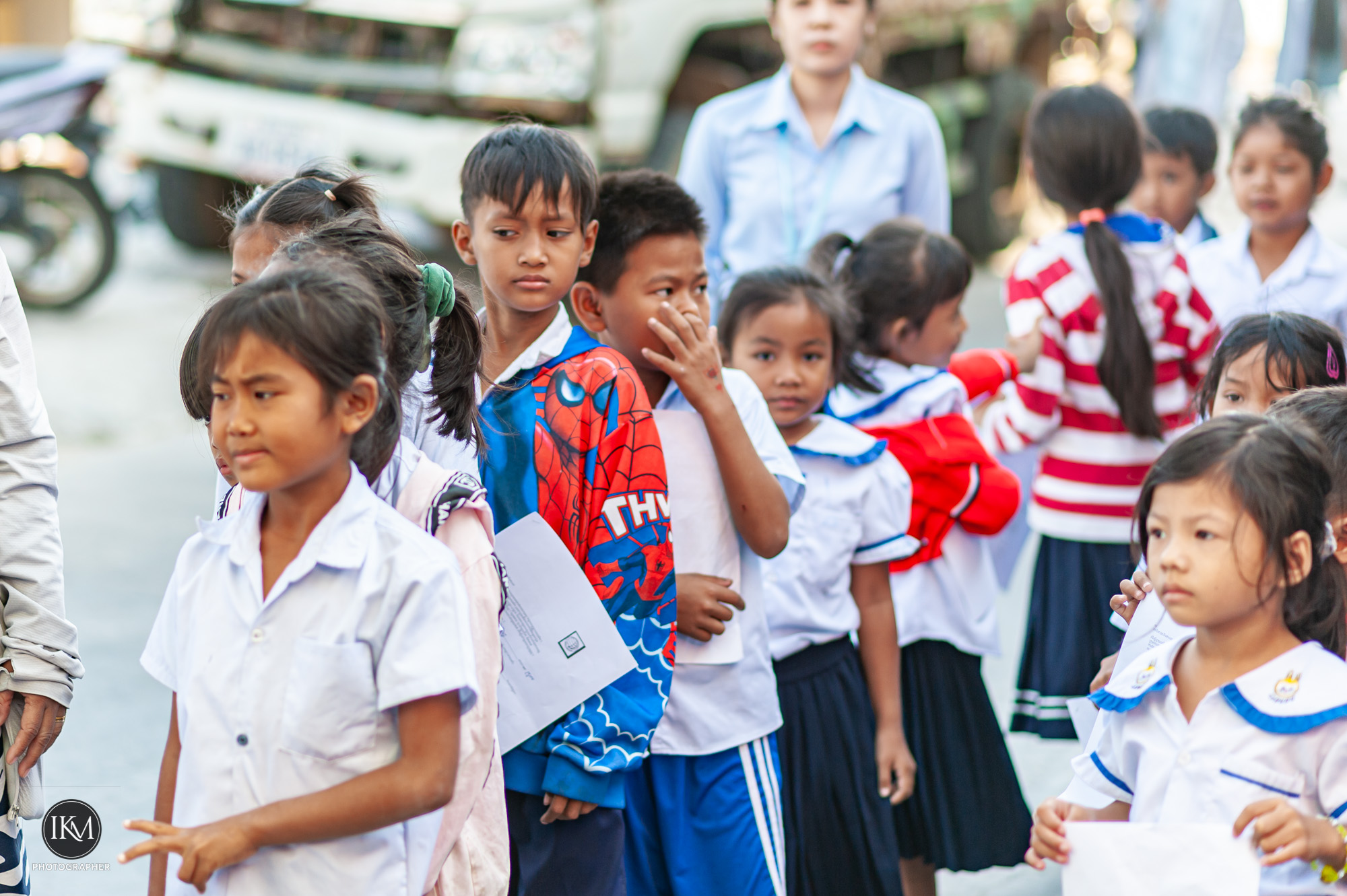
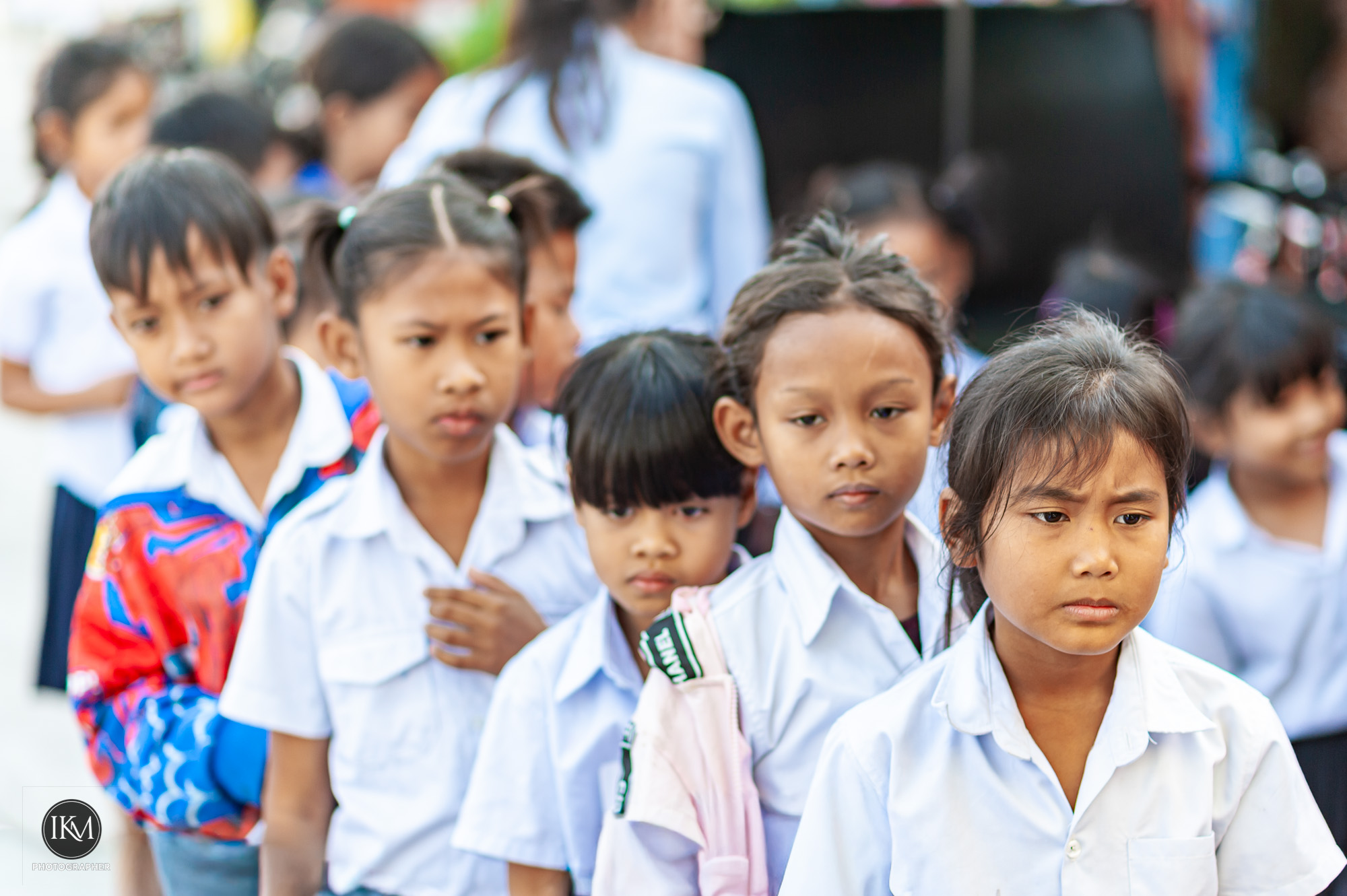
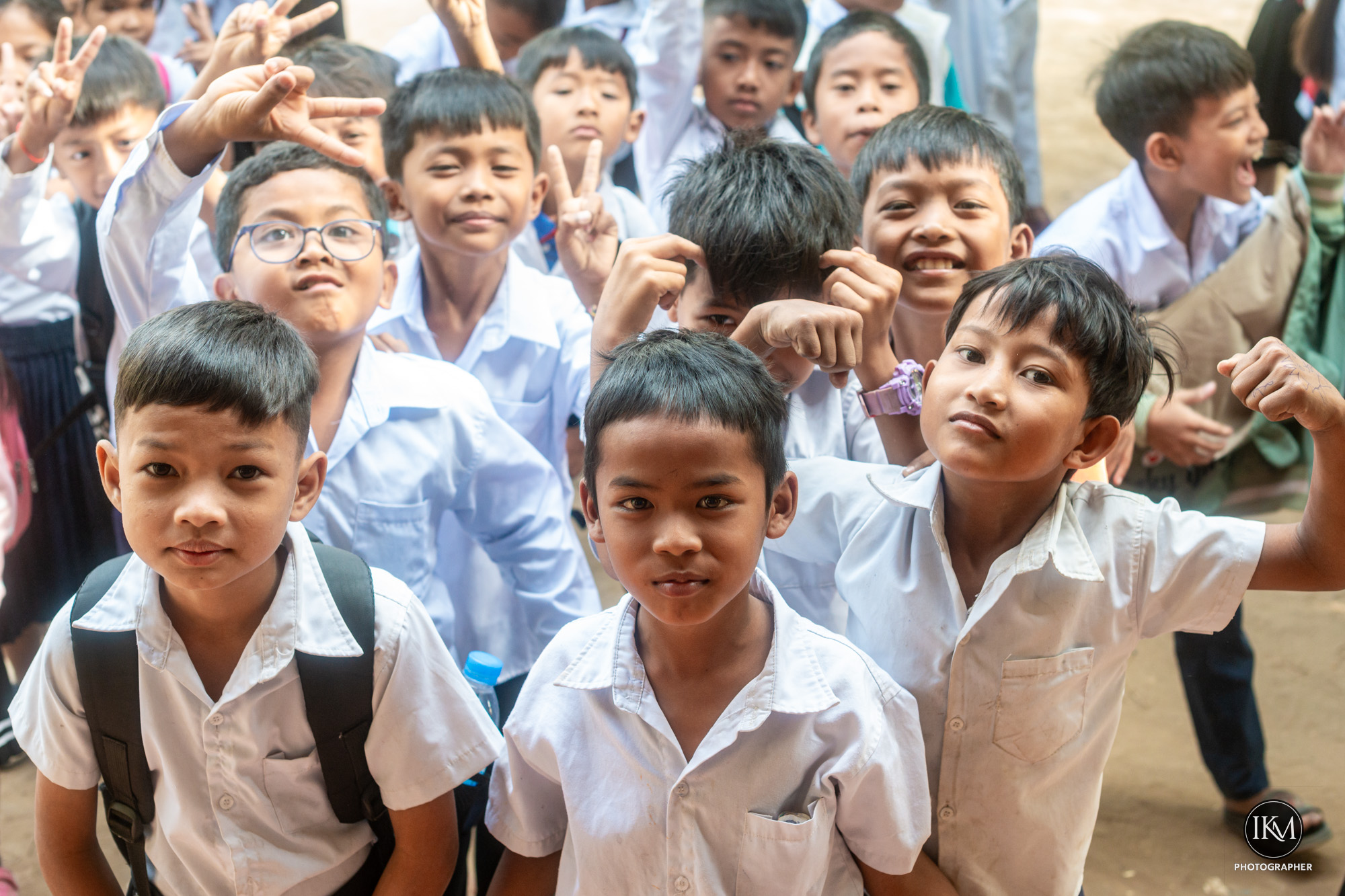
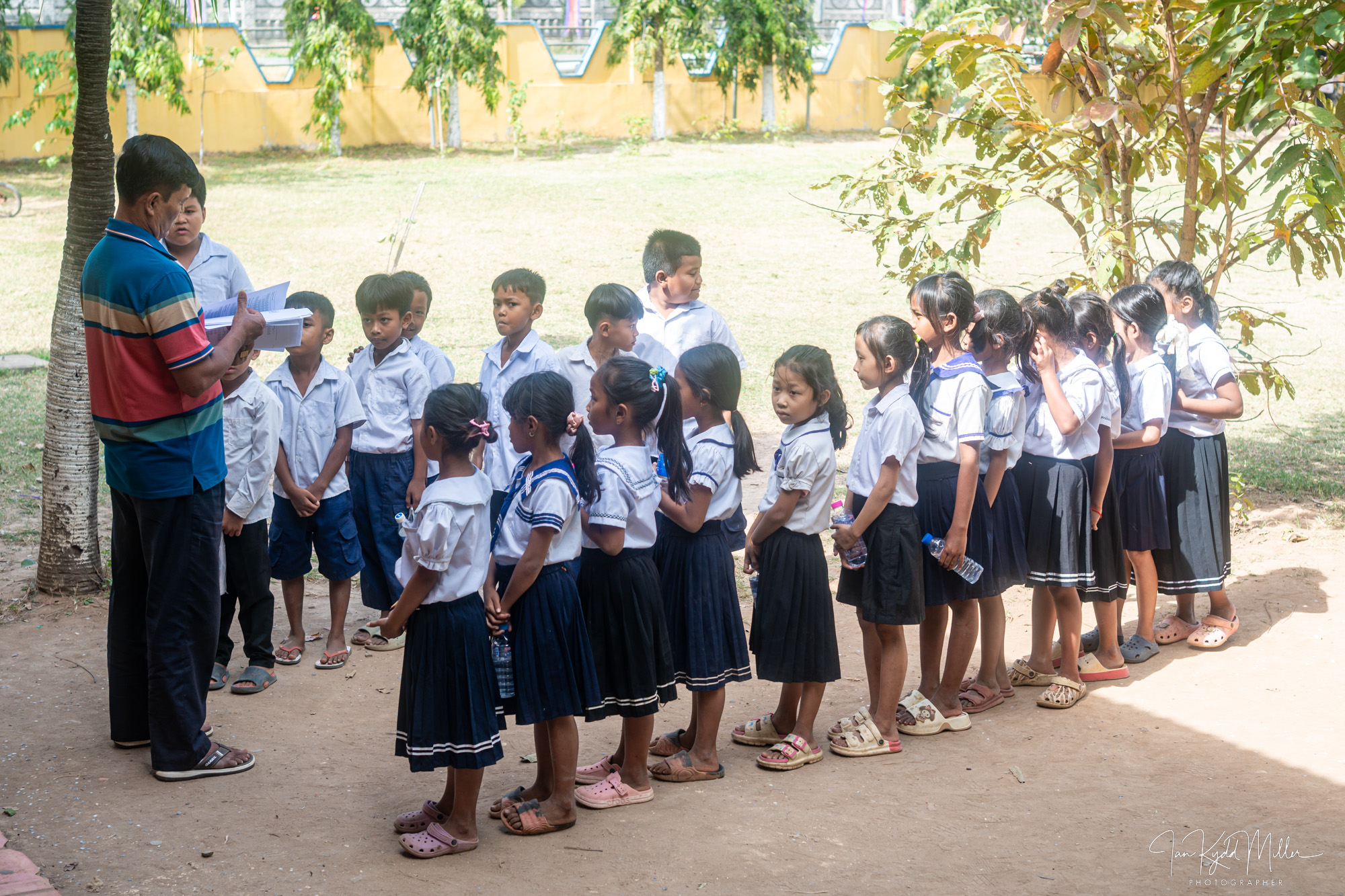
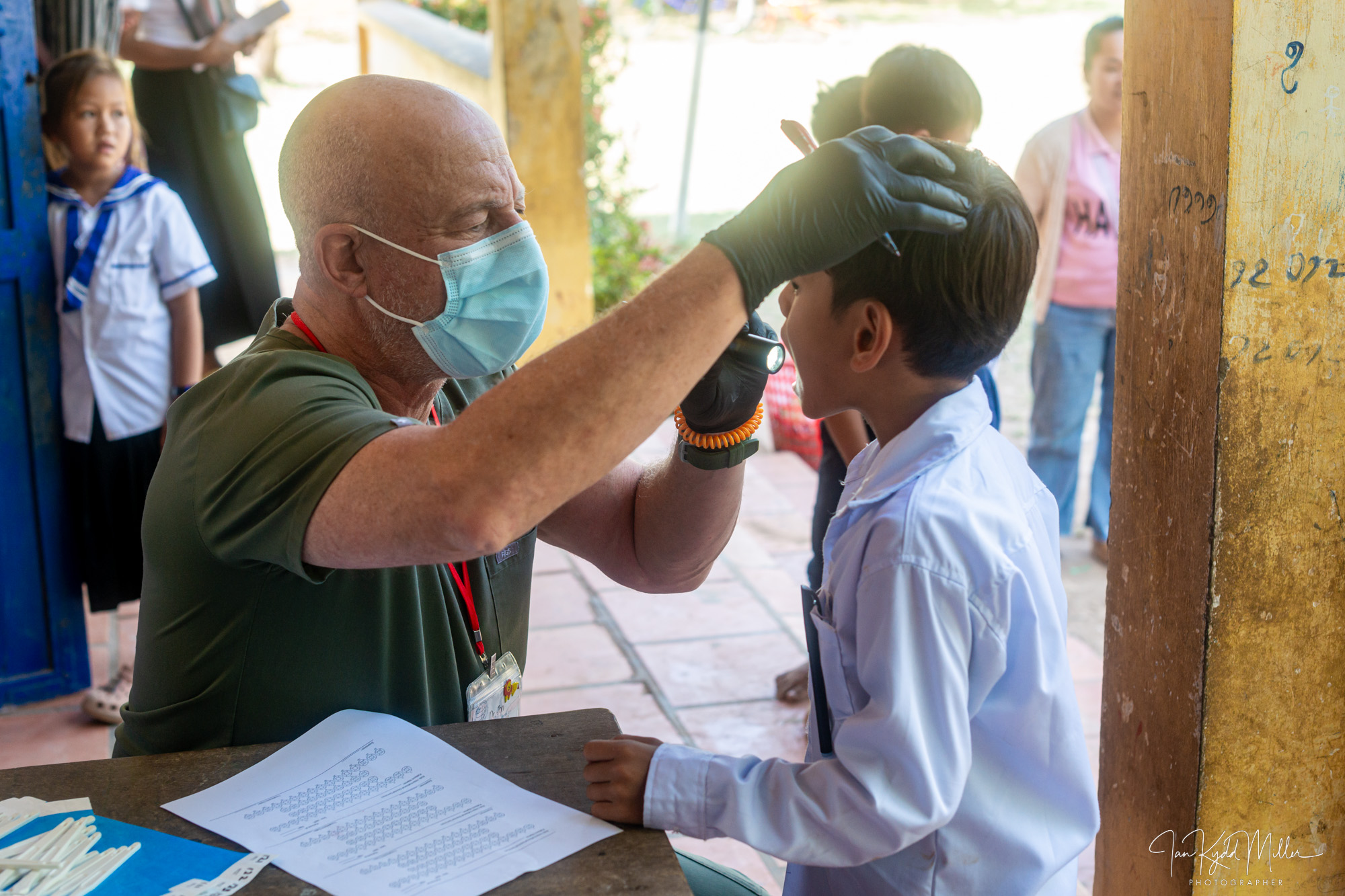
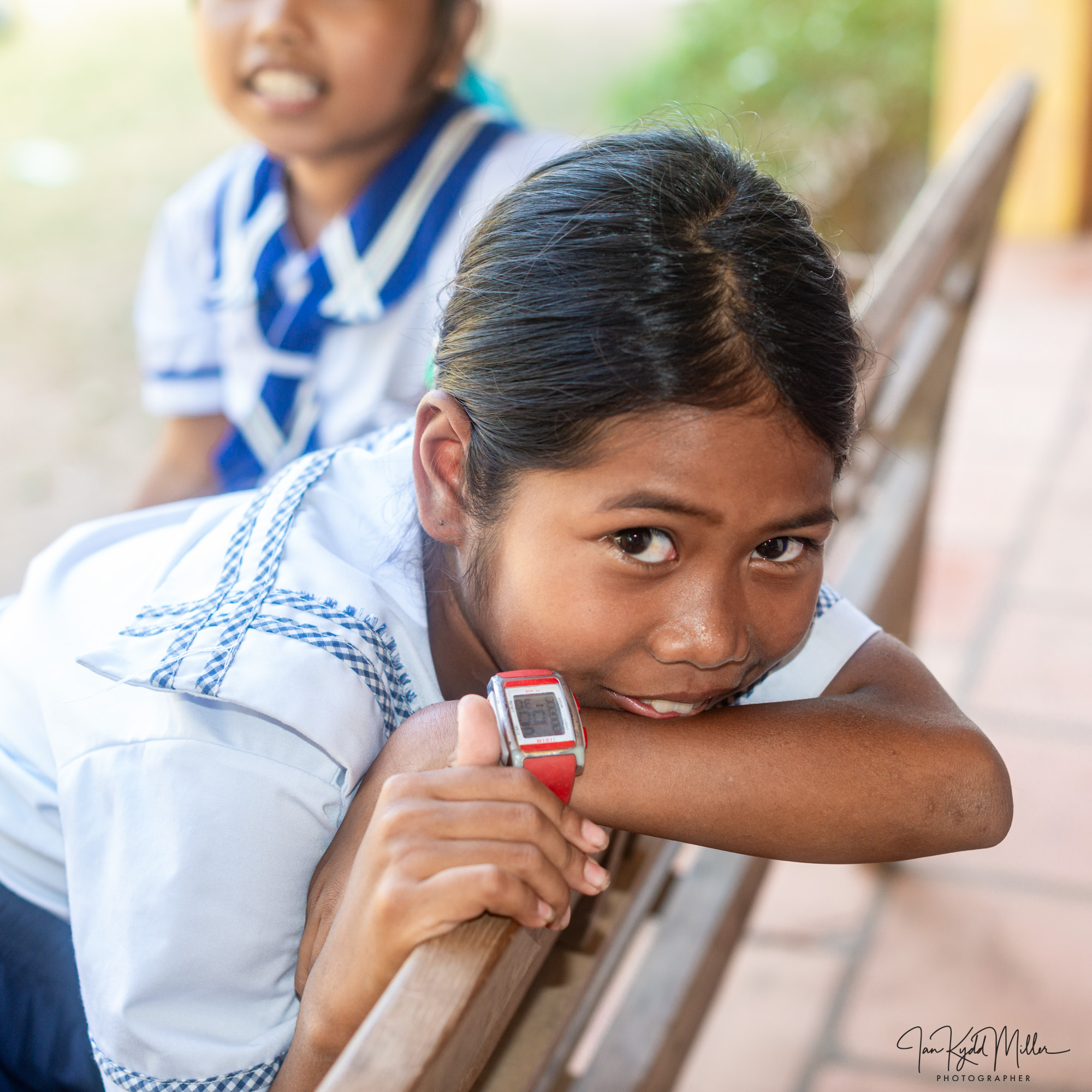
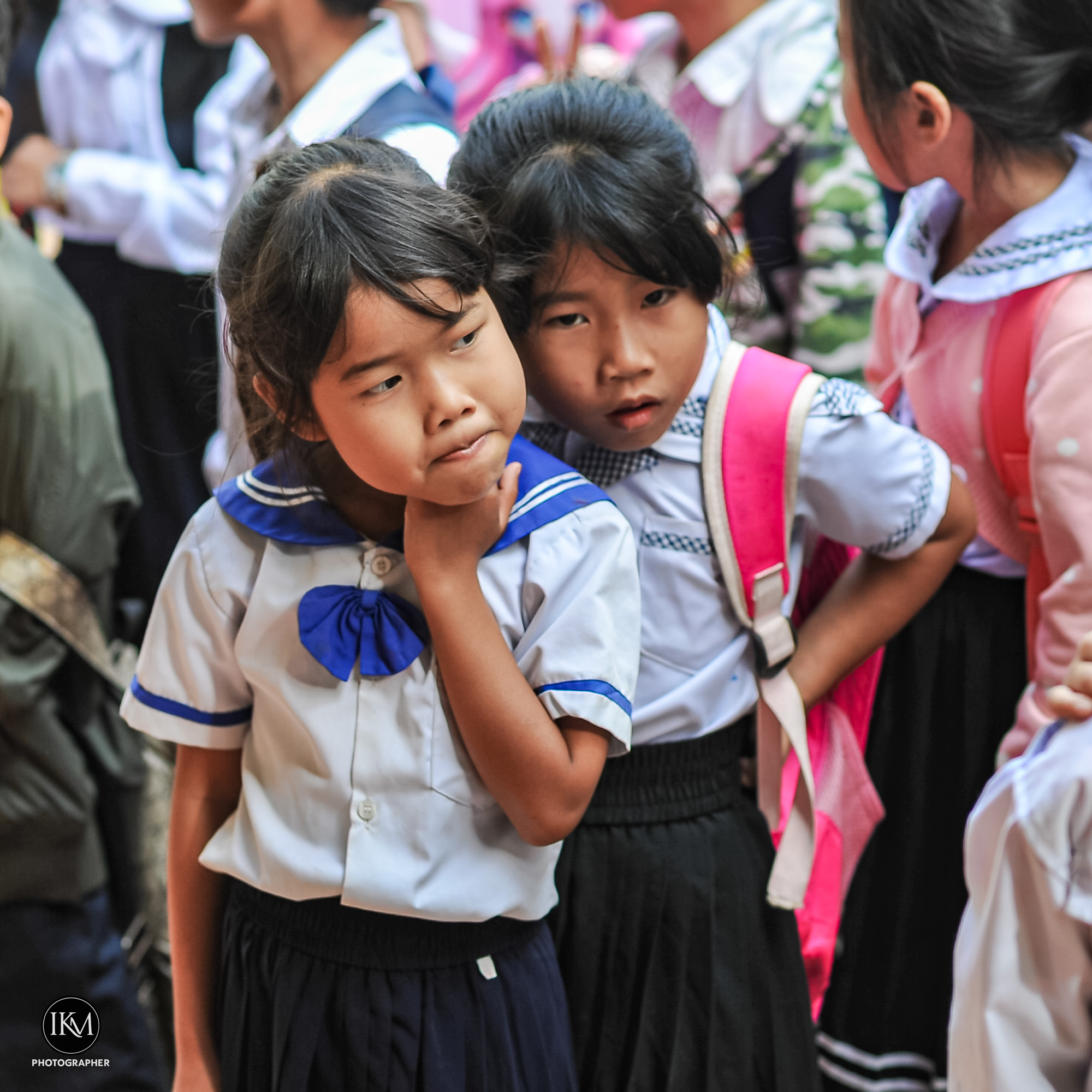
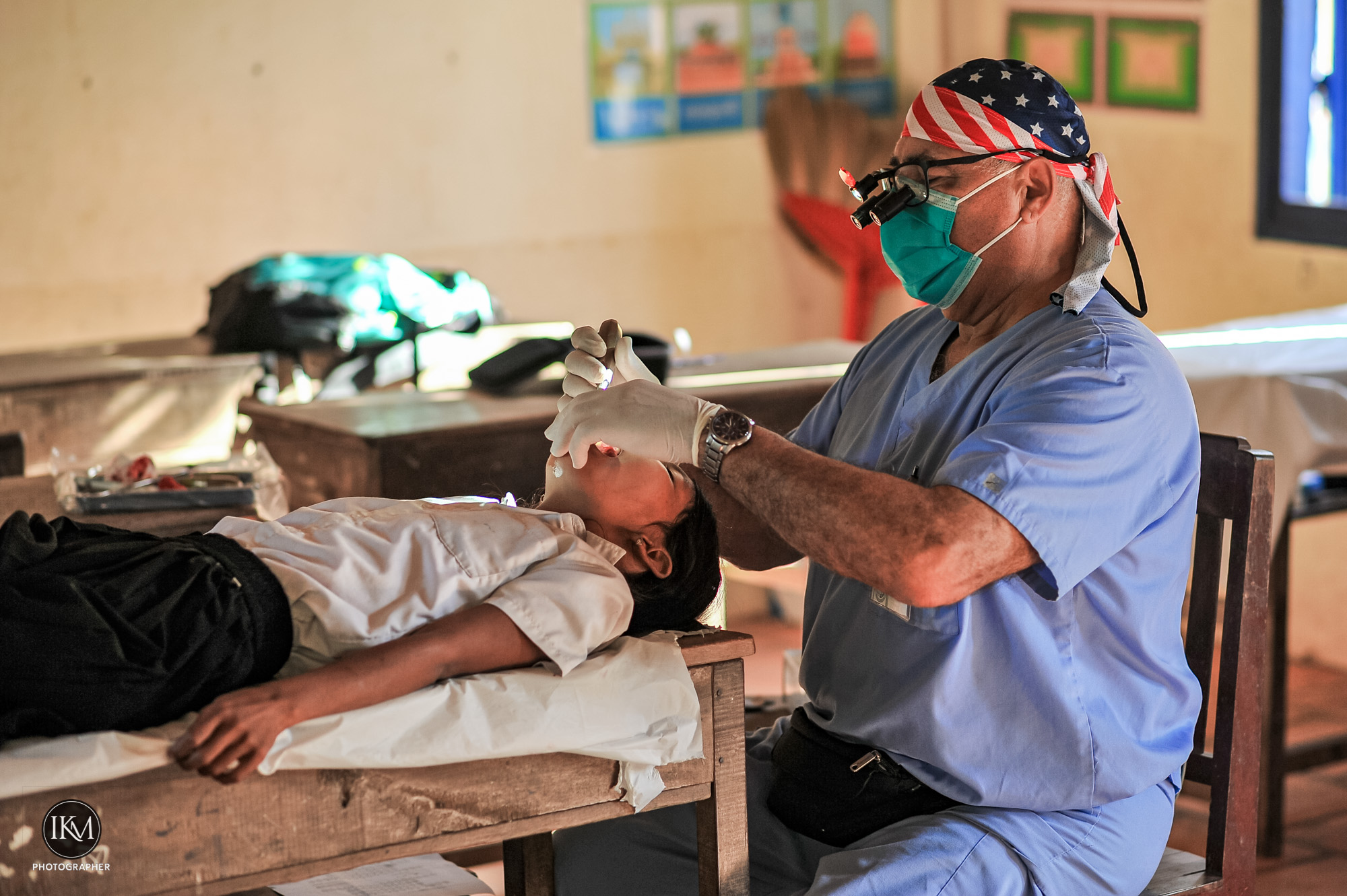
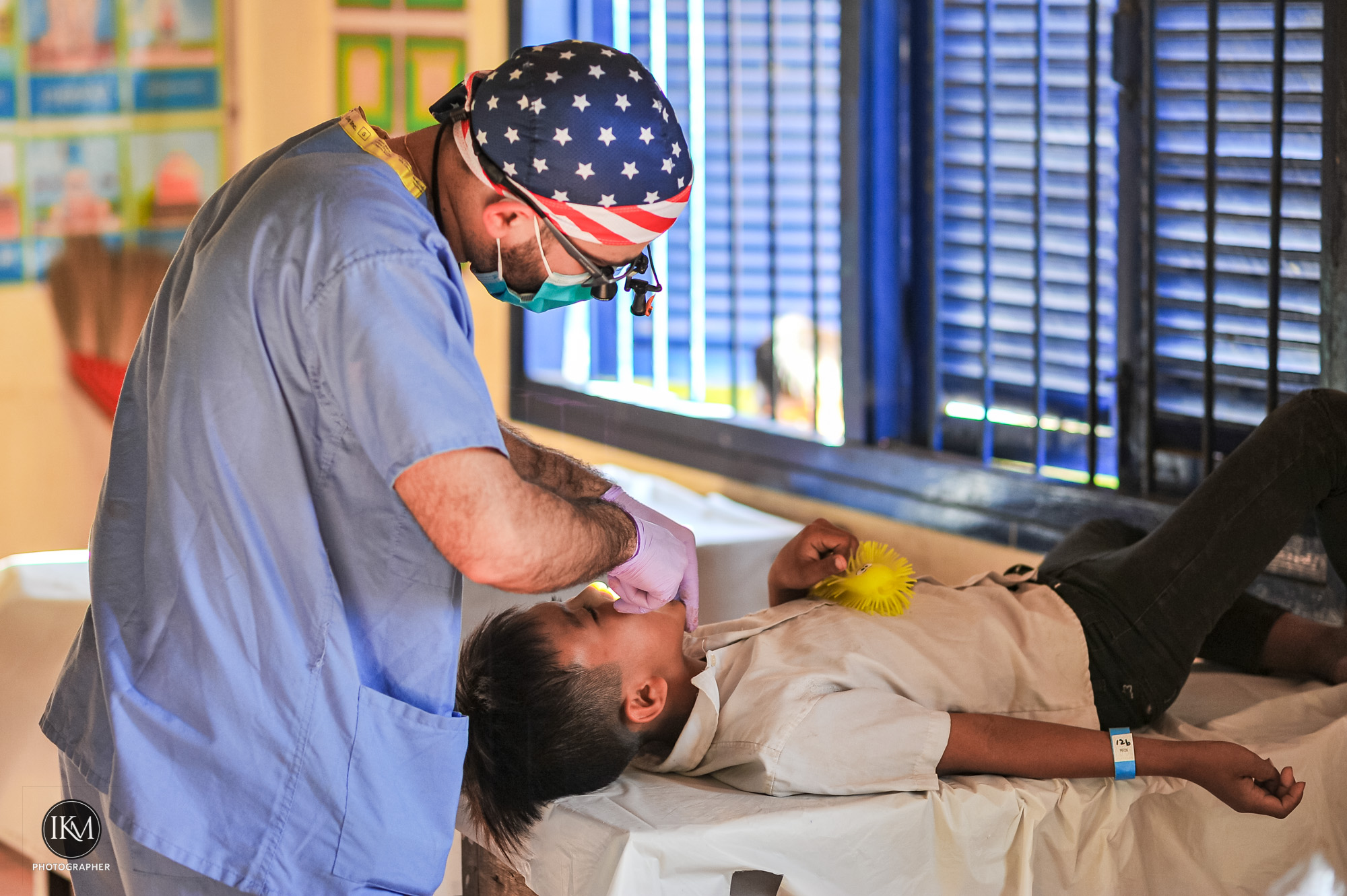
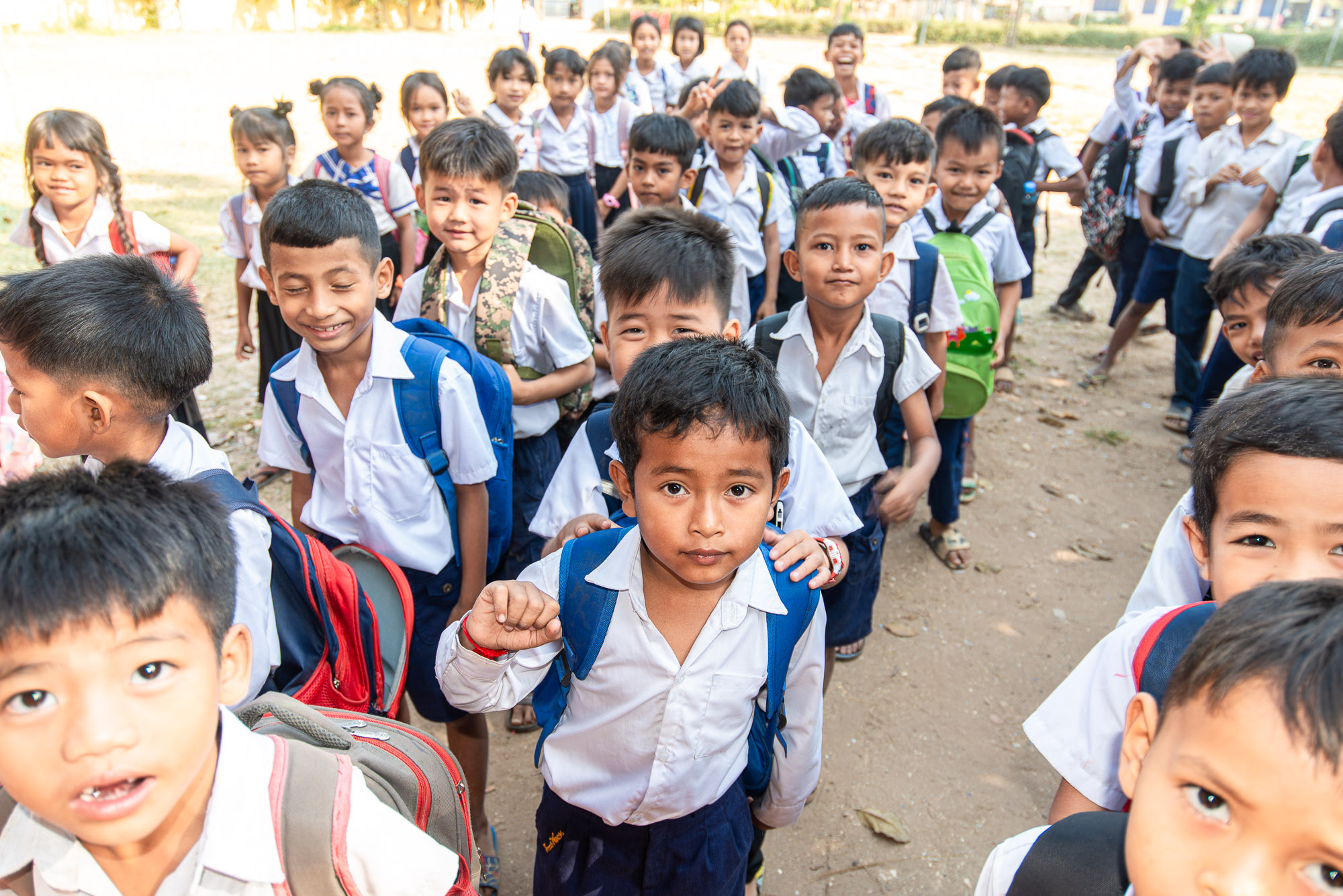
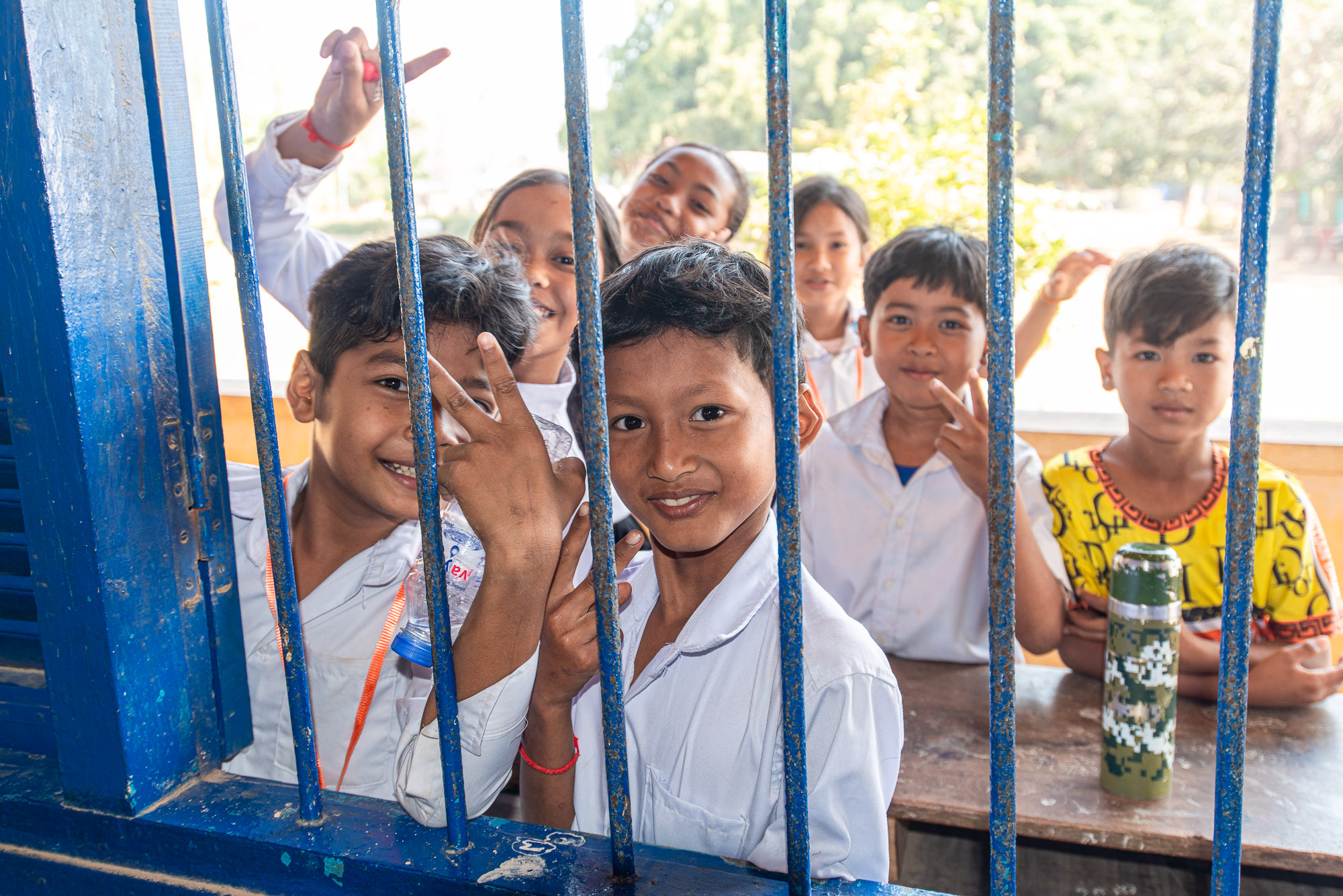
On a humid morning in Kampong Thom, the school courtyard transforms into a clinic. Folding chairs line up under the shade of a tamarind tree. Children gather, whispering and giggling, some curious, others nervous. For many, this is their first encounter with a dentist.

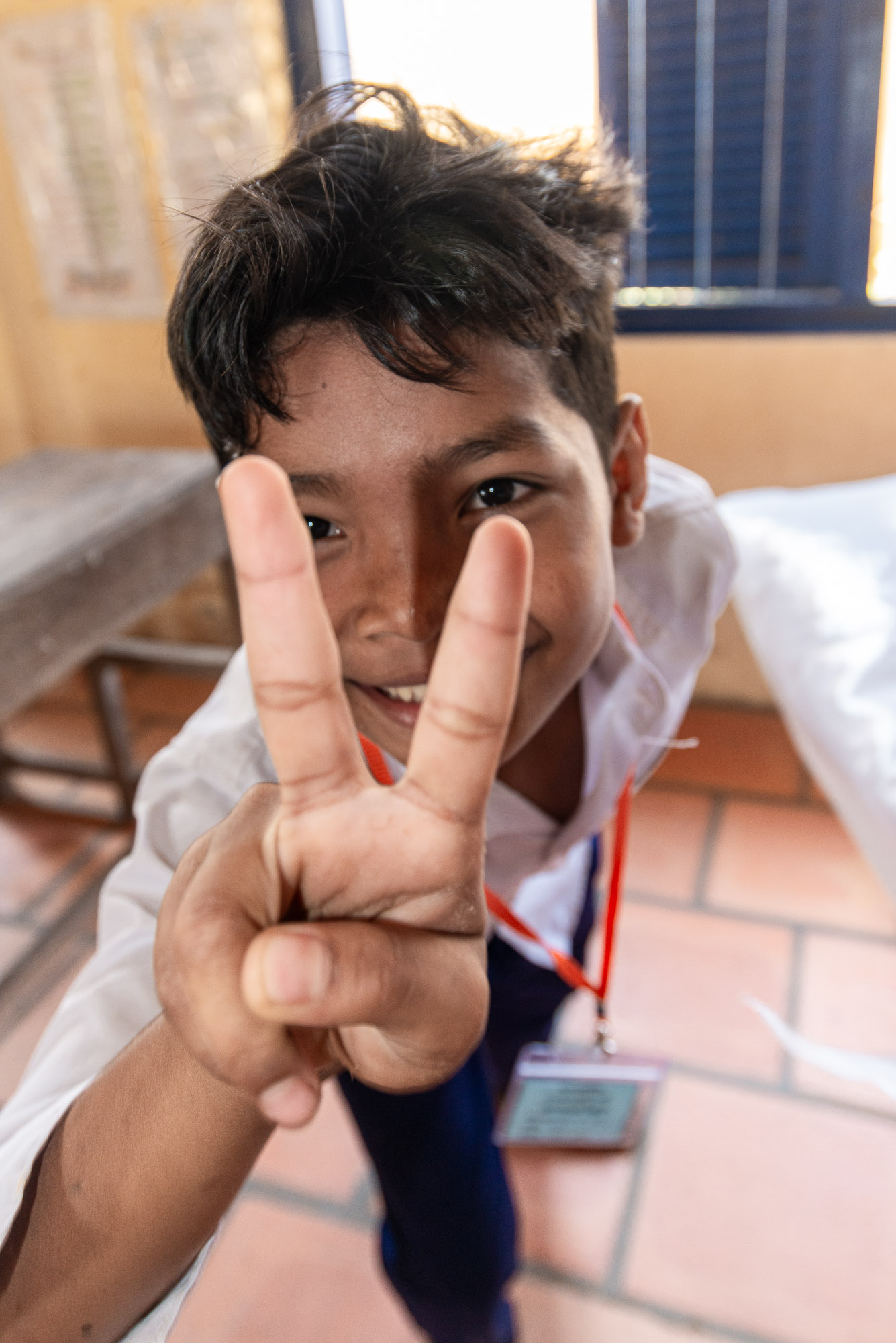
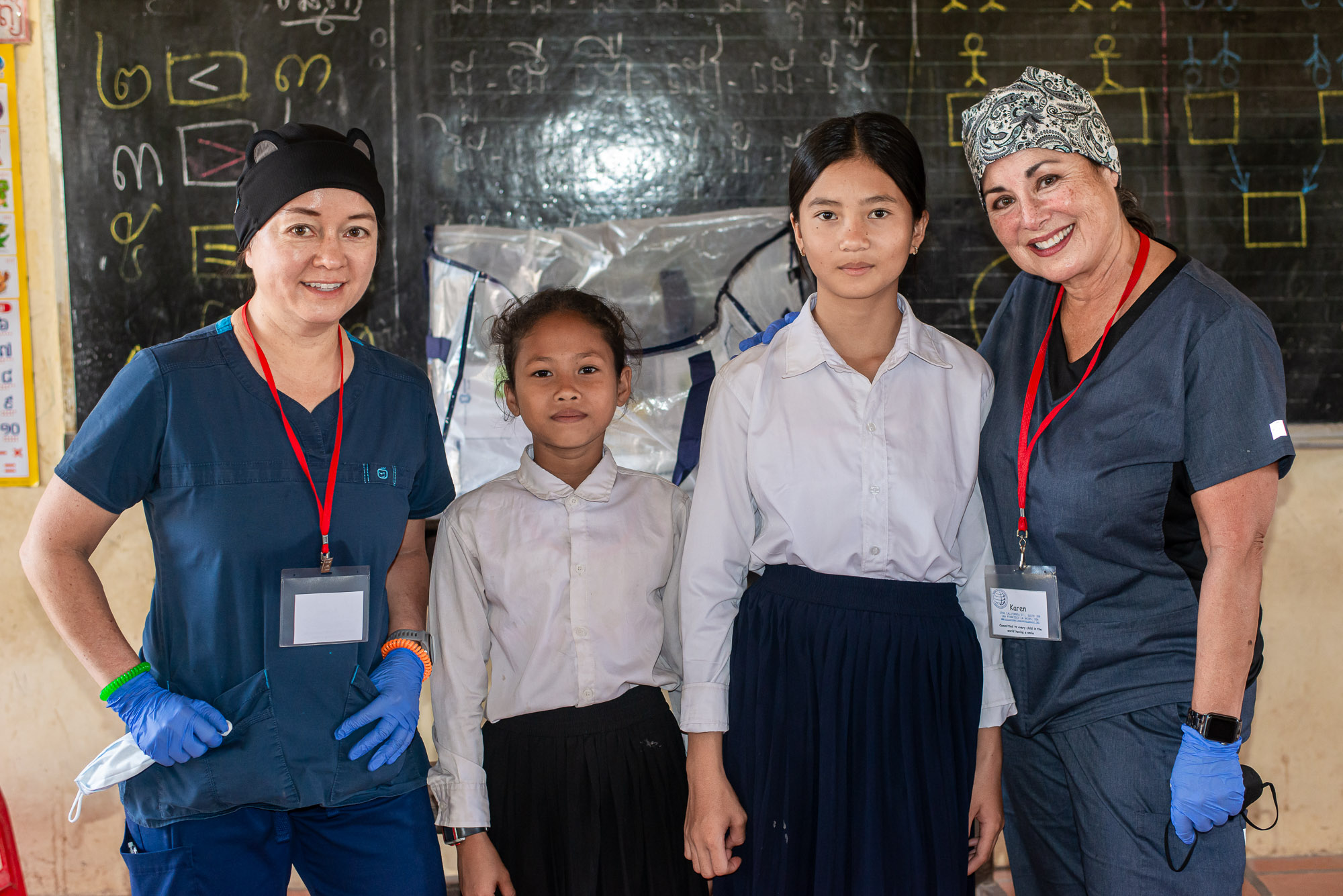
Inside a classroom, desks are pushed aside to make space for cleanings and fluoride treatments. Posters of the Khmer alphabet hang on the walls, and a rooster wanders in, eliciting laughter. The atmosphere is both serious and joyful — a blend of medical precision and community warmth.

Faces of Change (names changed and places)

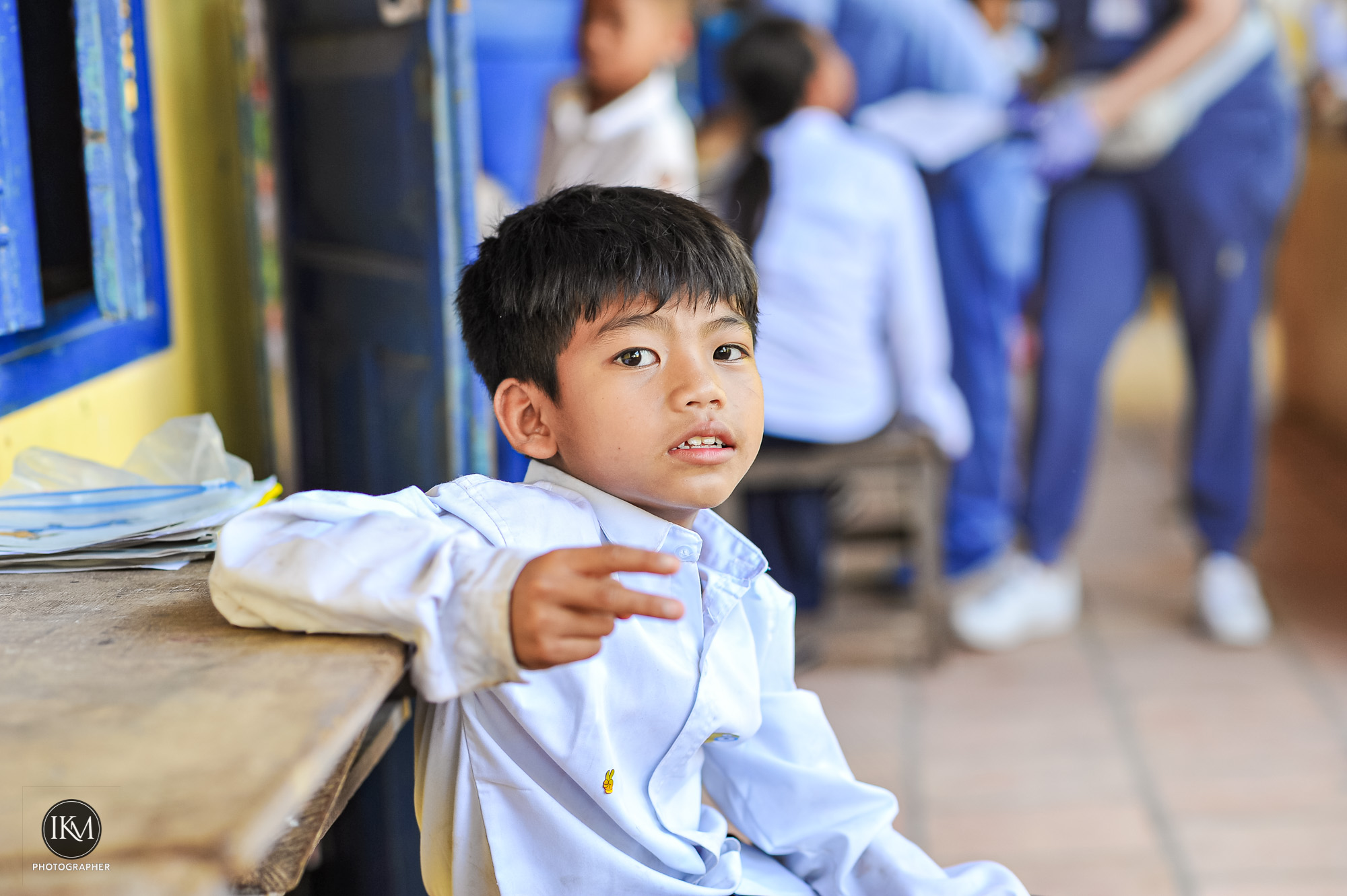
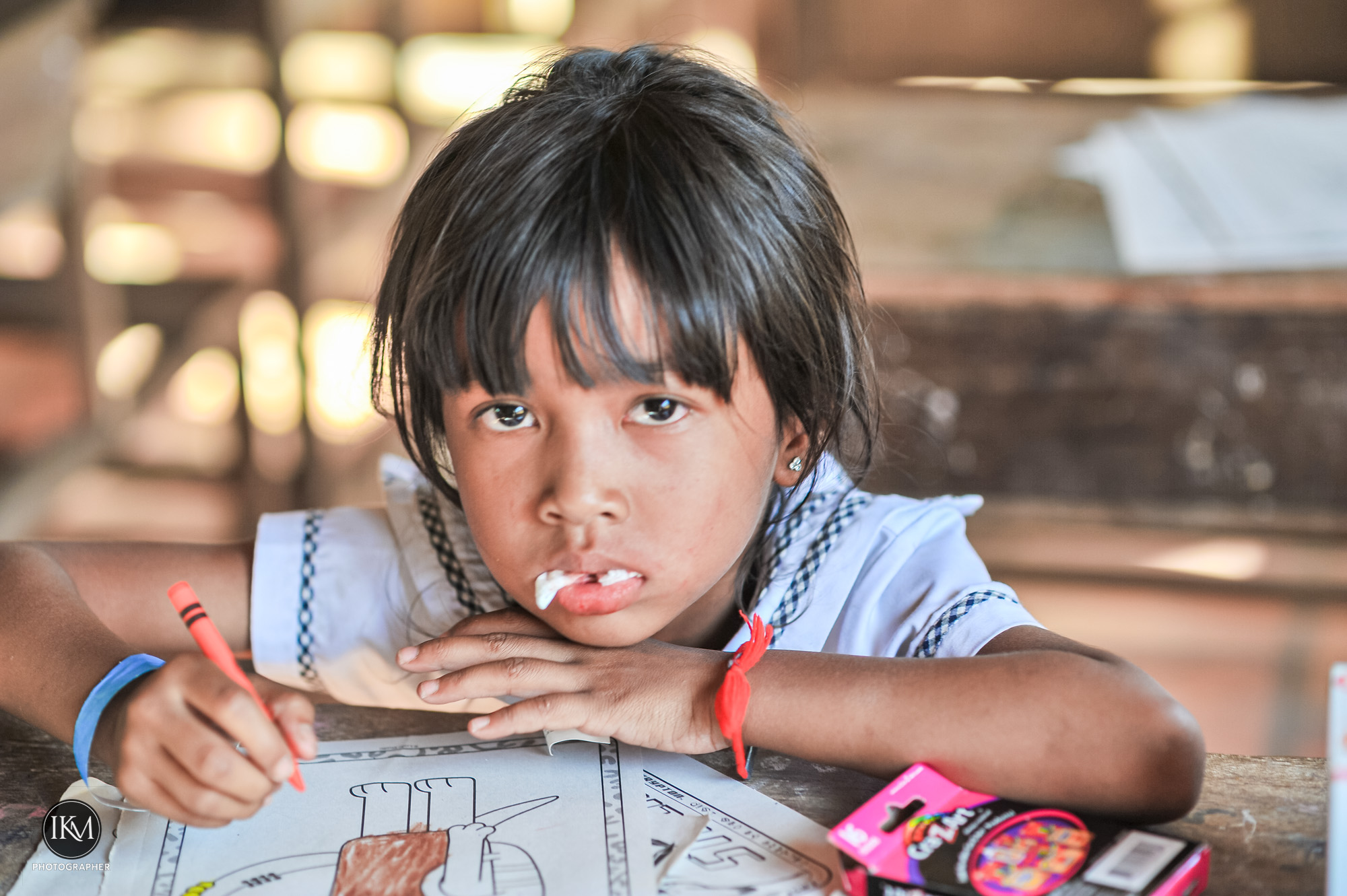
  • Vuthy, seven years old, climbs into the chair with a shirt two sizes too big. He has lived with tooth pain for weeks. Minutes later, he sits up blinking, surprised that the pain is gone. His cautious smile grows wide.
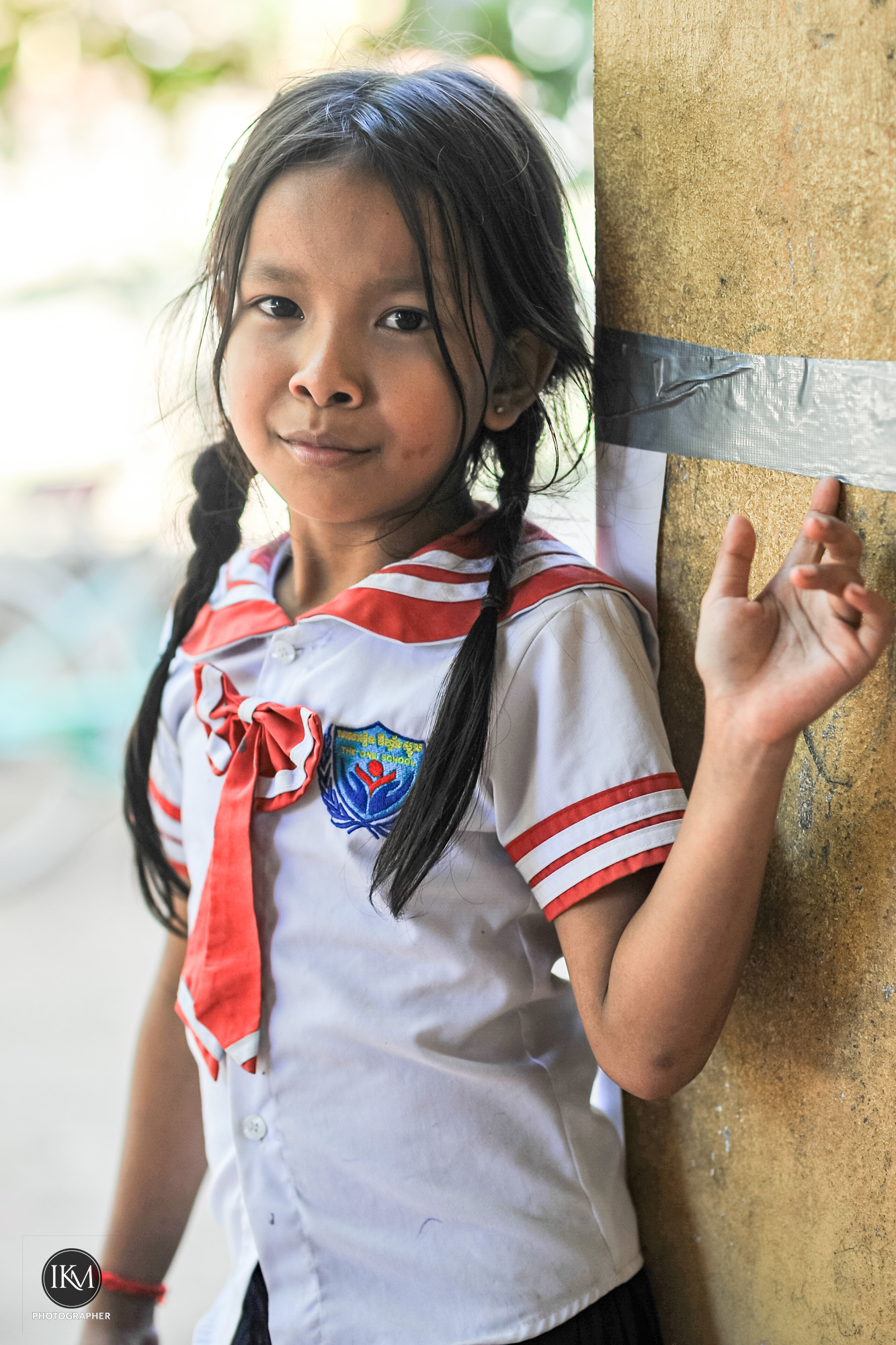
  • Srey Leak, eight, has missed school because of an infected molar. A gentle extraction relieves her suffering. Later, she returns with her younger brother Dara, terrified but reassured by her whispers. He leaves grinning, a sticker on his shirt, his fear replaced by pride.
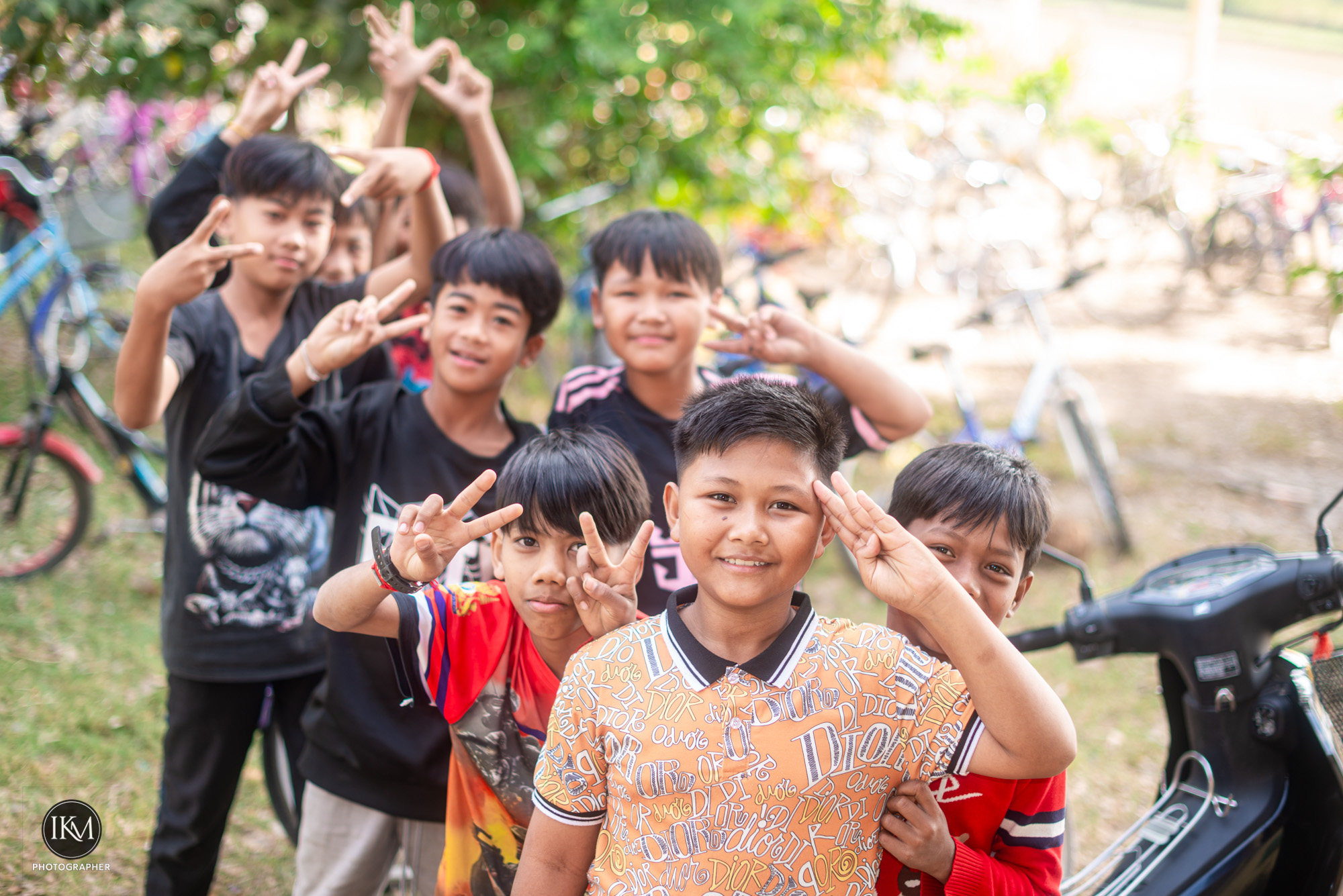
  • Groups of siblings receive fluoride treatments, learning to brush with oversized models of teeth. Their laughter fills the room, but the lessons will last far longer.

These are not isolated stories — they are the daily reality of KIDS missions. Relief is immediate, dignity is restored, and education plants seeds for healthier futures.

The Volunteers’ Perspective

For the volunteers, the work is demanding. The Cambodian sun is relentless, the equipment portable but limited. Yet the rewards are profound.

“Dental pain steals childhood,” one dentist explains. “If we can give even one child a night of peaceful sleep, it’s worth everything.”
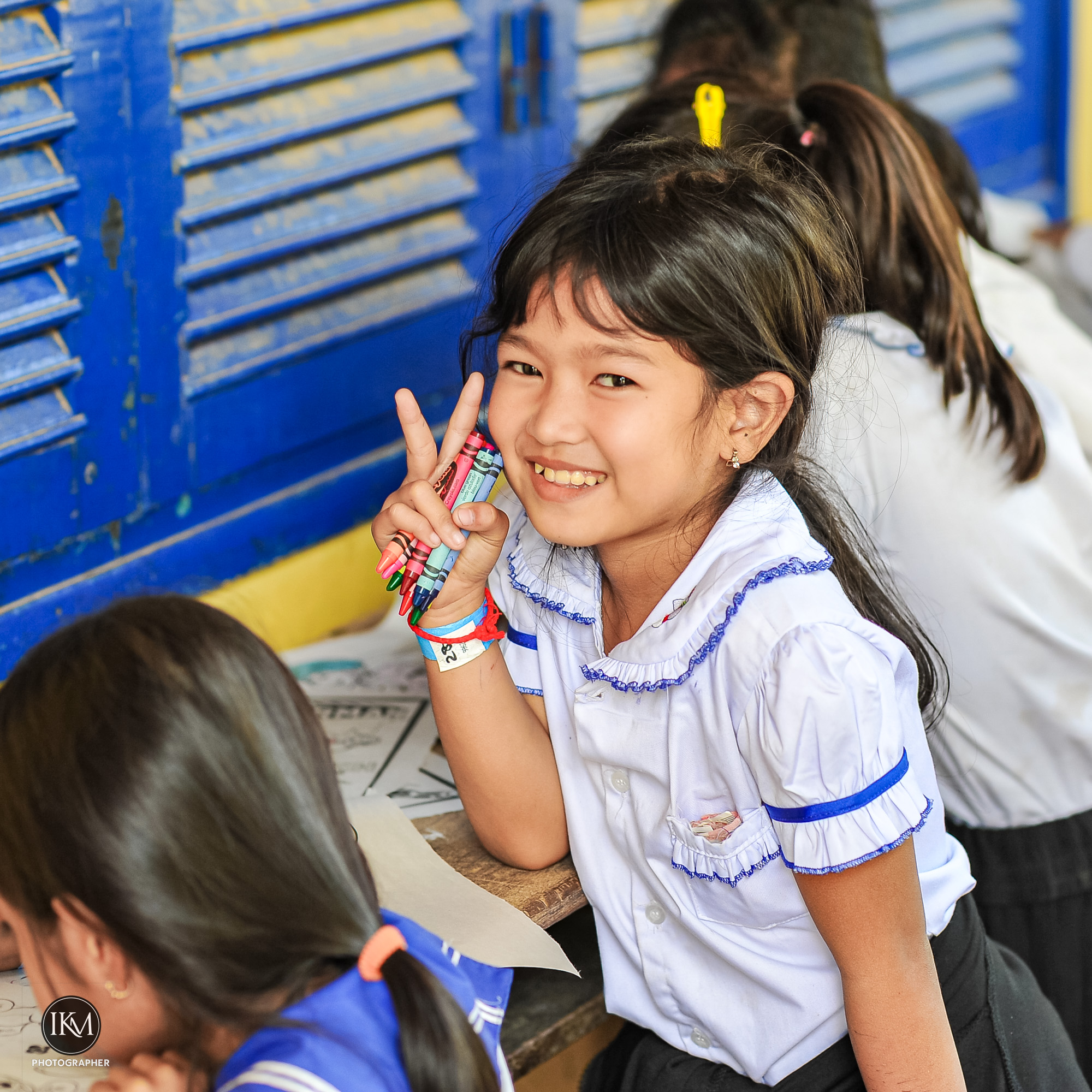
KIDS also serves as a platform for mentorship. Dental students gain hands‑on experience in challenging environments, learning not just clinical skills but empathy, resilience, and the value of service.

Strengths and Challenges

Strengths

  • Direct relief: Immediate treatment for children who would otherwise suffer silently.
  • Education: Oral hygiene lessons empower communities long after the mission ends.
  • Mentorship: Inspires young dental professionals to integrate humanitarian service into their careers.
  • Community trust: By working in schools and orphanages, KIDS builds lasting relationships.

Challenges

  • Scale: Cambodia’s rural population is vast; missions reach only a fraction of children.
  • Continuity: Without permanent clinics, follow‑up care is limited.
  • Funding: As a lean nonprofit, KIDS depends heavily on donations and volunteers.
  • Infrastructure: Remote areas often lack electricity or clean water, complicating procedures.

Why Cambodia Matters

Cambodia illustrates both the urgency and the promise of KIDS’ mission. Dental decay is widespread, fueled by sugary diets and limited access to care. Untreated pain keeps children out of school, undermining education and wellbeing.

By relieving pain and teaching prevention, KIDS helps restore not just smiles but futures. Each mission is a reminder that small, volunteer‑driven interventions can have outsized impact.

Conclusion: Smiles That Last

As the sun sets over Kampong Thom, children walk home along dusty roads, showing their parents clean teeth, stickers, and new toothbrushes. The courtyard is quiet again, but the smiles remain.

🌍 Slowing Down in a Fast World

cambodia, cameras, fujifilm, homelessness, Lenses, nikon, opinons, thoughts, photography, street, Travel

Introduction

We live in an age of acceleration. News cycles refresh by the minute, feeds scroll endlessly, and even creativity is pressured to produce faster, louder, more. Yet in the midst of this speed, there is value in slowing down — in reclaiming attention, rediscovering meaning, and reconnecting with the world around us.

The Case for Slowness

  • Depth over breadth: When everything is consumed quickly, little is truly absorbed. Slowness allows us to linger, to notice details.
  • Presence over distraction: Slowing down means being present — whether in conversation, in work, or in art.
  • Sustainability over burnout: Constant speed drains energy. Slowness restores balance, making creativity and living sustainable.

Rediscovery Through Attention

  • Objects: Everyday things reveal character when looked at closely — a weathered wall, a hand‑written note, a shadow at dusk.
  • People: Listening deeply, rather than rushing to respond, uncovers nuance in relationships.
  • Places: Streets, parks, and cities hold layers of history and atmosphere that only patience can reveal.
  • Returning again and again: Revisiting the same subject or place allows new layers to emerge. Each return reframes the familiar, showing how time and perspective reshape vision.

Reclaiming Vision

  • Against noise: Slowness cuts through distraction, sharpening what matters.
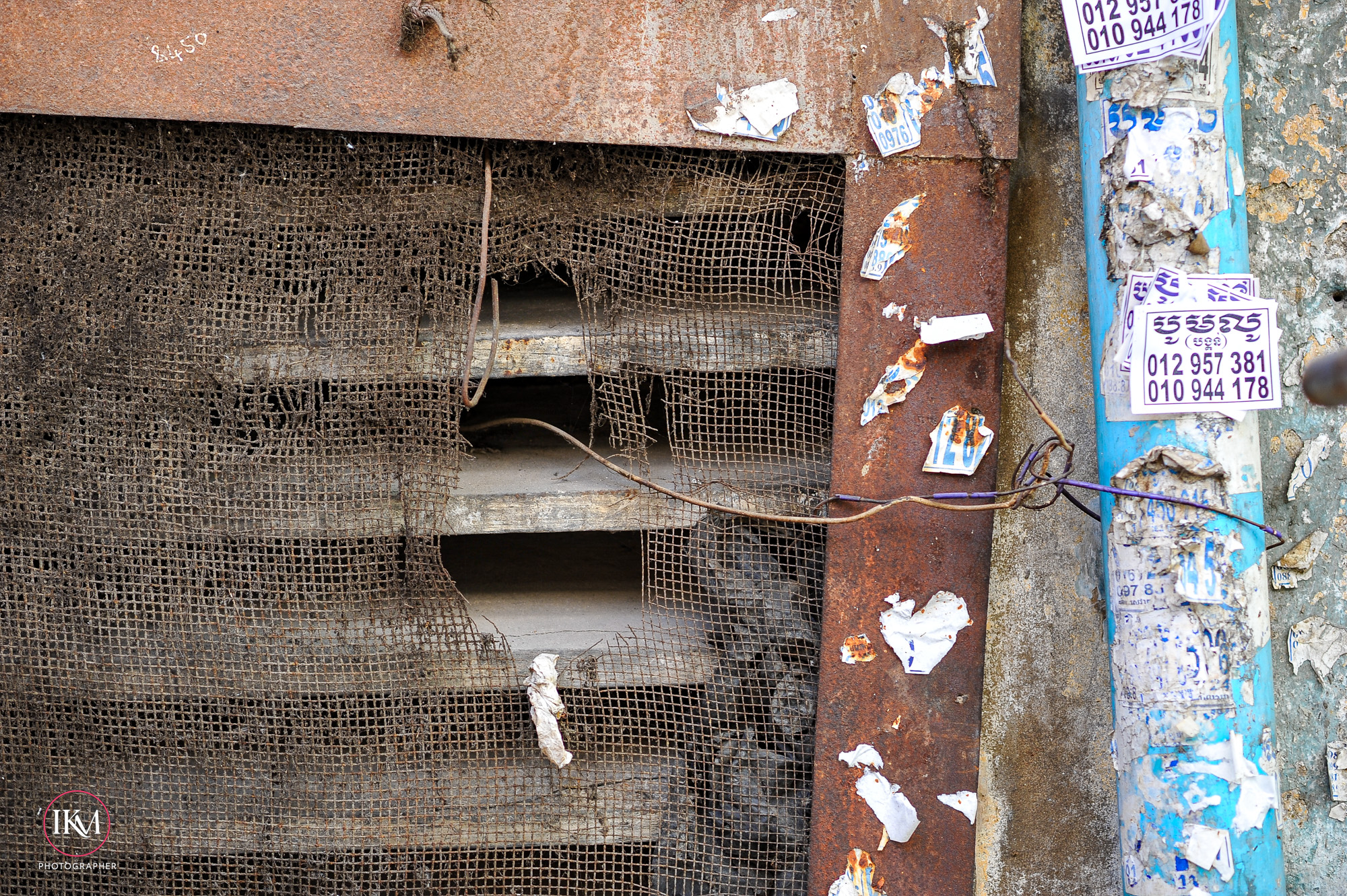
  • For clarity: It allows us to see not just what is in front of us, but what lies beneath.
  • As practice: Slowness is not passive — it is an active choice to resist speed and reclaim vision.

Using Technology When It’s Useful

  • Tool, not master: Technology should serve attention, not dictate it.
  • Selective use: Embrace tools that extend vision — editing software, digital archives, or cameras — but resist the pull of endless feeds.
  • Balance: The slow archive doesn’t reject technology; it uses it deliberately, when it amplifies meaning rather than dilutes it.
  • Agency: Choosing when and how to use technology is part of reclaiming vision in a fast world.

Harnessing Speed to Anticipate

  • Machine as ally: Cameras and devices can operate faster than human reflexes.
  • Anticipation: Using burst modes, predictive autofocus, or rapid shutter speeds allows the photographer to anticipate and catch fleeting gestures.
  • Integration: Slowness is about vision, but speed is about execution — together they form a rhythm of patience and precision.
  • Lesson: Technology’s speed is not about rushing; it is about being ready when the moment arrives.

Conclusion

Slowing down is not about rejecting progress. It is about reclaiming agency in how we see, feel, and create. Technology can be part of that process — but only when it is useful, intentional, and aligned with vision. Returning to a subject or place over and over again reminds us that meaning is not found in novelty alone, but in patience, repetition, and rediscovery. And when the decisive moment comes, the speed of a machine can help anticipate and capture it — ensuring vision and execution meet.

Verdict: Slow down, return often, use tools wisely, harness speed — and the world reveals itself anew.

Srei Crieat. Day 1 to Finish.

cambodia, opinons, thoughts, photography, pictures, voluntary

This story started about 7 weeks ago when a friend of mine mentioned an old lady (Srey Crieat), who lives in the same village as she and had recently been bitten by a snake. What snake was not known but it certainly did some major damage.

She showed me some pictures on her telephone and I was very shocked about the state of her hand and arm. She looked to be in a lot of distress.

I asked her how long ago this had happened and she informed me that it was about two weeks earlier and that Srey Crieat had been seen at the local village hospital who had suggested she be sent to Phnom Penh for the arm to be amputated. She did not want this and was after about a week was sent home, little or nothing was done about the arm, she was given some antibiotics.

At the invite of my friend it was decided that I would go out and see Srey Crieat as soon as possible, initially to assess the damage that could not be seen in the phone pictures and to see if there was more that could be done.

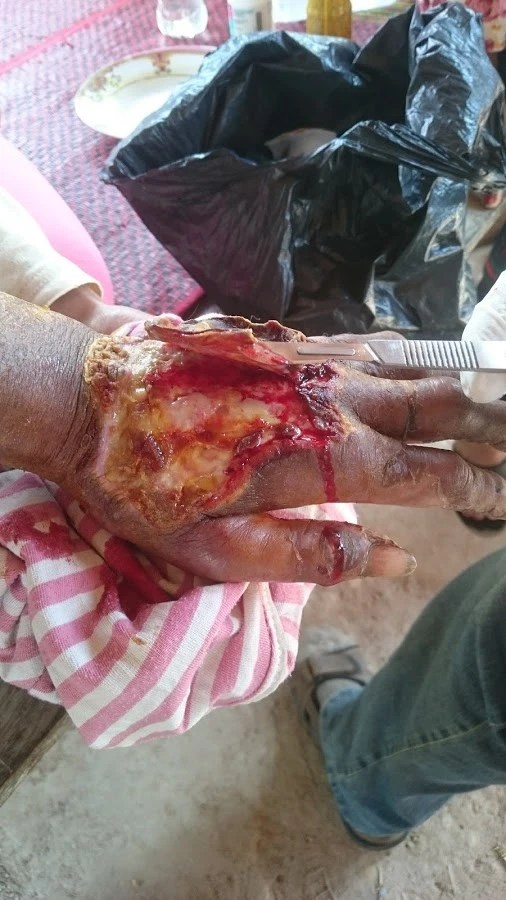
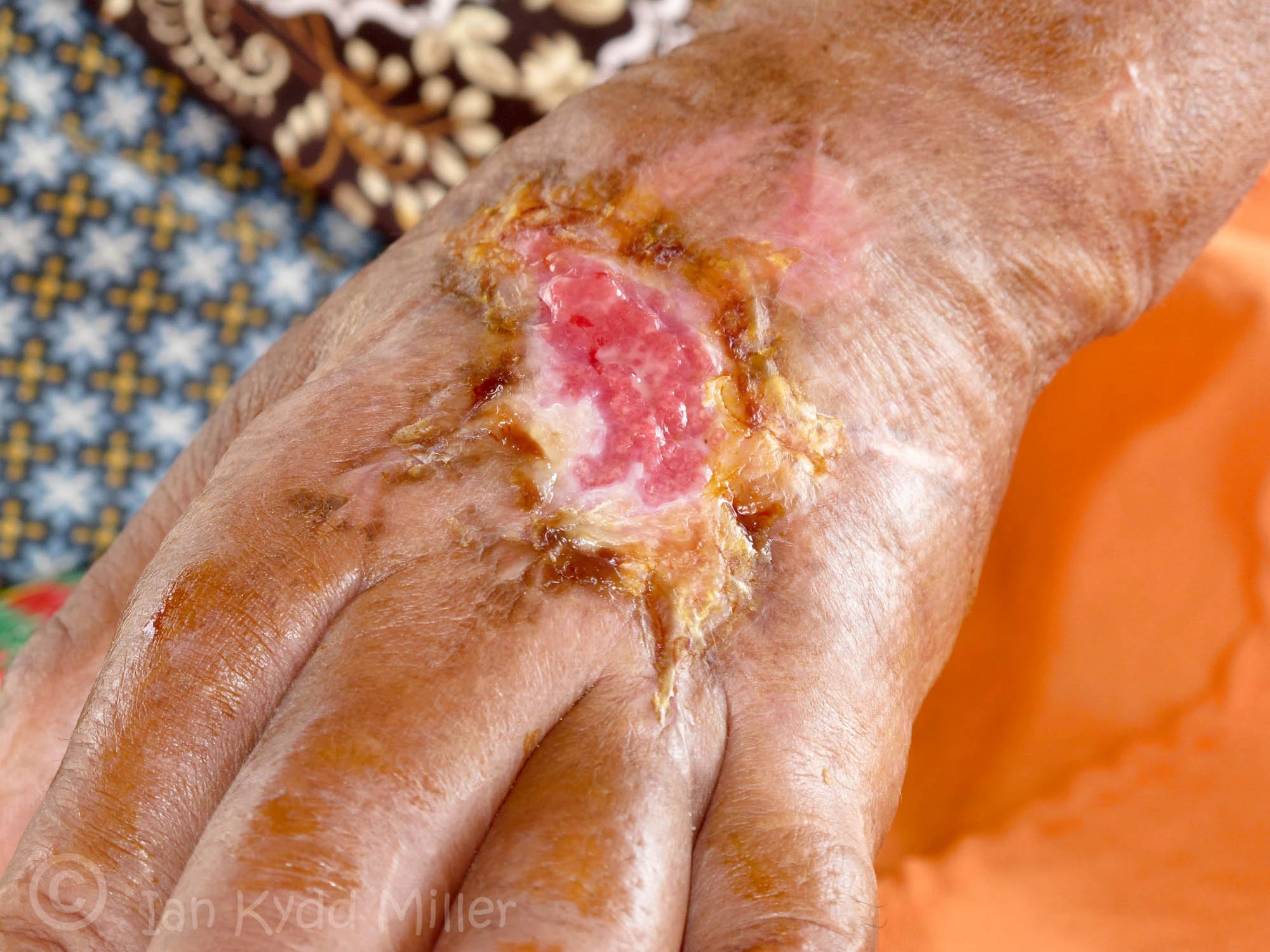
This is what we found the next day. The hand and arm were in a pretty terrible state and to all intents and purposes looked like it had never been cleaned and hand been left exposed since she had left hospital. It was quite badly infected and showed lots of necrosis on both the hand and arm, the primary bite site looked to be the hand although extensive damage up to the elbow could be seen.

As can be seen in the picture above the upper hand was extremely damaged and with a full thickness skin necrosis. The fingers were extremely swollen and tender but had good pulse showing blood flow present. This certainly was going to take time and commitment if anything was going to be done to improve the situation for this lady. It did not help that it would be a 70Km trip just to get there each time and 70Km back.

There was no way I could leave anyone in this state, the hand was badly infected and damage extended to the elbow. I had to accept that there were risks of further systemic infection and this was discussed with Srey Crieat. She just was so sad and wanted somebody to help and accepted the process may be long and maybe painful. She wanted to go ahead.

First things first I had to get the area clean and with the limited supplies I had with me I began that process.

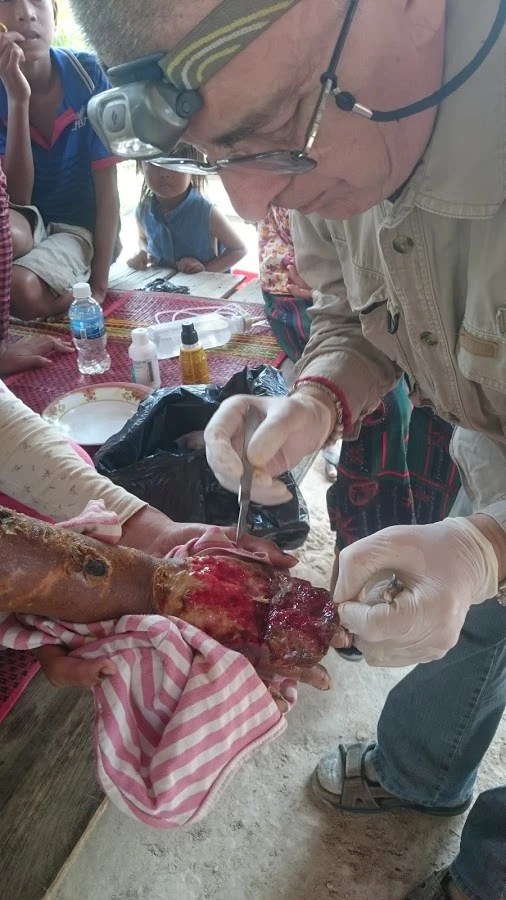
Using a mixture of Povidone and Hydrogen Peroxide I soaked the hand and removed most of the dirt, that I could see and also many insect eggs. The upper arm I decided to leave until I visited the next day, with the correct equipment to complete the cleaning process. The hand and arm would need more than just cleaning though it was in need of extensive debridement, but I did not have the gear with me to start that process.

A temporary covering was applied to the hand and arm and arrangement made to return the next day giving me time to gather and buy the gear I would need to begin this job. She did not appear to be in much pain, probably due to the damage done by the venom and she was not needing, at this point and analgesia.

Day Two

On returning the next day another extensive clean of the whole arm, fingertip to axilla was completed, using the same solution. The hand was in need of a sharp debridement but the necrosis was hard and very difficult to work with so I decided to dress the hand and lower arm in ”fresh wild honey” and dress it with ”cling film” (yes ordinary kitchen film) to soften and clean the areas of necrosis so that they could be more easily dealt with. I arranged to return in three days to begin the debridement.

Day Five

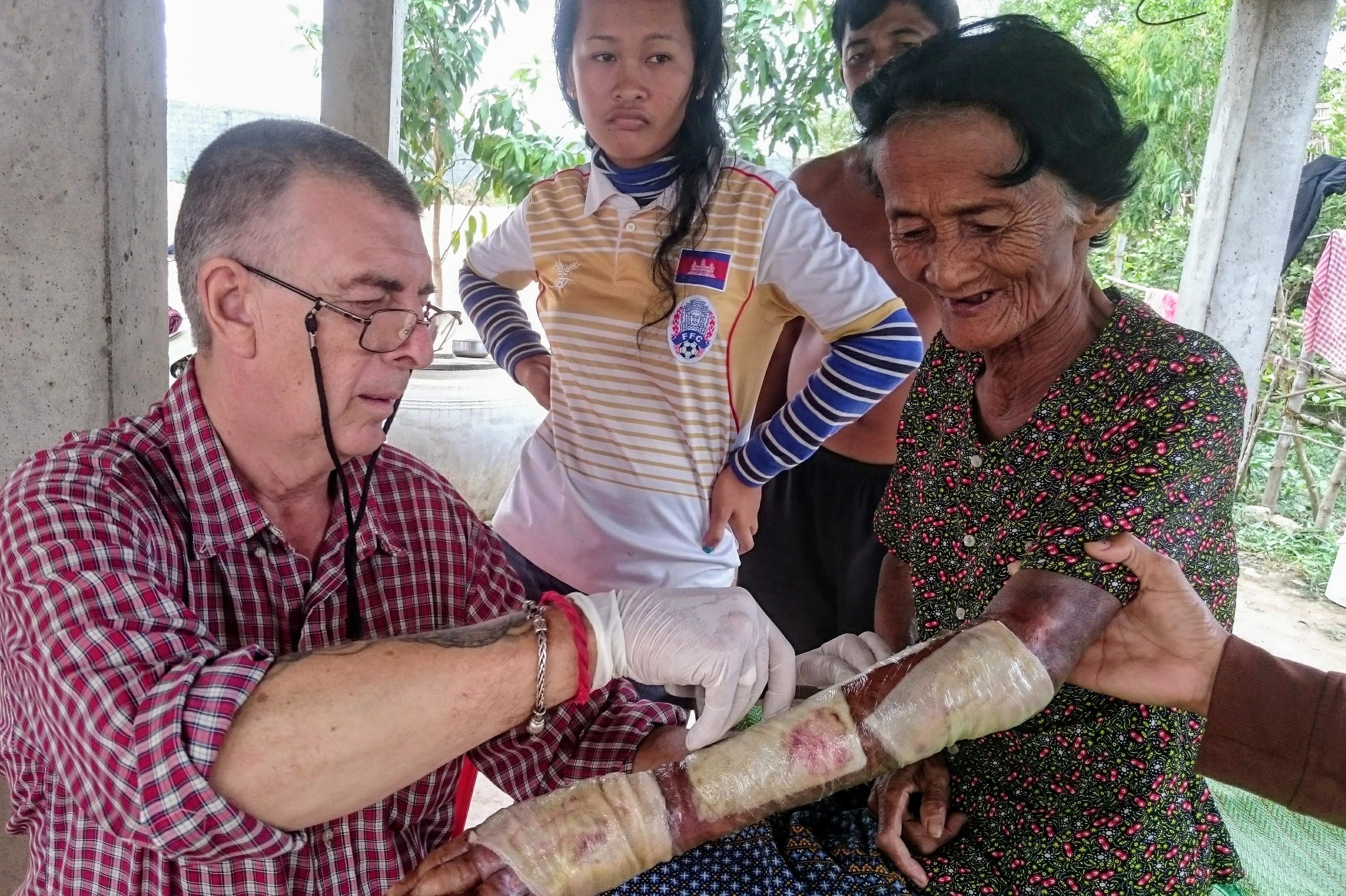
On my return the bandages and cling film were removed (as seen above) and the hand was much more manageable and ready for the necrotic tissue to be removed. It was quite extensive and not going to be a simple job, and care was need not to damage the underlying structures. I was prepared to use local anaesthetic but she said she did not have any real pain and so we went ahead without (slowly).

After about 30 minutes of work, with very little bleeding, we were able to remove the necrosis down to nice pink tissue with good blood flow.

This was enough for her for one day but she showed no pain. The other areas on the arm also need to be removed but there was no rush, the main area of potential infection on the hand was off and I was please to return to the other areas in a few days. The hand and arm were again redressed with Honey (lots of it) and cling film and I would return in three days to continue giving the hand and the lady time to recover.

Day Eight

On returning I set to work removing the other necrotic areas on her forearm. After this we continued for another week (twice weekly visits) with honey and cling film dressings. She was given another course of antibiotics as a precaution and because of the difficult conditions she lives in. After this no more antibiotics were needed.

The improvements began to come quite quickly once the area was fully cleaned of necrosis and other detritus. I used plain white sugar mixed with Vitamin D ointment on the hand for the next week and continued the honey application to the forearm. This seemed a good combination and worked well.

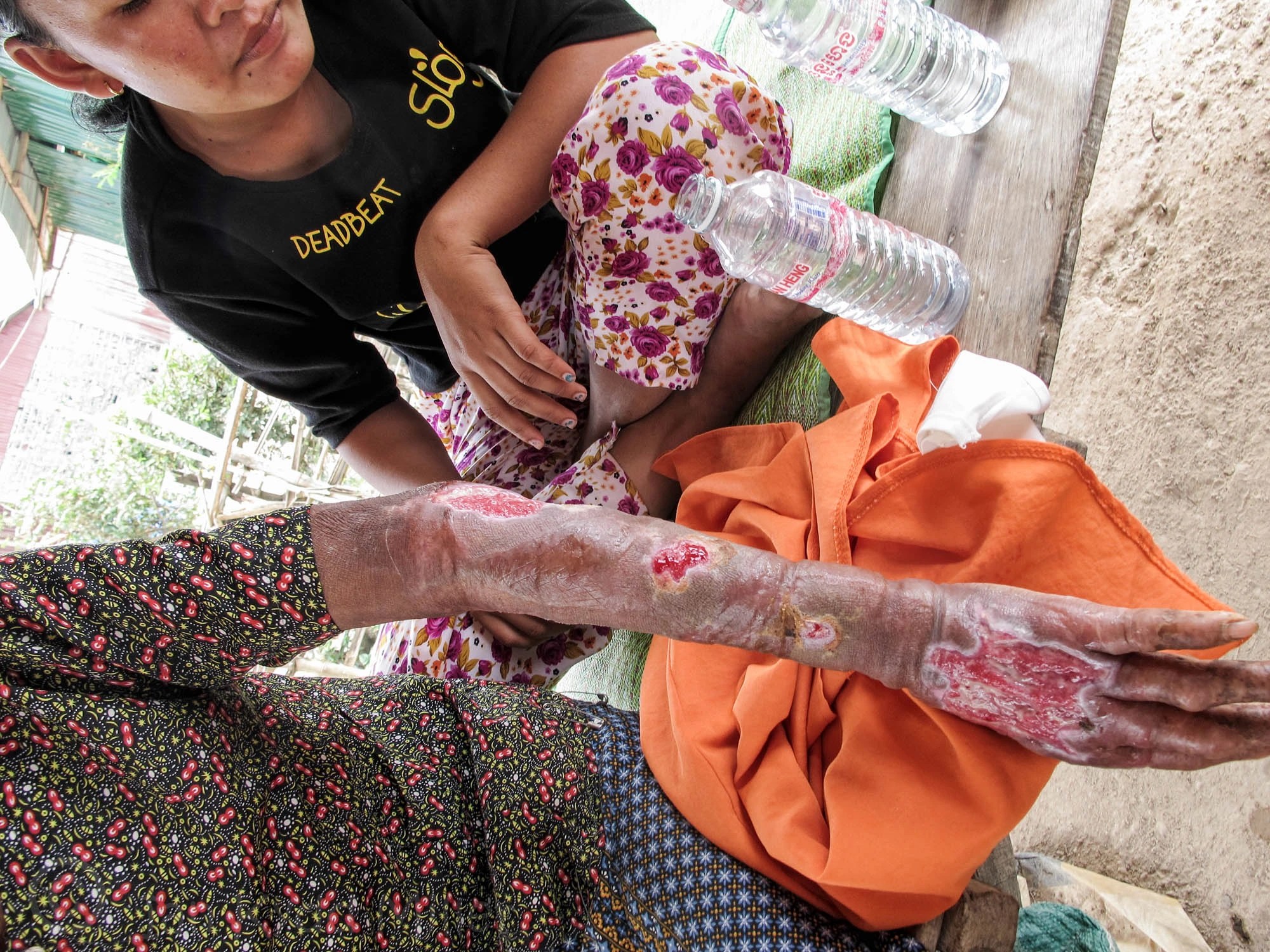
This was the back of her hand after four weeks, showing pretty good healing and no infection present. I continued with sugar and vitamin ointment.

After another three days even more improvement noted.

Day 11

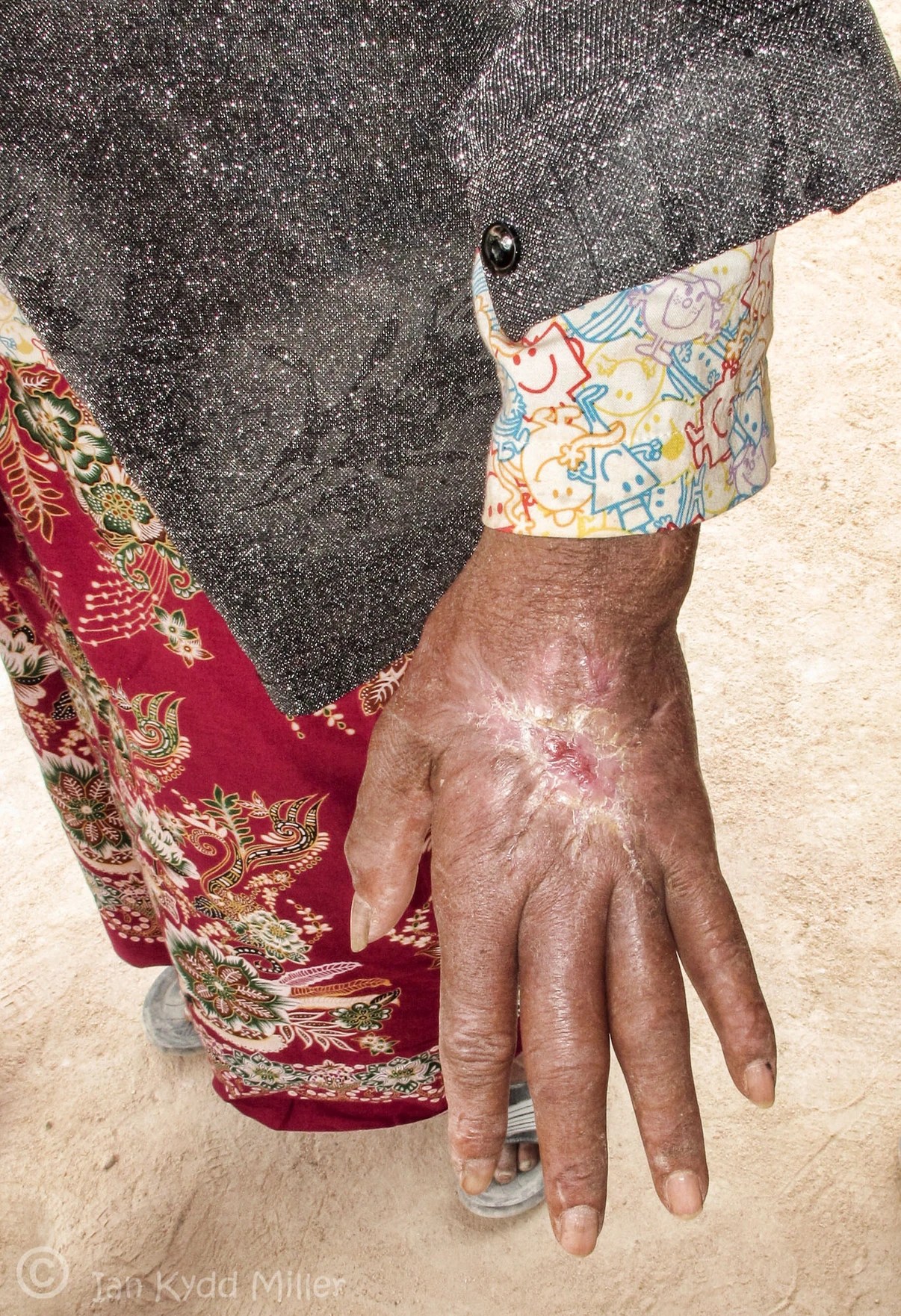
We continued with the same treatment for the next week, the wounds continued to get smaller until the point came over the last two weeks that some of the areas were ready to begin the process of scabbing. For the next week we dressed all areas with no stick dressings brought in by a friend from Bangkok, until such a point than we only needed dry protective dressings.

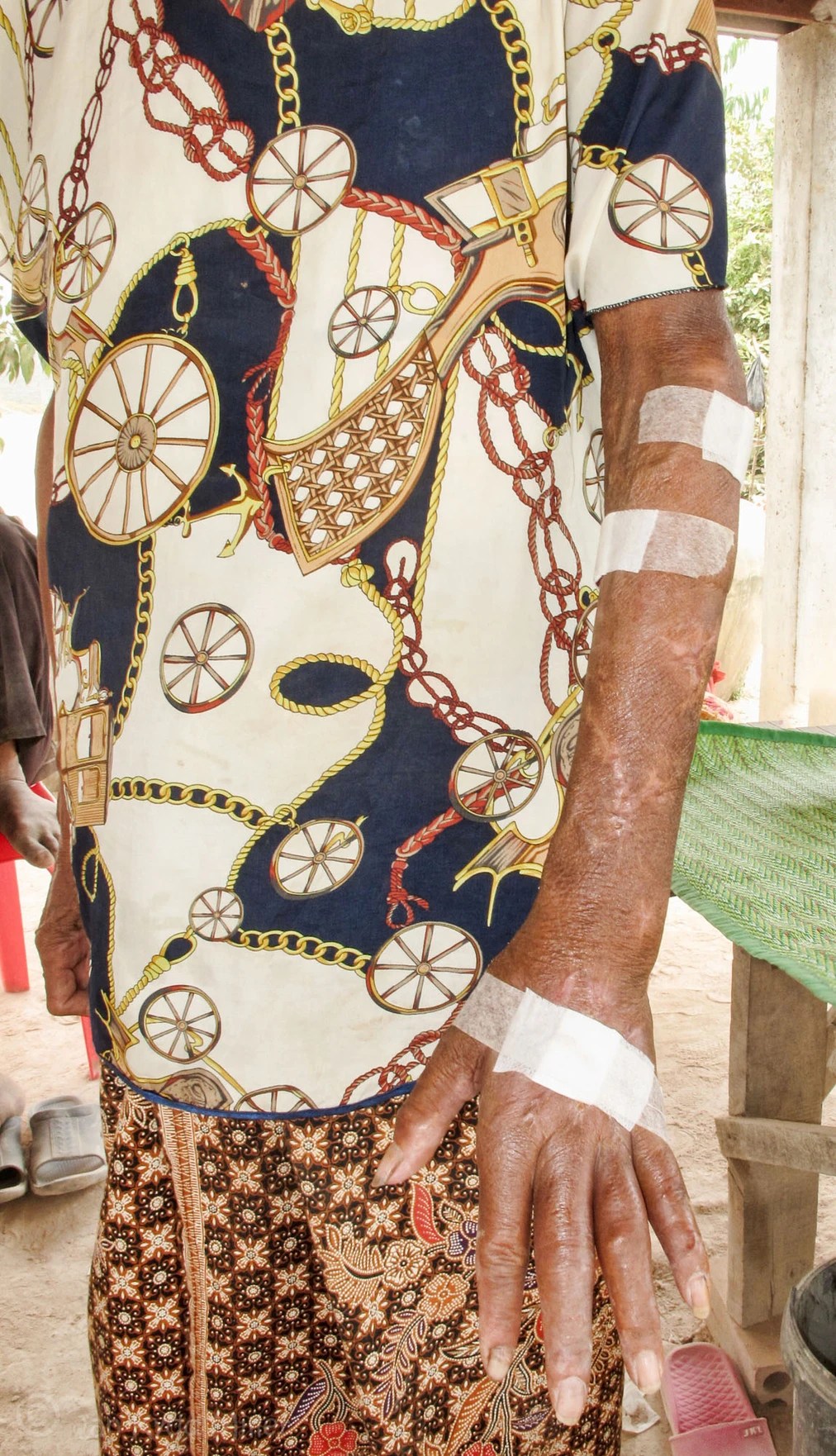
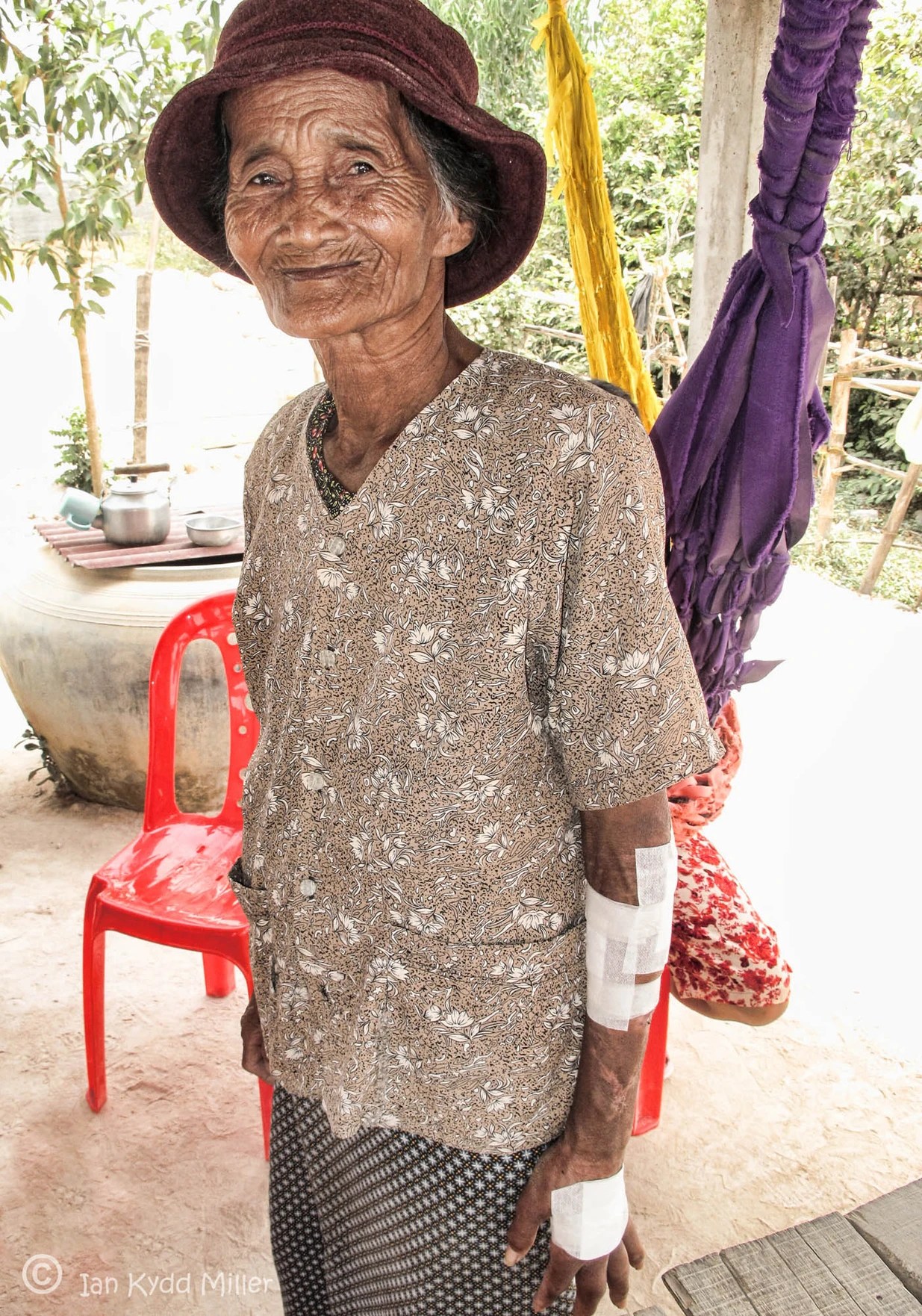
As can be seen on the last pictures there is certainly some scar tissue but much less than I expected. She has a reasonable amount of movement in her hand and her fingers will become less swollen as her hand movement increases.

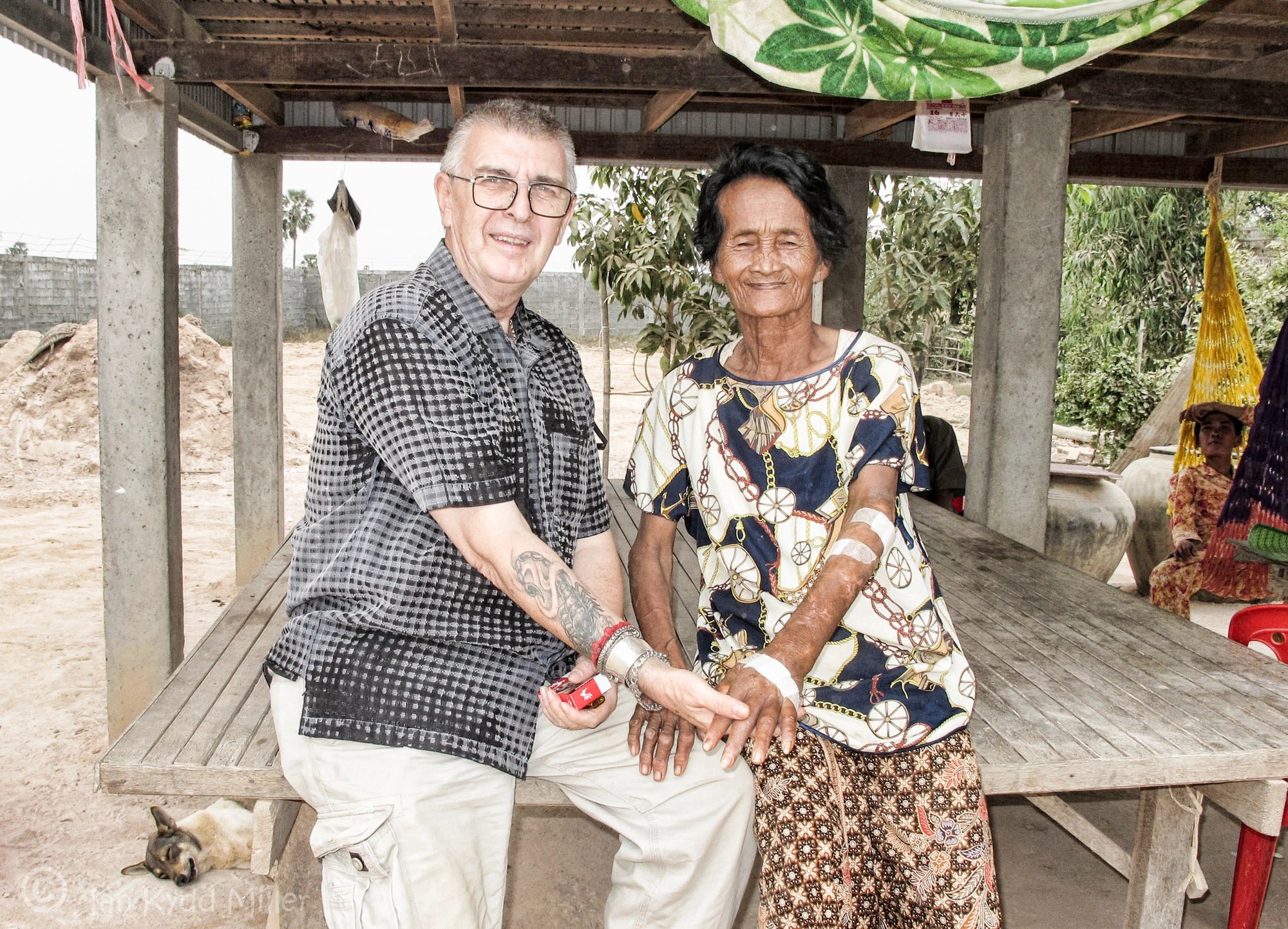
Simple dry dressings now until the remaining areas scab over. One very happy and feisty lady now, such a pleasure to see. Just over seven weeks total to get to this point. Such a brave lady, well done …..

BIG THANKS GO OUT TO BILL FOR HIS GETTING ME SAFELY THERE WHEN NEEDED AND HIS SUPPORT IN GENERAL. TO ALL THOSE WHO MADE THIS POSSIBLE (YOU KNOW WHO YOU ARE) I APPRECIATE IT AND SO DO THOSE IN NEED

#firstaid #asia #medical #sick #charity #snakebite

Kids International Dental Services

cambodia, opinons, thoughts, photography, voluntary

Kids International Dental Services (KIDS) is a remarkable nonprofit organization dedicated to providing pro-bono dental care to children in need across various developing countries.

Established in 2009, KIDS has been on a mission to not only offer essential dental services but also to inspire young dental professionals to embrace volunteerism as a core part of their careers. With a focus on education, empowerment, and inspiration, KIDS operates with the belief that every child deserves access to dental care, which is crucial for their overall health, academic performance, and future opportunities.
The organization has served thousands of children in countries like Cape Verde, The Philippines, Cambodia, Haiti, South Africa, Mongolia, Guatemala, and Morocco, emphasizing the importance of dental health and hygiene in community development. By collaborating with local communities, KIDS also works to create sustainable practices that can continue to benefit children long after the volunteers have left.

Moreover, KIDS fosters a cycle of giving by mentoring volunteers and establishing lasting relationships with the communities they serve, ensuring a continuous impact. For those interested in contributing to this noble cause, KIDS welcomes volunteers and supporters from all walks of life, offering a platform for individuals to make a significant difference in the lives of children who need it the most.