Born: June 15, 1933, in East London, to Irish immigrant parents.
World War II: Evacuated twice as a child — first to Kings Langley, where he lived briefly with actors Roger Livesey and Ursula Jeans, and later to Wales.
Education: Initially studied painting at St. Martin’s School of Art, but switched to dress design. His design background gave him a sharp eye for form and style, which later influenced his photography.
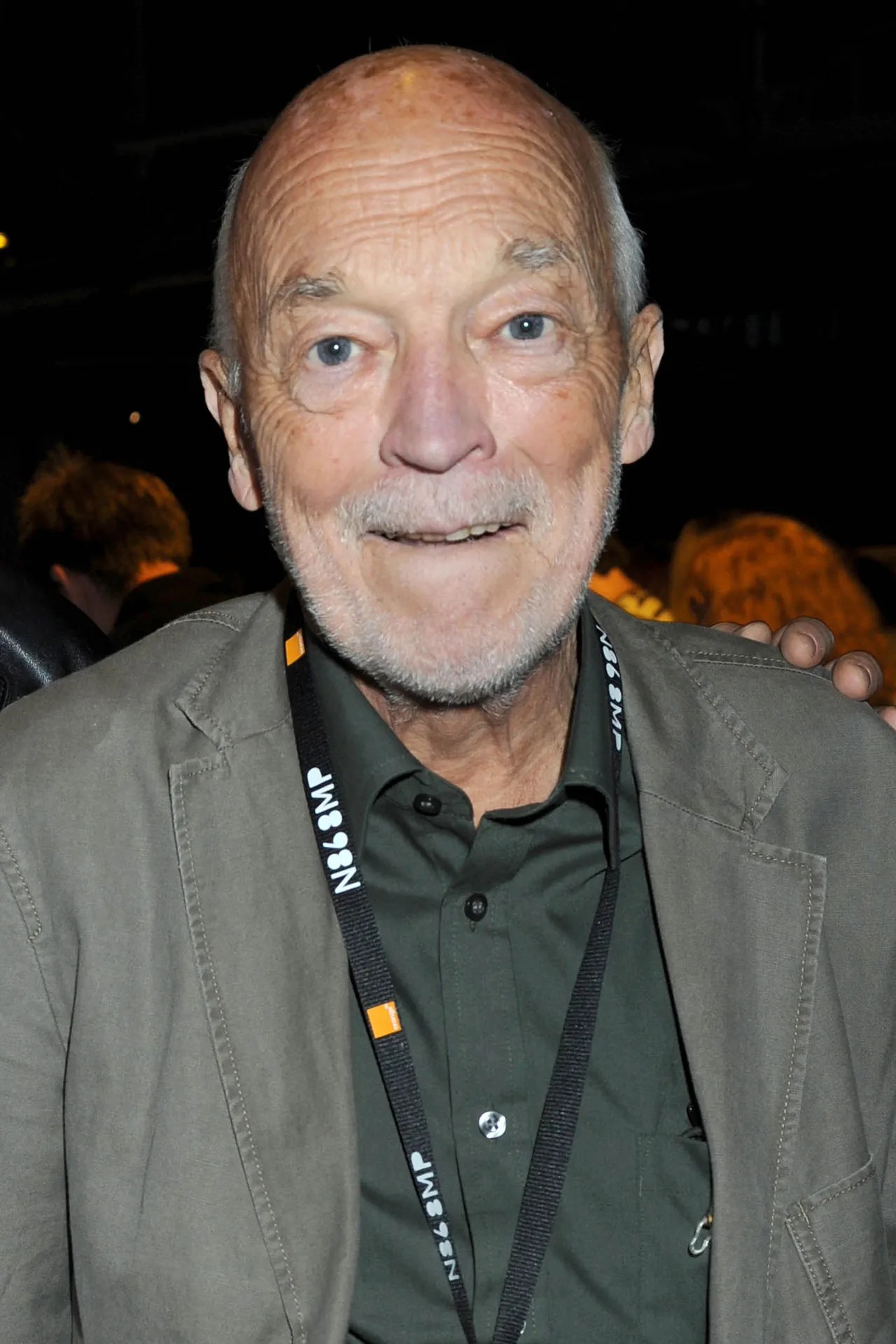
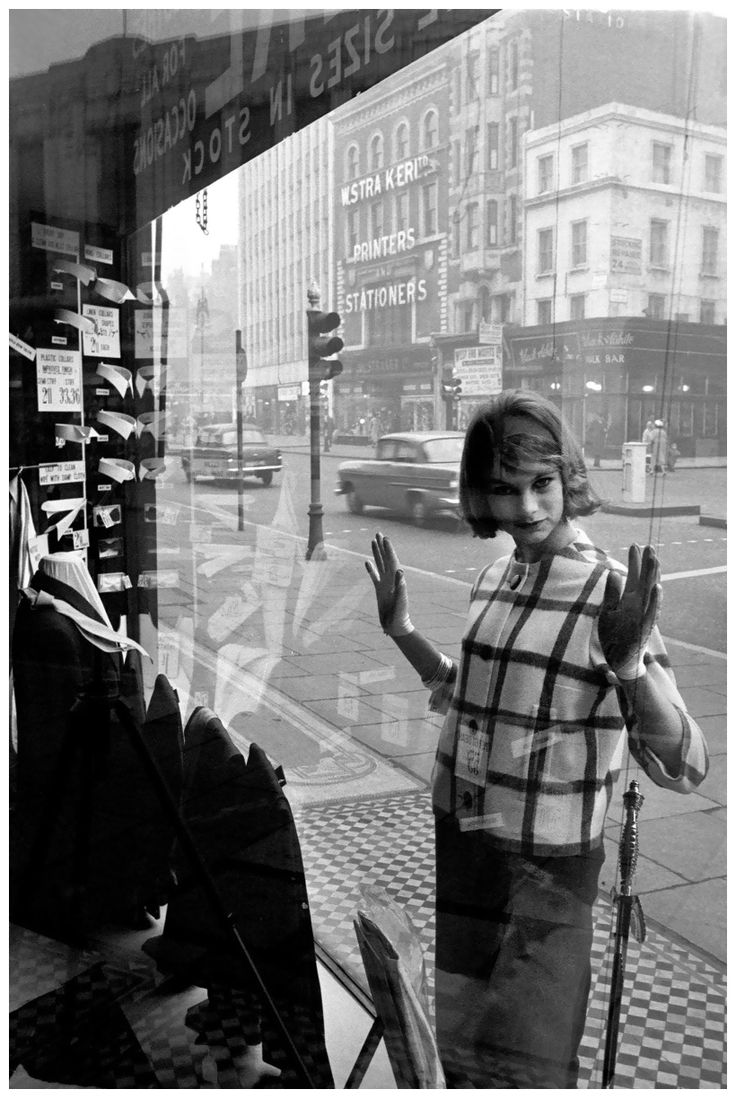
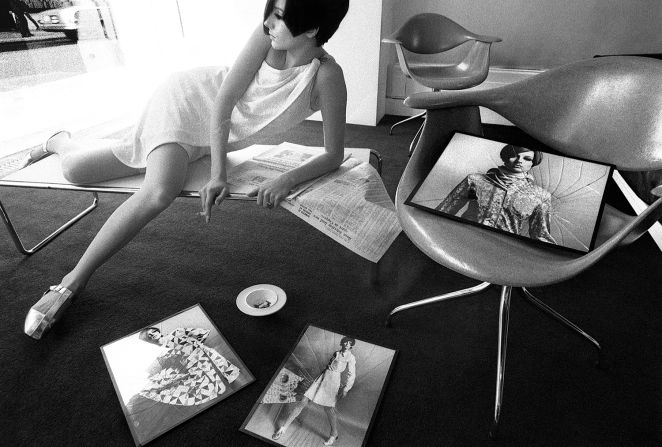
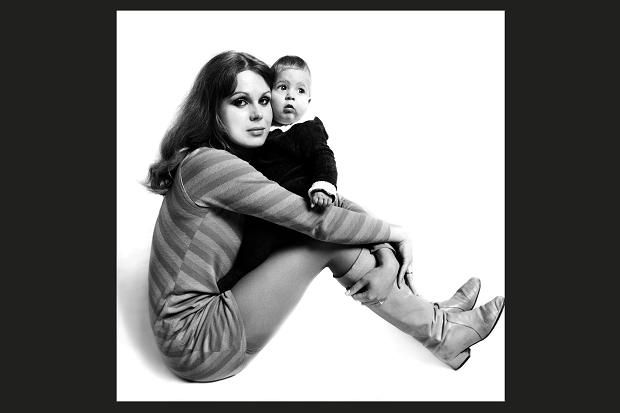
Brian Duffy (1933–2010) was a groundbreaking British photographer and film producer, best known for his fashion and portrait work during the 1960s and 1970s. Alongside David Bailey and Terence Donovan, he formed the “Black Trinity” of photographers who revolutionized fashion imagery, bringing a raw, street‑wise energy that defined Swinging London.
📷 Career Beginnings
Started as a fashion illustrator for Harper’s Bazaar.
Transitioned to photography in the late 1950s, securing a position at British Vogue in 1959.
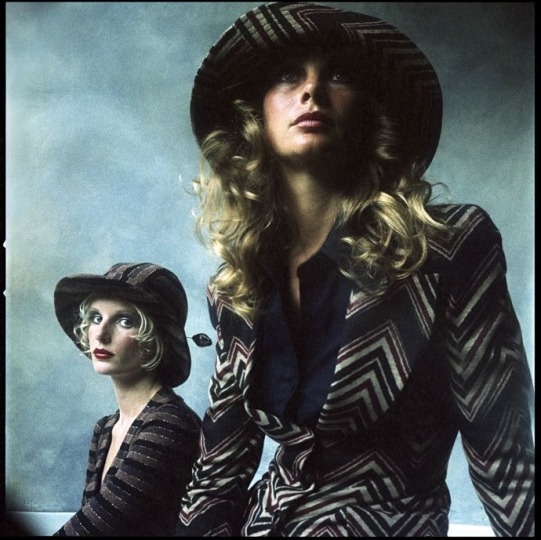
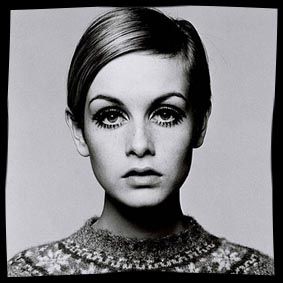
His unconventional approach — using natural light, dynamic poses, and urban settings — broke away from the stiff, aristocratic fashion imagery of the time.
🌟 The “Black Trinity”
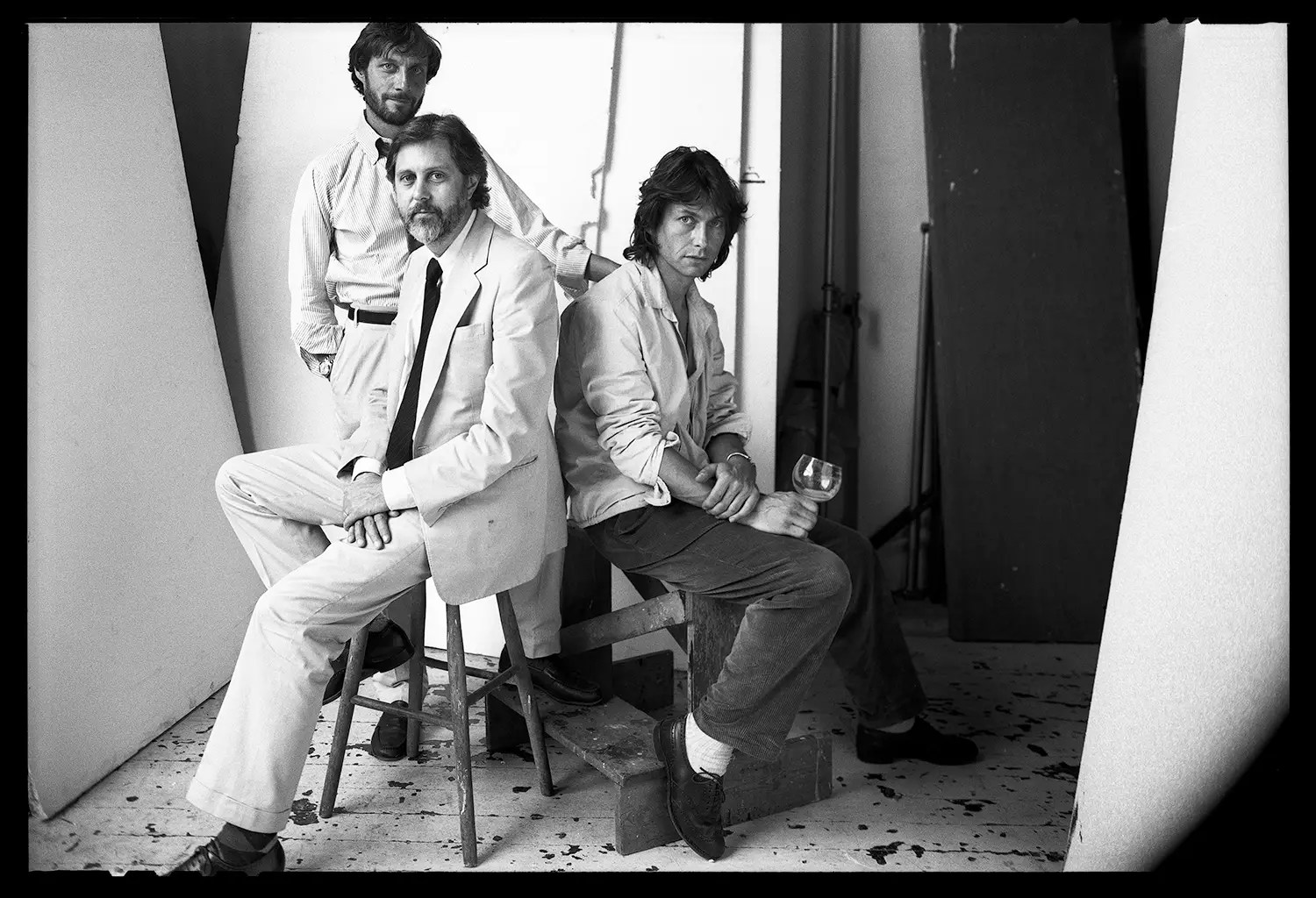
Alongside David Bailey and Terence Donovan, Duffy formed the so‑called “Black Trinity.”
Together, they democratized fashion photography, capturing the energy of Swinging London and making models look like cultural icons rather than distant aristocrats.
Their work mirrored the youth revolution of the 1960s, blending fashion with street culture.
🎭 Iconic Work
Pirelli Calendars: Shot three editions (1973, 1974, 1977), known for their bold and sensual imagery.
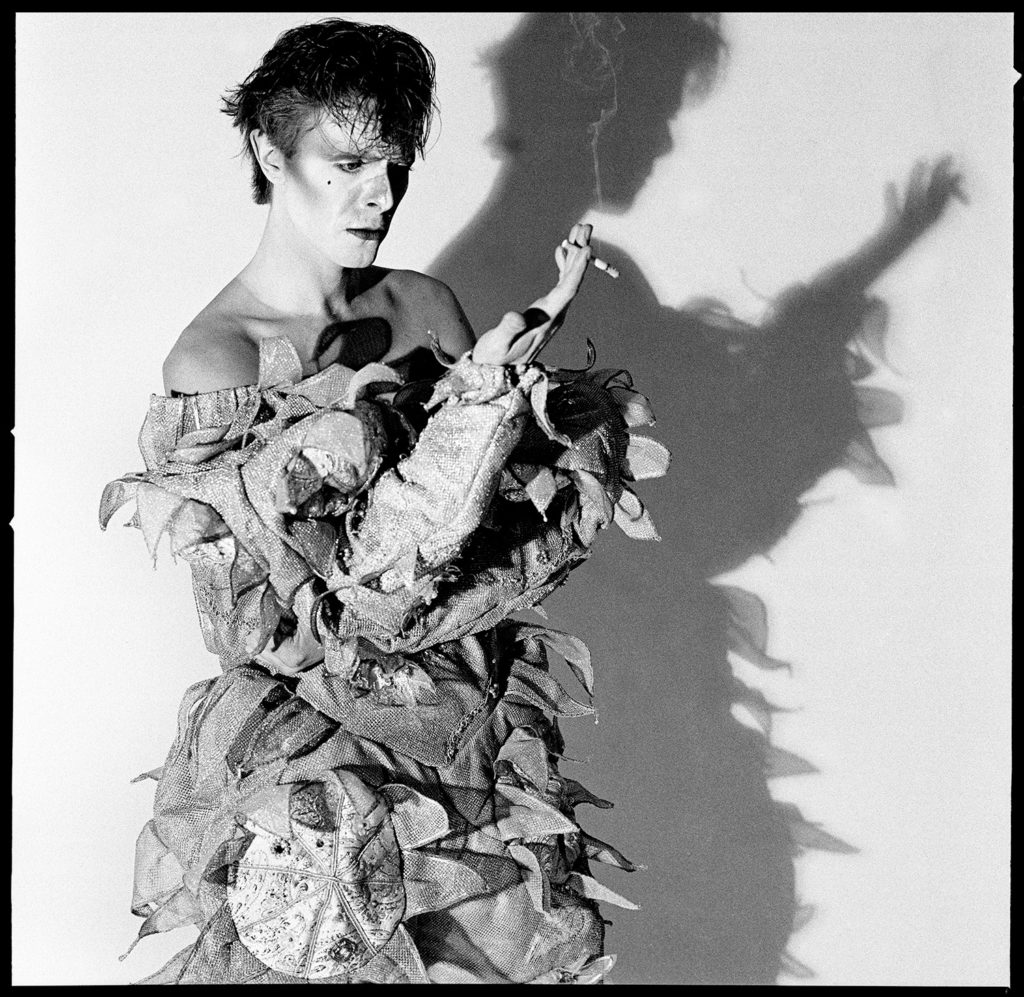
David Bowie Collaboration: Created the legendary Aladdin Sane album cover (1973), featuring Bowie with the lightning bolt makeup — one of the most iconic images in music history.
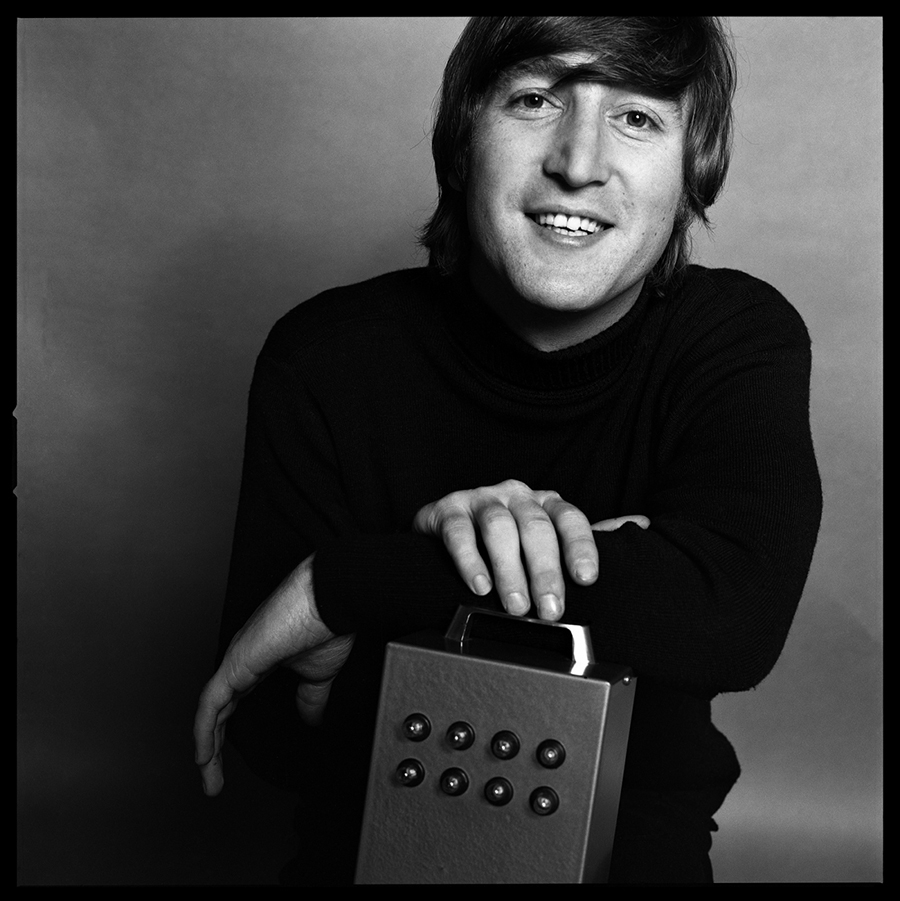
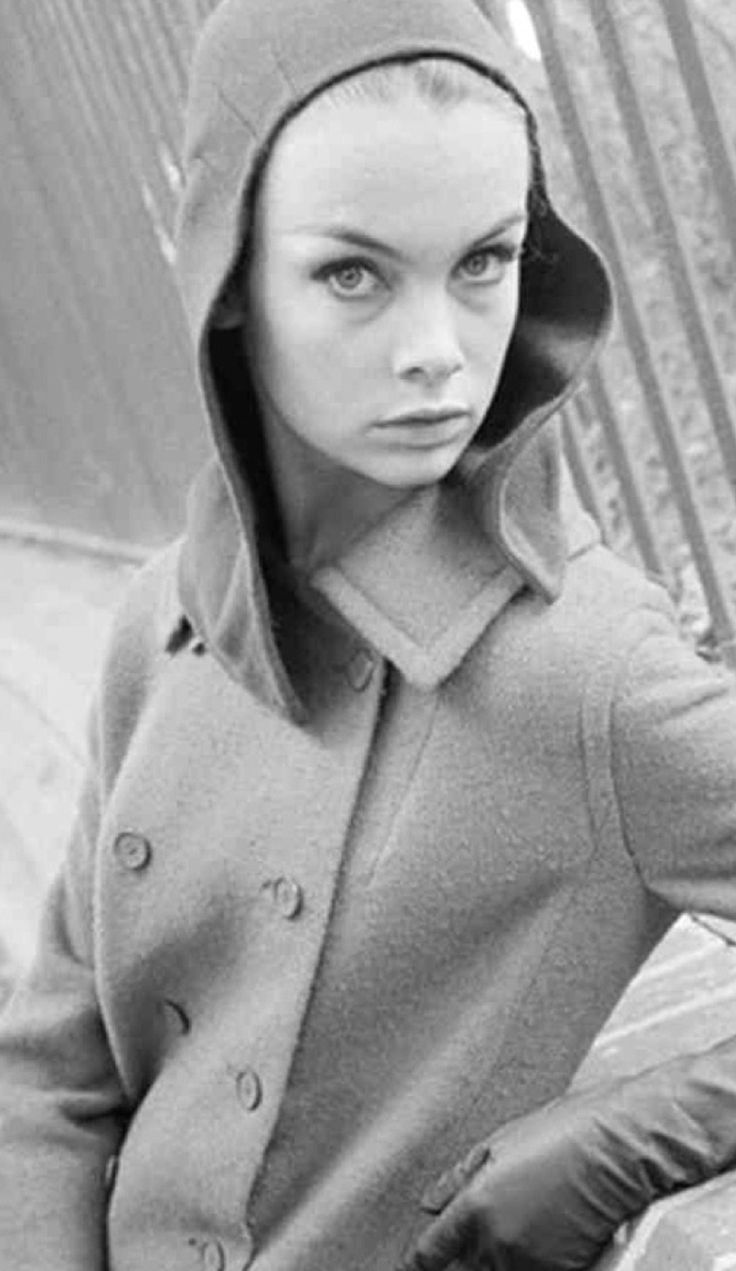
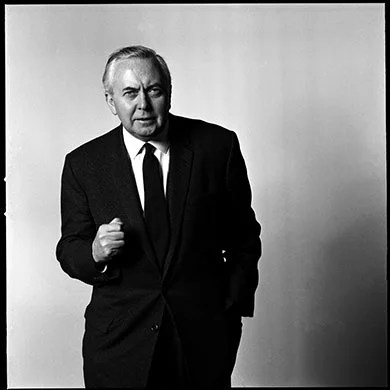
Celebrity Portraits: Photographed John Lennon, Michael Caine, and Jean Shrimpton, among others.
His fashion spreads blurred the line between documentary and glamour, emphasizing realism and attitude.
🎬 Other Ventures
In the 1980s, Duffy stepped back from photography, moving into film production and commercials.
Later pursued antique furniture restoration, showing his versatility and interest in craftsmanship.
⚰️ Death
Died: May 31, 2010, at age 76 in London.
Survived by his children: Christopher, Charlotte, Samantha, and Carey.
🌍 Legacy
Remembered as one of the most influential photographers of the 20th century.
His rediscovered archive has been exhibited widely, ensuring his work continues to inspire.
The “Black Trinity” (Bailey, Donovan, Duffy) are credited with transforming fashion photography into a vibrant, youthful, and culturally relevant art form.
✨ In Summary
Brian Duffy was a revolutionary figure in fashion photography, blending design sensibility with raw energy. His work defined the look of 1960s London, immortalized cultural icons, and left a legacy that continues to shape visual culture today.
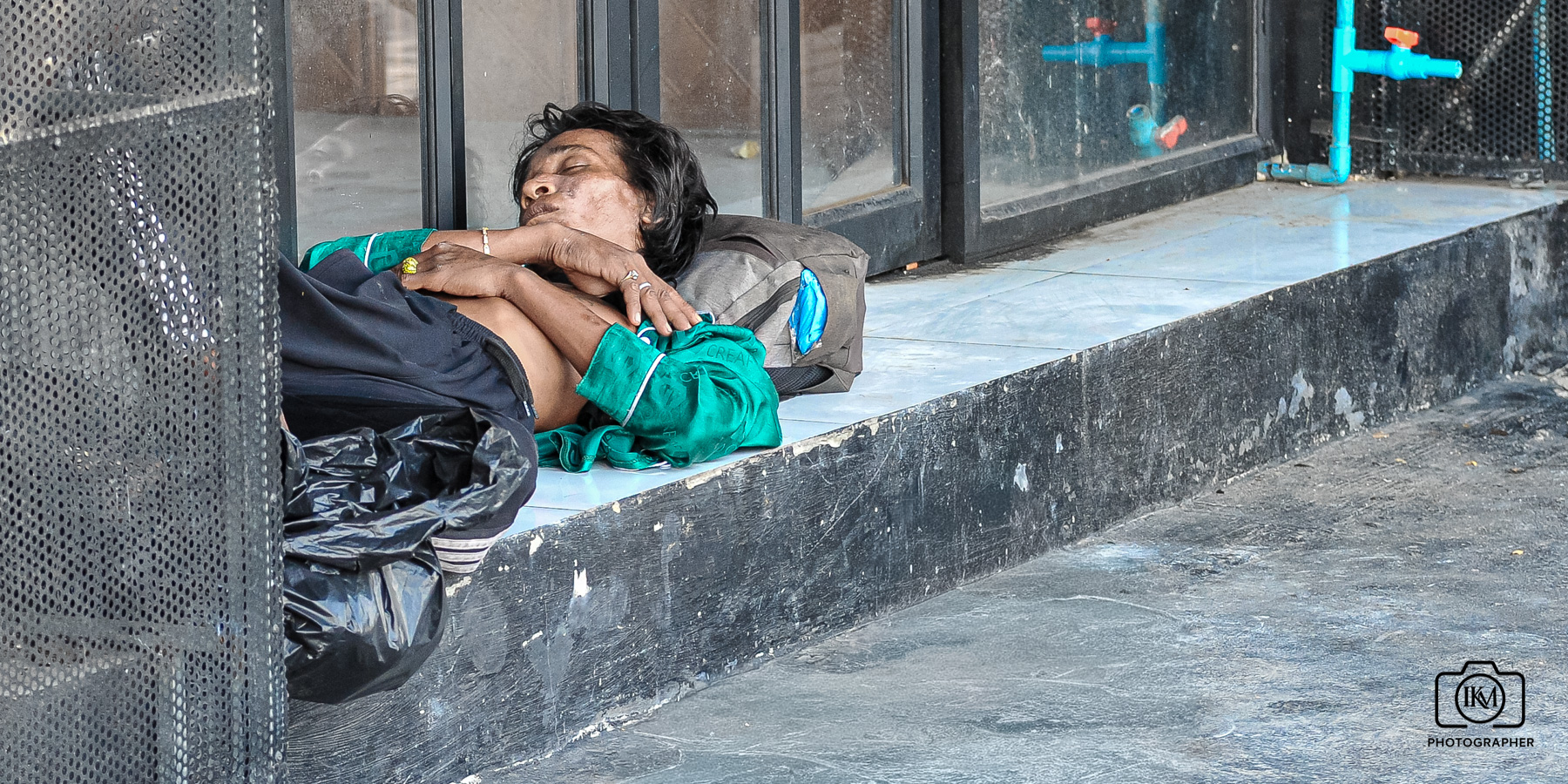
Publishing shocking images is neither inherently right nor wrong—it depends on intent, context, and consequence. The ethical challenge lies in balancing public interest with personal dignity, truth with sensitivity, and impact with responsibility.
Photojournalism often confronts us with the raw edge of reality—war, disaster, injustice, grief. These images can jolt viewers into awareness, spark outrage, and mobilise change. But they can also retraumatise, exploit, or misrepresent. So when is it right to publish a shocking image—and when is it wrong?
✅ When It’s Justified
Public interest outweighs discomfort: Images that expose systemic abuse, corruption, or humanitarian crises may be shocking—but they serve a vital civic function.
Truth is preserved: If the image is accurate, unmanipulated, and contextually honest, it contributes to informed discourse.
Consent is considered: When possible, subjects should be aware of how their image will be used—especially in vulnerable situations.
Impact is constructive: If the image leads to policy change, aid mobilization, or cultural reckoning, its shock may be ethically warranted.
❌ When It’s Problematic
Sensationalism overrides substance: If the image is published for clicks, not clarity, it risks exploitation.
Subjects are dehumanised: Graphic depictions that strip away dignity or reduce people to symbols of suffering cross ethical lines.
Context is missing: A shocking image without background can mislead, stigmatise, or distort public understanding.
Harm outweighs benefit: If the image retraumatises survivors, endangers individuals, or incites hate, it should be reconsidered.
🧭 Ethical Guidelines for Publishing Shocking Images
Caption with care: Provide factual, neutral context to guide interpretation.
Blur or anonymise when needed: Protect identities in sensitive situations.
Seek editorial review: Run controversial images past peers or editors before publishing.
Reflect before release: Ask: Would I feel respected if this were me?
🧠 Final Thought
Shocking images have power—but power without ethics is dangerous. The goal of photojournalism is not to numb or exploit, but to awaken and inform. Publishing such images demands courage, but also compassion. The question is not just can we publish—but should we. And that answer must be earned, not assumed.
Would you like this adapted into a visual manifesto or ethics card for your portfolio?
Publishing Shocking Images: Right or Wrong
Shocking images command attention, accelerate public debate, and can catalyze change — but they also risk exploitation, retraumatisation, and distortion. Deciding whether to publish such images is an ethical judgment as much as an editorial one, requiring clear criteria, transparency, and a commitment to minimizing harm.
What we mean by shocking images
Shocking images are photographs that provoke strong emotional reactions because they show violence, suffering, severe injury, or intimate moments of distress. They differ from disturbing journalism in degree and immediacy: their visceral impact can both illuminate and overwhelm a story.
Arguments for publishing
Public interest and accountability: Graphic images can document abuses and provide evidence when other records are absent; they can mobilize public opinion and spur policy or humanitarian response.
Bearing witness: Photographers and news organizations sometimes cite a duty to show realities that would otherwise be unseen, arguing that sanitizing imagery risks erasing the urgency of certain crises.
Truth-telling value: When used responsibly, stark images can convey truths that words alone cannot, making abstract harms tangible for audiences.
(These benefits depend on accurate captioning, strong sourcing, and editorial restraint to ensure images inform rather than manipulate.)
Arguments against publishing
Exploitation and dignity: Shocking images can reduce people to objects of spectacle, stripping context and agency from victims and survivors.
Harm and retraumatization: Graphic exposure can cause further trauma to subjects, their families, and communities; publication can have long-term consequences for those depicted.
Manipulation and loss of trust: Cropping, sequencing, or sensational captions can distort meaning and erode public trust in journalism; visual shock for clicks undermines credibility.
Ethical criteria to apply before publishing
Public interest test — Does the image materially inform the public or hold power to account, beyond mere sensationalism?.
Dignity check — Can the subject’s dignity be preserved through framing, captioning, or anonymisation?.
Harm assessment — What are the likely short- and long-term harms to the subject, family, or community? Can those harms be mitigated?.
Provenance and accuracy — Is the image verified, honestly captioned, and placed in proper context?.
Alternatives — Could less graphic visuals, stills, or descriptive reporting achieve the same public interest goal with lower harm?.
Apply these in sequence: fail any single test, and the case for publication weakens considerably.
Practical editorial guidelines
Use clear, factual captions that state who, what, where, when, and why; avoid sensational language.
Consider cropping or blurring to preserve identity and dignity without erasing the essential truth.
Offer warnings and placement choices (e.g., not lead-story fronting on social feeds) so audiences can consent to exposure.
Disclose edits and sourcing when relevant; transparency builds trust.
Use peer review or editorial oversight for borderline cases, and consult legal counsel when publication could create liability or danger.
Conclusion
Publishing shocking images can be ethically defensible, but never automatic. The default should be caution: ask whether the image serves a clear public interest, whether it preserves human dignity, and whether harms have been reasonably mitigated. When journalists and editors apply rigorous verification, contextualization, and harm-conscious practices, graphic images can illuminate truth and prompt change; without those safeguards, they risk exploitation and eroded trust
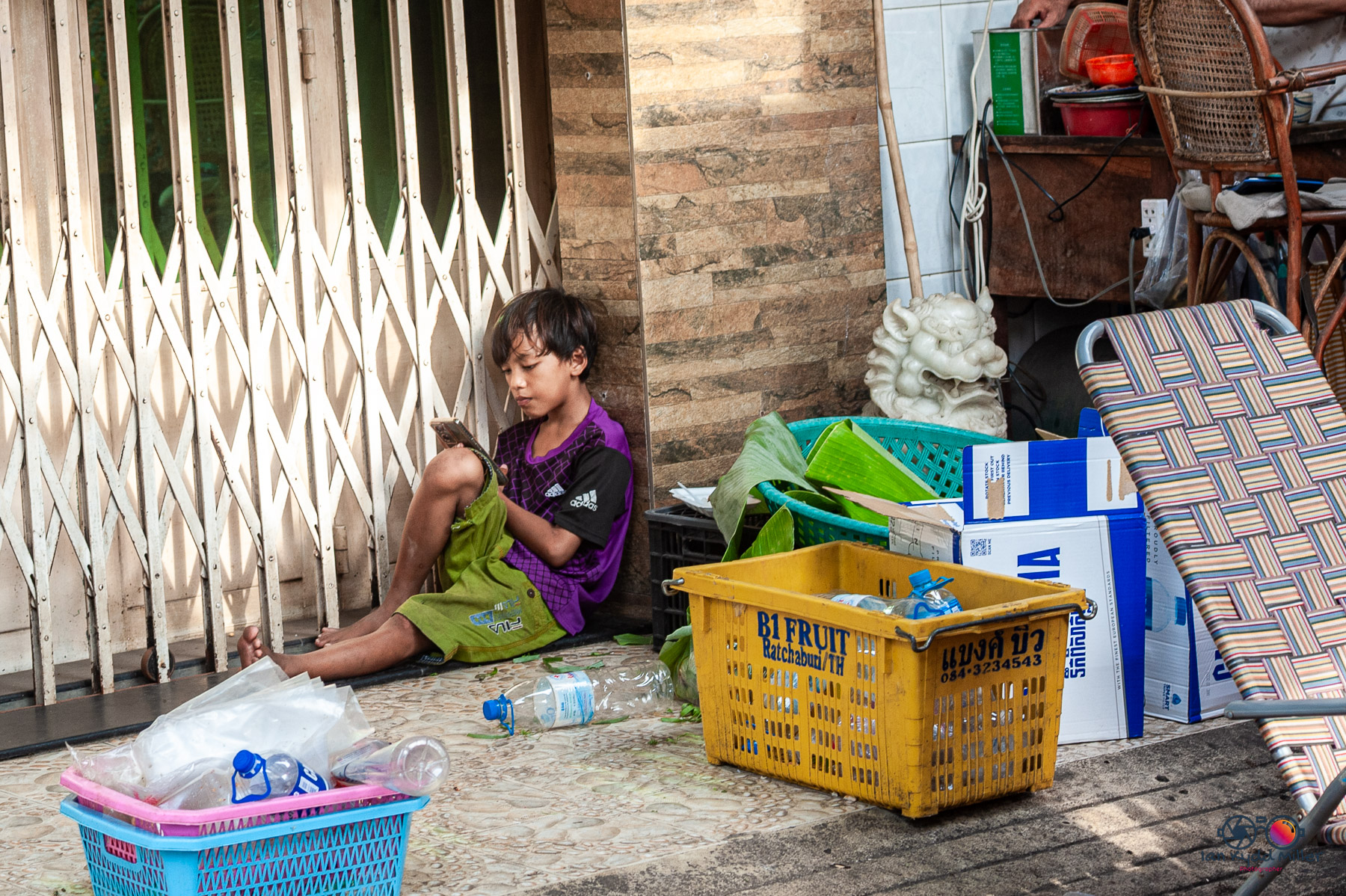
Photojournalism is often seen as passive documentation—a mirror held up to the world. But the most powerful photojournalism doesn’t just reflect; it provokes. It challenges assumptions, confronts injustice, and forces viewers to reckon with realities they might otherwise ignore. In this sense, photojournalism becomes an agent provocateur—a catalyst for dialogue, discomfort, and transformation.
🔥 Provocation with Purpose
Truth is not neutral: A photograph of a protest, a refugee camp, or a grieving parent is not just a record—it’s a statement. It demands attention, empathy, and often, action.
Disruption is ethical when intentional: Provocative images must be rooted in truth, not sensationalism. The goal is not to shock for clicks, but to awaken conscience.
Emotional resonance drives change: Images that evoke anger, sorrow, or solidarity can mobilize public opinion, influence policy, and reshape cultural narratives.
⚖️ Ethical Boundaries of Provocative Imagery
Avoid manipulation: Cropping, staging, or misleading captions erode trust.
Respect subject dignity: Even when exposing injustice, subjects must be portrayed with humanity.
Context is critical: A provocative image without background risks misinterpretation or harm.
🛠️ How to Use Provocation Responsibly
Pair images with clear intent: What do you want the viewer to feel, question, or do?
Use restraint: Sometimes the most powerful image is the one that suggests rather than shows.
Engage in aftercare: Follow up with subjects, offer access, and monitor impact post-publication.
🧠 Final Thought
Photojournalism as agent provocateur is not reckless—it’s radical in its clarity. It dares to disturb, but never to distort. It holds power to account, amplifies the unheard, and reshapes public imagination. When guided by ethics and purpose, provocation becomes not just a tool—but a responsibility.
A Short History of a Photojournalist Who Risked Everything to Show the Truth
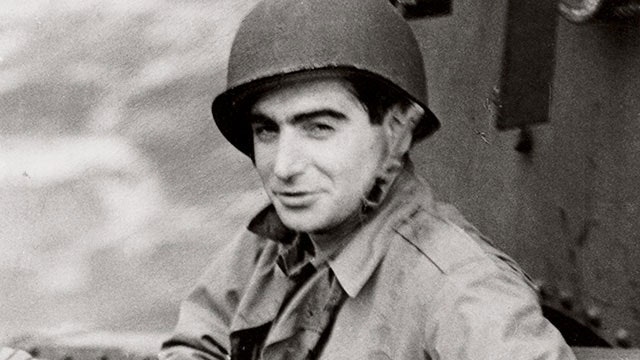
Robert Capa’s name is synonymous with frontline photojournalism. He didn’t just photograph war—he lived it, crawled through it, and bore witness to its brutality with a camera in hand. His images are not just records of history; they are emotional testaments to the people caught in its crossfire. He was a legendary war photojournalist whose images captured the raw human cost of conflict.
🧭 Early Life and Identity
Born October 22, 1913, in Budapest, Austria-Hungary, Capa fled political repression as a teenager and moved to Berlin. As Hitler rose to power, he relocated to Paris, where he adopted the pseudonym “Robert Capa” to sound more American and marketable. He partnered with fellow photojournalist Gerda Taro, and together they began documenting the Spanish Civil War.
📰 War Coverage and Iconic Work
Capa covered five major conflicts:
Spanish Civil War (1936–1939): His photo The Falling Soldier became one of the most iconic war images ever taken.
Second Sino-Japanese War
World War II: He landed with American troops on D-Day, capturing blurry, visceral images under fire at Omaha Beach.
1948 Arab–Israeli War
First Indochina War: Where he was tragically killed by a landmine in 1954 while on assignment in Vietnam.
His approach was simple: “If your pictures aren’t good enough, you’re not close enough.” He believed in proximity—not just physical, but emotional.
🖋 Magnum Photos and Legacy
In 1947, Capa co-founded Magnum Photos with Henri Cartier-Bresson, David Seymour, and others. Magnum became a cooperative agency that gave photographers control over their work—a revolutionary idea at the time.
Capa’s legacy includes:
A new standard for human-centered war photography
A commitment to ethical witnessing
A body of work that continues to educate and move viewers worldwide
🧭 Final Thought
Robert Capa didn’t glorify war—he exposed it. His images are grainy, imperfect, and often chaotic, but they pulse with truth. He showed that photography could be more than documentation—it could be resistance, empathy, and remembrance.
A Short History of a Photojournalist Who Saw It All
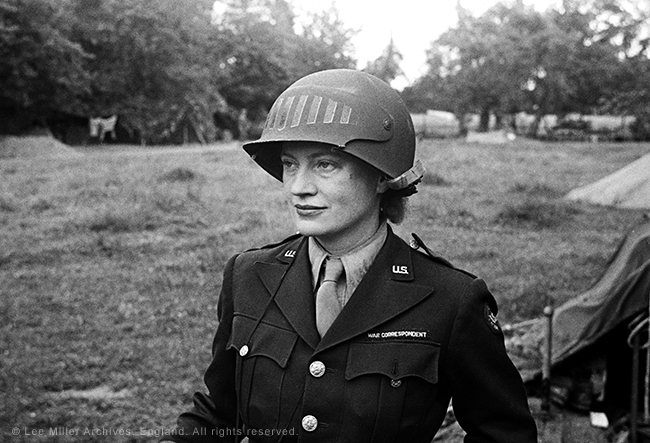
Lee Miller’s life reads like a novel—glamorous, harrowing, and fiercely independent. Born Elizabeth Miller in 1907 in Poughkeepsie, New York, she began her career as a fashion model in the 1920s, gracing the pages of Vogue and becoming a muse to artists like Man Ray. But Miller was never content to be just a subject. She stepped behind the camera and forged a career that would take her from the surrealist salons of Paris to the front lines of World War II.
🎨 Early Career: Surrealism and Studio Work
In Paris, Miller became deeply involved in the Surrealist movement. She collaborated with Man Ray, co-discovering the solarization technique and producing haunting, dreamlike images that blurred the line between reality and imagination. Her early work explored themes of identity, femininity, and psychological tension—often with a bold, experimental edge.
After returning to New York, she opened her own studio and worked as a fashion and portrait photographer. But the outbreak of war would soon shift her focus from art to history.
📰 War Correspondent for Vogue
During World War II, Miller became a correspondent for Vogue, one of the few women accredited to cover combat zones. Her assignments took her across Europe:
The London Blitz: She documented the devastation and resilience of civilians under bombardment.
Liberation of Paris: Her images captured both celebration and the scars of occupation.
Buchenwald and Dachau: Miller was among the first to photograph Nazi concentration camps after liberation—her stark, unflinching images remain among the most powerful visual records of the Holocaust.
Hitler’s apartment: In a surreal twist, she famously bathed in Hitler’s tub just hours after his death, a symbolic act of defiance and reclamation.
Her war photography combined journalistic rigor with emotional depth, challenging viewers to confront the human cost of conflict.
🖋 Legacy and Rediscovery
After the war, Miller retreated from public life, struggling with PTSD and the weight of what she had witnessed. Her work was largely forgotten until her son, Antony Penrose, rediscovered her archives and began promoting her legacy.
Today, Miller is celebrated not only for her technical skill and artistic vision but for her courage and complexity. She shattered gender norms, bore witness to history’s darkest chapters, and left behind a body of work that continues to provoke, inspire, and educate.
🧭 Final Thought
Lee Miller’s journey—from fashion icon to frontline documentarian—is a testament to the power of reinvention and the importance of bearing witness. Her images remind us that photography is not just about beauty—it’s about truth, presence, and the courage to look when others turn away.










 a world without pictures is like coffee without cream and sugar, bitter