
๐Ÿ“ธ Fuji X-Pro2 + 18mm f/2: A Street Photography Combo That Honors Presence

cambodia, cameras, fujifilm, Lenses, opinons, thoughts, photography, pictures, street, Travel

Street photography thrives on intuition, timing, and connection. The gear you choose should disappear in your hands, allowing you to focus on the fleeting gestures and subtle interactions that define urban life. The Fujifilm X-Pro2, with its rangefinder-inspired design, and the XF 18mm f/2, Fujiโ€™s compact wide-angle prime, form a partnership that embodies this philosophy.

๐Ÿ™๏ธ The X-Pro2: A Tool for Storytellers

  • Hybrid Viewfinder: The X-Pro2โ€™s optical/electronic hybrid finder is its signature feature. It allows you to see beyond the frame lines, anticipating action before it enters your compositionโ€”a gift for street shooters.
  • Discreet Design: Its rangefinder styling is understated, drawing less attention than a DSLR. On the street, invisibility is power.
  • Image Quality: The 24MP X-Trans III sensor delivers rich tones, excellent dynamic range, and Fujiโ€™s renowned film simulations (like Classic Chrome and Acros) that give images a timeless, documentary feel.
  • Customization: With tactile dials for shutter speed, ISO, and exposure compensation, the X-Pro2 encourages a hands-on, mindful shooting process.

๐ŸŽฏ The XF 18mm f/2: Compact and Characterful

  • Field of View: Equivalent to 27mm on full-frame, this lens strikes a balance between wide context and intimate framingโ€”perfect for capturing both environment and subject.
  • Size and Weight: At just 116g, itโ€™s a true โ€œpancakeโ€ lens. Mounted on the X-Pro2, it creates a slim, unobtrusive package that slips easily into a jacket pocket.
  • Rendering: While not clinically sharp like Fujiโ€™s newer primes, the 18mm f/2 has a characterful renderingโ€”slightly imperfect, but soulful. Its gentle vignetting and contrast lend images a filmic quality.
  • Speed: The f/2 aperture is fast enough for low-light alleys and night markets, while still keeping the lens compact.

๐ŸŒ† Why This Combo Works for Street Photography

  • Presence, Not Distance: The 18mm encourages you to get close, to step into the scene rather than observe from afar. This fosters images that feel immersive and authentic.
  • Quiet Confidence: The X-Pro2โ€™s shutter is discreet, and the small lens doesnโ€™t intimidate subjectsโ€”ideal for candid moments.
  • Fluid Workflow: Physical dials and compact ergonomics mean you can adjust settings without breaking eye contact with the street.
  • Timeless Aesthetic: Together, they produce images with a classic lookโ€”clean, contrasty, and cinematic.

โœจ The Philosophy of Presence

Street photography isnโ€™t about perfection; itโ€™s about being there. The X-Pro2 + 18mm f/2 combo honours this by stripping away excess. Itโ€™s not the sharpest or fastest setup, but itโ€™s one that encourages awareness, patience, and connection. With this kit, youโ€™re not just photographing the streetโ€”youโ€™re part of it.

โœ… Final Thought: If you value discretion, character, and the ability to move fluidly through the city, the Fuji X-Pro2 with the XF 18mm f/2 is more than just a camera and lensโ€”itโ€™s a philosophy of presence, a reminder that the best street photographs come not from technical perfection, but from being fully alive to the moment.

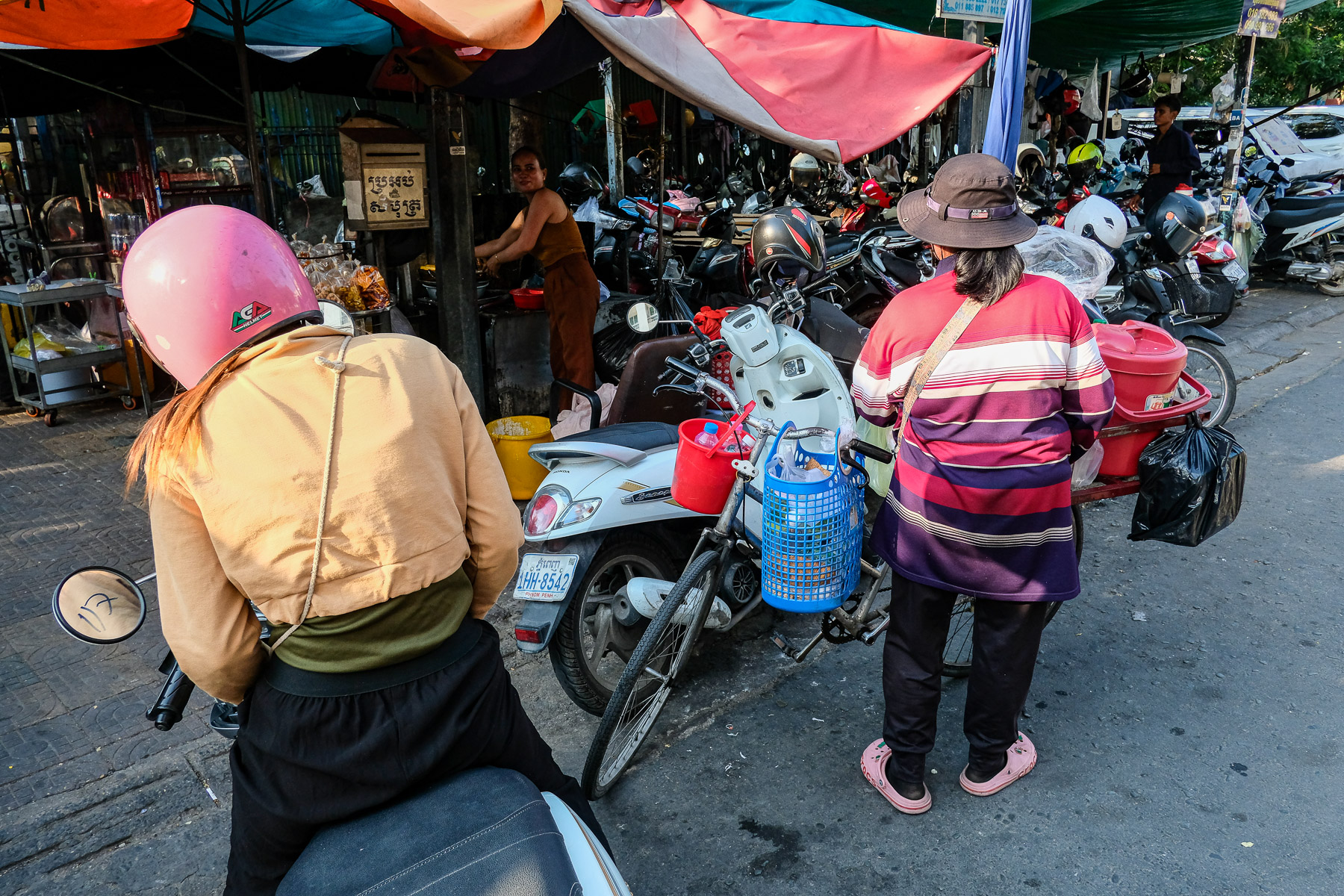
Fujifilm X-Pro2 and the Best Lenses for Street Photography

fujifilm, opinons, thoughts, photography, pictures, street, Travel, viltrox

Lens comparison table โ€” key attributes

LensFocal eq.Why for streetStrengthTrade-off
Fujinon XF 23mm f/235mmVersatile, natural perspective for street scenesCompact; fast; unobtrusiveModerate bokeh
Fujinon XF 35mm f/253mmClassic โ€œnormalโ€ for portraits & gesturesExcellent sharpness; weather-sealedRequires slight stepping back for context
Fujinon XF 16mm f/2.824mmEnvironmental street, wide contextVery small and stealthyDistortion at edges
Fujinon XF 18mm f/227mmWide but intimate, great for alleys & marketsLightweight; filmic renderingSofter corners wide open
Fujinon XF 50mm f/275mmTight portraits, compressed backgroundCreamy bokeh; isolationLess contextual information per frame

The X-Pro2 as a Street Camera

The Fujifilm X-Pro2 is a camera designed around presence and intentionality: a rangefinder-style body with a hybrid optical/electronic viewfinder that encourages anticipation and composition rather than reactive shooting. Its tactile dials and manual controls make settings an extension of the photographerโ€™s intent, which suits street work where speed of thought and quiet operation matter.

The X-Pro2 solved many of the usability complaints of earlier rangefinder-style mirrorless modelsโ€”autofocus performance is markedly improved, making it fast and accurate enough for candid street moments. That combination of responsive AF and an interface that rewards deliberate choices is why many street photographers still choose the X-Pro2 despite newer models being available.

Why lens choice matters on the X-Pro2

Prime lenses pair especially well with the X-Pro2โ€™s design philosophy. The cameraโ€™s viewfinder and controls encourage a single-lens mindsetโ€”learning a focal lengthโ€™s โ€œmoodโ€ and the ways it frames relationships between subject and context. Choosing a prime narrows options in a productive way: you move with your feet, you compose deliberately, and you build a visual language around that perspective.

Practically, XF primes are small and light, preserving the X-Pro2โ€™s discreet profile on the street. Many XF primes also offer fast apertures, letting you work in low light and control depth subtly for isolation when needed.

Best lenses in practice โ€” how and when to use them

  • Fujinon XF 23mm f/2 (35mm eq): The everyday street lens. Use it when you want natural perspective that includes background context without distortion. Itโ€™s excellent for markets, cafe scenes, and quiet portraits where you want to show environment and gesture in one frame.
  • Fujinon XF 35mm f/2 (53mm eq): Reach for this when you want separation and intimacy. Itโ€™s a portraitistโ€™s street lensโ€”great for faces, gestures, and composing tighter narratives within a busy street scene. Its weather sealing and reliable AF make it workhorse-ready.
  • Fujinon XF 16mm f/2.8 (24mm eq): The wide storyteller. Use it for alleyways, architectural rhythm, and scenes where foreground-to-background relationships are essential. Be mindful of edge distortion when people are close to frame edges.
  • Fujinon XF 18mm f/2 (27mm eq): A sweet middle groundโ€”wider than 23mm but closer than 16mm. Itโ€™s excellent for narrow streets and markets where you want to be close yet preserve intimacy; it renders with a film-like character that suits print and monochrome work.
  • Fujinon XF 50mm f/2 (75mm eq): Use it selectively for environmental portraits that need compression and background separation. It requires more distance but rewards with isolation and graceful bokeh.

Shooting tips with the X-Pro2 and primes

  • Commit to a focal length for a session. Let the lens shape your attention and force you to โ€œseeโ€ differently. The X-Pro2โ€™s finder rewards this practice by teaching you the aperture, distance, and timing for that lens.
  • Use the optical finder for anticipation and the EVF for confirmation. The hybrid finder lets you pre-visualize a scene optically and then confirm exposure or focus with electronic feedback when needed.
  • Embrace tactile control. Use the mechanical dials to keep your attention on framing and gesture, not menus. This supports presenceโ€”crucial for catching those decisive moments.
  • Balance AF modes. Single-point AF for composed portraits; zone AF or wide tracking when you expect movement. The X-Pro2โ€™s autofocus improvements make both workable in street scenarios.
  • Print often. The X-Pro2โ€™s filmic sensor rendering rewards print output; revisiting images on paper helps refine what lenses and framing best serve your visual voice.

Final thought

The Fujifilm X-Pro2 is more than an aging modelโ€”itโ€™s a design philosophy incarnate. It places the photographerโ€™s eye first, supports deliberate practice, and pairs beautifully with a small suite of prime lenses that each teach a different way of seeing. For street workโ€”where presence, anticipation, and quiet clarity matterโ€”the X-Pro2 remains an instrumental, expressive camera that still rewards deep practice and restraint.

Creating an Efficient Dual Monitor Workspace with Dell UltraSharp Monitors

cambodia, fujifilm, homelessness, Lenses, Lowepro, opinons, thoughts, photography, pictures, street, Travel, viltrox

Exploring the Viltrox 13mm f/1.4: A Versatile Lens for Photography Enthusiasts

cambodia, cameras, fujifilm, Lenses, opinons, thoughts, photography, pictures, street, Travel, viltrox

Nikkor 50mm lenses

Uncategorized

If you are looking for the sharpest 50mm lens from Nikon, you might be wondering which one of the three models you have is the best choice. The 50mm f1.4D, the 50mm f1.8D and the 50mm f1.8G are all popular lenses that offer good performance and image quality. However, there are some differences between them that might affect your decision.

The 50mm f1.4D is the oldest and most expensive of the three. It has a fast aperture of f1.4, which allows you to shoot in low light and create a shallow depth of field. However, it also has some drawbacks, such as lower contrast, more chromatic aberration and more distortion than the other two lenses. It also lacks an autofocus motor, which means it will not autofocus on some Nikon cameras that do not have a built-in motor.

The 50mm f1.8D AF is the cheapest and lightest of the three. It has a slightly slower aperture of f1.8, but it still performs well in low light and produces a nice bokeh. It has better contrast, less chromatic aberration and less distortion than the 50mm f1.4D, but it also lacks an autofocus motor and has a noisy and slow autofocus mechanism.

The 50mm f1.8 AFS G is the newest and most advanced of the three. It has a silent wave motor (SWM) that enables fast and quiet autofocus on any Nikon camera. It also has an aspherical element that reduces spherical aberration and improves sharpness across the frame. It has the best contrast, least chromatic aberration and least distortion of the three lenses, but it also has a higher price tag and a larger size than the 50mm f1.8D.

So, which one is the sharpest? The answer depends on several factors, such as your shooting conditions, your camera model, your aperture setting and your personal preference. However, based on some tests and reviews, the general consensus is that the 50mm f1.8AFS G is the sharpest of the three at most apertures, especially at wide open and stopped down to f5.6 or f8. The 50mm f1.8D AF is slightly less sharp than the 50mm f1.8AFS G, but still sharper than the 50mm f1.4D at most apertures. The 50mm f1.4D is the least sharp of the three at wide open and only becomes comparable to the other two at smaller apertures, such as f11 or f16.

Of course, sharpness is not everything when it comes to choosing a lens. You might also consider other aspects, such as color rendition, flare resistance, build quality, weight, size and price. Ultimately, the best lens for you is the one that suits your needs and budget.

The images here were taken with the Nikkor 50mm f1.4D at between f4 and 5.6 certainly not my sharpest lens.

I own and use all three of these lenses and IMO the cheapest of the bunch gives me the best result for the way I make pictures.