

Photography is an art form that has captivated the hearts of millions worldwide. It’s a way to freeze a moment in time, to tell a story without words, and to preserve memories that might otherwise fade away. But what is it about photography that draws people to it? Let’s dive into the myriad reasons why photography is not just a hobby or a profession, but a passion for so many.
Capturing Memories
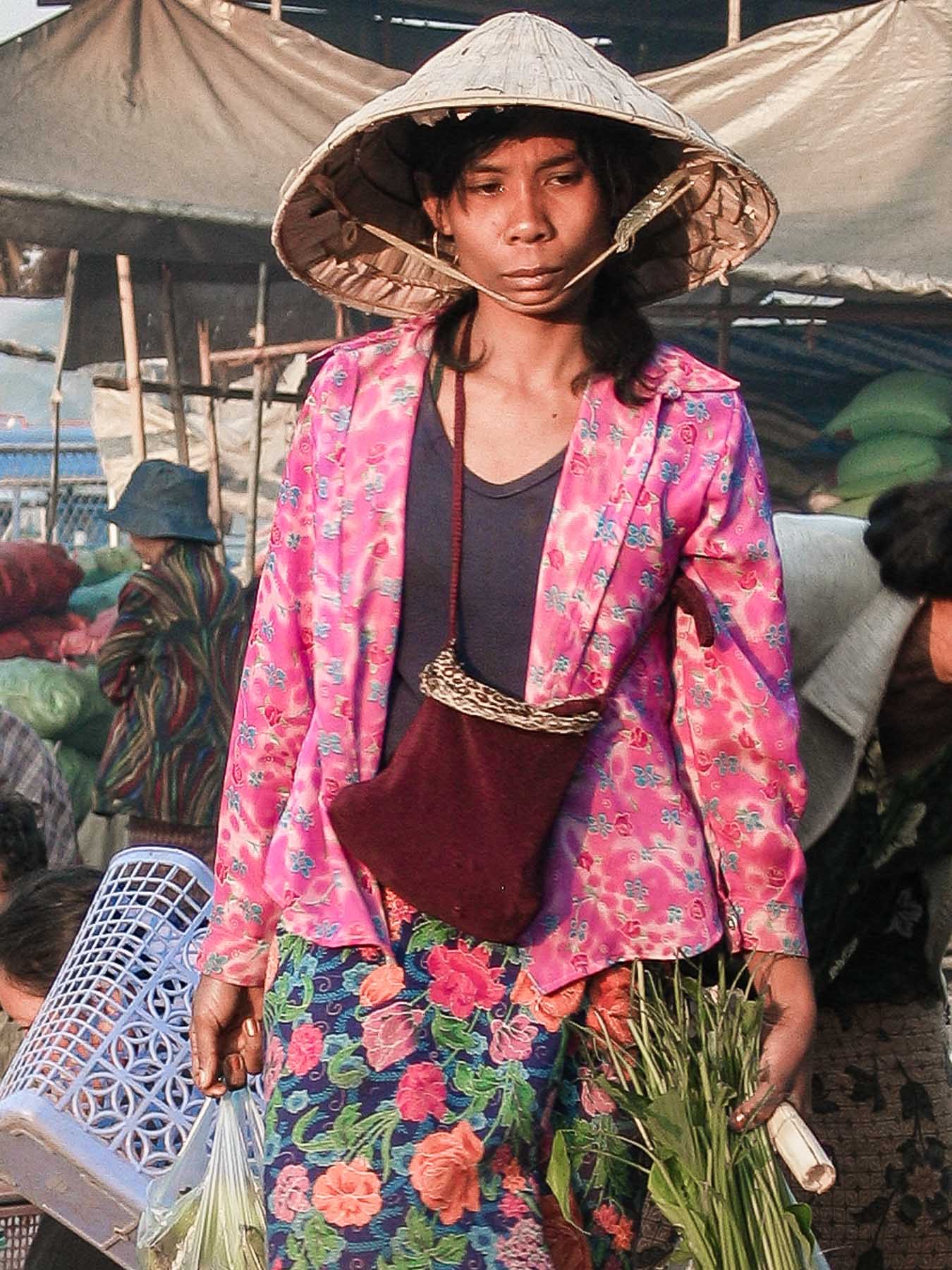
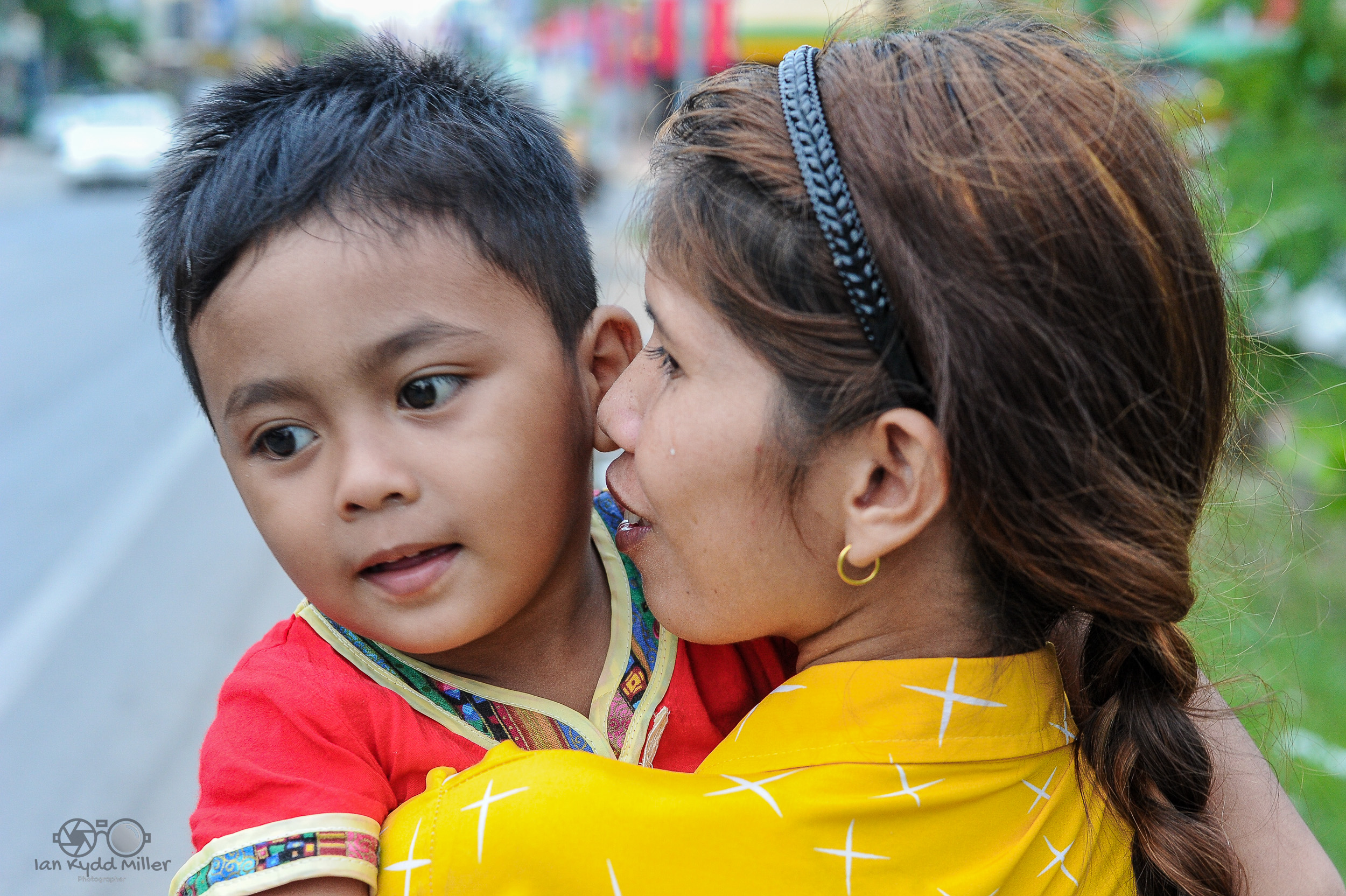
One of the most profound reasons people are drawn to photography is its ability to capture and hold onto memories. From the mundane daily routines to the milestones of life like weddings, birthdays, and anniversaries, photographs serve as a tangible reminder of the moments we cherish. They allow us to revisit and relive those times, evoking emotions and recalling experiences that are dear to us.
Telling Stories
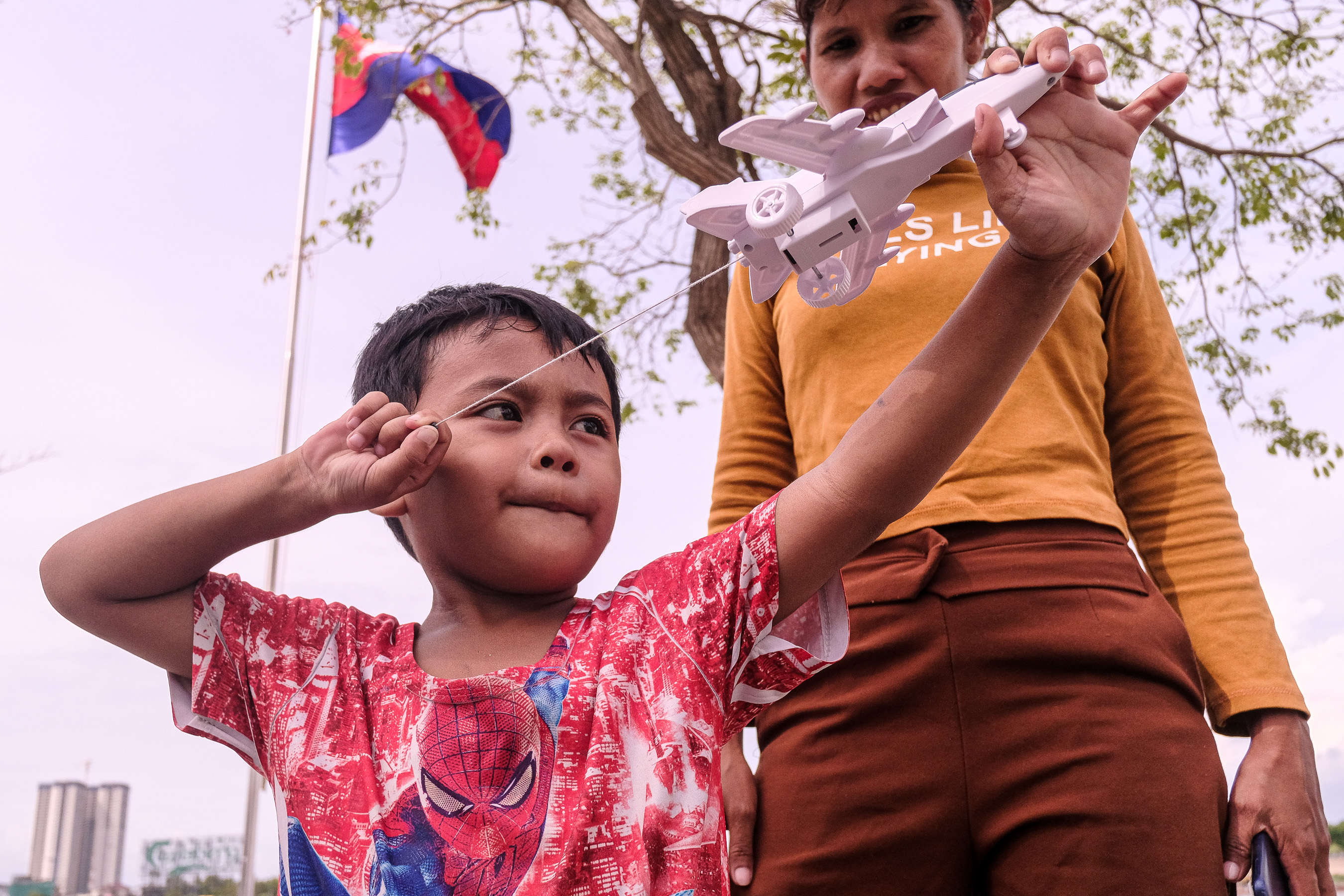
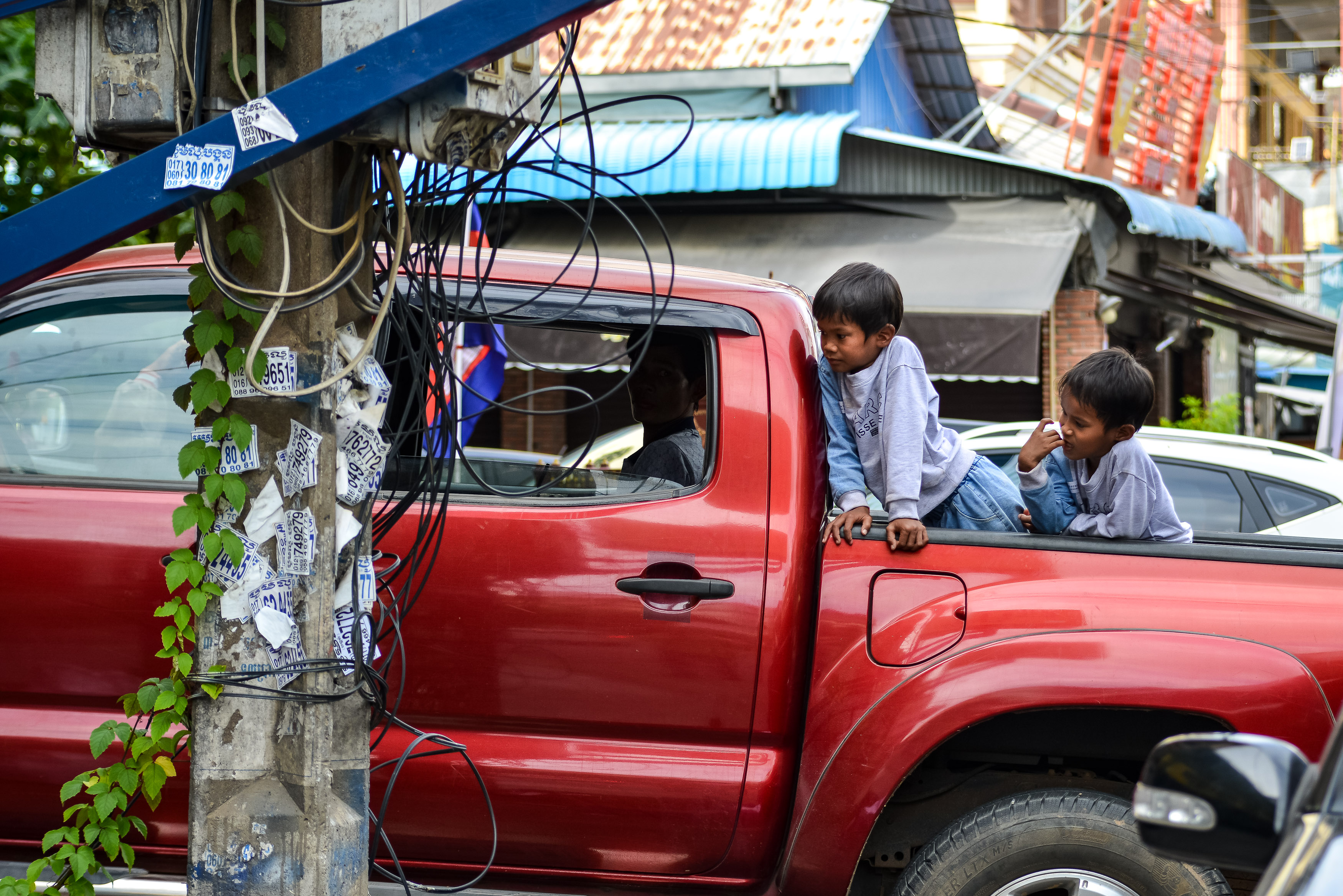
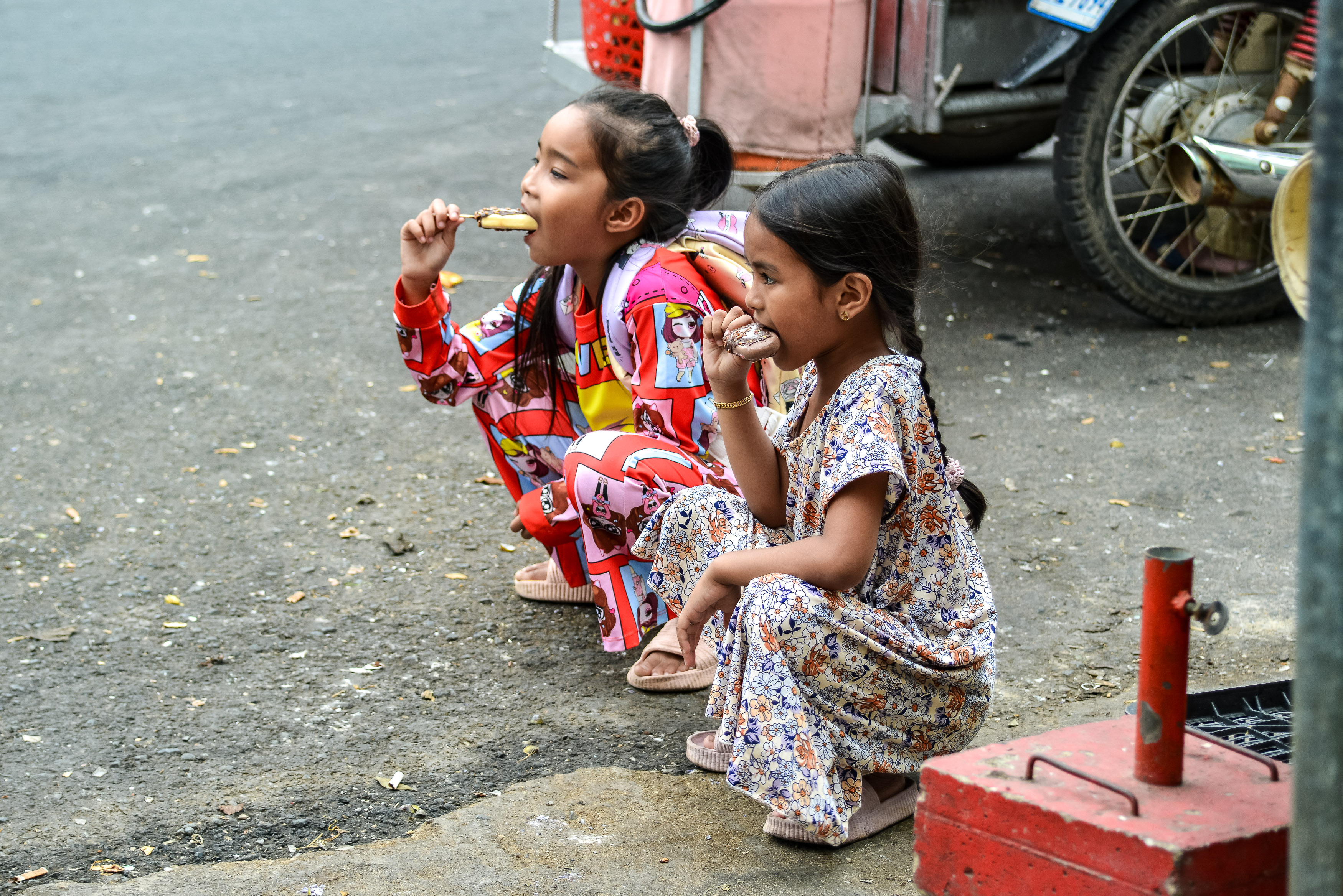
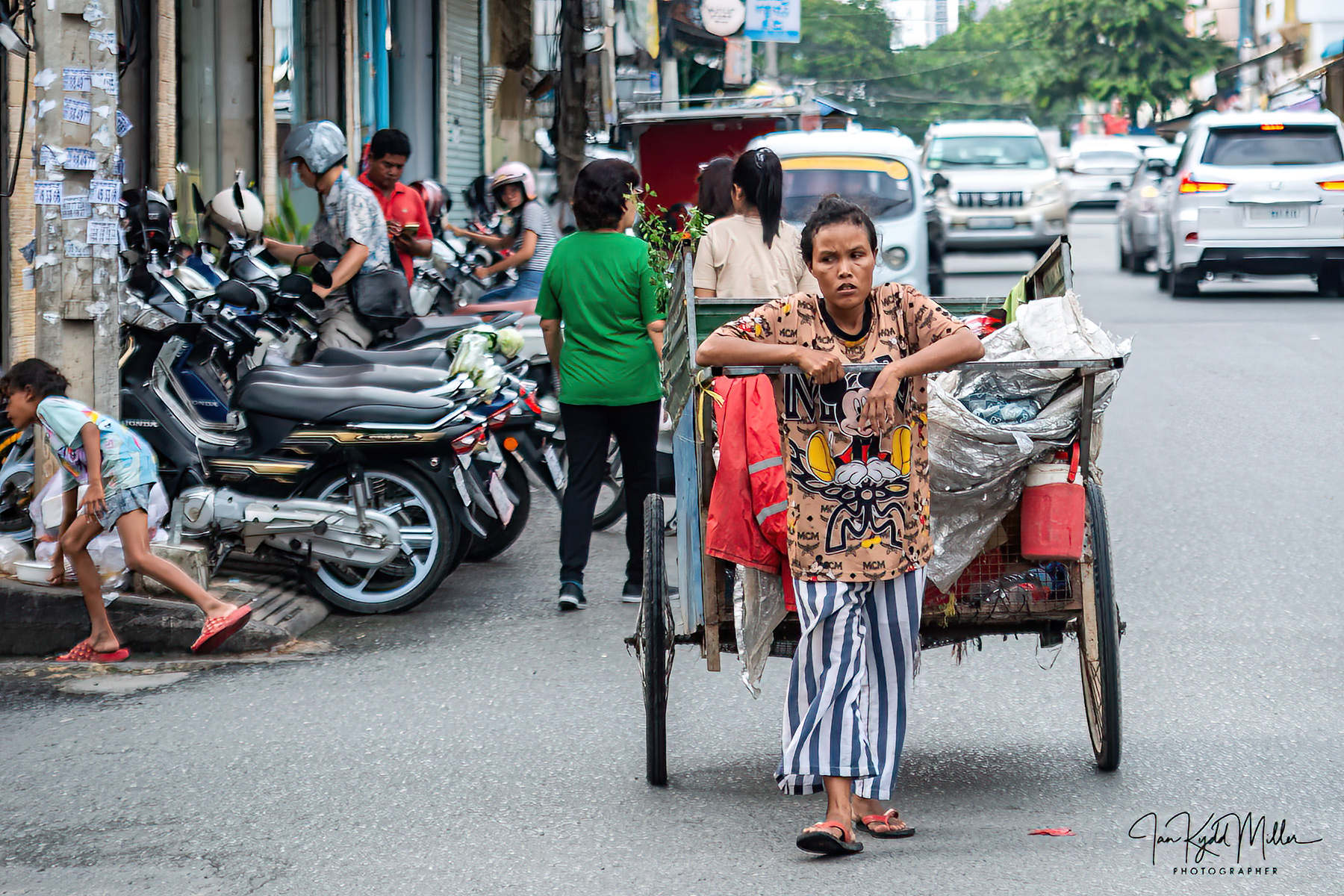
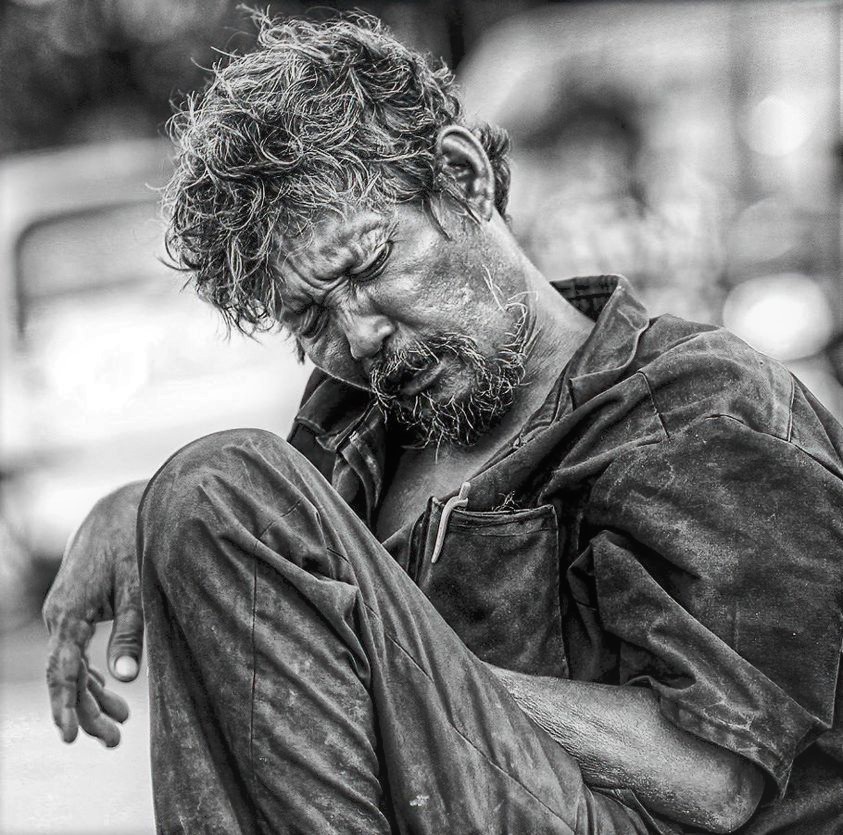
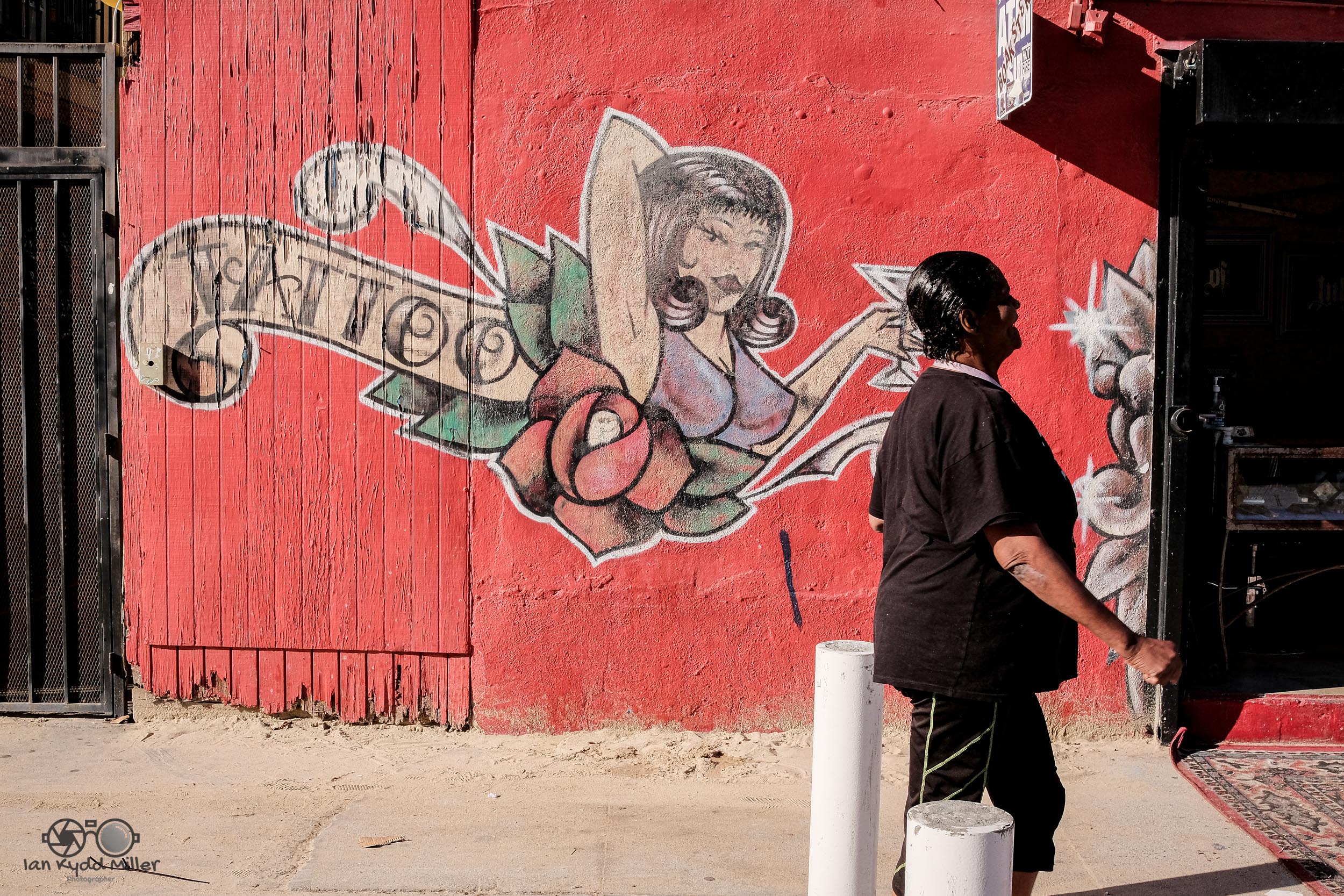
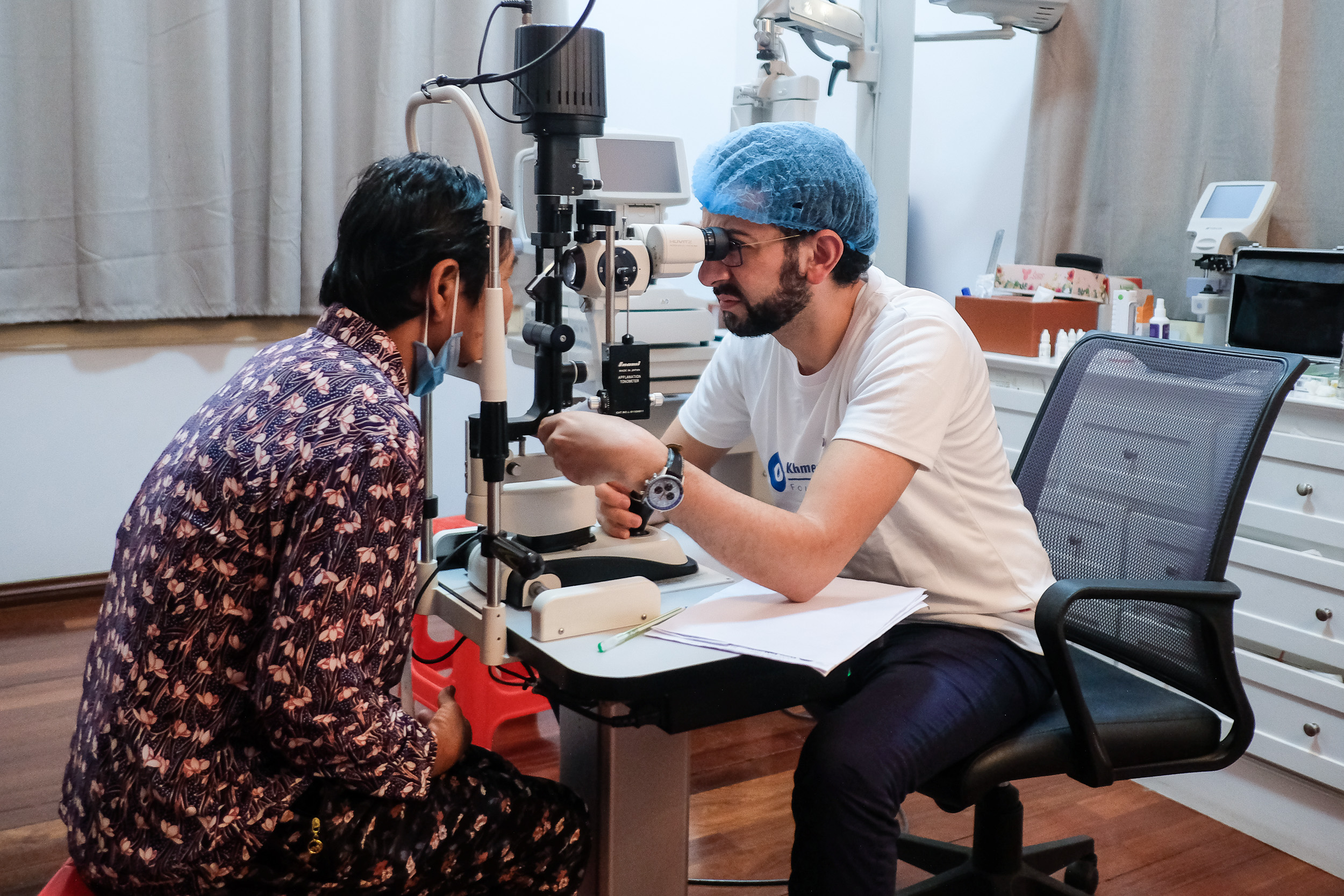
Every photograph tells a story. It’s a snapshot of an event, a person, a feeling, or a place that can transport us to different times and places. The power of a single image to convey complex narratives is unparalleled. Through photography, we can share our experiences and perspectives with others, offering a glimpse into our world.

Seeing the World Differently
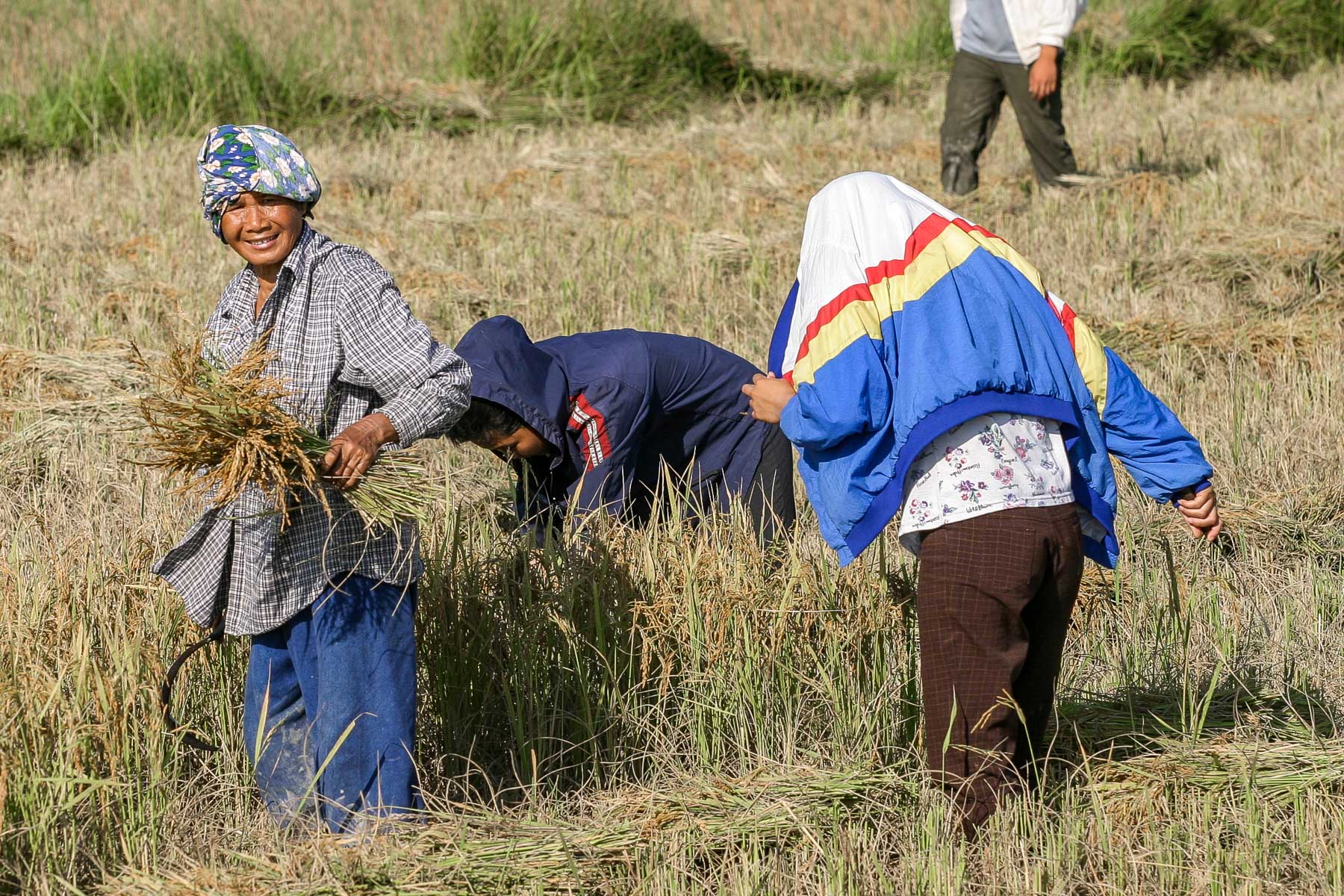
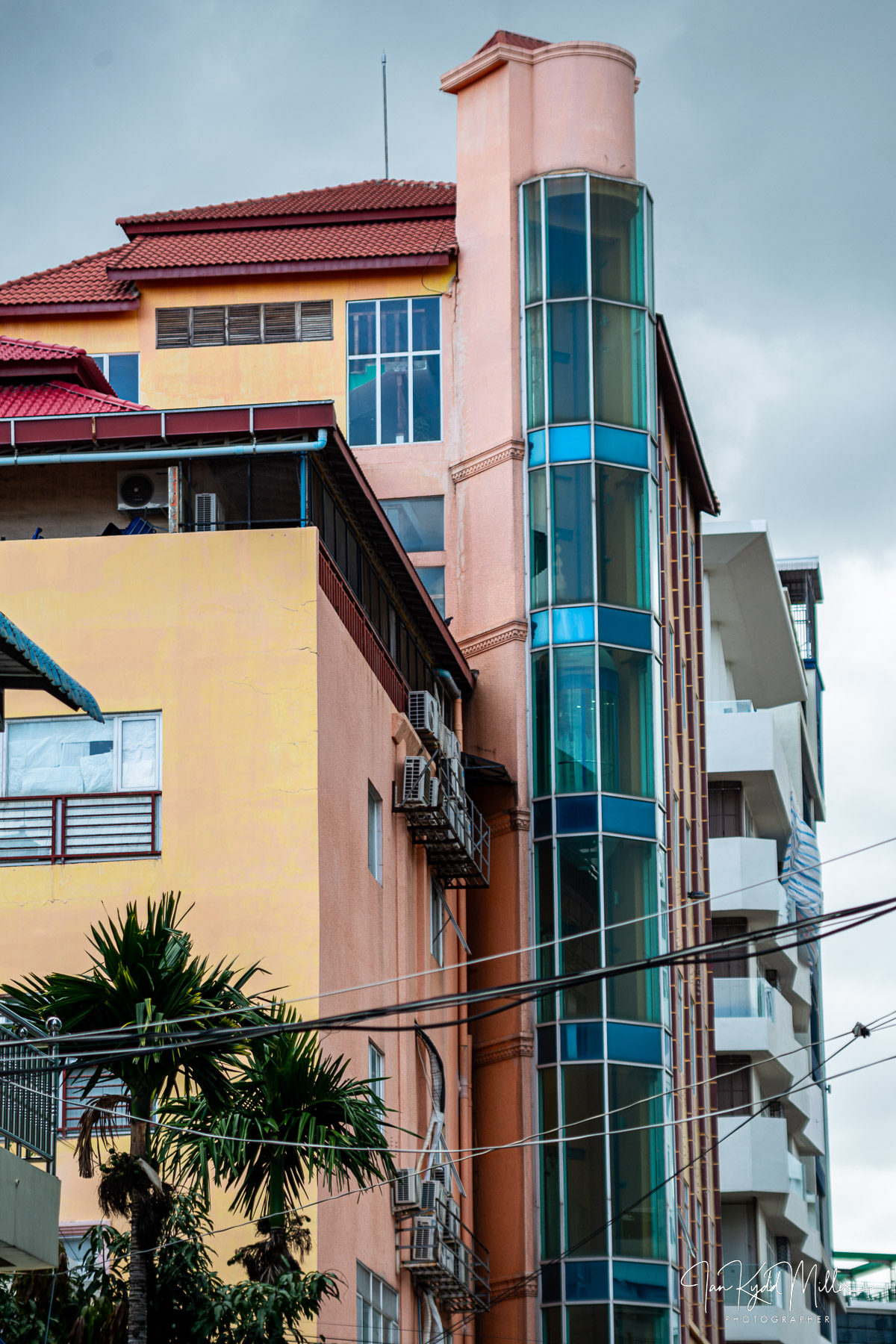
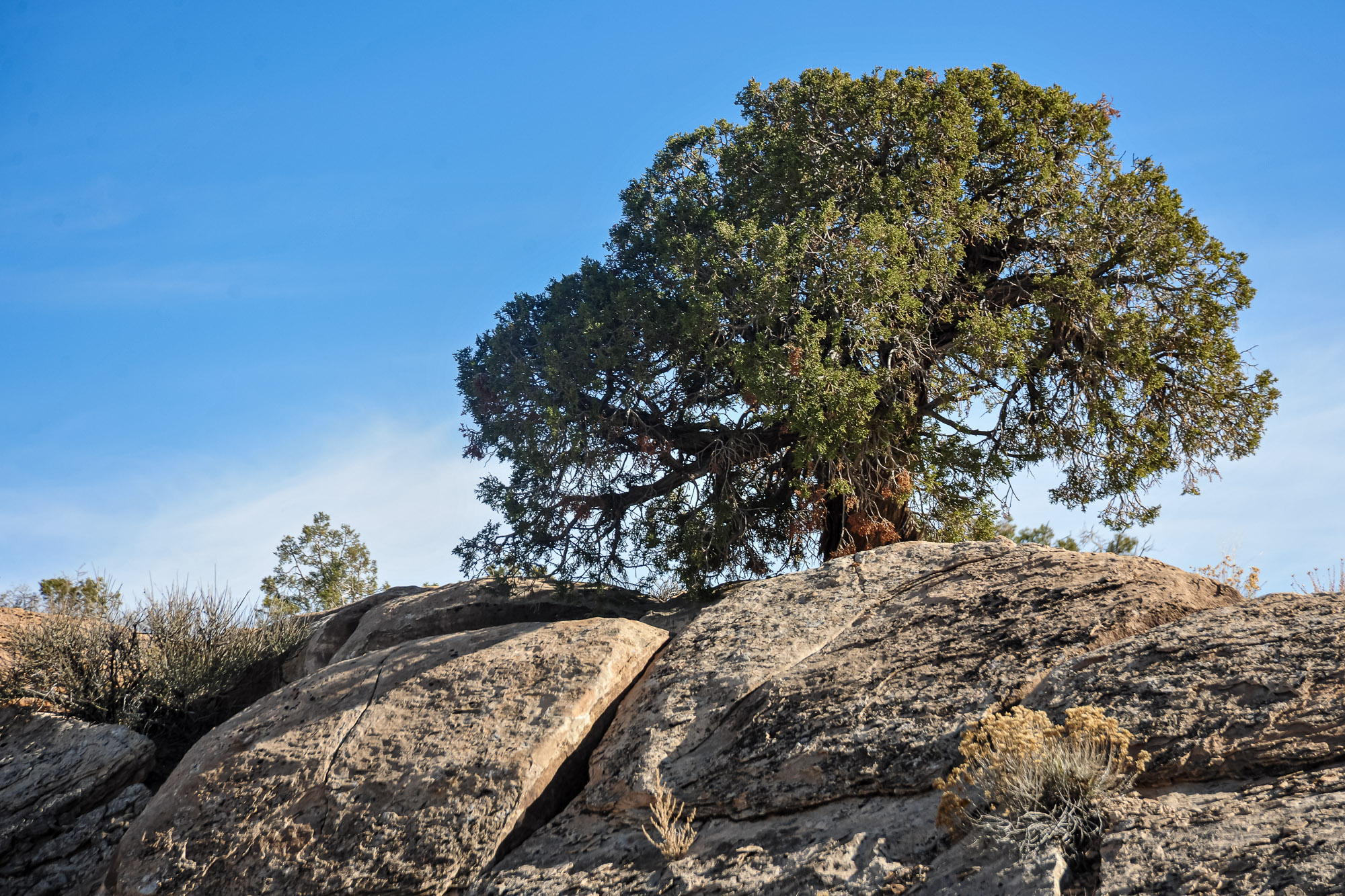
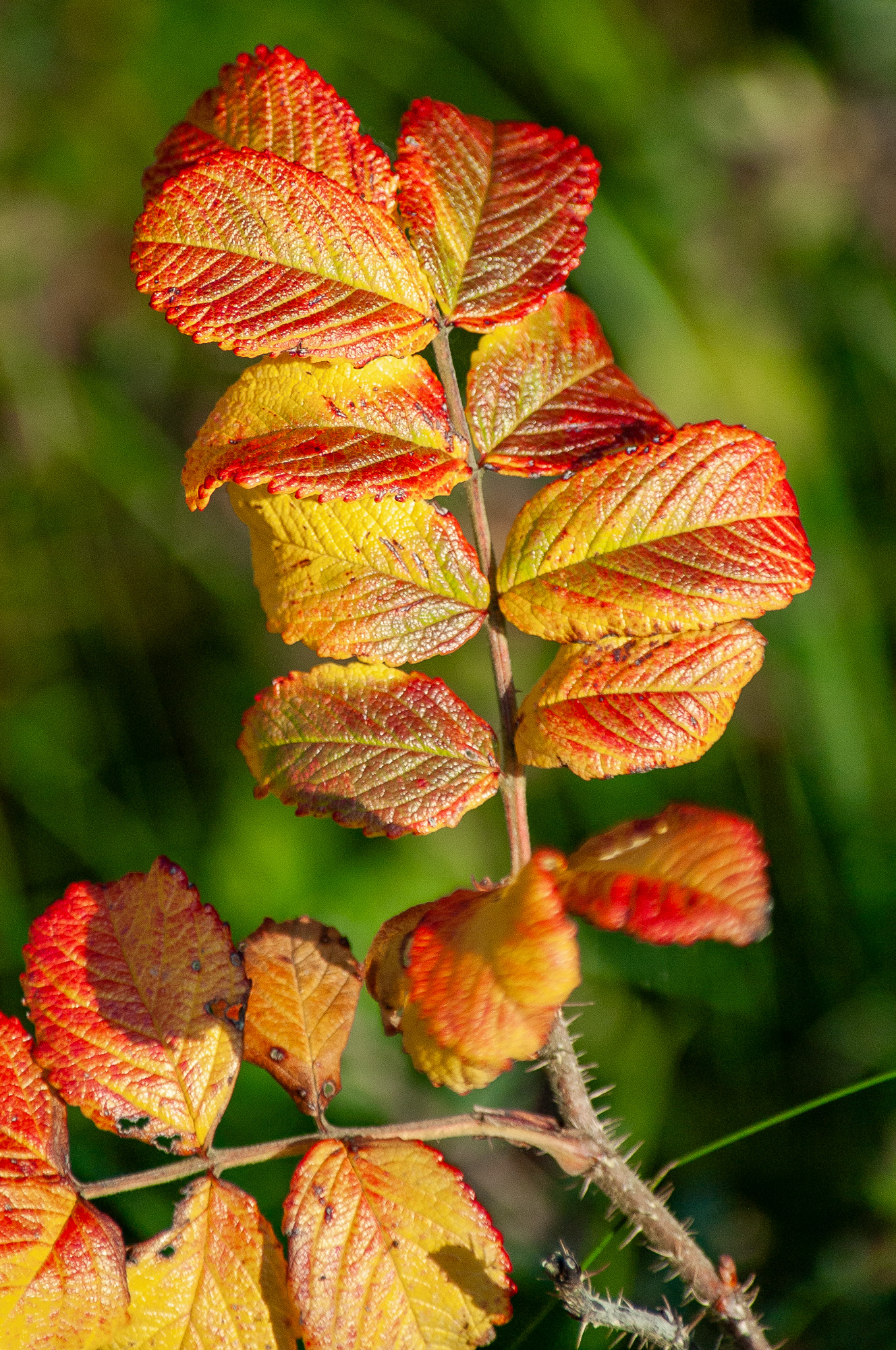
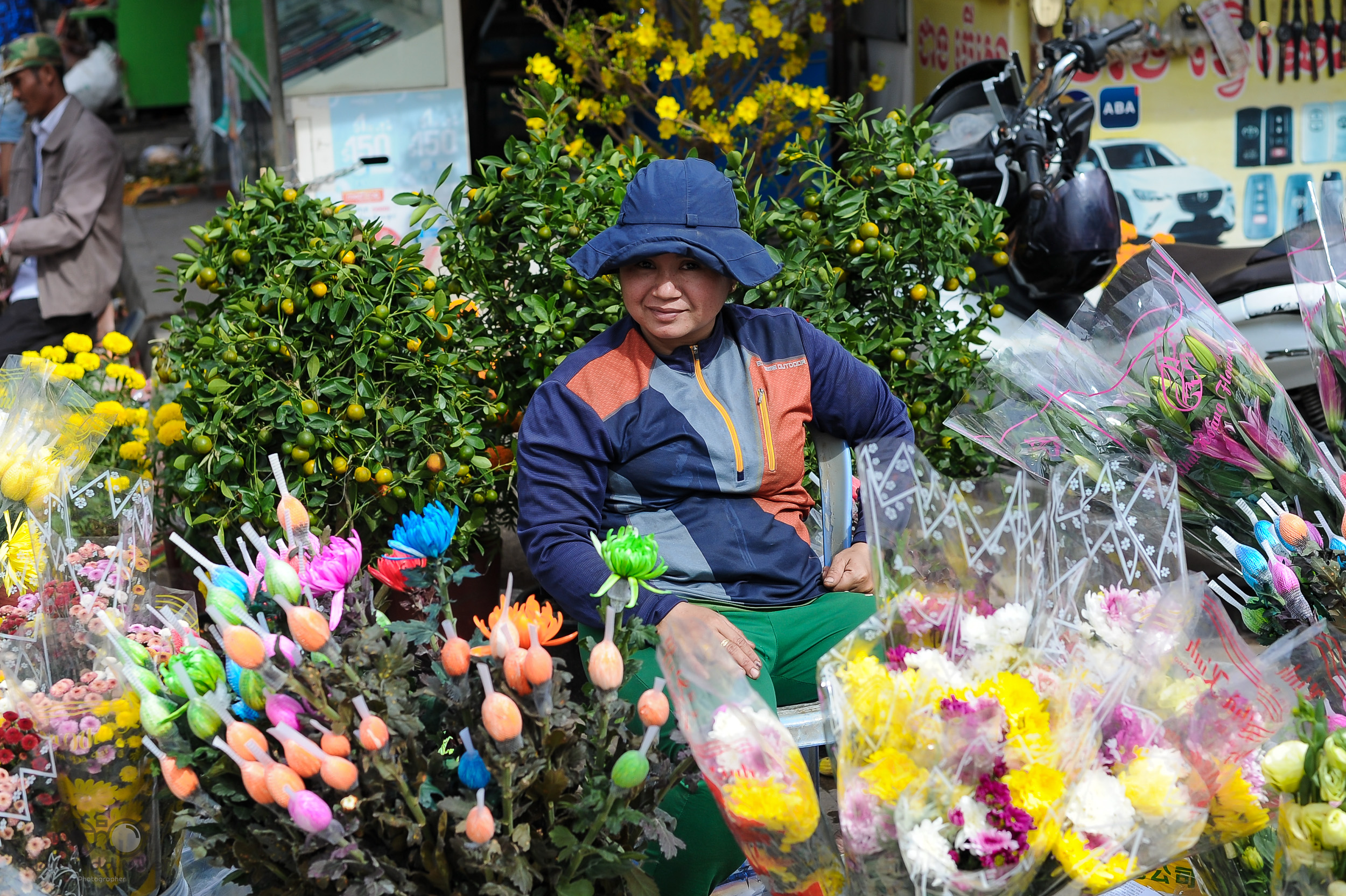
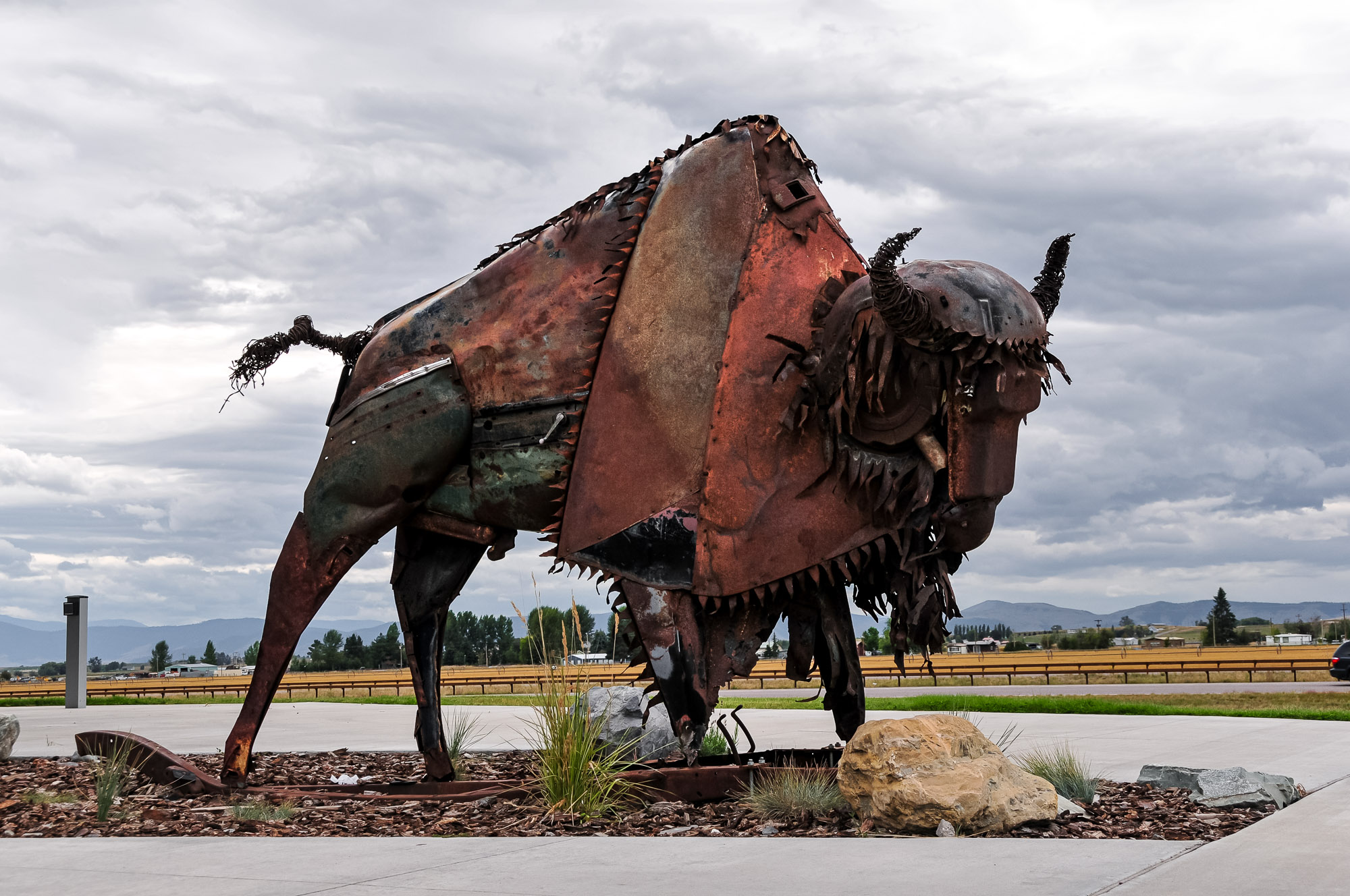
Photography encourages us to observe our surroundings with a keen eye. It teaches us to appreciate the beauty in the mundane and to find the extraordinary in the ordinary. Photographers often see the world through a different lens, quite literally, which allows them to present everyday scenes in new and unexpected ways.
Learning and Growth
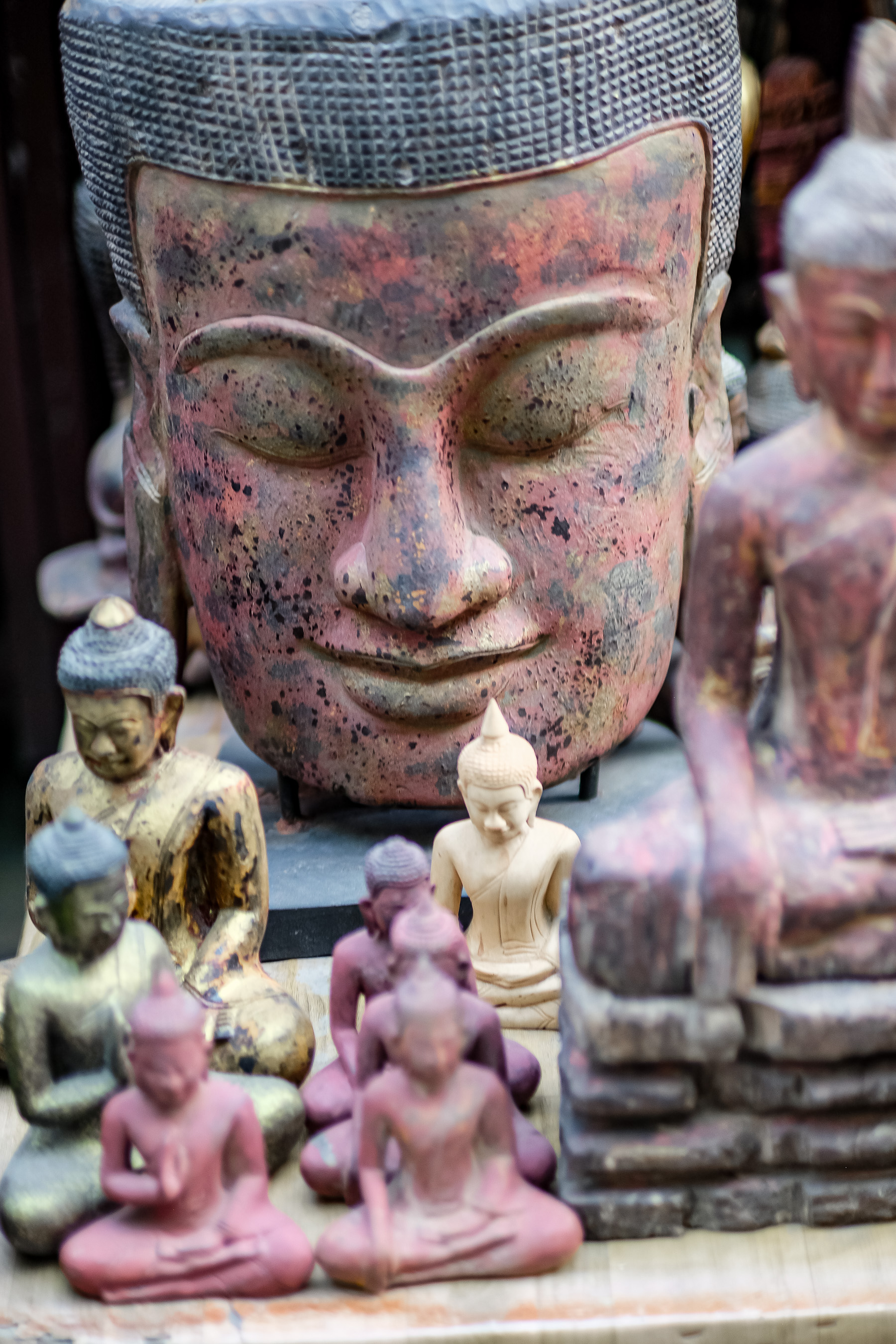
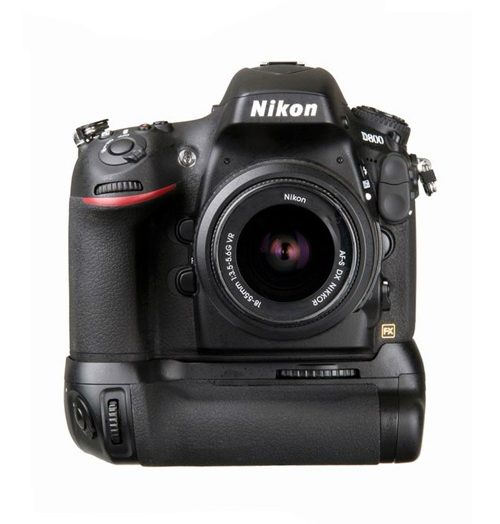
Photography is not just about taking pictures; it’s a continuous learning journey. Whether it’s mastering the technical aspects of a camera, understanding composition, or experimenting with lighting, photography offers endless opportunities for personal and artistic growth. It’s a field where there is always something new to learn and explore.
Self-Expression and Creativity
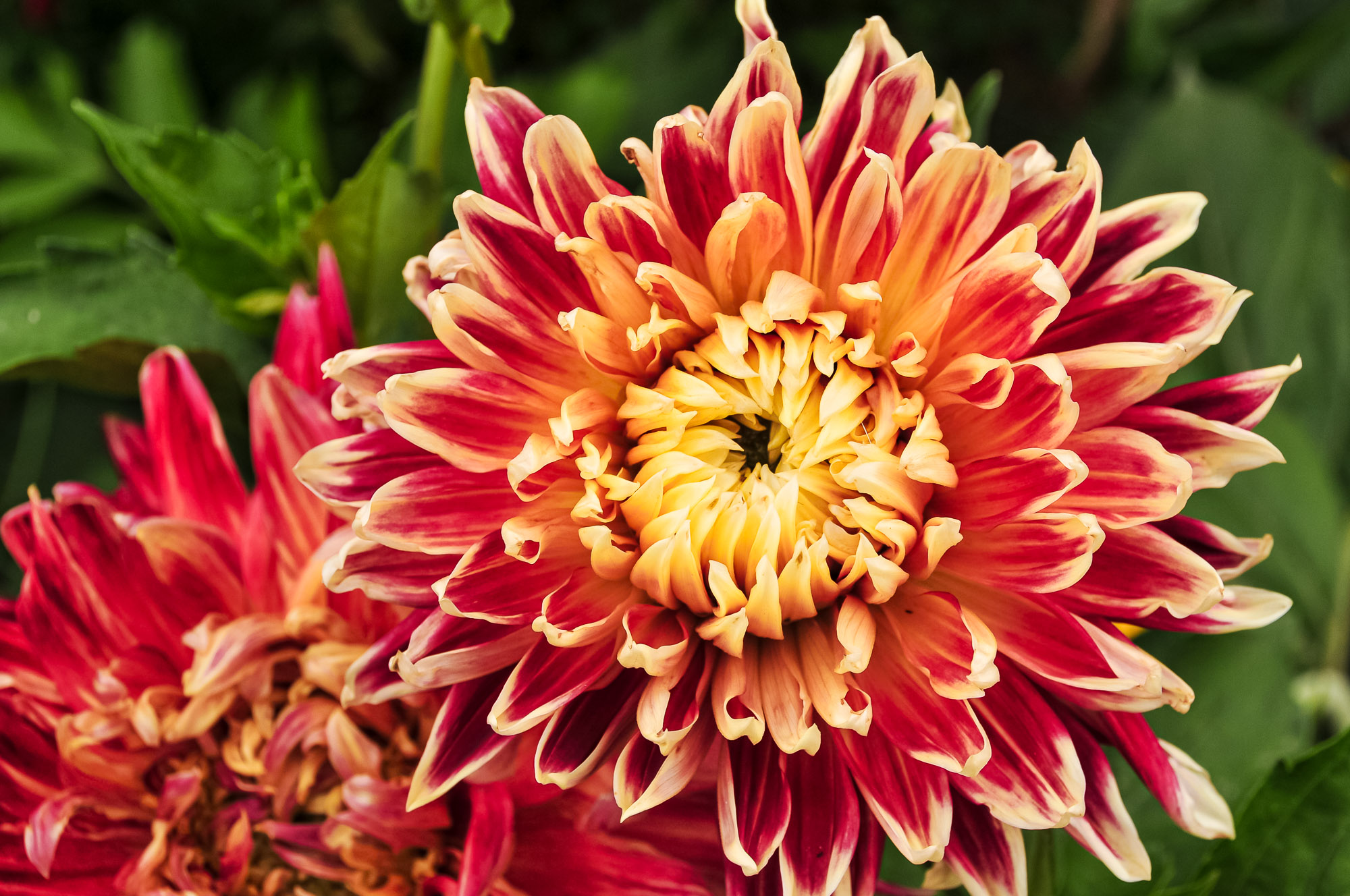
At its core, photography is a form of self-expression. It’s a way for individuals to showcase their creativity, share their passions, and communicate their inner thoughts and feelings. The freedom to capture what you find beautiful or interesting is a powerful form of personal freedom.
Connecting with Others
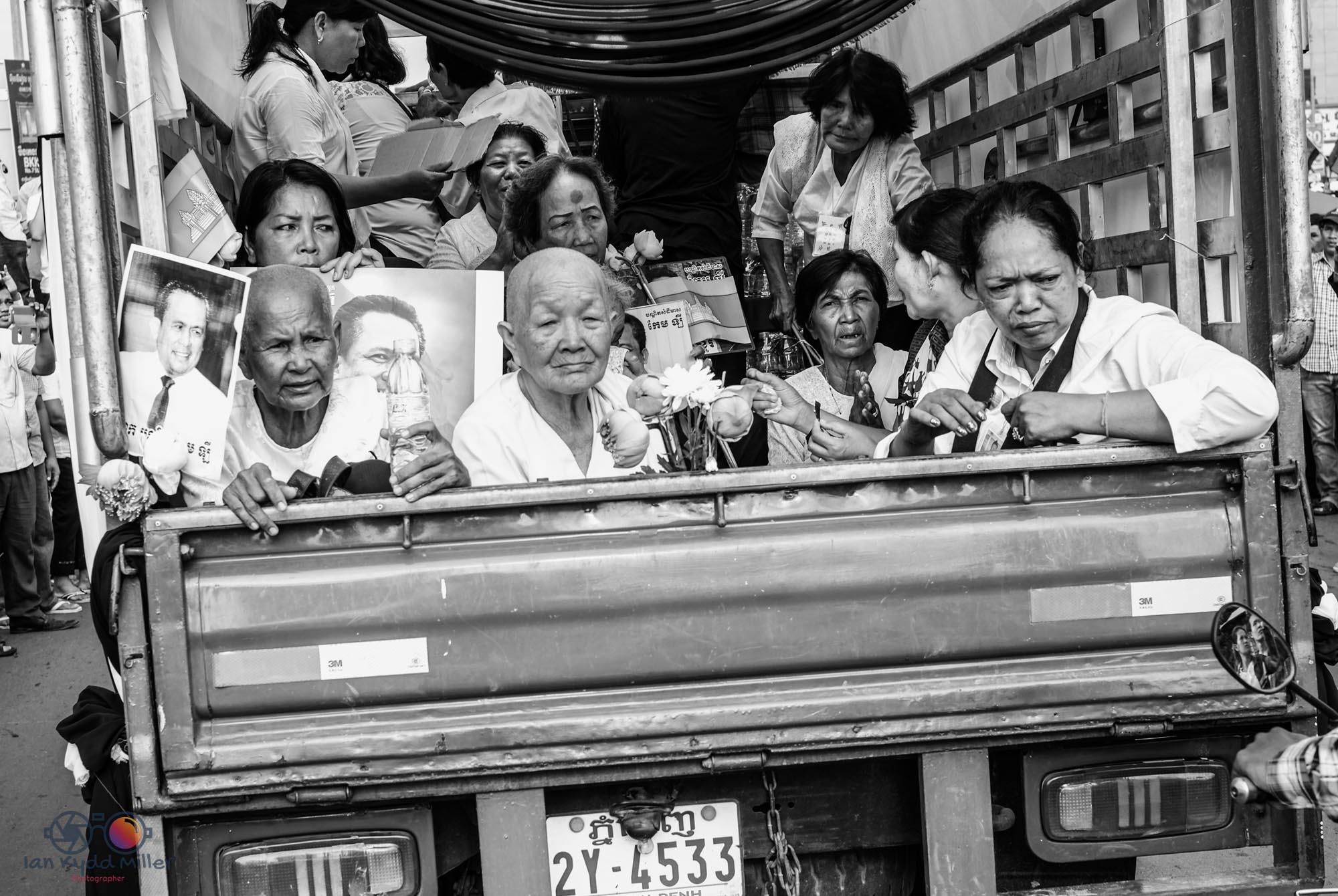
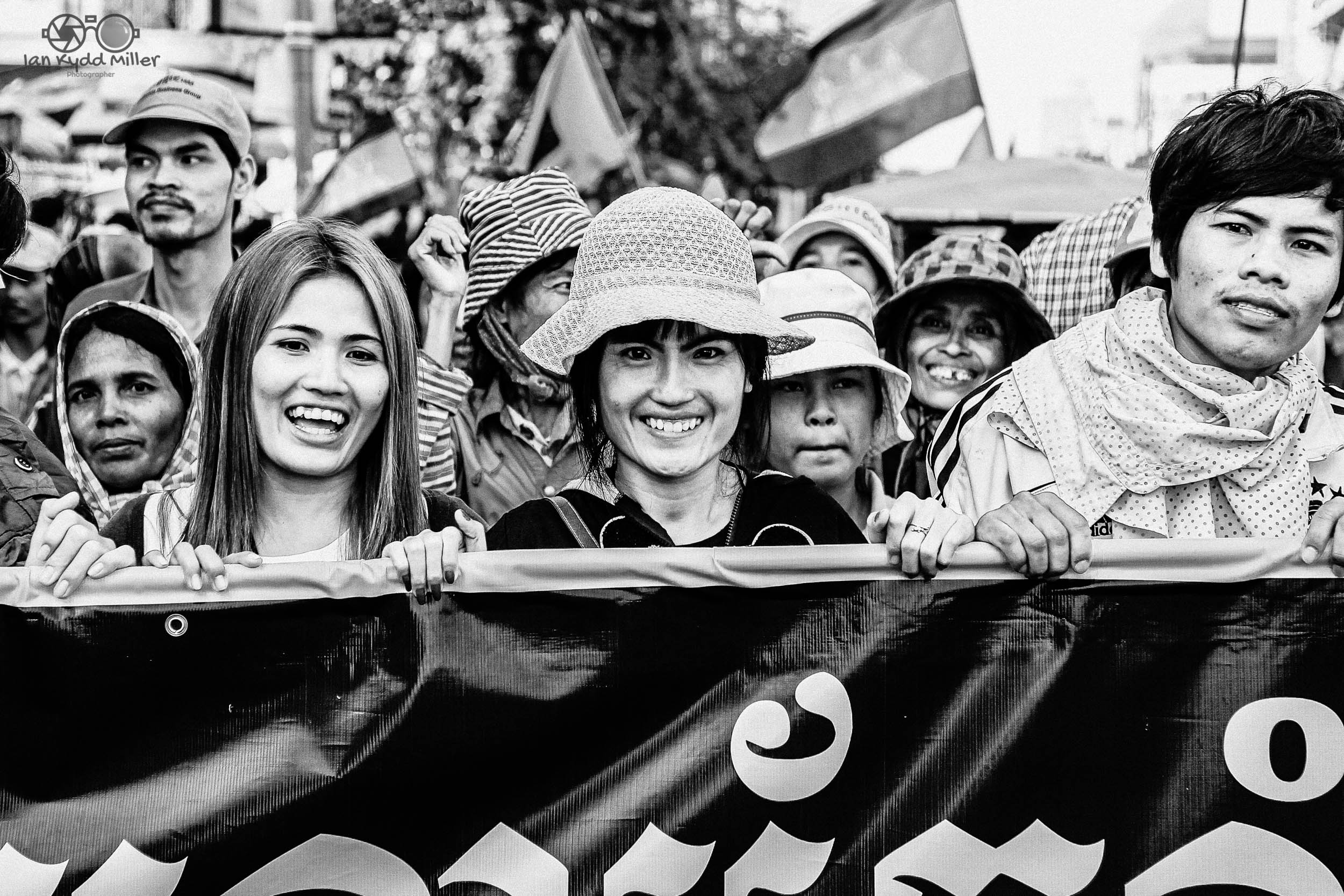
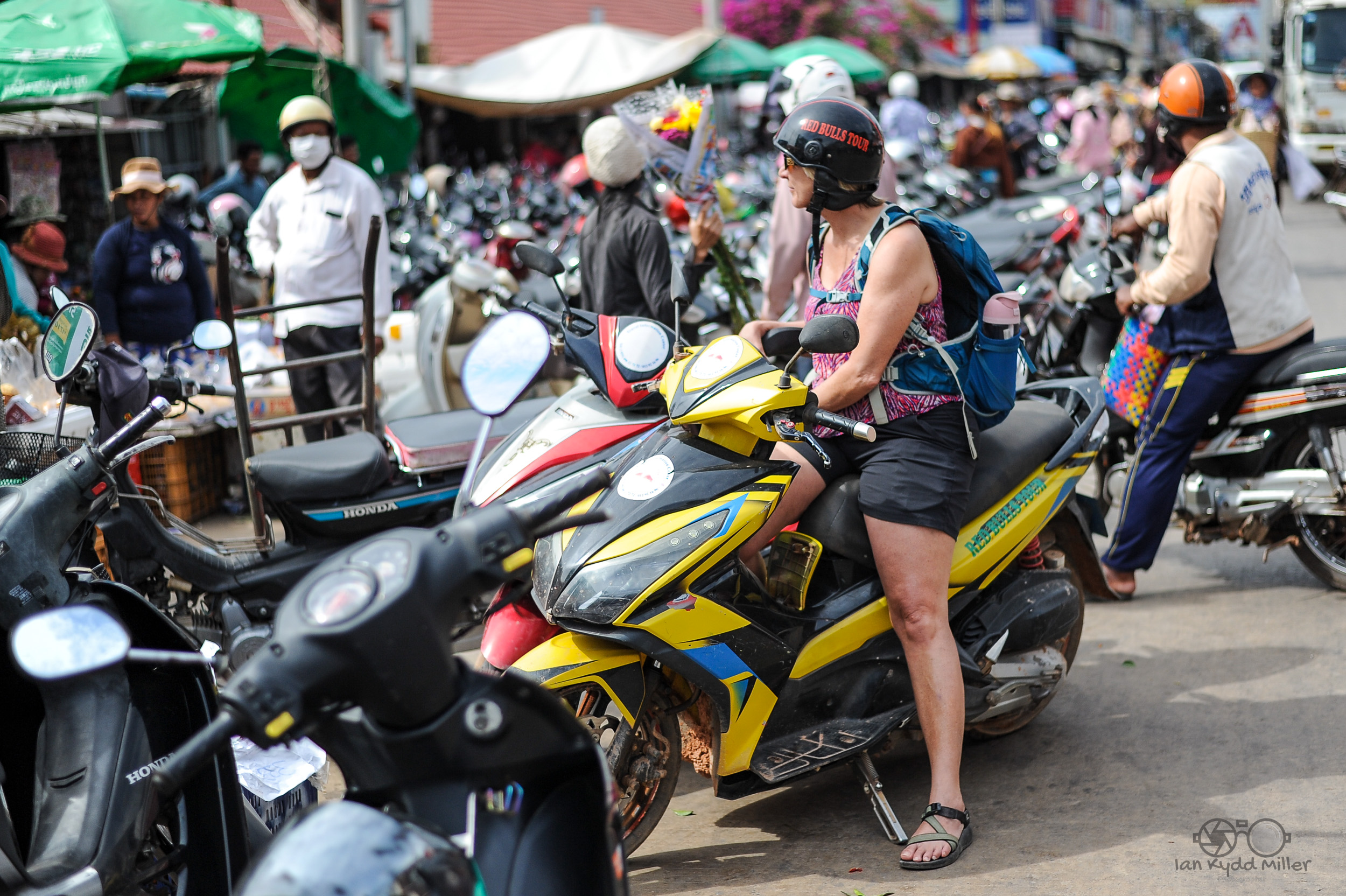
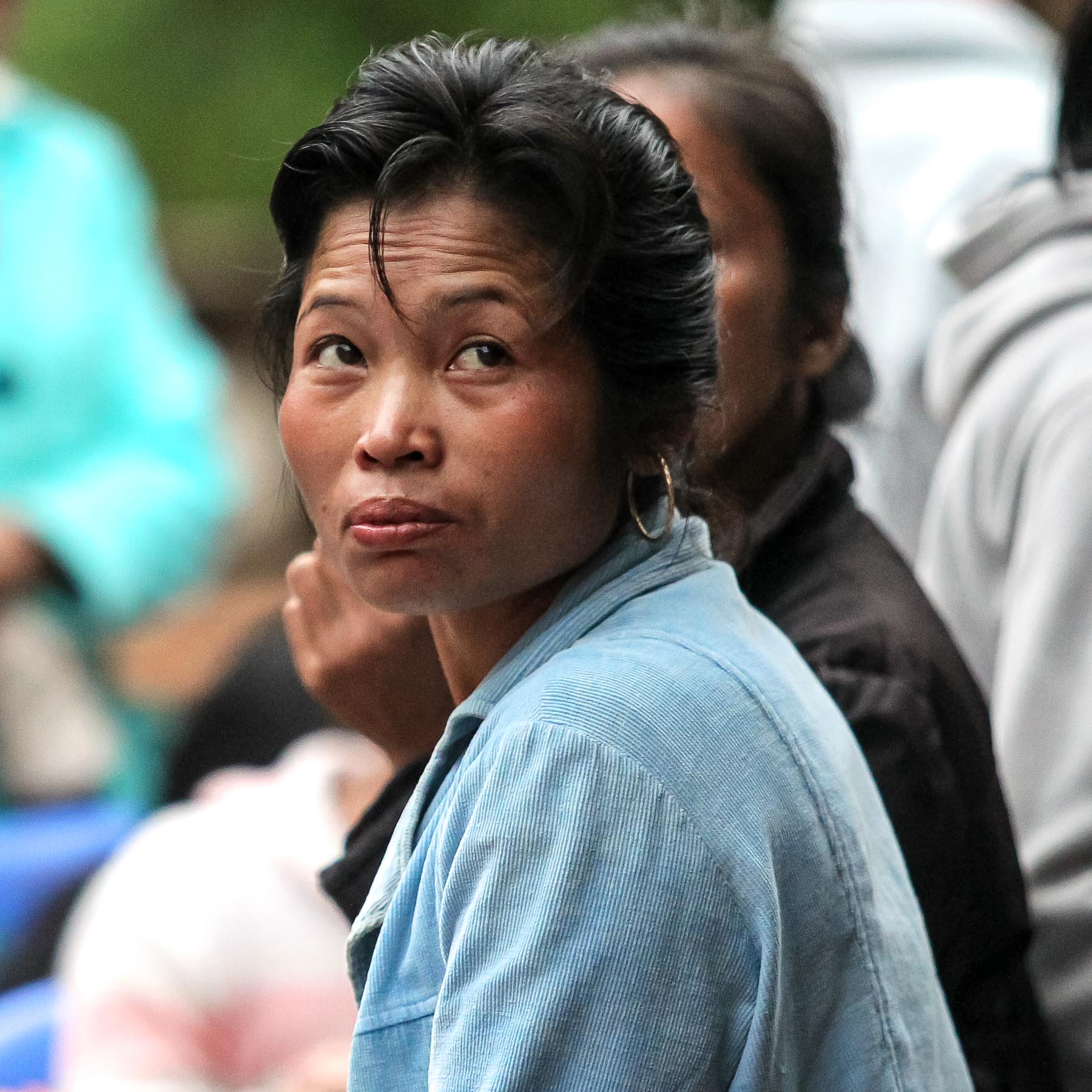
Photography has the unique ability to connect people. It transcends language barriers and cultural differences, allowing us to share and understand each other’s experiences and stories. Through shared images, we can foster a sense of community and belonging, no matter where we are in the world.

Documenting History
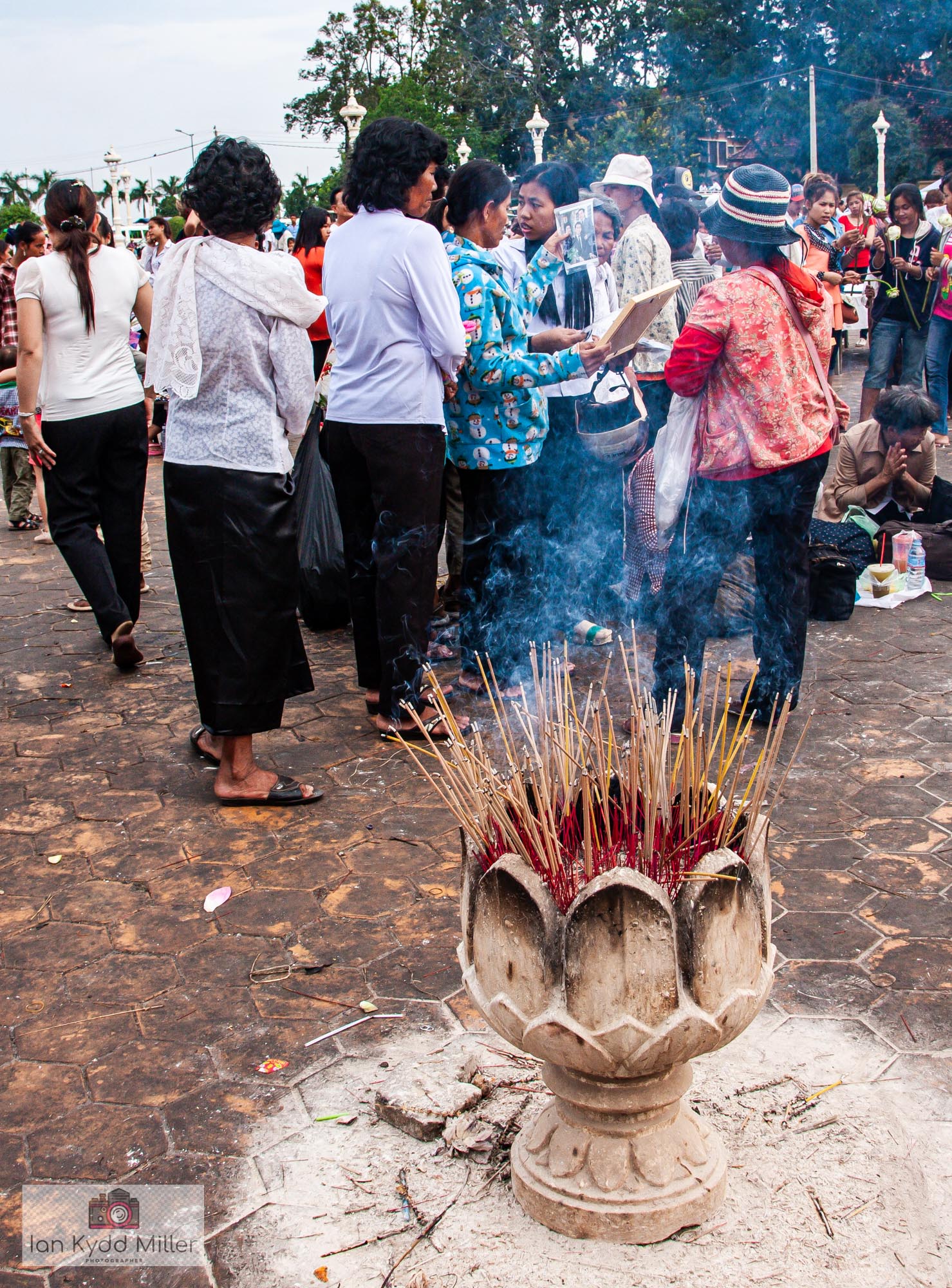
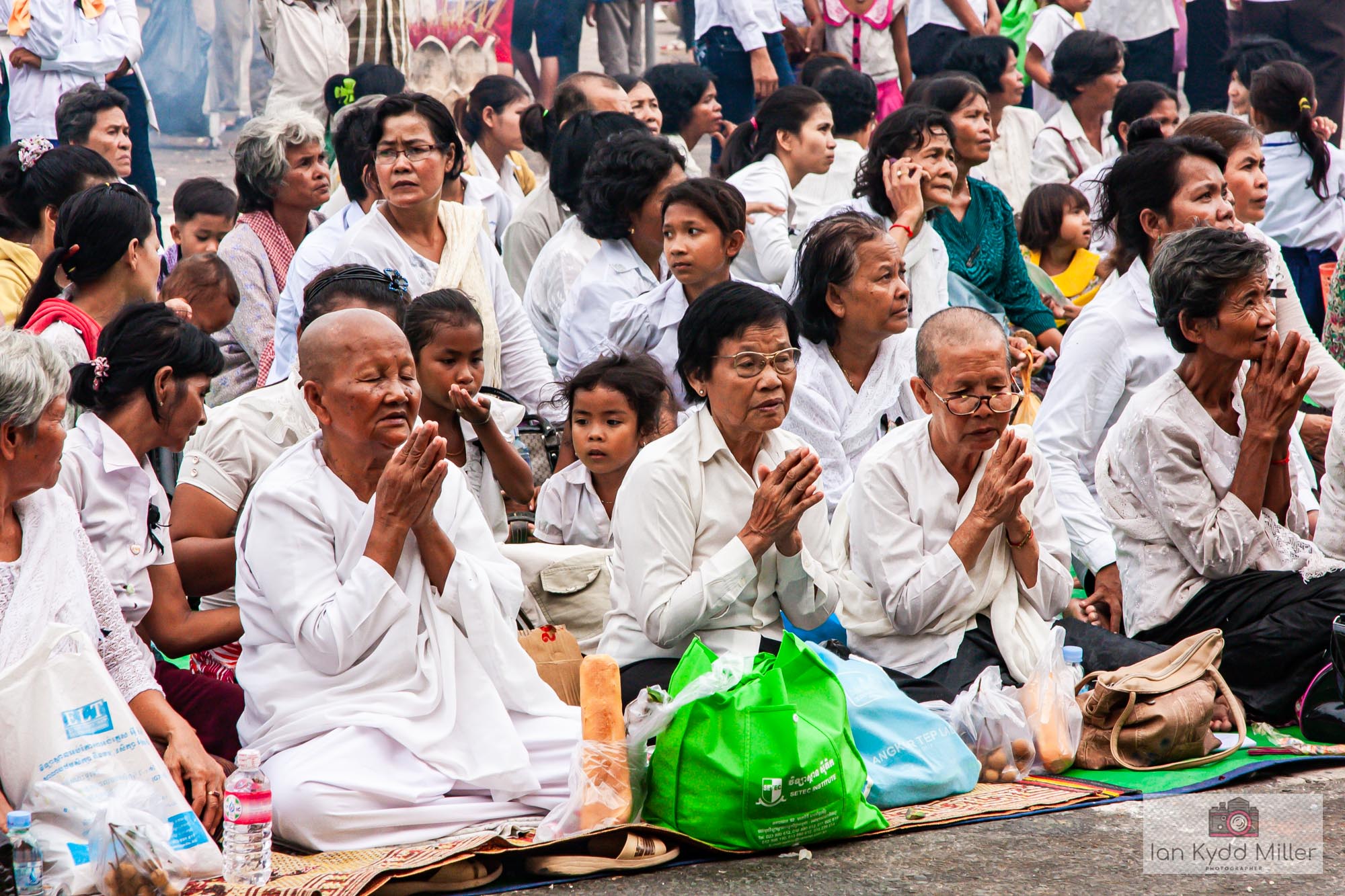
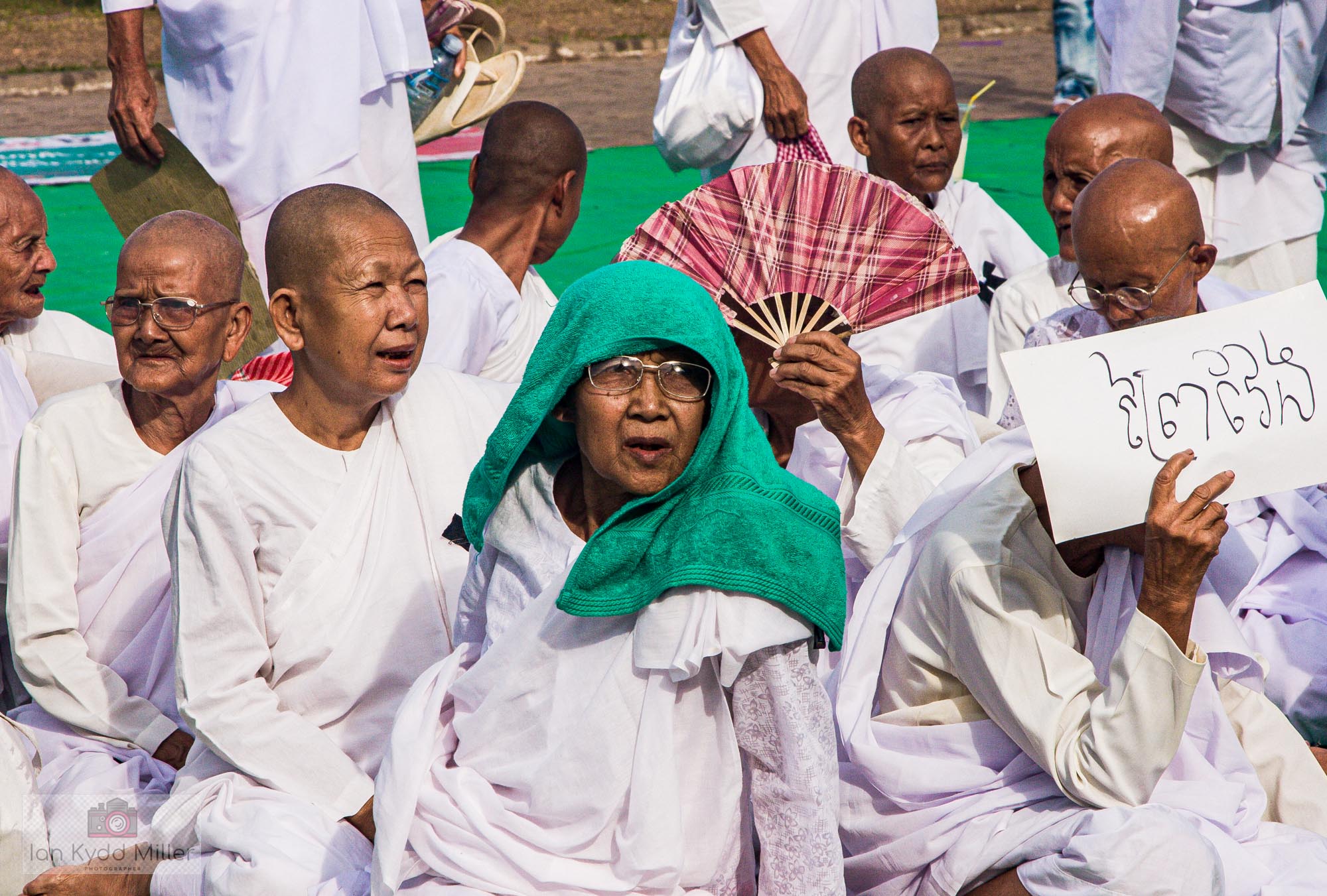
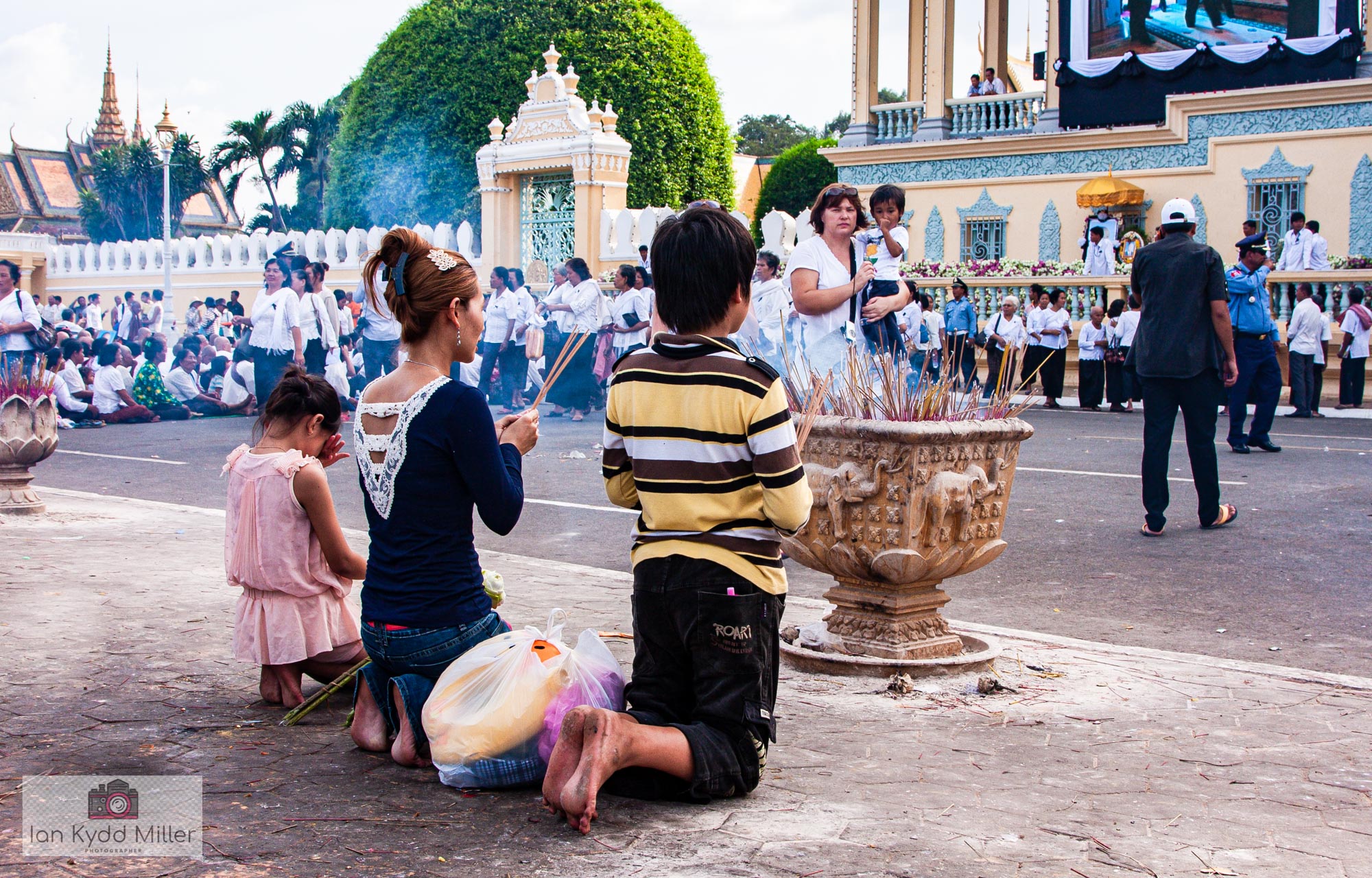
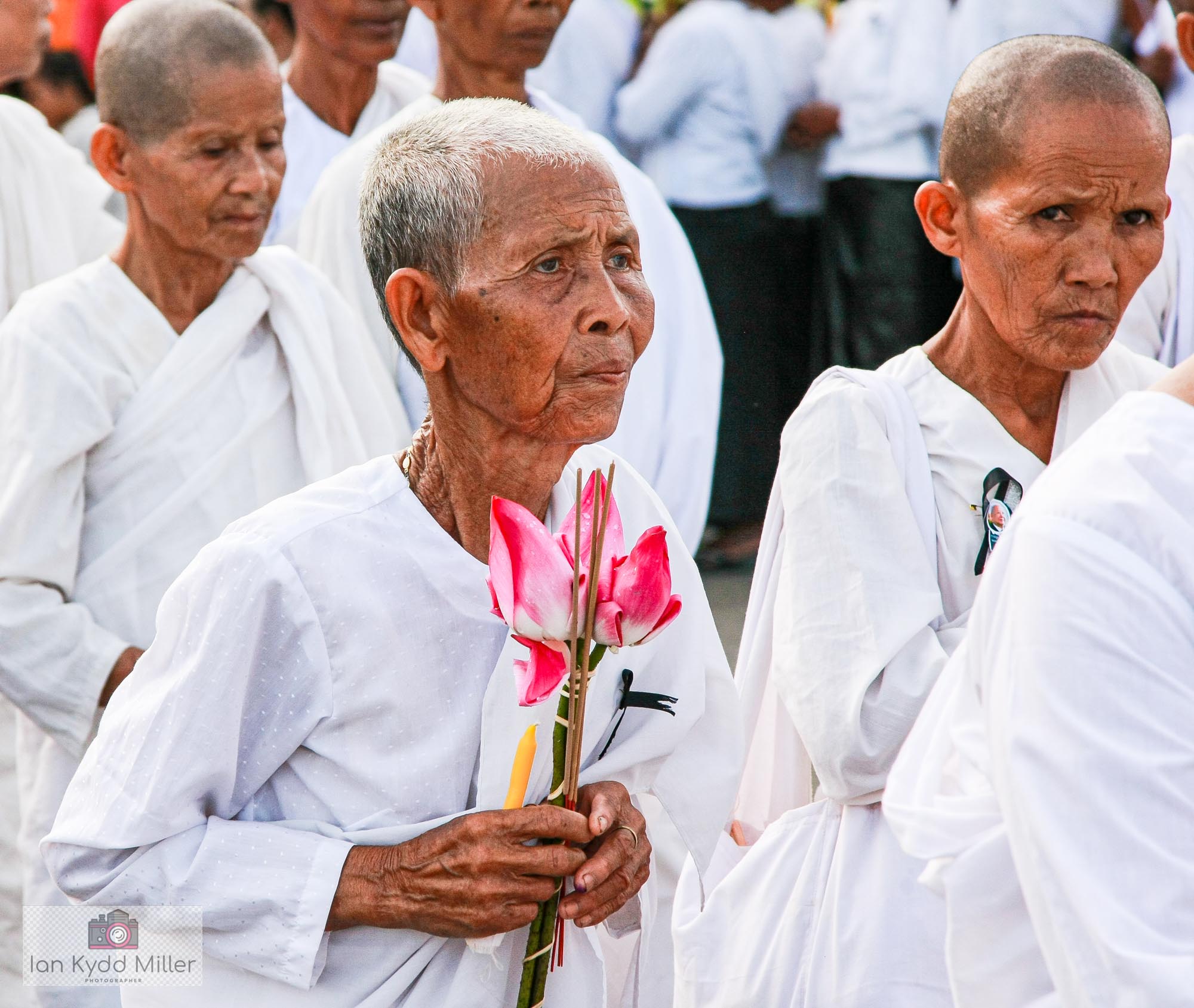
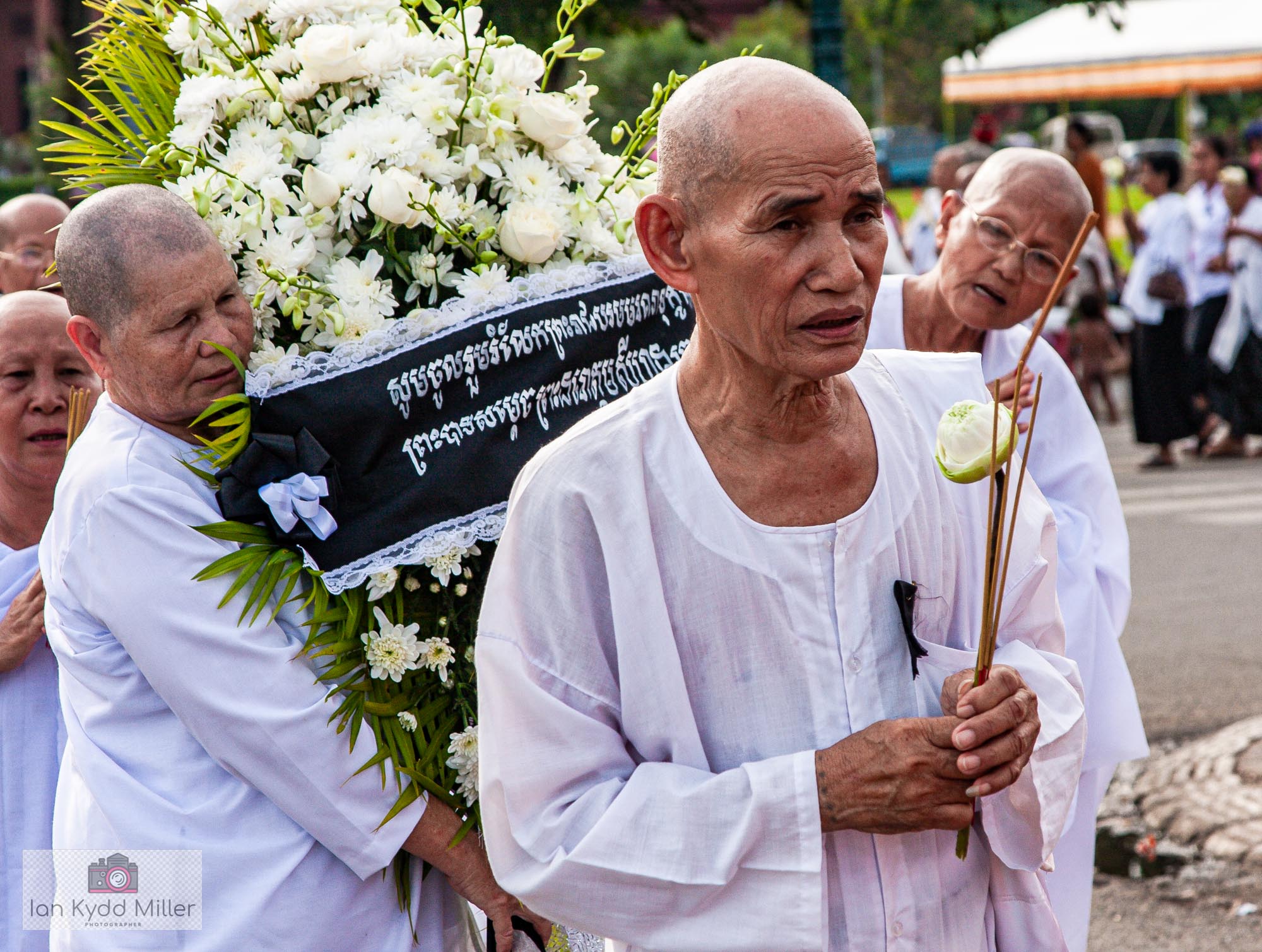
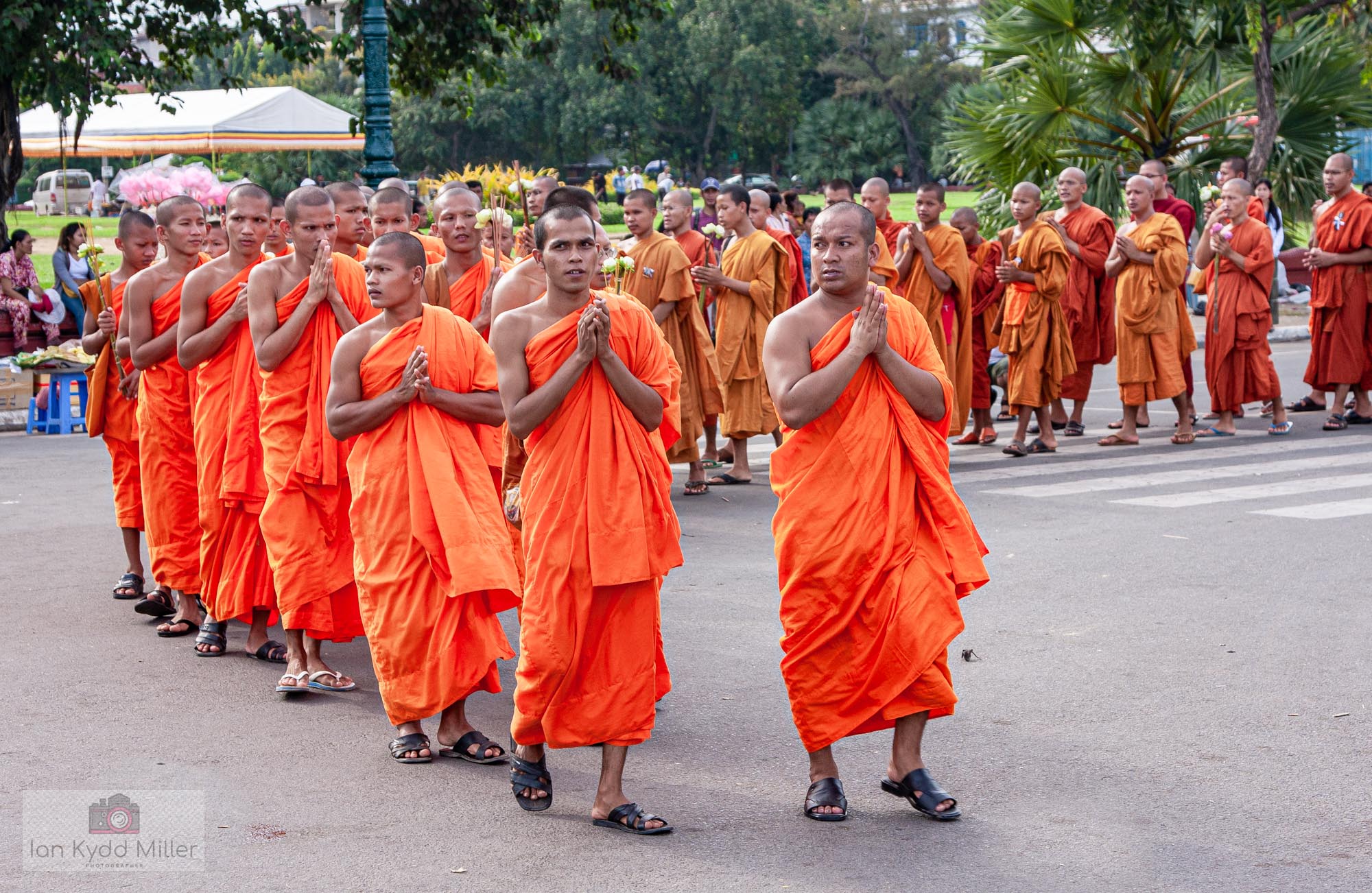
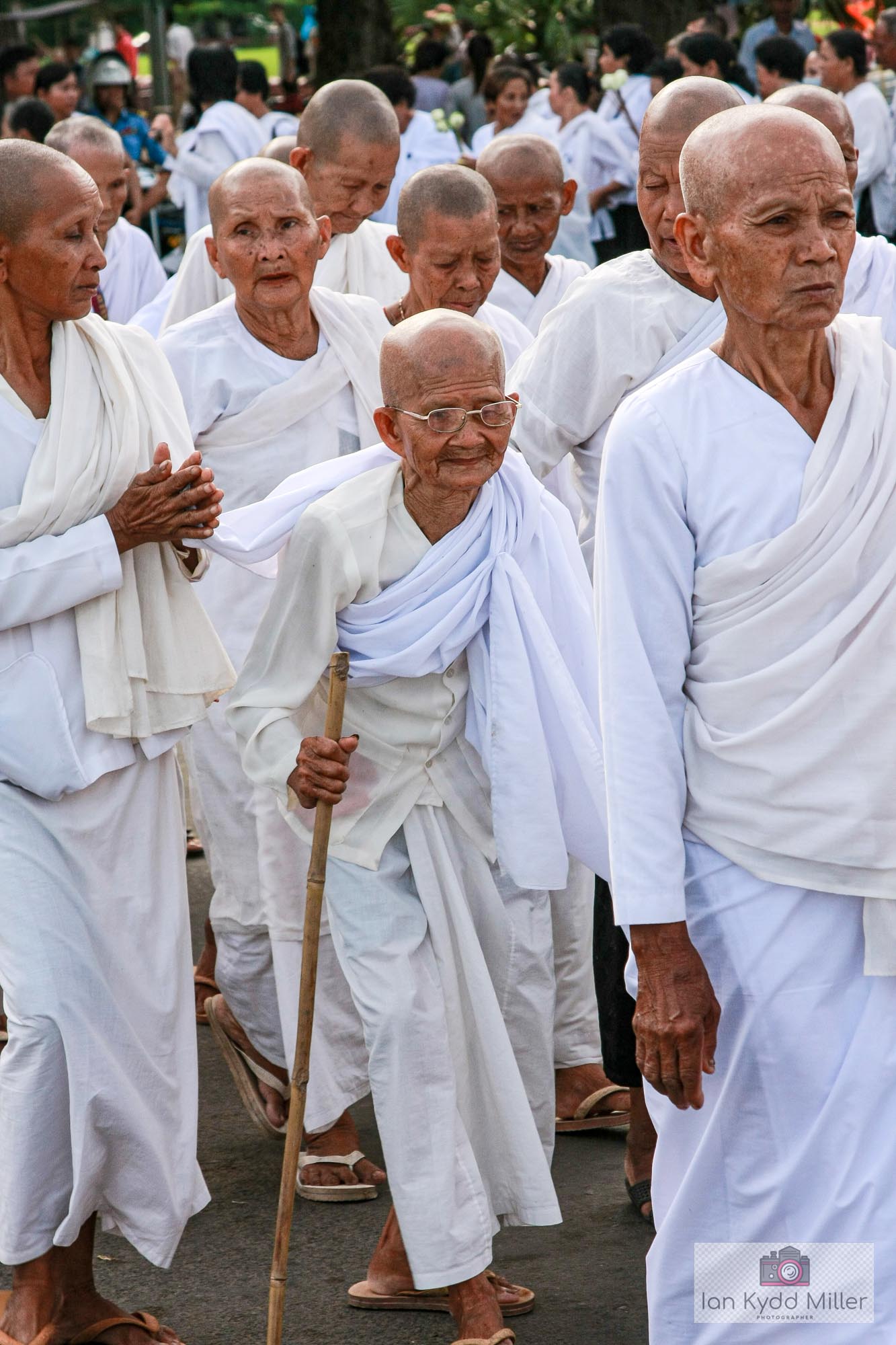
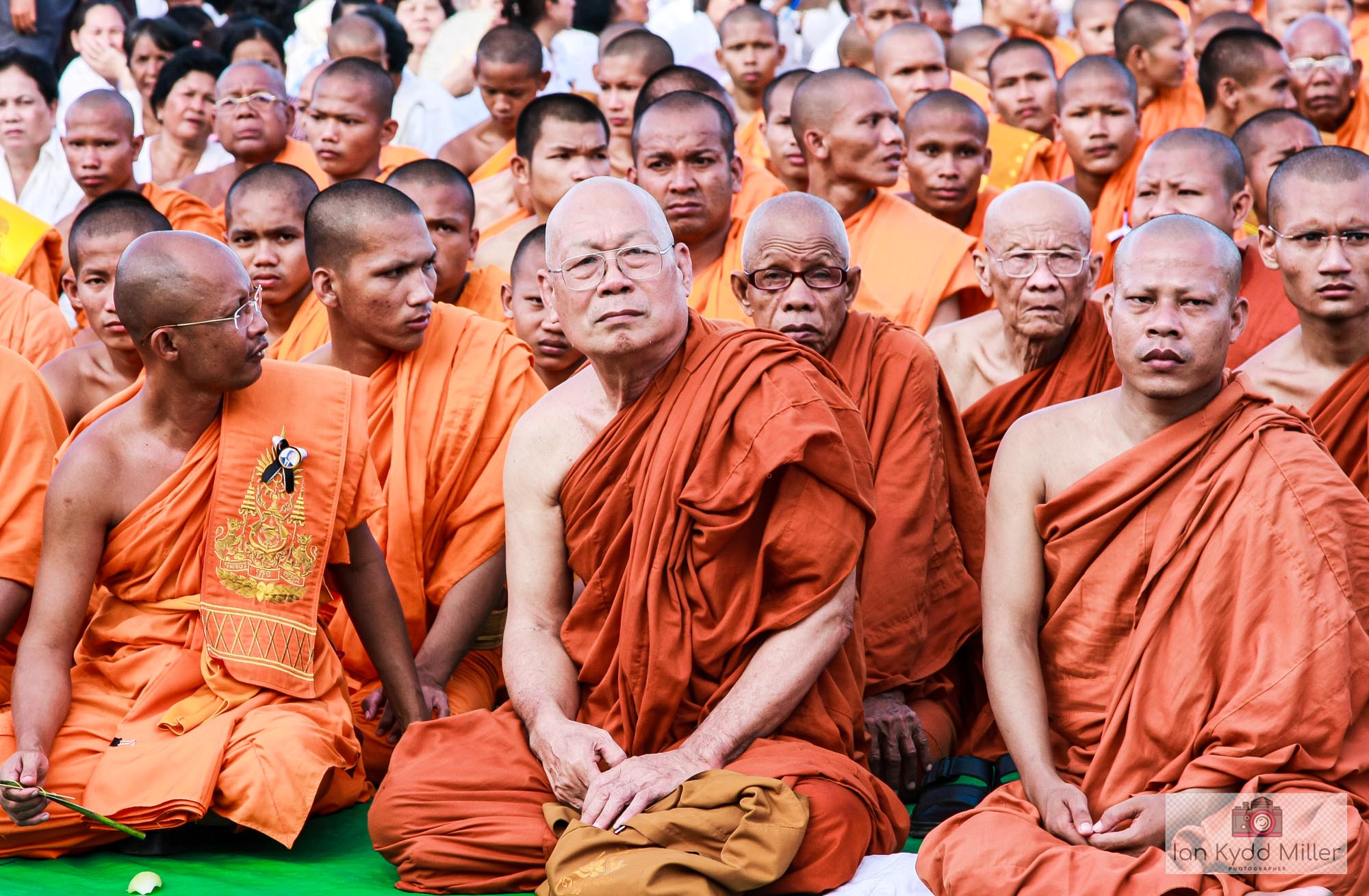
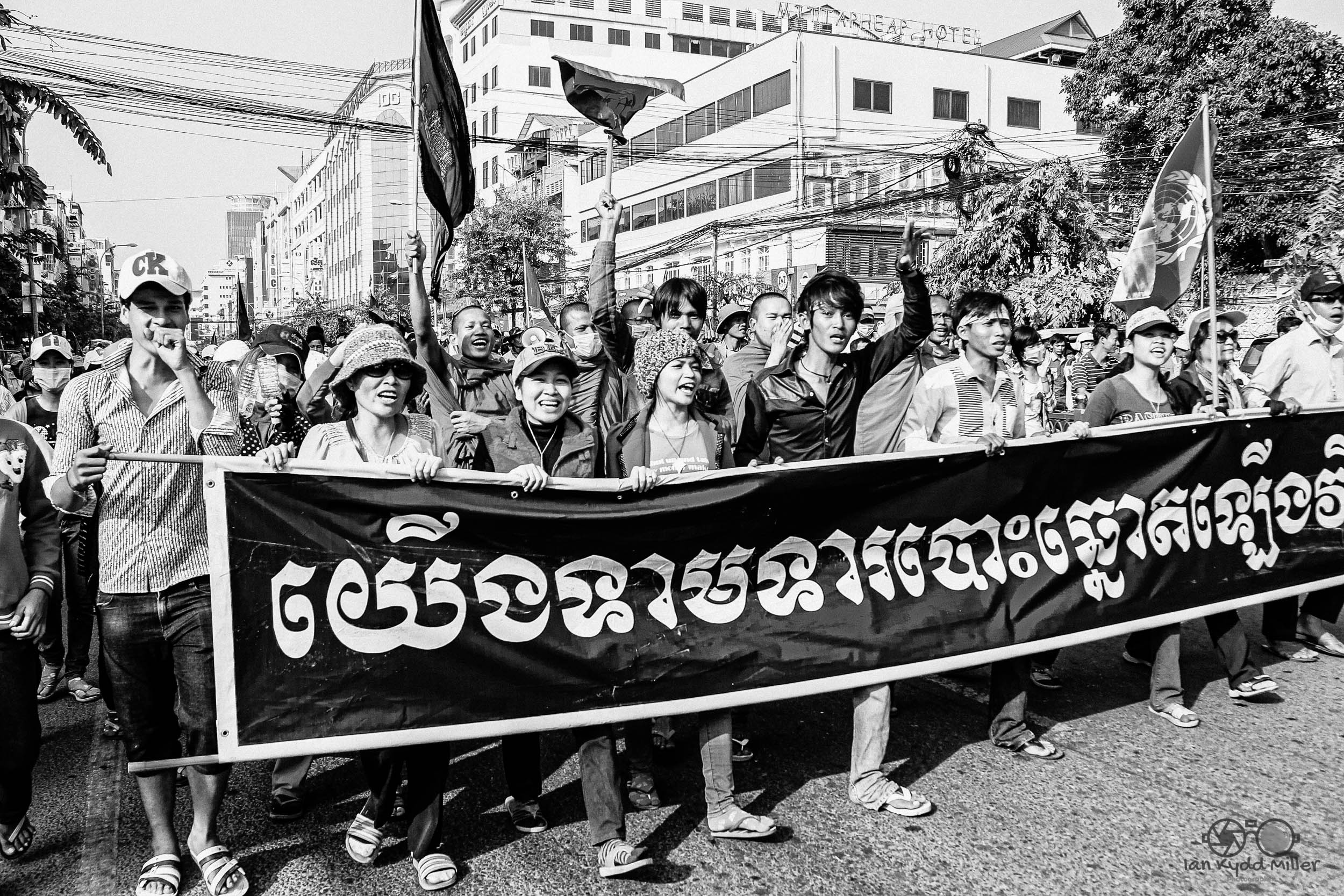
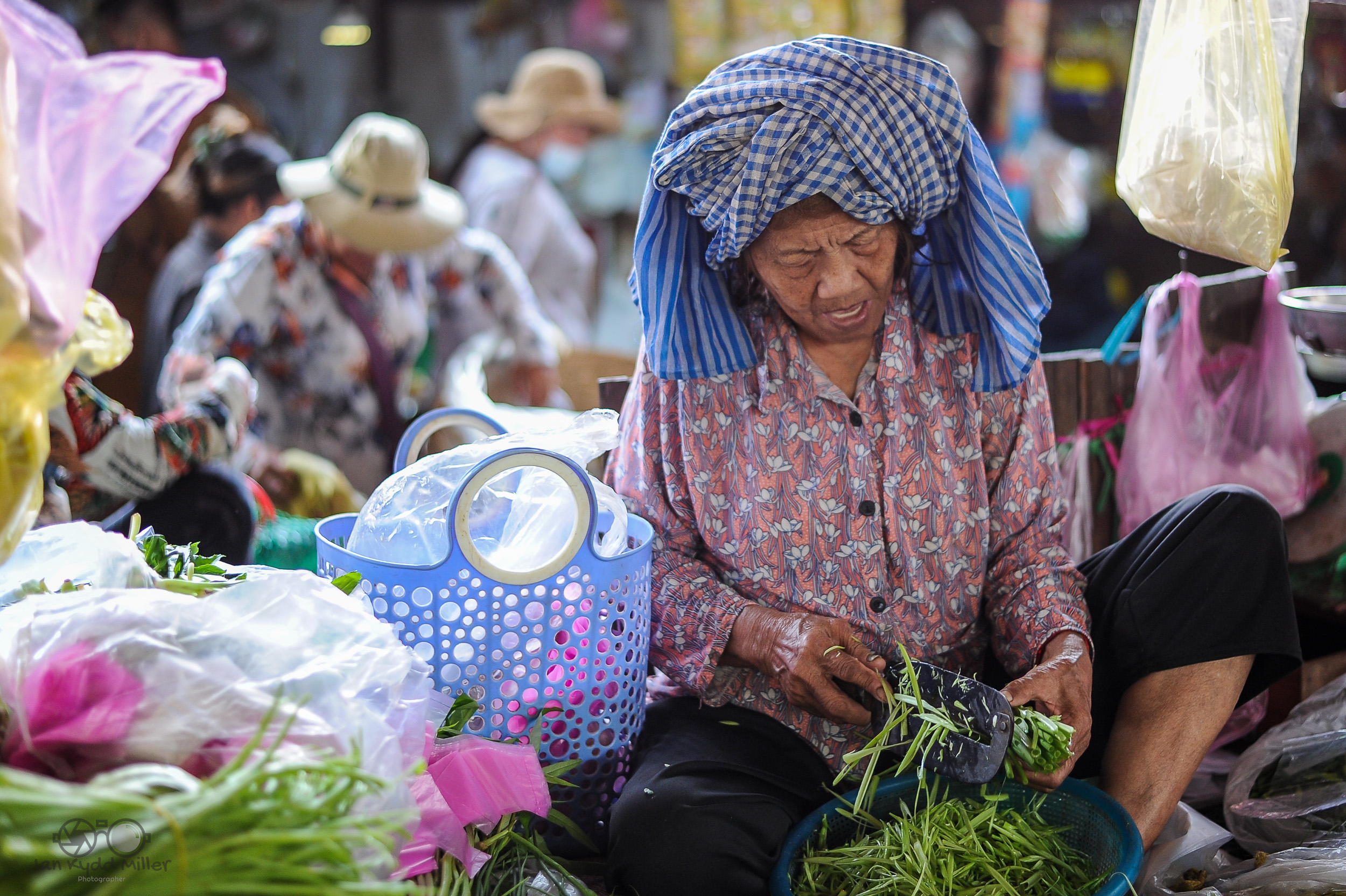
Photographs are not just personal; they are historical documents that capture the essence of an era, an event, or a movement. They provide a visual record of our collective history, helping us to learn from the past and understand the present. Iconic images have the power to shape public perception and can become symbols of significant moments in time.

The Joy of the Process
Lastly, the act of taking photographs is, in itself, a source of joy for many. The process of setting up a shot, waiting for the perfect light, and finally capturing the image can be incredibly satisfying. It’s a pursuit that combines patience, skill, and sometimes a bit of luck, to create something truly magical.
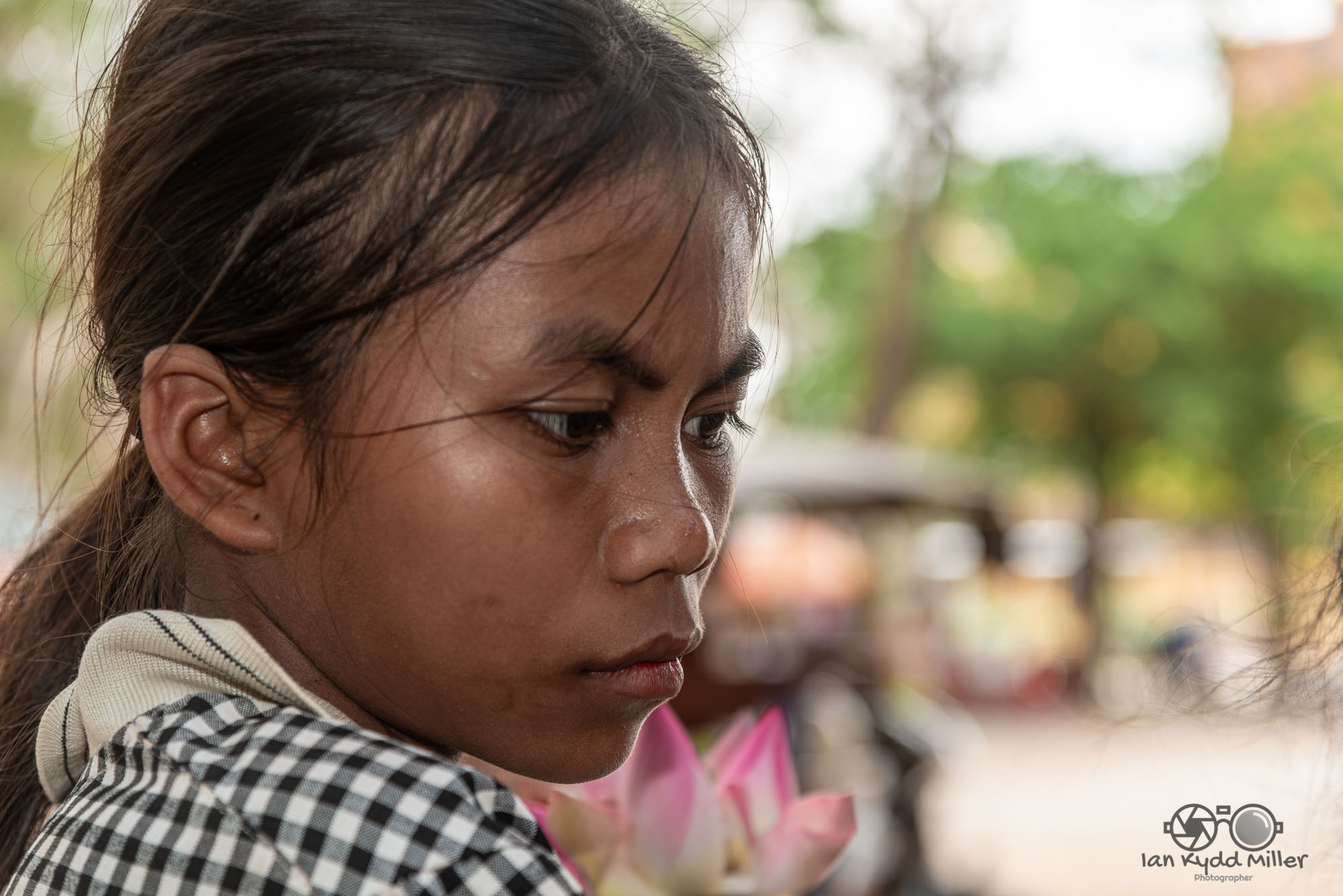
In conclusion, photography is a multifaceted art that offers more than just a visual representation of our world. It’s a medium for memory, storytelling, learning, self-expression, connection, and so much more. It’s no wonder that photography has become such an integral part of our lives, allowing us to capture the fleeting moments that make up the tapestry of human experience. So, grab your camera, and let’s continue to capture the world, one photograph at a time!


























 a world without pictures is like coffee without cream and sugar, bitter