
There comes a moment in the life of many photographers when something quietly changes.
It doesn’t happen overnight. There isn’t a dramatic announcement or a sudden revelation. In fact, you may not even notice it at first.
One day you realise you’ve stopped reading camera reviews with quite the same enthusiasm.
You no longer spend evenings comparing test charts or worrying whether another lens is a fraction sharper in the corners.
You stop wondering what the next camera might do for your photography.
Instead, you begin asking what your photography can still teach you.
I don’t know exactly when that change happened to me.
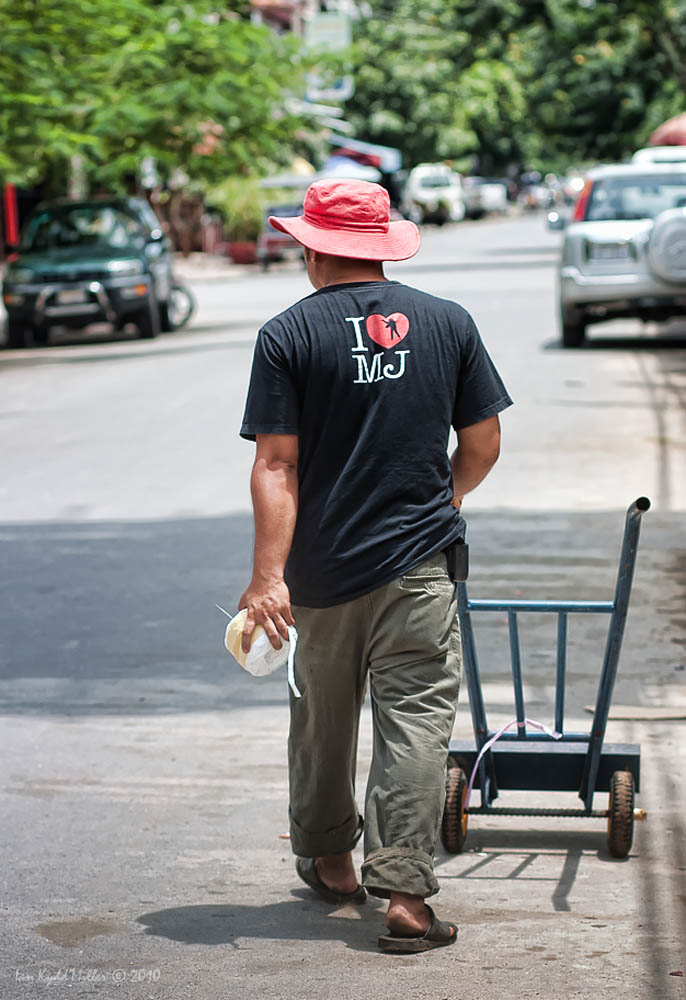
Perhaps it was after years of carrying professional cameras through cities, villages and streets where nobody cared what was hanging around my neck.


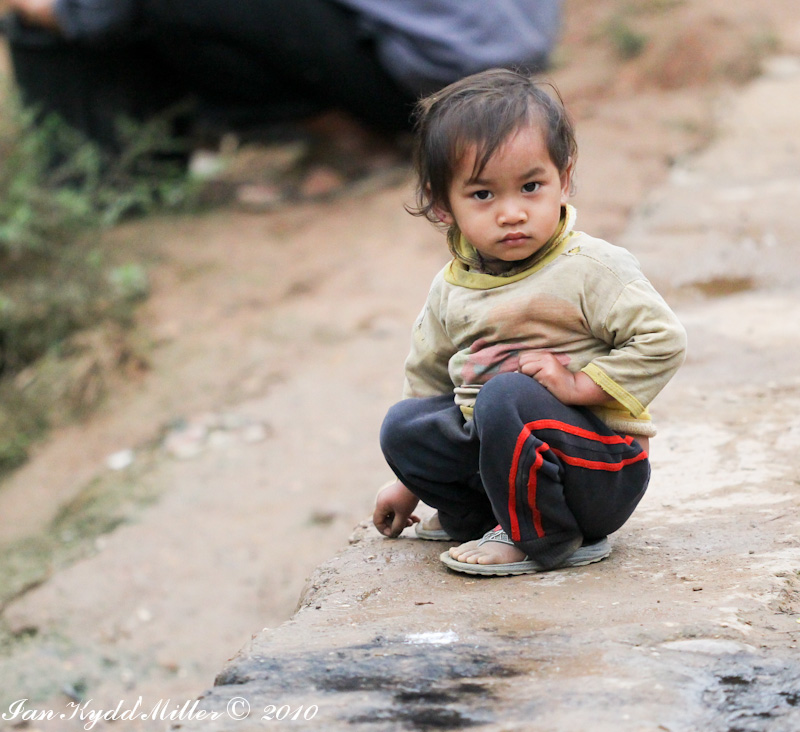
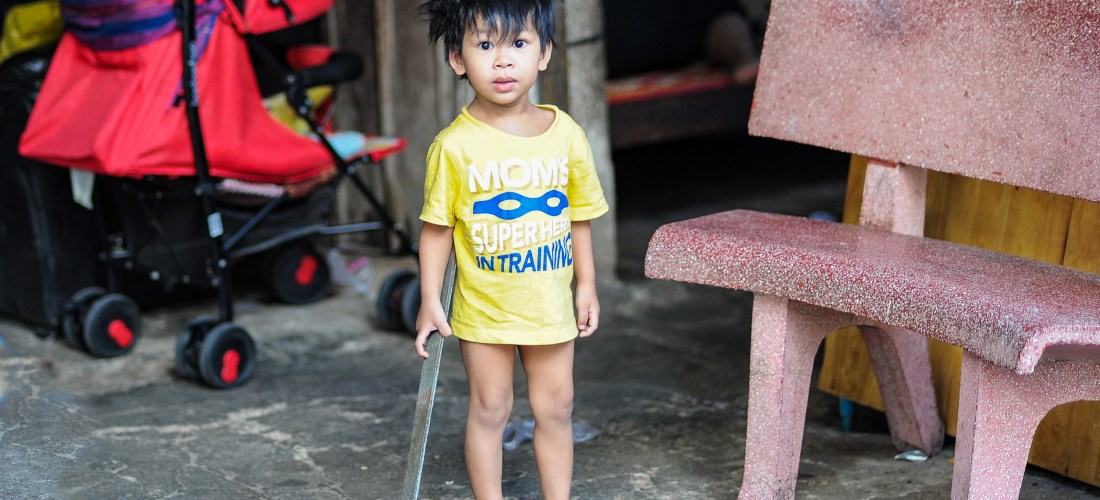
The people I photographed never once asked how many megapixels the camera had.
They cared whether I treated them with respect.
The photograph never depended on the specification sheet.
It depended on the relationship.
Over the years I’ve owned cameras that many photographers dreamed of owning. The Nikon D3. The Canon 1D series. Cameras built to work in almost any conditions, and built so well that they still inspire confidence today.
I’ve also spent just as much time enjoying cameras that the photographic world has largely left behind. The Nikon D1H. The D2Hs. The D300S. Cameras that many people now dismiss before they’ve even picked one up.
The funny thing is that every one of them has made photographs I’m proud of.
That should probably tell me something.

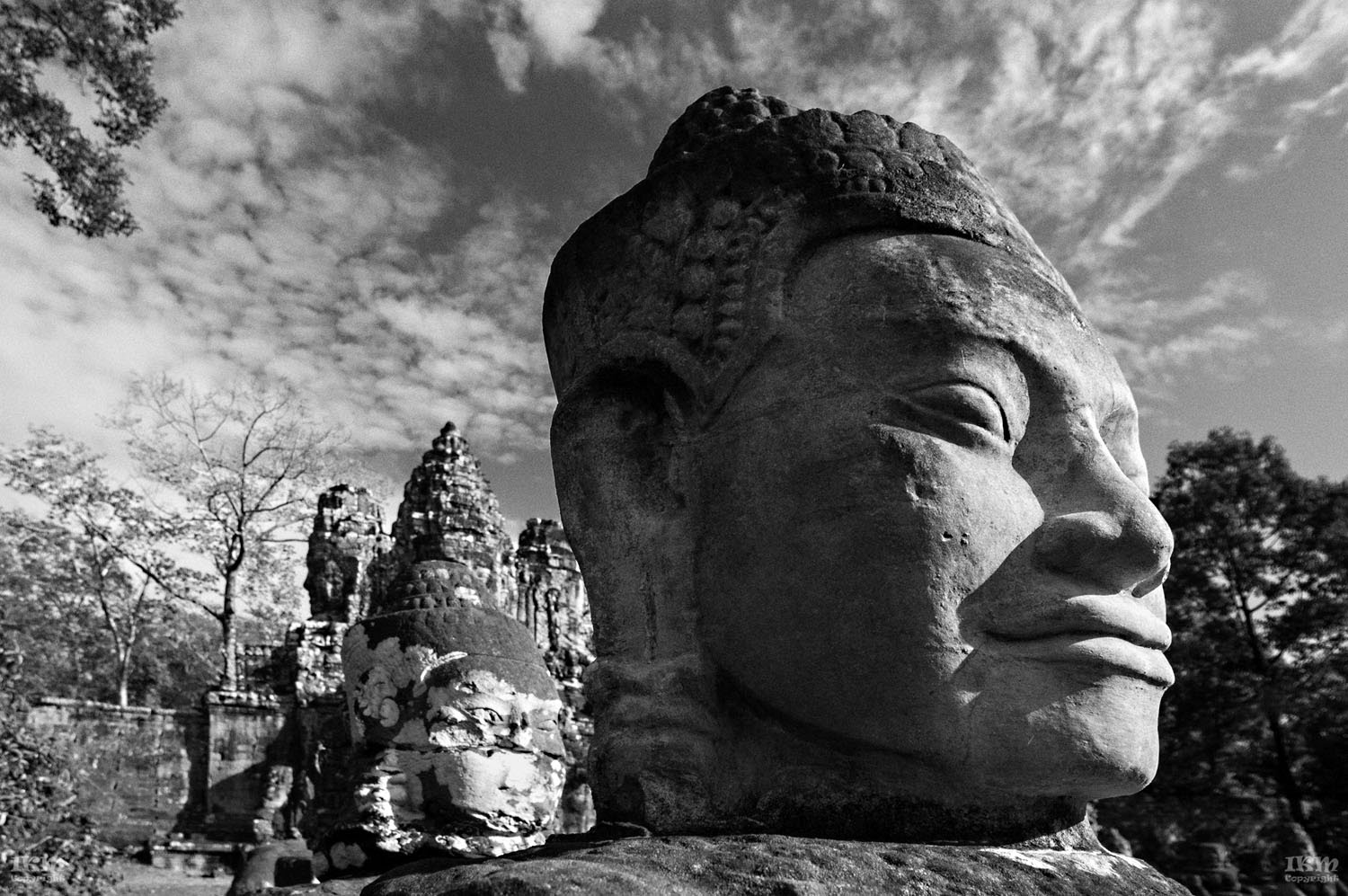


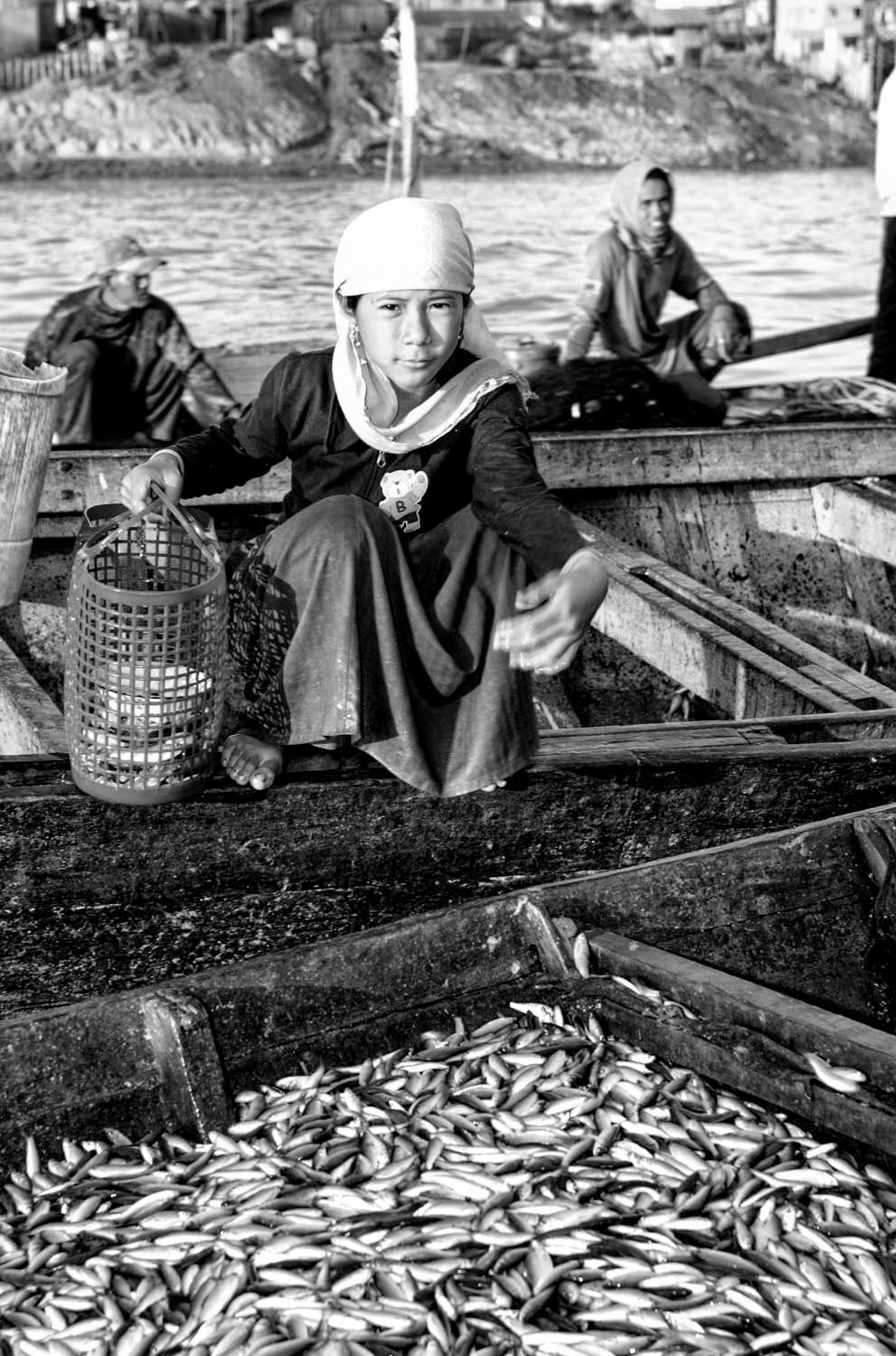
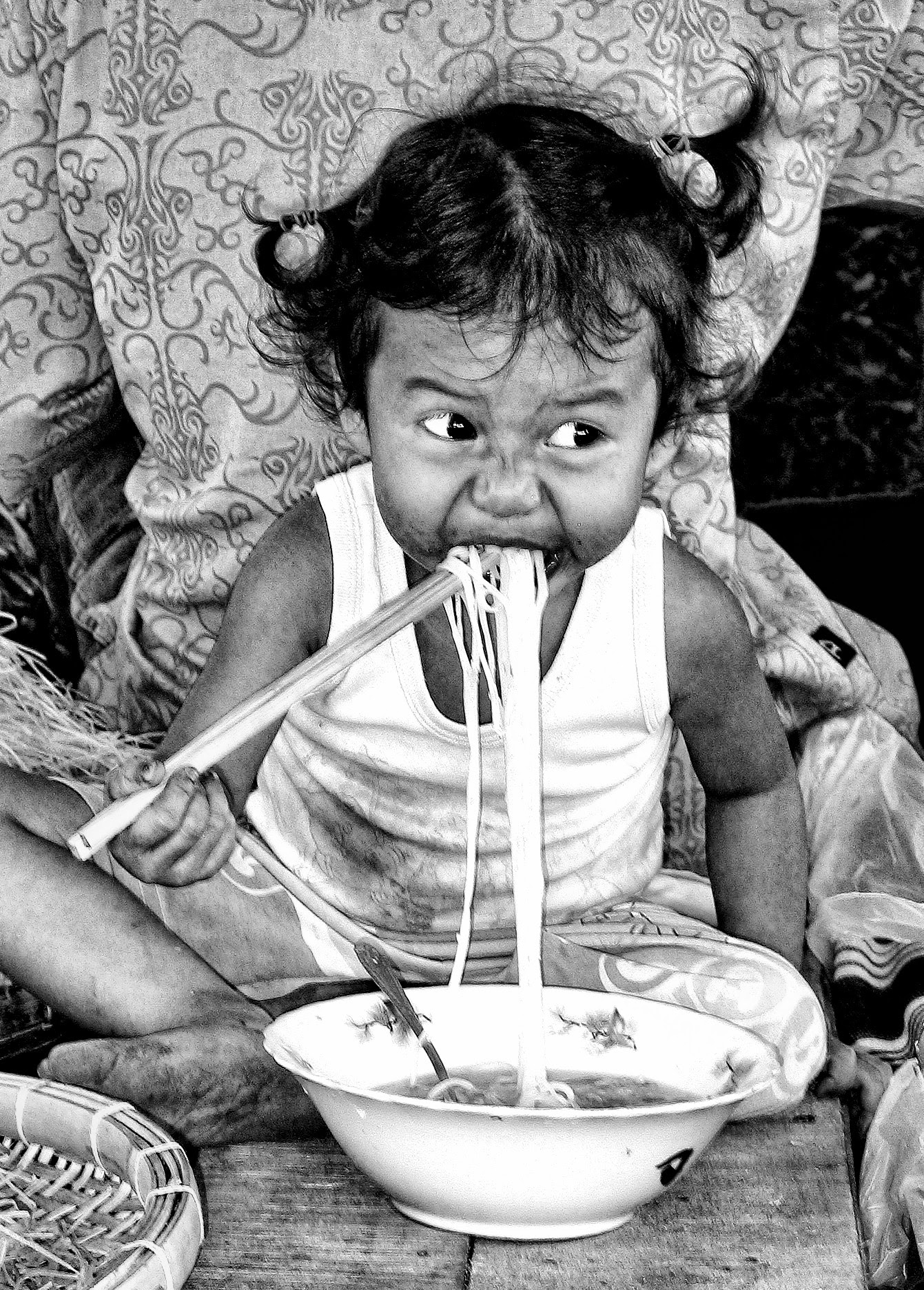

Photography has an extraordinary ability to convince us that we are one purchase away from becoming the photographer we want to be.
I’ve believed it myself.
Most of us have.
There is always another body with a better sensor, another lens with a wider aperture, another promise that this time everything will be different.
Sometimes the improvements are real.
Modern cameras are remarkable tools.
But there comes a point when the improvements become smaller than the distance we still have to travel as photographers.
No camera has ever taught me patience.
No lens has ever taught me empathy.
No sensor has ever helped me recognise the tiny exchange of glances between two strangers waiting to cross the road.
Those lessons have always come from spending time in the world with a camera in my hands.
Walking. Watching. Waiting. Making mistakes. Learning slowly.
Those are things no manufacturer can sell me.
I still enjoy good equipment. I appreciate thoughtful engineering.
A well-designed camera is a pleasure to use in much the same way that a well-made watch or a beautifully balanced fountain pen is a pleasure to hold.
There is craftsmanship in such things, and I admire it.
But craftsmanship is not creativity.
Owning a fine violin has never made anyone a concert musician.
The same is true of cameras.
Somewhere along the way I stopped trying to own the best equipment.
Instead, I began looking for equipment that encouraged me to leave the house.
That is a very different search.
A camera that feels comfortable after five kilometres of walking.
A lens that never makes me think twice about carrying it.
Controls that disappear beneath my fingers because they have become second nature.
Those things matter.
Not because they improve image quality.
Because they remove distractions.

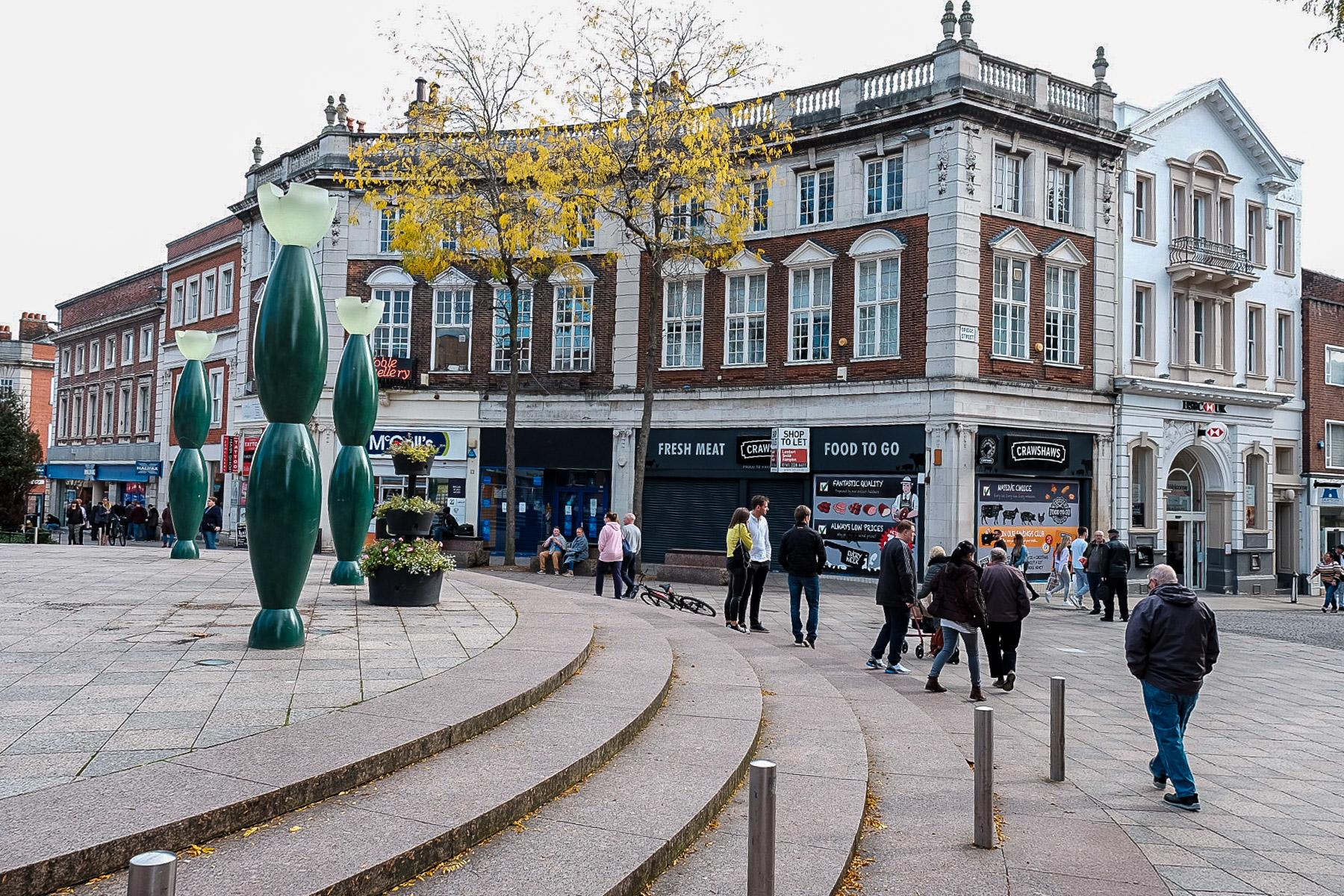



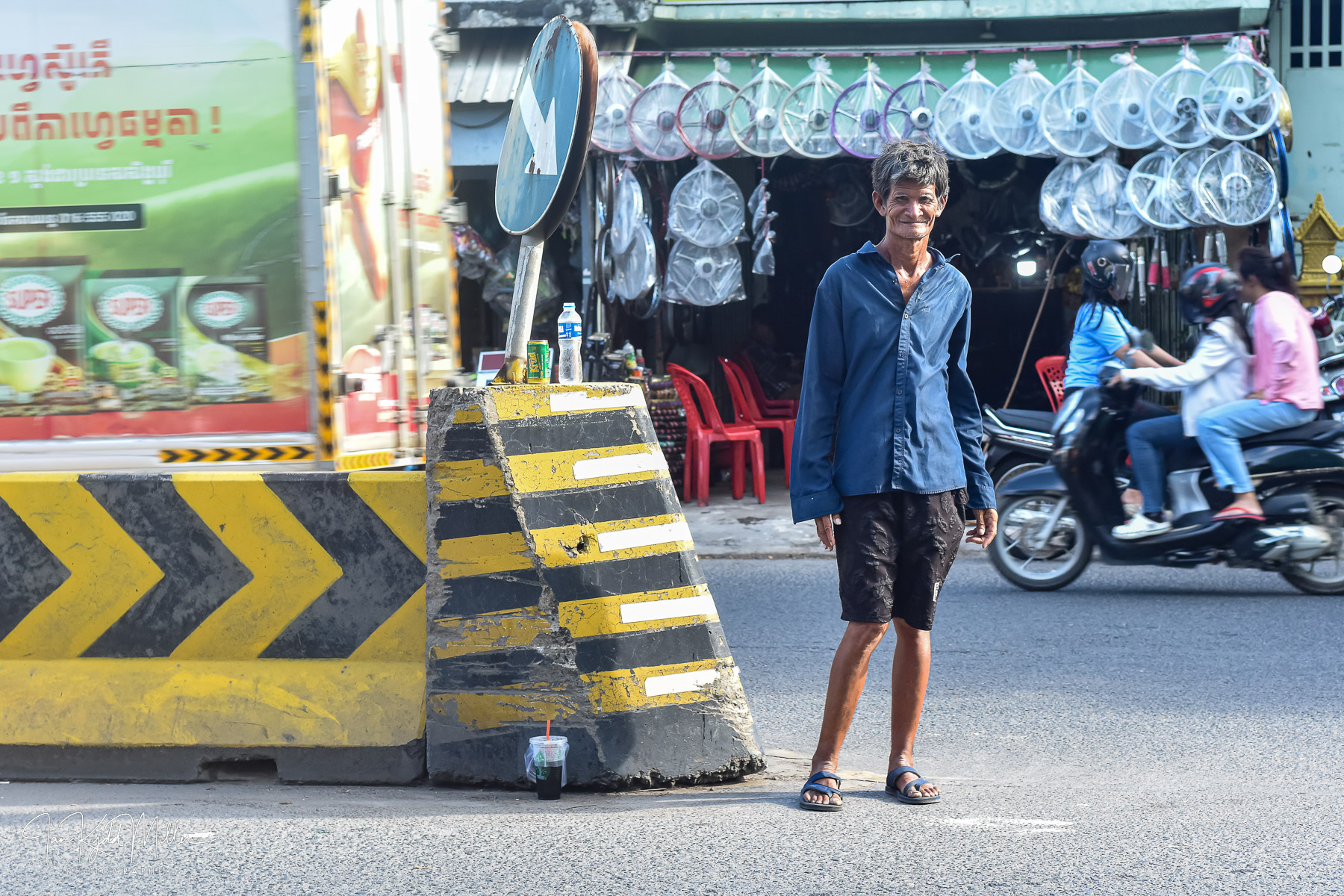
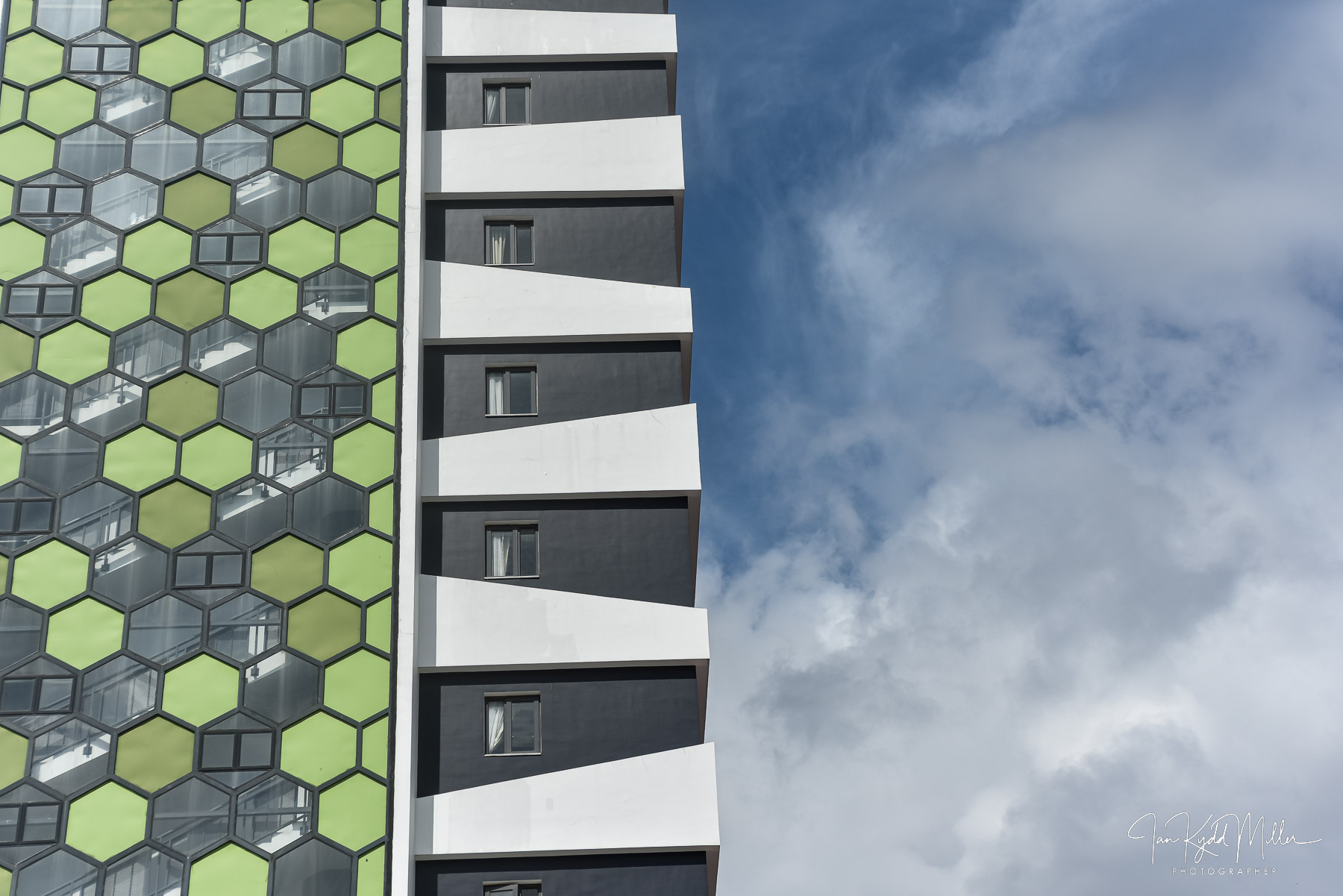

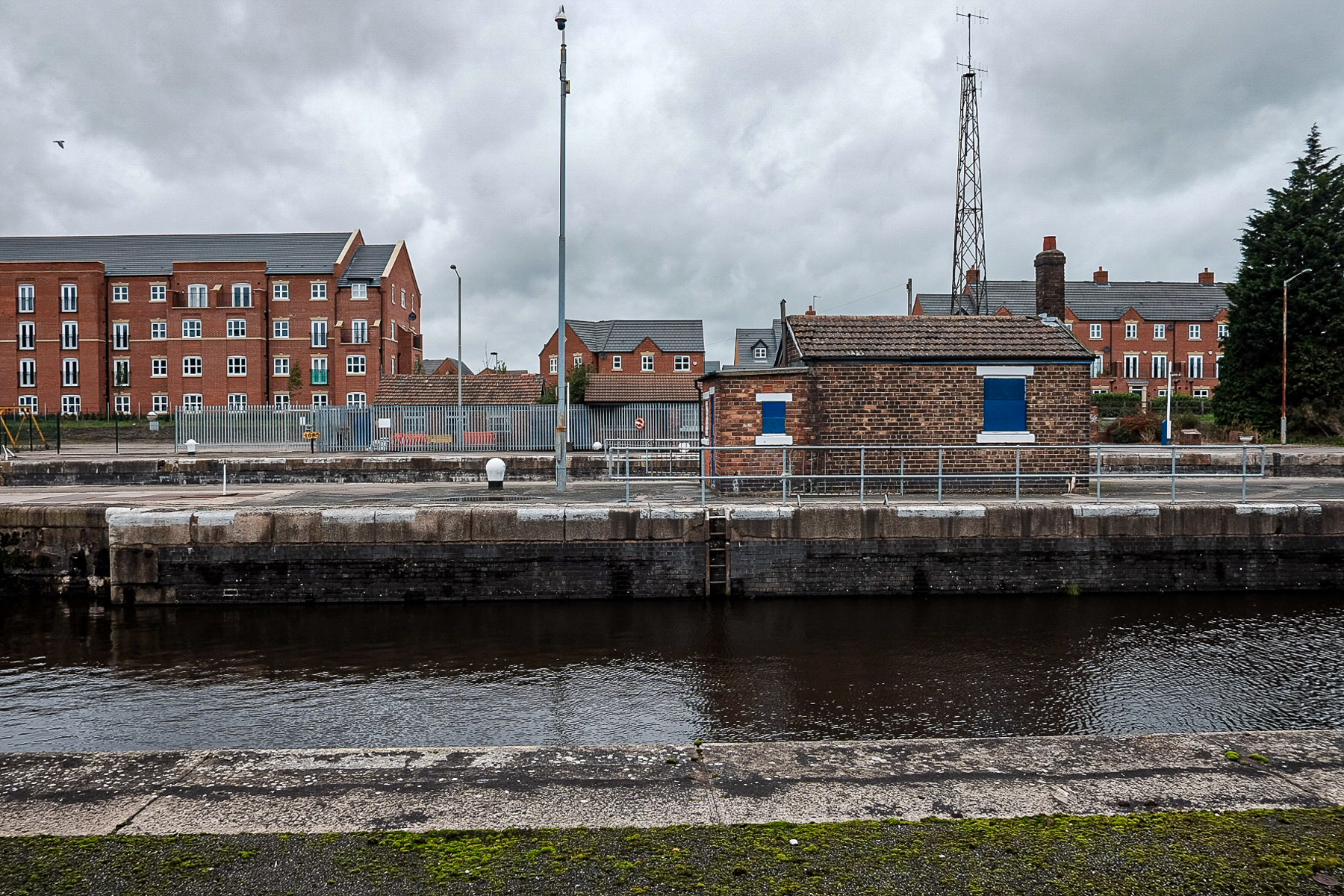
The less I think about the camera, the more I think about the world in front of it.
And that’s where photographs live.
One afternoon I rediscovered an old kit lens that had been sitting unnoticed in the bottom of a camera bag for years.
By every conventional measure, it was unremarkable.
Plastic. Slow. Inexpensive.
Hardly the sort of lens that sets internet forums buzzing with excitement.
I mounted it on an old Nikon and went for a walk.
Half an hour later I had forgotten I was using a kit lens.
I was simply making photographs.
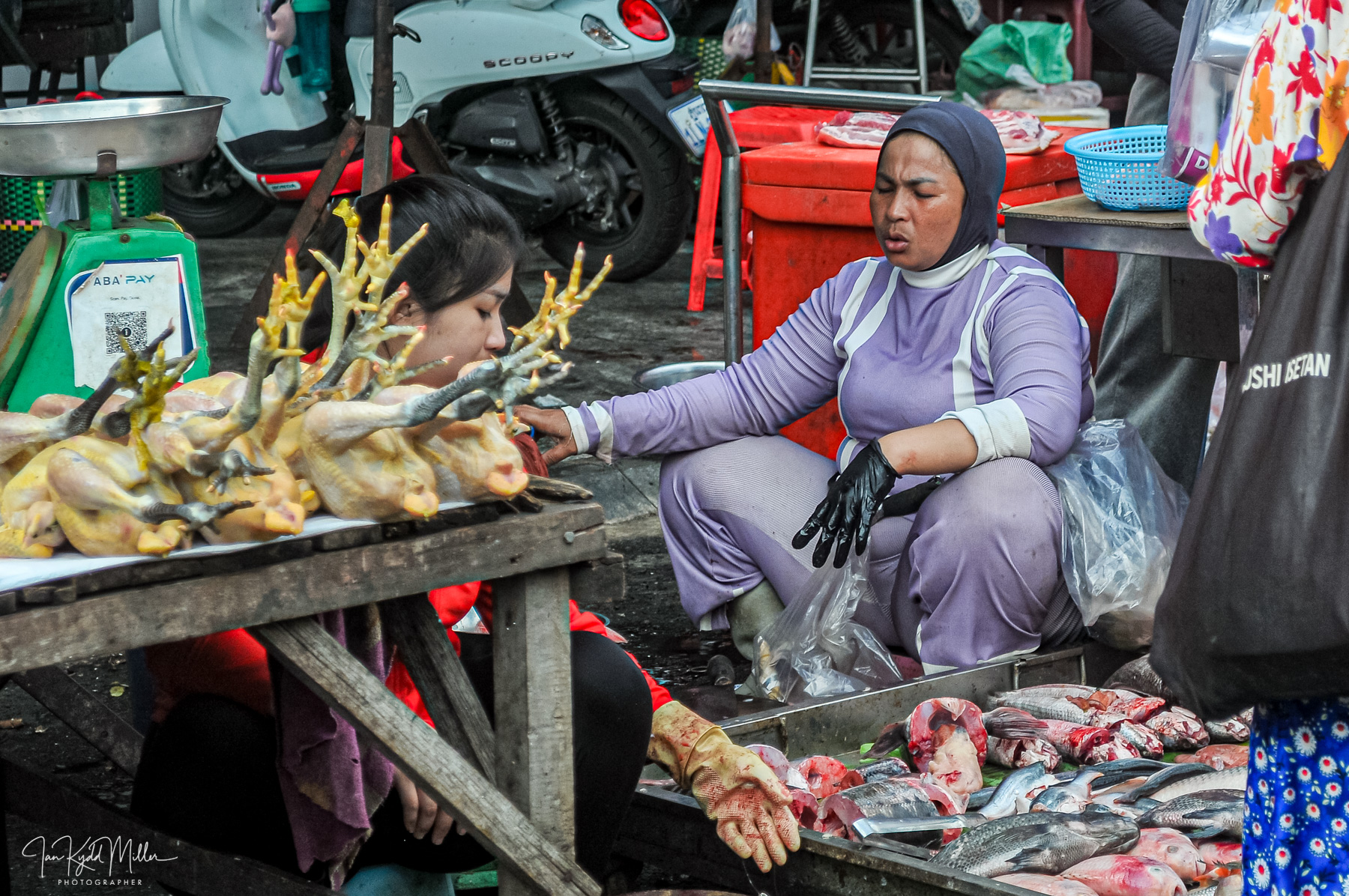
That small experience reminded me of something I had almost forgotten.
Good photographs are made with attention.
Not price tags.
As photographers we often speak about seeing.
Yet we spend an extraordinary amount of time looking at cameras instead.
Perhaps the greatest freedom comes when those two things finally separate.
When the equipment becomes simply another trusted tool.
No longer exciting. No longer distracting. Just dependable.
There is a quiet confidence in reaching that point.
It doesn’t mean you’ve stopped appreciating cameras.
It means you’ve started appreciating photography more.
These days I still enjoy picking up cameras that most people would consider obsolete.
Not because I’m nostalgic.
Not because I’m making a point.
Simply because they still encourage me to look carefully.
And looking carefully has always been the hardest part of photography.
Long after the specifications have been forgotten.
Long after the batteries no longer hold their charge.
Long after the next generation of technology has replaced them.
The ability to notice the extraordinary hidden inside ordinary moments remains.
That is the only upgrade that has ever truly mattered.
Everything else is just equipment.

