
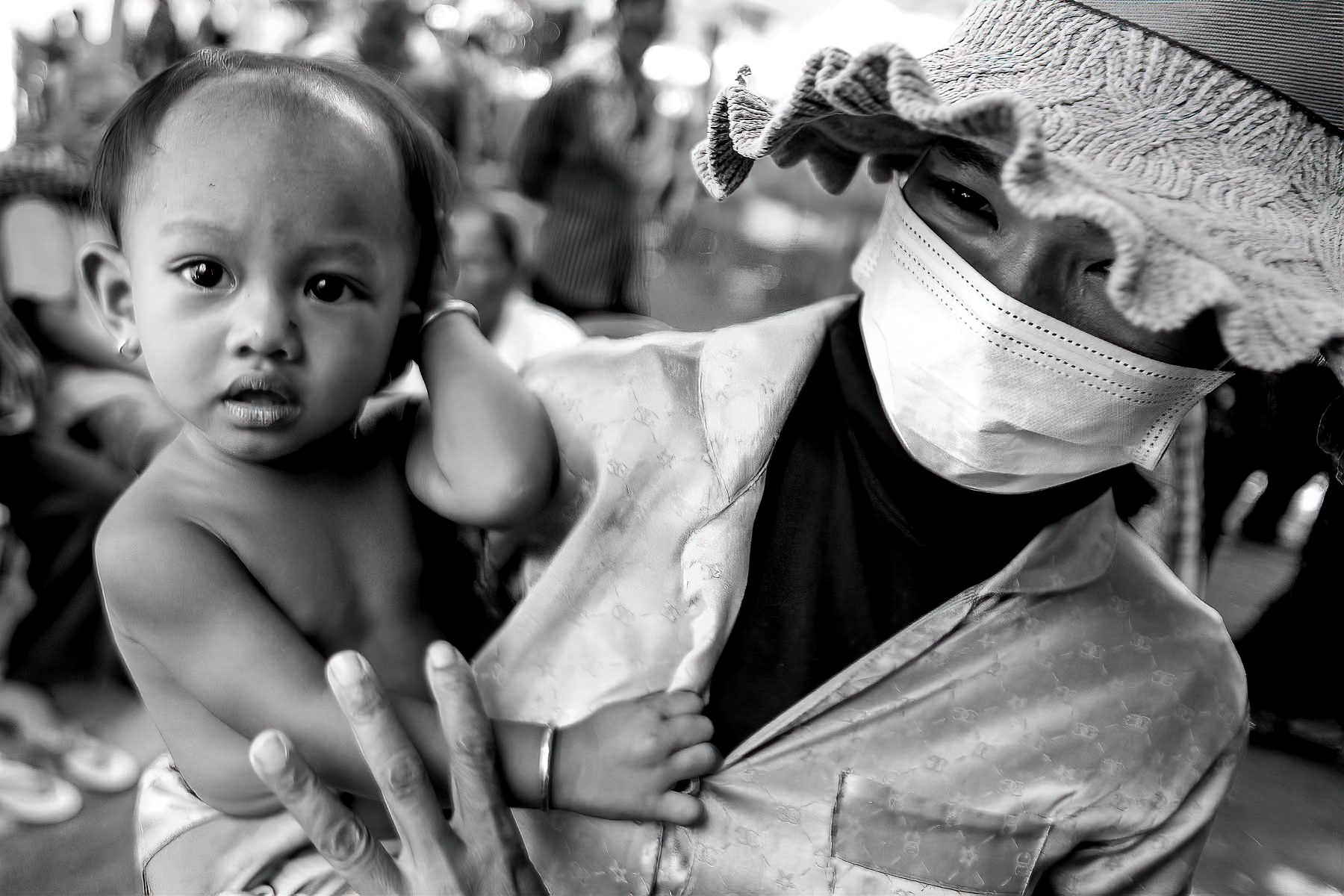
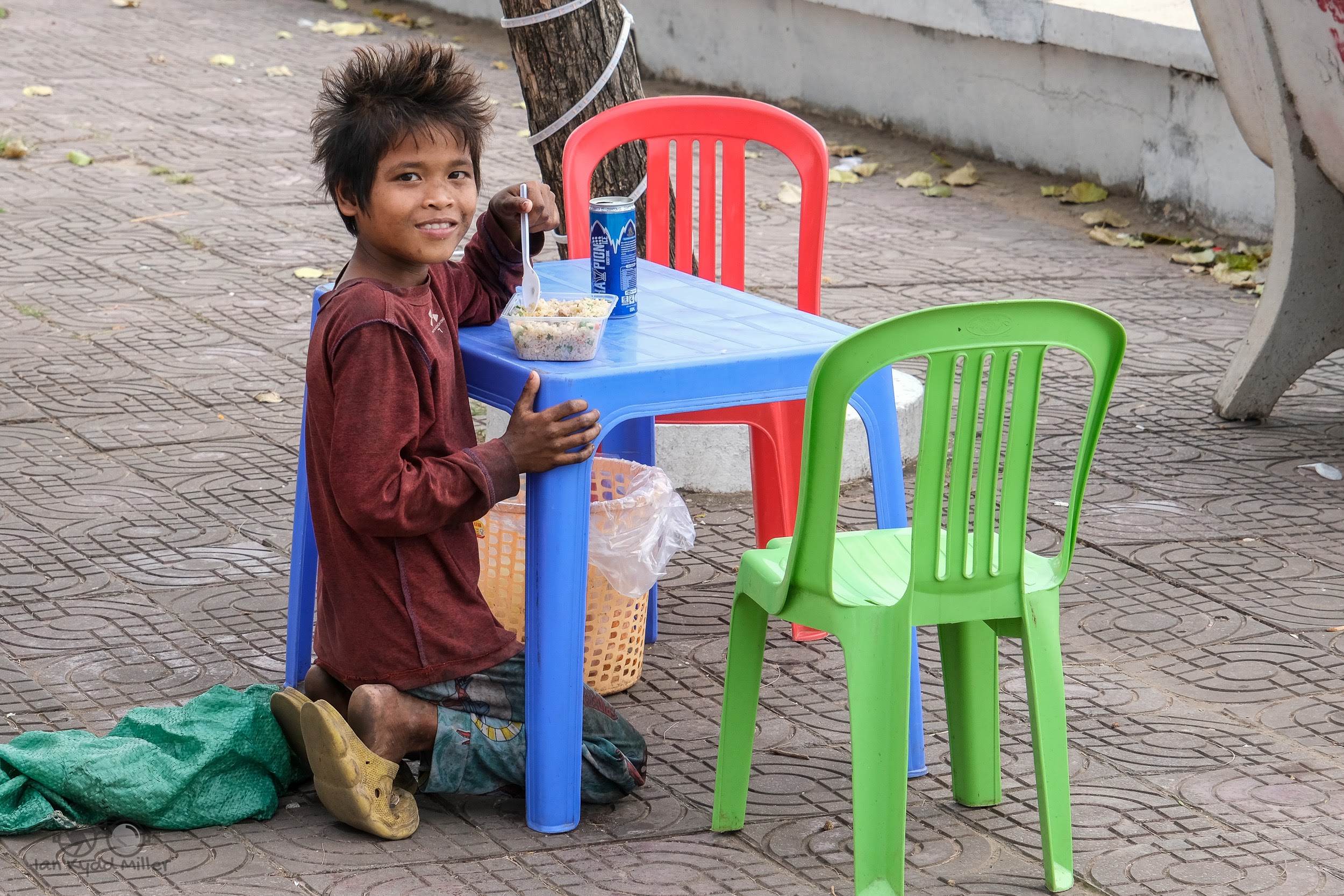
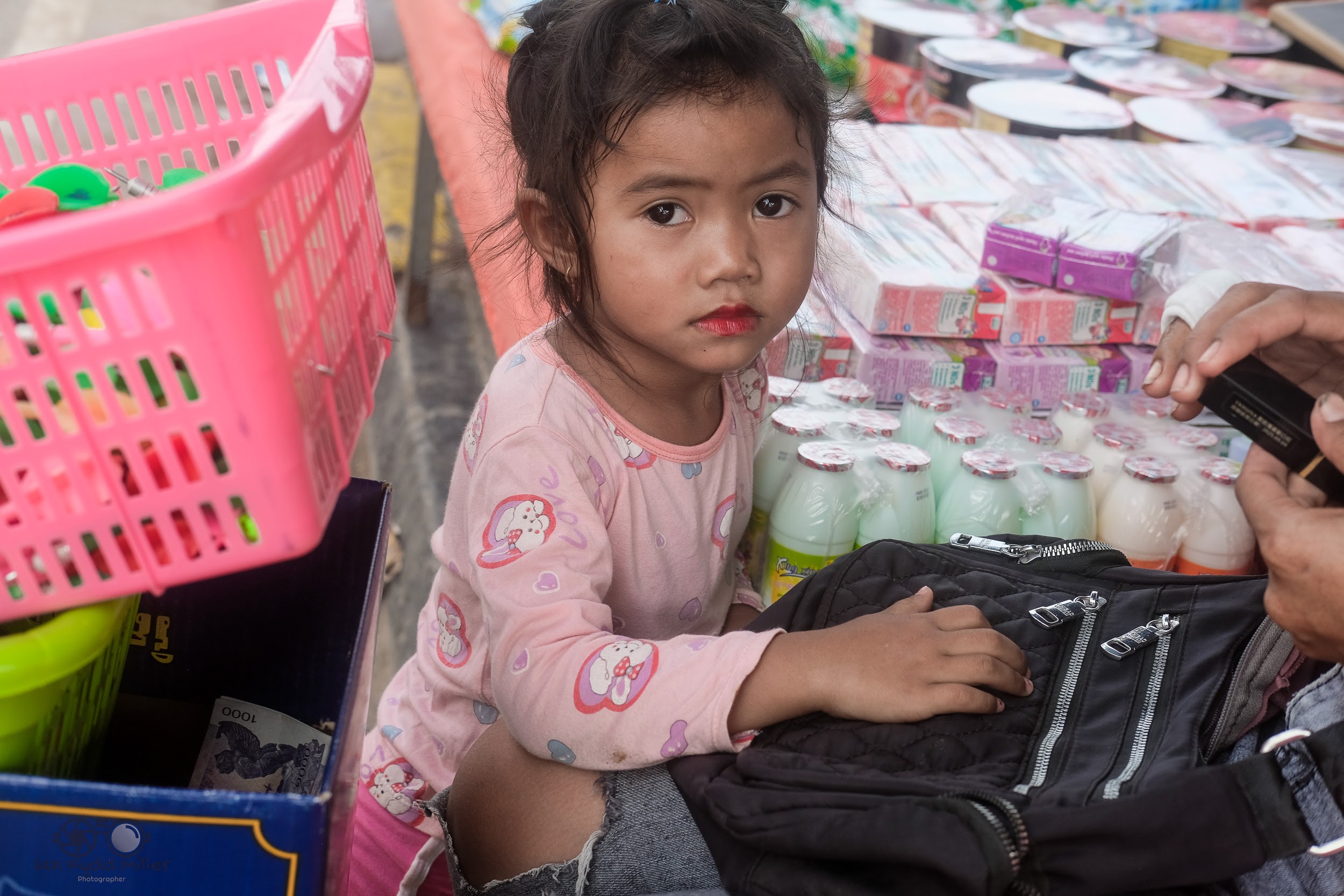
My account has been restricted on FB for 2 days for displaying this picture which they say goes against FB rules

How anyone could find this image to be offensive or sexual in any way is certainly beyond me.
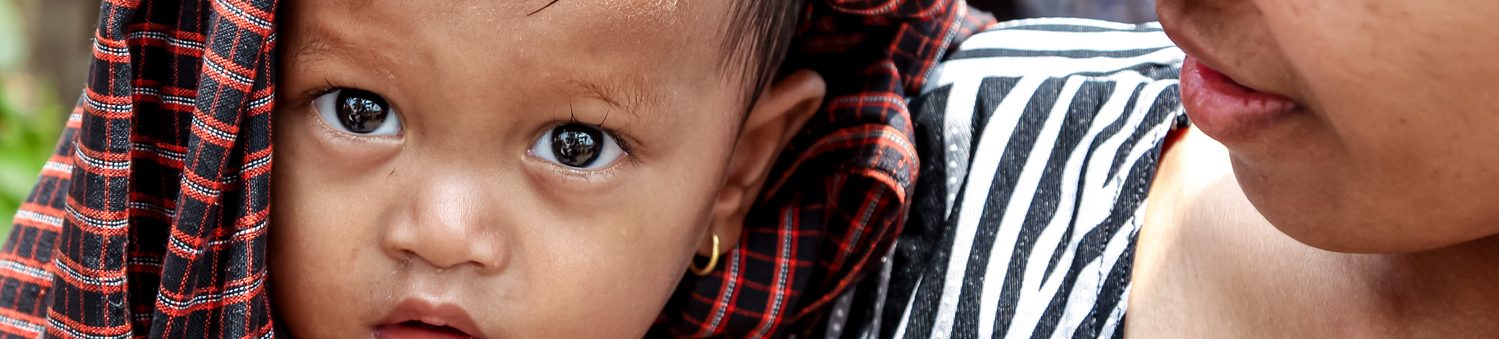
My account has been restricted on FB for 2 days for displaying this picture which they say goes against FB rules
How anyone could find this image to be offensive or sexual in any way is certainly beyond me.
Covering local political events and taking pictures in Cambodia can be a risky activity for journalists and photographers. Cambodia has a history of political violence, repression and censorship. According to the Committee to Protect Journalists (CPJ), Cambodia ranks 144th out of 180 countries in the 2020 World Press Freedom Index. The CPJ also reports that at least 13 journalists have been killed in Cambodia since 1994, most of them while covering political or environmental issues.
In addition, many journalists and media outlets have faced harassment, intimidation, lawsuits, arrests and closures for criticizing the government or exposing corruption.
Therefore, anyone who wants to cover local political events and take pictures in Cambodia should be aware of the potential dangers and take precautions to protect themselves and their sources. Some of the tips that CPJ recommends are:
– Research the political and security situation in the areas you plan to visit and avoid areas with active conflicts or protests.
– Carry a press card or accreditation from a reputable media organization and show it only when necessary.
– Use encrypted communication tools and secure storage devices to protect your data and contacts.
– Be discreet and respectful when taking pictures and avoid drawing attention to yourself or your equipment.
– Seek permission from local authorities or community leaders before entering sensitive areas or interviewing people.
– Be prepared to delete or hide your pictures if you are stopped or searched by security forces or hostile groups.
– Have an emergency plan and contact person in case you are detained, injured or threatened.
Covering local political events and taking pictures in Cambodia can be a rewarding and challenging experience for journalists and photographers who want to document the realities and stories of this Southeast Asian country. However, it can also be a dangerous activity that requires caution, preparation and professionalism.
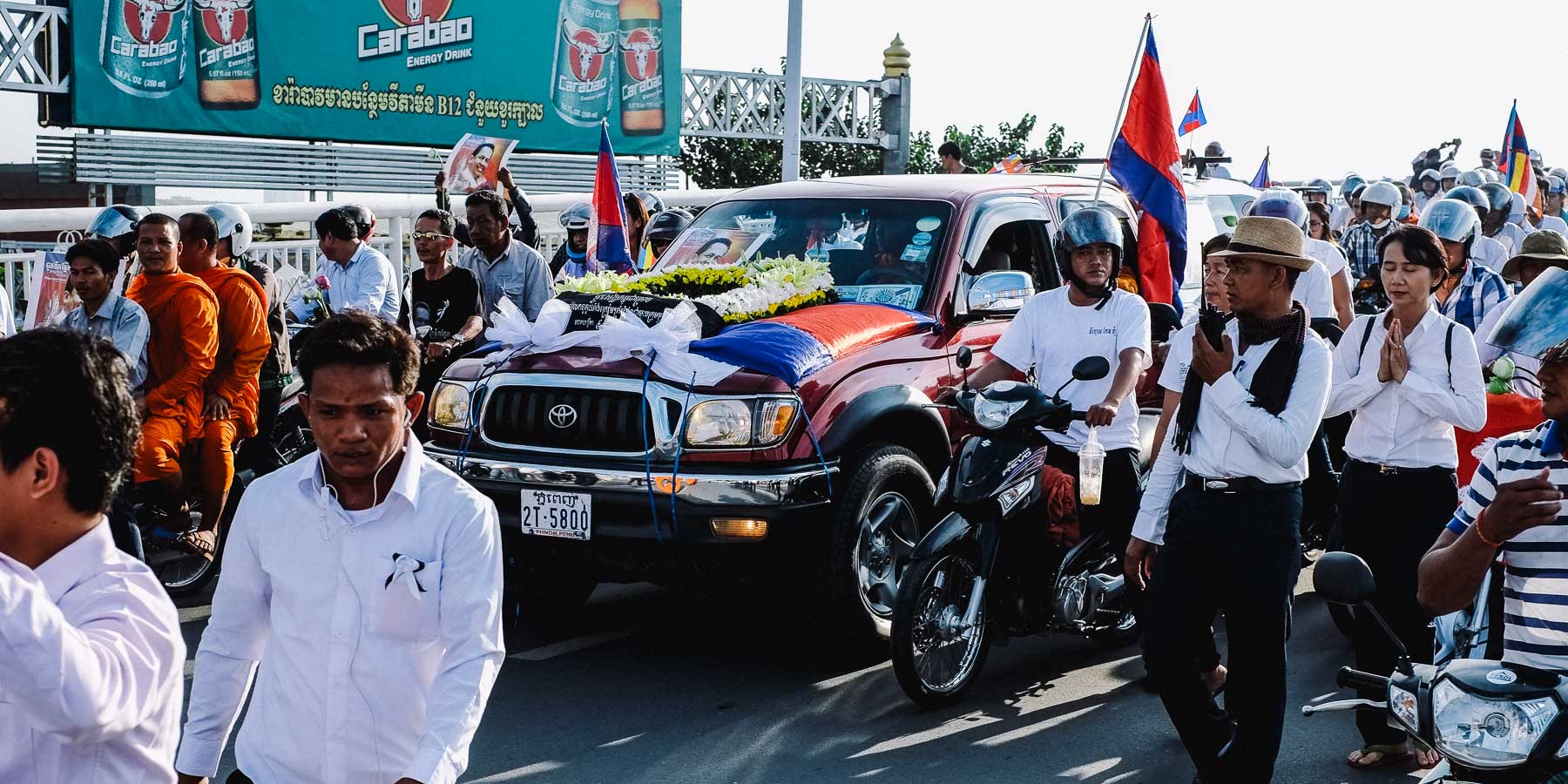
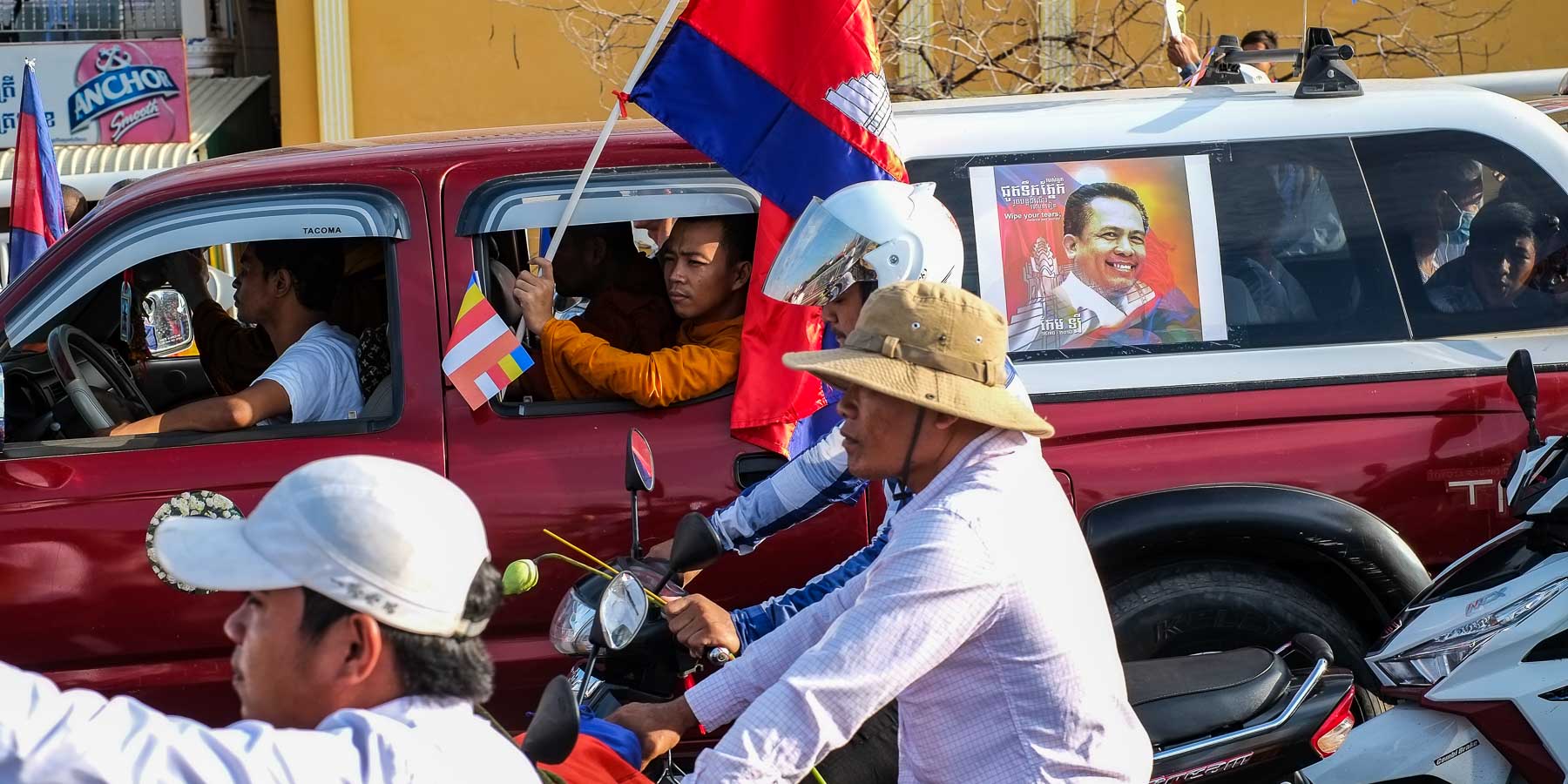
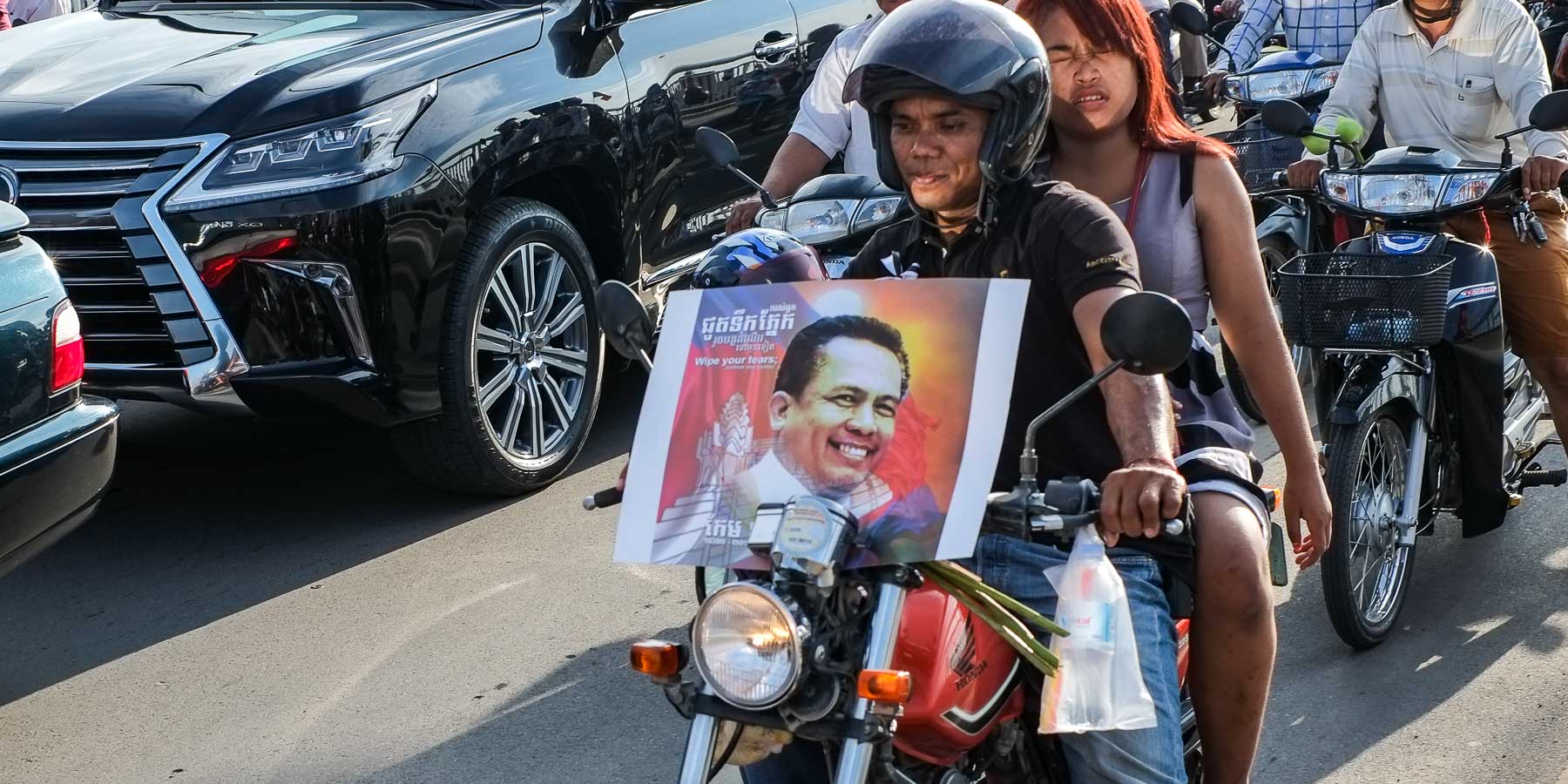
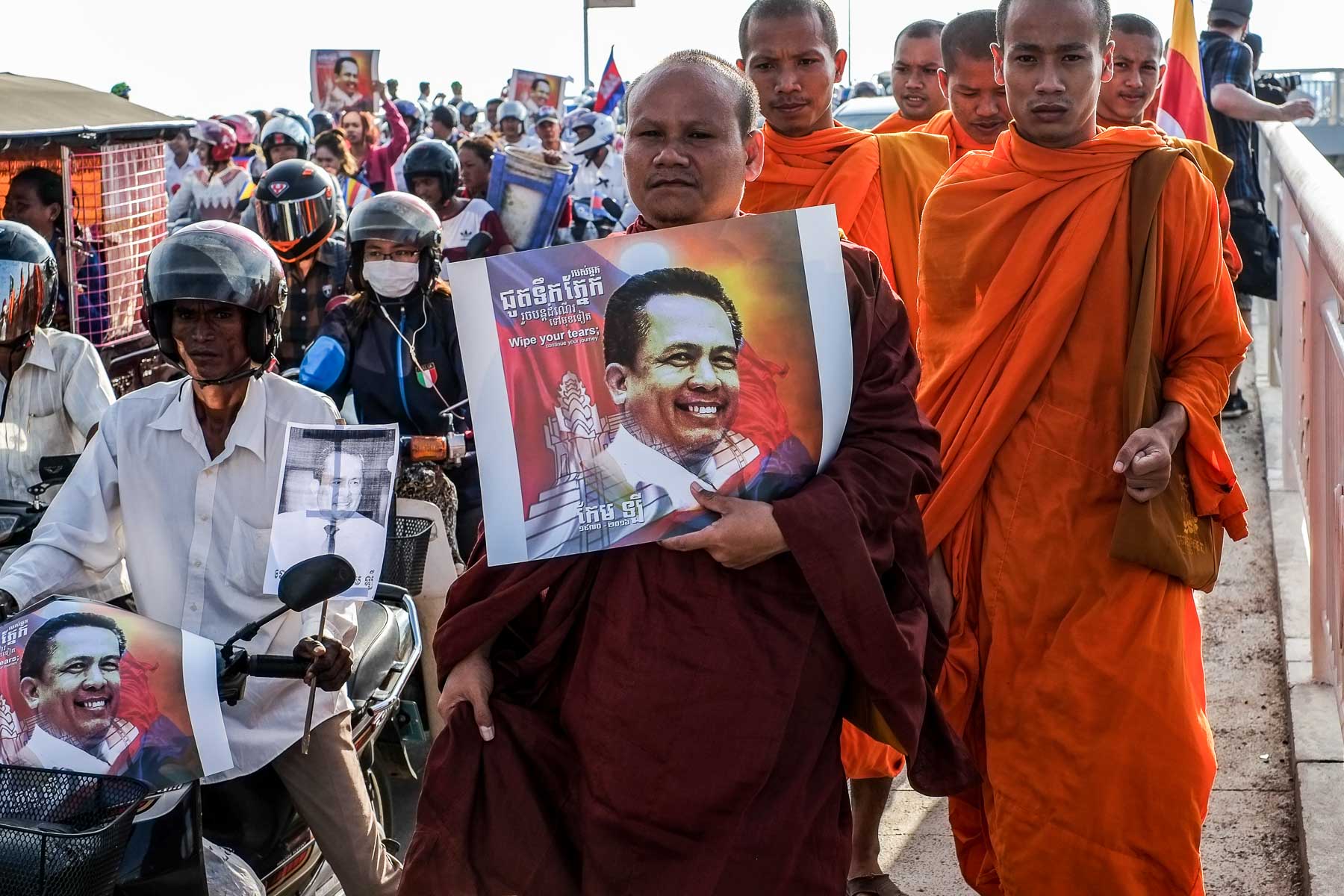
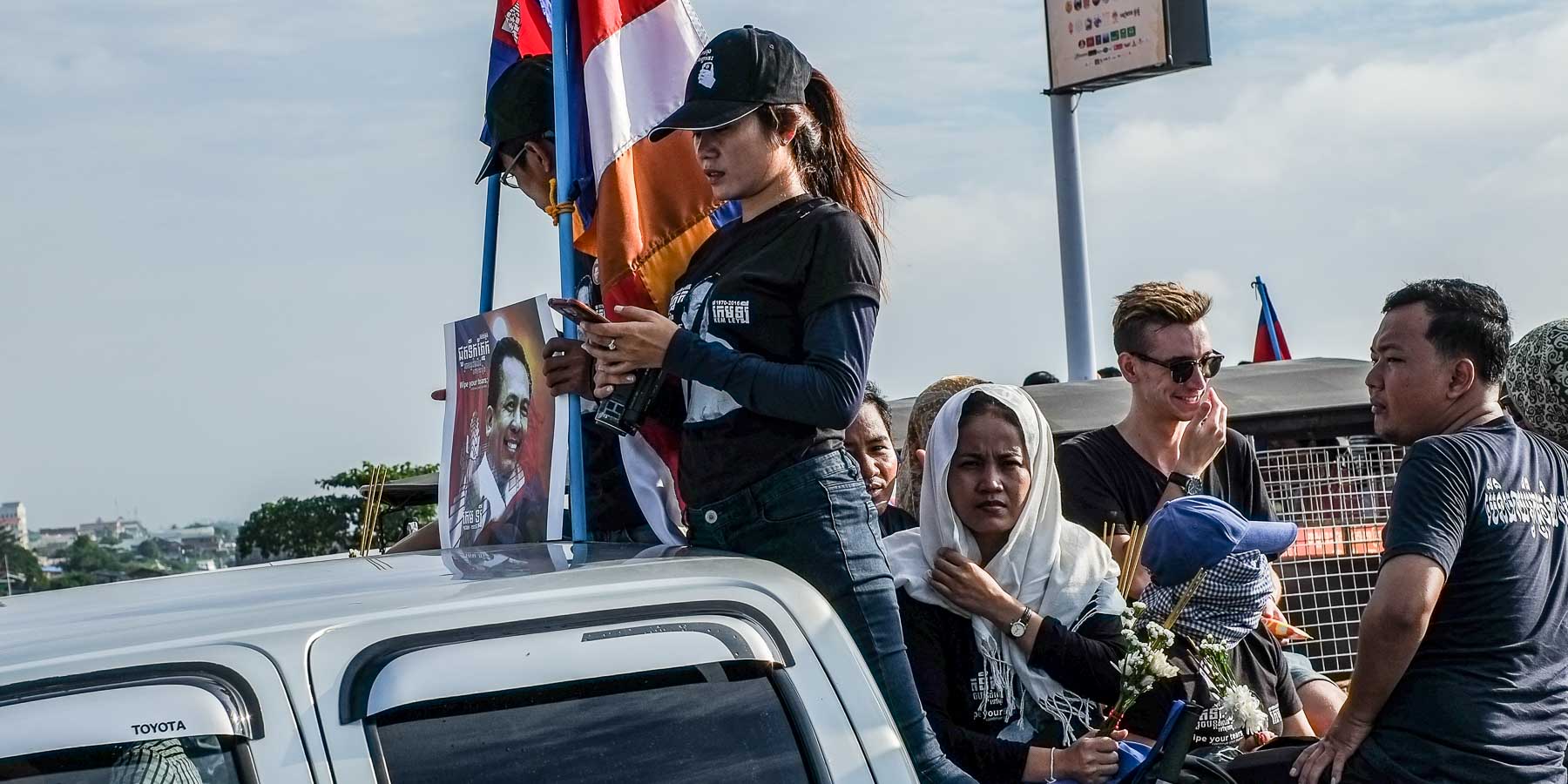

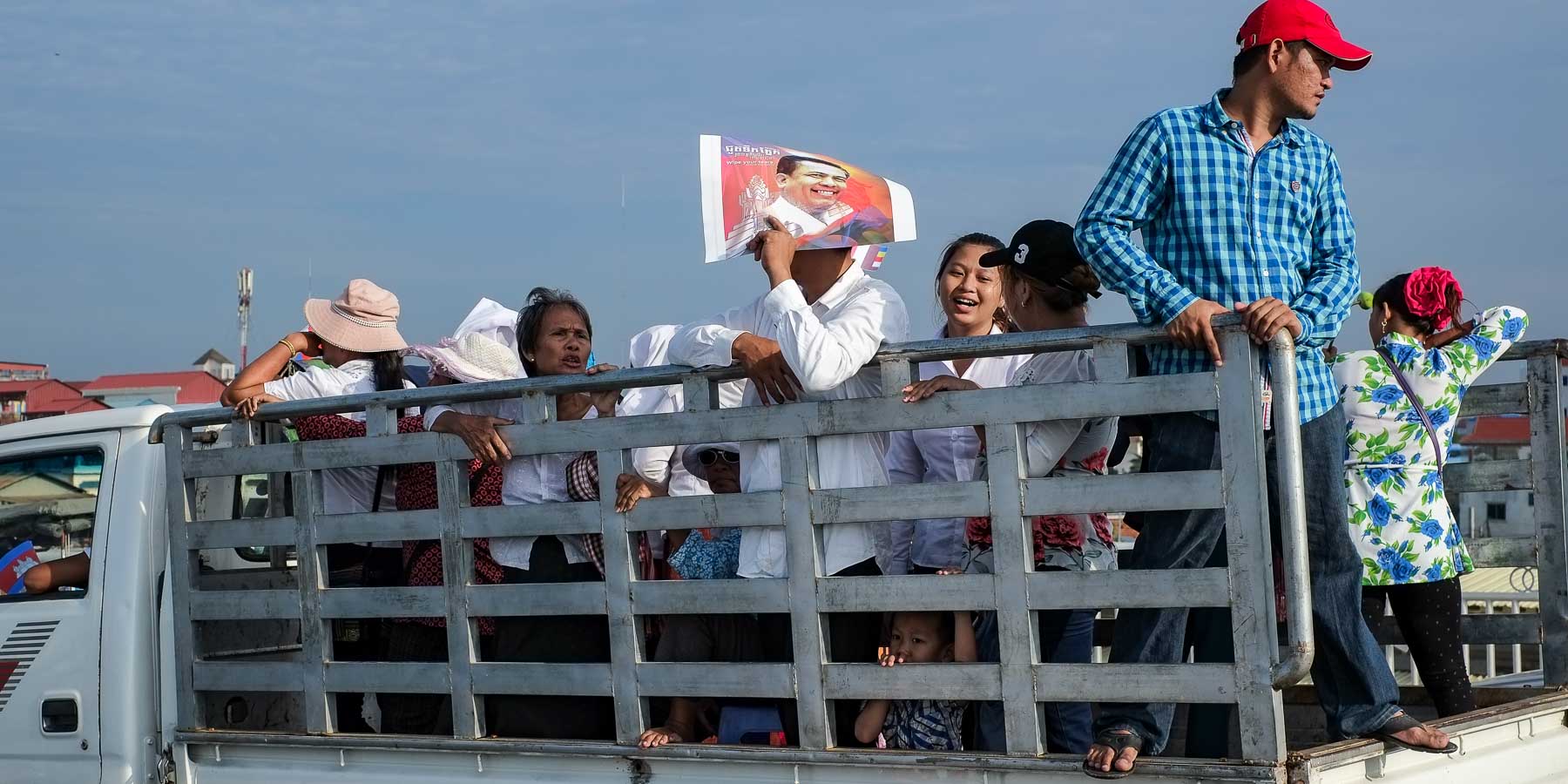
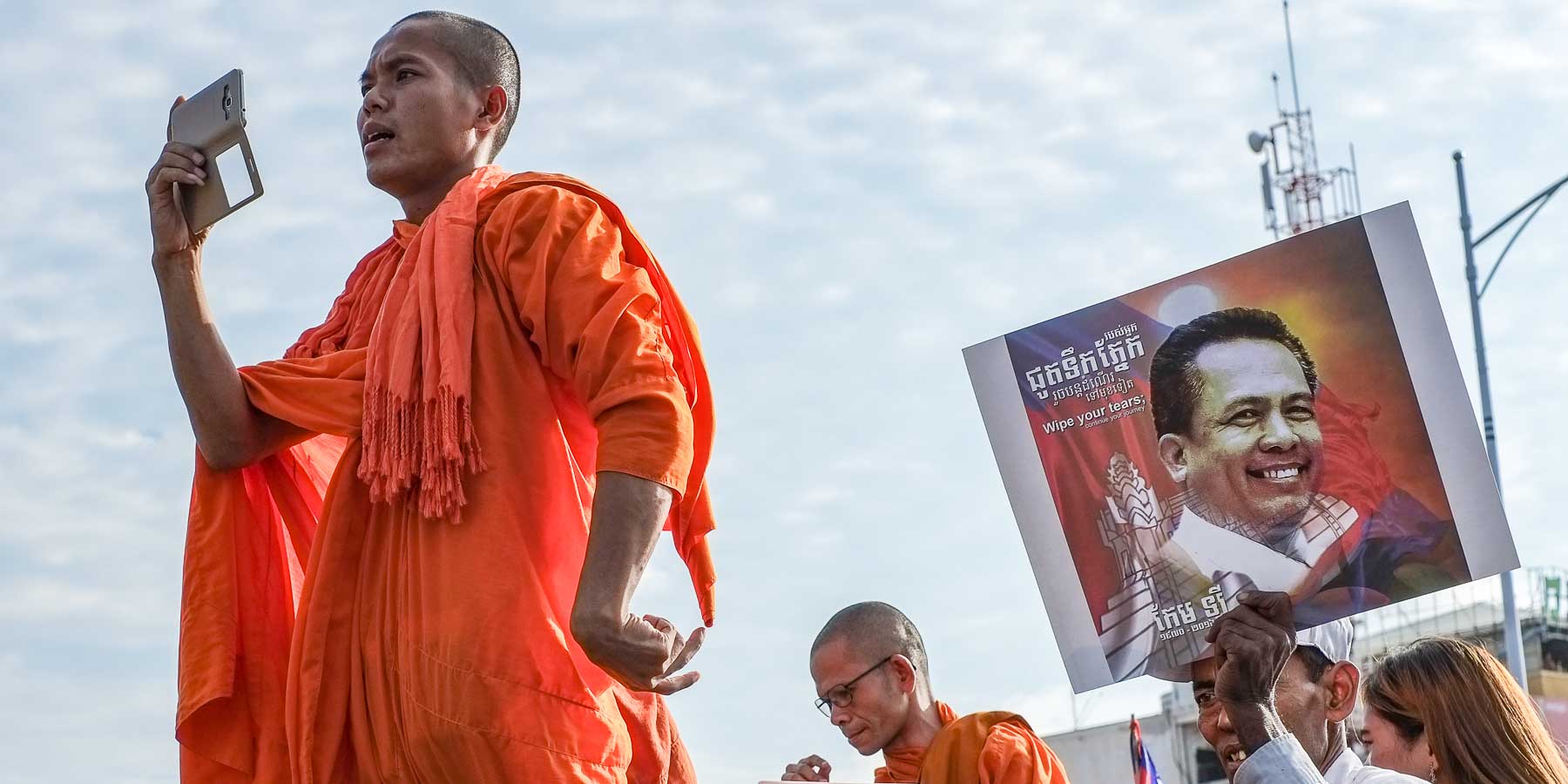
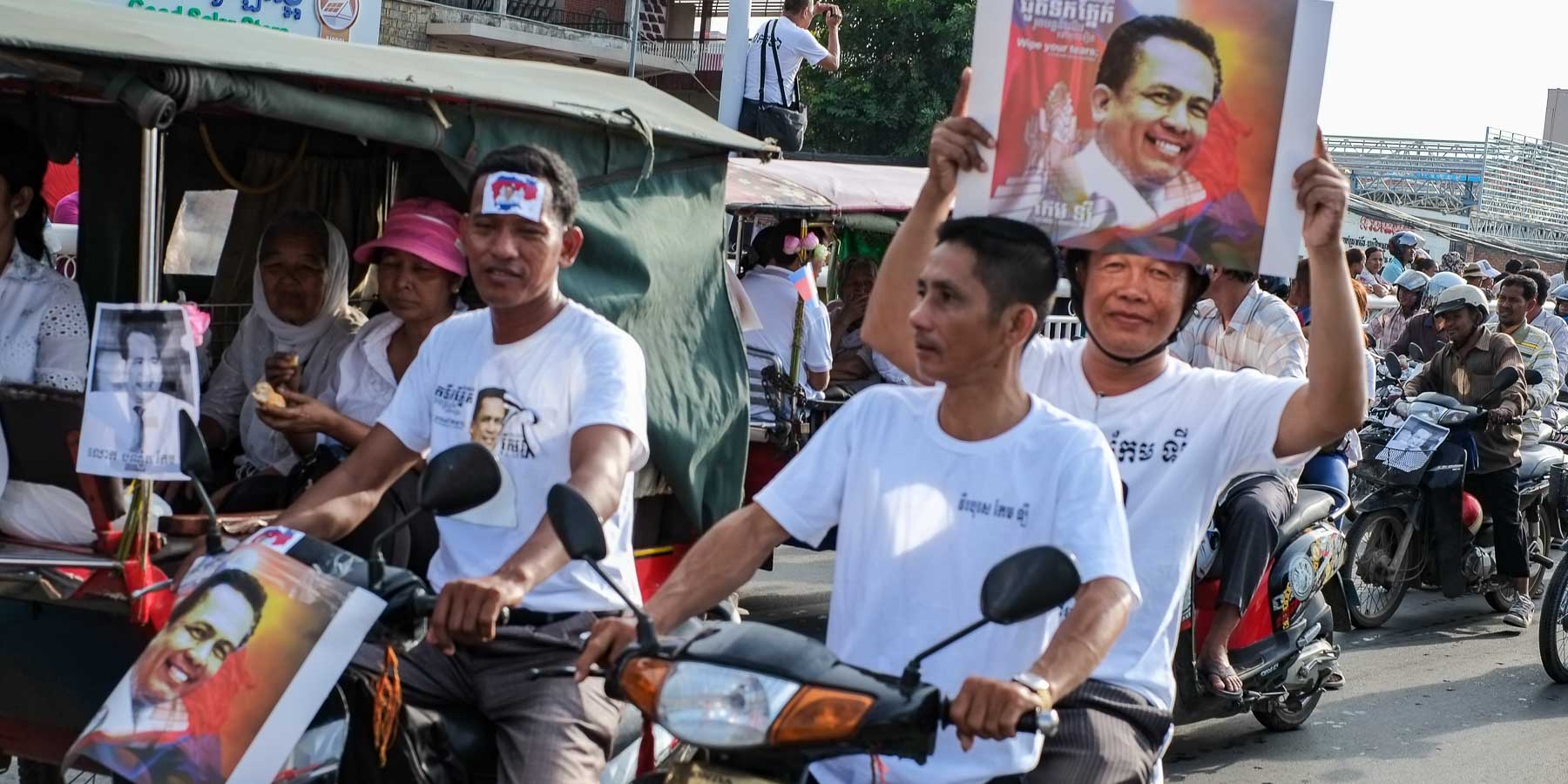
I have always been passionate about covering local political events and taking pictures in Cambodia. I believe that journalism is a powerful tool to inform the public and hold the authorities accountable. That is why I decided to pursue this career despite the risks and challenges involved.
Cambodia is a country that has been struggling with political repression, human rights violations, and social unrest for decades. The ruling party, the Cambodian People’s Party (CPP), has been in power since 1985 and has eliminated any meaningful opposition or dissent. The 2018 elections were widely criticized as a sham, as the main opposition party, the Cambodia National Rescue Party (CNRP), was banned by the Supreme Court in 2017. The CPP won all 125 seats in the National Assembly, effectively turning Cambodia into a one-party state.
As a journalist, I face many dangers and difficulties in reporting on the political situation in Cambodia. The government has enacted draconian laws that restrict freedom of expression, assembly, and association. The media is tightly controlled by the state or by CPP-aligned tycoons. Independent journalists and activists are often harassed, intimidated, arrested, or even killed for exposing corruption, human rights abuses, or environmental issues. The Covid-19 pandemic has been used as a pretext to further crackdown on dissent and criticism.
Despite these challenges, I am determined to continue my work and document the realities of Cambodia. I use my camera as a means to capture the stories of ordinary people who suffer from poverty, injustice, and oppression. I also use my pen as a voice to advocate for democracy, human rights, and social change. I hope that my work can inspire others to join me in a better future for Cambodia.

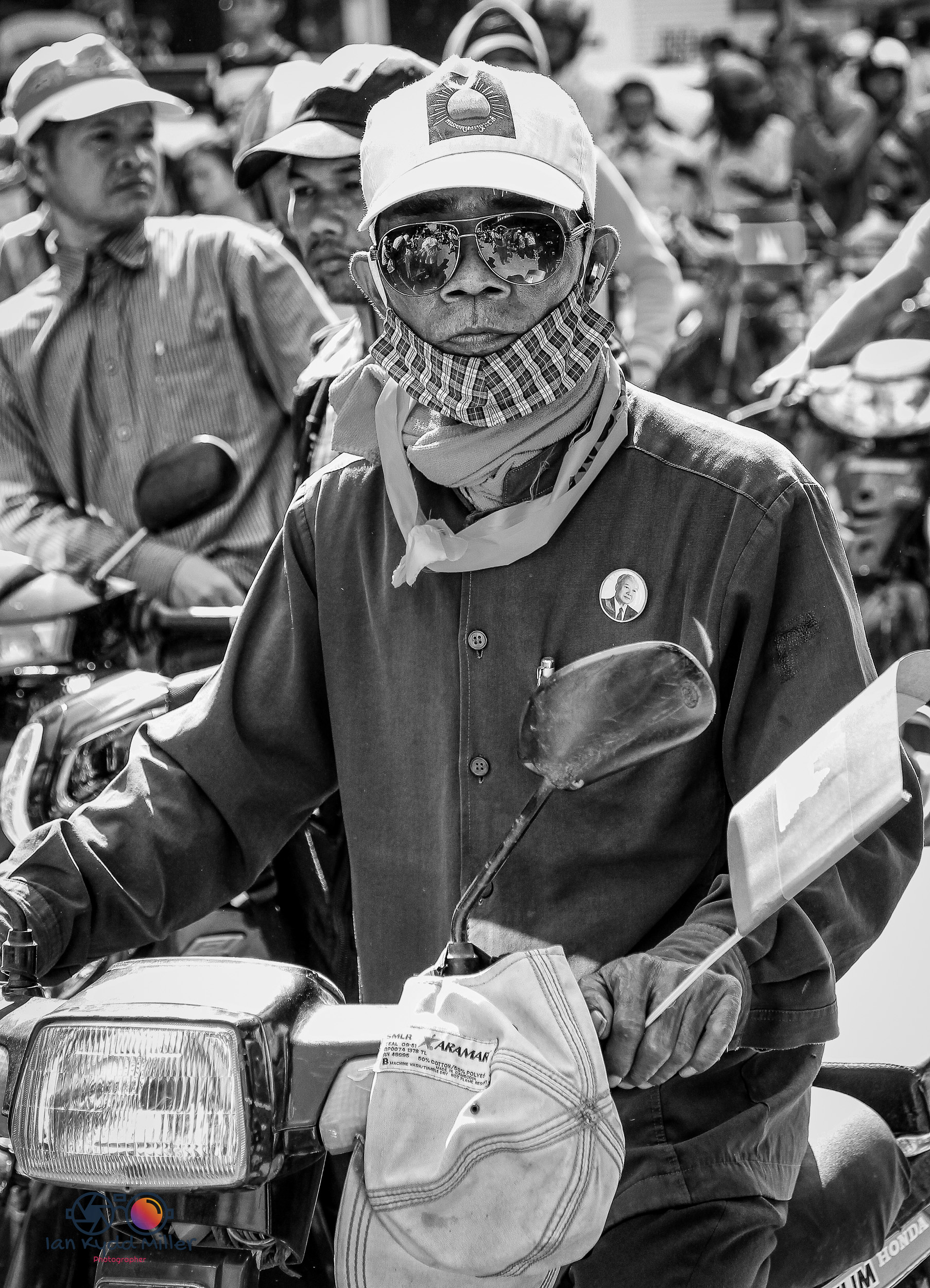

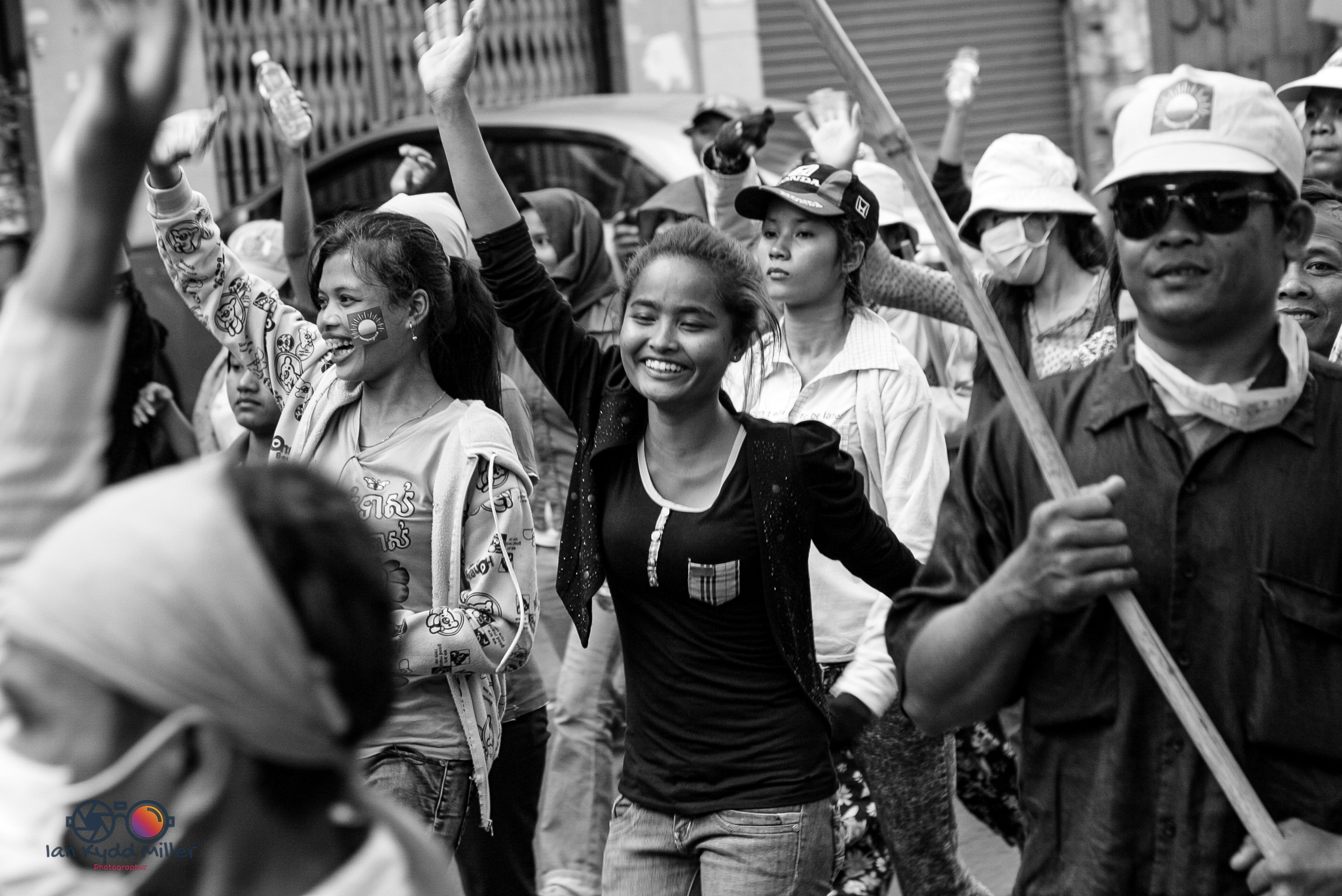
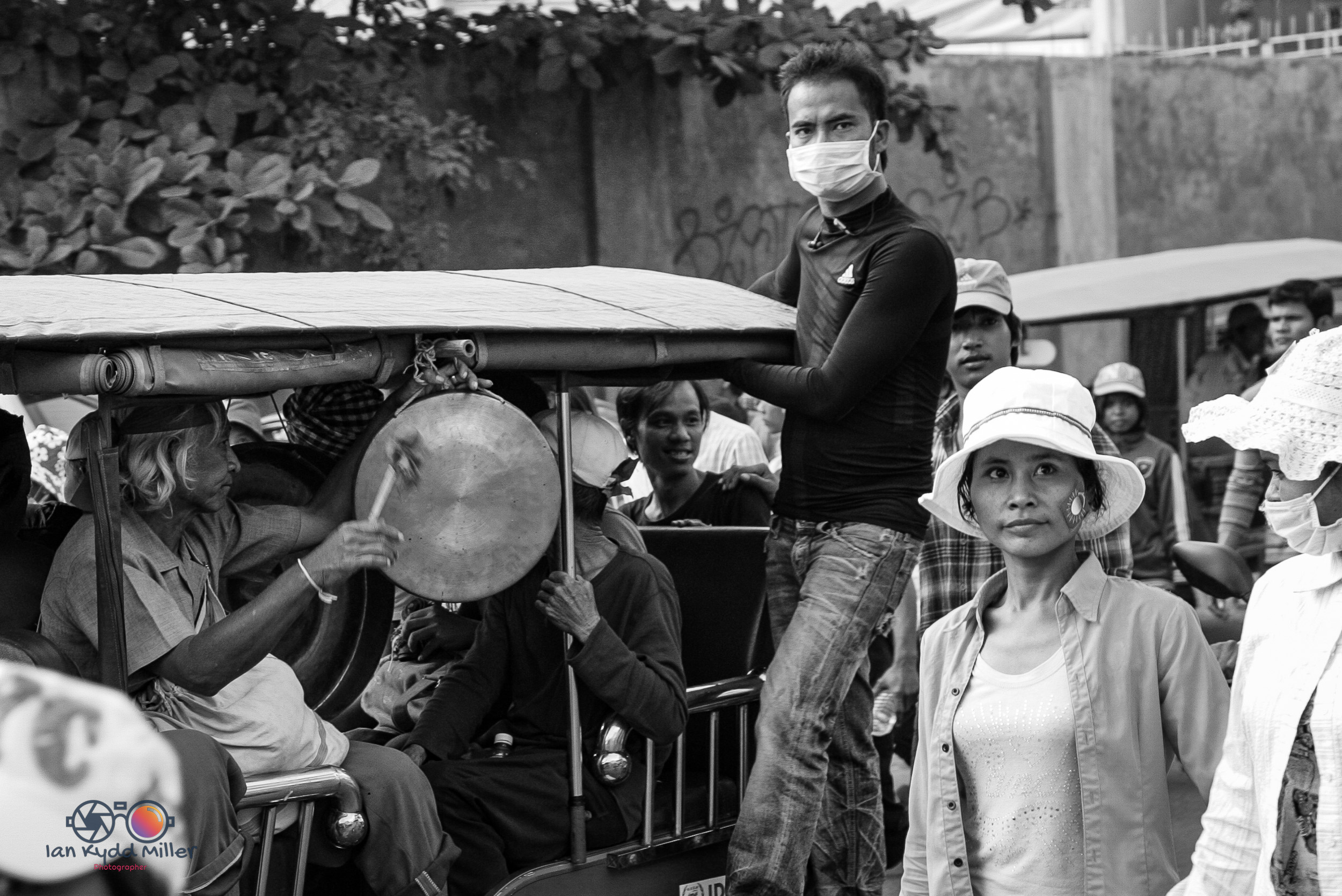
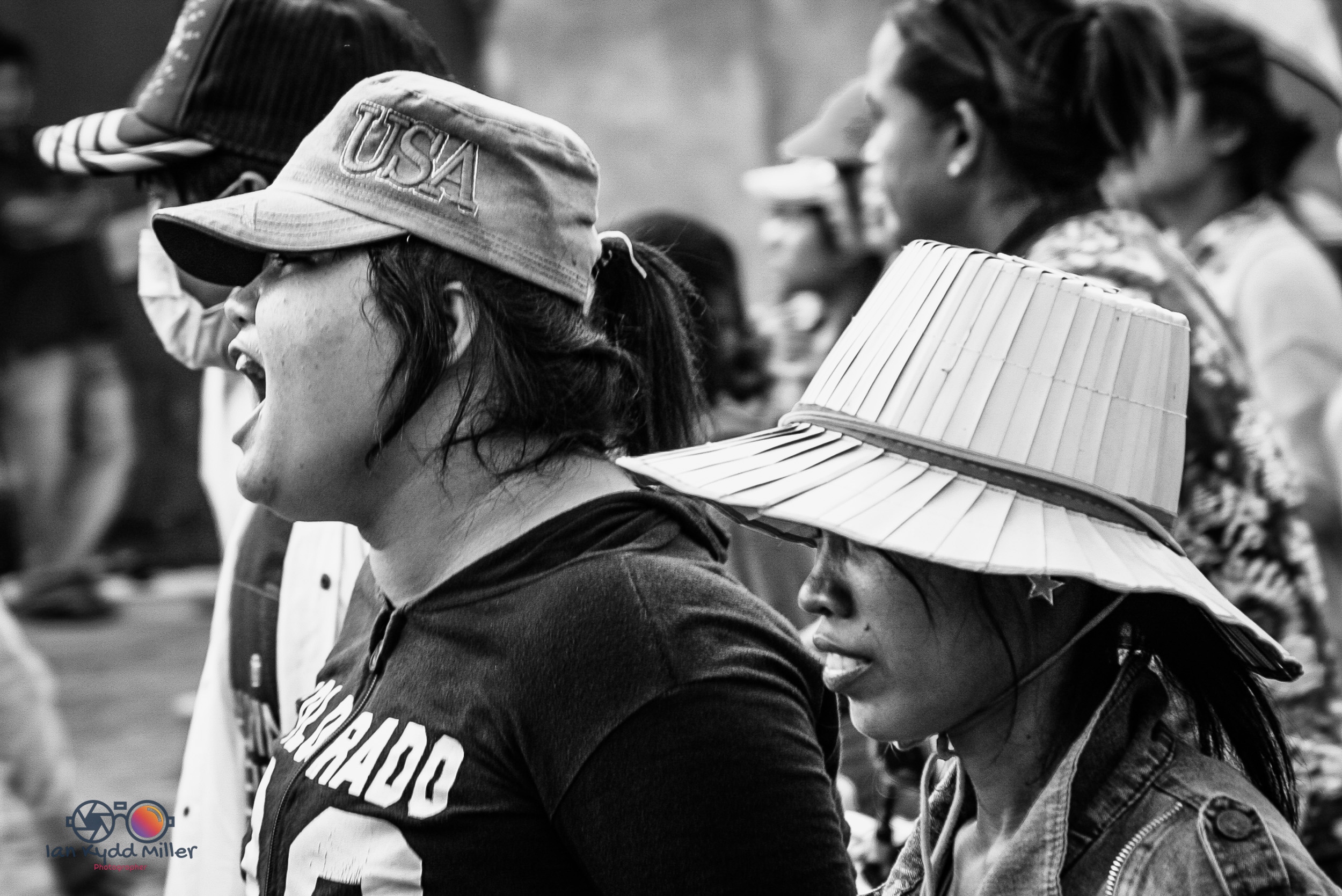
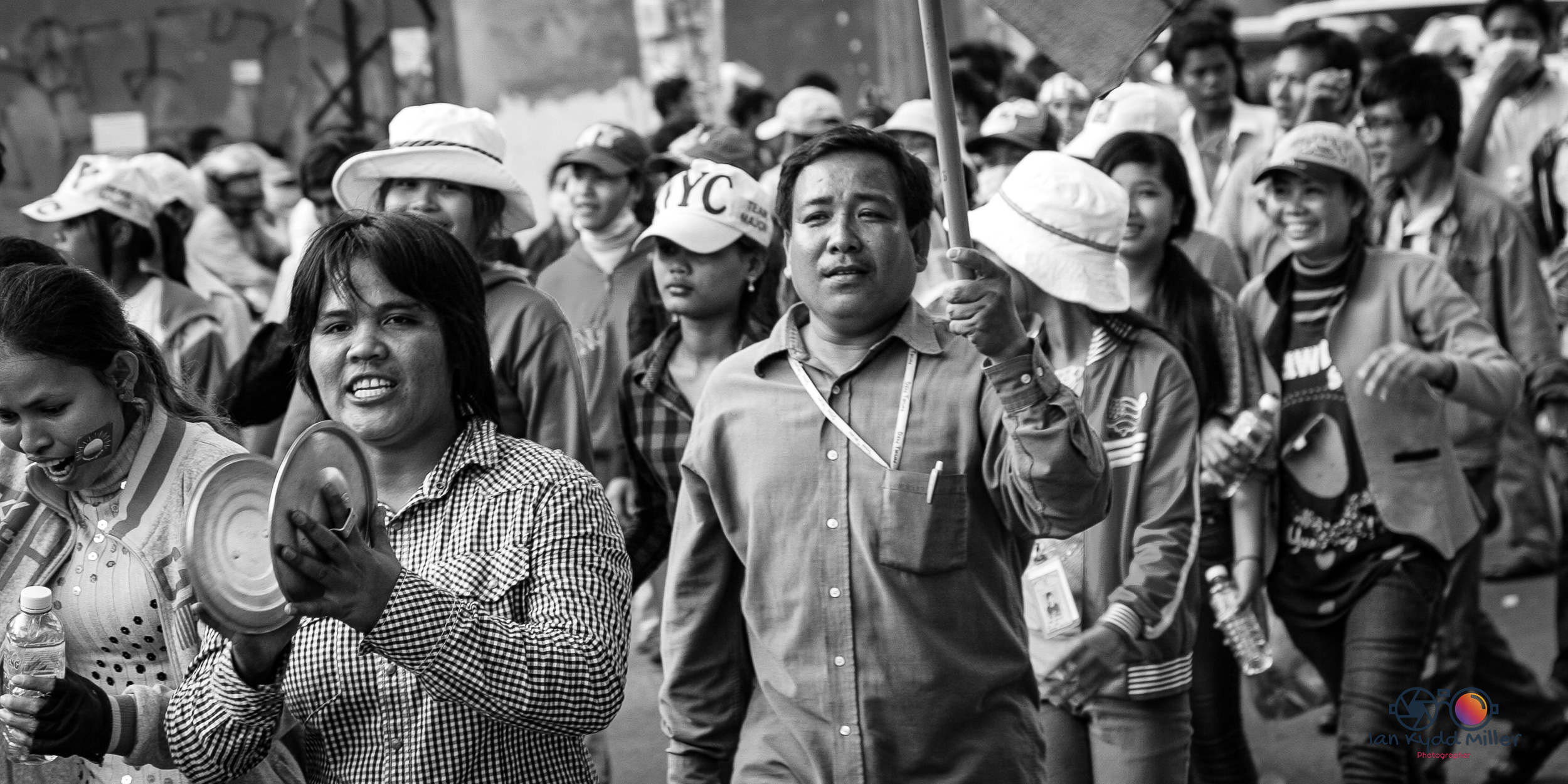


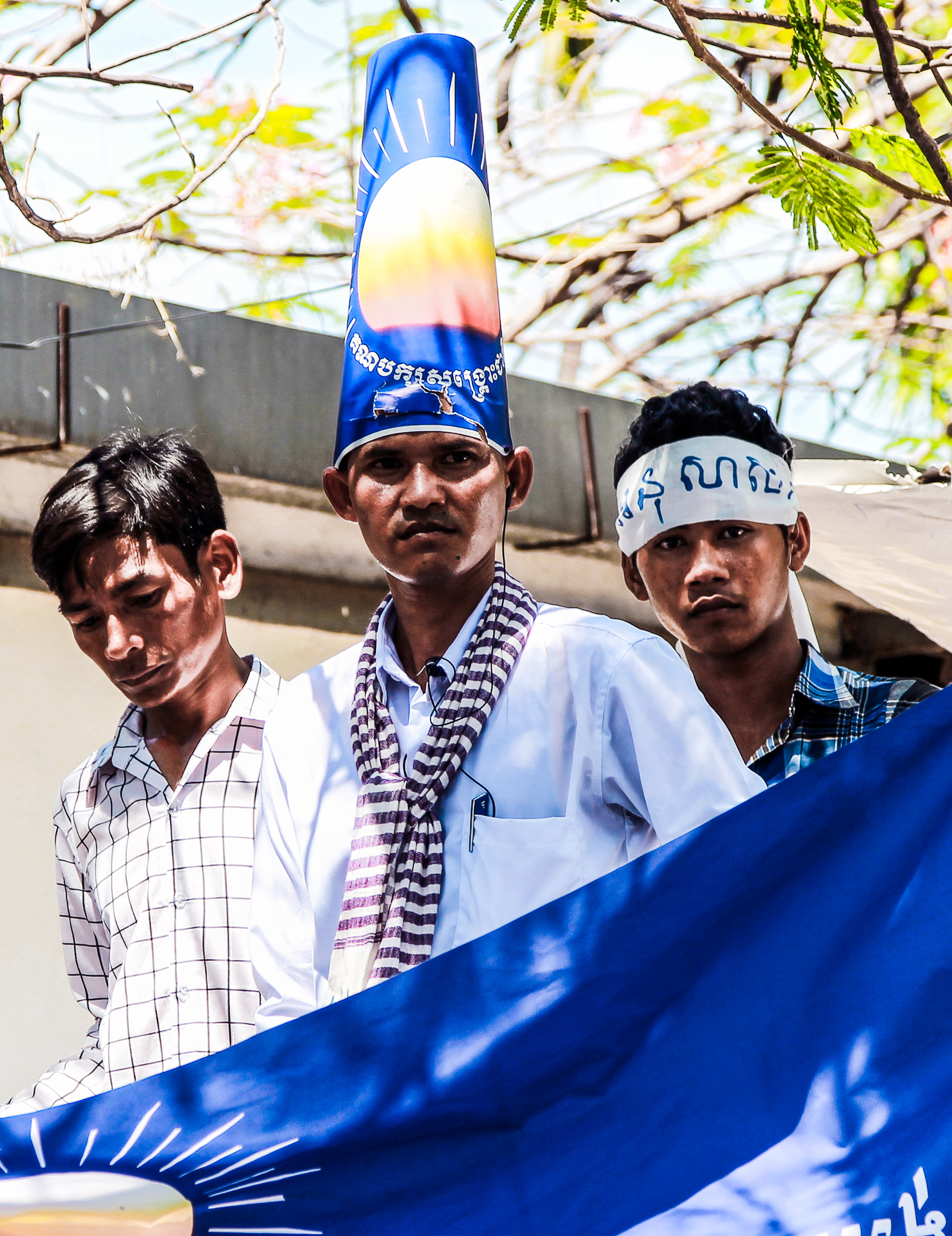
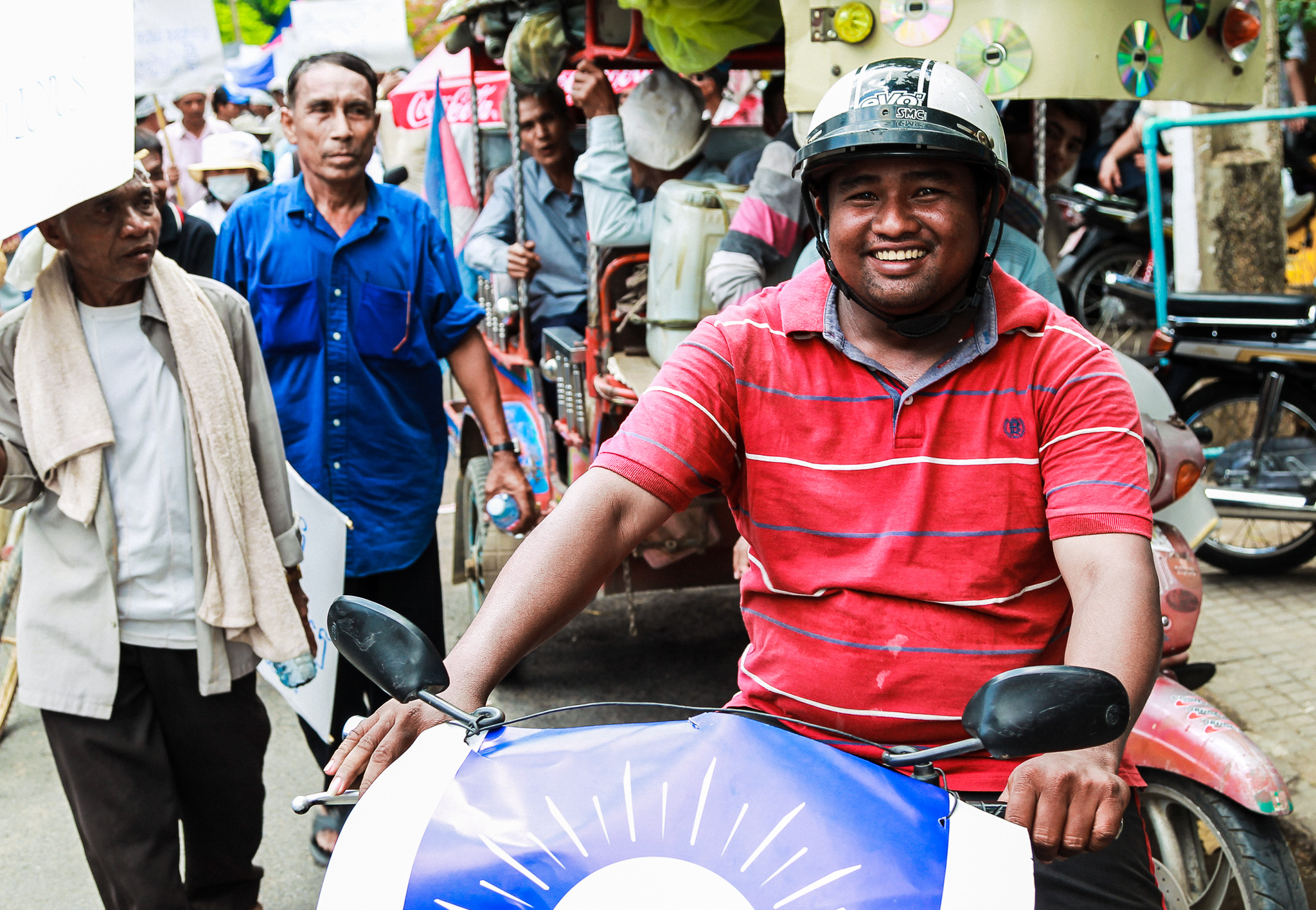

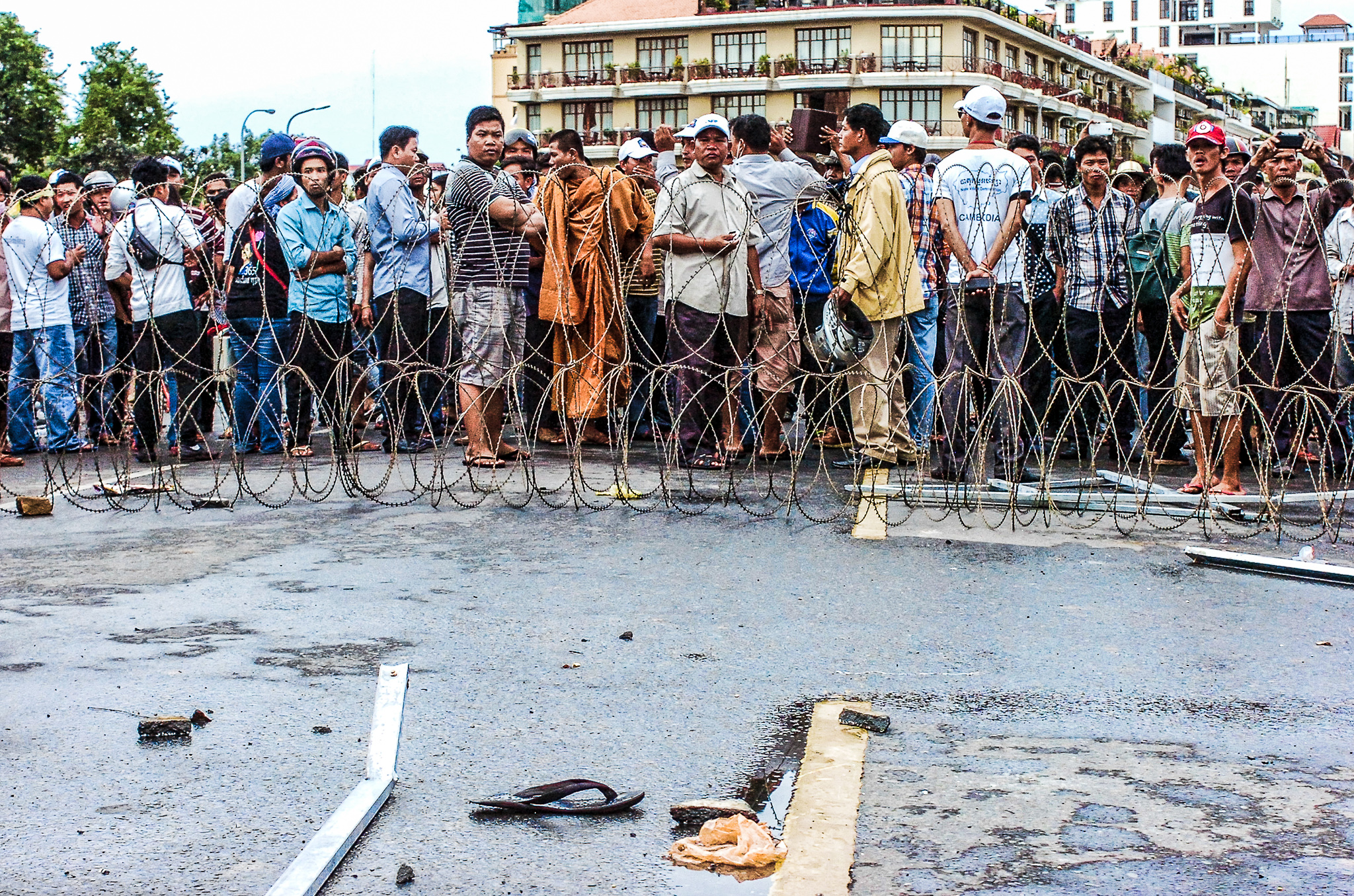
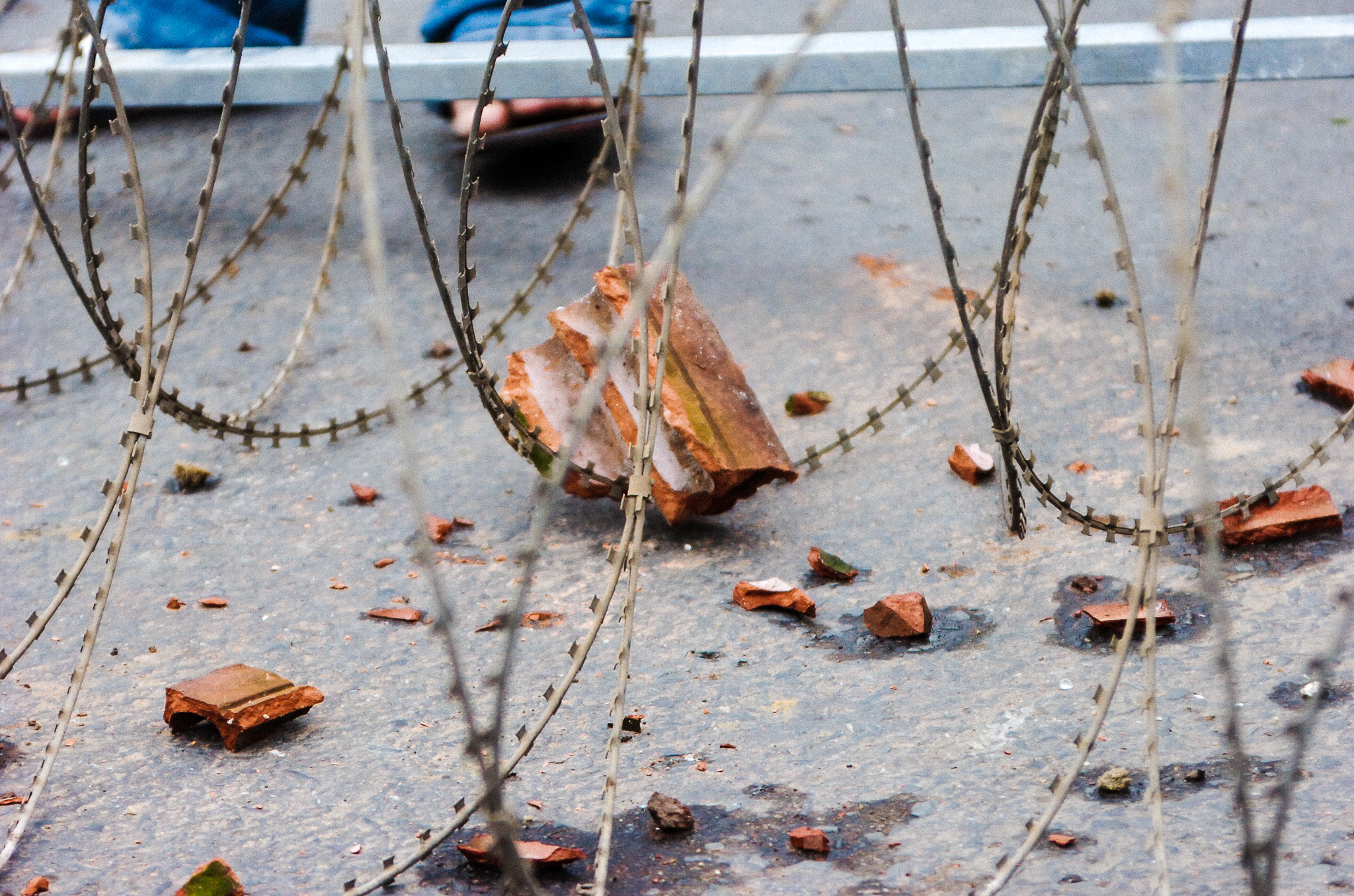
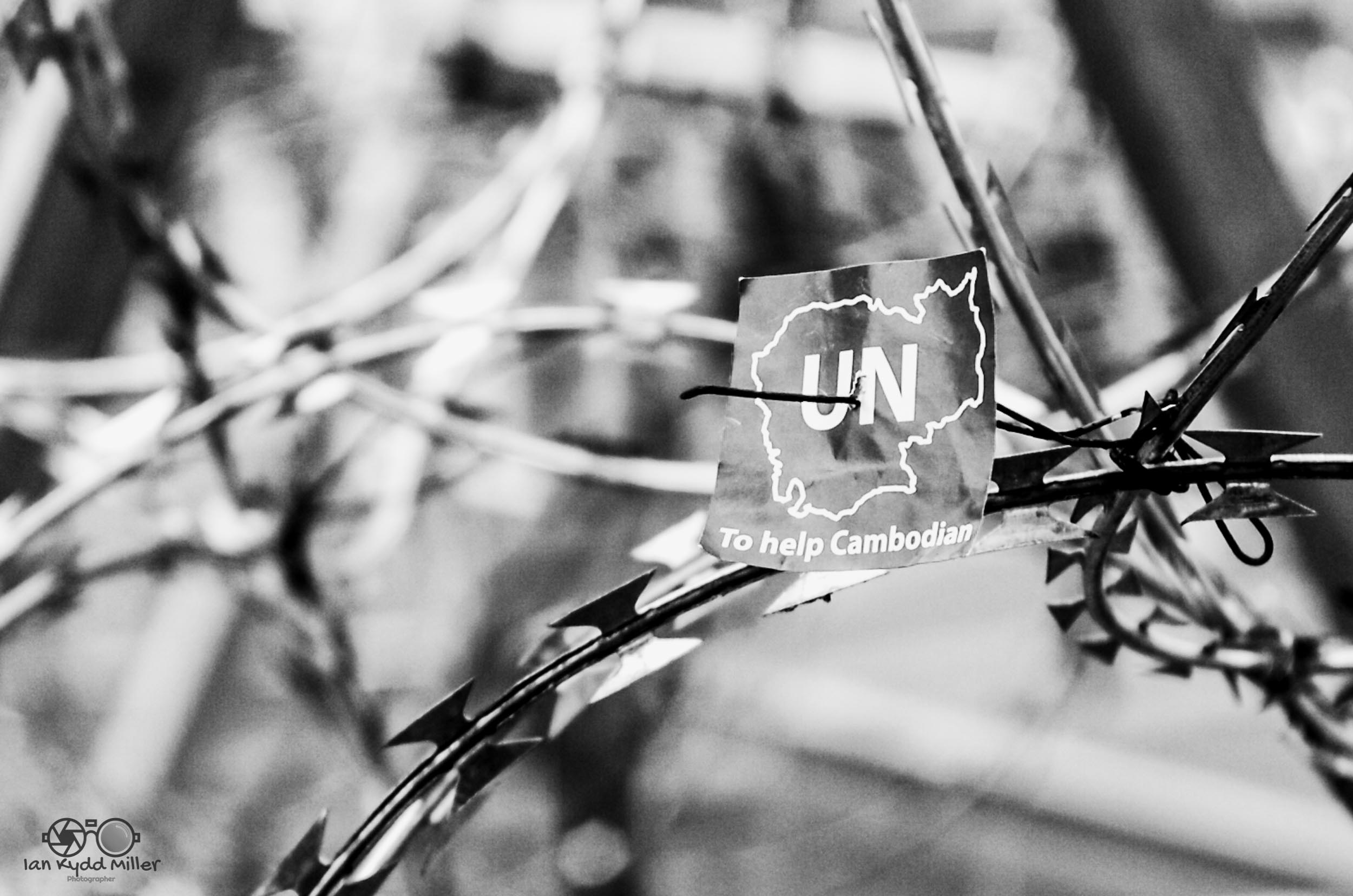

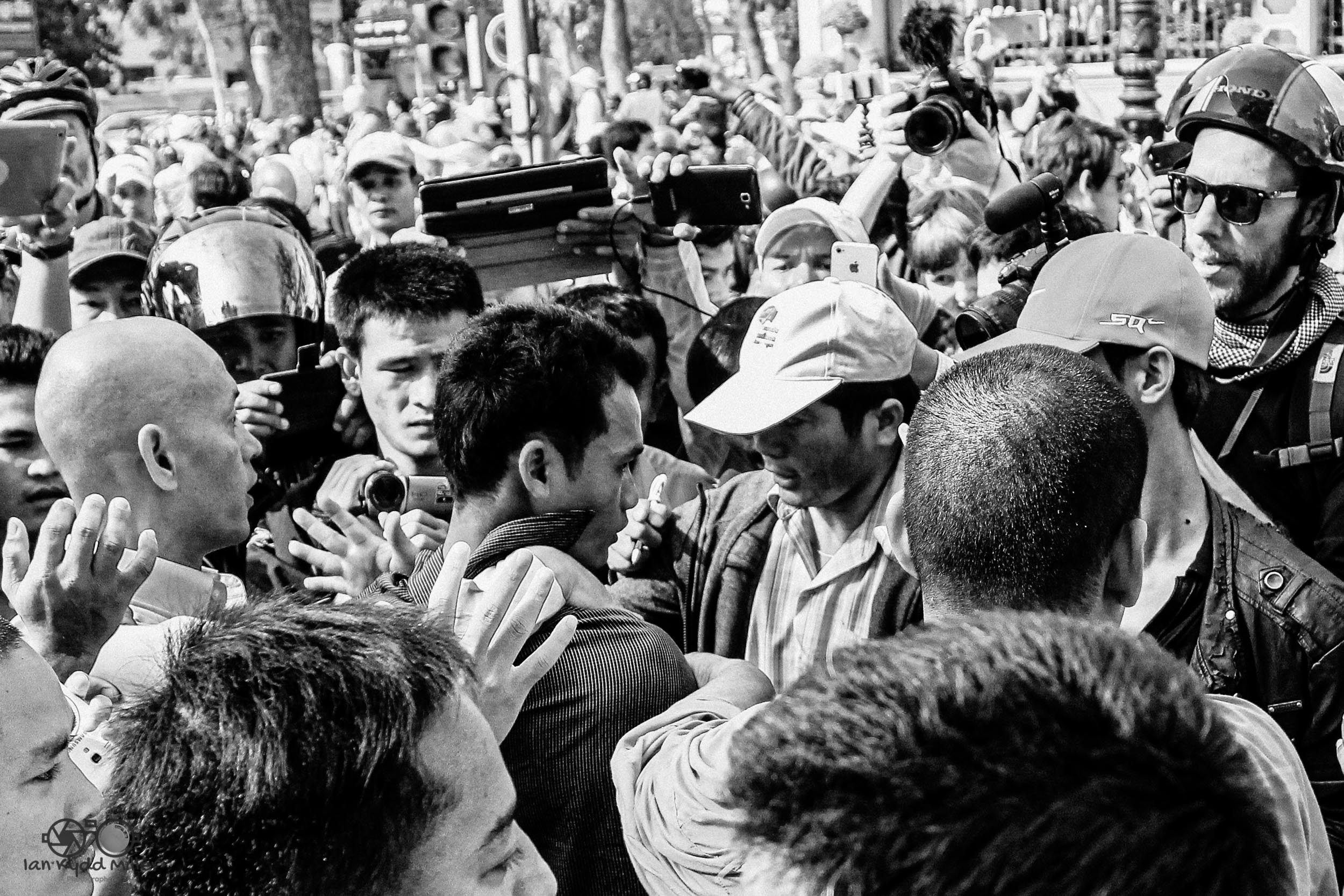


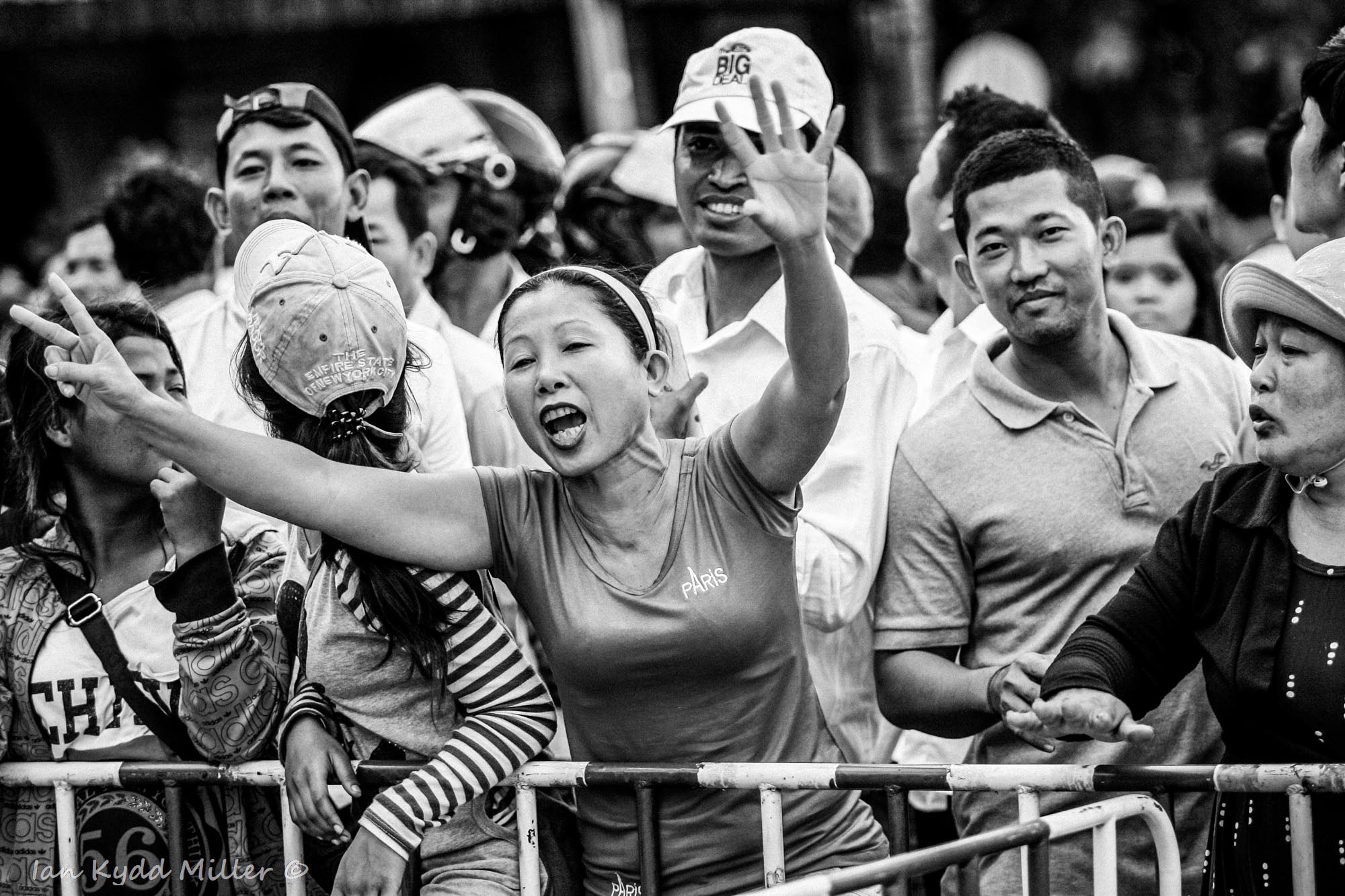
One of my favourite hobbies is creating black-and-white images. I enjoy the process of transforming a colourful picture into a monochrome one, using different techniques and tools. I find that black and white images have a unique aesthetic and mood, that can convey emotions and messages more effectively than color. I also like the challenge of working with shades of grey, contrast, and texture, to create a balanced and harmonious composition. Black and white images are timeless and classic, and they can capture the essence and beauty of any subject.
One of the most powerful ways to create a stunning black-and-white image is to use contrast and tones effectively. Contrast is the difference between light and dark areas in an image, and tones are the shades of grey that make up the image. By manipulating contrast and tones, you can enhance the mood, drama, and emotion of your image, as well as draw attention to the main subject and create a sense of depth. But contrast and tones alone are not enough to make a black-and-white image work. You also need good content, which means a strong composition, a clear message, and an interesting story. Content is what gives meaning and purpose to your image, and what makes it stand out from the crowd. Without good content, contrast and tones will not have much impact. Therefore, when you are creating a black-and-white image, you should always consider both the technical and the artistic aspects of your work, and use contrast and tones to enhance your content, not to replace it.

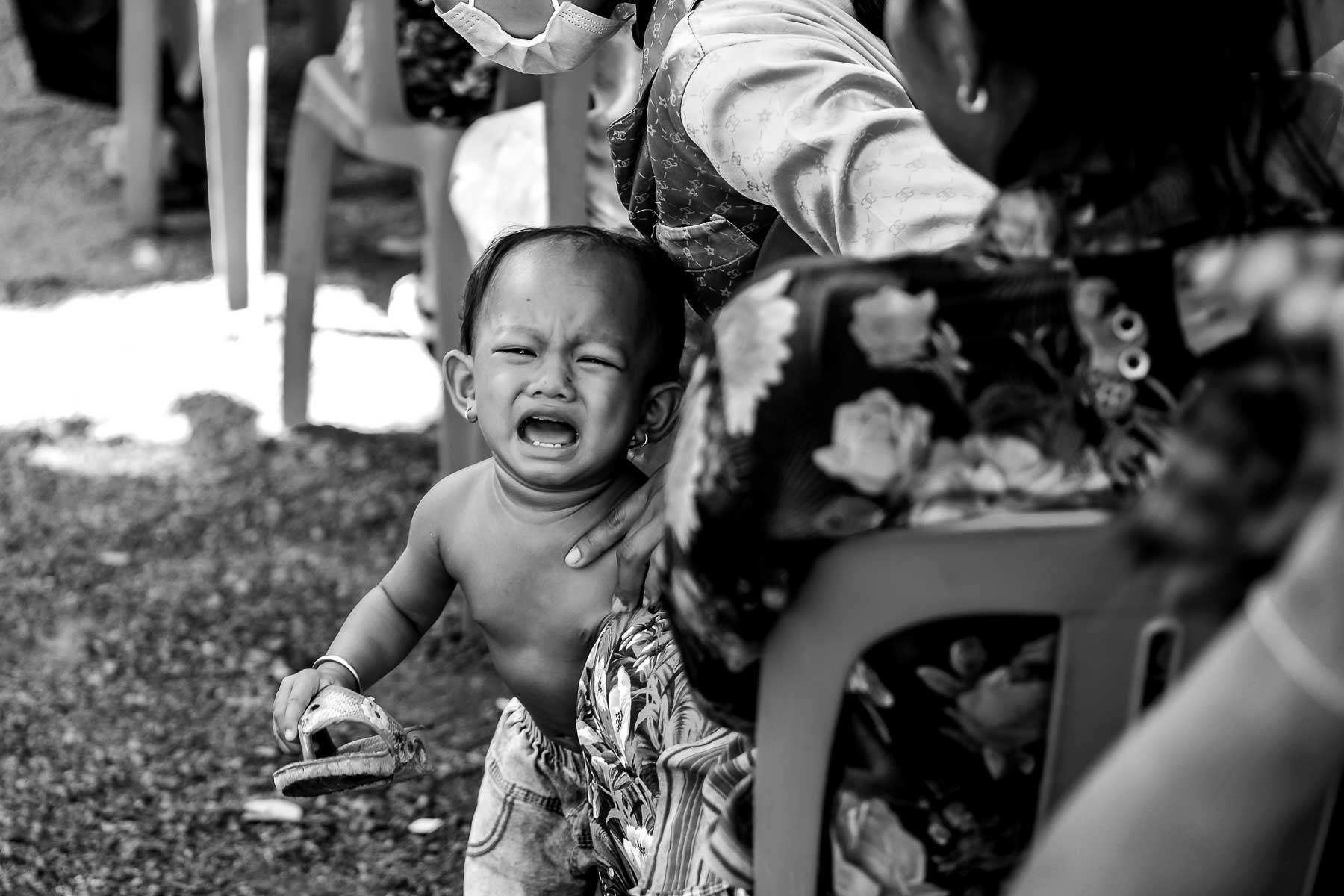
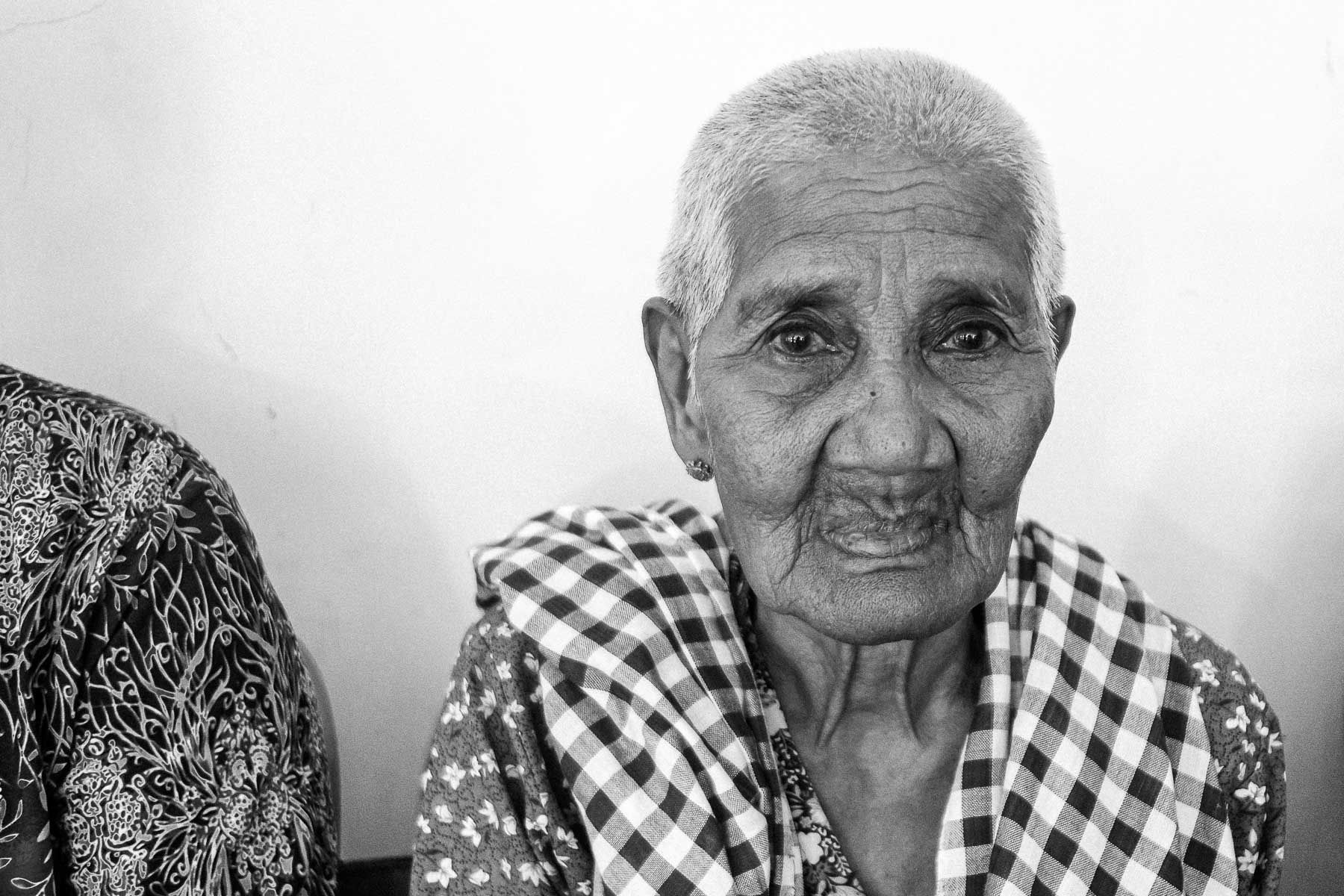

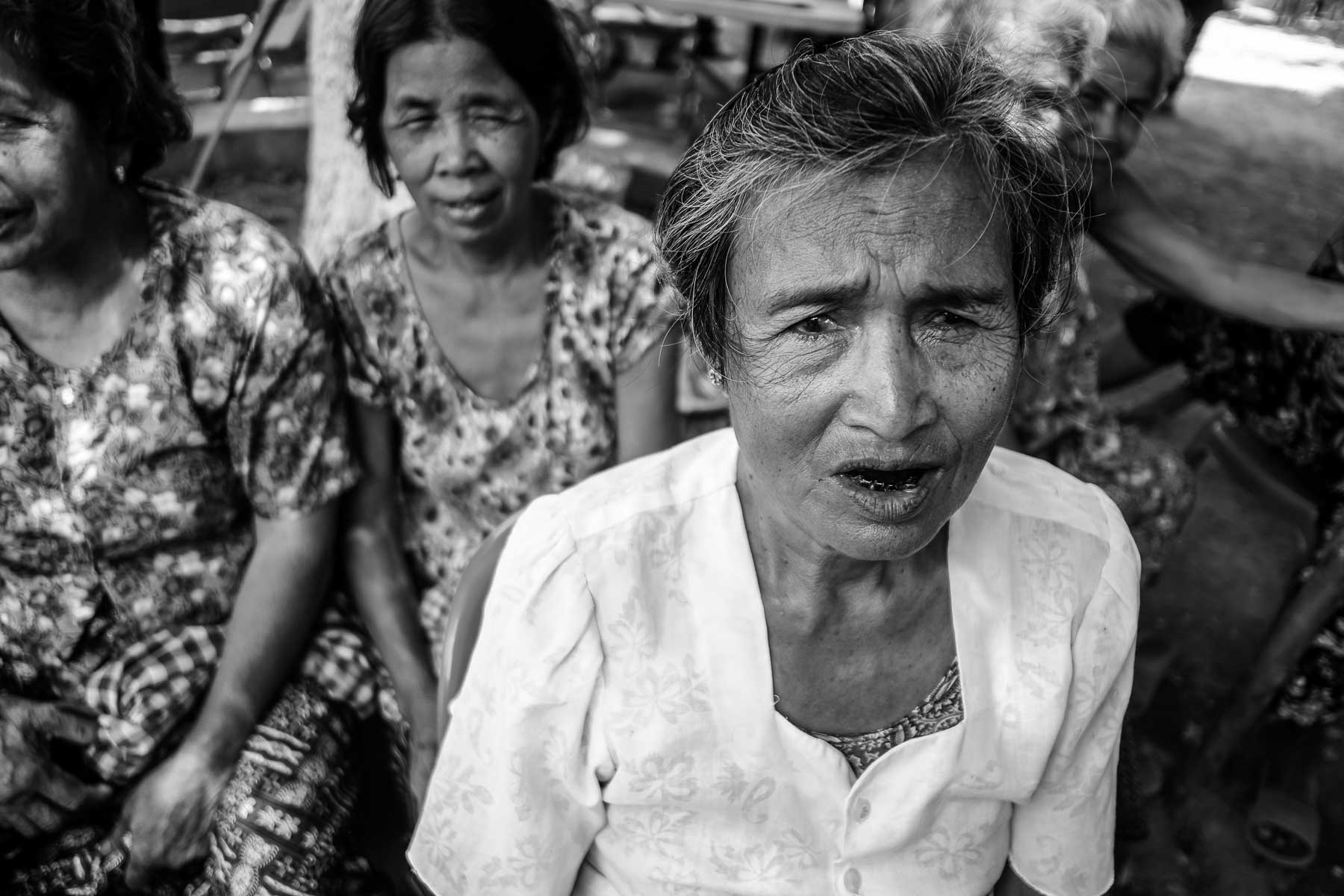
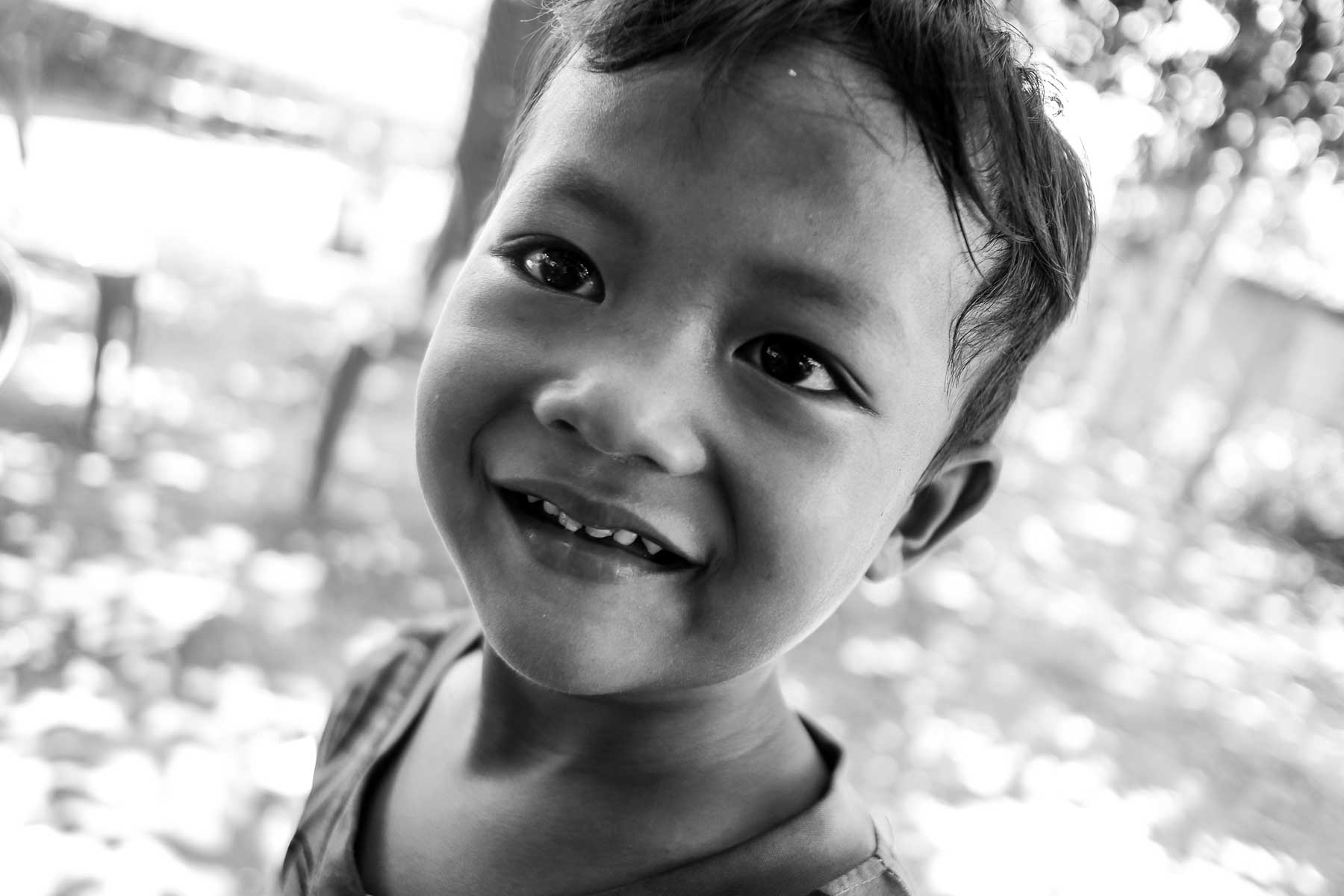




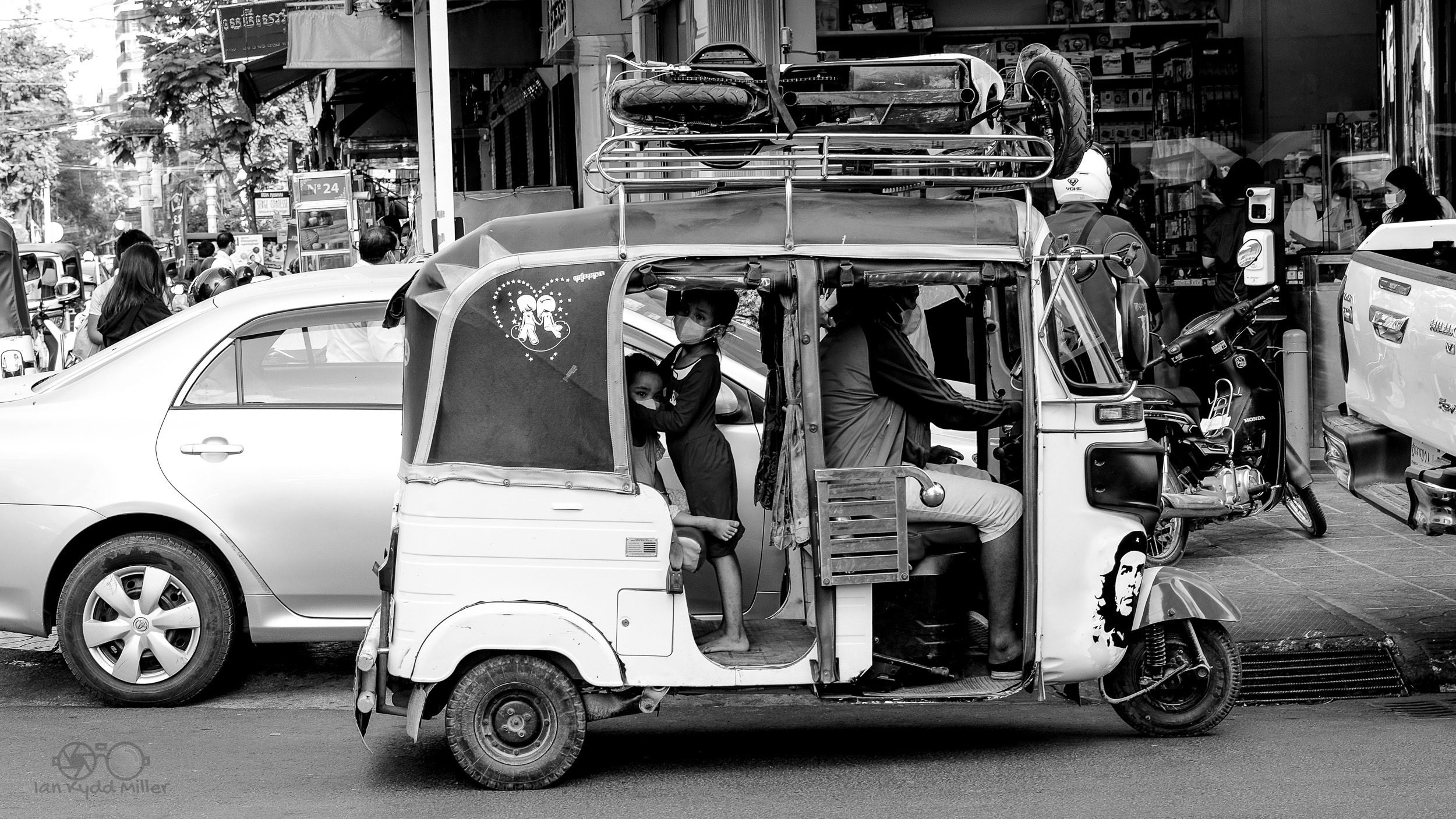
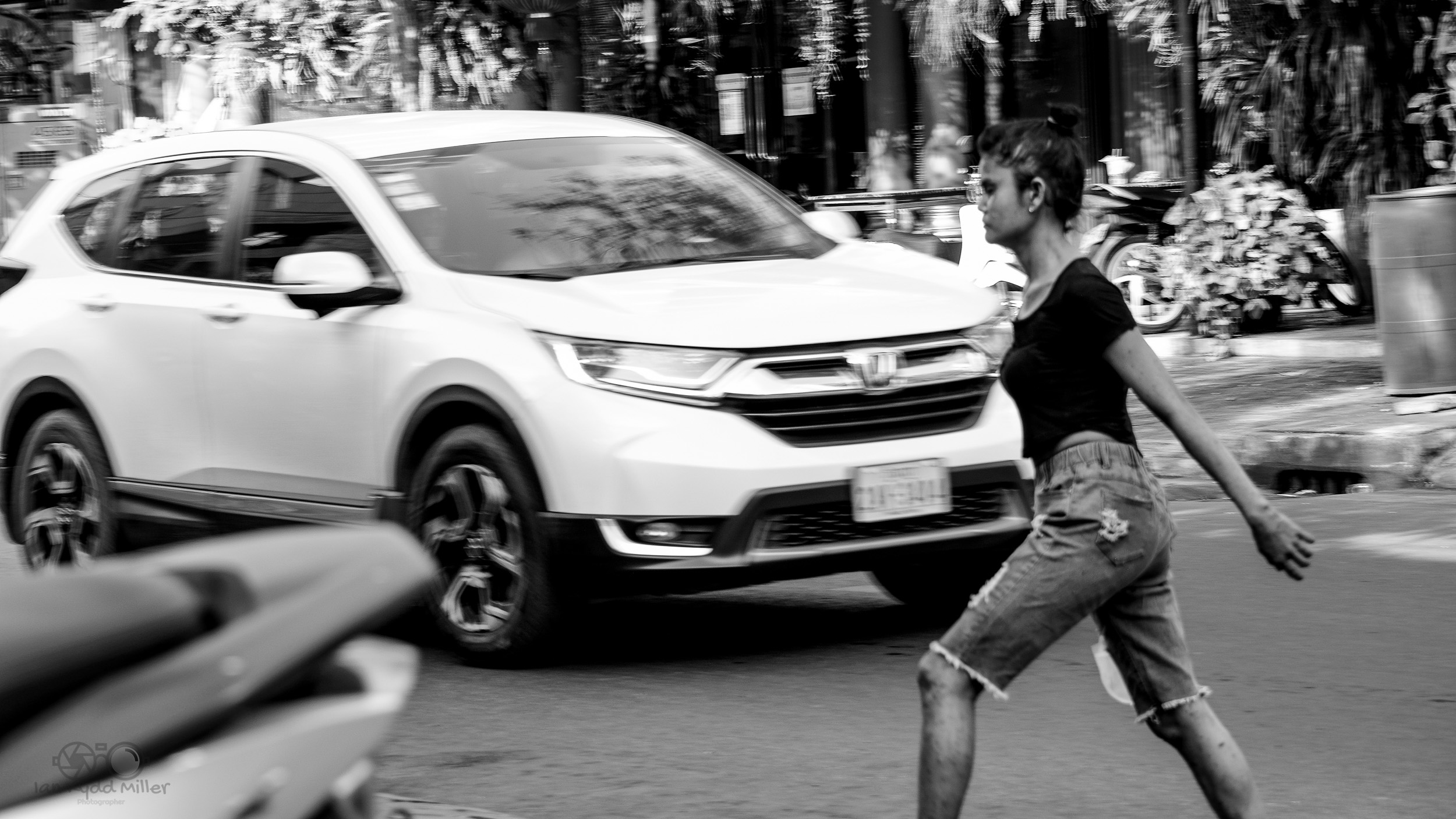
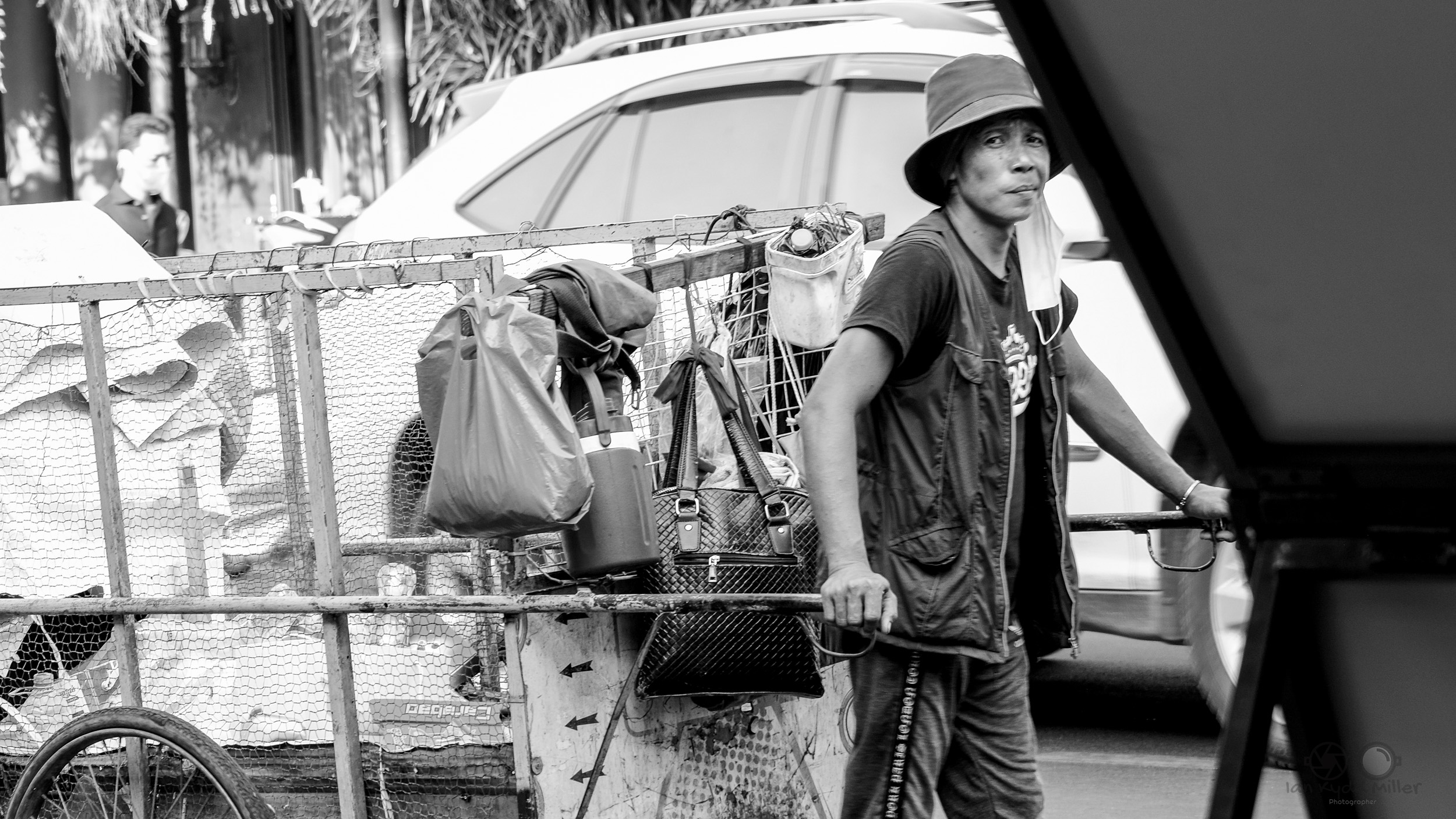

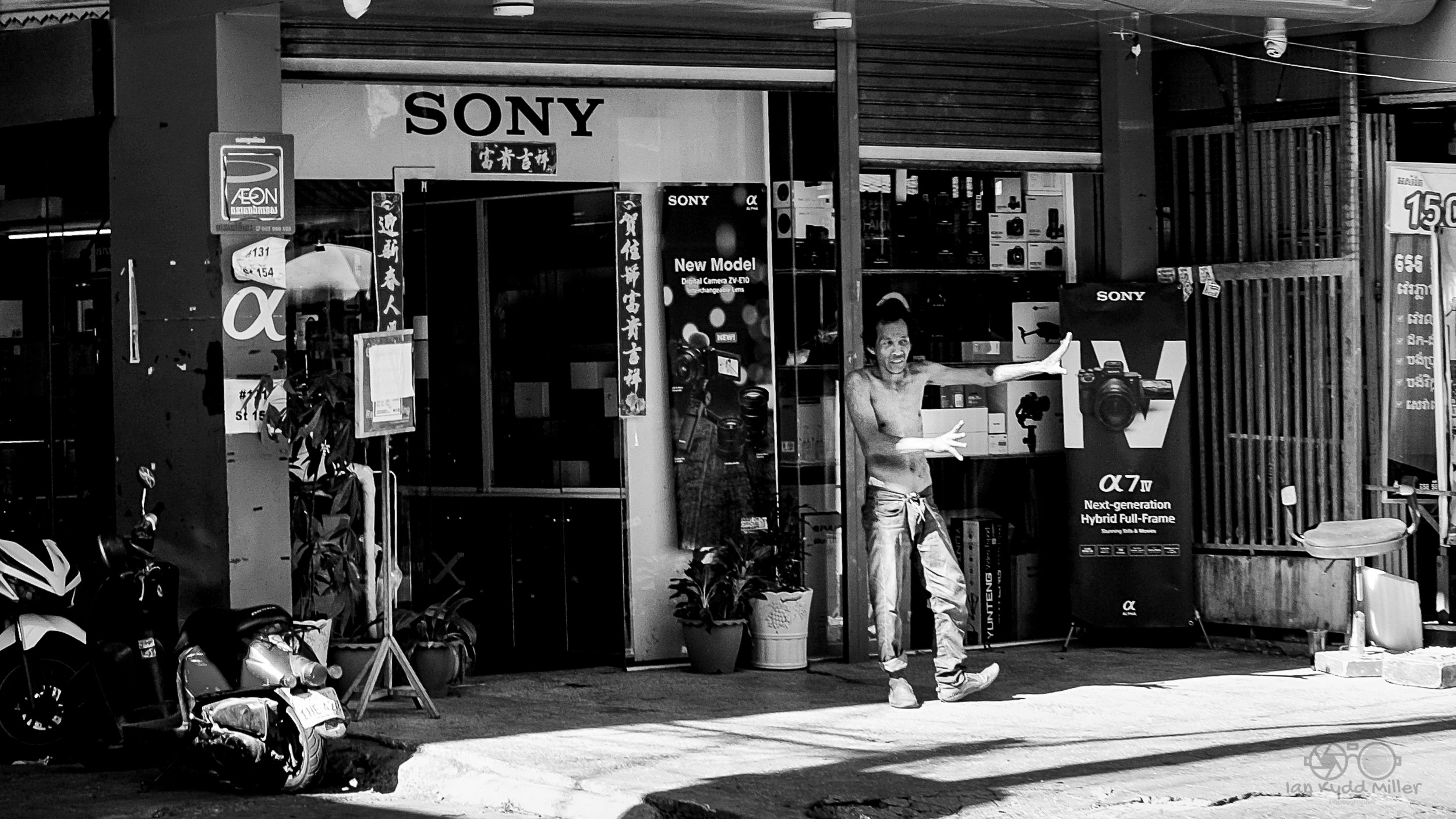
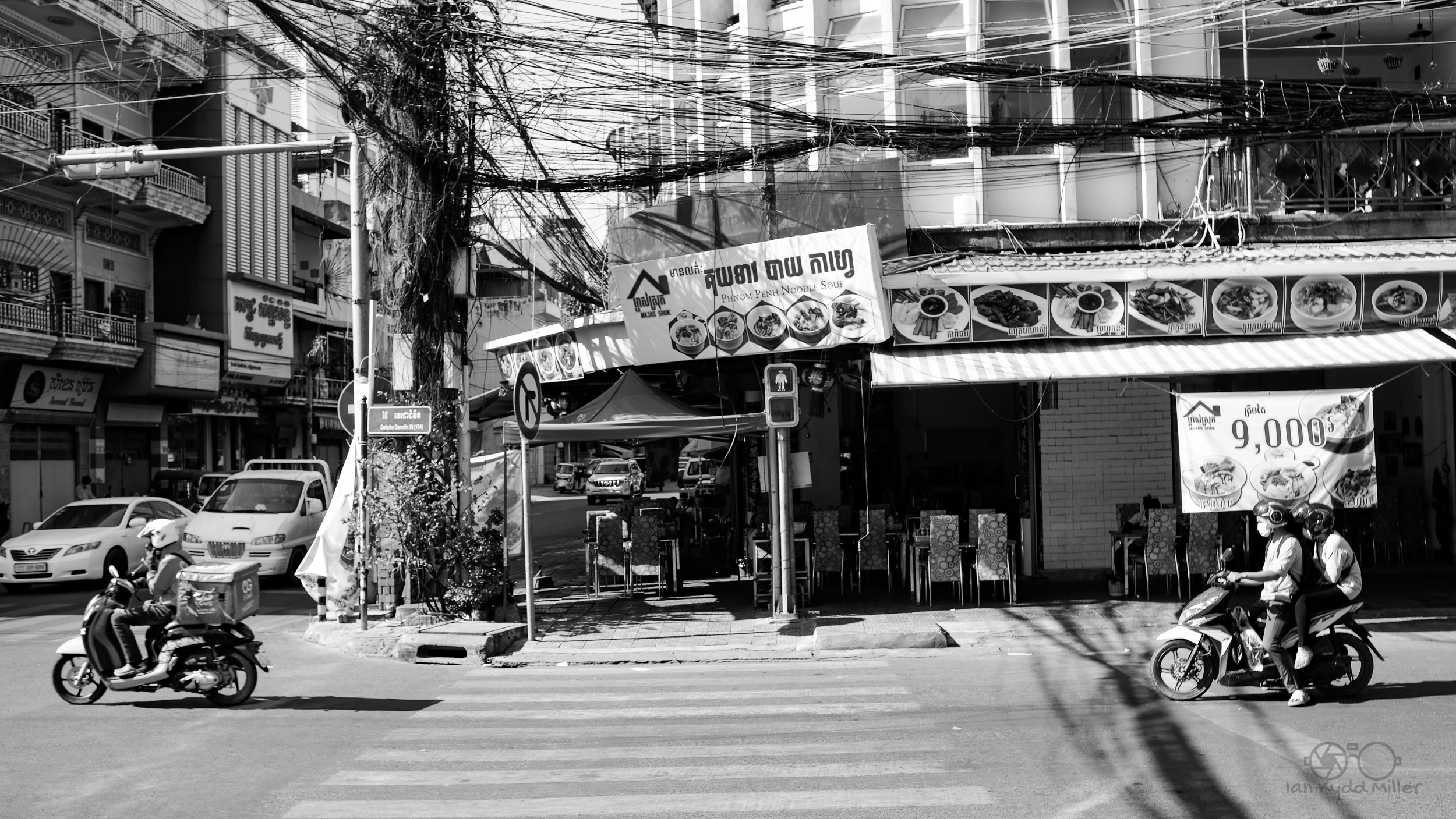
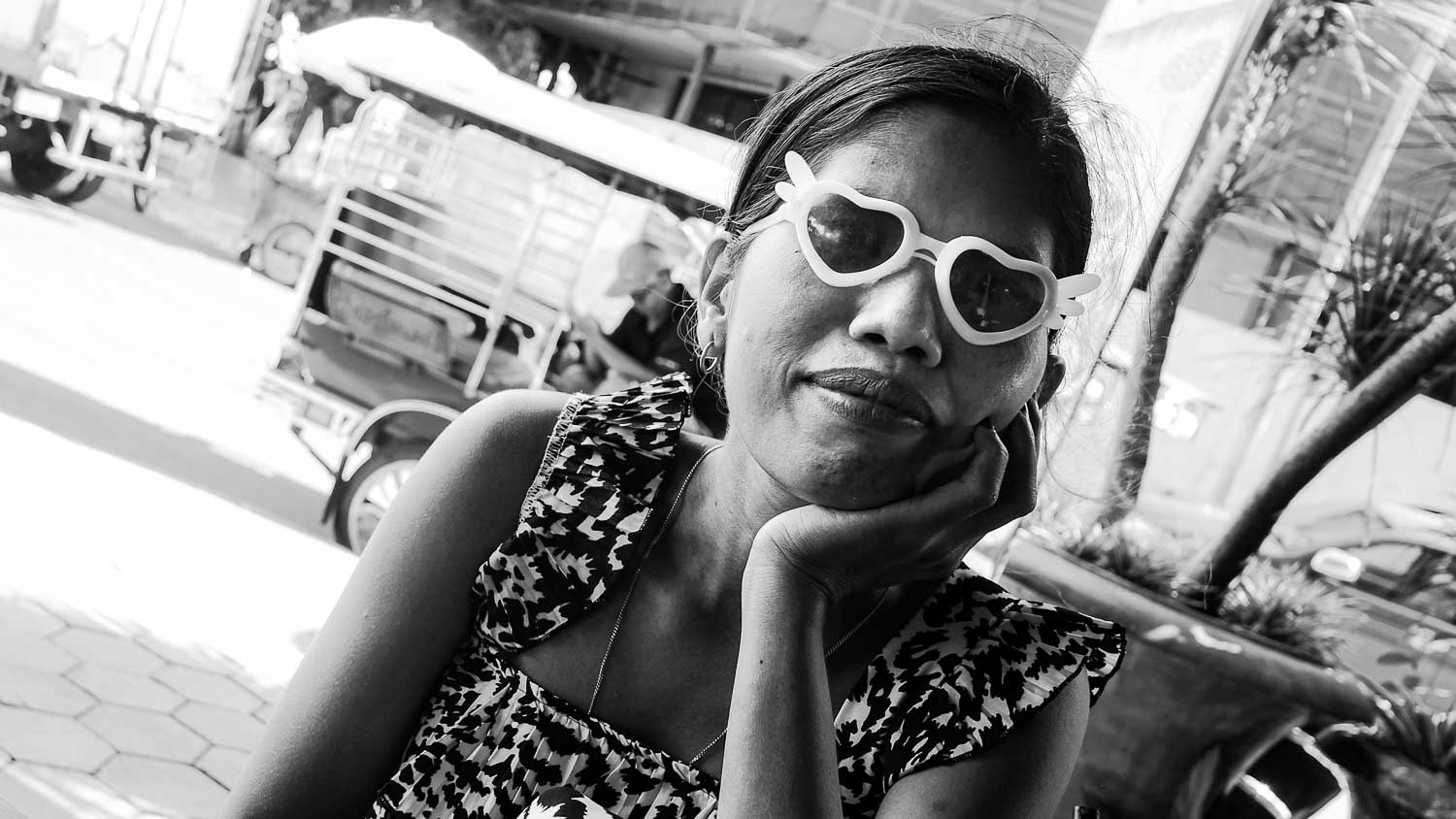

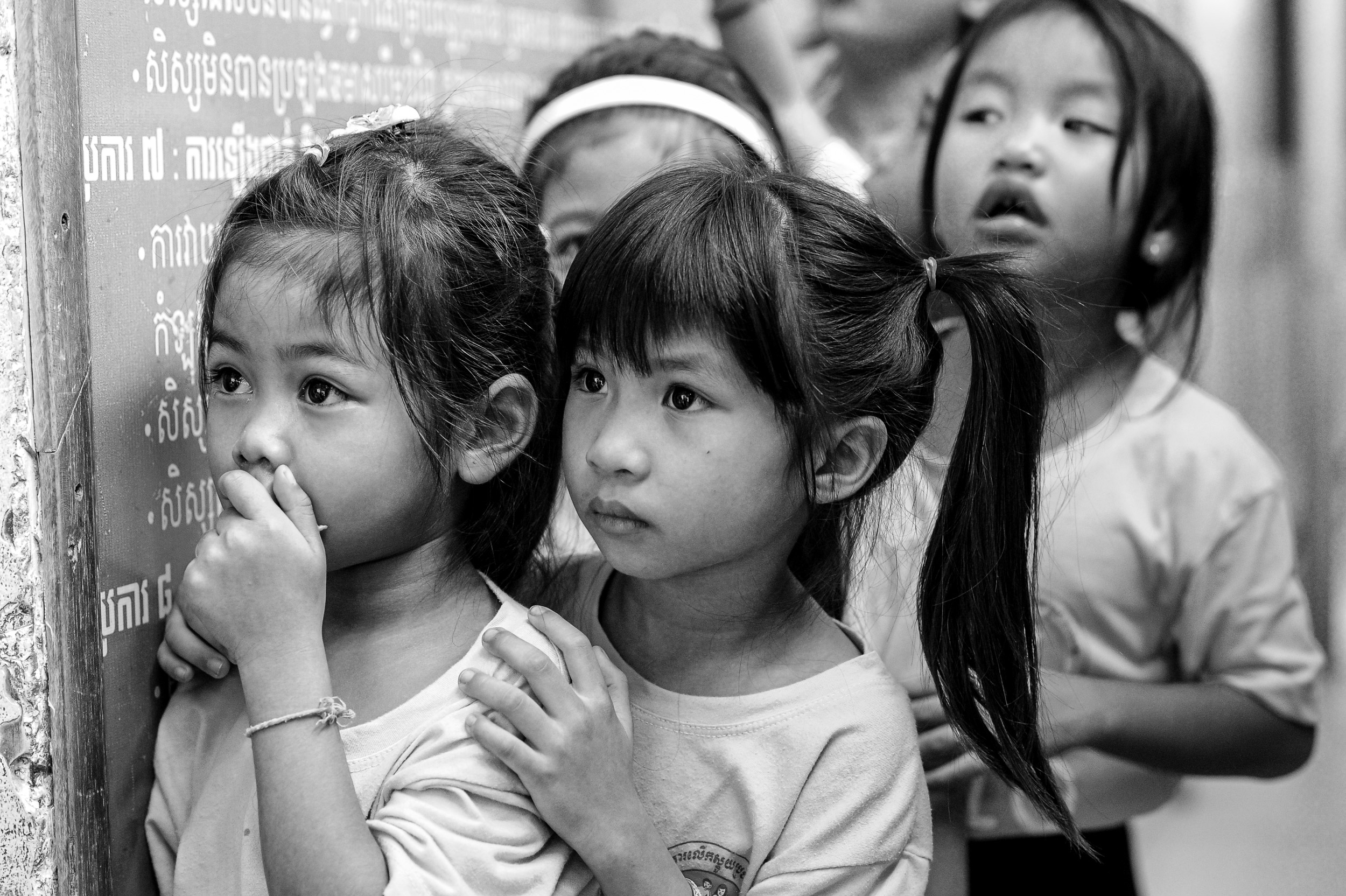
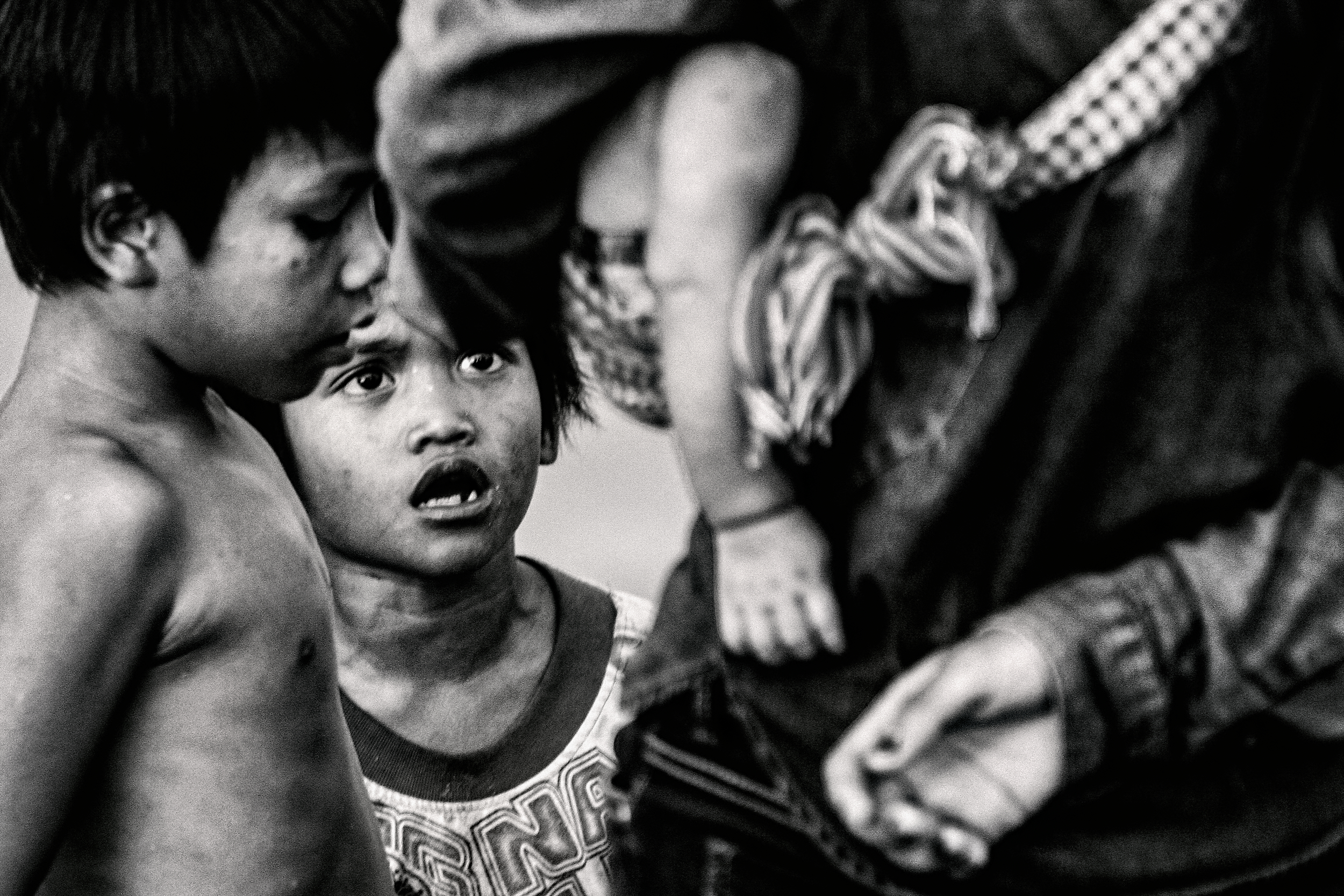
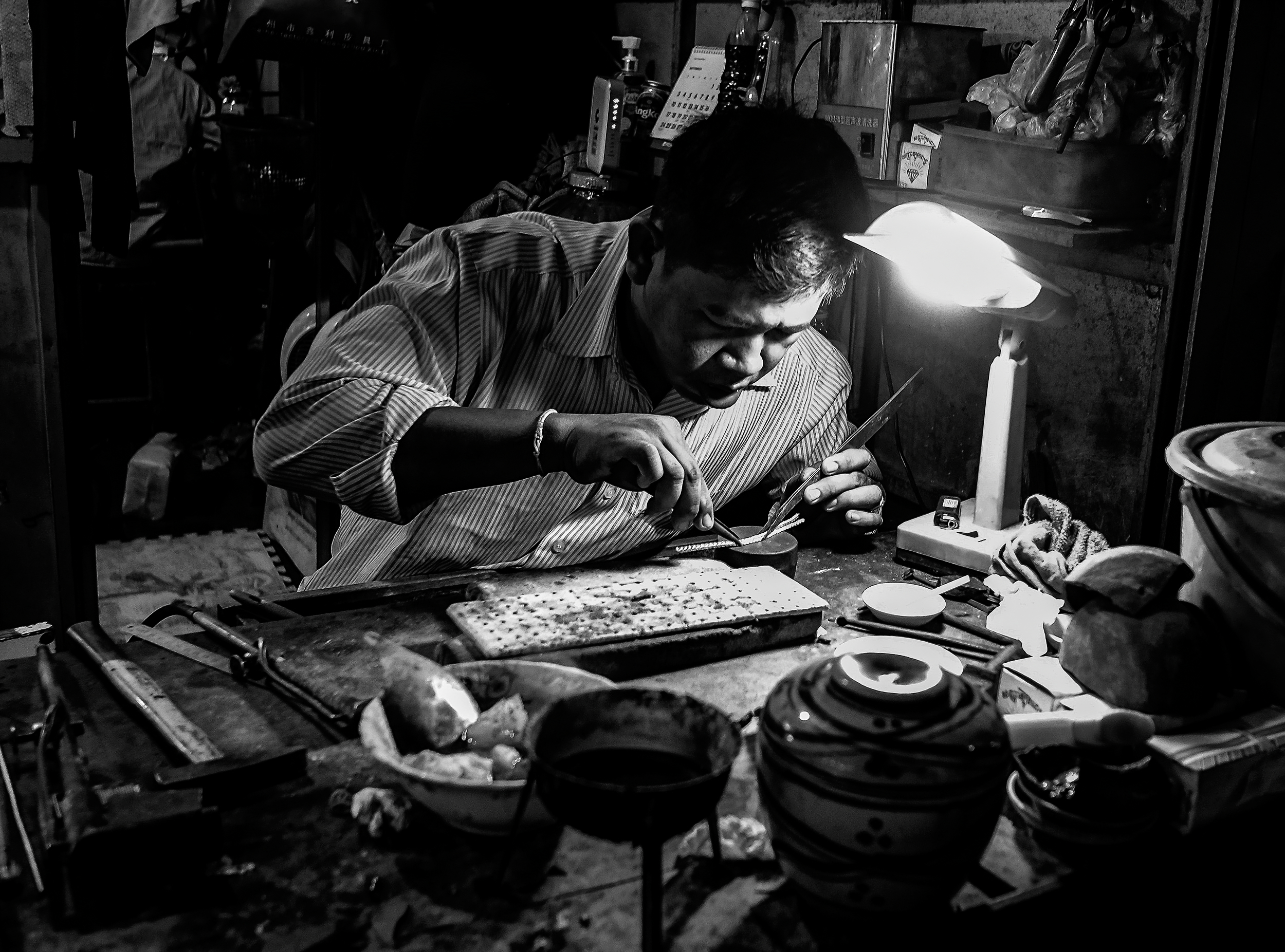
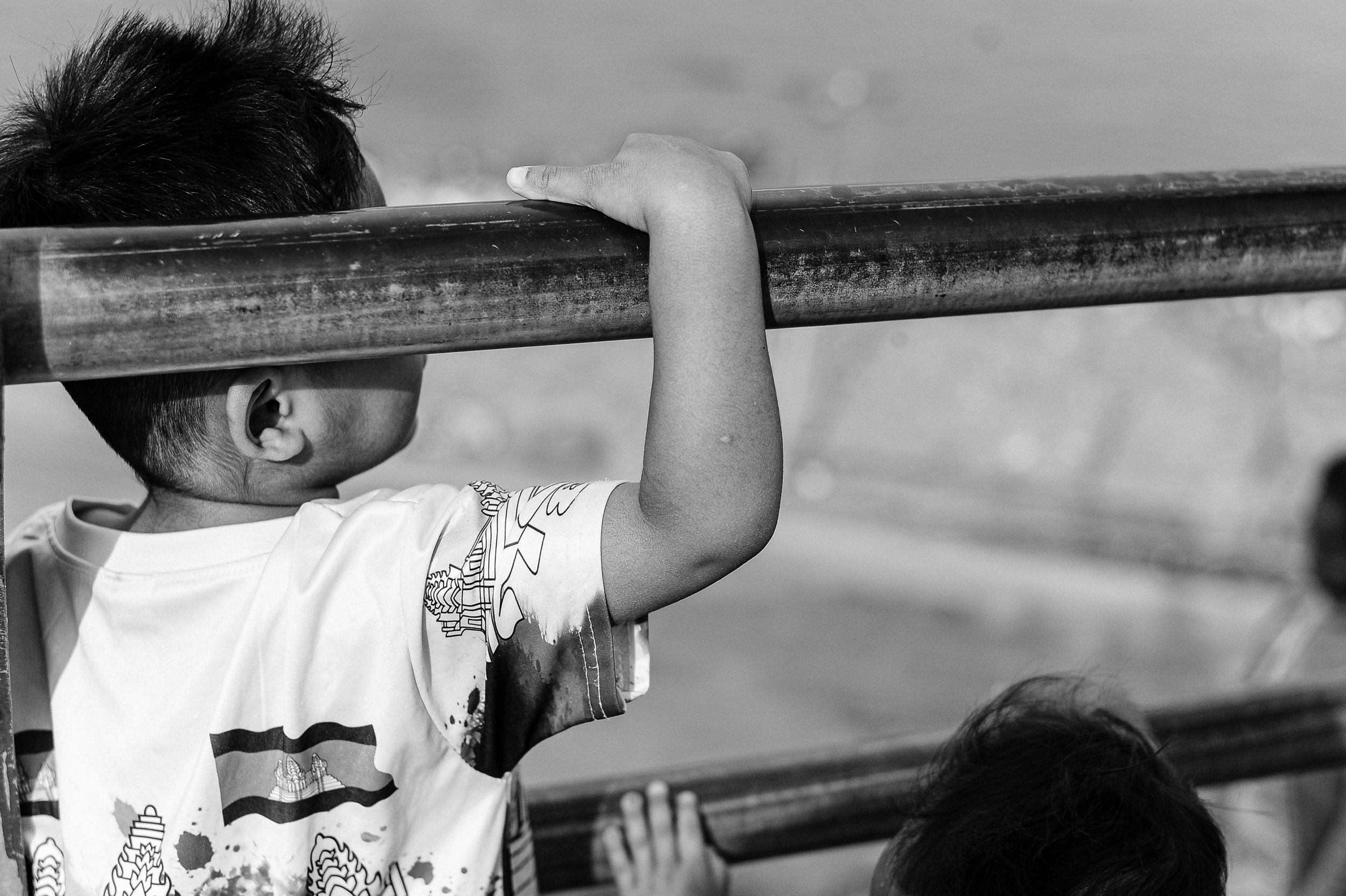
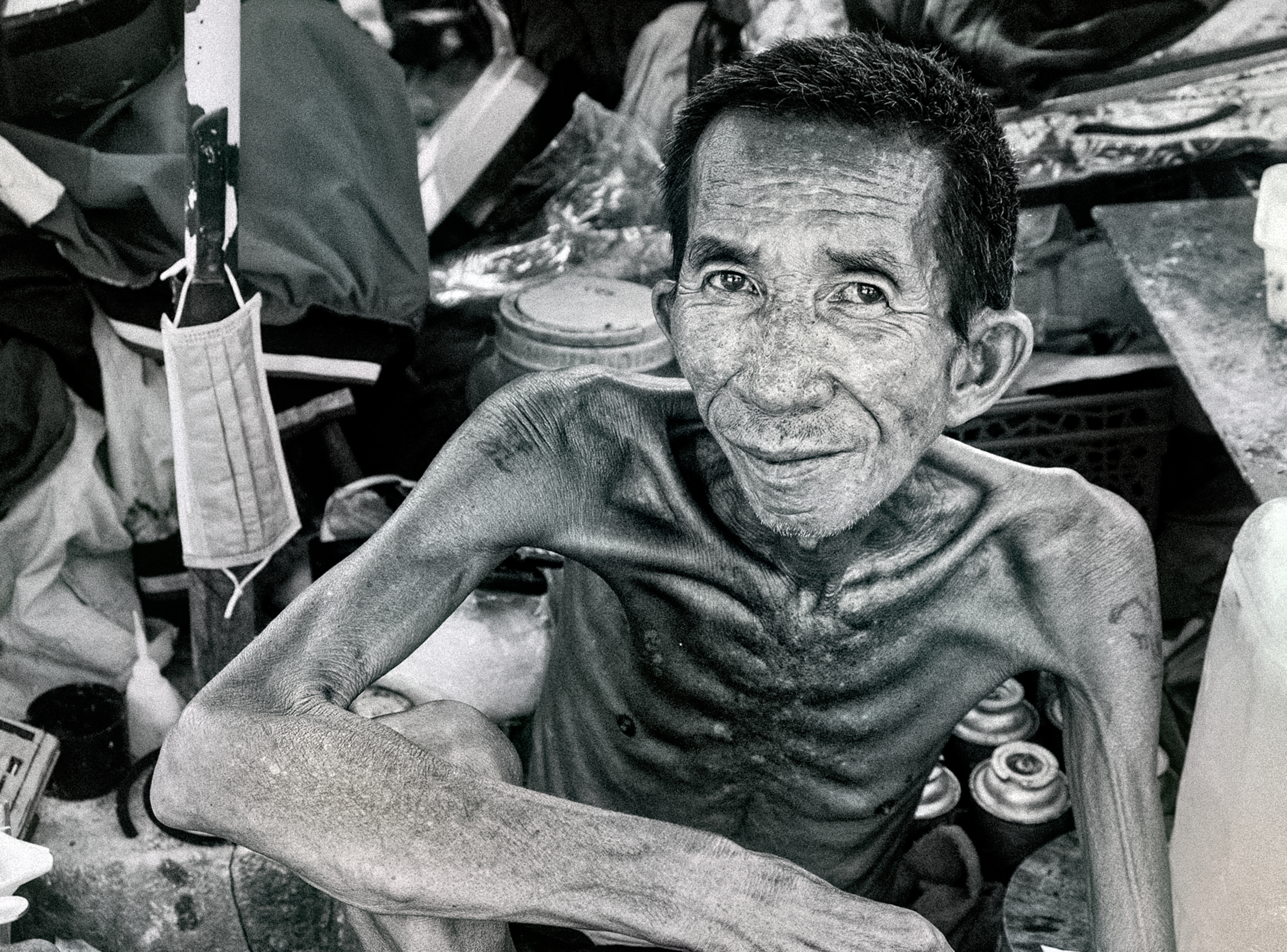

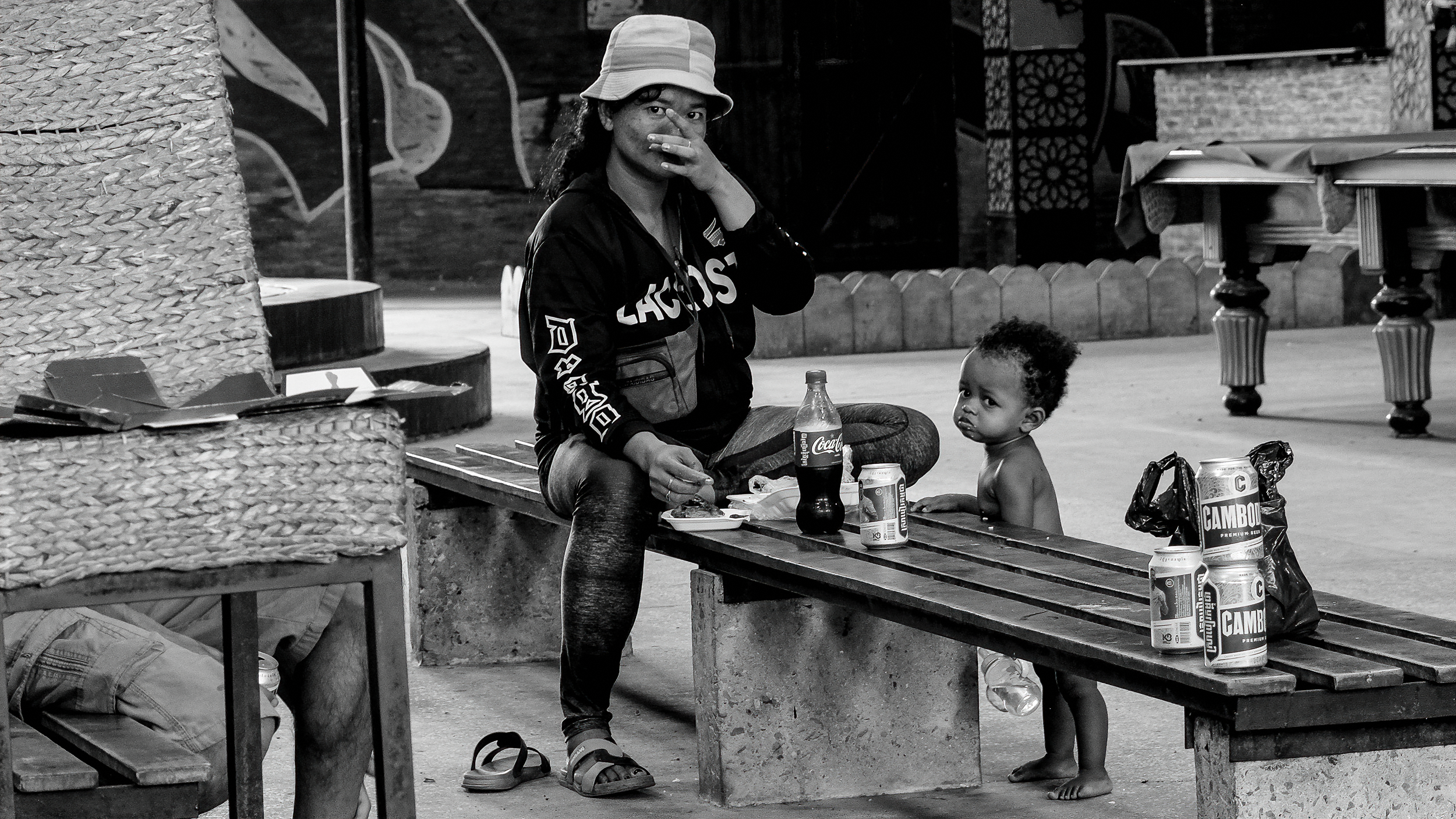
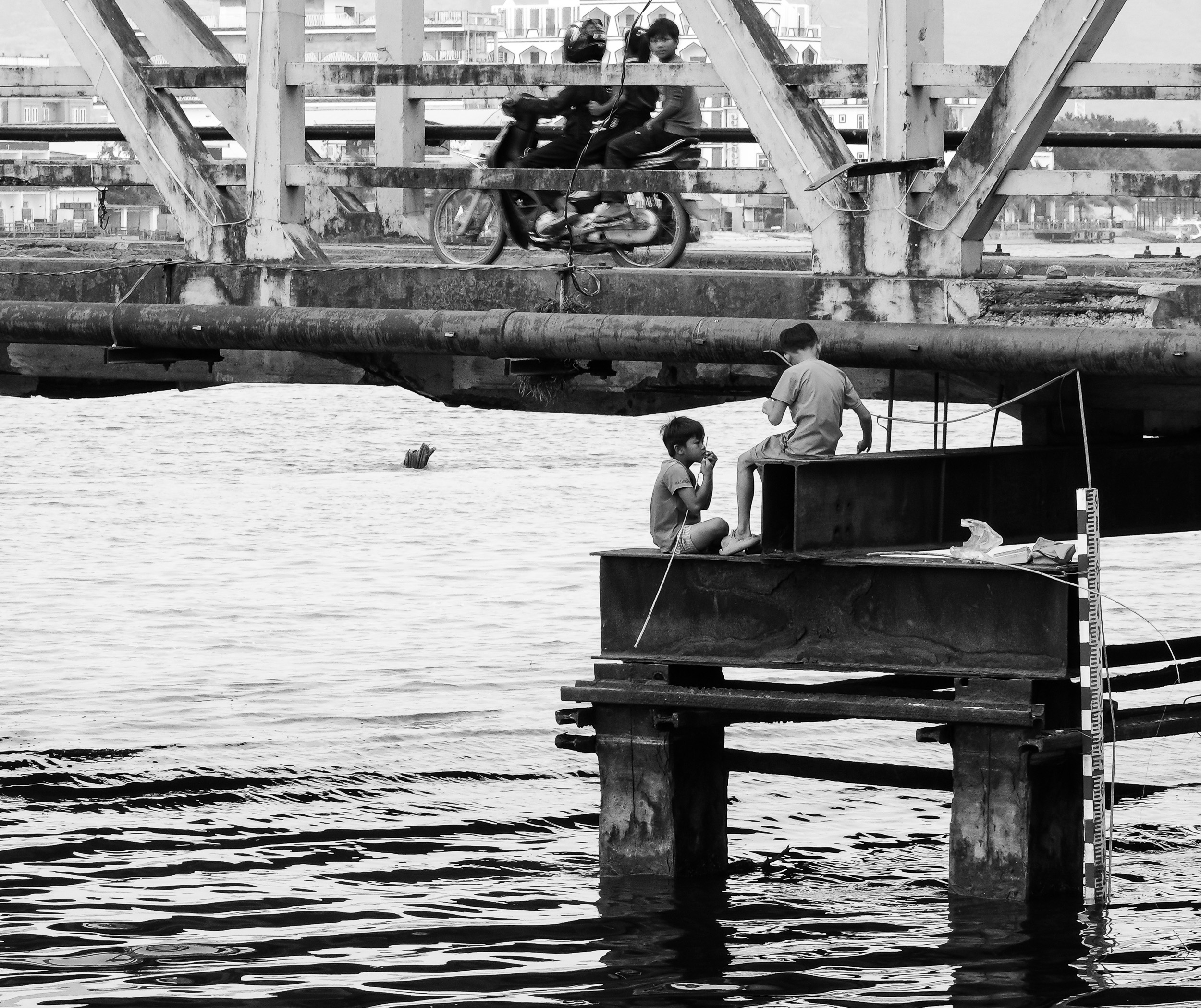

Making a black-and-white image from a digital colour image can be a creative way to highlight the shapes, textures and contrasts in your photos. However, not all colour images look good in black and white. You need to consider some factors before converting your images, such as the tonal range, the subject matter and the mood you want to convey.
One of the easiest ways to convert a colour image to black and white is to use an adjustment layer in Photoshop or a similar photo editing software. An adjustment layer allows you to apply a grayscale conversion without affecting the original image. You can also fine-tune the results by adjusting the brightness and contrast of different colours in your image.
To create a black-and-white adjustment layer in Photoshop, follow these steps:
By using an adjustment layer, you can easily convert your colour image to black and white and make it pop with some simple adjustments.
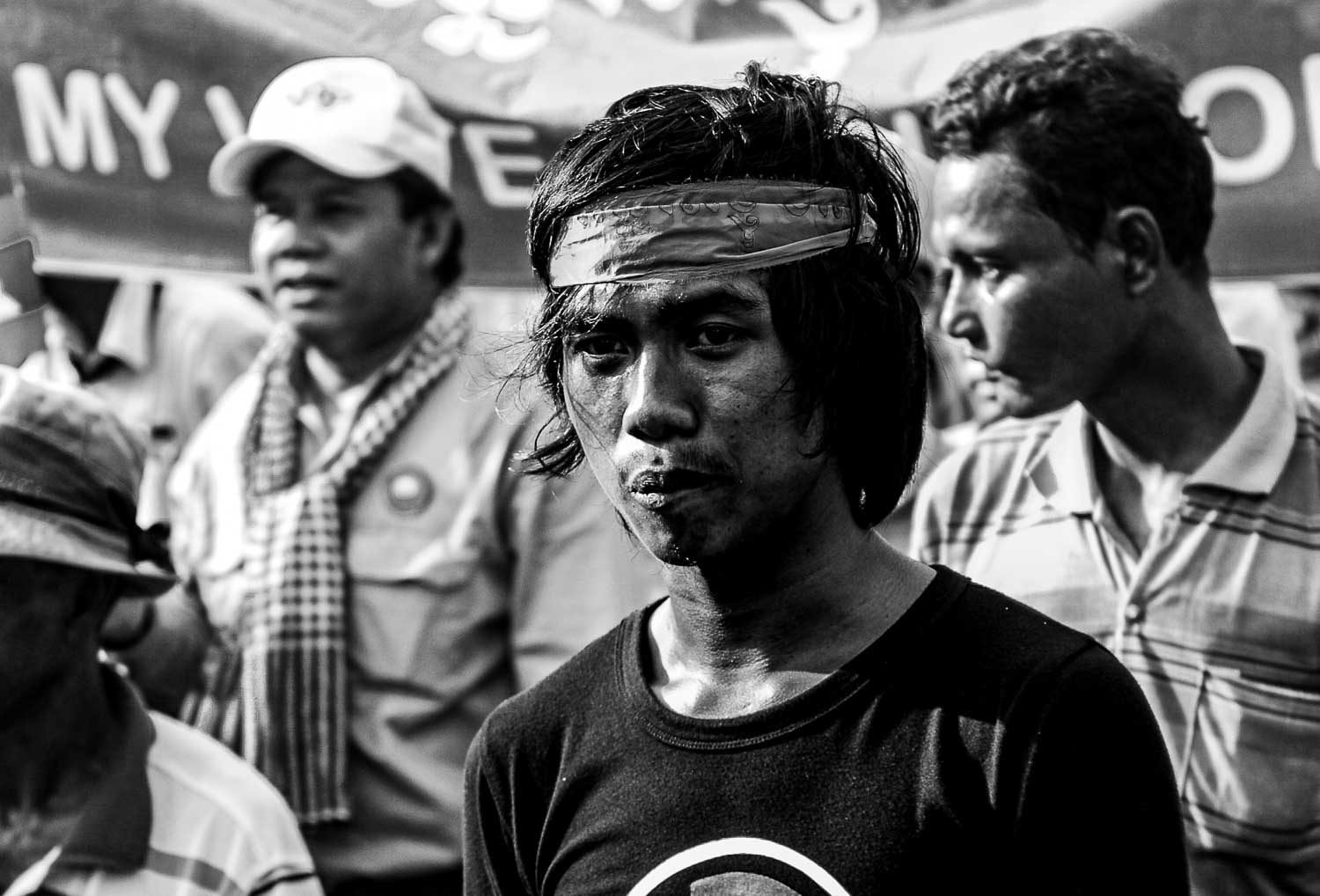
On May 1st, 2023, hundreds of Cambodian workers took to the streets to mark Labour Day and demanded better working conditions and higher wages. The demonstrations were peaceful and well-organized, with no reports of violence or clashes with the authorities. The protesters carried banners and placards with slogans such as “Workers are not slaves”, “We deserve a living wage”, and “Respect our rights”. They also sang songs and chanted slogans in Khmer and English, expressing their solidarity and determination.

The demonstrations were part of a nationwide campaign by the Cambodian Labour Confederation (CLC), the largest independent trade union in the country. The CLC represents workers from various sectors, including garment, construction, tourism, and agriculture. The CLC has been advocating for a minimum wage increase from $192 to $250 per month, as well as improved health and safety standards, social protection, and freedom of association. The CLC claims that the current minimum wage is insufficient to cover the basic needs of workers and their families, especially amid the COVID-19 pandemic and the rising cost of living.
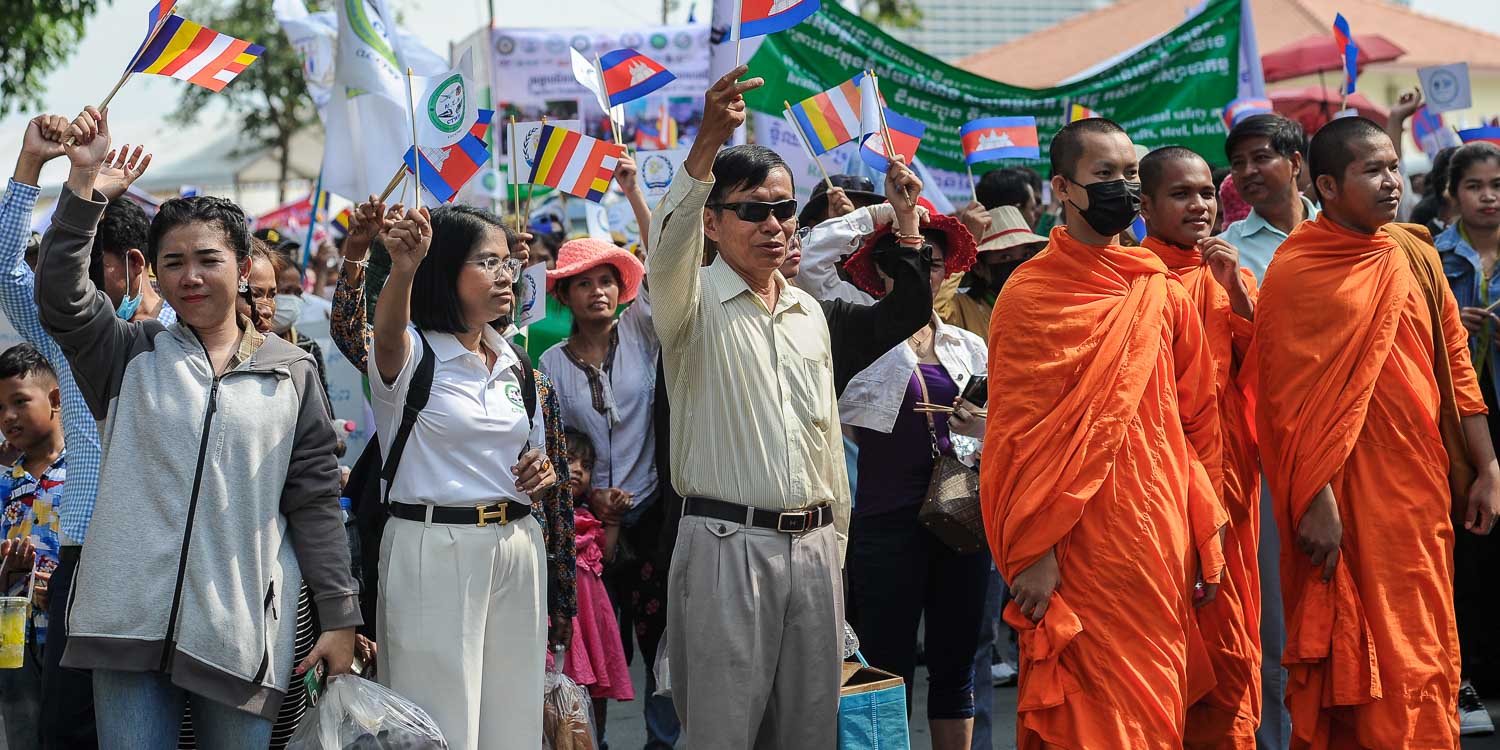

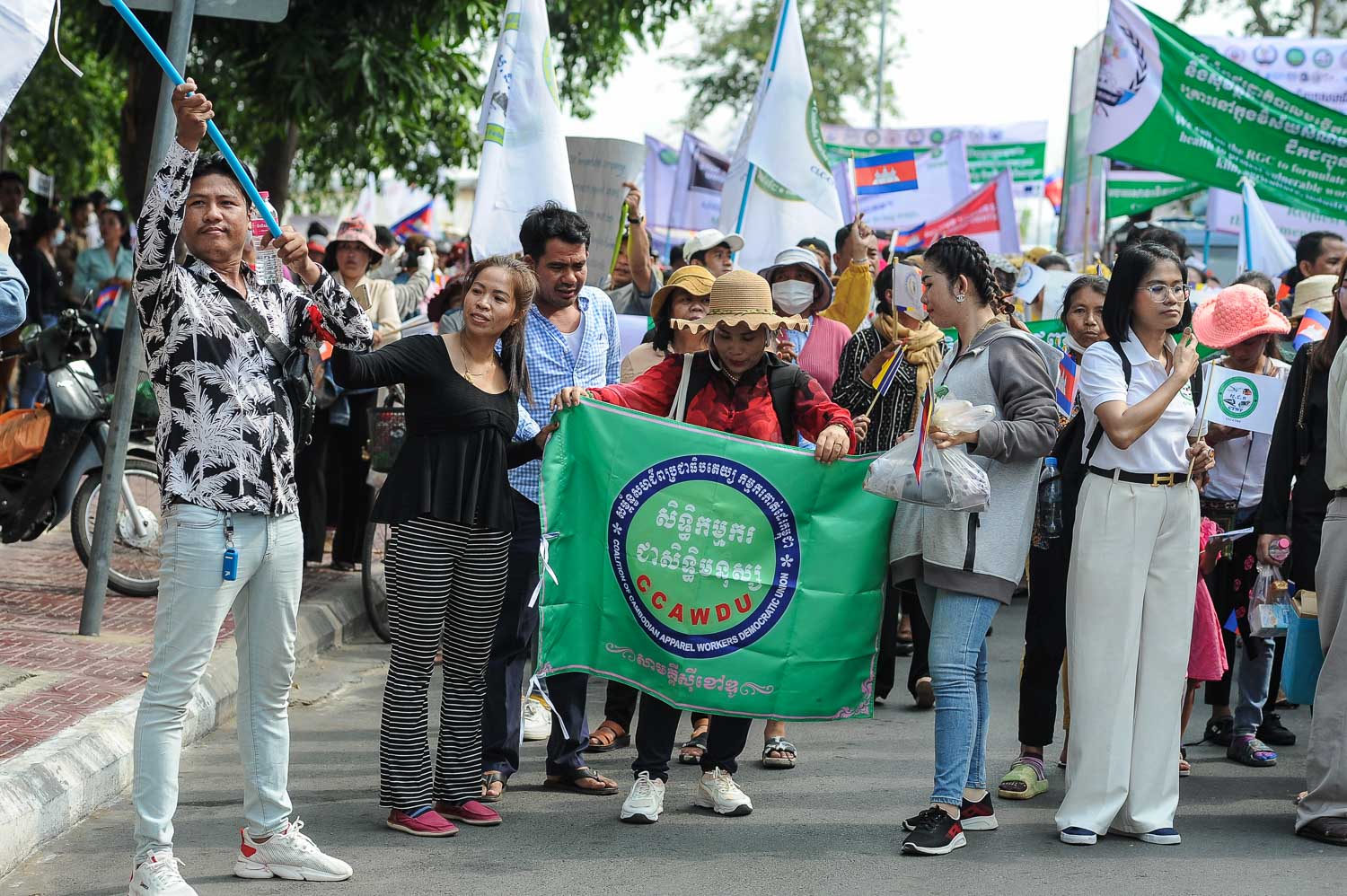


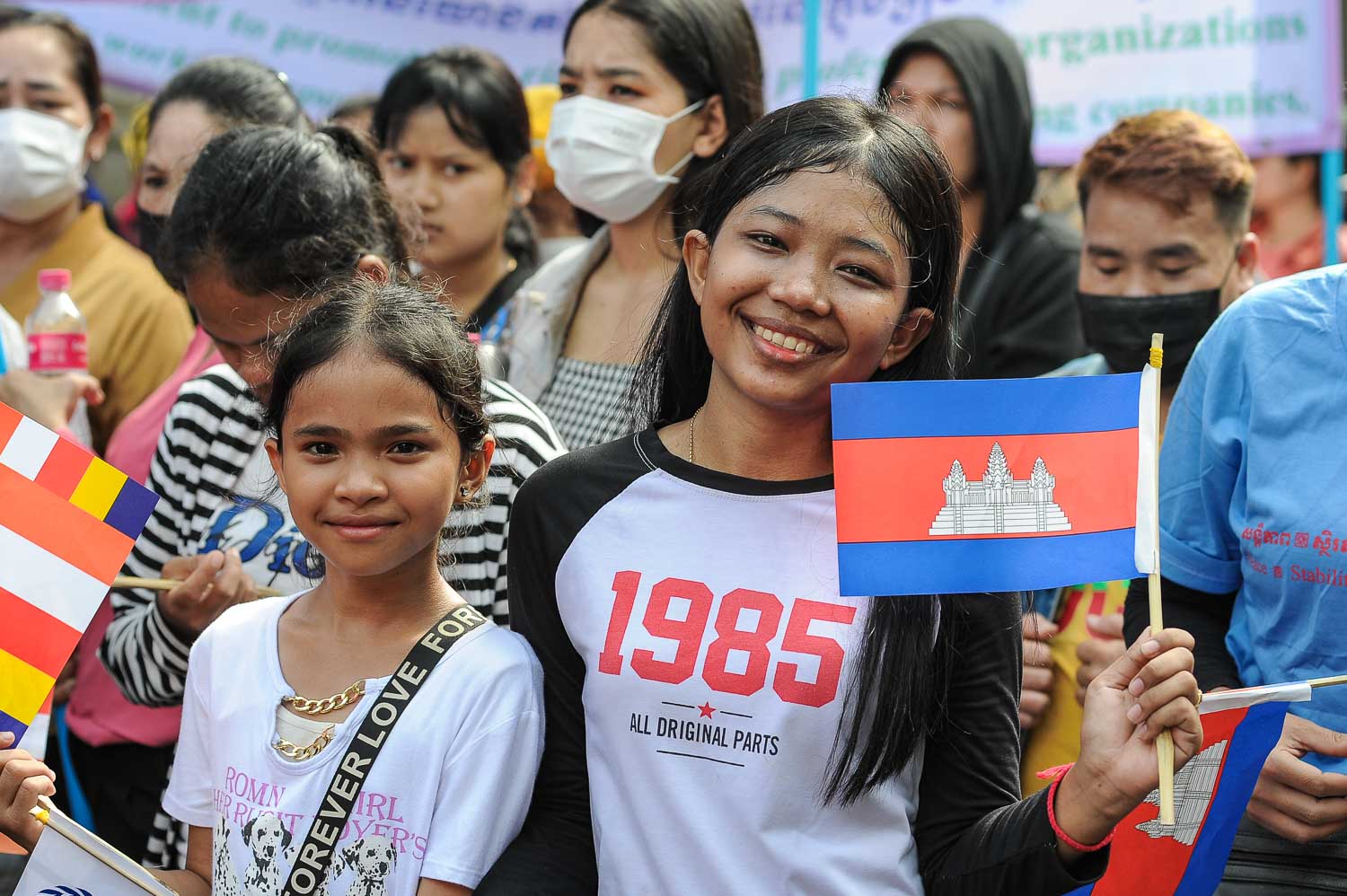
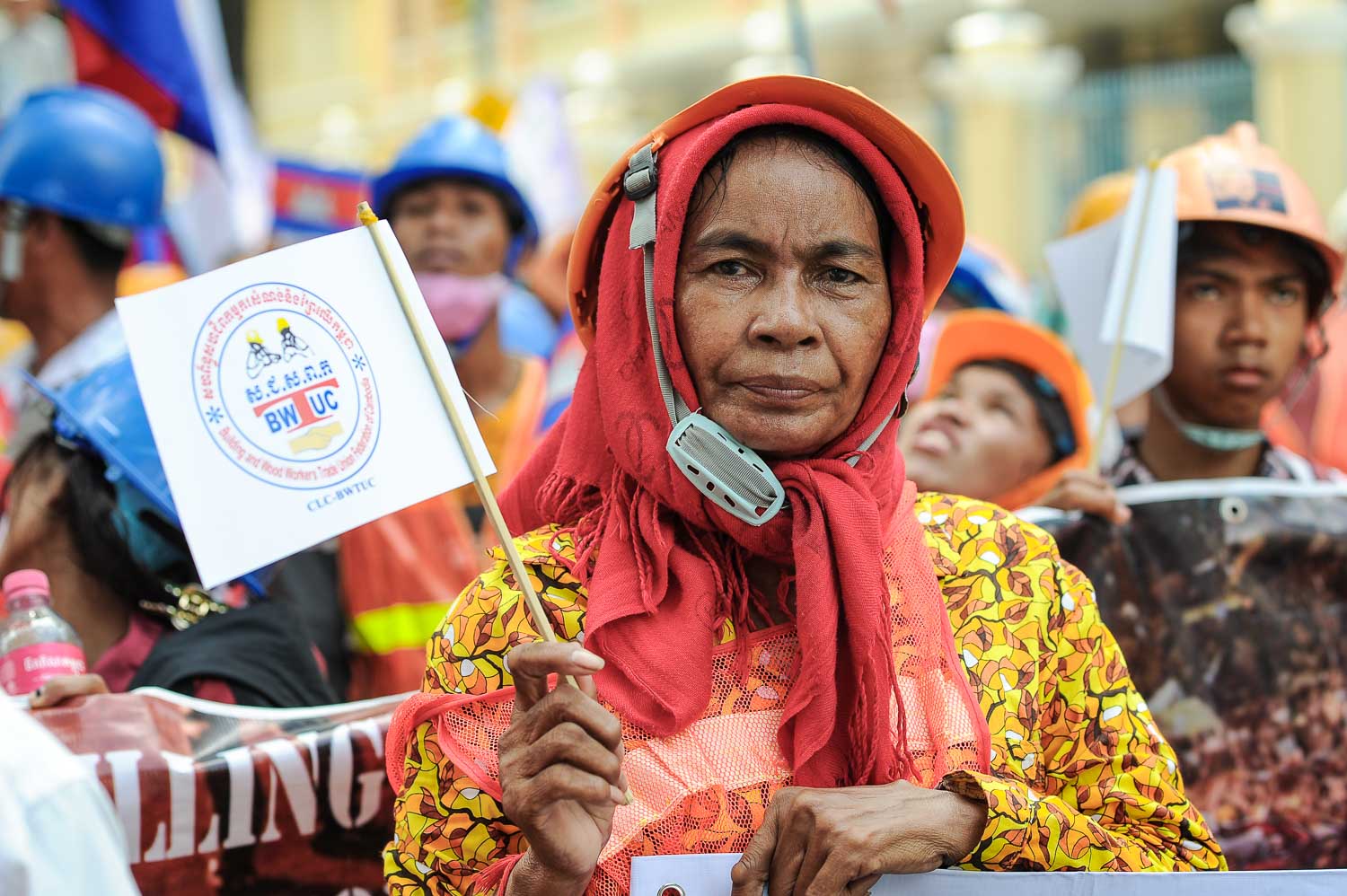
The demonstrations were also supported by other civil society groups, human rights organizations, and opposition parties. They called on the government to respect the rights of workers and engage in dialogue with the unions. They also urged the international community to pressure the Cambodian government to uphold its obligations under the International Labour Organization (ILO) conventions and other human rights treaties.
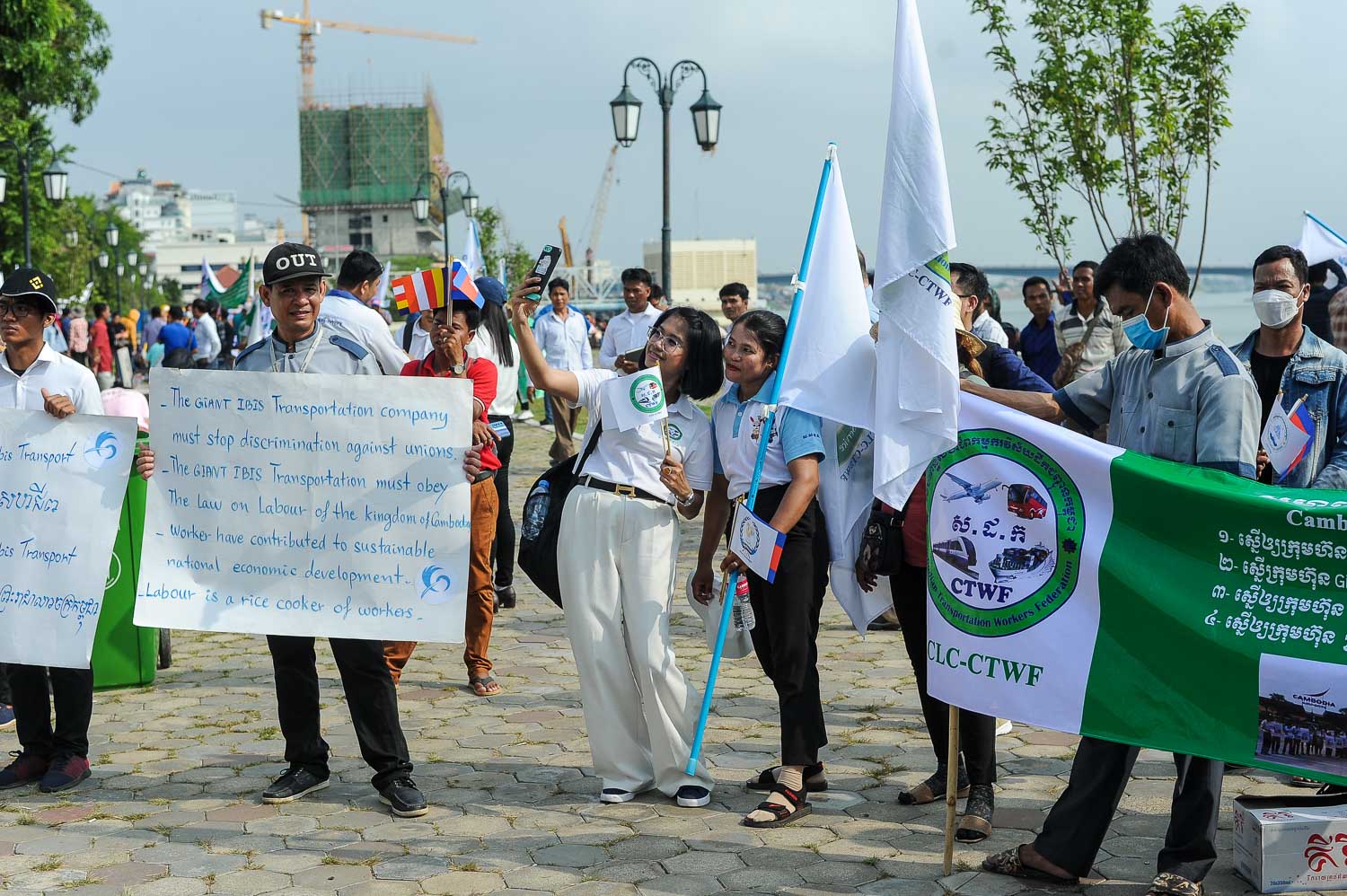


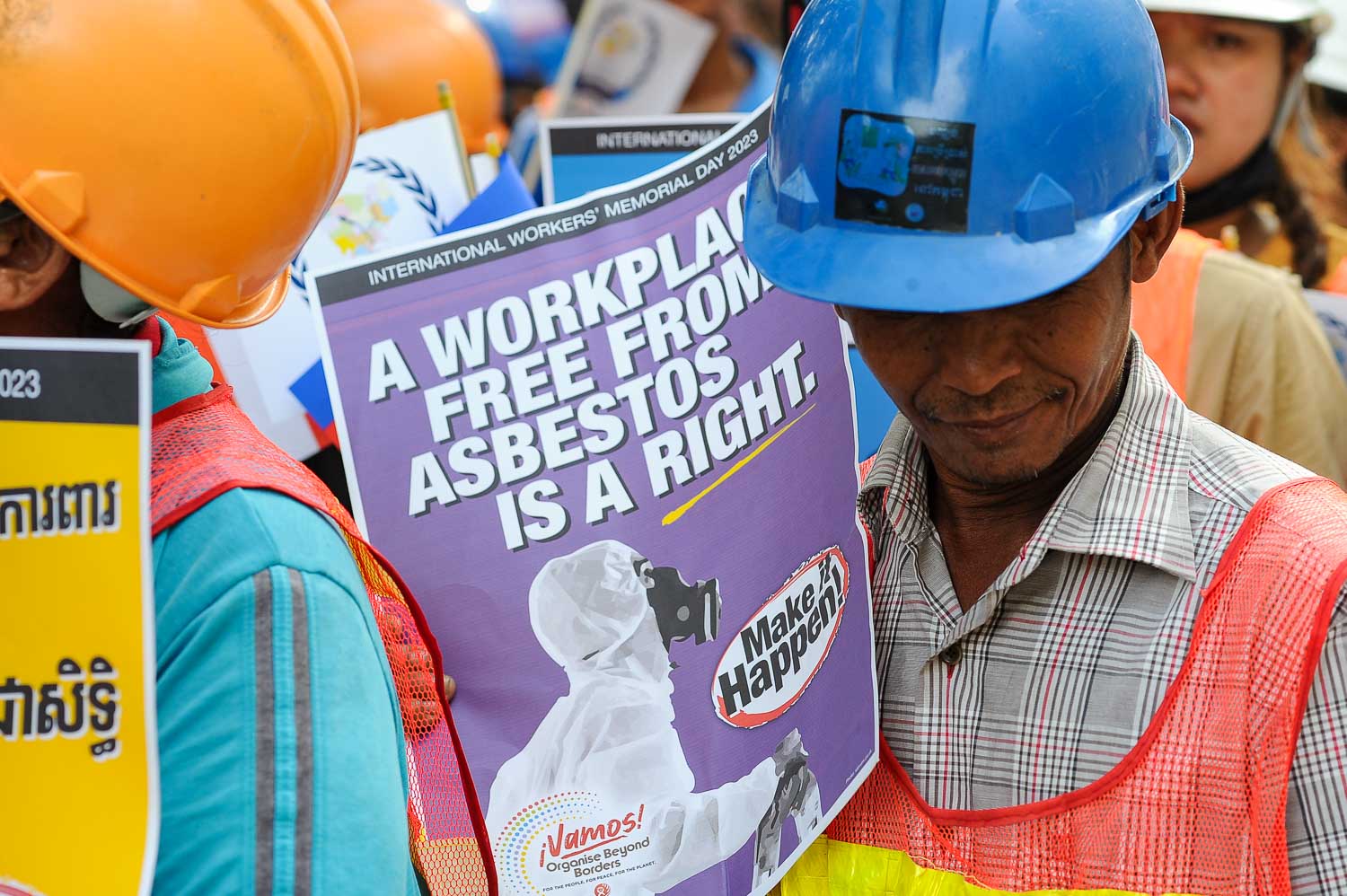

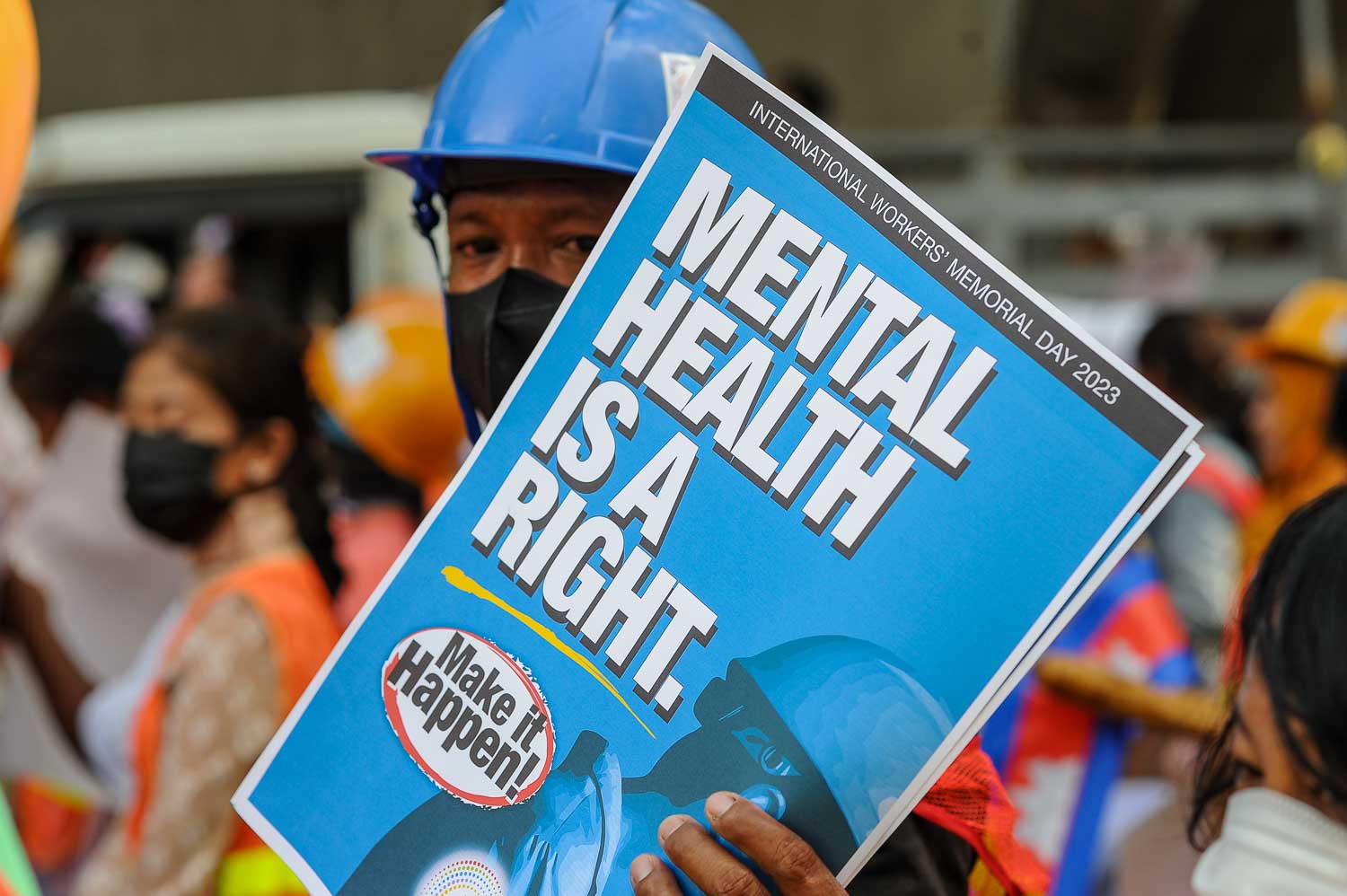
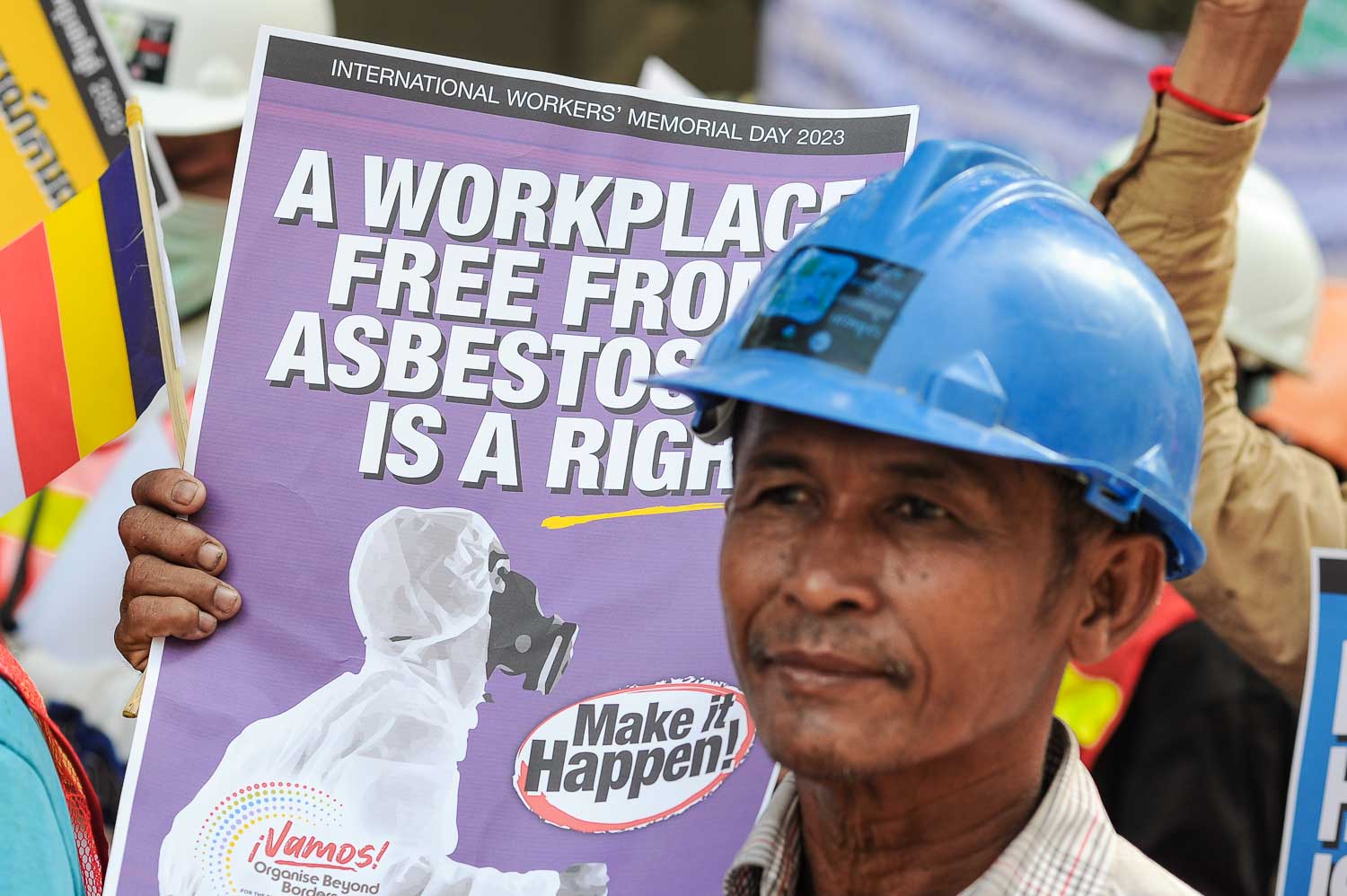
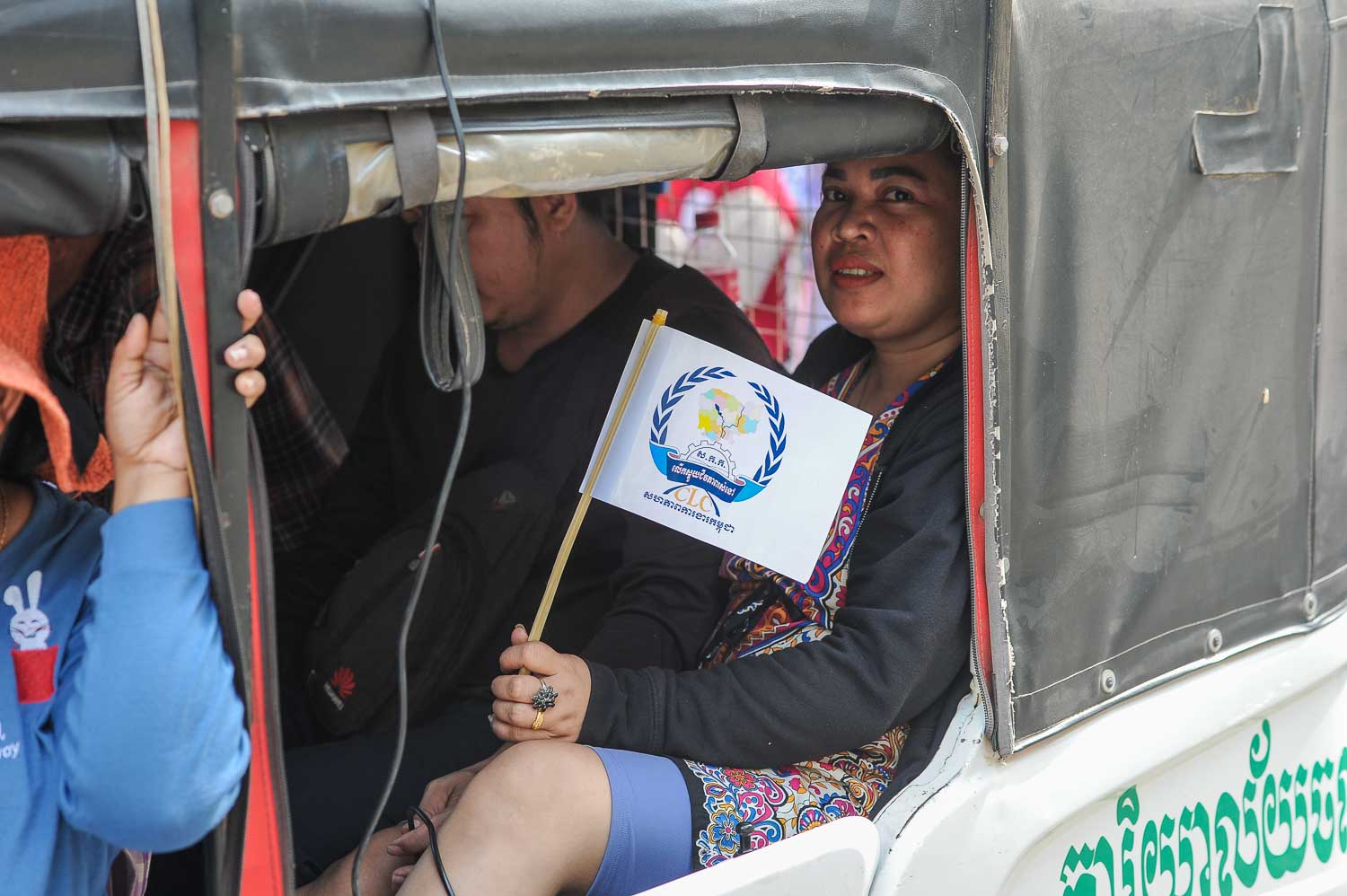

The Cambodian government has not responded to the workers’ demands and has maintained tight control over the labour movement. The government has been accused of cracking down on unions and activists, restricting their freedom of expression and assembly, and using legal threats and intimidation to silence dissent. The government has also been criticized for failing to protect workers from exploitation, abuse, and discrimination by employers and foreign investors.

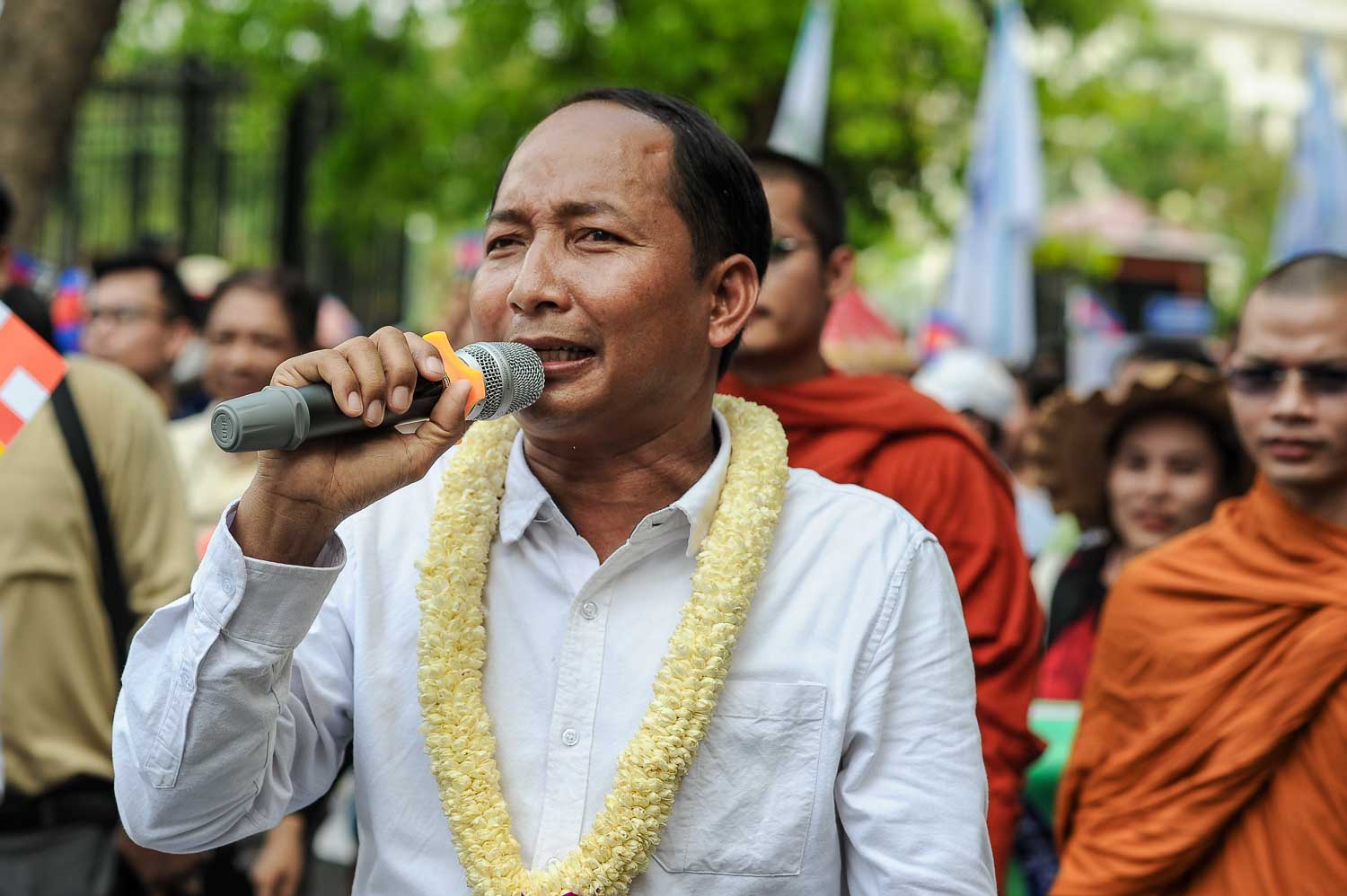
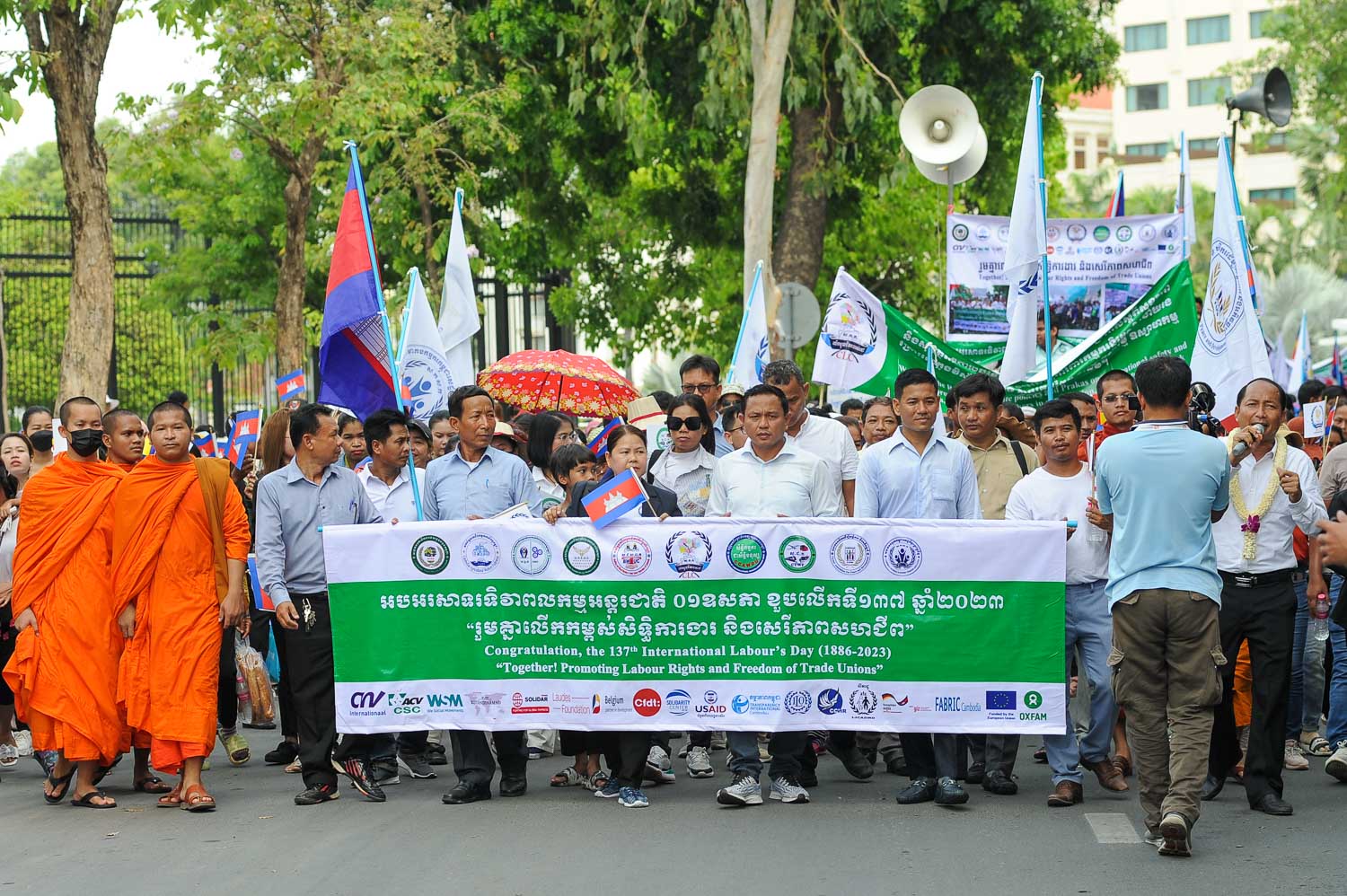
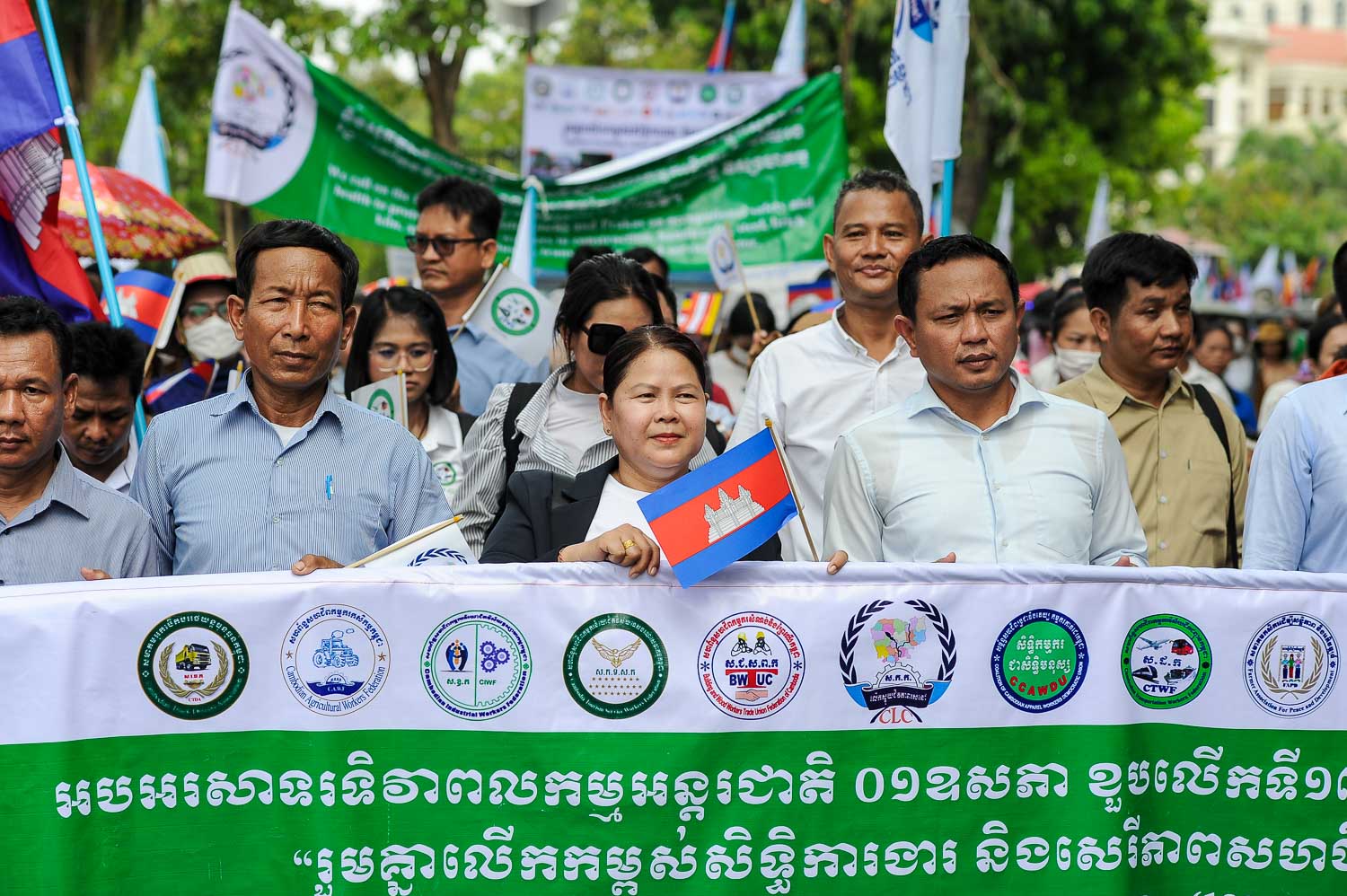


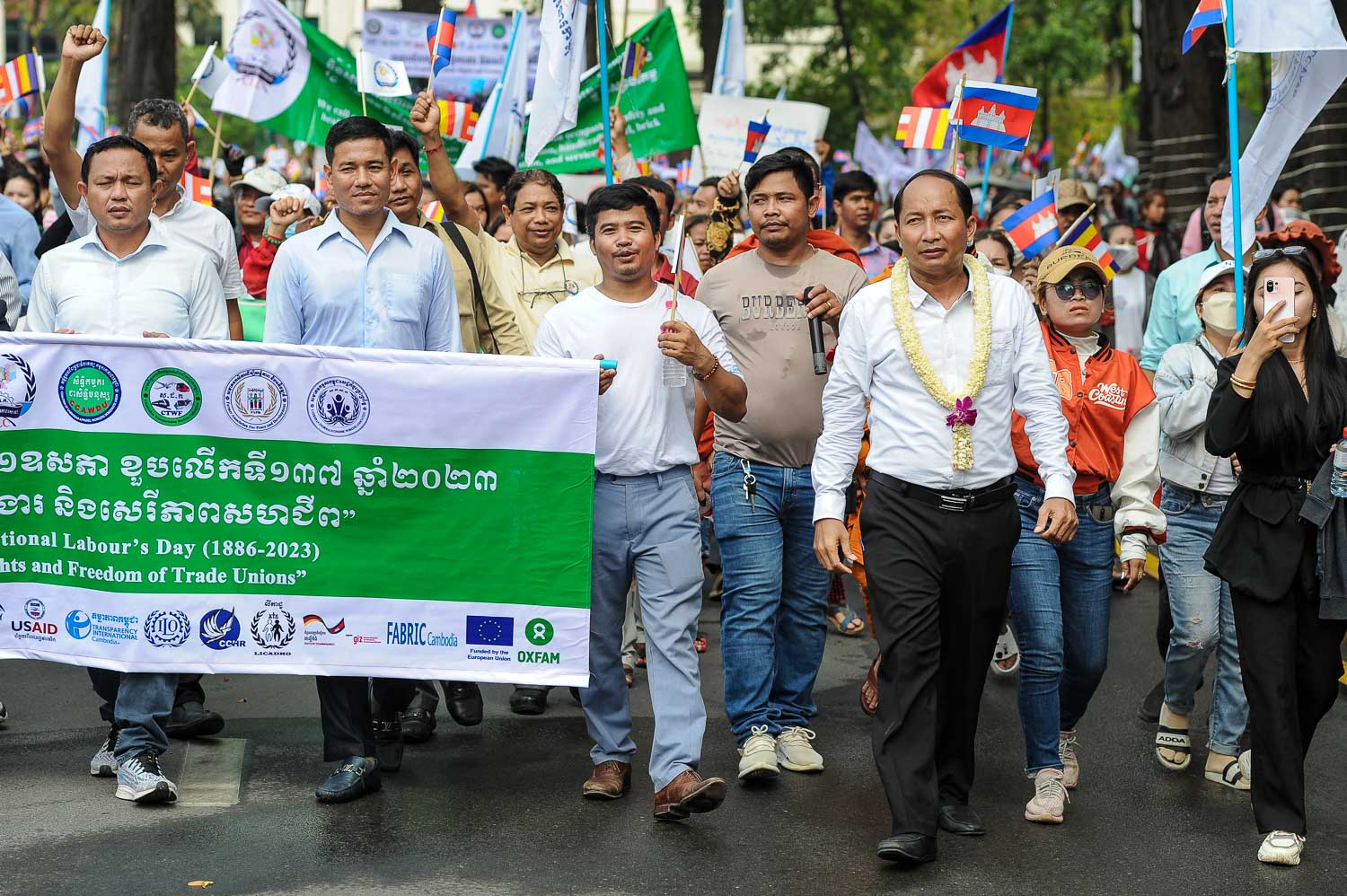
The Cambodian Labour Day demonstrations were a sign of the growing discontent and frustration among the working class in Cambodia. They also showed the strength and resilience of the labour movement in the face of repression and hardship. The workers vowed to continue their struggle until their demands are met and their dignity is restored.
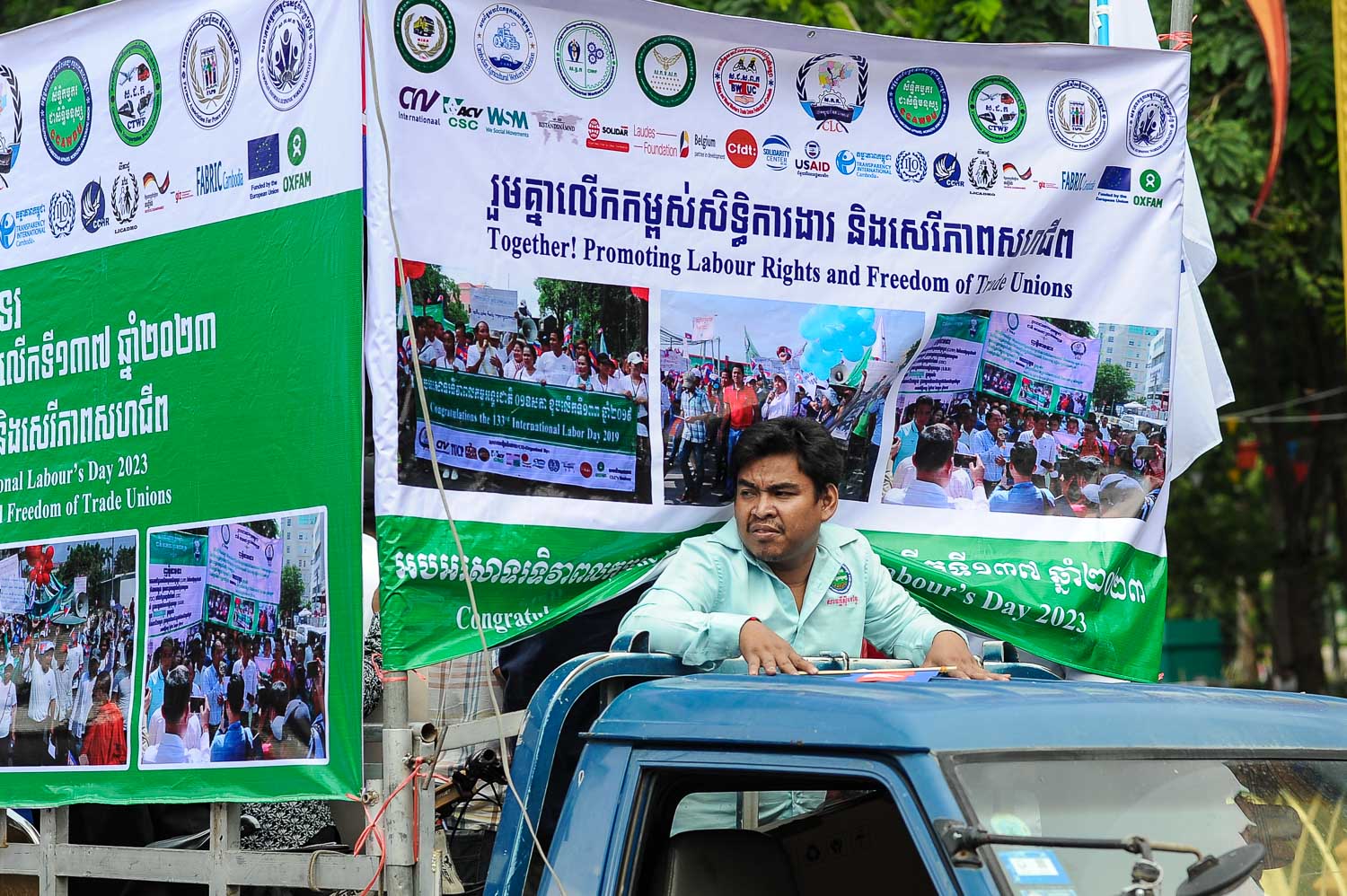


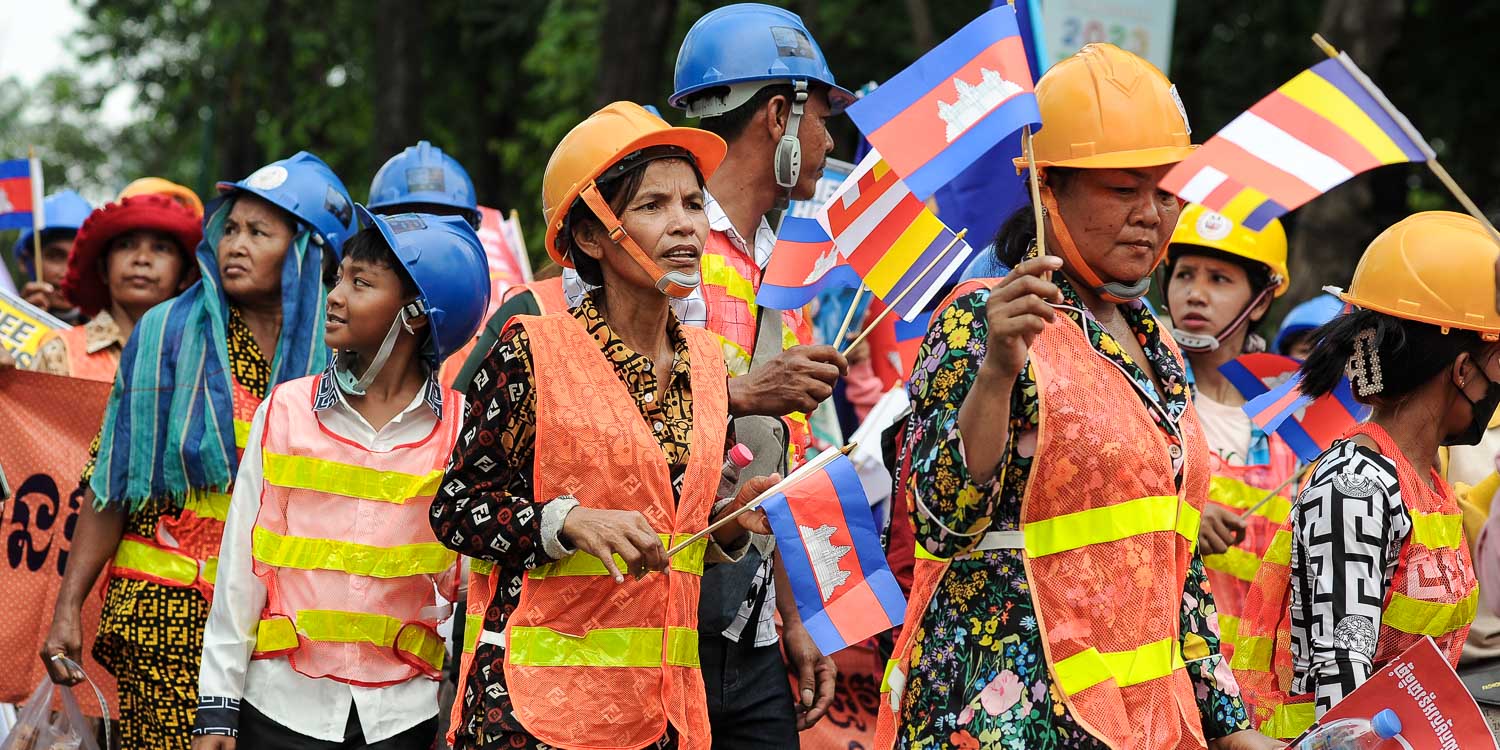
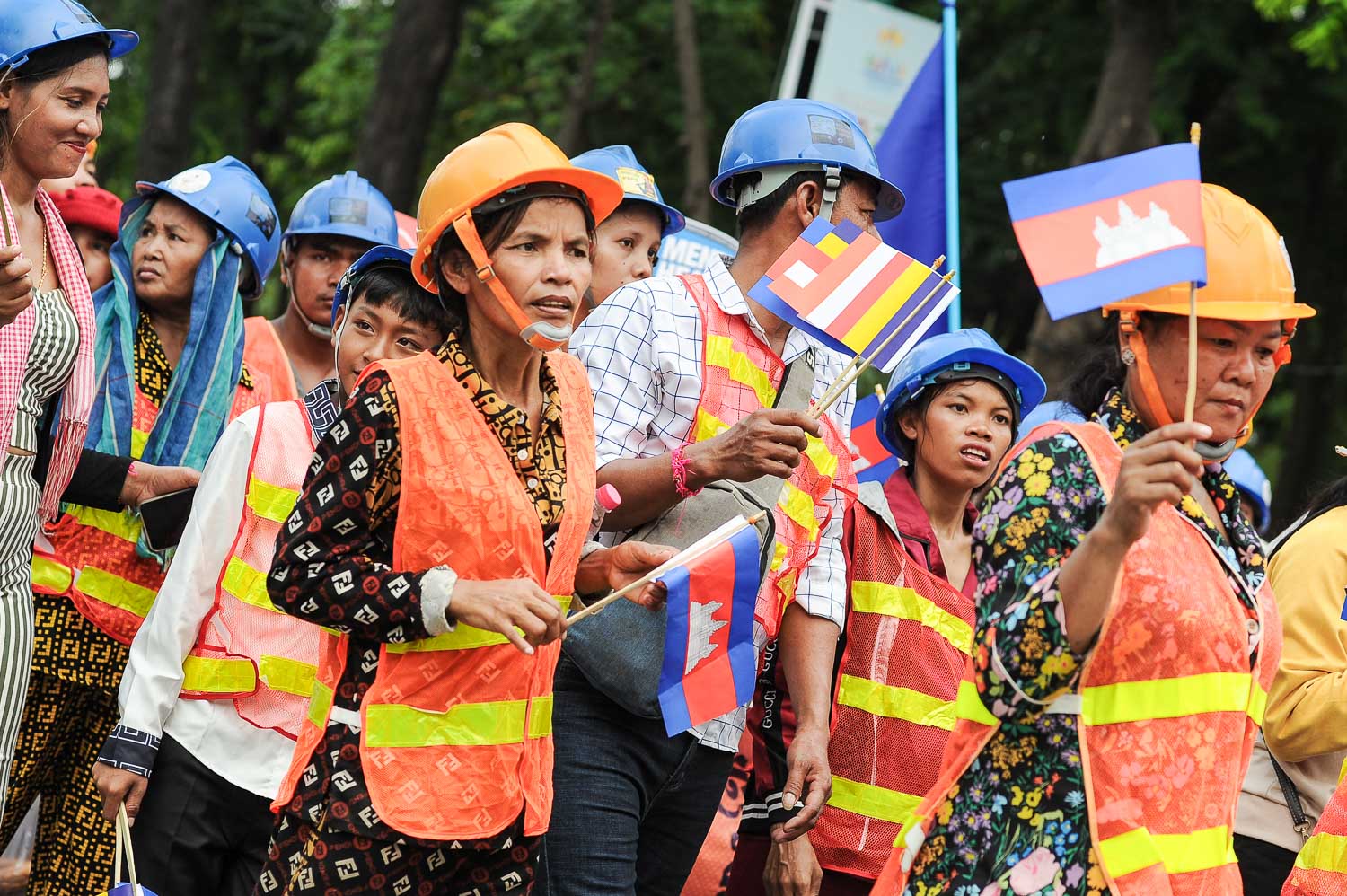
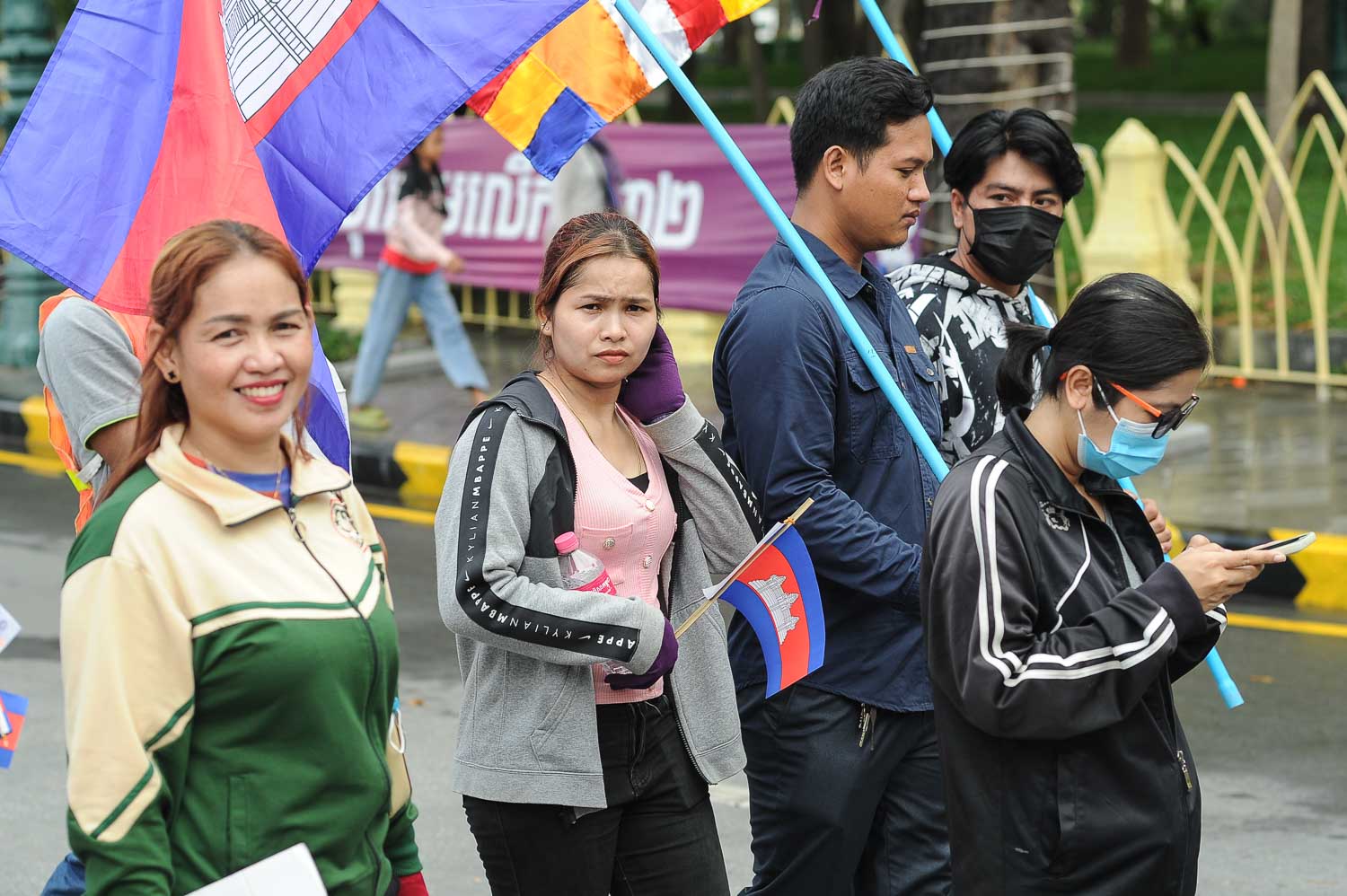
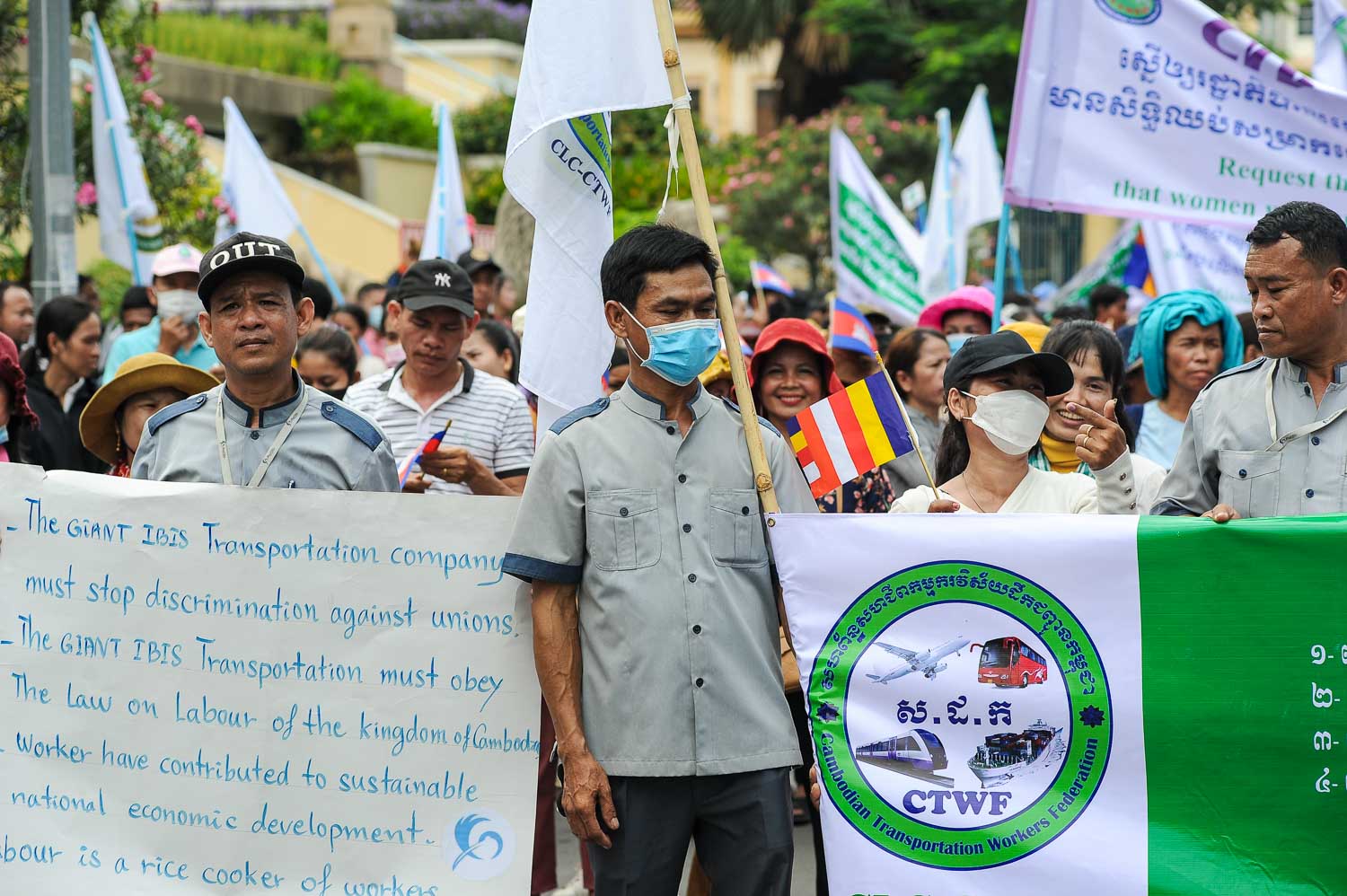
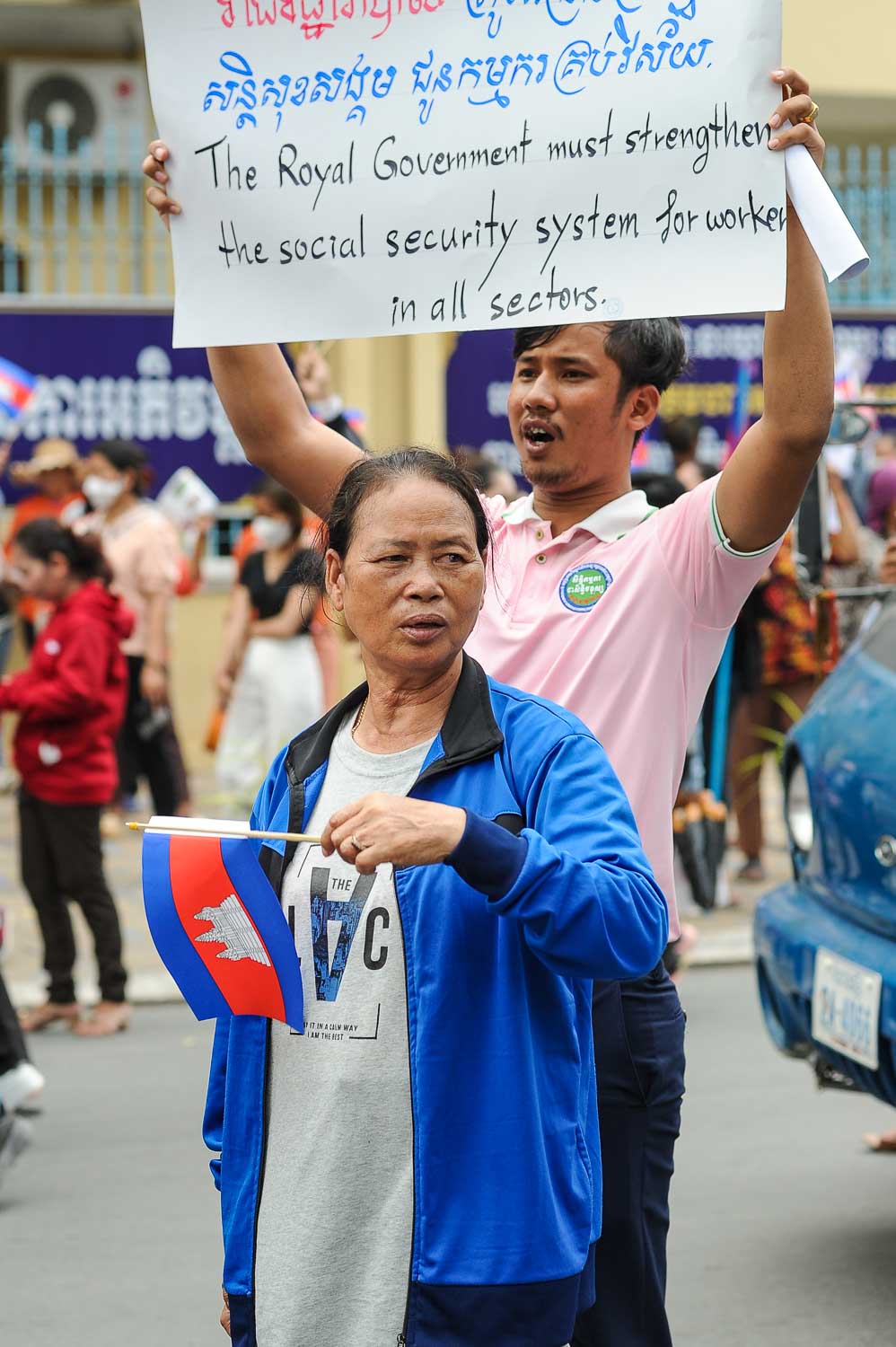

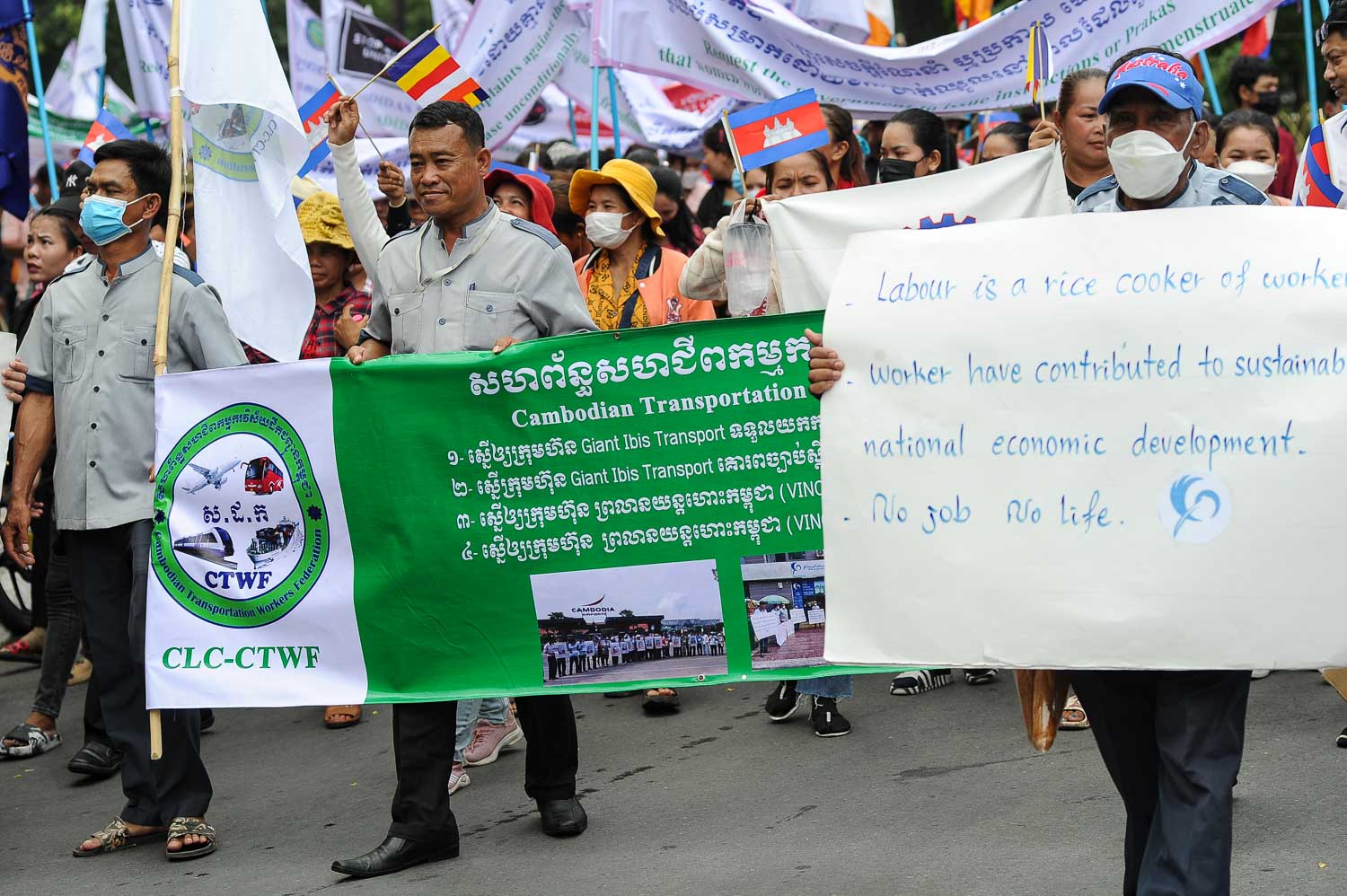


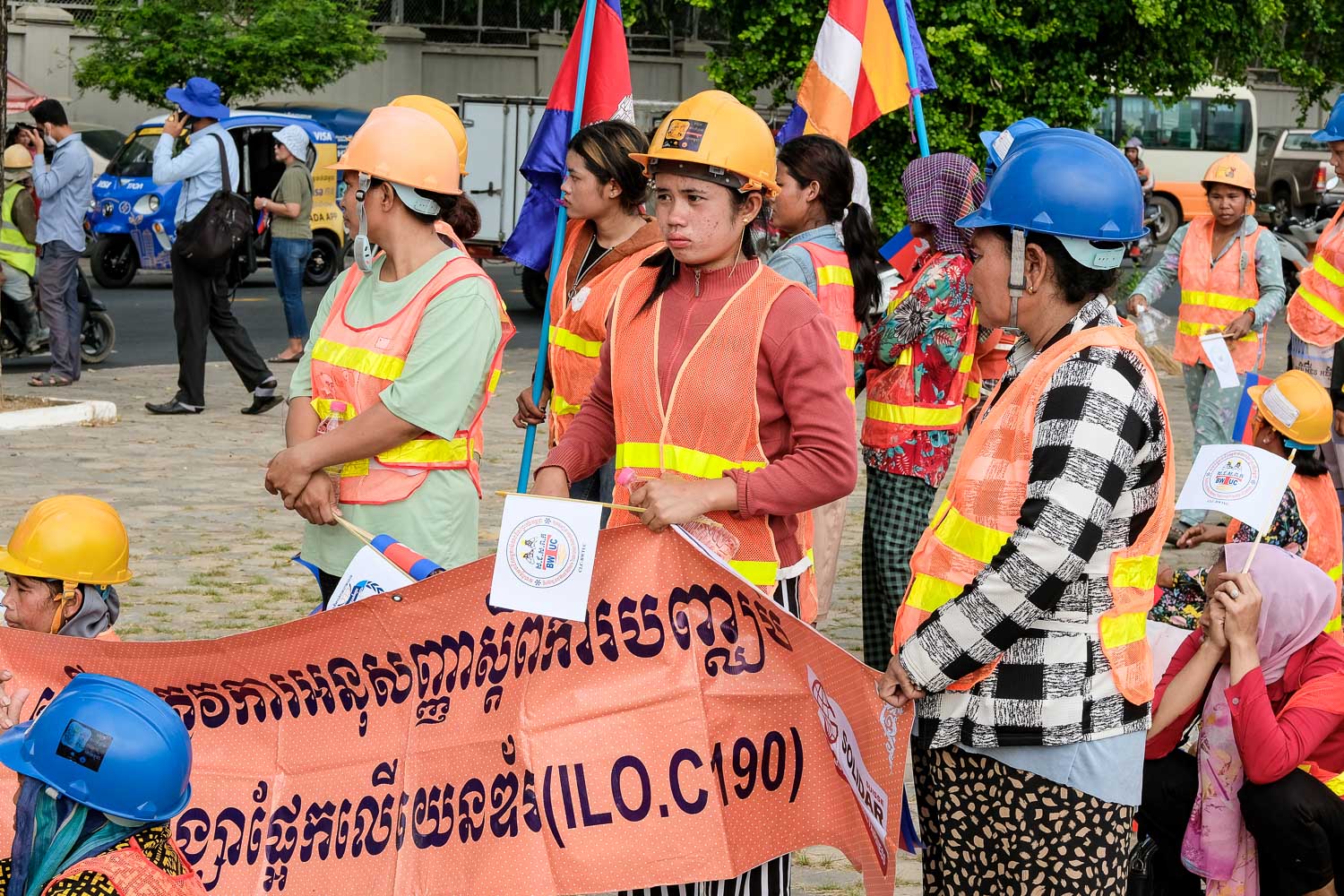

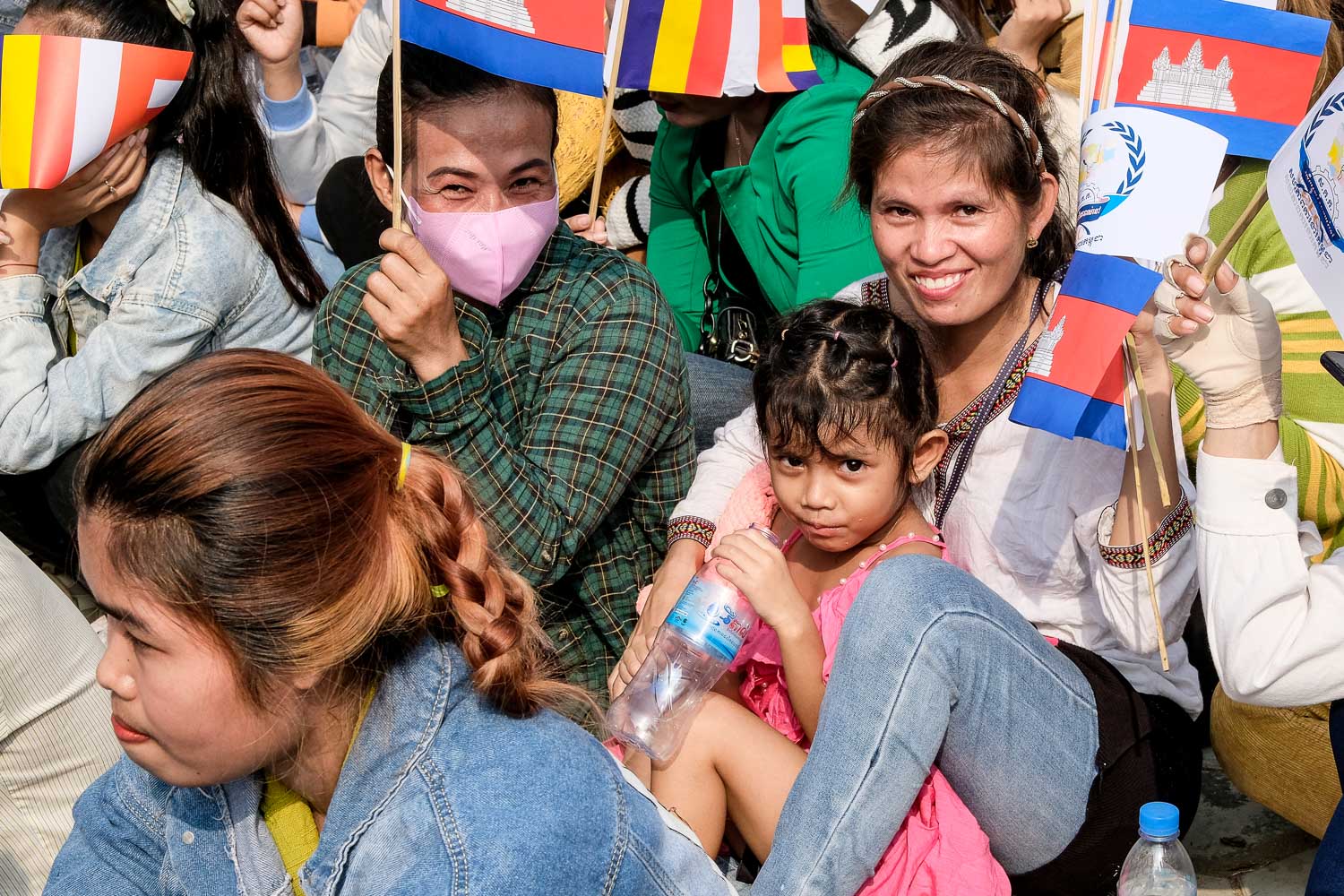
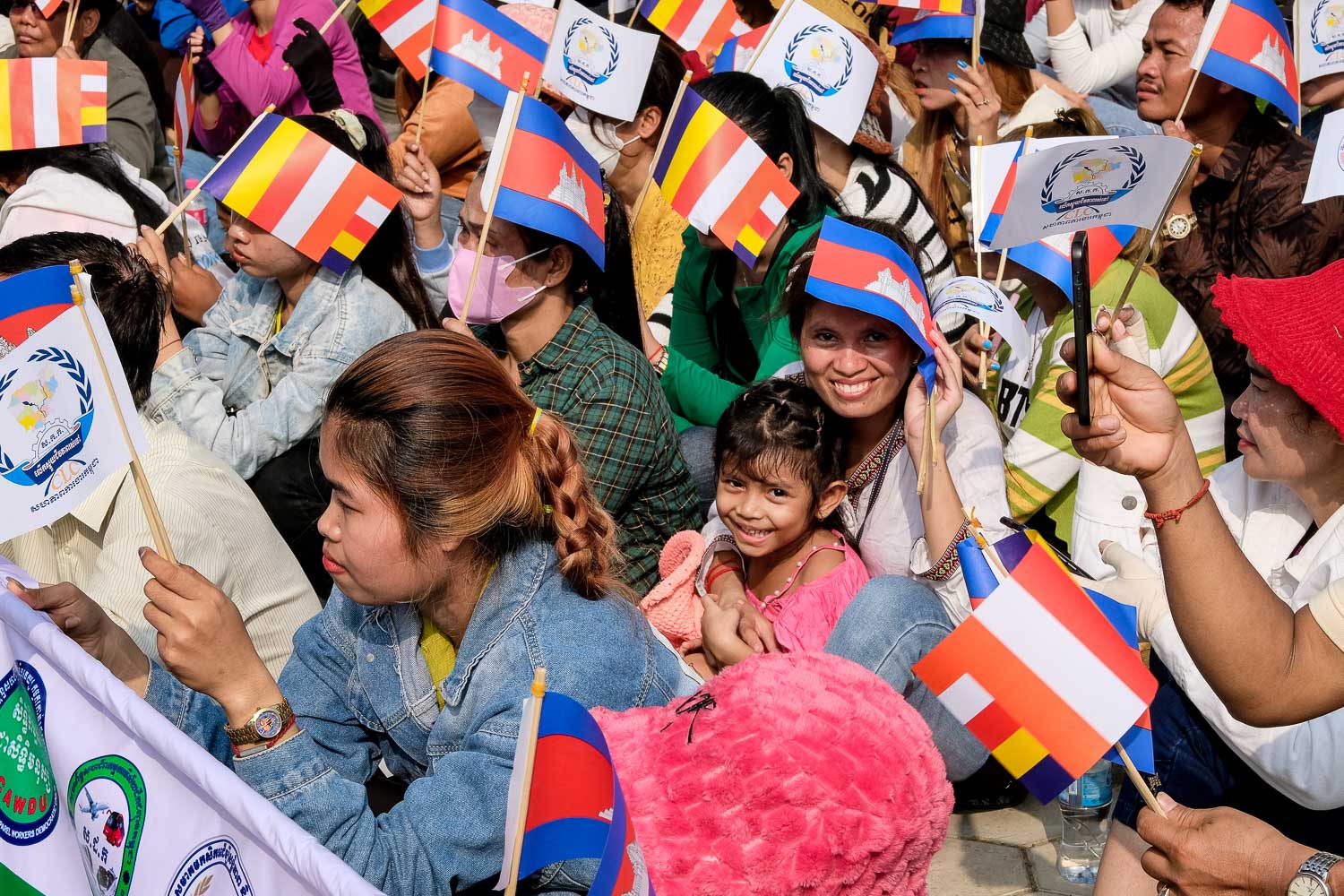
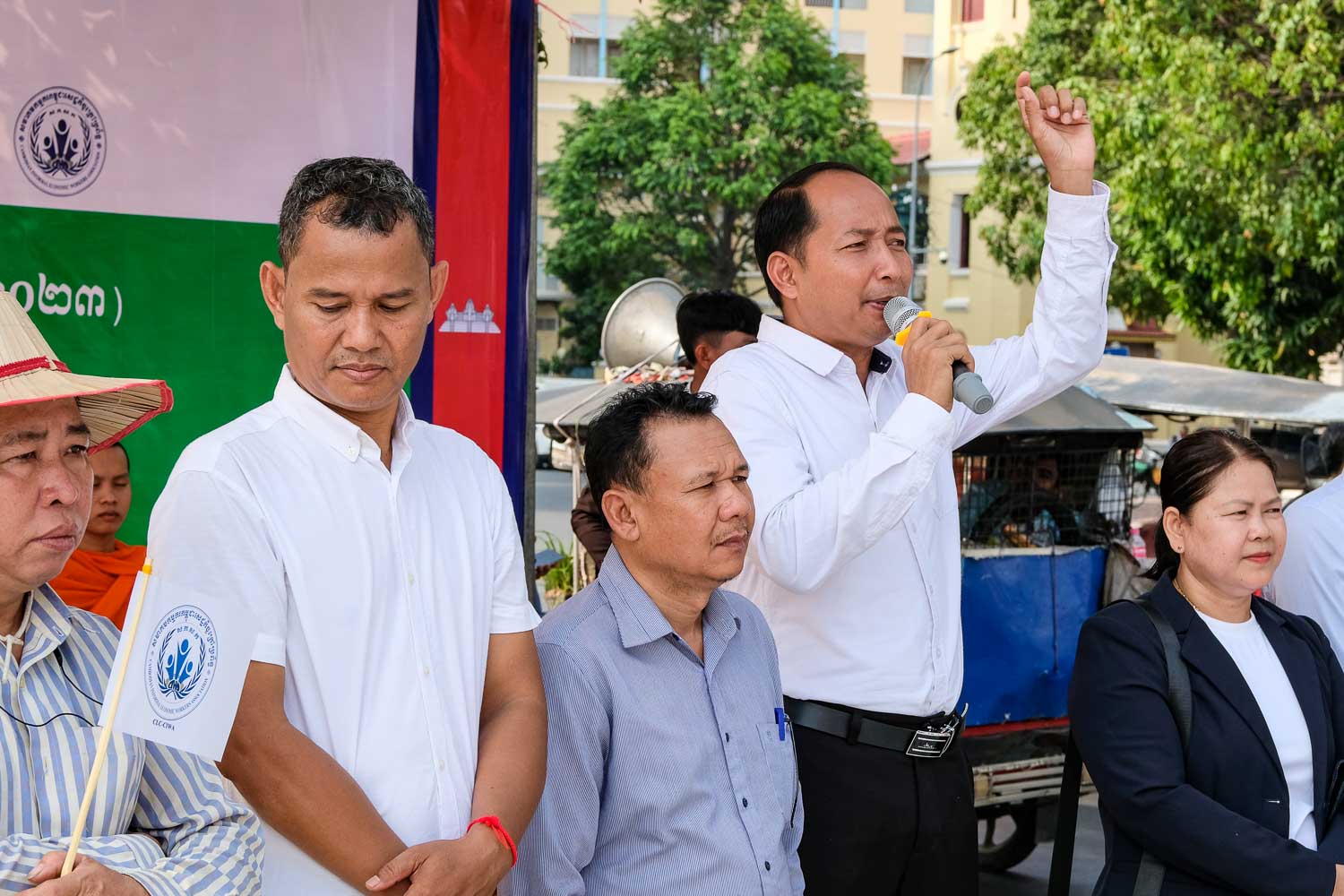
***Rising costs and static wages are causing the ordinary working population to struggle in Cambodia. This means that the prices of goods and services are increasing faster than the income of most people, especially those who work in the garment, textile, and footwear industries. These industries are vital to Cambodia’s economy, as they account for some 80 per cent of total exports and employ over 700,000 workers. However, the workers in these industries only receive a minimum wage of US$194 per month for regular workers and US$192 per month for probationary workers. This is barely enough to cover their basic needs, such as food, transportation, accommodation, and health care. Moreover, the minimum wage has only increased by US$10 in three years, while inflation and living expenses have risen faster. The government has tried to balance the interests of the workers and the employers, but many workers are still dissatisfied with their low wages and poor working conditions. They demanded a higher minimum wage of US$204 per month, but this was rejected by the government. The workers have also faced challenges from the withdrawal of Cambodia’s partial ‘Everything but Arms’ status by the European Union, which gave the country duty-free access to EU markets. This has reduced the demand for Cambodian exports and threatened the jobs of many workers. Therefore, rising costs and static wages are creating a lot of hardship and discontent among the ordinary working population in Cambodia.***
“It’s not fair that we work so hard to make clothes, shoes, and other products for the Western markets, but we barely get enough money to survive. The companies that sell our goods charge high prices to their customers, but they pay us very low wages. They don’t care about our health, safety, or dignity. They only care about their profits. We deserve better than this. We deserve to have a decent living standard, to have access to education and health care, and to have a voice in our workplaces. We are not machines. We are human beings”. Anonymous quote
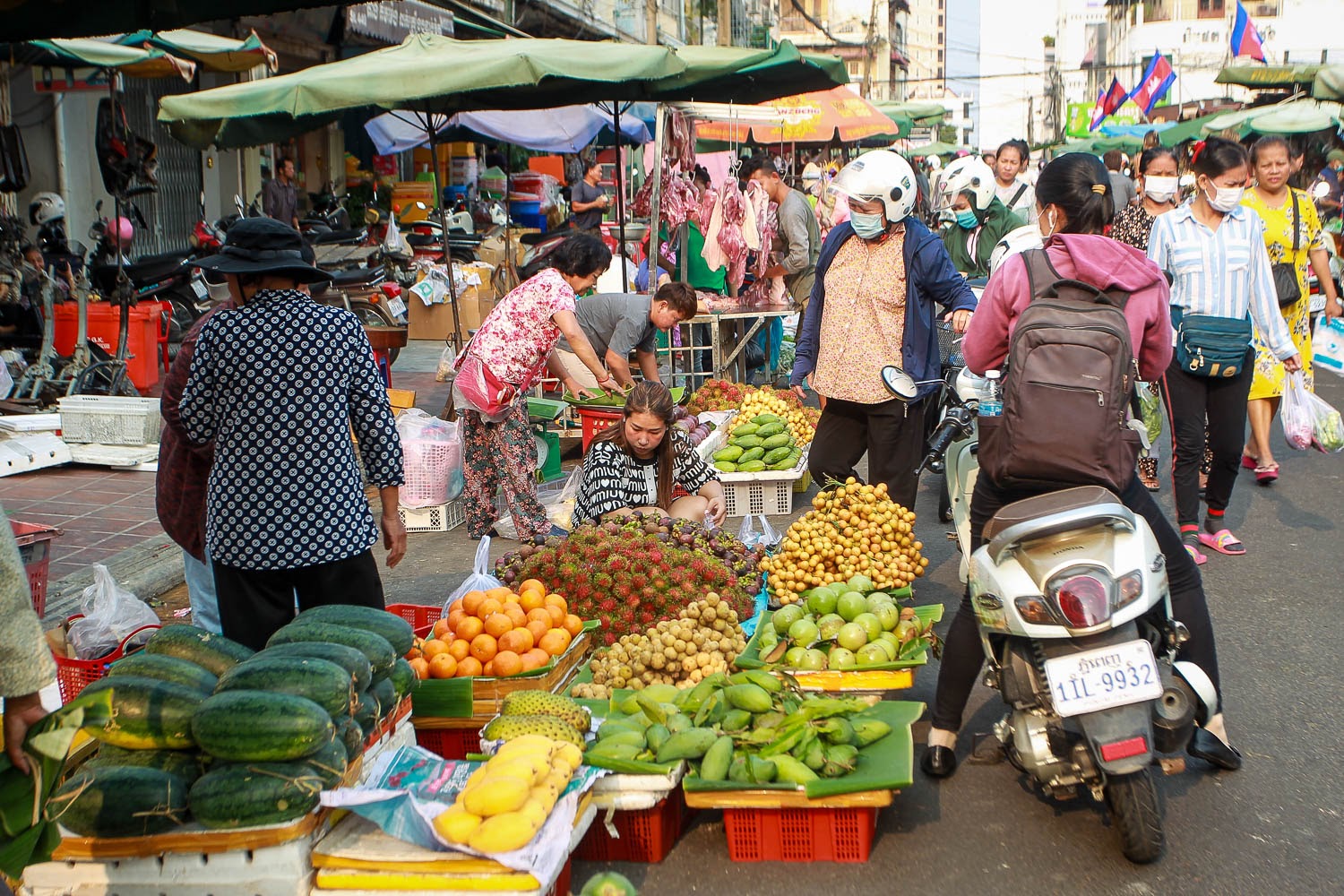
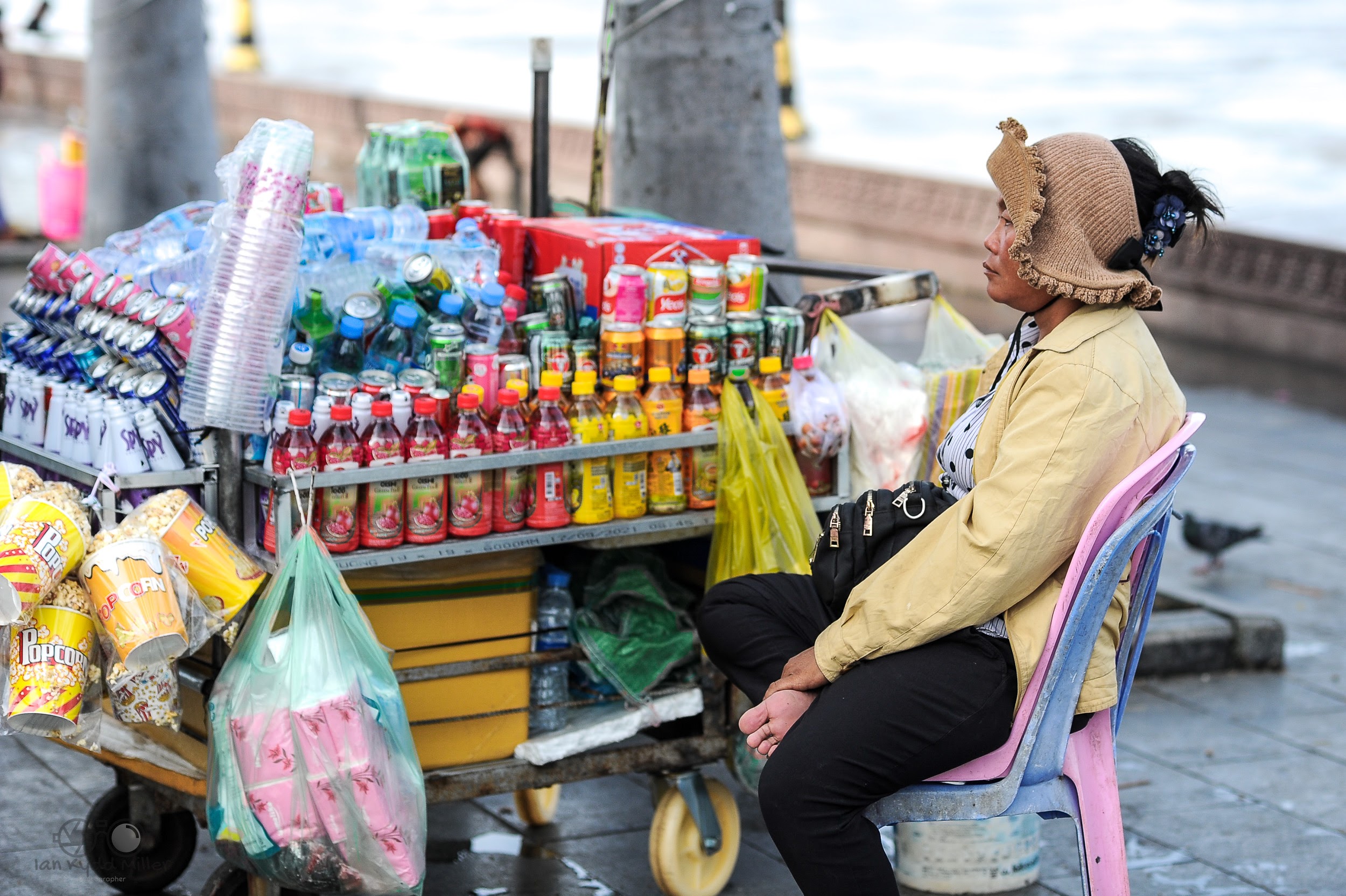
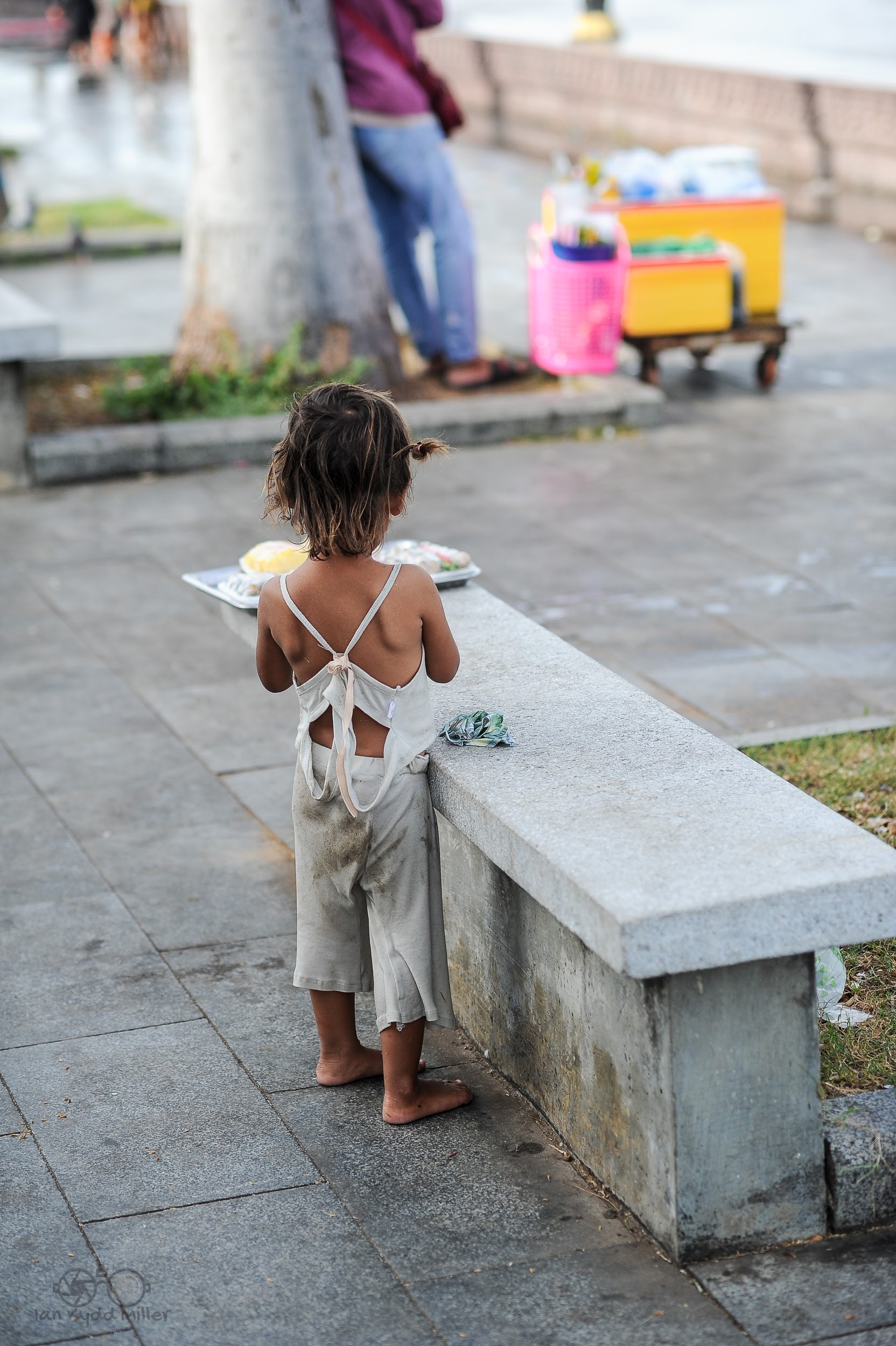
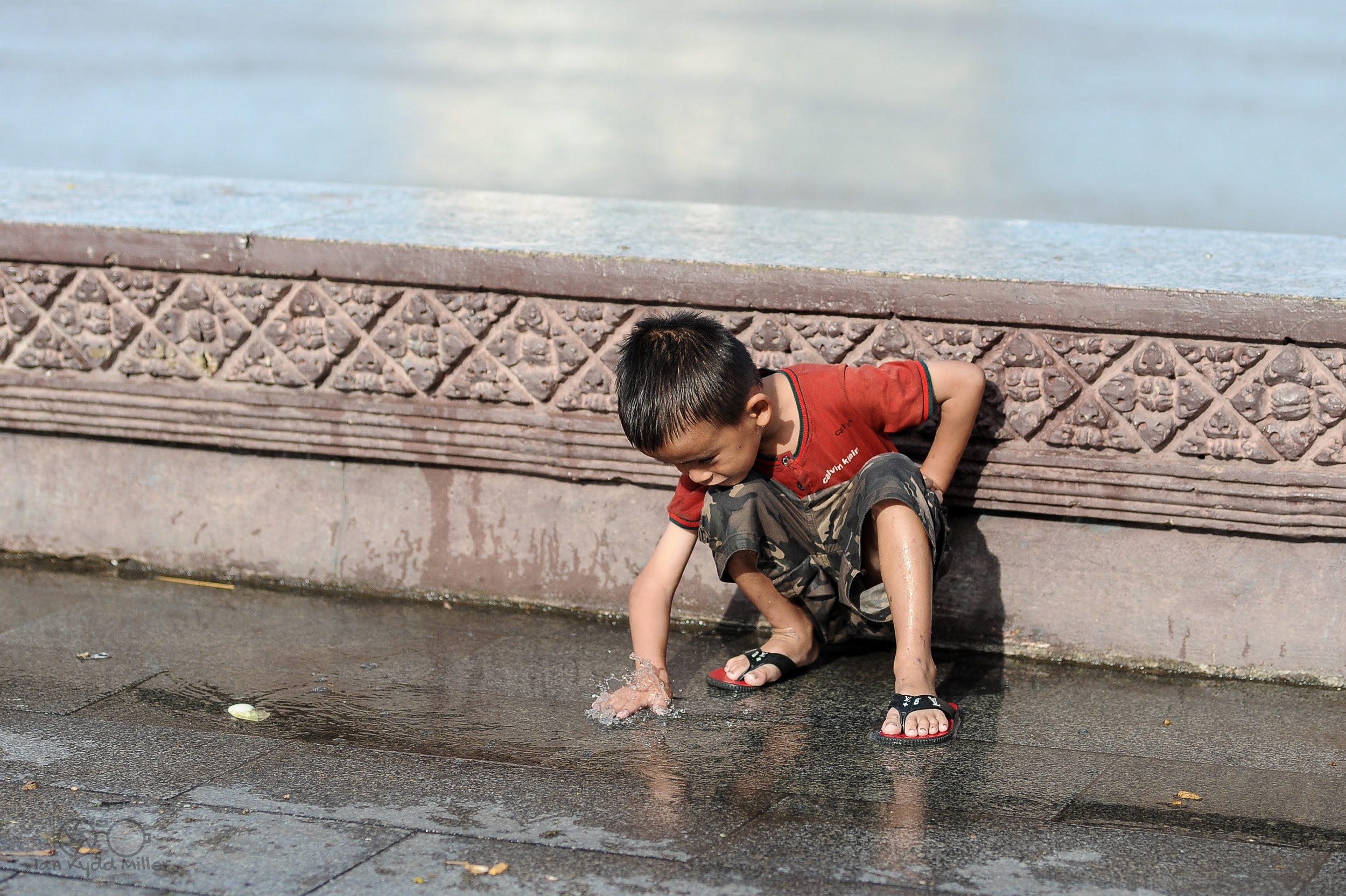
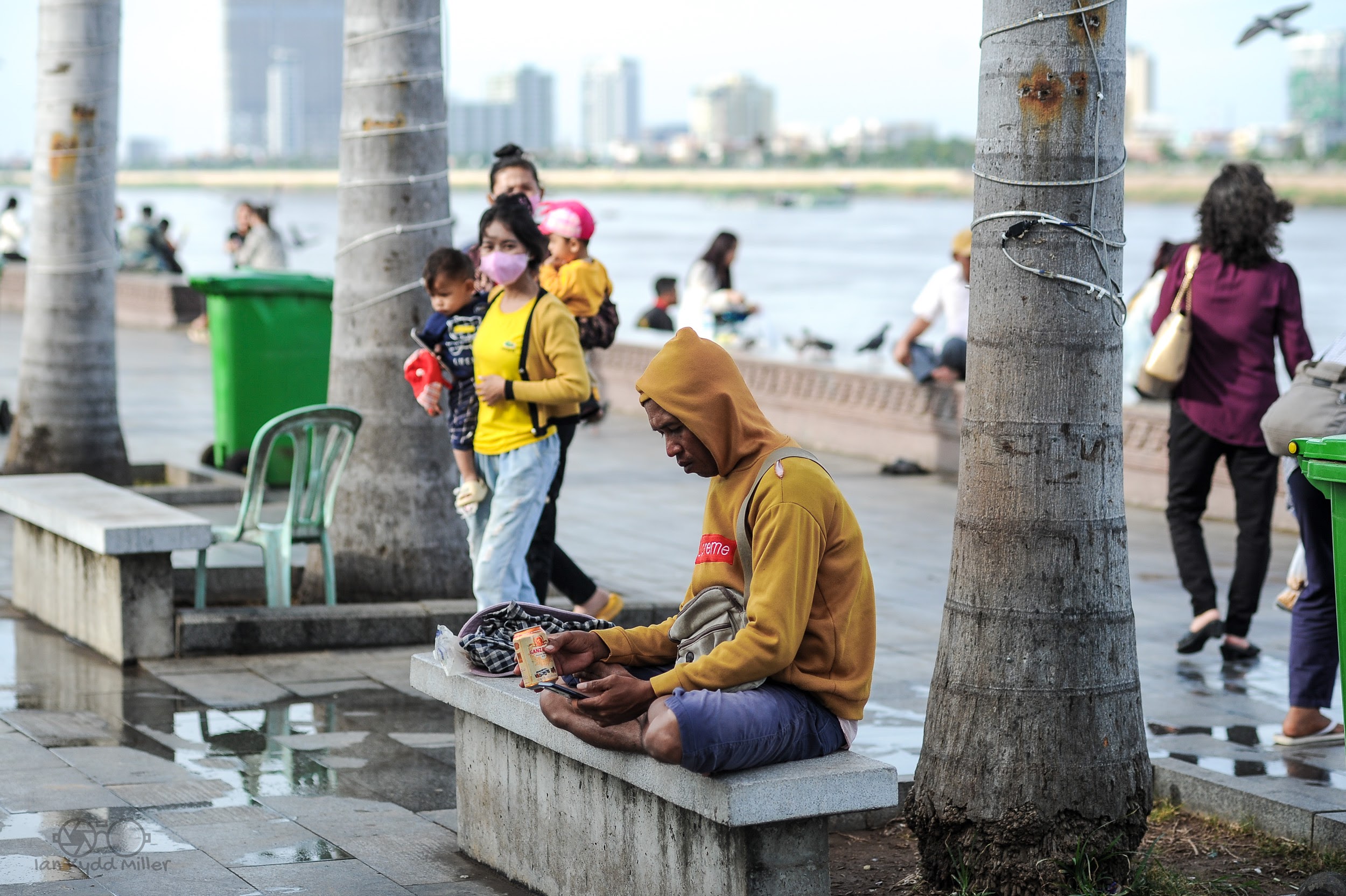
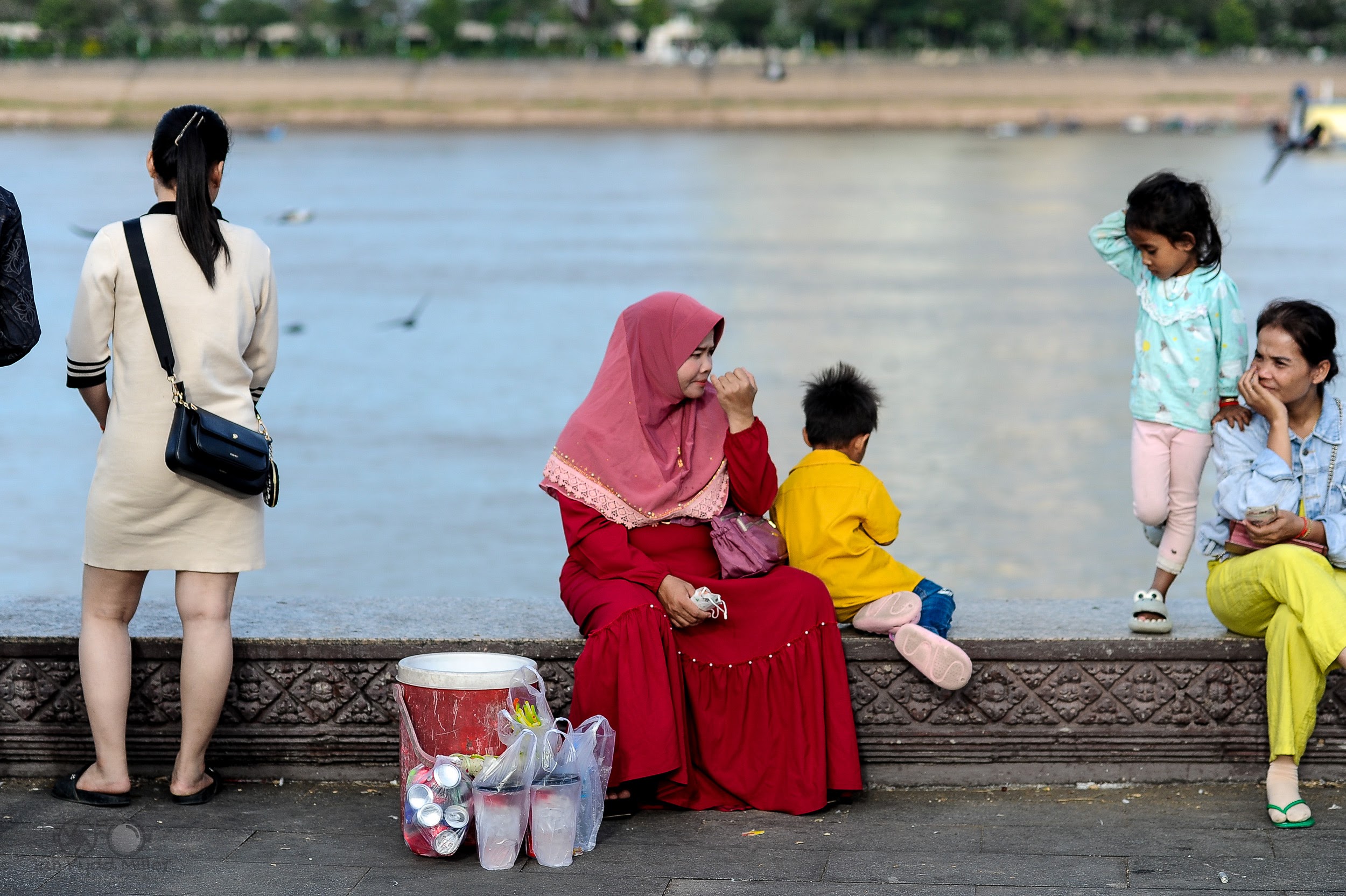
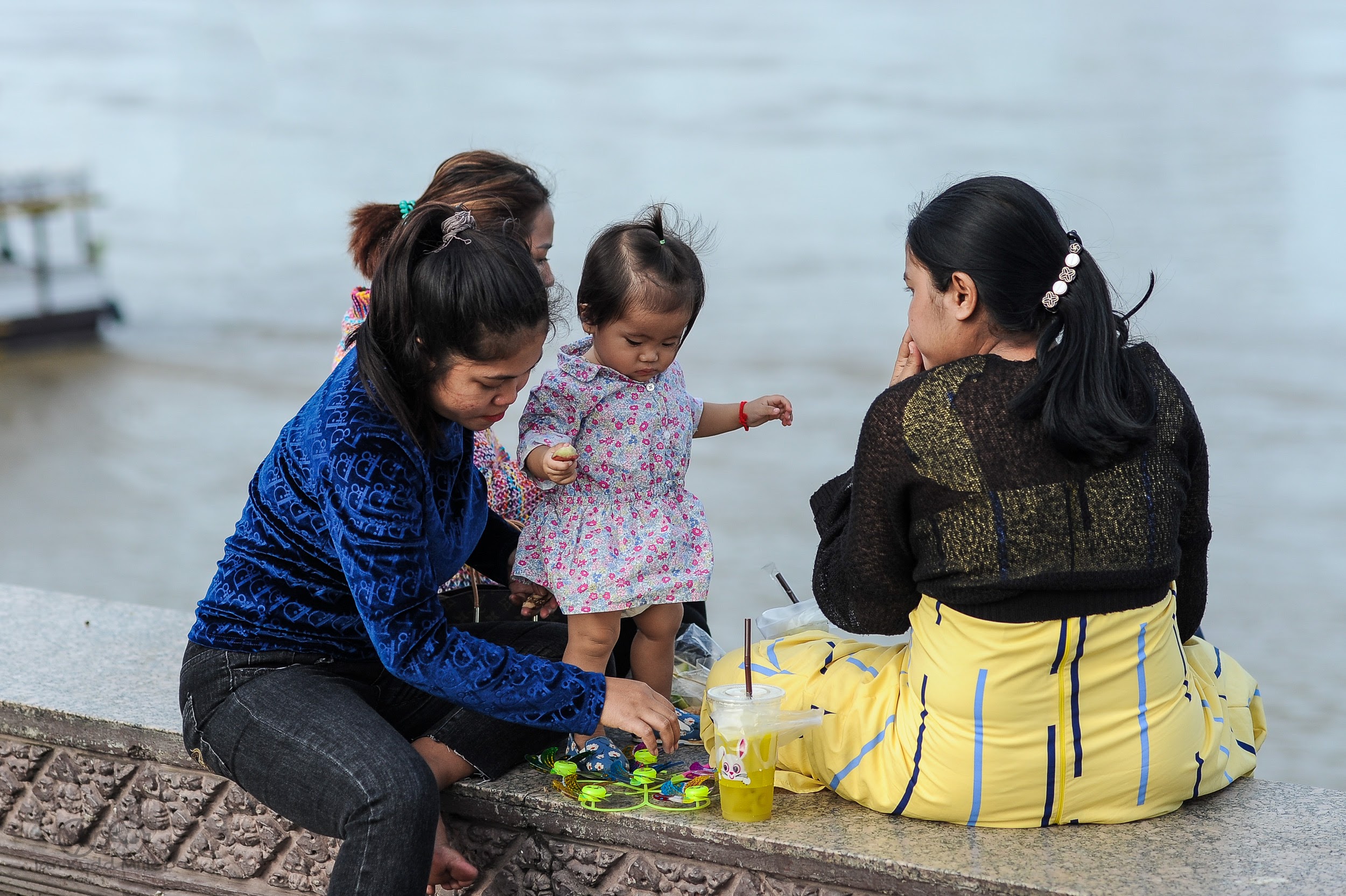
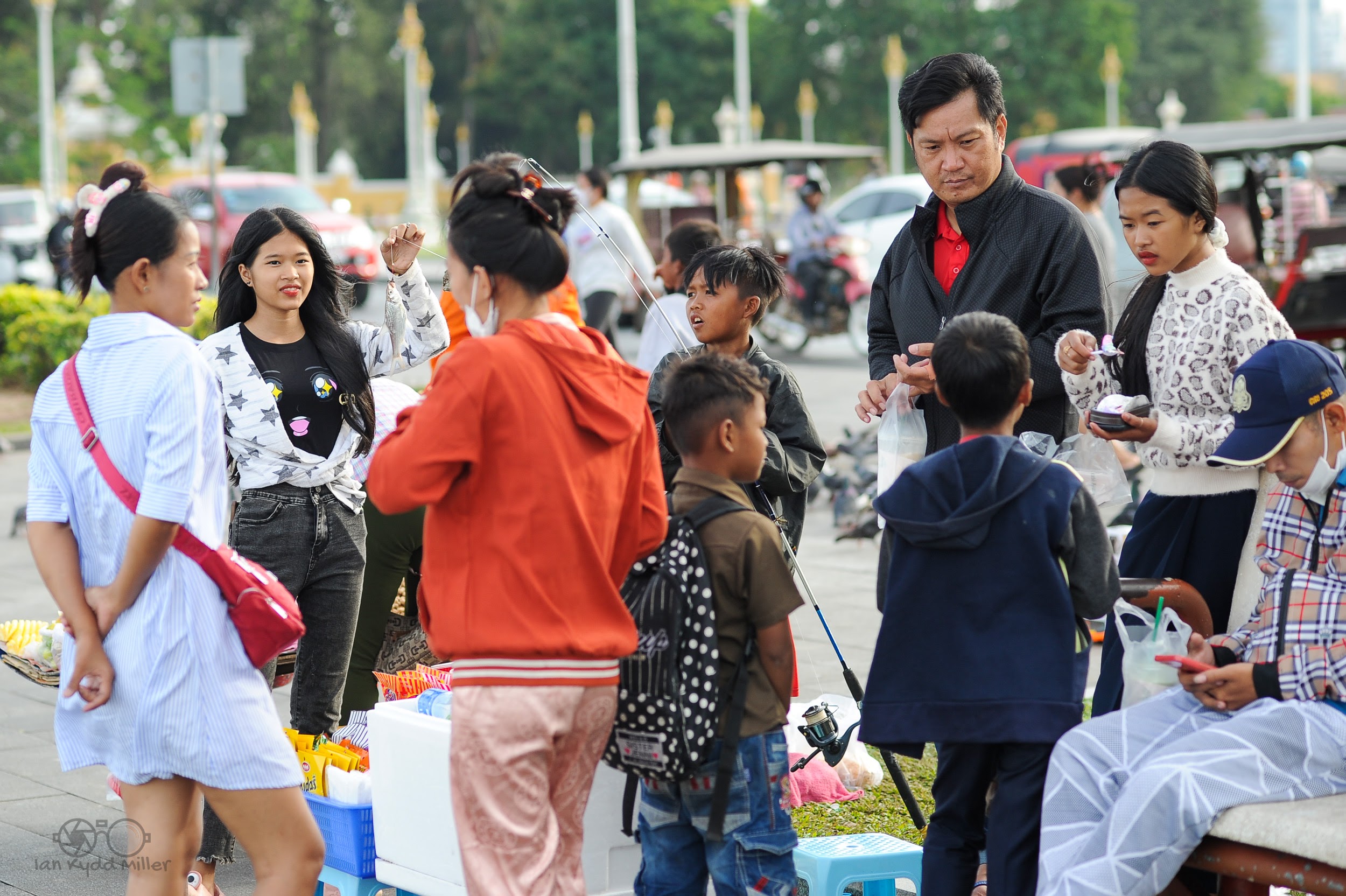
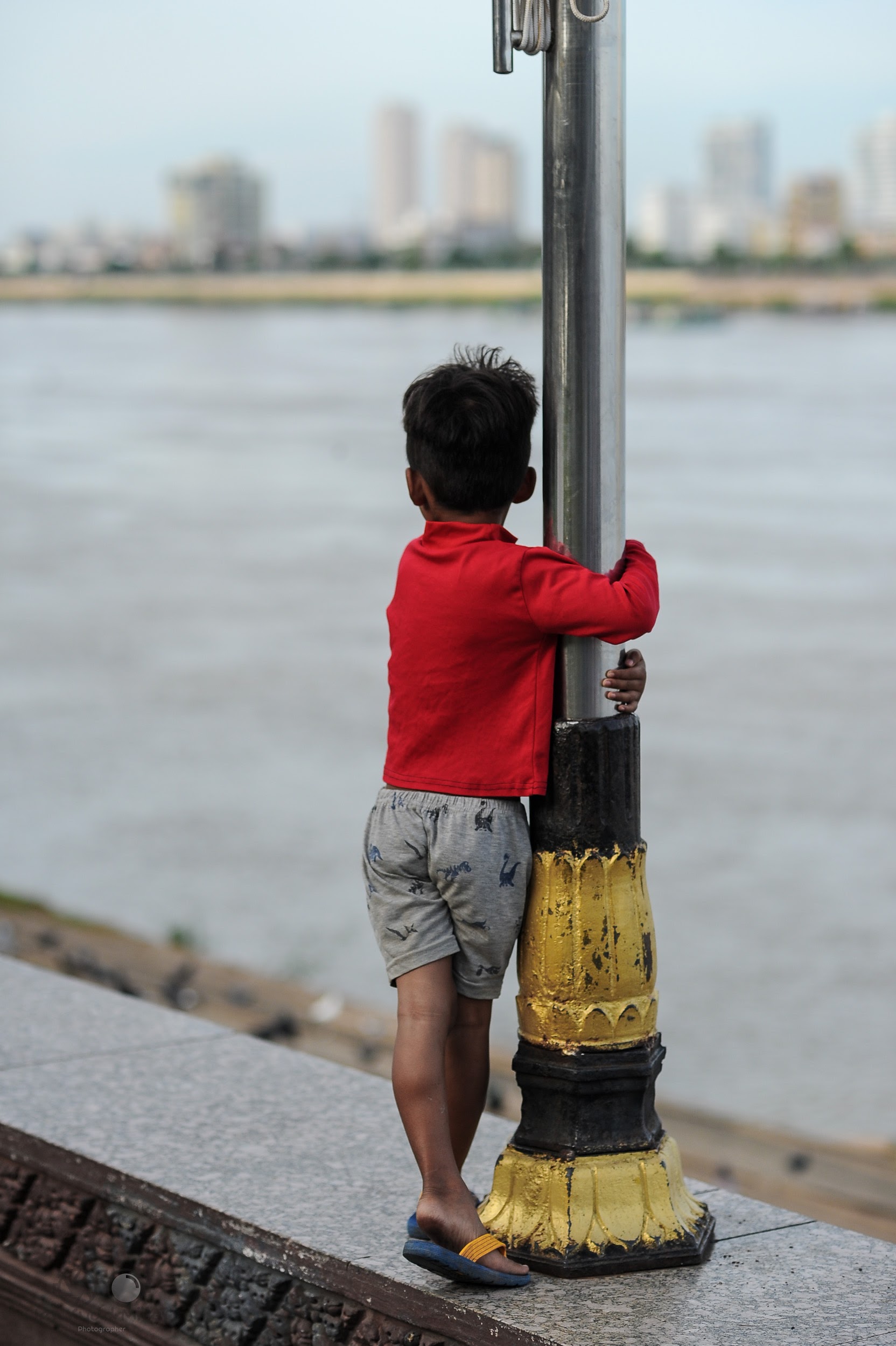
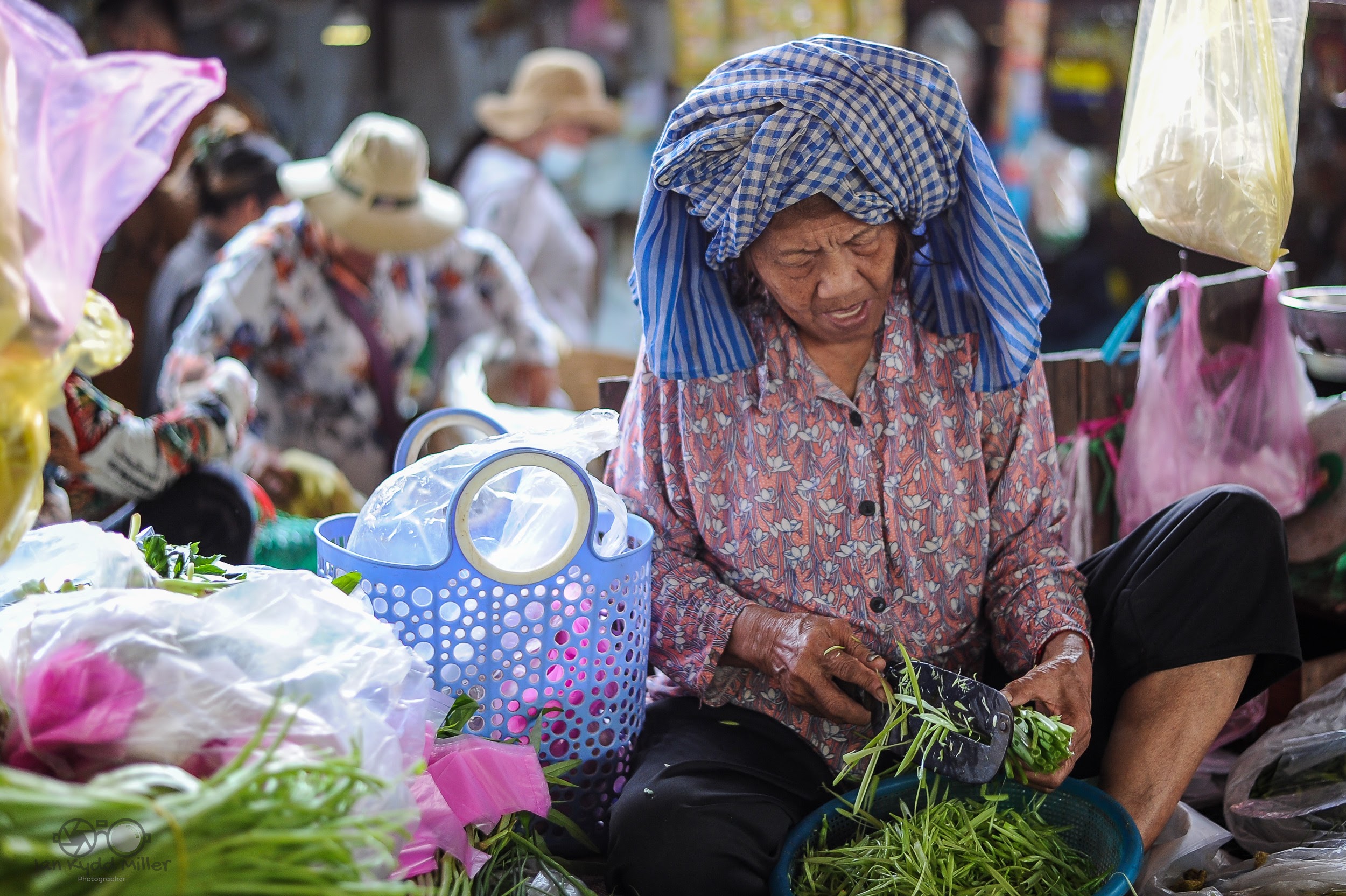
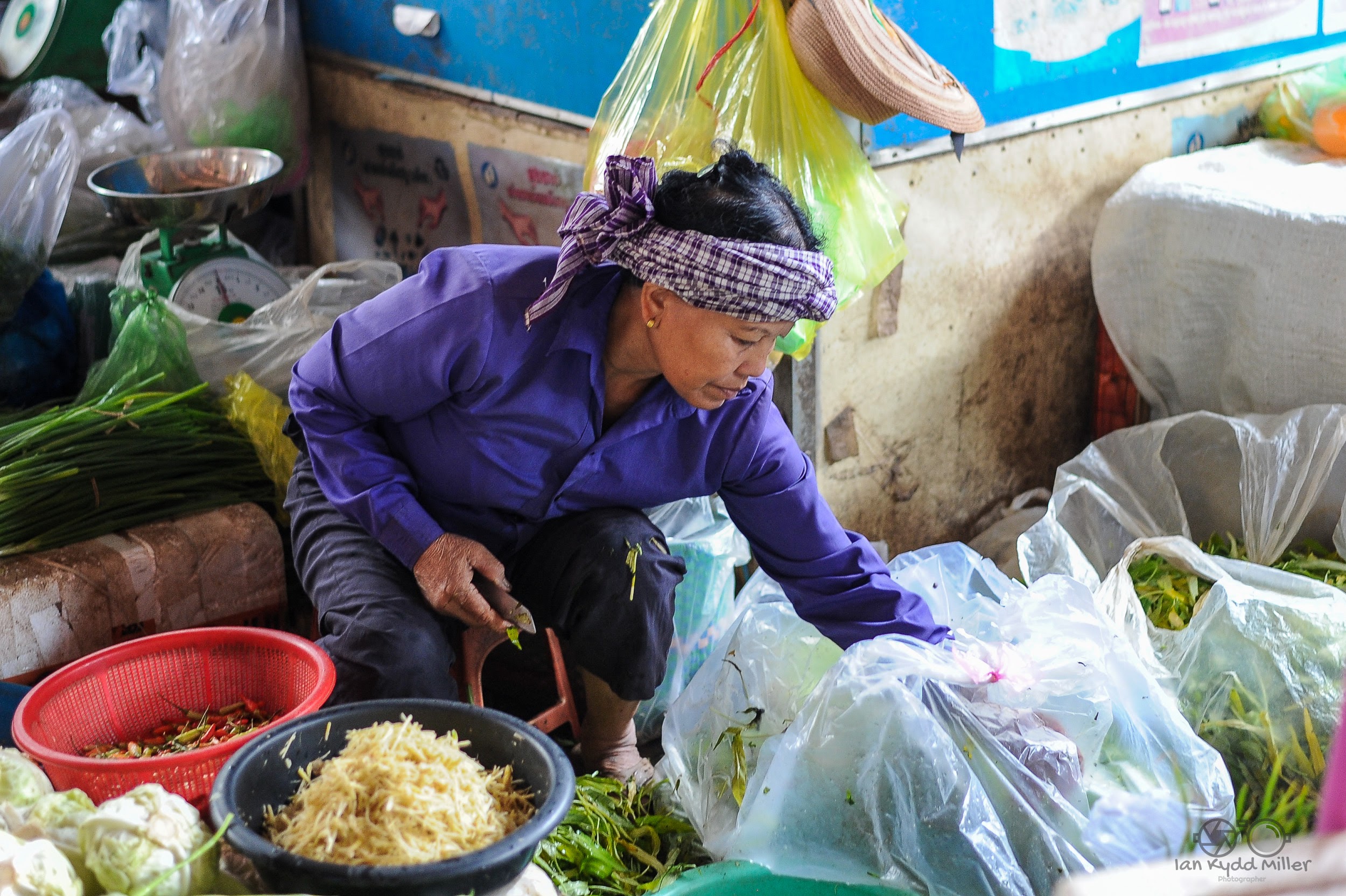
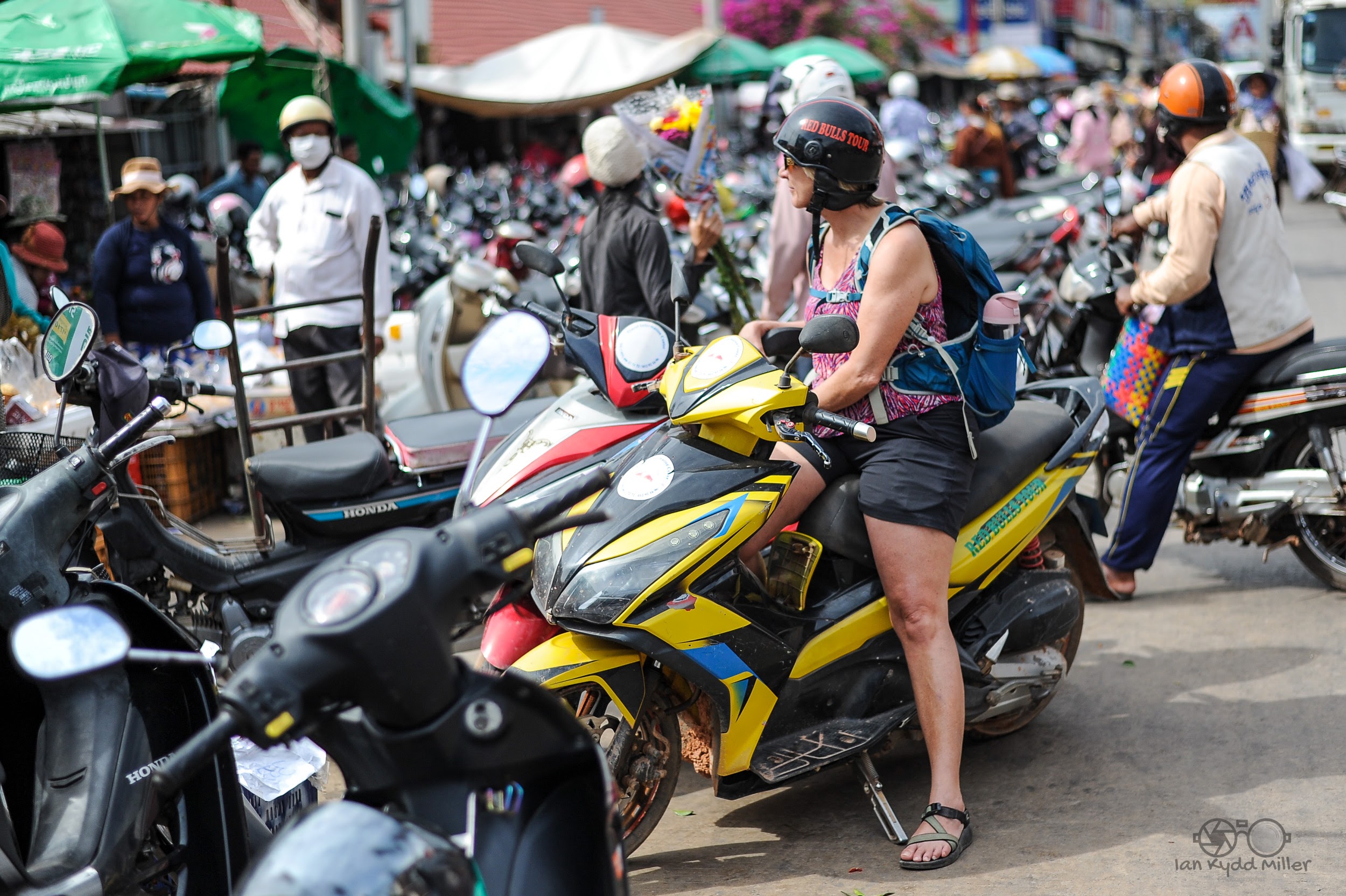
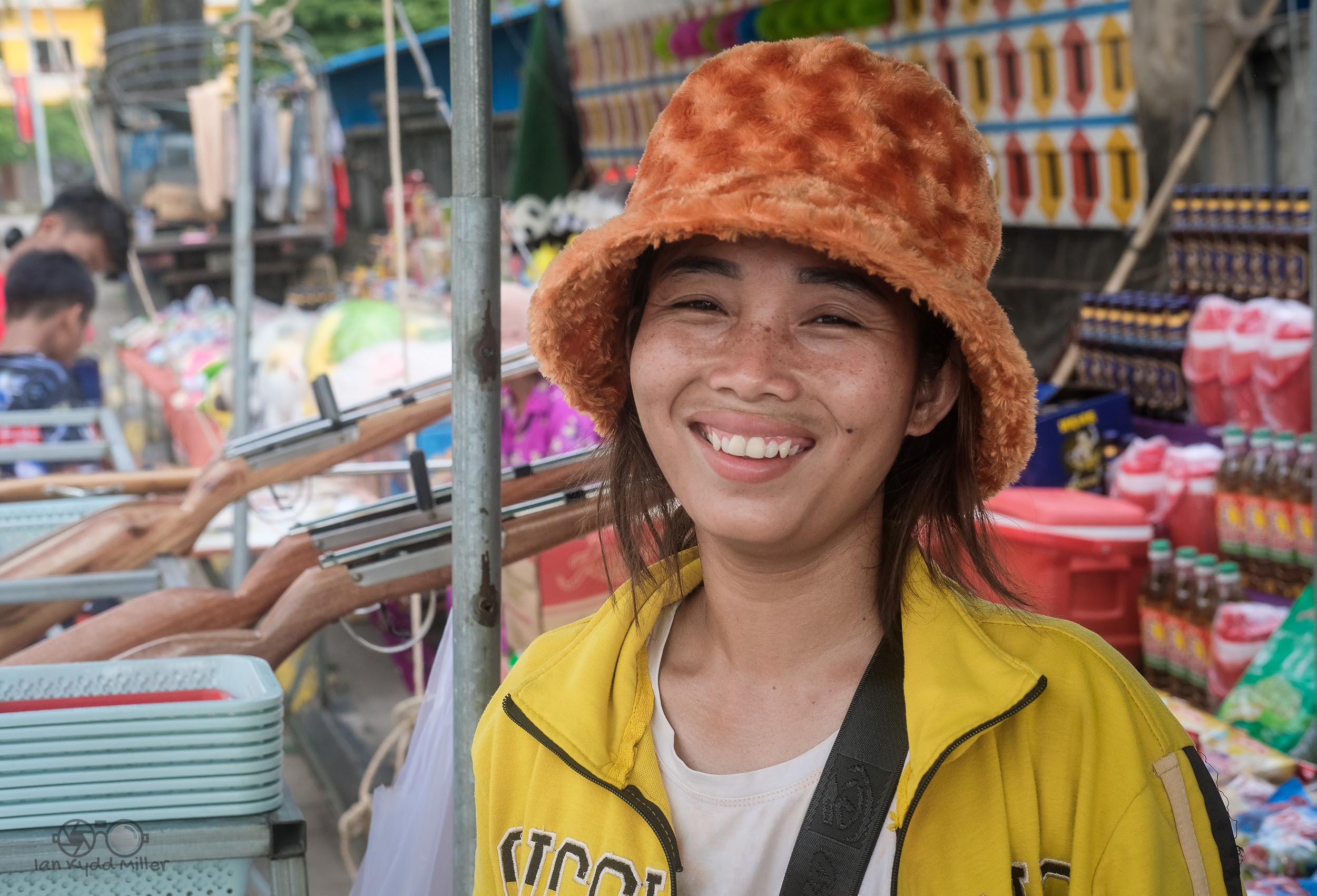
A street portrait is a type of photography that captures a person or a group of people in a public place, such as a street, a park, a market, or a subway station. Unlike studio portraits, street portraits are not staged or posed, but rather spontaneous and candid. They aim to capture the essence and personality of the subject, as well as the mood and atmosphere of the location.
Street portraits can be challenging but rewarding for photographers who want to explore the diversity and complexity of human life in different environments. They require a combination of technical skills, artistic vision, and social skills. Here are some tips on how to define and create your own street portraits:
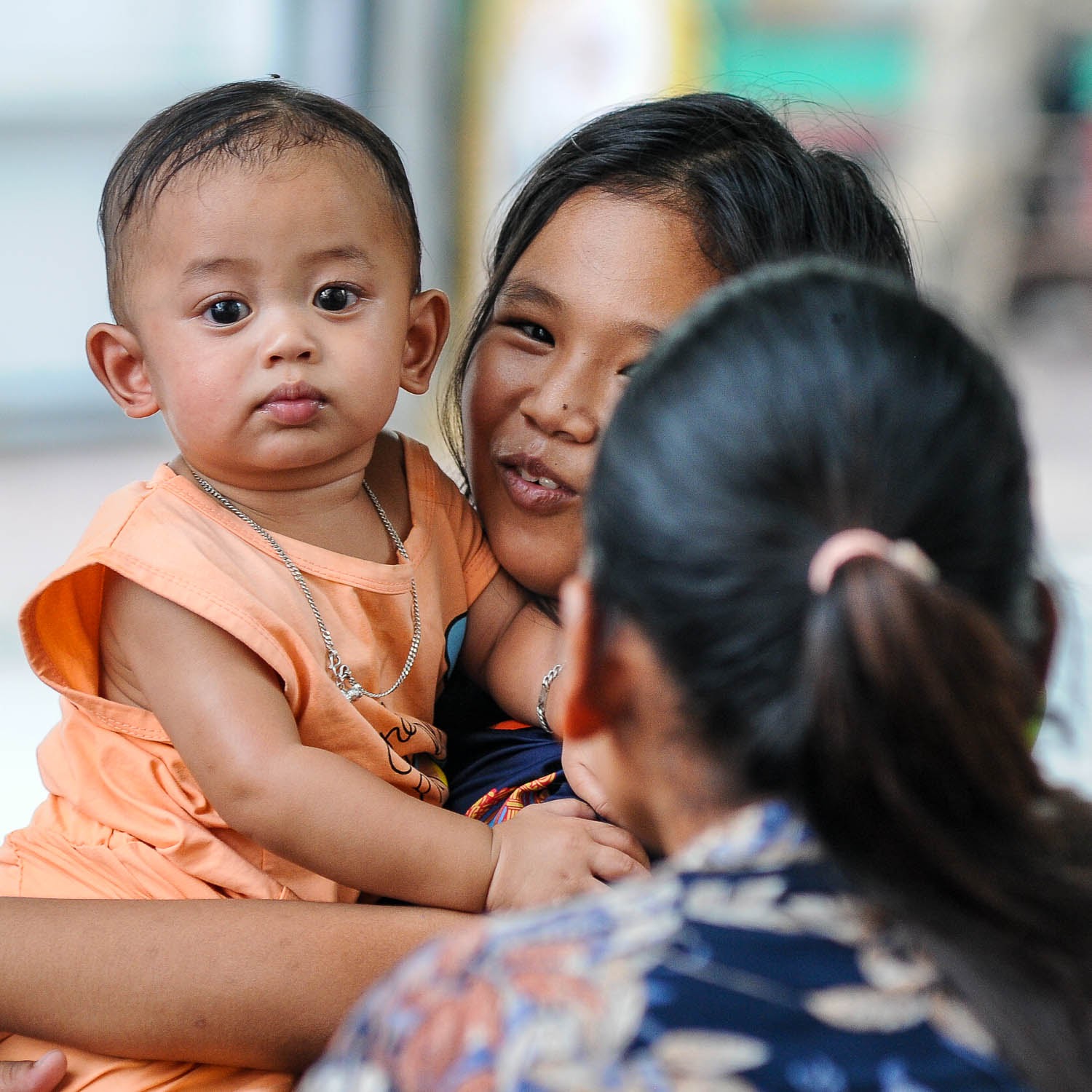
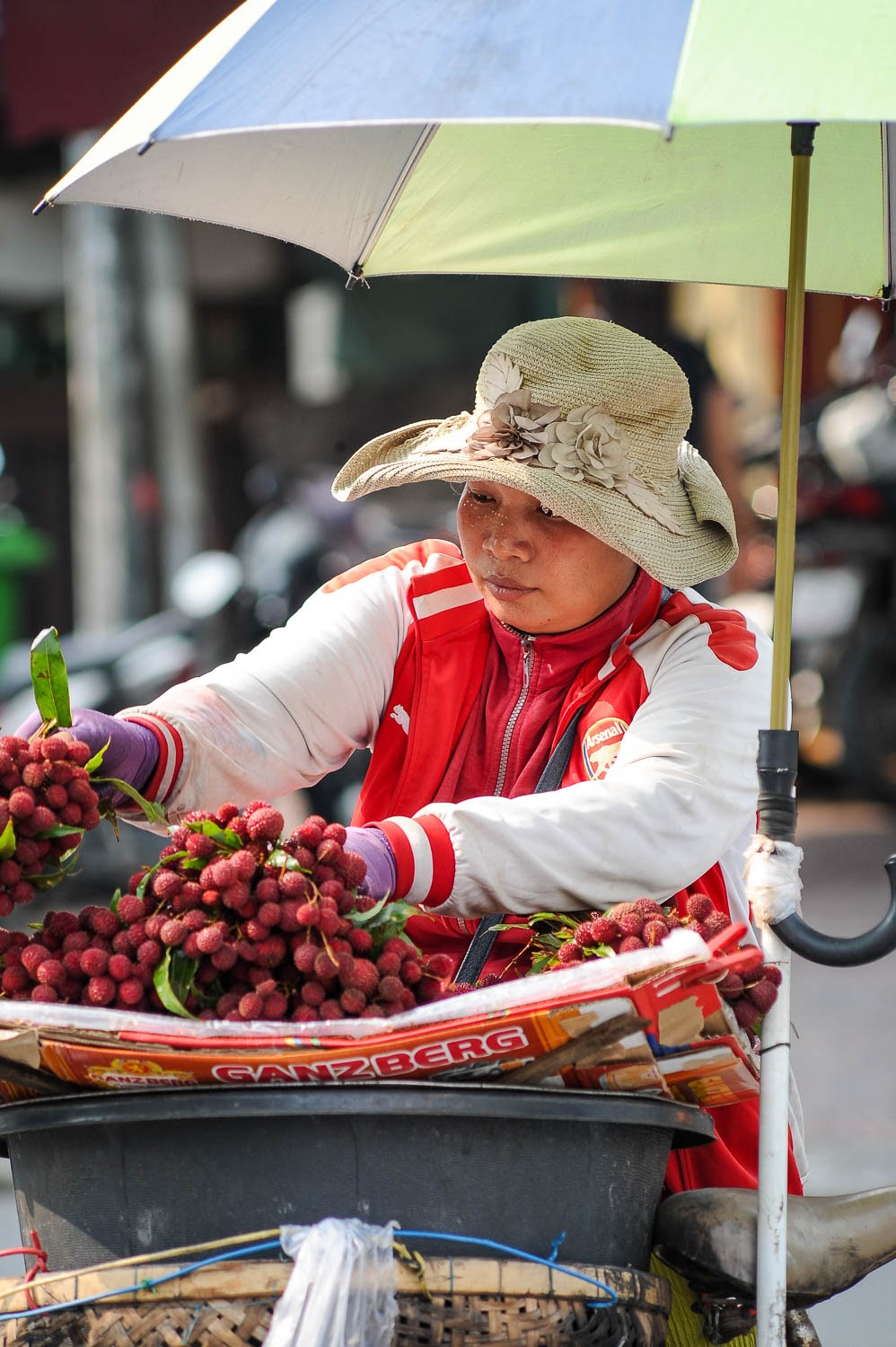
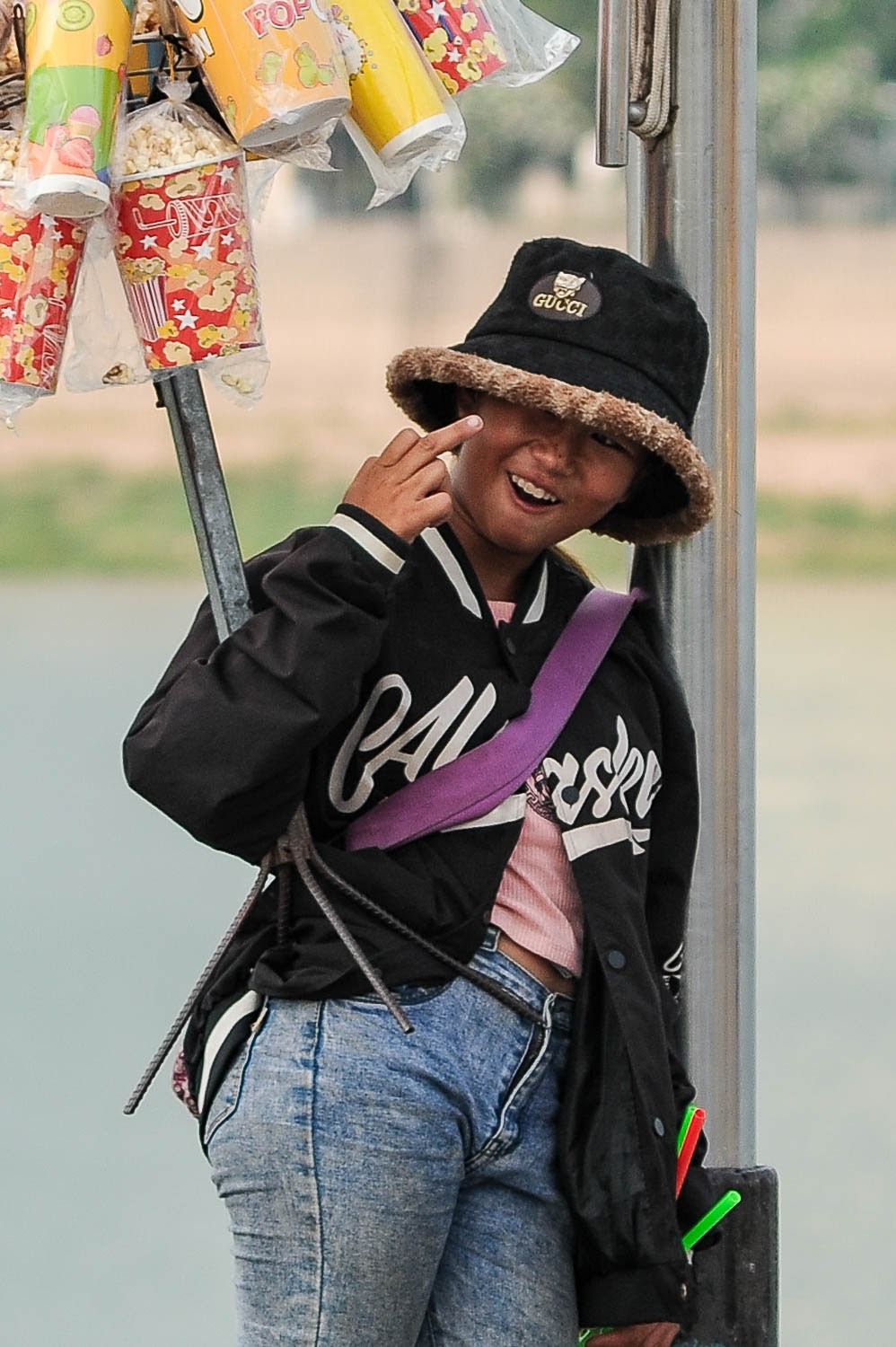
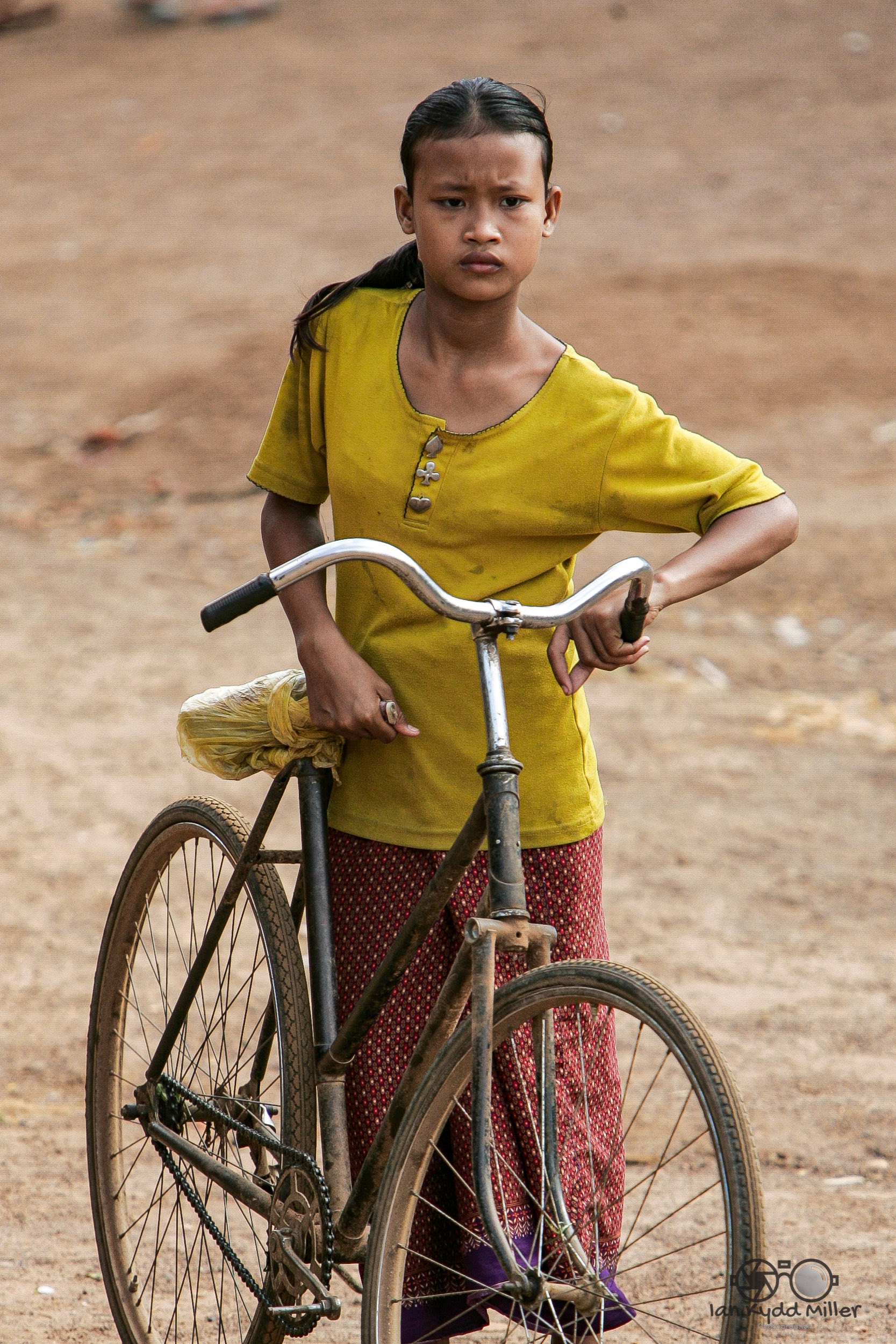
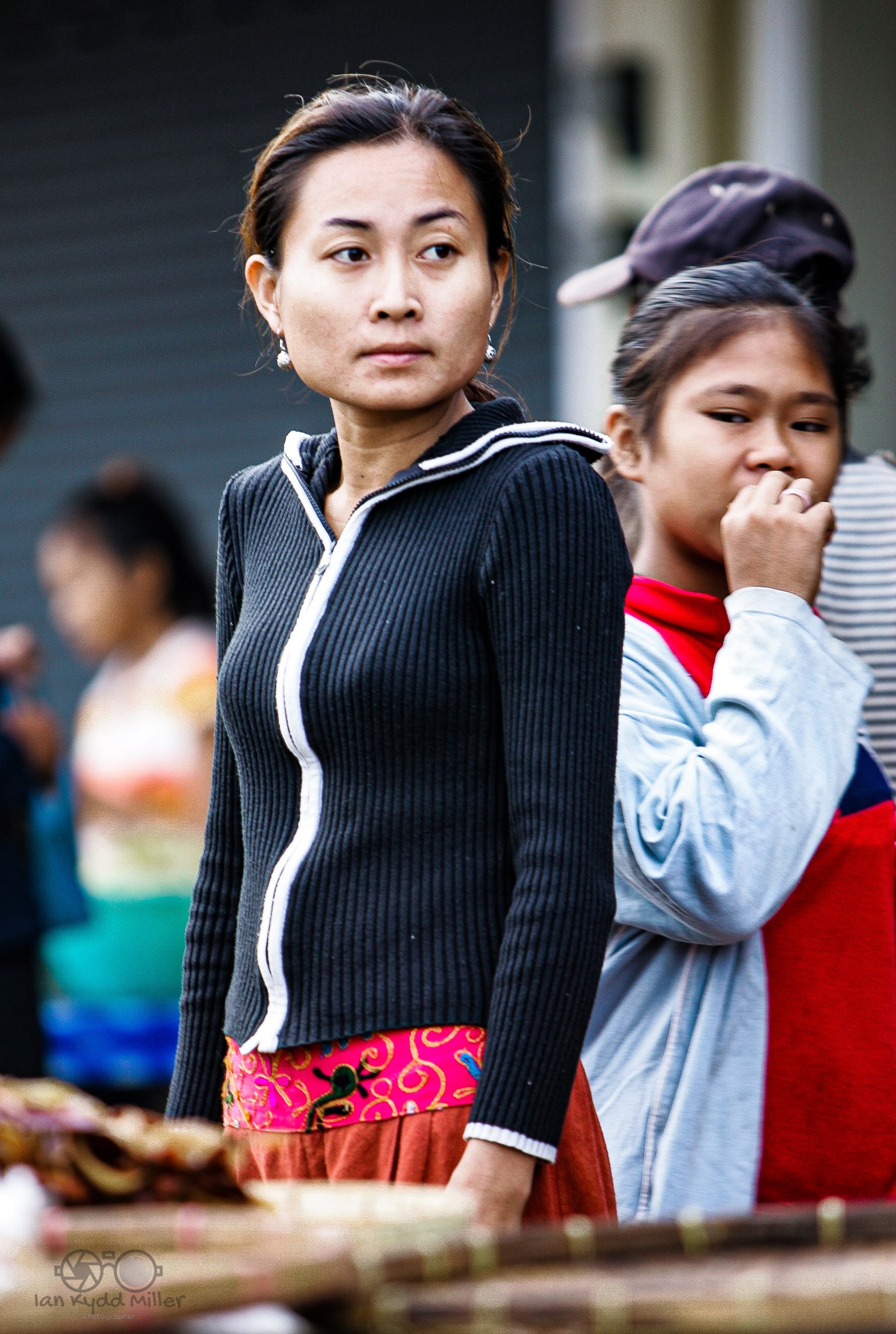
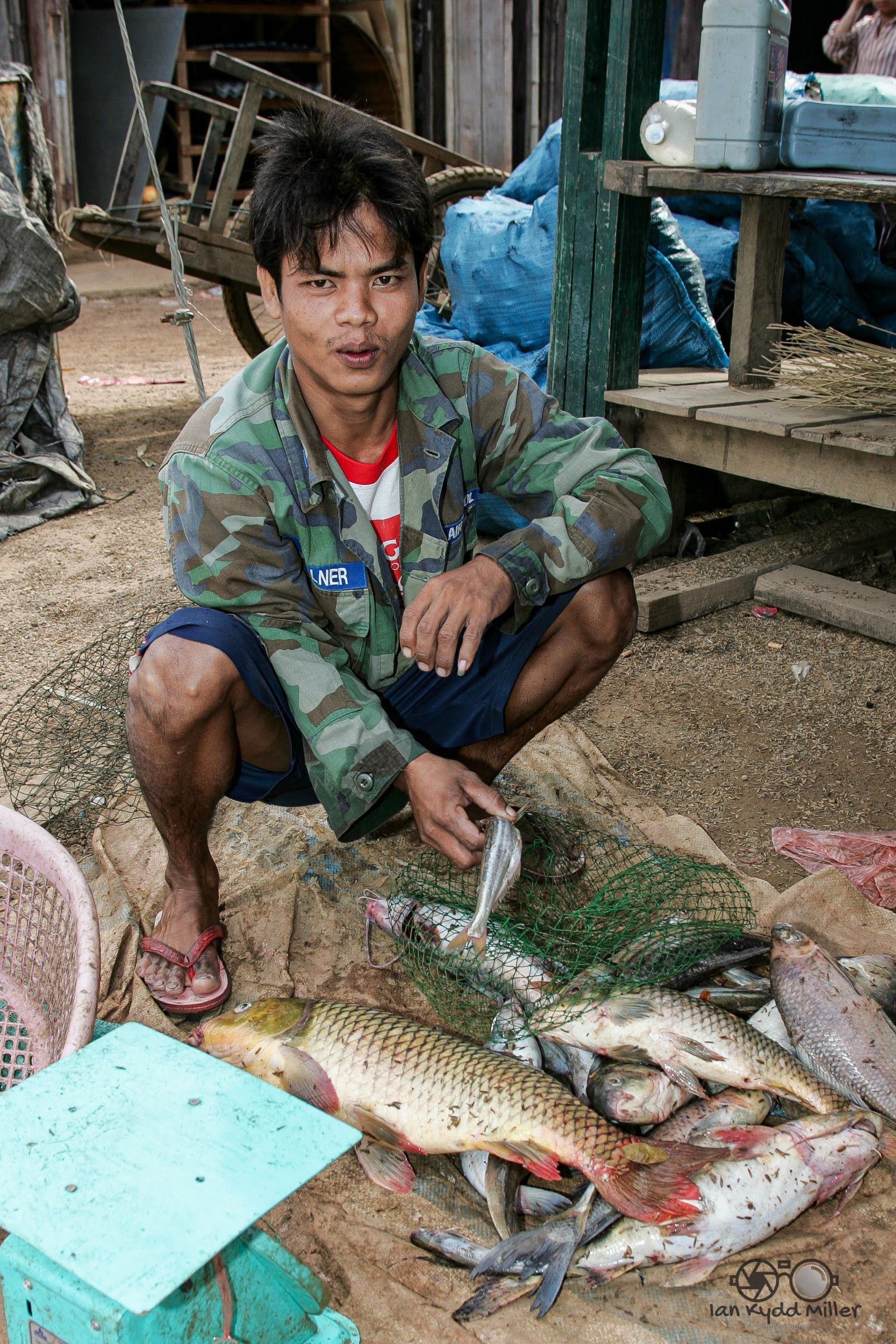
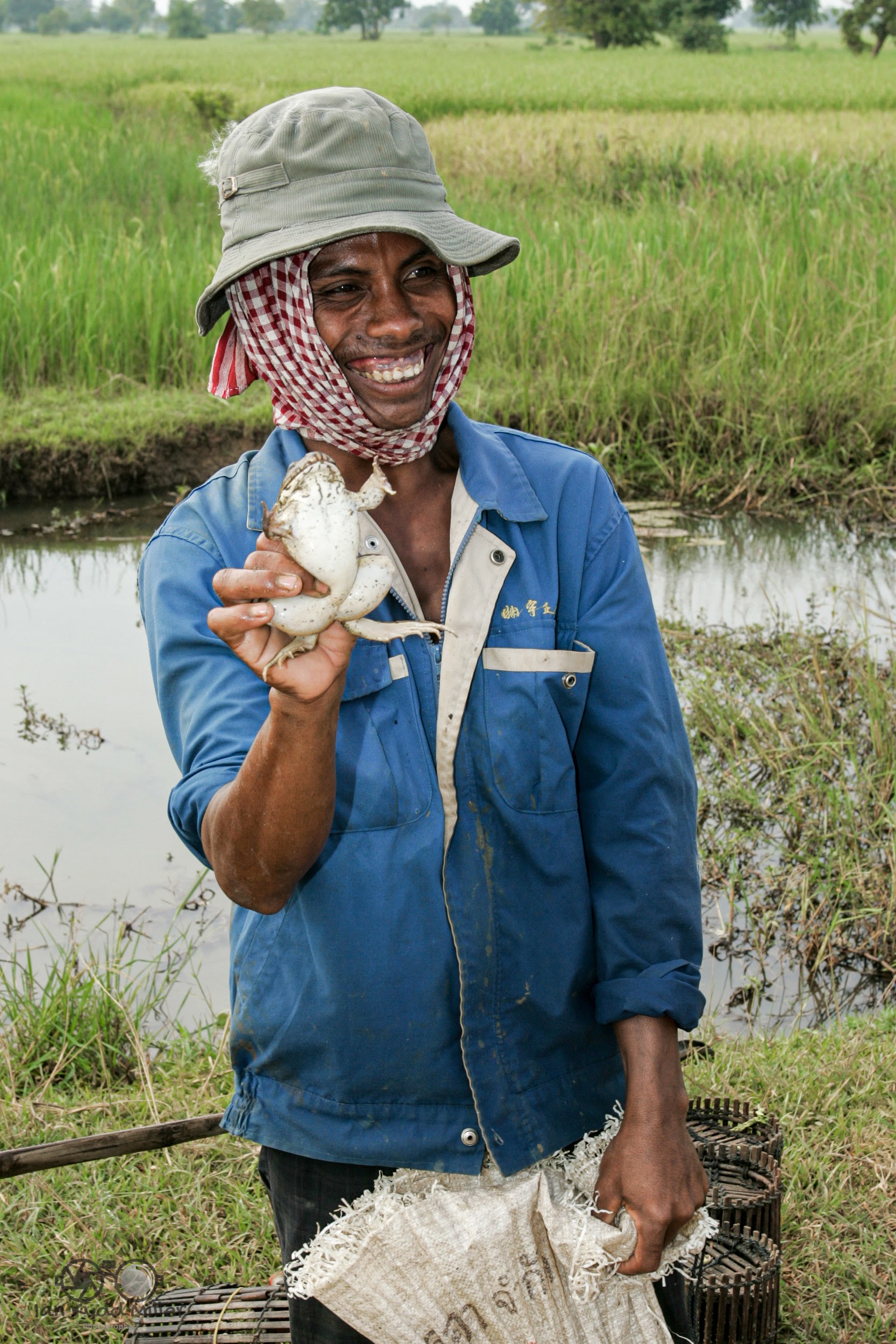
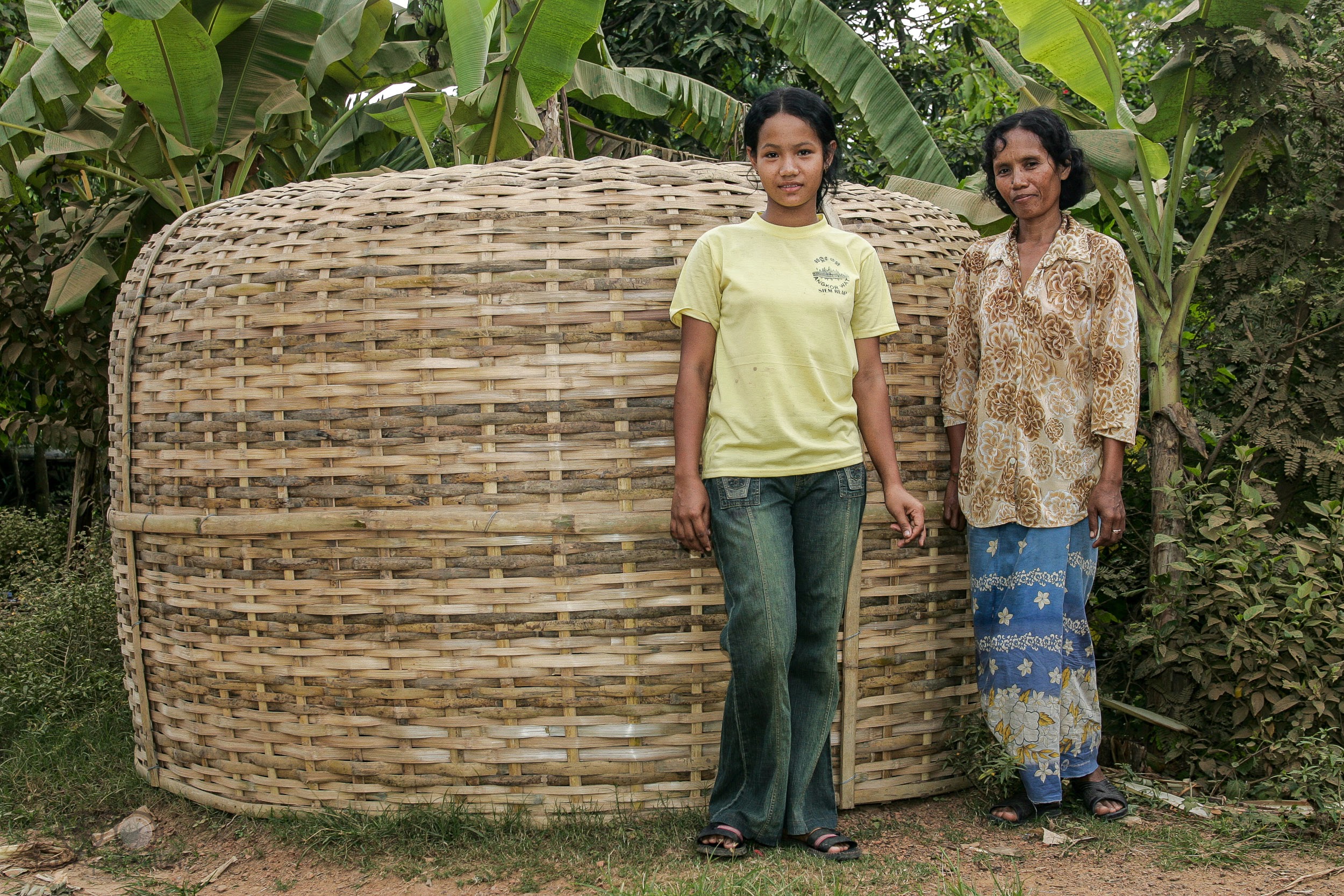
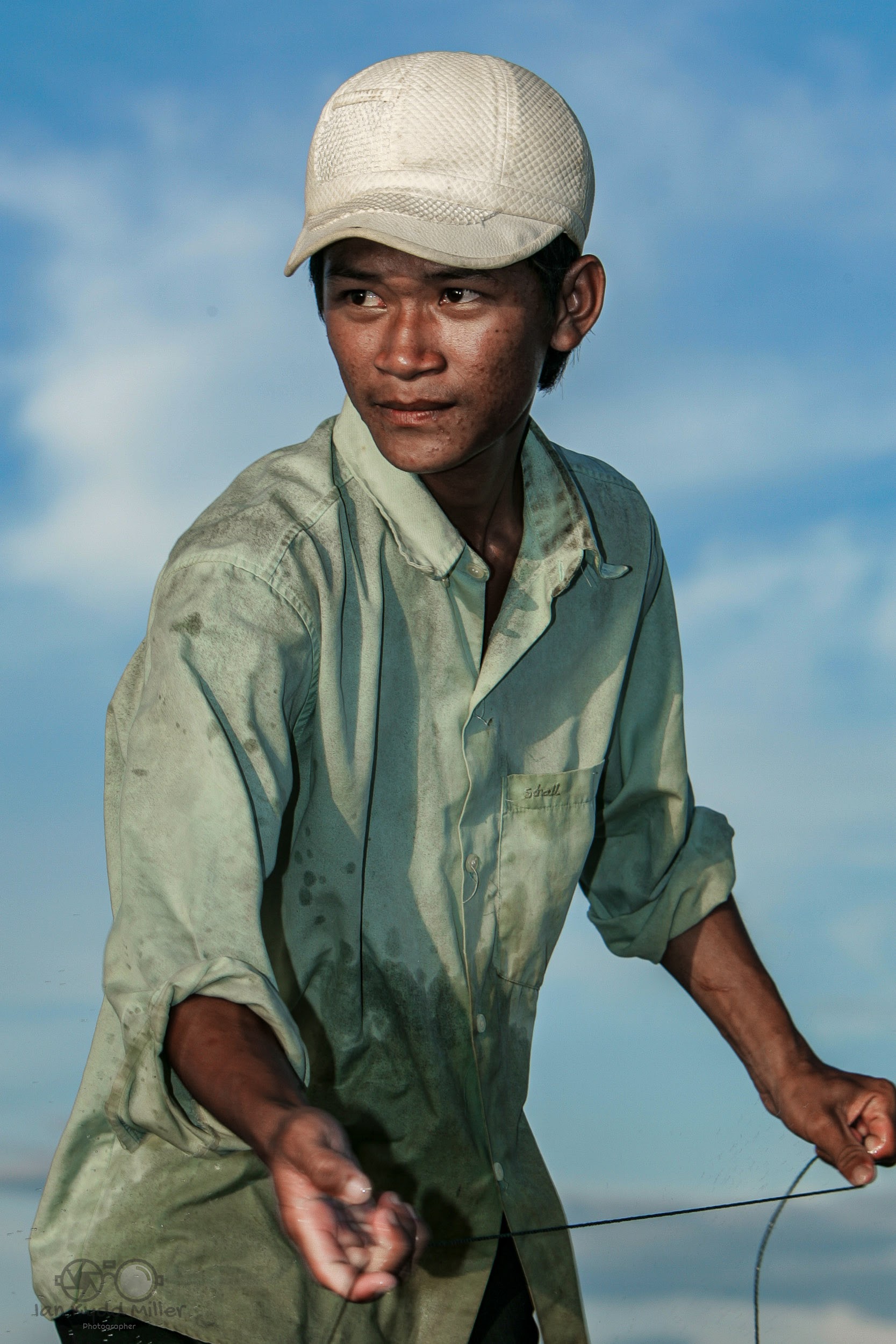
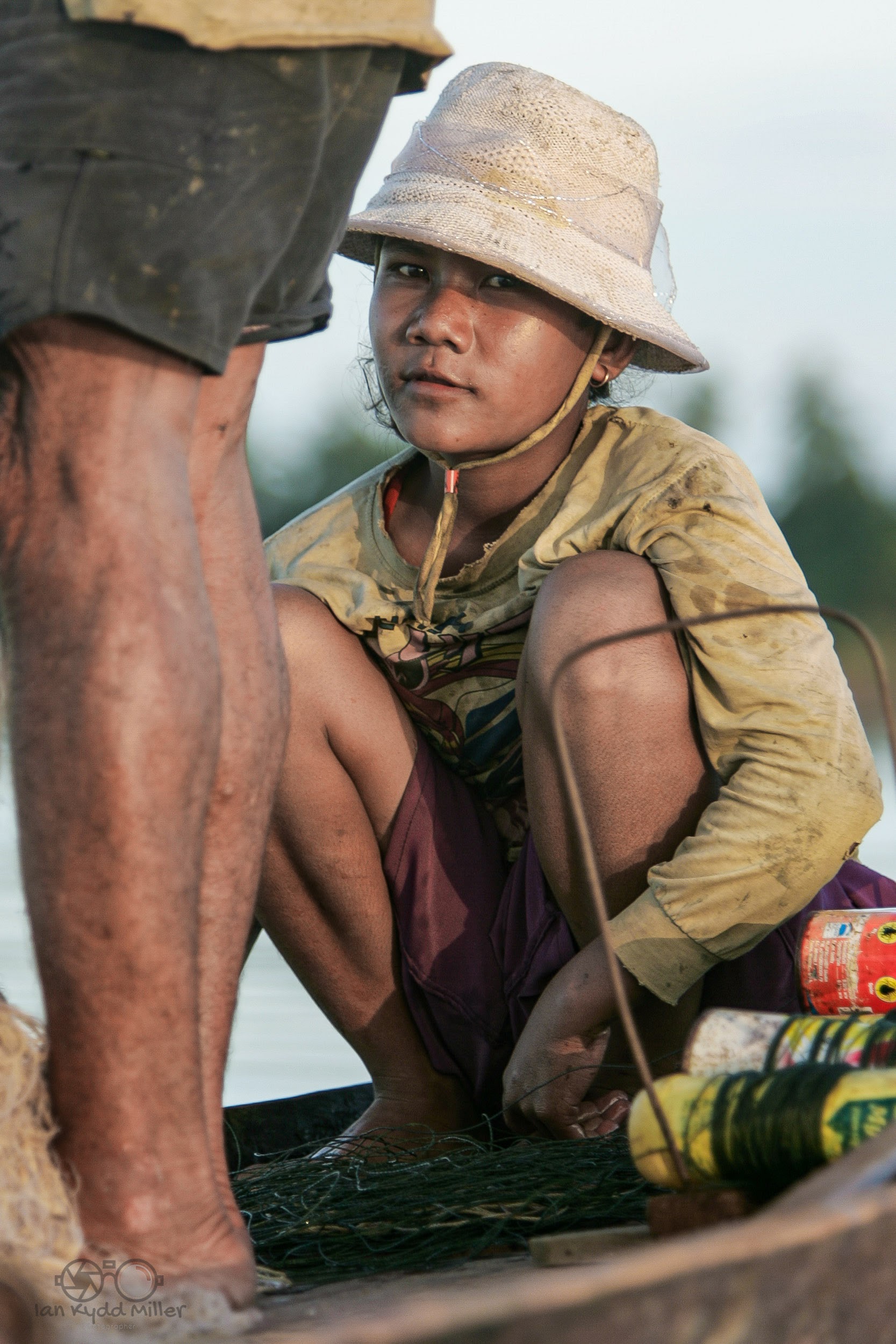
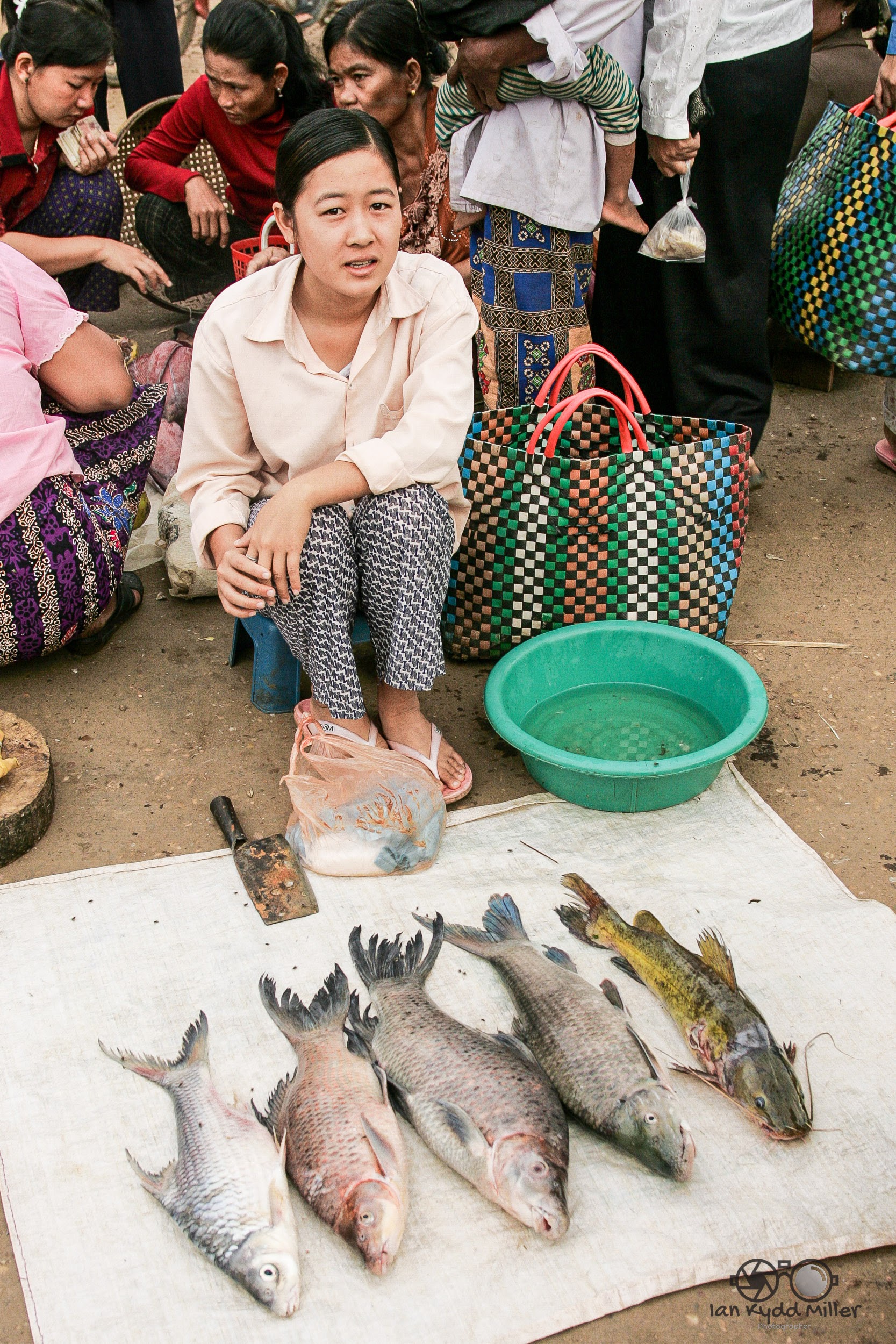
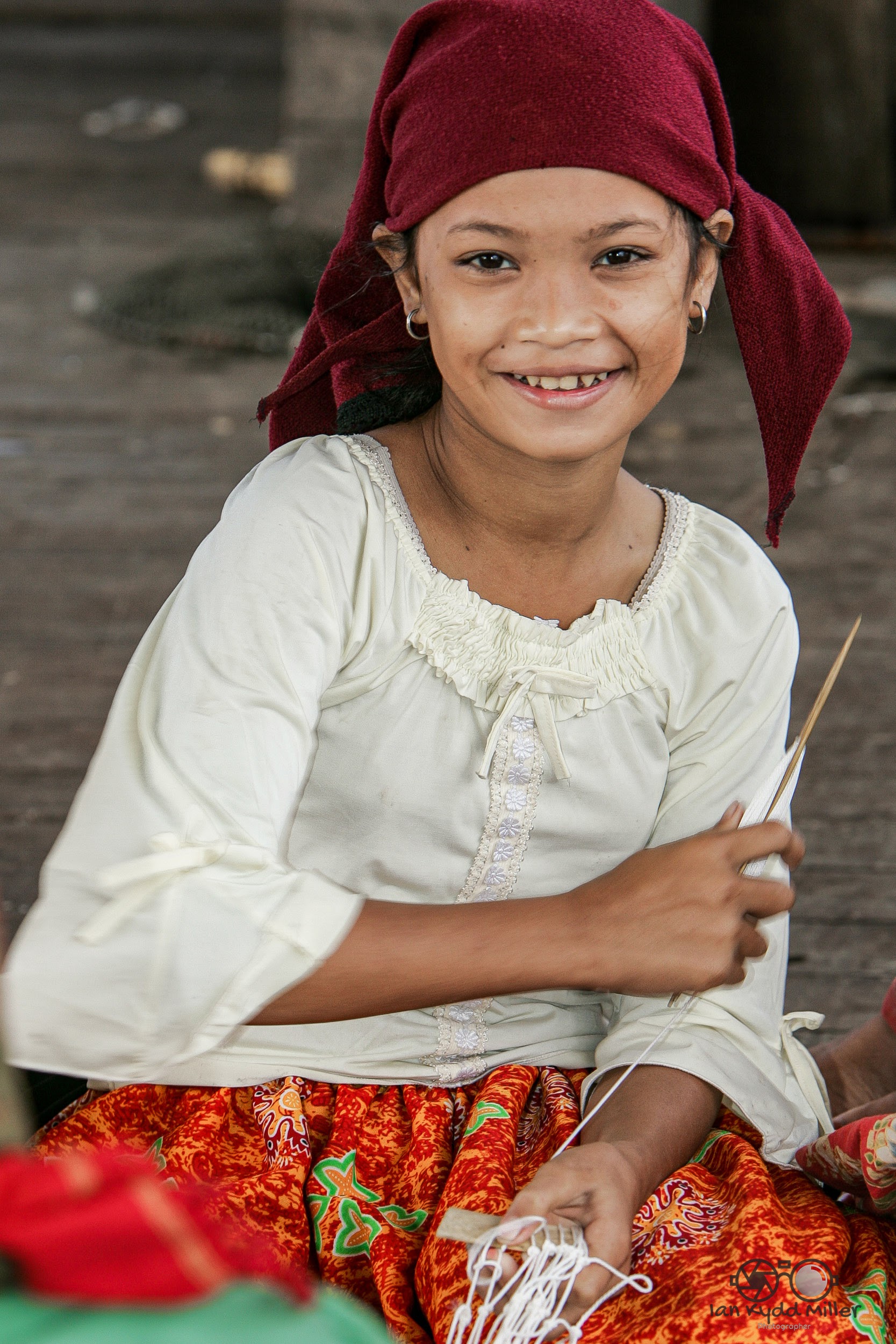
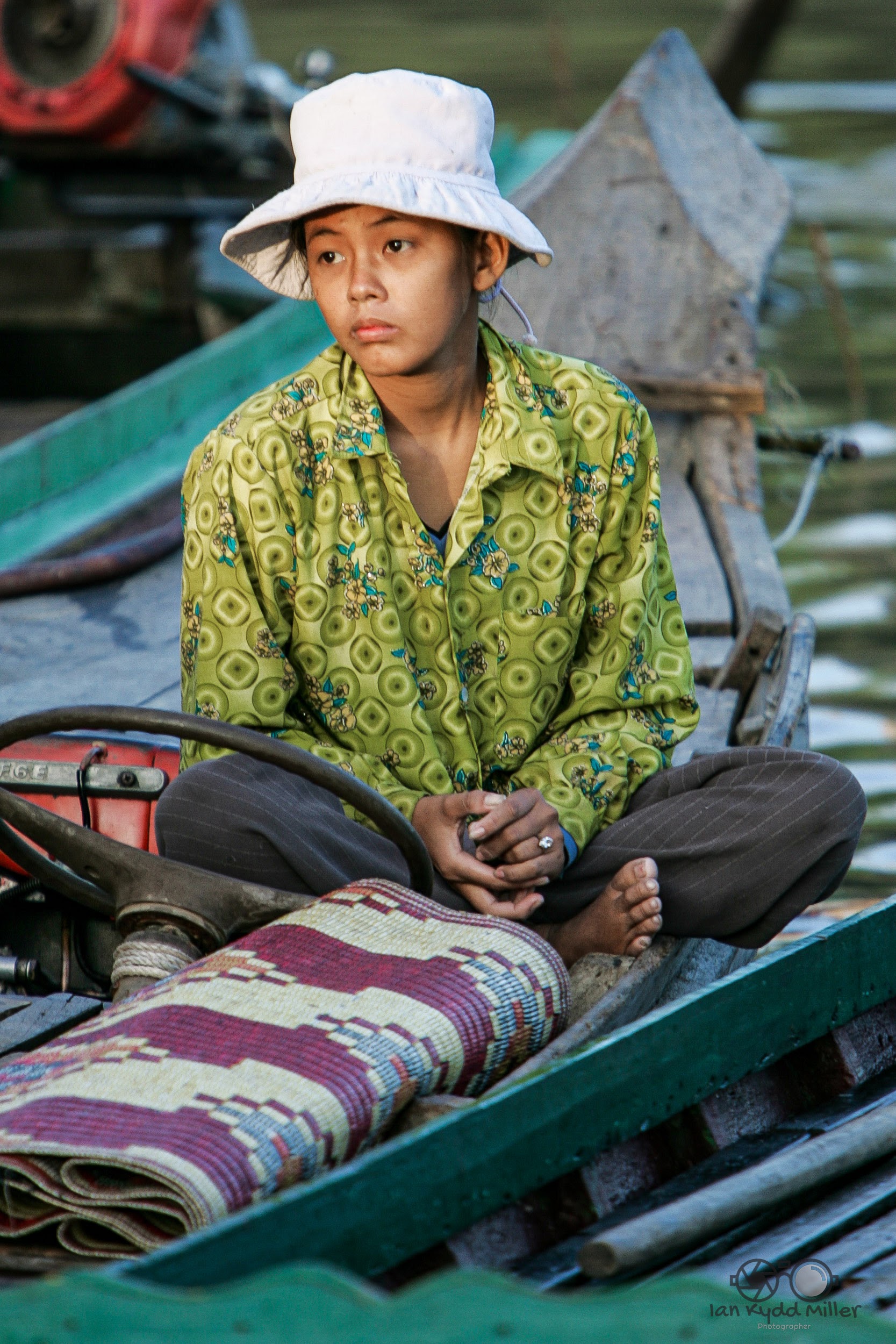
One of the most important aspects of photography is finding your own style and voice. But how do you do that? How do you know what kind of photos you like to take and what kind of photos you are good at taking? One way to approach this question is by defining your photographic comfort zone.
Your photographic comfort zone is the range of subjects, situations, and techniques that you feel comfortable and confident with. It’s where you can express yourself freely and creatively, without feeling anxious or frustrated. It’s where you can enjoy the process of making images and have fun with your camera.
But how do you find your photographic comfort zone? Well, there is no definitive answer to that, as everyone’s comfort zone is different and personal. However, here are some possible steps that might help you:
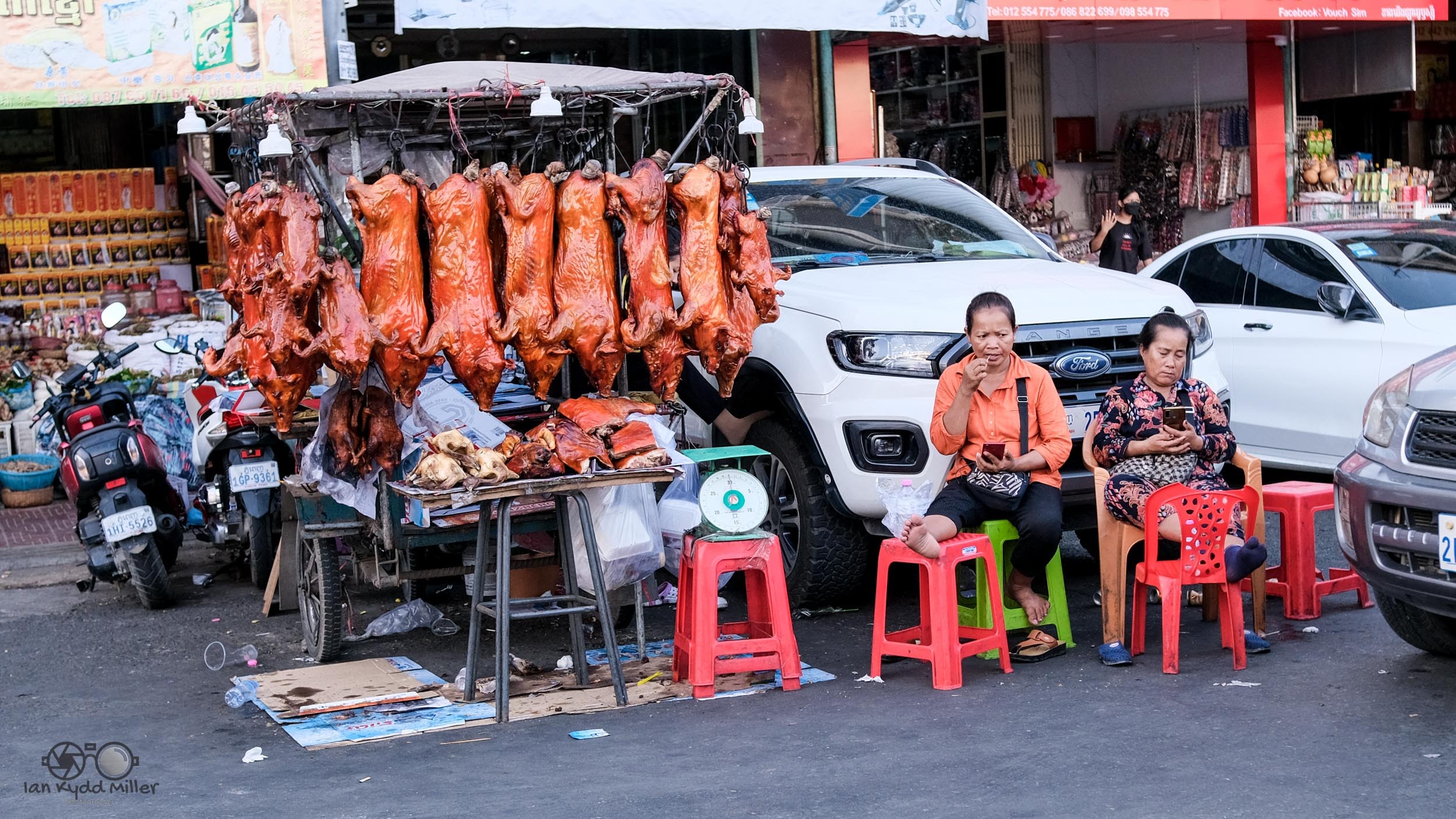
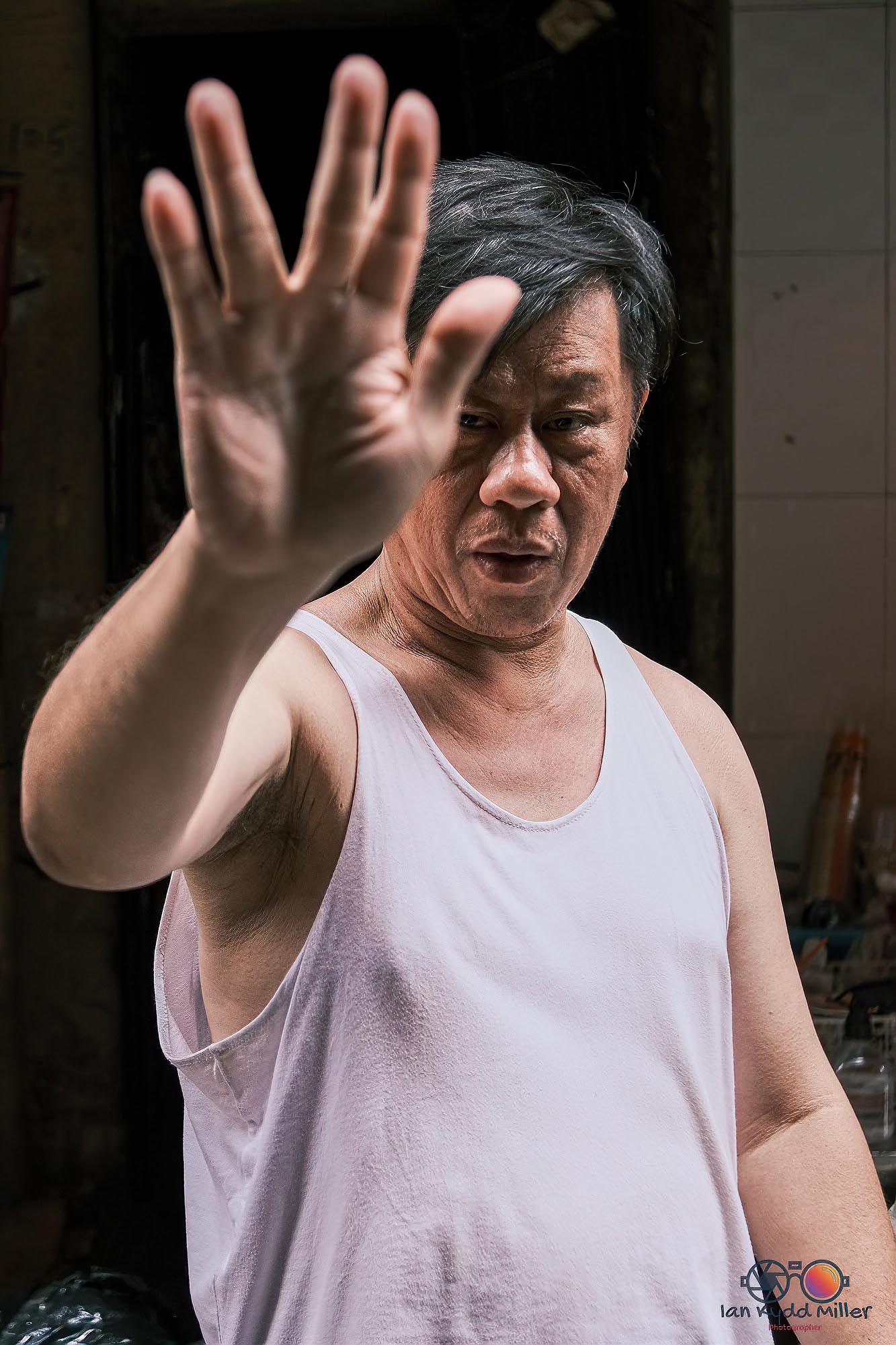
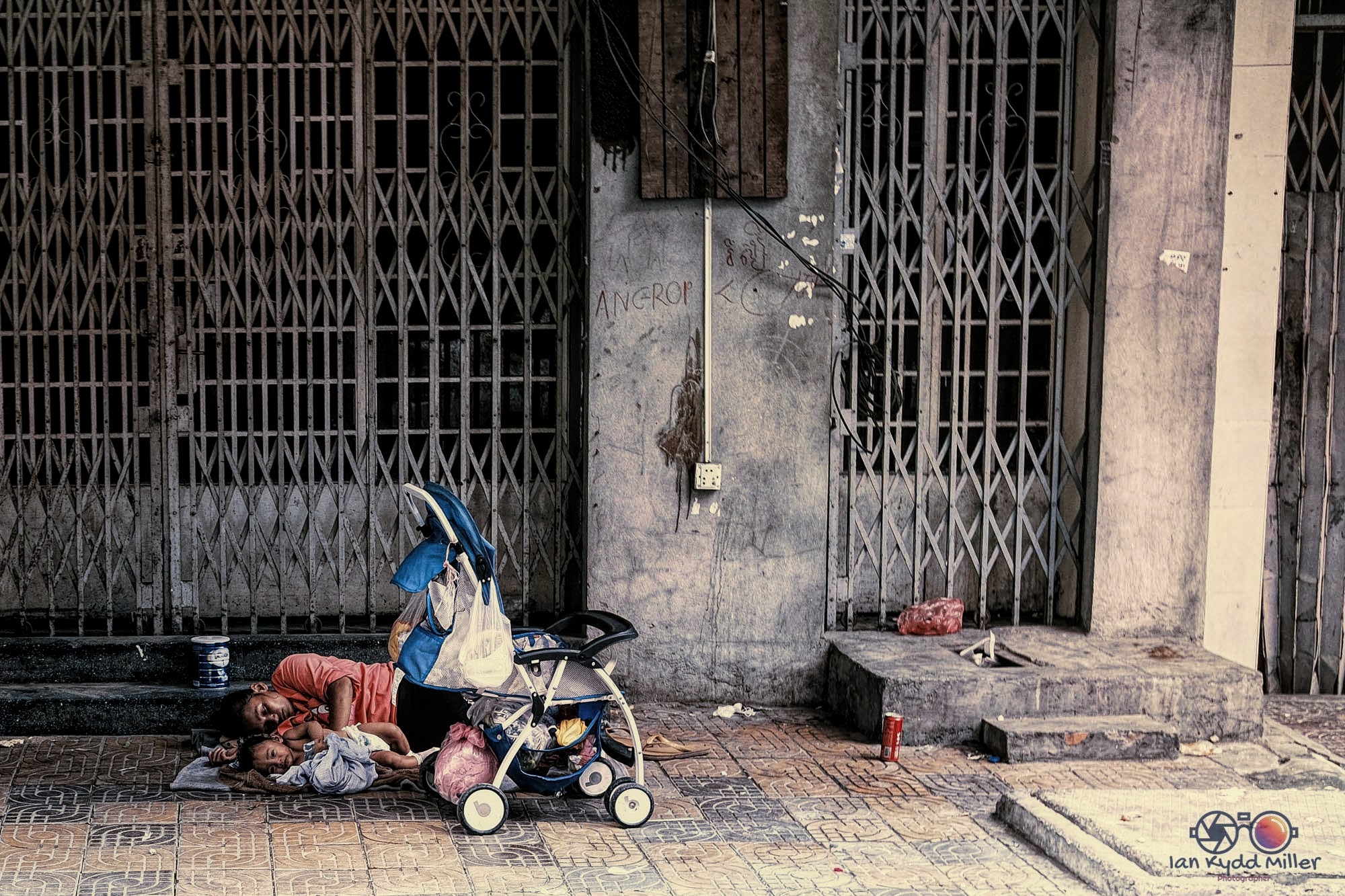
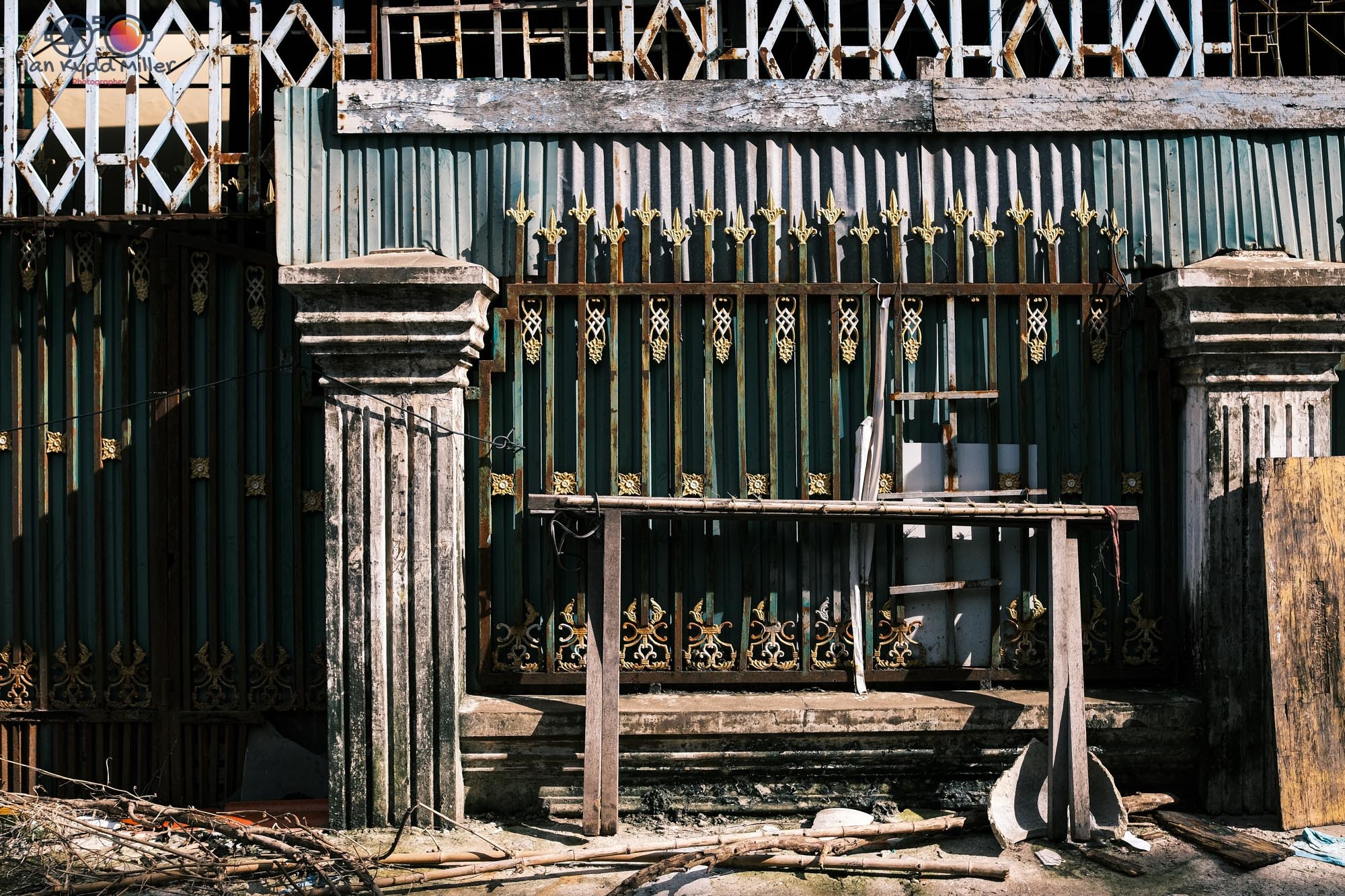
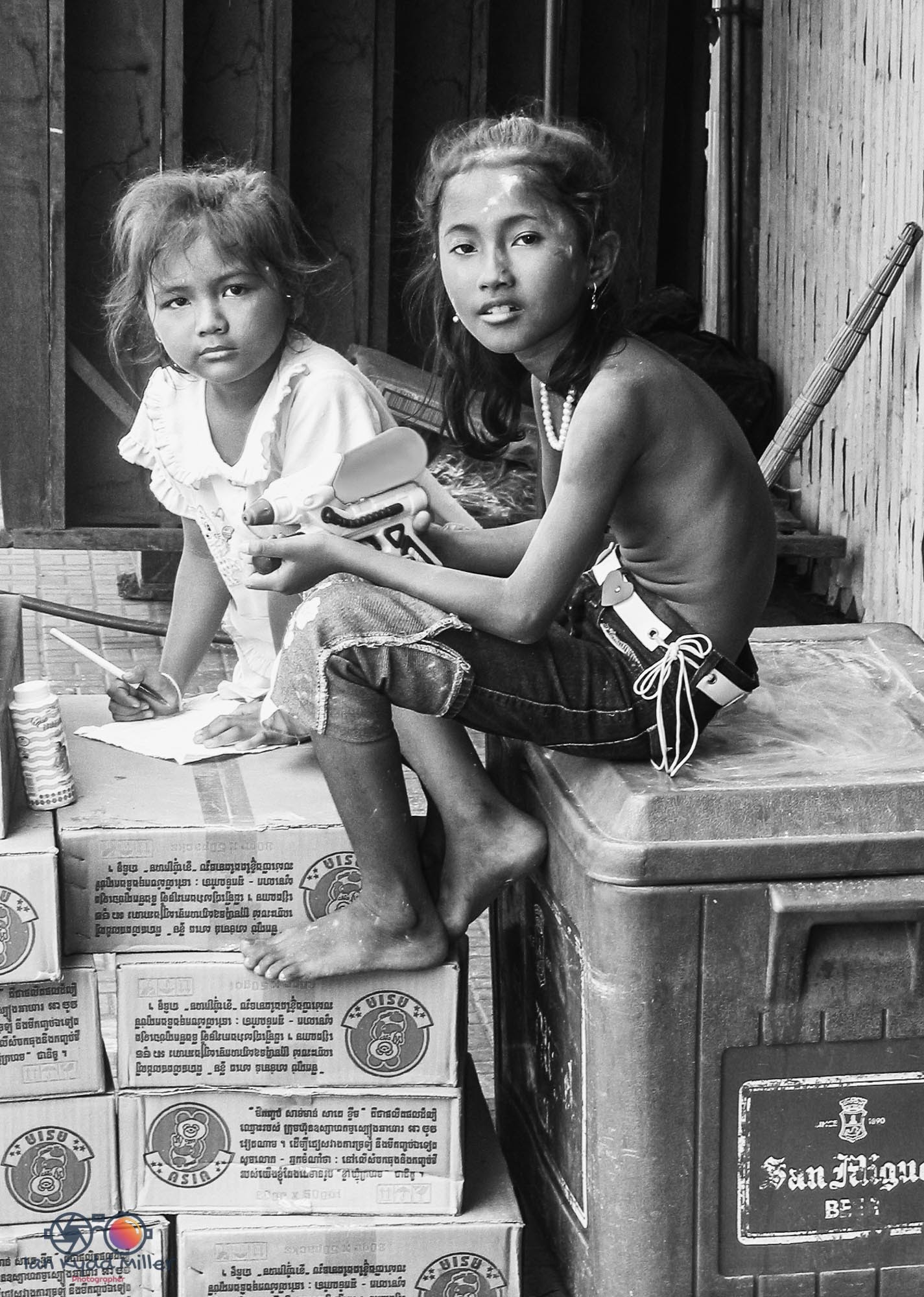
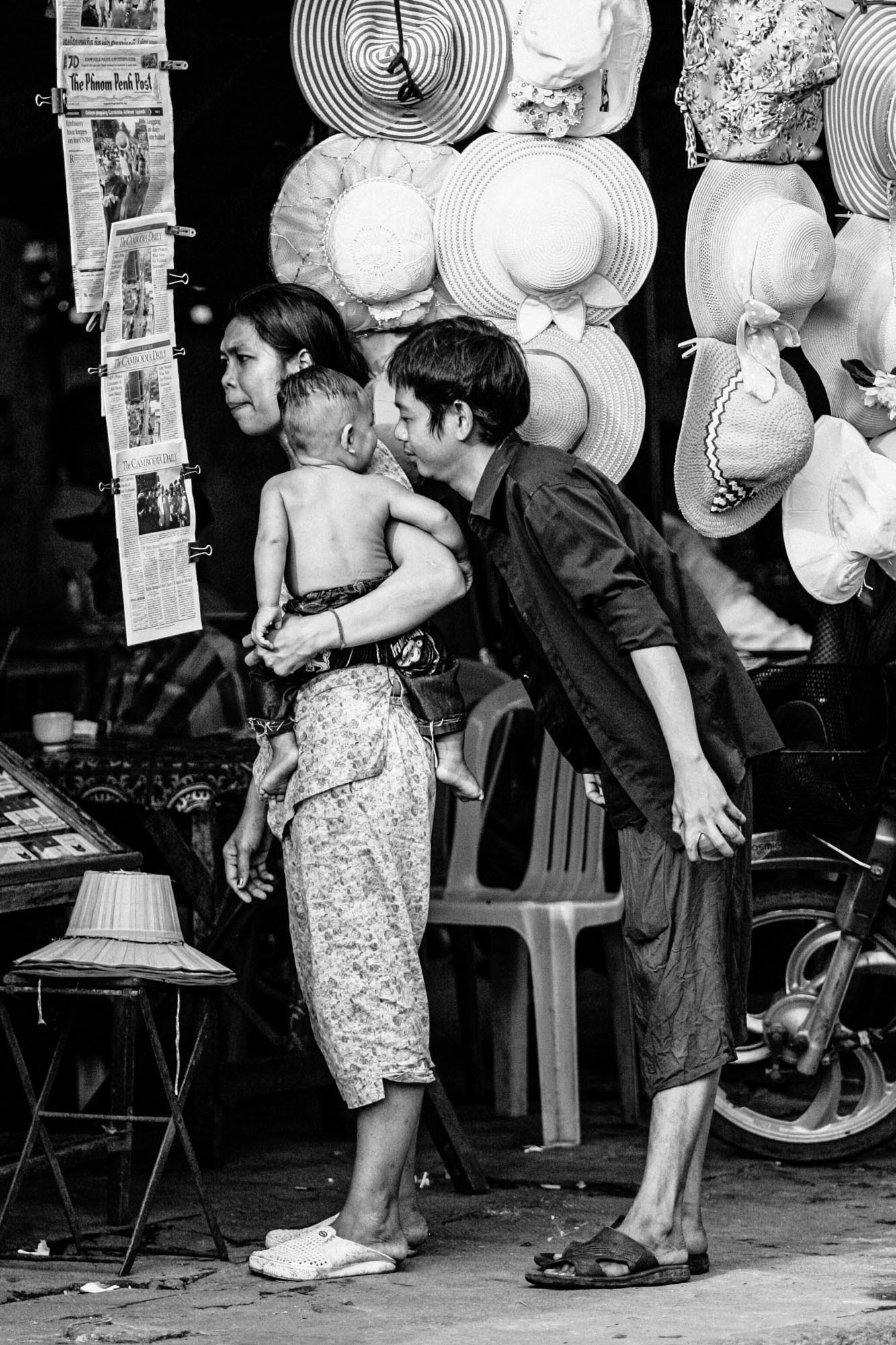
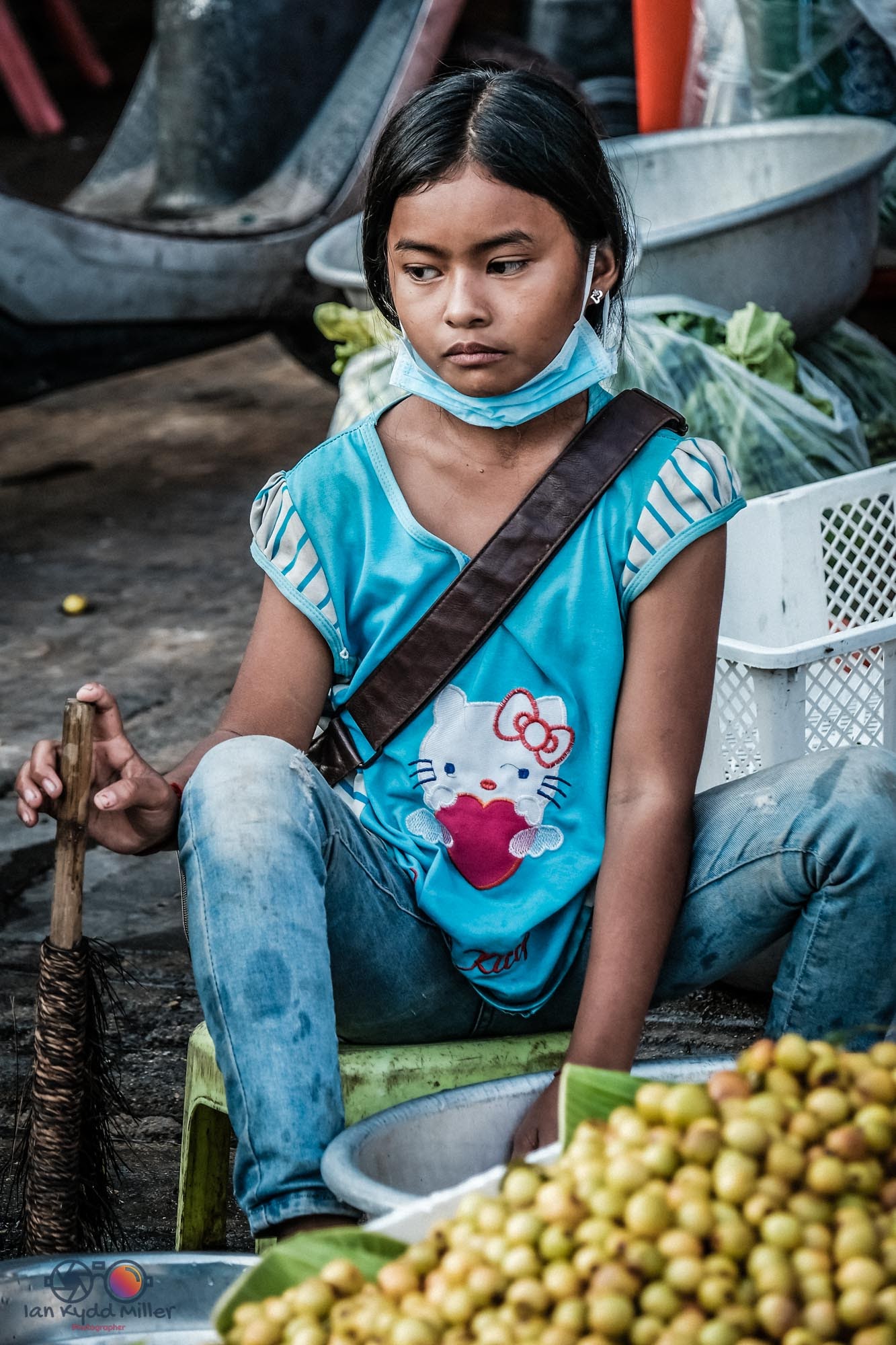
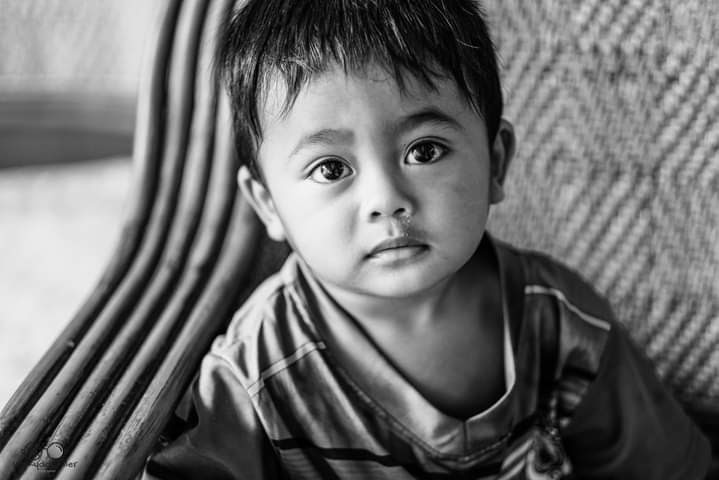
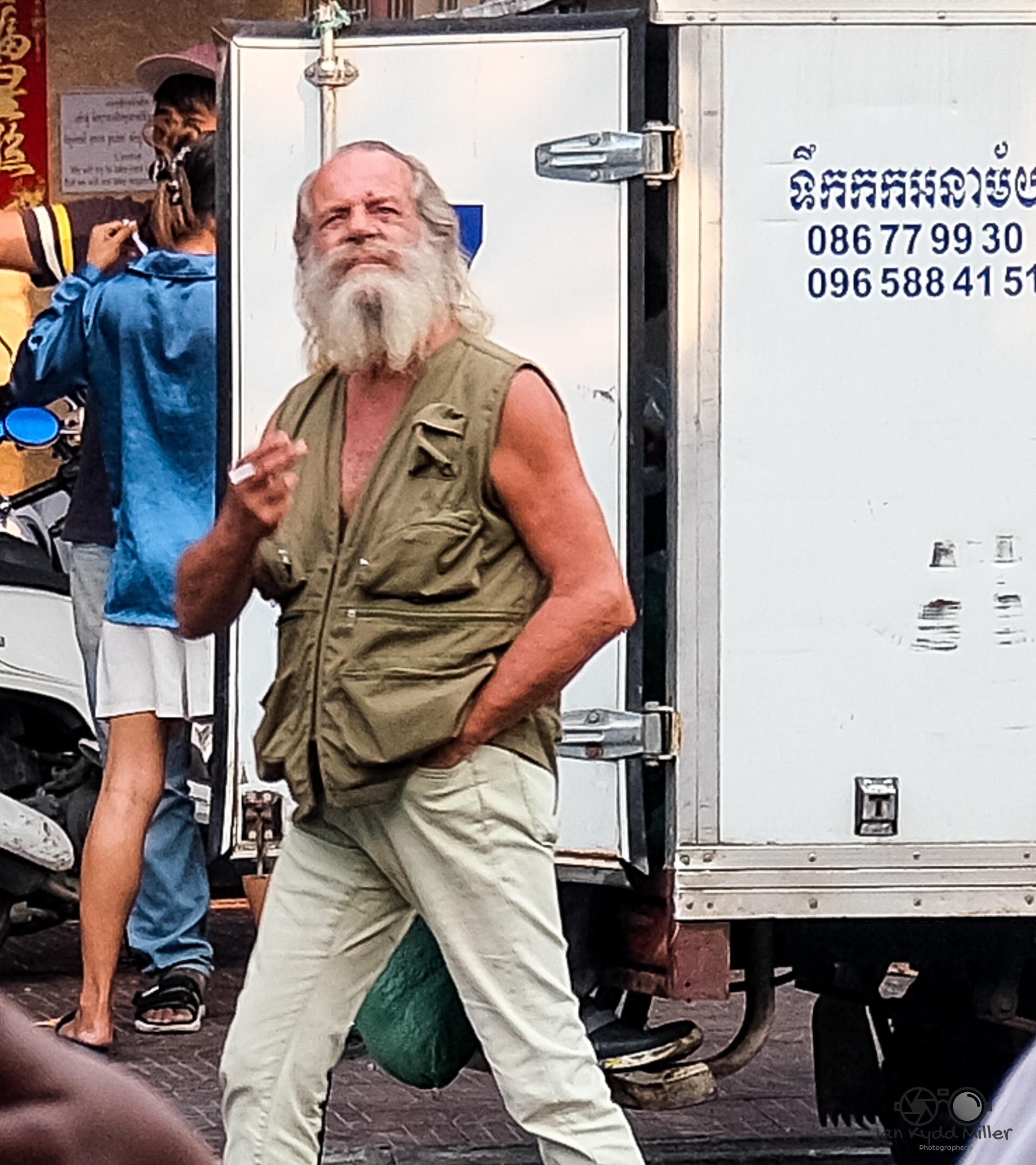
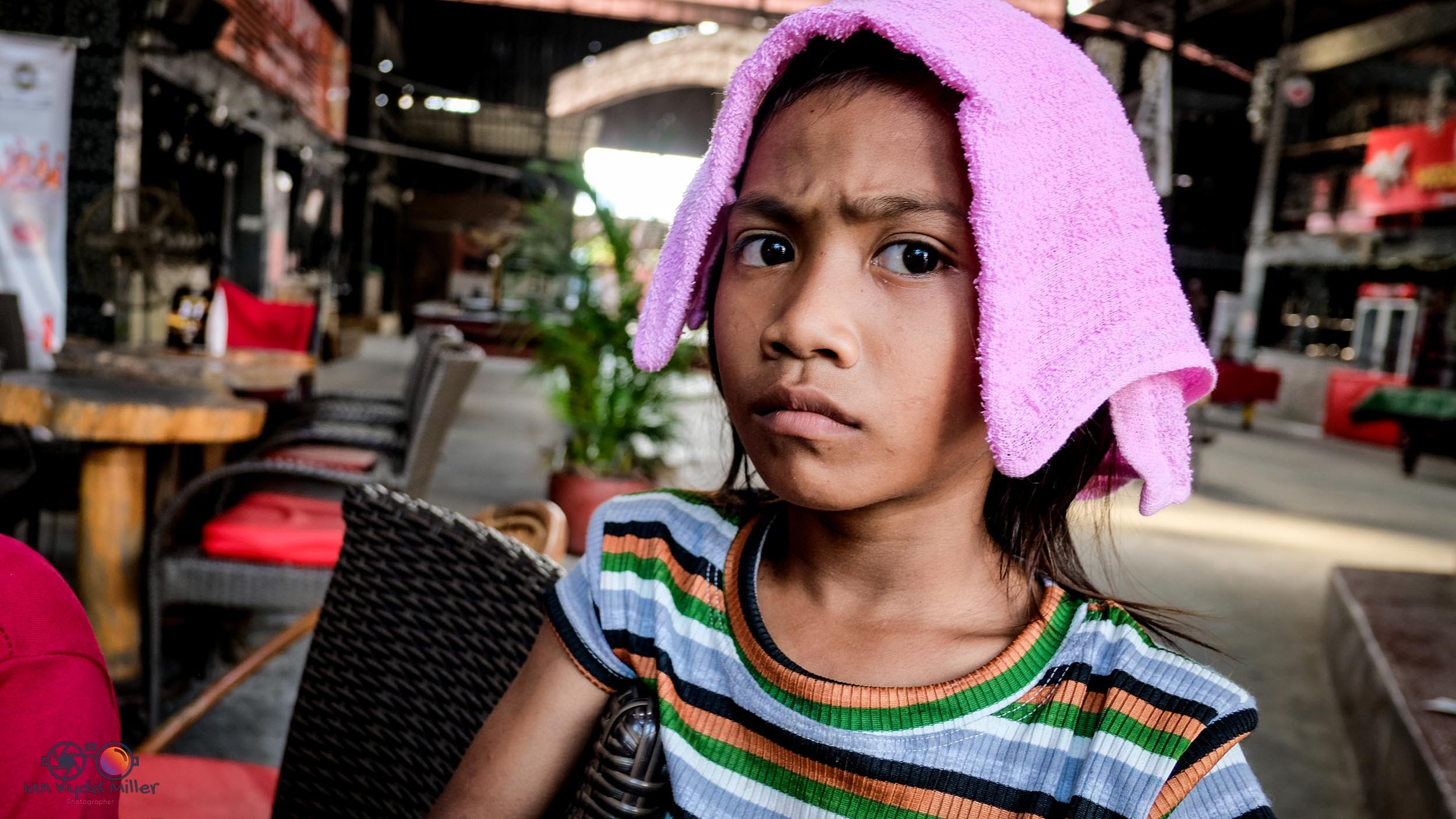

Defining your photographic comfort zone can help you discover your own style and voice as a photographer. It can also help you improve your skills and expand your horizons. However, remember that your comfort zone is not fixed or static. It can change over time as you evolve as a photographer and as a person. So keep exploring, keep learning, and keep enjoying photography!
One of the most common challenges that photographers face is deciding what to photograph. Sometimes, you may have a clear idea of what you want to capture, but other times, you may feel stuck or uninspired. How can you overcome this creative block and find new sources of inspiration for your photography?
There are many ways to spark your imagination and get motivated to take photos. Here are some tips that may help you choose what images to make and how to find inspiration for your photography.





If you are passionate about photography, you know how important it is to know your camera well. Your camera is your tool, your partner, and your creative expression. Knowing your camera means you can take better photos, faster and easier.
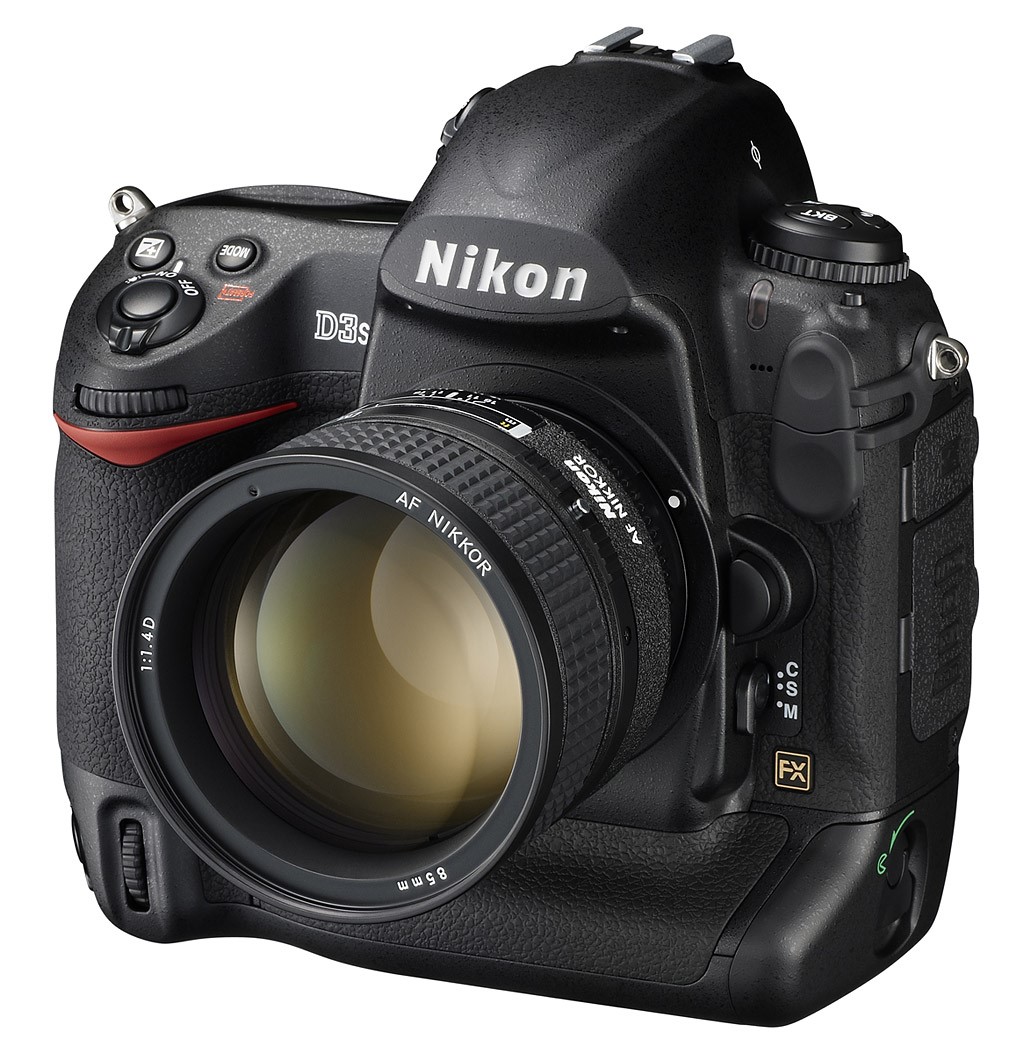
But how do you get to know your camera? There are so many features, settings, and options that it can be overwhelming at first. Don’t worry, we are here to help you with some tips and tricks to get you started.
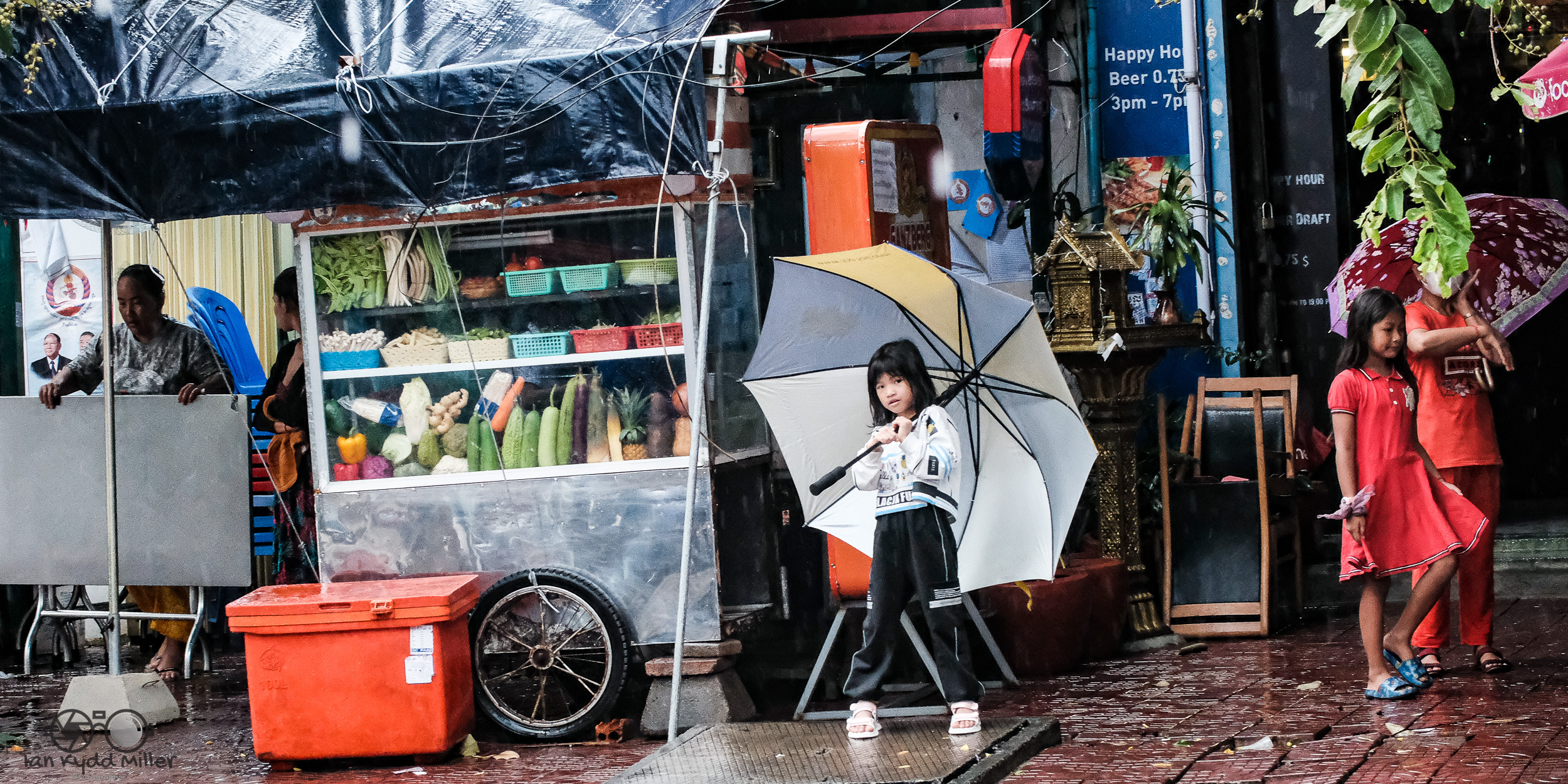
The first thing you need to do is read the manual. Yes, we know it sounds boring and tedious, but trust us, it will save you a lot of time and frustration later on. The manual will tell you everything you need to know about your camera’s functions, modes, menus, and buttons. You will learn how to adjust the exposure, focus, white balance, ISO, aperture, shutter speed, and more. You will also learn how to use the flash, the zoom, the timer, the burst mode, and other features that can enhance your photos.

The second thing you need to do is practice. The best way to learn is by doing. Take your camera with you everywhere you go and try different settings and situations. Experiment with different angles, perspectives, lighting conditions, and subjects. See how your camera reacts and what results you get. Don’t be afraid to make mistakes and learn from them. The more you practice, the more comfortable and confident you will become with your camera.


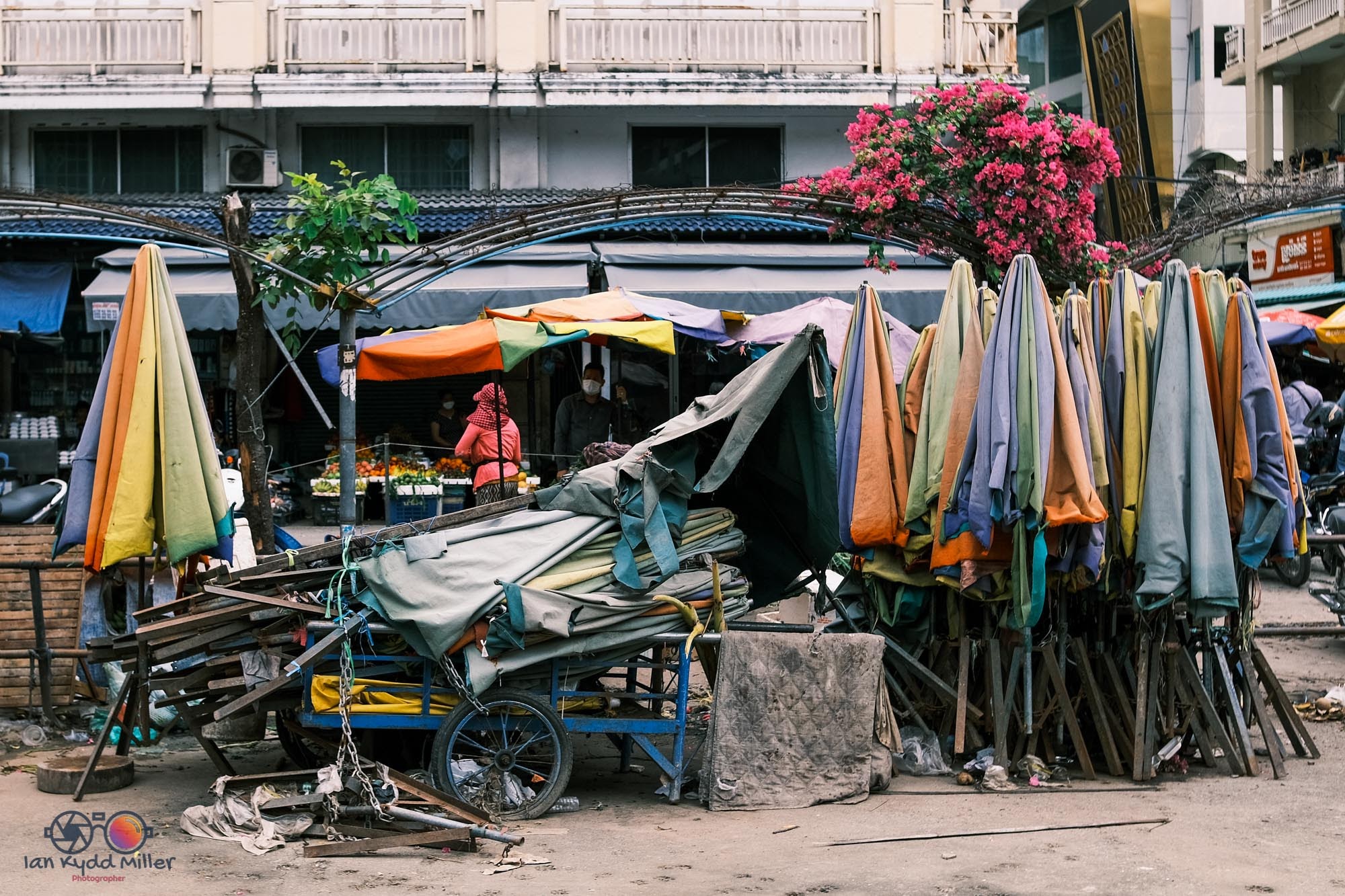

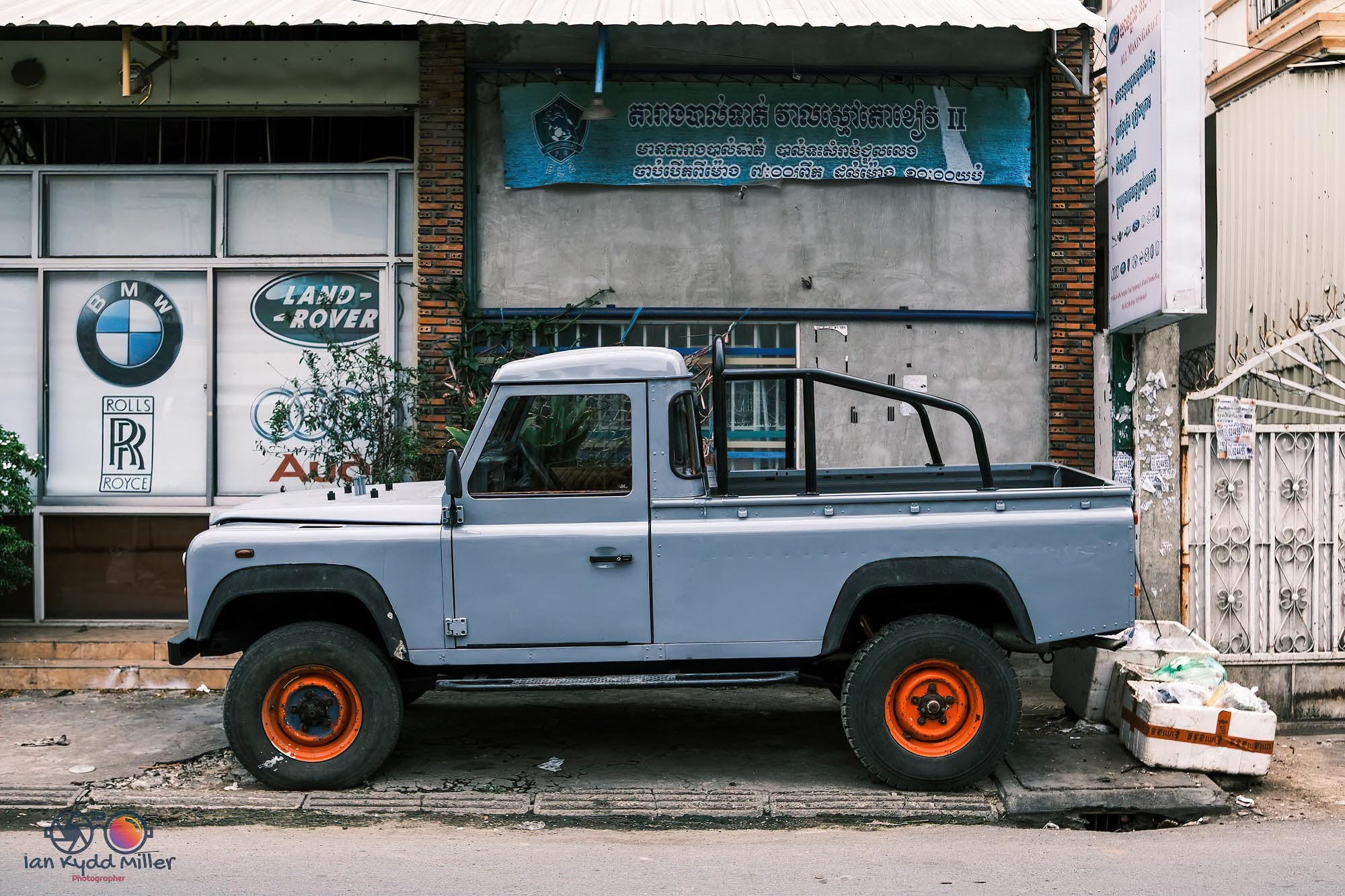
The third thing you need to do is have fun. Photography is not only a skill but also an art form. It is a way of expressing yourself and capturing moments that matter to you. Don’t get too caught up in the technical details and forget to enjoy the process. Be creative, be curious, be adventurous. Find your own style and voice. Share your photos with others and get feedback. Learn from other photographers and get inspired by their work.

Knowing your camera is not a one-time thing. It is a continuous journey of discovery and improvement. As you grow as a photographer, so will your camera skills. You will always find new things to learn and new ways to challenge yourself.
But remember, the most important thing is not the camera itself but what you do with it.
Photography is a skill that can be learned and improved with practice, patience and passion. Whether you are a beginner or a seasoned photographer, there are always ways to take your photos to the next level. Here are some tips on how to improve your photography and capture stunning images.
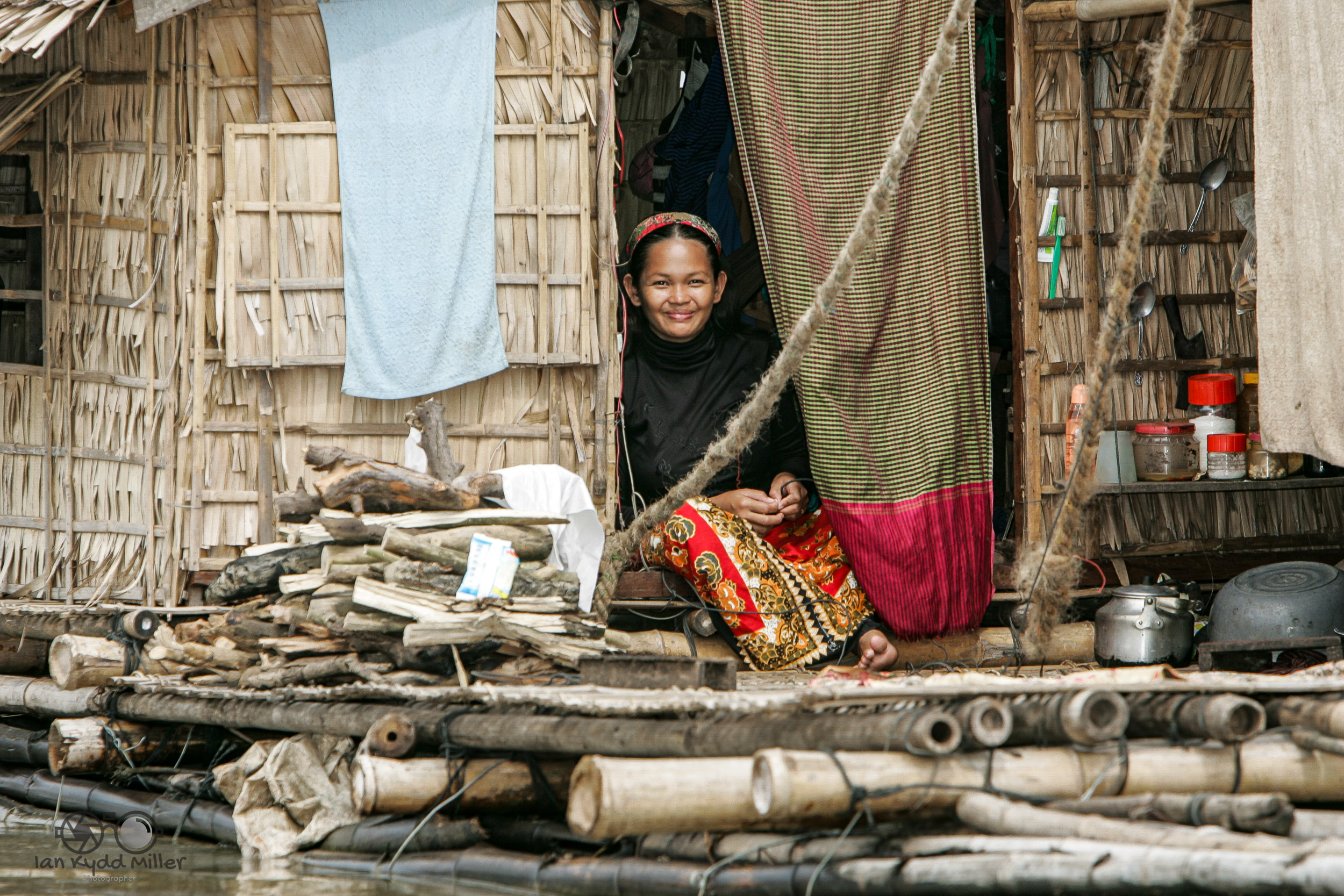
These are only some of the tips on how to improve your photography and take better photos. Remember that photography is a fun and rewarding hobby that allows you to express yourself creatively and capture memorable moments. Keep practising, learning and experimenting with your camera and you will soon see improvement in your skills and results.
Street photography is a fascinating and rewarding genre of photography that captures candid moments of life in public spaces. However, street photography also poses some ethical challenges that require careful consideration and respect from the photographer. Here are some ethical issues for the street photographer to keep in mind:
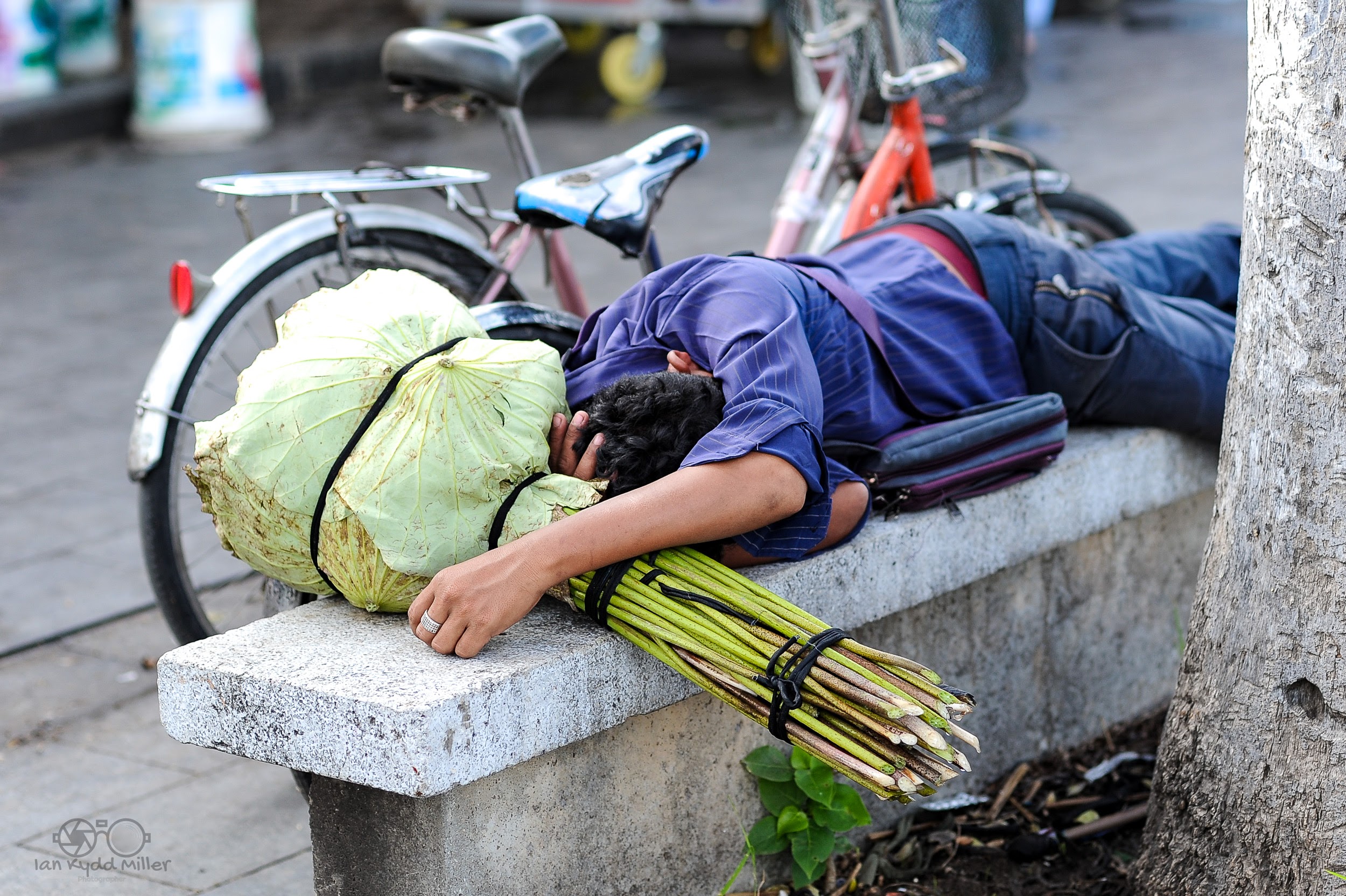
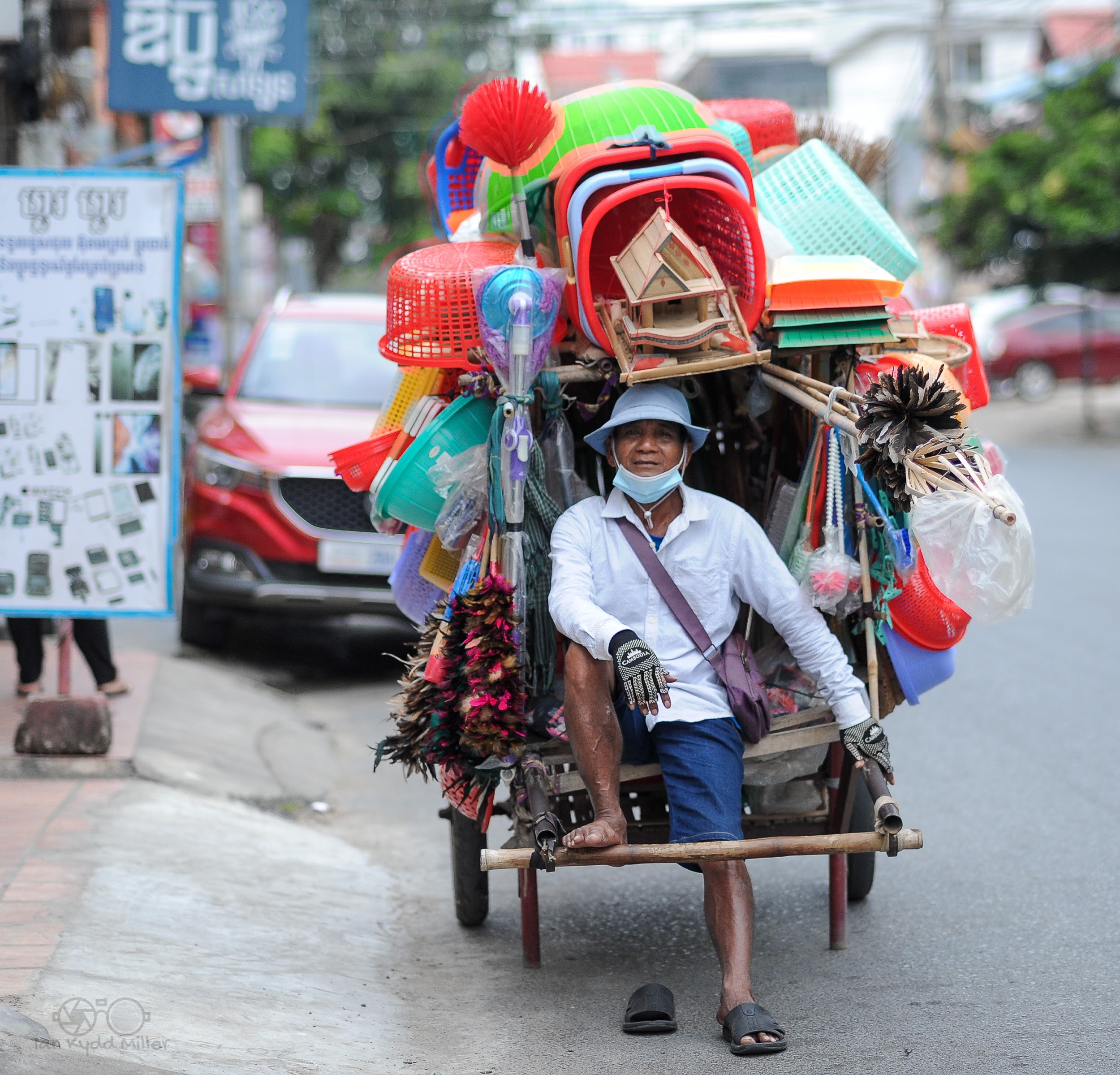
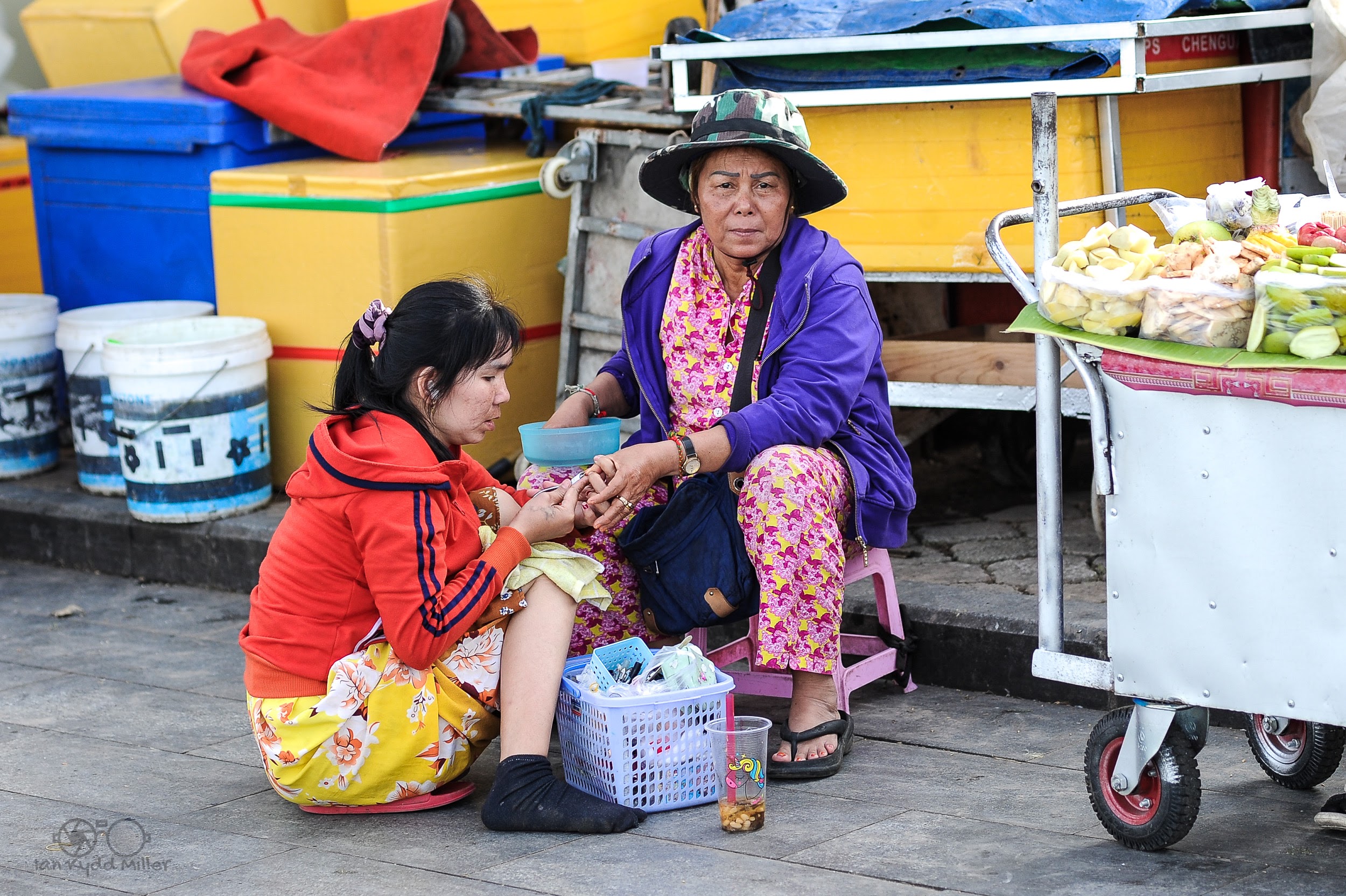
 a world without pictures is like coffee without cream and sugar, bitter