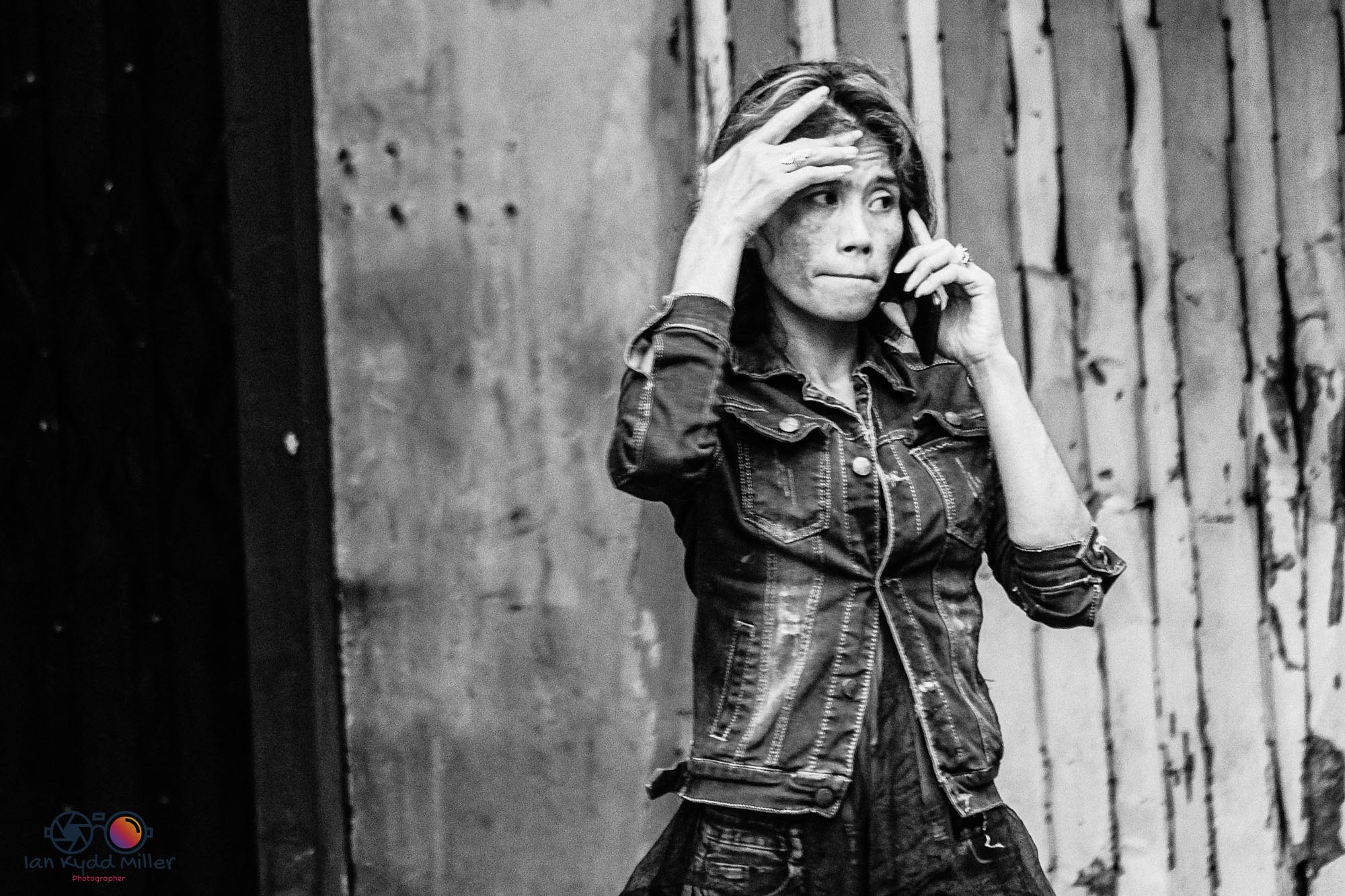
Nikon D3 DSLR

cameras, opinons, thoughts, photography, street, Travel, Uncategorized

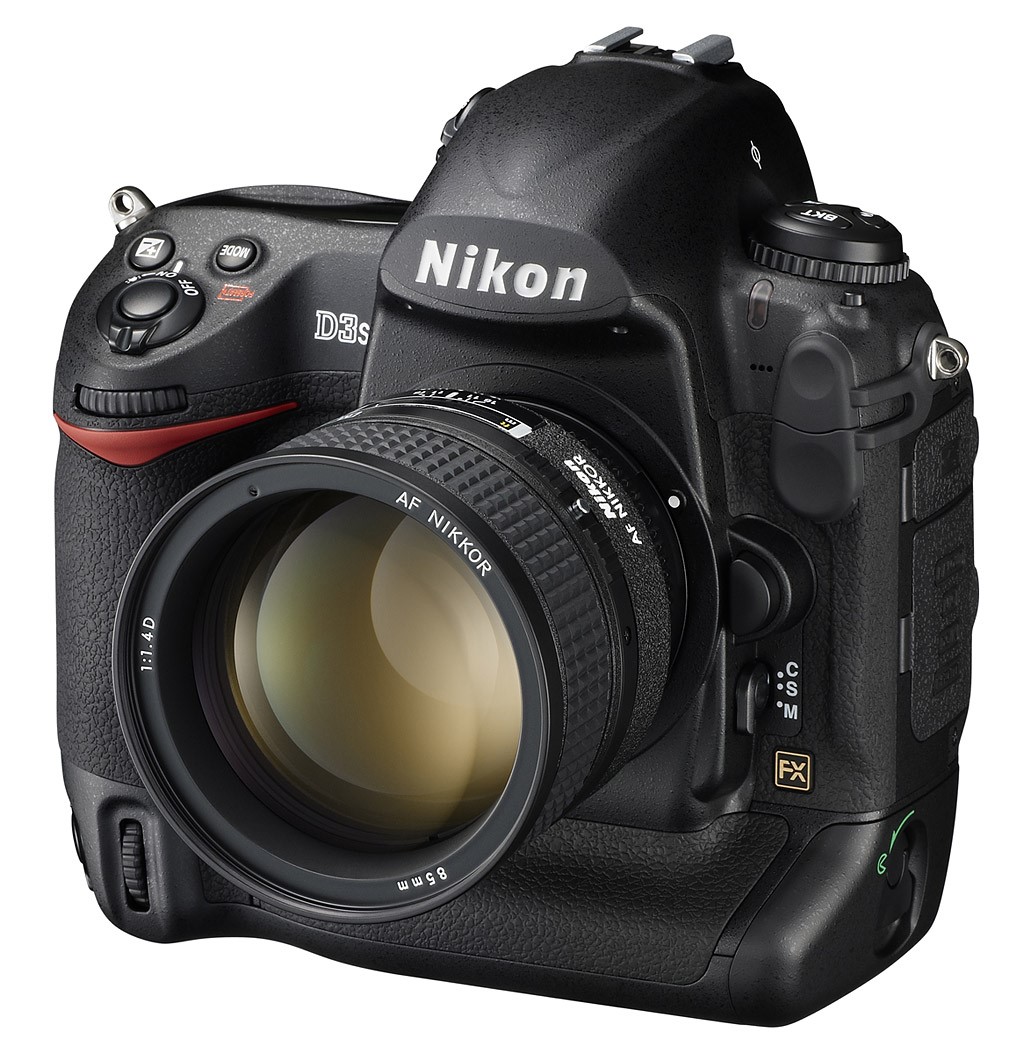
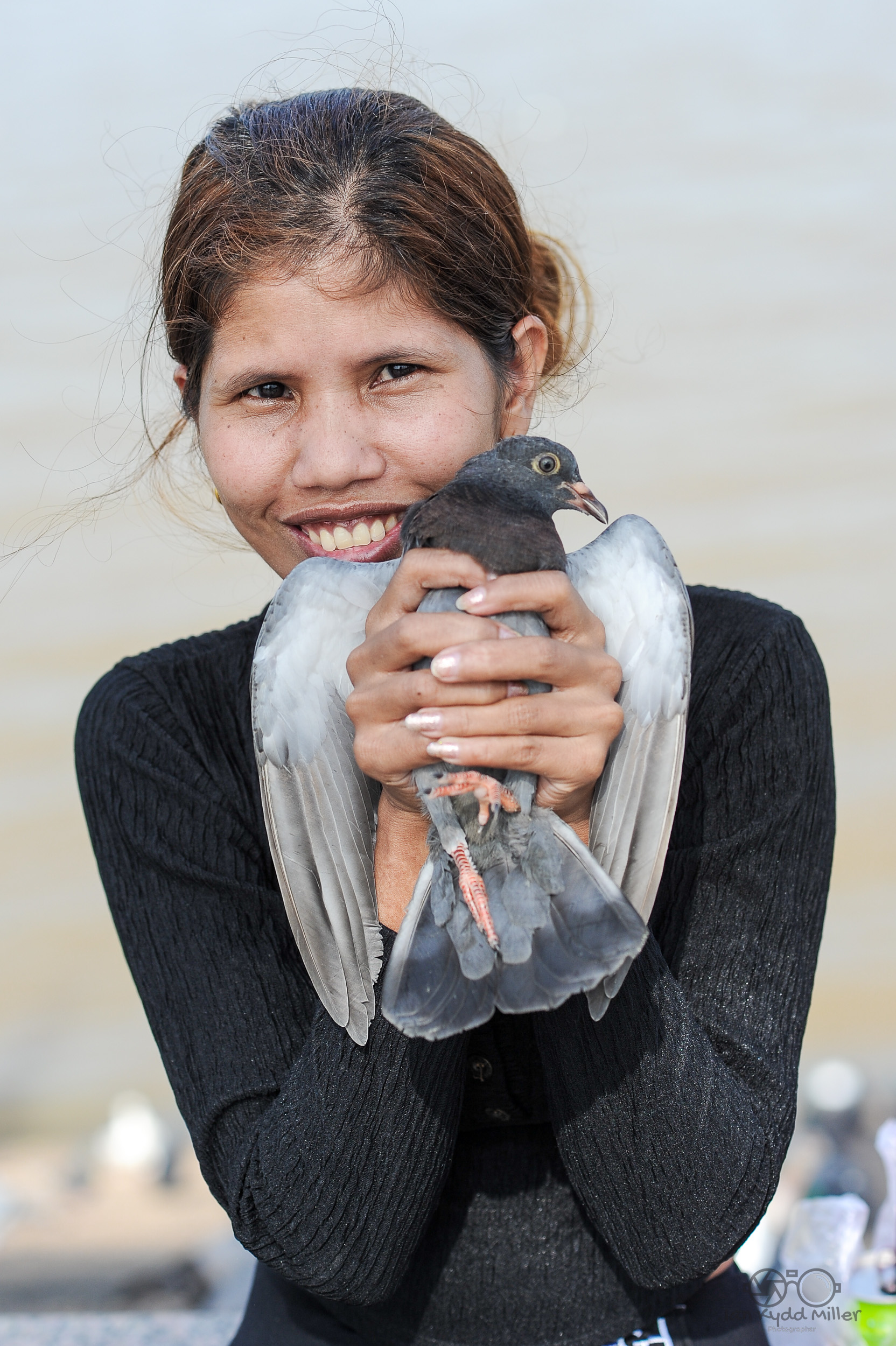
The Nikon D3 is a camera that was released in 2007, but it can still compete with some of the newer models in terms of image quality and performance. What makes it so good? One of the main features of the D3 is its full-frame sensor, which has 12.1 megapixels and a wide dynamic range. This means that the camera can capture more details in both bright and dark areas of the scene, and produce images with less noise and more color accuracy. Another advantage of the D3 is its fast and accurate autofocus system, which has 51 focus points and can track moving subjects with ease.

The camera also has a high-speed continuous shooting mode, which can take up to 9 frames per second in full resolution, or up to 11 frames per second in cropped mode. This is ideal for capturing action shots or sports events. The D3 also has a robust and durable body, which is weather-sealed and made of magnesium alloy. The camera has a large and bright viewfinder, which covers 100% of the frame, and a 3-inch LCD screen, which has 920,000 dots and a wide viewing angle. The camera also has a dual memory card slot, which can accept both CompactFlash and SD cards, and a long battery life, which can last for up to 4300 shots per charge. The Nikon D3 is a camera that may be old, but it can still deliver great results for professional and enthusiast photographers who value image quality and performance over the latest features and technology.

Nikkor 50mm lenses

Uncategorized

If you are looking for the sharpest 50mm lens from Nikon, you might be wondering which one of the three models you have is the best choice. The 50mm f1.4D, the 50mm f1.8D and the 50mm f1.8G are all popular lenses that offer good performance and image quality. However, there are some differences between them that might affect your decision.

The 50mm f1.4D is the oldest and most expensive of the three. It has a fast aperture of f1.4, which allows you to shoot in low light and create a shallow depth of field. However, it also has some drawbacks, such as lower contrast, more chromatic aberration and more distortion than the other two lenses. It also lacks an autofocus motor, which means it will not autofocus on some Nikon cameras that do not have a built-in motor.

The 50mm f1.8D AF is the cheapest and lightest of the three. It has a slightly slower aperture of f1.8, but it still performs well in low light and produces a nice bokeh. It has better contrast, less chromatic aberration and less distortion than the 50mm f1.4D, but it also lacks an autofocus motor and has a noisy and slow autofocus mechanism.

The 50mm f1.8 AFS G is the newest and most advanced of the three. It has a silent wave motor (SWM) that enables fast and quiet autofocus on any Nikon camera. It also has an aspherical element that reduces spherical aberration and improves sharpness across the frame. It has the best contrast, least chromatic aberration and least distortion of the three lenses, but it also has a higher price tag and a larger size than the 50mm f1.8D.

So, which one is the sharpest? The answer depends on several factors, such as your shooting conditions, your camera model, your aperture setting and your personal preference. However, based on some tests and reviews, the general consensus is that the 50mm f1.8AFS G is the sharpest of the three at most apertures, especially at wide open and stopped down to f5.6 or f8. The 50mm f1.8D AF is slightly less sharp than the 50mm f1.8AFS G, but still sharper than the 50mm f1.4D at most apertures. The 50mm f1.4D is the least sharp of the three at wide open and only becomes comparable to the other two at smaller apertures, such as f11 or f16.

Of course, sharpness is not everything when it comes to choosing a lens. You might also consider other aspects, such as color rendition, flare resistance, build quality, weight, size and price. Ultimately, the best lens for you is the one that suits your needs and budget.

The images here were taken with the Nikkor 50mm f1.4D at between f4 and 5.6 certainly not my sharpest lens.

I own and use all three of these lenses and IMO the cheapest of the bunch gives me the best result for the way I make pictures.

Nikon 18-35 f3.5/4.5 ED Zoom

Uncategorized

If you’re looking for a versatile wide-angle zoom lens for your Nikon DSLR, you might want to check out the Nikon 18-35 f3.5/4.5 ED Zoom. This lens is a great option for landscape, architecture, travel and even some street photography. It has a compact and lightweight design, making it easy to carry around and fit in your bag. It also has a fast and quiet autofocus system, thanks to the Silent Wave Motor (SWM) technology. The optical quality of this lens is impressive, as it features two extra-low dispersion (ED) elements and three aspherical elements to reduce chromatic aberrations and distortions. The lens also has a Super Integrated Coating (SIC) to enhance contrast and color accuracy, and to minimize flare and ghosting. The Nikon 18-35 f3.5/4.5 ED Zoom has a variable aperture of f3.5 at 18mm and f4.5 at 35mm, which means it’s not very bright in low-light situations. However, it still performs well in most lighting conditions, especially if you use a tripod or increase the ISO. The lens also has a minimum focusing distance of 0.28m, which allows you to get close to your subjects and create some interesting perspectives. The lens has a 7-blade rounded diaphragm, which creates smooth and pleasing bokeh effects in the background. Overall, the Nikon 18-35 f3.5/4.5 ED Zoom is a high-quality and affordable wide-angle zoom lens that can deliver sharp and detailed images in various scenarios. It’s not perfect, but it’s definitely worth considering if you want to expand your creative possibilities with your Nikon DSLR.

Cropping in post-processing acceptable or not?

opinons, thoughts, photography, pictures, processing, public, street

Hi everyone! Welcome to my blog where I share my passion for street photography and tips on how to improve your skills. Today I want to talk about a topic that is often debated among street photographers: is cropping in post-processing acceptable or not?

Some people might argue that cropping in post-processing is cheating, that it alters the original composition and vision of the photographer, and that it shows a lack of skill and planning. They might say that a true street photographer should be able to capture the decisive moment with the right framing and perspective, without relying on editing software to fix their mistakes.

Others might disagree and say that cropping in post-processing is a creative tool, that it allows the photographer to enhance their images and express their artistic vision, and that it shows a willingness to experiment and learn. They might say that a true street photographer should be open to new possibilities and techniques, without being constrained by rigid rules and dogmas.

So, who is right and who is wrong? Well, in my opinion, there is no definitive answer to this question. Street photography is a form of art, and art is subjective. What works for one photographer might not work for another. What appeals to one audience might not appeal to another. What matters is that you are happy with your images and that they reflect your personal style and message.

Personally, I don’t have a problem with cropping in post-processing, as long as it doesn’t change the essence and meaning of the image. Sometimes I crop my images to remove distracting elements, to improve the balance and harmony of the composition, or to emphasize the main subject or emotion. Sometimes I don’t crop my images at all, because I like them as they are. It depends on each image and what I want to achieve with it.

I think that cropping in post-processing is acceptable in street photography, as long as it is done with intention and purpose, not with laziness and carelessness. I think that cropping in post-processing is a skill that can be learned and improved, not a shortcut that can be abused and overused. I think that cropping in post-processing is a matter of personal preference and taste, not a matter of right or wrong.

What do you think? Do you crop your images in post-processing or not? Why or why not? Let me know in the comments below. And don’t forget to subscribe to my blog for more street photography content. Thanks for reading and happy shooting!
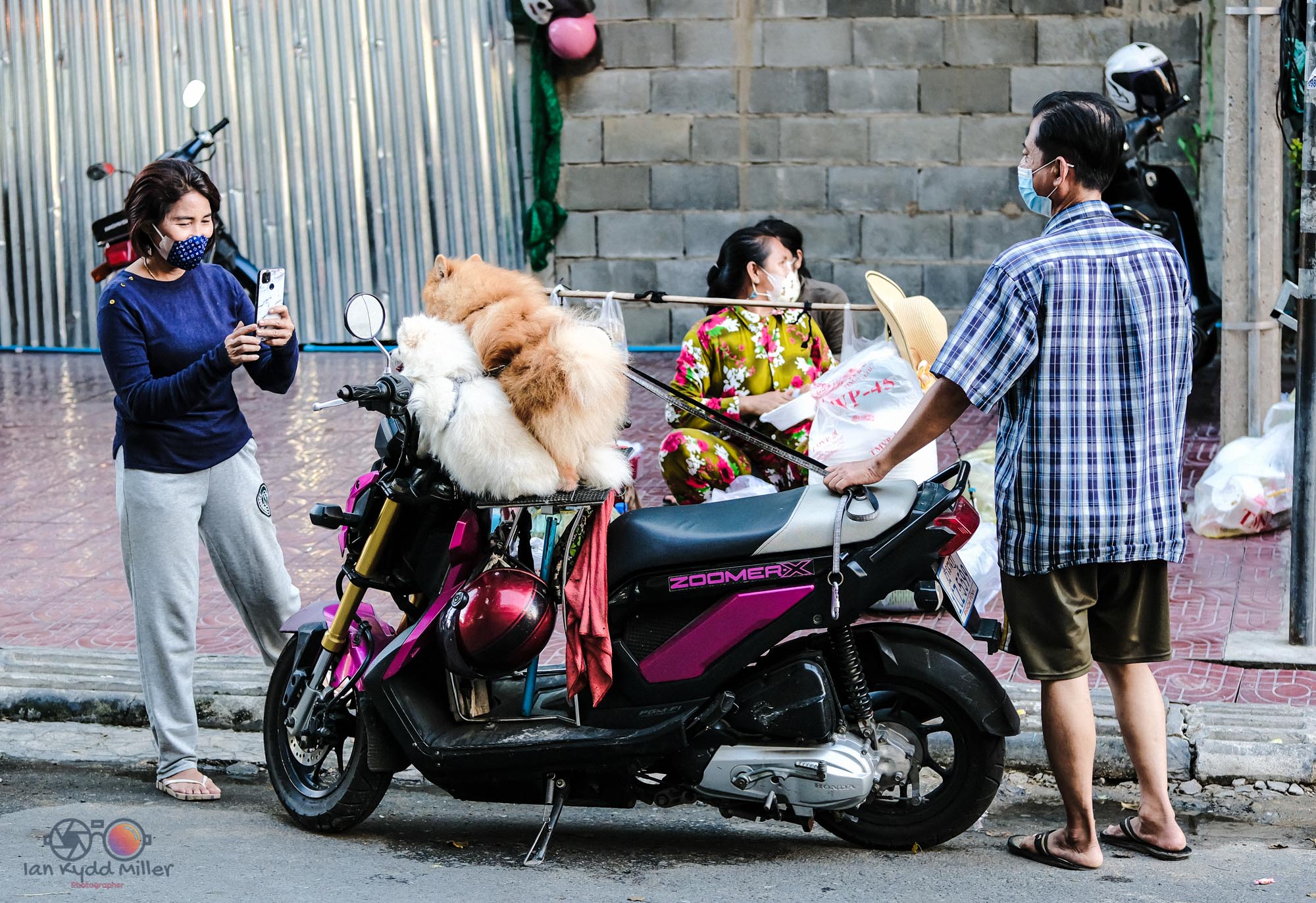
What camera is best for Street Photography

cameras, Fujichrome, fujifilm, Lenses, opinons, thoughts, photography, street, Travel

If you’re passionate about street photography, you might be wondering which camera is best for capturing candid moments of urban life. Street photography is a challenging and rewarding genre that requires a combination of skill, creativity, and luck. You need a camera that can keep up with your vision, and that won’t draw too much attention to yourself.

In this blog post, I’ll share with you some of the best cameras for street photography in 2023, based on my personal experience and research. Whether you prefer a compact point-and-shoot, a premium compact with a large sensor, or a mirrorless camera with interchangeable lenses, there’s something for everyone on this list.

Let’s get started!
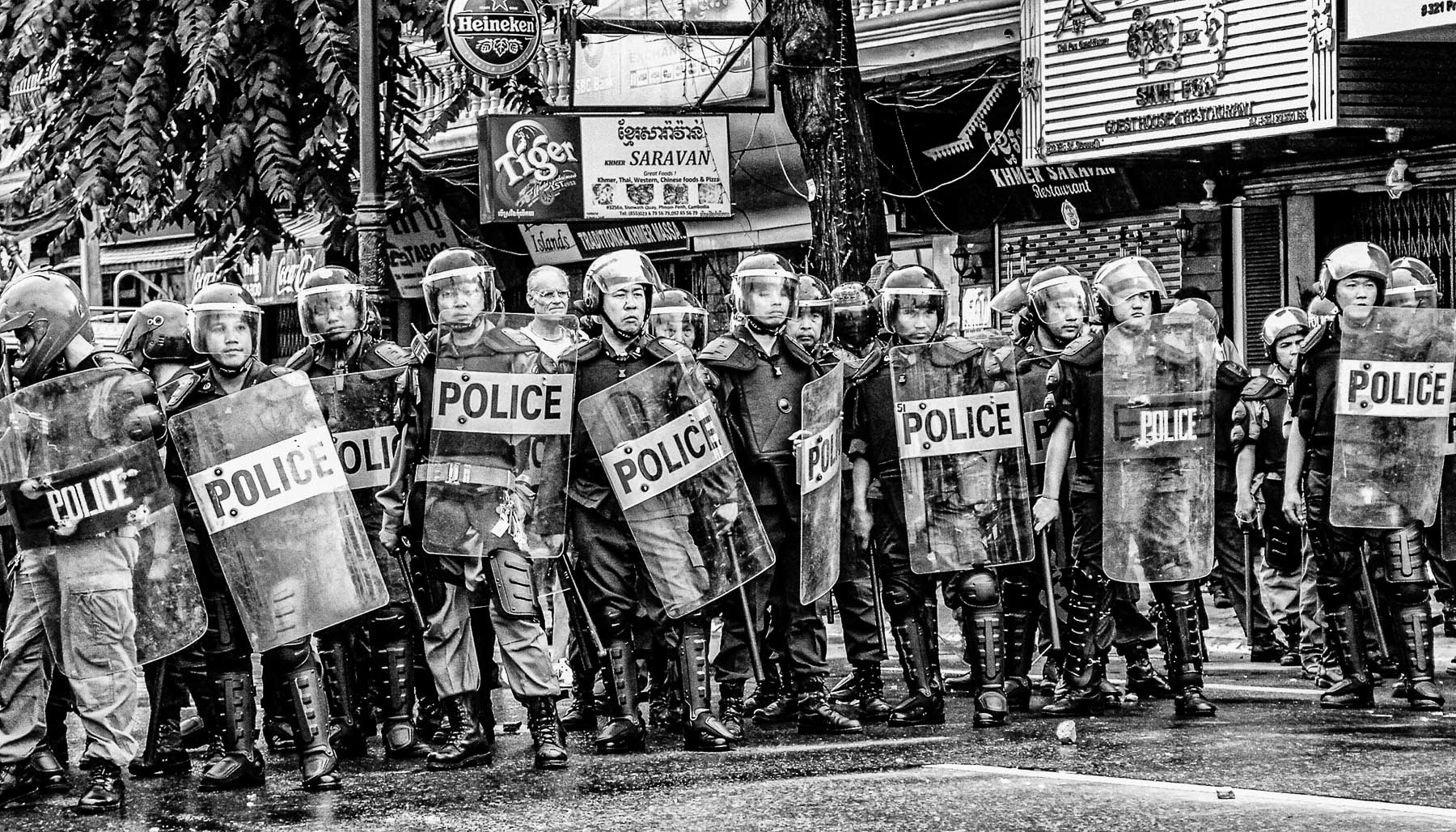
Best Compact Zoom Camera for Street Photography: Panasonic Lumix LX100 II

If you want a compact camera that gives you more flexibility in terms of focal length, the Panasonic Lumix LX100 II might be the one for you. It has a 17MP Four Thirds sensor that performs well in various lighting conditions, and a Leica-branded 24-75mm equivalent f/1.7-2.8 zoom lens that covers a wide range of shooting scenarios.

The Panasonic Lumix LX100 II has an electronic viewfinder that’s bright and clear, and a touch screen that can be used for focus and exposure control. It also has manual dials for aperture, shutter speed, and exposure compensation, which make it easy to adjust settings on the fly. The Panasonic Lumix LX100 II also supports 4K video recording and has Wi-Fi and Bluetooth connectivity.

The Panasonic Lumix LX100 II is not very pocketable, though. It’s larger and heavier than most compact cameras on this list. It also doesn’t have image stabilization or weather sealing, which might be deal-breakers for some people. But if you want a compact zoom camera that offers great image quality and versatility, the Panasonic Lumix LX100 II is worth considering.

Best Premium Compact Camera for Street Photography: Fujifilm X100V

The Fujifilm X100V is another popular choice among street photographers, especially those who love the retro look and feel of classic film cameras. The Fujifilm X100V has a 26MP APS-C sensor that produces stunning images with rich colours and tones, thanks to Fujifilm’s renowned film simulations. It also has a fixed 35mm equivalent f/2 lens that’s fast and sharp.

The Fujifilm X100V has a hybrid viewfinder that lets you switch between an optical and an electronic viewfinder, depending on your preference. It also has a tilting touch screen, a built-in ND filter, and weather sealing. The Fujifilm X100V also supports 4K video recording and has a headphone jack for monitoring audio.

The Fujifilm X100V is not cheap, though. It costs more than some mirrorless cameras with interchangeable lenses. It also has a fixed lens that might limit your creative options. But if you’re looking for a premium compact camera that offers superb image quality and style, the Fujifilm X100V is hard to beat.

Best Compact Camera for Street Photography: RICOH GR III

The RICOH GR III is a cult favourite among street photographers and for good reason. It’s small, discreet, and easy to use, with a minimalist design that won’t attract unwanted attention. It has a 24MP APS-C sensor that delivers excellent image quality and low-light performance and a fixed 28mm equivalent f/2.8 lens that’s sharp and versatile.

The RICOH GR III also has a unique feature called Snap Focus, which lets you pre-set a focus distance and instantly snap a photo without waiting for autofocus. This is perfect for street photography, where you need to be quick and decisive. The RICOH GR III also has in-body image stabilization, a touch screen, and Wi-Fi connectivity.

The RICOH GR III is not without its flaws, though. It doesn’t have a viewfinder or a tilting screen, which some people might miss. It also has a relatively short battery life and slow buffer clearing. But if you can live with these drawbacks, the RICOH GR III is one of the best compact cameras for street photography you can buy.

Fanboys and Fujifilm

cambodia, cameras, film, Fujichrome, fujifilm, opinons, thoughts, photography, pictures, street, Travel

Hello, fellow photography enthusiasts! Today, I want to talk about a phenomenon that has been sweeping the photography world for the last few years: the Fujifilm craze and fanboys.

You know what I’m talking about. Those people who swear by their Fujifilm cameras and lenses, who rave about the colours, the ergonomics, the film simulations, the retro design, and the overall experience of shooting with Fuji. They are everywhere: on social media, on forums, on YouTube, on blogs, and even in real life. They are passionate, loyal, and sometimes a bit defensive. They are the Fuji FanBoys (and girls).

Now, before you accuse me of being a hater or a troll, let me make one thing clear: I have nothing against Fujifilm or its users. In fact, I own a Fujifilm X-T3 myself and a few other Fuji cameras and lenses, and I love them. It’s a great camera that delivers excellent image quality, performance, and usability. It’s fun to use and it inspires me to be creative. I also appreciate Fujifilm’s dedication to innovation and customer service. They are constantly updating their firmware, adding new features and improving existing ones. They also listen to feedback and suggestions from their users and implement them in their products.

So why am I writing this blog post? Well, because I think there is a difference between being a fan and being a fanboy/girl. A fan is someone who likes something and enjoys it. A fanboy/girl is someone who likes something and thinks it’s the best thing ever. A fan is open-minded and respectful of other opinions. A fanboy/girl is closed-minded and dismissive of other perspectives. A fan is willing to admit flaws and limitations. A fanboy is blind to faults and exaggerations.

Don’t get me wrong: there is nothing wrong with being enthusiastic about something you love. But when that enthusiasm turns into obsession, bias, or arrogance, then it becomes a problem. And that’s what I see happening with some of the Fuji FanBoys out there. They are so obsessed with their Fujifilm gear that they can’t see anything else. They are so biased that they ignore or downplay the advantages of other brands or systems. They are so arrogant that they mock or insult anyone who dares to disagree with them or choose something different.

This kind of behaviour is not only annoying but also harmful. It creates unnecessary division and hostility among photographers who should be united by their passion for the art and craft of photography. It also limits one’s own growth and learning as a photographer by shutting out other possibilities and perspectives. And it ultimately undermines one’s credibility and reputation as a photographer by making one look like a fanatic or a shill.

So what can we do about this? Well, first of all, we can be more aware of our own biases and preferences. We can acknowledge that we like Fujifilm for certain reasons, but that doesn’t mean that Fujifilm is perfect or superior to everything else. We can recognize that other brands and systems have their own strengths and weaknesses and that they may suit different needs and tastes better than Fujifilm. We can respect other people’s choices and opinions, even if they differ from ours.

Secondly, we can be more curious and open-minded about other options and opportunities. We can try out different cameras and lenses from different brands and systems, either by renting them, borrowing them from friends, or visiting a store. We can learn from other photographers who use different gear than us, either by reading their reviews, watching their videos, or following their work. We can experiment with different styles and genres of photography that may challenge us or inspire us.

Thirdly, we can be more humble and honest about our own skills and abilities. We can admit that we are not experts or masters of photography just because we use Fujifilm gear. We can acknowledge that we still have a lot to learn and improve as photographers, regardless of what camera or lens we use. We can focus more on our vision and creativity than on our gear and specs.

In conclusion, I want to say that I’m not trying to bash or offend anyone who loves Fujifilm gear. I’m just trying to share my perspective on how we can be better photographers and better people by being more balanced and reasonable in our fandom. I hope you enjoyed reading this blog post and found it useful or interesting. If you agree or disagree with me, feel free to leave a comment below or send me an email. I’d love to hear your thoughts on this topic.

Until next time.

Travel with a Camera

Uncategorized

Travelling with a camera is one of the most rewarding and exciting experiences you can have. Whether you want to capture the beauty of nature, the culture of a new place, or the memories of your adventure, a camera is an essential tool for any traveller. But what is important when travelling with a camera? Here are some tips to help you make the most of your photography journey.


  • Choose the right camera for your needs. There are many types of cameras available, from compact point-and-shoots to DSLRs and mirrorless cameras. Each one has its own advantages and disadvantages, depending on your budget, skill level, and preferences. Think about what kind of photos you want to take, how much weight you can carry, and how much control you want over your settings.
  • Pack the right accessories. A camera alone is not enough to take great photos. You also need accessories to enhance your shooting experience and protect your gear. Some of the most useful additions are: a spare battery or three, memory cards, a tripod, a lens cleaning kit, a camera bag, and a filter. These items will help you avoid running out of power or space, stabilize your shots, keep your lens clean, store your camera safely, and improve your image quality.
  • Learn the basics of photography. No matter how good your camera is, it won’t do much if you don’t know how to use it properly. Before you go on your trip, take some time to learn the basics of photography, such as exposure, composition, lighting, and focus. You don’t have to be an expert, but knowing some simple rules and techniques will help you take better photos and avoid common mistakes.
  • Be respectful and responsible. Travelling with a camera gives you the opportunity to document and share your experiences with others, but it also comes with some responsibilities. You should always respect the people and places you photograph, and ask for permission before taking someone’s picture. You should also know the local laws and customs regarding photography, and avoid taking photos of sensitive or restricted areas. And of course, you should never harm or endanger yourself or others for the sake of a photo.
  • Have fun and experiment. The most important thing when travelling with a camera is to have fun and enjoy yourself. Don’t be afraid to try new things and experiment with different angles, perspectives, and settings. You never know what you might discover or create. Remember that photography is not only about capturing what you see but also about expressing what you feel.

Travelling with a camera is a wonderful way to explore the world and express yourself creatively. By following these tips, you can make sure that your photography trip is a success and that you return home with amazing photos and memories.

Back button AF

cambodia, cameras, fujifilm, Lenses, opinons, thoughts, photography, pictures, public, street, Travel

Using the back button AF is a technique that allows you to focus on your subject without having to press the shutter button halfway. It involves assigning a different button on the back of your camera to activate the autofocus system, instead of using the shutter button. Normally, when you press the shutter button halfway, you activate the autofocus system and lock the focus on your subject. When you press it fully, you take the picture. However, if you move your camera after locking the focus, or if your subject moves, you may lose focus and end up with a blurry image. By using a separate button for focusing, you can avoid this problem and have more control over when and where to focus. This way, you can lock the focus on your subject and recompose the frame without losing focus. Using back button AF can be useful for situations where you want to have more control over the focus point, or when you are shooting moving subjects and want to track them continuously. Some of the benefits of using back button AF are:

  • You can avoid accidental refocusing when you press the shutter button fully.
  • You can switch between single and continuous autofocus modes without changing the settings on your camera.
  • You can prevent focus hunting when shooting in low light or low contrast scenes.
  • You can use manual focus and autofocus interchangeably without switching modes.

To use the back button AF, you need to assign a button on the back of your camera to activate the autofocus system. The exact procedure may vary depending on your camera model, but generally, you can find it in the custom functions menu. Once you have assigned the button, you need to disable the autofocus function from the shutter button. This way, the shutter button will only be used to take the picture, and the back button will be used to focus. To use the back button AF, you simply press and hold the back button to focus on your subject, and then release it when you have achieved focus. You can then recompose the frame and press the shutter button to take the picture.

Why do some photographers get noticed and others don’t.

cameras, fujifilm, homelessness, Lenses, opinons, thoughts, photography, printing, processing, public, street, Travel, voluntary

Why do some photographers get noticed and others don’t. What is the trick?

This is a question that many aspiring photographers ask themselves, and there is no easy answer. Photography is a creative field, and different people have different tastes and preferences. What appeals to one person may not appeal to another. However, there are some general tips that can help you improve your chances of getting noticed as a photographer.

  • Find your niche. Don’t try to copy what others are doing, but instead focus on what makes you unique and passionate. What kind of photography do you enjoy the most? What kind of stories do you want to tell with your images? What kind of style and mood do you want to create? By finding your niche, you can develop your own voice and vision as a photographer, and attract people who share your interests and values.
  • Be consistent. Once you find your niche, stick to it and be consistent in your work. This doesn’t mean you can’t experiment or try new things, but it does mean you should have a clear direction and purpose for your photography. Consistency helps you build your brand and reputation and also helps you grow as a photographer. People will recognize your work and trust your quality.
  • Be visible. If you want to get noticed, you need to put yourself out there and show your work to the world. There are many platforms and channels where you can showcase your photography, such as social media, websites, blogs, magazines, galleries, contests, etc. Choose the ones that suit your goals and audience, and be active and engaging. Share your work regularly, but also interact with other photographers and potential clients. Give feedback, ask for feedback, join communities, network, collaborate, etc. The more visible you are, the more opportunities you will have.
  • Be persistent. Getting noticed as a photographer is not easy, and it takes time and effort. You will face challenges, rejections, criticisms, and competition along the way. Don’t let that discourage you or stop you from pursuing your passion. Keep learning, improving, creating, and sharing your work. Keep trying new things and reaching out to new people. Keep believing in yourself and your vision. Eventually, you will find your audience and your success.