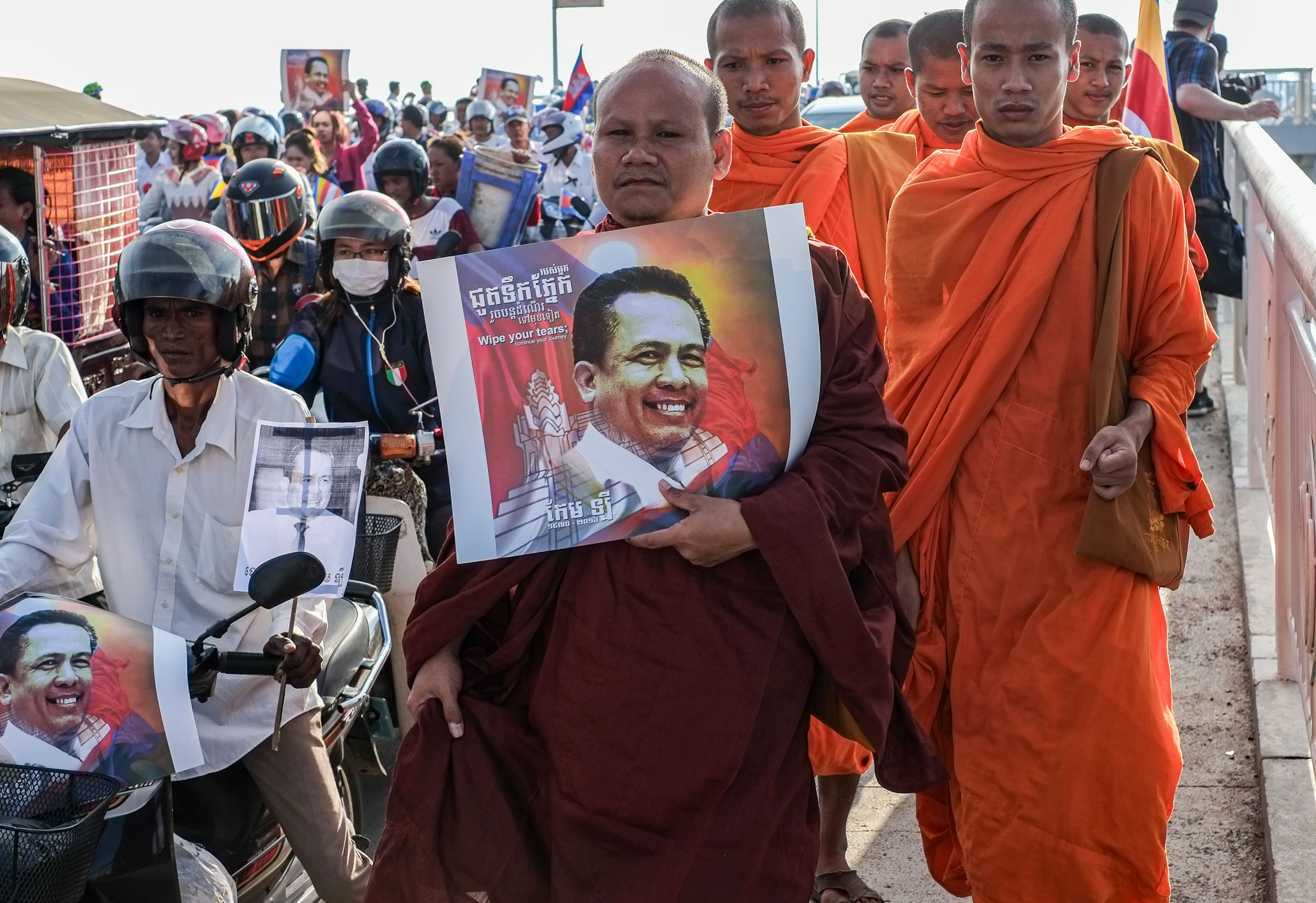
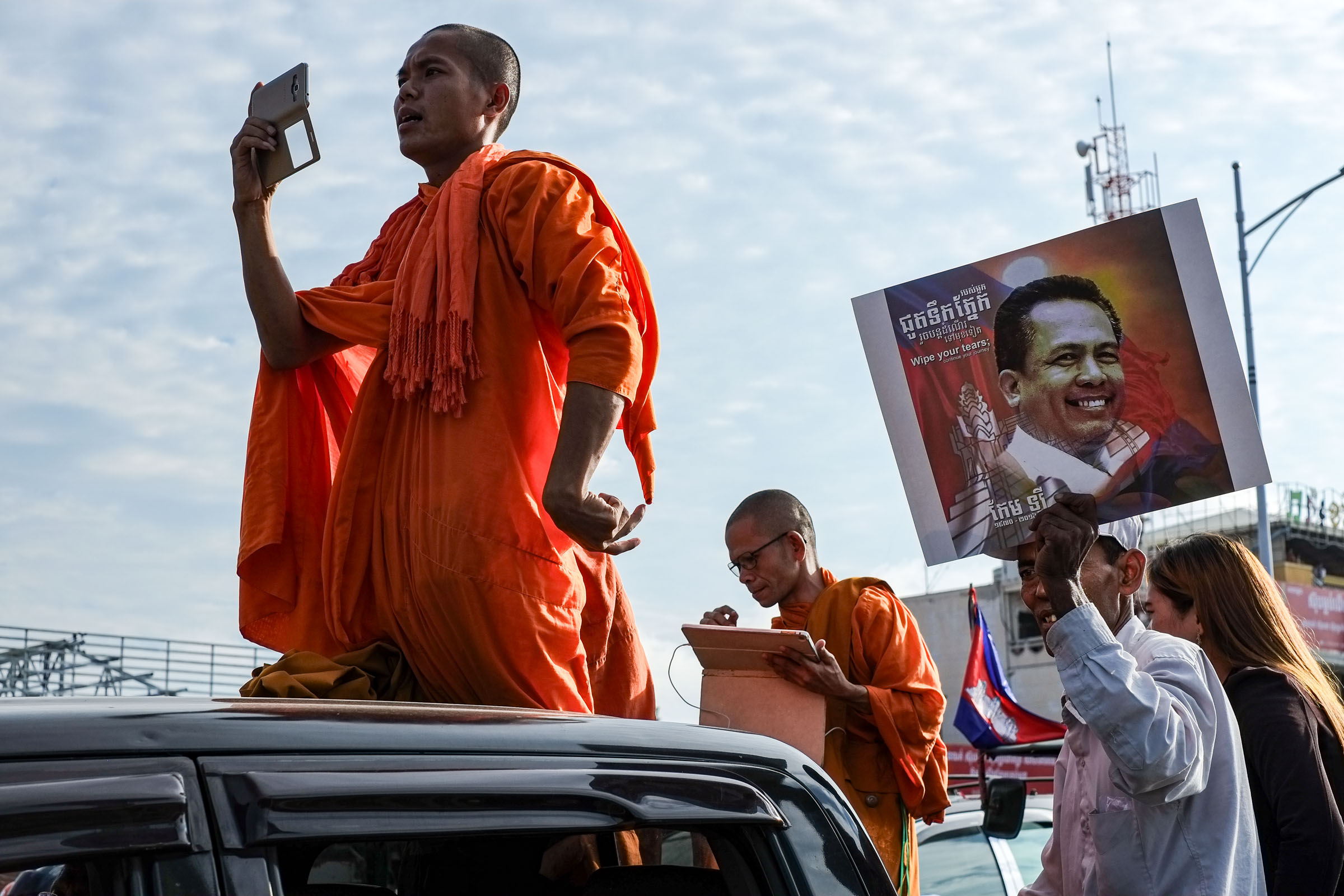
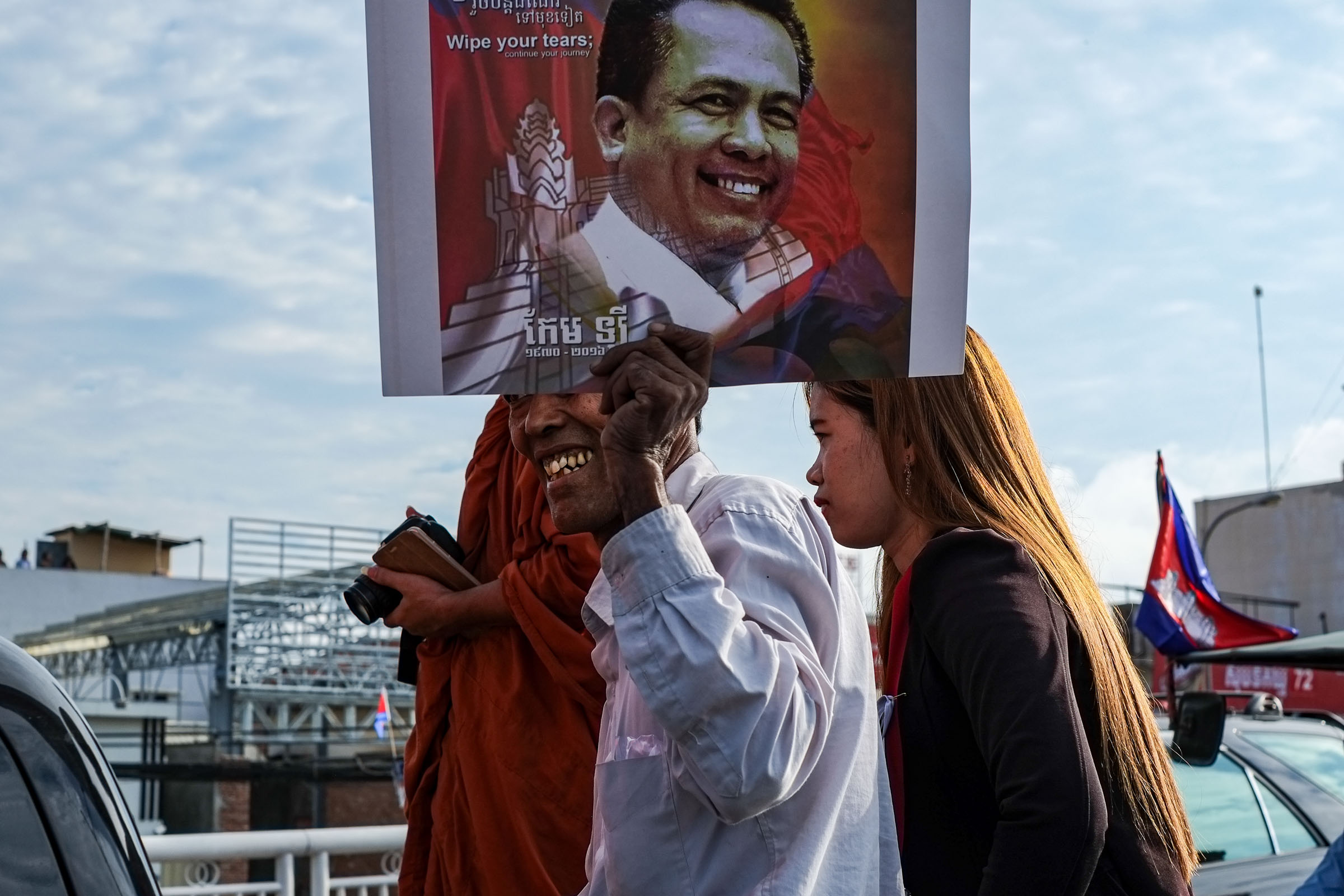
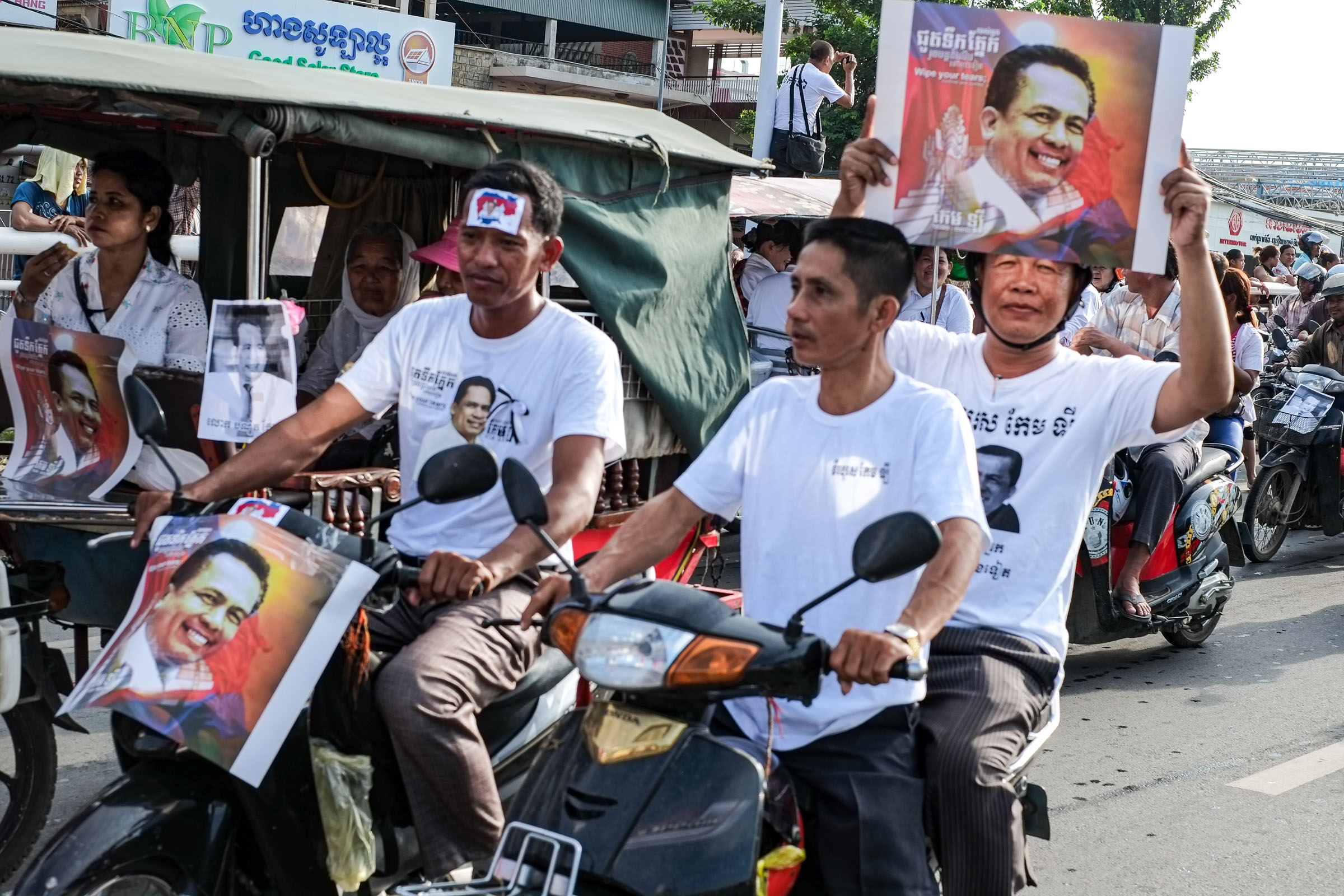
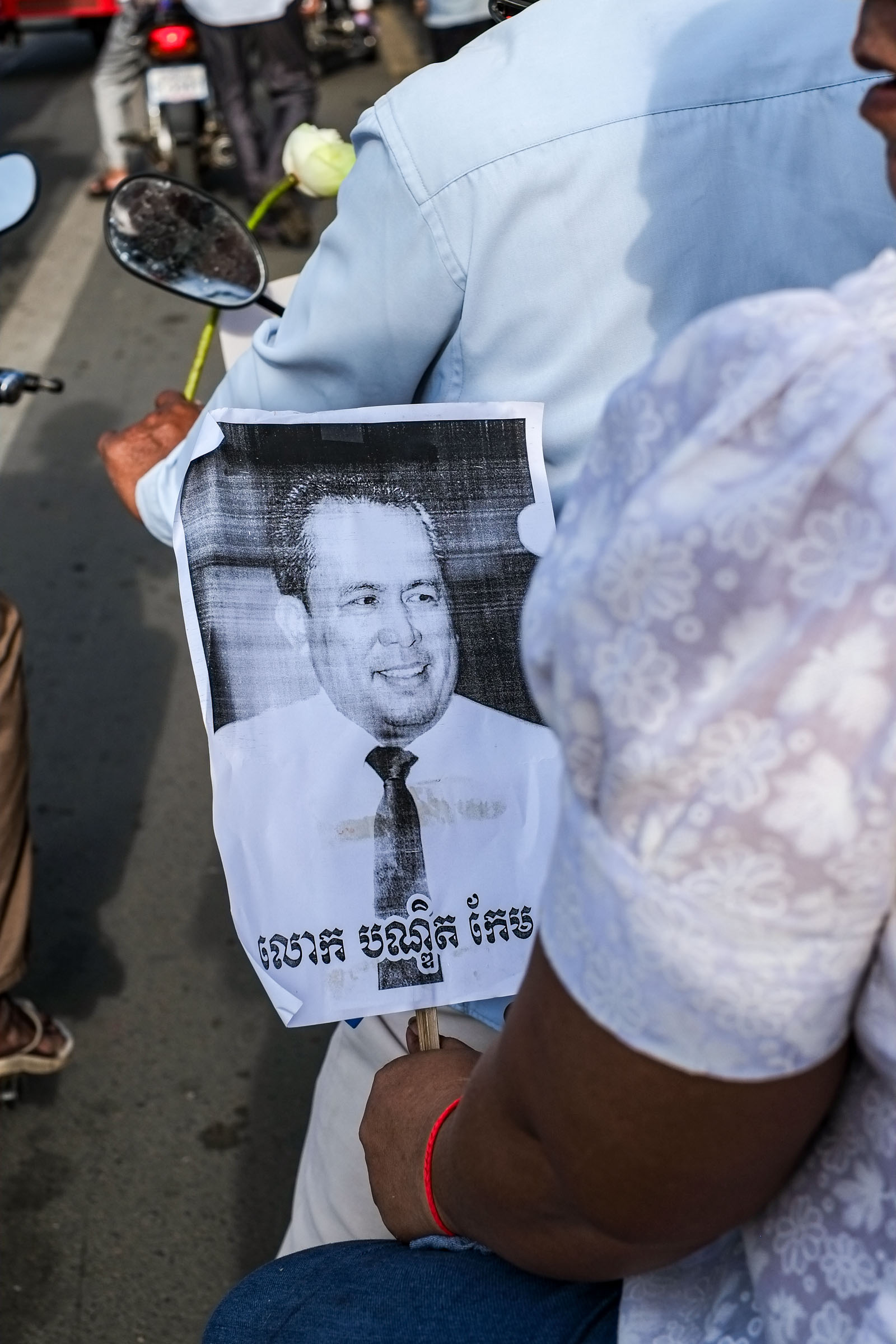
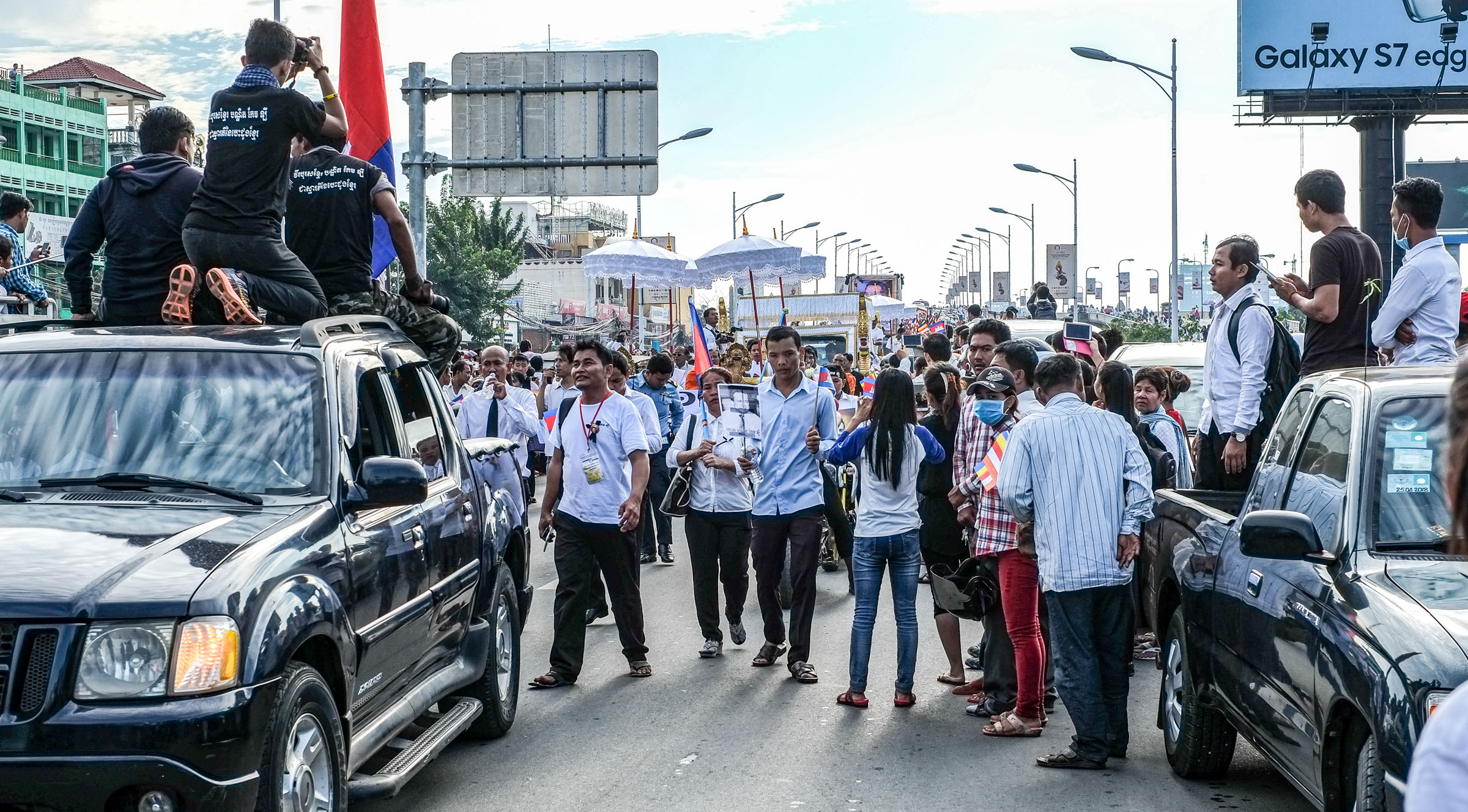
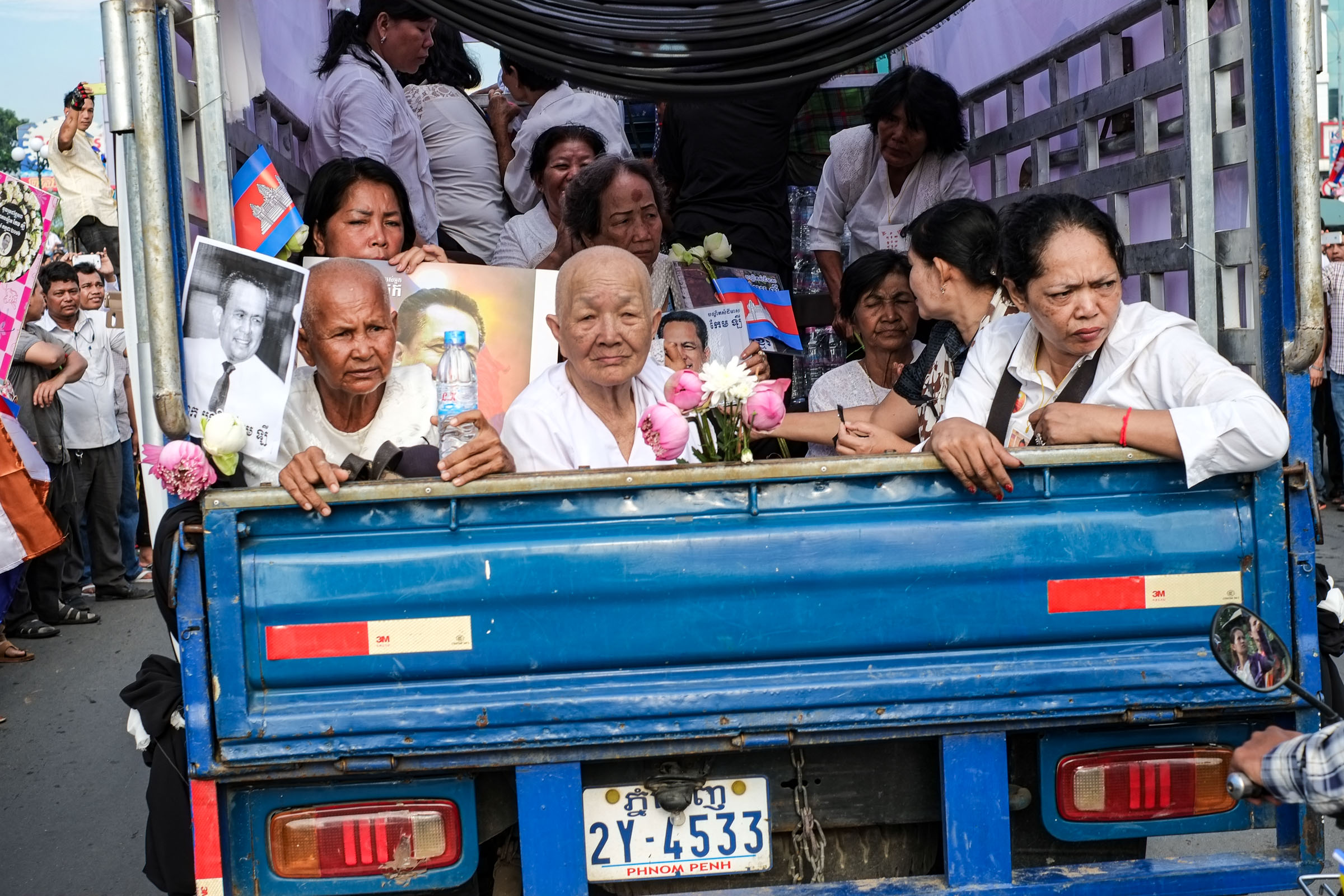
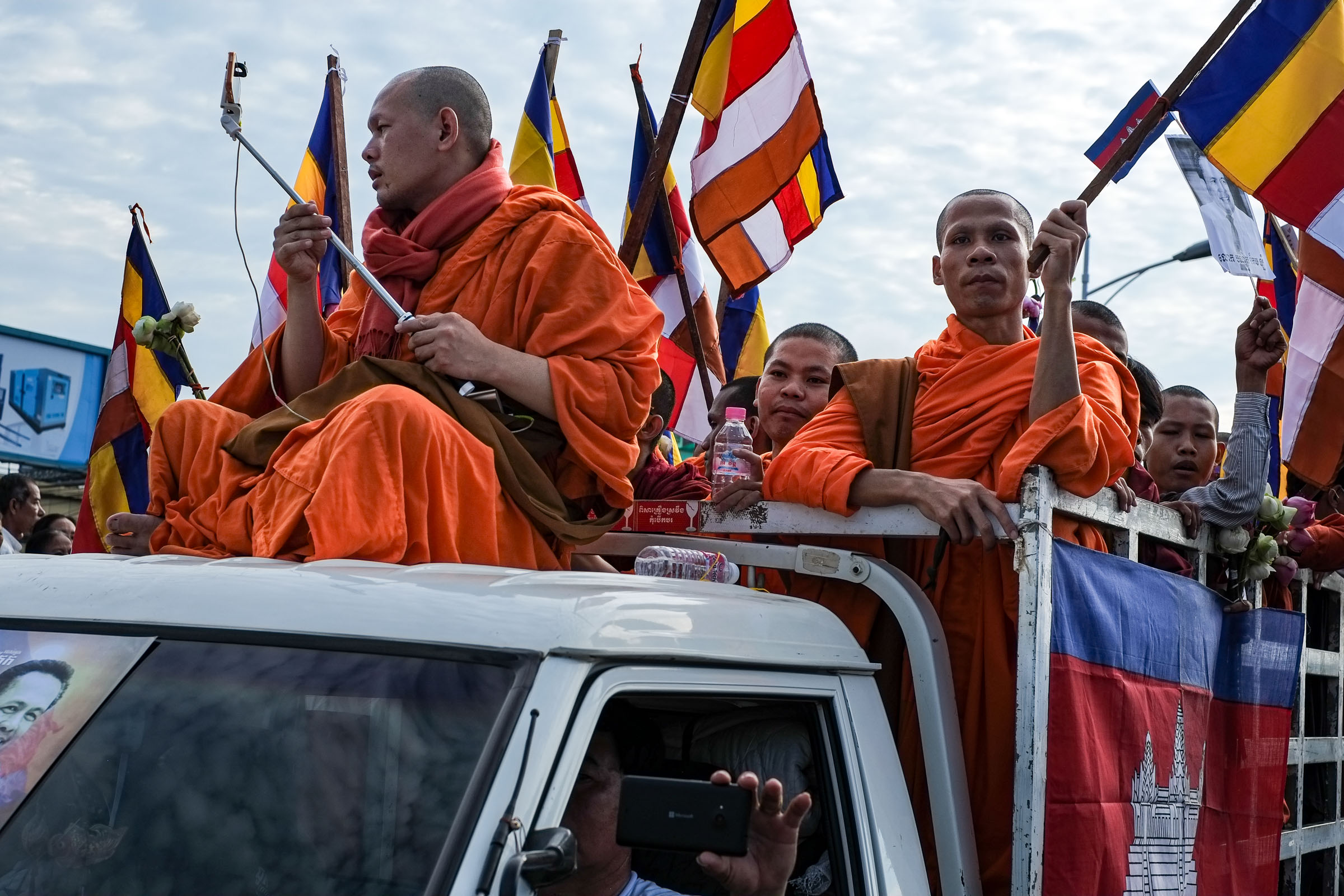
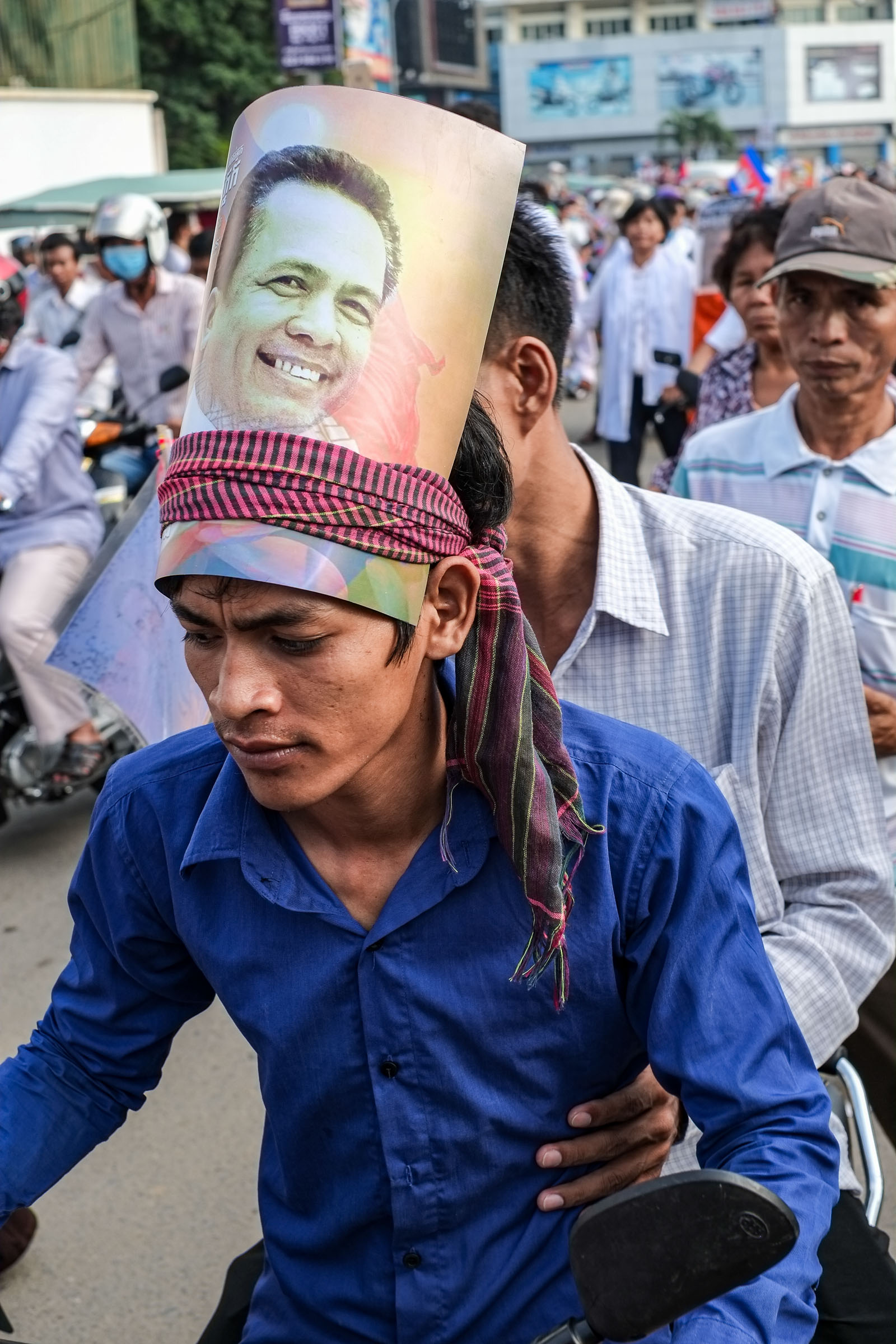
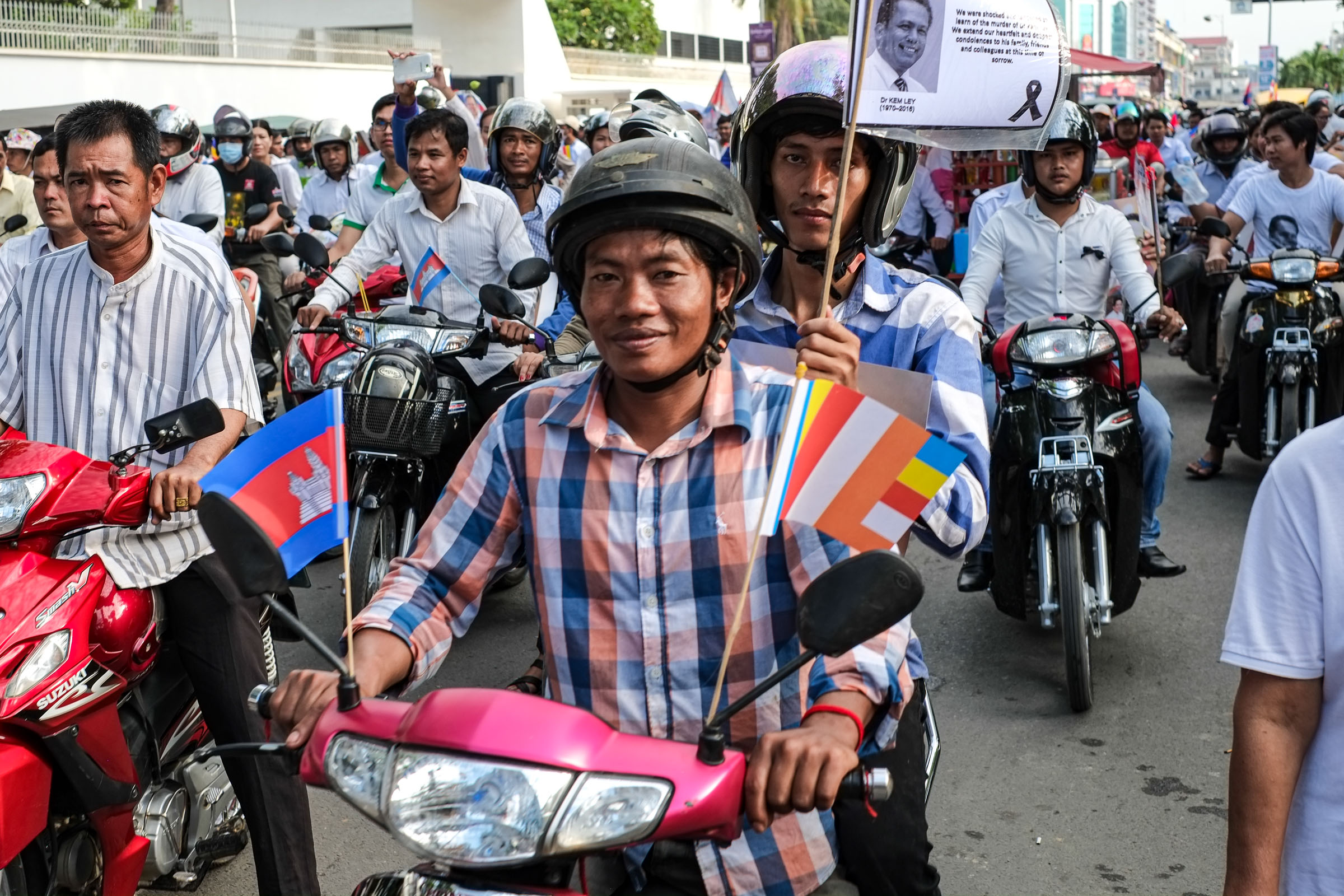
Background of Kem Ley: Kem Ley was a political commentator, physician, and activist from Cambodia who was well-known for criticising the country’s government.
Assassination: It is generally accepted that he was the victim of a politically motivated assassination on July 10, 2016, in Phnom Penh.
Political Engagement: He was active in a number of campaigns and research projects in addition to founding the Grassroots Democracy Party in 2015.
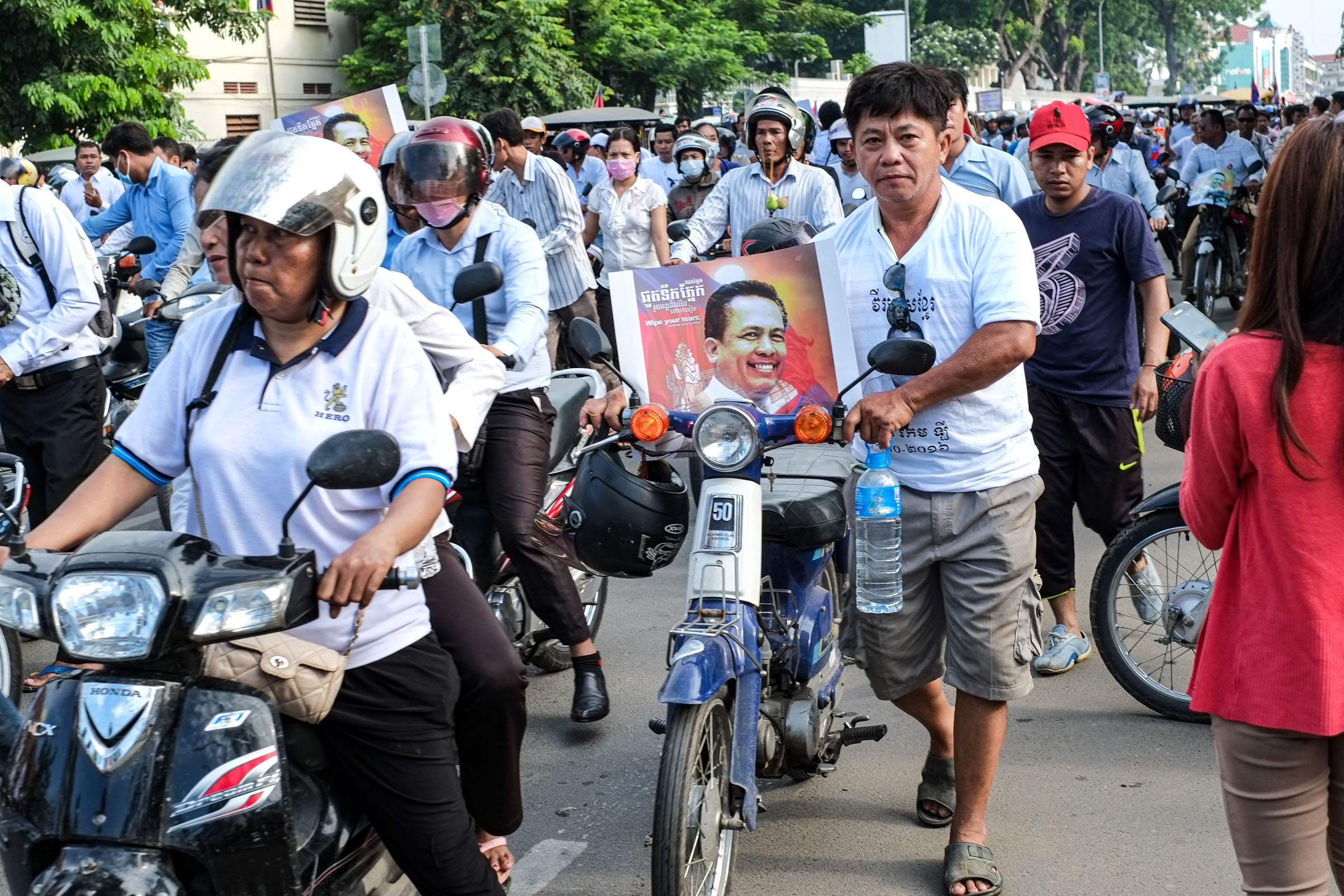
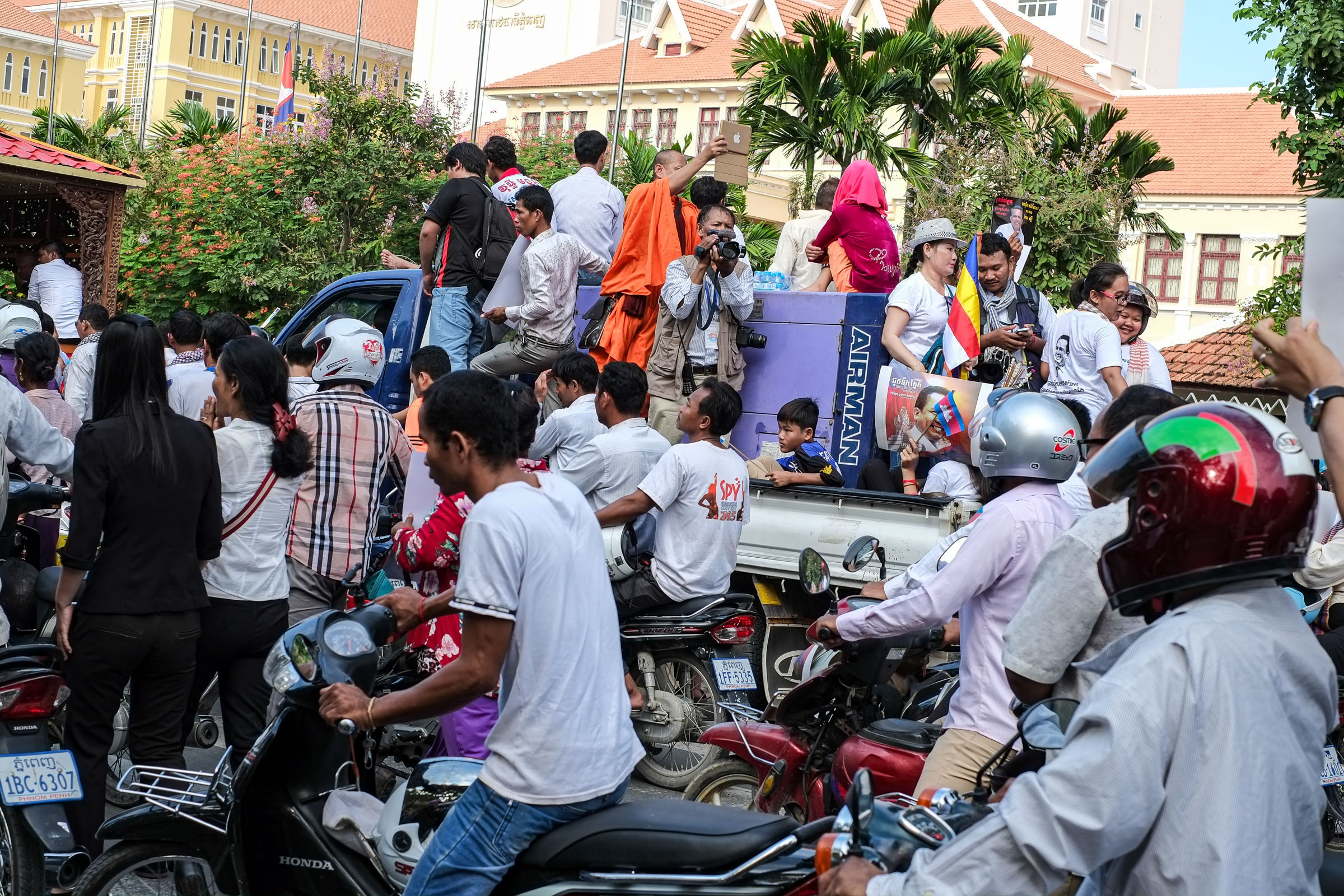
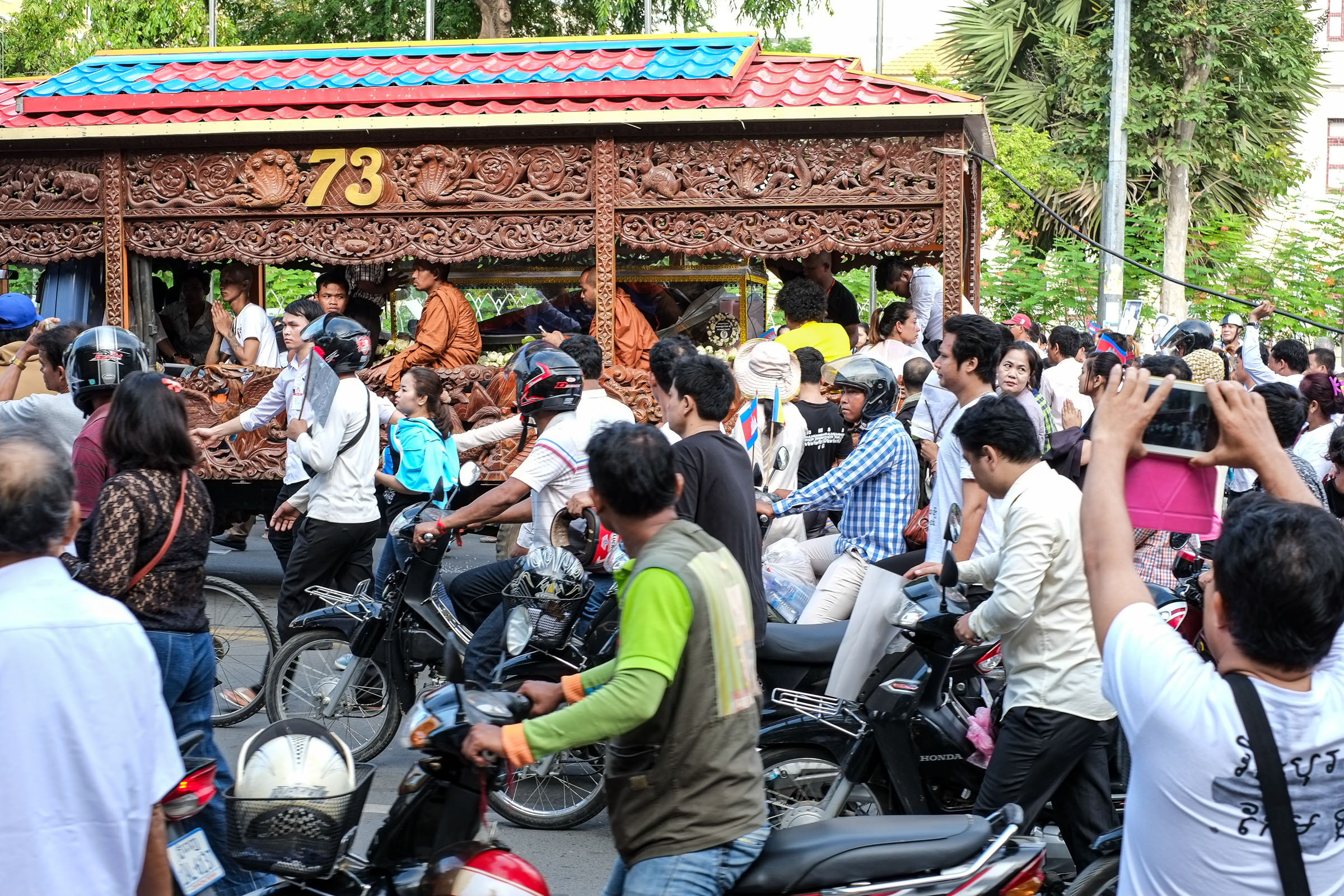
Legacy: Much domestic and international criticism followed his death, and he received the largest attendance at his funeral for a non-royal person in Cambodia.
Kem Ley was a prominent Cambodian political commentator, activist, and physician known for his outspoken criticism of the Cambodian government, particularly the ruling Cambodian People’s Party (CPP) led by the then Prime Minister Hun Sen.
Born on October 19, 1970, in Takeo province, Kem Ley was deeply involved in political and social issues, often addressing corruption, illegal logging, and border disputes.
On July 10, 2016, Kem Ley was tragically assassinated while having coffee at a petrol station in Phnom Penh. His murder sent shockwaves through Cambodia, with many suspecting political motives behind the killing. The gunman, who claimed to have killed Kem Ley over an unpaid debt, was quickly apprehended, but few believed his story.
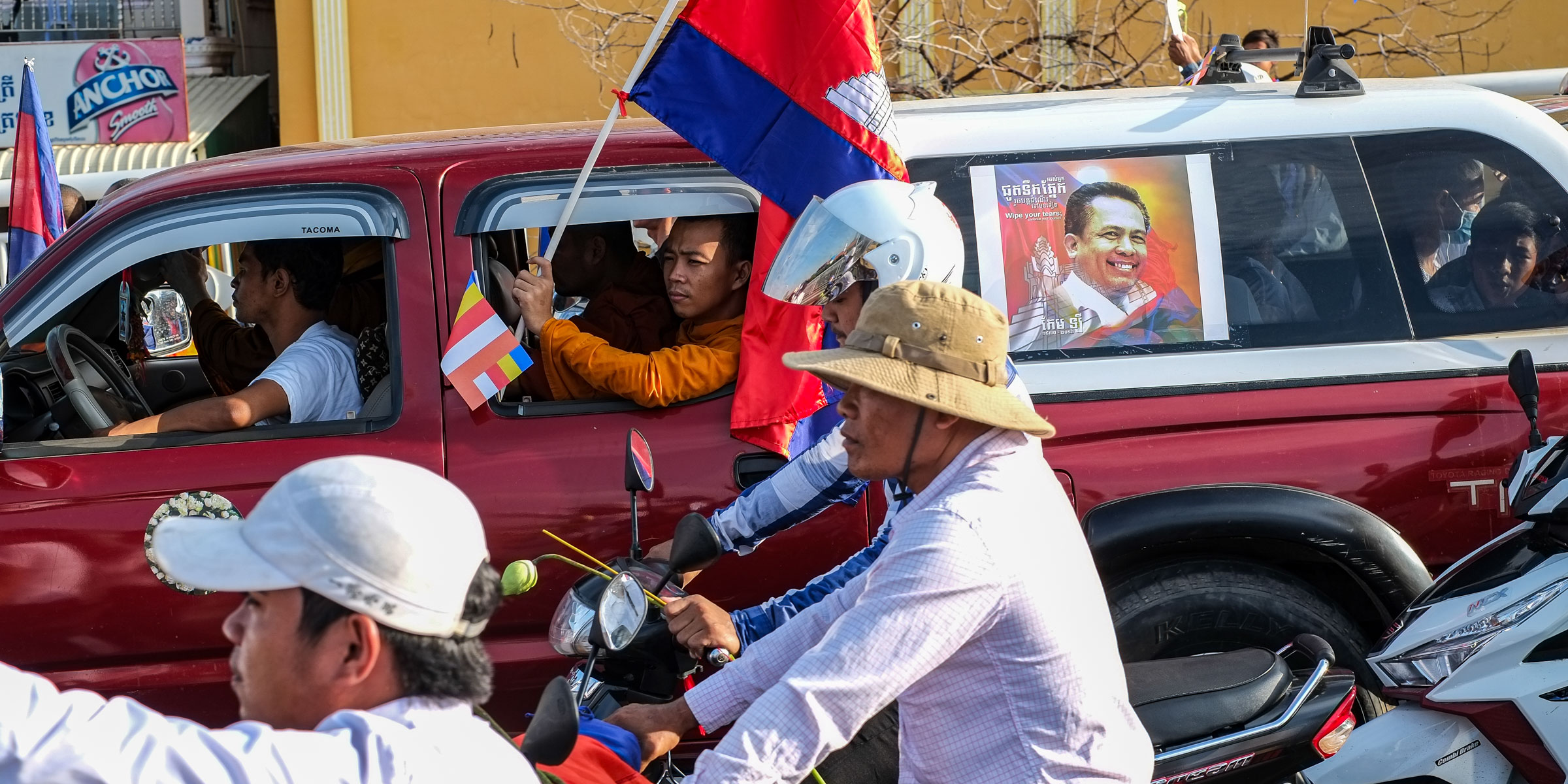
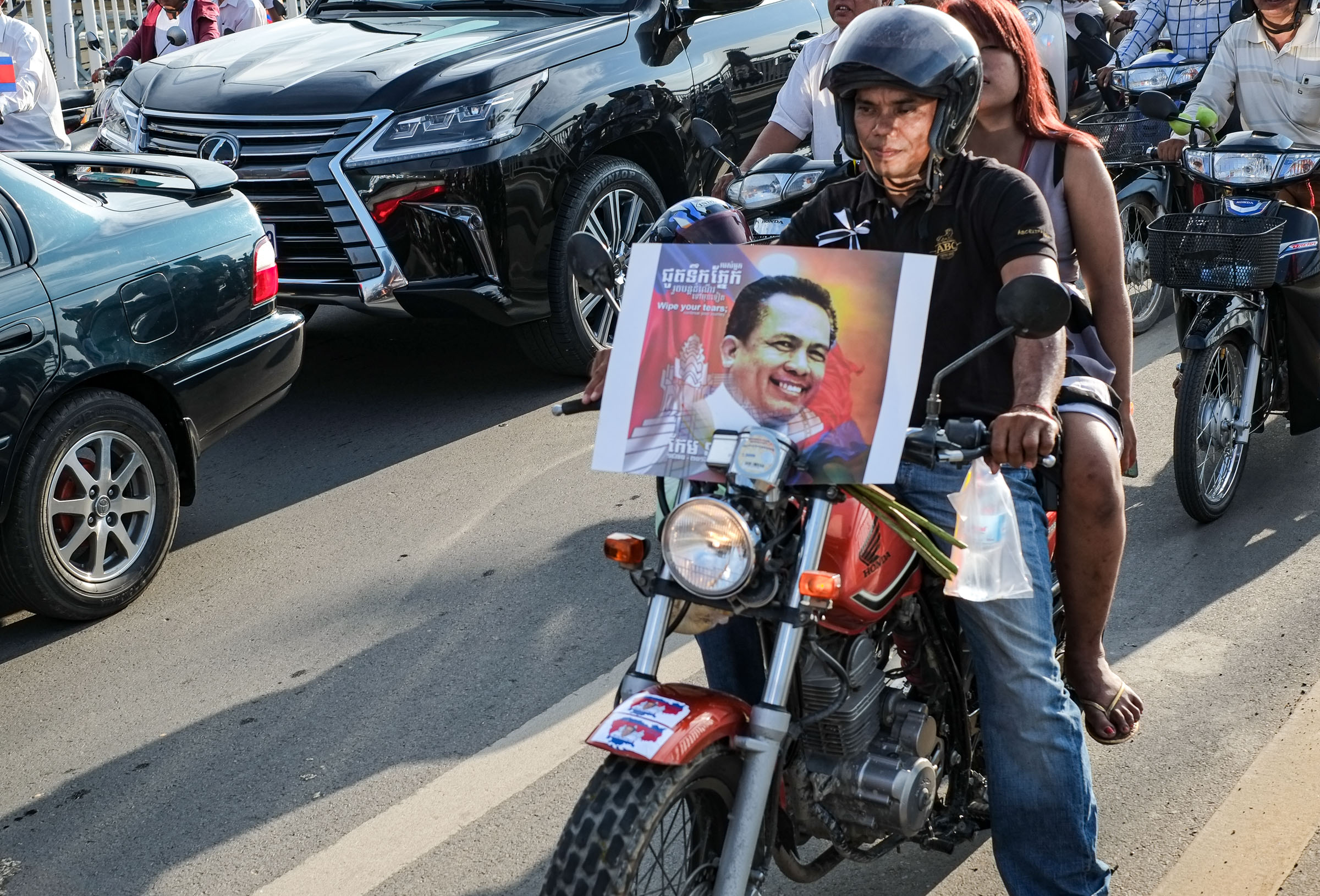
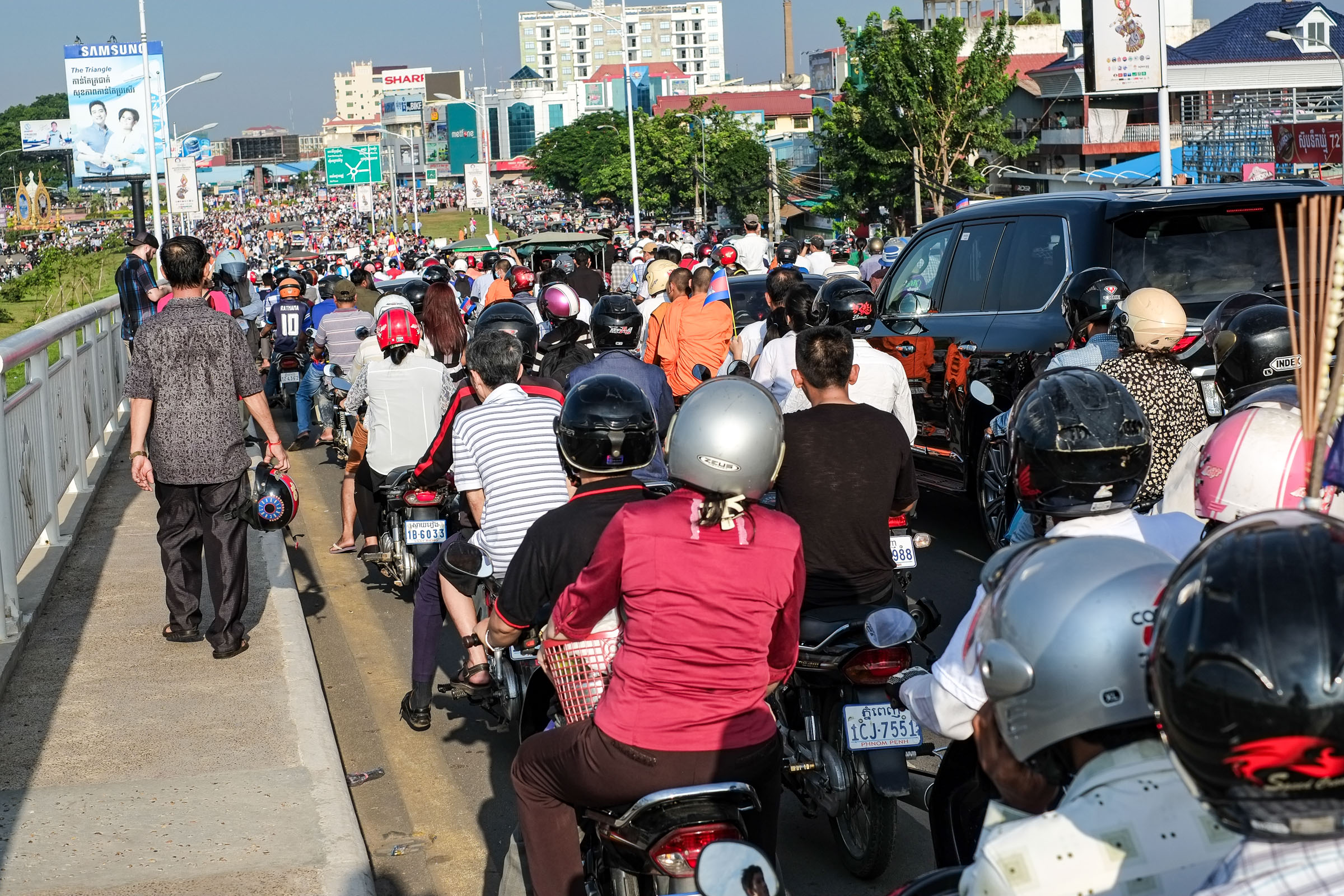
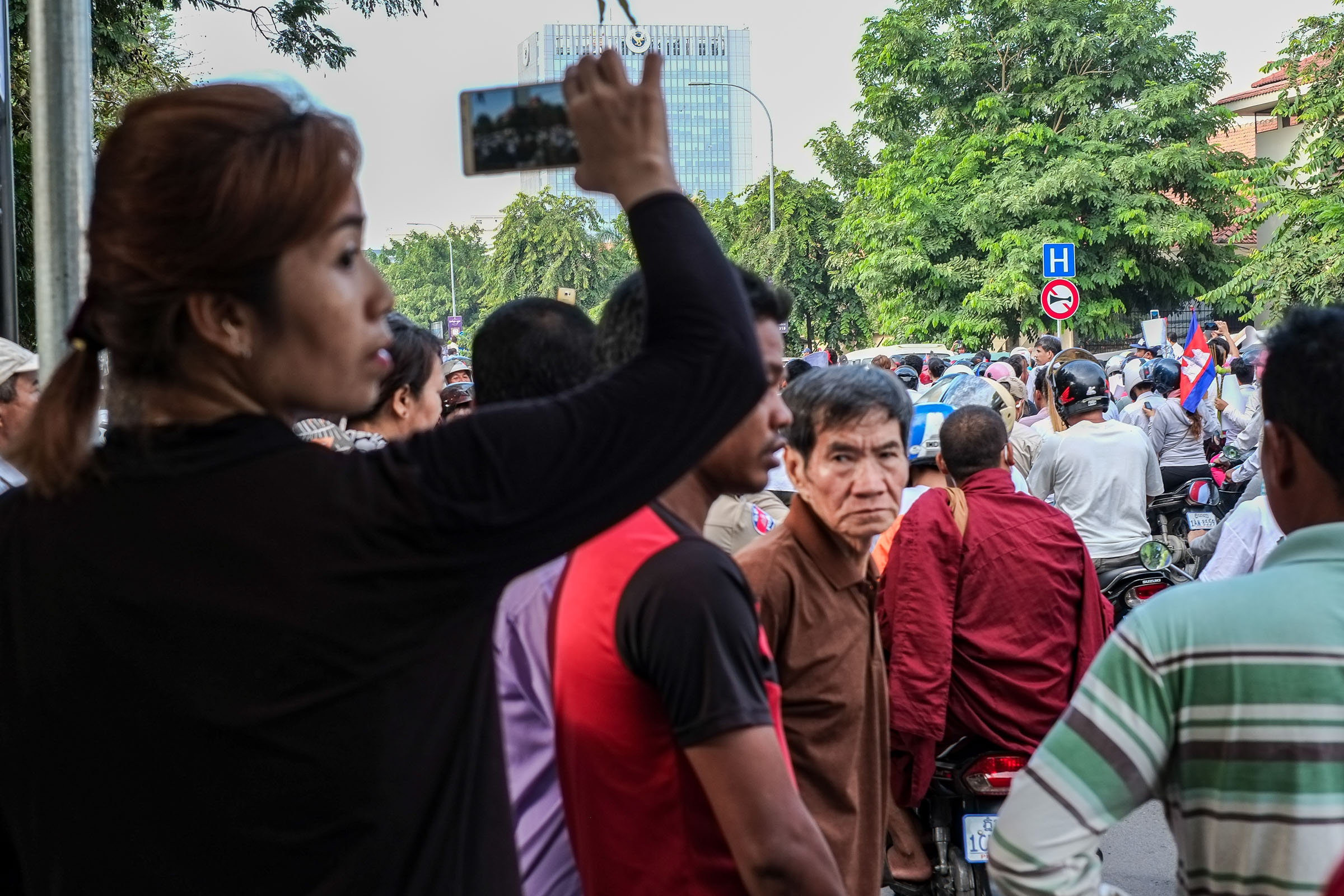
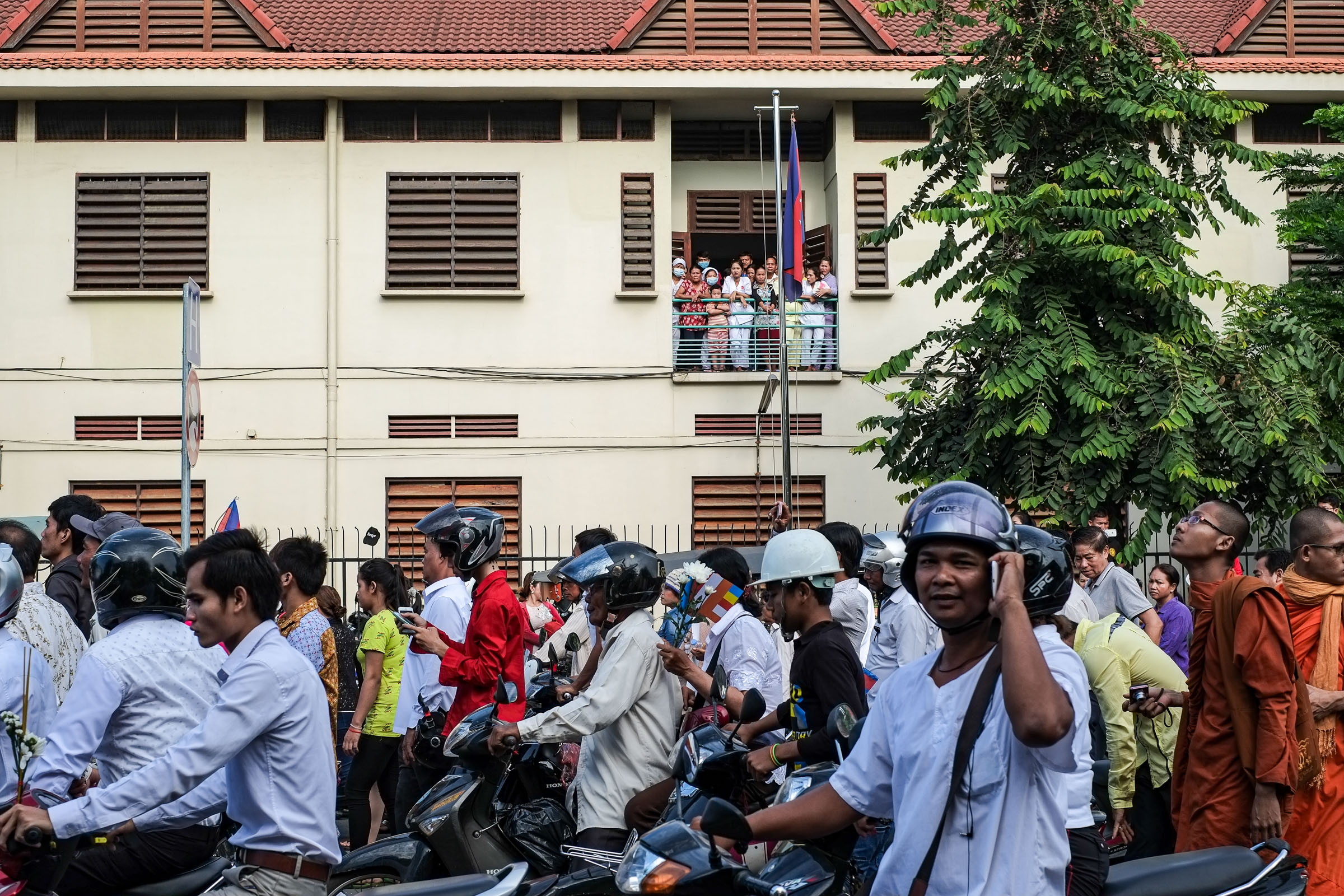
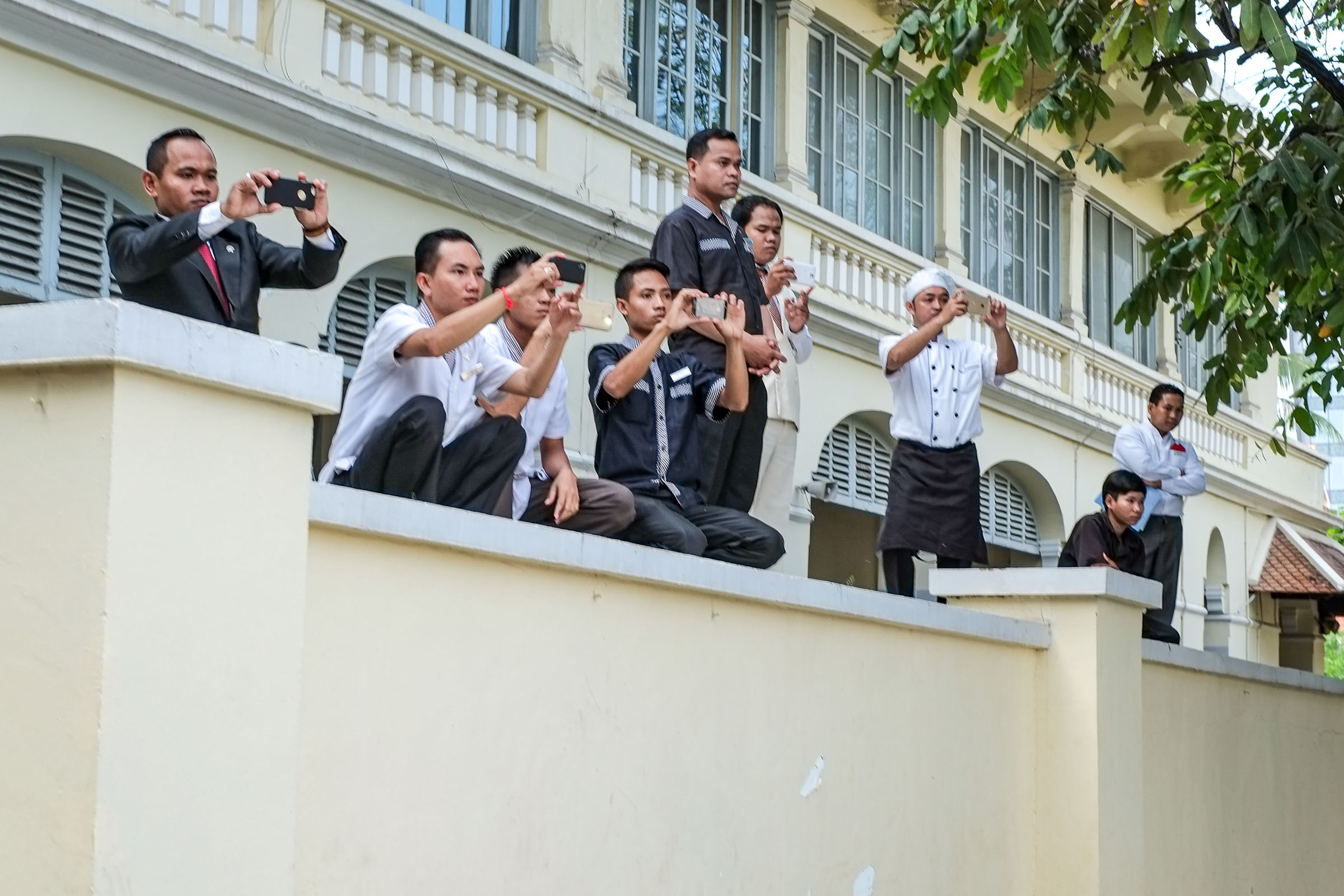
Kem Ley’s death was a significant loss for Cambodia, as he was a voice for many ordinary citizens and a critic of both the government and opposition. His funeral procession drew tens of thousands of mourners, highlighting the impact he had on the nation.
Kem Ley was known for his clear and impactful messages that resonated with many Cambodians. Some of his key messages included:
Anti-Corruption: Kem Ley was a vocal critic of corruption within the Cambodian government. He often highlighted the need for transparency and accountability, particularly criticizing the ruling Cambodian People’s Party (CPP) and Prime Minister Hun Sen.
Social Justice: He advocated for social justice and equality, emphasizing the importance of addressing the needs and rights of ordinary citizens. He believed in empowering people to speak out against injustices and to demand better governance.
Nationalism and Sovereignty: Kem Ley often spoke about the importance of Cambodian nationalism and sovereignty. He was critical of foreign influence, particularly from Vietnam, and urged Cambodians to protect their national interests.
Grassroots Engagement: Through his “100 Nights Campaign,” Kem Ley spent time in rural areas, listening to the concerns of local communities. He believed in understanding the root causes of issues by engaging directly with the people affected.
Balanced Critique: Unlike many commentators, Kem Ley provided balanced critiques of both the government and the opposition. He aimed to present a fair and comprehensive analysis of the political landscape, making his insights accessible to ordinary people.
Kem Ley’s messages continue to inspire many in Cambodia, reflecting his commitment to a more just and transparent society.
Introduction: Defining the Role of Photojournalism as Agent Provocateur
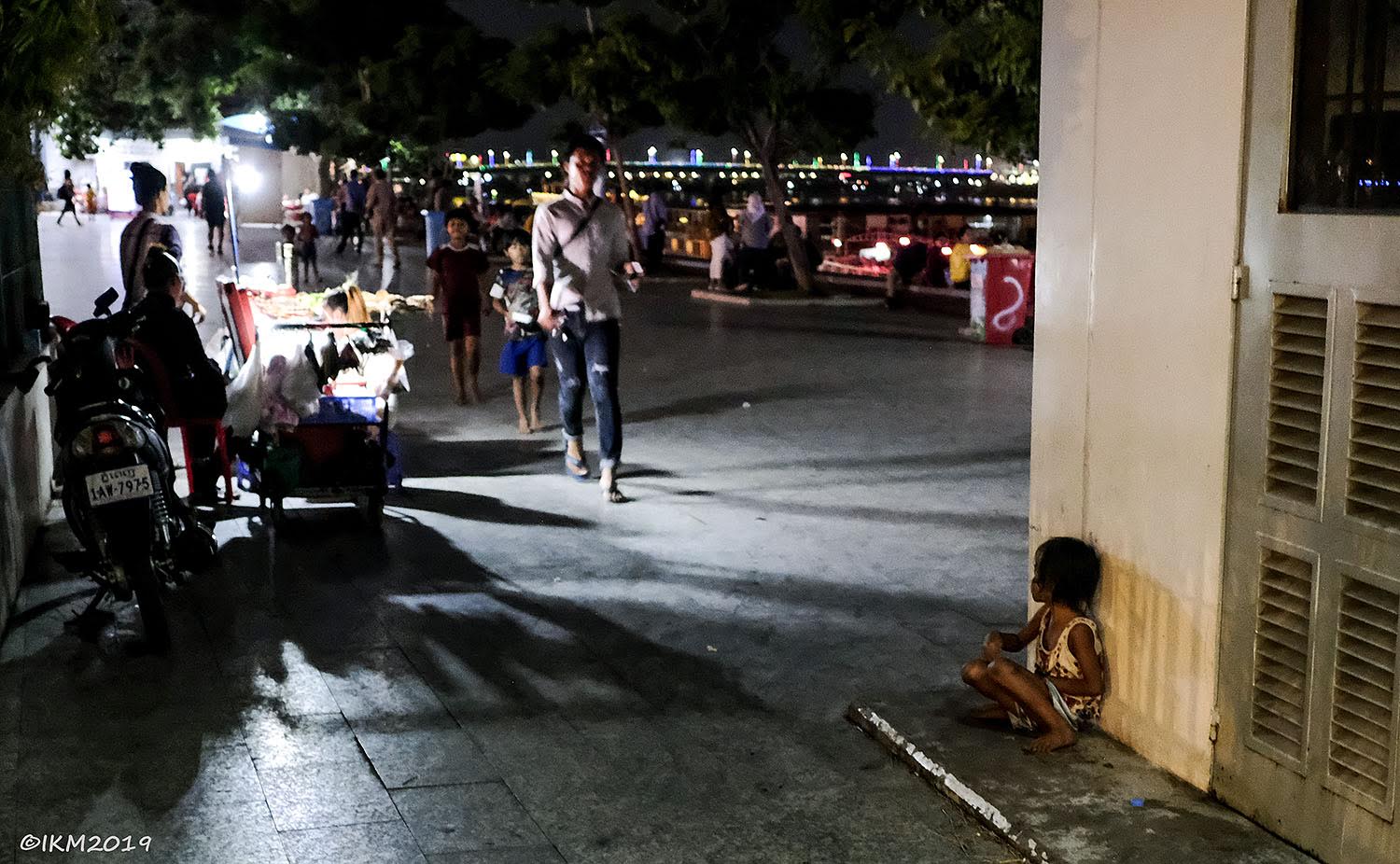
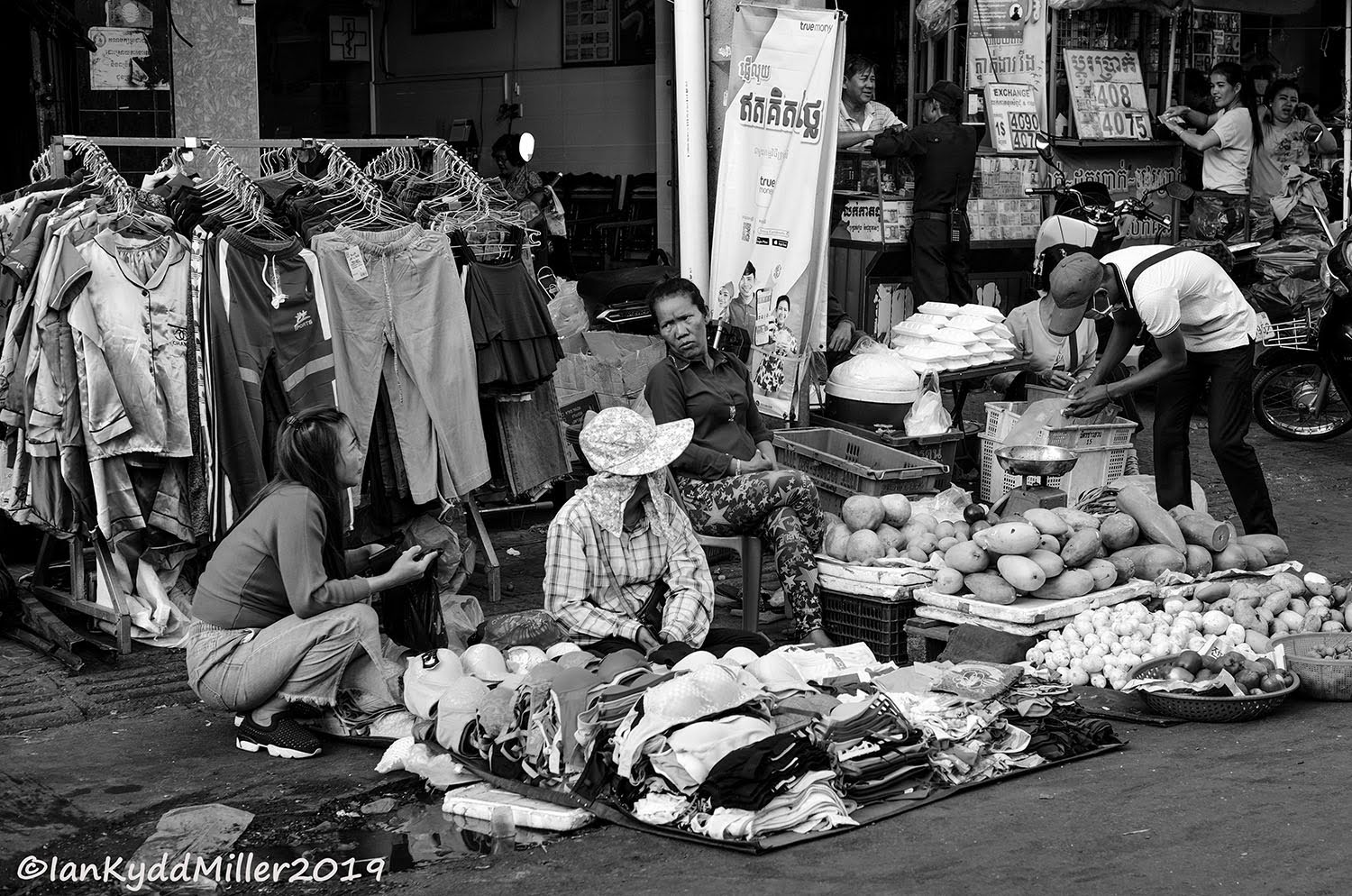
Photojournalism, at its core, is more than just capturing moments in time. It is a powerful medium capable of shaping narratives, influencing public opinion, and even sparking social change. In its most potent form, photojournalism acts as an “agent provocateur,” challenging the status quo, exposing injustices, and prompting critical reflection. This essay explores the role of photojournalism as a catalyst for change, examining how photographers wield the power of the image to ignite dialogue, raise awareness, and ultimately, drive action.
The Ethics and Power of Image: How Photos Can Shape Public Perception
Photojournalism, at its core, is about capturing the truth. It’s about presenting a moment, an event, a human experience in a way that resonates with viewers, leaving a lasting impact on their understanding of the world. But the power of a photograph goes beyond mere documentation; it has the potential to shape public perception, influence opinions, and even spark social change. This power, however, comes with a weighty responsibility.
A single image can evoke a myriad of emotions, from empathy and outrage to fear and indifference. The framing of a shot, the choice of subject matter, the accompanying caption – all these elements contribute to the narrative that the photograph conveys. It’s crucial for photojournalists to be mindful of the potential impact their work can have, ensuring that the images they present are truthful, ethical, and avoid perpetuating harmful stereotypes.
Moreover, the power of images is amplified by the pervasiveness of social media. Images shared online can quickly go viral, reaching a global audience and shaping public discourse. The ease of sharing and the speed at which information travels online demand a heightened sense of ethical responsibility from photojournalists.
The ethical considerations surrounding photojournalism are complex and multifaceted. The photographer’s role is not merely to capture a scene but to be a responsible storyteller, ensuring that the truth is conveyed accurately and ethically. It’s a balancing act between capturing the reality of a situation and avoiding the exploitation or manipulation of those involved. As the adage goes, “a picture is worth a thousand words,” and in the hands of a skilled and responsible photojournalist, it can be a powerful tool for understanding, empathy, and change.
Case Studies: Photojournalism that Sparked Action and Social Change
The power of photojournalism to ignite action and drive social change is undeniable. Throughout history, photographers have captured moments that have awakened the world to injustice, inequality, and the urgent need for reform. These images have served as potent catalysts, galvanizing public opinion and prompting governments and organizations to take action.
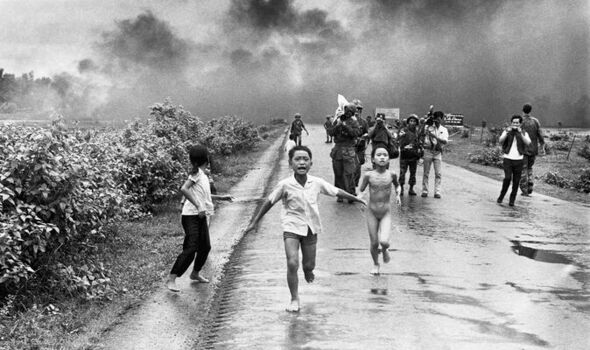
One such case is the iconic photograph of a young girl, Kim Phuc, running naked down a road after being napalmed during the Vietnam War. Taken by Associated Press photographer Nick Ut in 1972, the image became a symbol of the war’s brutality and the suffering of innocent civilians. It sparked global outrage and helped turn public opinion against the war, ultimately contributing to the US withdrawal.
Another compelling example is the work of photojournalist Kevin Carter, who captured a poignant image of a starving Sudanese child being stalked by a vulture in 1993. This photograph, which won Carter a Pulitzer Prize, brought the plight of the Sudanese people to the forefront of international attention. It also ignited a debate about the role of the photographer in such situations, prompting questions about the ethics of documenting suffering without directly intervening.
These cases demonstrate the undeniable power of photojournalism to act as a powerful agent for social change. By capturing and disseminating images that expose injustice and human suffering, photojournalists can awaken the conscience of the world and inspire action.
The Role of the Photographer: Balancing Objectivity with Advocacy
The photographer, standing at the intersection of truth and power, navigates a complex terrain where objectivity and advocacy often collide. While aiming for a balanced representation of reality, the photojournalist often bears witness to injustices and feels compelled to act as a voice for the voiceless. This delicate dance between neutrality and engagement is a defining characteristic of the profession.
The photographer’s role is not simply to document events but to present them in a way that compels viewers to consider their implications. This requires a careful consideration of framing, composition, and the overall narrative conveyed by the image. While striving for objectivity, the photographer must also acknowledge their own biases and perspectives, striving for transparency and accountability in their work.
The challenge lies in finding the right balance. A photojournalist must be able to capture the essence of a story without manipulating it for emotional impact or to push a particular agenda. This requires a strong ethical compass and a commitment to journalistic integrity. Ultimately, the photographer’s goal is to empower viewers to understand the world around them and to become active participants in shaping a more just and equitable society.
The Impact of the Digital Age: Challenges and Opportunities for Photojournalism
The digital age has profoundly impacted photojournalism, presenting both significant challenges and unprecedented opportunities. While the internet and social media have democratized access to information and empowered citizen journalists, they have also led to a proliferation of misinformation and the blurring of lines between professional and amateur photography.
One of the most significant challenges is the rise of “fake news” and the manipulation of images. The ease with which images can be altered and shared online has made it difficult for audiences to discern truth from fabrication. This has eroded trust in traditional media and created a climate of skepticism.
However, the digital age has also opened up new avenues for photojournalists to reach audiences and tell stories. Social media platforms like Instagram and Twitter have become powerful tools for disseminating images and connecting with audiences around the world. Photojournalists are now able to use these platforms to engage in real-time reporting, share their work directly with the public, and build communities around their photography.
Moreover, the development of new technologies like drone photography and virtual reality has provided photojournalists with innovative ways to capture and present their work. These technologies offer immersive experiences that can transport audiences to the heart of events and foster deeper understanding.
In conclusion, the digital age has presented photojournalism with both challenges and opportunities. While the spread of misinformation and the erosion of trust are significant concerns, the digital landscape also provides new tools for reaching audiences, engaging in real-time reporting, and presenting stories in innovative ways. As photojournalism navigates this evolving media environment, it must adapt to the challenges while embracing the opportunities to continue its vital role as a powerful force for social change.
Conclusion: The Enduring Power of Photojournalism to Challenge the Status Quo
In a world saturated with information, photojournalism remains a potent force for change. Its ability to capture the raw emotion and reality of events, often in a single, powerful image, can transcend language barriers and ignite empathy. Photojournalists, acting as agents provocateurs, wield the camera as a tool to challenge the status quo, expose injustice, and spark social change. Their work is not merely documentation; it is a call to action, a testament to the enduring power of visual storytelling.
While the digital age has brought new challenges and opportunities, the core principles of photojournalism remain steadfast. Ethical considerations and the pursuit of truth continue to guide the craft. The power of a single photograph to shape public perception and drive societal change is undeniable. In a world where information is often manipulated and distorted, photojournalism stands as a beacon of truth, holding a mirror to society and urging us to confront the realities we often choose to ignore. It is a reminder that even in the face of adversity, the human spirit, captured through the lens of a camera, can inspire hope and ignite the flames of change.
Photojournalism, in its essence, is a powerful act of defiance. It challenges the dominant narrative, exposes the uncomfortable truths, and compels us to question the world around us. It is a testament to the enduring power of visual storytelling and its ability to spark dialogue, ignite change, and ultimately, shape a better future.
Objectivity in Photography:
Ethical Responsibility: Photographers strive to capture and present images truthfully, avoiding manipulation or exploitation.
Awareness of Bias: They acknowledge personal biases and aim for transparency in their work.
Balanced Representation: Careful consideration of framing and composition to convey a story without pushing an agenda
Journalistic Integrity: A commitment to the ethical standards of journalism guides their approach to storytelling
In the fast-paced world of digital photography, where technology evolves at breakneck speed, the Fujifilm X-Pro2 stands out as a testament to timeless design and enduring quality. Launched in 2016, this camera quickly became a favourite among photographers who appreciated its retro aesthetic, advanced features, and the tactile experience it offered.
The X-Pro2 was a significant upgrade from its predecessor, the X-Pro1, boasting a 24MP X-Trans CMOS III sensor, an expanded ISO range, and a hybrid viewfinder that combined the best of optical and electronic components. Its design paid homage to the classic rangefinders, with dials and controls that provided a hands-on approach to photography, making every shot a deliberate and thoughtful process.
Despite the release of newer models, the X-Pro2 remains a dream camera for many. Its build quality is exceptional, with an all-metal body and environmental sealing that withstands the test of time and the elements. The image quality, with its unique colour rendition and film simulations, continues to charm photographers, evoking a sense of nostalgia while delivering modern performance.
The autofocus system of the X-Pro2, with its 273 points and phase-detect coverage, brought a new level of precision and speed to the X-series. This made the camera not only suitable for street and portrait photography but also for capturing moving subjects with ease.
Moreover, the X-Pro2’s firmware updates have kept it relevant, improving functionality and keeping the user experience fresh. It’s a camera that grows with you, adapting to the changing landscape of photography while maintaining its core identity.
The X-Pro2 may not have the latest bells and whistles of its successors or competitors, but it offers something that goes beyond specifications: a connection to the art of photography. It’s a camera that encourages you to slow down, compose your shot, and immerse yourself in the moment.
For those who value the experience as much as the outcome, the Fujifilm X-Pro2 remains not just a dream camera, but a beloved companion on their creative journey. Its legacy continues to inspire, proving that in a world where the new often overshadows the old, there are some things that remain timeless. The Fujifilm X-Pro2 is indeed one of those rare gems in the photography world.
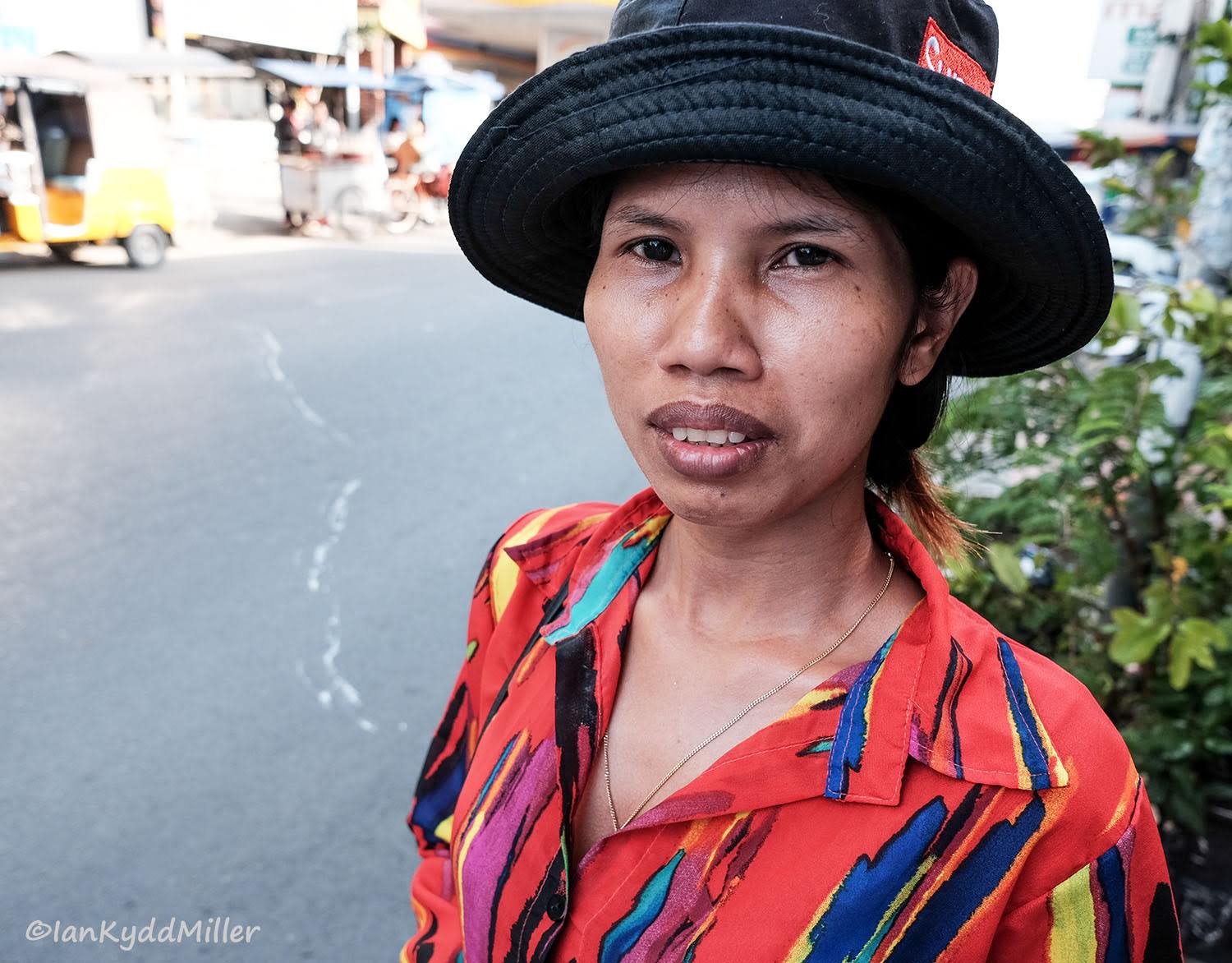
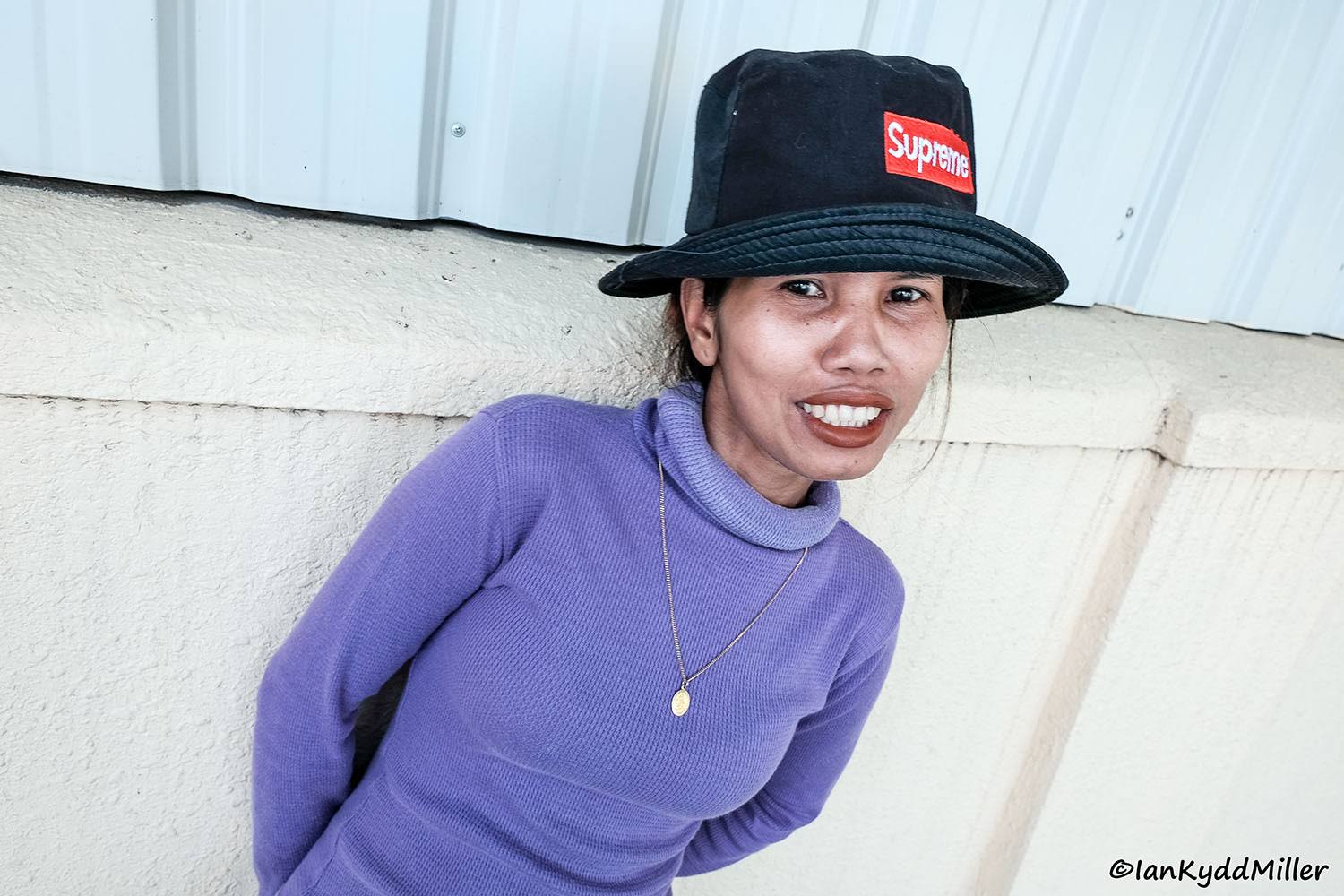
Portrait photography is an art that captures the essence of a person, telling their story through a single frame. The right lens can make all the difference in bringing that story to life, and the Fuji XF 56mm f1.2 is a lens that has been making waves in the photography community for just this purpose.
Designed for the Fujifilm X series cameras, the XF 56mm f1.2 is equivalent to an 85mm lens on a full-frame camera, a focal length revered by portrait photographers for producing flattering images with a natural perspective. The wide f/1.2 aperture of this lens allows for a shallow depth of field, creating that dreamy bokeh effect that isolates the subject from the background, making them stand out in stunning clarity.
The construction of the lens is nothing short of impressive, featuring 11 elements in 8 groups, including two extra-low dispersion elements and one double-sided aspherical element. These components work together to control spherical and chromatic aberrations, ensuring sharp, clear images with minimal distortion.
The lens is not just about sharpness and bokeh; it’s also built to last. The solid construction feels great in hand and attaches seamlessly to cameras like the Fuji X-T2 and, of course, the X-Pro2. It’s a lens that’s been described as super sharp, even when wide open and one that exhibits beautifully dreamy bokeh.
Photographers have noted that while the XF 56mm f1.2 is not the fastest-focusing lens in Fujifilm’s lineup, it more than makes up for it with its optical performance. It’s a lens that demands a careful technique, rewarding the photographer’s precision with exceptional image quality.
The lens’s maximum magnification of 0.09 and the angle of view of 28.5° make it versatile for not just traditional portraits but also for wedding and studio work, where detail and expression are paramount. The seven rounded diaphragm blades contribute to a pleasing out-of-focus quality, which is essential for creating that professional look in portraits.
For those using the X-Pro2, the XF 56mm f1.2 is a match made in heaven. The X-Pro2’s advanced sensor and image processing capabilities, combined with the lens’s optical qualities, result in rich images in detail and texture. The camera’s classic design and modern features complement the lens’s performance, making for a powerful duo in the world of portrait photography.
In conclusion, the Fuji XF 56mm f1.2 is more than just a lens; it’s a tool that empowers portrait photographers to capture the soul of their subjects. Its wide aperture, focal length, and construction quality make it an invaluable asset for anyone serious about portrait photography. Whether you’re shooting in a studio, at a wedding, or out in the streets, the XF 56mm f1.2 is sure to help you create work that resonates with beauty and emotion. This lens is undoubtedly a great choice for those looking to elevate their portrait work with the X-Pro2. Happy shooting!
In the world of photography, having the right gear is just as crucial as having the right vision. The Lowepro Stealth Reporter 650 AW camera bag is a testament to this, offering photographers a reliable and robust solution for carrying their valuable equipment. Designed with the needs of photojournalists and news photographers in mind, this bag is built to withstand the elements while providing quick and easy access to lenses and digital accessories.
The Stealth Reporter 650 AW is crafted from durable ballistic nylon and high-density closed-cell foam, ensuring that it can handle the rough and tumble of on-the-go photography. The bag’s exterior is water-resistant, making it suitable for unpredictable weather conditions, and it comes with an All Weather Cover™ for additional protection against rain, snow, dust, and sand.
One of the standout features of the Stealth Reporter 650 AW is its capacity. It can comfortably house a large pro DSLR with an 80-200mm f/2.8 lens attached, an additional camera body, and several other lenses or accessories. This makes it an ideal choice for professionals who need to carry a variety of gear for different shooting scenarios.
Accessibility is another key aspect of this bag’s design. A quick-access zipper on the case lid allows for instant one-handed access to the camera, which can be invaluable in situations where every second counts. The interior of the bag is customizable with removable padded inserts, which not only provide improved protection but also offer flexibility in how the space is utilized.
For photographers who need to carry their work with them, the Stealth Reporter 650 AW accommodates most 17″ laptops, allowing for on-site editing and immediate file backup. Additionally, the bag features dual pockets under the flap for passports, tickets, and smartphones, keeping essential items within easy reach.
Comfort has not been overlooked, either. The bag’s deluxe shoulder strap and companion cross-body stability strap are fully adjustable, ensuring a comfortable fit for those long days on the field. For added convenience, the bag includes a sleeve for mounting on rolling luggage handles, making travel smoother and more efficient.
In conclusion, the Lowepro Stealth Reporter 650 AW is more than just a camera bag; it’s a mobile workstation for photographers who demand durability, versatility, and accessibility. Whether braving the elements or navigating the urban jungle, this bag is ready to be the trusty sidekick for visual storytellers everywhere.
***I use the 650 AW for my heavyweight Nikon and Canon gear and the 200 AW for my smaller, lighter Fujifilm cameras and lenses. ***
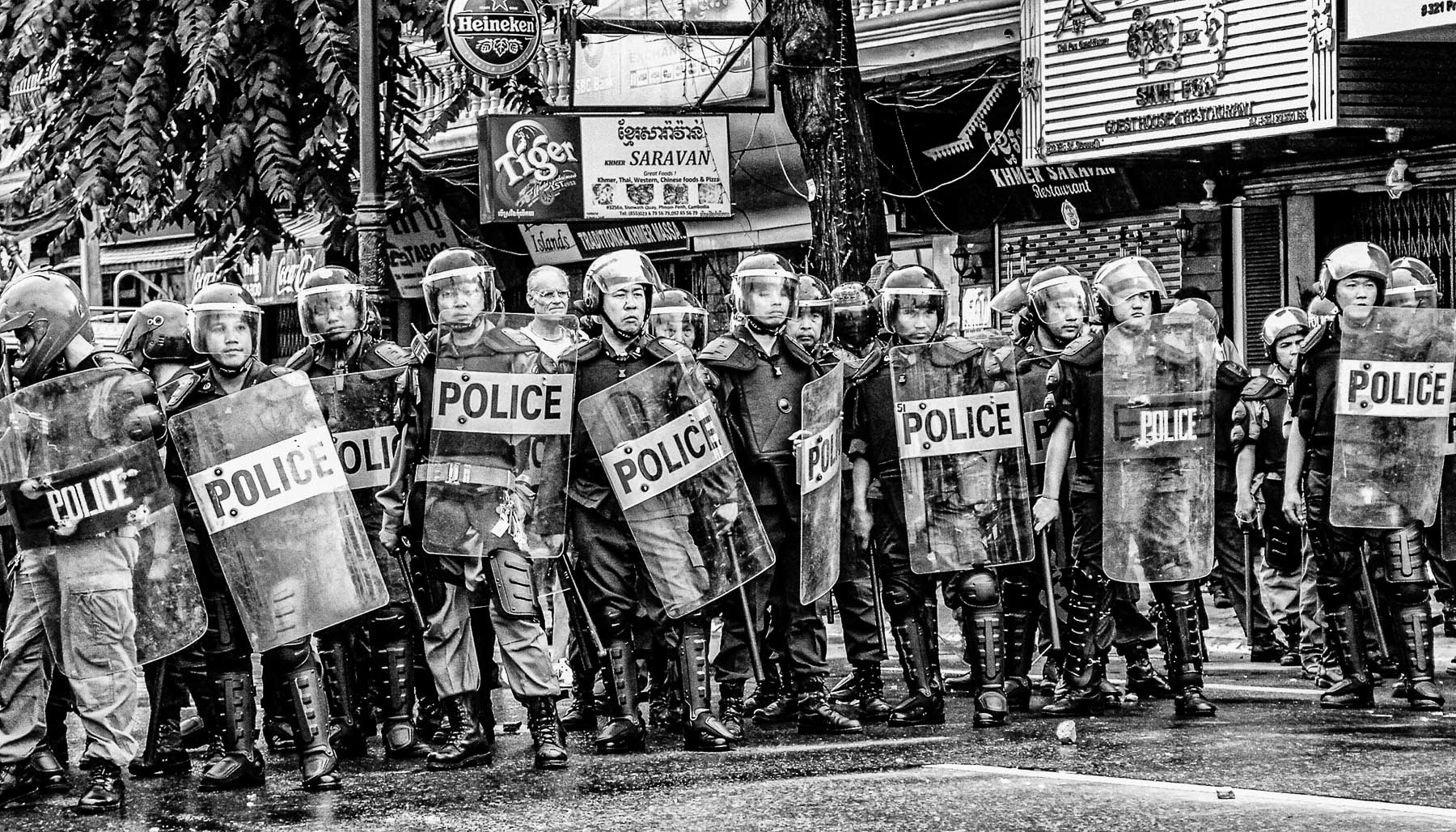
Public gatherings, demonstrations, and large events are a hallmark of a vibrant society, where people come together to celebrate, protest, or participate in communal activities. However, these gatherings can also present significant safety challenges, particularly when they involve large crowds, loud noises, and the potential for danger.
The science of crowd dynamics is a fascinating field that delves into the behavior of people in large groups. It draws from various disciplines, including psychology, sociology, and physics, to understand how individuals act within a crowd and how a crowd behaves as a collective entity. This knowledge is crucial for event organizers, law enforcement, and public safety officials to ensure the well-being of participants in crowded settings.
One of the key aspects of crowd dynamics is the concept of ‘social force,’ which describes how individuals in a crowd maintain a certain distance from each other, much like particles that repel one another. This invisible force helps prevent collisions and allows for the orderly movement of people. However, in high-density situations, such as a packed concert or a busy festival, this social force can break down, leading to dangerous scenarios where individuals are unable to move freely and may even be crushed by the pressure of the crowd around them.
The tragic events that have occurred in the past, such as the human pile-up in Seoul’s Itaewon district in 2022, highlight the devastating consequences that can arise when crowd safety is not adequately managed. These incidents underscore the need for comprehensive planning, crowd control measures, and emergency response strategies to prevent similar tragedies.
In addition to physical safety, the presence of loud noises, such as those from demonstrations or concerts, can also pose risks. Prolonged exposure to high decibel levels can lead to hearing damage, and the cacophony of a crowd can create confusion and panic during emergencies. Organizers need to consider noise control and communication methods to ensure messages can be clearly conveyed to attendees, even amidst the din of a bustling crowd.
Moreover, the potential for violence or dangerous situations, such as shootings, adds another layer of complexity to crowd management. Law enforcement and security personnel must be trained to respond effectively to such threats, balancing the need to neutralize danger with the imperative to avoid harming innocent bystanders. This delicate task requires not only tactical skill but also an understanding of crowd psychology and behaviour.
Ultimately, the study of crowd dynamics serves as a reminder of our shared responsibility to prioritize safety in public spaces. Whether attending a peaceful protest, a lively parade, or a dynamic concert, each individual plays a role in contributing to a safe and enjoyable experience for all. By staying informed, being aware of our surroundings, and respecting the space of others, we can help ensure that public gatherings remain a positive aspect of our communal life.
As we continue to gather in numbers, let us remember the lessons learned from past events and strive to create environments where safety and enjoyment go hand in hand. Together, we can celebrate the power of community while safeguarding the well-being of every participant. Let’s make every public gathering a testament to our ability to come together safely and harmoniously.
When a demonstration becomes angry, it’s crucial to prioritize safety and de-escalation. Here are some steps you can take:
Assess the Situation: Quickly determine if the demonstration’s shift in mood is widespread or localized. Look for safe exits or areas where tensions are lower.
Stay Calm: Your own calm demeanour can have a calming effect on others. Avoid any actions that could be perceived as provocative or disrespectful.
Cease Provocative Actions: If you’re taking pictures, stop and assess whether your actions could inflame the situation. If there’s any chance they might be, it’s best to put the camera away.
Follow Safety Protocols: If you’re part of an organized group, follow any pre-established safety protocols. If not, consider leaving the area if you feel unsafe.
Listen and Observe: Try to understand the cause of the anger. Sometimes, acknowledging grievances can help de-escalate emotions.
Seek Help if Necessary: If the situation feels beyond your control, look for law enforcement or demonstration organizers who can intervene and restore peace.
Remember, while documenting events is important, nothing is more valuable than your safety and those around you. If a demonstration turns angry, the best action is to prioritize de-escalation and safety.
Photography, like any other creative pursuit, can sometimes lead you into a lull. It’s that dreaded feeling where inspiration seems to have packed its bags and left without notice. But fear not, for every creative block, there’s a myriad of ways to overcome it and get back to capturing the world through your lens with renewed passion and perspective.
Firstly, acknowledge that creative blocks are a natural part of the artistic process. They don’t signify a lack of talent or passion but are merely a sign that your brain might need a break or a new source of stimulation. Here are some strategies to help you navigate through this phase:
Rest and Recharge Fatigue can be a significant contributor to creative blocks. Give yourself permission to rest. Sometimes, stepping away from the camera and getting some good sleep can do wonders for your creativity.
Write It Down Keep a journal or a notebook for your photography ideas. Writing can help declutter your mind and may lead to a breakthrough in thinking. Jot down anything and everything without judgment.
Tune Into Some Music Music has the power to alter moods and inspire new ideas. Listen to different genres and let the rhythms and melodies guide your imagination.
Sketch Your World You don’t have to be an artist to benefit from sketching. Draw the scenes around you; it can help you see the world from a new angle and might just spark a photographic idea.
Change Your Scenery Sometimes all you need is a change of environment. Go for a walk, visit a new town, or even rearrange your workspace. New visuals can lead to new inspirations.
Experiment with New Gear Exploring new equipment or even old gear in new ways can provide a fresh perspective. Try out a new lens, filter, or even a different camera format to shake things up.
Seek Out Inspiration Look at the work of other photographers, visit galleries, or dive into photography books. Seeing the world through someone else’s eyes can provide a fresh outlook and inspire your own work.
Embrace Imperfection Perfectionism can be a creativity killer. Allow yourself to make mistakes and remember that each one is a stepping stone to improvement.
Set Small Goals Instead of aiming for a masterpiece every time you shoot, set small, achievable goals. This can help build momentum and get you back into the groove of shooting regularly.
Collaborate with Others Join a photography group or collaborate with a fellow photographer. Sharing ideas and working on projects together can be incredibly stimulating and fun.
Take on a Project or Challenge Give yourself a photography assignment or challenge. Having a specific goal can focus your creativity and push you to look at things differently.
Remember, every photographer goes through highs and lows. The key is to keep pushing through, stay open to new experiences, and never stop learning. Your next great shot could be just around the corner, waiting for you to capture it. So grab your camera, and let’s turn that lull into a launchpad for your next creative leap! Happy shooting!
Photography enthusiasts looking for a versatile telephoto zoom lens may find a perfect companion in the Fujifilm XF 55-200mm. This lens is designed for the Fujifilm X-series mirrorless cameras and offers a 35mm equivalent focal length of 83-300mm, making it suitable for a wide range of subjects from portraits to wildlife photography.
One of the standout features of this lens is its optical image stabilization system, which claims to provide a benefit of 4.5 stops. This feature is particularly useful when shooting in low light conditions or at the long end of the zoom range, where camera shake can be more pronounced. The stabilization allows photographers to shoot at slower shutter speeds without compromising on sharpness.
The lens construction includes two extra-low dispersion elements, including one Super ED element, which helps to reduce chromatic aberrations and produce clear, sharp images with accurate colours. The build quality of the lens is also noteworthy, with an all-metal barrel and an aperture control ring that adds to the tactile experience of shooting.
Autofocus performance is another area where the XF 55-200mm lens excels. It uses a pair of linear stepper motors for quick and near-silent autofocus, which is beneficial for both stills and video shooting. The relatively fast maximum aperture of F3.5-4.8 also allows for more control over depth of field and helps to isolate subjects from the background.
Despite its range and capabilities, the lens remains relatively compact and portable, which is a significant advantage for photographers who travel or hike with their gear. It’s not weather-sealed, so some care is necessary when using it in adverse conditions.
In terms of pricing, the lens offers good value considering its performance and build quality. It’s positioned as a premium option in the Fujifilm lens lineup and competes favourably with similar lenses from other manufacturers.
For those invested in the Fujifilm X system, the XF 55-200mm lens is a solid choice that delivers excellent image quality and versatility. Whether you’re capturing distant landscapes or intimate portraits, this lens is capable of producing stunning results that will satisfy both amateur and professional photographers alike.
For more detailed reviews and sample images, you can visit various photography websites and forums that provide in-depth analysis and user experiences with this lens. Exploring these resources can help you make an informed decision if you’re considering adding the Fujifilm XF 55-200mm to your photography kit.
The Viltrox 13mm f/1.4 lens has been making waves in the photography community, especially among those who use Fujifilm X-Mount cameras. This lens is known for its super wide-angle capability, which makes it an excellent choice for capturing expansive landscapes, cityscapes, and architectural wonders. Its large aperture of f/1.4 allows photographers to shoot in low light conditions without compromising on shutter speed or ISO, thus maintaining image quality.
Build Quality and Handling The Viltrox 13mm f/1.4 boasts a solid construction with a metal mount and lens hood, giving it a premium feel. The manual focus ring is large and user-friendly, offering a smooth focusing experience free from the electronic jerkiness found in some lenses. The aperture ring clicks satisfyingly through each f-stop, providing tactile feedback that is both precise and reassuring.
Optical Performance Optically, the lens is designed to impress. It features two aspherical elements that help to reduce spherical aberrations and distortion, providing sharp images with minimal edge softness. The inclusion of two high refractive elements and four extra-low dispersion elements further enhances image clarity by reducing chromatic aberrations and color fringing.
Autofocus Capabilities The autofocus system of the Viltrox 13mm f/1.4 is powered by an STM motor, which delivers fast and silent focusing. This is particularly beneficial for videographers who require a quiet operation. The autofocus is also reliable, locking onto subjects with ease and precision, which is on par with some of the more established lenses in the market.
Versatility in Use Despite being a super wide-angle lens, the Viltrox 13mm f/1.4 has proven to be surprisingly versatile. Some photographers have even found success using it for portrait photography, a genre typically reserved for longer focal lengths. The wide aperture allows for a shallow depth of field, creating a pleasing bokeh effect that can make subjects stand out against a smoothly blurred background.
Conclusion The Viltrox 13mm f/1.4 lens offers a lot of value, especially considering its price point. It is a testament to Viltrox’s commitment to providing high-quality lenses that are accessible to a wide range of photographers. Whether you’re shooting stills or video, this lens can deliver outstanding results that could rival those of more expensive counterparts.
For those interested in exploring the capabilities of the Viltrox 13mm f/1.4 further, there are detailed reviews and sample images available that showcase the lens’s performance across various settings and subjects. With its combination of build quality, optical performance, and versatility, the Viltrox 13mm f/1.4 is a lens worth considering for your next photographic adventure.