In the world of photography, sharpness is a coveted quality that can transform a good picture into a great one. Achieving tack-sharp photos is a combination of art and science, requiring a blend of technical know-how and creative finesse. Here are some techniques that can help photographers at all levels capture images with stunning clarity.
Stabilize Your Camera: The foundation of sharp photography lies in the stability of your camera. Using a tripod is one of the most effective ways to prevent camera shake, especially in low-light conditions or when using slow shutter speeds.
Master Your Camera Settings: Understanding and adjusting your camera settings is crucial for sharp images. Set the right ISO, usually the lowest base value your camera allows, to minimize noise. Match your shutter speed to the focal length of your lens to avoid blur from hand movements.
Focus with Precision: The sharpness of your photo is significantly affected by where and how you focus. Use single-point focus mode for precise control and consider manual focus in challenging lighting or with moving subjects.
Lens Quality Matters: Invest in good quality lenses as they are the eyes of your camera. A sharp lens can make a significant difference in the clarity of your images.
Aperture and Depth of Field: Choose your aperture wisely to control the depth of field. A smaller aperture (larger f-number) increases the depth of field, bringing more of the scene into focus.
Post-Processing: Sharpening your images during post-processing can enhance clarity. However, it’s essential to avoid over-sharpening, which can introduce unwanted noise and artefacts.
Regular Maintenance: Keep your lenses clean and your camera’s sensor dust-free. Even a small smudge or dust particle can compromise the sharpness of your photos.
By incorporating these techniques into your photography practice, you can consistently produce sharp, clear images that stand out. Remember, sharpness is not just about technical perfection; it’s about conveying a clear vision and capturing the essence of your subject with precision and clarity.
Photography is not just about capturing moments; it’s an art form that requires passion, patience, and preparation. One of the most crucial aspects of a photographer’s journey is the selection and organization of their gear. It’s a process that reflects the photographer’s style, preference, and readiness for any photographic challenge.
Imagine the scene: three bags, each a repository of a different maker’s vision. One might house the classic robustness of Canon, another the cutting-edge innovation of Fujifilm, and the third might cradle the timeless elegance of Nikon. Each bag is a testament to the diversity and specialisation in the world of photography.
The first bag, let’s call it ‘The Workhorse,’ could be loaded with a Canon 1D Mark IV, known for its reliability and versatility. Paired with a set of L-series lenses, it’s ready for anything from portrait sessions to landscape expeditions. The second bag, ‘The Innovator,’ might be equipped with a Fuji, a marvel of modern technology, complemented by XF lenses that promise unparalleled sharpness and bokeh.
Then there’s ‘The Classic,’ a bag dedicated to Nikon’s storied history in photography. It might feature a Nikon D3s,D4 or 5, a favourite among professionals for its high resolution and dynamic range. Accompanying this could be a selection of Nikkor lenses, each with optical excellence etched into their design.
Nikon D3S
Choosing which bag to take is like selecting the right brush for a stroke on canvas. It depends on the subject, the light, and the story the photographer wants to tell. It’s a decision that can shape the narrative of the images captured.
For photographers, the camera and lenses are more than tools; they are extensions of their creative vision. Each combination opens up new possibilities and challenges one to see the world through different perspectives. Whether it’s the rugged landscapes that call for the ‘The Workhorse,’ the fast-paced streets that beckon ‘The Innovator,’ or the intimate portraits that demand ‘The Classic,’ the choice reflects the mission of the day.
In the end, the bags are not just containers of gear; they are curated collections of artistic potential. They hold the promise of stories yet to be told, memories yet to be cherished, and legacies yet to be created. So, to all the photographers out there, we say: choose wisely, shoot passionately, and create endlessly.
Your camera bag is not just carrying lenses and bodies; it’s carrying dreams, ready to be realised through the lens of your unique perspective. Happy shooting!
The Nikon D3, a camera that has carved its niche in the world of photography, pairs exceptionally well with the versatile Nikkor 35-135mm f/3.5-4.5 lens. This combination offers photographers a blend of classic design and modern functionality, making it a delightful duo for both seasoned professionals and enthusiastic hobbyists.
The Nikon D3, known for its robust build and exceptional image quality, has been a go-to choice for photographers who demand reliability and performance. Its full-frame sensor ensures that every shot captures the finest details with remarkable clarity. When combined with the Nikkor 35-135mm lens, which is celebrated for its versatility and optical performance, the Nikon D3 reaches new heights of photographic excellence.
The Nikkor 35-135mm lens, despite being an older model, has stood the test of time with its solid construction and impressive image quality. Reviews have consistently highlighted its good contrast and sharpness, which, although not on par with the latest lenses, is still commendable and holds up well against its contemporaries. Its push-pull zoom mechanism may seem dated to some, but it offers a tactile experience that many photographers find satisfying.
One of the lens’s notable features is its macro mode at 35mm, which allows for close-up photography, albeit with manual focus. This adds another layer of versatility, making it an excellent choice for those who appreciate the ability to capture both expansive landscapes and intricate details without changing lenses.
The lens’s autofocus, while not the fastest by today’s standards, is accurate and reliable. It’s a testament to the lens’s design that it continues to perform admirably, providing users with a level of consistency that is essential for capturing those fleeting moments.
In conclusion, the Nikon D3 paired with the Nikkor 35-135mm f/3.5-4.5 lens is indeed a treat to use. It’s a combination that respects the heritage of photography while still delivering the performance expected by today’s standards. Whether you’re capturing the dynamic energy of a bustling city or the serene beauty of nature, this duo will not disappoint. It’s a pairing that reminds us that in photography, the synergy between camera and lens is just as important as the vision behind the viewfinder.
The Nikon D3: A Love Story. LOL.
Ah, the Nikon D3, my camera that has stood the test of time and technology’s relentless march. Why do some photographers still cling to this digital relic, you ask? Well, let me tell you, it’s not just about taking pictures; it’s about being one with a device that has more personality than a grumpy cat on the internet.
First off, reliability. The Nikon D3 doesn’t just work; it works like a charm, a very sturdy charm. It’s the kind of camera that would survive a drop from a tripod, a splash during a rainy wedding shoot, or even an accidental tumble down a hill after you tripped over that rock you swore wasn’t there a second ago.
Then there’s the performance. It’s solid, like that one friend who always shows up on time, rain or shine. The D3 doesn’t care if you’re shooting a fast-paced sports event or trying to capture the slow, majestic movement of clouds. It’s ready for action, with a “hold my beer” attitude.
Let’s not forget the build quality. If cameras were tanks, the D3 would be the one leading the charge into battle. It’s built like a fortress, with a grip that feels like a firm handshake from your favourite uncle—the one who used to be a wrestler and still has the biceps to prove it.
And the feel in the hand? Oh, it’s sublime. Holding the D3 is like holding hands with a loved one, except it’s better because it doesn’t get sweaty. It’s the kind of ergonomic bliss that makes you want to whisper sweet nothings into its viewfinder.
So, why do we still love the Nikon D3? Because in a world where gadgets come and go faster than a celebrity marriage, the D3 is our rock, our steady companion in the chaotic world of photography. It’s the camera that says, “I got you, buddy,” and you believe it.
The Nikon D3 isn’t just a camera; it’s a trusty sidekick, a timeless tool, and for some of us, a reason to smile every time we pick it up. It’s the photographic equivalent of comfort food, and we wouldn’t have it any other way. Nikon D3, you’re the real MVP.
Street photography is a fascinating and dynamic genre of photography that captures the essence of everyday life in public spaces. It’s an art form that freezes the candid, unscripted moments of people’s lives as they unfold in urban settings. The beauty of street photography lies in its raw, unfiltered nature, often showcasing the human condition against the backdrop of bustling city life.
The roots of street photography date back to the 19th century, with the advent of portable cameras that allowed photographers to step out of their studios and into the streets. This genre gained momentum in the 20th century, as photographers like Henri Cartier-Bresson, Robert Frank, and Vivian Maier took to the streets, capturing life as it happened. These pioneers of street photography were not just photographers; they were visual storytellers who had a knack for finding the extraordinary in the ordinary.
At its core, street photography is about observation and spontaneity. It’s about being in the right place at the right time and having the intuition to capture a moment that tells a story or evokes an emotion. It’s not just about photographing streets; it’s about capturing the life that happens within them. Whether it’s a fleeting expression, a moment of connection, or the juxtaposition of human figures against the urban landscape, street photography is about finding meaning in the mundane.
One of the key characteristics of street photography is its publicness. The public setting of the streets provides a stage where photographers can take candid shots of strangers, often without their knowledge. This aspect raises interesting questions about privacy and ethics in photography, as the line between public and private life becomes increasingly blurred in the urban environment.
Street photography does not require a street or even an urban environment. It’s about capturing the human element, which can be present in any public space, from a beach to a rural market. The images produced by street photographers often have a human character, reflecting the diversity and vibrancy of life.
The genre has evolved over the years, with contemporary street photographers exploring new perspectives and pushing the boundaries of the medium. With the rise of digital photography and social media, street photography has become more accessible and widespread, allowing a new generation of photographers to share their vision of the world.
In conclusion, street photography is more than just a genre; it’s a way of seeing the world. It’s about noticing the unnoticed and telling the untold stories of our shared public spaces. It’s a testament to the power of the camera to capture the fleeting moments that, together, weave the rich tapestry of urban life.
In the world of photography, the transition from DSLR to mirrorless cameras has been a topic of hot debate. One of the most discussed aspects is battery life. Many photographers, like you, have noticed that the battery life of mirrorless cameras doesn’t seem to match up to that of DSLRs. But why is this the case, and what can you do about it?
Firstly, it’s important to understand the key differences between these two types of cameras. DSLRs use an optical viewfinder which doesn’t require power, contributing to their longer battery life. Mirrorless cameras, on the other hand, have electronic viewfinders or LCD screens that are always on, which consumes more power.
However, the gap in battery performance is narrowing. Advances in technology mean that some newer mirrorless models are beginning to boast battery lives that rival, and sometimes even surpass, their DSLR counterparts. This is a significant step forward, considering that mirrorless cameras offer advantages such as being generally lighter, more compact, and often better for video recording.
So, what can you do to extend the battery life of your mirrorless camera? Here are a few tips:
Use Power Saving Modes: Most mirrorless cameras come with power-saving options that can significantly extend battery life. These modes may turn off the LCD screen or put the camera into a low-power state when not in use.
Carry Extra Batteries: This is a simple solution but an effective one. Having spare batteries on hand means you can keep shooting for longer without worrying about finding a place to recharge.
Turn Off Unnecessary Features: Features like Wi-Fi and Bluetooth can drain your battery quickly. If you’re not using them, it’s best to keep them turned off.
Manage Screen Brightness: Lowering the brightness of your screen can save a lot of power, especially when shooting in low-light conditions where you don’t need the extra brightness.
Invest in Battery Grips: Some mirrorless cameras have compatible battery grips that can hold additional batteries, effectively doubling your shooting time.
While it’s true that DSLRs have set a high standard for battery life, mirrorless cameras are catching up. With a few adjustments and the right practices, you can get the most out of your mirrorless camera’s battery, ensuring that you never miss that perfect shot because of a dead battery.
Remember, the choice between DSLR and mirrorless cameras goes beyond just battery life. It’s about finding the right tool that fits your photography style and needs. Whether you’re capturing landscapes, portraits, or action shots, both types of cameras have their place in the photographer’s bag. So, embrace the strengths of each and enjoy the creative process.
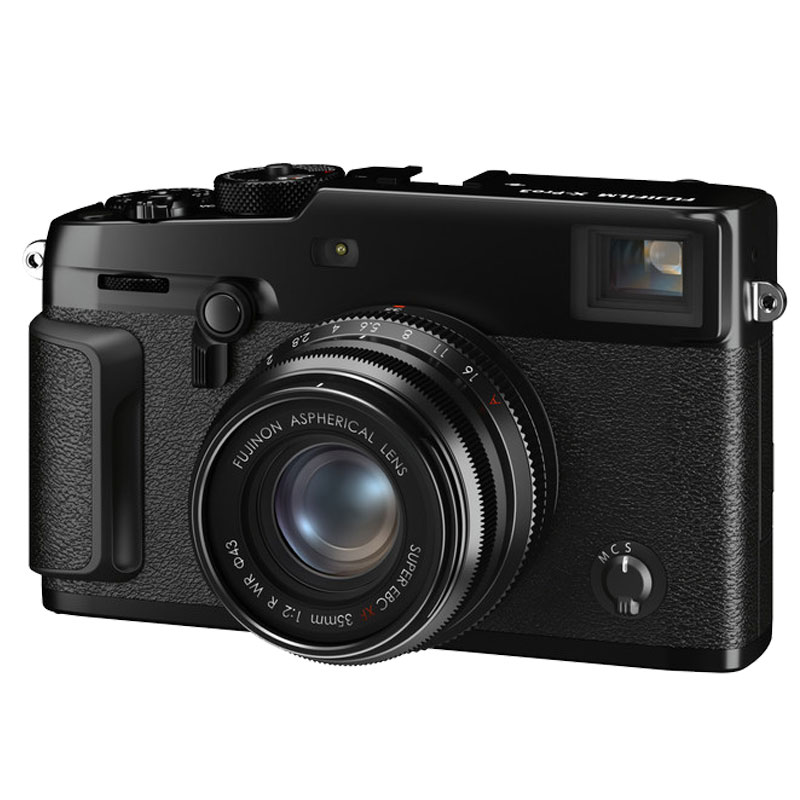
Street photography is an art form that captures the candid essence of city life, and the right equipment can make all the difference in seizing those fleeting moments. Enter the Fuji X Pro 3, a camera that has garnered attention for its classic design and modern features, and when paired with the 7Artisans 50mm f0.95 lens, it becomes a powerhouse for street photographers.
The Fuji X Pro 3 is a testament to Fujifilm’s commitment to combining aesthetic appeal with functionality. Its hidden LCD encourages photographers to focus more on the scene and less on the screen, promoting a more traditional shooting experience reminiscent of film cameras. This camera is not just about looks; it’s packed with a 26.1MP X-Trans CMOS 4 sensor and X-Processor 4 image-processing engine, delivering stunning image quality with the beautiful colour reproduction that Fujifilm is known for.
On the other hand, the 7Artisans 50mm f0.95 lens is a marvel for those who dare to delve into the world of manual focusing. With its ultra-wide aperture, this lens is a boon for low-light conditions, allowing photographers to capture sharp, high-resolution images even when the sun goes down. The lens’s build quality is impressive, with a solid metal construction and a smooth, dampened focus ring that aids in precise focusing. It’s not just a noteworthy build; the lens’s performance at f0.95 is remarkable, providing a level of sharpness and resolution that is truly impressive, even when wide open.
Combining the Fuji X Pro 3 with the 7Artisans 50mm f0.95 lens creates a synergy that’s hard to beat for street photography. The camera’s advanced sensor and processing power, along with the lens’s light-gathering capabilities and artistic bokeh, offer a toolkit that can handle the dynamism and unpredictability of urban environments. The lens’s manual focus may seem daunting at first, but it’s a skill that can be mastered with practice, and the rewards are well worth the effort. The satisfaction of manually nailing focus is unparalleled, and it adds a personal touch to the images often lost in the world of autofocus.
This combination is not just about technical prowess; it’s about the experience it offers to the photographer. There’s something inherently gratifying about the tactile feel of the metal lens and the mechanical operation of manual focusing that harkens back to the roots of photography. It’s a setup that demands engagement and presence, connecting the photographer more intimately with their surroundings and their craft.
For those looking to explore the streets and capture life as it unfolds, the Fuji X Pro 3 and the 7Artisans 50mm f0.95 are a match made in heaven. It’s a setup that champions the photographer’s skill and vision, providing a canvas for creativity and expression. So, if you’re ready to take your street photography to the next level, consider this dynamic duo as your companions on the journey to capturing the soul of the city.
Photography enthusiasts often embark on the ‘1 camera 1 lens’ challenge to push their creative boundaries and rediscover the joy of simplicity in the art of capturing images. It’s a test of skill, forcing the photographer to work within constraints and find new ways to express vision and storytelling through a single focal length. While the challenge is a rewarding experience, it’s not uncommon to encounter hurdles along the way.
One photographer’s journey with the Canon 1D Mk IV and the 85mm f1.8 USM lens is a testament to these tools’ enduring quality and versatility. Despite not completing the week-long challenge, the experience brought valuable insights into why the Canon 1D Mk IV has been a reliable companion for years. The camera, known for its robust build and exceptional image quality, has stood the test of time, proving that good gear remains relevant despite the rapid advancements in technology.
The 85mm f1.8 USM lens, often hailed as an affordable gem, emerged as a winner in this challenge. Its wide aperture of f1.8 allows for stunning portraits with a shallow depth of field, creating that sought-after bokeh effect that beautifully isolates the subject from the background. The lens’s compact size makes it an excellent choice for photographers on the move, and when paired with the Canon 1D Mk IV, it offers a combination of quality and convenience that’s hard to beat.
This experience serves as a reminder that sometimes, less is more. In a world where gear acquisition syndrome can overwhelm, returning to the basics with a single camera and lens can reignite the passion for photography. It encourages photographers to focus on composition, lighting, and the moment, rather than getting lost in the myriad of equipment choices.
For those looking to explore the depths of their creativity, the ‘1 camera, 1 lens’ challenge is a journey worth taking. It’s not just about the images you create but also about what you discover about yourself and your equipment. The Canon 1D Mk IV and the 85mm f1.8 USM lens are proof that with the right tools, the possibilities are endless, even within the confines of a challenge. So, grab your camera, attach your favourite lens, and see where the adventure takes you. Who knows? You might just find your next photographic love in the process.
The markets of Asia are a treasure trove of vibrant scenes, bustling life, and cultural richness, making them an irresistible subject for photographers around the world. From the floating markets of Thailand to the spice-laden bazaars of India, each market is a microcosm of the country’s soul, offering a glimpse into the daily lives of its people.
The colours are perhaps the most striking aspect. The vivid hues of fresh produce, the rich tones of traditional fabrics, and the kaleidoscope of lanterns and decorations create a visual feast that begs to be captured through the lens. The play of light and shadow, especially in the early morning or late afternoon, adds depth and drama to the already compelling tableau.
Then there’s the ceaseless motion—a dynamic dance of commerce and survival. Vendors hawking their wares, buyers haggling for the best price, and the rhythmic movements of everyday life create a sense of energy that is almost palpable. Capturing these moments requires patience and a keen eye for the decisive moment when an expression, gesture, or interaction encapsulates the essence of the market.
The markets also tell stories of tradition and change. Ancient practices coexist with modern innovations, and each stall, vendor, and customer has a unique narrative. Photographers find themselves not just as observers but as storytellers, using their cameras to preserve fleeting moments that speak to the broader human experience.
Moreover, the markets of Asia offer a sensory overload that challenges photographers to go beyond the visual. The cacophony of sounds, the aroma of exotic spices, and the tactile experience of navigating through crowded alleys demand a multi-sensory approach to photography, where the image conveys not just a scene but an atmosphere.
In essence, the markets of Asia captivate photographers because they encapsulate life itself—raw, unscripted, and authentically beautiful. They are places where the pulse of the continent beats strongest, and for those who seek to capture the world through their lens, there are few places more rewarding to photograph. Whether it’s the connection between people and their environment, the rich tapestry of culture, or the sheer beauty of the chaos, Asian markets are a wellspring of inspiration that keeps photographers coming back for more. So, grab your camera, and let the markets of Asia fuel your creative spirit!
The world of photography is rich with choices, and for enthusiasts and professionals alike, the equipment can make all the difference. For years, Canon has been a trusted name in the industry, known for its reliable performance and high-quality images. But as with any art, the urge to explore and experiment with new tools is ever-present.
Enter Fuji and Nikon, two other titans in the world of photography, each with their unique strengths and characteristics. Fuji is renowned for its colour science, producing images with a distinct, vibrant look straight out of the camera. It’s a feature that has won the hearts of many photographers who crave that signature Fuji aesthetic. On the other hand, Nikon has long been celebrated for its ergonomics and build quality, as well as the sheer versatility of its lens lineup.
So, what happens when a long-time Canon user decides to venture into the realms of Fuji and Nikon? It’s a transition that can be both exhilarating and daunting. The tactile experience of a new camera, the excitement of different features, and the potential for a fresh perspective on one’s photography are alluring prospects.
But with new territory comes the inevitable comparison. Does the image quality measure up? How does the handling compare to the familiar grip of a Canon body? Are the menus intuitive, or do they require a retraining of muscle memory? These are questions that can only be answered through experience, through the viewfinder, and in the final images captured.
For those who have made the switch, like our inquisitive photographer here, it’s a personal journey of discovery. Some may find that the change brings a renewed passion for their craft, while others may realize a newfound appreciation for the nuances of their old gear. It’s a testament to the diversity and personal nature of photography—there is no one-size-fits-all solution, and the ‘best’ camera is often the one that simply feels right in your hands and becomes an extension of your creative vision.
So, did our photographer notice a difference? Undoubtedly. Each brand brings something unique to the table, and the experience of using Fuji and Nikon cameras is distinct from that of Canon. But the true measure of this difference lies not in the specs or the reviews but in the personal relationship between photographer and camera. It’s a relationship built over time, through trial and error, success and frustration, and ultimately, through the images that speak to the photographer’s soul.
Whether you’re a Canon loyalist, a Fuji aficionado, or a Nikon devotee, the journey through the landscape of photography is one of endless learning and joy. So, embrace the differences, explore the possibilities, and let your choice of camera inspire you to new heights of photographic expression. Happy shooting!
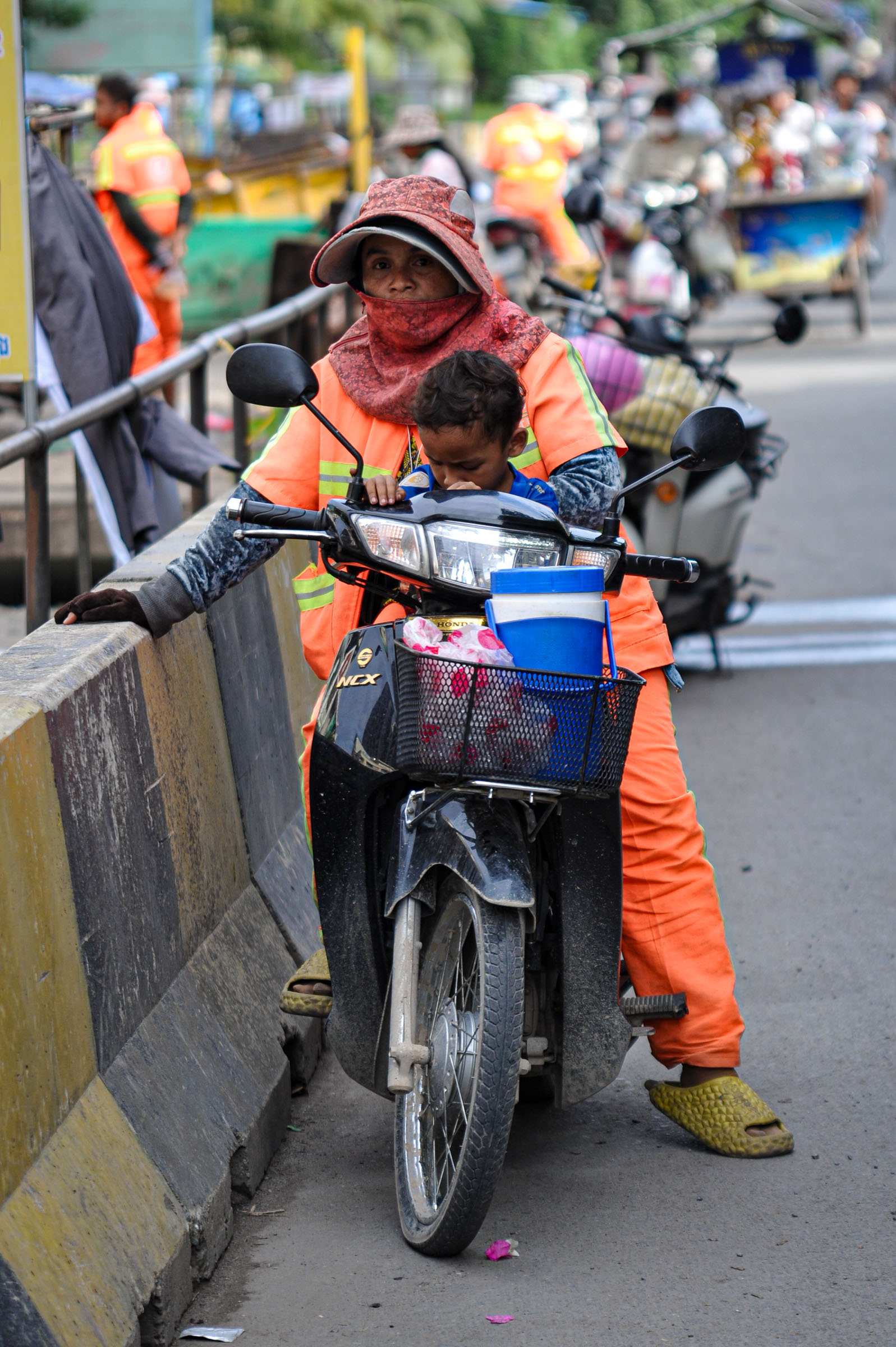
Photography has the extraordinary ability to transform the mundane into the magnificent. It’s an art form that allows us to see the world through a different lens, to find beauty, storytelling, and emotion in the everyday. Ordinary subjects, often overlooked in the hustle and bustle of daily life, can become the most compelling and interesting subjects for photography.
The Power of Perspective What makes ordinary subjects so captivating is the photographer’s perspective. A simple cup of coffee, the wrinkles on an elderly person’s face, or the way light filters through a window – all these scenes can tell a story. It’s about seeing the potential in what appears to be ordinary and capturing it in a way that resonates with others.
The Human Element Incorporating ordinary people into photographs adds a layer of depth and relatability. Candid shots of people going about their day, interacting with their environment, or displaying raw emotion can create powerful images that connect with viewers on a personal level. These subjects remind us of our shared human experience and the beauty that lies within it.
The Challenge of Simplicity Finding interest in everyday things is a challenge that photographers embrace. It pushes them to be creative, and to experiment with angles, lighting, and composition. The simplicity of ordinary subjects forces photographers to focus on the technical aspects of their craft, honing their skills and refining their artistic voice.
The Art of Observation Great photography begins with keen observation. It’s about noticing the small details and appreciating the nuances of the world around us. When photographers turn their lenses to ordinary subjects, they’re practising mindfulness and presence, which is not only beneficial for their art but also for their well-being.
The Impact on Viewers Photographs of everyday subjects have the power to evoke emotion and provoke thought. They can be a source of comfort, reminding us that there’s beauty in the familiar. They can also be a call to action, highlighting aspects of daily life that we might want to change or improve.
In Conclusion Ordinary subjects offer a wealth of inspiration for photographers. They challenge us to look at the world with fresh eyes and to appreciate the beauty in the everyday. Through photography, we can celebrate the ordinary and, in doing so, create something truly extraordinary.
So, the next time you’re out with your camera, don’t overlook the ordinary. Embrace it, capture it, and share it. You might just find that the most ordinary subjects are, in fact, the most extraordinary.





























































































 a world without pictures is like coffee without cream and sugar, bitter