The Nikkor 50mm f1.4D has been a staple in photography for quite some time, and for good reason. This lens is known for its versatility, providing excellent performance in a variety of shooting conditions. Whether you’re a seasoned professional or an enthusiastic amateur, the 50mm f1.4D is a lens that can elevate your photography.
One of the standout features of the Nikkor 50mm f1.4D is its wide aperture. At f1.4, it allows a substantial amount of light to reach the camera’s sensor, which is ideal for low-light situations. This wide aperture also offers a shallow depth of field, giving photographers the ability to isolate their subject and create stunning bokeh—a dreamy, blurred background that emphasizes the subject.
The lens’s construction is another point of praise. It’s built to last with a solid design that can withstand the rigors of daily use. Its optical performance is commendable, delivering sharp images with minimal distortion. The colour rendition and contrast are also noteworthy, producing vivid and lifelike photographs.
Compatibility is a strong suit of the 50mm f1.4D. It works well with a wide range of Nikon cameras, from older film models to modern digital SLRs. However, it’s important to note that it won’t autofocus on Nikon’s entry-level DSLRs that lack a built-in autofocus motor, such as the D40, D40x, and D60.
In terms of value, the Nikkor 50mm f1.4D holds its own. It’s often available at a reasonable price point, especially when considering its performance capabilities. It’s a lens that many photographers find to be an excellent investment, offering a balance between cost and quality.
Overall, the Nikkor 50mm f1.4D is a lens that has stood the test of time. It’s a favourite among photographers who appreciate its fast aperture, durable build, and consistent performance. If you’re looking for a reliable prime lens to add to your kit, the 50mm f1.4D is certainly worth considering. For more detailed reviews and user experiences, checking out resources like Ken Rockwell’s review or the Digital Photography Review can provide additional insights into this classic lens.
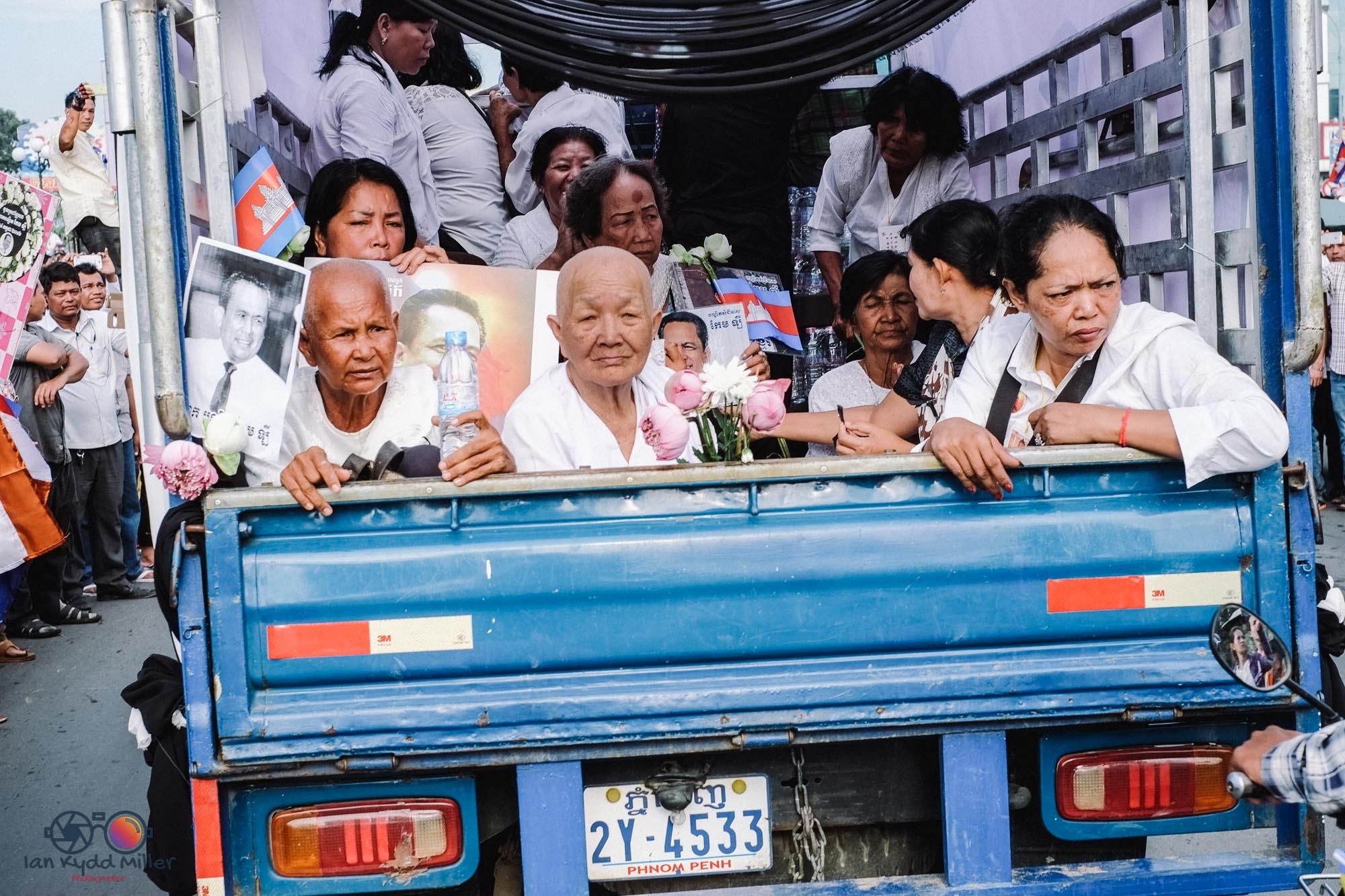
Classic street photography captures the essence of everyday life in public spaces. It’s a form of art that freezes a moment in time, telling a story about a place and its people. The classic approach to street photography is candid, unposed, and often spontaneous, aiming to reveal the beauty, humor, and tragedy of ordinary life as it unfolds in urban environments.
The roots of classic street photography can be traced back to the early 20th century, with pioneers like Alfred Stieglitz, who captured the streets of New York City in inclement weather, and Berenice Abbott, who documented the changing face of the city’s architecture. These photographers set the stage for what would become a defining characteristic of the genre: the ability to find the extraordinary in the ordinary.
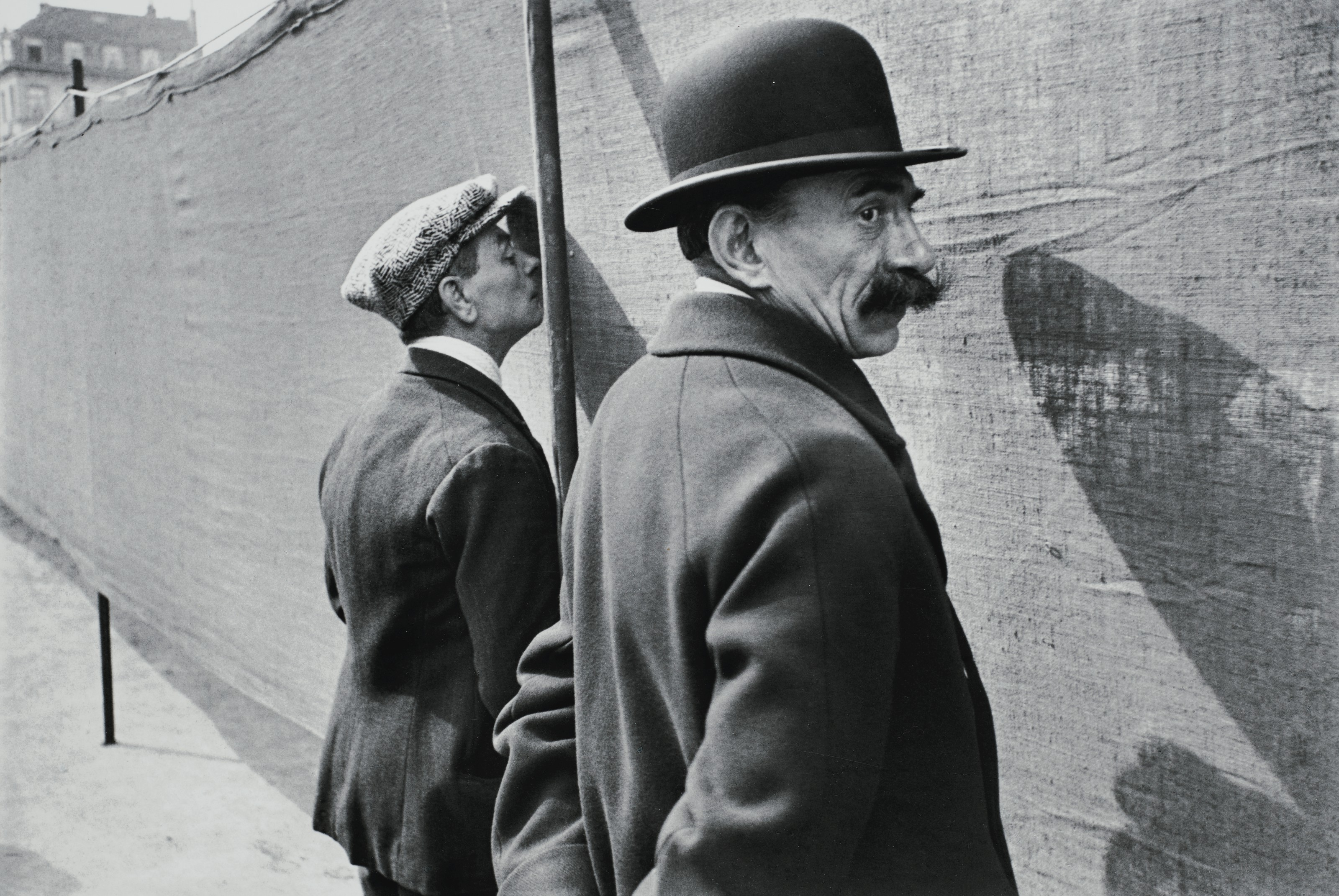
Henri Cartier-Bresson, often hailed as the father of modern street photography, introduced the concept of “the decisive moment” — that split second that captures the essence of an event or the personality of a person in a unique and irreplaceable way. This concept has influenced generations of photographers and remains a cornerstone of the genre.
Classic street photography is not just about the subject; it’s also about composition, timing, and perspective. It’s about seeing the world in a way others may not notice and presenting it in a manner that evokes emotion and thought. It’s about the interplay of light and shadow, the geometry of urban landscapes, and the fleeting expressions of people caught in their daily routines.
Why is it considered classic? Because it represents a pure form of photographic storytelling that relies on the skill of the photographer to observe and capture life as it happens, without interference or staging. It’s a testament to the human condition, reflecting society back at itself through the lens of the camera.
Classic street photography is celebrated for its authenticity and its ability to connect us to the shared human experience. It’s a powerful medium that continues to evolve, yet its classic form remains timeless, reminding us of the power of a single image to tell a story worth a thousand words.
Ah, the age-old question that haunts the halls of photography forums and ignites fiery debates in camera clubs across the globe: if DSLRs are supposedly pushing up daisies, why do we still see them clutched in the hands of the world’s photography elite?
Nikon D3S
Let’s set the scene: It’s 2024, and the camera market is buzzing with the latest tech. Mirrorless cameras are flaunting their sleek designs like runway models during fashion week, while DSLRs are sitting in the corner, grumbling about ‘the good old days’ when they were the belle of the ball.
Fuji XT3
But here’s the twist: despite the whispers of their demise, DSLRs are far from extinct. In fact, they’re still the go-to choice for many top-tier professionals. Why, you ask? Well, let’s dive into the comedic conundrum that is the professional photographer’s gear bag.
Firstly, let’s talk about loyalty. Photographers can be fiercely loyal creatures, much like knights to their king, or a toddler to their favourite blanket. They’ve spent years mastering the quirks and intricacies of their beloved DSLRs, and they’re not about to abandon their trusty steeds for some flashy new stallion without a good reason.
Then there’s the issue of comfort. A DSLR is like that old, worn-in pair of jeans that fits just right. It’s familiar, reliable, and doesn’t require reading a novel-sized manual to figure out where the darn autofocus button is.
But wait, there’s more! Durability plays a huge role too. A DSLR is like a tank – it can take a beating and keep on clicking. Mirrorless cameras, on the other hand, are often viewed as the delicate teacups of the camera world. Drop one, and you might as well start planning its funeral.
And let’s not forget about the optical viewfinder. For many photographers, looking through a lens with their own eyes, rather than a digital screen, is akin to a spiritual experience. It’s pure, unadulterated photography bliss that no amount of electronic wizardry can replace.
Of course, we can’t ignore the fact that DSLRs have been the backbone of professional photography for years. They’ve captured everything from weddings to wildlife, and they’ve done it with grace and power. It’s hard to turn your back on a legacy like that, even if mirrorless cameras are whispering sweet nothings about faster autofocus and lighter weight.
So, there you have it, folks. The DSLR isn’t dead; it’s just enjoying a well-deserved semi-retirement, basking in the glory of its heyday while still showing the youngsters how it’s done. And for those professionals still wielding their DSLRs like Excalibur? They know that sometimes, the classics just can’t be beaten.
As for the rush to upgrade? Let’s just say that in the photography world, patience is a virtue, and sometimes the best things come to those who wait… and wait… and wait some more. After all, who needs the latest and greatest when you’ve got a tried-and-true companion by your side?
So, whether you’re a die-hard DSLR fan or a mirrorless aficionado, remember: the best camera is the one you have with you – unless, of course, you left it at home because it’s too heavy, in which case, maybe it’s time to consider that upgrade. Just kidding! Or am I?
Street photography is an exhilarating form of art that captures the essence of everyday life. It’s about finding beauty in the mundane, telling stories without words, and preserving fleeting moments that might otherwise go unnoticed. It’s a genre that welcomes diversity of technique and perspective, encouraging photographers to explore their unique vision of the world.
The beauty of street photography lies in its subjectivity. There is no single “right” way to approach it; what resonates with one person may not strike a chord with another. It’s a personal journey, one that allows the photographer to express their individuality through the lens. The streets are a canvas, and the camera is the brush with which artists paint their interpretation of urban life.
For those starting out, the advice is simple: take everything with a pinch of salt. Absorb the guidance, tips, and tricks from seasoned photographers, but don’t be afraid to bend the rules. Experiment with different styles, angles, and compositions. Learn the fundamentals, but also learn when to trust your instincts. Your perspective is unique, and that’s what will make your work stand out.
Remember, street photography is as much about the experience as it is about the result. It’s about the thrill of the hunt, the joy of the unexpected, and the satisfaction of capturing a moment that tells a story. So, take what resonates with you, leave what doesn’t, and embark on a photographic adventure that is entirely your own.
Embrace the journey of street photography with enthusiasm. Let your creativity flow, and let your personal vision shine through your images. The streets are waiting for you, teeming with untold stories. What will you capture?
Exploring the Streets: A Guide to Common Street Photography Techniques
Street photography is a vibrant and dynamic art form that captures the raw essence of society. It’s a way to document the every day, the mundane, and the extraordinary moments that occur within the public sphere. For those looking to dive into this captivating genre, understanding the common techniques can be a game-changer. Here are some of the most popular methods that street photographers use to bring their vision to life:
The Candid Approach: The heart of street photography is in its candid nature. Photographers often capture people and scenes without staging or posing, resulting in authentic and spontaneous images.
Zone Focusing: This technique involves setting a fixed focus distance and shooting without looking through the viewfinder. It allows for quick and discreet shots, perfect for the fast-paced street environment.
Playing with Light and Shadow: Utilizing the interplay between light and shadow can create dramatic and compelling compositions. Photographers often seek out strong contrasts, especially during the ‘golden hours’ of sunrise and sunset.
Layering: By carefully composing multiple subjects at different distances within the frame, photographers can add depth and complexity to their images.
The Decisive Moment: Coined by Henri Cartier-Bresson, this technique is about capturing a scene at the peak of its action or emotion, where all elements within the frame come together in perfect harmony.
Shooting from the Hip: Literally shooting from hip level without using the viewfinder, this technique offers a unique perspective and helps in taking unobtrusive photos of people.
Using Reflections: Reflections from windows, mirrors, or puddles can create intriguing and sometimes abstract images, adding a layer of depth to the photograph.
High and Low Angles: Changing the angle of view can dramatically alter the perception of a scene. Shooting from a high or low angle can unveil new details and perspectives.
Chasing the Weather: Bad weather conditions, like rain or fog, can add mood and texture to street photographs. They also provide opportunities for capturing reflections and silhouettes.
Waiting for the Right Moment: Sometimes, the best technique is patience. Finding an interesting location and waiting for the perfect subject or action can yield stunning results.
Street photography is not just about the techniques; it’s also about the experience. It’s about exploring, observing, and being ready to capture the fleeting moments that tell the stories of our lives. So grab your camera, hit the streets, and let the world unfold before your lens. Happy shooting! 📷✨
Travel photography is more than just taking photos; it’s about capturing the essence of a place, its people, and the experiences that make a trip memorable. It’s an art form that allows us to bring back a piece of the world with us, sharing it through our unique perspective. Whether you’re a beginner or an intermediate photographer, there are always new techniques and approaches to learn. Here are some invaluable tips to help you elevate your travel photography game.
Know Your Gear Inside Out The first step to taking great travel photos is to understand your camera’s capabilities and settings. Familiarize yourself with different shooting modes, learn how to adjust the exposure settings, and experiment with various lenses. The more comfortable you are with your equipment, the quicker you’ll be able to react to capture those fleeting moments that make for the most compelling images.
Chase the Golden Hours Lighting can make or break a photograph. The soft, diffused light of the golden hours—just after sunrise and before sunset—provides a warm tone and long shadows that can add depth and interest to your images. Similarly, the blue hour, which occurs just before sunrise and after sunset, offers a cool, serene light that’s perfect for capturing the tranquility of a place.
Plan, but Be Ready to Improvise While it’s essential to have a plan and know what you want to capture, some of the best travel photos come from unexpected moments. Be flexible and ready to adapt to changing conditions and spontaneous events. This means keeping your camera accessible and being prepared to stop and shoot whenever an opportunity arises.
Composition is Key Understanding the rules of composition, such as the rule of thirds, leading lines, and framing, can greatly enhance the visual appeal of your photos. Look for unique angles and perspectives to tell a story through your images. Don’t be afraid to move around to find the best composition—sometimes, a few steps to the left or right can make all the difference.
Engage with Your Subject When photographing people, always ask for permission first. Engaging with your subject can lead to more natural and expressive shots. Make them feel comfortable, and let your personality shine through to create a connection that will be evident in your photos.
Post-Processing is Your Friend Shooting in RAW format gives you more flexibility during post-processing. Learning how to edit your photos can significantly improve their quality. Adjusting exposure, contrast, and color balance can help your images stand out. Remember, the goal is to enhance the photo to reflect the beauty of the scene as you experienced it, not to alter it beyond recognition.
Practice Makes Perfect Lastly, the most important tip is to practice. The more you shoot, the better you’ll become. Try different techniques, learn from your mistakes, and don’t be discouraged by the occasional bad shot. Every photo you take brings you one step closer to capturing that stunning travel image you’ve been dreaming of.
Travel photography is a journey in itself, one that requires patience, passion, and persistence. By following these tips and continually honing your skills, you’ll be well on your way to taking travel images that not only document your adventures but also convey the emotions and stories behind them. So grab your camera, hit the road, and start capturing the world in all its glory!
Photography, an art form that captures moments and memories, can sometimes lead to an unexpected predicament known as Gear Acquisition Syndrome (GAS). This term, often mentioned with a chuckle among photography circles, refers to the overwhelming desire to acquire more and more equipment, hoping it will improve one’s craft. But does it really?
The lure of the latest camera body, the sharpest lens, or the most advanced lighting system is hard to resist. Many photographers know this feeling all too well. The excitement of unboxing a new gadget, the promise of better pictures, and the envy of fellow photographers can be intoxicating. However, GAS can have a downside—a cluttered studio, a depleted bank account, and a focus on gear over creativity.
The root of GAS lies in the belief that the next purchase will be the game-changer, the missing piece that will elevate one’s work from good to great. It’s a narrative fueled by marketing, peer pressure, and sometimes, self-doubt. The truth is, that while quality gear can enhance the technical aspects of photography, it is not a substitute for skill, vision, and experience.
So, how does one combat GAS? Here are a few strategies:
Embrace Your Current Gear: Before eyeing the next upgrade, master the equipment you already own. Push it to its limits and explore its full potential. You might be surprised by what you can achieve with what you have.
Focus on Education: Invest in learning new techniques, and understanding light, composition, and storytelling. These skills will improve your photography far more than any new piece of gear.
Set Clear Goals: Define what you need from your equipment to achieve your photographic goals. This helps in making informed decisions about new purchases.
Rent Before You Buy: If you’re tempted by a new piece of equipment, try renting it first. This can give you a sense of whether it’s essential for your work.
Sell Unused Gear: If you have equipment gathering dust, consider selling it. This not only declutters your space but also puts funds towards gear you will actually use.
Challenge Yourself Creatively: Sometimes, limitations can breed creativity. Use a single lens for a month, or shoot in a fixed location. These constraints can lead to innovative ways of seeing.
Connect with Community: Share your experiences with other photographers. Often, discussing GAS can lead to insights and support from those who understand.
Practice Mindful Purchasing: Reflect on your motivations for wanting new gear. Is it for a specific project, or is it impulse buying? Being mindful can prevent unnecessary acquisitions.
In conclusion, while GAS is a common experience among photographers, it doesn’t have to dictate one’s journey in photography. By focusing on skill development, creative challenges, and mindful purchasing, photographers can ensure that their passion for capturing the world doesn’t turn into a race for the latest gear. Remember, the best camera is the one you have with you, and the best photograph is the one you take with intention and artistry. So, next time GAS strikes, take a deep breath and ask yourself, “Do I really need this, or do I just want it?” Your creativity—and your wallet—will thank you.
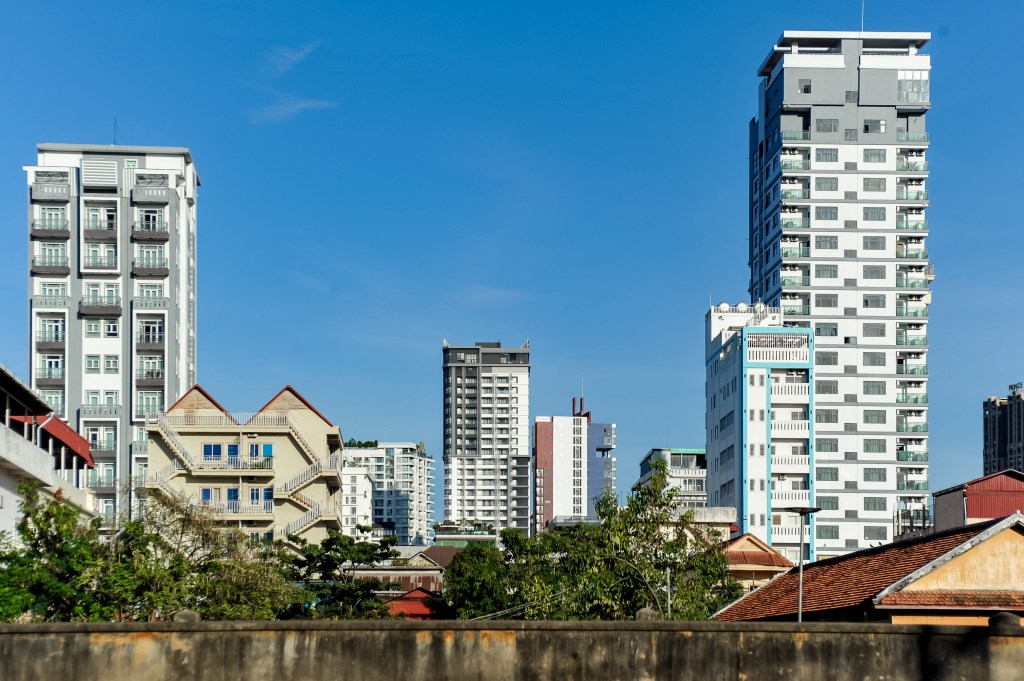
Urban photography is an art form that captures the essence of city life, reflecting the dynamic and ever-changing landscapes of urban environments. It’s a genre that offers endless opportunities for photographers to explore and document the intricate details of cityscapes, from towering skyscrapers to the bustling street life below.
The allure of urban photography lies in its ability to tell a story about the city and its inhabitants. It’s not just about capturing buildings or streets; it’s about the interplay of light and shadow, the movement of people, and the juxtaposition of old and new. Urban photographers are visual storytellers who use their cameras to convey the mood and atmosphere of the urban spaces they explore.
One of the key aspects of urban photography is its versatility. It can encompass a wide range of subjects, including architectural photography, street photography, and even documentary photography. Each of these sub-genres offers a unique perspective on the urban environment, whether it’s the grandeur of architectural design, the candid moments of street life, or the socio-economic factors that shape a city’s character.
For those looking to delve into urban photography, there are several tips and techniques to consider:
Explore Your Surroundings: Urban areas are rich with photographic potential. Take the time to walk around and observe the environment. Look for interesting patterns, textures, and scenes that capture the city’s vibe.
Read the Light: Lighting plays a crucial role in photography, and urban settings are no exception. Observe how the light interacts with the buildings and streets, creating contrasts and highlighting details.
Capture Movement: Cities are alive with motion. Use your camera to freeze a moment in time or, conversely, to blur movement, adding a sense of dynamism to your images.
Pay Attention to Detail: Sometimes, the smallest elements can make the most significant impact. Look for unique features, signs, or graffiti that add character to your photos.
Challenge Your Use of Color: Urban environments offer a plethora of colours. Experiment with different colour palettes to enhance the mood of your images.
Choose the Right Gear: While the best camera is the one you have with you, investing in good lenses and understanding your camera’s settings can greatly improve the quality of your urban shots.
Develop Your Own Style: As you practice, you’ll start to find your own voice in urban photography. Embrace it and let it guide your creative process.
Urban photography is more than just a cityscape; it’s a critical analysis of urban environments. It invites viewers to see the city through the photographer’s lens, to appreciate the beauty and complexity of urban life. By following these tips and embracing the unique challenges of urban photography, you can create stunning images that truly capture the spirit of the city.
For more insights and detailed guidelines on urban photography, you can explore resources such as Wix.com’s article on urban photography tips or James Maher’s comprehensive guide to city and urban photography. These resources provide valuable information for both beginners and seasoned photographers looking to refine their urban photography skills.
Photography is not just about capturing moments; it’s an art form that requires passion, patience, and preparation. One of the most crucial aspects of a photographer’s journey is the selection and organization of their gear. It’s a process that reflects the photographer’s style, preference, and readiness for any photographic challenge.
Imagine the scene: three bags, each a repository of a different maker’s vision. One might house the classic robustness of Canon, another the cutting-edge innovation of Fujifilm, and the third might cradle the timeless elegance of Nikon. Each bag is a testament to the diversity and specialisation in the world of photography.
The first bag, let’s call it ‘The Workhorse,’ could be loaded with a Canon 1D Mark IV, known for its reliability and versatility. Paired with a set of L-series lenses, it’s ready for anything from portrait sessions to landscape expeditions. The second bag, ‘The Innovator,’ might be equipped with a Fuji, a marvel of modern technology, complemented by XF lenses that promise unparalleled sharpness and bokeh.
Then there’s ‘The Classic,’ a bag dedicated to Nikon’s storied history in photography. It might feature a Nikon D3s,D4 or 5, a favourite among professionals for its high resolution and dynamic range. Accompanying this could be a selection of Nikkor lenses, each with optical excellence etched into their design.
Nikon D3S
Choosing which bag to take is like selecting the right brush for a stroke on canvas. It depends on the subject, the light, and the story the photographer wants to tell. It’s a decision that can shape the narrative of the images captured.
For photographers, the camera and lenses are more than tools; they are extensions of their creative vision. Each combination opens up new possibilities and challenges one to see the world through different perspectives. Whether it’s the rugged landscapes that call for the ‘The Workhorse,’ the fast-paced streets that beckon ‘The Innovator,’ or the intimate portraits that demand ‘The Classic,’ the choice reflects the mission of the day.
In the end, the bags are not just containers of gear; they are curated collections of artistic potential. They hold the promise of stories yet to be told, memories yet to be cherished, and legacies yet to be created. So, to all the photographers out there, we say: choose wisely, shoot passionately, and create endlessly.
Your camera bag is not just carrying lenses and bodies; it’s carrying dreams, ready to be realised through the lens of your unique perspective. Happy shooting!
The Nikon D3, a camera that has carved its niche in the world of photography, pairs exceptionally well with the versatile Nikkor 35-135mm f/3.5-4.5 lens. This combination offers photographers a blend of classic design and modern functionality, making it a delightful duo for both seasoned professionals and enthusiastic hobbyists.
The Nikon D3, known for its robust build and exceptional image quality, has been a go-to choice for photographers who demand reliability and performance. Its full-frame sensor ensures that every shot captures the finest details with remarkable clarity. When combined with the Nikkor 35-135mm lens, which is celebrated for its versatility and optical performance, the Nikon D3 reaches new heights of photographic excellence.
The Nikkor 35-135mm lens, despite being an older model, has stood the test of time with its solid construction and impressive image quality. Reviews have consistently highlighted its good contrast and sharpness, which, although not on par with the latest lenses, is still commendable and holds up well against its contemporaries. Its push-pull zoom mechanism may seem dated to some, but it offers a tactile experience that many photographers find satisfying.
One of the lens’s notable features is its macro mode at 35mm, which allows for close-up photography, albeit with manual focus. This adds another layer of versatility, making it an excellent choice for those who appreciate the ability to capture both expansive landscapes and intricate details without changing lenses.
The lens’s autofocus, while not the fastest by today’s standards, is accurate and reliable. It’s a testament to the lens’s design that it continues to perform admirably, providing users with a level of consistency that is essential for capturing those fleeting moments.
In conclusion, the Nikon D3 paired with the Nikkor 35-135mm f/3.5-4.5 lens is indeed a treat to use. It’s a combination that respects the heritage of photography while still delivering the performance expected by today’s standards. Whether you’re capturing the dynamic energy of a bustling city or the serene beauty of nature, this duo will not disappoint. It’s a pairing that reminds us that in photography, the synergy between camera and lens is just as important as the vision behind the viewfinder.
The Nikon D3: A Love Story. LOL.
Ah, the Nikon D3, my camera that has stood the test of time and technology’s relentless march. Why do some photographers still cling to this digital relic, you ask? Well, let me tell you, it’s not just about taking pictures; it’s about being one with a device that has more personality than a grumpy cat on the internet.
First off, reliability. The Nikon D3 doesn’t just work; it works like a charm, a very sturdy charm. It’s the kind of camera that would survive a drop from a tripod, a splash during a rainy wedding shoot, or even an accidental tumble down a hill after you tripped over that rock you swore wasn’t there a second ago.
Then there’s the performance. It’s solid, like that one friend who always shows up on time, rain or shine. The D3 doesn’t care if you’re shooting a fast-paced sports event or trying to capture the slow, majestic movement of clouds. It’s ready for action, with a “hold my beer” attitude.
Let’s not forget the build quality. If cameras were tanks, the D3 would be the one leading the charge into battle. It’s built like a fortress, with a grip that feels like a firm handshake from your favourite uncle—the one who used to be a wrestler and still has the biceps to prove it.
And the feel in the hand? Oh, it’s sublime. Holding the D3 is like holding hands with a loved one, except it’s better because it doesn’t get sweaty. It’s the kind of ergonomic bliss that makes you want to whisper sweet nothings into its viewfinder.
So, why do we still love the Nikon D3? Because in a world where gadgets come and go faster than a celebrity marriage, the D3 is our rock, our steady companion in the chaotic world of photography. It’s the camera that says, “I got you, buddy,” and you believe it.
The Nikon D3 isn’t just a camera; it’s a trusty sidekick, a timeless tool, and for some of us, a reason to smile every time we pick it up. It’s the photographic equivalent of comfort food, and we wouldn’t have it any other way. Nikon D3, you’re the real MVP.
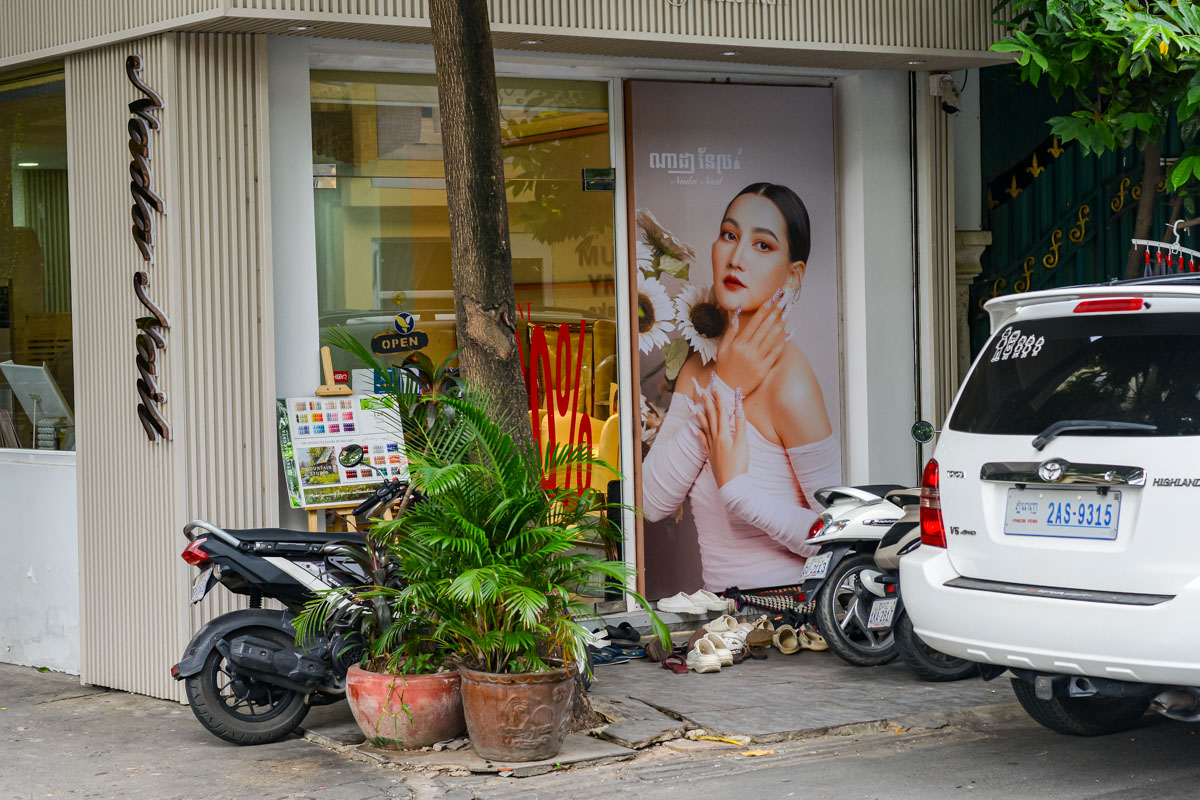
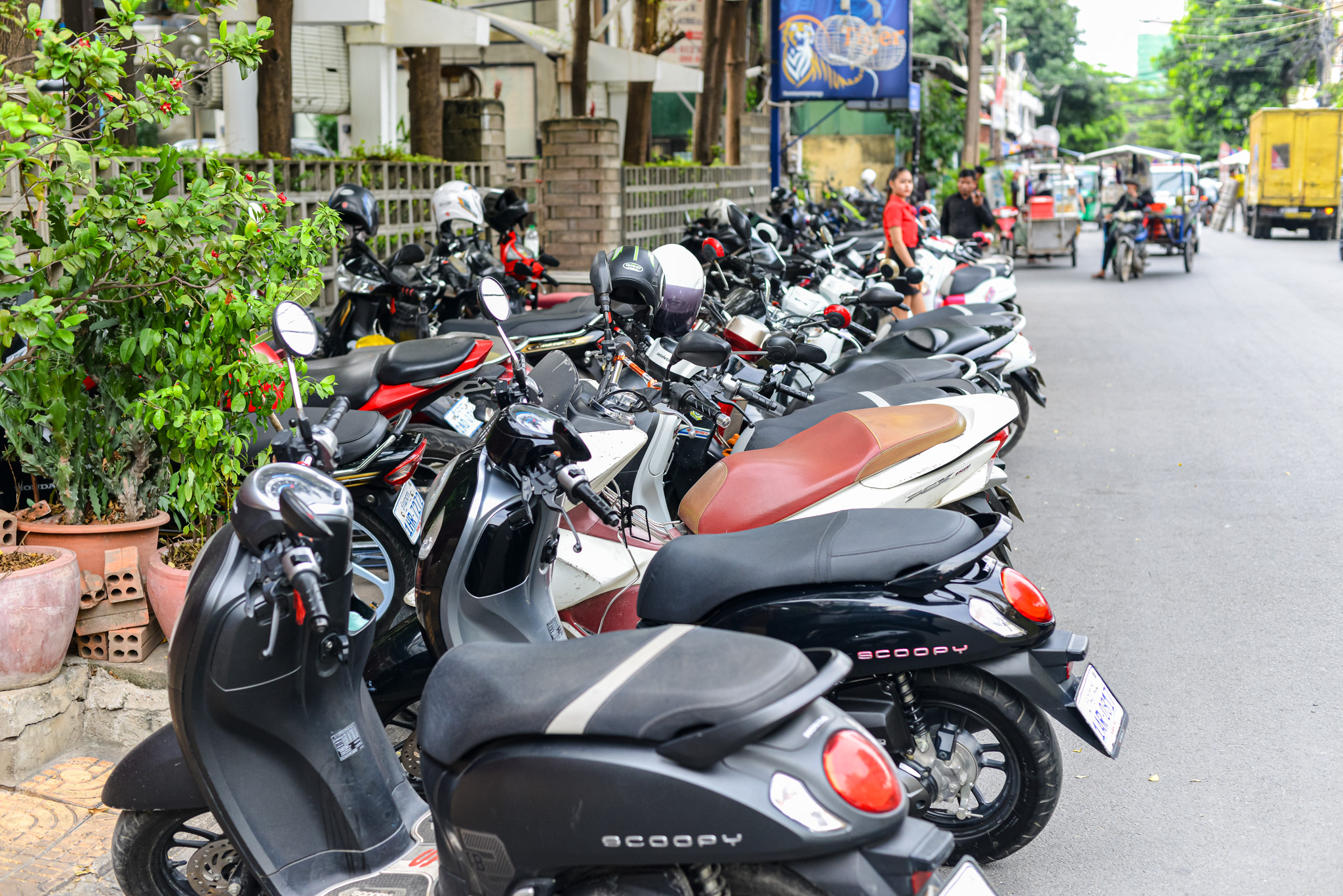
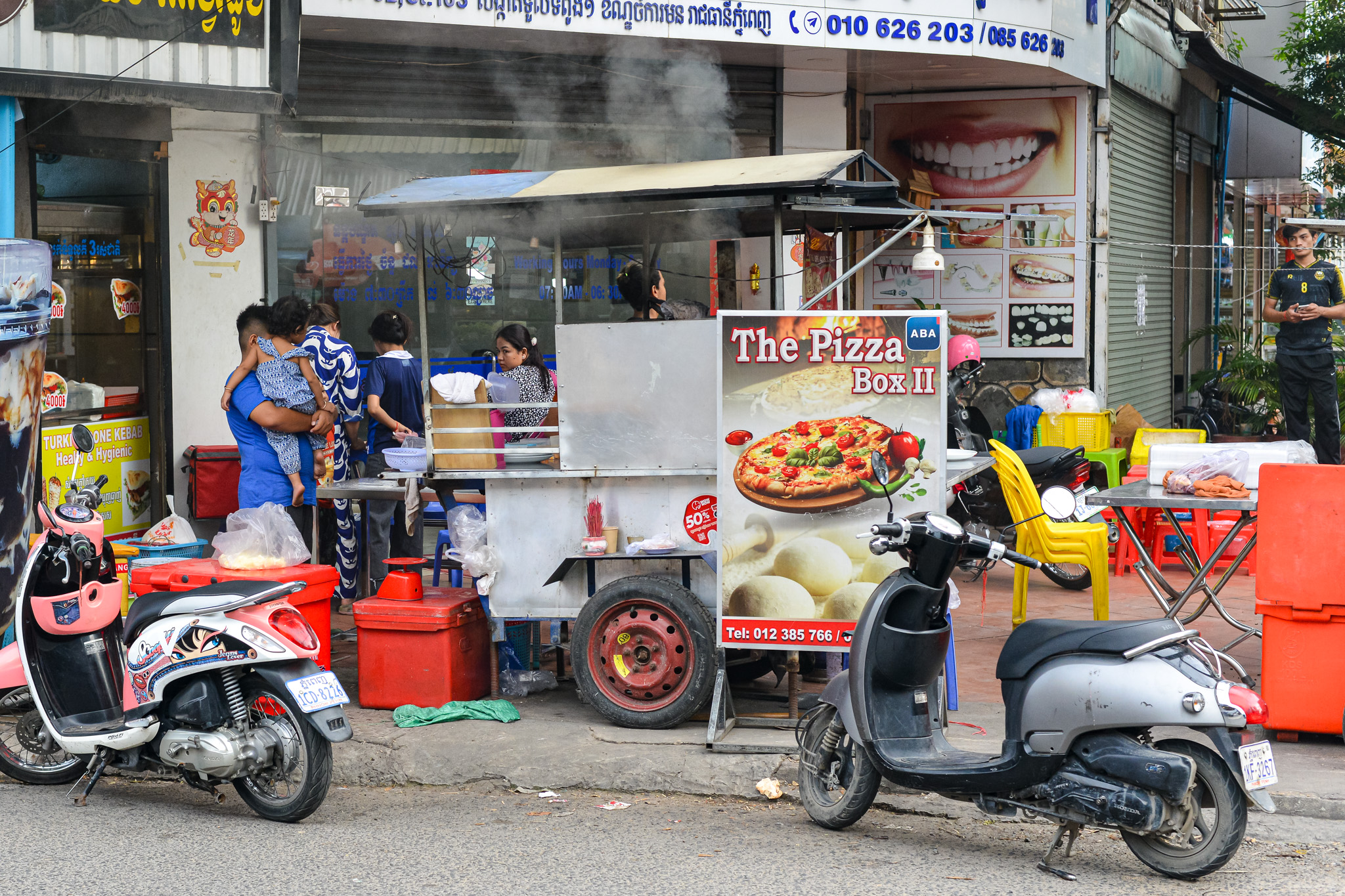
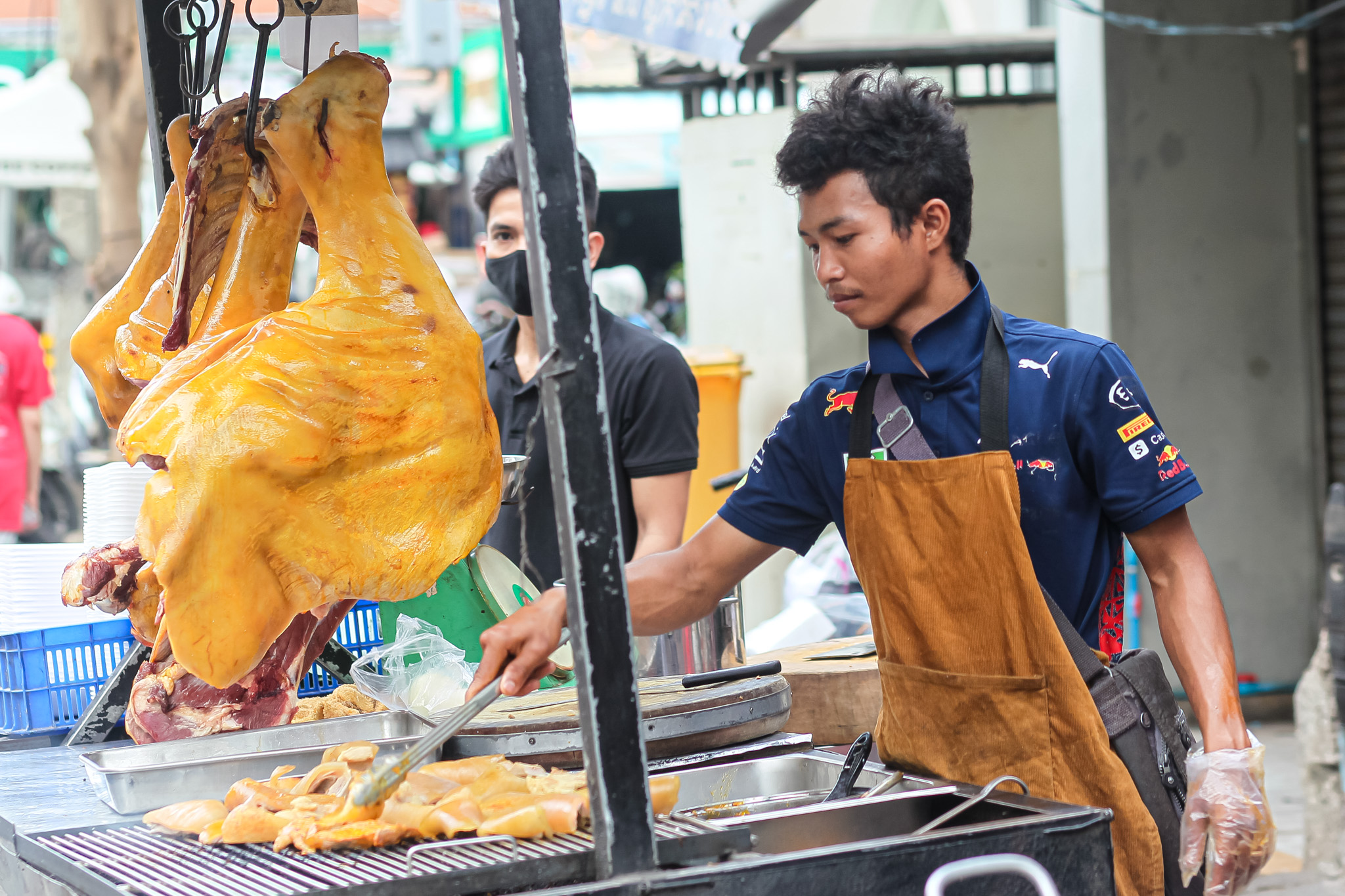
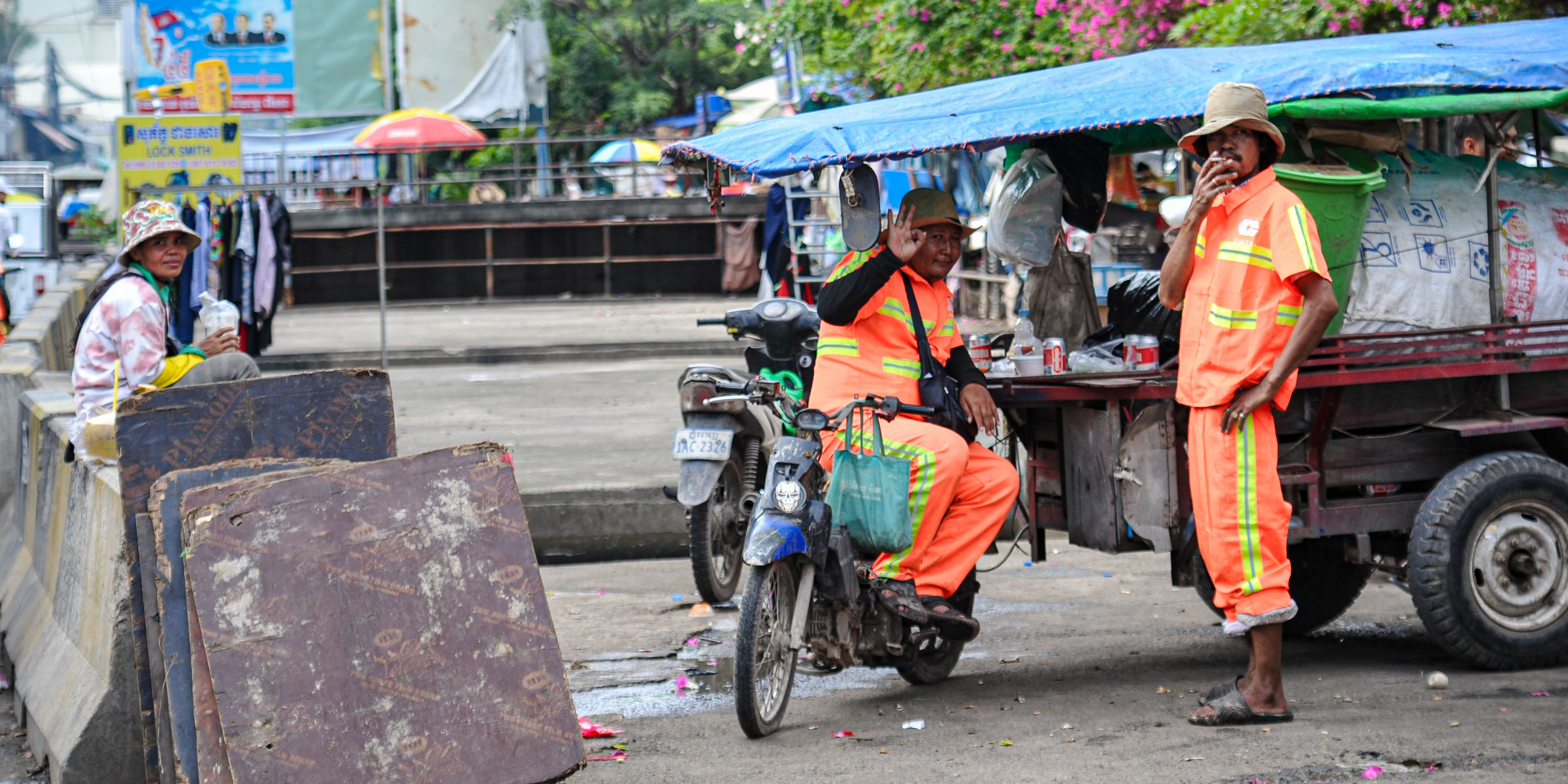
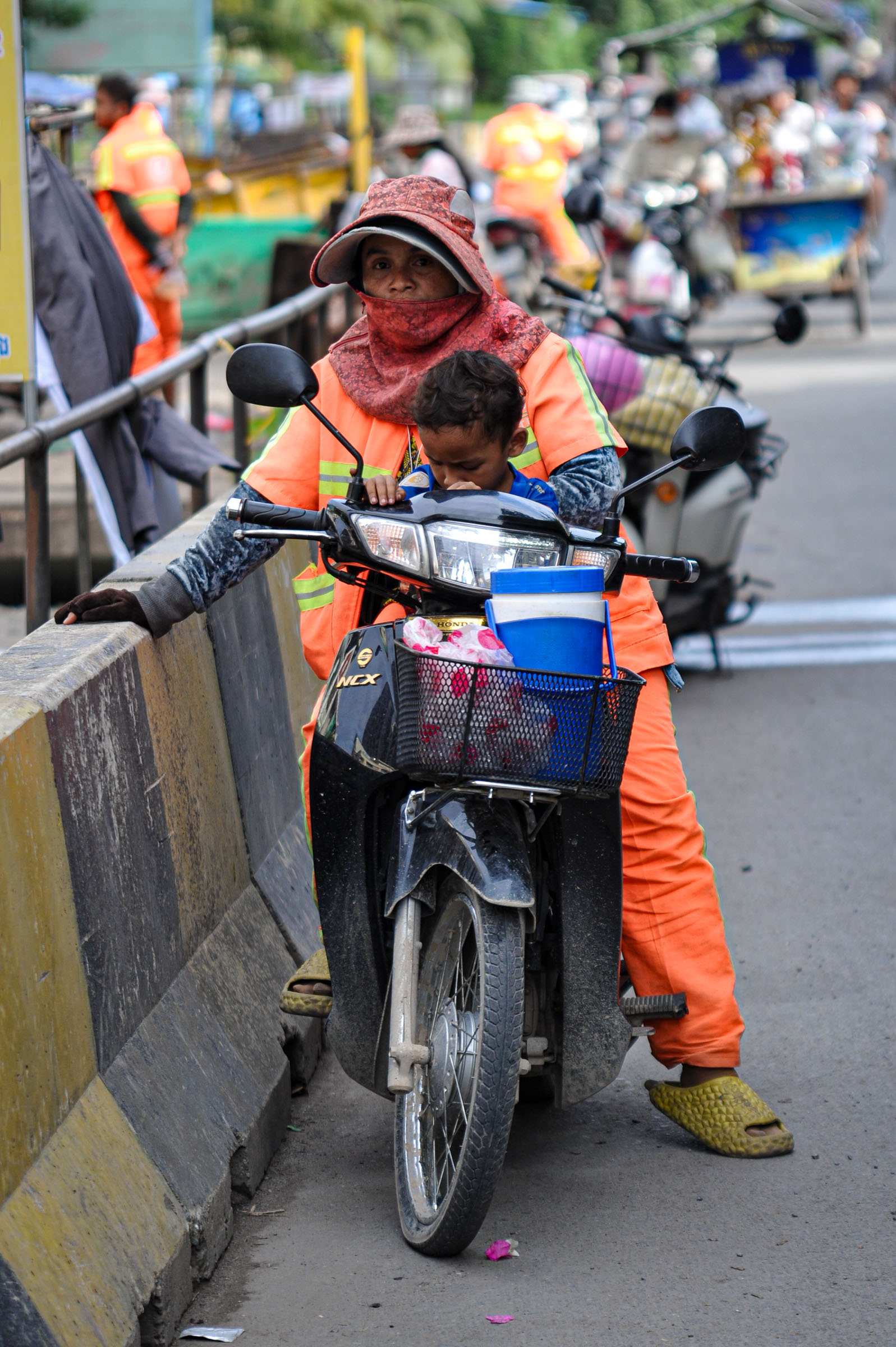
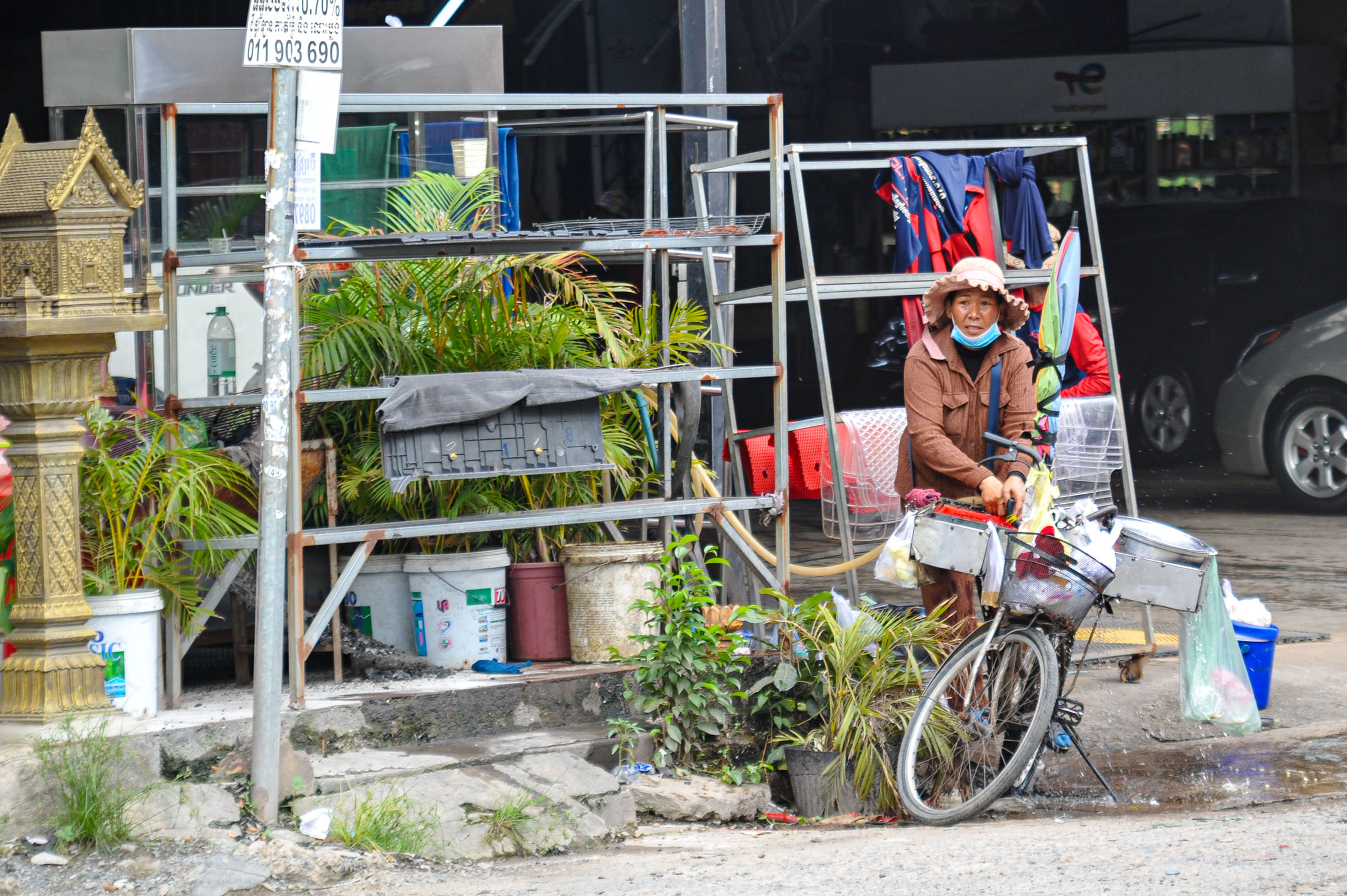
Street photography is a fascinating and dynamic genre of photography that captures the essence of everyday life in public spaces. It’s an art form that freezes the candid, unscripted moments of people’s lives as they unfold in urban settings. The beauty of street photography lies in its raw, unfiltered nature, often showcasing the human condition against the backdrop of bustling city life.
The roots of street photography date back to the 19th century, with the advent of portable cameras that allowed photographers to step out of their studios and into the streets. This genre gained momentum in the 20th century, as photographers like Henri Cartier-Bresson, Robert Frank, and Vivian Maier took to the streets, capturing life as it happened. These pioneers of street photography were not just photographers; they were visual storytellers who had a knack for finding the extraordinary in the ordinary.
At its core, street photography is about observation and spontaneity. It’s about being in the right place at the right time and having the intuition to capture a moment that tells a story or evokes an emotion. It’s not just about photographing streets; it’s about capturing the life that happens within them. Whether it’s a fleeting expression, a moment of connection, or the juxtaposition of human figures against the urban landscape, street photography is about finding meaning in the mundane.
One of the key characteristics of street photography is its publicness. The public setting of the streets provides a stage where photographers can take candid shots of strangers, often without their knowledge. This aspect raises interesting questions about privacy and ethics in photography, as the line between public and private life becomes increasingly blurred in the urban environment.
Street photography does not require a street or even an urban environment. It’s about capturing the human element, which can be present in any public space, from a beach to a rural market. The images produced by street photographers often have a human character, reflecting the diversity and vibrancy of life.
The genre has evolved over the years, with contemporary street photographers exploring new perspectives and pushing the boundaries of the medium. With the rise of digital photography and social media, street photography has become more accessible and widespread, allowing a new generation of photographers to share their vision of the world.
In conclusion, street photography is more than just a genre; it’s a way of seeing the world. It’s about noticing the unnoticed and telling the untold stories of our shared public spaces. It’s a testament to the power of the camera to capture the fleeting moments that, together, weave the rich tapestry of urban life.



























































































 a world without pictures is like coffee without cream and sugar, bitter