In the digital age, where billions of photographs are taken annually, the art of printing photographs holds a special place in the hearts of photography enthusiasts and professionals alike. While it’s true that we live in a world where images are predominantly consumed on screens, the significance of a printed photograph cannot be overstated.
Printing photographs is an essential aspect of the photographic process that has stood the test of time. Despite the convenience of digital storage, printed photos offer a tangible connection to our memories, an enduring legacy that can be passed down through generations. A digital file might be forgotten on an old hard drive, but a printed photograph becomes part of our physical world, often gracing the walls of our homes or the pages of a cherished album.
Printing also encourages photographers to engage with their work on a deeper level. It’s a process that invites a more critical eye, demanding carefully considering composition, colour, and detail that might otherwise be overlooked on a digital display. This scrutiny often leads to a better understanding of one’s photographic style and can inspire a greater level of creativity.
Moreover, printing your photos can have a profound impact on your skills as a photographer. It allows you to see the fruits of your labour in a new light, and to appreciate the nuances of texture and colour that are sometimes lost on screen. It can also inspire you to revisit old photos, to see them with fresh eyes and perhaps discover something new about your own artistic journey.
But perhaps the most compelling reason to print your photographs is the emotional response they evoke. A printed photo is not just an image; it’s a physical object that can be touched, felt, and experienced in a way that digital images cannot. They carry with them the weight of the moments they capture, becoming priceless heirlooms that tell stories long after the moment has passed.
In conclusion, printing your photographs is more than just a nod to tradition; it’s a celebration of photography as an art form. It’s a way to honour the moments you’ve captured, to share them with the world, and to ensure they endure. So, the next time you capture a moment that moves you, consider giving it the space it deserves in the physical world. Print it, frame it, and let it inspire you and others for years to come.
The Fujinon XF16-80mmF4 R OIS WR lens is a remarkable piece of equipment that has quickly become a favourite among travel photographers. Its versatility is unparalleled. It offers a maximum aperture value of F4 across the entire focal length of 16-80mm, which is equivalent to 24-122mm in the 35mm film format. This means that whether you’re capturing wide landscapes or zooming in for a portrait, you can expect consistent exposure and depth of field control.
One of the most impressive features of this lens is its minimum shooting distance of just 35cm across the entire zoom range. This close focusing ability, coupled with a maximum shooting magnification of 0.25x, allows photographers to get up close and personal with their subjects, capturing intricate details that might be missed.
Weighing in at a mere 440g, this lens is about 40% lighter than its counterparts designed for a 35mm format system. This weight reduction is a godsend for photographers who spend long days on their feet, moving from location to location. When paired with the Fujifilm X-T3, the combined weight is only 979g, and an even lighter 823g with the X-T30. This makes for an incredibly lightweight setup that doesn’t compromise image quality, making it the ultimate travel combination.
The lens’s 6.0-stop Optical Image Stabilization (OIS) is another feature that sets it apart. It allows photographers to shoot confidently in a variety of lighting conditions, from night scenes to indoor environments, without the concern of camera shake ruining the shot. This is especially useful for those who prefer to shoot handheld and want to keep their gear to a minimum.
Our user has recently upgraded to this lens and has shared their excitement over its performance. The lens not only looks good but functions exceptionally well, producing great images that please any photographer’s eye. Although I have yet to test it on the Fujifilm X-Pro3, it has already proven to balance well on the X-T3, suggesting that it will be a great match for the X-Pro3 as well.
The Fujinon XF16-80mmF4 R OIS WR lens is a testament to the innovation and quality that Fujifilm brings to the world of photography. It’s a lens that supports the photographer’s vision, whether they’re capturing the vastness of a mountain range or the intimate moments of street life. For the travel photographer who values quality, versatility, and portability, this lens is a game-changer. It’s not just a lens; it’s a passport to capturing the world in all its glory.
Photography is an art form that freezes a moment in time, a visual narrative that tells stories without the need for words. Henri Cartier-Bresson, a master of candid photography, beautifully encapsulated the essence of this art in his quote about the creative fraction of a second. It’s that split second where everything aligns within the viewfinder—the light, the subject, and the surroundings—creating a harmonious composition that speaks volumes.
The “Decisive Moment,” as Cartier-Bresson termed it, is the core of what makes photography such a thrilling pursuit. It’s about anticipation and intuition, knowing when to release the shutter and capture a scene that will never quite occur in the same way again. This moment is ephemeral, often a serendipitous intersection of chance and skill that yields a photograph capable of evoking emotion, provoking thought, or simply capturing beauty.
In the world of photography, every fraction of a second counts. The blink of an eye, the flutter of a bird’s wings, or the fleeting smile of a stranger—these are the moments photographers live for. They roam the streets, wander through fields, and explore the urban jungle with cameras, always looking for that perfect shot. They understand that life is a series of such moments, and their camera is the tool that allows them to share their unique vision with the world.
The creative process in photography is not just about the technical aspects, such as aperture, shutter speed, or ISO. It’s about seeing the potential for a great picture in the mundane, finding the extraordinary in the ordinary, and telling a story through a single image. It’s about the photographer’s ability to connect with their surroundings and their subject, to be present in the moment, and to have the agility and acuity to capture it.
Photographers are, in many ways, historians of the everyday. They document the world as it is, preserving moments that may seem inconsequential at the time but often gain significance as the years pass. Their lenses show us different perspectives, new angles, and fresh takes on familiar scenes. They challenge our perceptions and encourage us to see the world through their eyes.
The beauty of photography lies in its diversity. From the grandeur of a landscape to the intimacy of a portrait, from the vibrancy of a cityscape to the tranquillity of nature, photography encompasses all facets of life. It is a universal language that transcends barriers and connects people across cultures and geographies.
For those who are drawn to photography, it is more than a hobby or a profession—it is a passion. It is a way of life that encourages mindfulness, creativity, and an unquenchable thirst for capturing the essence of the human experience. As Cartier-Bresson’s words remind us, the creative moment in photography is fleeting, but when seized, it creates something timeless—a photograph that can be cherished for generations.
So, pick up your camera, open your eyes to the world around you, and be ready to capture the moments that matter. You never know when the decisive moment will present itself, but when it does, you’ll be ready to freeze it in time, creating a visual legacy of the life that unfolds before you. Photography is not just about taking pictures; it’s about capturing life, one frame at a time.
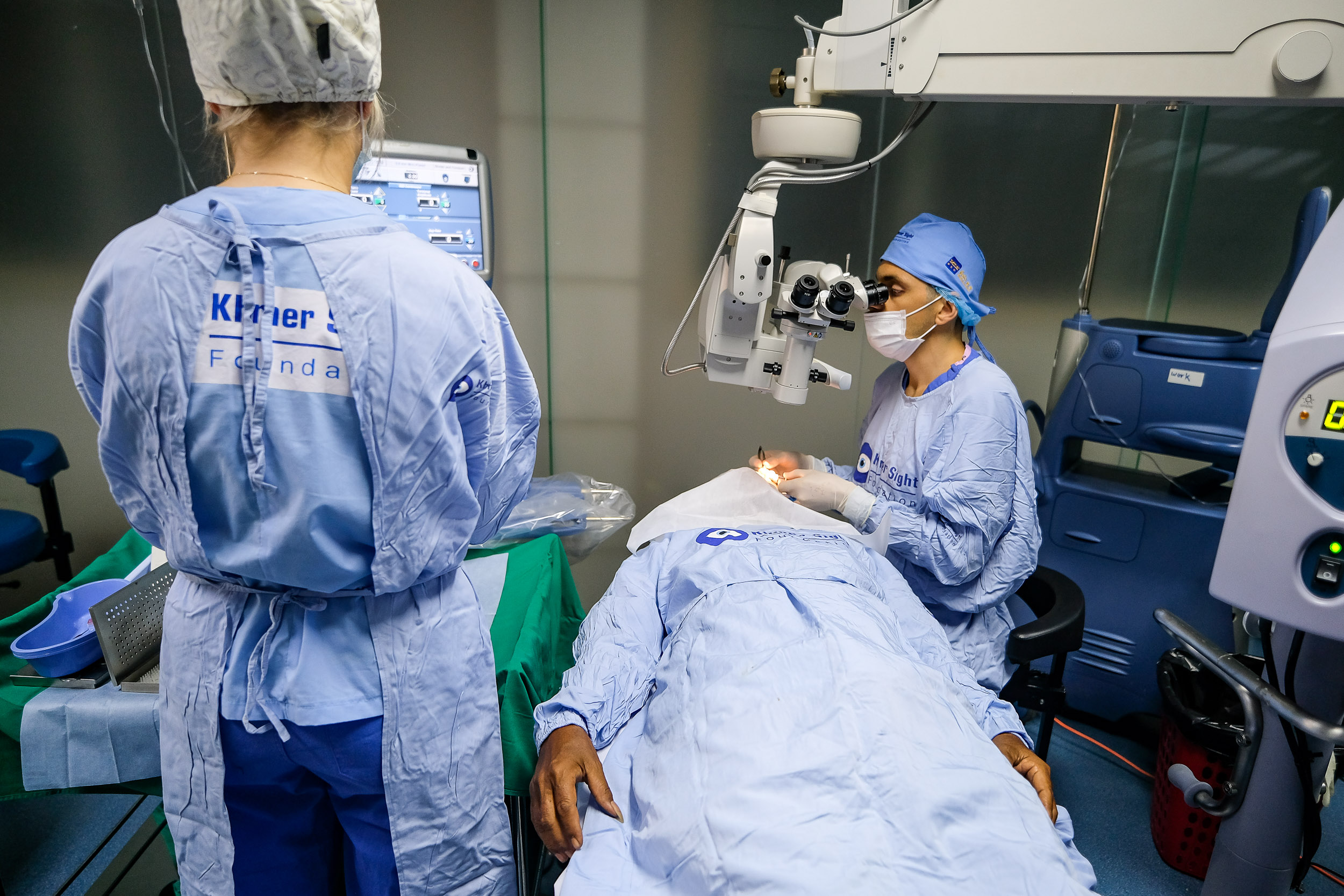
Volunteering is the very essence of bringing change and fostering community spirit. It’s a world brimming with stories waiting to be told, and what better way to narrate these tales than through the power of photography? For those who work closely with voluntary agencies, providing a photo record of their activities isn’t just a task; it’s a way to immortalize the moments that define the human spirit.
Photography and volunteering share a common thread – they both capture the essence of the moment and the sincerity of actions. A picture can speak a thousand words about the dedication and hard work that goes into every event, every campaign, and every helping hand extended. It’s about showcasing the smiles that spread across faces when communities come together, the determination in the eyes of volunteers, and the hope that radiates from the beneficiaries of these activities.
For a photographer embedded in the world of voluntary service, the camera is not just a tool but a witness to the selfless acts that knit the fabric of our society. It’s about finding the right angle, the perfect light, and the exact moment when everything comes together to tell a compelling story. These photographs become more than just images; they are powerful narratives that can inspire, motivate, and encourage others to take part in the noble cause of volunteering.
The role of a photographer in this setting transcends the act of taking pictures. It involves being an active participant in the events, understanding the core values of the agencies, and reflecting these in every shot taken. It’s about being sensitive to the environment and the people, capturing their authenticity, and respecting their dignity.
The photo record serves multiple purposes. It’s a historical document that captures the evolution of the agency and its impact over time. It’s a promotional tool that can attract more volunteers and donors by visually communicating the agency’s mission and achievements. It’s also a source of reflection for those involved, reminding them of the journey they’ve embarked on and the lives they’ve touched.
In a world where content is consumed rapidly, a well-crafted photo record can stand out and make people pause, think, and act. It’s a testament to the power of visual storytelling in the digital age, where every photograph has the potential to go viral and spark a movement.
For photographers, working with voluntary agencies is not just another gig; it’s a passion project. It’s about being part of something bigger than oneself, about contributing to a cause with the best tool at their disposal – their camera. It’s a privilege and a responsibility to be the one who captures these fleeting moments and turns them into lasting memories.
So, to all the photographers out there making a difference, one click at a time, keep telling these stories. Your lens is a gateway to a world of change, and your photographs are the silent ambassadors of goodwill and hope. Keep shooting, keep sharing, and keep inspiring. The world needs to see the beauty of volunteering through your eyes.
The Heart of the Lens: Pro Bono Photography : why I do it.
Photography is more than just a profession or a hobby; it’s a powerful means of storytelling, capturing moments, and inspiring change. For many photographers, pro bono work is an extension of their passion for the craft and a way to give back to the community. It’s about using their skills to make a difference, to shine a light on stories that might otherwise go unnoticed.
Pro bono photography often involves working with non-profit organizations, charities, and community events. These projects can range from documenting the impact of charitable work to providing professional headshots for those looking to enter the workforce. The reasons for engaging in pro bono work are as diverse as the photographers themselves.
For some, it’s a moral imperative, a way to use their talents for the greater good. For others, it’s about connection and community, building relationships, and understanding the world around them. It can also be a means of growth, pushing photographers out of their comfort zones, and challenging them to capture emotion and narrative in new environments.
The impact of pro bono work extends beyond the photographer and the immediate subjects of their work. These images can raise awareness, drive donations, and encourage volunteerism. They tell the stories of those who may not have the means to do so themselves, and they often do it with a poignancy that words alone cannot convey.
So why do photographers do pro bono work? It’s simple: to make a difference, one photo at a time. It’s a testament to the belief that everyone has something to contribute and that sometimes, the most significant gifts are those that cannot be quantified. It’s the art of giving, captured through the lens of those who see the world not just for what it is, but for what it could be.
The Nikon D3, a camera that has etched its name in the annals of photography history, is renowned for its robust build and exceptional image quality. When paired with the versatile Nikkor 35-105mm f/3.5-4.5 lens, it becomes a powerhouse capable of capturing stunning images across various genres.
The Nikon D3, introduced in 2007, was a game-changer in digital SLR cameras. It was Nikon’s first full-frame DSLR, offering professional photographers a new level of performance. With its full-frame sensor, the D3 delivered unparalleled image quality, low-light capability, and fast shooting speeds. It was a camera built for the demanding needs of professional photojournalism, sports, and wildlife photography.
On the other hand, the Nikkor 35-105mm f/3.5-4.5 lens, though not the latest or the greatest, is a testament to Nikon’s legacy of creating durable and reliable lenses. This particular lens, available in both autofocus (AF-D) and manual focus (AI-S) versions, is known for its versatility and optical quality. It covers a useful focal range from wide-angle to medium telephoto, making it an excellent choice for everything from portraits to landscapes.
The lens’s push-pull zoom mechanism is a nod to classic photography equipment, yet it offers modern-day photographers a tactile and intuitive way to compose their shots. Switching to macro mode with a simple twist adds another layer of functionality, allowing for close-up photography with ease.
Photographers who have used this combination praise the lens for its sharpness and colour rendition. Despite its age, the lens holds up remarkably well on modern cameras, including the D3. It’s a combination that proves you don’t always need the latest technology to create beautiful photographs. The Nikon D3 and Nikkor 35-105mm lens reminds us that skill and vision are at the heart of great photography, not just cutting-edge gear.
For those looking to explore photography or expand their lens collection without breaking the bank, the Nikkor 35-105mm f/3.5-4.5 offers a compelling option. It’s a lens that can serve as a workhorse for a wide range of photographic needs, and when paired with a camera like the Nikon D3, it can breathe new life into your creative endeavours.
Whether you’re a seasoned professional or an enthusiastic amateur, the Nikon D3 and Nikkor 35-105mm lens combination is a duo worth considering. It’s a blend of Nikon’s solid engineering and photographic versatility that will continue to inspire photographers for years to come. If you’re curious about how this lens performs in various settings, there are plenty of reviews and sample images available that showcase its capabilities.
So, if you have a Nikon D3 lying around, consider pairing it with the Nikkor 35-105mm f/3.5-4.5 lens. You might just rediscover the joy of photography with this classic yet capable combo. Happy shooting!
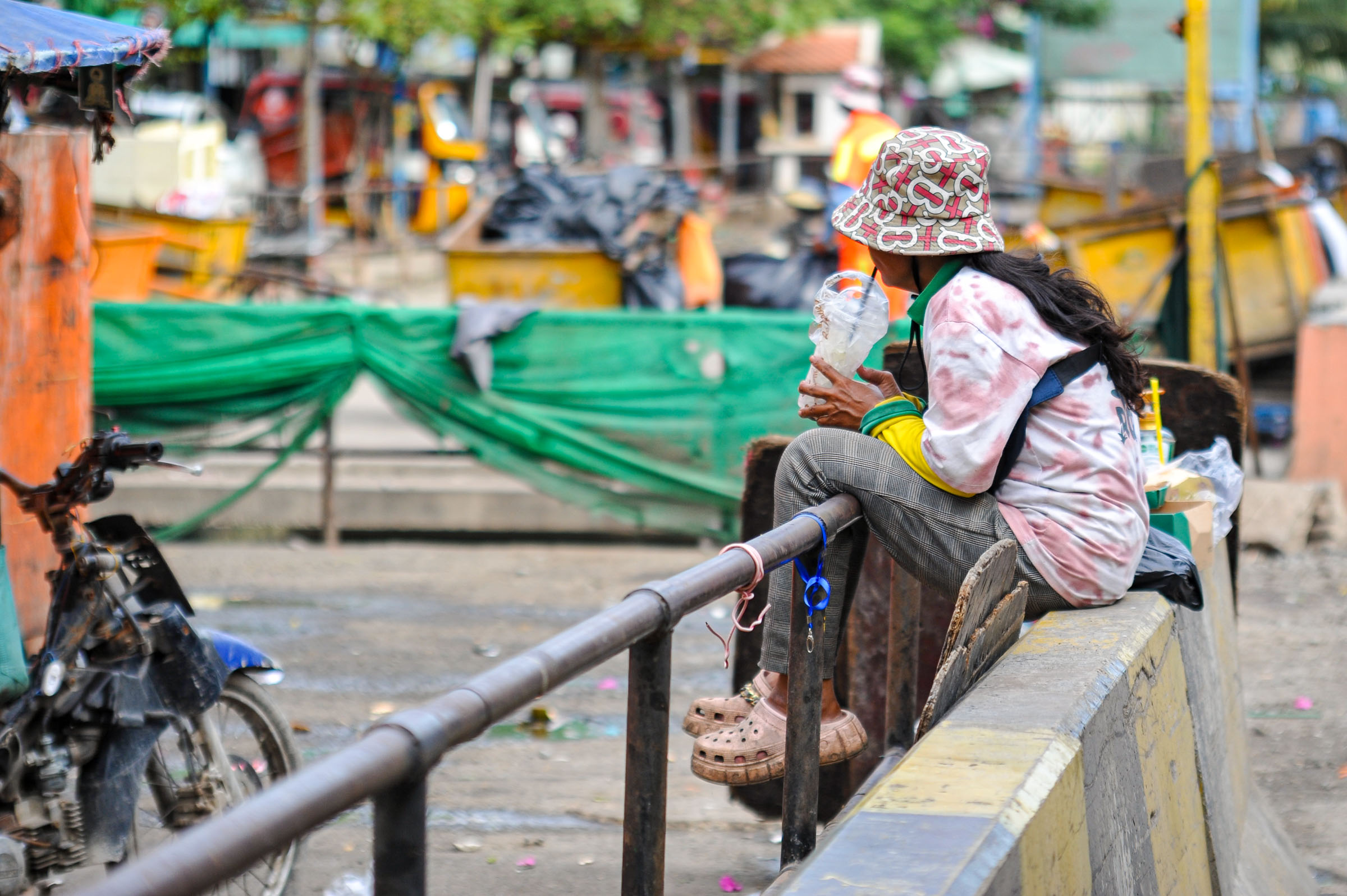
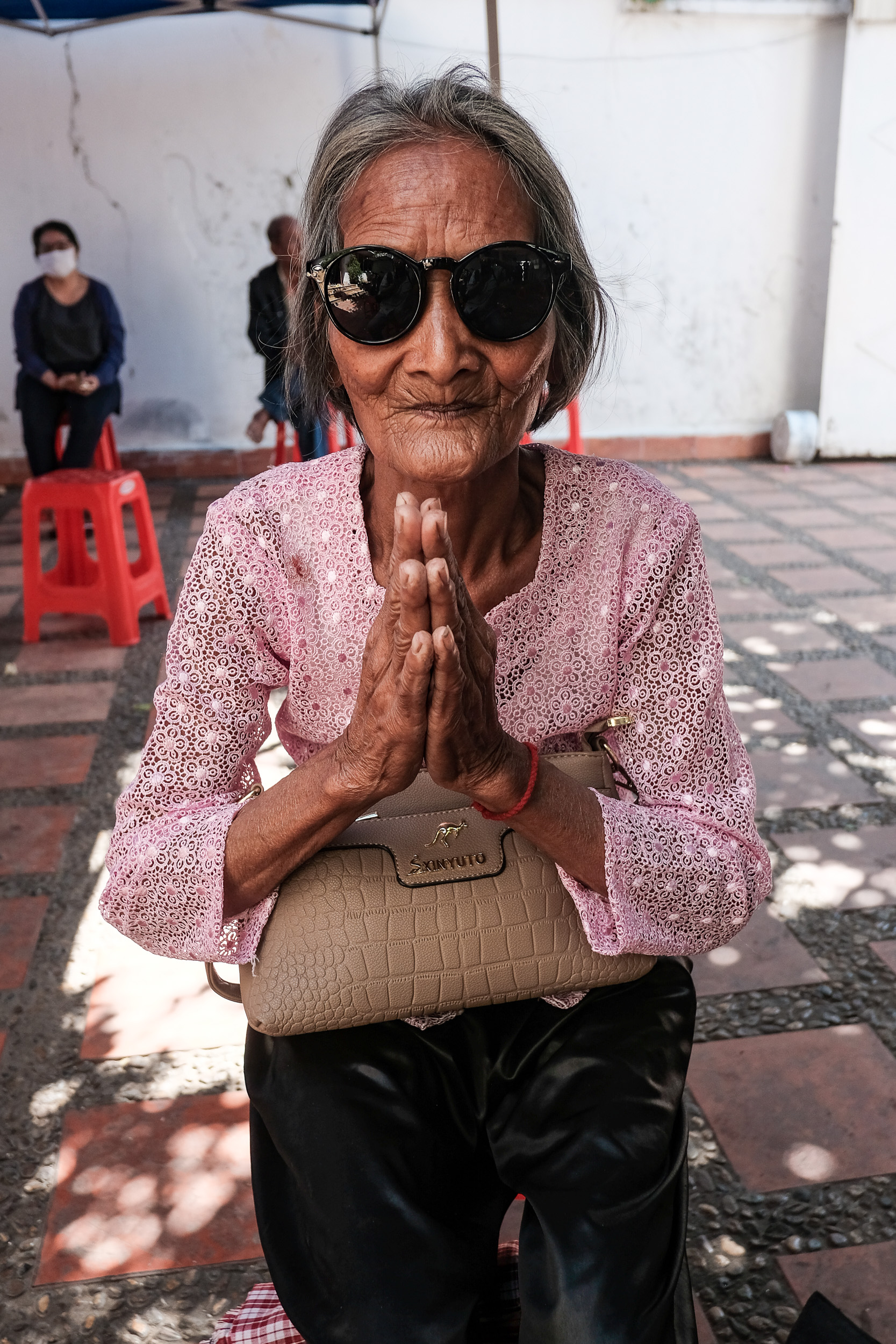
Photography is a powerful medium that transcends language barriers and connects us to the human condition. In Cambodia, a country with a rich history and a resilient spirit, the stories of ordinary people are particularly captivating. These are tales of tradition, survival, and hope that often go untold, yet they are integral to the nation’s identity.
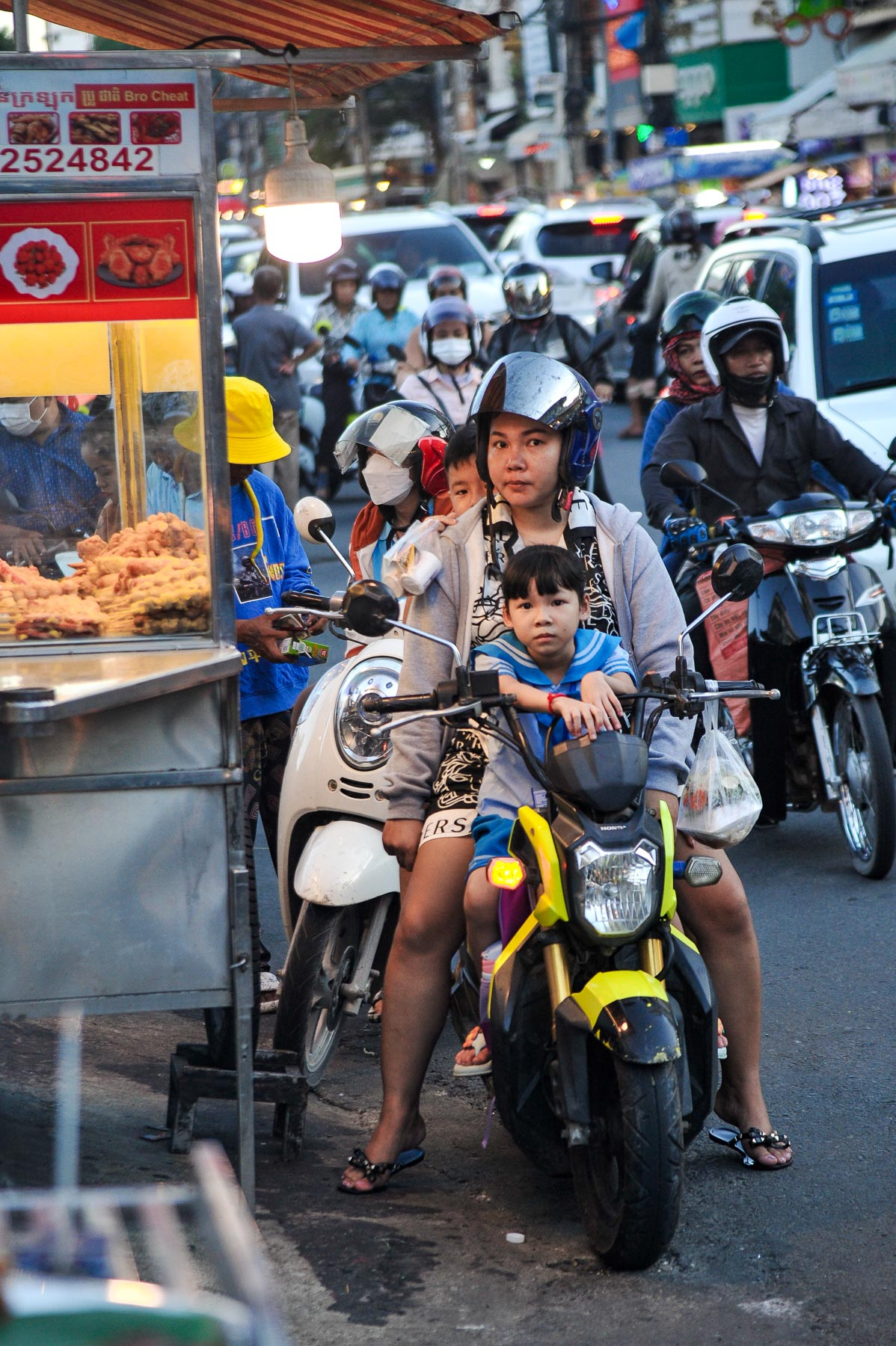
The Cambodian landscape is dotted with bustling markets, serene temples, and vibrant streets, each offering a unique backdrop for the lives unfolding within them. Photographers who venture into this world have the opportunity to capture the essence of Cambodia’s soul, to showcase the daily life, the struggles, and the joys of its people.
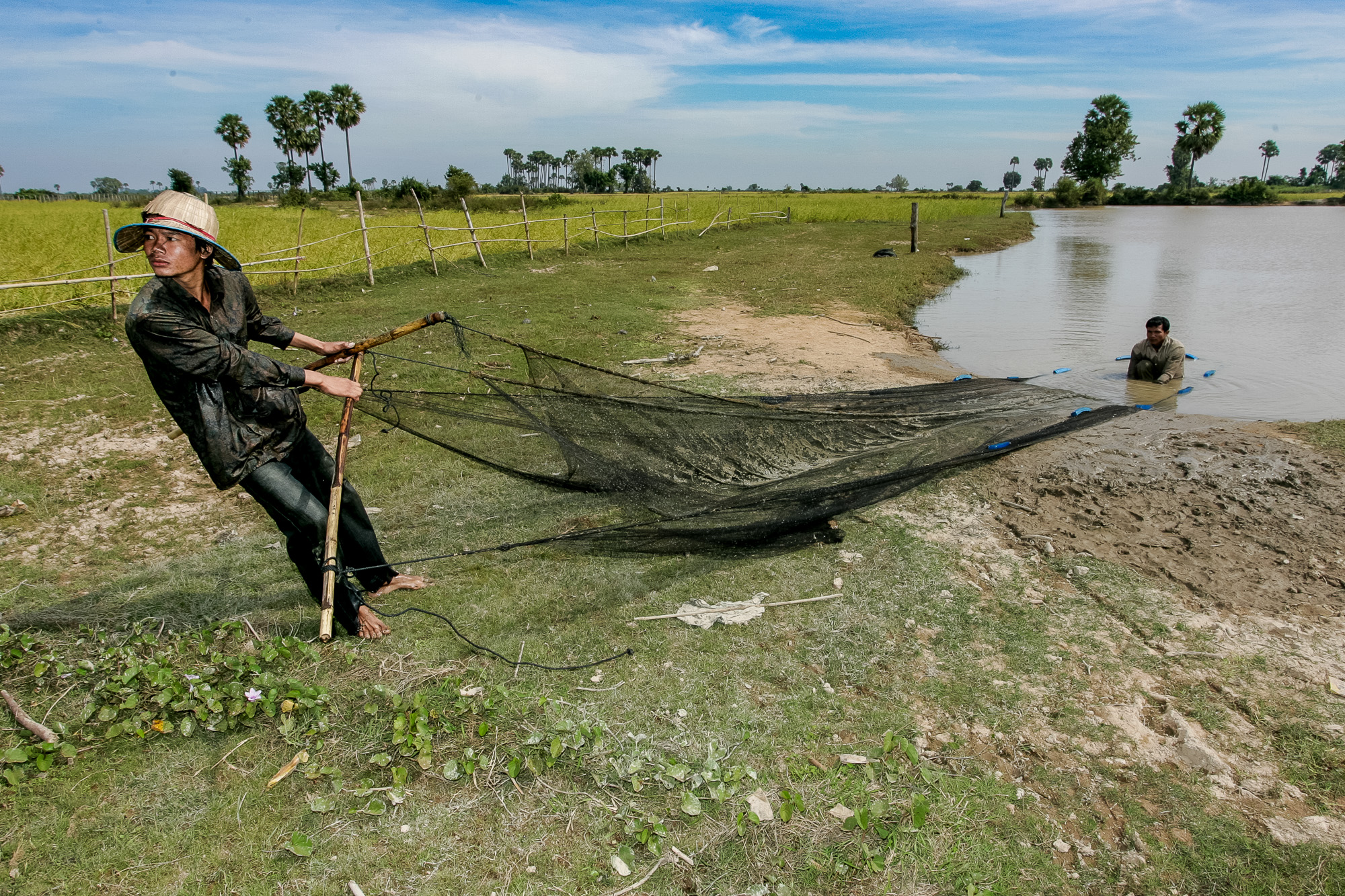
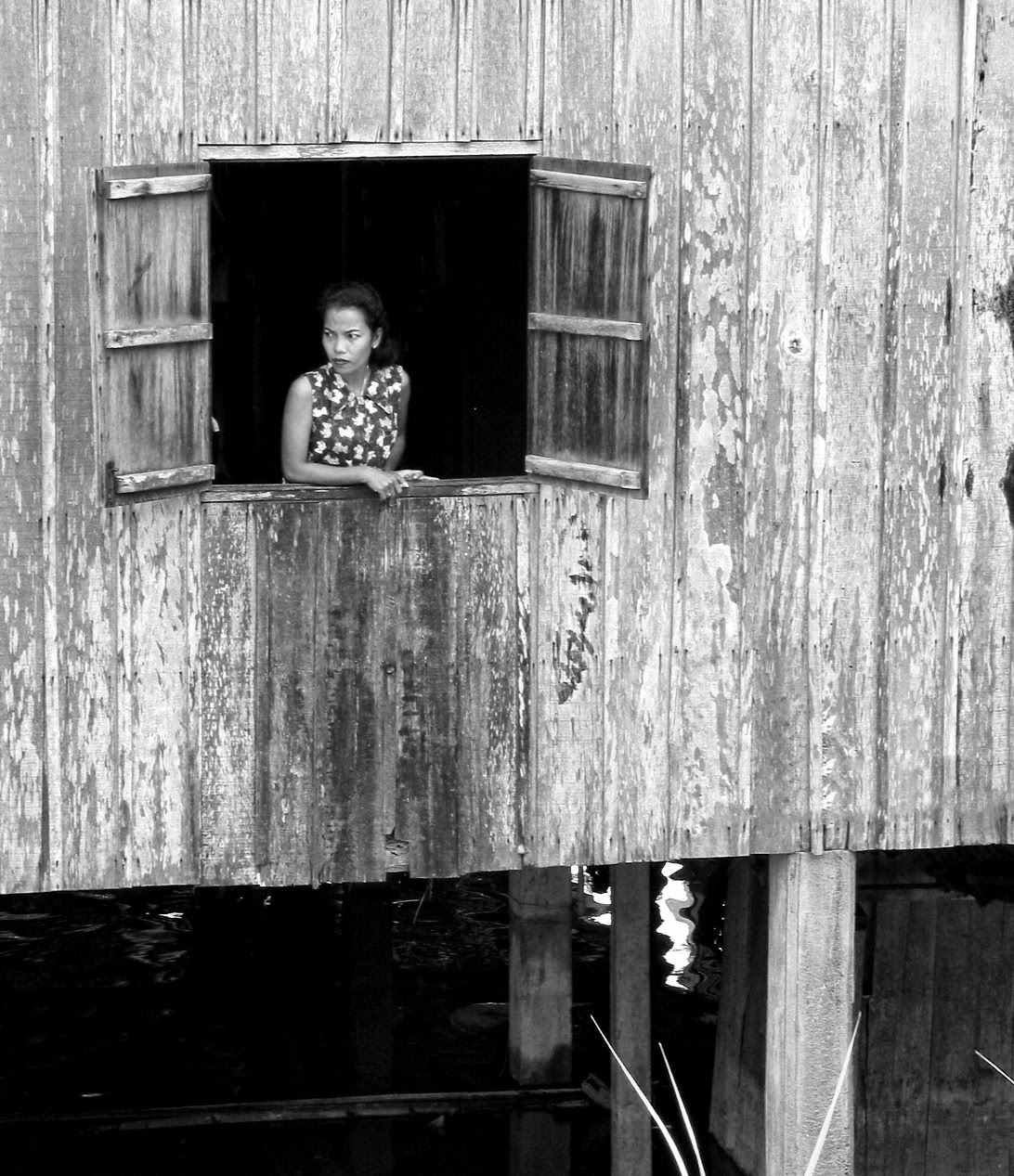
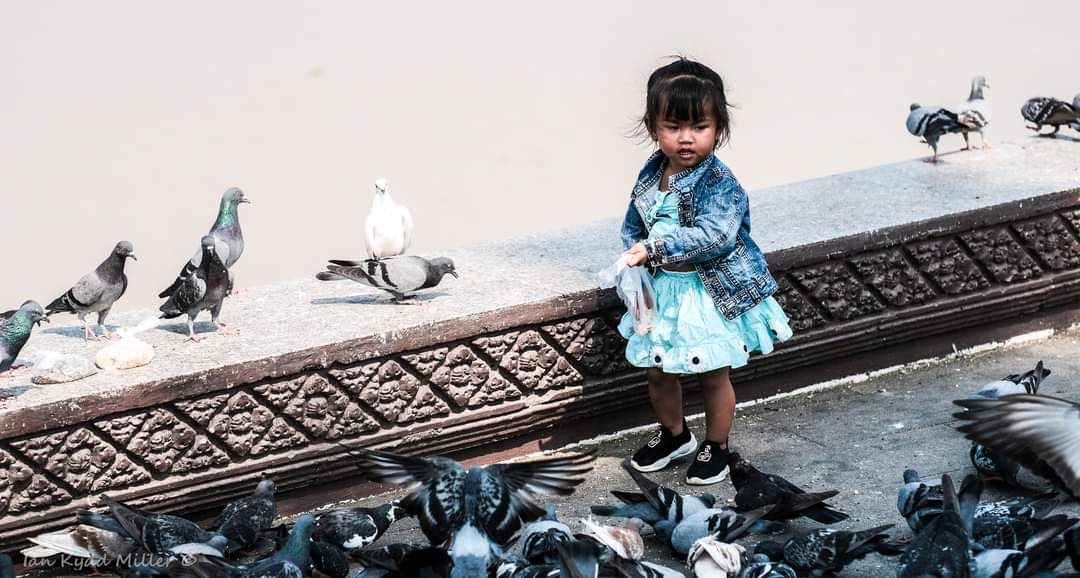
From the rice farmer tending to the fields at the break of dawn to the street vendor selling traditional snacks; from the monk in deep meditation to the children at play, each photograph tells a story. These images serve as a bridge, inviting the viewer to step into the shoes of the subjects, to experience a moment of their lives.
The power of these visual narratives lies in their authenticity. They are not staged or altered but are raw and real. They speak of resilience, of a community that has faced adversity but continues to thrive. They speak of the beauty in the mundane, the strength in simplicity, and the warmth of a smile amidst hardship.
As a photographer in Cambodia, one must approach the craft with sensitivity and respect. It’s about building trust with the subjects and understanding the cultural nuances that shape their existence. It’s about being patient, waiting for the right moment when the story naturally unfolds before the lens.
The result is a collection of images that do more than just document; they evoke emotion, they provoke thought, and they inspire change. They remind us that in the ordinary, we can find the extraordinary. They remind us that every person has a story worth telling, and every story has the power to move hearts.
In the end, these photographs become more than just pictures; they become a testament to the human spirit, a celebration of life, and a homage to the enduring soul of Cambodia. They are a reminder that in the vast tapestry of humanity, every thread is essential, every colour is vital, and every pattern is worth preserving.
So, let us take a moment to appreciate the photographers who bring these stories to light, who remind us of the power of visual storytelling, and who continue to capture the enduring spirit of the ordinary people of Cambodia. Their work is not just a contribution to the art of photography; it is a valuable contribution to the collective memory of humanity.
In street photography, the essence of capturing candid moments often requires a minimalist approach to equipment. A camera, a lens, and a camera strap are the fundamental tools needed for this genre. This not only makes it easier to move around and react quickly to unfolding scenes but also helps in blending into the environment. Blending in is indeed essential; wearing muted colours and avoiding conspicuous logos can make photographers less noticeable, allowing them to capture life as it naturally unfolds. The goal is to observe without altering the scene, to document the raw and unfiltered essence of street life. Comfortable shoes are also a must, as street photography often involves a lot of walking. Ultimately, the less intrusive the photographer can be, the more authentic and compelling the images will be.
This approach aligns with the philosophy of street photography, which is to be an unobtrusive observer, capturing moments that might otherwise go unnoticed. Personally, I don’t necessarily agree totally with this philosophy.
** Choosing not to hide oneself while engaging in street photography can be a powerful stance. It’s about embracing transparency and honesty in the art form. By being visible, photographers can interact more genuinely with their surroundings, often leading to more authentic and spontaneous captures that reflect the moment’s essence. It also respects the subjects’ awareness and consent, which is increasingly important in today’s discussions about privacy and ethics in photography. Moreover, it can challenge the photographer to develop a more nuanced approach to their craft, as they navigate the dynamics of the public space while being part of the scene. This method can yield a unique style and depth to the photographs that might not be achievable through a hidden approach.**
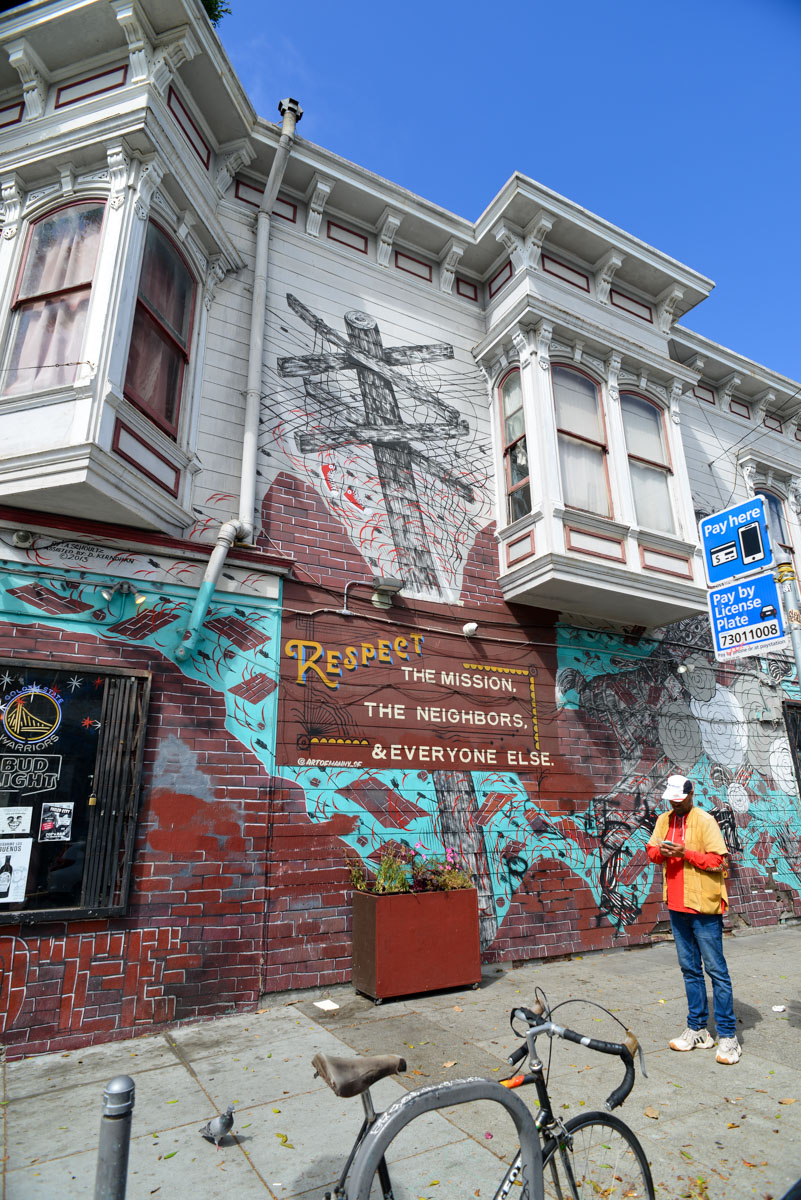
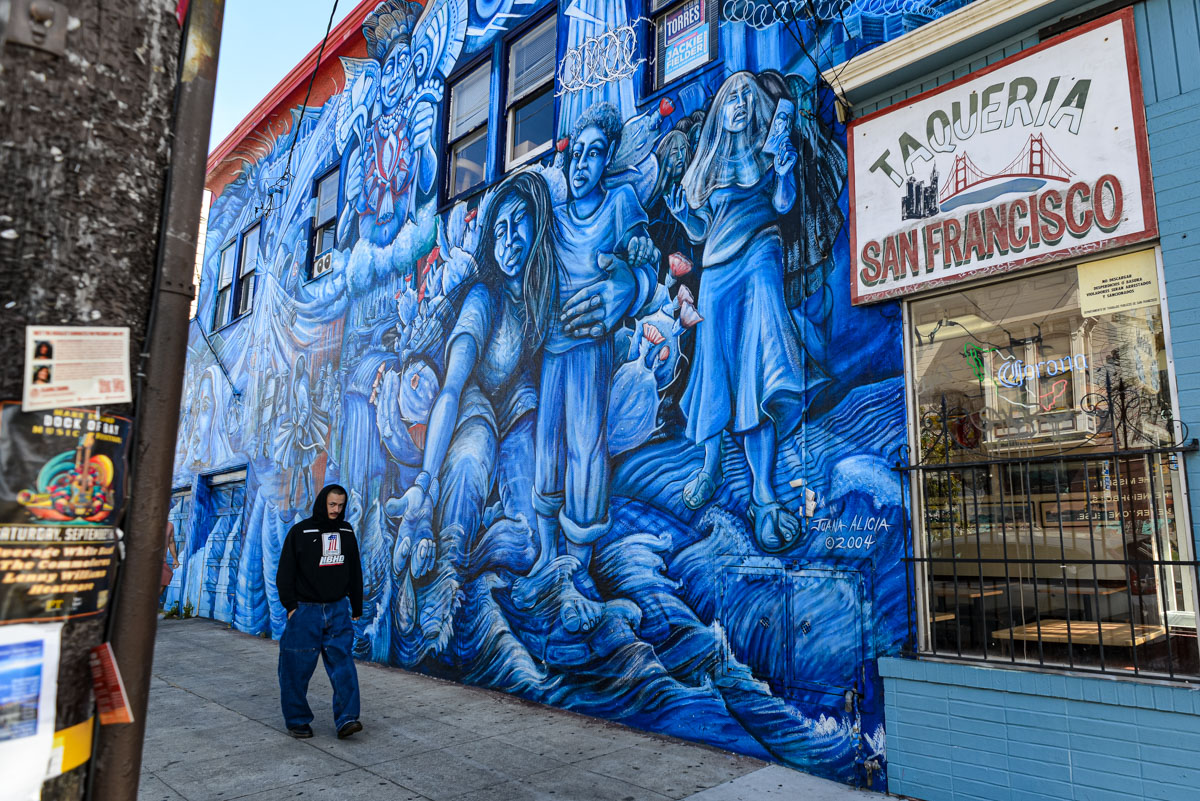
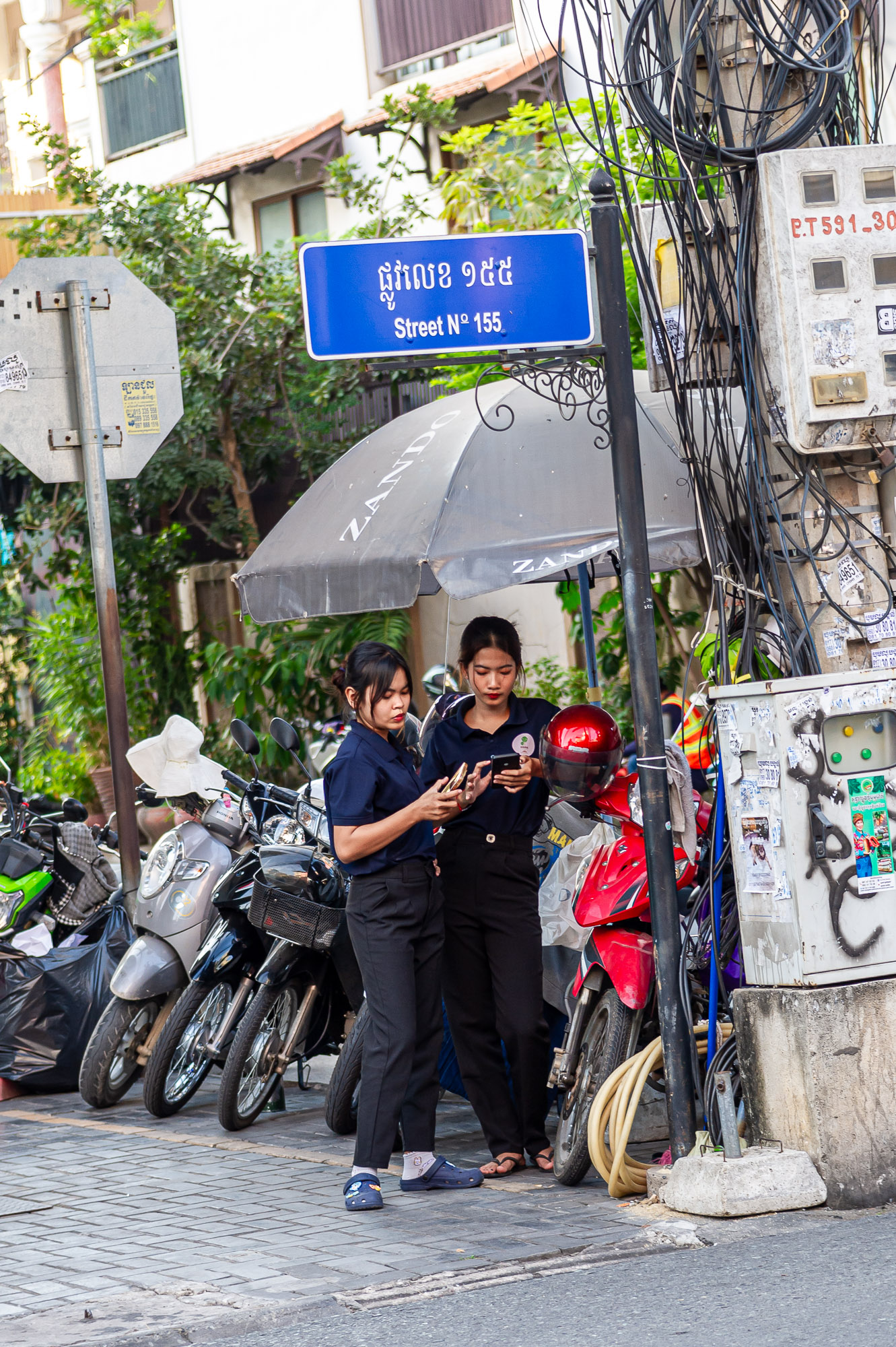
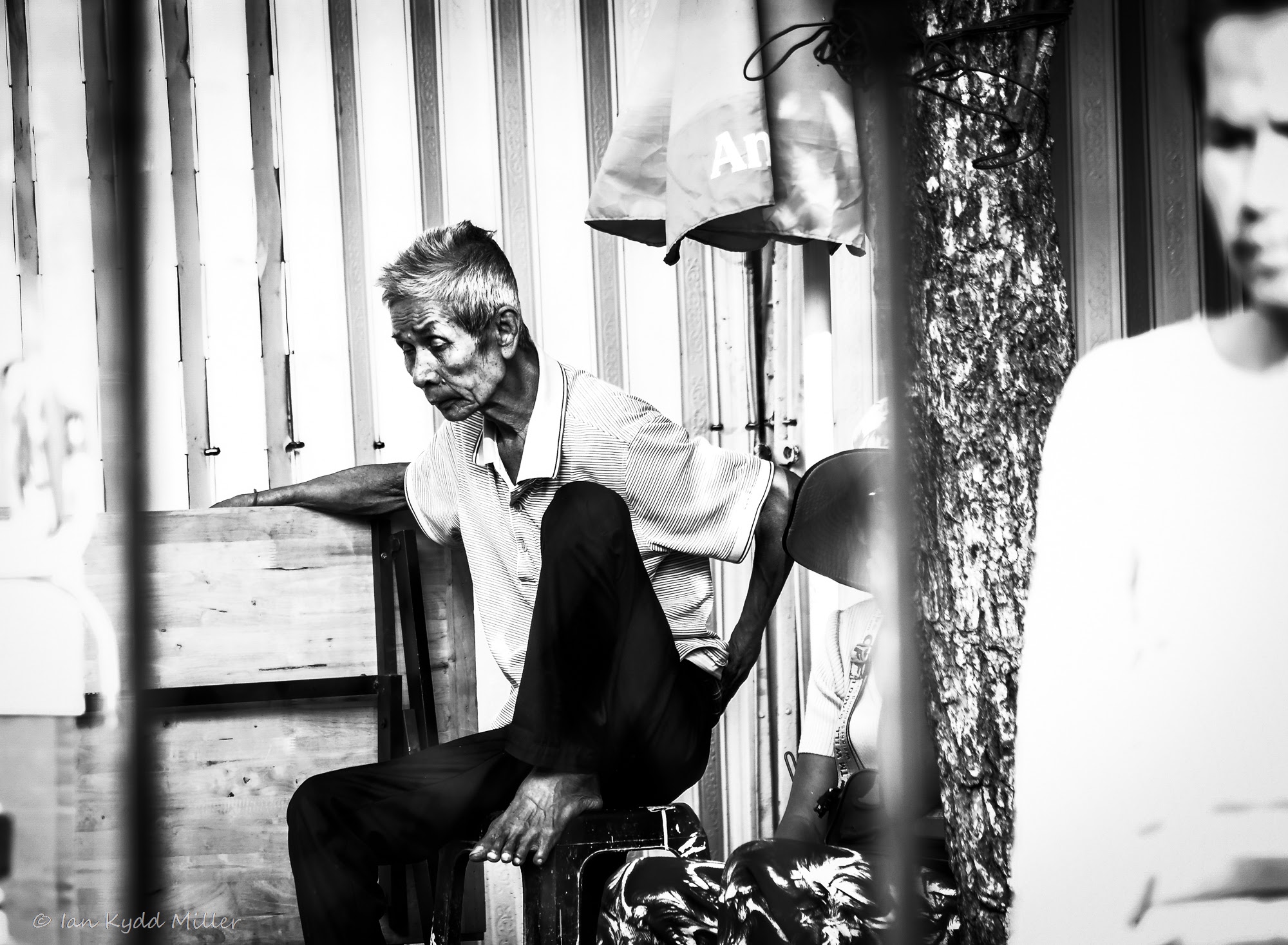
Street photography is an exhilarating and deeply personal art form that captures the essence of everyday life. To excel in street photography, one must embrace the role of an observer, documenting humanity in its rawest form. It’s about finding beauty in the mundane, capturing the fleeting moments that, while seemingly insignificant, tell a story about the human condition. It’s not just about having the right gear or technical skills; it’s about seeing the world with a fresh perspective, where every street corner, every passing face, and every spontaneous interaction becomes a potential masterpiece.
To do street photography well, start by honing your social skills; they are as important as your photographic ones. Engage with your surroundings and be ready to interact with people. Remember, street photography is as much about the experience as it is about the resulting images. It’s a collaborative art; you’re not just taking photos, you’re making them with the scenes and people you encounter. This means respecting your subjects and the environment, and approaching each shot with empathy and curiosity.
Physical and mental strength are crucial too. You’ll need the endurance to walk for hours and the courage to overcome the fear of photographing strangers. Position yourself strategically on the sidewalk to find minimalist backgrounds and dynamic compositions. Look for the ‘cherry on top’—those unique details that elevate a good photo to a great one. And when you capture a moment, control your selects; not every photo will be a winner, but the best ones will stand out with a clear subject and a compelling narrative.
A versatile perspective is key. A 35mm focal length is often ideal for street photography because it closely resembles the natural field of view of the human eye, allowing for a more intimate and realistic portrayal of the scene. Avoid ‘chimping’—constantly checking your photos on the camera screen—as it can distract you from the present moment. Instead, stay focused on your surroundings and the potential shots around you.
Simplify your settings to react quickly to changing scenes; shooting in ‘P’ mode can help you concentrate on composition rather than technicalities. Look for expressive moments and gestures that encourage interpretation and tell a story without needing an explanation. Maintain stealth to capture candid expressions, but don’t drop your camera immediately after taking a shot—sometimes the best moments happen right after the initial click.
Clean backgrounds and careful framing can simplify compositions, drawing the viewer’s eye to the intended subject. Work the scene; don’t settle for the first photo you take. Keep shooting until you capture engaging moments, like eye contact, that add depth to your images. The background is just as important as the subject; it provides context and can make or break a photo.
Good street photographers understand the power of storytelling. They know that emotion is a key element of street photography, and they’re always on the lookout for vibrant hues and good light, especially for colour photography. For a minimalist approach, black-and-white photography can simplify the scene, focusing attention on the subject and the story being told.
In street photography, your personal style will shine through. It’s a reflection of your personality, so shoot according to what resonates with you. Embrace experimentation and take risks; this is how you’ll develop your unique voice. And remember, street photography doesn’t require travelling to exotic locations; opportunities for great photos are all around you, often just a short walk away.
So, grab your camera, hit the streets, and immerse yourself in the world of street photography. With patience, persistence, and a passion for capturing the human spirit, you’ll not only create stunning images but also experience the joy of connecting with the world in a profound and meaningful way. Happy shooting!
In the world of photography, the Fujifilm X100 Original stands out as a camera that doesn’t just capture images; it captures the imagination of photographers who appreciate the art of photography. Released over a decade ago, the X100 Original has become something of a modern classic, revered for its design, functionality, and the quality of images it produces.
The X100 Original’s design harks back to the golden age of film cameras, with its retro aesthetic and physical control dials. It’s a camera that feels substantial in your hands, yet compact enough to carry everywhere. This blend of old-school charm with modern technology has struck a chord with photography enthusiasts who long for the tactile experience of adjusting the aperture and shutter speed manually.
But the X100 isn’t just about looks; it’s about engaging with the process of photography. The camera’s fixed 23mm lens (equivalent to 35mm in full-frame terms) challenges photographers to think more creatively about composition. Without the ability to zoom, one must move, explore different angles, and really consider what should be in the frame. This limitation becomes an opportunity for growth, pushing photographers to develop their skills and vision.
The heart of the X100 is its APS-C sensor, which, at the time of release, was a significant feature for a compact camera. This sensor size, typically found in DSLRs, allows for excellent image quality, especially in low-light conditions. The X100’s images are characterized by their sharpness, colour fidelity, and dynamic range, qualities that hold up even when compared to today’s standards.
One of the most innovative features of the X100 Original is its hybrid viewfinder, which combines an optical viewfinder with an electronic one. This feature allows photographers to switch between a direct view of their subject or a digital display that shows exposure settings and a preview of the image. This flexibility is particularly useful in changing lighting conditions or when precise framing is essential.
Despite its age, the X100 Original remains a viable option for photographers today. Its image quality, especially at high ISOs, is still impressive, and its design continues to inspire. It’s a camera that doesn’t do all the work for you; instead, it invites you to engage with the craft of photography actively. It’s a camera that requires you to think, to be present, and to create with intention.
For those who have used the X100, it often becomes more than just a tool; it becomes a companion on their photographic journey. It’s a camera that encourages you to slow down, to observe, and to connect with the world around you in a more meaningful way.
The Fujifilm X100 Original may not be the latest model with the most advanced features, but it holds a special place in the hearts of many photographers. It’s a reminder that sometimes, the best images come from the photographer who is engaged, thoughtful, and connected to their subject – and the X100 is a camera that fosters that connection.
An efficient workspace is paramount in digital content creation, particularly post-processing. A dual monitor setup is not just a luxury—it’s necessary for professionals who require extensive screen real estate to manage their workflow effectively. Dell UltraSharp monitors, known for their exceptional colour accuracy and resolution, are an excellent choice for such a setup.
The Dell UltraSharp series offers a range of monitors that cater to different needs. For instance, the Dell UltraSharp 27 Thunderbolt Hub Monitor – U2724DE is a notable option for those seeking a balance between size and performance. It features a 27-inch matte IPS screen with HDR and USB-C ports, making it a versatile choice for various post-processing tasks.
Setting up a dual monitor configuration with Dell UltraSharp monitors involves several steps to ensure a seamless experience. Here’s a professional guide to help you through the process:
Check Compatibility: Ensure that your computer has the necessary ports to connect the Dell UltraSharp monitors. Most modern computers will have HDMI, DisplayPort, or USB-C ports that are compatible with these monitors.
Connect the Monitors: Using the appropriate cables, connect your Dell UltraSharp monitors to your computer. It’s essential to use high-quality cables to maintain the integrity of the signal and colour accuracy.
Configure Display Settings: Once connected, right-click on your desktop and navigate to the display settings. Here, you can choose to either duplicate or extend your desktop across the two monitors. Extending your desktop is typically the preferred option for post-processing, as it provides a continuous workspace across both screens.
Adjust the Resolution: Set the resolution for each monitor to its native resolution to take full advantage of the UltraSharp’s capabilities. This ensures that you get the sharpest image and colour precision for your post-processing work.
Calibrate Your Monitors: Calibration is crucial in a dual monitor setup, especially for post-processing. Use a calibration tool to adjust the color settings on both monitors to match each other and to ensure color consistency across your workflow.
Organize Your Workspace: With your monitors set up and calibrated, organize your workspace by placing your most used applications and tools on one screen, while using the other for previewing your work. This setup can significantly enhance your efficiency and productivity.
Troubleshoot If Necessary: If you encounter any issues, refer to Dell’s troubleshooting guides for assistance. These guides provide valuable information on resolving common display or video issues.
A dual monitor setup with Dell UltraSharp monitors can transform your post-processing workflow, providing you with the space and tools needed to produce high-quality content. With the right configuration and calibration, you can ensure a consistent and productive workspace that meets the demands of professional post-processing tasks.









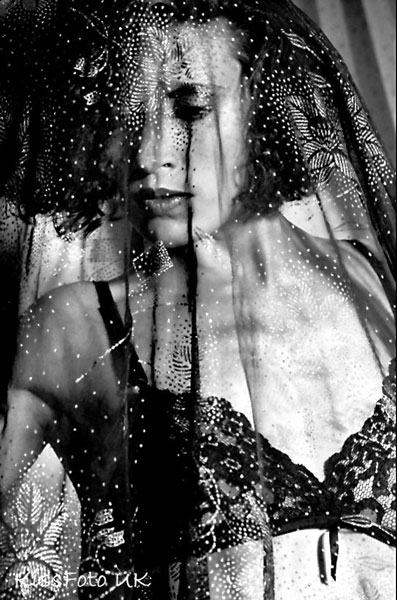







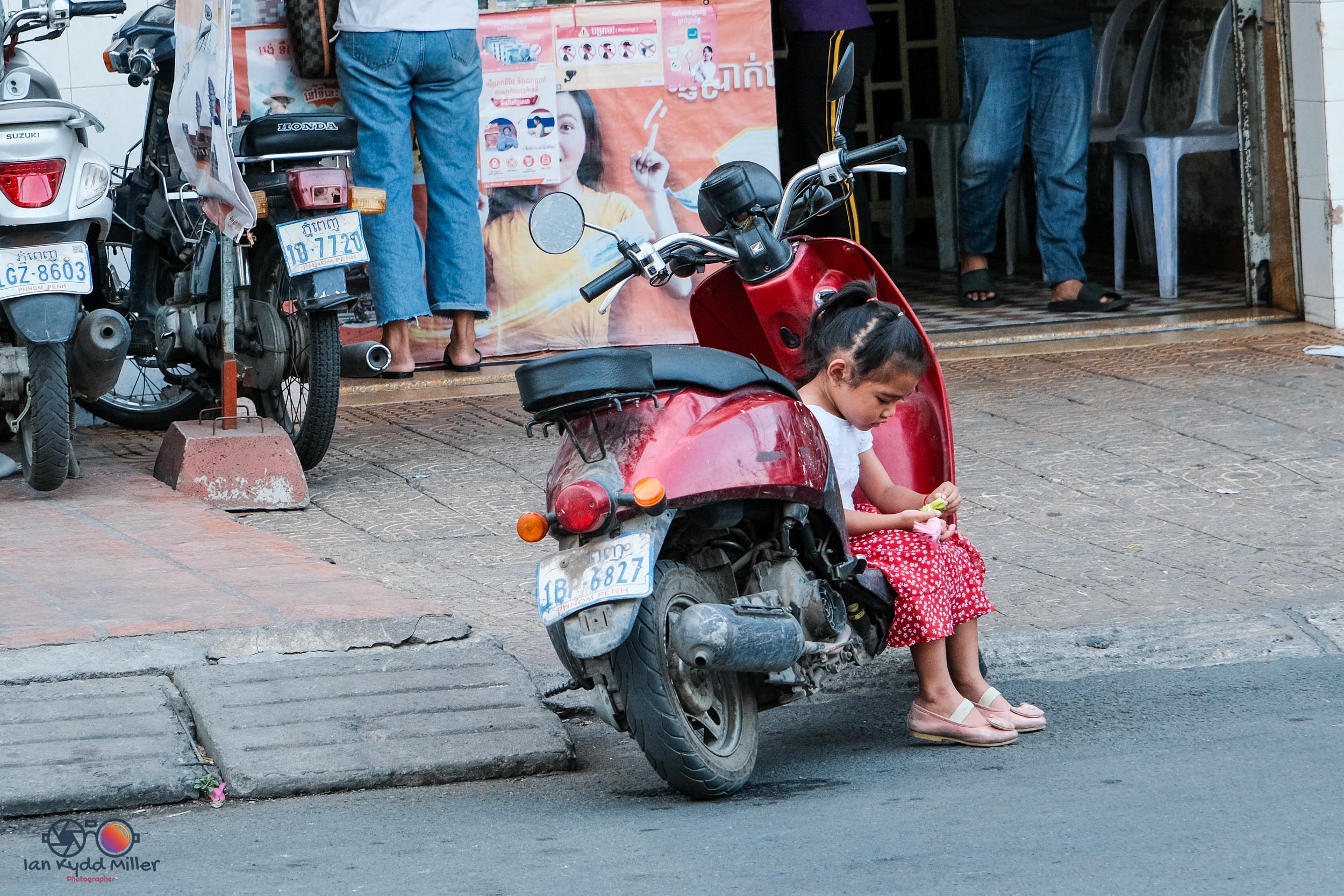





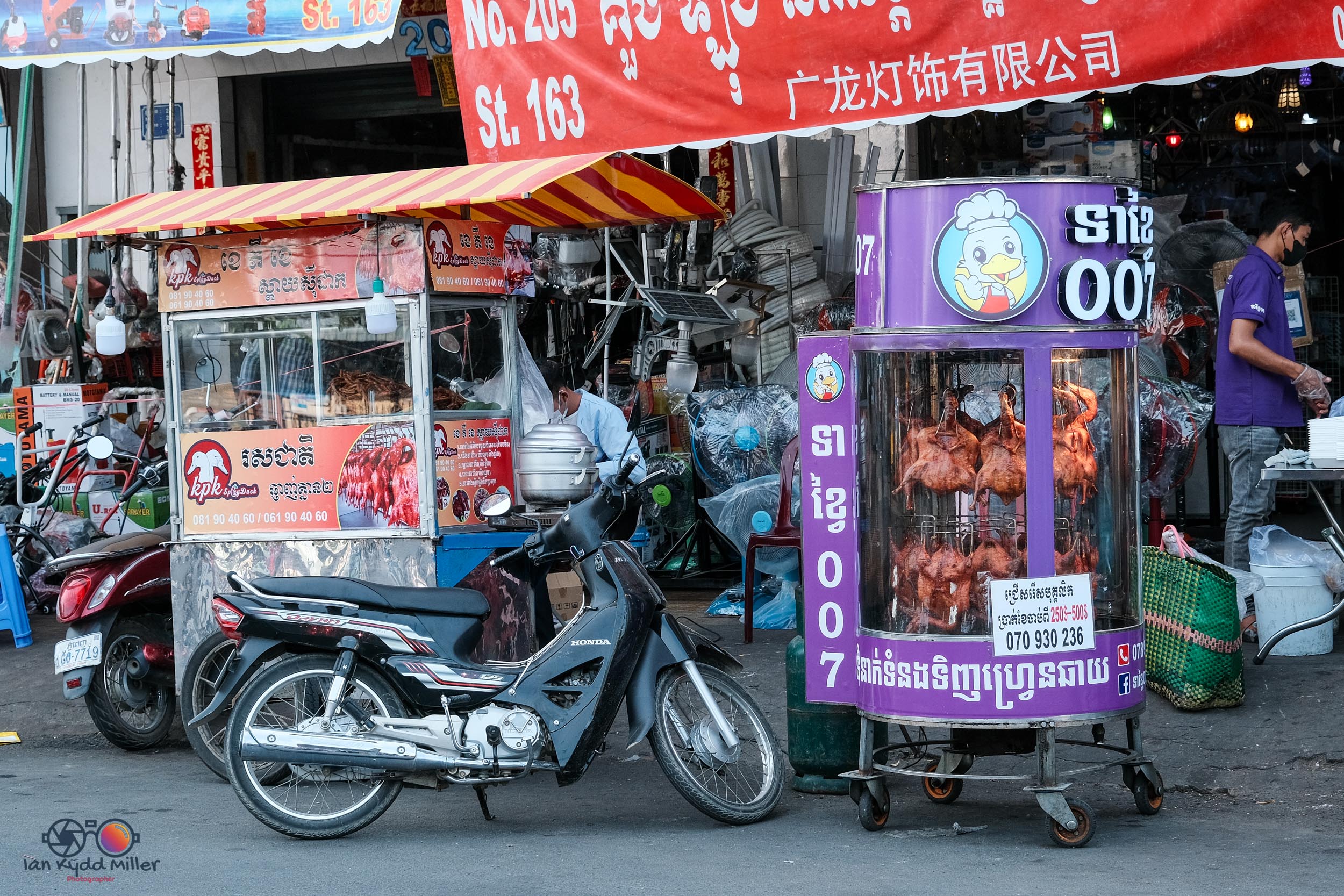






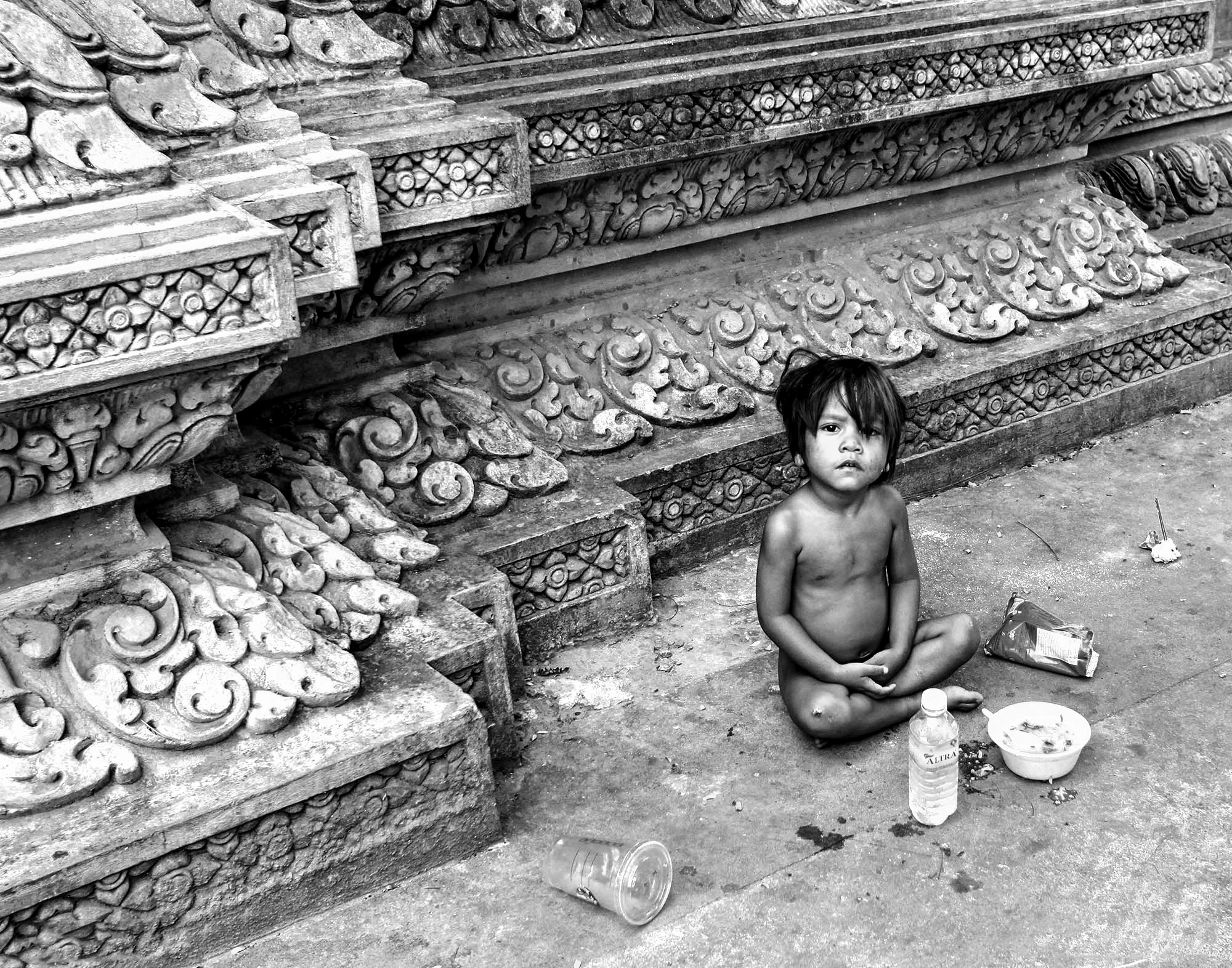


























































































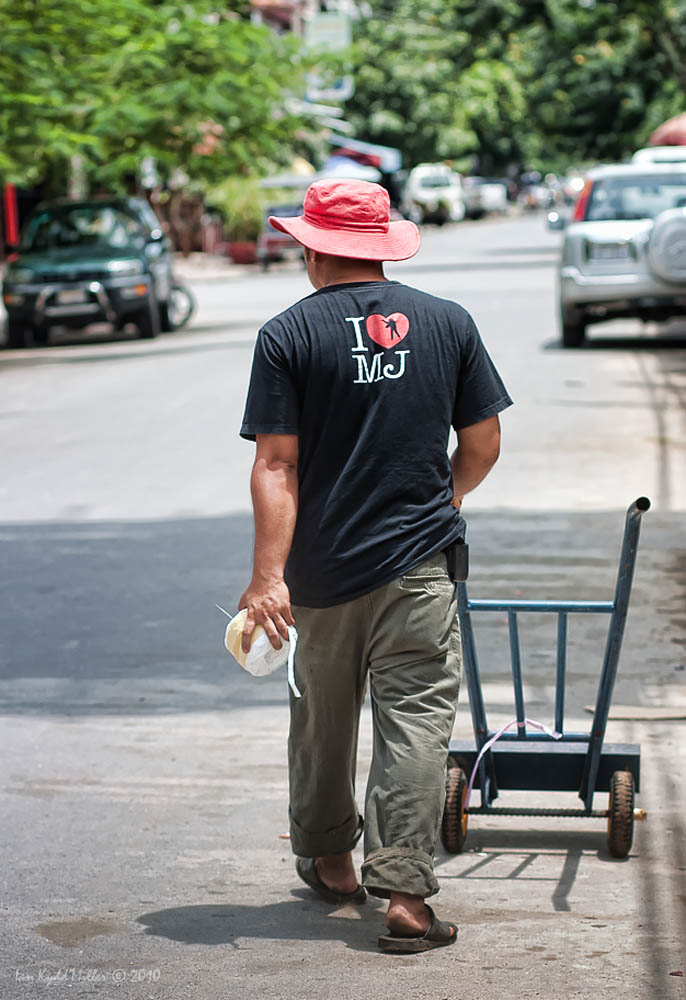

















 a world without pictures is like coffee without cream and sugar, bitter