Photography enthusiasts looking for a versatile telephoto zoom lens may find a perfect companion in the Fujifilm XF 55-200mm. This lens is designed for the Fujifilm X-series mirrorless cameras and offers a 35mm equivalent focal length of 83-300mm, making it suitable for a wide range of subjects from portraits to wildlife photography.
One of the standout features of this lens is its optical image stabilization system, which claims to provide a benefit of 4.5 stops. This feature is particularly useful when shooting in low light conditions or at the long end of the zoom range, where camera shake can be more pronounced. The stabilization allows photographers to shoot at slower shutter speeds without compromising on sharpness.
The lens construction includes two extra-low dispersion elements, including one Super ED element, which helps to reduce chromatic aberrations and produce clear, sharp images with accurate colours. The build quality of the lens is also noteworthy, with an all-metal barrel and an aperture control ring that adds to the tactile experience of shooting.
Autofocus performance is another area where the XF 55-200mm lens excels. It uses a pair of linear stepper motors for quick and near-silent autofocus, which is beneficial for both stills and video shooting. The relatively fast maximum aperture of F3.5-4.8 also allows for more control over depth of field and helps to isolate subjects from the background.
Despite its range and capabilities, the lens remains relatively compact and portable, which is a significant advantage for photographers who travel or hike with their gear. It’s not weather-sealed, so some care is necessary when using it in adverse conditions.
In terms of pricing, the lens offers good value considering its performance and build quality. It’s positioned as a premium option in the Fujifilm lens lineup and competes favourably with similar lenses from other manufacturers.
For those invested in the Fujifilm X system, the XF 55-200mm lens is a solid choice that delivers excellent image quality and versatility. Whether you’re capturing distant landscapes or intimate portraits, this lens is capable of producing stunning results that will satisfy both amateur and professional photographers alike.
For more detailed reviews and sample images, you can visit various photography websites and forums that provide in-depth analysis and user experiences with this lens. Exploring these resources can help you make an informed decision if you’re considering adding the Fujifilm XF 55-200mm to your photography kit.
The Viltrox 13mm f/1.4 lens has been making waves in the photography community, especially among those who use Fujifilm X-Mount cameras. This lens is known for its super wide-angle capability, which makes it an excellent choice for capturing expansive landscapes, cityscapes, and architectural wonders. Its large aperture of f/1.4 allows photographers to shoot in low light conditions without compromising on shutter speed or ISO, thus maintaining image quality.
Build Quality and Handling The Viltrox 13mm f/1.4 boasts a solid construction with a metal mount and lens hood, giving it a premium feel. The manual focus ring is large and user-friendly, offering a smooth focusing experience free from the electronic jerkiness found in some lenses. The aperture ring clicks satisfyingly through each f-stop, providing tactile feedback that is both precise and reassuring.
Optical Performance Optically, the lens is designed to impress. It features two aspherical elements that help to reduce spherical aberrations and distortion, providing sharp images with minimal edge softness. The inclusion of two high refractive elements and four extra-low dispersion elements further enhances image clarity by reducing chromatic aberrations and color fringing.
Autofocus Capabilities The autofocus system of the Viltrox 13mm f/1.4 is powered by an STM motor, which delivers fast and silent focusing. This is particularly beneficial for videographers who require a quiet operation. The autofocus is also reliable, locking onto subjects with ease and precision, which is on par with some of the more established lenses in the market.
Versatility in Use Despite being a super wide-angle lens, the Viltrox 13mm f/1.4 has proven to be surprisingly versatile. Some photographers have even found success using it for portrait photography, a genre typically reserved for longer focal lengths. The wide aperture allows for a shallow depth of field, creating a pleasing bokeh effect that can make subjects stand out against a smoothly blurred background.
Conclusion The Viltrox 13mm f/1.4 lens offers a lot of value, especially considering its price point. It is a testament to Viltrox’s commitment to providing high-quality lenses that are accessible to a wide range of photographers. Whether you’re shooting stills or video, this lens can deliver outstanding results that could rival those of more expensive counterparts.
For those interested in exploring the capabilities of the Viltrox 13mm f/1.4 further, there are detailed reviews and sample images available that showcase the lens’s performance across various settings and subjects. With its combination of build quality, optical performance, and versatility, the Viltrox 13mm f/1.4 is a lens worth considering for your next photographic adventure.
Travel photography is an exhilarating and fulfilling pursuit, combining the exploration of new places with the creative expression of capturing moments that tell a story. Whether you’re a seasoned photographer or just starting out, having the right gear can make all the difference in bringing back stunning images from your travels. Here’s a comprehensive guide to the essential equipment for travel photography.
Camera Body
The heart of your travel photography kit is the camera body. The market offers a plethora of choices, from high-end DSLRs to compact mirrorless systems. The key is to find a balance between image quality and portability. For beginners, entry-level mirrorless cameras are a great choice due to their lightweight design and excellent image capabilities.
Lenses
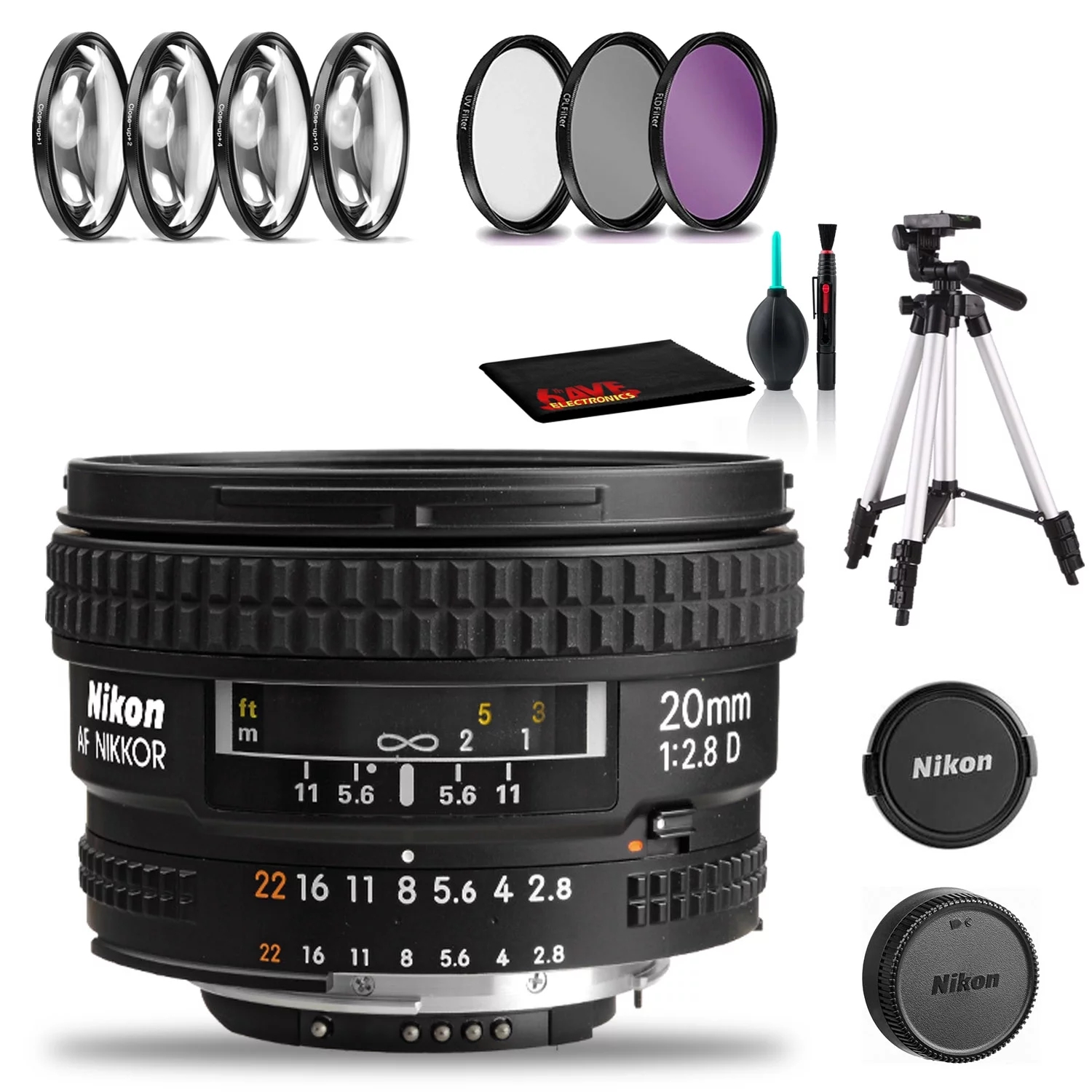
Lenses are the eyes through which you see the world, and having the right selection can cover a wide range of photographic opportunities. A versatile zoom lens, like an 18-300mm, can be invaluable for capturing both wide landscapes and distant subjects. Additionally, a prime wide-angle lens can be perfect for expansive scenes and architectural shots.
Tripod
A sturdy yet portable tripod is essential for sharp images, especially in low light conditions or when making long exposures. Look for one that’s compact enough to fit in your luggage but robust enough to support your camera and lens securely.
Filters
Filters can dramatically enhance your images. A circular polarizing filter can help reduce reflections and enhance skies, while a neutral density filter allows for longer exposure times, even in bright conditions, creating that silky water effect or motion blur in clouds.
Camera Bag
Protecting your gear is paramount, and a good camera bag will do just that. It should be comfortable to carry, provide easy access to your equipment, and offer adequate protection against bumps, scrapes, and the elements.
Accessories
Don’t forget the smaller items that can be just as crucial:
Extra batteries and memory cards to ensure you don’t miss a shot.
A cleaning kit to keep your lens and sensor spotless.
A remote shutter release for those extra-long exposures or self-portraits.
Insurance
Last but not least, consider getting insurance for your gear. Travel can be unpredictable, and having coverage for theft, loss, or damage can give you peace of mind.
By equipping yourself with these travel photography essentials, you’ll be well-prepared to capture the beauty and uniqueness of your destinations. Remember, the best camera is the one you have with you, so choose gear that you’ll feel comfortable carrying and using on your adventures. Happy shooting!
For more detailed information on travel photography gear, you can refer to comprehensive guides and checklists provided by photography experts.
Travel photography planning the trip.
Embarking on a journey to capture the essence of your travels through photography requires meticulous planning and a keen eye for detail. Travel photography is not just about snapping pictures of famous landmarks; it’s about telling a story, capturing emotions, and portraying the unique beauty of a destination.
To plan the ultimate travel photography trip, one must consider several factors that go beyond just the itinerary. Here are some key points to keep in mind:
Research Your Destination: Before setting foot on your adventure, research your destination thoroughly. Understand the geography, the culture, and the people. Look for those unique spots that offer more than just a pretty picture but tell a story about the place.
Know Your Gear: Familiarize yourself with your camera and its capabilities. Practice using different settings and understand how to adjust them for various lighting conditions. Remember, the best camera is the one you know how to use effectively.
Create a Shot List: Plan your shots ahead of time. While spontaneity can lead to great photos, having a shot list ensures you don’t miss out on those must-have images. Include a variety of shots, from wide landscapes to intimate portraits.
Consider the Light: The ‘Golden Hour’—just after sunrise or before sunset—offers the most flattering light for photography. Plan your schedule around these times to capture the most beautiful images.
Pack Smart: Traveling light is essential, but make sure you have all the necessary equipment. A sturdy tripod, extra batteries, and memory cards are just as important as your camera itself.
Tell a Story: Aim to capture photos that convey a narrative. Whether it’s the hustle and bustle of a local market or the serene tranquillity of a secluded beach, your photos should evoke feelings and tell the story of your journey.
Stay Safe: Always prioritize your safety and the security of your gear. Be aware of your surroundings and respectful of local customs and regulations.
Post-Processing: Learn the basics of photo editing to enhance your images. Post-processing can turn a good photo into a great one, but remember to keep it subtle and not overdo the effects.
Backup Your Photos: Regularly back up your images to avoid losing them. Whether it’s to a cloud service or an external hard drive, ensure you have multiple copies of your precious memories.
Enjoy the Experience: While photography is your focus, don’t forget to put down the camera occasionally and soak in the experience. After all, the stories behind the photos are what truly enrich your travel experience.
By following these tips, you’ll be well on your way to planning a travel photography trip that will yield a collection of images you’ll treasure for a lifetime. Remember, travel photography is as much about the journey as it is about the destination. So, plan well, stay curious, and capture the moments that resonate with your adventurous spirit. Happy travels and happy shooting!
Photography is an art form that captures the essence of a moment, telling stories without words and leaving a lasting impression on the viewer. One of the keys to mastering this art is consistency. Consistency in photography doesn’t mean taking the same picture over and over again; it means having a consistent approach, style, and quality that defines your work and sets you apart from others.
Why is Consistency Important?
Develops Your Signature Style
Having a consistent approach helps you develop a style that is uniquely yours. It’s what makes your work recognizable and memorable. Whether it’s the way you play with light, your subject matter, or your editing technique, consistency helps you refine these elements to create a signature style.
Builds Trust with Your Audience
Viewers who see consistency in your work know what to expect from you. This builds trust and a following. People are more likely to return to your work if they know they’ll find something they like.
Improves Your Skills
Consistency in practice leads to improvement. Regularly working with the same techniques and tools makes you more proficient and efficient, allowing you to focus on creativity rather than mechanics.
Helps in Professional Growth
For those looking to turn their passion into a profession, consistency is key. Clients and galleries look for photographers who have a clear vision and consistent quality in their portfolio.
How to Maintain Consistency?
Understand Your Tools
Know your camera and lenses inside out. Understanding the capabilities and limitations of your equipment can greatly influence your consistency in producing quality images.
Stick to a Workflow
Develop a workflow and stick to it. Whether it’s how you plan your shoots, how you set up your camera, or how you process your images, having a workflow ensures that you don’t miss any steps and maintain quality.
Review and Reflect
Take the time to review your work. Reflect on what you like and what you don’t. This self-awareness will guide you in maintaining consistency.
Set Goals and Challenges
Setting your photography goals and challenges can help you stay focused and consistent. It could be a 365-day photo challenge or a goal to master a particular technique.
Seek Feedback
Don’t be afraid to ask for feedback. Sometimes, a fresh pair of eyes can offer valuable insights into your work and help you stay on track.
In conclusion, consistency in photography is about finding your rhythm and sticking to it. It’s about making each shot count and ensuring that every image you produce is a reflection of your dedication to the craft. So, keep shooting, keep refining, and be consistent. Your photography will thank you for it, and so will your audience. Happy shooting! 📸
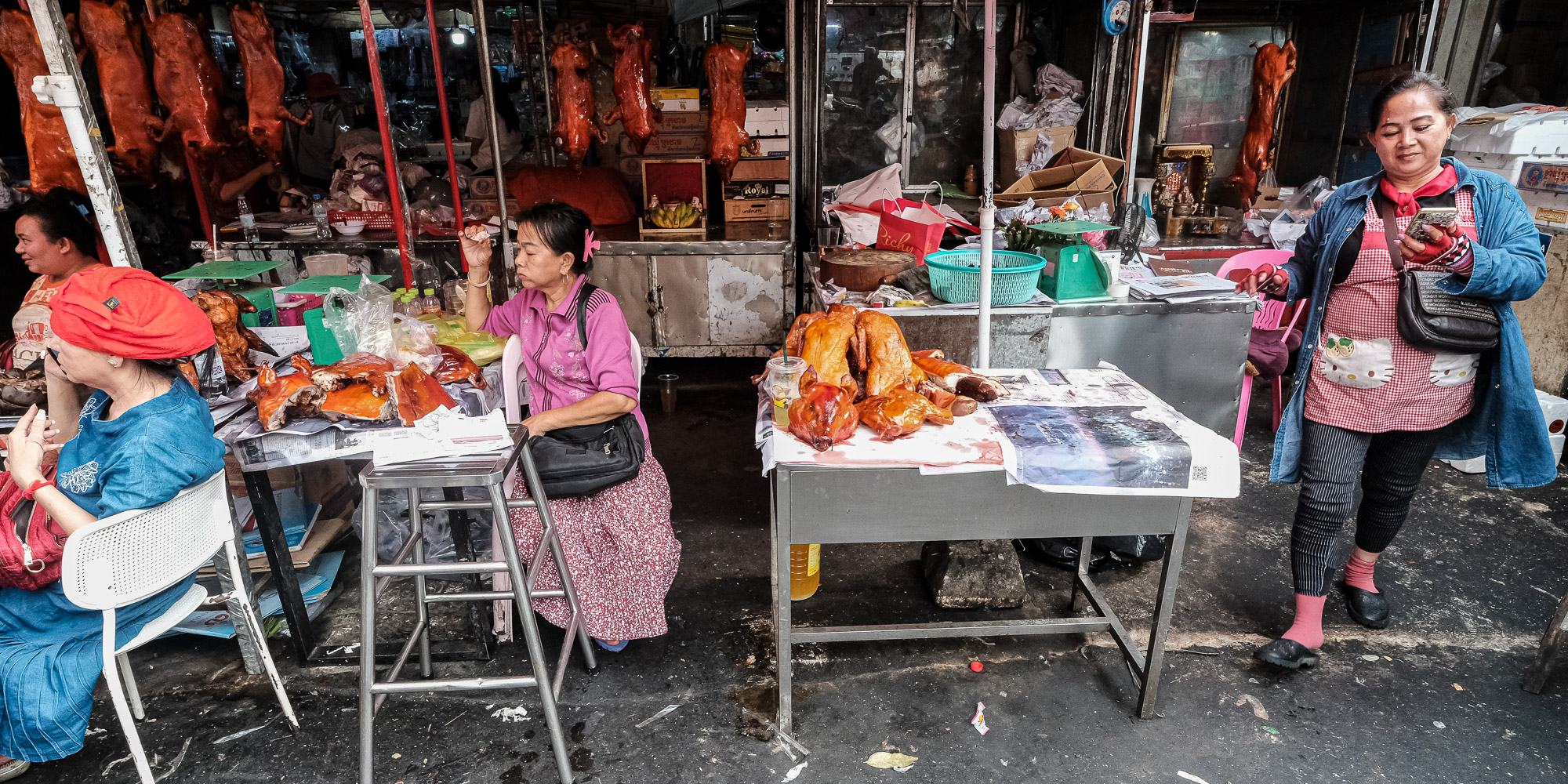
Street photography is a fascinating and vibrant art form that captures the essence of everyday life. It’s all about finding beauty in the mundane, telling stories without words, and preserving fleeting moments that might otherwise go unnoticed.
Regarding street photography, there are countless subjects to focus on, each offering a unique perspective on the world. Here are some popular themes that street photographers often gravitate towards:
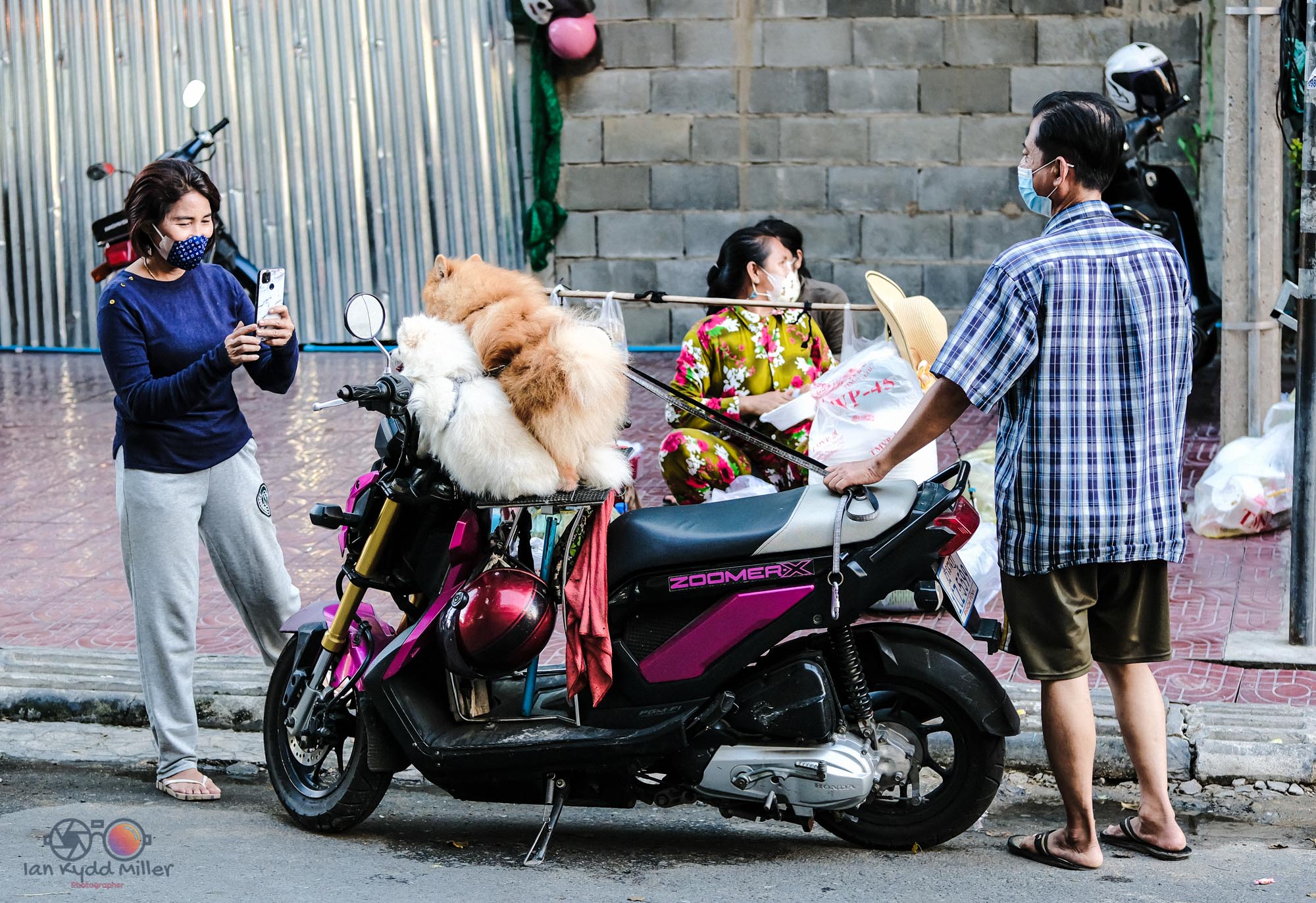
People and Emotions: Capturing candid moments of people in their daily lives is perhaps the most compelling aspect of street photography. Each person’s expression, posture, and actions can convey a wide range of emotions and narratives.
Architecture and Urban Landscapes: The buildings and structures that make up a city’s skyline tell the story of a place. Photographers often take images of interesting architectural details, contrasting old and new, or the way light and shadow play across surfaces.
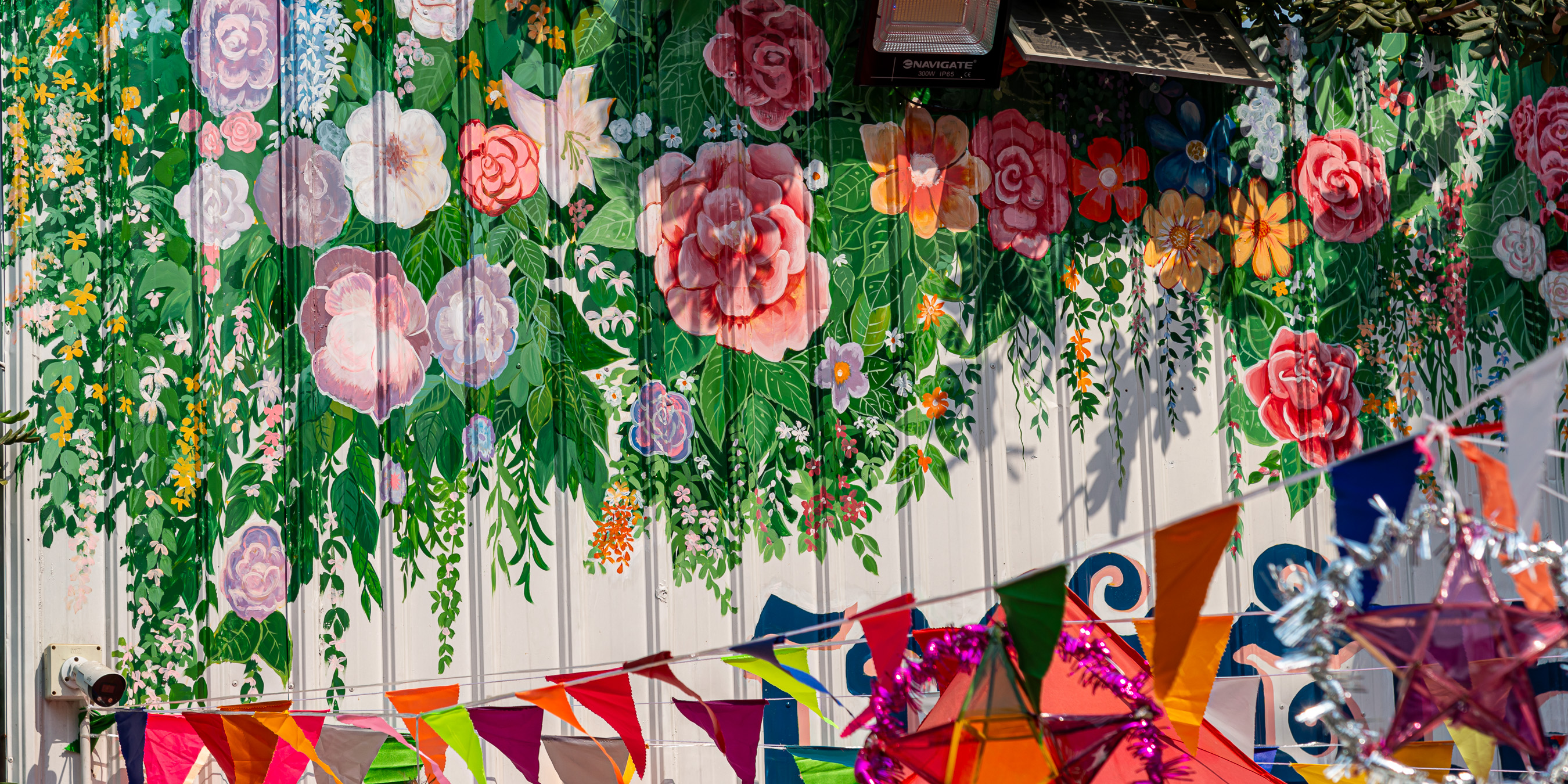
Street Art and Graffiti: These vibrant artworks add colour and character to the urban environment. They can also be politically charged, making a statement that’s ripe for photographic exploration.
Everyday Objects: Sometimes, the most mundane objects can make for the most interesting subjects. A bicycle leaning against a wall, a row of mailboxes, or a brightly colored door can all become focal points in a photograph.
Moments of Action: Whether it’s a bustling market, a quiet street corner, or a child playing, moments of action provide dynamic and engaging subjects for street photography.
The ‘why’ behind street photography is as varied as the photographers themselves. For some, it’s a way to document and preserve history. For others, it’s about the thrill of capturing the unpredictable. Many find it a form of artistic expression, a way to tell stories, or simply a method to connect with the world around them.
In essence, street photography is about observation and reflection. It’s about seeing the extraordinary in the ordinary and sharing that vision with others. It’s a practice that requires patience, empathy, and a keen eye for detail. And for those who are drawn to it, street photography can become a lifelong passion.
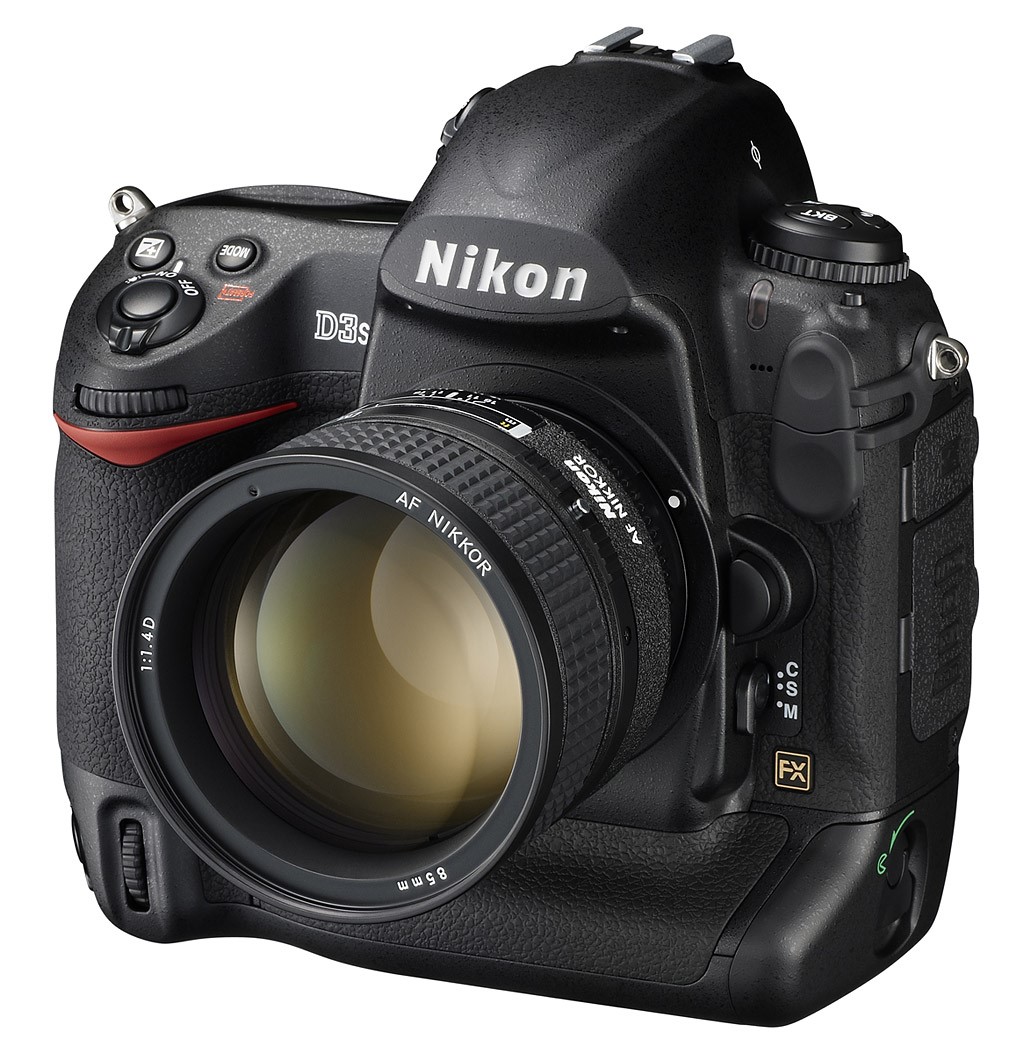
In the fast-paced world of technology, where gadgets become obsolete almost as soon as they hit the market, the Nikon D3 stands out as a testament to enduring quality and reliability. Even in 2024, this camera maintains a cult following among photographers who value its robust build and exceptional image quality.
The Nikon D3 was a revolutionary release back in 2007, marking Nikon’s foray into the full-frame DSLR market. It boasted a 12.1-megapixel sensor, which by today’s standards may seem modest, but the quality of the images it produces remains impressive. The camera’s EXPEED image processing engine, 51-point autofocus system, and 9 frames per second continuous shooting capability made it a powerhouse for sports and action photography.
Fast forward to 2024, and the Nikon D3 still holds its own. Reviews from photography enthusiasts and professionals alike continue to praise its performance. A recent throwback review highlighted the D3’s enduring appeal, noting that while technology has advanced, the essence of photography remains the same—it’s the photographer, not the camera, that creates the image.
The D3’s tank-like durability is legendary; it’s a camera that can withstand the rigors of professional use in the most challenging environments. Its weather-sealed body has braved everything from desert sands to arctic blizzards, proving that good design stands the test of time.
Moreover, the D3’s value for money in the used market is unparalleled. You can acquire this piece of photographic history for a fraction of its original price, making it an attractive option for those entering the field or looking for a reliable second body.
The Nikon D3 may not have the bells and whistles of modern cameras, such as ultra-high-resolution sensors or 8K video recording, but it excels in what it was designed to do—capture stunning photographs. Its full-frame sensor still delivers excellent dynamic range and low-light performance, qualities that are essential for professional work.
In an era where the latest and greatest tech often overshadows older models, the Nikon D3 serves as a reminder that some things only get better with age. It’s a camera that has not just survived but thrived in the digital age, earning its place in the camera bags of those who appreciate its blend of simplicity, quality, and durability.
For the photography purist, the Nikon D3 is more than just a camera; it’s a companion on the journey of capturing life’s moments. It’s a tool that has helped document history, create art, and tell stories. And in 2024, it continues to inspire a new generation of photographers to look beyond the specs and focus on what truly matters—the art of photography.
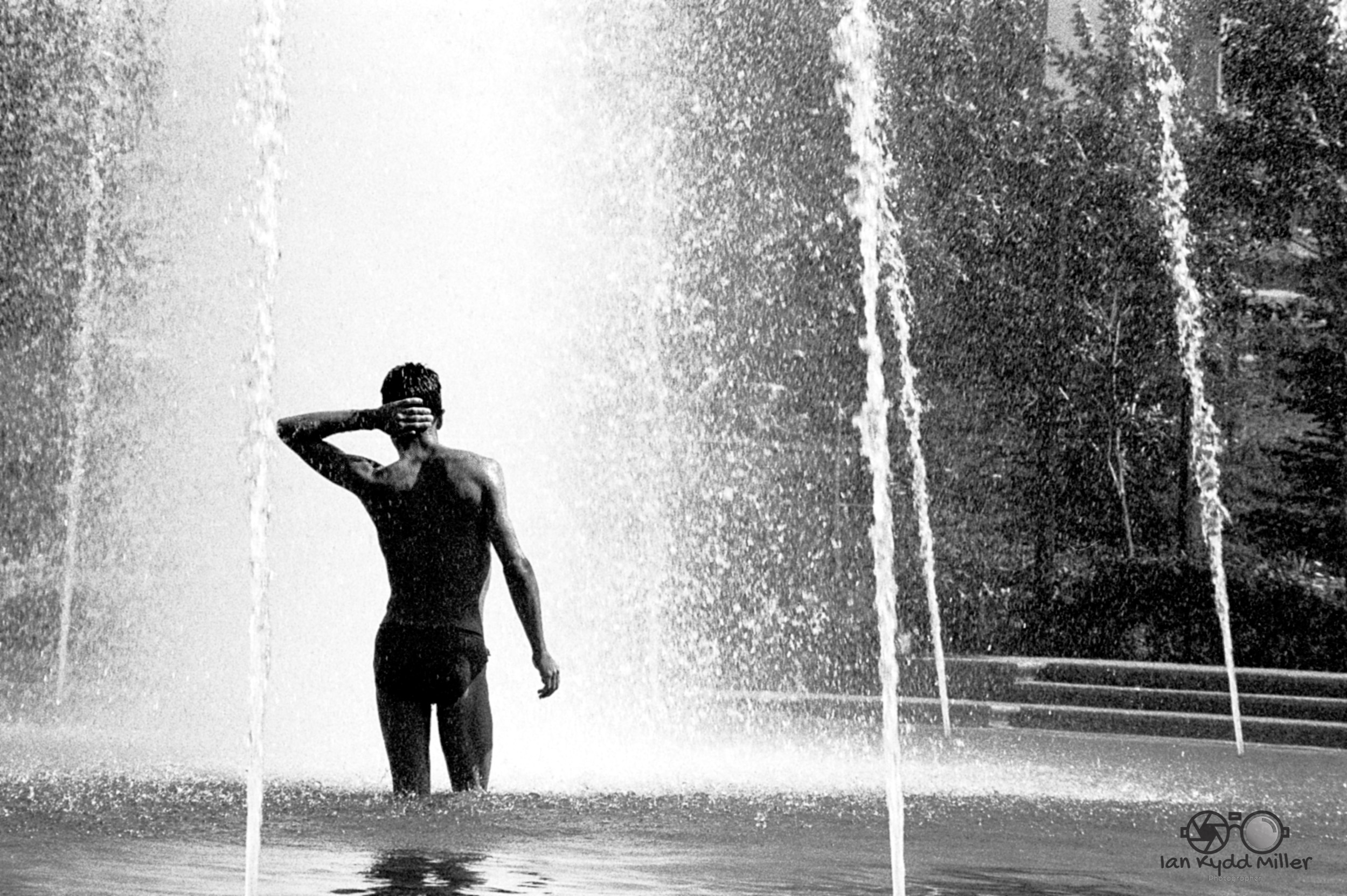
In the vibrant spectrum of colours that our world presents, there is a unique and profound beauty in the simplicity of black and white. Working with these two hues is an art form that has been embraced by creatives across various mediums, from the earliest photographers to modern graphic designers. It’s a challenge that strips away the distraction of colour, compelling the artist to focus on the fundamental aspects of composition: light, shadow, texture, and form.
The monochromatic palette forces artists to think differently. Without colour, they must convey emotion, depth, and narrative through contrast and gradients. It’s a test of skill, pushing creatives to explore new techniques and perspectives. The results can be striking, often more powerful and evocative than their colourful counterparts. Black and white creations carry a timeless quality, a universal language of aesthetics that transcends cultural and temporal boundaries.
Photographers like Ansel Adams and Henri Cartier-Bresson have shown us the world through monochrome lenses, capturing the essence of their subjects with clarity and emotion that colour could potentially obscure. In the realm of cinema, directors like Alfred Hitchcock and Orson Welles have utilized black and white to enhance the dramatic effect, playing with light and darkness to create suspense and intrigue.
In graphic design, black and white can communicate elegance and sophistication. It’s a bold statement, a declaration of confidence in the power of minimalism. Brands like Chanel and Nike have harnessed this power to create iconic logos and campaigns that are instantly recognizable and endlessly stylish.
The rewards of working in black and white are indeed plentiful. It teaches artists to see the world through a different lens and to appreciate the nuances and subtleties that colour may overshadow. It challenges them to communicate more with less, to find the soul of their subject and present it in its purest form. For the viewer, it offers a different experience that invites contemplation and a deeper emotional response.
So, to all the artists out there who brave the challenge of black and white, know that your work holds a special place in the world of art. It’s a testament to the enduring power of contrast, a celebration of the complex simplicity that lies within the grayscale. Keep exploring, keep creating, and keep sharing the unique vision that only you can bring to life. Your journey may be challenging, but the rewards are truly magnificent.
The Fuji X Pro3, a camera that harks back to the classic rangefinder design, paired with the compact and versatile 27mm f2.8 lens, is a combination that many street photographers dream of. The X Pro3’s unique hybrid viewfinder and retro-inspired controls offer a tactile and immersive shooting experience, while the 27mm lens, equivalent to a 41mm lens on a full-frame camera, provides a field of view that is not too wide or too tight—just perfect for capturing the essence of the streets.
Street photography is all about capturing life as it happens, and the Fuji X Pro3 with the 27mm f2.8 lens allows photographers to do just that without drawing too much attention. The camera’s discreet profile blends into the urban tapestry, enabling photographers to shoot candidly. The lens’ f2.8 aperture is fast enough to handle lower light conditions and provides a nice depth of field to make subjects stand out against a soft, blurred background.
The 27mm f2.8 lens is praised for its sharpness and the ability to add an aperture ring and weather sealing, making it a reliable companion for the adventurous photographer who won’t be deterred by a little rain or dust. Its compact size means it won’t weigh you down, and the quality of the images it produces is consistently impressive, retaining the detail and colour fidelity even in challenging lighting conditions.
The X Pro3, on the other hand, is not just about looks; it’s a highly capable camera with a 26MP APS-C sensor that delivers excellent image quality. Its autofocus system is quick and accurate, which is crucial when trying to capture fleeting moments on the streets. Despite its old-school aesthetic, the X Pro3 can shoot impressive video footage, although it’s clear that its strengths lie in still photography, particularly in genres like street photography where the moment is everything.
In conclusion, the Fuji X Pro3 and the 27mm f2.8 lens are a match made in heaven for street photographers. This setup respects the genre’s roots in candidness and spontaneity while providing modern-day image quality and reliability. It’s a setup that encourages photographers to live in the moment, just as street photography should. Whether you’re a seasoned street photographer or someone who’s just starting to explore this fascinating world, the Fuji X Pro3 and 27mm f2.8 lens deserve your consideration. For those who have already experienced this combo, it often becomes a favourite, proving that sometimes the best things come in small packages.
In the world of photography, where technology evolves at a breakneck pace, the Fuji X100 series stands out as a testament to timeless design and enduring quality. Launched in 2010, the original X100 garnered acclaim for its classic aesthetic, reminiscent of vintage rangefinders, and its cutting-edge features that appealed to both professionals and hobbyists.
What sets the X100 series apart is its unique combination of form and function. The series has consistently maintained its retro charm while incorporating the latest advancements in camera technology. The latest iteration, as of 2023, continues this legacy, proving that the X100 series is not just a camera but a photographic companion that ages gracefully with time.
The X100 series has always been a favorite among photography enthusiasts for several compelling reasons. Firstly, the image quality is exceptional. The large APS-C sensor, paired with a high-quality fixed lens, delivers images that rival those of bulkier DSLR cameras. The prime lens, a 23mm F2, is perfect for a wide range of photography styles, from street to portrait, making it a versatile tool for creatives.
Another standout feature is the hybrid viewfinder, which allows photographers to switch between an optical viewfinder (OVF) and an electronic viewfinder (EVF), offering the best of both worlds. This feature, along with the tactile controls and dials, provides an engaging and intuitive shooting experience that digital photography often lacks.
The X100 series also boasts a compact and durable build, making it an ideal travel companion. Its size and discreet appearance allow photographers to capture candid moments without drawing attention, a trait highly valued in street and documentary photography.
As we look at the latest reviews in 2024, the Fujifilm X100V, and its successor, the X100VI, have raised the bar even higher. The X100V introduced significant improvements, such as a redesigned lens for sharper images, enhanced autofocus, and 4K video capabilities, all while retaining the classic look that fans adore. The X100VI further builds on this with in-body image stabilization, a higher-resolution 40MP sensor, and Fujifilm’s best autofocus system to date, making it a formidable contender in the premium compact camera market.
So, why is the X100 series still worth buying in 2024? It’s simple: the X100 series is not just about taking pictures; it’s about the joy of photography. It’s about the feel of the camera in your hands, the sound of the shutter, and the satisfaction of capturing a moment that speaks to you. It’s a camera that inspires you to go out and see the world through a different lens, literally and figuratively.
For those who appreciate the blend of nostalgic design and modern performance, the Fuji X100 series remains a compelling choice. It’s a camera that has grown with its community, adapting and improving without losing its soul. Whether you’re a seasoned photographer or someone who cherishes the art of photography, the X100 series invites you to be part of a legacy that celebrates the beauty of capturing life’s fleeting moments.
In conclusion, the Fuji X100 series is more than just a camera—it’s a storyteller, a travel buddy, and a piece of art. It’s a series that has captured the hearts of photographers around the globe and continues to be a worthy investment for anyone passionate about photography. The X100 series is truly a classic that keeps getting better with time. If you’re considering adding this gem to your collection, rest assured, it’s a decision that you’ll cherish with every click of the shutter. Happy shooting!
The question of whether it is ethical to photograph individuals who are homeless or living in poverty is a complex and nuanced issue that has been debated among photographers, ethicists, and social activists for many years. The act of capturing images of people in vulnerable situations raises important questions about consent, representation, dignity, and the purpose of such photographs.
On one hand, photography has the power to bring attention to social issues and can be a form of advocacy and storytelling. Iconic images have historically played a role in raising awareness and prompting social change. For instance, the work of photographers like Dorothea Lange during the Great Depression helped to humanize the plight of the impoverished and influenced public policy.
However, there is a fine line between documentation and exploitation. Critics argue that taking photographs of the homeless without their consent can be intrusive and dehumanizing. It can reduce individuals to mere subjects of poverty, stripping them of their identity and agency. Moreover, such images can perpetuate stereotypes and fail to represent the complexity of the circumstances that lead to homelessness.
The ethical considerations become even more pronounced when the images are used for commercial gain or artistic accolades without benefiting the subjects themselves. This has led to discussions about the need for photographers to engage with their subjects with empathy and respect, ensuring that their dignity is maintained and their stories are told with integrity.
Photographers who approach their subjects with sensitivity and seek to establish a rapport can create images that are respectful and insightful. By obtaining informed consent and involving the subjects in the storytelling process, photographers can help to ensure that their work contributes to a greater understanding of homelessness and poverty rather than exploiting it.
In conclusion, while there is no definitive answer to whether photographing the homeless or those living in poverty is inherently unethical, the consensus is that the approach and intent behind the photography are crucial. Ethical photography in this context should aim to inform, advocate, and respect the dignity of the subjects, rather than objectify or exploit their circumstances for personal gain. It is a delicate balance that requires photographers to be conscientious and responsible in their practice.












































 a world without pictures is like coffee without cream and sugar, bitter