

Mastering the balance of light in photography
The Exposure Triangle is the foundation of photographic technique. It describes the relationship between three key settings—aperture, shutter speed, and ISO—that together determine how bright or dark your image will be. Understanding how these elements interact is essential for achieving correct exposure and creative control.

🔺 The Three Sides of the Triangle
- Aperture (f-stop)
- Controls how much light enters through the lens.
- Wide apertures (e.g., f/1.8) let in more light and create shallow depth of field (blurry backgrounds).
- Narrow apertures (e.g., f/16) let in less light but increase depth of field (more of the scene in focus).
- Shutter Speed
- Determines how long the sensor is exposed to light.
- Fast speeds (e.g., 1/1000s) freeze motion.
- Slow speeds (e.g., 1/30s or longer) allow motion blur or creative long exposures.
- ISO
- Adjusts the sensor’s sensitivity to light.
- Low ISO (100–200) produces clean, noise-free images.
- High ISO (1600+) helps in low light but introduces grain/noise.
⚖️ How They Work Together
- Changing one setting affects the others. For example:
- If you open the aperture wider, you may need a faster shutter speed or lower ISO to avoid overexposure.
- If you increase ISO in low light, you can use a faster shutter speed but risk more noise.
- The triangle is about balance: each side compensates for the others to achieve the desired exposure.
🧠 Practical Tips
- Use aperture priority mode when depth of field is your main concern (portraits, landscapes).
- Use shutter priority mode when motion control is key (sports, long exposures).
- Use manual mode to take full creative control and learn how the triangle works in practice.
- Check your histogram to ensure highlights and shadows aren’t clipped.
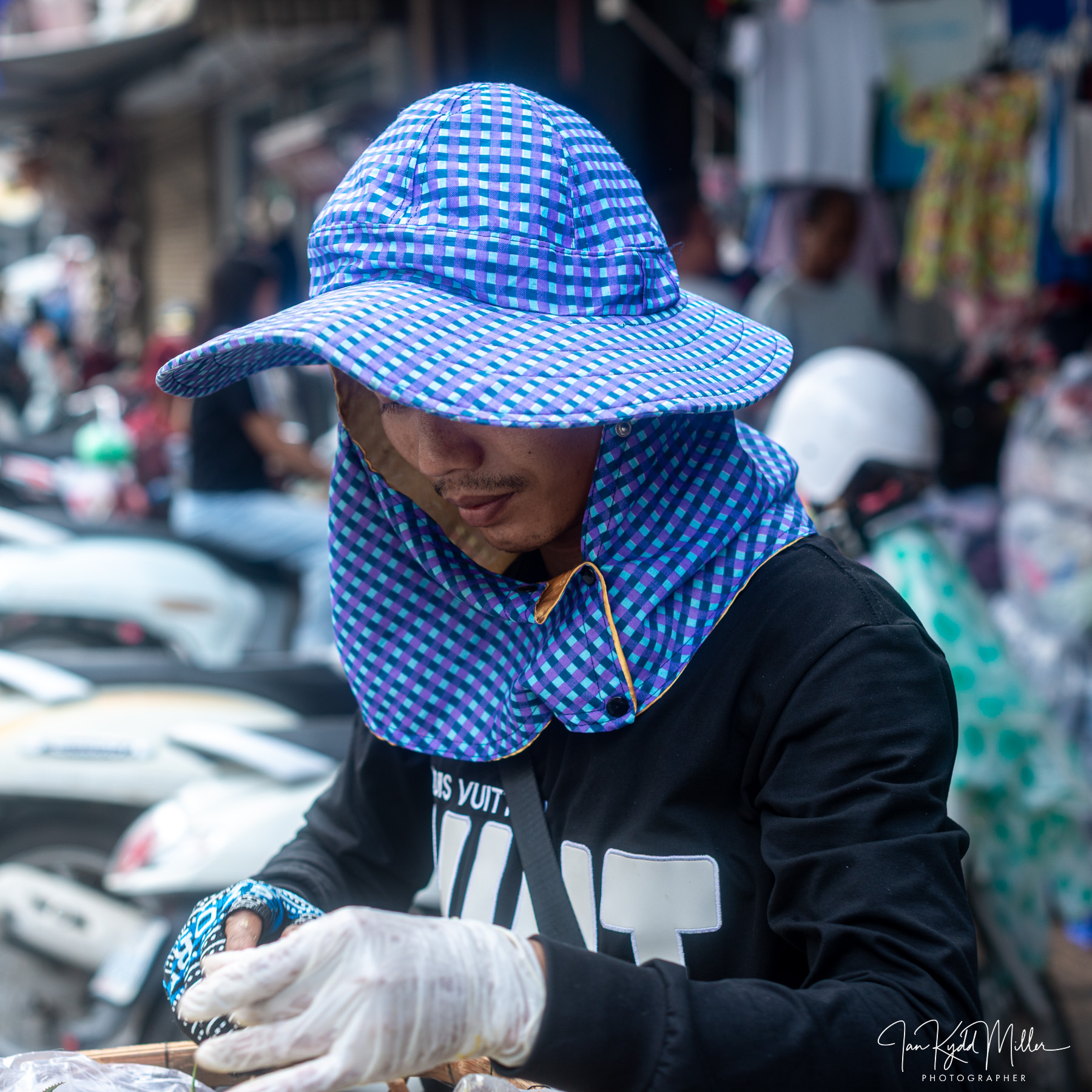
🎨 Creative Control
Correct exposure isn’t always about technical perfection. Sometimes photographers intentionally underexpose for mood or overexpose for a dreamy effect. Mastering the triangle gives you the freedom to bend the rules deliberately.
📝 Final Thought
The Exposure Triangle is more than a technical concept—it’s a creative toolkit. By understanding how aperture, shutter speed, and ISO interact, you gain the ability to shape not just the brightness of your image, but its mood, sharpness, and emotional impact.









 a world without pictures is like coffee without cream and sugar, bitter