In an age of infinite scroll and instant capture, photographs risk becoming disposable. The Slow Archive is a counter‑movement: a deliberate practice of rediscovery, where images are not consumed but contemplated, not forgotten but reclaimed. It is about slowing down to see again — to reclaim vision from speed.
Rediscovering Photographs
Beyond immediacy: Digital culture often reduces photographs to fleeting impressions. Rediscovery means returning to images with patience, allowing them to reveal layers missed in the moment.
The tactile return: Printed contact sheets, marked negatives, and weathered photo albums remind us that photographs are not just files — they are artifacts.
Memory as archive: Rediscovery is not nostalgia; it is an act of re‑reading, where photographs become texts that shift meaning over time.
Reclaiming Vision
Against speed: Vision is diluted when images are consumed at the pace of algorithms. Reclaiming vision means resisting the demand for immediacy.
Seeing atmospheres: A slow gaze restores atmosphere — shadows, textures, gestures — the overlooked details that give photographs resonance.
Ethics of attention: To reclaim vision is to honour subjects, contexts, and histories, rather than flatten them into content.
The Practice of the Slow Archive
Curate deliberately: Select images not for clicks but for clarity, atmosphere, and focus.
Revisit regularly: Allow photographs to evolve in meaning as time reframes them.
Print and preserve: Physical archives resist the ephemerality of digital feeds.
Narrate context: Pair images with stories, captions, or timelines that anchor them in lived experience.
Editorial Resonance
For me, the Slow Archive is a natural extension of my lens triangle:
Clarity: Rediscovery sharpens what was blurred by time.
Atmosphere: Reclamation restores the mood and texture of overlooked frames.
Focus: Slow vision isolates meaning, cutting through noise.
It is also deeply Phnom Penh: a city where resilience cycles through erasure and rediscovery, where archives are not just collections but acts of survival.
Conclusion
The Slow Archive is not about resisting technology but about reclaiming agency. It is a manifesto for photographers, editors, and storytellers who believe that vision deserves time, that photographs deserve rediscovery, and that archives are not storage but living memory.
Verdict:To slow down is to see again. To archive is to reclaim vision.
Publishing shocking images is neither inherently right nor wrong—it depends on intent, context, and consequence. The ethical challenge lies in balancing public interest with personal dignity, truth with sensitivity, and impact with responsibility.
Photojournalism often confronts us with the raw edge of reality—war, disaster, injustice, grief. These images can jolt viewers into awareness, spark outrage, and mobilise change. But they can also retraumatise, exploit, or misrepresent. So when is it right to publish a shocking image—and when is it wrong?
✅ When It’s Justified
Public interest outweighs discomfort: Images that expose systemic abuse, corruption, or humanitarian crises may be shocking—but they serve a vital civic function.
Truth is preserved: If the image is accurate, unmanipulated, and contextually honest, it contributes to informed discourse.
Consent is considered: When possible, subjects should be aware of how their image will be used—especially in vulnerable situations.
Impact is constructive: If the image leads to policy change, aid mobilization, or cultural reckoning, its shock may be ethically warranted.
❌ When It’s Problematic
Sensationalism overrides substance: If the image is published for clicks, not clarity, it risks exploitation.
Subjects are dehumanised: Graphic depictions that strip away dignity or reduce people to symbols of suffering cross ethical lines.
Context is missing: A shocking image without background can mislead, stigmatise, or distort public understanding.
Harm outweighs benefit: If the image retraumatises survivors, endangers individuals, or incites hate, it should be reconsidered.
🧭 Ethical Guidelines for Publishing Shocking Images
Caption with care: Provide factual, neutral context to guide interpretation.
Blur or anonymise when needed: Protect identities in sensitive situations.
Seek editorial review: Run controversial images past peers or editors before publishing.
Reflect before release: Ask: Would I feel respected if this were me?
🧠 Final Thought
Shocking images have power—but power without ethics is dangerous. The goal of photojournalism is not to numb or exploit, but to awaken and inform. Publishing such images demands courage, but also compassion. The question is not just can we publish—but should we. And that answer must be earned, not assumed.
Would you like this adapted into a visual manifesto or ethics card for your portfolio?
Publishing Shocking Images: Right or Wrong
Shocking images command attention, accelerate public debate, and can catalyze change — but they also risk exploitation, retraumatisation, and distortion. Deciding whether to publish such images is an ethical judgment as much as an editorial one, requiring clear criteria, transparency, and a commitment to minimizing harm.
What we mean by shocking images
Shocking images are photographs that provoke strong emotional reactions because they show violence, suffering, severe injury, or intimate moments of distress. They differ from disturbing journalism in degree and immediacy: their visceral impact can both illuminate and overwhelm a story.
Arguments for publishing
Public interest and accountability: Graphic images can document abuses and provide evidence when other records are absent; they can mobilize public opinion and spur policy or humanitarian response.
Bearing witness: Photographers and news organizations sometimes cite a duty to show realities that would otherwise be unseen, arguing that sanitizing imagery risks erasing the urgency of certain crises.
Truth-telling value: When used responsibly, stark images can convey truths that words alone cannot, making abstract harms tangible for audiences.
(These benefits depend on accurate captioning, strong sourcing, and editorial restraint to ensure images inform rather than manipulate.)
Arguments against publishing
Exploitation and dignity: Shocking images can reduce people to objects of spectacle, stripping context and agency from victims and survivors.
Harm and retraumatization: Graphic exposure can cause further trauma to subjects, their families, and communities; publication can have long-term consequences for those depicted.
Manipulation and loss of trust: Cropping, sequencing, or sensational captions can distort meaning and erode public trust in journalism; visual shock for clicks undermines credibility.
Ethical criteria to apply before publishing
Public interest test — Does the image materially inform the public or hold power to account, beyond mere sensationalism?.
Dignity check — Can the subject’s dignity be preserved through framing, captioning, or anonymisation?.
Harm assessment — What are the likely short- and long-term harms to the subject, family, or community? Can those harms be mitigated?.
Provenance and accuracy — Is the image verified, honestly captioned, and placed in proper context?.
Alternatives — Could less graphic visuals, stills, or descriptive reporting achieve the same public interest goal with lower harm?.
Apply these in sequence: fail any single test, and the case for publication weakens considerably.
Practical editorial guidelines
Use clear, factual captions that state who, what, where, when, and why; avoid sensational language.
Consider cropping or blurring to preserve identity and dignity without erasing the essential truth.
Offer warnings and placement choices (e.g., not lead-story fronting on social feeds) so audiences can consent to exposure.
Disclose edits and sourcing when relevant; transparency builds trust.
Use peer review or editorial oversight for borderline cases, and consult legal counsel when publication could create liability or danger.
Conclusion
Publishing shocking images can be ethically defensible, but never automatic. The default should be caution: ask whether the image serves a clear public interest, whether it preserves human dignity, and whether harms have been reasonably mitigated. When journalists and editors apply rigorous verification, contextualization, and harm-conscious practices, graphic images can illuminate truth and prompt change; without those safeguards, they risk exploitation and eroded trust
Why ethics matter more than ever in a visual-first world
In today’s media landscape, photojournalism is one of the most powerful tools for shaping public perception. A single image can evoke empathy, outrage, or action. But with that power comes responsibility—and risk. The goal is not just to capture what’s visible, but to honour what’s real.
🧠 The Nature of Truth in Photography
Photography is not neutral: Every image is filtered through the photographer’s lens—literally and metaphorically.
Truth is contextual: A photo without background can mislead, even if it’s technically accurate.
Editing shapes meaning: Cropping, colour grading, and sequencing all influence how viewers interpret a scene.
“Photojournalism fundamentally aims to document reality, yet it is not an objective mirror of the world”.
⚠️ Where Manipulation Begins
Staging or reenactment: Asking subjects to pose or recreate events crosses into fiction.
Selective framing: Omitting key elements to steer narrative perception is ethically suspect.
Caption distortion: Misleading or emotionally charged captions can twist meaning even when the image is accurate.
Digital alteration: Retouching, compositing, or removing elements undermines credibility.
These practices erode public trust and violate journalistic codes of ethics.
🧭 Minimalism with Integrity
Minimalist style avoids manipulation by focusing on presence, restraint, and ethical framing.
Intentional composition: Framing that respects subjects’ dignity and avoids sensationalism.
Contextual honesty: Captions and layouts that inform without editorialising.
Emotional resonance without distortion: Provocative images that stir reflection, not exploitation.
This approach aligns with the ethical imperative to “represent the truth without distortion, even as technological innovation complicates the lines”.
✅ How to Navigate the Line Ethically
Ask before you shoot: Consent builds trust and deepens narrative authenticity.
Caption with clarity: Include who, what, when, where, and why—avoid emotional spin.
Disclose edits: If you crop, tone, or adjust, say so. Transparency matters.
Peer review sensitive work: Run controversial images past editors or colleagues before publishing.
Reflect before release: Ask yourself: Does this image inform or manipulate?
📚 Final Thought
Photojournalism’s power lies in its ability to reveal. But revelation without responsibility becomes exploitation. Navigating truth and manipulation isn’t just about avoiding ethical missteps—it’s about building a practice rooted in trust, clarity, and care.
Photojournalism is often seen as passive documentation—a mirror held up to the world. But the most powerful photojournalism doesn’t just reflect; it provokes. It challenges assumptions, confronts injustice, and forces viewers to reckon with realities they might otherwise ignore. In this sense, photojournalism becomes an agent provocateur—a catalyst for dialogue, discomfort, and transformation.
🔥 Provocation with Purpose
Truth is not neutral: A photograph of a protest, a refugee camp, or a grieving parent is not just a record—it’s a statement. It demands attention, empathy, and often, action.
Disruption is ethical when intentional: Provocative images must be rooted in truth, not sensationalism. The goal is not to shock for clicks, but to awaken conscience.
Emotional resonance drives change: Images that evoke anger, sorrow, or solidarity can mobilize public opinion, influence policy, and reshape cultural narratives.
⚖️ Ethical Boundaries of Provocative Imagery
Avoid manipulation: Cropping, staging, or misleading captions erode trust.
Respect subject dignity: Even when exposing injustice, subjects must be portrayed with humanity.
Context is critical: A provocative image without background risks misinterpretation or harm.
🛠️ How to Use Provocation Responsibly
Pair images with clear intent: What do you want the viewer to feel, question, or do?
Use restraint: Sometimes the most powerful image is the one that suggests rather than shows.
Engage in aftercare: Follow up with subjects, offer access, and monitor impact post-publication.
🧠 Final Thought
Photojournalism as agent provocateur is not reckless—it’s radical in its clarity. It dares to disturb, but never to distort. It holds power to account, amplifies the unheard, and reshapes public imagination. When guided by ethics and purpose, provocation becomes not just a tool—but a responsibility.
Photojournalism sits at the intersection of truth-telling and human consequence. Every frame carries the power to inform, persuade, and move audiences — and every decision a photographer makes shapes who is seen, how they are seen, and what the world believes. This post explores the core ethical tensions photojournalists face, practical principles for navigating them, and concrete strategies to minimise harm while preserving journalistic integrity.
Truth and Representation
Truth in photojournalism is not a single objective stamp but a practice: choices about framing, timing, captioning, and editing all influence how reality is represented.
Framing and context matter. Where you stand, what you include, and what you exclude create a narrative. A photograph isolated from context can mislead, even if the image itself is accurate.
Manipulation undermines trust. Cropping to change meaning, compositing, staged scenes presented as documentary, or selective captioning that distorts facts breaks the contract between photographer and viewer.
Captioning is part of the image. Clear, factual captions that name who, what, when, where, and how protect accuracy and reduce misinterpretation.
Ethical practice: favor minimal, transparent edits; always document what you changed; and pair images with honest captions that situate the photo within its broader factual context.
Sensitivity and Dignity
Photographing human suffering, grief, or vulnerability raises acute ethical questions about dignity, consent, and exploitation.
Consent is context-dependent. In public spaces, consent may not be legally required, but ethical consent is often still appropriate — especially when photographing children, the injured, or traumatized people.
Dignity-first framing avoids sensationalism. Prioritise images that preserve a subject’s humanity rather than exploiting pain for shock value or virality.
Power dynamics shape the encounter. Consider your role: are you a witness, a rescuer, an intruder? That role should guide how you engage, whether you ask for permission, and how you present the resulting images.
Practical rule: when in doubt, err on the side of protecting the subject. Blur faces, withhold identifying metadata, or delay publication when harm is possible.
Impact and Consequence
Images change things. They can catalyse aid, influence policy, or, conversely, endanger individuals and communities.
Assess downstream risks. Could publication expose someone to retaliation, stigma, or legal jeopardy? Could it retraumatize survivors or their families?
Consider community outcomes. Photojournalism about marginalised groups should aim to amplify voice and context, not reduce people to symptoms of a problem.
Balance immediacy and care. The pressure to publish quickly must be weighed against the potential for irreversible harm.
Decision checklist: identify likely harms, consult peers or local stakeholders when possible, and include mitigation steps (anonymisation, delayed release, contextual reporting).
Conflicts of Interest and Independence
Maintaining editorial independence from subjects, funders, and platforms preserves credibility.
Avoid advocacy masquerading as reportage unless clearly labelled. If your work has an advocacy purpose, make that explicit.
Be transparent about funding and collaboration, especially in crisis reporting where NGOs, governments, or activists may influence access or narrative.
Resist platform pressures that reward sensational imagery; prioritise ethical criteria over clicks.
Policy habit: disclose relevant relationships in captions or credits and keep editorial decisions separate from commercial or advocacy impulses.
Practical Tools and Protocols
Ethics scale best when embedded in routine practices. Adopt simple, clear protocols that make ethical choices automatic.
Consent templates. Carry a brief, translated consent card or app-ready text explaining use, distribution, and rights.
Harm-assessment rubric. For every sensitive shoot ask: Could this image expose or endanger? Is consent informed? Is context adequate?
Metadata policy. Decide whether to strip geolocation for vulnerable subjects and standardise how you store consent forms and release notes.
Editorial peer review. For sensitive images, run a quick internal review with an editor or trusted colleague before publication.
These tools reduce ad-hoc decisions and create consistency across projects and platforms.
Ethics as Creative Constraint
Ethical limits refine creativity rather than stifle it. Constraints push photographers to find new visual languages that honour subjects and strengthen storytelling.
Seek dignity-rich compositions that communicate powerfully without exploitative detail.
Use silence and restraint. Sometimes withholding an image, or choosing an image that hints rather than shows, tells a stronger, more ethical story.
Invest in relationships. Long-form engagement with communities yields deeper, less extractive imagery and greater mutual benefit.
A reputation for ethical stewardship becomes a creative and strategic advantage: it builds trust, access, and long-term story opportunities.
Closing Thought
Photojournalism’s ethical challenge is ongoing and situational. There are no perfect rules that fit every moment, but a consistent ethic — grounded in truth, sensitivity, and accountability — gives photographers the tools to make defensible choices. Ethical practice protects subjects, preserves public trust, and ultimately strengthens the impact of images in service of public understanding.
Ethical photography centers on respect for people, honesty in representation, and responsibility for how images are used. It asks you to balance creative intent with the dignity, autonomy, and cultural context of subjects while honoring legal and professional norms.
Key Pillars
Empathy: Prioritize understanding your subject’s situation and perspective; listen before photographing and let context guide consent and framing.
Autonomy: Seek informed consent where possible and respect a subject’s right to refuse, withdraw, or set limits on use.
Honesty and Transparency: Avoid misleading captions, staged contexts presented as documentary, or manipulations that change the truth of an image.
Fair Use and Copyright Respect: Know and follow copyright and licensing rules; credit collaborators and negotiate clear usage terms.
Pre-shoot: Research cultural norms and legal constraints; prepare clear consent language; plan for safe, private spaces when photographing vulnerable people.
On-site: Ask permission clearly and quietly when you can; explain how images will be used; observe non-verbal cues; stop if subjects appear distressed or coerced.
Post-shoot: Edit responsibly—avoid cropping or retouching that misrepresents; choose captions that provide context; secure storage and distribution aligned with agreed uses.
Typical Ethical Dilemmas and How to Approach Them
Photographing strangers in public: Legally often allowed, but ask whether the shot respects dignity and purpose; avoid exploiting pain or vulnerability for aesthetics.
Working with children or vulnerable groups: Always get guardian consent, minimize intrusiveness, and consider anonymising identities when needed.
Photojournalism vs. Advocacy: Be explicit about your role—documentarian neutrality differs from advocacy storytelling; state intent to avoid audience confusion.
Checklist You Can Use Before Publishing
Did I obtain informed consent or reasonably assess that consent wasn’t required?
Would publication harm the subject’s safety, reputation, or dignity?
Is my caption accurate and non-sensationalist?
Are rights, credits, and usage terms clear and recorded?
Have I minimized identifying details when risk is present?
A practical guide for photographers and writers who want to document hard lives without resorting to pity or spectacle.
Begin by naming your intention: why this story matters, who it serves, and what you hope will change. That clarity becomes your north star for every choice you make — who to photograph, how to frame them, what language to use, and what risks to avoid.
Center Agency and Complexity
People first: show subjects as whole people — parents, workers, friends — not as single problems.
Three humanizing details: age, role, a recurring action (e.g., “wakes at 5 to mend shoes”) that resists stereotype.
Voice over narration: let subjects’ words lead. Use quotes that reveal priorities and choices rather than externally assigned suffering.
Ethics and Consent Process
Explain use clearly: who will see the images, where they’ll appear, and potential risks.
Ongoing consent: offer anonymity, caption review, or withdrawal options; revisit consent if the story’s scope or audience changes.
Harm check: before publishing, ask whether an image or line could cause eviction, stigma, or danger — if yes, edit or omit.
Visual and Verbal Choices That Respect People
Contextualize: include home, workplace, objects that explain circumstance without shouting it.
Dignified framing: eye‑level, neither voyeuristic close-ups nor dramatized lighting designed to elicit pity.
Specific language: prefer concrete facts over loaded adjectives — “two jobs, one child, unpaid bills” beats “destitute.”
Avoid spectacle: do not prioritize images of extreme suffering unless they are essential, verified, and handled with extra care.
Structure Your Narrative
Open with context: place, systems, why this story matters.
Zoom to the person: a day‑in‑the‑life section (300–500 words or 5–7 images) showing routine, competence, and constraint.
Widen to systems: explain policies, markets, or services that produced the situation (200–400 words).
Close with agency: the subject’s hopes, strategies, or actions; practical next steps or resources if relevant.
Include an ethics note: short paragraph about consent, edits, and steps taken to protect subjects.
Interview and Listening Techniques
Start small: practical questions about routines build trust and yield texture.
Use prompts that empower: “What helps you get through a hard day?” rather than “How badly did today suck?”
Silence is data: allow pauses; sometimes the most revealing answers arrive after a quiet moment.
Corroborate sensitive claims: verify facts that could affect reputations or aid provision.
Practical Template and Mini Exercise
Purpose statement (one line).
Subject profile (3–5 humanizing details).
Day‑in‑the‑life scene (300–500 words or 5–7 images).
Exercise: spend one morning with a single subject. Photograph routine tasks and one meaningful object (kettle, tool, book). Write a 300‑word micro‑essay centered on that object that reveals constraint and care. Share edits with the subject before publishing.
Telling hard lives well is an ethic and a craft: choose clarity over spectacle, respect over shock, and collaboration over extraction. Your job is to help readers understand, not to make them feel merely sorry.
Exploring the Depths of Truth: The Legacy of John Godolphin Bennett
In the realm of philosophical thought and spiritual exploration, few have delved as deeply into the nature of truth and the human duty to it as John Godolphin Bennett. His profound statement, “I believe that an essential part of man’s duty upon this earth is to bear witness to the truth as it has been revealed to him,” encapsulates a core principle of his life’s work and teachings.
John Godolphin Bennett, a British mathematician, scientist, technologist, and author, was a man of diverse interests and profound insights. His journey through life was marked by a relentless pursuit of knowledge and understanding, not just in the scientific domain but also in the spiritual. Bennett’s association with G. I. Gurdjieff, a mystic and spiritual teacher, further enriched his explorations into the human condition and the pursuit of truth.
Bennett’s quote speaks to the innate impulse in humans to understand their experiences and the world around them. This impulse, he believed, was not merely about acquiring knowledge or taking action, but about striving for a deeper understanding that transcends the subjective and objective realms. His thoughts echo the sentiment that truth is not a static entity to be passively observed but a dynamic revelation that requires active participation and witness.
The duty to bear witness to the truth, as Bennett saw it, is not a light one. It calls for integrity, courage, and a willingness to confront the complexities of life. It is about being open to the revelations that come through personal experience, introspection, and the shared wisdom of humanity’s collective journey. Bennett’s own life was a testament to this duty, as he navigated the challenges of his era with a commitment to uncovering and sharing the truths he encountered.
Bennett’s contributions to the fields of psychology and spirituality are significant. His works delve into the teachings of various spiritual traditions, offering insights that remain relevant to those on a quest for understanding. His explorations into the nature of consciousness, the structure of reality, and the potential for human transformation continue to inspire seekers of truth across the globe.
As we reflect on Bennett’s legacy, we are reminded of the enduring importance of seeking truth in our lives. His words encourage us to look beyond the surface, to question, to learn, and to bear witness to the truths that shape our existence. In a world where truth can often be obscured by myriad distractions and distortions, Bennett’s call to duty is as relevant as ever.
Let us honour John Godolphin Bennett’s memory by embracing our own duty to truth. May we have the strength to witness it, the wisdom to understand it, and the compassion to share it. In doing so, we contribute to the tapestry of human knowledge and experience, enriching not only our own lives but also the lives of those around us.
To explore more about John Godolphin Bennett and his impactful work, visit the dedicated resources that delve into his life and teachings. His legacy is a beacon for all who seek to understand the deeper realities of our existence and the profound duty we have to the truth that is revealed to us.


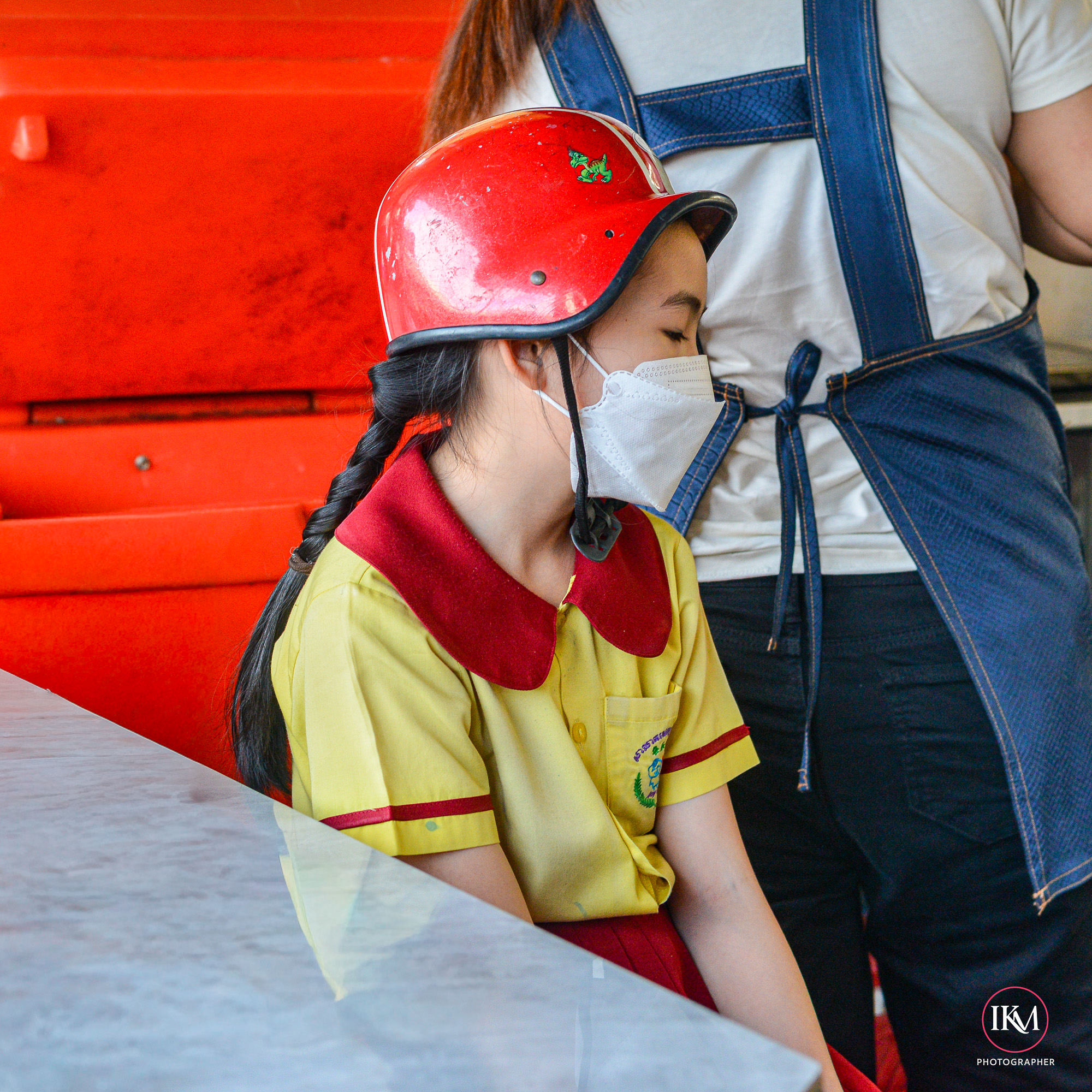

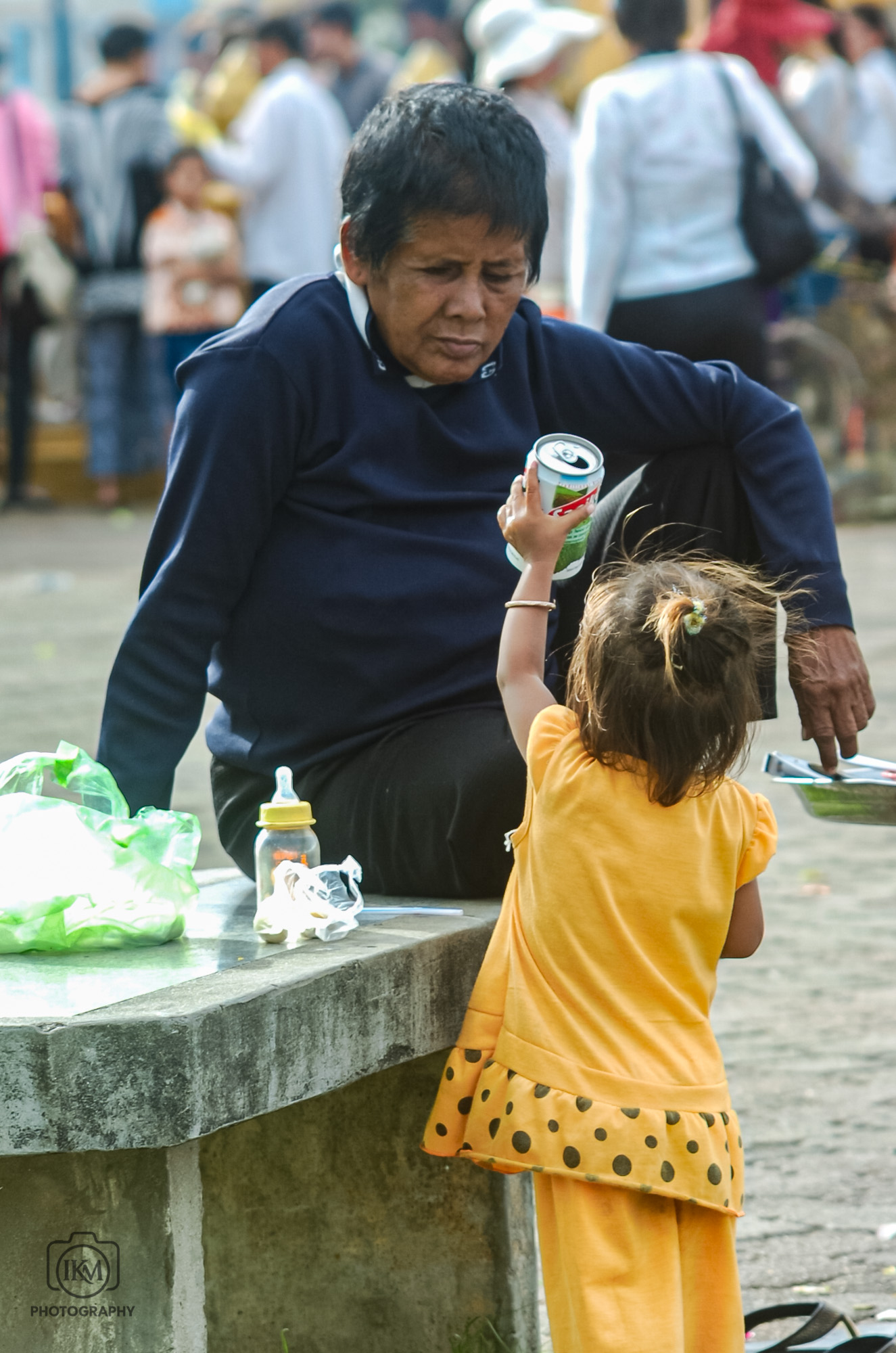
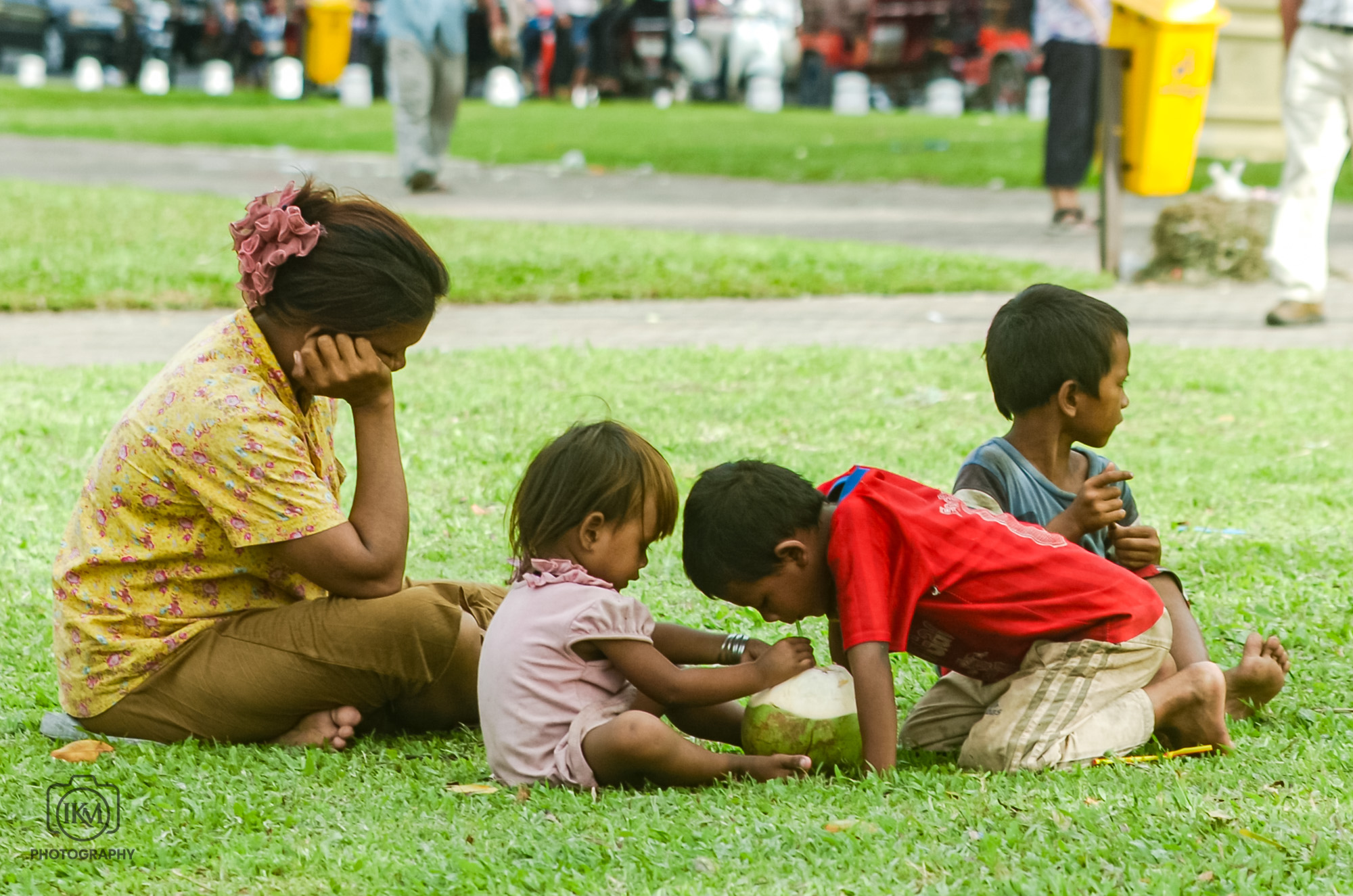



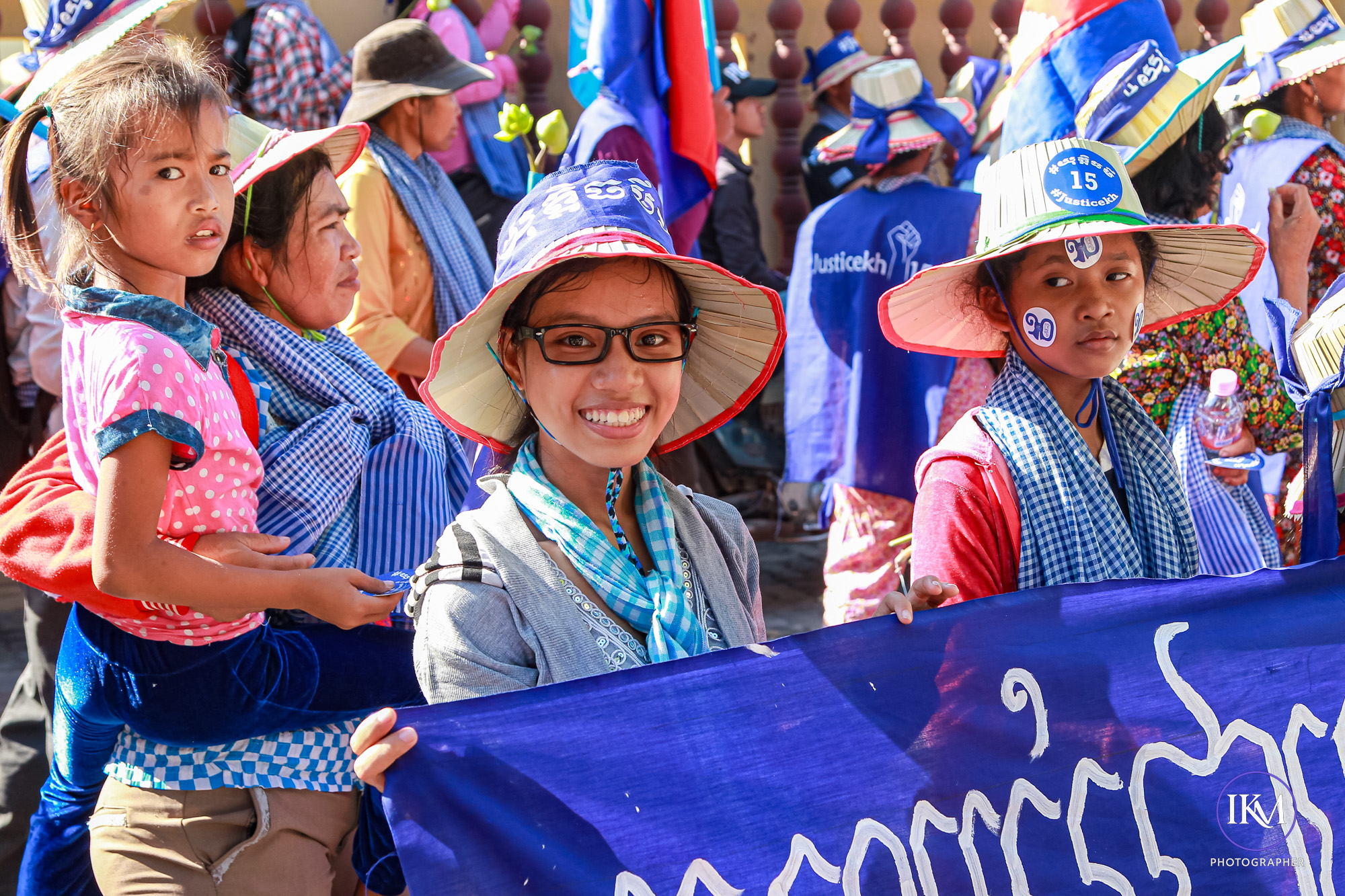







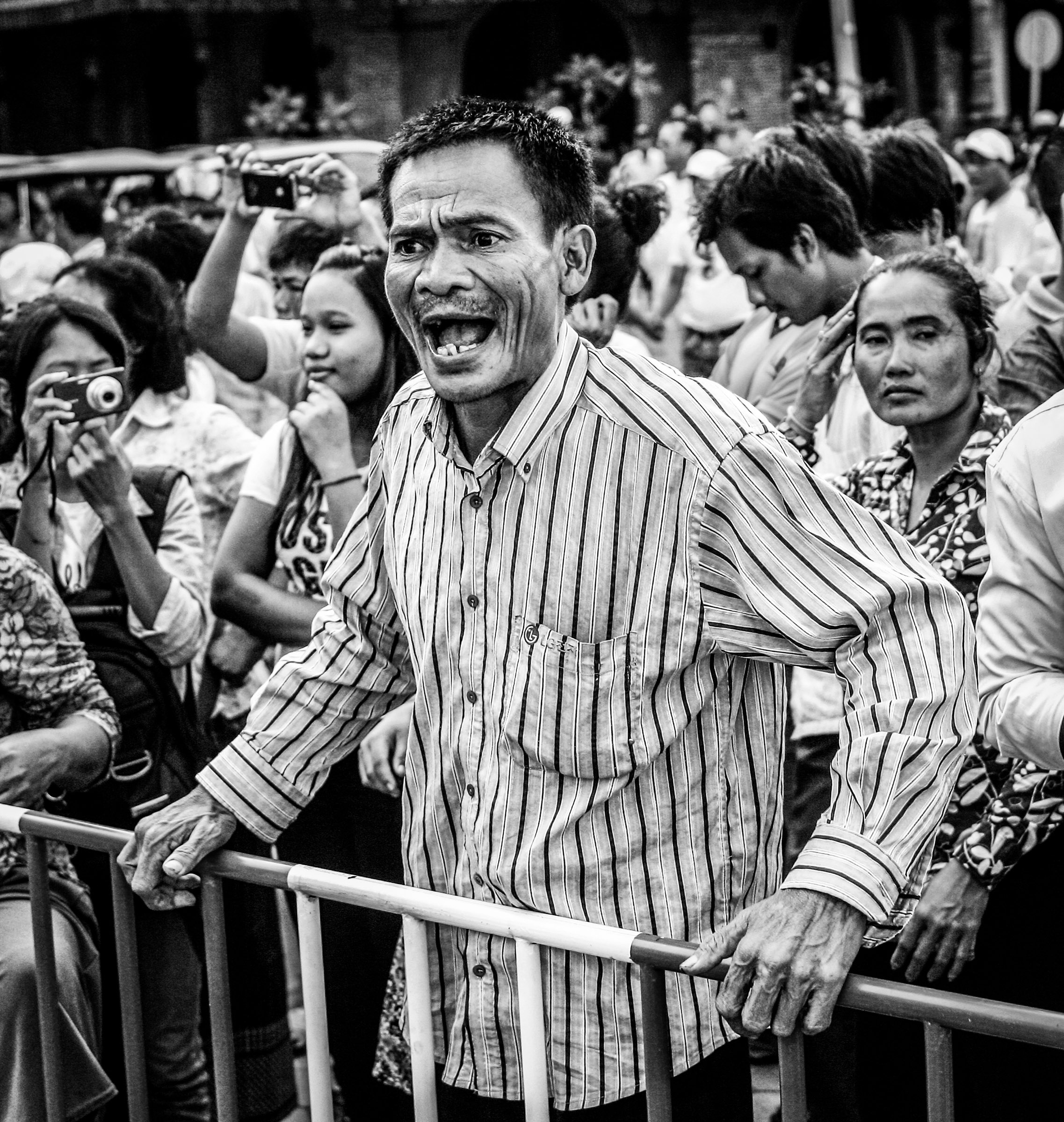
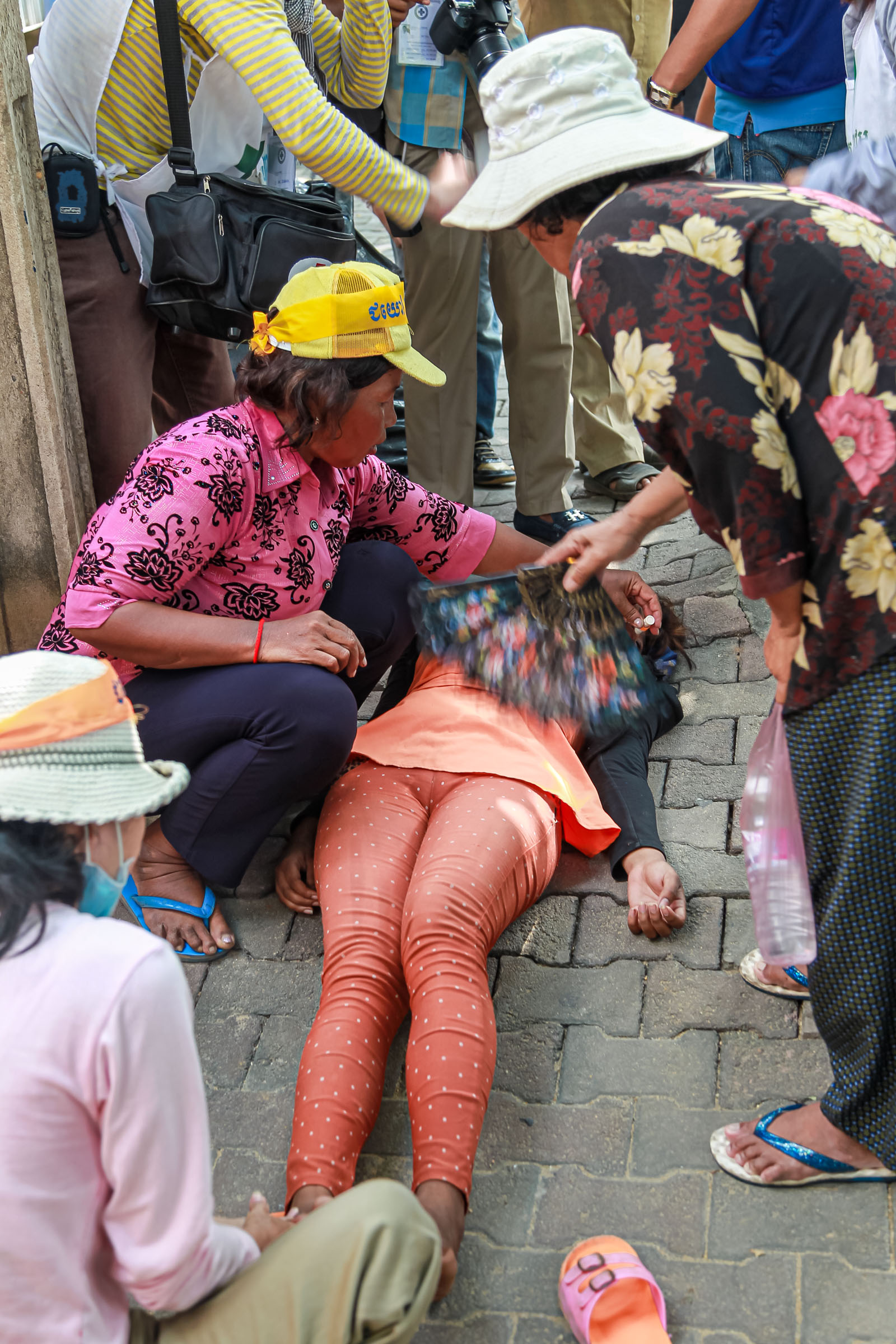


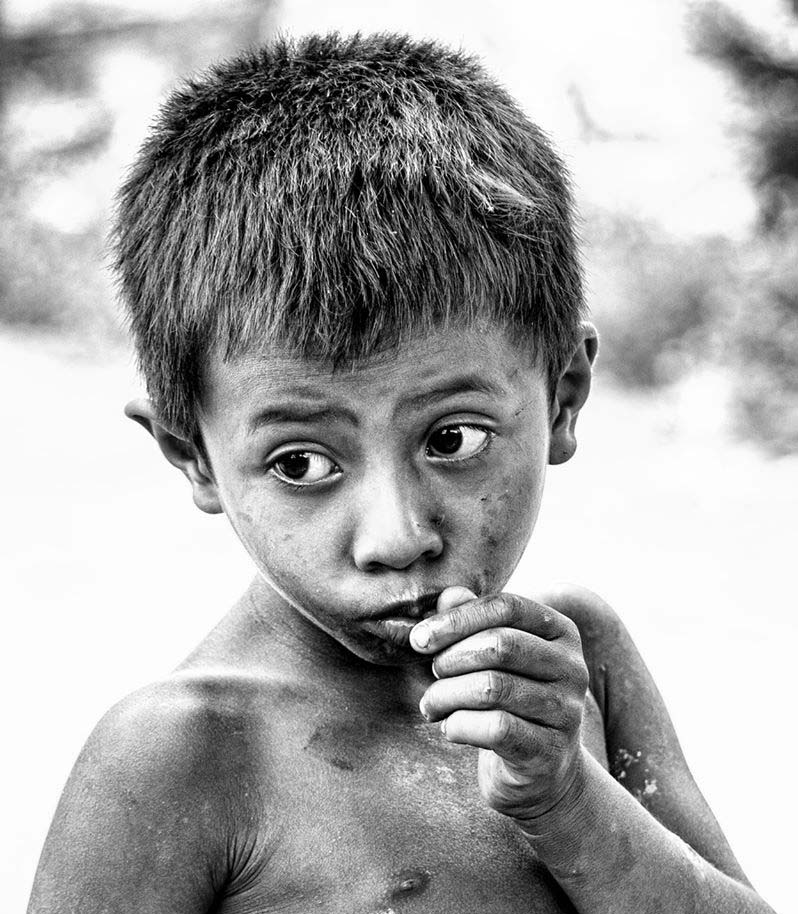
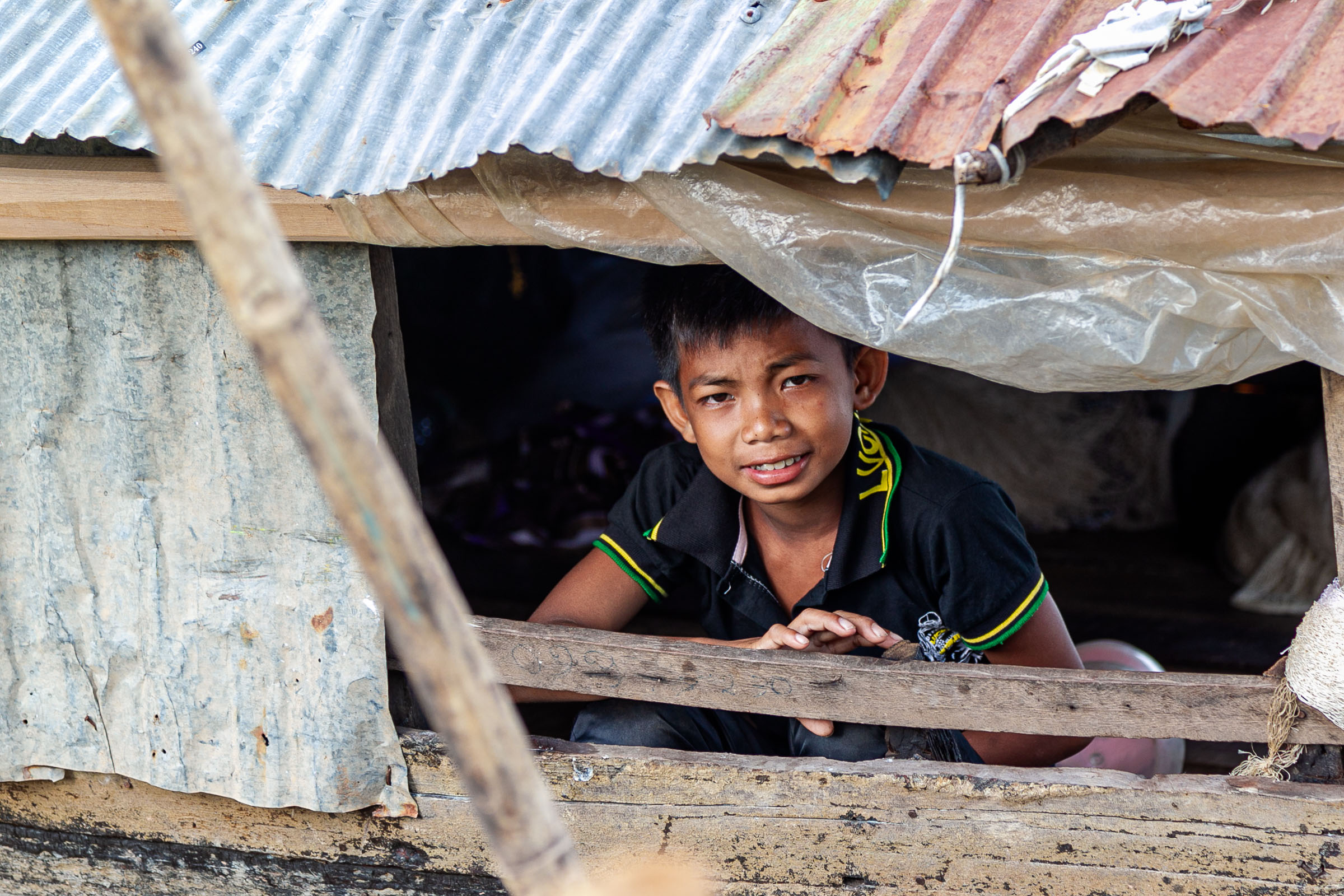





















 a world without pictures is like coffee without cream and sugar, bitter