

Photography is an art form that transcends the mere mechanics of capturing light on a sensor; it’s a craft that demands a blend of technical skill and creative vision. The camera, undeniably, is a pivotal tool in this process—a gateway to the world of visual storytelling. Yet, it’s crucial to remember that the essence of photography lies not within the camera itself, but in the eyes, mind, and heart of the photographer.

Let’s delve into the multifaceted relationship between the photographer and their equipment, exploring how a synergy of both leads to the creation of compelling imagery.
The Camera: A Technological Marvel
Modern cameras are marvels of technology, brimming with features designed to tackle various photographic challenges. The larger sensors that grace the bodies of high-end cameras are adept at capturing the faintest whispers of light, rendering scenes with astonishing clarity even as the day fades into night. Fast autofocus systems freeze fleeting moments with precision, ensuring that even the most ephemeral expressions are etched in time. High-resolution capabilities offer a canvas so vast that photographers can sculpt their final composition long after the shutter has closed.

The Photographer: The True Conduit of Creativity
However, these technological wonders are tools waiting to be wielded by a master. It is the photographer who breathes life into the image, who sees the interplay of shadows and light, and who captures the soul of a landscape or the glint in a subject’s eye. The photographer’s skill in composing a shot, their intuition in adjusting settings to match the mood of a moment, their finesse in post-processing—all these elements coalesce to elevate a photograph from a simple snapshot to a story frozen in time.
The Symbiosis of Gear and Artistry
A better camera can expand the horizons of what’s possible, offering more creative freedom and the ability to push boundaries. Yet, it is a mere extension of the photographer’s vision. The true measure of a photograph’s quality is how effectively it communicates, how deeply it resonates, and how boldly it showcases the photographer’s unique perspective.
Choosing the Right Tool for Your Vision
When selecting a camera, it’s essential to consider how it aligns with your creative aspirations. If your current gear allows you to express your vision fully, there may be little reason to seek an upgrade. On the other hand, if you find yourself constrained, yearning to delve deeper into the art form, a camera with more advanced capabilities might be the key to unlocking new creative potential.

Conclusion: The Heart of Photography
In the end, the heart of photography lies in capturing the world as you see it, telling stories through imagery that evoke emotion and thought. Whether you’re armed with a simple point-and-shoot or a top-tier DSLR, your vision and passion are the most potent tools at your disposal. So, embrace your creativity, harness the power of your camera, and let your photographs reflect the depth of your artistic spirit.


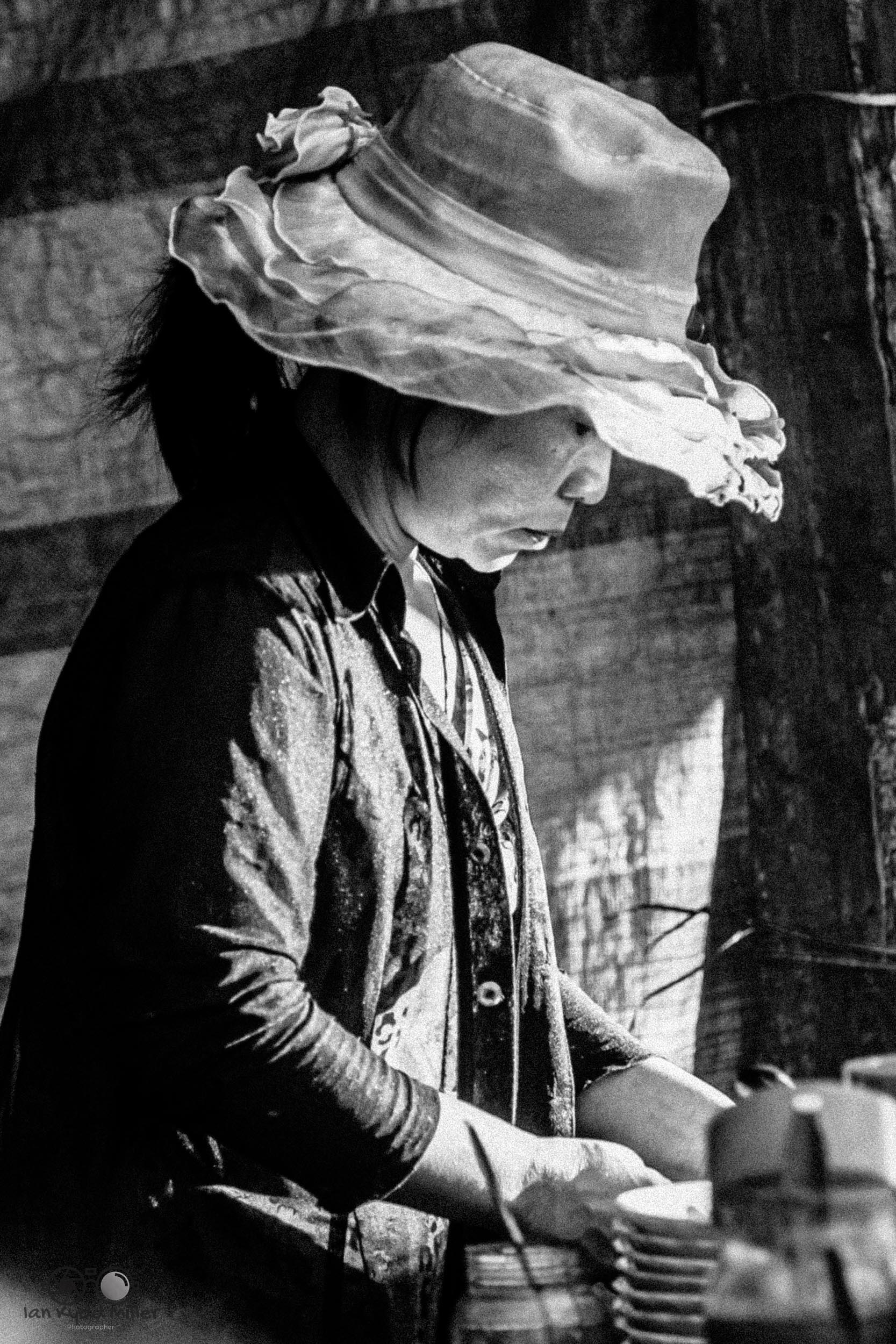
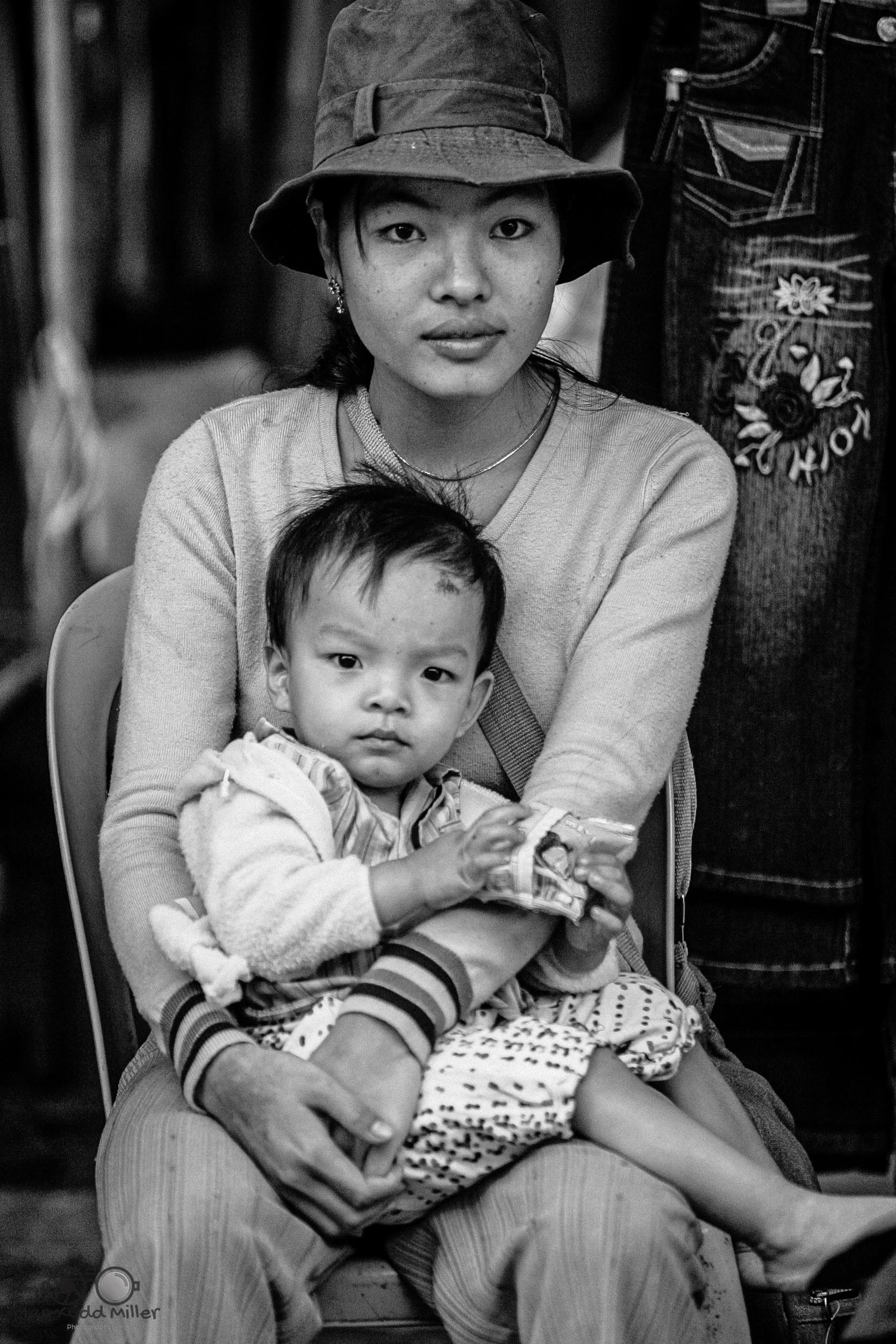

Photography is not just about the camera—it’s about the photographer. It’s about you. And the world is waiting to see the stories you’ll tell. 📸✨

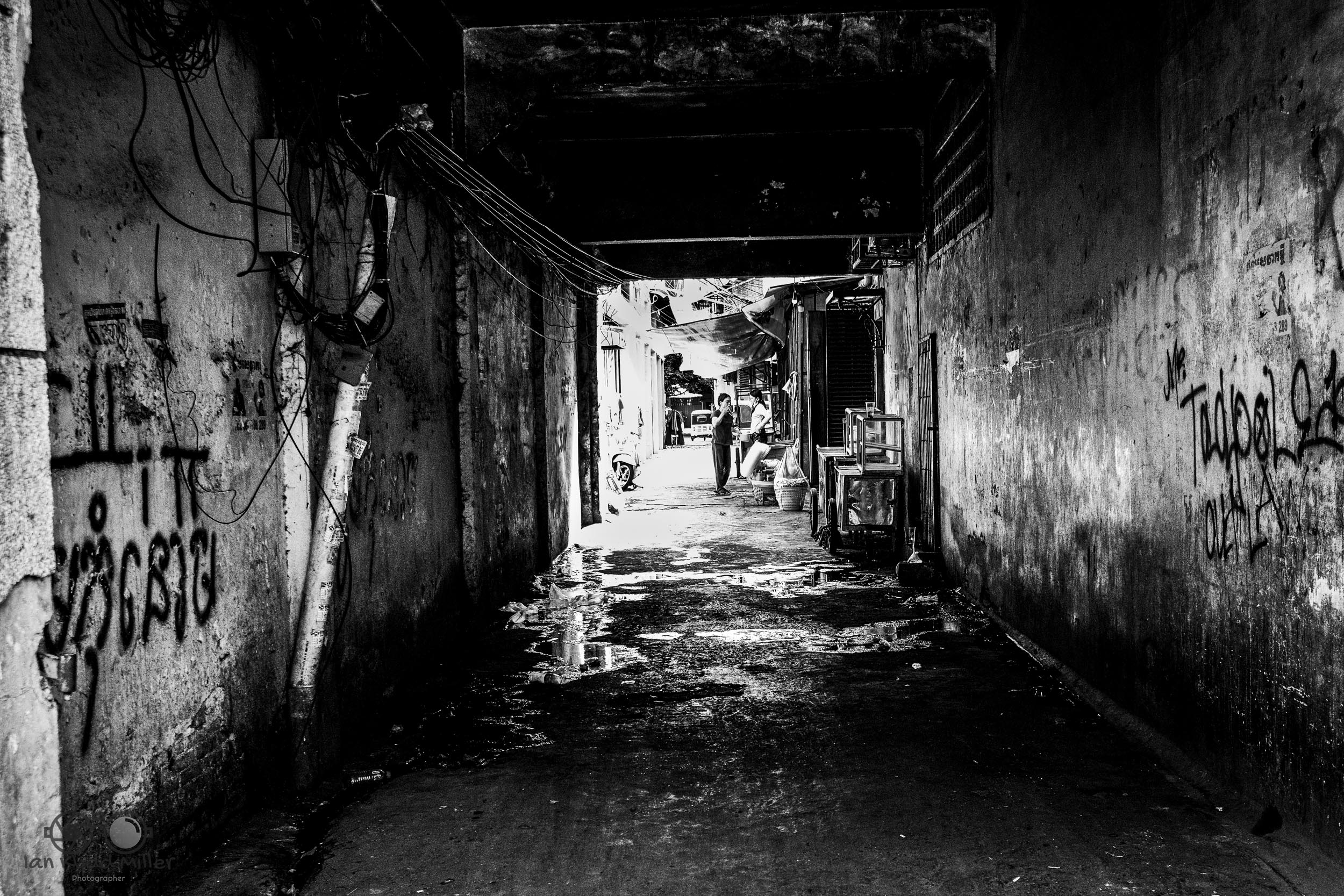
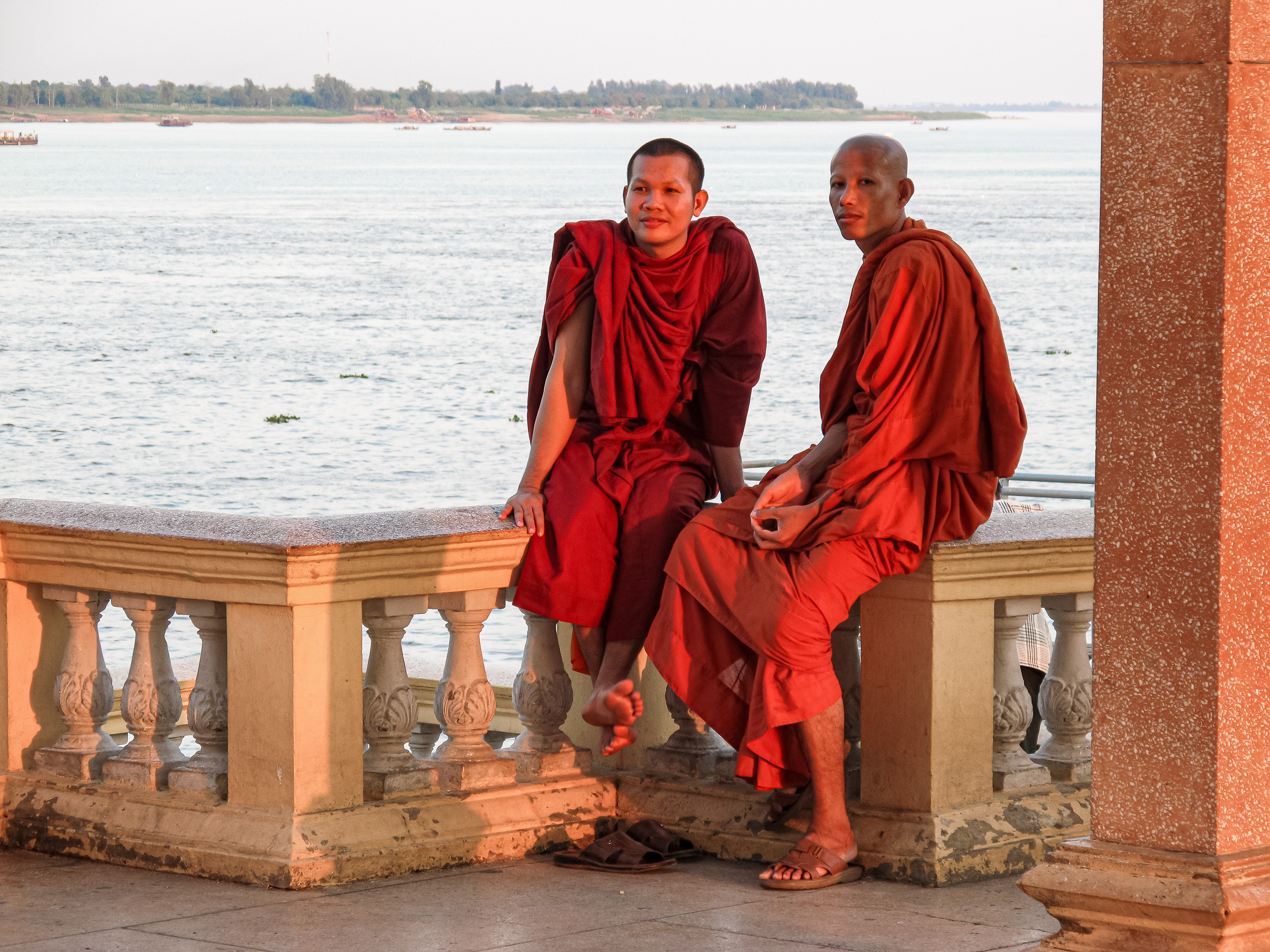
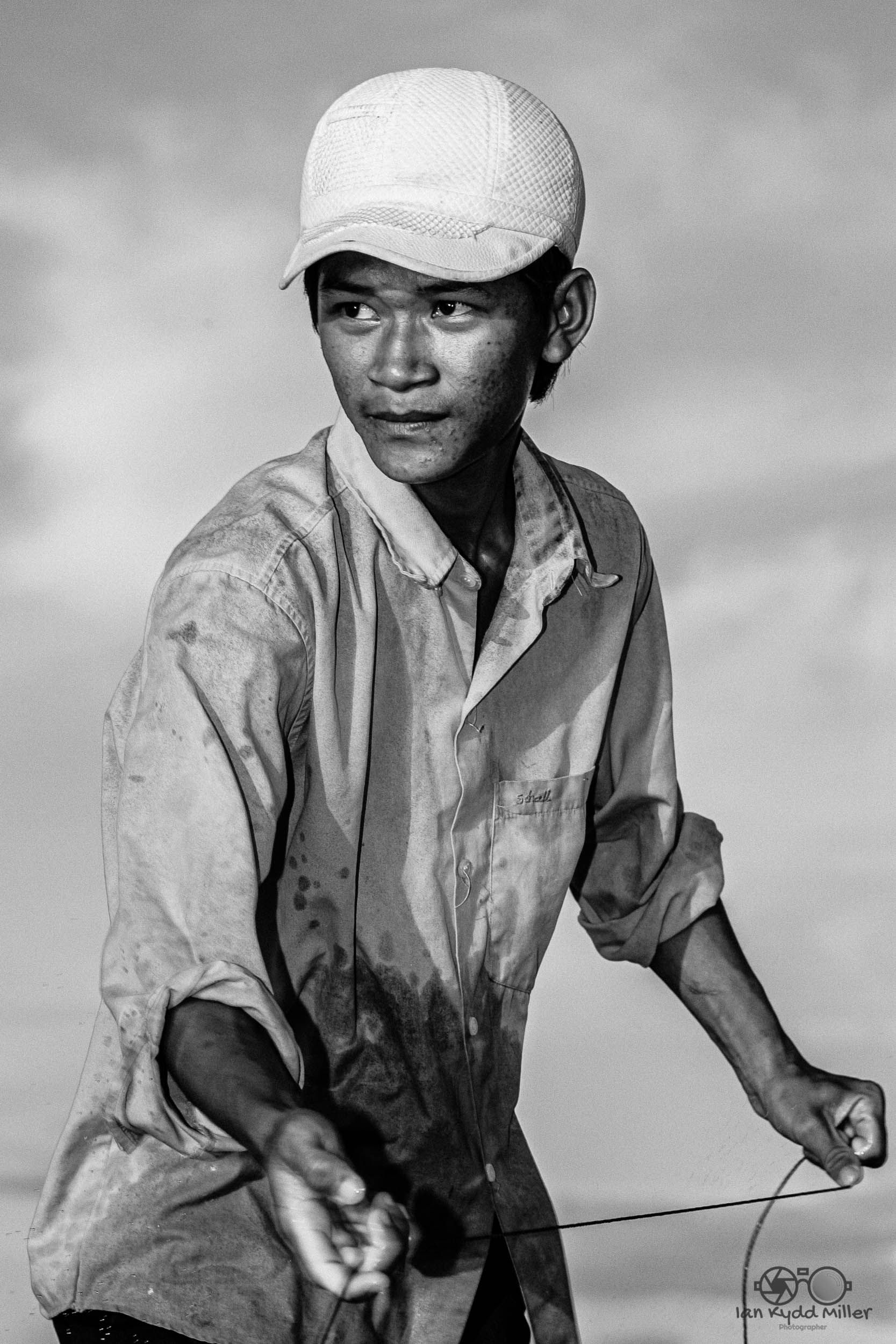
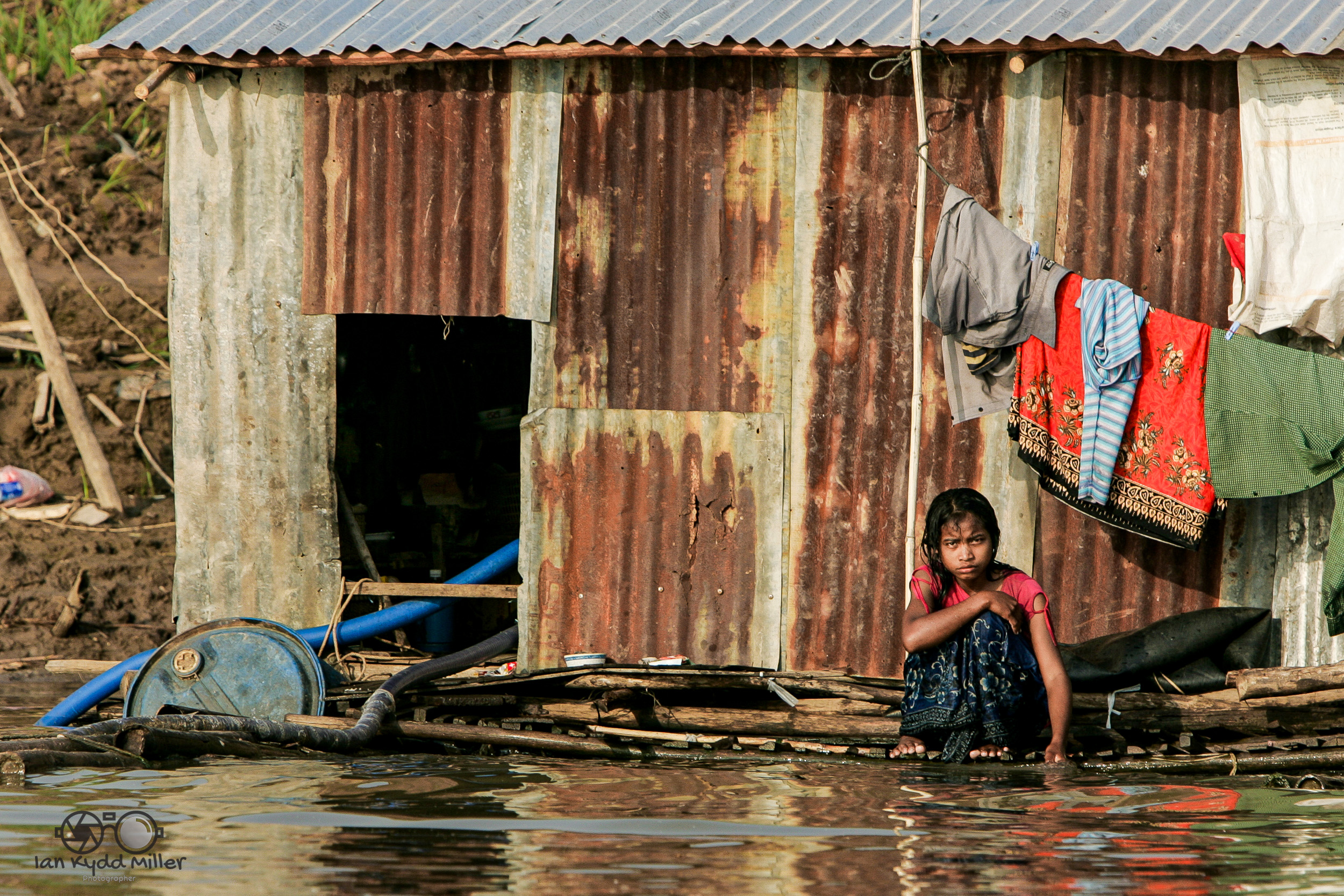
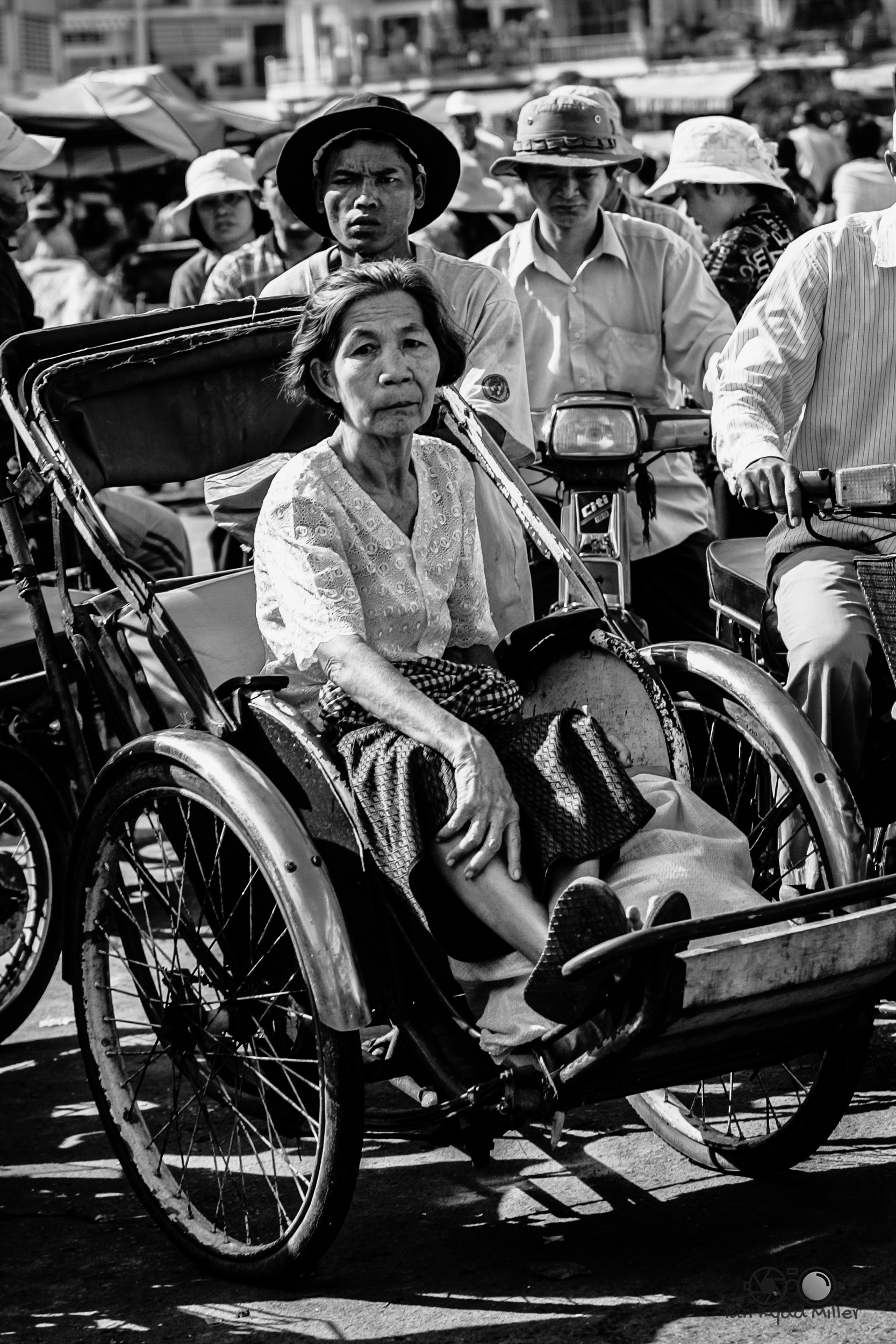
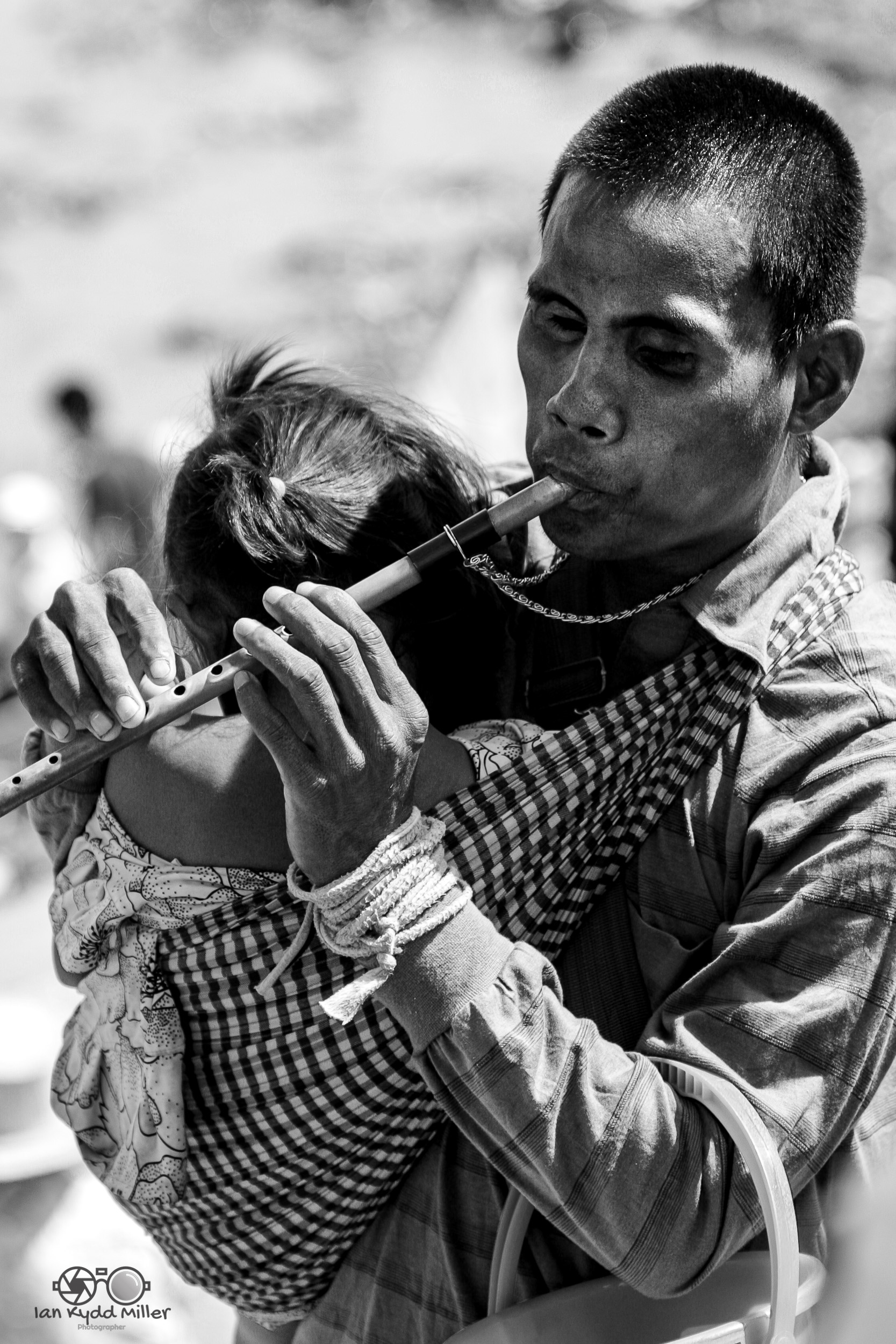










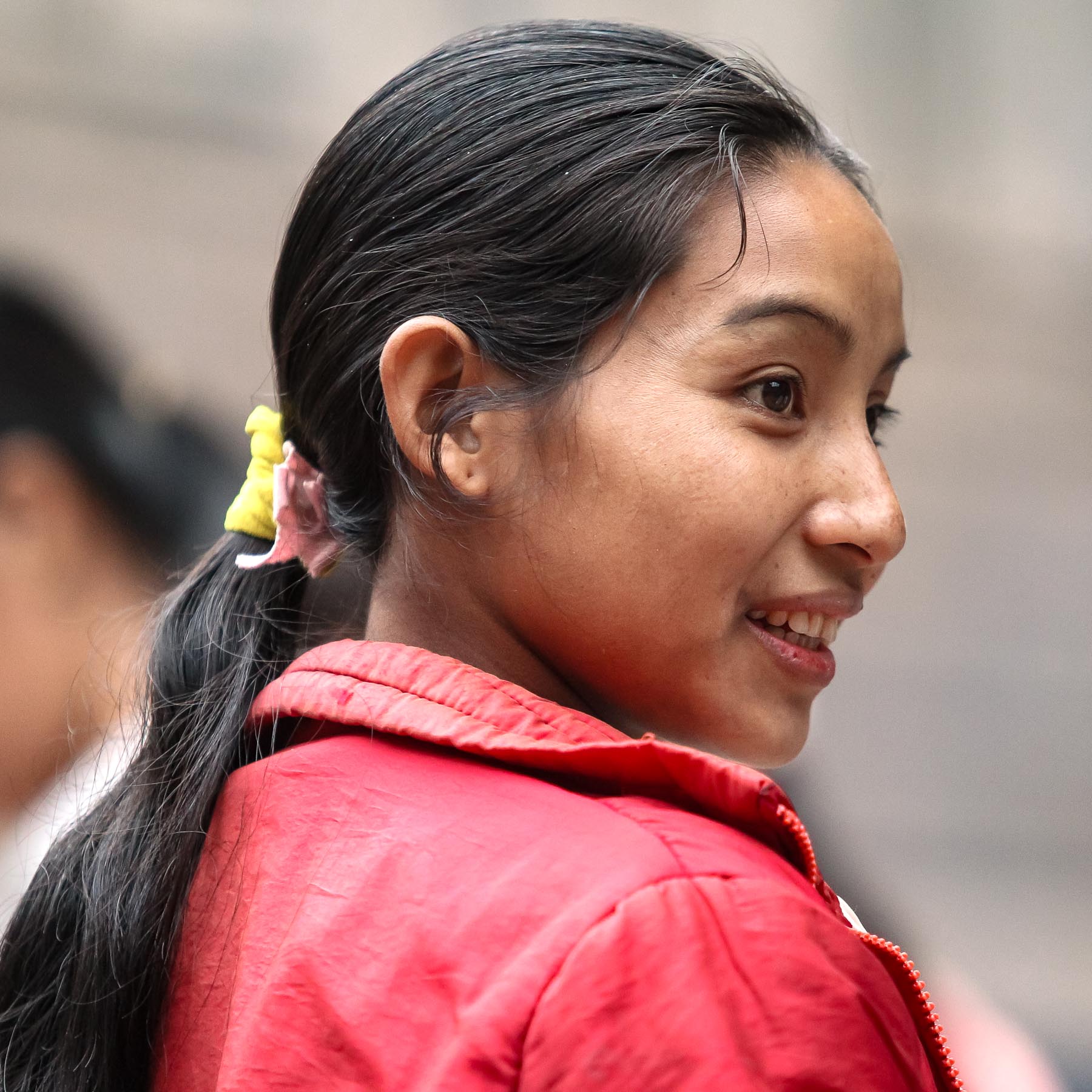
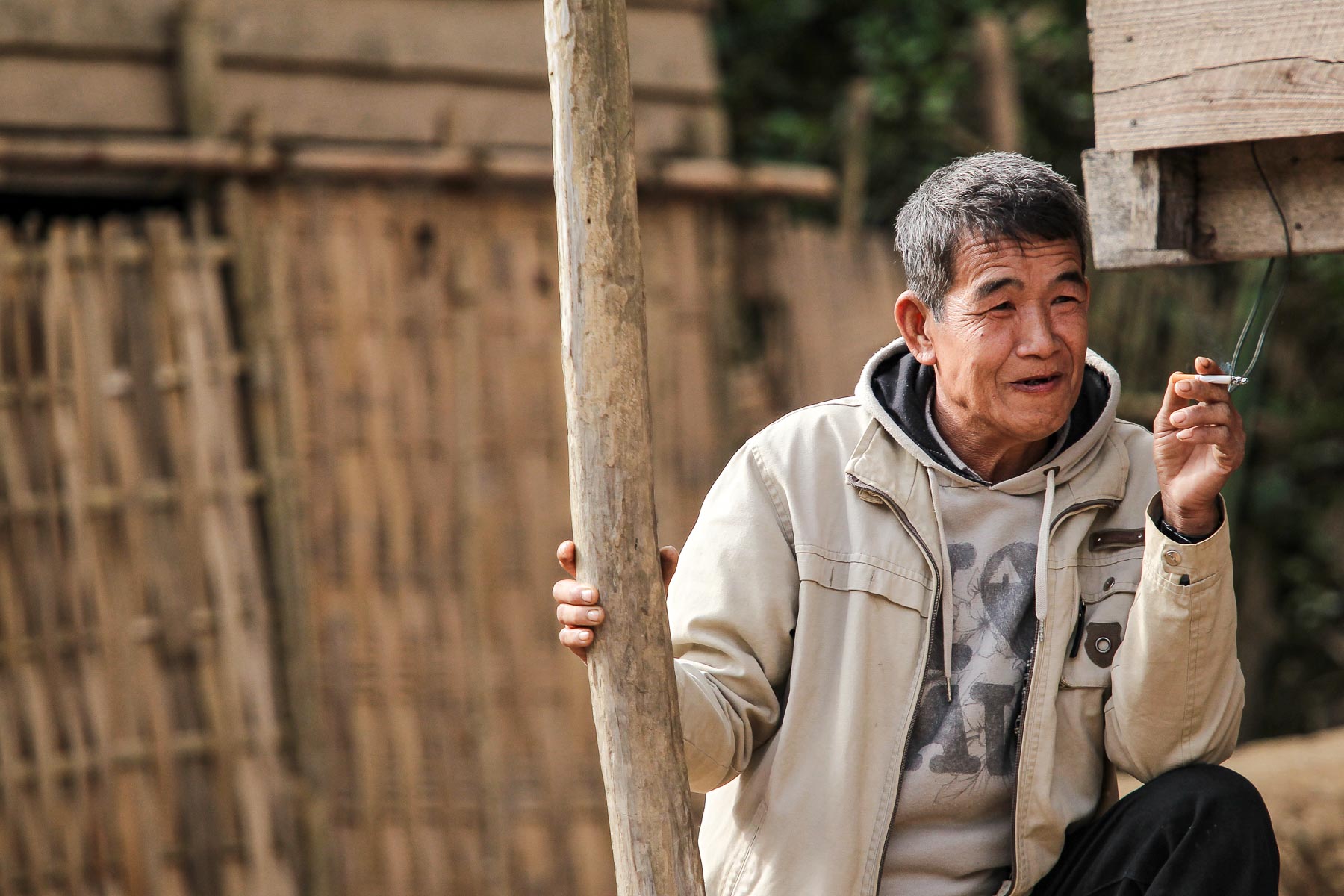

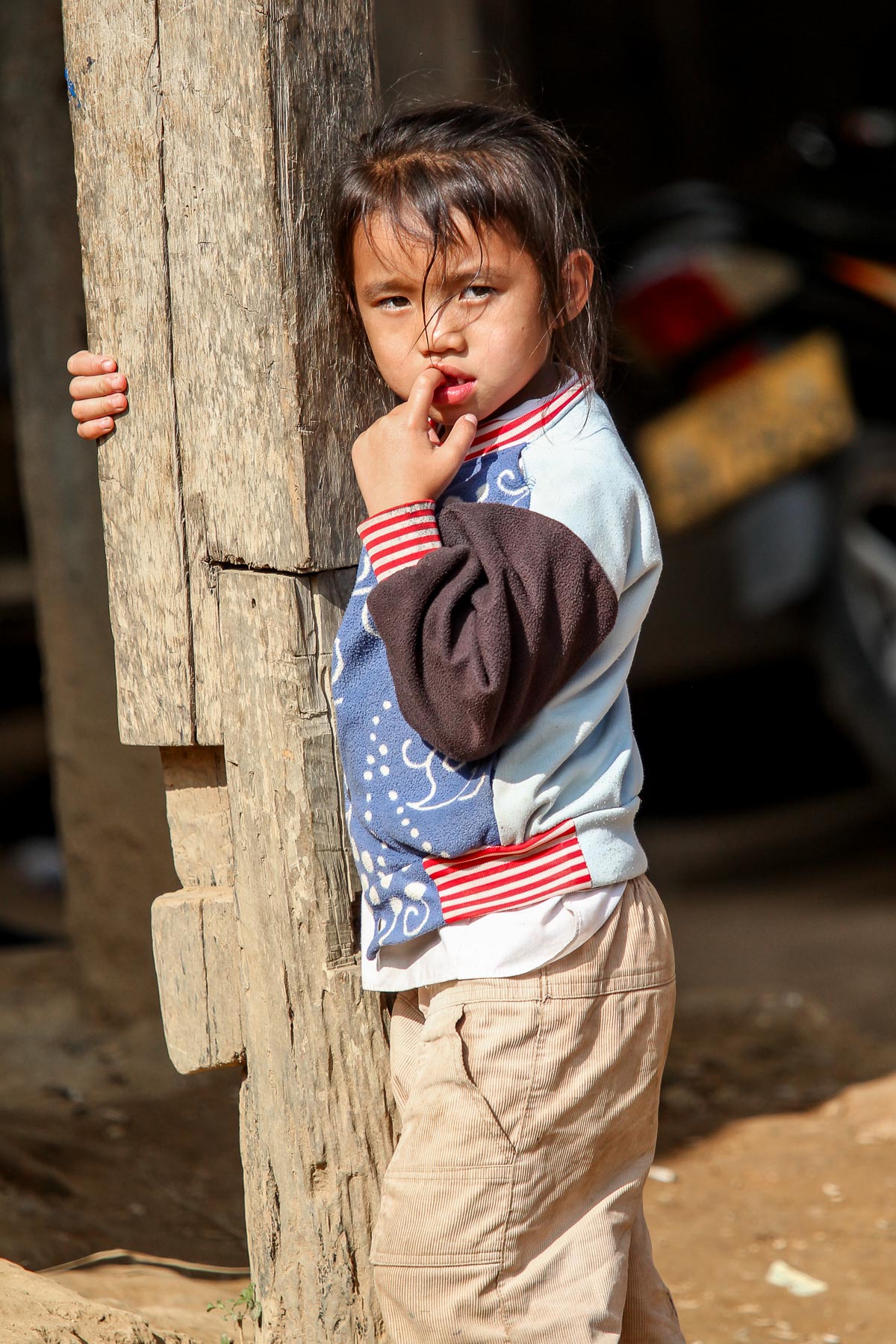
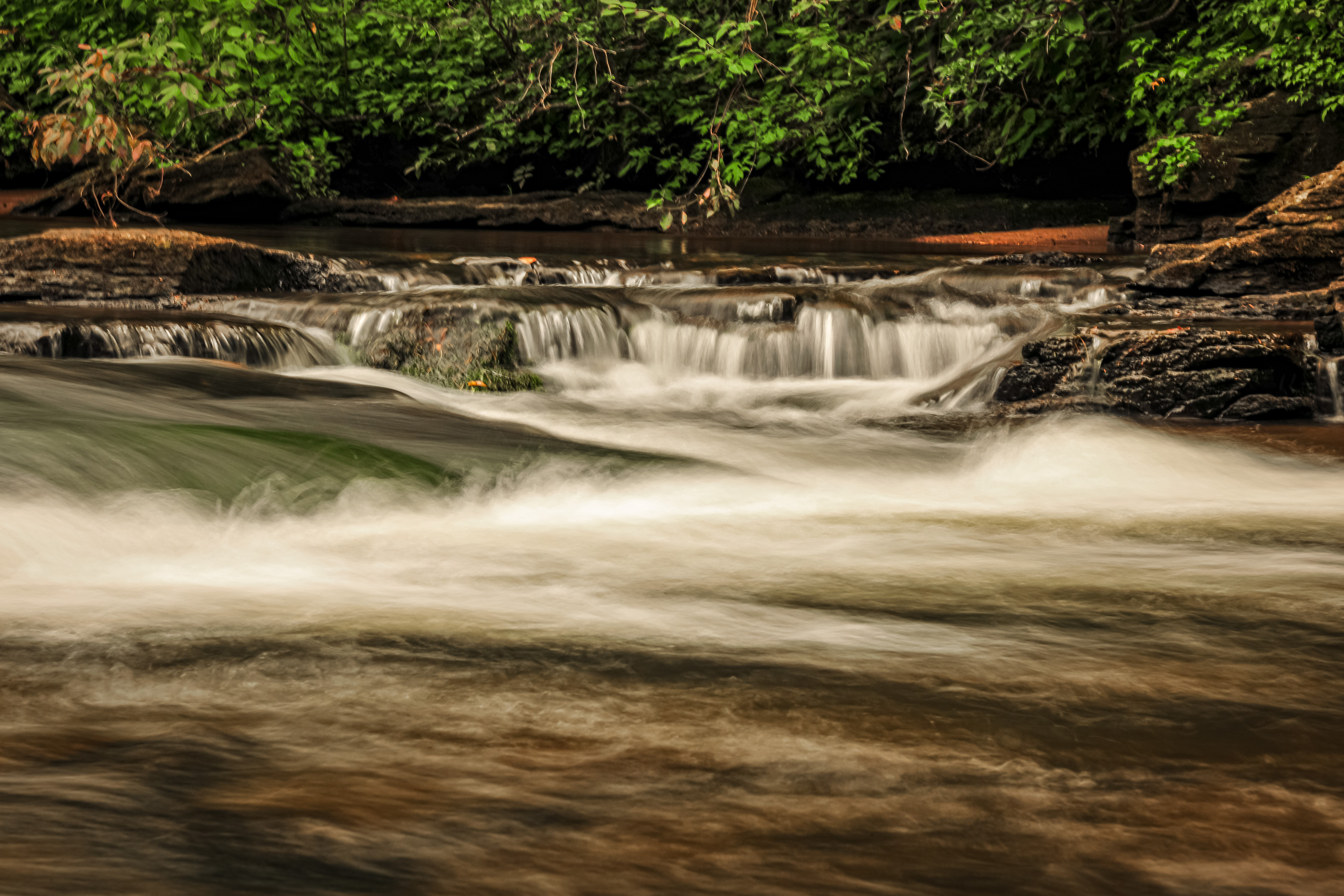
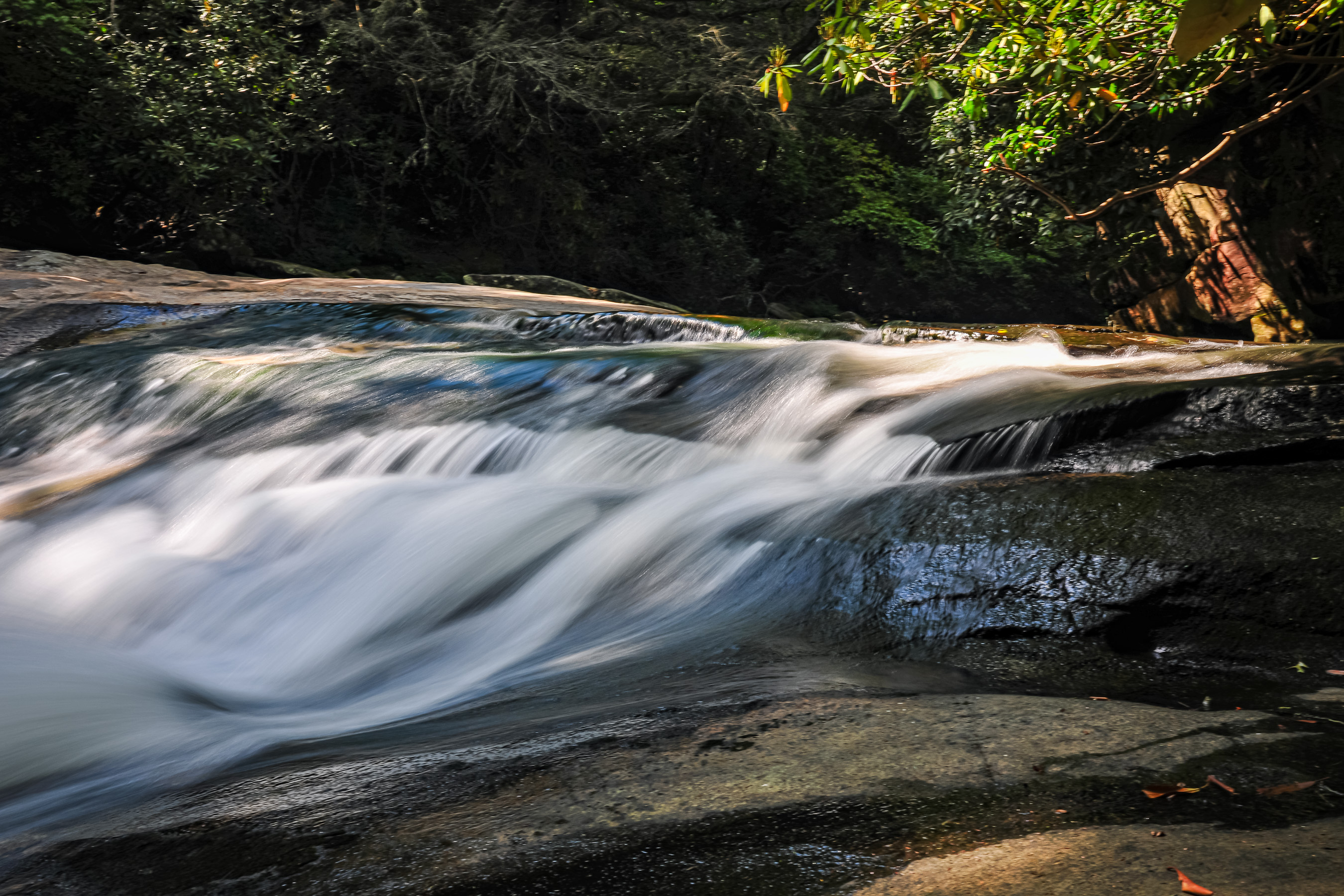
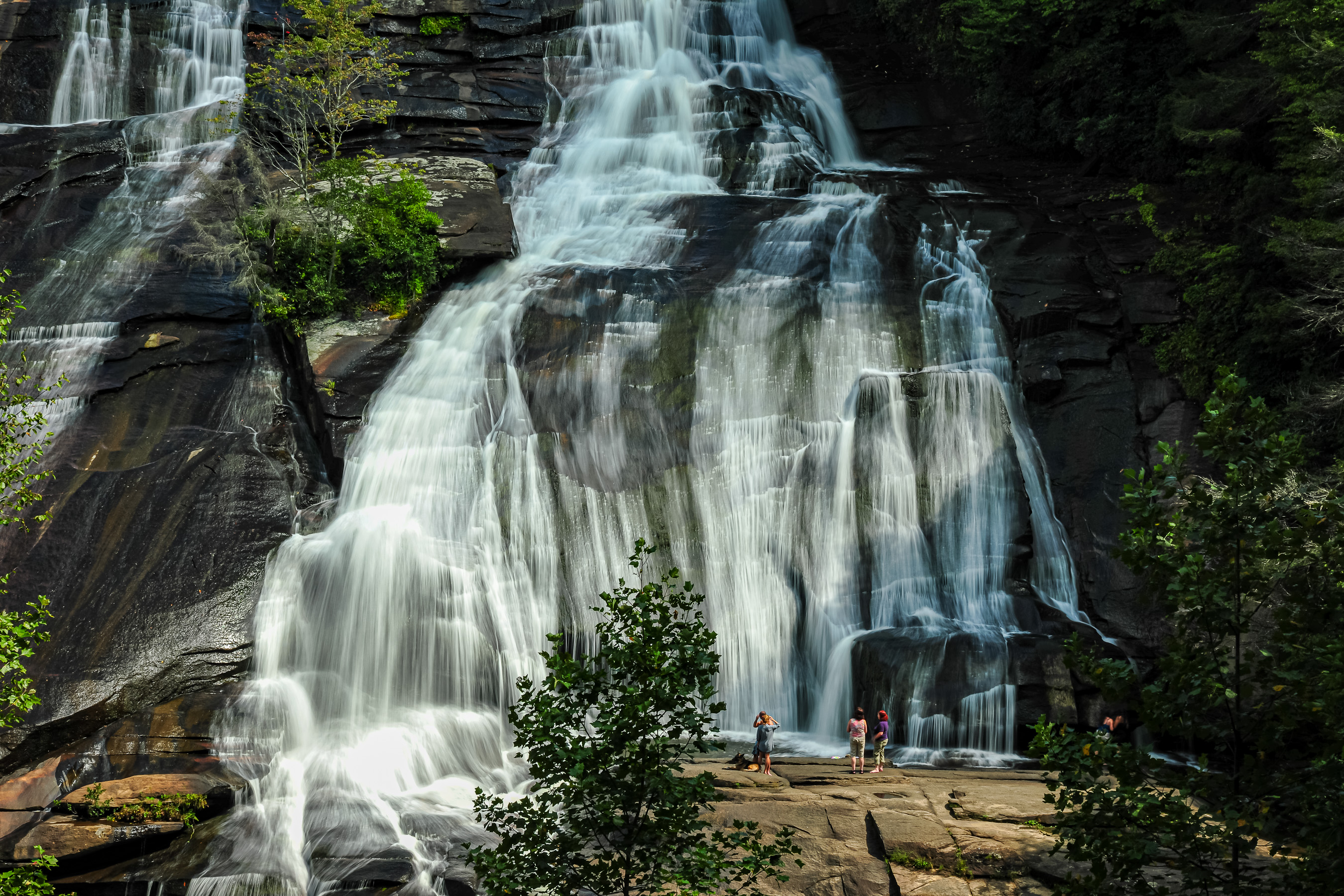
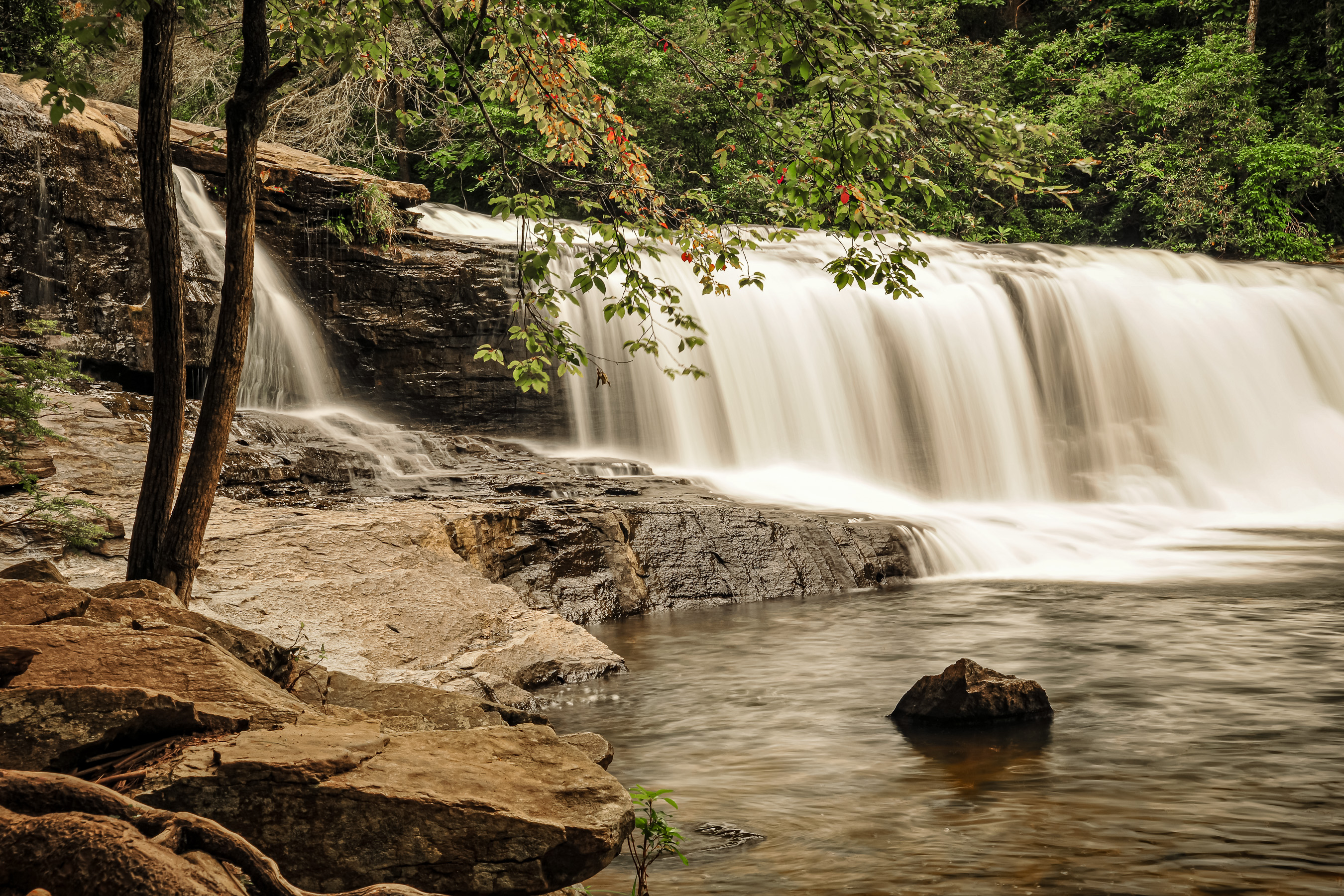
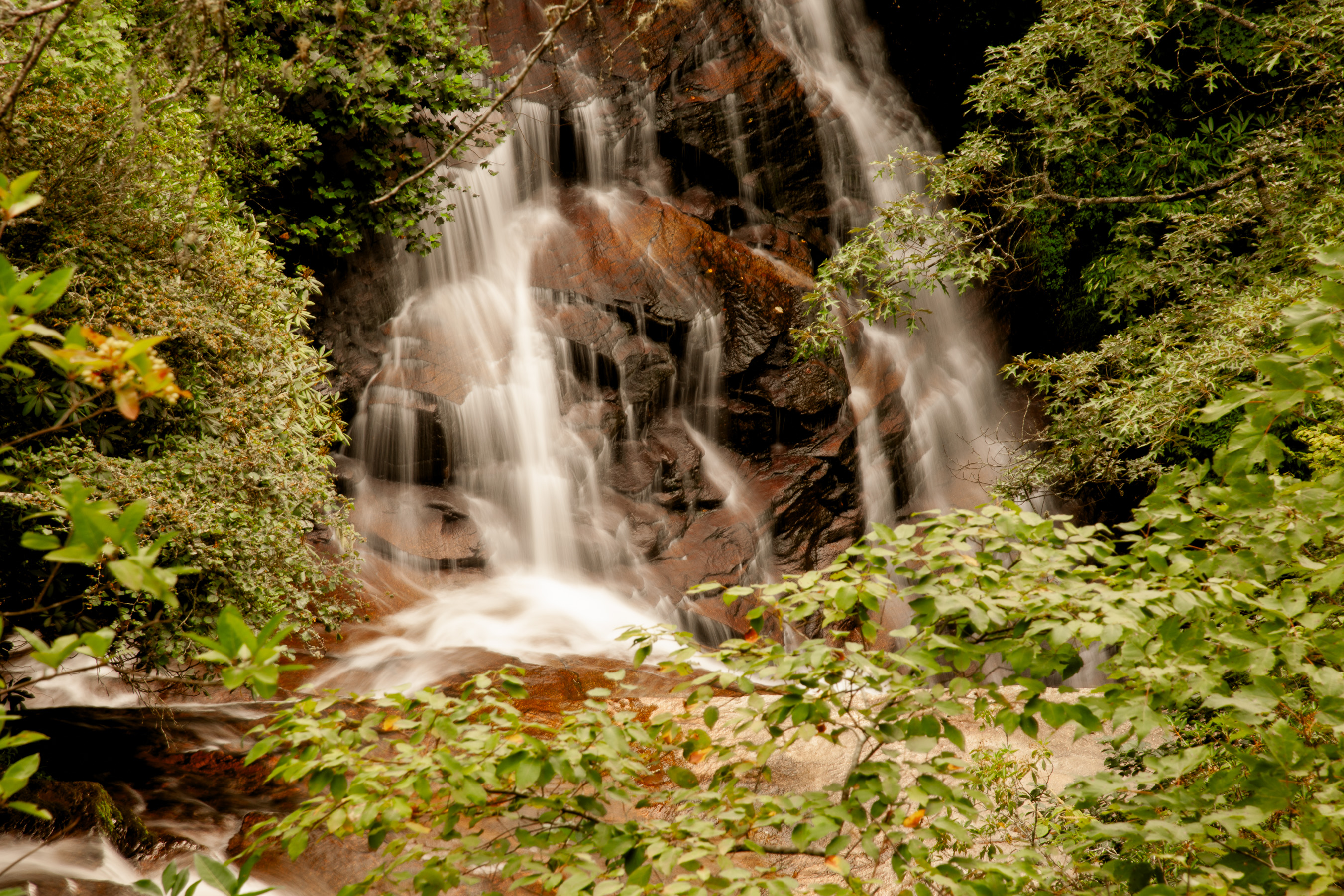






 a world without pictures is like coffee without cream and sugar, bitter