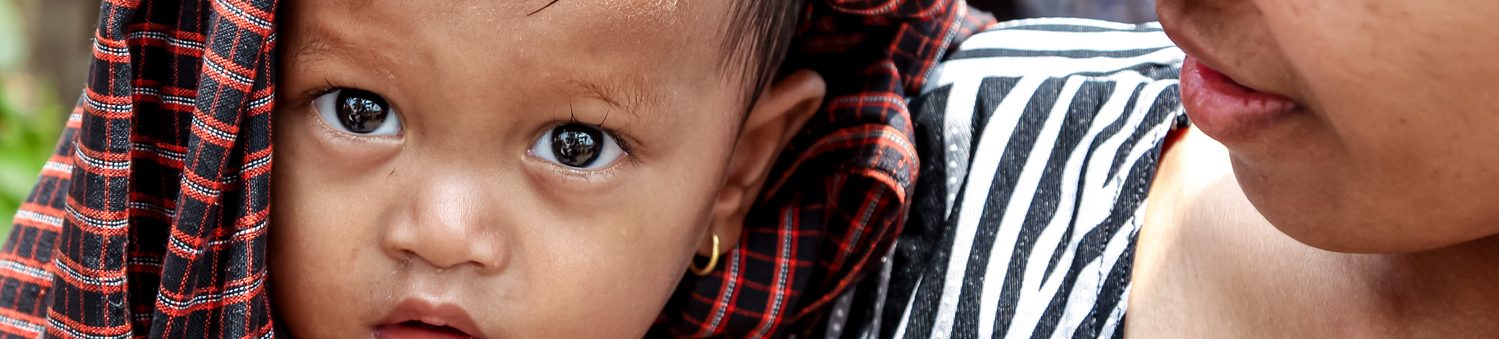


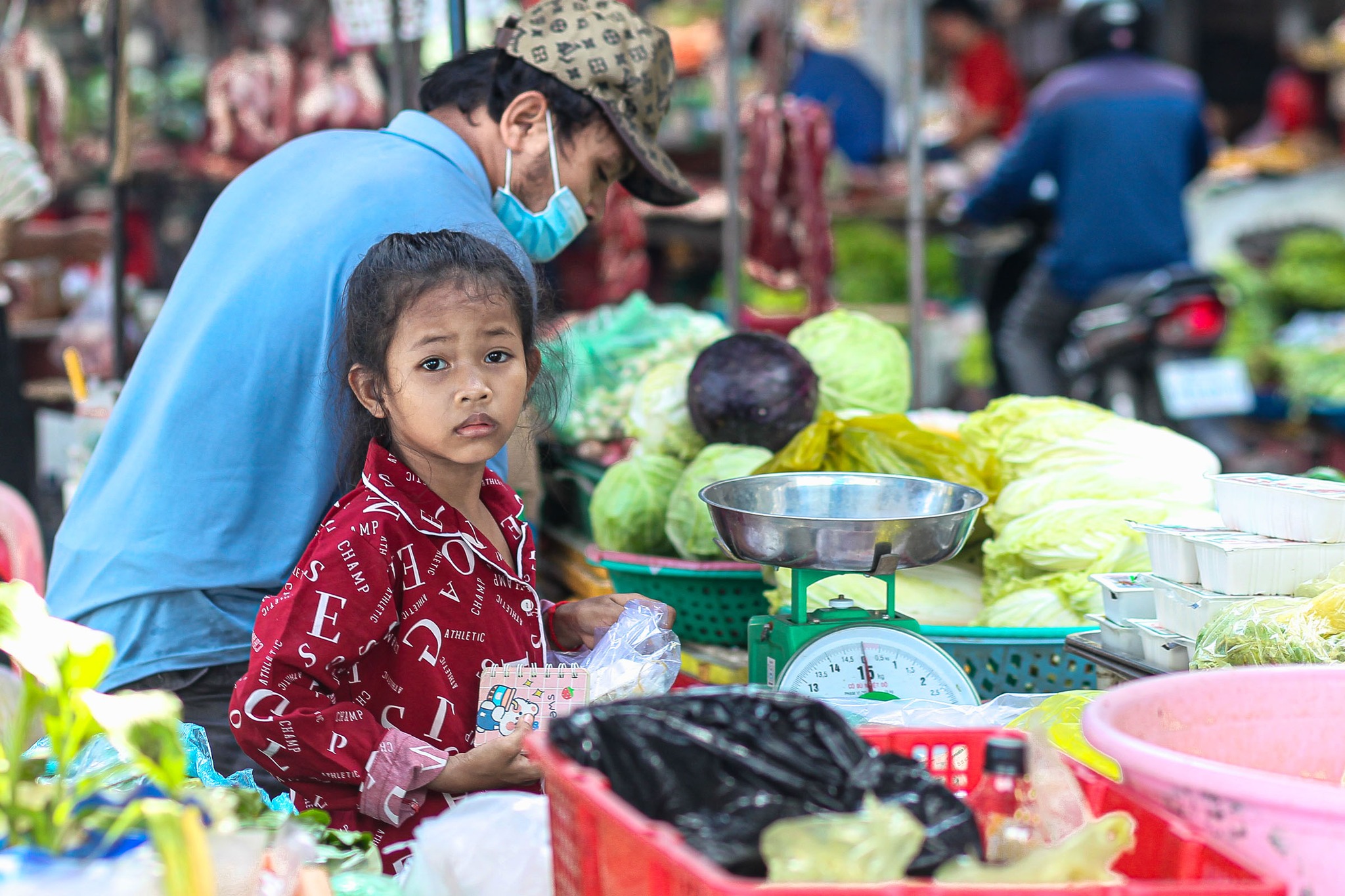
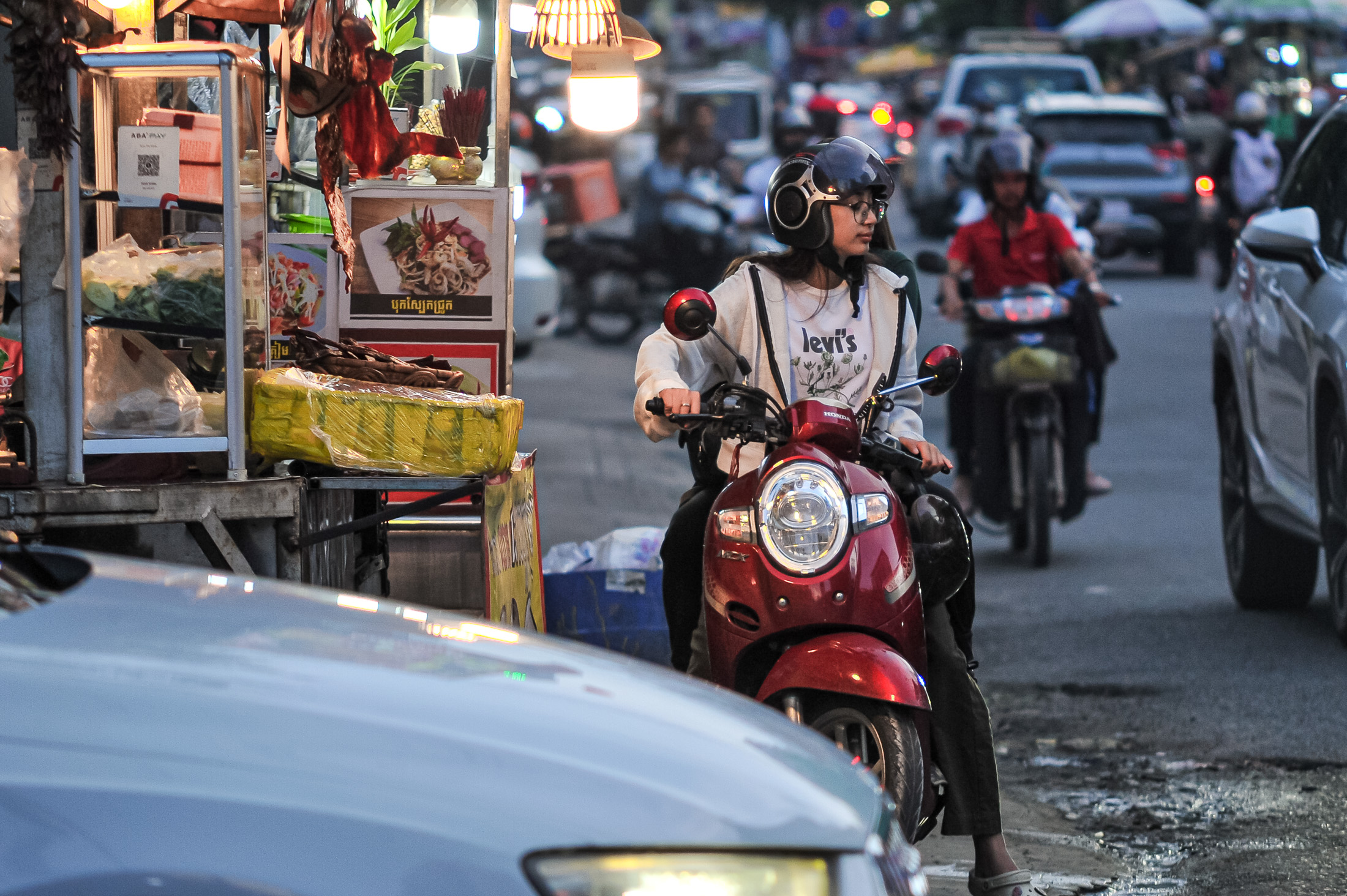
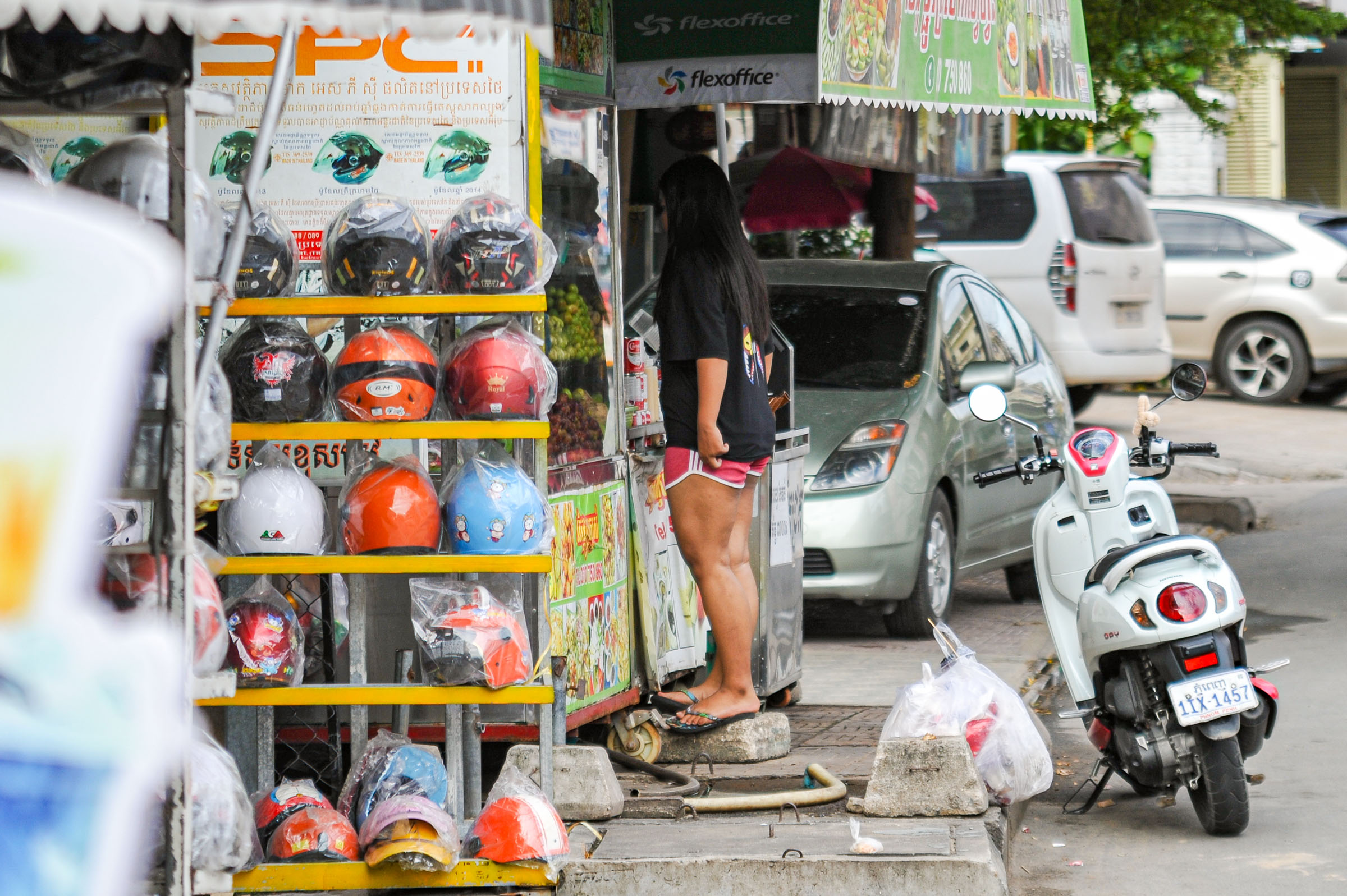
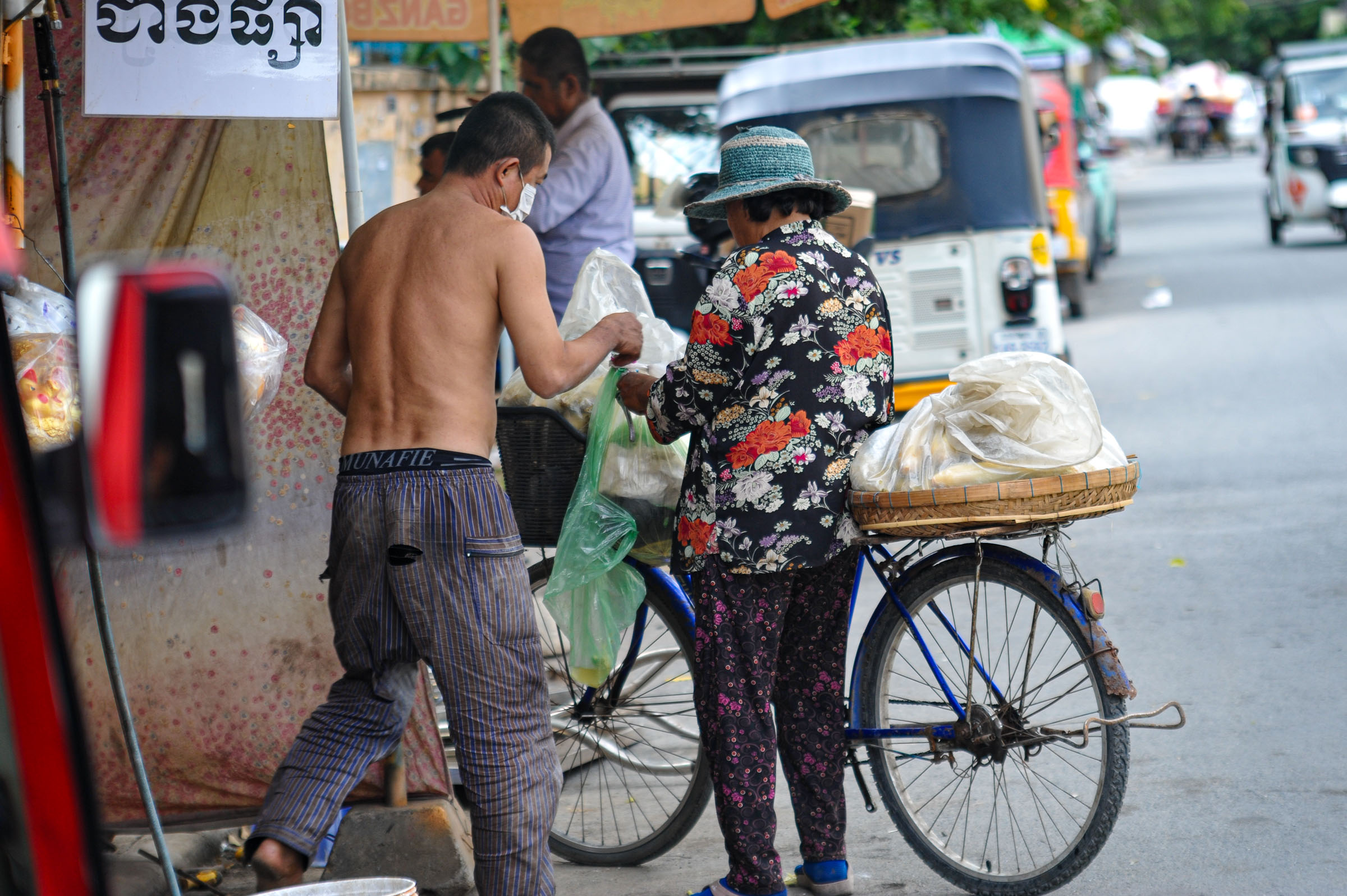
Street photography can be a fascinating way to capture candid moments of everyday life, but it’s important to be aware of the legal considerations involved. Here are some key points to keep in mind:
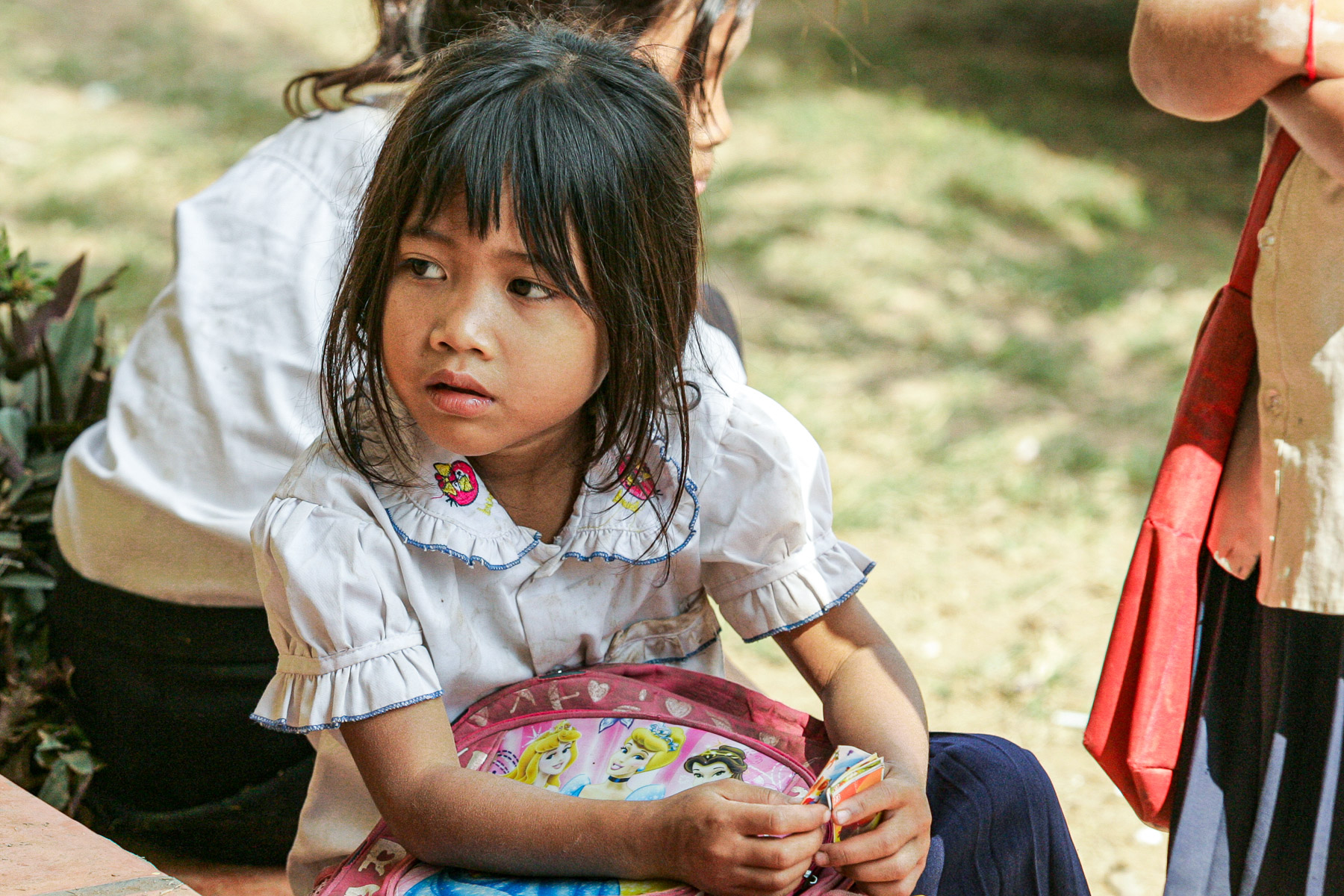
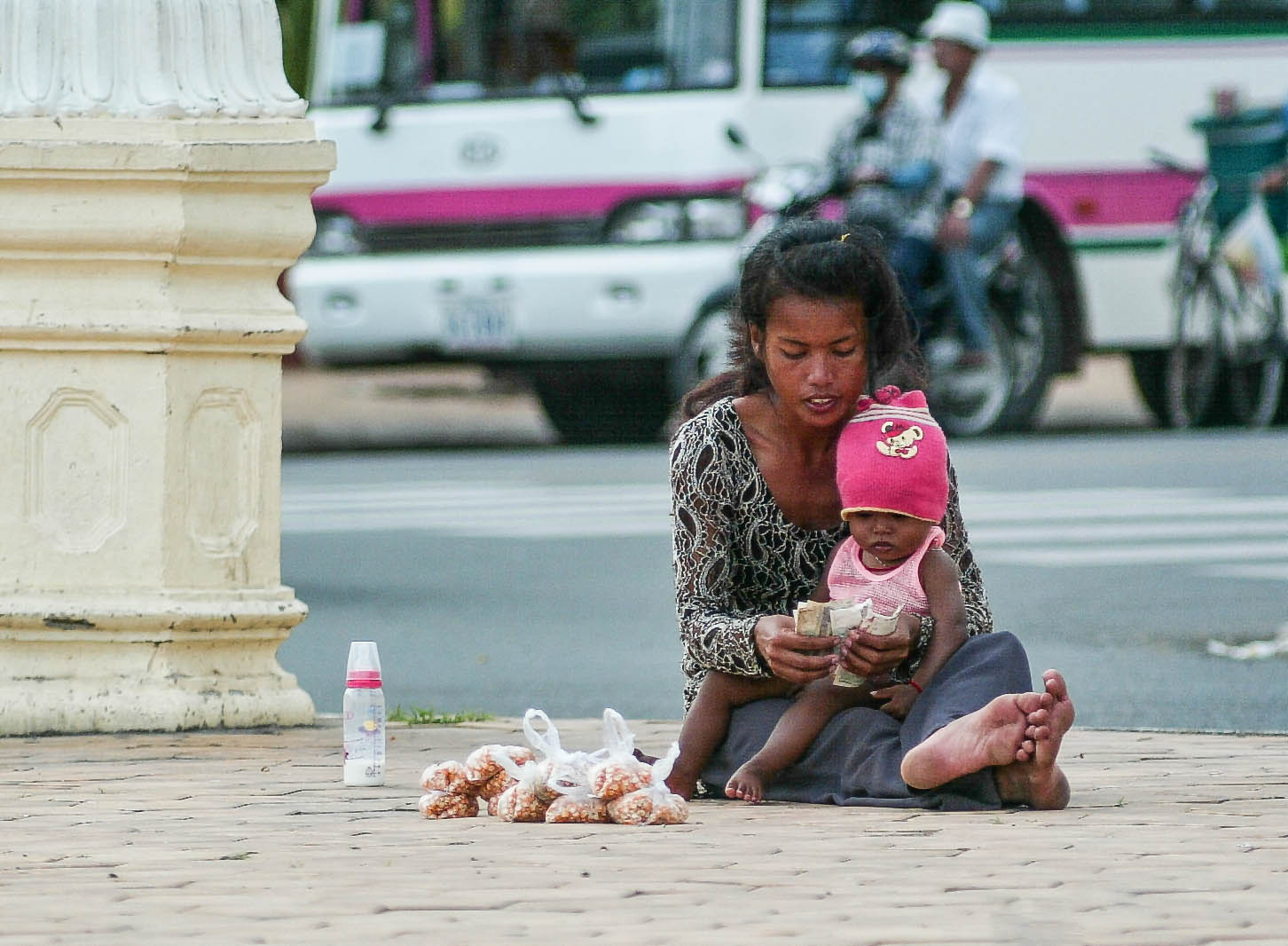
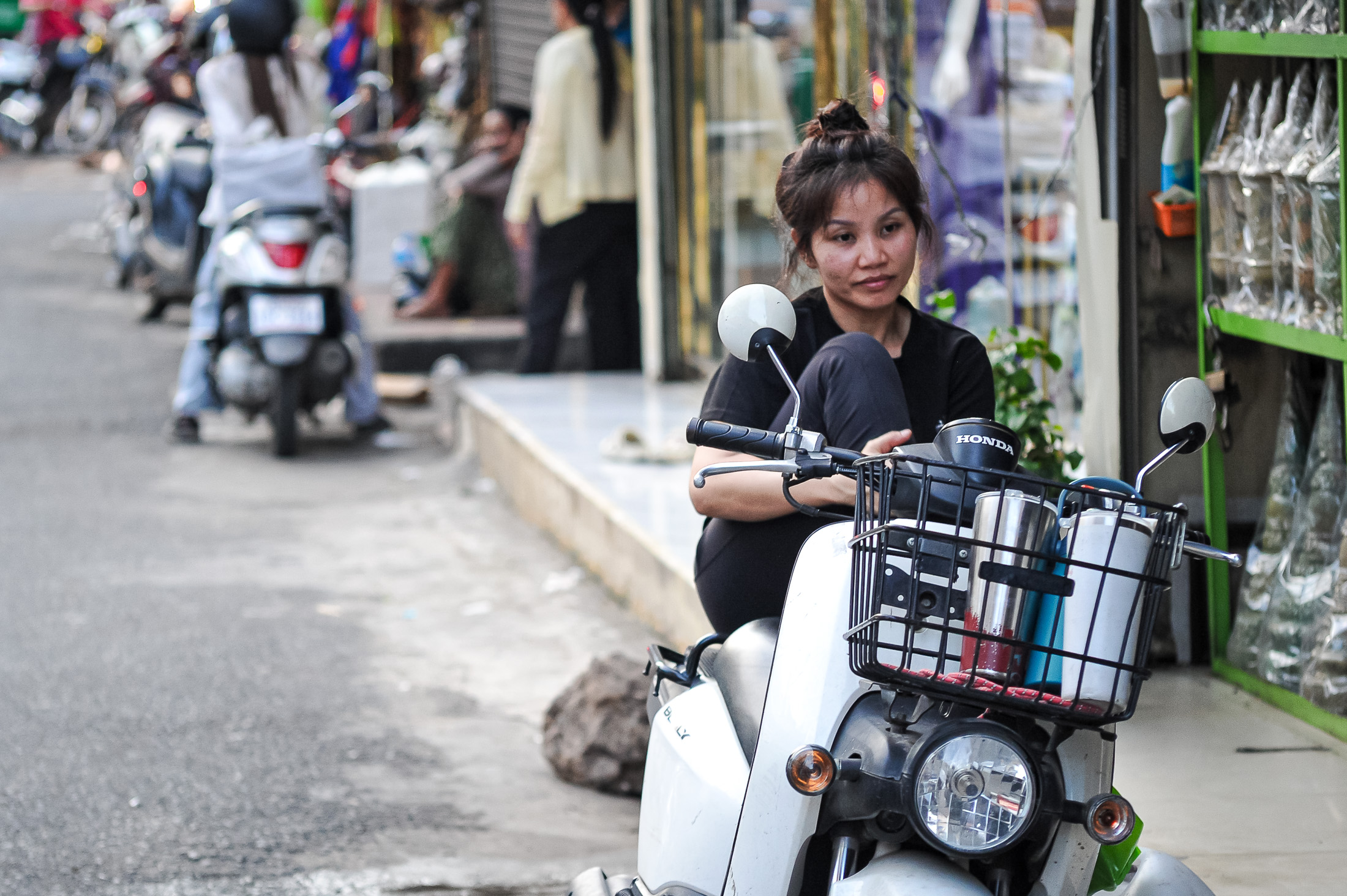
- Public Spaces: Generally, you can take photos in public spaces without needing permission. This includes streets, parks, and other public areas where people do not have a reasonable expectation of privacy.
- Privacy Concerns: While you can photograph people in public, you should avoid taking photos in situations where individuals have a reasonable expectation of privacy, such as inside their homes or in private spaces visible from public areas.
- Commercial Use: If you plan to use your photos commercially, you may need to obtain a model release from the individuals in your photos. This is especially important if the images will be used in advertising or sold as stock photos.
- Respect and Ethics: Always be respectful and considerate. If someone asks you not to photograph them, it’s best to honour their request to avoid potential conflicts.
- Country-Specific Laws: Laws can vary significantly from one country to another. For example, some countries have stricter privacy laws that may require consent for street photography, while others are more lenient.
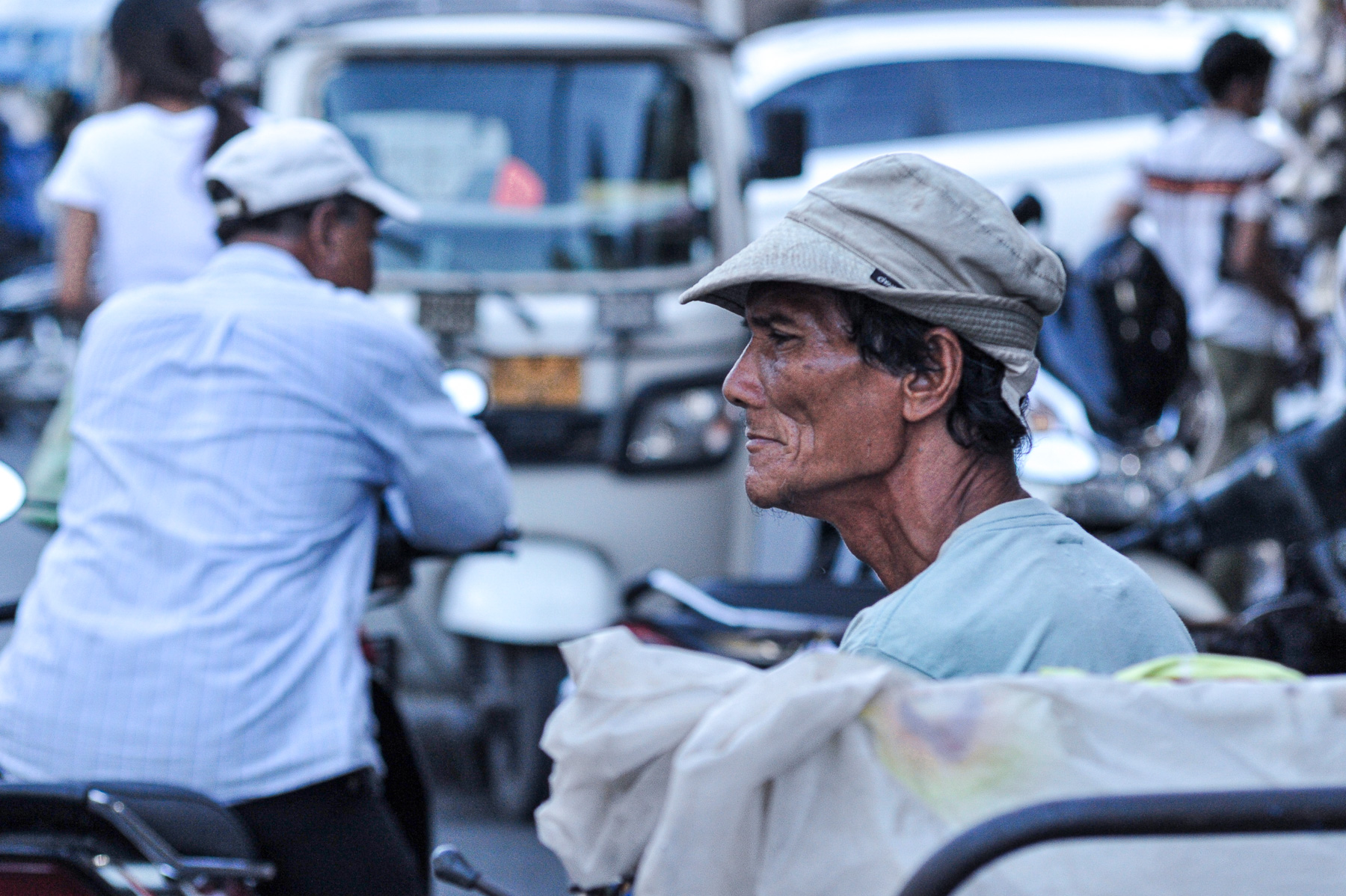
In the UK, street photography is generally allowed in public spaces, but it’s always good practice to be mindful of people’s privacy and to use common sense when photographing strangers.


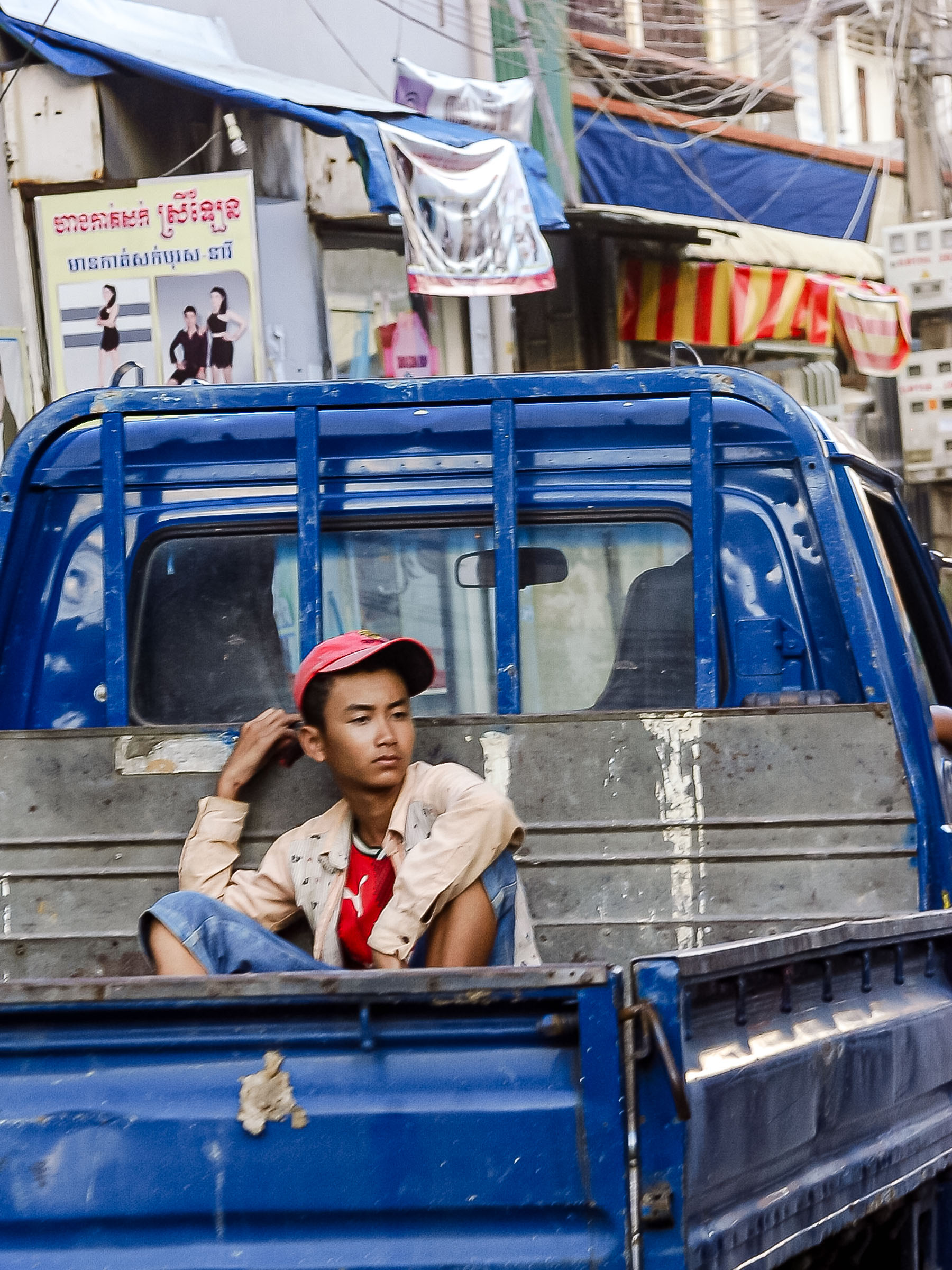



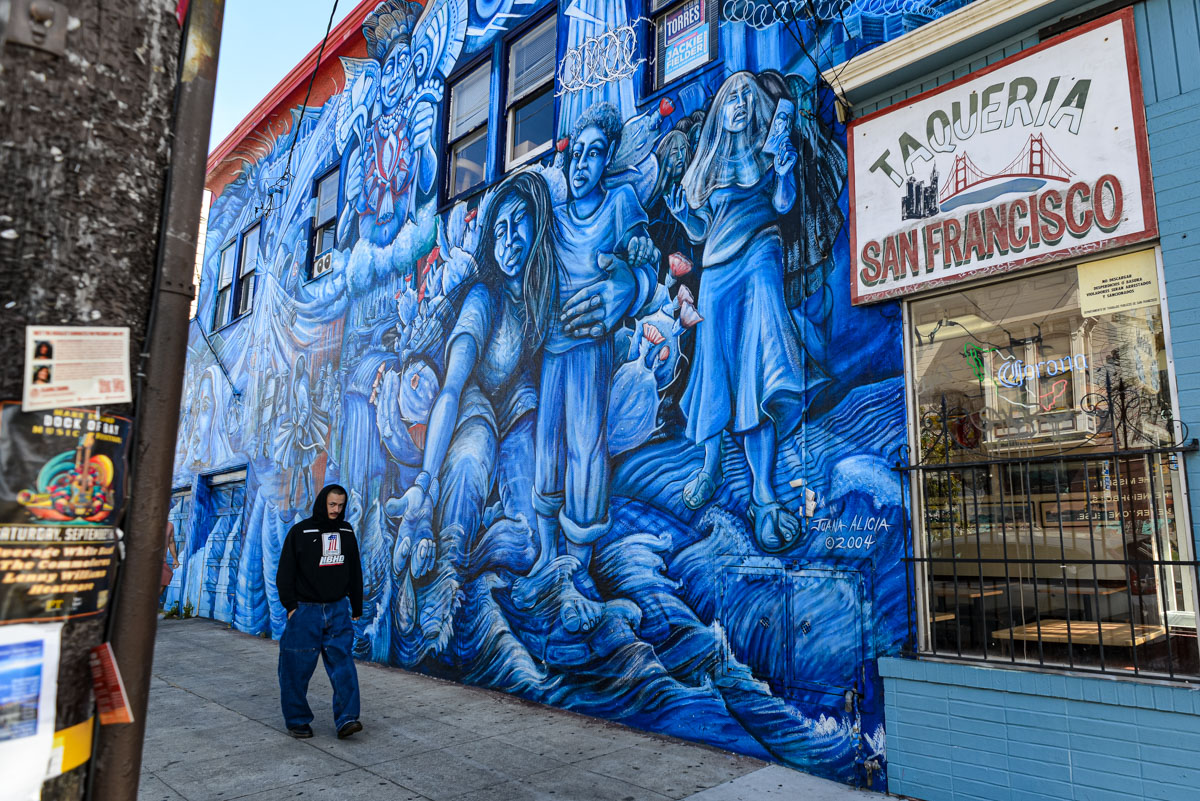






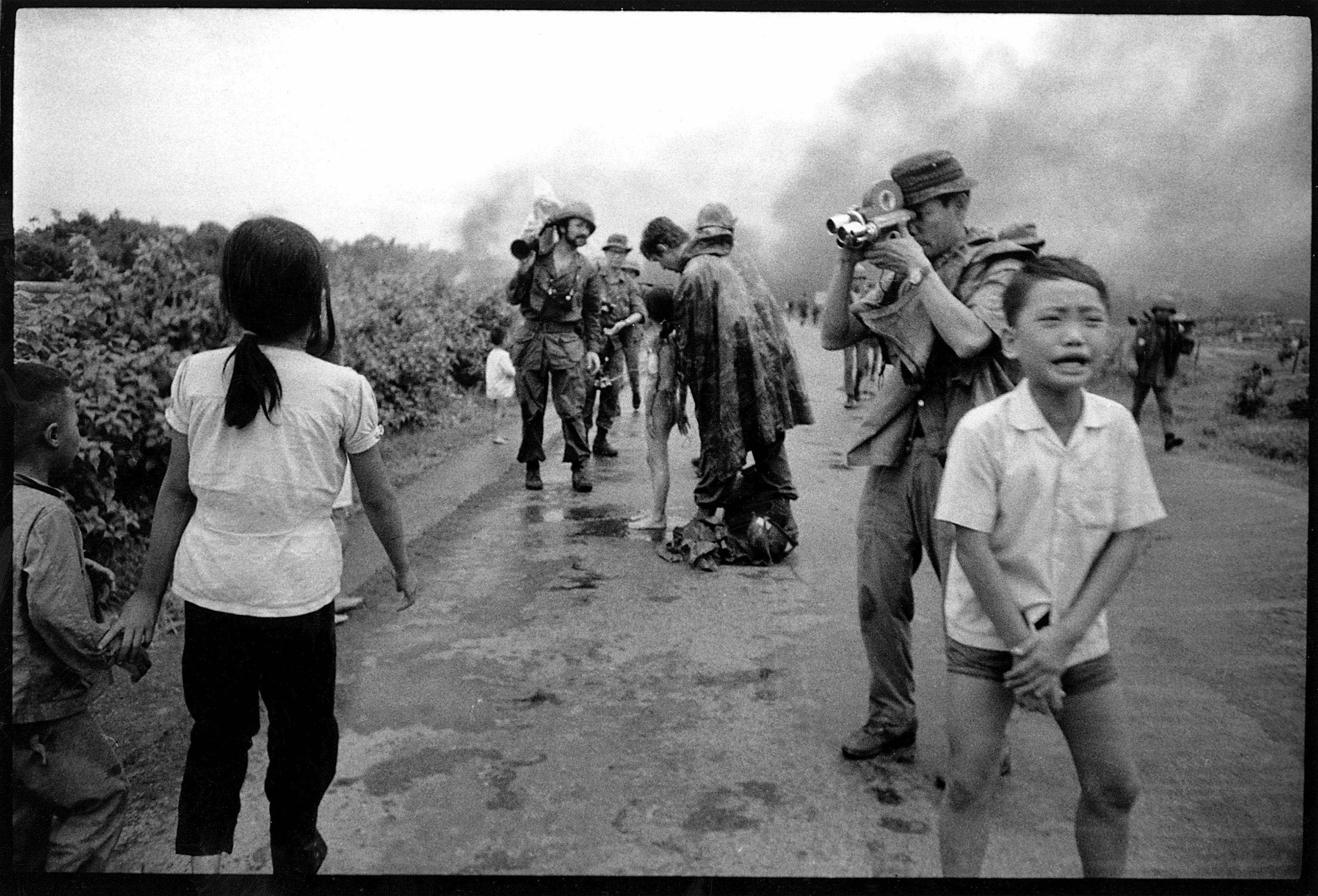
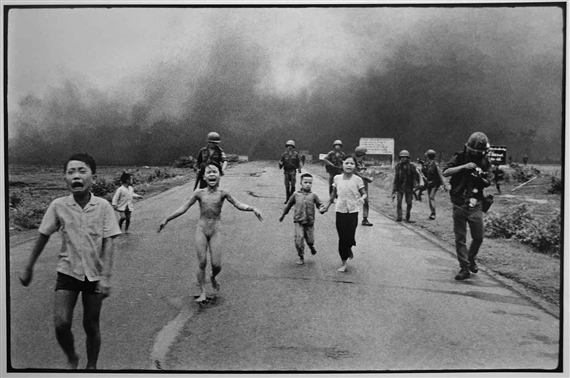
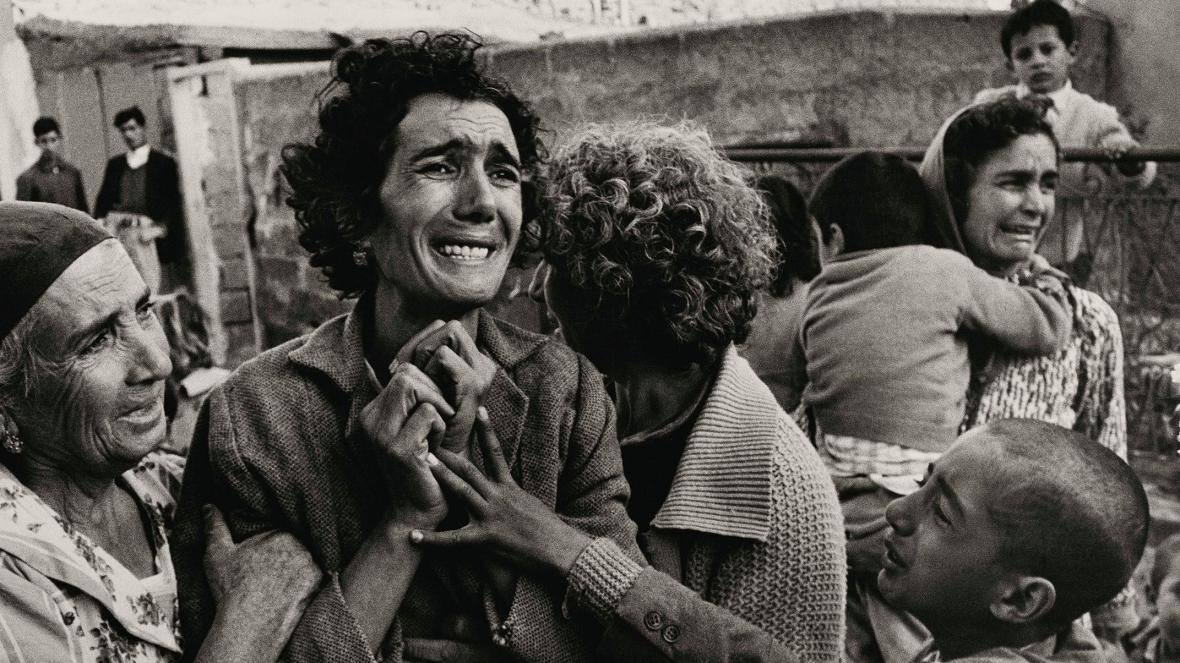


















 a world without pictures is like coffee without cream and sugar, bitter