🚲 Street Life in Phnom Penh: A Living Tapestry

cambodia, cameras, fujifilm, homelessness, Lenses, opinons, thoughts, photography, pictures, street, Travel, voluntary

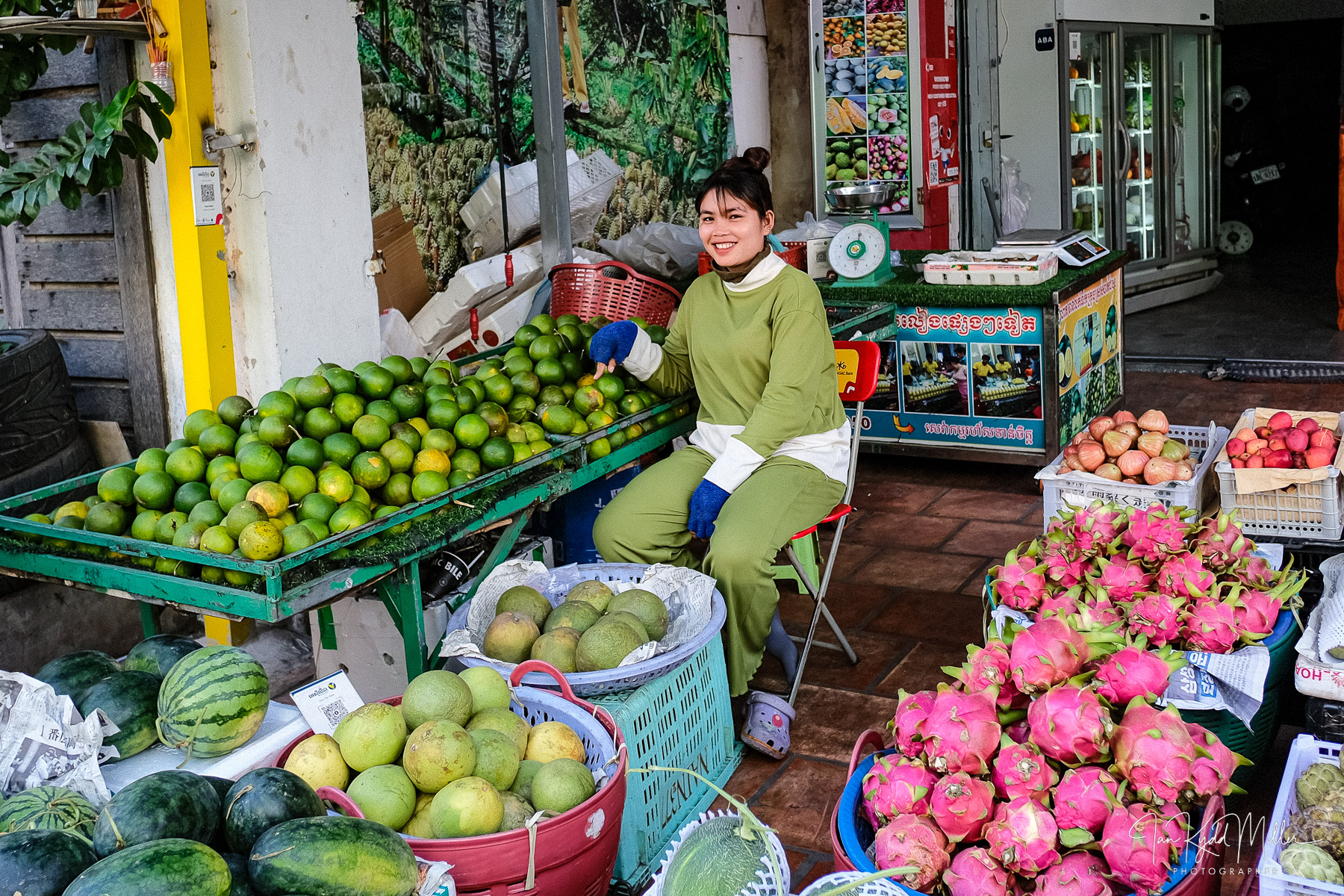
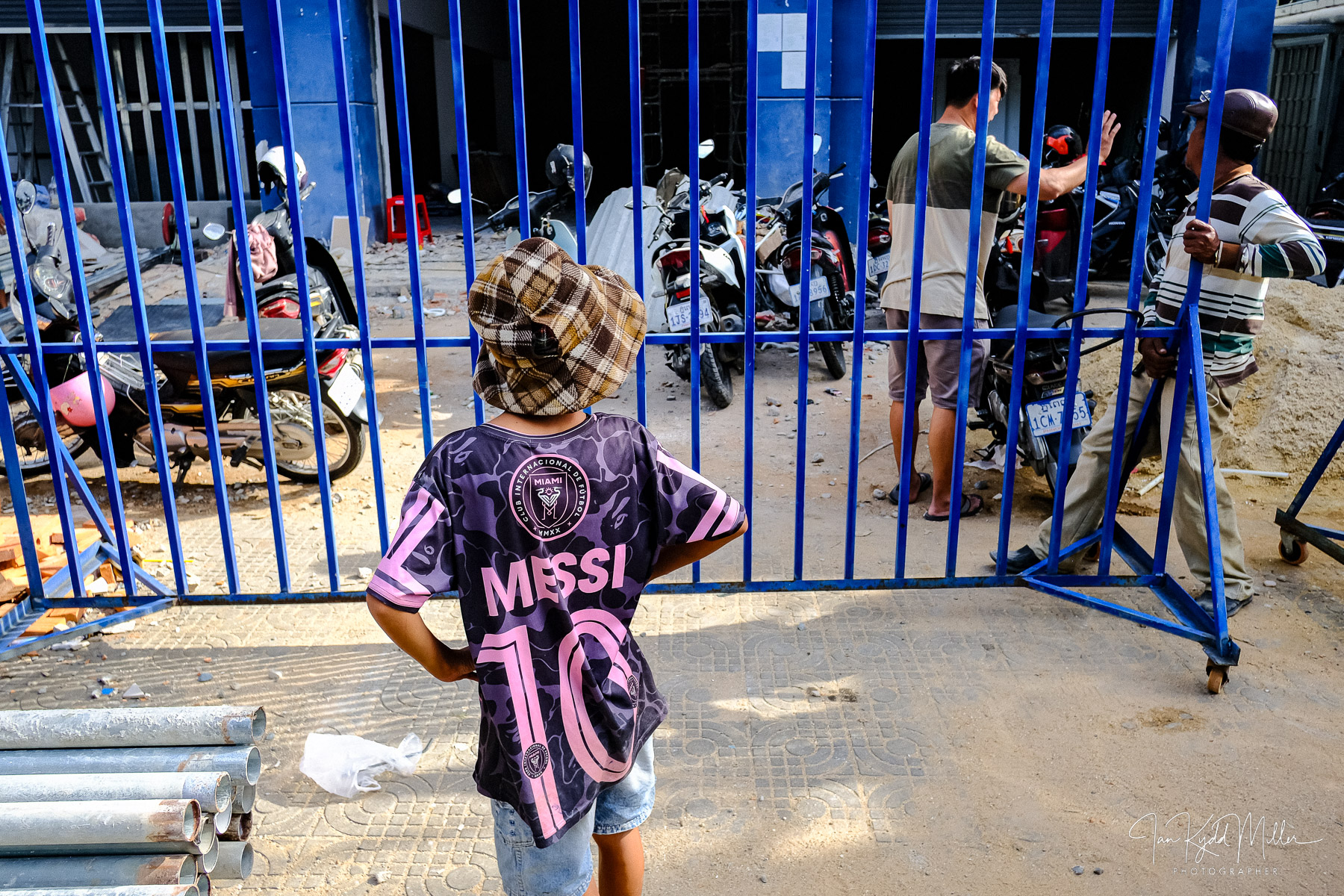
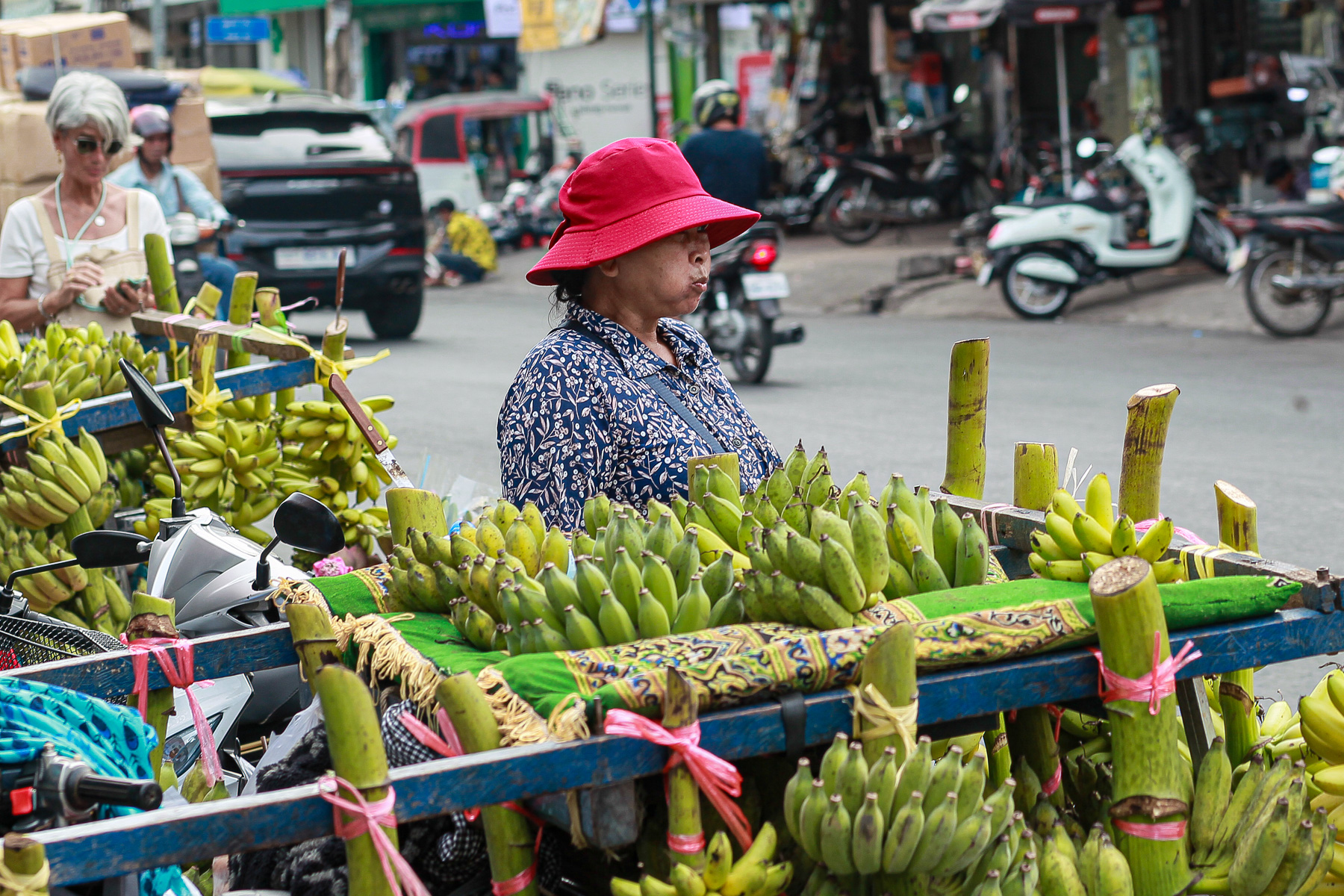
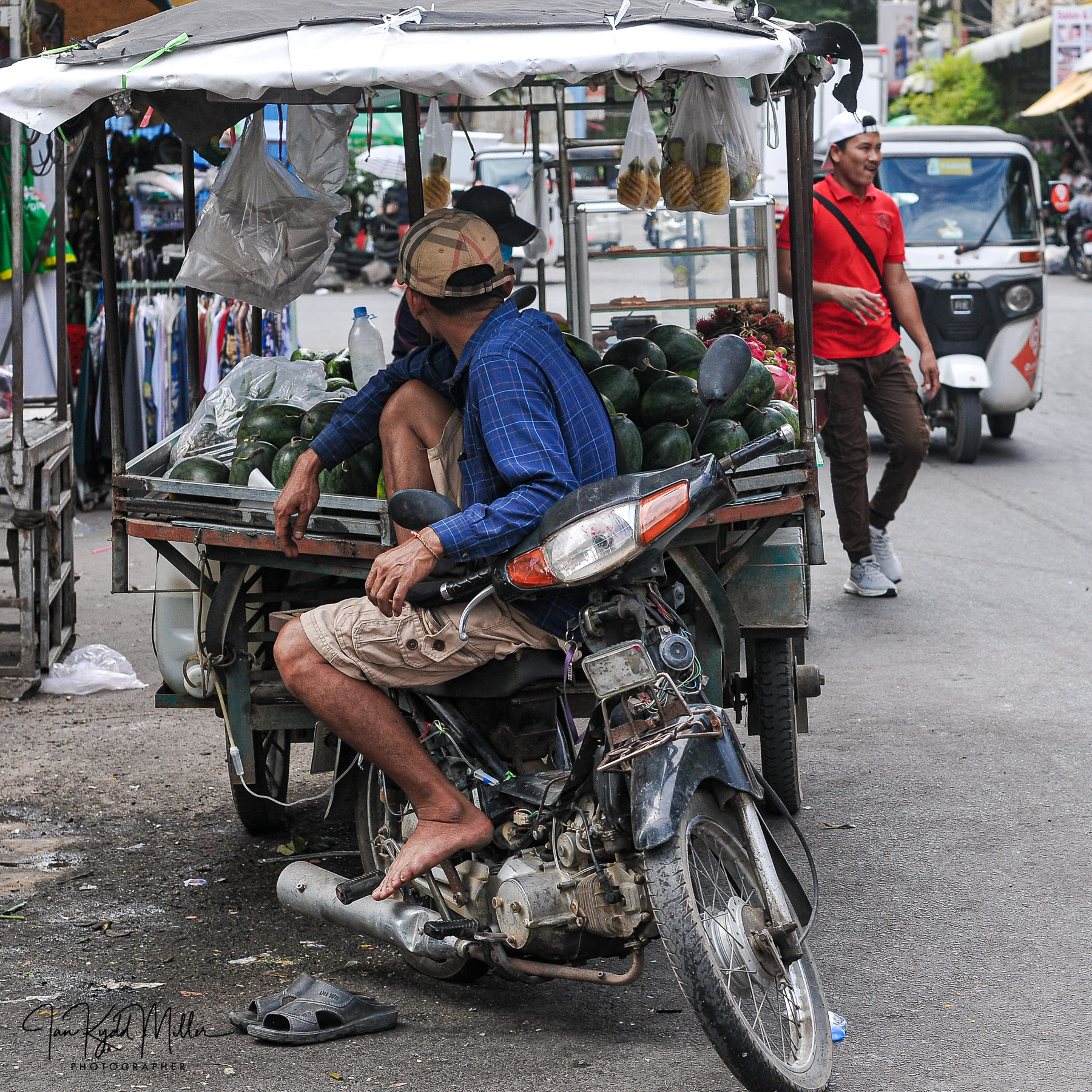
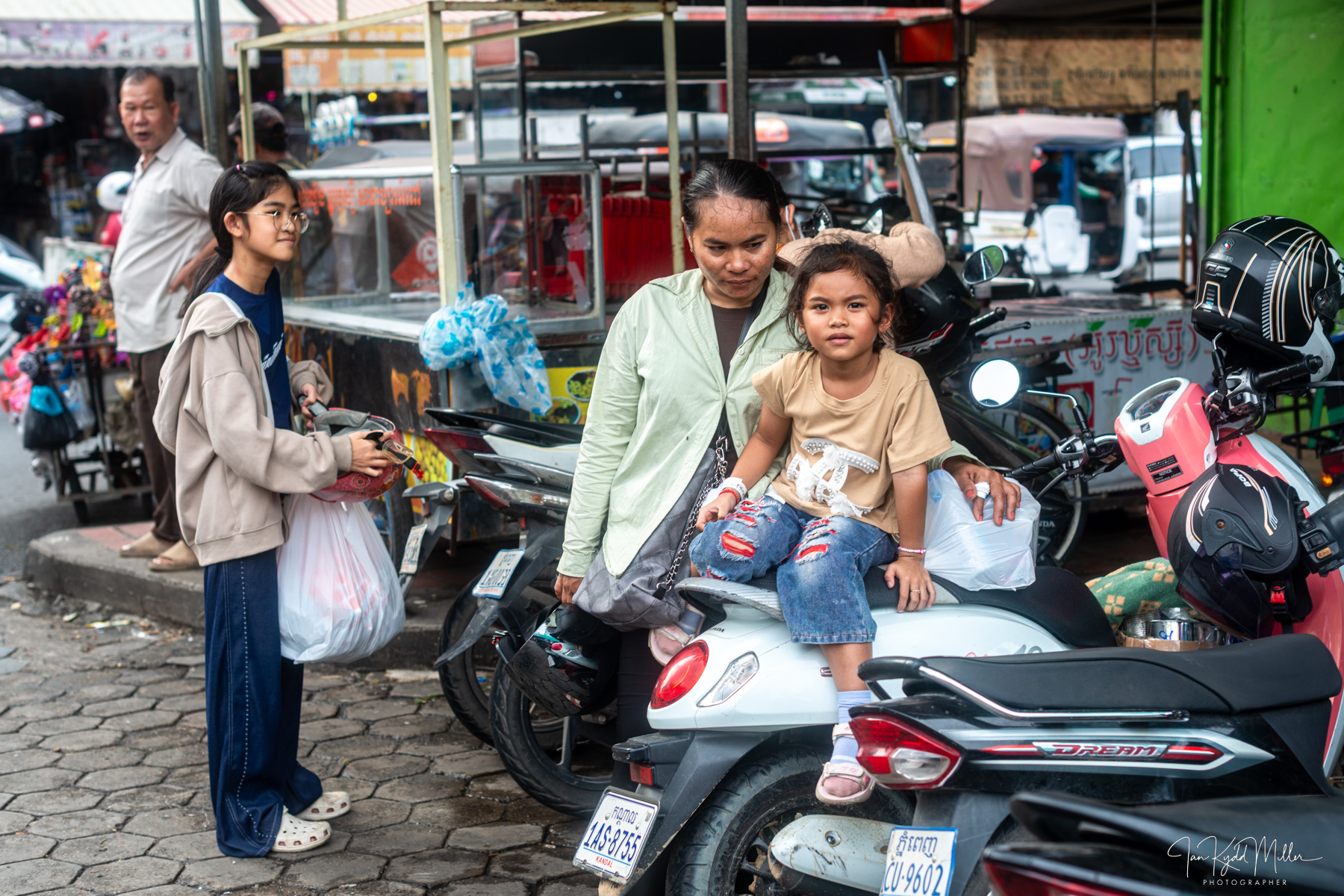
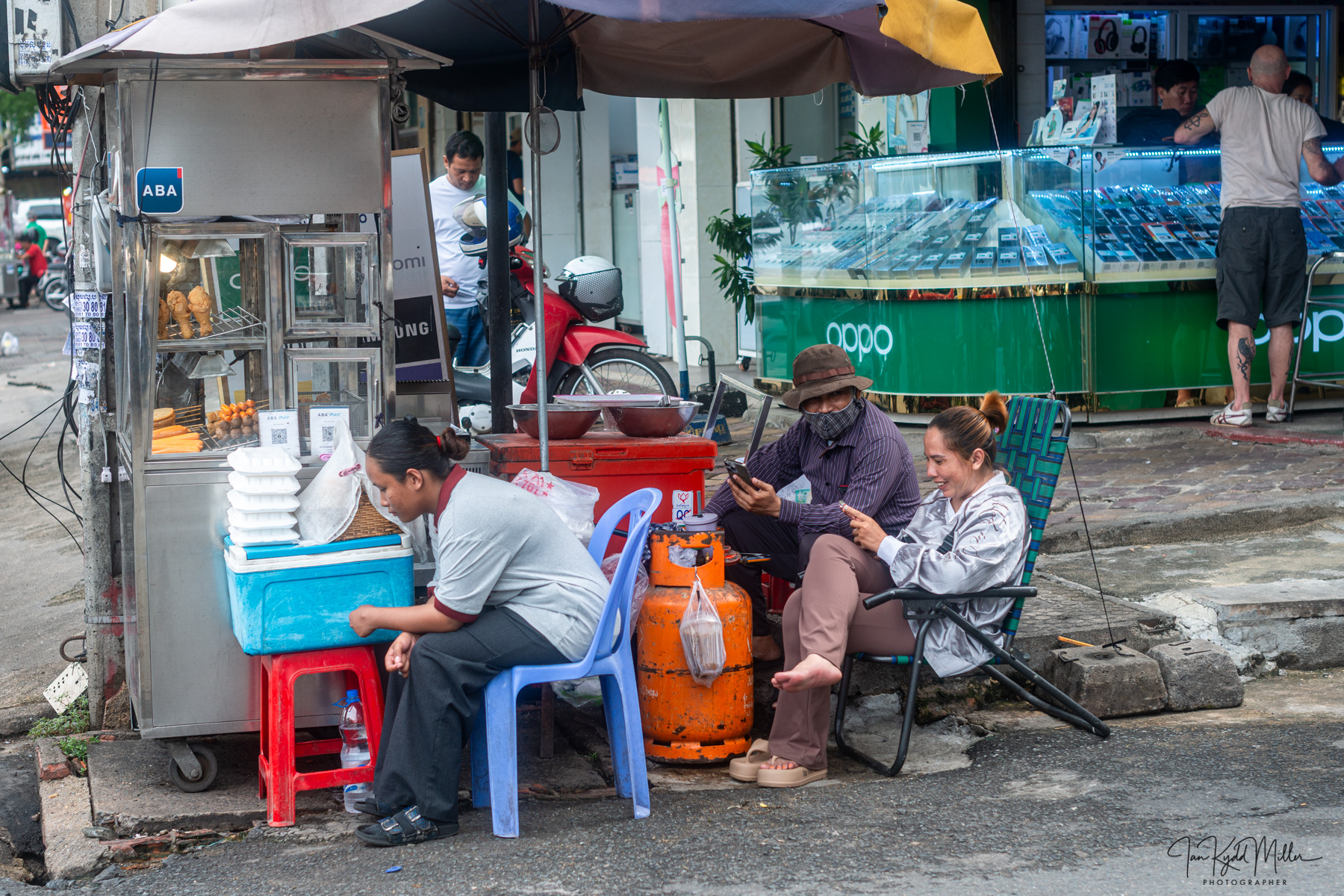
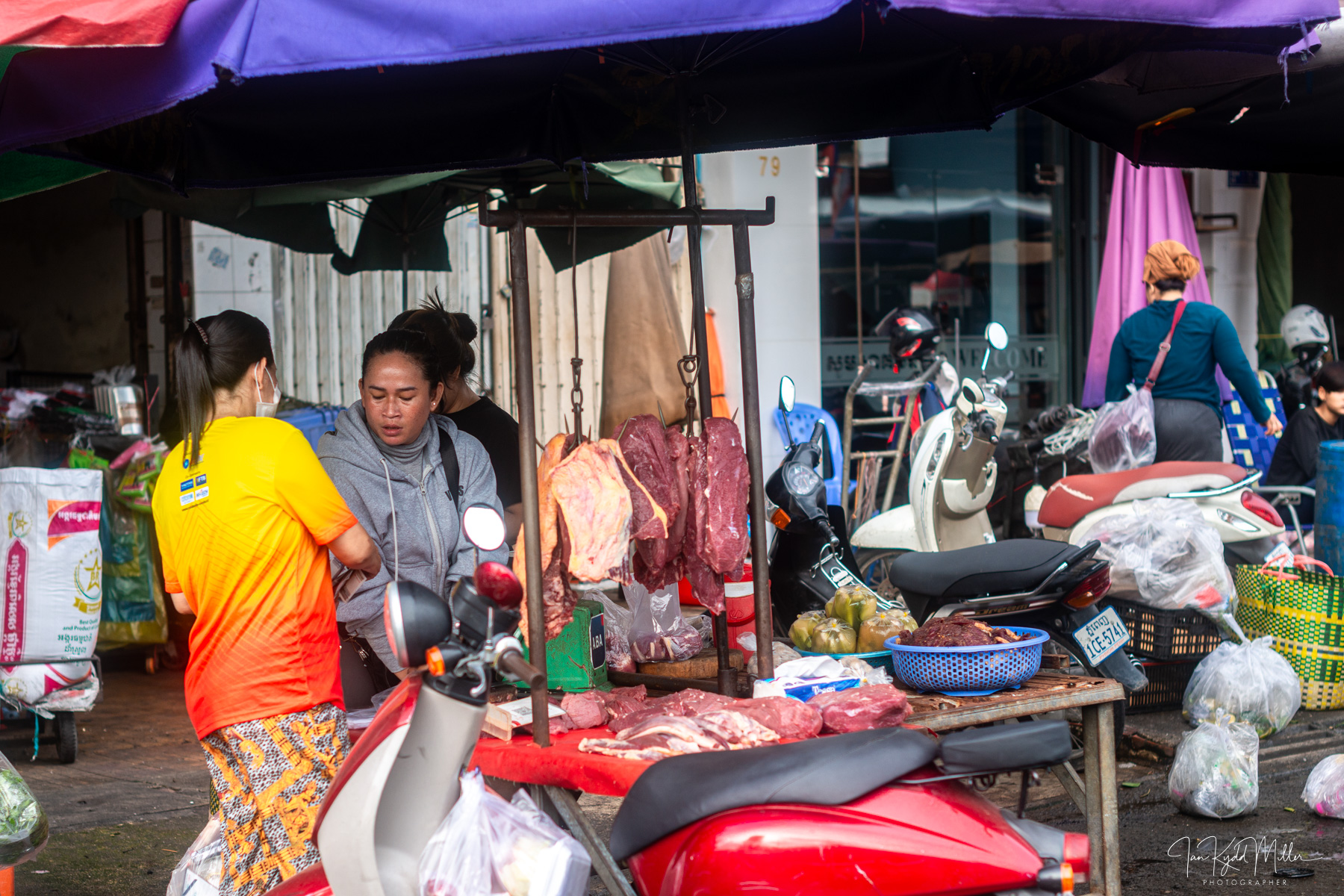
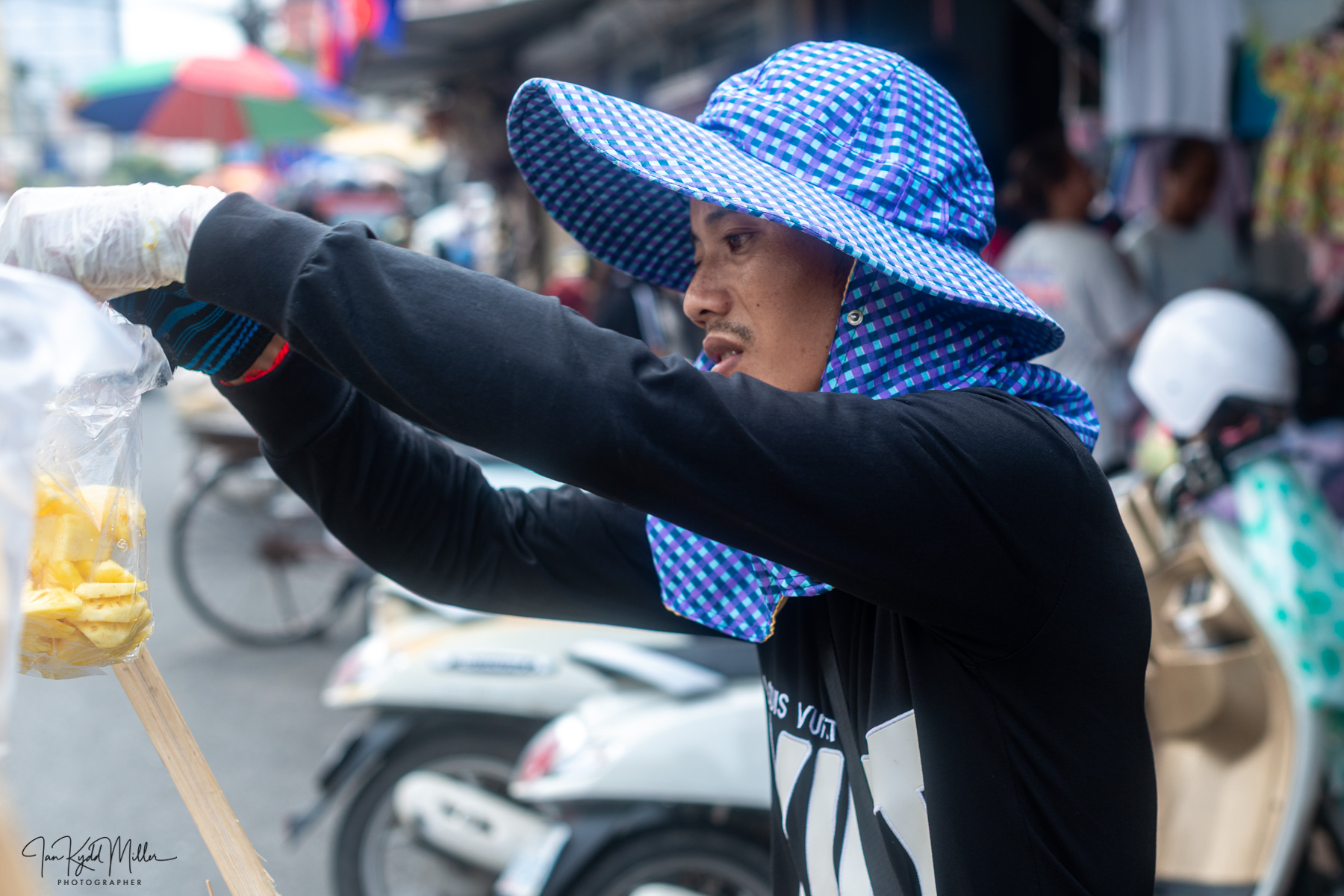
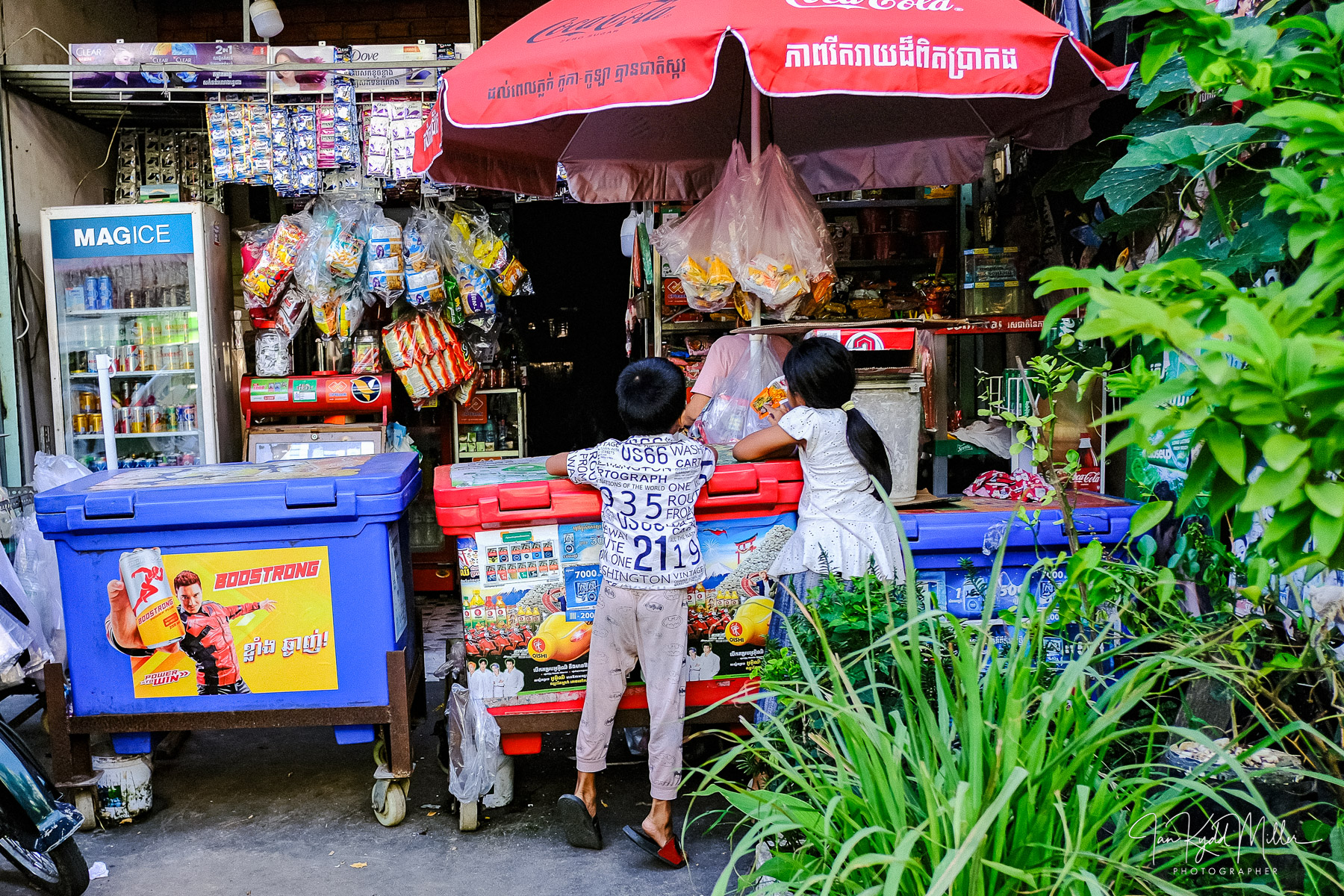
Walking through Phnom Penh is like stepping into a living mosaic of Cambodia’s culture. The streets are not just roads for transportβ€”they are markets, kitchens, playgrounds, and social spaces all at once.
🌞 Morning Rhythms

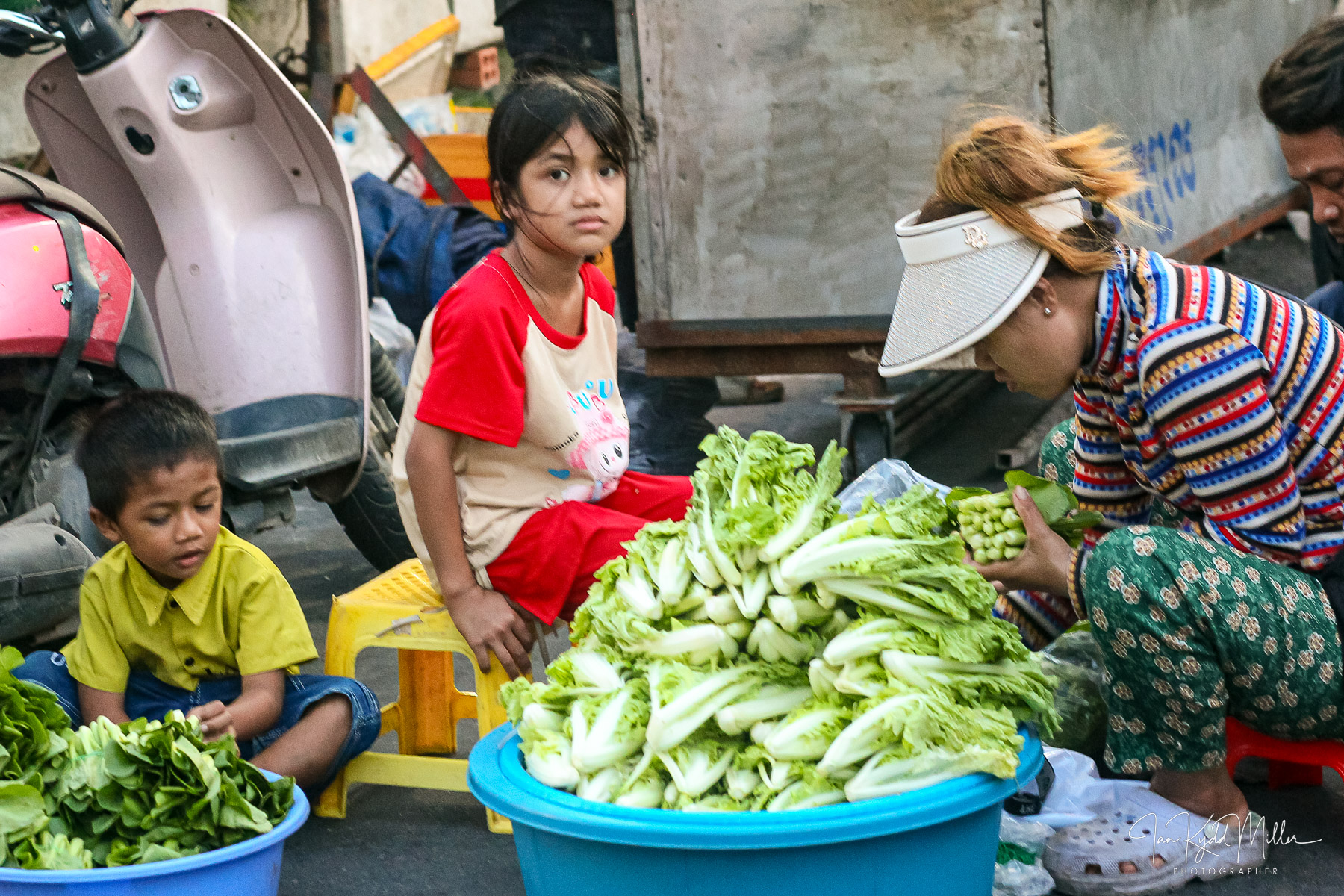
  • Markets come alive at dawn: wet markets bustle with vendors selling fresh fish, vegetables, and fragrant herbs.
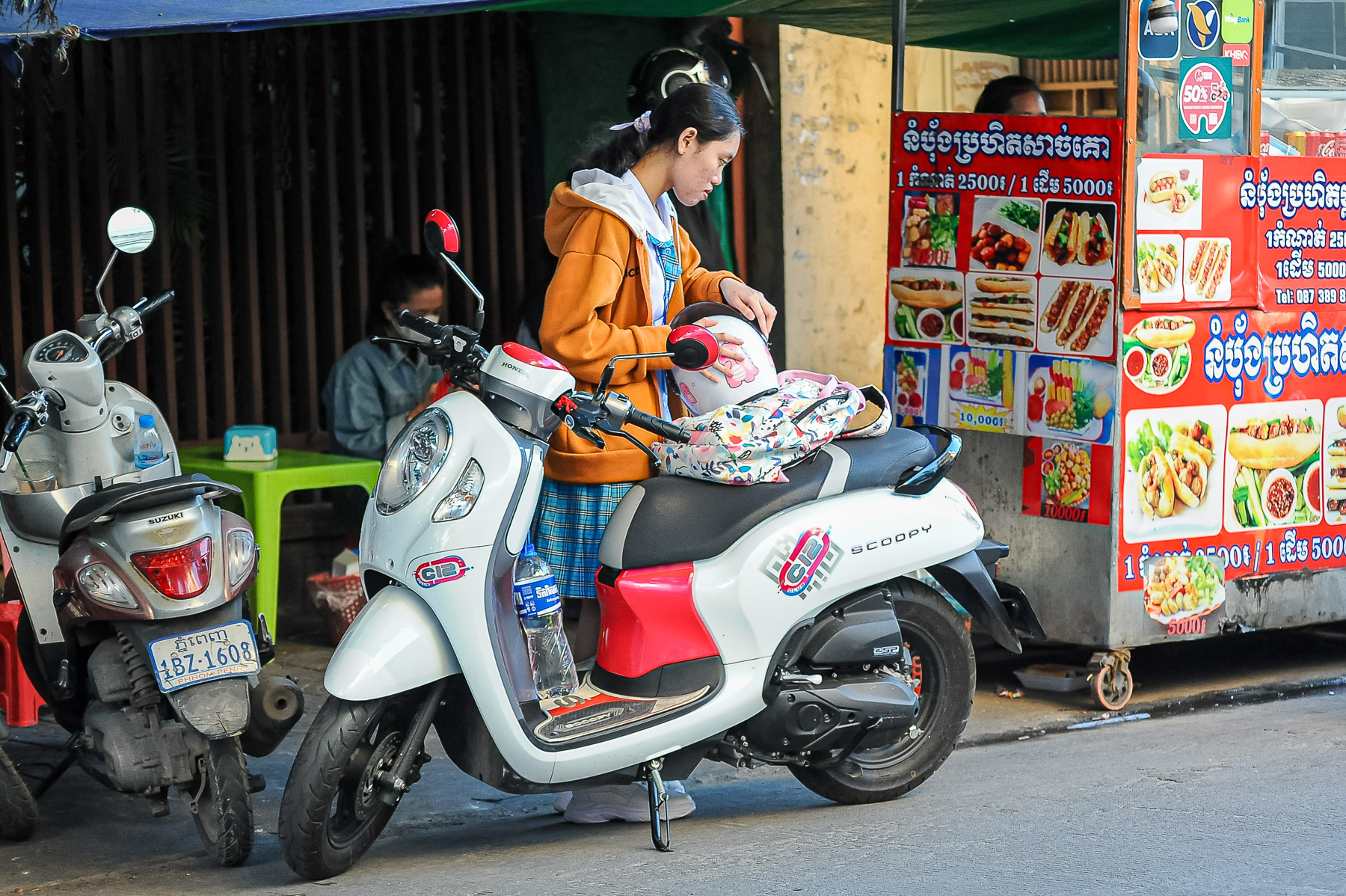
  • Street-side stalls serve noodle soups, grilled meats, and iced coffee, fueling workers before the day begins.
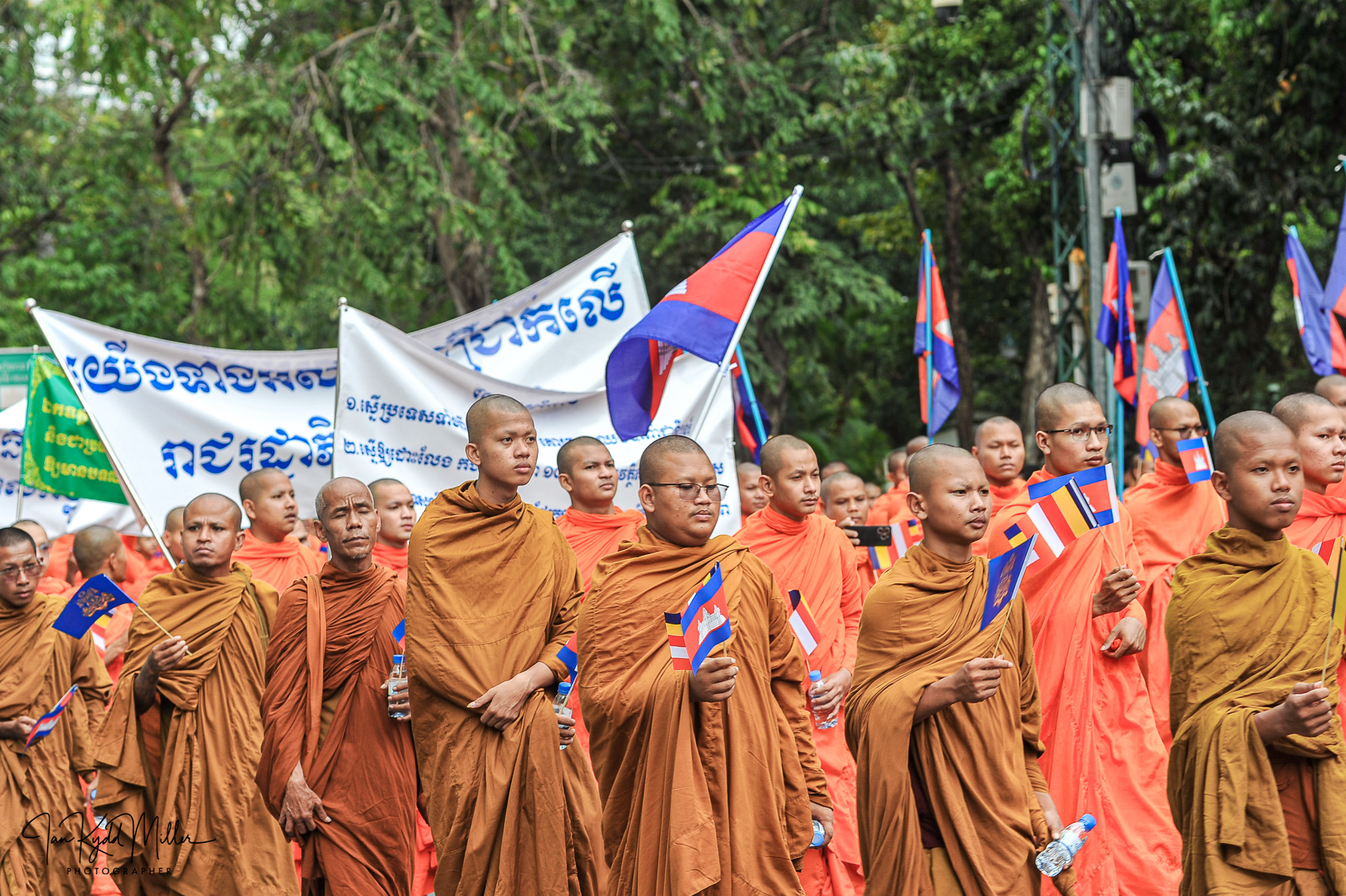
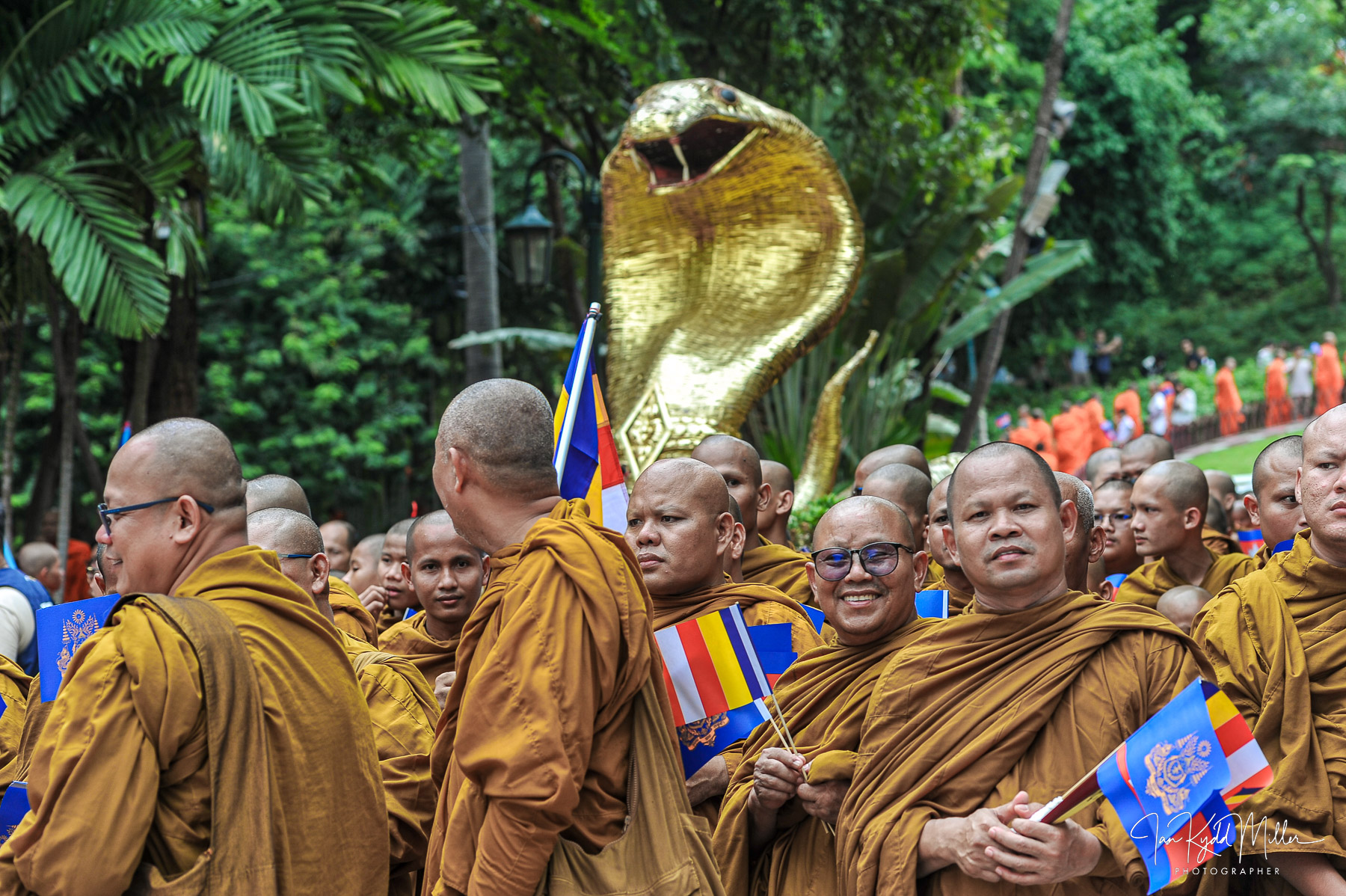
  • Monks in saffron robes walk barefoot through neighborhoods, collecting alms in a centuries-old ritual.

🚦 Midday Hustle

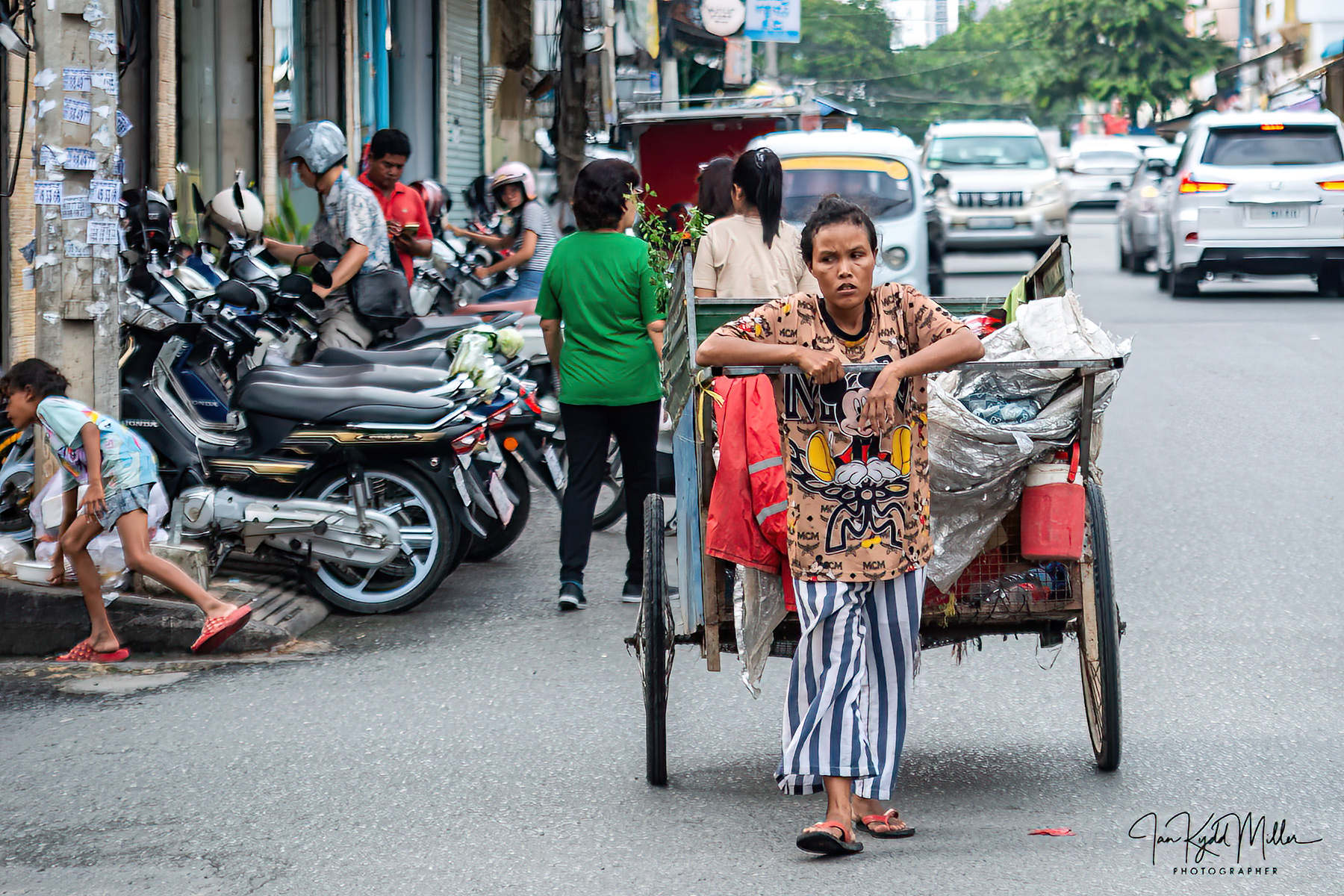
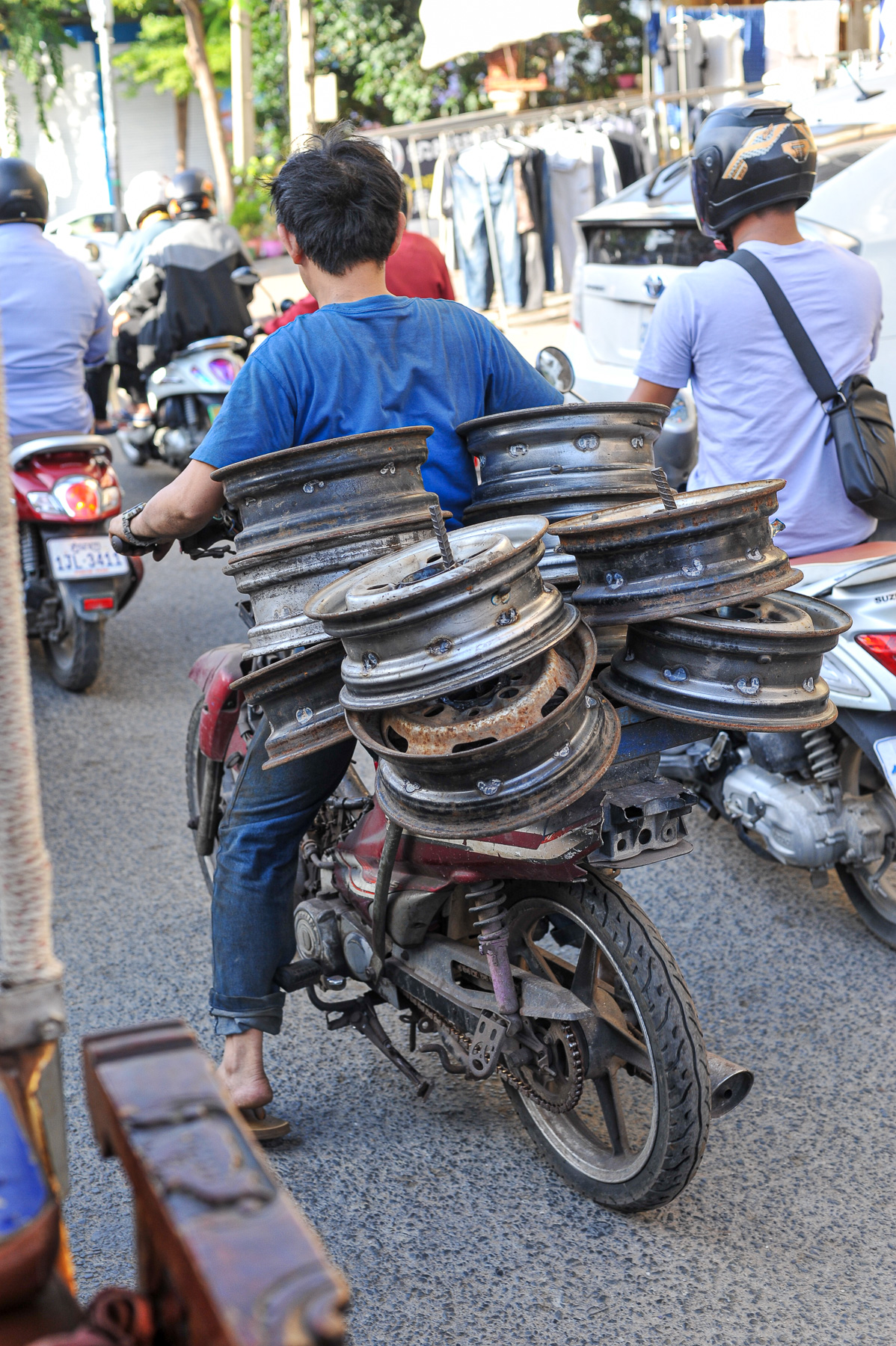
  • Traffic is a sensory overload: motorbikes weaving between tuk-tuks, bicycles, and the occasional Lexus SUV.
  • Sidewalks double as workshops and storefrontsβ€”tailors, mechanics, and barbers set up shop in open air.
  • Children play in alleyways, while families gather under umbrellas to escape the midday heat.

πŸŒ† Evening Energy

  • As the sun sets, Phnom Penh’s streets transform into night markets and food havens.
  • Skewers of beef, fried noodles, and fresh sugarcane juice fill the air with irresistible aromas.
  • Riverside areas like Sisowath Quay become social hubs, with locals strolling, exercising, or enjoying street performances.

🎨 The Character of Phnom Penh’s Streets

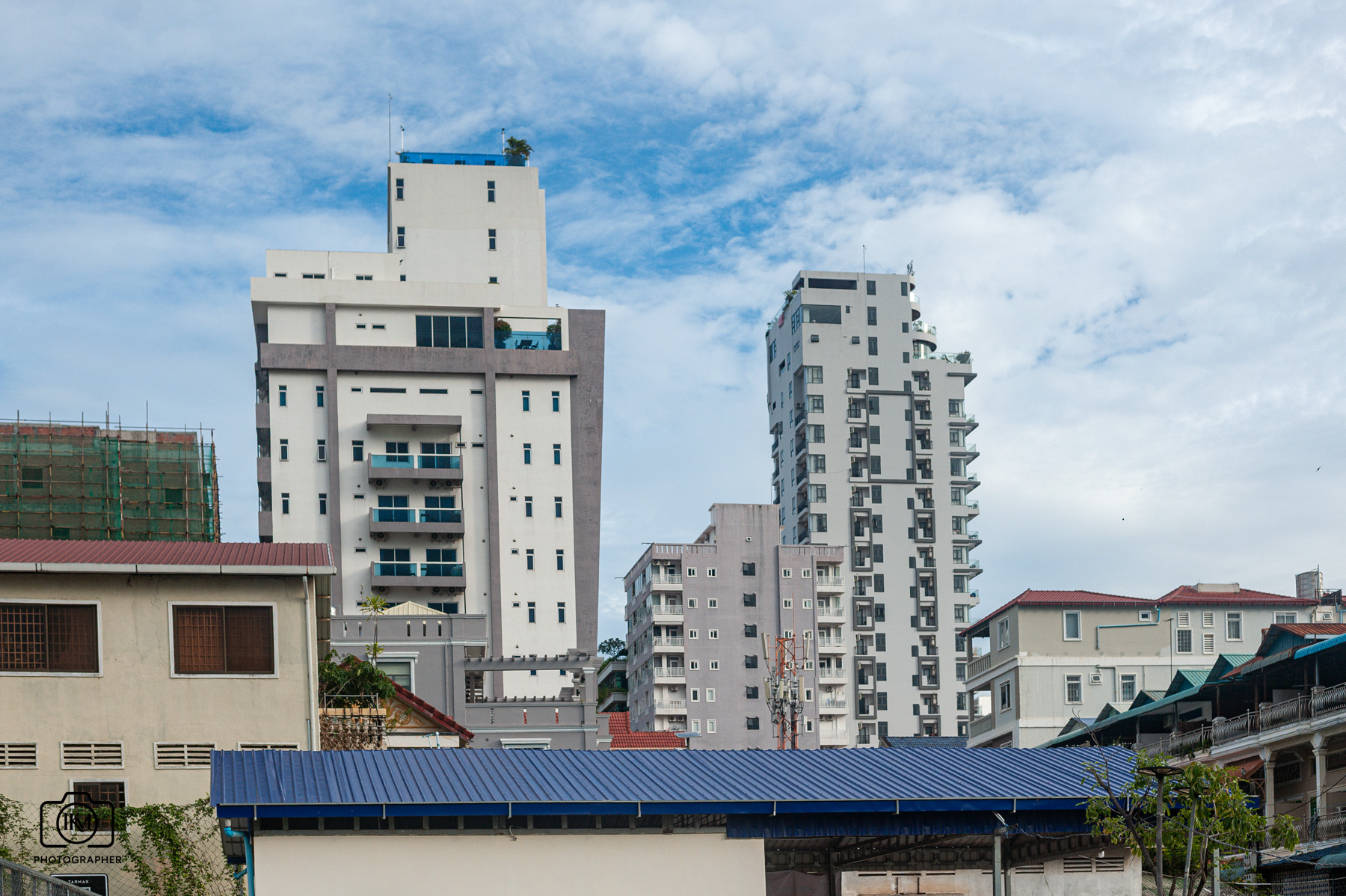
  • Contrasts everywhere: gleaming malls stand beside crumbling colonial buildings; luxury cars pass hand-pulled carts.
  • Colours and textures: laundry strung across balconies, neon-lit karaoke bars, and murals reflecting Cambodia’s youthful creativity.
  • Community spirit: despite the chaos, there’s a sense of rhythmβ€”neighbours chatting, vendors calling out, children laughing.

πŸ“· Why It’s Photographically Rich

For photographers, Phnom Penh’s street life offers:

  • Dynamic light and shadow in narrow alleys and open boulevards.
  • Faces full of character, from weathered elders to energetic youth.
  • Stories in motionβ€”every corner reveals a narrative of resilience, adaptation, and joy.

βœ… In essence: Street life in Phnom Penh is not just about movement and commerceβ€”it’s about connection, survival, and culture lived in public view. It’s messy, colourful, and endlessly fascinating, making it one of the most compelling urban experiences in Southeast Asia.

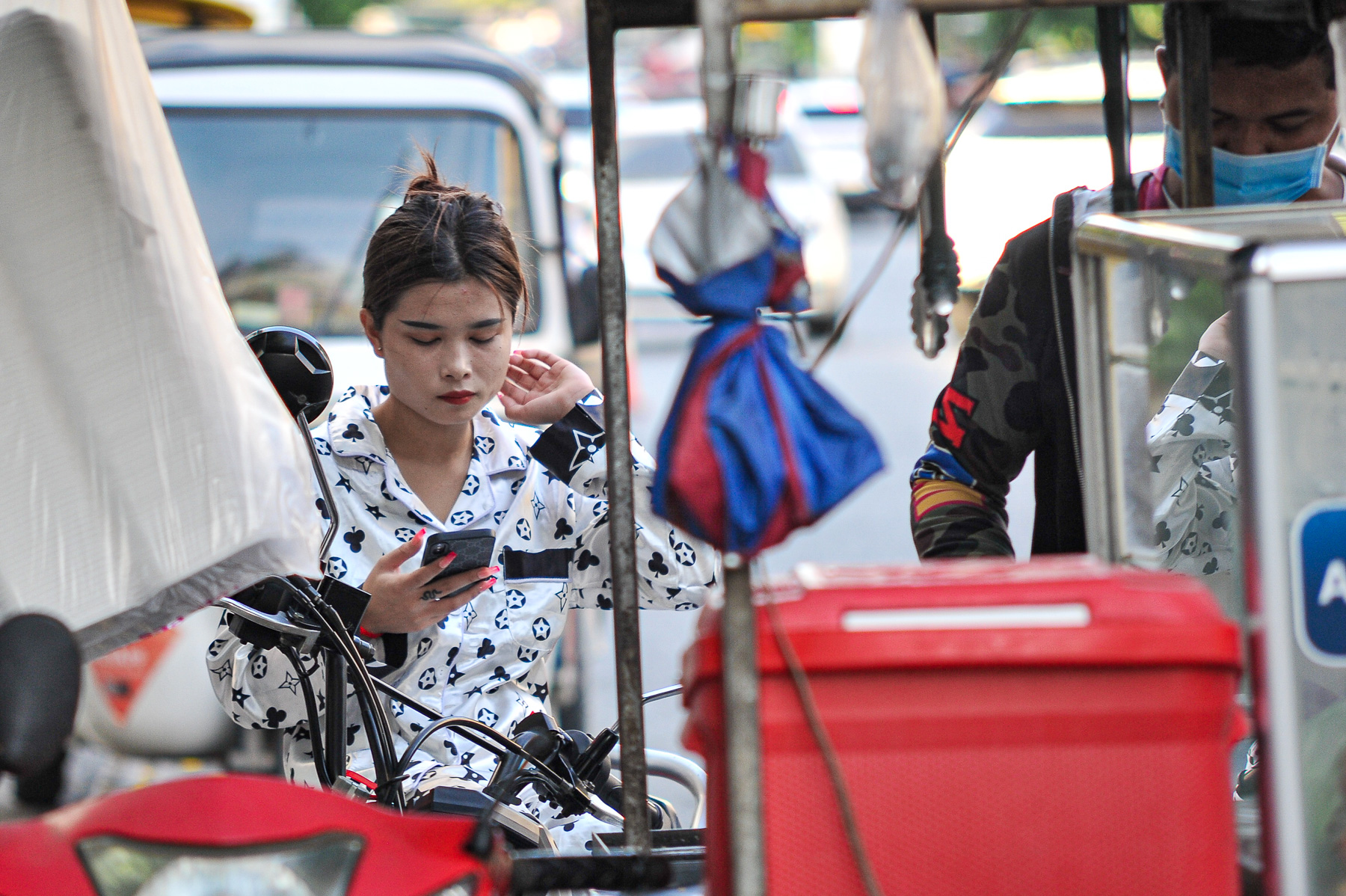
πŸ“Έ A Photographer’s Guide to Street Life in Phnom Penh

cambodia, cameras, fujifilm, homelessness, Lenses, opinons, thoughts, photography, pictures, street, Travel

πŸŒ… Best Times of Day

  • Early Morning (5:30–8:00 AM): The city wakes up with monks collecting alms, markets buzzing, and soft golden light.
  • Late Afternoon to Evening (4:30–7:00 PM): Streets cool down, families gather, and riverside areas come alive with food stalls and social activity.
  • Night (after 7:00 PM): Night markets and neon-lit streets offer vibrant colours and contrasts, perfect for low-light experimentation.

πŸ™οΈ Key Locations

  • Central Market (Phsar Thmey): Iconic art-deco building with bustling vendors inside and street life spilling outside.
  • Russian Market (Phsar Toul Tom Poung): Narrow alleys, food stalls, and a mix of locals and expats.
  • Sisowath Quay (Riverside): Evening strolls, street performers, and Mekong river views.
  • Olympic Market & Stadium: Everyday Cambodian lifeβ€”vendors, students, and sports enthusiasts.
  • Backstreets of Daun Penh & Toul Kork: Less touristy, more authentic glimpses of daily life.

🎨 Style and Approach

  • Wide-angle storytelling: Capture the energy of markets and traffic chaos.
  • Portraits with consent: Many Cambodians are open to being photographed if approached politelyβ€”smiles go a long way.
  • Details and textures: Street food, tuk-tuks, signage, and architecture all add layers to your visual story.
  • Motion blur and panning: Great for showing the constant flow of motorbikes and tuk-tuks.

🀝 Ethical Considerations

  • Respect privacy: Always ask before photographing children or vulnerable individuals.
  • Support locals: Buy a coffee or snack from vendors you photographβ€”it builds goodwill.
  • Be discreet: Avoid being intrusive; blend in and let moments unfold naturally.
  • Tell the truth: Aim for authenticity, not staged or exaggerated scenes.

πŸ› οΈ Practical Tips

  • Gear: A 35mm , 50mm or 85mm prime lens is ideal for intimacy; a small zoom (24–70mm) adds flexibility.
  • Settings: Use aperture priority (f/2.8–f/5.6) for portraits and shutter priority for motion shots.
  • Backup: Carry extra batteries and memory cardsβ€”street life is unpredictable and fast-moving.
  • Safety: Keep gear close and minimal; Phnom Penh is generally safe, but petty theft can happen.

βœ… Final Thought: Phnom Penh’s streets are a living classroom for photographersβ€”full of light, colour, and human connection. The key is to move slowly, observe deeply, and engage respectfully. The reward is not just strong images, but meaningful encounters.

πŸ“Έ Nikkor AF-S 50mm f/1.8G

cameras, Lenses, opinons, thoughts, photography, pictures, street, Travel

When Nikon released the AF-S NIKKOR 50mm f/1.8G in 2011, it was designed to replace the older 50mm f/1.8D. This wasn’t just a minor updateβ€”it was a complete redesign that brought the 50mm into the modern DSLR era. With its Silent Wave Motor (SWM), aspherical element, and rounded diaphragm blades, the lens quickly became a favorite among both beginners and professionals.

πŸ—οΈ Build and Design

  • Compact and lightweight at just 185g, making it easy to carry as an everyday lens.
  • Plastic exterior with a metal mountβ€”not as rugged as pro lenses, but durable enough for regular use.
  • Weather sealing is absent, but the lens is reliable in most conditions if handled with care.
  • The focus ring is smooth and allows for full-time manual override, a big improvement over the older D version.

πŸ” Optical Performance

  • Sharpness: Excellent center sharpness even wide open at f/1.8, with edges improving significantly by f/2.8–f/4.
  • Bokeh: Thanks to its 7 rounded aperture blades, the out-of-focus areas are smooth and pleasing, making it a great portrait lens.
  • Chromatic Aberration: Some longitudinal CA (color fringing) is visible at wide apertures, but it’s well controlled compared to older designs.
  • Distortion & Vignetting: Minimal barrel distortion; vignetting is noticeable at f/1.8 but reduces quickly when stopped down.

⚑ Autofocus and Handling

  • The Silent Wave Motor (SWM) provides fast, accurate, and nearly silent autofocus, a huge step up from the screw-drive AF of the 50mm f/1.8D.
  • Works seamlessly on all Nikon DSLRs, including entry-level bodies without an in-body AF motor.
  • Manual focus override is smooth and responsive, making it easy to fine-tune focus for portraits or close-ups.

🎨 Creative Applications

  • Portraits: On full-frame (FX) cameras, it delivers natural perspective and beautiful background separation. On APS-C (DX) bodies, it acts like a short telephoto (~75mm equivalent), perfect for headshots.
  • Street Photography: Its discreet size and fast aperture make it excellent for low-light, candid shooting.
  • Everyday Use: From food photography to travel, the 50mm focal length is versatile and intuitive.

πŸ’° Value and Longevity

  • Priced affordably (around $200–250 new, less on the used market), it offers exceptional value for money.
  • While Nikon’s 50mm f/1.4G and f/1.2 lenses exist, the f/1.8G hits the sweet spot of performance, portability, and price.
  • Even in the mirrorless era, with Nikon’s Z-mount lenses, the 50mm f/1.8G remains a relevant and reliable choice for F-mount shooters.

βœ… Final Verdict

The Nikkor AF-S 50mm f/1.8G is a lens that proves you don’t need to spend a fortune for professional-quality results. With its sharp optics, smooth bokeh, and dependable autofocus, it’s a must-have prime for any Nikon DSLR user. Whether you’re shooting portraits, street scenes, or everyday life, this lens delivers consistent, beautiful resultsβ€”and it’s one of the best bargains in Nikon’s lineup.

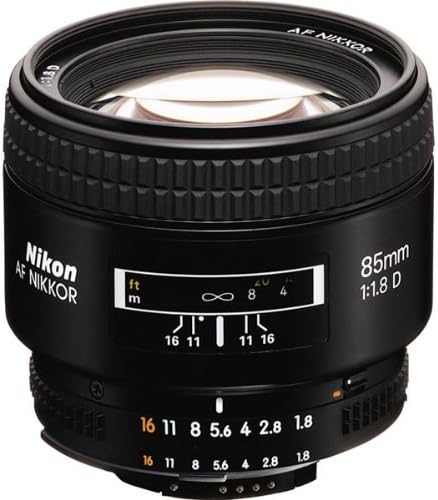
🎯 Nikkor 85mm f/1.8D on the Nikon D3

cameras, Lenses, opinons, thoughts, photography, pictures, street, Travel

When Nikon introduced the AF Nikkor 85mm f/1.8D in 1994, it quickly became a go-to portrait lens for professionals and enthusiasts alike. Fast forward to the Nikon D3 era (2007), and this lens found a natural partner in Nikon’s first full-frame DSLR. While newer optics have since surpassed it in coatings, autofocus speed, and edge-to-edge sharpness, the 85mm f/1.8D remains a compact, affordable, and character-rich lens that shines on the D3.

πŸ—οΈ Build and Handling

  • Compact and lightweight at just 380g, making it easy to carry compared to the heavier 85mm f/1.4.
  • Solid construction with a classic Nikon designβ€”metal mount, smooth focus ring, and a no-nonsense aesthetic.
  • On the D3’s robust body, it balances well, offering a comfortable shooting experience for long sessions.

πŸ” Optical Performance

  • Sharpness: Wide open at f/1.8, the center sharpness is already strong, though edges soften slightly. By f/2.8–f/4, sharpness across the frame improves significantly.
  • Bokeh: The 9-blade diaphragm produces smooth, pleasing background blurβ€”ideal for portraits. While not as creamy as the 85mm f/1.4, it still delivers a natural separation between subject and background.
  • Distortion & Vignetting: Very minimal barrel distortion. Vignetting is visible at f/1.8 but reduces quickly when stopped down.
  • Chromatic Aberration: Some longitudinal CA (color fringing) can appear in high-contrast areas wide open, but it’s manageable and often correctable in post.

⚑ Autofocus and Usability

  • The lens uses Nikon’s older screw-drive AF system, meaning autofocus relies on the D3’s in-body motor. On the D3, this results in fast and accurate focusing, though not as silent or refined as modern AF-S lenses.
  • Manual focus is smooth, with a well-damped ringβ€”useful for fine adjustments in portraiture.

🎨 Creative Applications

  • Portraits: This is where the lens shines. On the D3’s 12MP full-frame sensor, it produces flattering compression, excellent subject isolation, and a timeless rendering.
  • Low Light: The f/1.8 aperture combined with the D3’s strong high-ISO performance makes it a capable lens for indoor or evening shoots.
  • Versatility: While primarily a portrait lens, it also works well for detail shots, street photography, and even event coverage where discretion and speed matter.

πŸ’° Value Today

  • On the used market, the 85mm f/1.8D is very affordable, often a fraction of the cost of the 85mm f/1.4 or newer AF-S versions.
  • For photographers using a Nikon D3 (or similar FX DSLR), it remains a cost-effective way to achieve professional portrait results without sacrificing too much in optical quality.

βœ… Final Verdict

The Nikkor 85mm f/1.8D on the Nikon D3 is a pairing that proves older gear can still deliver professional, emotionally resonant images. While it lacks the modern refinements of newer lenses, its sharpness, bokeh, and reliability make it a classic portrait tool that continues to earn its place in a photographer’s bag.

πŸ“Έ Understanding the Exposure Triangle

opinons, thoughts, photography, pictures, street, Travel

A beginner-friendly guide to balancing light, motion, and depth in photography

Photography is, at its core, the art of capturing light. Every image you make is shaped by three interdependent settings on your camera: aperture, shutter speed, and ISO. Together, they form what photographers call the exposure triangle. Mastering this triangle is less about memorizing numbers and more about learning how each side influences not just brightness, but also mood, motion, and depth.

πŸ”Ί The Three Sides of the Triangle

1. Aperture (the lens opening)

  • What it does: Controls how much light passes through the lens.
  • Measured in: f-stops (f/1.4, f/2.8, f/8, etc.).
  • Creative effect:
    • Wide aperture (low f-number, e.g., f/1.8) β†’ shallow depth of field, creamy background blur (bokeh).
    • Narrow aperture (high f-number, e.g., f/16) β†’ deep focus, more of the scene sharp.

2. Shutter Speed (the time the sensor is exposed)

  • What it does: Determines how long the sensor (or film) is exposed to light.
  • Measured in: Seconds or fractions (1/1000s, 1/60s, 2s).
  • Creative effect:
    • Fast shutter (1/1000s) β†’ freezes motion (sports, street gestures).
    • Slow shutter (1/15s, 2s) β†’ blurs motion (waterfalls, light trails, ghostly figures).

3. ISO (the sensor’s sensitivity to light)

  • What it does: Adjusts how sensitive your sensor is to incoming light.
  • Measured in: ISO values (100, 400, 3200, etc.).
  • Creative effect:
    • Low ISO (100–200) β†’ clean, noise-free images.
    • High ISO (1600–6400+) β†’ brighter in low light but with visible grain/noise.

βš–οΈ Balancing the Triangle

The magic of the exposure triangle is that changing one side forces you to adjust the others. For example:

  • If you open your aperture wider (f/2.8), you may need a faster shutter speed or lower ISO to avoid overexposure.
  • If you raise ISO for a night scene, you can use a faster shutter speed to avoid blur.
  • If you want silky water with a long exposure, you’ll need a small aperture and low ISO to prevent blown highlights.

It’s a balancing act: exposure is the sum of choices, not a single setting.

🎨 Beyond Exposure: Creative Control

  • Mood: Wide apertures create intimacy; long exposures create dreamlike atmospheres.
  • Storytelling: Freezing a gesture vs. showing its blur changes the narrative.
  • Texture: Noise at high ISO can feel gritty and rawβ€”sometimes that’s exactly the point.

🧭 A Simple Exercise

  1. Find a single subject (a person, a bicycle, a tree).
  2. Photograph it three times:
    • Wide open aperture (f/1.8 or f/2.8).
    • Slow shutter (1/15s or slower, tripod if needed).
    • High ISO (3200+).
  3. Compare the results. Notice how the subject feels different, even though it’s the same object.

✨ Final Thought

The exposure triangle isn’t just about β€œgetting it right.” It’s about choosing how you want your image to look and feel. Once you understand how aperture, shutter speed, and ISO interact, you stop worrying about β€œcorrect” exposure and start using light as your language.

πŸ“· The AF-S Nikkor 50mm f/1.4G for Street Photography

cameras, Lenses, opinons, thoughts, photography, pictures, street, Travel

A lens that trades speed for soul

Street photography thrives on presence, timing, and the ability to see. Gear is secondary, but the lens you choose shapes how you move and what you notice. Nikon’s AF-S 50mm f/1.4G, introduced in 2008, is a modern classic prime that has found a home in many street shooters’ bags. Here’s a detailed look at how it performs when the street is your stage.

πŸ› οΈ Build and Design

  • Mount: Nikon F, full-frame (FX) coverage; ~75mm equivalent on DX bodies.
  • Weight: 280g β€” light enough for all-day carry.
  • Construction: 8 elements in 7 groups, with a 9-blade rounded diaphragm.
  • Build quality: Solid plastic barrel with a metal mount and weather-sealing gasket.
  • Filter size: 58mm, compact and affordable for filters.

It balances well on both pro DSLRs (D700, D810) and smaller bodies, making it a discreet companion for the street.

πŸ” Optical Performance

  • Wide open (f/1.4): Soft edges, lower contrast, and a dreamy renderingβ€”perfect for isolating a subject in the chaos of the street.
  • Stopped down (f/2.8–f/5.6): Excellent sharpness and contrast, with clean detail across the frame.
  • Bokeh: Smooth and creamy thanks to the rounded diaphragm, especially effective for portraits or isolating gestures.
  • Aberrations: Some longitudinal chromatic aberration (purple/green fringing) in high-contrast areas, especially wide open.
  • Flare resistance: Improved over older designs, though strong backlight can still reduce contrast.

For street work, this lens gives you flexibility: atmospheric at f/1.4, crisp and documentary-like when stopped down.

⚑ Autofocus and Handling

  • Silent Wave Motor (SWM): Works on all Nikon DSLRs, including entry-level bodies.
  • Speed: Slower than the older AF-D 50mm f/1.4, but accurate and quiet.
  • Manual override: Full-time manual focus available, with a smooth focus ring for fine adjustments.

On the street, AF speed is β€œgood enough” for walking subjects and gestures, but not ideal for fast action compared to modern AF-S or Z-mount primes.

🧳 Street Photography Use Cases

  • Low light: f/1.4 aperture allows handheld shooting at night markets, dim alleys, or neon-lit streets.
  • Portraits in context: At 50mm, you can frame a person with enough background to tell their story.
  • Isolation in chaos: Wide open, it cuts through clutter and draws the eye to your subject.
  • Everyday carry: Compact and discreet, it doesn’t draw attention like a large zoom.

βœ… Strengths

  • Wide aperture for low-light and shallow depth of field.
  • Smooth bokeh and flattering rendering.
  • Lightweight and discreet for street use.
  • Works on all Nikon DSLRs and adapts well to Z bodies with FTZ.

⚠️ Weaknesses

  • Autofocus slower than AF-D version.
  • Edge softness and CA wide open.
  • Pricier than the 50mm f/1.8G, which is sharper stopped down.

🧭 Final Verdict

The AF-S Nikkor 50mm f/1.4G is not about technical perfectionβ€”it’s about character. For street photographers, it offers a balance of mood, versatility, and discretion. If you want a lens that can shift from crisp reportage to atmospheric storytelling with a twist of the aperture ring, this 50mm is a worthy companion.

If speed and sharpness are your only priorities, the 50mm f/1.8G or Z-mount 50mm f/1.8 S may suit you better. But if you want a lens with soul, the 50mm f/1.4G still shines on the street.