

There is a familiar lament heard wherever photographers gather these days. It usually begins with a sigh. Nobody looks properly any more. Social media has ruined everything. Artificial intelligence has finished the job. Photography, they say, is dying.
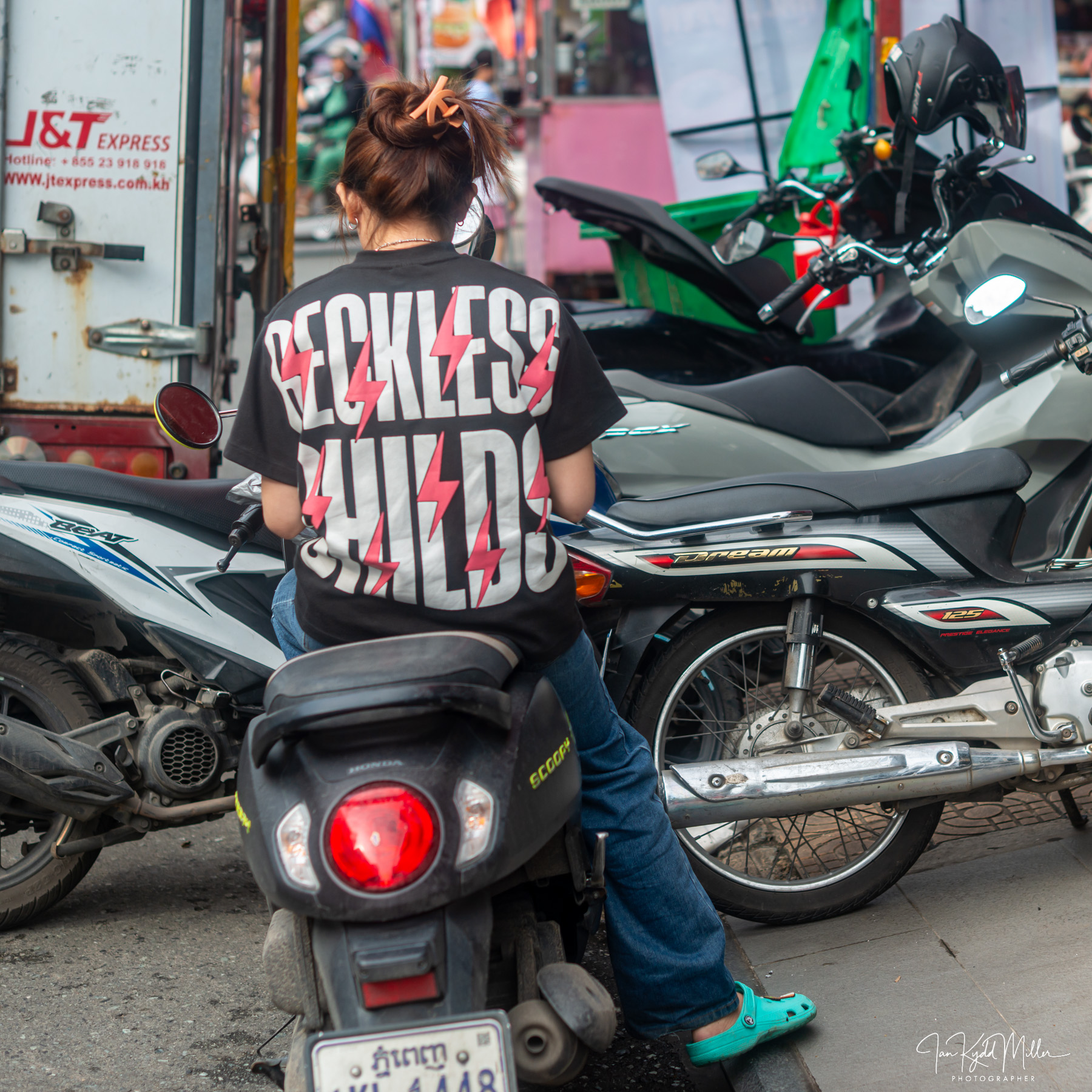
It is an understandable conclusion to reach. The world now produces more images in a single afternoon than entire generations managed in a lifetime. Cameras have become computational marvels. Every smartphone owner is a photographer. Every social media feed is an endless conveyor belt of sunsets, selfies, outrage and advertising. Increasingly, images can be created without a lens, without light and, in some cases, without anything having existed in front of a camera at all.
Yet photography itself is not dying.
What is disappearing is the culture that once surrounded it.
For photographers who came of age through newspapers, magazines, documentary projects, darkrooms or years spent walking city streets with a camera slung over one shoulder, the shift feels profound. They were taught that photography was an act of observation before it was an act of production. A camera was not simply a machine for making pictures; it was a way of paying attention.
Film imposed discipline. Every frame cost money. Every decision mattered. Contact sheets demanded ruthless editing. There were long pauses between pressing the shutter and seeing the result, and those pauses encouraged reflection. Photography rewarded patience because patience often revealed something unexpected.

The digital revolution removed many of those barriers, and in doing so democratised photography in extraordinary ways. That was, and remains, a remarkable achievement. Millions of people now document their lives who would never previously have had the opportunity. Entire communities have found voices through images that would once have remained invisible.
But democratisation also altered the economics of attention.
The scarcity that once gave photographs weight has disappeared. Images no longer compete with dozens of others on a newspaper page. They compete with billions. They flash briefly across glowing screens before being replaced by another face, another catastrophe, another perfectly plated lunch or another cleverly edited reel designed to hold the eye for a few more seconds.


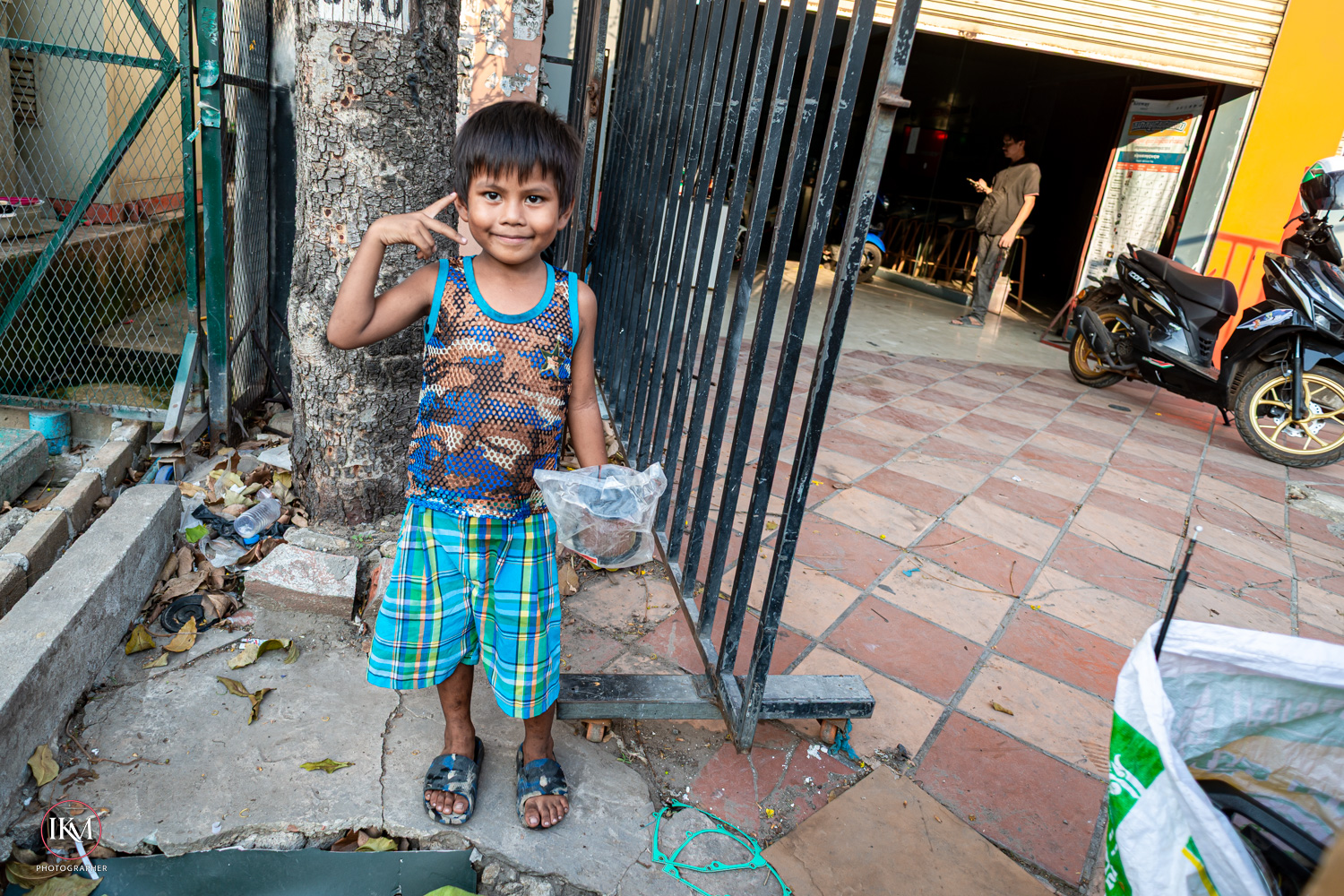
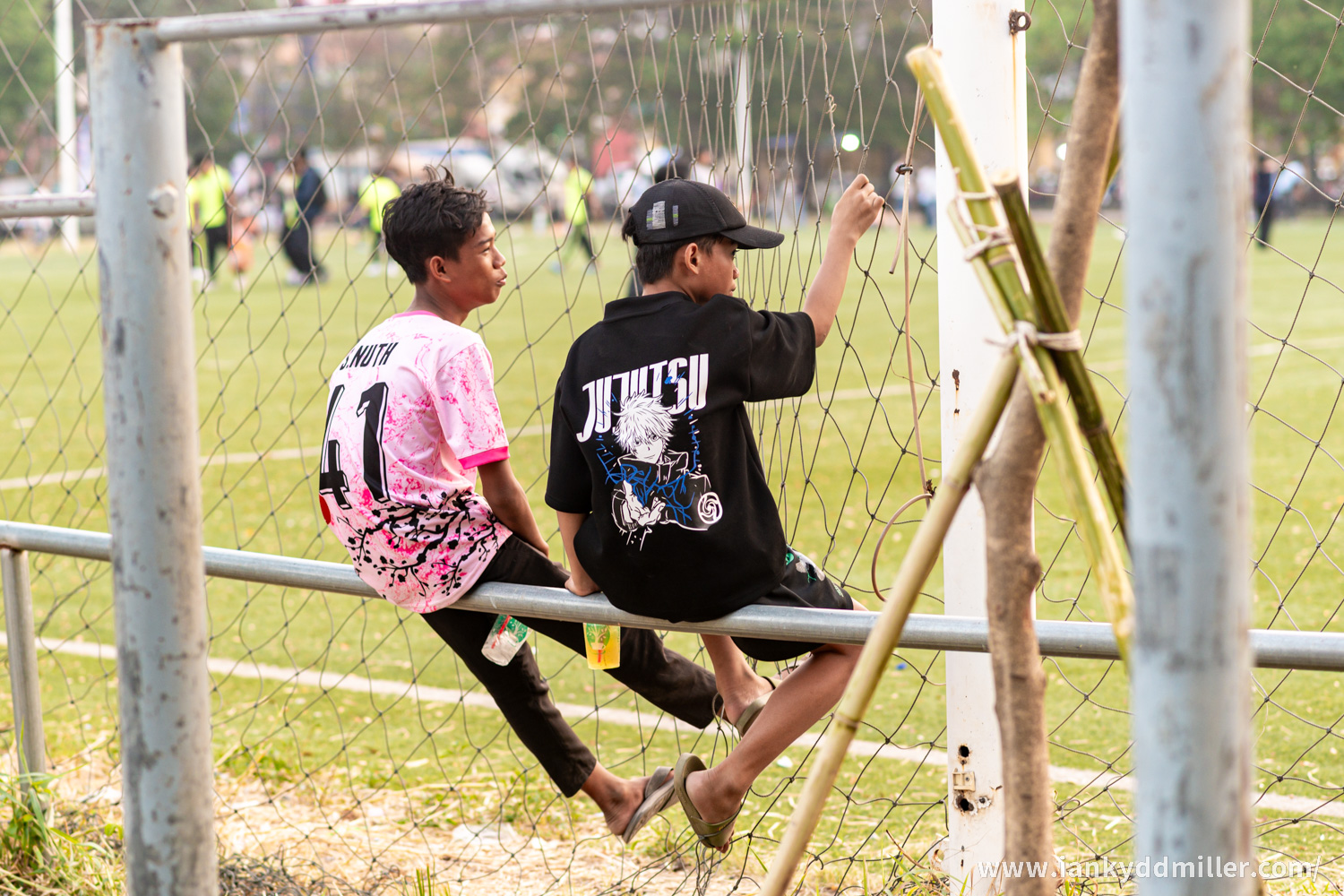


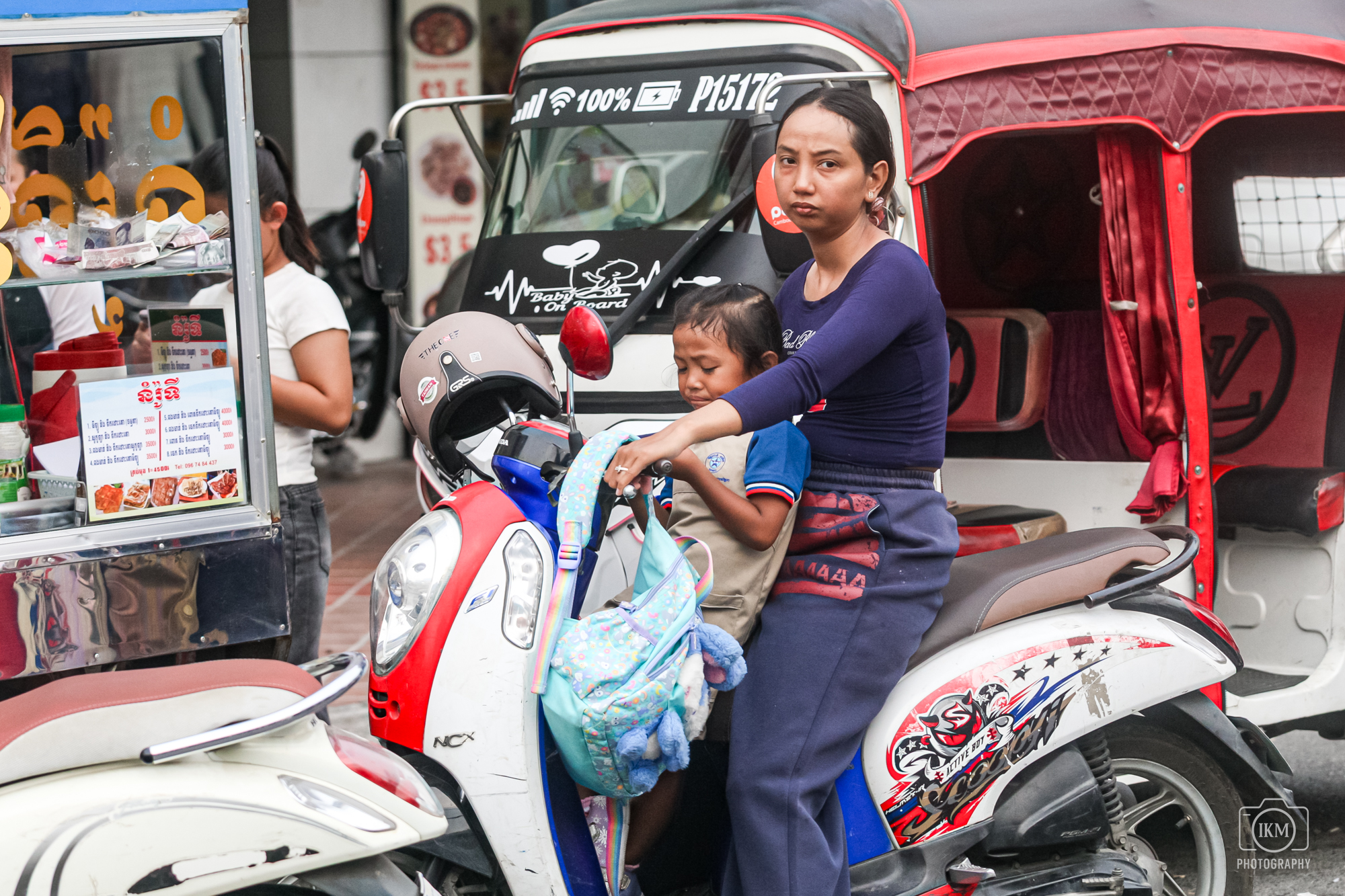
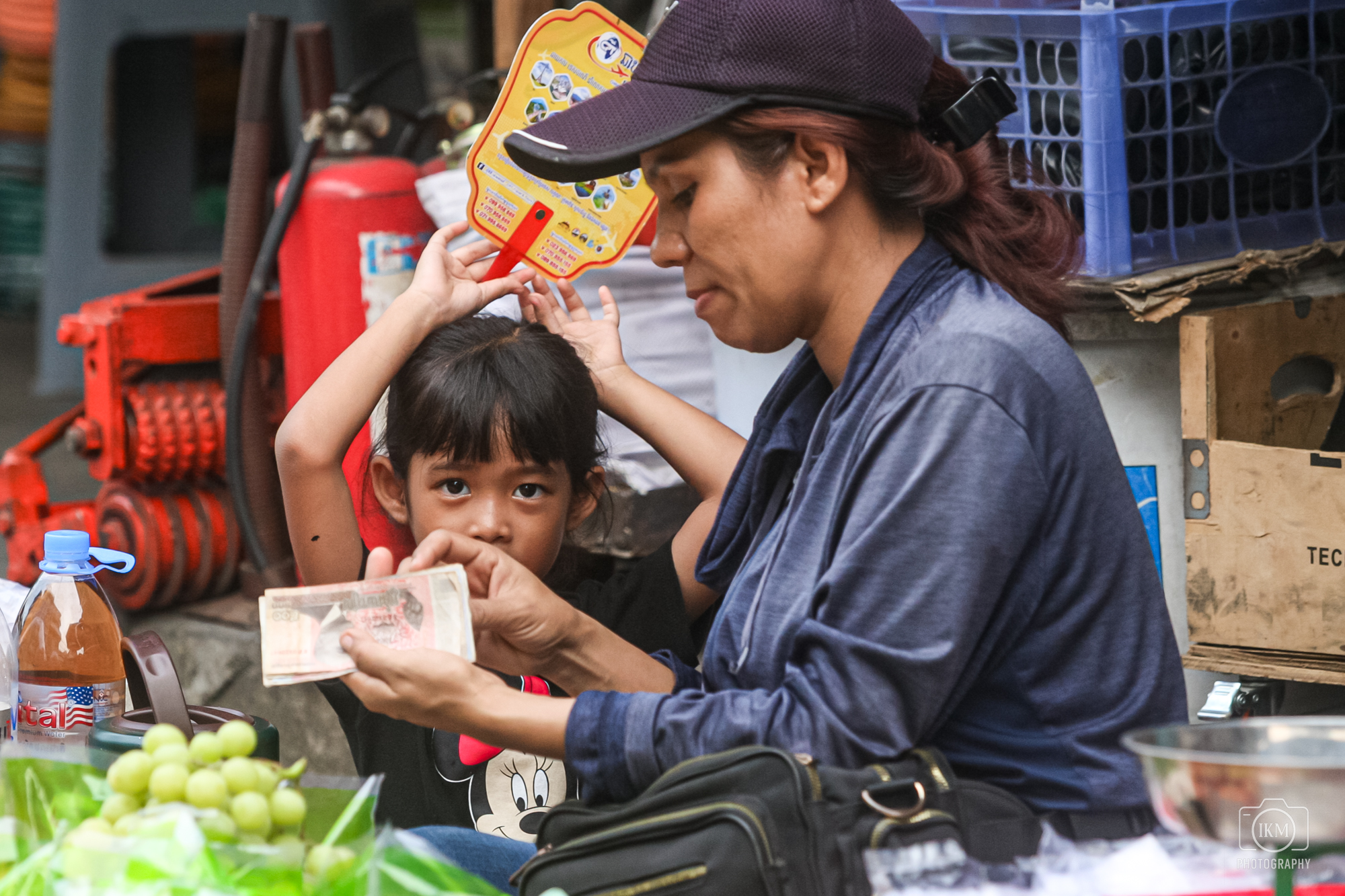

The algorithm has quietly become the most powerful photo editor in history.
Its priorities are not truth, subtlety or long-form storytelling. It rewards novelty, emotional intensity and relentless frequency. It favours images that stop thumbs rather than photographs that stop people thinking. Nuance is difficult to monetise. Spectacle travels much faster.
For documentary and street photographers, that cultural shift has been particularly unsettling.
Street photography has always rested on an almost unfashionable belief: that ordinary people living ordinary lives are endlessly interesting if only someone takes the time to look carefully enough. The decisive moment was never about drama for its own sake. It was about recognition. A glance between strangers. A child’s expression. A shaft of afternoon light catching a tired face. Fleeting moments that quietly revealed something universal.
Today those same streets are increasingly populated by people performing for cameras rather than forgetting they are there. Social media has blurred the distinction between documenting reality and manufacturing it. The photographer who once searched patiently for authentic moments now finds themselves surrounded by carefully curated ones.
Then came artificial intelligence.
Photography has always carried an implicit promise. Whether manipulated or beautifully composed, the viewer generally assumed that light had once reflected from a real subject and entered a real camera. The photograph testified that, however briefly, photographer and subject occupied the same place in the same moment.
AI disrupts that centuries-old relationship.
An image no longer requires witness. It no longer requires presence. It no longer even requires existence.

This is not simply another technological advance. It is a philosophical rupture.
For many photographers, particularly those whose work has centred on documentary truth, the anxiety is not about losing work to software. It is about losing photography’s unique claim upon reality. If every convincing image can be fabricated, what becomes of the photograph as evidence, memory or testimony?
These are legitimate concerns. Trust, once lost, is painfully difficult to rebuild.
Yet history offers reasons for caution before declaring the death of another medium.
Photography has survived repeated predictions of its own demise. Colour was dismissed as vulgar. Digital was accused of destroying craftsmanship. Photoshop supposedly ended photographic truth. Smartphones were expected to eliminate dedicated cameras altogether. Each innovation provoked outrage before eventually becoming part of photography’s expanding vocabulary.
Perhaps we are witnessing something similar once again.
Indeed, authenticity may become more valuable precisely because it is becoming rarer. In a world saturated with synthetic perfection, photographs rooted in lived experience begin to carry a different kind of authority. Not because they are technically superior, but because they represent something machines cannot genuinely possess: presence.
The photographer who walks for hours without making a single frame. The documentary photographer who spends weeks gaining someone’s trust before lifting the camera. The street photographer who waits quietly for life to unfold instead of arranging it. These practices may appear increasingly old-fashioned, but they also become increasingly distinctive.
The culture surrounding photography has undoubtedly changed. The marketplace rewards different things. Attention is fragmented. Editors have largely been replaced by algorithms. Speed often defeats substance.
None of that means the human appetite for truthful observation has disappeared.
People still recognise honesty when they encounter it. They still respond to photographs that reveal something rather than merely decorate a screen. They still seek images that help them understand another life beyond their own.
Perhaps the mistake lies in asking whether photography is dying.
The more revealing question is whether society still has room for slow seeing in an age built upon endless scrolling.
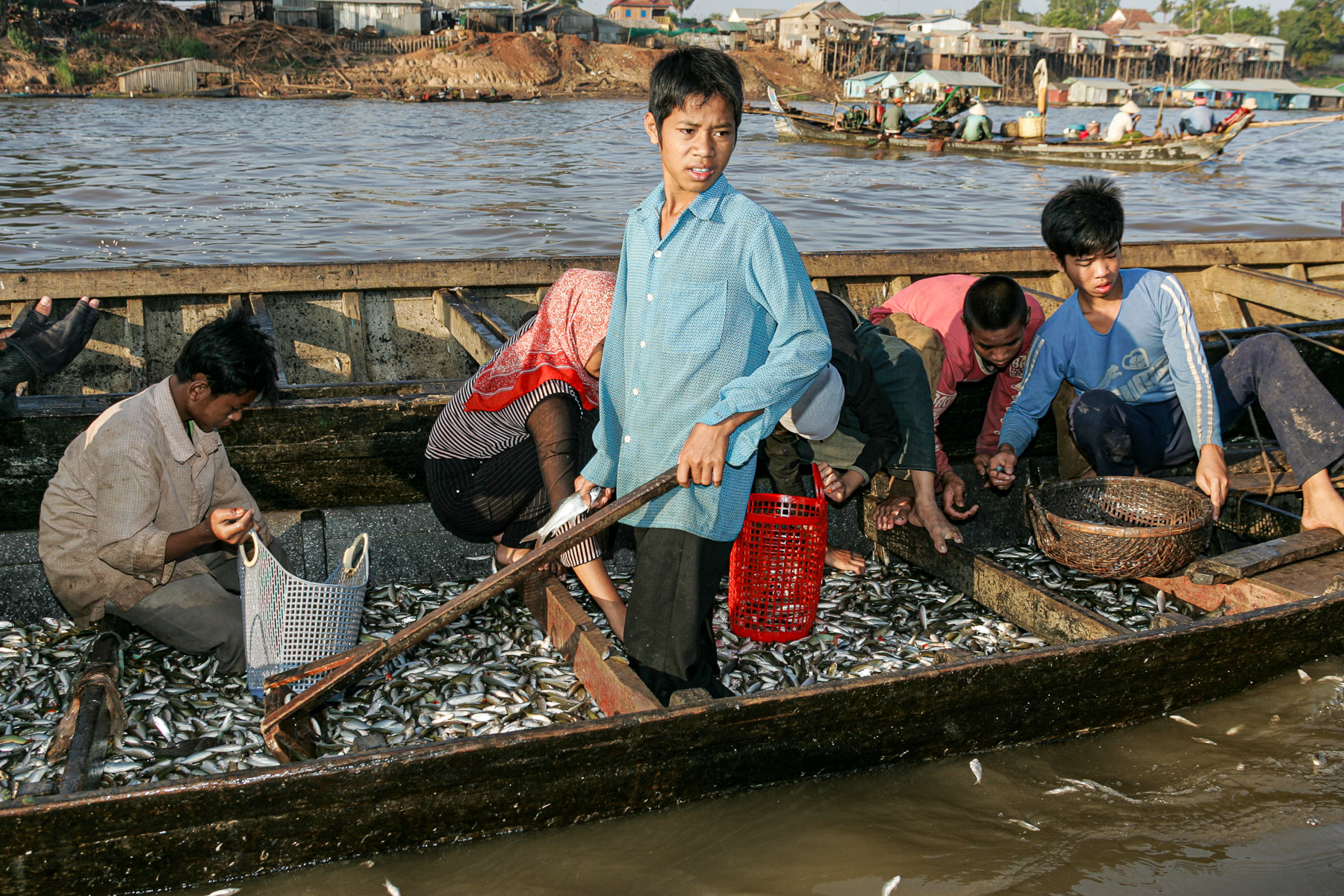
That answer remains unwritten.
But as long as there are photographers willing to walk unfamiliar streets without certainty, to spend time rather than chase trends, and to believe that ordinary human lives remain worthy of careful attention, photography will continue to matter.
The technology may transform beyond recognition. The platforms will come and go. The algorithms will inevitably change again.
The act of bearing witness, however, remains stubbornly human.
And that is something no machine has yet managed to automate.


Am with you on photography but not on the coffee part!
LikeLike