In the world of photography, a seismic shift has been taking place: the rise of mirrorless cameras. These sleek, innovative devices are challenging the long-reigning DSLRs, and it’s a topic that stirs passionate debates among photographers. But what’s the real difference, and does it matter to you?
Let’s dive into the heart of the matter: weight. It’s true, DSLRs are the heavyweights in the camera world, with their robust construction and intricate mirror mechanisms. On average, mirrorless cameras are 29.4% lighter than their DSLR counterparts. This is due to the absence of the mirror box and optical viewfinder, which allows for a more compact design.
But weight is just one aspect. DSLRs have been the go-to choice for professionals and enthusiasts for years, offering unparalleled image quality, a vast selection of lenses, and a certain tactile satisfaction that comes with their use. They’re built like tanks, ready to withstand the rigors of professional use, and their battery life is legendary. You can shoot all day on a single charge, a feat mirrorless cameras are still catching up to.
Mirrorless cameras, however, are the avant-garde. They embody technological advancement, with features like silent shooting, focus peaking, and real-time exposure previews in the electronic viewfinder. They’re the agile sprinters to the DSLR’s marathon runner, offering faster shooting speeds and a more compact form factor that’s perfect for the photographer on the go.
So, do you care about the weight difference? It depends on your priorities. Every ounce might matter if you’re trekking through the wilderness or travelling the globe. In that case, the portability of a mirrorless camera could be a game-changer. But if you’re a studio photographer or someone who values the heft and durability of a DSLR, then the extra weight might be a non-issue.
The choice between DSLR and mirrorless is a personal one, influenced by your shooting style, subject matter, and even your physical comfort. Some photographers swear by the optical viewfinder of a DSLR, while others are enamoured with the high-resolution electronic displays of mirrorless cameras.
In the end, both types of cameras are tools, and the best tool is the one that fits your needs. Whether you’re a die-hard DSLR fan or a mirrorless aficionado, the most important thing is the art you create with them. So, pick up your camera of choice and let your creativity soar! Happy shooting!
Photography is an art form that captures moments, tells stories, and expresses emotions. It’s a powerful medium that goes beyond the simple act of pressing a shutter button. But what distinguishes a good photograph from a mere snapshot? It’s all about intention, composition, and the ability to convey a message.
A snapshot is often an impromptu photo taken quickly to capture a moment without much thought for composition or artistic value. It’s a spontaneous click, usually meant to preserve a memory rather than to create something with aesthetic appeal. Snapshots are candid, informal, and often taken with a handheld device like a smartphone.
On the other hand, a good photograph is a result of the photographer’s creativity and vision. It’s a carefully composed image, captured with intention and purpose. A photographer will consider various elements such as lighting, composition, subject matter, and perspective to create a visually appealing and meaningful image. A good photograph can evoke emotion, tell a story, or capture the beauty of a moment in a way that a snapshot typically does not.
The difference lies in the details. A good photograph is thoughtfully planned. The photographer often takes the time to understand the subject, wait for the perfect lighting, and adjust the camera settings to get the desired effect. They use their knowledge of photography techniques and principles, such as the rule of thirds, leading lines, and framing, to enhance the image’s visual impact.
Moreover, a good photograph has the power to transcend its subject. It can turn an ordinary scene into something extraordinary, revealing depth, patterns, and textures that the casual observer might overlook. It’s not just about what is in the frame, but also about what is left out, creating a balance between the elements within the shot and the space around them.
In essence, a good photograph is intentional art. It’s a deliberate attempt to communicate, to share a perspective, and to inspire emotion. Whether it’s a breathtaking landscape, a poignant portrait, or a captivating street scene, a good photograph has the potential to become timeless.
So, next time you’re about to take a picture, pause for a moment. Think about what you want to convey, how you can compose the shot, and what story you want to tell. With a bit of thought and creativity, you can turn a simple snapshot into a stunning photograph that captures more than just a moment—it captures a feeling, a memory, and an experience that can be cherished for years to come.
Explore the world of photography and learn more about the craft that turns ordinary moments into extraordinary memories. Dive into the nuances that make a photograph stand out and start creating your own visual masterpieces today.
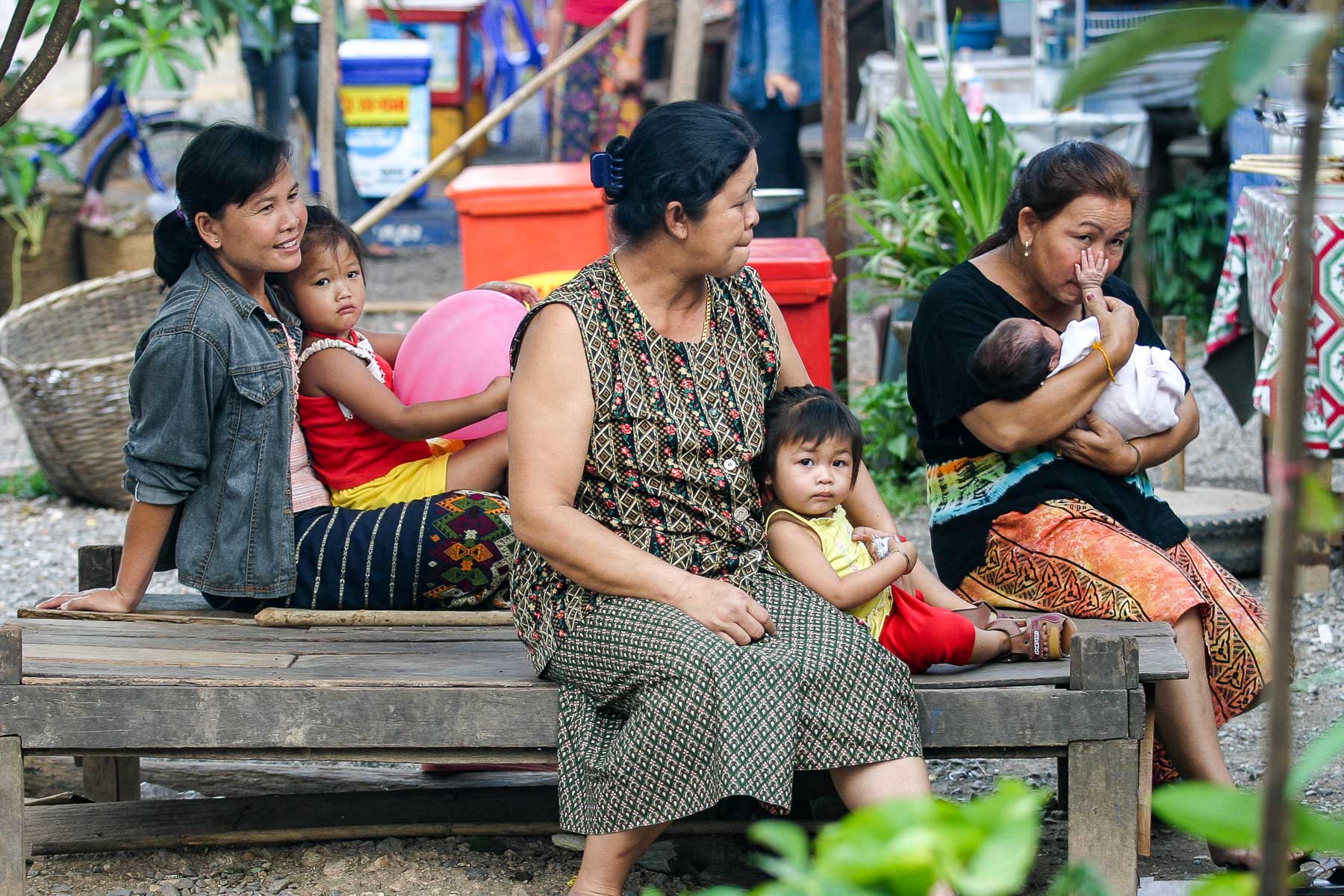
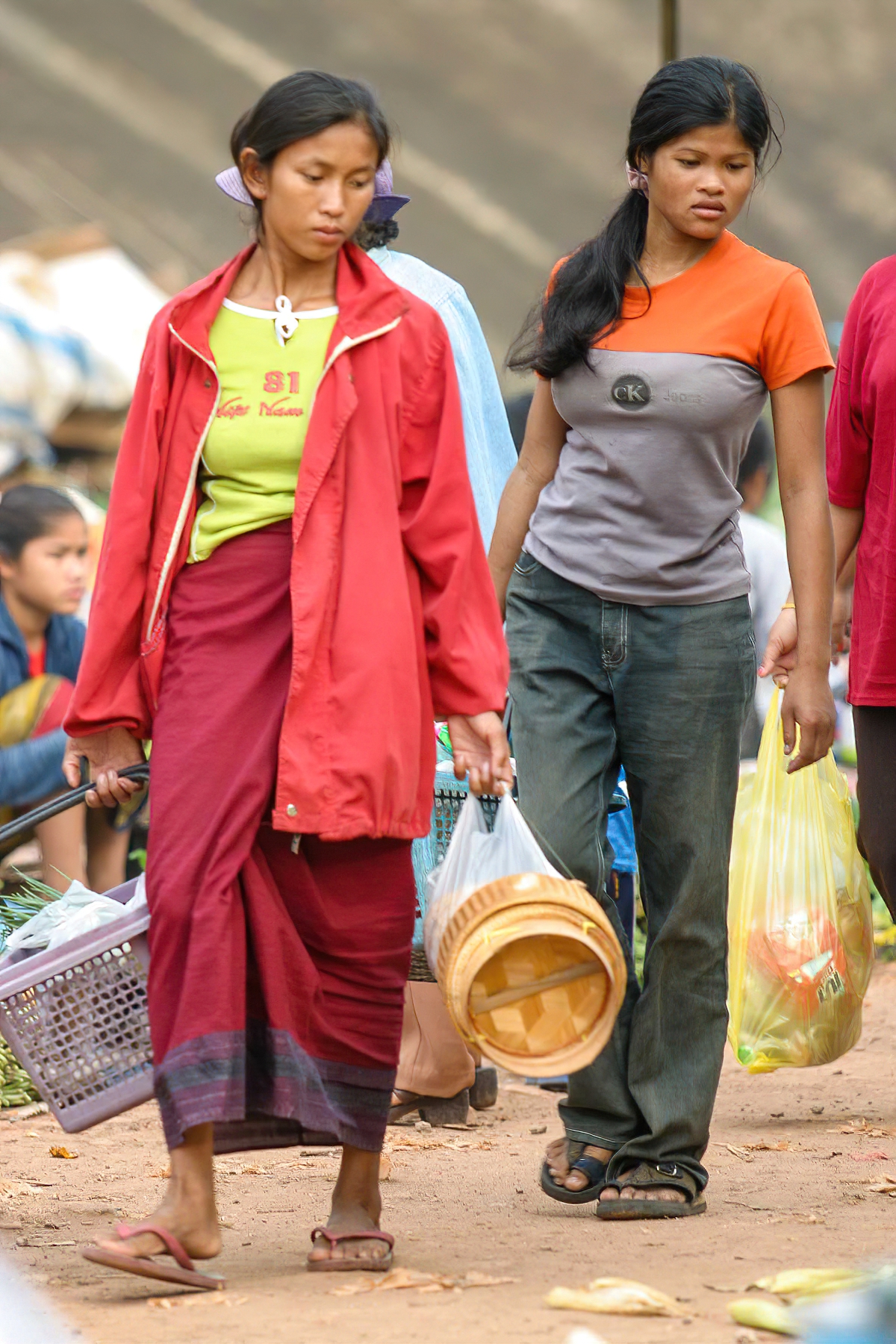
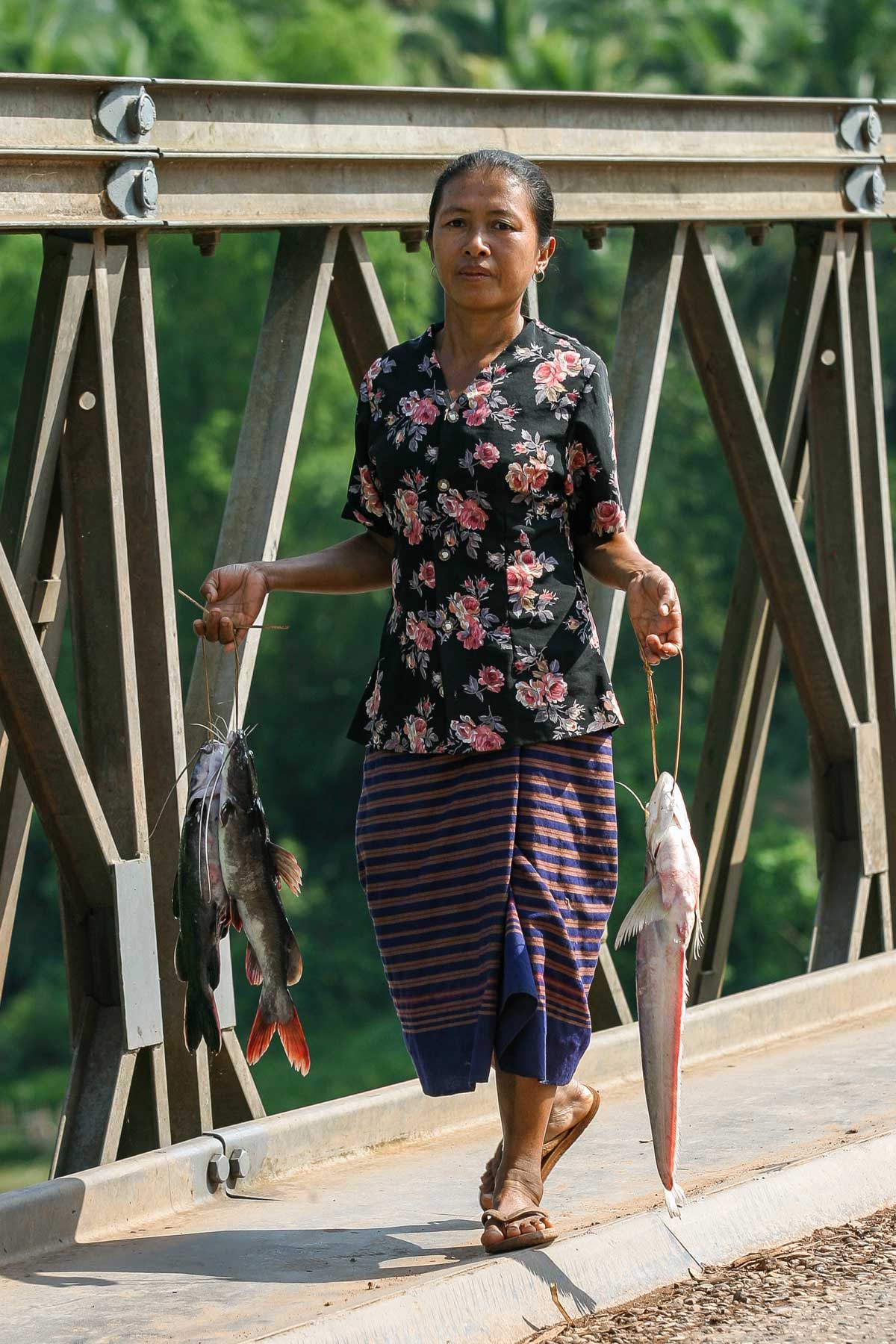
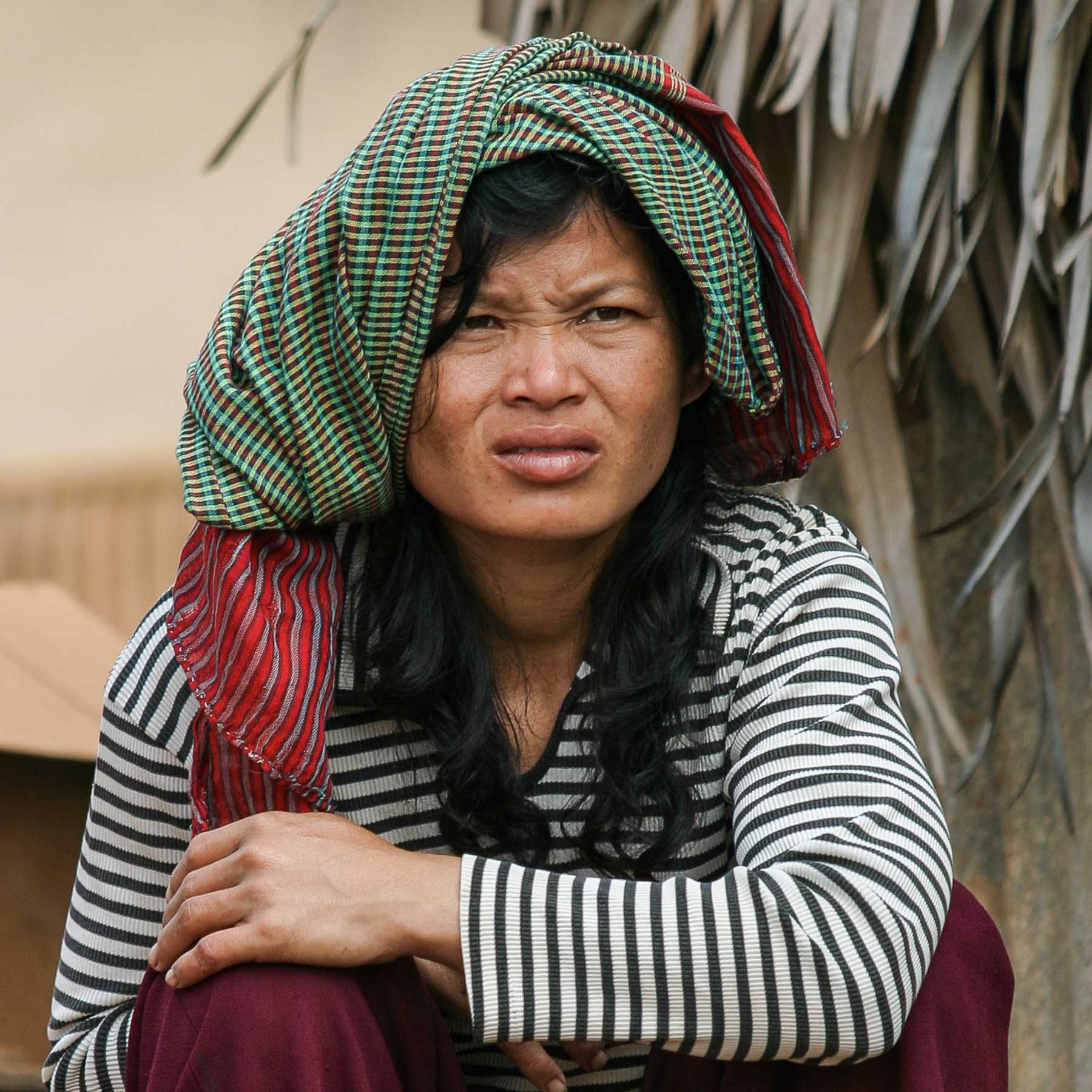
A lot of the pictures I make I would consider ”snapshots”, or better definition may be “considered snapshots”, as I explore the area and watch the people.
The question of whether photography possesses a soul is a poetic and philosophical one, stirring the imagination and inviting a myriad of interpretations. Historically, some cultures held the belief that photography could capture a person’s soul, reflecting a deep respect or fear for the power of images. This belief, while not scientifically substantiated, underscores the profound impact that photographs can have on us, evoking emotions and memories, preserving moments in time, and connecting us to people and places we may never encounter otherwise.
In a metaphorical sense, one could argue that photography has a ‘soul’ in its ability to convey the essence of a subject, to tell a story without words, and to elicit a visceral response from the viewer. It’s the intangible quality that separates a mere snapshot from a powerful image—one that resonates with viewers and remains etched in their minds. Whether it’s the haunting eyes of a portrait subject or the dramatic interplay of light and shadow in a landscape, these elements can imbue a photograph with a life of its own, a ‘soul’ that speaks to the viewer.
The soul of photography, then, might be found in its capacity to transcend the ordinary, to capture the extraordinary, and to touch the human spirit in ways that are as unique and varied as the individuals who view them. It’s a testament to the artistry and intention behind the lens—a reflection of the photographer’s vision and the stories they wish to share with the world.
So, while a camera may not literally capture a soul, the images it produces can certainly possess the qualities that make us feel as though they do. They become vessels of meaning, emotion, and connection, which, in their own right, could be considered the very essence of a soul.
The legality of street photography, where photographers capture images of strangers in public spaces, varies by country, but it is generally permitted. However, legality does not necessarily equate to ethicality. Ethical considerations in street photography often revolve around the subjects’ privacy, dignity, and consent. While taking a photo in a public space does not typically infringe on legal rights, the ethical debate concerns whether it is respectful to do so without the subject’s knowledge or permission.
The ethical discourse suggests that photographers should consider the implications of their actions on the individuals they capture in their images. This includes being mindful of the power dynamics at play, such as photographing vulnerable populations or individuals in compromising situations. Additionally, cultural sensitivity is crucial to avoid perpetuating stereotypes or biases through the lens.
Some argue that street photography serves as a historical record and form of art that documents human life and societal moments, which can have significant cultural value. Others contend that the subjects’ right to privacy should not be overlooked and that photographers should seek consent where possible, especially in cultures where privacy is highly valued.
Ultimately, the ethics of street photography are subjective and can depend on individual perspectives and societal norms. Photographers are encouraged to reflect on their practice, considering both the artistic and human elements involved. They should also be prepared to engage in conversations about their work and its impact, respecting the wishes of those who prefer not to be photographed or have their images published.
In summary, while street photography may be legal, the ethical considerations require a nuanced understanding of respect, consent, and the implications of capturing a moment in time. It is a balance between the photographer’s freedom of expression and the subject’s right to privacy, and finding that balance is a personal and societal challenge.
*** When it comes to taking photographs of strangers on the street, the necessity of consent largely depends on the country’s laws and the context in which the photo is taken. In many places, such as public streets, parks, and city squares, individuals typically do not have a reasonable expectation of privacy, meaning photographers can often take pictures without obtaining consent. However, this does not mean that all photography without consent is legally or ethically acceptable. For instance, using someone’s likeness for commercial purposes without their consent can infringe on their right to publicity, which is protected under the laws of several states. Additionally, while public photography is generally permissible, it should not be used to harass or stalk individuals, which could lead to criminal charges. It’s also important to consider the cultural and social norms of the area; what might be legally acceptable in one place could be considered disrespectful in another. Therefore, while consent may not always be a legal requirement, seeking permission can be a matter of respect and courtesy, aligning with ethical photography practices. ***
Photography is an art form that has captivated the hearts of millions worldwide. It’s a way to freeze a moment in time, to tell a story without words, and to preserve memories that might otherwise fade away. But what is it about photography that draws people to it? Let’s dive into the myriad reasons why photography is not just a hobby or a profession, but a passion for so many.
Capturing Memories
One of the most profound reasons people are drawn to photography is its ability to capture and hold onto memories. From the mundane daily routines to the milestones of life like weddings, birthdays, and anniversaries, photographs serve as a tangible reminder of the moments we cherish. They allow us to revisit and relive those times, evoking emotions and recalling experiences that are dear to us.
Telling Stories
Every photograph tells a story. It’s a snapshot of an event, a person, a feeling, or a place that can transport us to different times and places. The power of a single image to convey complex narratives is unparalleled. Through photography, we can share our experiences and perspectives with others, offering a glimpse into our world.
Seeing the World Differently
Photography encourages us to observe our surroundings with a keen eye. It teaches us to appreciate the beauty in the mundane and to find the extraordinary in the ordinary. Photographers often see the world through a different lens, quite literally, which allows them to present everyday scenes in new and unexpected ways.
Learning and Growth
Photography is not just about taking pictures; it’s a continuous learning journey. Whether it’s mastering the technical aspects of a camera, understanding composition, or experimenting with lighting, photography offers endless opportunities for personal and artistic growth. It’s a field where there is always something new to learn and explore.
Self-Expression and Creativity
At its core, photography is a form of self-expression. It’s a way for individuals to showcase their creativity, share their passions, and communicate their inner thoughts and feelings. The freedom to capture what you find beautiful or interesting is a powerful form of personal freedom.
Connecting with Others
Photography has the unique ability to connect people. It transcends language barriers and cultural differences, allowing us to share and understand each other’s experiences and stories. Through shared images, we can foster a sense of community and belonging, no matter where we are in the world.
Documenting History
Photographs are not just personal; they are historical documents that capture the essence of an era, an event, or a movement. They provide a visual record of our collective history, helping us to learn from the past and understand the present. Iconic images have the power to shape public perception and can become symbols of significant moments in time.
The Joy of the Process
Lastly, the act of taking photographs is, in itself, a source of joy for many. The process of setting up a shot, waiting for the perfect light, and finally capturing the image can be incredibly satisfying. It’s a pursuit that combines patience, skill, and sometimes a bit of luck, to create something truly magical.
In conclusion, photography is a multifaceted art that offers more than just a visual representation of our world. It’s a medium for memory, storytelling, learning, self-expression, connection, and so much more. It’s no wonder that photography has become such an integral part of our lives, allowing us to capture the fleeting moments that make up the tapestry of human experience. So, grab your camera, and let’s continue to capture the world, one photograph at a time!
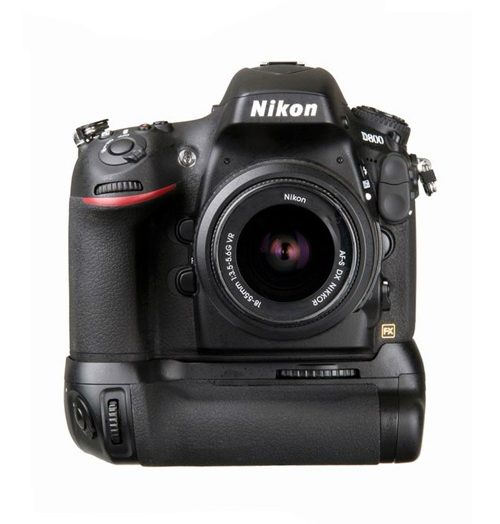
The Nikon D800, a camera that has stood the test of time, continues to be a favourite among photographers who value high-resolution images and robust build quality. Launched in 2012, the D800 was a groundbreaking release from Nikon, offering a then-unprecedented 36.3MP full-frame sensor. Despite the emergence of newer models, the D800 remains a highly regarded DSLR for various reasons.
High-Resolution Full-Frame Sensor: The D800’s 36.3MP sensor is its crowning glory, providing photographers with incredibly detailed images. This high resolution allows for significant cropping without losing image quality, making it ideal for landscape, studio, and macro photography.
Dynamic Range and Image Quality: The dynamic range of the D800 is another standout feature. It captures a wide range of tones from shadows to highlights, ensuring that details are preserved even in challenging lighting conditions. The image quality, especially at lower ISO settings, produces crisp and vibrant images.
Autofocus System: With a 51-point autofocus system, the D800 offers fast and accurate focusing. This system is particularly beneficial for capturing moving subjects or working in low-light environments where precision is key.
Build Quality and Durability: The D800’s magnesium alloy body provides a sturdy and durable build that can withstand the rigours of professional use. Its weather seal adds an extra layer of protection against the elements, making it a reliable choice for outdoor photography.
Video Capabilities: While primarily known for its stills, the D800 also boasts impressive video capabilities. It can shoot full HD video, which is complemented by in-camera editing features, making it a versatile tool for multimedia creators.
Despite its many strengths, the D800 has limitations, such as a slower frame rate and average battery life. However, these are minor when considering the overall package the camera offers. Its performance at high ISO settings and the convenience of its button placement further contribute to its user-friendly experience.
In conclusion, the Nikon D800 is a camera that continues to deliver quality and reliability years after its release. Its combination of high-resolution imaging, robust build, and comprehensive features ensure that it remains a top choice for photographers looking for a capable and versatile DSLR. Whether you’re a seasoned professional or an enthusiastic amateur, the D800 camera promises to meet and exceed expectations. For those interested in exploring the full potential of the D800, detailed reviews and user experiences can provide further insights into this remarkable camera.
Street photography is an art that captures the candid moments of everyday life in urban landscapes. It’s about finding beauty in the mundane, telling stories without words, and preserving fleeting moments in time. The Nikon D800, with its full-frame sensor and high resolution, is a tool that can help bring the vision of street photographers to life.
The Nikon D800 boasts a 36.3-megapixel FX-format CMOS sensor, which is a significant advantage for street photography. This high resolution allows photographers to capture the finest details, from the texture of an old brick wall to the expressions on a passerby’s face. Moreover, the large sensor size provides excellent performance in low light conditions, which is essential for shooting in the varied lighting of urban environments.
One of the key tips for using the Nikon D800 in street photography is to utilize foreground elements to add depth and context to your images. By including something relevant in the foreground, you can draw the viewer’s eye into the shot and create a more engaging composition. For instance, a street sign or a parked bicycle can serve as an anchor point, leading the viewer to explore the rest of the image.
Another tip is to make use of leading lines. These are lines within your composition that guide the viewer’s gaze toward the main subject. The Nikon D800’s dynamic range and sharpness can help accentuate these lines, whether they are the edges of a sidewalk, the lines of a crosswalk, or the perspective of a long alley.
Experimenting with different perspectives can also yield unique and compelling images. Don’t hesitate to change your shooting angle; try capturing scenes from a higher vantage point or getting close to the ground. This can add a fresh dimension to your street photography and highlight the Nikon D800’s versatility.
In conclusion, the Nikon D800 is a powerful camera for street photography. Its high resolution, excellent low-light performance, and full-frame sensor make it an ideal choice for photographers looking to capture the essence of the streets. By following these tips and embracing the spontaneous nature of street photography, you can create stunning, storytelling images that resonate with viewers.
Photojournalism stands as a powerful medium that conveys the stark reality of events through imagery. It is a form of journalism that employs images to narrate a news story, providing a visual representation that often speaks louder than words. Typically associated with still images, photojournalism also encompasses video content in broadcast journalism, expanding its reach and impact.
The essence of photojournalism lies in its ability to capture moments that tell stories of humanity, nature, conflict, and celebration. Unlike other branches of photography such as documentary photography, social documentary photography, war photography, street photography, and celebrity photography, photojournalism is bound by a stringent ethical framework. This framework is pivotal in maintaining the integrity of the news story, ensuring that the images are a truthful and unbiased portrayal of events.
The ethical considerations in photojournalism are manifold. Photojournalists must navigate the delicate balance between capturing compelling images and respecting the dignity and privacy of their subjects. They must avoid manipulation or staging that would distort the truth. The decision of what to shoot, how to frame it, and what context is provided alongside the image can significantly influence public perception.
In the digital age, where images can be easily altered, the role of the photojournalist becomes even more critical. They serve as the gatekeepers of visual truth, adhering to professional standards that prevent misinformation. The immediacy with which photos can be shared worldwide amplifies the responsibility on photojournalists to verify the authenticity of their images and the narratives they support.
The impact of photojournalism cannot be understated. Iconic images have the power to become symbols of historical events, movements, or social issues. They can evoke emotions, drive change, and stir public discourse. The famous photograph of the Napalm girl during the Vietnam War or the image of the Syrian child refugee washed ashore are poignant examples of how photojournalism can touch hearts and influence policy.
Photojournalism also faces challenges in the modern world. The proliferation of smartphones and social media has democratized the capture and distribution of news images, blurring the lines between professional photojournalism and citizen journalism. This shift raises questions about the future of the field and the standards by which it is governed.
Despite these challenges, the core of photojournalism remains unchanged: to tell a story honestly and impartially through images. It is a noble pursuit that requires courage, skill, and an unwavering commitment to ethical principles. As long as there are stories to be told, photojournalism will continue to be an indispensable part of the journalistic landscape, illuminating the truth one frame at a time.
The Ethical Compass of Photojournalism
Photojournalism is a powerful form of journalism that captures and conveys news through imagery. It’s a field that requires not only a keen eye for a good shot but also a steadfast commitment to ethics and integrity. Here’s a guide to the dos and don’ts of photojournalism, drawing from industry best practices.
Do: Tell the Truth Through Your Lens The primary duty of a photojournalist is to present an accurate and fair representation of the events they are covering. This means capturing moments as they unfold, without staging or altering the scene. The authenticity of the images is paramount, as they serve as a visual record of history.
Do Not: Manipulate Images Post-processing is a part of digital photography, but there’s a fine line between enhancing an image and distorting the truth. Adding or removing elements from a picture is considered unethical and can damage the credibility of the photojournalist and their publication.
Do: Respect Your Subjects Photojournalists should always approach their subjects with respect and empathy. This means being mindful of their privacy and dignity, especially in sensitive situations. It’s important to consider the impact of published images on the lives of the people featured.
Do Not: Intrude on Private Moments While capturing the essence of an event often requires getting close to the action, photojournalists must avoid intrusive or disrespectful behaviour. It’s crucial to balance the public’s right to know with the subject’s right to privacy.
Do: Understand the Power of the Image A single photograph can influence perceptions and emotions. Photojournalists must be aware of the impact their work can have and strive to present a balanced view, especially when covering controversial or polarizing events.
Do Not: Exploit Your Subjects Taking advantage of someone’s vulnerability for the sake of a compelling image is not only unethical but also dehumanizing. Photojournalists must avoid exploiting their subjects’ emotions or situations for sensationalism.
Do: Know Your Rights and Limits Being aware of legal and ethical boundaries is essential for photojournalists. This includes understanding the laws regarding public and private spaces and the ethical limits of reporting.
Do Not: Compromise Your Integrity In pursuing the story, photojournalists should not engage in activities that could compromise their integrity or that of their profession. This includes accepting bribes or manipulating the narrative to fit a particular agenda.
In conclusion, photojournalism is not just about taking pictures; it’s about storytelling with a purpose. By adhering to these guidelines, photojournalists can ensure that their work contributes positively to the flow of information and the historical record, while maintaining the trust of the public and the dignity of their subjects. For a deeper dive into photojournalism and its practices, consider exploring comprehensive online guides and resources.
Photography is an art form that encompasses a vast array of genres, each with its own charm and challenges. From the raw emotion captured in street photography to the meticulous setup of still life, photographers have endless avenues to express their creativity. Let’s embark on a journey through some of the most captivating types of photography that continue to inspire both artists and audiences alike.
Street Photography: The Unscripted Narrative The streets are a stage where life unfolds in its most unguarded moments. Street photographers are the silent observers who capture these fleeting instances, weaving stories out of the mundane. It’s a genre that requires patience, a keen eye, and the ability to anticipate the next move in an ever-changing environment.
Landscape Photography: Painting with Light Landscape photographers are the poets of the photography world, translating the grandeur of nature into visual sonnets. With the sky as their canvas and light as their brush, they immortalize the beauty of the natural world, from the serene to the tumultuous.
Portrait Photography: The Essence of Character Portrait photography is an intimate dance between the photographer and the subject. It’s about capturing the essence of a person’s character, often in a single frame. A good portrait tells a story, conveys emotion, and reveals the soul behind the eyes.
Wildlife Photography: The Thrill of the Chase Wildlife photographers are the adventurers, often venturing into the unknown to bring back tales of the animal kingdom. It’s a genre that demands respect for nature, patience, and sometimes, the courage to face the untamed.
Macro Photography: The World Up Close Macro photography offers a glimpse into the miniature worlds that often go unnoticed. It’s about discovering the intricate details of a flower’s petal or the complex structure of an insect’s wing. This genre turns the ordinary into the extraordinary, showcasing the beauty in the minutiae.
Fusion copr 07
Each genre of photography has its own allure, and it’s difficult to choose a favorite. They all offer unique perspectives and opportunities to explore the world through the lens. Whether it’s the candidness of street photography, the majesty of landscapes, the intimacy of portraits, the excitement of wildlife, or the intricacy of macro shots, photography in all its forms is a celebration of sight, storytelling, and the human experience. What’s your favorite genre? Share your thoughts and let’s continue to appreciate the diverse world of photography together.
In the world of photography, there’s a common adage that rings true for many: “It’s the photographer, not the camera, that creates a picture.” This saying highlights the importance of the person behind the lens—their vision, creativity, and skill—in crafting an image that resonates with viewers.
A camera, no matter how advanced, is simply a tool. It’s the photographer who makes the decisions that ultimately shape the photograph: the composition, the timing, the lighting, and the moment to capture. These choices are informed by the photographer’s experience, artistic sensibility, and understanding of the subject.
The magic of photography lies in the ability to see the extraordinary in the ordinary, to find the right angle and the perfect light, and to tell a story without words. A great photographer can produce stunning images with the most basic equipment, while a novice may struggle to do so even with the most sophisticated camera.
This concept extends beyond photography and can be applied to many forms of art and creation. It’s a reminder that tools and technology can enhance our abilities, but they cannot replace the human touch, the unique perspective, and the creative spirit that bring art to life.
So, whether you’re a seasoned photographer or just starting out, remember that your vision is the most powerful tool you have. Keep honing your skills, developing your eye, and capturing the world as only you can see it. After all, it’s not about the camera—it’s about the photographer.
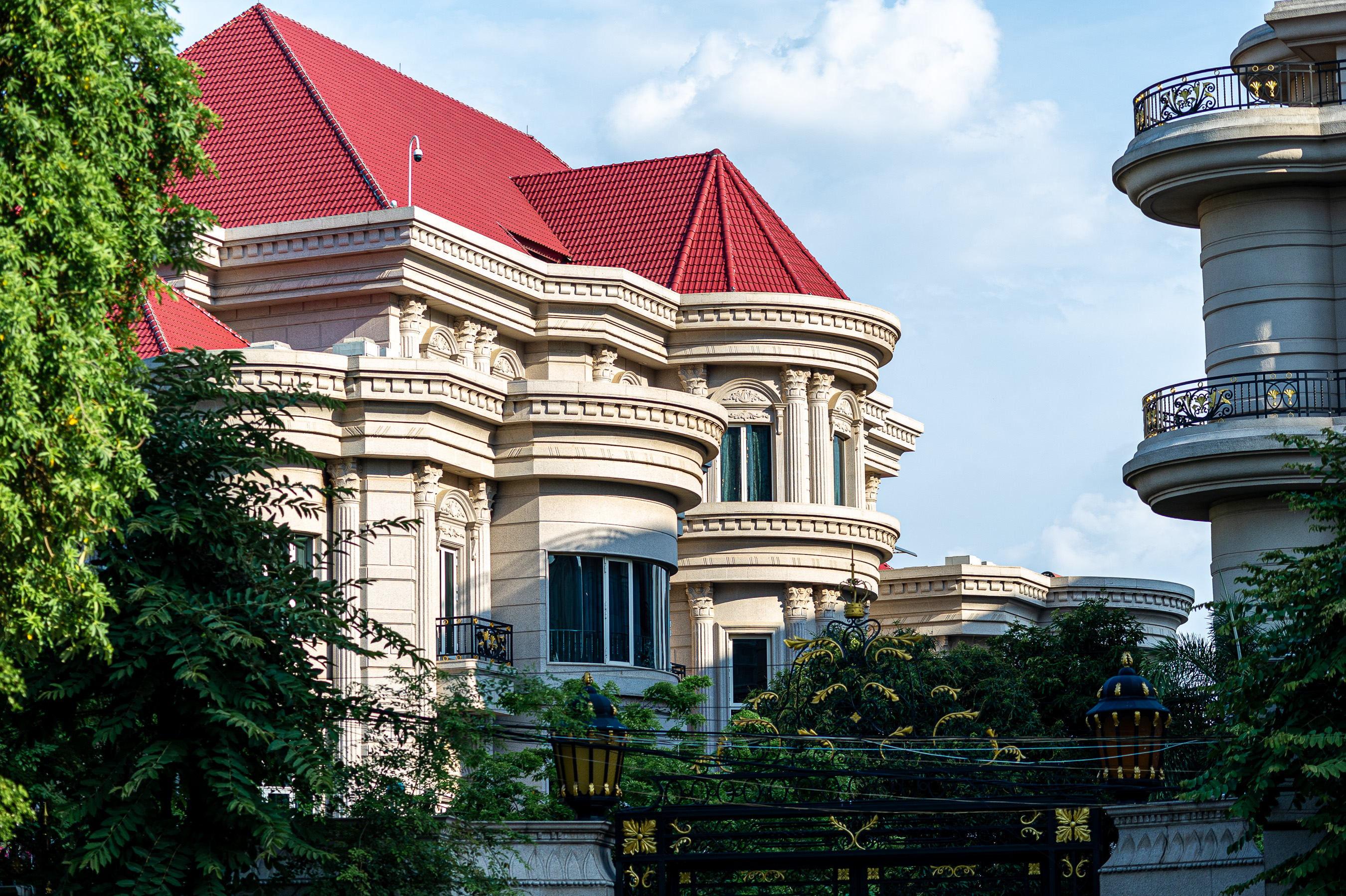
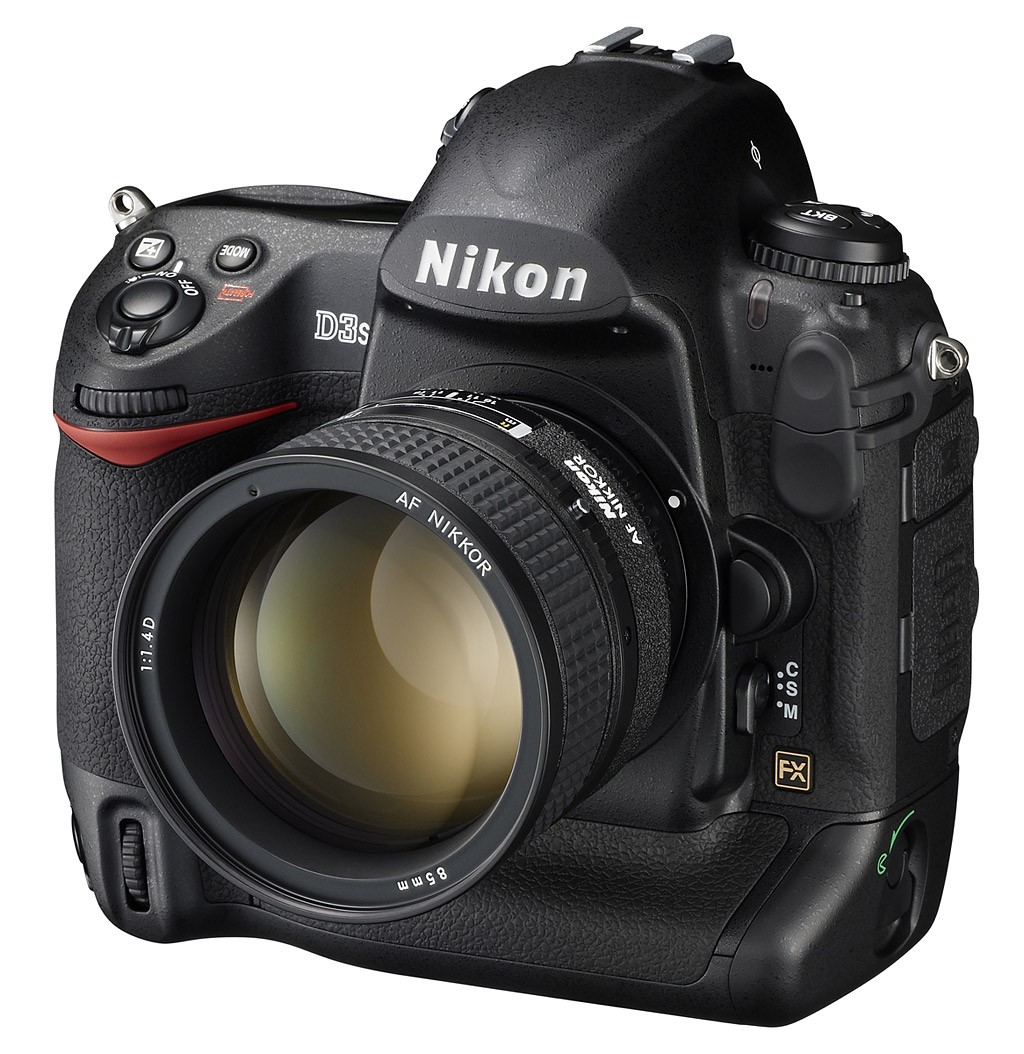
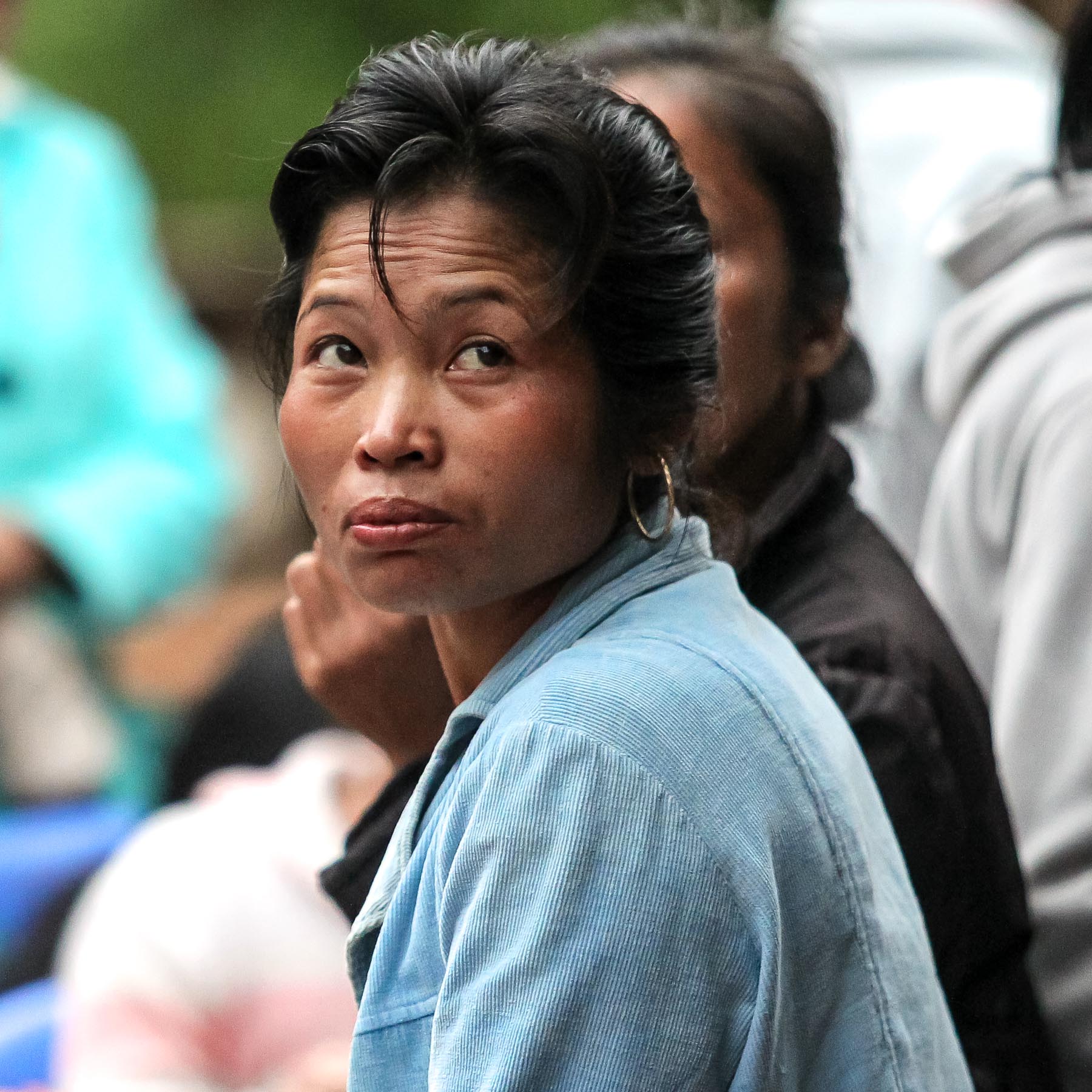
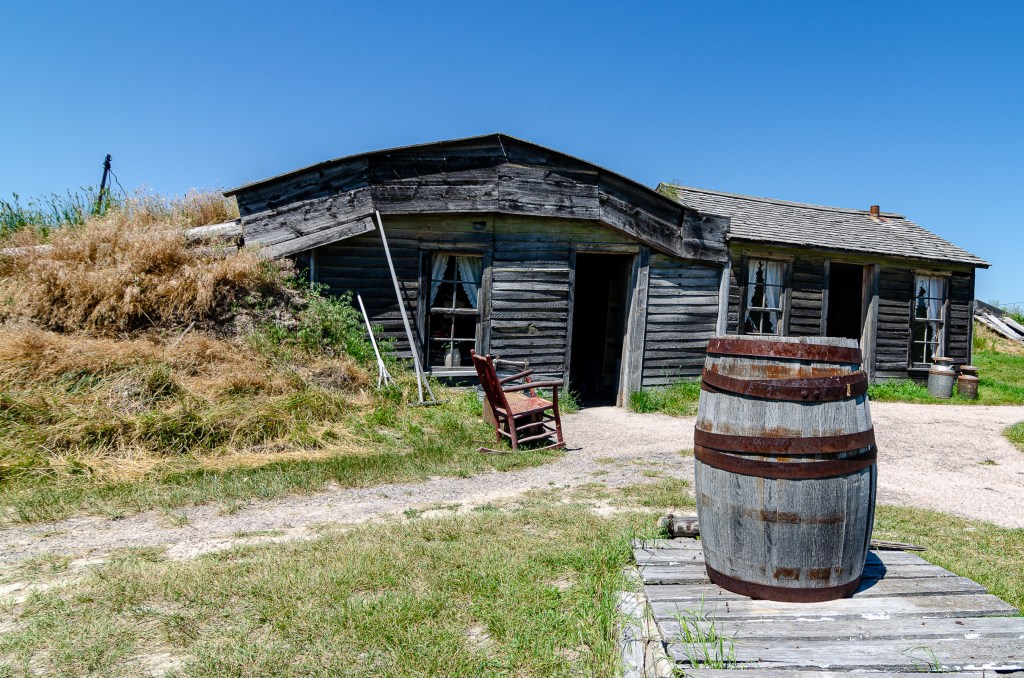
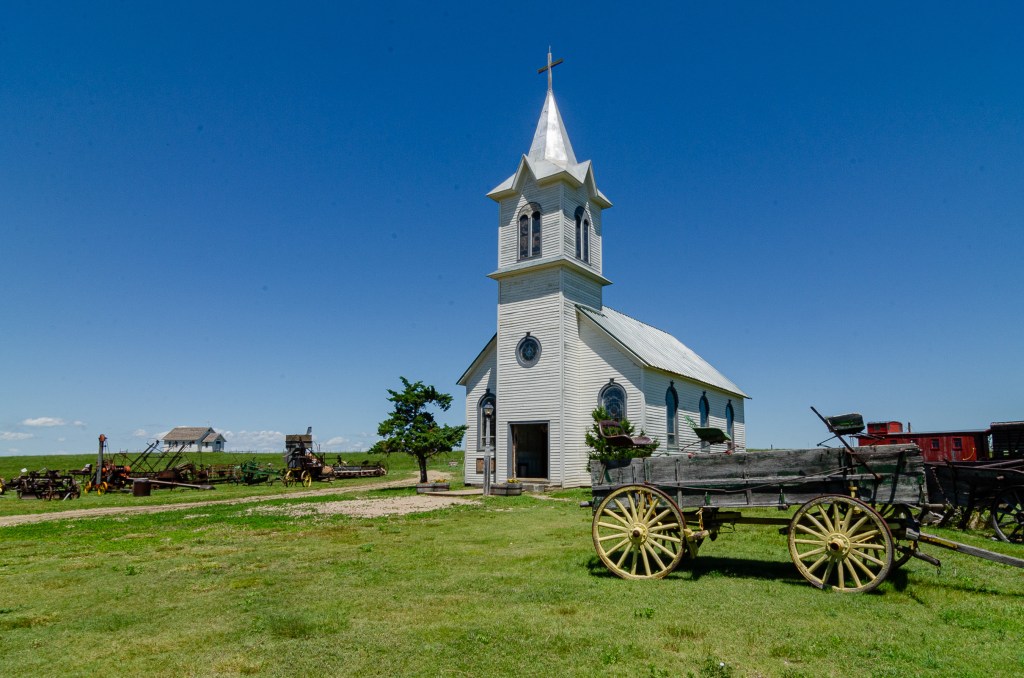
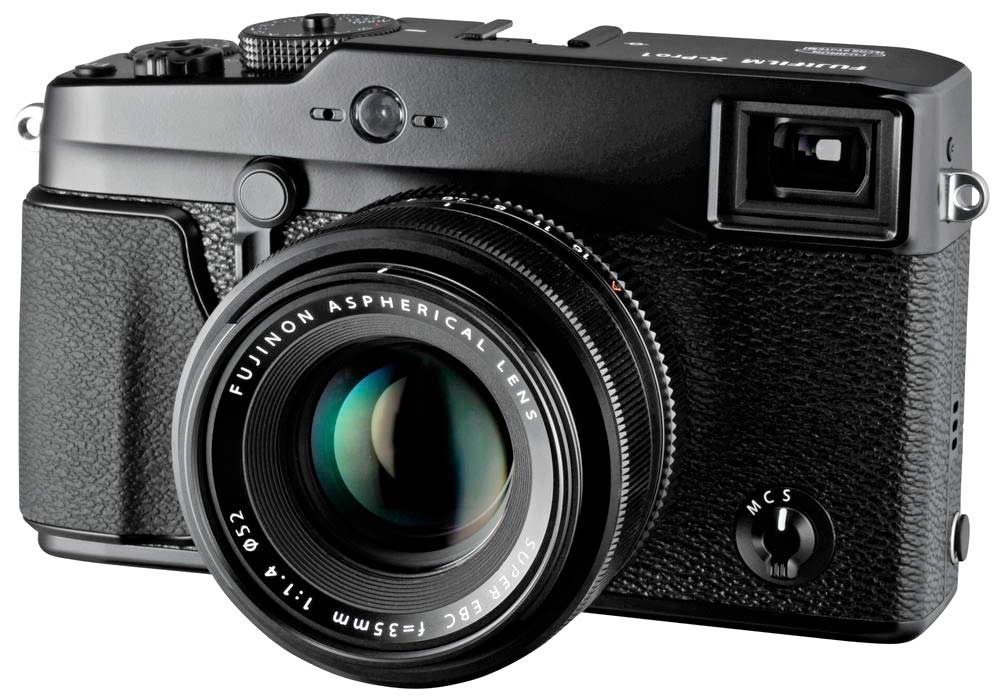
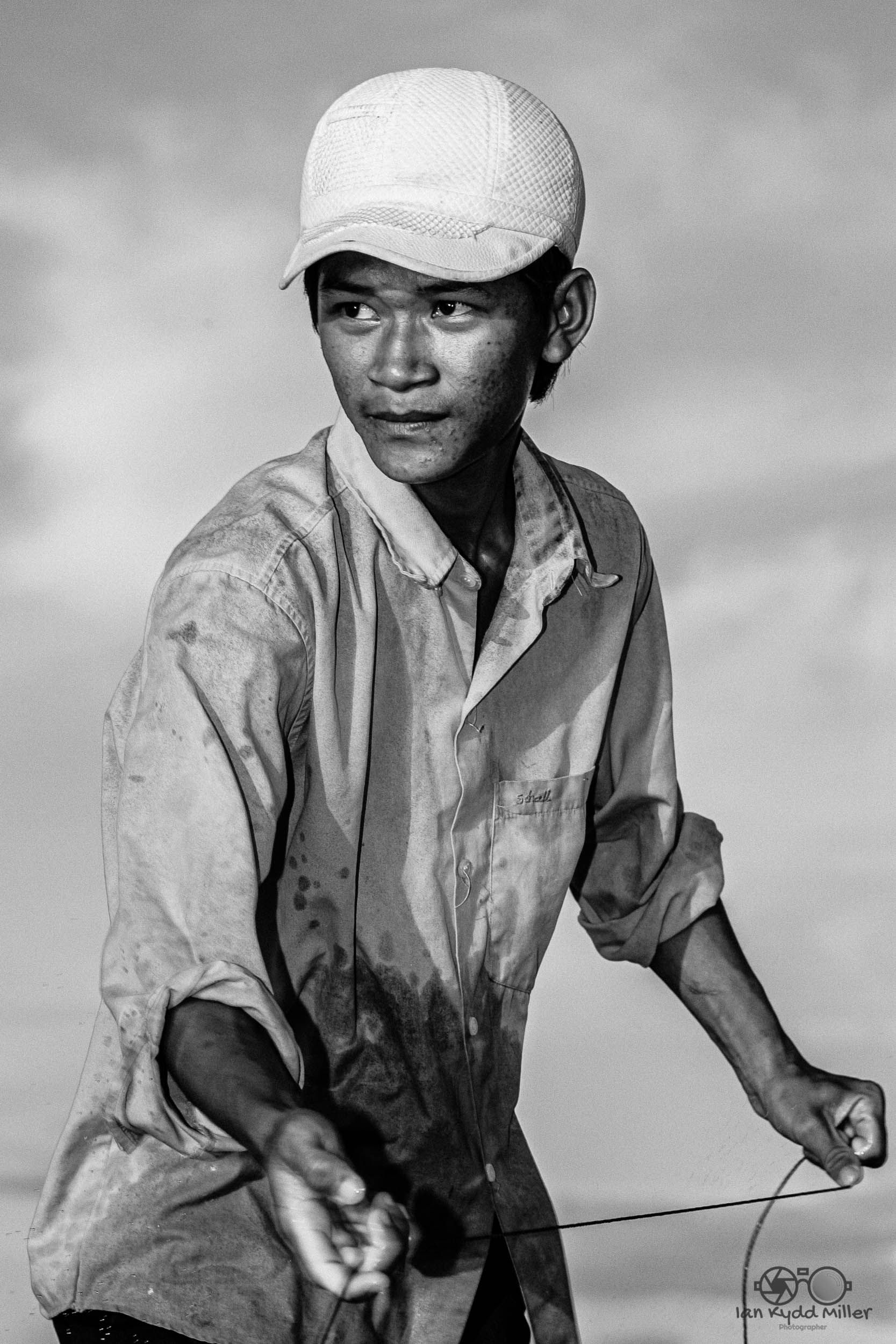
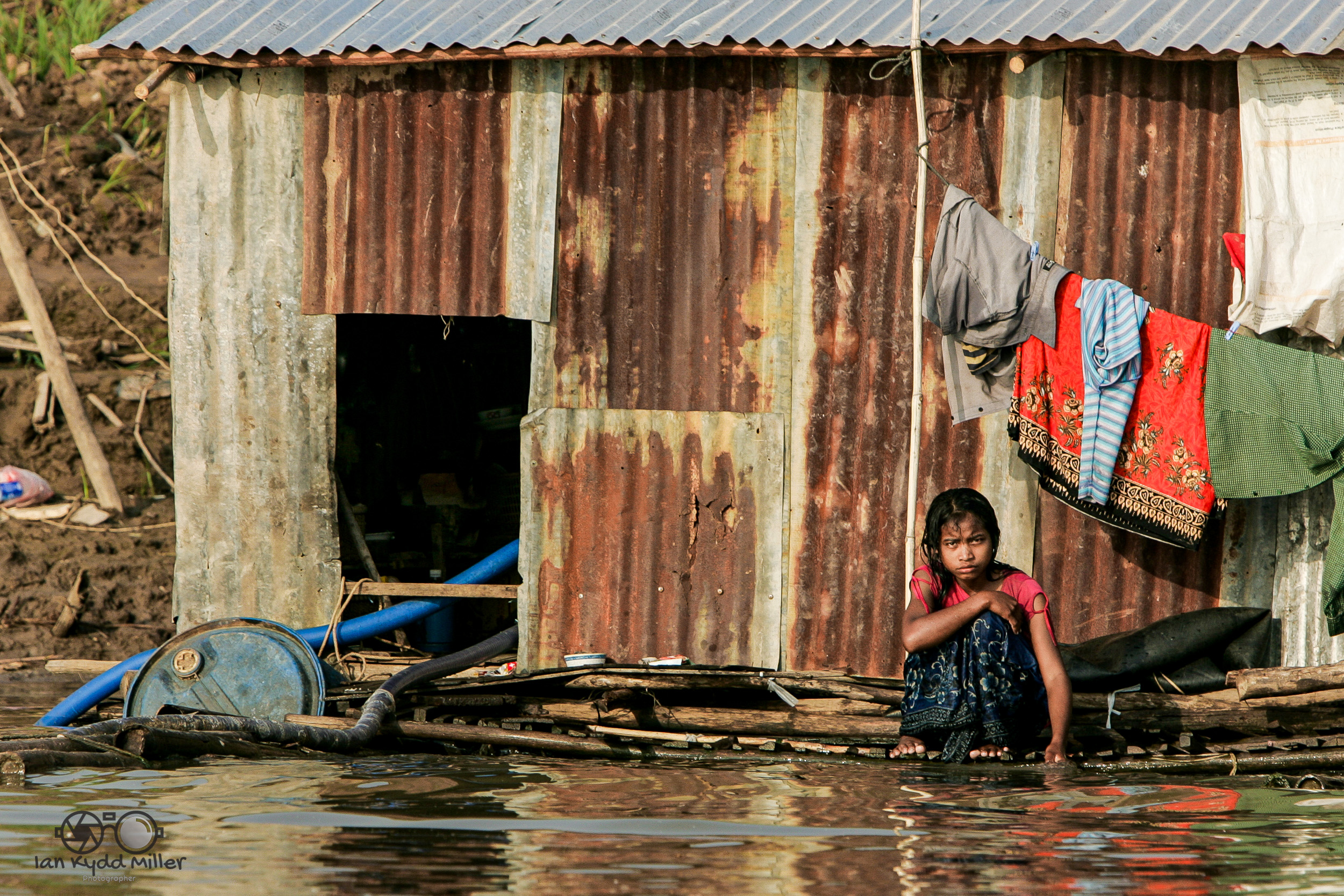
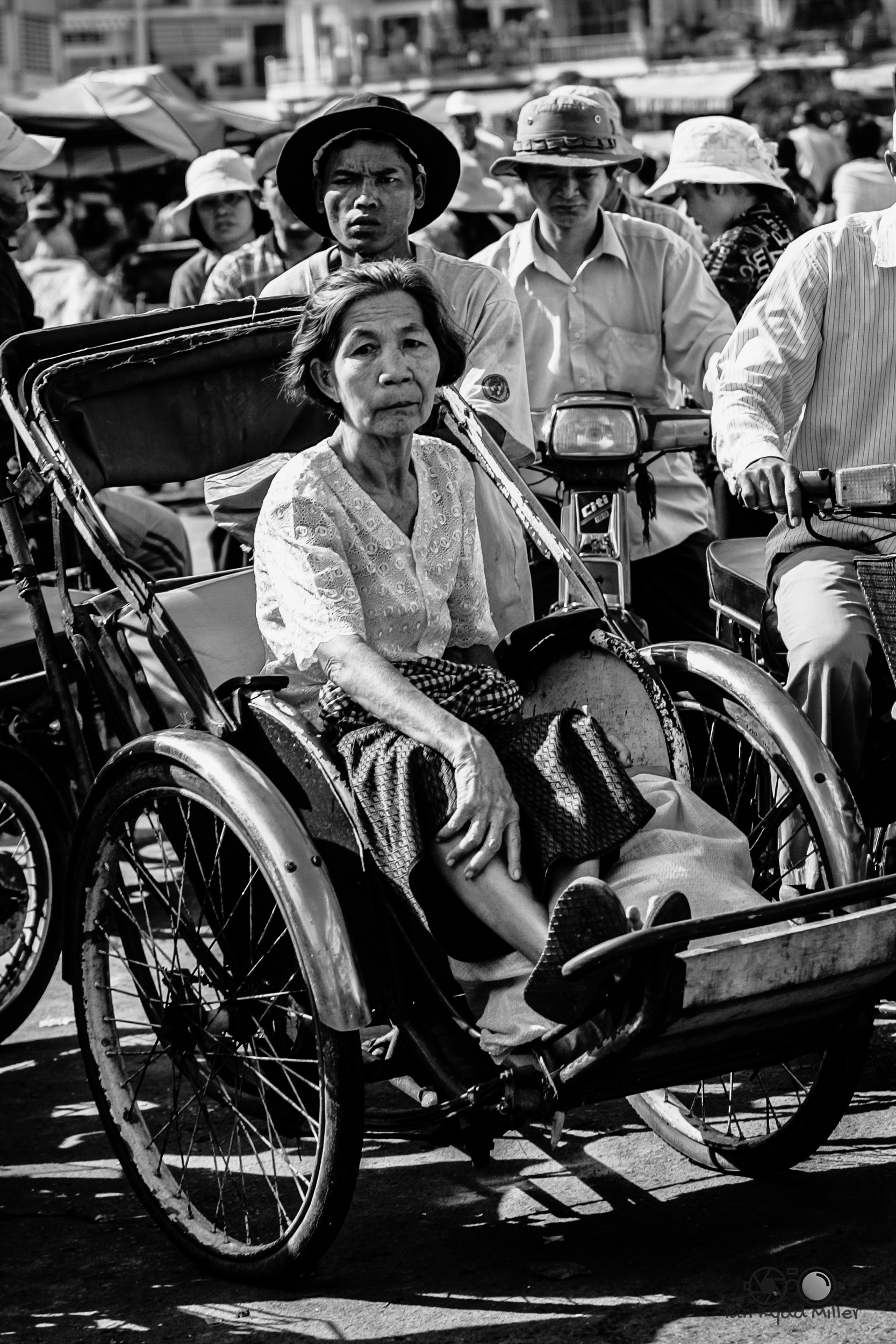
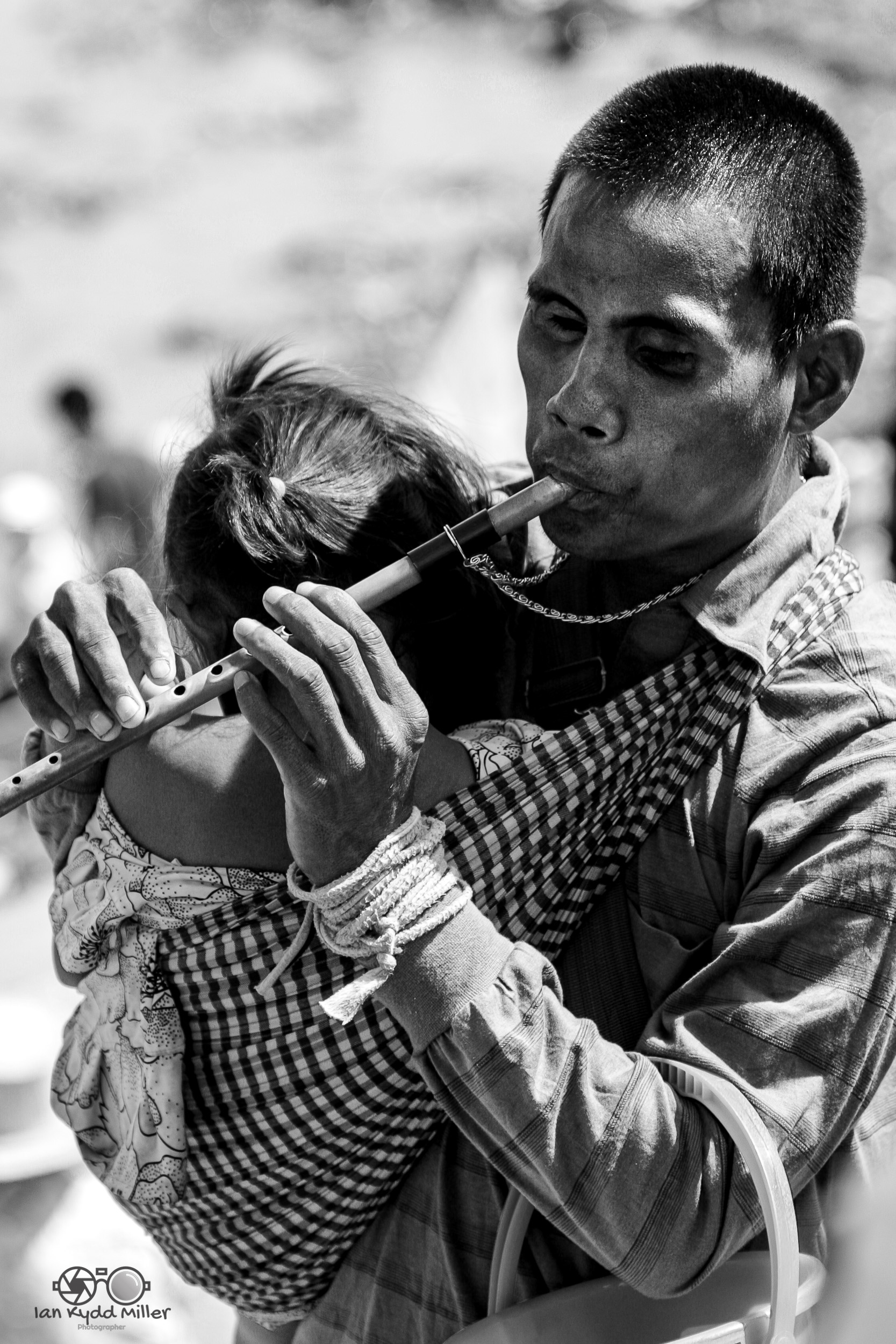
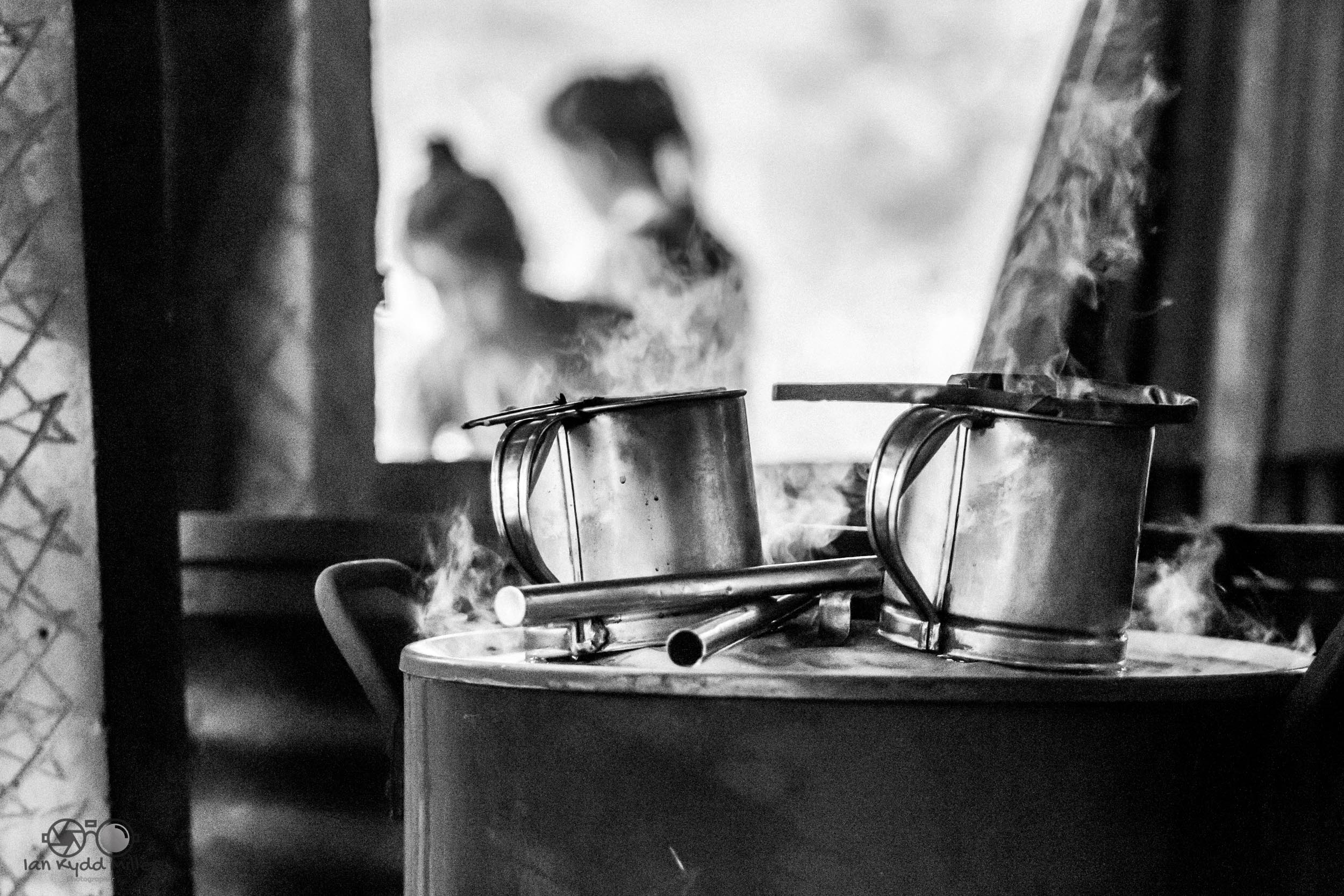
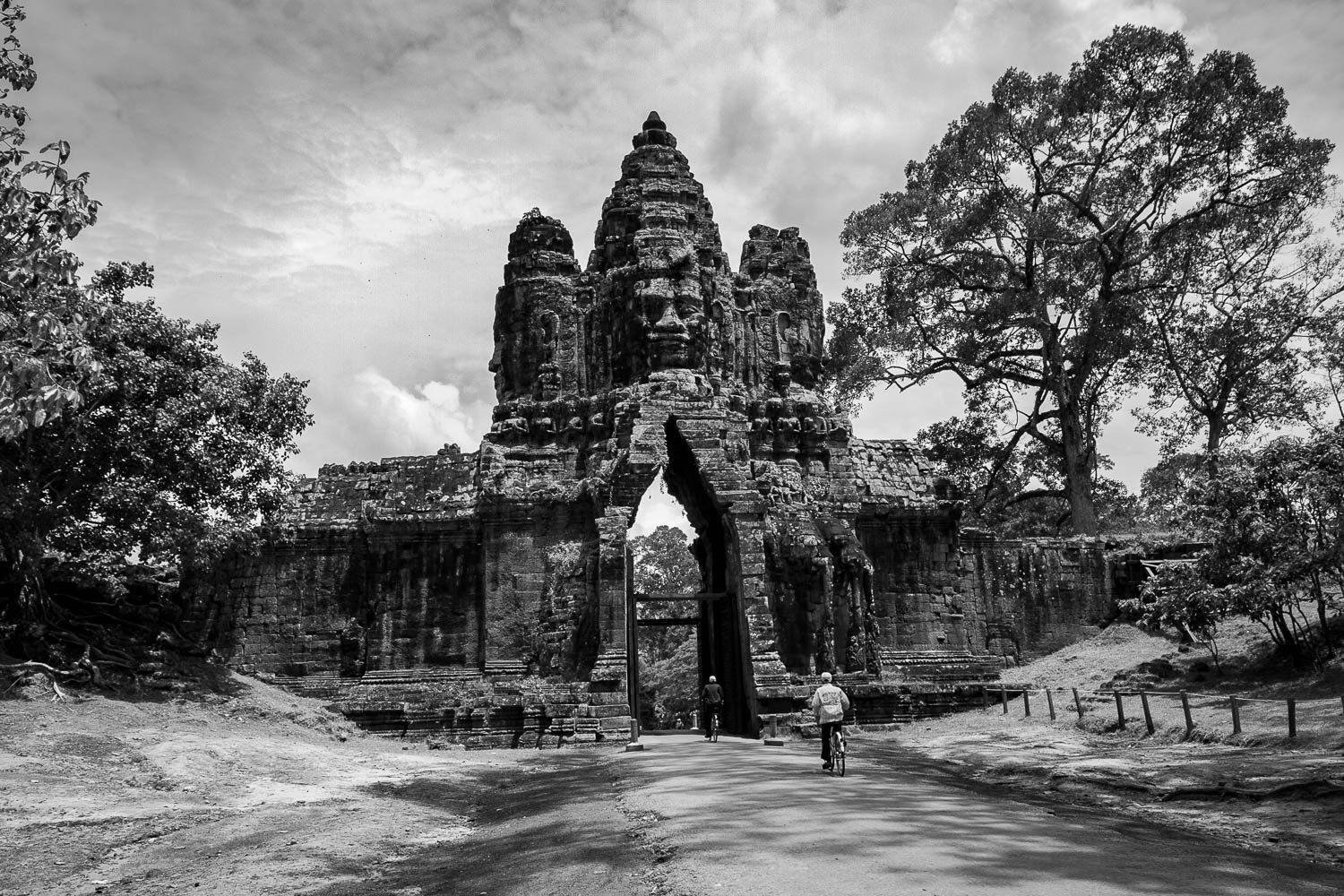
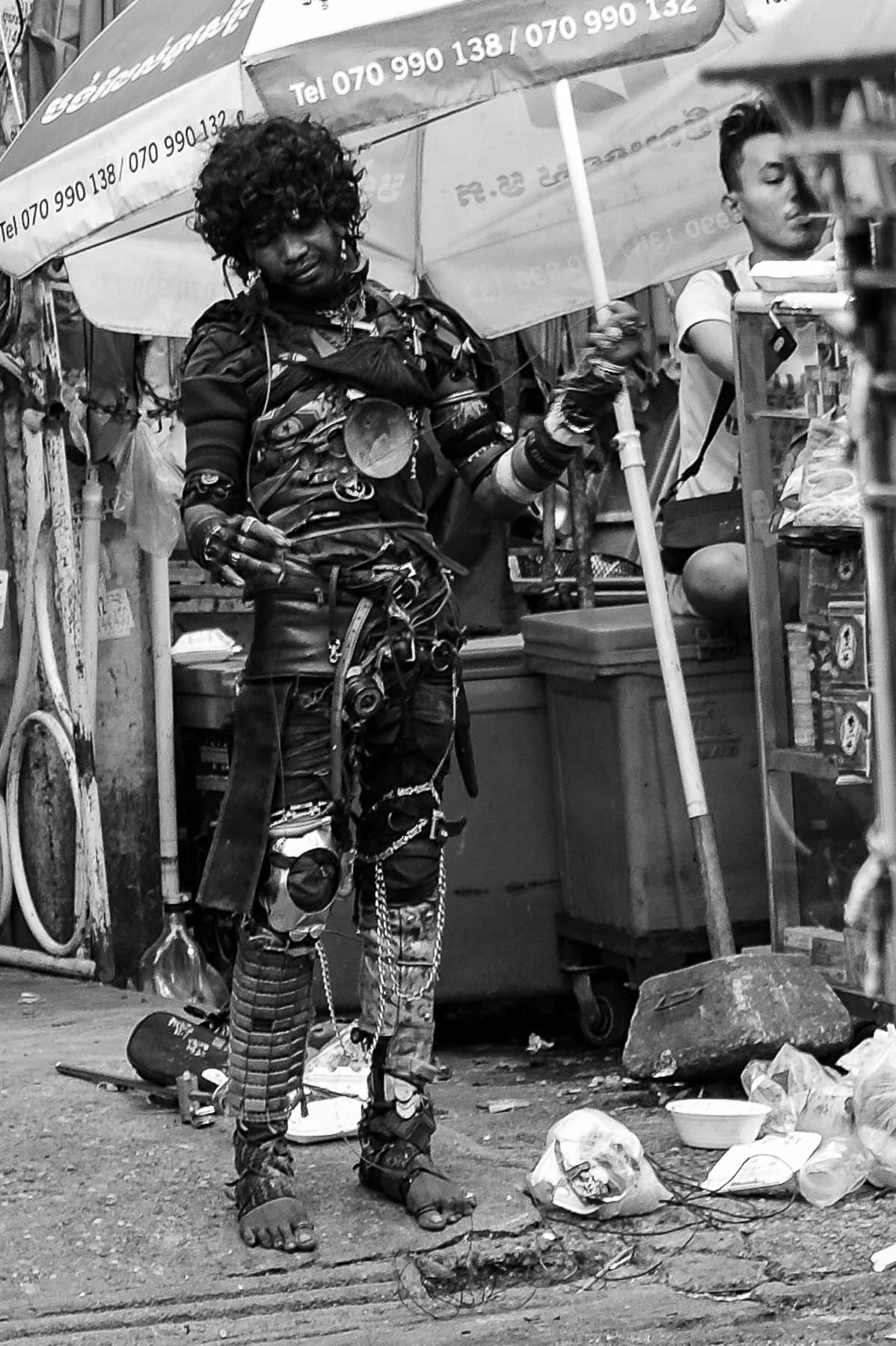
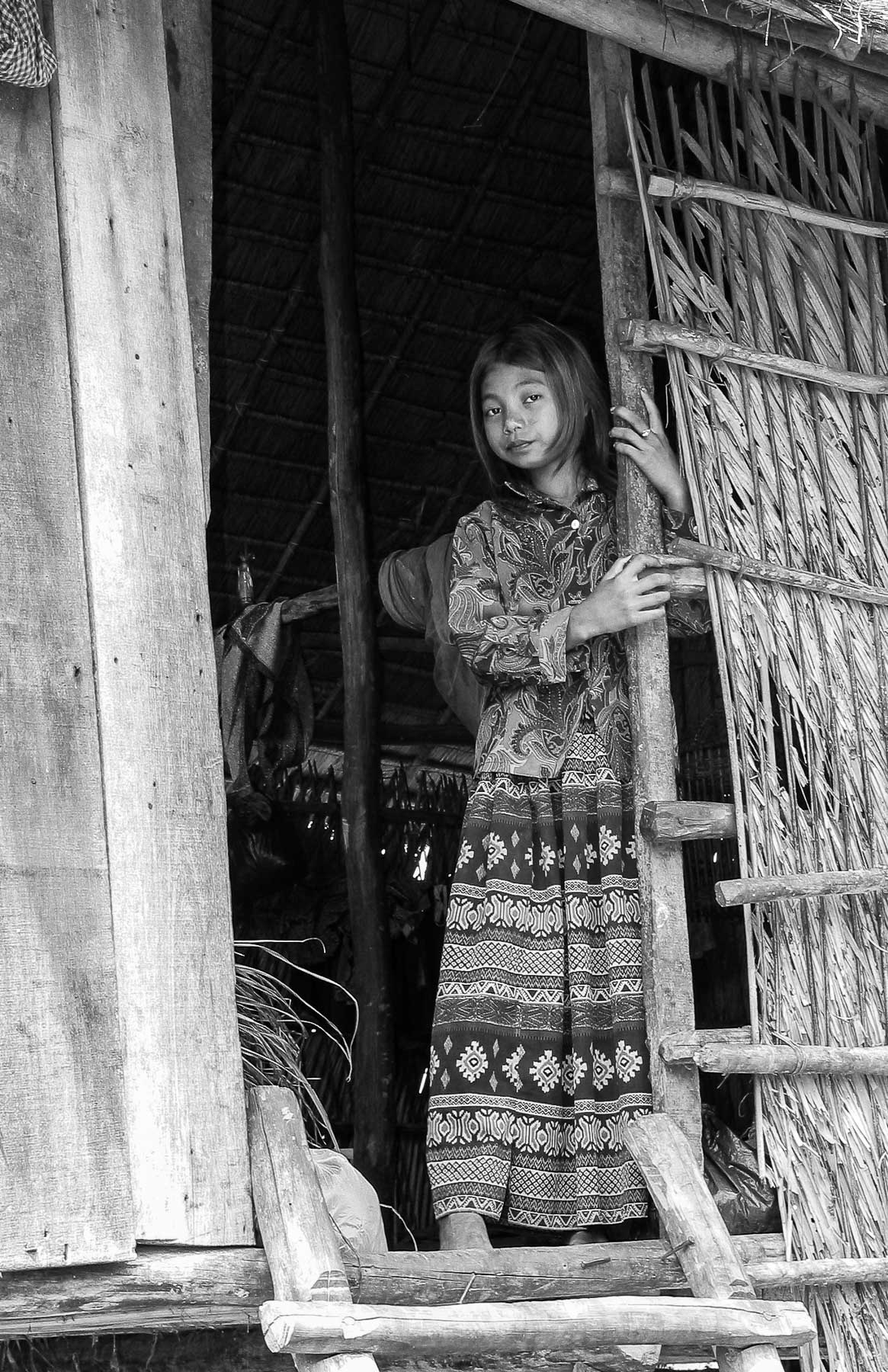
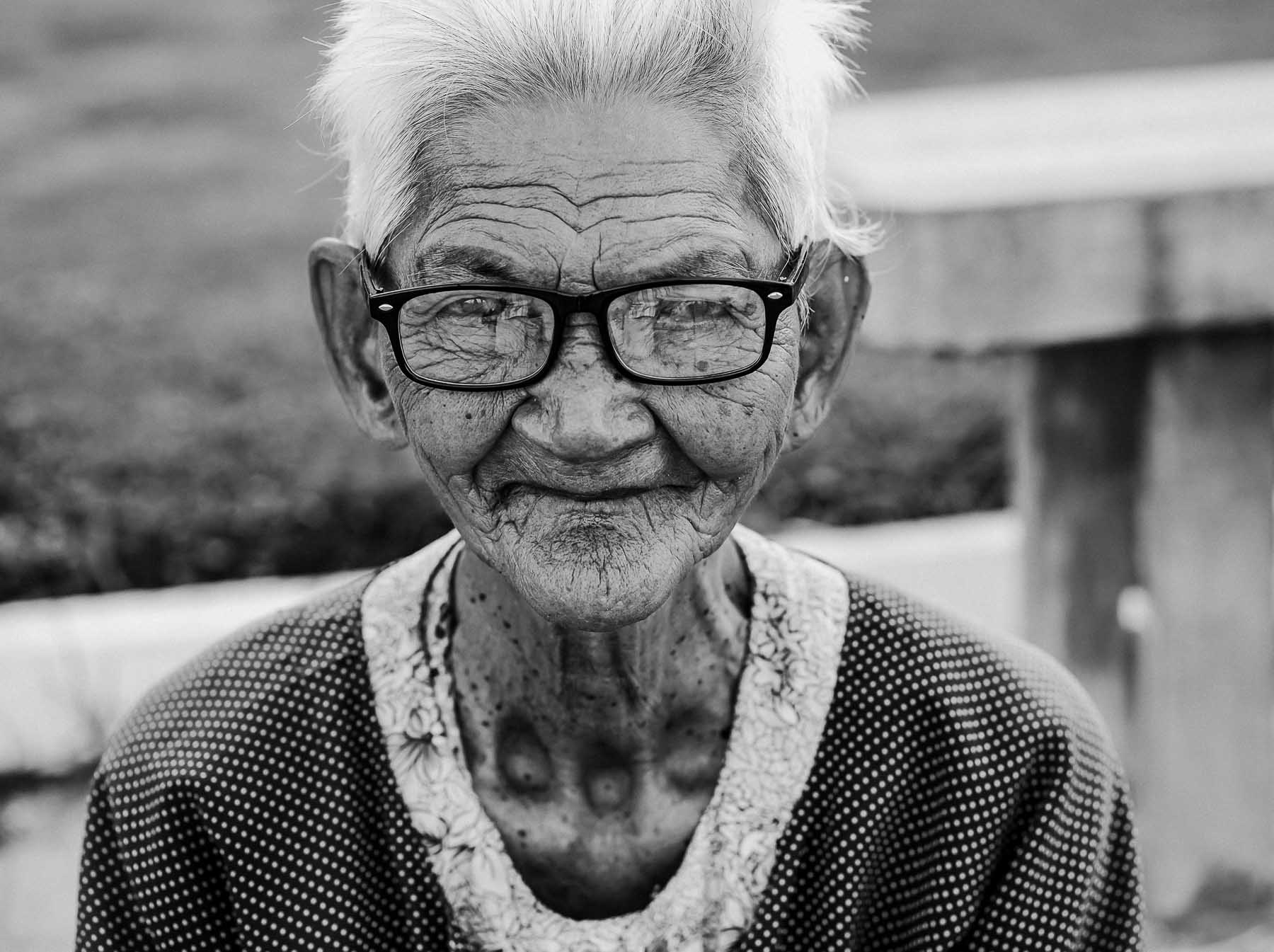
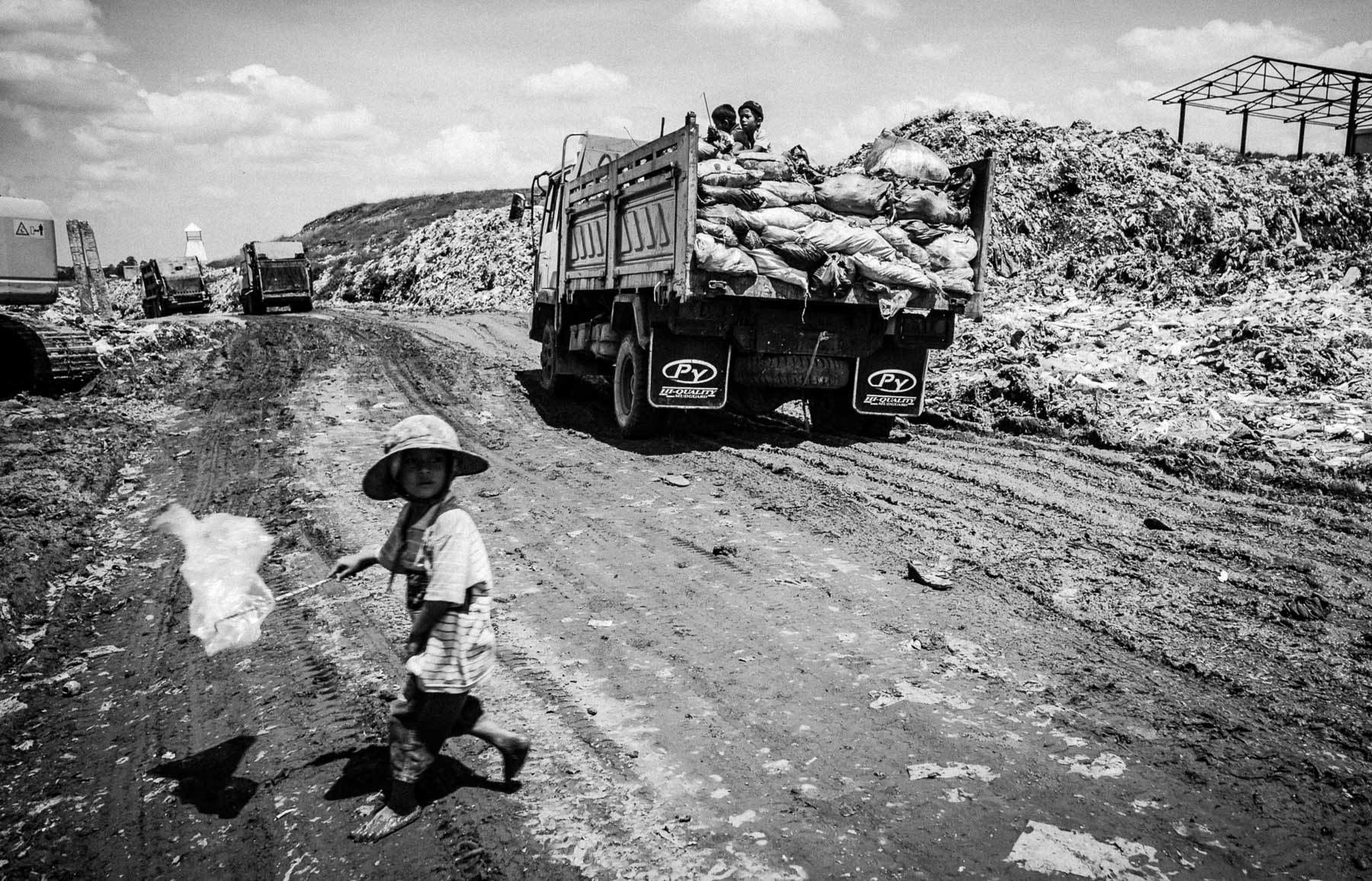
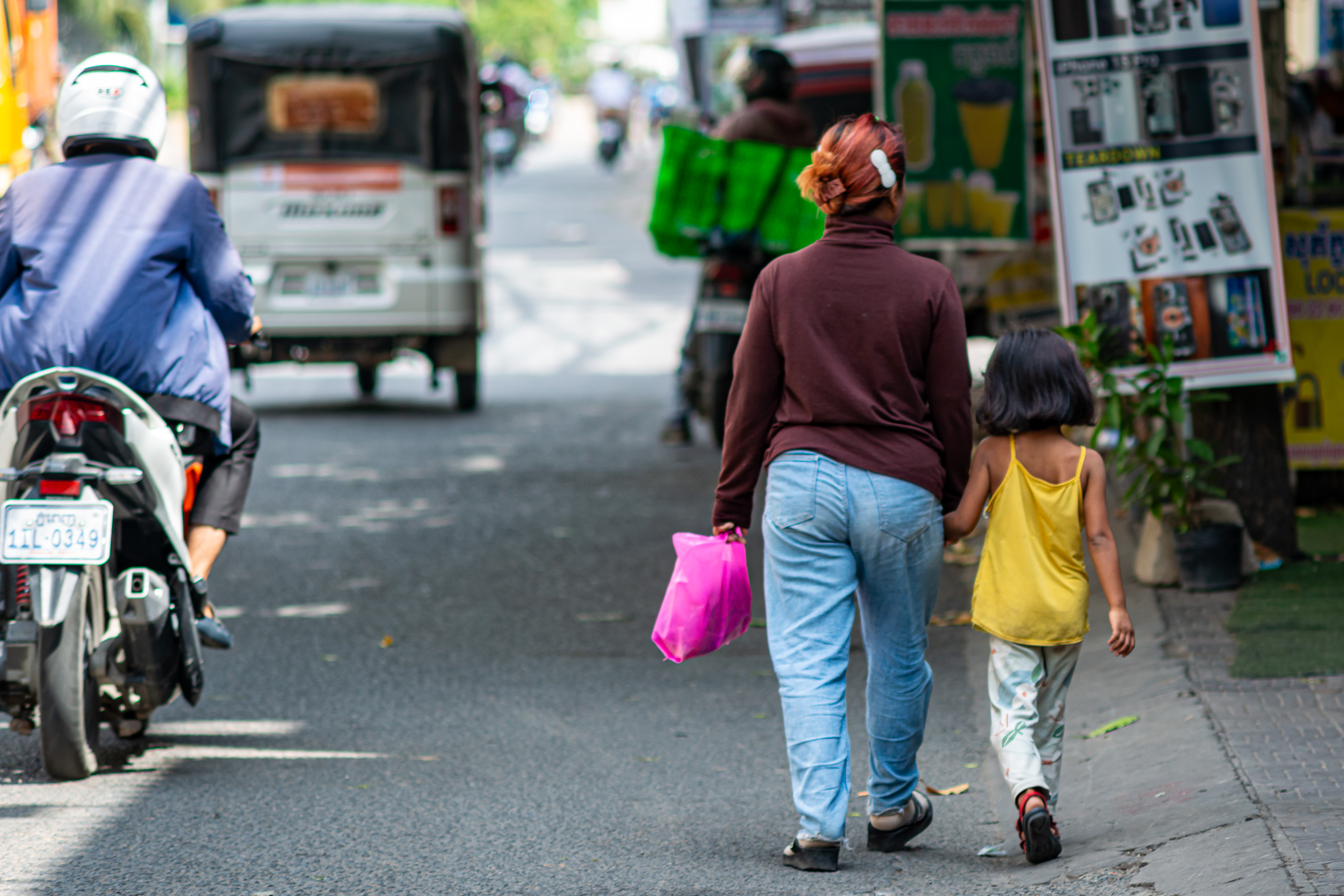
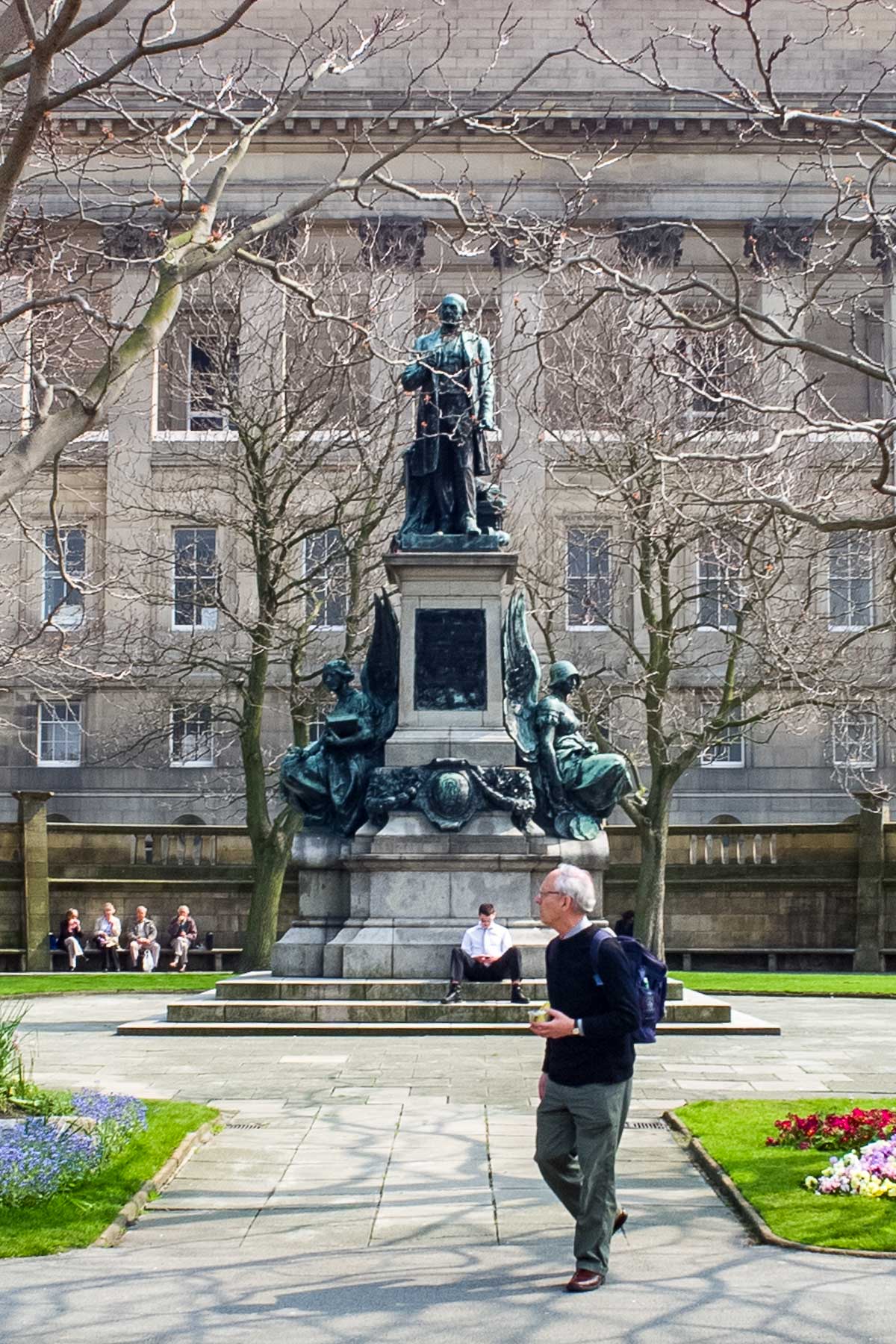
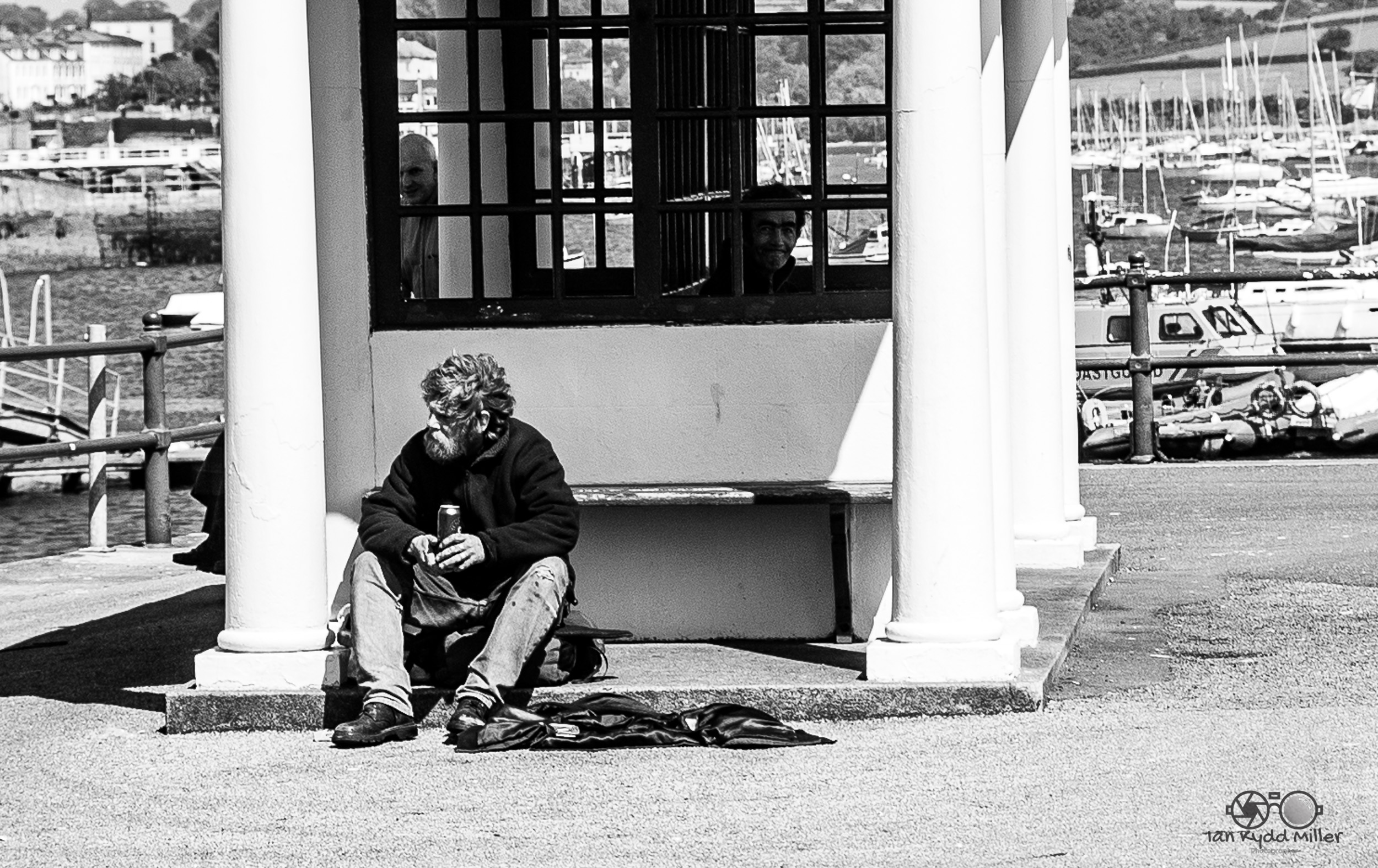
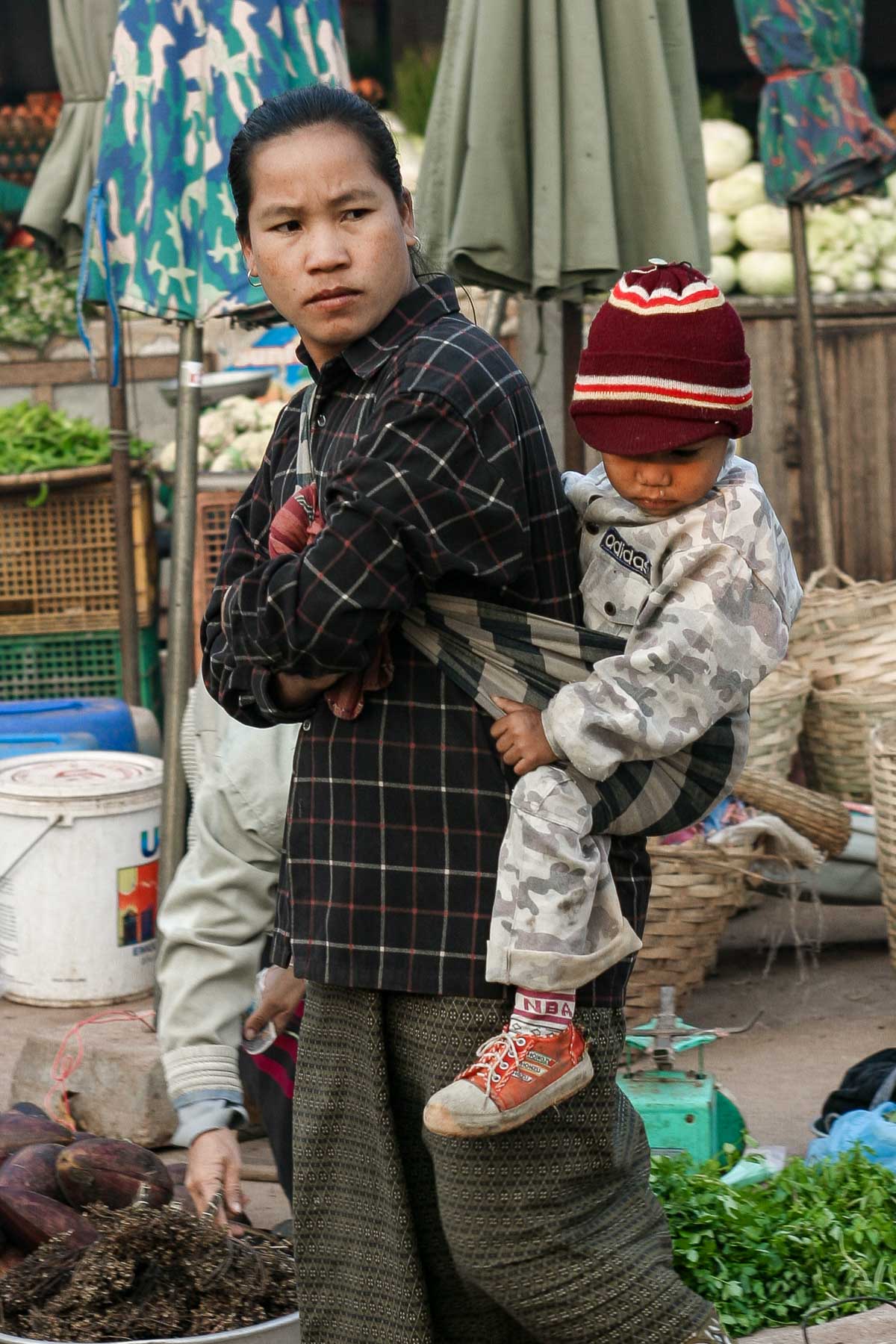
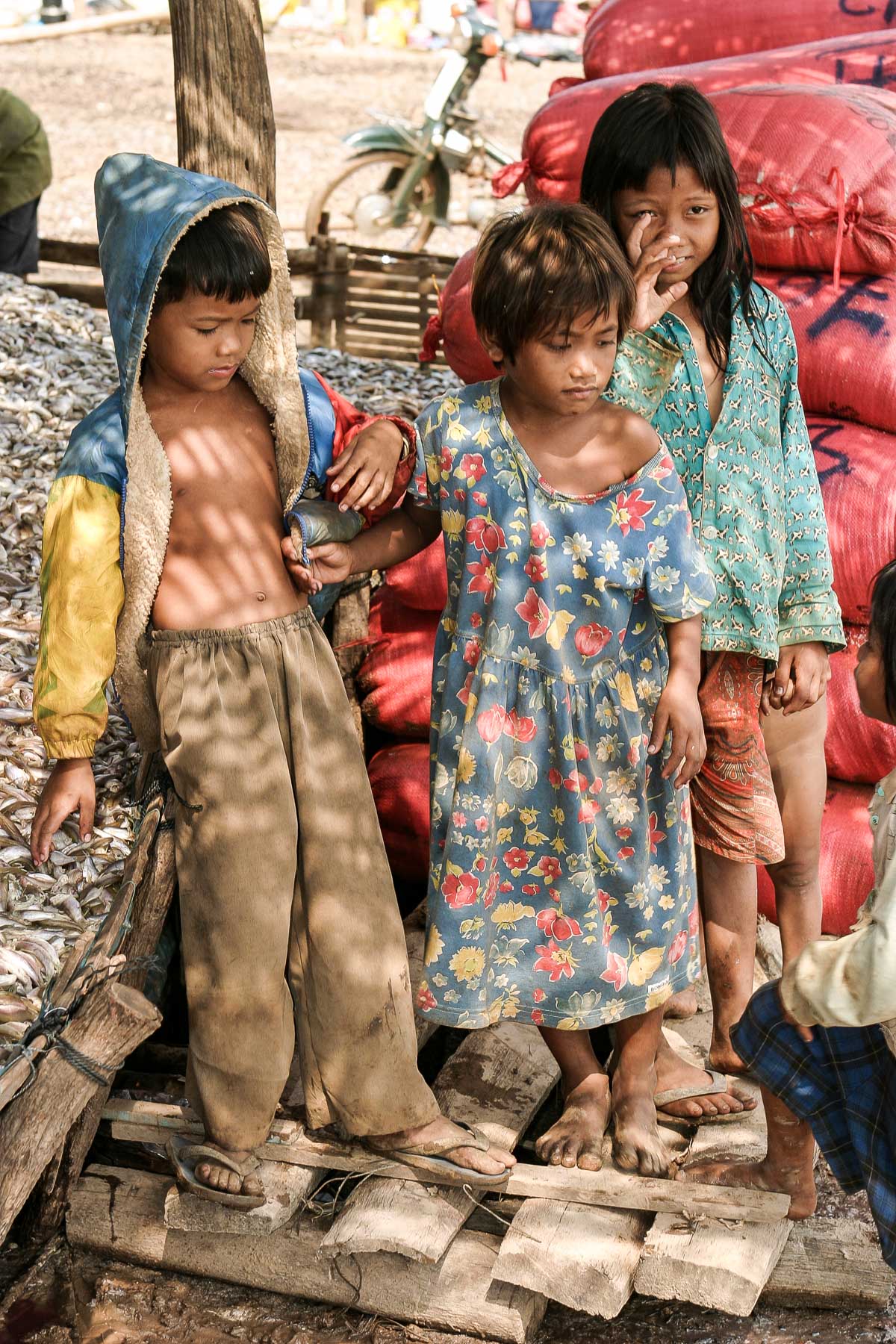
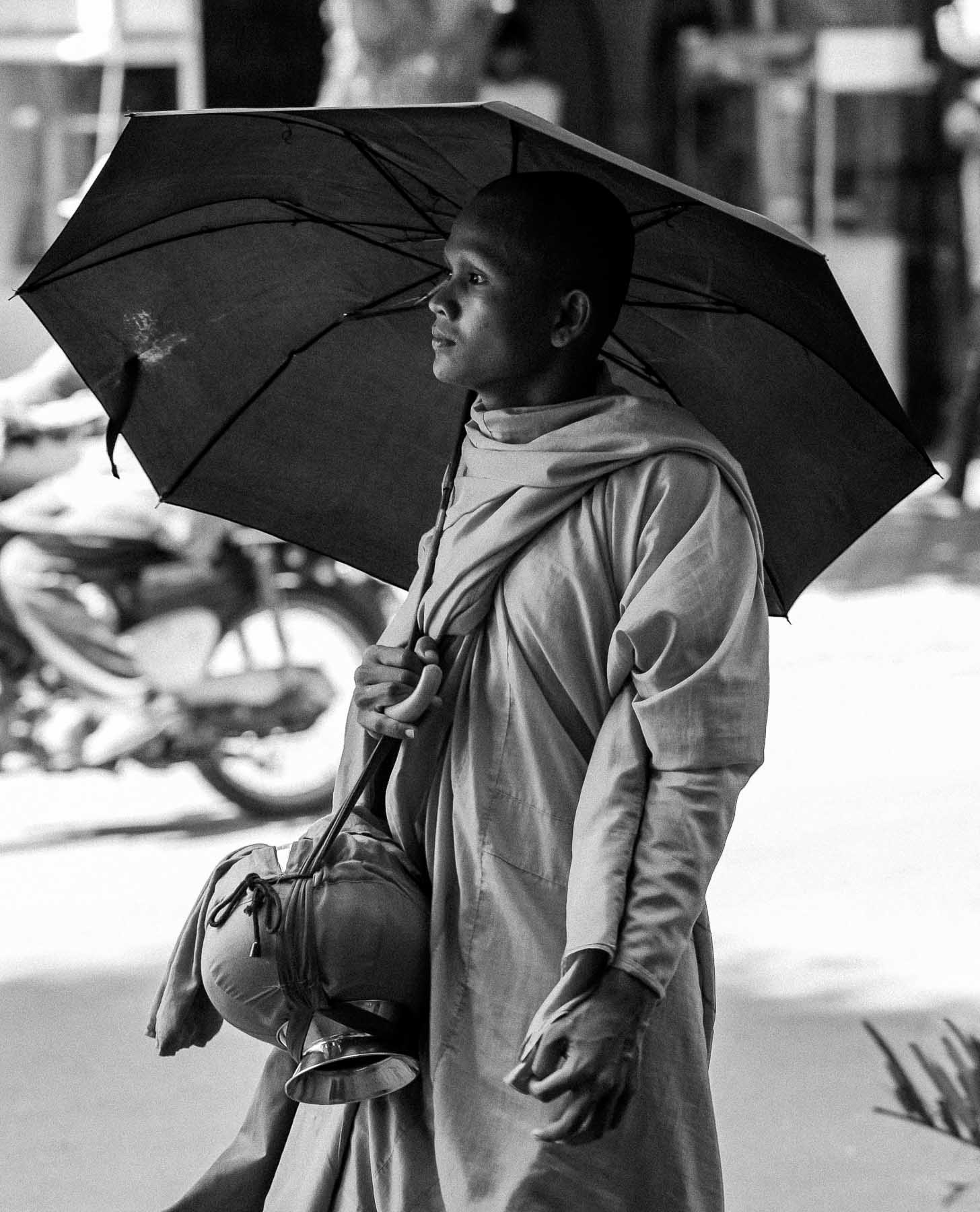
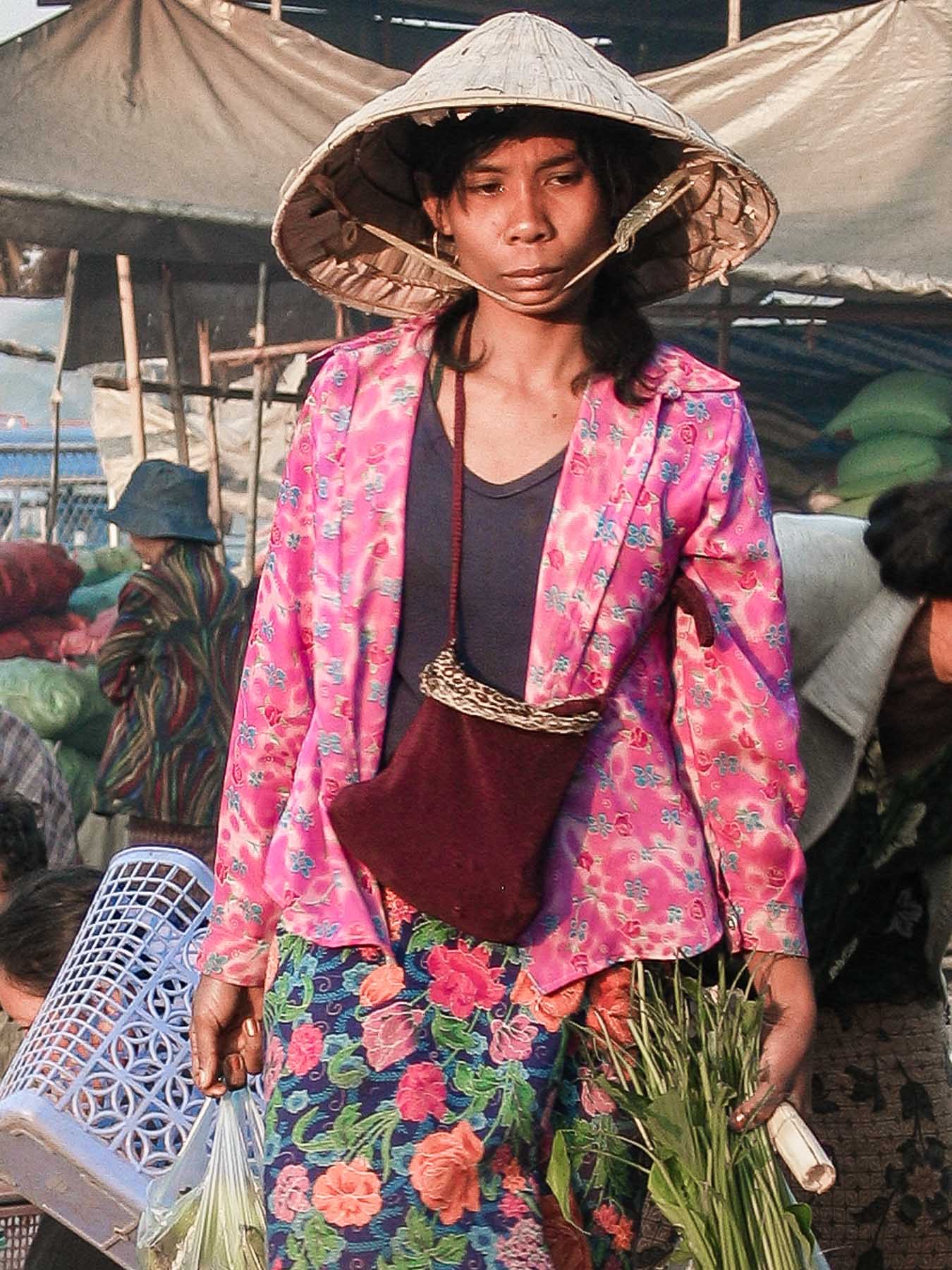
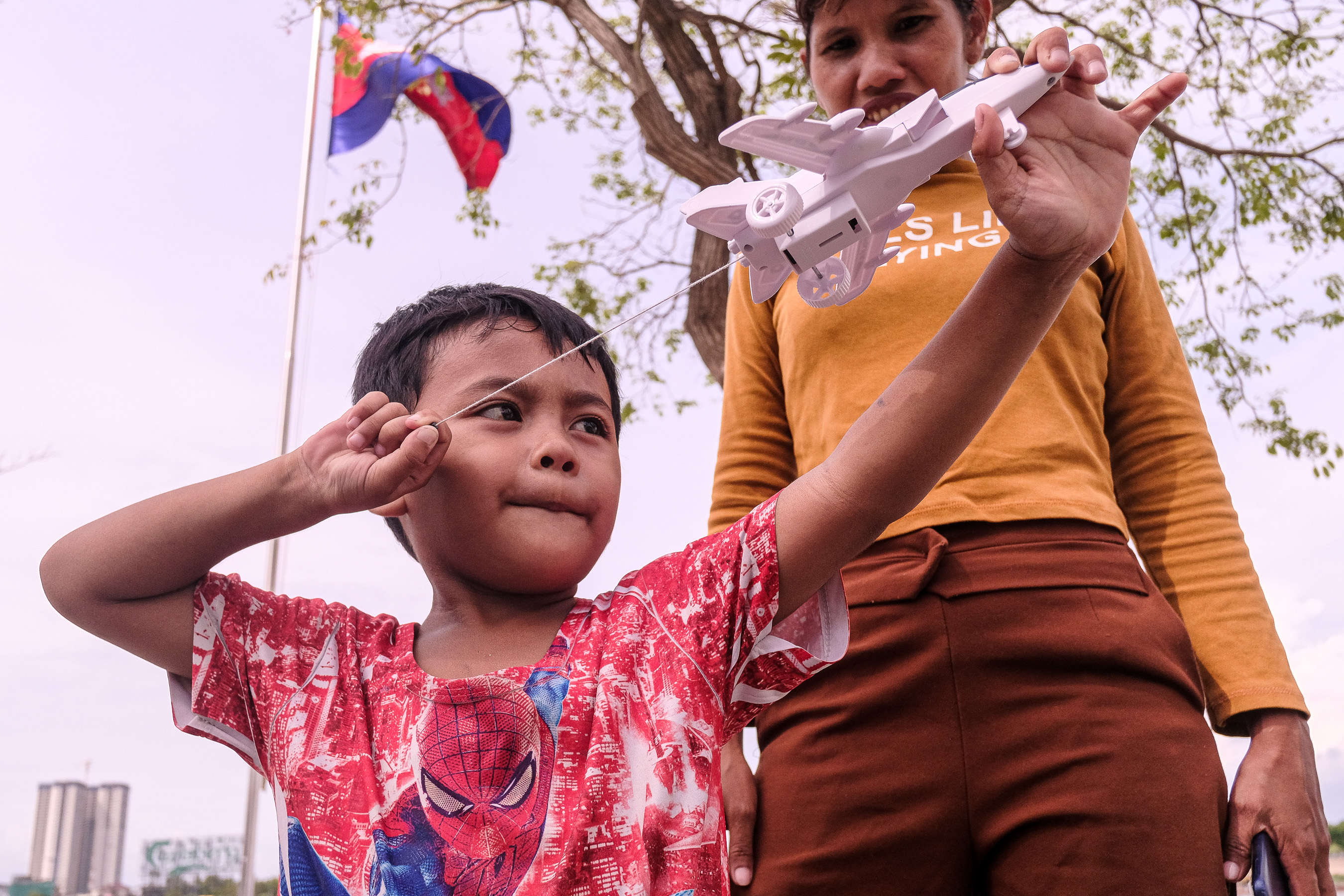
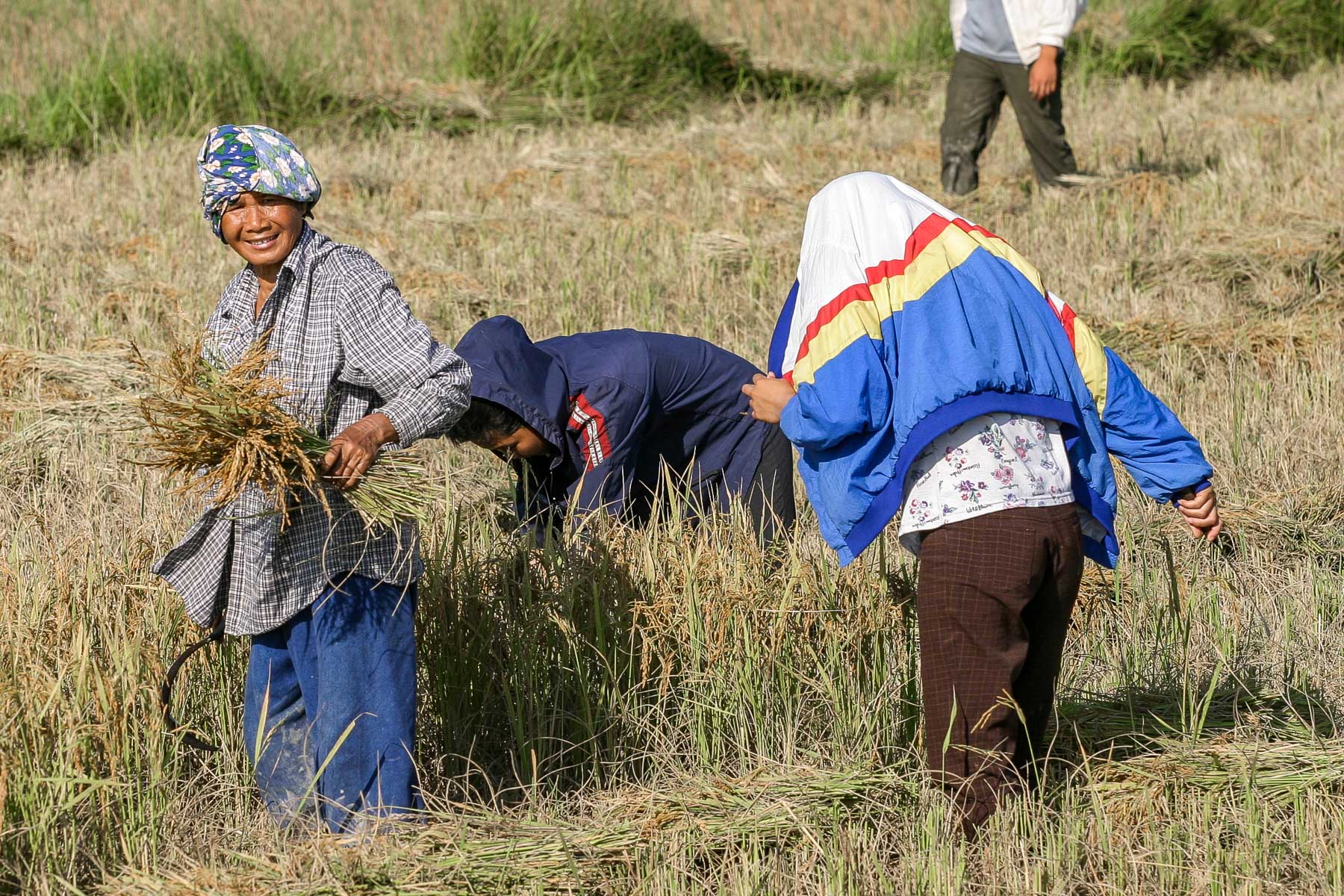
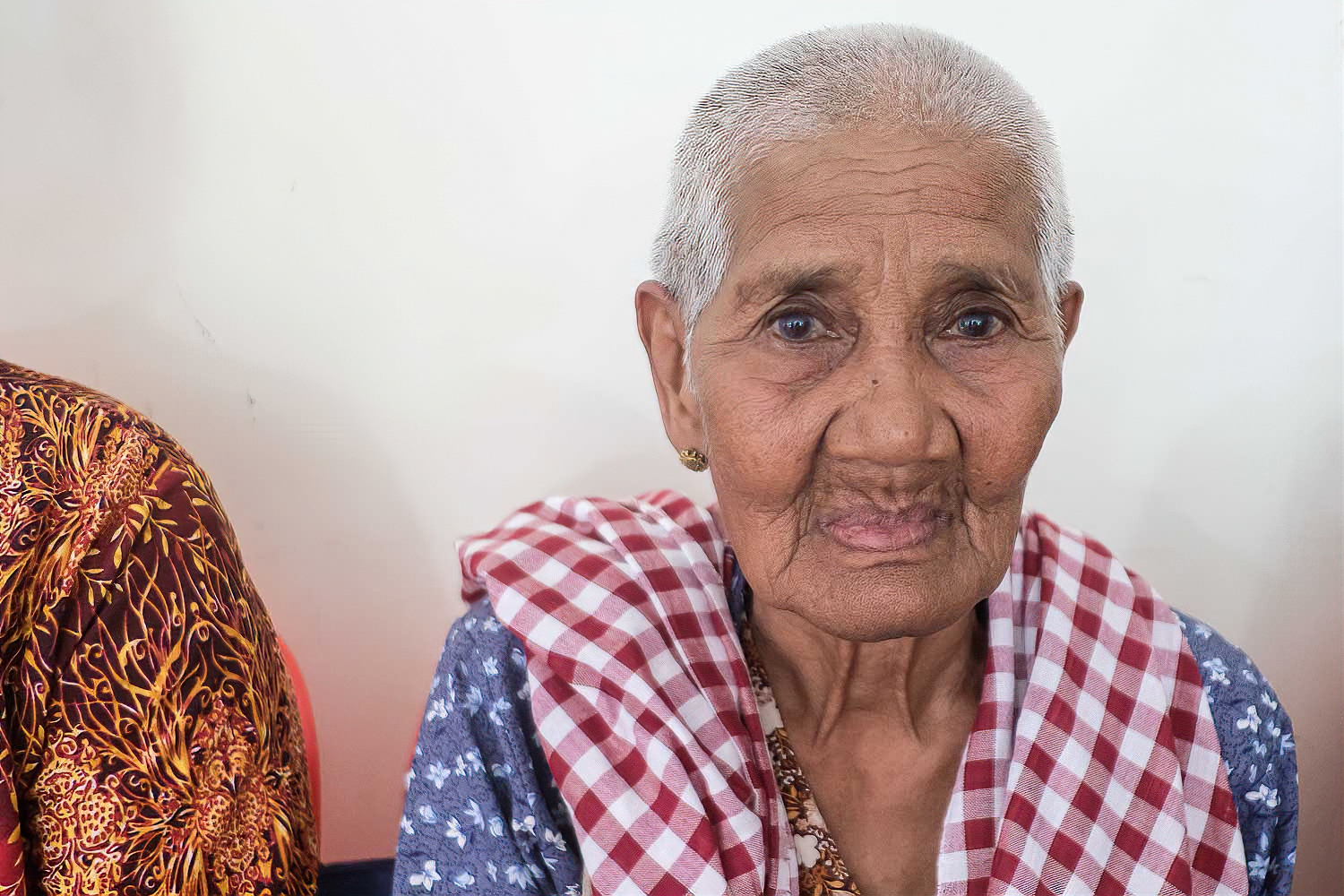
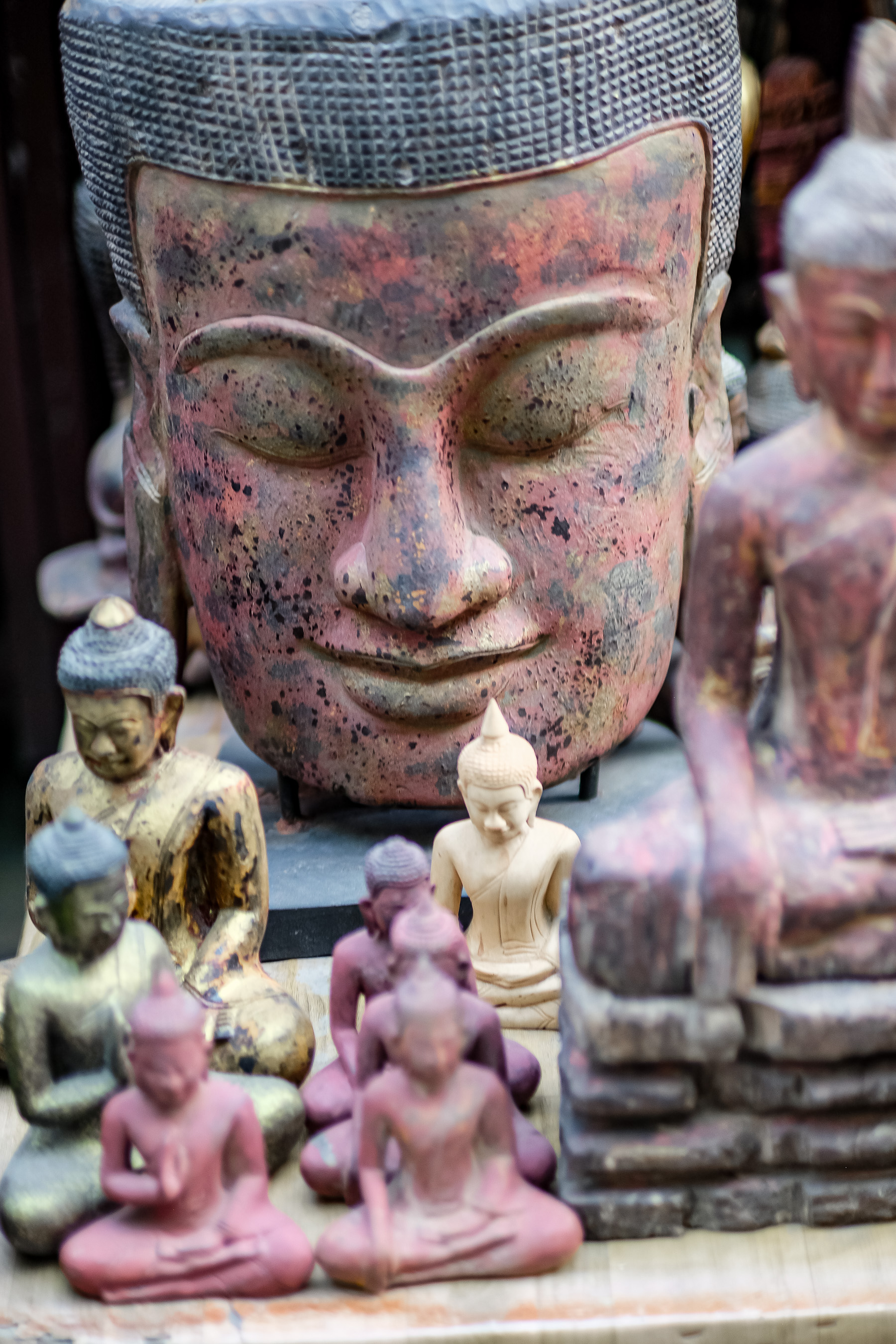
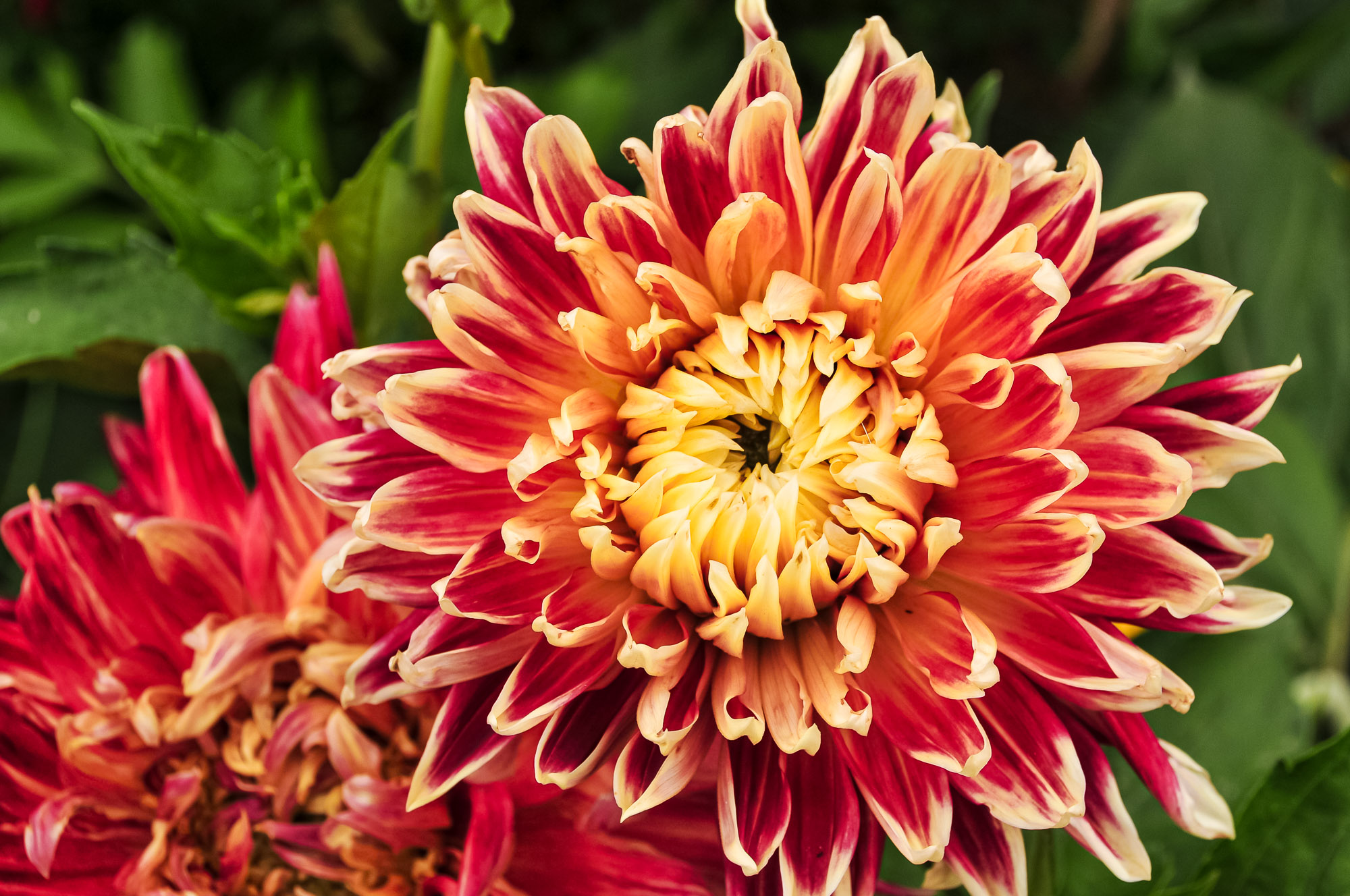
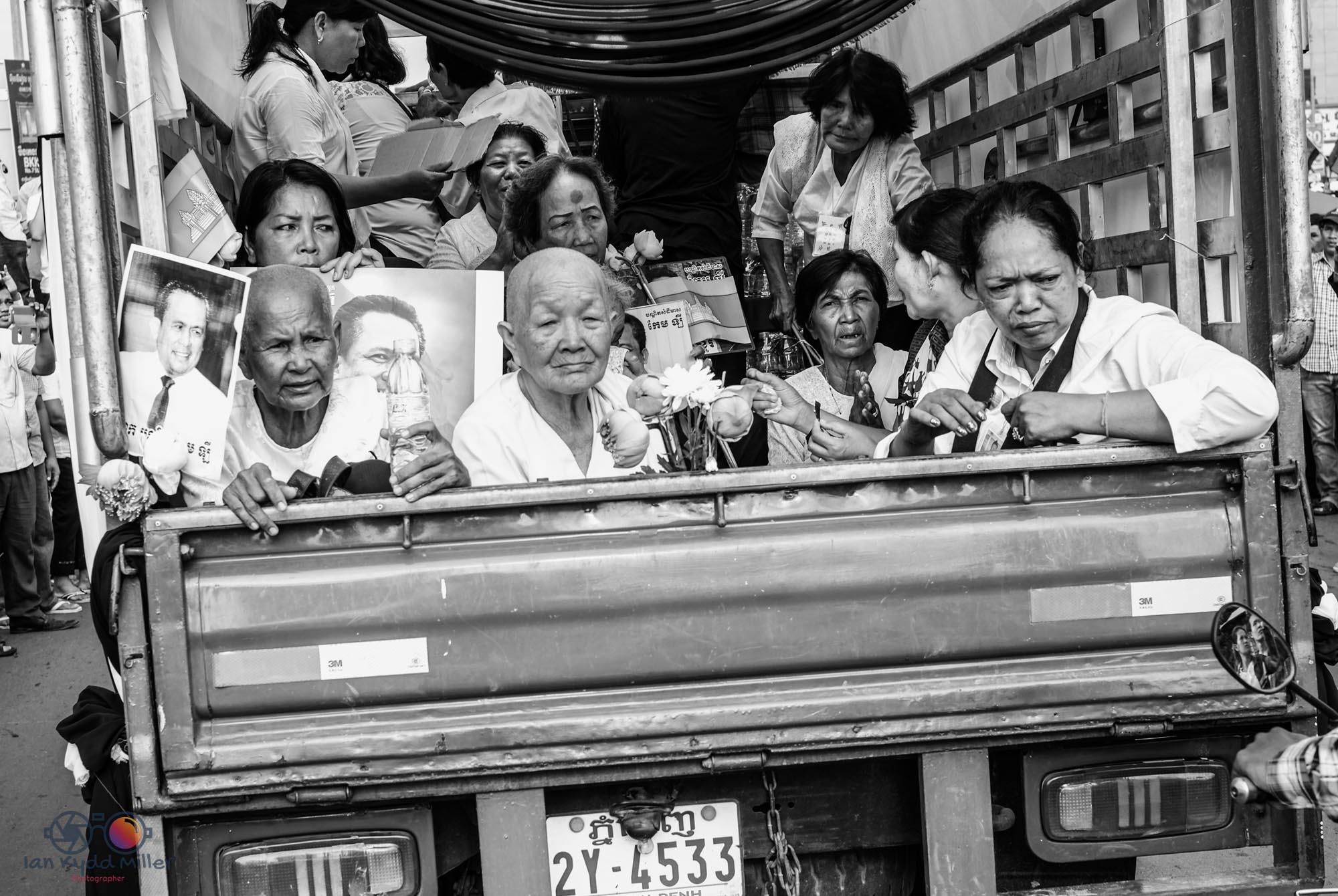
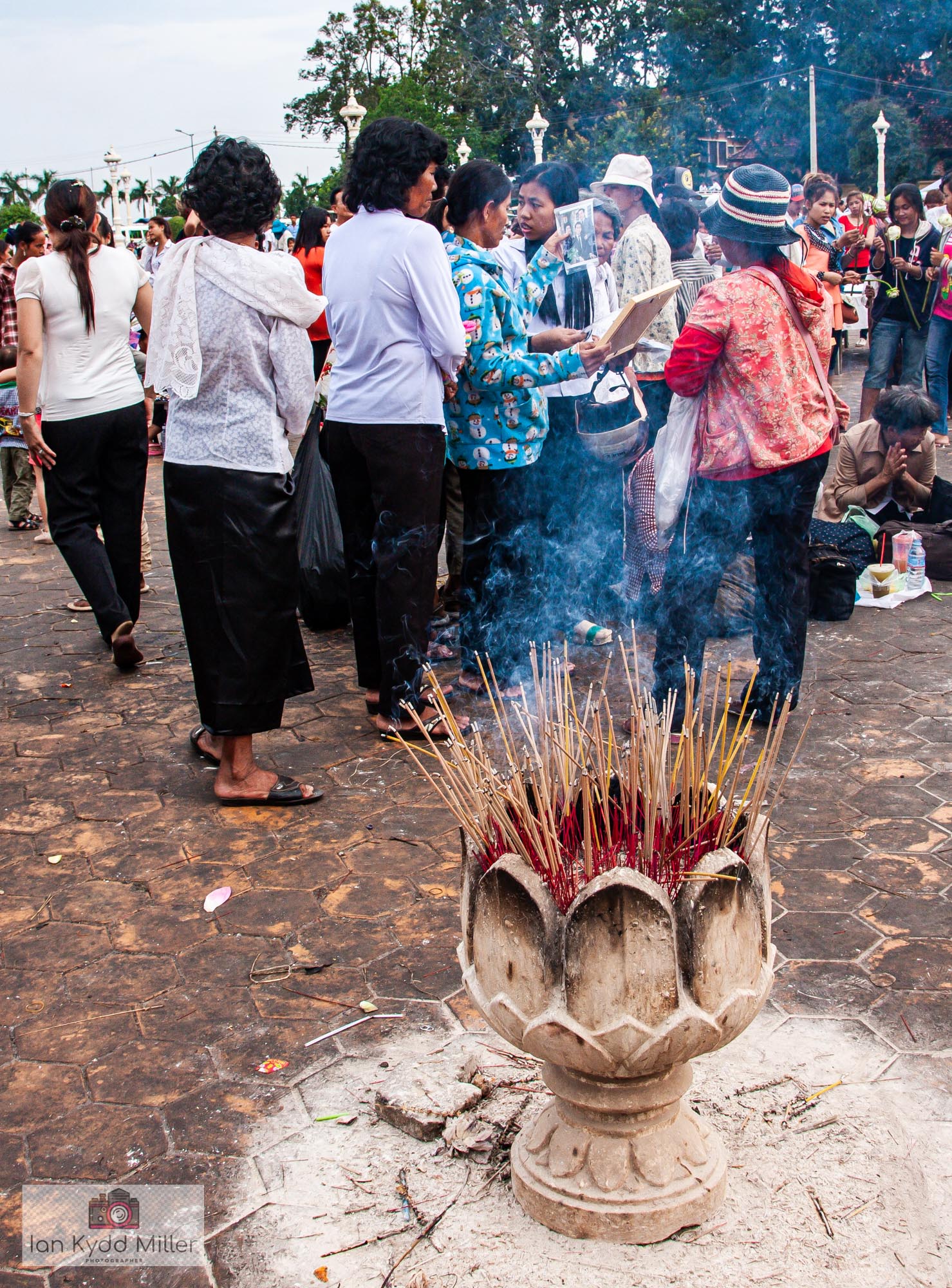
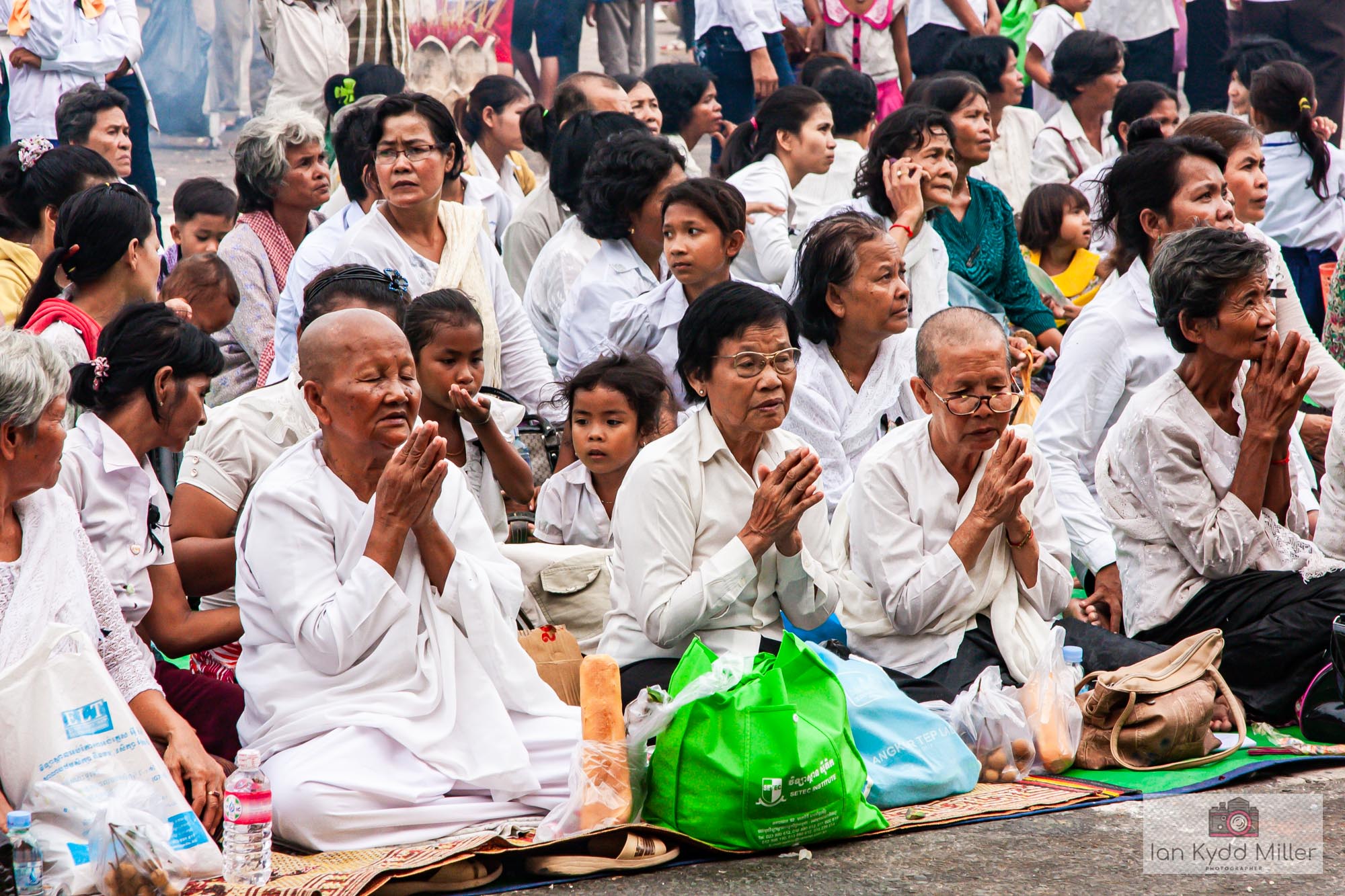
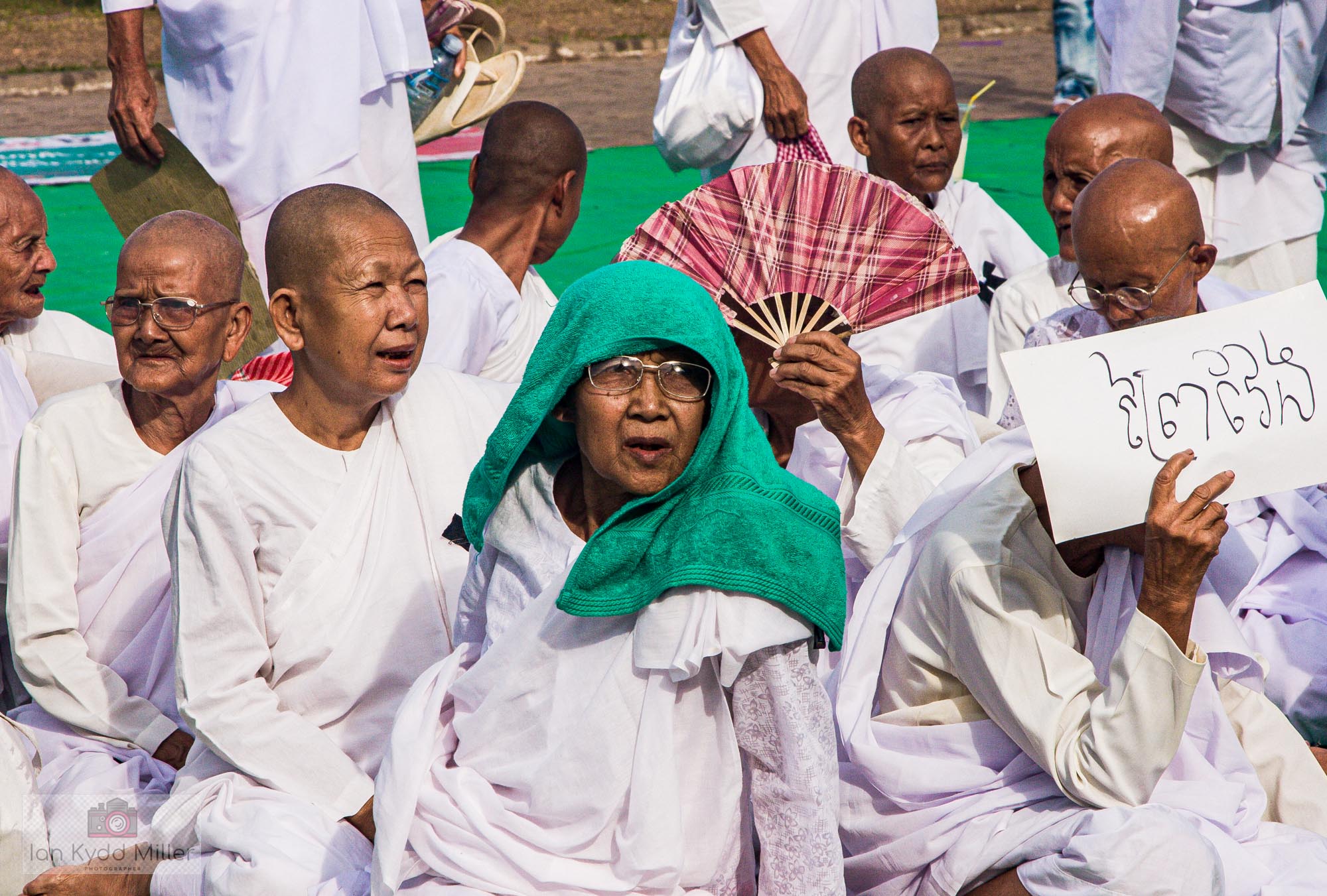
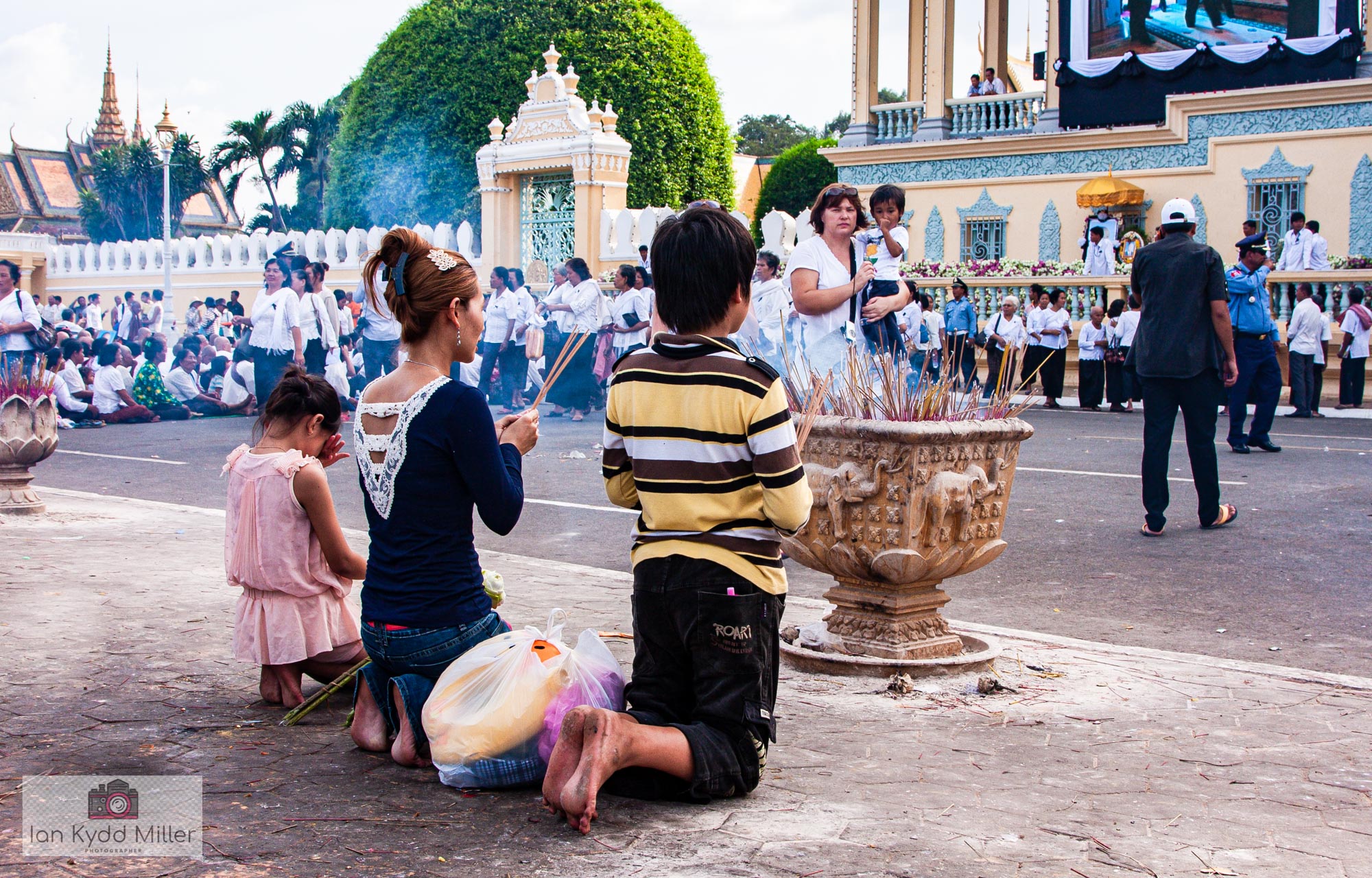
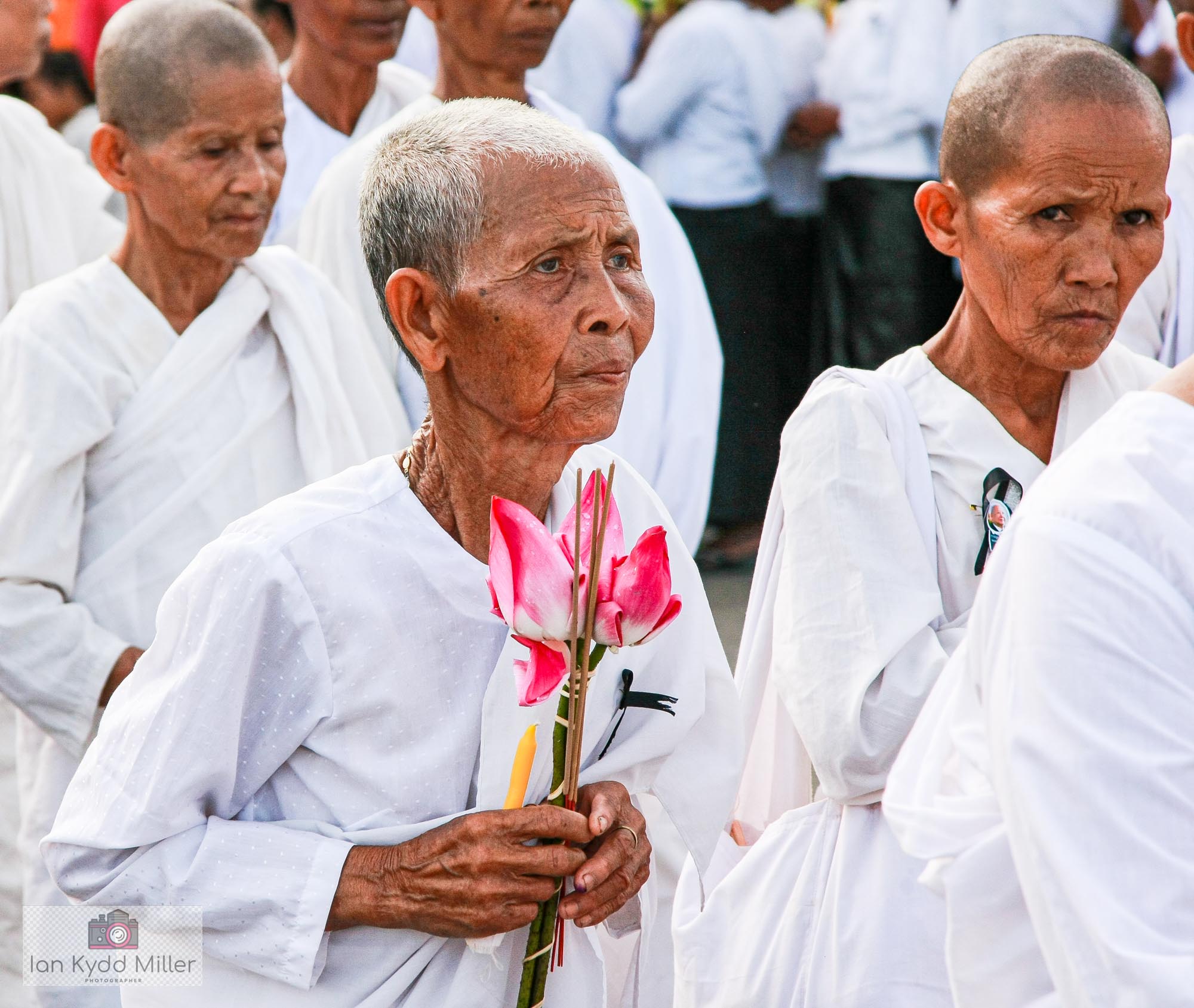
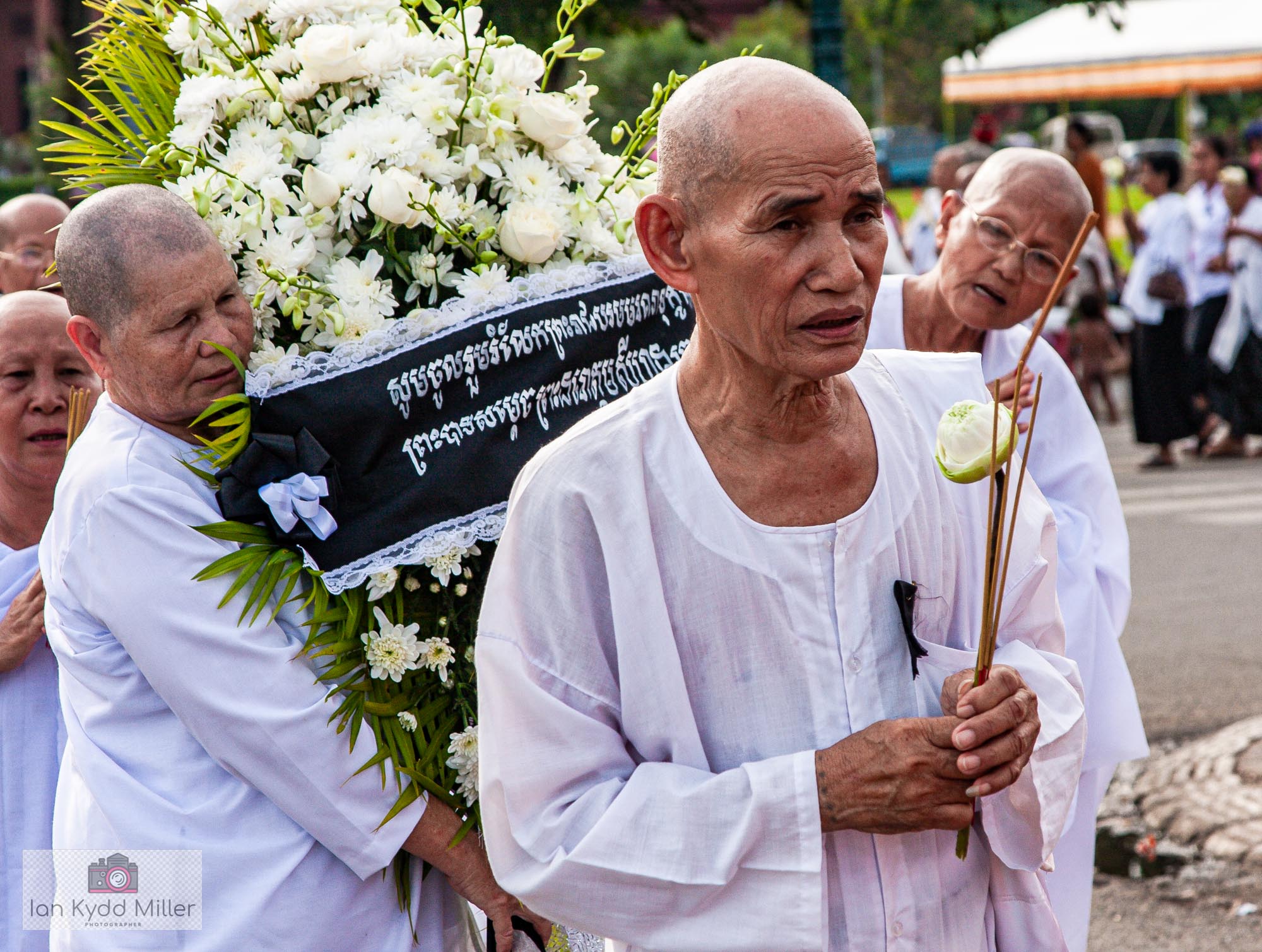
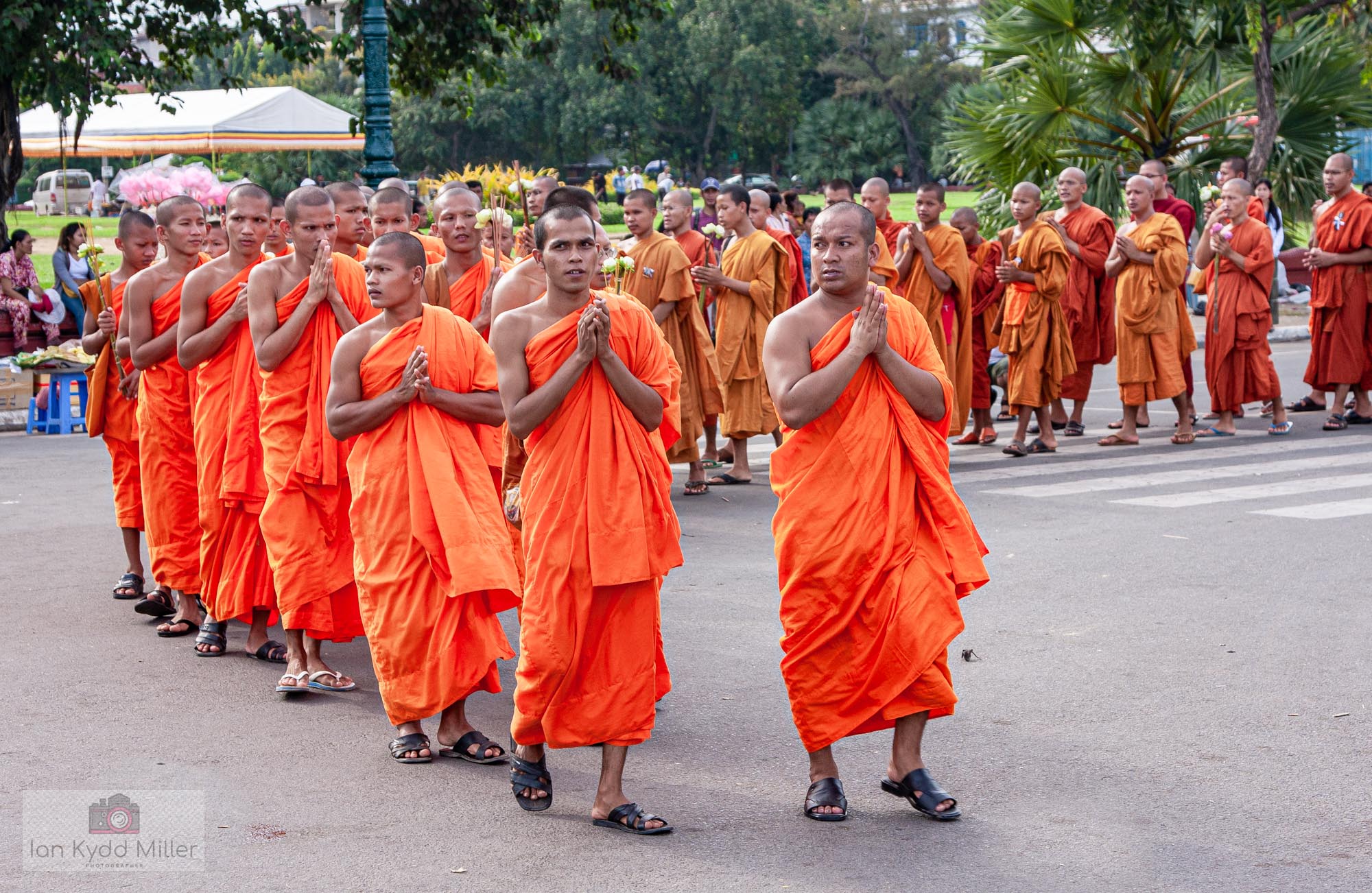
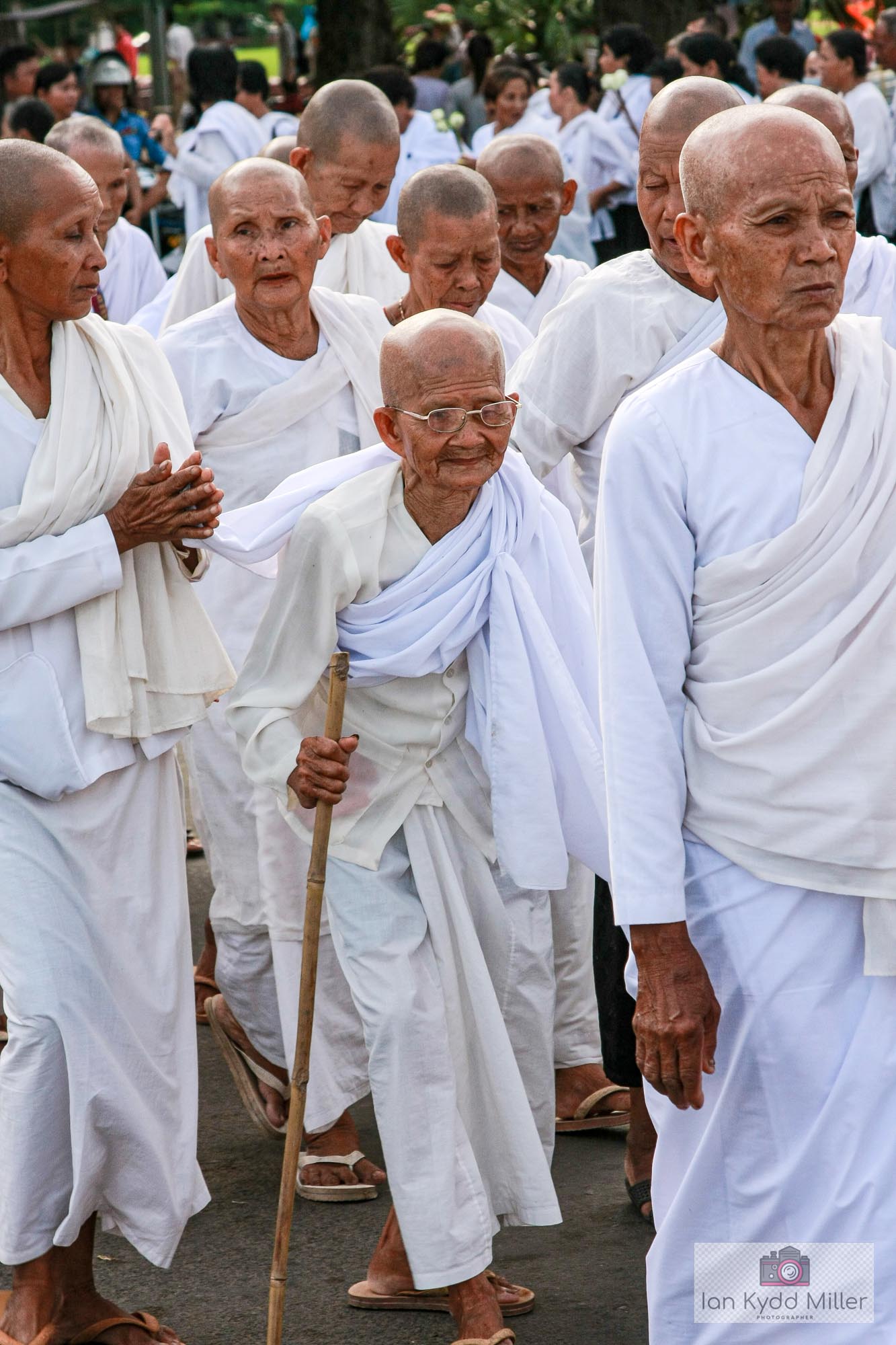
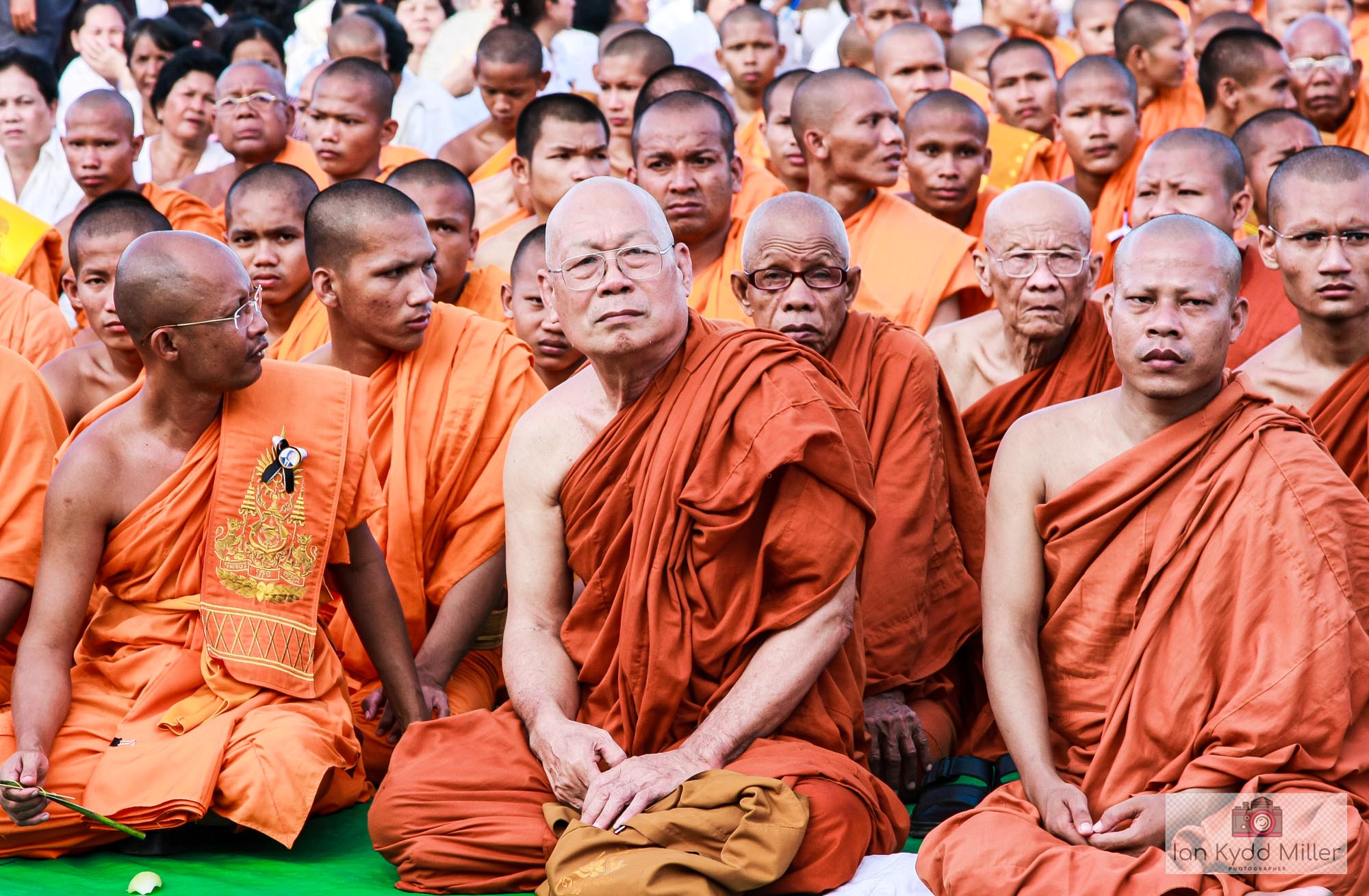
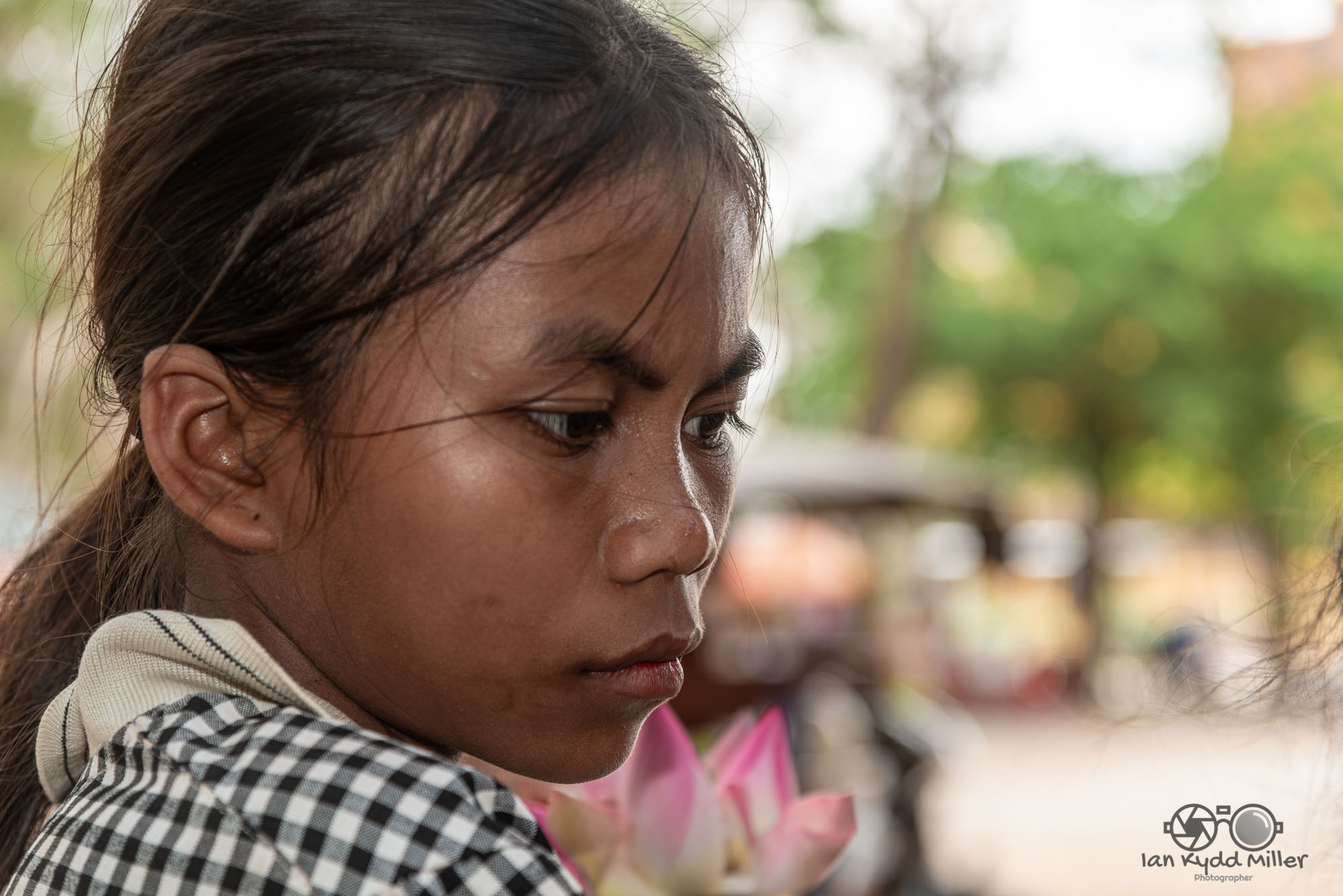
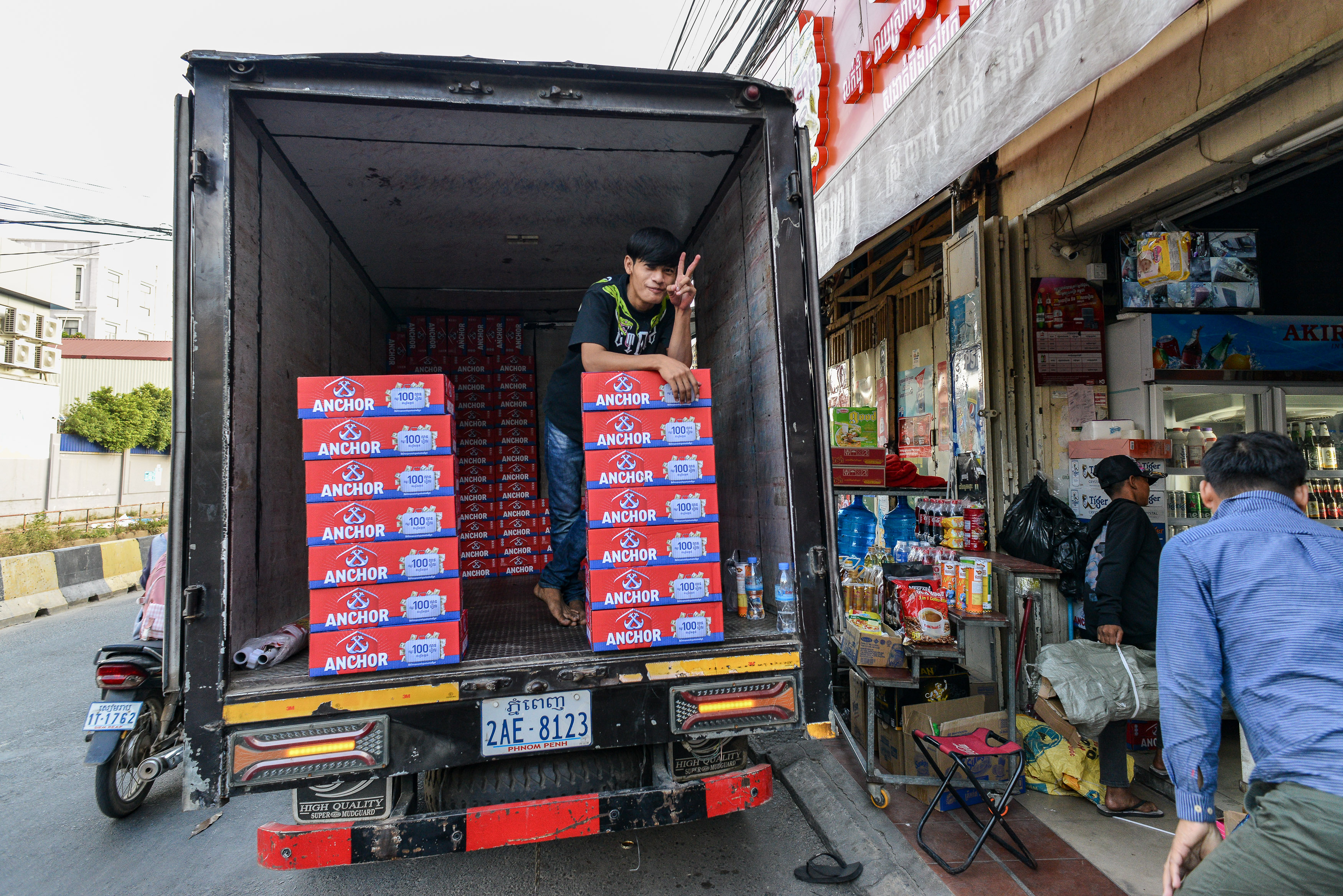
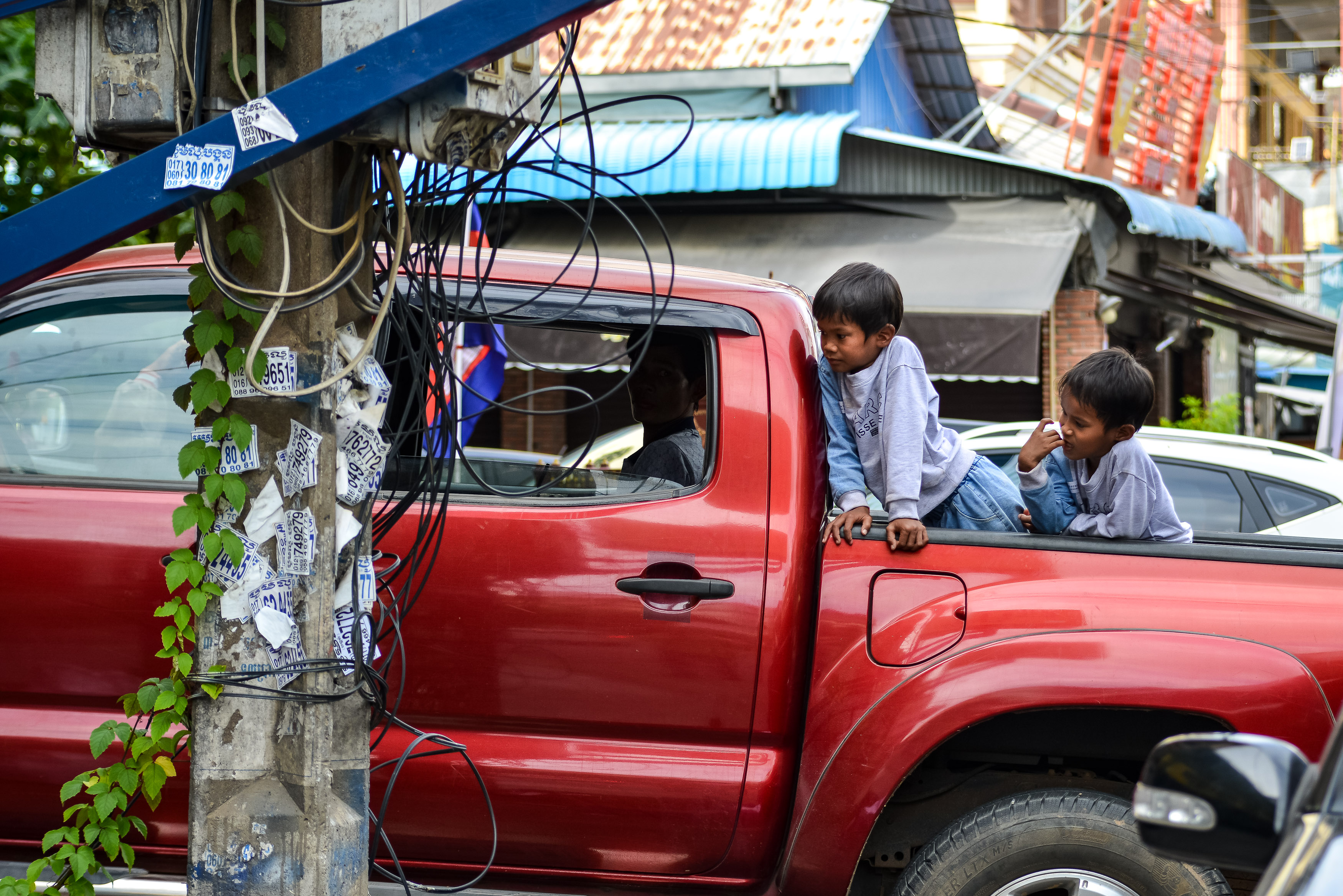
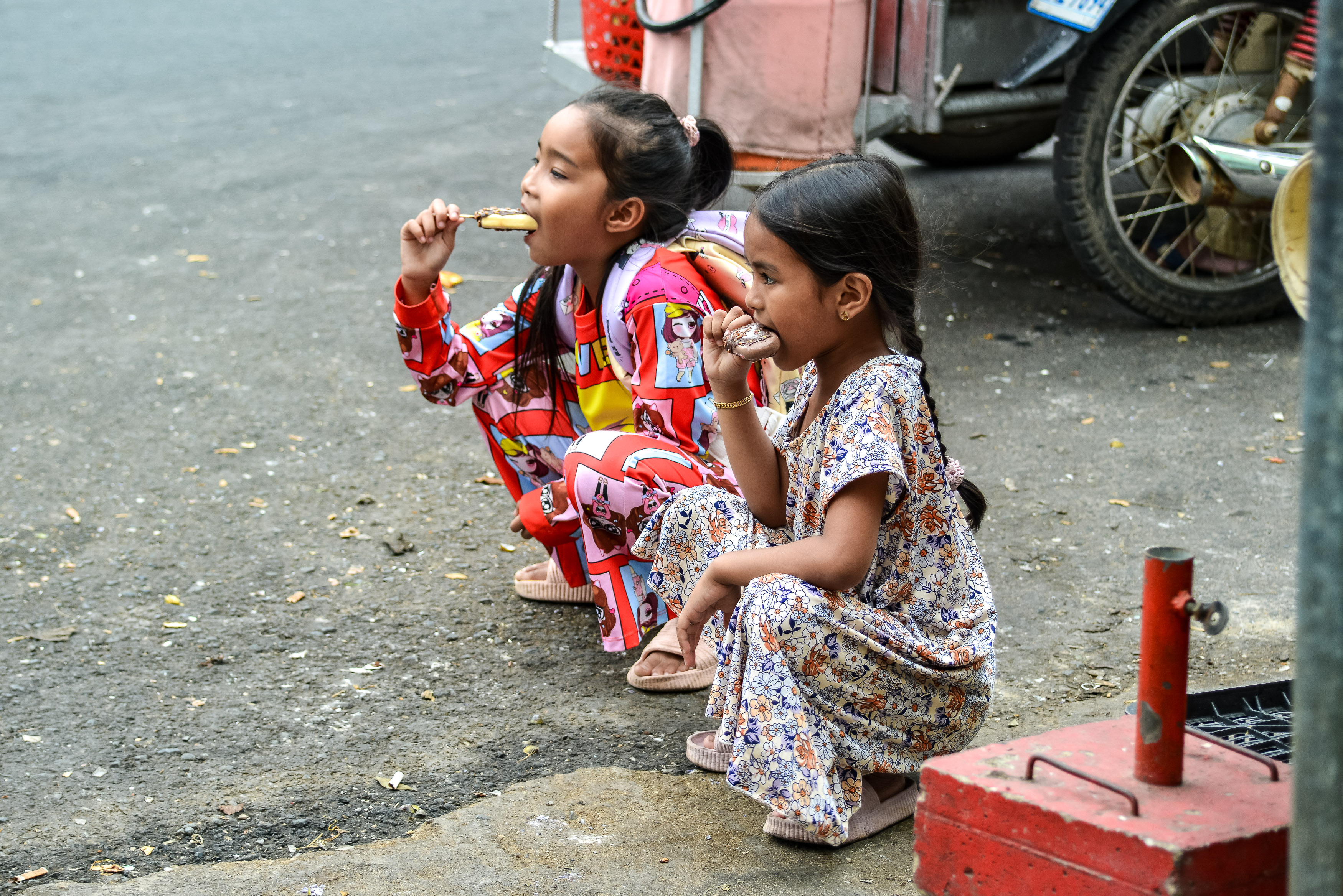
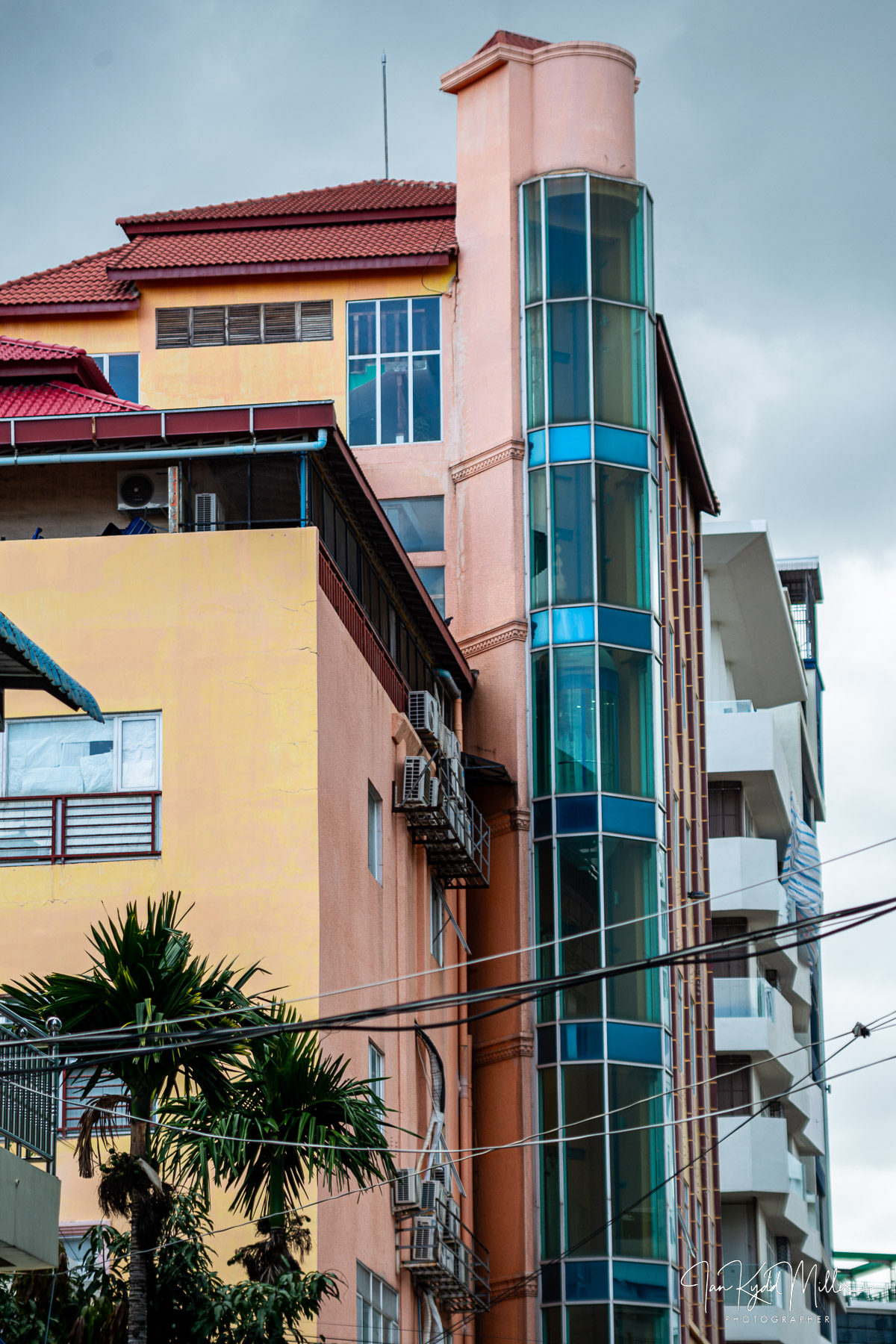
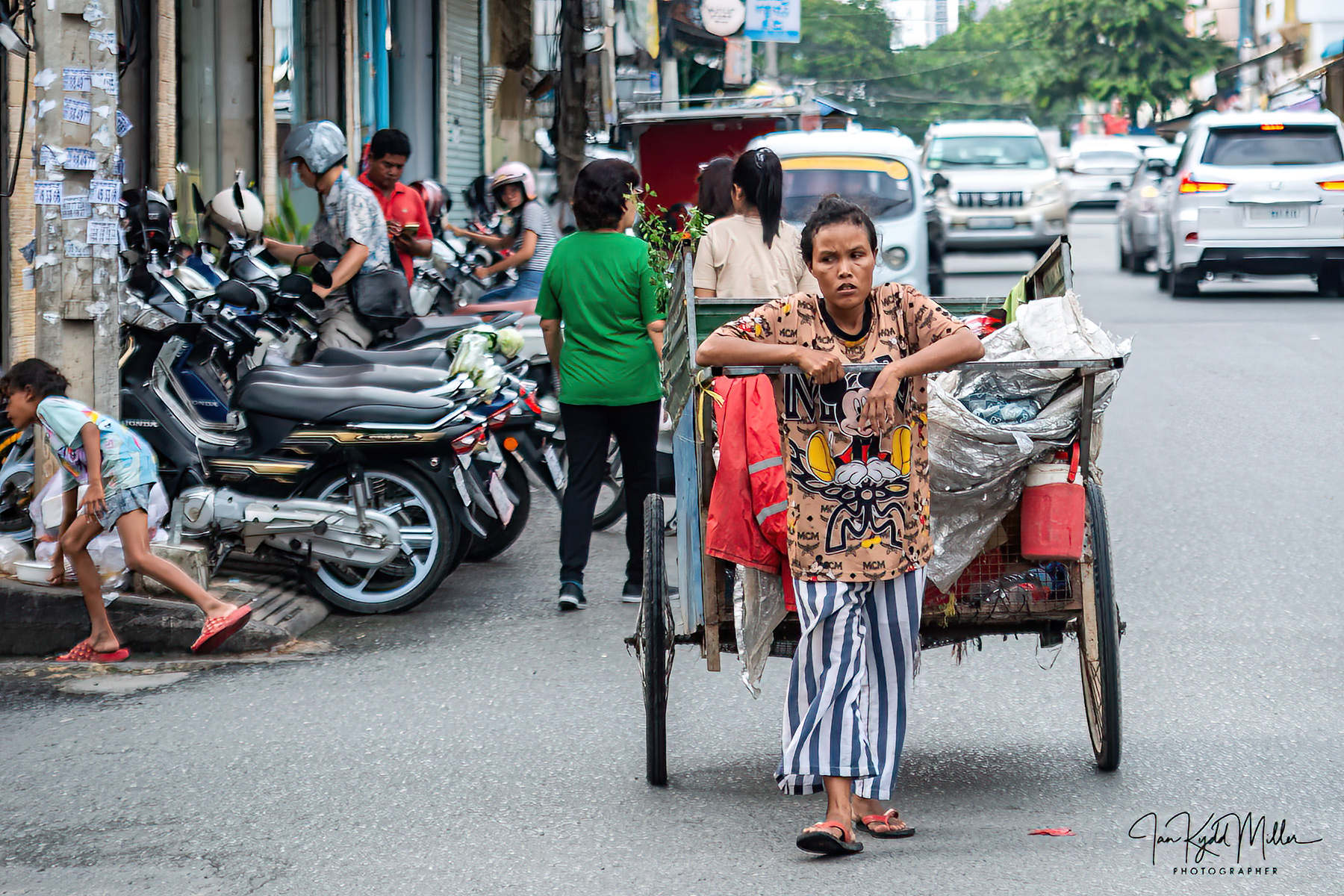
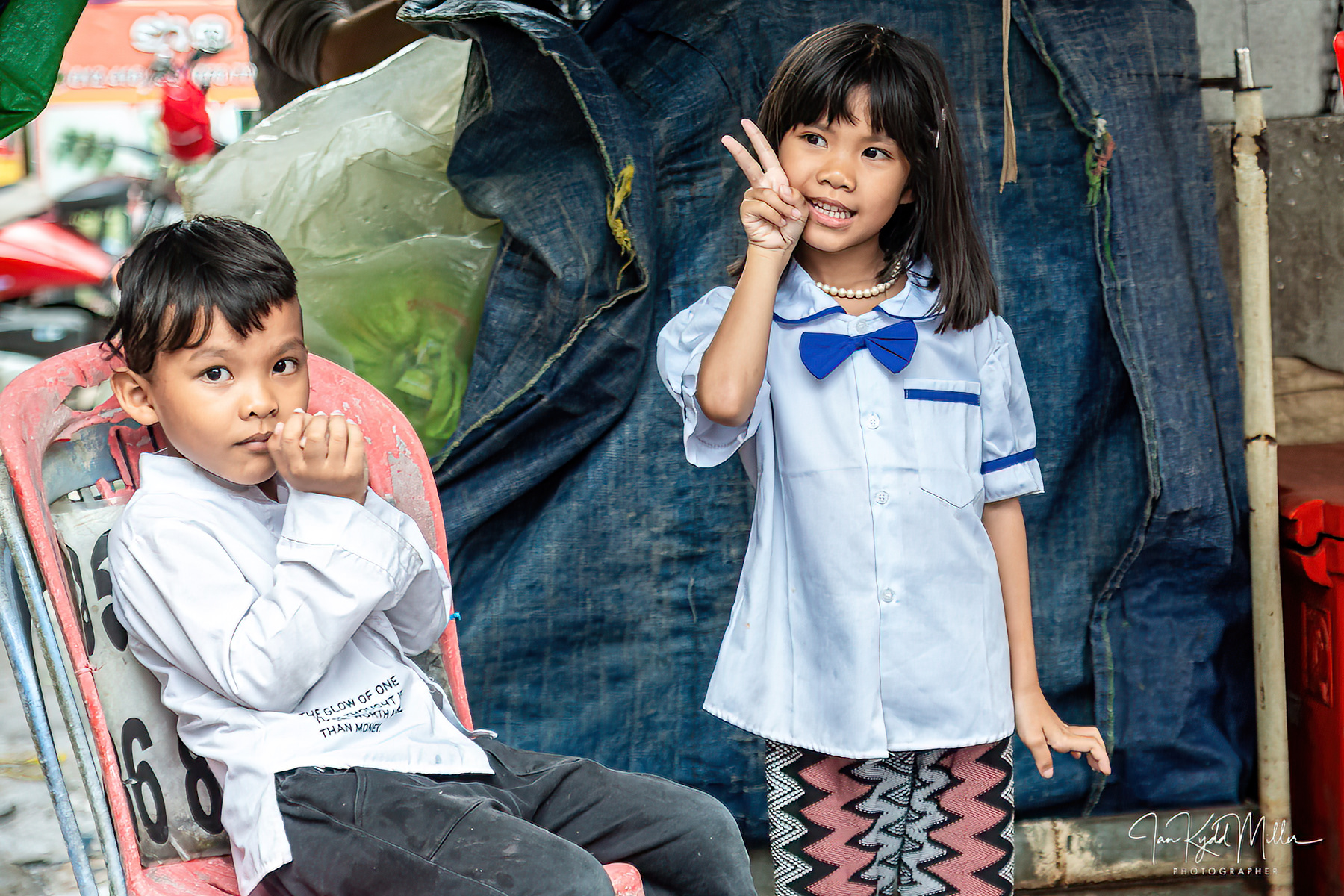
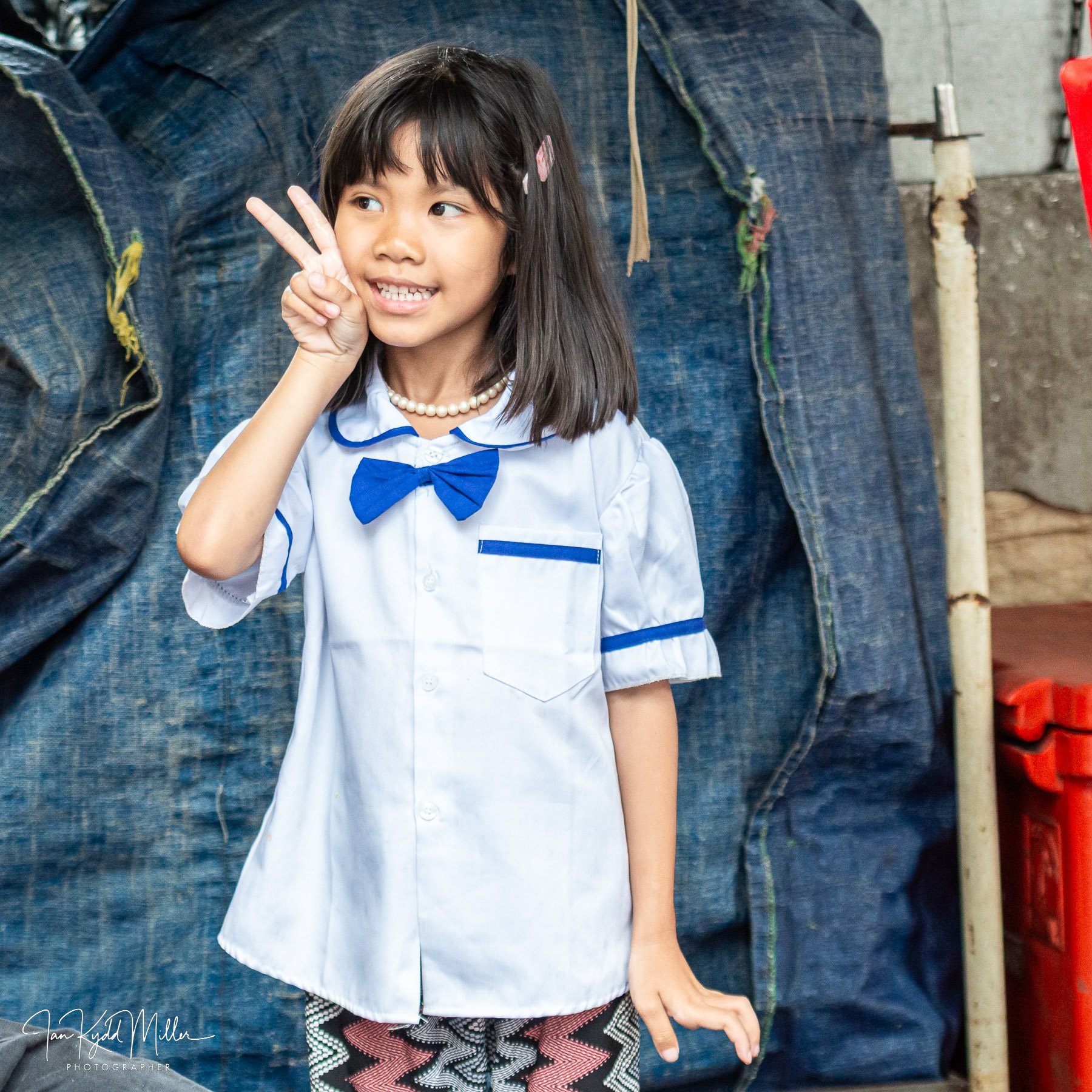
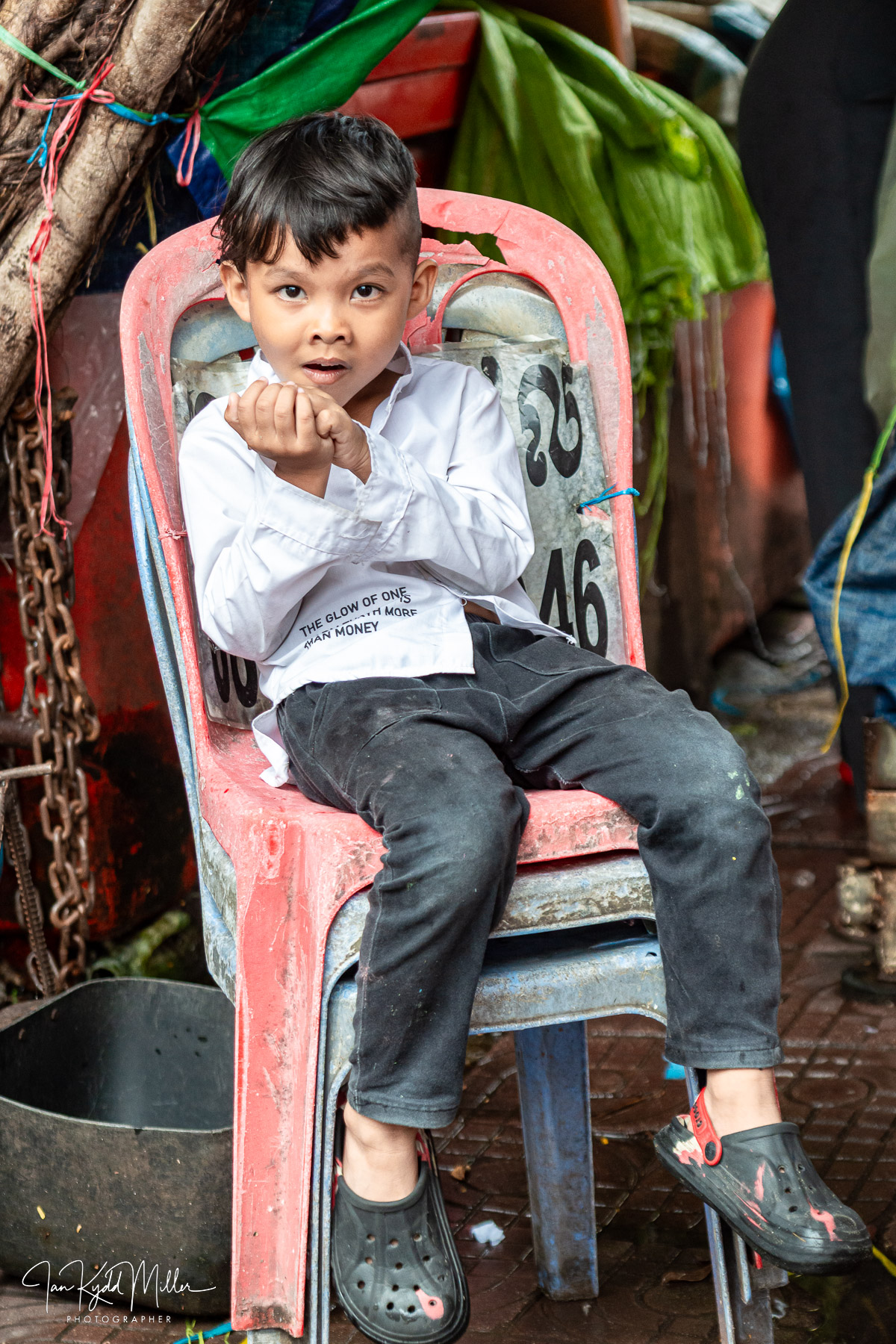
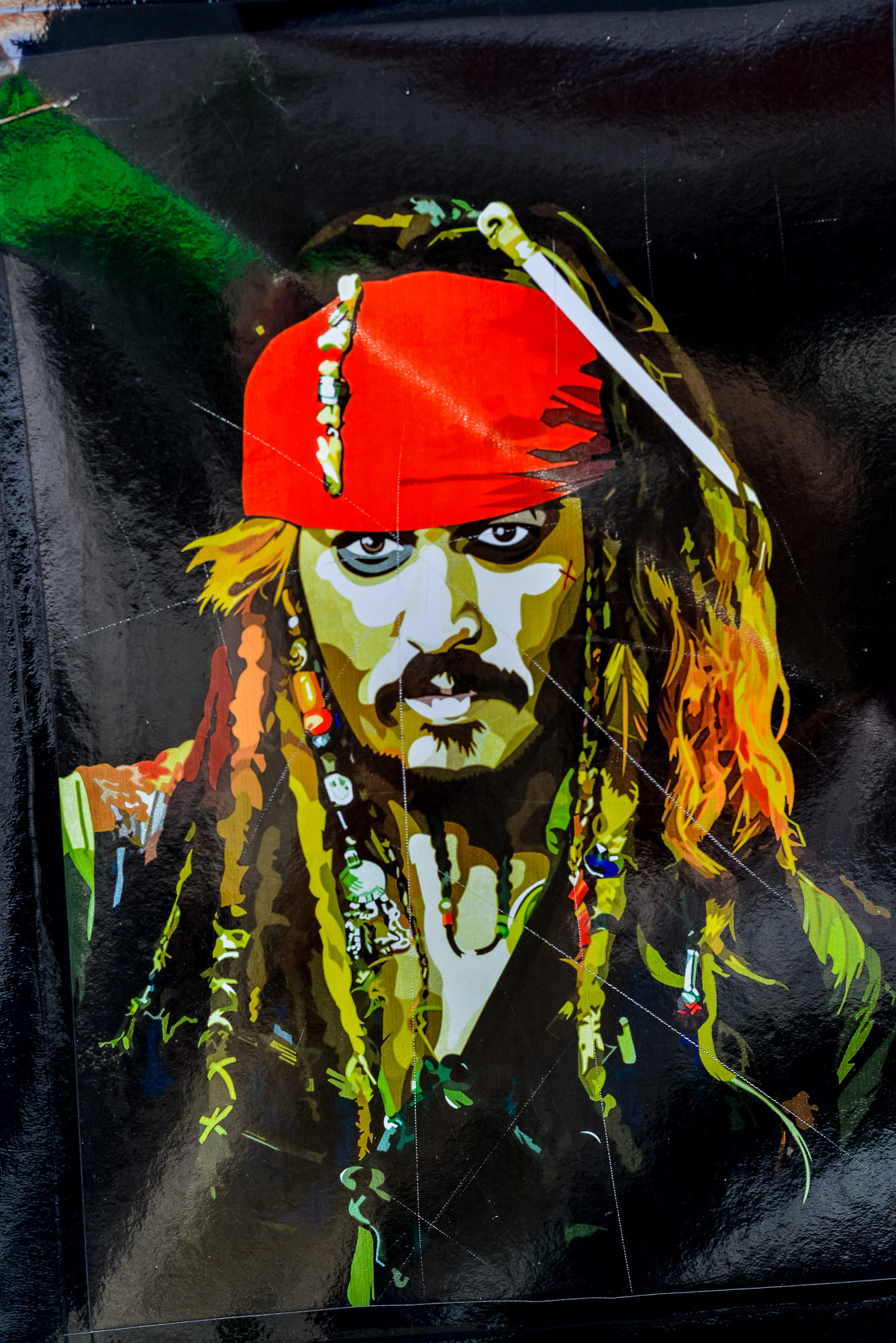
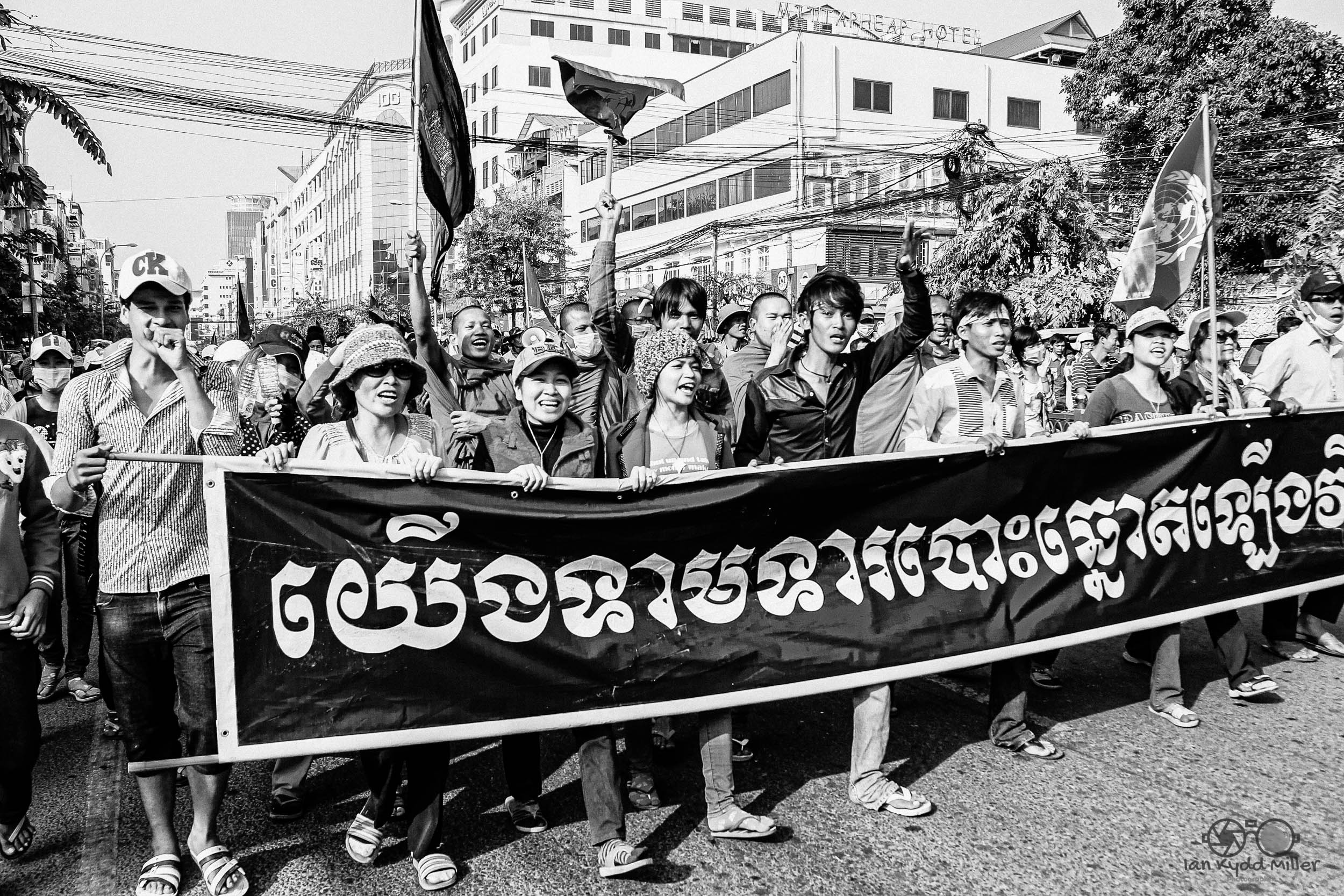
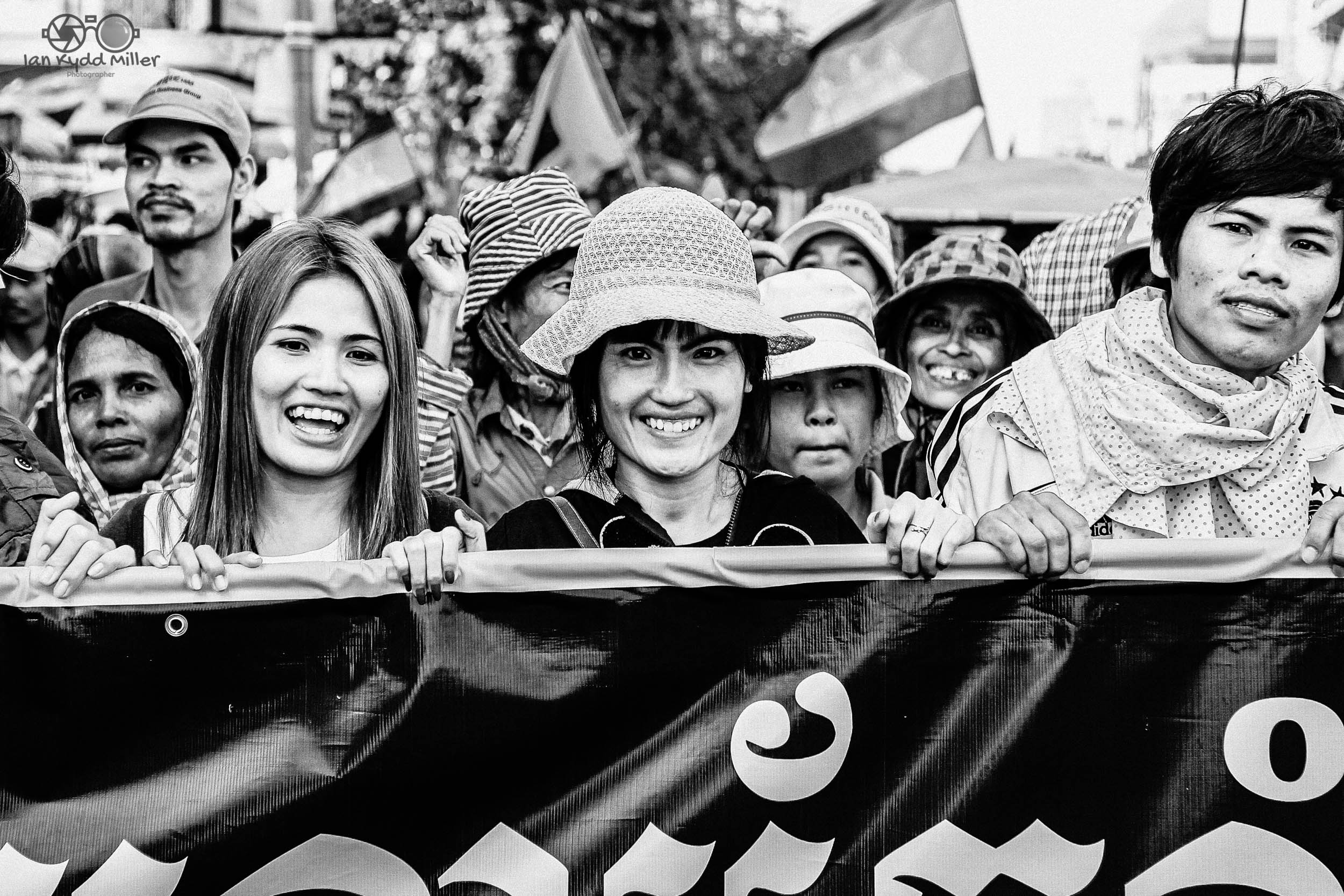
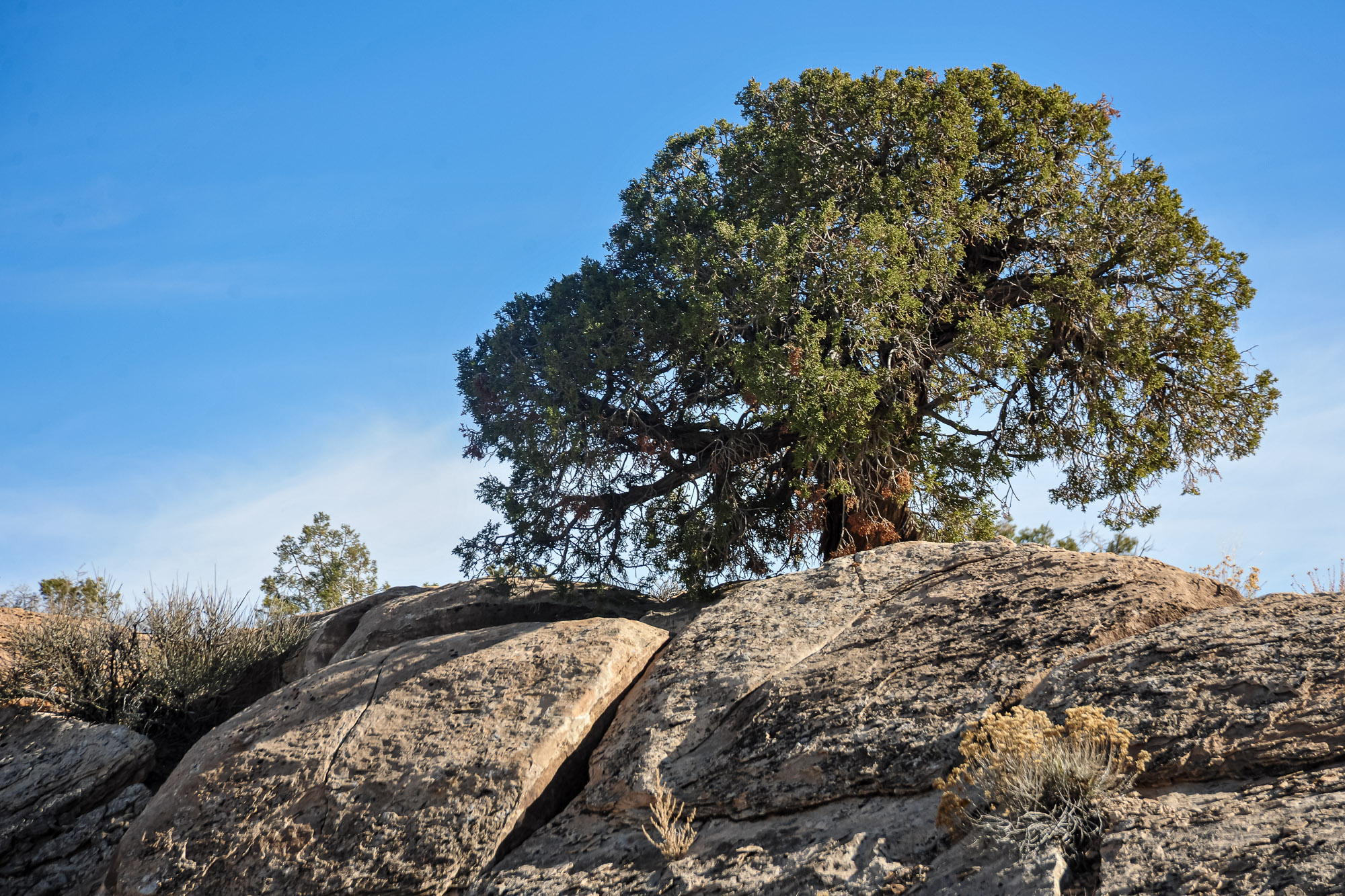
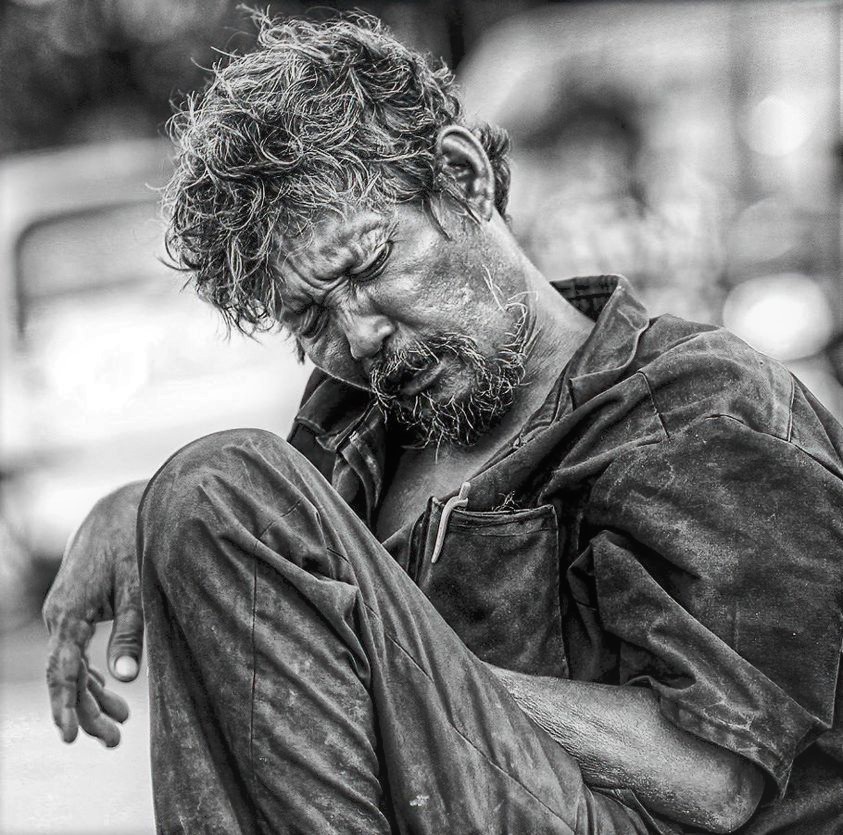
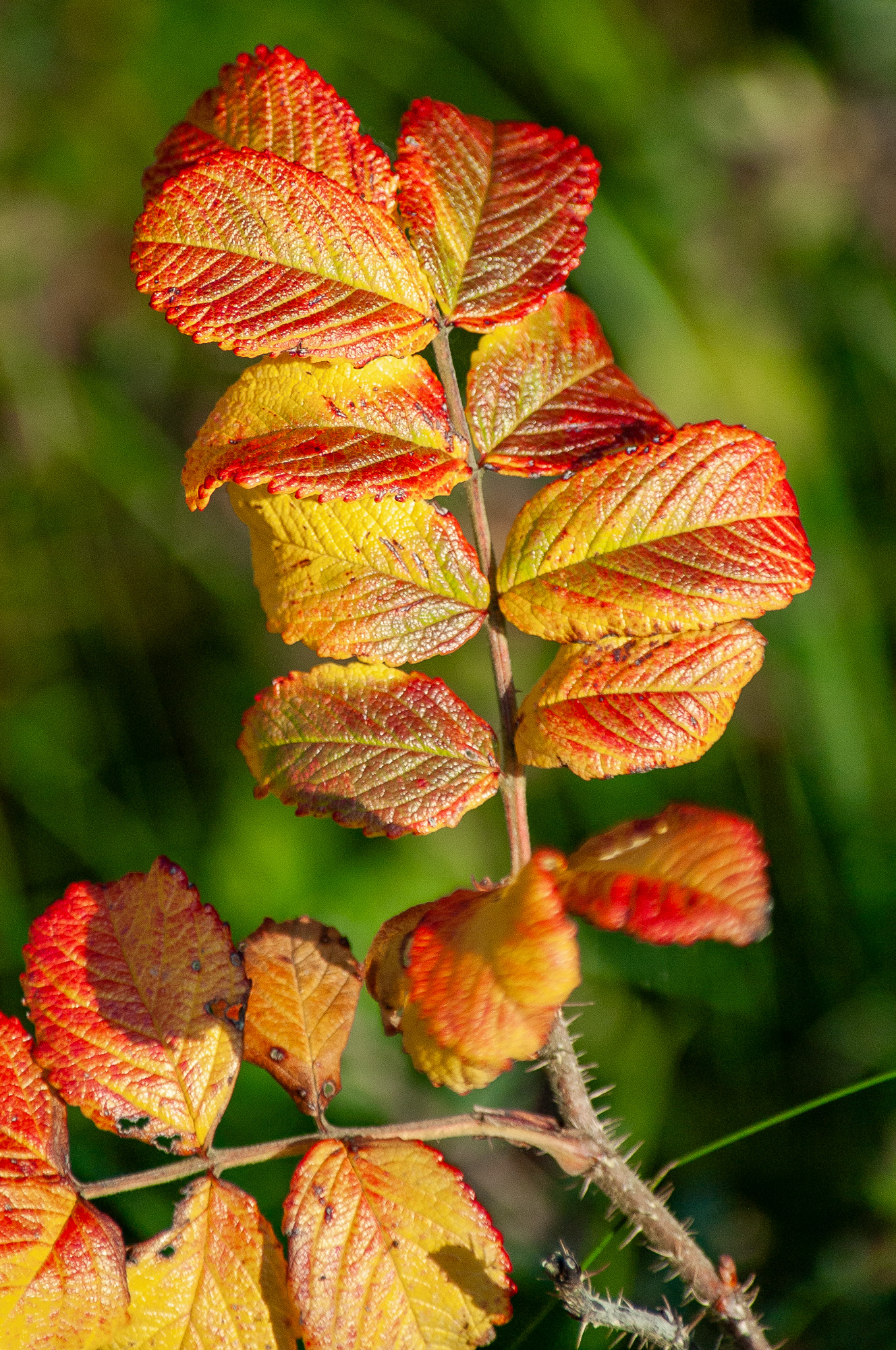
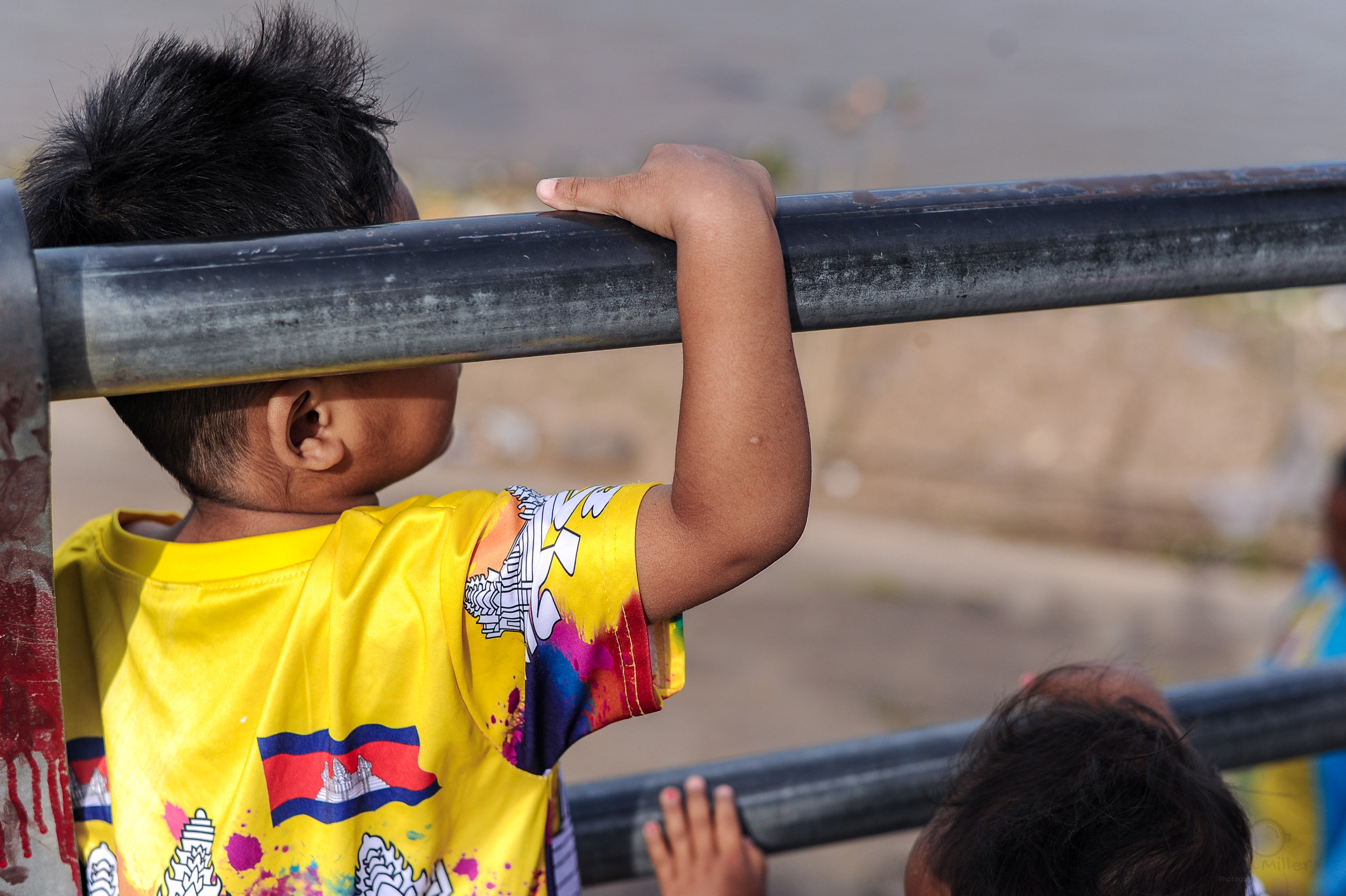
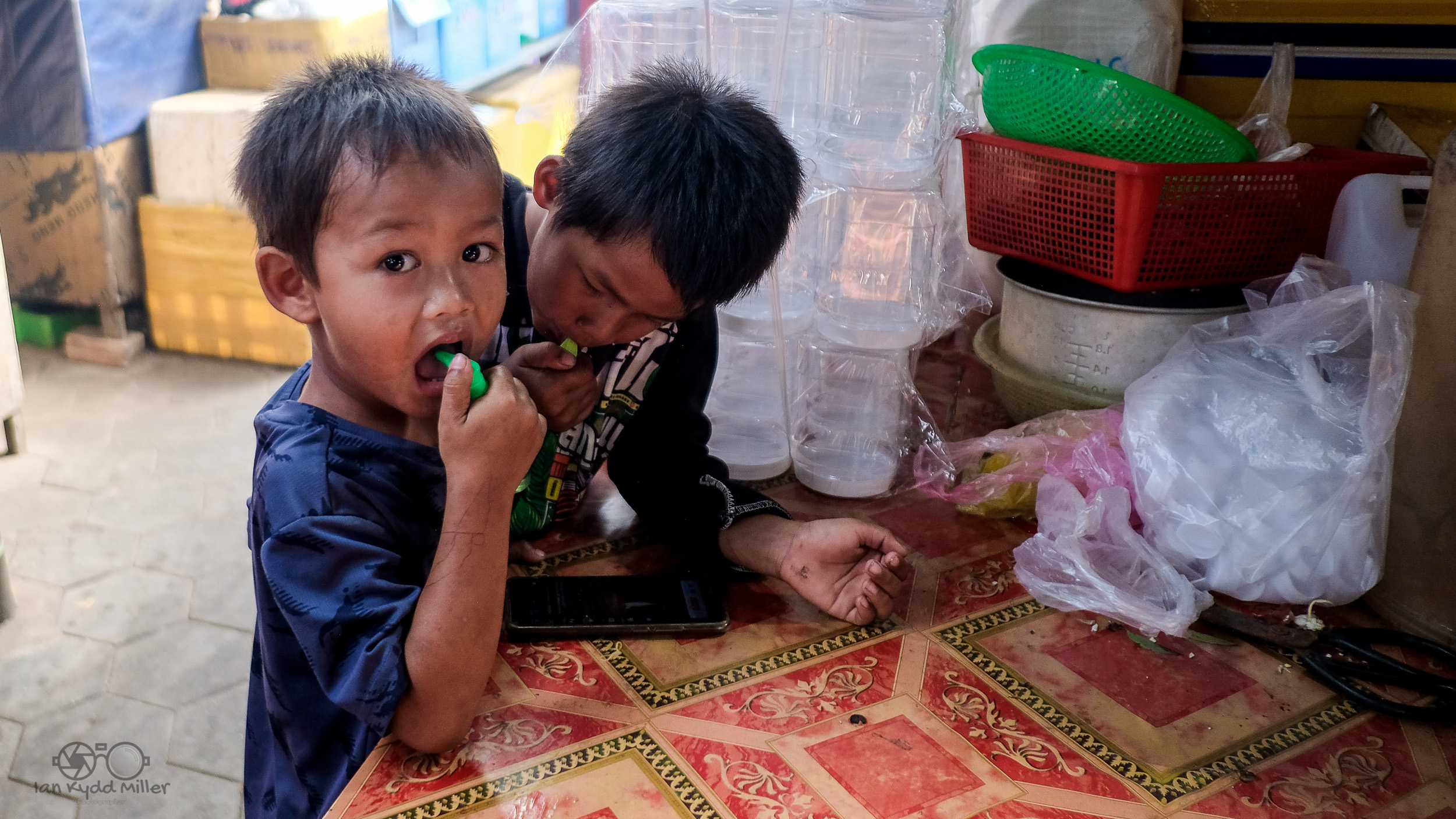
ALL THESE IMAGES TAKEN WITH DIFFERENT CAMERAS AND LENSES.



















 a world without pictures is like coffee without cream and sugar, bitter