The Great Camera Debate: DSLR vs. Mirrorless

cambodia, cameras, fujifilm, Lenses, opinons, thoughts, photography, street, viltrox

In the world of photography, the debate between DSLR and mirrorless cameras is a tale as old as time—or at least as old as digital photography. As we stand in 2024, the discussion is more relevant than ever, with technological advancements pushing the boundaries of what’s possible in image capturing. So, let’s dive into the great camera debate: should we move away from mirrorless cameras and go back to DSLRs?

DSLRs, or Digital Single-Lens Reflex cameras, have been the go-to choice for professional photographers for decades. They are known for their robust build, exceptional battery life, and an extensive range of lenses developed over the years. The optical viewfinder in DSLRs gives a true-to-life preview of the image, which many photographers swear by. There’s a certain charm and immediacy to looking through the lens, seeing exactly what the camera sees without any digital translation.

On the flip side, mirrorless cameras have risen in popularity due to their compact size, lighter weight, and cutting-edge features. They boast advanced video capabilities, faster shooting speeds, and a digital viewfinder that can display more information than the traditional optical counterpart. Manufacturers have been heavily investing in mirrorless technology, leading to a surge in the variety and quality of lenses available for these cameras.

But why consider moving back to DSLRs? For starters, DSLRs offer a tactile experience that many photographers find satisfying. The heft and grip of a DSLR can feel more stable and reassuring in the hands. Additionally, the battery life of DSLRs is generally superior because they don’t rely on electronic viewfinders, which can be quite power-hungry. Moreover, the market for DSLRs has become incredibly competitive, making them more affordable than ever.

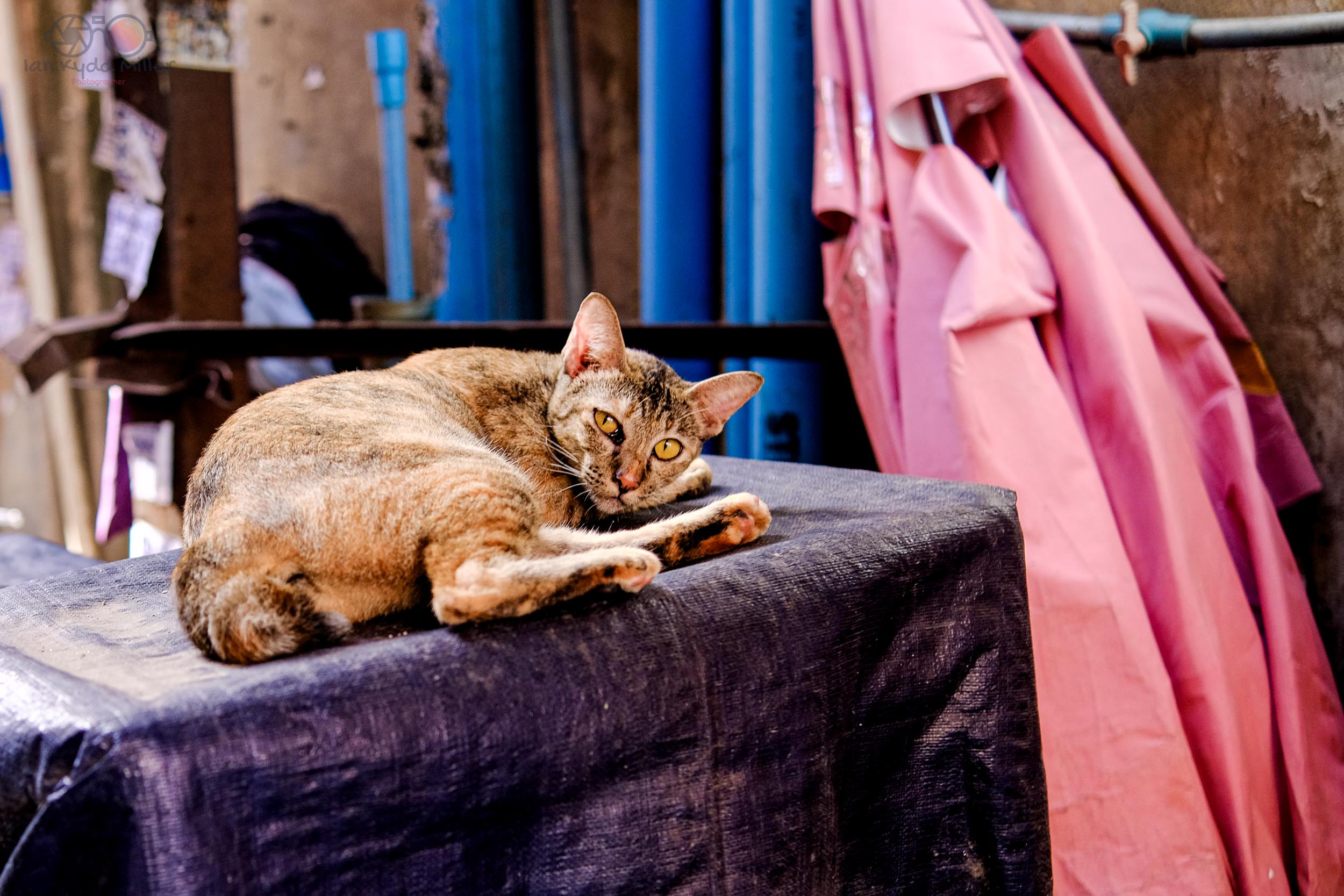
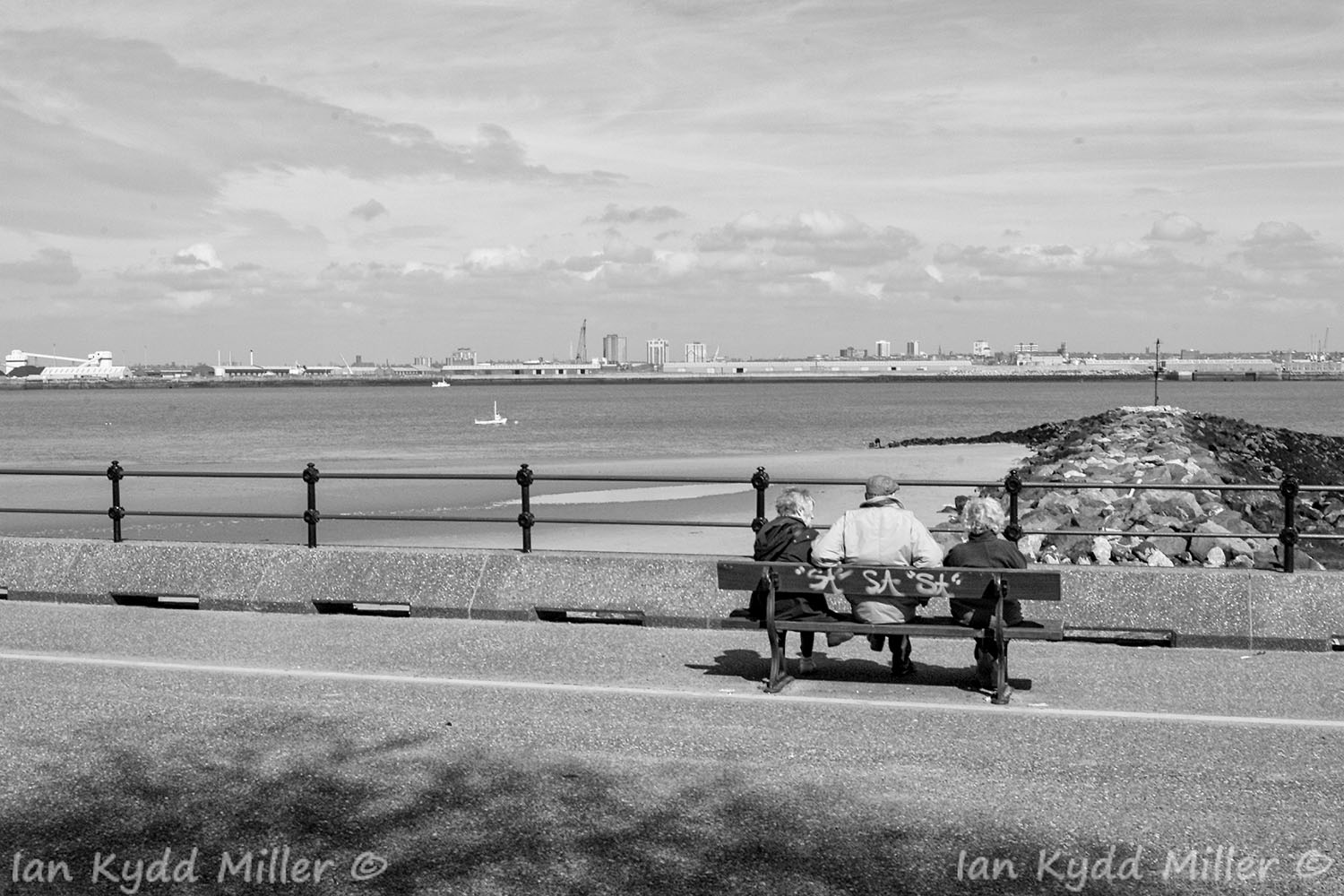
Canon 1D MkIV with 24-105 lens.

However, it’s not just about nostalgia or the feel of the camera. DSLRs still have a few technical advantages. The phase-detection autofocus system of a DSLR is incredibly fast and reliable, especially in low light conditions. Plus, the absence of a mirror mechanism in mirrorless cameras can sometimes lead to shutter lag, which can be a deal-breaker for action and sports photographers.

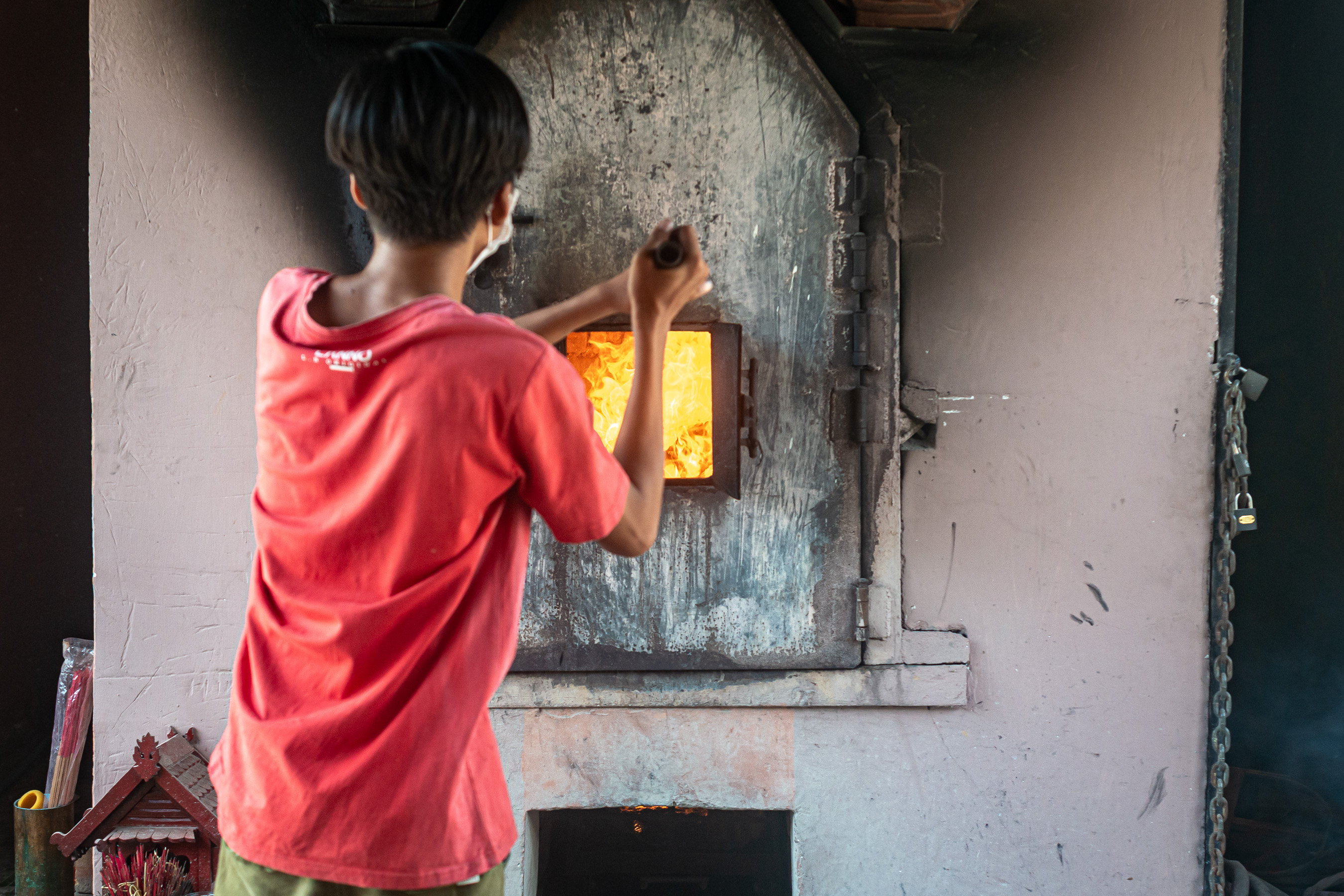
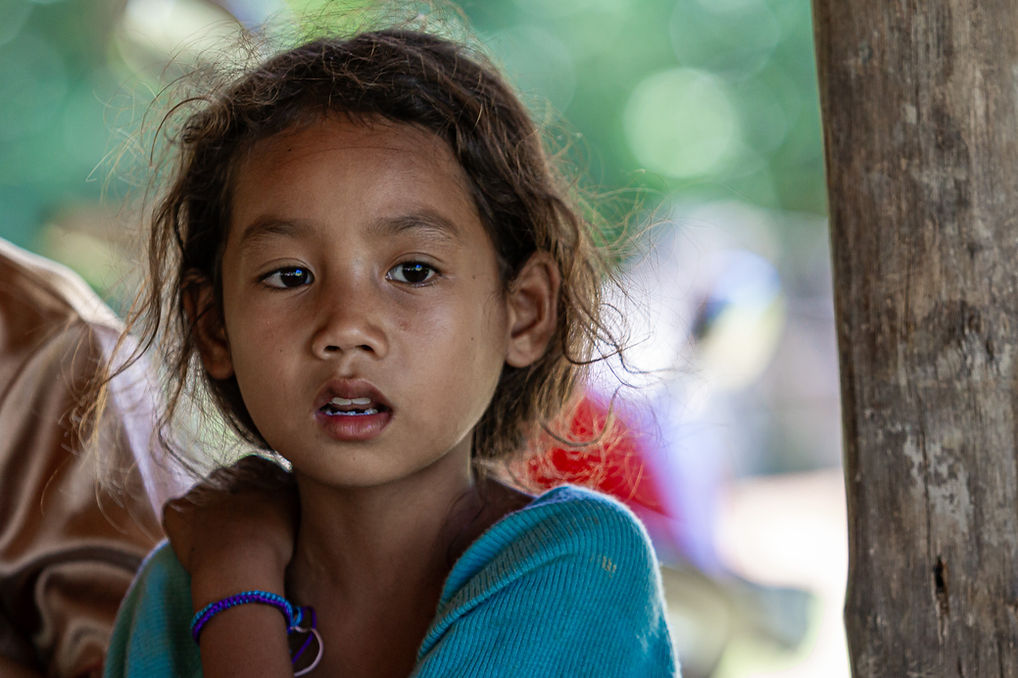
Fuji X Pro3 plus Viltox 23mm f1.4

It’s important to note that while the industry seems to be pivoting towards mirrorless systems, DSLRs are not obsolete. They continue to be produced, sold, and loved by many. The choice between DSLR and mirrorless ultimately comes down to personal preference and the specific needs of the photographer. Whether it’s the traditional feel of a DSLR or the modern conveniences of a mirrorless camera, both have their place in the photographer’s bag.

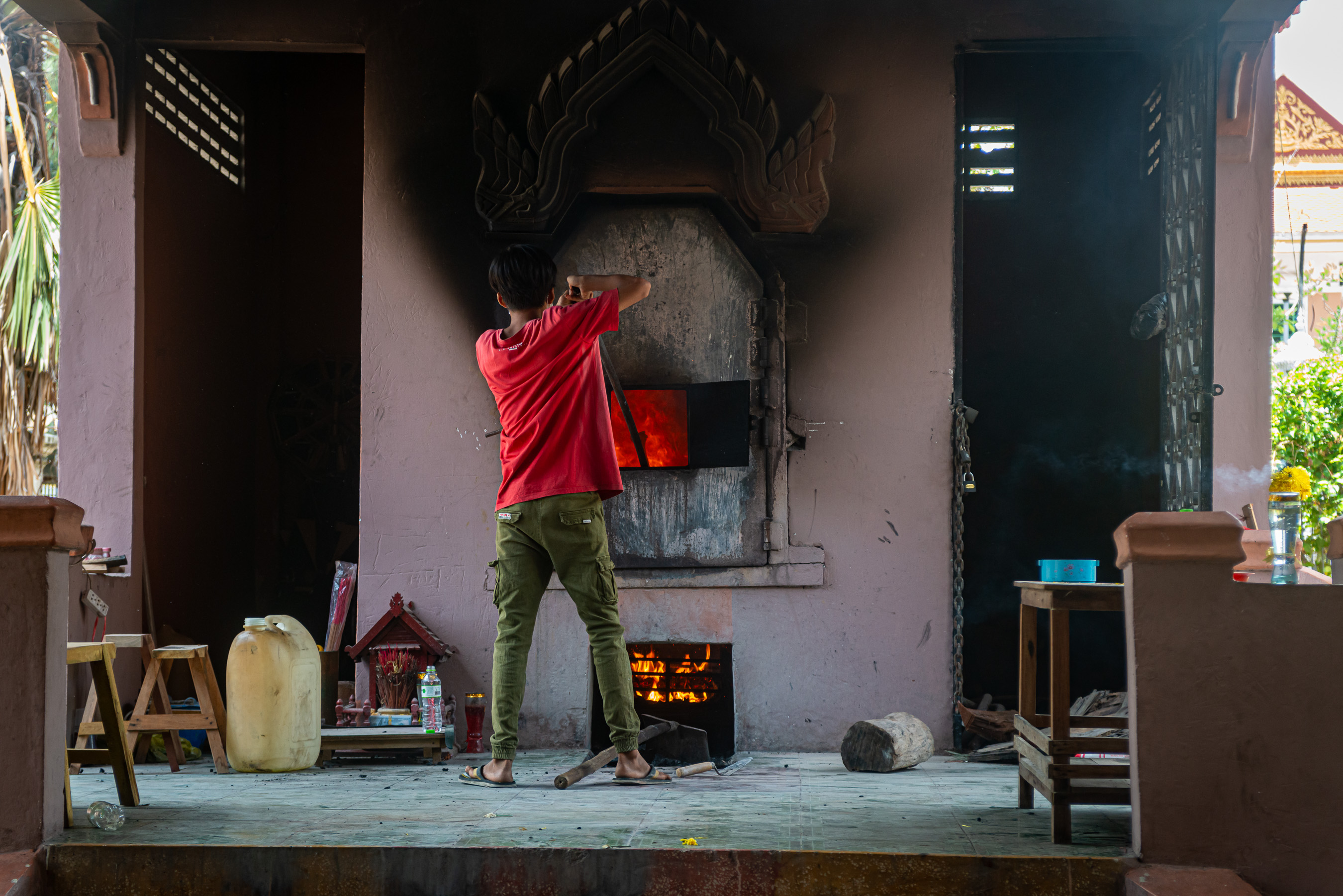
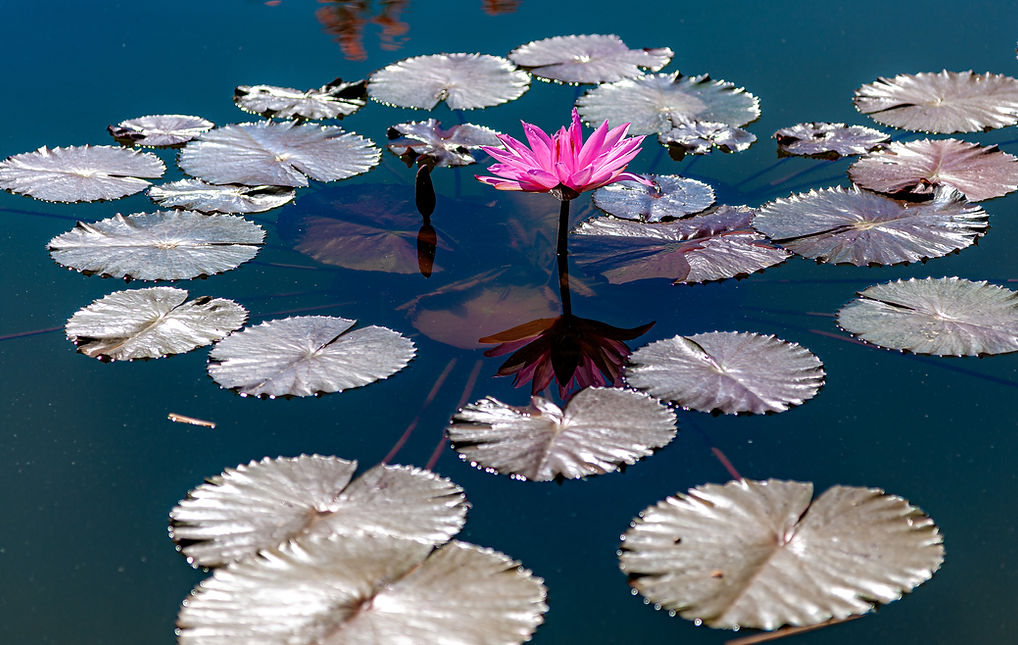
Nikon D800 + 28-85mm f3.5/4.5

As we ponder the future of photography, it’s clear that both DSLRs and mirrorless cameras have their merits. Perhaps the question isn’t about moving away from one to return to the other, but rather understanding which tool best serves your creative vision. In the end, the best camera is the one that allows you to capture the moments that matter most to you, in the way that you envision them.

So, what’s your take on this debate? Are you team DSLR or team mirrorless? Share your thoughts and experiences with us, and let’s continue to explore the ever-evolving landscape of photography together!

A sad day

cambodia, opinons, thoughts, Travel

The end of life is a profound moment, and it’s natural to reflect on the connections we’ve made along the way. The thought of passing away without friends or relatives nearby can indeed evoke a deep sense of sadness. It reminds us of the importance of relationships and the warmth they bring to our lives. Throughout history, many cultures have emphasized the significance of community and companionship, not just in life but also in the transition at life’s end. This sentiment underscores the value we place on not being alone during significant life events. It’s a universal human experience to seek connection, to find solace in shared moments, and to draw comfort from the presence of loved ones. The idea of dying alone might also inspire us to reach out, to forge new bonds, and to be there for others, knowing how much it would mean to us.

It’s a poignant reminder of our shared humanity and the compassion that binds us together. While it is a somber thought, it also highlights the beauty of human connection and the impact each person has on another’s life. In recognizing this, we can find a renewed appreciation for the relationships we have and a motivation to nurture them. Sleep well Srey Pol.

Restricted again by FB

cambodia, conflict, FB, opinons, thoughts, photography, pictures, Travel

Content moderation on social media platforms like Facebook can sometimes result in unexpected restrictions, especially when it comes to images. Facebook’s Community Standards are designed to create a safe environment for all users, so they say, which includes strict rules against sharing content that could be considered sexually explicit or inappropriate. However, these systems are not definitely not perfect and may flag content that does not actually violate these standards.

If you believe your picture was mistakenly restricted, you can appeal the decision through Facebook’s review process. This process allows for human review of the automated system’s decisions, which can sometimes lead to a reversal of the restriction if the content is deemed appropriate. (waste of time)

For more information on Facebook’s Community Standards and the appeal process, you can visit their official community resources. It’s important to understand these guidelines to ensure that your content aligns with the platform’s policies and to avoid future restrictions. ( a waste of time)

If anyone can explain to me just how the above picture could be considered sexually inappropriate please comment below.

Use the best Cameras & Lenses that you can afford

cameras, Lenses, opinons, thoughts, photography, pictures, street, Travel

Absolutely! The essence of photography lies in the photographer’s vision and creativity, not just in the gear. While high-end cameras and lenses can offer more features and better quality, they are not the only path to capturing stunning images. Many professional photographers have created iconic photos with equipment that was considered average at the time. It’s all about understanding light, composition, and moment. So, whether you’re using a smartphone or a DSLR, remember that your perspective is the most powerful tool you have. Keep experimenting, learning, and enjoying the process of making great images! All the images below were taken with different cameras and lenses, some with top-of-the-range and others with just everyday cameras. Can you tell which ??

The Nikon D3S still a viable option in 2024

cameras, conflict, Lenses, opinons, thoughts, photography, pictures, street, Travel

The Nikon D3S stands as a testament to the enduring quality of Nikon’s craftsmanship. Even after nearly two decades since its release, this camera continues to be celebrated for its robustness and reliability.

With its 12.1-megapixel sensor, the D3S may not boast the highest resolution by today’s standards, but it compensates with exceptional low-light capabilities and a rugged build that can withstand the elements.

It’s a camera that proves the photographer’s skill is paramount, with many professionals still achieving remarkable results with the D3S. Whether it’s for sports, wildlife, or any photography that demands speed and durability, the Nikon D3S remains a solid choice for those who value a tried-and-true performer in the field.

Indeed, the D3S is a classic that refuses to bow out to the latest trends, maintaining its place in the camera bags of dedicated photographers around the world.

Will you be remembered when your gone.

opinons, thoughts, photography, pictures, street

The legacy of a photographer, much like any artist, is often preserved through the enduring impact of their work. Photography, as a form of art and expression, captures moments in time that speak to future generations, conveying emotions, experiences, and perspectives that transcend the temporal boundaries.

The photographs taken, the stories they tell, and the emotions they evoke can become part of the collective human experience.

Through exhibitions, publications, and digital archives, a photographer’s work can continue to be discovered and appreciated long after they have left the proverbial ‘darkroom in the sky.’ Moreover, the influence on students, peers, and the photography community can ripple outward, perpetuating their artistic vision and approach.

In this way, the essence of a photographer’s life and passion can be remembered and celebrated, ensuring that their contributions to the art of photography are not forgotten but continue to inspire and resonate. The true measure of a photographer’s remembrance may not solely rest in the recognition of their name, but rather in the lasting significance of their work and its ability to connect with others across time and space.

Kids International Dental Services

cambodia, opinons, thoughts, photography, voluntary

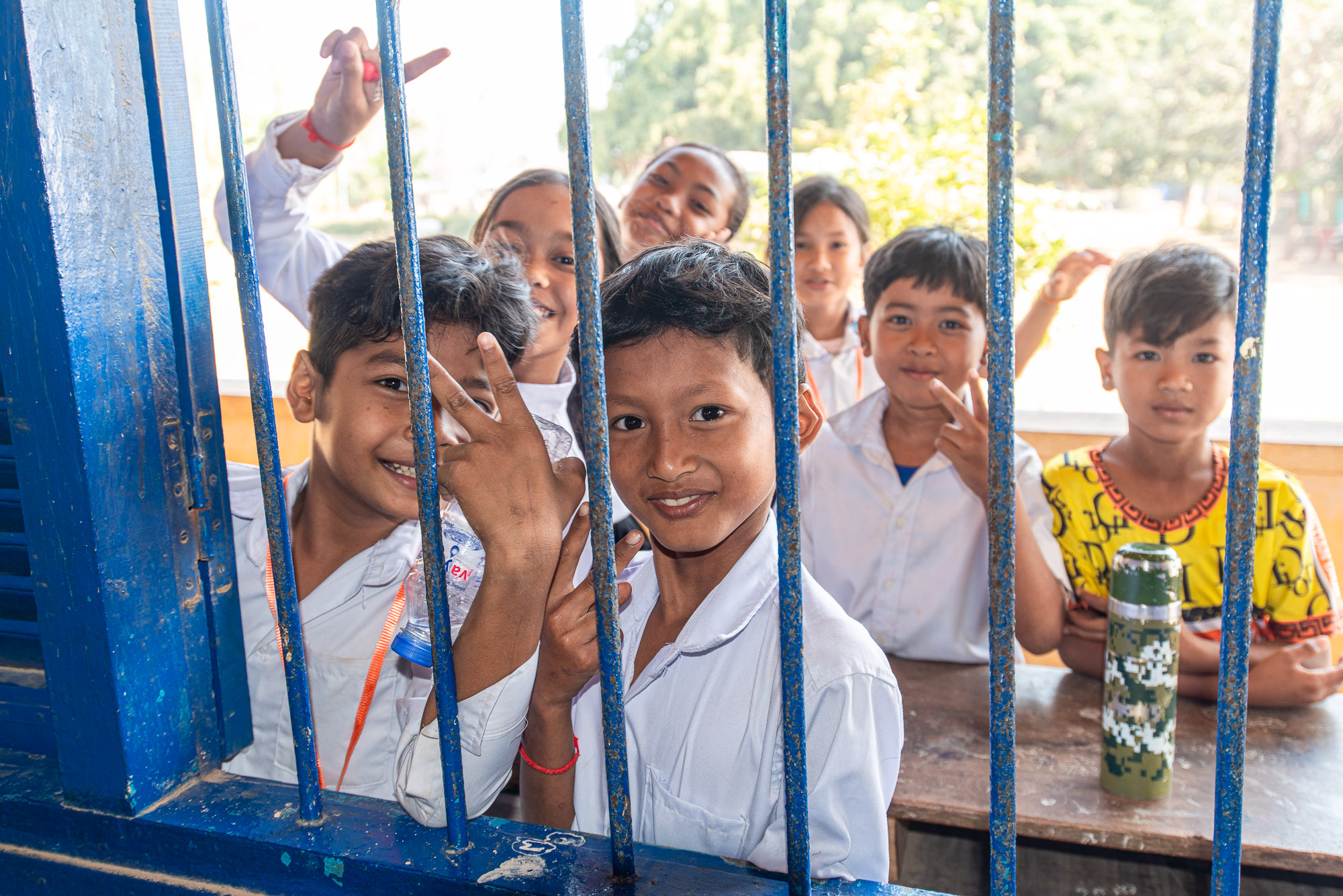
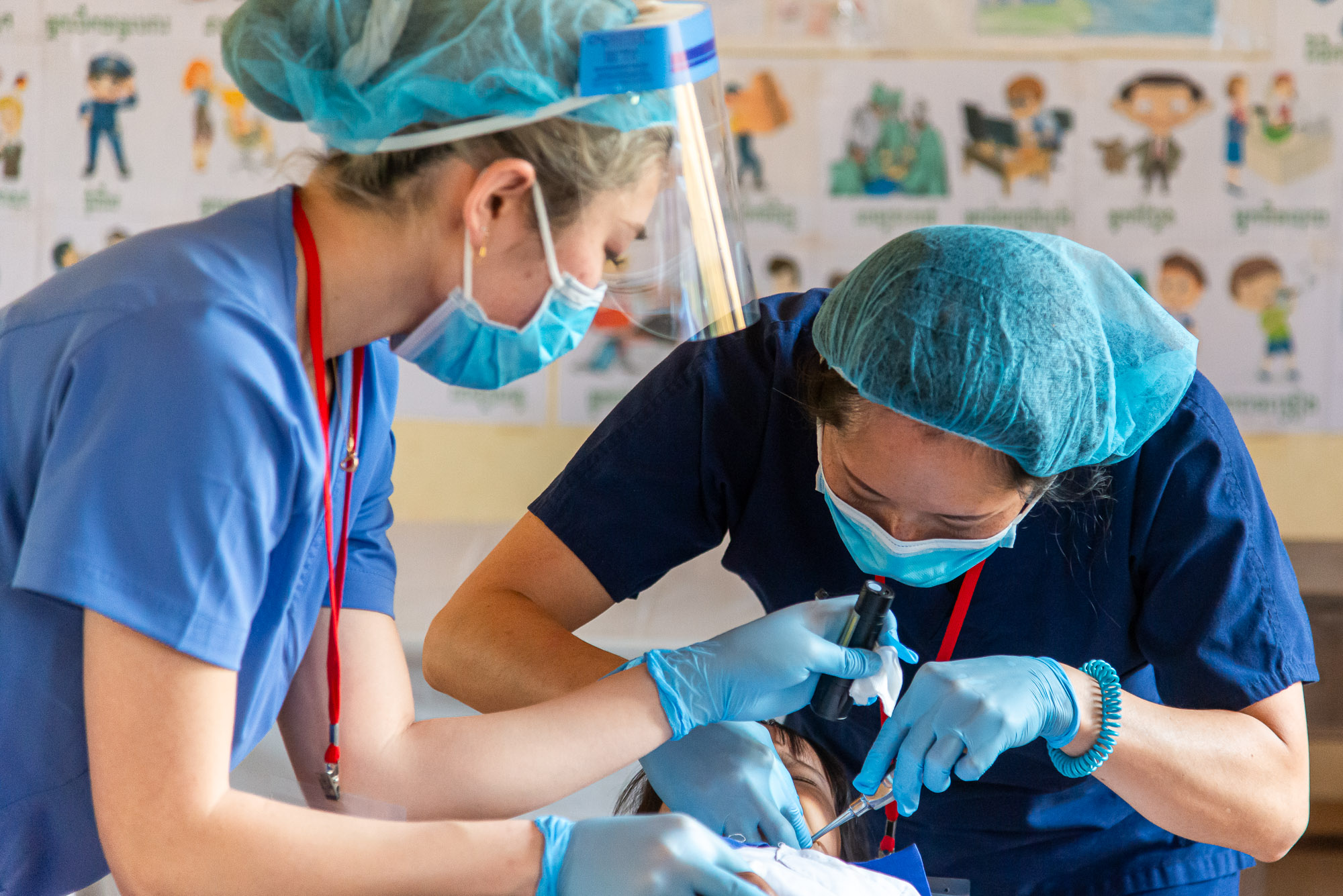
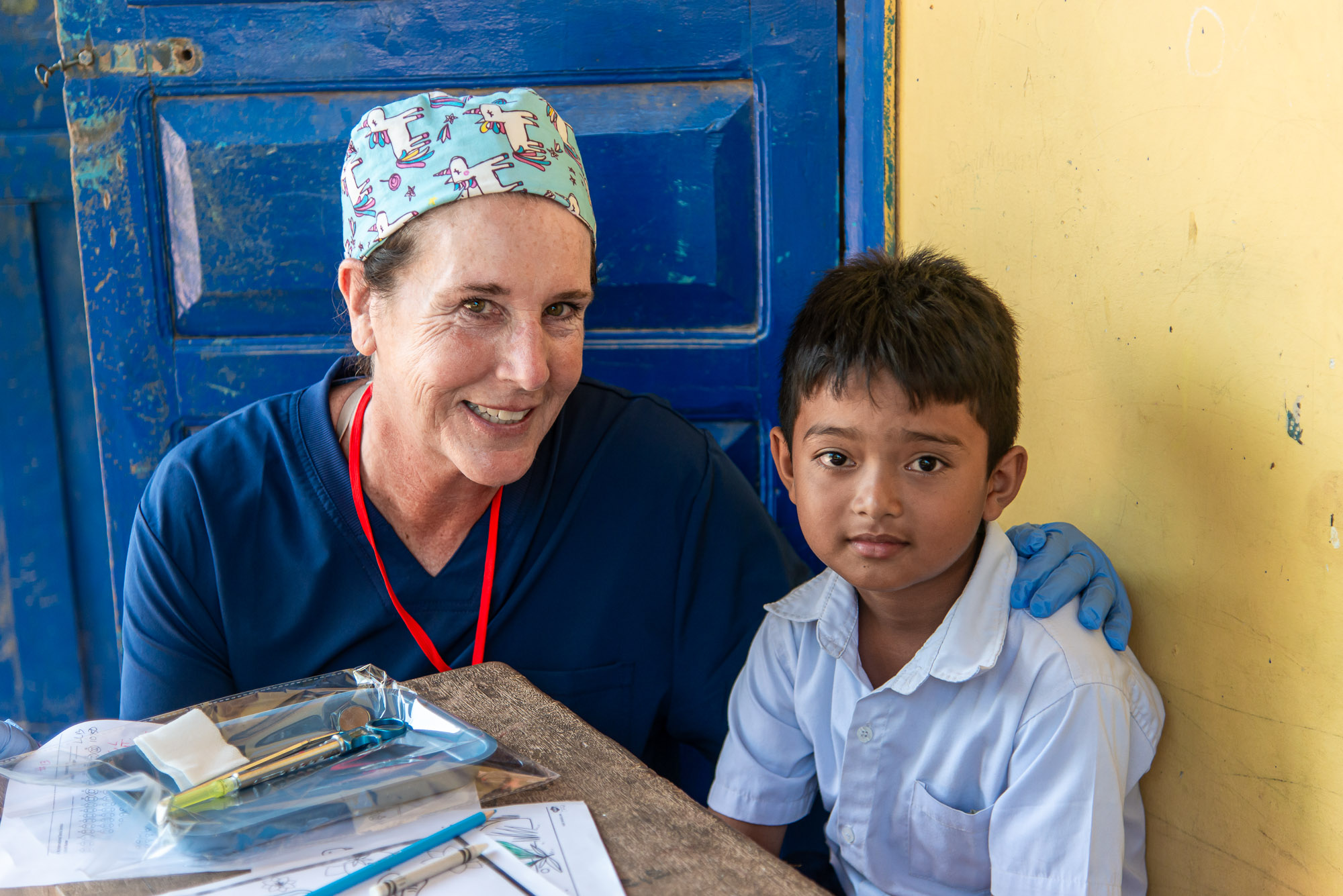
Kids International Dental Services (KIDS) is a remarkable nonprofit organization dedicated to providing pro-bono dental care to children in need across various developing countries.

Established in 2009, KIDS has been on a mission to not only offer essential dental services but also to inspire young dental professionals to embrace volunteerism as a core part of their careers. With a focus on education, empowerment, and inspiration, KIDS operates with the belief that every child deserves access to dental care, which is crucial for their overall health, academic performance, and future opportunities.

The organization has served thousands of children in countries like Cape Verde, The Philippines, Cambodia, Haiti, South Africa, Mongolia, Guatemala, and Morocco, emphasizing the importance of dental health and hygiene in community development. By collaborating with local communities, KIDS also works to create sustainable practices that can continue to benefit children long after the volunteers have left.

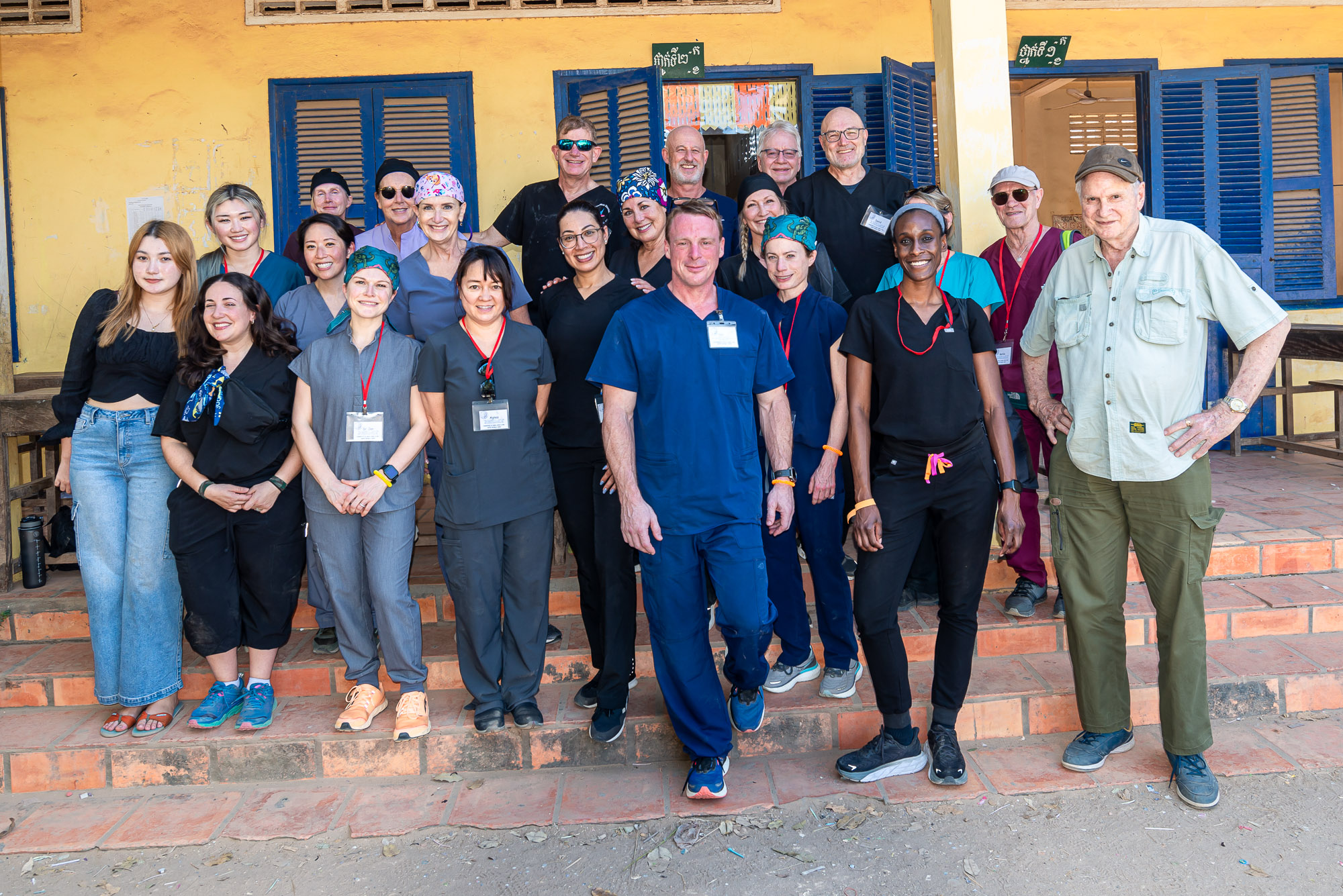
Moreover, KIDS fosters a cycle of giving by mentoring volunteers and establishing lasting relationships with the communities they serve, ensuring a continuous impact. For those interested in contributing to this noble cause, KIDS welcomes volunteers and supporters from all walks of life, offering a platform for individuals to make a significant difference in the lives of children who need it the most.

The Nikon D800

Uncategorized

The Nikon D800, with its impressive 36.3MP full-frame sensor, remains a formidable camera for photographers aiming for high-resolution images. Despite being succeeded by newer models, the D800’s image quality, dynamic range, and autofocus capabilities continue to make it a valuable tool for studio and landscape photography. Its ISO range of 100-6400, expandable to 50-25600, offers versatility in various lighting conditions. While it may not match the speed of some contemporary cameras, with a maximum frame rate of 4fps, its detailed output and overall performance still hold up against many modern DSLRs. For those considering a high-resolution camera without the steep price tag of the latest models, the Nikon D800 is indeed a worthy option.

Zoom or Prime Lens

cameras, Fujichrome, fujifilm, Lenses, opinons, thoughts, photography, street, Travel, viltrox

If you are into photography, you might have wondered whether you should get a zoom lens or a prime lens for your camera. Zoom lenses and prime lenses differ by how long their focal points are. Prime lenses have a unifocal lens (usually between 12mm to 5200mm), while zoom lenses have a variable focal length. This means that prime lenses are better for portrait shots, while zoom lenses are ideal for general photography.

In this blog post, I will explain the pros and cons of each type of lens and help you decide which one is best for your needs.

Prime Lenses: The Pros

One of the main advantages of prime lenses is that they are usually sharper, faster, and cheaper than zoom lenses. Sharper means that they produce images with more detail and clarity. Faster means that they have larger maximum apertures (such as f/1.4 or f/1.8), which allow more light to enter the lens and create a shallow depth of field. This is great for isolating your subject from the background and creating a beautiful bokeh effect. Cheaper means that they are more affordable than zoom lenses of similar quality.

Another benefit of prime lenses is that they are smaller and lighter than zoom lenses, which makes them easier to carry around and use. They also force you to be more creative and move around to get the best shot, rather than relying on the zoom ring to adjust your framing.

Prime Lenses: The Cons

The main drawback of prime lenses is that they are less versatile and convenient than zoom lenses. You can’t change the focal length of a prime lens, so you have to switch lenses if you want a different angle of view or magnification. This can be time-consuming and inconvenient, especially if you are shooting in a fast-paced or changing environment. You also have to carry more lenses with you if you want to cover a wide range of focal lengths.

Another disadvantage of prime lenses is that they may not suit every situation or style of photography. For example, if you want to capture landscapes, wildlife, sports, or events, you might need a zoom lens that can cover a wide or long focal range and give you more flexibility and reach.

Zoom Lenses: The Pros

The main advantage of zoom lenses is that they are more versatile and convenient than prime lenses. You can change the focal length of a zoom lens by simply turning the zoom ring, which gives you more options and controls over your composition and framing. You can also capture different perspectives and effects with one lens, such as wide-angle shots, telephoto shots, or macro shots (if your zoom lens has macro capabilities).

Another benefit of zoom lenses is that they are more suitable for certain situations and styles of photography. For example, if you want to capture landscapes, wildlife, sports, or events, you might need a zoom lens that can cover a wide or long focal range and give you more flexibility and reach. You can also react faster to changing scenes and subjects without having to switch lenses.

Zoom Lenses: The Cons

The main drawback of zoom lenses is that they are usually heavier, bulkier, and more expensive than prime lenses. Heavier and bulkier means that they are harder to carry around and use, especially for long periods. They also tend to attract more attention and may not be ideal for discreet or candid photography. More expensive means that they cost more than prime lenses of similar quality.

Another disadvantage of zoom lenses is that they are usually slower, less sharp, and more prone to distortion and vignetting than prime lenses. Slower means that they have smaller maximum apertures (such as f/3.5-5.6 or f/4-5.6), which limit the amount of light that enters the lens and create a deeper depth of field. This can make it harder to shoot in low-light conditions or achieve a shallow depth of field effect. Less sharp means that they produce images with less detail and clarity than prime lenses. More prone to distortion and vignetting means that they may cause some curvature or darkening at the edges of your images, especially at the wide or telephoto end of their range.

Conclusion

So which type of lens is best for you? It depends on your personal preference, budget, and style of photography. You might prefer a prime lens if you value sharpness, speed, affordability, and portability over versatility and convenience. If you value versatility, convenience, flexibility, and reach over sharpness, speed, affordability, and portability, then you might prefer a zoom lens.

Of course, you don’t have to choose one over the other. You can have both types of lenses in your camera bag and use them according to your needs and mood. The best way to find out which lens type suits you best is to try them out yourself and see what works for you.