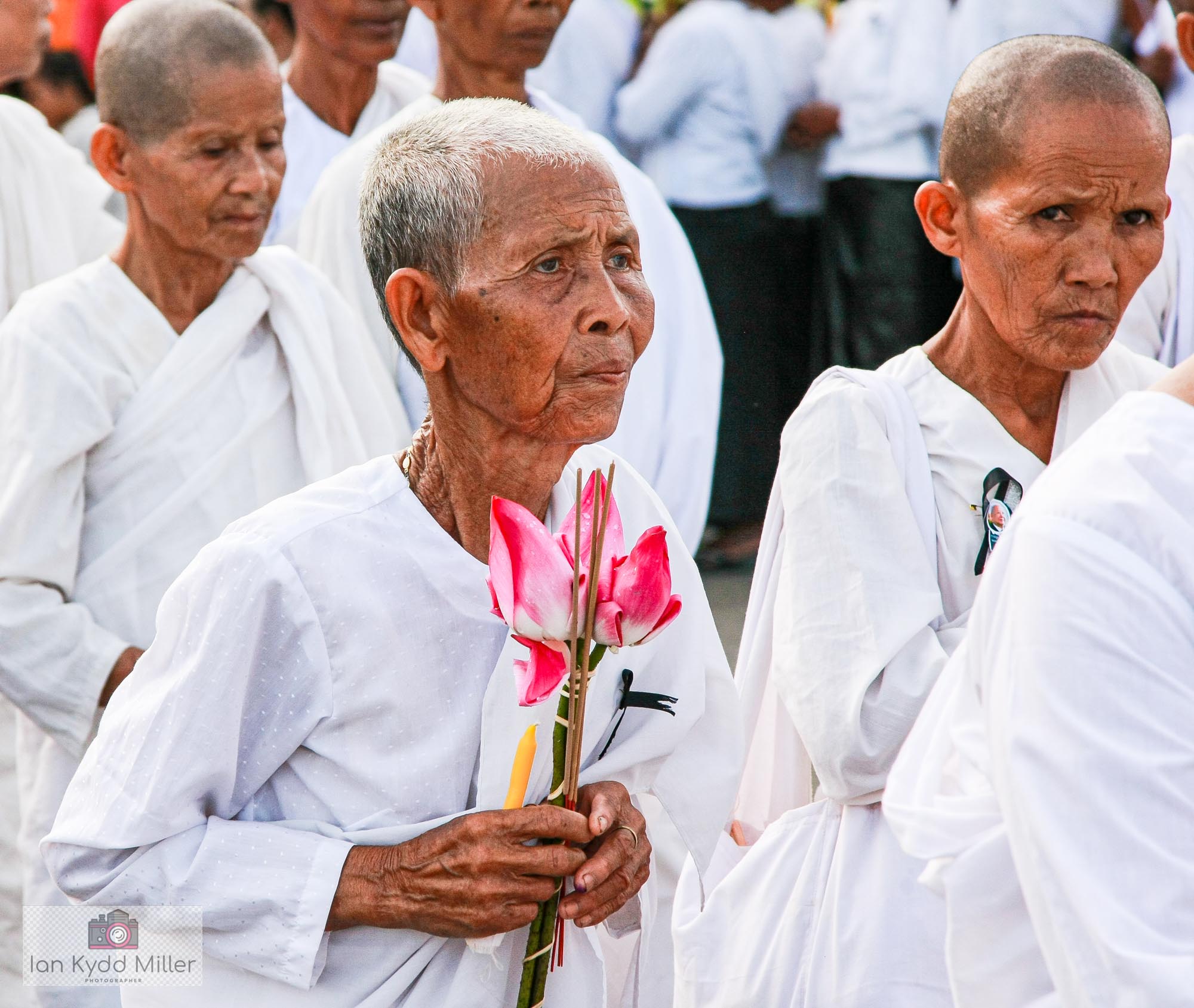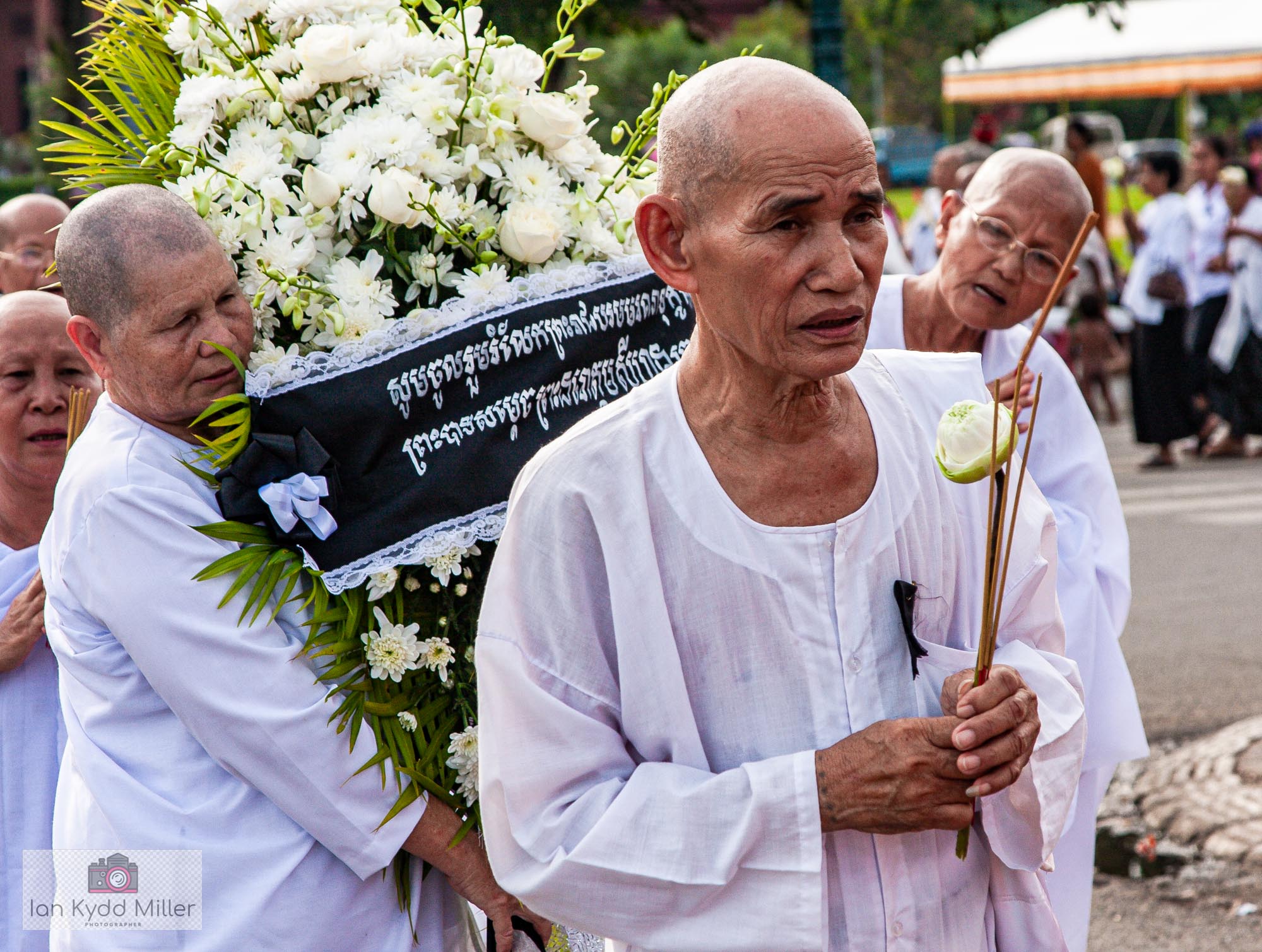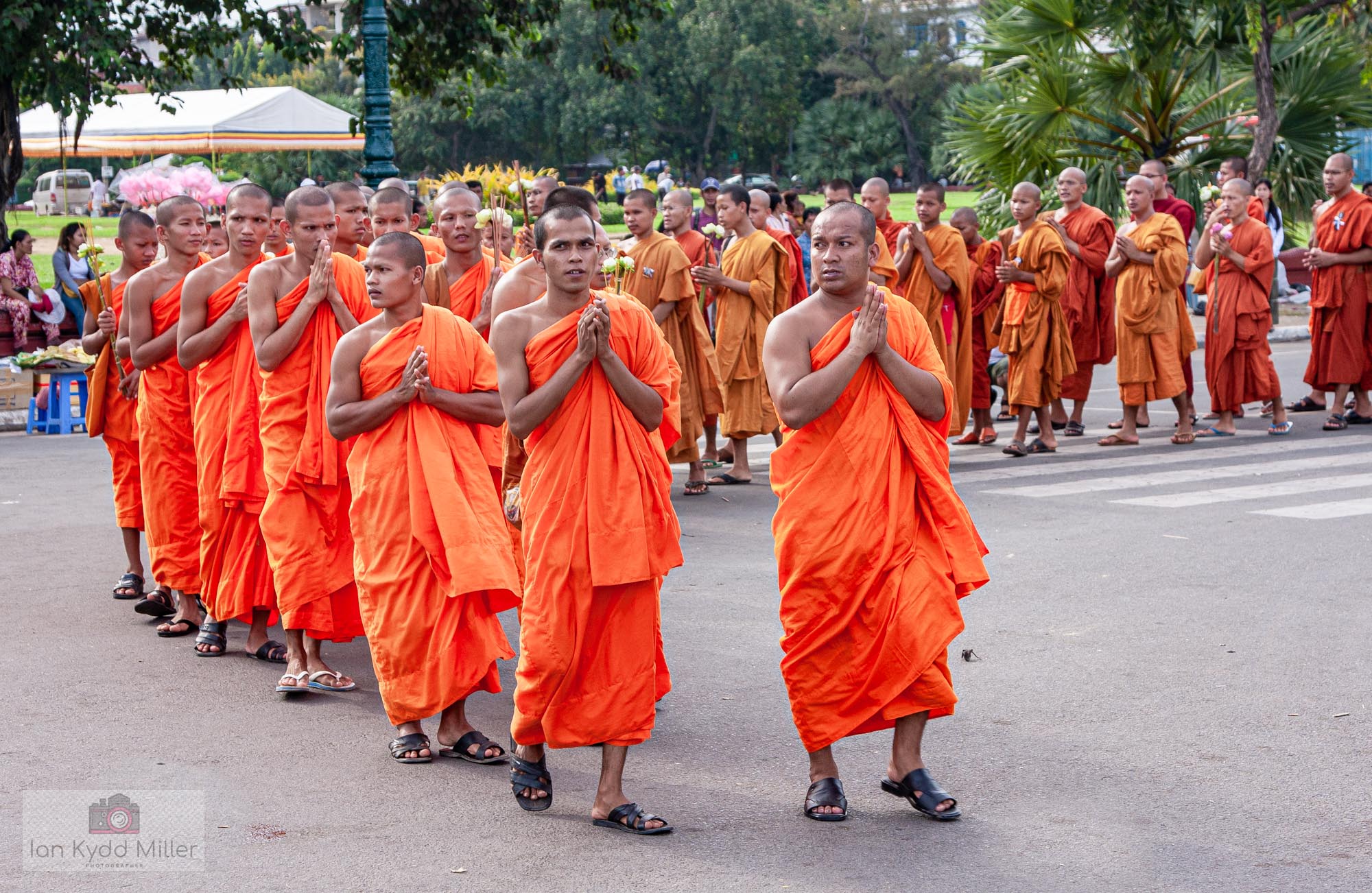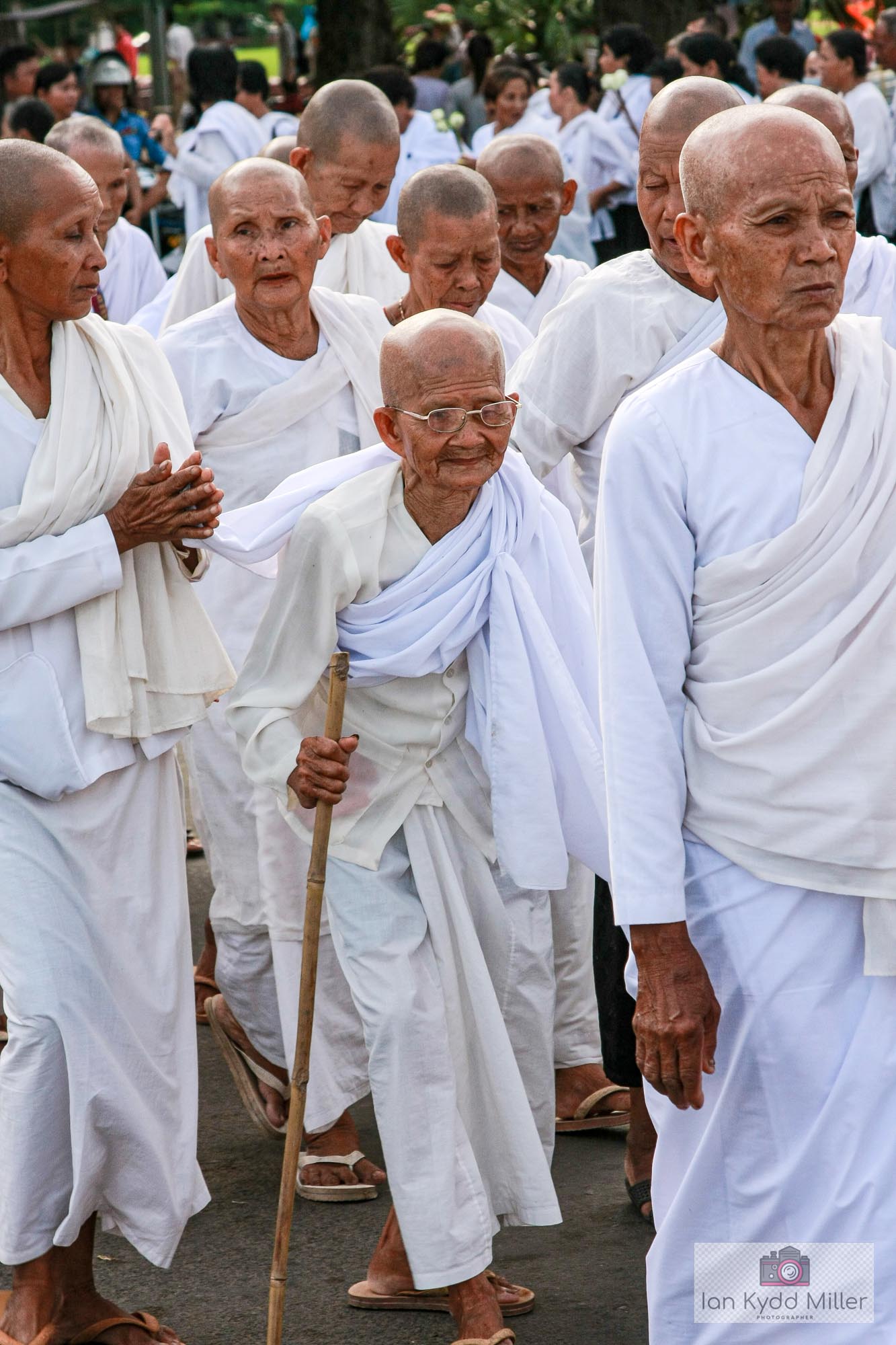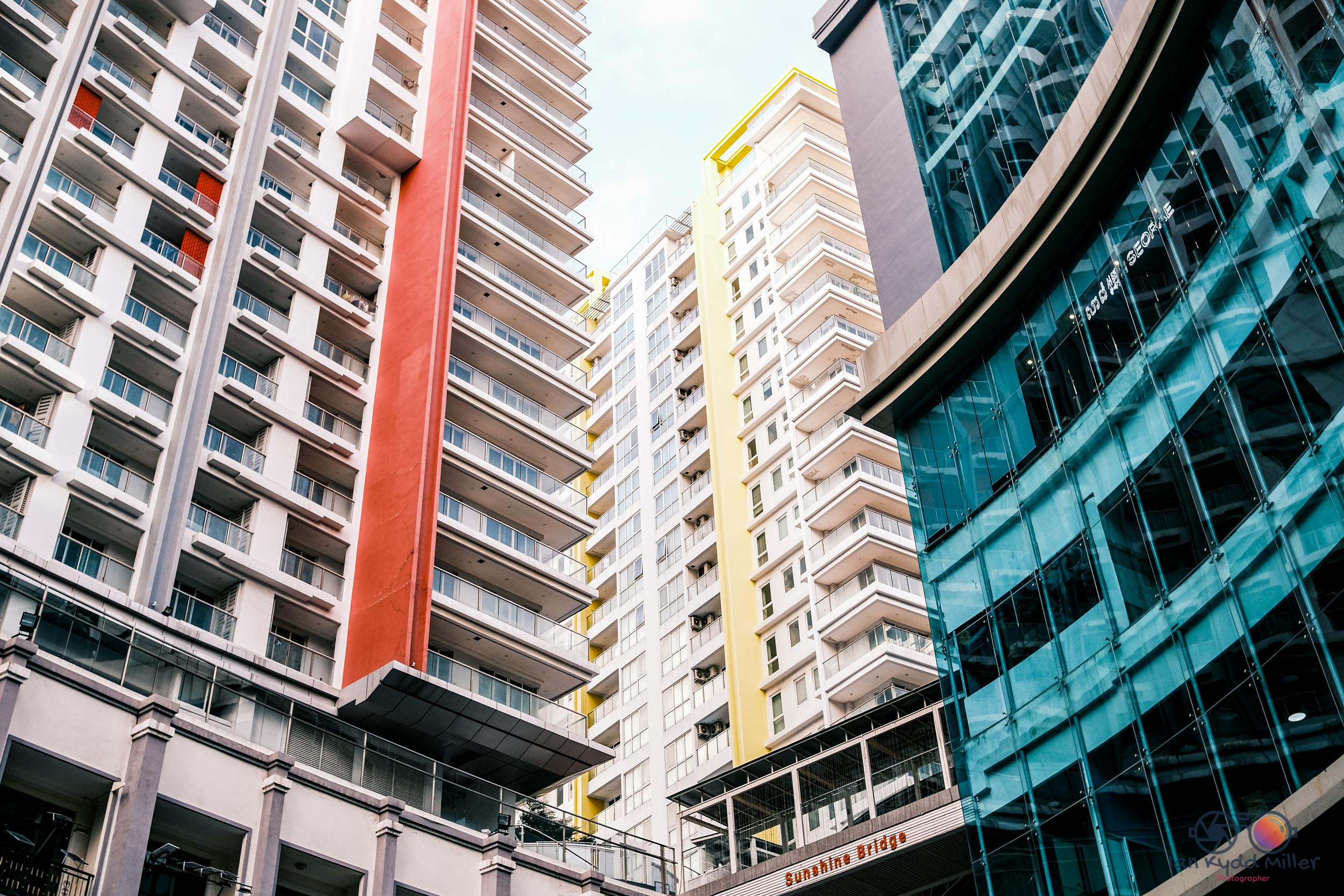
Is street Photography legal/

cambodia, cameras, homelessness, opinons, thoughts, photography, pictures, public, street, Travel

The Art of Capturing Moments: Why We Love Photography

cambodia, cameras, fujifilm, homelessness, opinons, thoughts, photography, street, Travel

The Nikon D800: A Street Photographer’s Companion

cambodia, cameras, Lenses, opinons, thoughts, photography, pictures, street, Travel

The Art and Ethics of Photojournalism

cambodia, opinons, thoughts, photography, pictures, war

It’s the Photographer, Not the Camera, That Creates a Picture

cambodia, cameras, fujifilm, Lenses, opinons, thoughts, photography, pictures, street, Travel

What makes a good photograph?

cambodia, cameras, fujifilm, Lenses, opinons, thoughts, photography, pictures, street, Travel

The Art of Capturing the Perfect Moment

  1. Composition: The arrangement of elements within the frame can make or break a photo. Good composition guides the viewer’s eye to the subject and creates a sense of balance and purpose. Techniques like the Rule of Thirds, leading lines, and framing can add depth and interest to your photographs.
  2. Exposure: Mastering the exposure triangleβ€”aperture, shutter speed, and ISOβ€”is crucial. It’s not just about the right amount of light; it’s about using these settings creatively to enhance the mood of the image. Whether it’s the bright cheerfulness of an overexposed beach scene or the dramatic tension of a dark, underexposed alleyway, exposure plays a pivotal role in the narrative of your photo.
  3. Focus: Sharpness where it matters draws attention to the subject, while a soft, blurred background can isolate it, making it pop. Playing with focus can also create artistic effects, like the dreamy quality of a shallow depth of field or the crystal-clear detail of a landscape with everything in focus.
  4. Subject Interest: A photograph is as compelling as its subject. It could be the raw emotion on a person’s face, the untold story behind a weathered door, or the unexpected angle of a modern skyscraper. The subject is the heart of the photograph, and its interest level can captivate the viewer.
  5. Purpose: Every great photograph has a purpose. It could be to document, to express, to question, or to celebrate. This intentionality is what gives a photograph meaning beyond its visual appeal.
  6. Lighting: Light is the photographer’s paintbrush. It shapes and defines the subject, creates atmosphere, and can dramatically alter the mood of the photo. The golden hour’s soft, warm light can imbue a scene with a serene glow, while the harsh midday sun can create bold contrasts and patterns.
  7. Emotion: Perhaps the most intangible yet powerful aspect of a good photograph is the emotion it evokes. A photo that can make you feelβ€”whether it’s joy, sadness, wonder, or nostalgiaβ€”has achieved something special. It’s the emotional connection that often turns a good photo into a great one.
  8. Storytelling: A good photograph tells a story. It invites the viewer to look closer, to ask questions, and to imagine the moments before and after the shutter was pressed. Storytelling through photography is a powerful way to communicate and connect with others.
  9. Technical Quality: While it’s true that an expensive camera doesn’t guarantee a good photo, technical quality can’t be ignored. Sharpness, color accuracy, and noise levels all contribute to the overall impression of the photograph.
  10. Creativity: Last but not least, creativity is what sets a photograph apart. It’s the unique perspective, the unconventional approach, or the innovative technique that makes a photo memorable.

The Nikkor 70-210 f4 AF zoom

cambodia, cameras, Lenses, opinons, thoughts, photography, pictures, street, Travel, Uncategorized

Cartier-Bresson

cambodia, cameras, fujifilm, homelessness, Lenses, opinons, thoughts, photography, pictures, street

Henri Cartier-Bresson: The Decisive Moment of Photography

Henri Cartier-Bresson, born on August 22, 1908, in Chanteloup-en-Brie, France, is a name that resonates with profound respect in the world of photography. His legacy as a master of candid photography and an early adopter of 35mm film has left an indelible mark on the art form. Cartier-Bresson’s philosophy of capturing the “decisive moment” – that split second that reveals the essence of an event – has influenced generations of photographers and artists alike.

Cartier-Bresson’s journey into the arts began with painting, which he studied from a young age, and was deeply influenced by Surrealism. However, it was his discovery of the Leica camera that truly shaped his path. The Leica’s compact size and agility allowed him to move through the streets unnoticed, capturing life as it unfolded before him. This unobtrusive approach to photography enabled him to produce images that were natural, spontaneous, and brimming with life.

His work is not just a collection of images; it is a historical document of the 20th century. From the liberation of Paris to the last days of Gandhi, Cartier-Bresson was there, camera in hand, to capture the moments that defined an era. His ability to anticipate and seize the perfect frame is what made his work stand out. He likened this process to a visual ballet, where the photographer must align their intuition, their eye, and their heart to capture the scene before them.

In 1947, Cartier-Bresson co-founded Magnum Photos, a cooperative agency for worldwide freelance photographers, which became a pivotal platform for photojournalism. Through Magnum, he and his colleagues were able to maintain control over their work and distribute it globally, changing the landscape of photography and media.

Later in life, Cartier-Bresson turned away from photography and returned to his first love, drawing and painting. He believed that each artist should follow their creative impulses, whether they lead to the darkroom or the canvas. His artistic vision and dedication to his craft have left a lasting legacy that continues to inspire and challenge photographers to this day.

Henri Cartier-Bresson passed away on August 3, 2004, but his work lives on, housed in galleries and private collections around the world. His contributions to photography are celebrated in numerous exhibitions, books, and documentaries. For those who wish to delve deeper into his life and work, his photographs and the stories behind them offer a timeless exploration of the human condition and the world we inhabit.

Cartier-Bresson’s influence extends beyond photography. His approach to the decisive moment can be applied to various aspects of life and art, teaching us to be present, observant, and ready to capture the essence of the fleeting moments that surround us. His work reminds us that beauty and significance can be found in the everyday, waiting for those with the patience and insight to see it. Henri Cartier-Bresson’s legacy is a testament to the power of seeing, not just looking, and the profound impact of capturing life as it happens.

Henri Cartier-Bresson and the Timeless Leica

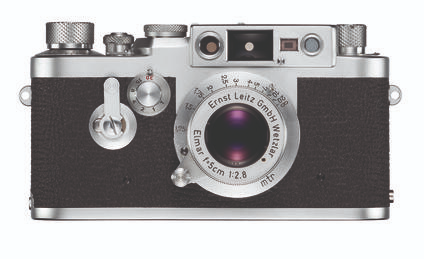
Henri Cartier-Bresson, a name synonymous with the art of street photography, has left an indelible mark on the world with his concept of “the decisive moment.” His weapon of choice? The iconic Leica 35mm camera. This small, unobtrusive piece of technology was not just a tool but an extension of Cartier-Bresson’s vision, allowing him to capture life as it unfolded before him.

The Leica was Cartier-Bresson’s constant companion, its mechanical precision and reliability meshing perfectly with his need for spontaneity and discretion. With a Leica in hand, he traversed the globe, documenting the human condition and etching his view of the world onto film.

Fast forward to today, and one might wonder if Cartier-Bresson would still be loyal to his Leica if he were alive. Given the advancements in camera technology, would he opt for a modern digital Leica, or perhaps something entirely different?

Considering Cartier-Bresson’s philosophy, it’s not the camera but the eye, the mind, and the heart that captures the decisive moment. The Leica, with its simplicity and focus on the essentials, aligns with this philosophy. It’s not about having the latest features but about understanding and connecting with the subject.

So, would Henri Cartier-Bresson still use a Leica today? It’s a question that invites speculation, but one thing is certain: his legacy is not bound by the type of camera but by the timeless moments he captured. Those moments continue to inspire photographers around the world, reminding them that the true essence of photography lies in seeing and feeling, not in the gear they hold.

The Great Camera Debate: DSLR vs. Mirrorless

cambodia, cameras, fujifilm, Lenses, opinons, thoughts, photography, street, viltrox

In the world of photography, the debate between DSLR and mirrorless cameras is a tale as old as timeβ€”or at least as old as digital photography. As we stand in 2024, the discussion is more relevant than ever, with technological advancements pushing the boundaries of what’s possible in image capturing. So, let’s dive into the great camera debate: should we move away from mirrorless cameras and go back to DSLRs?

DSLRs, or Digital Single-Lens Reflex cameras, have been the go-to choice for professional photographers for decades. They are known for their robust build, exceptional battery life, and an extensive range of lenses developed over the years. The optical viewfinder in DSLRs gives a true-to-life preview of the image, which many photographers swear by. There’s a certain charm and immediacy to looking through the lens, seeing exactly what the camera sees without any digital translation.

On the flip side, mirrorless cameras have risen in popularity due to their compact size, lighter weight, and cutting-edge features. They boast advanced video capabilities, faster shooting speeds, and a digital viewfinder that can display more information than the traditional optical counterpart. Manufacturers have been heavily investing in mirrorless technology, leading to a surge in the variety and quality of lenses available for these cameras.

But why consider moving back to DSLRs? For starters, DSLRs offer a tactile experience that many photographers find satisfying. The heft and grip of a DSLR can feel more stable and reassuring in the hands. Additionally, the battery life of DSLRs is generally superior because they don’t rely on electronic viewfinders, which can be quite power-hungry. Moreover, the market for DSLRs has become incredibly competitive, making them more affordable than ever.

Canon 1D MkIV with 24-105 lens.

However, it’s not just about nostalgia or the feel of the camera. DSLRs still have a few technical advantages. The phase-detection autofocus system of a DSLR is incredibly fast and reliable, especially in low light conditions. Plus, the absence of a mirror mechanism in mirrorless cameras can sometimes lead to shutter lag, which can be a deal-breaker for action and sports photographers.

Fuji X Pro3 plus Viltox 23mm f1.4

It’s important to note that while the industry seems to be pivoting towards mirrorless systems, DSLRs are not obsolete. They continue to be produced, sold, and loved by many. The choice between DSLR and mirrorless ultimately comes down to personal preference and the specific needs of the photographer. Whether it’s the traditional feel of a DSLR or the modern conveniences of a mirrorless camera, both have their place in the photographer’s bag.

Nikon D800 + 28-85mm f3.5/4.5

As we ponder the future of photography, it’s clear that both DSLRs and mirrorless cameras have their merits. Perhaps the question isn’t about moving away from one to return to the other, but rather understanding which tool best serves your creative vision. In the end, the best camera is the one that allows you to capture the moments that matter most to you, in the way that you envision them.

So, what’s your take on this debate? Are you team DSLR or team mirrorless? Share your thoughts and experiences with us, and let’s continue to explore the ever-evolving landscape of photography together!

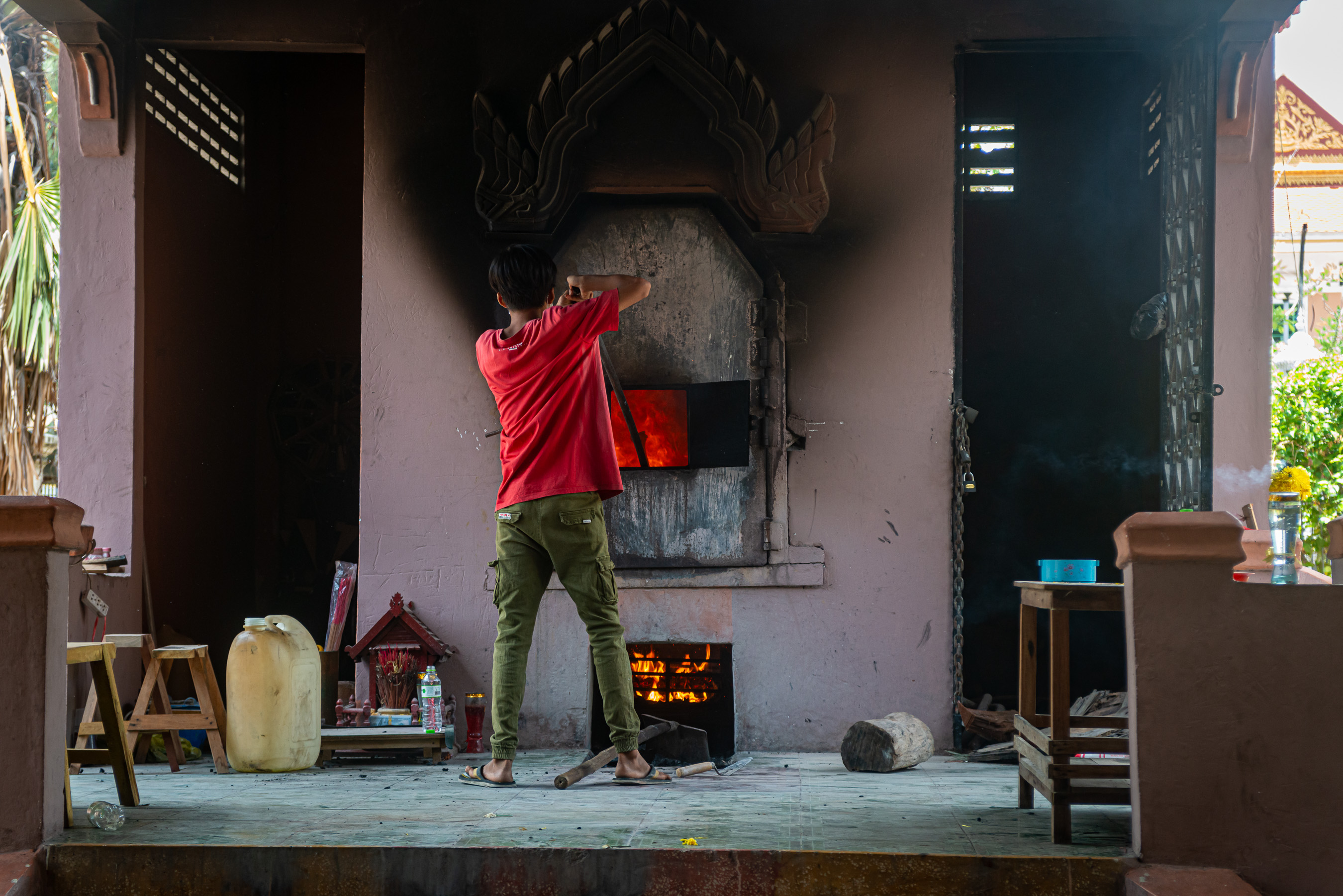
A sad day

cambodia, opinons, thoughts, Travel

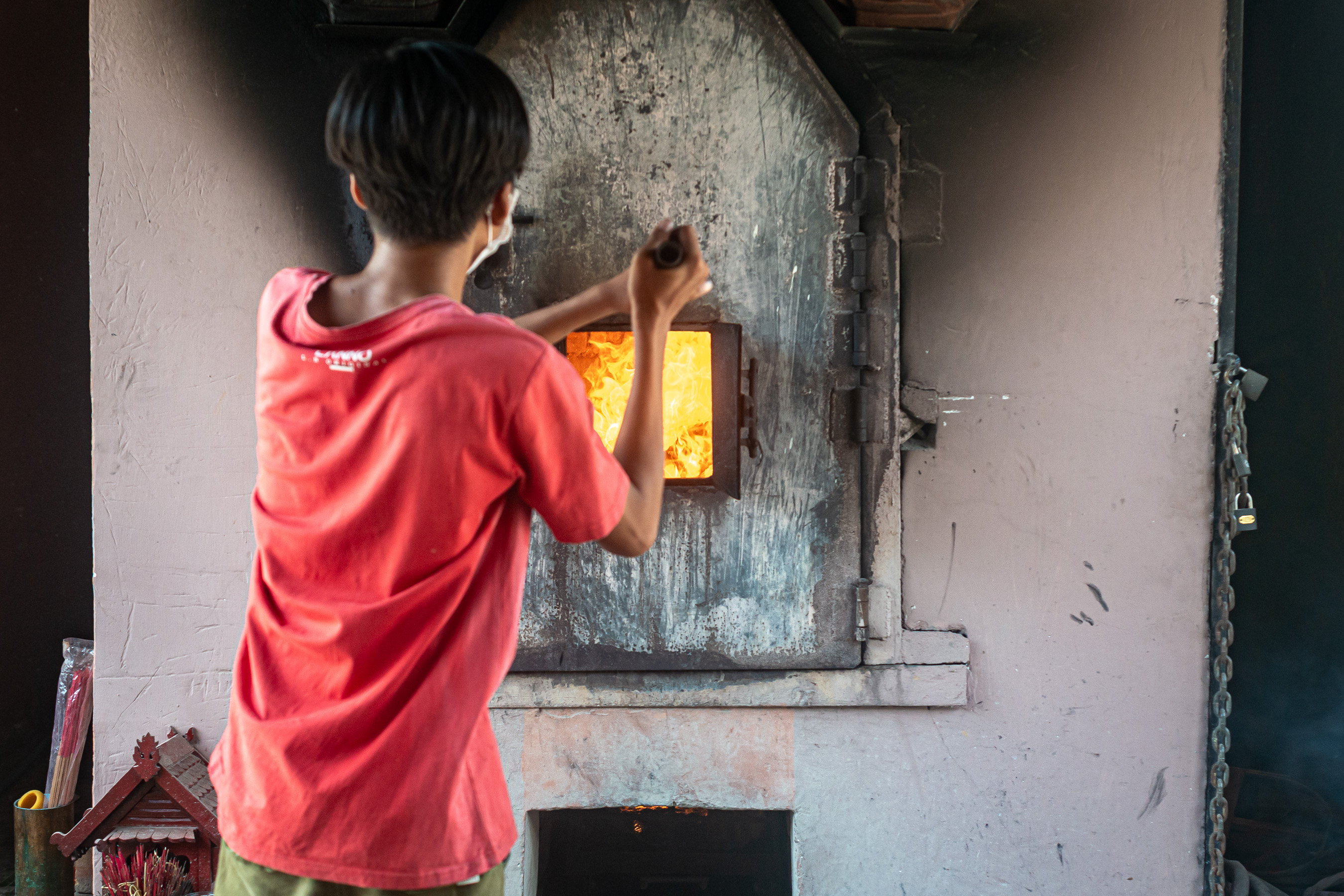
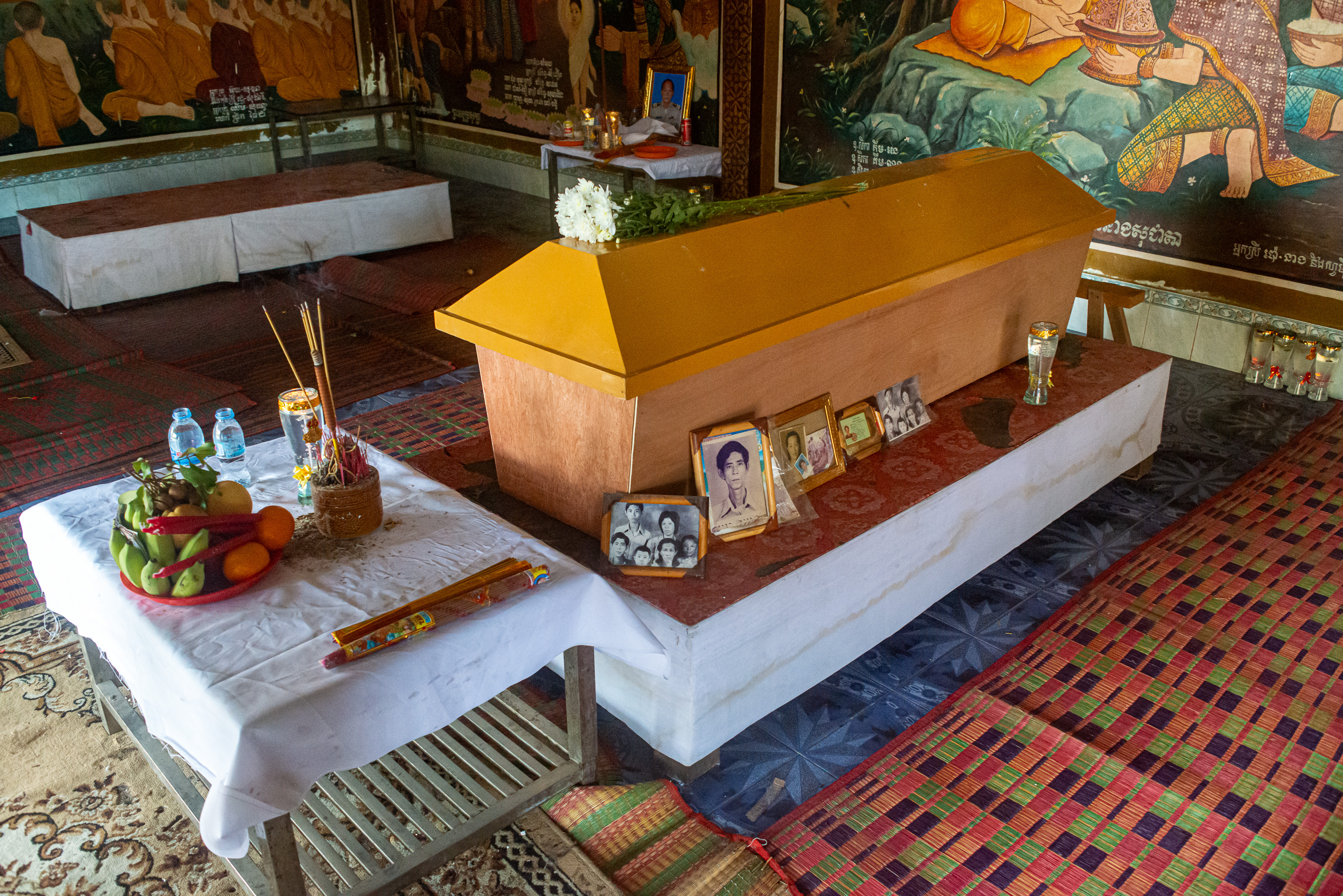
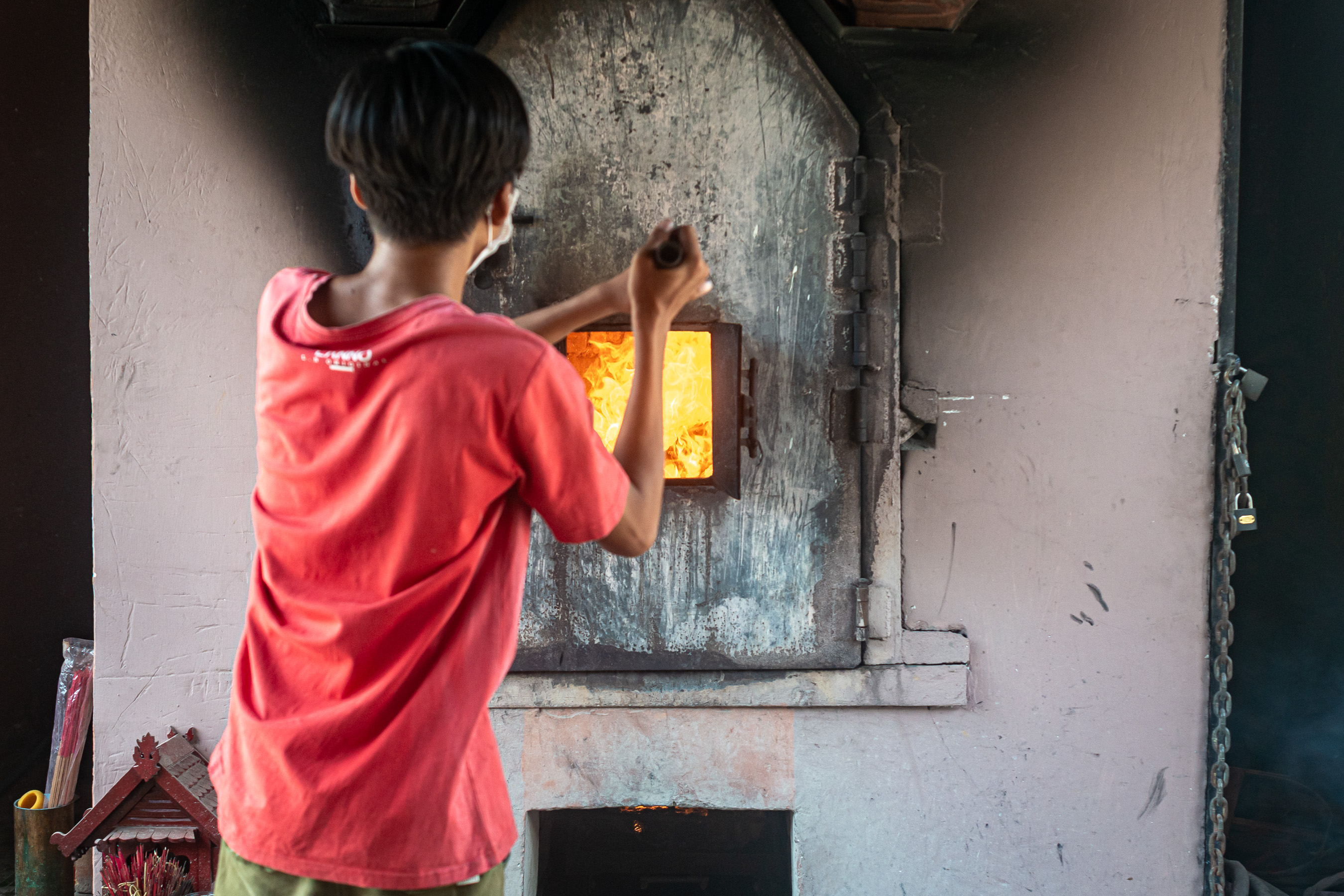
The end of life is a profound moment, and it’s natural to reflect on the connections we’ve made along the way. The thought of passing away without friends or relatives nearby can indeed evoke a deep sense of sadness. It reminds us of the importance of relationships and the warmth they bring to our lives. Throughout history, many cultures have emphasized the significance of community and companionship, not just in life but also in the transition at life’s end. This sentiment underscores the value we place on not being alone during significant life events. It’s a universal human experience to seek connection, to find solace in shared moments, and to draw comfort from the presence of loved ones. The idea of dying alone might also inspire us to reach out, to forge new bonds, and to be there for others, knowing how much it would mean to us.

It’s a poignant reminder of our shared humanity and the compassion that binds us together. While it is a somber thought, it also highlights the beauty of human connection and the impact each person has on another’s life. In recognizing this, we can find a renewed appreciation for the relationships we have and a motivation to nurture them. Sleep well Srey Pol.