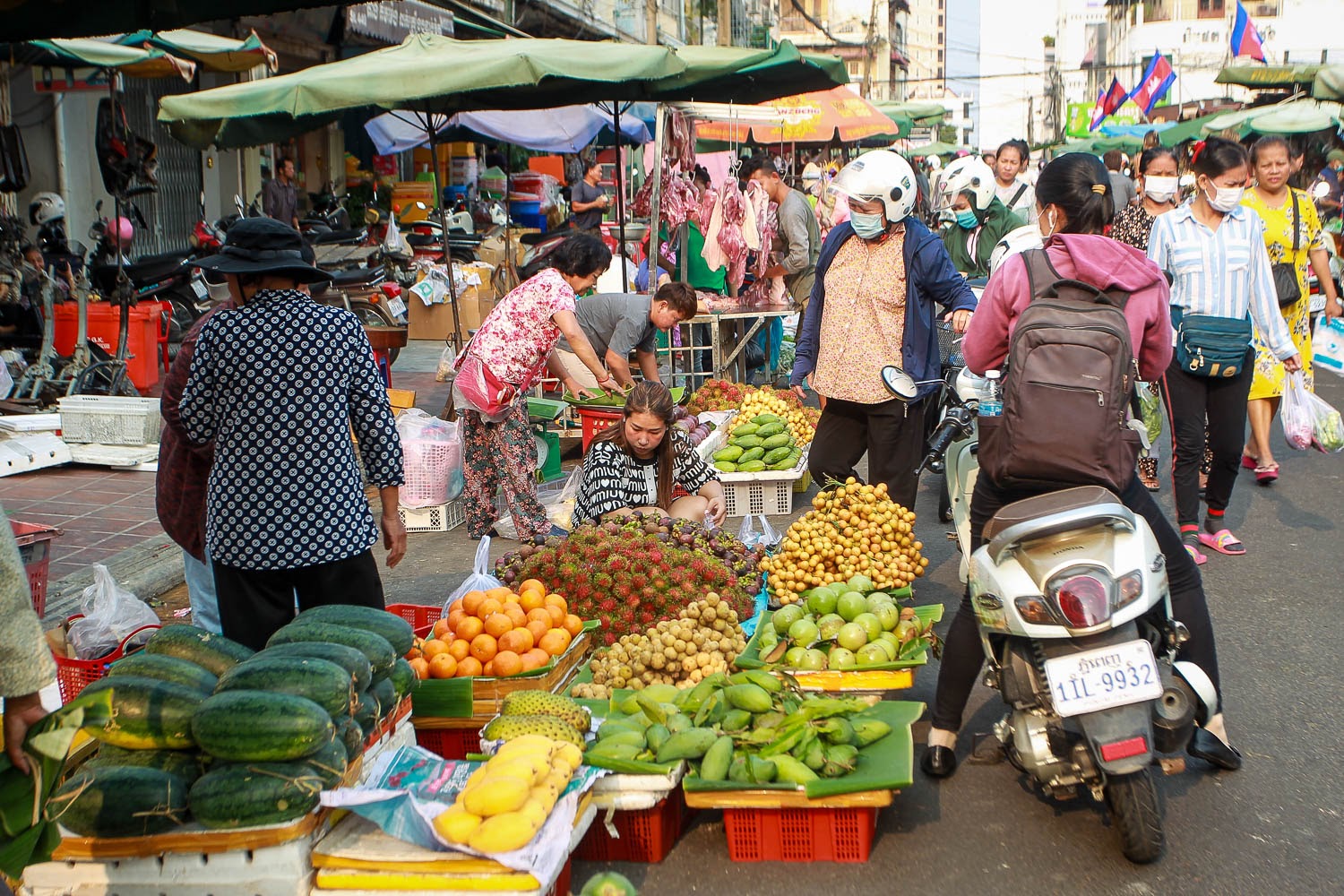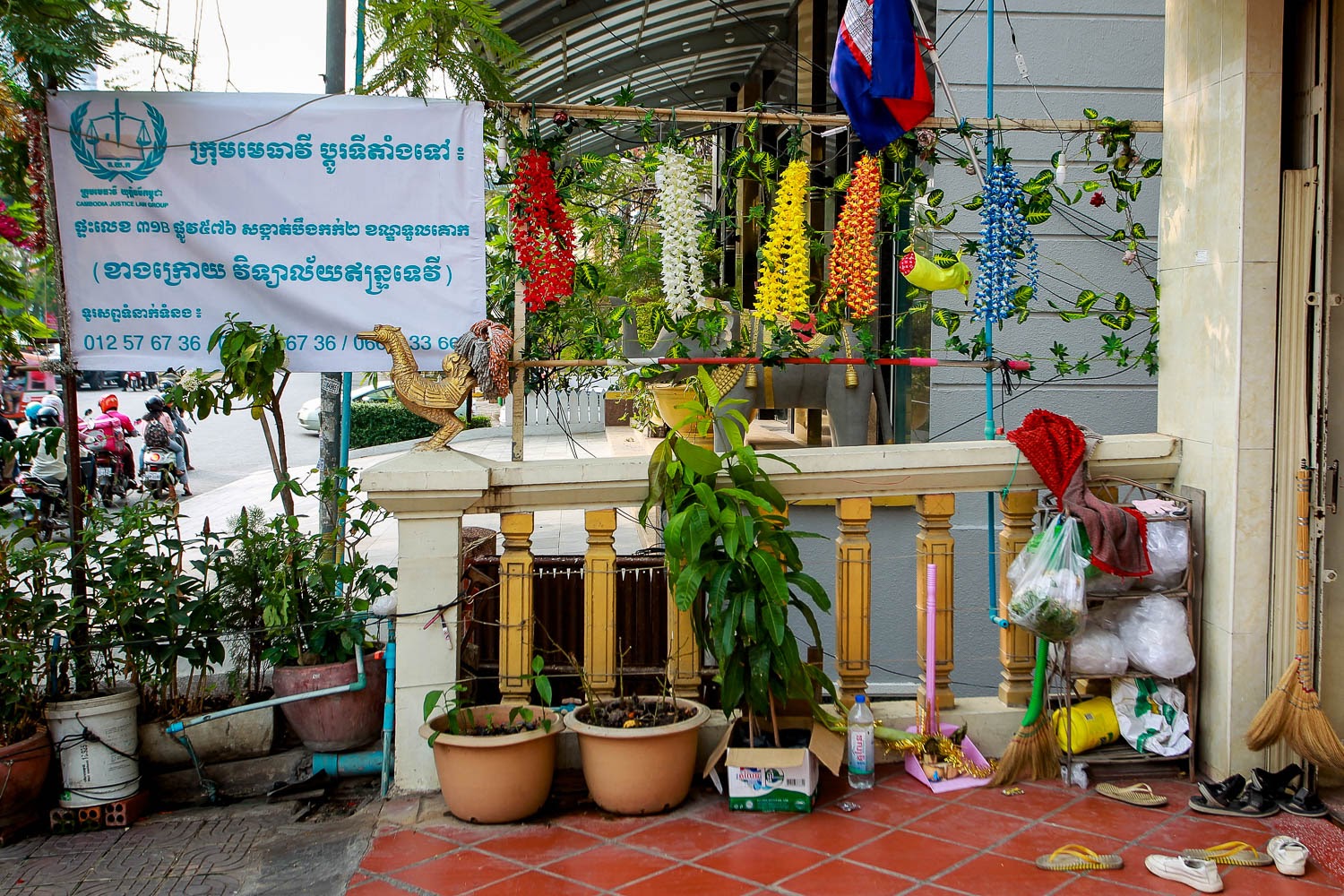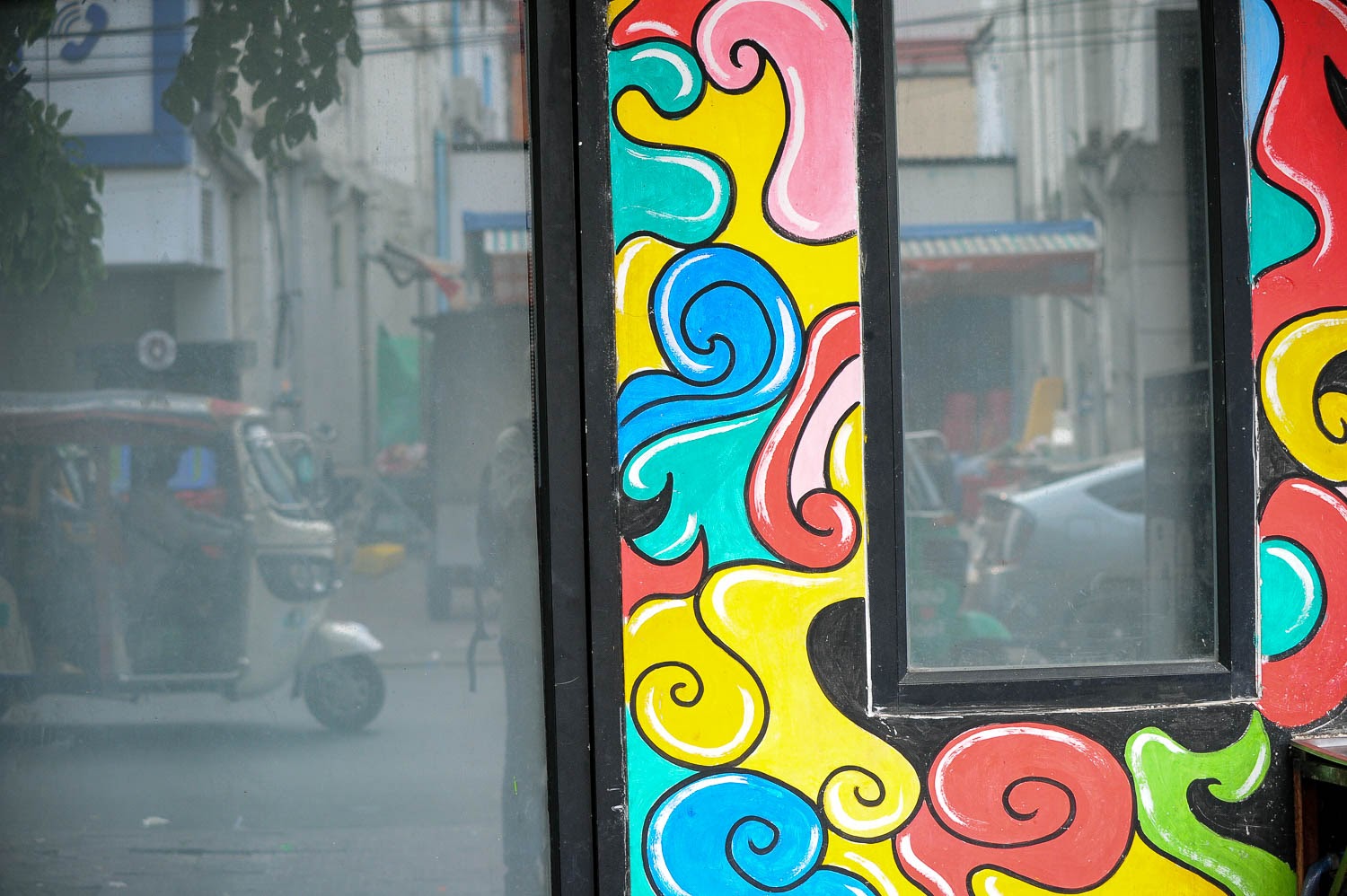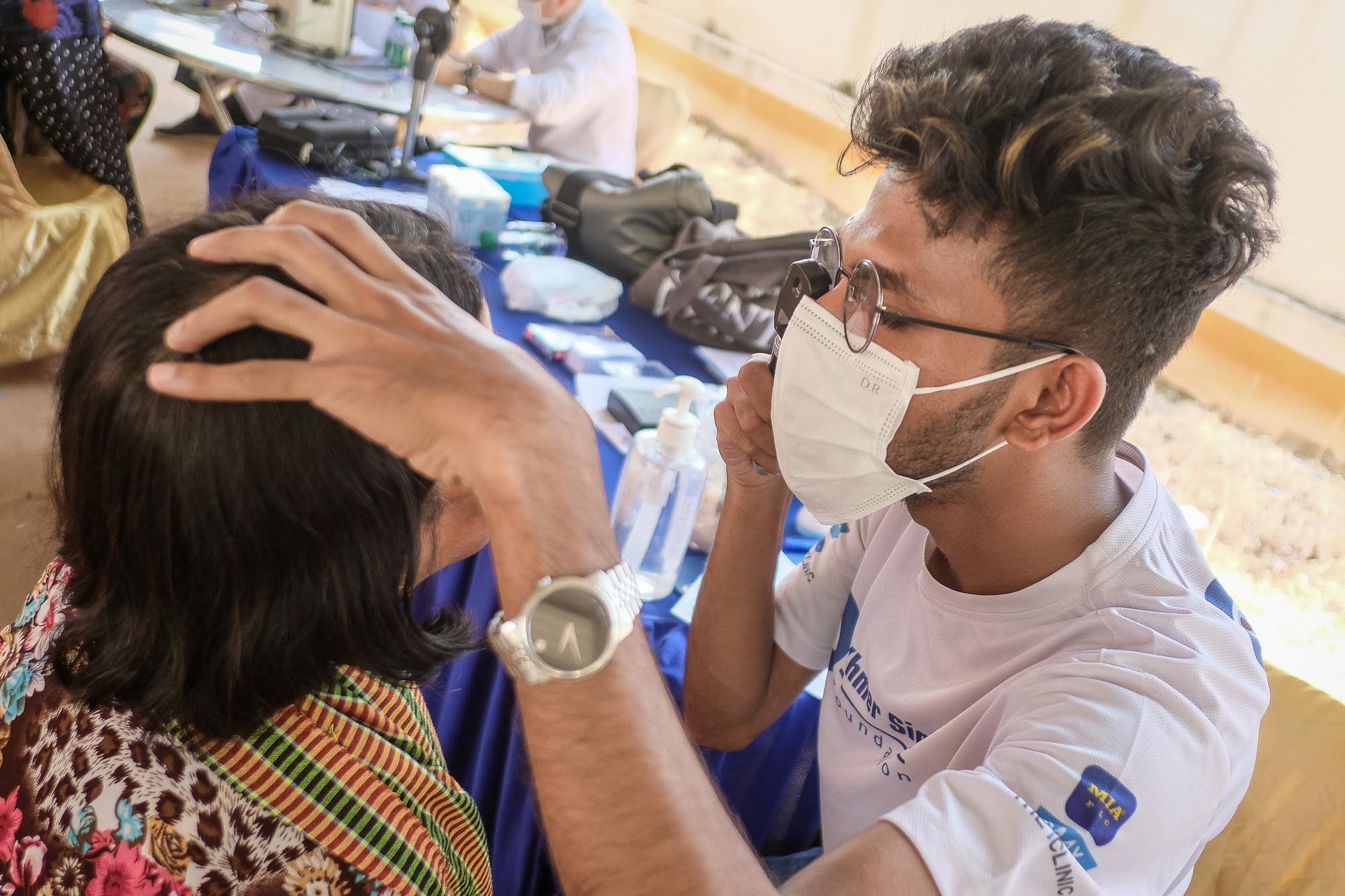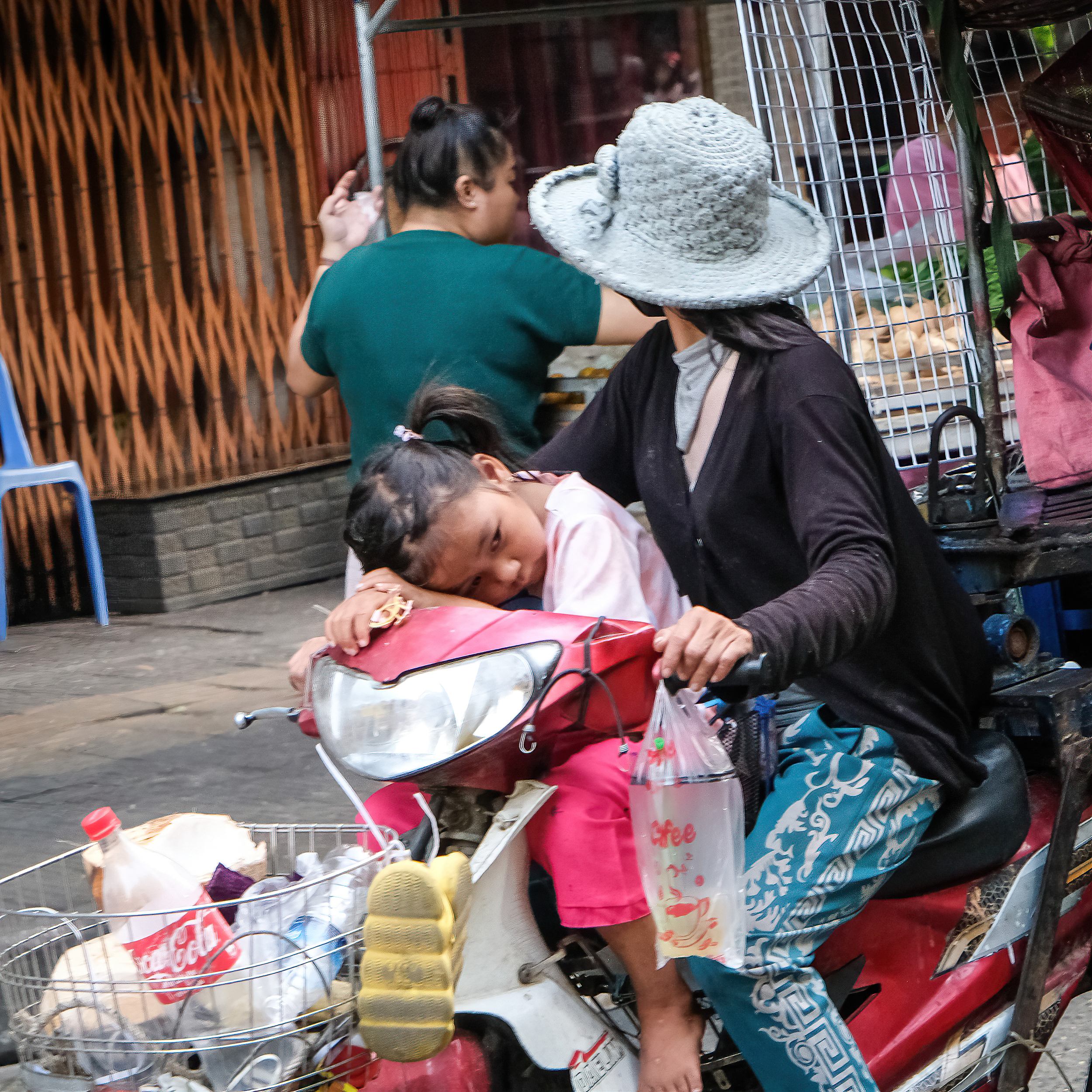
Defining your photographic comfort zone

cambodia, cameras, conflict, homelessness, Lenses, opinons, thoughts, photography, street, Travel, voluntary, war

One of the most important aspects of photography is finding your own style and voice. But how do you do that? How do you know what kind of photos you like to take and what kind of photos you are good at taking? One way to approach this question is by defining your photographic comfort zone.

Your photographic comfort zone is the range of subjects, situations, and techniques that you feel comfortable and confident with. It’s where you can express yourself freely and creatively, without feeling anxious or frustrated. It’s where you can enjoy the process of making images and have fun with your camera.

But how do you find your photographic comfort zone? Well, there is no definitive answer to that, as everyone’s comfort zone is different and personal. However, here are some possible steps that might help you:
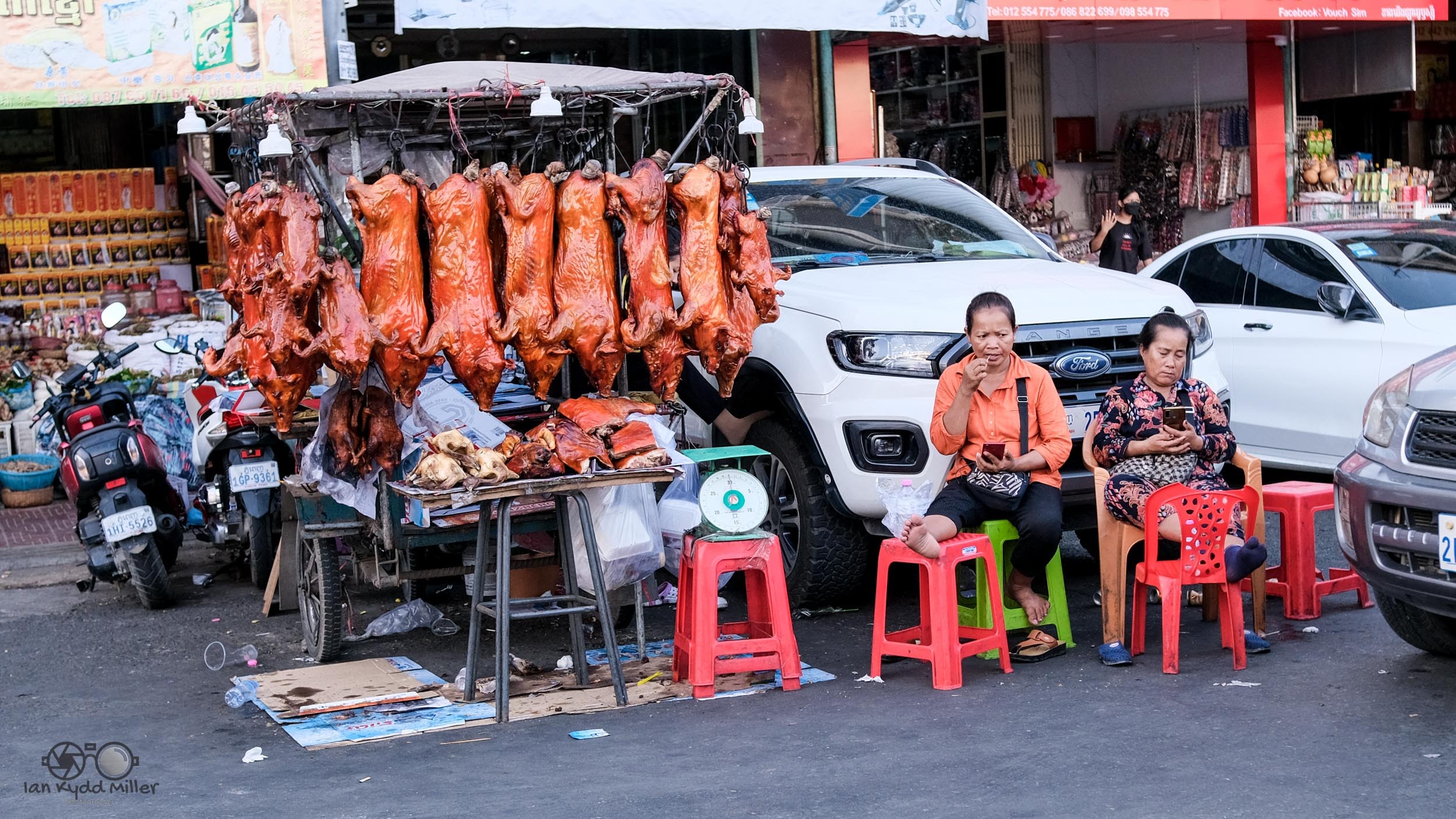
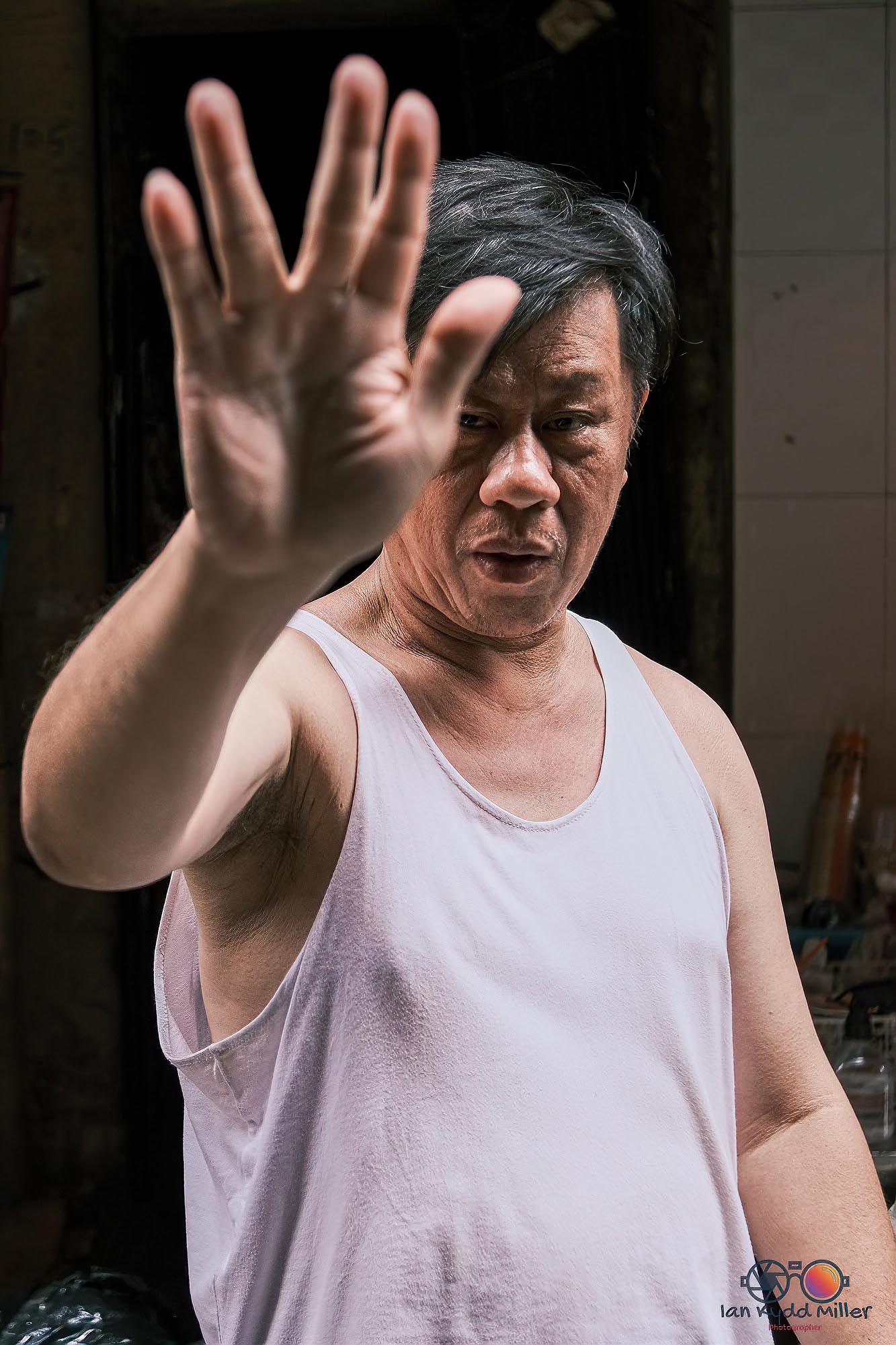
Defining your photographic comfort zone can help you discover your own style and voice as a photographer. It can also help you improve your skills and expand your horizons. However, remember that your comfort zone is not fixed or static. It can change over time as you evolve as a photographer and as a person. So keep exploring, keep learning, and keep enjoying photography!

Choosing what images to make. How to find inspiration for my photography.

cambodia, cameras, opinons, thoughts, photography, pictures, street, Travel, voluntary, war

One of the most common challenges that photographers face is deciding what to photograph. Sometimes, you may have a clear idea of what you want to capture, but other times, you may feel stuck or uninspired. How can you overcome this creative block and find new sources of inspiration for your photography?

There are many ways to spark your imagination and get motivated to take photos. Here are some tips that may help you choose what images to make and how to find inspiration for your photography.

  • Explore different genres and styles. Photography is a diverse and versatile art form that can express many different moods, emotions, and messages. You can experiment with different genres and styles of photography, such as portrait, landscape, street, abstract, macro, wildlife, documentary, and more. Each genre has its own challenges and opportunities for creativity. You can also try different techniques and effects, such as long exposure, HDR, black and white, bokeh, and more. By exploring different genres and styles, you can discover new perspectives and possibilities for your photography.
  • Follow other photographers. One of the best ways to learn and improve your photography is to follow other photographers who inspire you. You can find many talented and creative photographers online, on platforms such as Instagram, Flickr, 500px, Behance, and more. You can also look for photography blogs, magazines, books, podcasts, and videos that showcase the work and insights of other photographers. By following other photographers, you can learn from their skills, techniques, tips, and stories. You can also get inspired by their vision, style, and themes.
  • Join a photography community. Another way to find inspiration for your photography is to join a photography community where you can interact with other photographers who share your passion and interest. You can find many photography communities online or offline, such as forums, groups, clubs, workshops, contests, and more. By joining a photography community, you can get feedback, advice, support, and encouragement from other photographers. You can also participate in challenges, projects, collaborations, and events that can stimulate your creativity and challenge your skills.
  • Go outside your comfort zone. Sometimes, the best way to find inspiration for your photography is to go outside your comfort zone and try something new or different. You can challenge yourself to photograph something that you normally wouldn’t or that scares you. You can also travel to a new place or revisit an old one with a fresh eye. You can also experiment with new equipment or settings that you are not familiar with. By going outside your comfort zone, you can push your boundaries and discover new aspects of yourself and your photography.
  • Have fun and enjoy the process. Finally, the most important tip to find inspiration for your photography is to have fun and enjoy the process. Photography is not only a skill or a profession but also a hobby and a passion. You should not take it too seriously or put too much pressure on yourself to create perfect images. Instead, you should focus on the joy and satisfaction that photography brings you. You should also appreciate the beauty and wonder of the world around you and capture it with your camera. By having fun and enjoying the process, you can find inspiration for your photography in every moment.

Knowing your camera

cambodia, cameras, film, Fujichrome, fujifilm, Lenses, opinons, thoughts, photography, pictures, street, Travel

If you are passionate about photography, you know how important it is to know your camera well. Your camera is your tool, your partner, and your creative expression. Knowing your camera means you can take better photos, faster and easier.

But how do you get to know your camera? There are so many features, settings, and options that it can be overwhelming at first. Don’t worry, we are here to help you with some tips and tricks to get you started.

The first thing you need to do is read the manual. Yes, we know it sounds boring and tedious, but trust us, it will save you a lot of time and frustration later on. The manual will tell you everything you need to know about your camera’s functions, modes, menus, and buttons. You will learn how to adjust the exposure, focus, white balance, ISO, aperture, shutter speed, and more. You will also learn how to use the flash, the zoom, the timer, the burst mode, and other features that can enhance your photos.

The second thing you need to do is practice. The best way to learn is by doing. Take your camera with you everywhere you go and try different settings and situations. Experiment with different angles, perspectives, lighting conditions, and subjects. See how your camera reacts and what results you get. Don’t be afraid to make mistakes and learn from them. The more you practice, the more comfortable and confident you will become with your camera.

The third thing you need to do is have fun. Photography is not only a skill but also an art form. It is a way of expressing yourself and capturing moments that matter to you. Don’t get too caught up in the technical details and forget to enjoy the process. Be creative, be curious, be adventurous. Find your own style and voice. Share your photos with others and get feedback. Learn from other photographers and get inspired by their work.

Knowing your camera is not a one-time thing. It is a continuous journey of discovery and improvement. As you grow as a photographer, so will your camera skills. You will always find new things to learn and new ways to challenge yourself.

But remember, the most important thing is not the camera itself but what you do with it.

Ethical issues for street photographers.

cambodia, cameras, conflict, FB, homelessness, Lenses, opinons, thoughts, photography, pictures, public, street, Travel, war

Street photography is a fascinating and rewarding genre of photography that captures candid moments of life in public spaces. However, street photography also poses some ethical challenges that require careful consideration and respect from the photographer. Here are some ethical issues for the street photographer to keep in mind:

Why I make pictures

cambodia, cameras, Fujichrome, Lenses, opinons, thoughts, photography, pictures, printing, street, Travel

I take photographs because I love capturing the beauty and the emotion of the world around me. I take photographs because I want to share my perspective and my stories with others. I take photographs because I enjoy the challenge and the creativity of finding the right angle, the right light, and the right moment. I take photographs because I feel alive and happy when I hold a camera in my hands.

Photography is more than just a hobby for me. It is a passion, a way of expression, a form of art. Photography is a journey of discovery, of learning, of growth. Photography is a gift that I can give to myself and to others. Photography is my way of saying thank you to life for all the wonderful experiences and memories that it offers me. Photography is my voice, my vision, my expression. It is who I am and what I do. It is why I take photographs.

Using the Fujifilm XE2 camera plus XF 18mm f2 for street photography

cambodia, cameras, fujifilm, Lenses, opinons, thoughts, photography, street, Travel

If you are looking for a compact and versatile camera for street photography, you might want to consider the Fujifilm XE2 with a 18mm f2 lens. This combination offers many advantages for capturing candid moments in the urban environment. Here are some reasons why:

  • The Fujifilm XE2 is a mirrorless camera that has a retro design and a solid build quality. It has a 16.3 megapixel APS-C sensor that delivers excellent image quality and low-light performance. It also has a fast and accurate autofocus system that can track moving subjects with ease.
  • The 18mm f2 lens is a wide-angle prime lens that has a 35mm equivalent focal length of 27mm. This is a classic focal length for street photography, as it allows you to capture a wide view of the scene without distorting the perspective too much. It also has a bright aperture of f2 that lets you create shallow depth of field effects and shoot in low-light situations.
  • The combination of the Fujifilm XE2 and the 18mm f2 lens is very lightweight and discreet. You can easily carry it around in your bag or pocket, and it won’t attract too much attention from your subjects.
  • The Fujifilm XE2 and the 18mm f2 lens also give you a lot of creative control over your images. You can choose from various film simulation modes that emulate the look of classic Fujifilm films, such as Provia, Velvia, Astia, and more. You can also adjust the exposure compensation, white balance, ISO, and other settings with dedicated dials and buttons on the camera body.

As you can see, the Fujifilm XE2 and the 18mm f2 lens are a great pair for street photography. They allow you to capture the beauty and spontaneity of life on the streets with ease and style. If you are interested in this setup, you can find more information and reviews online or visit your local camera store to try it out for yourself.

What Camera equipment is essential when travelling

cambodia, cameras, fujifilm, opinons, thoughts, photography, pictures, street, Travel

If you love photography and travel, you might wonder what essential camera equipment you need to pack when travelling light. Travelling light means carrying only the most necessary items that will allow you to capture the best shots of your destination without compromising your comfort and mobility.

Here are some tips on how to choose the right camera equipment for travelling light.

First, you need to decide what kind of camera you want to use. There are many types of cameras available, such as DSLRs, mirrorless, compact, action, and smartphone cameras. Each type has its own advantages and disadvantages, depending on your preferences, budget, and skill level. For example, DSLRs offer the best image quality and versatility, but they are also bulky and heavy. Mirrorless cameras are smaller and lighter than DSLRs, but they still have interchangeable lenses and good performance. Compact cameras are easy to use and fit in your pocket, but they have limited zoom and low-light capabilities. Action cameras are great for capturing videos and extreme sports, but they have a fixed wide-angle lens and poor audio quality. Smartphone cameras are convenient and always with you, but they have limited battery life and storage space.

Second, you need to choose the right lenses for your camera. Lenses are the most important part of your camera equipment, as they determine the quality and style of your photos. However, lenses can also be heavy and expensive, so you need to be selective about which ones to bring. A good rule of thumb is to bring one or two lenses that cover a wide range of focal lengths and situations. For example, you can bring a standard zoom lens (such as 18-55mm or 24-70mm) that can handle landscapes, portraits, and street photography. You can also bring a prime lens (such as 35mm or 50mm) that has a fast aperture and can create beautiful bokeh effects. Alternatively, you can bring a superzoom lens (such as 18-200mm or 28-300mm) that can cover everything from wide-angle to telephoto shots.

Third, you need to consider the accessories that will enhance your photography experience. Accessories are the items that will help you protect, stabilize, charge, store, and edit your photos. However, accessories can also add weight and bulk to your luggage, so you need to prioritize the ones that are most useful and essential. For example, you should always bring a camera bag or case that will protect your camera and lenses from dust, water, and impact. You should also bring a tripod or a monopod that will help you capture sharp and steady shots in low-light conditions or with long exposures. You should also bring extra batteries and memory cards that will ensure you have enough power and storage space for your photos. You should also bring a cleaning kit that will help you keep your camera and lenses clean from dust and smudges. You should also bring a laptop or a tablet that will allow you to back up, edit, and share your photos.

Photo by Plann on Pexels.com

These are some of the essential camera equipment you need to pack when travelling light. By choosing the right camera equipment for your needs and preferences, you can enjoy taking amazing photos of your travels without sacrificing your comfort and mobility.

Travelling with a Camera

angkor, cambodia, cameras, opinons, thoughts, photography, pictures, street, Travel

Travelling with a camera is one of the most rewarding and exciting ways to explore the world. Whether you are a professional photographer or a hobbyist, a camera can help you capture the beauty, the diversity, and the stories of different places and people. A camera can also help you express your creativity, your perspective, and your emotions through your images.

There are many benefits of travelling with a camera. First of all, it can enhance your travel experience by making you more observant, curious, and adventurous. You will notice more details, appreciate more colours, and seek more opportunities to interact with your surroundings. You will also have more memories to cherish and share with others. Secondly, it can improve your photography skills by exposing you to different lighting conditions, landscapes, cultures, and subjects. You will learn how to adapt to various situations, how to compose your shots, how to use different techniques and settings, and how to tell a story with your photos. Thirdly, it can enrich your personal growth by challenging you to step out of your comfort zone, overcome your fears, and discover new aspects of yourself. You will also develop a deeper appreciation for the diversity and beauty of the world and its people.

Travelling with a camera is not always easy, though. You may face some challenges and difficulties along the way. For example, you may have to deal with the weight and bulkiness of your equipment, the security and safety of your gear and yourself, the ethical and cultural issues of photographing people and places, the environmental impact of your actions, and the expectations and pressures of producing good photos. Therefore, you need to be prepared, respectful, responsible, and flexible when travelling with a camera.

Here are some tips that can help you make the most out of your travel photography:

  • Do some research before you go. Learn about the destination’s history, culture, customs, weather, attractions, and events. This will help you plan your itinerary, choose your locations, find your subjects, and avoid any potential problems or misunderstandings.
  • Pack light and smart. Choose a camera that suits your needs and preferences, and bring only the essential accessories and equipment. Consider using a backpack or a sling bag that can protect your gear from dust, water, and theft. Also bring some spare batteries, memory cards, chargers, adapters, and cleaning tools.
  • Be respectful and polite. Always ask for permission before photographing people or private property. Respect their wishes if they decline or ask for compensation. Smile and say thank you after taking their photos. Avoid photographing sensitive or sacred sites or ceremonies unless you have permission or an invitation. Follow the local rules and regulations regarding photography.
  • Be creative and adventurous. Experiment with different angles, perspectives, focal lengths, apertures, shutter speeds, ISOs, filters, modes, and effects. Try to capture the mood, the atmosphere, the emotion, and the story of each scene. Don’t be afraid to explore new places or try new things.
  • Have fun and enjoy yourself. Don’t let photography become a burden or a stressor for you or others. Don’t obsess over getting the perfect shot or missing an opportunity. Don’t compare yourself to others or judge yourself harshly. Remember that photography is a form of art and expression that reflects your unique vision and personality.

Travelling with a camera is a wonderful way to experience the world in a different light. It can open your eyes to new possibilities,
inspire you to learn new things,
and connect you to new people.
It can also help you create lasting memories that you can treasure for a lifetime.
So grab your camera,
pack your bags,
and start your adventure!

Using a wide angle lens for street photography

cameras, Lenses, opinons, thoughts, photography, street

Street photography is a genre of photography that captures candid moments of people and places in public spaces. It can be challenging, rewarding and fun, but also requires some skills and techniques to get the best results. One of the most important decisions you have to make as a street photographer is what lens to use. In this blog post, we will explore the advantages and disadvantages of using a wide-angle lens for street photography, and give you some tips on how to use it effectively.

A wide-angle lens is a lens that has a focal length shorter than 35mm on a full-frame camera, or 24mm on a crop-sensor camera. This means that it can capture a wider field of view than a normal or telephoto lens, allowing you to include more of the scene in your frame. A wide-angle lens can also create some interesting effects, such as distortion, perspective and depth of field, that can enhance your street photography.

Some of the advantages of using a wide-angle lens for street photography are:

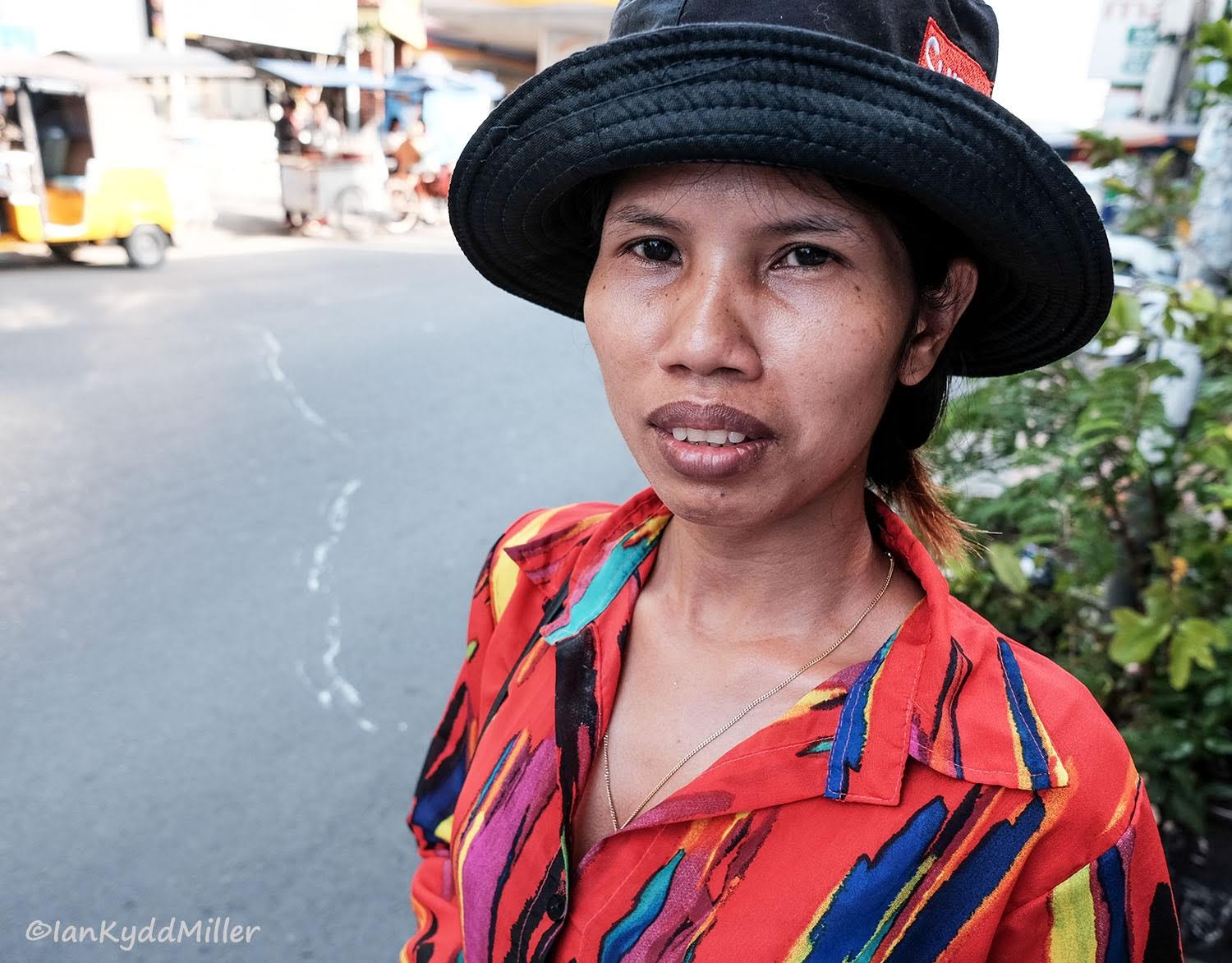
  • You can get closer to your subject without being intrusive or noticeable. A wide-angle lens allows you to fill the frame with your subject even when you are only a few feet away from them. This can help you capture more intimate and authentic expressions and emotions, as well as more details and textures.
  • You can capture more of the context and environment around your subject. A wide-angle lens can show more of the background and foreground of your scene, giving your viewers a better sense of the place and time where your photo was taken. This can help you tell a story with your photo, or create a contrast or connection between your subject and their surroundings.
  • You can create dynamic and dramatic compositions. A wide-angle lens can exaggerate the perspective and distortion of your scene, making it look more spacious or distorted. This can create a sense of movement, energy and tension in your photo, or draw attention to certain elements or lines in your frame.

Some of the disadvantages of using a wide-angle lens for street photography are:

  • You may have unwanted elements or distractions in your frame. A wide-angle lens can capture more than you intend to, especially if you are not careful with your framing and positioning. You may end up with unwanted people, objects or light sources in your photo that can ruin your composition or mood.
  • You may lose some details or sharpness in your photo. A wide-angle lens can make your subject look smaller or farther away than they actually are, especially if they are not close to the centre of your frame. This can reduce the impact and clarity of your photo, or make it look too busy or cluttered.
  • You may have some distortion or vignetting in your photo. A wide-angle lens can bend or stretch the edges of your frame, making straight lines look curved or distorted. This can create some interesting effects, but also some unwanted ones, such as making people look distorted or unnatural. A wide-angle lens can also cause some darkening or loss of contrast at the corners of your frame, known as vignetting. This can affect the exposure and colour balance of your photo.

Some tips on how to use a wide-angle lens for street photography are:

  • Get close to your subject. A wide-angle lens works best when you are close to your subject, as this will make them stand out more and create a stronger connection with them. Try to fill the frame with your subject, or leave some space around them to show their context.
  • Pay attention to your background and foreground. A wide-angle lens can show more of what is behind and in front of your subject, so make sure they are not distracting or conflicting with them. Look for interesting or complementary elements that can add depth, contrast or harmony to your photo.
  • Use lines and shapes to guide the eye. A wide-angle lens can create some powerful lines and shapes in your frame that can lead the viewer’s eye to your subject or create a sense of direction or movement. Look for diagonal, curved or converging lines that can create dynamism and drama in your photo.
  • Experiment with different angles and perspectives. A wide-angle lens can give you more creative freedom to try different angles and perspectives that can change the mood and meaning of your photo. Try shooting from low or high angles, from the side or behind your subject, or tilting or rotating your camera to create some interesting effects.

Using a wide-angle lens for street photography can be a great way to capture more of the scene and create some stunning photos. However, it also requires some skill and practice to use it effectively and avoid some common pitfalls. The key is to know the strengths and weaknesses of your lens, and how to use them to your advantage.

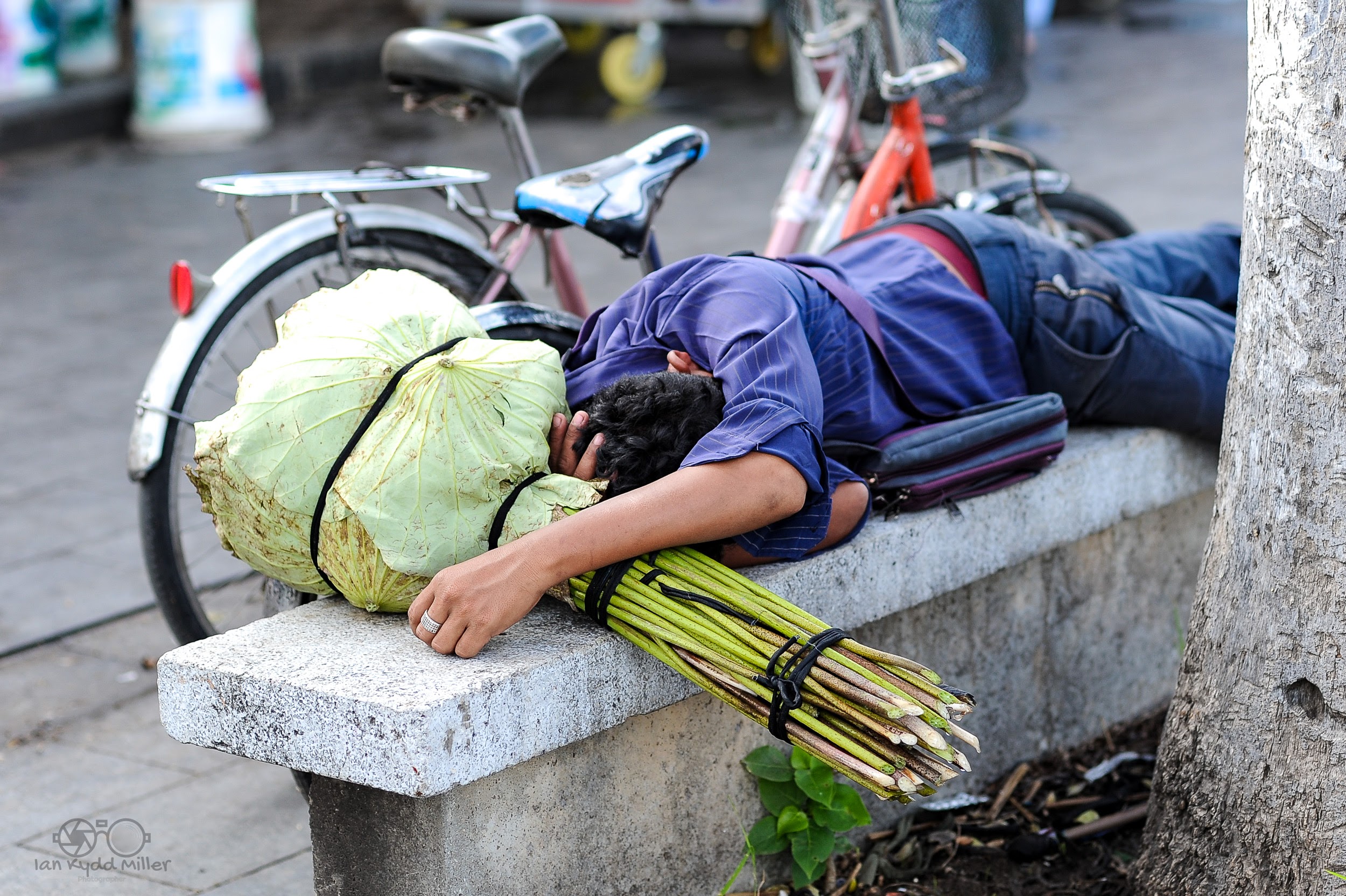
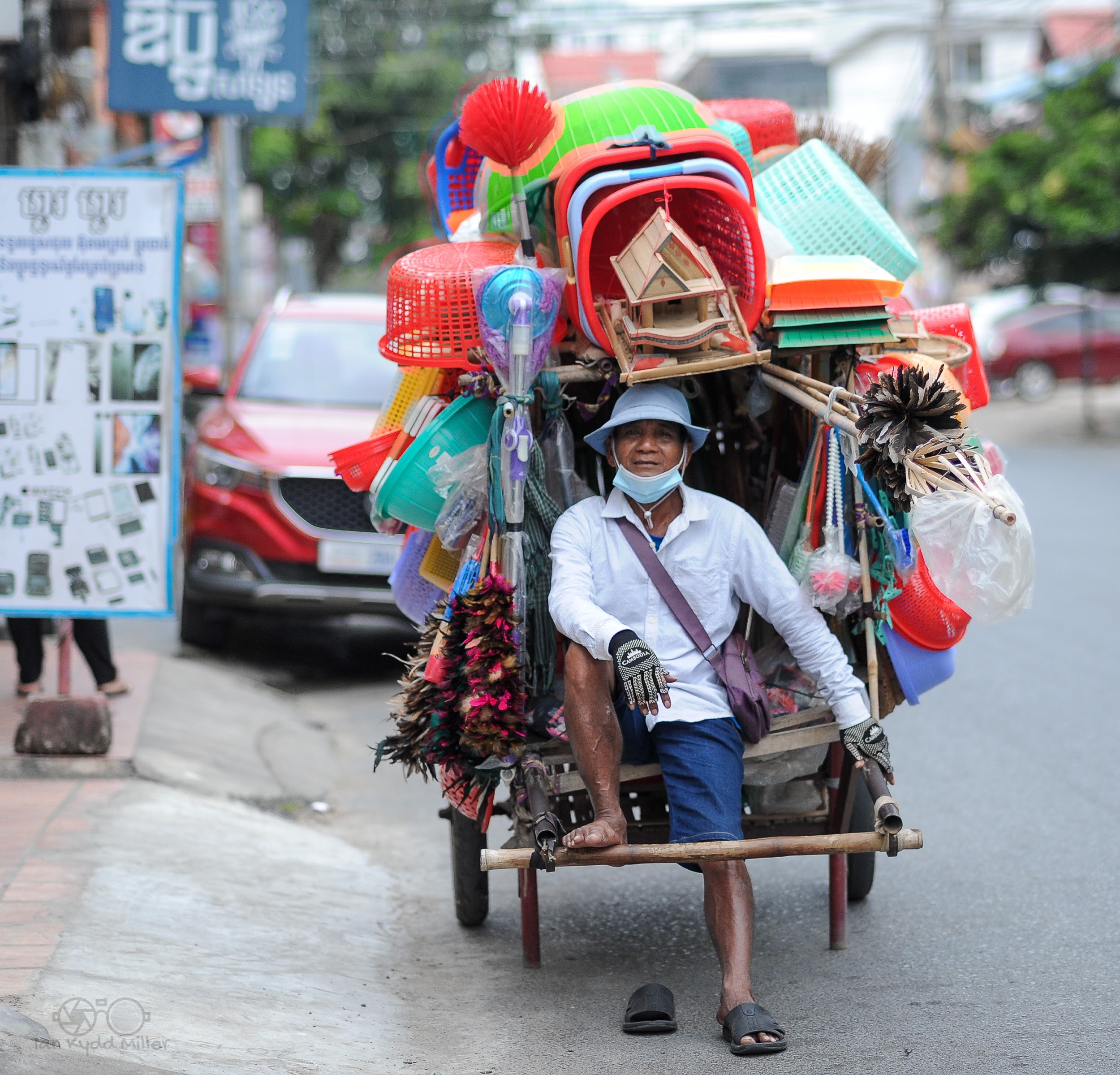
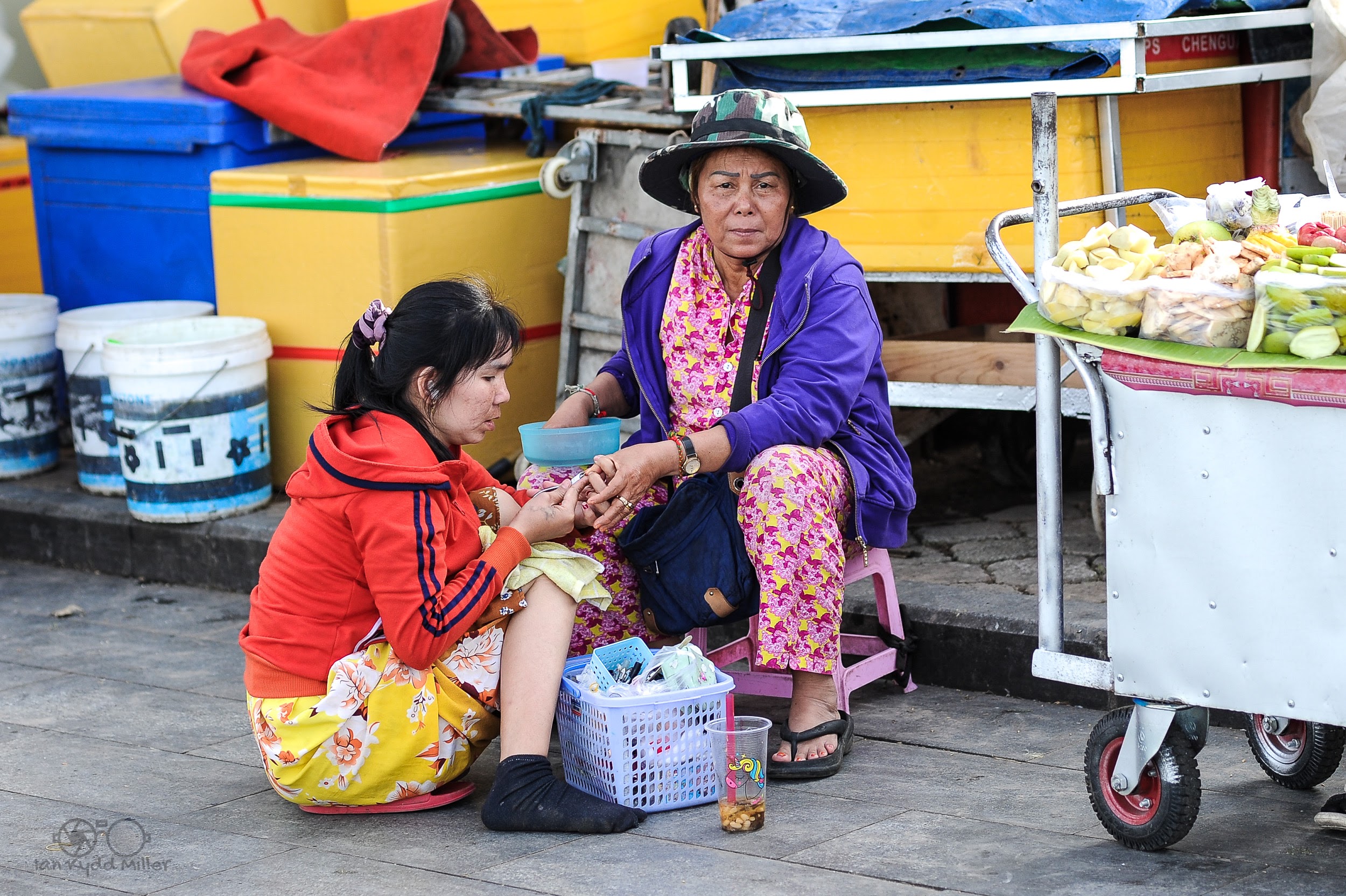
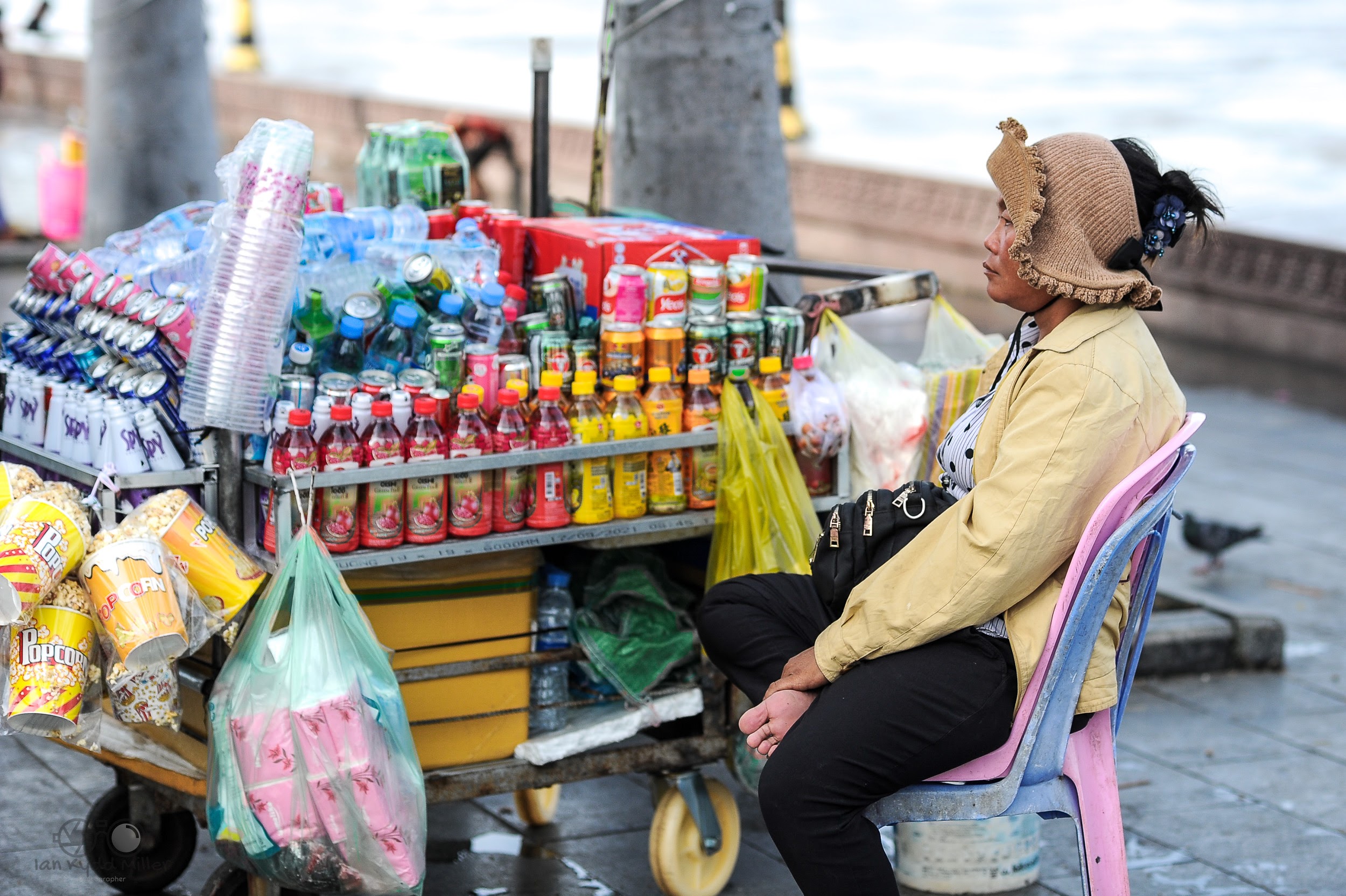
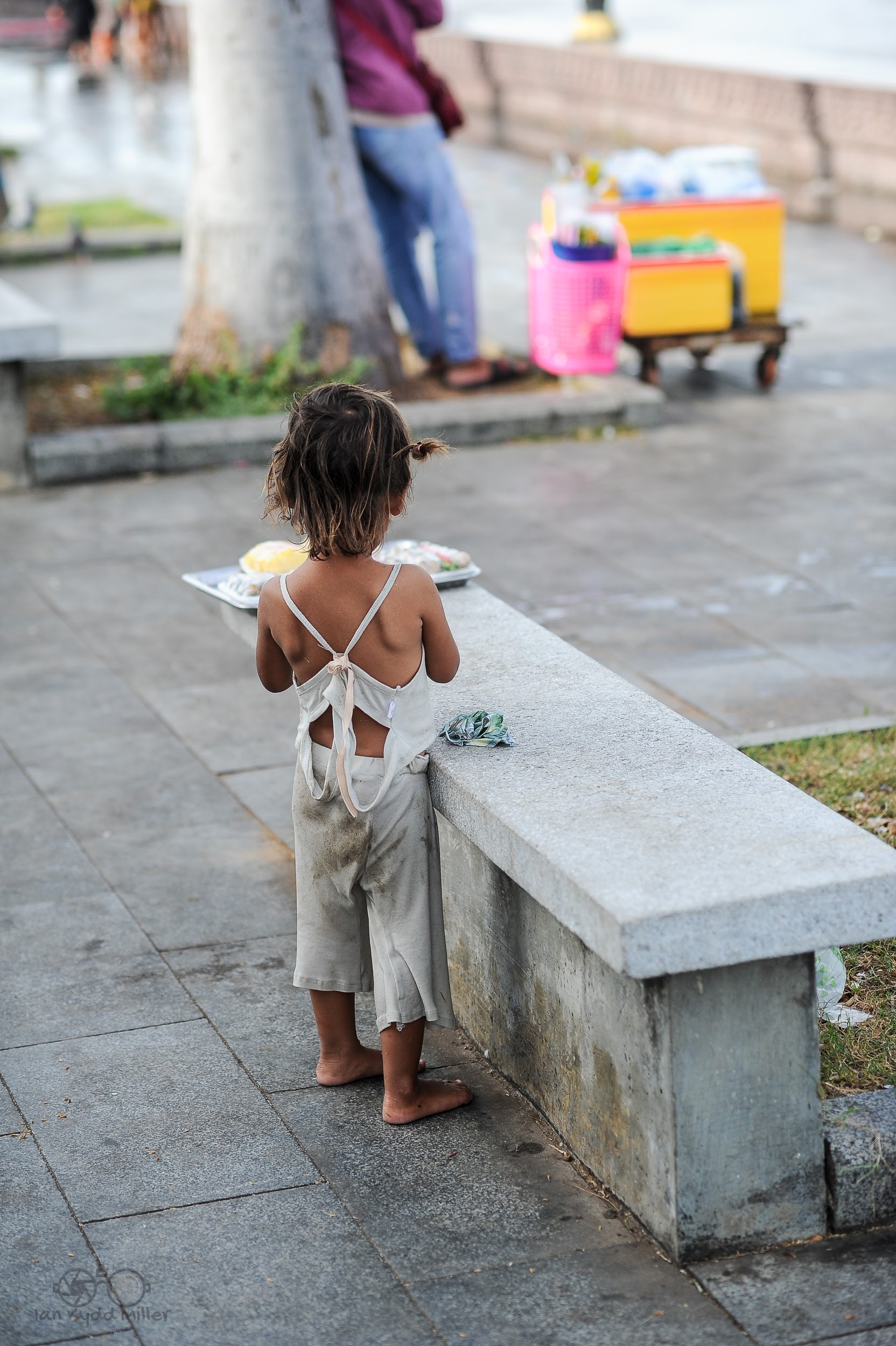
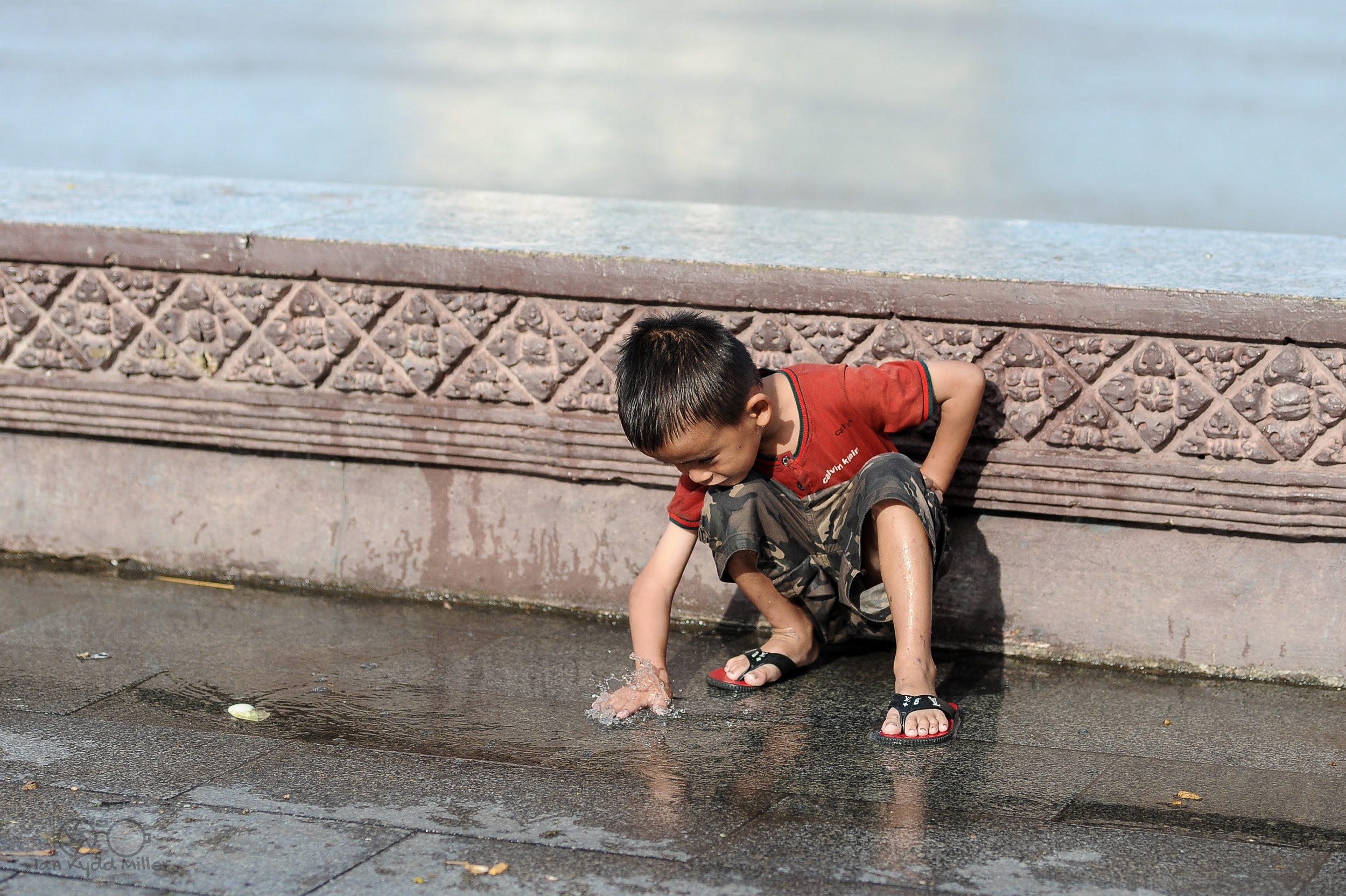
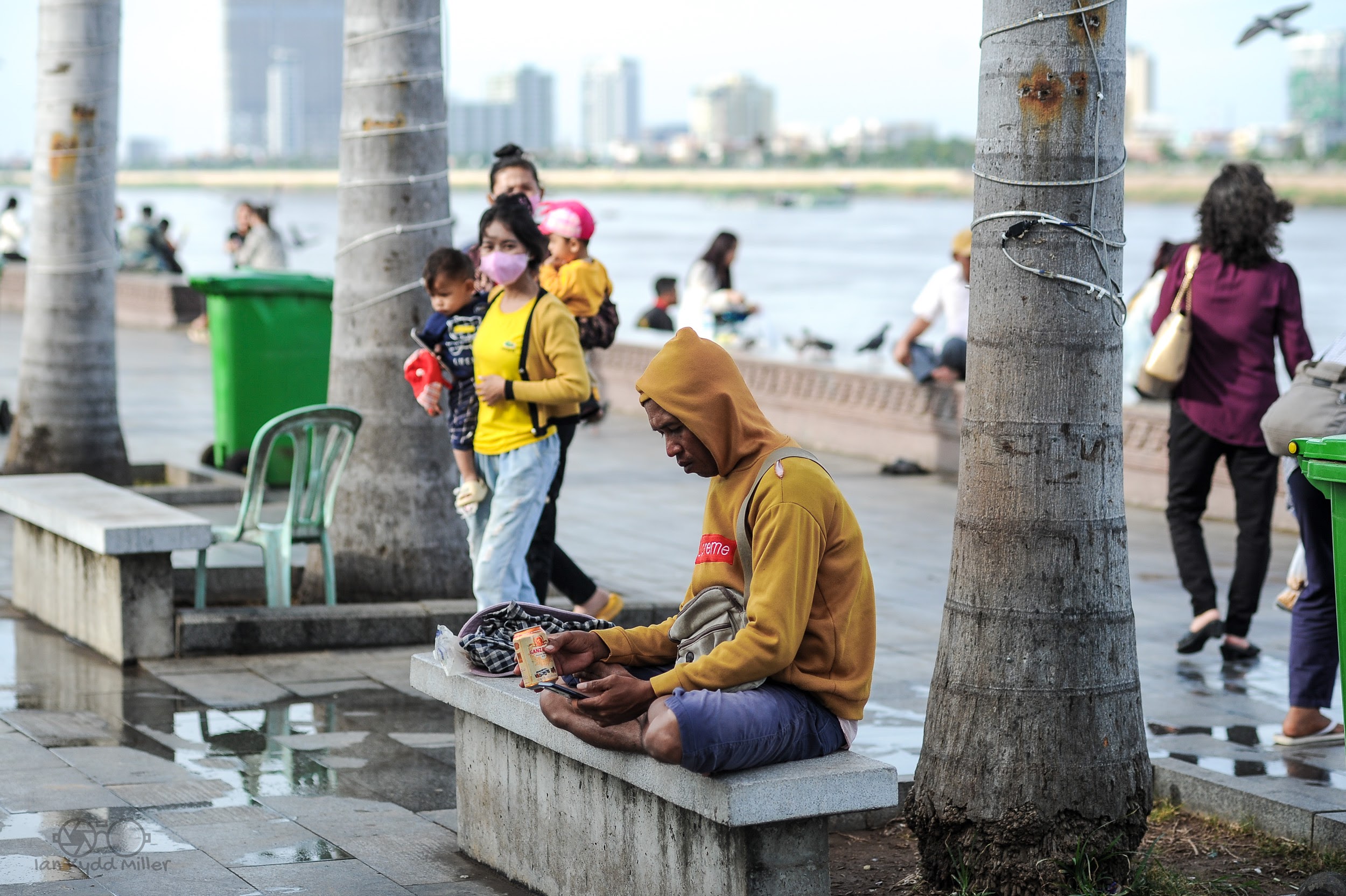
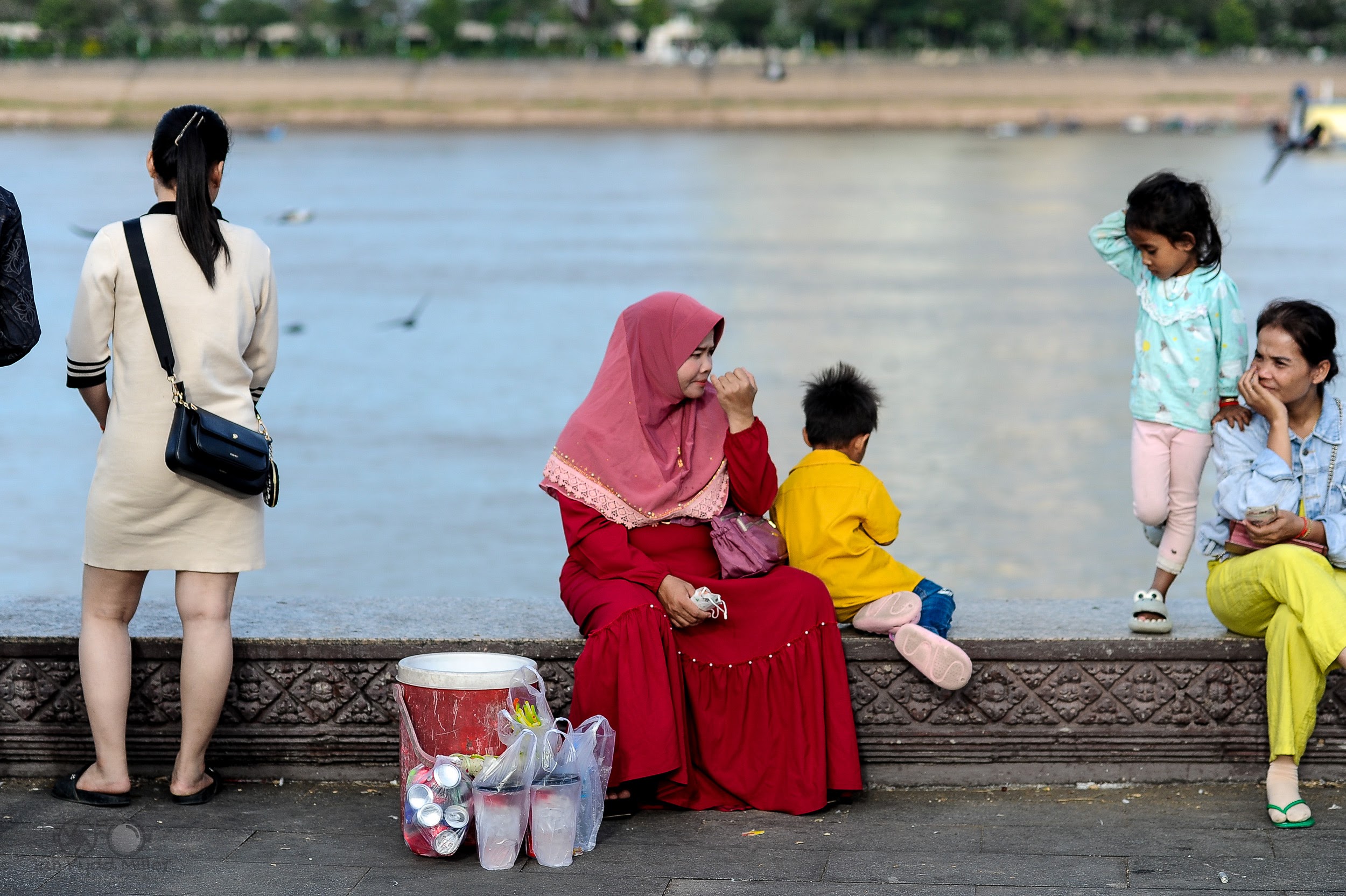
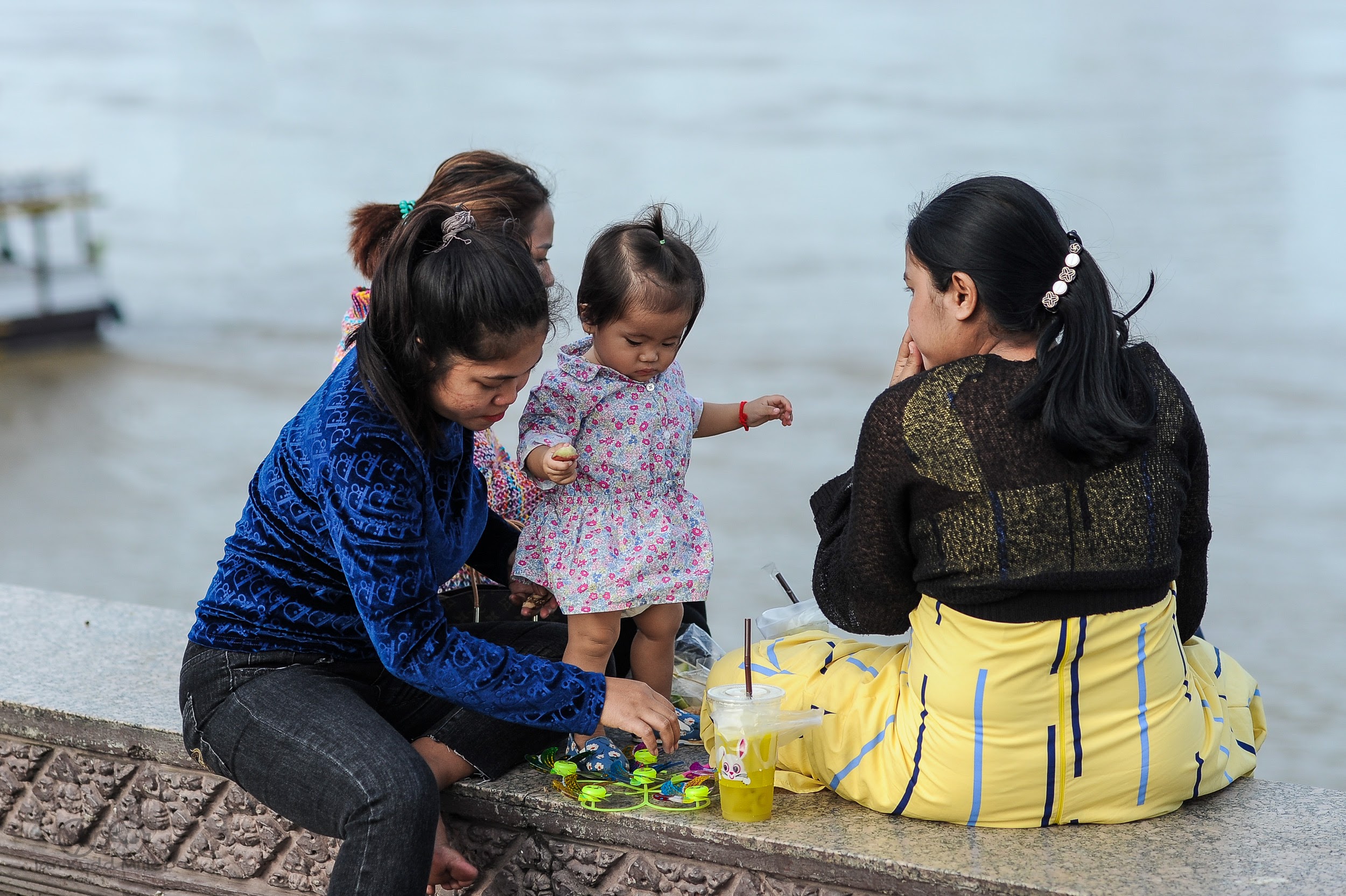
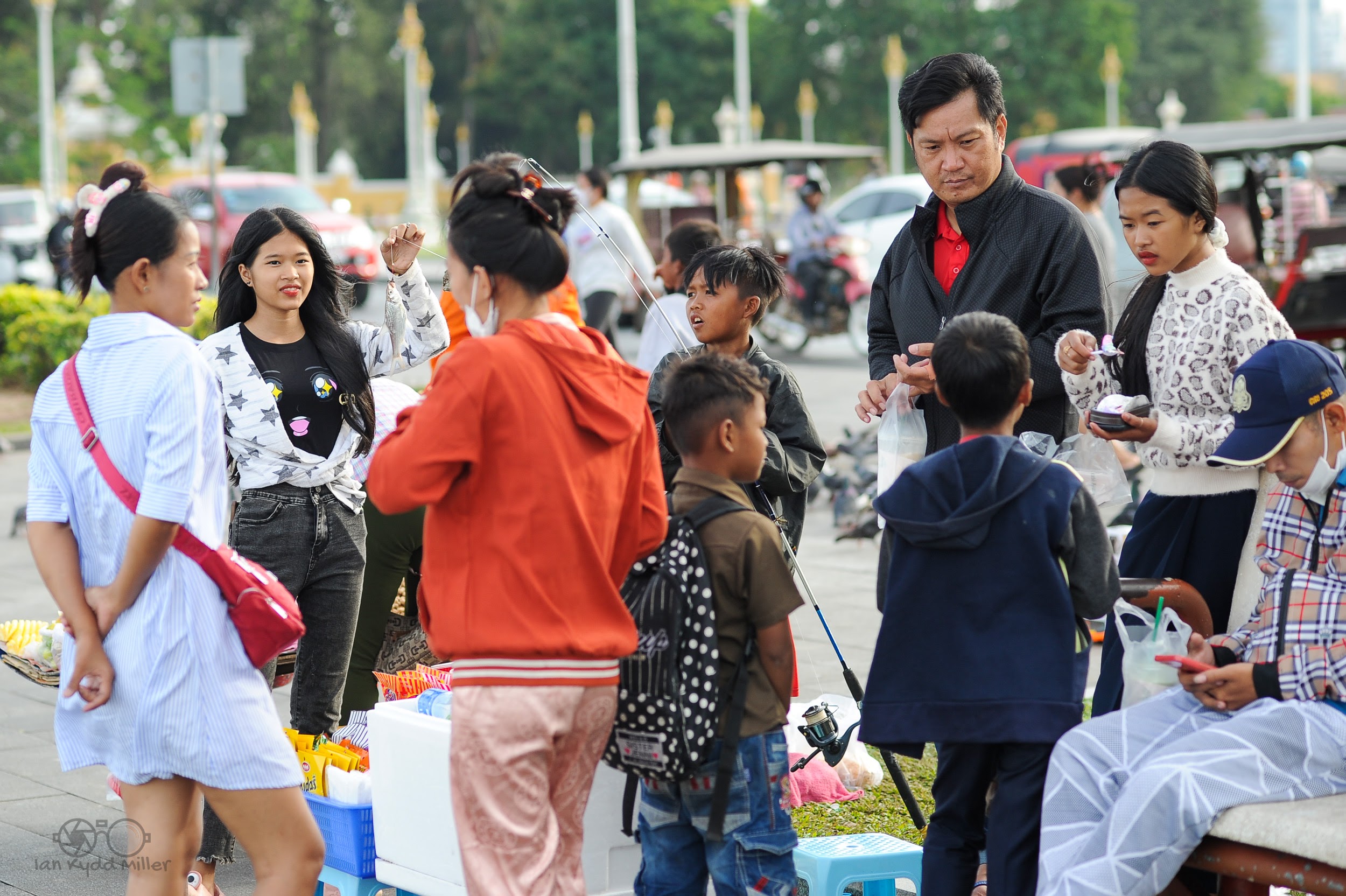
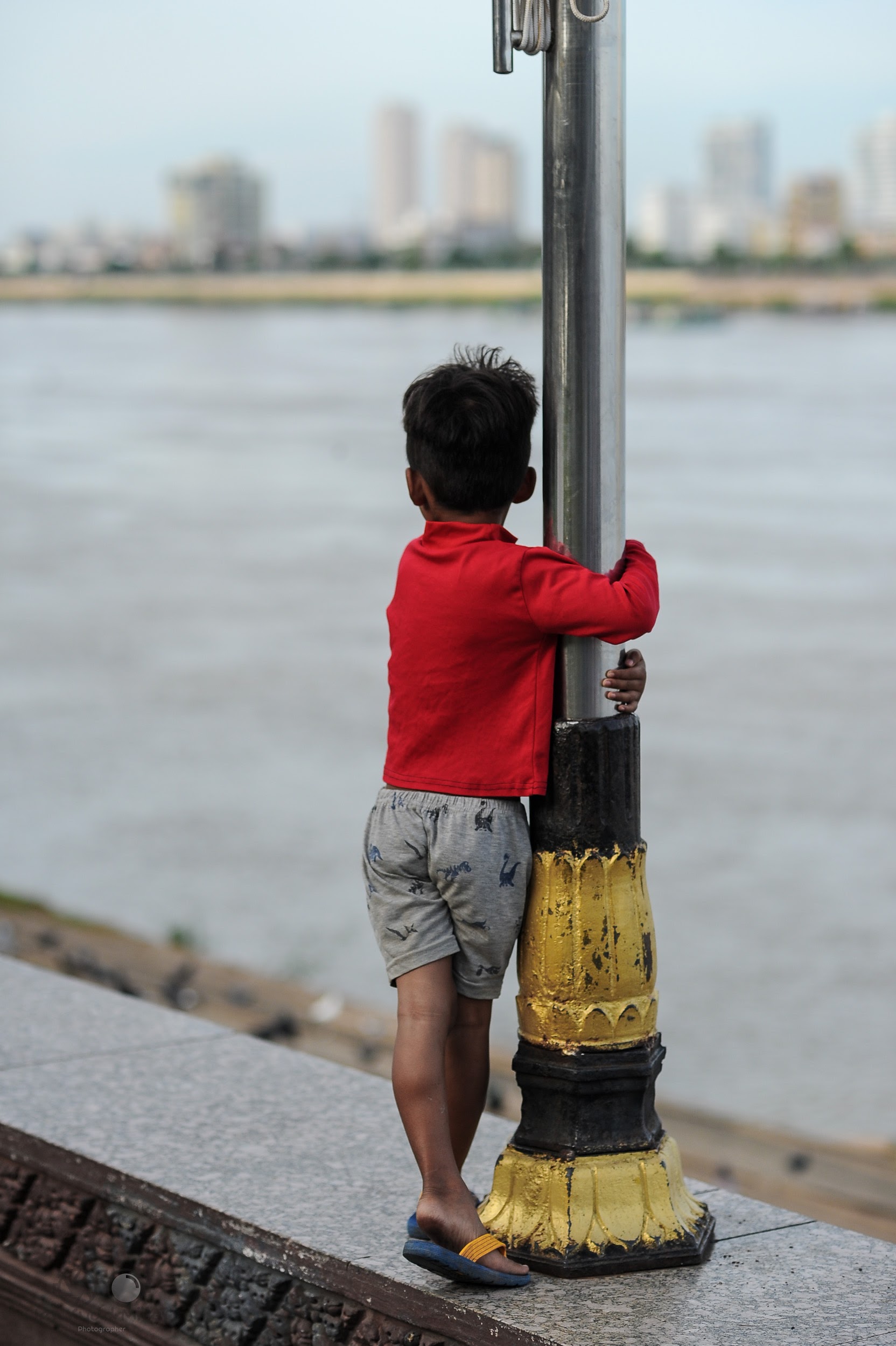
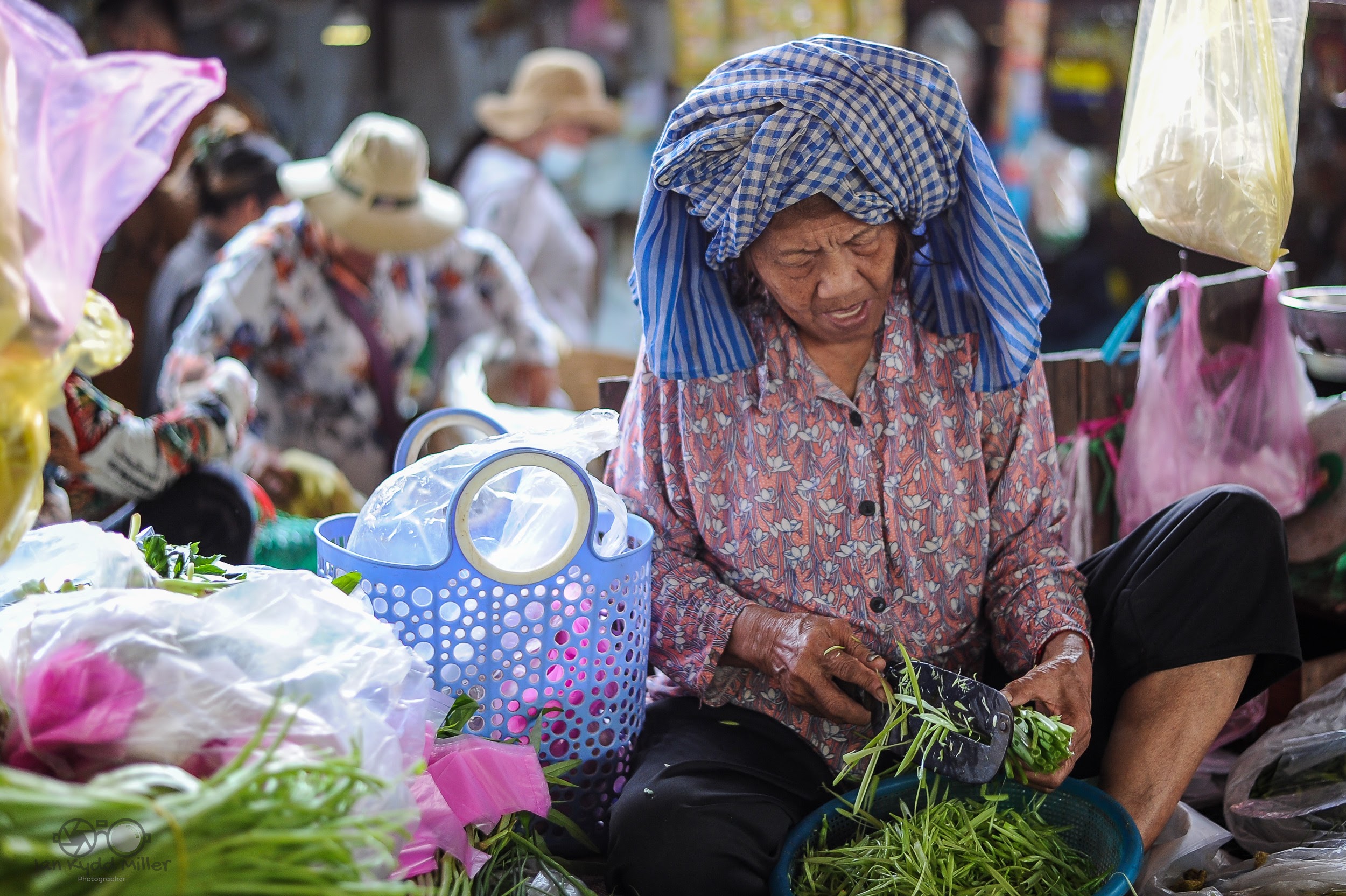
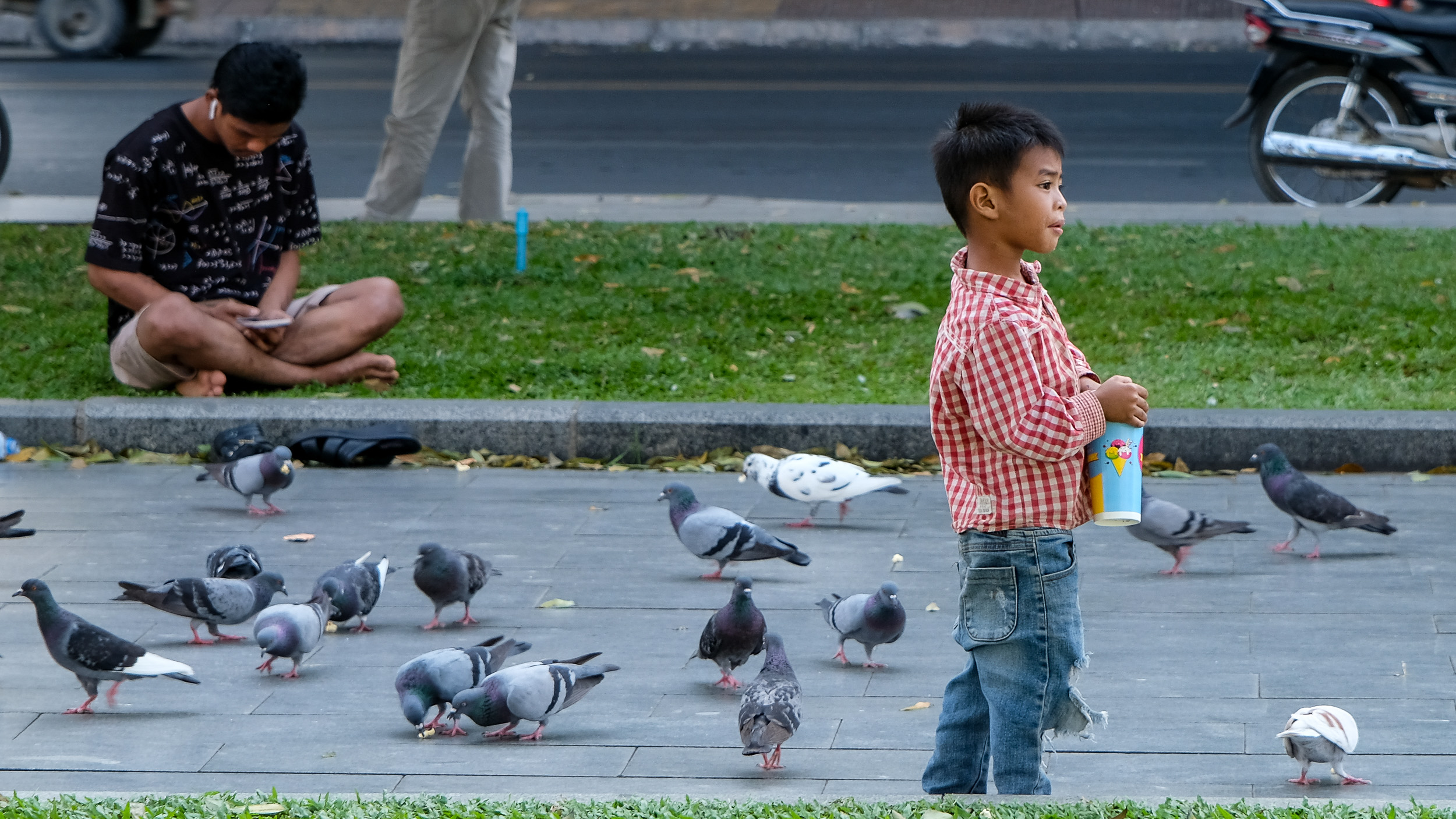
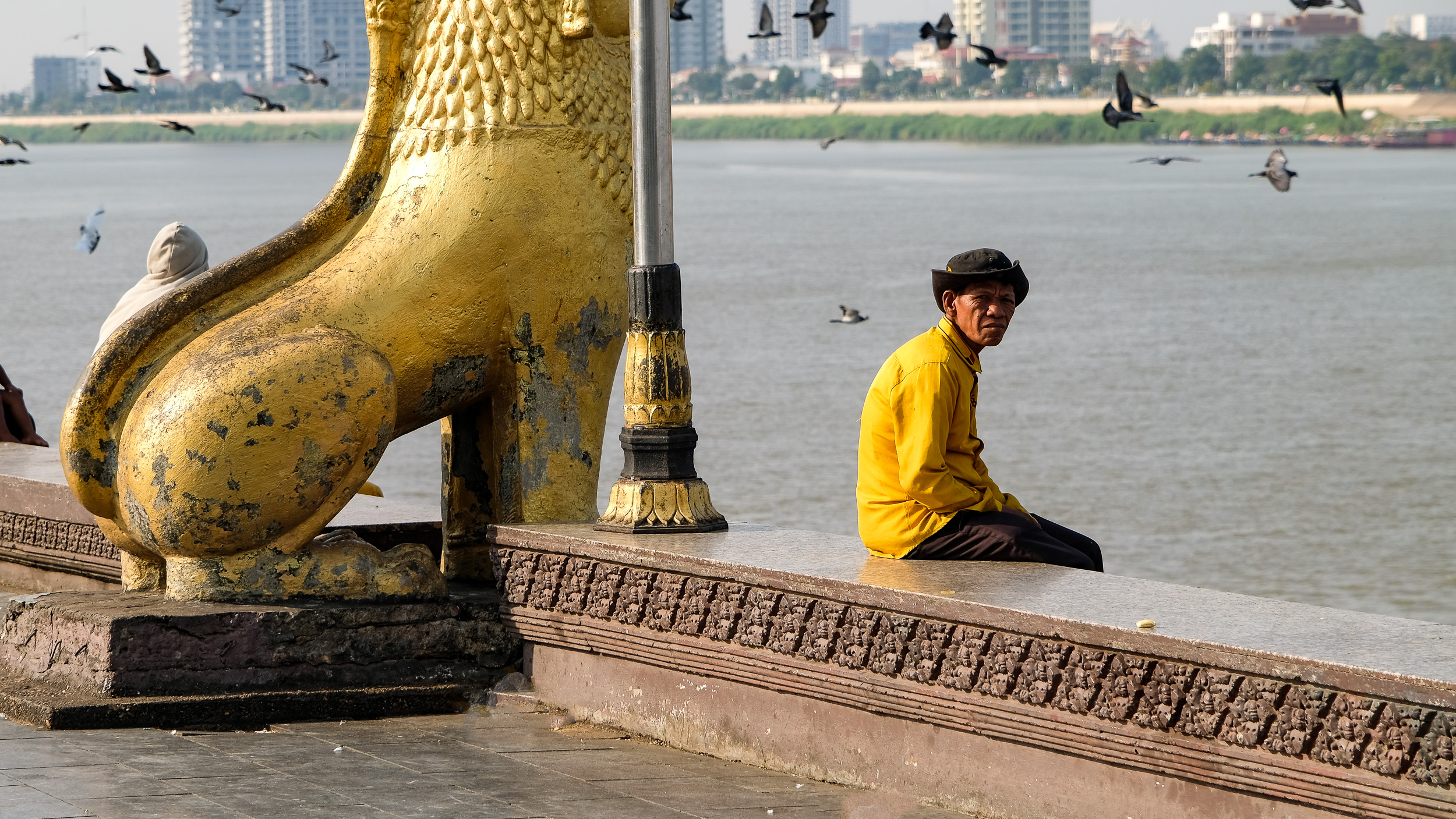
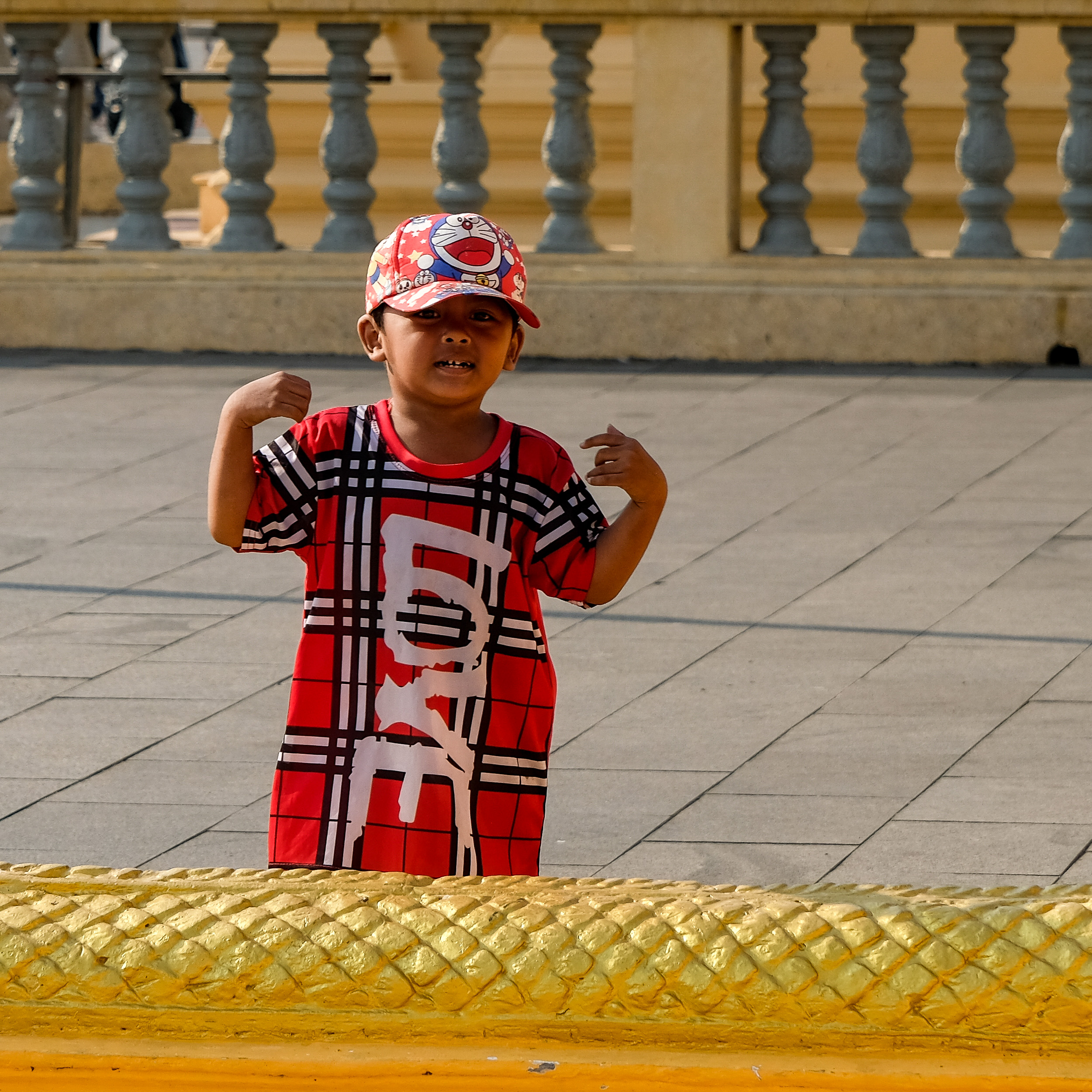
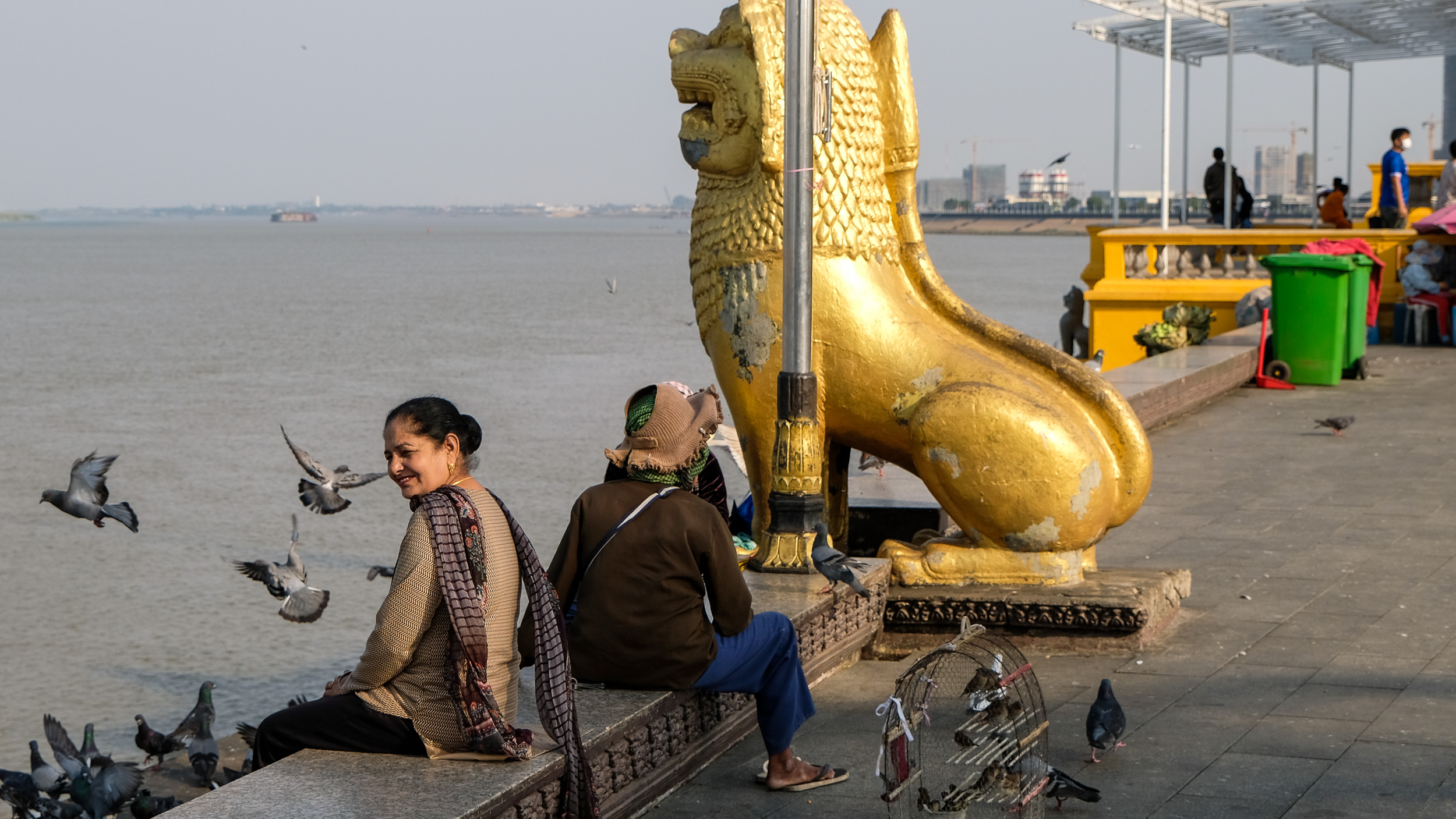
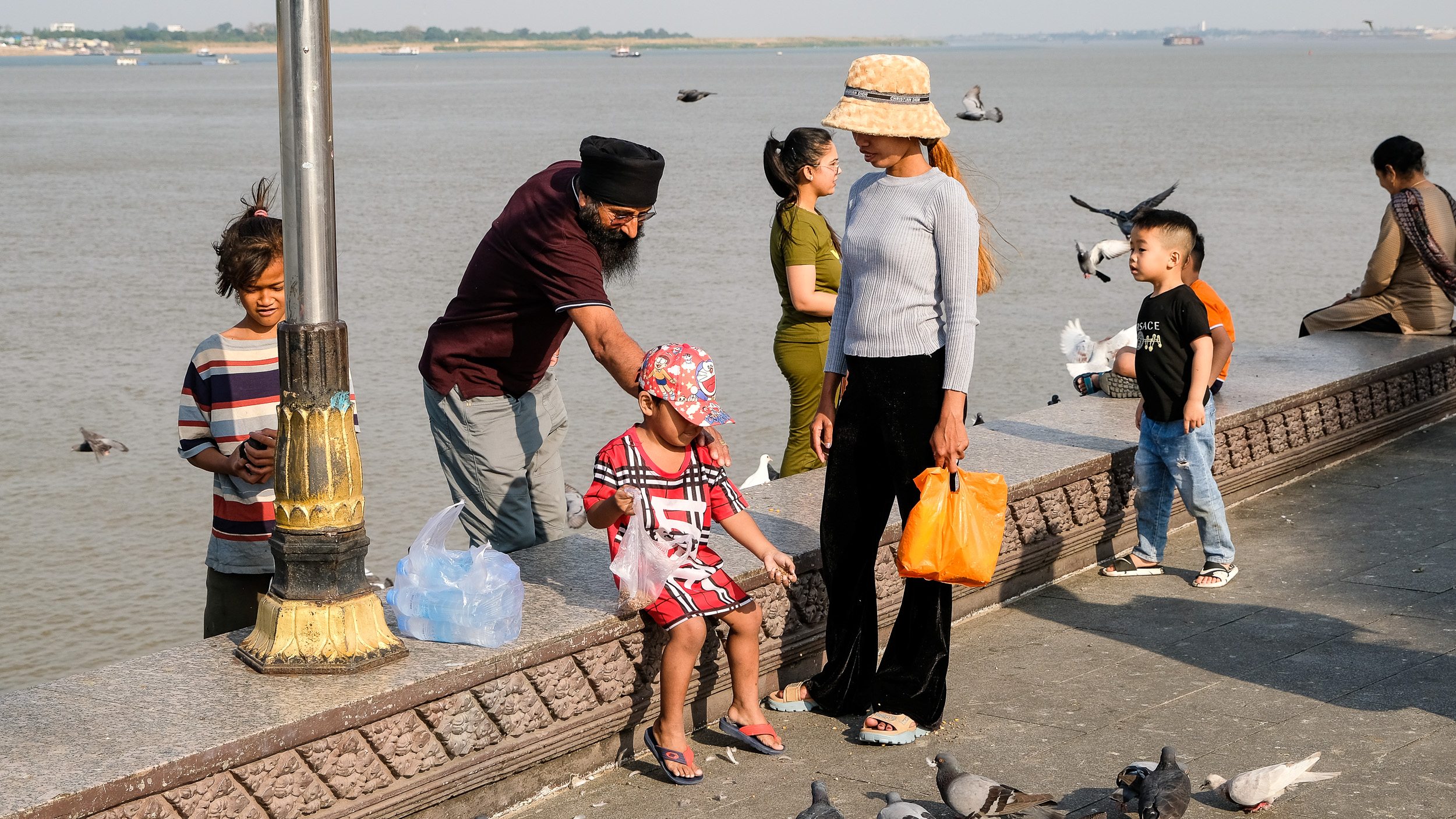
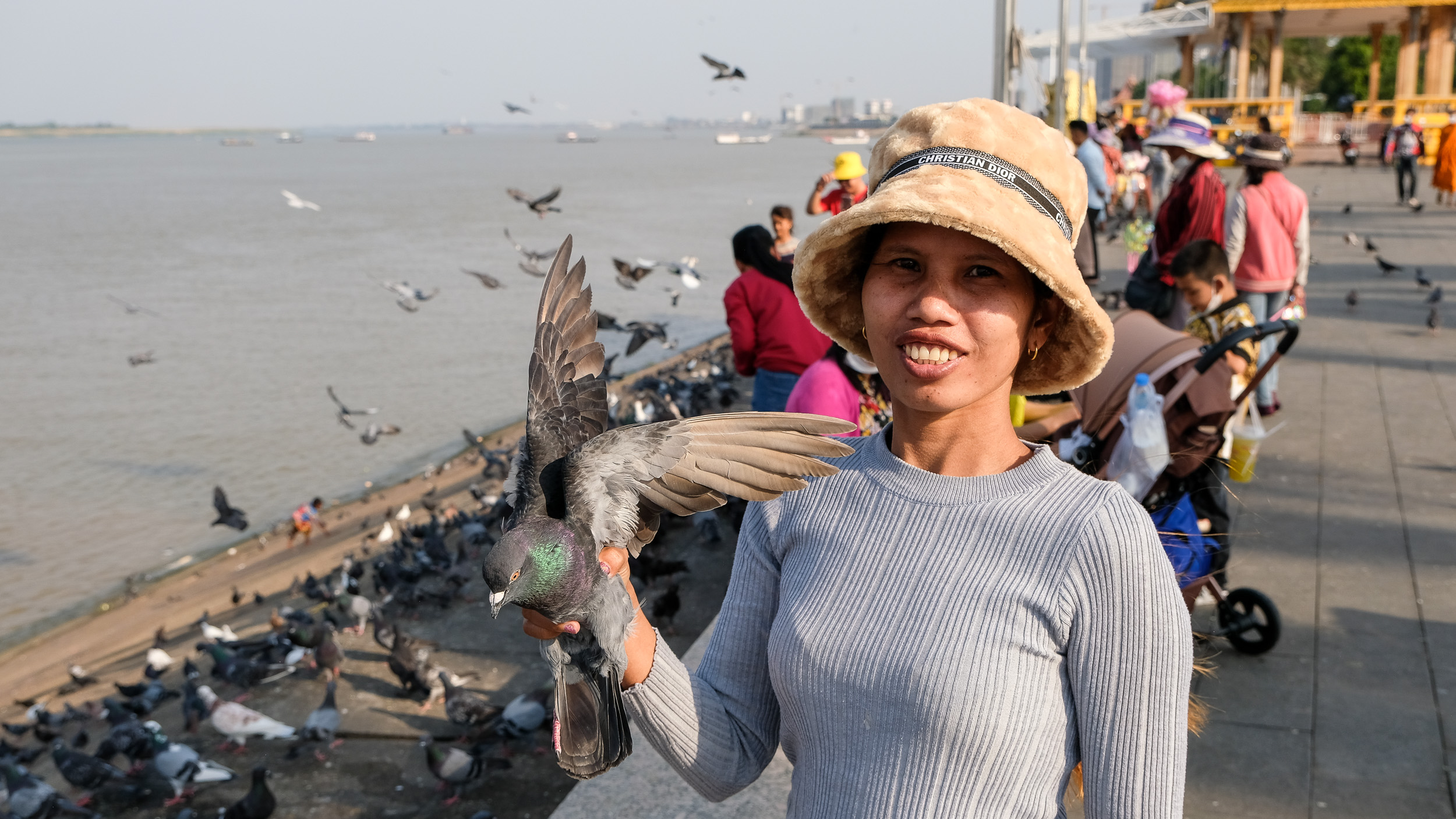
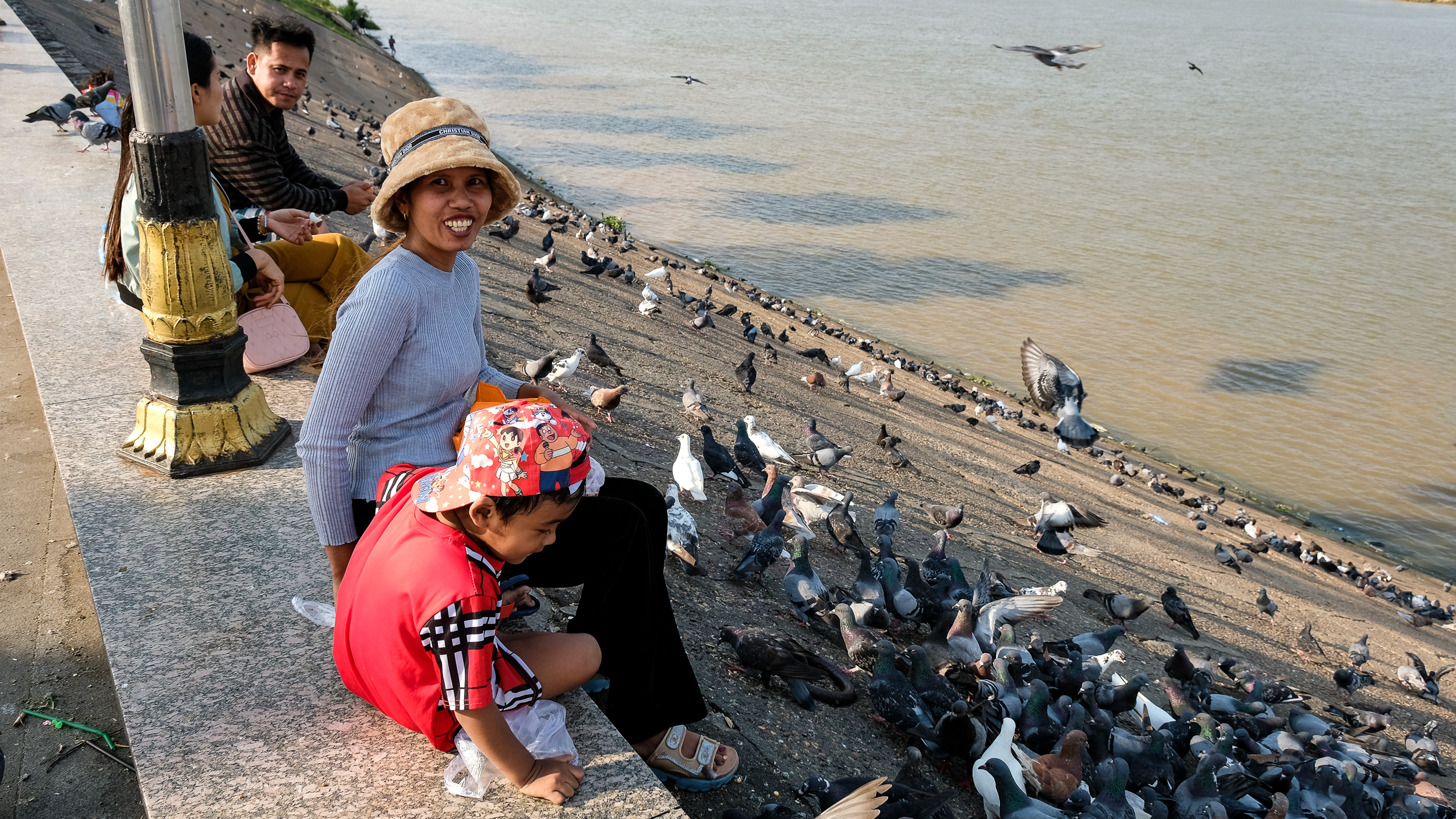
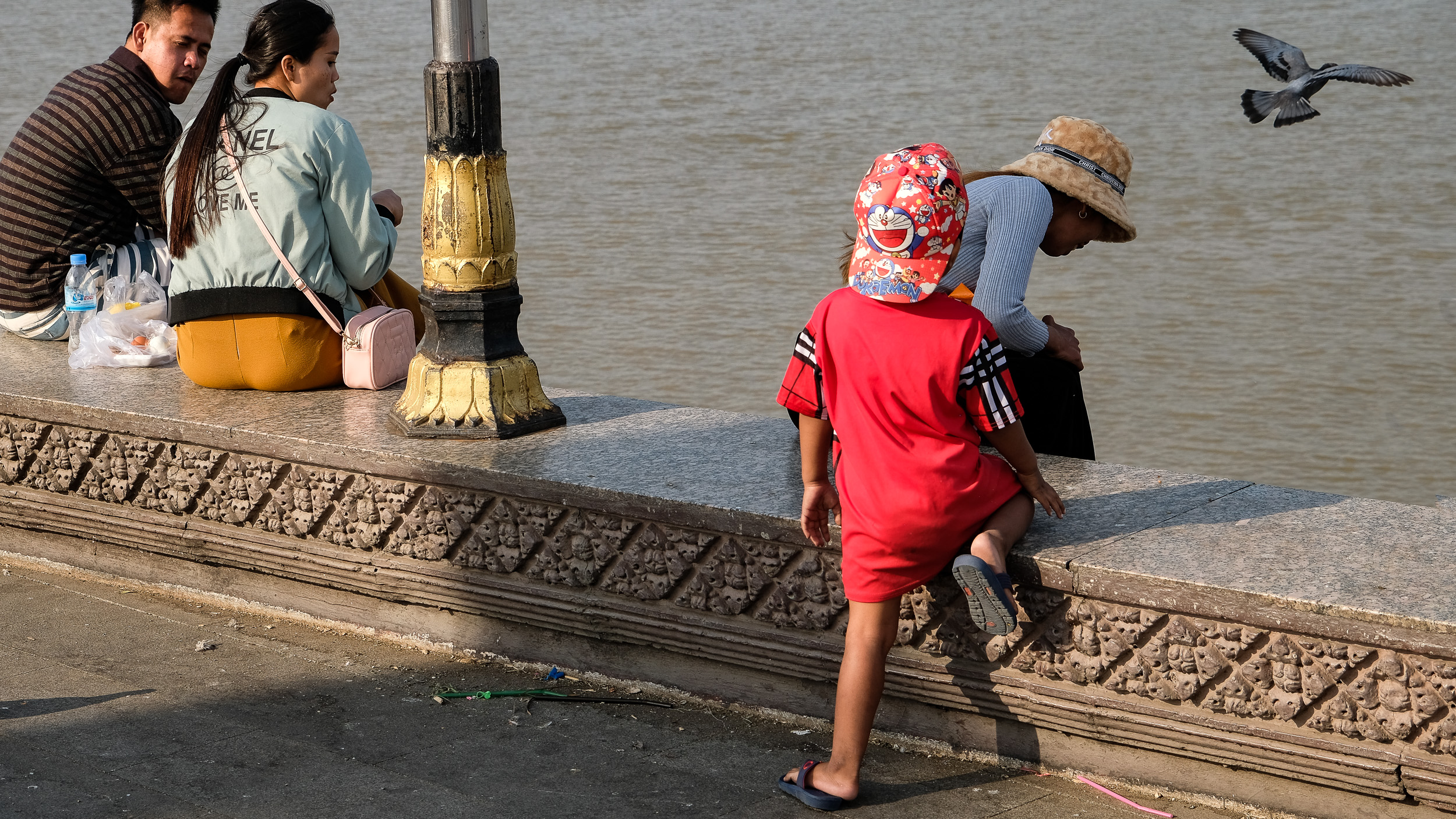
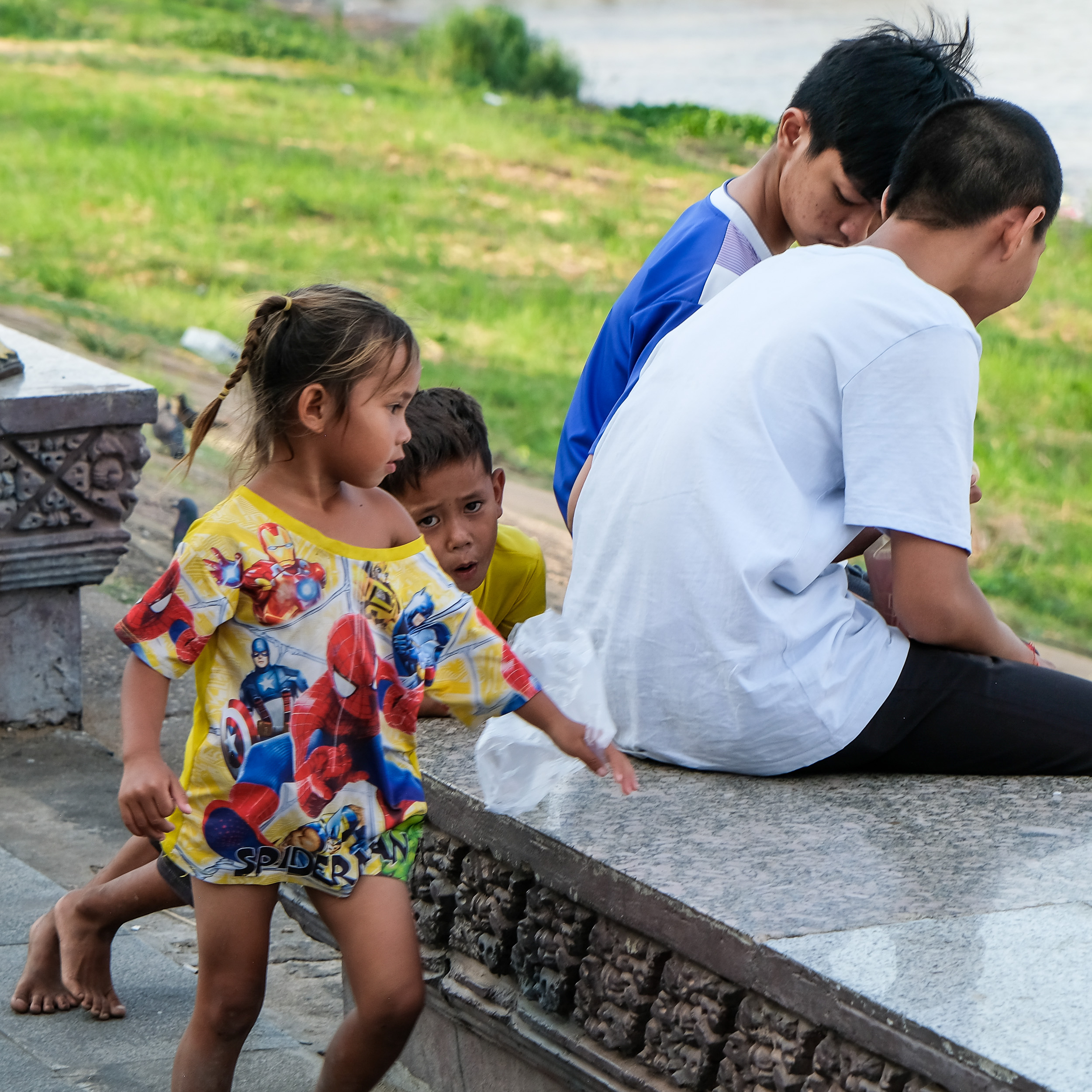
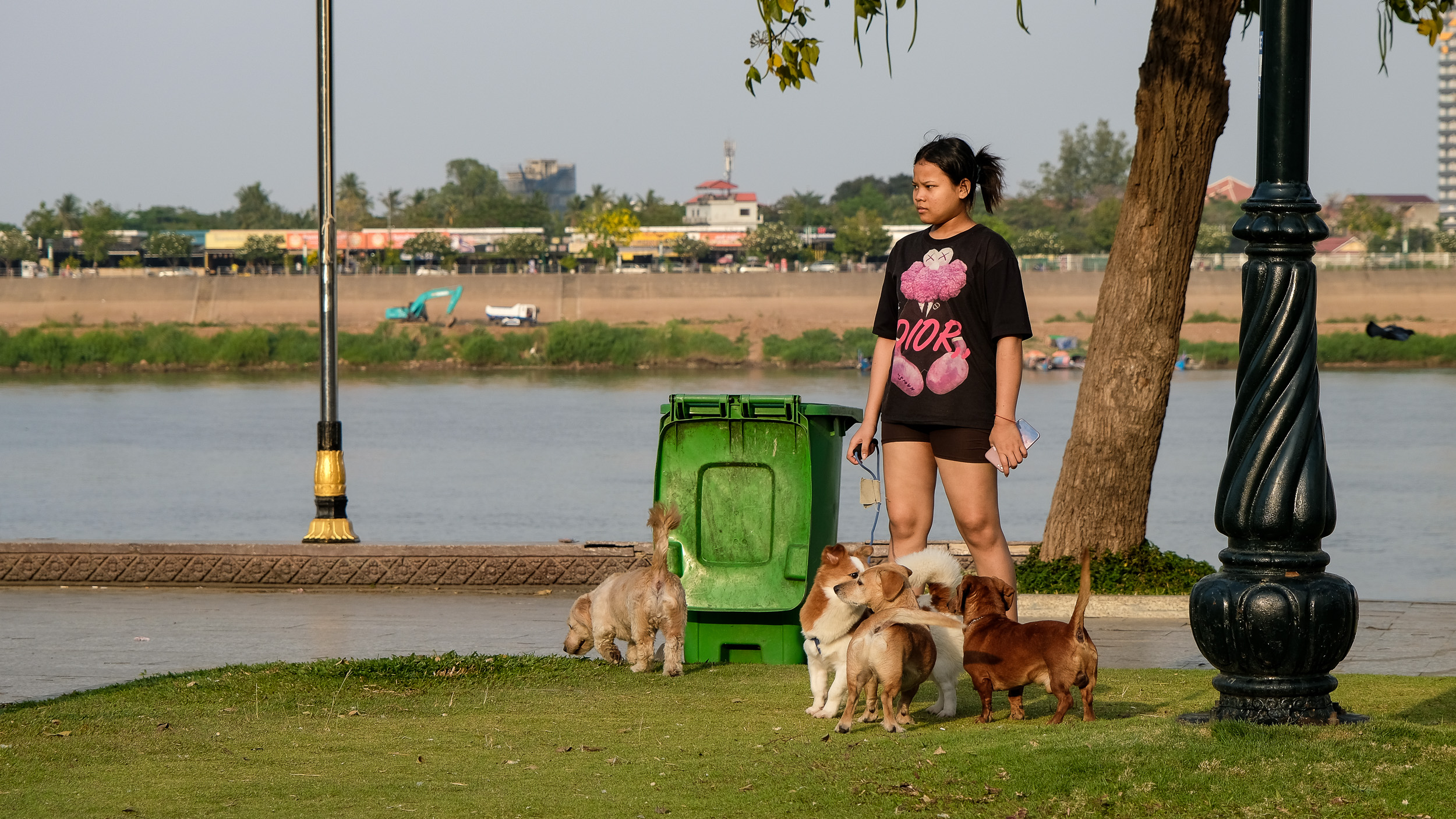
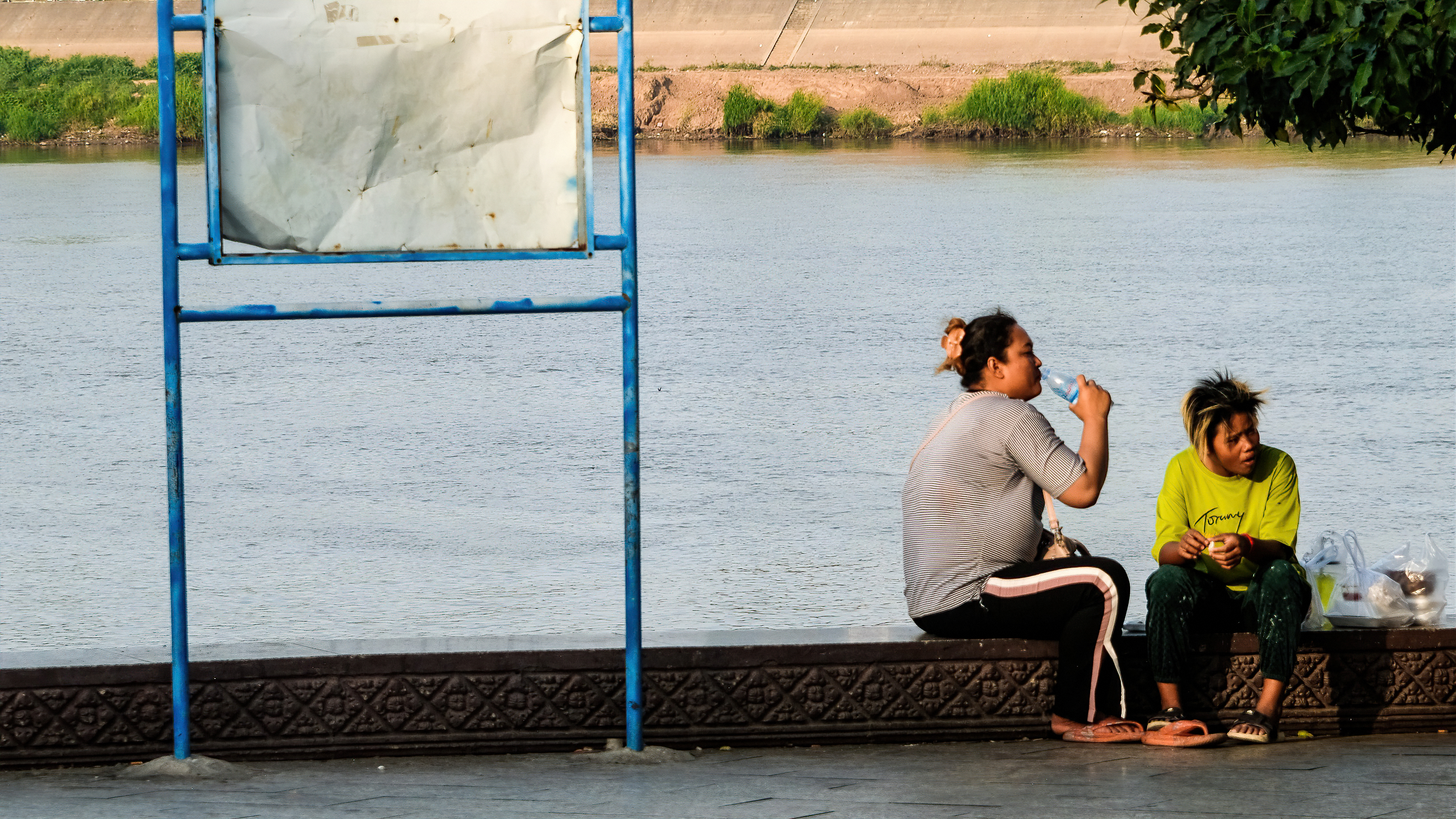
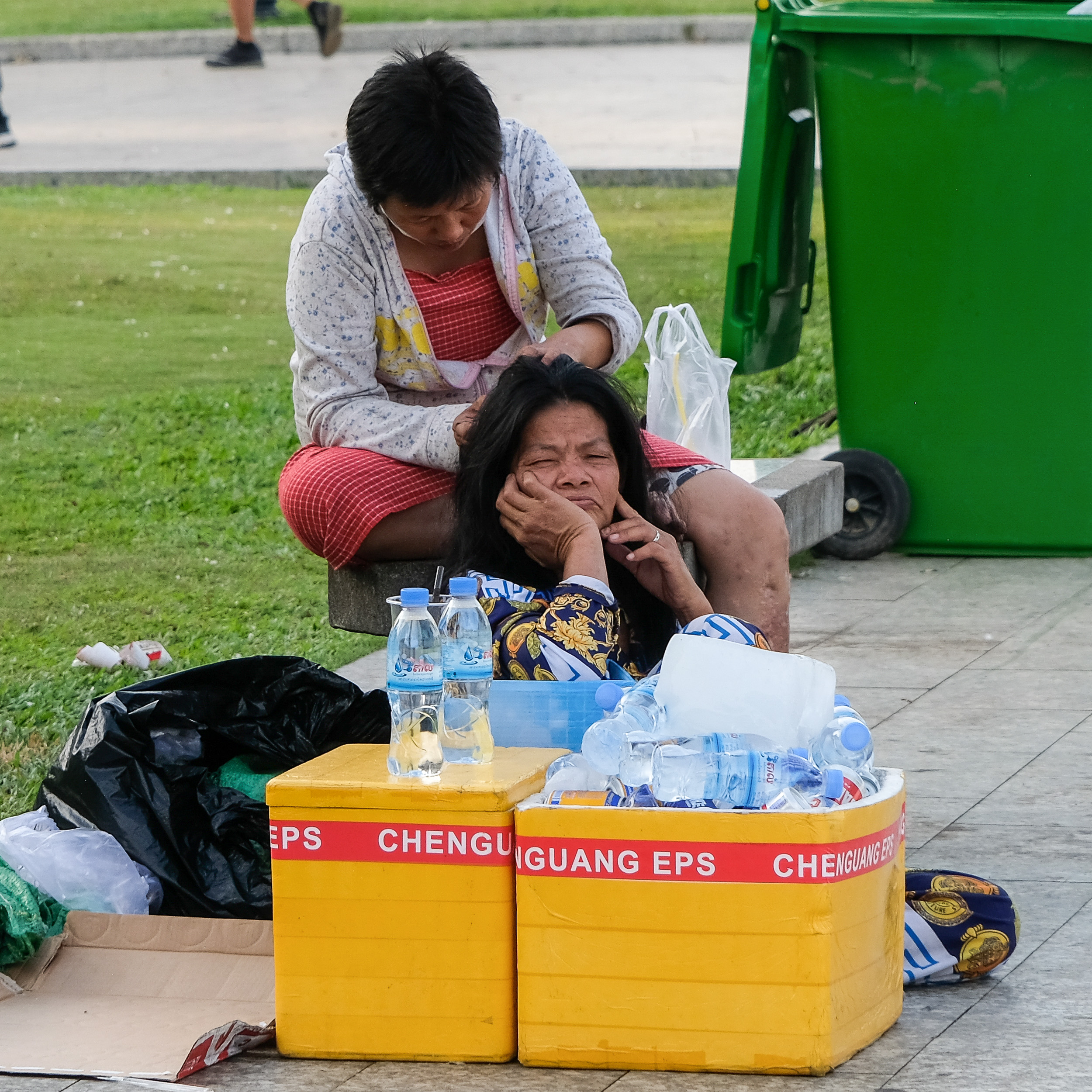
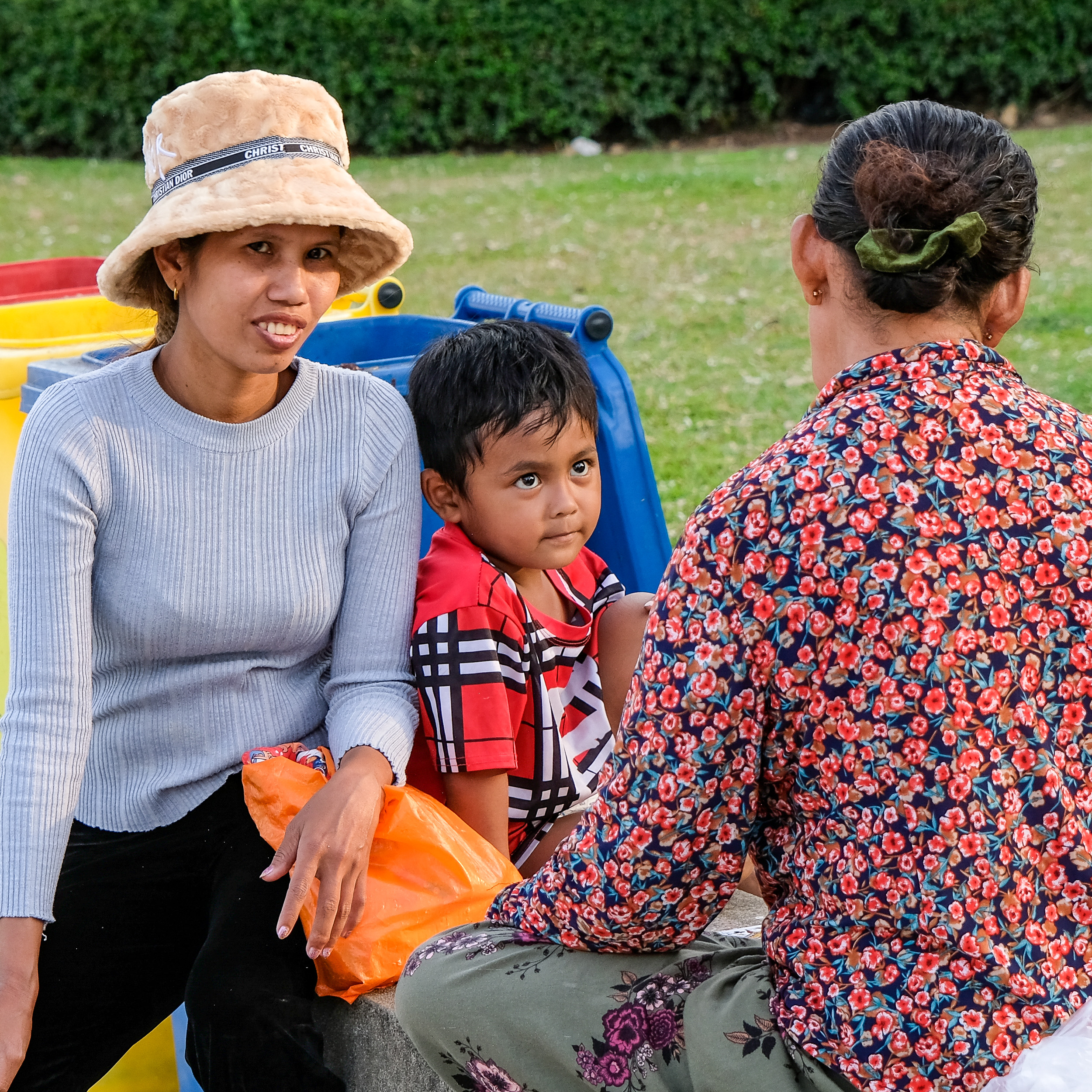
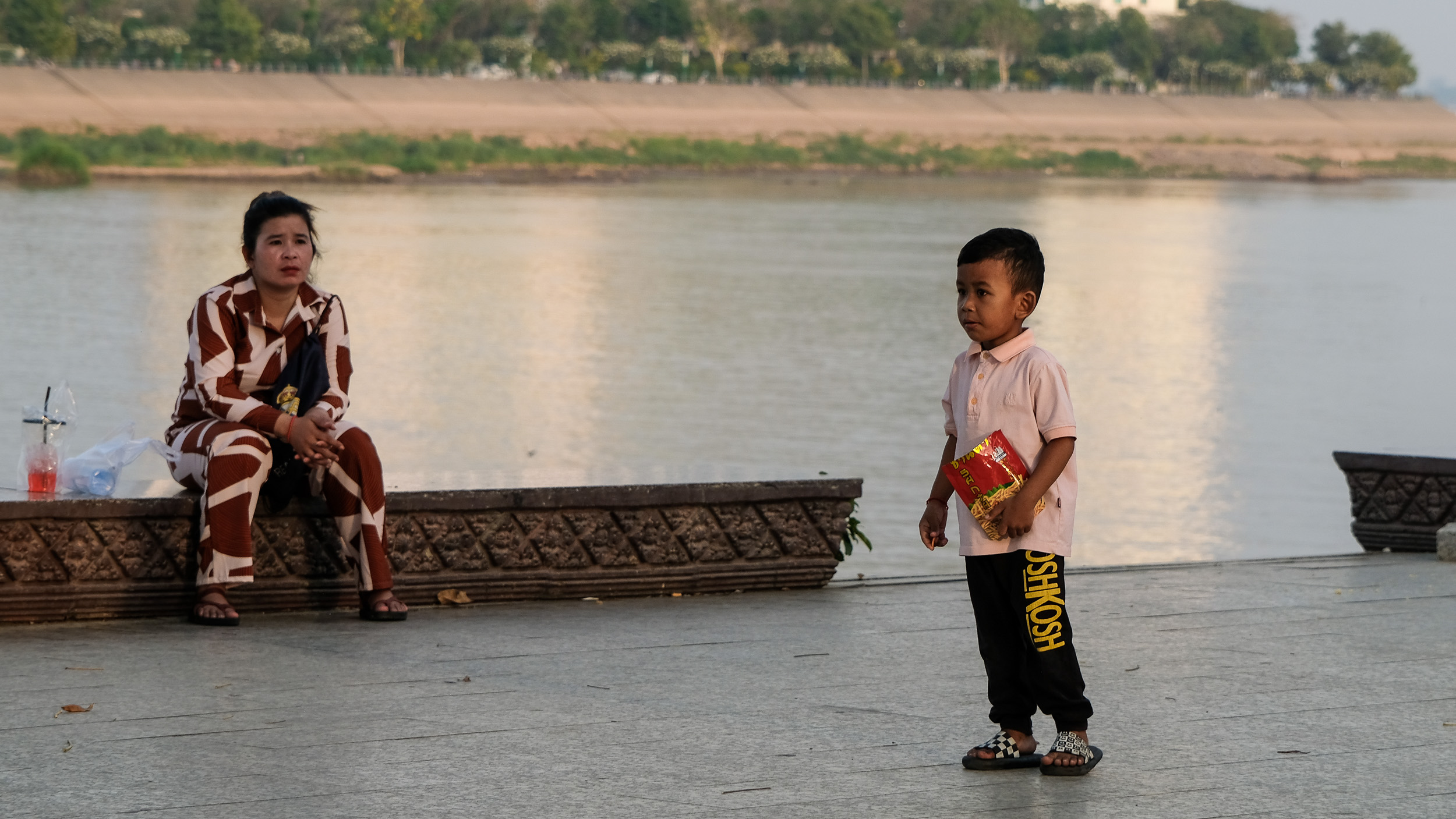
On the Riverside in Phnom Penh, Cambodia 04/03/23

cambodia, cameras, Fujichrome, fujifilm, Lenses, opinons, thoughts, photography, pictures, street

Fujifilm XT2 + XF 16 – 80 f4