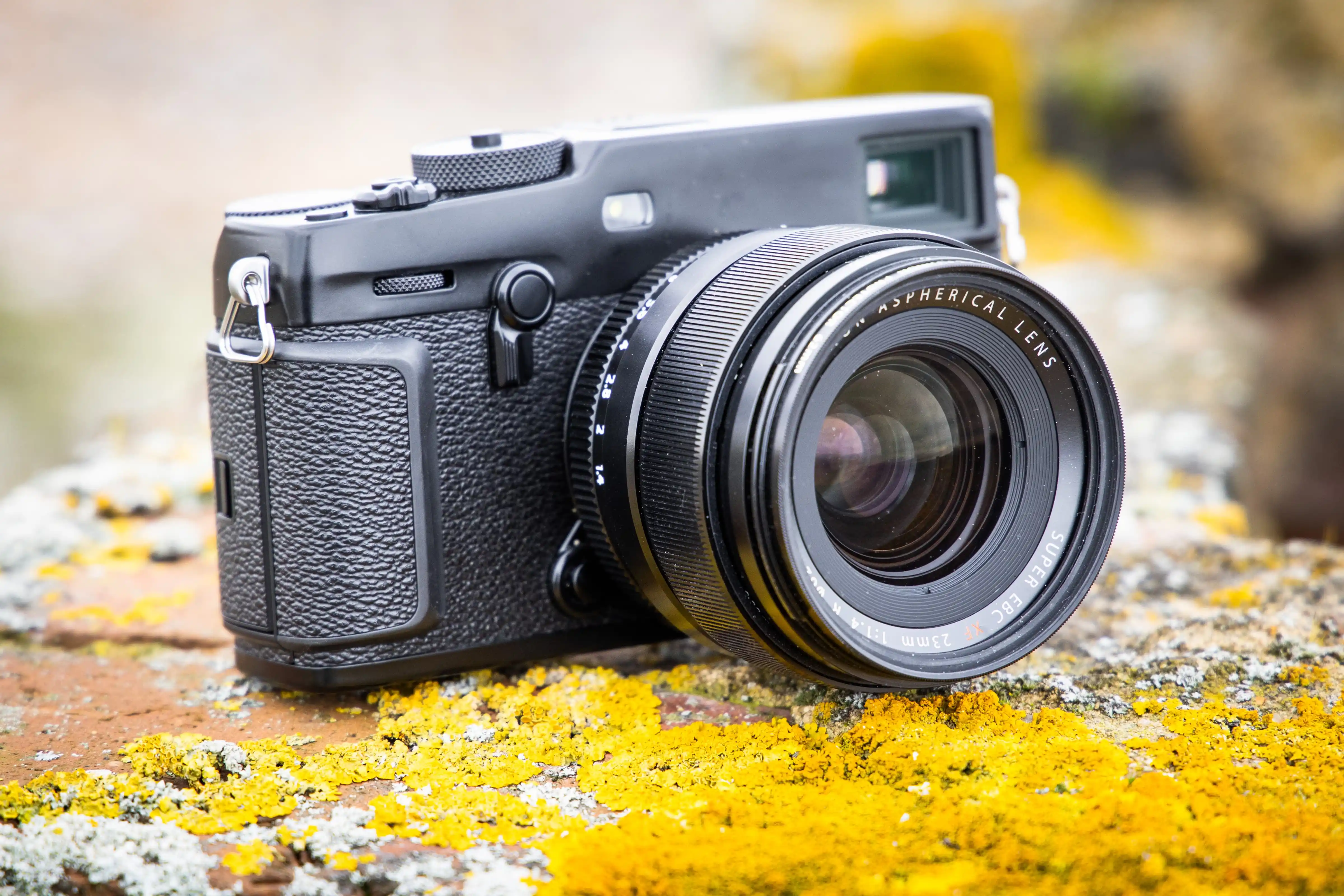
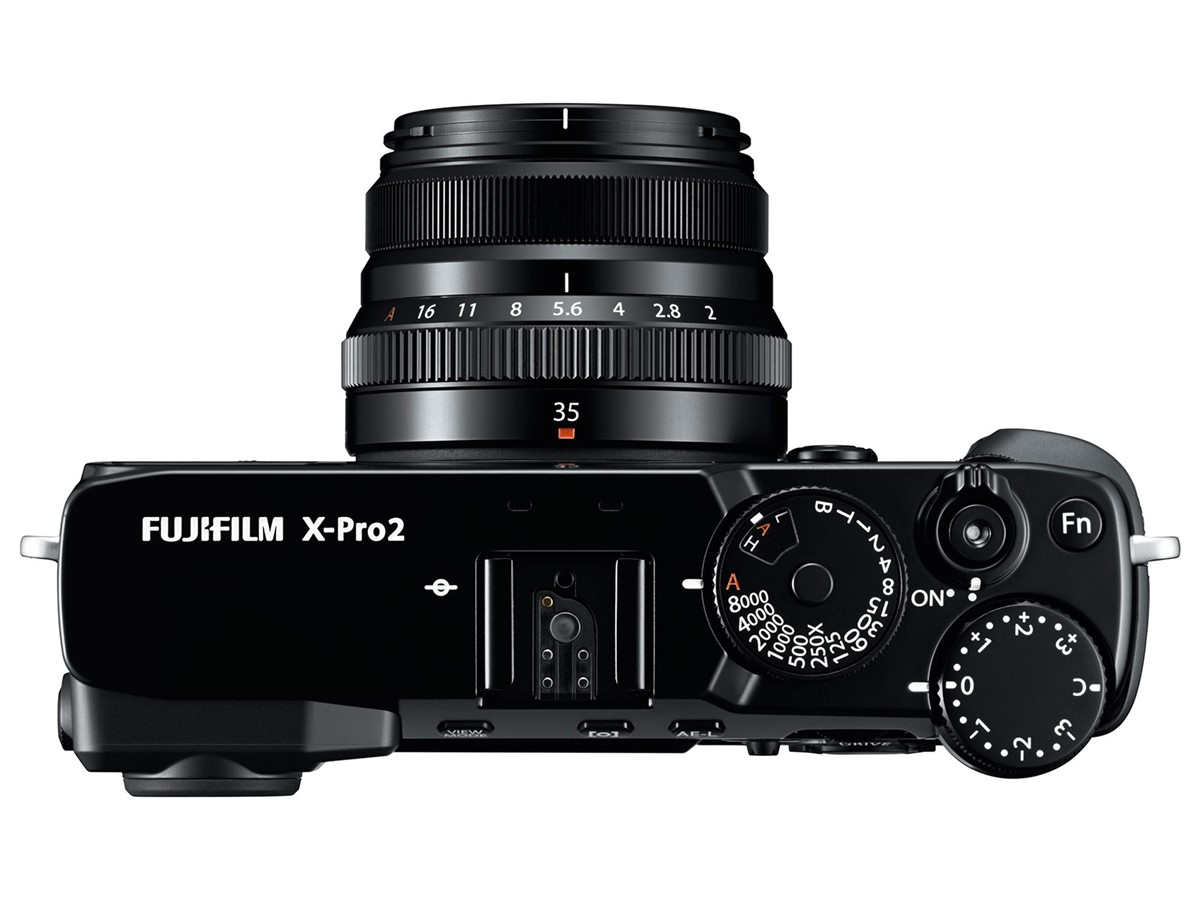
If you are a photography enthusiast, you might have wondered whether full-frame 35mm cameras are better than crop-frame cameras. This is a common question that many photographers ask, and the answer is not so simple. There are advantages and disadvantages to both types of cameras, depending on your needs, preferences and budget.
Full frame 35mm cameras have a larger sensor size than crop frame cameras, which means they can capture more light and produce higher quality images with less noise and more dynamic range. They also have a wider field of view, which can be useful for landscape, architecture and street photography. Full-frame 35mm cameras tend to be more expensive, heavier and bulkier than crop frame cameras, and they require larger and more costly lenses.
Crop frame cameras have a smaller sensor size than full frame 35mm cameras, which means they have a crop factor that magnifies the focal length of the lenses. This can be beneficial for wildlife, sports and portrait photography, as you can get closer to your subject without losing image quality. Crop frame cameras tend to be cheaper, lighter and more compact than full-frame 35mm cameras, and they can use smaller and more affordable lenses.
Fuji XT3Nikon D3S
So, which one is better? The answer depends on what kind of photography you do, what kind of results you want, and how much money you are willing to spend. There is no definitive answer to this question, as both types of cameras have their pros and cons. The best way to decide is to try them out for yourself and see which one suits your style and needs better. Happy shooting!
Having the best camera and lenses doesn’t automatically make you a good photographer. While both the camera body and lenses are important, many photographers agree that the quality of the lens is generally more crucial than the quality of the camera.
Here’s why:
1. Lens Quality: Lenses are the tools that bend light, and an image can only contain as much detail and light as the lens allows. A high-quality lens can compensate for the limitations of a less expensive or older camera. In contrast, a top-of-the-line camera won’t necessarily produce great results with a low-quality lens.
2. Image Capture: A camera’s lens focuses and directs light onto the image sensor or film. It controls aspects like framing, perspective, depth of field, and the amount of light entering it. Without a good lens, even the best camera won’t capture compelling images.
3. Aperture Setting: The lens determines how much light passes through to create an image. The aperture setting plays a crucial role in controlling exposure and depth of field. A high-quality lens allows for better control over these settings.
4. Universal Use: Lenses are more versatile than cameras. You can use a good lens on any camera you buy, rent, own, or are asked to shoot with. Investing in quality lenses ensures that you’ll get consistent results across different camera bodies.
In summary, while having a good camera is essential, investing in high-quality lenses can significantly impact your photography.
So remember: it’s not just about having the best gear; it’s about knowing how to use it effectively!
In the world of photography, the lens is not just a tool; it’s the eye through which we capture moments, emotions, and the essence of the scene before us. Among the myriad of lenses that photographers swear by, the Nikkor 85mm f1.8D stands out as a portrait maestro, a classic that has etched its mark in the annals of photography.
Introduced in the early ’90s, the Nikkor 85mm f1.8D has been a steadfast companion for photographers around the globe. Its reputation is built on the pillars of superb optical quality and mechanical reliability—a combination that has withstood the test of time and technological shifts. This lens is not just a piece of glass; it’s a legacy.
The 85mm focal length is often hailed as ideal for portrait photography. It allows for a flattering perspective free from the distortion that wider lenses can impart on facial features. The f1.8 aperture is not just a number; it’s a gateway to artistic expression. It offers the photographer the ability to isolate the subject with a shallow depth of field, creating a creamy bokeh that makes the subject pop against a smoothly blurred background.
The build quality of the Nikkor 85mm f1.8D is a testament to the craftsmanship of its era. With its all-metal construction and glass elements, it feels substantial in the hands—a reminder of a time when products were made to last. The focus ring moves with a precision that is both tactile and reassuring, allowing for fine manual adjustments that modern autofocus systems still struggle to match.
Optically, the lens is a performer. It delivers sharp, contrasty images even wide open at f1.8. Stop it down a bit, and the sharpness extends across the frame, making it versatile for not just portraits but also for landscapes and street photography where detail is paramount. The colour rendition is natural, and the lens handles chromatic aberration and flare like a champ, thanks to its superior coating.
The 85mm f1.8D is not without its quirks. It lacks the bells and whistles of modern lenses, such as vibration reduction or a silent wave motor. But these are not shortcomings; they are characteristics that remind us that photography is as much about the photographer as it is about the gear. It requires one to slow down, to consider the shot, to engage with the process of creating an image.
For those who shoot with Nikon’s digital SLRs, the 85mm f1.8D brings a piece of history into the digital age. It’s fully compatible with Nikon’s FX and DX cameras, delivering stunning results that bridge the gap between the film and digital eras. It’s a lens that doesn’t just take pictures; it tells stories.
The Nikkor 85mm f1.8D may be a product of the past, but its legacy endures. It’s a reminder that in photography, as in life, the classics never go out of style. They evolve, they adapt, but they always remain true to their essence—a portrait of clarity in a world of constant change. For those looking to explore the world through the Nikkor 85mm f1.8D, it’s an adventure waiting to be had, a journey of discovery through the lens of a legend.
Photography is a powerful medium that captures the essence of our reality, freezing moments in time that tell stories, evoke emotions, and preserve memories. As a photographer, you have the unique ability to see beauty in the mundane, to find angles that flatter, and to bring out the best in every subject, whether it’s a person, an object, or a building. Your approach to photographing people is particularly commendable; ensuring that they look their best is not just about skill, but also about empathy and respect for the subject. It’s about understanding the light, the angle, the background, and the mood to create a composition that is both aesthetically pleasing and representative of the subject’s persona.
In your journey through the lens, you become a storyteller, an artist, and a historian, all at once. Your camera is your tool to communicate, to share perspectives, and to challenge perceptions. Every click is an opportunity to make an ordinary scene extraordinary, to elevate the unnoticed to the celebrated, and to transform fleeting expressions into lasting impressions. The buildings you capture stand as silent witnesses to history, their architecture a testament to the era and culture they represent. The objects you photograph are given a new context, their details and textures telling their own tales.
Your commitment to not embarrassing your subjects is a testament to your professionalism and understanding of imagery’s power. A photograph can uplift, but it can also harm if not approached with sensitivity and care. By portraying people in a dignified manner, you honour their individuality and story. This ethical approach sets a standard in photography, where the human element is as important as the technical one.
Keep capturing the world through your unique perspective, and continue to share the beauty you see with others. Your work not only brings joy to those who view your photographs but also contributes to the rich tapestry of visual storytelling that connects us all. In every shutter release, you have the chance to create something timeless, something that speaks without words, and something that can be cherished for generations to come. Happy shooting!
In the age of ultra-high-resolution cameras, it’s easy to overlook the significance of composition and cropping, especially when working with a modest 4-megapixel camera. However, the constraints of lower resolution photography can actually be a catalyst for creativity and a return to the fundamentals of good photography. I recently picked up the Nikon D2Hs camera that took the following images, using an old Nikkor 85mm f1.8D.
Composition is the cornerstone of a compelling photograph. It’s the arrangement of elements within the frame that dictates the flow of the viewer’s eye and the overall impact of the image. With only 4 megapixels, every pixel counts, and there’s little room for error. This limitation forces photographers to be more intentional with their framing, to think more deeply about the subject and the story they want to tell.
Cropping in-camera is another critical skill that gains prominence in this context. It’s about making decisions on the spot, rather than relying on post-processing to salvage a shot. This practice hones a photographer’s eye for detail and encourages a more proactive approach to capturing the right shot from the outset.
The discipline of working within the confines of 4 megapixels can also lead to a greater appreciation for the texture, colour, and light present in the moment. It challenges photographers to maximize the potential of their equipment, regardless of its limitations.
In essence, embracing the constraints of a 4-megapixel camera can be a rewarding journey back to the basics of photography. It’s a reminder that the power of a photograph doesn’t solely rest on the number of pixels but on the vision, creativity, and technique of the photographer behind the lens. Whether you’re a seasoned professional or an enthusiastic amateur, the principles of composition and in-camera cropping are timeless skills that will enhance the quality of your work, no matter the resolution.
Older DSLR cameras have a unique charm that modern cameras often struggle to replicate. The sensors in these cameras, with their larger pixels, have a certain way of rendering light and colour that can produce images with a distinct, almost tangible texture. This quality is something that many photography enthusiasts and professionals alike appreciate, as it adds character and depth to the photographs. The tactile experience of adjusting the dials and pressing the shutter button also contributes to the overall enjoyment of using these cameras. Moreover, the process of working with older technology can teach valuable lessons about the fundamentals of photography, such as exposure, composition, and the importance of light. It’s a blend of art and science, where understanding the limitations and capabilities of the equipment can lead to a more intentional and satisfying creative process.
The Nikon D2HS is a camera that stands out in the realm of sports photography. Launched as an upgrade to the Nikon D2H, the D2HS brought with it a suite of improvements that catered to the needs of action and sports photographers. With its ability to shoot at 8 frames per second, this camera was designed to capture the peak moments of fast-paced action, ensuring that photographers never miss the critical shot.
The D2HS is equipped with a 4.1-megapixel JFET-LBCAST sensor, optimized for high frame rates rather than high resolution, which is a trade-off that sports photographers are often willing to make for the sake of capturing action without blur or delay. The camera’s high-speed performance is complemented by its robust build quality, making it a durable choice for photographers who work in challenging environments.
One of the key features that set the D2HS apart from its predecessors was the improved battery life, capable of thousands of shots on a single charge. This is a significant advantage for professionals who need to shoot for extended periods without the opportunity to recharge. Additionally, the camera’s incident light sensor aids in achieving accurate auto white balance, a crucial factor in maintaining color consistency across a series of fast shots.
The D2HS also supports the sYCC color profile, which allows for a wider range of colors to be reproduced when printing JPEG data, compared to the conventional sRGB color profile. This feature is particularly beneficial for photographers who need their prints to match the vibrancy and detail of their digital images closely.
Despite being succeeded by newer models like the Nikon D300 and D3, the D2HS remains a valued tool for many photographers, especially considering its affordability in the used market. It represents a balance between professional-level performance and budget-conscious accessibility, making it a noteworthy option for those entering the field of sports photography or for seasoned professionals seeking a reliable backup camera.
In conclusion, the Nikon D2HS may not boast the highest resolution or the latest technology compared to modern cameras, but its focus on speed and reliability continues to make it a relevant choice for capturing sports and action. Its legacy in the Nikon lineup is a testament to its design philosophy, prioritizing the needs of photographers who require fast, consistent, and dependable performance in the heat of the moment. Whether it’s for the thrill of the game or the pursuit of the perfect action shot, the Nikon D2HS has proven to be a solid performer in the world of sports photography.
The Fujifilm X-Pro3 stands as a testament to the camera manufacturer’s dedication to combining classic design with modern technology. This camera has sparked discussions among photographers, with its unique features that some may love or dislike, yet it consistently delivers exceptional image quality.
At the heart of the X-Pro3 is a 26-megapixel APS-C sensor, ensuring that the images captured are of high resolution and detail. The camera’s design harks back to the film era, with a hybrid viewfinder that allows photographers to switch between optical and electronic modes. This feature caters to those who appreciate the tactile experience of traditional photography while still enjoying the benefits of digital technology.
One of the most talked-about features of the X-Pro3 is its hidden LCD screen, which encourages photographers to focus more on the moment and less on reviewing every shot—a practice known as “chimping.” This design choice aims to foster a more immersive shooting experience, reminiscent of using a film camera, where one does not see the results until the film is developed.
The X-Pro3’s body is constructed with titanium, offering durability and a premium feel. It comes in three finishes: standard black, and two Duratect-coated versions that are more scratch-resistant. The Duratec coating also gives the camera a distinctive look, whether in Dura Black or Dura Silver, though it does tend to attract fingerprints.
Image quality is where the X-Pro3 truly shines. It inherits the excellent image processing capabilities seen in its sibling, the X-T3, and adds an in-camera HDR mode. The ‘Classic Neg’ film simulation mode is another highlight, providing images with a nostalgic and timeless aesthetic.
Autofocus performance is robust, though it requires a bit more user input compared to some of its peers. For video enthusiasts, the X-Pro3 can capture impressive footage, despite its primary focus on still photography.
The X-Pro3 is a camera that may polarize opinions with its design choices, but it cannot be denied that it is a powerful tool for photography. It is a camera that challenges the norms and encourages photographers to engage with their subjects and the environment, rather than the camera itself.
For those who value a camera that offers both a connection to photography’s past and the technological advancements of the present, the Fujifilm X-Pro3 is a compelling choice. It is a camera that reminds us that photography is not just about the gear but the vision and experience of the photographer.
Photography enthusiasts often face the challenge of balancing their love for the art with the practical aspects of their equipment. One such practical consideration is the battery life of cameras, which can significantly impact the shooting experience. Fuji cameras, known for their exceptional image quality and user-friendly design, unfortunately, fall short when it comes to battery longevity, especially compared to the stalwarts of the DSLR world, Nikon and Canon.
The issue of battery life in cameras is not a trivial one. For photographers who spend long hours on shoots or travel extensively, the frequency of battery changes can be frustrating. This is where DSLRs from Nikon and Canon have traditionally excelled, offering robust battery performance that allows photographers to shoot for extended periods without interruption.
Fuji’s mirrorless cameras, while offering the advantages of a lighter body and a more compact form factor, have been criticized for their less impressive battery life. The reasons for this are multifaceted. Mirrorless cameras like those from Fuji rely heavily on electronic viewfinders and LCD screens, which consume a significant amount of power. Additionally, the smaller bodies of these cameras can only accommodate smaller batteries, which inherently have a lower capacity.
Recent developments, however, show promise for Fuji users. The Fujifilm X-S20, for instance, boasts an enhanced battery that claims to capture an additional 800 frames on a single charge compared to its predecessor. This is a substantial improvement and indicates that Fuji is responsive to the needs of its users and is working towards bridging the gap in battery performance.
Despite these advancements, potential buyers and current users need to be aware of the limitations and plan accordingly. Investing in spare batteries or external power banks can mitigate the issue to some extent. Moreover, it’s advisable to purchase batteries from reputable manufacturers to ensure safety and reliability.
In conclusion, while Fuji cameras may currently lag behind Nikon and Canon DSLRs in terms of battery life, the gap is narrowing. With technological advancements and a user-centric approach, Fuji is poised to overcome this hurdle, much to the delight of its loyal user base. For now, photographers must weigh the pros and cons, considering whether the unparalleled image quality and compactness of Fuji cameras outweigh the inconvenience of more frequent battery changes. As the technology evolves, we remain hopeful that future models will continue to address this concern, making Fuji cameras an even more attractive choice for photography enthusiasts.
The Fujifilm X-T3, even when equipped with a battery grip, offers a more compact mirrorless design but falls short in battery life compared to the robust Nikon D3 and D800. The X-T3 provides around 390 shots per charge, which is significantly less than the 900 shots offered by the D800 or D3. This difference is often a consideration for photographers who require longer shooting times without the need for frequent battery swaps. However, the X-T3 compensates with features like higher video recording quality and a lighter body, which may appeal to users looking for portability and advanced video capabilities.