Getting the Best from Your Camera Lenses

fujifilm, Lenses, opinons, thoughts, photography, pictures, street, Travel

Understanding Your Subject

Lens Types and Their Functions

Prime vs. Zoom Lenses

Aperture and Light

Compatibility and Mounts

Budget and Quality

Conclusion

The Intersection of Storytelling and Street Photography

cambodia, cameras, fujifilm, homelessness, Lenses, opinons, thoughts, photography, pictures, street, Travel

The Timeless Appeal of Black and White Photography

cambodia, fujifilm, opinons, thoughts, photography, pictures, street, Travel

The Great Debate: DSLR vs. Mirrorless Cameras

cameras, fujifilm, Lenses, opinons, thoughts, photography, pictures, street, Travel

The Art of Capturing Moments: Why We Love Photography

cambodia, cameras, fujifilm, homelessness, opinons, thoughts, photography, street, Travel

It’s the Photographer, Not the Camera, That Creates a Picture

cambodia, cameras, fujifilm, Lenses, opinons, thoughts, photography, pictures, street, Travel

The Joy of Travel Photography: Capturing Memories Around the World

cameras, fujifilm, Lenses, opinons, thoughts, photography, pictures, street, Travel

  • Learn the basics of your camera: Understand how to adjust settings like ISO, aperture, and shutter speed to suit different environments.
  • Practice composition: Use the rule of thirds, lead lines, and framing to create more engaging photos.
  • Capture the essence of a place: Look for scenes that represent the culture and atmosphere of your destination.
  • Be patient: Sometimes, waiting for the right moment can make all the difference in your photography.
  • Respect your subjects: When photographing people, always ask for permission and be mindful of local customs and sensitivities.

What makes a good photograph?

cambodia, cameras, fujifilm, Lenses, opinons, thoughts, photography, pictures, street, Travel

The Art of Capturing the Perfect Moment

  1. Composition: The arrangement of elements within the frame can make or break a photo. Good composition guides the viewer’s eye to the subject and creates a sense of balance and purpose. Techniques like the Rule of Thirds, leading lines, and framing can add depth and interest to your photographs.
  2. Exposure: Mastering the exposure triangle—aperture, shutter speed, and ISO—is crucial. It’s not just about the right amount of light; it’s about using these settings creatively to enhance the mood of the image. Whether it’s the bright cheerfulness of an overexposed beach scene or the dramatic tension of a dark, underexposed alleyway, exposure plays a pivotal role in the narrative of your photo.
  3. Focus: Sharpness where it matters draws attention to the subject, while a soft, blurred background can isolate it, making it pop. Playing with focus can also create artistic effects, like the dreamy quality of a shallow depth of field or the crystal-clear detail of a landscape with everything in focus.
  4. Subject Interest: A photograph is as compelling as its subject. It could be the raw emotion on a person’s face, the untold story behind a weathered door, or the unexpected angle of a modern skyscraper. The subject is the heart of the photograph, and its interest level can captivate the viewer.
  5. Purpose: Every great photograph has a purpose. It could be to document, to express, to question, or to celebrate. This intentionality is what gives a photograph meaning beyond its visual appeal.
  6. Lighting: Light is the photographer’s paintbrush. It shapes and defines the subject, creates atmosphere, and can dramatically alter the mood of the photo. The golden hour’s soft, warm light can imbue a scene with a serene glow, while the harsh midday sun can create bold contrasts and patterns.

  7. Emotion: Perhaps the most intangible yet powerful aspect of a good photograph is the emotion it evokes. A photo that can make you feel—whether it’s joy, sadness, wonder, or nostalgia—has achieved something special. It’s the emotional connection that often turns a good photo into a great one.
  8. Storytelling: A good photograph tells a story. It invites the viewer to look closer, to ask questions, and to imagine the moments before and after the shutter was pressed. Storytelling through photography is a powerful way to communicate and connect with others.
  9. Technical Quality: While it’s true that an expensive camera doesn’t guarantee a good photo, technical quality can’t be ignored. Sharpness, color accuracy, and noise levels all contribute to the overall impression of the photograph.

  10. Creativity: Last but not least, creativity is what sets a photograph apart. It’s the unique perspective, the unconventional approach, or the innovative technique that makes a photo memorable.

Exploring the 7Artisans 50mm f0.95 Lens on a Fuji XE2: A Photographer’s Delight

cameras, fujifilm, Lenses, opinons, thoughts, photography, pictures, street

Photography enthusiasts, gather around as we dive into the world of bokeh and low-light performance with the 7Artisans 50mm f0.95 lens mounted on the classic Fuji XE2. This combination is not just about capturing images; it’s about embracing a unique photographic experience.

The 7Artisans 50mm f0.95 lens, often praised for its affordability and solid metal build, brings a new dimension to the Fuji XE2. With a maximum aperture of f0.95, this lens promises to transform the way you capture portraits and low-light scenes. The wide aperture allows for a shallow depth of field, creating that dreamy bokeh effect that makes your subjects pop against a smoothly blurred background.

But what truly sets this lens apart is its manual focus, which offers a tactile and engaging experience. It’s a return to the roots of photography, where the photographer is in complete control. The pleasure of focusing with this lens is often highlighted by users, noting its good throw and the ability to keep up with moving subjects like a slow-moving cat. This level of control is perfect for those who love to take their time, crafting each shot with precision and artistic intent.

The lens’s 13 aperture blades contribute to a pleasing round bokeh, enhancing the aesthetic quality of your photos. And while it’s not a macro lens, the minimum focus distance of about 18 inches allows for decent close-ups, adding versatility to your shooting repertoire.

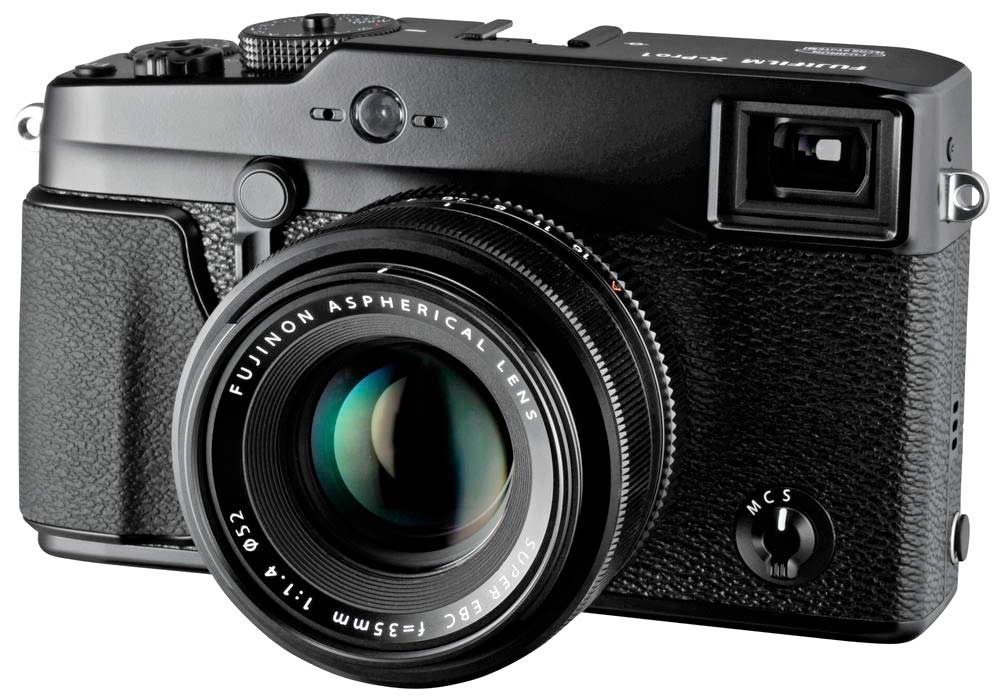
Now, let’s talk about the Fuji XE2, a camera that has won the hearts of many photographers for its compact size and retro design. When paired with the 7Artisans 50mm f0.95 lens, the XE2 becomes a powerhouse for street and portrait photography. The camera’s classic design, combined with the lens’s modern optical performance, creates a synergy that’s both visually appealing and functionally impressive.

Some users have compared the 7Artisans 50mm f0.95 to other lenses in its category, noting that it holds its own in terms of brightness and optical quality. It’s even been said to be a tad brighter than some of its competitors, which is quite a statement considering its price point. The 7Artisans 50mm f0.95 is not without its quirks, such as some optical flaws like vignetting and chromatic aberration when wide open, but these are often considered part of the lens’s character rather than detriments. For those who enjoy the artistry of photography and the tactile experience of manual focusing, this lens offers a unique opportunity to explore creativity at a relatively low cost.

In conclusion, the 7Artisans 50mm f0.95 lens on a Fuji XE2 is a match made in photography heaven for those who appreciate the art of manual focusing and the beauty of a large aperture. It’s a setup that encourages you to slow down, compose thoughtfully, and immerse yourself in the creative process. Whether you’re a seasoned photographer or someone who’s just starting, this combo is sure to inspire and delight.