When it comes to creative work like photography, feedback can be incredibly valuable. It offers fresh perspectives and can highlight aspects of your work you might not have noticed. However, it’s also important to remember that art is subjective, and not all criticism will be useful or constructive. It’s beneficial to consider the source of the feedback; a professional photographer’s critique may hold more weight than a casual observer’s opinion. Look for recurring themes in the feedback you receiveβif multiple people point out the same issue, it might be worth taking a closer look. Ultimately, the amount of notice you take should align with your artistic vision and goals. If the criticism resonates with you and helps you grow, it’s worth considering. But if it doesn’t serve your purpose or seems unfounded, it’s okay to trust your instincts and choose which advice to follow and which to let go. Remember, the most important critic of your work is you.
fujifilm
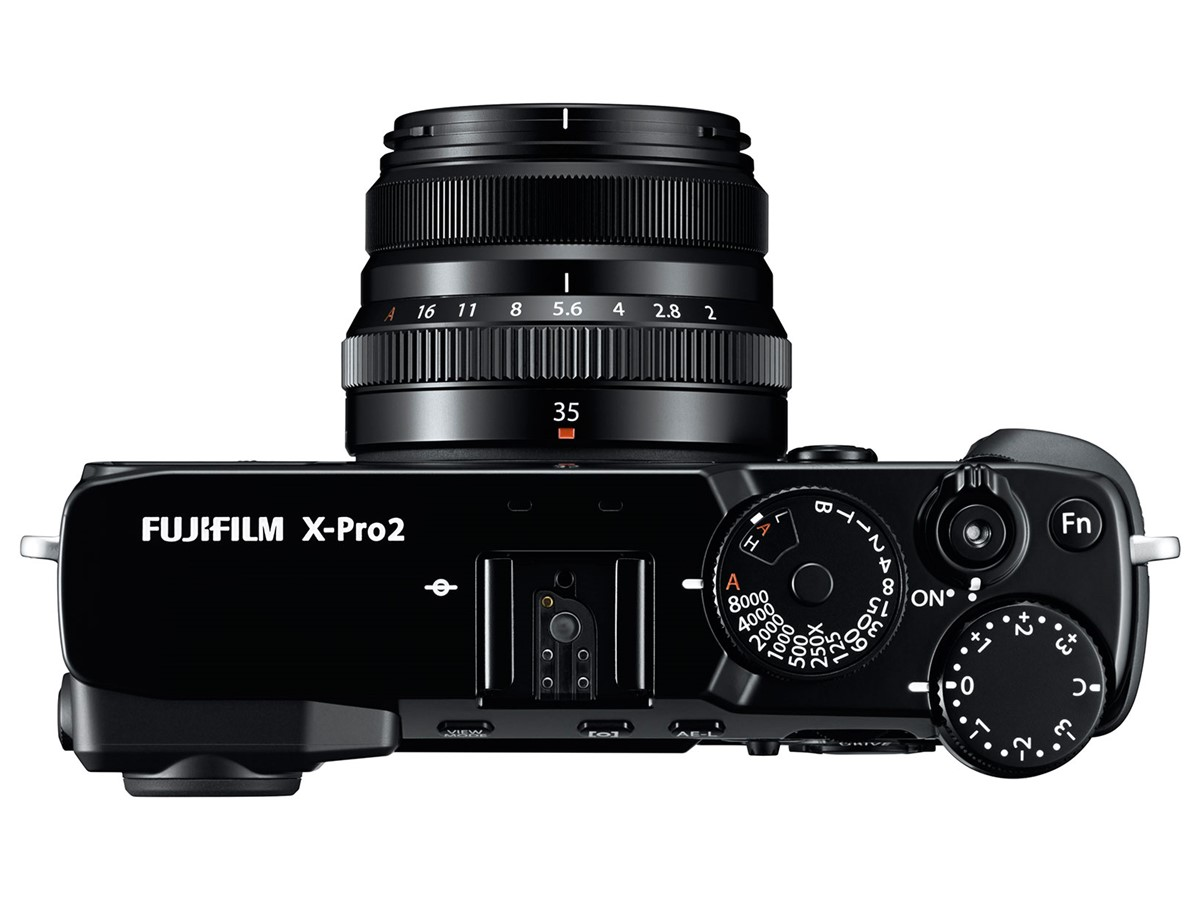
The Fujifilm X-Pro2: A Timeless Classic in the Digital Age
cameras, fujifilm, opinons, thoughts, photography, pictures, street, Travel, viltroxIn the fast-paced world of digital photography, where technology evolves at breakneck speed, the Fujifilm X-Pro2 stands out as a testament to timeless design and enduring quality. Launched in 2016, this camera quickly became a favourite among photographers who appreciated its retro aesthetic, advanced features, and the tactile experience it offered.
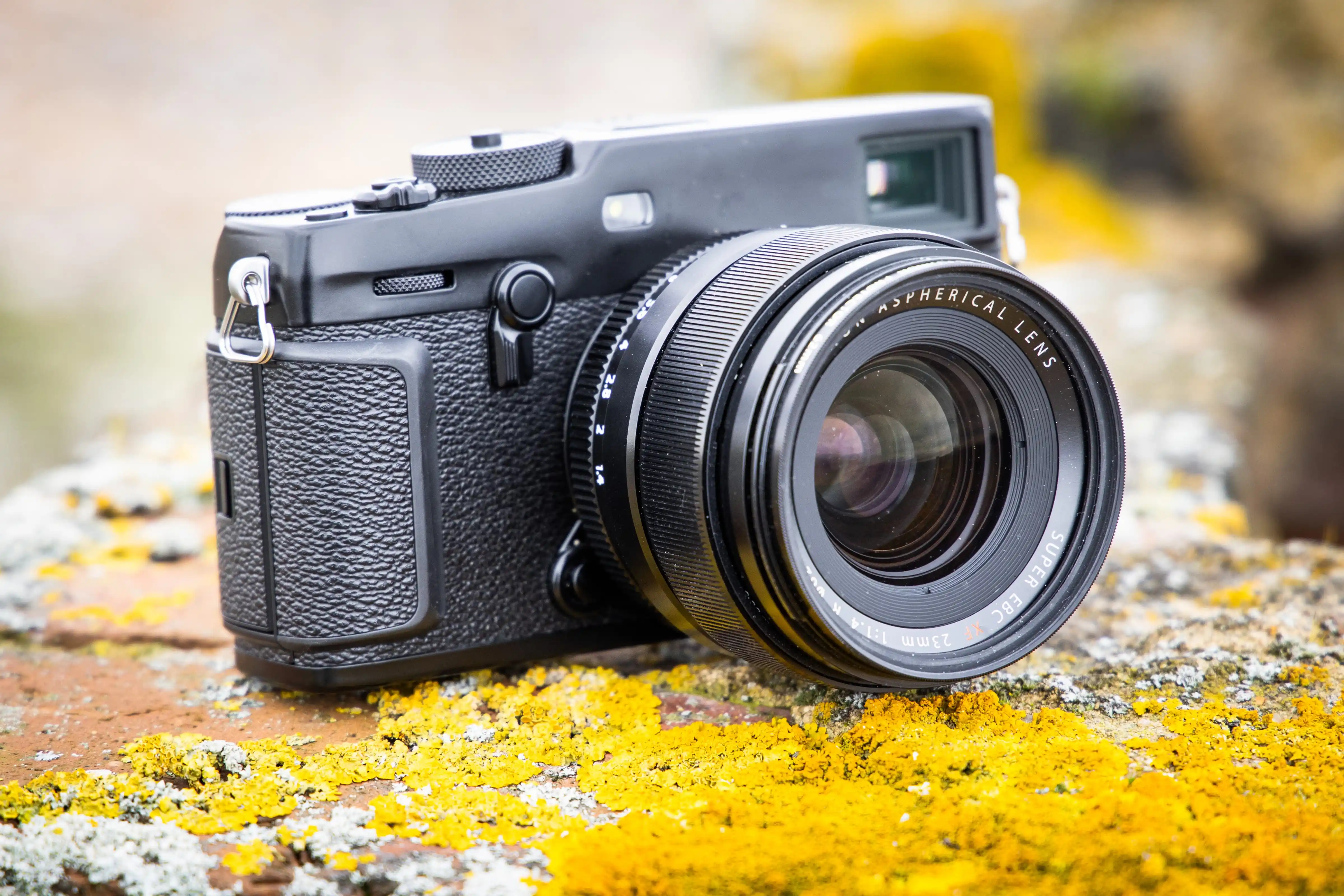
The X-Pro2 was a significant upgrade from its predecessor, the X-Pro1, boasting a 24MP X-Trans CMOS III sensor, an expanded ISO range, and a hybrid viewfinder that combined the best of optical and electronic components. Its design paid homage to the classic rangefinders, with dials and controls that provided a hands-on approach to photography, making every shot a deliberate and thoughtful process.
Despite the release of newer models, the X-Pro2 remains a dream camera for many. Its build quality is exceptional, with an all-metal body and environmental sealing that withstands the test of time and the elements. The image quality, with its unique colour rendition and film simulations, continues to charm photographers, evoking a sense of nostalgia while delivering modern performance.

The autofocus system of the X-Pro2, with its 273 points and phase-detect coverage, brought a new level of precision and speed to the X-series. This made the camera not only suitable for street and portrait photography but also for capturing moving subjects with ease.


Moreover, the X-Pro2’s firmware updates have kept it relevant, improving functionality and keeping the user experience fresh. It’s a camera that grows with you, adapting to the changing landscape of photography while maintaining its core identity.


The X-Pro2 may not have the latest bells and whistles of its successors or competitors, but it offers something that goes beyond specifications: a connection to the art of photography. It’s a camera that encourages you to slow down, compose your shot, and immerse yourself in the moment.
For those who value the experience as much as the outcome, the Fujifilm X-Pro2 remains not just a dream camera, but a beloved companion on their creative journey. Its legacy continues to inspire, proving that in a world where the new often overshadows the old, there are some things that remain timeless. The Fujifilm X-Pro2 is indeed one of those rare gems in the photography world.
The Fuji XF 56mm f1.2 : A Portrait Photographer’s Dream Lens
cameras, fujifilm, Lenses, opinons, thoughts, photography, pictures, street, TravelPortrait photography is an art that captures the essence of a person, telling their story through a single frame. The right lens can make all the difference in bringing that story to life, and the Fuji XF 56mm f1.2 is a lens that has been making waves in the photography community for just this purpose.
Designed for the Fujifilm X series cameras, the XF 56mm f1.2 is equivalent to an 85mm lens on a full-frame camera, a focal length revered by portrait photographers for producing flattering images with a natural perspective. The wide f/1.2 aperture of this lens allows for a shallow depth of field, creating that dreamy bokeh effect that isolates the subject from the background, making them stand out in stunning clarity.
The construction of the lens is nothing short of impressive, featuring 11 elements in 8 groups, including two extra-low dispersion elements and one double-sided aspherical element. These components work together to control spherical and chromatic aberrations, ensuring sharp, clear images with minimal distortion.
The lens is not just about sharpness and bokeh; it’s also built to last. The solid construction feels great in hand and attaches seamlessly to cameras like the Fuji X-T2 and, of course, the X-Pro2. It’s a lens that’s been described as super sharp, even when wide open and one that exhibits beautifully dreamy bokeh.
Photographers have noted that while the XF 56mm f1.2 is not the fastest-focusing lens in Fujifilm’s lineup, it more than makes up for it with its optical performance. It’s a lens that demands a careful technique, rewarding the photographer’s precision with exceptional image quality.
The lens’s maximum magnification of 0.09 and the angle of view of 28.5Β° make it versatile for not just traditional portraits but also for wedding and studio work, where detail and expression are paramount. The seven rounded diaphragm blades contribute to a pleasing out-of-focus quality, which is essential for creating that professional look in portraits.
For those using the X-Pro2, the XF 56mm f1.2 is a match made in heaven. The X-Pro2’s advanced sensor and image processing capabilities, combined with the lens’s optical qualities, result in rich images in detail and texture. The camera’s classic design and modern features complement the lens’s performance, making for a powerful duo in the world of portrait photography.
In conclusion, the Fuji XF 56mm f1.2 is more than just a lens; it’s a tool that empowers portrait photographers to capture the soul of their subjects. Its wide aperture, focal length, and construction quality make it an invaluable asset for anyone serious about portrait photography. Whether you’re shooting in a studio, at a wedding, or out in the streets, the XF 56mm f1.2 is sure to help you create work that resonates with beauty and emotion. This lens is undoubtedly a great choice for those looking to elevate their portrait work with the X-Pro2. Happy shooting!

Hitting a Photographic Lull: How to Rekindle Your Creative Spark
cambodia, fujifilm, Lenses, opinons, thoughts, photography, pictures, street, Travel, voluntary, warPhotography, like any other creative pursuit, can sometimes lead you into a lull. It’s that dreaded feeling where inspiration seems to have packed its bags and left without notice. But fear not, for every creative block, there’s a myriad of ways to overcome it and get back to capturing the world through your lens with renewed passion and perspective.
Firstly, acknowledge that creative blocks are a natural part of the artistic process. They don’t signify a lack of talent or passion but are merely a sign that your brain might need a break or a new source of stimulation. Here are some strategies to help you navigate through this phase:


- Rest and Recharge
Fatigue can be a significant contributor to creative blocks. Give yourself permission to rest. Sometimes, stepping away from the camera and getting some good sleep can do wonders for your creativity. - Write It Down
Keep a journal or a notebook for your photography ideas. Writing can help declutter your mind and may lead to a breakthrough in thinking. Jot down anything and everything without judgment. - Tune Into Some Music
Music has the power to alter moods and inspire new ideas. Listen to different genres and let the rhythms and melodies guide your imagination. - Sketch Your World
You don’t have to be an artist to benefit from sketching. Draw the scenes around you; it can help you see the world from a new angle and might just spark a photographic idea. - Change Your Scenery
Sometimes all you need is a change of environment. Go for a walk, visit a new town, or even rearrange your workspace. New visuals can lead to new inspirations. - Experiment with New Gear
Exploring new equipment or even old gear in new ways can provide a fresh perspective. Try out a new lens, filter, or even a different camera format to shake things up. - Seek Out Inspiration
Look at the work of other photographers, visit galleries, or dive into photography books. Seeing the world through someone else’s eyes can provide a fresh outlook and inspire your own work. - Embrace Imperfection
Perfectionism can be a creativity killer. Allow yourself to make mistakes and remember that each one is a stepping stone to improvement. - Set Small Goals
Instead of aiming for a masterpiece every time you shoot, set small, achievable goals. This can help build momentum and get you back into the groove of shooting regularly. - Collaborate with Others
Join a photography group or collaborate with a fellow photographer. Sharing ideas and working on projects together can be incredibly stimulating and fun. - Take on a Project or Challenge
Give yourself a photography assignment or challenge. Having a specific goal can focus your creativity and push you to look at things differently.
Remember, every photographer goes through highs and lows. The key is to keep pushing through, stay open to new experiences, and never stop learning. Your next great shot could be just around the corner, waiting for you to capture it. So grab your camera, and let’s turn that lull into a launchpad for your next creative leap! Happy shooting!
Exploring the Fujifilm XF 55-200mm f3.5 – 4.8 USD OIS Lens
fujifilm, Lenses, opinons, thoughts, photography, pictures, street, Travel, warPhotography enthusiasts looking for a versatile telephoto zoom lens may find a perfect companion in the Fujifilm XF 55-200mm. This lens is designed for the Fujifilm X-series mirrorless cameras and offers a 35mm equivalent focal length of 83-300mm, making it suitable for a wide range of subjects from portraits to wildlife photography.
One of the standout features of this lens is its optical image stabilization system, which claims to provide a benefit of 4.5 stops. This feature is particularly useful when shooting in low light conditions or at the long end of the zoom range, where camera shake can be more pronounced. The stabilization allows photographers to shoot at slower shutter speeds without compromising on sharpness.
The lens construction includes two extra-low dispersion elements, including one Super ED element, which helps to reduce chromatic aberrations and produce clear, sharp images with accurate colours. The build quality of the lens is also noteworthy, with an all-metal barrel and an aperture control ring that adds to the tactile experience of shooting.
Autofocus performance is another area where the XF 55-200mm lens excels. It uses a pair of linear stepper motors for quick and near-silent autofocus, which is beneficial for both stills and video shooting. The relatively fast maximum aperture of F3.5-4.8 also allows for more control over depth of field and helps to isolate subjects from the background.
Despite its range and capabilities, the lens remains relatively compact and portable, which is a significant advantage for photographers who travel or hike with their gear. It’s not weather-sealed, so some care is necessary when using it in adverse conditions.
In terms of pricing, the lens offers good value considering its performance and build quality. It’s positioned as a premium option in the Fujifilm lens lineup and competes favourably with similar lenses from other manufacturers.
For those invested in the Fujifilm X system, the XF 55-200mm lens is a solid choice that delivers excellent image quality and versatility. Whether you’re capturing distant landscapes or intimate portraits, this lens is capable of producing stunning results that will satisfy both amateur and professional photographers alike.
For more detailed reviews and sample images, you can visit various photography websites and forums that provide in-depth analysis and user experiences with this lens. Exploring these resources can help you make an informed decision if you’re considering adding the Fujifilm XF 55-200mm to your photography kit.
Exploring the Viltrox 13mm f/1.4: A Versatile Lens for Photography Enthusiasts
cambodia, cameras, fujifilm, Lenses, opinons, thoughts, photography, pictures, street, Travel, viltroxThe Viltrox 13mm f/1.4 lens has been making waves in the photography community, especially among those who use Fujifilm X-Mount cameras. This lens is known for its super wide-angle capability, which makes it an excellent choice for capturing expansive landscapes, cityscapes, and architectural wonders. Its large aperture of f/1.4 allows photographers to shoot in low light conditions without compromising on shutter speed or ISO, thus maintaining image quality.
Build Quality and Handling
The Viltrox 13mm f/1.4 boasts a solid construction with a metal mount and lens hood, giving it a premium feel. The manual focus ring is large and user-friendly, offering a smooth focusing experience free from the electronic jerkiness found in some lenses. The aperture ring clicks satisfyingly through each f-stop, providing tactile feedback that is both precise and reassuring.
Optical Performance
Optically, the lens is designed to impress. It features two aspherical elements that help to reduce spherical aberrations and distortion, providing sharp images with minimal edge softness. The inclusion of two high refractive elements and four extra-low dispersion elements further enhances image clarity by reducing chromatic aberrations and color fringing.

Autofocus Capabilities
The autofocus system of the Viltrox 13mm f/1.4 is powered by an STM motor, which delivers fast and silent focusing. This is particularly beneficial for videographers who require a quiet operation. The autofocus is also reliable, locking onto subjects with ease and precision, which is on par with some of the more established lenses in the market.
Versatility in Use
Despite being a super wide-angle lens, the Viltrox 13mm f/1.4 has proven to be surprisingly versatile. Some photographers have even found success using it for portrait photography, a genre typically reserved for longer focal lengths. The wide aperture allows for a shallow depth of field, creating a pleasing bokeh effect that can make subjects stand out against a smoothly blurred background.
Conclusion
The Viltrox 13mm f/1.4 lens offers a lot of value, especially considering its price point. It is a testament to Viltrox’s commitment to providing high-quality lenses that are accessible to a wide range of photographers. Whether you’re shooting stills or video, this lens can deliver outstanding results that could rival those of more expensive counterparts.
For those interested in exploring the capabilities of the Viltrox 13mm f/1.4 further, there are detailed reviews and sample images available that showcase the lens’s performance across various settings and subjects. With its combination of build quality, optical performance, and versatility, the Viltrox 13mm f/1.4 is a lens worth considering for your next photographic adventure.
Fuji X Pro3 + 27mm pancake lens.
cambodia, cameras, fujifilm, Lenses, opinons, thoughts, photography, pictures, street, TravelThe Fuji X Pro3, a camera that harks back to the classic rangefinder design, paired with the compact and versatile 27mm f2.8 lens, is a combination that many street photographers dream of. The X Pro3’s unique hybrid viewfinder and retro-inspired controls offer a tactile and immersive shooting experience, while the 27mm lens, equivalent to a 41mm lens on a full-frame camera, provides a field of view that is not too wide or too tightβjust perfect for capturing the essence of the streets.
Street photography is all about capturing life as it happens, and the Fuji X Pro3 with the 27mm f2.8 lens allows photographers to do just that without drawing too much attention. The camera’s discreet profile blends into the urban tapestry, enabling photographers to shoot candidly. The lens’ f2.8 aperture is fast enough to handle lower light conditions and provides a nice depth of field to make subjects stand out against a soft, blurred background.
The 27mm f2.8 lens is praised for its sharpness and the ability to add an aperture ring and weather sealing, making it a reliable companion for the adventurous photographer who won’t be deterred by a little rain or dust. Its compact size means it won’t weigh you down, and the quality of the images it produces is consistently impressive, retaining the detail and colour fidelity even in challenging lighting conditions.
The X Pro3, on the other hand, is not just about looks; it’s a highly capable camera with a 26MP APS-C sensor that delivers excellent image quality. Its autofocus system is quick and accurate, which is crucial when trying to capture fleeting moments on the streets. Despite its old-school aesthetic, the X Pro3 can shoot impressive video footage, although it’s clear that its strengths lie in still photography, particularly in genres like street photography where the moment is everything.
In conclusion, the Fuji X Pro3 and the 27mm f2.8 lens are a match made in heaven for street photographers. This setup respects the genre’s roots in candidness and spontaneity while providing modern-day image quality and reliability. It’s a setup that encourages photographers to live in the moment, just as street photography should. Whether you’re a seasoned street photographer or someone who’s just starting to explore this fascinating world, the Fuji X Pro3 and 27mm f2.8 lens deserve your consideration. For those who have already experienced this combo, it often becomes a favourite, proving that sometimes the best things come in small packages.
The Fuji X100 Series: A Timeless Fusion of Style and Innovation
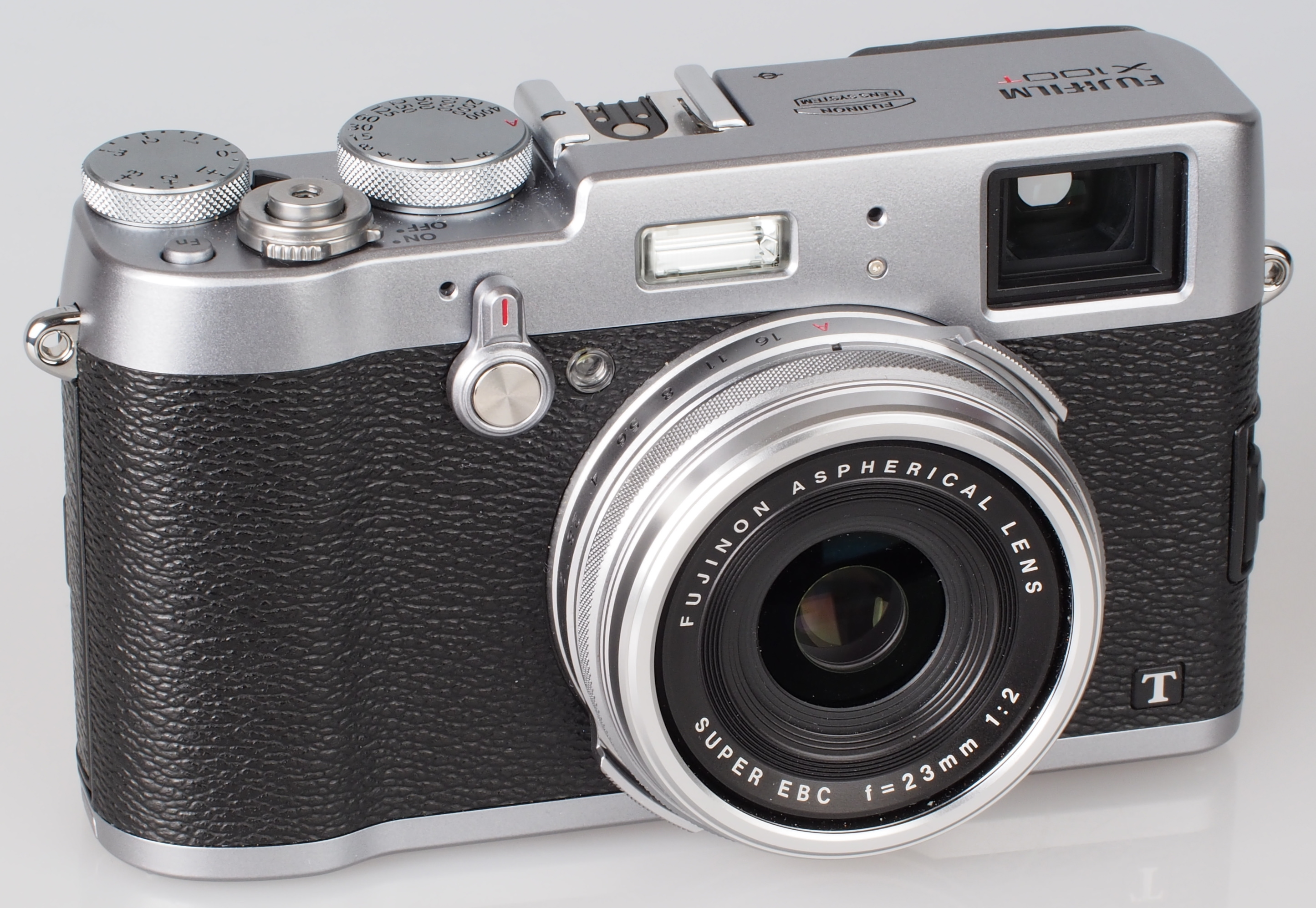
cameras, fujifilm, Lenses, opinons, thoughts, photography, street, TravelIn the world of photography, where technology evolves at a breakneck pace, the Fuji X100 series stands out as a testament to timeless design and enduring quality. Launched in 2010, the original X100 garnered acclaim for its classic aesthetic, reminiscent of vintage rangefinders, and its cutting-edge features that appealed to both professionals and hobbyists.
What sets the X100 series apart is its unique combination of form and function. The series has consistently maintained its retro charm while incorporating the latest advancements in camera technology. The latest iteration, as of 2023, continues this legacy, proving that the X100 series is not just a camera but a photographic companion that ages gracefully with time.
The X100 series has always been a favorite among photography enthusiasts for several compelling reasons. Firstly, the image quality is exceptional. The large APS-C sensor, paired with a high-quality fixed lens, delivers images that rival those of bulkier DSLR cameras. The prime lens, a 23mm F2, is perfect for a wide range of photography styles, from street to portrait, making it a versatile tool for creatives.
Another standout feature is the hybrid viewfinder, which allows photographers to switch between an optical viewfinder (OVF) and an electronic viewfinder (EVF), offering the best of both worlds. This feature, along with the tactile controls and dials, provides an engaging and intuitive shooting experience that digital photography often lacks.
The X100 series also boasts a compact and durable build, making it an ideal travel companion. Its size and discreet appearance allow photographers to capture candid moments without drawing attention, a trait highly valued in street and documentary photography.
As we look at the latest reviews in 2024, the Fujifilm X100V, and its successor, the X100VI, have raised the bar even higher. The X100V introduced significant improvements, such as a redesigned lens for sharper images, enhanced autofocus, and 4K video capabilities, all while retaining the classic look that fans adore. The X100VI further builds on this with in-body image stabilization, a higher-resolution 40MP sensor, and Fujifilm’s best autofocus system to date, making it a formidable contender in the premium compact camera market.
So, why is the X100 series still worth buying in 2024? It’s simple: the X100 series is not just about taking pictures; it’s about the joy of photography. It’s about the feel of the camera in your hands, the sound of the shutter, and the satisfaction of capturing a moment that speaks to you. It’s a camera that inspires you to go out and see the world through a different lens, literally and figuratively.
For those who appreciate the blend of nostalgic design and modern performance, the Fuji X100 series remains a compelling choice. It’s a camera that has grown with its community, adapting and improving without losing its soul. Whether you’re a seasoned photographer or someone who cherishes the art of photography, the X100 series invites you to be part of a legacy that celebrates the beauty of capturing life’s fleeting moments.
In conclusion, the Fuji X100 series is more than just a cameraβit’s a storyteller, a travel buddy, and a piece of art. It’s a series that has captured the hearts of photographers around the globe and continues to be a worthy investment for anyone passionate about photography. The X100 series is truly a classic that keeps getting better with time. If you’re considering adding this gem to your collection, rest assured, it’s a decision that you’ll cherish with every click of the shutter. Happy shooting!

Professionalism in Photography: More Than Just Taking Pictures
cambodia, cameras, copyrights, fujifilm, opinons, thoughts, photography, pictures, street, Travel, UncategorizedProfessionalism in photography transcends the mere act of capturing images. It embodies a comprehensive approach that combines artistic talent with business acumen, customer service, and ethical conduct. A Professional photographer is not merely someone who gets paid for their photographs; rather, they are individuals who consistently deliver quality, value their client’s time, and uphold a brand that resonates with trust and excellence.
The Essence of Professionalism in Photography
At its core, professionalism in photography involves a commitment to quality and a dedication to the craft. It means having the technical skills to produce outstanding images and the people skills to communicate effectively with clients. Professional photographers understand the importance of making a great first impression, responding promptly to inquiries, and dressing appropriately for events. They also recognize the significance of their personal image as part of their brand identity.
Building a Brand and Business
Professional photographers must also be savvy entrepreneurs. They need to manage their business efficiently, market their services effectively, and navigate the competitive landscape of the photography industry. This includes understanding pricing strategies, creating a compelling portfolio, and networking within the industry. A professional photographer’s brand is a reflection of their work ethic, style, and the experiences they provide to their clients.
Customer Service as a Cornerstone
Customer service is a critical component of professionalism in photography. It’s about valuing the client’s time, delivering expected materials or services on time, educating the client when necessary, and taking responsibility when things don’t go as planned. A professional photographer builds relationships with clients based on trust and reliability, ensuring repeat business and referrals.
Ethical Conduct and Integrity
Professionalism also entails adhering to ethical standards and operating with integrity. This means respecting clients’ privacy, honouring contracts and agreements, and being honest in all business dealings. Professional photographers protect their clients’ interests and maintain confidentiality, fostering an environment of mutual respect.
Continuous Learning and Improvement
The photography industry is dynamic, with constant technological advancements and evolving trends. Professional photographers commit to lifelong learning, staying updated with the latest equipment, techniques, and styles. They invest in their education, attend workshops, and seek mentorship to refine their skills and expand their knowledge.
Conclusion
Professionalism in photography is a multifaceted concept that goes beyond the ability to take beautiful photos. It encompasses the entire client experience, from the initial contact to the delivery of the final product. It’s about creating a reputable brand, offering exceptional customer service, conducting business with integrity, and continually striving for excellence. For those aspiring to become professional photographers, it’s essential to embrace these principles to succeed and thrive in this creative and competitive field.
The Art of Photography: Unleashing Creativity Beyond Professionalism
cambodia, cameras, fujifilm, Lenses, opinons, thoughts, photography, pictures, street, TravelPhotography is an art form that captures moments, tells stories, and expresses emotions. It’s a powerful medium that allows us to share our perspective of the world with others. But do you need to be a professional to make great photo images? The simple answer is no.
The beauty of photography lies in its accessibility. With the advent of smartphones and affordable cameras, anyone can start taking photos. What’s more important than professional training is the eye for detail, the passion for capturing the essence of a moment, and the willingness to learn and experiment.
Great photography comes from observation and practice. It’s about understanding light, composition, and timing. It’s about seeing the extraordinary in the ordinary and finding new angles and perspectives. Professionals certainly have experience and technical skills, but these are things that any dedicated person can acquire over time.
Moreover, the definition of ‘great’ is subjective when it comes to photography. A technically perfect image might not evoke the same emotion as a candid shot taken at the right moment. Sometimes, the imperfections β a blur, a lens flare, or an unexpected photobomber β add character and uniqueness to a photo.
The digital age has also democratized learning. There are countless resources available online β tutorials, courses, forums, and communities where budding photographers can learn and get feedback. The key is to practice, be open to constructive criticism, and never stop exploring.
So, whether you’re taking snapshots with your phone or setting up a professional shoot, remember that creativity and vision are not bound by titles. They reside within the photographer β professional or not. Keep shooting, keep learning, and let your photos tell your story.


In conclusion, you don’t need to be a professional to make great photo images. What you need is passion, practice, and the courage to put your work out there. So go ahead, capture the world as you see it, and who knows, you might just surprise yourself with the incredible images you create. Happy clicking!