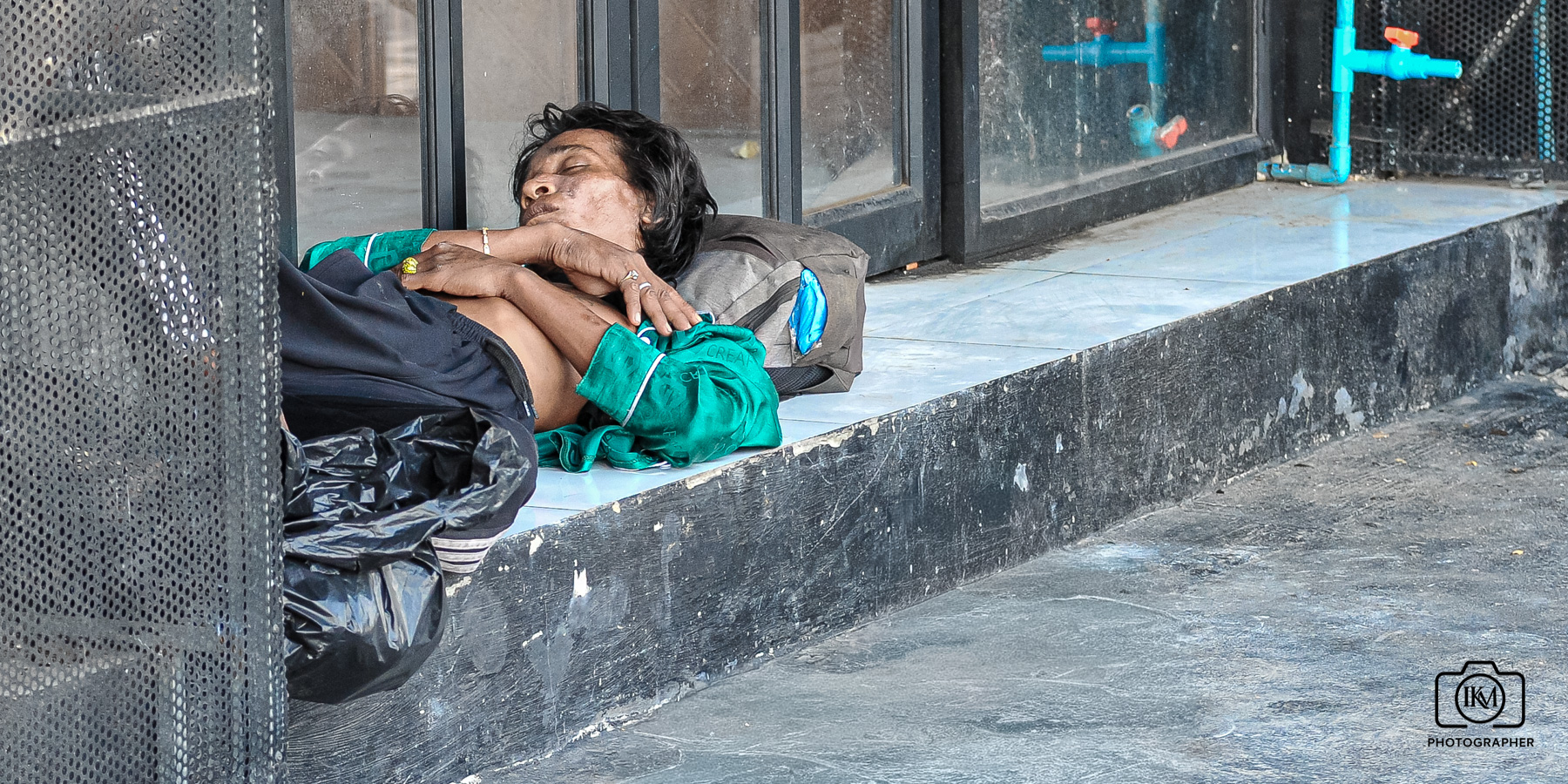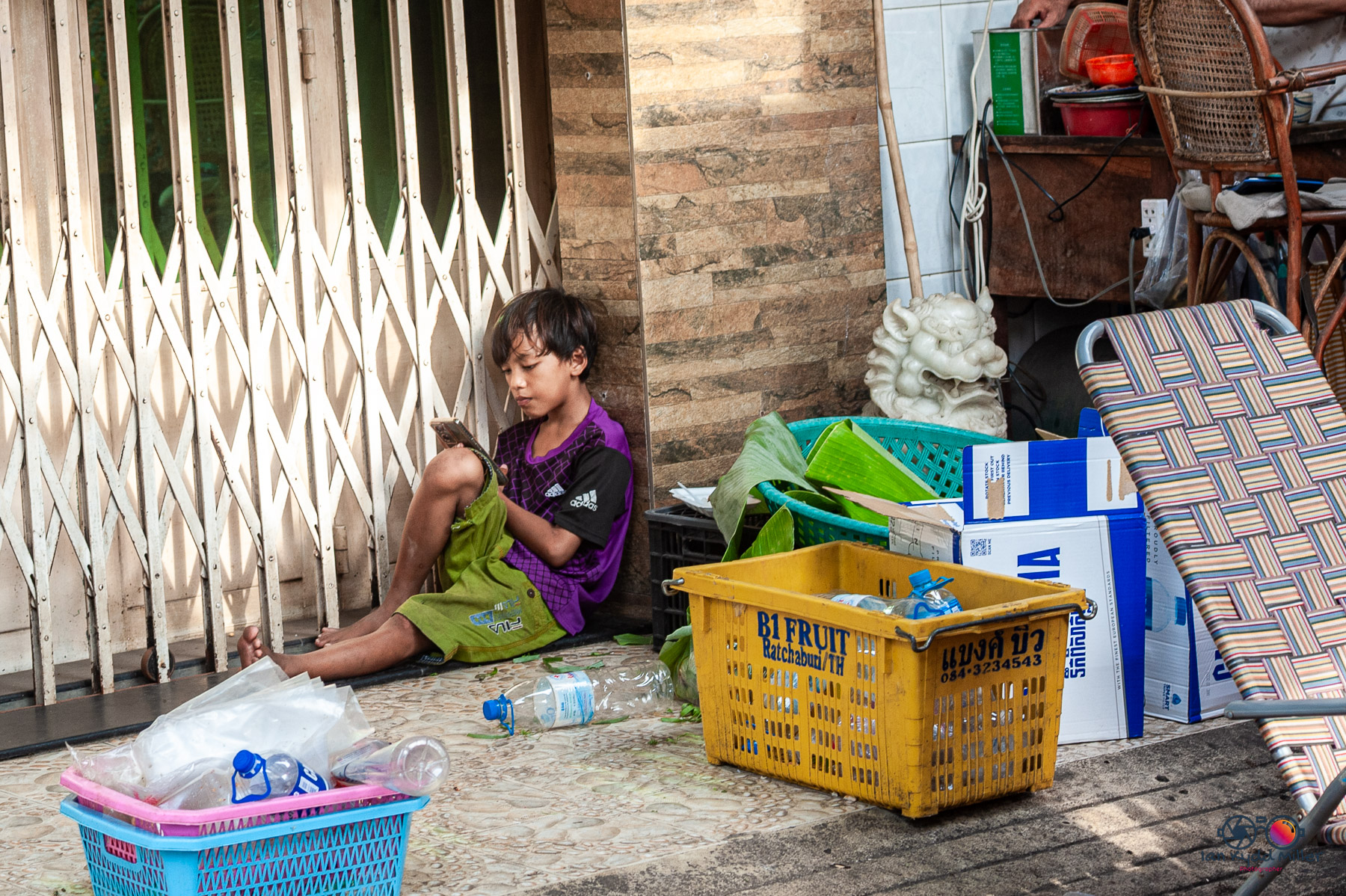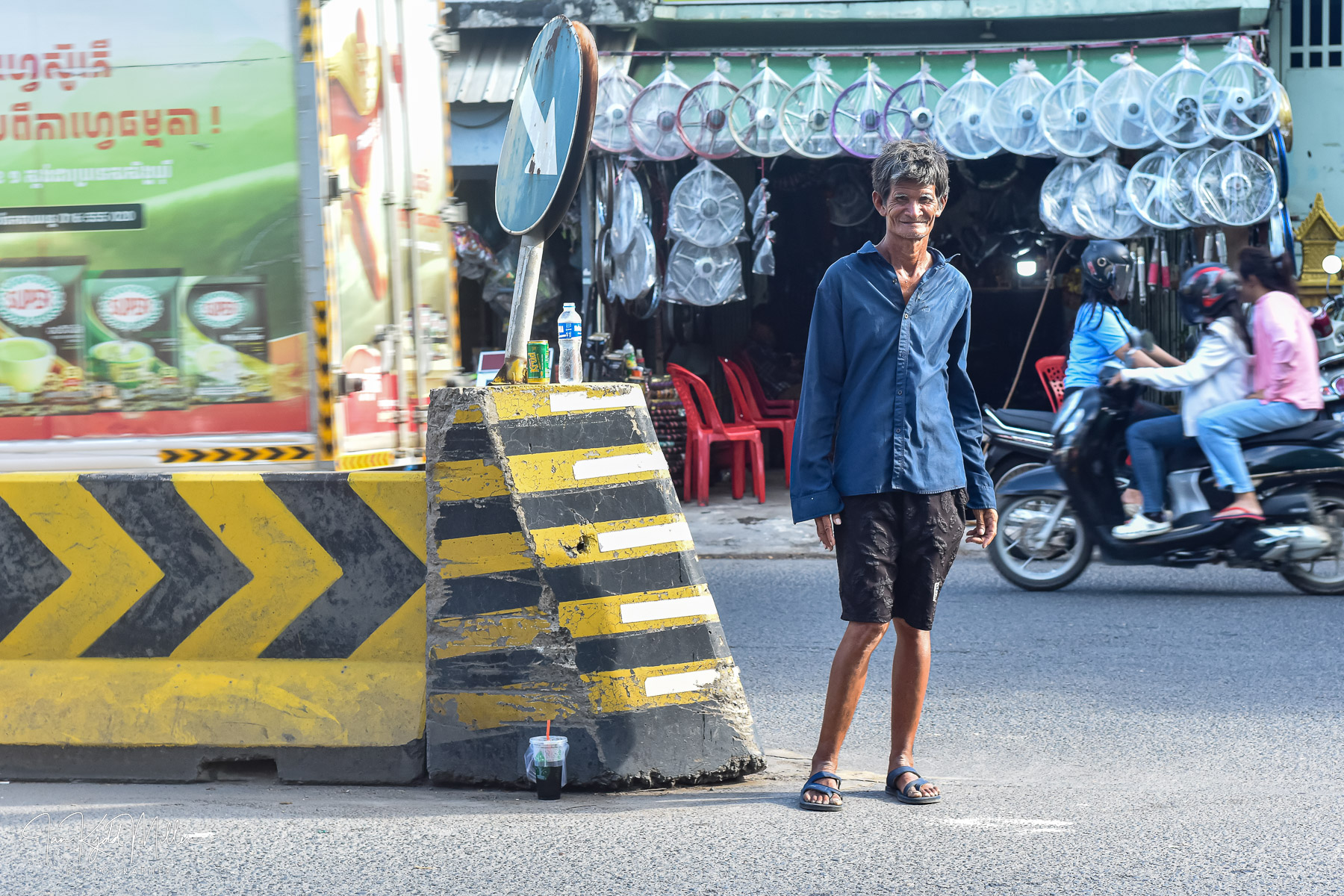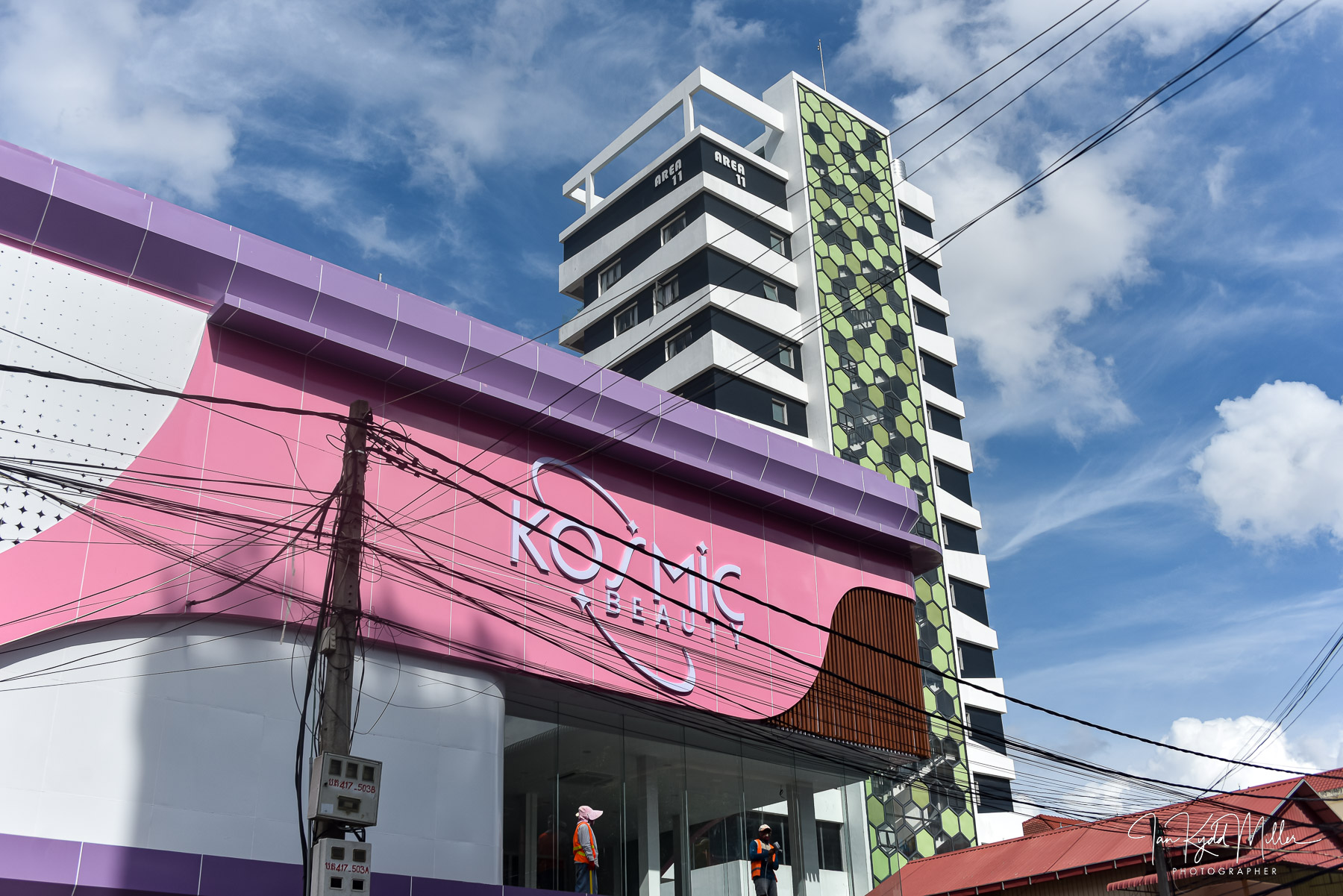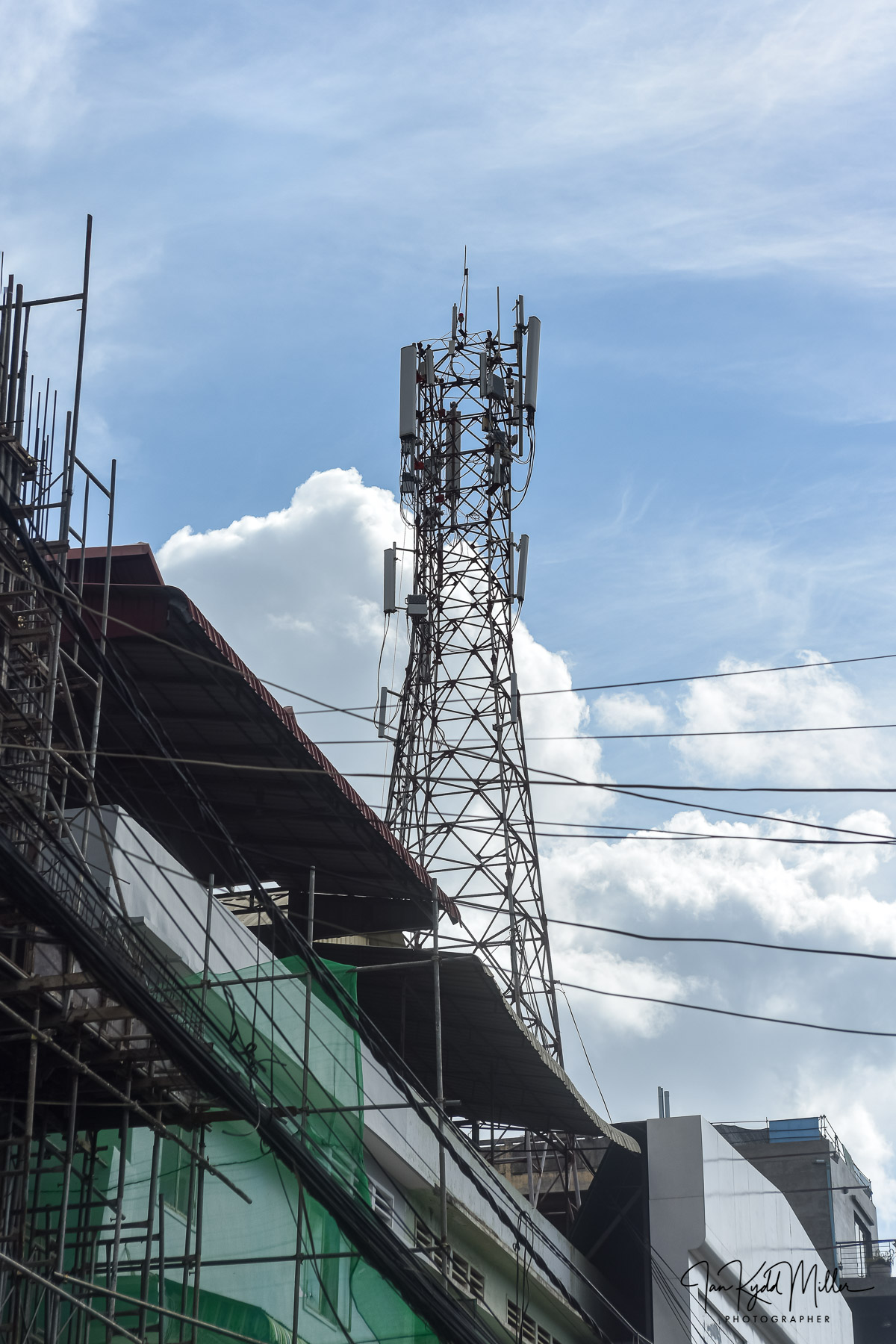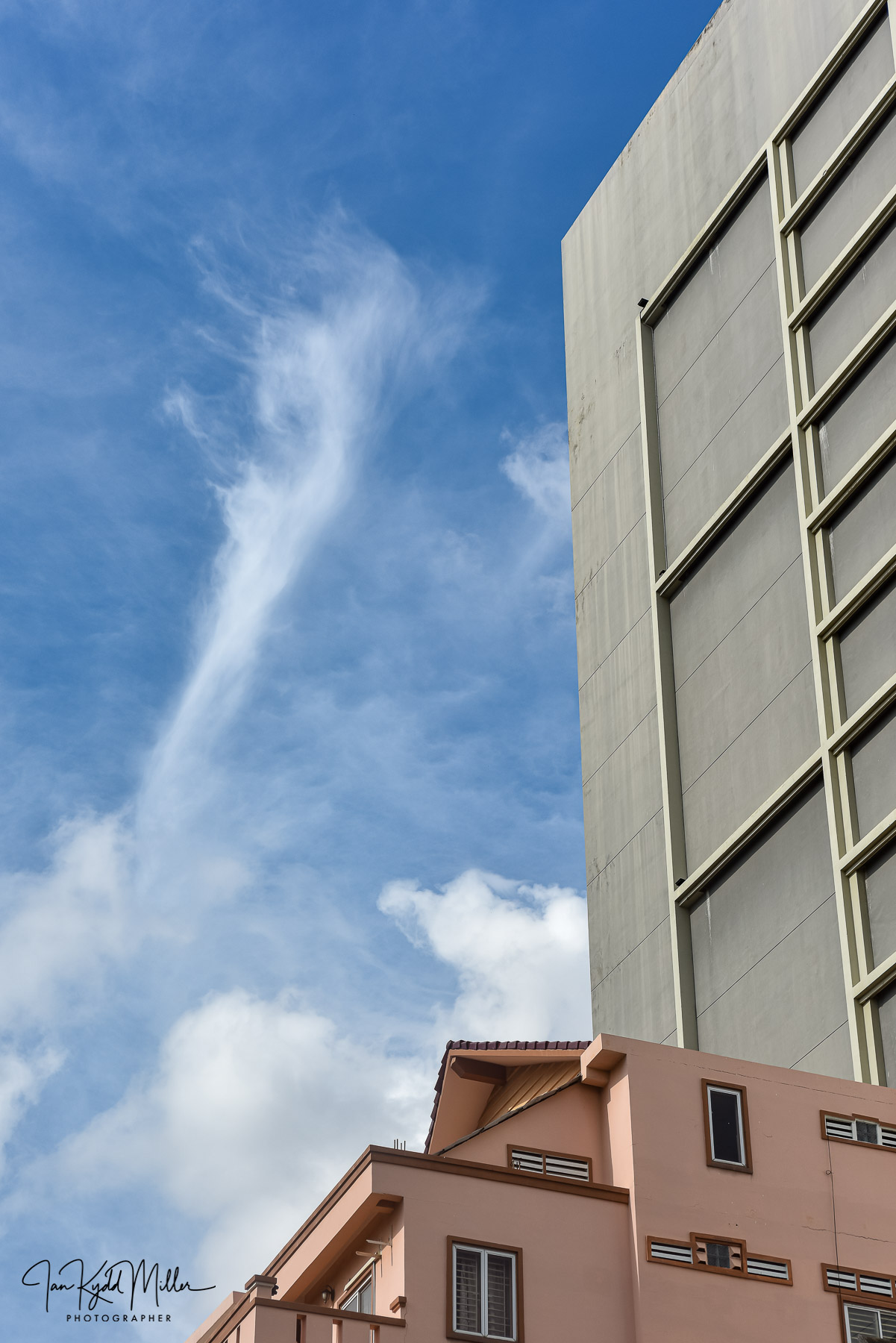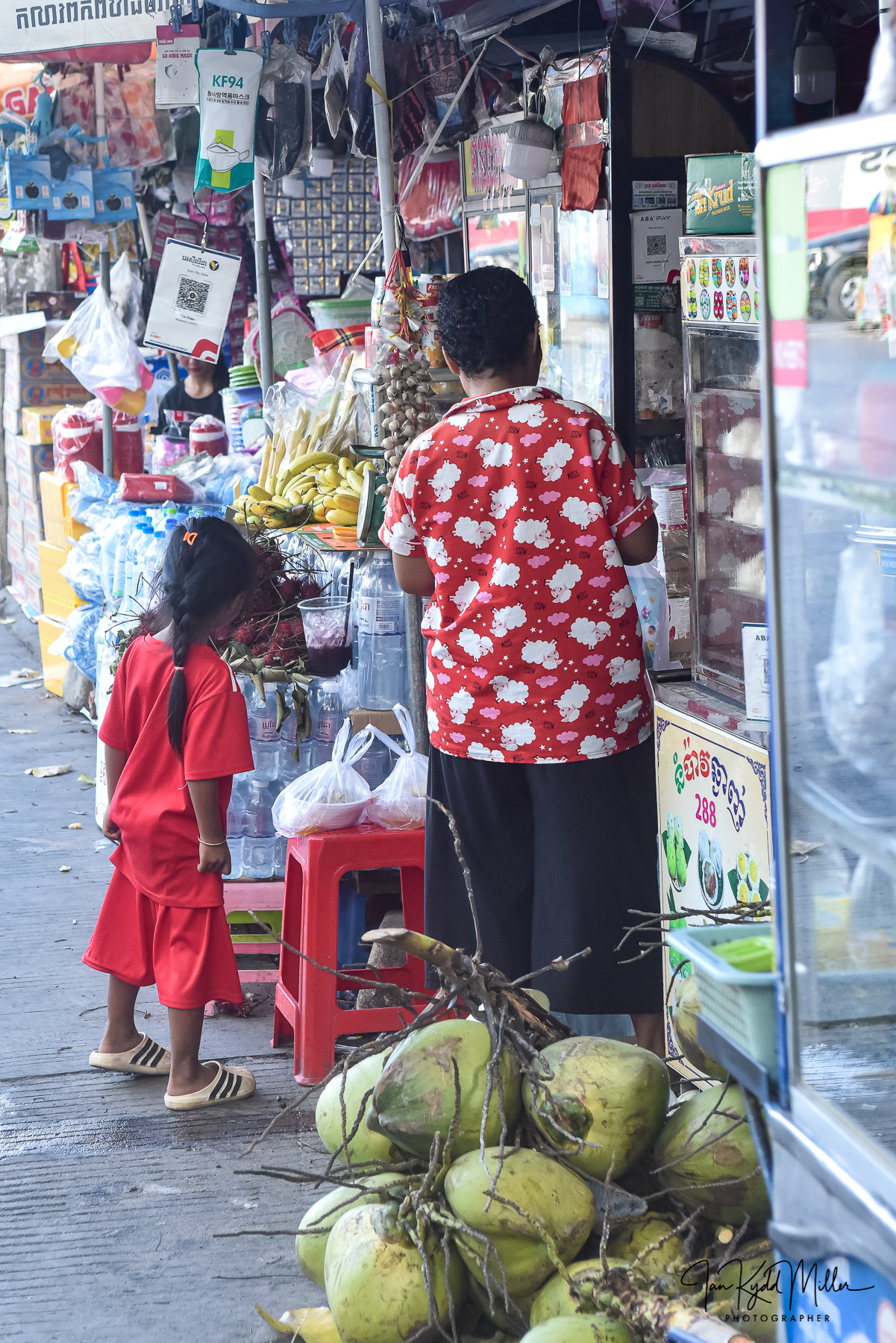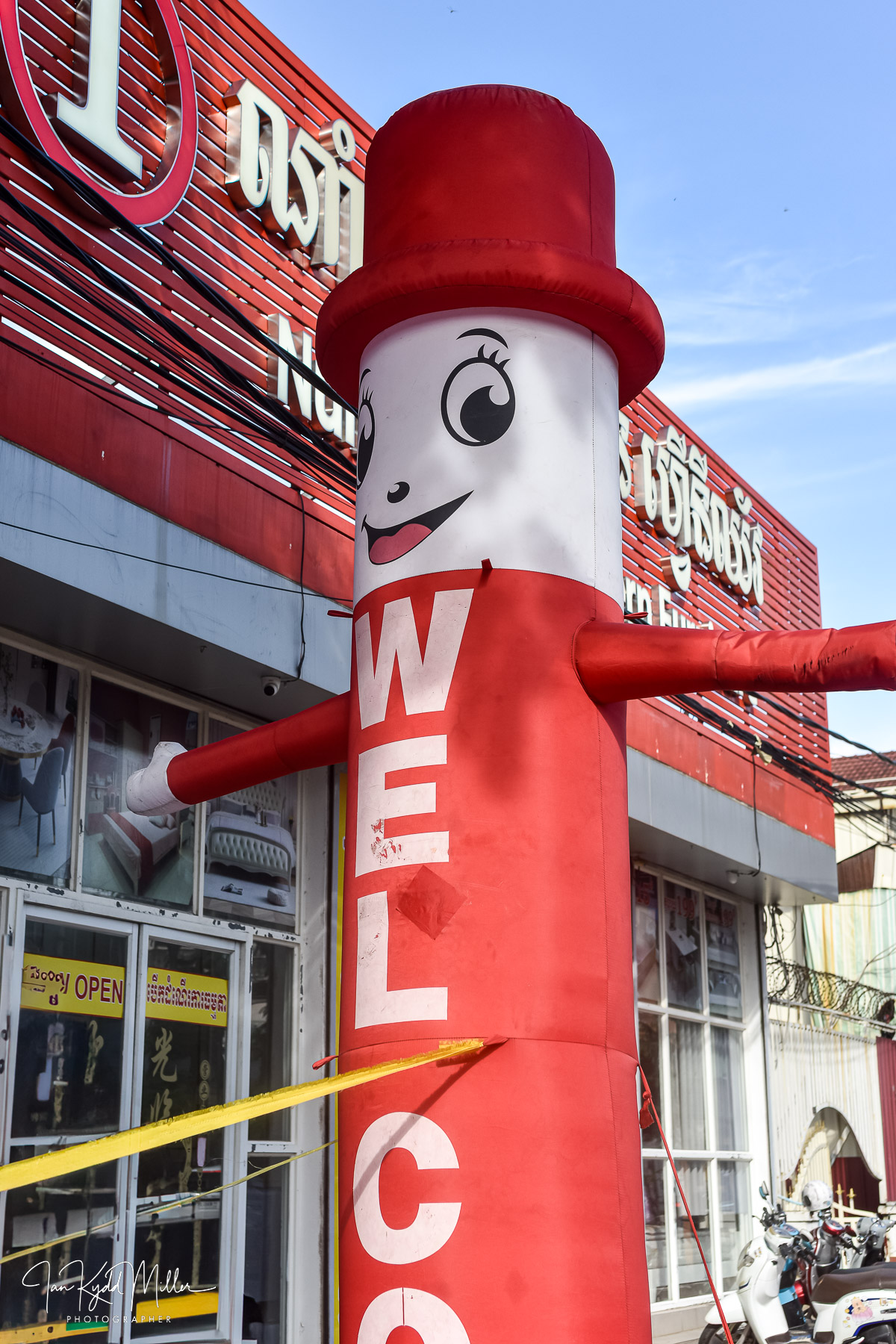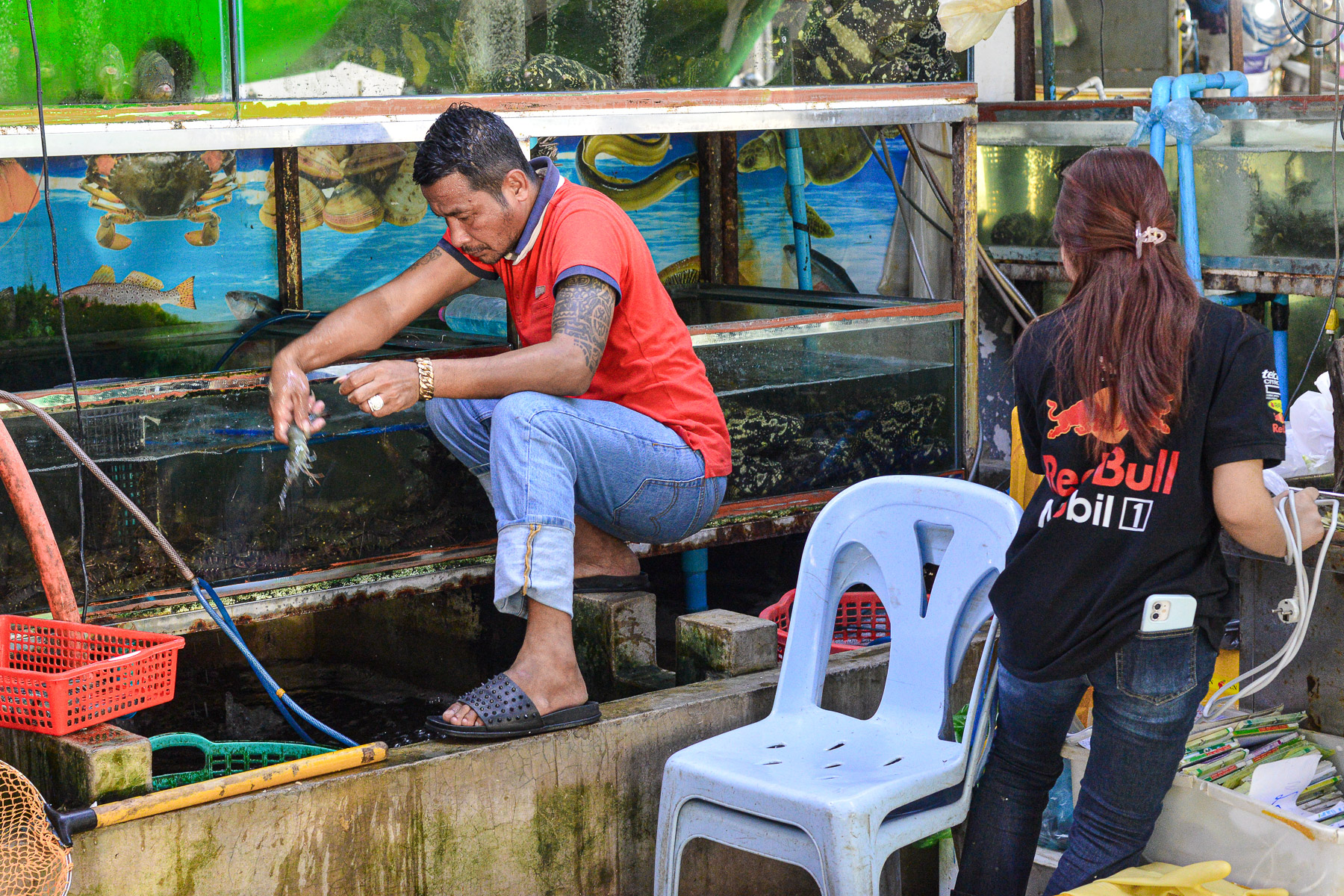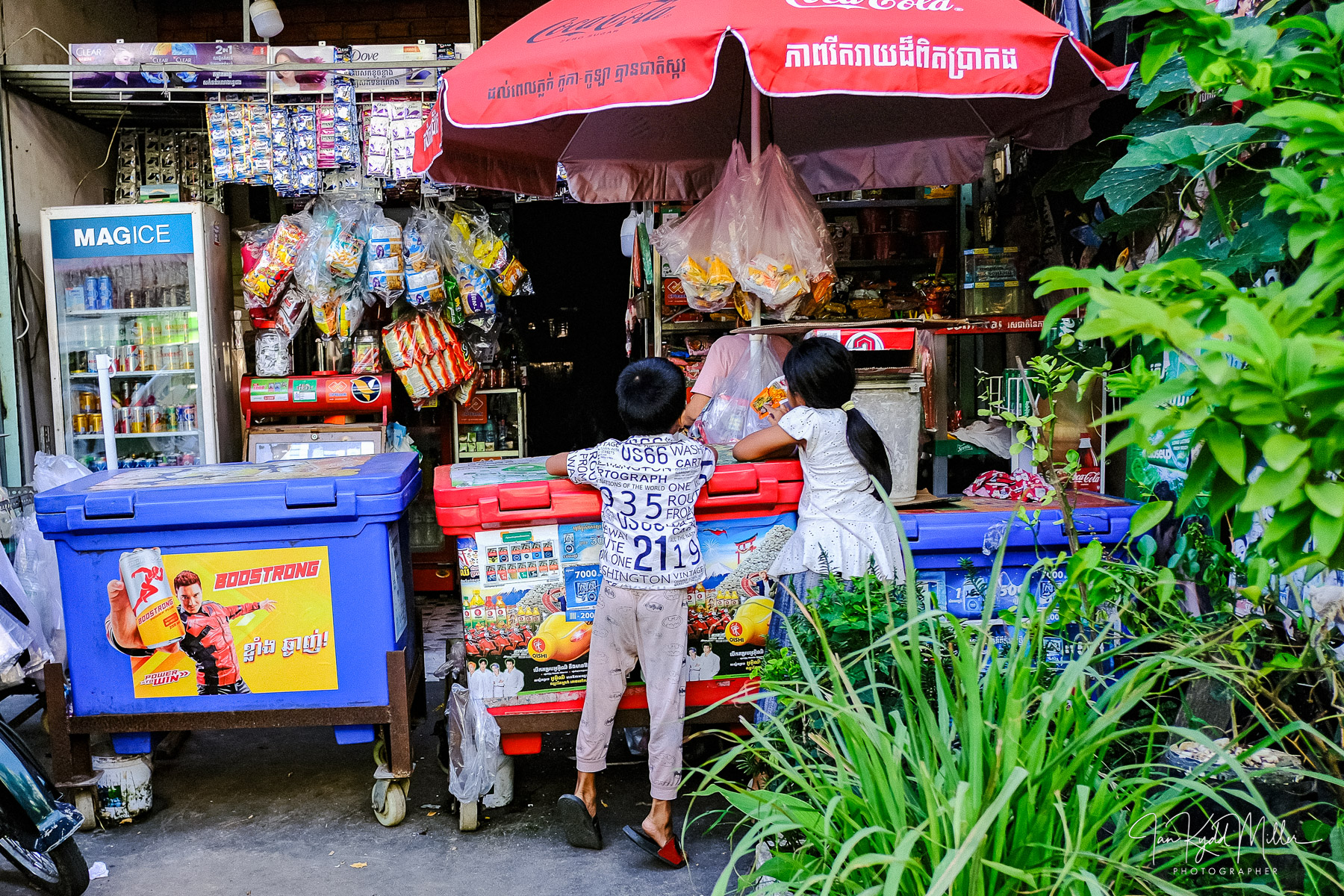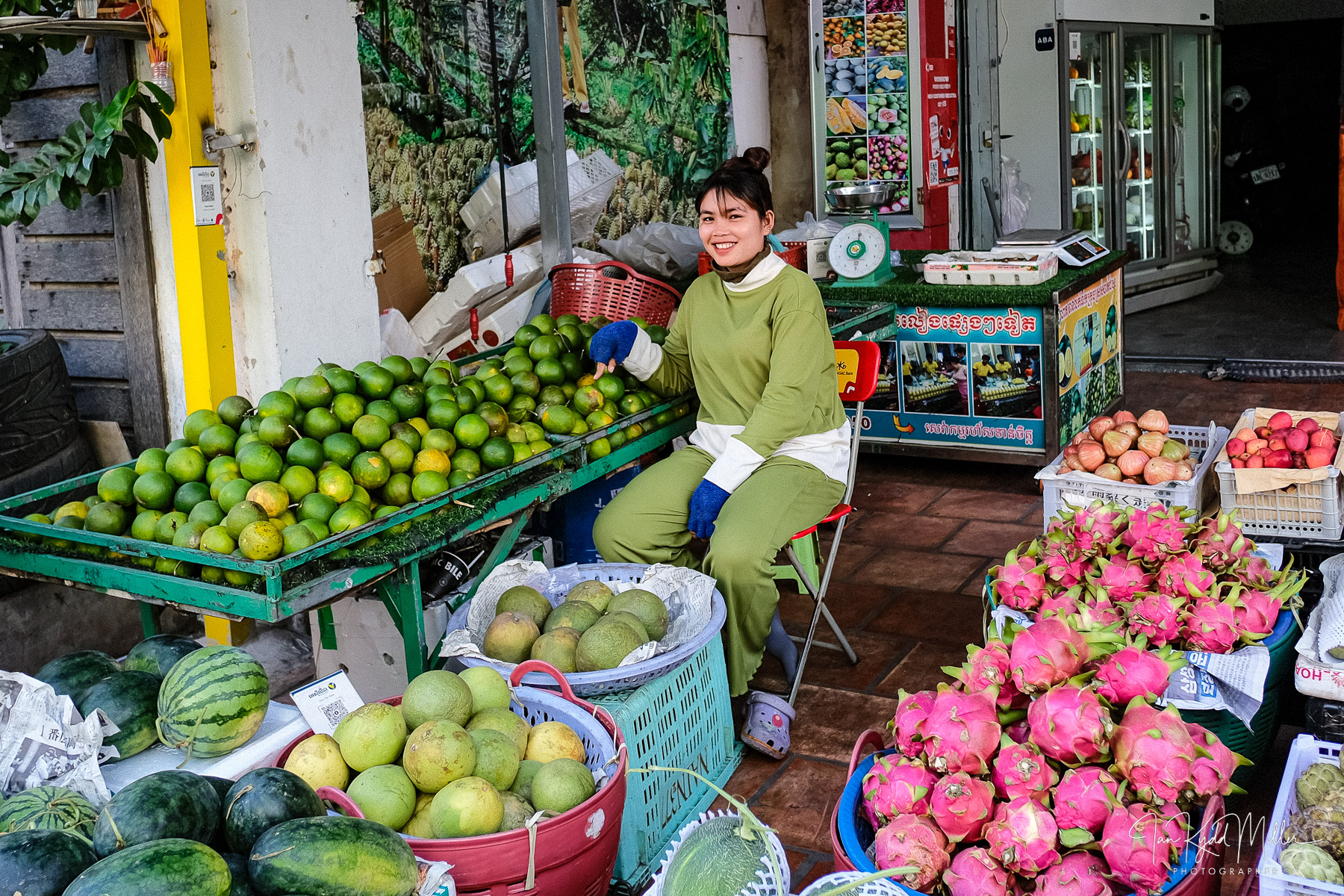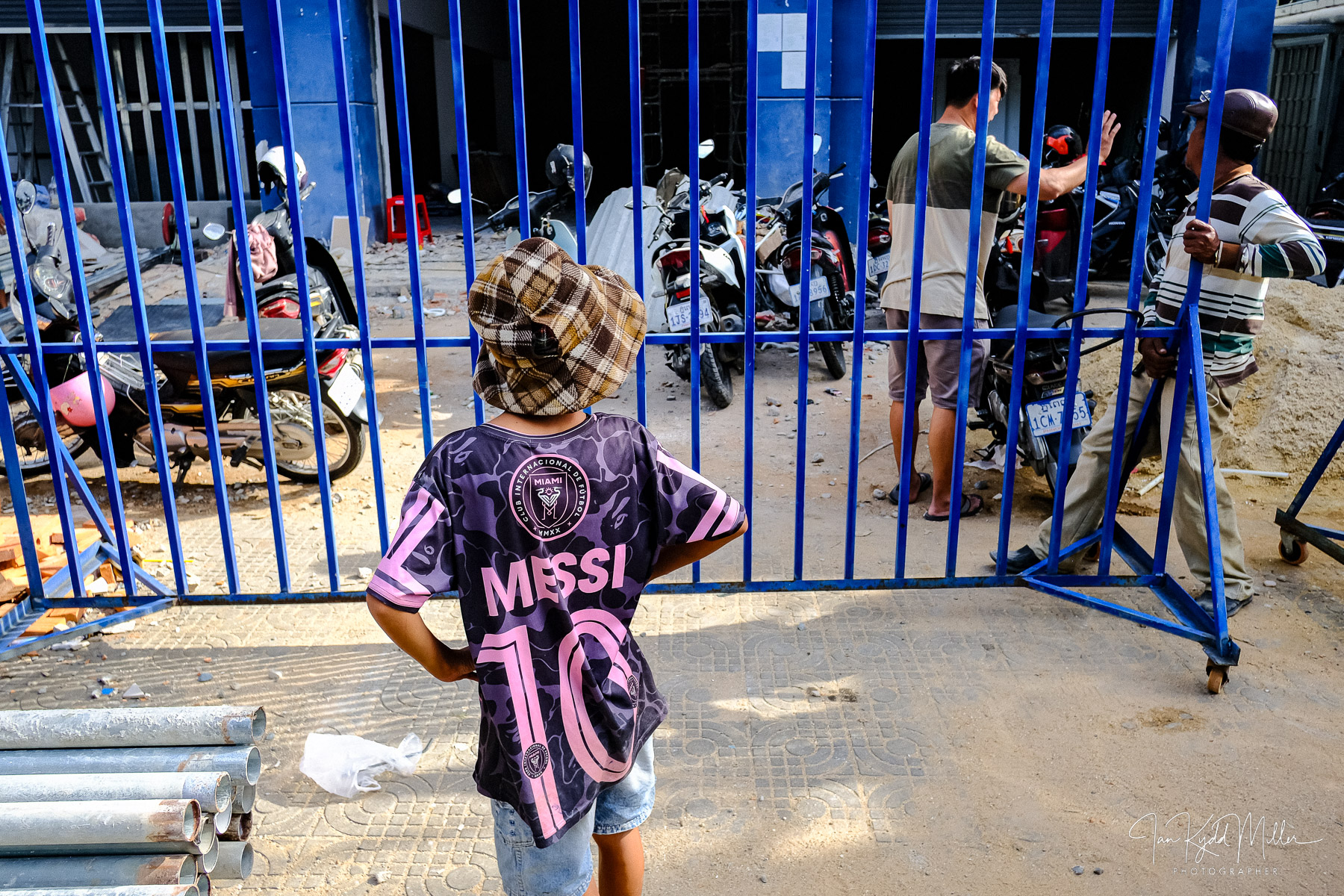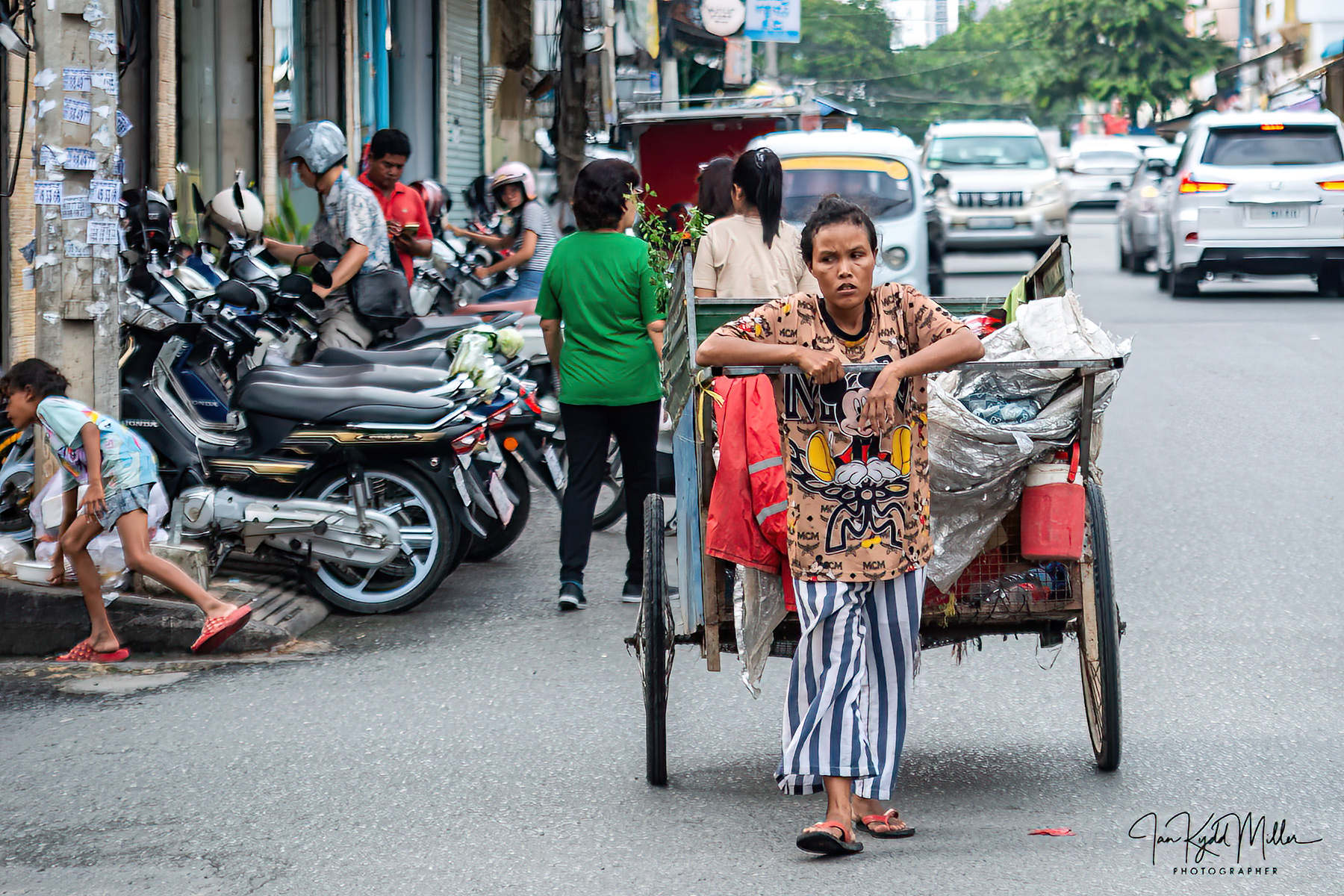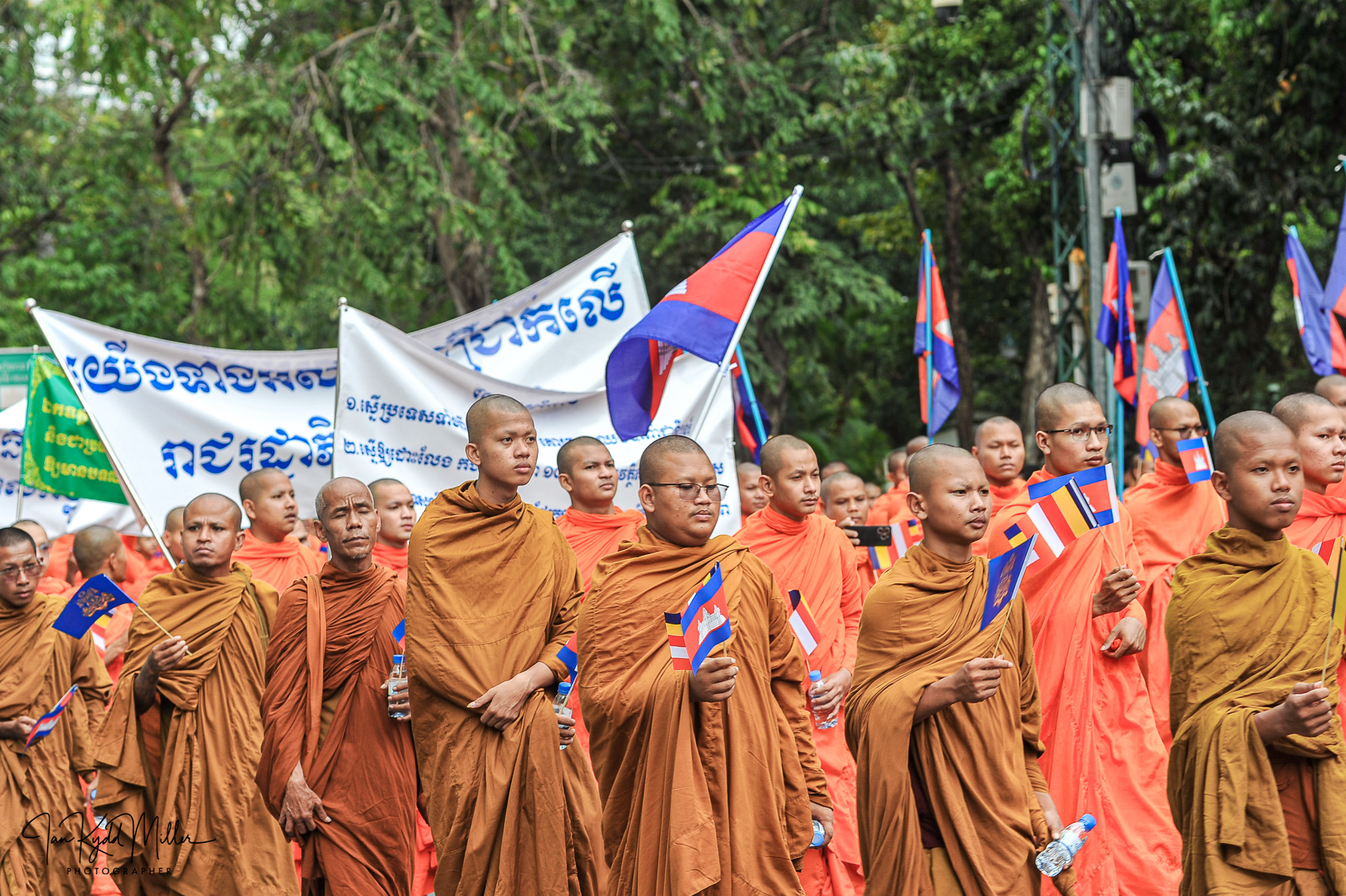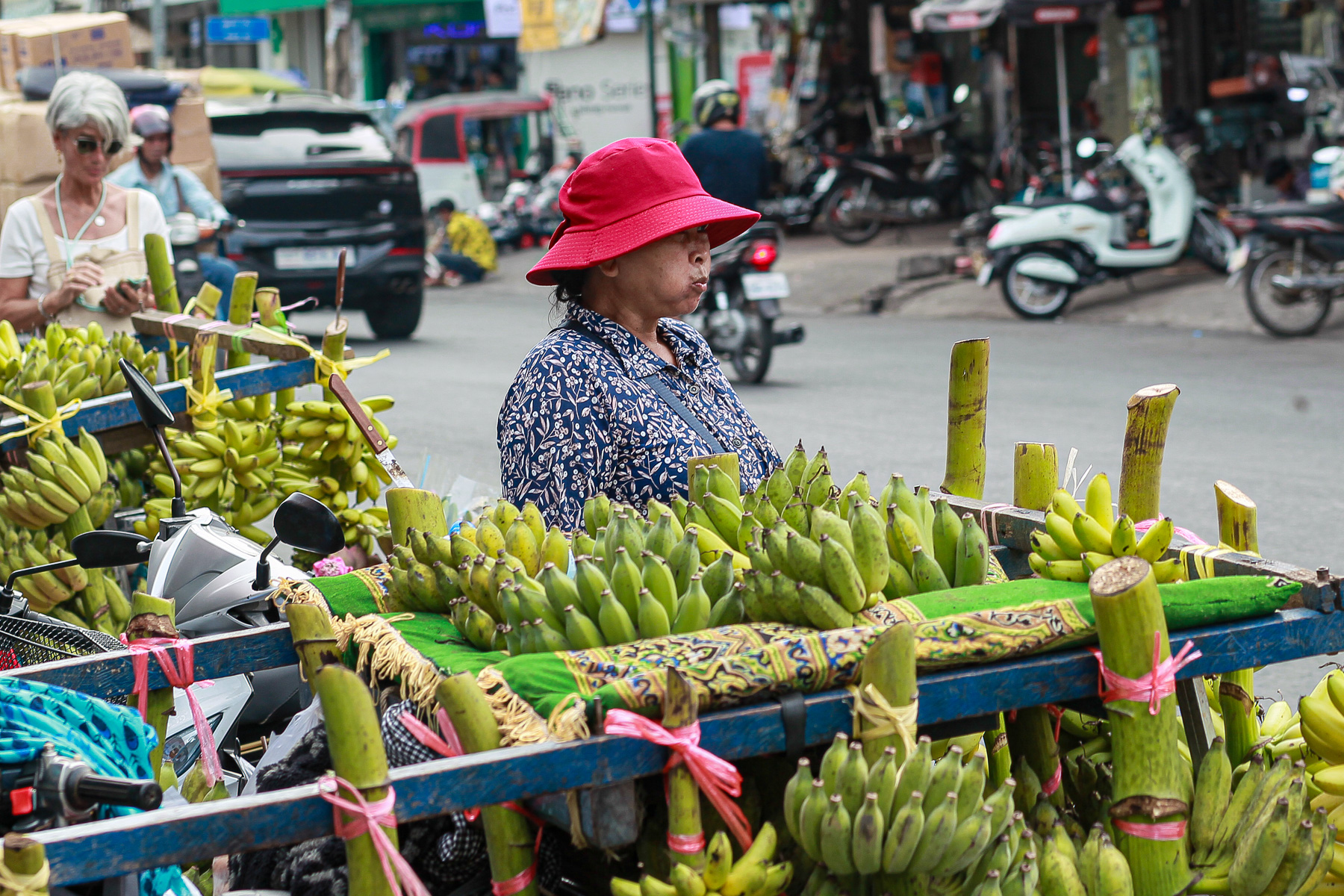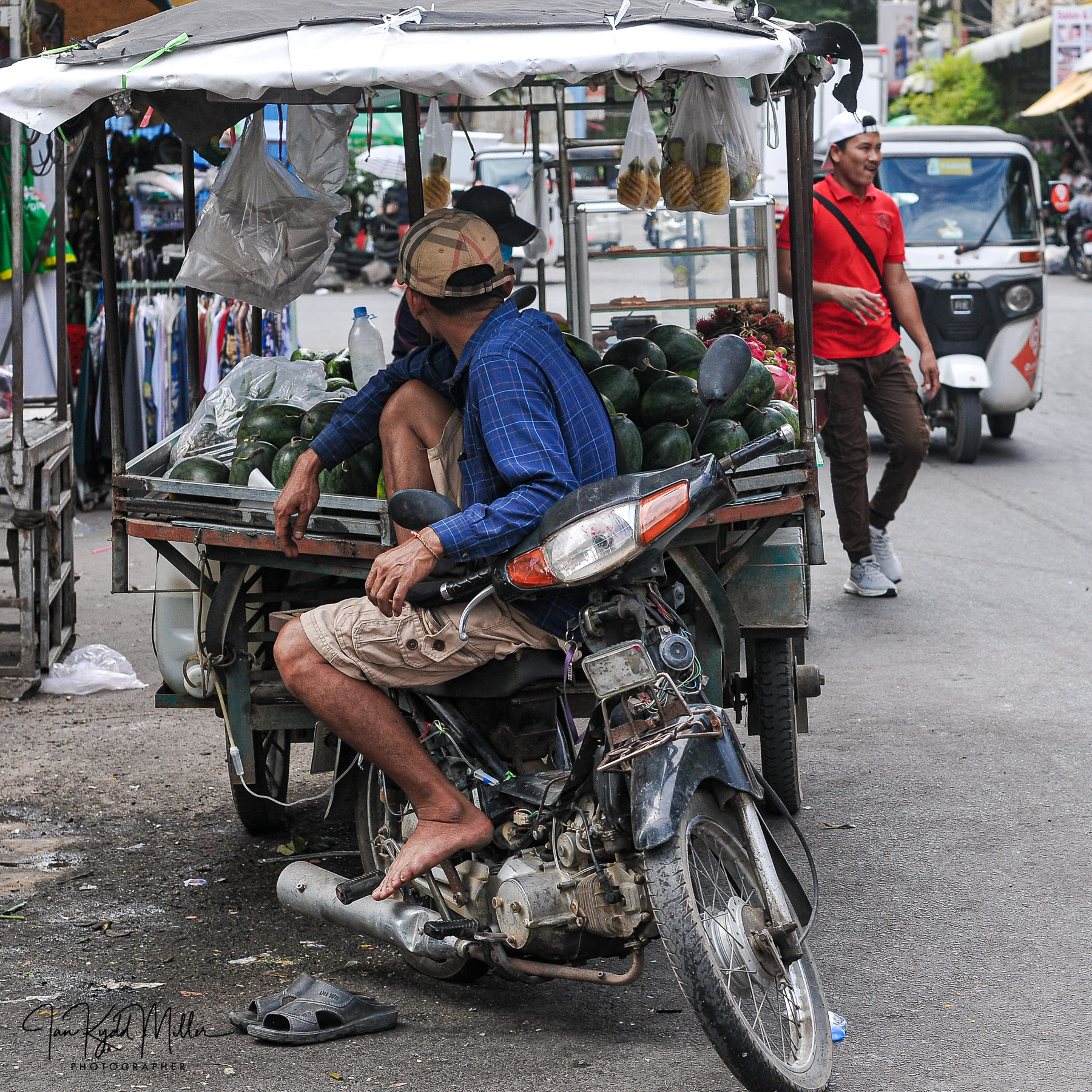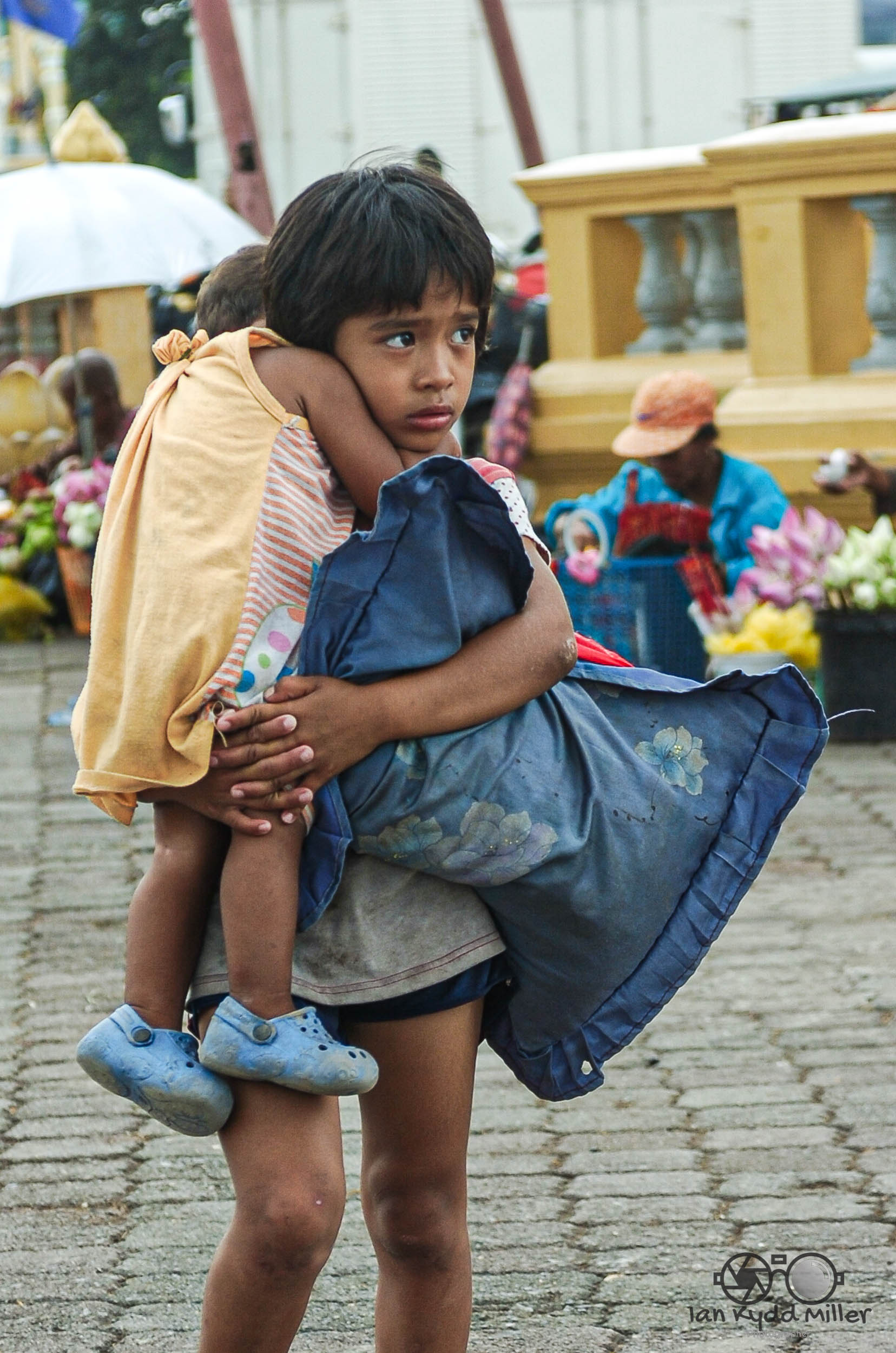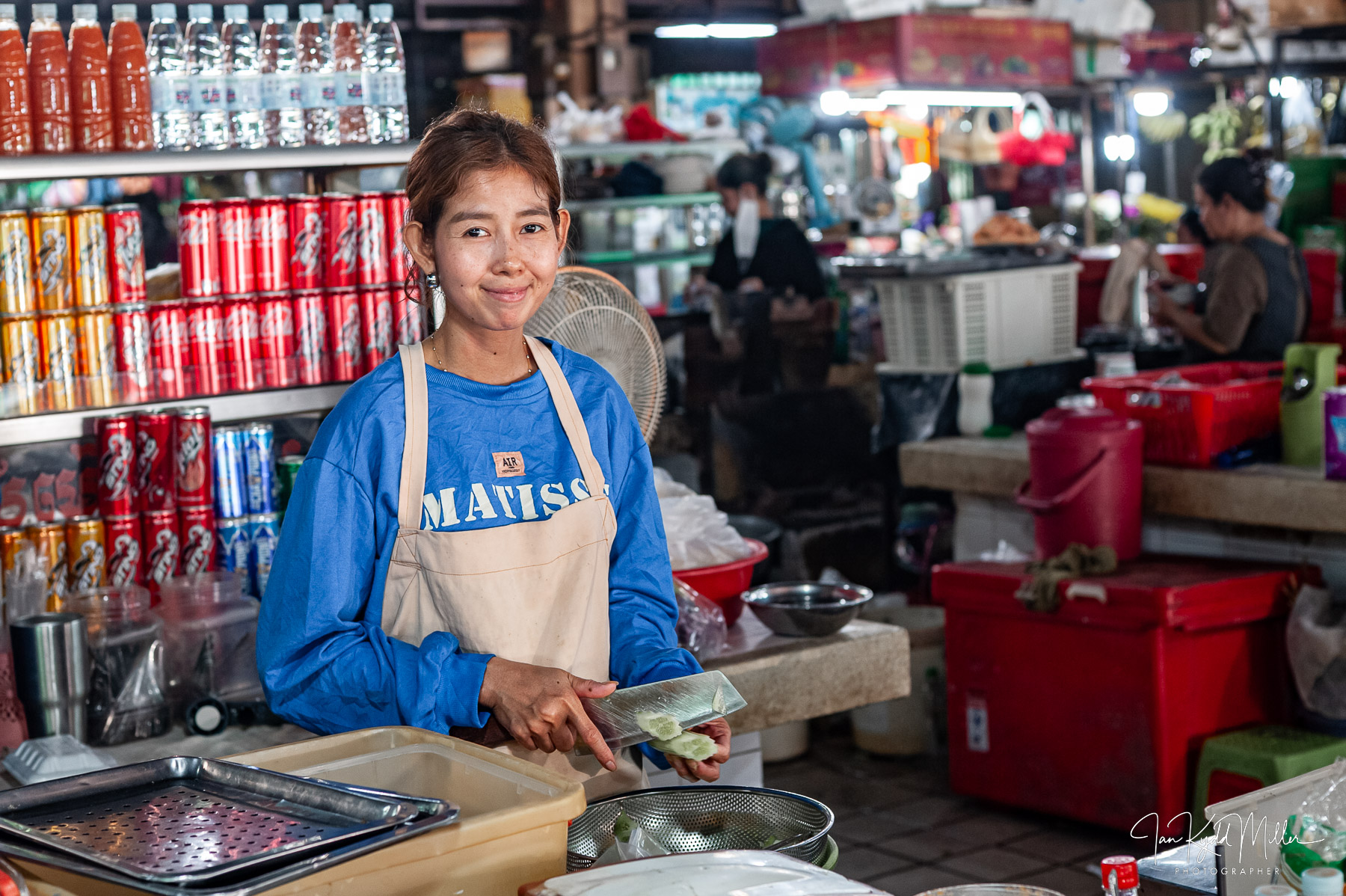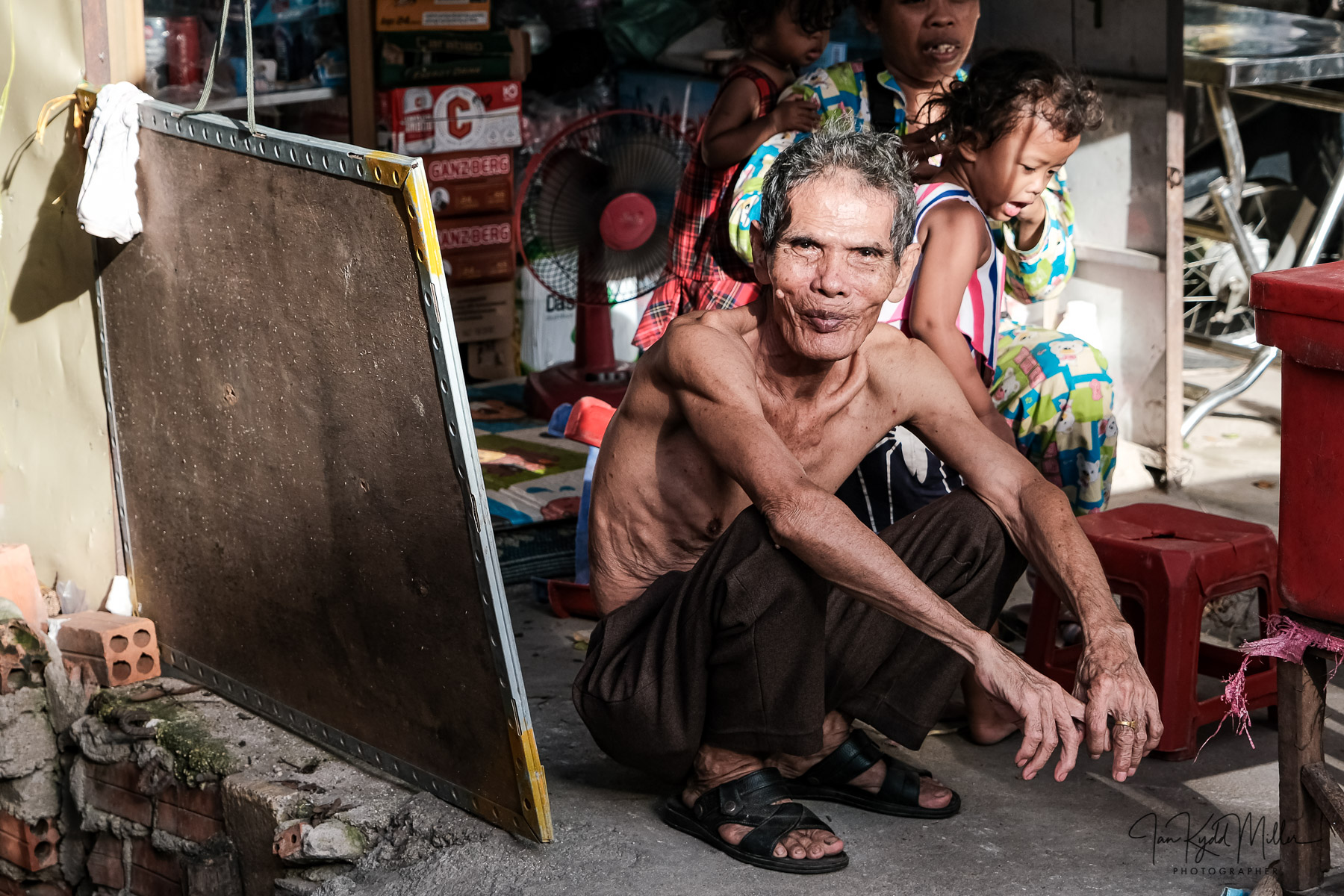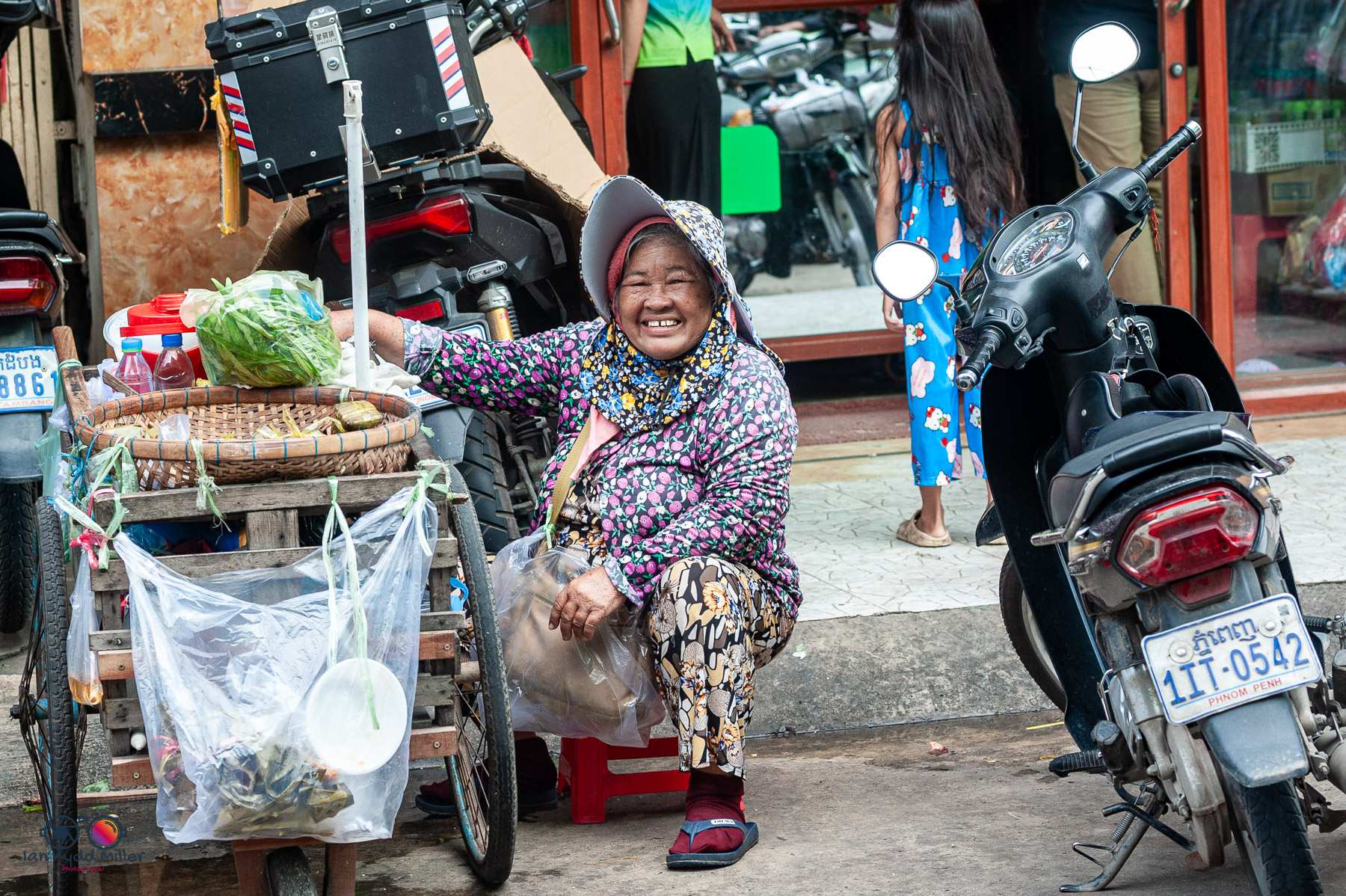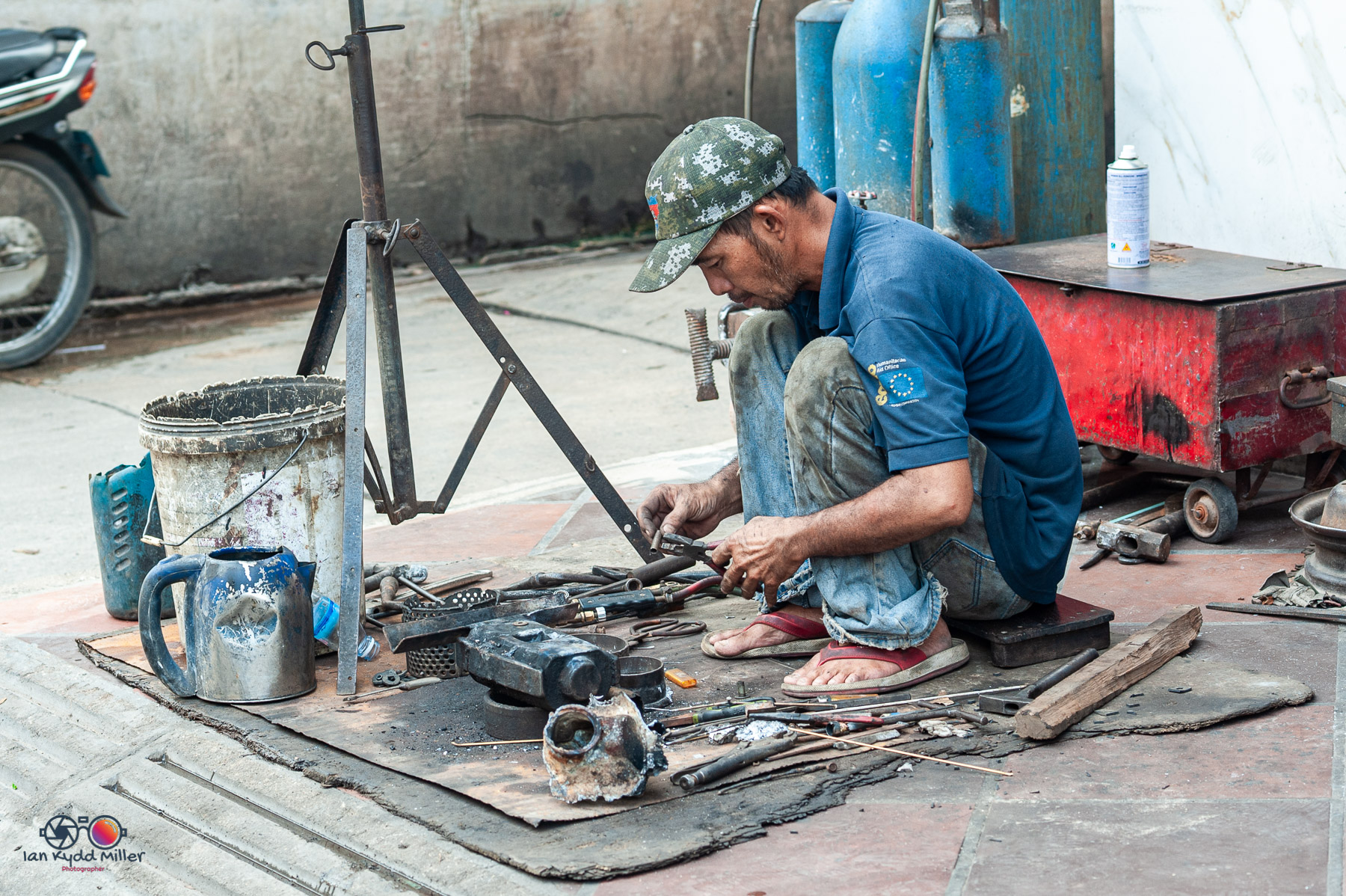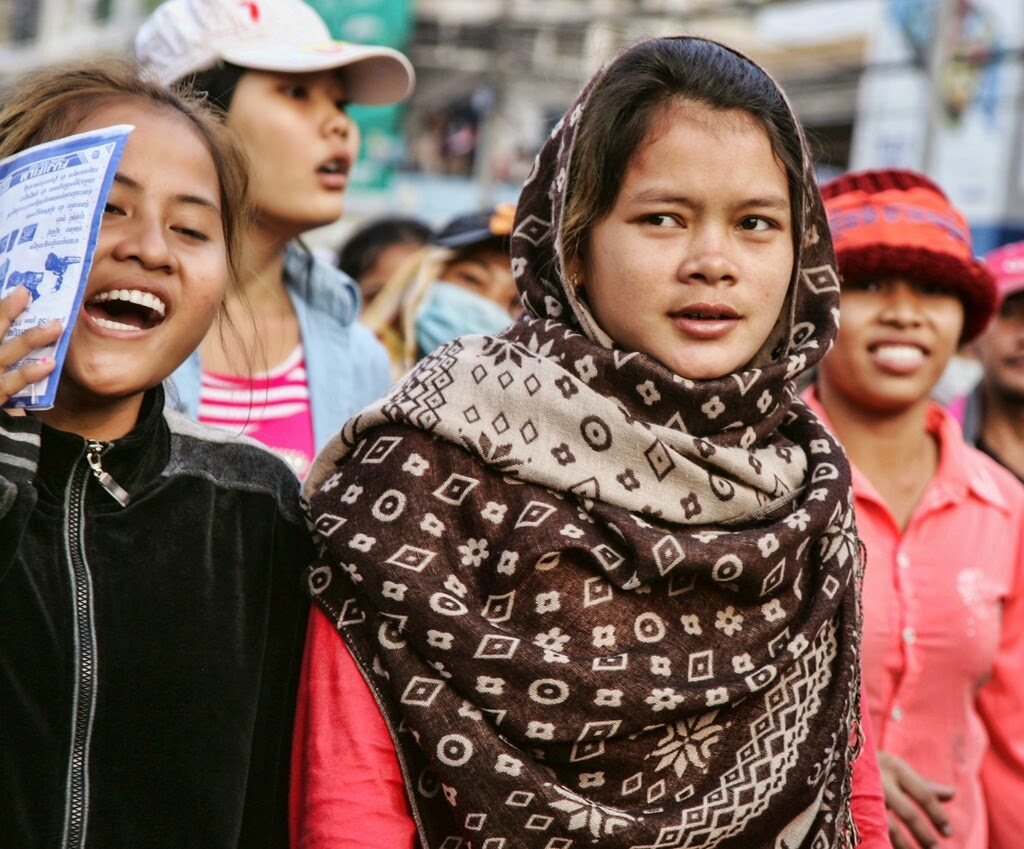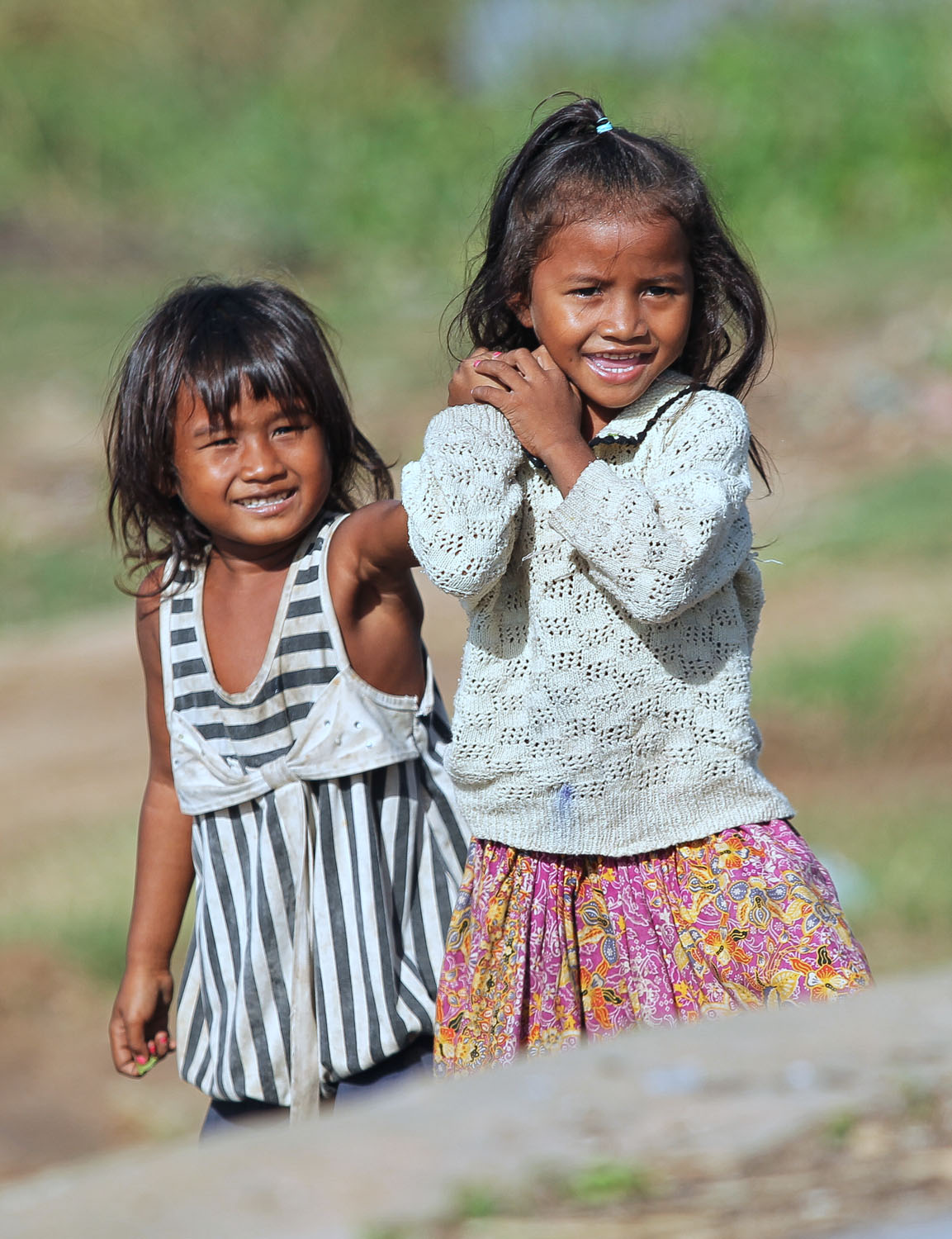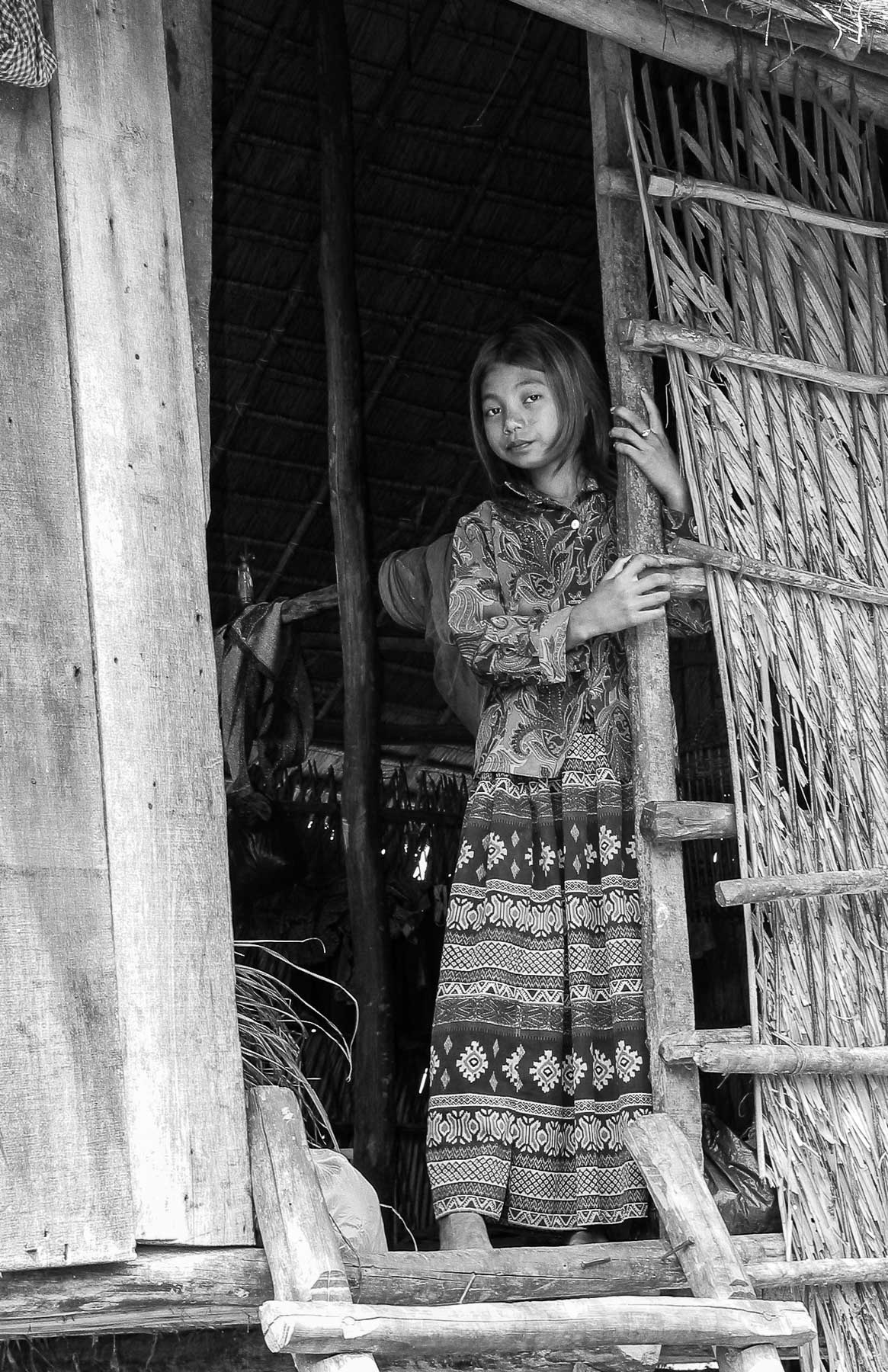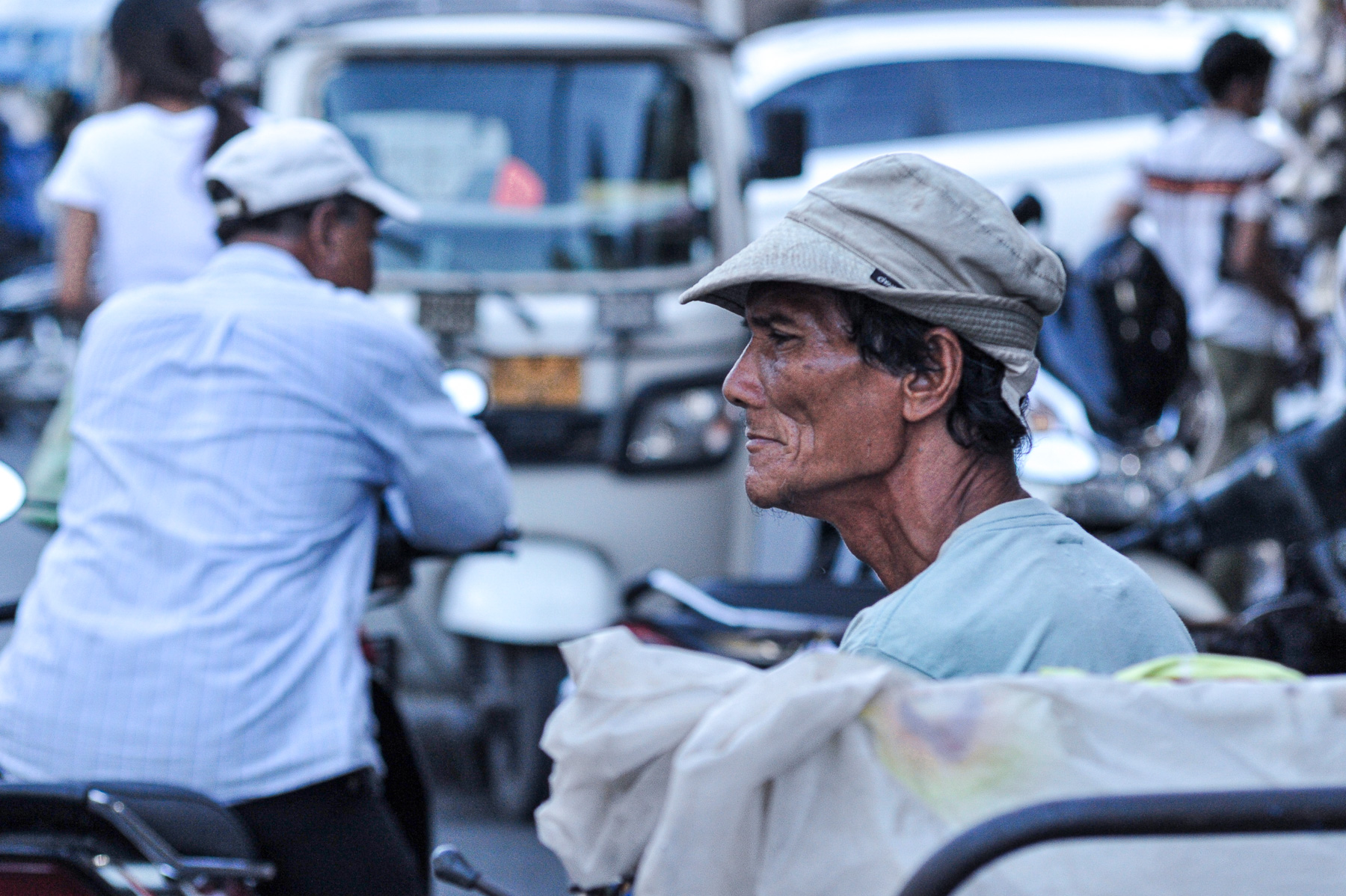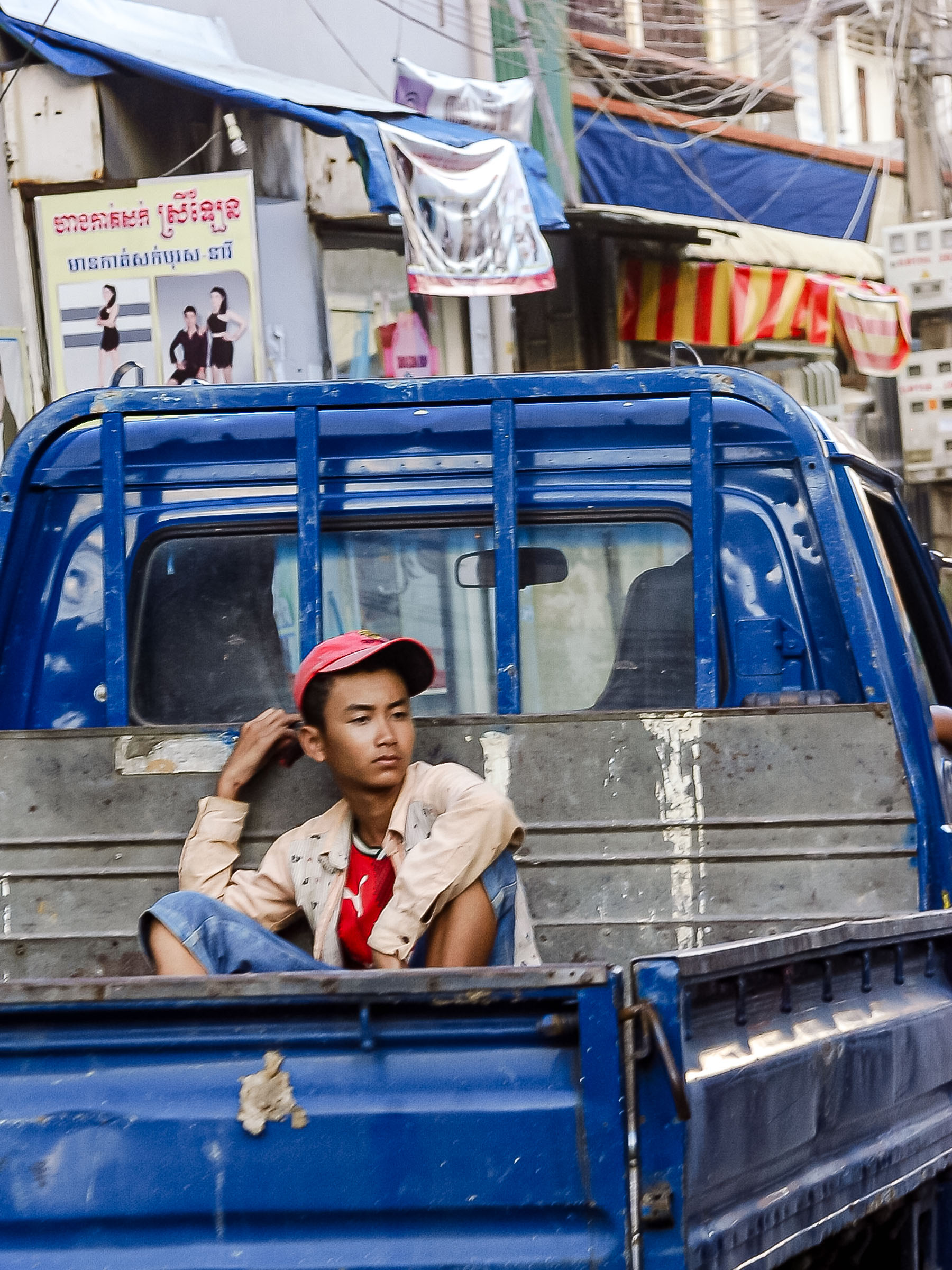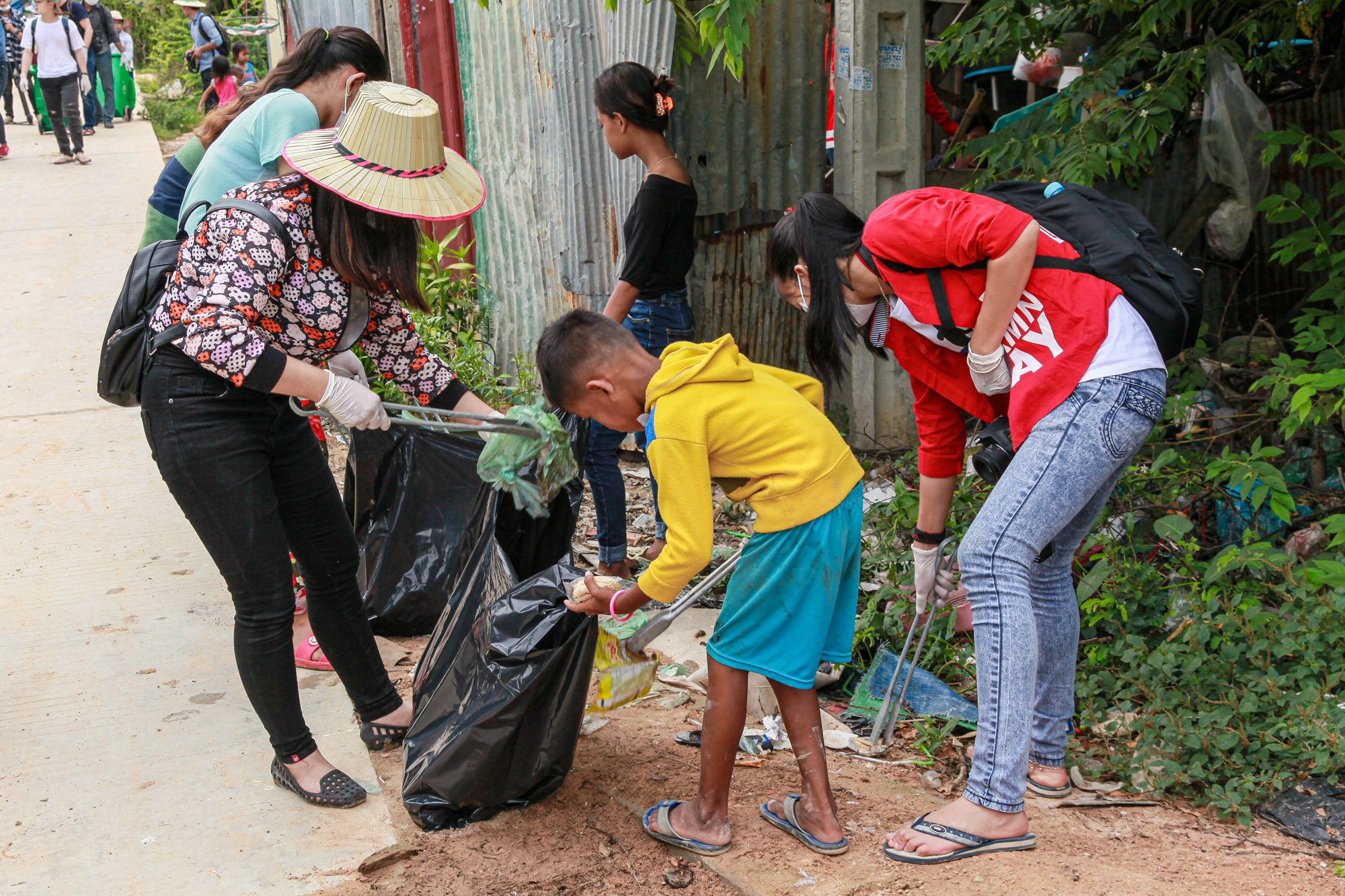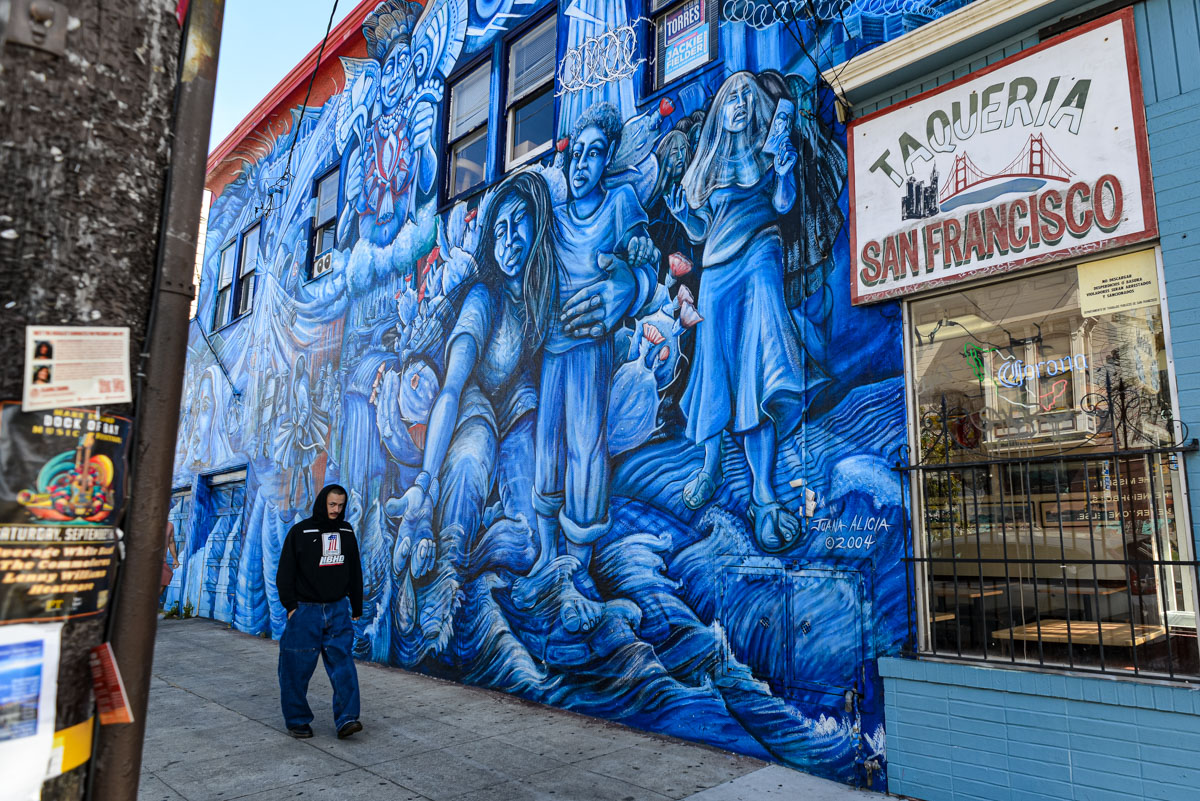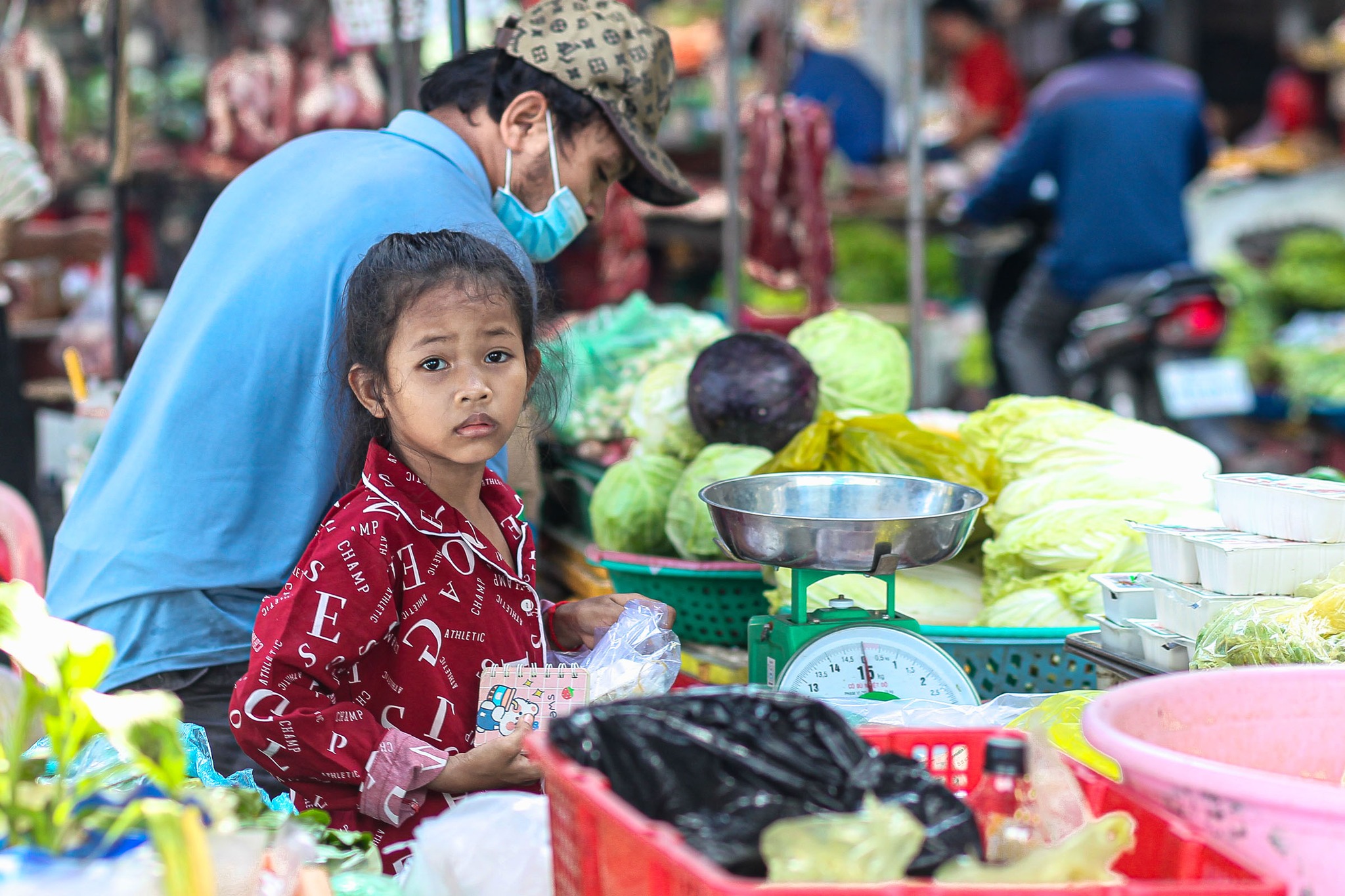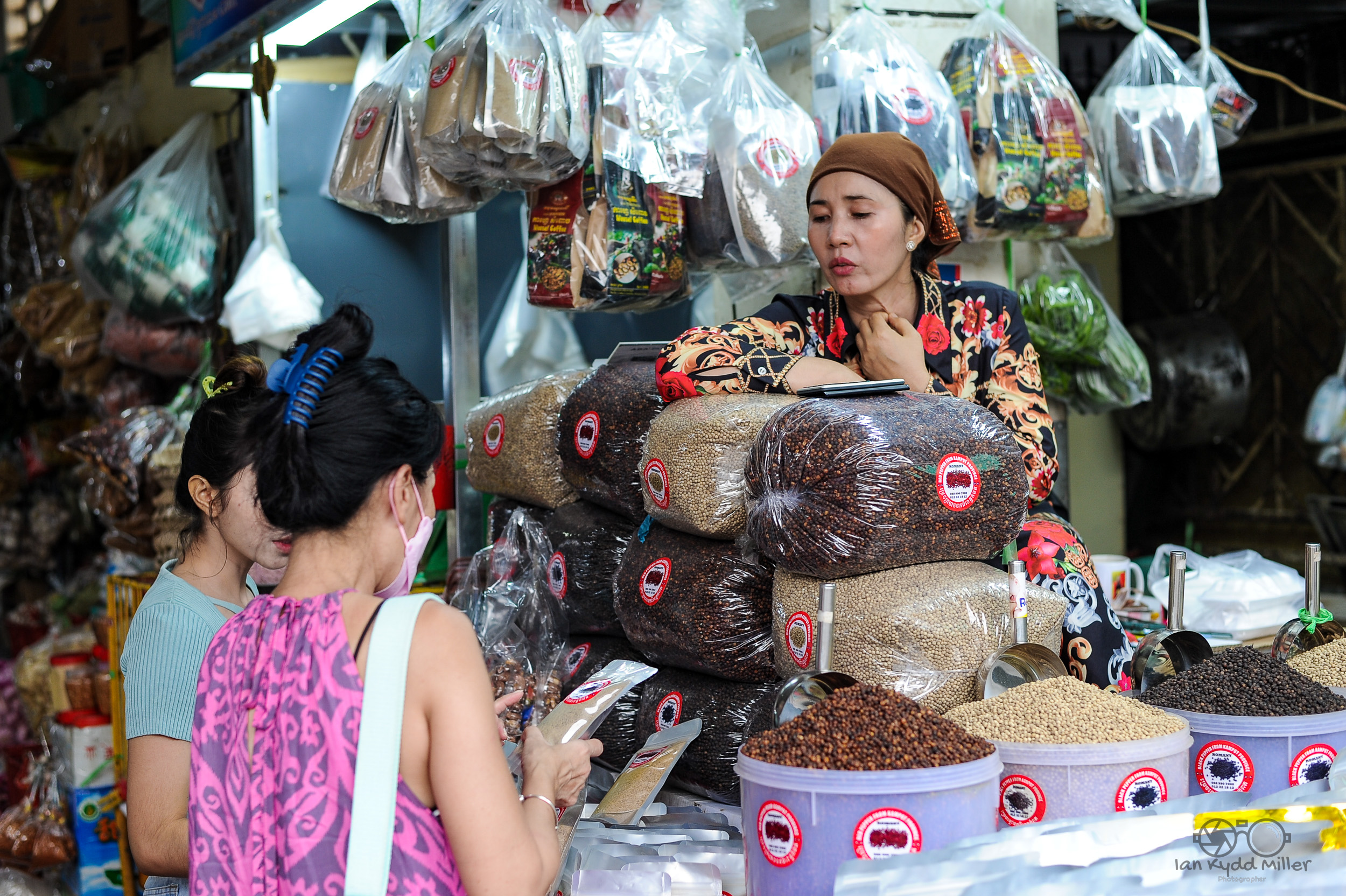
Street photography is a genre of photography that captures everyday life and human activity in public places. It often focuses on candid moments, spontaneous interactions, and the essence of urban environments. Here are some key aspects of street photography:
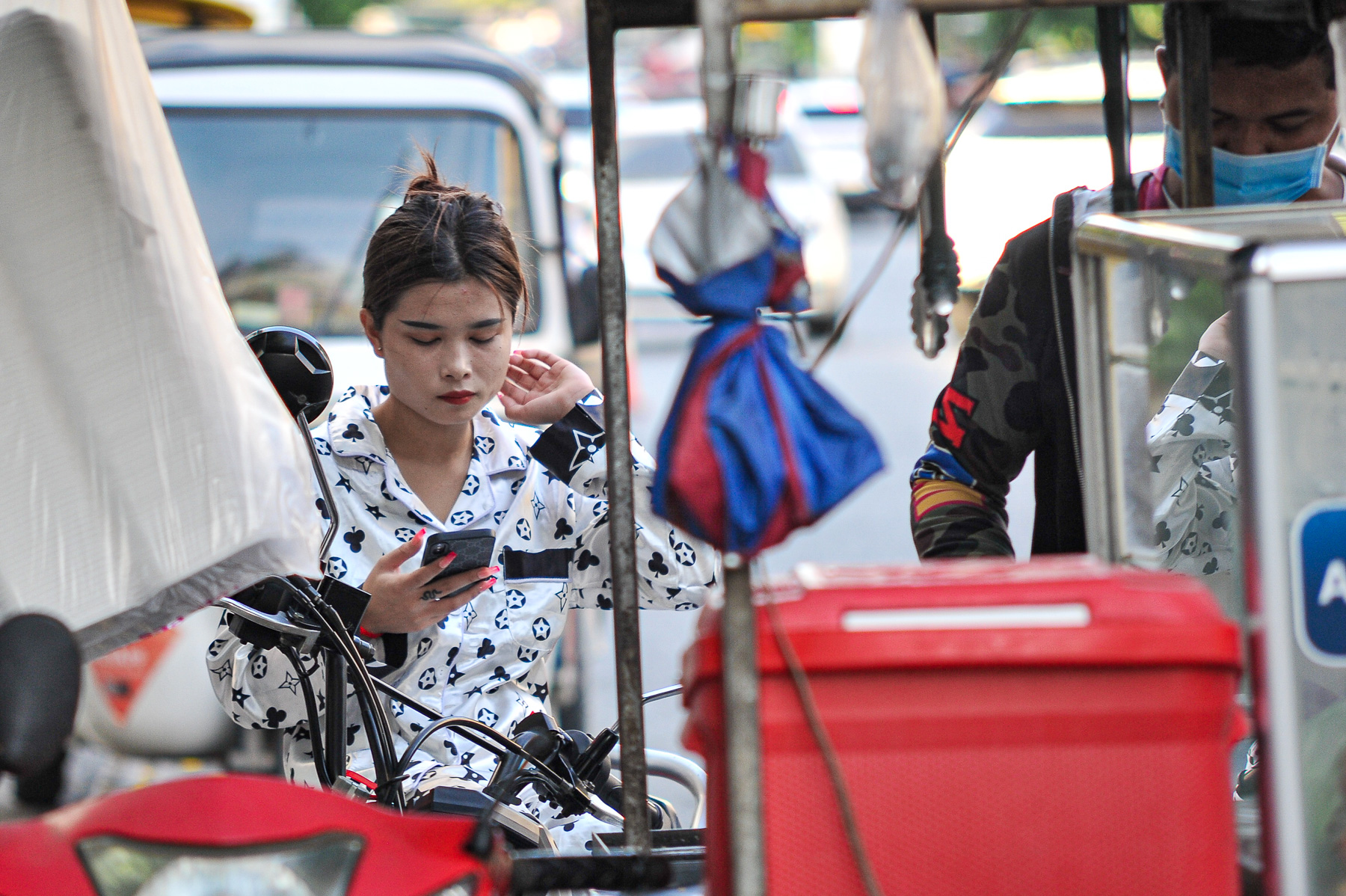
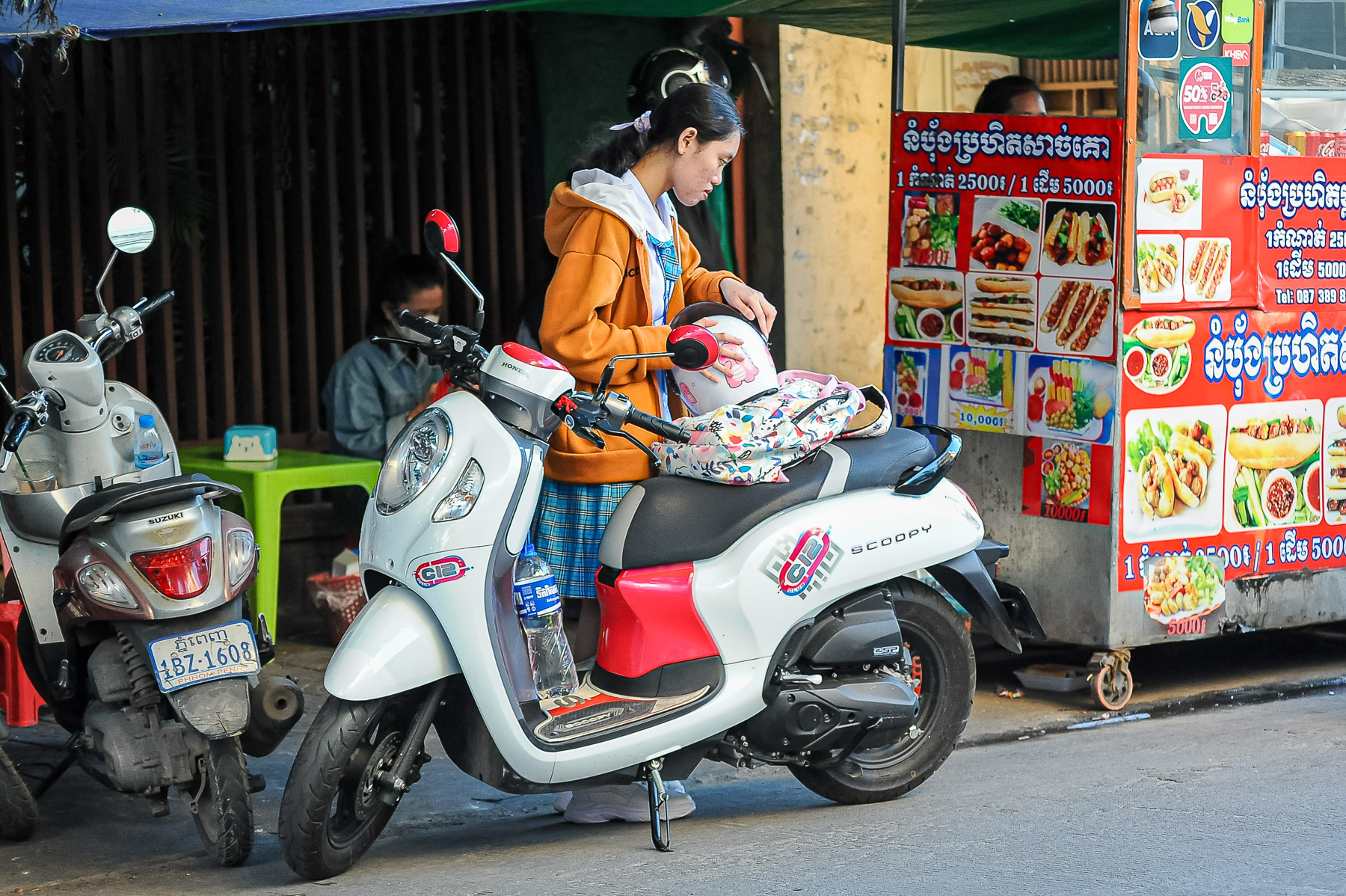
Candid Moments: Street photographers aim to capture unposed, natural moments that reflect the true essence of life in public spaces.
Urban Environments: This genre typically takes place in cities and towns, highlighting the architecture, streets, and the hustle and bustle of urban life.
Human Element: People are often the main subjects in street photography, showcasing their emotions, interactions, and daily routines.
Storytelling: Street photography tells stories through images, offering a glimpse into the lives of strangers and the dynamics of public spaces.
Spontaneity: The best street photographs are often those that capture unexpected or fleeting moments, requiring the photographer to be quick and observant.
Street photography can be a powerful way to document the world around us and share unique perspectives on everyday life. If you’re interested in exploring this genre, it’s all about being observant, patient, and respectful of your subjects.
Magnum Photos is a renowned international photographic cooperative founded in 1947 by legendary photographers, including Robert Capa, Henri Cartier-Bresson, David “Chim” Seymour, and George Rodger. The cooperative aims to give photographers the freedom to document the world as they see it without being constrained by the agendas of magazines and newspapers.
Key Highlights of Magnum Photos:
Historical Significance: Magnum Photos has documented many of the world’s major events and personalities since its inception, covering a wide range of subjects including society, politics, conflict, and culture.
Global Presence: The cooperative has offices in major cities like New York, Paris, London, and Tokyo, and its photographers work worldwide.
Photographer-Owned: Magnum is unique in that it is owned and run by its member photographers, who retain all copyrights to their work. This model allows for a high degree of creative freedom and independence.
Iconic Images: Magnum photographers have produced some of the most iconic images in the history of photography, capturing moments that have defined eras and movements.
Educational Initiatives: Magnum also offers workshops, on-demand courses, and other educational resources to help aspiring photographers learn from some of the best in the field.
Magnum Photos continues to be a significant force in the world of photography, known for its commitment to authentic visual storytelling and its ability to capture the human condition in all its complexity.
If you have any specific questions about Magnum Photos or its photographers, feel free to ask!
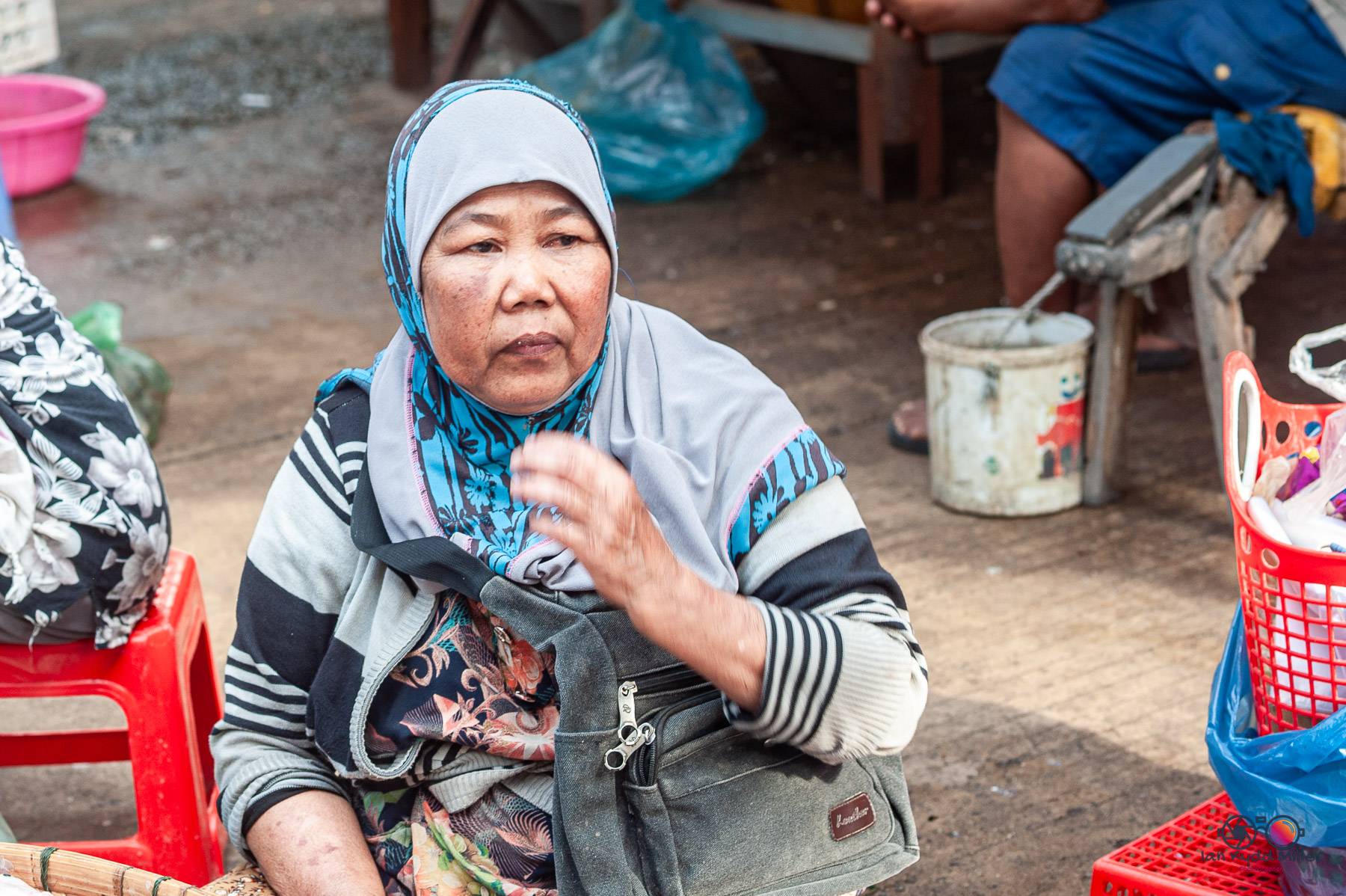
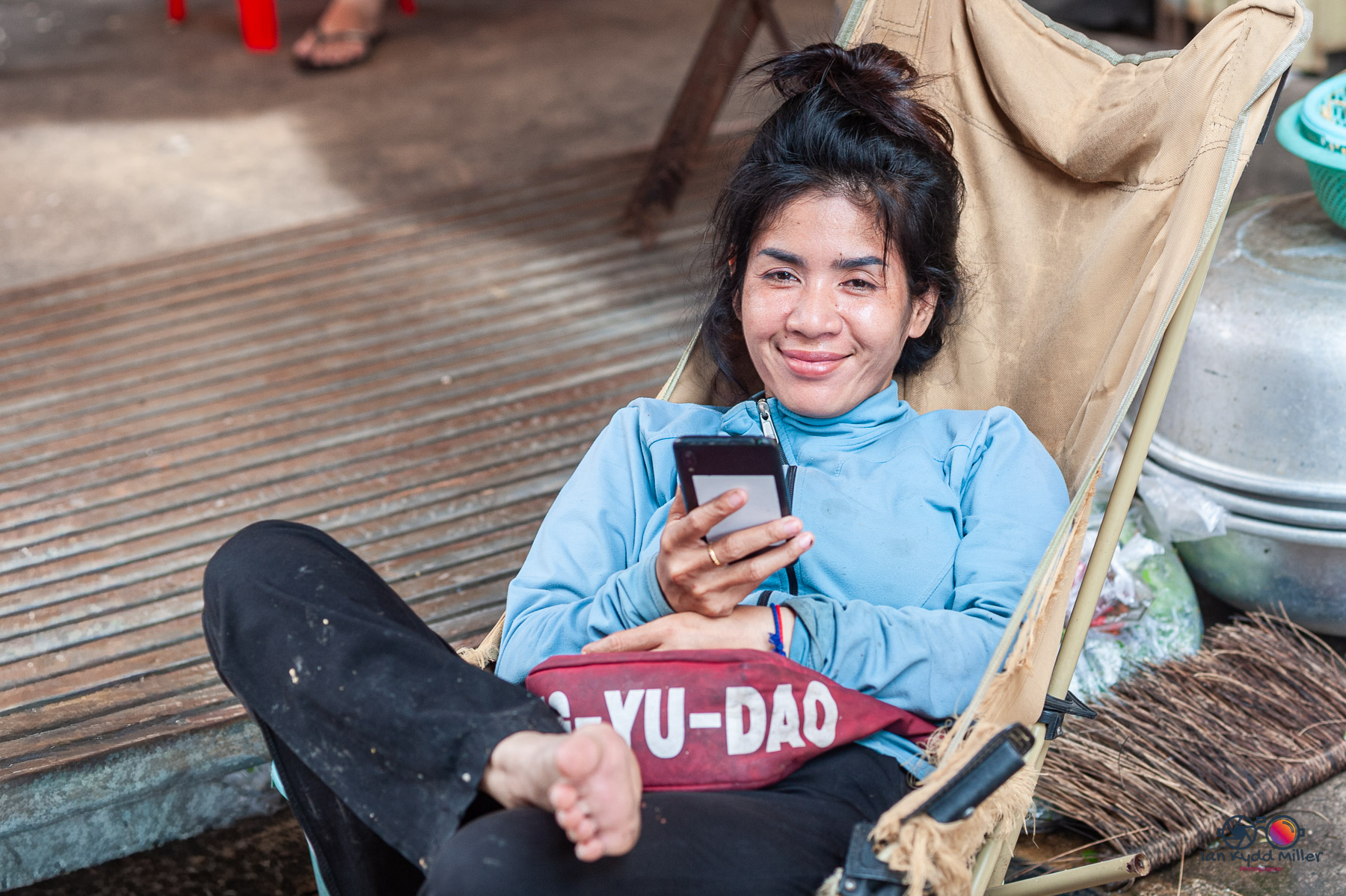
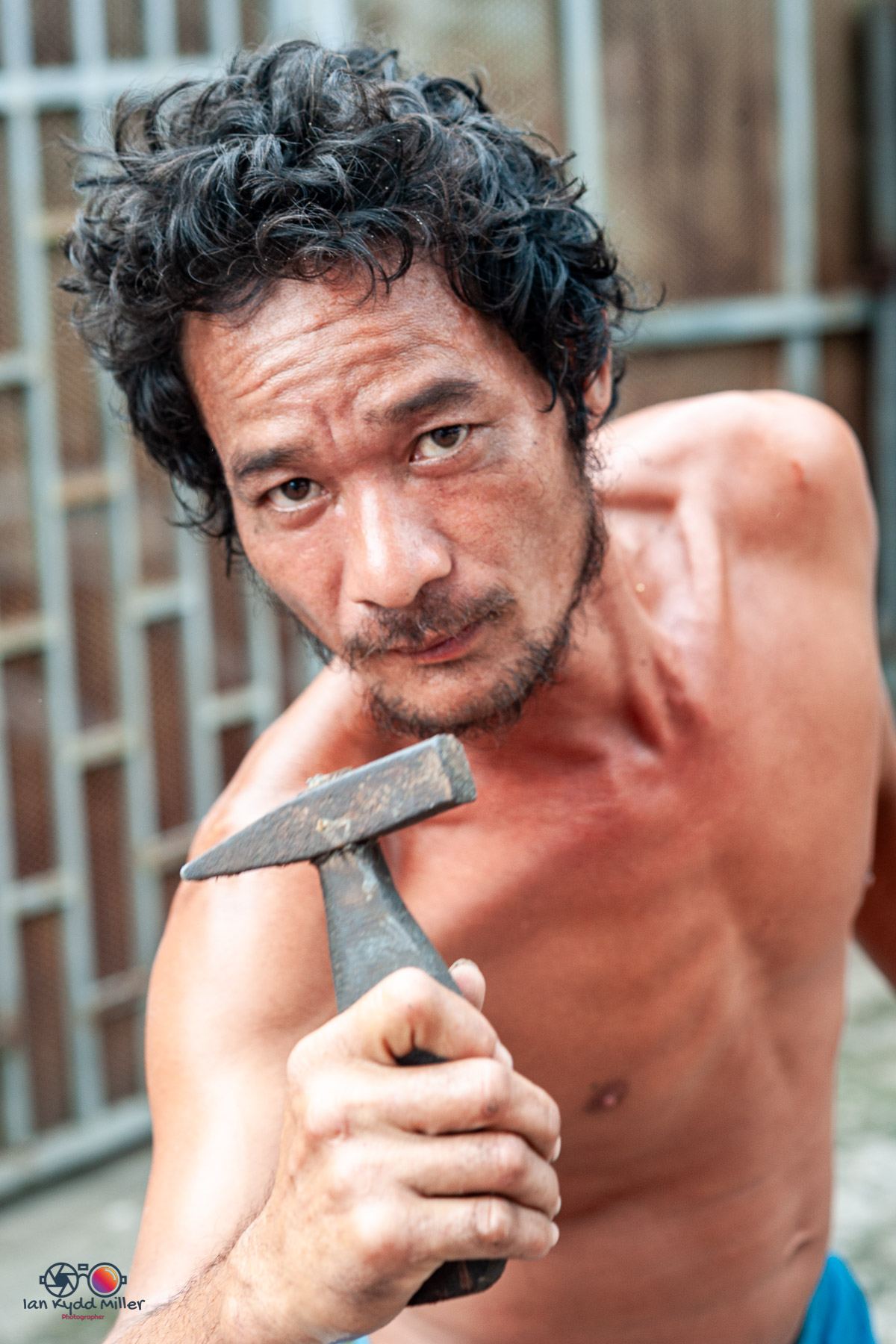
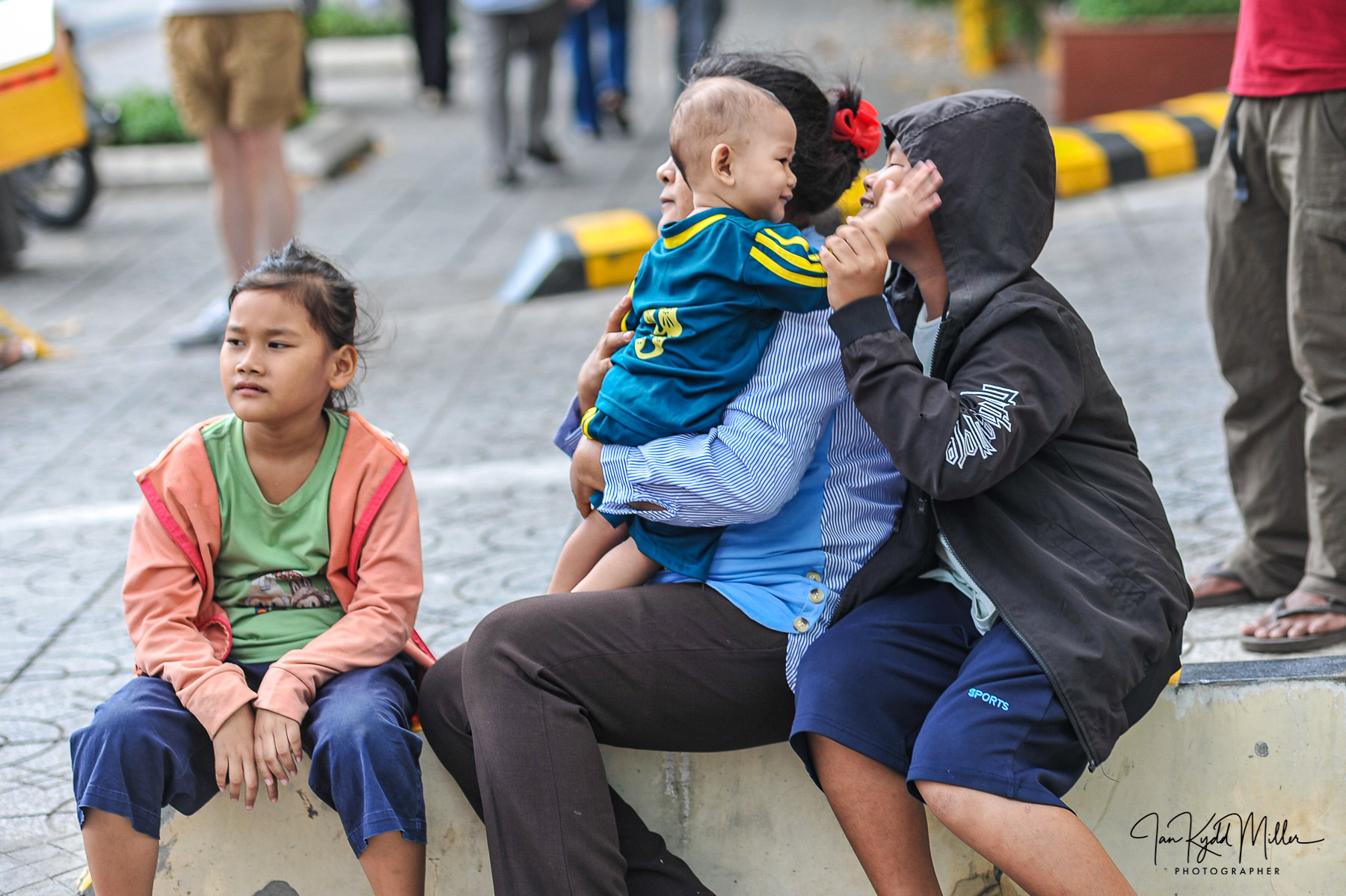
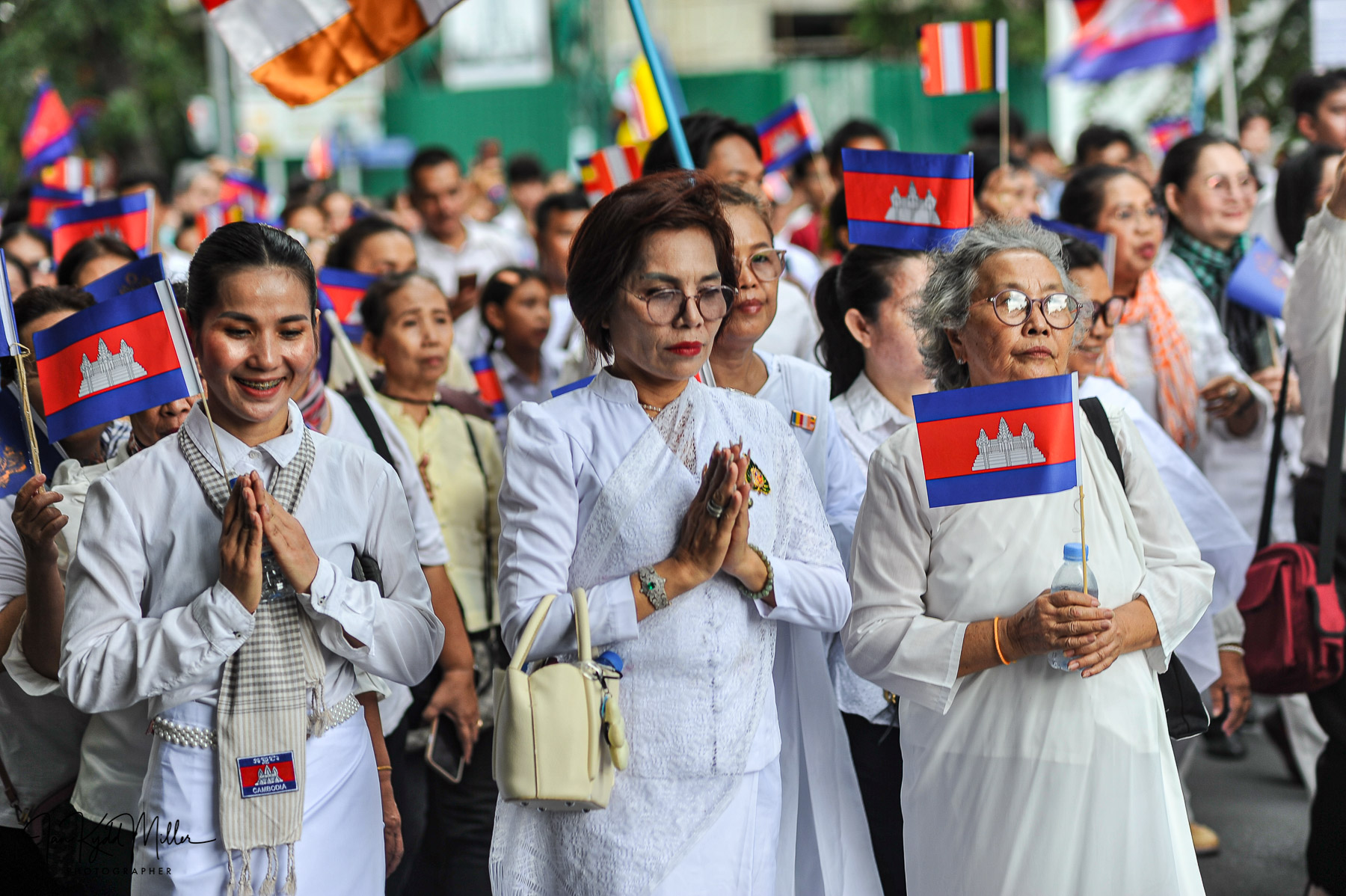
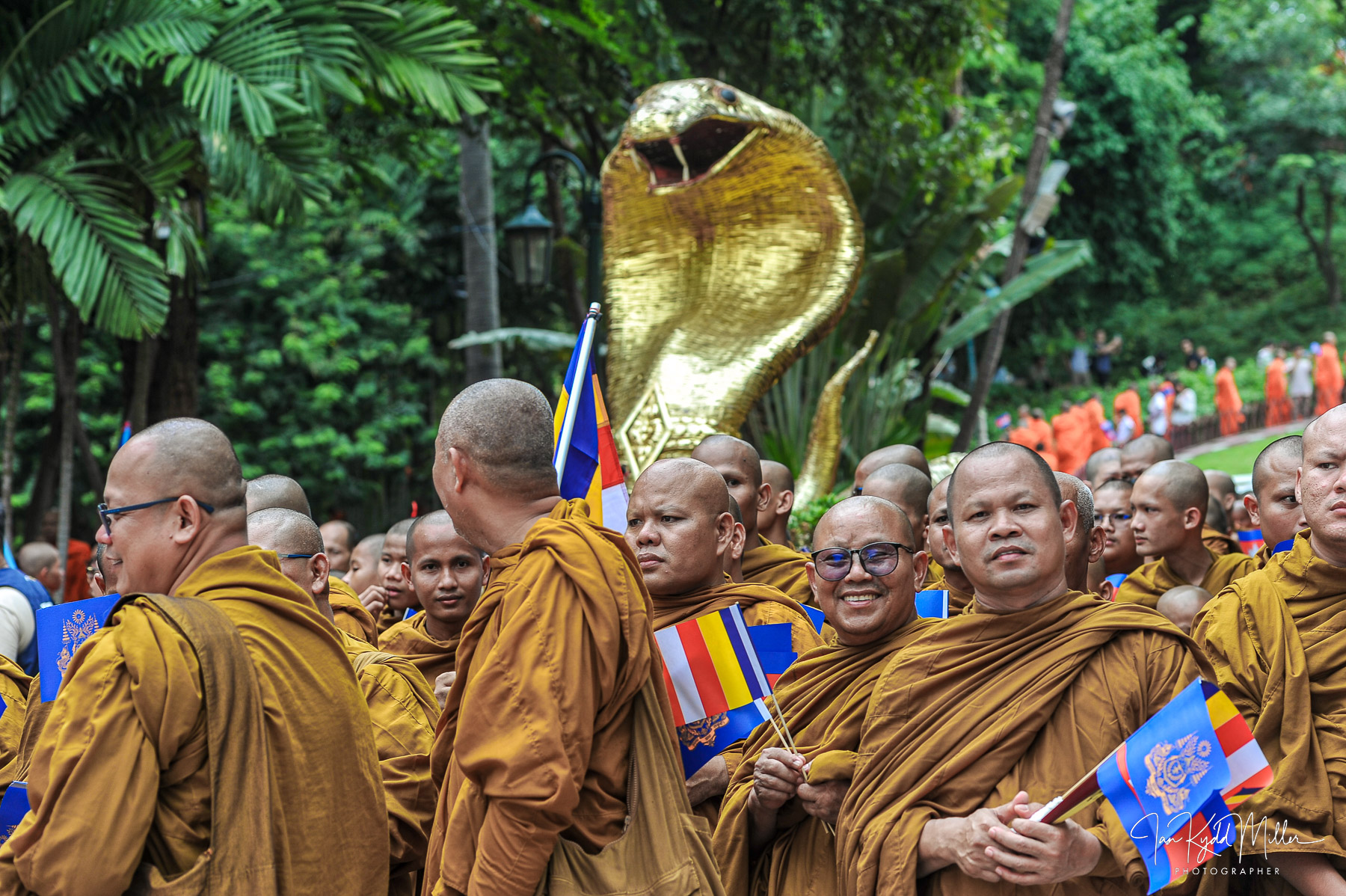
Photography in Cambodia offers a unique and accessible experience, often perceived as more relaxed compared to the stringent regulations one might encounter in many Western countries. The rich tapestry of Cambodiaโs landscapes, from the ancient ruins of Angkor Wat to the bustling streets of Phnom Penh, provides a plethora of opportunities for both amateur and professional photographers alike. Workshops and tours, such as those offered by Nathan Horton Photography, emphasize the importance of engaging with local people, which is a testament to the openness towards photographers in the country. This approach not only aids in capturing the essence of Cambodian life but also contributes to a deeper understanding and appreciation of its culture. In contrast, photographers in Western countries may need to navigate a complex web of laws that govern public and private spaces, copyright, and privacy, which can sometimes inhibit the spontaneity and candidness that street photography thrives on. The freedom to explore and document Cambodiaโs vibrant culture without the fear of legal repercussions encourages a creative exploration that is both enriching and liberating. This ease of access is further supported by the burgeoning community of Cambodian photographers who are telling their nationโs story through their lenses, contributing to a rich visual history that spans from the days of the French protectorate to the modern era. Their work is a celebration of Cambodiaโs identity, capturing moments of daily life, cultural events, and the natural beauty that surrounds them. Itโs a dynamic environment where the art of photography is not just tolerated but embraced, making Cambodia a haven for photographers.
Cambodia is a photographerโs paradise, brimming with awe-inspiring locations that are perfect for capturing stunning images. The ancient temples of Angkor Wat in Siem Reap, with their intricate carvings and grandeur, offer a timeless backdrop for photography. The temple complex is vast, and the play of light and shadow through the stone corridors provides endless opportunities for dynamic shots. For those seeking a blend of history and nature, the ruins of Ta Prohm, enveloped by the roots of giant banyan trees, create a mystical setting. The Bayon Temple, with its serene stone faces, and the reflective pools at Angkor Thom are also iconic spots that photographers flock to for their unique blend of architecture and natural beauty.
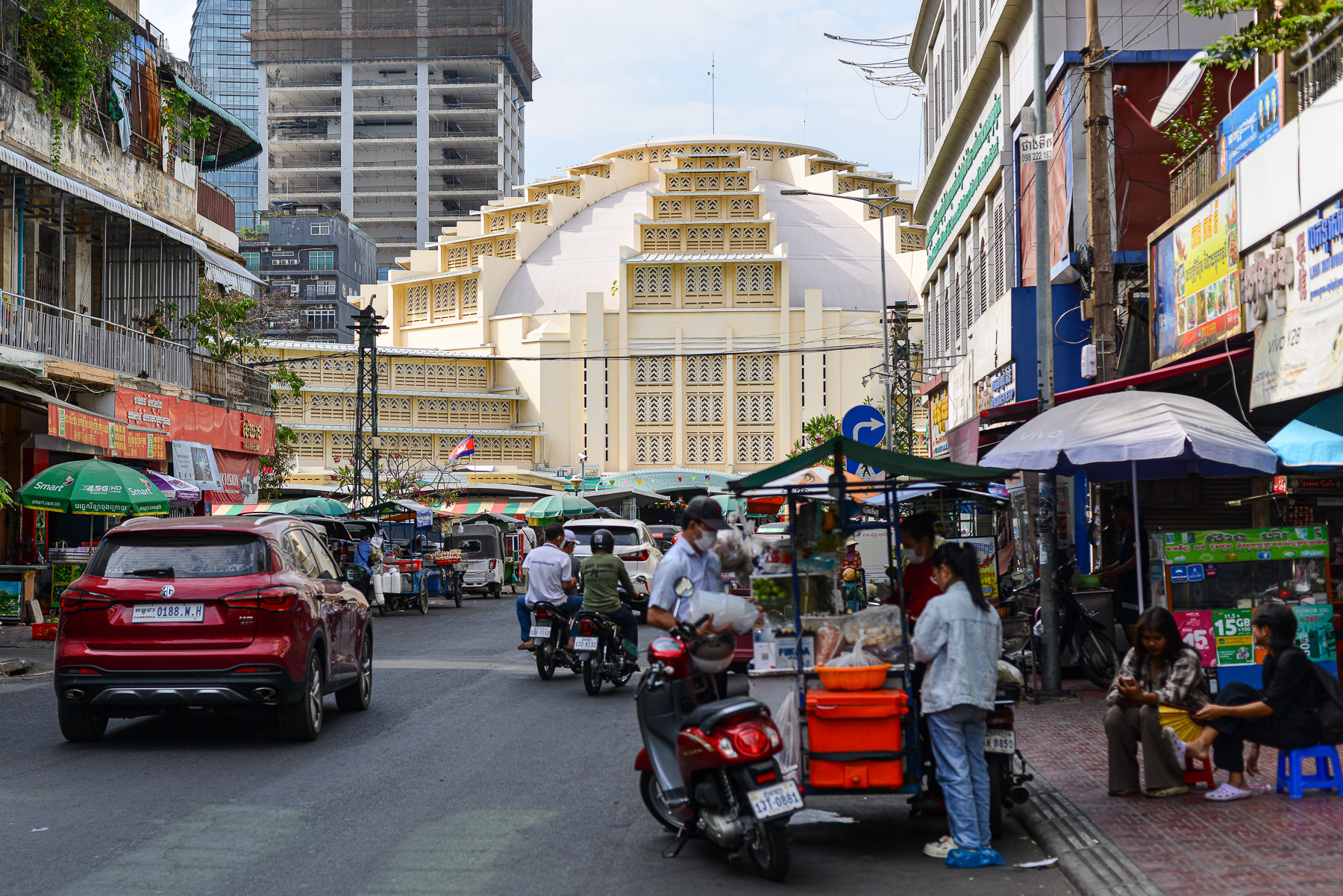
Phnom Penh, the capital city, is rich in history and culture, offering vibrant street scenes and colonial architecture. The Royal Palace, with its golden spires, and the National Museumโs traditional design are popular for their photogenic facades. The Independence Monument stands as a proud symbol of Cambodiaโs heritage and is especially beautiful when lit up at night. The bustling markets, such as the Russian Market and Central Market, are full of life and colour, ideal for capturing the essence of Cambodian daily life.
The floating villages on Tonle Sap Lake present a unique way of life, with communities built on stilts above the water. Photographers can capture the daily activities of the locals, the lively markets, and the serene sunsets over the lake. In the countryside, the rice paddies and sugar palm trees create a picturesque rural landscape, especially during the golden hours of sunrise and sunset.
For a touch of the coast, Kep Province offers tranquil beaches and the famous Crab Market, while the pine forests of Kirirom are a refreshing change from Cambodiaโs typical scenery. Mondulkiri Province provides a stark contrast with its rolling hills and elephant sanctuaries, offering a glimpse into the diverse ecosystems of Cambodia.
Each of these locations not only provides stunning visuals but also tells a story of Cambodiaโs past and present, making them not just photography spots but gateways to understanding and appreciating this fascinating country. Whether youโre a seasoned photographer or just starting, Cambodiaโs rich landscapes and cultural tapestry will surely inspire and captivate.
Embarking on a photography trip to Cambodia is an exciting venture that requires thoughtful preparation to ensure you capture the countryโs beauty and essence. Firstly, itโs crucial to ensure your passport is valid for at least six months beyond your planned return date, as entry into Cambodia requires this. Next, consult with a travel health clinic to arrange any recommended inoculations well in advance of your trip. Itโs also wise to purchase travel insurance with comprehensive health coverage to protect against any unforeseen circumstances.
When it comes to gear, a versatile camera setup is key. Consider a range of lenses to capture the diverse landscapes and architectural wonders, from wide-angle lenses for the grandeur of Angkor Wat to a telephoto lens for candid street portraits. A lightweight tripod can be invaluable for early morning and late evening shoots, especially for those breathtaking sunrises and sunsets. Donโt forget extra batteries and memory cards, as youโll likely be taking more photos than you anticipate.
Research is your ally; familiarize yourself with the locations you wish to visit. Understanding the cultural significance and the best times for lighting will help in planning your itinerary. For instance, Angkor Wat is renowned for its stunning sunrise, so youโll want to be in position well before dawn breaks. Similarly, the floating villages on Tonle Sap Lake are most lively in the early hours, offering a glimpse into the daily lives of the locals.
Cultural sensitivity is paramount. Engaging with local people respectfully and seeking permission before taking photos is not only courteous but often leads to more meaningful interactions and photographs. Learning a few phrases in Khmer, such as greetings and how to ask for permission, can go a long way in building rapport with your subjects.
Packing for the climate is also essential. Cambodia can be hot and humid, so breathable, lightweight clothing is advisable. Rain gear is a must during the rainy season, and sturdy, comfortable footwear will serve you well on the uneven terrain of temple ruins and rural areas.
Lastly, consider your storage and backup solutions. Portable hard drives or cloud storage can safeguard your precious photos. And remember, while capturing the sights through your lens, take time to immerse yourself in the moment and enjoy the rich experiences that Cambodia offers. With these preparations in place, youโre set for a photographic journey that will yield not just images but memories to last a lifetime.
Travelling in Cambodia is an enriching experience, and staying safe is paramount to ensure a memorable journey. Itโs widely regarded as a friendly destination, but like any travel adventure, itโs wise to take precautions. General health should be a priority; consult with healthcare providers for necessary vaccinations and consider carrying a basic medical kit for minor ailments. The availability of medical facilities varies, with limited options in rural areas, so itโs best to be prepared.
When it comes to personal safety, common sense is your best defence. Stay in well-lit, populated areas, especially at night, and be cautious when venturing into less familiar territories. Trust your instincts โ if an area feels unsafe, itโs advisable to leave. Petty crimes like pickpocketing can occur, particularly in tourist areas, so keep your belongings secure and maintain awareness of your surroundings.
Using hotel safes for valuables and carrying only what you need for the day can minimize risks. When exploring, itโs recommended to dress inconspicuously to blend in and avoid drawing attention. If youโre out at night, consider having a companion, and always keep a clear head โ avoiding excessive alcohol consumption can help you stay alert and make sound decisions.
Transportation safety is also crucial. Stick to reputable taxi companies or arrange transportation through your accommodation. When using tuk-tuks or motorbike taxis, agree on the fare beforehand to avoid misunderstandings. For longer journeys, opt for well-known bus companies that prioritize safety.
In terms of belongings, itโs advisable to carry bags on the side furthest from the road to deter snatch-and-grab thefts, and never leave items unattended. A personal alarm can be a useful tool for drawing attention in uncomfortable situations. Additionally, using an unlocked mobile phone with a local SIM card can keep you connected without incurring high roaming charges.
Understanding local customs and laws is essential. Respect cultural norms, dress appropriately when visiting temples, and always ask for permission before taking photos of people. Being culturally sensitive not only ensures a respectful interaction but can also enhance your travel experience.
Lastly, staying informed about the current political and social climate is important. Check travel advisories from your government before and during your trip for any updates on safety concerns. With these tips in mind, you can navigate Cambodiaโs stunning landscapes and rich culture with confidence and peace of mind. Enjoy the journey and the many photographic opportunities that await you in this captivating country.
Photography is an art form that freezes a moment in time, a visual narrative that tells stories without the need for words. Henri Cartier-Bresson, a master of candid photography, beautifully encapsulated the essence of this art in his quote about the creative fraction of a second. It’s that split second where everything aligns within the viewfinderโthe light, the subject, and the surroundingsโcreating a harmonious composition that speaks volumes.
The “Decisive Moment,” as Cartier-Bresson termed it, is the core of what makes photography such a thrilling pursuit. It’s about anticipation and intuition, knowing when to release the shutter and capture a scene that will never quite occur in the same way again. This moment is ephemeral, often a serendipitous intersection of chance and skill that yields a photograph capable of evoking emotion, provoking thought, or simply capturing beauty.
In the world of photography, every fraction of a second counts. The blink of an eye, the flutter of a bird’s wings, or the fleeting smile of a strangerโthese are the moments photographers live for. They roam the streets, wander through fields, and explore the urban jungle with cameras, always looking for that perfect shot. They understand that life is a series of such moments, and their camera is the tool that allows them to share their unique vision with the world.
The creative process in photography is not just about the technical aspects, such as aperture, shutter speed, or ISO. It’s about seeing the potential for a great picture in the mundane, finding the extraordinary in the ordinary, and telling a story through a single image. It’s about the photographer’s ability to connect with their surroundings and their subject, to be present in the moment, and to have the agility and acuity to capture it.
Photographers are, in many ways, historians of the everyday. They document the world as it is, preserving moments that may seem inconsequential at the time but often gain significance as the years pass. Their lenses show us different perspectives, new angles, and fresh takes on familiar scenes. They challenge our perceptions and encourage us to see the world through their eyes.
The beauty of photography lies in its diversity. From the grandeur of a landscape to the intimacy of a portrait, from the vibrancy of a cityscape to the tranquillity of nature, photography encompasses all facets of life. It is a universal language that transcends barriers and connects people across cultures and geographies.
For those who are drawn to photography, it is more than a hobby or a professionโit is a passion. It is a way of life that encourages mindfulness, creativity, and an unquenchable thirst for capturing the essence of the human experience. As Cartier-Bresson’s words remind us, the creative moment in photography is fleeting, but when seized, it creates something timelessโa photograph that can be cherished for generations.
So, pick up your camera, open your eyes to the world around you, and be ready to capture the moments that matter. You never know when the decisive moment will present itself, but when it does, you’ll be ready to freeze it in time, creating a visual legacy of the life that unfolds before you. Photography is not just about taking pictures; it’s about capturing life, one frame at a time.
The Nikon D3, a camera that has etched its name in the annals of photography history, is renowned for its robust build and exceptional image quality. When paired with the versatile Nikkor 35-105mm f/3.5-4.5 lens, it becomes a powerhouse capable of capturing stunning images across various genres.
The Nikon D3, introduced in 2007, was a game-changer in digital SLR cameras. It was Nikon’s first full-frame DSLR, offering professional photographers a new level of performance. With its full-frame sensor, the D3 delivered unparalleled image quality, low-light capability, and fast shooting speeds. It was a camera built for the demanding needs of professional photojournalism, sports, and wildlife photography.
On the other hand, the Nikkor 35-105mm f/3.5-4.5 lens, though not the latest or the greatest, is a testament to Nikon’s legacy of creating durable and reliable lenses. This particular lens, available in both autofocus (AF-D) and manual focus (AI-S) versions, is known for its versatility and optical quality. It covers a useful focal range from wide-angle to medium telephoto, making it an excellent choice for everything from portraits to landscapes.
The lens’s push-pull zoom mechanism is a nod to classic photography equipment, yet it offers modern-day photographers a tactile and intuitive way to compose their shots. Switching to macro mode with a simple twist adds another layer of functionality, allowing for close-up photography with ease.
Photographers who have used this combination praise the lens for its sharpness and colour rendition. Despite its age, the lens holds up remarkably well on modern cameras, including the D3. It’s a combination that proves you don’t always need the latest technology to create beautiful photographs. The Nikon D3 and Nikkor 35-105mm lens reminds us that skill and vision are at the heart of great photography, not just cutting-edge gear.
For those looking to explore photography or expand their lens collection without breaking the bank, the Nikkor 35-105mm f/3.5-4.5 offers a compelling option. It’s a lens that can serve as a workhorse for a wide range of photographic needs, and when paired with a camera like the Nikon D3, it can breathe new life into your creative endeavours.
Whether you’re a seasoned professional or an enthusiastic amateur, the Nikon D3 and Nikkor 35-105mm lens combination is a duo worth considering. It’s a blend of Nikon’s solid engineering and photographic versatility that will continue to inspire photographers for years to come. If you’re curious about how this lens performs in various settings, there are plenty of reviews and sample images available that showcase its capabilities.
So, if you have a Nikon D3 lying around, consider pairing it with the Nikkor 35-105mm f/3.5-4.5 lens. You might just rediscover the joy of photography with this classic yet capable combo. Happy shooting!
Photography is a powerful medium that transcends language barriers and connects us to the human condition. In Cambodia, a country with a rich history and a resilient spirit, the stories of ordinary people are particularly captivating. These are tales of tradition, survival, and hope that often go untold, yet they are integral to the nation’s identity.
The Cambodian landscape is dotted with bustling markets, serene temples, and vibrant streets, each offering a unique backdrop for the lives unfolding within them. Photographers who venture into this world have the opportunity to capture the essence of Cambodia’s soul, to showcase the daily life, the struggles, and the joys of its people.
From the rice farmer tending to the fields at the break of dawn to the street vendor selling traditional snacks; from the monk in deep meditation to the children at play, each photograph tells a story. These images serve as a bridge, inviting the viewer to step into the shoes of the subjects, to experience a moment of their lives.
The power of these visual narratives lies in their authenticity. They are not staged or altered but are raw and real. They speak of resilience, of a community that has faced adversity but continues to thrive. They speak of the beauty in the mundane, the strength in simplicity, and the warmth of a smile amidst hardship.
As a photographer in Cambodia, one must approach the craft with sensitivity and respect. It’s about building trust with the subjects and understanding the cultural nuances that shape their existence. It’s about being patient, waiting for the right moment when the story naturally unfolds before the lens.
The result is a collection of images that do more than just document; they evoke emotion, they provoke thought, and they inspire change. They remind us that in the ordinary, we can find the extraordinary. They remind us that every person has a story worth telling, and every story has the power to move hearts.
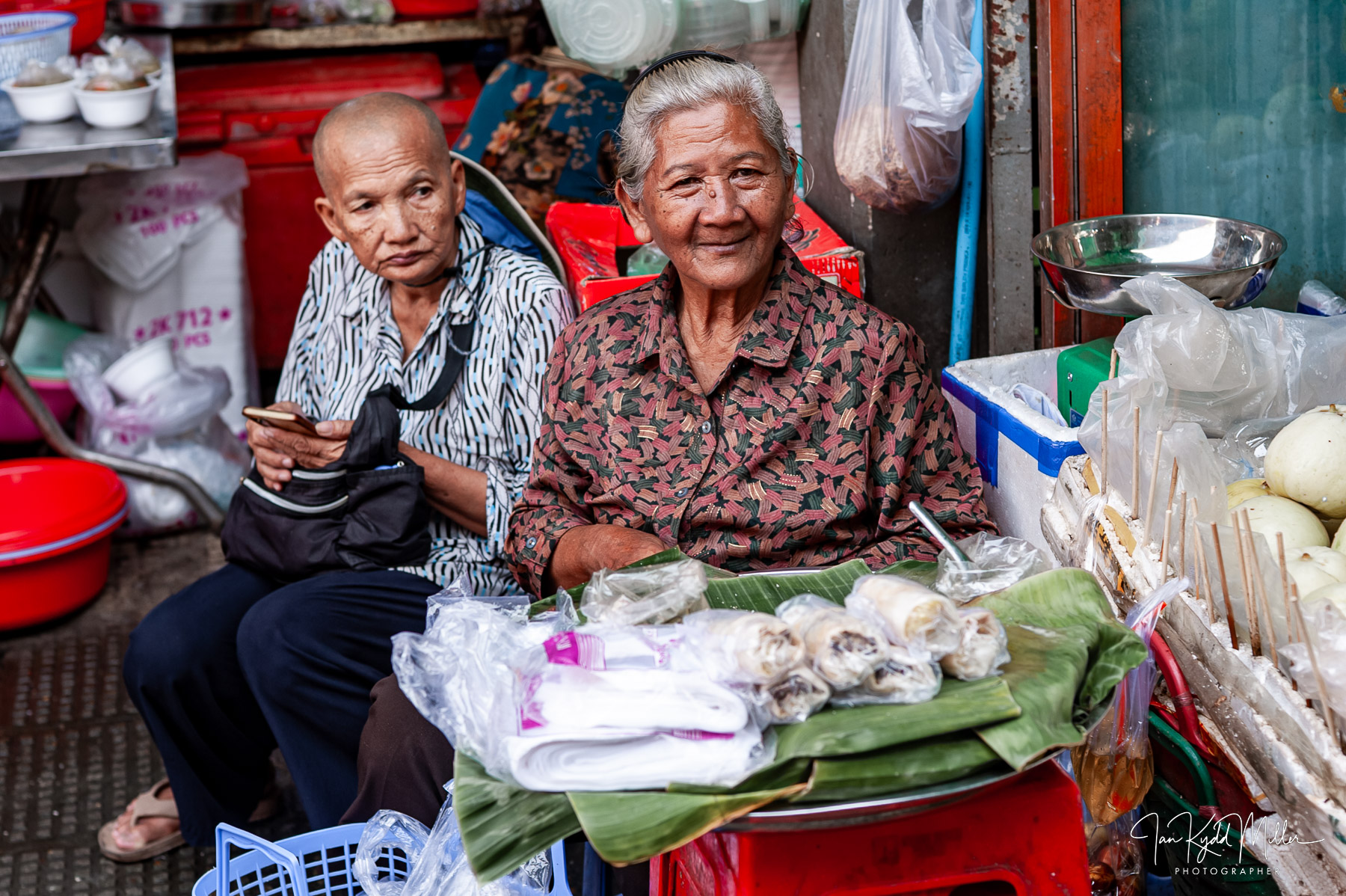
In the end, these photographs become more than just pictures; they become a testament to the human spirit, a celebration of life, and a homage to the enduring soul of Cambodia. They are a reminder that in the vast tapestry of humanity, every thread is essential, every colour is vital, and every pattern is worth preserving.
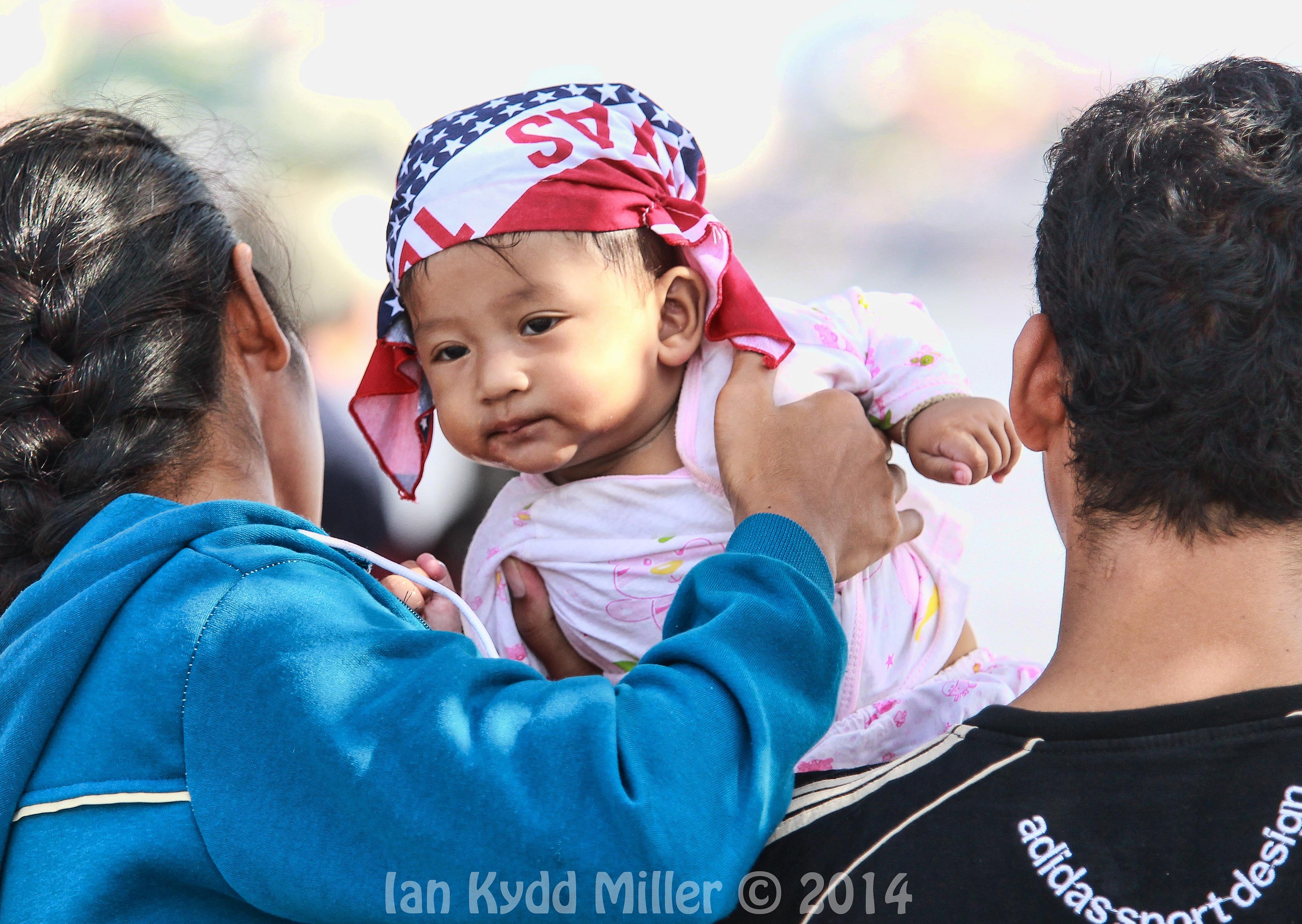
So, let us take a moment to appreciate the photographers who bring these stories to light, who remind us of the power of visual storytelling, and who continue to capture the enduring spirit of the ordinary people of Cambodia. Their work is not just a contribution to the art of photography; it is a valuable contribution to the collective memory of humanity.
Photography is a powerful medium that can evoke deep emotions and tell compelling stories. It can document reality, preserve memories, and raise awareness about important issues. However, with this power comes significant ethical responsibility, especially when it involves taking pictures of people in vulnerable states.
The question of whether it’s ethical to photograph individuals during their most vulnerable moments is a complex one. On one hand, such images can play a crucial role in bringing attention to the plight of those who are suffering, potentially galvanizing public support and aid. On the other hand, capturing these moments can be seen as an invasion of privacy, exploitation, or a violation of the individual’s dignity.
One of the key considerations is consent. When possible, obtaining explicit permission from the subjects before photographing them in sensitive situations is crucial. This respects their autonomy and gives them control over their own image. However, in some circumstances, such as in the case of natural disasters or conflict zones, obtaining consent may not be feasible. In these instances, photographers must weigh the potential benefits of sharing the images with the world against the risk of causing further distress or harm to the subjects.
Another aspect to consider is the intention behind the photograph. Are the images being taken to inform and educate, or are they being captured for sensationalism or monetary gain? The context in which the photos are presented also matters. Are they being used to support a narrative that respects the subjects and their stories, or are they being used to perpetuate stereotypes or for shock value?
Photographers must also think about the aftermath. How will these images affect the subjects in the long term? Will they lead to positive change, or will they simply become another fleeting moment in the media, soon to be forgotten?
In conclusion, while there is no one-size-fits-all answer to the ethics of photographing people in vulnerable states, photographers need to engage in continuous self-reflection and dialogue. They must consider the implications of their work, strive to uphold the dignity of their subjects, and remain sensitive to the power dynamics at play. As consumers of media, we too have a responsibility to critically evaluate the images we see and consider the ethical dimensions behind them. Ultimately, empathy and respect should guide the lens through which we view and capture the human condition.
Photography, as an art form, has the profound ability to capture moments in time, but its true power lies in its capacity to evoke emotion and narrate the human experience. Humanism in photography is a movement that emphasizes this narrative, focusing on the dignity and beauty of everyday life and the common man’s struggles and joys.
The Roots of Humanist Photography
Humanist photography finds its origins in the early to mid-20th century, a period marked by significant social and political upheaval. It was during this time that photographers began to turn their lenses towards ordinary people, capturing the essence of daily life and the spirit of the community. This movement was particularly strong in Europe, with France being a notable epicentre.
The Philosophy Behind the Lens
At its core, humanist photography is about valuing the human experience and raising awareness of the shared emotions and conditions that bind us all. It’s a celebration of life in its most unvarnished form, portraying subjects with empathy and respect. The photographers of this school are not mere observers but storytellers who use their cameras to convey the intricacies of human existence.
Pioneers of Humanist Photography
One of the most influential figures in this movement was David Seymour, known as Chim, whose compassionate work reflected his deep-seated humanism and belief in photography’s power to awaken the public’s conscience. His images often depicted the aftermath of war and the resilience of the human spirit.
The Impact and Importance
Humanist photography serves as a visual chronicle of the human condition. It captures the happiest, saddest, and most triumphant moments of life. From peace and contemplation to war and leisure, it seizes the full spectrum of human emotions and experiences. This genre of photography helps us understand and connect with people from different walks of life, fostering a sense of empathy and unity.
The Legacy Continues
Today, humanist photography continues to inspire photographers around the world. It encourages them to look beyond the surface and capture images that tell stories about people striving to make the best of their lives. It remains a powerful tool for social commentary and a mirror reflecting the enduring human spirit.
In conclusion, humanist photography is more than just a style or technique; it is a philosophical approach to capturing life. It reminds us of the strength, beauty, and resilience inherent in the human spirit and the importance of preserving these moments for future generations. As we move forward, the principles of humanism in photography will undoubtedly continue to influence and guide photographers in their quest to document the profound narrative of humanity.
In street photography, the essence of capturing candid moments often requires a minimalist approach to equipment. A camera, a lens, and a camera strap are the fundamental tools needed for this genre. This not only makes it easier to move around and react quickly to unfolding scenes but also helps in blending into the environment. Blending in is indeed essential; wearing muted colours and avoiding conspicuous logos can make photographers less noticeable, allowing them to capture life as it naturally unfolds. The goal is to observe without altering the scene, to document the raw and unfiltered essence of street life. Comfortable shoes are also a must, as street photography often involves a lot of walking. Ultimately, the less intrusive the photographer can be, the more authentic and compelling the images will be.
This approach aligns with the philosophy of street photography, which is to be an unobtrusive observer, capturing moments that might otherwise go unnoticed. Personally, I don’t necessarily agree totally with this philosophy.
** Choosing not to hide oneself while engaging in street photography can be a powerful stance. It’s about embracing transparency and honesty in the art form. By being visible, photographers can interact more genuinely with their surroundings, often leading to more authentic and spontaneous captures that reflect the moment’s essence. It also respects the subjects’ awareness and consent, which is increasingly important in today’s discussions about privacy and ethics in photography. Moreover, it can challenge the photographer to develop a more nuanced approach to their craft, as they navigate the dynamics of the public space while being part of the scene. This method can yield a unique style and depth to the photographs that might not be achievable through a hidden approach.**
Street photography is an exhilarating and deeply personal art form that captures the essence of everyday life. To excel in street photography, one must embrace the role of an observer, documenting humanity in its rawest form. It’s about finding beauty in the mundane, capturing the fleeting moments that, while seemingly insignificant, tell a story about the human condition. It’s not just about having the right gear or technical skills; it’s about seeing the world with a fresh perspective, where every street corner, every passing face, and every spontaneous interaction becomes a potential masterpiece.
To do street photography well, start by honing your social skills; they are as important as your photographic ones. Engage with your surroundings and be ready to interact with people. Remember, street photography is as much about the experience as it is about the resulting images. It’s a collaborative art; you’re not just taking photos, you’re making them with the scenes and people you encounter. This means respecting your subjects and the environment, and approaching each shot with empathy and curiosity.
Physical and mental strength are crucial too. You’ll need the endurance to walk for hours and the courage to overcome the fear of photographing strangers. Position yourself strategically on the sidewalk to find minimalist backgrounds and dynamic compositions. Look for the ‘cherry on top’โthose unique details that elevate a good photo to a great one. And when you capture a moment, control your selects; not every photo will be a winner, but the best ones will stand out with a clear subject and a compelling narrative.
A versatile perspective is key. A 35mm focal length is often ideal for street photography because it closely resembles the natural field of view of the human eye, allowing for a more intimate and realistic portrayal of the scene. Avoid ‘chimping’โconstantly checking your photos on the camera screenโas it can distract you from the present moment. Instead, stay focused on your surroundings and the potential shots around you.
Simplify your settings to react quickly to changing scenes; shooting in ‘P’ mode can help you concentrate on composition rather than technicalities. Look for expressive moments and gestures that encourage interpretation and tell a story without needing an explanation. Maintain stealth to capture candid expressions, but don’t drop your camera immediately after taking a shotโsometimes the best moments happen right after the initial click.
Clean backgrounds and careful framing can simplify compositions, drawing the viewer’s eye to the intended subject. Work the scene; don’t settle for the first photo you take. Keep shooting until you capture engaging moments, like eye contact, that add depth to your images. The background is just as important as the subject; it provides context and can make or break a photo.
Good street photographers understand the power of storytelling. They know that emotion is a key element of street photography, and they’re always on the lookout for vibrant hues and good light, especially for colour photography. For a minimalist approach, black-and-white photography can simplify the scene, focusing attention on the subject and the story being told.
In street photography, your personal style will shine through. It’s a reflection of your personality, so shoot according to what resonates with you. Embrace experimentation and take risks; this is how you’ll develop your unique voice. And remember, street photography doesn’t require travelling to exotic locations; opportunities for great photos are all around you, often just a short walk away.
So, grab your camera, hit the streets, and immerse yourself in the world of street photography. With patience, persistence, and a passion for capturing the human spirit, you’ll not only create stunning images but also experience the joy of connecting with the world in a profound and meaningful way. Happy shooting!