Fuji XF 16-80 f4 OIS WR

cameras, Fujichrome, fujifilm, Lenses, opinons, thoughts

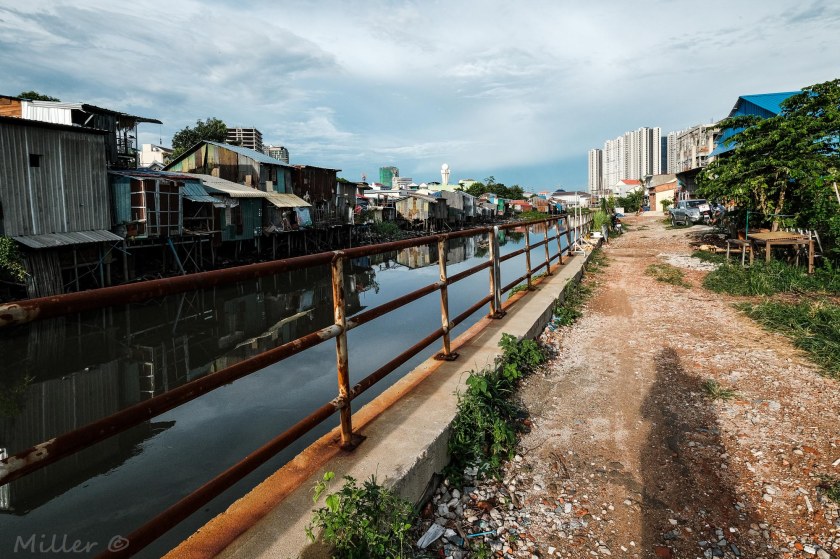
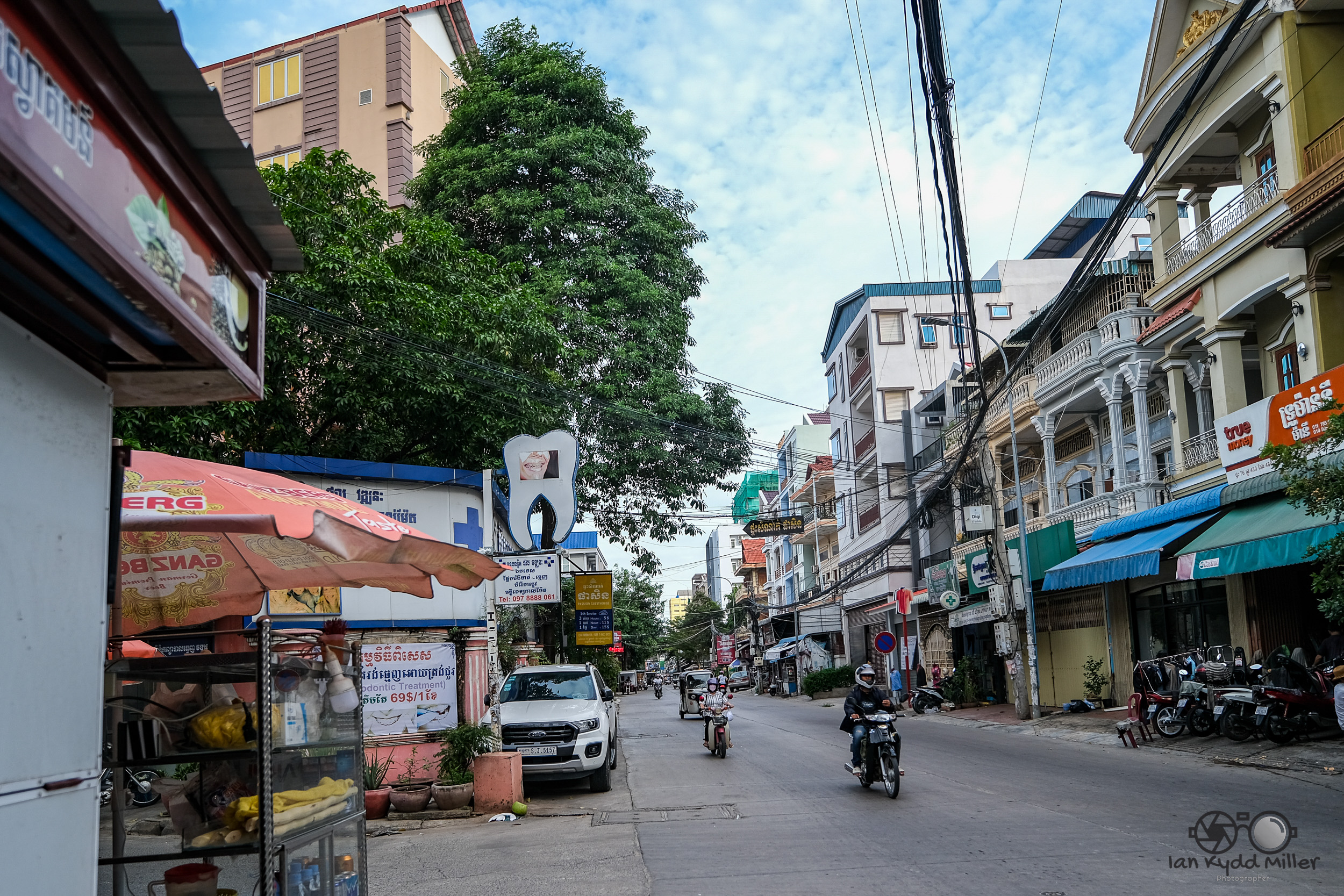
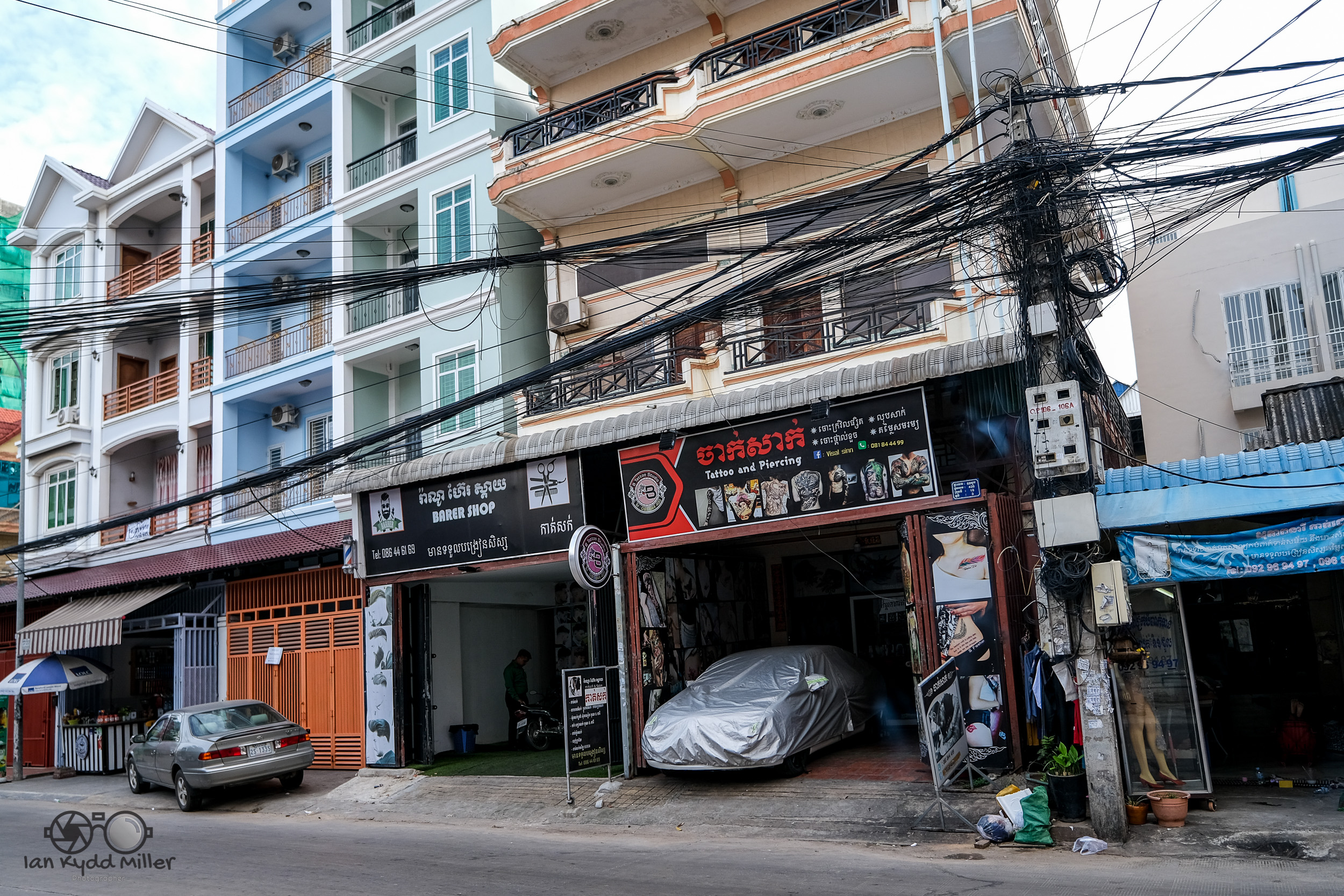
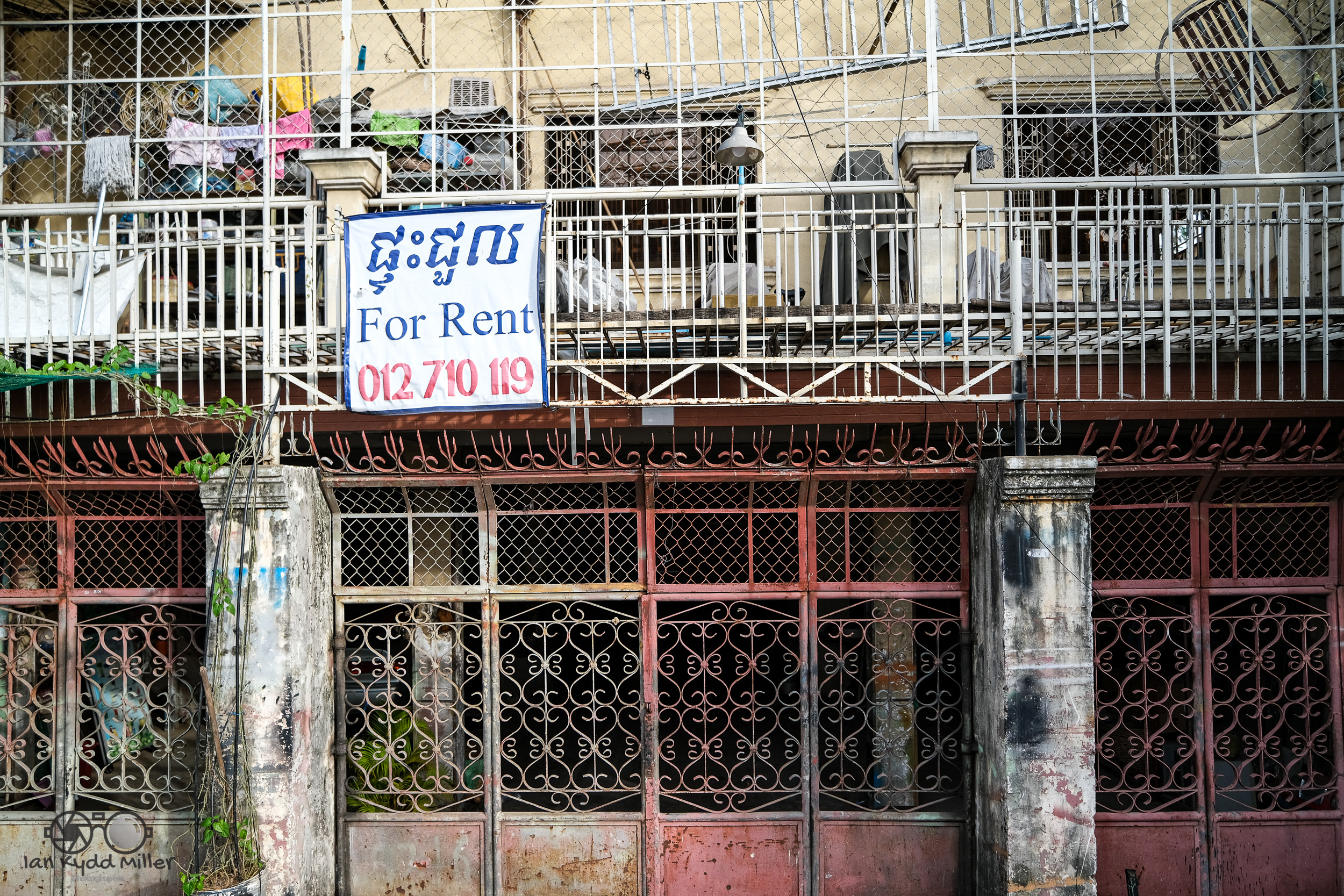
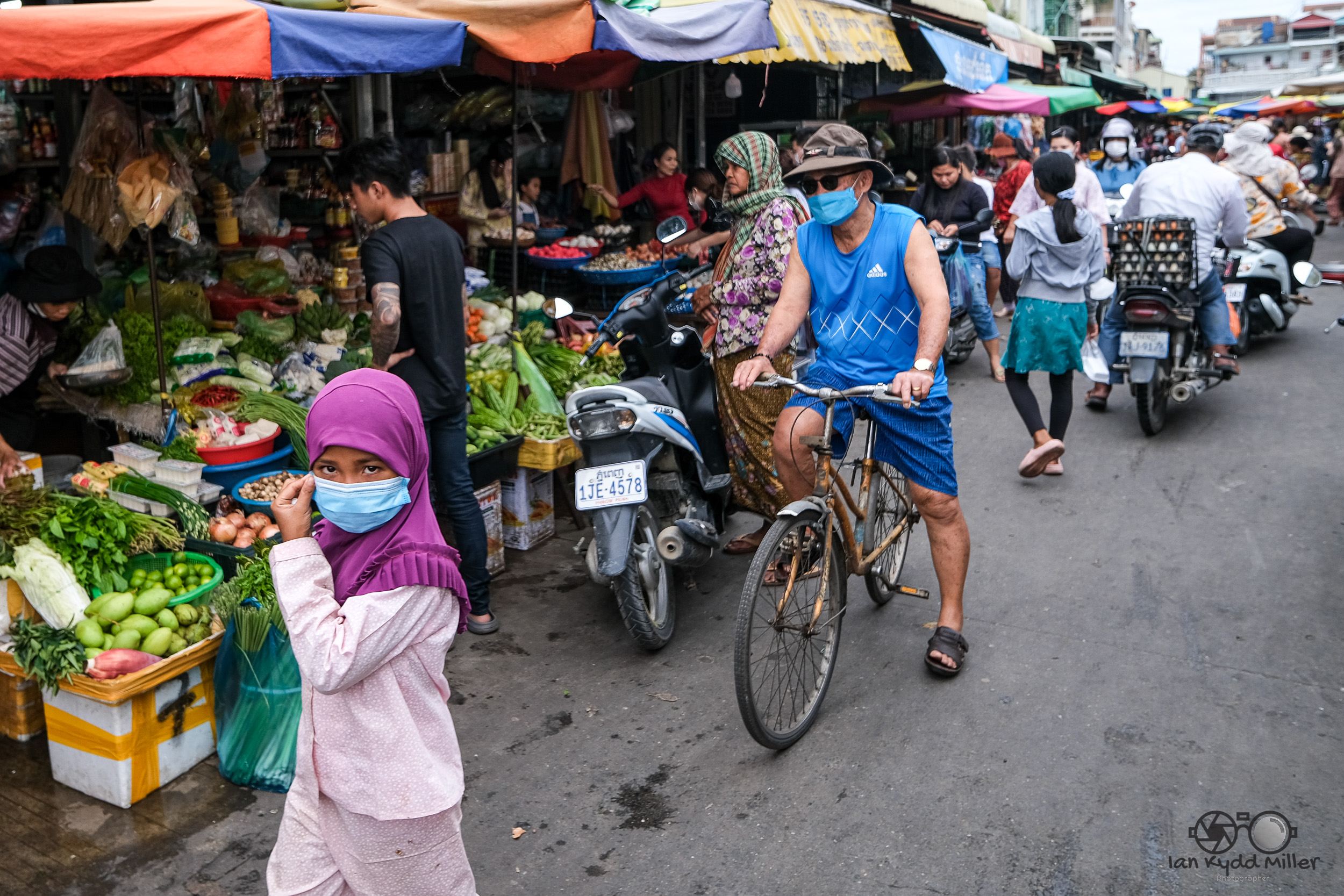
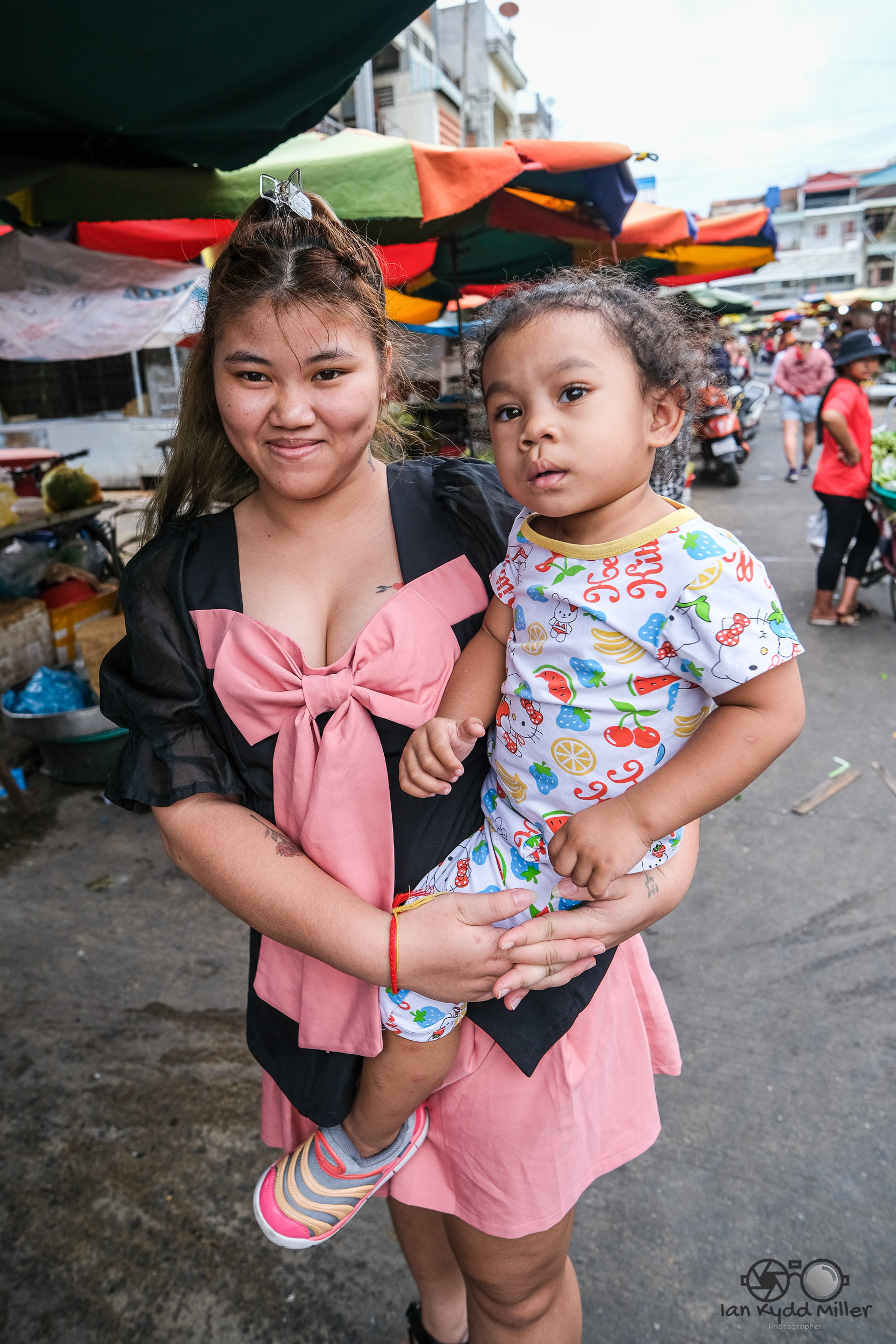
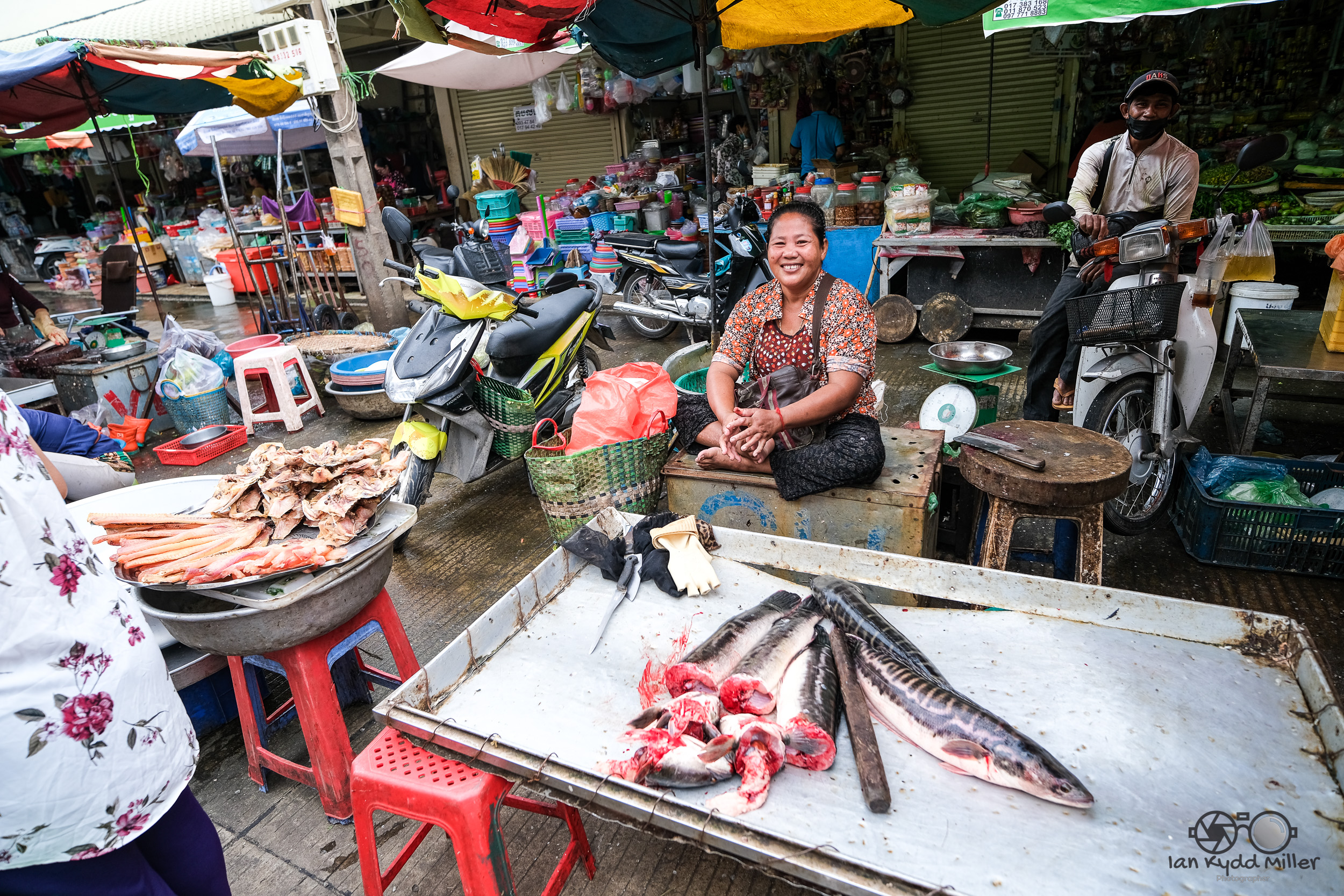
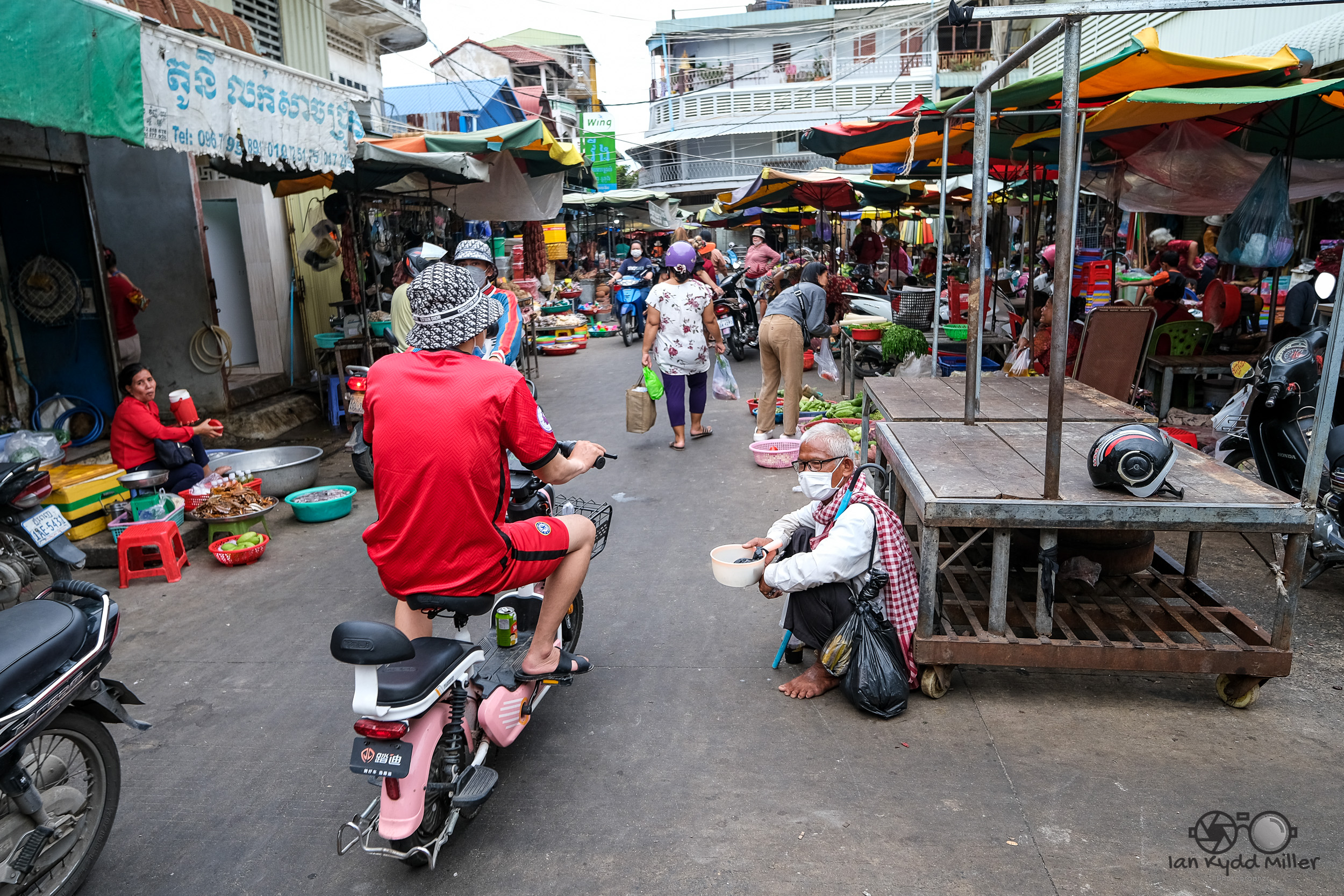
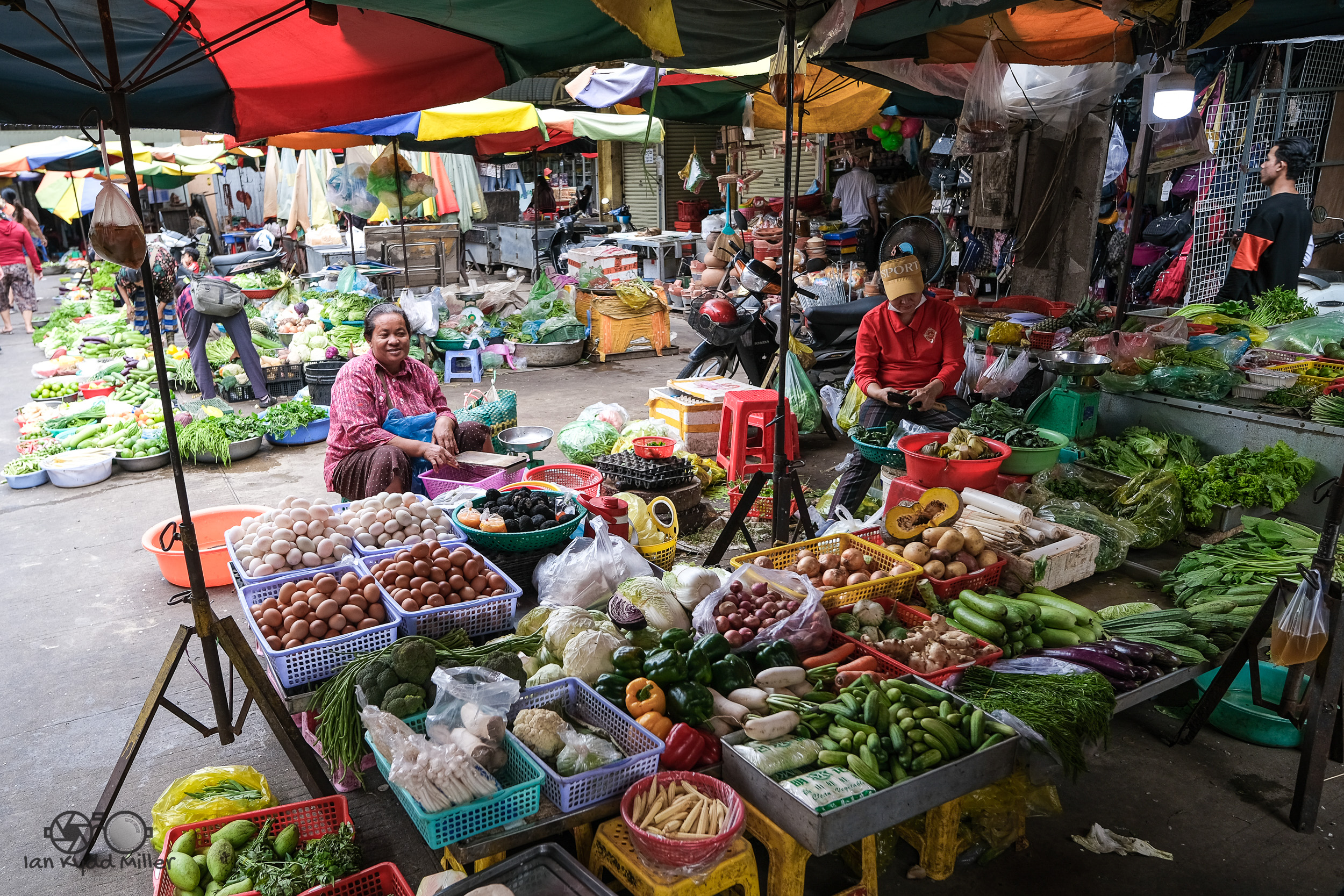
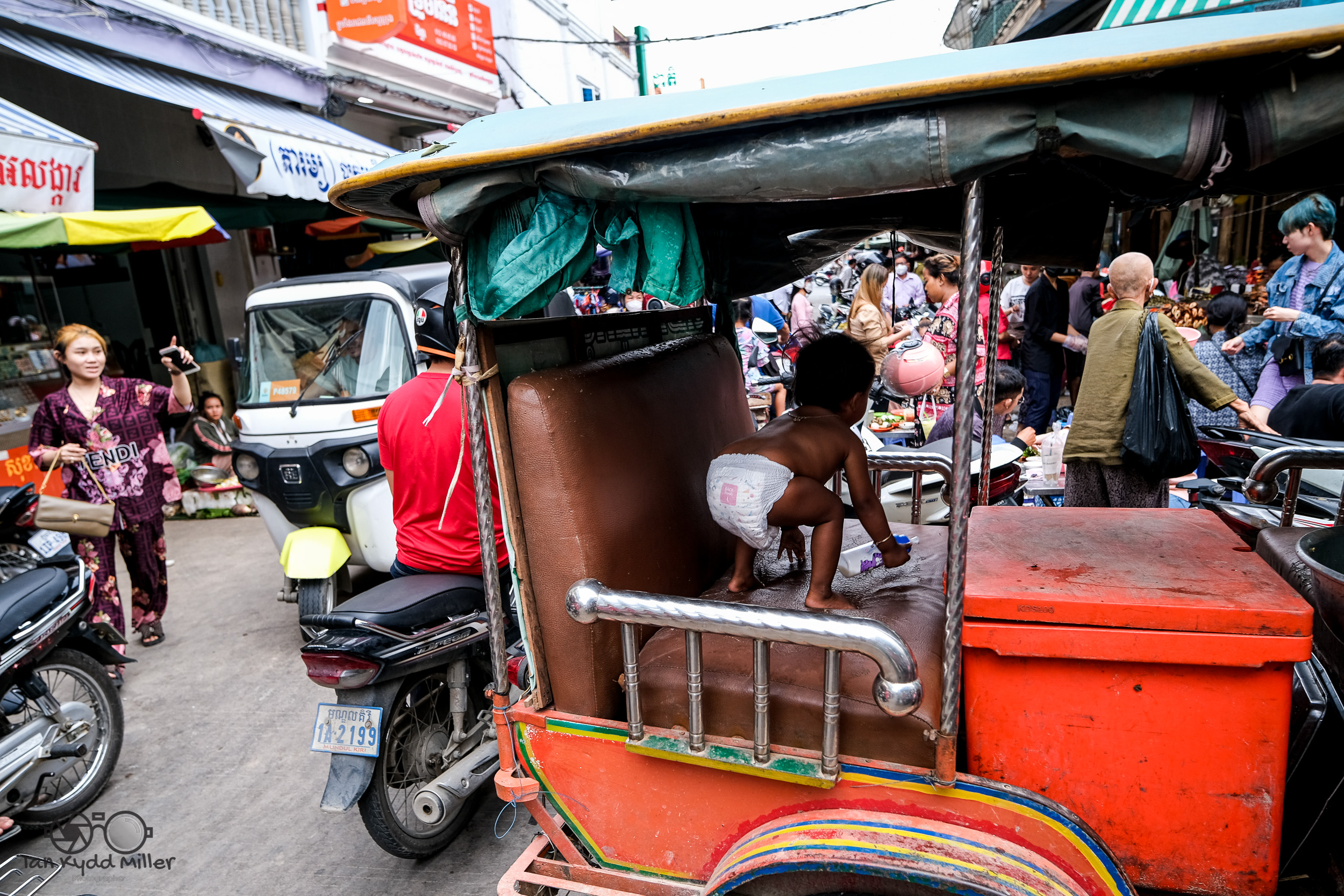
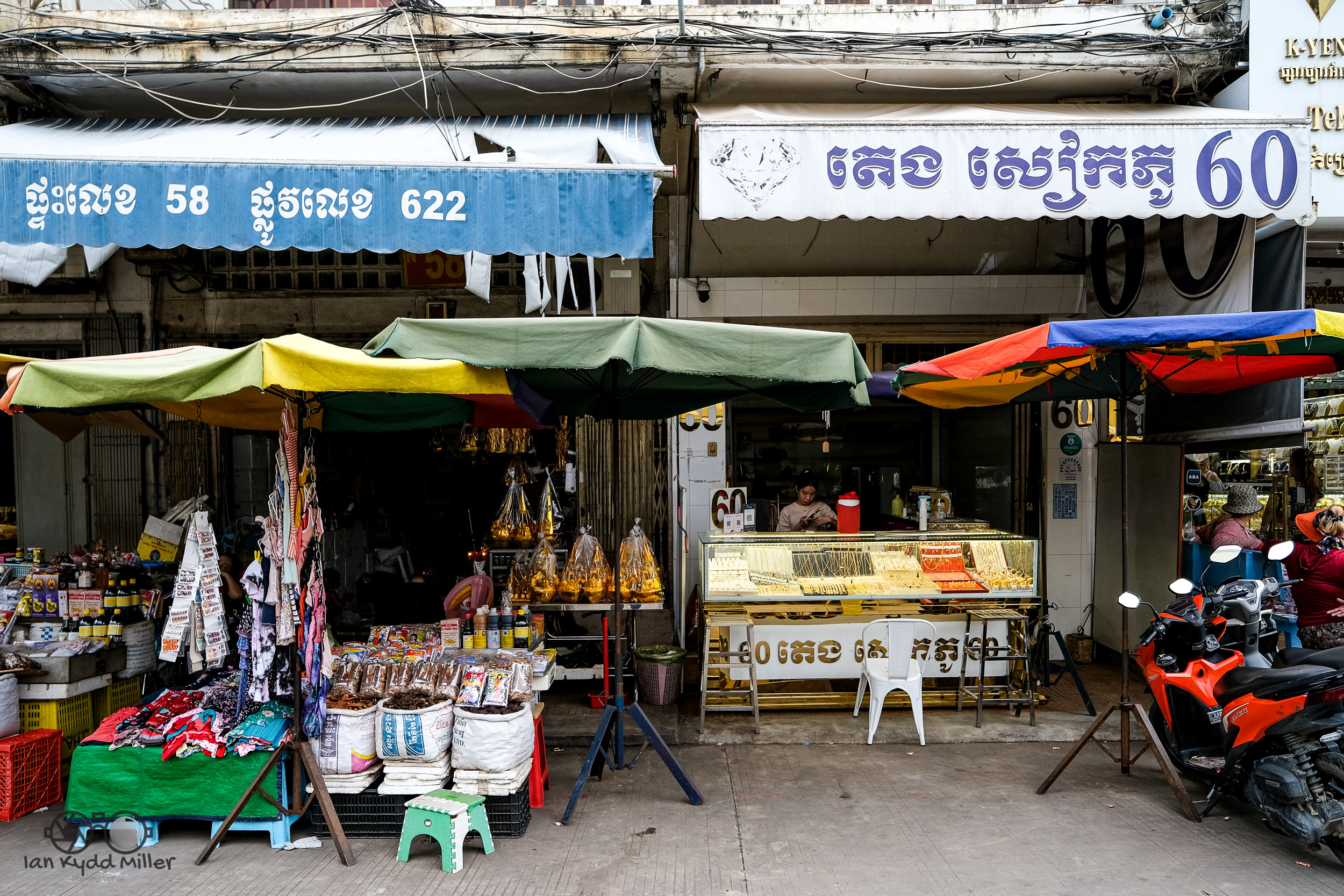
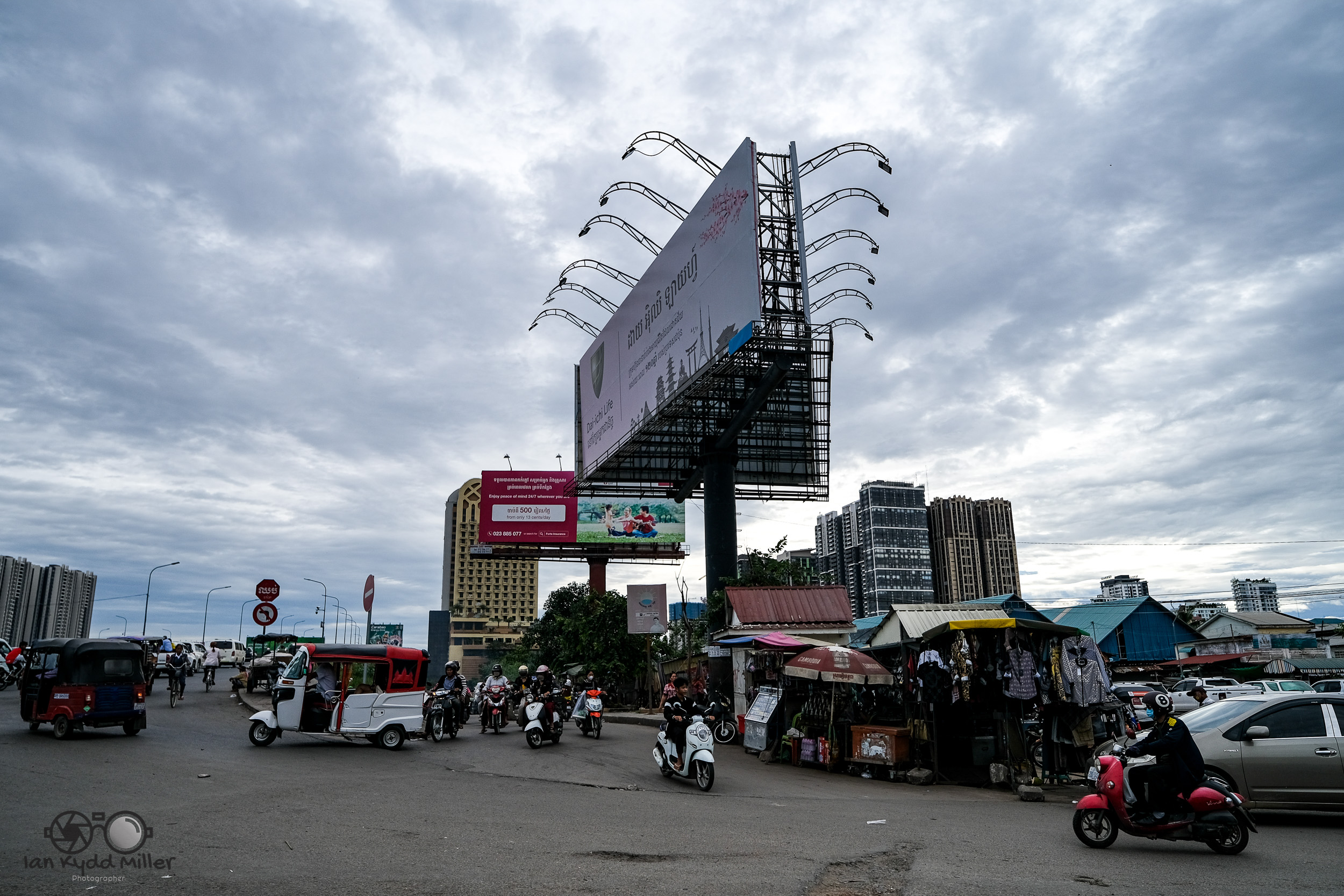
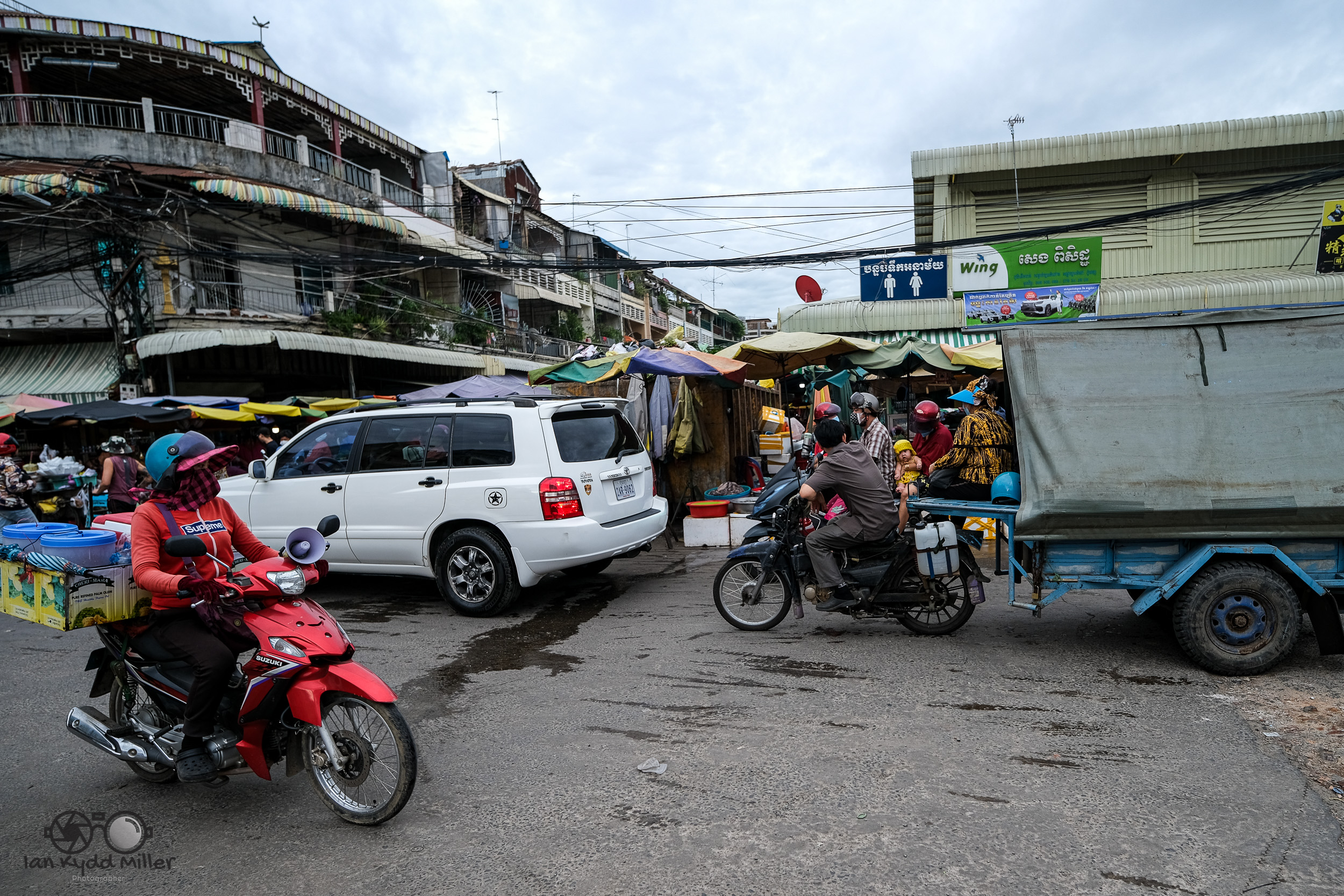
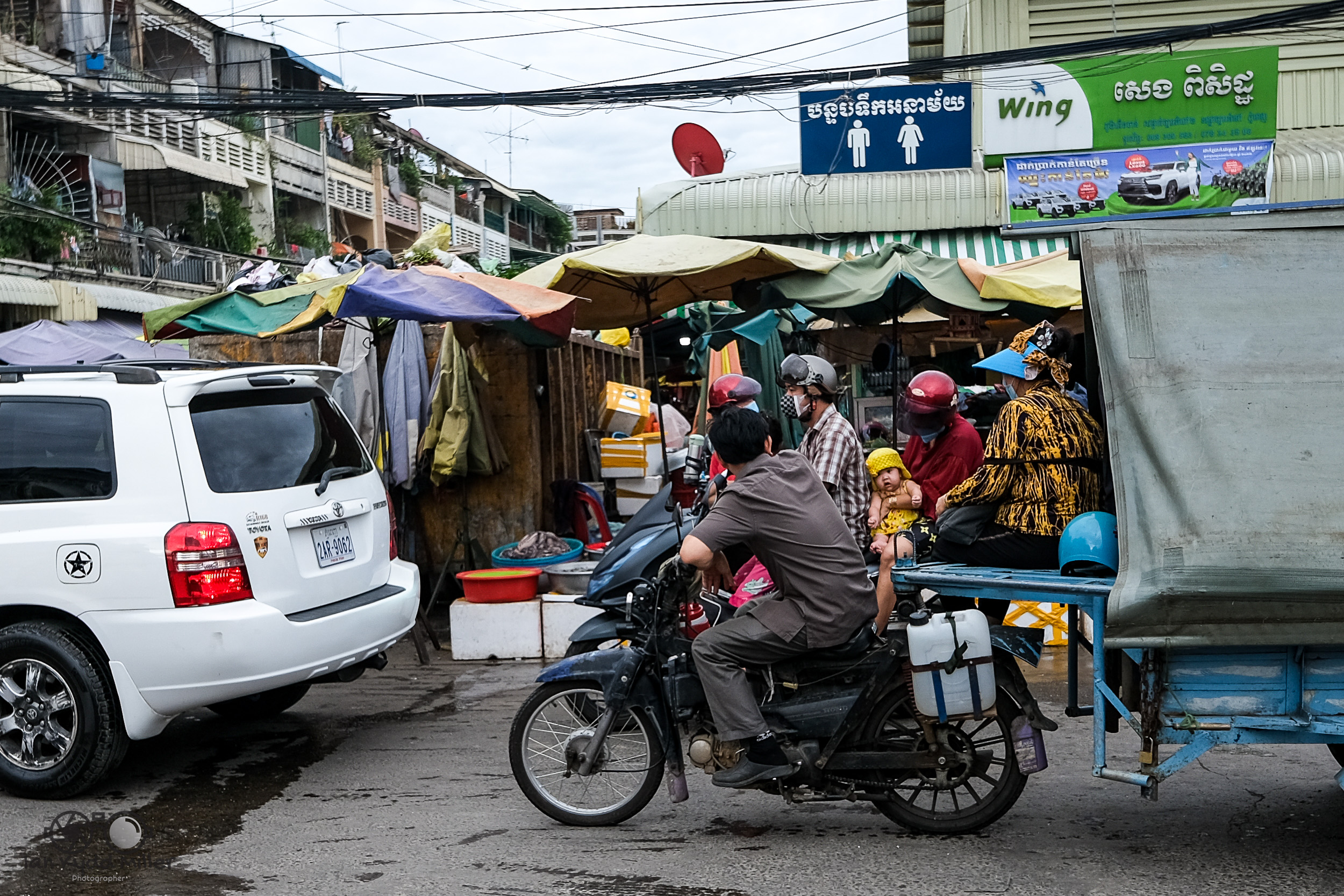
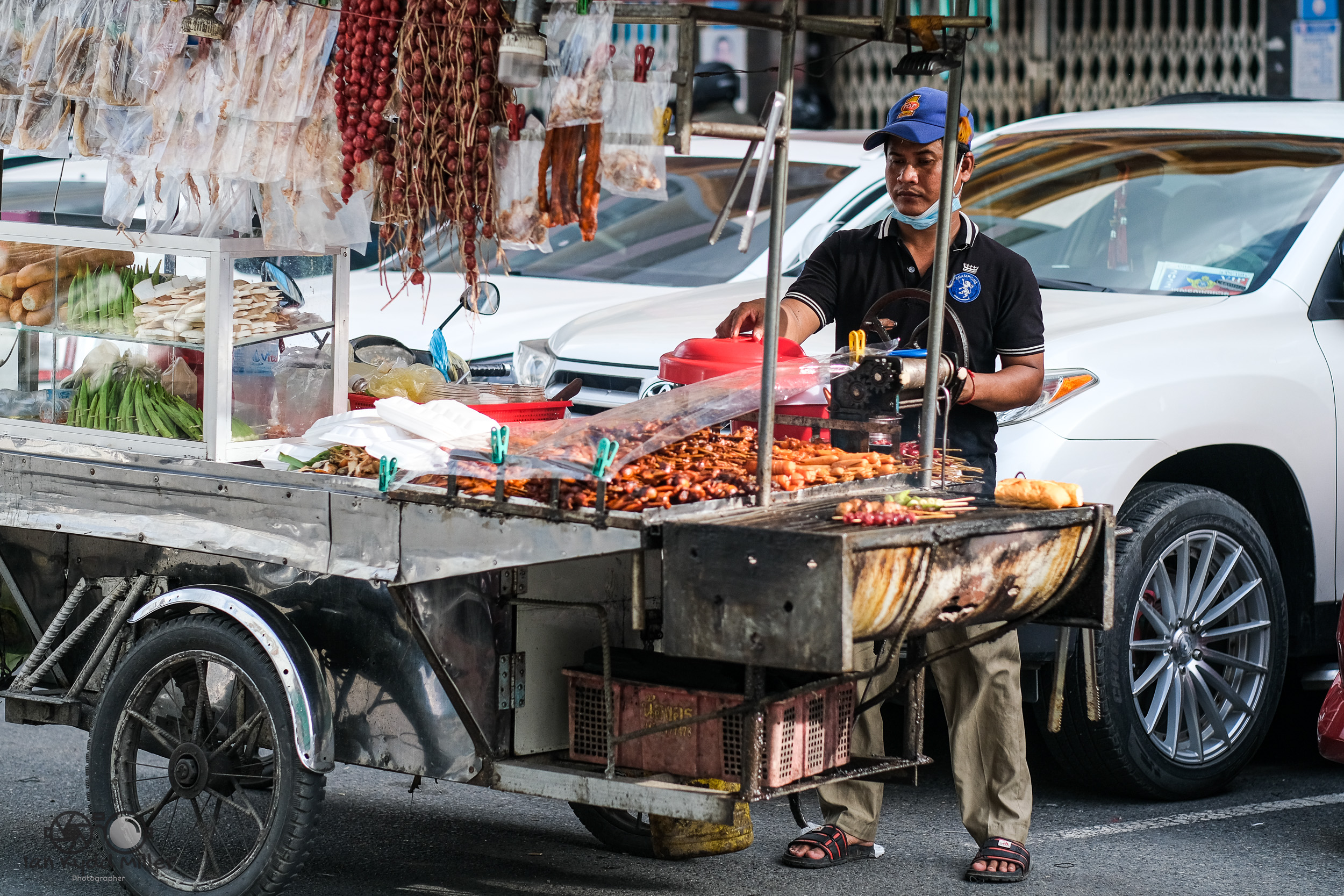
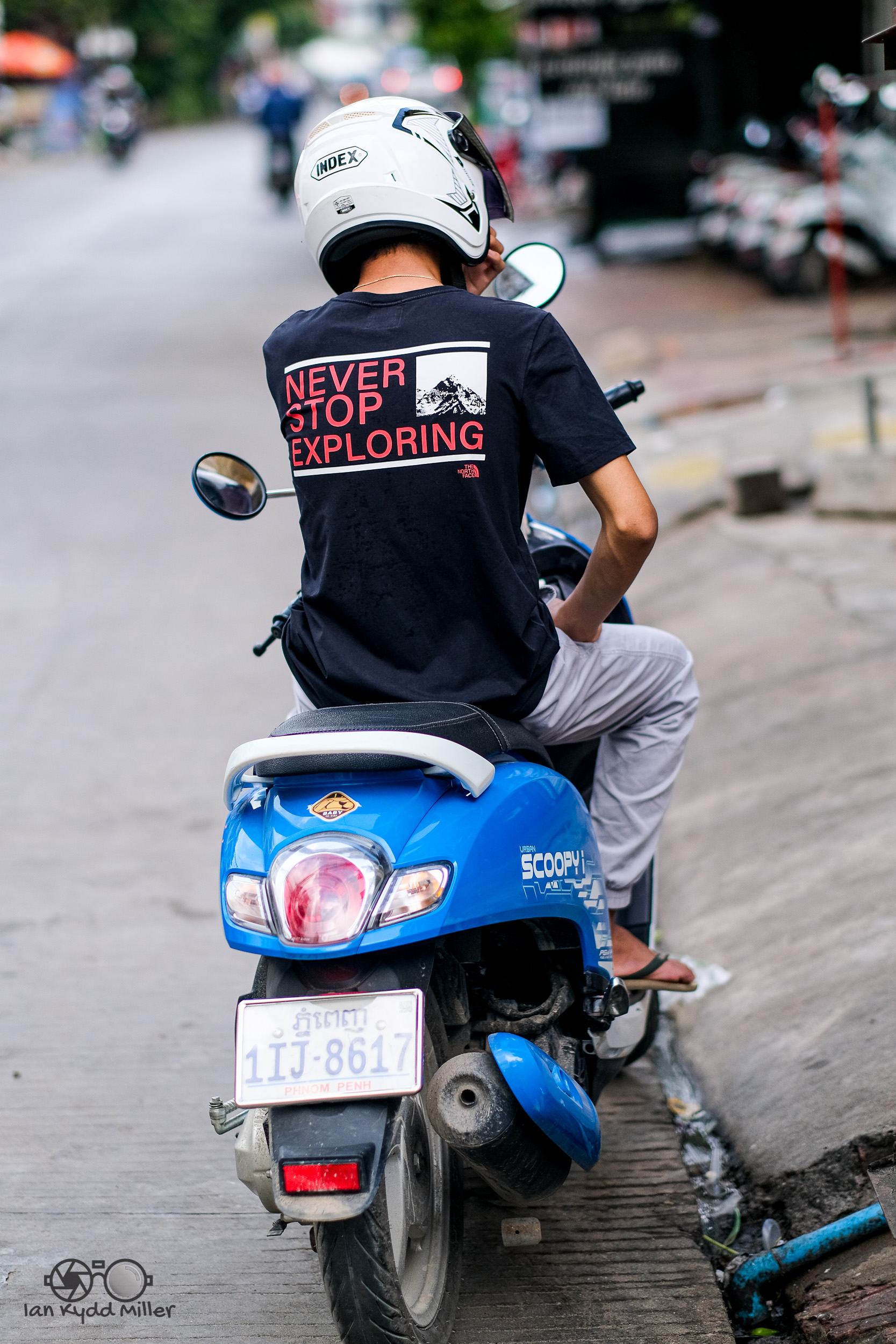
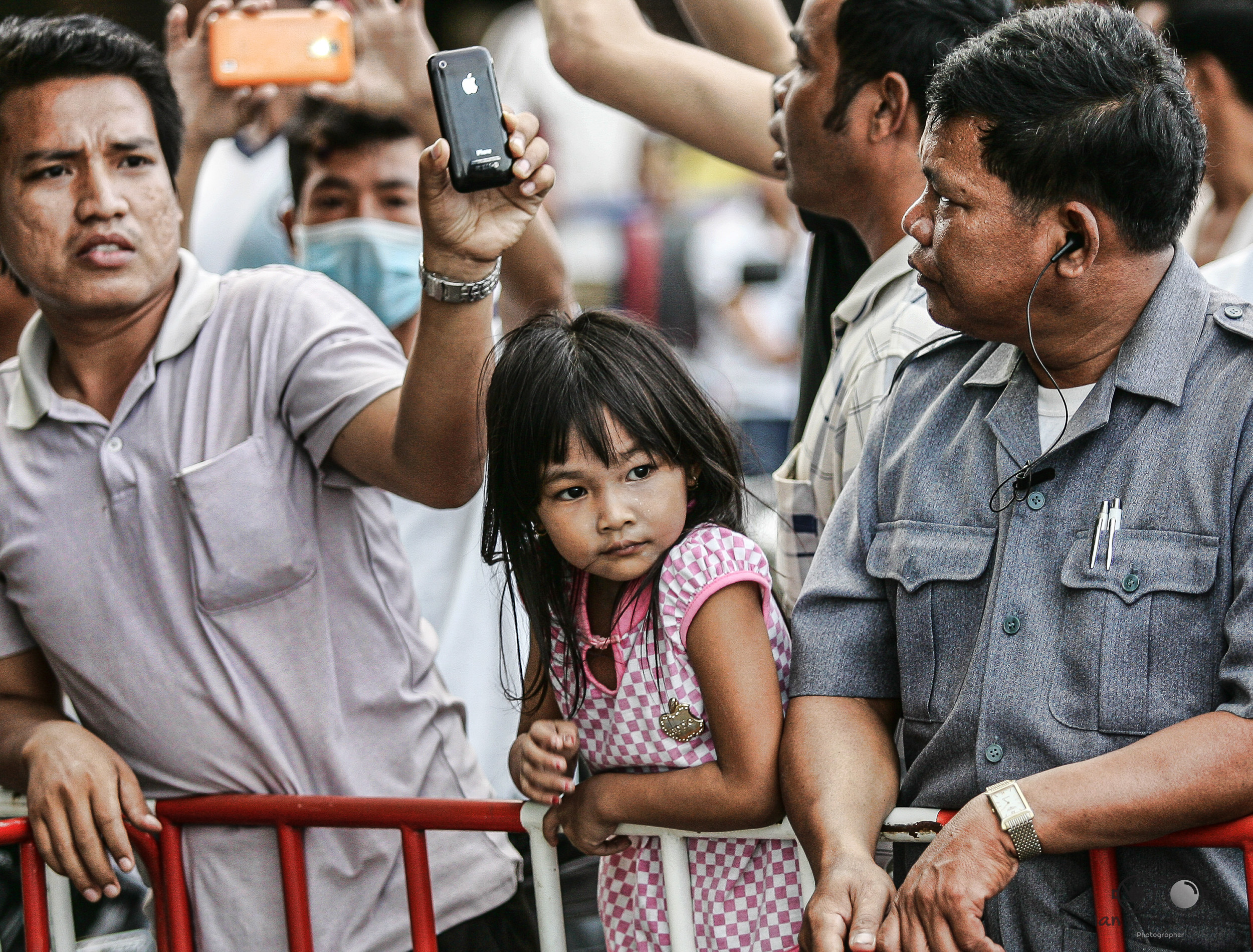
Fujinon xf16-80mmf4 R OIS WR has a maximum aperture value of F4 throughout the focal length of 16-80mm (equivalent to 24-122mm in the 35mm film format). This lens has a minimum shooting distance of 35cm over the entire zoom range, which gives a maximum shooting magnification of 0.25x. The compact and lightweight lens weighs only 440G which is approximately 40% lighter than an equivalent lens for a 35mm format system. When attached to an x-t3 the kit weighs only 979G and 823G when combined with x-t30, making it the ultimate travel combination. This new standard zoom lens features 6.0-Stop OIS, meaning you can comfortably shoot in a wide variety of situations from a Night scene or indoors without worrying about camera shake.Just upgraded to this lens and it looks and functions extremely well giving great images. Very pleased. Yet to try it on my X Pro3 but balances well on the XT3.

Always Clamouring for New Gear

cameras, Fujichrome, fujifilm, Lenses, opinons, thoughts, photography

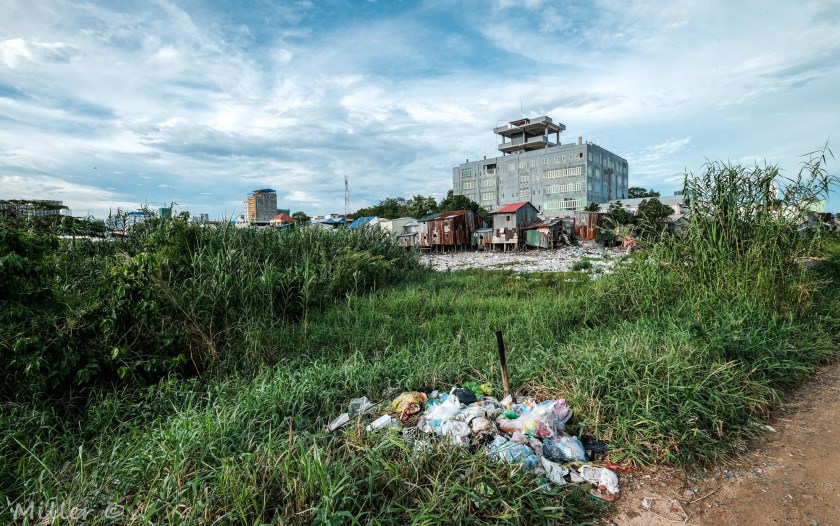
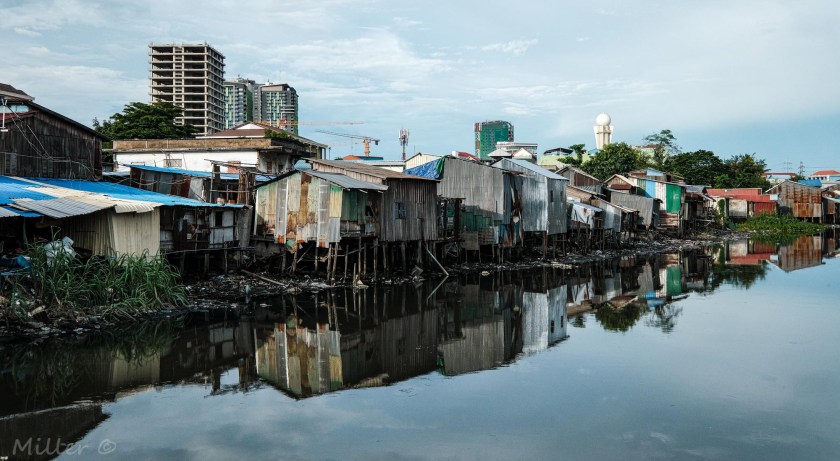
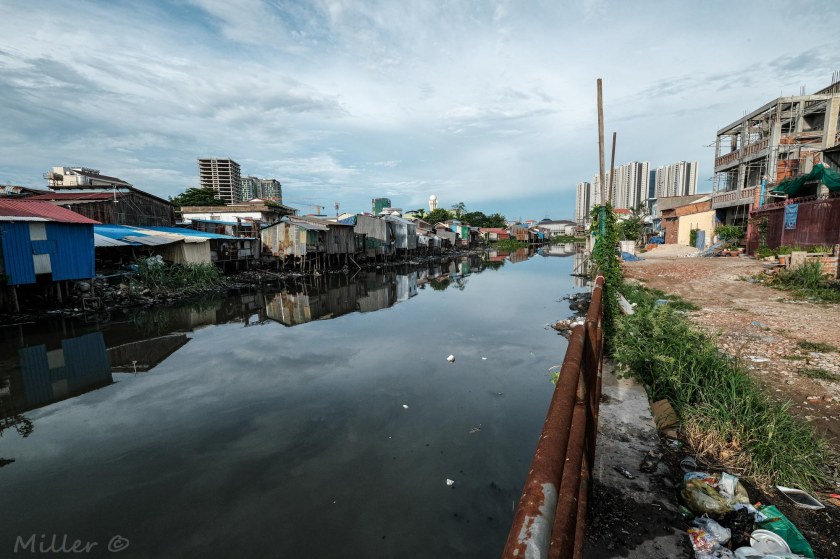
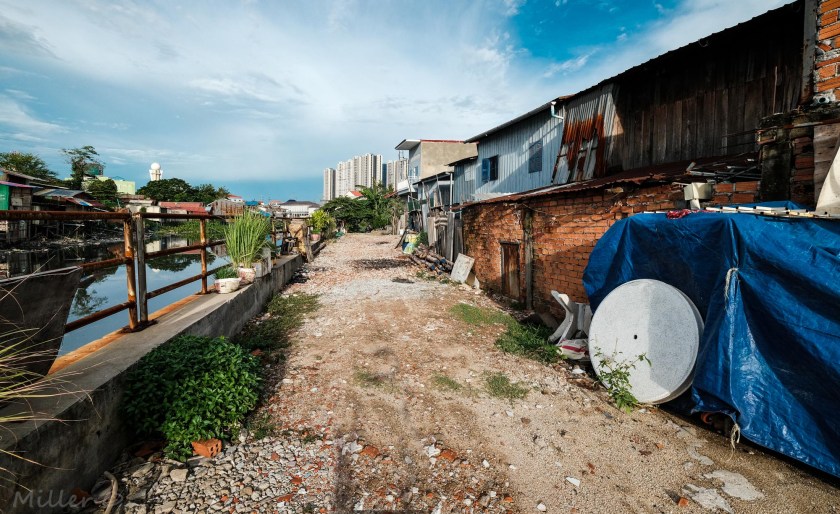
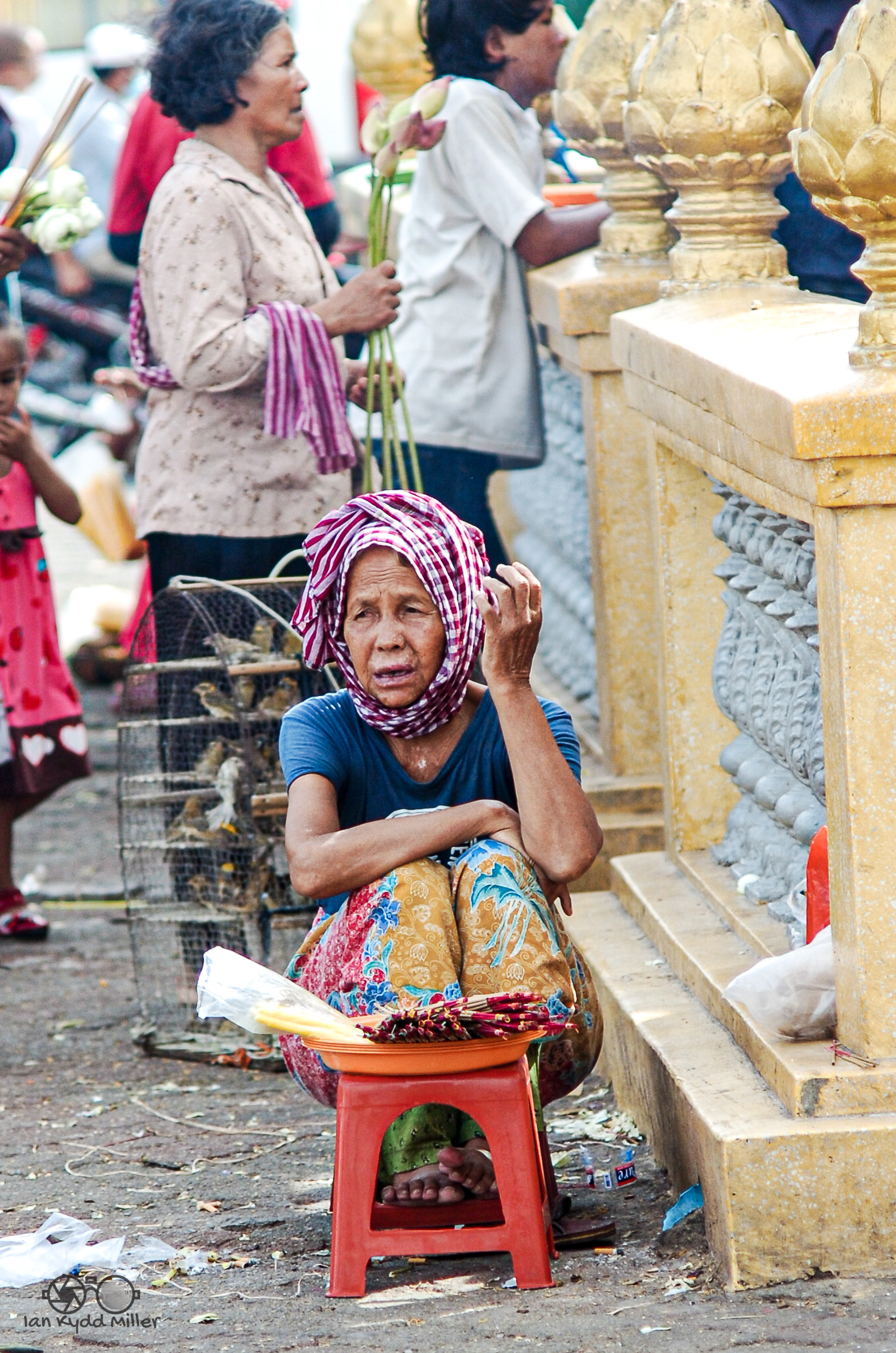
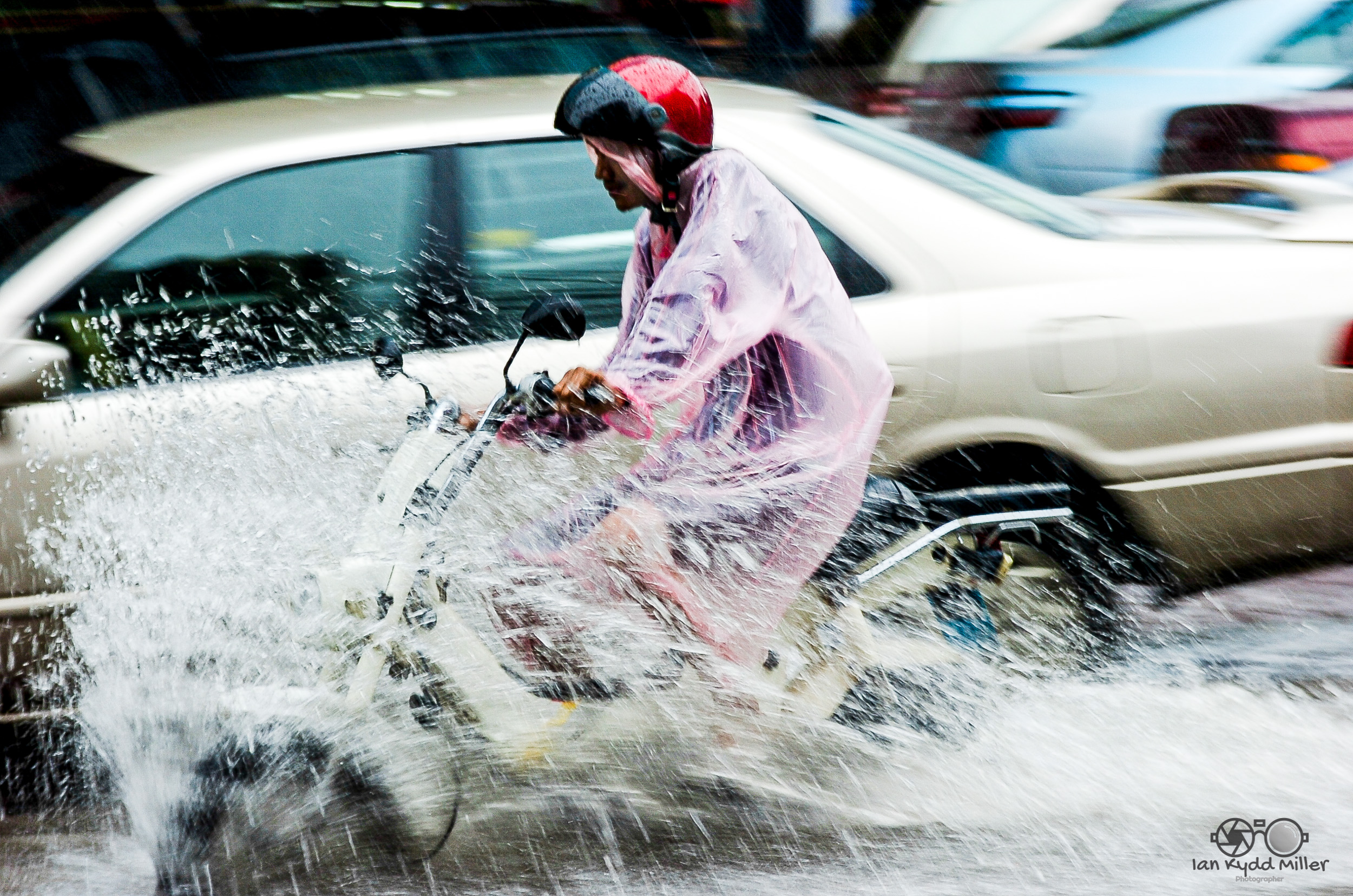
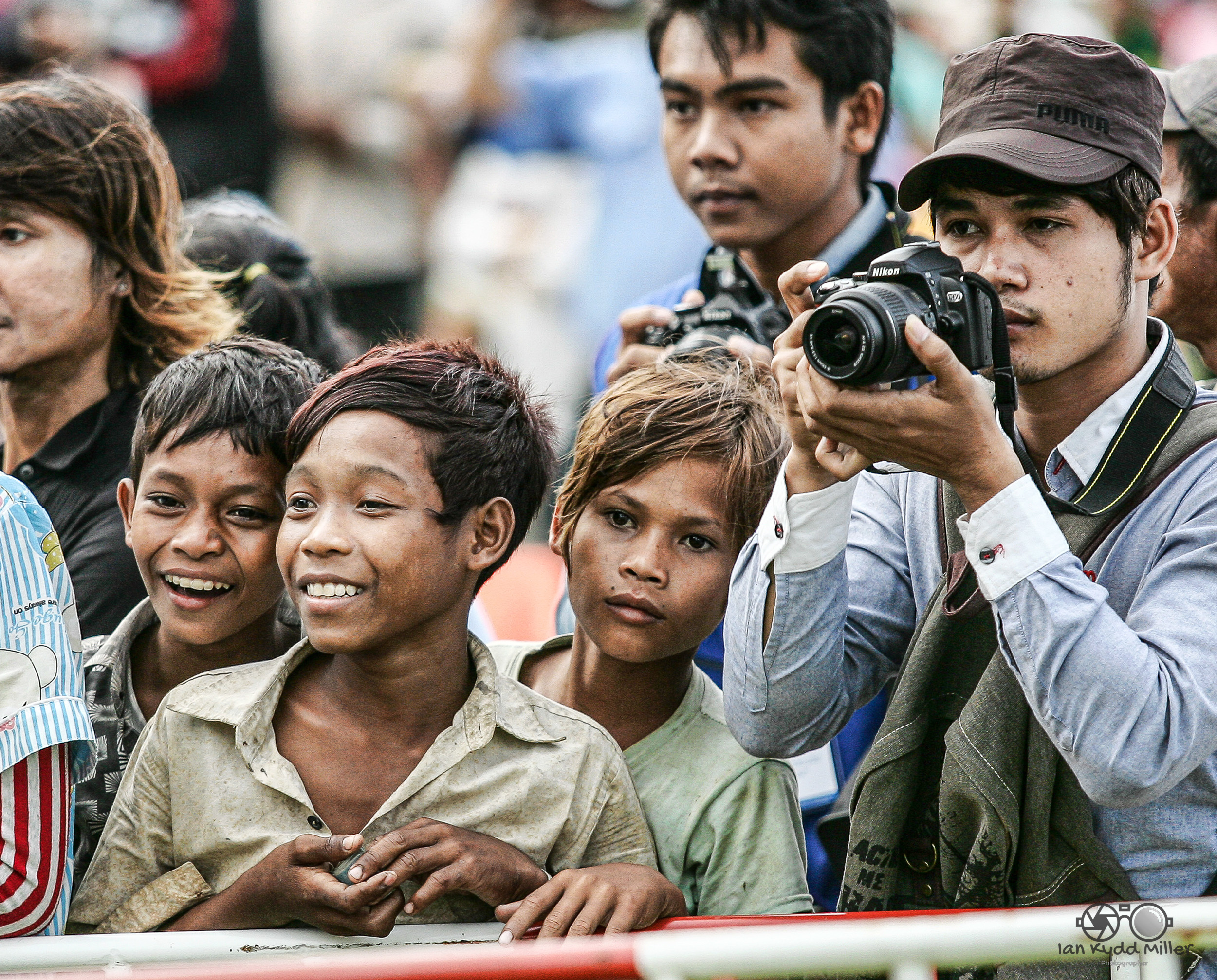
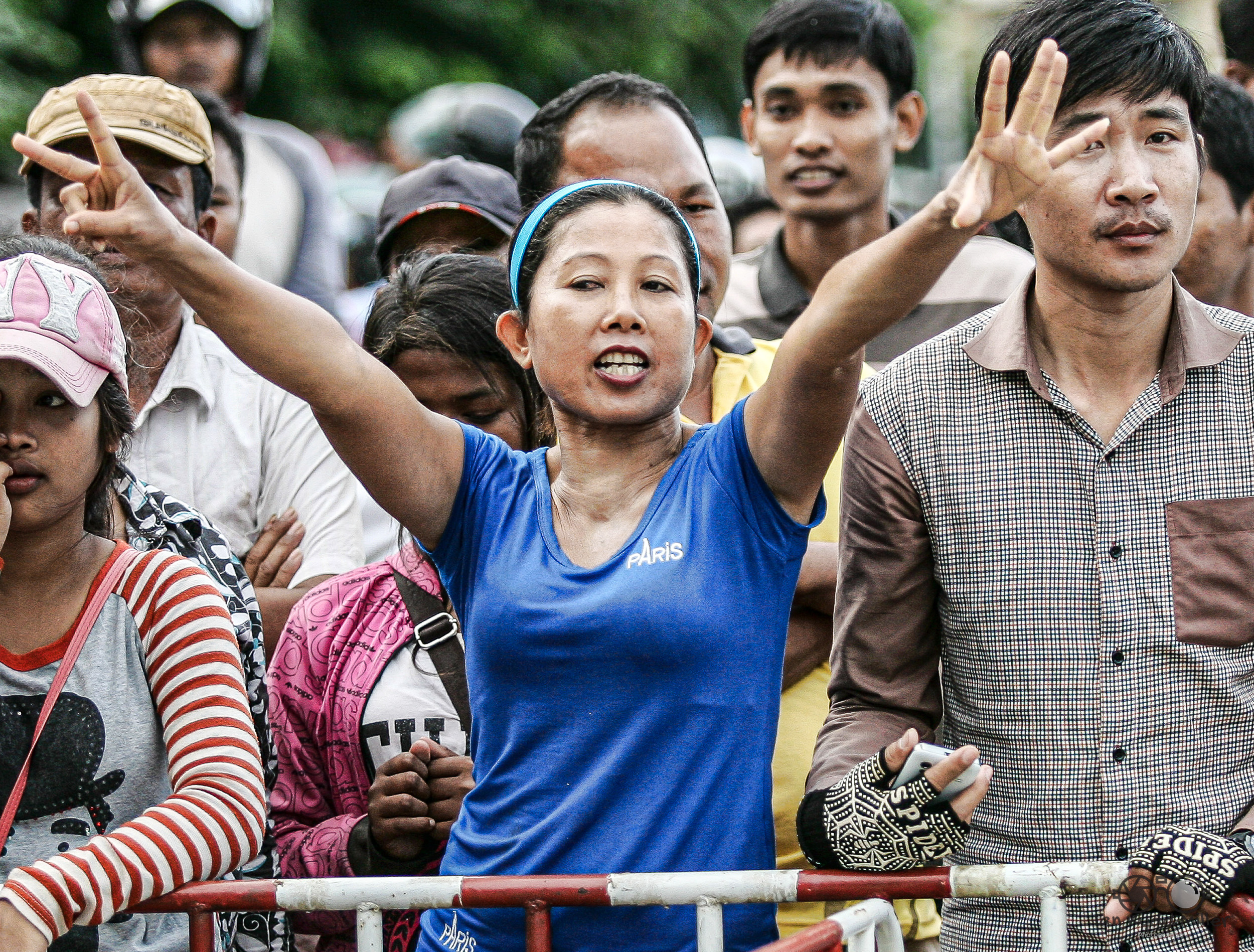
Some people always seem to be wanting to upgrade to ”a better” camera because it has newer features or a bigger sensor. I truly find it hard to understand. When I find a camera lens combination that does what I want it to do, I tend to stick with it for a long time and ignore all the new gadget, bells and whistles. The images below, taken today, on what many would say is an obsolete camera, Fujifilm X Pro1. This camera still is capable of excellent quality. Yes it does not have all the ”features” of the newer cameras but it does what it says on the box, takes amazing quality images.

I also took out with me today my ”old” Canon 5D Mk2, another machine that is able to produce high quality images. Its robust and heavy and slower to use that the newer cameras but who cares, it produces images that I enjoy at a price that I can afford, why would I upgrade.

The need to upgrade continually to the next ”best” camera, is a phantasy invented by the camera makers to enable them to sell more cameras, not to enable you to make the best pictures IMO. If you need to upgrade for a specific reason, and can afford to do so, then by all means go for it but think about,clearly, what you need to produce the images that you (and others) may enjoy.

Leica Q2 Monochrom Full Frame Compact Digital Camera

cameras, Lenses, opinons, thoughts, photography, public

Would I buy one even if I could afford it, the answer would probably be YES.

$6,195.00

47.3MP full-frame black-and-white CMOS sensor Captures amazing stills and 4K video 3-inch TFT LCD monitor with touch control 3.68MP OLED electronic viewfinder with eye sensor Built-in Wi-Fi and Bluetooth LE connectivity ISO range of 100-100,000 Fast and accurate AF Compact, fully weather-sealed body Compatible with Leica FOTOS app Leica Summilux 28mm f/1.7 ASPH lens. It certainly has an impressive specification, but would I need it. I have never handled the camera but have used Leica cameras in my film days and know just how well constructed they are, but is this just overkill, a rich mans toy. Watch the review below.

https://www.bhphotovideo.com/explora/videos/photography/hands-on-review-the-new-leica-q2-monochrom

Enjoy your Photography

cameras, Fujichrome, fujifilm, Lenses, opinons, thoughts, photography, pictures

I just enjoy making pictures of my little adopted person. He really plays to the camera, which makes it fun. These taken with an Fuji X Pro2 + XF 50mm f2. He’s a beautiful kid but also a terrible 2 ….

Why is PHOTOGRAPY so important to me.

cameras, Fujichrome, fujifilm, Lenses, opinons, thoughts, photography, pictures, public, Travel

The word Photography literally means ‘drawing with light’, which derives from the Greek photo, meaning light and graph, meaning to draw. Photography isΒ the process of recording an image – a photograph – on light sensitive filmΒ or, in the case of digital photography, via a digital electronic or magnetic memory.

This ability to record, special events in my life drew me to photography. Photos of my children and family become very important to me. This early interest, with a specific goal, led me into photography as a hobby, making images of things that interested me, other than just family. My first venture into photography was of course in the film era, and my first camera, as I remember, was a Polaroid. The instant film was great for family pictures, but I soon found this to be very limiting. I bought my first ”REAL” camera after about six months of using the Polaroid. A little cheap and cheerful Chinon CS that cost me almost a week’s wages at the time. It was a great little fully manual camera with a 50mm lens, it got me into using 35mm film, both colour and black and white. This again led me to go further, developing and printing first my own black and white pictures and then advancing to colour. The mechanics of the process interested me, and I was hooked.

The interest I had developed quickly into an ALMOST obsession, I was out every opportunity making pictures and developing interests in things and places that were interesting to take pictures of.

Film and its development became a constant challenge to both afford and complete, it was certainly not a cheap hobby. The more I did it, the more I found I needed to invest to improve my ability to get the images I wanted. Newer cameras, better lenses or suddenly became a priority. Then a darkroom to get me out of the bathroom. A better enlarger and other kit.

I went through various incarnations, landscape, motor racing, bands, but never really found the things I most liked to shoot until I started to travel.

I recall the first time I travelled to Cambodia, still shooting film, carrying 100 roles of Fuji and Kodak slide film and 50 rolls of Kodak Tri X or Ilford HP5, shooting in this exotic location I found what I most enjoy making pictures of. PEOPLE in their everyday lives or STREET PHOTOGRAPHY.

I had decided after my trip to Cambodia that as soon as I was able that I wanted to move and live in Asia, and use Phnom Penh as a base to travel from and start to develop my interest in picture stories. I had several years to work and wait, and prepare for.

My first major trip after moving to Cambodia in 2009 was a venture in Laos, taking a boat trip down the NAM OU river to Luang Prabang (now impossible due to damns on that river)

I actually bought a new camera just for that trip, a Canon 1D Mk IV and also a Canon 70-200mm f2.8L lens both of which got very well-used and to a degree paid for themselves and the trip. By this time I had stopped using film and most of my Nikon and Canon film cameras were sold on.

I have continued since then to document the street and work with agencies that try to make positive changes for those people who have a difficult life. Photography is my way of telling a story, in one image or many.

What’s in my BAG

cameras, Fujichrome, fujifilm, Lenses, opinons, thoughts, photography, Travel

I have seen many people, throughout the net, giving answer to this question and describing the contents of the bag they carry. I have two bags that contain different cameras for different jobs.

Bag 1

Tenba large black messenger bag. Bought used and is big enough and has enough space to carry my three street cameras (when I need them) and 3 prime lenses.

a. Fuji X Pro 2

Usually kept mounted with an XF 50mm f2

b. Fuji XE1

Usually kept mounted with an XF 16mm f2.8

c. Fuji XE2

Usually kept mounted with the fine XF 18mm f2

d. Lenses (spare)

  1. Xf 23mm f2
  2. Xf 14mm f2.8
  3. Xf 35mm f2

All lightweight and easy to carry for when I may need them.

Batteries. I usually carry 5 or six spares. (but rarely need them)

Air Blower and cleaning cloths.

This is a pretty comprehensive kit for street work. Don’t carry it all the time, and sometimes just carry one camera (XE2 + XF18mm f2) and a couple of spare batteries in the pocket.

Bag 2

For my second kit of XT2 and XT3 I used an old TAMRAC pro bag that I have had for about 10 years, and it’s still going strong, and big enough to carry all I need, comfortably.

a. Fuji XT3 usually mounted with the XF 10-24mm f4 Zoom

The Fujifilm X-T3 is arguably the best stills/video camera on the market right now.(IMHO) More expensive full frame cameras will offer better still image quality and cameras with in-body image stabilization will be easier to shoot video with, but nothing offers this balance of image quality and movie capability in a single package.

  • New 26.1MP X trans CMOS 4 sensor with X processor 4 image processing engine
  • 4K movie recording: Internal SD card 4K/60P 4:2:0 10 bit recording and the first mirrorless digital camera with APS C or larger sensor that is capable of 4K/60P 4:2:2 10 bit HDMI output
  • 2.16M phase detection pixels across entire frame and low light phase detection limits has been increased over X T2 by 2 stops, from 1EV to 3EV
  • 3.69 million dot OLED color viewfinder with 0.75x magnification and blackout free burst shooting
  • 16 film simulation modes: Including eternal/ cinema, B and w adjustment: 9~+9

b. Fuji XT2 usually mounted with an XF 56mm f1.2

  • 24.3MP X Trans CMOS III APS-C sensor reduces moirΓ© and false colors to improve image quality and X Processor Pro engine increases response times, achieves faster AF, lower noise and better color
  • Dust and moisture resistant body with approximately 63 points of weather sealing; Freeze resistance to 14 Degree Fahrenheit
  • High precision 0.48 inch, 2.36 million dot OLED viewfinder featuring a magnification of 0.77x and Ultra fast Real Time Viewfinder with a lag time of 0.005sec
  • Full HD and 4K 3840×2160 30P/25P/24P shooting (Using a card with the UHS Speed Class 3 or higher)
  • Tempered glass 1.04 million dot high-precision 3 Inches tilting LCD monitor with three directional tilt and shutter type is focal plane shutter

One great camera

Both the XT2 and XT3 are fitted with the battery grip which give me more than enough battery power for any given day and I don’t need to carry any spares.

c. Fuji XF 55-200 f3.5 zoom OIS

The FUJINON XF55-200mm lens produces sharp images across its entire zoom range, well resolved corner-to-corner. The fast F3.5-4.8 lens facilitates image capture in scenes requiring a fast shutter speed. Its image stabilization function enables the use of shutter speeds 4.5 stops slower, preventing camera shake even when shooting hand-held in low-light, or at a stopped down aperture. Its a great (cheap) lens to have in the bag.
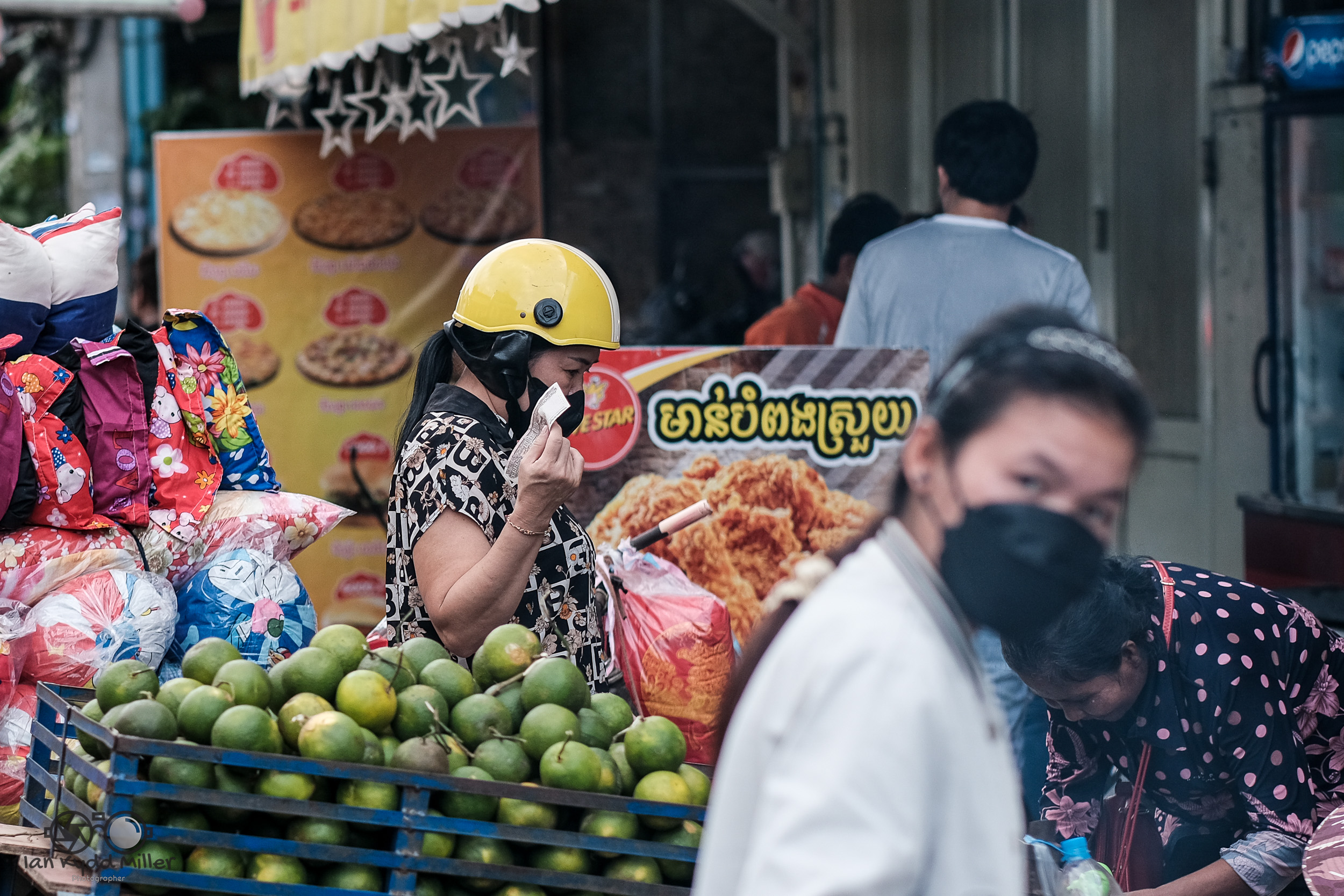
Cleaning supplies, as always, for when needed.

Fujifilm XF 16mm f2.8 WR

fujifilm, Lenses, opinons, thoughts, photography, Uncategorized

Personally use this lens a lot and generally keep it mounted on my Fuji XE1. Its a great little performer.

Fuji XF 10-24 f4 R OIS Lens

cameras, fujifilm, Lenses, opinons, thoughts, photography, pictures

I recently got the opportunity to purchase, for a great price, the Fuji XF 10-24 f4 zoom lens (Version 1). Although it is one of the earlier releases by Fuji and does not come with weather sealing features, which does not really bother me, the XF 10-24mm f/4 R OIS is equipped with excellent optical image stabilization that can work in conjunction with in-body image stabilization. I do most of my work hand held so this is a great thing.

Fuji XF 10-24mm f/4 R OIS Specifications

  • Mount Type: Fujifilm X
  • Focal Length (35mm format equivalent): 10-24mm (15-36mm)
  • Lens Construction (Elements / Groups): 14 / 10
    • Special Lens Elements: Four Aspherical Elements, Three Extra-Low Dispersion Elements
    • Optical Image Stabilization: Yes
    • Focus Motor: Stepping Autofocus Motor
    • Angle of View: 110-61.2Β°
    • Number of Diaphragm Blades: 7 (Rounded)
    • Maximum Aperture: f/4
    • Minimum Aperture: f/22
    • Minimum Focus Distance: 9.45β€³ / 0.24m
    • Maximum Magnification: 0.16x
    • Weight: 410g
    • Size: 3.07 x 3.43β€³ (78.0 x 87mm)
    • Filter Size: 72mm

I have found the lens to be of excellent construction, as with all Fuji lenses, not too heavy for a fairly large lens with lots of glass, and a good metal lens mount. Similar to other high-quality Fujinon lenses, the build quality of the Fuji XF 10-24mm f/4 R OIS is excellent. The lens barrel is made from a combination of tough plastic and metal. The focus and aperture rings, along with the rear mount and the front part of the lens (including the filter thread) are all metal, so the lens is built to last.

I paired up the lens with my Fujifilm XT3 and as the result above show it is a most capable lens giving sharp and contrasty shots straight from the camera in JPEG. Shooting with the lens at f8 to f10 everything, as expected. Its sharp – even at wide apertures. The bokeh is beautifully rendered. Color rendition is excellent and there are no noticeable issues with vignetting or light fall-off.

Fuji XT3 + XF 10-24mm f4 R OIS at f10

The zoom ring is quite large in size and has a rubber cover. When zooming in from 10mm to 24mm, the lens does not change in size – only the front element moves in a little.

There is a rear lens element that stays in place, which does a nice job of keeping dust from entering the lens when it is dismounted. There is no weather sealing. The front lens element is bulbous but reasonably small relative to the lens and filter can be attached. The petal-shaped lens hood is quite large in size. It is plastic and attaches securely to the lens without any wobbling.

Fuji XT3 + XF 10-24mm f4 R OIS at f10

If you have a Fujifilm XF camera – get this lens. For sharp landscapes or interiors its absolutely essential. I will be using it for street photography also. While you don’t quite get the depth of field of say, the 16mm f/1.4, you still get some depth of field. Sharpness and rendition are the key features of this lens and it delivers. Highly recommended.

My New EVERYDAY kit in the bag.

cameras, fujifilm, Lenses, opinons, thoughts, photography
Fujifilm X100

So what do I carry when I go out shooting around town and why.

Whatever it is that I carry it needs to be lighweight but at the same time sturdy and able to produce great results many times under adverse conditions, heat and high humidity;

Up until fairly recently I used to carry lots of different cameras and lenses, mainly Nikon or Canon Pro range, with a good selection of lenses. Not going to go into that right now but needless to say they were a heavy group to carry around for any length of time.

Fujifilm X-E2 always in my bag.

  • Sensor: 16.3 MP (1.5x crop factor), 4.8Β΅ pixel size, same as on X-E1.
  • Sensor Size: 23.6 x 15.6mm.
  • Resolution: 4896 x 3264.
  • Native ISO Sensitivity: 200-6,400.
  • Boost Low ISO Sensitivity: 100.
  • Boost High ISO Sensitivity: 12,800-25,600.
  • Sensor Cleaning System: Yes.

Its small, its lightweight and just gives great result for the kind of stuff I shoot, usually mounted with the XF 18mm f2 its 16MP sensor is excellent.

Almost always in the bag FUJIFILM XT3

This is one wonderful piece of machinery, high MP with great functionality and produces crisp and clean images even at very high ISO.

Even with its attached battery pack it is comfortable to carry and the extra power means I can go all day and not run out of power. I like to mate this with my most recently aquired lens the XF 10-24 f4 R IOS as the result can be superb and the wide angle can be challenging. The X-T3 brings with it a brand new sensor, improved autofocus and video performance that makes it competitive with Panasonic’s GH5, taking the X-T series from being a very good stills camera to one of the best stills/video hybrids on the market. This is a true professional camera, and it’s already NOT the camera that a Fuji user would buy if they wanted a truly portable, lightweight APS-C kit. It weighs in much heavier that the XE2 but it has much faster AF and battery life that IMO make up for the little extra weight. I also have a XT2 as a back up but that is not carried all the time.

Fuji X Pro2

Used probably as much as the XE2 but a little heavier to carry. The results from this camera mated usually with an XF 35mm f2 are no less than astounding. Easy to carry and easy to use once you have it set up the way you like it. As with all Fujifilm cameras the menus can be a little complex but once you understand how they work the cameras can be tweeked to how you like your images to come out if you use JPEG’s out of the box. (which I do).

Fujifilm X100 (original)

I have just rediscovered why I went over to Fuji when I bought this camera with its fixed 23mm f2 lens. Its just a superb piece of retro design. It has a smaller sensor but gives lovely feeling images of great quality. The X100 is still surprisingly usable, even 10 years later. Technically, the X100 is not a rangefinder camera. (but it looks like one) … For most practical purposes – other than manual focus – shooting with the X100 feels a lot like working with a Leica M9 or any other classic rangefinder camera. The 23mm f/2 lens – equivalent to a classic 35mm lens on a full frame camera – is convincingly sharp.

I only ever carry 2 cameras, which they will be I decide when I know what I may be shooting. I carry them in an old Lowepro bag that I have had for years. It keeps them safe and it does not look too much like an expensive camera bag as it is quite battered.