

I have one and use it set to black and white mode and it produces great results
photography
The Fujifilm X100 Original: A Timeless Classic
fujifilm, opinons, thoughts, photography, pictures, street, Travel, UncategorizedIn the world of photography, where the latest technology often overshadows older models, the Fujifilm X100 Original stands as a testament to timeless design and enduring quality. It’s been over a decade since the X100 series first captivated the hearts of photographers around the globe, and yet, the original X100 remains a beloved piece of equipment that continues to inspire creativity.

The Fujifilm X100 Original was a game-changer when it was released. It offered a unique combination of a retro aesthetic, a fixed 23mm lens with an f/2 aperture, and a hybrid viewfinder that allowed photographers to switch between optical and electronic modes. Its APS-C sensor delivered exceptional image quality that rivalled that of larger DSLRs, all packed into a compact body that felt just right in the hands.

What truly sets the X100 apart is its ability to connect with the photographer. It’s not just a camera; it’s a companion on the journey of capturing moments. The tactile controls, the satisfying click of the shutter, the intuitive layout – every aspect of the X100 was designed with the user experience in mind. It encourages you to slow down, to consider your composition, and be more deliberate with each shot.







For many, the X100 is not about having the latest specs or the most megapixels; it’s about the experience of photography. It’s about how the camera feels in your hands, how it renders light and shadow, and how it captures the world as you see it. The X100 excels in street photography, portraits, and everyday snapshots, proving that the photographer’s vision is far more important than chasing after the newest gear.








The X100’s impact on photography is undeniable. It paved the way for a series of successors, each building upon the foundation of the original while staying true to the essence of what made the X100 so special. Photographers who have used the X100 often speak of it with a sense of nostalgia and affection, a clear indication of its significance in their creative lives.

As we look to the future of photography, the Fujifilm X100 Original remains a shining example of what it means to create a camera with soul. It’s a reminder that in a fast-paced world, there are still things worth holding onto, worth returning to, and worth celebrating. So here’s to the Fujifilm X100 Original – a camera that never fails to bring out the best in us, a true classic that continues to stand the test of time. 📷✨
The Fujifilm X100, released in September 2010, marked the inception of the renowned X100 series. It was a trailblazer, combining a retro aesthetic with advanced technology, featuring a 23mm f/2 fixed lens and a 12-megapixel APS-C sensor. Its hybrid viewfinder was a standout, offering both optical and electronic views, a feature that endeared it to photography enthusiasts. Despite its initial firmware issues and autofocus performance, the X100’s design and image quality set a high standard for its successors. Over the years, the series has evolved with significant upgrades in sensor resolution, autofocus points, and video capabilities, culminating in the latest X100VI model. The original X100 remains a beloved classic, appreciated for its blend of old-school charm and modern functionality.
The Nikon D3S: A Professional’s Perspective on Resolution and Performance
UncategorizedIn the world of professional photography, equipment is a critical component of the creative process. The Nikon D3S, with its 12.1 million pixels, has been a topic of discussion among professionals and amateurs alike. While some may argue that in an era where camera resolutions are climbing higher, the D3S’s pixel count may seem modest, it’s essential to delve deeper into what this camera offers and how it stands up in professional use.

The Nikon D3S boasts extraordinarily high maximum sensitivity, allowing photographers to capture images in low-light conditions without the compromise of excessive noise. This feature makes the D3S a formidable tool for professionals who often shoot in challenging lighting scenarios. The camera’s ability to shoot at 9 frames per second (fps) is another attribute that adds to its appeal, especially for those capturing fast-moving subjects or action scenes.
HD video capture is another feature that cannot be overlooked. The D3S provides photographers with the flexibility to switch between stills and video, a necessity in the modern multimedia landscape. This capability ensures that professionals can deliver content that meets diverse client needs, from high-resolution photographs to high-definition videos.
Now, addressing the elephant in the room: the 12.1 million pixels. In an in-depth review, it was noted that, despite its relatively low pixel count, the D3S offers impressive detail resolution. The camera’s redesigned sensor allows for excellent performance at high ISO settings, with a native range of ISO 200-12,800, expandable up to an astonishing ISO 102,400. This level of sensitivity is a game-changer for professionals who prioritize image quality in low-light conditions over sheer pixel count.
Furthermore, the D3S’s full-frame sensor ensures that photographers have a wide field of view and the ability to achieve a shallow depth of field, which is often desired for portraiture and other creative effects. The camera’s robust build and weatherproofing make it a reliable companion for photographers who work in various environments, whether in a studio or out in the field.
It’s also worth mentioning that the D3S’s autofocus system, with its 51-point configuration, is highly capable and accurate, ensuring that professionals can rely on it to capture sharp images even in dynamic situations. The camera’s durability is evidenced by its Kevlar/carbon fibre composite shutter, rated for 300,000 exposures, which speaks volumes about its longevity and suitability for heavy-duty professional use.
In conclusion, while the megapixel race continues, the Nikon D3S remains a testament to the fact that resolution isn’t the sole determinant of a camera’s worth. Its high sensitivity, fast shooting rate, and HD video capabilities, coupled with its rugged build and reliable performance, make it a valuable asset for professional photographers. The D3S proves that it’s not just about the number of pixels, but how they are used to capture and convey a vision that matters most in professional photography. For those considering the D3S, it’s clear that this camera still holds its ground as a top choice for professionals who value quality, performance, and versatility.

The Fuji XF 50mm f2: A Hidden Gem in Photography
fujifilm, Lenses, opinons, thoughts, photography, pictures, street, TravelIn the world of photography, where gear often garners as much attention as the images produced, there exists a lens that has quietly captured the hearts of many photographers: the Fuji XF 50mm f2. This lens, often described as underrated, has become a steadfast companion for those who have discovered its virtues.

The Fuji XF 50mm f2 is part of Fujifilm’s esteemed X-series line of lenses, known for their compact size, robust build, and exceptional image quality. Released in January 2017, it joined the ranks of its f/2 series siblings, the XF 23mm and 35mm, offering a 76mm full-frame equivalent focal length—a perfect sweet spot for portrait and street photographers alike.

What sets the XF 50mm f2 apart is not just its focal length, but its construction. Weighing in at a mere 200 grams, this lens is a marvel of engineering, providing weather-sealing, fast autofocus, and a tactile manual aperture ring—all encased in a metal body that feels both solid and luxurious in hand.

Image quality is where the XF 50mm f2 truly shines. Photographers rave about its sharpness, even when shot wide open at f/2. The bokeh produced is creamy and pleasing, lending a professional look to portraits and isolating subjects with ease. It’s a lens that performs admirably across a variety of photographic scenarios, from intimate weddings to expansive landscapes.



Despite its prowess, the XF 50mm f2 remains surprisingly affordable, especially when compared to its larger sibling, the XF 56mm f1.2. This cost-effectiveness does not come at the expense of image quality, making it an attractive option for both amateur and professional photographers.



For those who prefer a tactile experience, the XF 50mm f2 does not disappoint. The aperture ring clicks satisfyingly into place, and the focus ring glides smoothly, allowing for precise manual focus adjustments—a feature that videographers will appreciate for its quiet operation during filming.








In conclusion, the Fuji XF 50mm f2 is a lens that deserves more recognition. It’s a testament to Fujifilm’s commitment to quality and a reminder that sometimes, the best tools are the ones that don’t demand attention but rather, quietly excel at their task. For many photographers, the XF 50mm f2 is not just an underrated lens; it’s a beloved workhorse that rarely leaves their camera. And for good reason—it’s a hidden gem that continues to prove its worth with every click of the shutter.
The Fujifilm X-Pro3: A Camera of Contrasts and Capabilities
cameras, fujifilm, Lenses, opinons, thoughts, photography, pictures, street, TravelThe Fujifilm X-Pro3 stands as a testament to the camera manufacturer’s dedication to combining classic design with modern technology. This camera has sparked discussions among photographers, with its unique features that some may love or dislike, yet it consistently delivers exceptional image quality.
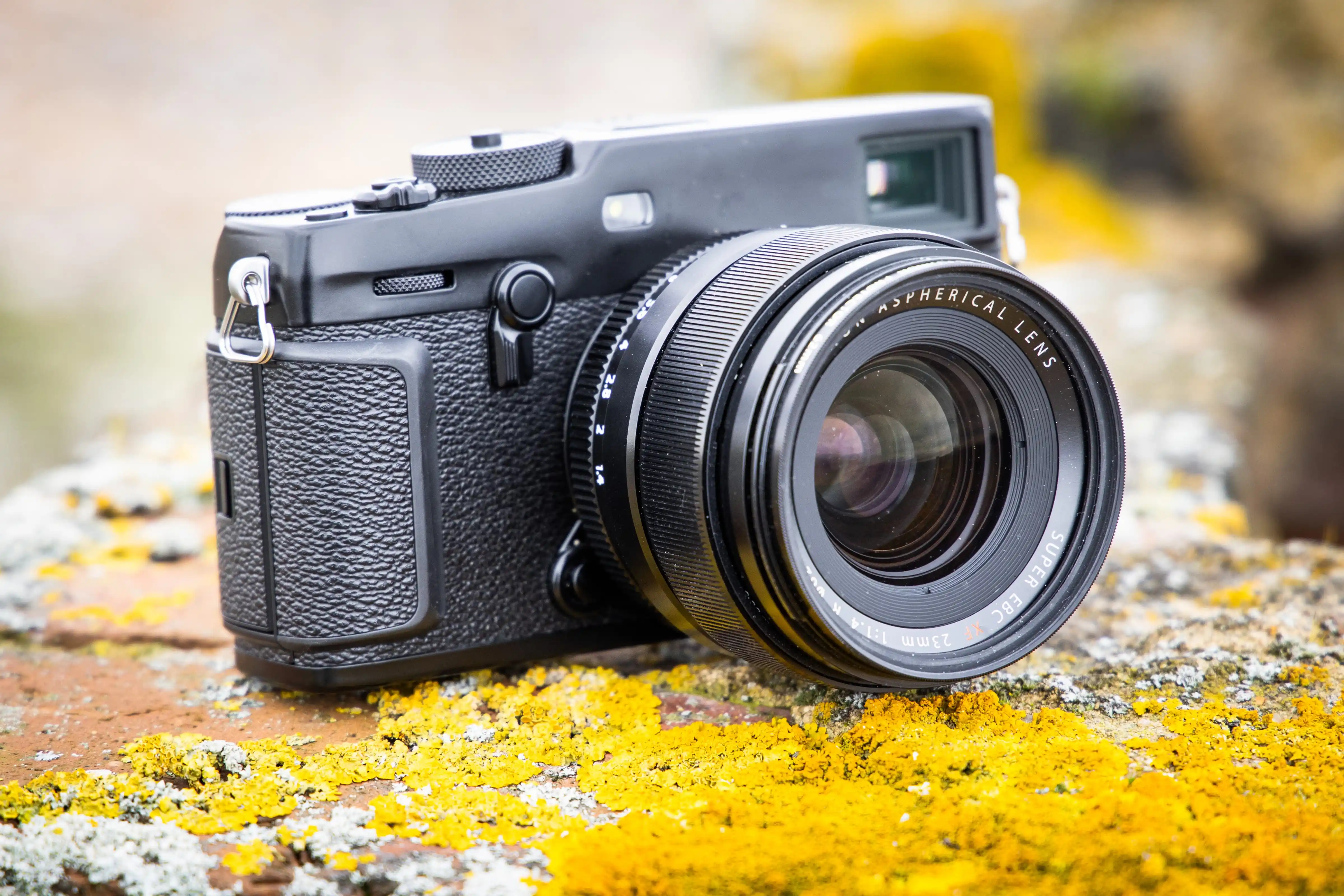

At the heart of the X-Pro3 is a 26-megapixel APS-C sensor, ensuring that the images captured are of high resolution and detail. The camera’s design harks back to the film era, with a hybrid viewfinder that allows photographers to switch between optical and electronic modes. This feature caters to those who appreciate the tactile experience of traditional photography while still enjoying the benefits of digital technology.

One of the most talked-about features of the X-Pro3 is its hidden LCD screen, which encourages photographers to focus more on the moment and less on reviewing every shot—a practice known as “chimping.” This design choice aims to foster a more immersive shooting experience, reminiscent of using a film camera, where one does not see the results until the film is developed.






The X-Pro3’s body is constructed with titanium, offering durability and a premium feel. It comes in three finishes: standard black, and two Duratect-coated versions that are more scratch-resistant. The Duratec coating also gives the camera a distinctive look, whether in Dura Black or Dura Silver, though it does tend to attract fingerprints.

Image quality is where the X-Pro3 truly shines. It inherits the excellent image processing capabilities seen in its sibling, the X-T3, and adds an in-camera HDR mode. The ‘Classic Neg’ film simulation mode is another highlight, providing images with a nostalgic and timeless aesthetic.

Autofocus performance is robust, though it requires a bit more user input compared to some of its peers. For video enthusiasts, the X-Pro3 can capture impressive footage, despite its primary focus on still photography.

The X-Pro3 is a camera that may polarize opinions with its design choices, but it cannot be denied that it is a powerful tool for photography. It is a camera that challenges the norms and encourages photographers to engage with their subjects and the environment, rather than the camera itself.




For those who value a camera that offers both a connection to photography’s past and the technological advancements of the present, the Fujifilm X-Pro3 is a compelling choice. It is a camera that reminds us that photography is not just about the gear but the vision and experience of the photographer.
The Art of Photography: A Skill Within Everyone’s Reach
cambodia, fujifilm, opinons, thoughts, photography, pictures, street, TravelPhotography is an art form that captures moments, tells stories, and expresses emotions through images. It’s a powerful medium that has evolved significantly with technological advancements. The question of whether anyone can learn to take good photographs surfaces frequently in the world of photography. The answer is a resounding yes, with a caveat: learning photography, like any skill, requires patience, practice, and a willingness to learn.
Understanding the Basics
The journey to taking good photographs begins with understanding the basic principles of photography. This includes learning about exposure, composition, lighting, and the rule of thirds. Exposure is the amount of light that reaches the camera sensor, and it is controlled by the aperture, shutter speed, and ISO settings. Composition involves arranging elements within the frame in a pleasing manner. Lighting is crucial as it can dramatically alter the mood and feel of a photograph. The rule of thirds is a compositional guideline that suggests dividing the frame into nine equal segments for a balanced composition.

Embracing Technology
In today’s digital age, cameras have become more accessible and user-friendly. From smartphones with advanced camera features to professional DSLRs and mirrorless cameras, there’s a wide range of tools available for budding photographers. Understanding your equipment and its capabilities is essential. Many cameras offer automatic modes that handle the technical aspects, allowing you to focus on framing your shot. However, to truly excel in photography, learning to use manual settings will give you greater control over the final image.

Practice Makes Perfect
Practice is key to improving your photography skills. Regularly taking photos and experimenting with different techniques will help you understand what works and what doesn’t. Analyzing your photos critically and seeking feedback from others can provide valuable insights into areas of improvement. Additionally, studying the work of renowned photographers can serve as inspiration and a learning tool.








The Creative Process
Photography is not just about technical proficiency; it’s also about creativity and personal expression. Developing a unique style and perspective is part of the learning process. This involves experimenting with different subjects, perspectives, and editing techniques. Post-processing software like Adobe Lightroom and Photoshop can enhance your photos and bring your creative vision to life.


















Learning Resources
There are numerous resources available for those interested in learning photography. Online tutorials, workshops, books, and photography courses can provide structured learning and hands-on experience. Joining photography communities and participating in photo challenges can also be beneficial for growth and motivation.
In conclusion, photography is a skill that anyone can learn. It combines both technical knowledge and creative expression. With the right mindset, tools, and resources, you can embark on a journey to capture the world through your lens. Whether you aspire to be a professional photographer or simply want to improve your hobby, the path to taking good photographs is open to all who are willing to explore it. Remember, every great photographer starts as a beginner, so pick up your camera and start shooting!
Is the Fuji X-Pro2 Worth the Extra Money Even Now?
fujifilm, Lenses, photography, street, Travel, UncategorizedThe Fujifilm X-Pro2, a camera that has been in the market since 2016, continues to be a topic of interest among photography enthusiasts. With its classic design and modern features, it has been a favourite for many, even with newer models available. The question remains: is it worth the extra money today?

The X-Pro2 was a significant upgrade from its predecessor, the X-Pro1, featuring a new 24.3MP X-Trans CMOS III sensor and an improved X Processor Pro. Its design is reminiscent of classic rangefinder cameras but with the added benefits of modern technology. The hybrid viewfinder, which combines optical and electronic components, is one of its standout features, offering a unique shooting experience that many photographers appreciate.
Durability and build quality are also strong points for the X-Pro2. Its magnesium alloy body is weather-sealed, making it a reliable choice for photographers who don’t shy away from challenging environments. The addition of a dual SD card slot was a welcome feature for professionals who needed the security of a backup while shooting.
Despite its age, the X-Pro2’s performance remains competitive. Its autofocus system, though not as advanced as the latest models, is still capable and reliable for various photography genres. Image quality is another area where the X-Pro2 shines, producing sharp, detailed photos with excellent colour rendition.









However, it’s essential to consider the advancements in camera technology since the release of the X-Pro2. Newer models may offer features such as improved autofocus, better video capabilities, and enhanced connectivity options that the X-Pro2 lacks.


Price is a significant factor in the decision-making process. As time has passed, the X-Pro2 has become more affordable, making it an attractive option for those who want a high-quality camera without the steep price tag of the latest models. It’s often referred to as the “Poor Man’s Leica” because of its rangefinder-style design and quality without the luxury brand’s price.
In conclusion, the Fujifilm X-Pro2 remains a worthy investment for photographers who value its unique design, image quality and build. While it may not have all the bells and whistles of newer models, its performance and price point make it a compelling choice for both seasoned photographers and those looking to step up their photography game.
Exploring the Battery Life of Fuji Cameras: A Comparative Analysis
cameras, Fujichrome, fujifilm, opinons, thoughts, photography, street, Travel, UncategorizedPhotography enthusiasts often face the challenge of balancing their love for the art with the practical aspects of their equipment. One such practical consideration is the battery life of cameras, which can significantly impact the shooting experience. Fuji cameras, known for their exceptional image quality and user-friendly design, unfortunately, fall short when it comes to battery longevity, especially compared to the stalwarts of the DSLR world, Nikon and Canon.

The issue of battery life in cameras is not a trivial one. For photographers who spend long hours on shoots or travel extensively, the frequency of battery changes can be frustrating. This is where DSLRs from Nikon and Canon have traditionally excelled, offering robust battery performance that allows photographers to shoot for extended periods without interruption.

Fuji’s mirrorless cameras, while offering the advantages of a lighter body and a more compact form factor, have been criticized for their less impressive battery life. The reasons for this are multifaceted. Mirrorless cameras like those from Fuji rely heavily on electronic viewfinders and LCD screens, which consume a significant amount of power. Additionally, the smaller bodies of these cameras can only accommodate smaller batteries, which inherently have a lower capacity.
Recent developments, however, show promise for Fuji users. The Fujifilm X-S20, for instance, boasts an enhanced battery that claims to capture an additional 800 frames on a single charge compared to its predecessor. This is a substantial improvement and indicates that Fuji is responsive to the needs of its users and is working towards bridging the gap in battery performance.




Despite these advancements, potential buyers and current users need to be aware of the limitations and plan accordingly. Investing in spare batteries or external power banks can mitigate the issue to some extent. Moreover, it’s advisable to purchase batteries from reputable manufacturers to ensure safety and reliability.
In conclusion, while Fuji cameras may currently lag behind Nikon and Canon DSLRs in terms of battery life, the gap is narrowing. With technological advancements and a user-centric approach, Fuji is poised to overcome this hurdle, much to the delight of its loyal user base. For now, photographers must weigh the pros and cons, considering whether the unparalleled image quality and compactness of Fuji cameras outweigh the inconvenience of more frequent battery changes. As the technology evolves, we remain hopeful that future models will continue to address this concern, making Fuji cameras an even more attractive choice for photography enthusiasts.
The Fujifilm X-T3, even when equipped with a battery grip, offers a more compact mirrorless design but falls short in battery life compared to the robust Nikon D3 and D800. The X-T3 provides around 390 shots per charge, which is significantly less than the 900 shots offered by the D800 or D3. This difference is often a consideration for photographers who require longer shooting times without the need for frequent battery swaps. However, the X-T3 compensates with features like higher video recording quality and a lighter body, which may appeal to users looking for portability and advanced video capabilities.
Creating a Compelling Photo Essay: Key Elements and Considerations
cambodia, cameras, conflict, copyrights, homelessness, opinons, thoughts, photography, pictures, street, Travel, Uncategorized, warA photo essay is a series of photographs that are intended to tell a story or evoke a series of emotions in the viewer. It is a powerful way to convey messages and narratives through visual storytelling. Crafting a compelling photo essay involves more than just selecting a series of images; it requires careful thought and planning. Here are some essential elements that contribute to the effectiveness of a photo essay:.

- Theme or Narrative: The backbone of any photo essay is its theme or narrative. This is the central idea or story that you want to communicate to your audience. Whether it’s the daily life of a community, the impact of an environmental issue, or a personal journey, the theme should be clear and consistent throughout the essay.
- Variety of Images: To maintain the viewer’s interest, include a variety of shots, such as wide, medium, and close-ups. This variety can help to provide context, focus on details, and develop the story. Different angles, compositions, and perspectives can add depth and richness to the narrative.
- Emotional Impact: One of the most powerful aspects of a photo essay is its ability to evoke emotions. Whether it’s joy, sadness, surprise, or anger, the images chosen should have an emotional pull that resonates with viewers, prompting them to think and feel deeply about the subject matter.
- Consistency: Maintaining a consistent style and tone throughout the essay helps reinforce the narrative. This could be achieved through a consistent colour scheme, subject matter, or point of view. Consistency aids in creating a cohesive story that flows smoothly from one image to the next.
- Informative and Educational Value: Each photograph in the essay should offer something valuable to the viewer. This could be in the form of information about the subject, insights into a particular lifestyle, or educational content that provides a deeper understanding of the topic.
- Captioning: While the images themselves are the main focus, captions can provide context and further information that may not be immediately evident in the photographs. Good captions are concise but informative, adding to the story without distracting from the images.
- Opening and Closing Images: The first and last images of a photo essay are crucial. The opening image should grab the viewer’s attention and introduce the theme, while the closing image should leave a lasting impression, providing closure and reflecting on the overall narrative.
- Pacing and Structure: Just like in written essays, the pacing and structure of a photo essay are important. The arrangement of images should be intentional, guiding the viewer through the story in a logical and emotionally impactful way.
- Accessibility: The subject matter of the photo essay should be accessible to the photographer. This means choosing a topic that is within reach, both literally and figuratively, allowing for a more intimate and genuine portrayal of the subject.

In conclusion, a good photo essay is not just about the photographs, but also about how they are put together to tell a story. It’s about the thought process behind the selection of images, the arrangement, and the way they are presented to evoke a response from the viewer. With these elements in mind, anyone can create a photo essay that is both visually stunning and narratively powerful.
The true magic of photography
cambodia, cameras, film, Fujichrome, fujifilm, opinons, thoughts, photography, pictures, printers, street, Travel, voluntary, warPhotography is an art form that captures the essence of a moment and preserves it for eternity. It’s a craft combining technology, creativity, and vision to create images that evoke emotions, tell stories, and record history. The true magic of photography lies in its ability to freeze time, allowing us to revisit and relive memories long after they have passed.

The Power of a Single Image
A single photograph can communicate complex narratives and evoke a spectrum of emotions. It can transport us to distant lands, introduce us to new cultures, or remind us of the past. Photography is a universal language, understood and appreciated by people regardless of their language or background.
The Artistic Process
The process of creating a photograph is both technical and artistic. Photographers must understand the mechanics of their camera, the properties of light, and the principles of composition. However, it’s their artistic vision that transforms a simple snapshot into a powerful image. It’s about seeing the potential in a scene and capturing it in such a way that it becomes a work of art.

The Emotional Connection
Photographs have the unique ability to connect with us on an emotional level. They can bring joy, provoke thought, inspire change, or provide comfort. Whether it’s a candid shot of a loved one or a breathtaking landscape, photographs can touch our hearts and stir our souls.

The Role of Photography in Society
Photography plays a crucial role in society. It documents our world, from everyday life to historic events. Photojournalists, for example, provide visual accounts of news stories, helping to inform and shape public opinion. Photography also plays a vital role in science and education, providing visual evidence and aiding in research and discovery.




The Evolution of Photography
The field of photography has evolved significantly since its inception. From the early days of film and darkrooms to the modern era of digital cameras and smartphones, the tools and techniques have changed, but the essence remains the same. Today, photography is more accessible than ever, allowing more people to participate in capturing and sharing their view of the world.
The Future of Photography
As technology advances, so too will the possibilities in photography. New techniques, such as drone photography and virtual reality, are opening up new perspectives and ways of storytelling. The future of photography is bright, with endless potential for innovation and creativity.
In conclusion, the true magic of photography is its ability to capture the fleeting moments of life, to tell stories without words, and to connect us across time and space. It’s a powerful medium that continues to evolve, inspire, and enchant us with every captured frame. Photography is not just about taking pictures; it’s about discovering the extraordinary in the ordinary and sharing that vision with the world. Let’s continue to celebrate and explore the magical world of photography together.
 a world without pictures is like coffee without cream and sugar, bitter