A photo essay is a series of photographs that are intended to tell a story or evoke a series of emotions in the viewer. It is a powerful way to convey messages and narratives through visual storytelling. Crafting a compelling photo essay involves more than just selecting a series of images; it requires careful thought and planning. Here are some essential elements that contribute to the effectiveness of a photo essay:.
Theme or Narrative: The backbone of any photo essay is its theme or narrative. This is the central idea or story that you want to communicate to your audience. Whether it’s the daily life of a community, the impact of an environmental issue, or a personal journey, the theme should be clear and consistent throughout the essay.
Variety of Images: To maintain the viewer’s interest, include a variety of shots, such as wide, medium, and close-ups. This variety can help to provide context, focus on details, and develop the story. Different angles, compositions, and perspectives can add depth and richness to the narrative.
Emotional Impact: One of the most powerful aspects of a photo essay is its ability to evoke emotions. Whether it’s joy, sadness, surprise, or anger, the images chosen should have an emotional pull that resonates with viewers, prompting them to think and feel deeply about the subject matter.
Consistency: Maintaining a consistent style and tone throughout the essay helps reinforce the narrative. This could be achieved through a consistent colour scheme, subject matter, or point of view. Consistency aids in creating a cohesive story that flows smoothly from one image to the next.
Informative and Educational Value: Each photograph in the essay should offer something valuable to the viewer. This could be in the form of information about the subject, insights into a particular lifestyle, or educational content that provides a deeper understanding of the topic.
Captioning: While the images themselves are the main focus, captions can provide context and further information that may not be immediately evident in the photographs. Good captions are concise but informative, adding to the story without distracting from the images.
Opening and Closing Images: The first and last images of a photo essay are crucial. The opening image should grab the viewer’s attention and introduce the theme, while the closing image should leave a lasting impression, providing closure and reflecting on the overall narrative.
Pacing and Structure: Just like in written essays, the pacing and structure of a photo essay are important. The arrangement of images should be intentional, guiding the viewer through the story in a logical and emotionally impactful way.
Accessibility: The subject matter of the photo essay should be accessible to the photographer. This means choosing a topic that is within reach, both literally and figuratively, allowing for a more intimate and genuine portrayal of the subject.
In conclusion, a good photo essay is not just about the photographs, but also about how they are put together to tell a story. It’s about the thought process behind the selection of images, the arrangement, and the way they are presented to evoke a response from the viewer. With these elements in mind, anyone can create a photo essay that is both visually stunning and narratively powerful.
Introduction: Defining the Role of Photojournalism as Agent Provocateur
Photojournalism, at its core, is more than just capturing moments in time. It is a powerful medium capable of shaping narratives, influencing public opinion, and even sparking social change. In its most potent form, photojournalism acts as an “agent provocateur,” challenging the status quo, exposing injustices, and prompting critical reflection. This essay explores the role of photojournalism as a catalyst for change, examining how photographers wield the power of the image to ignite dialogue, raise awareness, and ultimately, drive action.
The Ethics and Power of Image: How Photos Can Shape Public Perception
Photojournalism, at its core, is about capturing the truth. It’s about presenting a moment, an event, a human experience in a way that resonates with viewers, leaving a lasting impact on their understanding of the world. But the power of a photograph goes beyond mere documentation; it has the potential to shape public perception, influence opinions, and even spark social change. This power, however, comes with a weighty responsibility.
A single image can evoke a myriad of emotions, from empathy and outrage to fear and indifference. The framing of a shot, the choice of subject matter, the accompanying caption – all these elements contribute to the narrative that the photograph conveys. It’s crucial for photojournalists to be mindful of the potential impact their work can have, ensuring that the images they present are truthful, ethical, and avoid perpetuating harmful stereotypes.
Moreover, the power of images is amplified by the pervasiveness of social media. Images shared online can quickly go viral, reaching a global audience and shaping public discourse. The ease of sharing and the speed at which information travels online demand a heightened sense of ethical responsibility from photojournalists.
The ethical considerations surrounding photojournalism are complex and multifaceted. The photographer’s role is not merely to capture a scene but to be a responsible storyteller, ensuring that the truth is conveyed accurately and ethically. It’s a balancing act between capturing the reality of a situation and avoiding the exploitation or manipulation of those involved. As the adage goes, “a picture is worth a thousand words,” and in the hands of a skilled and responsible photojournalist, it can be a powerful tool for understanding, empathy, and change.
Case Studies: Photojournalism that Sparked Action and Social Change
The power of photojournalism to ignite action and drive social change is undeniable. Throughout history, photographers have captured moments that have awakened the world to injustice, inequality, and the urgent need for reform. These images have served as potent catalysts, galvanizing public opinion and prompting governments and organizations to take action.
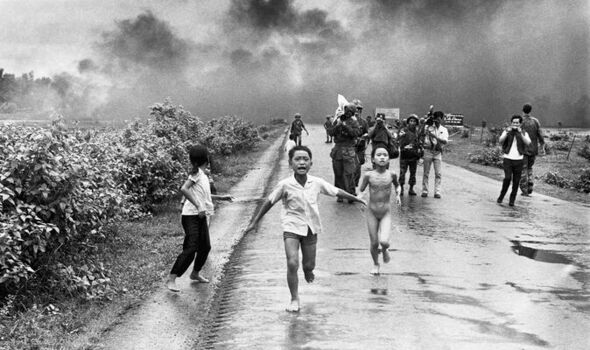
One such case is the iconic photograph of a young girl, Kim Phuc, running naked down a road after being napalmed during the Vietnam War. Taken by Associated Press photographer Nick Ut in 1972, the image became a symbol of the war’s brutality and the suffering of innocent civilians. It sparked global outrage and helped turn public opinion against the war, ultimately contributing to the US withdrawal.
Another compelling example is the work of photojournalist Kevin Carter, who captured a poignant image of a starving Sudanese child being stalked by a vulture in 1993. This photograph, which won Carter a Pulitzer Prize, brought the plight of the Sudanese people to the forefront of international attention. It also ignited a debate about the role of the photographer in such situations, prompting questions about the ethics of documenting suffering without directly intervening.
These cases demonstrate the undeniable power of photojournalism to act as a powerful agent for social change. By capturing and disseminating images that expose injustice and human suffering, photojournalists can awaken the conscience of the world and inspire action.
The Role of the Photographer: Balancing Objectivity with Advocacy
The photographer, standing at the intersection of truth and power, navigates a complex terrain where objectivity and advocacy often collide. While aiming for a balanced representation of reality, the photojournalist often bears witness to injustices and feels compelled to act as a voice for the voiceless. This delicate dance between neutrality and engagement is a defining characteristic of the profession.
The photographer’s role is not simply to document events but to present them in a way that compels viewers to consider their implications. This requires a careful consideration of framing, composition, and the overall narrative conveyed by the image. While striving for objectivity, the photographer must also acknowledge their own biases and perspectives, striving for transparency and accountability in their work.
The challenge lies in finding the right balance. A photojournalist must be able to capture the essence of a story without manipulating it for emotional impact or to push a particular agenda. This requires a strong ethical compass and a commitment to journalistic integrity. Ultimately, the photographer’s goal is to empower viewers to understand the world around them and to become active participants in shaping a more just and equitable society.
The Impact of the Digital Age: Challenges and Opportunities for Photojournalism
The digital age has profoundly impacted photojournalism, presenting both significant challenges and unprecedented opportunities. While the internet and social media have democratized access to information and empowered citizen journalists, they have also led to a proliferation of misinformation and the blurring of lines between professional and amateur photography.
One of the most significant challenges is the rise of “fake news” and the manipulation of images. The ease with which images can be altered and shared online has made it difficult for audiences to discern truth from fabrication. This has eroded trust in traditional media and created a climate of skepticism.
However, the digital age has also opened up new avenues for photojournalists to reach audiences and tell stories. Social media platforms like Instagram and Twitter have become powerful tools for disseminating images and connecting with audiences around the world. Photojournalists are now able to use these platforms to engage in real-time reporting, share their work directly with the public, and build communities around their photography.
Moreover, the development of new technologies like drone photography and virtual reality has provided photojournalists with innovative ways to capture and present their work. These technologies offer immersive experiences that can transport audiences to the heart of events and foster deeper understanding.
In conclusion, the digital age has presented photojournalism with both challenges and opportunities. While the spread of misinformation and the erosion of trust are significant concerns, the digital landscape also provides new tools for reaching audiences, engaging in real-time reporting, and presenting stories in innovative ways. As photojournalism navigates this evolving media environment, it must adapt to the challenges while embracing the opportunities to continue its vital role as a powerful force for social change.
Conclusion: The Enduring Power of Photojournalism to Challenge the Status Quo
In a world saturated with information, photojournalism remains a potent force for change. Its ability to capture the raw emotion and reality of events, often in a single, powerful image, can transcend language barriers and ignite empathy. Photojournalists, acting as agents provocateurs, wield the camera as a tool to challenge the status quo, expose injustice, and spark social change. Their work is not merely documentation; it is a call to action, a testament to the enduring power of visual storytelling.
While the digital age has brought new challenges and opportunities, the core principles of photojournalism remain steadfast. Ethical considerations and the pursuit of truth continue to guide the craft. The power of a single photograph to shape public perception and drive societal change is undeniable. In a world where information is often manipulated and distorted, photojournalism stands as a beacon of truth, holding a mirror to society and urging us to confront the realities we often choose to ignore. It is a reminder that even in the face of adversity, the human spirit, captured through the lens of a camera, can inspire hope and ignite the flames of change.
Photojournalism, in its essence, is a powerful act of defiance. It challenges the dominant narrative, exposes the uncomfortable truths, and compels us to question the world around us. It is a testament to the enduring power of visual storytelling and its ability to spark dialogue, ignite change, and ultimately, shape a better future.
Objectivity in Photography:
Ethical Responsibility: Photographers strive to capture and present images truthfully, avoiding manipulation or exploitation.
Awareness of Bias: They acknowledge personal biases and aim for transparency in their work.
Balanced Representation: Careful consideration of framing and composition to convey a story without pushing an agenda
Journalistic Integrity: A commitment to the ethical standards of journalism guides their approach to storytelling
Professionalism in photography transcends the mere act of capturing images. It embodies a comprehensive approach that combines artistic talent with business acumen, customer service, and ethical conduct. A Professional photographer is not merely someone who gets paid for their photographs; rather, they are individuals who consistently deliver quality, value their client’s time, and uphold a brand that resonates with trust and excellence.
The Essence of Professionalism in Photography
At its core, professionalism in photography involves a commitment to quality and a dedication to the craft. It means having the technical skills to produce outstanding images and the people skills to communicate effectively with clients. Professional photographers understand the importance of making a great first impression, responding promptly to inquiries, and dressing appropriately for events. They also recognize the significance of their personal image as part of their brand identity.
Building a Brand and Business
Professional photographers must also be savvy entrepreneurs. They need to manage their business efficiently, market their services effectively, and navigate the competitive landscape of the photography industry. This includes understanding pricing strategies, creating a compelling portfolio, and networking within the industry. A professional photographer’s brand is a reflection of their work ethic, style, and the experiences they provide to their clients.
Customer Service as a Cornerstone
Customer service is a critical component of professionalism in photography. It’s about valuing the client’s time, delivering expected materials or services on time, educating the client when necessary, and taking responsibility when things don’t go as planned. A professional photographer builds relationships with clients based on trust and reliability, ensuring repeat business and referrals.
Ethical Conduct and Integrity
Professionalism also entails adhering to ethical standards and operating with integrity. This means respecting clients’ privacy, honouring contracts and agreements, and being honest in all business dealings. Professional photographers protect their clients’ interests and maintain confidentiality, fostering an environment of mutual respect.
Continuous Learning and Improvement
The photography industry is dynamic, with constant technological advancements and evolving trends. Professional photographers commit to lifelong learning, staying updated with the latest equipment, techniques, and styles. They invest in their education, attend workshops, and seek mentorship to refine their skills and expand their knowledge.
Conclusion
Professionalism in photography is a multifaceted concept that goes beyond the ability to take beautiful photos. It encompasses the entire client experience, from the initial contact to the delivery of the final product. It’s about creating a reputable brand, offering exceptional customer service, conducting business with integrity, and continually striving for excellence. For those aspiring to become professional photographers, it’s essential to embrace these principles to succeed and thrive in this creative and competitive field.
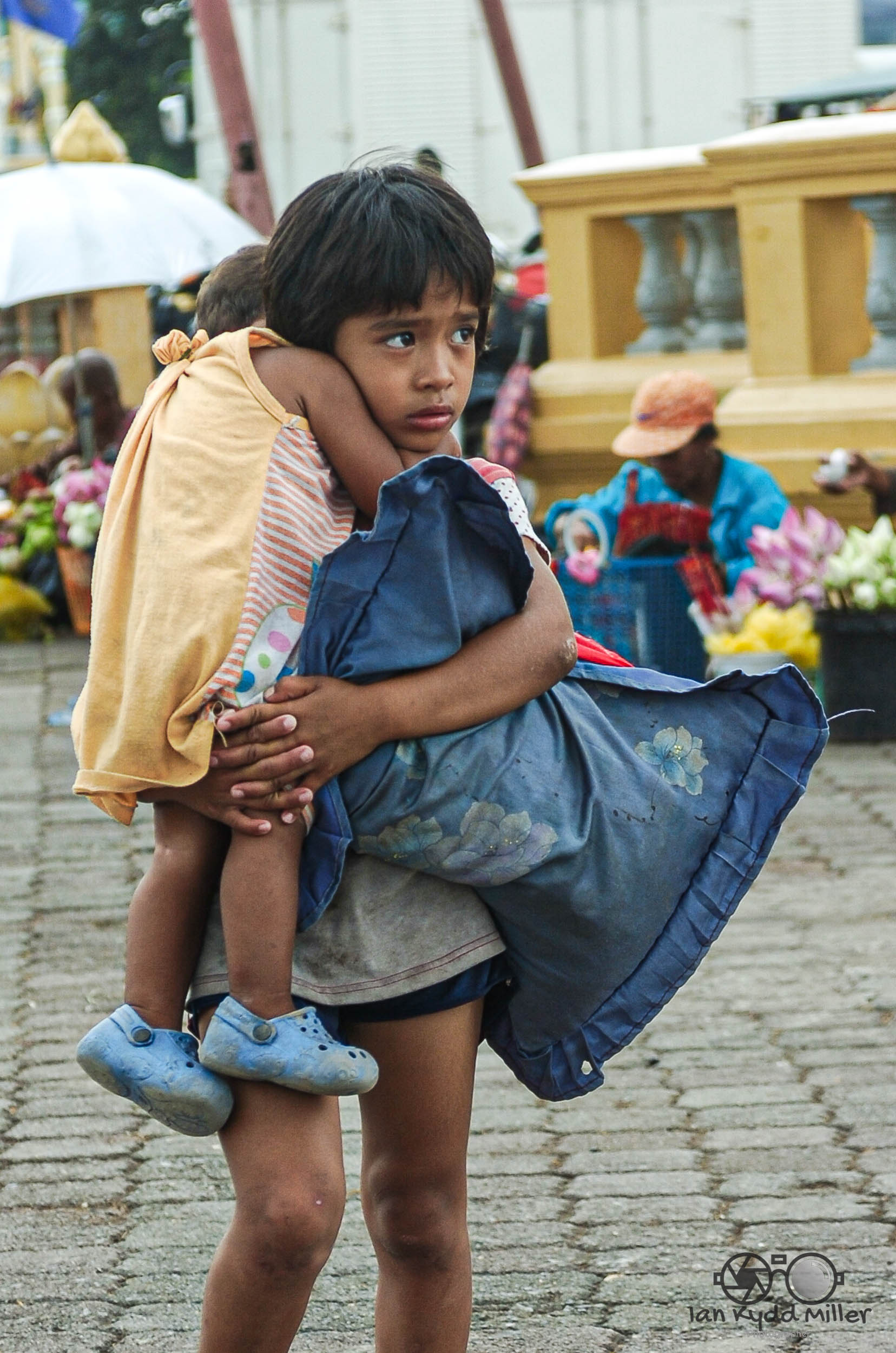
Cambodia, with its rich history, stunning landscapes, and vibrant culture, is a haven for photographers. From the majestic temples of Angkor Wat to the bustling streets of Phnom Penh, every corner of this beautiful country offers a unique opportunity to capture moments that tell a thousand stories.
The Temples of Angkor, a UNESCO World Heritage site, are a testament to the grandeur of the Khmer Empire. Photographers from around the world flock to Siem Reap to witness the sun rising over the iconic spires of Angkor Wat or to explore the tree-entwined ruins of Ta Prohm at dawn. The play of light and shadow, the intricate carvings, and the sheer scale of these ancient wonders provide endless inspiration.
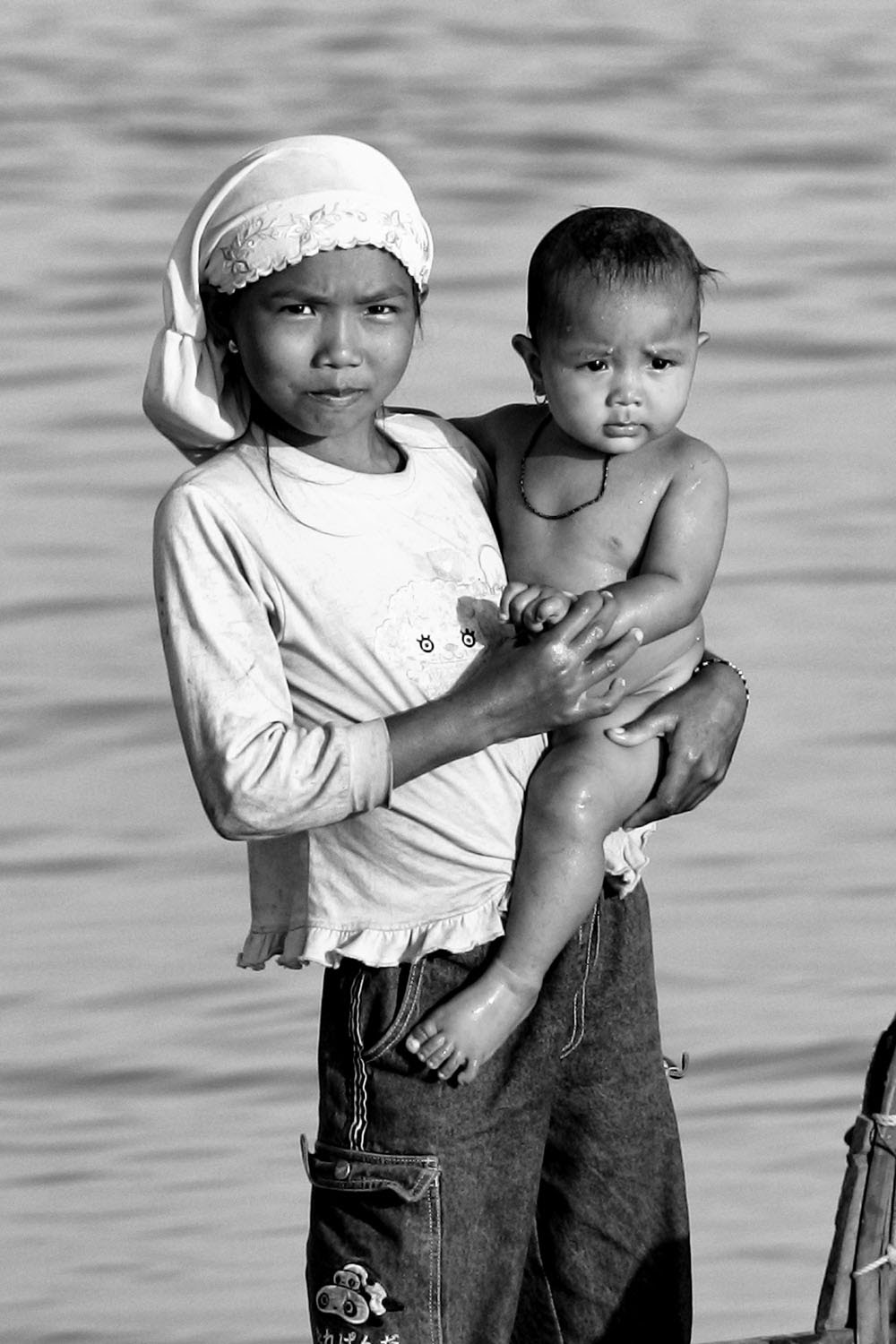
Beyond the temples, the floating villages of Tonle Sap Lake present a glimpse into the lives of the Cambodian people, with their houses perched on stilts above the water. Here, you can capture the daily routines of fishermen, the vibrant colors of the floating markets, and the serene sunsets that cast a golden glow over the lake.
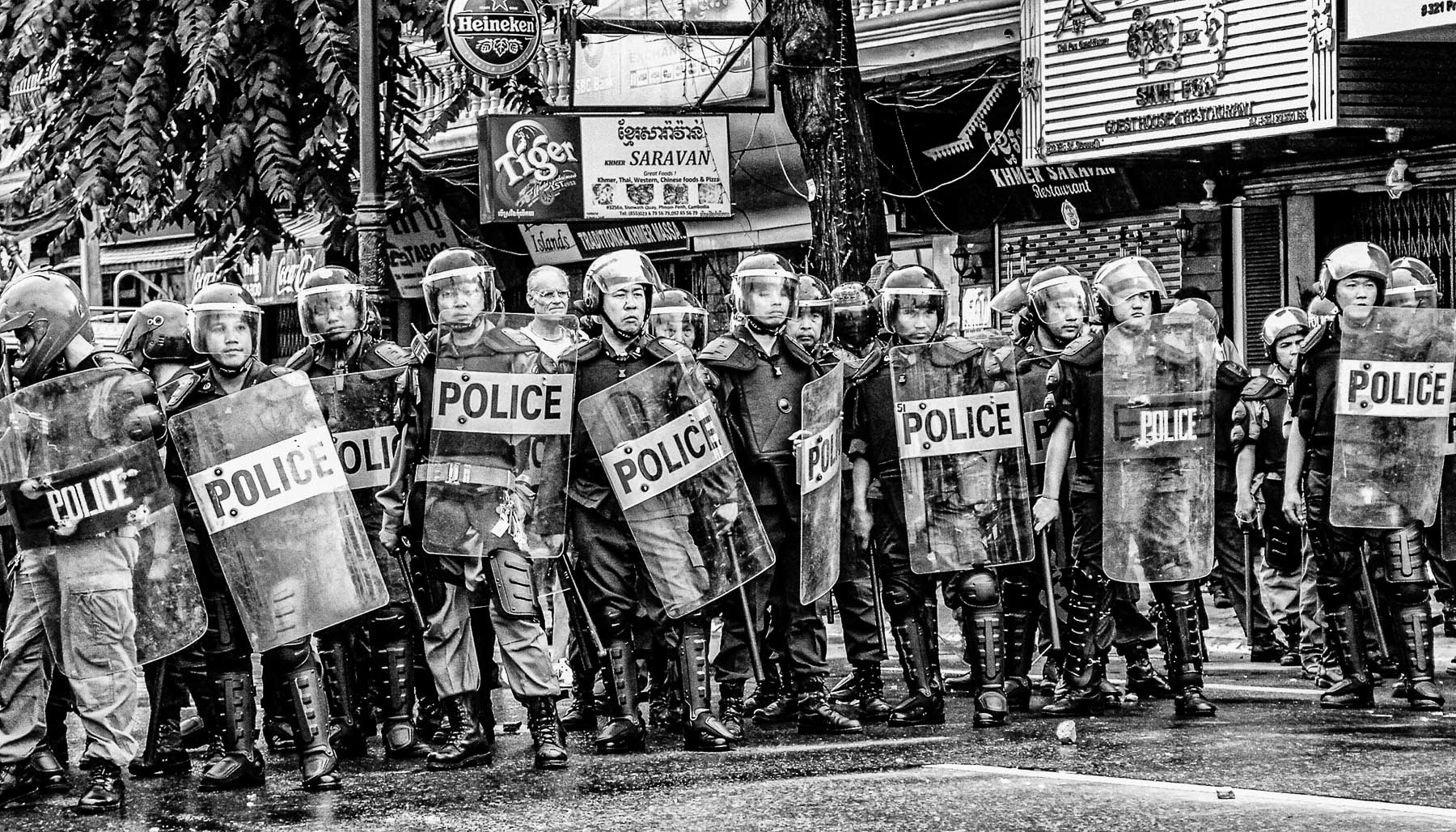
Phnom Penh, the capital city, is a juxtaposition of traditional and modern Cambodia. The Royal Palace, with its classic Khmer roofs and gleaming spires, stands in contrast to the city’s rapidly growing skyline. Street photography enthusiasts will find a wealth of subjects in the city’s lively markets and cafes, where the energy of Cambodia’s urban life is palpable.
For those interested in wildlife and nature photography, the Cardamom Mountains offer untouched landscapes and a chance to photograph rare species in their natural habitat. The lush jungles, cascading waterfalls, and remote villages are a reminder of the country’s diverse ecosystems.
Photography workshops and tours are available for those looking to hone their skills while exploring the country. These guided experiences not only provide practical photography advice but also offer deeper insights into Cambodia’s culture and history.
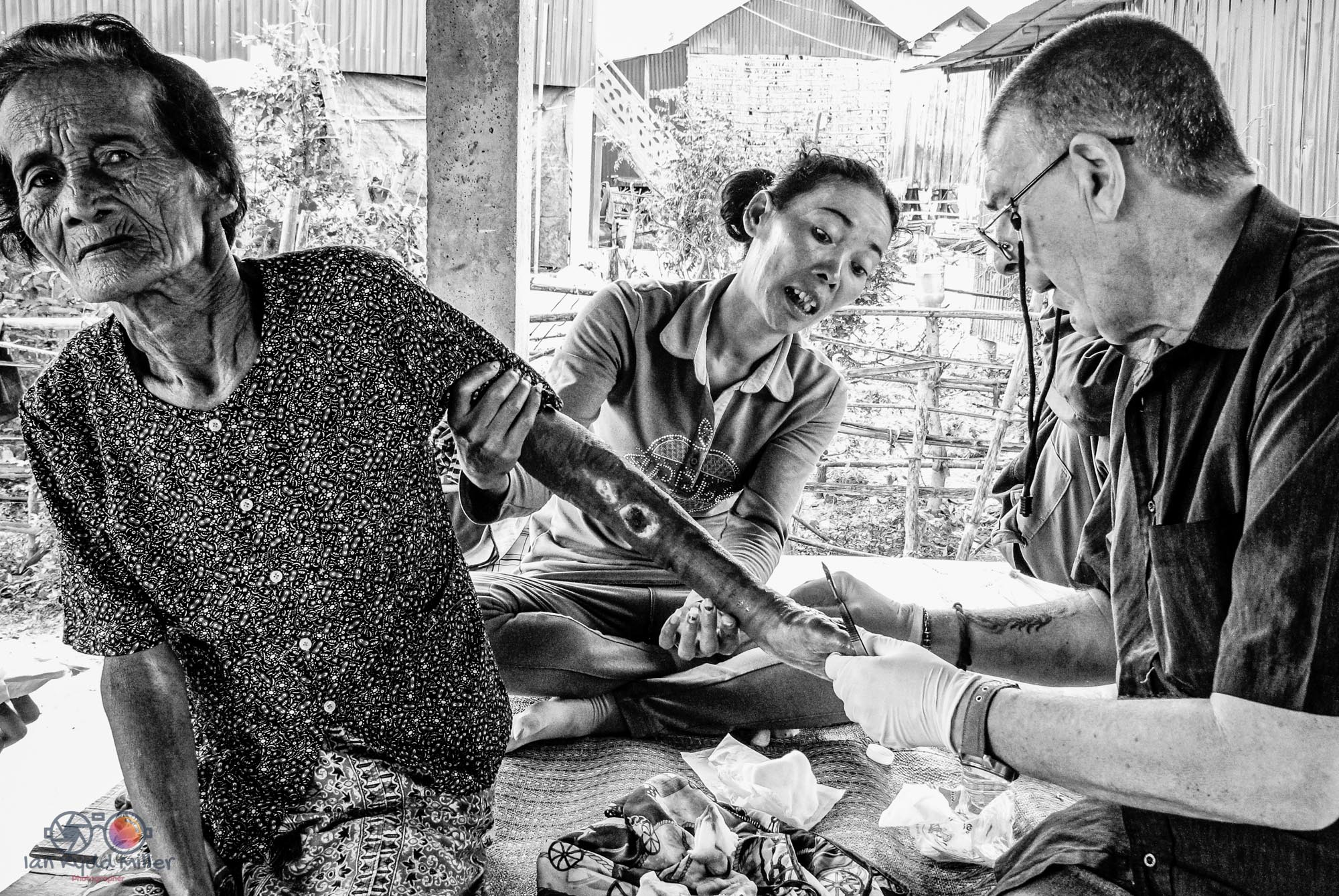
As a photographer in Cambodia, you are not just a visitor but a storyteller. Each photograph you take contributes to the narrative of this enchanting country, preserving moments of beauty, hardship, joy, and resilience. Whether you are a professional photographer or an enthusiast, Cambodia’s rich tapestry of life will leave you with images and memories that last a lifetime.
The Nikkor 70-210 f4 AF zoom lens is a classic piece of photography equipment that has stood the test of time. Introduced in the late 1980s, this lens was Nikon’s first autofocus telephoto zoom lens and has since become a beloved tool for many photographers.
With its constant f/4 aperture throughout the zoom range, the Nikkor 70-210 f4 offers consistent exposure settings and depth of field control, which is particularly beneficial when shooting in varying light conditions or when trying to maintain a consistent look across a series of photos. Its optical performance is notable, providing sharp images with minimal distortion.
The build quality of the lens is solid, featuring a metal barrel and filter ring which contribute to its durability. It’s a lens that can handle the rigors of frequent use, making it a reliable choice for both amateur and professional photographers.
Compatibility-wise, the lens works perfectly with Nikon’s FX digital cameras and is also suitable for DX models, where it provides a longer effective focal length. This versatility makes it an excellent option for a wide range of photographic scenarios, from portraits to sports photography.
Despite being an older model, the Nikkor 70-210 f4 AF zoom lens continues to be a valuable asset for photographers looking for quality glass without the hefty price tag of newer models. Its performance and build quality have helped it retain a place in many photographers’ bags, proving that good design truly lasts.
For those interested in exploring vintage lenses or expanding their photographic toolkit, the Nikkor 70-210 f4 AF zoom lens is certainly worth considering. Its combination of optical quality, consistent aperture, and robust build make it a lens that can still capture stunning images years after its release.
The Nikon D800, with its impressive 36.3MP full-frame sensor, remains a formidable camera for photographers aiming for high-resolution images. Despite being succeeded by newer models, the D800’s image quality, dynamic range, and autofocus capabilities continue to make it a valuable tool for studio and landscape photography. Its ISO range of 100-6400, expandable to 50-25600, offers versatility in various lighting conditions. While it may not match the speed of some contemporary cameras, with a maximum frame rate of 4fps, its detailed output and overall performance still hold up against many modern DSLRs. For those considering a high-resolution camera without the steep price tag of the latest models, the Nikon D800 is indeed a worthy option.
The Fuji XT3 camera is an absolute game-changer for photography enthusiasts! Its exceptional image quality, coupled with high-speed performance, makes it a top choice for both professionals and hobbyists. The XT3 boasts a 26.1MP X-Trans CMOS 4 sensor and X-Processor 4 image-processing engine that work together to deliver stunning photos and videos. With its improved autofocus system and ability to shoot 4K video, the XT3 ensures you capture every moment with clarity and precision. Plus, its robust build and weather-resistant design mean you can take it on any adventure. Get ready to elevate your photography with the Fuji XT3!
Education in Cambodia faces significant challenges due to its lack of free access, which hinders many individuals from obtaining the learning opportunities they deserve. Despite efforts to improve the educational landscape, financial barriers and geographical inaccessibility continue to prevent a substantial portion of the population from pursuing academic growth. This situation calls for concerted efforts from both governmental and non-governmental organizations to implement policies and programs that can make education more affordable and reachable for all segments of society.













 a world without pictures is like coffee without cream and sugar, bitter