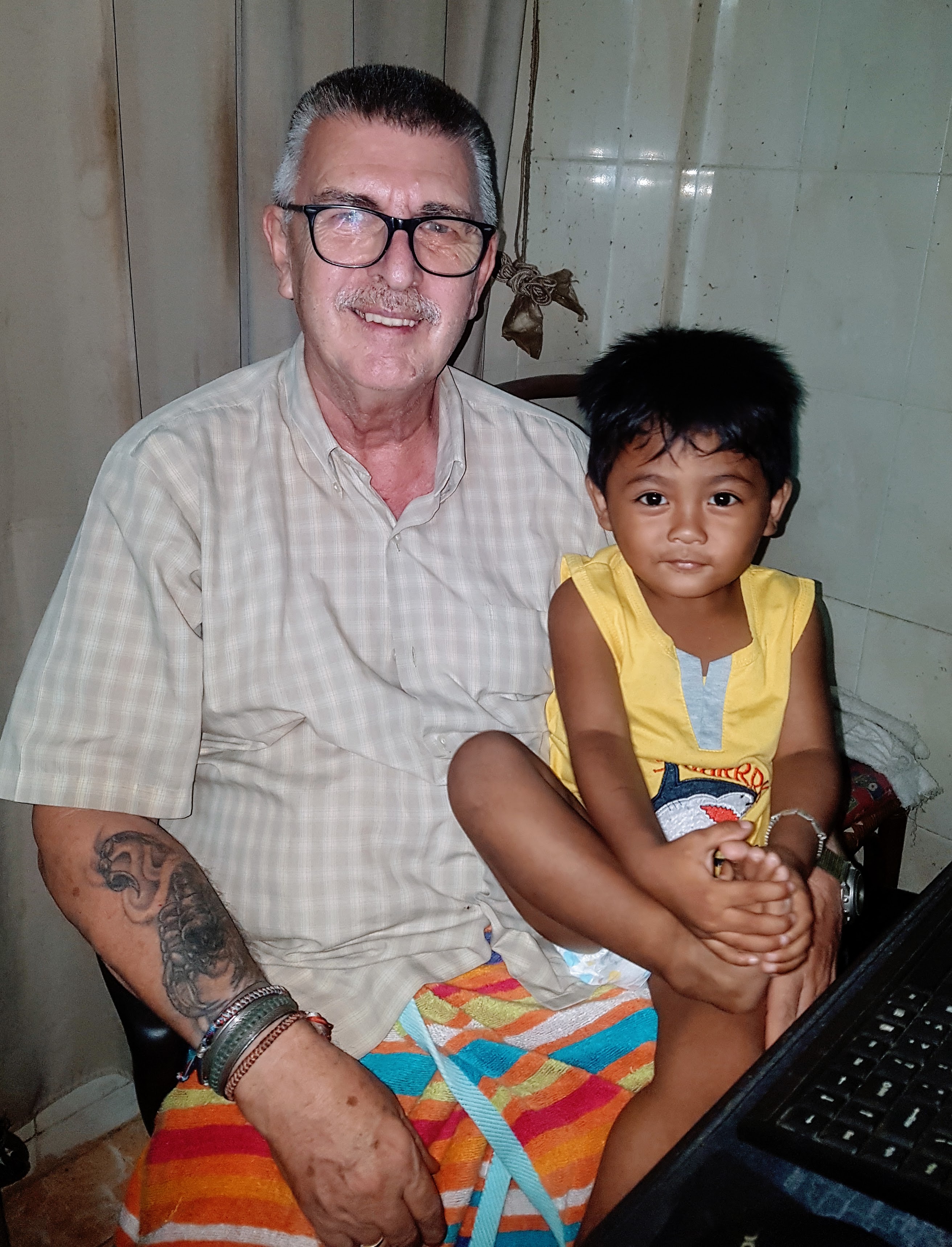
In the age of smartphones, the art of photography has become accessible to everyone. With a camera always at our fingertips, we have the freedom to capture moments spontaneously, without the pressure of creating a masterpiece every time we press the shutter button. This casual approach to photography is a celebration of the everyday, an acknowledgment that not every photograph has to be a serious work of art to be meaningful.
Casual photography, or taking ‘snaps’ as it’s often referred to, is about the joy of capturing life as it happens. It’s about the little moments that make up our day-to-day lives. A snap can be anything from a quick selfie to a shot of a street scene that catches your eye. The beauty of these photographs lies in their imperfection and immediacy. They are raw, real, and often more relatable than a carefully composed shot.
For many, the idea of ‘serious’ photography conjures images of expensive equipment, complex techniques, and the pursuit of technical perfection. However, photography doesn’t have to be serious to be impactful. Casual snaps can convey emotion, tell stories, and preserve memories just as effectively as any meticulously planned photo shoot.
The key to enjoying casual photography is to let go of expectations. It’s about embracing the imperfect and finding beauty in the mundane. Whether you’re using a high-end DSLR or a simple point-and-shoot camera, the goal is the same: to capture the world around you in a way that feels authentic and personal.
So next time you’re out with your camera, remember that not every shot has to be a serious one. Give yourself permission to snap away freely, without judgment or self-criticism. You might just find that the most unassuming photos are the ones that resonate the most, both with you and with others.
In conclusion, whether you’re a seasoned photographer or a casual enthusiast, there’s a place for both serious photography and casual snaps in your life. Each has its own value and charm, and together, they create a fuller picture of our experiences and the world we live in. So go ahead, capture those fleeting moments, and enjoy the simple pleasure of photography in all its forms.
Sebastião Salgado: A Glimpse into the Lens of a Social Documentary Maestro
Sebastião Salgado, a name synonymous with poignant social documentary photography and photojournalism, has etched his mark in the annals of visual storytelling. Born on February 8, 1944, in Aimorés, Minas Gerais, Brazil, Salgado’s journey from an economist to a photographer is as compelling as the images he captures.
His early life and education were rooted in economics, with a BA degree from UFES, a master’s degree from the University of São Paulo, and a PhD from the University of Paris. However, it was during his travels to Africa for the World Bank that Salgado’s passion for photography ignited. He chose to abandon his career as an economist in 1973, embarking on a path that would lead him to over 120 countries for his photographic projects.
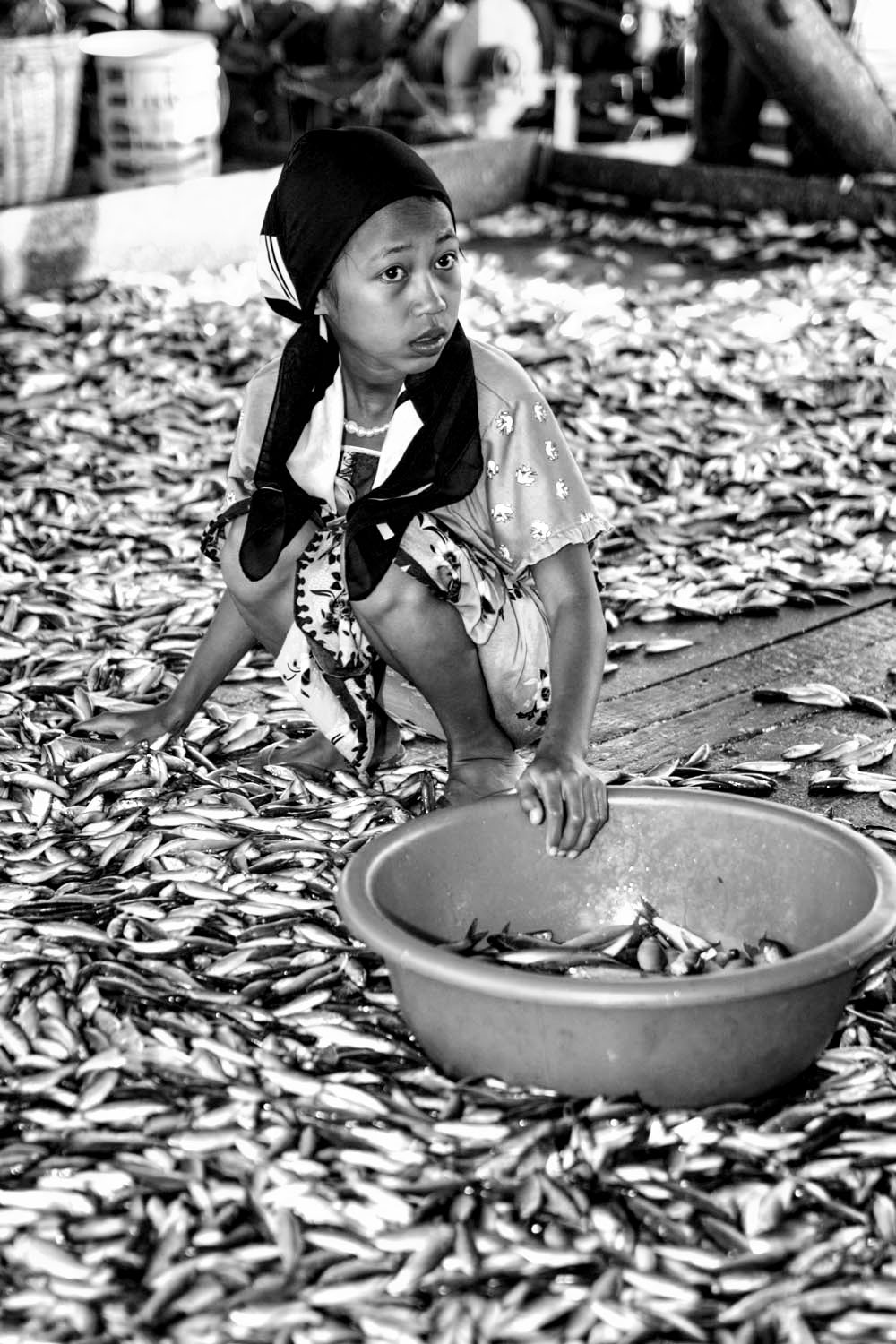
Salgado’s work is a testament to his dedication to long-term, self-assigned projects, many of which have been published as books such as “The Other Americas,” “Sahel,” “Workers,” “Migrations,” and “Genesis.” These collections are not mere photographs; they are narratives of human conditions, landscapes, and wildlife, capturing the essence of unblemished nature and humanity’s ancestral traditions.
Perhaps his most famous work is the series on the Serra Pelada gold mine in Brazil, taken between 1986 and 1989. These images are a stark reminder of the human toil in pursuit of precious metals, a visual symphony of mud, sweat, and hope.
Salgado’s accolades are numerous, including the W. Eugene Smith Memorial Fund Grant, Foreign Honorary Membership of the American Academy of Arts and Sciences, and the Royal Photographic Society’s Centenary Medal and Honorary Fellowship. His role as a UNICEF Goodwill Ambassador further underscores his commitment to humanitarian causes.
Beyond his photographic endeavors, Salgado, along with his wife Lélia Wanick Salgado, founded Amazonas Images, an agency dedicated to representing his work. His photographs are not just images; they are a voice for the voiceless, a mirror to society’s often overlooked corners.
As we delve into the world through Salgado’s lens, we are confronted with the raw and often uncomfortable truths of our time. His work is a call to action, a plea for awareness, and a beacon of hope for a world in distress. Sebastião Salgado is more than a photographer; he is a chronicler of our age, capturing the human spirit in all its facets.
For those who wish to explore the depths of Salgado’s work, his touring exhibitions and published books offer a profound insight into the lives and environments that shape our global narrative. His photography is a bridge between worlds, a visual dialogue that continues to inspire and challenge viewers worldwide.
Sebastião Salgado’s legacy is a reminder of the power of photography as a tool for social change. Through his lens, we witness the beauty and tragedy of the human condition, compelling us to reflect on our role within this vast, interconnected world.
Henri Cartier-Bresson: The Decisive Moment of Photography
Henri Cartier-Bresson, born on August 22, 1908, in Chanteloup-en-Brie, France, is a name that resonates with profound respect in the world of photography. His legacy as a master of candid photography and an early adopter of 35mm film has left an indelible mark on the art form. Cartier-Bresson’s philosophy of capturing the “decisive moment” – that split second that reveals the essence of an event – has influenced generations of photographers and artists alike.
Cartier-Bresson’s journey into the arts began with painting, which he studied from a young age, and was deeply influenced by Surrealism. However, it was his discovery of the Leica camera that truly shaped his path. The Leica’s compact size and agility allowed him to move through the streets unnoticed, capturing life as it unfolded before him. This unobtrusive approach to photography enabled him to produce images that were natural, spontaneous, and brimming with life.
His work is not just a collection of images; it is a historical document of the 20th century. From the liberation of Paris to the last days of Gandhi, Cartier-Bresson was there, camera in hand, to capture the moments that defined an era. His ability to anticipate and seize the perfect frame is what made his work stand out. He likened this process to a visual ballet, where the photographer must align their intuition, their eye, and their heart to capture the scene before them.
In 1947, Cartier-Bresson co-founded Magnum Photos, a cooperative agency for worldwide freelance photographers, which became a pivotal platform for photojournalism. Through Magnum, he and his colleagues were able to maintain control over their work and distribute it globally, changing the landscape of photography and media.
Later in life, Cartier-Bresson turned away from photography and returned to his first love, drawing and painting. He believed that each artist should follow their creative impulses, whether they lead to the darkroom or the canvas. His artistic vision and dedication to his craft have left a lasting legacy that continues to inspire and challenge photographers to this day.
Henri Cartier-Bresson passed away on August 3, 2004, but his work lives on, housed in galleries and private collections around the world. His contributions to photography are celebrated in numerous exhibitions, books, and documentaries. For those who wish to delve deeper into his life and work, his photographs and the stories behind them offer a timeless exploration of the human condition and the world we inhabit.
Cartier-Bresson’s influence extends beyond photography. His approach to the decisive moment can be applied to various aspects of life and art, teaching us to be present, observant, and ready to capture the essence of the fleeting moments that surround us. His work reminds us that beauty and significance can be found in the everyday, waiting for those with the patience and insight to see it. Henri Cartier-Bresson’s legacy is a testament to the power of seeing, not just looking, and the profound impact of capturing life as it happens.
Henri Cartier-Bresson and the Timeless Leica
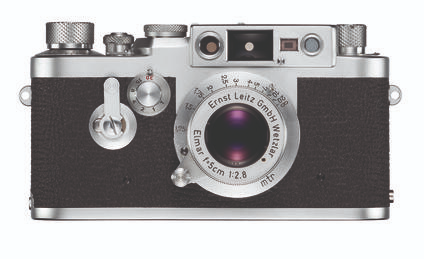
Henri Cartier-Bresson, a name synonymous with the art of street photography, has left an indelible mark on the world with his concept of “the decisive moment.” His weapon of choice? The iconic Leica 35mm camera. This small, unobtrusive piece of technology was not just a tool but an extension of Cartier-Bresson’s vision, allowing him to capture life as it unfolded before him.
The Leica was Cartier-Bresson’s constant companion, its mechanical precision and reliability meshing perfectly with his need for spontaneity and discretion. With a Leica in hand, he traversed the globe, documenting the human condition and etching his view of the world onto film.
Fast forward to today, and one might wonder if Cartier-Bresson would still be loyal to his Leica if he were alive. Given the advancements in camera technology, would he opt for a modern digital Leica, or perhaps something entirely different?
Considering Cartier-Bresson’s philosophy, it’s not the camera but the eye, the mind, and the heart that captures the decisive moment. The Leica, with its simplicity and focus on the essentials, aligns with this philosophy. It’s not about having the latest features but about understanding and connecting with the subject.
So, would Henri Cartier-Bresson still use a Leica today? It’s a question that invites speculation, but one thing is certain: his legacy is not bound by the type of camera but by the timeless moments he captured. Those moments continue to inspire photographers around the world, reminding them that the true essence of photography lies in seeing and feeling, not in the gear they hold.
Content moderation on social media platforms like Facebook can sometimes result in unexpected restrictions, especially when it comes to images. Facebook’s Community Standards are designed to create a safe environment for all users, so they say, which includes strict rules against sharing content that could be considered sexually explicit or inappropriate. However, these systems are not definitely not perfect and may flag content that does not actually violate these standards.
If you believe your picture was mistakenly restricted, you can appeal the decision through Facebook’s review process. This process allows for human review of the automated system’s decisions, which can sometimes lead to a reversal of the restriction if the content is deemed appropriate. (waste of time)
For more information on Facebook’s Community Standards and the appeal process, you can visit their official community resources. It’s important to understand these guidelines to ensure that your content aligns with the platform’s policies and to avoid future restrictions. ( a waste of time)
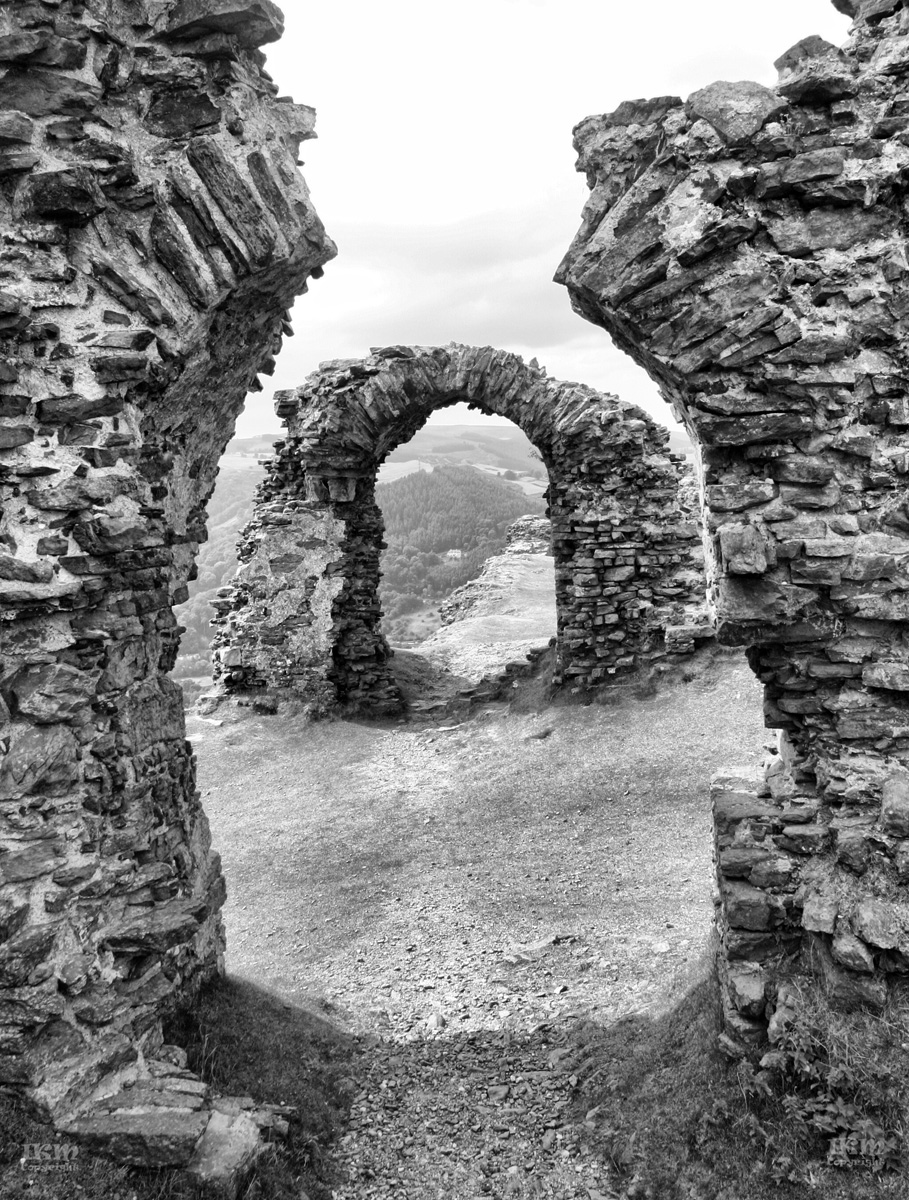
If anyone can explain to me just how the above picture could be considered sexually inappropriate please comment below.
Absolutely! The essence of photography lies in the photographer’s vision and creativity, not just in the gear. While high-end cameras and lenses can offer more features and better quality, they are not the only path to capturing stunning images. Many professional photographers have created iconic photos with equipment that was considered average at the time. It’s all about understanding light, composition, and moment. So, whether you’re using a smartphone or a DSLR, remember that your perspective is the most powerful tool you have. Keep experimenting, learning, and enjoying the process of making great images! All the images below were taken with different cameras and lenses, some with top-of-the-range and others with just everyday cameras. Can you tell which ??
The Nikon D3S stands as a testament to the enduring quality of Nikon’s craftsmanship. Even after nearly two decades since its release, this camera continues to be celebrated for its robustness and reliability.
With its 12.1-megapixel sensor, the D3S may not boast the highest resolution by today’s standards, but it compensates with exceptional low-light capabilities and a rugged build that can withstand the elements.
It’s a camera that proves the photographer’s skill is paramount, with many professionals still achieving remarkable results with the D3S. Whether it’s for sports, wildlife, or any photography that demands speed and durability, the Nikon D3S remains a solid choice for those who value a tried-and-true performer in the field.
Indeed, the D3S is a classic that refuses to bow out to the latest trends, maintaining its place in the camera bags of dedicated photographers around the world.
The legacy of a photographer, much like any artist, is often preserved through the enduring impact of their work. Photography, as a form of art and expression, captures moments in time that speak to future generations, conveying emotions, experiences, and perspectives that transcend the temporal boundaries.
The photographs taken, the stories they tell, and the emotions they evoke can become part of the collective human experience.
Through exhibitions, publications, and digital archives, a photographer’s work can continue to be discovered and appreciated long after they have left the proverbial ‘darkroom in the sky.’ Moreover, the influence on students, peers, and the photography community can ripple outward, perpetuating their artistic vision and approach.
In this way, the essence of a photographer’s life and passion can be remembered and celebrated, ensuring that their contributions to the art of photography are not forgotten but continue to inspire and resonate. The true measure of a photographer’s remembrance may not solely rest in the recognition of their name, but rather in the lasting significance of their work and its ability to connect with others across time and space.
Hi everyone! Welcome to my blog where I share my passion for street photography and tips on how to improve your skills. Today I want to talk about a topic that is often debated among street photographers: is cropping in post-processing acceptable or not?
Some people might argue that cropping in post-processing is cheating, that it alters the original composition and vision of the photographer, and that it shows a lack of skill and planning. They might say that a true street photographer should be able to capture the decisive moment with the right framing and perspective, without relying on editing software to fix their mistakes.
Others might disagree and say that cropping in post-processing is a creative tool, that it allows the photographer to enhance their images and express their artistic vision, and that it shows a willingness to experiment and learn. They might say that a true street photographer should be open to new possibilities and techniques, without being constrained by rigid rules and dogmas.
So, who is right and who is wrong? Well, in my opinion, there is no definitive answer to this question. Street photography is a form of art, and art is subjective. What works for one photographer might not work for another. What appeals to one audience might not appeal to another. What matters is that you are happy with your images and that they reflect your personal style and message.
Personally, I don’t have a problem with cropping in post-processing, as long as it doesn’t change the essence and meaning of the image. Sometimes I crop my images to remove distracting elements, to improve the balance and harmony of the composition, or to emphasize the main subject or emotion. Sometimes I don’t crop my images at all, because I like them as they are. It depends on each image and what I want to achieve with it.
I think that cropping in post-processing is acceptable in street photography, as long as it is done with intention and purpose, not with laziness and carelessness. I think that cropping in post-processing is a skill that can be learned and improved, not a shortcut that can be abused and overused. I think that cropping in post-processing is a matter of personal preference and taste, not a matter of right or wrong.
What do you think? Do you crop your images in post-processing or not? Why or why not? Let me know in the comments below. And don’t forget to subscribe to my blog for more street photography content. Thanks for reading and happy shooting!
















 a world without pictures is like coffee without cream and sugar, bitter