Fujifilm X-Pro2 and the Best Lenses for Street Photography

fujifilm, opinons, thoughts, photography, pictures, street, Travel, viltrox

Lens comparison table — key attributes

LensFocal eq.Why for streetStrengthTrade-off
Fujinon XF 23mm f/235mmVersatile, natural perspective for street scenesCompact; fast; unobtrusiveModerate bokeh
Fujinon XF 35mm f/253mmClassic “normal” for portraits & gesturesExcellent sharpness; weather-sealedRequires slight stepping back for context
Fujinon XF 16mm f/2.824mmEnvironmental street, wide contextVery small and stealthyDistortion at edges
Fujinon XF 18mm f/227mmWide but intimate, great for alleys & marketsLightweight; filmic renderingSofter corners wide open
Fujinon XF 50mm f/275mmTight portraits, compressed backgroundCreamy bokeh; isolationLess contextual information per frame

The X-Pro2 as a Street Camera

The Fujifilm X-Pro2 is a camera designed around presence and intentionality: a rangefinder-style body with a hybrid optical/electronic viewfinder that encourages anticipation and composition rather than reactive shooting. Its tactile dials and manual controls make settings an extension of the photographer’s intent, which suits street work where speed of thought and quiet operation matter.

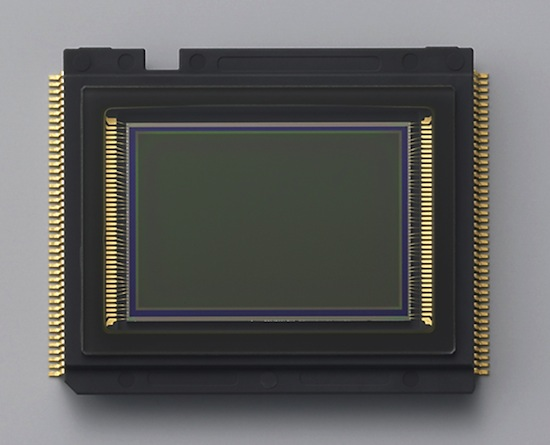
The X-Pro2 solved many of the usability complaints of earlier rangefinder-style mirrorless models—autofocus performance is markedly improved, making it fast and accurate enough for candid street moments. That combination of responsive AF and an interface that rewards deliberate choices is why many street photographers still choose the X-Pro2 despite newer models being available.

Why lens choice matters on the X-Pro2

Prime lenses pair especially well with the X-Pro2’s design philosophy. The camera’s viewfinder and controls encourage a single-lens mindset—learning a focal length’s “mood” and the ways it frames relationships between subject and context. Choosing a prime narrows options in a productive way: you move with your feet, you compose deliberately, and you build a visual language around that perspective.

Practically, XF primes are small and light, preserving the X-Pro2’s discreet profile on the street. Many XF primes also offer fast apertures, letting you work in low light and control depth subtly for isolation when needed.

Best lenses in practice — how and when to use them

  • Fujinon XF 23mm f/2 (35mm eq): The everyday street lens. Use it when you want natural perspective that includes background context without distortion. It’s excellent for markets, cafe scenes, and quiet portraits where you want to show environment and gesture in one frame.
  • Fujinon XF 35mm f/2 (53mm eq): Reach for this when you want separation and intimacy. It’s a portraitist’s street lens—great for faces, gestures, and composing tighter narratives within a busy street scene. Its weather sealing and reliable AF make it workhorse-ready.
  • Fujinon XF 16mm f/2.8 (24mm eq): The wide storyteller. Use it for alleyways, architectural rhythm, and scenes where foreground-to-background relationships are essential. Be mindful of edge distortion when people are close to frame edges.
  • Fujinon XF 18mm f/2 (27mm eq): A sweet middle ground—wider than 23mm but closer than 16mm. It’s excellent for narrow streets and markets where you want to be close yet preserve intimacy; it renders with a film-like character that suits print and monochrome work.
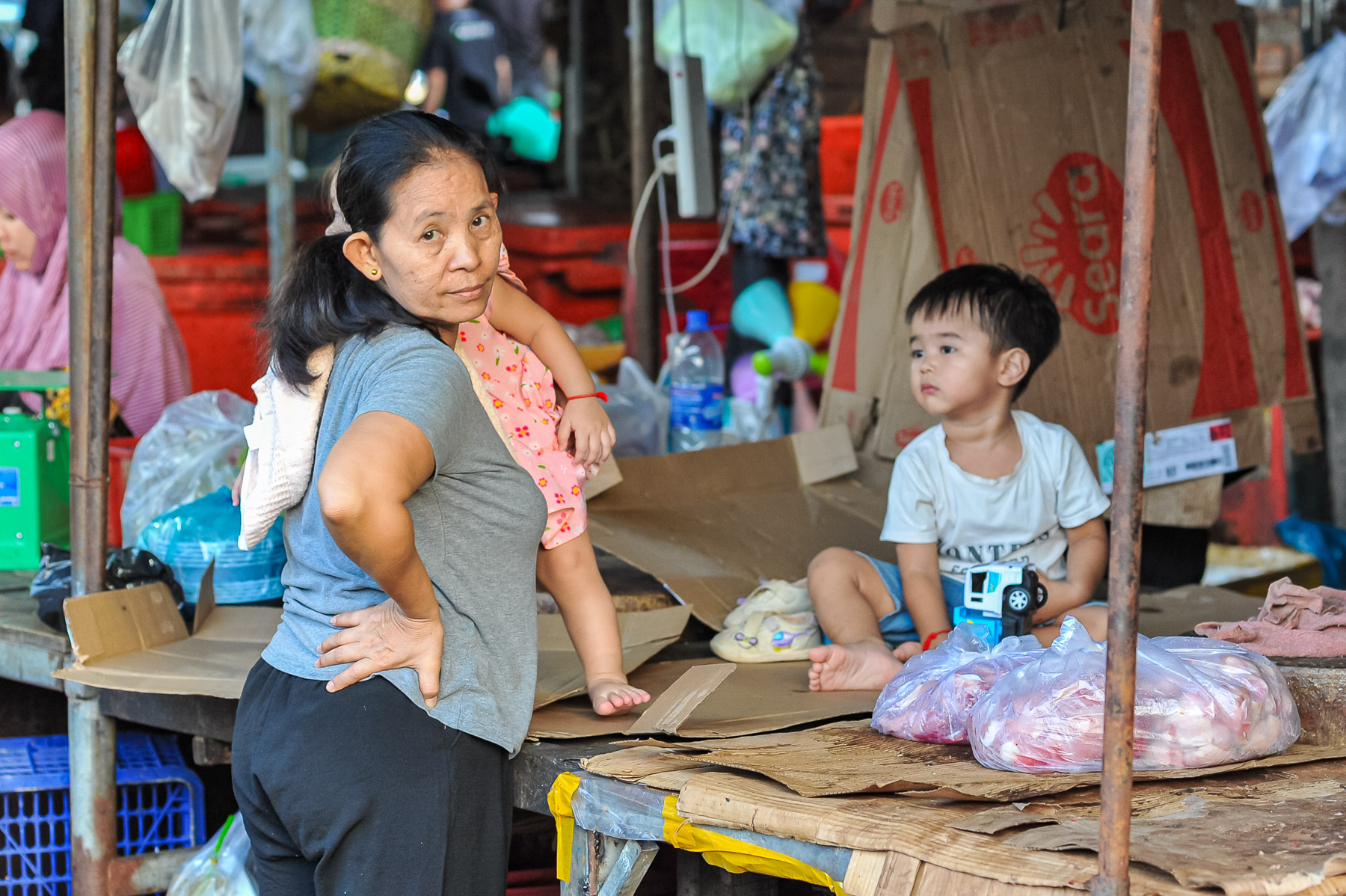
  • Fujinon XF 50mm f/2 (75mm eq): Use it selectively for environmental portraits that need compression and background separation. It requires more distance but rewards with isolation and graceful bokeh.

Shooting tips with the X-Pro2 and primes

  • Commit to a focal length for a session. Let the lens shape your attention and force you to “see” differently. The X-Pro2’s finder rewards this practice by teaching you the aperture, distance, and timing for that lens.
  • Use the optical finder for anticipation and the EVF for confirmation. The hybrid finder lets you pre-visualize a scene optically and then confirm exposure or focus with electronic feedback when needed.
  • Embrace tactile control. Use the mechanical dials to keep your attention on framing and gesture, not menus. This supports presence—crucial for catching those decisive moments.
  • Balance AF modes. Single-point AF for composed portraits; zone AF or wide tracking when you expect movement. The X-Pro2’s autofocus improvements make both workable in street scenarios.
  • Print often. The X-Pro2’s filmic sensor rendering rewards print output; revisiting images on paper helps refine what lenses and framing best serve your visual voice.

Final thought

The Fujifilm X-Pro2 is more than an aging model—it’s a design philosophy incarnate. It places the photographer’s eye first, supports deliberate practice, and pairs beautifully with a small suite of prime lenses that each teach a different way of seeing. For street work—where presence, anticipation, and quiet clarity matter—the X-Pro2 remains an instrumental, expressive camera that still rewards deep practice and restraint.

Elements of making a great photograph.

cameras, Lenses, opinons, thoughts, photography, pictures, street, Travel

A great photograph is built on intentional composition—where visual elements work together to guide the viewer’s eye, evoke emotion, and tell a story. Key components include light, lines, balance, and subject placement.

Here’s a detailed breakdown of the most important compositional elements that elevate a photograph from good to unforgettable:

📐 1. Lines

  • Leading lines (roads, fences, shadows) guide the viewer’s eye toward the subject.
  • Curved lines add rhythm and softness.
  • Diagonal lines create tension and movement.
  • Lines can also divide space, suggest depth, or frame emotion.

🎯 2. Subject Placement

  • Use the Rule of Thirds to place your subject off-center for dynamic balance.
  • Consider central framing for symmetry or emotional weight.
  • Ask: Where does the subject feel most honest in the frame?

⚖️ 3. Balance

  • Balance can be symmetrical (mirrored elements) or asymmetrical (visual weight distributed unevenly but harmoniously).
  • Think of how light, color, and shape interact across the frame.

🌗 4. Light and Shadow

  • Light defines mood, texture, and depth.
  • Shadows add mystery, contrast, and emotional pacing.
  • Directional light (side, back, top) sculpts the subject and reveals form.
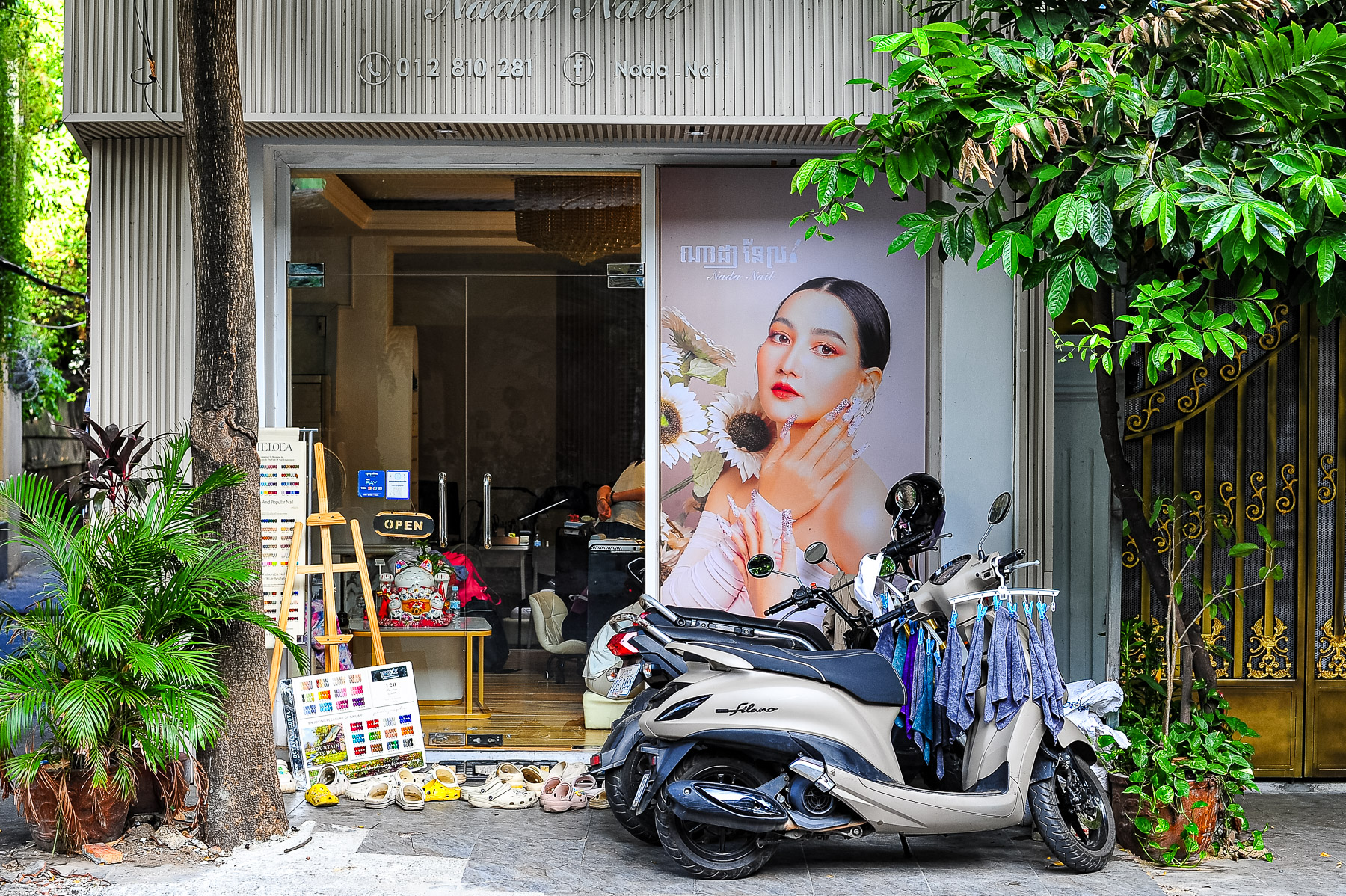
🖼️ 5. Framing

  • Use natural or architectural elements to frame your subject—doorways, windows, foliage.
  • Framing adds context and draws attention inward.

🧠 6. Point of View

  • High angles suggest detachment or observation.
  • Low angles evoke power or intimacy.
  • Eye-level shots feel neutral and honest.

🎨 7. Color and Tone

  • Color can evoke emotion, contrast, or harmony.
  • Monochrome emphasizes form and light.
  • Tonal transitions (especially in black-and-white) guide emotional pacing.

🧩 8. Texture and Detail

  • Texture adds tactile presence—skin, fabric, rust, stone.
  • Detail invites the viewer to linger and explore.

🌀 9. Space

  • Positive space holds the subject.
  • Negative space gives breathing room, tension, or isolation.
  • Space shapes rhythm and emotional clarity.

🧭 10. Timing and Gesture

  • The “decisive moment” isn’t just action—it’s emotion unfolding.
  • A glance, a hand movement, a shadow stretching—these are the moments that feel.

🖤 The Nikon D3S: Why It’s Still Relevant

cameras, Lenses, opinons, thoughts, photography, pictures, street, Travel

In a world chasing megapixels, mirrorless speed, and AI-driven autofocus, the Nikon D3S stands quietly in the corner—unbothered, unbroken, and still deeply capable. Released in 2009, it was Nikon’s first full-frame DSLR to truly master low-light performance. Today, it’s more than a relic. It’s a reminder: that restraint, reliability, and character still matter.

I’ve used the D3S in clinics, on the street, and in moments of care. It’s never asked for attention. It’s just done the work.

🧠 What Made the D3S Special

  • 12.1MP Full-Frame Sensor Not flashy by today’s standards, but beautifully tuned. Files are clean, balanced, and emotionally honest. The lower resolution encourages intentional framing and thoughtful printing.
  • ISO Performance That Changed the Game At the time, ISO 12,800 was revolutionary. Even today, the D3S holds its own in low light—especially in documentary work where grain isn’t a flaw, but a feeling.
  • Tank-Like Build Magnesium alloy body. Weather sealing. Shutter rated to 300,000 actuations. This camera was built for war zones, operating rooms, and long nights in the rain.
  • Dual CF Slots Redundancy and reliability. For those who print, archive, and teach, this matters more than speed.
  • No-Nonsense Ergonomics Everything falls to hand. No touchscreens. No distractions. Just tactile control and muscle memory.

🪞 Why It Still Matters

1. It Slows You Down—in a Good Way

The D3S isn’t about rapid-fire bursts or eye-detection AF. It’s about presence. You compose with care. You anticipate. You listen to the scene.

2. It Honors the Print

The files from the D3S print beautifully. Tonal transitions are smooth. Highlights roll off gently. Blacks hold depth. For those who see printing as completion, the D3S delivers.

3. It’s a Teaching Tool

For students learning restraint, the D3S is ideal. It forces intentionality. It rewards patience. It teaches that gear doesn’t make the image—vision does.

4. It Carries Legacy

This camera has seen things. It’s been in the hands of photojournalists, volunteers, and quiet documentarians. Using it feels like joining a lineage—not chasing a trend.

🧭 Who Is It For Today?

  • Documentarians who value reliability over novelty
  • Educators who want to teach presence, not presets
  • Street photographers who prefer quiet strength to flashy specs
  • Archivists and printers who care about tonal integrity
  • Anyone who believes that interesting pictures come from how you see, not what you shoot with

🕊 Final Thought: Enoughness in a Shutter Click

The Nikon D3S isn’t just relevant—it’s resonant. It reminds us that photography isn’t about chasing perfection. It’s about showing up. Seeing clearly. Printing with care.

In a time of constant upgrades, the D3S whispers: You already have enough. Now go make something that matters.

D700 vs D810 — Resolution in Practice

cameras, Lenses, Lowepro, opinons, thoughts, photography, pictures, street

As someone who carries both the Nikon D700 (12MP) and D810 (36MP) in the same bag, I’ve had the rare privilege of comparing resolution not in theory, but in lived experience. Here’s how they differ—and where they converge.

🧠 Resolution vs Resilience

The Khmer New Year

angkor, cambodia, opinons, thoughts, photography, pictures, sihanouk, street, Travel

Becoming a Photojournalist

opinons, thoughts, pictures, street, Travel, voluntary, war

Choosing a potentially dangerous profession like photojournalism requires preparation, resilience, and a deep passion for storytelling. Here’s a guide to help someone navigate this path safely and effectively:

1. Develop Strong Skills and Portfolio

  • Master the Craft: Enhance photography skills through courses, workshops, and hands-on practice. Street photography, capturing candid moments, is a good starting point.
  • Build a Portfolio: Create a compelling portfolio showcasing a variety of work, with an emphasis on impactful, human-interest stories.

2. Gain Relevant Experience

  • Internships and Freelance Work: Start with internships at media outlets or freelance assignments to gain practical experience.
  • Network: Connect with other photojournalists and professionals in the field. Attend industry events, join photography groups, and participate in exhibitions.

3. Understand the Risks

  • Safety Training: Take courses on safety in conflict zones and hazardous environments. Organizations like the Rory Peck Trust offer such training.
  • Stay Informed: Research and stay updated on the regions and situations you will be covering. Knowledge of the political, social, and environmental context is crucial.

4. Equip Yourself Properly

  • Right Gear: Invest in durable and reliable photography equipment. Consider cameras like the Nikon D3S or Canon 1D MkIV which have proven performance.
  • Safety Gear: In dangerous areas, gear like bulletproof vests and helmets might be necessary.

5. Develop a Support System

  • Mentorship: Find a mentor in the field who can offer guidance and support.
  • Mental Health Support: Dealing with traumatic events can be challenging. Have access to mental health resources and support networks.

6. Legal and Ethical Considerations

  • Understand Legalities: Be aware of the legal implications and regulations in the areas you are working in.
  • Ethics: Maintain ethical standards in journalism. Respect the dignity and privacy of the subjects you photograph.

7. Be Persistent and Adaptable

  • Stay Determined: The path to becoming a successful photojournalist can be challenging and competitive.
  • Adaptability: Be open to different styles and methods of storytelling.

SflyProxyVersion 1;

The journey to becoming a photojournalist is both demanding and rewarding. It requires a balance of technical skill, safety awareness, and a profound commitment to telling human stories.

If you’re eager to start, why not practice your skills by capturing compelling stories in your local area? Street photography often provides a rich tapestry of human experiences and can serve as excellent preparation for more intense assignments.

For a burgeoning photojournalist like yourself, focusing on specific photography skills can elevate your work and help you capture impactful, story-driven images. Here are some key skills to hone:

1. Composition and Framing

  • Rule of Thirds: Understand how to compose images by dividing the frame into thirds, placing points of interest along these lines.
  • Leading Lines: Use lines to guide the viewer’s eye to the main subject of the photograph.
  • Framing: Experiment with natural frames within your environment to highlight the subject.

2. Exposure and Lighting

  • Manual Mode Mastery: Get comfortable shooting in manual mode to have full control over shutter speed, aperture, and ISO.
  • Low-Light Photography: Practice capturing sharp and well-exposed images in low-light conditions, a crucial skill for photojournalists.
  • Natural Light: Learn to use and manipulate natural light to enhance your images.

3. Focus and Depth of Field

  • Selective Focus: Understand how to use selective focus to isolate your subject from the background.
  • Depth of Field: Play with different apertures to create depth in your images. Use a shallow depth of field for portraits and a deeper one for environmental shots.

4. Candid and Street Photography

  • Spontaneity: Capture un-posed, genuine moments. This is essential for telling authentic human stories.
  • Discreet Shooting: Develop techniques to shoot discreetly, so as not to disturb the scene you photograph.

5. Post-Processing

  • Editing Software: Gain proficiency in photo editing software like Adobe Lightroom and Photoshop.
  • Ethical Editing: Learn to enhance images while maintaining their authenticity and integrity. Avoid excessive manipulation.

6. Visual Storytelling

  • Narrative: Each photo should contribute to the overarching story you aim to tell. Think about how your images work together to convey a message.
  • Sequencing: Practice creating a photo series that guides the viewer through a visual narrative.

7. Technical Proficiency with Gear

  • Camera Handling: Be familiar with your camera’s functions. Practice changing settings quickly and efficiently.
  • Lens Selection: Understand which lenses to use for different scenarios. Prime lenses are great for low light, while zoom lenses offer versatility.

8. Research and Contextual Knowledge

  • Background Research: Always research the context of the stories you are documenting. This ensures your images are informative and respectful.
  • Cultural Sensitivity: Be aware of and sensitive to cultural norms and practices in the regions you photograph.

9. Resilience and Adaptability

  • Patience: Sometimes the perfect shot requires waiting for the right moment.
  • Adaptability: Be prepared to adapt to changing conditions and unpredictable situations.

10. Ethical Journalism

  • Code of Ethics: Familiarize yourself with the ethical standards in journalism. Always prioritize the dignity and safety of your subjects.

Consistent practice and a willingness to experiment and learn from each shot will help you develop these skills. Documenting your local area can be a great way to start building these competencies.

Is there a particular technique or skill you’d like to dive deeper into?

Enhancing your visual storytelling in photography involves more than just capturing beautiful images—it’s about conveying a narrative that resonates with your audience. Here are some techniques to elevate your storytelling:

Subject: Identify the main subject or theme of your story. It could be a person, a place, or an event.

Storyboarding: Plan your shots in advance. Create a storyboard to visualize the sequence of your story.

Moments: Look for decisive moments that highlight the essence of your narrative.

Juxtaposition: Use contrast and juxtaposition to highlight differences or similarities within the frame.

Shadows: Incorporate shadows to add depth and drama.

Metaphors: Create visual metaphors that represent abstract ideas in a tangible form.

Details: Pay attention to small details that contribute to the overall narrative.

Pacing: Vary the pacing by mixing wide shots, medium shots, and close-ups. It keeps the viewer engaged.

Enhancements: Enhance colours, contrast, and sharpness to draw attention to key elements without over-editing.

Interaction: Engage with your audience

Srei Crieat. Day 1 to Finish.

cambodia, opinons, thoughts, photography, pictures, voluntary

This story started about 7 weeks ago when a friend of mine mentioned an old lady (Srey Crieat), who lives in the same village as she and had recently been bitten by a snake. What snake was not known but it certainly did some major damage.

She showed me some pictures on her telephone and I was very shocked about the state of her hand and arm. She looked to be in a lot of distress.

I asked her how long ago this had happened and she informed me that it was about two weeks earlier and that Srey Crieat had been seen at the local village hospital who had suggested she be sent to Phnom Penh for the arm to be amputated. She did not want this and was after about a week was sent home, little or nothing was done about the arm, she was given some antibiotics.

At the invite of my friend it was decided that I would go out and see Srey Crieat as soon as possible, initially to assess the damage that could not be seen in the phone pictures and to see if there was more that could be done.

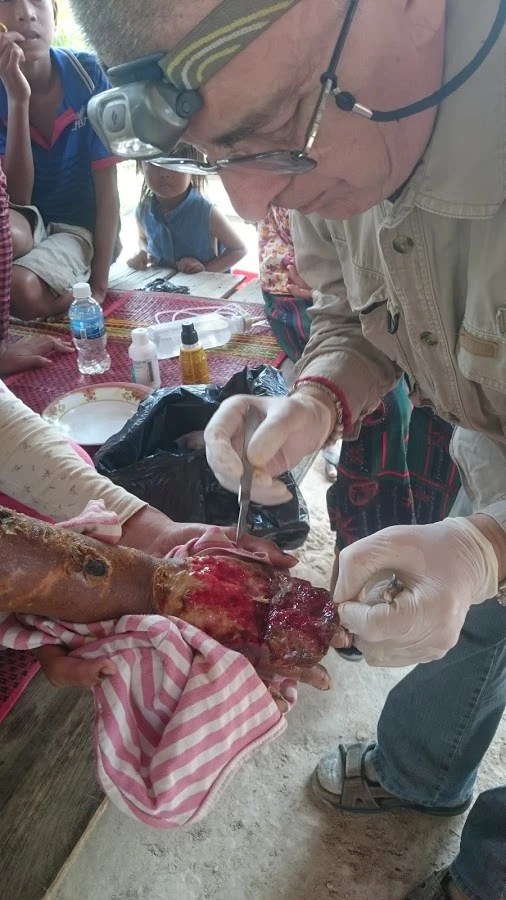
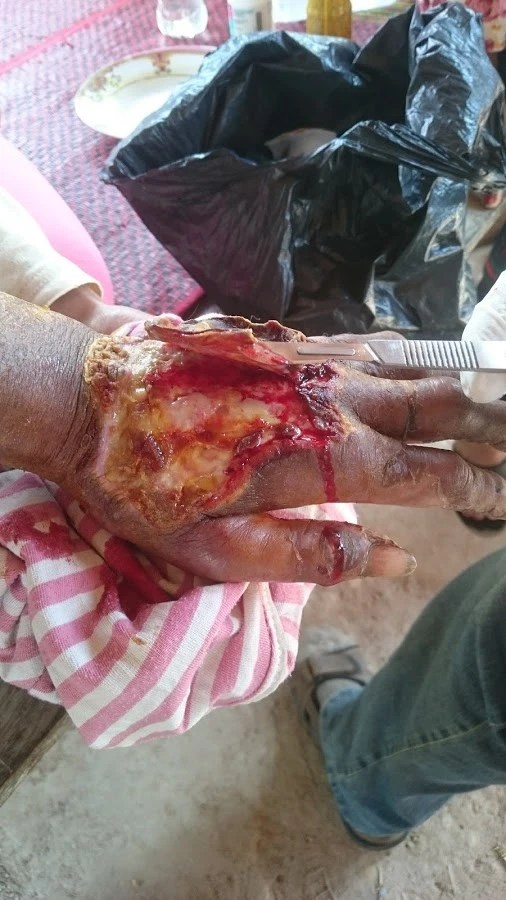
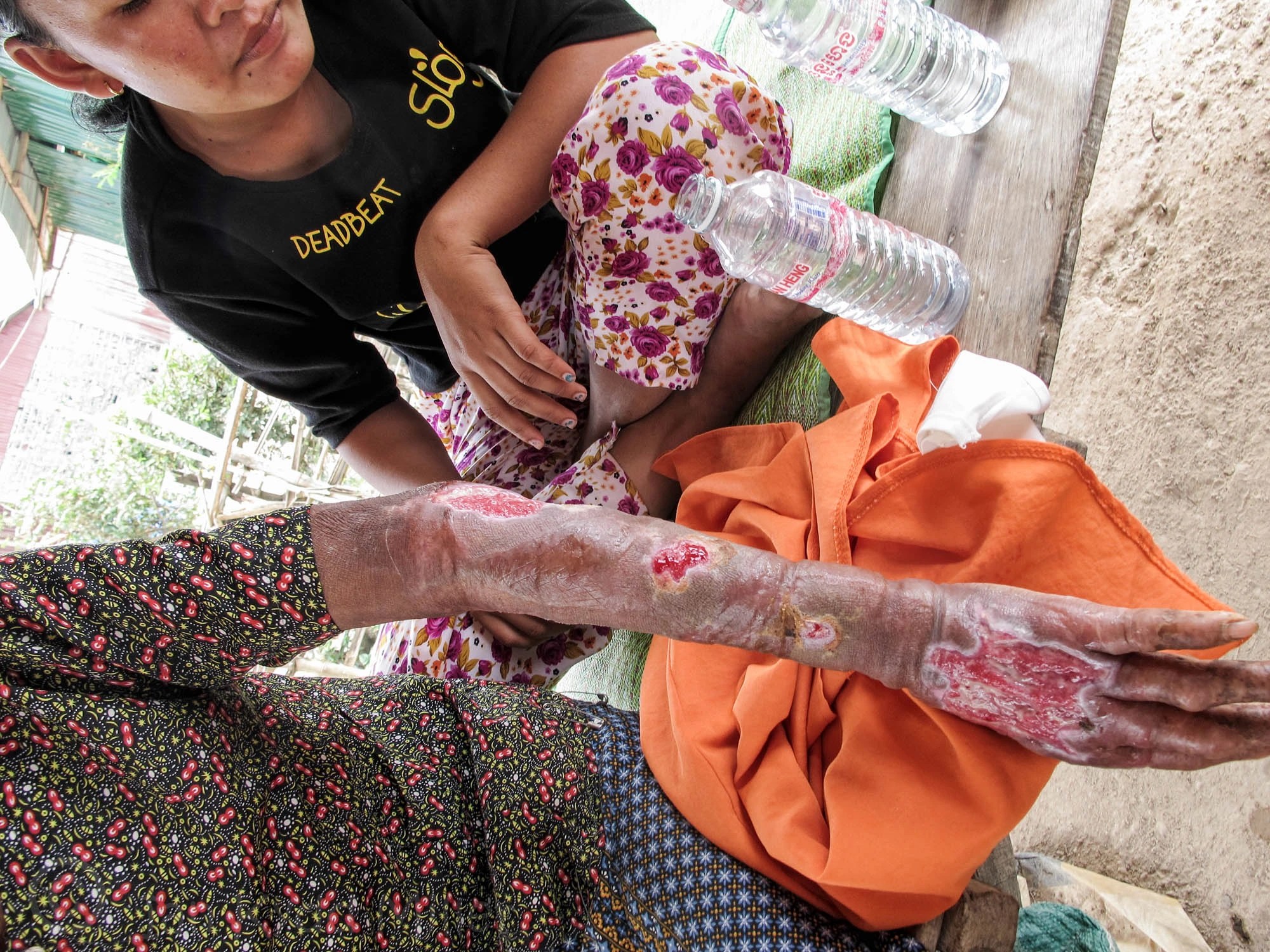
This is what we found the next day. The hand and arm were in a pretty terrible state and to all intents and purposes looked like it had never been cleaned and hand been left exposed since she had left hospital. It was quite badly infected and showed lots of necrosis on both the hand and arm, the primary bite site looked to be the hand although extensive damage up to the elbow could be seen.

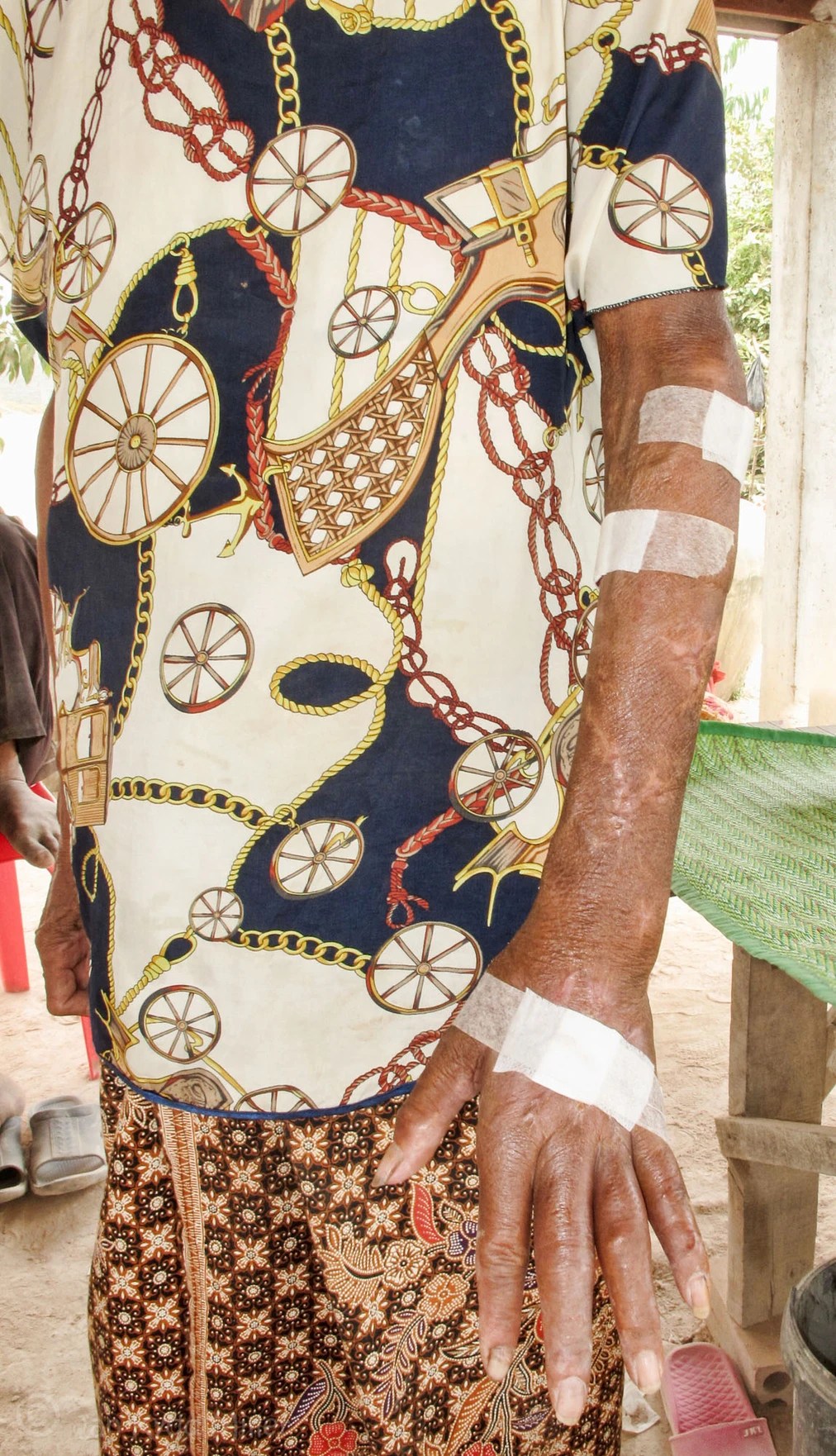
As can be seen in the picture above the upper hand was extremely damaged and with a full thickness skin necrosis. The fingers were extremely swollen and tender but had good pulse showing blood flow present. This certainly was going to take time and commitment if anything was going to be done to improve the situation for this lady. It did not help that it would be a 70Km trip just to get there each time and 70Km back.

There was no way I could leave anyone in this state, the hand was badly infected and damage extended to the elbow. I had to accept that there were risks of further systemic infection and this was discussed with Srey Crieat. She just was so sad and wanted somebody to help and accepted the process may be long and maybe painful. She wanted to go ahead.

First things first I had to get the area clean and with the limited supplies I had with me I began that process.

Using a mixture of Povidone and Hydrogen Peroxide I soaked the hand and removed most of the dirt, that I could see and also many insect eggs. The upper arm I decided to leave until I visited the next day, with the correct equipment to complete the cleaning process. The hand and arm would need more than just cleaning though it was in need of extensive debridement, but I did not have the gear with me to start that process.

A temporary covering was applied to the hand and arm and arrangement made to return the next day giving me time to gather and buy the gear I would need to begin this job. She did not appear to be in much pain, probably due to the damage done by the venom and she was not needing, at this point and analgesia.

Day Two

On returning the next day another extensive clean of the whole arm, fingertip to axilla was completed, using the same solution. The hand was in need of a sharp debridement but the necrosis was hard and very difficult to work with so I decided to dress the hand and lower arm in ”fresh wild honey” and dress it with ”cling film” (yes ordinary kitchen film) to soften and clean the areas of necrosis so that they could be more easily dealt with. I arranged to return in three days to begin the debridement.

Day Five

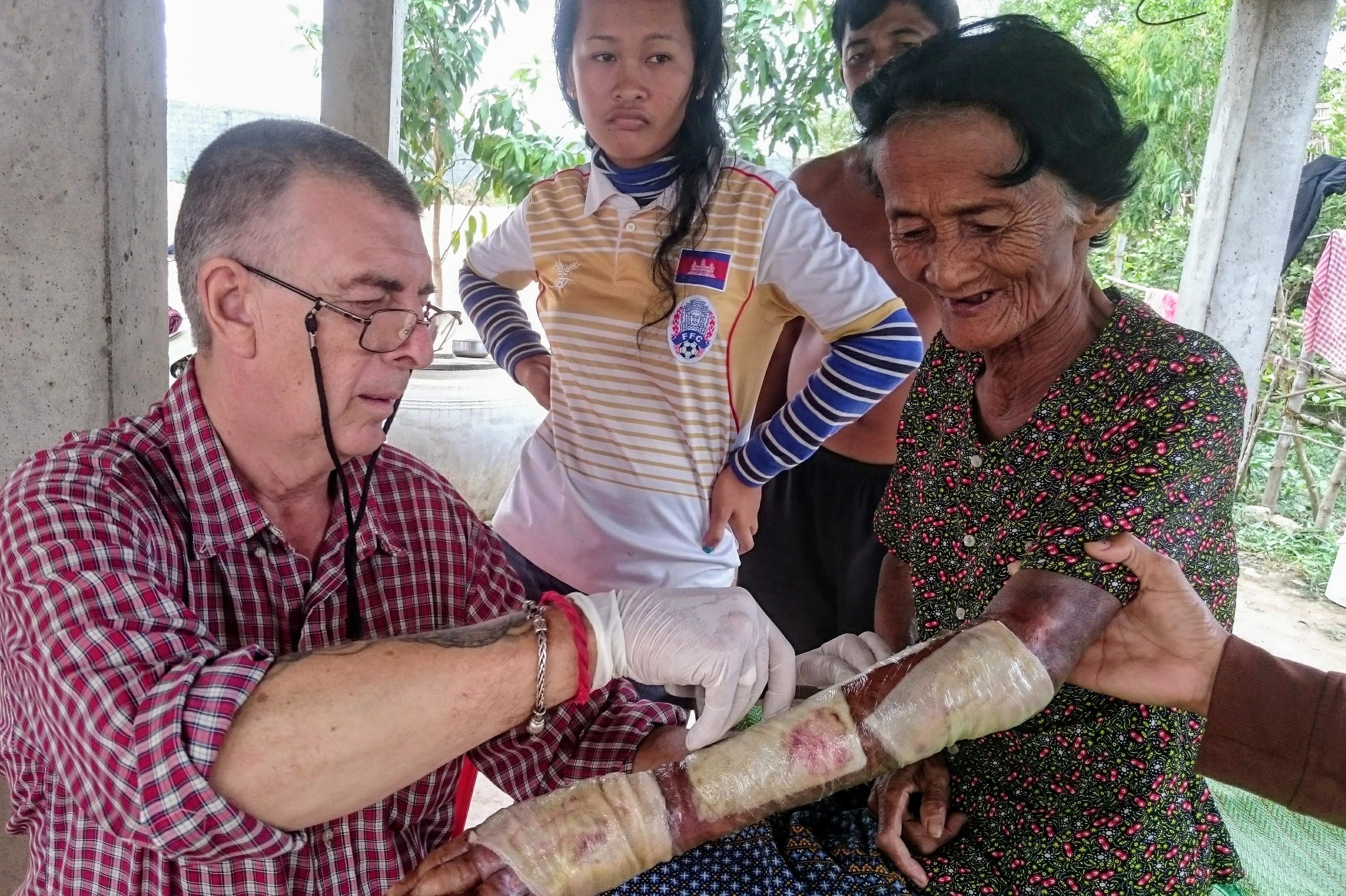
On my return the bandages and cling film were removed (as seen above) and the hand was much more manageable and ready for the necrotic tissue to be removed. It was quite extensive and not going to be a simple job, and care was need not to damage the underlying structures. I was prepared to use local anaesthetic but she said she did not have any real pain and so we went ahead without (slowly).

After about 30 minutes of work, with very little bleeding, we were able to remove the necrosis down to nice pink tissue with good blood flow.

This was enough for her for one day but she showed no pain. The other areas on the arm also need to be removed but there was no rush, the main area of potential infection on the hand was off and I was please to return to the other areas in a few days. The hand and arm were again redressed with Honey (lots of it) and cling film and I would return in three days to continue giving the hand and the lady time to recover.

Day Eight

On returning I set to work removing the other necrotic areas on her forearm. After this we continued for another week (twice weekly visits) with honey and cling film dressings. She was given another course of antibiotics as a precaution and because of the difficult conditions she lives in. After this no more antibiotics were needed.

The improvements began to come quite quickly once the area was fully cleaned of necrosis and other detritus. I used plain white sugar mixed with Vitamin D ointment on the hand for the next week and continued the honey application to the forearm. This seemed a good combination and worked well.

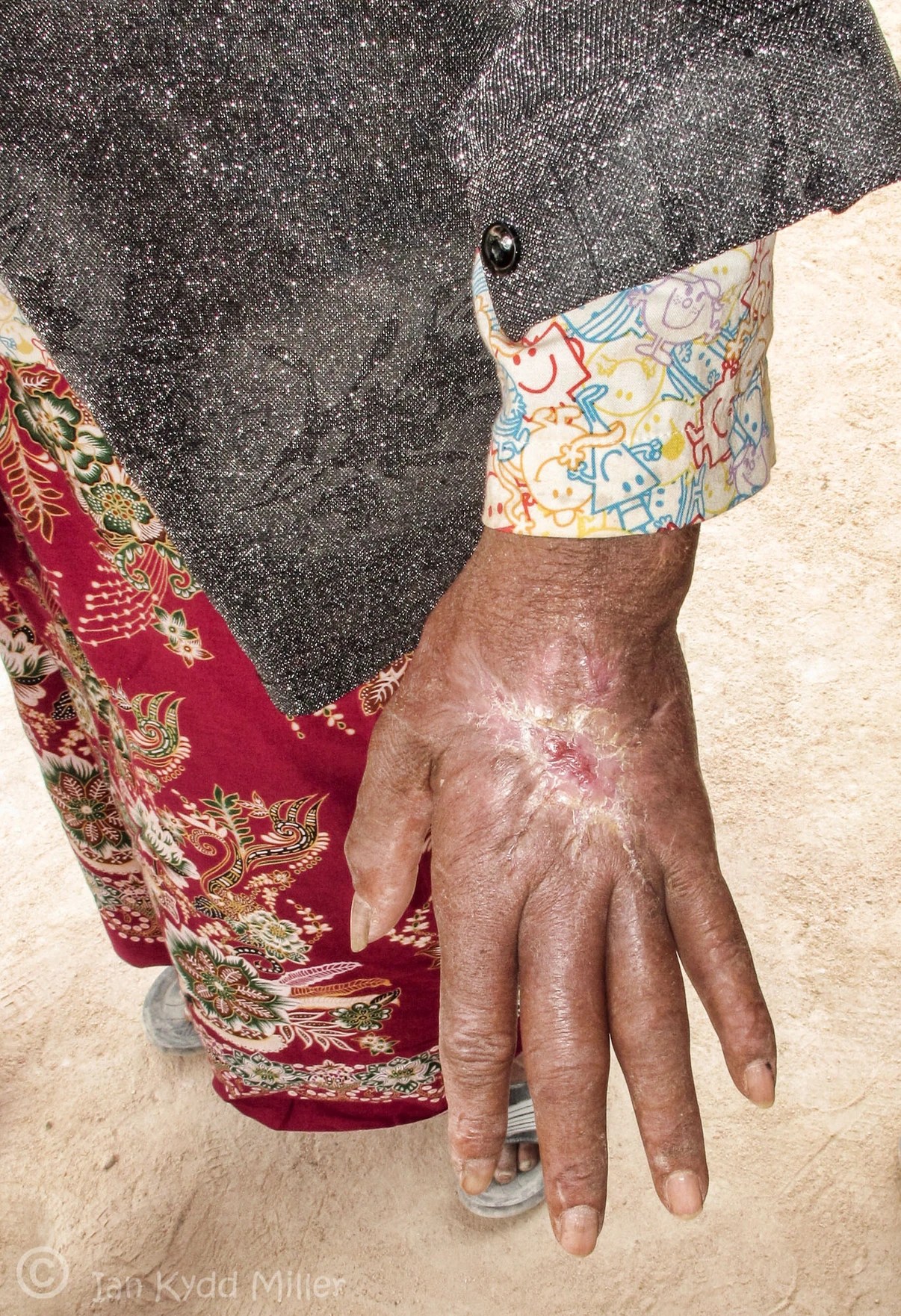
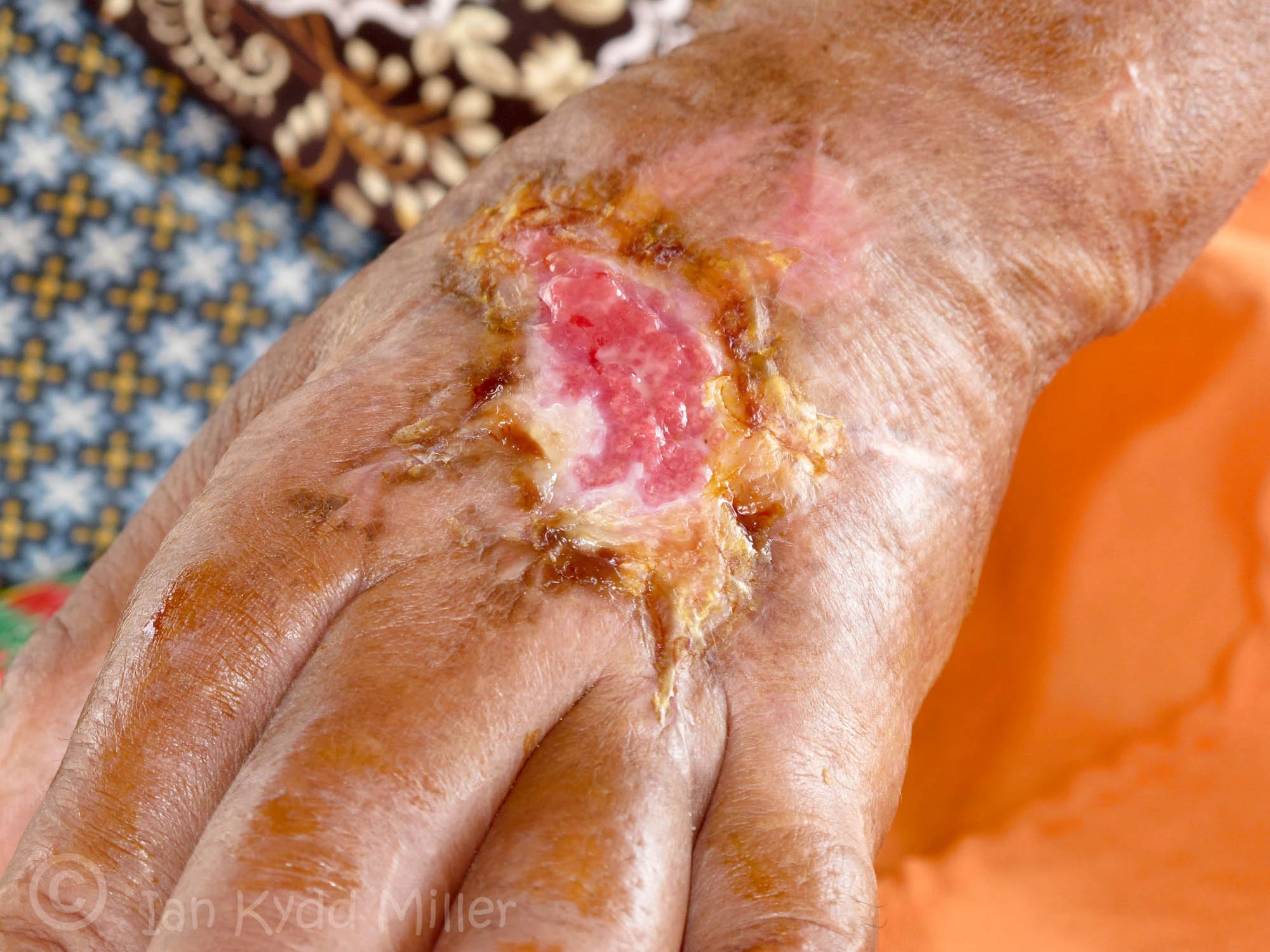
This was the back of her hand after four weeks, showing pretty good healing and no infection present. I continued with sugar and vitamin ointment.

After another three days even more improvement noted.

Day 11

We continued with the same treatment for the next week, the wounds continued to get smaller until the point came over the last two weeks that some of the areas were ready to begin the process of scabbing. For the next week we dressed all areas with no stick dressings brought in by a friend from Bangkok, until such a point than we only needed dry protective dressings.

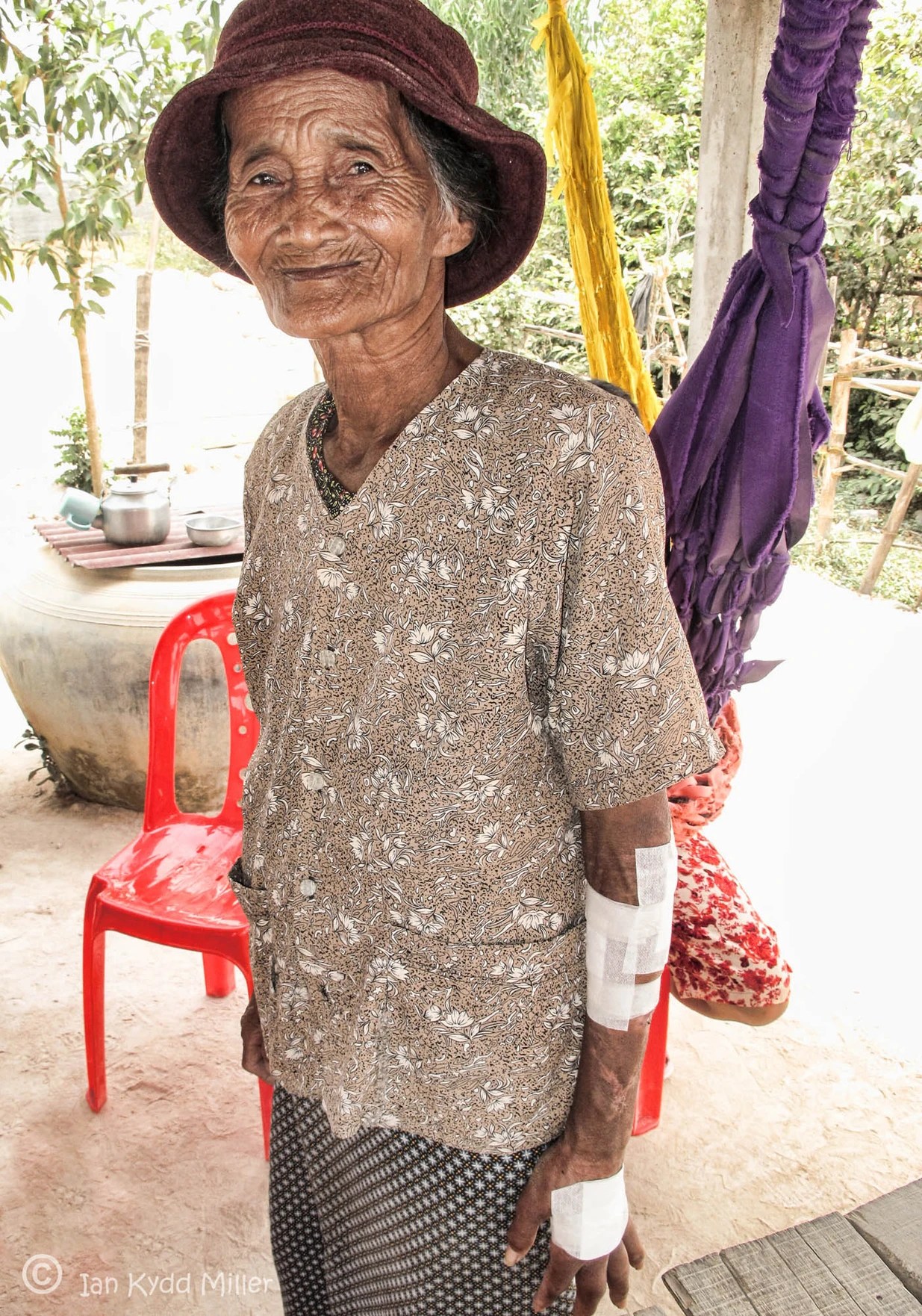
As can be seen on the last pictures there is certainly some scar tissue but much less than I expected. She has a reasonable amount of movement in her hand and her fingers will become less swollen as her hand movement increases.

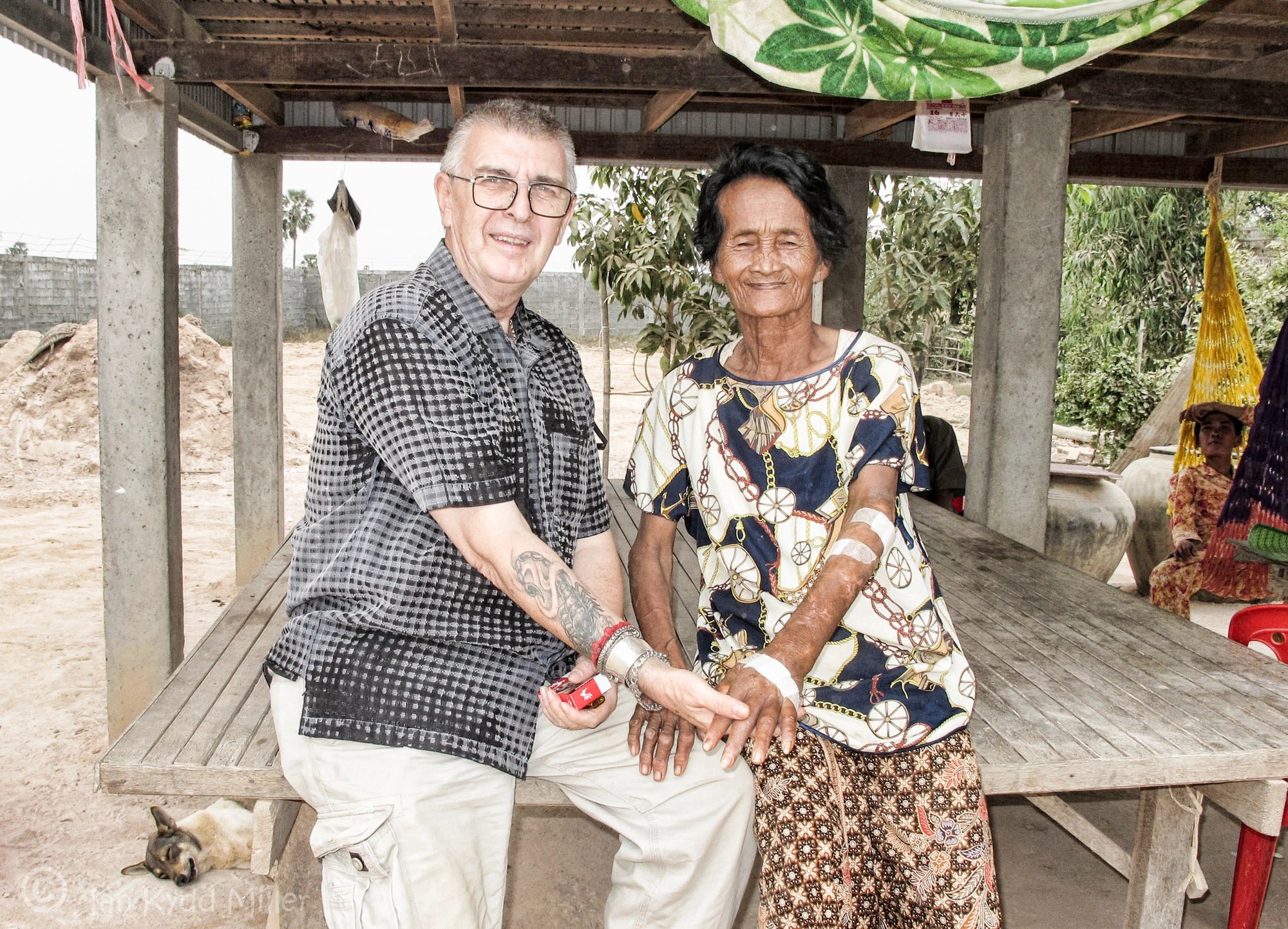
Simple dry dressings now until the remaining areas scab over. One very happy and feisty lady now, such a pleasure to see. Just over seven weeks total to get to this point. Such a brave lady, well done …..

BIG THANKS GO OUT TO BILL FOR HIS GETTING ME SAFELY THERE WHEN NEEDED AND HIS SUPPORT IN GENERAL. TO ALL THOSE WHO MADE THIS POSSIBLE (YOU KNOW WHO YOU ARE) I APPRECIATE IT AND SO DO THOSE IN NEED

#firstaid #asia #medical #sick #charity #snakebite

The Nikon D700

cameras, Lenses, Lowepro, opinons, thoughts, photography, pictures, street, Travel, Uncategorized, war
  1. Versatility: The full-frame sensor allows for greater control over depth of field, enabling photographers to achieve beautiful background blur (bokeh) and more creative compositions.

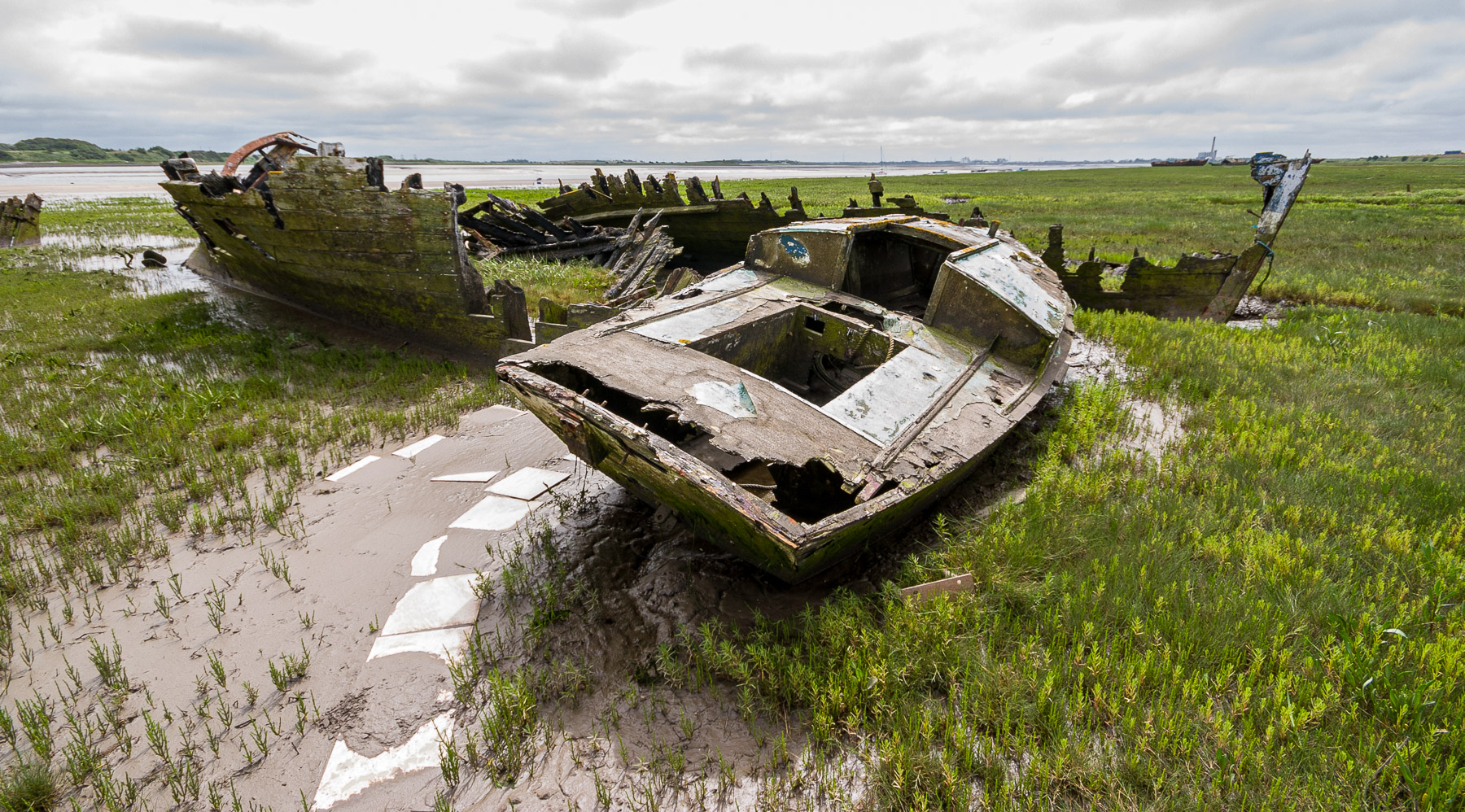
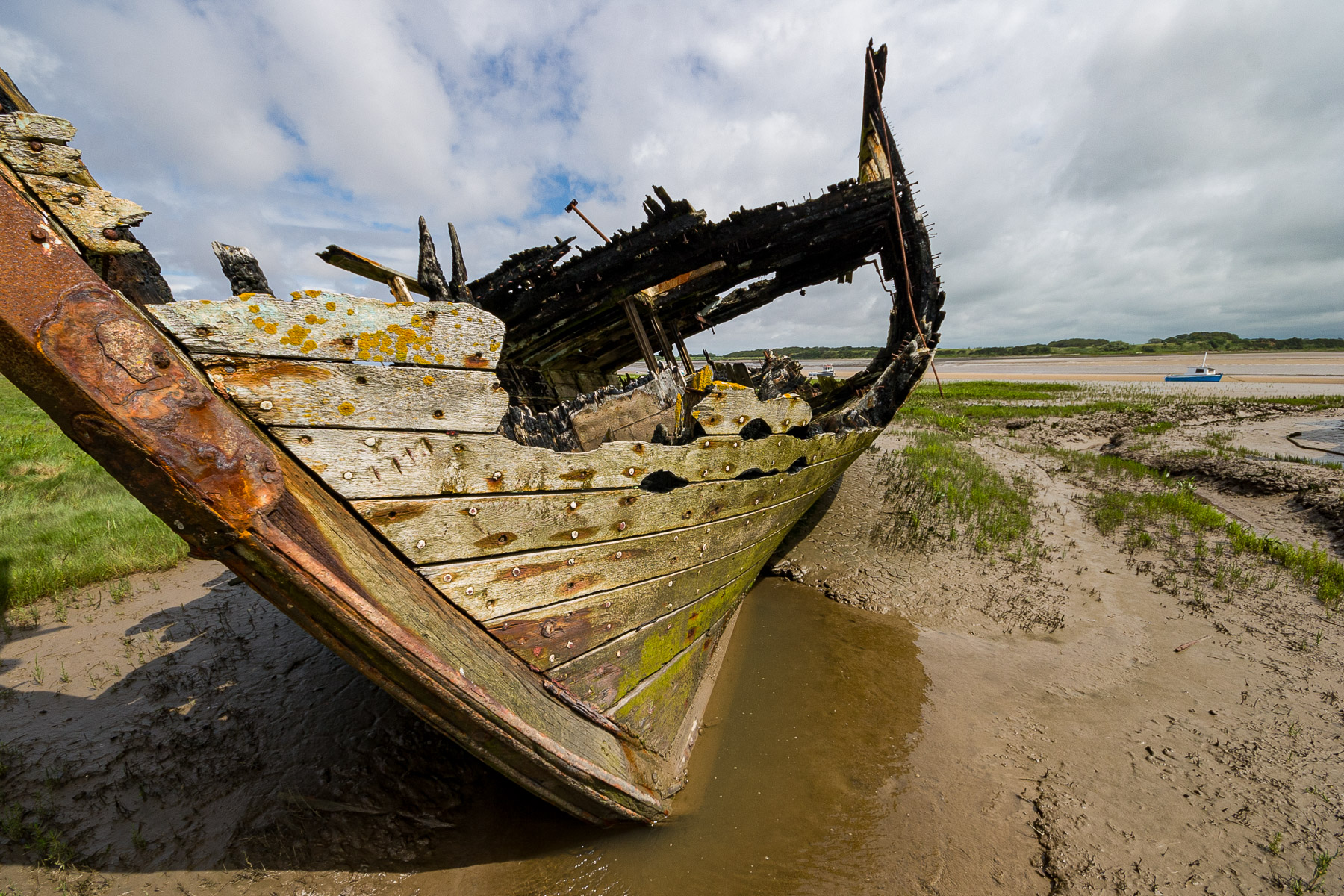
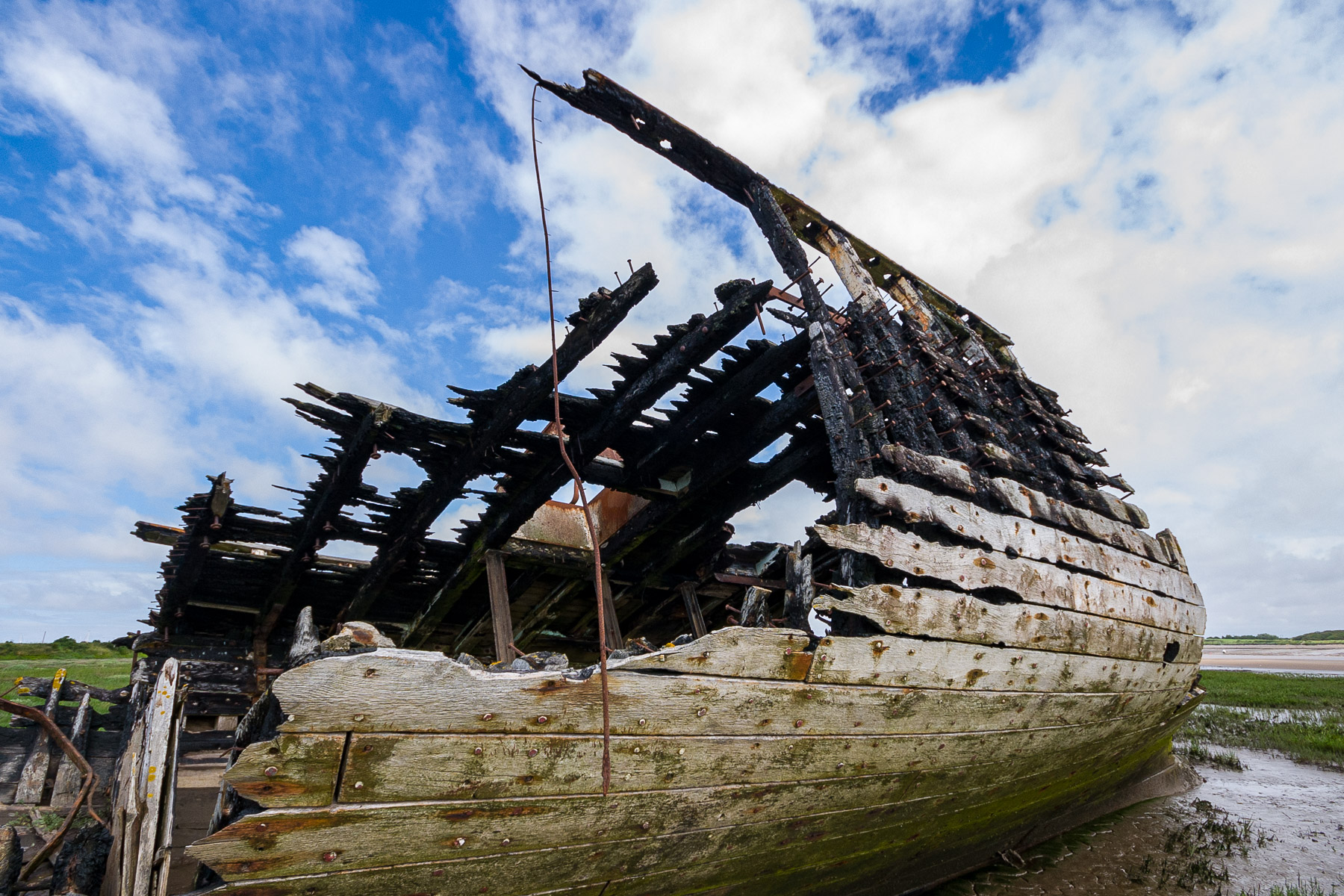
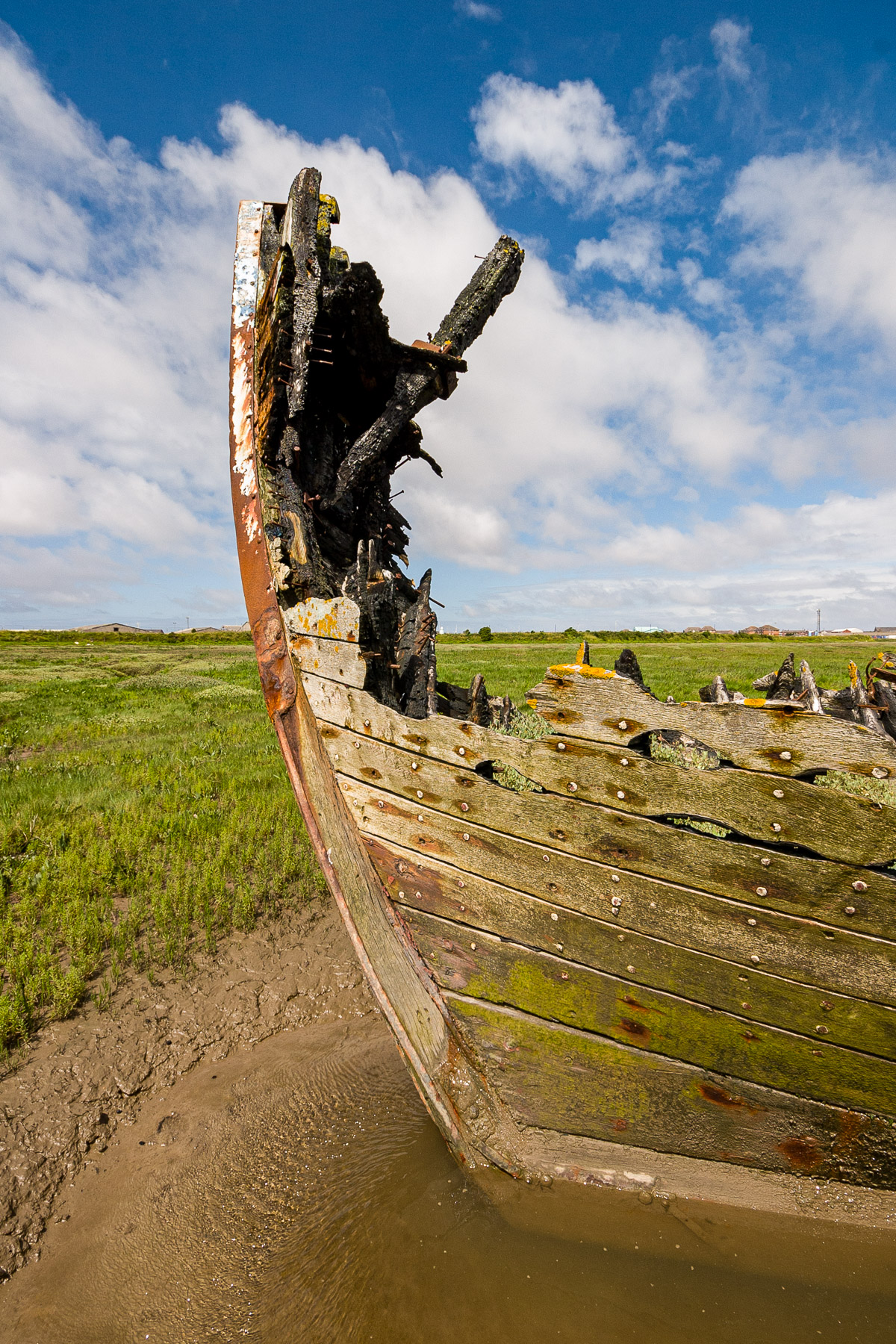
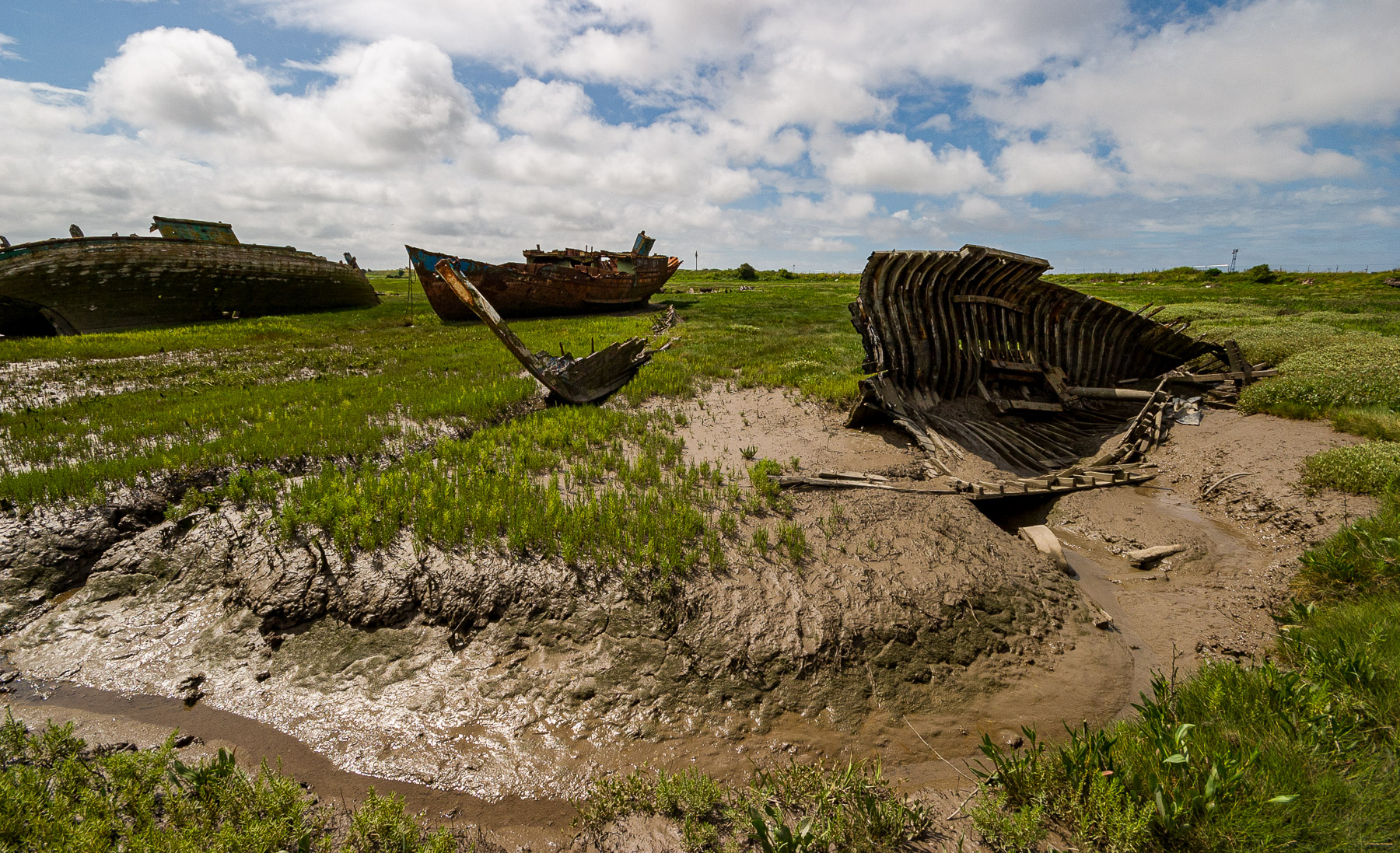
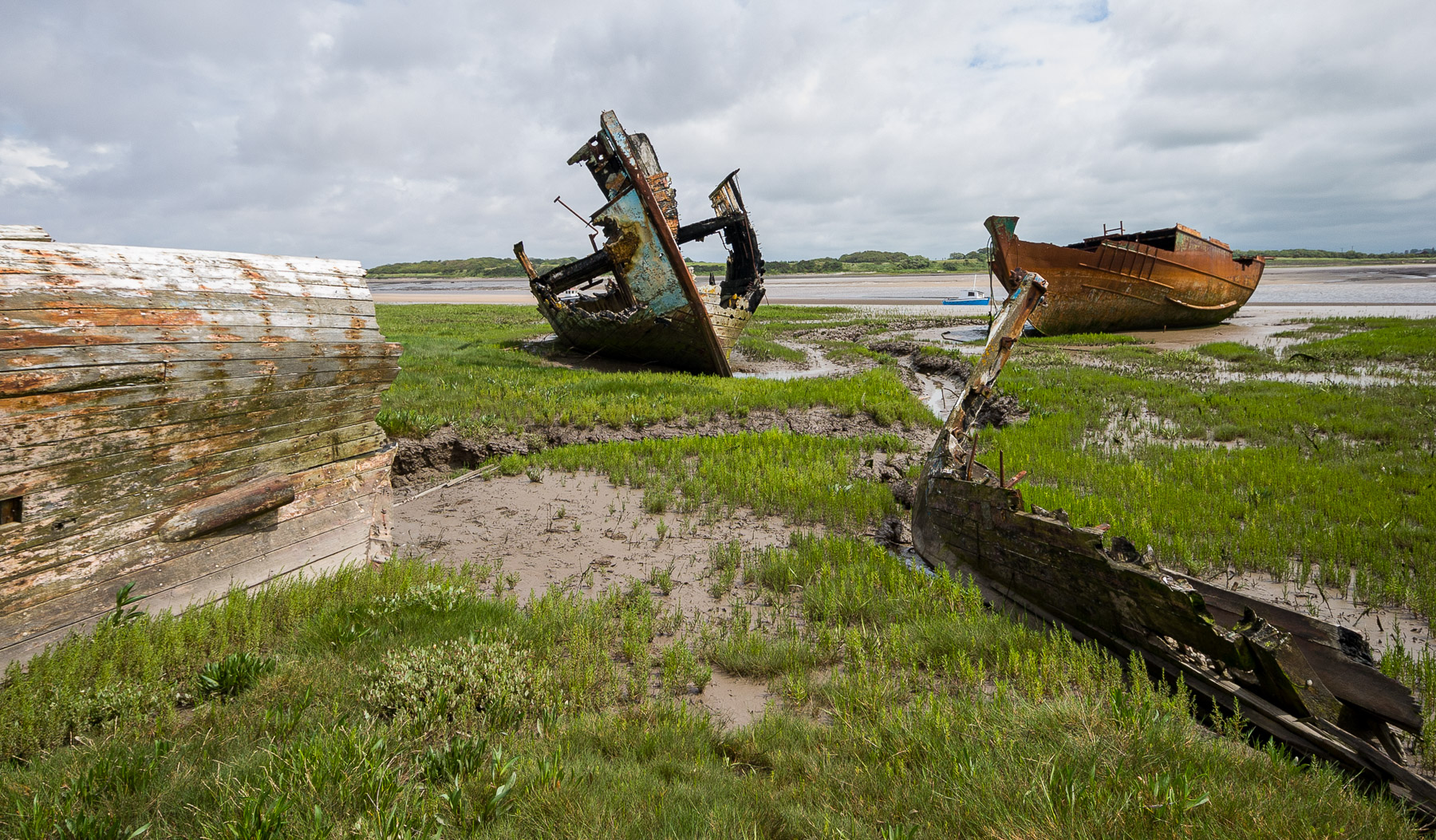
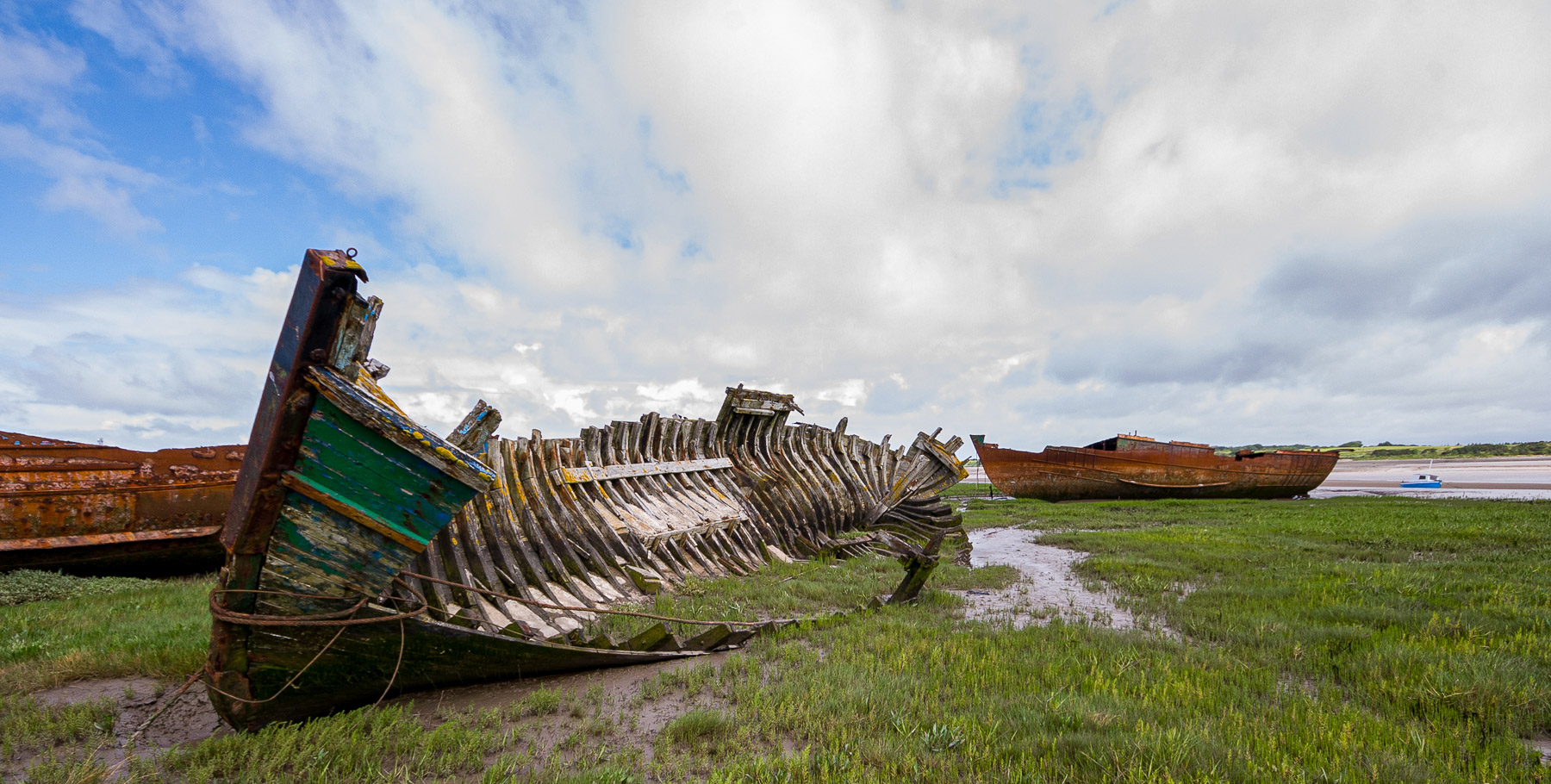
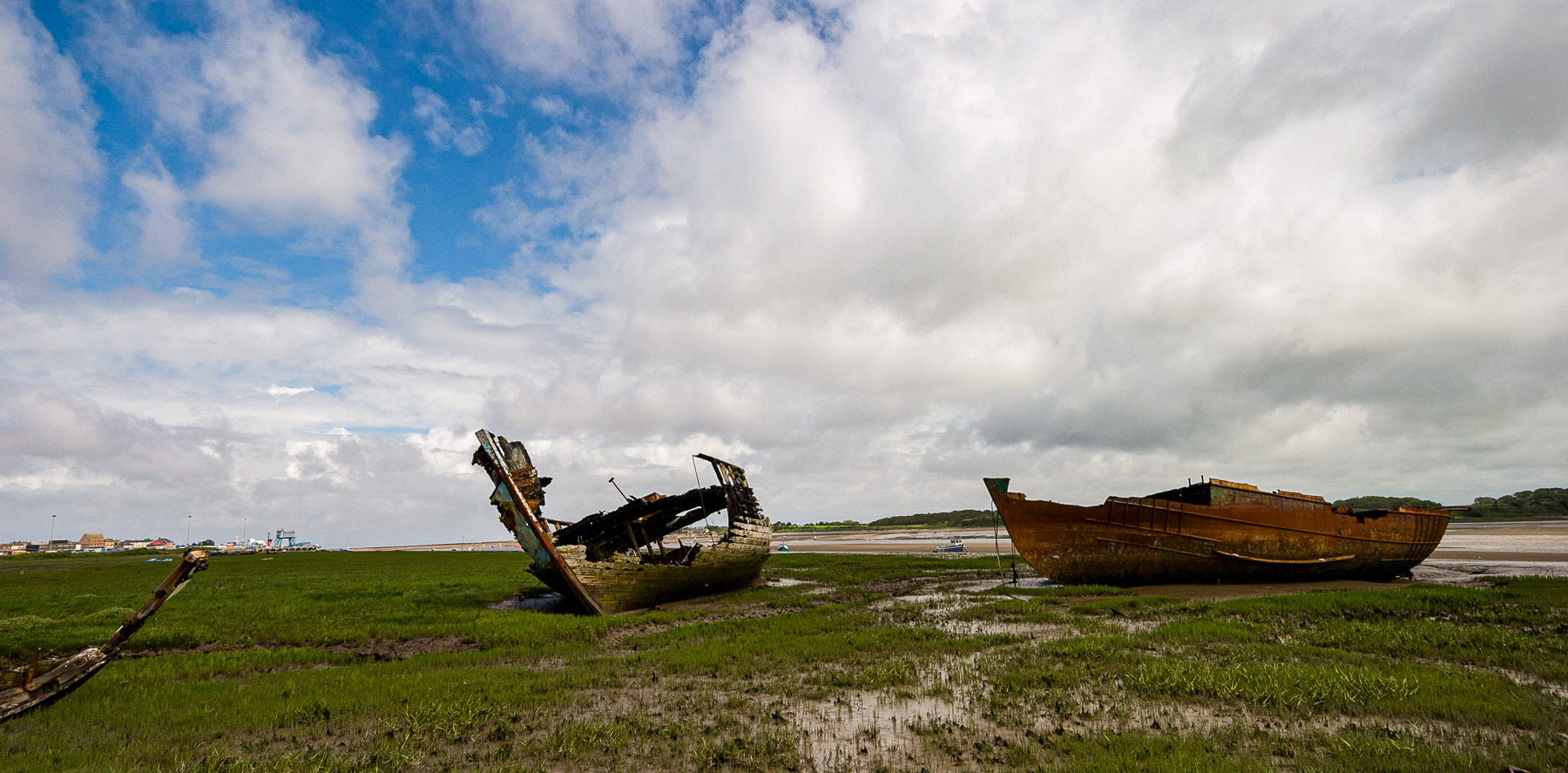
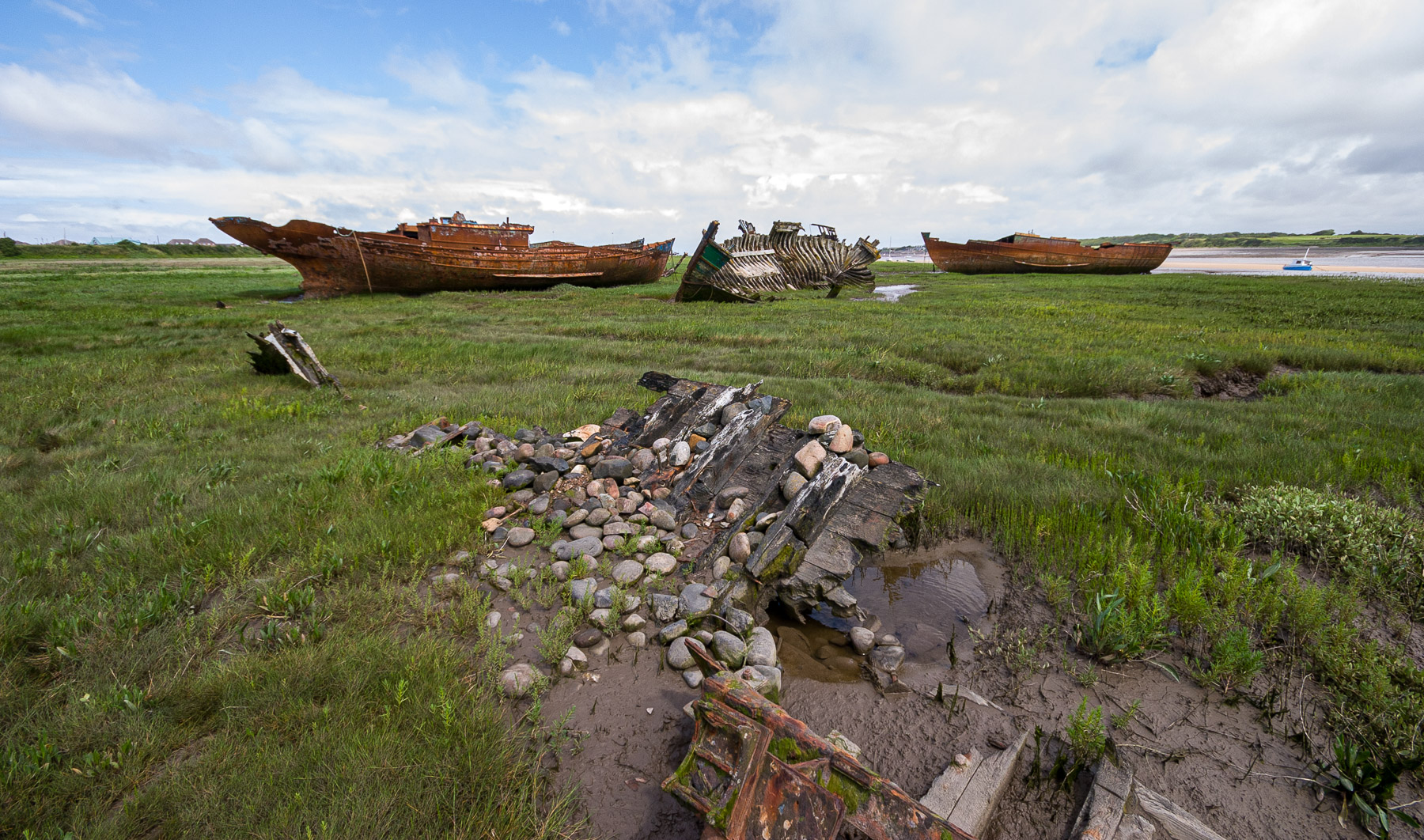
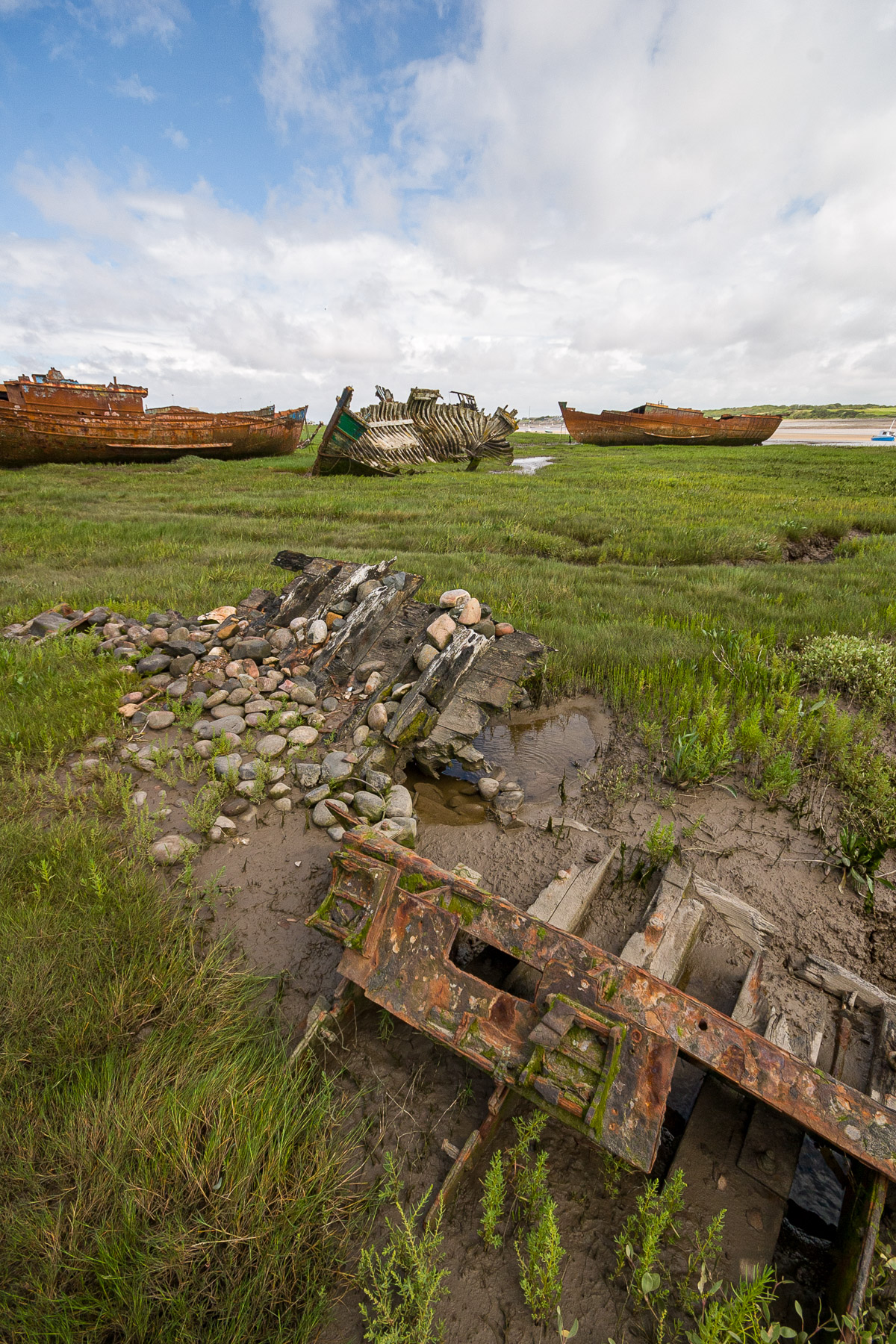
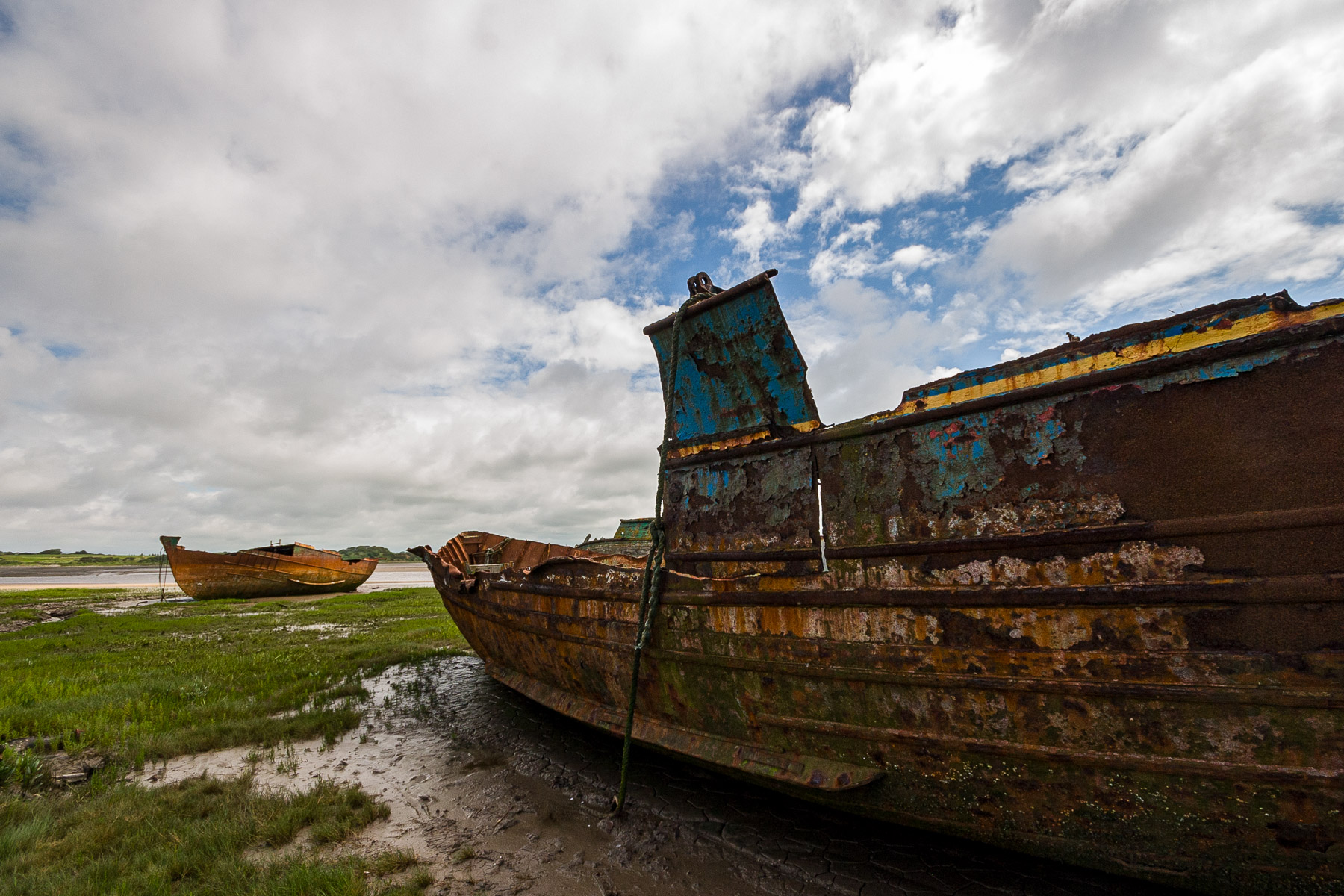
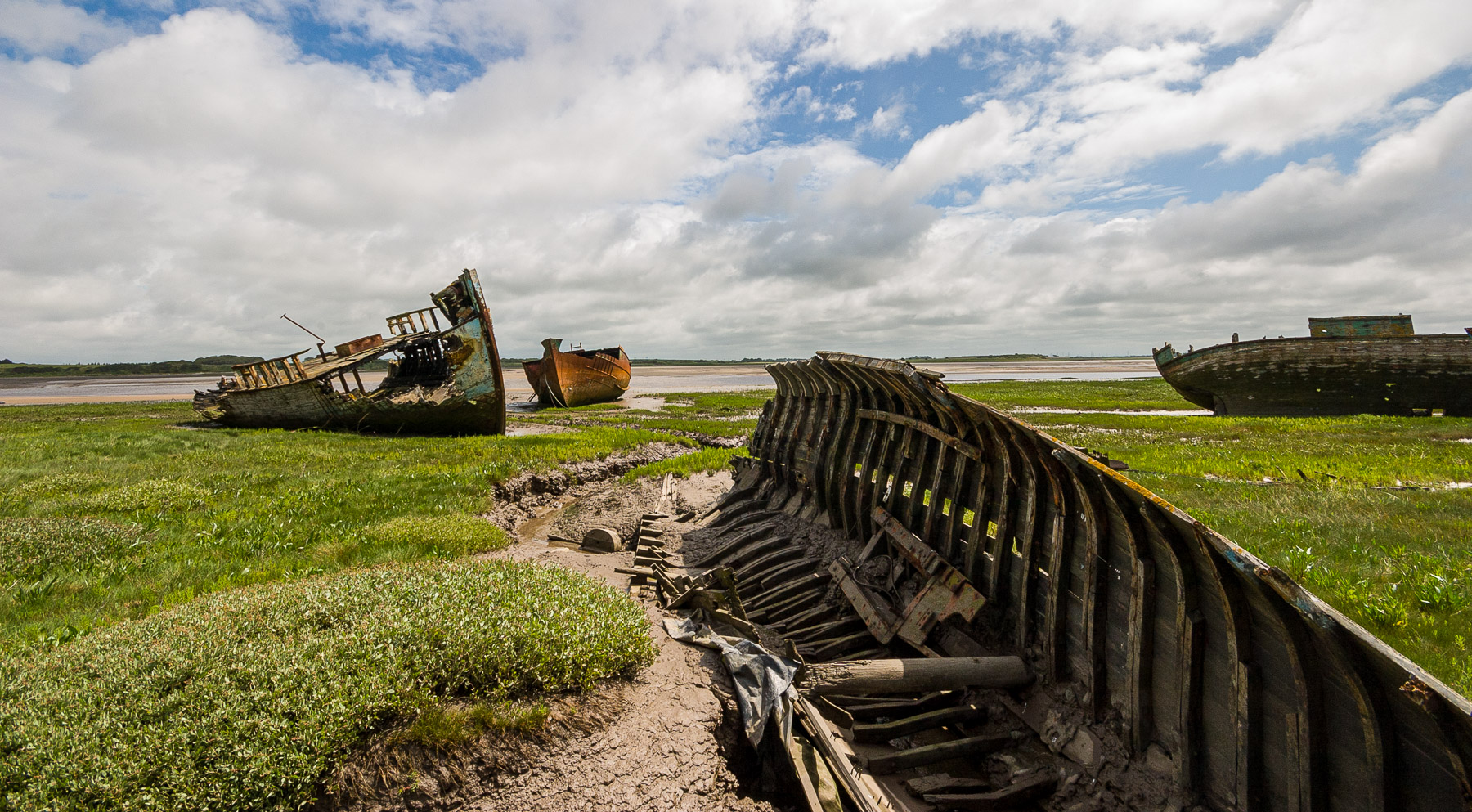
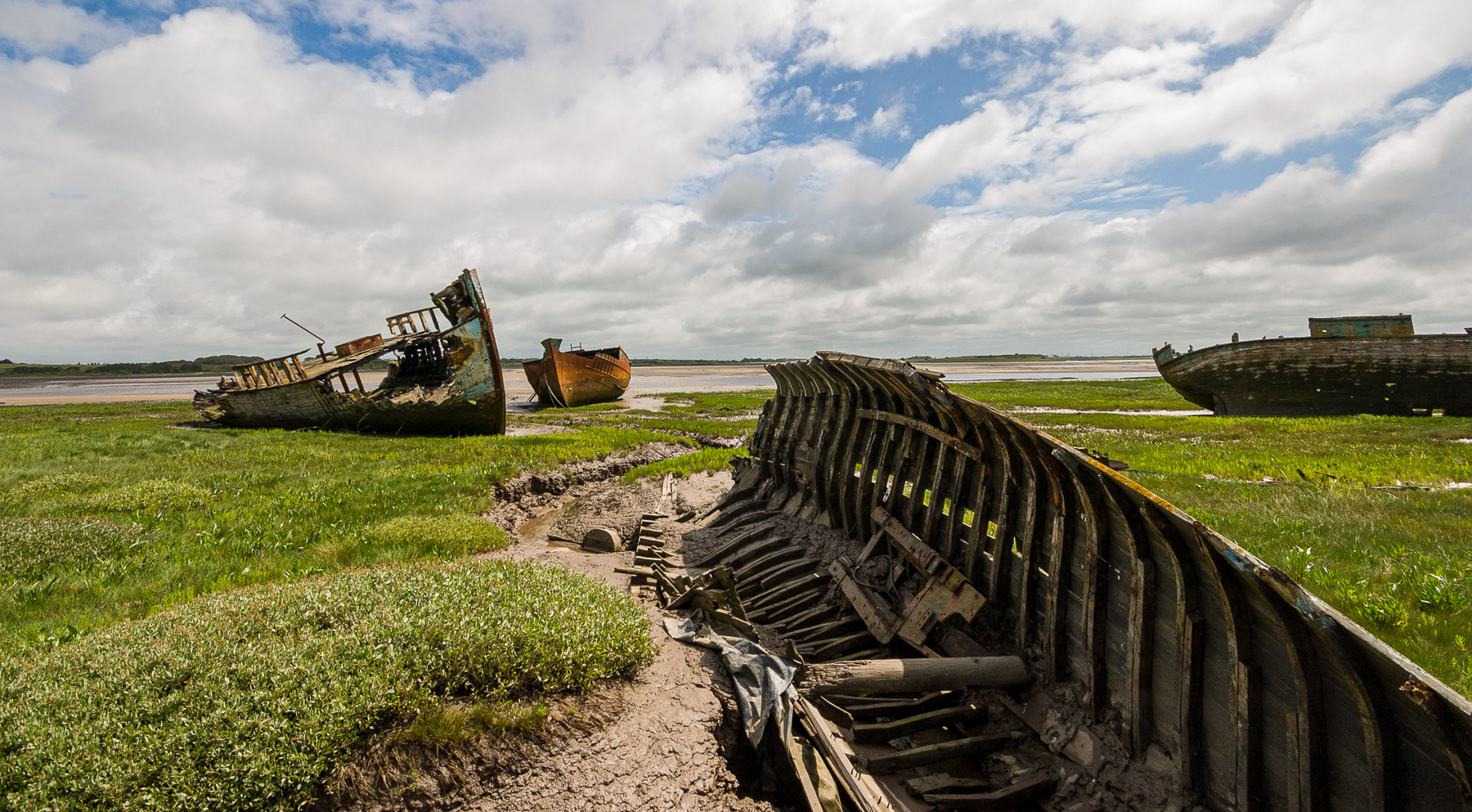
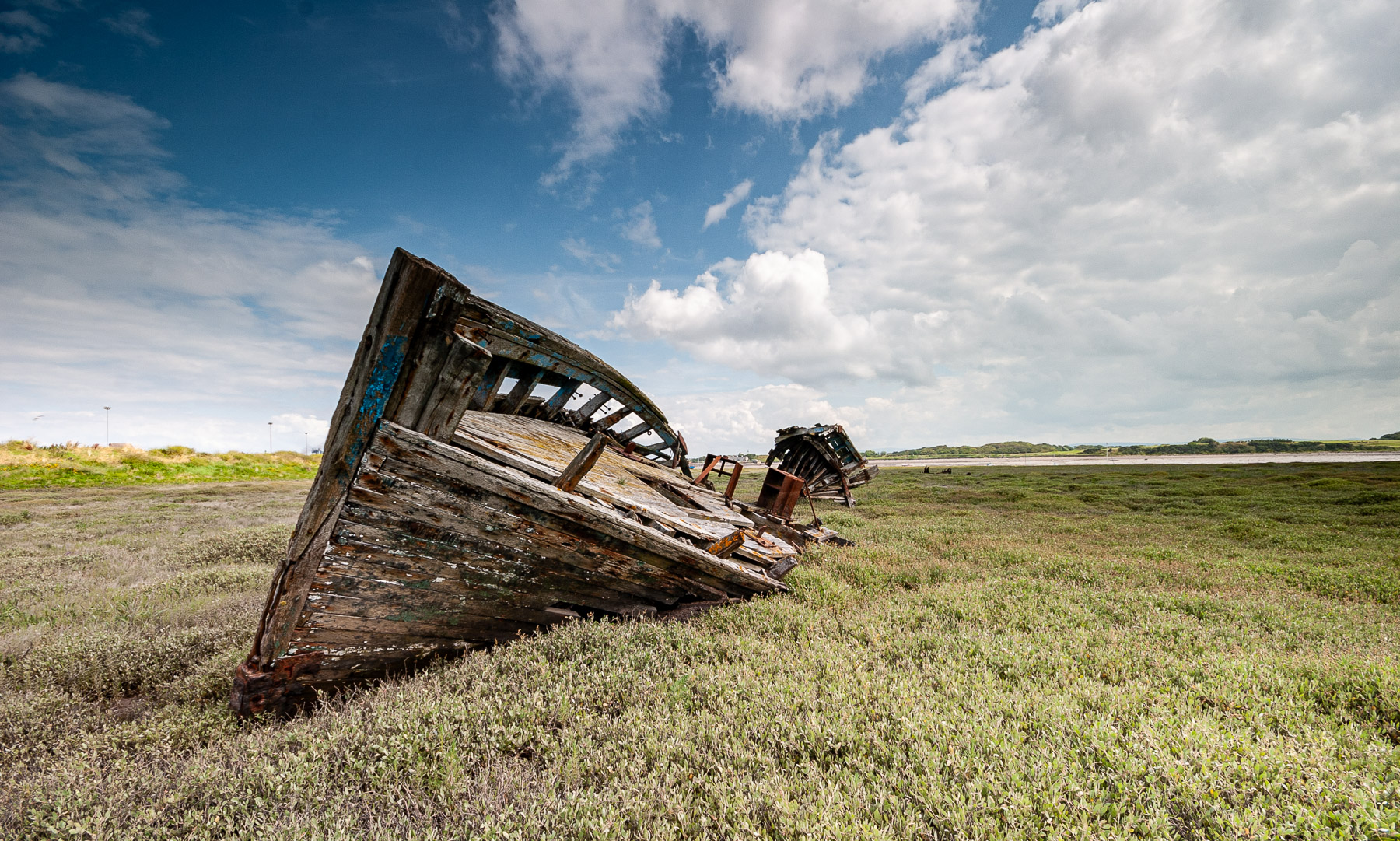
The Failure of Fleetwoods Fishing Industry

opinons, thoughts, photography, pictures, war

  1. Cod Wars: The disputes between the UK and Iceland over fishing rights in the North Atlantic during the 1970s severely impacted Fleetwood’s fishing industry. Iceland’s restrictions on fishing in its waters significantly reduced the available fishing grounds.
  2. Government Policies: In the 1990s, many fishermen sold their boats under a government decommissioning scheme to preserve fish stocks.
  3. Economic Shifts: The rise of imported fish and changes in the global fishing market also played a role in the decline.


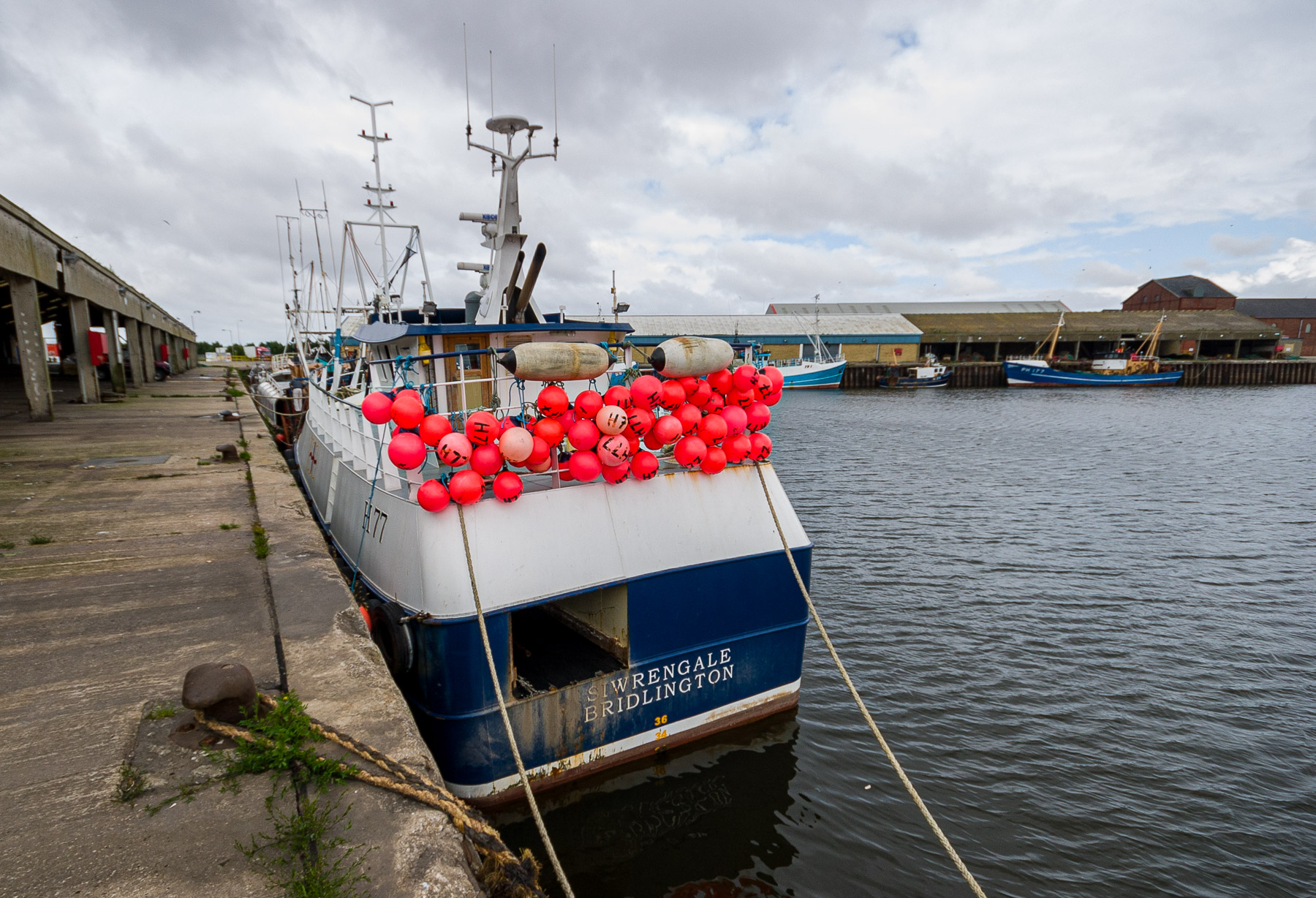
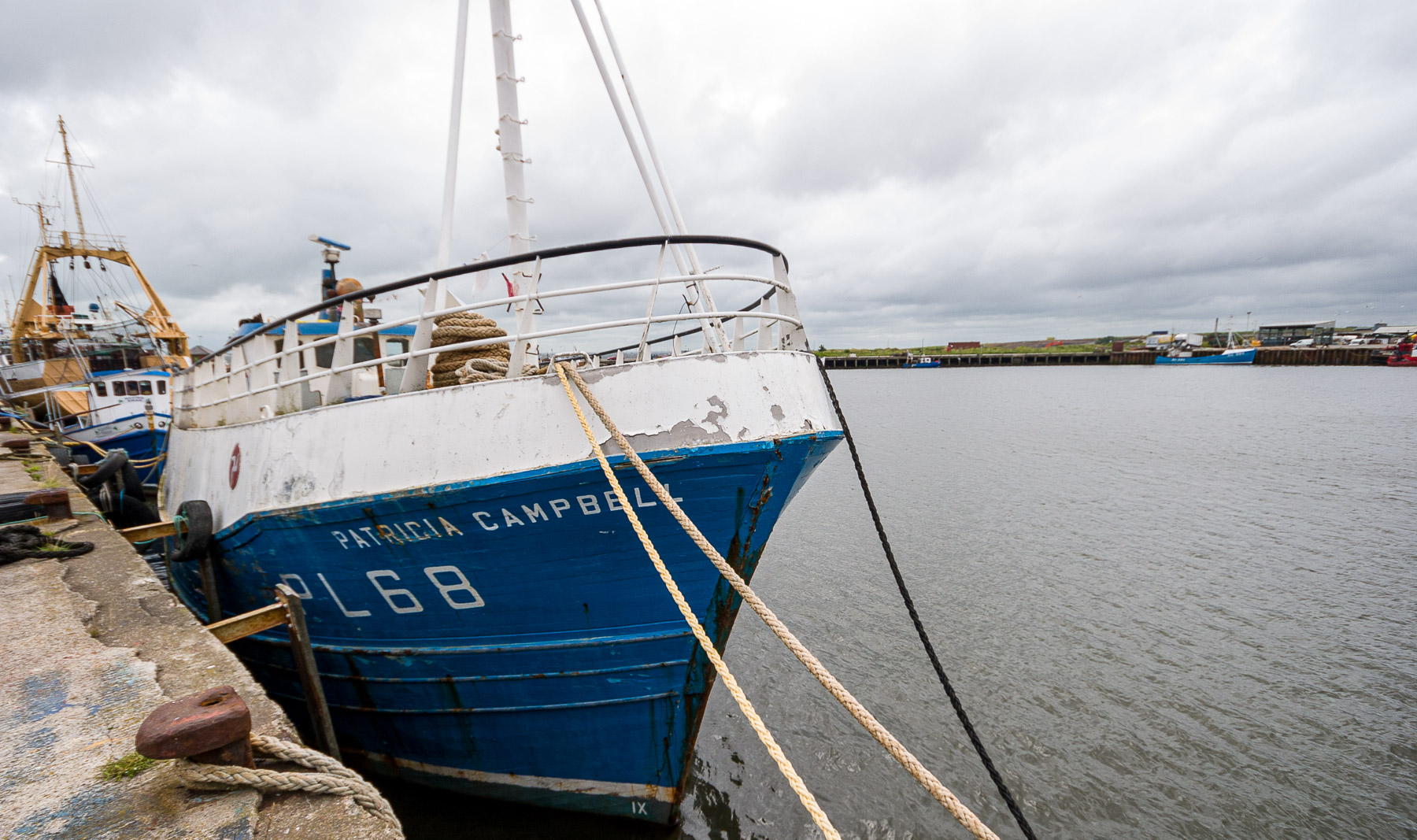
Today, Fleetwood fishing industry is a shadow of its former self, with only a handful of trawlers remaining. The town has shifted its focus to fish processing and other industries to sustain its economy

The Cod Wars were a series of confrontations between the United Kingdom and Iceland over fishing rights in the North Atlantic. These disputes took place between the 1950s and the 1970s and were primarily about the control of fishing grounds around Iceland.

  1. First Cod War (1958-1961): Iceland extended its fishing limits from 4 to 12 nautical miles, which the UK did not recognize. This led to several confrontations at sea.
  2. Second Cod War (1972-1973): Iceland further extended its fishing limits to 50 nautical miles. The UK again did not accept this, leading to more clashes.
  3. Third Cod War (1975-1976): Iceland extended its fishing limits to 200 nautical miles. This time, the conflict was more intense, with both sides using naval vessels to protect their fishing fleets.

Each of these disputes ended with Iceland achieving its goals. Largely due to its strategic importance during the Cold War and its threats to withdraw from NATO.


The Cod Wars had significant economic and social impacts on British fishing communities. Leading to job losses and changes in the fishing industry.