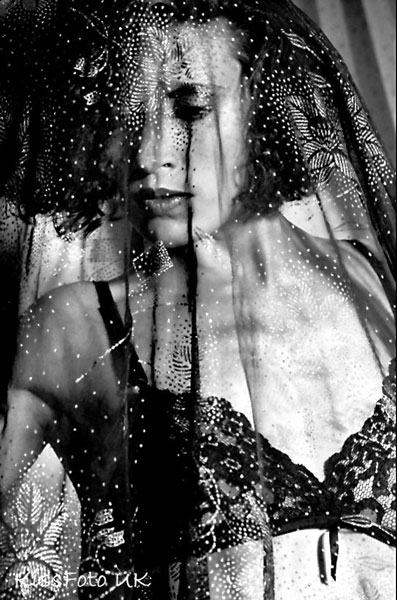
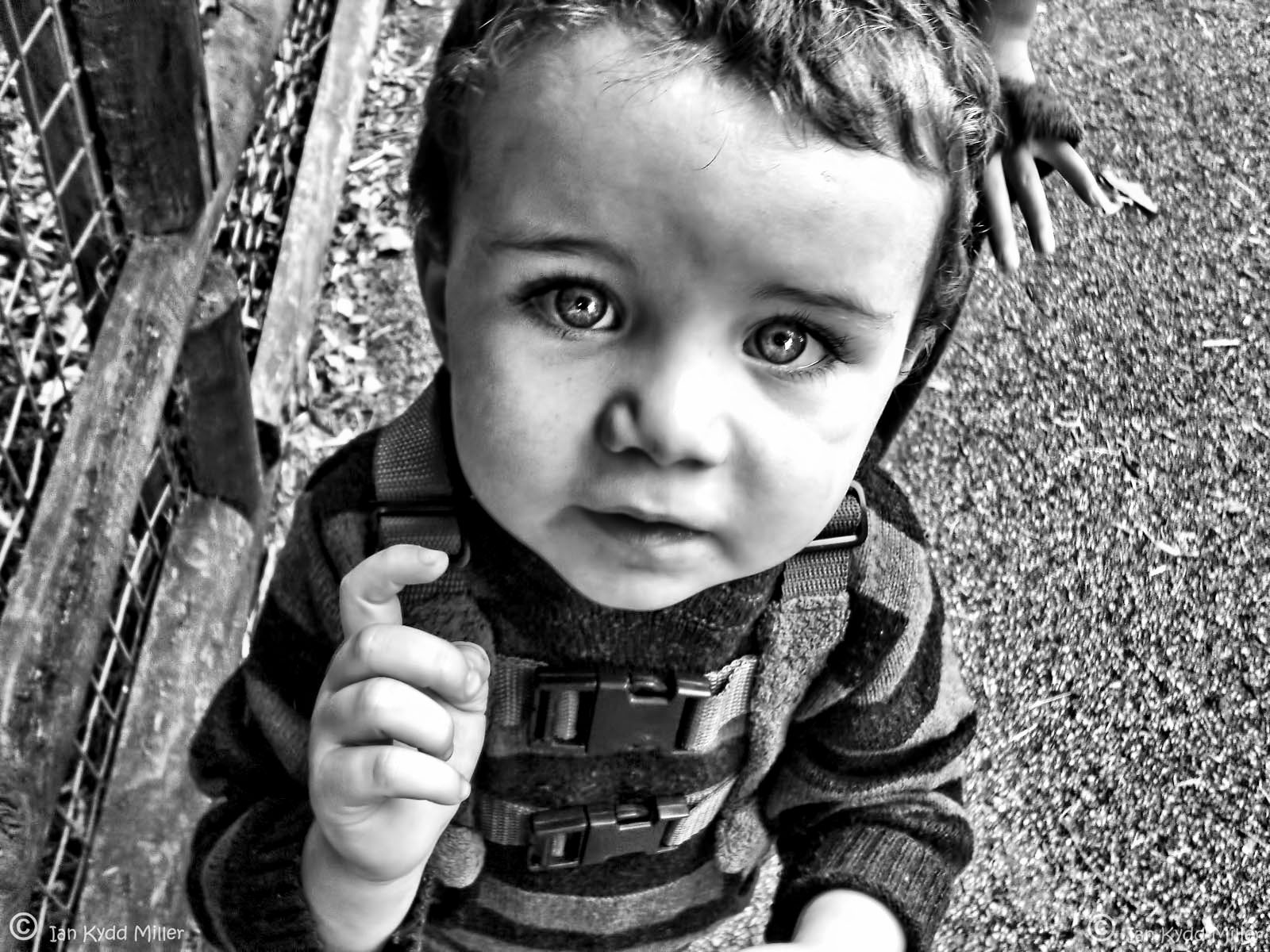
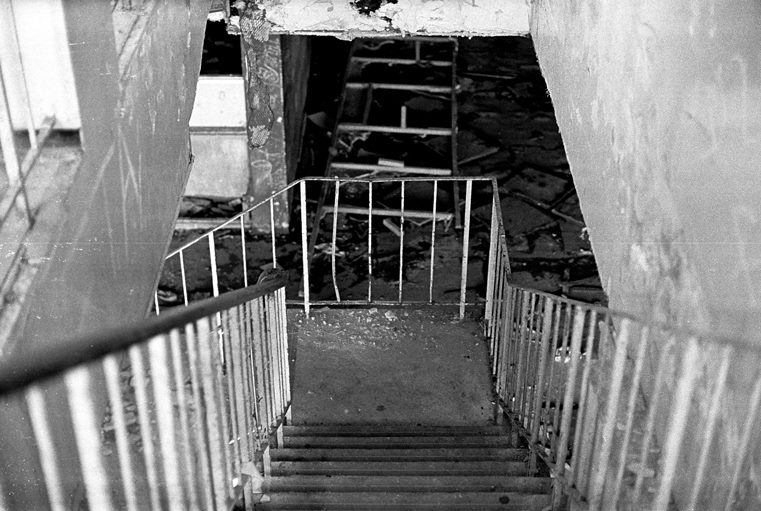
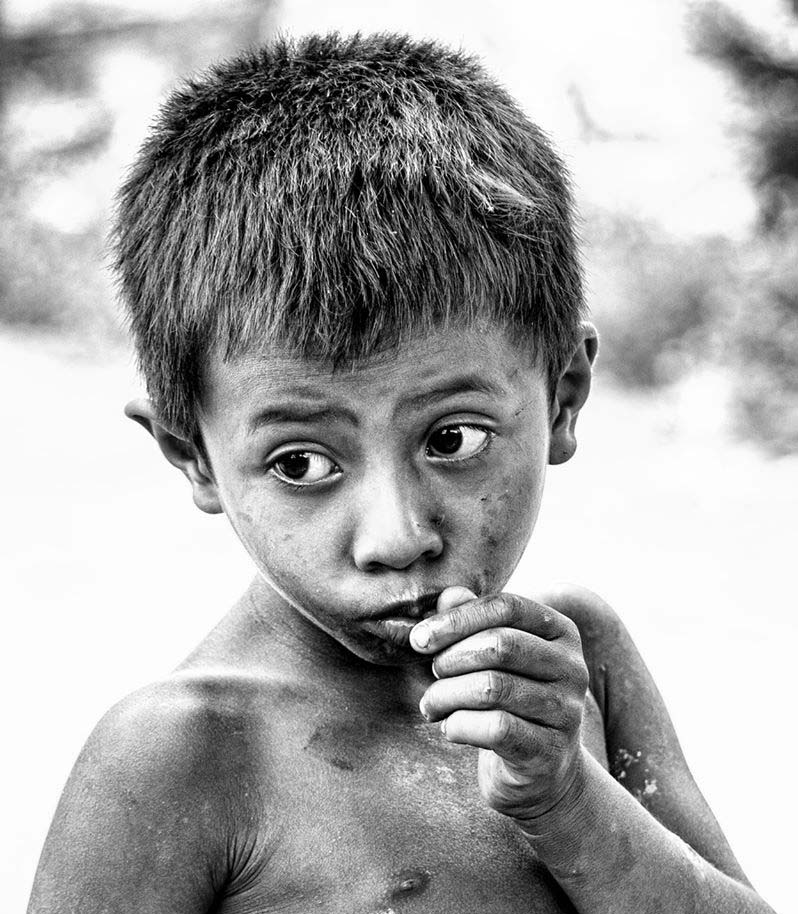
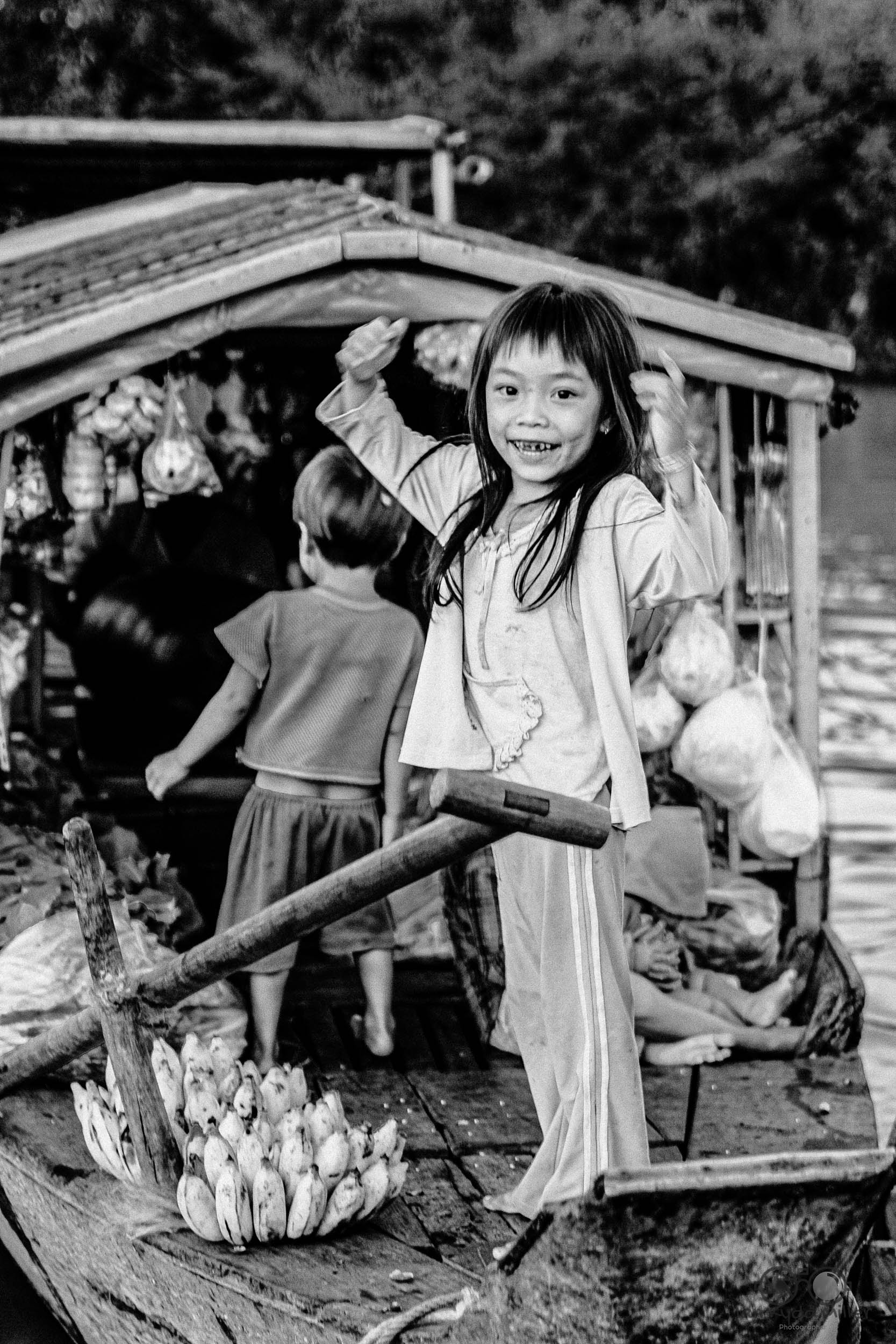
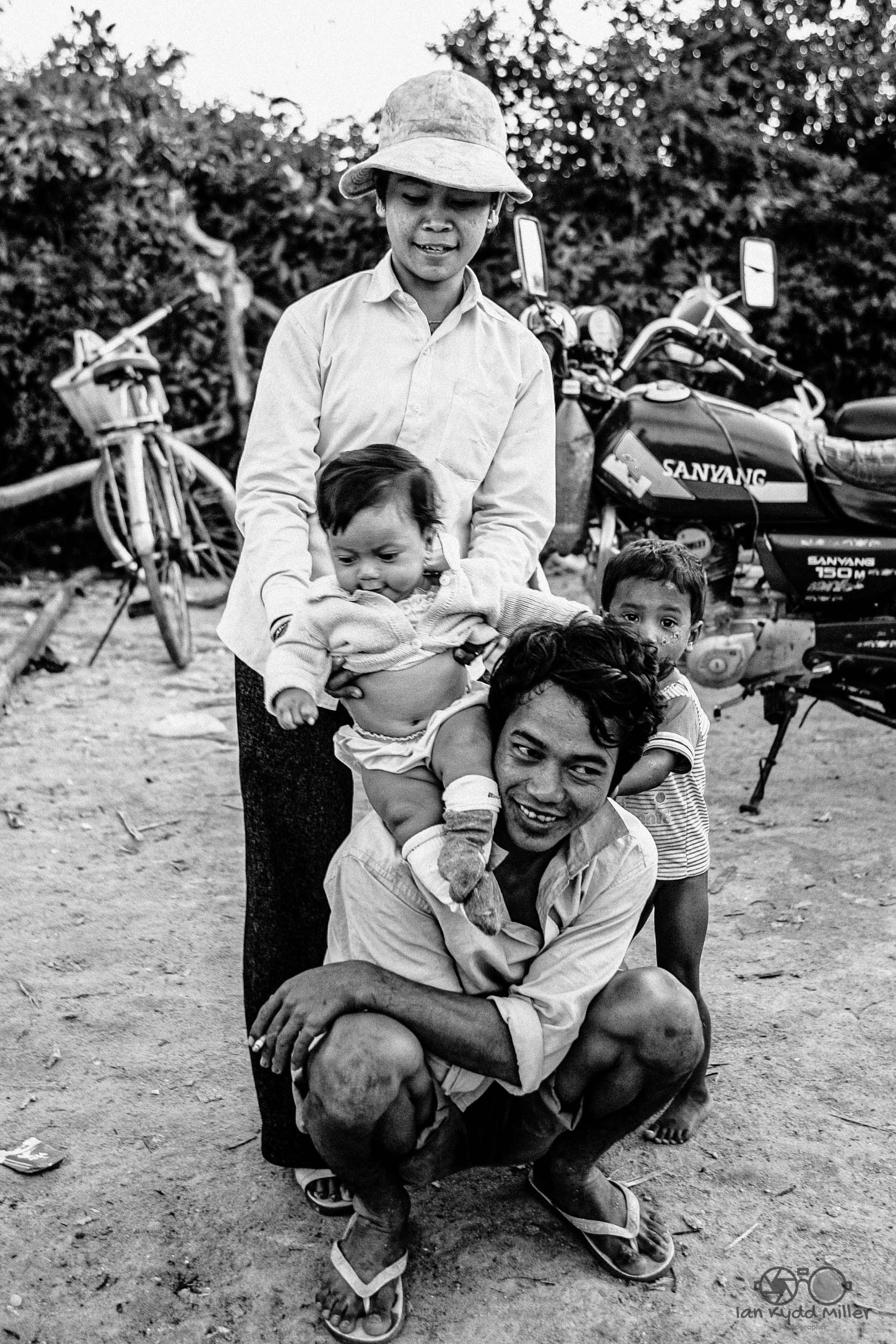
In the vibrant spectrum of colours that paint our world, the simplicity of black and white has a unique and timeless allure. Working in monochrome is not just a matter of limiting options; it’s a profound artistic choice that speaks volumes through contrast, texture, and form.
The monochrome palette strips down the visual experience to its core, compelling artists to focus on the fundamental aspects of composition. Without the distraction of color, viewers are drawn into the essence of the subject, whether it’s the delicate interplay of light and shadow in a photograph or the bold lines and shapes in a graphic design.
Black and white also evoke a sense of nostalgia, reminiscent of the early days of photography and film. It’s a tribute to the roots of visual storytelling, where every frame and every shot relied on tonal variations to convey emotion and narrative.
For photographers, working in black and white can be a transformative experience. It challenges them to perceive the world differently, to seek out patterns and textures that might go unnoticed in color. It’s about understanding the power of luminance and how it shapes our interpretation of the world around us.
In the realm of graphic design, black and white designs stand out with a stark, clean aesthetic that can be both modern and classic. It’s a statement of elegance and sophistication that transcends trends and time periods.
Moreover, black and white artwork has a universal language, unbound by cultural interpretations of color. It’s accessible and relatable, capable of conveying a shared human experience without uttering a single word.
The decision to work in black and white is a testament to an artist’s skill, as it demands a keen eye for detail and a deep understanding of visual impact. It’s a bold move to forego the seduction of color, but those who do are rewarded with a form of expression that’s pure, striking, and incredibly versatile.
So, the next time you encounter a black and white piece, take a moment to appreciate the mastery behind its creation. It’s not just a stylistic choice; it’s a celebration of visual art in its most elemental form. Whether it’s in photography, film, graphic design, or any other medium, the monochrome palette will always have a special place in the heart of artistry.
Ah, the age-old debate with photographers wagging their fingers and shaking their tripods at each other: “You’re cheating if you can’t get it right in camera!” But let’s be real, folks. If photography were a game of Monopoly, Photoshop would be the equivalent of landing on Free Parking and finding a pile of cash. It’s not cheating; it’s a lucky bonus!
Now, some purists argue that the only true way to capture a moment is as it unfolds before your very eyes, untouched by the digital hand of post-processing. They say that if Ansel Adams had Instagram, he’d be using the #NoFilter hashtag like it’s going out of style. But let’s not forget, even Ansel was no stranger to the darkroom dance, dodging and burning his way to perfection.
On the flip side, we have the digital wizards, the ones who can turn a photo of a cat into a majestic lion prowling the savannah with just a few clicks. To them, the camera is just the starting point. The real magic happens when the pixels hit the processor. They’ll argue that creativity shouldn’t be handcuffed by the limitations of reality. After all, if we wanted reality, we’d look out the window, not at a photo.
So, where does that leave us in this great debate? Well, it’s all about balance, isn’t it? A little tweak here, a little adjustment there, and voila! You’ve got a photo that’s worth a thousand likes. And let’s be honest, who hasn’t felt the thrill of sliding those Lightroom bars just to see the sky turn a little more cerulean or the grass a tad greener?
But beware, dear photographers, for there lies a dark path. Venture too far into the land of editing, and you may find yourself in a forest so HDR, it makes your eyes water. Or worse, you could end up with a portrait so airbrushed, your subject looks like a wax figure from Madame Tussauds.
In the end, whether you’re a straight-out-of-camera saint or a post-process Picasso, photography is about capturing and creating images that tell a story, evoke an emotion, or simply make someone say, “Wow, that’s pretty neat.” So, snap away, edit away, and let’s all agree to disagree in the most photogenic way possible.
And remember, the next time someone tells you you’re cheating by not getting it right in camera, just smile, nod, and silently judge their overexposed profile picture. Happy shooting! 📸😉
In photography, sharpness is often seen as a hallmark of image quality. A crisp, detailed photograph can capture our attention and hold our gaze. But is the sharpness of a lens the most important element in photography? Let’s delve into this topic and explore the facets of what makes a photograph truly remarkable.
Sharpness, defined as the clarity of detail in a photograph, is influenced by a myriad of factors, including camera resolution, lens acutance, and the photographer’s technique. A lens with high acutance can enhance the edge contrast in an image, making subjects stand out with a crisp definition. This can elevate a photo from ordinary to extraordinary, but it’s not the only factor at play.
The quality of a lens can indeed affect the final image significantly. It’s the lens that creates the image, and a high-quality lens can minimize optical issues like chromatic aberration and barrel distortion, which can detract from the perceived sharpness. However, it’s crucial to remember that the lens is just one part of a larger system. The camera body, sensor resolution, and image processing also play vital roles in the outcome of a photograph.
Moreover, photography is an art form, and like all art, it’s subjective. What one person values in a photograph—be it sharpness, composition, lighting, or emotion—another might view differently. Sometimes, the moment captured is far more significant than the technical perfection of the image. A slightly out-of-focus photo of a fleeting, once-in-a-lifetime event can hold more value than a technically perfect shot of a mundane subject.
It’s also worth noting that sharpness is not always desirable. In portrait photography, for example, a softer focus can be used to flatter the subject, and in landscape photography, a slight blur can convey movement and life. The creative choices a photographer makes are what imbue a photograph with meaning and impact.
In conclusion, while lens sharpness is undoubtedly important, it’s not the be-all and end-all of photography. The skill of the photographer, the quality of the camera body, and the creative decisions made during the shooting and post-processing stages all contribute to the final image. Photography is a dance of technology and creativity, and it’s the balance between these elements that truly makes a photograph shine.
So, whether you’re a seasoned professional or an enthusiastic amateur, remember that sharpness is just one of the many tools at your disposal. Embrace the full spectrum of photographic elements, and you’ll find that the most important aspect of photography is your unique vision and the stories you choose to tell through your lens. Happy shooting!
Embarking on the journey of photography can be one of the most rewarding experiences for any creative enthusiast. The art of capturing moments, emotions, and landscapes through the lens is a powerful way to express oneself and share perspectives with the world. For those just starting out, the path can seem daunting, but with a few essential tips, you can begin to master the basics and develop your unique photographic voice.
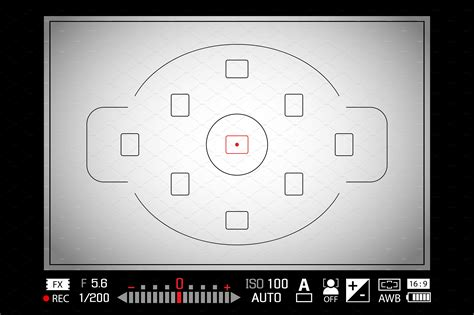
Start with the Basics of Composition Understanding the rule of thirds, leading lines, and framing can transform your photographs from simple snapshots to compelling images. Composition is the cornerstone of great photography, and it’s something that can continually be refined. Pay attention to how you arrange the elements in your viewfinder; sometimes, a small adjustment can make a huge difference in the impact of your photo.
Embrace the Camera You Have It’s easy to fall into the trap of thinking you need the latest gear to take great photos, but the truth is, the best camera is the one you have with you. Whether it’s a smartphone, a point-and-shoot, or an entry-level DSLR, you can take stunning photos with any device. Focus on honing your skills and understanding the principles of photography rather than worrying about equipment.
Learn the Importance of Lighting Lighting is everything in photography. The golden hour—shortly after sunrise or before sunset—provides soft, diffused light that can add a magical quality to your images. Experiment with different lighting conditions to see how they affect your photos. Sometimes, the most dramatic and expressive shots are captured in less than ideal lighting conditions, so don’t be afraid to experiment.
Practice, Practice, Practice The more you shoot, the better you’ll get. Take your camera everywhere and photograph everything. Try different subjects, perspectives, and settings. Each photo you take is a learning opportunity, so review your images, understand what works, and consider what you could do differently next time.
Understand Your Camera’s Settings Getting out of auto mode can be intimidating, but it’s a crucial step towards taking control of your photography. Learn about shutter speed, aperture, and ISO, and how they work together to affect the exposure of your photos. Understanding these settings will give you creative control over the look and feel of your images.
Post-Processing is Your Friend Post-processing can turn a good photo into a great one. Basic adjustments like cropping, adjusting exposure, and color correction can enhance your images significantly. There are plenty of free and paid software options available, so find one that works for you and start experimenting.
Connect with the Photography Community Joining photography groups, participating in workshops, and connecting with other photographers can provide invaluable support and inspiration. Share your work, ask for feedback, and learn from the experiences of others. The photography community is generally very welcoming and can be a fantastic resource for beginners.
Keep Learning and Stay Inspired Photography is a lifelong journey of learning. There are countless resources available—from books to online tutorials—that can help you improve your skills. Keep an eye on the work of photographers you admire, and don’t be afraid to try new techniques and styles.
Remember, every great photographer was once a beginner. With passion, patience, and persistence, you’ll find your way in the vast and exciting world of photography. So grab your camera, start shooting, and enjoy every step of this creative adventure! 📸✨
Ah, the age-old question that haunts the halls of photography forums and ignites fiery debates in camera clubs across the globe: if DSLRs are supposedly pushing up daisies, why do we still see them clutched in the hands of the world’s photography elite?
Nikon D3S
Let’s set the scene: It’s 2024, and the camera market is buzzing with the latest tech. Mirrorless cameras are flaunting their sleek designs like runway models during fashion week, while DSLRs are sitting in the corner, grumbling about ‘the good old days’ when they were the belle of the ball.
Fuji XT3
But here’s the twist: despite the whispers of their demise, DSLRs are far from extinct. In fact, they’re still the go-to choice for many top-tier professionals. Why, you ask? Well, let’s dive into the comedic conundrum that is the professional photographer’s gear bag.
Firstly, let’s talk about loyalty. Photographers can be fiercely loyal creatures, much like knights to their king, or a toddler to their favourite blanket. They’ve spent years mastering the quirks and intricacies of their beloved DSLRs, and they’re not about to abandon their trusty steeds for some flashy new stallion without a good reason.
Then there’s the issue of comfort. A DSLR is like that old, worn-in pair of jeans that fits just right. It’s familiar, reliable, and doesn’t require reading a novel-sized manual to figure out where the darn autofocus button is.
But wait, there’s more! Durability plays a huge role too. A DSLR is like a tank – it can take a beating and keep on clicking. Mirrorless cameras, on the other hand, are often viewed as the delicate teacups of the camera world. Drop one, and you might as well start planning its funeral.
And let’s not forget about the optical viewfinder. For many photographers, looking through a lens with their own eyes, rather than a digital screen, is akin to a spiritual experience. It’s pure, unadulterated photography bliss that no amount of electronic wizardry can replace.
Of course, we can’t ignore the fact that DSLRs have been the backbone of professional photography for years. They’ve captured everything from weddings to wildlife, and they’ve done it with grace and power. It’s hard to turn your back on a legacy like that, even if mirrorless cameras are whispering sweet nothings about faster autofocus and lighter weight.
So, there you have it, folks. The DSLR isn’t dead; it’s just enjoying a well-deserved semi-retirement, basking in the glory of its heyday while still showing the youngsters how it’s done. And for those professionals still wielding their DSLRs like Excalibur? They know that sometimes, the classics just can’t be beaten.
As for the rush to upgrade? Let’s just say that in the photography world, patience is a virtue, and sometimes the best things come to those who wait… and wait… and wait some more. After all, who needs the latest and greatest when you’ve got a tried-and-true companion by your side?
So, whether you’re a die-hard DSLR fan or a mirrorless aficionado, remember: the best camera is the one you have with you – unless, of course, you left it at home because it’s too heavy, in which case, maybe it’s time to consider that upgrade. Just kidding! Or am I?
Travel photography is more than just taking photos; it’s about capturing the essence of a place, its people, and the experiences that make a trip memorable. It’s an art form that allows us to bring back a piece of the world with us, sharing it through our unique perspective. Whether you’re a beginner or an intermediate photographer, there are always new techniques and approaches to learn. Here are some invaluable tips to help you elevate your travel photography game.
Know Your Gear Inside Out The first step to taking great travel photos is to understand your camera’s capabilities and settings. Familiarize yourself with different shooting modes, learn how to adjust the exposure settings, and experiment with various lenses. The more comfortable you are with your equipment, the quicker you’ll be able to react to capture those fleeting moments that make for the most compelling images.
Chase the Golden Hours Lighting can make or break a photograph. The soft, diffused light of the golden hours—just after sunrise and before sunset—provides a warm tone and long shadows that can add depth and interest to your images. Similarly, the blue hour, which occurs just before sunrise and after sunset, offers a cool, serene light that’s perfect for capturing the tranquility of a place.
Plan, but Be Ready to Improvise While it’s essential to have a plan and know what you want to capture, some of the best travel photos come from unexpected moments. Be flexible and ready to adapt to changing conditions and spontaneous events. This means keeping your camera accessible and being prepared to stop and shoot whenever an opportunity arises.
Composition is Key Understanding the rules of composition, such as the rule of thirds, leading lines, and framing, can greatly enhance the visual appeal of your photos. Look for unique angles and perspectives to tell a story through your images. Don’t be afraid to move around to find the best composition—sometimes, a few steps to the left or right can make all the difference.
Engage with Your Subject When photographing people, always ask for permission first. Engaging with your subject can lead to more natural and expressive shots. Make them feel comfortable, and let your personality shine through to create a connection that will be evident in your photos.
Post-Processing is Your Friend Shooting in RAW format gives you more flexibility during post-processing. Learning how to edit your photos can significantly improve their quality. Adjusting exposure, contrast, and color balance can help your images stand out. Remember, the goal is to enhance the photo to reflect the beauty of the scene as you experienced it, not to alter it beyond recognition.
Practice Makes Perfect Lastly, the most important tip is to practice. The more you shoot, the better you’ll become. Try different techniques, learn from your mistakes, and don’t be discouraged by the occasional bad shot. Every photo you take brings you one step closer to capturing that stunning travel image you’ve been dreaming of.
Travel photography is a journey in itself, one that requires patience, passion, and persistence. By following these tips and continually honing your skills, you’ll be well on your way to taking travel images that not only document your adventures but also convey the emotions and stories behind them. So grab your camera, hit the road, and start capturing the world in all its glory!
Photography, an art form that captures moments and memories, can sometimes lead to an unexpected predicament known as Gear Acquisition Syndrome (GAS). This term, often mentioned with a chuckle among photography circles, refers to the overwhelming desire to acquire more and more equipment, hoping it will improve one’s craft. But does it really?
The lure of the latest camera body, the sharpest lens, or the most advanced lighting system is hard to resist. Many photographers know this feeling all too well. The excitement of unboxing a new gadget, the promise of better pictures, and the envy of fellow photographers can be intoxicating. However, GAS can have a downside—a cluttered studio, a depleted bank account, and a focus on gear over creativity.
The root of GAS lies in the belief that the next purchase will be the game-changer, the missing piece that will elevate one’s work from good to great. It’s a narrative fueled by marketing, peer pressure, and sometimes, self-doubt. The truth is, that while quality gear can enhance the technical aspects of photography, it is not a substitute for skill, vision, and experience.
So, how does one combat GAS? Here are a few strategies:
Embrace Your Current Gear: Before eyeing the next upgrade, master the equipment you already own. Push it to its limits and explore its full potential. You might be surprised by what you can achieve with what you have.
Focus on Education: Invest in learning new techniques, and understanding light, composition, and storytelling. These skills will improve your photography far more than any new piece of gear.
Set Clear Goals: Define what you need from your equipment to achieve your photographic goals. This helps in making informed decisions about new purchases.
Rent Before You Buy: If you’re tempted by a new piece of equipment, try renting it first. This can give you a sense of whether it’s essential for your work.
Sell Unused Gear: If you have equipment gathering dust, consider selling it. This not only declutters your space but also puts funds towards gear you will actually use.
Challenge Yourself Creatively: Sometimes, limitations can breed creativity. Use a single lens for a month, or shoot in a fixed location. These constraints can lead to innovative ways of seeing.
Connect with Community: Share your experiences with other photographers. Often, discussing GAS can lead to insights and support from those who understand.
Practice Mindful Purchasing: Reflect on your motivations for wanting new gear. Is it for a specific project, or is it impulse buying? Being mindful can prevent unnecessary acquisitions.
In conclusion, while GAS is a common experience among photographers, it doesn’t have to dictate one’s journey in photography. By focusing on skill development, creative challenges, and mindful purchasing, photographers can ensure that their passion for capturing the world doesn’t turn into a race for the latest gear. Remember, the best camera is the one you have with you, and the best photograph is the one you take with intention and artistry. So, next time GAS strikes, take a deep breath and ask yourself, “Do I really need this, or do I just want it?” Your creativity—and your wallet—will thank you.
With the rise of smartphone cameras, especially the ones on iPhones, many people wonder if there is still a need for professional photographers. After all, why pay someone to take your photos when you can just snap them yourself with a device that fits in your pocket? Well, the answer is not so simple. While smartphone cameras have improved a lot in recent years, they still have some limitations that make them inferior to professional cameras. For example, smartphone cameras have smaller sensors, lower resolution, less dynamic range, less control over exposure and focus, and less versatility in terms of lenses and accessories. These factors affect the quality and creativity of the photos you can take with a smartphone. Professional photographers, on the other hand, have access to more advanced equipment and techniques that allow them to capture stunning images in any situation. They also have the skills and experience to edit and enhance their photos using software like Photoshop or Lightroom. Professional photographers can also offer more than just photos. They can provide services like planning, styling, posing, directing, printing, framing, and delivering your photos. They can also create albums, slideshows, videos, and other products that beautifully showcase your memories. Professional photographers are not just taking pictures; they are creating art and telling stories. So, is the professional photographer rapidly becoming obsolete? Not at all. There is still a huge demand for their work in various fields like weddings, portraits, events, fashion, journalism, advertising, and more. Smartphone cameras may be convenient and fun, but they cannot replace the expertise and creativity of professional photographers.
The advent of smartphone cameras has indeed revolutionized the field of photography, making it more accessible and convenient for the masses. The quality of images produced by smartphones is continually improving, challenging the need for professional cameras in certain contexts. However, the art of professional photography remains resilient and relevant. While smartphone cameras offer ease of use and immediacy, professional photographers bring a level of expertise, creativity, and technical skill that cannot be replicated by technology alone. They understand the nuances of lighting, composition, and storytelling, which are essential for creating compelling images. Moreover, professional equipment still surpasses smartphones in terms of image quality, especially in challenging environments. The rise of smartphone photography has also pushed professionals to innovate and adapt, finding new ways to showcase their unique vision and skills. In essence, while smartphone cameras have changed the landscape, they have not rendered professional photographers obsolete but rather redefined their role in the digital age.
In the ever-evolving world of photography, the question of how much post-processing is acceptable has taken a new turn with the advent of AI-generated images. It’s a topic that’s as controversial as pineapple on pizza or the correct pronunciation of ‘GIF’. But fear not, dear reader, for we shall embark on a hopefully humorous journey to uncover the truth behind the pixels.
Let’s start with a history lesson. Once upon a time, photographers would dodge and burn their way to perfection in the darkroom. Fast forward to the digital age, and Photoshop became the new darkroom, with layers and masks as the tools of choice. Now, enter AI, the new kid on the block, who can turn a doodle into a masterpiece with the click of a button. But does that make it photography? Or is it something else entirely?
Photo contests around the globe are scratching their heads, trying to adapt to this AI mega-trend. Some say AI-generated images are the future, while others argue they’re as much ‘photography’ as a microwave dinner is ‘home cooking’. The line in the sand seems to be drawn at the use of AI tools for minor tweaks in editing software like Adobe Photoshop, with the caveat that you should probably mention it in your application unless you want to be the Boris Eldagsen of your local photo club.
But let’s get real. If your photo of a sunset looks more like a unicorn’s fever dream after a heavy night out, maybe you’ve gone too far. And if your portrait subject starts resembling an alien with a skin condition, it’s time to step away from the sliders. The key is subtlety. Think of AI as the spice in your photographic curry – a little can enhance the flavors, but too much and you’ll be reaching for the milk.
So, where do we draw the line? Well, it’s all about intention. Are you using AI to fix or create a blemish-free cyborg? Are you enhancing the mood or changing the plot of the story? It’s a bit like using a filter on a dating app – sure, smooth out that skin, but if you show up to the date with three fewer chins, questions will be asked.
In conclusion, the acceptable post-processing is a bit like comedy – timing and context are everything. Use AI to enhance, not to deceive, unless you’re entering the ‘AI-Generated Surrealist Artwork of the Year’ competition. And remember, just because you can turn your cat into a fire-breathing dragon, doesn’t always mean you should. Happy editing, and may your artistic integrity be as high-resolution as your images.
***All the images seen in this post have undergone some post-processing***
The Intersection of AI and Photography: A New Frontier
Photography has always been a blend of art and science, capturing moments through the lens of technology. As we advance into the digital age, the question arises: can artificial intelligence (AI) be considered photography? This is not just a philosophical question but also a practical one, as AI has begun to significantly influence the field of photography.
AI has transformed photography in several ways, from the way we capture images to how we process and interpret them. In 2022, AI image generation took a massive leap forward with the introduction of advanced diffusion models like DALL-E 2, which allowed for the creation of highly detailed and realistic images from textual descriptions. This technology has not only expanded the creative possibilities for artists and photographers but also sparked a debate about the nature of photography and creativity.
AI in photography is often referred to as computational photography, which involves using machine learning models and algorithms to enhance the process of capturing and editing images. This includes scene recognition, subject tracking, and optimizing image quality. The integration of AI with traditional photography techniques marks a significant leap forward in visual innovation, utilizing advanced algorithms and machine learning models to augment various aspects of the photographic process.
One of the common uses of AI in photography is facial recognition, which has become a staple feature in modern smartphones and cameras. This technology allows cameras to identify subjects and make automatic adjustments to the image, improving focus and composition. Environment recognition is another aspect where AI reads the scene and makes adjustments based on the lighting conditions and other environmental factors.
However, the question remains: is AI-generated imagery truly photography? Some argue that photography is inherently tied to the act of capturing reality through a camera lens, where the photographer’s vision and decision-making process play a crucial role. Others believe that AI-generated images, which can mimic the aesthetics and technical aspects of photographs, deserve a place within the photography realm.
The debate is ongoing, and as AI continues to evolve, it may redefine our understanding of what constitutes photography. What is clear is that AI has opened up new avenues for creativity and expression, challenging traditional boundaries and inviting us to reconsider the essence of photography in the digital era.
In conclusion, whether AI is considered photography or not, it is undeniable that it has become an integral part of the photographic landscape, influencing how we create, share, and perceive images. As we embrace these technological advancements, we must also reflect on the evolving definition of photography and the role of AI within it. The future of photography is here, and it is intertwined with the capabilities of artificial intelligence.
In the world of photography, the pursuit of the perfect image is a never-ending journey. Whether you’re a professional photographer or an enthusiastic amateur, the questions of sharpness and correct exposure are always at the forefront of the creative process. But is it essential for every image to be perfectly sharp and correctly exposed?
Sharpness in an image refers to the clarity of detail and is often associated with the quality of a photograph. A sharp image can capture textures and fine details that draw the viewer into the scene. However, sharpness is not always the priority. For instance, motion blur in a photo can convey movement, and a softer focus can create a dreamy, romantic atmosphere. The context of the image and the story it aims to tell can dictate whether sharpness is essential.
Correct exposure, on the other hand, is about achieving the right balance of light and dark in an image. It’s about ensuring that the photograph accurately represents the scene as it appears to the eye, or perhaps as the photographer intends to interpret it. While correct exposure is important, it’s not an absolute rule. High-key and low-key photography intentionally overexpose or underexpose images to create a specific mood or focus on certain elements within the frame.
The digital age has brought a plethora of tools and techniques that allow photographers to manipulate images post-capture. The software can sharpen blurry images and adjust exposure levels to salvage shots that might have been considered failures in the past. This flexibility has opened up new avenues for creativity, allowing photographers to experiment with their craft without fearing making irreversible mistakes.
Ultimately, the essence of photography lies in expression and storytelling. While technical perfection is a goal for many, the emotion and message conveyed often leave a lasting impact on the viewer. Some of the most iconic photographs in history are neither perfectly sharp nor correctly exposed, yet they have moved people and stood the test of time.
So, must every image be perfectly sharp and correctly exposed? The answer is subjective. It depends on the photographer’s vision, the story they want to tell, and the emotional response they hope to evoke. In the end, the perfect image is not just about technical precision; it’s about the connection it creates with those who view it. As photographers, we strive for technical excellence, but we should remember that imperfections can sometimes make an image even more powerful and memorable.





















































 a world without pictures is like coffee without cream and sugar, bitter