
Photographers joke about “GAS” — Gear Acquisition Syndrome — as if it’s a harmless quirk. But beneath the humour sits a real question: Why do so many photographers feel compelled to collect gear, even when they already have enough to make great images?
Is it addiction? Is it passion? Is it identity? Or is it something deeper — a way of relating to the world?
Let’s explore this with honesty and nuance.
🧠 1. The Psychology Behind Gear Desire
Gear collecting taps into several powerful psychological mechanisms. None of them are inherently unhealthy — but they can become compulsive if left unchecked.
Dopamine and anticipation
The excitement isn’t in the owning — it’s in the anticipation. The research is clear: dopamine spikes when we imagine possibilities, not when we achieve them.
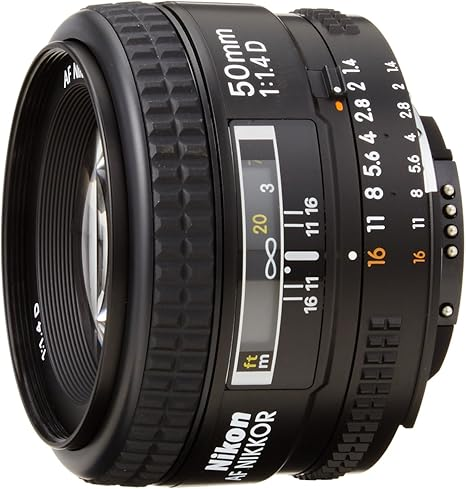
A new lens promises:
- a new way of seeing
- a new creative direction
- a new version of ourselves
That’s intoxicating.
Identity and self‑expression
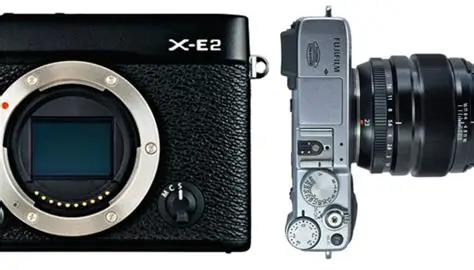
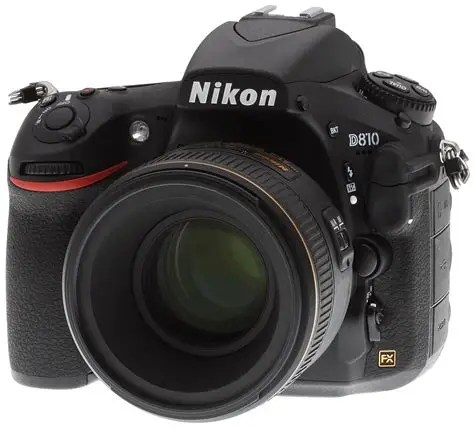
For many photographers, gear is part of their creative identity. A Fuji X‑Pro3 isn’t just a camera — it’s a statement about how you see the world. A Nikon D300S isn’t just a tool — it’s a connection to a certain era of photography.
Collecting becomes a way of curating your creative self.

Craftsmanship and tactile pleasure
Some gear simply feels good. Metal dials, aperture rings, optical glass — these things have presence. Handling them is satisfying in a way that’s hard to explain to non‑photographers.
This isn’t addiction. It’s appreciation.
📸 2. When Collecting Becomes a Creative Practice
For many photographers, collecting gear is part of the craft itself.
Each tool shapes vision
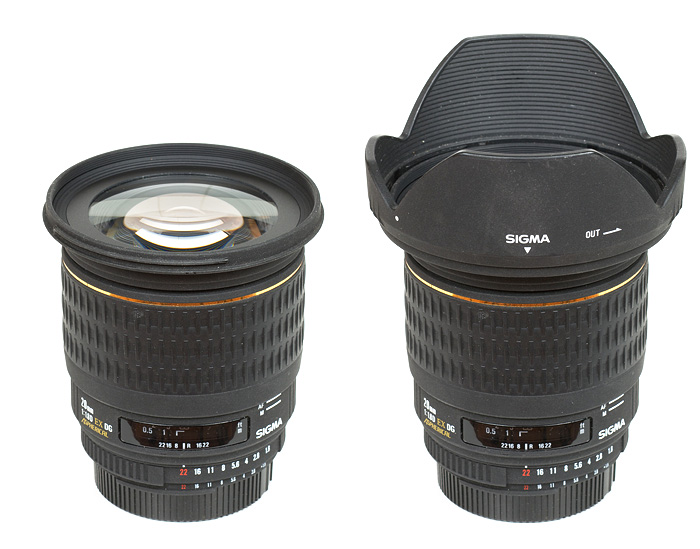
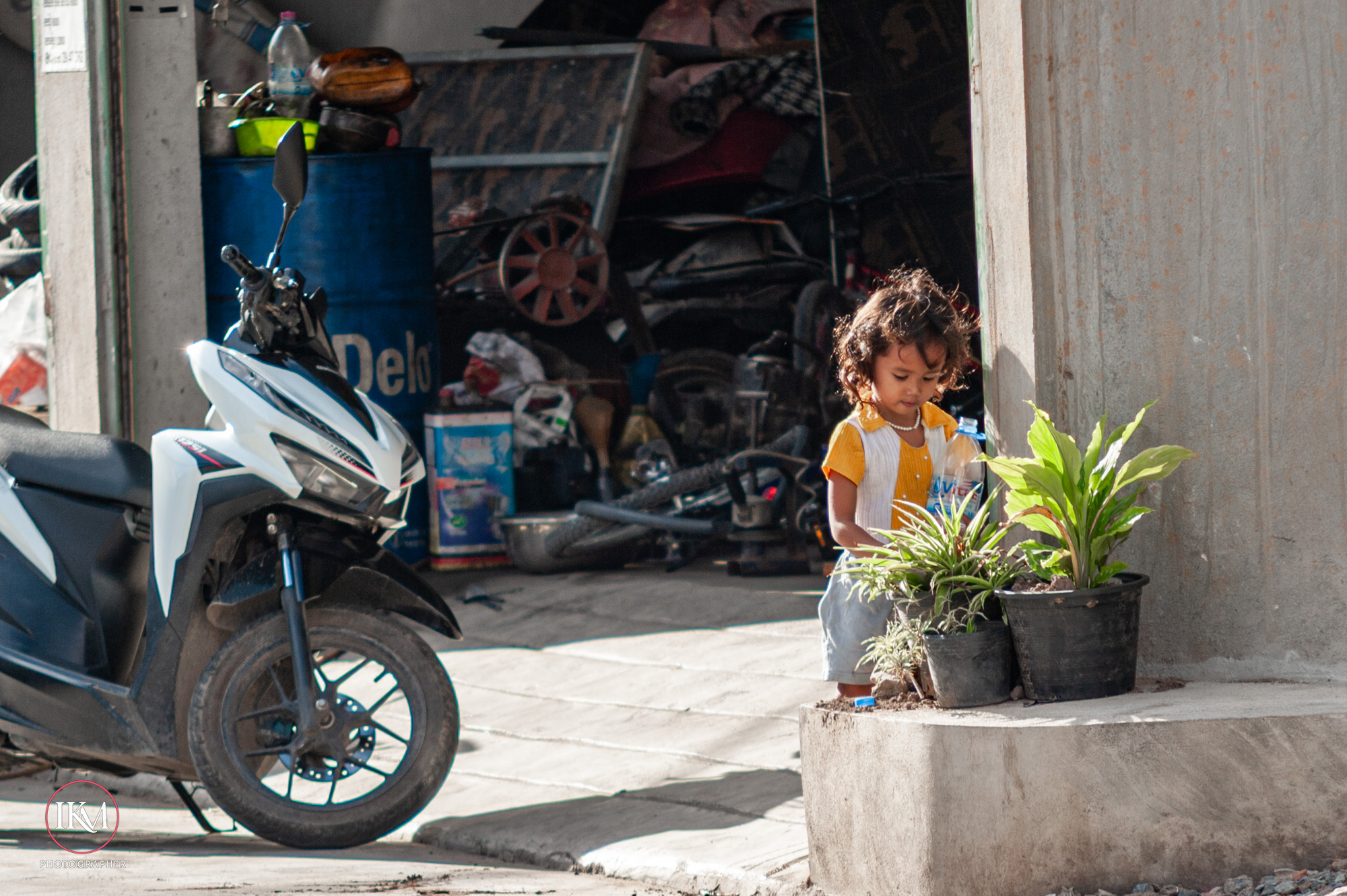
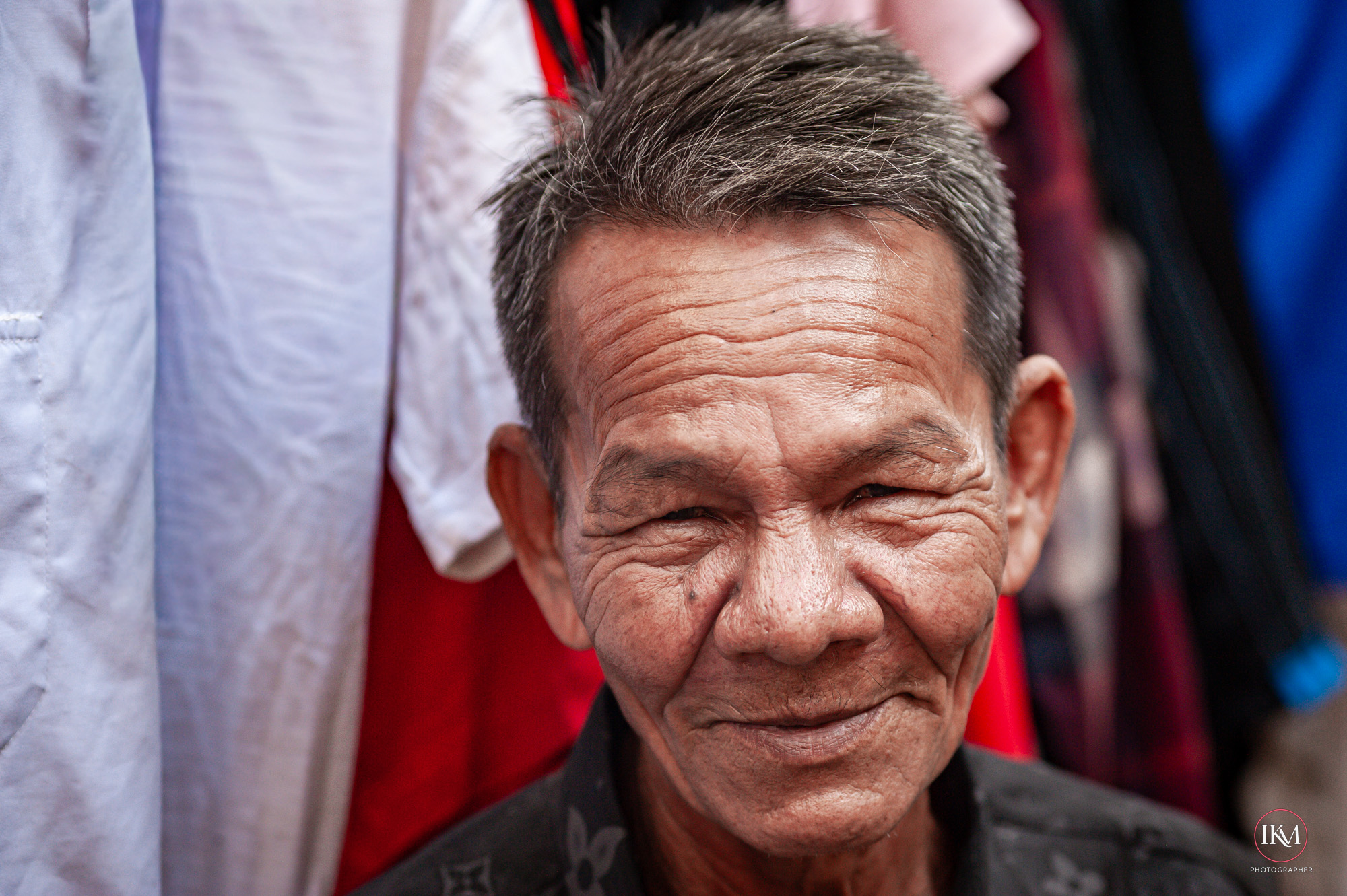
A 20mm lens forces you to see differently than a 50mm. A rangefinder body changes your rhythm compared to a DSLR. A fast prime encourages intimacy; a telephoto encourages distance.
Collecting becomes a way of exploring different visual philosophies.




Gear as inspiration
Sometimes a new camera or lens unlocks a creative block. Not because it’s “better,” but because it’s different. It nudges you into new territory.
Historical and emotional connection
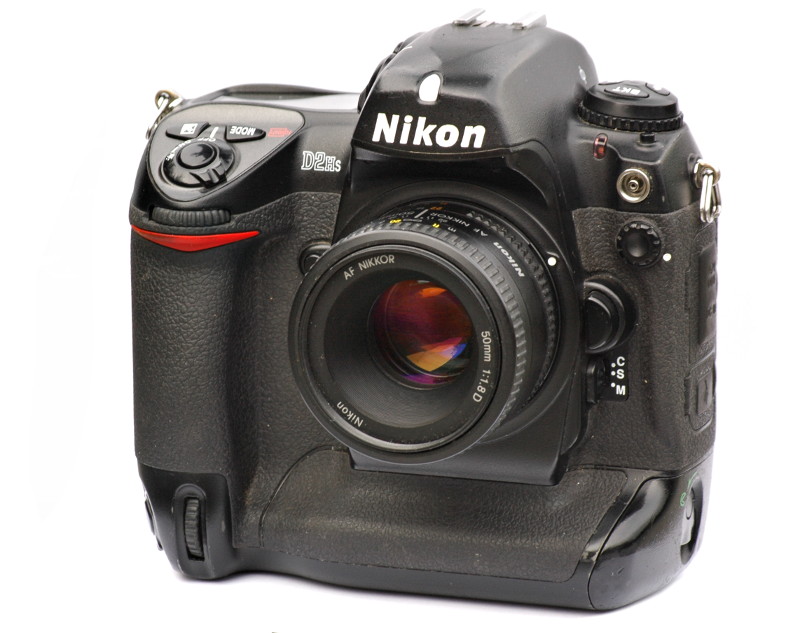
Older gear carries stories. A Nikon D2Hs isn’t just a camera — it’s a piece of photographic history. Owning it connects you to the lineage of the craft.
This is collecting as creative archaeology.
⚠️ 3. When It Starts to Look Like Addiction
There are moments when gear collecting crosses into unhealthy territory.
Signs include:
- buying gear instead of making photographs
- feeling restless or empty without the “next purchase”
- spending beyond your means
- hiding purchases or feeling guilt
- chasing perfection through equipment rather than practice
These patterns mirror addictive behaviour — not because of the gear, but because of the emotional loop behind it.
But even then, the root cause is rarely the gear itself. It’s usually stress, boredom, loneliness, or a need for control.

🌱 4. The Healthy Version of Gear Collecting
Most photographers fall into this category — passionate, curious, and intentional.
Healthy collecting looks like:
- buying gear that genuinely supports your creative goals
- enjoying the craftsmanship and history
- rotating gear in and out of your kit
- using what you own
- feeling joy, not pressure
In this form, collecting is no more “addictive” than a musician owning multiple guitars or a painter collecting brushes.
It’s part of the craft.
✨ 5. So… Is It Truly an Addiction?
In most cases, no. It’s a mix of:
- passion
- curiosity
- identity
- nostalgia
- craftsmanship appreciation
- the search for creative spark
But it can become addictive if it replaces the act of photographing or becomes a coping mechanism rather than a creative one.
The key is awareness. If collecting enriches your creative life, it’s a gift. If it replaces your creative life, it becomes a trap.
🎯 Final Thought
Gear collecting is rarely about the gear. It’s about what the gear represents: possibility, identity, craftsmanship, memory, and the desire to see the world differently.
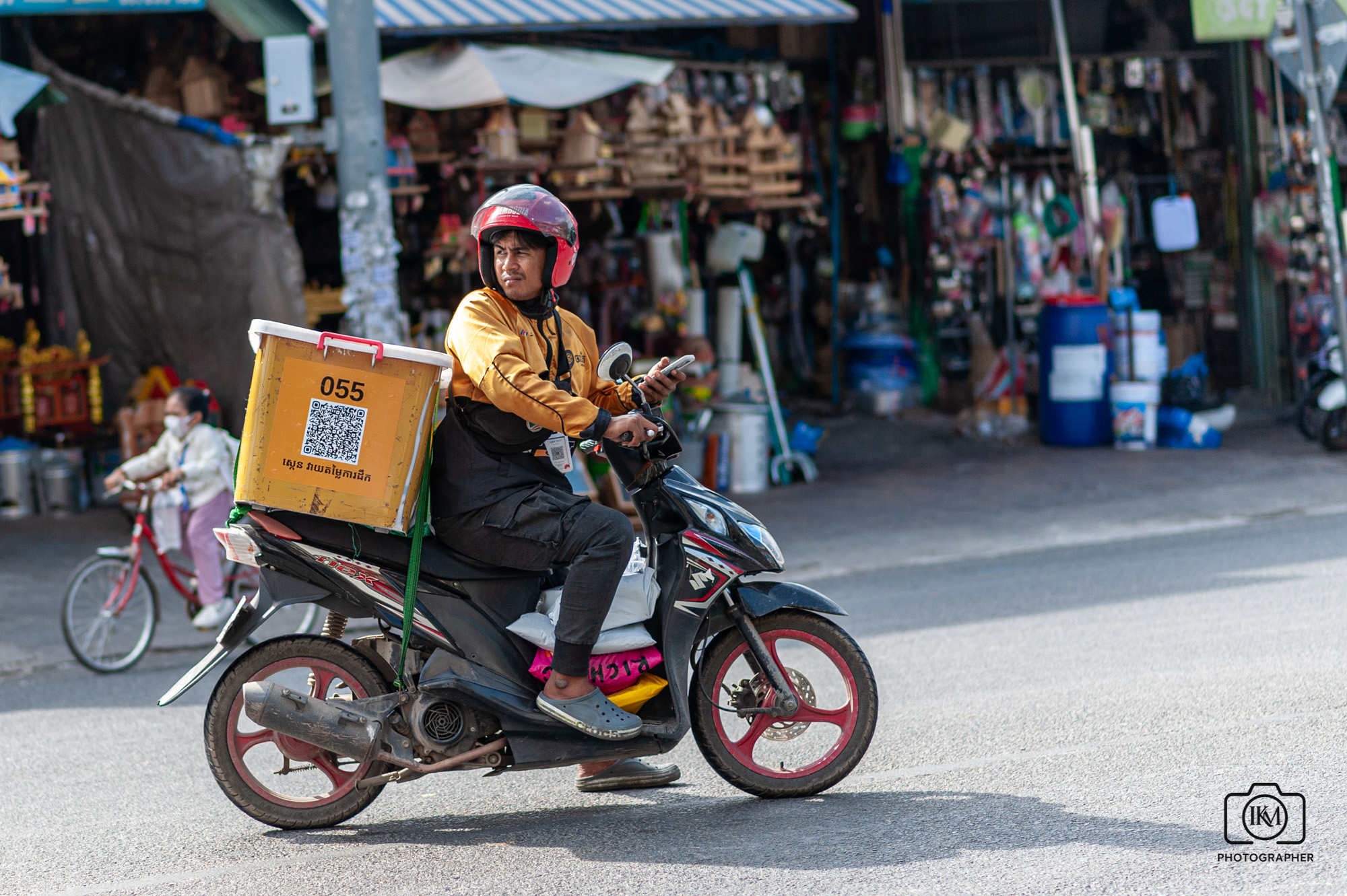
When approached with intention, it’s not an addiction — it’s a form of creative expression in its own right. I have loads of gear, some of which I use on a daily basis, some less often and some rarely. I never buy items that I cannot afford and usually have a specific need.