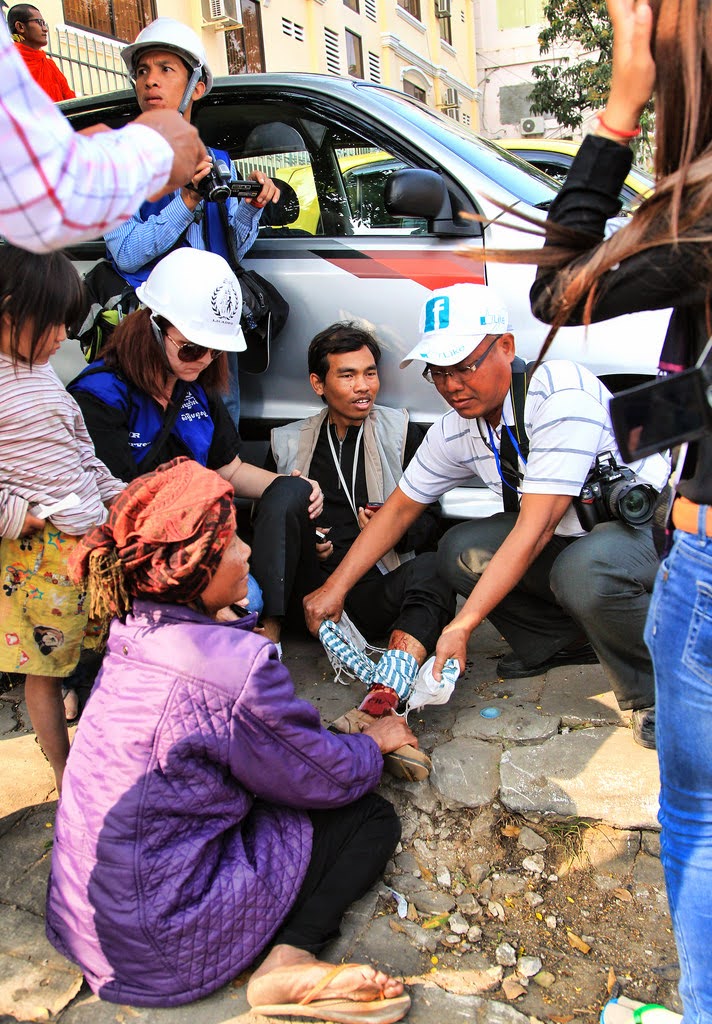
Photojournalism is often seen as passive documentation—a mirror held up to the world. But the most powerful photojournalism doesn’t just reflect; it provokes. It challenges assumptions, confronts injustice, and forces viewers to reckon with realities they might otherwise ignore. In this sense, photojournalism becomes an agent provocateur—a catalyst for dialogue, discomfort, and transformation.
🔥 Provocation with Purpose
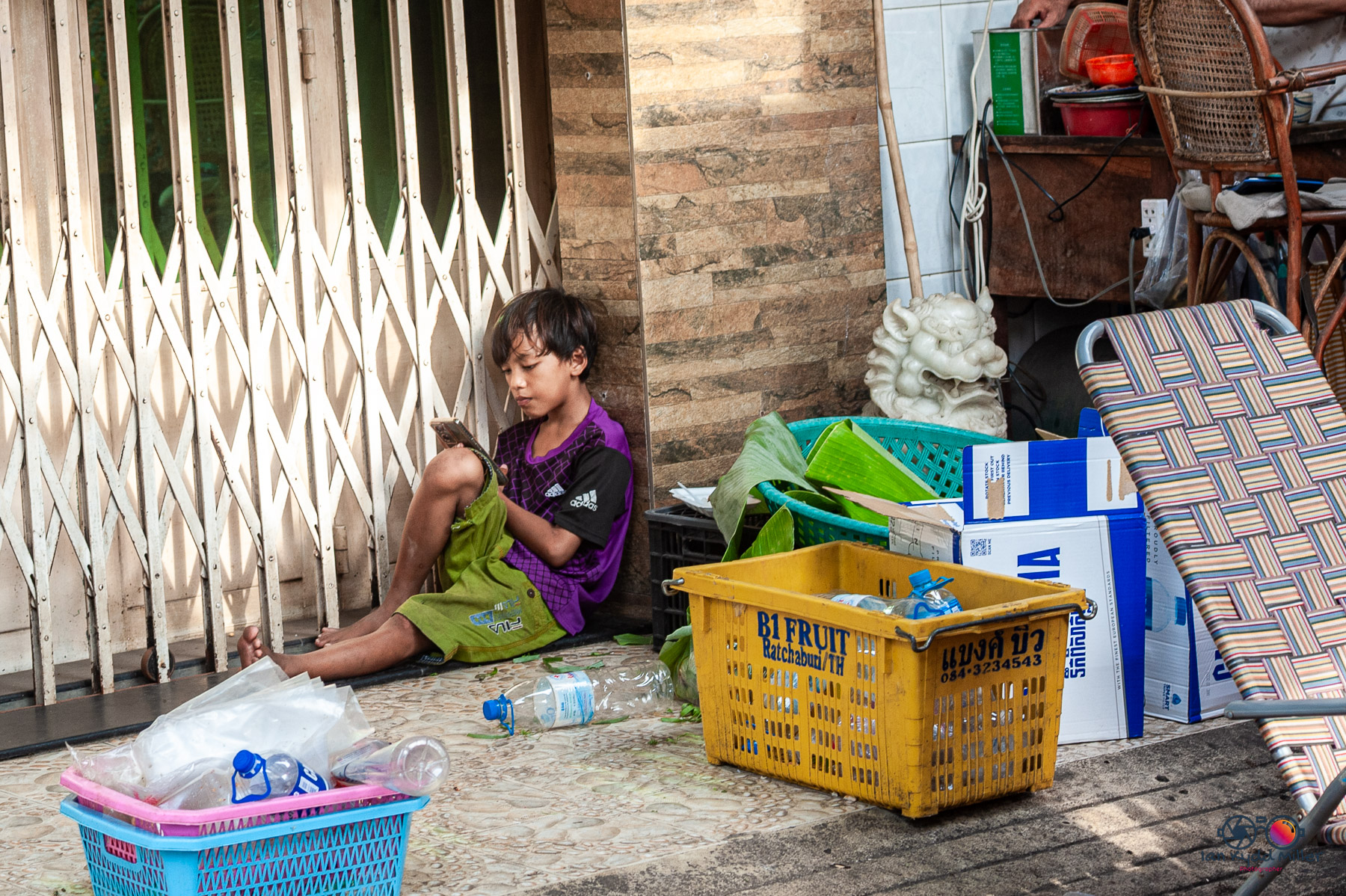
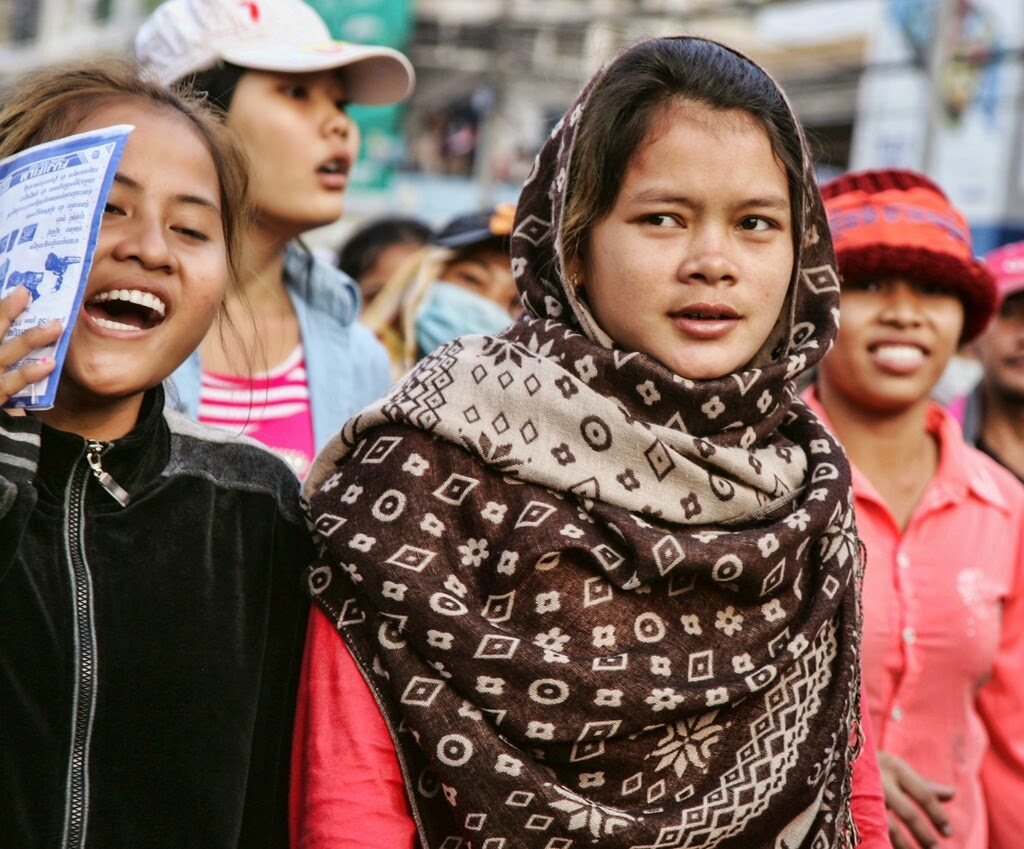
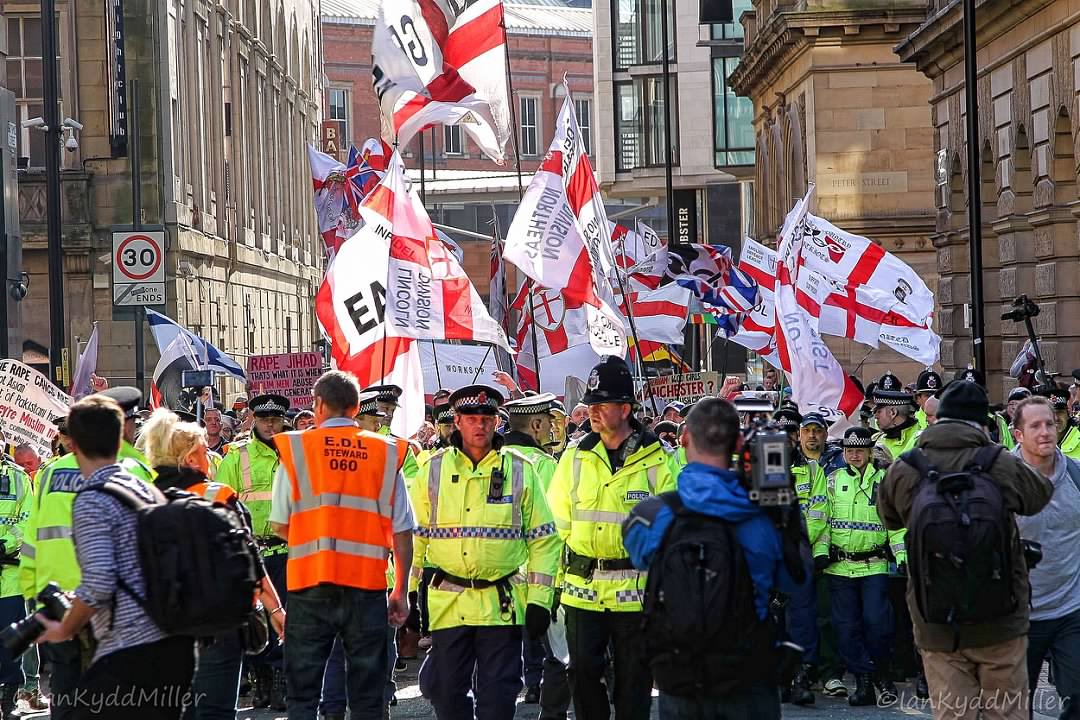
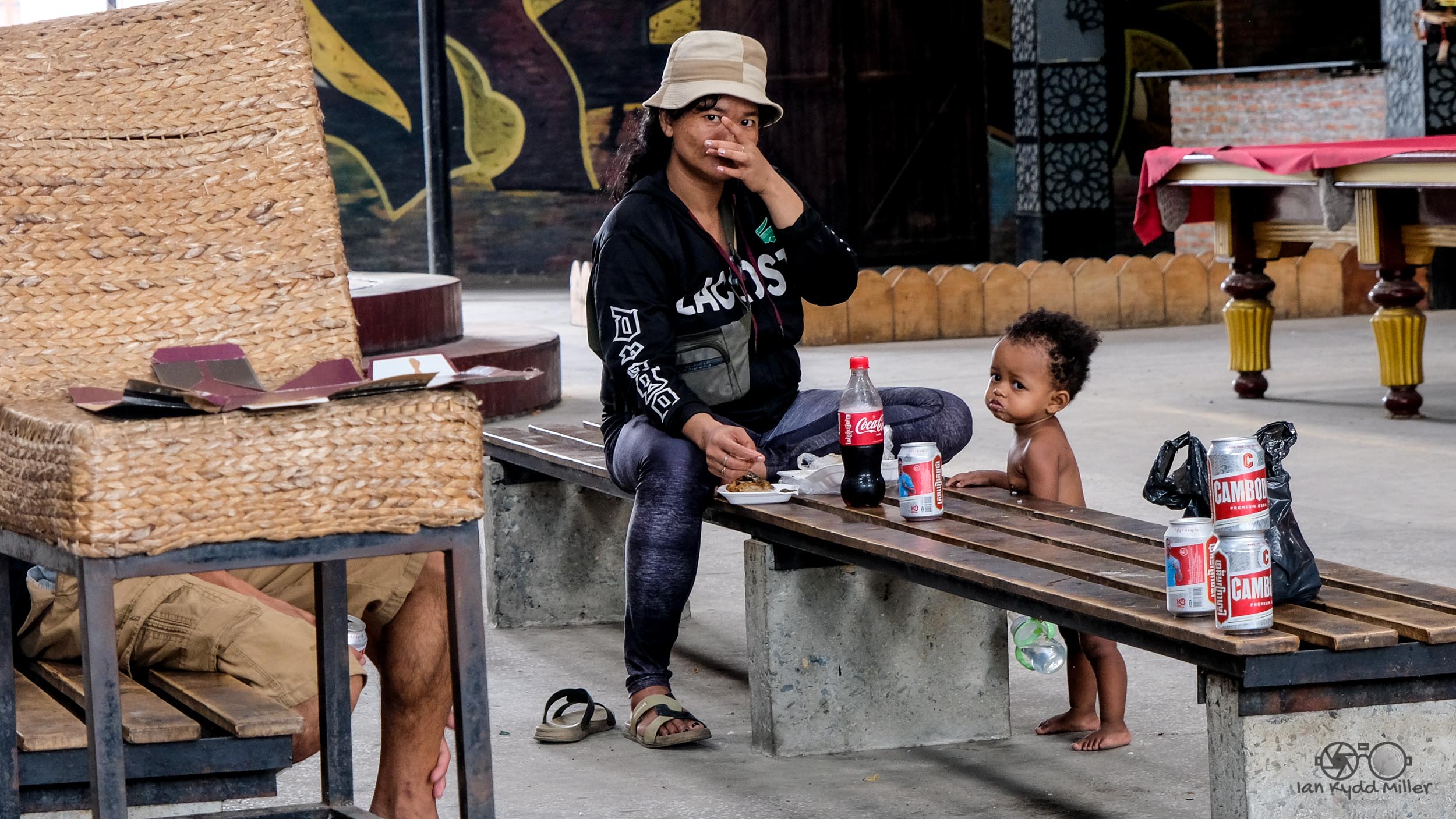
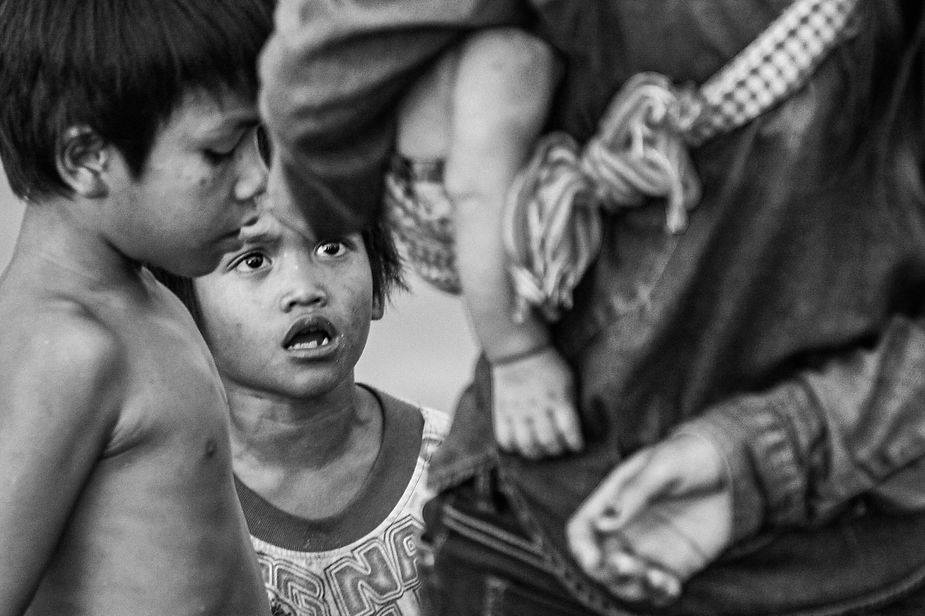
Truth is not neutral: A photograph of a protest, a refugee camp, or a grieving parent is not just a record—it’s a statement. It demands attention, empathy, and often, action.
Disruption is ethical when intentional: Provocative images must be rooted in truth, not sensationalism. The goal is not to shock for clicks, but to awaken conscience.
Emotional resonance drives change: Images that evoke anger, sorrow, or solidarity can mobilize public opinion, influence policy, and reshape cultural narratives.
⚖️ Ethical Boundaries of Provocative Imagery
Avoid manipulation: Cropping, staging, or misleading captions erode trust.
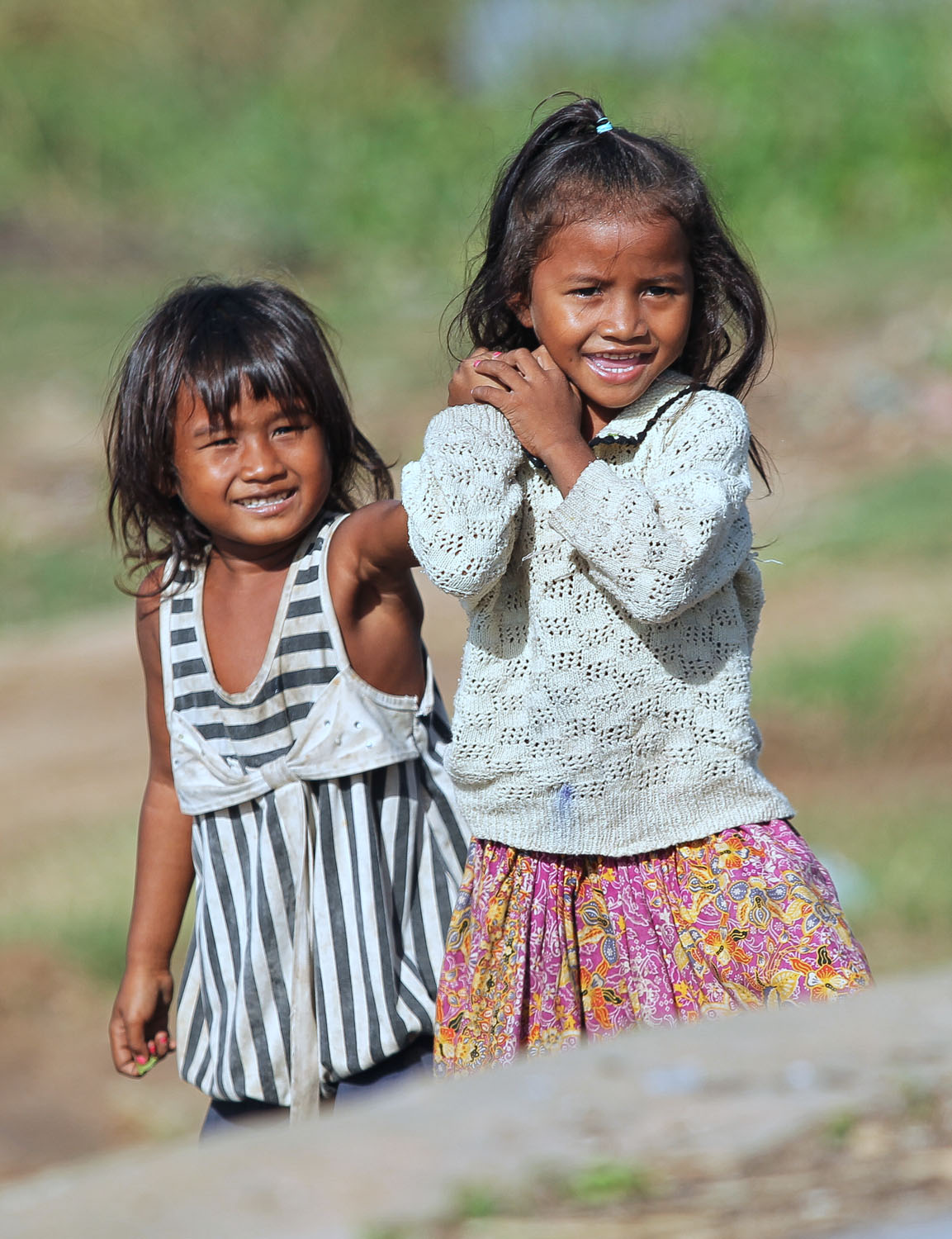
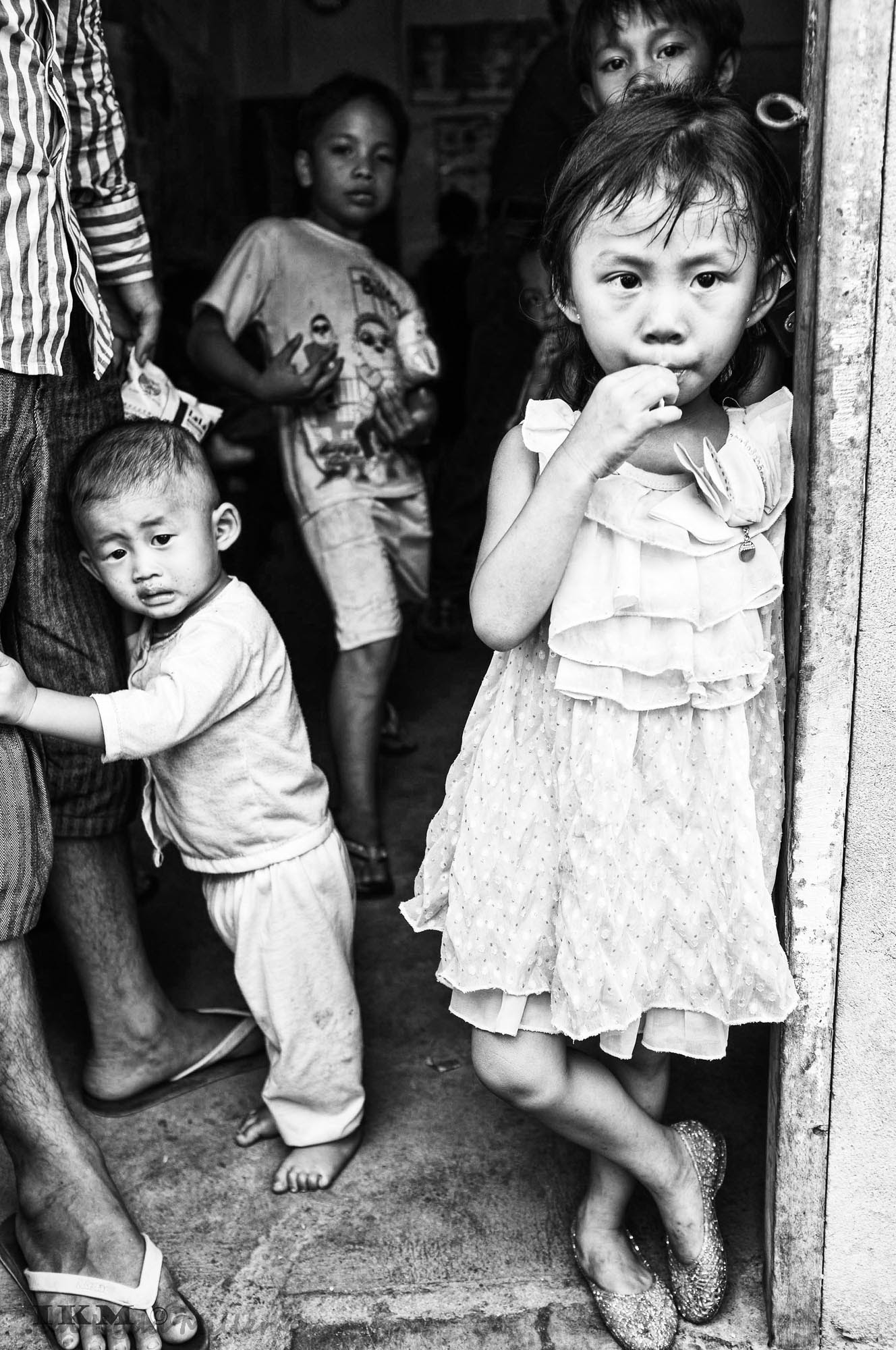
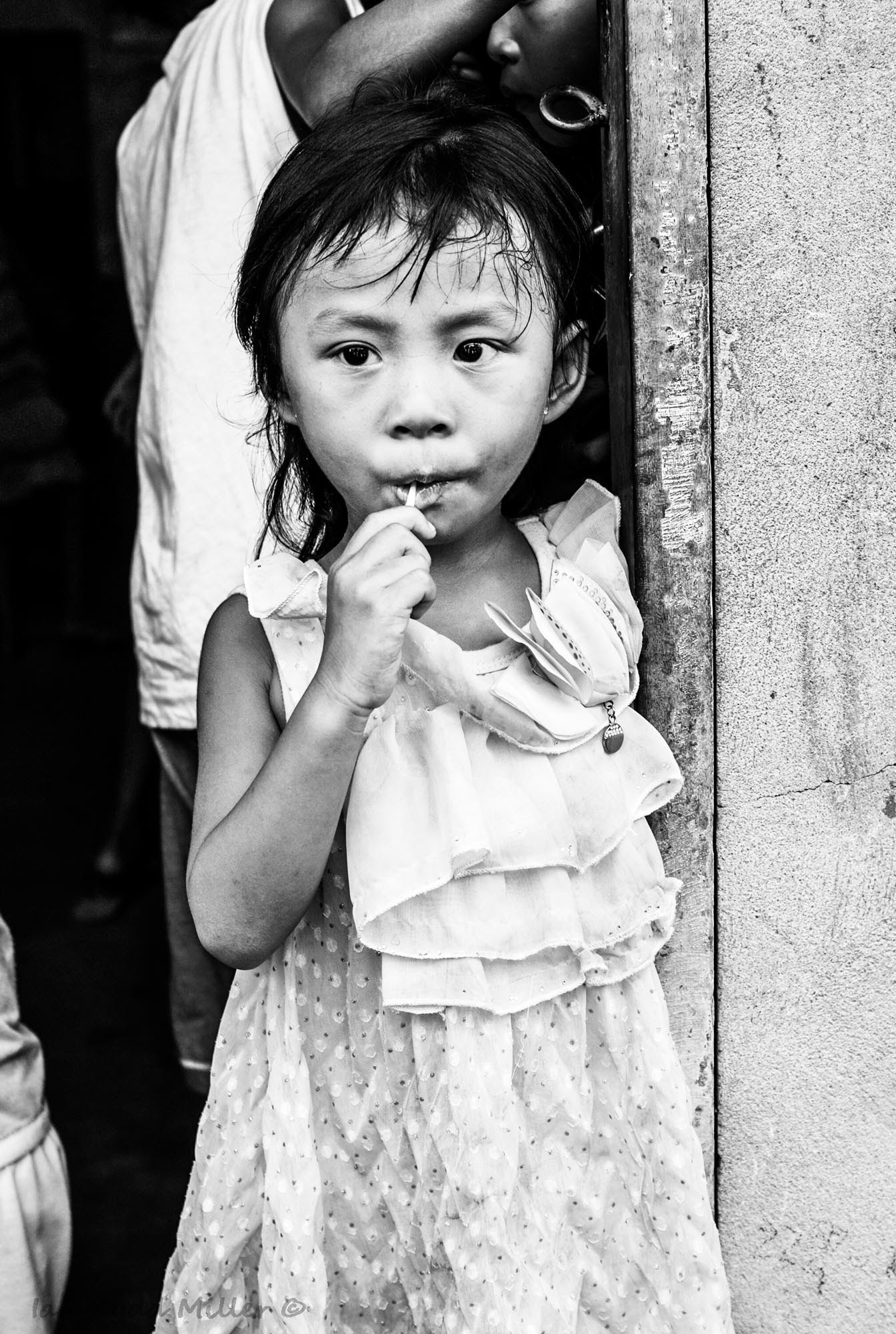
Respect subject dignity: Even when exposing injustice, subjects must be portrayed with humanity.
Context is critical: A provocative image without background risks misinterpretation or harm.
🛠️ How to Use Provocation Responsibly
Pair images with clear intent: What do you want the viewer to feel, question, or do?
Use restraint: Sometimes the most powerful image is the one that suggests rather than shows.
Engage in aftercare: Follow up with subjects, offer access, and monitor impact post-publication.
🧠 Final Thought
Photojournalism as agent provocateur is not reckless—it’s radical in its clarity. It dares to disturb, but never to distort. It holds power to account, amplifies the unheard, and reshapes public imagination. When guided by ethics and purpose, provocation becomes not just a tool—but a responsibility.
A short blog exploring what emotion does — and doesn’t — do for a photograph
Photography is often defined by the feelings it evokes. A single frame can make us ache, laugh, recoil, or remember; emotion is the shorthand that turns an image into an experience. Yet reducing photography to one thing — emotion alone — flattens a far richer practice that mixes craft, context, ethics, and intention.
Emotion as the engine of meaning
Emotion is frequently the element that makes a photograph memorable. Photographs that carry strong feeling connect quickly with viewers, triggering empathy and narrative inference in ways words sometimes cannot. Skilled photographers use light, expression, and timing to amplify mood and create images that resonate long after they’re seen.
Why emotion is necessary but not sufficient
Emotion does not operate in isolation. Composition, exposure, focus, and gesture are the levers photographers use to produce emotional impact. Technical choices shape how feeling reads on the page; poor technique can obscure intent, while strong craft can fail to move if the image lacks purpose or honesty. Emotional resonance without craft risks sentimentality; craft without feeling risks sterility.
The role of context, story, and ethics
Context changes everything. The same image can feel intimate, exploitative, or manipulative depending on how and why it is shown. Ethical witnessing, informed consent, and narrative framing determine whether an emotionally charged photograph honours its subjects or reduces them to spectacle. Responsible photographers treat emotion as a consequence, not as the entire aim.
Where vision and tool meet
Emotion guides choices about tooling and process, but doesn’t erase them. Lenses, shutter speed, and color palette are servants of intention: a long lens for compression, a fast shutter for decisive action, soft light for quiet intimacy. The best photographers let emotion inform technique and let technique refine emotion, arriving at images that are both felt and well made.
Practical takeaway for makers
Practice: make sets of images that pursue a single mood using only one lens; compare what changes in composition, depth, and narrative.
Critique: assess images first for honesty of feeling, then for craft—ask what you would change technically to better support the emotion.
Ethics: name the subject’s agency and the story you’re telling before pressing the shutter.
Emotion is central to photography but not its whole truth. It is the pulse that animates a frame and the reason many images endure. It must be nurtured by craft, grounded in context, and handled with ethical care. When those elements align, a photograph stops being merely seen and becomes felt.
A Short History of a Photojournalist Who Risked Everything to Show the Truth
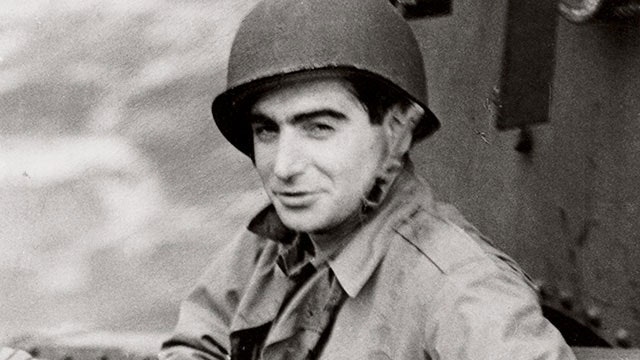
Robert Capa’s name is synonymous with frontline photojournalism. He didn’t just photograph war—he lived it, crawled through it, and bore witness to its brutality with a camera in hand. His images are not just records of history; they are emotional testaments to the people caught in its crossfire. He was a legendary war photojournalist whose images captured the raw human cost of conflict.
🧭 Early Life and Identity
Born October 22, 1913, in Budapest, Austria-Hungary, Capa fled political repression as a teenager and moved to Berlin. As Hitler rose to power, he relocated to Paris, where he adopted the pseudonym “Robert Capa” to sound more American and marketable. He partnered with fellow photojournalist Gerda Taro, and together they began documenting the Spanish Civil War.
📰 War Coverage and Iconic Work
Capa covered five major conflicts:
Spanish Civil War (1936–1939): His photo The Falling Soldier became one of the most iconic war images ever taken.
Second Sino-Japanese War
World War II: He landed with American troops on D-Day, capturing blurry, visceral images under fire at Omaha Beach.
1948 Arab–Israeli War
First Indochina War: Where he was tragically killed by a landmine in 1954 while on assignment in Vietnam.
His approach was simple: “If your pictures aren’t good enough, you’re not close enough.” He believed in proximity—not just physical, but emotional.
🖋 Magnum Photos and Legacy
In 1947, Capa co-founded Magnum Photos with Henri Cartier-Bresson, David Seymour, and others. Magnum became a cooperative agency that gave photographers control over their work—a revolutionary idea at the time.
Capa’s legacy includes:
A new standard for human-centered war photography
A commitment to ethical witnessing
A body of work that continues to educate and move viewers worldwide
🧭 Final Thought
Robert Capa didn’t glorify war—he exposed it. His images are grainy, imperfect, and often chaotic, but they pulse with truth. He showed that photography could be more than documentation—it could be resistance, empathy, and remembrance.
A Short History of a Photojournalist Who Saw It All
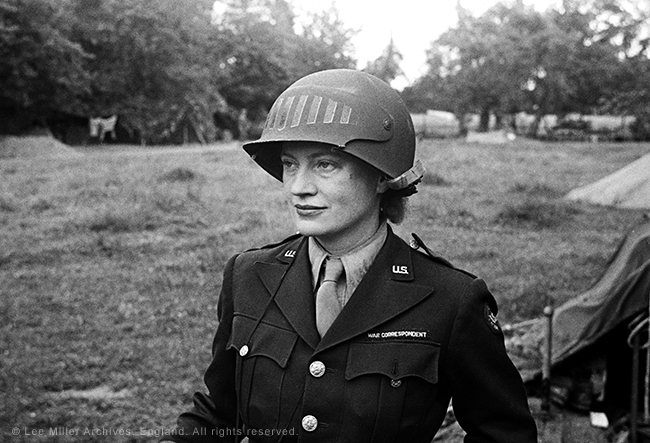
Lee Miller’s life reads like a novel—glamorous, harrowing, and fiercely independent. Born Elizabeth Miller in 1907 in Poughkeepsie, New York, she began her career as a fashion model in the 1920s, gracing the pages of Vogue and becoming a muse to artists like Man Ray. But Miller was never content to be just a subject. She stepped behind the camera and forged a career that would take her from the surrealist salons of Paris to the front lines of World War II.
🎨 Early Career: Surrealism and Studio Work
In Paris, Miller became deeply involved in the Surrealist movement. She collaborated with Man Ray, co-discovering the solarization technique and producing haunting, dreamlike images that blurred the line between reality and imagination. Her early work explored themes of identity, femininity, and psychological tension—often with a bold, experimental edge.
After returning to New York, she opened her own studio and worked as a fashion and portrait photographer. But the outbreak of war would soon shift her focus from art to history.
📰 War Correspondent for Vogue
During World War II, Miller became a correspondent for Vogue, one of the few women accredited to cover combat zones. Her assignments took her across Europe:
The London Blitz: She documented the devastation and resilience of civilians under bombardment.
Liberation of Paris: Her images captured both celebration and the scars of occupation.
Buchenwald and Dachau: Miller was among the first to photograph Nazi concentration camps after liberation—her stark, unflinching images remain among the most powerful visual records of the Holocaust.
Hitler’s apartment: In a surreal twist, she famously bathed in Hitler’s tub just hours after his death, a symbolic act of defiance and reclamation.
Her war photography combined journalistic rigor with emotional depth, challenging viewers to confront the human cost of conflict.
🖋 Legacy and Rediscovery
After the war, Miller retreated from public life, struggling with PTSD and the weight of what she had witnessed. Her work was largely forgotten until her son, Antony Penrose, rediscovered her archives and began promoting her legacy.
Today, Miller is celebrated not only for her technical skill and artistic vision but for her courage and complexity. She shattered gender norms, bore witness to history’s darkest chapters, and left behind a body of work that continues to provoke, inspire, and educate.
🧭 Final Thought
Lee Miller’s journey—from fashion icon to frontline documentarian—is a testament to the power of reinvention and the importance of bearing witness. Her images remind us that photography is not just about beauty—it’s about truth, presence, and the courage to look when others turn away.
Choosing a potentially dangerous profession like photojournalism requires preparation, resilience, and a deep passion for storytelling. Here’s a guide to help someone navigate this path safely and effectively:
1. Develop Strong Skills and Portfolio
Master the Craft: Enhance photography skills through courses, workshops, and hands-on practice. Street photography, capturing candid moments, is a good starting point.
Build a Portfolio: Create a compelling portfolio showcasing a variety of work, with an emphasis on impactful, human-interest stories.
2. Gain Relevant Experience
Internships and Freelance Work: Start with internships at media outlets or freelance assignments to gain practical experience.
Network: Connect with other photojournalists and professionals in the field. Attend industry events, join photography groups, and participate in exhibitions.
3. Understand the Risks
Safety Training: Take courses on safety in conflict zones and hazardous environments. Organizations like the Rory Peck Trust offer such training.
Stay Informed: Research and stay updated on the regions and situations you will be covering. Knowledge of the political, social, and environmental context is crucial.
4. Equip Yourself Properly
Right Gear: Invest in durable and reliable photography equipment. Consider cameras like the Nikon D3S or Canon 1D MkIV which have proven performance.
Safety Gear: In dangerous areas, gear like bulletproof vests and helmets might be necessary.
5. Develop a Support System
Mentorship: Find a mentor in the field who can offer guidance and support.
Mental Health Support: Dealing with traumatic events can be challenging. Have access to mental health resources and support networks.
6. Legal and Ethical Considerations
Understand Legalities: Be aware of the legal implications and regulations in the areas you are working in.
Ethics: Maintain ethical standards in journalism. Respect the dignity and privacy of the subjects you photograph.
7. Be Persistent and Adaptable
Stay Determined: The path to becoming a successful photojournalist can be challenging and competitive.
Adaptability: Be open to different styles and methods of storytelling.
SflyProxyVersion 1;
The journey to becoming a photojournalist is both demanding and rewarding. It requires a balance of technical skill, safety awareness, and a profound commitment to telling human stories.
If you’re eager to start, why not practice your skills by capturing compelling stories in your local area? Street photography often provides a rich tapestry of human experiences and can serve as excellent preparation for more intense assignments.
For a burgeoning photojournalist like yourself, focusing on specific photography skills can elevate your work and help you capture impactful, story-driven images. Here are some key skills to hone:
1. Composition and Framing
Rule of Thirds: Understand how to compose images by dividing the frame into thirds, placing points of interest along these lines.
Leading Lines: Use lines to guide the viewer’s eye to the main subject of the photograph.
Framing: Experiment with natural frames within your environment to highlight the subject.
2. Exposure and Lighting
Manual Mode Mastery: Get comfortable shooting in manual mode to have full control over shutter speed, aperture, and ISO.
Low-Light Photography: Practice capturing sharp and well-exposed images in low-light conditions, a crucial skill for photojournalists.
Natural Light: Learn to use and manipulate natural light to enhance your images.
3. Focus and Depth of Field
Selective Focus: Understand how to use selective focus to isolate your subject from the background.
Depth of Field: Play with different apertures to create depth in your images. Use a shallow depth of field for portraits and a deeper one for environmental shots.
4. Candid and Street Photography
Spontaneity: Capture un-posed, genuine moments. This is essential for telling authentic human stories.
Discreet Shooting: Develop techniques to shoot discreetly, so as not to disturb the scene you photograph.
5. Post-Processing
Editing Software: Gain proficiency in photo editing software like Adobe Lightroom and Photoshop.
Ethical Editing: Learn to enhance images while maintaining their authenticity and integrity. Avoid excessive manipulation.
6. Visual Storytelling
Narrative: Each photo should contribute to the overarching story you aim to tell. Think about how your images work together to convey a message.
Sequencing: Practice creating a photo series that guides the viewer through a visual narrative.
7. Technical Proficiency with Gear
Camera Handling: Be familiar with your camera’s functions. Practice changing settings quickly and efficiently.
Lens Selection: Understand which lenses to use for different scenarios. Prime lenses are great for low light, while zoom lenses offer versatility.
8. Research and Contextual Knowledge
Background Research: Always research the context of the stories you are documenting. This ensures your images are informative and respectful.
Cultural Sensitivity: Be aware of and sensitive to cultural norms and practices in the regions you photograph.
9. Resilience and Adaptability
Patience: Sometimes the perfect shot requires waiting for the right moment.
Adaptability: Be prepared to adapt to changing conditions and unpredictable situations.
10. Ethical Journalism
Code of Ethics: Familiarize yourself with the ethical standards in journalism. Always prioritize the dignity and safety of your subjects.
Consistent practice and a willingness to experiment and learn from each shot will help you develop these skills. Documenting your local area can be a great way to start building these competencies.
Is there a particular technique or skill you’d like to dive deeper into?
Enhancing your visual storytelling in photography involves more than just capturing beautiful images—it’s about conveying a narrative that resonates with your audience. Here are some techniques to elevate your storytelling:
Define Your Story Purpose: Clearly define the purpose of your story. What message do you want to convey? What emotions do you want to evoke?
Subject: Identify the main subject or theme of your story. It could be a person, a place, or an event.
Research and Plan Background Research: Gather information about your subject. Understanding the context helps in capturing more meaningful images.
Storyboarding: Plan your shots in advance. Create a storyboard to visualize the sequence of your story.
Capture Emotions and Moments Expressions: Focus on capturing genuine emotions and expressions. They add depth to your story.
Moments: Look for decisive moments that highlight the essence of your narrative.
Use Composition Effectively Visual Hierarchy: Guide the viewer’s eye through the image using composition techniques like leading lines, framing, and the rule of thirds.
Juxtaposition: Use contrast and juxtaposition to highlight differences or similarities within the frame.
Play with Light and Shadows Natural Light: Utilize natural light to create mood and atmosphere. The quality of light can significantly impact the emotional tone of your images.
Shadows: Incorporate shadows to add depth and drama.
Incorporate Symbolism and Metaphors Symbols: Use objects or elements that symbolize broader concepts or themes. They can add layers of meaning to your story.
Metaphors: Create visual metaphors that represent abstract ideas in a tangible form.
Create a Sense of Place Environmental Shots: Capture the environment and setting to provide context. It helps the viewer understand the surroundings and the story’s backdrop.
Details: Pay attention to small details that contribute to the overall narrative.
Sequence Your Images Chronology: Arrange your images in a sequence that makes sense chronologically or thematically.
Pacing: Vary the pacing by mixing wide shots, medium shots, and close-ups. It keeps the viewer engaged.
Post-Processing Consistent Style: Maintain a consistent editing style that complements your story. It helps in creating a cohesive visual narrative.
Enhancements: Enhance colours, contrast, and sharpness to draw attention to key elements without over-editing.
Engage with Your Audience Captions and Context: Provide captions or context to accompany your images. It helps the audience understand the story behind the shots.
Photography is an art form that captures the essence of a moment, telling stories without words and leaving a lasting impression on the viewer. It’s a craft that combines technical skill with creative vision, and at the heart of this craft is the camera—the photographer’s most trusted tool.
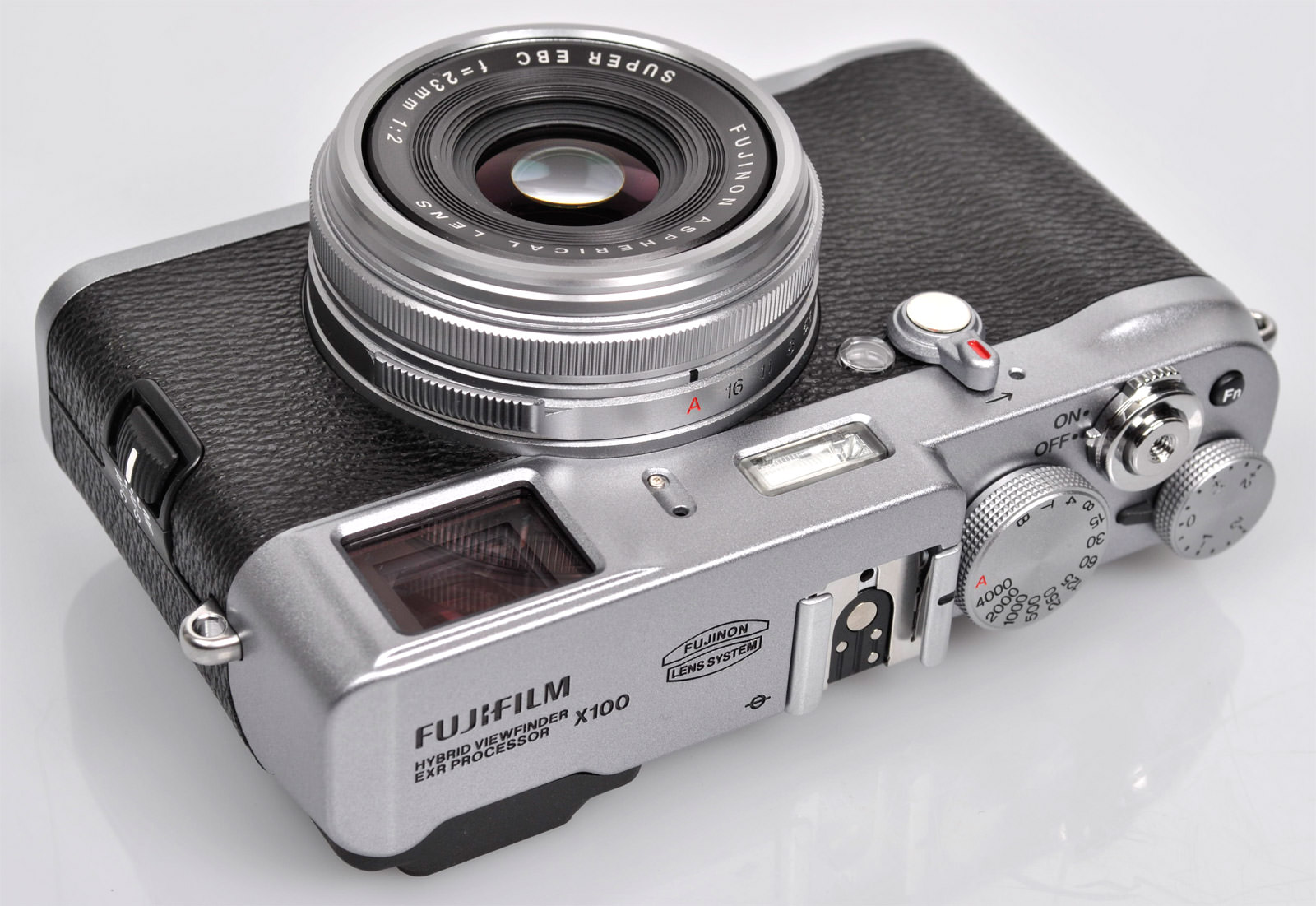
Understanding the intricacies of your camera and lenses is akin to a painter knowing their brushes and paints; it’s essential for creating a masterpiece. It’s not merely about owning the latest high-end equipment; it’s about the intimate knowledge of every button, dial, and setting. Mastering these elements allows photographers to manipulate light and composition, to bring their creative vision to life.
Adapting to different lighting conditions is one of the most critical skills in a photographer’s arsenal. Light is the language of photography, and learning to speak this language fluently can transform an ordinary scene into a breathtaking image. Whether it’s the golden hour’s warm glow or the harsh midday sun, understanding how to work with light ensures that it always works in your favour.
Anticipating how your gear will respond in various scenarios is what separates good photographers from great ones. It’s about predicting the play of shadows in a dimly lit room or the way a lens will render the bokeh in a busy street scene. This foresight is crucial for capturing those fleeting, once-in-a-lifetime moments with precision and clarity.
The journey of a photographer is one of constant learning and exploration. It’s about pushing the boundaries of creativity, experimenting with new techniques, and not being afraid to fail. Because in those failures lie the seeds of growth and innovation.
For the seasoned professional, this deep knowledge results in a signature style, a unique way of seeing the world that sets their work apart. For the enthusiastic amateur, it’s the thrill of discovery, the joy of capturing a moment exactly as they envisioned.
In a world where everyone has a camera in their pocket, standing out requires more than just a good eye. It demands dedication to the craft, an unyielding curiosity, and a willingness to invest time in understanding the tools of the trade.
So, whether you’re capturing the delicate details of a flower or the grandeur of a mountain landscape, remember that your camera is more than just a piece of technology. It’s an extension of your creative self, and mastering it is a journey worth taking.
Invest in that journey, embrace the learning curve, and watch as your photography transcends from mere pictures to compelling stories frozen in time. Because in the end, the quality of your work is not defined by the gear you own, but by the knowledge you hold and the creativity you unleash. Happy shooting!
In the realm of visual arts, the decision to work in black and white versus colour is one that carries significant creative weight. The absence of colour can be a powerful tool, stripping away the distractions of vibrant hues and allowing the viewer to focus on the subject’s form, texture, and subtleties of light and shadow. This choice can transform the perception of an image, imbuing it with a timeless quality that transcends the ephemeral nature of colour trends.
The Advantages of Black and White
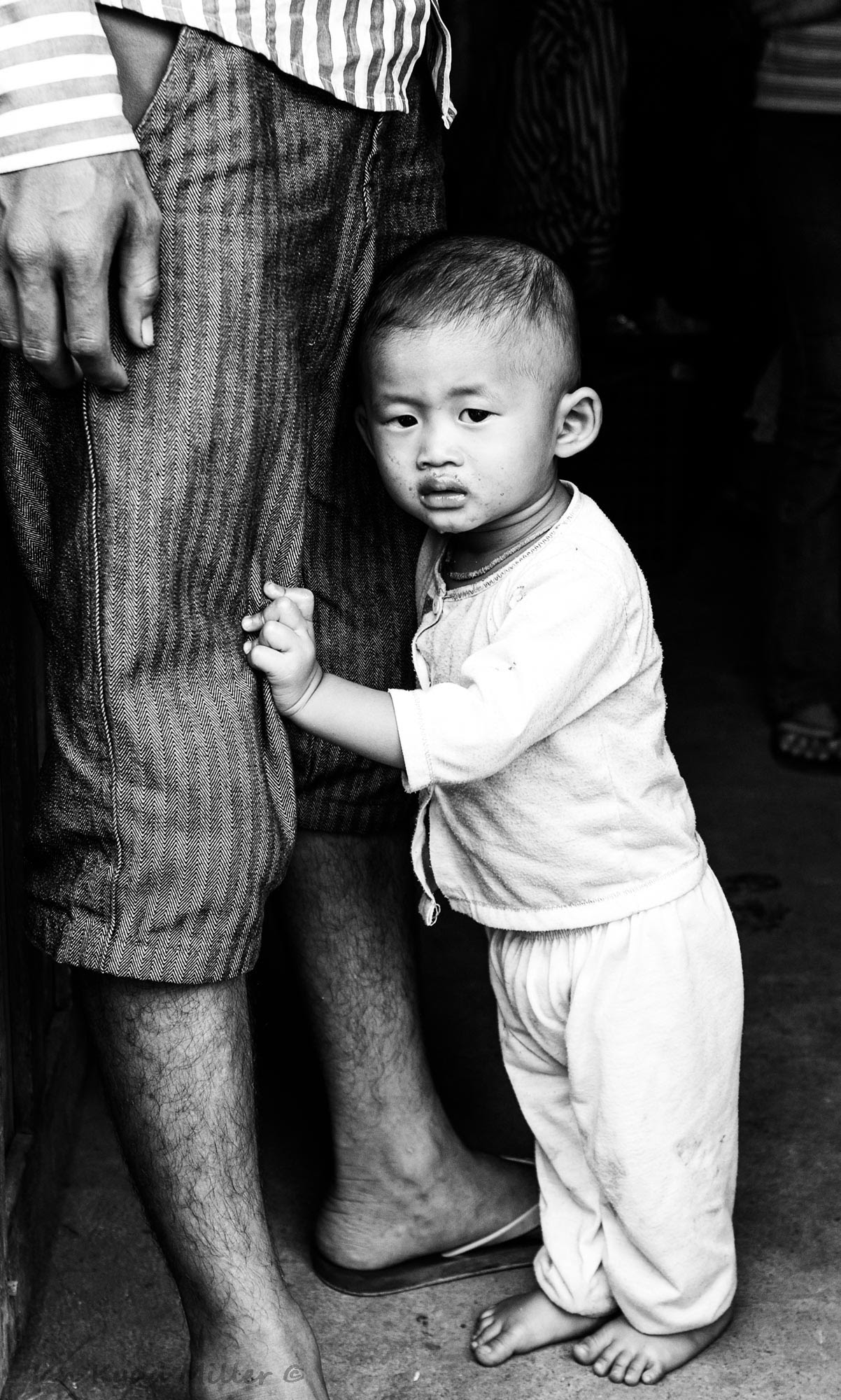
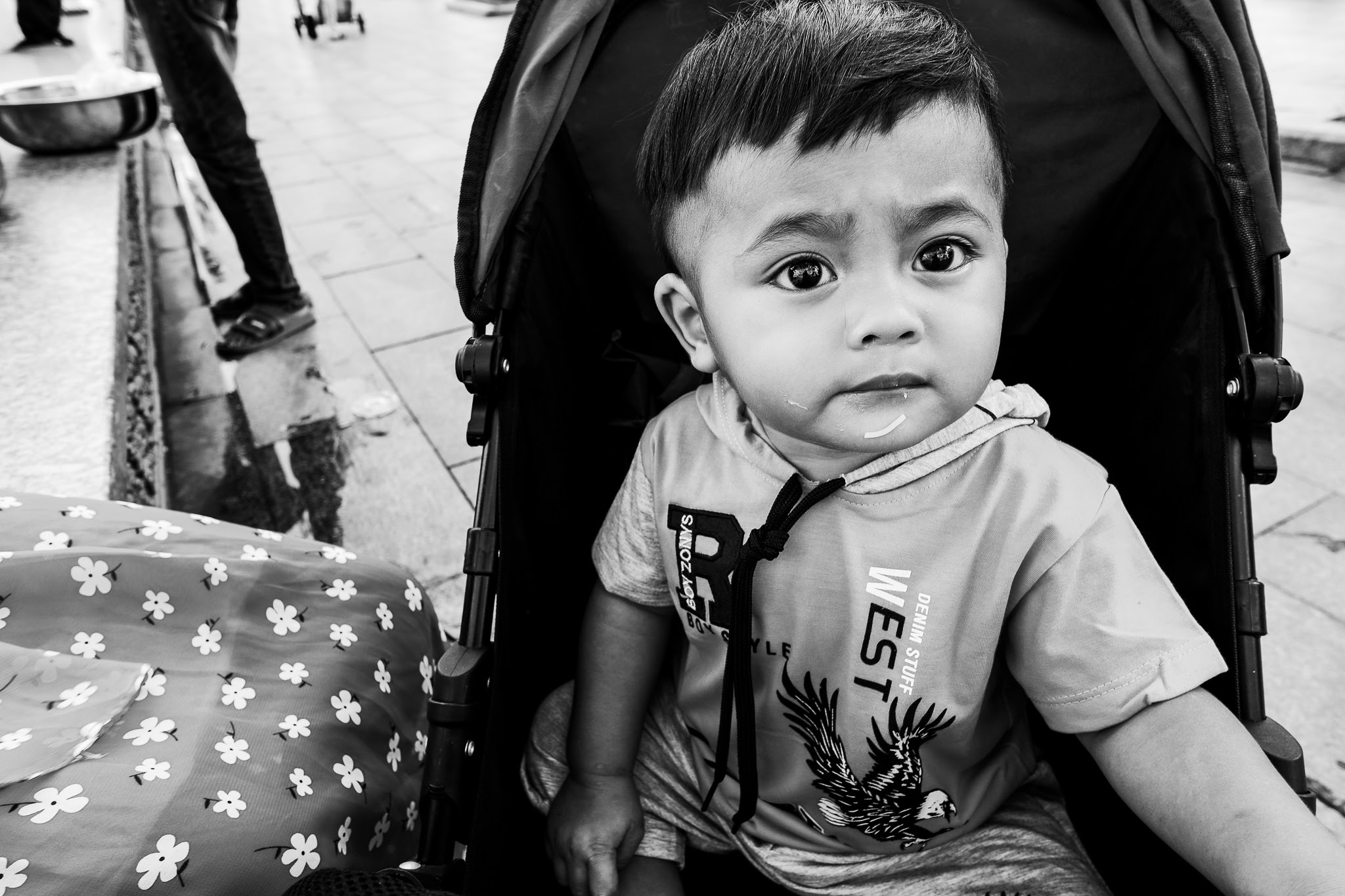
Character Capture: Black and white photography is renowned for its ability to capture the essence of a subject’s character or soul. The lack of colour forces the observer to engage with the subject on a deeper level, often revealing a more emotional and candid portrayal.
Simplification of Composition: By removing colour, photographers and artists can create compositions that are clean and focused. Colour can sometimes act as a distraction, drawing the eye away from the intended subject. Black and white imagery eliminates these distractions, directing attention precisely where the artist intends.
Atmospheric Evocation: Black and white images can evoke a strong sense of atmosphere, often more so than their colour counterparts. They can convey a sense of drama and mood that resonates with the viewer on an instinctual level.
The Disadvantages of Black and White
Despite its advantages, black and white also come with limitations. The absence of colour can sometimes strip away the context necessary for a full understanding of the image. In scenarios where colour plays a critical role in the narrative or emotional impact of a piece—such as in landscape or fashion photography—the use of black and white may not be appropriate.
Choosing Between Black and White and Colour
The decision to work in black and white should not be taken lightly. It requires a thoughtful consideration of the subject matter, the intended message, and the emotional response the artist seeks to evoke. If the subject’s texture, lighting, and contrast are central to the composition, black and white might enhance these elements. Conversely, if the vibrancy and interplay of colours are essential, then colour photography would be the preferred medium.
In the digital age, the choice between black and white and colour has become more flexible. Photographers can shoot in color and later convert to black and white, giving them the opportunity to explore both mediums with a single image. However, many purists argue that this after-the-fact decision-making can dilute the intentional focus that comes with committing to one medium from the outset.
Conclusion
Black and white imagery is not merely a relic of the past but a continuing tradition that offers a unique perspective in the visual arts. It encourages viewers to see the world through a different lens, one that emphasizes the foundational elements of composition over the seduction of color. Whether it is a good thing to work in black and white ultimately depends on the artist’s vision and the story they wish to tell. In the hands of a skilled creator, black and white can be a powerful choice that resonates with clarity and depth.
For those interested in exploring this topic further, a wealth of resources and discussions can be found online, offering insights into the strategic use of black and white in various artistic disciplines.
Photography is not just about capturing moments; it’s a form of expression, a way to tell stories and a journey of continuous learning and discovery. For those who are passionate about photography, here’s a guide that encapsulates the essence of becoming a photographer, not just in skill but in spirit.
Observation and Learning Start by observing the work of other photographers. Study their techniques, the composition of their shots, and the emotions they evoke. This is not about imitation but about understanding the vast possibilities of visual storytelling.
Understanding Appeal Reflect on what draws you to certain images. Is it the play of light and shadow, the depth of field, or the subject itself? Identifying these elements helps refine your aesthetic sense and guides your creative decisions.
Finding Your Muse Discover a subject that resonates with you deeply. It could be nature, urban landscapes, or candid street photography. When you photograph what you love, it reflects in the depth and authenticity of your work.
Selective Curation Select those that strike a chord with you among the images you admire. Understand why they stand out — is it the narrative, the technique, or the moment they capture? This insight is crucial for developing your unique style.
Emulating Success Once you know what you like, try to create more images in a similar vein. This doesn’t mean copying but allowing your inspirations to inform your photography growth.
The Practice Grind Keep shooting. The more you photograph, the more you learn about your camera, your subject, and most importantly, yourself. Each image is a step forward in your photographic journey.
Embracing Failures Accept that many of your photographs will not turn out as expected. Failure is an integral part of the learning process. It teaches resilience and opens doors to unexpected avenues of creativity.
Celebrating Discoveries Every so often, you’ll capture something truly extraordinary. Celebrate these moments of serendipity and breakthroughs. They are the milestones that mark your growth in this art form.
The Fame Dilemma Aspire not for fame but for fulfilment. Wishing to be a famous photographer can cloud your judgment and lead you away from the joy of photography itself.
Prioritizing Passion Remember, if your priority is fame over passion, you risk losing the essence of what makes photography magical. Focus on your love for the craft, and success, in its truest sense, will follow.
Photography is a personal journey, one that is unique to each individual. It’s a path paved with patience, passion, and persistence. So, grab your camera, and let the world see through your lens. The beauty of photography lies in the freedom to explore, to express, and to engage with the world in a way that is uniquely yours. Happy shooting!
William G. Biggart (July 20, 1947 – September 11, 2001) was an American freelance photojournalist and a victim of the September 11 attacks.
William G. Biggart, known to his friends and family as Bill, was a man whose passion for photojournalism took him to the heart of one of the most tragic events in recent history. Born in Berlin, Germany, on July 20, 1947, Bill was the child of an American officer stationed there. His life was a tapestry woven with vibrant threads of adventure, history, and the pursuit of truth through the lens of his camera.
Bill’s journey into photography began with commercial work, but his heart was always in capturing the raw, unfiltered moments that spot news photography afforded. His career pivot to photojournalism in 1985 was a testament to his dedication to documenting the human condition in its most genuine form. From the streets of New York City to the conflict-ridden landscapes of the West Bank, Northern Ireland, and the Gulf War, Bill’s camera was his compass, guiding him to the stories that needed to be told.
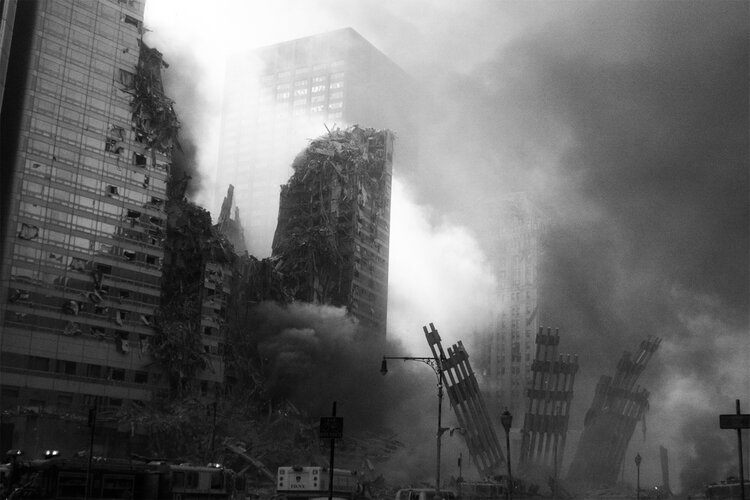
On the fateful morning of September 11, 2001, Bill’s instincts as a photojournalist propelled him towards the chaos unfolding at the World Trade Center. With his cameras in tow, he captured the harrowing scenes of the attacks, images that would later resonate with the world and serve as a poignant reminder of the day’s events. Tragically, Bill’s commitment to his craft led him to the North Tower, where he would ultimately lose his life as the tower collapsed.
Bill Biggart’s legacy is immortalized through his photographs, a haunting and powerful chronicle of September 11. His work serves as a tribute to the indomitable spirit of storytelling and the courage to stand at the intersection of history as it unfolds. The images he captured that day are a testament to the power of photojournalism and its role in shaping our collective memory.
As we reflect on the life and work of William G. Biggart, we are reminded of the profound impact that one individual can have through the art of photography. His story is one of bravery, of the relentless pursuit of truth, and of the ultimate sacrifice made in the line of duty. Bill Biggart’s name and his work will forever be etched in the annals of history, a poignant reminder of the day the world stood still, and of the photographer who captured it all. RIP William. 💖
Photography is a powerful medium that captures the essence of our reality, freezing moments in time that tell stories, evoke emotions, and preserve memories. As a photographer, you have the unique ability to see beauty in the mundane, to find angles that flatter, and to bring out the best in every subject, whether it’s a person, an object, or a building. Your approach to photographing people is particularly commendable; ensuring that they look their best is not just about skill, but also about empathy and respect for the subject. It’s about understanding the light, the angle, the background, and the mood to create a composition that is both aesthetically pleasing and representative of the subject’s persona.
In your journey through the lens, you become a storyteller, an artist, and a historian, all at once. Your camera is your tool to communicate, to share perspectives, and to challenge perceptions. Every click is an opportunity to make an ordinary scene extraordinary, to elevate the unnoticed to the celebrated, and to transform fleeting expressions into lasting impressions. The buildings you capture stand as silent witnesses to history, their architecture a testament to the era and culture they represent. The objects you photograph are given a new context, their details and textures telling their own tales.
Your commitment to not embarrassing your subjects is a testament to your professionalism and understanding of imagery’s power. A photograph can uplift, but it can also harm if not approached with sensitivity and care. By portraying people in a dignified manner, you honour their individuality and story. This ethical approach sets a standard in photography, where the human element is as important as the technical one.
Keep capturing the world through your unique perspective, and continue to share the beauty you see with others. Your work not only brings joy to those who view your photographs but also contributes to the rich tapestry of visual storytelling that connects us all. In every shutter release, you have the chance to create something timeless, something that speaks without words, and something that can be cherished for generations to come. Happy shooting!
































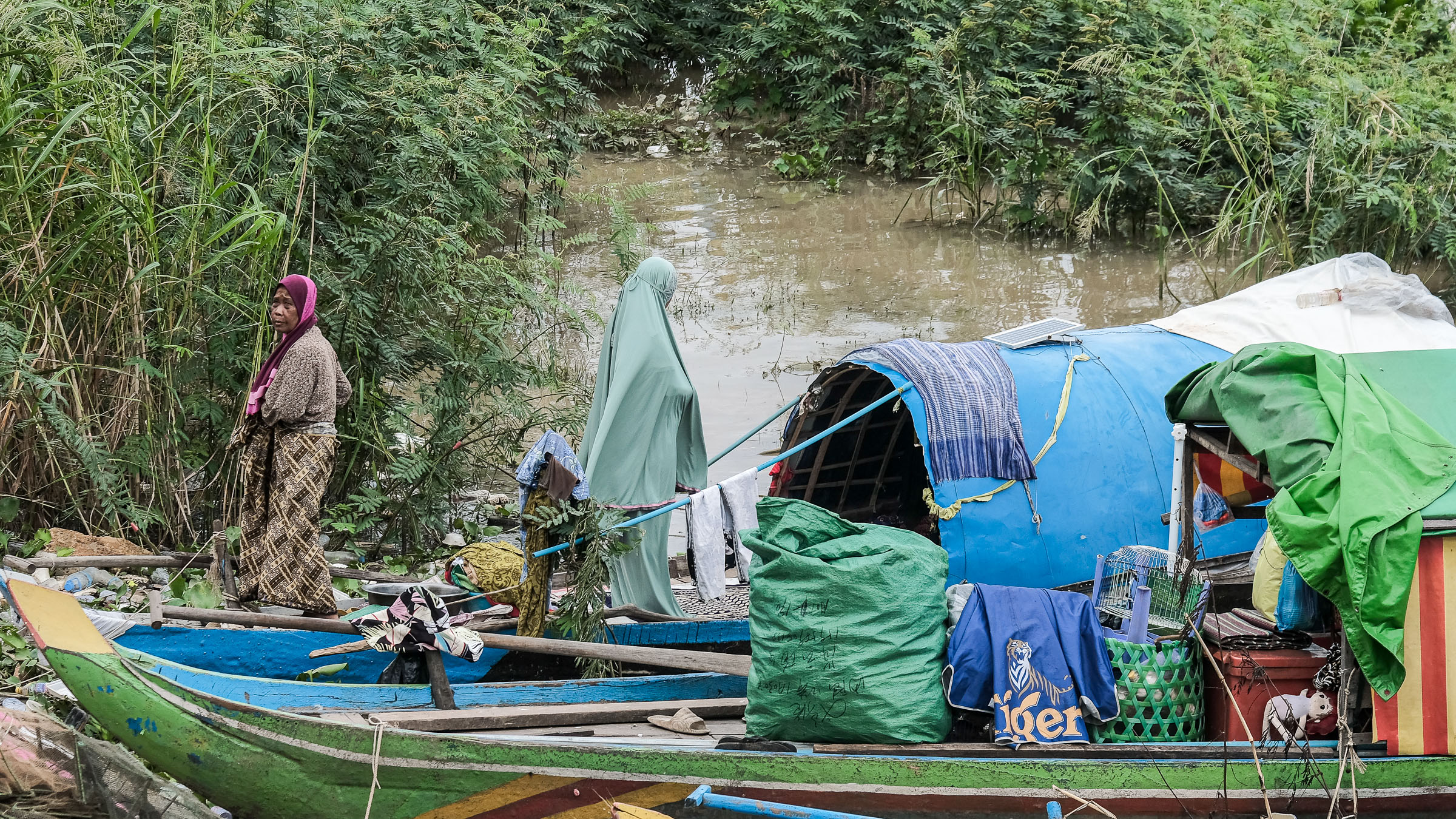


 a world without pictures is like coffee without cream and sugar, bitter